According to historical accounts, the King succumbed after receiving what has been described as a suspicious injection administered by Belgian physician Dr. Vyncke. His death has long been regarded as a political assassination, that preceded the violence against Tutsi that erupted later that year and eventually culminated in the 1994 Genocide against the Tutsi.
More than six decades later, the anniversary of King Rudahigwa’s death continues to serve as a moment to reflect on the legacy of a monarch remembered for championing unity, modernization and Rwanda’s quest for self-determination.
A reformer ahead of his time
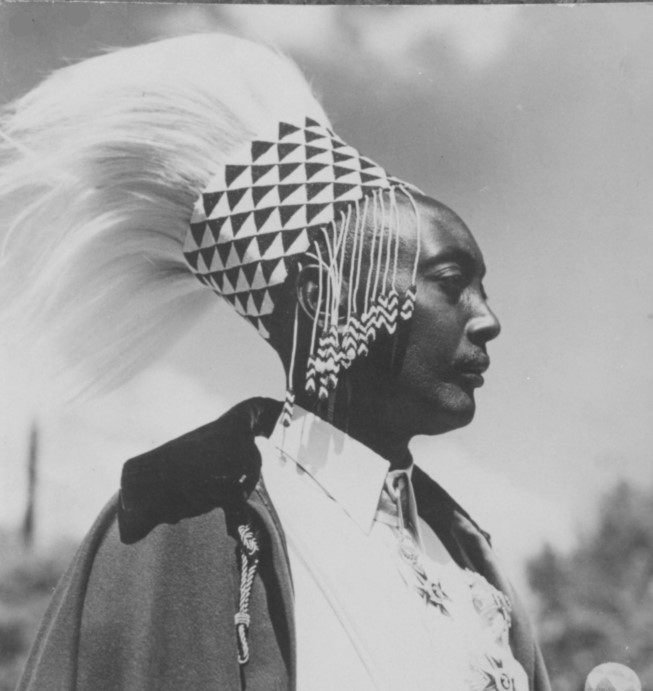
King Mutara III Rudahigwa ascended the throne during the colonial era but distinguished himself as a progressive leader determined to modernize Rwanda’s institutions and improve the lives of his people.
Among his most enduring achievements was the abolition of the Ubuhake clientship system and the Uburetwa and Shiku systems of forced labour, reforms widely regarded as milestones in promoting equality and national unity.
Rudahigwa also embraced modernization in his personal conduct. Rather than travelling in the traditional royal hammock, he purchased and used a motor vehicle, symbolizing his vision of a modern state.
To strengthen governance, he established the Conseil du Mwami (Council of the King), an advisory body that later evolved into the Conseil du Pays (Council of the Country) in 1942 and the Conseil Supérieur du Pays (Superior Council of the Country) in 1953, an institution comparable to today’s Senate.
His reign also saw significant investment in infrastructure. Rwanda’s road network expanded rapidly, linking major towns such as Kigali, Butare, Gisenyi, Ruhengeri, Cyangugu and Bujumbura, while international routes connected the country to Uganda, Tanzania and the port of Mombasa, facilitating trade and regional integration.
The mining sector also experienced considerable growth under his leadership. Companies including MINETAIN, SOMUKI, GEORWANDA and COREM expanded mineral exploration and extraction, producing tin, gold, columbo-tantalite, beryl and amblygonite. By the late 1950s, the industry employed an estimated 15,000 to 16,000 workers.
Champion of independence
Beyond economic and institutional reforms, King Rudahigwa increasingly advocated for Rwanda’s political future.
Historical records indicate that he pushed for Rwanda’s independence from Belgian colonial rule, called for the removal of ethnic designations from identity cards, promoted universal access to education and sought the establishment of a university in Rwanda similar to those already operating elsewhere in the region.
These positions placed him at odds with the colonial administration. Many historians and Rwandan officials argue that his determination to secure Rwanda’s sovereignty ultimately made him a target.
His death in July 1959 was followed by escalating political unrest and anti-Tutsi violence later that year.
Today, King Mutara III Rudahigwa is remembered not only as Rwanda’s last reigning monarch before the country’s political transformation but also as a leader whose vision centred on national unity, social reform and independence. His legacy continues to be commemorated as part of Rwanda’s historical journey and its ongoing commitment to unity, self-reliance and national development.
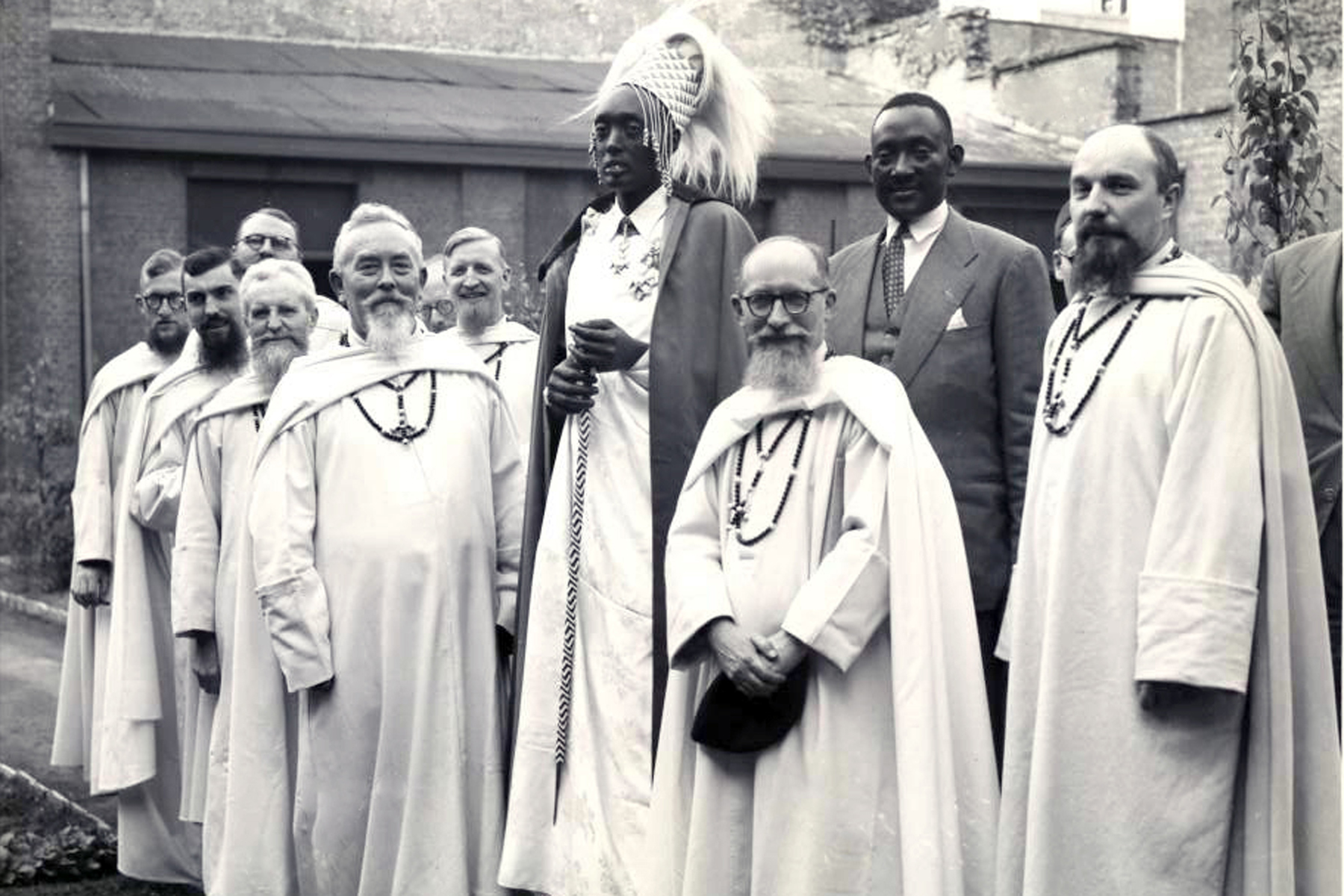
King Mutara III Rudahigwa ascended the throne during the colonial era but distinguished himself as a progressive leader determined to modernize Rwanda’s institutions and improve the lives of his people. This photo shows King Mutara-III-Rudahigwa and Catholic Church leaders.
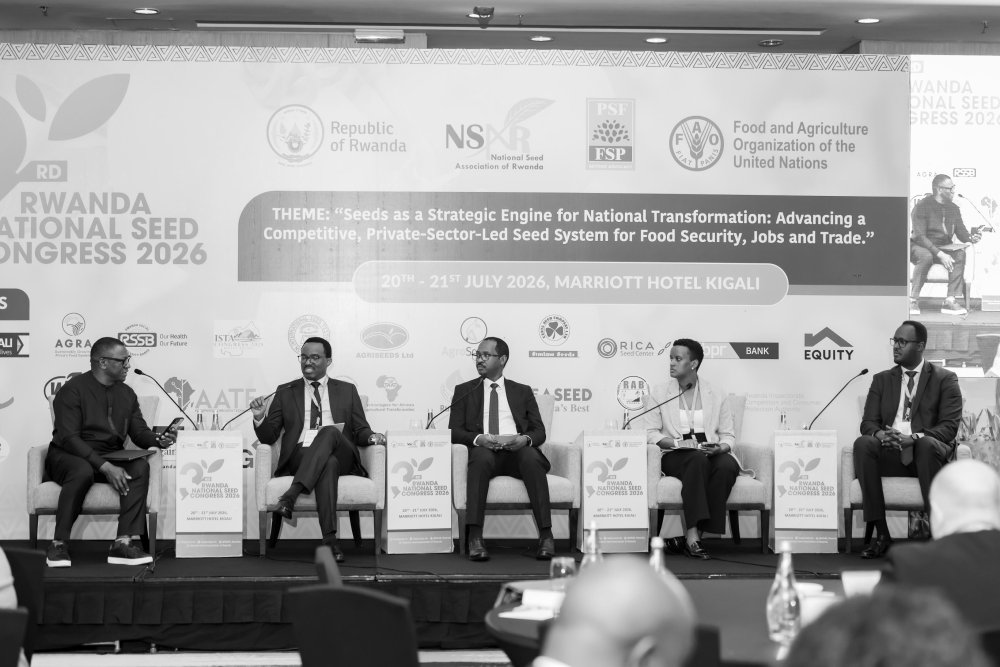
The announcement was made during the opening of the third National Seed Conference in Kigali, a two-day event that brought together policymakers, researchers, seed producers and agricultural experts from more than 20 countries to discuss the role of quality seeds in strengthening food security and promoting commercial agriculture.
Speaking at the conference, the Director General for Agriculture Modernisation at the Ministry of Agriculture and Animal Resources (MINAGRI), Dr Patrick Karangwa, said Rwanda no longer imports food crop seeds after investing heavily in research and local seed production over the past several years.
He explained that until about eight years ago, the country depended almost entirely on imported seeds for staple food crops. However, government investment in agricultural research, seed multiplication and production infrastructure has enabled Rwanda to meet its domestic demand.
“Quality seed is the foundation of high agricultural productivity, and it begins with strong research,” Dr Karangwa said. “The government invested significantly in research, equipment and the seed production sector. As a result, since 2021, farmers have been able to access all the food crop seeds they need within the country.”
Although farmers remain free to import seeds, he noted that imported food crop seeds are no longer eligible for government subsidies because certified alternatives are now readily available on the local market.
However, Rwanda still imports seeds for specialised crops that are not considered food staples, including plants used in perfume production and spices such as chilli peppers.
“We have not yet prioritised those crops because our initial focus was on ensuring food security through the local production of food crop seeds,” he said.
Rwanda targeting export markets
Having achieved self-sufficiency, Rwanda is now encouraging local seed producers to expand beyond the domestic market and explore business opportunities across Africa.
According to Dr. Karangwa, several Rwandan seed companies have already begun testing their products in different African countries as part of efforts to secure export markets.
“Our seed producers have already started exploring regional markets and conducting trials in several countries,” he said. “They are looking beyond Rwanda because relying only on the domestic market could result in surplus production that cannot be absorbed locally.”
He noted that exporting seeds is a complex process that requires producers to meet international quality standards and obtain certification from recognised regulatory bodies.
Seeds must also undergo field trials in destination countries to confirm that they perform well under local climatic and agricultural conditions before they can be commercialised.
Regulatory gaps remain a challenge
Innocent Namuhoranye, Chairperson of the National Seed Association of Rwanda (NSAR) and CEO of Agriseeds Ltd, said local producers have already started exporting vegetable seeds within the region, while maize seeds are currently undergoing trials in the Central African Republic.
Despite this progress, he said outdated regulations remain one of the biggest obstacles to expanding Rwanda’s seed exports.
“There is still a gap in our regulatory framework, particularly in the certification of locally produced seeds,” Namuhoranye said. “Our legal system needs to be aligned with international standards so that Rwandan seed producers can compete more easily in global markets.”
Africa’s share of the global seed market remains small
The Minister of State for Agriculture and Animal Resources, Dr. Solange Uwituze, said Africa continues to play only a minor role in the global seed industry despite its enormous agricultural potential.
She noted that the global seed market is currently valued at around $85 billion annually, yet Africa accounts for only 2.2 percent of that market.
“That is a significant gap, but it is also a huge opportunity for African countries to increase their participation in the global seed trade,” she said.
Within Africa, the seed market is estimated to be worth $3.45 billion, with South Africa accounting for nearly half of the continent’s market, while investment in the sector remains relatively low in many other countries.
Farmers urged to embrace certified seeds
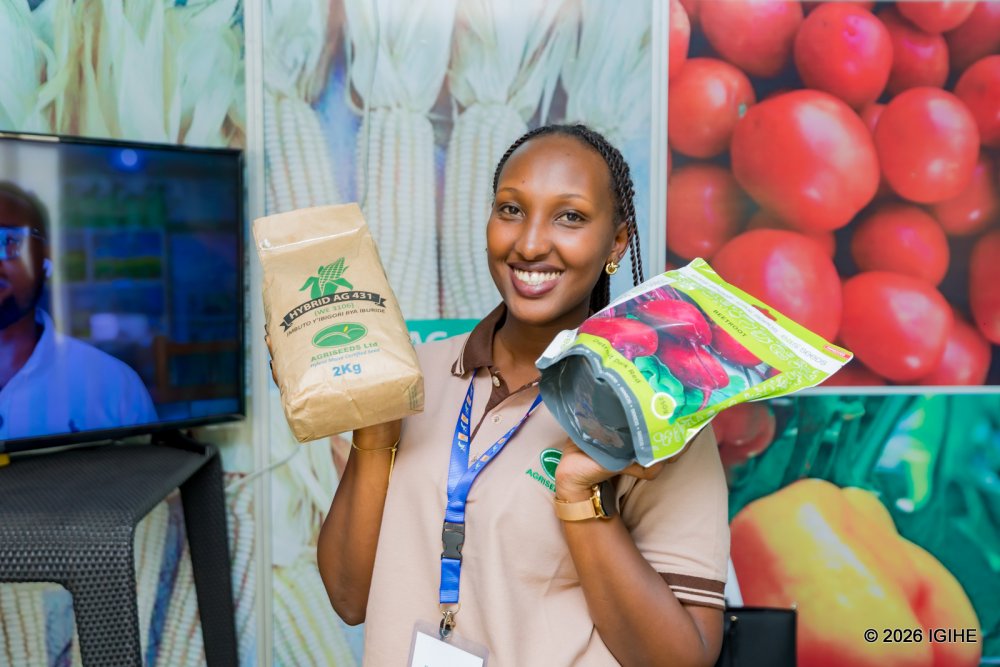
Meanwhile, Lucie Ikirezi Uwase, Head of Agriculture at Agriseeds Ltd, a Rwandan company specialising in maize and vegetable seed production, said the market for certified seeds continues to grow, but changing farmers’ attitudes remains a challenge.
She observed that many farmers still save seeds from previous harvests for replanting instead of purchasing certified seeds, which are developed to deliver higher yields and greater resistance to pests and diseases.
“Farmers need to understand that seeds harvested from previous crops should not automatically be replanted,” she said. “To improve productivity and increase harvests, they should purchase certified seeds every planting season.”
As Rwanda strengthens its seed industry and expands local production, government officials believe the country is well positioned to become a regional supplier of high-quality certified seeds, supporting both agricultural transformation and food security across Africa.
Africa faces major seed production gap despite huge market potentialDr Solange Uwituze, Minister of State for Agriculture and Animal Resources, said Africa must step up efforts to strengthen its seed industry, as the continent continues to have a very limited share of the global seed marketThe conference, which focused on the development of Rwanda’s seed sector, brought together participants from more than 20 countriesInnocent Namuhoranye, Chief Executive Officer of the Rwanda Seed Association, said Rwanda has already started supplying vegetable seeds to regional markets as local producers continue exploring export opportunities.Dr Patrick Karangwa, Director General for Agriculture Modernisation at MINAGRI, said Rwanda has developed the capacity to produce all the food crop seeds needed for domestic use, eliminating the country’s reliance on importsRwanda has attained self-sufficiency in the production of all food crop seeds required for domestic useIkirezi Uwase Lucie, Head of Agriculture at Agriseeds Ltd, said the certified seed market is performing well, but one of the biggest challenges remains changing farmers’ mindset, as many still rely on seeds from previous harvests instead of purchasing new certified seeds
The decision was approved during a Cabinet meeting held on Friday as part of Rwanda’s broader strategy to strengthen its technology and innovation ecosystem.
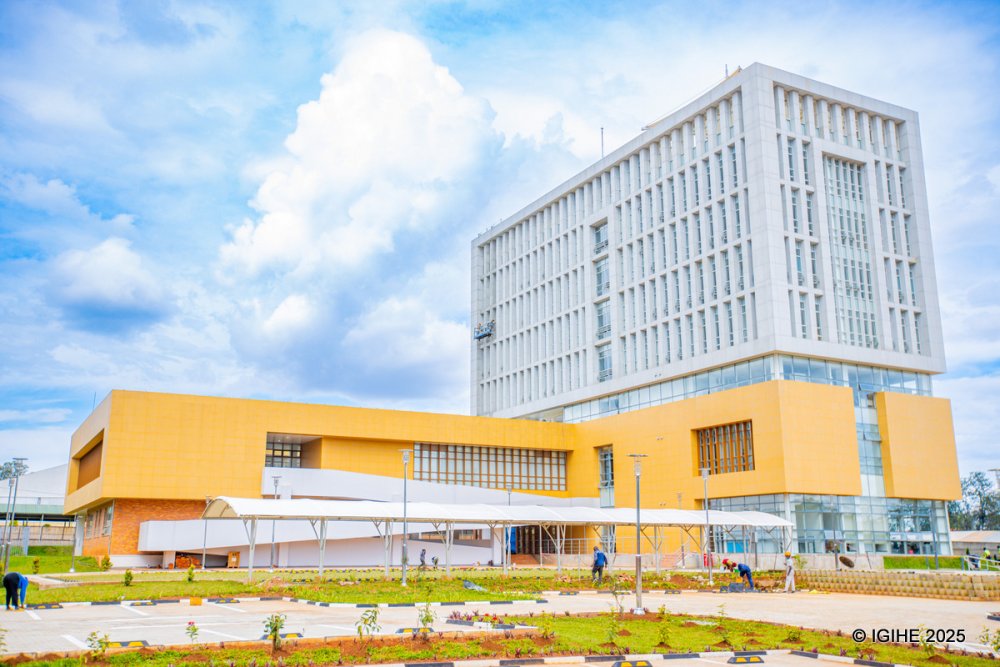
The Rwanda Institute of Computing will officially open in September 2026 as a specialized institution under the University of Rwanda. It will offer advanced degree programs in Artificial Intelligence (AI) and Cybersecurity.
According to a statement issued by the Office of the Prime Minister, the institute builds on the success of the Rwanda Coding Academy by creating a clear pathway for students to pursue advanced studies in computer science and emerging technologies.
The statement noted: “The institute will provide a seamless pathway to advanced computing education and further strengthen Rwanda’s talent pipeline for the digital economy.”
Rwanda is among the African countries that have adopted a national Artificial Intelligence policy. On June 8, 2026, the Cabinet also established the National Artificial Intelligence Agency, which will help accelerate innovation, attract investment, support AI implementation, and strengthen governance in the sector.
Artificial intelligence is already being applied across Rwanda in a wide range of sectors, including healthcare, education, justice, agriculture, and many other areas of national development.
The country continues to prioritize a knowledge-based and technology-driven economy.
Under its five-year National Strategy for Transformation, Rwanda aims for all citizens to possess basic digital literacy by 2029, while one million people are expected to receive training in computer programming.
Government statistics indicate that by the end of 2024, more than 60% of Rwandans had acquired basic digital skills.
Mobile phone ownership has also grown significantly, with 85% of households owning a mobile phone in 2024, up from 67% in 2017.
By 2029, Rwanda aims to ensure that all citizens have the digital skills needed to access both government and private-sector services online from anywhere in the country, using digital technologies.
The Rwanda Institute of Computing will officially open in September 2026 as a specialized institution under the University of Rwanda.
The question is no longer distant. France has officially set the first round of its next presidential election for April 18, 2027, with a possible run-off on May 2, 2027. Macron, who has served two consecutive terms, cannot run again. This means that in less than a year, France will have a new president, and Rwanda will be dealing with a new political personality at the Élysée.
For Rwanda, this transition is important because the Macron years marked one of the most significant diplomatic resets between Kigali and Paris since the 1994 Genocide against the Tutsi. Relations that had for decades been shaped by suspicion, accusations and unresolved historical grievances were gradually reopened through a more direct political conversation.
Macron’s approach to Rwanda was unusually personal and symbolic. In May 2021, during his visit to Kigali, he stood at the Kigali Genocide Memorial and recognised France’s heavy historical and political responsibility in Rwanda. He said that only survivors could grant forgiveness to France.
“Standing here today, with humility and respect, by your side, I have come to recognize our responsibilities,” said Macron.
That moment did not erase the past, but it changed the diplomatic atmosphere. It allowed both countries to move from confrontation toward cooperation. In June 2026, Macron and President Paul Kagame jointly inaugurated a memorial in Paris in honour of the victims of the 1994 Genocide against the Tutsi. Macron described the memorial as placing the genocide “at the heart” of France’s capital and history, and as the result of a long search for truth.
This is why the end of the Macron era raises a serious question. Will the next French president preserve this relationship, deepen it, cool it down or reverse its symbolism?
The answer depends on who wins.
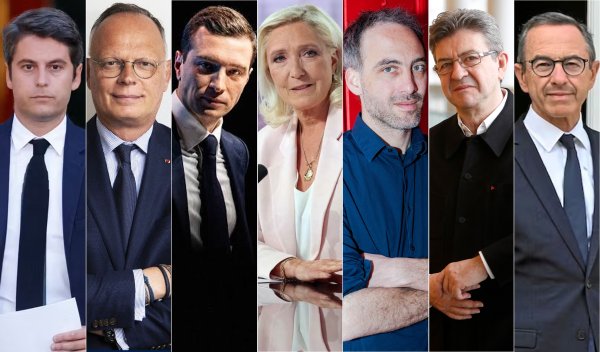
At this stage, the race appears fragmented. The far-right National Rally is in a strong position, while the centre is divided between former prime ministers Édouard Philippe and Gabriel Attal. Reuters has reported that Philippe and Attal are seen as the favoured figures to lead the centrist challenge, while polls have placed the National Rally in a leading position.
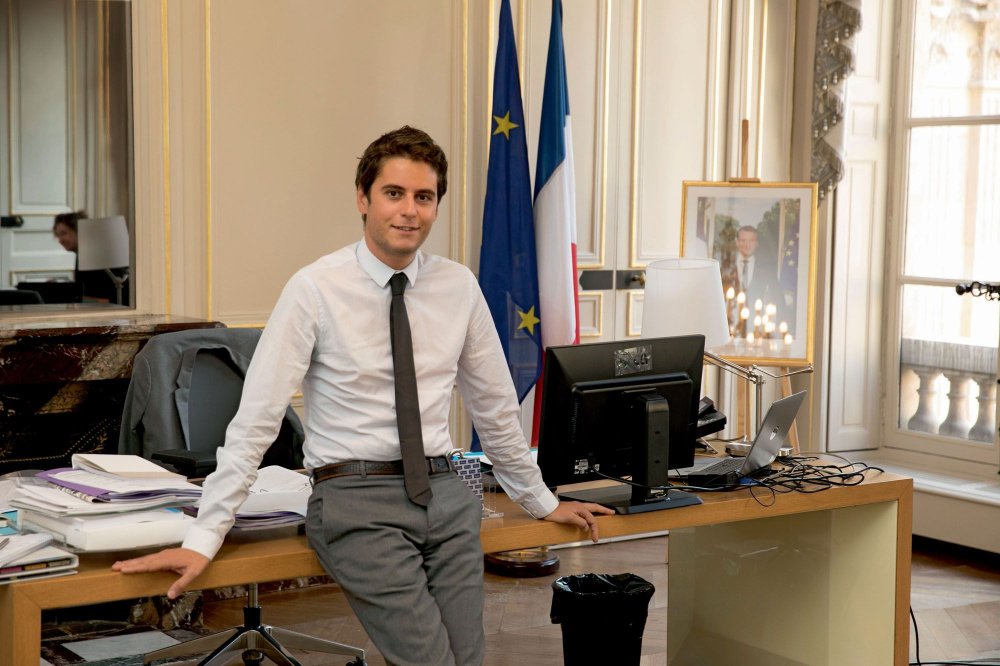
Gabriel Attal, the candidate of continuity
Gabriel Attal may represent the clearest continuation of the Macron line. He formally launched his presidential bid in May 2026, joining a crowded centrist race. He is young, ambitious and closely associated with Macron’s political family, even though he is trying to show that he has his own identity.
For Rwanda, an Attal presidency would likely mean continuity. There is no strong public record suggesting hostility toward Kigali. Having been part of the Macron era, he would probably preserve the main pillars of the reset: recognition of historical responsibility, diplomatic cooperation, cultural ties and pragmatic engagement with Africa.
However, Attal would also inherit France’s broader position on the conflict in eastern Democratic Republic of Congo. France has condemned the M23 offensive as being made possible by Rwanda’s active support, while also supporting diplomatic solutions.Rwanda has repeatedly refuted backing AFC/M23, arguing that the movement is made up of Congolese citizens with longstanding grievances against the Congolese state.
Therefore, under Attal, Rwanda-France relations would likely remain warm, but not without pressure on the DRC issue.
Gabriel Attal, who formally launched his presidential bid in May 2026, may represent the clearest continuation of the Macron line.
Édouard Philippe, the pragmatic centre-right option
Édouard Philippe is another major figure to watch. Macron’s former prime minister has spent years positioning himself as a credible successor, especially for voters of the centre and centre-right. Le Monde has described him as trying to establish himself as the natural successor to Macron, while also distancing himself from the current president.
For Rwanda, Philippe would probably mean continuity, but with less emotion and symbolism than Macron. He is likely to approach Rwanda through a pragmatic lens: diplomacy, economic interests, security, Europe-Africa relations and regional stability.
A Philippe presidency would probably not dismantle the reconciliation work achieved under Macron. But it might make the relationship less personal. Kigali could still count on serious engagement from Paris, but perhaps not the same level of symbolic investment that Macron brought to genocide memory and bilateral repair.
Macron’s former prime minister, Édouard Philippe, has spent years positioning himself as a credible successor, especially for voters of the centre and centre-right.
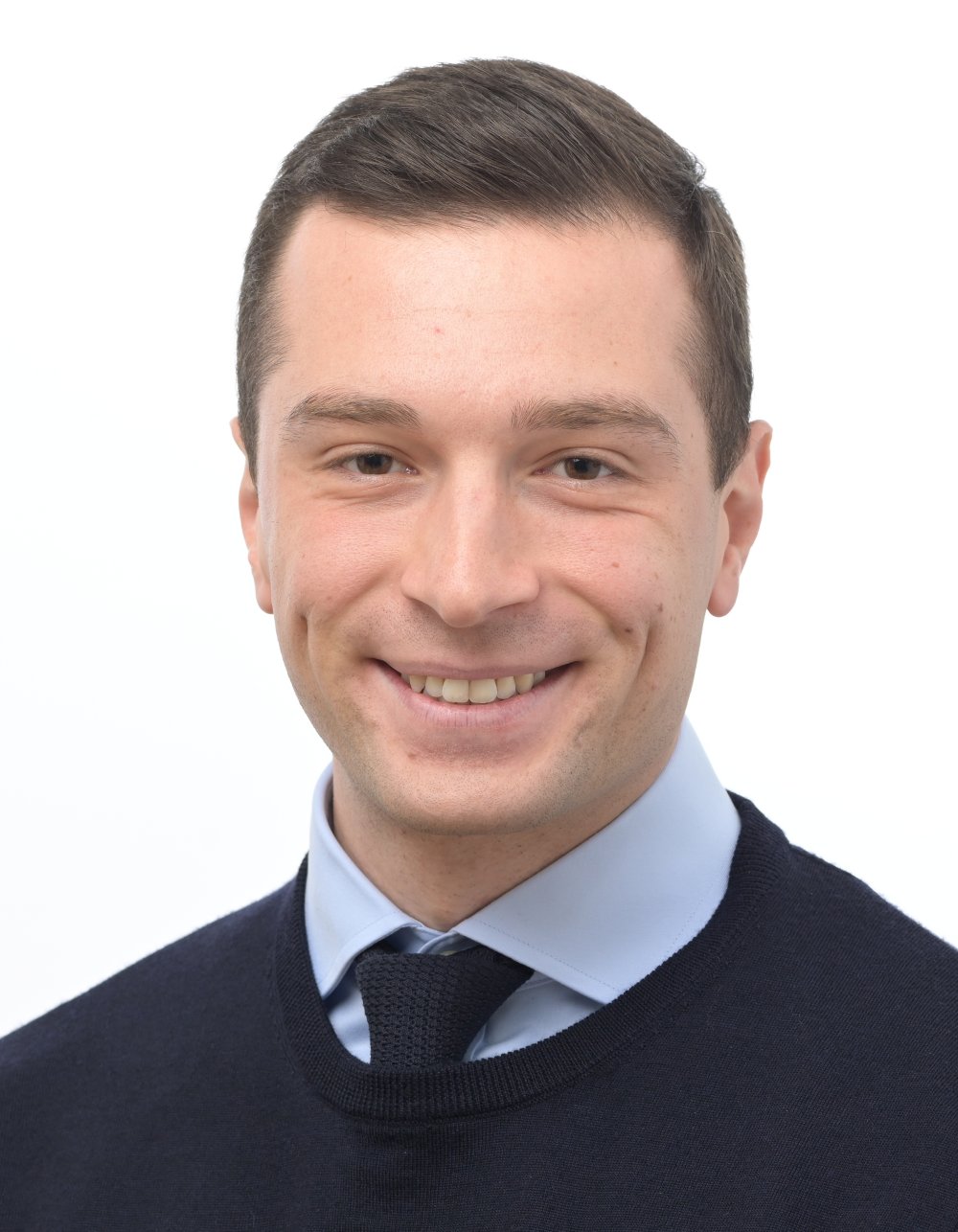
Jordan Bardella, the uncertain far-right alternative
Jordan Bardella may be the most important unknown. The president of the National Rally has emerged as one of the most serious contenders for 2027. A Reuters report in November 2025 said an Odoxa poll predicted that Bardella could win the next presidential election against any opponent tested at that time.
Bardella’s Rwanda policy is not clearly defined. He has not built his political identity around the Rwanda question. But he comes from a political family whose historic instinct has been sceptical, sometimes hostile, toward President Paul Kagame’s government and toward France’s language of historical responsibility.
This matters because the National Rally has traditionally defended the honour of the French army and rejected what it sees as excessive “repentance” in foreign policy. If Bardella becomes president, he may choose pragmatism, especially if he wants to appear presidential and internationally credible. But Rwanda should expect a colder, more cautious and less emotionally invested France.
The relationship would probably not collapse automatically under Bardella. France has interests in the Great Lakes region, and Rwanda has become too important diplomatically, economically and strategically to be ignored. But the warmth of the Macron-Kagame chapter would likely fade.
Jordan Bardella, the president of the National Rally, has emerged as one of the most serious contenders for 2027.
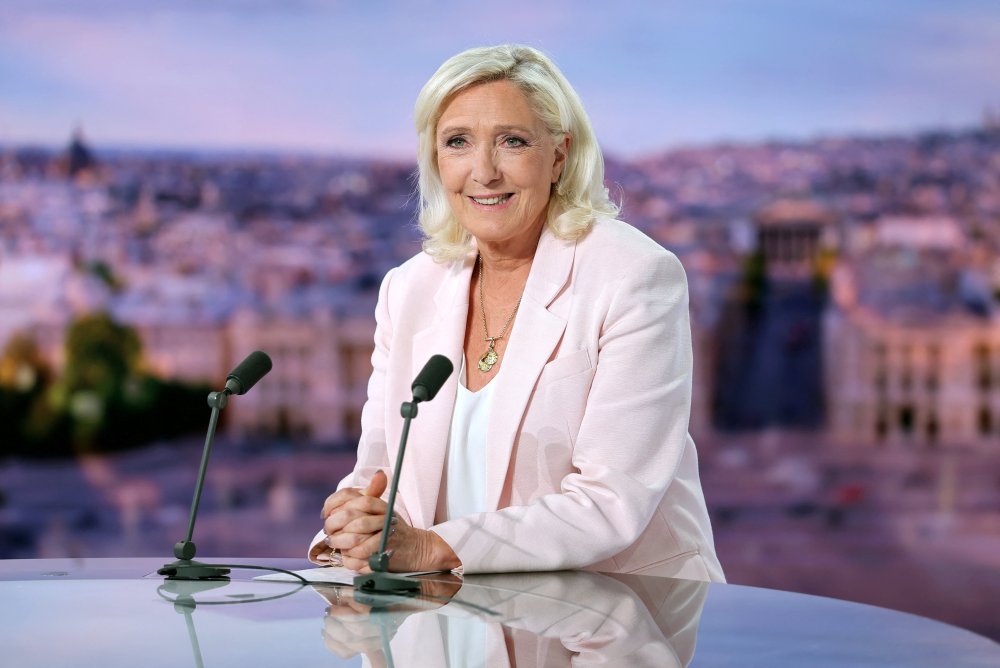
Marine Le Pen, the most difficult scenario for Kigali
Marine Le Pen would likely represent the most complicated scenario for Rwanda. Her record is far clearer than Bardella’s. In 2011, she strongly criticised Nicolas Sarkozy for receiving President Kagame in Paris. In that statement, she described Kagame as a dictator, defended the French army and Operation Turquoise, and accused Kigali of dishonouring the French army by accusing France of involvement in the genocide.
That language is not a small detail. It reflects a political view of Rwanda that is fundamentally different from Macron’s. Where Macron chose recognition, Le Pen has historically chosen defence of France’s military record and confrontation with Kigali’s accusations.
Her candidacy is also legally uncertain. Reuters reported in January 2026 that Le Pen had been barred from public office for five years over a conviction for misusing EU funds, and that her appeal would determine whether she could run in 2027. If she cannot run, Bardella is expected to stand for the National Rally.
If Le Pen were elected, Rwanda-France relations would likely cool sharply. The risk would not only be diplomatic distance, but also a symbolic reversal of Macron’s reconciliation work.
Marine Le Pen would likely represent the most complicated scenario for Rwanda.
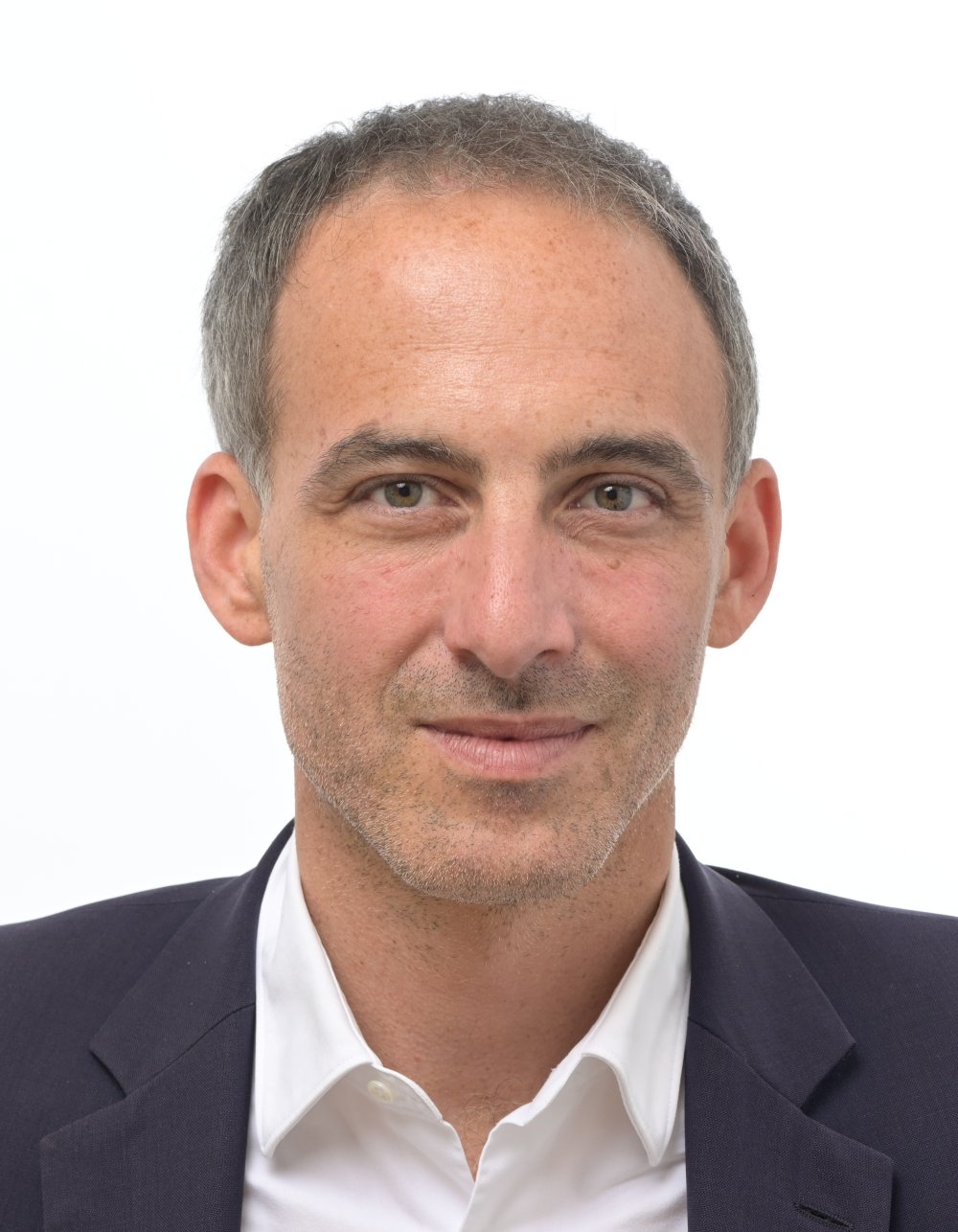
Raphaël Glucksmann, sympathetic on memory but demanding on politics
Raphaël Glucksmann presents a different kind of complexity. On the history of the Genocide against the Tutsi, he may be among the French political figures most aware of the depth of the issue. He co-directed Tuez-les tous !, a documentary on the genocide and the role of France, which examined the international failure to stop the killings and the controversy surrounding French policy at the time.
This background could make him sympathetic to Rwanda’s long-standing position on historical truth. A Glucksmann presidency would probably not reverse Macron’s recognition of France’s responsibility. On memory, he could even go further than some centrist politicians.
But Glucksmann is also a strong human-rights advocate. His relationship with Kigali would likely remain respectful on historical issues while placing greater emphasis on governance, human rights and regional security, including the conflict in eastern DRC. These issues would likely feature more prominently in bilateral engagement.
Raphaël Glucksmann brings a nuanced understanding of the Genocide against the Tutsi’s history and legacy.
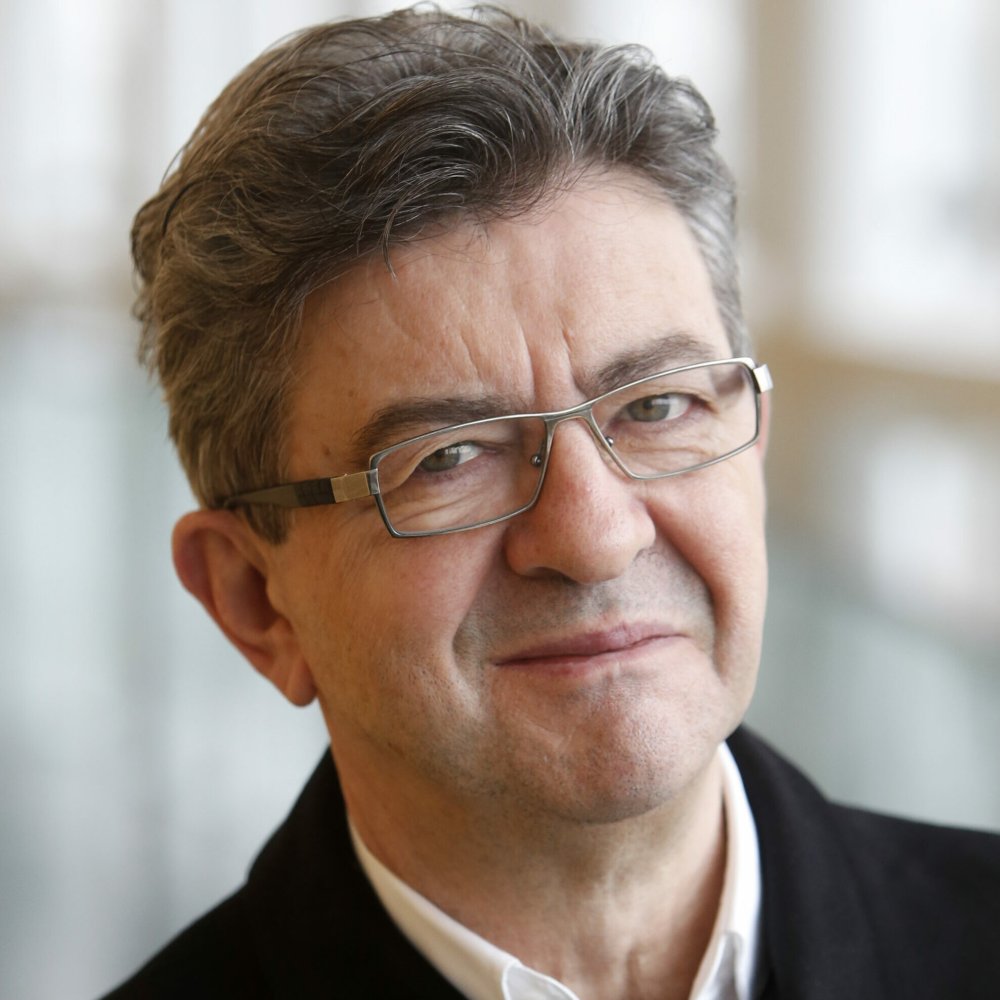
Jean-Luc Mélenchon, recognition of France’s responsibility but strong criticism of Kagame
Jean-Luc Mélenchon would also bring a mixed approach. He supports France recognising its responsibility in Rwanda, and has criticised those who dismiss that process as repentance. But he has also described Paul Kagame’s government as authoritarian and has linked Rwanda to mass violence in the DRC.
His political movement, La France Insoumise, has taken an even harder line on the DRC conflict. In January 2025, it called for strong sanctions against Rwandan political and military leaders and a total embargo on Rwandan mineral exports.
A Mélenchon presidency would therefore be difficult for Kigali. It would not be hostile to Rwanda because of genocide memory. On that point, Mélenchon is closer to historical recognition. But it would probably be very confrontational on the DRC, human rights and Kagame’s rule.
Jean-Luc Mélenchon takes a mixed position: supporting France’s responsibility over Rwanda while criticising Kagame’s government.
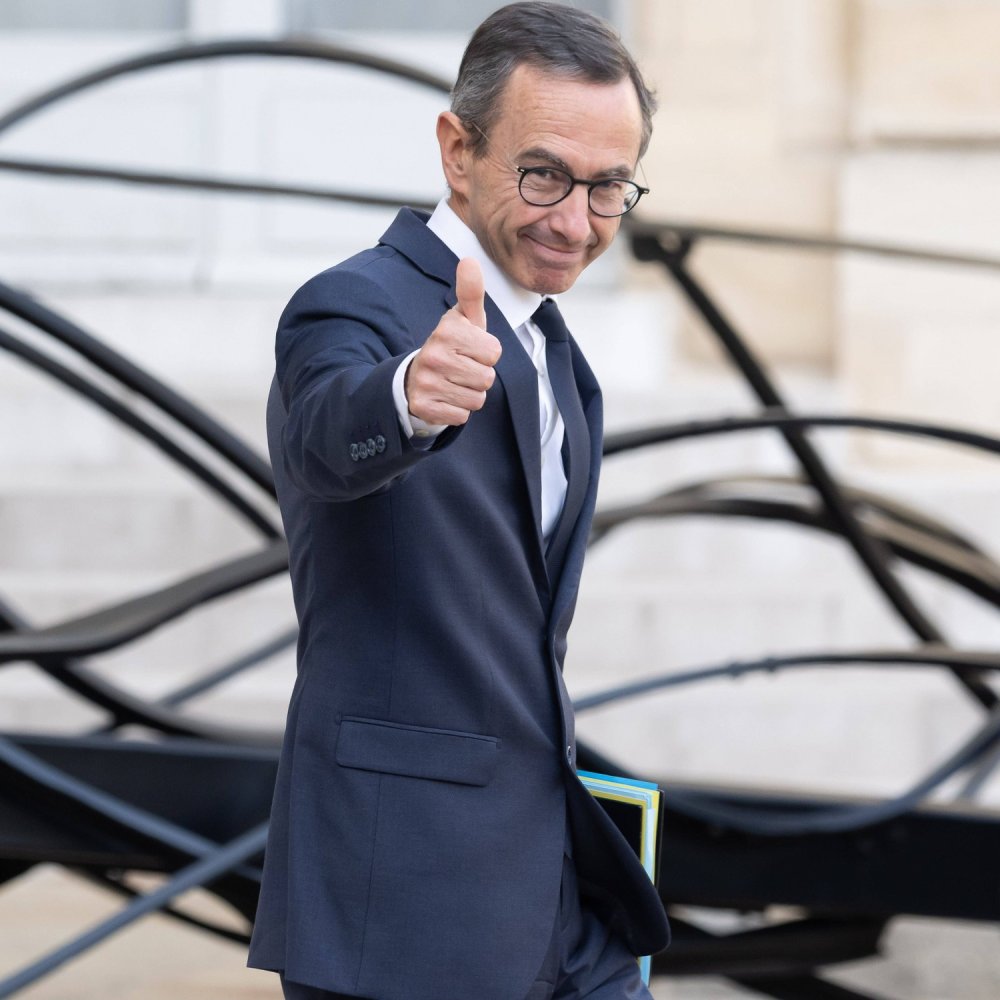
Bruno Retailleau, cautious conservatism
Bruno Retailleau, the candidate of the traditional right, is harder to assess on Rwanda specifically. He does not have the same visible Rwanda record as Le Pen, Macron or Mélenchon. His approach would likely be conservative, state-oriented and security-focused.
For Kigali, this would probably mean a cooler but manageable relationship. Retailleau would not necessarily seek confrontation with Rwanda, but he would be unlikely to invest heavily in the symbolic dimension of reconciliation. The relationship could become more administrative, less presidential and more dependent on regional developments in the Great Lakes.
Bruno Retailleau, the candidate of the traditional right, is harder to assess on Rwanda specifically.
The DRC question could shape everything
Whoever replaces Macron will inherit one sensitive file: the conflict in eastern DRC. This issue now sits at the centre of how many Western capitals view Rwanda. France has taken a firm position at the United Nations, including condemning the M23 offensive as supported by Rwanda. At the same time, Macron has also warned against isolating Rwanda and has argued for continued dialogue rather than purely punitive measures.
This balance may not survive intact under Macron’s successor. A centrist president may keep the same careful line: pressure on security issues, but continued engagement with Kigali. A far-right president may cool the historical reconciliation agenda. A left-wing president may maintain recognition of France’s responsibility in 1994 while becoming tougher on Rwanda’s current regional policy.
For Rwanda, the lesson is clear. The relationship with France has improved significantly, but it should not be taken for granted. Much of its current warmth was built around Macron’s personal political choice to confront France’s past and rebuild trust with Kigali. Institutions, trade, culture and diplomacy may preserve the relationship, but personalities will shape its temperature.
The most favourable scenarios for Rwanda would likely be Attal or Philippe. Both would probably maintain continuity, although with different levels of enthusiasm. Glucksmann would be constructive on genocide memory but more demanding politically. Bardella would be uncertain and colder. Le Pen would be the most difficult. Mélenchon would be confrontational, especially in the DRC.
After Macron, Rwanda-France relations are unlikely to return to the deep hostility of the past. Too much has changed. But the exceptional warmth of the Macron-Kagame years may not be automatic. The next phase will depend on whether France’s new president sees Rwanda as a strategic African partner, a historical responsibility, a regional problem or all three at once.
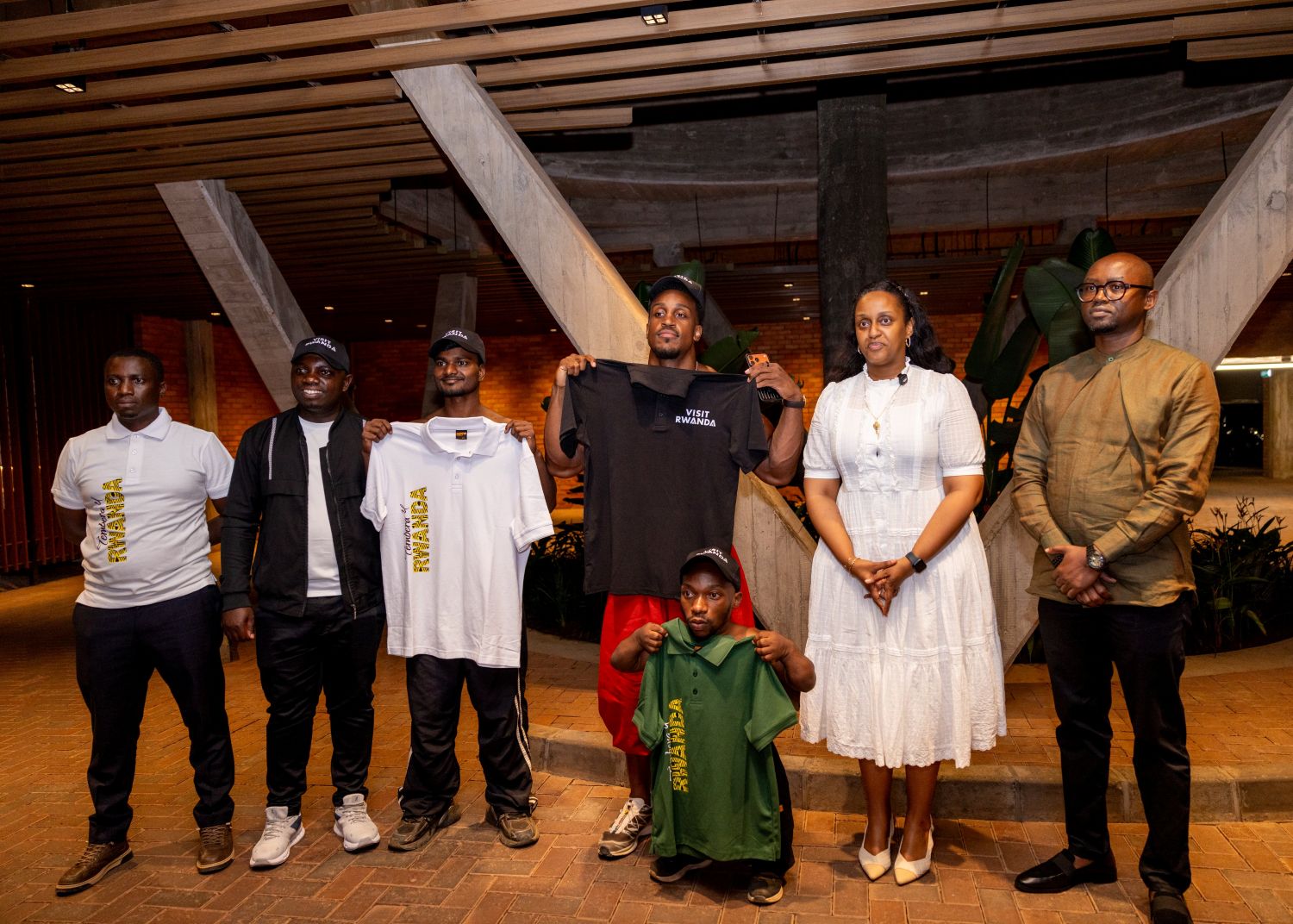
The meeting, held on Saturday evening, was led by RDB Chief Tourism Officer Irène Murerwa and focused on the trio’s activities and opportunities to amplify the country’s unique tourism experiences through their combined social media reach.
The discussions come as Ashton Hall, Kagarara and Yogendra Kushwah conclude a multi-country tour across Africa, with Rwanda serving as the final stop of Hall’s journey on the continent.
According to RDB, the meeting explored “opportunities to showcase the country’s unique tourism experiences to global audiences.”
During the discussions, Murerwa welcomed the visitors and thanked them for choosing Rwanda, noting that their content has the potential to inspire young people and introduce millions around the world to the country.
Hall, whose online audience runs into millions, spoke enthusiastically about his experience in Rwanda, describing Kigali as cleaner than he had expected.
“I saw so many nice places, clean. They don’t know. This is cleaner than my city, Miami. Kigali is cleaner than Miami, and I never expected that,” he said, echoing Kigali’s reputation as one of Africa’s cleanest cities.
He explained that one of his goals during the African tour is to challenge common misconceptions about the continent.
“When I was headed here, I wanted to show all of Africa because, in America, we kind of see one side, but we don’t see all the sides,” Hall remarked. “I wanted to show all of the things that I feel like I never knew about Africa, and Rwanda as well.”
Hall also reflected on his visit to the Kigali Genocide Memorial, describing it as one of the most meaningful experiences of his trip.
“I feel like a lot of people, if you come to Rwanda, you have to go there for sure,” he said, adding that the memorial gave him a deeper appreciation of the country’s history and the resilience of its people.
The meeting also touched on the visitors’ upcoming tourism experiences, including gorilla trekking in Volcanoes National Park, one of Rwanda’s flagship tourism attractions. Hall, who described gorillas as his favourite animals, expressed excitement about the experience.
Having already experienced aspects of Rwanda’s culture by wearing traditional attire and visiting local communities, Hall said he had been impressed by everything he had seen so far.
“You guys have too much to offer. The gorillas, the cows, the safari… I felt like I’ve seen a lot already.”
Despite initially planning to leave Rwanda earlier, Hall said travel changes extended his stay, something he now sees as a blessing.
“I was really sad to leave. I didn’t want to leave… I just see it as a sign. God wanted me to stay.”
Before departing, Hall described Rwanda as a place he intends to return to.
“We’re coming back. This is our second home,” he said.
Ashton Hall’s global influence, coupled with the growing audiences of Indian Ashton and Rwanda’s Kagarara, presents the country with an opportunity to reach millions of potential travellers across different regions. Kagarara has built a large following by inspiring people through his story of overcoming disability, while Indian Ashton has attracted a significant audience in India through his content.
Rwanda has continued to expand its international tourism marketing through the Visit Rwanda campaign, partnering with leading football clubs including Arsenal, Paris Saint-Germain, Bayern Munich and Atlético Madrid, as well as NBA franchise the LA Clippers, to raise the country’s profile and attract more tourists and investors.
The meeting, held on Saturday evening, was led by RDB Chief Tourism Officer Irène Murerwa and focused on the trio’s activities and opportunities to amplify the country’s unique tourism experiences through their combined social media reach.
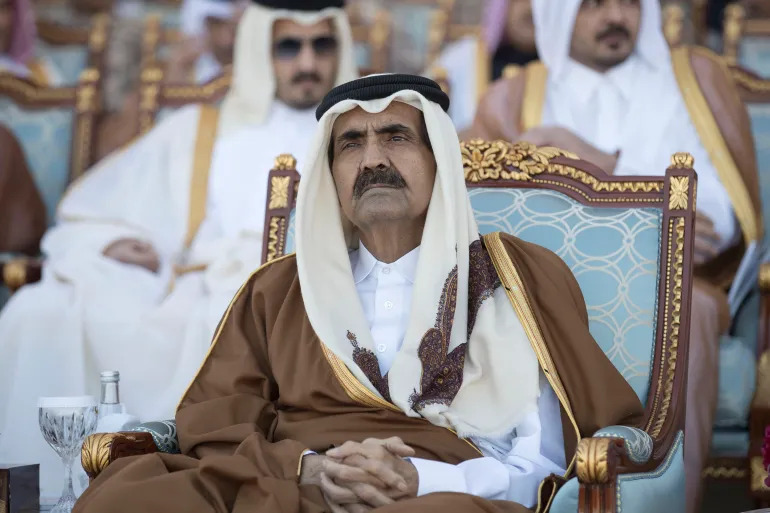
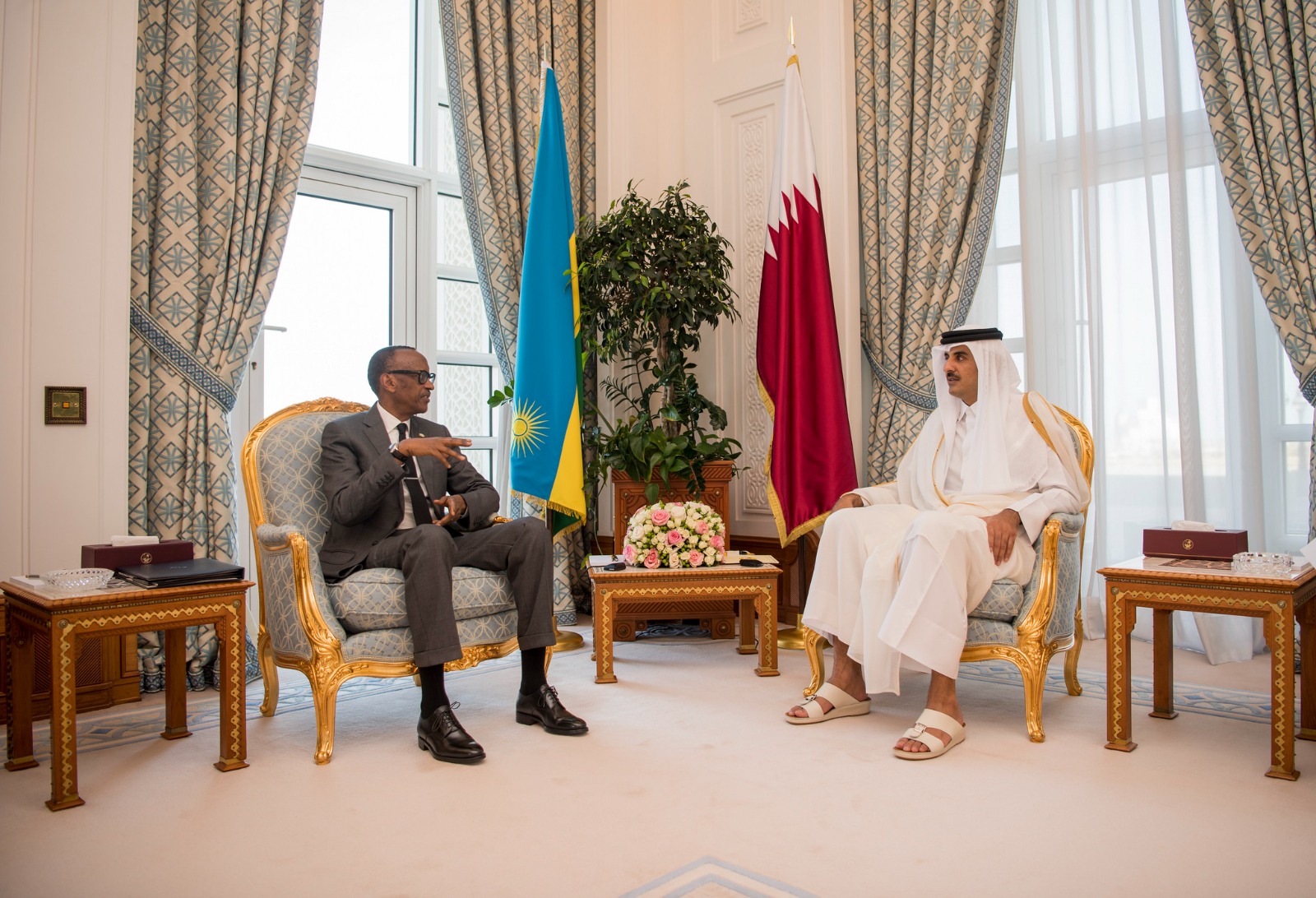
In a message shared on Sunday following the announcement of Sheikh Hamad’s passing, President Kagame conveyed his sympathies to Qatar’s current Emir, Sheikh Tamim bin Hamad Al Thani, his family, and the people of Qatar.
“My deepest condolences to my brother, His Highness Sheikh Tamim bin Hamad Al Thani, his family and the people of Qatar on the passing of His Highness the Father Amir Sheikh Hamad bin Khalifa Al Thani,” Kagame wrote.
President Kagame praised Sheikh Hamad’s contribution to Qatar’s development, saying he would be remembered for his leadership and efforts to strengthen cooperation among nations.
“His Highness Sheikh Hamad bin Khalifa Al Thani will be remembered as a visionary leader who transformed Qatar into the remarkable nation it is today. His legacy of service to his people and commitment to friendship and cooperation among nations will endure for generations,” Kagame said.
He added that Rwanda stands in solidarity with Qatar during the period of mourning.
“At this difficult time, the people of Rwanda and I stand with His Highness Sheikh Tamim bin Hamad and our Qatari brothers and sisters,” Kagame said.
Sheikh Hamad bin Khalifa Al Thani, who died at the age of 74, ruled Qatar from 1995 until he handed power to his son, Sheikh Tamim bin Hamad Al Thani, in 2013.
He is widely credited with shaping modern Qatar through a period of rapid economic growth, global expansion and major investments that elevated the country’s international influence.
During his reign, Qatar emerged as a major player in global energy, diplomacy, and investment, while securing the rights to host major international events, including the 2022 FIFA World Cup.
Leaders from across the world have paid tribute to the former Emir, praising his role in Qatar’s transformation. Indian Prime Minister Narendra Modi also described Sheikh Hamad as a “visionary leader who guided Qatar to great levels of development and prosperity,” while leaders from the Arab world expressed condolences to Qatar’s leadership and people.
The Qatari government announced Sheikh Hamad’s death through the Amiri Diwan, saying the nation had suffered a “great loss” with the passing of the former Emir.
In a message shared on Sunday following the announcement of Sheikh Hamad’s passing, President Kagame conveyed his sympathies to Qatar’s current Emir, Sheikh Tamim bin Hamad Al Thani, his family, and the people of Qatar.
Graham’s office confirmed his death on Sunday, saying he passed away following a “brief and sudden illness.”
In the region, Graham was among U.S. politicians who argued that lasting peace in eastern DRC required political dialogue and addressing the underlying causes of the conflict, rather than relying solely on punitive measures.
He drew attention in Rwanda for opposing proposals for U.S. sanctions targeting the country over the conflict in eastern DRC.
A report by The Wall Street Journal said that as Washington considered sanctions against Rwanda, Graham played a role in efforts to block the measures. According to the report, Graham told U.S. officials that Rwanda was an important security partner and warned that sanctions could undermine diplomatic efforts aimed at resolving the conflict.
He argued that punishing Rwanda would not provide a solution and could complicate efforts to bring parties involved in the conflict to the negotiating table. The proposed sanctions were later shelved.
Graham’s role in Great Lakes diplomacy
Graham’s engagement with Great Lakes issues stretched back more than a decade.
In 2013, he was part of a bipartisan delegation of six U.S. senators that visited the region to assess the conflict and humanitarian crisis linked to the M23 rebellion in eastern DRC.
During the visit, Graham said the region’s challenges could not be solved through military intervention or the deployment of international forces alone. He argued that a political solution involving the Congolese government, neighbouring countries and communities in the region was necessary.
During the visit, Graham said that lasting peace in eastern DRC would require addressing the underlying causes of the conflict and the concerns of affected communities.
Graham said the United Nations could play an important role in supporting stability, but that a lasting solution had to come through dialogue among regional stakeholders.
In his later years, Graham continued following developments in eastern DRC, particularly the conflict between government forces and the AFC/M23 coalition.
In December 2025, he welcomed AFC/M23’s decision to withdraw from Uvira, a strategic town in South Kivu, describing the move as a confidence-building step under the Doha peace process.
However, he expressed concern over reports that AFC/M23 forces were being attacked during the withdrawal.
“I am pleased to see reports of M23 troops withdrawing from Uvira in the Democratic Republic of the Congo. However, I am disheartened to hear these withdrawing troops are being attacked,” Graham said in a post on X at the time.
He called for continued diplomatic efforts to bring the opposing sides back to negotiations, arguing that dialogue was essential for achieving lasting peace and economic development in the Great Lakes region.
Graham also welcomed the Rwanda-DRC peace agreement signed in Washington last year, describing it as a significant achievement after years of conflict.
“What an amazing day and experience at the White House, with President Trump, Vice President JD Vance, U.S. Secretary of State Marco Rubio and President Trump’s Africa adviser Massad Boulos, along with the presidents of Rwanda and the Democratic Republic of Congo, solidifying what has been an elusive peace deal between the two countries,” he wrote on December 4, 2025.
He added that reaching the agreement with President Paul Kagame and President Félix Tshisekedi was something he would remember given the region’s long history of conflict.
“Watching President Trump close this deal with President Kagame and President Tshisekedi was an experience I’ll remember for the rest of my life. For those who have been following this region and conflict, today seemed almost impossible to dream of but now it is a reality,” he added.
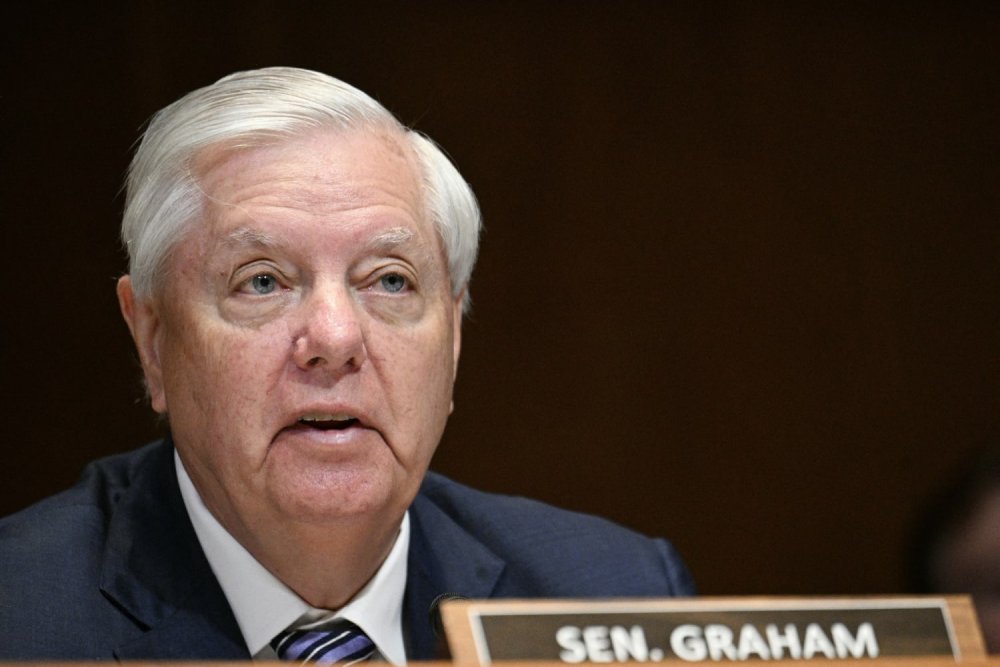
U.S. Senator Lindsey Graham died on Saturday at the age of 71.
Rwanda-U.S. relations
Beyond his comments on the DRC conflict, Graham maintained engagement with Rwanda, which he described as an important partner for the United States in East Africa.
In December 2025, during Kagame’s visit to Washington for activities related to the Rwanda-DRC peace agreement, Graham and Kagame discussed strengthening Rwanda-U.S. cooperation in strategic areas, including conservation, security and economic partnerships.
In April 2019, Graham was part of a high-level U.S. congressional delegation hosted by President Kagame and First Lady Jeannette Kagame. The discussions focused on issues of mutual interest between Rwanda and the United States.
A veteran U.S. politician
Graham’s political career spanned more than three decades. Before joining the Senate, he served in the U.S. House of Representatives from 1995 to 2003 and previously served in the U.S. Air Force, Air Force Reserve and South Carolina Air National Guard, retiring as a colonel in 2015.
Over more than three decades in Congress, he became one of America’s most influential voices on defense, national security and foreign policy. He chaired key Senate committees, including the Senate Judiciary Committee and the Senate Budget Committee, and was a major figure in Republican foreign policy debates.
Graham was also a close political ally of President Donald Trump. Although he initially criticized Trump during the 2016 Republican presidential primary, the two later developed a close working relationship, with Graham becoming one of Trump’s most prominent supporters in Congress.
Shortly before his death, Graham traveled to Kyiv, Ukraine, where he met President Volodymyr Zelenskyy amid the ongoing war between Ukraine and Russia.
His death marks the loss of a major figure in U.S. politics and a politician who had become a familiar voice in discussions around global security, defense strategy, and international alliances.
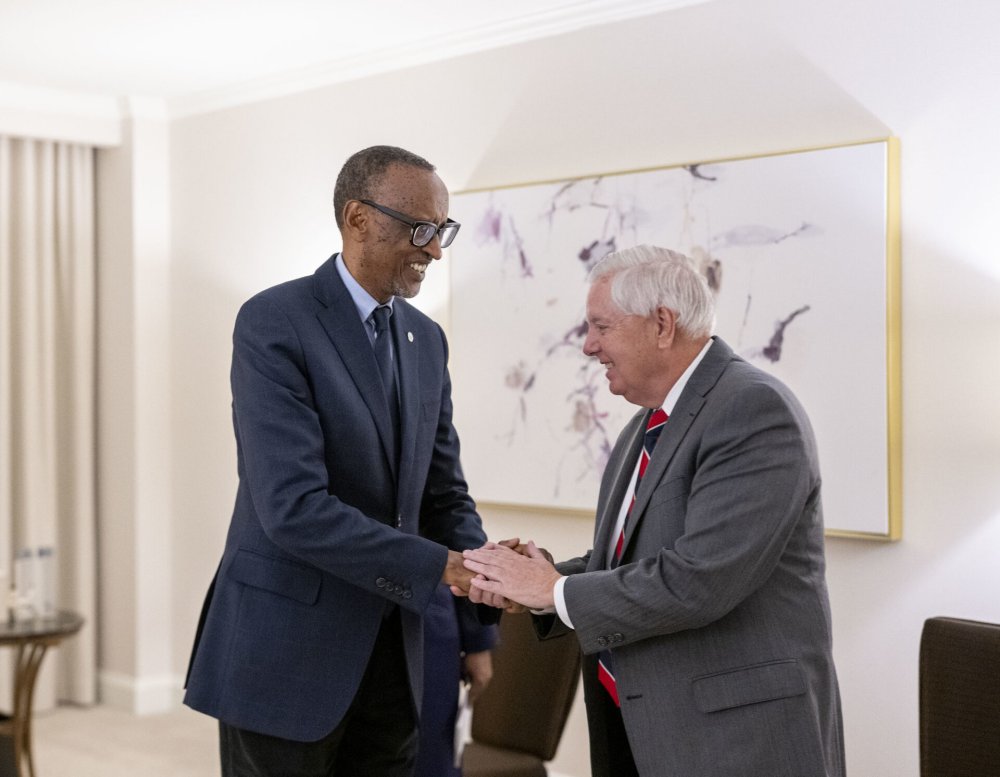
Senator Graham, pictured here with President Paul Kagame, was widely regarded as one of Rwanda’s strongest supporters in the U.S. Congress, consistently advocating for closer Rwanda-U.S. relations.
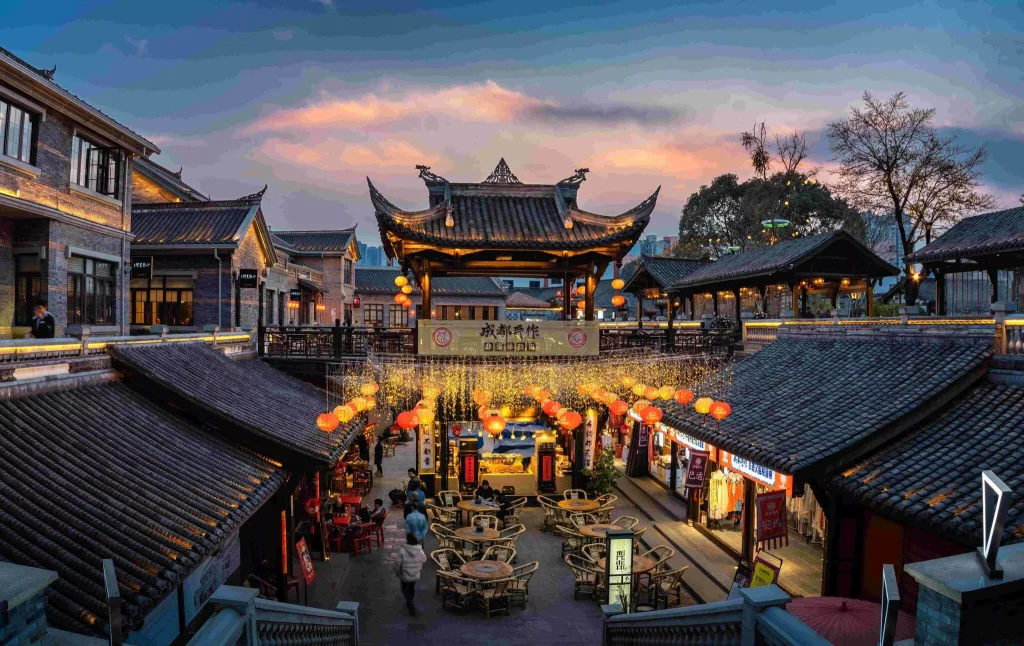
With a history stretching back more than 2,400 to 3,000 years, Chengdu has long been known as one of China’s most culturally rich and creatively dynamic cities.
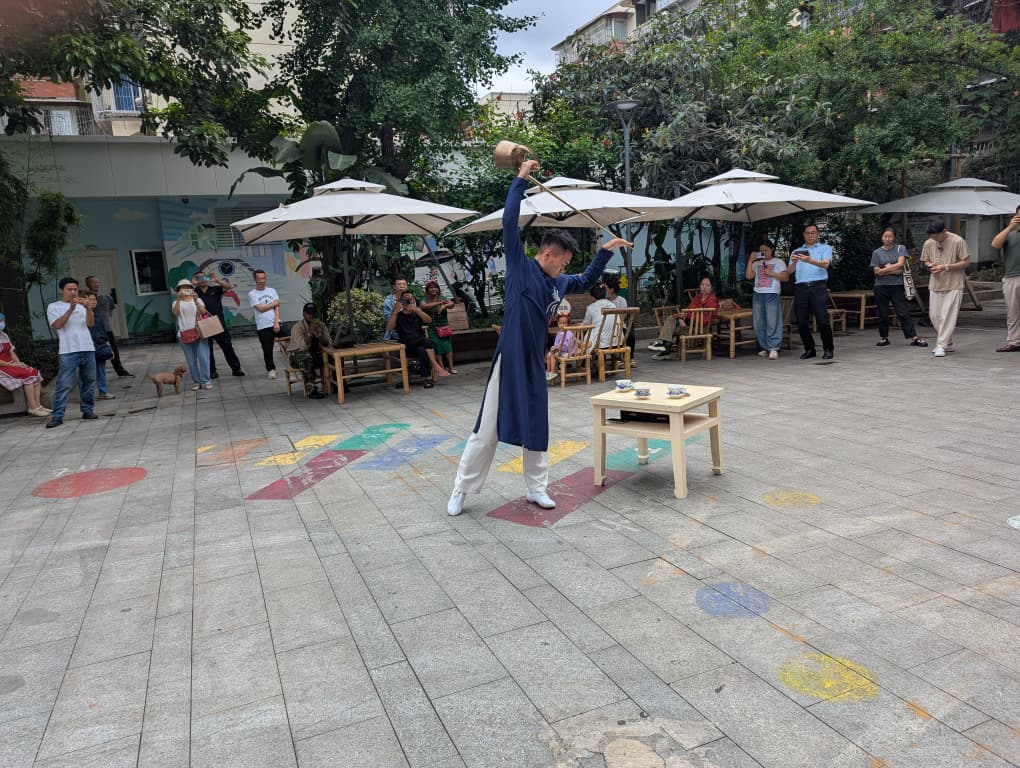
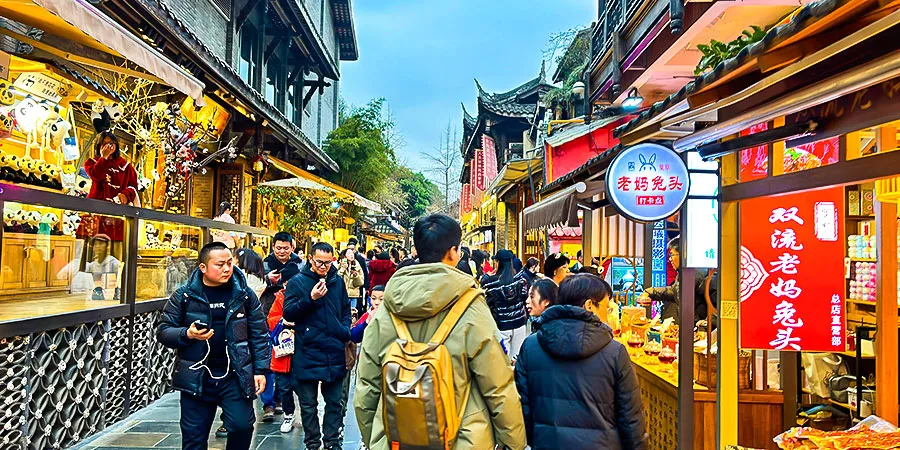
Often described as one of China’s most livable cities, Chengdu is famous for its leisurely lifestyle, teahouse culture, and vibrant street life.
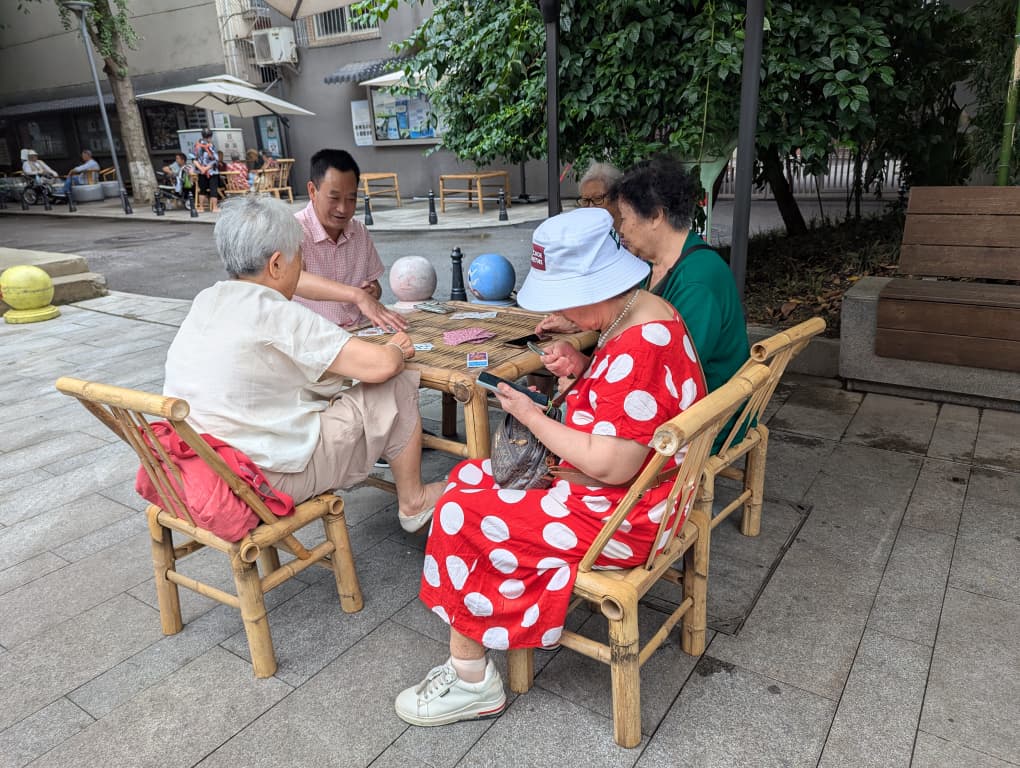
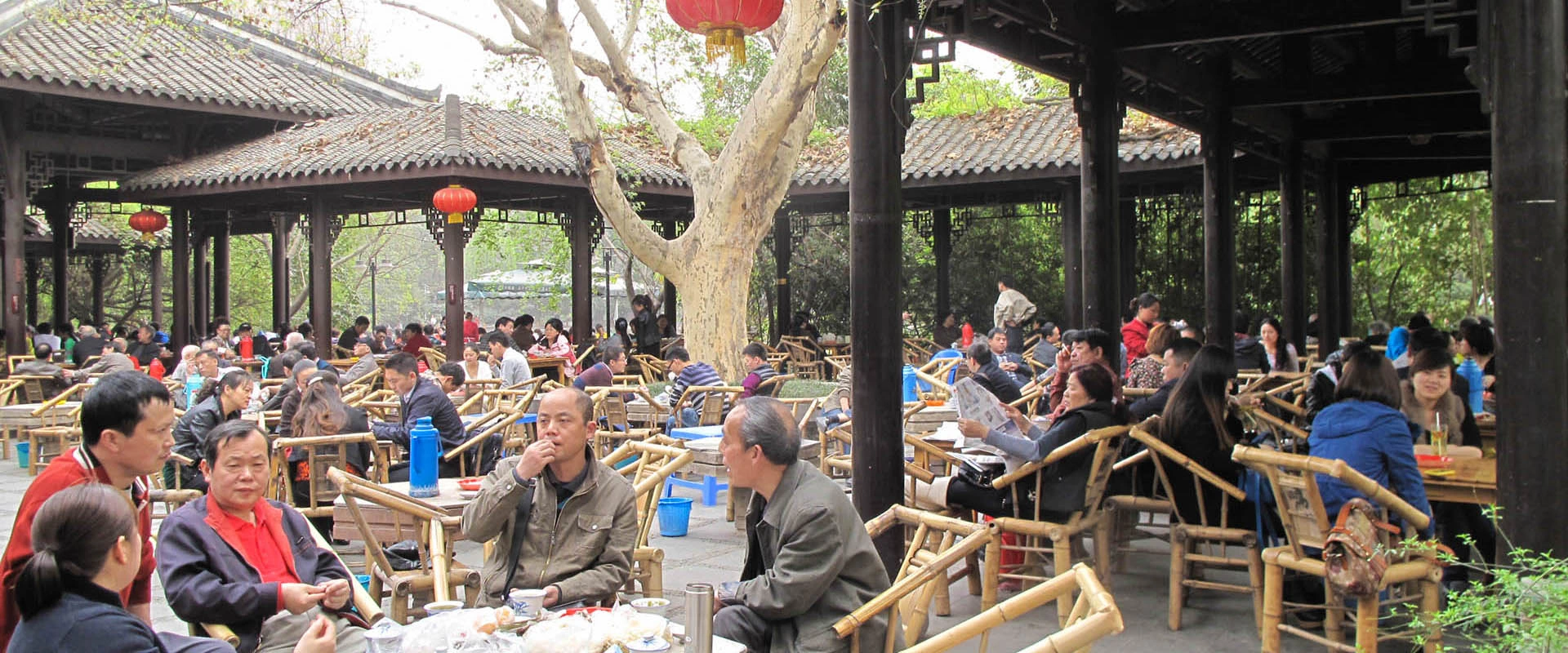
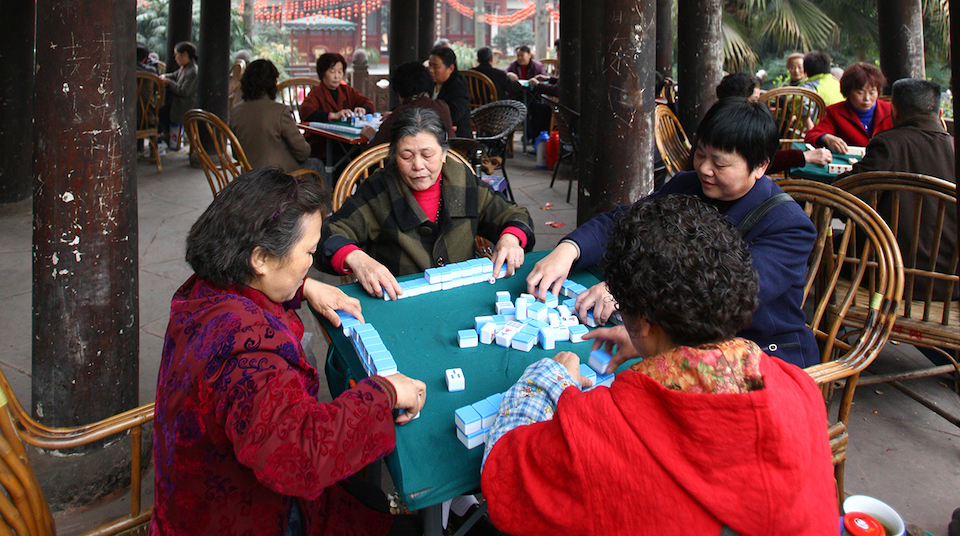
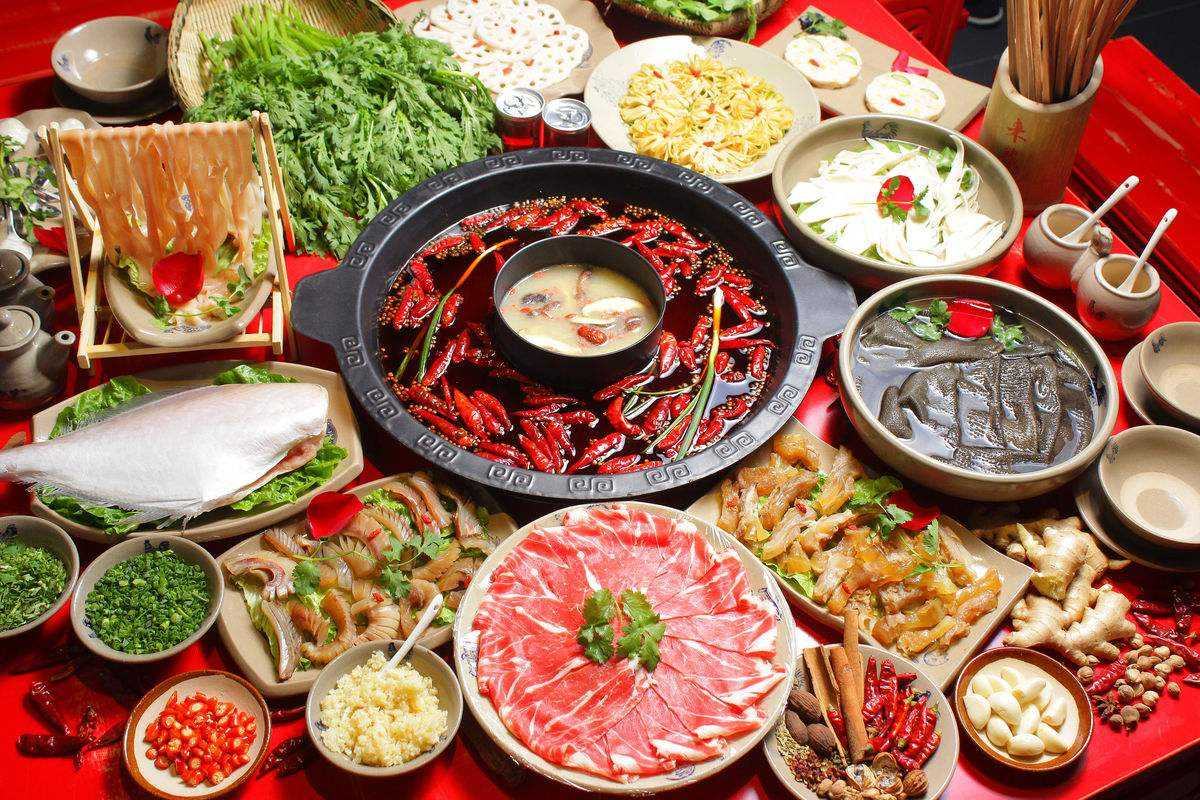
A typical day for many locals begins in a traditional teahouse, where friends gather over a pot of tea, chatting and playing mahjong in a slow rhythm that reflects the city’s identity. By afternoon, life often shifts to hotpot restaurants, followed by lively evening gatherings that stretch late into the night.
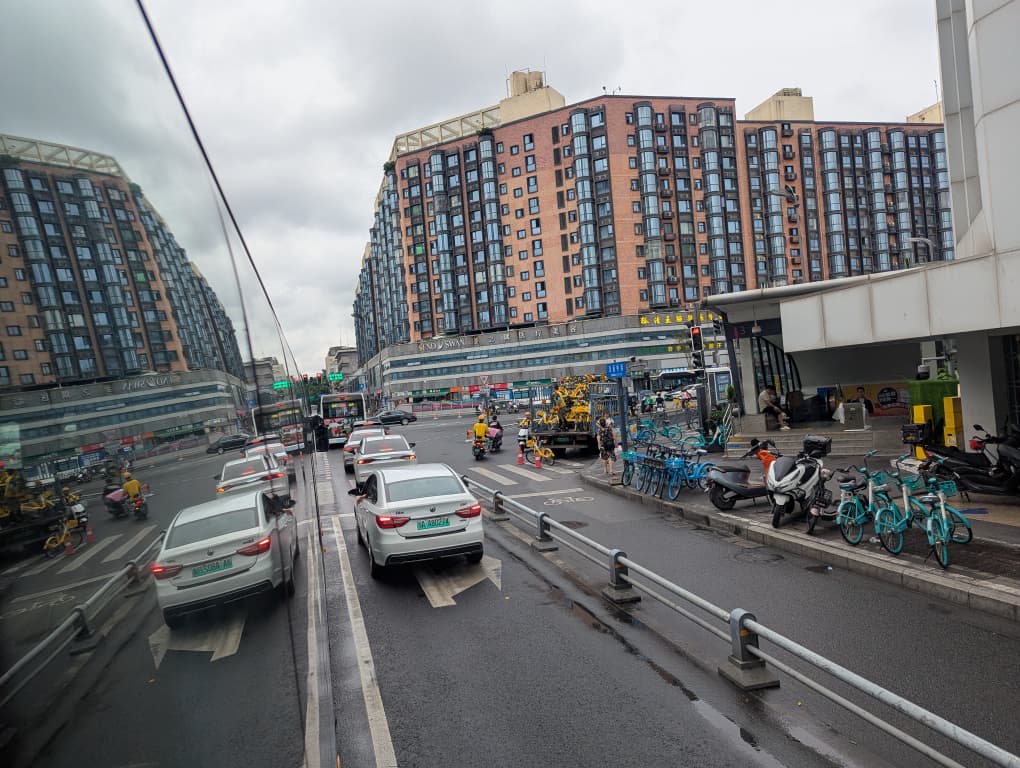
But beyond this relaxed image, Chengdu is also a rapidly growing economic and creative hub. Today, it is one of the most important cities in western China and ranks among the country’s top urban economies, with a population exceeding 20 million people.
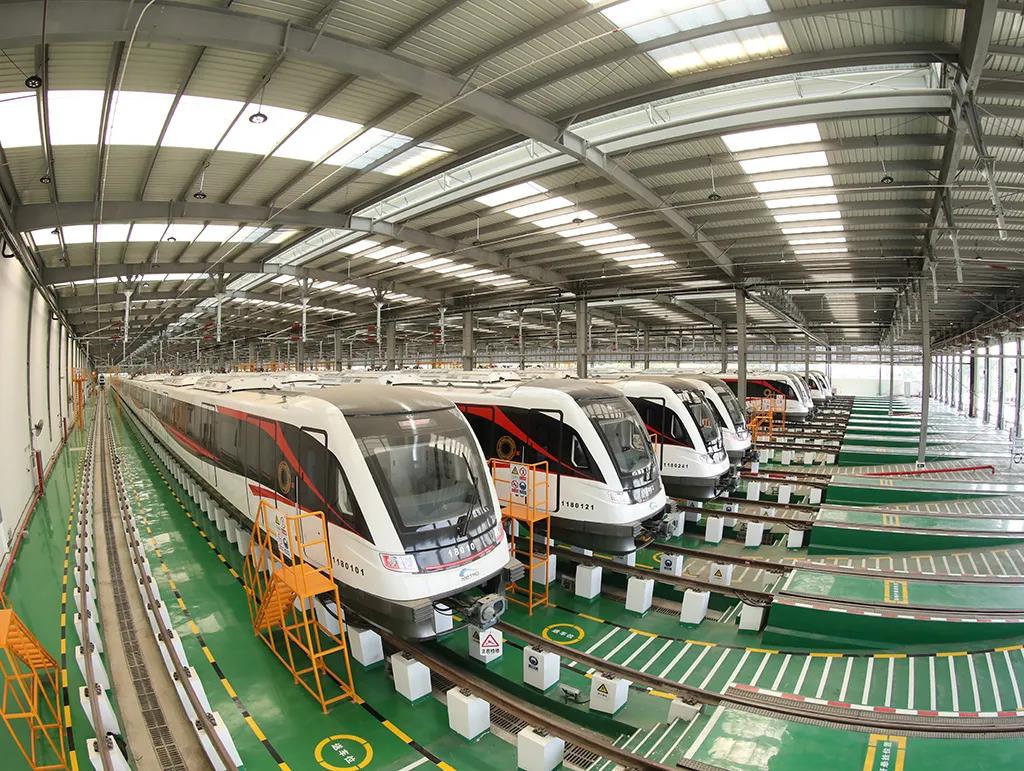
Over the past decade, the city has experienced remarkable growth, driven by infrastructure development, technology, transport expansion, and a rising creative and digital economy.
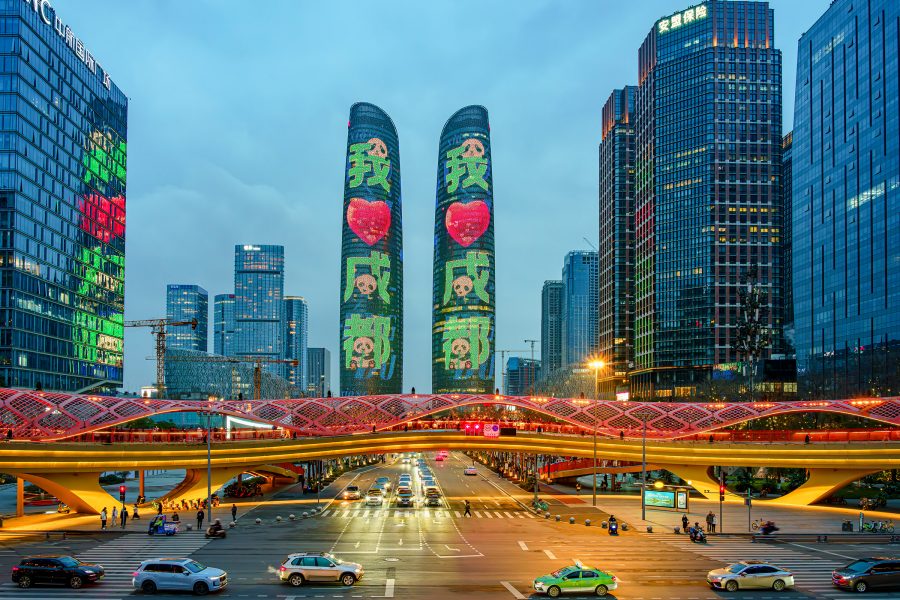
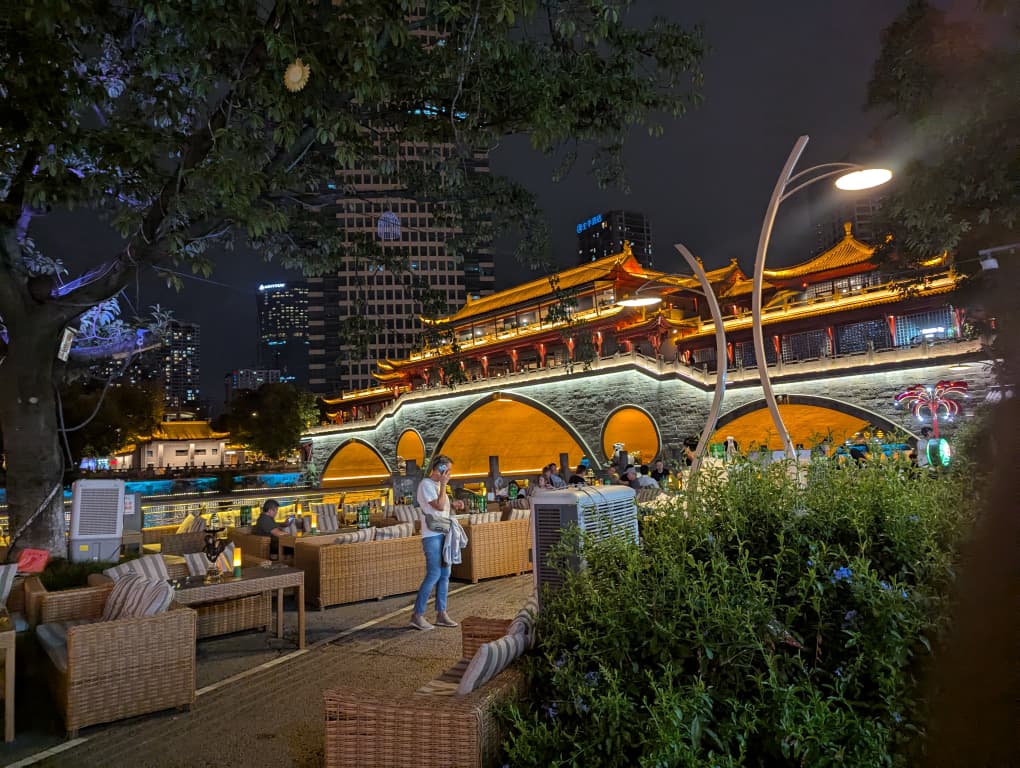
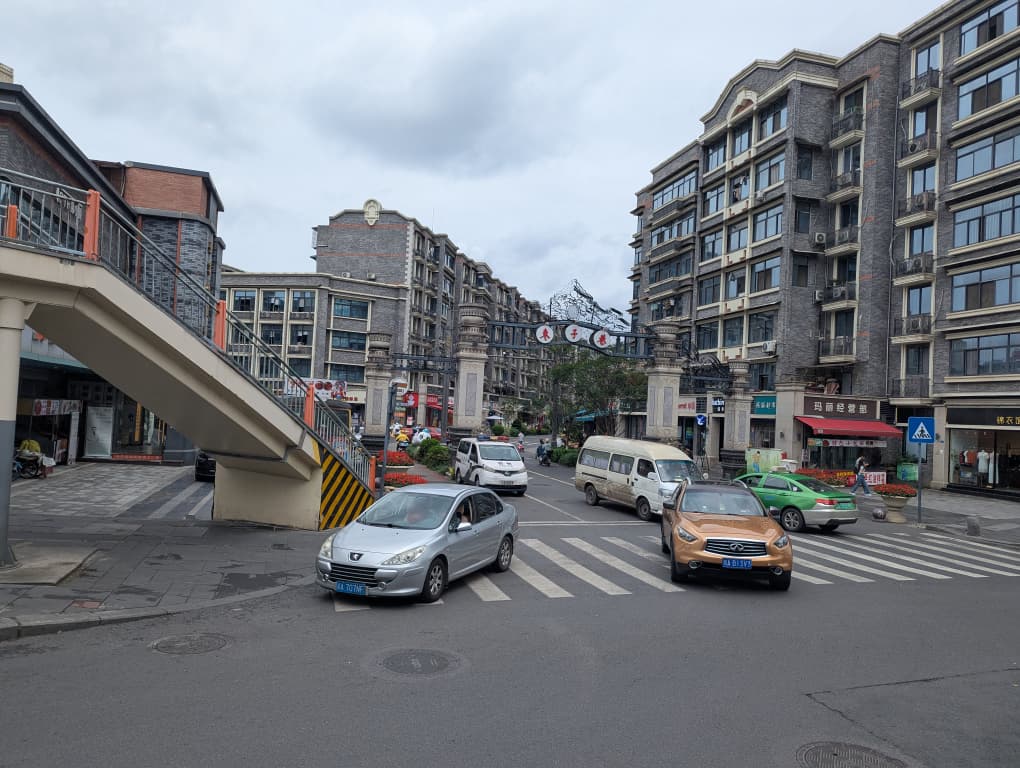
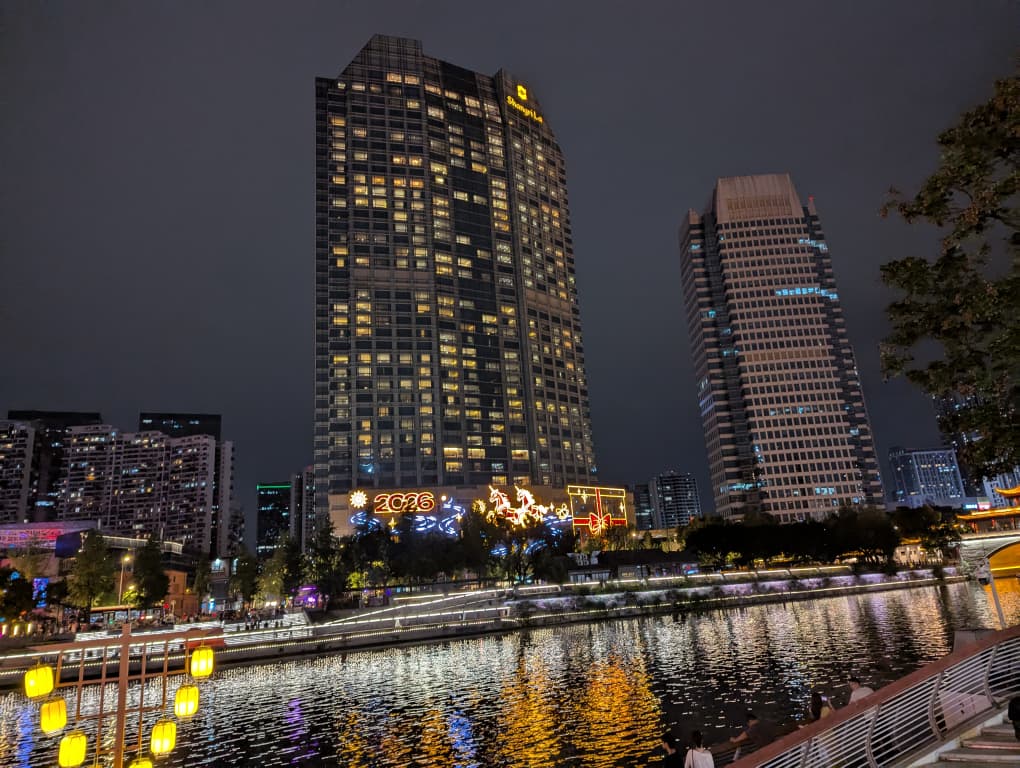
Its modern skyline, metro systems, shopping districts, and business centres reflect a city that is constantly evolving while preserving its cultural roots.
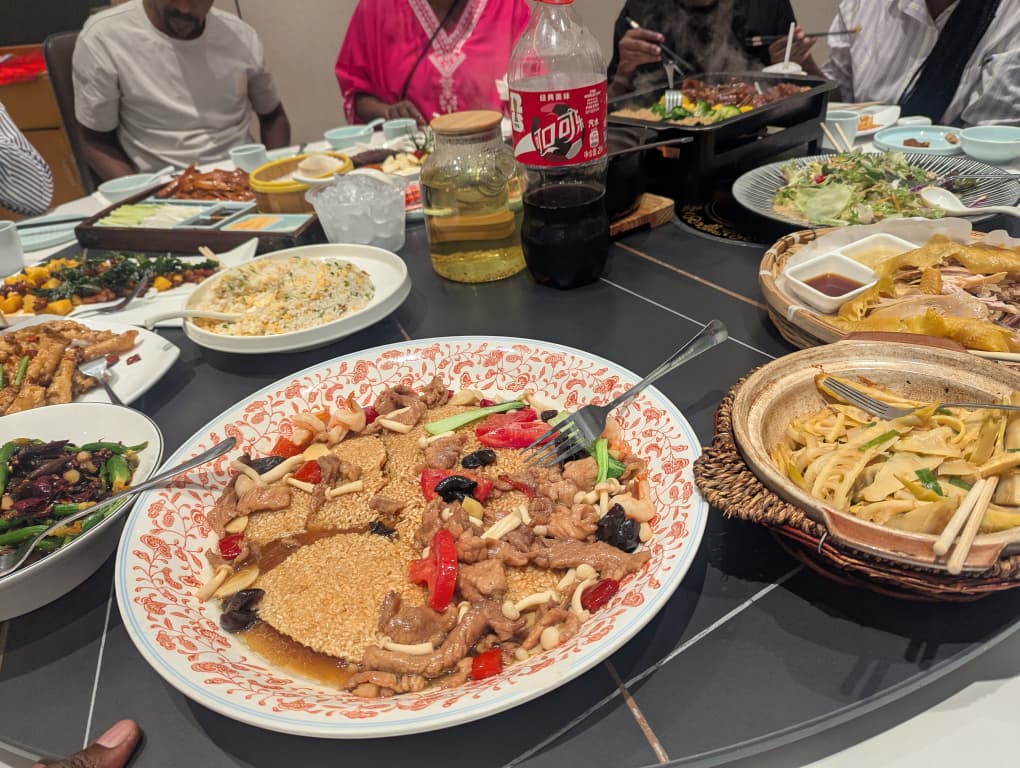
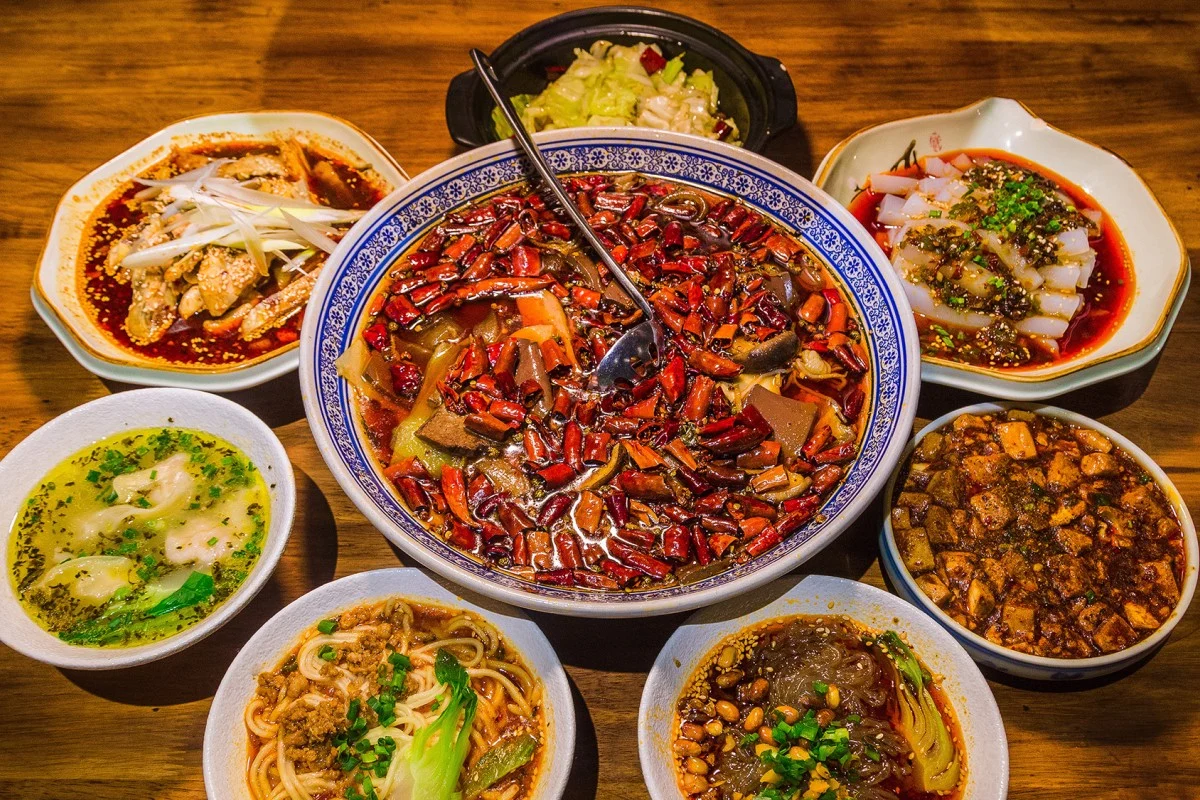
At the heart of Chengdu’s global reputation is its status as a UNESCO “City of Gastronomy,” the first in Asia to receive this honour. Sichuan cuisine, one of China’s four major culinary traditions, originated here and is celebrated worldwide for its bold, spicy, and complex flavours.
A local saying captures this perfectly: “The best cuisine is from China, while the richest flavour is from Chengdu.”
Chengdu food culture is built on balance and harmony, blending sweet, sour, bitter, spicy, and salty tastes into one experience.
Signature dishes such as hotpot, Mapo Tofu, and delicacies made with Doubanjiang (fermented bean paste) define the city’s culinary identity.
With over 60,000 restaurants, thousands of chefs, and a thriving food industry employing hundreds of thousands of people, Chengdu is truly a paradise for food lovers. The city also hosts annual food festivals that bring together chefs, tourists, and food enthusiasts from around the world.
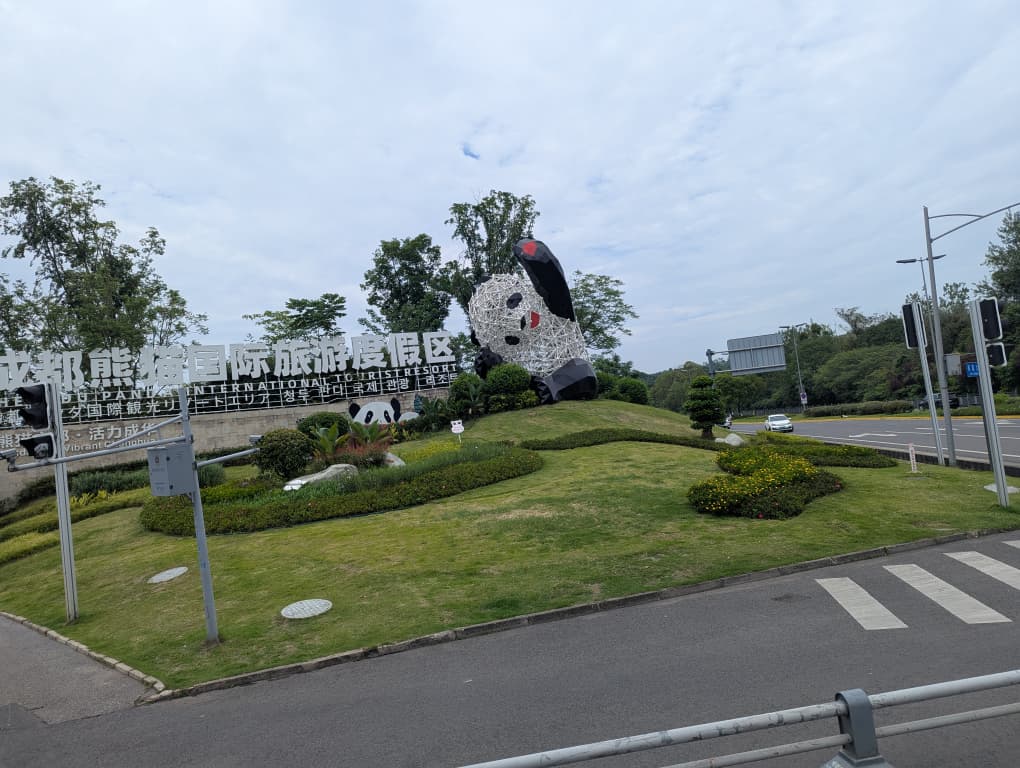
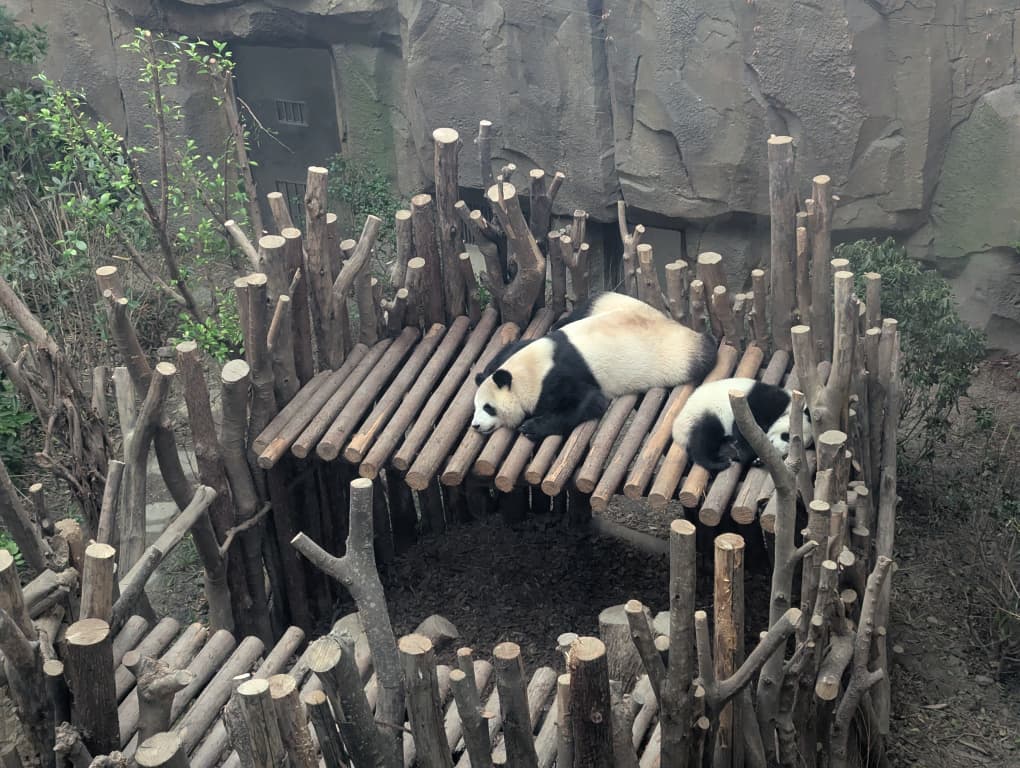
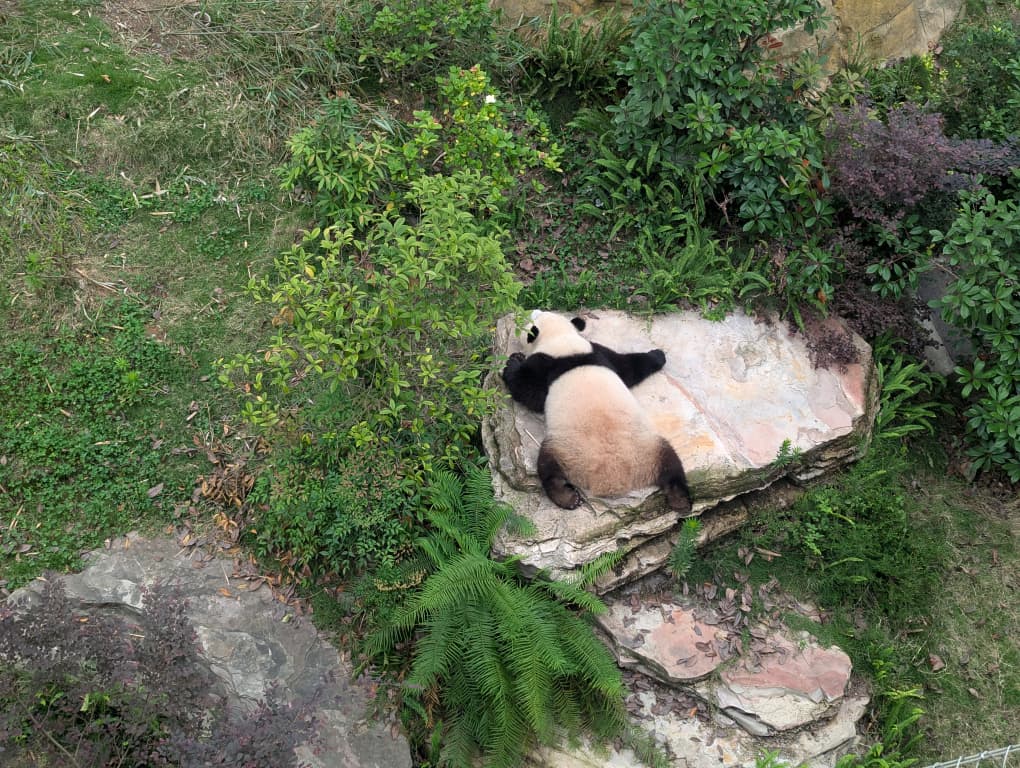
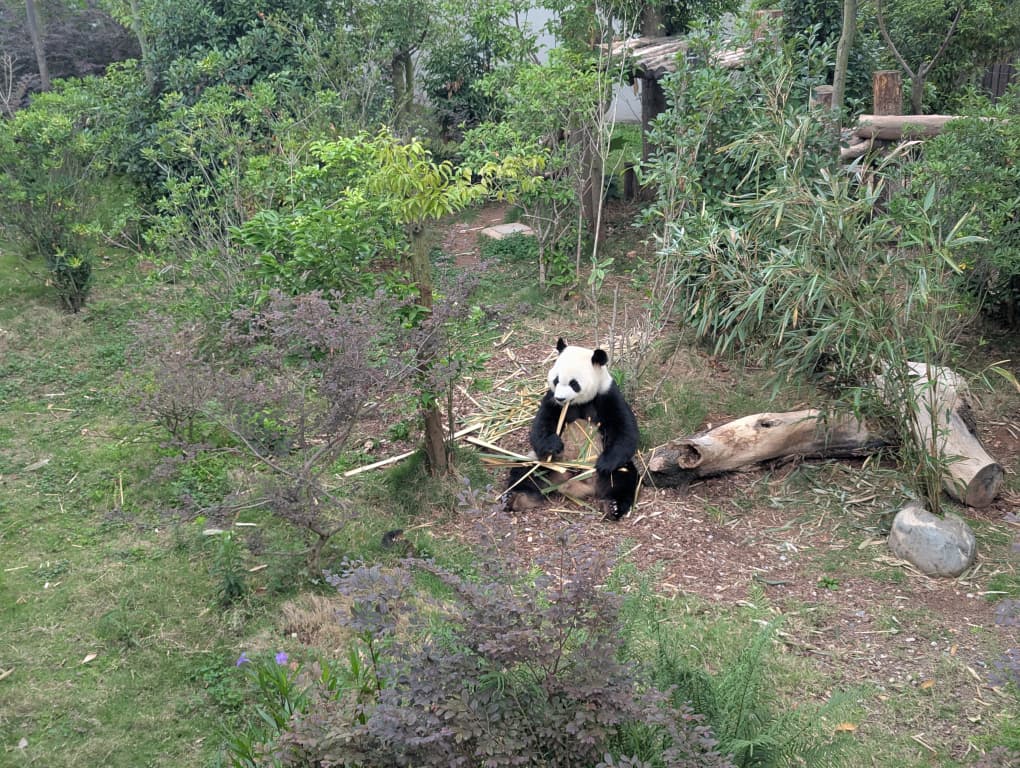
Yet Chengdu is not only about food—it is also the proud home of China’s national treasure, the giant panda. The Chengdu Research Base of Giant Panda Breeding is one of the world’s most important conservation centres for pandas.
Located just a short distance from the city centre, it allows visitors to observe these rare animals in a natural, carefully protected environment.
One of the most unique traditions here is that all baby pandas are given names in a ceremonial way, just as Rwanda names baby mountain gorillas every year, a symbolic gesture that reflects global conservation culture and respect for wildlife heritage.
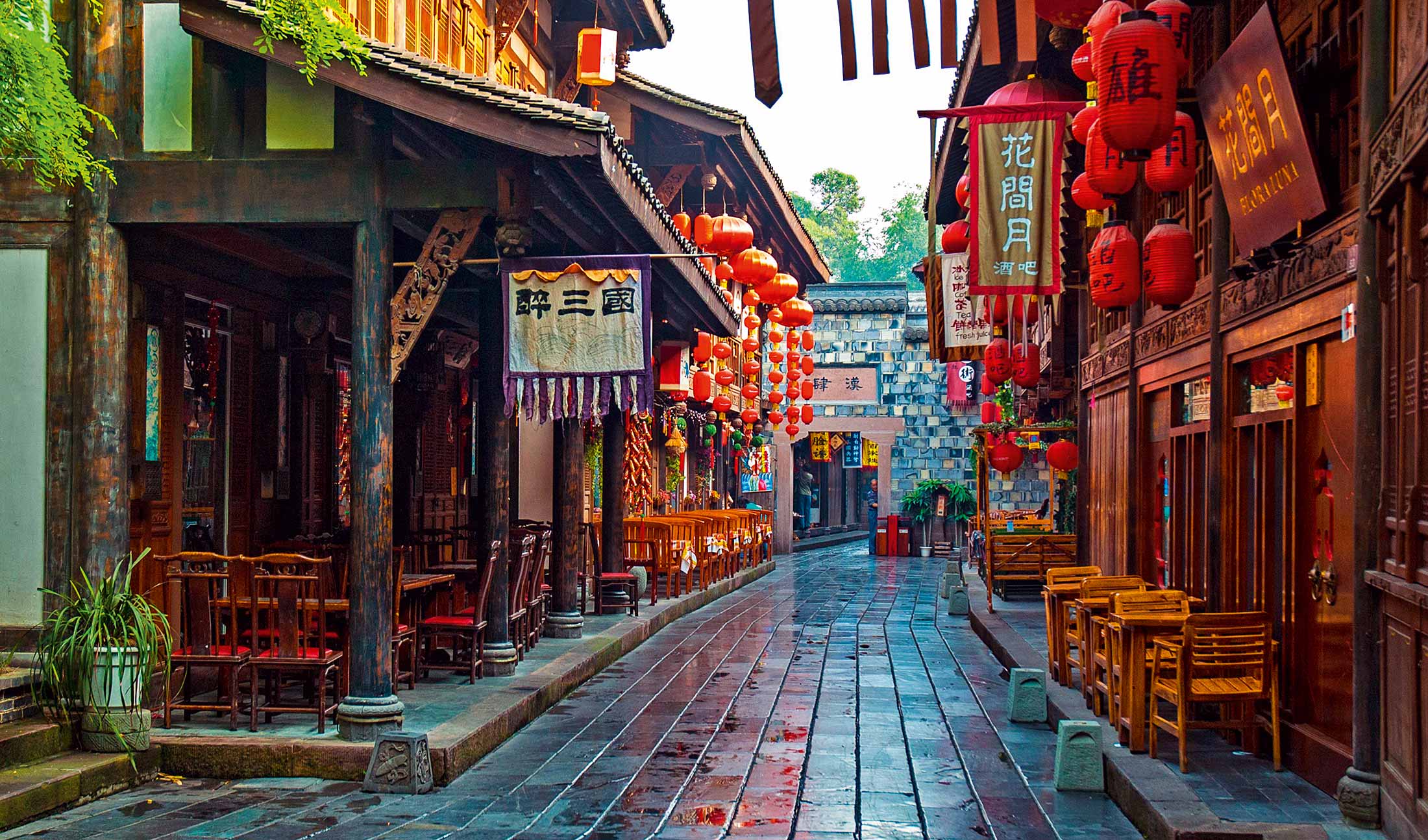
The city is also rich in historical and cultural attractions. Kuanzhai Alley (Wide and Narrow Alleys) offers visitors a glimpse into traditional Chengdu life, with ancient-style streets, teahouses, artisan shops, spas, and local snacks. It is a place where history and modern tourism meet in a lively cultural atmosphere.
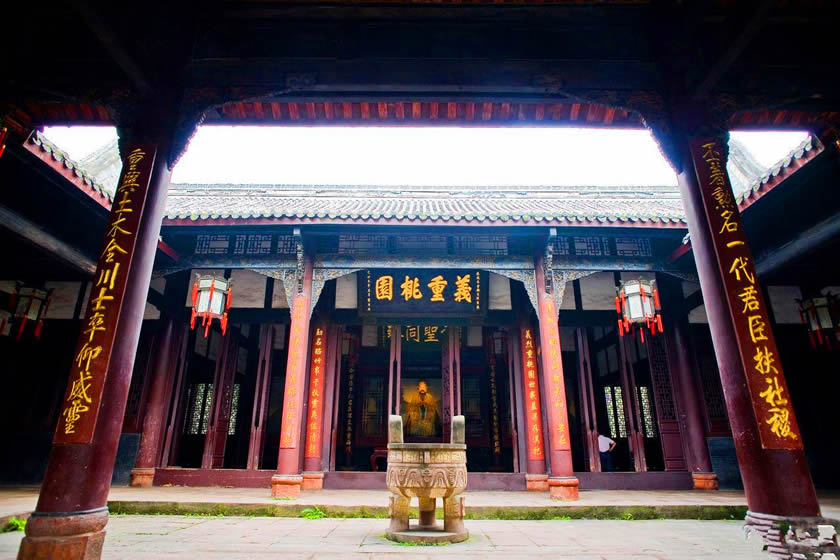
Another important site is the Temple of Marquis Wu, built in honour of Zhuge Liang, a legendary strategist of the ancient Shu Kingdom. The temple preserves centuries of history through sculptures, relics, and ancient inscriptions that continue to attract visitors and history lovers.
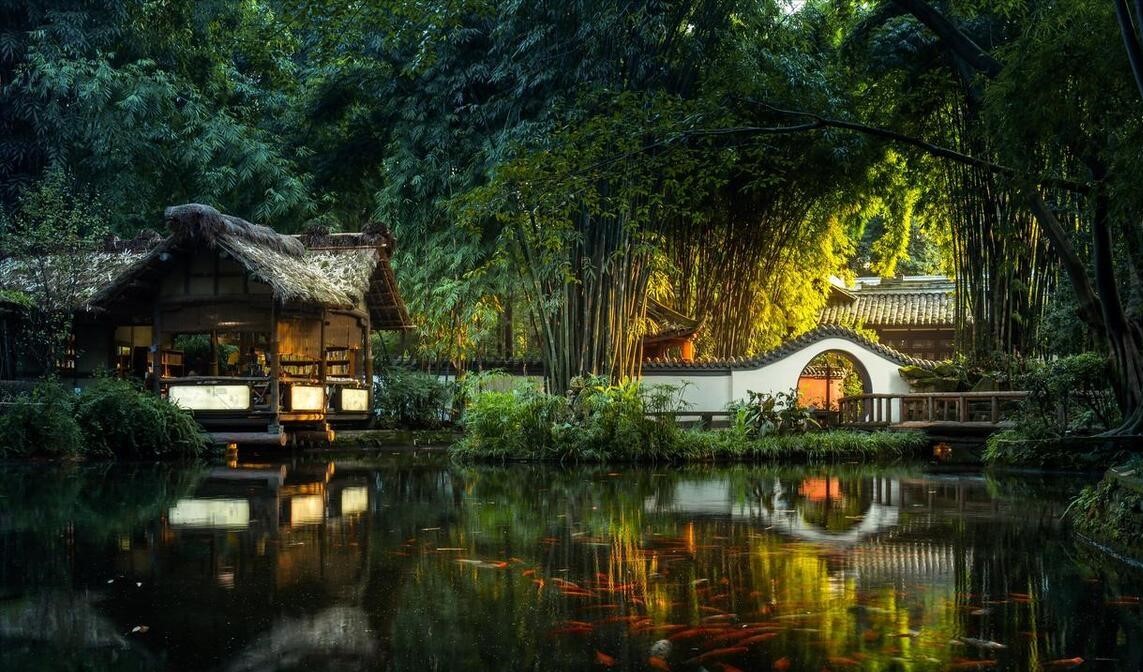
Not far away lies Du Fu Thatched Cottage, the former residence of one of China’s greatest poets. Here, Du Fu wrote many of his most famous works during a peaceful period of his life, making the site a symbol of Chinese literary heritage and reflection.
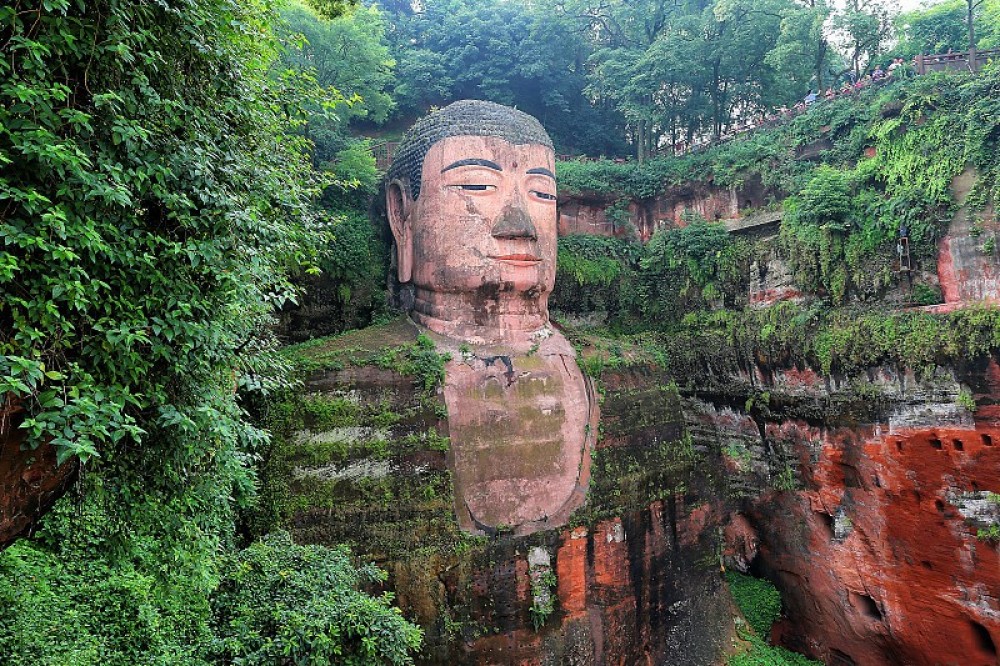
For those seeking natural and engineering wonders, Chengdu offers access to extraordinary sites such as the Leshan Giant Buddha, a monumental stone carving carved into a cliff face that stands as one of the largest Buddha statues in the world.
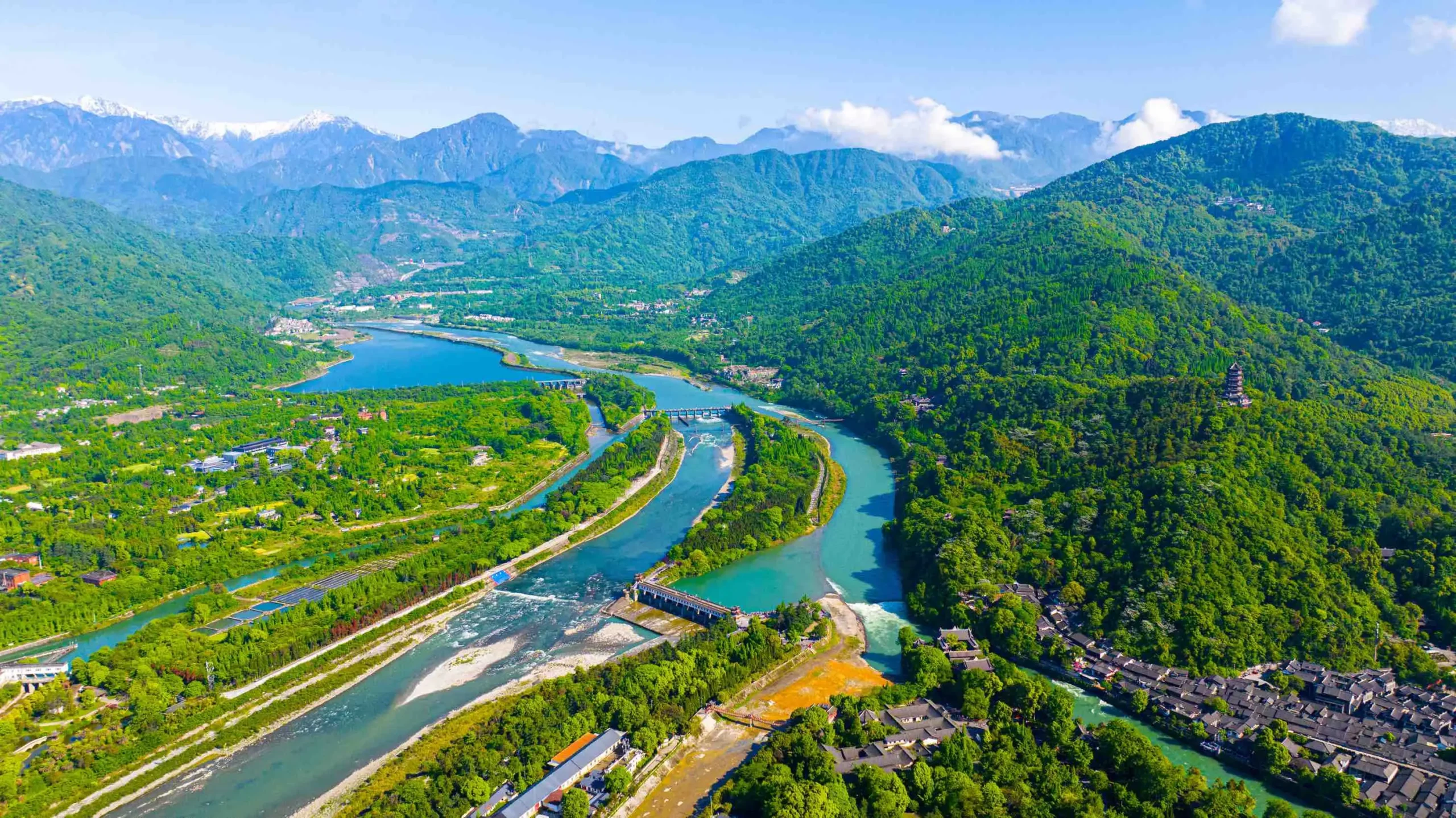
Nearby, the Dujiangyan Irrigation System, built over 2,000 years ago, remains a functioning masterpiece of ancient engineering and water management, still benefiting millions of people today.
Chengdu’s charm also lies in its modern lifestyle districts such as Chunxi Road and Taikoo Li, where luxury brands, shopping malls, street food, and entertainment spaces coexist. Visitors can enjoy everything from international fashion to local crafts, all within a vibrant urban atmosphere.
The city’s appeal can be summed up in five powerful reasons: it is romantic, scenic, delicious, relaxed, and home to giant pandas.
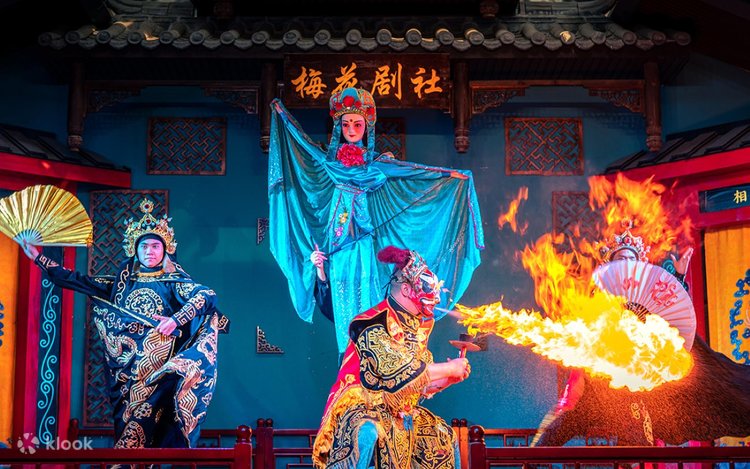
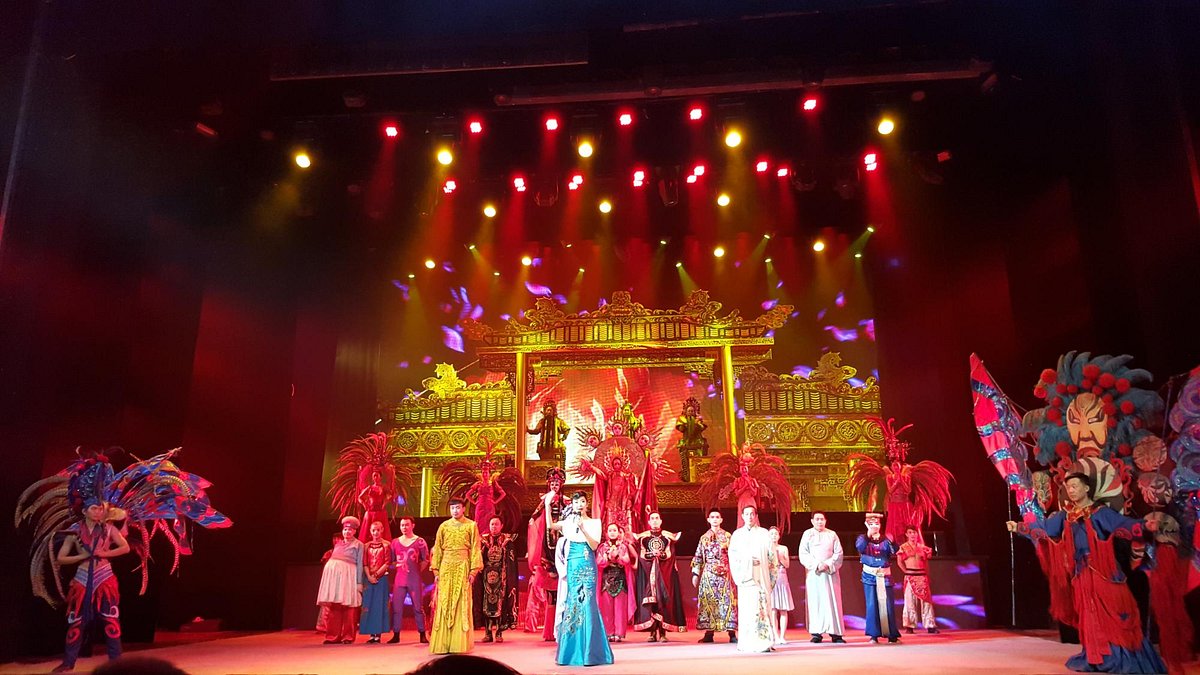
Whether exploring the historic lanes, tasting spicy Sichuan cuisine, watching a Sichuan opera performance, Chengdu offers a lifestyle that feels both peaceful and deeply enriching.
It invites visitors not only to explore its landmarks, but to experience a way of life where comfort, culture, and creativity exist in perfect harmony.
Chengdu’s skyline reflects the city’s rapid growth while preserving its cultural identity.Du Fu Thatched Cottage honours the legacy of one of China’s greatest poets.Chengdu’s vibrant streets showcase the city’s unique blend of history, culture, and modern energy.The Temple of Marquis Wu preserves the history of Zhuge Liang and the ancient Shu Kingdom.Chengdu is renowned as the home of giant panda. The Chengdu Research Base of Giant Panda Breeding supports conservation efforts for China’s national treasure.A giant panda rests at the Chengdu Research Base, one of the world’s leading panda conservation centres.Chengdu’s modern infrastructure highlights its transformation into one of western China’s leading urban centres.Visitors stand chance to observe giant pandas in a protected environment at the Chengdu Research Base of Giant Panda Breeding.Chengdu’s modern infrastructure highlights its transformation into one of western China’s leading urban centres.Residents gather in a Chengdu teahouse, enjoying tea and conversations in a long-standing local tradition.A Sichuan opera performance preserves one of Chengdu’s most distinctive cultural traditions.Sichuan cuisine showcases the bold flavours and culinary traditions that define Chengdu’s identity.People play mahjong in a traditional Chengdu setting, reflecting the city’s leisurely way of life.A Chengdu hotpot meal represents one of the city’s most famous and celebrated food experiences.The Dujiangyan Irrigation System remains a remarkable example of ancient Chinese engineering.Kuanzhai Alley offers visitors a glimpse into Chengdu’s traditional architecture and cultural heritage.The Leshan Giant Buddha stands as one of the world’s largest and most impressive stone Buddha statues.The Chengdu metro system supports movement across a city experiencing rapid economic and urban development.Mapo tofu is among the signature Sichuan dishes that contribute to Chengdu’s global food reputation.
The announcement comes as part of the government’s broader efforts to improve access to safe drinking water and ensure a reliable supply for the country’s growing population.
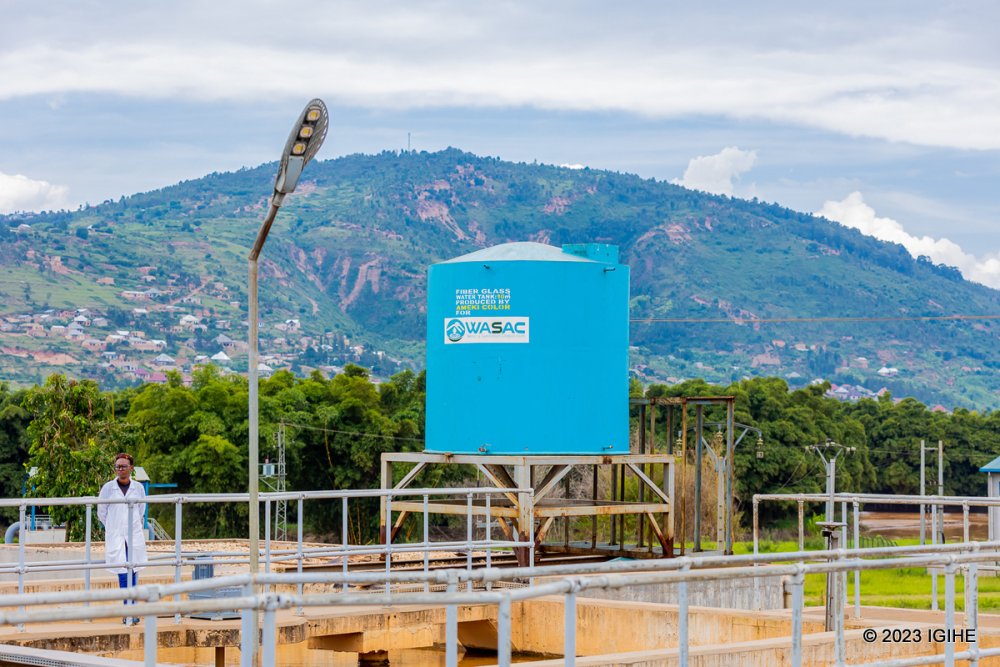
Rwanda currently produces approximately 367,000 cubic meters of treated water per day. However, only 65 percent of that water reaches consumers, while the remaining 35 percent is lost through leakages and other forms of non revenue water.
Presenting the government’s progress on strengthening the country’s economic resilience and improving citizens’ welfare before a joint sitting of Parliament, Prime Minister Dr. Justin Nsengiyumva said expanding access to clean water remains one of the government’s top priorities.
“The government is implementing projects that will increase daily treated water production from more than 367,000 cubic meters this year to over 688,000 cubic meters per day by 2029,” he said.
Nzove IV to play a key role in Kigali’s water supply
Kigali currently relies on water supplied from the Nzove treatment facilities and other nearby sources.’
The city requires around 200,000 cubic meters of water each day, yet existing facilities produce only about 140,000 cubic meters, leaving a considerable supply deficit.
To help bridge this gap, the government is expanding the capacity of the Nzove III Water Treatment Plant from 40,000 cubic meters to 65,000 cubic meters per day, with completion scheduled for September 2026.
In addition, preparations are underway for the construction of the Nzove IV Water Treatment Plant, which is expected to add 150,000 cubic meters of treated water per day to Kigali’s supply.
Dr. Nsengiyumva said the project is expected to be completed within three years, with commissioning planned for December 2029.
The Ministry of Infrastructure recently announced that the new treatment plant will draw water from the artificial reservoir being developed alongside the Nyabarongo II Hydropower Plant.
The project is expected to provide Kigali with a more sustainable and sufficient supply of clean water.
The government had earlier projected that the construction contract would be signed by the end of May.
Another major project involves upgrading the Karenge Water Treatment Plant, whose production capacity will increase from 12,000 cubic meters to 48,000 cubic meters per day by January 2029.
More water projects planned across the country
Beyond Kigali, the government has planned several large scale water projects in different parts of the country.
In the Eastern Province, new water treatment plants are planned for Rwagitugusa, Sake, Kirehe, and Muvumba. However, funding for these projects has not yet been secured.
In the Southern Province, planned projects include a water treatment plant and pipeline connecting Higiro, Kigembe, and Mukindo in Gisagara District, a treatment plant in Kagaga, Muhanga District, and the Nyaruguru–Huye–Gisagara Water Supply Project, which will deliver clean water to the three districts.
These pipeline projects are expected to be completed during the 2027/2028 fiscal year, while the Busogwe Water Treatment Plant is scheduled for completion in 2029.
In the Northern Province, the Volcano Belt Water Supply Project, which serves Musanze, Rubavu, Nyabihu, and Rutsiro districts, as well as the Kivu Belt Water Supply Project, which supplies Karongi and surrounding areas, have largely been completed.
Government intensifies efforts to reduce water losses
Alongside increasing production capacity, the government is also stepping up efforts to reduce water losses caused by leakages within the distribution network.
According to Dr. Nsengiyumva, official data shows that WASAC Group loses approximately four out of every ten litres of treated water before it reaches consumers due to leaks and other technical challenges.
To address the problem, the government plans to deploy modern technology capable of detecting leaks automatically, allowing WASAC to identify and repair damaged sections of the network without waiting for public reports.
“We have been working with a Japanese company that already operates in Rwanda. It has demonstrated that significantly reducing water leakages is possible.
“We are now discussing expanding its role by entrusting it with larger sections of the city’s water network. We have already signed the agreement, which gives us confidence that we will achieve our target of reducing water losses,” he said.
WASAC recently revealed that the country’s existing water treatment plants are unable to produce approximately 1,234 cubic meters of water each day because of aging infrastructure.
The government is investing in the expansion and rehabilitation of water infrastructure and distribution networks with the goal of reducing non revenue water losses to 25 percent by 2029, ensuring that more treated water reaches households, businesses, and institutions across the country.
Rwanda plans to double clean water production and reduce water losses
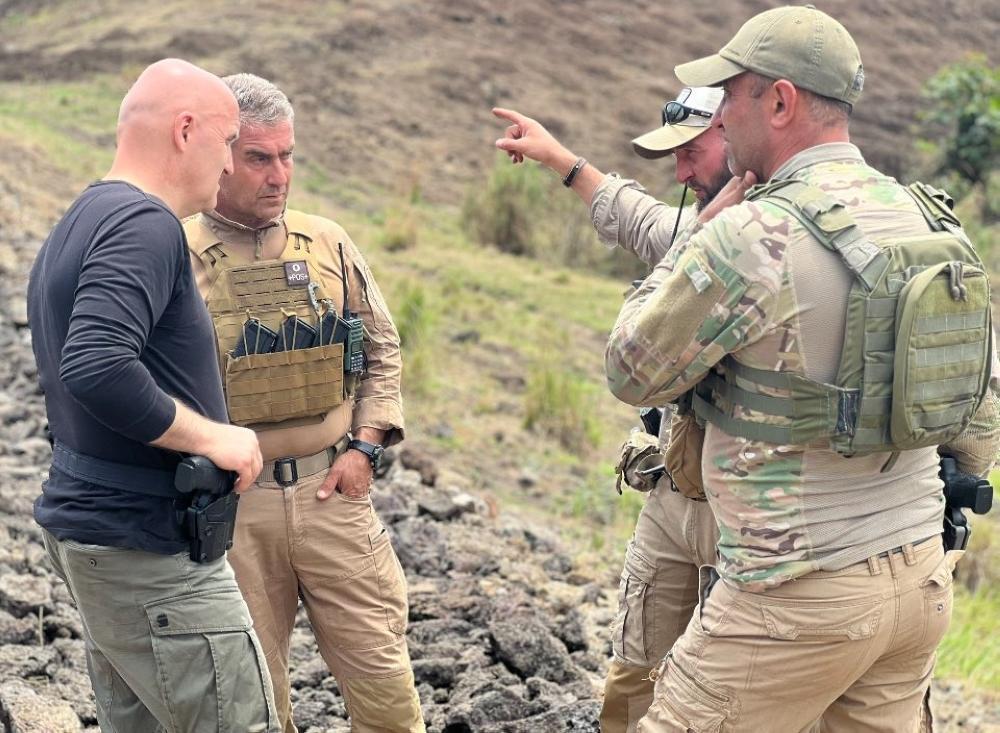
According to the report presented to the UN Security Council Sanctions Committee on June 5, 2026, mercenary groups provide battlefield support, maintain military assets including combat aircraft, and train members of the Armed Forces of the Democratic Republic of the Congo (FARDC) in advanced drone operations, radar systems, jungle warfare, intelligence gathering, operational planning, secure communications and target identification.
Despite the longstanding cooperation, the UN experts say coordination between FARDC and the various mercenary groups has been undermined by weak command structures, resulting in confusion over lines of authority and responsibility.
Advanced training and cooperation with Wazalendo
The report says foreign mercenaries maintain operational bases in Kisangani, Kinshasa, Walikale, Kalemie in Tanganyika Province and Kindu in Maniema Province. Testimonies and other evidence gathered by the UN indicate they continue to play an active role in military operations across North and South Kivu.
In Walikale, North Kivu, and the town of Baraka in South Kivu, foreign mercenaries reportedly provided advanced military training to members of the Wazalendo militias. The programme covered reconnaissance techniques, including identifying enemy positions and operating surveillance drones.
According to testimonies cited in the report, participants were selected based on their level of education. Upon completing the training, many were deployed alongside FARDC troops, with some reportedly issued sniper rifles for operations against the AFC/M23 coalition.
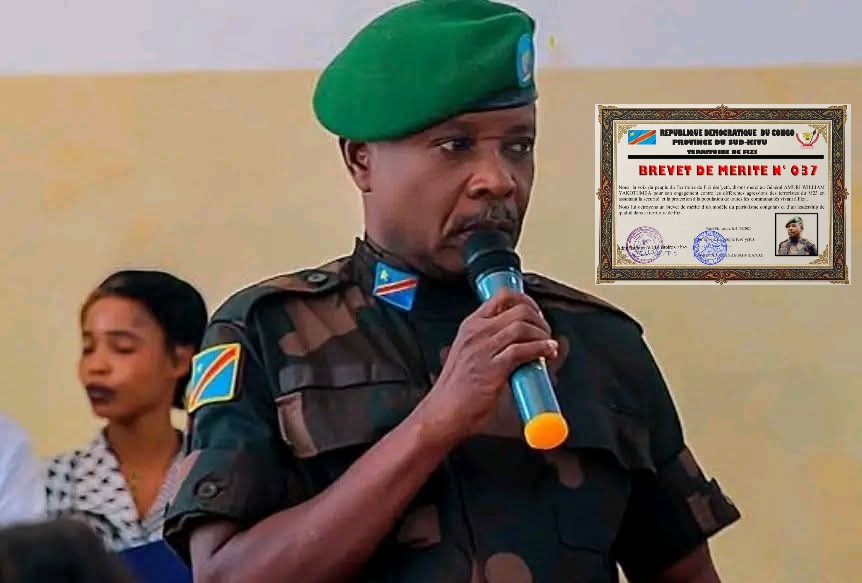
Among those who benefited from the training were fighters under commanders sanctioned by the United Nations, including Guidon Shimiray, leader of the NDC-R armed group operating in Walikale, and members of the CNPSC led by William Yakutumba.
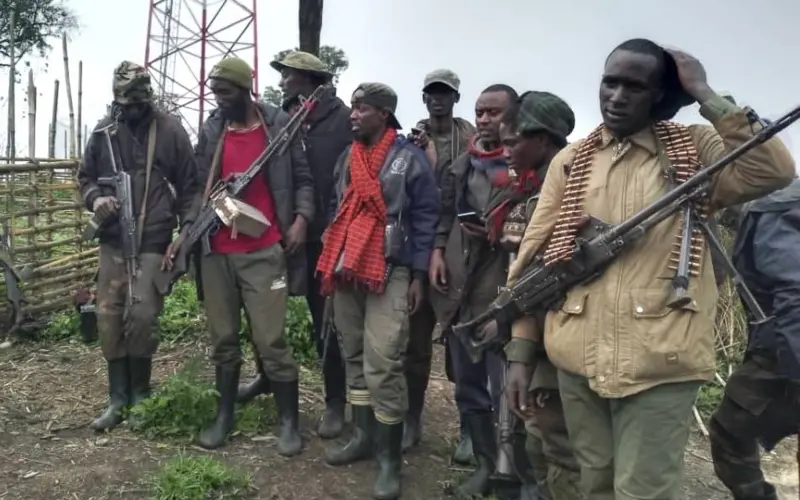
Foreign mercenaries trained fighters under William Yakutumba.
Operations in South Kivu
Between January and March 2026, mercenaries fought alongside FARDC during heavy fighting in South Kivu, participating in coordinated drone and ground operations in several areas, including Minembwe Commune and its surrounding areas.
During the same period, Wazalendo fighters were ordered to withdraw from the highlands of South Kivu and were replaced by a FARDC special forces unit known as “Hiboux” together with foreign mercenary contingents.
The report says the mercenaries were not deployed across all operational areas. Instead, they were assigned to specialised missions, including coordinating heavy artillery fire, drone strikes and intelligence support. They were also deployed to the city of Uvira in January 2026.
On February 1, 2026, multiple drone strikes involving foreign mercenaries targeted positions held by the MRDP-Twirwaneho armed group in Minembwe.
Foreign mercenaries participated in major offensives against MRDP-Twirwaneho.
Between February 2 and 8, mercenary units reportedly assisted the Hiboux special forces in recapturing the strategic Point-Zéro junction, a key crossroads linking the roads to Uvira, Baraka and Minembwe.
Secret agreement with Erik Prince
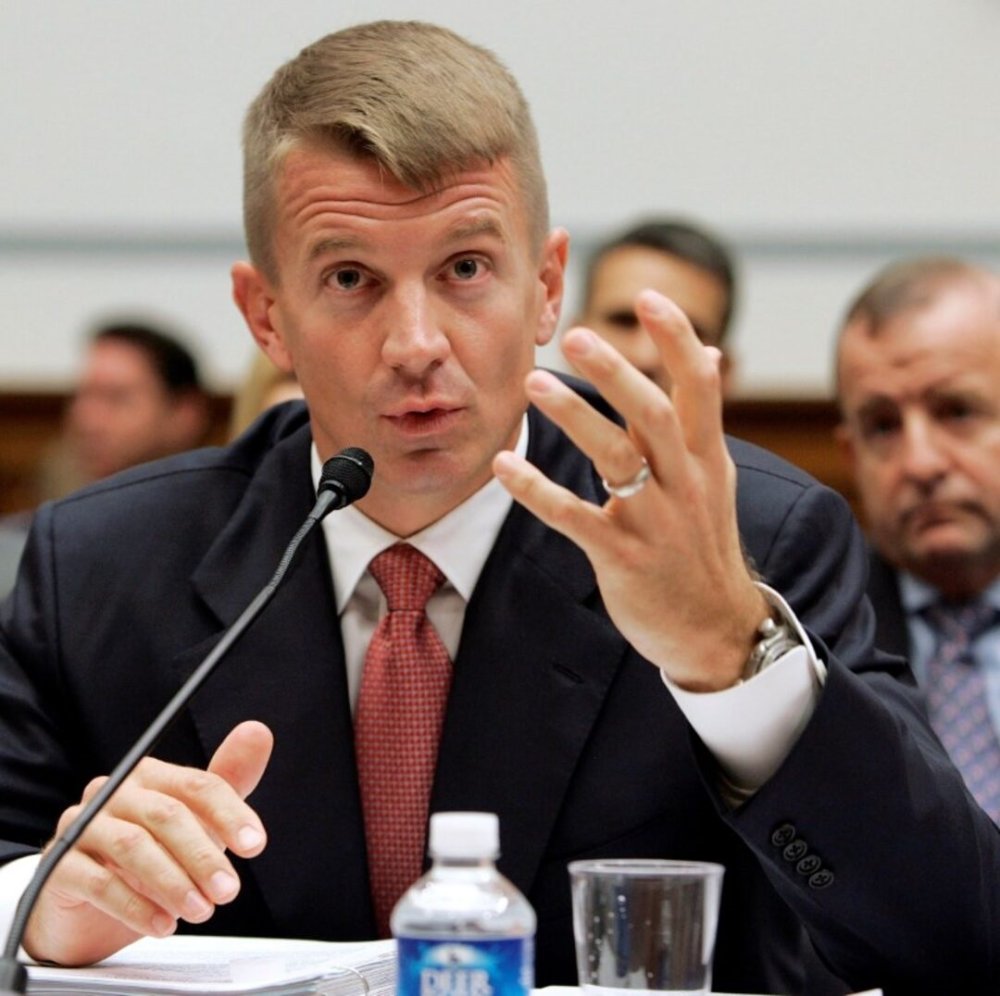
The report also details a confidential five-year cooperation agreement signed between the DRC government and American security contractor Erik Prince in December 2024. Prince is best known as the founder of the private military company Blackwater.
Under the agreement, Prince committed to providing military assistance to FARDC and overseeing security at mining sites across the country through contractors working under his companies.
Prince is best known as the founder of the private military company Blackwater.
In June 2025, Prince’s United Arab Emirates-based company, Quantum Global Consulting, registered a subsidiary in the DRC known as Quantum Global Consulting Africa.
The company also established another entity, Vectus Global, headed by Christophe Sirot, a dual French-American national.
According to the report, Vectus Global signed a contract with the DRC Ministry of Finance to help increase state revenues from mining, combat cross-border smuggling, tackle corruption and reduce tax evasion.
At the end of April 2026, the Ministry of Finance announced the creation of a special unit tasked with securing mining sites, replacing soldiers and police officers previously assigned to those duties. The UN experts say the unit appears to be linked to Vectus Global.
The report further states that the agreement contained confidential military provisions assigning Vectus Global responsibility for strengthening border security, particularly in areas near Rwanda and Zambia.
The contract also authorised the company to advise FARDC on the acquisition and operation of combat aircraft and to recruit former foreign military personnel to support the Congolese armed forces.
According to the UN experts, the broader objective was to strengthen FARDC’s military capabilities against Rwanda through advanced military technology, specialised training, strategic advice and the acquisition of modern weapons.
By late 2025, one Vectus employee told the UN investigators that the company’s priorities had shifted from securing mining operations to supporting military activities as the conflict intensified.
In February 2026, another employee reportedly told the experts that the DRC government had enlisted Vectus Global to help plan an operation to retake the city of Uvira after it fell to AFC/M23 fighters, with company personnel deployed to South Kivu to support the operation.
However, during an interview with the UN experts in March 2026, Sirot denied that Vectus Global had participated in combat operations, insisting that the company’s contract did not include any battlefield role.
The report nevertheless says multiple witnesses, including Vectus employees, identified Sirot as the individual responsible for coordinating the company’s military-related activities.
More than 300 recruits from El Salvador
Another major finding concerns the recruitment of former soldiers and police officers from El Salvador.
According to the report, former Salvadoran military personnel and police officers began arriving in the DRC from July 2025 to support the government’s coalition in its conflict against AFC/M23.
Initially assigned to maintain military equipment in Kisangani, Tshopo Province, many were later redeployed to Walikale, Baraka and Kalemie.
The UN experts found that a company known as Importaciones de Productos Americanos S.A. de C.V. coordinated the recruitment of more than 300 mercenaries in El Salvador for deployment to the DRC.
The company is registered in El Salvador and is owned by Juan Emilio Velasco Alfaro, a retired colonel in the Salvadoran military, and Rodrigo Antonio Tejada Alvarengar, a former lieutenant.
Most recruits signed one-year contracts that came into effect in July 2025, with each promised a monthly salary of US$4,225.
The report says some of the recruits returned to El Salvador before completing their contracts because of delays in salary payments by the DRC government or injuries and illnesses sustained during deployment.
The Government of El Salvador told the UN experts that it was unaware its citizens had travelled to fight in the DRC and had never authorised their deployment.