The decision, framed by Emirati officials as a “sovereign, strategic choice,” is believed to better align with the country’s long-term economic vision and production ambitions. However, experts argue that the move may steer the global energy geopolitics toward a more fragmented structure.
Sovereign decision
The UAE formalized its departure through a statement released by the official Emirates News Agency (WAM) on Tuesday, confirming its exit from both OPEC and the broader OPEC+ alliance.
The withdrawal is set to take effect on May 1, removing the group’s third-largest producer from its quota system. Analysts estimated that OPEC will lose about 15 percent of its capacity.
The decision followed “a careful look at current and future policies related to level of production,” Energy Minister Suhail Mohamed Al Mazrouei told Reuters, adding that the UAE did not raise the matter with any other country.
The sentiment was echoed by the Foreign Ministry, with its communications director Afra Mahash Al Hameli describing the exit on X as a “sovereign, strategic choice grounded in its long-term economic vision.”
Al Hameli said the move will give the country greater flexibility in using its energy capacity, strengthen national development, and reinforce market confidence.
Diverging paths
The UAE decision, analysts say, reflects a strategic pivot driven by its expanded production capacity and independent export routes, underscoring a broader ambition to become a versatile global energy leader beyond the cartel’s constraints.
Mohamed Nour El-Din Hashim, a Sudanese economist, believes the UAE’s exit is driven by a strategic desire to break free from OPEC production constraints to maximize oil revenues.
“This is true especially after Abu Dhabi has made substantial investments in expanding its oil production capacity in recent years,” Hashim said.
Though regional tensions almost paralyzed shipping through the Strait of Hormuz, the UAE possesses alternative export routes that grant it greater flexibility, he said, boosting its confidence in managing its oil policies “outside OPEC+ collective commitments.”
Aside from oil, the UAE harbors ambition to become a global energy hub in a broader sense, encompassing oil, gas, hydrogen and renewable energy, noted Emirati political analyst Abdulaziz Sultan Al-Mamari.
The country wants to pursue “greater autonomy” to better manage its “production levels” and meet its new role in the global market, Al-Mamari told Xinhua.
On a larger scale, Jumaa Mohammed, a politics professor at Iraq’s Tikrit University, argues that OPEC has increasingly struggled to balance the differing production strategies of its members.
“The strongest evidence: the UAE did not consult Saudi Arabia,” Mohammed said. “In GCC (Gulf Cooperation Council) culture, this has never happened before. Major decisions were always preceded by meetings and coordination.”
This, however, does not mean a political rupture within, Al-Mamari said.
“Gulf countries are undergoing a phase of economic and sovereign repositioning characterized by diversified tools and approaches, without affecting the foundations of strategic coordination among them,” he added.
Fragmented energy order
The UAE’s exit not only entails oil price volatility in the short term, regional experts argue, but also signals a shift from OPEC collective discipline toward a more fragmented, market-driven energy order.
Mohammed Belqasim Al Barghouti, a Syrian political economy professor, hold the view that the exit of a country the size of the UAE, an influential producer, could weaken OPEC’s cohesion, but not its overall influence.
“In reality, the organization’s weight today largely depends on a central axis led by Saudi Arabia within OPEC, alongside its partnership with Russia under OPEC+,” Al Barghouti said.
Thus, the impact will be more on the level of discipline within the alliance rather than a collapse of the organization, he said.
Still, any signal of fragmentation within OPEC could create volatility and uncertainty in oil prices, pointed out Oytun Orhan, a senior researcher at the Ankara-based Center for Middle Eastern Studies.
“If the UAE moves to increase production outside quota constraints, this could put downward pressure on prices, especially if it coincides with a slowdown in global demand,” the researcher said.
In the long term, Sudanese political analyst Abdul-Rahman Awad said, the decision potentially marks the beginning of a new phase where national calculations trump collective discipline.
The expert warned, “The UAE’s decision could mark the beginning of a new phase in the global energy market, where traditional blocs lose their ability to enforce collective discipline, giving way to more independent policies driven by national calculations.”
Al-Mamari also believes this could accelerate a structural shift away from collective supply management.
“The decision may form part of a broader structural transformation in global energy architecture, shifting from collective control mechanisms toward a more open model, governed by supply and demand dynamics and balances of power among producers,” he said.
Photo taken on Nov. 30, 2023 shows the headquarters of the Organization of the Petroleum Exporting Countries (OPEC) in Vienna, Austria. (Xinhua/He Canling)Photo taken on June 28, 2021 shows the industrial estate of Saudi oil giant Aramco in Dammam, Saudi Arabia. (Xinhua/Hu Guan)This photo taken on Sept. 1, 2024 shows a view of Dubai, the United Arab Emirates. (Xinhua/Sui Xiankai)Photo taken on Sept. 5, 2022 shows the headquarters of the Organization of the Petroleum Exporting Countries (OPEC) in Vienna, Austria. (Photo by Wang Zhou/Xinhua)
Located about 17 kilometers from downtown Kigali, Gasogi sits in Ndera Sector of Gasabo District and has increasingly attracted interest from both residents and prospective settlers.
Gasogi covers three cells: Cyaruzinge, Rudashya, and Bwiza. Before entering the neighborhood, visitors are welcomed by the market area commonly known as ku Mulindi.
As you continue uphill toward Gasogi Hill, you will find shops selling a variety of goods, along with several small businesses that reflect the determination of residents to improve their livelihoods.
Further ahead is an area known as ku Ikona, a commercial center once considered the heart of Gasogi. Many important community activities used to take place there before the expansion of the surrounding residential neighborhoods.
Many people first came to know Gasogi because of a school formerly called Collège de l’Espoir de Gasogi. It was a secondary school located in Cyaruzinge Cell, but it was later converted into a primary school.
Although that once-famous institution no longer exists in its original form, another school, the School of Tourism and Hotel Management of Gasogi (ES/TH Gasogi), has since gained prominence and become one of the leading educational institutions in Ndera Sector.
Others became familiar with Gasogi through Radio 1 and TV1, owned by KNC, who also resides in the area. It would be fair to say that he has played a significant role in promoting Gasogi. For more than a decade, hardly a day passes on his radio station without mention of the neighborhood.
When discussing education in Gasogi, it is impossible not to mention Hope Haven Christian School, founded by Hollern Susan, who also serves as its director.
Located in Rudashya Cell, Hope Haven Christian School is among the respected private schools in Rwanda. It has supported many nearby families by offering free education opportunities to their children.
This year, the school outperformed many others in innovation projects involving robotics and artificial intelligence (AI). It also earned the honor of representing Rwanda in international competitions scheduled to take place in the United States and Switzerland.
From a higher viewpoint, Gasogi can be seen as an area with modern residential development.
Tarmac roads transform Gasogi
One of the main challenges that previously affected residents of Gasogi was the lack of improved roads, which often turned muddy during the rainy season and dusty during the dry season.
To address this, the City of Kigali constructed a tarmac road linking Mulindi to Kabuga. The project is now in its final phase, with ongoing works focusing on pedestrian walkways and drainage systems.
After the completion of this main road, further development efforts shifted to the residents themselves, who began mobilizing resources to build additional roads within their neighborhoods.
Through a community initiative known as “Reliable Family,” residents first came together to support one another in daily social matters such as mutual assistance and solidarity during events. Over time, the group evolved into a platform for local development.
Kayumba Fred, the coordinator of the initiative, told IGIHE: “We said that since the government had given us a main road, how could we make good use of it without ending up with dirty and poorly maintained streets in our neighborhoods? That is when we decided to construct an 800-meter road ourselves.”
The road starts from Cyaruzinge center and connects to the main highway. Its construction was funded through a partnership between residents and the City of Kigali. Seventy-five residents contributed 64 million Rwandan francs, covering about 30% of the total cost, while the City of Kigali covered the remaining amount. The total project cost exceeded 202 million Rwandan francs.
For street lighting, residents raised Rwf 13 million to install electricity infrastructure, pay technicians, and purchase a transformer worth Rwf 7 million. Streetlights and poles were provided as support from the City of Kigali.
After this road was completed, residents continued to develop additional feeder roads connecting to it, with households near each road taking responsibility for improving access routes to their homes.
In total, four roads have been paved and equipped with streetlights, each measuring about 360 meters. The lighting infrastructure alone cost over Rwf 12 million per road, bringing the total cost of street lighting to nearly Rwf 50 million.
Residents also take responsibility for maintaining the roads whenever they are damaged, including organizing repairs and monitoring their use.
These improvements have enabled public transport to reach Gasogi, especially for residents traveling to areas such as Remera and Kimironko, where many go for work and business activities.
In Cyaruzinge Cell, a dedicated water intake point was also established to supply water to Inyange Industries, which processes drinking water and produces various juice products.
Gasogi is also widely known for Gasogi United FC. Some people even associate the area with the club itself. Founded in 2016, the team initially competed in the second division under the name Unity FC. In its first season, it played as Unity of Gasogi, before becoming a full member of FERWAFA.
The club has played a key role in popularizing Gasogi, as many football fans came to know the area through it, largely thanks to its president and co-founder, Kakoza Nkuriza Charles (KNC).
KNC has also contributed to the area’s social life and development, including the rise in popularity of a well-known bar called “Ijuru rya Gasogi,” which once attracted visitors from different parts of Kigali.
In recent years, Gasogi has also seen the growth of hospitality services, including two hotels Novaland Hotel and Mountain Blue which have significantly improved the image of the area.
Novaland Hotel is one of the developments that has enhanced the appeal of Gasogi.
Land prices and housing in Gasogi continue to rise sharply
Anyone who visited Gasogi in 2013 would have easily mistaken it for a rural area. At the time, even many residents of Kigali did not consider it a place for residential living; it was mainly associated with farming and livestock activities.
During that period, a plot of land measuring between 300 and 700 square meters could be purchased for between Rwf 1 million and Rwf 3 million. Today, the same plots cost between Rwf 30 million and Rwf 50 million, and in some cases, prices can rise to around Rwf 80 million depending on location and characteristics of the land.
A standard residential house in Gasogi now costs between Rwf 70 million and Rwf 150 million. Renting such a house ranges from Rwf 300,000 to Rwf 350,000 per month.
These houses typically feature four bedrooms, a living room, a dining area, an indoor kitchen, three bathrooms with toilets, an outdoor kitchen, a parking space, and a garden.
A two-storey house is even more expensive, costing between Rwf 150 million and Rwf 200 million. It usually includes four bedrooms, a living room, a dining area, an indoor kitchen, three bathrooms with toilets, a parking area, a garden, and an external annex.
Despite the rapid development in Gasogi, residents still face challenges related to water access. In some areas, households can go up to four days without access to running water for daily use.
Gasogi still has plots of land available for purchase.Gasogi has experienced significant population growth over the past decade.Gasogi Hill is shared by three cells: Cyaruzinge, Bwiza, and Karubibi.In most areas of Kigali, almost every place you visit shows noticeable changes when you return the following day.Gasogi features new buildings, including those dedicated to commercial activities.Commercial buildings are mainly concentrated along the roadside.The area known as “Ku Ikona” is a busy commercial hub where various types of businesses operate.The building at “Ku Ikona” is among the most recent developments in Gasogi.Before drainage channels are covered, measures are put in place to allow residents to safely cross them.The tarmac road was greatly needed by the residents of Gasogi.Infrastructure developments, including fuel stations, are currently being constructed in Gasogi.ITS Kigali is a school located in Gasogi that specializes in Information Technology, hospitality, and tourism studies.ITS Kigali is a school that was established in Gasogi before the area experienced significant development.A bar known as “Ijuru rya Gasogi” played a significant role in making Gasogi widely known to many people.You no longer need to leave Gasogi to learn driving skills.
Many residents of Gasogi prefer building multi-storey houses in order to align with the city’s master plan.Those who can afford it also add gardens in front of their homes.Gasogi is gradually becoming as expensive as other parts of Kigali City.Areas that were once farmland before 2013 are now occupied by modern buildings.The number of people engaged in various businesses in Gasogi has significantly increased.
Modern construction continues to grow steadily in this area.A small market is awaiting renovation.Modern houses in Gasogi can be rented for more than 600,000 Rwandan francs per month.Residents built a road in Gasogi themselves.Neighborhood roads in Gasogi are constructed by the residents themselves.This is one of the roads in Gasogi that residents built and also equipped with street lighting themselves. Those who recognized its potential early chose to settle in Gasogi, especially as Kigali City continues to expand.Residents repair and maintain the roads themselves whenever they are damaged.Many houses located along the roadside are used for commercial activities. Gasogi is located close to Kigali International Airport.From a broader perspective, Gasogi stands out as a well-developed area within Kigali. Many newly built houses are designed to accommodate more than one family.Rental apartments targeting middle- and high-income residents can also be found in Gasogi.The construction style in Gasogi reflects modern urban standards in Kigali.Some roads in Gasogi still require further improvement and maintenance.Residential housing is rapidly increasing in this area.In areas that are not yet fully developed, some farmland is still cultivated by residents. Gasogi has become one of the most densely populated areas.
Some people choose to move into rental houses and gradually purchase them over time.Anyone who gets the opportunity to build in Gasogi tends to adopt modern construction standards.These are some of the shops where small-scale businesses operate in Gasogi.
Construction sites in the area are closely located near shops selling building materials.Some unpaved roads continue to hinder smooth movement and connectivity.That is one of the modern houses in Gasogi.Anyone intending to build in Gasogi is required to follow modern construction standards.Hope Haven Christian School is one of the modern educational institutions in Rwanda.
The film Ben’Imana has been selected for the 2026 Cannes Film Festival, specifically in the prestigious “Un Certain Regard” section, dedicated to distinctive storytelling and emerging voices in world cinema.
Written by Rwandan filmmaker Marie-Clémentine Dusabejambo, the film stands among the most accomplished productions made in Rwanda to reach this level.
In a brief interview with IGIHE, she expressed her excitement:
“It is a great joy because, for the first time in the history of Rwandan cinema, a film made entirely in Rwanda has reached the level of Cannes. It is a project I have worked on for a long time, I have grown with it over the past 10 years before its release.”
This marks the first time a film directed by a Rwandan woman has been selected in the festival’s official lineup, offering strong hope for the continued growth of Rwanda’s film industry.
The film tells the story of Veneranda, a survivor of the Genocide against the Tutsi, who struggles to rebuild her life while coping with deep trauma from her past.
Through this narrative, the filmmaker explores powerful themes such as memory, resilience, and intergenerational transmission.
The selection of Ben’Imana in the “Un Certain Regard” section reflects the festival’s continued interest in original stories from countries whose film industries are still emerging.
This section is well known for discovering new talent and showcasing films that bring fresh social and cultural perspectives.
Beyond being selected, Ben’Imana will also open the “Un Certain Regard” section.
A delegation of 12 people from Rwanda will represent the film on May 19 — a key moment at Cannes, during the iconic red carpet ceremony known in French as the “montée des marches,” followed by the film’s official premiere before an audience of international press and leading figures in global cinema.
Ben’Imana also carries a strong pan-African dimension. It is co-produced by Gabonese producer Samantha Biffot, alongside Rwandan and international partners.
This collaboration highlights the growing strength of African film cooperation.
Beyond its artistic value, the film’s selection confirms the rise of an ambitious Rwandan cinema, one capable of telling universal stories while remaining deeply rooted in its own history and truth.
Marie-Clémentine Dusabejambo, director of the film Ben’Imana.The cinematography of Ben’Imana was handled by Mostafa El Kashef
Speaking during a dinner debate at the 2026 World Policy Conference (WPC) in Chantilly, France on Friday evening, Kagame highlighted that the world has never truly offered a fair and stable order, particularly for Africa and the Global South.
He explained that even during periods when the global order appeared stable, deep imbalances persisted.
“There have always been inequalities. There have always been points of conflict,” Kagame said. He added that it has long been taken for granted “that what happens in the global south will always be dependent on and determined by the global north.”
Kagame described the prevailing structure as one in which major powers act freely when their interests are threatened, while smaller and middle powers face blame, punishment, or criticism.
“The smaller powers, the smaller countries, the middle powers, are just supposed to pull the line. Simple,” he stated.
He noted that Africa has been affected by this imbalance “anyway, all along” and not only during times of visible crisis.
“It has been affected even when things look stable globally, under this structure where it is do as I say and as I tell you, and that’s it. Otherwise, there will be consequences,” Kagame observed.
Turning to the question of legitimacy in the international system, he asked: “Who decides what is wrong, who decides what is right, and on what basis? Is it just that you have the power, therefore you will decide what is wrong and what is right?”
Kagame acknowledged that the old order was “a work in progress” but stressed that today’s fragmentation has exposed its weaknesses.
He warned that the ongoing conflict in the Middle East carries serious risks for the wider world, including Africa.
“The situation is very bad. And the big powers need to quickly find a solution. Otherwise, it generates into a bigger problem for the whole world,” he said, pointing to rising oil, food, and fertilizer prices “affecting millions, hundreds of millions of people.”
The Head of State also spoke about Africa’s own path forward. He encouraged the continent to look inward, saying: “The continent needs to look at what it has, almost everything. The people, the other resources, and the good cultures that can be drawn from a lot of knowledge and practices that make people proud of who they are.”
He added that Rwanda’s reconstruction showed the value of starting with internal efforts: “We looked within and found the efforts to rebuild our country, even if we had to be partners with different people and we got a lot of support, but we had to start with ourselves.”
Kagame emphasized that everyone, including small countries, should have space to contribute.
“Everyone should have some space to express themselves and contribute what is good for everyone and for the rest of the world,” he said.
On regional issues, including efforts to address tensions in Eastern DR Congo, Kagame called for patience and depth.
“The problems cannot be addressed overnight. Crisis cannot be overcome in such a short time,” he remarked. “But there is a need to look at the root causes of everything and then give time to dialogue for people to find a win-win kind of solution.”
Founded in 2008, the WPC aims to contribute to improving global governance; examining, discussing, and proposing constructive solutions to major regional and international challenges, in a climate of trust and a spirit of tolerance.
This year’s meeting (18th edition) is held from April 24–26, 2026, at Domaine Les Fontaines in Chantilly, France under the theme, “Between Fragmentation and Interdependence: Rethinking Global Governance.”
It addresses major issues like global trade, AI, and conflicts in Europe and the Middle East.
President Kagame has questioned who defines right and wrong in an imbalanced international system.
The agreement also includes a Memorandum of Understanding (MoU) establishing regular political consultations, signalling a structured framework for deepening bilateral engagement between Kigali and Tashkent.
As both countries explore new areas of cooperation in trade, investment, and innovation, here are 10 key things to know about Uzbekistan.
Doubly landlocked, but strategically connected
Uzbekistan is one of only two doubly landlocked countries in the world, the other being Liechtenstein, meaning it is surrounded entirely by other landlocked states. This unique geography makes it highly dependent on regional transit routes and cross-border cooperation, particularly through Kazakhstan and other Central Asian corridors.
Like Rwanda, which has long focused on overcoming geographical limitations through regional integration, Uzbekistan views connectivity as a core development priority under its South–South cooperation agenda.
A parallel growth story
Uzbekistan is often cited alongside Rwanda as an example of rapid, state-led economic transformation. Since reforms began in 2016, the country has transitioned from a relatively closed economy to one increasingly integrated into global markets.
Tashkent is the capital of Uzbekistan.
In 2026, Uzbekistan is maintaining strong growth of around 6.7%, driven by privatisation, infrastructure expansion, and industrial modernisation, part of one of the fastest post-Soviet economic reform trajectories in recent years.
A multi-billion-dollar tech ambition
Uzbekistan is investing heavily in digital transformation through initiatives such as the IT Park Uzbekistan, a government-backed tech zone offering tax incentives for technology firms.
Uzbekistan is investing heavily in digital transformation through initiatives such as the IT Park Uzbekistan.
The country aims to reach $5 billion in IT exports by 2030, positioning itself as a regional digital hub. The model draws parallels with Rwanda’s innovation ecosystem, including Kigali Innovation City, creating potential for collaboration between African and Central Asian tech startups.
Silk Road heritage meets modern infrastructure
Uzbekistan was a major centre of the ancient Silk Road, with cities such as Samarkand playing a key role in global trade and cultural exchange for over two millennia.
Po-i-Kalyan complex in Bukhara, Uzbekistan, is one of the most iconic landmarks along the ancient Silk Road.
Today, this heritage coexists with modern infrastructure. The Afrosiyob high-speed rail network connects Samarkand, Bukhara, and Tashkent, linking UNESCO-listed historical cities with fast-growing urban centres and reflecting the country’s push to modernise connectivity.
A mining and textile transformation economy
Uzbekistan is among the world’s leading gold producers, home to the Muruntau mine, one of the largest open-pit gold mines globally.
Muruntau produced 2.68 million ounces of gold in 2024, second only to the Nevada mine in the world.
While natural resources remain central, the country is gradually shifting toward value addition, particularly in textiles. It has developed a growing manufacturing base for products such as Ikat and Suzani fabrics, reflecting a broader strategy to move from raw exports to industrial production.
The Tashkent metro
The capital, Tashkent, boasts a metro system that is widely considered a subterranean art gallery. Once a secret nuclear bunker where photography was banned, the stations now feature ornate marble, chandeliers, and murals. It serves as a reminder of how functional urban infrastructure can also be a point of national cultural pride.
The city of Tashkent boasts a metro system that is widely considered a subterranean art gallery.
Increasingly accessible for international visitors
Uzbekistan has significantly liberalised its visa regime in recent years, introducing streamlined e-visa systems for many nationalities.
Visitors can typically obtain a 30-day stay permit online, reflecting the country’s broader efforts to open up to tourism, investment, and international exchange.
A young and growing population
With a population of over 36 million people, Uzbekistan has a demographic structure similar to many African countries, with approximately 60% of its population under the age of 30.
Approximately 60% of the population of Uzbekistan is under the age of 30.
This “youth bulge” is shaping national priorities around education, skills development, and vocational training. International universities, including partnerships with institutions from the UK and Singapore, have established campuses in Tashkent to support workforce development.
A hub for “Halal Tourism”
Uzbekistan is increasingly positioning itself as a destination for cultural and Halal tourism, leveraging its Islamic architectural heritage and historic Silk Road cities.
Uzbekistan is increasingly positioning itself as a destination for cultural and Halal tourism.
Destinations such as Bukhara and Samarkand are attracting growing international attention, combining historical preservation with modern hospitality infrastructure.
Shared environmental advocacy
Uzbekistan faces significant environmental challenges, most notably the shrinking of the Aral Sea, one of the world’s most severe ecological crises.
Aral Sea.
This experience has driven national focus on water management, climate adaptation, and sustainable irrigation. These priorities align with Rwanda’s own environmental conservation agenda, particularly in wetland protection and ecosystem restoration, creating potential for future collaboration in climate resilience research.
As Rwanda and Uzbekistan formalise diplomatic relations, both countries are positioning themselves for expanded cooperation in trade, technology, education, and environmental sustainability. Despite being geographically distant, they share striking similarities in reform-driven development, youthful populations, and ambitions for global integration, laying the foundation for a potentially dynamic new partnership.
The commemoration which took place from 2:00 PM to 5:00 PM, brought together Human Resource practitioners, leaders, and stakeholders from across Rwanda.
In her remarks, Jocelyn Uwamahoro, Chairperson of RHRMO, welcomed participants and emphasized the critical role of HR professionals in fostering ethical and inclusive workplaces.
She urged practitioners to reflect on the past and clearly distinguish themselves from individuals who misused positions of authority during the genocide to harm employees.
She called on all HR professionals to uphold values of integrity, fairness, and humanity, while honoring the victims by committing to the principle of “Never Again.”
The event also featured a keynote address by Tito Rutaremara, Chairperson of the Rwanda Elders’ Advisory Forum.
He shared a historical account of how the Genocide against the Tutsi was systematically prepared and executed, warning against the dangers of divisionism and hate.
Rutaremara encouraged HR practitioners to actively promote unity, equality, and respect within workplaces.
A moving testimony was delivered by Agnes Nyiragabiro, a retired employee, who shared her personal experience during the genocide.
She recounted how the genocide took the life of her husband and reflected on the discrimination and mistreatment she faced from HR structures prior to 1994.
Her testimony highlighted how workplace discrimination and hate contributed to a broader environment that enabled injustice, and she urged HR professionals to ensure such failures are never repeated.
Participants were also encouraged to act as ambassadors of peace, ensuring that workplaces remain free from discrimination, division, and hatred.
The RHRMO reaffirmed its commitment to promoting ethical human resource practices and contributing to national efforts toward unity, reconciliation, and sustainable peace.
HR professionals have been urged to act as ambassadors of peace. Rutaremara encouraged HR practitioners to actively promote unity, equality, and respect within workplaces.HR professionals laying wreaths at Kigali Genocide Memorial. Tito Rutaremara, Chairperson of the Rwanda Elders’ Advisory Forum laying wreaths at the mass grave at Kigali Genocide Memorial. Jocelyn Uwamahoro, Chairperson of RHRMO, welcomed participants and emphasized the critical role of HR professionals in fostering inclusive workplaces. Agnes Nyiragabiro, a retired employee shared her personal experience during the Genocide against the Tutsi.
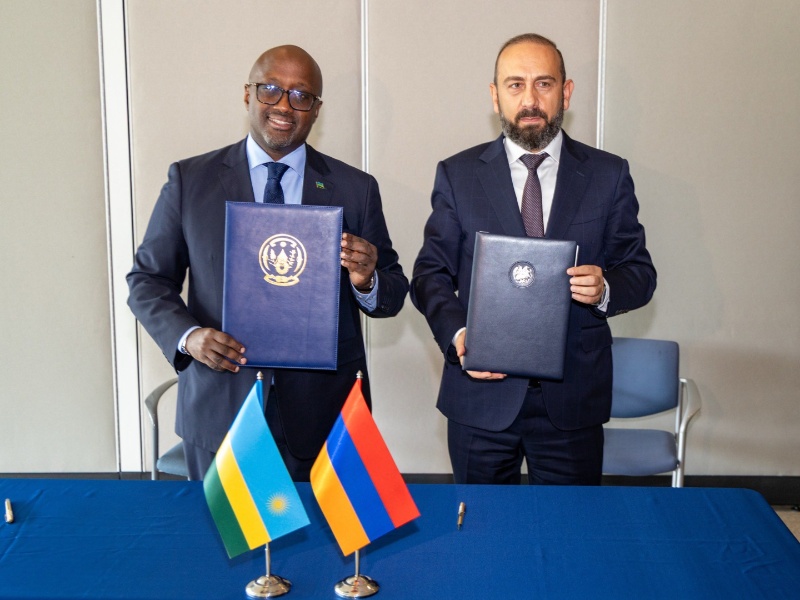
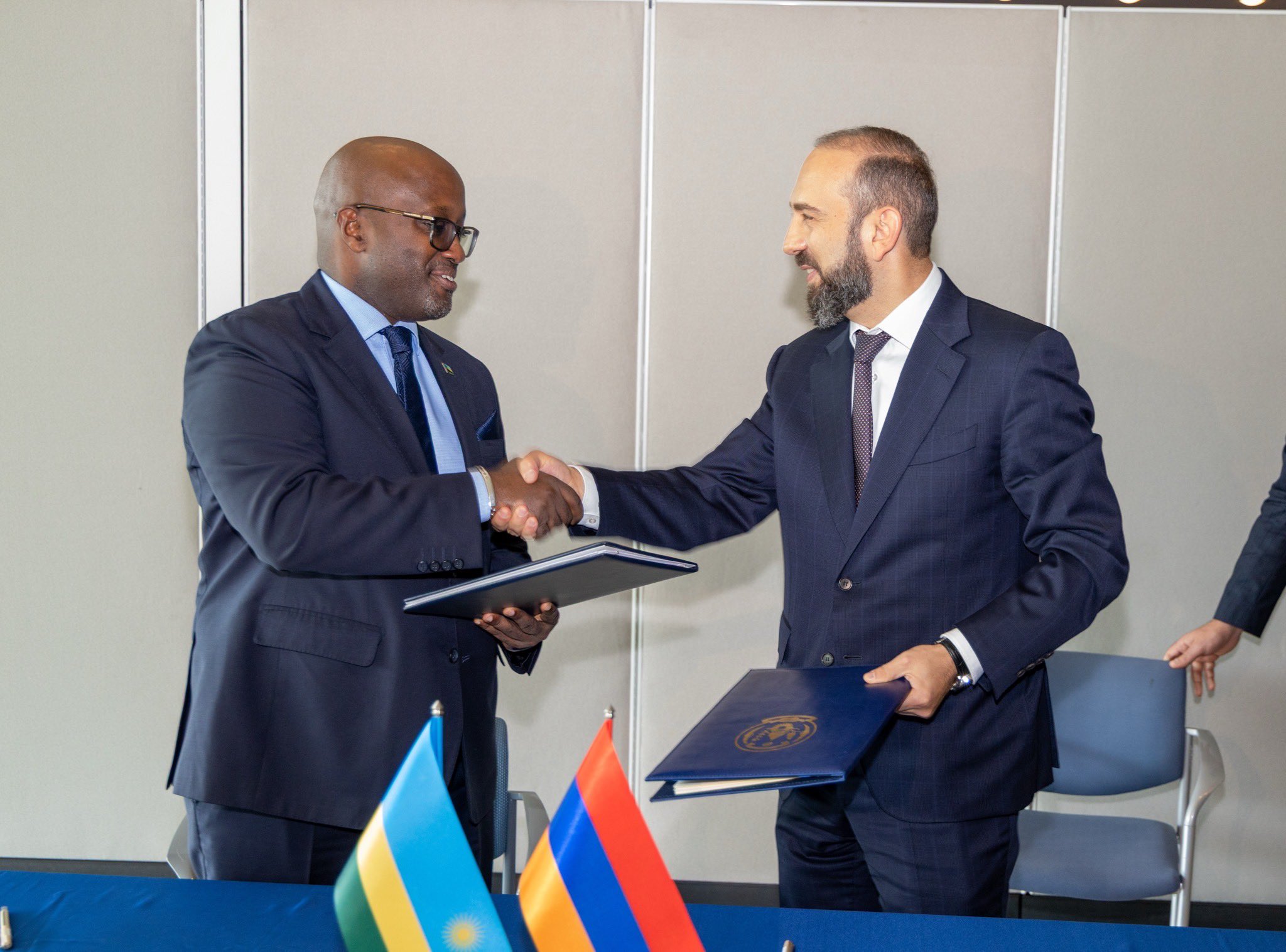
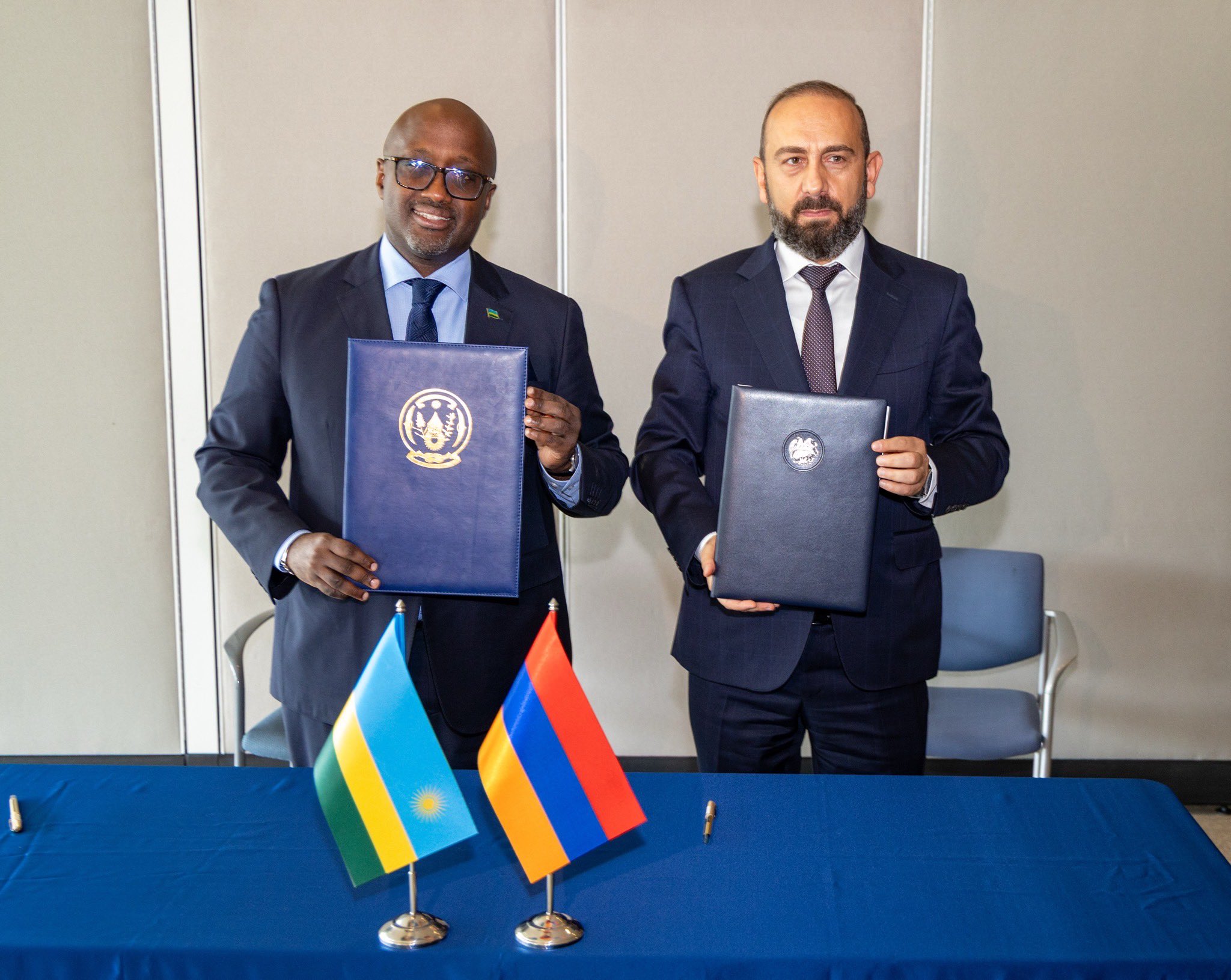
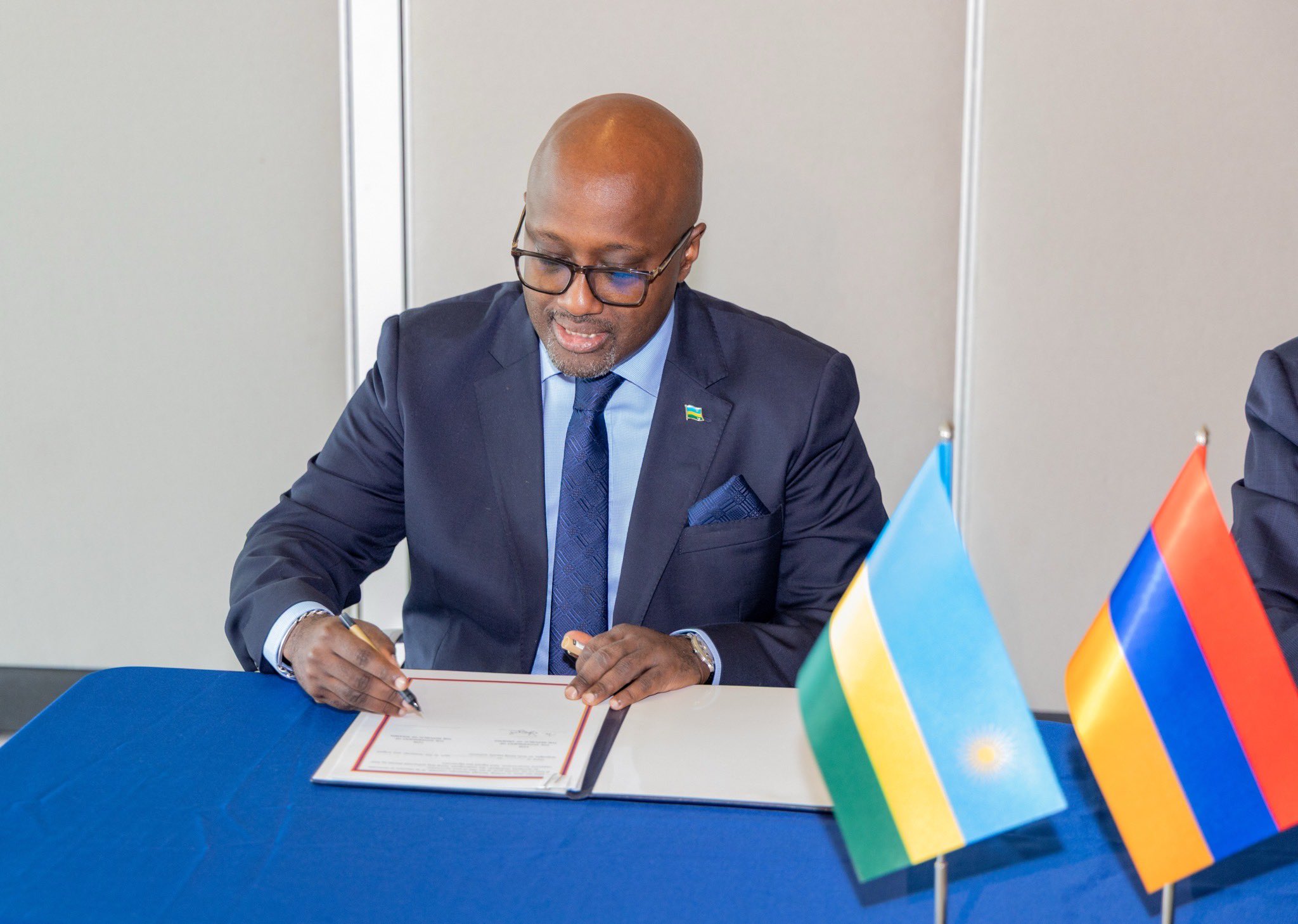
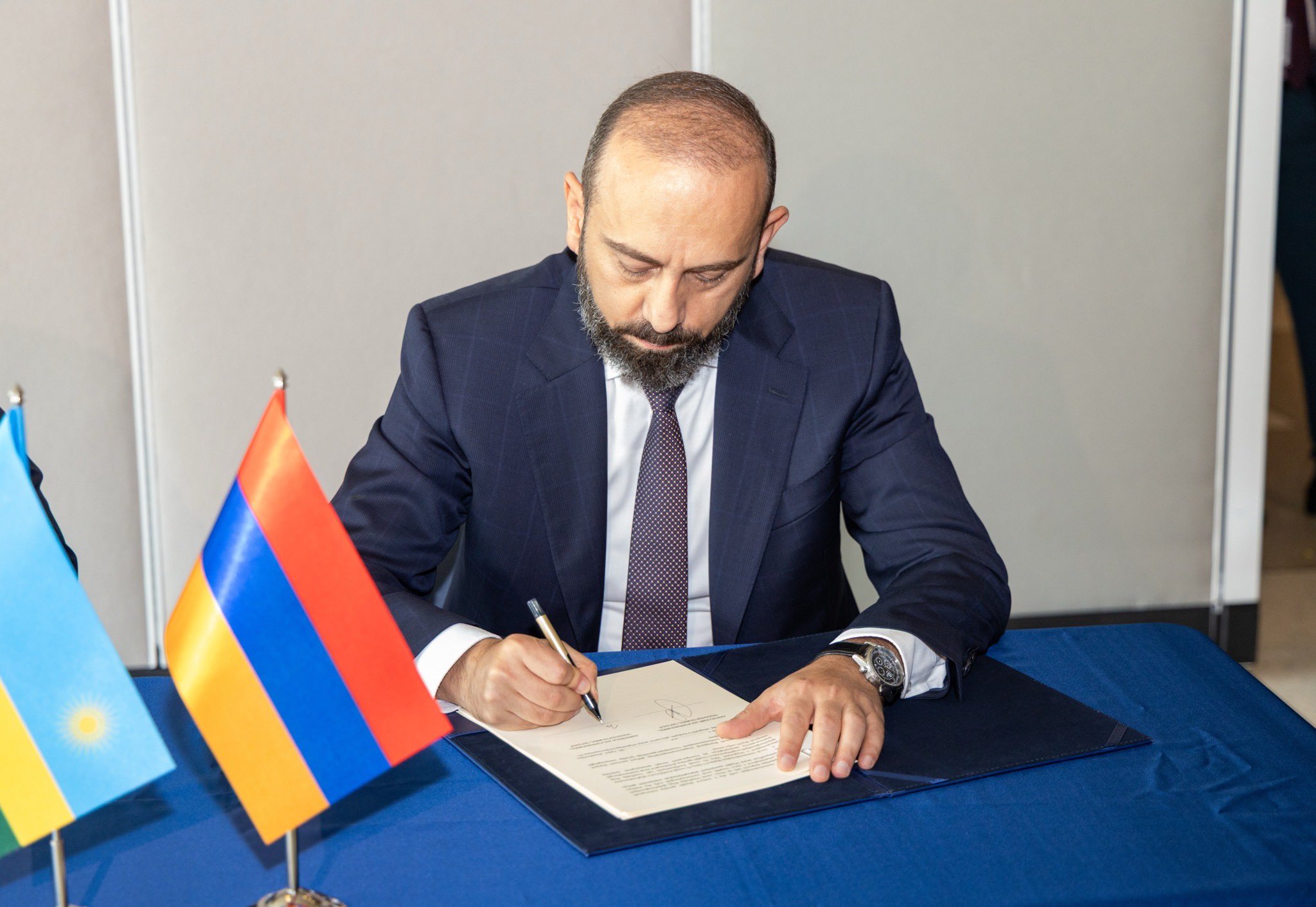
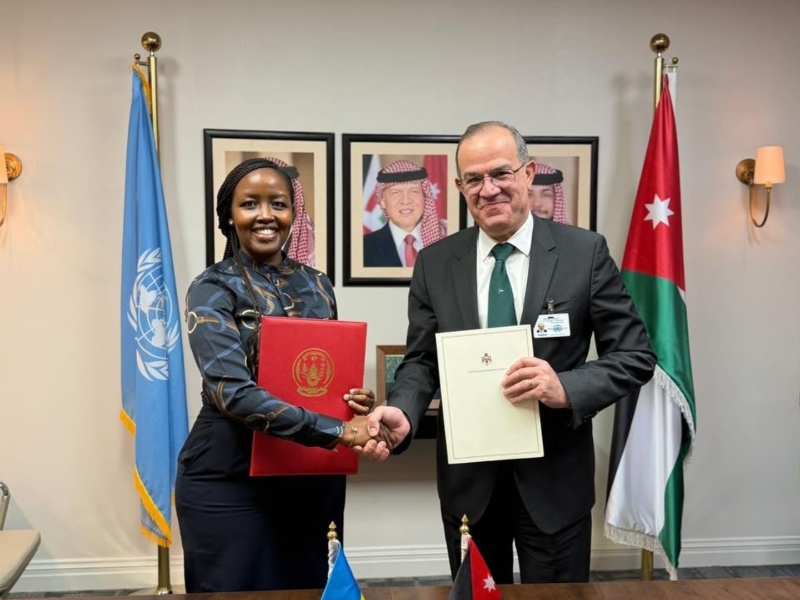
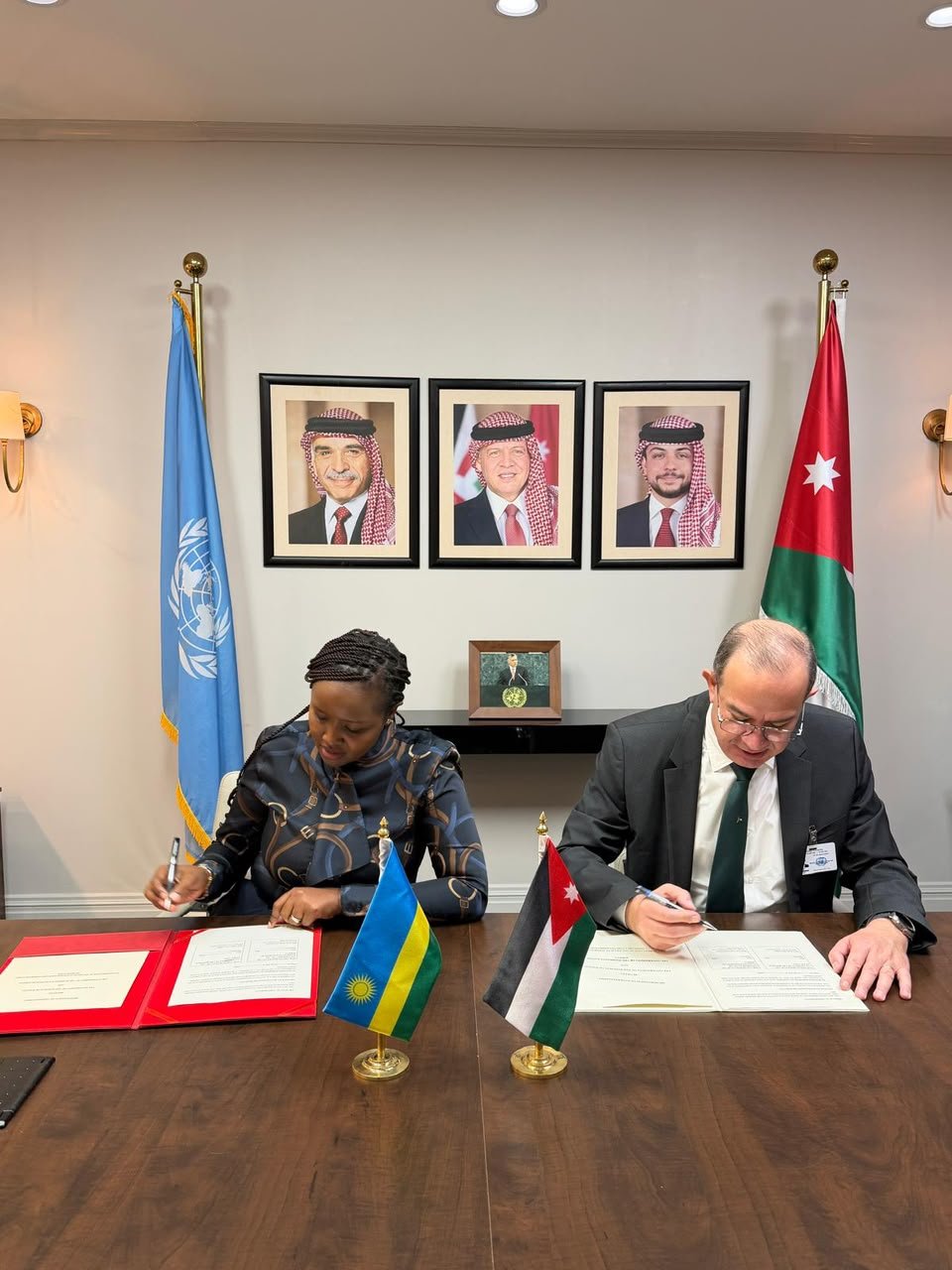
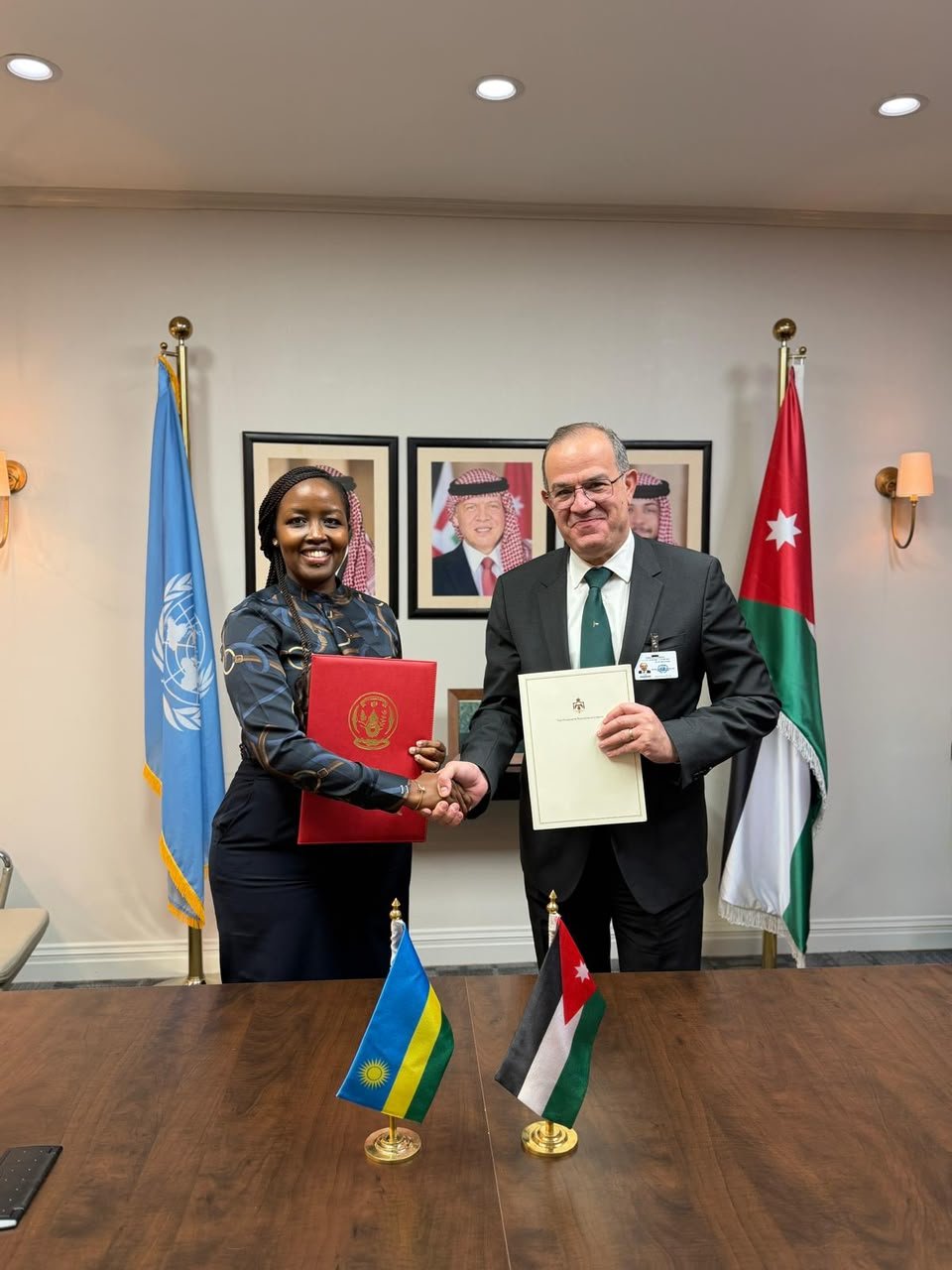
The establishment of diplomatic relations was finalised during a meeting between Uzbekistan’s Minister of Foreign Affairs, Bakhtiyor Saidov, and his Rwandan counterpart, Olivier Nduhungirehe. Speaking on Saturday, Saidov said Rwanda becomes the 167th country to establish diplomatic relations with Uzbekistan.
“Rwanda has become the 167th country with which Uzbekistan has established diplomatic relations. Together with the Minister of Foreign Affairs and International Cooperation of Rwanda H.E. @onduhungirehe, we signed a Joint Communiqué on the establishment of diplomatic relations,” Saidov wrote on X.
Key officials from Rwanda and Uzbekistan attended the meeting.
As part of the agreement, the two countries also signed a Memorandum of Understanding between their Ministries of Foreign Affairs. The MoU establishes a mechanism for regular political consultations aimed at enhancing dialogue and cooperation between Kigali and Tashkent.
According to Saidov, the signing of the documents represents an important step toward expanding Uzbekistan’s engagement with countries across the African continent.
The establishment of diplomatic relations was finalised during a meeting between Uzbekistan’s Minister of Foreign Affairs, Bakhtiyor Saidov, and his Rwandan counterpart, Olivier Nduhungirehe.
The establishment of diplomatic relations is expected to open new avenues for cooperation between Rwanda and Uzbekistan in areas of mutual interest, including political dialogue and broader international engagement.
Uzbekistan is a doubly landlocked country in Central Asia, a distinction it shares only with Liechtenstein. Historically, it lay at the heart of the ancient Silk Road and has since evolved from a former Soviet republic into a rapidly modernising state. It is also uniquely positioned as the only Central Asian country bordering all four of its regional neighbours, as well as Afghanistan.
Tashkent is the capital and largest city of Uzbekistan.
In recent years, Uzbekistan has emerged as one of the fastest-growing economies in the region, underpinned by its Development Strategy 2022–2026. The country recorded real GDP growth of 7.7% in 2025, with projections of 6.8% in 2026, supported by strong investment inflows and favorable global commodity prices, particularly for gold.
Its economy is anchored in key sectors such as natural resources, where it is a major global producer of gold and natural gas, and agriculture, which is gradually diversifying beyond its traditional reliance on cotton into higher-value exports. Uzbekistan is also advancing an ambitious green energy agenda, targeting 25% renewable energy generation by the end of 2026, with solar power playing a central role.
Registan Square, a historical landmark in Samarkand, Uzbekistan.
Tourism has become a fast-growing sector, with the country aiming to attract 12 million visitors by 2026, bolstered by new cultural and heritage investments, including the Silk Road Museum in Samarkand and expanded cultural infrastructure.
According to the National Statistics Committee, Uzbekistan’s permanent population stood at 38,382,685 as of April 1, 2026.
Another notable change is the unusually frequent revision of fuel prices. For the first time, prices were adjusted after only two weeks. Traditionally, fuel prices in Rwanda were revised every two months, but in early April, the cycle was shortened to one month, and later to just two weeks.
According to RURA’s pricing mechanism, fuel prices can technically be reviewed daily depending on market conditions and their impact on supply and costs.
Global supply disruptions as the main driver
Petrol imported into Rwanda passes through ports in Dar es Salaam (Tanzania) and Mombasa (Kenya). However, before reaching these ports, it is sourced from various global suppliers.
Currently, about 27% of fuel entering the region passes through the Strait of Hormuz. Other supplies come from India and Saudi Arabia, often transported through routes near Yemen, particularly the Bab el-Mandeb Strait.
Due to the Iran–US conflict, tensions in the Strait of Hormuz have disrupted shipping routes, with some vessels being blocked or delayed.
This has reduced the flow of fuel to Tanzania and Kenya, forcing suppliers to seek alternative and often more expensive routes. As a result, transportation costs have increased, which has directly pushed up fuel prices.
In Kenya and Tanzania, fuel prices are also adjusted monthly. Currently, petrol in Kenya costs about Rwf 2,342 per litre, while diesel is around Rwf 2,341.
Before Rwanda adjusted its prices, fuel in the country was relatively cheaper compared to neighbouring markets. This allowed some international truck drivers to refuel in Rwanda.
However, this situation created distortions in the market, prompting a price adjustment to align Rwanda with regional pricing trends, where profit margins had shifted unfavourably.
Storage owners have significantly increased prices
In Rwanda, fuel pricing is calculated based on importers who bring petroleum products through international supply chains, mainly via shipping routes in the region. These importers account for about 60% of Rwanda’s fuel supply.
The remaining 40% is supplied through traders who purchase fuel from Tanzania and Kenya, negotiate prices, transport it by trucks, and sell it in Rwanda. Due to rising global prices and regional shortages, these traders face higher procurement costs.
In simple terms, storage owners tend to delay selling in anticipation of higher future profits. Some storage operators in Tanzania have sharply increased their prices, which has affected the 40% of traders who rely on them. As a result, many truckers are now unable to sell fuel competitively in the Rwandan market.
If this segment of 40% were left unregulated, the 60% of formal importers would continue supplying fuel, but at a level insufficient to meet national demand, potentially leading to shortages.
This situation forced Rwanda to take early action to stabilise the market and ensure continued supply. Typically, a fuel truck takes at least five days to travel from Tanzania to Rwanda.
Government absorbs diesel cost increases
According to RURA’s latest pricing statement, the price of diesel has remained unchanged. This decision was made to continue supporting public transport, goods transportation, and the broader economy.
This is a critical intervention, as an increase in diesel prices would have significantly raised the cost of living across all sectors. Transport fares would have increased, and the prices of goods would have risen sharply.
In practical terms, maintaining diesel prices means the government is effectively absorbing part of the cost, likely through tax adjustments. Without this intervention, diesel prices could have exceeded Rwf 3,000 per litre.
Future outlook
If current trends continue, petrol prices in Rwanda could exceed Rwf 3,200 per litre by May, reflecting ongoing global market pressures.
On the international market, a barrel of crude oil is currently trading between $98.5 and $113 in some regions.
In March, crude oil prices fluctuated significantly: on March 4 it stood at $74.6 per barrel, rose to $97 on March 19, reached $98.7 on March 13, and climbed to about $108 in early April.
These global fluctuations continue to strongly influence fuel prices in Rwanda and the wider region.
Fuel prices in Rwanda have increased significantly due to the impact of the Iran–United States conflict.
On the morning of April 16, Bugaga’s vehicle was found parked in a palm plantation in Kivoga, near the Bujumbura–Bubanza road. His body was discovered in the front seat, with one leg hanging out through the left window.
Reports indicate that when people later accessed the scene, the body had been repositioned, placing Minister Bugaga in a seated position inside the vehicle in a way that would make it difficult for a casual observer to immediately realize he had died inside the car.
One of the first elements that raised suspicion was the absence of his security detail. In Burundi, a government official of his rank is normally accompanied by security personnel at all times, making their absence unusual.
A close friend of the late minister said that before his death, Bugaga had expressed fear, although he did not clearly explain what he was afraid of. The same friend said he had been planning to leave Burundi for Canada, but later changed his mind.
The friend, who is based in Europe, added that Bugaga had asked for assistance in preparing for relocation, saying, “One day before his death, he urged me to speed up the plan.”
Other accounts suggest that amid growing fears, Bugaga had consulted friends about the possibility of resigning, but they advised him against it, warning that it could create political tension with the government of President Évariste Ndayishimiye.
Human rights activist Pacifique Nininahazwe also questioned the official version of events. He stated that Bugaga’s Toyota Hilux was found in Kivoga without a rear license plate and that no visible signs of a nearby accident scene were present, raising questions about whether the incident actually occurred there.
He further noted unusual details, saying: “The first strange thing is that the car key was not inside the vehicle but was found in Gabby Bugaga’s bag. Did he drive without a key? Or did he park the car, remove the key, lie down, and place his leg out of the window while waiting for death?”
In an official statement, the Secretary-General and government spokesperson of Burundi, Jérôme Niyonzima, insisted that there is no doubt Bugaga died in a road accident and stated that no investigation is necessary.
However, the president of the Ligue Iteka human rights organization, Anschaire Nikoyagize, warned against rushing to conclusions. He called for an independent investigation to establish the truth.
Nikoyagize noted that since President Ndayishimiye came to power in June 2020, 2,248 bodies of people who died under unclear circumstances have been recorded in Burundi, suggesting that Bugaga’s death should also be thoroughly examined rather than automatically classified as an accident.
The latest assessment places Rwanda ahead of countries with comparable income levels, reflecting notable progress across health, education, and labour market performance.
The country achieved a score of 157 on the HCI+, significantly surpassing the Sub-Saharan Africa average of 126 and the low-income country benchmark of 116.
The HCI+ evaluates how effectively nations are building and utilising human capital by measuring the future productivity of children born today.
It considers access to quality healthcare, education, and employment opportunities, while also accounting for inefficiencies such as underused skills.
Compared to the original index, the HCI+ introduces broader indicators, including higher education attainment, job quality, and transitions within the labour market.
Minister of Finance and Economic Planning Yusuf Murangwa attributed the achievement to Rwanda’s long-standing policy focus.
“Our focus on health, quality education, and creating pathways to productive employment is delivering measurable results for Rwandans and the economy,” he stated.
He further noted that sustainability is being embedded across sectors to secure lasting impact.
Key indicators underline this progress. The probability of surviving to age 60 has reached 79 per cent, exceeding the regional average of 73.8 per cent.
Efforts to combat child stunting have also advanced, with 70.2 per cent of children expected to grow without stunting.
In education, Rwanda posted a harmonised learning score of 417 and a tertiary completion rate of 22.8 per cent.
Meanwhile, employment data shows encouraging trends, particularly among youth and wage earners, pointing to improved access to stable jobs. Overall, the gains reflect steady advancement since 2010, especially in health and workplace learning.
Rwanda has achieved a score of 157 on the HCI+, significantly surpassing the Sub-Saharan Africa average of 126 and the low-income country benchmark of 116 in the latest World Bank human capital index.