The urban index, which serves as the headline measure for monetary policy, rose 0.9 percent on a monthly basis compared to June 2026. The annual average inflation rate between July 2026 and July 2025 stood at 9.9 percent, while the annual average underlying inflation rate was 10 percent.
Nationally, the overall Rwanda CPI increased by 13.8 percent year-on-year and 0.3 percent month-on-month. Rural inflation rose 13.3 percent annually but eased 0.2 percent from June, pulled down by a 3.6 percent monthly drop in rural housing, water, electricity, gas and other fuel costs.
Transport and housing costs continue to lead the increase. Urban transport prices jumped 24.2 percent year-on-year, while housing, water, electricity, gas and other fuels rose 21 percent. Transport costs have been under pressure since February, linked to disruptions in oil flows through the Strait of Hormuz amid the Middle East conflict.
Meat prices surged 33.8 percent annually and spiked 17.8 percent in a single month, while vegetables were up 19.8 percent year-on-year, though they eased 0.8 percent from June. The sharp monthly rise in meat prices has been linked to strict livestock movement restrictions and quarantine measures imposed to contain Rift Valley Fever, a contagious animal disease that has significantly reduced the number of cattle, goats and sheep reaching Kigali’s abattoirs.
Food and non-alcoholic beverages, the largest component of the urban basket at 27 percent weight, increased 13.1 percent annually and 1.5 percent monthly, making it the biggest driver of July’s monthly rise. Restaurants and hotels rose 14.2 percent year-on-year.
NISR’s core index, which strips out fresh food and energy prices to capture underlying price trends, rose 11.4 percent year-on-year and 0.6 percent month-on-month, up from 5.8 percent a year earlier, signalling that price pressures have broadened beyond volatile categories.
The energy index rose sharply, up 44.5 percent annually, while the local goods index increased 15.8 percent and the imported goods index rose 10.7 percent over the same period.
NISR’s CPI is based on a basket of 1,622 products, with more than 29,482 prices collected each month in urban areas and 10,744 in rural areas. The urban CPI serves as the headline index for monetary policy purposes.
Meat prices surged 33.8 percent annually and spiked 17.8 percent in a single month. The sharp monthly rise in meat prices has been linked to strict livestock movement restrictions and quarantine measures imposed to contain Rift Valley Fever.
American singer Usher has responded to a bizarre viral rumor claiming that he hired a lookalike or “clone” to perform in his place during one of his recent concerts.
The speculation spread online after footage from Usher’s performance at MetLife Stadium in New Jersey on August 7 went viral, with some fans saying the performer did not look like the 47-year-old singer.
Several social media users questioned whether the person on stage was actually Usher, while others suggested that a body double or even an artificial intelligence generated version of the singer had been used.
The theory gained significant attention, with one post on X claiming that Usher had tried to fool concertgoers and calling for a refund. The post reportedly attracted more than four million views.
Other videos shared on TikTok also questioned the singer’s appearance during the performance.
Some users said his face appeared different from what they were accustomed to seeing, while others pointed to the fact that he was wearing a hat and sunglasses, which made it harder to see his face clearly.
Usher eventually addressed the speculation himself on August 9.
Rather than responding seriously, the singer appeared to find the claims amusing. In comments shared by the official R&B Tour account, he wrote, “Y’all are funny… clone? They can’t clone this?”
In another response, Usher questioned how fans had come up with the theory before adding, “AI ain’t that advanced.”
His comments effectively dismissed the suggestion that he had secretly hired someone to perform for him.
Usher is currently on the Raymond & Brown Tour with fellow singer Chris Brown.
The co-headlining tour, whose name refers to both artists’ surnames, began in June and is scheduled to continue through December with performances across North America.
The latest rumor is not the first time social media users have questioned Usher’s appearance during a performance.
Similar speculation emerged during his Past Present Future Tour in 2024, when some online users questioned his appearance and vocals and suggested that a stand-in might have been used. Those claims were also never substantiated.
The singer has continued to perform despite the latest wave of online speculation, which appears to have been driven largely by differences that fans perceived in short concert videos shared on social media.
Usher broke silence on viral rumors about a lookalike performing for him.
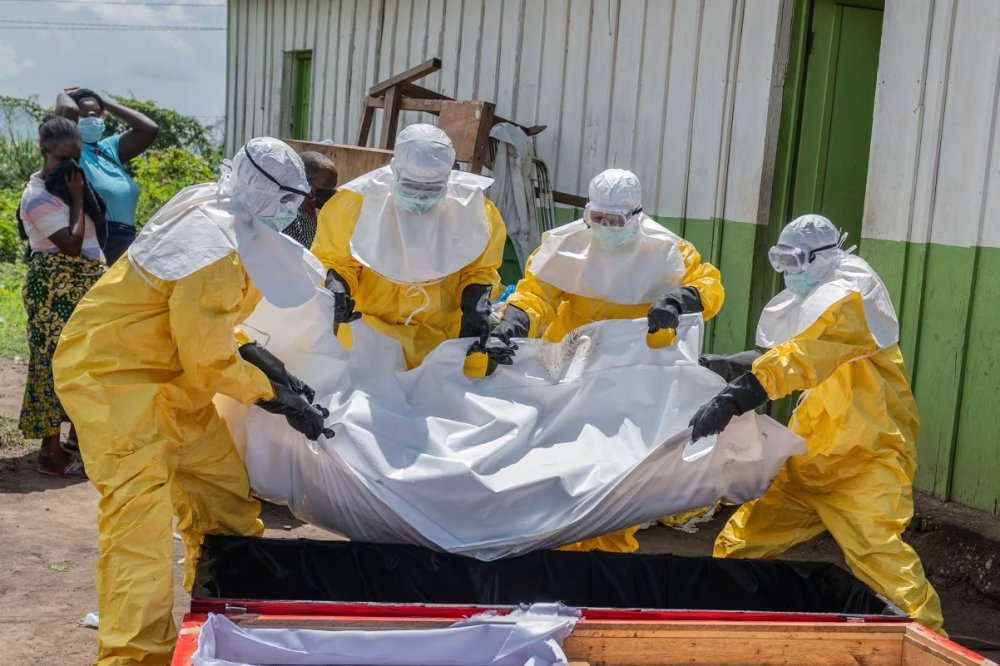
As of August 7, 2026, a total of 4,209 Ebola cases had been recorded, including 1,916 deaths, according to the latest figures released by INSP.
The report shows that 828 people had recovered from the disease, while 595 were either in isolation or receiving treatment at designated health facilities.
Ituri Province remains the epicentre of the outbreak, accounting for 86.5% of all reported cases. Meanwhile, South Kivu Province has gone 72 days without recording a new Ebola case.
The current outbreak is caused by the Bundibugyo ebolavirus. The World Health Organization (WHO) says there is currently no licensed vaccine or specific treatment for this strain, although medical interventions are being tested.
The scale of the outbreak makes it one of the most serious Ebola outbreaks recorded in the DRC since the virus was first identified in 1976.
The WHO reported on July 30 that the number of cases in the current outbreak had already surpassed the total recorded during the 2018–2020 Ebola outbreak.
The 2018–2020 outbreak recorded 3,481 cases and claimed 2,299 lives.
1,916 people have died from Bundibugyo Ebola in DRC
Researchers from the Helmholtz-Zentrum Dresden-Rossendorf, working with Wismut GmbH and the University of Granada, found that bacteria living in uranium contaminated mine water can help remove the metal from water when supplied with glycerol, a substance that serves as a food source for microorganisms.
In laboratory experiments, about 95 percent of the dissolved uranium disappeared from the water within 130 days.
Uranium is a radioactive heavy metal that is normally locked inside minerals in soil. However, mining and other environmental processes can cause it to dissolve and enter groundwater.
Once uranium becomes mobile in water, it can spread through the environment and pose risks because of its toxicity.
The researchers wanted to understand not only whether bacteria could reduce the amount of uranium dissolved in water, but also what happened to the uranium after it was removed.
The team collected water from a flooded uranium mine in Germany’s Ore Mountains.
The mine, operated by Wismut GmbH, provided researchers with a naturally occurring community of microorganisms.
In the laboratory, the scientists added controlled amounts of glycerol to samples of the mine water and created oxygen free conditions similar to those found deep underground.
As the bacteria used the glycerol as a food source, the concentration of dissolved uranium gradually fell.
After 130 days, only about five percent of the uranium originally dissolved in the water remained. Further investigation showed that the uranium had accumulated within the bacteria’s cell walls.
The researchers then used advanced microscopy and spectroscopy techniques to determine what form the uranium had taken.
Their analysis revealed an unexpected result. A significant amount of the uranium had entered a chemical state known as pentavalent uranium, or uranium with a valency of five.
Pentavalent uranium has generally been considered rare and unstable, with scientists previously viewing it as a temporary chemical state.
The team discovered that the uranium had combined with iron and oxygen to form a compound known as FeU(V)O4.
The compound is particularly interesting because previous research had shown that it could remain stable even when exposed to atmospheric oxygen for more than 25 years.
However, scientists had not previously understood how the compound could naturally form or that bacteria could play a role in its formation.
The new experiments provided another surprise.
When the researchers exposed dried bacterial material containing the uranium compound to oxygen, the amount of FeU(V)O4 actually increased rather than decreased.
This suggests that the compound may be more stable in oxygen rich conditions than previously expected. It also strengthens the possibility that bacterial activity could help transform mobile uranium into a form that is less likely to spread through water.
Dr Evelyn Krawczyk-Bärsch, a scientist in HZDR’s Terrestrial Microbiology research group and a co author of the study, said the findings showed for the first time that bacteria supplied with glycerol can convert dissolved uranium into a stable chemical compound.
However, the researchers stressed that more work is needed before the discovery can be turned into a practical method for cleaning contaminated environments.
The scientists now plan to investigate the uranium binding bacteria in greater detail and study the biochemical and geochemical processes responsible for the transformation.
A better understanding of these processes could help determine whether microorganisms can eventually be used as part of efforts to remediate uranium contaminated water and other environments.
Scientists have uncovered an unexpected role for bacteria in converting mobile uranium into a stable chemical form.
“NORAD F-16s intercepted multiple general aviation aircraft today that violated temporary flight restrictions over Bedminster, NJ. All aircraft were safely escorted out of the area by NORAD aircraft,” said the North American Aerospace Defense Command (NORAD), which patrols this area, in a post on social media platform X.
Trump was at his Trump National Golf Club this weekend.
Local media outlets reported that two civilian airplanes were intercepted by military jets.
One video that captured the moment when an F-16 fighter jet was chasing a slow-moving aircraft was posted on X by Joe Afflerbach of Joey’s North Jersey Severe Weather.
NJ.com, a digital news content provider in New Jersey, which got permission to post the video on its website, said the video was taken from Afflerbach’s house in Jefferson Township, outside Bedminster.
Fox News said a third aircraft triggered an alert as Trump was preparing to depart the area.
The third incident appeared to delay Trump’s departure by about 13 minutes. During that time, emergency SUVs, law enforcement officers and U.S. Secret Service agents were seen moving into position near the runway where Trump was scheduled to depart around 5 p.m. (2100 GMT), said Fox News.
The third aircraft re-established communications and became compliant before NORAD intervention was required, said Fox News.
Local media outlets reported that two civilian airplanes were intercepted by military jets.
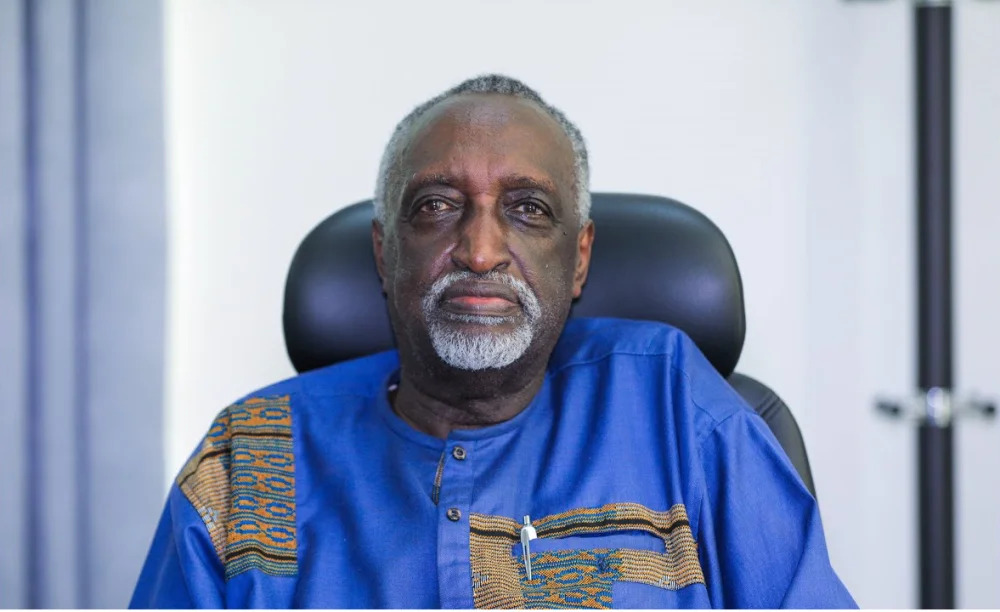
Rutaremara, now Chairperson of Rwanda Elders Advisory Forum (REAF), shared the account in an interview with One Nation Radio, offering fresh details about his first encounter with Dijoud, one of the key architects of France’s Rwanda policy in the early 1990s.
The remarks build on an account President Paul Kagame shared last month about his own tense meeting with Dijoud in Paris in September 1991, when the French official warned that even if the RPF captured Kigali, it would not find the people it sought to rescue because they would have already been killed.
A meeting that quickly turned confrontational
Rutaremara said he travelled to Paris ahead of Kagame to prepare for talks that France had requested with the RPF.
When he arrived at Dijoud’s office, he was received by the diplomat’s secretary while Dijoud met ministers from Djibouti, the Central African Republic and Chad.
According to Rutaremara, the secretary deliberately opened the office doors and windows, allowing him to overhear Dijoud reprimanding the ministers.
“We heard him saying they came asking for their countries’ money, squandered it and then returned asking for more,” Rutaremara recalled.
He believes the secretary intentionally allowed the RPF delegation to hear the exchange.
When Rutaremara and his colleagues were finally invited into Dijoud’s office, he said the French official did not greet them. Instead, he immediately asked whether they were from the RPF, speaking in what Rutaremara described as a dismissive tone.
Dijoud then urged the RPF to end the war, saying France wanted the movement to halt its military campaign and that he had advised President Juvénal Habyarimana to allocate government positions to the RPF.
Rutaremara objected to the tone of the meeting, telling Dijoud there was no reason to treat them disrespectfully.
“He asked me what I meant,” Rutaremara recalled. “I told him, ‘Those ministers you were scolding had come asking for money. We have not come here asking you for money, so why are you treating us this way?’”
‘We did not ask for your permission’
Rutaremara said Dijoud again insisted that the RPF should stop fighting.
His response, he said, was unequivocal.
“I told him, ‘When we started the war, we did not ask for your permission. You came to help fight against us, but you will not be the ones to stop this war. We will stop it ourselves when we decide the time is right.’”
According to Rutaremara, the exchange infuriated Dijoud, who ordered the delegation out of his office and requested that future discussions be held with other senior RPF leaders.
He said the French side specifically asked that Kagame, then the RPF’s vice chairman, attend the next meeting instead of the movement’s chairman, Col. Alexis Kanyarengwe.
Confined to a hotel in Paris
Rutaremara said that when Kagame later travelled to Paris for the talks, he was instructed to remain at the hotel where he was staying and was not allowed to accompany him to the negotiations.
He believes the decision was linked to his earlier confrontation with Dijoud.
“It felt like being imprisoned,” he said. “I believed they kept me away because of my argument with Dijoud.”
Rutaremara added that Rwandan contacts later helped him leave the hotel through an alternative exit.
A lesson for young people
Reflecting on the RPF’s eventual military victory over the then Rwandan government forces and the French troops supporting them, Rutaremara said the outcome should inspire younger generations.
He argued that despite France’s global influence, the RPF prevailed because it remained committed to what it believed was a just cause.
“Do not be intimidated by those who appear powerful. If you are fighting for a just cause, remain committed to it, and you can achieve your goal,” he said.
At the RPF Political Bureau meeting on July 17, 2026, President Kagame also recalled his own encounter with Dijoud, saying the French official warned him in September 1991 that if the RPF continued fighting, it would eventually capture Kigali only to find that the people it sought to save had already been killed.
“He said, ‘You must stop fighting, because even if you take Kigali, you will not find your people,’” Kagame recalled.
“At first, I couldn’t understand what it meant. But it actually meant they would be killed,” he added, noting that the warning foreshadowed the 1994 Genocide against the Tutsi.
As the meeting ended, Kagame said Dijoud made a sarcastic remark in the corridor, telling him he hoped to meet him again “when you are the commander of the new army of Rwanda.” Kagame said he replied that if that happened, he would do a good job of it.
President Kagame also recounted how, after the meetings, he and two colleagues, Dr. Emmanuel Ndahiro and Tom Byabagamba, were arrested in the middle of the night by armed plainclothes officers while staying at a hotel in Paris.
He said they were taken to a detention facility, where they were questioned about the people they had met during the visit.
Kagame recalled refusing to undergo a polygraph test and rejecting food offered to him while in custody. The three were released later that day before Kagame left France via Brussels.
Veteran RPF-Inkotanyi official Tito Rutaremara recounted a heated confrontation with Paul Dijoud, then a senior official at the French Foreign Ministry, saying he told the diplomat that the RPF had never sought France’s permission to launch its liberation struggle and would decide for itself when to end the war.
A large study has found that the relationship between alcohol and health may differ depending on both the amount consumed and the type of alcoholic beverage.
Researchers examined health and drinking data from 340,924 adults who participated in the UK Biobank study between 2006 and 2022. Participants were followed for more than 13 years on average.
The findings, presented at the American College of Cardiology’s Annual Scientific Session, showed that heavy alcohol consumption was associated with a significantly higher risk of death, regardless of the type of alcohol consumed.
Compared with people who rarely or never drank, those in the highest alcohol consumption group were 24 percent more likely to die from any cause.
They were also 36 percent more likely to die from cancer and 14 percent more likely to die from heart disease.
However, researchers observed a different pattern among people who consumed lower amounts of alcohol.
At low and moderate levels, beer, cider and spirits were associated with a higher risk of death, while wine consumption was associated with a lower risk.
The difference was particularly notable when researchers examined cardiovascular deaths. People who consumed wine at moderate levels had a 21 percent lower risk of dying from cardiovascular disease compared with those who rarely or never drank.
In contrast, even low levels of beer, cider or spirits consumption were associated with a 9 percent higher risk of cardiovascular death.
Researchers said several factors could help explain the difference. Wine, particularly red wine, contains compounds such as polyphenols and antioxidants that may have cardiovascular effects.
Wine is also more commonly consumed with meals and is often associated with healthier diets and lifestyle habits.
However, the researchers stressed that the findings do not prove that wine itself protects against disease or death.
The study was observational, meaning it examined existing drinking habits rather than assigning people to consume specific types or amounts of alcohol.
Participants also reported their alcohol intake only when they entered the study, so changes in drinking habits over time were not fully captured.
The researchers also noted that UK Biobank participants tend to be healthier than the general population, which may limit how widely the findings can be applied.
Zhangling Chen, senior author of the study, said the findings provide a more detailed picture of how both the amount and type of alcohol may be associated with health outcomes.
Despite the limitations, the large number of participants and long follow-up period provide substantial data on the relationship between alcohol consumption and mortality.
The researchers said further high-quality studies are needed to determine whether differences between alcoholic beverages are directly responsible for the health patterns observed.
Researchers found that heavy drinking raised mortality risks, while lower consumption showed different patterns across alcoholic beverages.
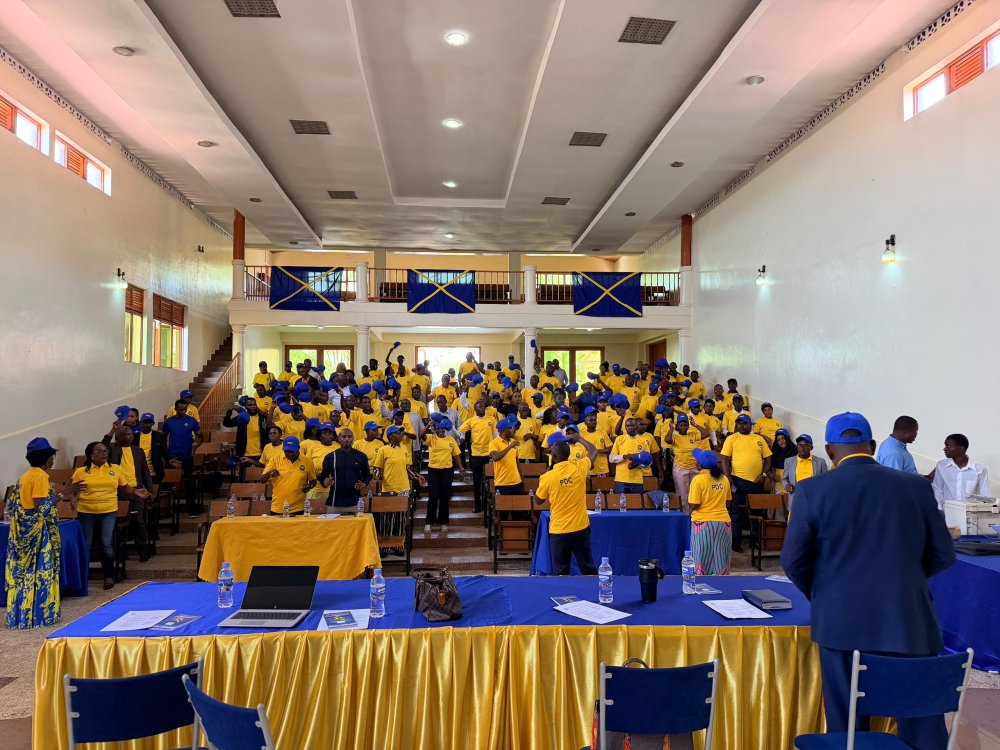
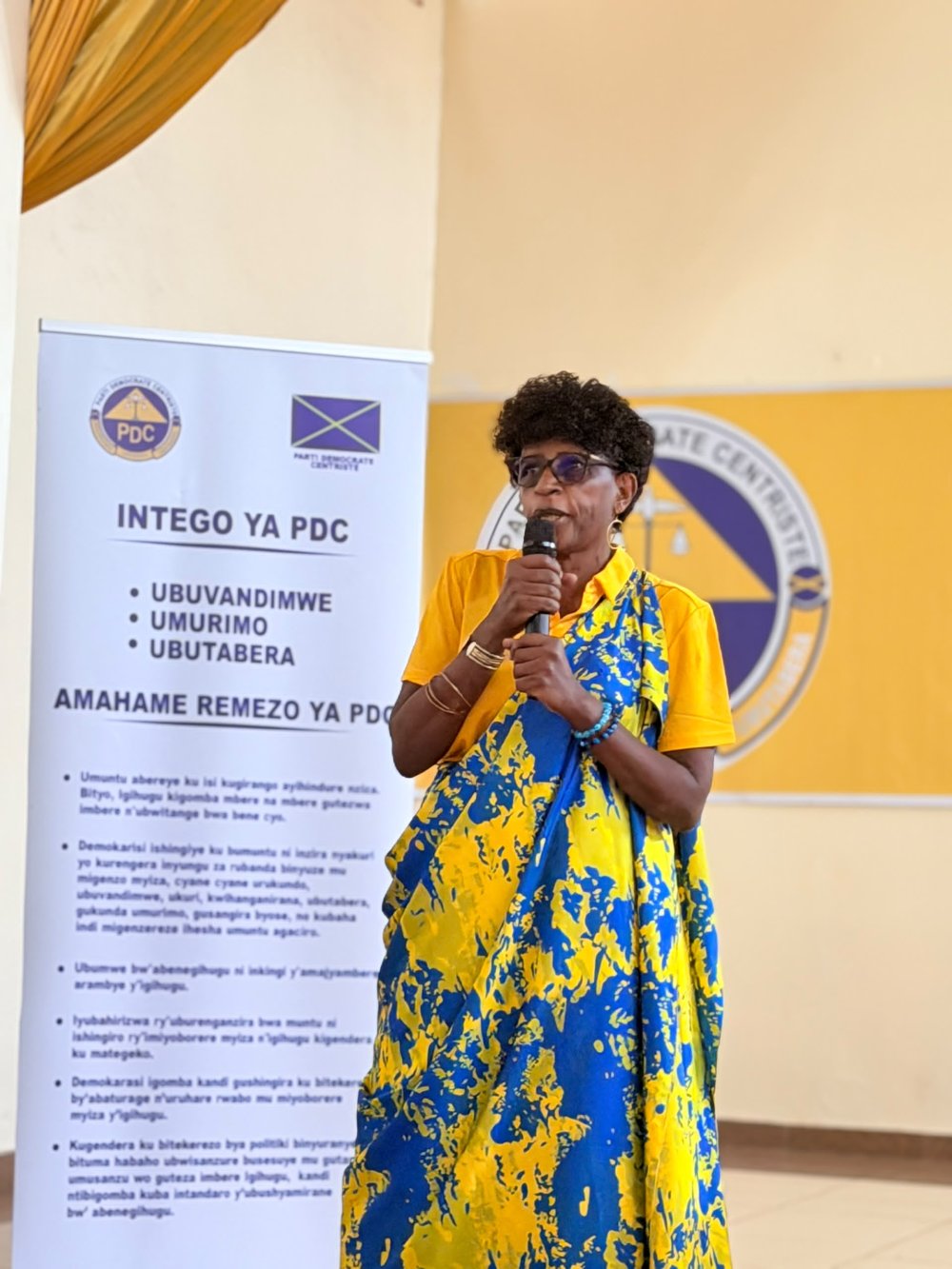
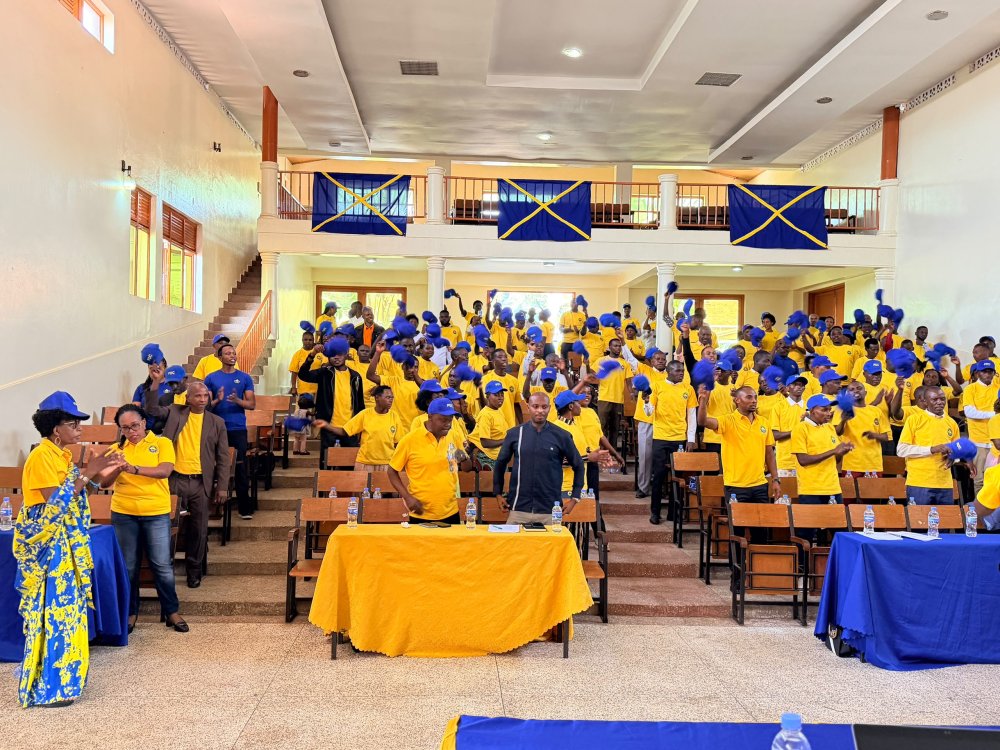
The election took place in Kigali on Sunday, August 9, 2026, during a congress that elected members of the party’s leadership at all levels. It was attended by representatives of the party from district to national level.
Ndagijimana secured 79 of the 103 votes cast, defeating his challenger Mukakarangwa Clothilde, who received 24 votes.
The new PDC president said his priorities will include strengthening unity within the party, building its institutional capacity and securing permanent premises for its operations.
The party currently operates from rented offices and owns two undeveloped plots of land that it intends to develop into permanent headquarters.
“First and foremost, it is about building fraternity. We also have plots of land that have remained undeveloped for a long time, and we have to build offices on them,” Ndagijimana said.
He also said he would focus on making the party’s political programmes more appealing to young people, who he described as an important part of the party’s membership and its future.
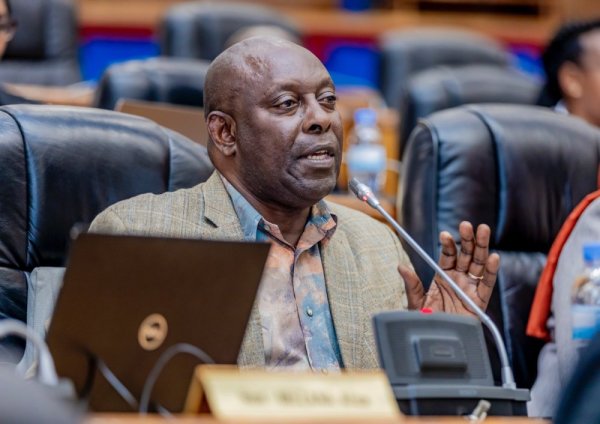
Ndagijimana has been a member of PDC for 34 years and served as its Secretary General since 2015.
He served in the Chamber of Deputies from 2018 to 2024 and previously worked as a commissioner at the National Electoral Commission. He has also held positions in the former Ministry of Environment and Tourism, as well as responsibilities related to education, research and project management.
Mukabaranga, who has now left the party’s top leadership position, first headed PDC in an acting capacity in 2009 before being elected for two terms. Her second term ended in 2023, when new elections were expected to be held but were delayed until this year.
Several other officials were elected to work with Ndagijimana in the new leadership.
Lawyer Vincent Rugema was elected First Vice President with 80 votes, while Mukabasebya Claudette was elected Second Vice President with 95 votes.
Ildephonse Nkiliye was elected Secretary General with 95 votes, while Benoît Sikubwabo became Treasurer after receiving 53 votes.
Bénie Niyodusingiza was elected president of the PDC-affiliated youth league, while Aline Umubyeyi was elected to lead the party’s women’s league.
The party also elected provincial representatives, including Espérance Nyiraneza for the Western Province, Jean-Baptiste Gatsinzi for the Eastern Province, Augustin Uwereyimfura for the Southern Province, Thierry Niyibizi for the Northern Province and Clémence Uwamahoro for the City of Kigali.
Other party officials, including members of various PDC commissions, were also elected.
PDC’s history
The PDC was established in 1991 by Jean Népomuscène Nayinzira and other political figures amid growing pressure for Rwanda to adopt a multiparty political system beyond the ruling MRND party under President Juvénal Habyarimana.
The party was initially established as the Christian Democratic Party (Parti Démocratique Chrétien). It later changed its name to the Centrist Democratic Party (Parti Démocrate Centriste) following constitutional restrictions on political parties based on religion.
PDC was among the political parties that supported the Arusha Peace negotiations, which sought power-sharing and a lasting political settlement in Rwanda.
Following the 1994 Genocide against the Tutsi, the party continued its political activities, and in 2003 it joined an alliance of political parties that supported the Rwandan Patriotic Front (RPF) during the presidential and parliamentary elections.
PDC won three seats in the Chamber of Deputies in the 2003 elections, while its then-president, Alfred Mukezamfura, was elected Speaker of the Chamber.
The election took place in Kigali on Sunday, August 9, 2026, during a congress that elected members of the party’s leadership at all levels. The new committee representing youth at the PDC Agnès Mukabaranga has led the party for more than a decade.
Trump for weeks “had been laying the groundwork to declare victory in the Iran war should Tehran fully reopen the Strait of Hormuz, even floating the idea privately to senior aides that he’s willing to walk away without a nuclear deal,” the report cited U.S. officials as saying.
The report noted that Trump sought to include nuclear talks as part of broader negotiations with Iran, “but those have proven too difficult, leading the White House in recent weeks to focus more on reopening the Strait of Hormuz.”
That “scaled-back objective,” however, became more difficult when Iran insisted Saturday “on its highest price yet” for seeking billions of dollars in U.S. payments, the removal of American troops from the region, and an end of the U.S. naval blockade, among other things, the report said, adding that “recent chaos in negotiations signaled Tehran is prepared for a long and grinding conflict.”
The latest report came two days after CNN reported that Chairman of the Joint Chiefs General Dan Caine has, over the last few weeks, privately told other top Trump advisers and Cabinet officials that the United States needs to find an off-ramp from the war with Iran.
Meanwhile, growing concerns over U.S. ammunition stockpiles have raised doubts about how long military operations against Iran can be sustained in a war now in its fifth month.
Media reported that U.S. military had exhausted nearly 80 percent of the interceptors for a key missile defense system during the war, as military commanders warned that the army’s munitions stockpile was “dangerously low.”
On Thursday, Trump acknowledged that although overall U.S. ammunition stockpiles remain sufficient, supplies of certain types of ammunition are “a little bit tighter,” without elaborating.
According to a report by The Washington Post on Saturday, the Pentagon is asking the U.S. defense industry to “rapidly escalate the production and delivery of weapons,” including munitions that are “in extreme shortage” due to the war.
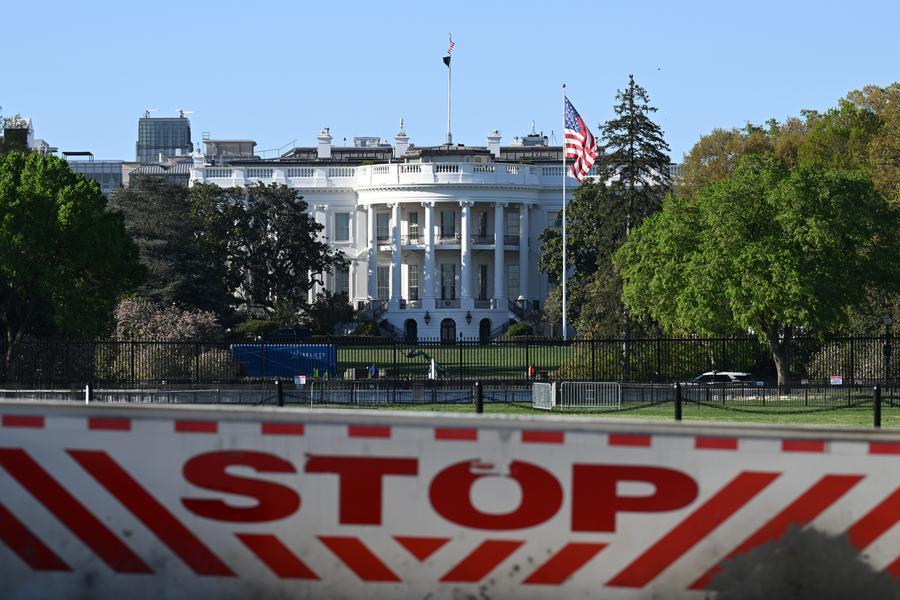
This photo taken on April 7, 2026 shows a view of the White House in Washington, D.C., the United States. (Xinhua/Li Rui)
Researchers found that 560 to 610 minutes (roughly 9 to 10 hours) of moderate to vigorous physical activity each week was associated with more than a 30% lower risk of cardiovascular disease.
This is about three to four times the current public health recommendation of at least 150 minutes of moderate to vigorous activity per week.
The findings come from an observational study published online in the British Journal of Sports Medicine.
Researchers from Macao Polytechnic University in China examined how physical activity and cardiorespiratory fitness were associated with cardiovascular disease risk.
The researchers analysed data from 17,088 people enrolled in the UK Biobank between 2013 and 2015.
The participants had an average age of 57, with women accounting for 56% of the group.
Each participant wore a wrist device for seven consecutive days to record their usual physical activity.
They also completed a cycling test that researchers used to estimate their VO2 max, a measure of how efficiently the body takes in and uses oxygen during intense exercise.
The researchers also considered factors including smoking, alcohol use, self rated health, diet, body mass index, resting heart rate and blood pressure.
During an average follow up of 7.8 years, researchers recorded 1,233 cardiovascular events. These included 874 cases of atrial fibrillation, 156 heart attacks, 111 cases of heart failure and 92 strokes.
Participants who met the recommended 150 minutes of exercise per week had an 8% to 9% lower cardiovascular risk.
However, activity levels of 560 to 610 minutes per week were associated with a reduction of more than 30%.
Only 12% of participants reached this higher level of physical activity.
The study also found that people with lower fitness levels may need slightly more exercise than highly fit individuals to achieve similar cardiovascular benefits.
For example, a 20% reduction in cardiovascular risk was associated with about 370 minutes of moderate to vigorous exercise each week among people with the lowest fitness levels, compared with about 340 minutes among those with the highest fitness levels.
The researchers said the findings suggest that future exercise recommendations could consider individual fitness levels instead of relying entirely on a single target for everyone.
The researchers say, “This finding highlights the steeper challenge faced by deconditioned populations.”
However, the study cannot prove that higher levels of exercise directly caused the lower cardiovascular risk because it was observational.
The researchers also noted that the participants may have been healthier and fitter than the general population, while fitness was estimated rather than measured directly.
Despite these limitations, the researchers said the current 150 minute recommendation remains a reliable minimum, while higher levels of physical activity may provide greater protection against cardiovascular disease.
Adults may need considerably more physical activity than the current minimum recommendation to achieve a substantial reduction in their risk of cardiovascular disease, according to a new study.