Both patients travelled through the airport on October 3, 2026, according to Dr Wessam Mankoula, head of emergency preparedness and response at the Africa Centres for Disease Control and Prevention (Africa CDC).
“One of the issues we are currently investigating has been some sort of interaction between the two cases at the airport,” Mankoula said.
The investigation comes as health authorities work to contain an outbreak of Ebola Bundibugyo virus disease that began in the Democratic Republic of Congo (DRC) in May and has spread to several other countries.
Nigeria confirmed its first case of the outbreak on October 20, involving a Uganda-born woman married to a diplomat and based in Abuja. The patient had travelled to Uganda before returning to Nigeria in early October.
Nigeria’s Health Minister, Muhammad Ali Pate, said authorities had identified 44 contacts linked to the patient and were working to prevent further transmission.
“We are trying to contain it so it doesn’t go out to the communities. Hopefully, it won’t get to that, and we are working hard to ensure that,” Pate said.
Health authorities are still investigating where the Nigerian patient contracted the virus. While Uganda has been identified as part of her travel route, officials have not established the precise location of exposure.
Ugandan authorities have disputed suggestions that the woman contracted Ebola in their country, maintaining that she travelled to eastern DRC before transiting through Uganda. However, Africa CDC and the World Health Organization (WHO) said they had not received verified information confirming that she had visited DRC.
Kenya confirmed its first case on October 6 involving a man who had been living in DRC and travelled to Kenya through Uganda. He later died, and eight additional cases were reported in connection with the initial infection.
The possible airport connection between the Nigerian and Kenyan patients remains one of several scenarios under investigation as health agencies seek to reconstruct their movements and determine how the infections may be linked.
The outbreak has placed additional pressure on regional health systems, particularly in DRC, where thousands of infections have been recorded.
According to the European Centre for Disease Prevention and Control, DRC had reported 9,704 confirmed cases and 4,687 related deaths by October 21, 2026.
As the investigation continues, health authorities across the region are working to determine whether the two patients came into contact at Entebbe International Airport and to identify anyone who may have been exposed. The findings could help clarify how the virus crossed borders and guide efforts to prevent further spread of the outbreak.
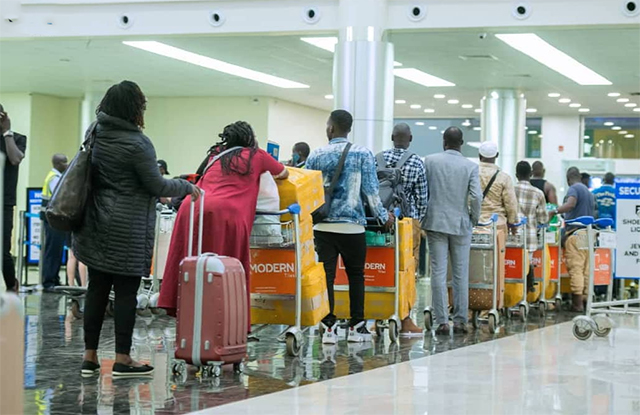
Health officials are investigating whether the first Ebola patients confirmed in Nigeria and Kenya came into contact at Uganda’s Entebbe International Airport earlier this month.
This marks a significant increase from the first two editions, when winning lots fetched $71.80 per kilogramme in 2024 and $88 per kilogramme in 2025.
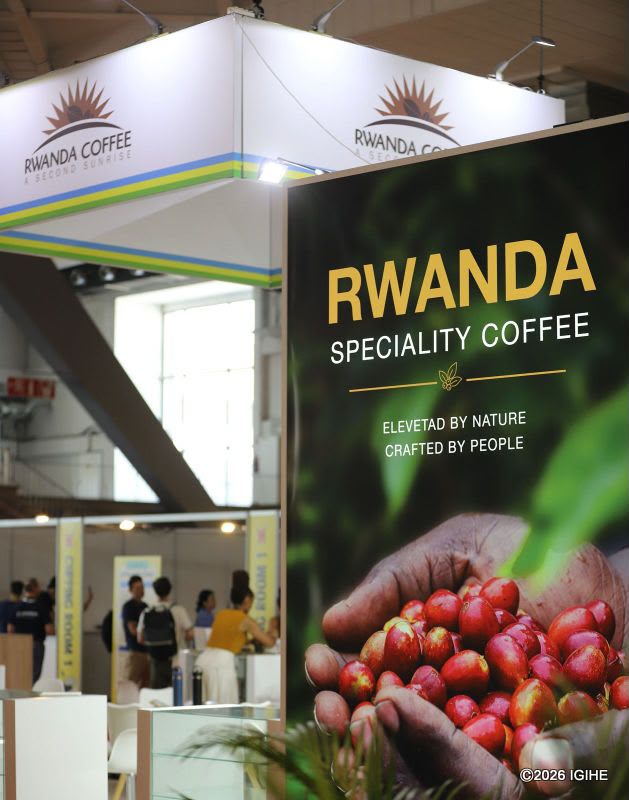
The winning lot, produced by K-Organics Ltd, sold for a price 66 times higher than the average international market price for Rwandan coffee exports, according to the National Agricultural Export Development Board (NAEB).
Evariste Karangwa, owner of K-Organics Ltd, said the achievement would enable him to invest more in coffee farming practices and improve the livelihoods of people in his community.
“This achievement is a testament to the hard work and dedication we put into producing quality coffee. This recognition will allow me to invest in quality coffee farming activities, hence ensuring even higher quality coffee in the future and improve my community’s livelihood through coffee,” he said.
The auction featured 31 specialty coffee lots selected from 320 entries submitted from across Rwanda. The lots underwent three rounds of sensory evaluation by national and international jurors before being selected for the final auction.
According to NAEB, the auction attracted buyers from Europe, Asia, the United States and Africa, providing an international platform for Rwanda’s specialty coffee producers.
NAEB Chief Executive Officer Claude Bizimana said the price reflected efforts by producers, exporters and other stakeholders to improve coffee quality, traceability and sustainability across the value chain.
“This achievement demonstrates the potential of collaboration among producers, exporters, partners and other stakeholders in advancing quality, traceability and sustainability,” he stated.
Bizimana added that the $452-per-kilogram price reflected continued efforts to strengthen quality and traceability from farms to international markets.
The Best of Rwanda National Specialty Coffee Competition is an annual initiative organised by NAEB to showcase high-quality coffee produced by smallholder farmers and improve their visibility and access to international markets.
Through the competition and subsequent auction, NAEB seeks to expand market opportunities for Rwandan coffee and increase foreign exchange earnings from exports.
Rwanda has continued to promote specialty coffee as a way of increasing the value of its exports, with quality improvements and access to premium international markets offering opportunities for farmers and exporters to earn more from the crop.
The coffee sector generated a record $148.6 million in export revenues in 2025, a 65% increase compared to the previous year.
Rwanda has continued to promote specialty coffee as a way of increasing the value of its exports.
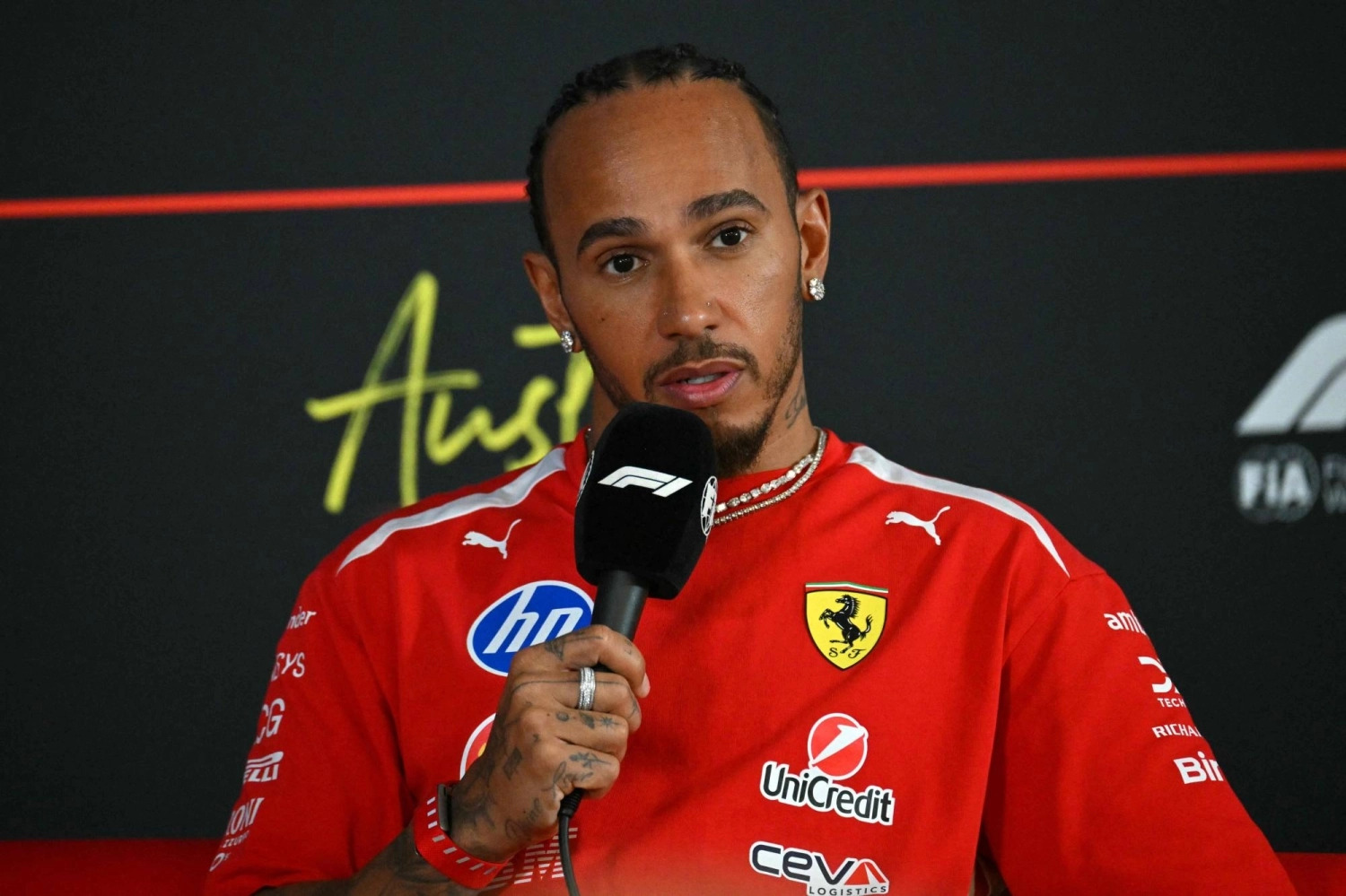
The 41-year-old Ferrari driver said the prospect of racing on the continent has given him fresh motivation to remain in the sport, following Formula One’s announcement of a 10-year agreement with Rwanda to host the African Grand Prix from the early 2030s.
“I’m now forced to stay a lot longer because we have a race in Africa, and that’s been my dream, to be able to race in Africa,” Hamilton said.
“I have to keep fighting to try and stay fit. If I can still punch out good results over the next year, we’ll keep it going,” he added.
Hamilton, who will turn 42 in January 2027, is contracted to Ferrari through 2027. Competing in Rwanda would therefore require him to remain competitive beyond his current deal, although he has not announced a firm retirement date.
The British driver has long advocated for Formula One to return to Africa, repeatedly questioning why the continent was absent from a championship that races across the rest of the world.
“I’ve been advocating for a race in Africa for many, many years,” he said.
“It’s about more than just one country. It’s about the continent itself. The culture is so rich, and I think it’s important that we get to show that to the world,” he added.
Hamilton has also described the campaign to bring a Grand Prix to Africa as a personal mission, saying he spent years engaging Formula One officials and other stakeholders to push for the move.
He recalled holding numerous meetings with Formula One chief executive Stefano Domenicali, alongside calls and discussions with leaders from different African countries.
“I think for me, it’s a place that deserves to have a Grand Prix,” Hamilton said.
The planned Rwandan race would mark Formula One’s first event in Africa since the 1993 South African Grand Prix at Kyalami.
Hamilton’s enthusiasm was echoed by Mercedes driver Kimi Antonelli, who encouraged the veteran racer to remain in the sport long enough to take part in the inaugural event.
“You got to do at least the first one,” Antonelli told Hamilton.
He noted that bringing Formula One to Africa could encourage greater international interest in the continent’s history and present-day challenges.
The prospect of racing in Rwanda comes as Hamilton seeks to remain competitive with Ferrari while pursuing his ambition of competing in an African Grand Prix before retiring.
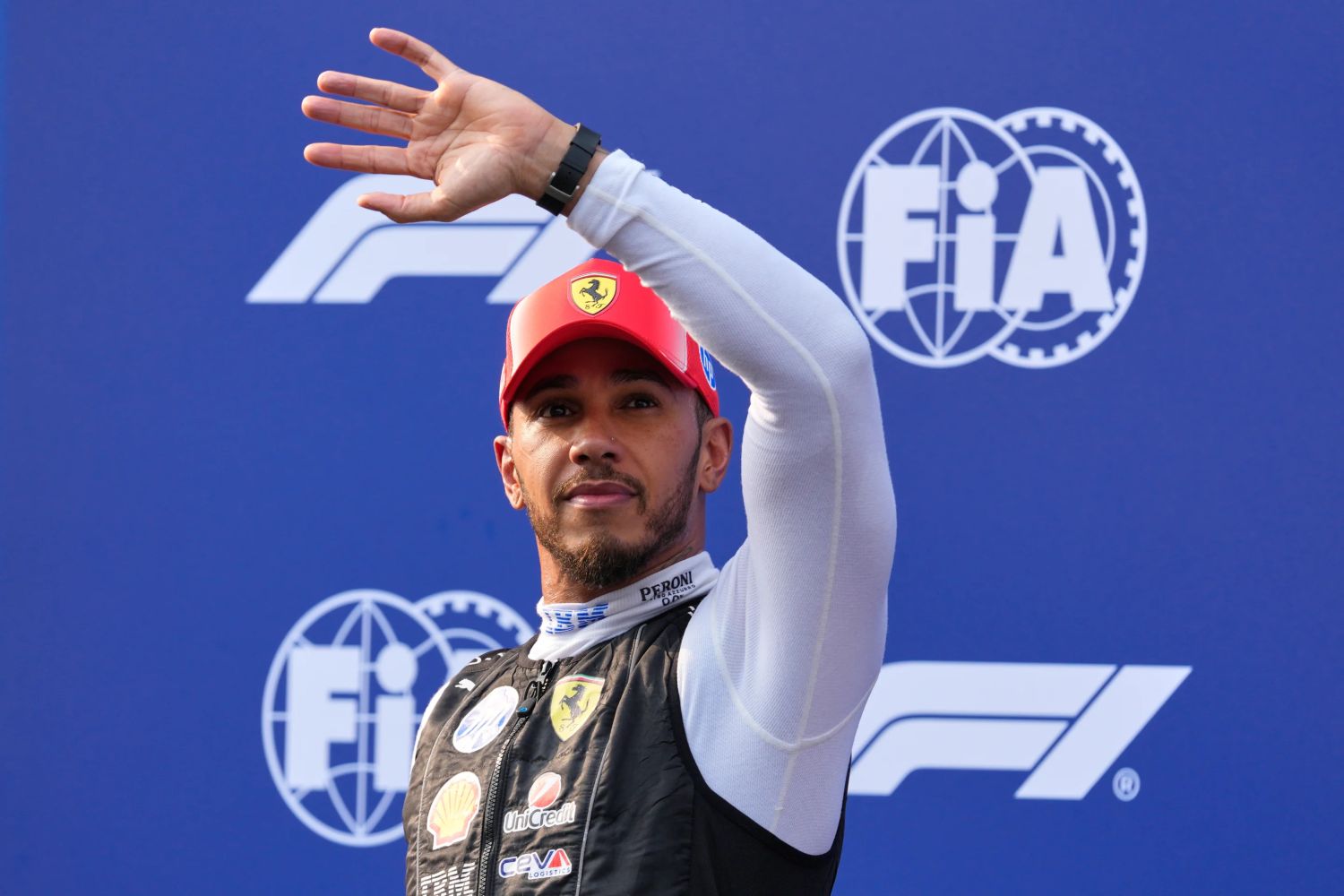
The 41-year-old Ferrari driver said the prospect of racing on the continent has given him fresh motivation to remain in the sport, following Formula One’s announcement of a 10-year agreement with Rwanda to host the African Grand Prix from the early 2030s.
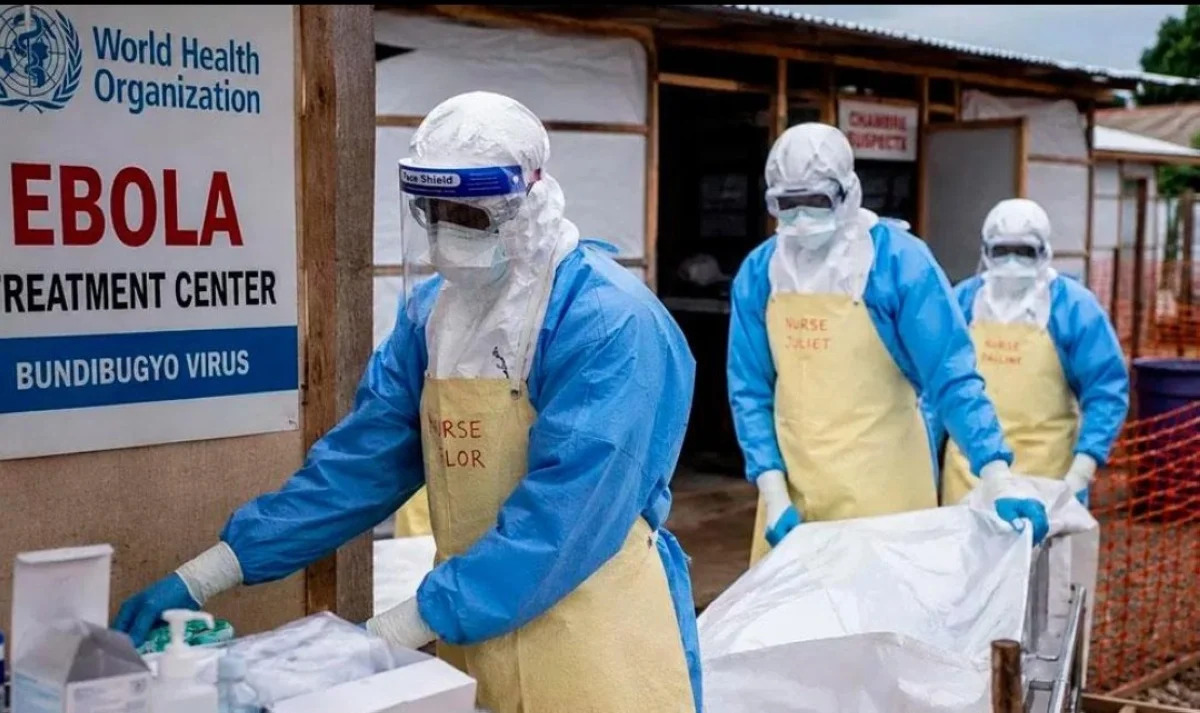
“Ebola does not wait. It follows movement, exploits gaps, and tests the strength of our health systems,” WHO Regional Director for Africa Mohamed Yakub Janabi said during an online press briefing.
“Today, the test is no longer confined to one place,” he said, stressing that the increasingly complex outbreak demands regional vigilance and collective resolve.
Janabi said Nigeria has confirmed an imported case of Ebola caused by the Bundibugyo virus, while Kenya has reported nine cases, including one death.
Kenya’s Director-General for Health Patrick Amoth said at the briefing that the eight patients were receiving treatment, while more than 120 people remained in quarantine. He said Kenyan authorities had requested 10,000 vaccine doses from the WHO and the Africa Centers for Disease Control and Prevention (Africa CDC) to strengthen protection for frontline health workers.
In the Democratic Republic of the Congo (DRC), where the outbreak was declared in May, the disease has spread to eight of the country’s 26 provinces.
According to the latest figures released late Wednesday by the DRC’s health authorities, the country had recorded 9,704 confirmed Ebola cases, including 4,687 deaths, as of Oct. 20, with a case fatality rate of 48.3 percent.
Janabi expressed particular concern over continued transmission in communities, noting that around six in every 10 recent Ebola deaths in the DRC had occurred outside treatment centers.
The warning came as the Africa CDC announced Wednesday that it would convene an extraordinary virtual meeting of African health ministers on October 28 to coordinate efforts against the escalating outbreak.
On Tuesday evening, following Nigeria’s confirmation of its first Ebola case, Africa CDC Director-General Jean Kaseya warned that the outbreak had become the most geographically widespread Ebola epidemic on record, with infections reported across Central, Eastern and Western Africa.
The epidemic was declared in the DRC on May 15 and designated a public health emergency of international concern by the WHO two days later. The Africa CDC subsequently declared it a public health emergency of continental security.
The current Ebola outbreak has become the largest and deadliest ever recorded in the DRC and the second-largest Ebola outbreak globally, after the 2014-2016 West Africa epidemic.
The World Health Organization (WHO) on Thursday warned that the ongoing Ebola outbreak has become a regional public health concern, calling for urgent collective action as infections spread across Central, Eastern and Western Africa.
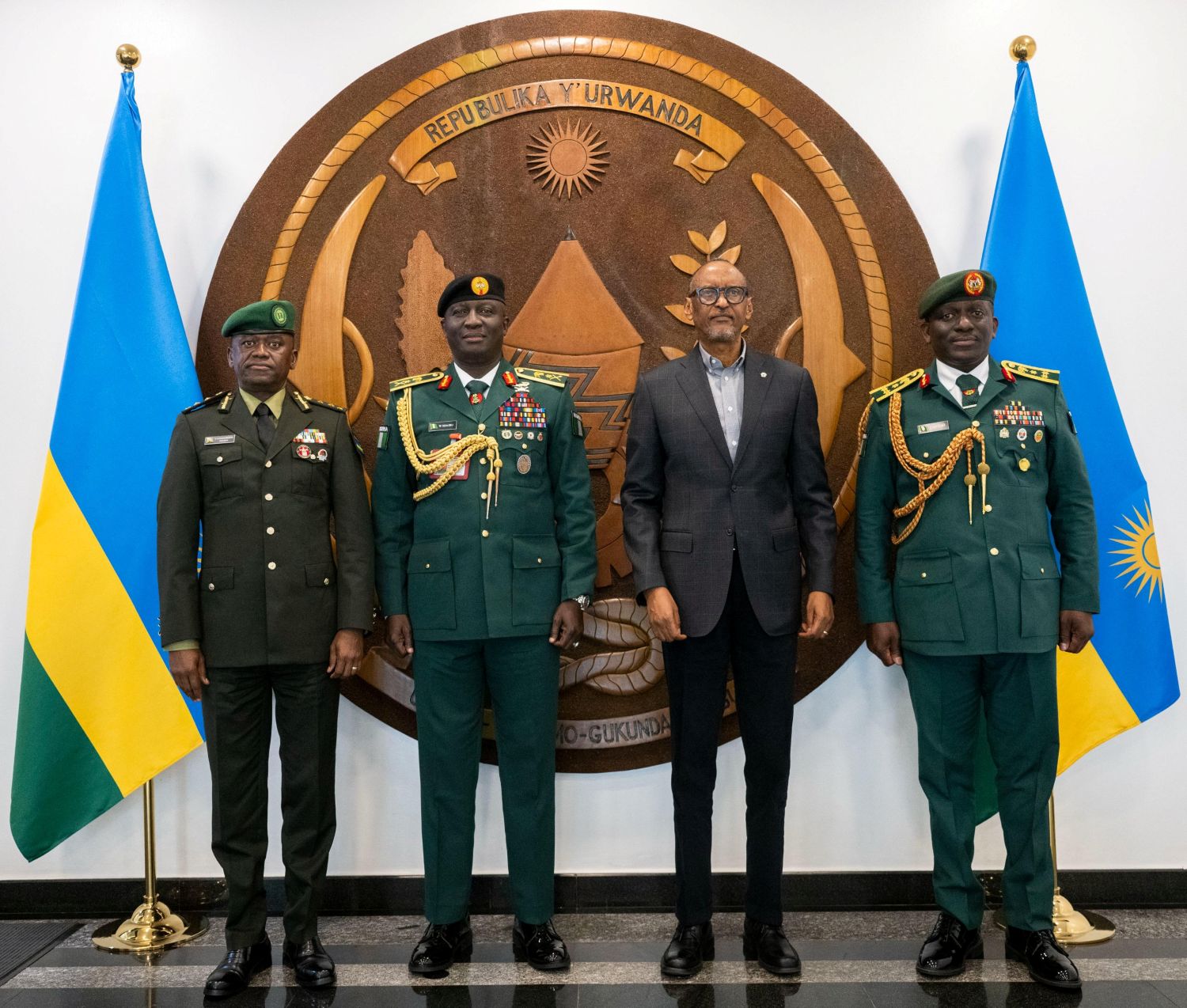
The meeting took place at Urugwiro Village, during Shaibu’s working visit to Rwanda, according to a communique from the Presidency.
Shaibu is in Rwanda for a five-day official visit running through Friday, October 23, aimed at strengthening military cooperation between the two countries.
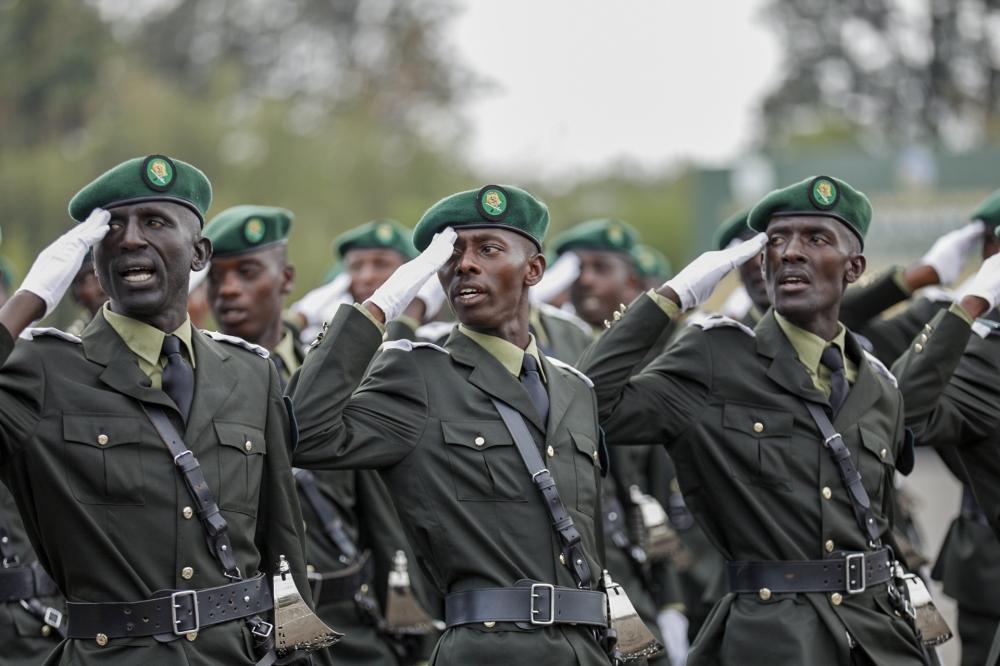
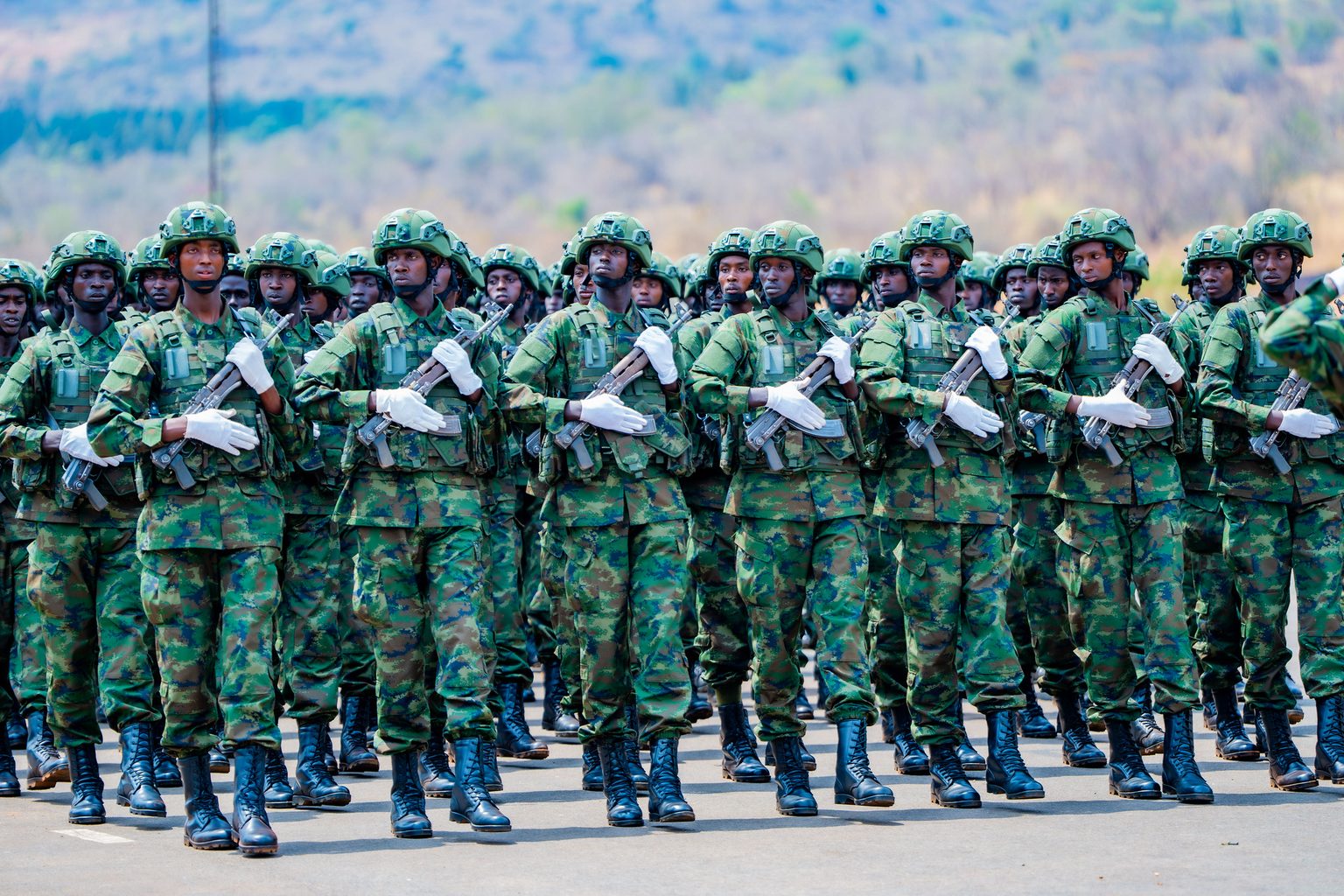
On Monday, October 19, he visited the Rwanda Defence Force (RDF) headquarters in Kigali, where he paid a courtesy call on the Chief of Defence Staff, General MK Mubarakh, before holding bilateral talks with his counterpart, RDF Army Chief of Staff Major General Vincent Nyakarundi.
Discussions focused on strengthening existing cooperation between the Nigerian Armed Forces and the RDF, with both delegations exchanging views on defence and security issues of mutual interest.
Speaking after the meetings, Shaibu said the visit was intended to reinforce bilateral ties between the two armies and advance the implementation of existing agreements.
“As the outcome of today’s discussion, we have made key promises to implement the various memoranda of understanding that have been there between both countries in the area of training, exchange of directing staff as well as logisticians,” he said.
The commitments are expected to support collaboration in military training, the exchange of instructional personnel and logistics.
During his visit, Shaibu and his delegation also visited the Kigali Genocide Memorial, where they paid their respects to victims of the 1994 Genocide against the Tutsi.
They also visited the Campaign Against Genocide Museum, which documents efforts to stop the Genocide and the role of the Rwanda Patriotic Army in ending it.
The visit comes as Rwanda and Nigeria seek to build on existing defence agreements and expand cooperation in areas of mutual interest.
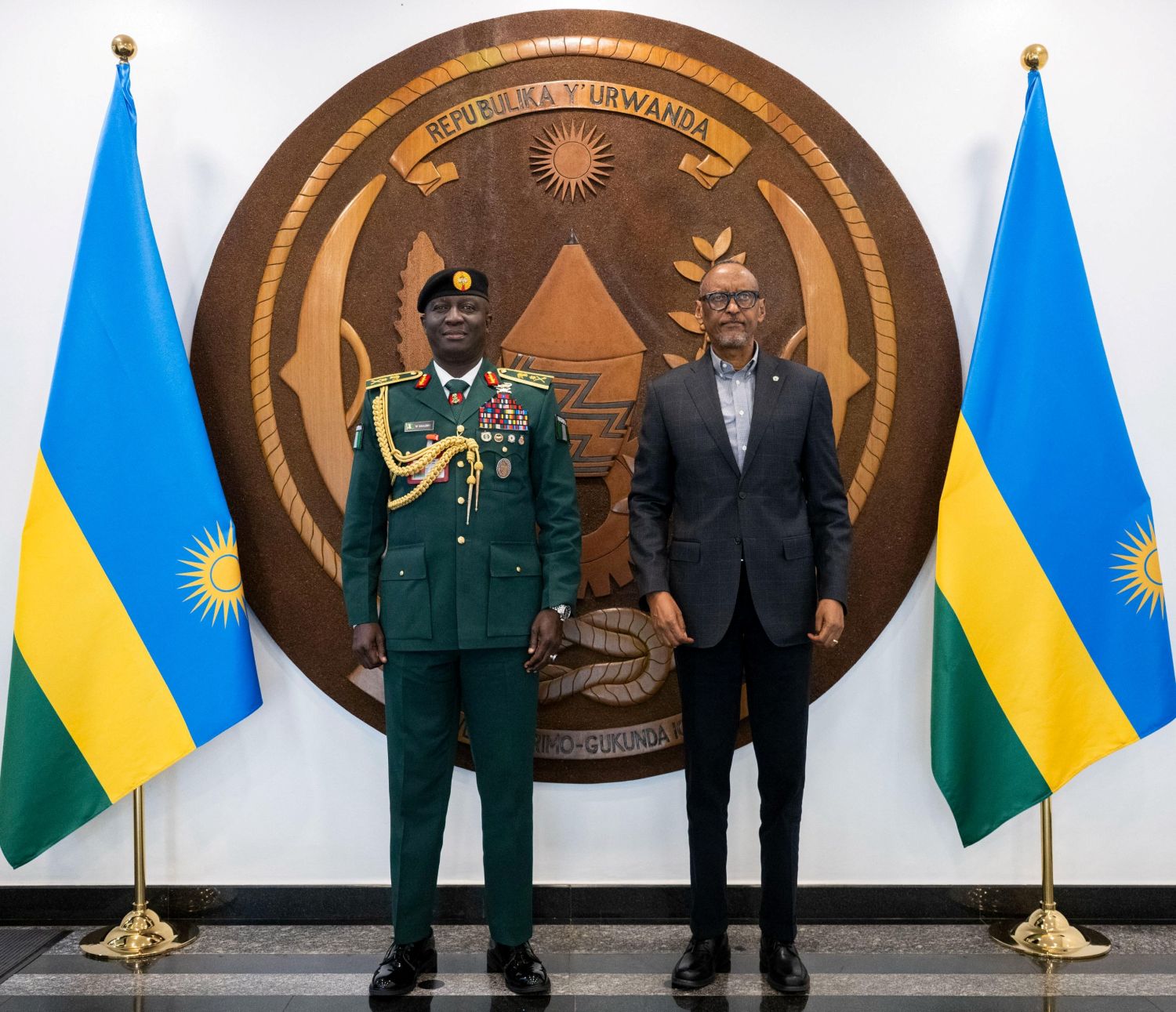
President Paul Kagame met Nigeria’s Chief of Army Staff, Lieutenant General Waidi Shaibu, on Thursday to discuss strengthening defence cooperation between the two countries.The meeting took place at Urugwiro Village, during Shaibu’s working visit to Rwanda, according to a communique from the Presidency.
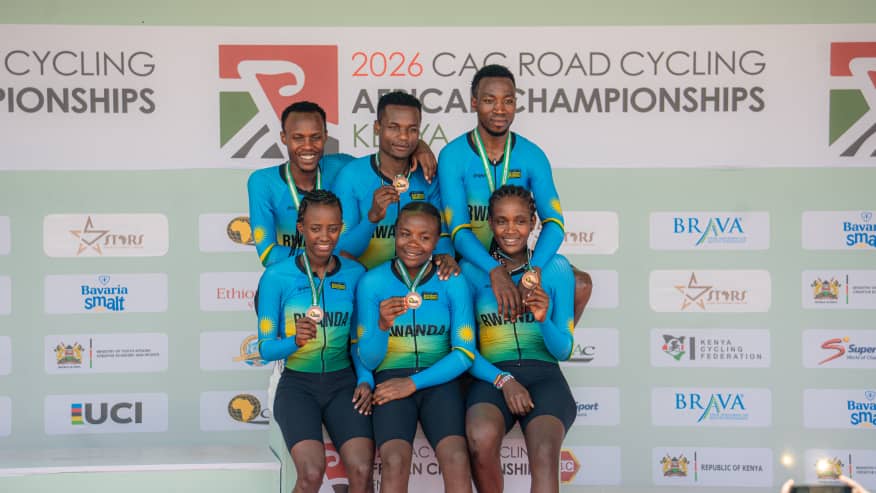
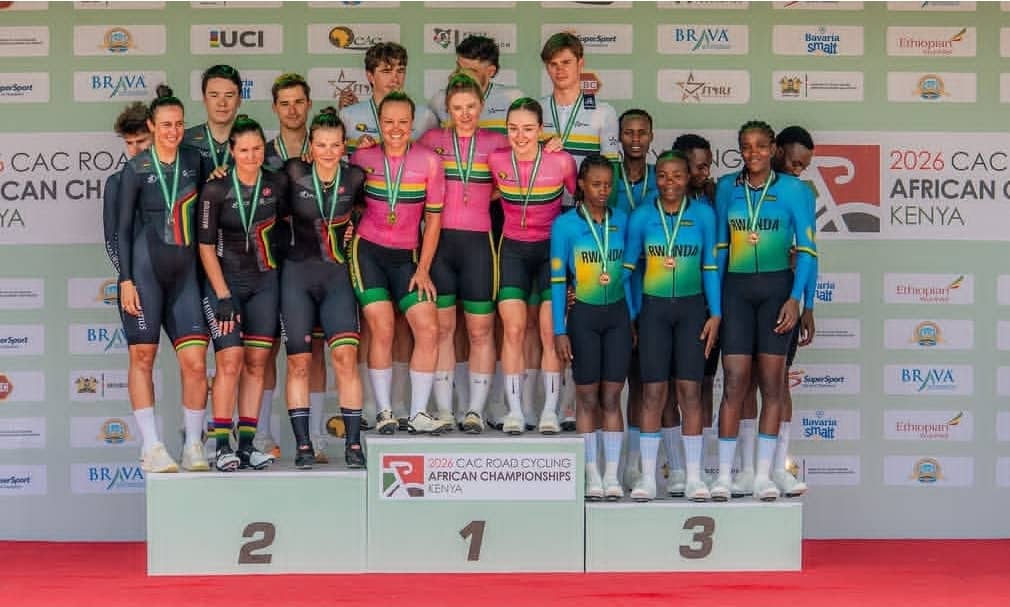
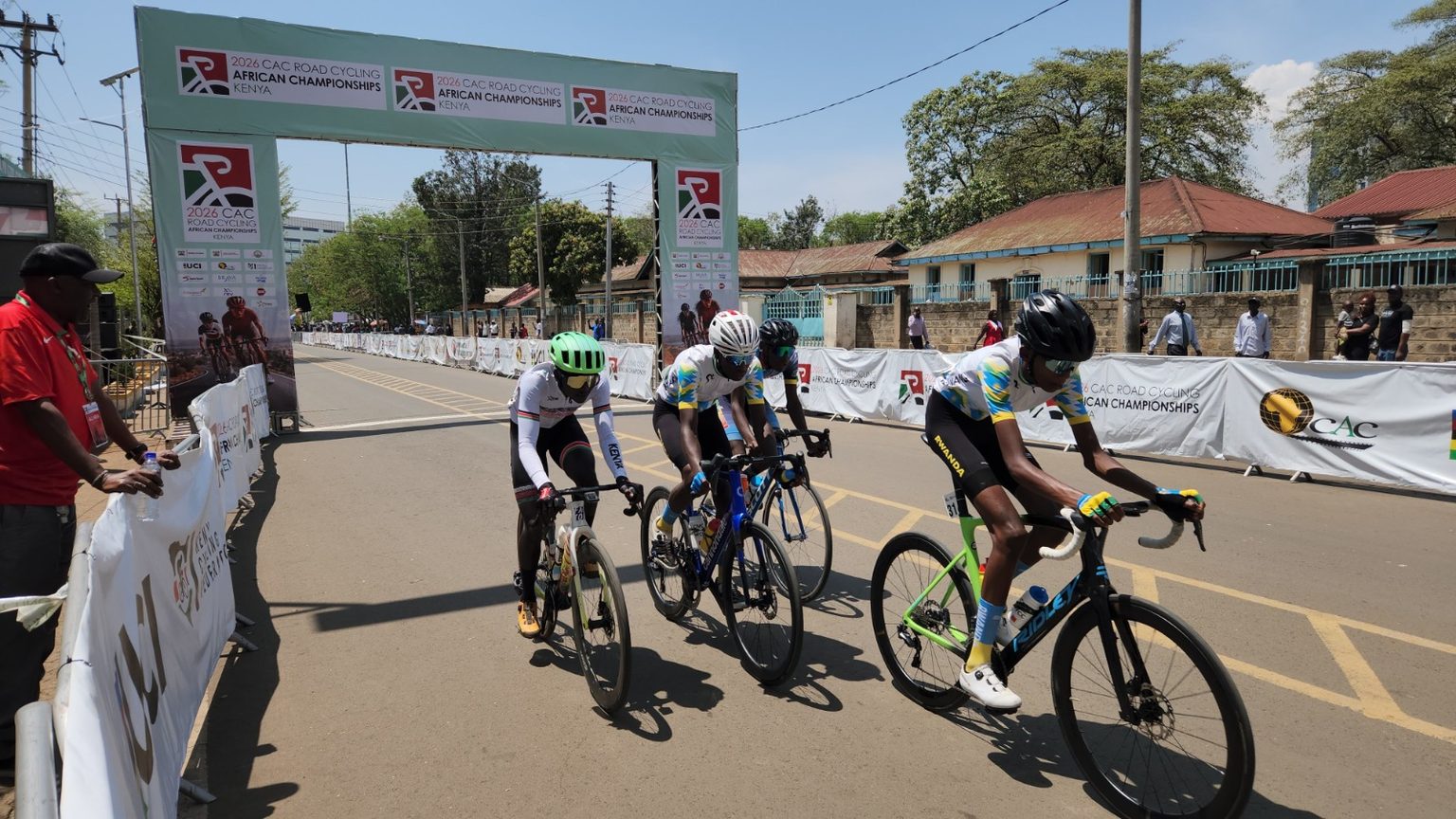
The medals came in the mixed team time trial and the under-17 girls’ road race, helping Rwanda maintain its lead in the overall medal standings.
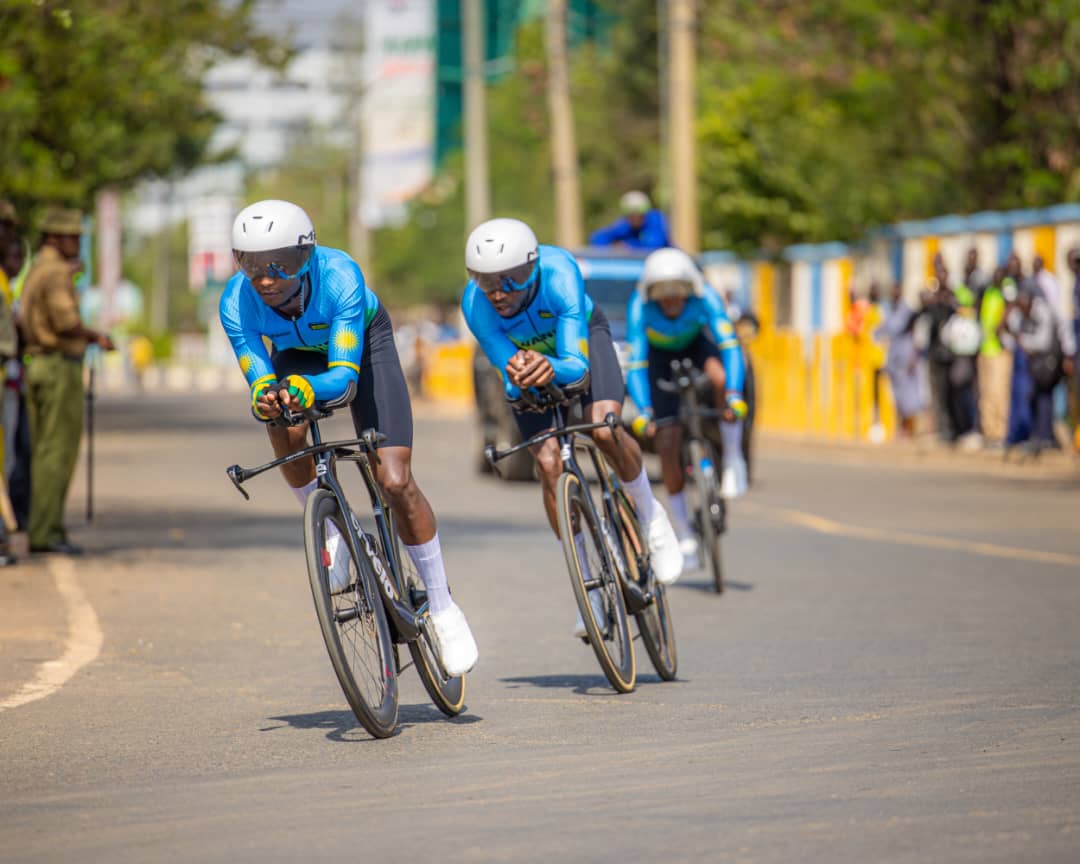
Rwanda took bronze in the mixed team time trial, finishing behind South Africa and Mauritius in the 40.8-kilometre race.
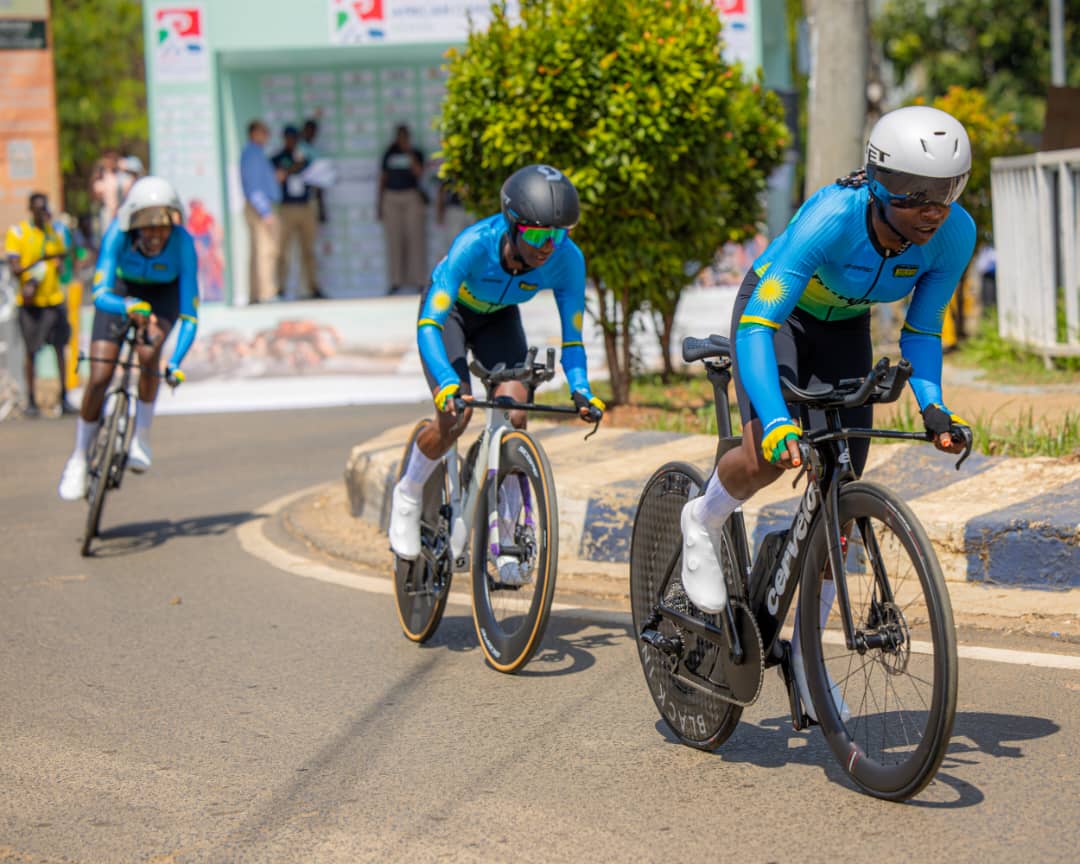
The Rwandan team comprised Muhoza Eric, Nsengiyumva Shemu and Tuyizere Étienne in the men’s category, alongside Nirere Xaveline, Ingabire Diane and Mwamikazi Jazilla in the women’s category.
South Africa won the race in 56 minutes, 4.380 seconds, followed by Mauritius in 56 minutes, 17.278 seconds. Rwanda finished third in 56 minutes, 30.130 seconds.
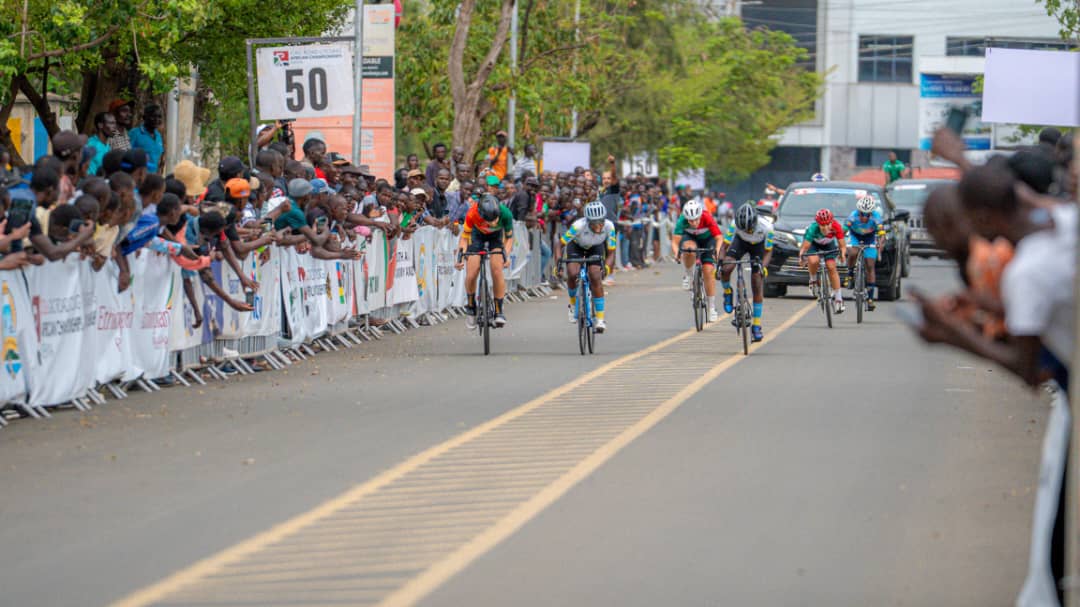
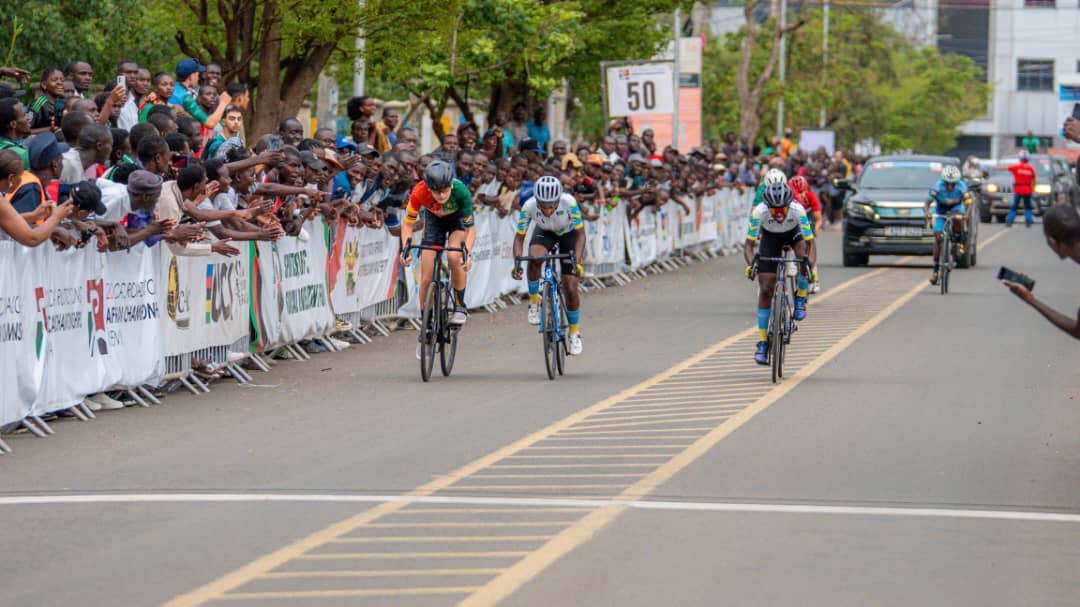
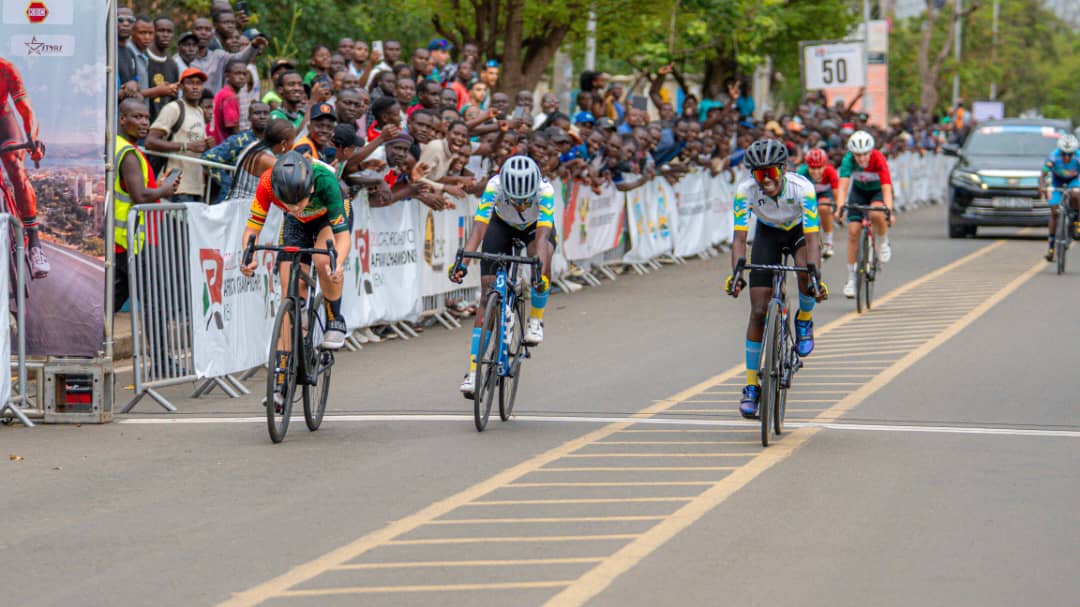
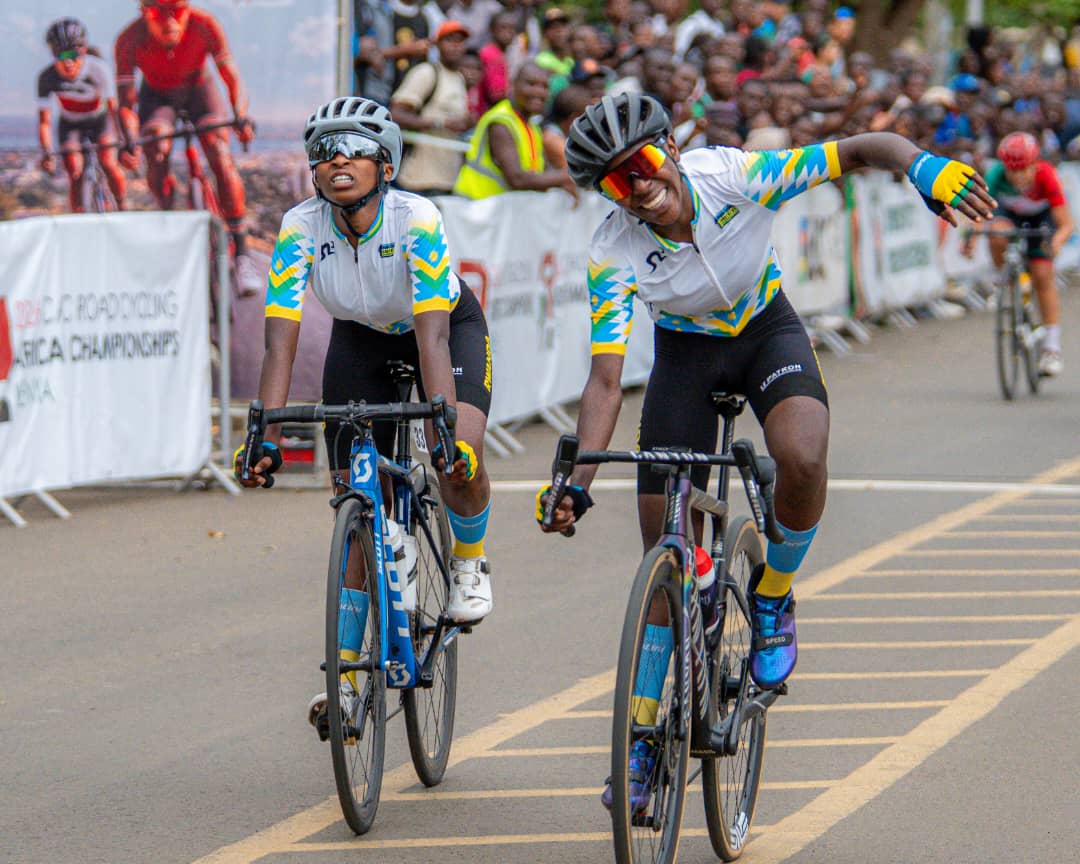
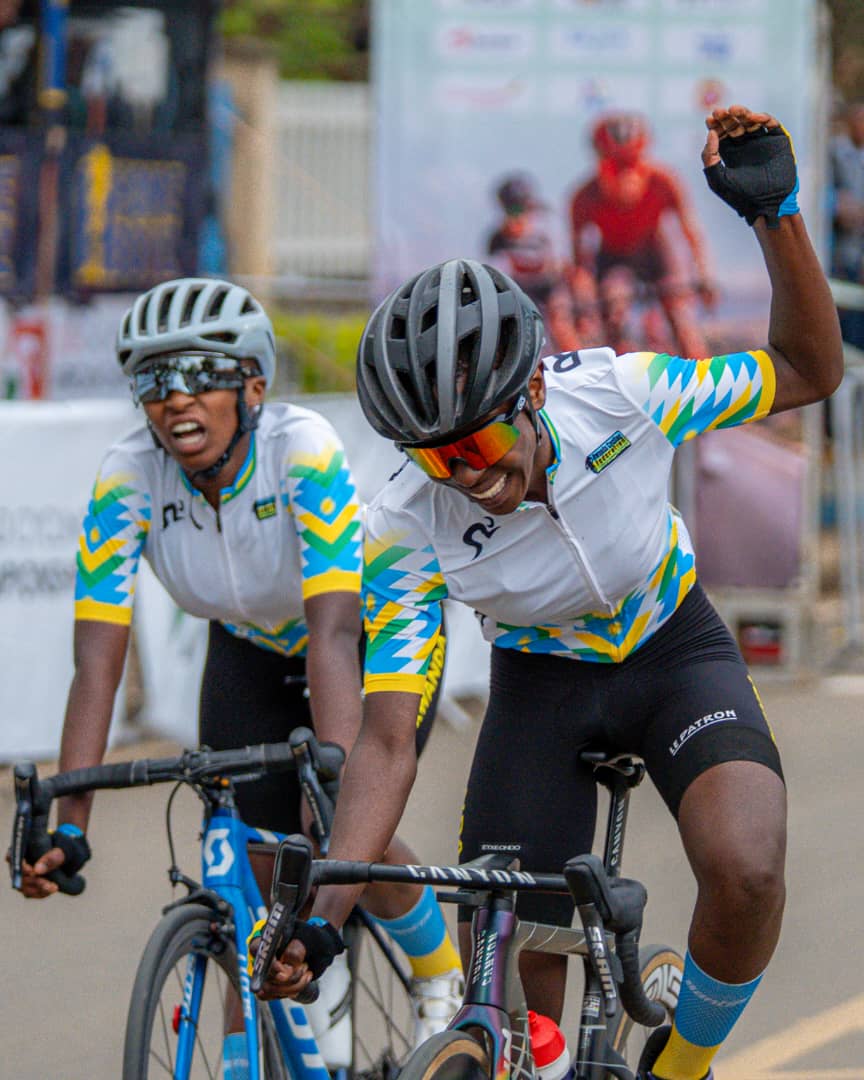
Rwanda added two medals in the under-17 girls’ road race, with Agasaro Gloria taking silver and Liza Jehovaire winning bronze over the 38.2-kilometre course.
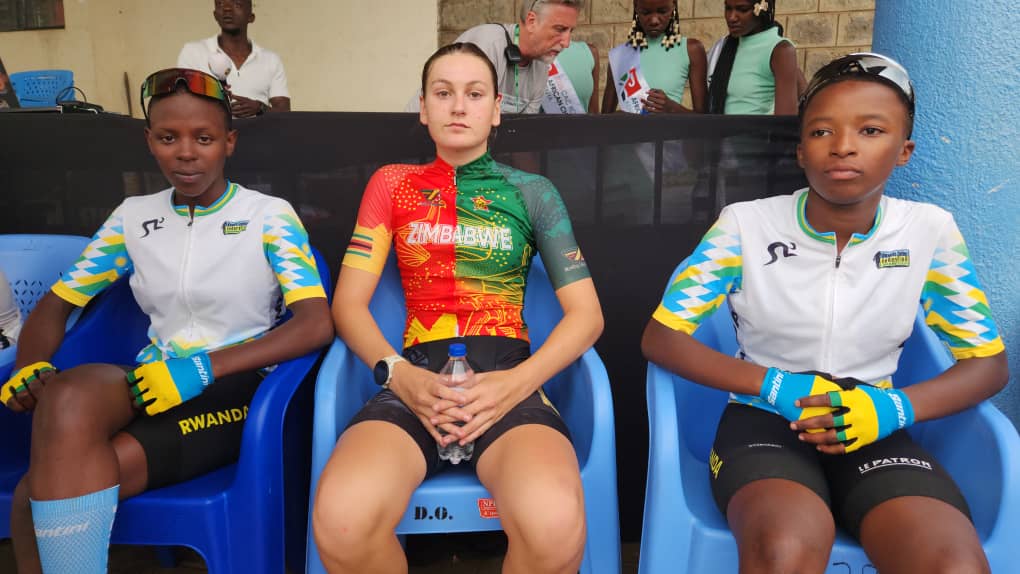
Zimbabwe’s Beamish won the race in one hour and 18 minutes, with Agasaro and Liza finishing second and third, respectively. Another Rwandan rider, Mwamikazi Cythia, did not finish the race.
The latest results build on Rwanda’s strong opening day, when Ingabire Diane, Mwamikazi Jazilla and Masengesho Yvonne won gold in three women’s time trial categories.
By Thursday, Rwanda had collected three gold medals, one silver and two bronze medals, placing it at the top of the overall standings. Mauritius ranked second with three medals, including two golds, followed by Eritrea, Algeria and South Africa.
In the under-17 boys’ road race, held over 58.6 kilometres, Byiringiro Moubarak narrowly missed the podium after finishing fourth. Intwari Reponse came sixth, while Mukwende Fuadi finished eighth.
Algeria’s Mohamed Ferkous won the race in one hour, 51 minutes and 54 seconds.
The championships continue on Friday with the junior road races for riders under the age of 19.
Masengesho Yvonne and Akimana Donatha will represent Rwanda in the girls’ race, while Ishimwe Brian, Niyonkuru Yasin and Nkurikiyinka Jackson will compete in the boys’ category.
Rwanda finished third behind South Africa and Mauritius in the mixed team time trial. Rwanda clinched bronze with a third-place finish. Tuyizere Étienne, Nsengiyumva Shemu and Muhoza Eric made up Rwanda’s men’s team. Ingabire Diane, Nyirarukundo Claudette and Nirere Xaveline competed in the women’s time trial. Rwanda’s female cyclists put up a strong fight in the road race.
Agasaro Gloria celebrates her second-place finish, followed by Liza Jehovaire. Rwandans Agasaro Gloria and Liza Jehovaire finished behind Zimbabwe’s Beamish. Rwanda misses out on medals in Thursday’s under-17 boys’ race.
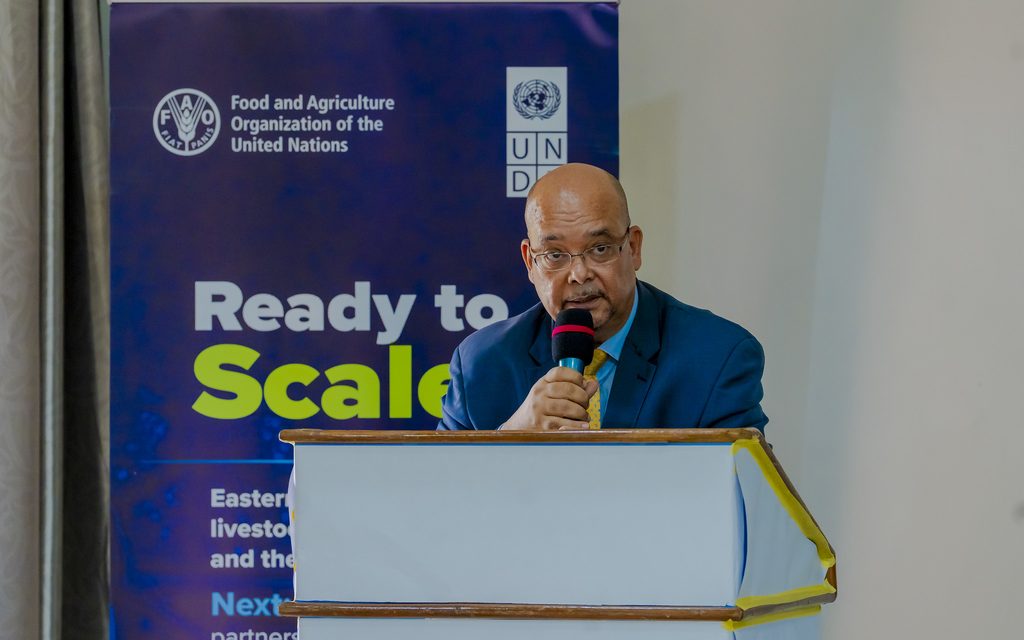
The systems, installed by HomeBiogas Ltd with support from the United Nations Development Programme (UNDP), serve households in Rwamagana, Ngoma and Gatsibo districts.
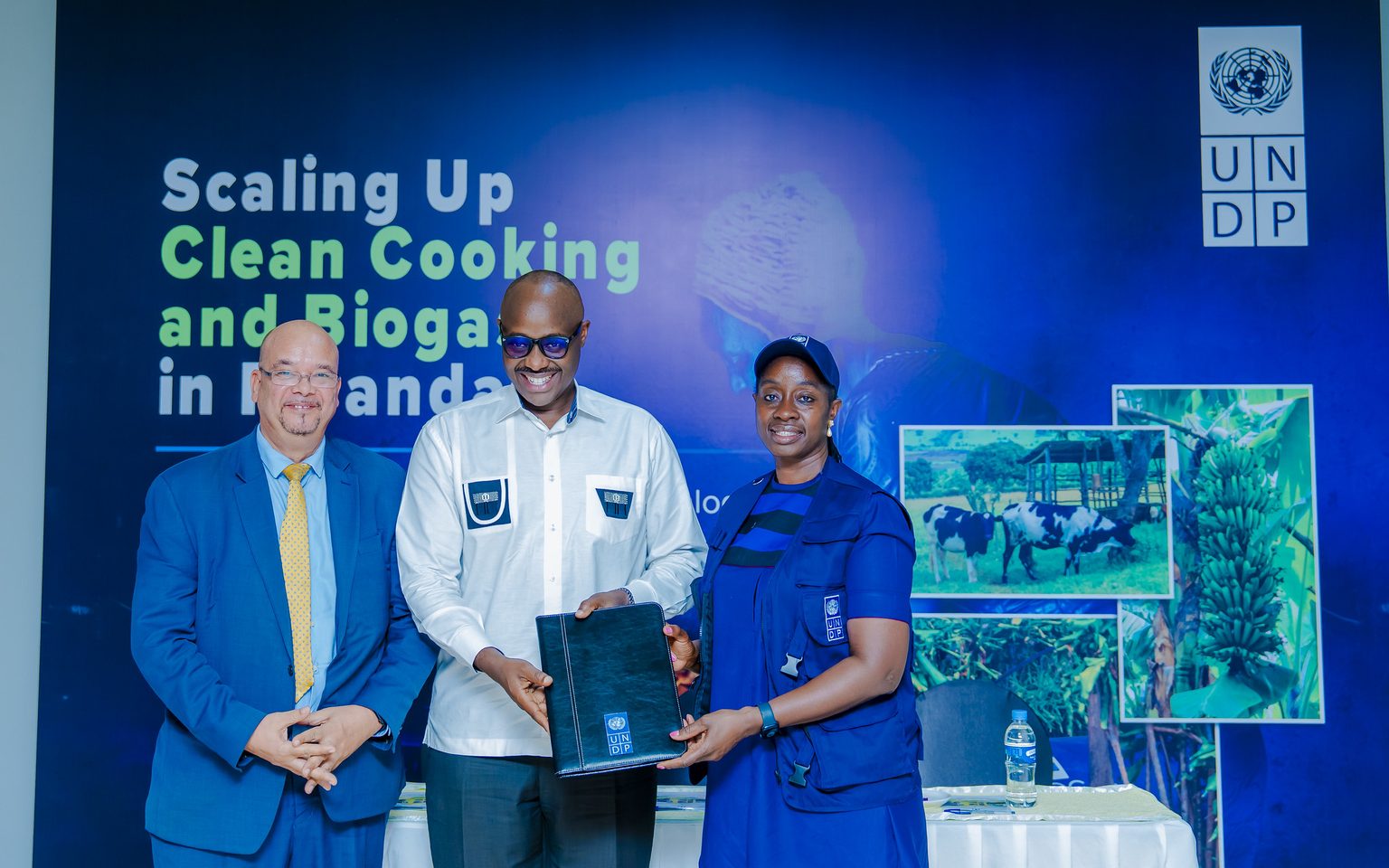
UNDP handed over the systems to provincial authorities on October 20, 2026, at a ceremony in Rwamagana District. Of the beneficiaries, 500 households are in Rwamagana and Ngoma, while 437 are in Gatsibo.
The technology converts cow dung into gas for cooking, while the residue can be used as organic fertiliser.
For beneficiaries, the change has brought practical savings and reduced dependence on firewood.
Nyirantura Saverina, who lives in Muhazi Sector, Rwamagana District, said her children previously spent long hours collecting firewood, despite being in school.
“Before I got biogas, my children, who were in school, often spent the whole day looking for firewood. I did not have a forest where I could send them to collect it,” she said.
Nyirantura was selected for the programme after project representatives visited her home and found that she kept two cows in a clean, well-built shed and fed them properly.
She said the system had made it easier for her children to prepare breakfast before school without being exposed to smoke from traditional cooking methods.
“In the morning, a child wakes up, puts water on the gas stove while sweeping, and prepares tea or porridge. They drink it and go to school without smelling of smoke,” she said.
She added that the technology had also eased household chores.
In Gatsibo District, Kamanzi Johnson said biogas had substantially reduced his family’s expenditure on firewood. His household previously spent about Rwf10,000 a month buying it.
“Since we got biogas, the amount of firewood we use has decreased significantly. I would say we now use only between 10% and 20% of what we used before,” said Kamanzi, who also helps other residents learn how to use the systems.
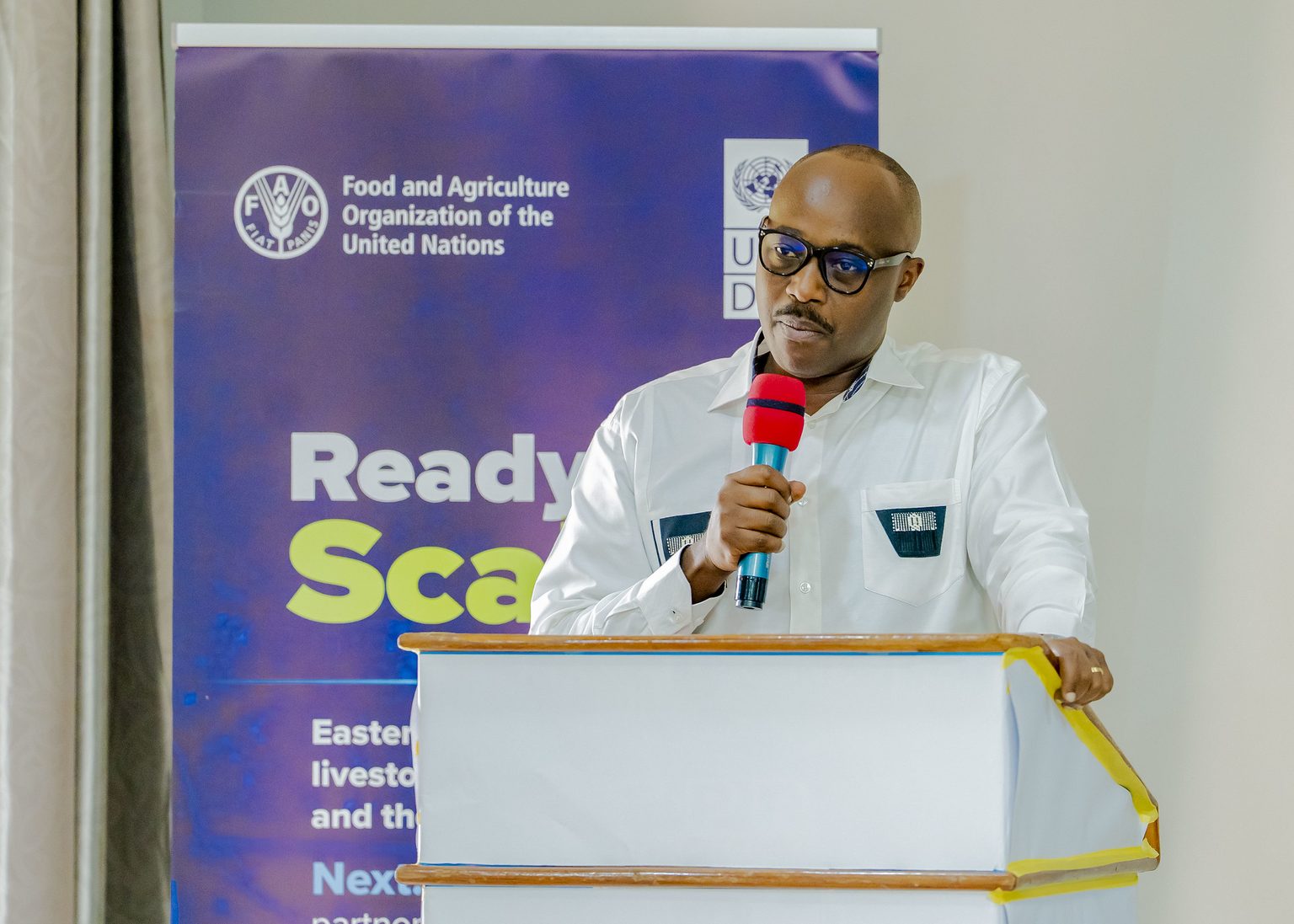
Eastern Province Governor Pudence Rubingisa, who received the systems on behalf of the three districts, said the programme offered a practical way to expand access to clean cooking energy while making productive use of animal waste.
He called for proper maintenance of the systems and further expansion to reach more households.
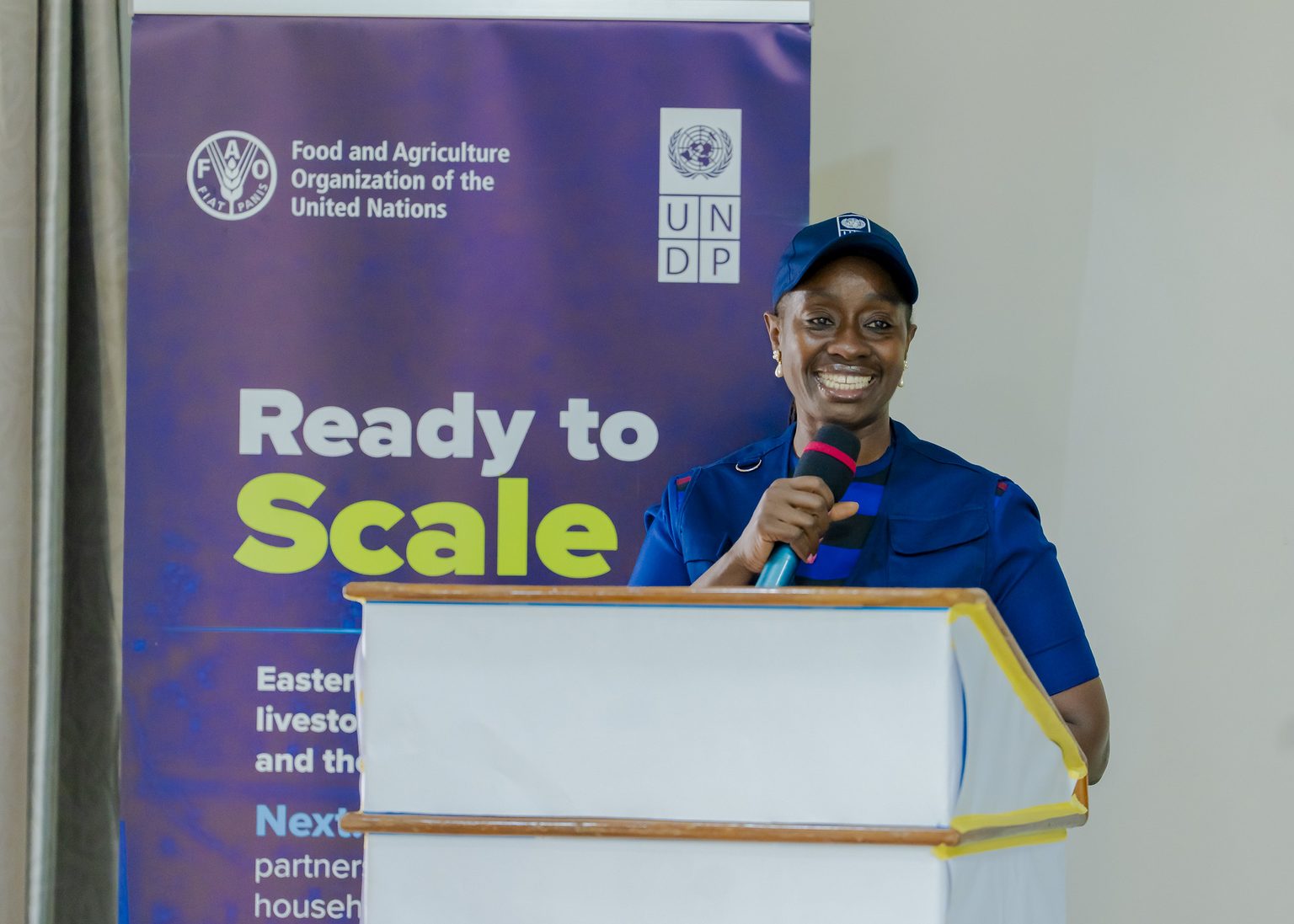
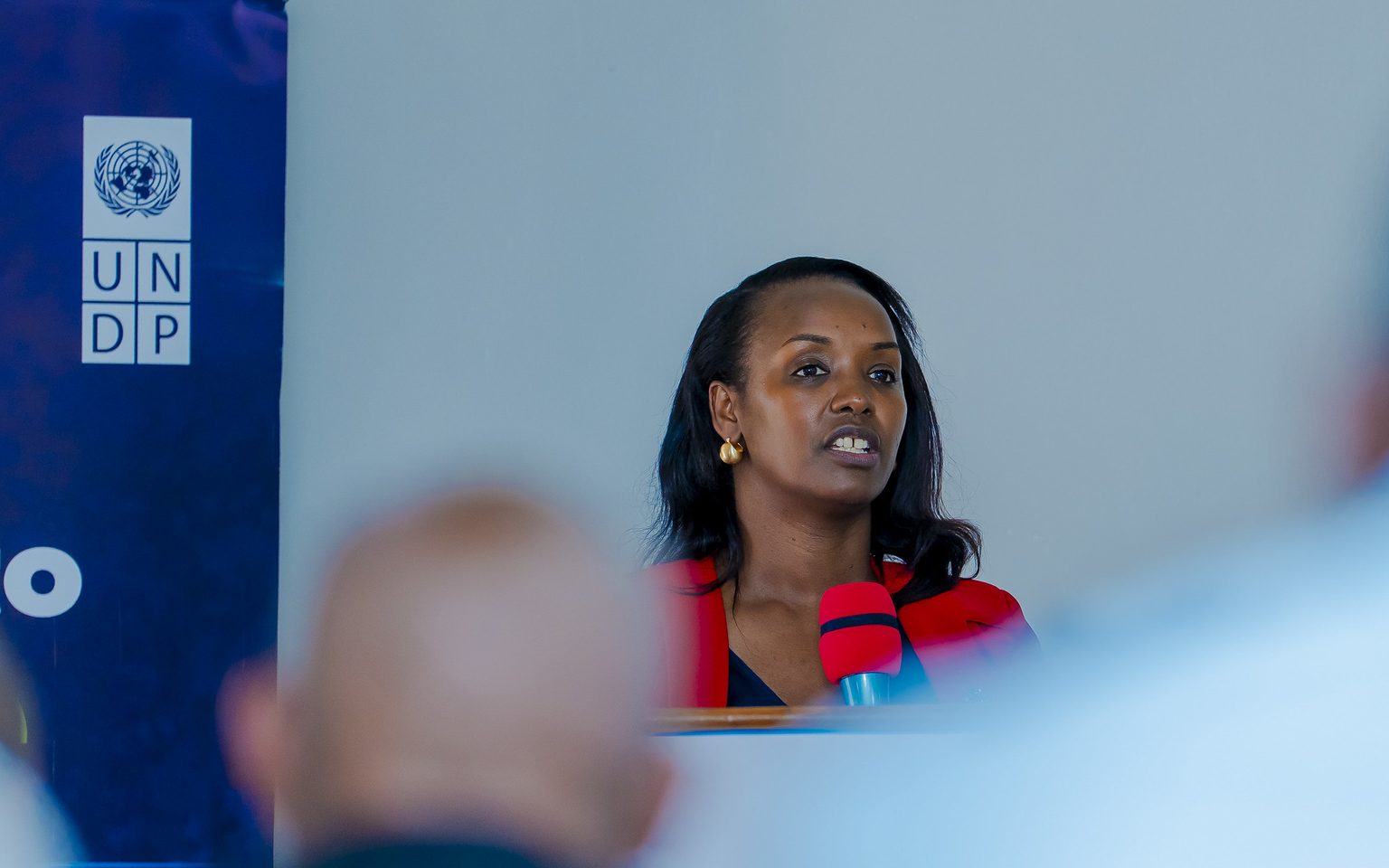
UNDP Resident Representative in Rwanda, Fatmata Lovetta Sesay, said the programme was designed to improve household welfare alongside expanding access to clean energy.
She noted that biogas could reduce exposure to harmful cooking smoke, ease the burden of firewood collection on women and girls, and enable farmers to use livestock waste as fertiliser.
Sesay said the project had demonstrated the potential of biogas as a sustainable cooking energy source, but stressed the need to extend its benefits to more households.
Senior Technical Adviser at the Ministry of Infrastructure, Gen. B. Cesar, said the project’s success would depend on more than the number of systems installed. Their continued functionality, households’ ability to use them properly and the durability of the benefits would also be important measures of progress.
Project partners agreed on a plan to provide ongoing support to beneficiaries, including repairs, monitoring and maintenance of the systems.
The ceremony also featured findings from a study examining biogas’s role in reducing methane emissions. The study was conducted in collaboration with the United Nations Food and Agriculture Organization (FAO) and the Rwanda Environment Management Authority (REMA).
Equity Bank and other private-sector partners participated in discussions on financing mechanisms to extend clean cooking solutions to more households.
Eastern Province has Rwanda’s largest livestock population but is also frequently affected by drought. Converting animal waste into cooking fuel offers an opportunity to make productive use of locally available resources while reducing reliance on firewood.
The programme forms part of Rwanda’s broader efforts to expand access to clean cooking energy, reduce greenhouse gas emissions and address climate change.
Senior Technical Adviser at the Ministry of Infrastructure, Gen. B. Cesar, said the project’s success would depend on more than the number of systems installed. UNDP Resident Representative in Rwanda, Fatmata Lovetta Sesay, said the programme was designed to improve household welfare alongside expanding access to clean energy.Eastern Province Governor Pudence Rubingisa, who received the systems on behalf of the three districts, said the programme offered a practical way to expand access to clean cooking energy while making productive use of animal waste.
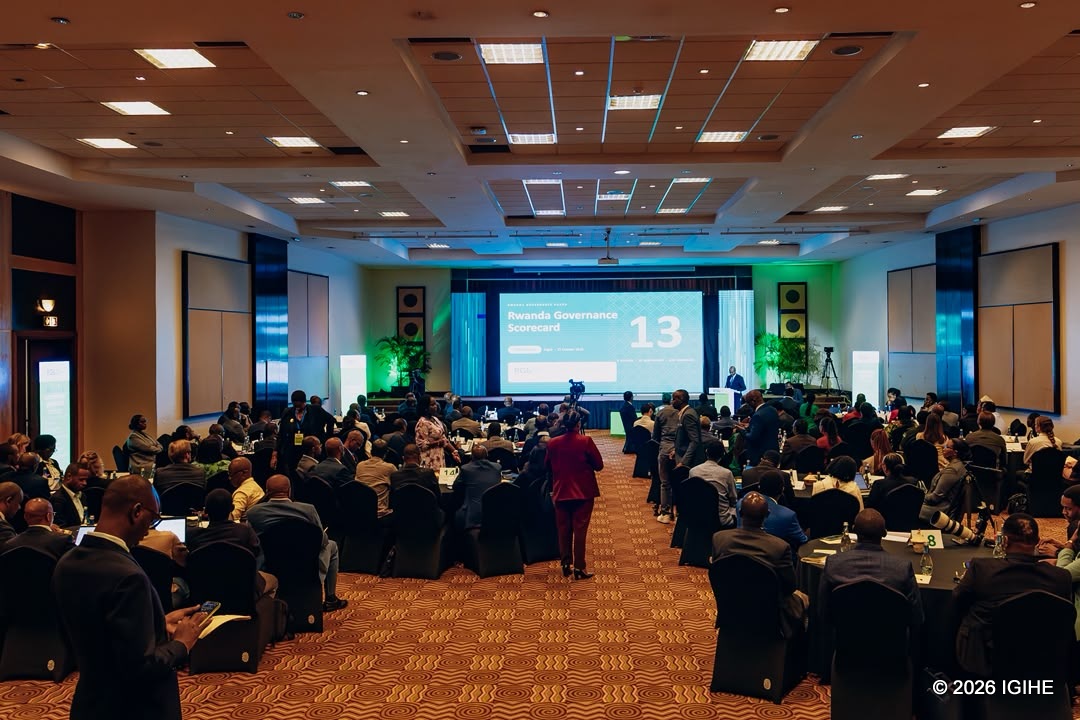
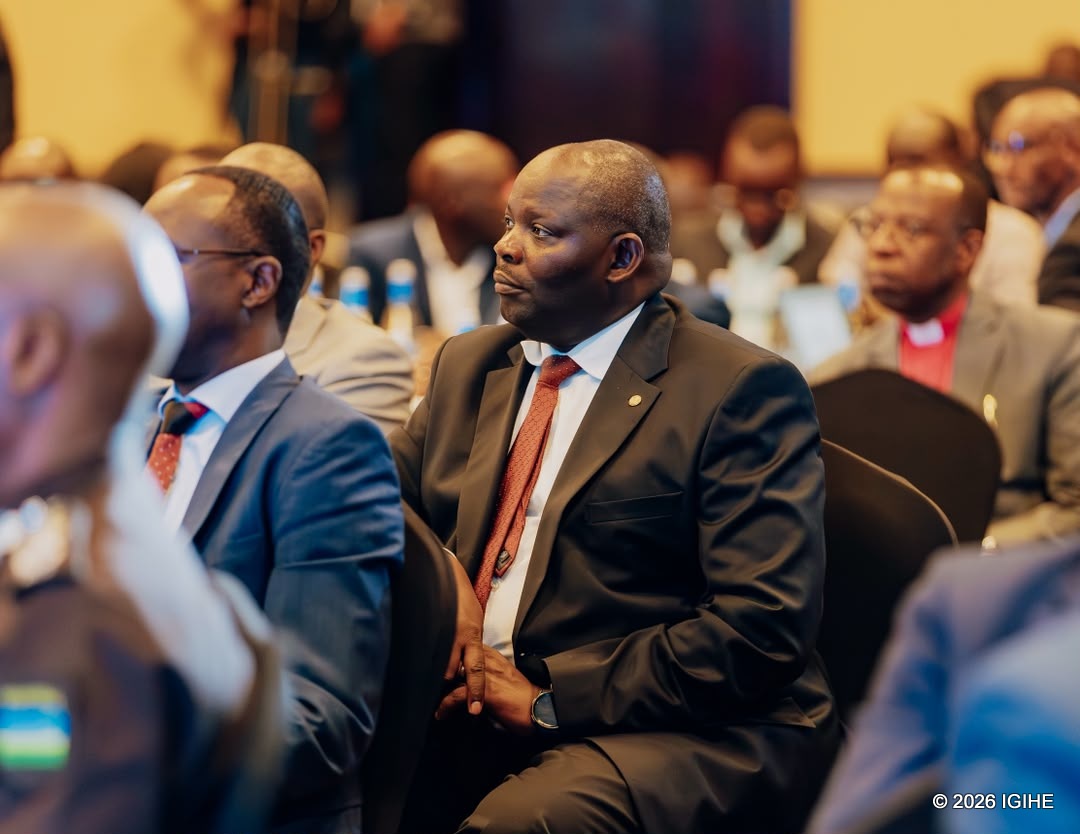
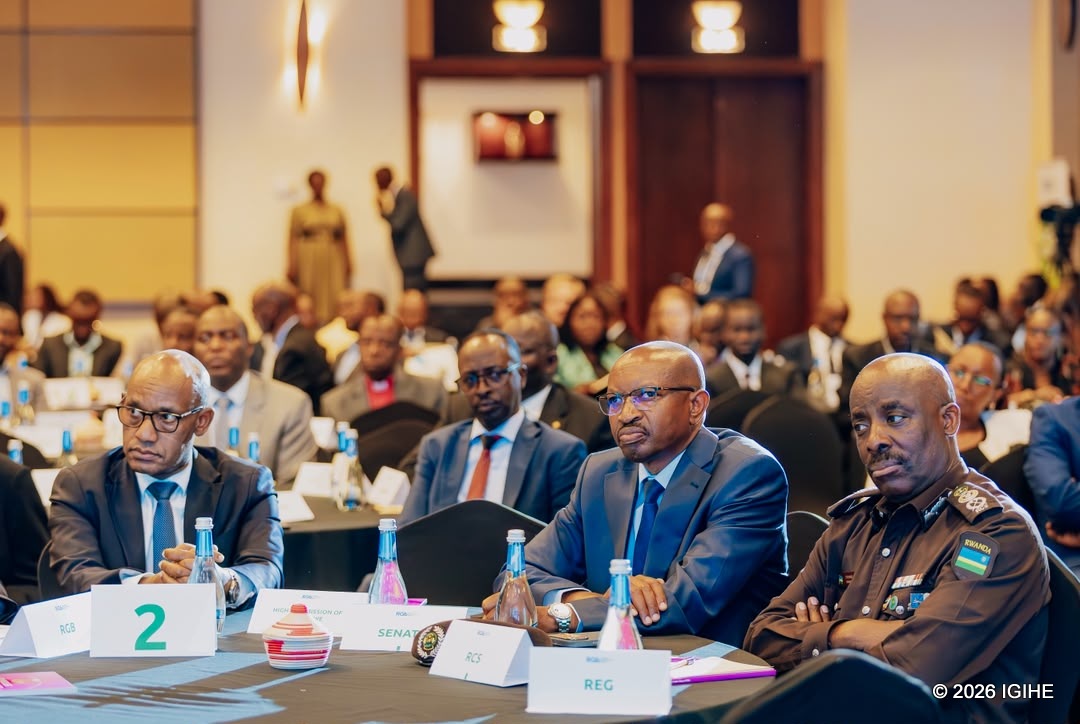
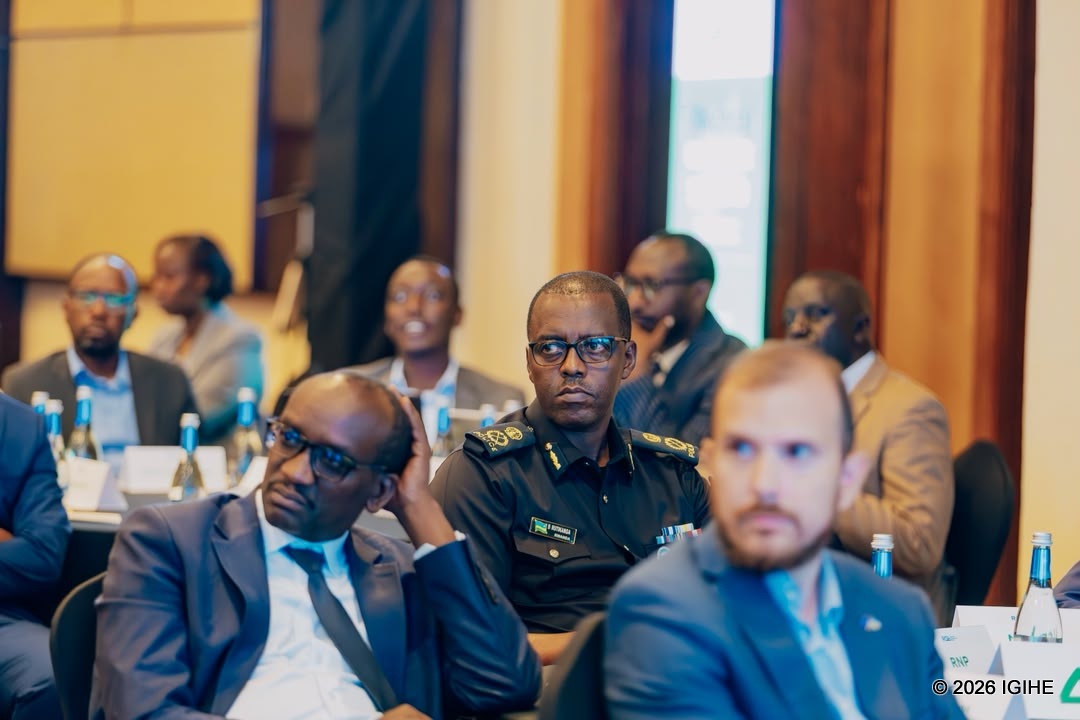
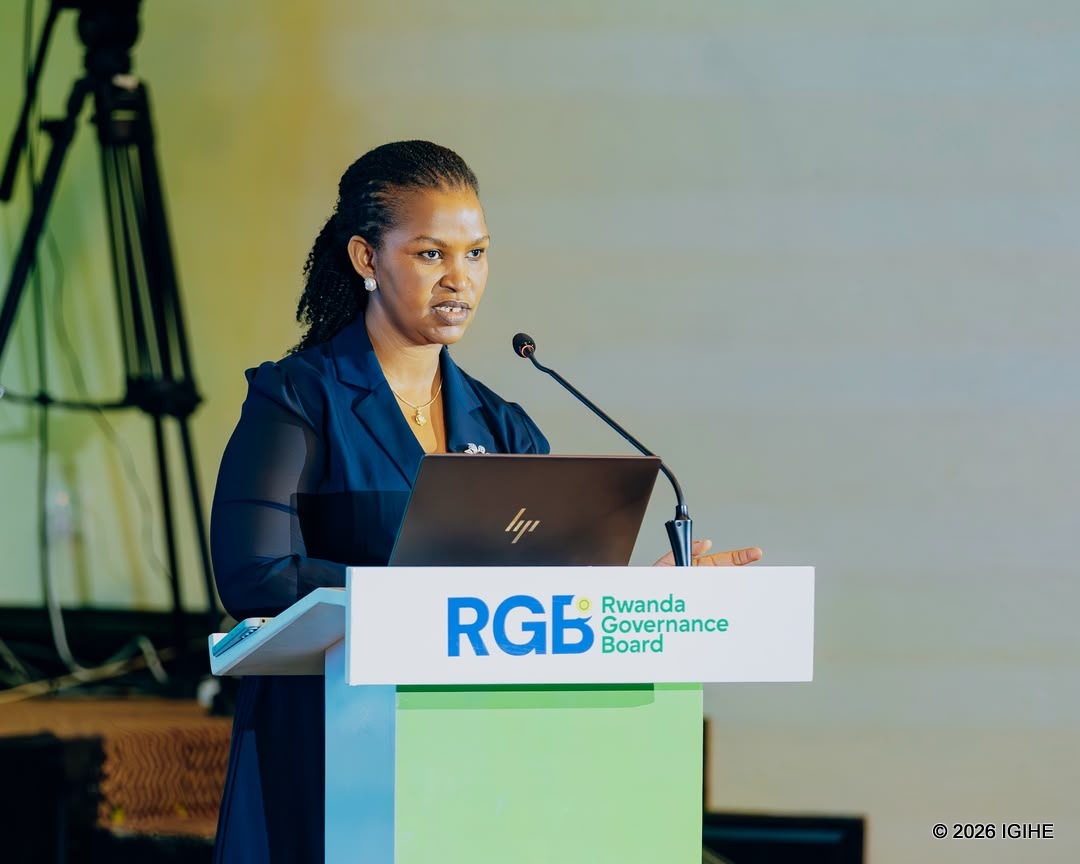
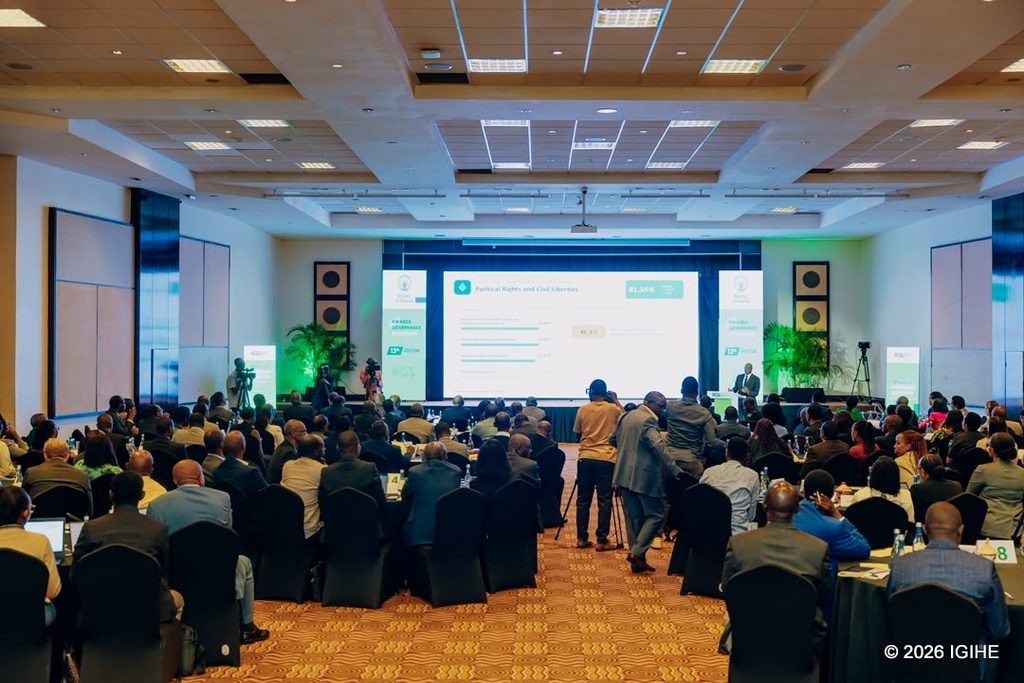
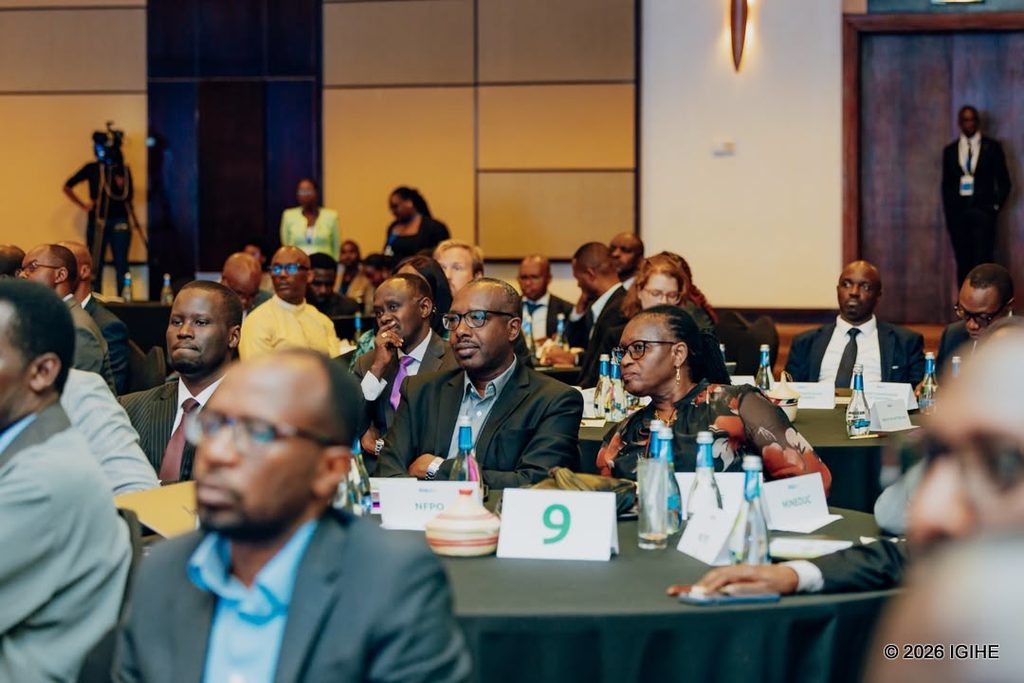
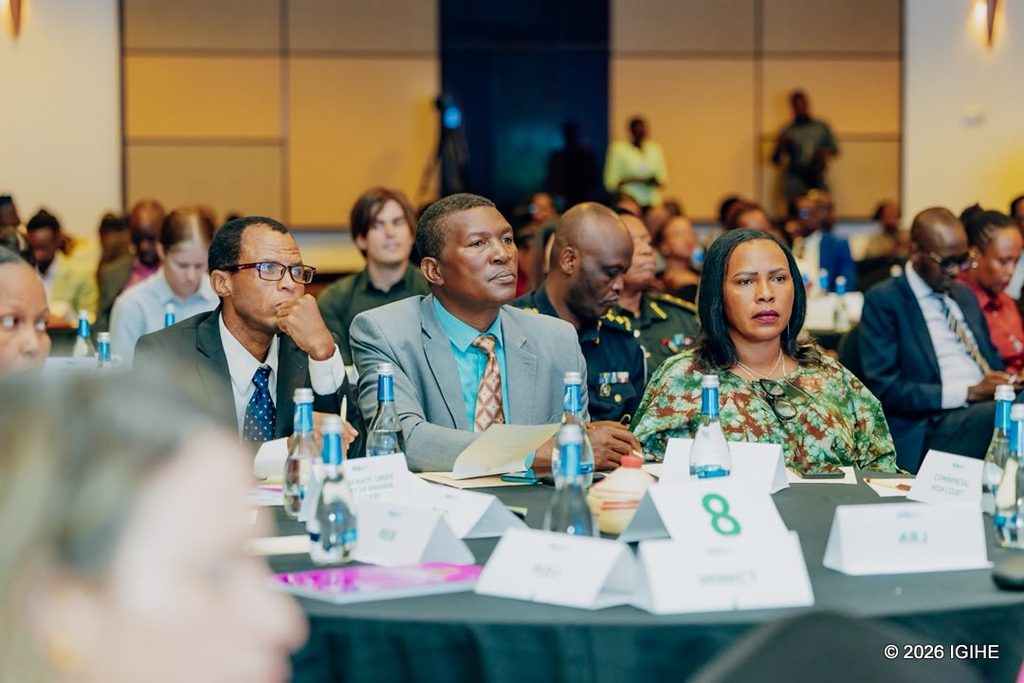
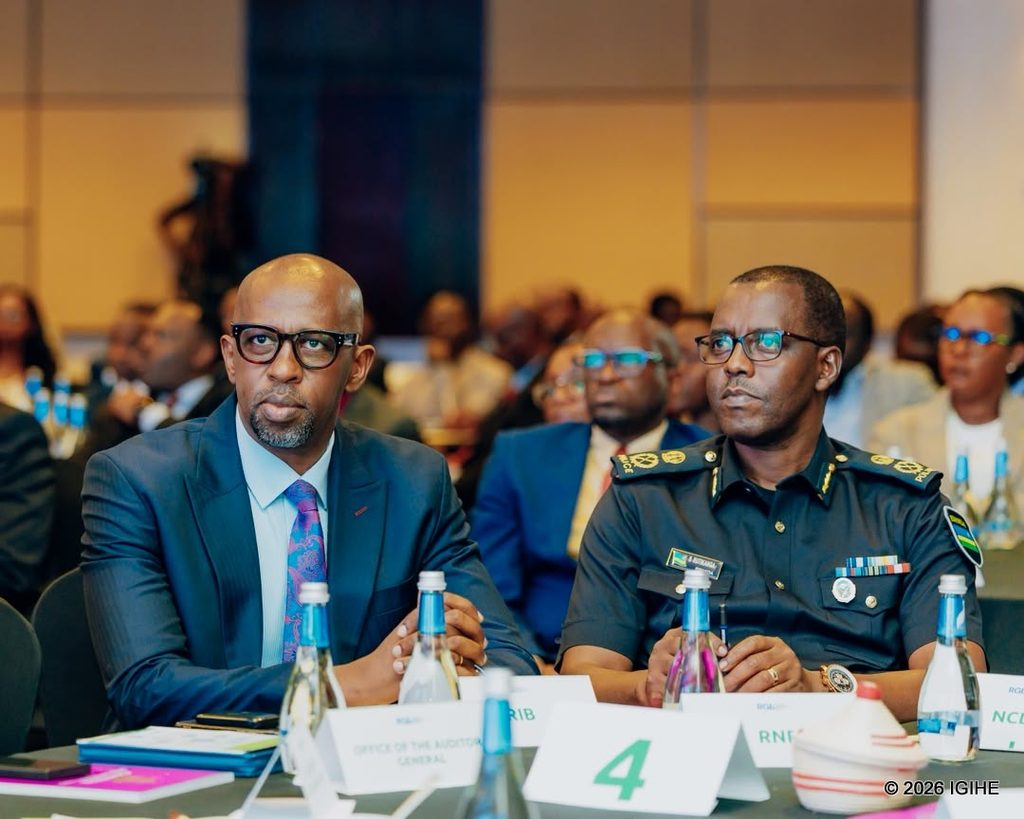
The report, unveiled on Thursday, October 22, by the Rwanda Governance Board (RGB), shows that the service delivery score dropped by 3.25 percentage points from 71.73% recorded in the previous edition.
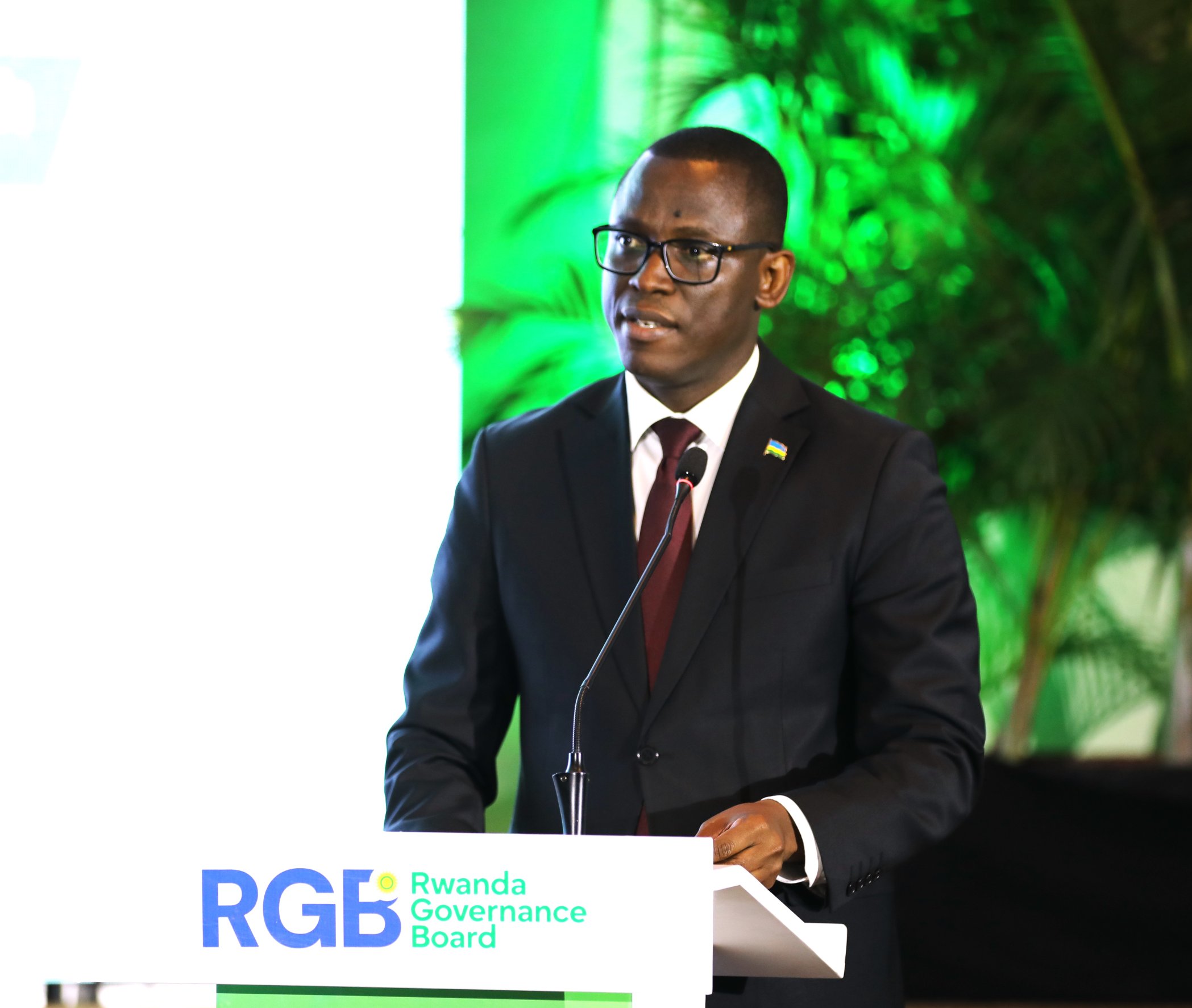
Speaking at the launch, Minister of Local Government Dominique Habimana said the findings presented both encouraging progress and areas requiring urgent attention.
“The findings presented to us today tell an encouraging but equally demanding story,” Habimana said, noting that five of the scorecard’s eight governance pillars scored above 80%.
“We cannot be satisfied while service delivery is declining and human social development remains low,” he added.
The scorecard assesses governance across eight pillars, 35 indicators and 153 variables, drawing on administrative data, official statistics, institutional assessments, research and citizens’ experiences. It is intended to help public institutions track performance, identify weaknesses and guide policy decisions.
Security remains Rwanda’s strongest pillar
Safety and security was the highest-performing pillar, scoring 90.15%, a slight increase from 90.02% in the previous edition. The pillar has consistently ranked among Rwanda’s strongest areas of governance since the scorecard was introduced.
Safety and security was the highest-performing pillar, scoring 90.15%, a slight increase from 90.02% in the previous edition.
Minister Habimana commended the security organs and others contributing to the performance, describing security as “an enabling factor for everything else that we do in this country.”
Anti-corruption, transparency and accountability followed with a score of 85.80%, up from 84.67% in the previous edition. Rule of law also improved, rising by 3.84 percentage points to 85.47%.
Participation and inclusiveness scored 84.72%, down from 86.31%, while political rights and civil liberties recorded 81.56%, down from 82.71%.
Economic and corporate governance scored 73.28%, down from 74.84%, while investing in human and social development improved by 3.86 to reach 68.55%.
Digital services and citizen satisfaction remain challenges
The decline in service delivery was accompanied by uneven results across individual services and sectors.
The report records citizen satisfaction with online court case filing at 65.40%. Satisfaction with services in the land, environment and settlement sector stood at 50.90%, while satisfaction with agriculture services was 53.70% and livestock services 57.10%.
Digitalisation also emerged as an area requiring further work. The scorecard records that 11% of government services were fully digitised end-to-end, based on data from the Ministry of ICT for 2024.
Habimana highlighted that digital transformation should go beyond making services available online.
“Digitalisation is considered not simply about putting services online, but also importantly about simplifying processes, reducing the time and the cost of accessing services,” he stated.
He added that the government would continue strengthening local authorities and improving coordination between levels of government to make services more accessible, timely, equitable and responsive to citizens’ needs.
The minister stressed that local government is where citizens experience governance directly, including through schools, health facilities and other essential services.
“For Rwandans, governance is not and will never be an abstract idea,” he remarked. “It is experienced in the village, at the cell, sector and districts, in schools and health facilities, and through the services people rely on every day.”
The report, unveiled on Thursday, October 22, by the Rwanda Governance Board (RGB), shows that the service delivery score dropped by 3.25 percentage points from 71.73% recorded in the previous edition.
Human and social development improves
The human and social development pillar rose by 3.86 percentage points to 68.55%. However, it remains one of the lowest-performing areas.
Within the pillar, health scored 78.22%, education 73.05% and social protection 67.15%. The secure and prosperous family indicator scored 59.45%, while climate change and environmental resilience stood at 64.89%.
Habimana said the findings matter because they reflect people’s everyday experiences, including the quality of services, the time required to access them, support available to families and opportunities for young people.
He called on public institutions to use the findings when preparing plans, budgets, reforms and performance contracts under Imihigo, Rwanda’s performance-based planning and accountability framework.
“This 13th edition must inform our planning, our performance contracts in Imihigo, our budgets, our reforms, and our engagement with citizens,” he said.
“Let this scorecard serve as both a mirror and a map. A mirror to look honestly at our achievements and the remaining gaps and a map to guide us towards higher standards of integrity, accountability, inclusiveness, efficiency and service delivery.”
Minister Habimana commended the security organs and others contributing to the performance, describing security as “an enabling factor for everything else that we do in this country.”
UNDP calls for action on findings
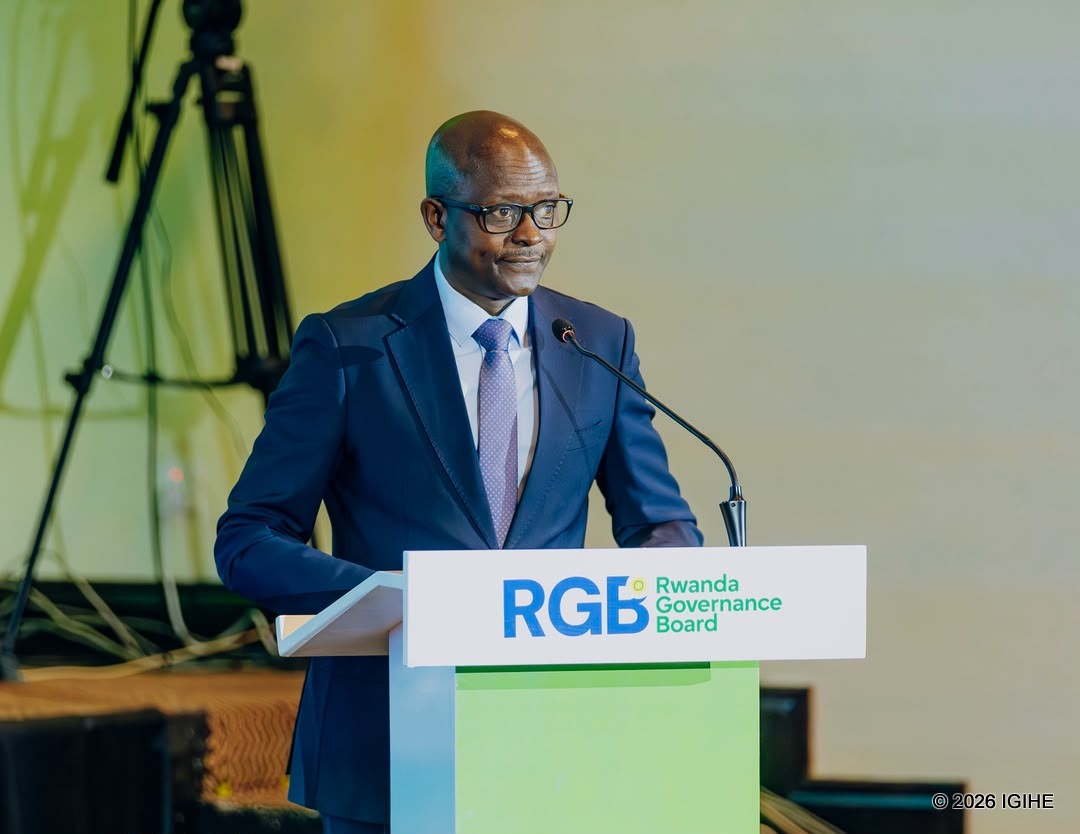
Fatmata Lovetta Sesay, the United Nations Development Programme (UNDP) Resident Representative in Rwanda, commended the country for using the scorecard to assess its own governance performance and create space for discussion about areas requiring improvement.
She described the Rwanda Governance Scorecard as a home-grown initiative that has helped strengthen accountability and promote cohesion since 2010.
“It is impressive to see a country that holds itself accountable,” Sesay lauded. “It is even more impressive to see a country open to the discussions on how the world holds it accountable.”
Sesay said the scorecard’s value lies not only in the data it presents but also in the policy discussions and practical actions that follow.
“I therefore encourage all stakeholders here present, including government institutions, development partners, civil society organizations, academia, the private sector, and all citizens, to study the findings carefully,” she said.
She also urged stakeholders to focus on governance indicators that continue to lag behind expectations and identify practical measures to accelerate progress.
“The Rwanda Governance Scorecard should not be viewed as an end in itself,” Sesay said. “The end is full satisfaction of service delivery.”
She added that effective governance, strong institutions, public accountability and responsive services are essential to Rwanda’s economic transformation and social development, particularly as the country implements its Second National Strategy for Transformation (NST2) and advances towards Vision 2050.
RGB stresses self-accountability
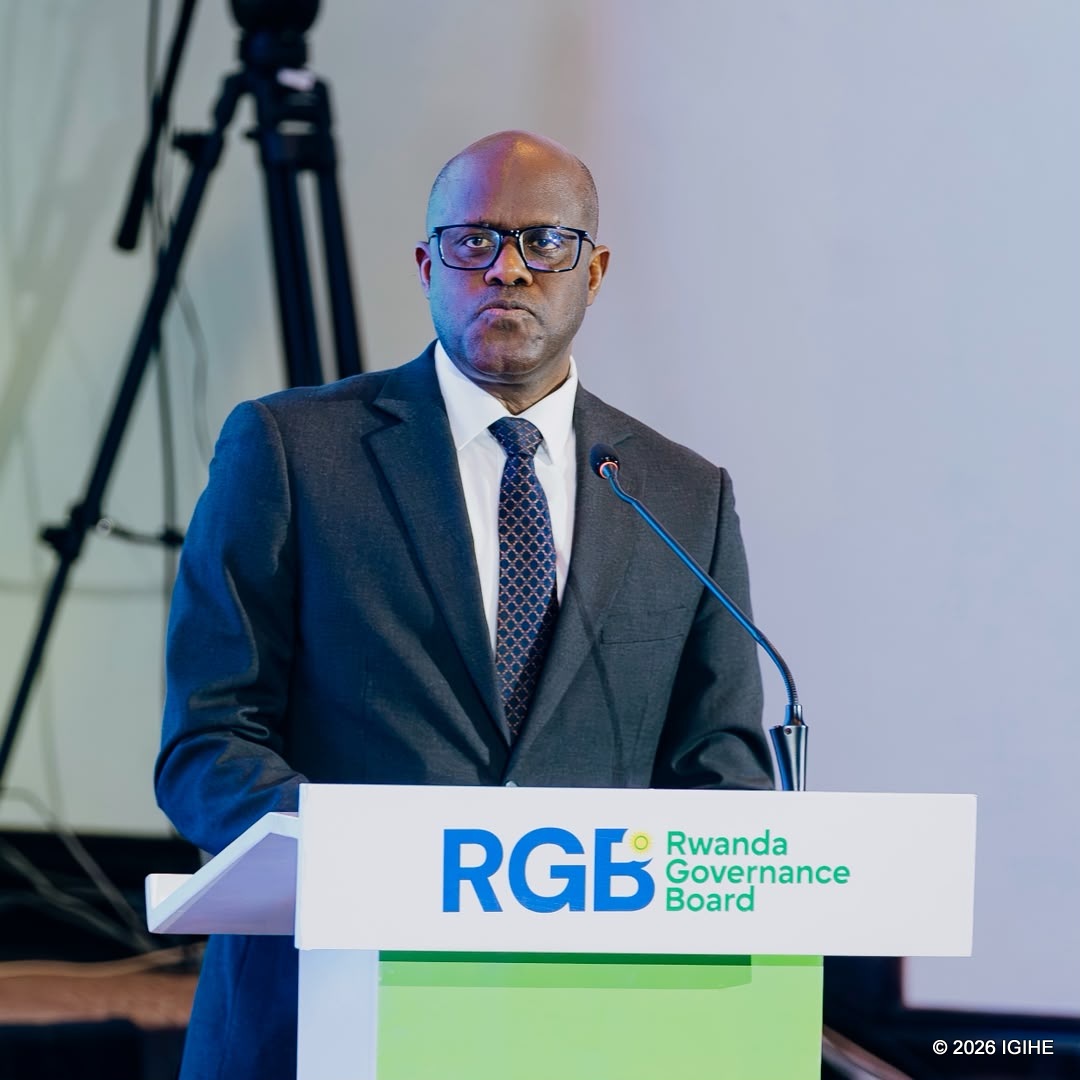
Dr. Edward Kalisa, Secretary General of the Rwanda Governance Board, said the scorecard is designed to assess institutional performance and generate evidence that can inform policy planning and implementation.
He said the assessment combines different sources of information, including official data and citizens’ perceptions, to examine not just whether policies and institutions exist but how they perform in practice.
“Self-accountability means having the willingness to assess our own performance to recognize achievements, acknowledge shortcomings and identify where improvement is required,” Kalisa said.
The report’s findings, he stressed, offer a basis for understanding how governance is evolving and where additional attention is needed.
Meanwhile, the launch also featured the Chandler Good Government Index, which ranked Rwanda 11th globally and first in Africa for Leadership and Foresight in 2026.
Rwanda also ranked second worldwide for Long-Term Vision and third for Adaptability, according to Dinesh Naidu of the Chandler Governance Group.
The report was unveiled on Thursday, October 22, by the Rwanda Governance Board (RGB),
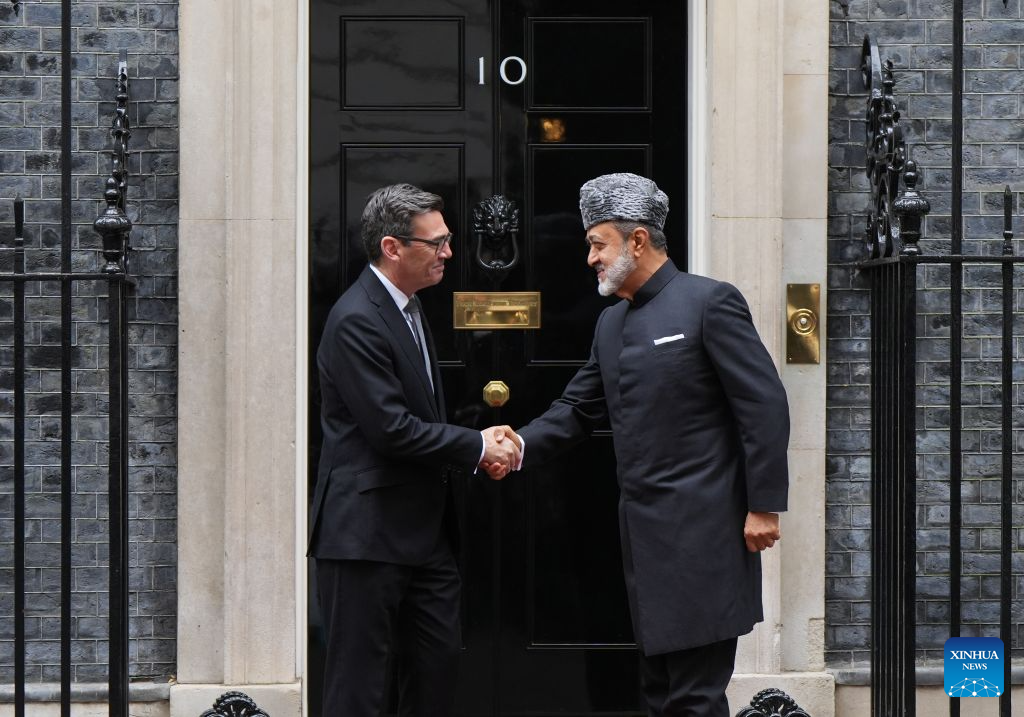
Reopening the Strait of Hormuz would reduce the pressure on global supply chains and ease the impact on people at home, said Burnham in a meeting with Oman’s sultan in Downing Street.
Turning to the situation in the Middle East, Burnham underlined the key role Oman plays in regional stability, and gave his thanks for the Oman’s work for reopening the Strait of Hormuz, according to the statement.
On February 28, Israel and the United States launched joint attacks on Tehran and other Iranian cities. Iran responded with waves of missile and drone attacks targeting Israel and U.S. bases and assets in the region, and tightened its grip on the Strait of Hormuz.
Before the war, roughly 20.3 million barrels of petroleum and crude oil passed through the strait per day, accounting for roughly 25 percent of the world’s maritime oil trade.
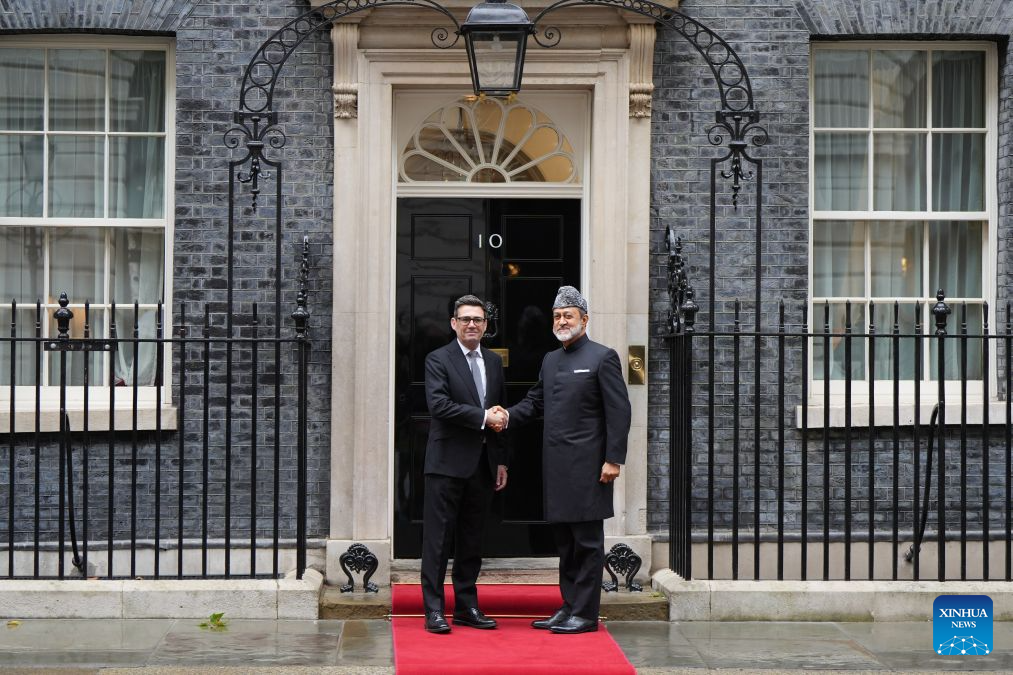
British Prime Minister Andy Burnham shakes hands with Oman’s Sultan Haitham bin Tariq at 10 Downing Street in London, Britain, October 21, 2026. British Prime Minister Andy Burnham and Oman’s Sultan Haitham bin Tariq agreed Wednesday on the need to open the Strait of Hormuz, according to a statement released by British government on Wednesday.
The penalty follows a jury verdict that the company violated state consumer protection laws more than 43 million times through misleading statements about its data practices and the enforcement of rules against harmful content.
Judge Francis Mathew issued the ruling on Wednesday, reducing the potential penalty of more than $219 billion to $25 billion. The judge found that Meta’s alleged misconduct was deliberate and spanned more than 11 years, from 2010 to 2021.
The case centred partly on the Cambridge Analytica scandal, which came to light in 2018 after revelations that the British political consulting firm had obtained personal information from as many as 87 million Facebook users through a third-party application without their consent.
The firm used the information for voter profiling and political targeting, including work connected to Donald Trump’s 2016 US presidential campaign.
New Mexico’s Attorney General Raúl Torrez sued Meta in 2021, accusing the company of misleading residents about who could access their personal information. The state also alleged that Meta misrepresented how it handled hate speech and misinformation on its platforms.
Torrez welcomed the ruling, saying it sent a message that major technology companies could be held accountable for their business practices.
“For too long, powerful technology companies have operated as though their size and influence put them beyond the reach of the law,” he said.
Meta disputed the ruling and said it would appeal. The company’s Chief Legal Officer, C.J. Mahoney, argued that the lawsuit sought to impose restrictions on online expression.
The penalty adds to the company’s mounting legal challenges over data privacy and online safety. In 2019, Meta paid a $5 billion penalty to the US Federal Trade Commission over its data privacy practices following the Cambridge Analytica scandal.
New Mexico also secured nearly $1 billion in penalties against Meta earlier this year in separate cases concerning the safety of its platforms for children and allegations of harm to young users.
Despite the legal setbacks, Meta continues to invest heavily in artificial intelligence. The company reported revenue of $64.5 billion in the July-to-September period, up 26% from a year earlier, while profits tripled to $9.8 billion.
The penalty against Mark Zuckerberg’s tech giant follows a jury verdict that the company violated state consumer protection laws more than 43 million times through misleading statements about its data practices and the enforcement of rules against harmful content.