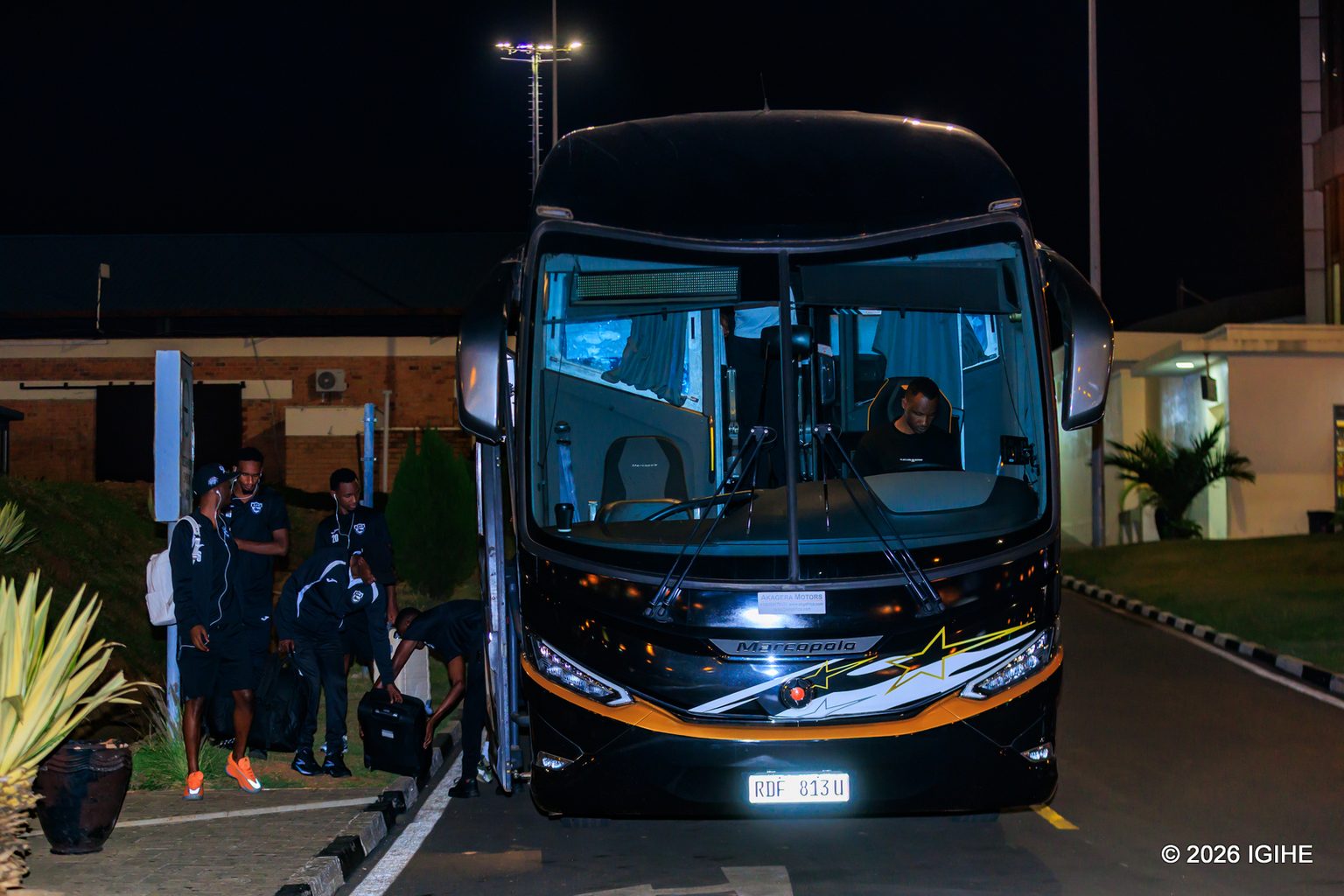
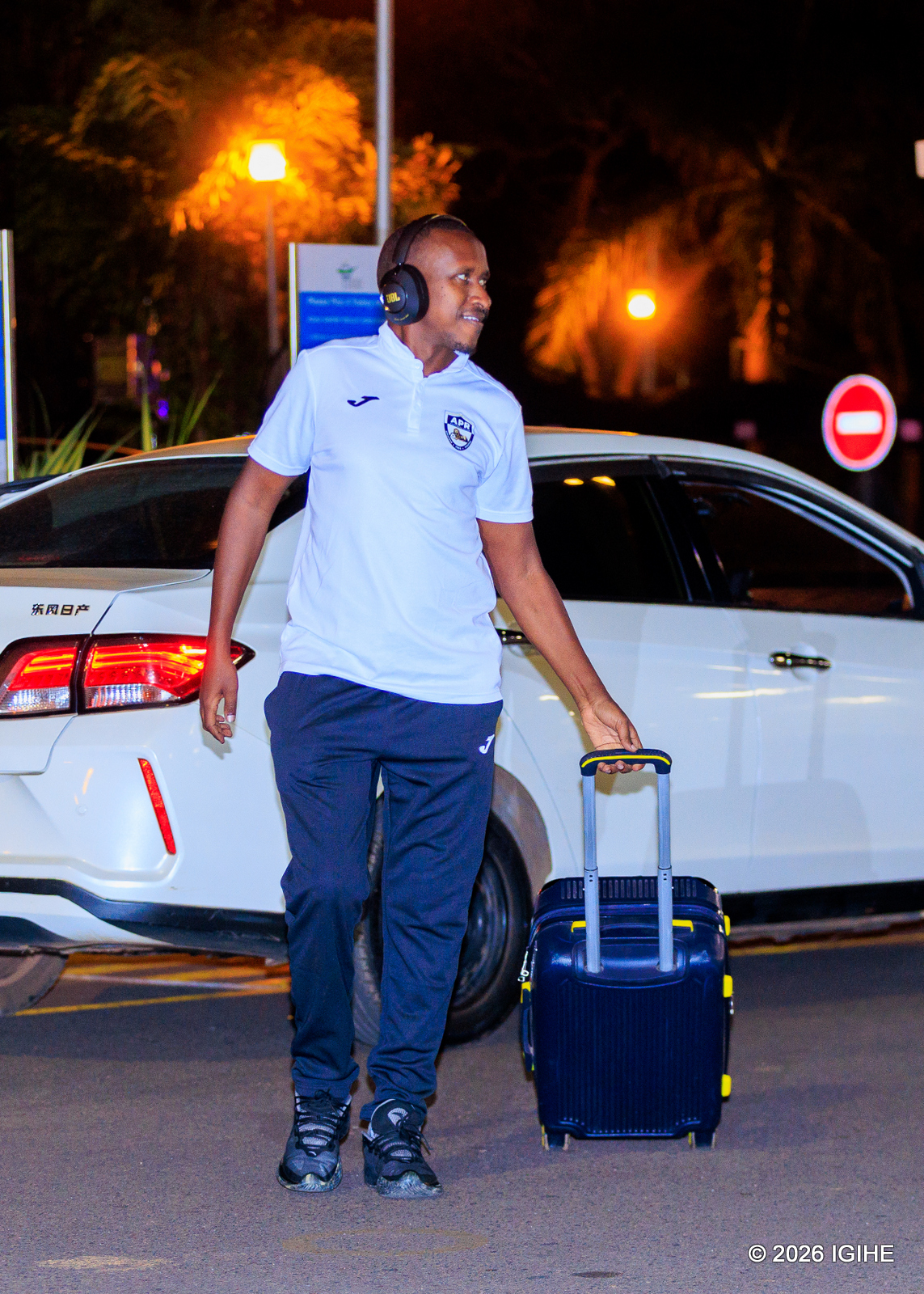
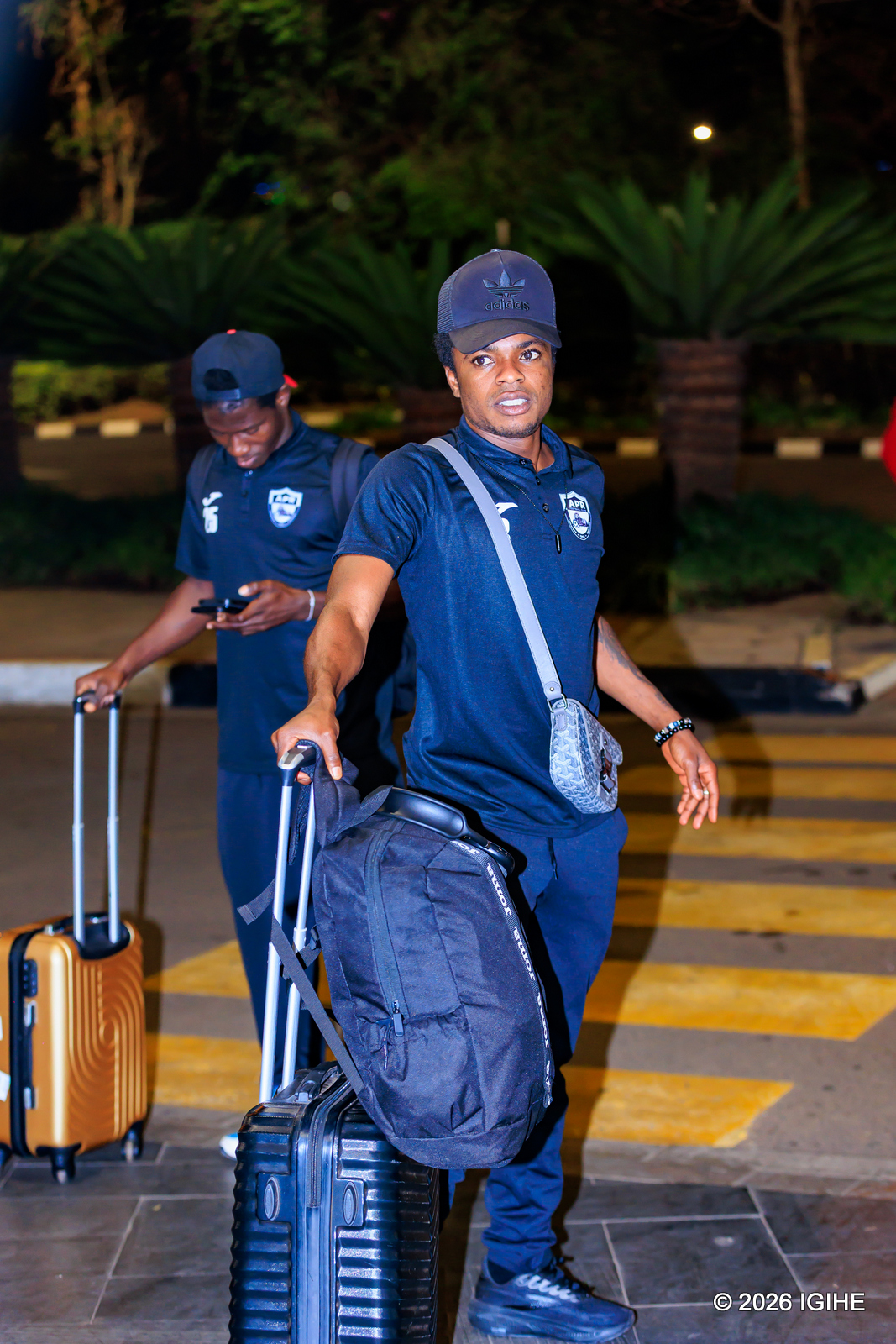
The delegation, comprising players, coaches and club officials, departed Kigali International Airport in the early hours of Wednesday, October 21, 2026, travelling via Nairobi, Kenya.
The Rwandan champions travelled with 23 players for the return leg, scheduled for Saturday, October 24, as they seek to overturn a 1-0 deficit from the first leg and advance to the next round.
The squad includes Hakizimana Adolphe, Ernan Siluane, Nshimiyimana Yunusu, Madou Zon, Byiringiro Jean Gilbert, Ishimwe Christian, Mamadou Traore, Memel Dao, Ronald Ssekiganda, Djibril Ouattara, Amani Michel and William Togui.
Others are Mudahigwa Christian, Nduwayo Alexis, Ishimwe Abdoul, Fitina Ombolenga, Bugingo Hakim, Rubuguza Jean Pierre, Iraguha Hadji, Ngabonziza Pacifique, Hakim Kiwanuka, Uwiyaremye Fidali and Dauda Yussifu.
Most of the players left behind are from the club’s youth team. They include Niyonzima Abidal, Ethinne Bana, Mwumvaneza Tumusiifu, Ndugutse Assoumani, and Ruhamyankiko Ivan.
APR FC lost the first leg 1-0 to Zamalek and must win the return fixture to keep their hopes of progressing in the competition alive.
The delegation, comprising players, coaches and club officials, departed Kigali International Airport in the early hours of Wednesday, October 21, 2026, travelling via Nairobi, Kenya.Ishimwe Christian is set to feature in APR FC’s clash against Zamalek. APR FC face uphill task in EgyptByiringiro Jean Gilbert is one of APR FC’s key players.Ruvuyanga, a former journalist, traveled with APR FC to Egypt.
Ishimwe Abdoul (right) is among the 23 players in APR FC’s squad for the Zamalek clash.Memel Dao, who impressed in the first leg, will feature in CAF Champions League return leg.Dauda Yussif and Ishimwe Abdoul chat before APR FC’s departure from Rwanda.
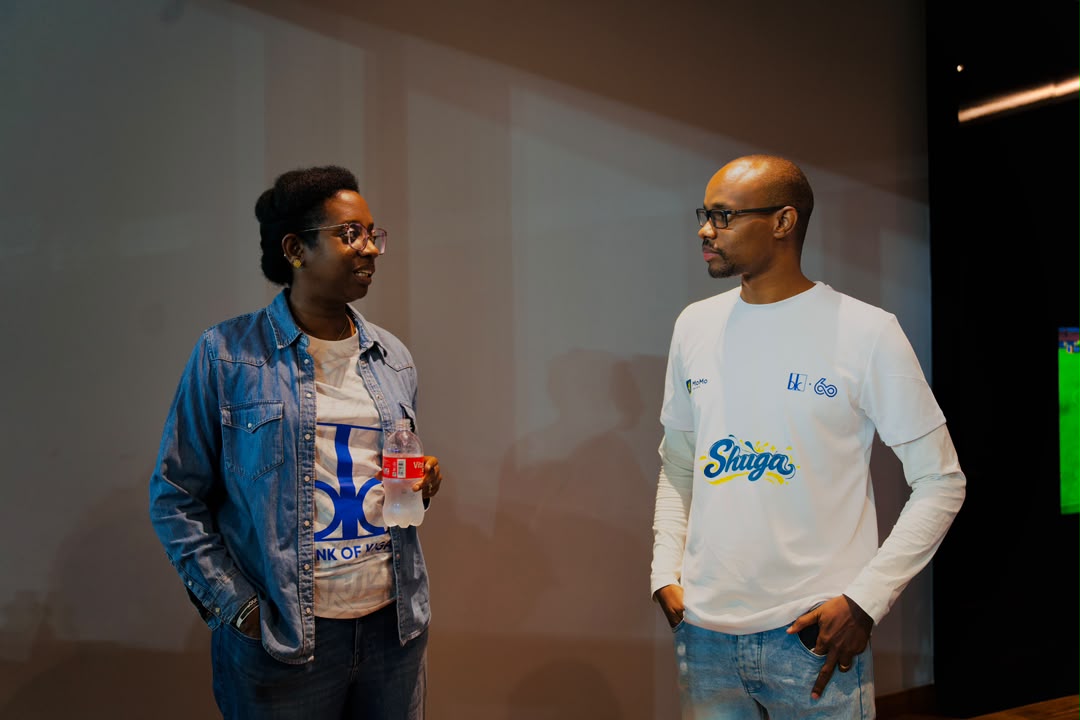
Designed with young Rwandans in mind, Shuga offers a quick and convenient way to access short-term credit without visiting a bank, filling out paperwork or providing physical collateral.
Whether it’s an unexpected bill, an urgent expense or simply making ends meet before a salary arrives, Shuga gives customers access to money when they need it.
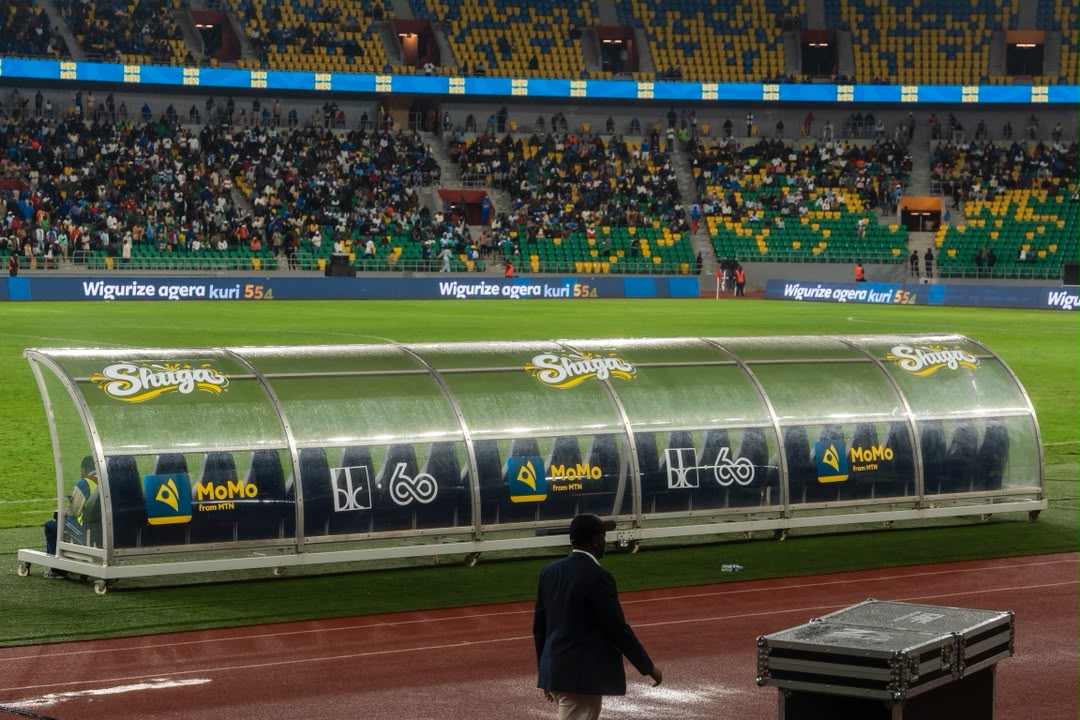
The service was officially unveiled on Saturday, October 17, 2026, during a CAF Confederation Cup fixture at Amahoro Stadium, between Rayon Sports FC of Rwanda and Mozambique’s Black Bulls FC.
Borrow what you need, when you need it
With Shuga, eligible customers can borrow from as little as Rwf 500 up to Rwf 1 million, depending on their individual credit limits, and choose from repayment periods of 7, 14 or 30 days, subject to eligibility.
Customers simply dial *182*5*5#, follow the prompts, check their available credit limit and apply for a loan. Once approved, the full amount is deposited directly into their MoMo wallet.
Speaking at the launch, Chantal U. Kagame, Chief Executive Officer of MoMo Rwanda, said:
“We know that for many young Rwandans, financial needs don’t always wait for payday. Whether you’re starting your career, managing your first salary or dealing with an unexpected expense, having access to quick credit can make a real difference.
“With Shuga, we’re making borrowing simpler, faster and more accessible. We want our customers to have the dignity of accessing credit when they need it, directly from their phones, while encouraging responsible borrowing.”
Reflecting on the bank’s role in the partnership, Dr. Diane Karusisi, Chief Executive Officer of Bank of Kigali, said:
“At Bank of Kigali, we believe access to credit should not depend on where you live, what you own or whether you have time to visit a branch. Many young Rwandans are working, building businesses and planning their futures, yet formal credit has often felt out of reach. Shuga changes that by putting a trusted, regulated loan in their pocket within minutes.
“This partnership brings together the reach of MoMo, the technology of Yabx and Bank of Kigali’s lending experience to give customers credit that is fast and also fair, transparent and responsible. Each loan repaid on time also helps customers build a credit history, which can open the way to larger opportunities later on. We are proud to launch Shuga alongside our partners, and here at Amahoro, in front of the fans who are the very generation it is built for.”
“At Yabx, we believe the true potential of digital lending lies in understanding customers better and making credit relevant to their diverse and evolving financial needs. By bringing together advanced analytics, intelligent risk management and deep lending expertise, we help our partners deliver credit solutions that are accessible, responsible and sustainable.
“The launch of Shuga marks an important milestone in our partnership with MoMo Rwanda and Bank of Kigali. Together, we are combining our complementary strengths to deliver a compelling credit proposition to Rwandan customers and create new opportunities for innovation and growth in the country’s digital financial ecosystem.”
Simple, convenient and transparent
Shuga offers customers:
• Quick access: Apply directly from your phone without paperwork or visiting a bank. • Flexible borrowing: Access between Rwf500 and Rwf1 million, subject to your credit limit. • Repayment options: Choose an available 7-, 14- or 30-day loan. • Direct disbursement: Receive the full loan amount in your MoMo wallet. • Easy repayment: Repay directly from your phone, including before the due date.
A one-time facility fee of 7%, 8% or 9% applies to loans of 7, 14 or 30 days, respectively.
For example, a customer borrowing Rwf 10,000 for 30 days receives the full Rwf 10,000 and repays Rwf 10,900.
Late repayments attract additional charges and may affect future borrowing eligibility and credit history.
Expanding financial inclusion
Shuga brings together MoMo Rwanda’s extensive mobile money network, Bank of Kigali’s banking expertise and Yabx Technologies’ advanced credit scoring, risk management and digital lending capabilities to make formal credit more accessible to Rwandans.
How to access Shuga
To get started, dial *182*5*5#, follow the prompts, check your available loan limit and select your preferred loan amount and repayment period.
Eligibility and borrowing limits depend on factors including customers’ usage of MTN voice, data and MoMo services, their history on the network and their repayment performance.
Loan terms, fees and eligibility criteria apply.
For more information, visit www.mtn.co.rw/momo or contact MoMo Rwanda Customer Care.
Mobile Money Rwanda Ltd is MTN Rwanda’s FinTech subsidiary, established in April 2021. With approximately 6.4 million subscribers, over 65,000 agents and more than 600,000 MoMoPay merchants, the company continues to drive financial inclusion through innovative digital financial services, including MoMoPay, MoKash, K’avance, MoFlex, MoFaya, remittances and digital payments.
Bank of Kigali Plc (BK) is Rwanda’s largest commercial bank and a subsidiary of BK Group Plc, which is listed on the Rwanda Stock Exchange and cross-listed on the Nairobi Securities Exchange.
Founded in 1966 and celebrating 60 years in 2026, BK serves retail, SME, corporate and institutional customers through a nationwide network of branches, agents and ATMs, together with its digital channels, including the BK Mbile App, Internet Banking and USSD (*334#).
The bank drives financial inclusion and economic growth through innovative partnerships and accessible products and is committed to its purpose of transforming lives through financial solutions. For more information, visit www.bk.rw.
Yabx Technologies is a global digital lending technology company enabling banks, financial institutions and digital ecosystem partners to build, launch and scale credit businesses across emerging markets.
Its end-to-end platform and services combine alternative data analytics, AI-powered credit scoring, intelligent risk management, loan origination, loan management and portfolio operations. Through its partnerships with banks, mobile money operators and fintechs, Yabx supports a diverse range of consumer, merchant and SME lending solutions across more than 20 markets in Africa, Asia and Latin America.
The service was officially unveiled on Saturday, October 17, 2026, during a CAF Confederation Cup fixture at Amahoro Stadium, between Rayon Sports FC of Rwanda and Mozambique’s Black Bulls FC.Officials said the digital loan product is designed with young Rwandans in mind. Shuga offers a quick and convenient way to access short-term credit without visiting a bank, completing paperwork or providing physical collateral.
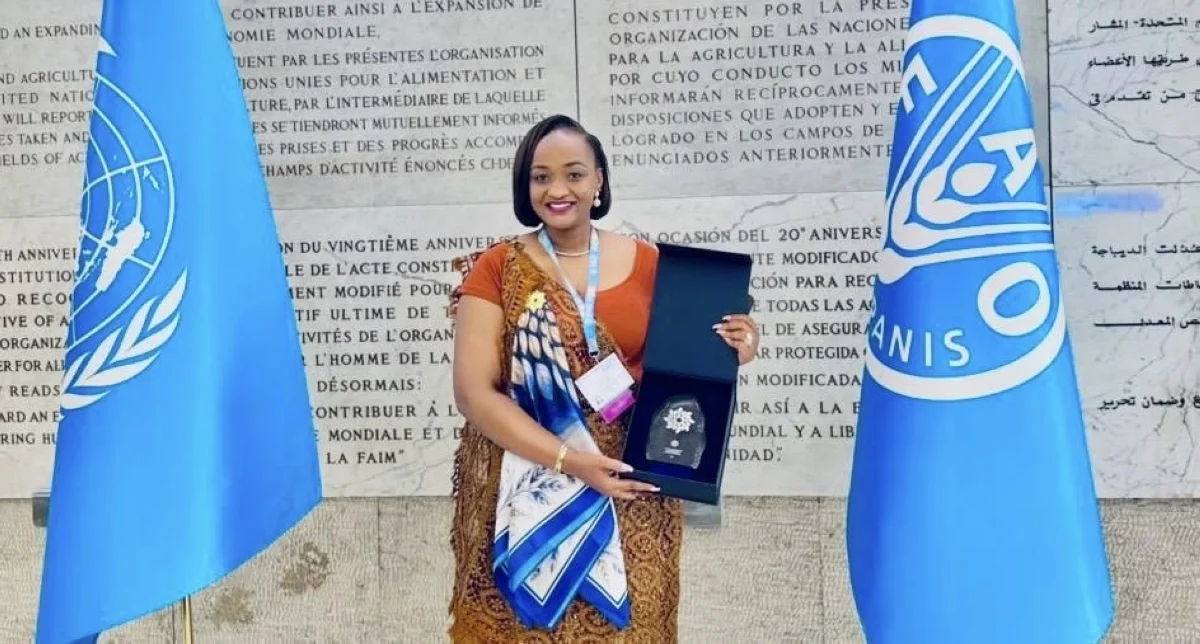
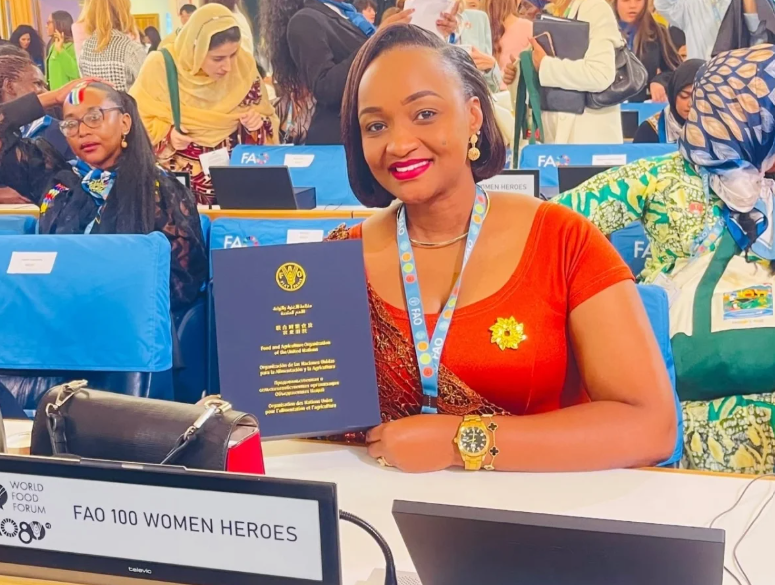
Uwamahoro was honoured on October 15, 2026, during a ceremony at FAO headquarters in Rome, Italy, held alongside the World Food Forum and the International Year of the Woman Farmer 2026.
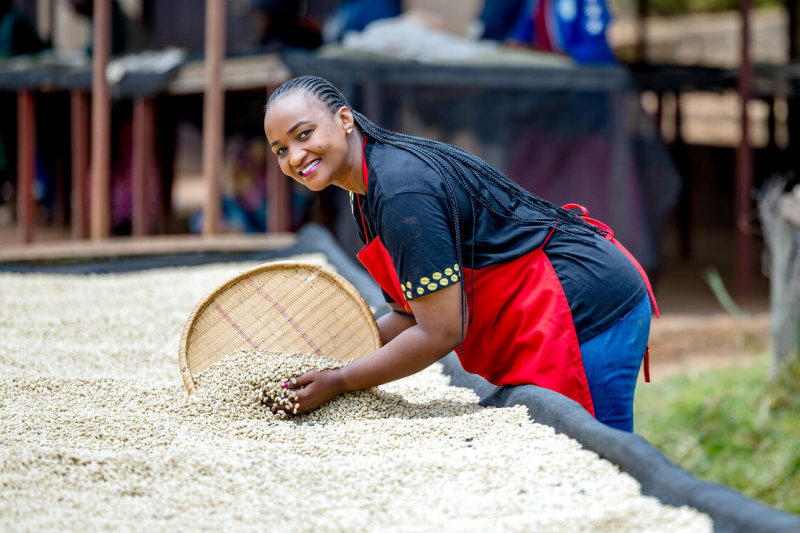
She is the founder and Chief Executive Officer of Braimpire Ltd, a Rwandan agribusiness company established in 2016 to strengthen agricultural value chains and connect farmers to regional and international markets.
Through the company, she has supported more than 15,000 smallholder farmers, the majority of whom are women, young people and persons with disabilities.
Braimpire works with products including coffee, tea, chilli and horticultural produce, helping farmers access wider markets while promoting value addition and reducing post-harvest losses.
Uwamahoro has also championed cross-border agricultural trade. She is recognised as the first Rwandan woman to register a company under the African Continental Free Trade Area (AfCFTA), which seeks to facilitate trade among African countries by reducing barriers to the movement of goods and services.
Uwamahoro was honoured on October 15, 2026, during a ceremony at FAO headquarters in Rome, Italy.
Uwamahoro has dedicated FAO’s recognition to women farmers whose contributions to food production and rural livelihoods often go unrecognised.
“This recognition is deeply personal to me, but I do not see it as mine alone. I dedicate it to the thousands of women farmers in Rwanda and across Africa who wake up every day to cultivate our land, feed our communities, sustain their families and build a better future, often with little recognition,” she said.
She also thanked the Government of Rwanda for supporting women’s leadership and entrepreneurship, noting that the opportunities provided had contributed to her growth.
Uwamahoro expressed hope that the recognition would encourage more women, particularly those in rural communities, to pursue their ambitions and recognise the value of their work.
“May this recognition remind every rural woman that her work matters, her contribution is valued and her dreams are possible,” she added.
Uwamahoro is the founder and Chief Executive Officer of Braimpire Ltd, a Rwandan agribusiness company established in 2016 to strengthen agricultural value chains and connect farmers to regional and international markets.
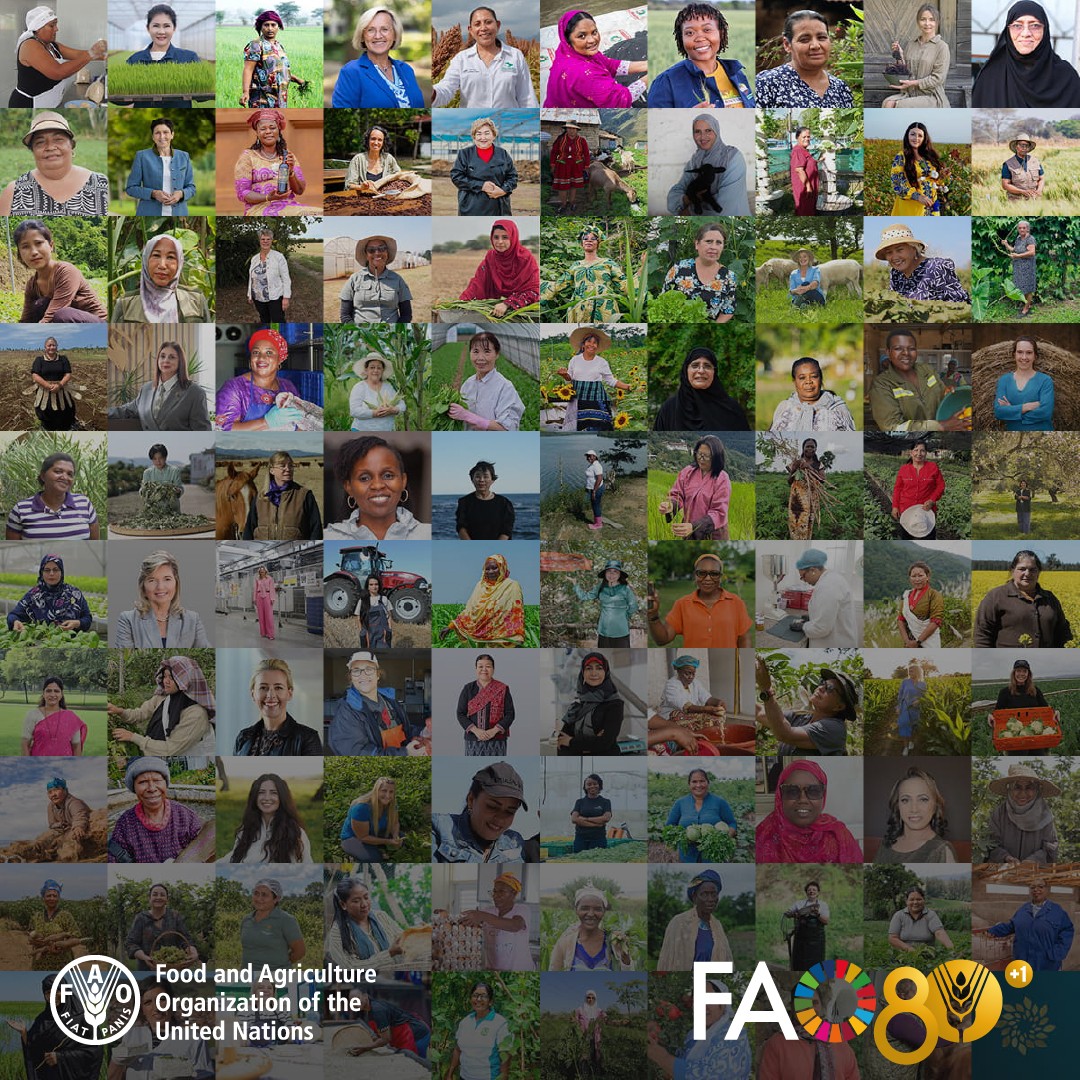
The FAO initiative celebrates 100 women whose contributions span the agrifood value chain, including agriculture, entrepreneurship, research, education and community leadership.
Their work includes improving food security, expanding market access, protecting natural resources, preserving traditional and indigenous knowledge, and creating employment and training opportunities in rural communities.
According to FAO, the selection process attracted 609 nominations from 131 of its Members. Submissions were assessed for eligibility before candidates were reviewed and ranked by senior management, with the final list approved by the organisation’s Senior Leadership Committee.
Uwamahoro was among 100 women selected from across the world, with African honourees representing countries including Ethiopia, Botswana, Benin, Tunisia, Zambia, South Africa, Zimbabwe, Kenya, Tanzania and The Gambia.
Uwamahoro dedicated FAO’s recognition to women farmers whose contributions to food production and rural livelihoods often go unrecognised.
“We want Zelensky to make a deal,” Trump told reporters at the White House. “If they don’t make a deal, it’s just gonna get worse.”
“We have given tremendous amounts to Ukraine; we’ve got nothing back. Other than high diesel,” Trump said. “The American taxpayers are tired of it.”
“It’s time to make a deal,” he added, “Russia would like to get it done.”
Trump made the appeal after U.S. special envoy Steve Witkoff met Zelensky and European officials in Oslo on Tuesday. Zelensky reportedly said after the Oslo talks that discussions had been constructive.
Witkoff is expected to meet Russian President Vladimir Putin in Russia on Wednesday and present him with an updated proposal to end the Russia-Ukraine conflict, U.S. media Axios reported on Tuesday, citing a U.S. official.
Washington hopes the new proposal will “create a pathway toward direct trilateral and broader multilateral negotiations,” the U.S. official was quoted as saying.
Trump has repeatedly criticized Zelensky in recent days, accusing him of hindering peace efforts. On Monday, Trump said Zelensky should have settled the conflict long ago and suggested replacing him as Ukraine’s chief negotiator.
A side-by-side image of Ukrainian President Volodymyr Zelensky and US President Donald Trump. On Tuesday, Trump urged Zelensky to reach a deal with Russia to end the conflict.
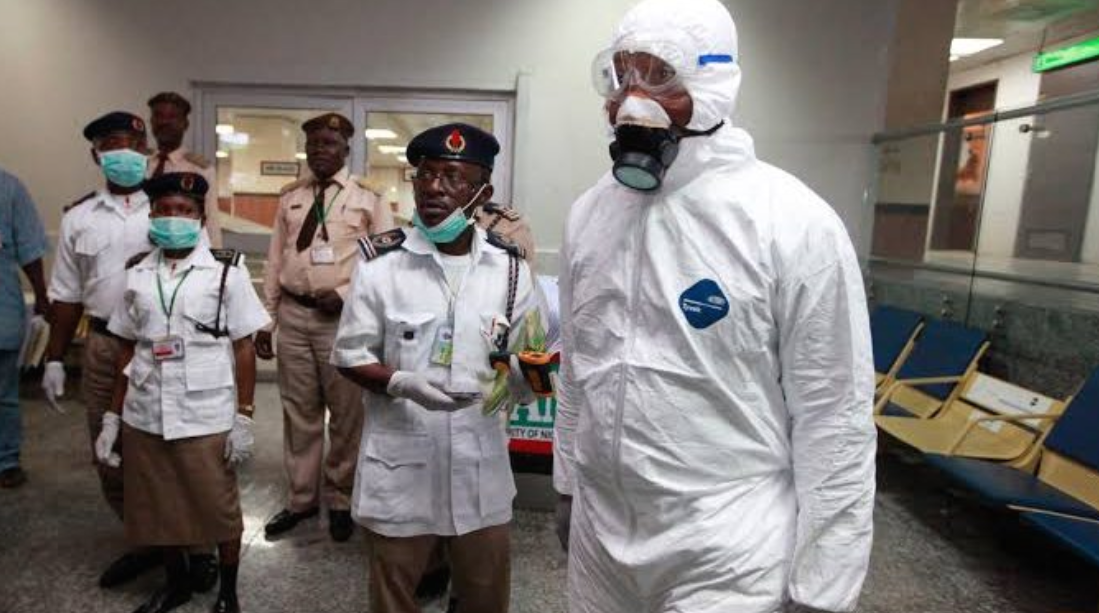
Health Minister Muhammad Ali Pate announced the case on Tuesday, October 20, saying laboratory tests had confirmed the infection and that the patient was receiving medical care in isolation.
Authorities have identified 44 people who may have come into contact with the woman and begun tracing them to prevent further transmission.
“We are doing everything possible to contain this case by tracing all the contacts the individual may have had,” Pate said.
The patient reportedly began showing symptoms on October 7 and was admitted to a private hospital in Abuja four days later. Authorities have not disclosed when she arrived in Nigeria.
Nigeria is the first West African country to report a case linked to the current outbreak, which has spread from the Democratic Republic of Congo (DRC) to other countries in the region.
Uganda’s Ministry of Health said the woman had travelled to eastern DRC on a business trip and passed through Uganda on her journey to Nigeria.
“Travel through Uganda does not establish that infection occurred here. The location of exposure remains under investigation,” the ministry said in a statement.
Uganda had previously reported cases of Ebola but declared itself free of the disease after the last patient was discharged.
The latest case comes as health authorities across Africa intensify surveillance and contact-tracing efforts following infections reported in Kenya and Uganda.
Kenya has confirmed nine cases, including its first patient, who died after travelling from the DRC. Kenyan authorities say the infections remain linked to a single cluster, with most identified contacts under quarantine.
The outbreak in the DRC, which began in May, has recorded more than 9,500 cases and 4,600 deaths, according to recent figures from the European Centre for Disease Prevention and Control.
The Africa Centres for Disease Control and Prevention has warned that the outbreak presents a serious regional health threat as infections emerge in countries connected through travel and trade.
Nigeria, which experienced an Ebola outbreak in 2014, has strengthened its preparedness measures. During that outbreak, the country successfully contained the virus after recording 20 cases.
Nigeria has confirmed an Ebola case in its capital, Abuja, after a woman who recently travelled from Uganda tested positive for the virus, raising concerns about the spread of the outbreak beyond East and Central Africa.
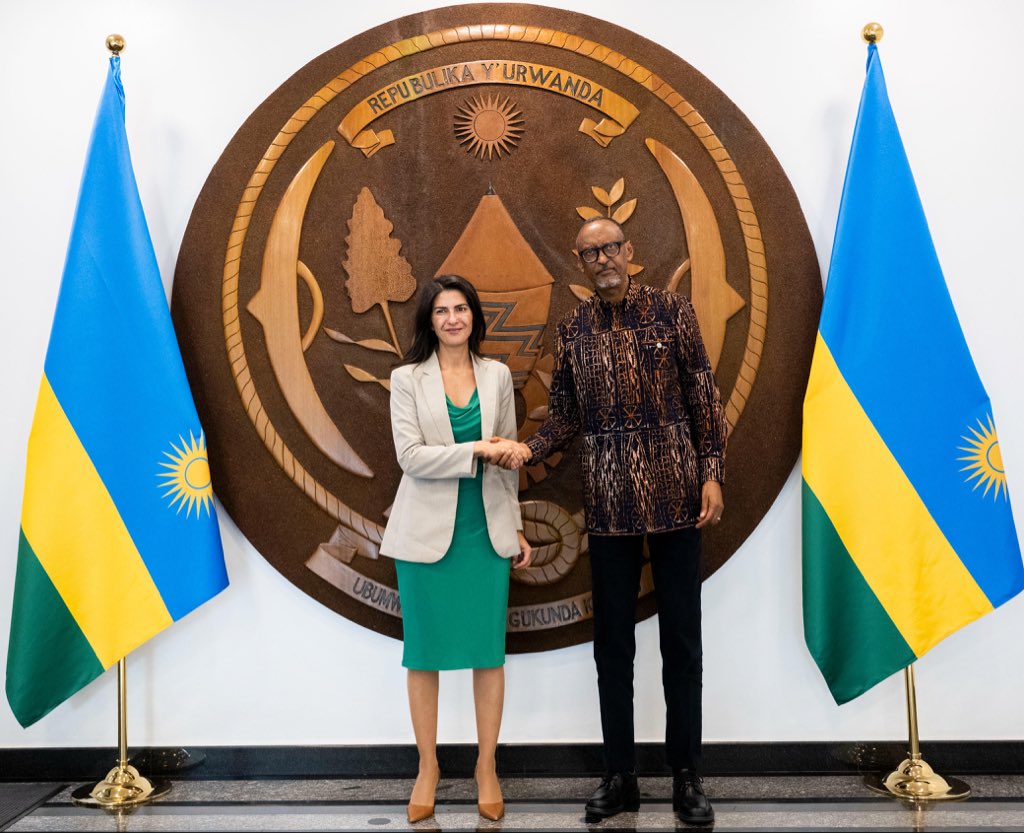
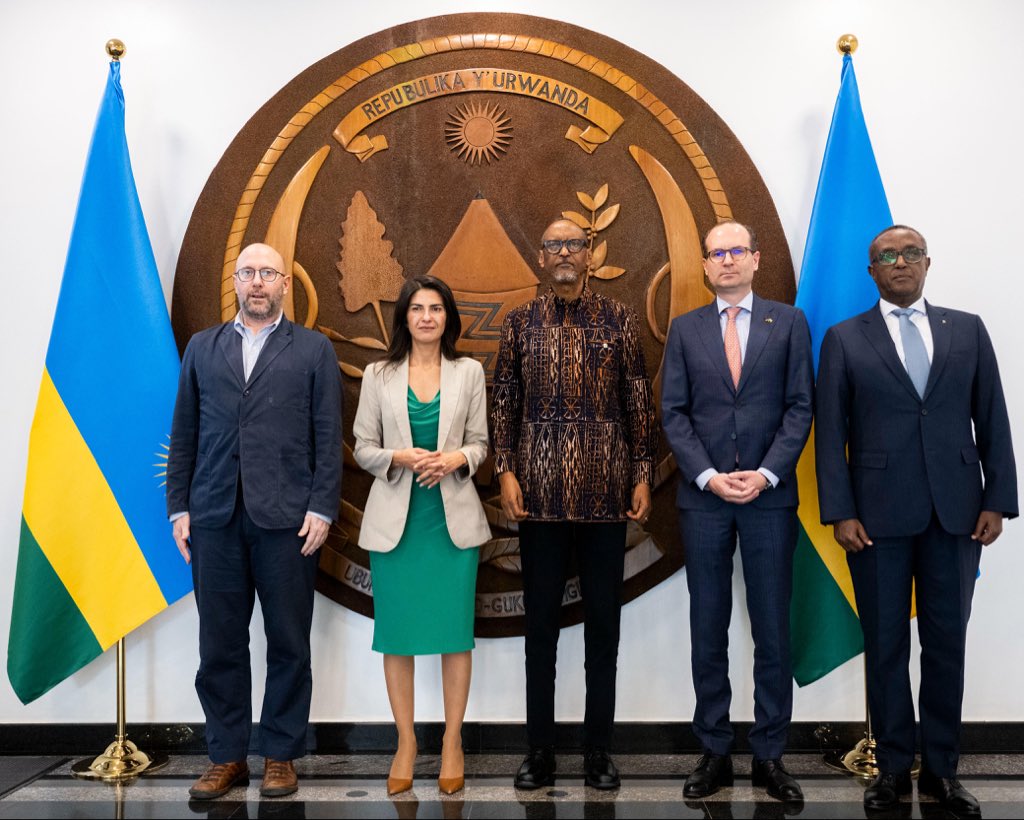
The meeting took place at Urugwiro Village on Tuesday, October 20, with discussions focusing on strengthening bilateral cooperation between the two countries in areas of mutual interest, according to a statement from the Office of the President.
The meeting comes as Rwanda and Germany continue to engage in areas including healthcare, vocational education, employment and social protection.
In May 2026, Rwanda’s Ministry of Health signed an agreement with German pharmaceutical company Bayer AG aimed at improving access to quality health products and strengthening public health supply systems.
The agreement was signed in Kigali by Minister of State for Health Yvan Butera and Bayer AG’s Chief Health Equity Officer, Dr Claus Runge. It forms part of efforts to improve access to medicines and other health products in Rwanda.
Education and skills development are also part of the partnership.
On September 23, 2026, Rwanda and Germany signed a €16 million agreement, equivalent to approximately Rwf26 billion, to expand girls’ participation in Technical and Vocational Education and Training (TVET).
Known as the Skills for Girls TVET Project, the initiative is intended to extend support to additional TVET schools and strengthen existing scholarship programmes, with particular attention to young women.
Academic exchanges have also created opportunities for Rwandan students to gain international experience. In July 2026, the University of Kigali announced that seven students from its School of Business, Management and Economics were participating in a fully funded academic exchange programme in Germany.
The programme is supported through partnerships involving the Erasmus Programme, LEARN Logistics gGmbH and the Baden-Württemberg Scholarship Programme through DHBW University. It provides opportunities for international academic exposure, cross-cultural learning and practical experience.
Germany has also provided financial support for Rwanda’s social protection programmes.
On October 6, 2025, Rwanda signed an €18 million grant agreement, worth approximately Rwf30.5 billion, with Germany to strengthen the country’s inclusive social protection system under the Vision Umurenge Programme (VUP).
The agreement was signed by Finance and Economic Planning Minister Yusuf Murangwa and Germany’s Ambassador to Rwanda, Heike Uta Dettmann. The funding, provided through the German Development Bank (KfW), supports interventions including cash transfers, nutrition-sensitive direct support, public works and measures to help vulnerable households respond to economic shocks.
Germany’s Federal Foreign Office identifies economic development, vocational training, healthcare, climate protection, energy and digitalisation among the areas covered by its cooperation with Rwanda.
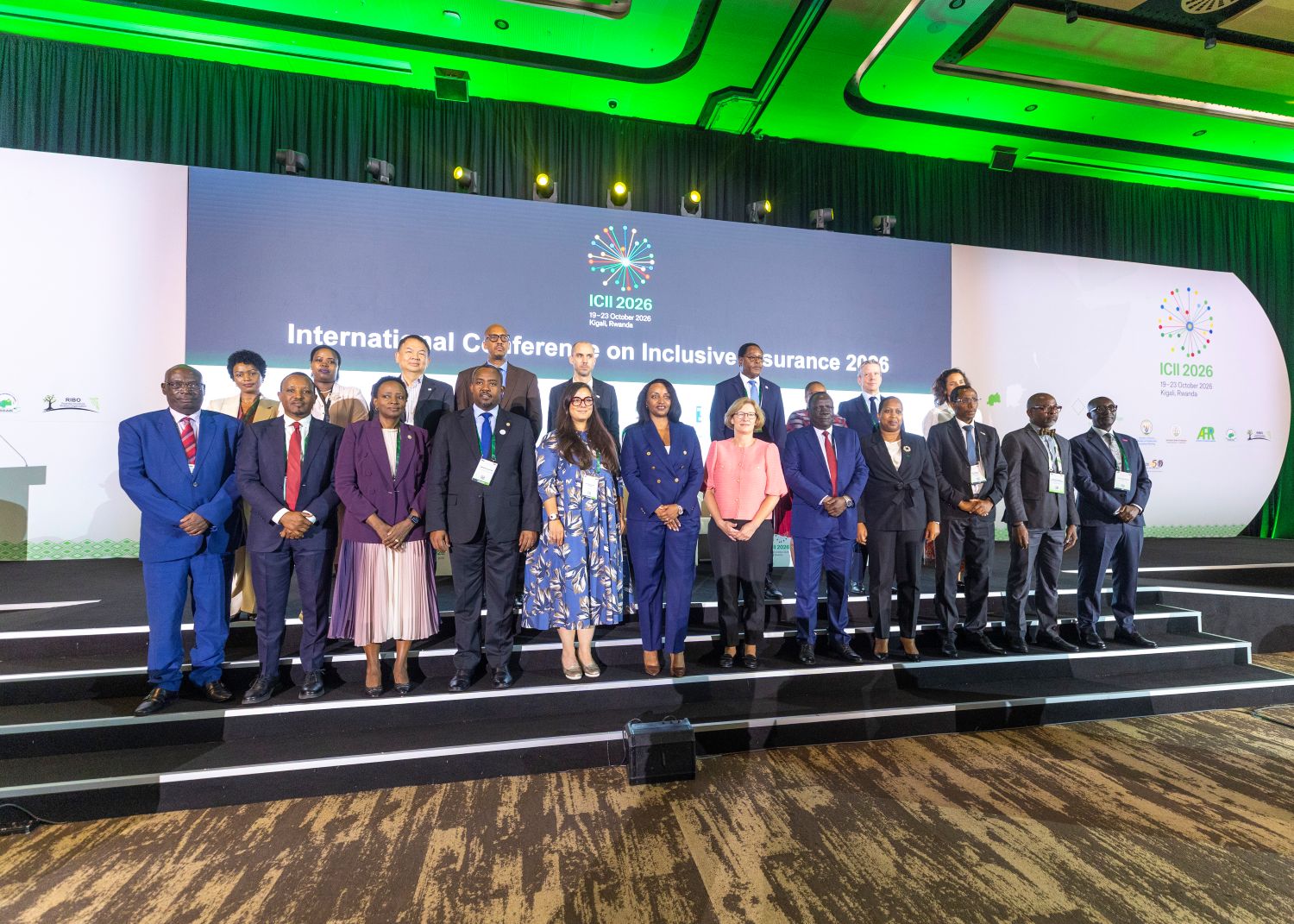
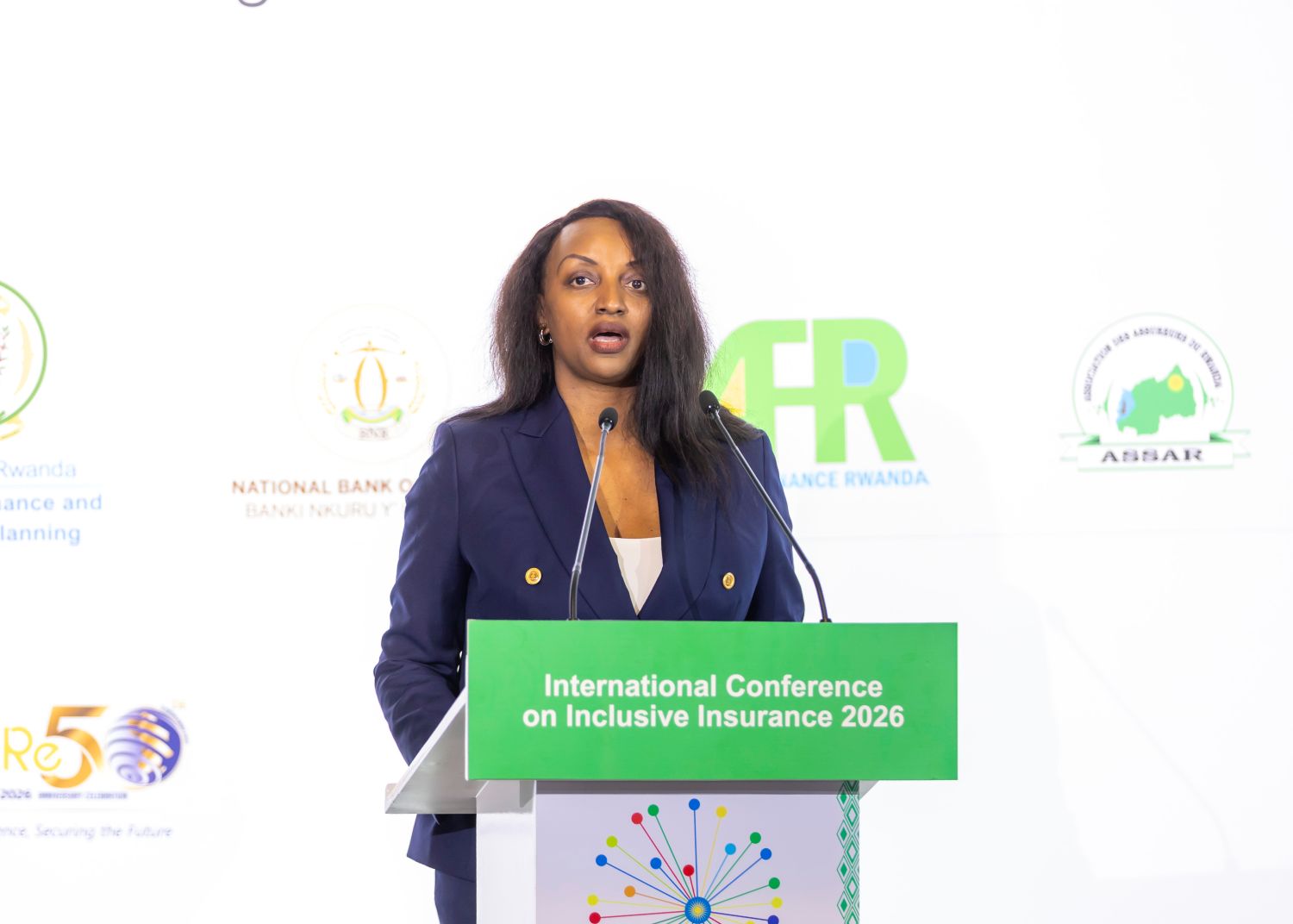
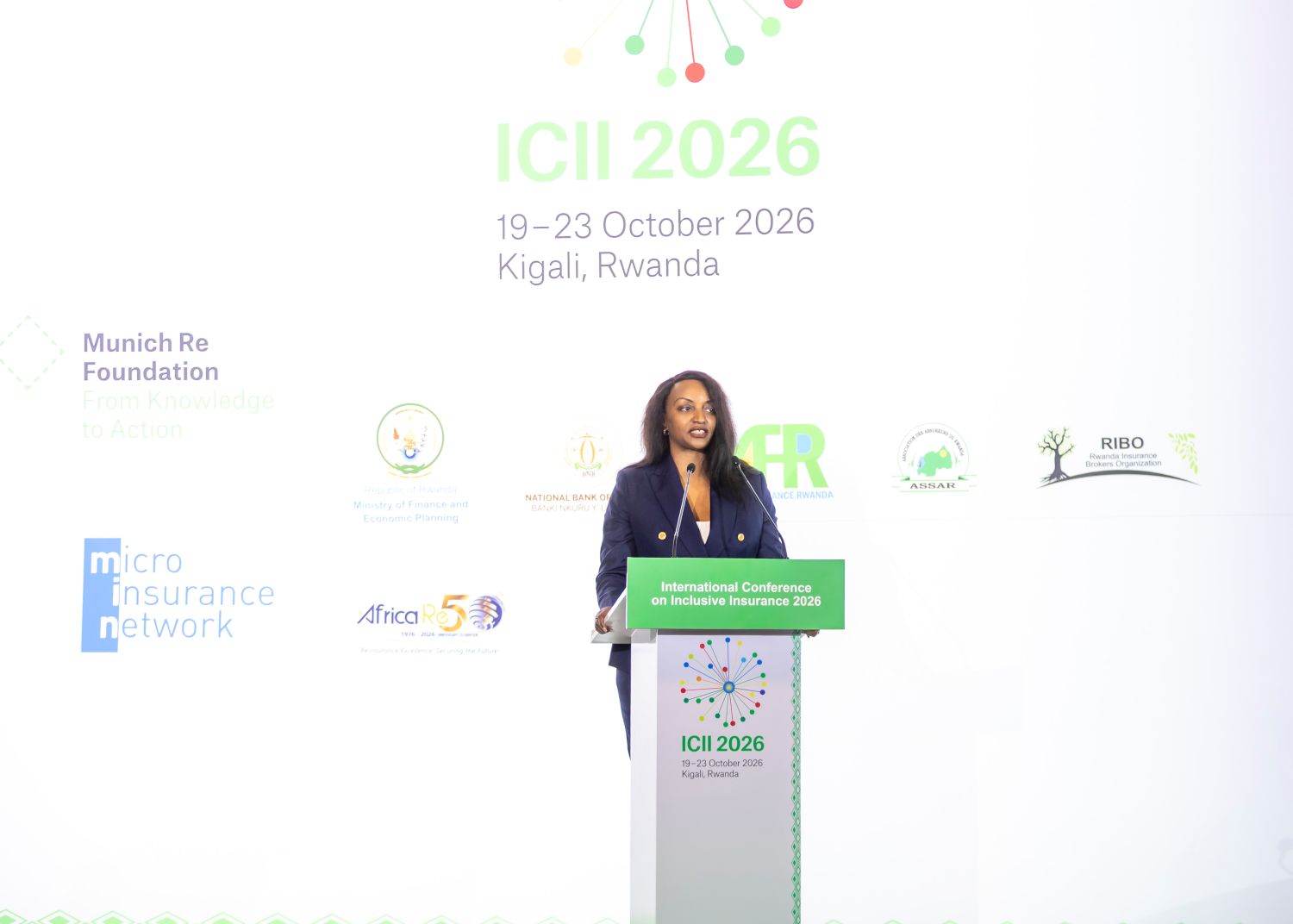
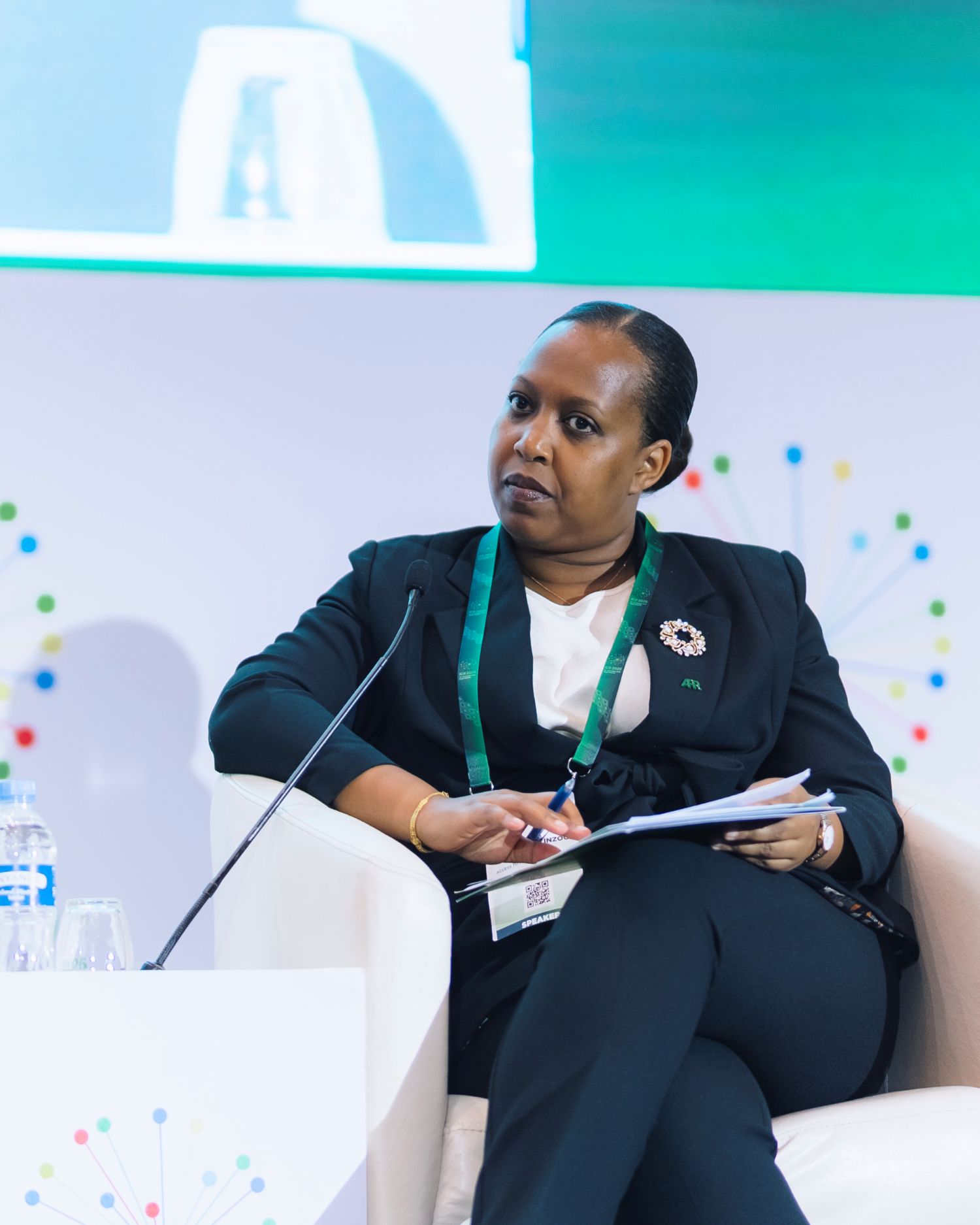
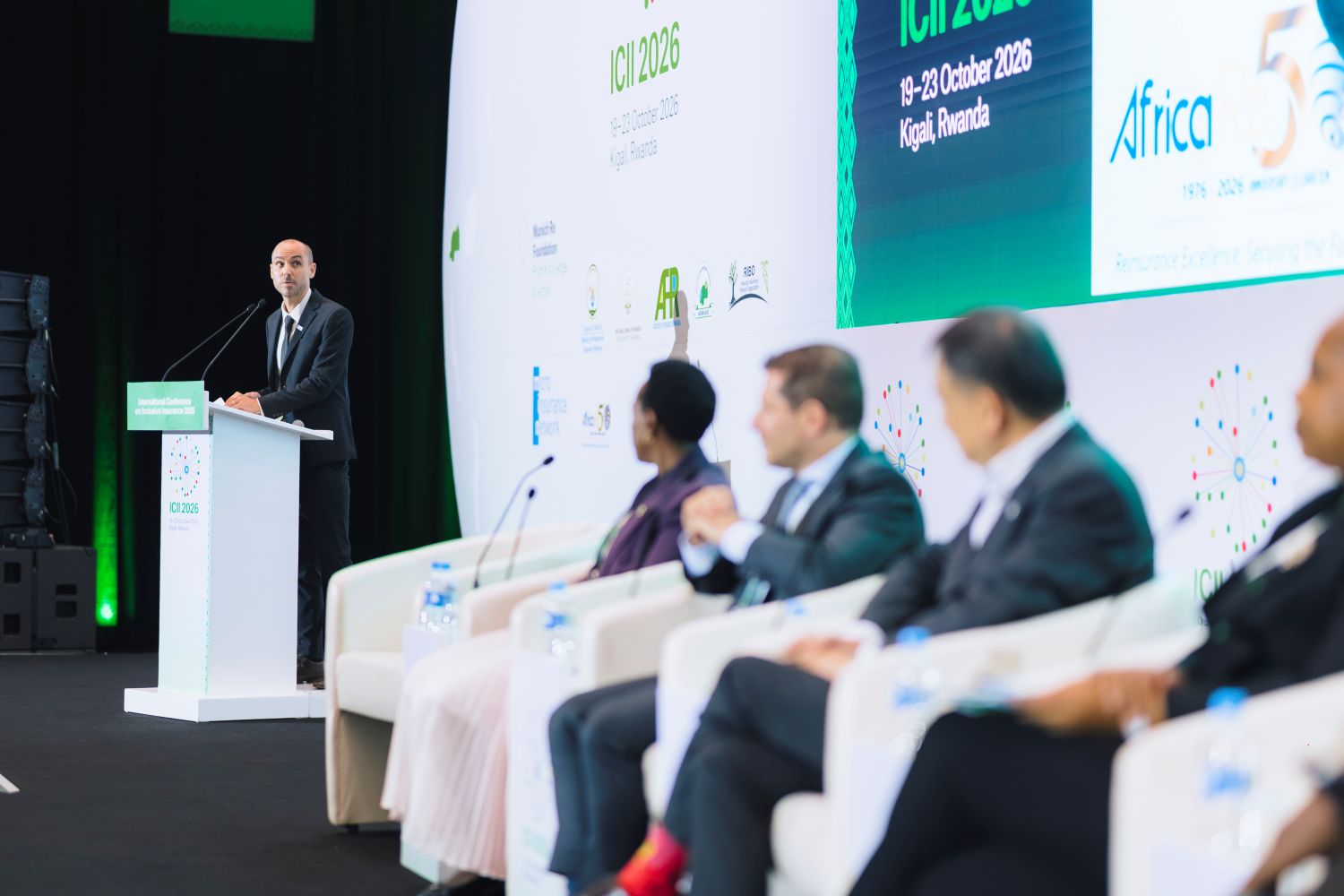
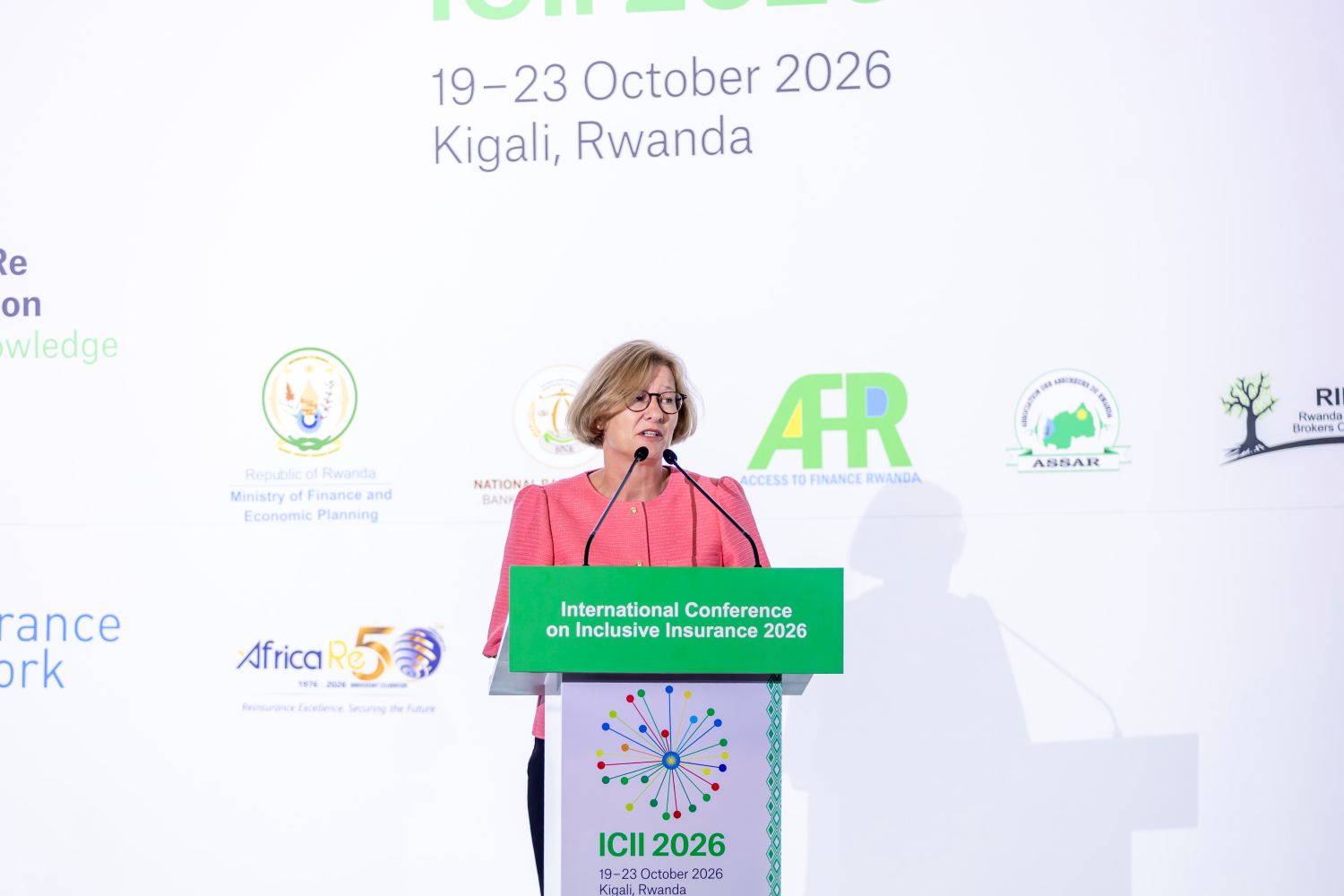
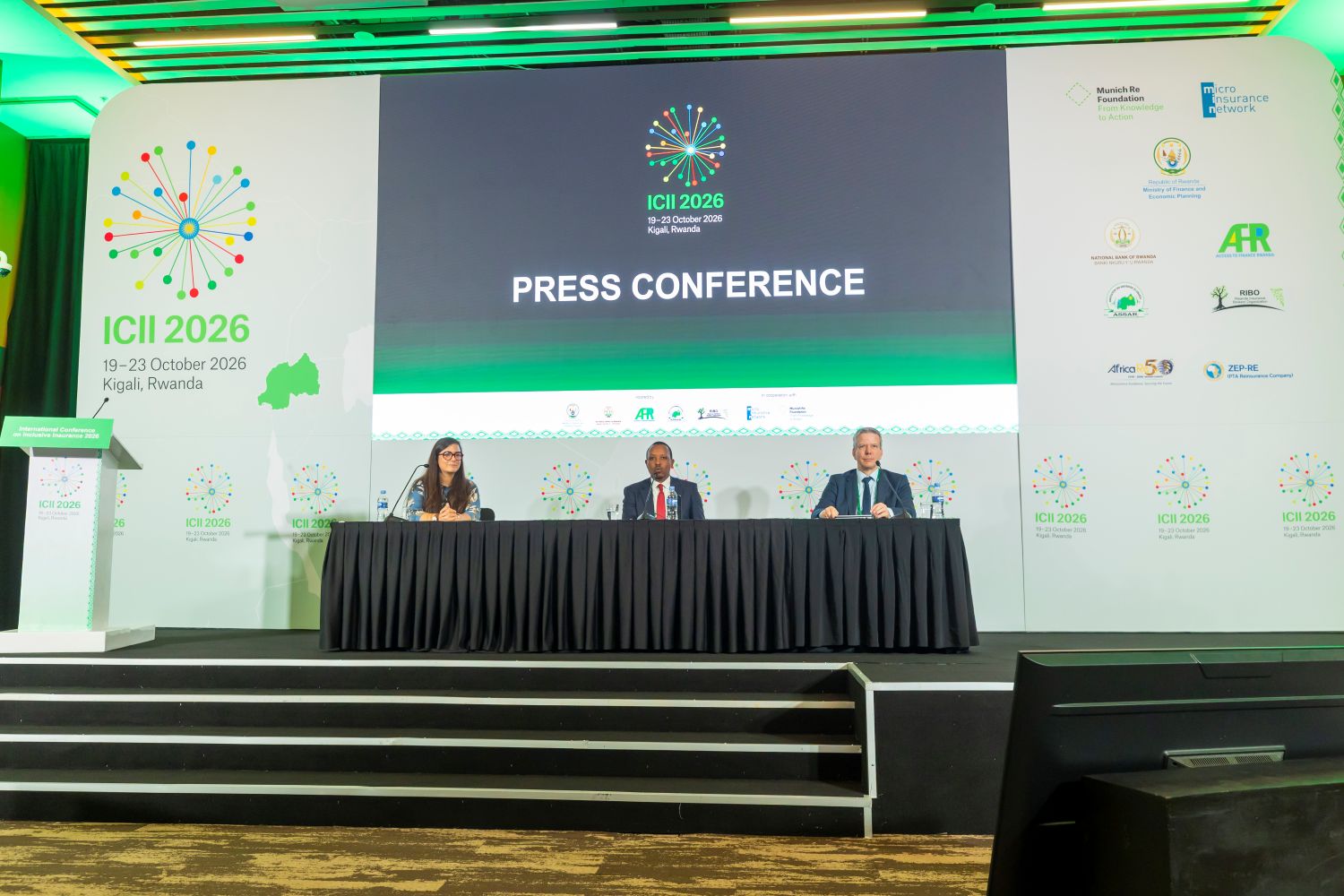
Speaking at the International Conference on Inclusive Insurance(ICII) 2026 in Kigali on Tuesday, October 20, Hakuziyaremye, who was the chief guest at the event, stressed that expanding insurance penetration was important but should not be treated as an end in itself.
“Our ambition must go beyond simply increasing penetration. Higher penetration is important, but it should be viewed as a means, not an end in itself. Our ultimate objective should be meaningful protection,” she said.
Her remarks come as households, farmers and businesses in emerging markets continue to face significant financial risks from climate-related disasters, health emergencies and economic uncertainty, often without adequate insurance to help them recover.
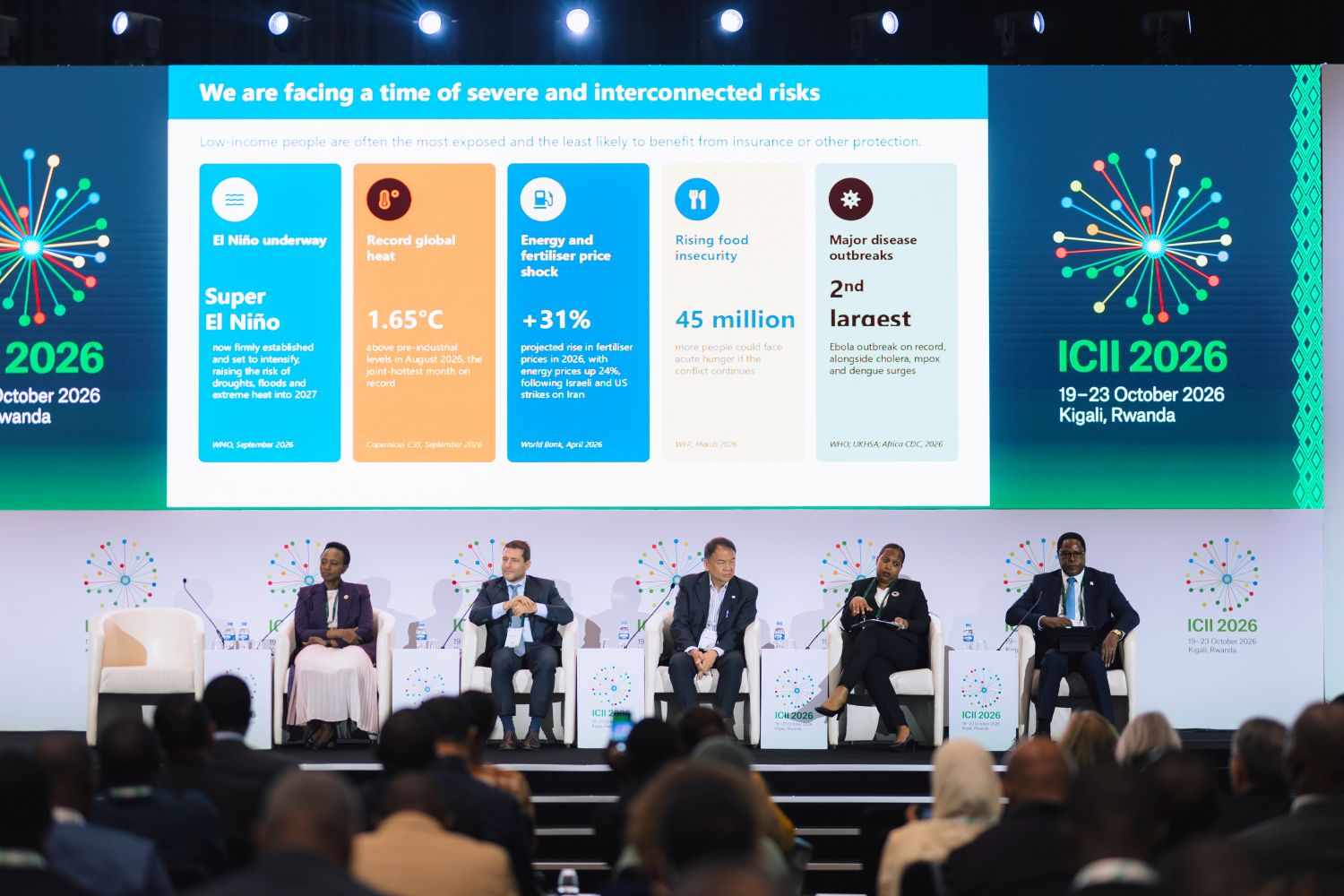
According to figures presented at the conference, only 31% of global economic losses from disasters were insured in 2023. In most emerging markets and developing economies, less than 10% of disaster losses were covered by insurance.
BNR Governor Soraya Hakuziyaremye was the chief guest at the International Conference on Inclusive Insurance (ICII) 2026 in Kigali on Tuesday, October 20.
Hakuziyaremye emphasised that the challenge was to ensure insurance products were affordable, suited to customers’ needs and distributed through channels that people trust.
“The key question is not whether people need insurance; it is how we deliver the right protection at an affordable price through channels that our citizens trust,” she said.
Rwanda’s FinScope 2024 survey found that close to 70% of the population had experienced risks associated with climate change, highlighting the need for stronger financial protection against shocks that can undermine livelihoods and economic activity.
For farmers, a failed harvest can threaten household income and food security. For small businesses, a disaster can destroy productive assets, while unexpected medical expenses can force families to exhaust their savings or borrow money.
The Governor argued that innovation could help insurers reach underserved populations by lowering distribution costs and using digital technologies, including insurance technology platforms, alongside established networks such as savings and credit cooperatives (SACCOs) and microfinance institutions.
She also called for stronger insurance literacy and greater transparency in policy terms and claims processes to build public trust.
“Technology alone will not close the gap,” she cautioned, stressing the importance of designing products that reflect the risks faced by underserved households, smallholder farmers and small businesses.
She identified three priorities for the industry: placing customers at the centre of product design, strengthening insurance literacy, and building trust through transparent coverage and reliable claims.
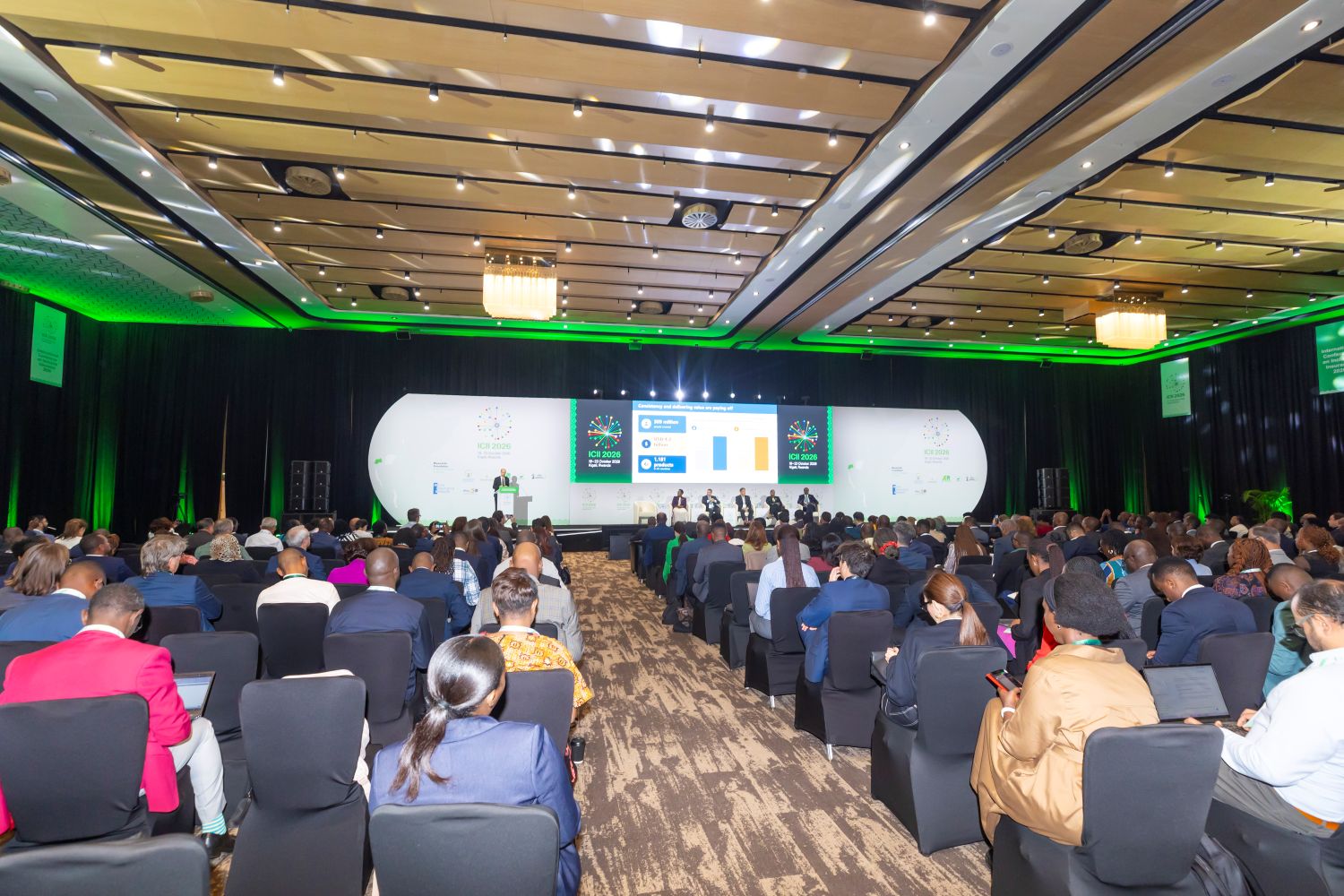
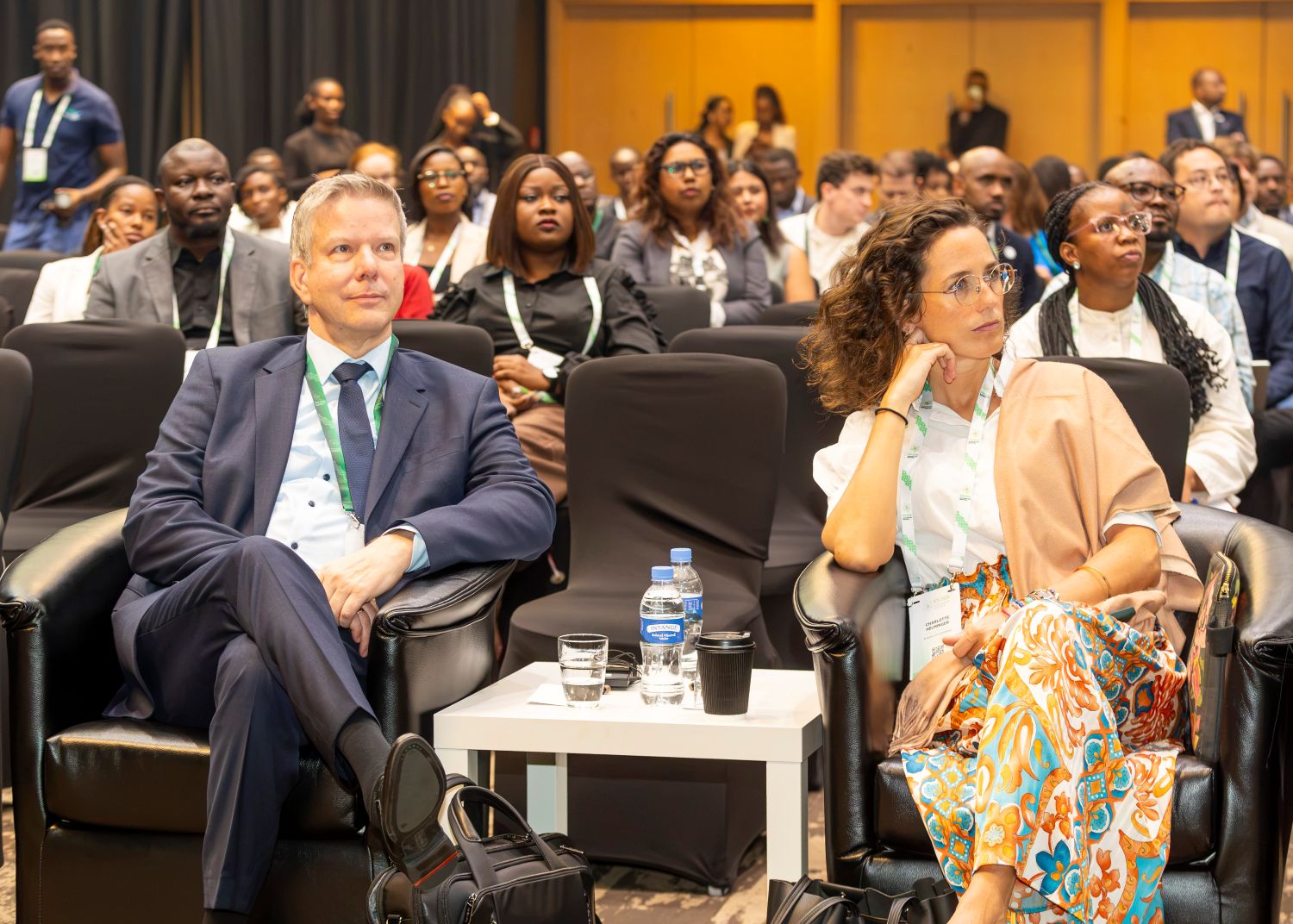
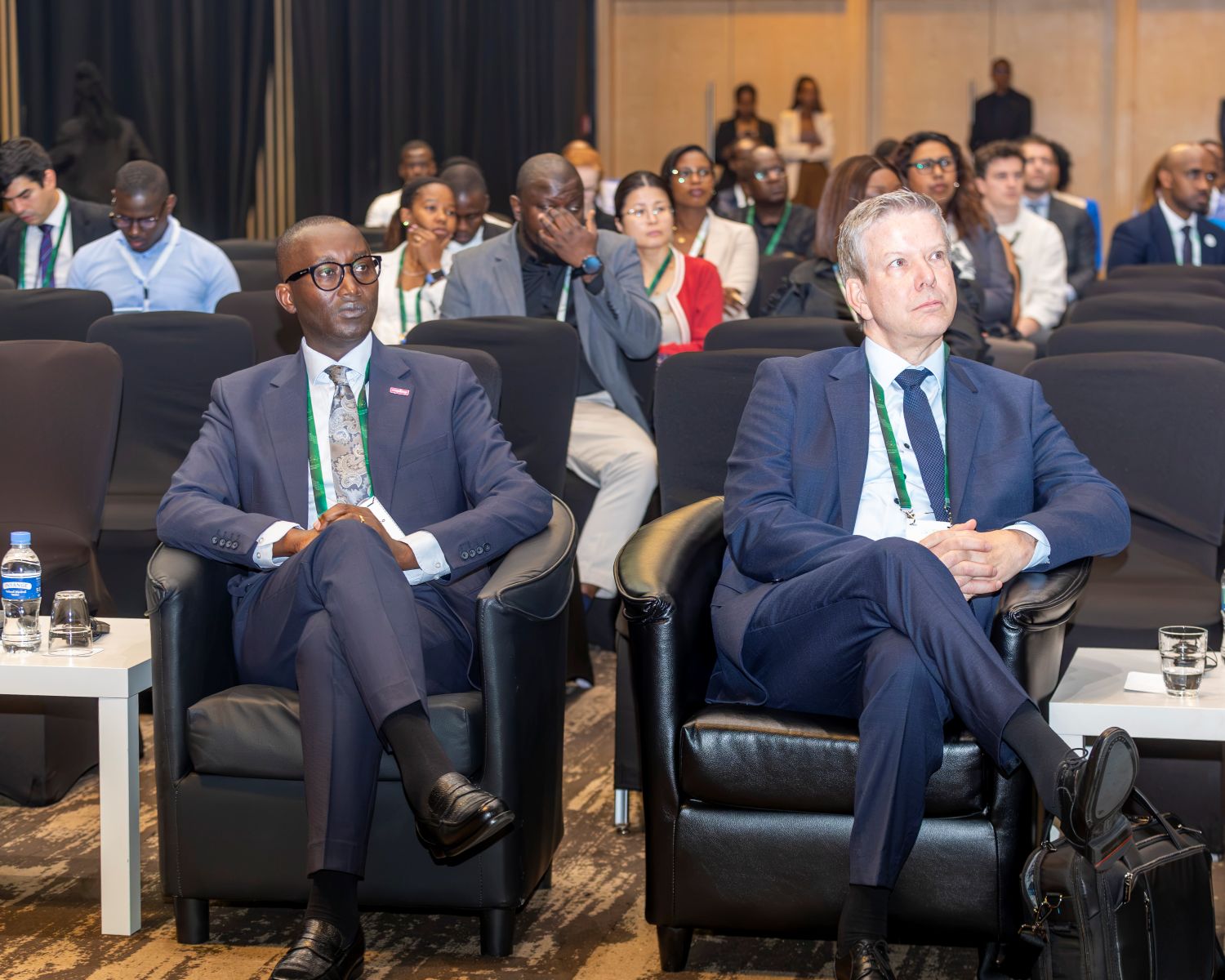
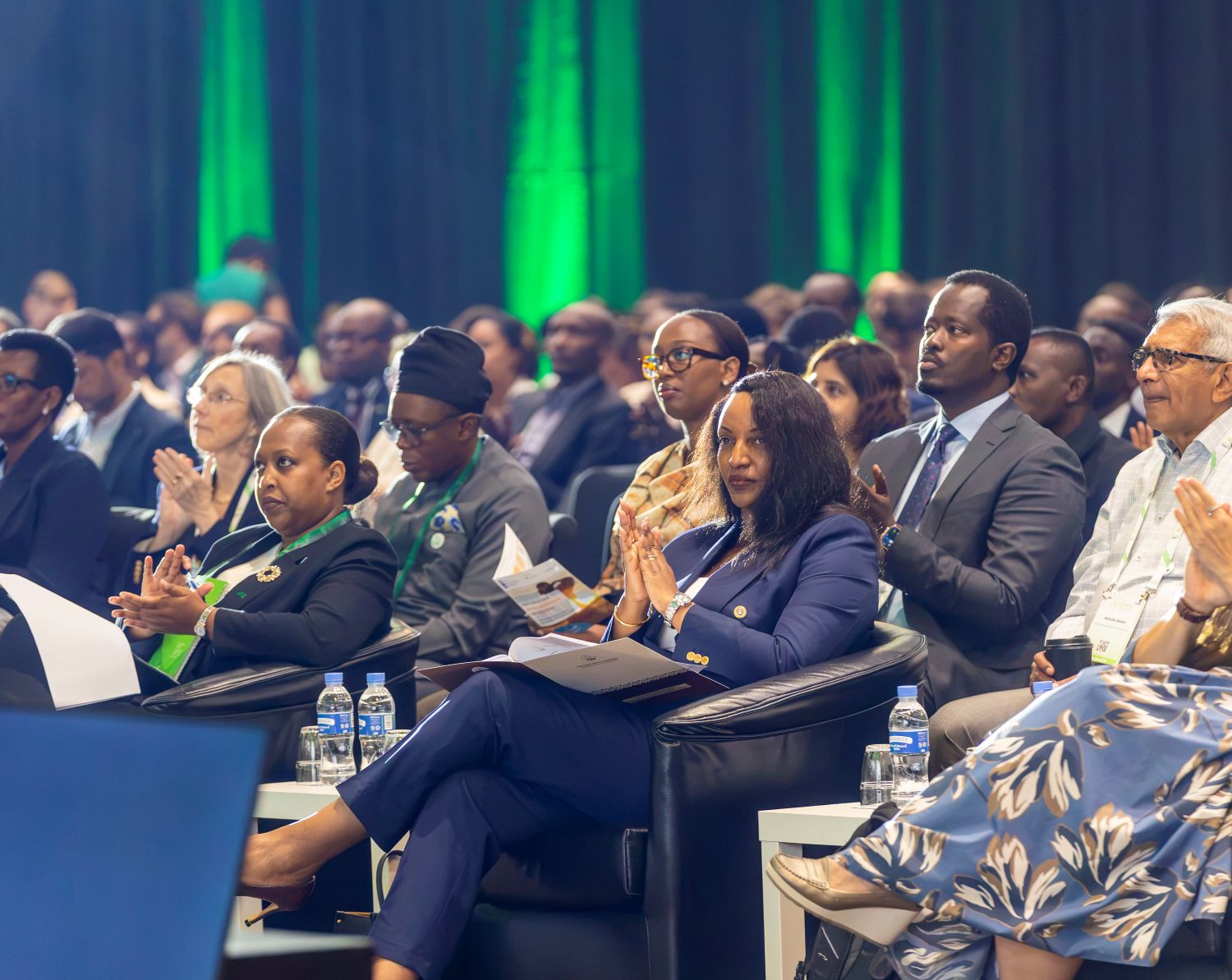
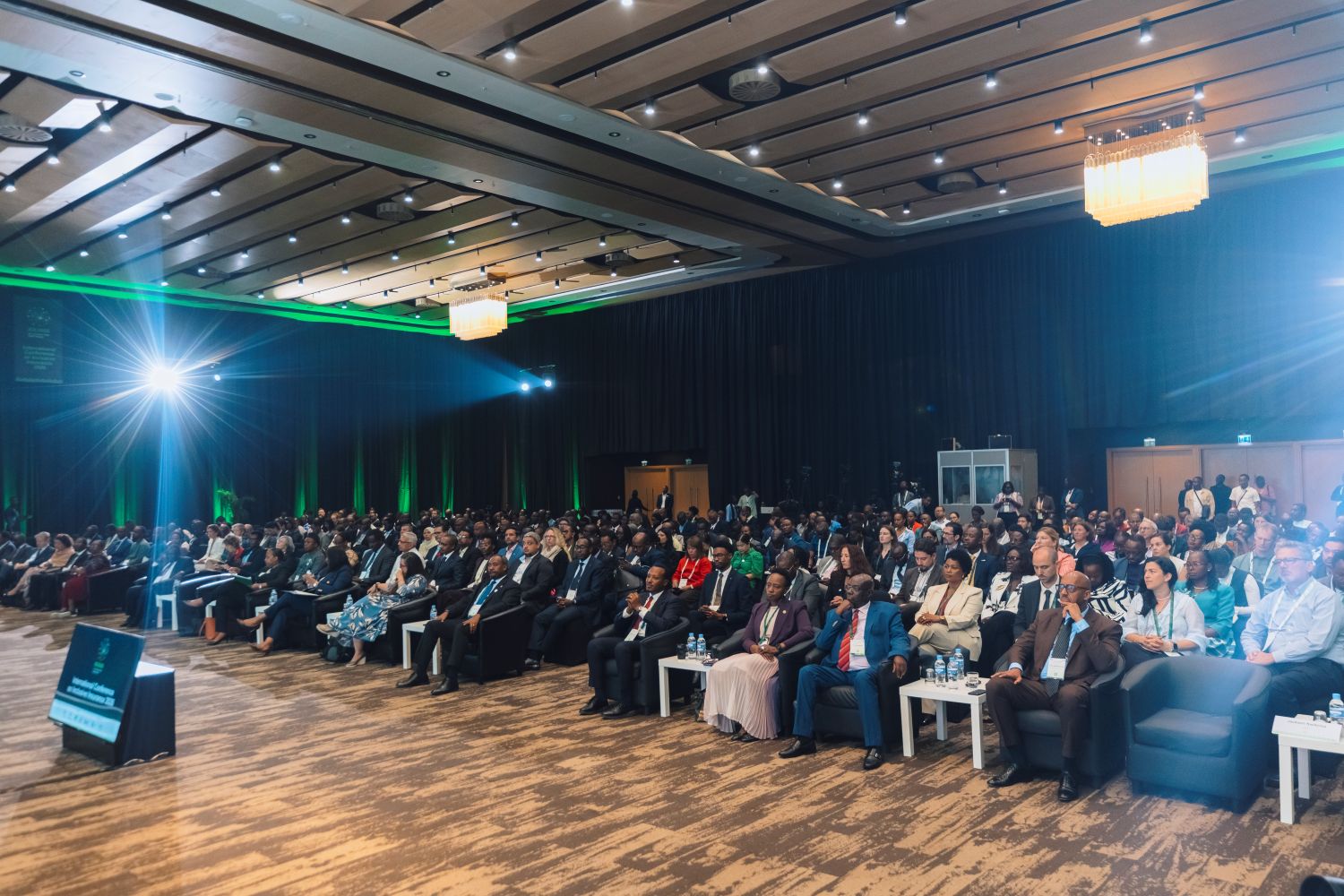
The conference has brought together participants from 58 countries to address the challenge of closing the insurance protection gap.
Rwanda seeks stronger insurance protection
Rwanda has made progress in financial inclusion, with the Governor citing a financial inclusion rate of 92%. However, she warned that access to financial services without adequate risk protection remained incomplete.
Private insurance uptake increased from 17% in 2020 to 27% in 2024, according to figures she presented. Under the National Insurance Strategy, Rwanda aims to increase overall insurance penetration from 1.9% to 5% of gross domestic product by 2035.
Hakuziyaremye highlighted the National Agriculture Insurance Scheme, which receives a 40% government subsidy on premiums, as an example of how public policy, private-sector expertise and development partnerships can help make insurance more accessible.
She called for insurance to become an integral part of climate adaptation and disaster risk reduction, supported by effective regulation, consumer protection and innovative approaches to climate risk financing.
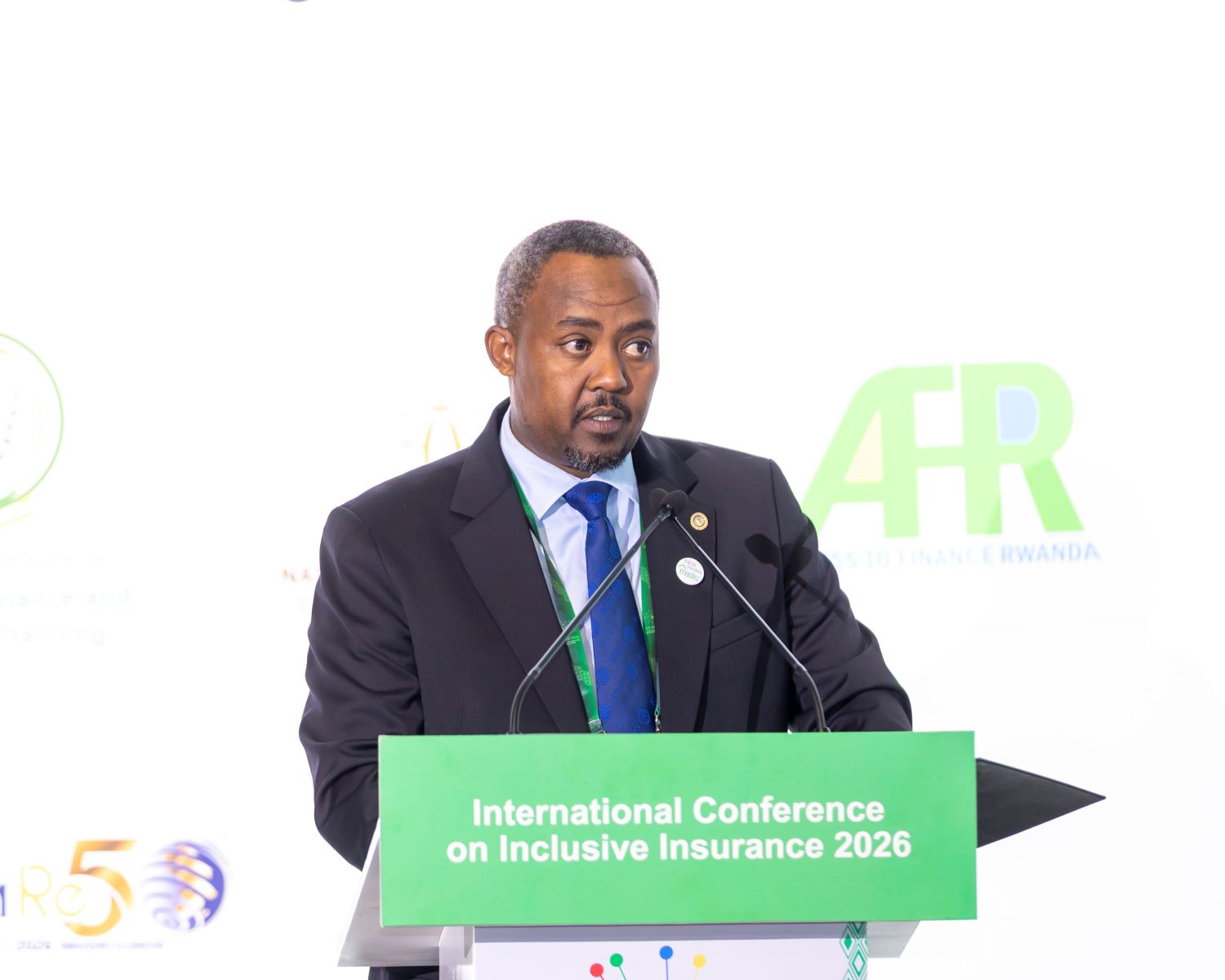
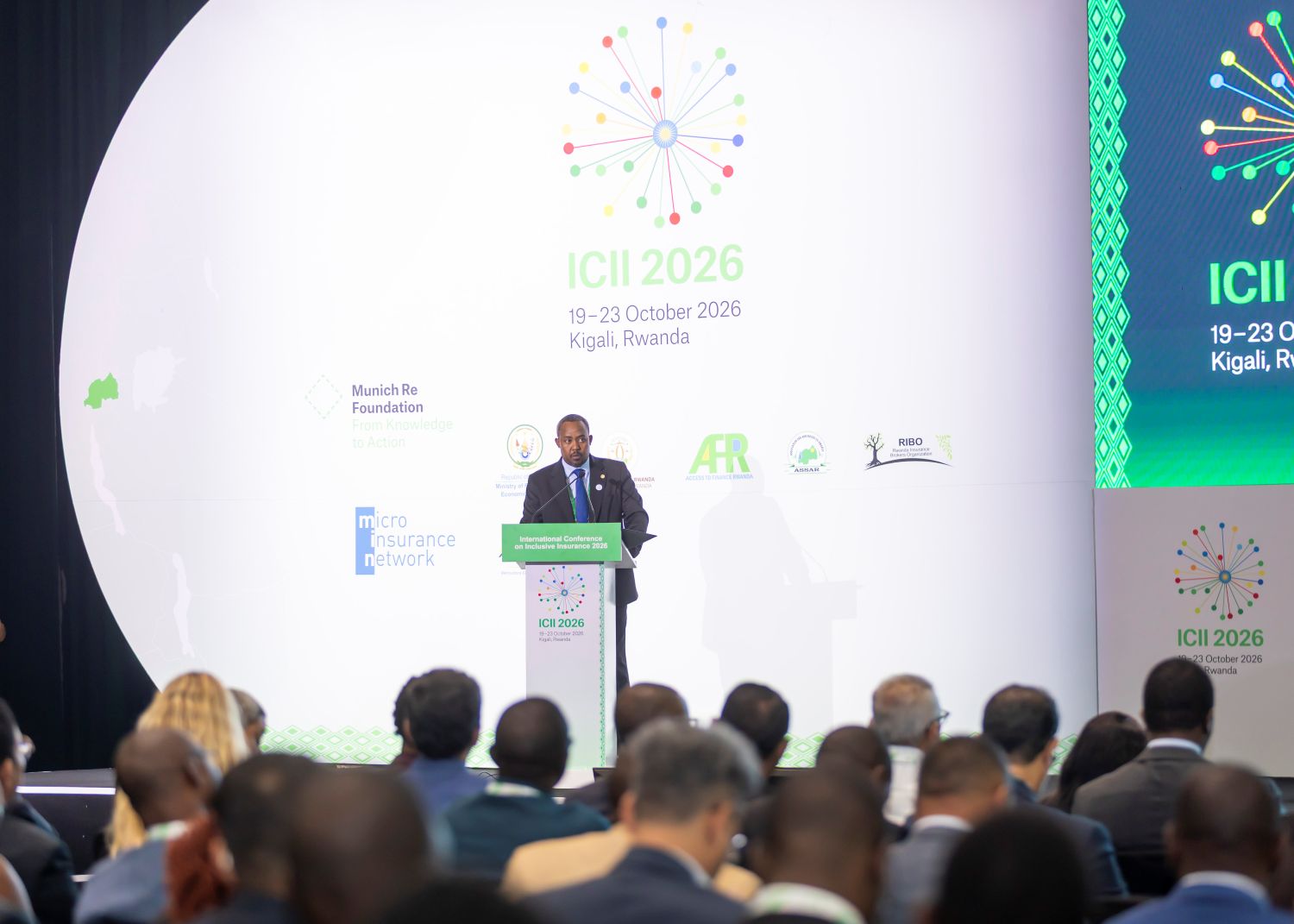
The focus on meaningful protection was echoed by Andrew Kulayige, Chairperson of the Rwanda Insurers Association (ASSAR), who argued that the industry needed to make insurance a better value proposition for the people and businesses that needed it most.
“Our task is no longer simply to expand access to insurance, but to make insurance a better value proposition, affordable and reliable for the people and businesses that need protection most,” Kulayige said.
Andrew Kulayige, Chairperson of the Rwanda Insurers Association (ASSAR), argued that the industry needed to make insurance a better value proposition for the people and businesses that needed it most.
He noted that natural disasters continued to expose substantial gaps in insurance coverage globally, leaving households, businesses and governments to absorb losses that could otherwise be covered.
Kulayige added that Rwanda was still working to address these challenges and expressed hope that the conference would help participants move beyond discussions to practical action through stronger partnerships and clear priorities.
Rwanda open to new approaches to insurance
Expanding insurance coverage could also involve combining different types of protection to make insurance more accessible and beneficial to households. Herbert Asiimwe, Head of Financial Sector Development at the Ministry of Finance and Economic Planning, indicated that Rwanda was open to exploring ways to link community-based health insurance, known as Mutuelle de Santé, with other insurance products.
“It’s indeed something for us to explore. We can work with the Rwanda Social Security Board (RSSB) and our insurance industry and see whether we can work together and bundle this CBHI with other insurance products that help it deliver even more benefits,” he said.
He did not, however, announce a formal government initiative or an implementation plan.
The International Conference on Inclusive Insurance 2026 is taking place at the Kigali Convention Centre from October 19 to 23, bringing together policymakers, regulators, insurers, reinsurers, financial institutions, researchers, investors and development partners.
The conference is organised in collaboration with the Ministry of Finance and Economic Planning, BNR, Access to Finance Rwanda, ASSAR, the Rwanda Insurance Brokers Organisation, the Munich Re Foundation and the Microinsurance Network.
The gathering has brought together participants from 58 countries to address the challenge of closing the insurance protection gap.
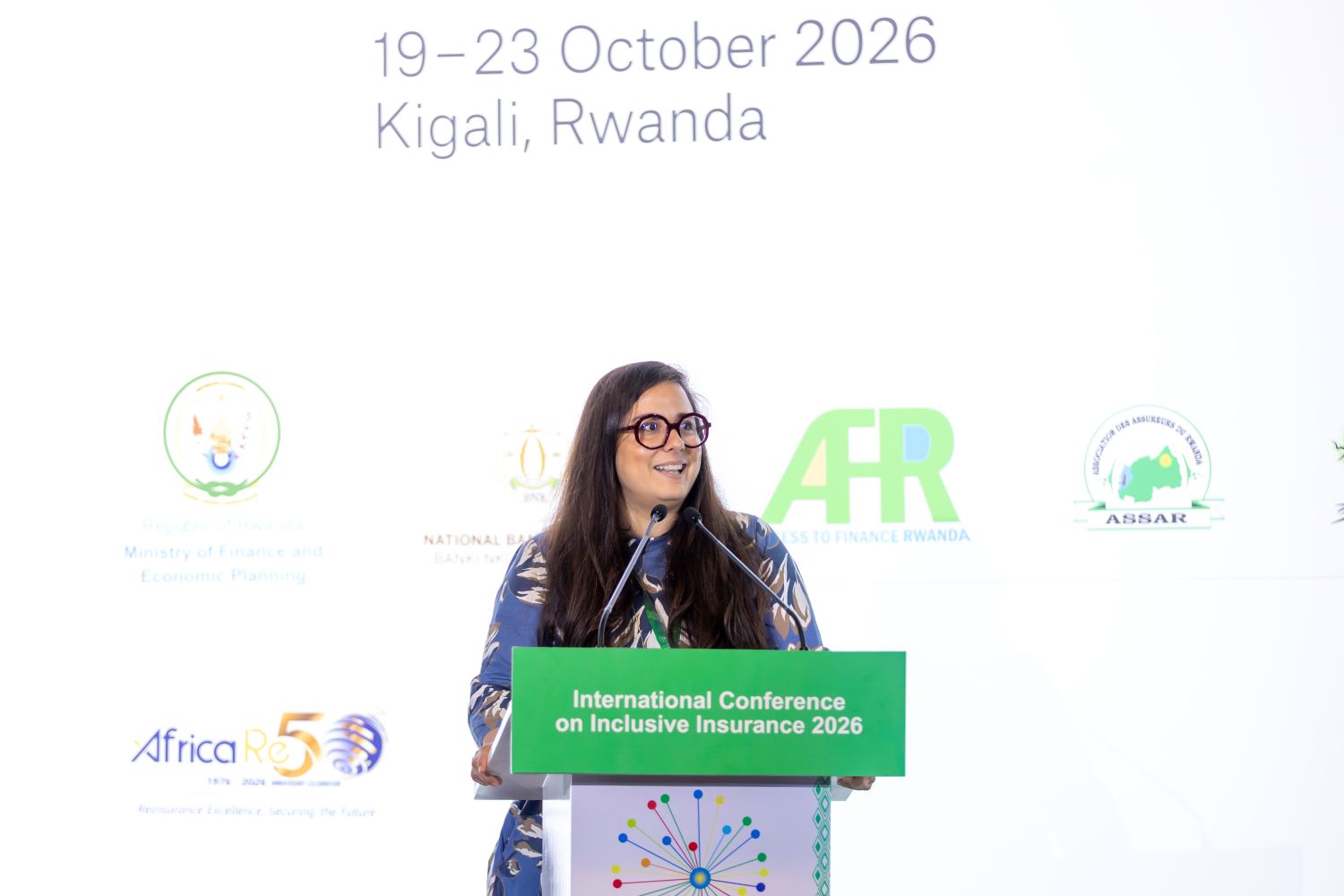
Renate Bleich, Chair of the Munich Re Foundation, urged participants to use the conference to establish concrete partnerships, draw on evidence and commit to practical action.
“Ideas that stay in conference halls protect no one,” she said.
The conference aims to identify commercially sustainable approaches to inclusive insurance, improve access to affordable products and strengthen collaboration among governments, insurers, technology providers and development partners.
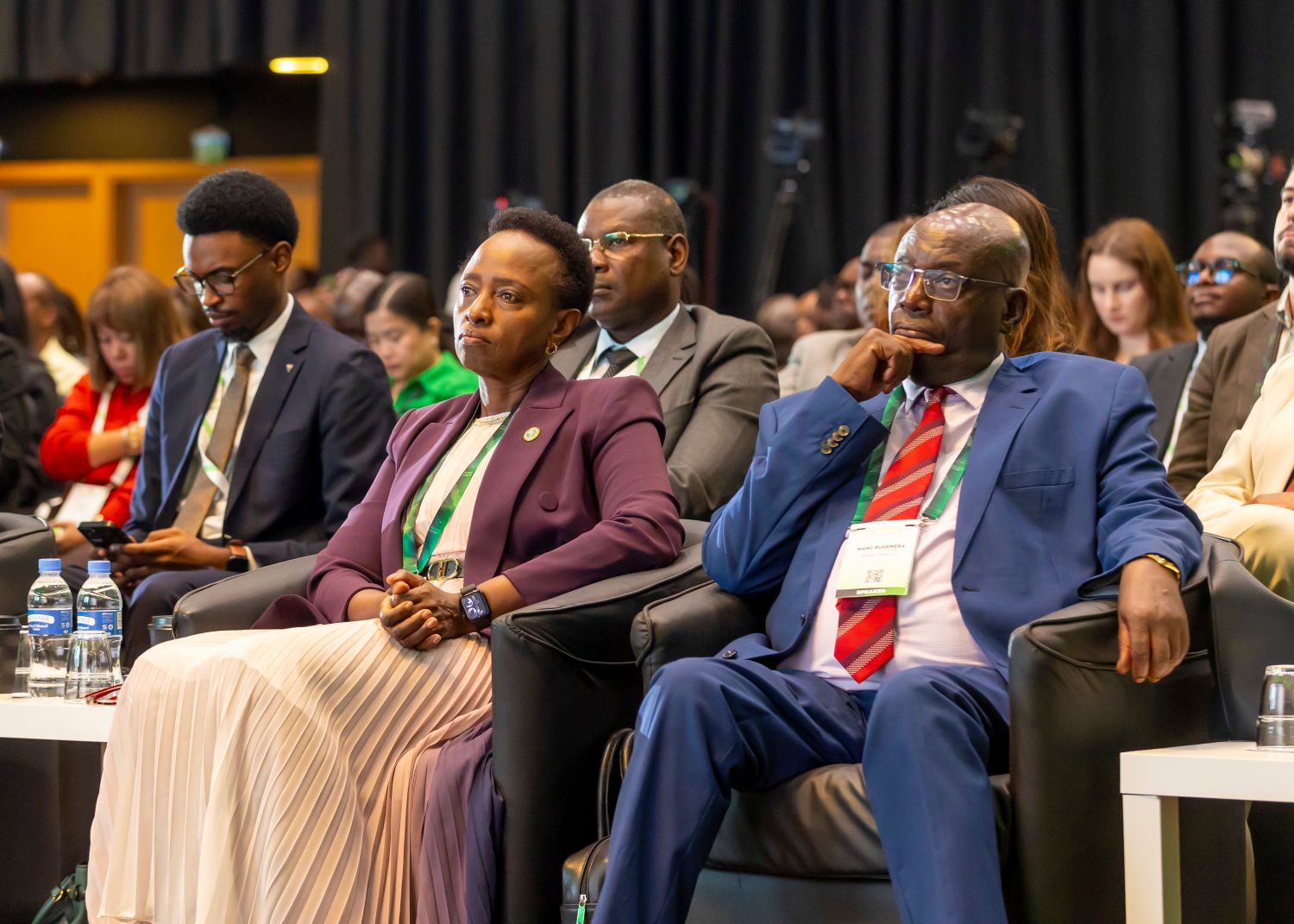
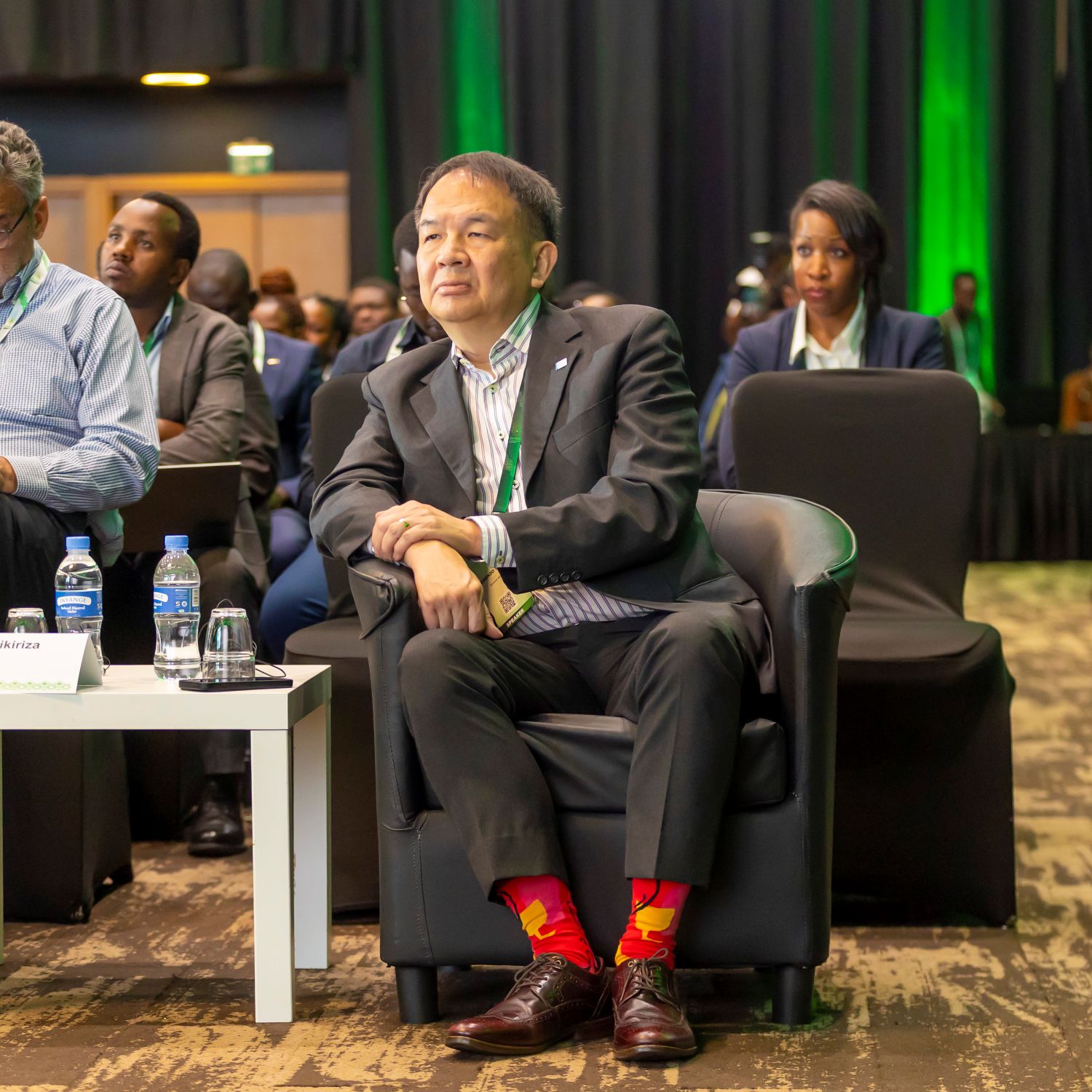
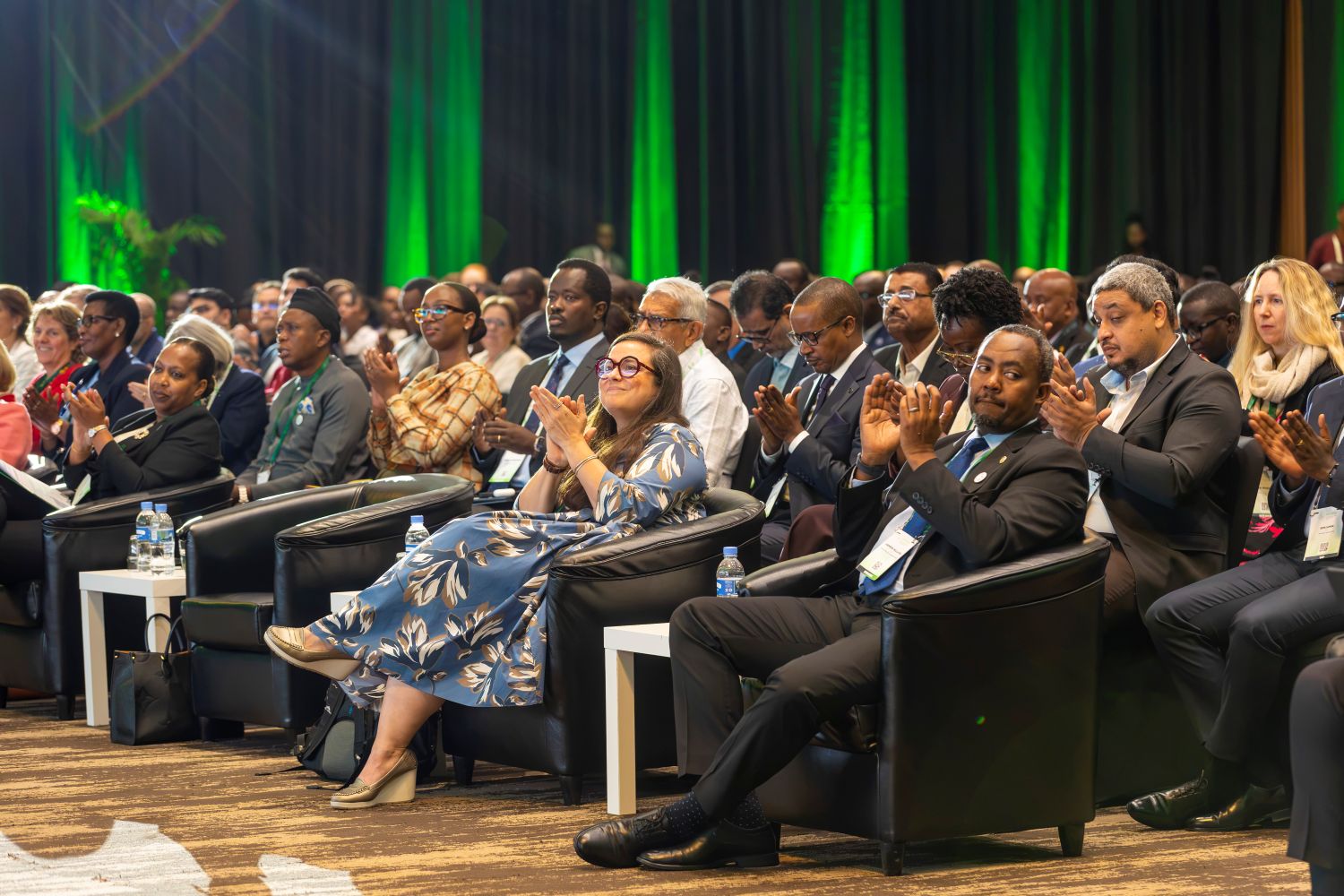
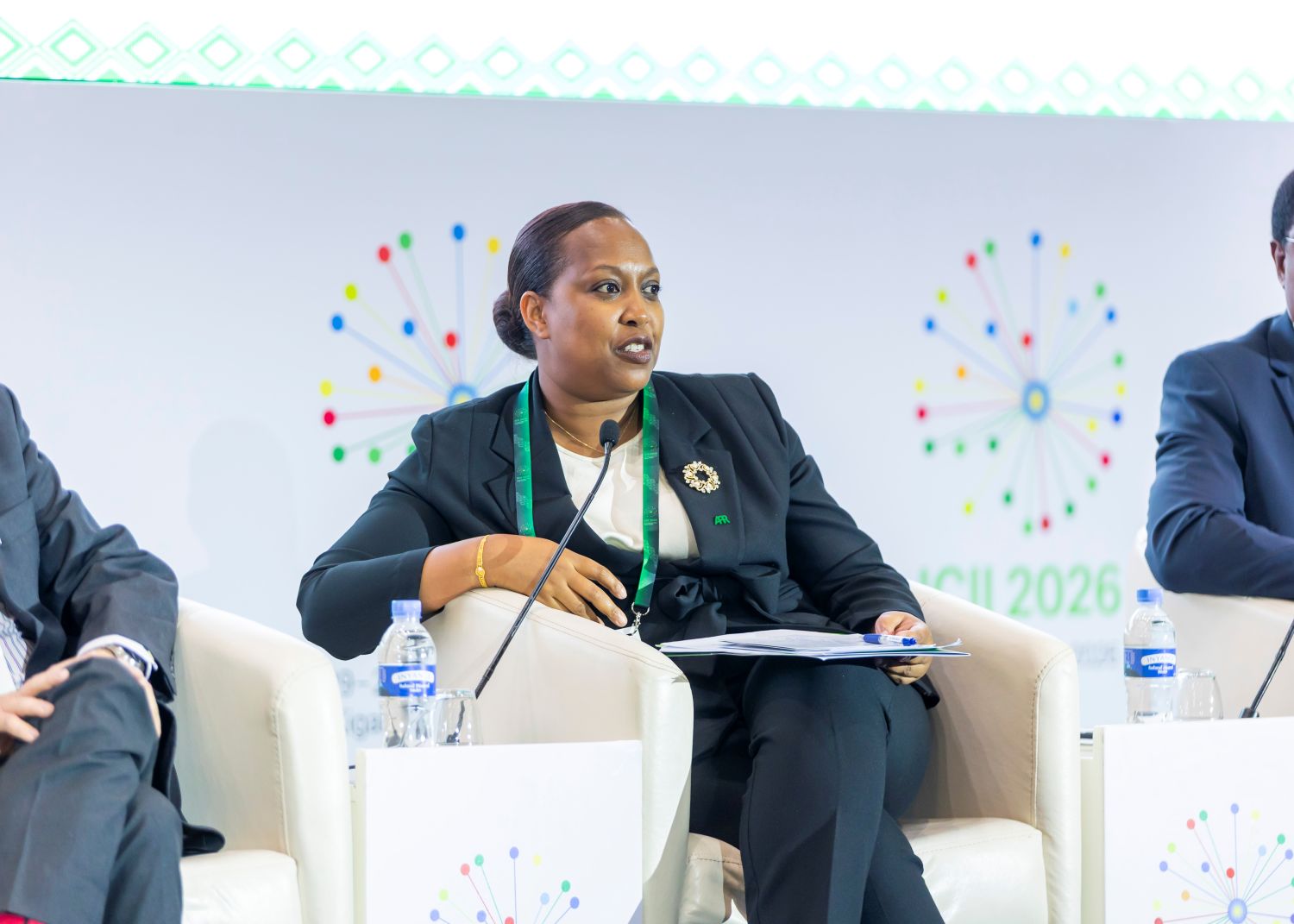
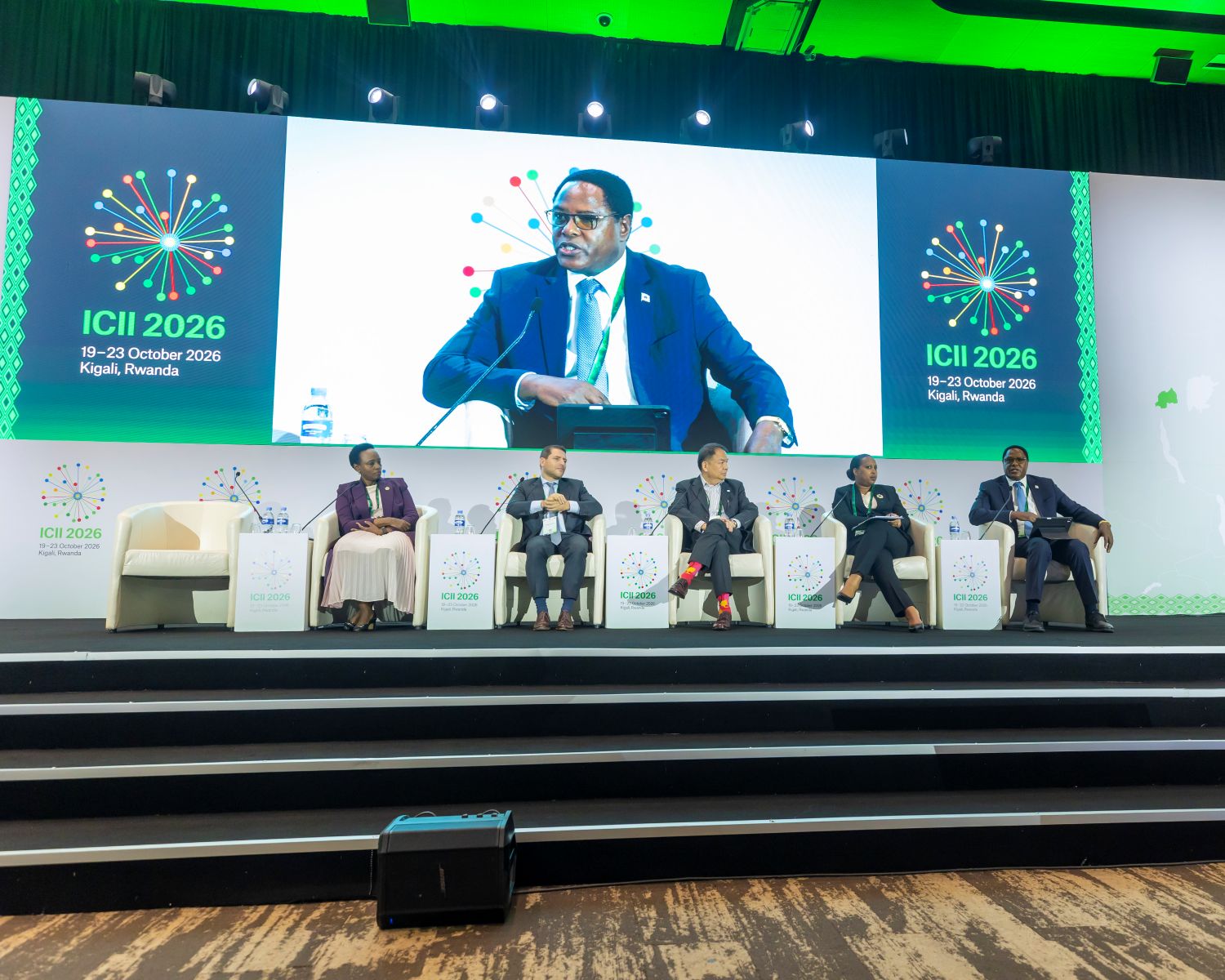
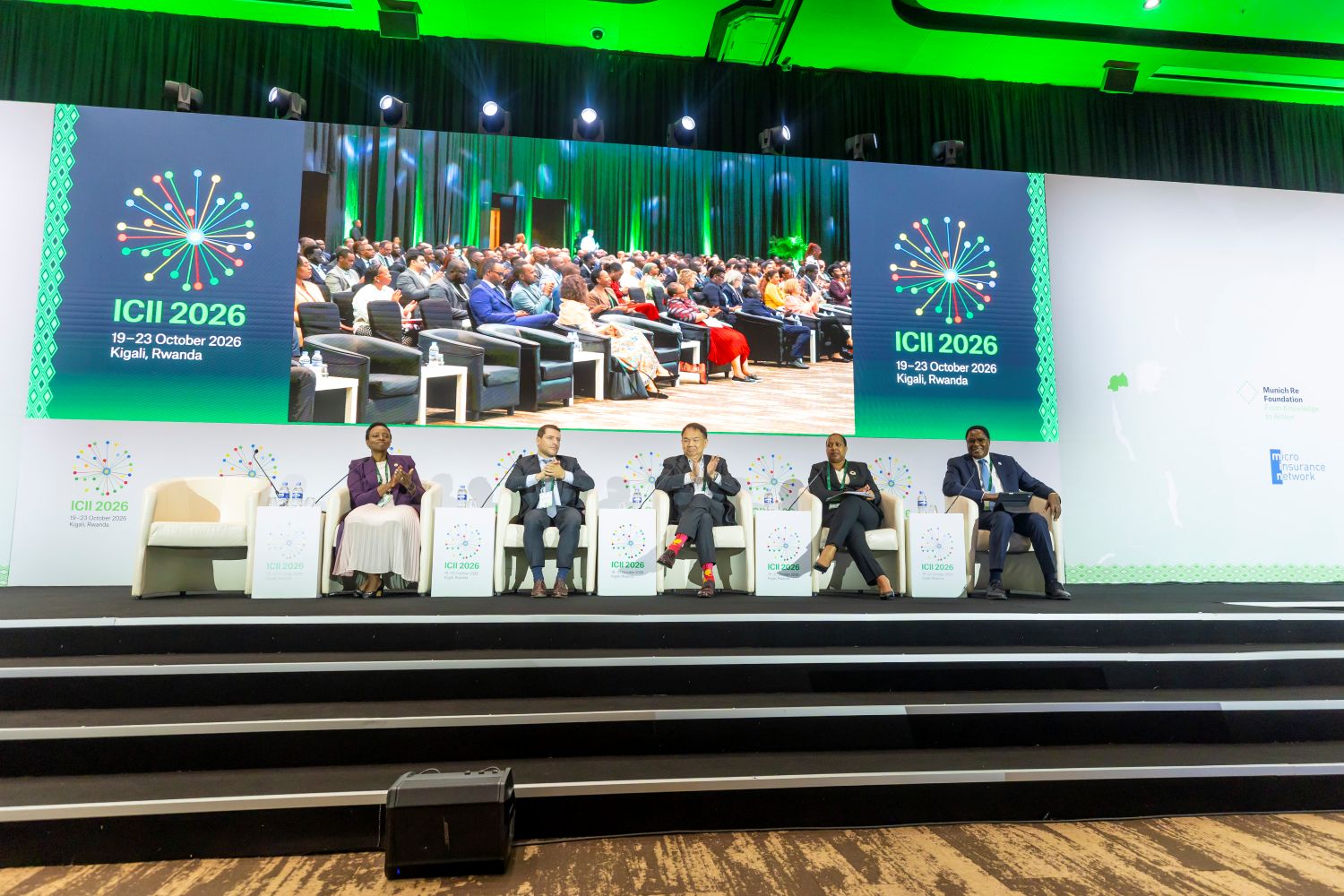
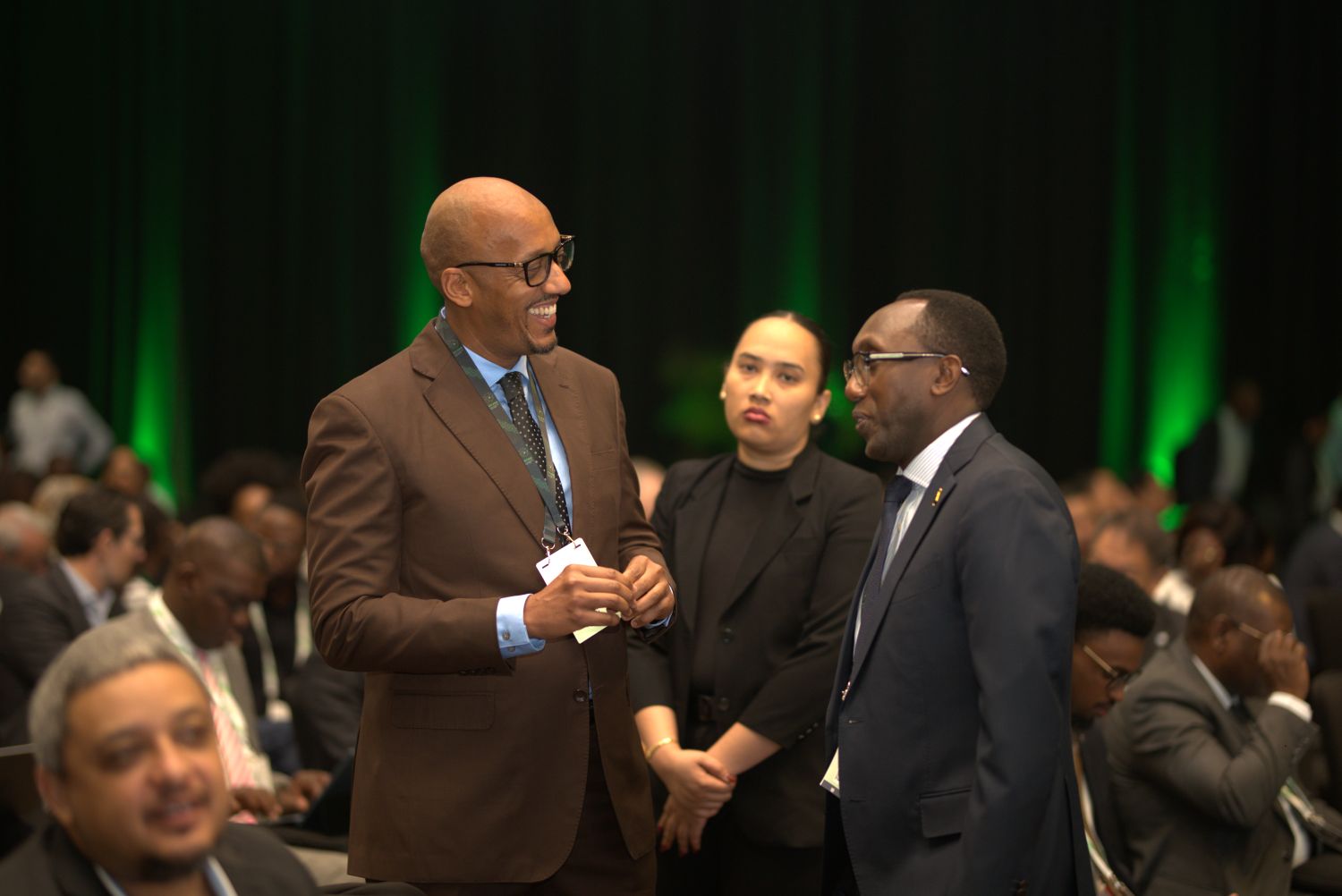
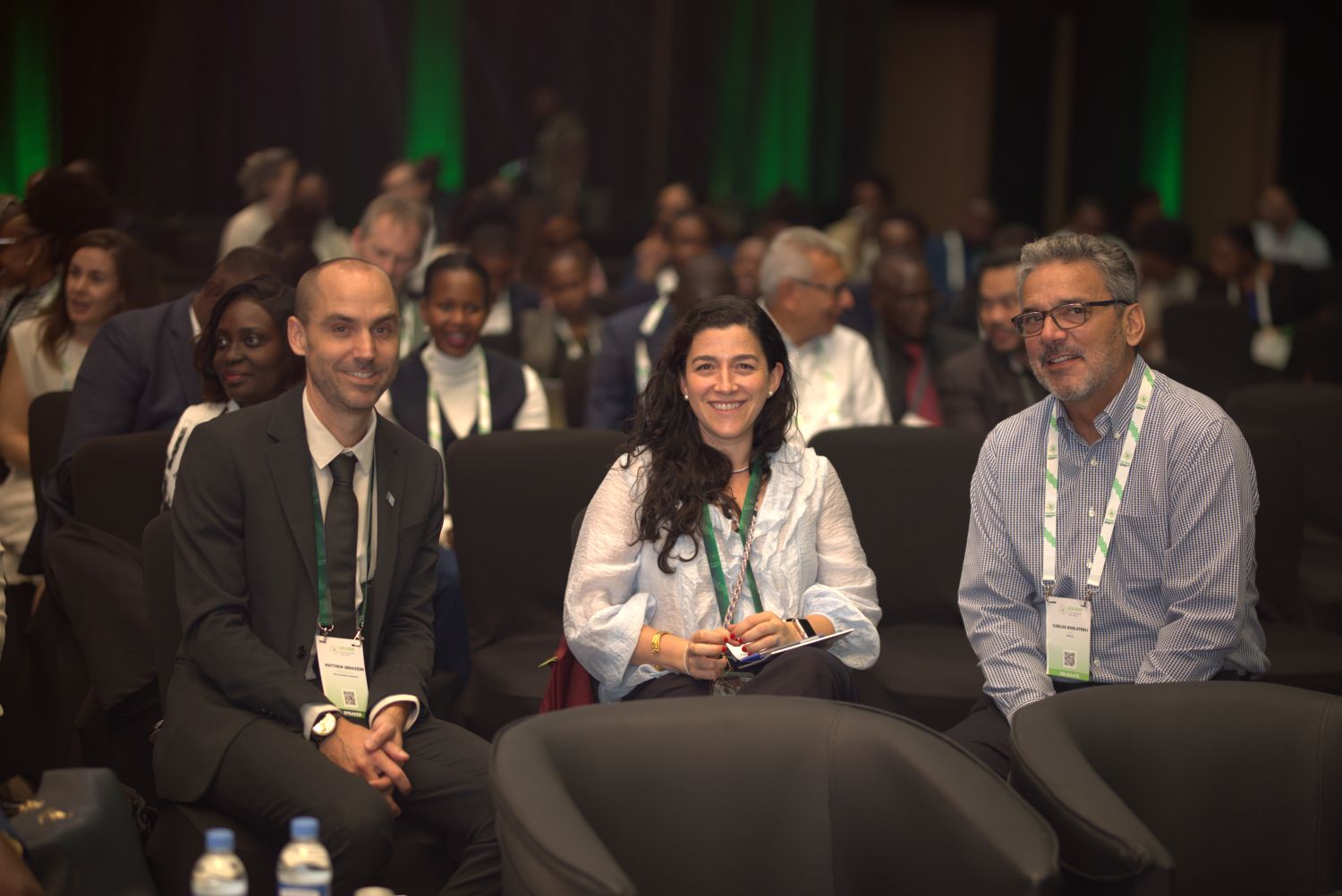
Governor Hakuziyaremye, who was the chief guest at the event, stressed that expanding insurance penetration was important but should not be treated as an end in itself.The gathering has brought together participants from 58 countries to address the challenge of closing the insurance protection gap.The focus on meaningful protection was echoed by Andrew Kulayige, Chairperson of the Rwanda Insurers Association (ASSAR), who argued that the industry needed to make insurance a better value proposition for the people and businesses that needed it most.The conference brought together policymakers, regulators, insurers, reinsurers, financial institutions, researchers, investors and development partners.
The findings, published in Nature Communications, come from researchers at Mayo Clinic in the United States and Virginia Tech.
The study suggests that the disease can develop through different biological pathways, with each subtype carrying distinct health risks.
Some forms are closely associated with obesity and type 2 diabetes, while others are linked to inherited genetic differences.
Researchers found that certain genetic subtypes were associated with a higher risk of advanced liver damage, including among people without typical metabolic risk factors.
The discovery could help doctors identify vulnerable patients earlier and improve screening and treatment strategies.
To identify the subtypes, researchers analysed genetic sequencing results and medical records from more than 4,600 patients diagnosed with MASLD.
The information included liver enzyme levels, body mass index, blood lipid measurements and other indicators of metabolic health.
Researchers also examined conditions such as diabetes, depression and sleep apnoea.
Using computer models, the team identified five groups with distinct genetic and clinical characteristics.
The findings suggest that patients who receive the same diagnosis may experience different patterns of disease progression and face different risks of complications.
MASLD develops when excess fat accumulates in the liver. Although many patients experience no noticeable symptoms, the condition can progress to inflammation, scarring and cirrhosis, which can impair liver function. Severe cases may lead to liver failure, cancer or the need for a transplant.
The study also identified associations between particular disease subtypes and conditions such as depression, sleep apnoea and migraines.
However, the findings do not establish that MASLD directly causes these conditions.
The researchers used Mayo Clinic’s Research Data Atlas, which links genetic information with medical records, to identify patterns that might otherwise remain undetected.
The analysis also drew on genetic resources from the institution’s Tapestry Study, involving more than 100,000 participants.
The team plans to validate the findings in larger and more diverse populations and investigate whether the subtypes respond differently to available treatments, including GLP-1 receptor agonists, medicines used for conditions such as type 2 diabetes and obesity.
Researchers say the findings could eventually support earlier intervention and treatments tailored to patients’ underlying biology.
However, further studies are needed before the five-subtype classification can be routinely used in clinical practice.
Researchers have identified five biological subtypes of fatty liver disease, potentially opening new opportunities for earlier diagnosis and personalised treatment.
The head of SASA Group Rwanda, a company that provides training in fire prevention and firefighting, made the remarks in an interview with IGIHE. He explained that having firefighting equipment is not enough if people do not know how to use it or identify potential fire hazards early.
“That is why it is essential to provide people with practical training so they can learn how to prevent fires, use safety equipment and follow an evacuation plan in the event of an emergency,” he said.
His comments follow the fire that broke out at GOICO Plaza in Musanze on October 10, 2026. Northern Province Governor Maurice Mugabowagahunde put the preliminary value of goods destroyed at about Rwf30 billion, although assessments were still underway to establish the full extent of the losses. SASA Group Rwanda also expressed sympathy and support for traders and residents affected by the incident.
Every fire should be investigated individually
Rutagengwa explained that fires can result from various causes, including improper use of electrical installations, negligence and failure to observe fire prevention measures.
He cited the use of substandard electrical cables, connecting too many appliances to a circuit beyond its capacity, and using damaged electrical equipment as some of the potential causes.
In homes, leaving a stove or candle burning unattended, mishandling gas appliances and storing flammable materials in inappropriate places can also lead to fires.
However, he stressed that these factors should not automatically be assumed to explain every fire without a proper investigation.
“The important thing is not to assume that all fires have the same cause. Every incident should be investigated to establish what caused it, so that appropriate measures can be taken to prevent similar incidents from happening again,” he said.
He also noted that the absence of smoke detectors and equipment capable of extinguishing a fire at its early stages can delay detection and allow flames to spread.
Building safety starts at the design stage
Rutagengwa said building owners should consider safety from the design stage rather than waiting until construction is complete.
“Building safety should not be treated as something added after construction. It must be one of the main priorities from the moment the building is designed,” he explained.
Key measures include using electrical equipment that meets the required standards, installing cables suitable for the expected electrical load, and engaging qualified professionals.
Other important considerations include selecting safe construction materials and providing appropriate emergency exits.
He also recommended that buildings be equipped with fire extinguishers, smoke detectors and other safety devices suited to their intended use. Gas and other flammable materials should be stored in designated and appropriate locations.
Dedicated water systems are essential for firefighting
Dedicated water supply systems and fire hydrants are also important, particularly in large buildings and commercial facilities where substantial volumes of water may be needed to control a fire.
Ordinary domestic water supply networks may not always provide the volume of water or pressure required for firefighting. Dedicated pipelines and fire hydrants can help ensure that sufficient water is available when emergencies occur.
Planning for these systems should take into account water availability, flow rate, pressure and the capacity of the distribution network.
Although firefighting water does not necessarily have to meet all the standards required for drinking water, it must be readily available and suitable for use without endangering human health or damaging firefighting equipment.
Training must go beyond meeting regulatory requirements
Rutagengwa believes that a lack of knowledge about fire prevention and how to respond when a fire breaks out is one of the factors that increases the risks.
“Having a fire extinguisher is not enough if someone does not know how to use it properly or when they should immediately leave the area and call for emergency assistance,” he explained.
Some people may, for example, attempt to extinguish an electrical fire or a fire involving flammable oils with water, potentially making the situation more dangerous.
He therefore believes that training should equip people to recognise warning signs, use safety equipment correctly and evacuate buildings safely.
“Training should not be conducted merely to meet regulatory requirements. It should help people identify and prevent risks and know how to respond quickly and safely when a fire breaks out,” he said.
SASA Group Rwanda provides training in fire prevention and firefighting. Rutagengwa encourages households, schools, hotels, markets, factories and other institutions to take part in such training so that prevention becomes a culture rather than a response adopted only after an accident has occurred.
Insurance helps, but it does not replace prevention
On fire insurance, Rutagengwa said several factors may discourage people from taking out coverage, including a lack of awareness of its benefits, financial constraints and the belief that such an incident will never affect them.
A lack of understanding of insurance policy terms and compensation procedures can also undermine public confidence.
He believes insurance companies should explain their services in clear and accessible language, specifying what is covered, what is excluded and how policyholders can submit claims.
“It is important for people to understand that insurance does not prevent a fire from occurring. Rather, it helps reduce financial losses when an insured incident happens,” he said.
He added: “However, insurance must go hand in hand with risk prevention, because protecting human life and property must come first.”
Stronger inspections and reliable data could improve prevention
Rutagengwa called for stricter safety inspections of both newly constructed buildings and those already in use, with particular attention to electrical installations, emergency exits and firefighting equipment.
He also highlighted the need to increase public awareness campaigns, make safety equipment more accessible and strengthen the capacity of emergency response services.
According to him, collecting and analysing fire incident data would help identify areas where fires occur most frequently, determine their causes and assess the losses they leave behind. This would enable authorities and other stakeholders to develop prevention measures based on reliable evidence.
“Every major fire should also be investigated to establish its cause, determine whether any regulations were violated and use the findings to prevent future incidents,” he said.
He stressed that implementing these measures requires cooperation between the government, the private sector, insurance companies and the public.
“We must understand that preventing fires costs less and protects lives better than dealing with their consequences. When we succeed in preventing a fire, we protect human lives, jobs, property and the country’s economy,” Rutagengwa concluded.
Combining public training, building safety inspections and emergency preparedness could help Rwanda prevent fires and reduce their impact, according to Rutagengwa Safari, an expert in fire prevention, firefighting and emergency response.
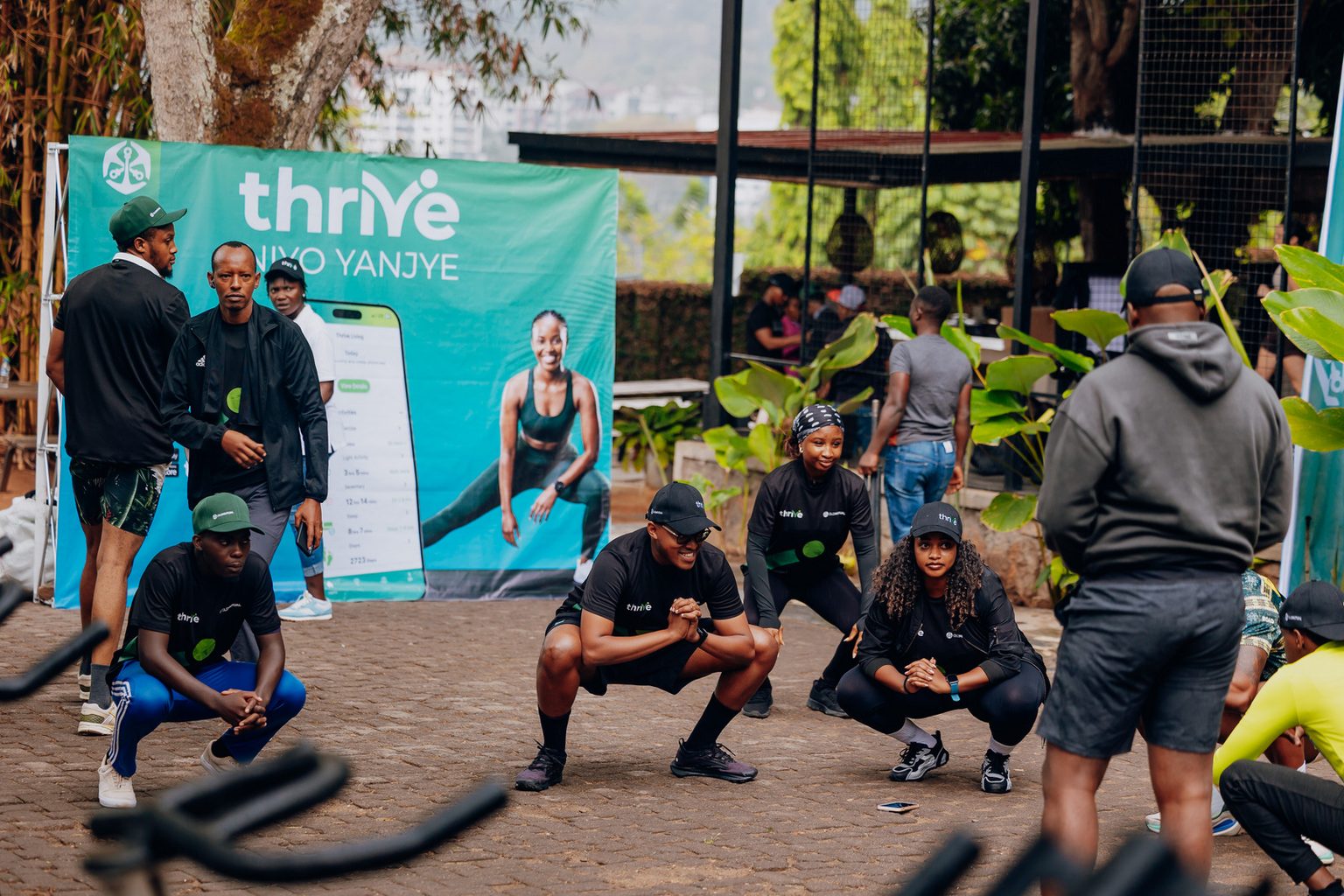
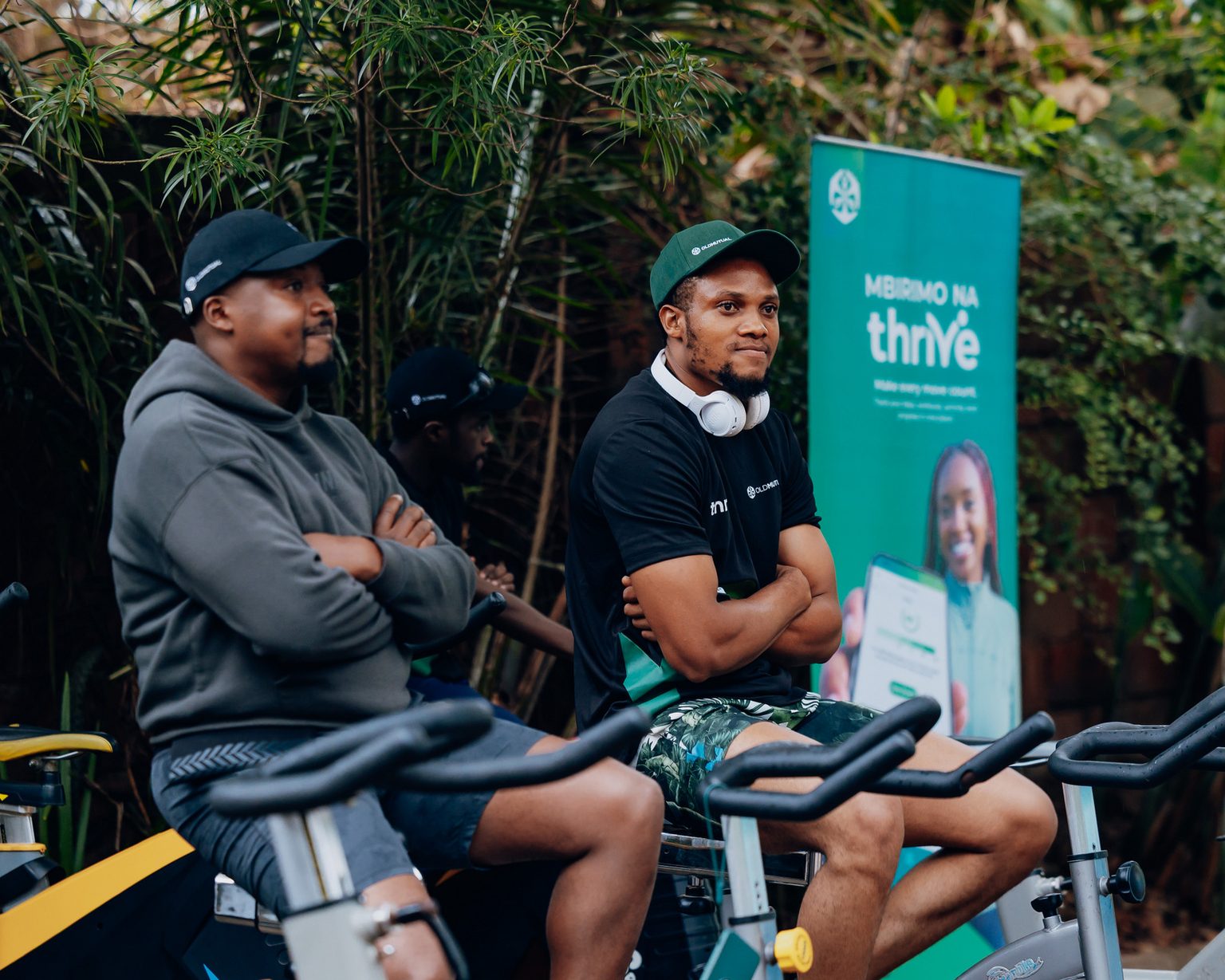
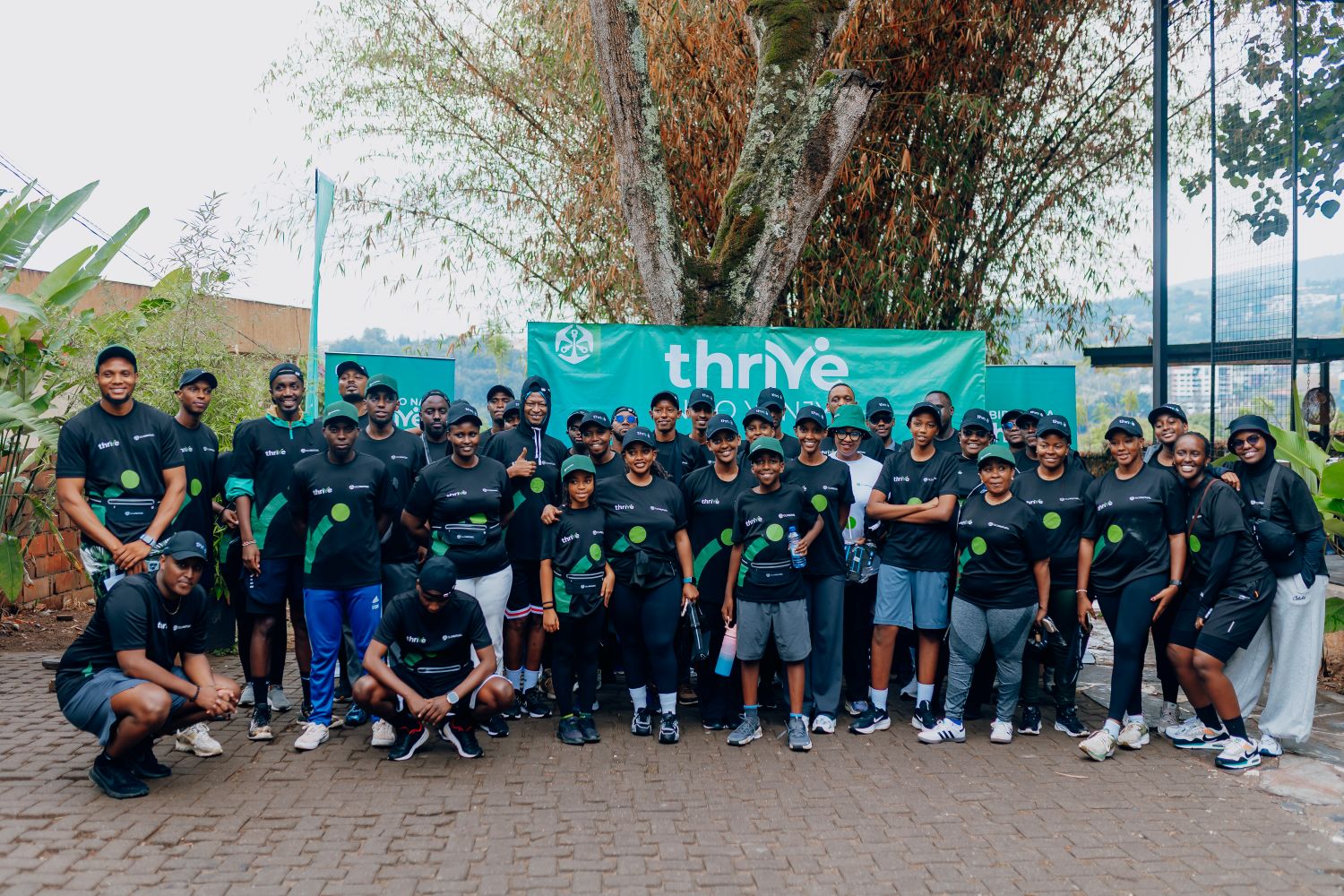
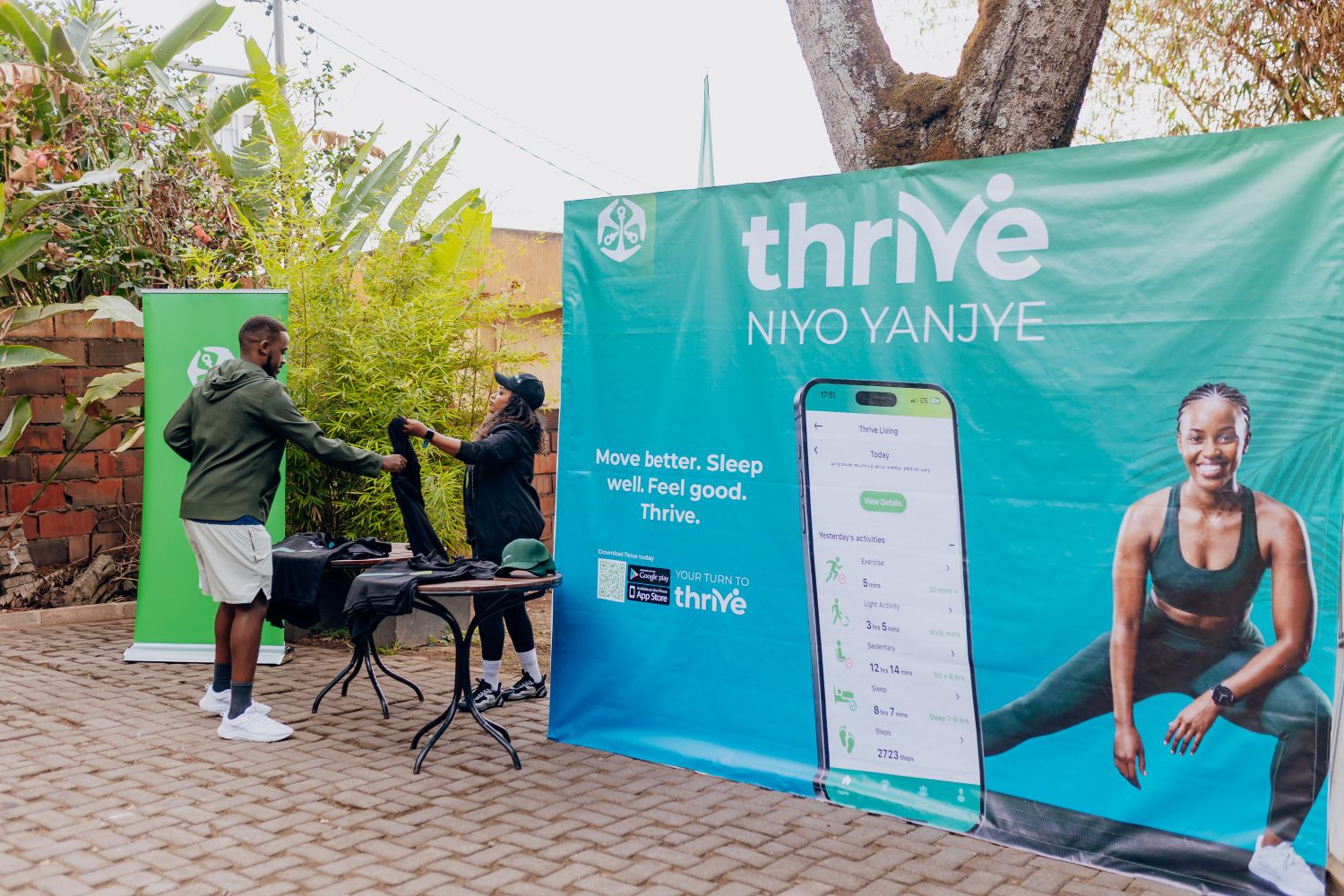
The application, dubbed ‘Thrive App’, was officially launched on October 17, 2026, at SOHO Fitness’s Kimihurura branch in Kigali. It offers practical exercises, guidance, and challenges to help users build healthier habits, with rewards for those who complete selected activities.
The initiative comes as mental health remains a public health concern in Rwanda. In January 2026, the Ministry of Health reported that 9.1% of Rwandans experienced depression-related mental health problems in 2025.
Maintaining a healthy lifestyle can also be challenging for people who struggle to exercise consistently, make nutritious food choices, or manage their finances.
Thrive seeks to address these challenges through activities that encourage users to adopt healthier routines and monitor their progress.
Participants at the launch said they were particularly impressed by the application’s mental health exercises, which were among the first features they explored. They also welcomed its nutritional guidance, noting that the recommended foods are readily available in Rwanda.
Tsatsi Rugege, who had used the application for two days, said its locally relevant nutritional advice and mental health exercises stood out.
“Many applications provide nutritional advice, but you often find that they recommend foods that are not readily available here in Rwanda. This one, however, includes foods that you can easily find here. It also has exercises related to mental health, which I have now started practising and have found enjoyable,” she said.
The application includes exercises that encourage users to reflect on their emotional state, identify how they respond to stress and explore ways to manage it. Based on their responses, it provides guidance on steps they can take to address the challenges they face.
Rugege said the exercises helped her understand how to put into practice her desire to maintain a positive mindset.
“I have always known that I want to have the right mindset and remain happy, but I did not really know how to achieve that in practice. That is where I came to appreciate this app,” she remarked.
Beyond mental health and nutrition, the application encourages physical activity through challenges that users can complete individually or alongside others.
As part of launch activities, participants took on a challenge to walk 10,000 steps daily for one week. The application tracks their progress, with those who complete the challenge eligible for rewards, including fuel-related products, gym sessions, and other prizes.
The official launch also featured physical exercise activities, with prizes awarded to participants who completed them successfully. Two additional soft-launch events are scheduled to take place over the remaining months of the year.
Old Mutual Insurance Rwanda Managing Director Chantal Habiyakare said the partnership with SOHO Fitness was part of the company’s efforts to promote well-being among its clients and the wider public.
“SOHO Fitness is one of our partners in Thrive. Having worked together for some time in other areas, we built on that relationship to bring the app to our community more efficiently. We will continue promoting it so that more people beyond our clients can benefit,” the MD said.
Thrive is available free of charge and can be downloaded from the Apple App Store and Google Play Store.
The application, dubbed ‘Thrive App’, was officially launched on October 17, 2026, at SOHO Fitness’s Kimihurura branch in Kigali.The mobile app offers practical exercises, guidance, and challenges to help users build healthier habits, with rewards for those who complete selected activities.Thrive seeks to encourage users to adopt healthier routines and monitor their progress.The official launch also featured physical exercise activities, with prizes awarded to participants who completed them successfully. Participants at the launch said they were particularly impressed by the application’s mental health exercises, which were among the first features they explored.