This innovation addresses both plastic pollution and the need for cleaner energy solutions by converting discarded plastics into valuable resources like hydrogen and acetic acid, which can be used as fuels or industrial chemicals.
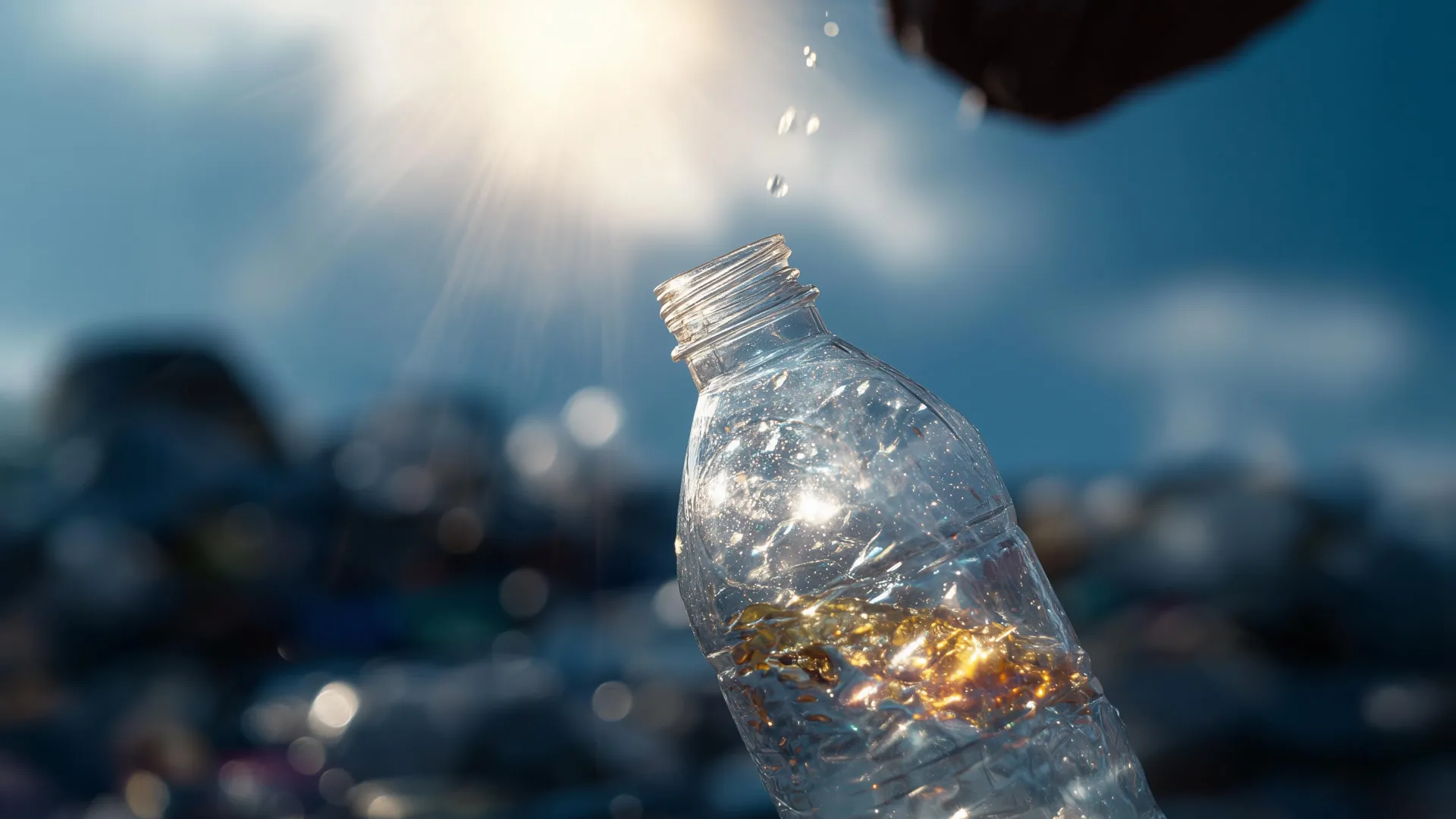
The process, known as solar-driven photoreforming, uses sunlight to break down plastic at low temperatures, making it a cleaner and energy-efficient method compared to traditional plastic recycling.
The photocatalysts, light-sensitive materials, absorb sunlight and use its energy to decompose plastic into hydrogen, a clean fuel that produces no emissions when used. Additionally, other valuable products like diesel-range hydrocarbons can be produced, making the method highly versatile for generating different fuels.
This new technology has shown promising results in laboratory experiments. Some systems have operated continuously for over 100 hours, demonstrating that it’s possible to generate high levels of hydrogen while maintaining efficiency. The researchers see this as an important step toward practical implementation, though there are still significant challenges to address.
Plastic waste is diverse, with many types of materials mixed with additives, which complicates the recycling process. For this technology to be effective in the real world, sorting and pre-treating plastic waste will be essential to ensure the process works smoothly.
In addition, improving the photocatalysts is crucial to ensure they are durable and perform consistently over time. The system will also need to efficiently separate the fuels and chemicals produced, which remains a challenge.
Despite these obstacles, the research team is optimistic about the potential of this solar-powered process. With continued technological advancements and better system designs, this innovative method could significantly reduce plastic waste and help in creating clean, renewable energy.
By turning pollution into a valuable resource, this technology has the potential to support a more sustainable, low-carbon future for the planet.
Leave a Reply