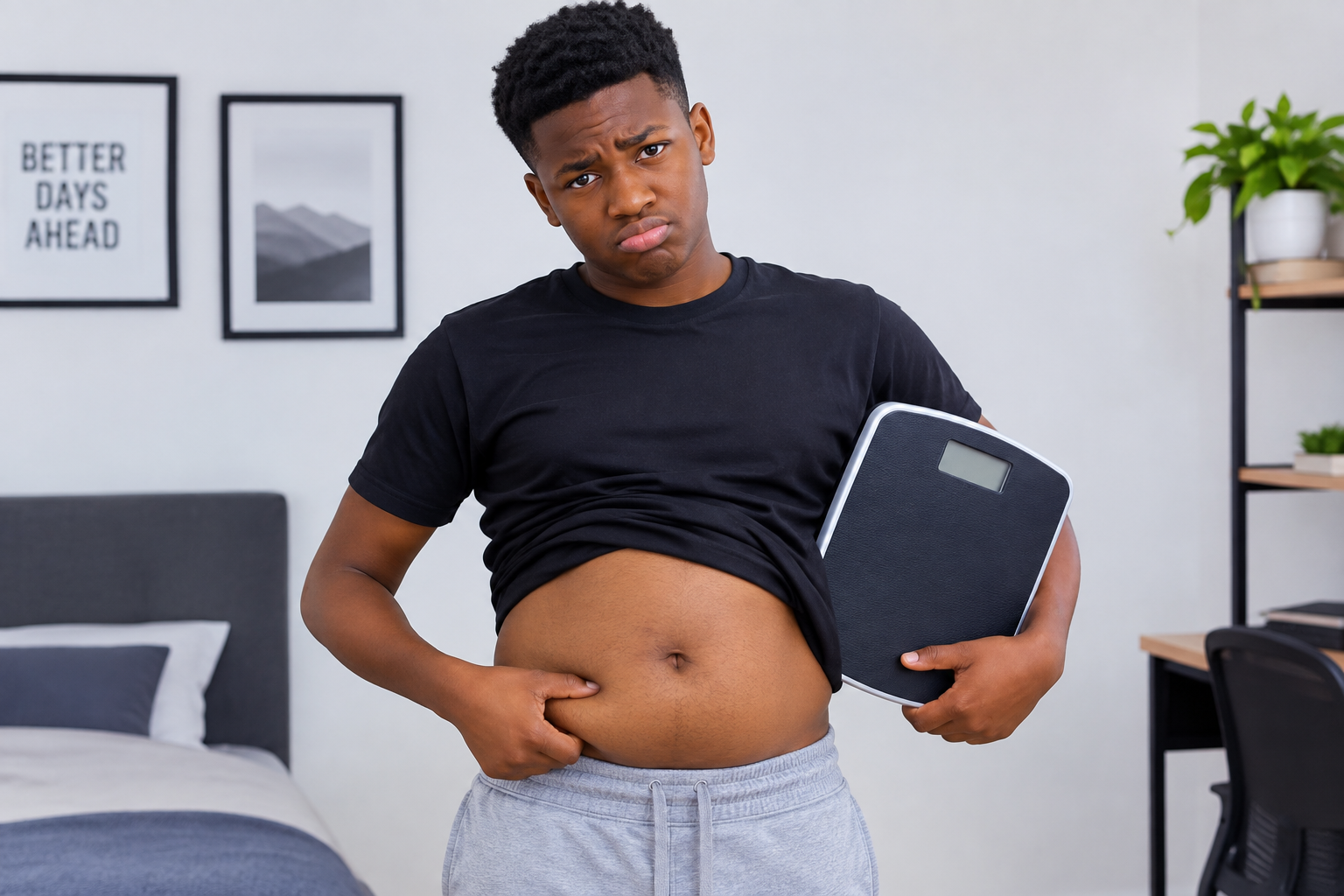
The research, published in the journal Childhood Obesity, examined the use of glucagon-like peptide-1 receptor agonists, commonly known as GLP-1 medications, among children aged 10 to 17.
Researchers analysed health insurance claims data covering more than 100 million patients in the United States between 2017 and 2022. They identified 2,031 children who started GLP-1 treatment and had no previous diagnosis of a nutritional deficiency.
Within one year of beginning treatment, 16.8% of the children were diagnosed with at least one nutritional deficiency or related complication.
Vitamin D deficiency was the most commonly recorded condition, affecting 12.4% of the children. Nutritional anaemia was diagnosed in 1.55%, while iron-deficiency anaemia affected 1.44% of those included in the study.
Researchers said adequate nutrition is particularly important during adolescence because the body requires essential nutrients to support bone development, muscle growth and puberty.
GLP-1 medications can reduce appetite and food intake, which may make it more difficult for some young patients to consume enough nutrients.
“Nutrients such as vitamin D, iron and calcium are of particular concern during adolescence,” said Justin Ryder, a senior author of the study and a researcher at Ann & Robert H. Lurie Children’s Hospital of Chicago and Northwestern University Feinberg School of Medicine.
The study also found that nutritional counselling was not commonly provided soon after children began GLP-1 treatment. Only 5.8% of patients had a nutrition therapy or counselling visit within 30 days of starting treatment, while 23.3% received such care within six months.
The researchers said these findings highlight the importance of nutritional support and monitoring for children receiving GLP-1 medications.
However, the study does not prove that GLP-1 drugs directly caused the nutritional deficiencies.
The researchers relied on health insurance claims data, which provide information about diagnoses and medical services but do not contain detailed information about patients’ diets or laboratory results.
The data also ended in 2022, meaning treatment patterns may have changed as the use of GLP-1 medications expanded.
The researchers concluded that nutritional screening, counselling and continued monitoring could be incorporated into pediatric GLP-1 treatment to help support healthy growth and development.
GLP-1 medications are increasingly used to manage obesity and other metabolic conditions among children and adolescents.
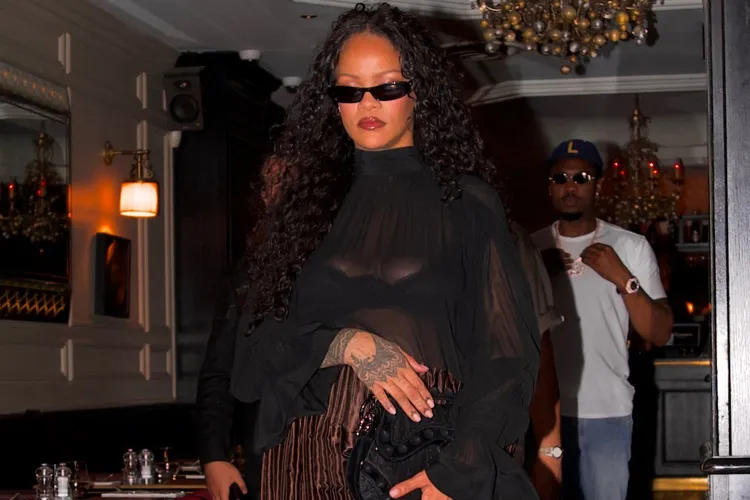
The 38-year-old singer and entrepreneur appeared in a sheer metallic pleated dress from Ferragamo’s Autumn/Winter 2026 collection.
The collection debuted during Milan Fashion Week in February and was designed by Ferragamo creative director Maximilian Davis.
Rihanna wore look 61 from the collection, which features a sheer top with a high neckline, ruffled tiered sleeves and a metallic pleated skirt. The lower part of the dress included a dramatic cinched hem, adding a distinctive silhouette to the outfit.
She completed the look with black satin Amina Muaddi Felicia Mule 100 heels, sunglasses and her naturally curly hair.
The outing came after Rihanna attended another of Dion’s Paris performances.
The singer had previously watched Dion perform on September 16, when she wore a navy Tom Ford pinstriped suit over a black lace-trimmed bralette.
She also carried a silver Lady Dior handbag from Dior’s Cruise 2027 collection.
Dion’s Paris residency has attracted several high-profile guests since it began earlier this month.
Rihanna’s appearances have added a fashion spotlight to the concerts, with the singer choosing distinctive looks for her evenings in the French capital.
Rihanna has also remained active around major entertainment events in recent months.
In July, she made a surprise appearance during Jay-Z’s 30th anniversary concert in New York City, joining him on stage to perform their 2010 collaboration “Run This Town.” The appearance marked her first onstage performance in two years, according to PEOPLE.
The singer was also recently seen supporting her partner, A$AP Rocky, during his concert in Copenhagen on September 18. Fan-captured footage showed Rihanna on stage holding their son Riot while watching the performance.
For her latest Paris outing, however, the focus was firmly on fashion, as Rihanna continued her run of high-profile appearances in the city.
Rihanna steps out in a sheer metallic pleated Ferragamo dress after attending Céline Dion’s concert in Paris.
Trump and first lady Melania Trump personally greeted Xi and his wife, Peng Liyuan, after their plane landed at the military base outside Washington.
The arrival ceremony included a 21 member honor guard, military platoons, the flags and national anthems of both countries, and a flyover by two B-1 bombers.
Xi’s visit comes as the United States and China continue discussions over trade, technology, artificial intelligence, rare earth minerals and other areas of disagreement.
On Wednesday, US Treasury Secretary Scott Bessent said the two countries had agreed to extend their existing trade truce until January 10.
The arrangement had been due to expire in November and involves both sides scaling back tariffs and refraining from introducing certain new trade restrictions.
The extension gives Washington and Beijing additional time to negotiate broader economic issues.
Bessent said the additional period could allow Trump and Xi to continue discussions at international meetings planned for later this year.
Trade is not the only issue expected to feature in the talks. Artificial intelligence, access to rare earth minerals, Taiwan and US China relations with Iran are also among the issues facing the two governments.
Xi’s visit is the first state visit by a Chinese president to Washington in more than a decade.
His previous US state visit took place in 2015 during the administration of President Barack Obama.
The formal programme continues Thursday, when Trump and Xi are expected to hold talks at the White House.
Trump and Melania Trump are also scheduled to host Xi and Peng at a state dinner.
The visit includes several ceremonial events, reflecting the importance both governments place on their relationship despite continuing disagreements.
Xi is also scheduled to return to the White House on Friday for a private meeting with Trump and Melania Trump before visiting the National Archives with the first couple.
The leaders’ discussions come at a time when Washington and Beijing are seeking to manage tensions while addressing economic and security issues that affect their relationship and the wider global economy.
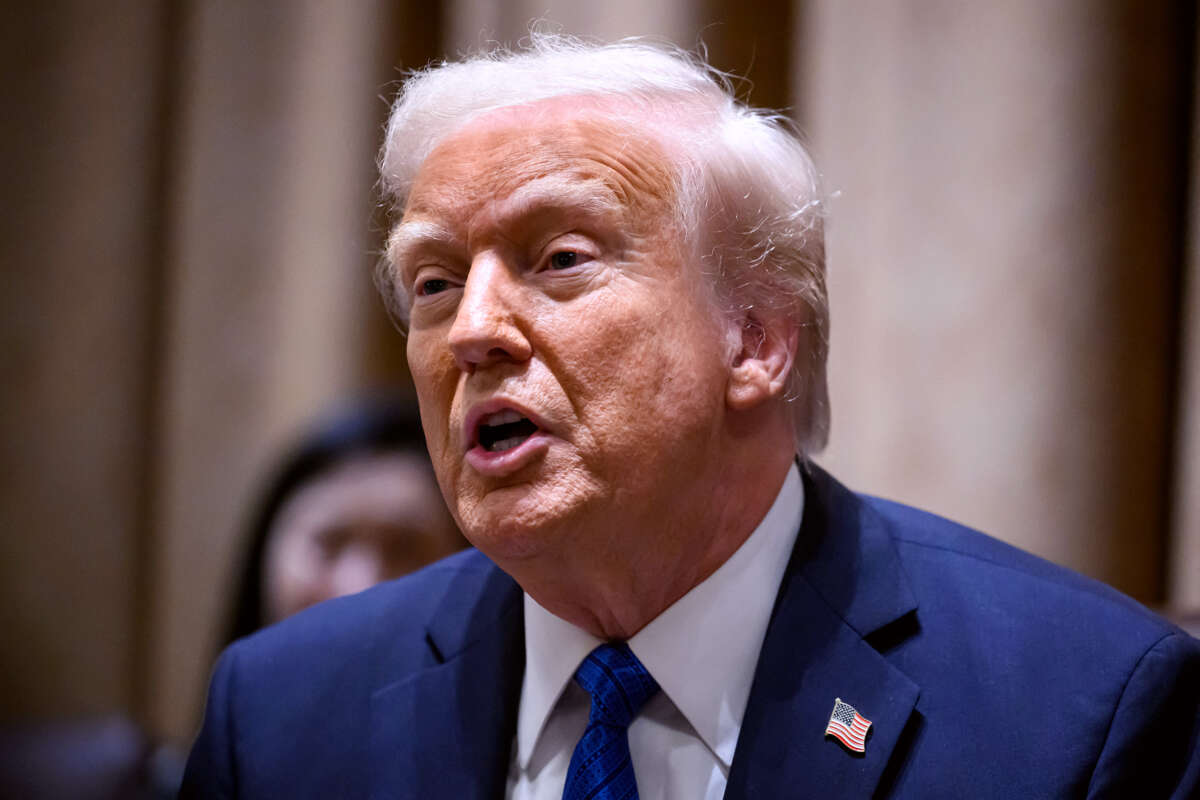
US President Donald Trump and Chinese President Xi Jinping participate in an arrival ceremony at Joint Base Andrews, Maryland, on September 23, 2026, as Xi begins his state visit to the United States.
Formula 1 star Lewis Hamilton has given fans a glimpse into his relationship with Kim Kardashian, sharing photos of some of the elaborate dates and private moments they have enjoyed together.
Hamilton, 41, posted a series of photos and videos on Instagram on Tuesday, September 22, offering followers a look at his recent time with the 45-year-old SKIMS founder.
He captioned the carousel, “Bit of this, bit of that.”
The post opened with a selfie of the couple during a bike ride. Another image showed Kardashian and Hamilton dressed for a date night, with Kardashian wearing a floor-length gold gown while Hamilton opted for black trousers, a matching trench coat, a knitted sweater and a navy Kangol flat cap.
Among the most elaborate moments was an outdoor movie night. Hamilton showed a carefully arranged picnic featuring rattan trays, a food cart filled with desserts and a large outdoor screen prepared for the couple’s evening together.
The Formula 1 driver also shared images from a sunset cruise on the Seine River in Paris.
The romantic outing included champagne and views of the Eiffel Tower, followed by a nighttime view of the landmark illuminated against the Paris skyline.
The carousel also included a photo from the Lucas Museum of Narrative Art in Los Angeles, where the couple attended the museum’s opening night on September 19.
Hamilton served as one of the event’s co-chairs, while Kardashian attended in an archival Saint Laurent by Tom Ford dress.
Their appearance at the museum came shortly after the couple were seen together in London and Paris.
On September 19, they were photographed sharing affectionate moments inside the museum, while a video later showed Kardashian wiping lipstick from Hamilton’s lips after they kissed.
Hamilton and Kardashian first sparked romance rumors in February 2026 after being spotted together in Paris. According to PEOPLE, the pair confirmed their relationship in April after months of speculation.
Their relationship has since included public appearances, international trips and family moments, with both stars occasionally offering followers glimpses of their time together through social media.
Hamilton’s latest post provides another look at the couple’s relationship, this time focusing on the carefully planned and romantic experiences they have shared away from the spotlight.
Lewis Hamilton and Kim Kardashian during one of their romantic outings.
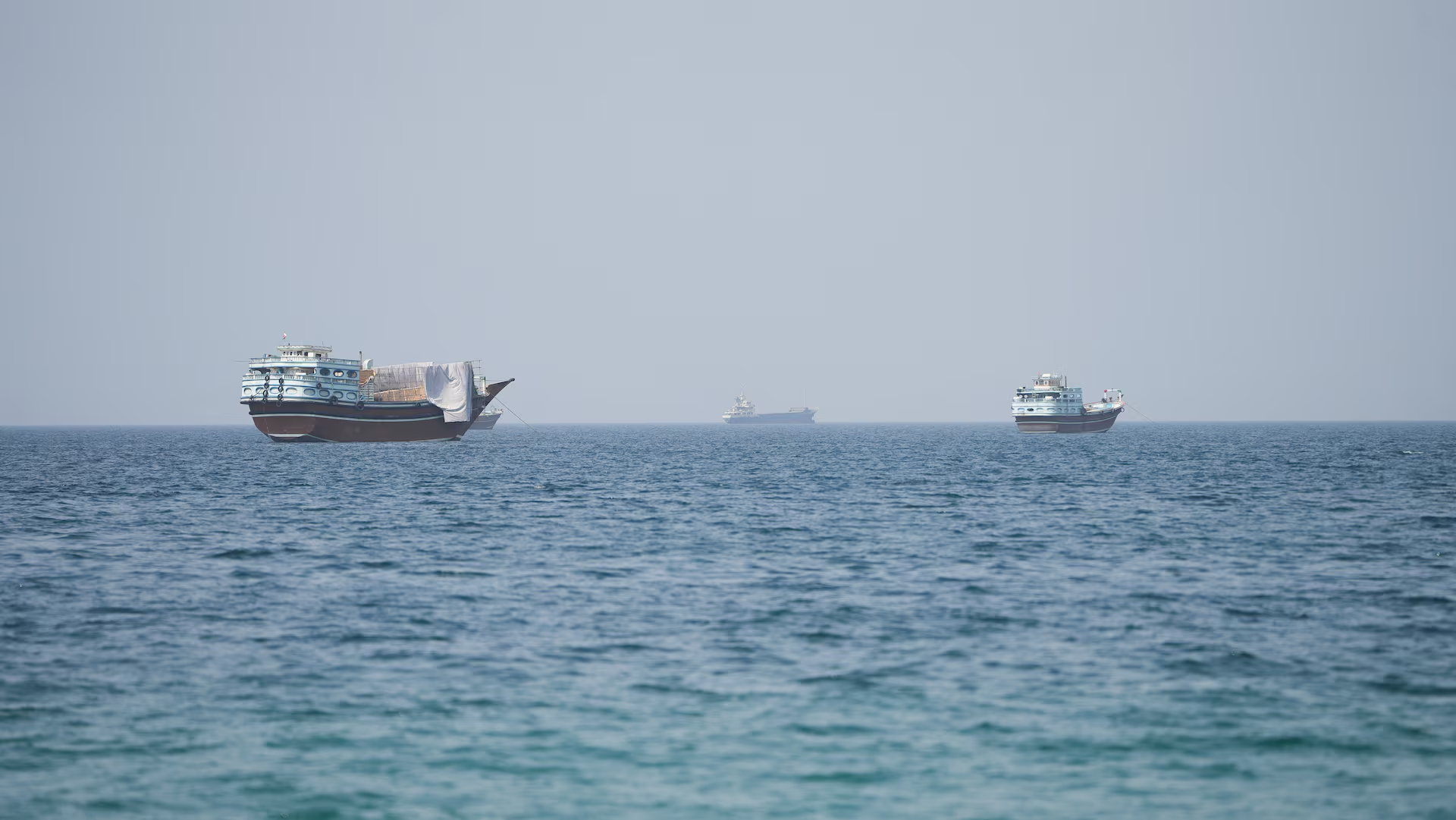
Iran has signalled a possible revival of negotiations with the United States, offering to reopen the strategically important Strait of Hormuz within seven days if Washington eases military pressure and lifts its blockade on Iranian ports.
A senior Iranian official told Reuters on September 22 that Tehran had delivered its latest proposal to Washington through mediators on September 16.
The official said Iran’s delegation at the United Nations General Assembly in New York had full authority to revive diplomacy with the United States.
“The US needs to announce that it wants to resolve the issue diplomatically, make that official, and then agree on a timeline for how the process will move forward,” the official said.
The development came as US President Donald Trump and Iranian President Masoud Pezeshkian were in New York for the UN General Assembly, amid efforts to end the conflict between the two countries.
The two leaders were not scheduled to meet directly. However, discussions continued through mediators.
US envoy Steve Witkoff said Washington and Tehran had held lengthy talks on Tuesday, with mediators moving between the two sides throughout the day.
Witkoff said the mediators would continue their work and expressed hope that the discussions would prove constructive and promising.
Trump also said Washington and Tehran were moving toward a possible settlement. However, during his UN address, he called for the complete economic isolation of Iran and said he expected a deal could come after the US midterm elections in November.
Iran has maintained a firm position. Parliament Speaker Mohammad Baqer Qalibaf said Tehran would not surrender and warned that the United States could not impose its power on Iran or its armed forces.
The Strait of Hormuz remains central to the diplomatic efforts because of its importance to global energy supplies.
Before the war, the waterway carried about one-fifth of global oil and gas shipments.
Gulf countries are seeking the restoration of safe shipping through the strait while also dealing with wider regional security concerns.
Saudi Arabia, in particular, has faced increased threats linked to the conflict, including attacks affecting alternative oil export routes.
The latest diplomatic activity at the UN comes as Washington and Tehran face pressure to find a way to end the conflict, with any agreement potentially affecting regional security, energy markets and international shipping.
US President Donald Trump addresses the United Nations General Assembly in New York on September 22, 2026, as diplomatic efforts involving Iran continue.
For years, Mwalimu kept the experience largely to herself. Her mother could not talk about it either, she says, and the subject remained something she was expected to leave in the past.
But she could not simply move on.
That experience eventually became part of the reason Mwalimu founded Network of Women Now, an organisation focused on reproductive and menstrual health education, women’s empowerment and economic opportunities.
Today, more than 15 years into her work in nonprofit leadership and international development, she is taking that mission to women and girls in Rwanda, where she says she wants young people to have the information and confidence she did not have at 15.
“At 15, if I knew the information that I have now, probably what happened to me would have never happened,” she says.
At 15, Deidra Mwalimu was medically sterilized, an experience that shaped her mission to empower women and girls through reproductive health education.
A decision she could not make for herself
Mwalimu says the circumstances surrounding her sterilization were deeply traumatic.
When she refused to go for treatment, she says doctors and the legal system put pressure on her mother, warning that her other children could be placed in foster care if she did not bring Mwalimu in.
Her mother was therefore forced to make a decision that Mwalimu believes was devastating for both of them.
“That’s a hard thing for a woman and a mother to do,” she says.
The experience was not isolated within her family. Mwalimu says her mother and grandmother had also been sterilized, leaving three generations with experiences of reproductive healthcare that she would later explore in her writing and advocacy.
She could not write about it while her mother was alive.
Mwalimu says the story was too painful and that writing it would have hurt her mother. It was only after her mother’s death that she felt able to confront the experience publicly.
In doing so, Mwalimu stresses, she came to understand more deeply how her own family’s reproductive health experiences had shaped the mission she was building.
“I never shared my story,” she reveals.
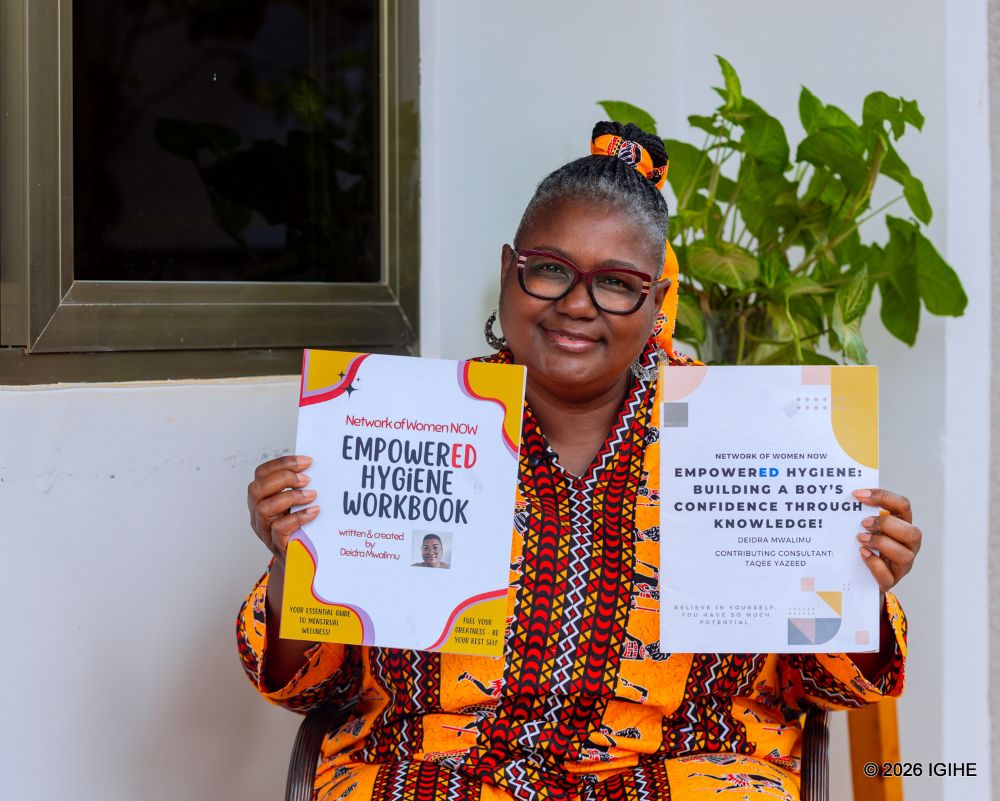
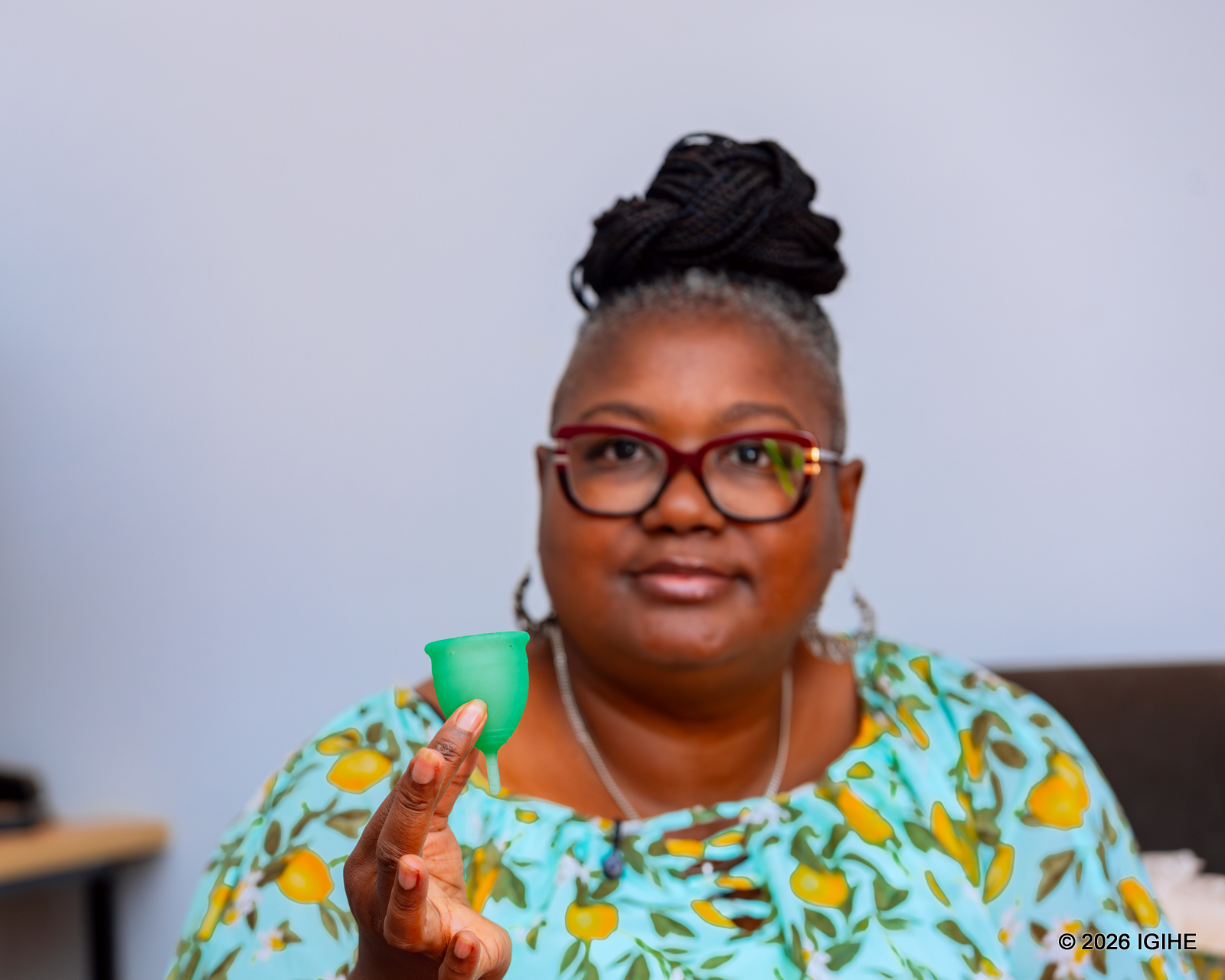
Deidra Mwalimu, founder and CEO of Network of Women Now, speaks about her journey in reproductive health advocacy.
Turning personal pain into advocacy
Mwalimu’s work is now centred on ensuring that women and girls understand their bodies and have the knowledge to advocate for themselves.
She says that is particularly important because reproductive health is still surrounded by stigma and silence.
“The conversation is personal, but the problems are not,” she notes.
For Mwalimu, that distinction matters.
Menstruation may be considered a private subject, but the consequences of inadequate information can affect whether a girl attends school, whether a woman seeks medical care and whether women are able to make informed decisions about their own health.
She believes girls should therefore begin learning about their bodies before they reach puberty.
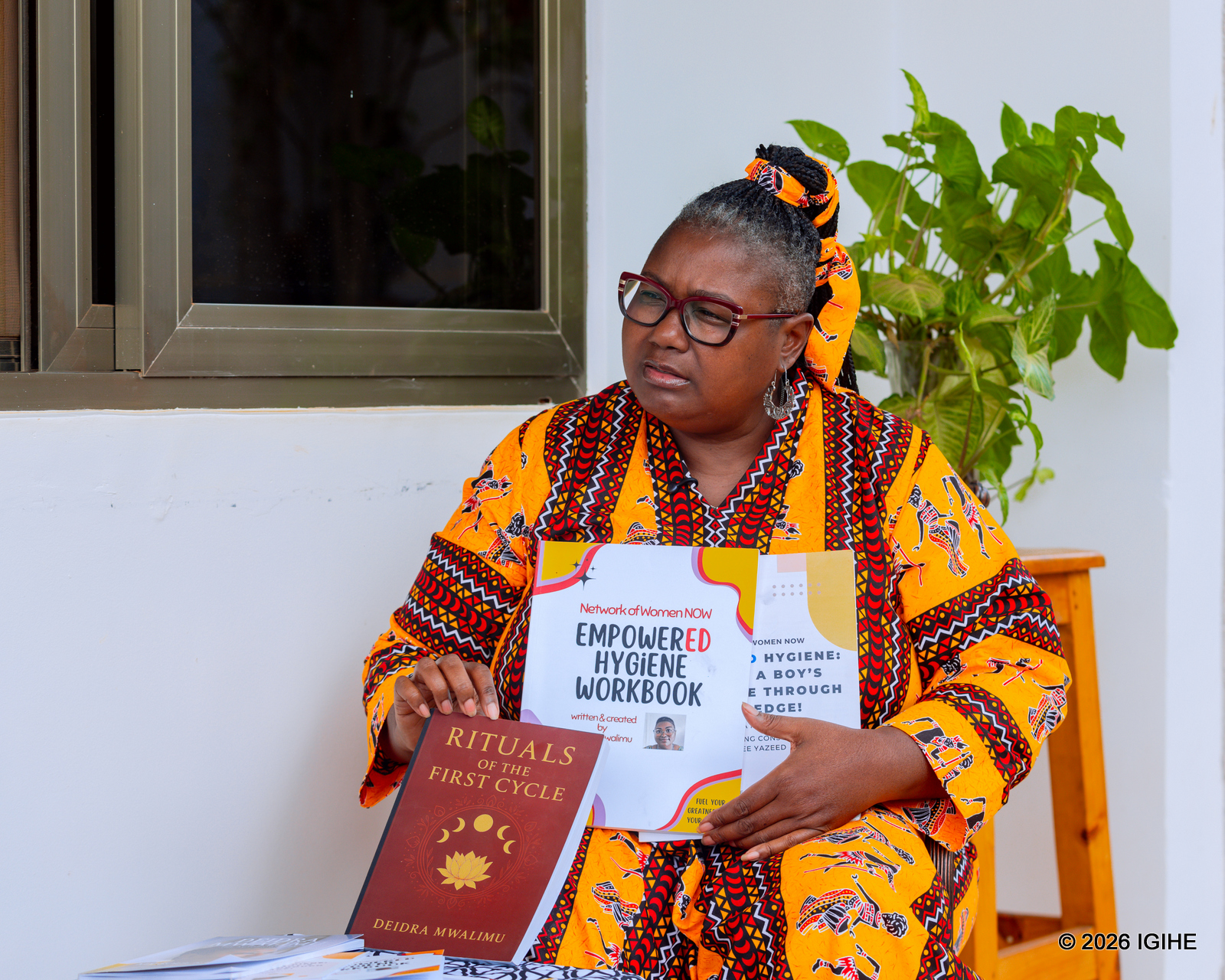
Through Network of Women Now, she works with girls as young as six and has developed educational materials that cover menstrual products, body autonomy, boundaries, domestic violence and how to seek help when something is wrong.
The organisation also includes boys in some of its conversations, reflecting Mwalimu’s view that reproductive and menstrual health cannot be addressed by women and girls alone.
Families, schools, health professionals, policymakers and communities all have a role to play, she says.
Her personal experience at 15 inspired a lifelong commitment to empowering women and girls.
Why Rwanda?
Mwalimu’s work in Rwanda began after she was invited by an organisation that was already working in a similar area.
She had worked in different parts of the world, including India, Nepal, Belize and Brazil, but says Rwanda stood out because of the reception she received when she began engaging with schools and young people.
She found schools willing to open their doors and communities willing to engage in conversations about menstrual hygiene and reproductive health rights.
“I was really inspired by that to stay,” she adds.
Her connection with Rwanda has since grown beyond health education. Mwalimu is also interested in developing locally produced reusable menstrual products while creating opportunities for women to gain skills, generate income and participate in business.
The economics of a period
For Mwalimu, menstrual health is not only a health issue. It is also an economic one.
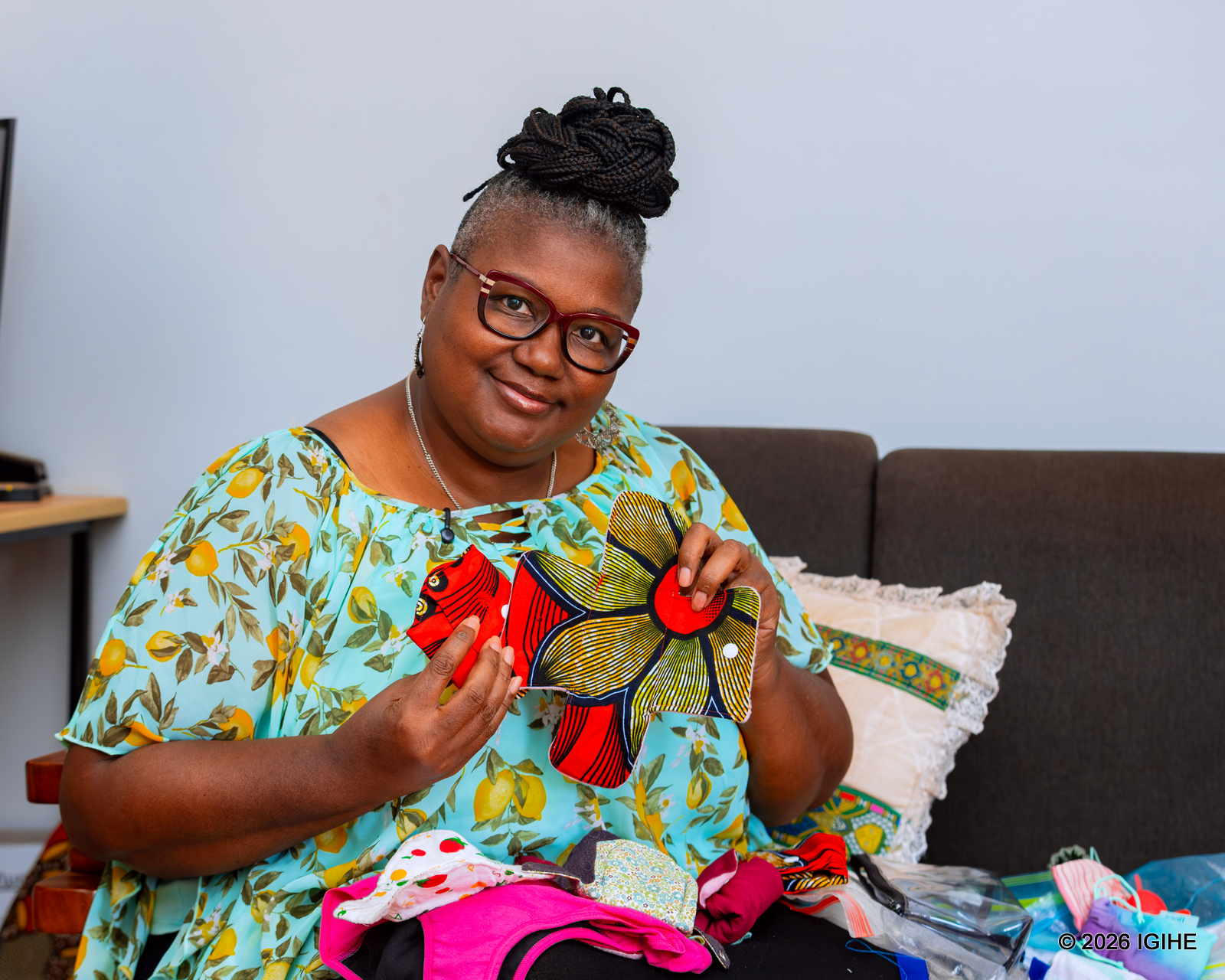
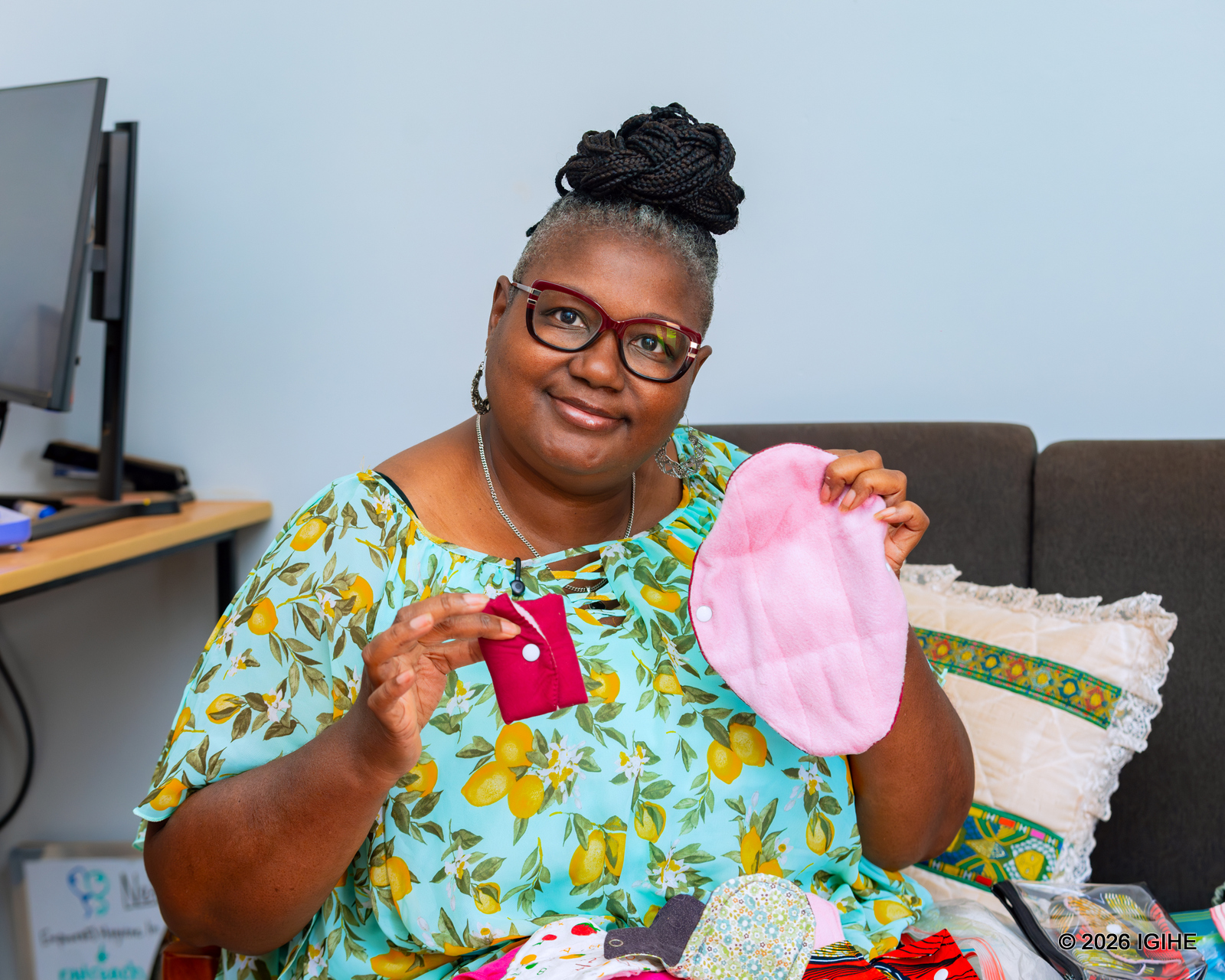
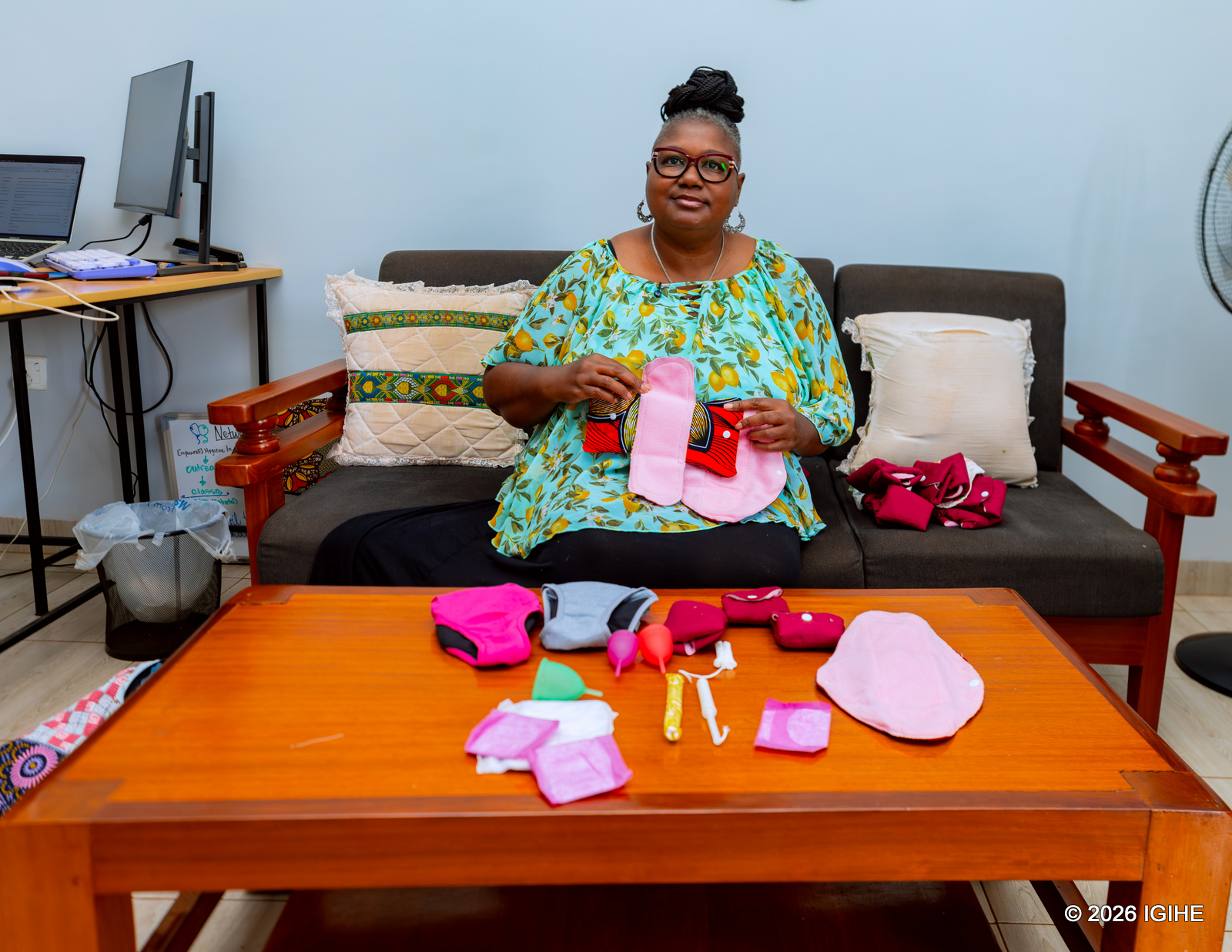
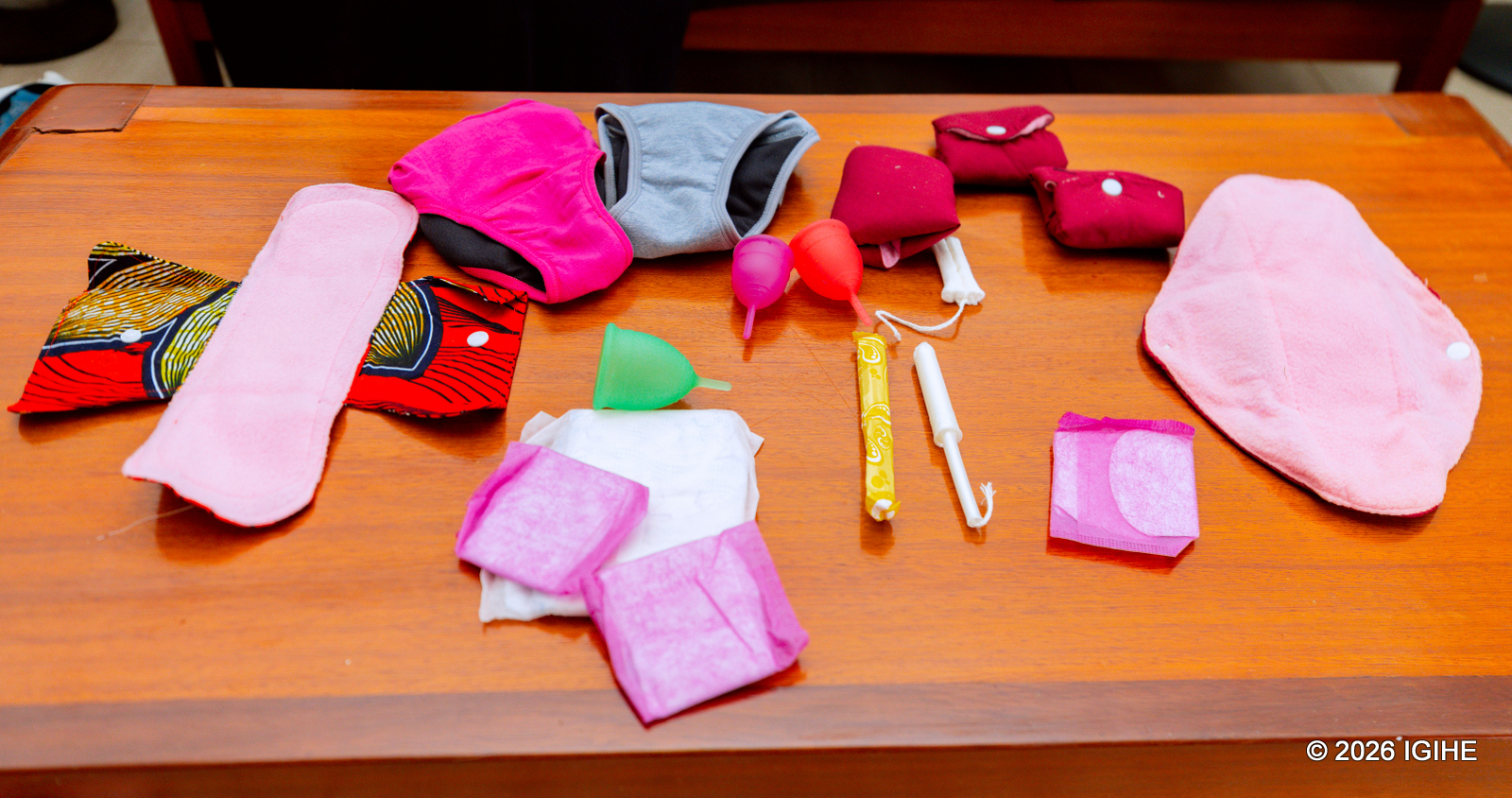
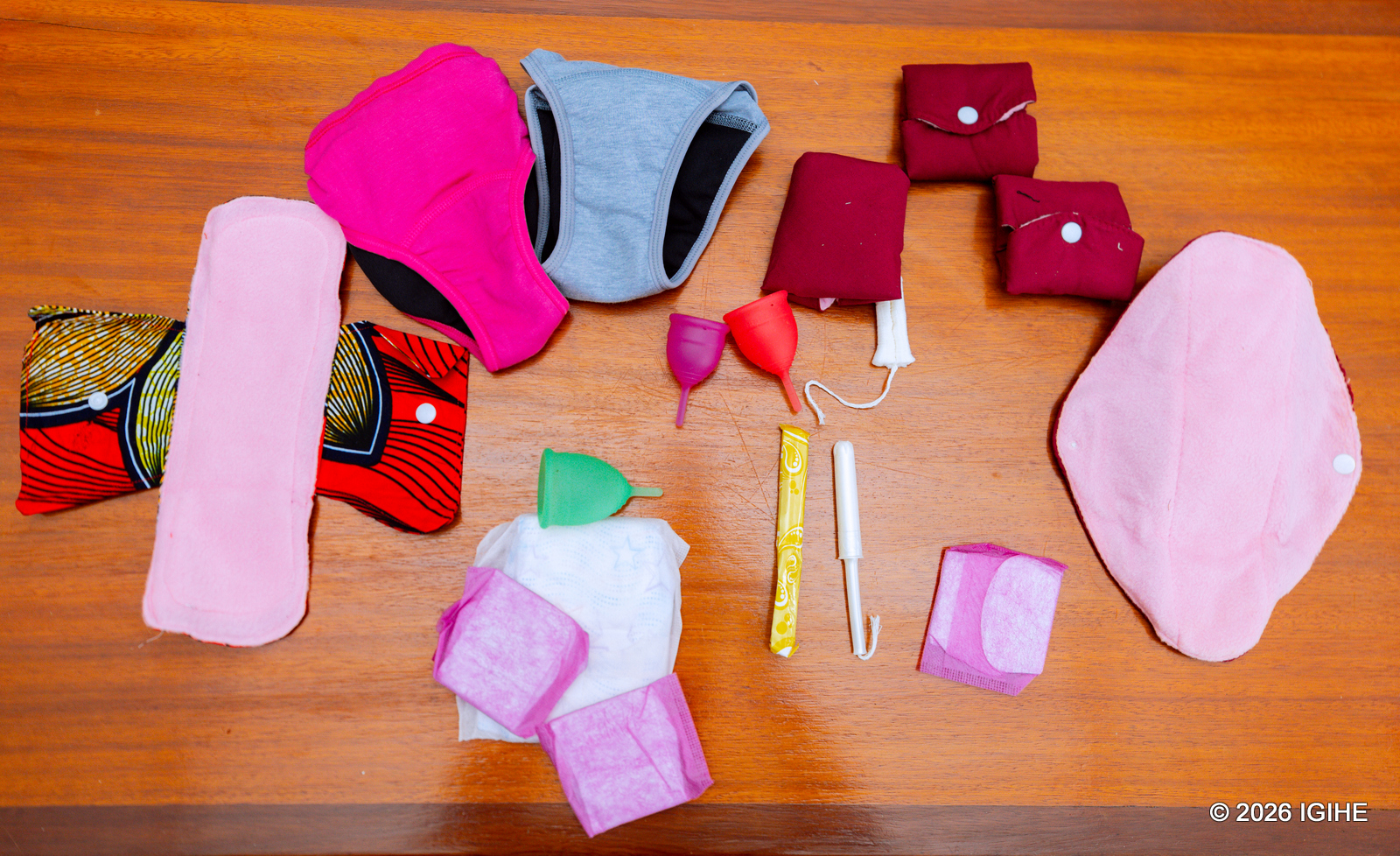
She promotes education around a range of menstrual products, including disposable pads, tampons, period underwear, reusable pads and menstrual cups, while encouraging women and girls to understand how different products work and choose what suits them.
Mwalimu is particularly interested in reusable products because of their potential to reduce the recurring cost of menstrual hygiene.
She says a girl can require hundreds of disposable pads in a year, meaning the cumulative cost over decades can be significant.
Reusable products, when properly cleaned and maintained, can be used for several years, she emphasizes.
Network of Women Now is working toward locally producing reusable menstrual products in Rwanda, including period underwear.
For Mwalimu, the opportunity goes beyond making products available.
“It teaches them skills,” she says of the economic side of the initiative. “It teaches them about how to generate income, how to run their own business.” That is where menstrual health and women’s economic empowerment intersect in her work.
Breaking the silence
Mwalimu believes one of the biggest barriers facing women and girls is not simply a lack of products, but the stigma surrounding menstruation and reproductive health.
One misconception she encounters is the idea that menstruation is a curse. She argues that such beliefs can prevent girls and women from talking openly about their health or seeking help when they need it.
The answer, she believes, is dialogue and education.
Girls should be able to understand what is happening to their bodies, recognise when something is wrong and know where to seek help.
That principle also extends to women who may face reproductive health problems later in life.
Mwalimu points to situations in which women discover after marriage that they cannot conceive and may face severe social consequences as a result.
Early education, she argues, can give women greater ability to understand their bodies and advocate for themselves before they reach such situations.
“You need to know yourself”
Mwalimu’s message to young women is rooted in the lesson she believes came too late in her own life.
“You need to know yourself,” she says. “You need to know how you work, how you think, how your body works, what your abilities are, and never stop learning.”
It is a simple message, but one that connects the different parts of her work.
“I want to be able to have girls advocate for themselves at a very young age,” she reflects.
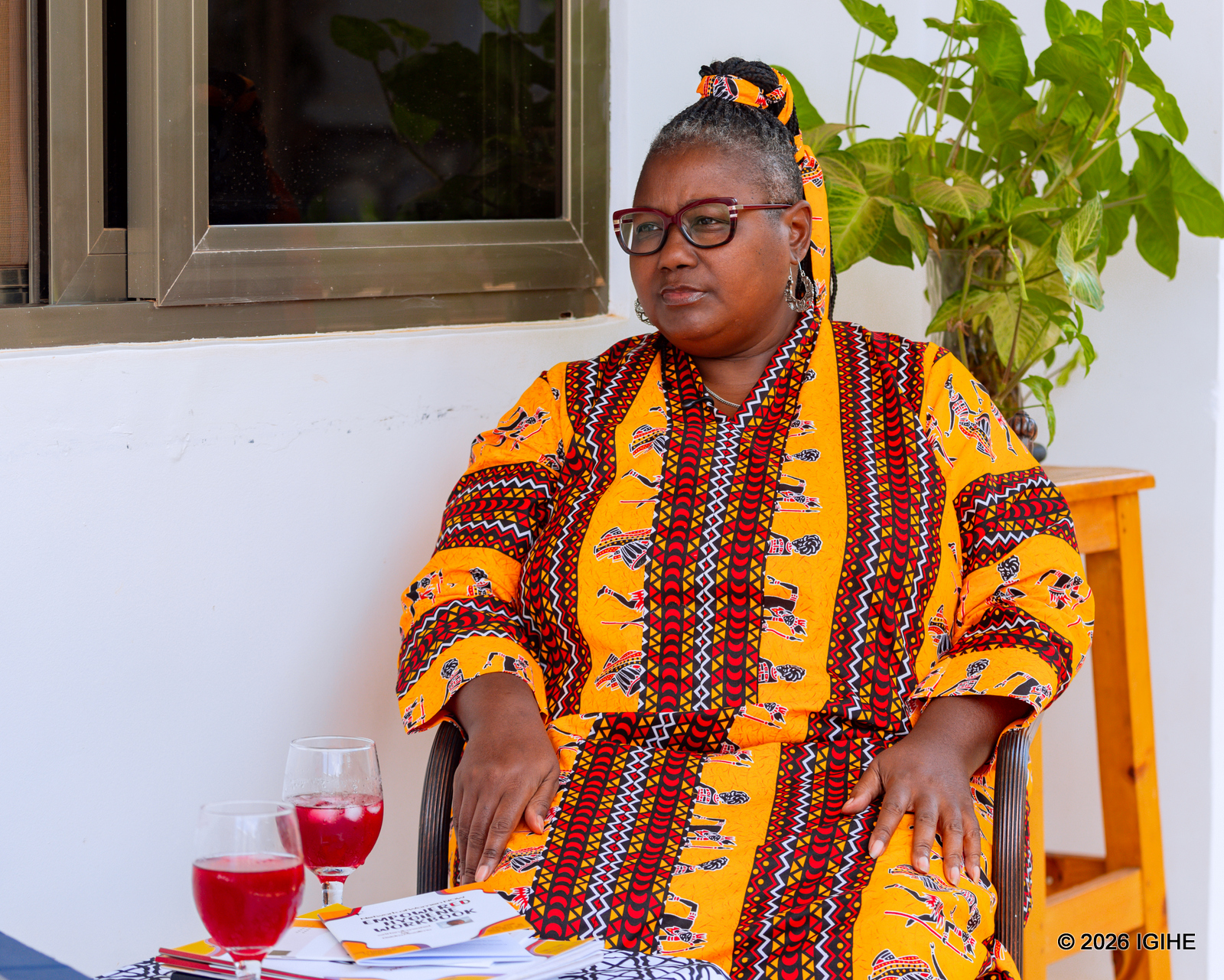
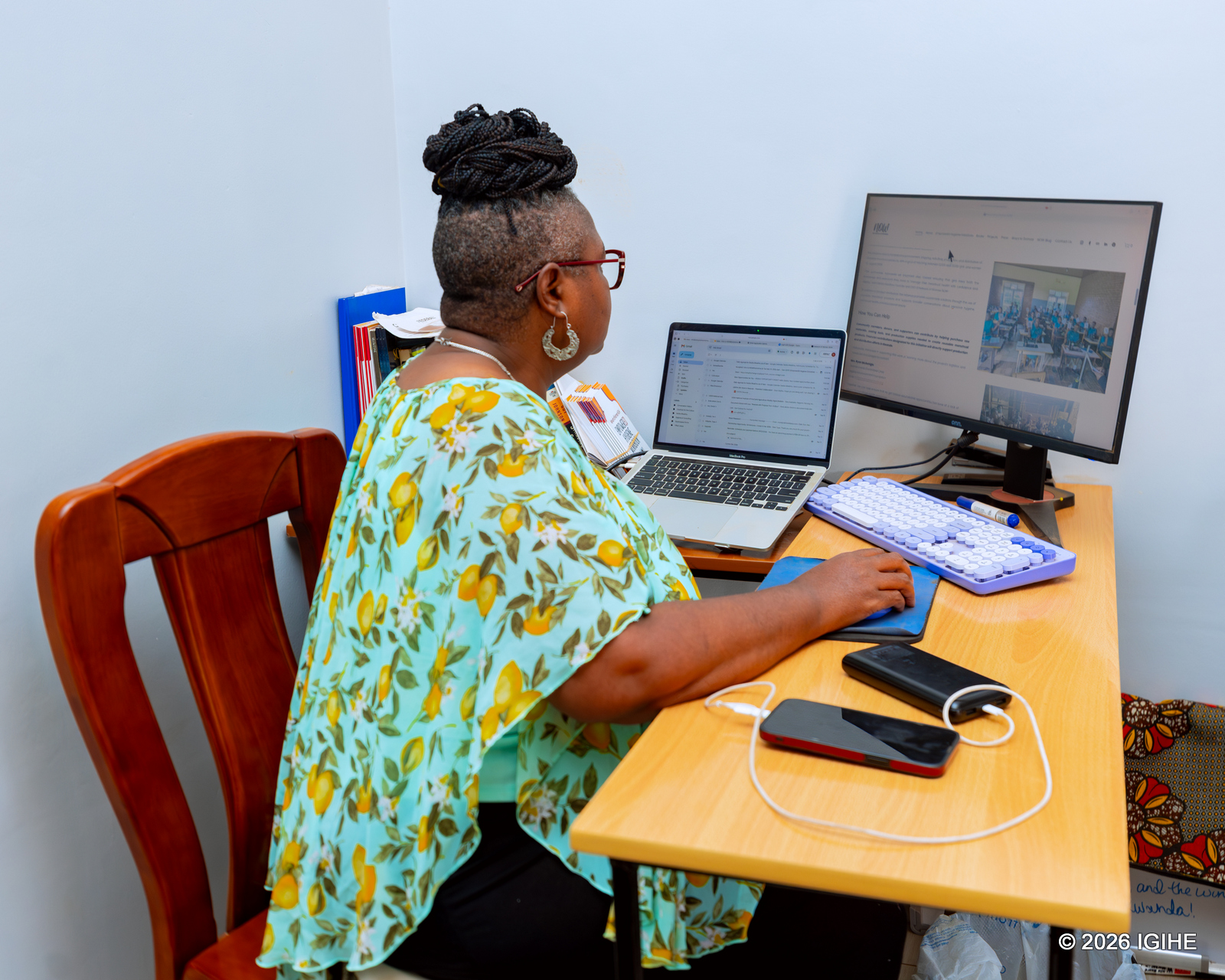
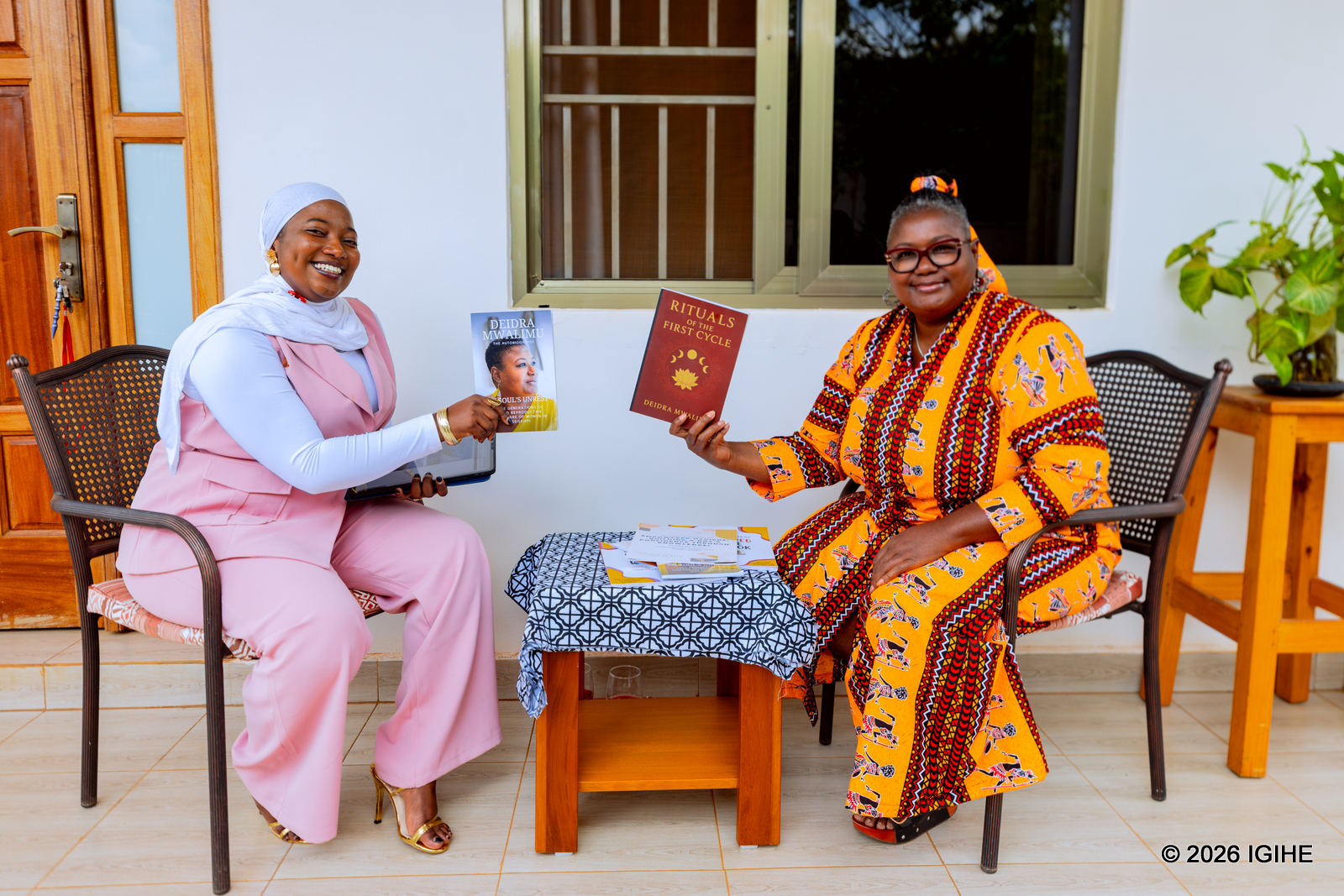
She is working to promote menstrual health education among girls and women in Rwanda.The initiative promotes menstrual health education alongside skills development and economic opportunities for women.She highlights the importance of helping girls understand their bodies and make informed health decisions.Reusable menstrual products are being promoted as an affordable and sustainable option for women and girls in Rwanda.She encourages young women to know their bodies, understand their abilities and never stop learning.Deidra Mwalimu discusses the importance of menstrual health education during an interview with IGIHE.
The decision was made during a Cabinet meeting held at Village Urugwiro on September 18, 2026, chaired by President Paul Kagame.
Among the resolutions adopted was the approval of an investment agreement for the construction of a plant to assemble electric vehicles in Rwanda.
The approval marks a new milestone after months of discussions surrounding the project. In April 2026, President Kagame received Xu Hui, Vice President of Chery Holding Group and Chairman of Rich Resource International Investment, for discussions that focused on investment opportunities in Rwanda, including vehicle assembly.
Although the Cabinet has approved the investment agreement, details regarding the value of the investment, the location of the plant, its planned production capacity, the start date for construction and when the facility is expected to begin operations have not yet been disclosed.
Chery’s global expansion
Chery was established in 1997 and is headquartered in Wuhu City, Anhui Province, China.
The company began manufacturing vehicles in 1999 and expanded its sales operations in 2003.
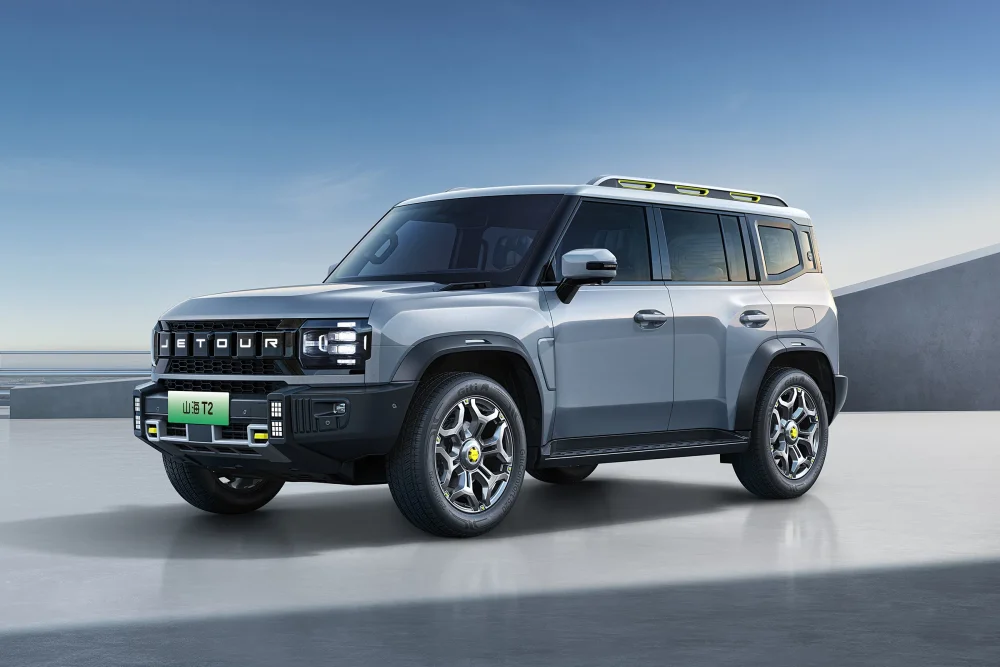
Chery has developed a broad global strategy aimed at transforming the automotive industry. As of 2024, the company had nine vehicle brands, including Fulwin, Exeed, Jetour, iCar/iCaur and Luxeed, which was developed in partnership with Chinese technology company Huawei.
Other brands associated with the group include Karry, Omoda, Jaecoo, Lepas, Exlantix and Aiqar.
These brands serve different markets, with some vehicles produced primarily for the Chinese domestic market while others are exported internationally.
Chery, Exeed and Jetour, for example, are sold both in China and in overseas markets.
Omoda, Lepas and Jaecoo are primarily focused on markets outside China, while iCar is sold in China and marketed as iCaur in international markets. Luxeed and Karry are focused exclusively on the Chinese domestic market.
Chery has also partnered with Jaguar Land Rover since 2012 to manufacture Jaguar and Land Rover vehicles in China.
In 2024, Chery expanded into Spain through an agreement with Ebro, one of Europe’s established automotive manufacturers, under which vehicles began being produced and marketed under the Ebro brand.
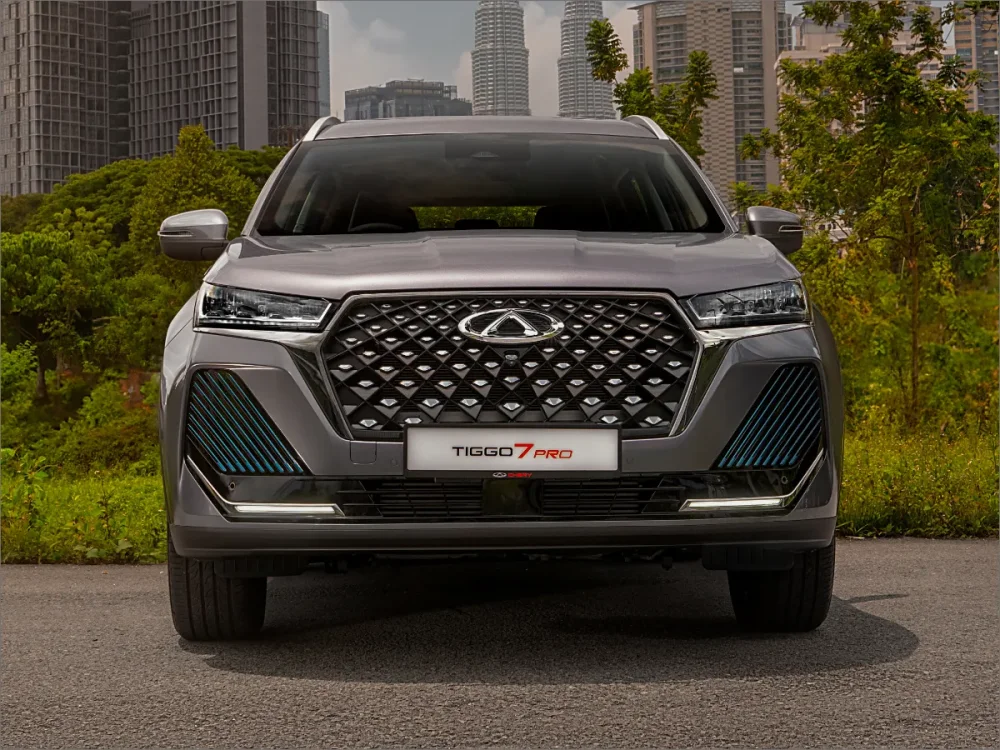
Chery took its Tiggo 7 and Tiggo 8 models, upgraded them and rebranded them as the Ebro S700 and Ebro S800, respectively.
The company aims to sell 50,000 vehicles of these models by 2027, with sales projected to reach 150,000 units by 2029.
In 2025, Omoda and Jaecoo were introduced as new brands under the company. Within 27 months of their launch, sales of the two brands had reportedly reached 600,000 vehicles. The two brands are expected to sell at least 1.4 million vehicles by 2030.
Chery’s financial growth
Financial figures show that Chery generated approximately $12.8 billion in revenue in 2022, rising to $22.5 billion in 2023 and $37.2 billion in 2024. In the first quarter of 2025, the company recorded revenue of approximately $9.4 billion.
Over the same periods, the company’s profits stood at approximately $702 million in 2022, $1.44 billion in 2023, $1.98 billion in 2024 and $455 million in the first quarter of 2025.
The approval of the investment agreement comes as Rwanda continues to promote the adoption of electric vehicles.
Fully electric vehicles, their batteries and charging equipment imported into Rwanda have been granted VAT exemptions as part of efforts to encourage the transition to electric mobility.
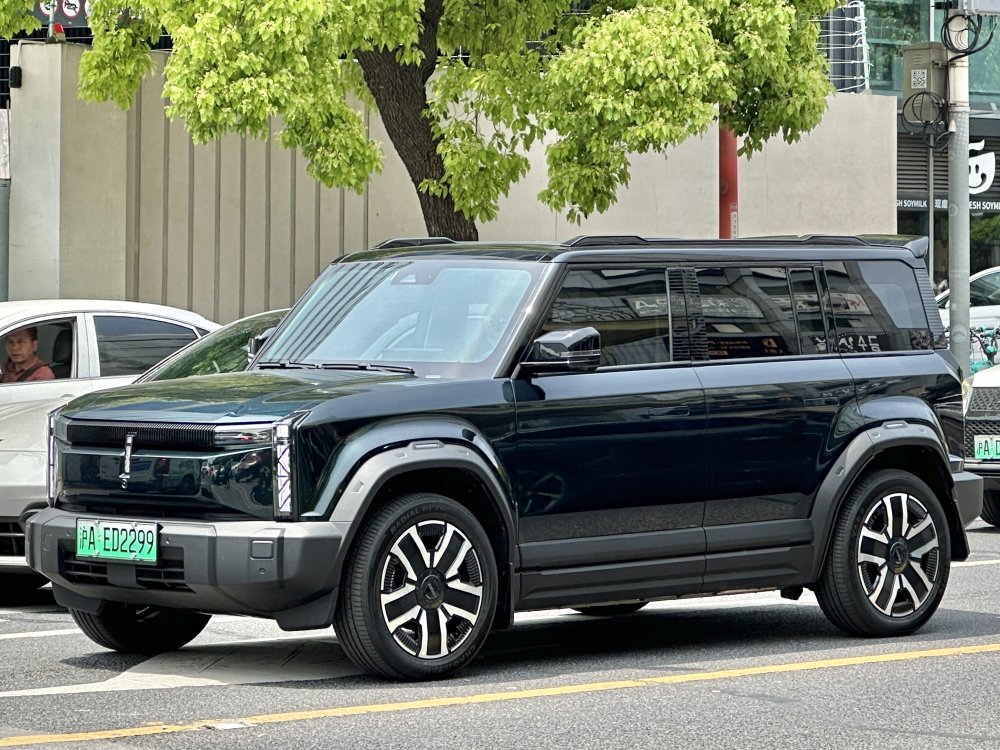
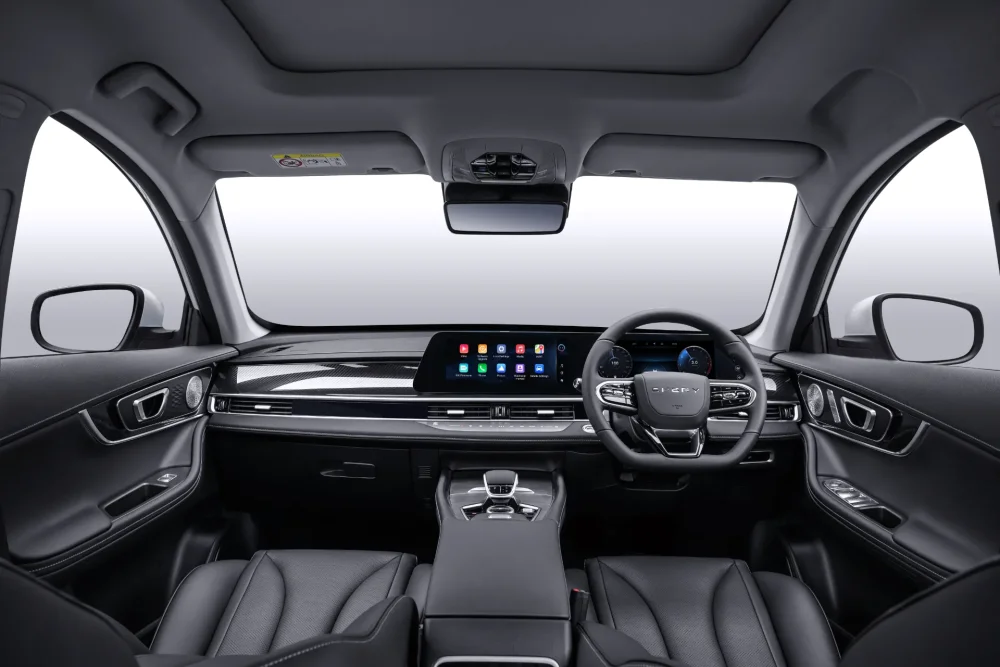
Luxeed is one of the leading electric vehicle brands produced by CheryJetour is one of Chery’s modern SUV brands, and its vehicles are becoming increasingly popular in the Rwandan marketThis vehicle is sold as iCar in China, but is marketed as iCaur when it reaches Rwanda. It is a fully electric vehicleThis is what the interior of the Tiggo 7 Pro looks likeThe Tiggo 7 is one of the modern vehicles available in the European marketChery plans to establish an electric vehicle assembly plant in Rwanda
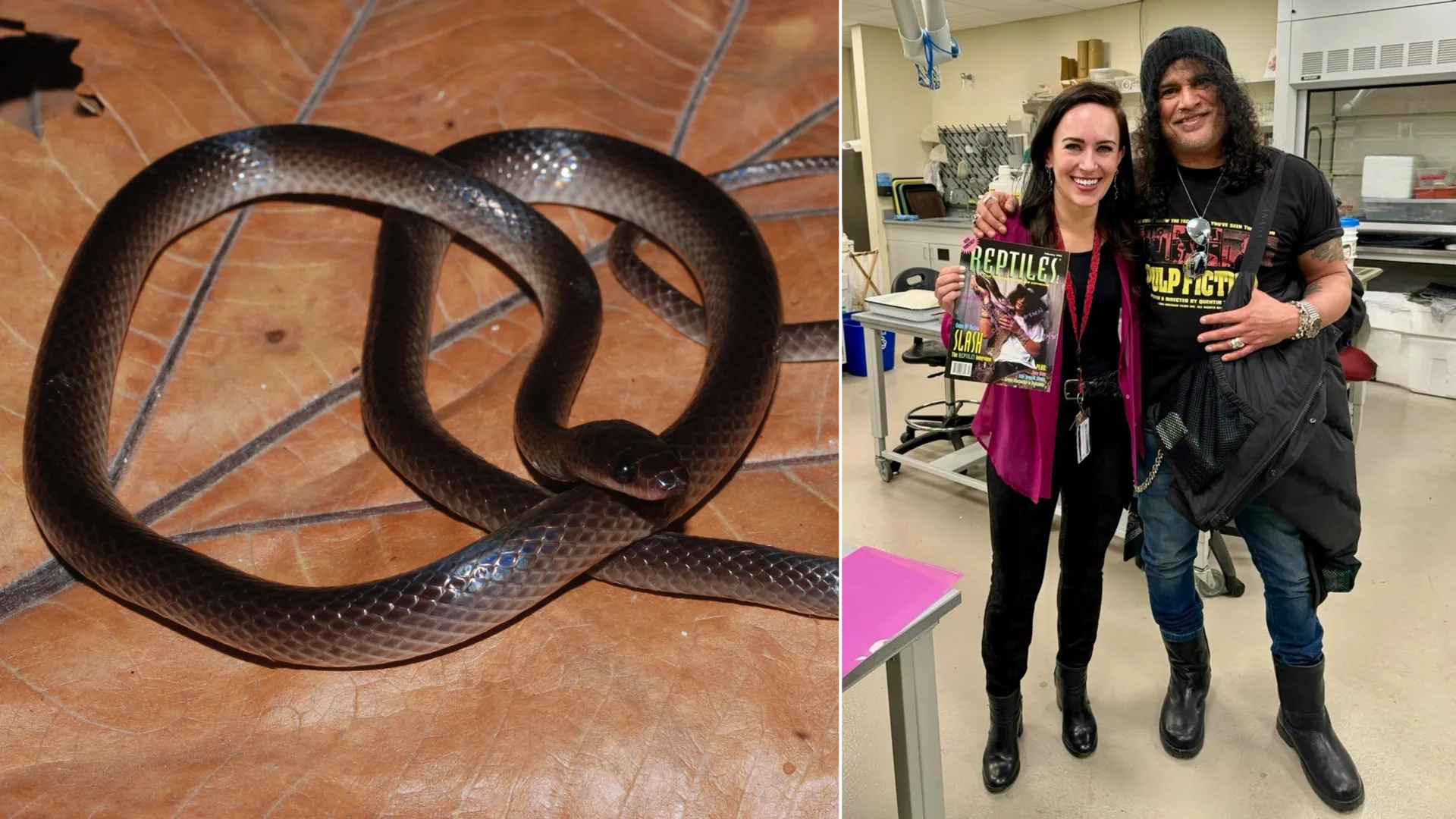
The snake has been given the scientific name Lielaphis slashi, or Slash’s groundsnake.
Researchers identified it as a distinct species after combining genetic analysis, physical characteristics and information about its habitat.
The discovery was described in a study published in the scientific journal Zootaxa.
Researchers from the Field Museum and Louisiana State University were involved in the work.
Slash, whose real name is Saul Hudson, has been interested in reptiles since childhood.
He has also supported zoos, museums and natural history organisations, making him a fitting namesake for the newly recognised species.
The connection between Slash and the researchers goes back decades.
Sara Ruane, an associate curator of herpetology at the Field Museum and a senior author of the study, said she became interested in reptiles and Slash while growing up.
Ruane recalled seeing a photograph of Slash holding a pet reticulated python on the cover of Reptiles Magazine.
She later learned about his interest in snakes and natural history.
When researchers had the opportunity to name the previously unrecognized snake, Ruane proposed honoring the guitarist.
The snake was first encountered during fieldwork in New Guinea in 2006 by Chris Austin, a professor and curator of herpetology at Louisiana State University’s Museum of Natural Science.
The reddish-brown snake grows to about 28 inches (71 centimetres) long. For years, scientists were uncertain whether it represented an already known species or one that had not yet been formally described.
Genetic testing eventually showed that the snake was distinct from related species.
Researchers also identified differences in its physical characteristics, including the number of scales on its body.
Ecological modelling further showed that it occupies a different habitat from closely related snakes.
Scientists know relatively little about the behaviour of Lielaphis slashi because the species is difficult to observe in the wild.
Like other New Guinea groundsnakes, it is primarily active at night and can be found around the bases of large trees.
Researchers believe its diet may include small lizards and reptile eggs. Its relatively large rear teeth may help it capture slippery prey.
The species is nonvenomous and not considered dangerous to humans.
Scientists say identifying and formally describing species is important for conservation, particularly in regions such as New Guinea, where forests face increasing pressure from activities including agriculture and mining.
The researchers hope that recognising Lielaphis slashi will contribute to greater knowledge of New Guinea’s biodiversity and the need to protect its habitats.
Scientists have named a newly recognised nonvenomous snake from New Guinea Lielaphis slashi, after Guns N’ Roses guitarist Slash, who has a long-standing interest in reptiles.
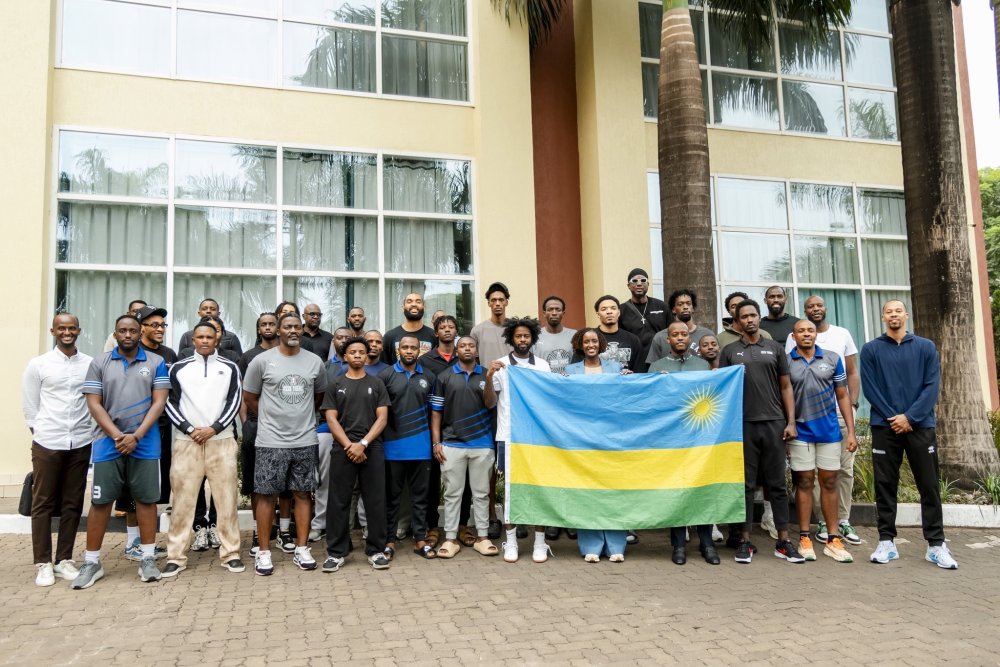
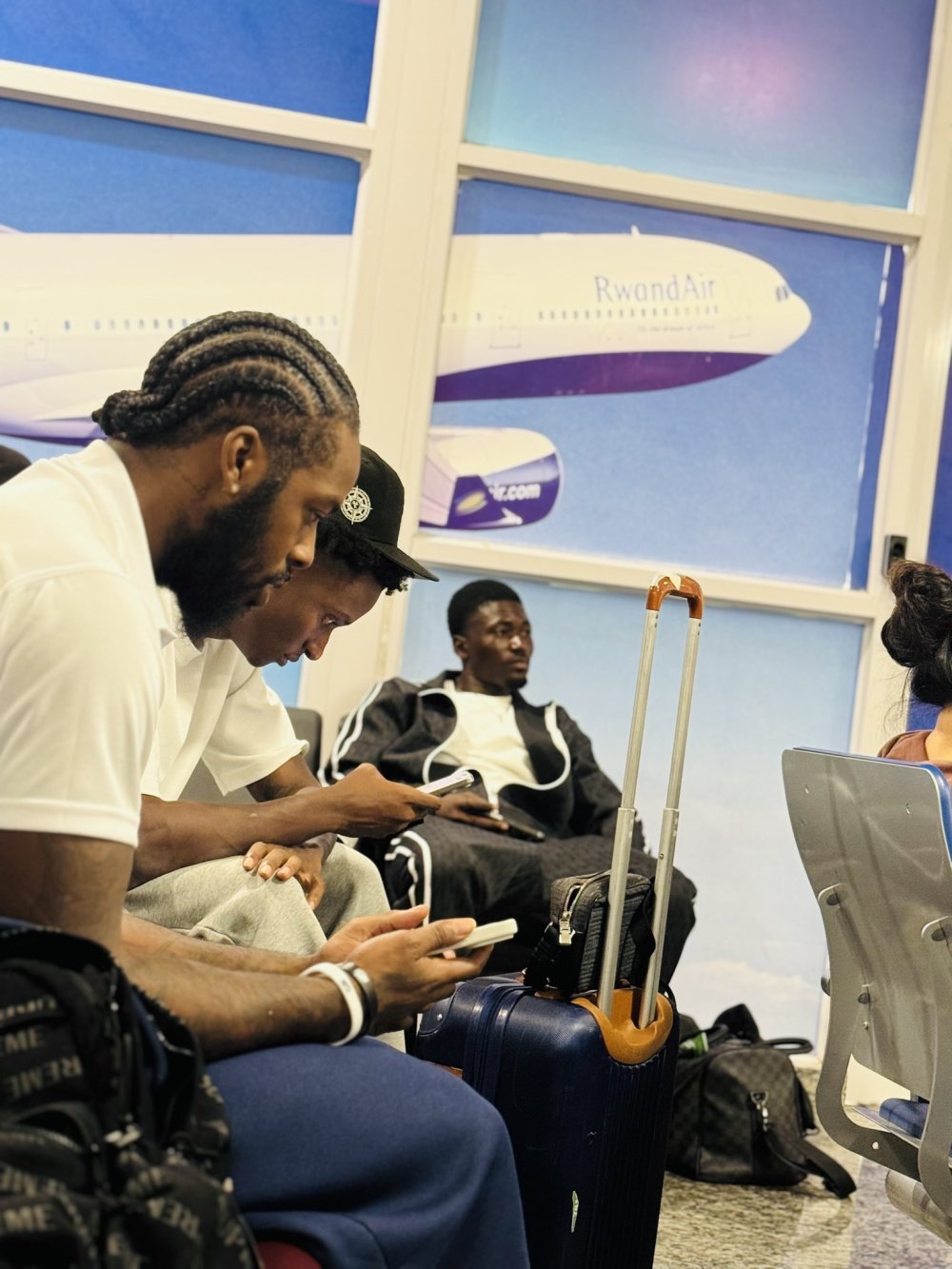
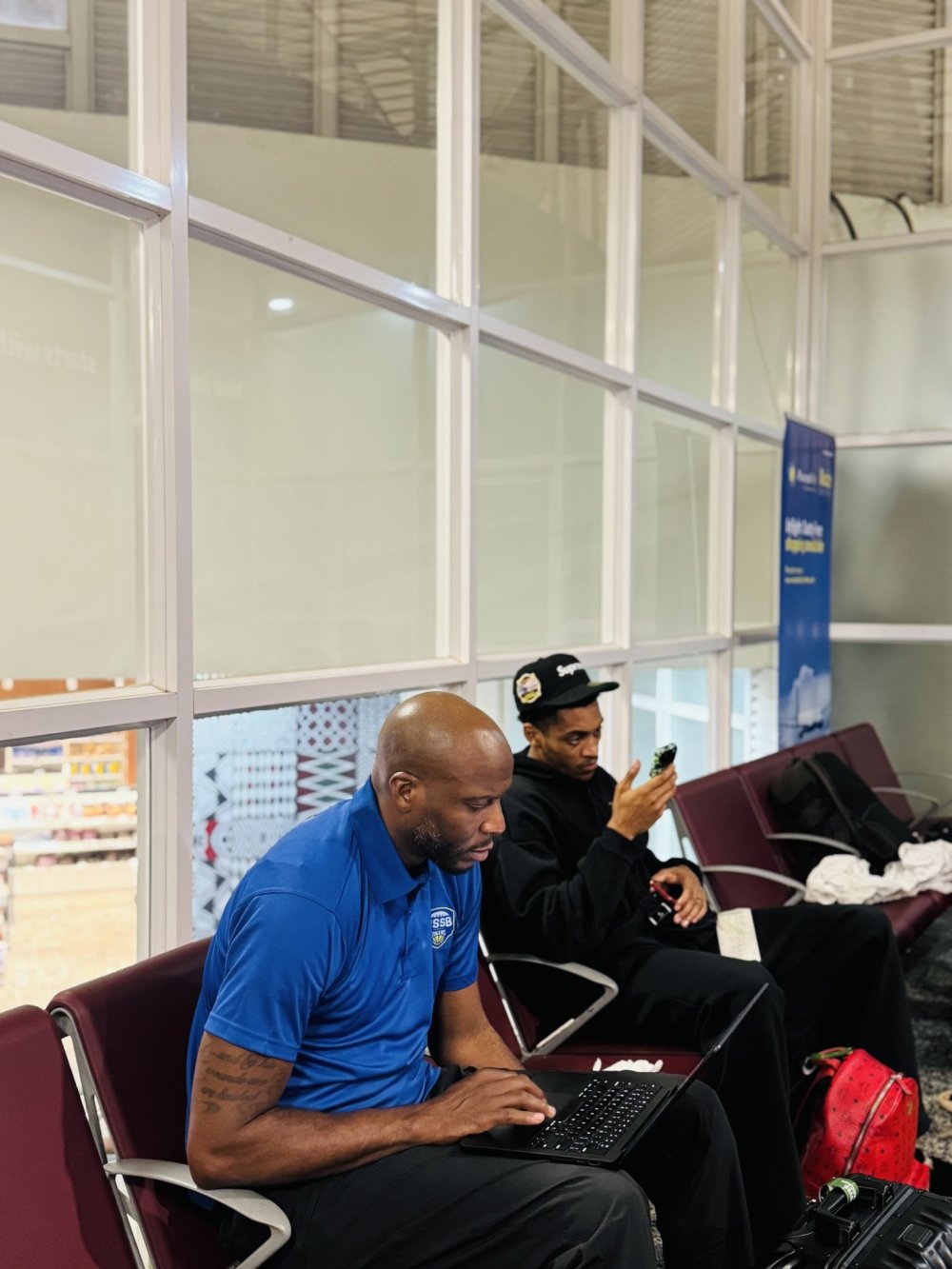
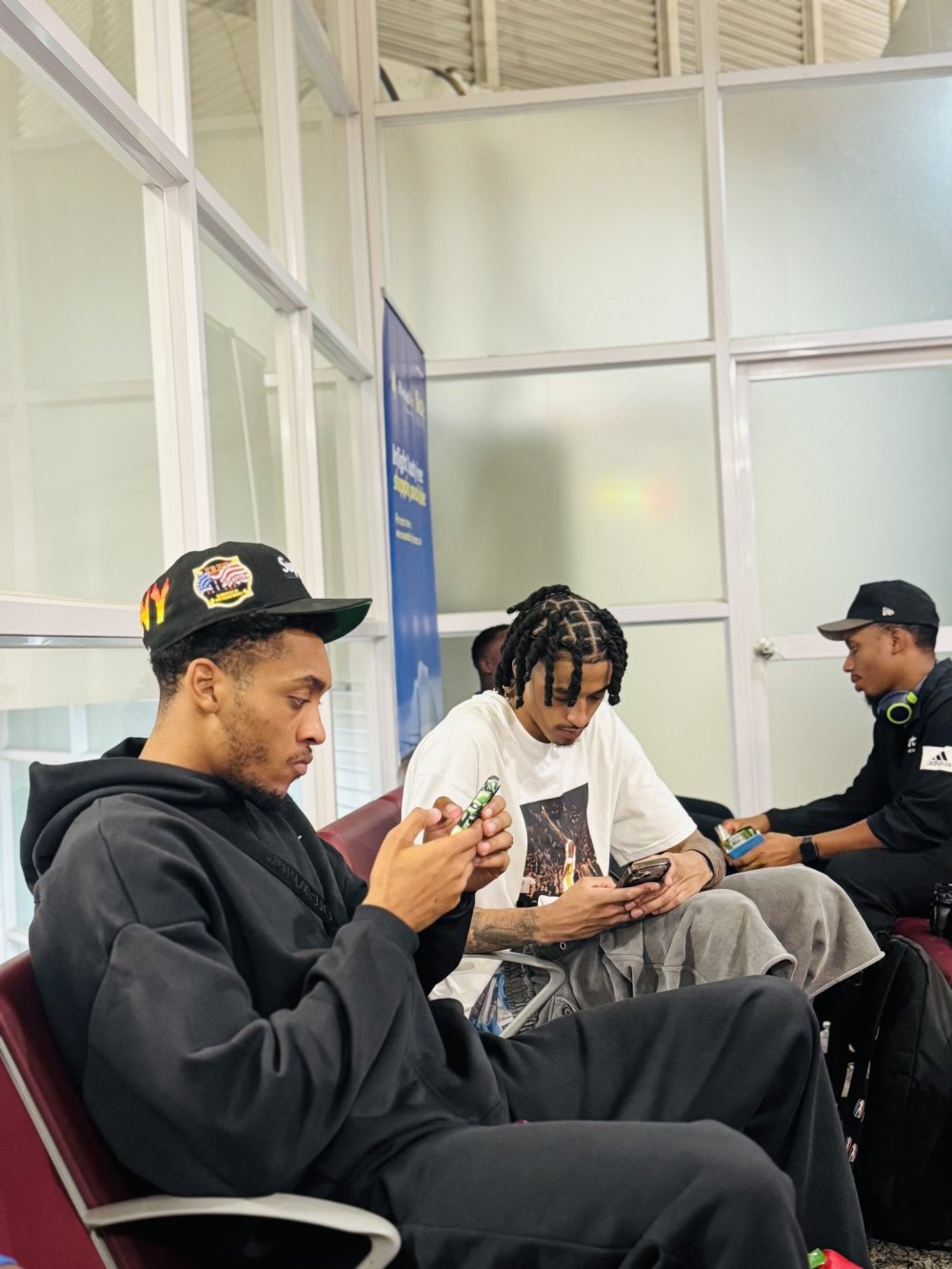
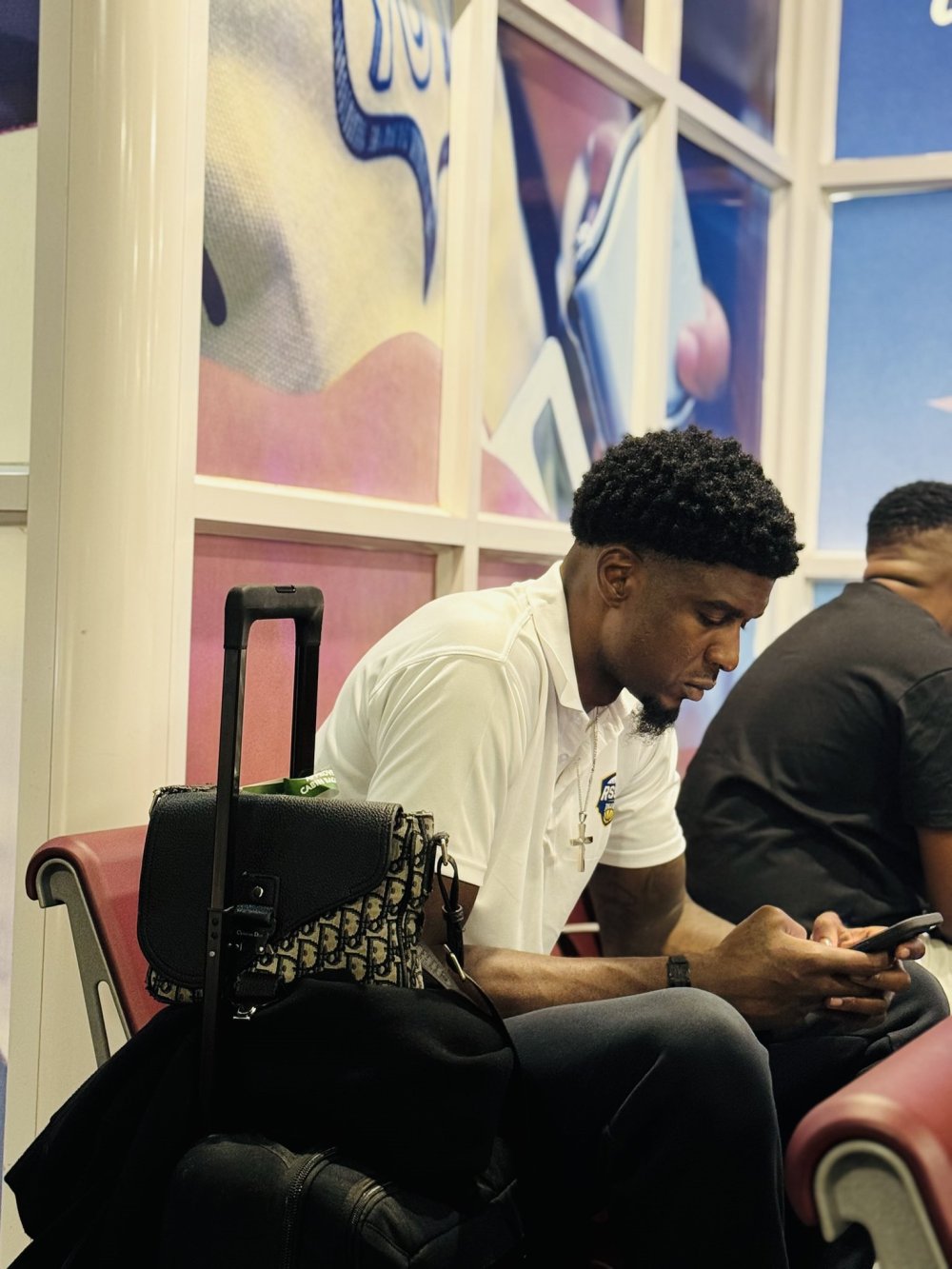
The 2026 Basketball Africa League (BAL) champions departed Kigali on September 18 for Beijing, China, where the prestigious basketball tournament will bring together six teams that have excelled in their respective continental competitions.
On September 17, Minister of Sports Nelly Mukazayire handed the team the national flag and urged the players to “surprise the world” by putting in a strong performance at the intercontinental tournament.
RSSB Tigers will begin their FIBA Intercontinental Cup campaign against Rytas Vilnius of Lithuania, the European champions. The game is scheduled for September 22 at 9:30 a.m. Kigali time.
Twenty-four hours later, the Rwandan champions will return to action against Shanghai Sharks, winners of the Chinese Basketball Association (CBA) championship. The Chinese side is participating in the tournament as the representative of the host country.
Group B features Beijing Royal Fighters of China, Club Atlético Boca Juniors of Argentina and NBA G League United of the United States.
The top two teams from each group will advance to the semi-finals, while the teams finishing third in their respective groups will compete for fifth place.
Can RSSB Tigers make history?
African teams began competing in the FIBA Intercontinental Cup in 2022, following the launch of the Basketball Africa League (BAL) in 2021.
Egyptian side Zamalek, Tunisia’s US Monastir and Egypt’s Al Ahly all managed to finish among the top four teams before Al-Ahli SC of Libya made history in 2025 by finishing third, behind Spain’s Unicaja and NBA G League United of the United States.
RSSB Tigers enter this year’s competition with a strengthened squad, hoping to build on their impressive campaign in the 2026 BAL.
Coach Henry Mwinuka has several of Rwanda’s top players at his disposal, including Ntore Habimana, who can operate in multiple positions on the court.
At the 2025 AfroBasket, Ntore demonstrated his quality by averaging 13.3 points, 6.0 assists and 5.3 rebounds per game.
Another key player is Alex Mpoyo, who impressed during the 2025 FIBA AfroBasket qualifiers, averaging 16.7 points and 5.7 rebounds per game.
The team also includes Dieudonné Ndizeye, who recently featured in the FIBA Basketball World Cup qualifiers, as well as Craig Randall II, who was named the 2026 BAL Most Valuable Player (MVP).
Randall averaged an impressive 36.1 points per game during the BAL campaign and recorded a remarkable 54-point performance in April.
Another player who played a crucial role in RSSB Tigers’ BAL title-winning campaign is Teafale Lenard, who averaged 19.2 points, 5.0 rebounds and 2.8 assists per game.
The team has also added several new players, including Johnny Hamilton of Trinidad and Tobago, who stands at 2.13 metres tall; American Tyler Bey, who previously played for Ness Ziona and Hapoel Haifa in Israel; and Jonathan Galloway, who is 2.08 metres tall.
The new additions are expected to bring additional experience and strengthen RSSB Tigers’ international competitiveness.
RSSB Tigers have named a 16-player squad for the tournament: Tyler Bey, Bizimana Paul, Jonathan Galloway, Ntore Habimana, Steven Hagumintwari, Johnny Hamilton, Lars Ishimwe, Antino Jackson Jr., Teafale Lenard Jr., Alex Mpoyo, Jean-Victor Mukama, David Mutabazi, Dieudonné Ndizeye, Craig Randall II, Osborn Shema and Nisre Zouzoua.
Coach Henry Mwinuka will be assisted by James Maye and Kenny Gasana.
RSSB Tigers are among the six teams set to compete in the FIBA Intercontinental Cup, which will take place from September 22 to 27, 2026. RSSB Tigers left Kigali on Friday as they embarked on their journey to Beijing, China, for the FIBA Intercontinental Cup.Henry Mwinuka, coach of RSSB Tigers, is assisted by James Maye.
Overall, 1,823 people have recovered, while another 930 remain in isolation or are receiving treatment in hospitals, where they are being monitored by health authorities.
Response efforts are currently underway across seven provinces of the DRC, covering 62 health zones.
Health authorities are continuing to strengthen measures aimed at preventing the virus from spreading to other parts of the country.
In the 24 hours preceding the release of the figures, no new health zone had reported an Ebola outbreak, while 25 patients had recovered.
Although no new health zone was affected during that 24-hour period, the number of infections and deaths continues to highlight the severity of the outbreak and the challenges facing health authorities in containing the virus.
Among the measures being intensified is the expansion of Ebola vaccination campaigns, particularly in Tshopo and Bas-Uélé provinces, in an effort to reduce the risk of further transmission.
Health authorities are also continuing to monitor people who have been in contact with Ebola patients.
The latest figures show that the contact-tracing rate has surpassed 87 percent.