Researchers from Edith Cowan University found that positive experiences during travel can support the body’s ability to stay balanced and resilient, potentially improving both physical and mental well‑being. This discovery adds an exciting new perspective to how we think about tourism and health.
The idea behind this research comes from the concept of entropy, which refers to how systems naturally move toward disorder over time. In the context of the human body, aging is seen as a gradual move toward this disorder.
The researchers suggest that positive travel experiences may help the body resist that disorder, keeping internal systems more stable and functioning better than they might otherwise. However, they emphasize that travel doesn’t stop aging; it may simply help the body stay healthier as it ages.
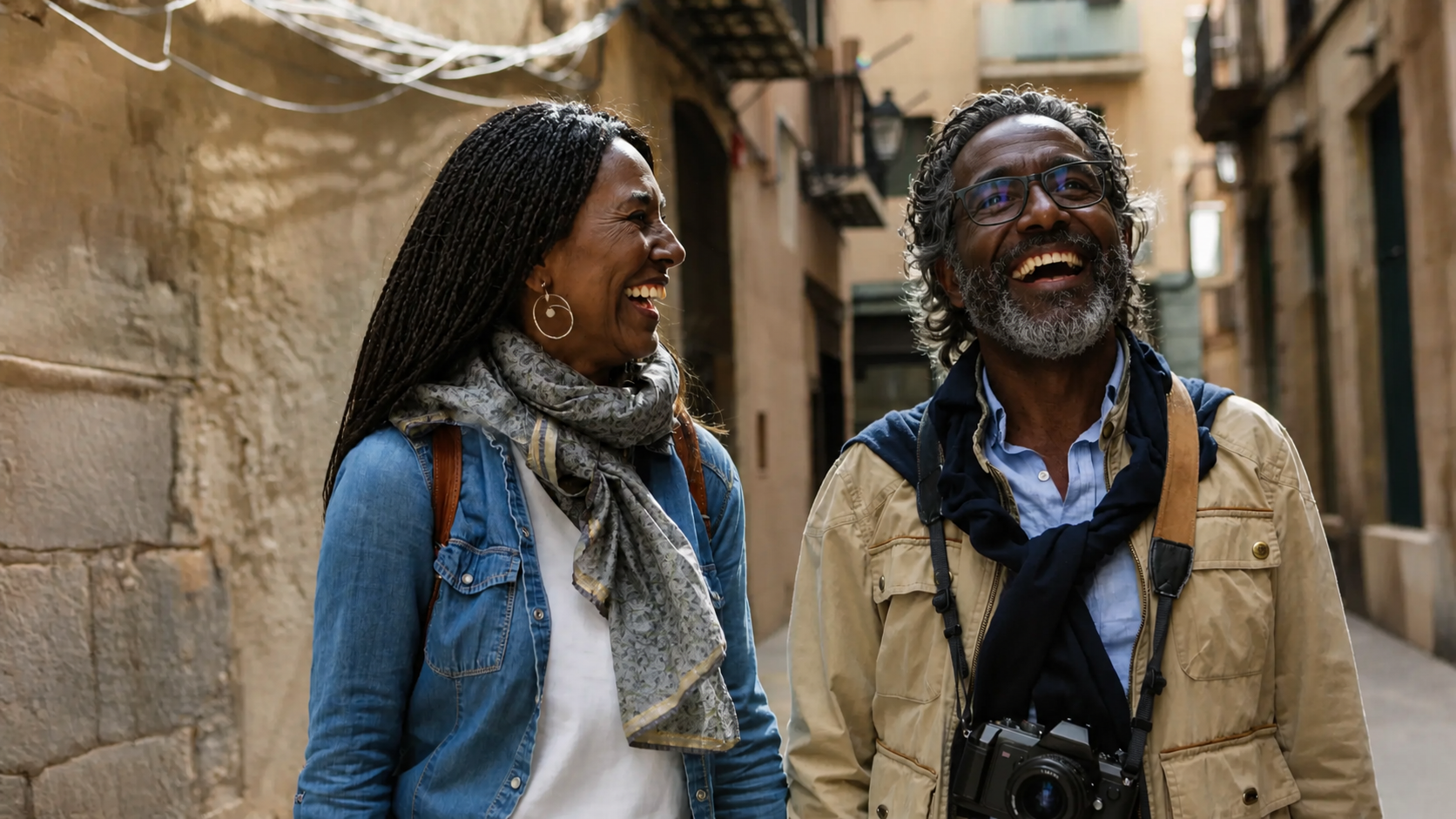
One of the main reasons travel might be beneficial is because it places people in new environments and encourages movement and social connection. Being active whether walking through a new city, hiking in nature, or engaging in cultural activities could help the body’s metabolism and immune system stay strong.
At the same time, meeting new people and forming connections can support emotional health and reduce stress. All of these effects may contribute to a more resilient body and mind over time.
Researchers also point out that travel can act like a kind of “therapy” by stimulating the body’s natural defense systems.
New experiences can trigger positive changes in hormones and immune responses, which help the body repair itself and defend against external threats more effectively. This effect could support better health and help combat stress, which is linked to negative aging processes.
It’s important to note, though, that not all travel is equally beneficial. Travel that is stressful, unsafe, or poorly planned might actually have the opposite effect and contribute to health problems.
For example, exposure to unsafe food or environments, accidents, or high stress could increase strain on the body. The researchers stress that the key is positive, restorative, and active travel experiences that combine movement, relaxation, exploration, and social interaction.
While travel can’t stop aging, it may help the body stay healthier and more resilient as we grow older. These findings open up new possibilities for thinking about travel as a meaningful way to support health beyond just making memories.
As scientists continue to explore this connection, more research will help clarify exactly how travel influences aging and who benefits most.
Leave a Reply