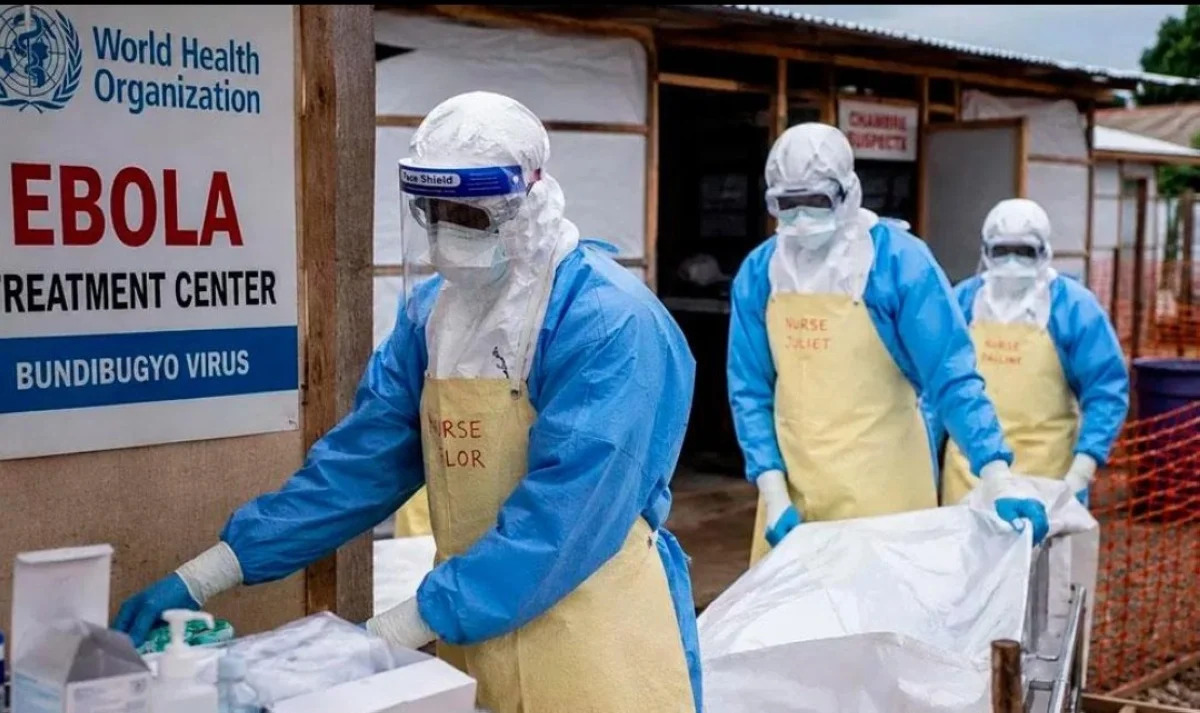
“Ebola does not wait. It follows movement, exploits gaps, and tests the strength of our health systems,” WHO Regional Director for Africa Mohamed Yakub Janabi said during an online press briefing.
“Today, the test is no longer confined to one place,” he said, stressing that the increasingly complex outbreak demands regional vigilance and collective resolve.
Janabi said Nigeria has confirmed an imported case of Ebola caused by the Bundibugyo virus, while Kenya has reported nine cases, including one death.
Kenya’s Director-General for Health Patrick Amoth said at the briefing that the eight patients were receiving treatment, while more than 120 people remained in quarantine. He said Kenyan authorities had requested 10,000 vaccine doses from the WHO and the Africa Centers for Disease Control and Prevention (Africa CDC) to strengthen protection for frontline health workers.
In the Democratic Republic of the Congo (DRC), where the outbreak was declared in May, the disease has spread to eight of the country’s 26 provinces.
According to the latest figures released late Wednesday by the DRC’s health authorities, the country had recorded 9,704 confirmed Ebola cases, including 4,687 deaths, as of Oct. 20, with a case fatality rate of 48.3 percent.
Janabi expressed particular concern over continued transmission in communities, noting that around six in every 10 recent Ebola deaths in the DRC had occurred outside treatment centers.
The warning came as the Africa CDC announced Wednesday that it would convene an extraordinary virtual meeting of African health ministers on October 28 to coordinate efforts against the escalating outbreak.
On Tuesday evening, following Nigeria’s confirmation of its first Ebola case, Africa CDC Director-General Jean Kaseya warned that the outbreak had become the most geographically widespread Ebola epidemic on record, with infections reported across Central, Eastern and Western Africa.
The epidemic was declared in the DRC on May 15 and designated a public health emergency of international concern by the WHO two days later. The Africa CDC subsequently declared it a public health emergency of continental security.
The current Ebola outbreak has become the largest and deadliest ever recorded in the DRC and the second-largest Ebola outbreak globally, after the 2014-2016 West Africa epidemic.
The World Health Organization (WHO) on Thursday warned that the ongoing Ebola outbreak has become a regional public health concern, calling for urgent collective action as infections spread across Central, Eastern and Western Africa.
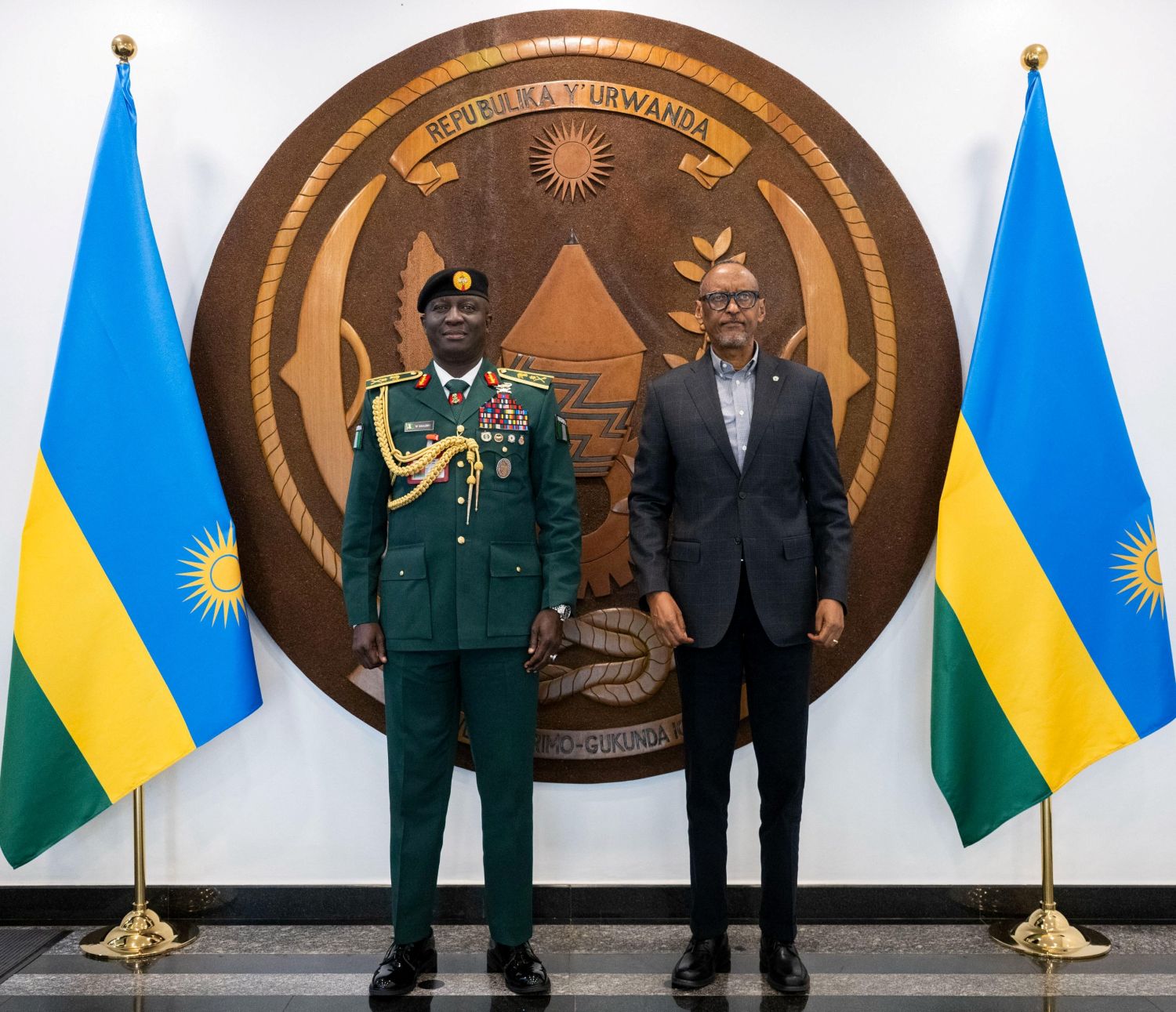
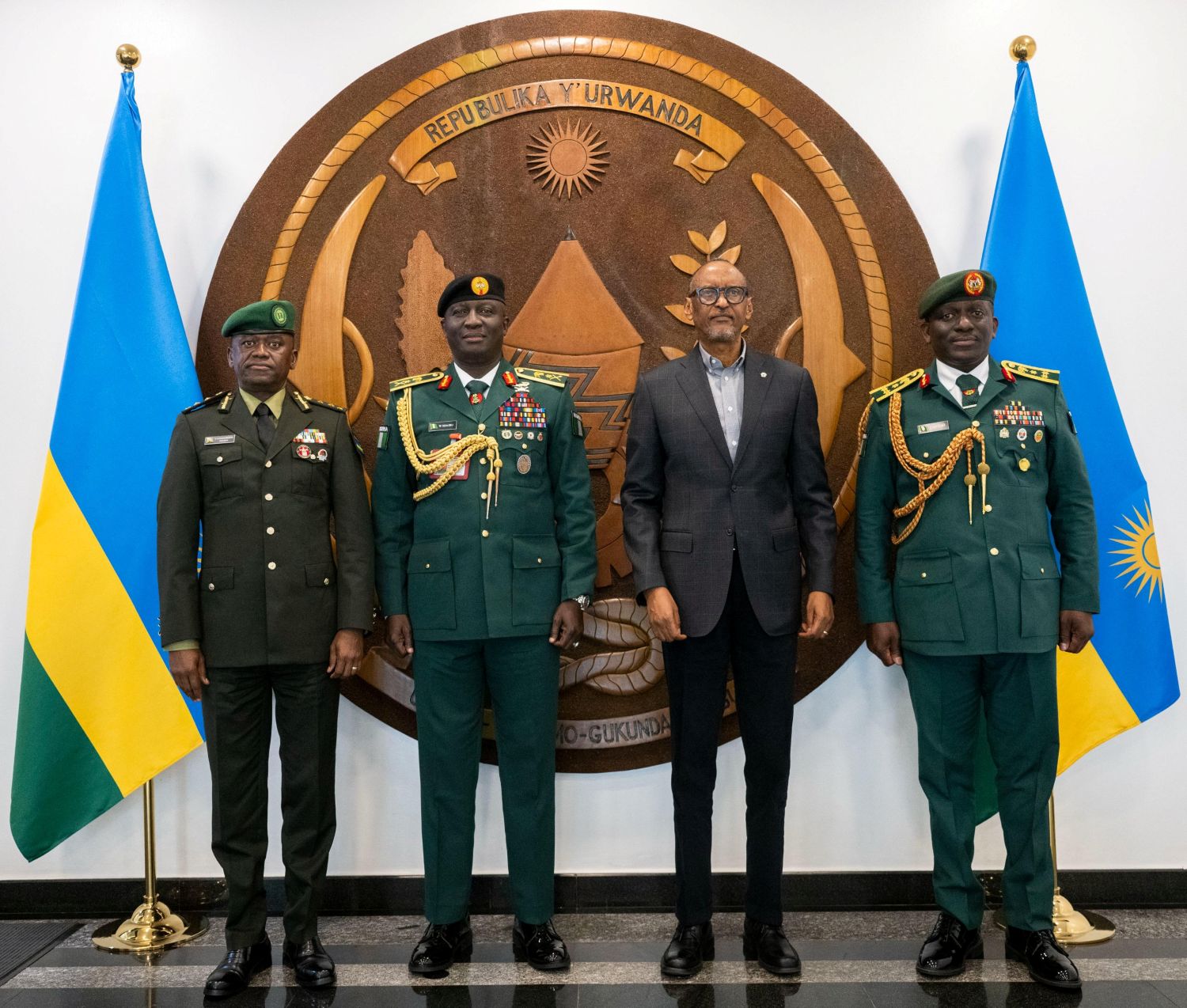
The meeting took place at Urugwiro Village, during Shaibu’s working visit to Rwanda, according to a communique from the Presidency.
Shaibu is in Rwanda for a five-day official visit running through Friday, October 23, aimed at strengthening military cooperation between the two countries.
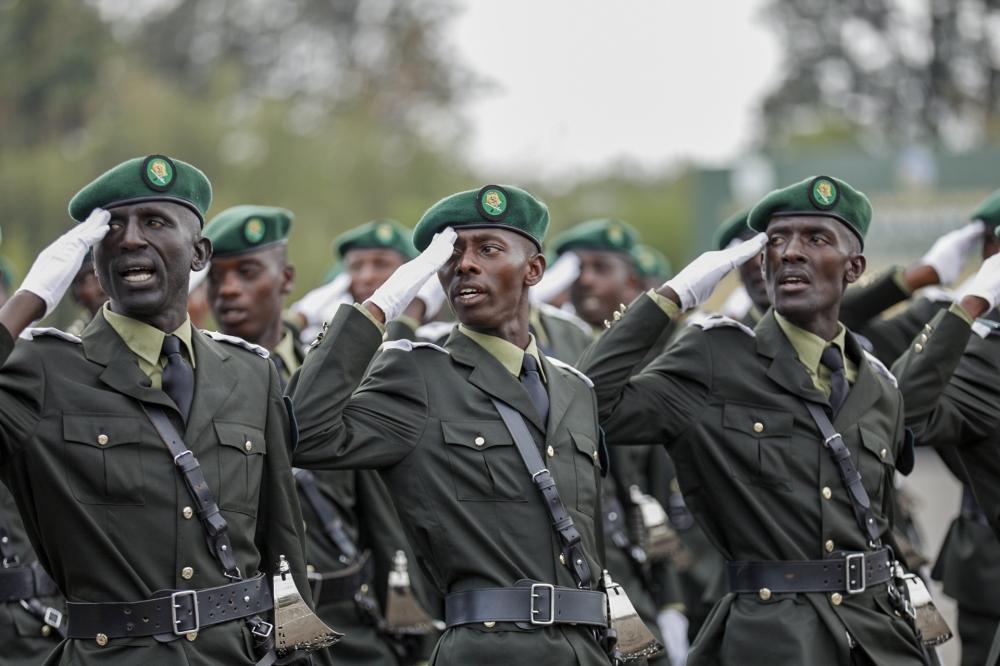
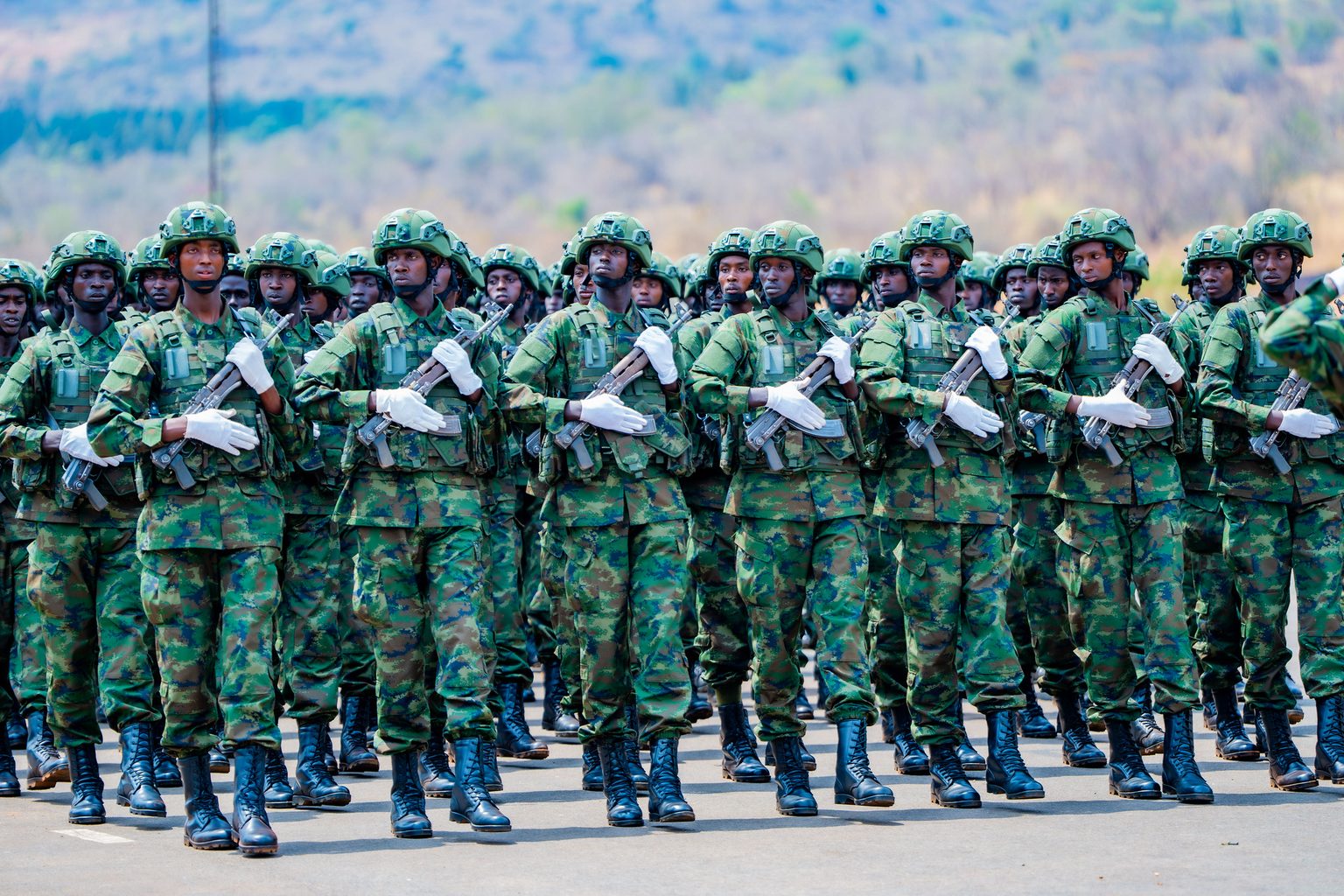
On Monday, October 19, he visited the Rwanda Defence Force (RDF) headquarters in Kigali, where he paid a courtesy call on the Chief of Defence Staff, General MK Mubarakh, before holding bilateral talks with his counterpart, RDF Army Chief of Staff Major General Vincent Nyakarundi.
Discussions focused on strengthening existing cooperation between the Nigerian Armed Forces and the RDF, with both delegations exchanging views on defence and security issues of mutual interest.
Speaking after the meetings, Shaibu said the visit was intended to reinforce bilateral ties between the two armies and advance the implementation of existing agreements.
“As the outcome of today’s discussion, we have made key promises to implement the various memoranda of understanding that have been there between both countries in the area of training, exchange of directing staff as well as logisticians,” he said.
The commitments are expected to support collaboration in military training, the exchange of instructional personnel and logistics.
During his visit, Shaibu and his delegation also visited the Kigali Genocide Memorial, where they paid their respects to victims of the 1994 Genocide against the Tutsi.
They also visited the Campaign Against Genocide Museum, which documents efforts to stop the Genocide and the role of the Rwanda Patriotic Army in ending it.
The visit comes as Rwanda and Nigeria seek to build on existing defence agreements and expand cooperation in areas of mutual interest.
President Paul Kagame met Nigeria’s Chief of Army Staff, Lieutenant General Waidi Shaibu, on Thursday to discuss strengthening defence cooperation between the two countries.The meeting took place at Urugwiro Village, during Shaibu’s working visit to Rwanda, according to a communique from the Presidency.
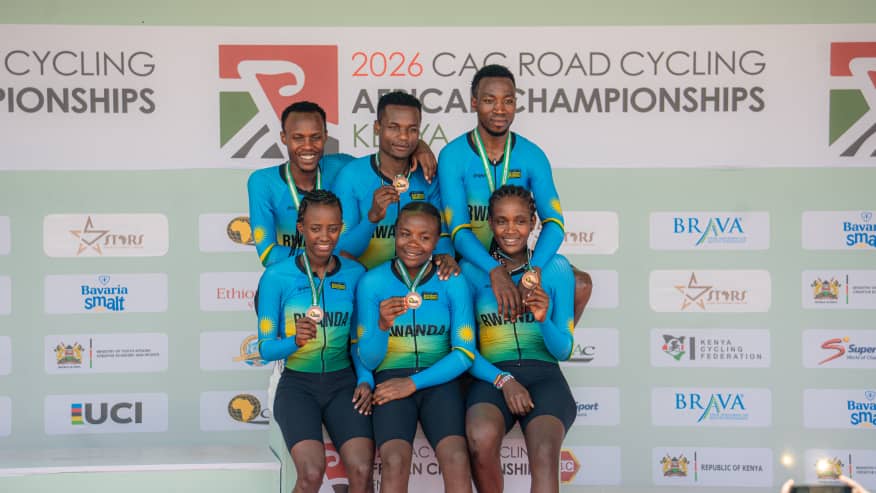
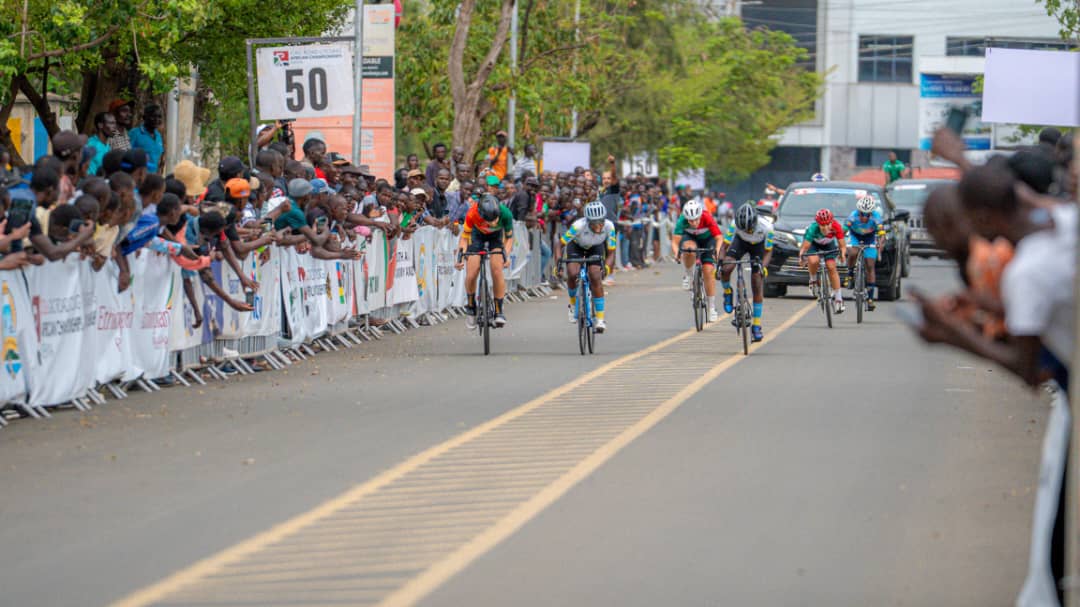
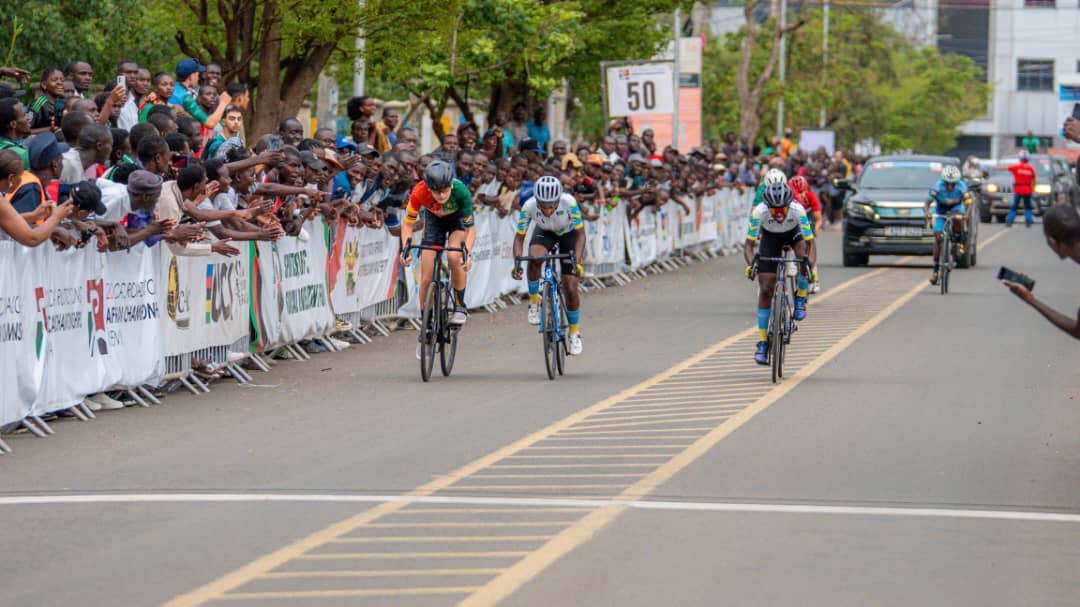
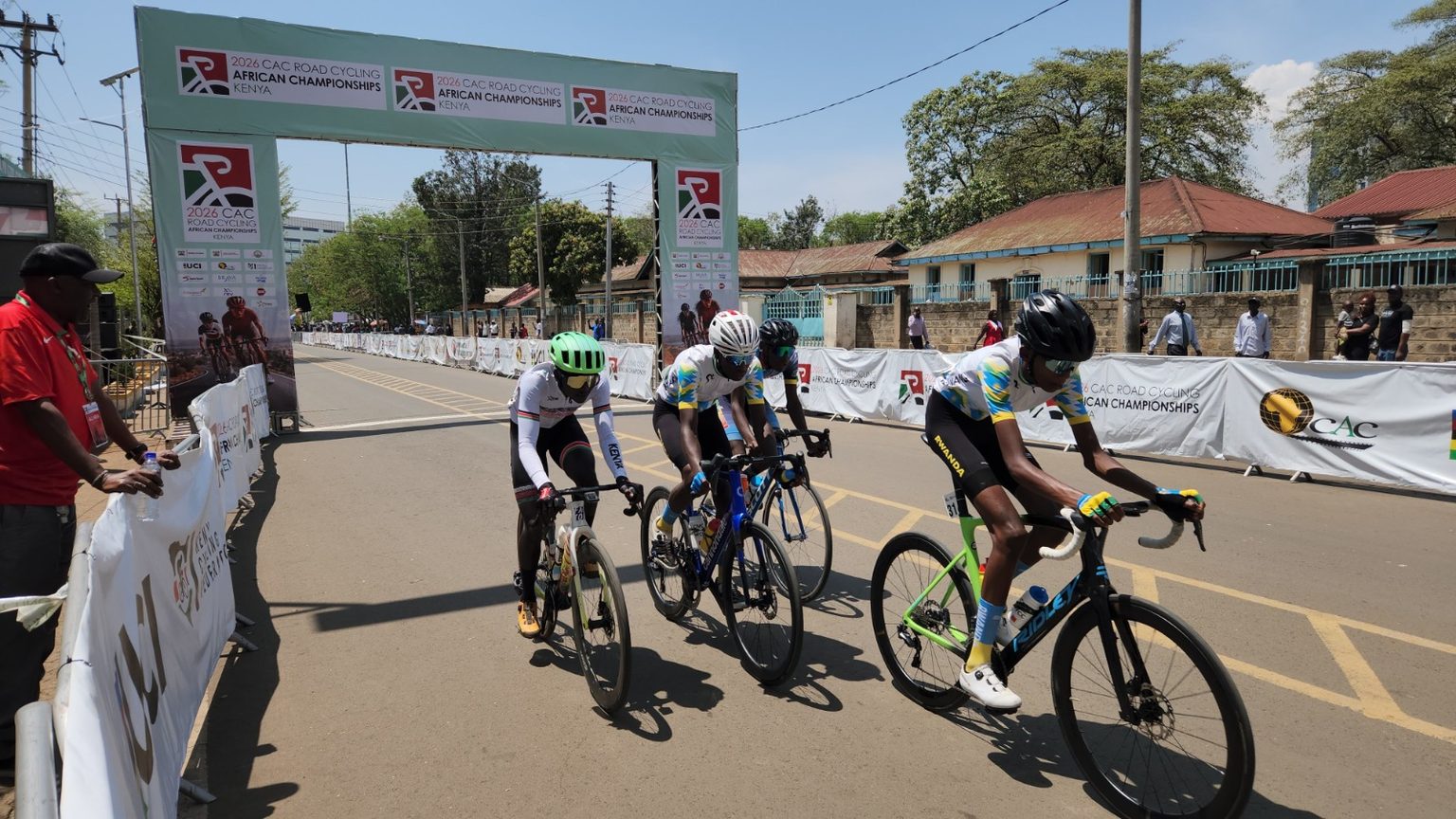
The medals came in the mixed team time trial and the under-17 girls’ road race, helping Rwanda maintain its lead in the overall medal standings.
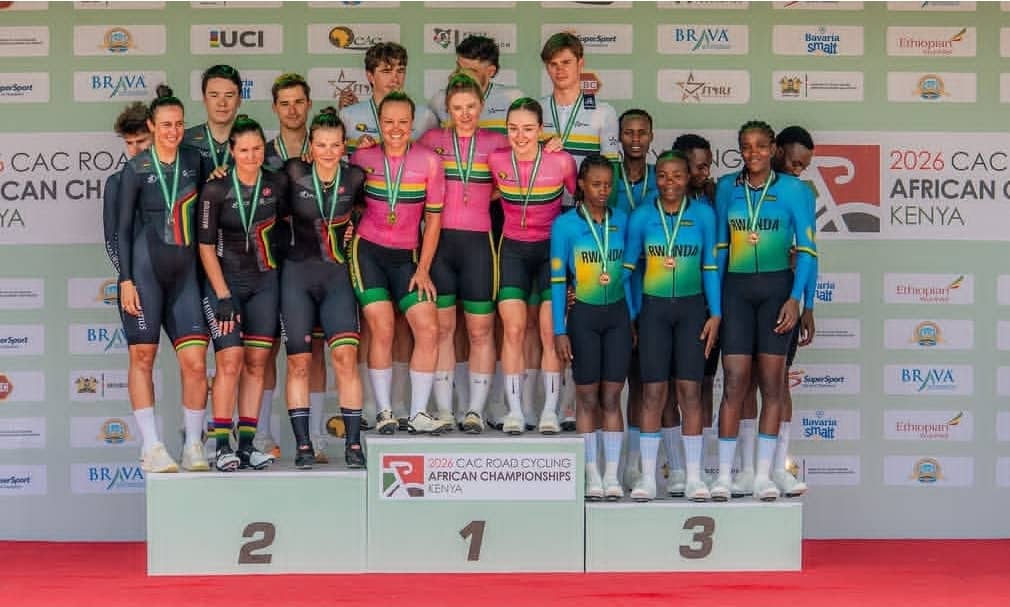
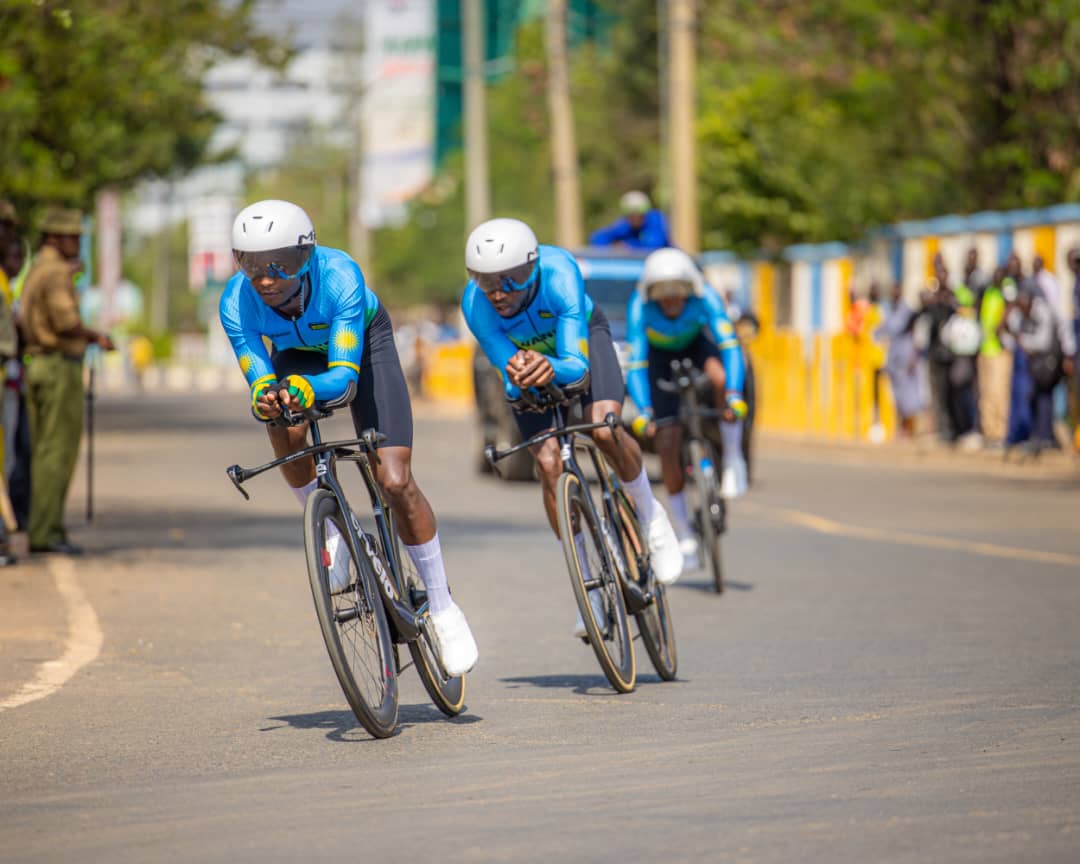
Rwanda took bronze in the mixed team time trial, finishing behind South Africa and Mauritius in the 40.8-kilometre race.
The Rwandan team comprised Muhoza Eric, Nsengiyumva Shemu and Tuyizere Étienne in the men’s category, alongside Nirere Xaveline, Ingabire Diane and Mwamikazi Jazilla in the women’s category.
South Africa won the race in 56 minutes, 4.380 seconds, followed by Mauritius in 56 minutes, 17.278 seconds. Rwanda finished third in 56 minutes, 30.130 seconds.
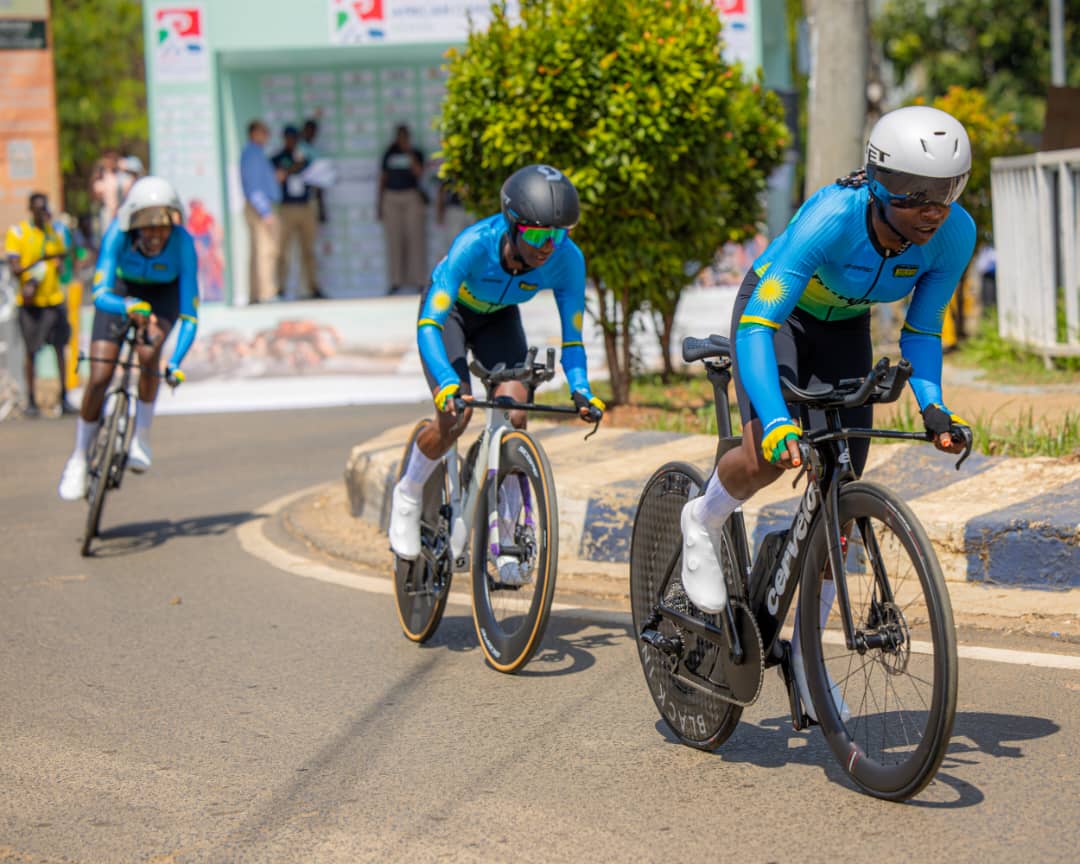
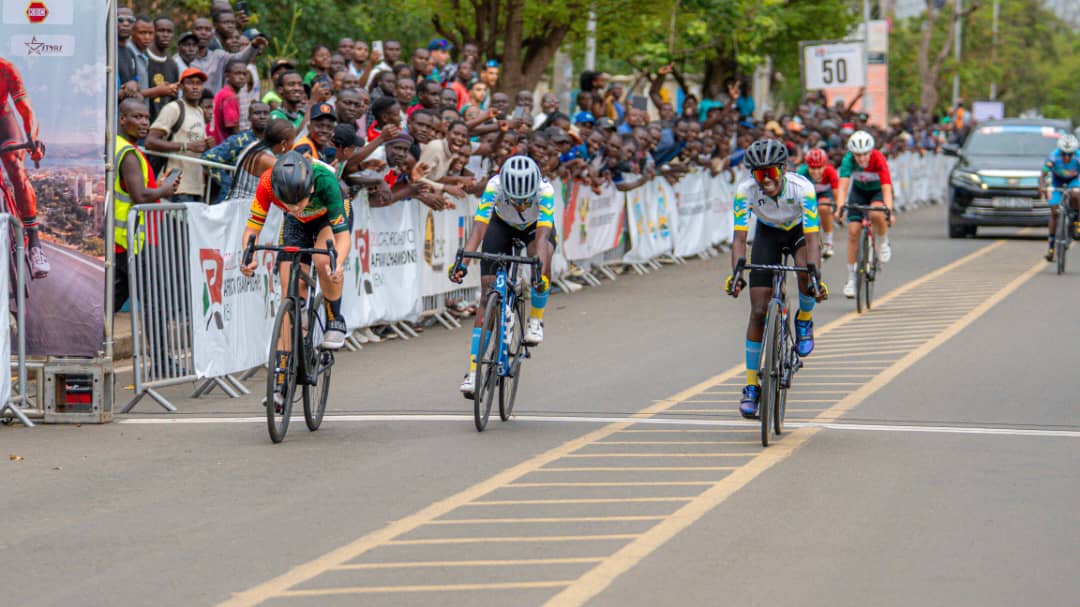
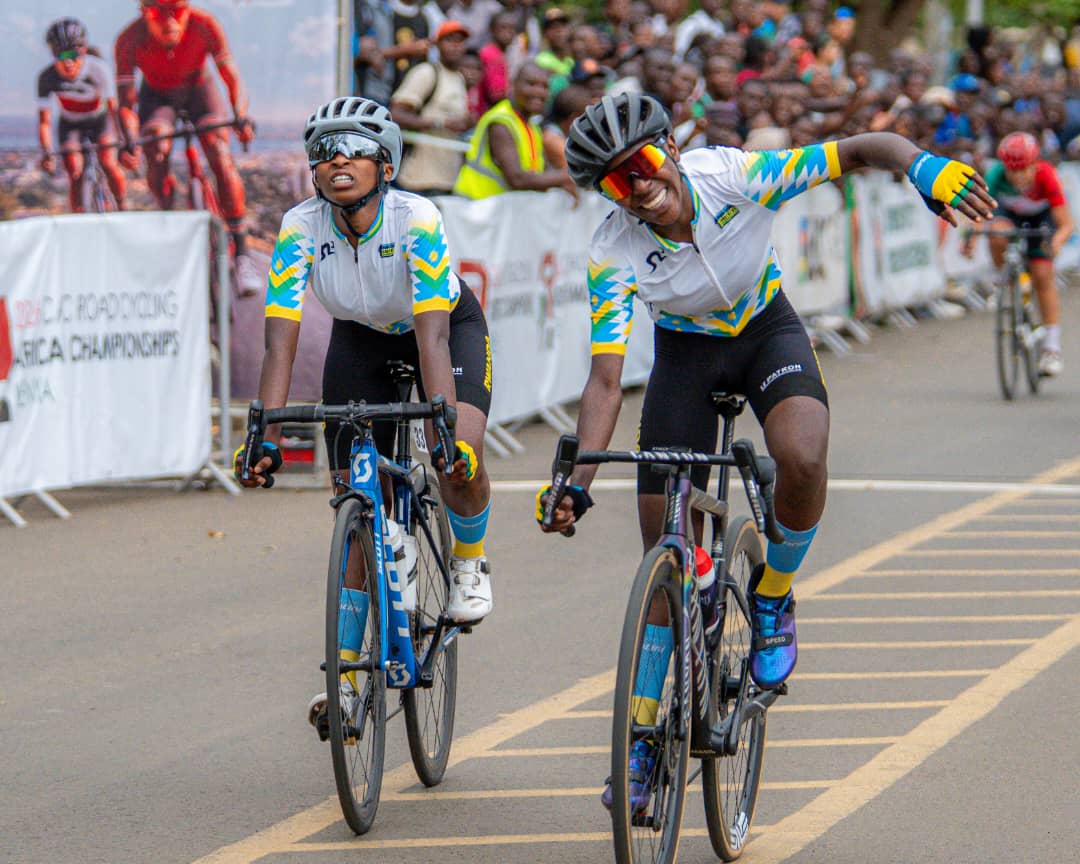
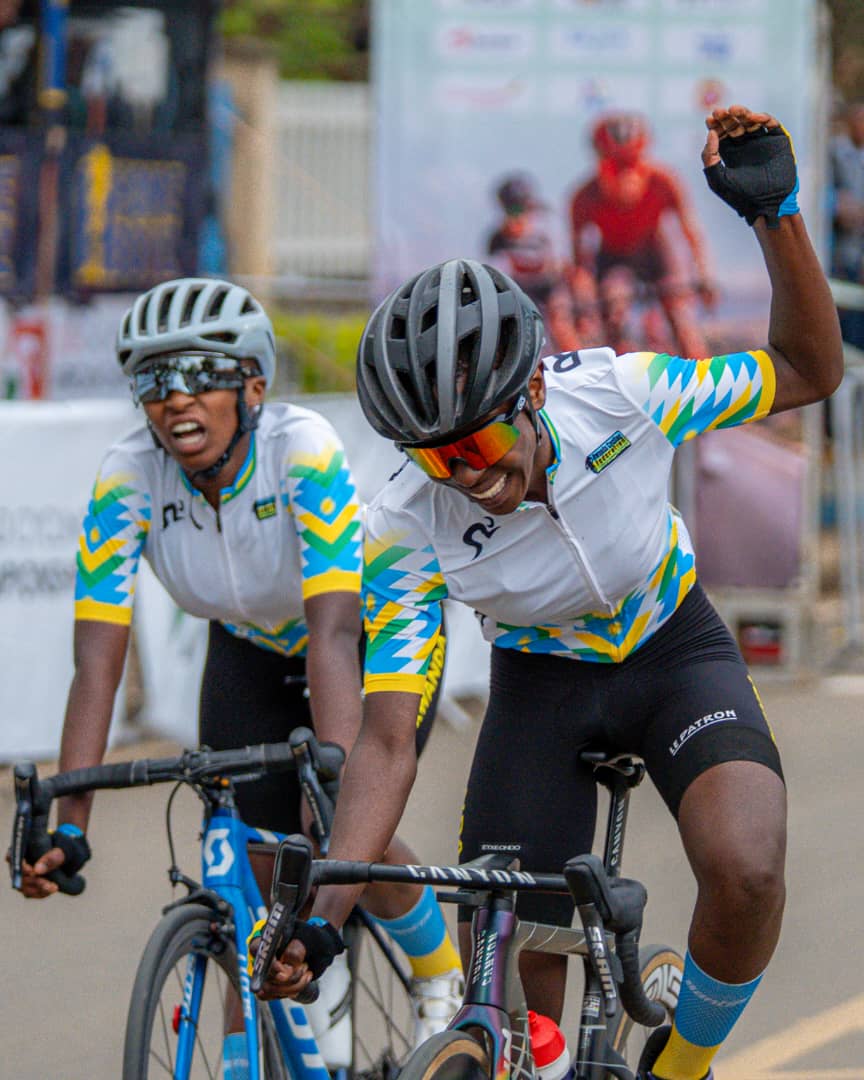
Rwanda added two medals in the under-17 girls’ road race, with Agasaro Gloria taking silver and Liza Jehovaire winning bronze over the 38.2-kilometre course.
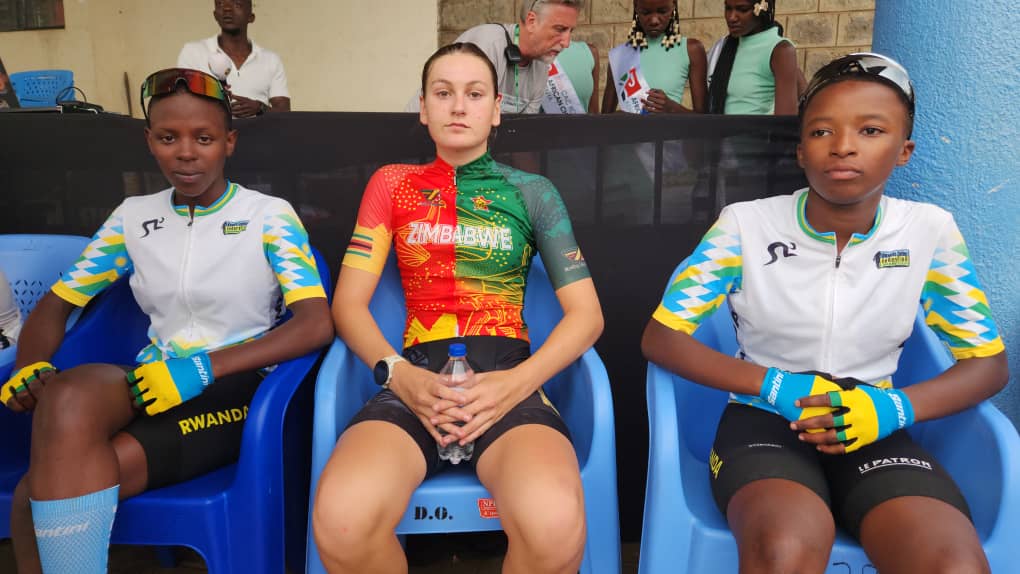
Zimbabwe’s Beamish won the race in one hour and 18 minutes, with Agasaro and Liza finishing second and third, respectively. Another Rwandan rider, Mwamikazi Cythia, did not finish the race.
The latest results build on Rwanda’s strong opening day, when Ingabire Diane, Mwamikazi Jazilla and Masengesho Yvonne won gold in three women’s time trial categories.
By Thursday, Rwanda had collected three gold medals, one silver and two bronze medals, placing it at the top of the overall standings. Mauritius ranked second with three medals, including two golds, followed by Eritrea, Algeria and South Africa.
In the under-17 boys’ road race, held over 58.6 kilometres, Byiringiro Moubarak narrowly missed the podium after finishing fourth. Intwari Reponse came sixth, while Mukwende Fuadi finished eighth.
Algeria’s Mohamed Ferkous won the race in one hour, 51 minutes and 54 seconds.
The championships continue on Friday with the junior road races for riders under the age of 19.
Masengesho Yvonne and Akimana Donatha will represent Rwanda in the girls’ race, while Ishimwe Brian, Niyonkuru Yasin and Nkurikiyinka Jackson will compete in the boys’ category.
Rwanda finished third behind South Africa and Mauritius in the mixed team time trial. Rwanda clinched bronze with a third-place finish. Tuyizere Étienne, Nsengiyumva Shemu and Muhoza Eric made up Rwanda’s men’s team. Ingabire Diane, Nyirarukundo Claudette and Nirere Xaveline competed in the women’s time trial. Rwanda’s female cyclists put up a strong fight in the road race.
Agasaro Gloria celebrates her second-place finish, followed by Liza Jehovaire. Rwandans Agasaro Gloria and Liza Jehovaire finished behind Zimbabwe’s Beamish. Rwanda misses out on medals in Thursday’s under-17 boys’ race.
The systems, installed by HomeBiogas Ltd with support from the United Nations Development Programme (UNDP), serve households in Rwamagana, Ngoma and Gatsibo districts.
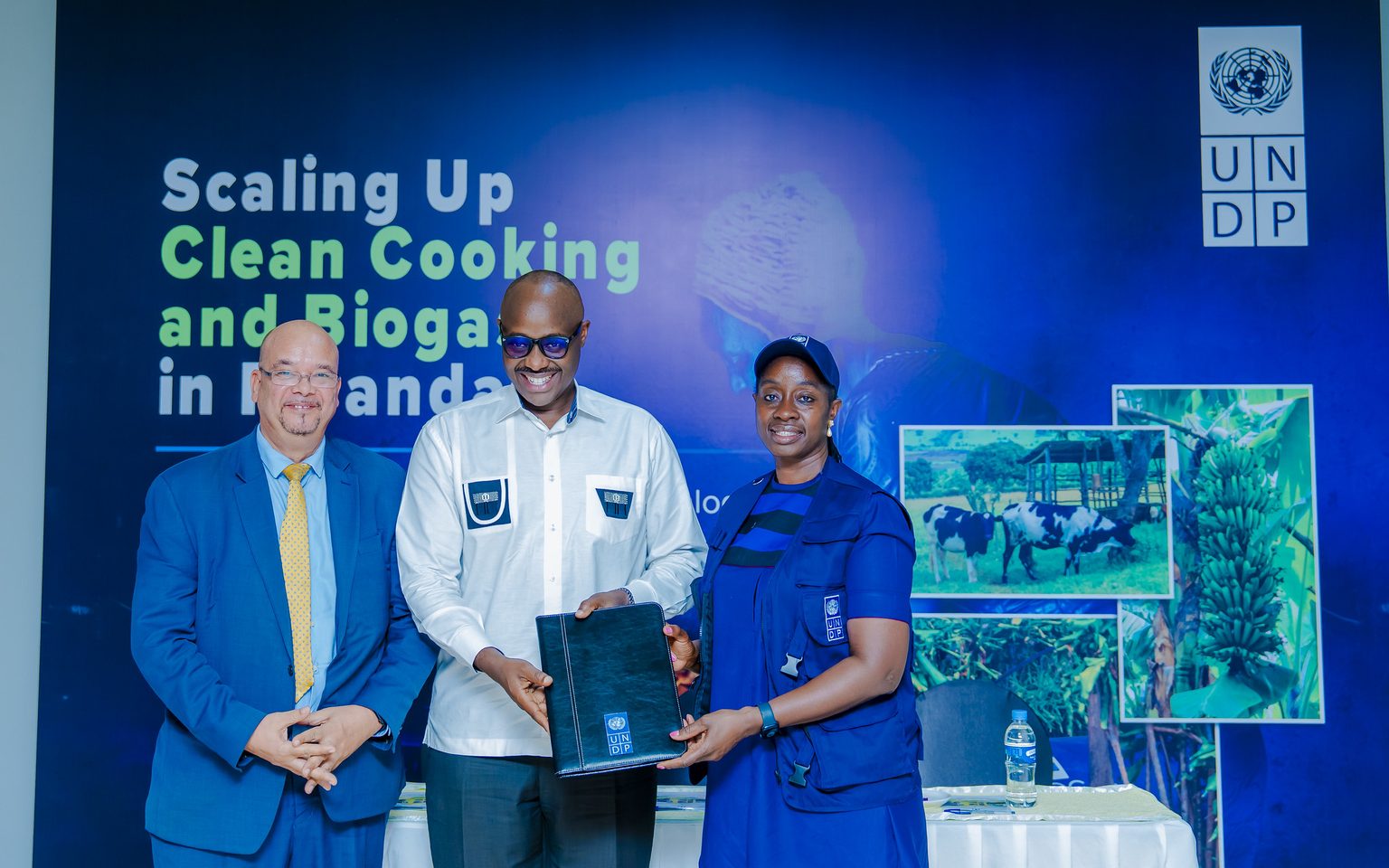
UNDP handed over the systems to provincial authorities on October 20, 2026, at a ceremony in Rwamagana District. Of the beneficiaries, 500 households are in Rwamagana and Ngoma, while 437 are in Gatsibo.
The technology converts cow dung into gas for cooking, while the residue can be used as organic fertiliser.
For beneficiaries, the change has brought practical savings and reduced dependence on firewood.
Nyirantura Saverina, who lives in Muhazi Sector, Rwamagana District, said her children previously spent long hours collecting firewood, despite being in school.
“Before I got biogas, my children, who were in school, often spent the whole day looking for firewood. I did not have a forest where I could send them to collect it,” she said.
Nyirantura was selected for the programme after project representatives visited her home and found that she kept two cows in a clean, well-built shed and fed them properly.
She said the system had made it easier for her children to prepare breakfast before school without being exposed to smoke from traditional cooking methods.
“In the morning, a child wakes up, puts water on the gas stove while sweeping, and prepares tea or porridge. They drink it and go to school without smelling of smoke,” she said.
She added that the technology had also eased household chores.
In Gatsibo District, Kamanzi Johnson said biogas had substantially reduced his family’s expenditure on firewood. His household previously spent about Rwf10,000 a month buying it.
“Since we got biogas, the amount of firewood we use has decreased significantly. I would say we now use only between 10% and 20% of what we used before,” said Kamanzi, who also helps other residents learn how to use the systems.
Eastern Province Governor Pudence Rubingisa, who received the systems on behalf of the three districts, said the programme offered a practical way to expand access to clean cooking energy while making productive use of animal waste.
He called for proper maintenance of the systems and further expansion to reach more households.
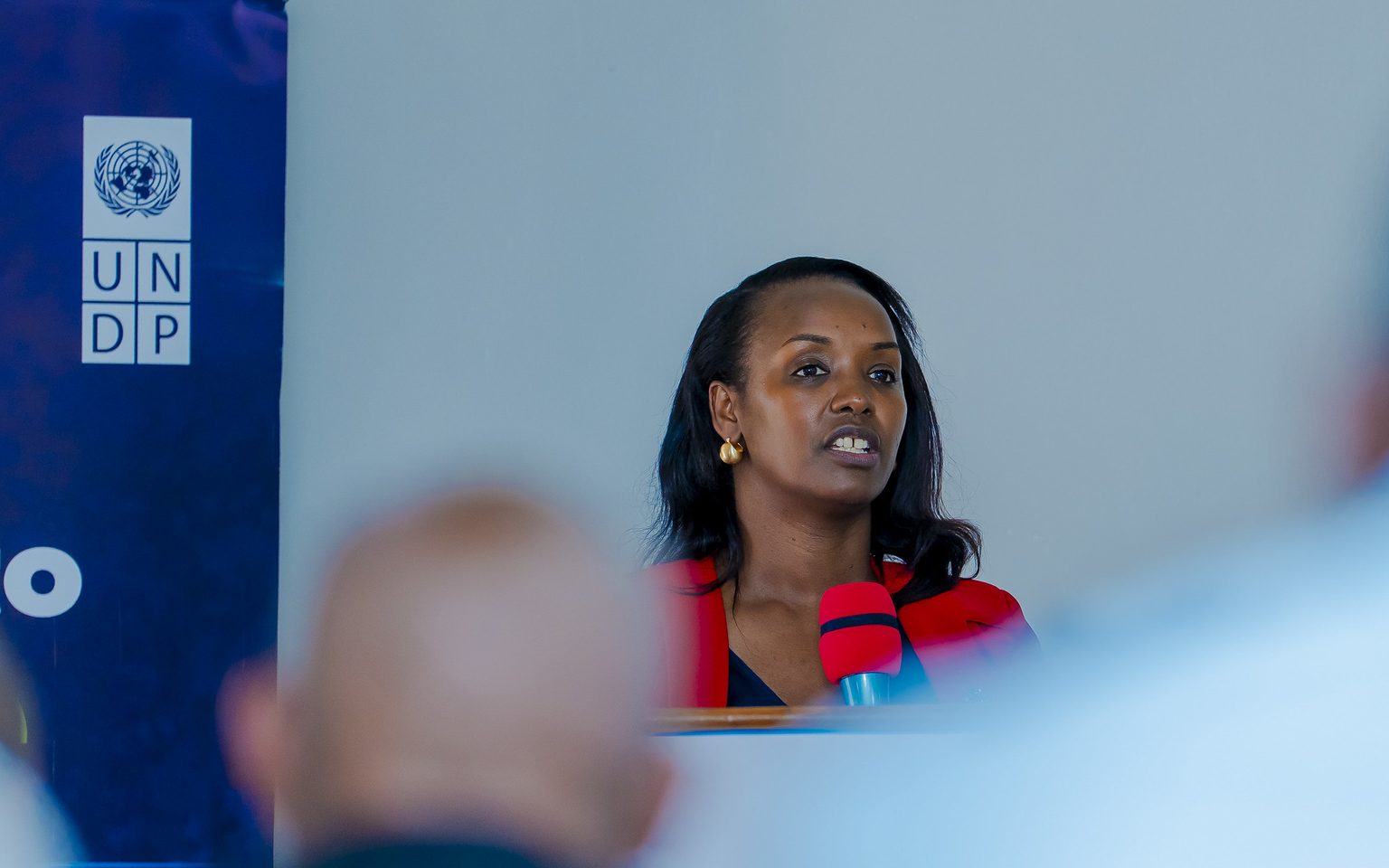
UNDP Resident Representative in Rwanda, Fatmata Lovetta Sesay, said the programme was designed to improve household welfare alongside expanding access to clean energy.
She noted that biogas could reduce exposure to harmful cooking smoke, ease the burden of firewood collection on women and girls, and enable farmers to use livestock waste as fertiliser.
Sesay said the project had demonstrated the potential of biogas as a sustainable cooking energy source, but stressed the need to extend its benefits to more households.
Senior Technical Adviser at the Ministry of Infrastructure, Gen. B. Cesar, said the project’s success would depend on more than the number of systems installed. Their continued functionality, households’ ability to use them properly and the durability of the benefits would also be important measures of progress.
Project partners agreed on a plan to provide ongoing support to beneficiaries, including repairs, monitoring and maintenance of the systems.
The ceremony also featured findings from a study examining biogas’s role in reducing methane emissions. The study was conducted in collaboration with the United Nations Food and Agriculture Organization (FAO) and the Rwanda Environment Management Authority (REMA).
Equity Bank and other private-sector partners participated in discussions on financing mechanisms to extend clean cooking solutions to more households.
Eastern Province has Rwanda’s largest livestock population but is also frequently affected by drought. Converting animal waste into cooking fuel offers an opportunity to make productive use of locally available resources while reducing reliance on firewood.
The programme forms part of Rwanda’s broader efforts to expand access to clean cooking energy, reduce greenhouse gas emissions and address climate change.
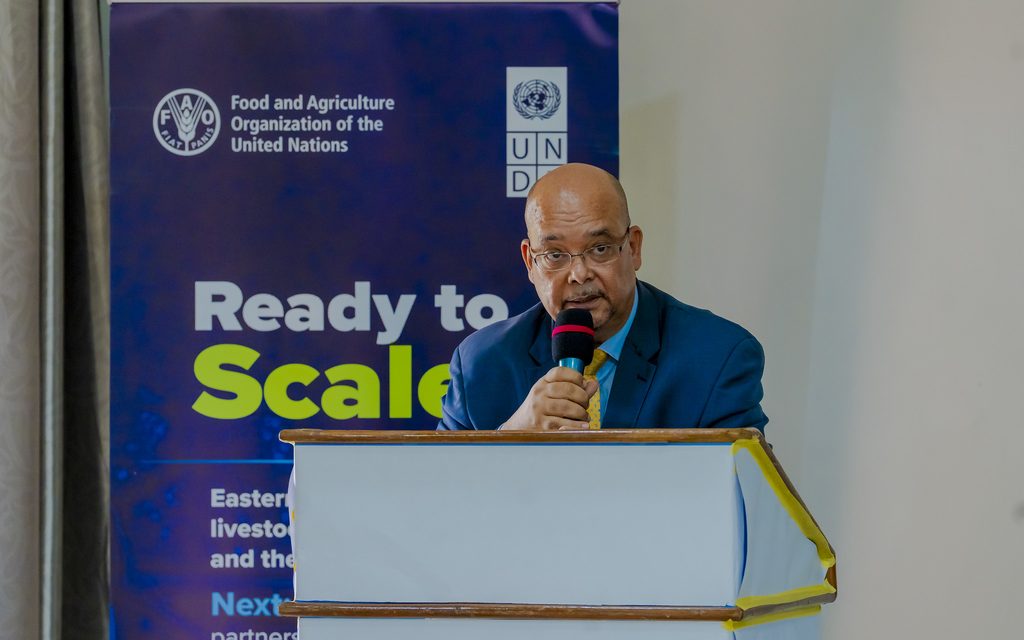
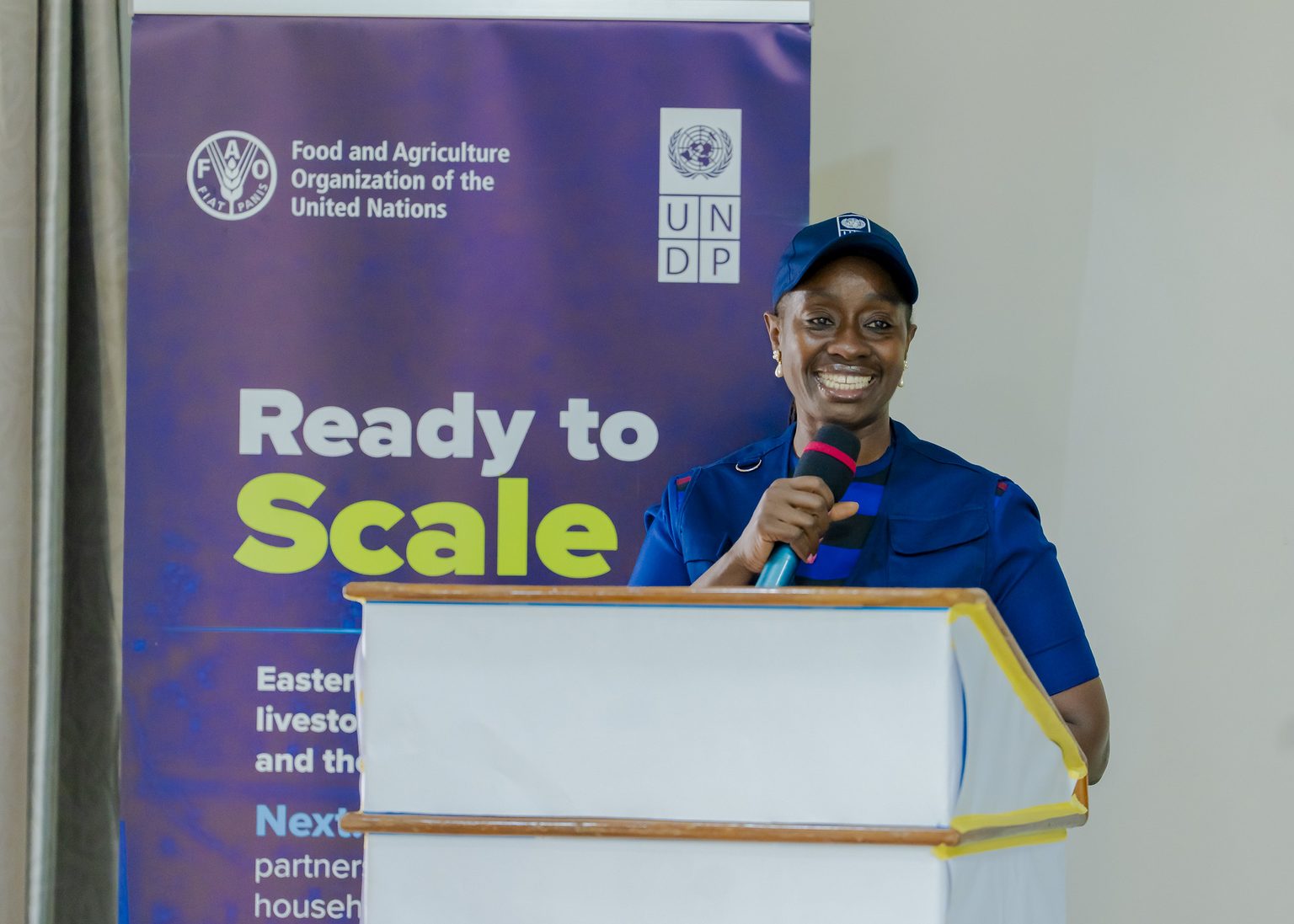
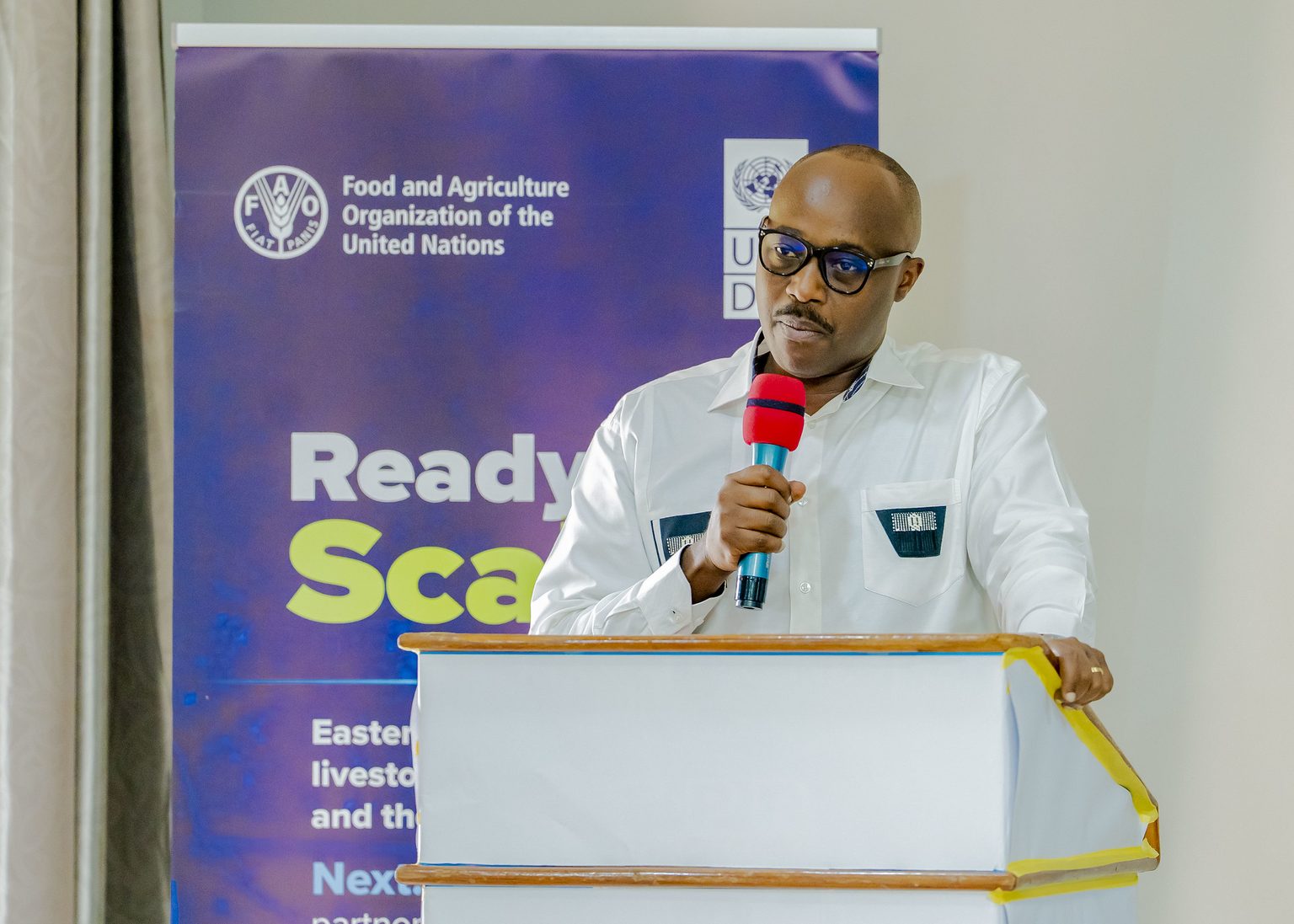
Senior Technical Adviser at the Ministry of Infrastructure, Gen. B. Cesar, said the project’s success would depend on more than the number of systems installed. UNDP Resident Representative in Rwanda, Fatmata Lovetta Sesay, said the programme was designed to improve household welfare alongside expanding access to clean energy.Eastern Province Governor Pudence Rubingisa, who received the systems on behalf of the three districts, said the programme offered a practical way to expand access to clean cooking energy while making productive use of animal waste.
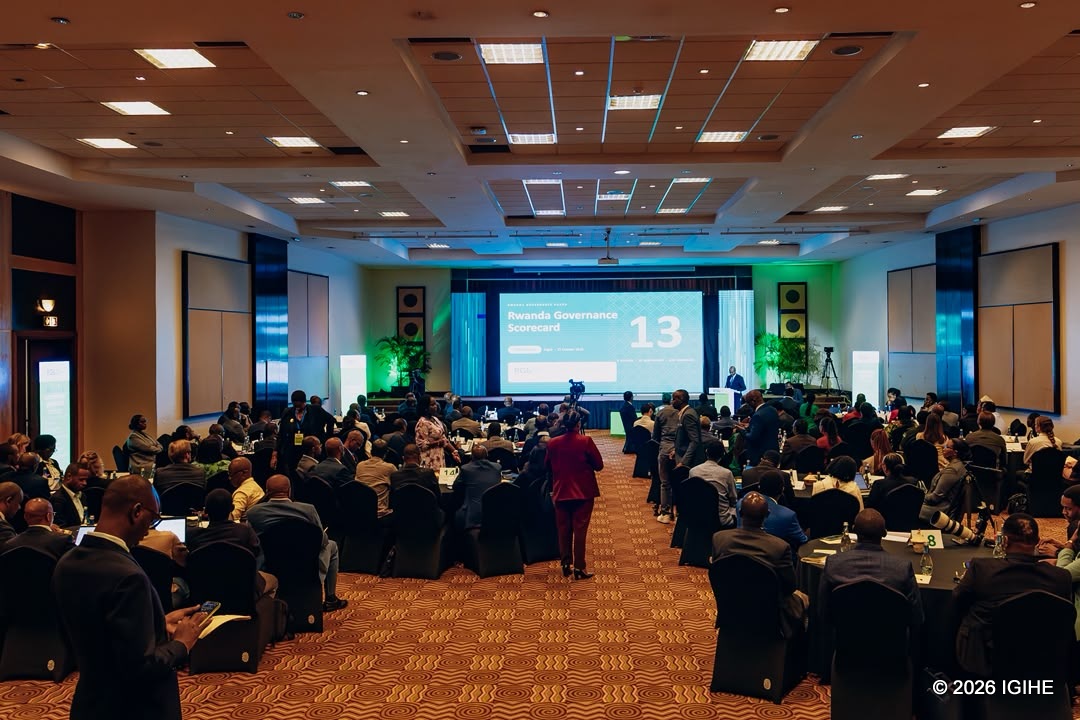
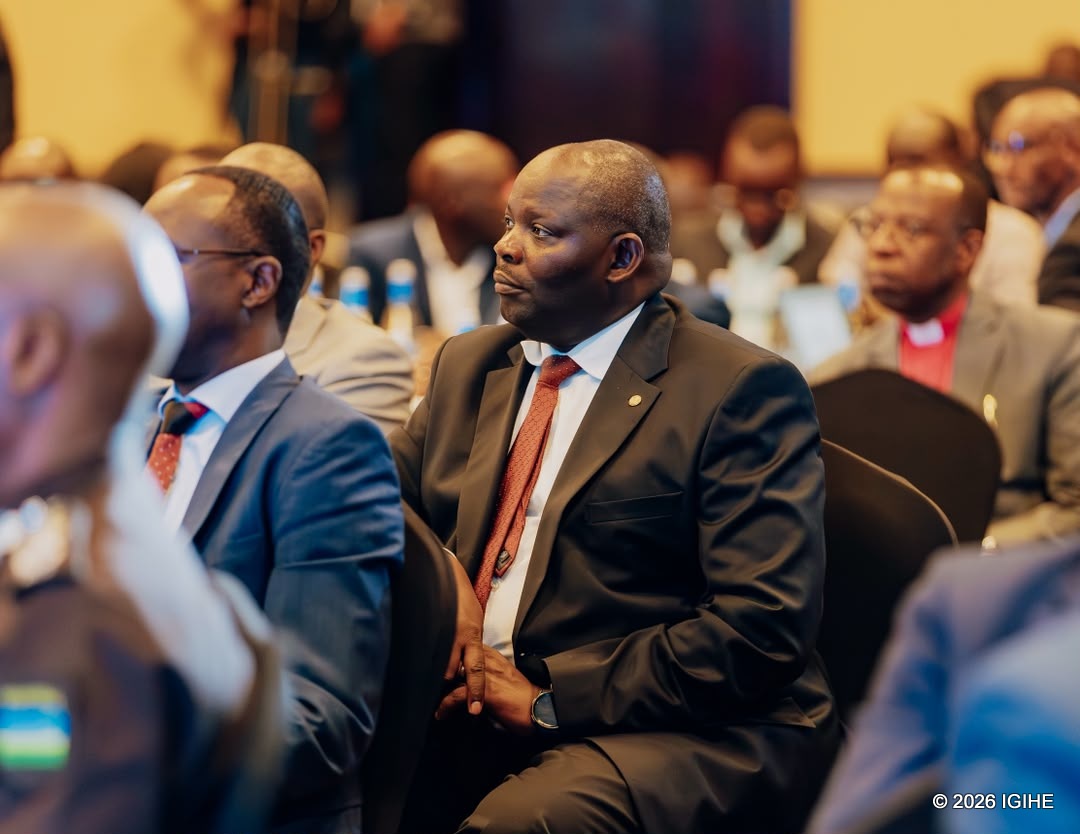
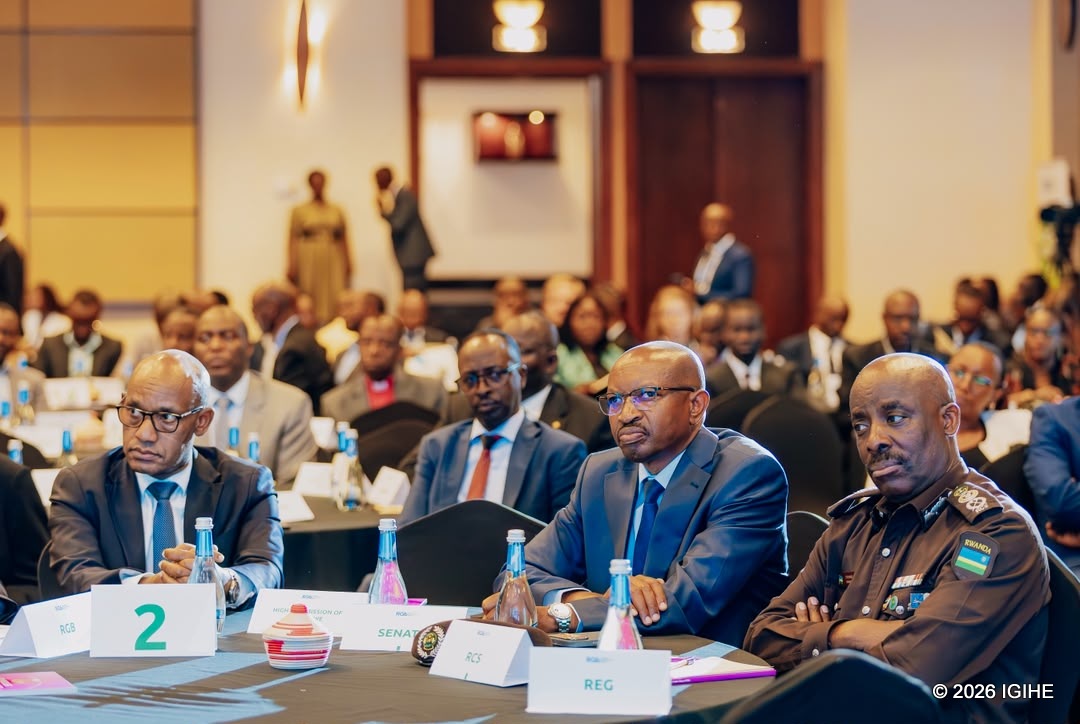
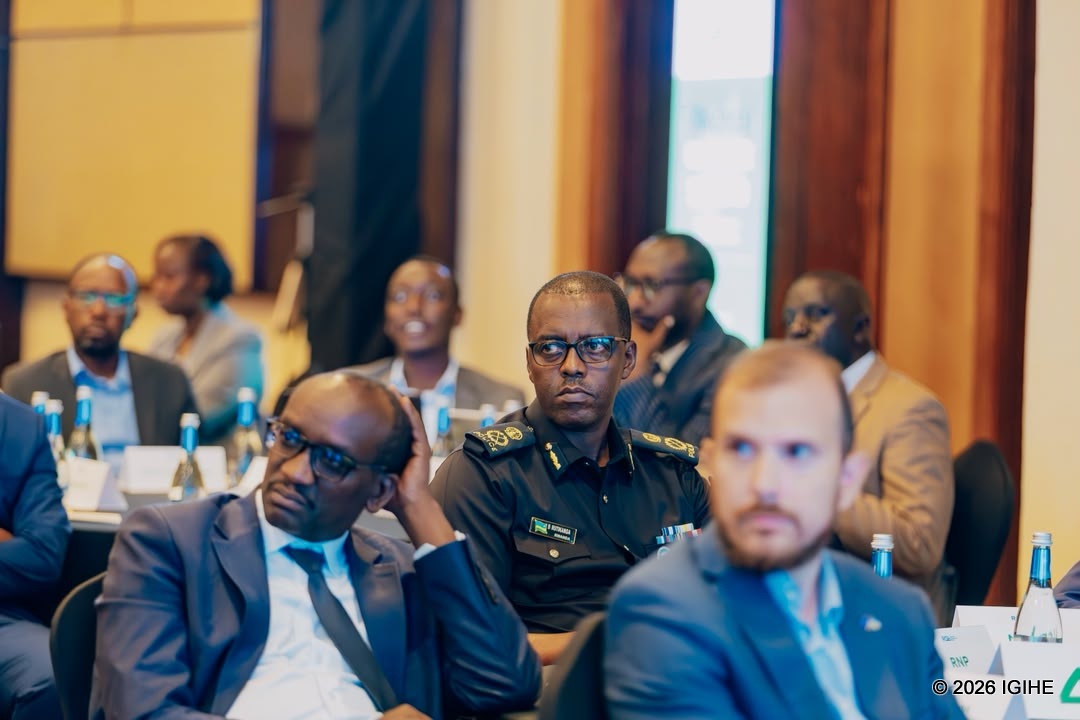
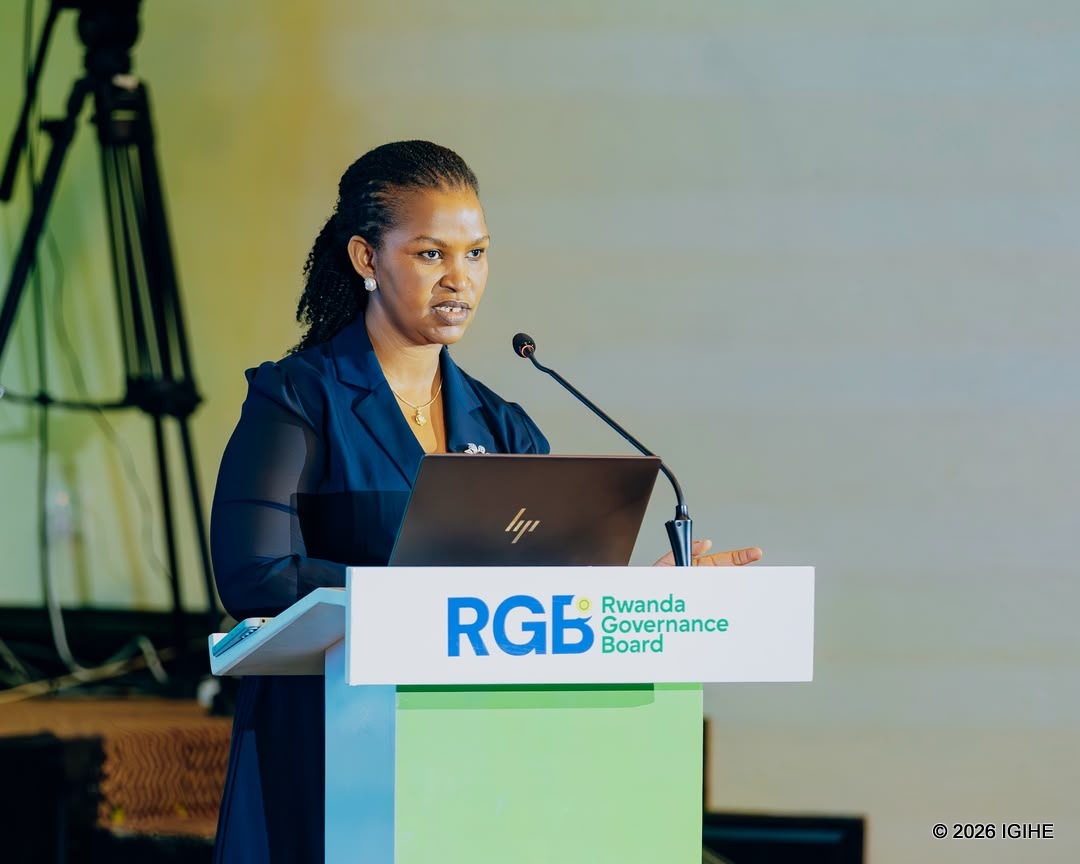
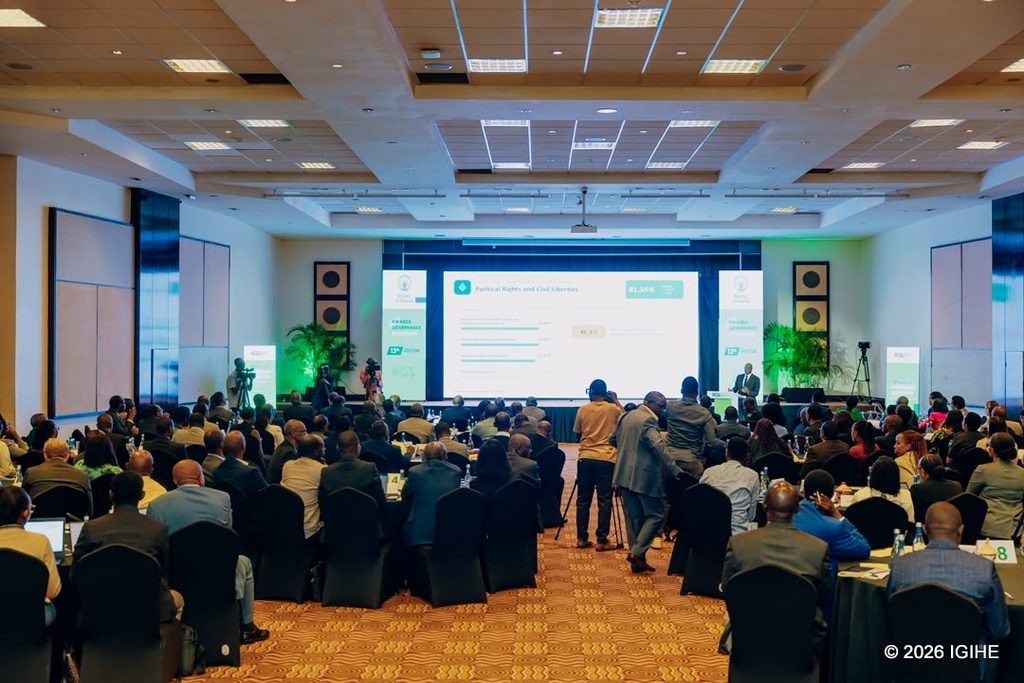
The report, unveiled on Thursday, October 22, by the Rwanda Governance Board (RGB), shows that the service delivery score dropped by 3.25 percentage points from 71.73% recorded in the previous edition.
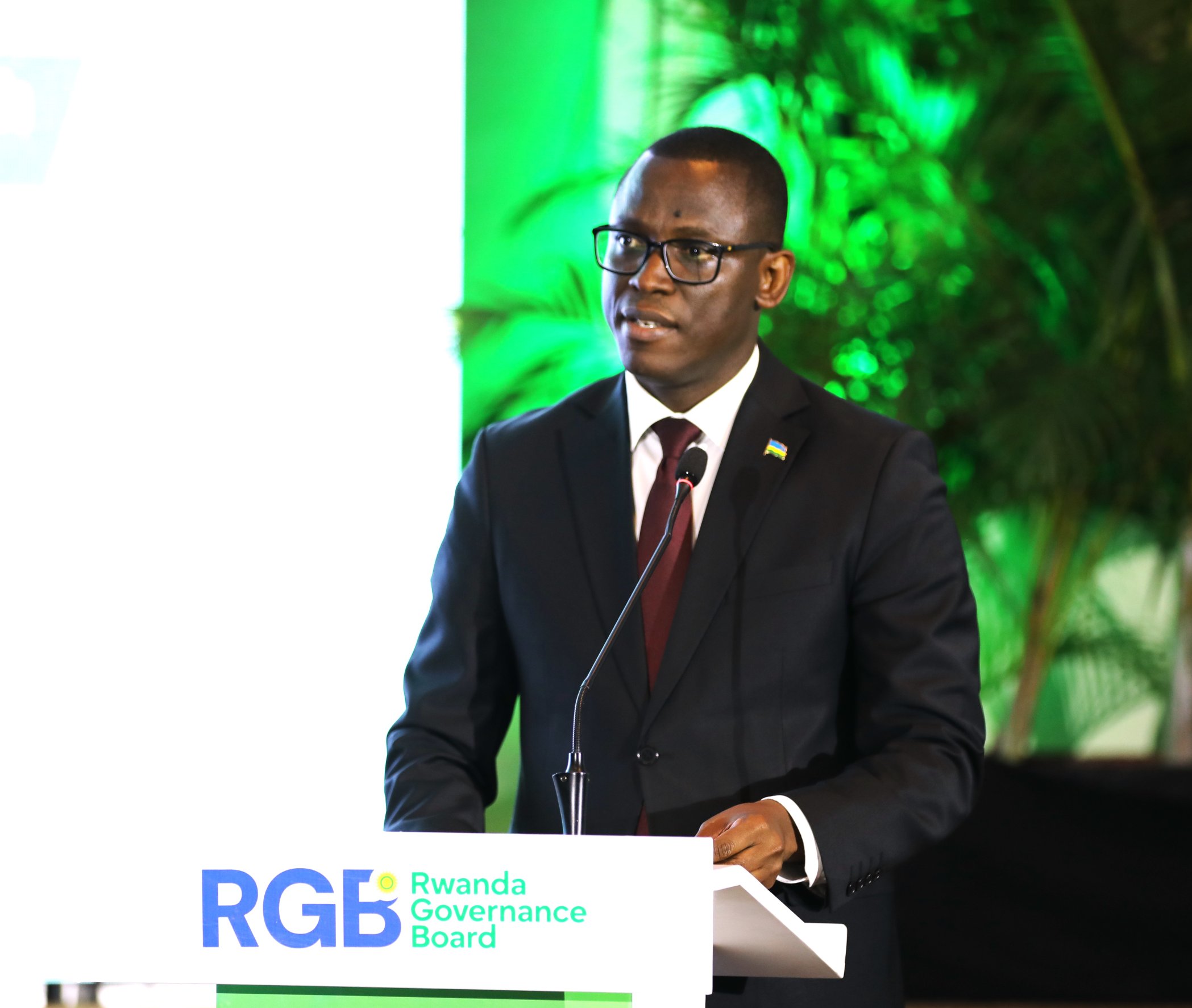
Speaking at the launch, Minister of Local Government Dominique Habimana said the findings presented both encouraging progress and areas requiring urgent attention.
“The findings presented to us today tell an encouraging but equally demanding story,” Habimana said, noting that five of the scorecard’s eight governance pillars scored above 80%.
“We cannot be satisfied while service delivery is declining and human social development remains low,” he added.
The scorecard assesses governance across eight pillars, 35 indicators and 153 variables, drawing on administrative data, official statistics, institutional assessments, research and citizens’ experiences. It is intended to help public institutions track performance, identify weaknesses and guide policy decisions.
Security remains Rwanda’s strongest pillar
Safety and security was the highest-performing pillar, scoring 90.15%, a slight increase from 90.02% in the previous edition. The pillar has consistently ranked among Rwanda’s strongest areas of governance since the scorecard was introduced.
Safety and security was the highest-performing pillar, scoring 90.15%, a slight increase from 90.02% in the previous edition.
Minister Habimana commended the security organs and others contributing to the performance, describing security as “an enabling factor for everything else that we do in this country.”
Anti-corruption, transparency and accountability followed with a score of 85.80%, up from 84.67% in the previous edition. Rule of law also improved, rising by 3.84 percentage points to 85.47%.
Participation and inclusiveness scored 84.72%, down from 86.31%, while political rights and civil liberties recorded 81.56%, down from 82.71%.
Economic and corporate governance scored 73.28%, down from 74.84%, while investing in human and social development improved by 3.86 to reach 68.55%.
Digital services and citizen satisfaction remain challenges
The decline in service delivery was accompanied by uneven results across individual services and sectors.
The report records citizen satisfaction with online court case filing at 65.40%. Satisfaction with services in the land, environment and settlement sector stood at 50.90%, while satisfaction with agriculture services was 53.70% and livestock services 57.10%.
Digitalisation also emerged as an area requiring further work. The scorecard records that 11% of government services were fully digitised end-to-end, based on data from the Ministry of ICT for 2024.
Habimana highlighted that digital transformation should go beyond making services available online.
“Digitalisation is considered not simply about putting services online, but also importantly about simplifying processes, reducing the time and the cost of accessing services,” he stated.
He added that the government would continue strengthening local authorities and improving coordination between levels of government to make services more accessible, timely, equitable and responsive to citizens’ needs.
The minister stressed that local government is where citizens experience governance directly, including through schools, health facilities and other essential services.
“For Rwandans, governance is not and will never be an abstract idea,” he remarked. “It is experienced in the village, at the cell, sector and districts, in schools and health facilities, and through the services people rely on every day.”
The report, unveiled on Thursday, October 22, by the Rwanda Governance Board (RGB), shows that the service delivery score dropped by 3.25 percentage points from 71.73% recorded in the previous edition.
Human and social development improves
The human and social development pillar rose by 3.86 percentage points to 68.55%. However, it remains one of the lowest-performing areas.
Within the pillar, health scored 78.22%, education 73.05% and social protection 67.15%. The secure and prosperous family indicator scored 59.45%, while climate change and environmental resilience stood at 64.89%.
Habimana said the findings matter because they reflect people’s everyday experiences, including the quality of services, the time required to access them, support available to families and opportunities for young people.
He called on public institutions to use the findings when preparing plans, budgets, reforms and performance contracts under Imihigo, Rwanda’s performance-based planning and accountability framework.
“This 13th edition must inform our planning, our performance contracts in Imihigo, our budgets, our reforms, and our engagement with citizens,” he said.
“Let this scorecard serve as both a mirror and a map. A mirror to look honestly at our achievements and the remaining gaps and a map to guide us towards higher standards of integrity, accountability, inclusiveness, efficiency and service delivery.”
Minister Habimana commended the security organs and others contributing to the performance, describing security as “an enabling factor for everything else that we do in this country.”
UNDP calls for action on findings
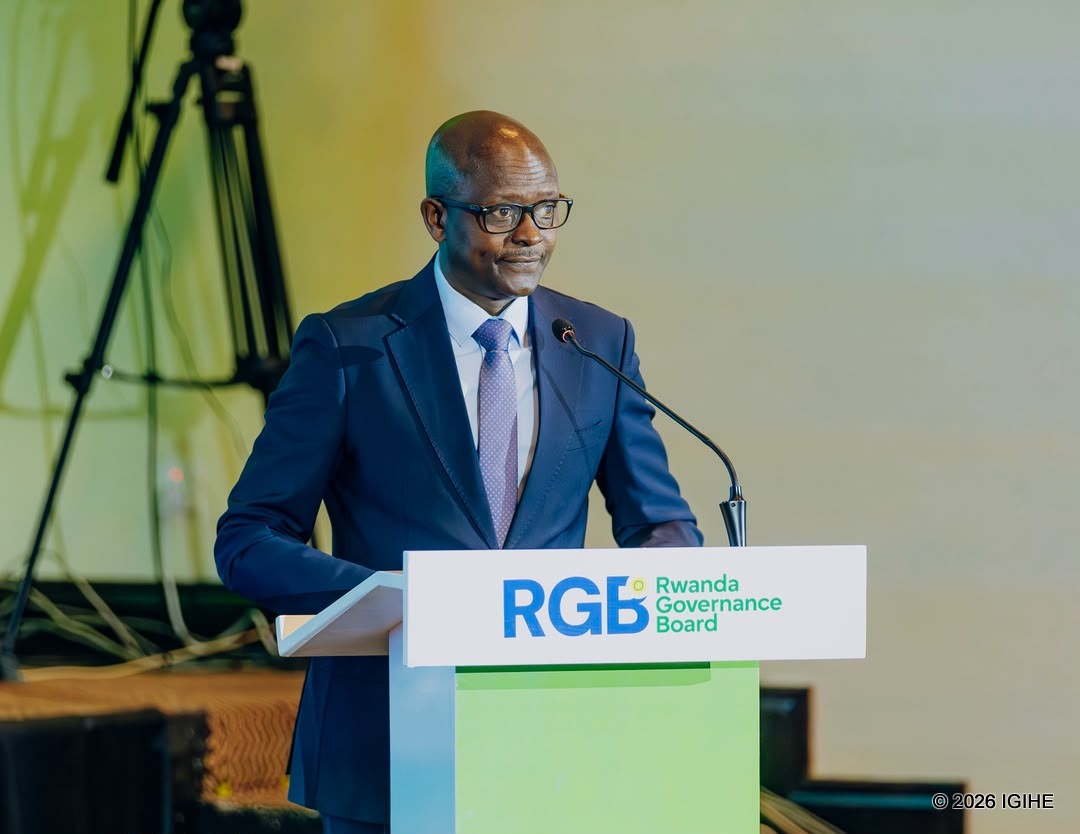
Fatmata Lovetta Sesay, the United Nations Development Programme (UNDP) Resident Representative in Rwanda, commended the country for using the scorecard to assess its own governance performance and create space for discussion about areas requiring improvement.
She described the Rwanda Governance Scorecard as a home-grown initiative that has helped strengthen accountability and promote cohesion since 2010.
“It is impressive to see a country that holds itself accountable,” Sesay lauded. “It is even more impressive to see a country open to the discussions on how the world holds it accountable.”
Sesay said the scorecard’s value lies not only in the data it presents but also in the policy discussions and practical actions that follow.
“I therefore encourage all stakeholders here present, including government institutions, development partners, civil society organizations, academia, the private sector, and all citizens, to study the findings carefully,” she said.
She also urged stakeholders to focus on governance indicators that continue to lag behind expectations and identify practical measures to accelerate progress.
“The Rwanda Governance Scorecard should not be viewed as an end in itself,” Sesay said. “The end is full satisfaction of service delivery.”
She added that effective governance, strong institutions, public accountability and responsive services are essential to Rwanda’s economic transformation and social development, particularly as the country implements its Second National Strategy for Transformation (NST2) and advances towards Vision 2050.
RGB stresses self-accountability
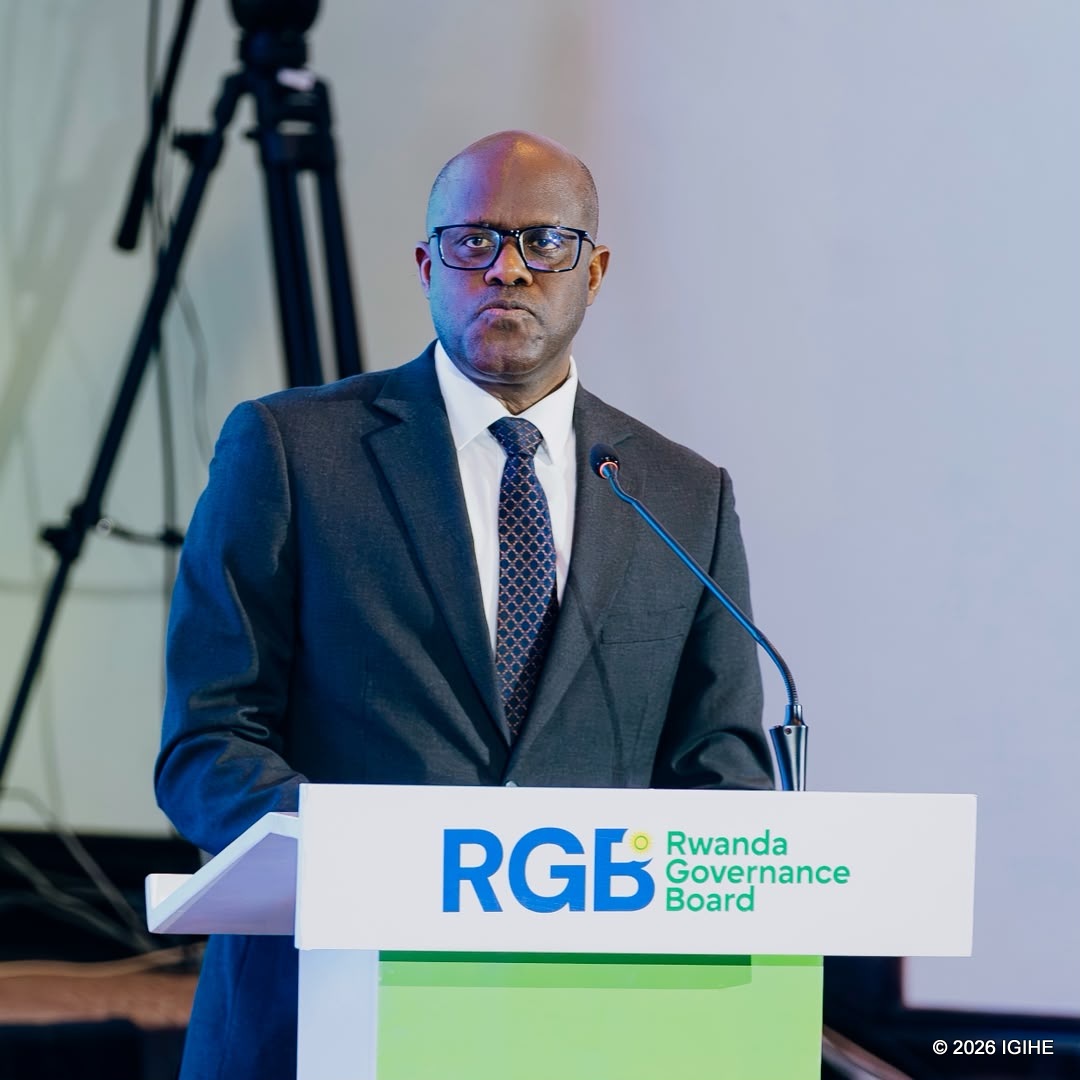
Dr. Edward Kalisa, Secretary General of the Rwanda Governance Board, said the scorecard is designed to assess institutional performance and generate evidence that can inform policy planning and implementation.
He said the assessment combines different sources of information, including official data and citizens’ perceptions, to examine not just whether policies and institutions exist but how they perform in practice.
“Self-accountability means having the willingness to assess our own performance to recognize achievements, acknowledge shortcomings and identify where improvement is required,” Kalisa said.
The report’s findings, he stressed, offer a basis for understanding how governance is evolving and where additional attention is needed.
Meanwhile, the launch also featured the Chandler Good Government Index, which ranked Rwanda 11th globally and first in Africa for Leadership and Foresight in 2026.
Rwanda also ranked second worldwide for Long-Term Vision and third for Adaptability, according to Dinesh Naidu of the Chandler Governance Group.
The report was unveiled on Thursday, October 22, by the Rwanda Governance Board (RGB),
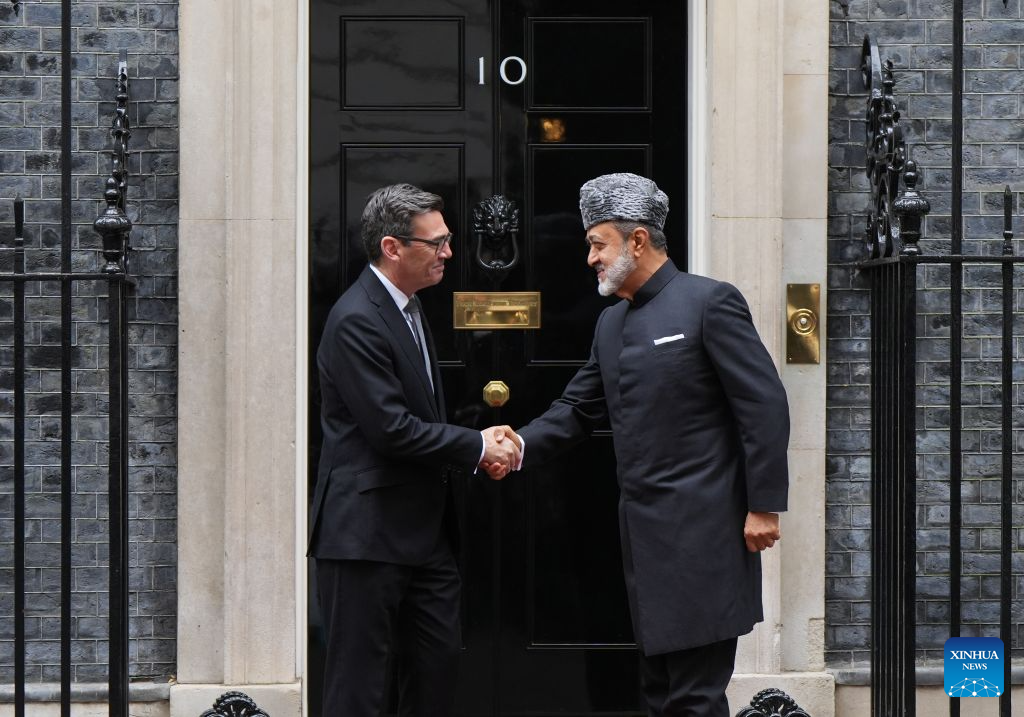
Reopening the Strait of Hormuz would reduce the pressure on global supply chains and ease the impact on people at home, said Burnham in a meeting with Oman’s sultan in Downing Street.
Turning to the situation in the Middle East, Burnham underlined the key role Oman plays in regional stability, and gave his thanks for the Oman’s work for reopening the Strait of Hormuz, according to the statement.
On February 28, Israel and the United States launched joint attacks on Tehran and other Iranian cities. Iran responded with waves of missile and drone attacks targeting Israel and U.S. bases and assets in the region, and tightened its grip on the Strait of Hormuz.
Before the war, roughly 20.3 million barrels of petroleum and crude oil passed through the strait per day, accounting for roughly 25 percent of the world’s maritime oil trade.
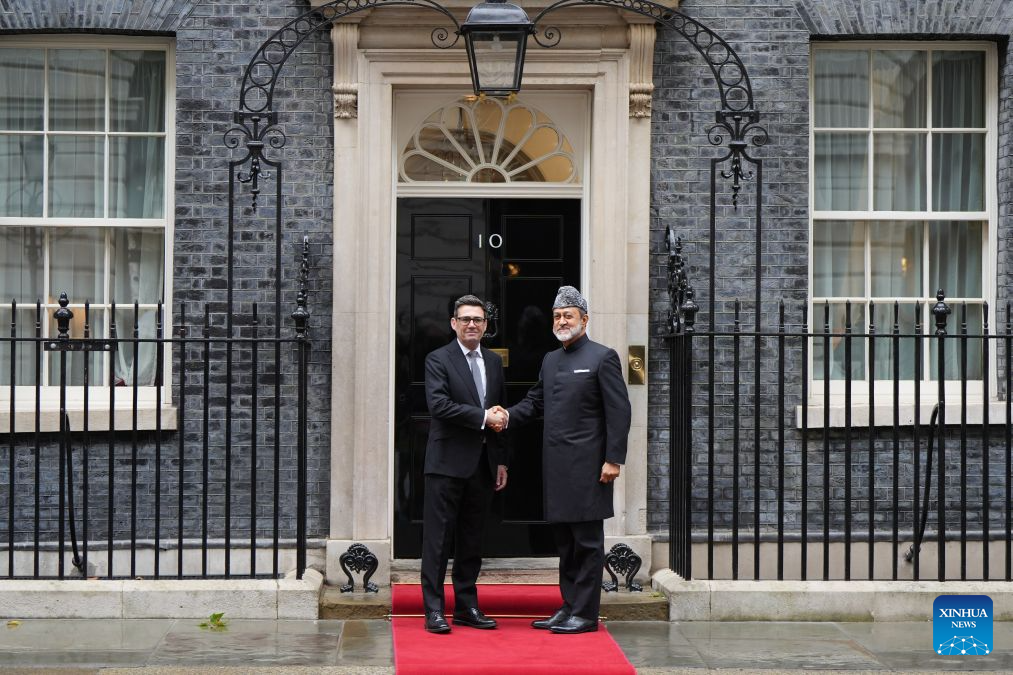
British Prime Minister Andy Burnham shakes hands with Oman’s Sultan Haitham bin Tariq at 10 Downing Street in London, Britain, October 21, 2026. British Prime Minister Andy Burnham and Oman’s Sultan Haitham bin Tariq agreed Wednesday on the need to open the Strait of Hormuz, according to a statement released by British government on Wednesday.
The penalty follows a jury verdict that the company violated state consumer protection laws more than 43 million times through misleading statements about its data practices and the enforcement of rules against harmful content.
Judge Francis Mathew issued the ruling on Wednesday, reducing the potential penalty of more than $219 billion to $25 billion. The judge found that Meta’s alleged misconduct was deliberate and spanned more than 11 years, from 2010 to 2021.
The case centred partly on the Cambridge Analytica scandal, which came to light in 2018 after revelations that the British political consulting firm had obtained personal information from as many as 87 million Facebook users through a third-party application without their consent.
The firm used the information for voter profiling and political targeting, including work connected to Donald Trump’s 2016 US presidential campaign.
New Mexico’s Attorney General Raúl Torrez sued Meta in 2021, accusing the company of misleading residents about who could access their personal information. The state also alleged that Meta misrepresented how it handled hate speech and misinformation on its platforms.
Torrez welcomed the ruling, saying it sent a message that major technology companies could be held accountable for their business practices.
“For too long, powerful technology companies have operated as though their size and influence put them beyond the reach of the law,” he said.
Meta disputed the ruling and said it would appeal. The company’s Chief Legal Officer, C.J. Mahoney, argued that the lawsuit sought to impose restrictions on online expression.
The penalty adds to the company’s mounting legal challenges over data privacy and online safety. In 2019, Meta paid a $5 billion penalty to the US Federal Trade Commission over its data privacy practices following the Cambridge Analytica scandal.
New Mexico also secured nearly $1 billion in penalties against Meta earlier this year in separate cases concerning the safety of its platforms for children and allegations of harm to young users.
Despite the legal setbacks, Meta continues to invest heavily in artificial intelligence. The company reported revenue of $64.5 billion in the July-to-September period, up 26% from a year earlier, while profits tripled to $9.8 billion.
The penalty against Mark Zuckerberg’s tech giant follows a jury verdict that the company violated state consumer protection laws more than 43 million times through misleading statements about its data practices and the enforcement of rules against harmful content.
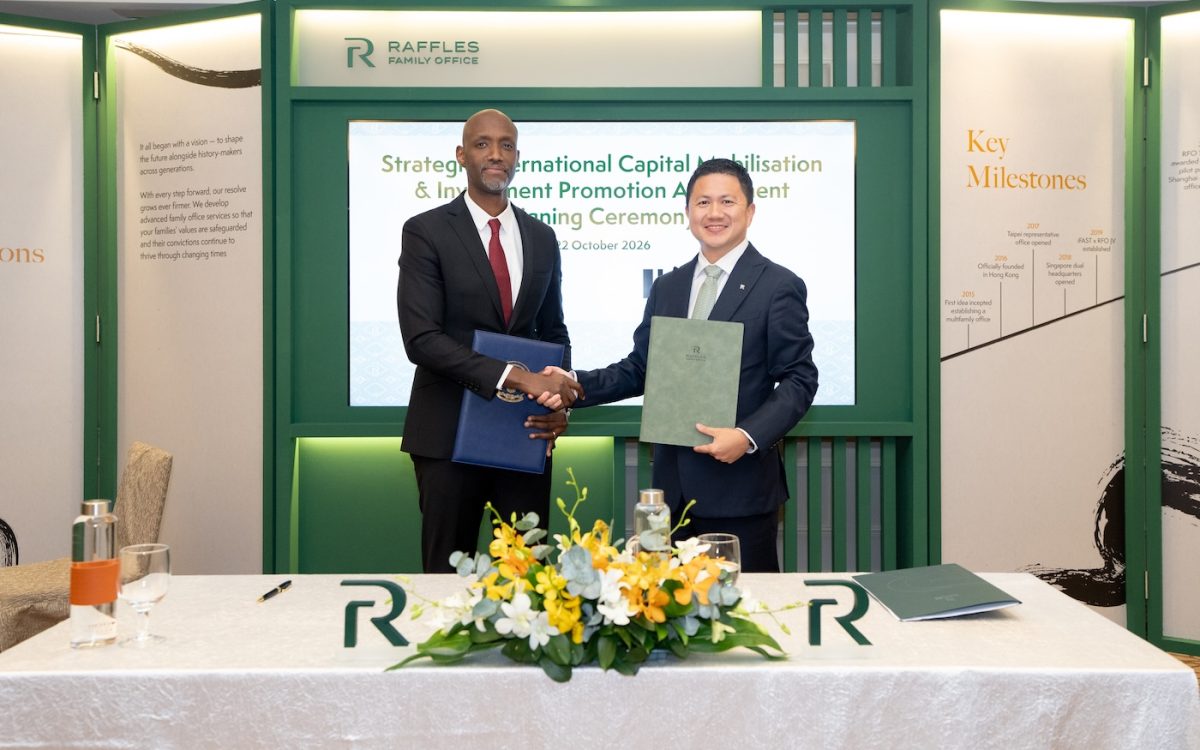
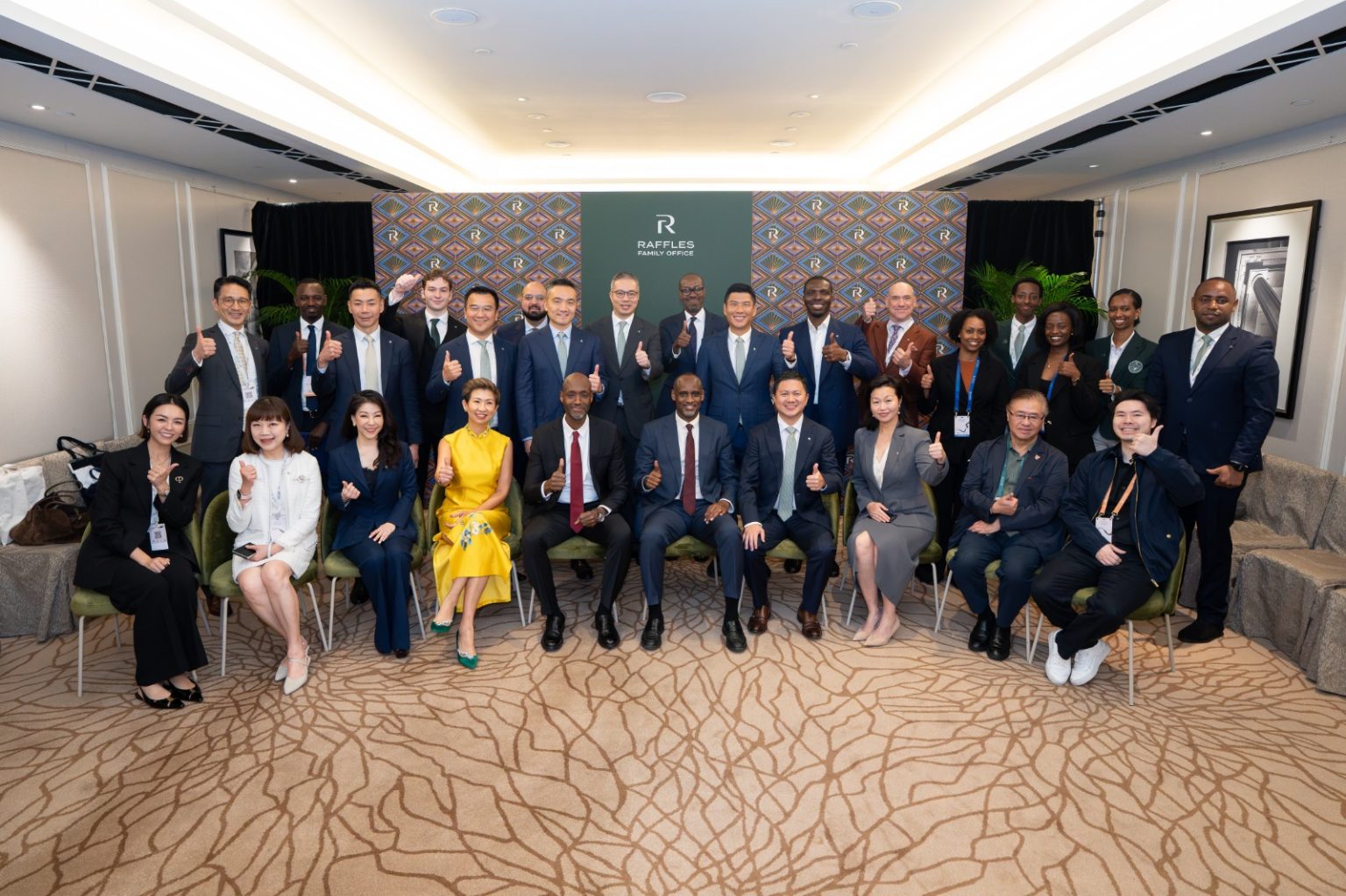
The partnership, formalised through an agreement with the Rwanda Development Board (RDB), aims to attract hundreds of millions of dollars in new private foreign investment over the coming years by connecting international investors with opportunities across Rwanda.
In a joint statement, the partners said RFO will leverage its network of high-net-worth individuals, families and private investors across Asia and Africa to explore investment opportunities in sectors including aviation, hospitality, tourism, entertainment, real estate, infrastructure and supporting services.
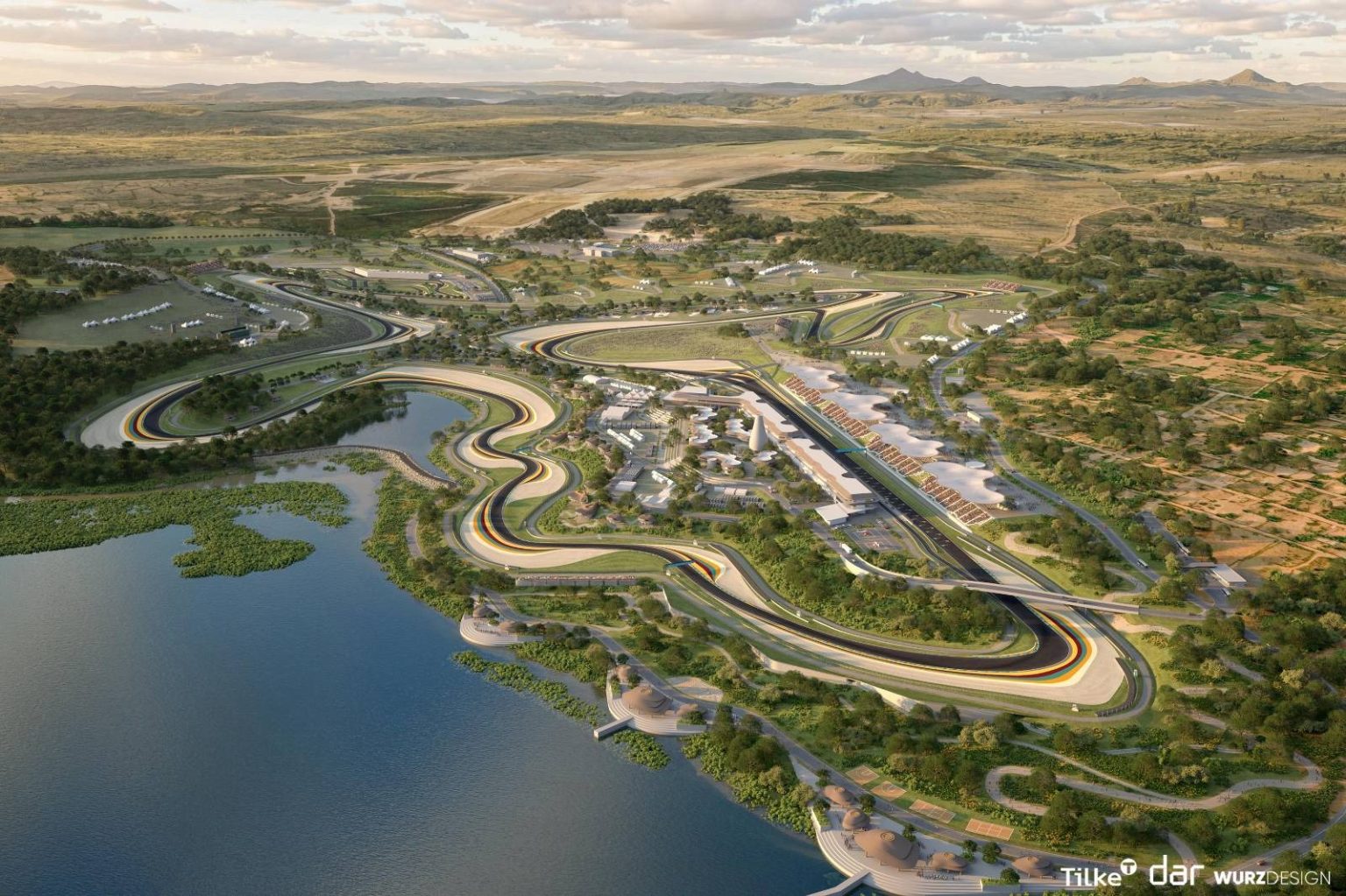
The collaboration follows Rwanda’s 10-year agreement with Formula 1 to host the Formula 1 African Grand Prix, presented by Visit Rwanda, from the early 2030s. The race will take place at a purpose-built circuit planned near the new Kigali International Airport in Bugesera District.
The planned circuit will stretch approximately six kilometres in Bugesera District, about 40 kilometres south of Kigali, near the new Kigali International Airport.
Rwanda hopes to use the event to attract investment beyond motorsport, with opportunities expected to extend to businesses and infrastructure supporting tourism, entertainment and other economic activities.
Jean-Guy Afrika, Chief Executive Officer of RDB, said the partnership would support efforts to expand private sector participation in projects associated with the country’s Formula 1 ambitions.
“Formula 1 is a catalyst for a much broader investment ambition for Rwanda. Private sector participation is central to our approach, with opportunities extending well beyond the circuit into aviation, hospitality, tourism, entertainment, real estate and services,” he said.
Afrika added that the partnership would help attract investors interested in establishing businesses, creating jobs and generating long-term economic value beyond the race weekend.
Chi Man Kwan, Group Chief Executive Officer of Raffles Family Office, said the collaboration would give the firm’s clients a channel to explore Rwanda’s investment opportunities, particularly in sport, entertainment and infrastructure.
He said the two organisations would combine RFO’s international investor network with RDB’s institutional support and project pipeline to attract long-term capital.
Investment opportunities will span Bugesera, Kigali, Musanze and other parts of the country, with Airport City among the developments identified for potential investment.
The planned Formula 1 circuit is part of a broader ambition to establish Bugesera as a destination for sport, entertainment and leisure activities. Beyond racing, the venue is expected to accommodate concerts, exhibitions and other events throughout the year.
RFO established a representative office in Kigali earlier in 2026, strengthening its presence in Rwanda and engagement with investment opportunities across Africa.
The firm has begun engaging prospective investors and plans to organise visits to Rwanda to explore potential projects and meet prospective partners.
Raffles Family Office is a multi-family office providing wealth management services to ultra-high-net-worth individuals and families.
The outbreak, caused by the Bundibugyo virus, has affected three African regions: Central, Eastern and Western Africa, raising concerns about cross-border transmission and the need for a coordinated continental response.
The DRC remains the epicentre, with 9,637 confirmed cases and 4,646 deaths recorded as of October 19, according to the World Health Organization (WHO). Kenya had reported nine confirmed cases, including one death, by October 20, while Nigeria confirmed its first case.
Africa CDC announced on October 21 that the virtual ministerial meeting would assess the evolving situation, strengthen cooperation among countries, accelerate support to affected nations and reinforce preparedness across the continent.
The meeting comes five months after Africa CDC declared the outbreak a Public Health Emergency of Continental Security on May 18, 2026.
Uganda, which also experienced an outbreak linked to the DRC, was declared Ebola-free in July after recording 20 confirmed cases and two deaths. Fifteen of the cases were imported from the DRC, while five resulted from local transmission among contacts.
Despite sustained efforts by African countries, frontline health workers and partners, the outbreak continues to pose a threat to public health, prompting calls for renewed political commitment and stronger response measures.
“Ebola is crossing borders. Our response must move faster, with stronger coordination, greater solidarity and decisive political leadership,” said Dr Jean Kaseya, Director General of Africa CDC.
“We have the expertise and the capacity on this continent. We must mobilise them together to stop this outbreak and save lives,” he added.
The ministerial meeting is also expected to inform preparations for a summit of African heads of state and government under the leadership of Burundi’s President Évariste Ndayishimiye, who chairs the African Union.
Africa CDC has urged member states to strengthen disease surveillance, cross-border cooperation and community engagement, while ensuring the protection of frontline health workers.
The agency has also called for increased vigilance and preparedness to prevent further transmission and support efforts to bring the outbreak under control.
Bundibugyo virus disease is a severe form of Ebola that spreads through direct contact with the blood or other bodily fluids of infected people, or contaminated materials. There is currently no approved vaccine or specific treatment for the disease, making early detection, supportive care and effective infection prevention and control measures critical to containing outbreaks.
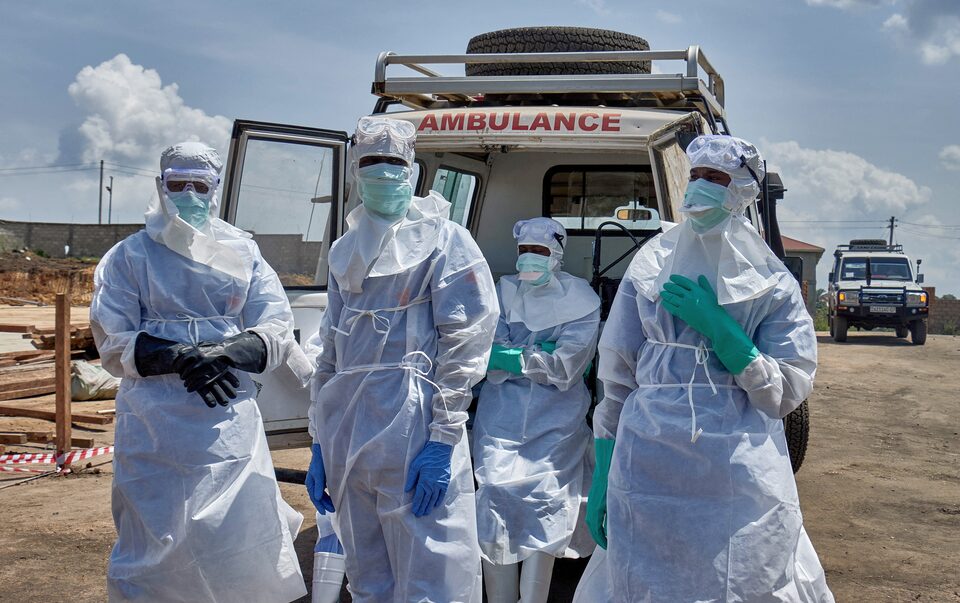
Red Cross workers wearing personal protective equipment (PPE) gather after handling the coffin of a man who died of Ebola virus, as aid agencies intensify efforts to contain the Ebola outbreak caused by the Bundibugyo virus, in Bunia, Ituri province, Democratic Republic of Congo, June 10, 2026.
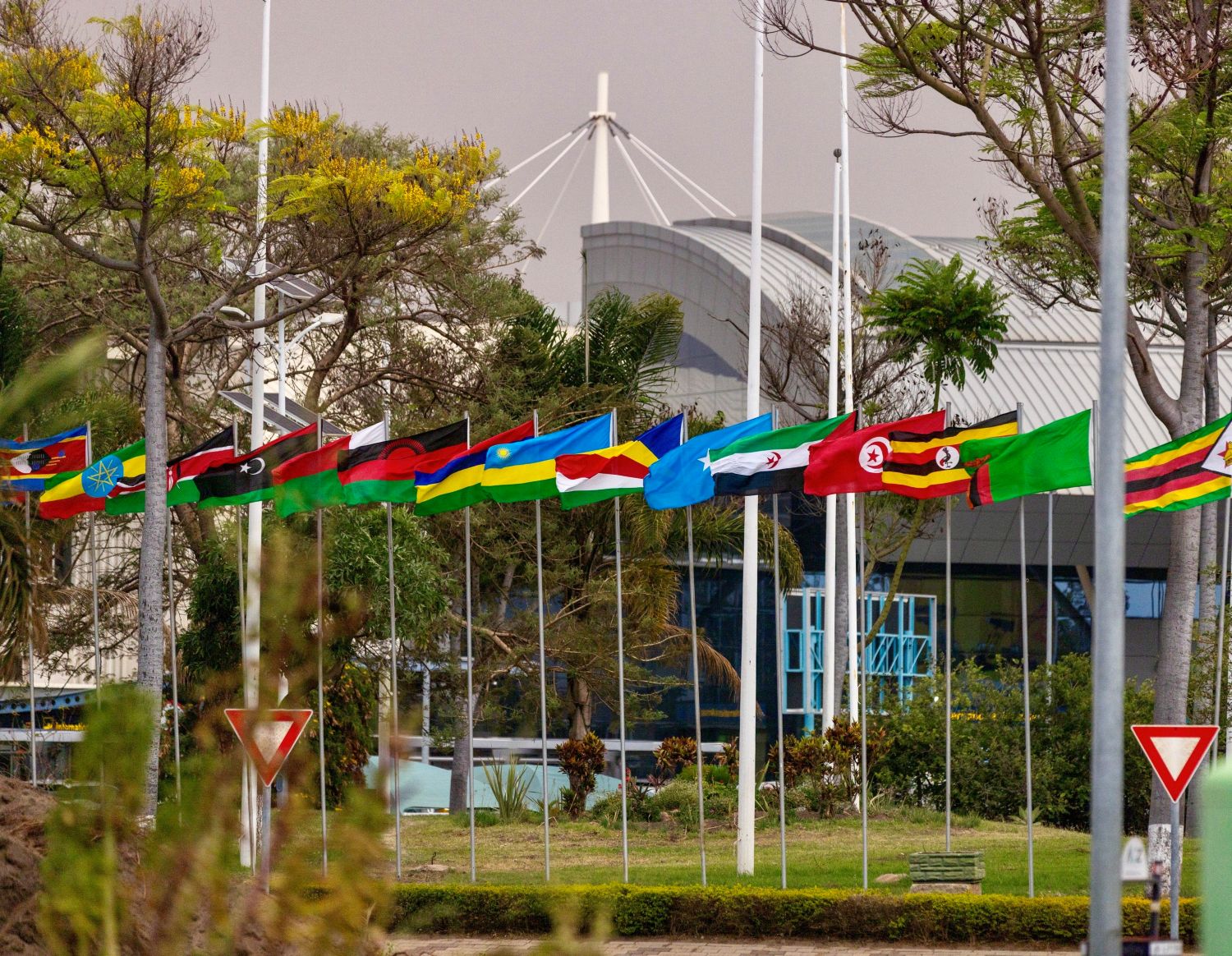
The summit is being held under the theme “One Market, One Future: Advancing Inclusive Industrialisation, Investment and Regional Integration in COMESA,” with discussions focusing on strengthening regional economic integration, attracting investment and expanding industrial production across the bloc’s 21 member states.
Leaders are expected to discuss ways to strengthen regional value chains in agriculture, manufacturing and critical minerals, with an emphasis on increasing local value addition and reducing reliance on exports of unprocessed commodities.
The summit is also expected to launch the COMESA Medium-Term Strategic Plan for 2026–2030, which will guide efforts to deepen market integration, improve trade resilience and address barriers to cross-border commerce.
Discussions will also consider ways to align COMESA’s regional trade programmes with the African Continental Free Trade Area (AfCFTA) to expand trade and investment opportunities across the continent.
The Heads of State and Government summit follows meetings of foreign ministers and private sector representatives, including the 19th COMESA Business Forum and Exhibition, which brought together businesses, regional investors and micro, small and medium-sized enterprises to discuss value addition, climate-smart investment and digital trade.
Zimbabwean President Emmerson Mnangagwa is expected to take over the COMESA chairmanship for 2026–2027 from Kenyan President William Ruto under the bloc’s rotational leadership arrangement.
Rwanda is among the 21 member states of COMESA, a regional bloc that seeks to promote economic integration through trade, investment and cooperation among its members.
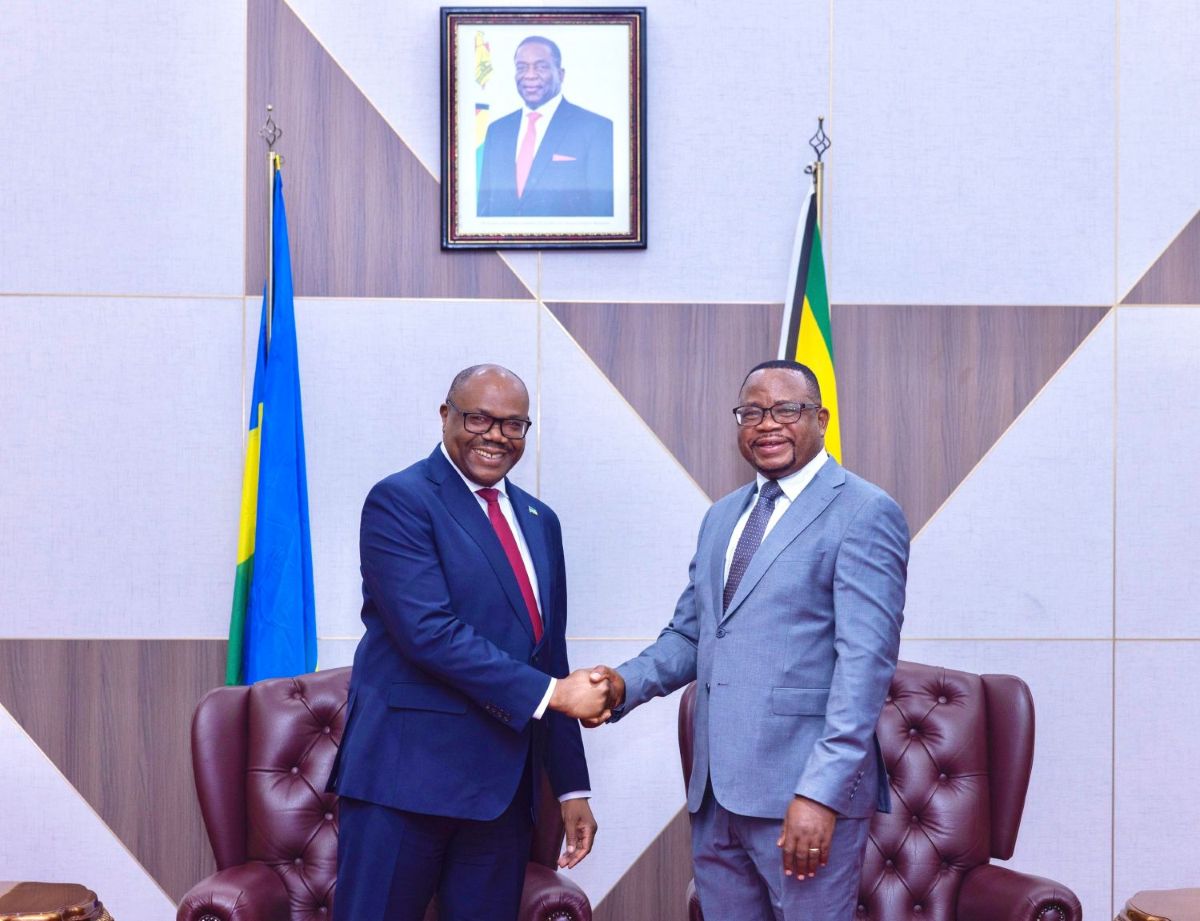
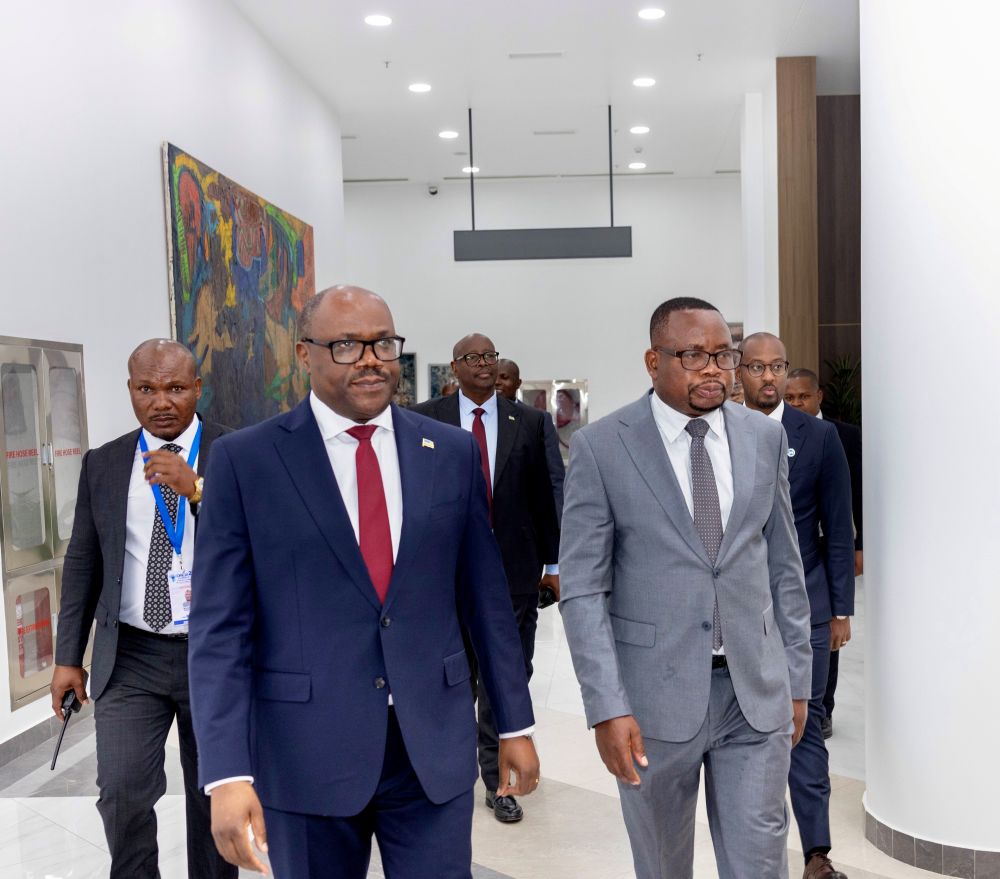
Rwanda’s Prime Minister, Dr Justin Nsengiyumva, is in Harare, Zimbabwe, to represent President Paul Kagame at the 25th Summit of Heads of State and Government of the Common Market for Eastern and Southern Africa (COMESA) on Thursday, October 22, 2026.The summit is being held under the theme “One Market, One Future: Advancing Inclusive Industrialisation, Investment and Regional Integration in COMESA.