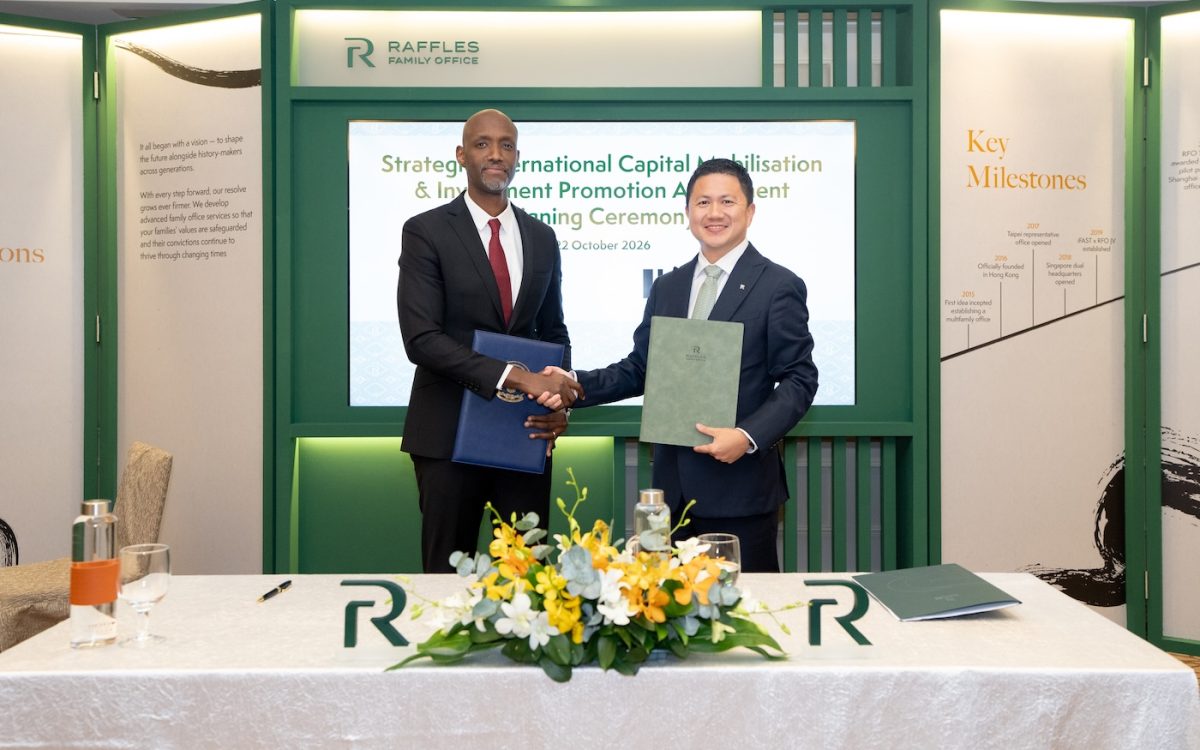
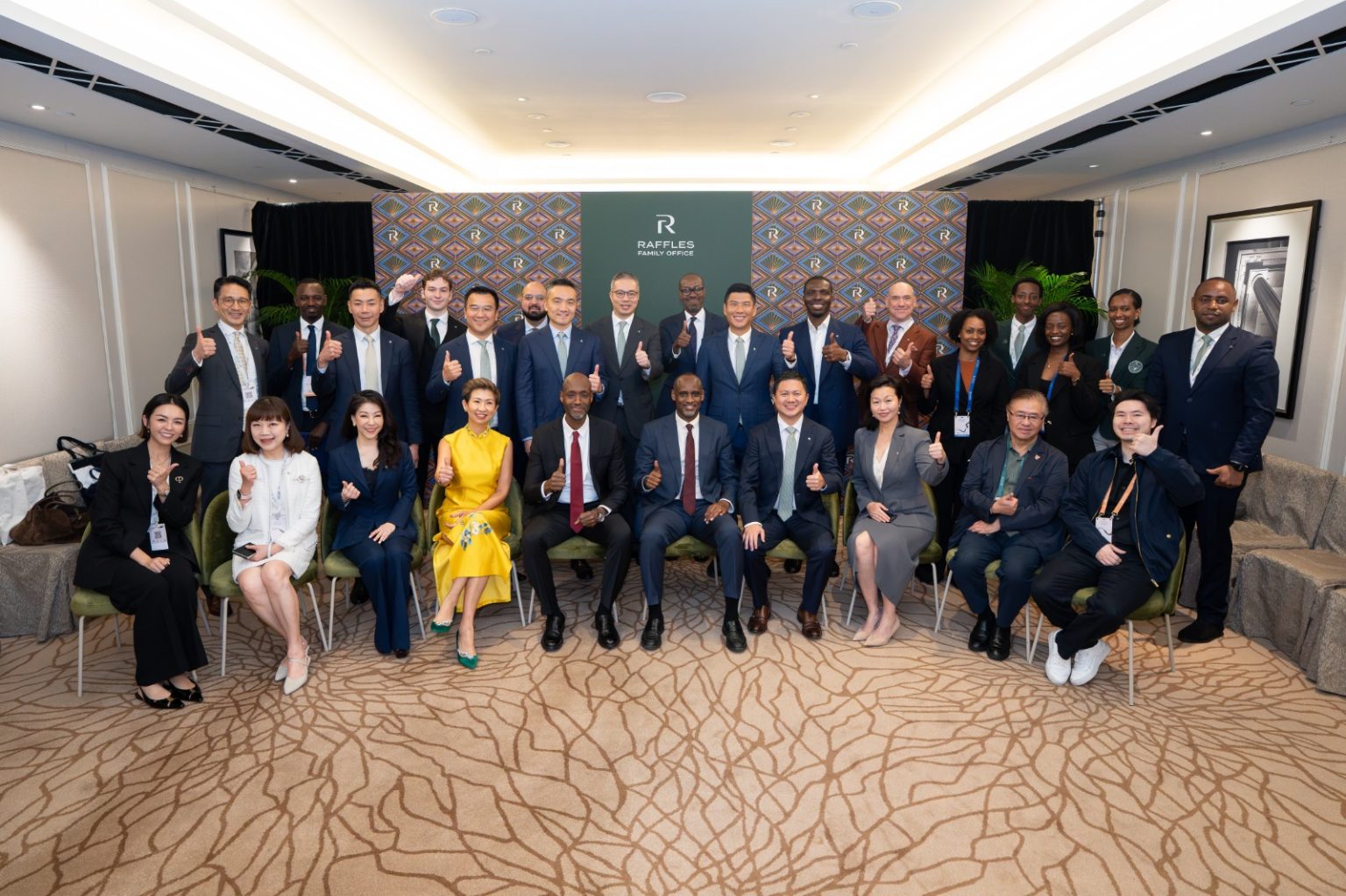
The partnership, formalised through an agreement with the Rwanda Development Board (RDB), aims to attract hundreds of millions of dollars in new private foreign investment over the coming years by connecting international investors with opportunities across Rwanda.
In a joint statement, the partners said RFO will leverage its network of high-net-worth individuals, families and private investors across Asia and Africa to explore investment opportunities in sectors including aviation, hospitality, tourism, entertainment, real estate, infrastructure and supporting services.
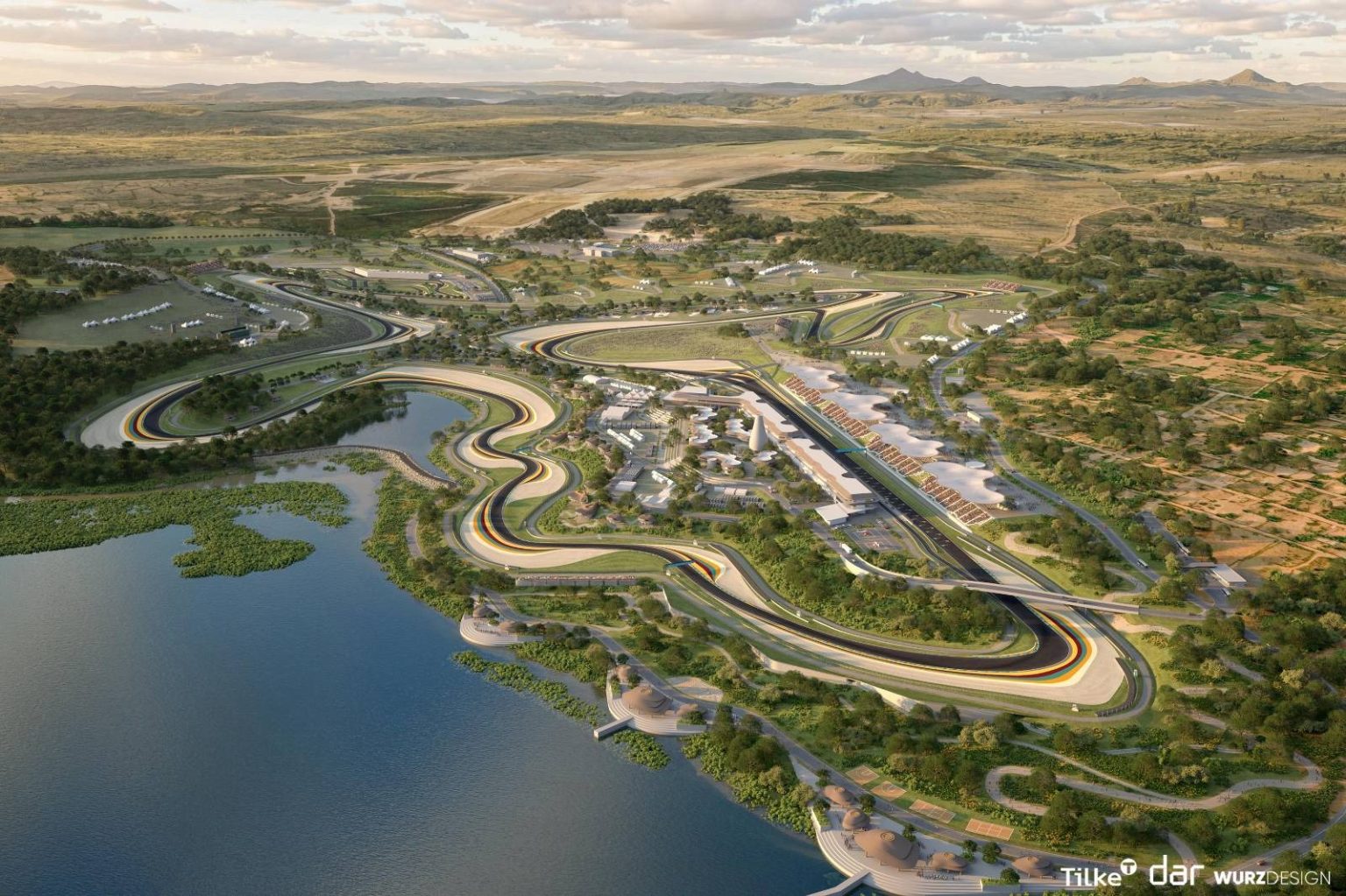
The collaboration follows Rwanda’s 10-year agreement with Formula 1 to host the Formula 1 African Grand Prix, presented by Visit Rwanda, from the early 2030s. The race will take place at a purpose-built circuit planned near the new Kigali International Airport in Bugesera District.
The planned circuit will stretch approximately six kilometres in Bugesera District, about 40 kilometres south of Kigali, near the new Kigali International Airport.
Rwanda hopes to use the event to attract investment beyond motorsport, with opportunities expected to extend to businesses and infrastructure supporting tourism, entertainment and other economic activities.
Jean-Guy Afrika, Chief Executive Officer of RDB, said the partnership would support efforts to expand private sector participation in projects associated with the country’s Formula 1 ambitions.
“Formula 1 is a catalyst for a much broader investment ambition for Rwanda. Private sector participation is central to our approach, with opportunities extending well beyond the circuit into aviation, hospitality, tourism, entertainment, real estate and services,” he said.
Afrika added that the partnership would help attract investors interested in establishing businesses, creating jobs and generating long-term economic value beyond the race weekend.
Chi Man Kwan, Group Chief Executive Officer of Raffles Family Office, said the collaboration would give the firm’s clients a channel to explore Rwanda’s investment opportunities, particularly in sport, entertainment and infrastructure.
He said the two organisations would combine RFO’s international investor network with RDB’s institutional support and project pipeline to attract long-term capital.
Investment opportunities will span Bugesera, Kigali, Musanze and other parts of the country, with Airport City among the developments identified for potential investment.
The planned Formula 1 circuit is part of a broader ambition to establish Bugesera as a destination for sport, entertainment and leisure activities. Beyond racing, the venue is expected to accommodate concerts, exhibitions and other events throughout the year.
RFO established a representative office in Kigali earlier in 2026, strengthening its presence in Rwanda and engagement with investment opportunities across Africa.
The firm has begun engaging prospective investors and plans to organise visits to Rwanda to explore potential projects and meet prospective partners.
Raffles Family Office is a multi-family office providing wealth management services to ultra-high-net-worth individuals and families.
The outbreak, caused by the Bundibugyo virus, has affected three African regions: Central, Eastern and Western Africa, raising concerns about cross-border transmission and the need for a coordinated continental response.
The DRC remains the epicentre, with 9,637 confirmed cases and 4,646 deaths recorded as of October 19, according to the World Health Organization (WHO). Kenya had reported nine confirmed cases, including one death, by October 20, while Nigeria confirmed its first case.
Africa CDC announced on October 21 that the virtual ministerial meeting would assess the evolving situation, strengthen cooperation among countries, accelerate support to affected nations and reinforce preparedness across the continent.
The meeting comes five months after Africa CDC declared the outbreak a Public Health Emergency of Continental Security on May 18, 2026.
Uganda, which also experienced an outbreak linked to the DRC, was declared Ebola-free in July after recording 20 confirmed cases and two deaths. Fifteen of the cases were imported from the DRC, while five resulted from local transmission among contacts.
Despite sustained efforts by African countries, frontline health workers and partners, the outbreak continues to pose a threat to public health, prompting calls for renewed political commitment and stronger response measures.
“Ebola is crossing borders. Our response must move faster, with stronger coordination, greater solidarity and decisive political leadership,” said Dr Jean Kaseya, Director General of Africa CDC.
“We have the expertise and the capacity on this continent. We must mobilise them together to stop this outbreak and save lives,” he added.
The ministerial meeting is also expected to inform preparations for a summit of African heads of state and government under the leadership of Burundi’s President Évariste Ndayishimiye, who chairs the African Union.
Africa CDC has urged member states to strengthen disease surveillance, cross-border cooperation and community engagement, while ensuring the protection of frontline health workers.
The agency has also called for increased vigilance and preparedness to prevent further transmission and support efforts to bring the outbreak under control.
Bundibugyo virus disease is a severe form of Ebola that spreads through direct contact with the blood or other bodily fluids of infected people, or contaminated materials. There is currently no approved vaccine or specific treatment for the disease, making early detection, supportive care and effective infection prevention and control measures critical to containing outbreaks.
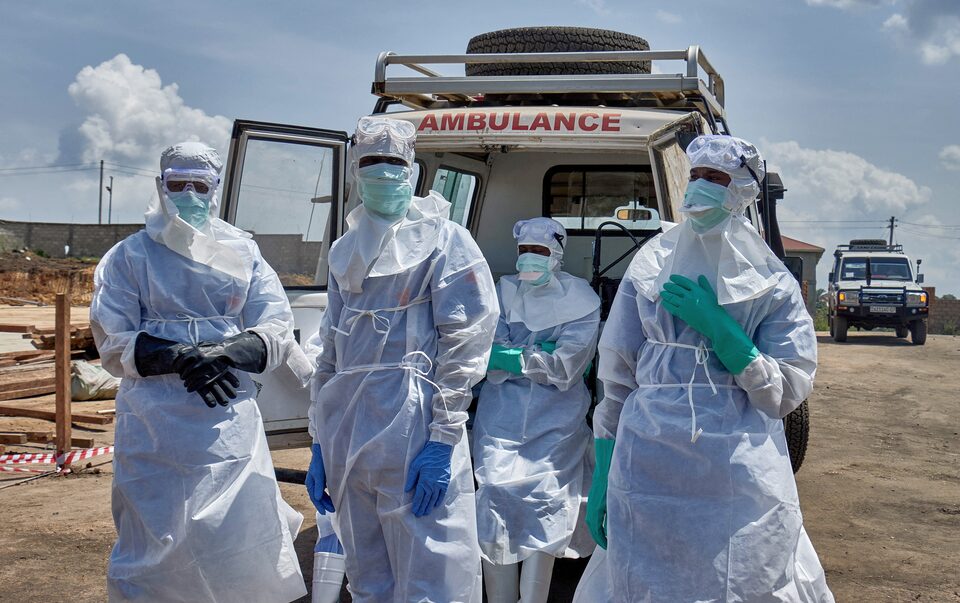
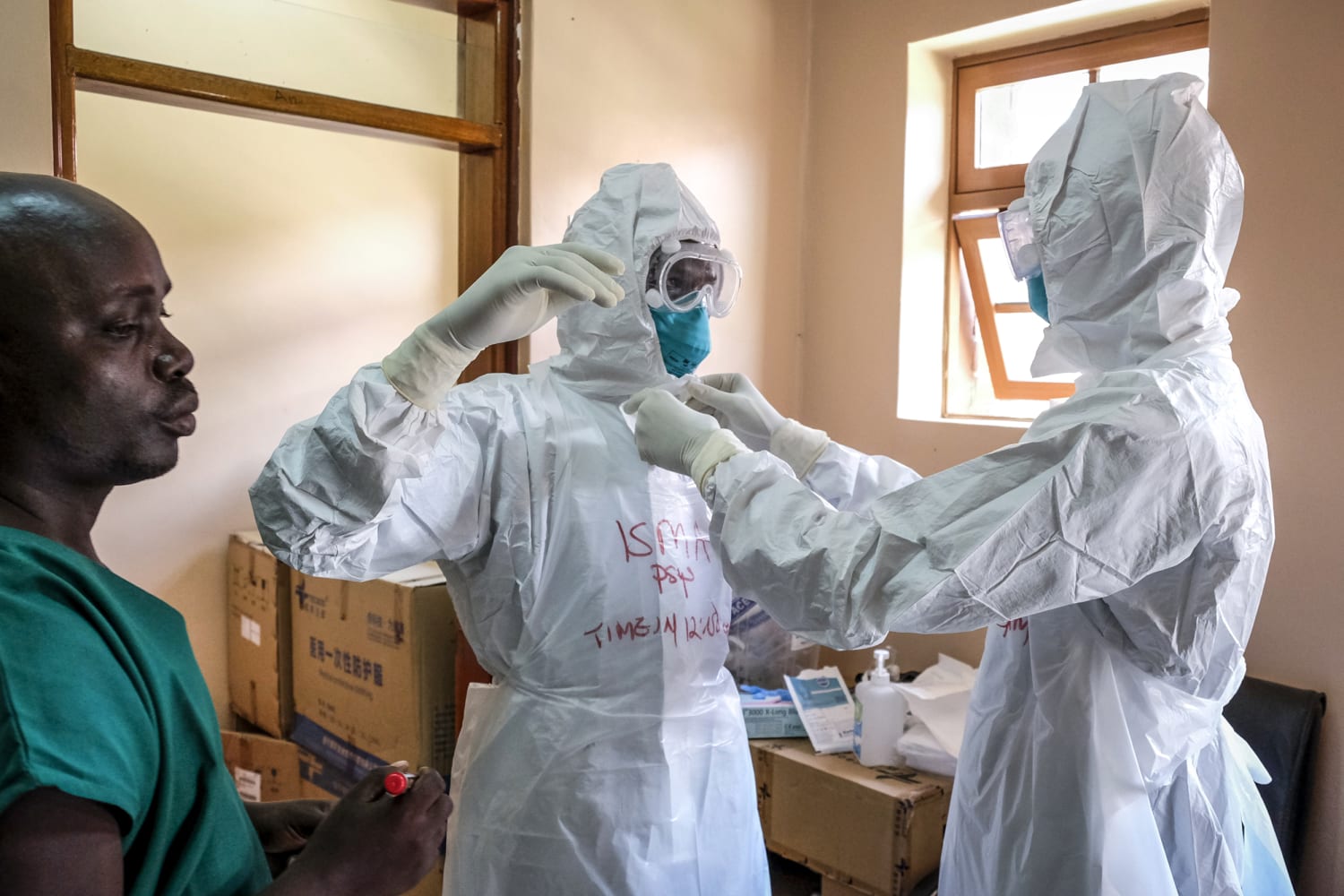
Red Cross workers wearing personal protective equipment (PPE) gather after handling the coffin of a man who died of Ebola virus, as aid agencies intensify efforts to contain the Ebola outbreak caused by the Bundibugyo virus, in Bunia, Ituri province, Democratic Republic of Congo, June 10, 2026.
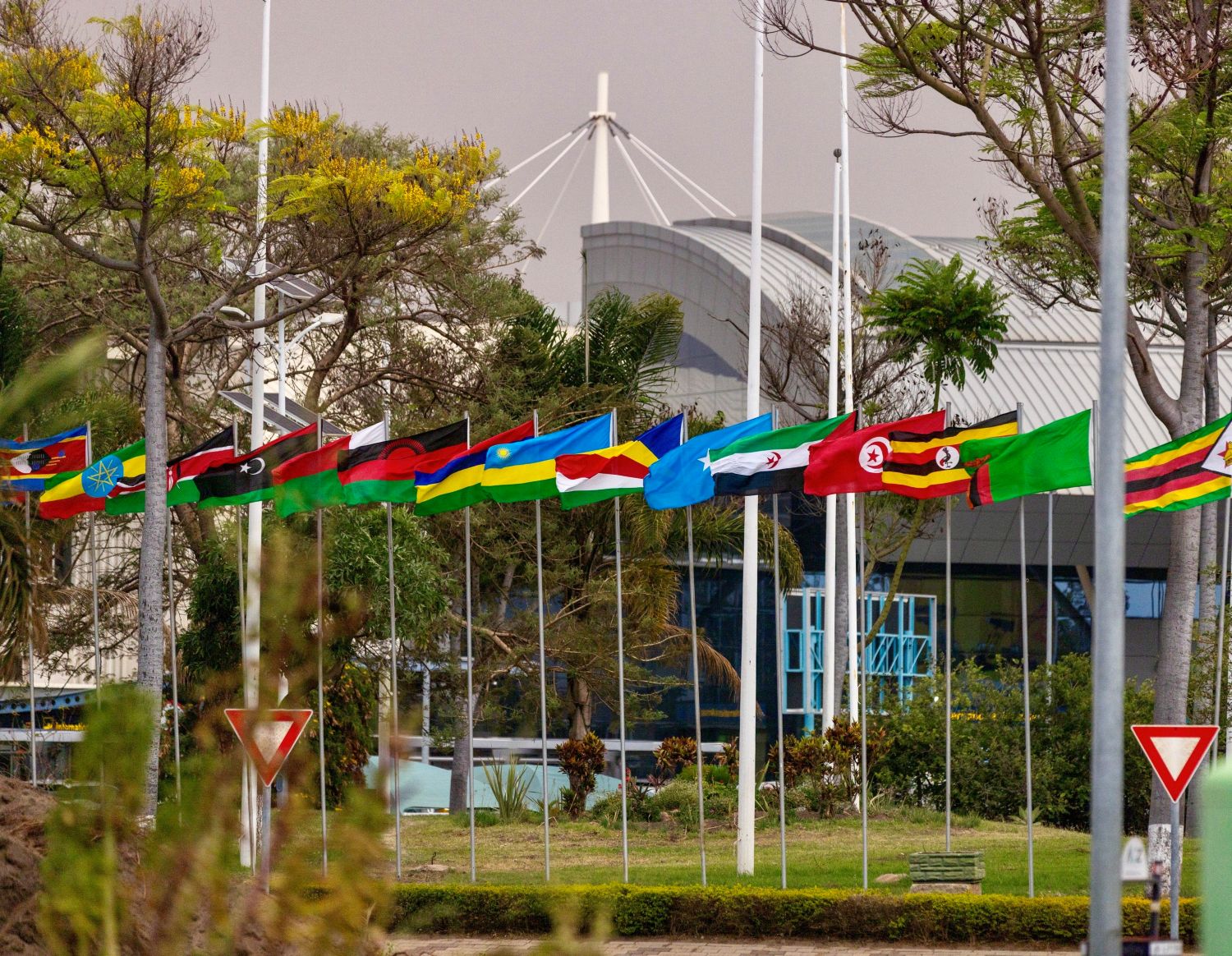
The summit is being held under the theme “One Market, One Future: Advancing Inclusive Industrialisation, Investment and Regional Integration in COMESA,” with discussions focusing on strengthening regional economic integration, attracting investment and expanding industrial production across the bloc’s 21 member states.
Leaders are expected to discuss ways to strengthen regional value chains in agriculture, manufacturing and critical minerals, with an emphasis on increasing local value addition and reducing reliance on exports of unprocessed commodities.
The summit is also expected to launch the COMESA Medium-Term Strategic Plan for 2026–2030, which will guide efforts to deepen market integration, improve trade resilience and address barriers to cross-border commerce.
Discussions will also consider ways to align COMESA’s regional trade programmes with the African Continental Free Trade Area (AfCFTA) to expand trade and investment opportunities across the continent.
The Heads of State and Government summit follows meetings of foreign ministers and private sector representatives, including the 19th COMESA Business Forum and Exhibition, which brought together businesses, regional investors and micro, small and medium-sized enterprises to discuss value addition, climate-smart investment and digital trade.
Zimbabwean President Emmerson Mnangagwa is expected to take over the COMESA chairmanship for 2026–2027 from Kenyan President William Ruto under the bloc’s rotational leadership arrangement.
Rwanda is among the 21 member states of COMESA, a regional bloc that seeks to promote economic integration through trade, investment and cooperation among its members.
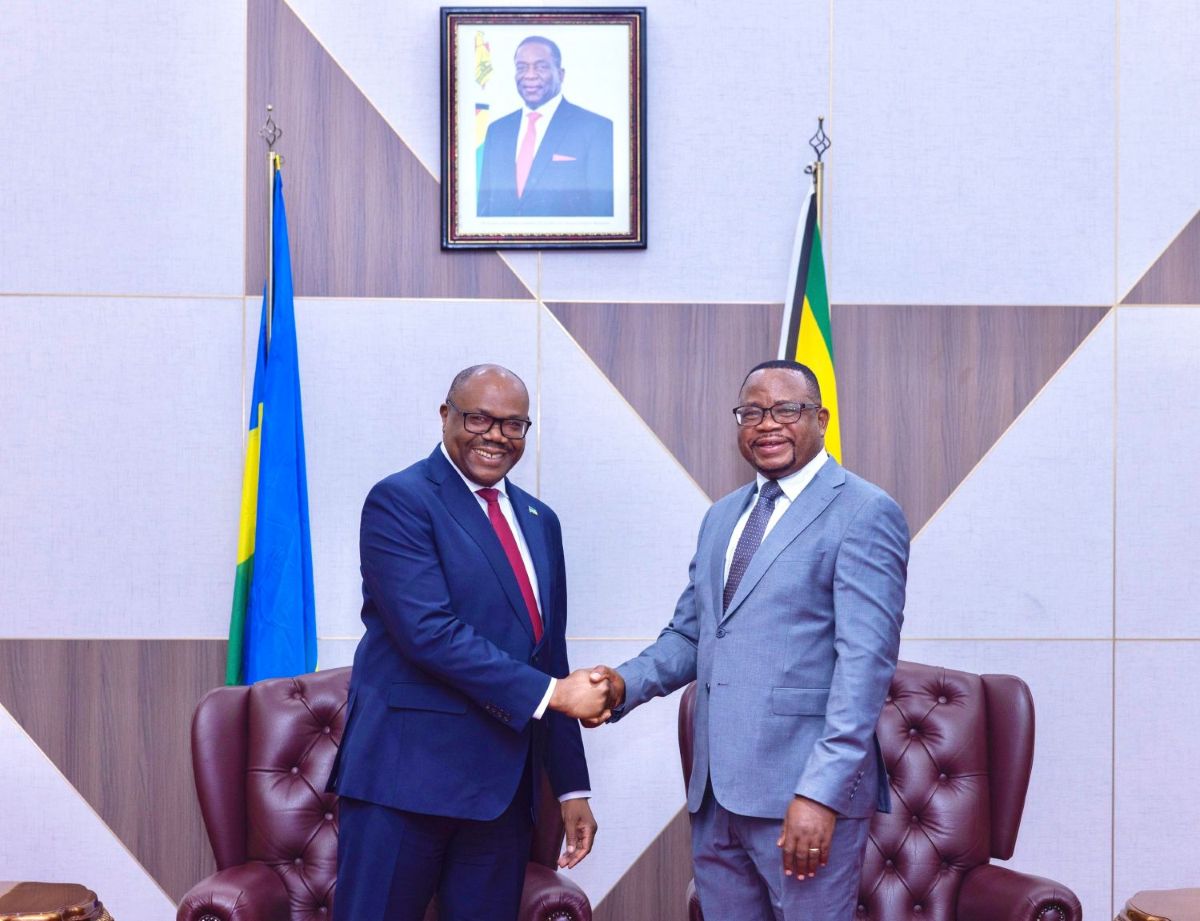
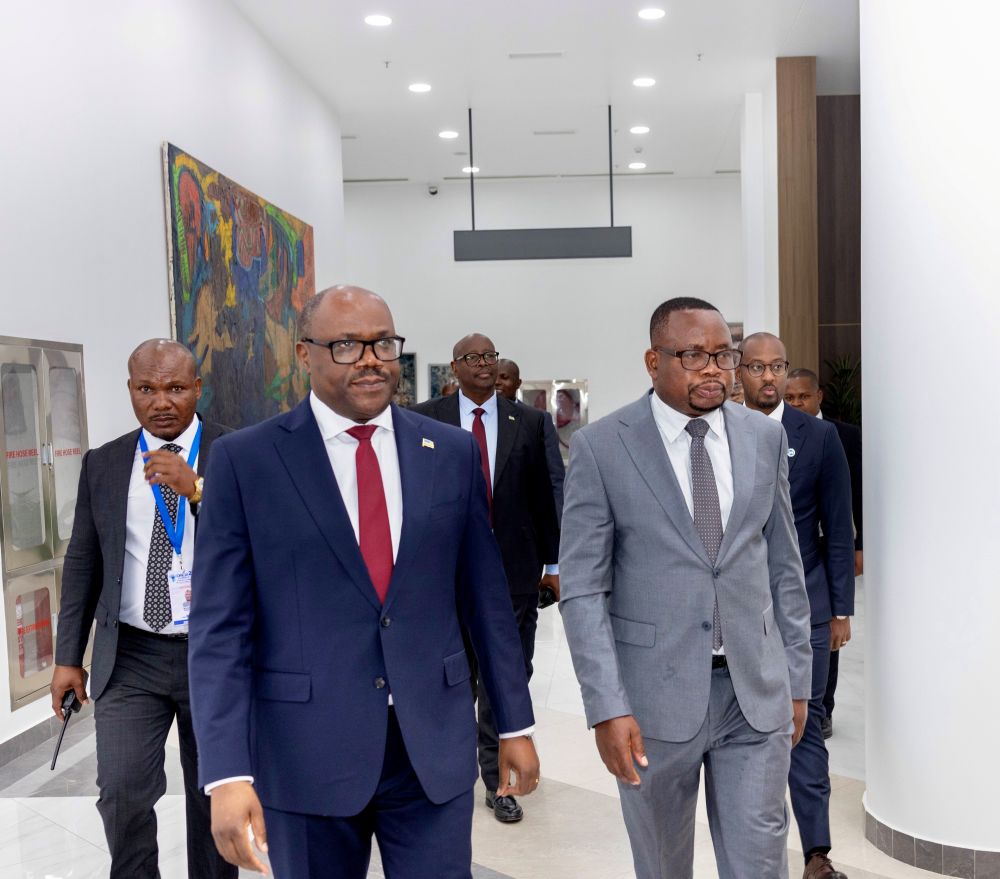
Rwanda’s Prime Minister, Dr Justin Nsengiyumva, is in Harare, Zimbabwe, to represent President Paul Kagame at the 25th Summit of Heads of State and Government of the Common Market for Eastern and Southern Africa (COMESA) on Thursday, October 22, 2026.The summit is being held under the theme “One Market, One Future: Advancing Inclusive Industrialisation, Investment and Regional Integration in COMESA.
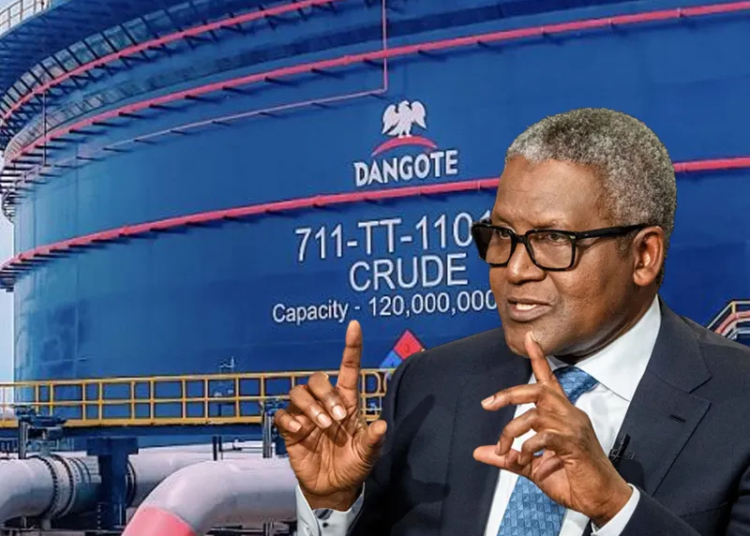
Dangote announced the acquisition on Wednesday, October 21, 2026, while speaking at the Financial Times Africa Summit in London. The investment gives his business group an interest in the network that transports petroleum products from Kenya’s coastal port of Mombasa to inland markets and neighbouring countries.
“We bought 25 per cent of their pipeline network for the distribution of petroleum products,” Dangote said.
The transaction involves approximately 4.5 billion shares, equivalent to 24.76 per cent of KPC, according to Kenyan media reports. Dangote did not disclose which company within his business group completed the purchase.
The acquisition follows Kenya’s initial public offering of KPC, through which the government sold a 65 per cent stake in the company earlier this year. The latest transaction involved shares held by public institutions, although the identities of all the sellers have not been confirmed.
Kenyan President William Ruto had disclosed a day earlier that private investors had acquired approximately a quarter of the pipeline company from public entities, without naming the buyers.
Expanding Dangote’s energy footprint in East Africa
The investment comes as Dangote advances plans to establish a major refining operation in Kenya.
On September 30, Dangote and Ruto broke ground on a planned $16 billion oil refinery in Lamu, on Kenya’s coast. The facility is designed to process up to 700,000 barrels of crude oil daily, with the aim of supplying petroleum products to Kenya and other East African markets.
The refinery is expected to strengthen regional fuel production and reduce dependence on imported refined petroleum products. Its development is part of broader efforts to expand Kenya’s industrial and energy infrastructure.
Dangote’s pipeline investment also aligns with plans to increase the capacity of the existing distribution network.
Speaking at the Financial Times Africa Summit, Dangote said he planned to invest a further $1.5 billion in expanding Kenya’s pipeline infrastructure,
Kenya Pipeline Company operates approximately 1,300 kilometres of pipeline infrastructure, transporting petrol, diesel and jet fuel across the country and serving markets including Uganda, Rwanda, South Sudan and the Democratic Republic of Congo.
The company’s regional reach could give Dangote a strategic position in distributing fuel produced at his existing Nigerian refinery and, in the future, the planned Lamu facility.
Dangote announced the acquisition on Wednesday, October 21, 2026, while speaking at the Financial Times Africa Summit in London. The investment gives his business group an interest in the network that transports petroleum products from Kenya’s coastal port of Mombasa to inland markets and neighbouring countries.
The incident, which occurred at a bus park in Rubavu, sparked public debate after videos circulated on social media showing two police officers handcuffing the woman and bundling her into a vehicle.
The Rwanda National Police subsequently announced that the officers had been arrested and the woman cleared of wrongdoing. Police also warned officers against allowing similar incidents to happen again.
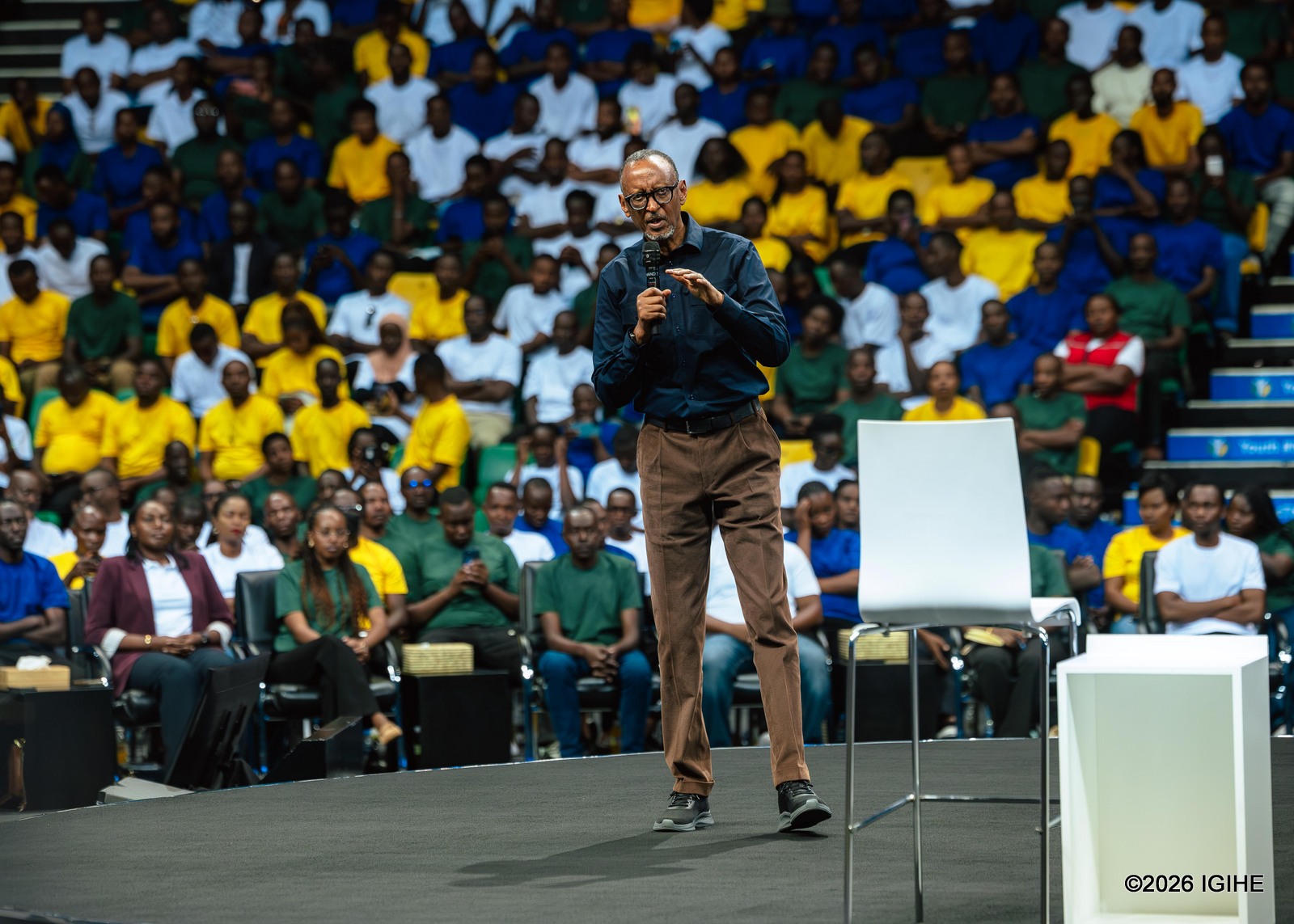
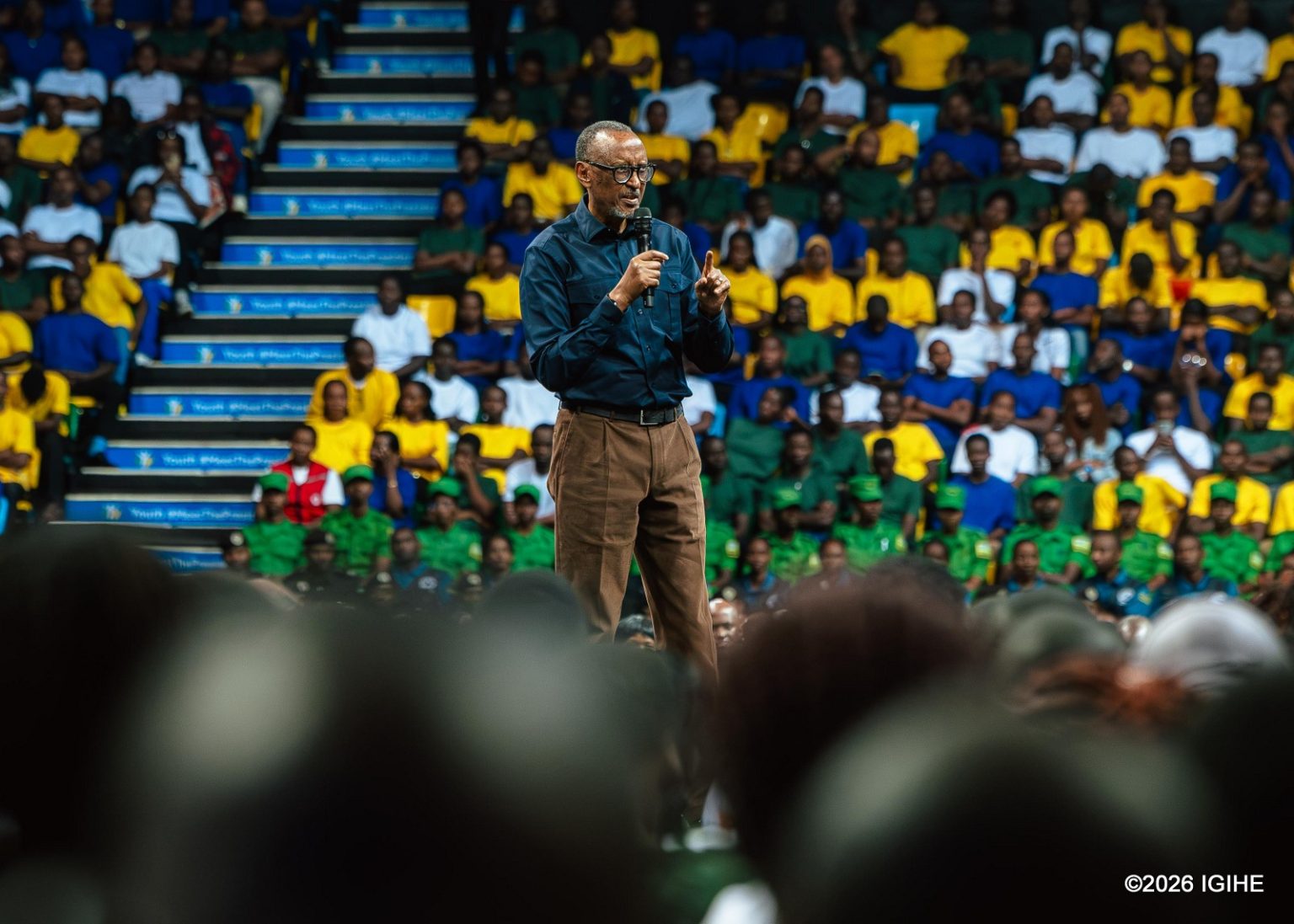
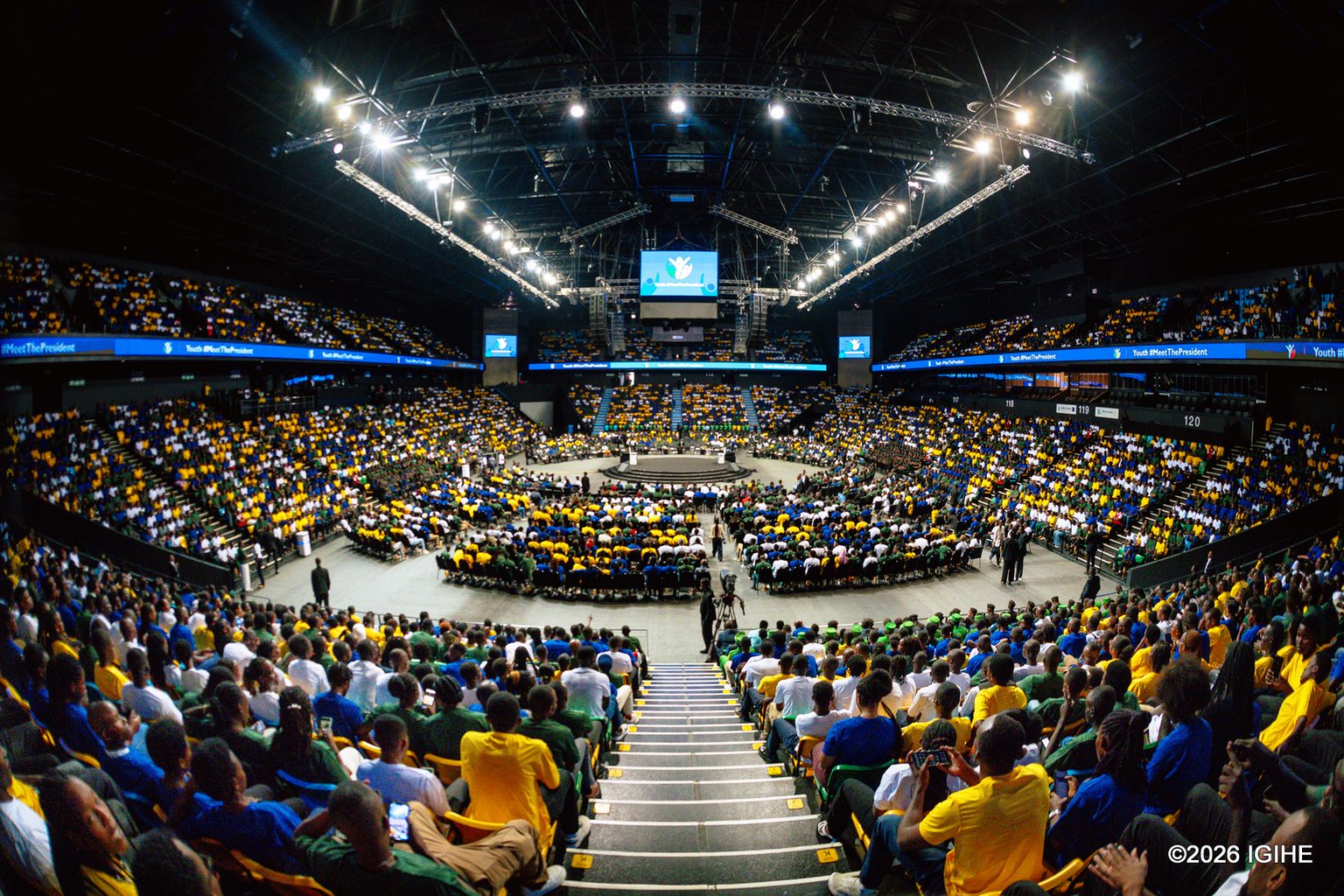
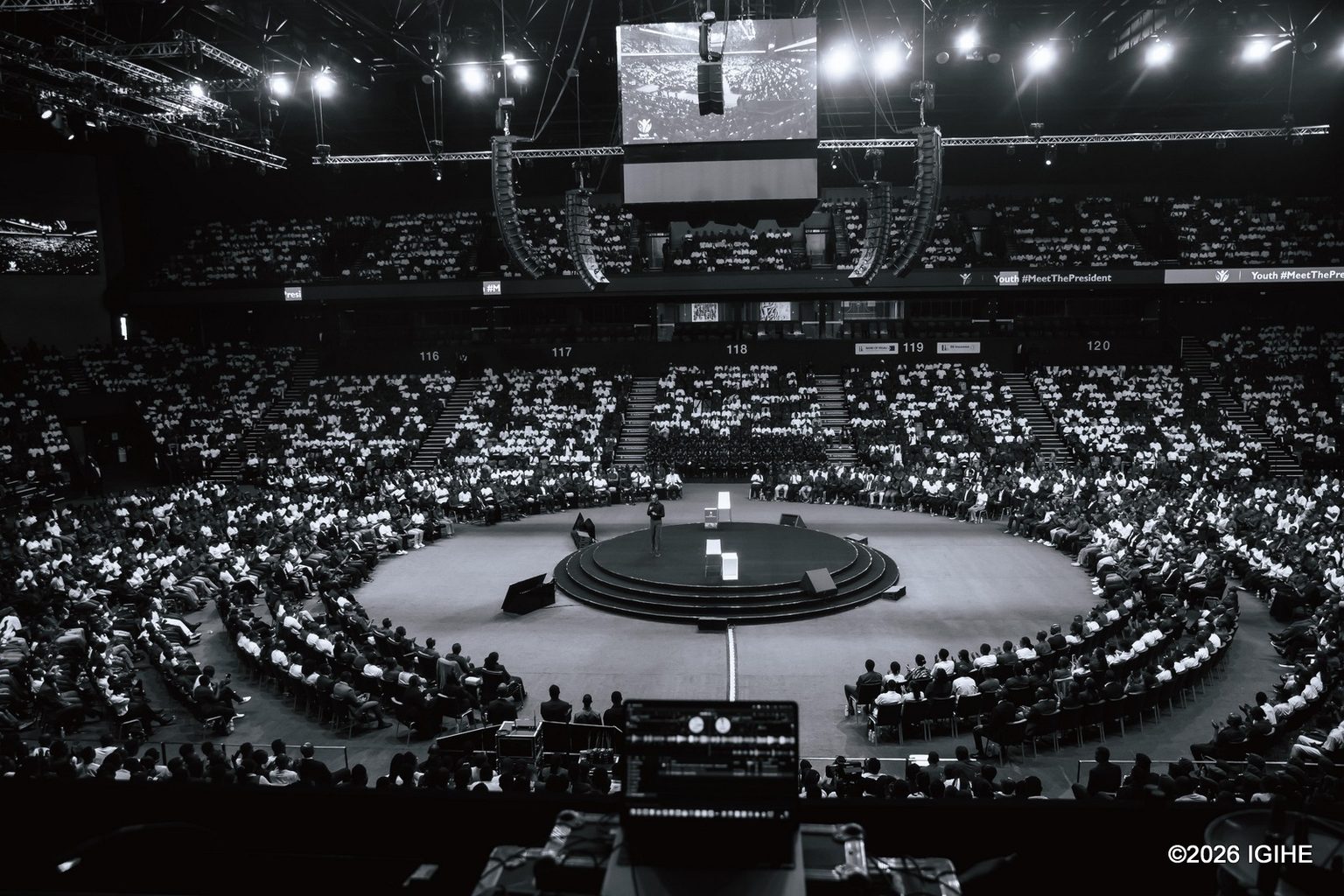
Speaking to about 10,000 young people gathered at BK Arena for the ‘Meet the President’ engagement on Wednesday, October 21, Kagame said he had called Inspector General of Police Felix Namuhoranye, who explained that the officers had misunderstood their instructions.
After requesting a photograph of the woman, the President concluded that she had been treated unfairly.
“What exactly did this woman do wrong? Looking at her, I do not see anything inappropriate that should be exposed in public. What is your problem?” Kagame recalled asking the police chief.
He suggested that fatigue might have contributed to the officers’ conduct, urging the public to be understanding while holding officers accountable for their actions.
“Sometimes, try to understand them and forgive them. They start work early and get tired. They deal with many things, as you also know. Sometimes they reach a point of exhaustion, and you find that an officer makes a mistake,” he said.
Kagame said societies establish expectations about acceptable behaviour and dressing depending on the setting, noting that clothing considered appropriate at the beach might attract a different reaction elsewhere.
He added that discussions about dress codes should apply to men as well as women, arguing that people are generally expected to dress in ways that reflect the setting they are in.
The President said societies also have their own values, rules and taboos, which can sometimes differ from practices people encounter elsewhere. However, he cautioned against turning such differences into conflict.
“There should be no hostility arising from this. There should be an agreed way of handling it so that people understand one another,” he said.
Kagame urged young people to understand how society functions, express their views on practices they believe add no value to their culture, and call for harmful practices to be rejected. He added that discussions about what should or should not be accepted can lead to mutually agreed decisions without conflict.
‘Be healthy first’
President Kagame also used the platform to urge young people to prioritise their health and well-being, warning that alcohol and drug abuse could undermine their personal development.
“First, take care of yourself. The other things can come afterwards, but you need to be healthy, from childhood to adulthood, so that you can achieve everything else,” he said.
He encouraged them to focus on learning, work and personal responsibility, urging them to make informed decisions about their future.
President Paul Kagame criticised the handling of a young woman’s arrest over alleged indecent dressing in August, saying she had been unfairly treated.President Kagame spoke during the #MeetThePresident engagement at BK Arena on Wednesday, October 21,
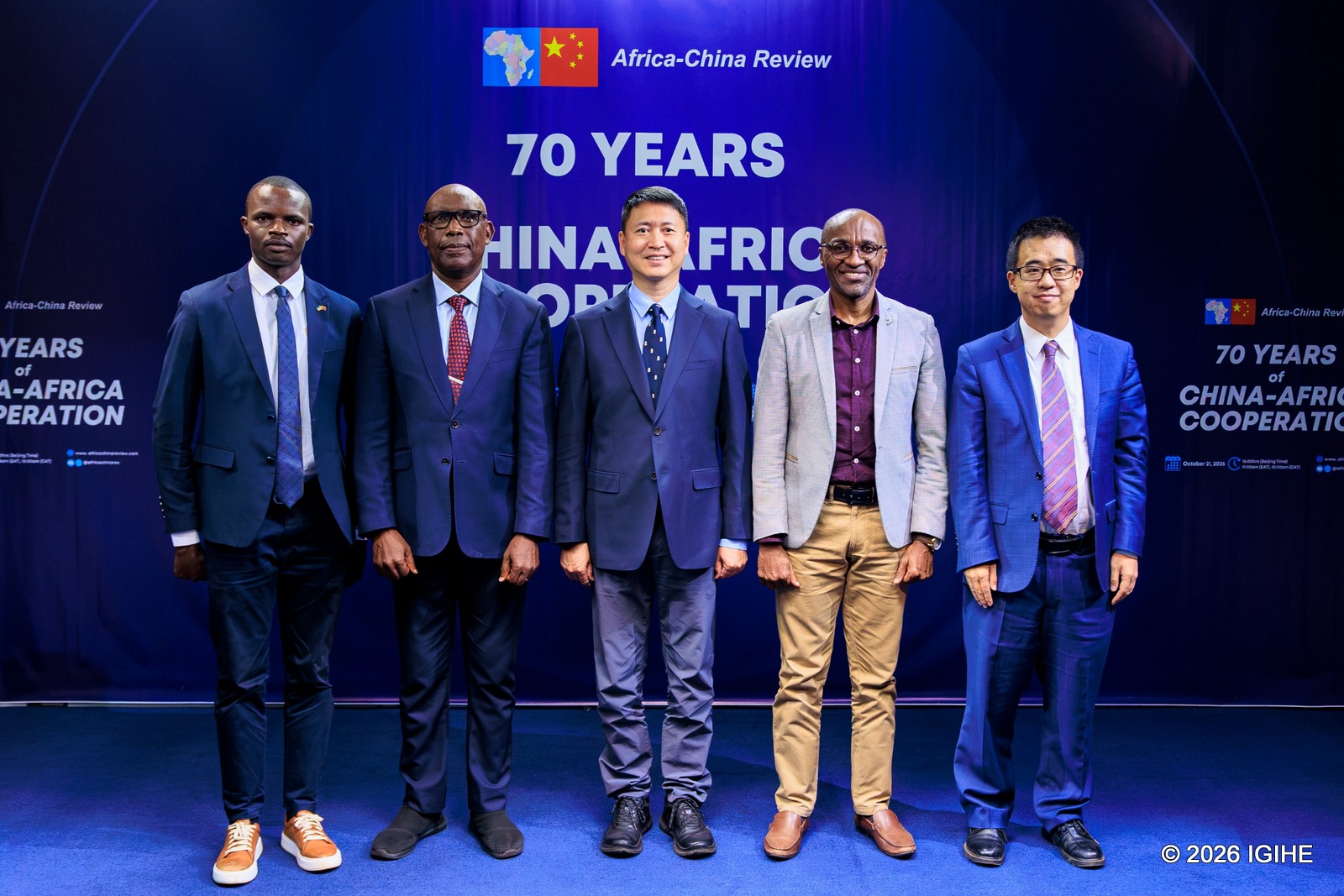
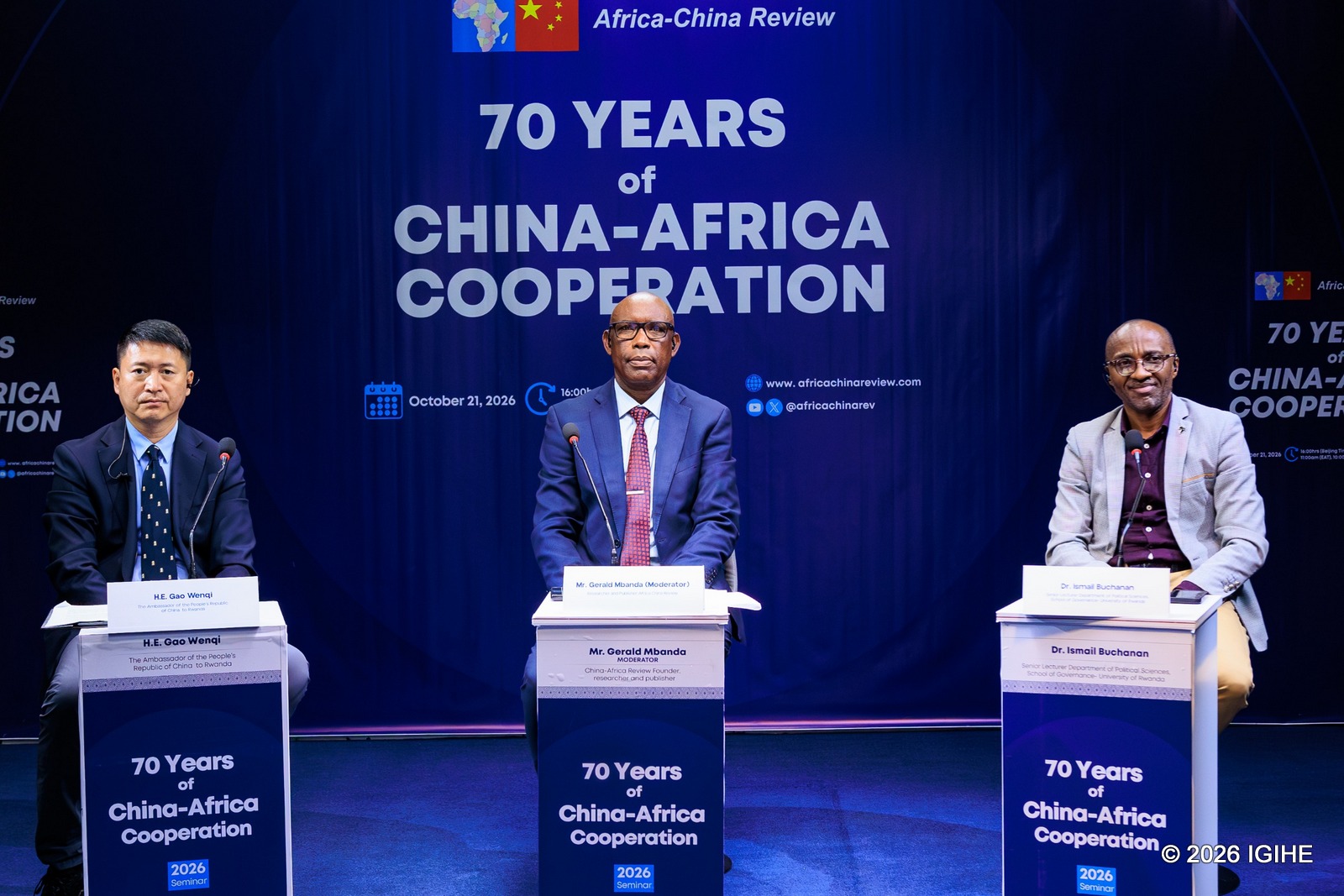
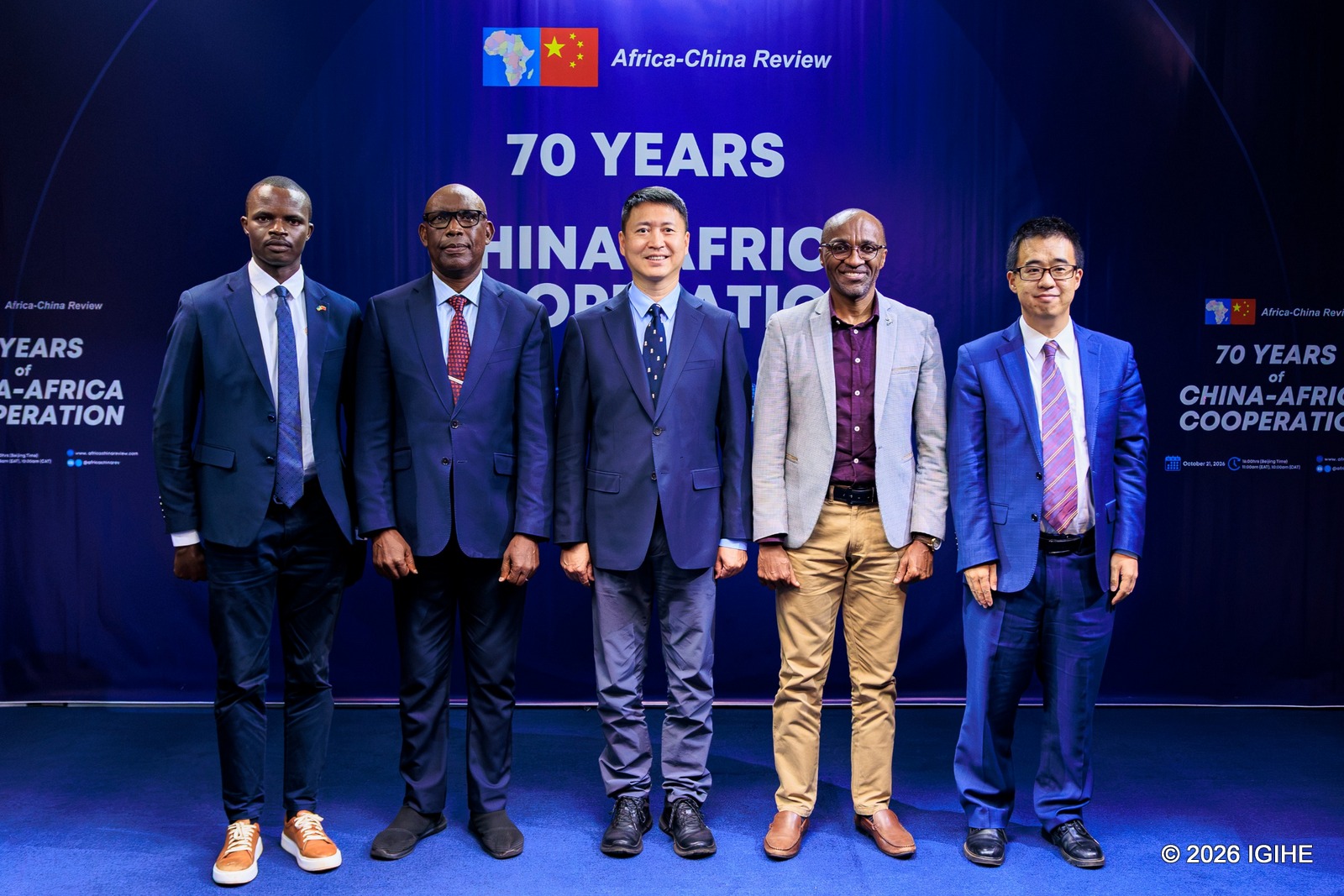
The call was made during a seminar organised by Africa-China Review in partnership with the Chinese Embassy in Rwanda on Wednesday, October 21, 2026.
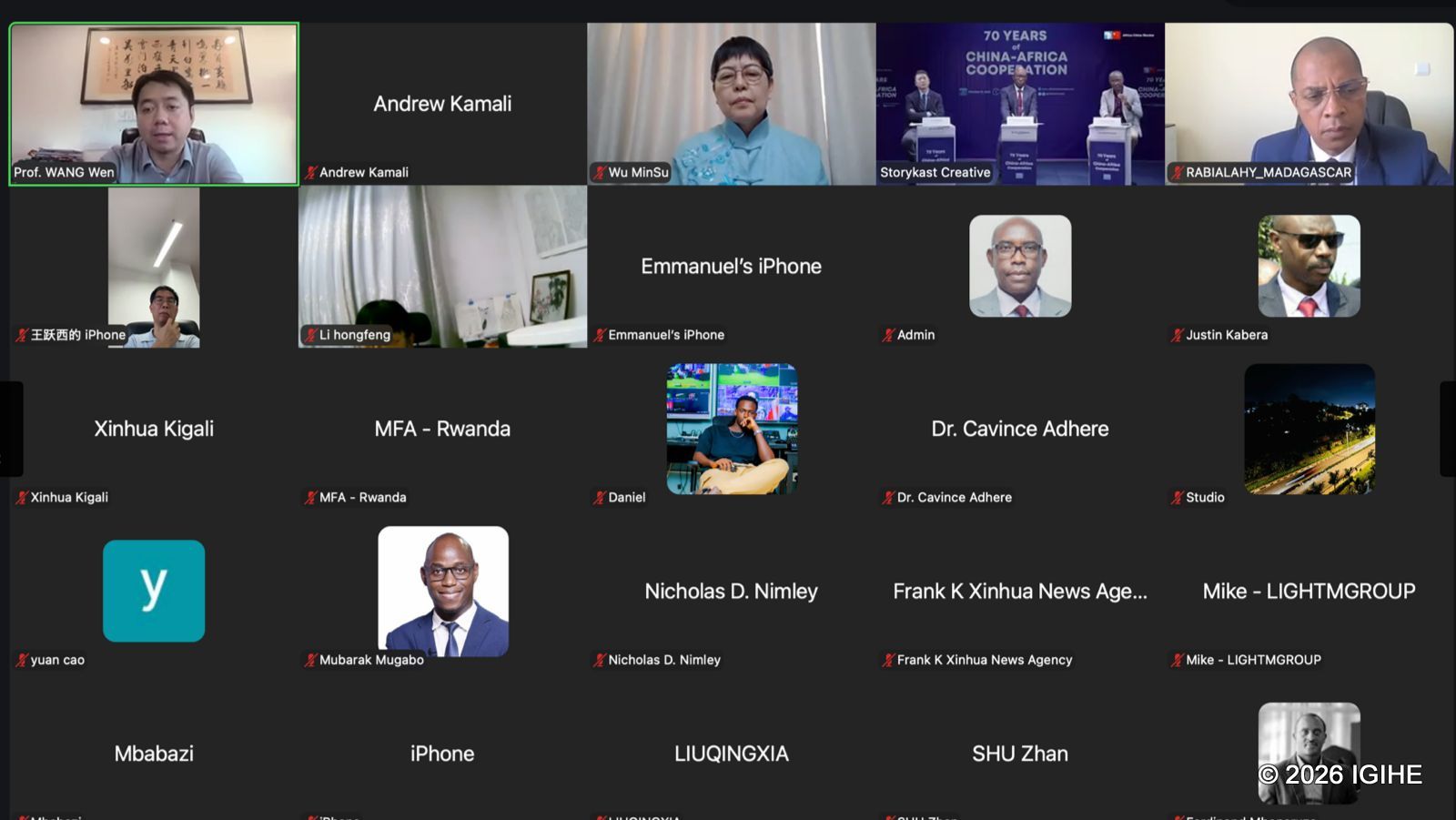
The hybrid event brought together diplomats, academics and media professionals to reflect on the partnership’s achievements and explore opportunities for deeper collaboration across infrastructure, healthcare, agriculture, education and cultural exchange.
The seminar provided a platform for diplomats, researchers and development practitioners to assess how cooperation has evolved over seven decades and identify ways to ensure it continues to deliver meaningful benefits to African communities.
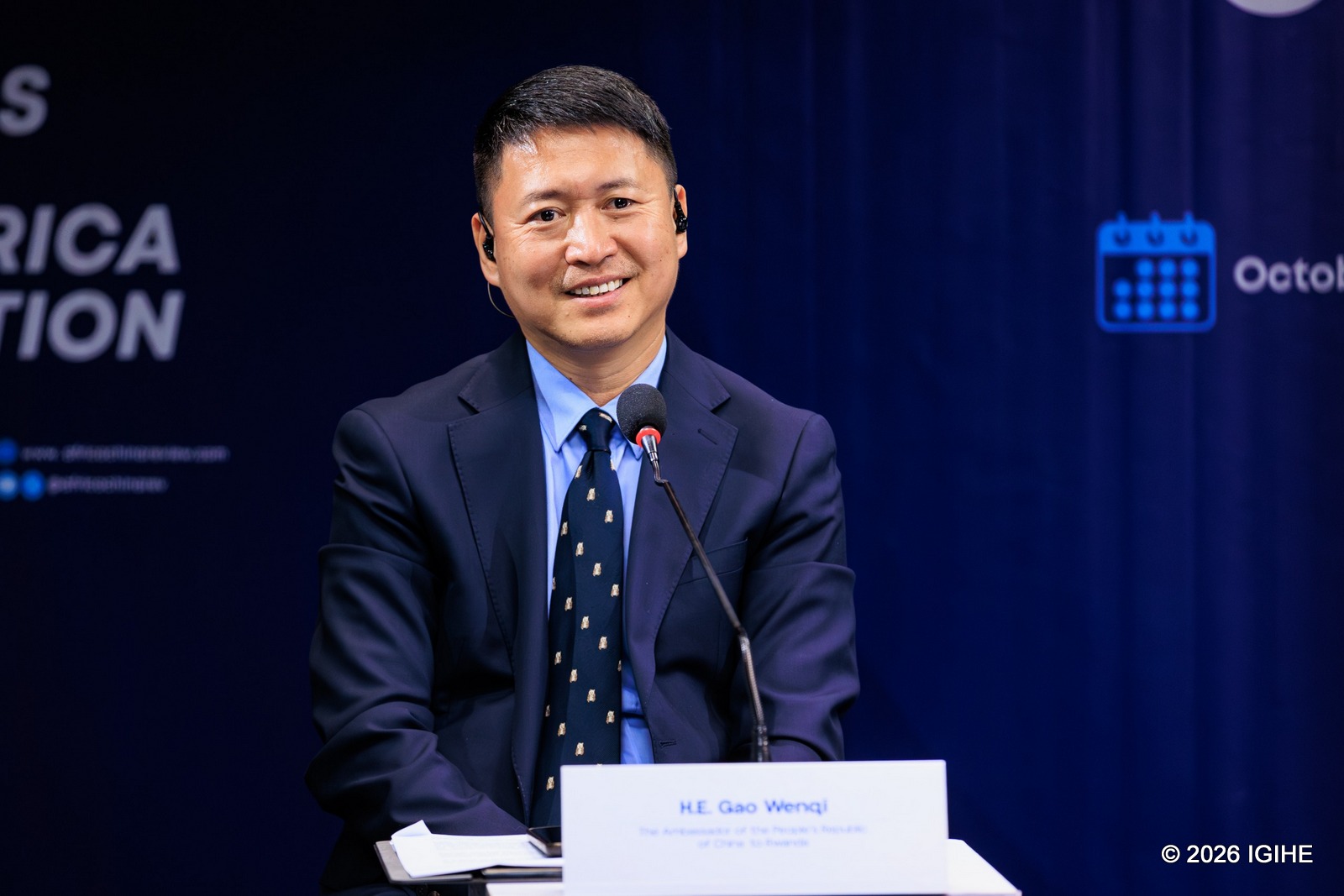
China’s Ambassador to Rwanda, Gao Wenqi, emphasised the enduring friendship between China and African countries, describing their relationship as a partnership built on shared experience and a common vision for development.
“If you want to go fast, go alone. If you want to go far, go together. China and Africa have chosen to go far together. 70 years of shared experience show that our friendship rests on firm foundations and that our future is full of promise,” he said.
Gao highlighted milestones in China-Africa cooperation, including the TAZARA Railway, Chinese medical teams serving communities across Africa, zero-tariff access and the 10 Partnership Actions.
He said China and Africa continued to work together towards modernisation and a community with a shared future.
China’s Ambassador to Rwanda, Gao Wenqi, addressed the seminar marking 70 years of China-Africa cooperation, highlighting the enduring friendship between China and African countries and their shared aspirations for modernisation.
Rwanda’s Permanent Secretary at the Ministry of Foreign Affairs and International Cooperation, Ambassador Fidelis Mironko, highlighted the importance of the relationship between Rwanda and China, which marked 55 years of diplomatic relations in 2026.
“This conversation comes at a special time as Rwanda and China mark 55 years of diplomatic relations this year… Our experience together has shown what countries can achieve through cooperation and move forward to achieving even more together,” Mironko said.
He described the two countries as like-minded partners pursuing modernisation and expressed confidence in further strengthening cooperation in the years ahead.
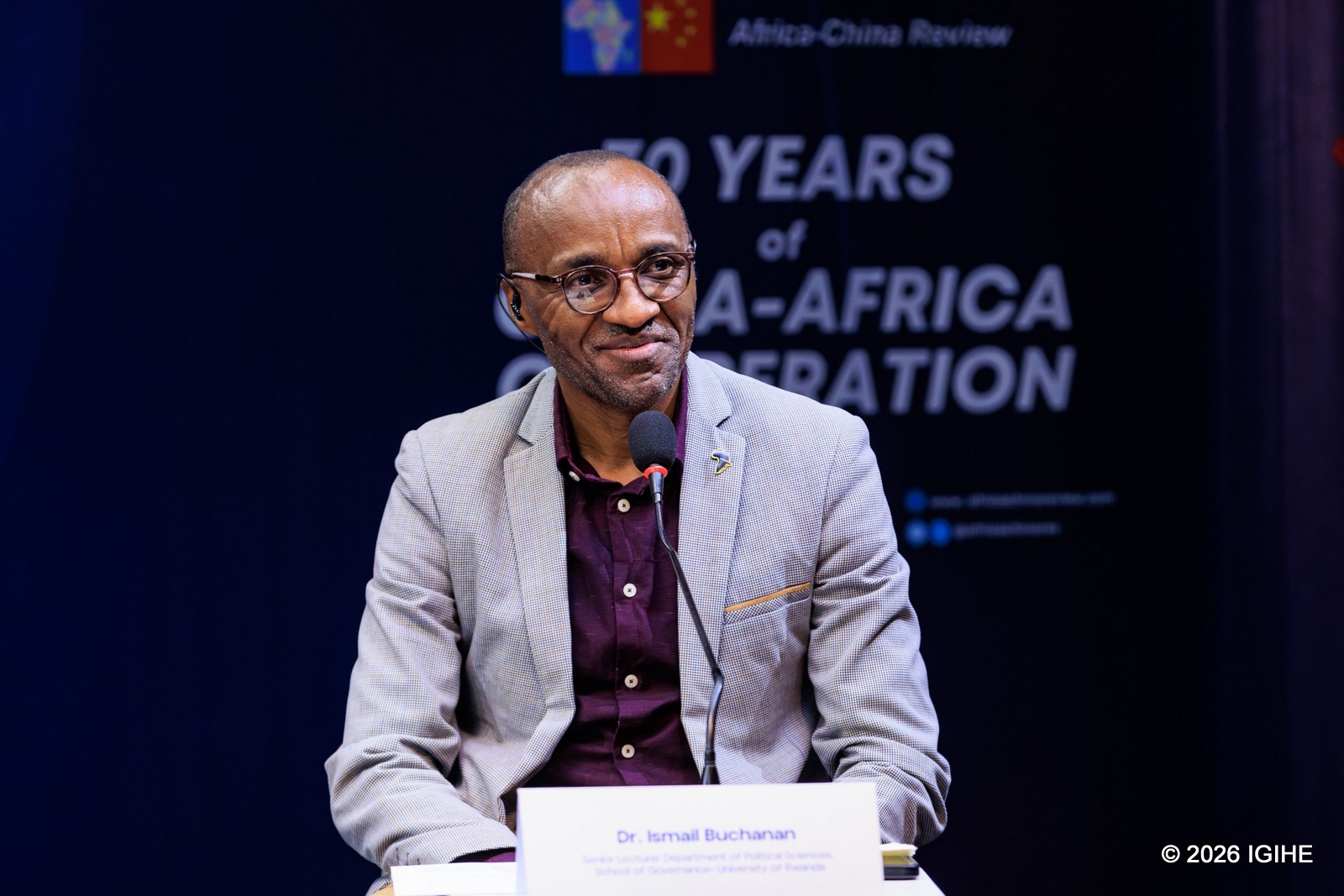
Dr Ismail Buchanan, Senior Lecturer in Political Science and International Relations at the University of Rwanda, focused on education and cultural exchange as important pillars of the next phase of China-Africa relations.
He observed that the relationship had evolved from political solidarity during the anti-colonial period into a broader partnership covering trade, economic development and institutional cooperation.
“The era of focusing strictly on hard infrastructure, resource accessibility and diplomacy is transforming into an era of human-centric diplomacy,” Buchanan said.
He noted that China had become an increasingly attractive destination for African students because of the quality and affordability of education, alongside opportunities for cultural exchange.
The hybrid event brought together diplomats, academics and media professionals to reflect on the partnership’s achievements and explore opportunities for deeper collaboration across infrastructure, healthcare, agriculture, education and cultural exchange.
Buchanan also highlighted the role of the Forum on China-Africa Cooperation (FOCAC) and the Belt and Road Initiative in supporting cooperation. He argued that educational partnerships and skills development could help reduce brain drain while building lasting links between African and Chinese institutions and researchers.
Using Rwanda as an example, he discussed vocational training and institutional collaboration, including the Rwanda-Luban Workshop at an Integrated Polytechnic Regional Centre.
Recent infrastructure and healthcare projects in Rwanda were also highlighted as examples of how China-Rwanda cooperation is contributing to the country’s development.
These include the 10.3-kilometre Prince House–Masaka Road Expansion and Upgrade Project in Kigali and the Masaka Hospital Renovation and Expansion Project.
The Masaka Hospital project, valued at 580 million Chinese yuan, equivalent to more than Rwf124 billion, will provide 837 beds and 22 operating theatres. The facility is expected to become the new home of the University Teaching Hospital of Kigali (CHUK) by the end of 2026.
The road project is being implemented through a partnership in which China is contributing approximately Rwf95 billion, while Rwanda is providing about Rwf35 billion. Construction is expected to take around 30 months.
The works include a flyover, underpasses, interchanges, bridges, drainage systems and street lighting. The existing corridor will be upgraded into a dual four-lane carriageway, with some sections reaching eight lanes.
A presentation on China-Liberia cooperation emphasised that the success of international partnerships should be measured by the difference they make in people’s lives.
“In the arena of international relations, the true value of a partnership is not measured by lofty declarations or diplomatic rhetoric, but by the tangible benefits it delivers to the people it is intended to serve,” the speaker said.
The presentation highlighted infrastructure projects, educational support, healthcare cooperation and vocational training as examples of areas in which China-Liberia relations have delivered practical benefits.
Among the projects cited was Liberia’s Ministerial Complex, valued by the speaker at approximately $60 million, which accommodates five government ministries and agencies. The speaker also referred to two overpasses under construction in Monrovia, estimated at $33 million.
Other projects mentioned included the University of Liberia’s Fendall Campus, Jackson F. Doe Memorial Regional Hospital in Nimba County, the Capitol Annex, Monrovia Vocational Training Center and Samuel Kanyon Doe Sports Complex.
The speakers also highlighted Chinese medical teams, scholarships and professional training programmes in fields including medicine, engineering, agriculture, information technology and public administration.
Emphasising the importance of developing local expertise alongside physical infrastructure, the speaker argued that facilities and investments must be supported by people with the skills to operate and maintain them.
The presentation concluded by describing China as a development partner that, in the speaker’s view, respected Liberia’s sovereignty and the principle of non-interference.
As China and Africa enter the eighth decade of their relationship, the speakers’ contributions pointed to a shared challenge: ensuring that cooperation delivers sustainable results and improves people’s lives.
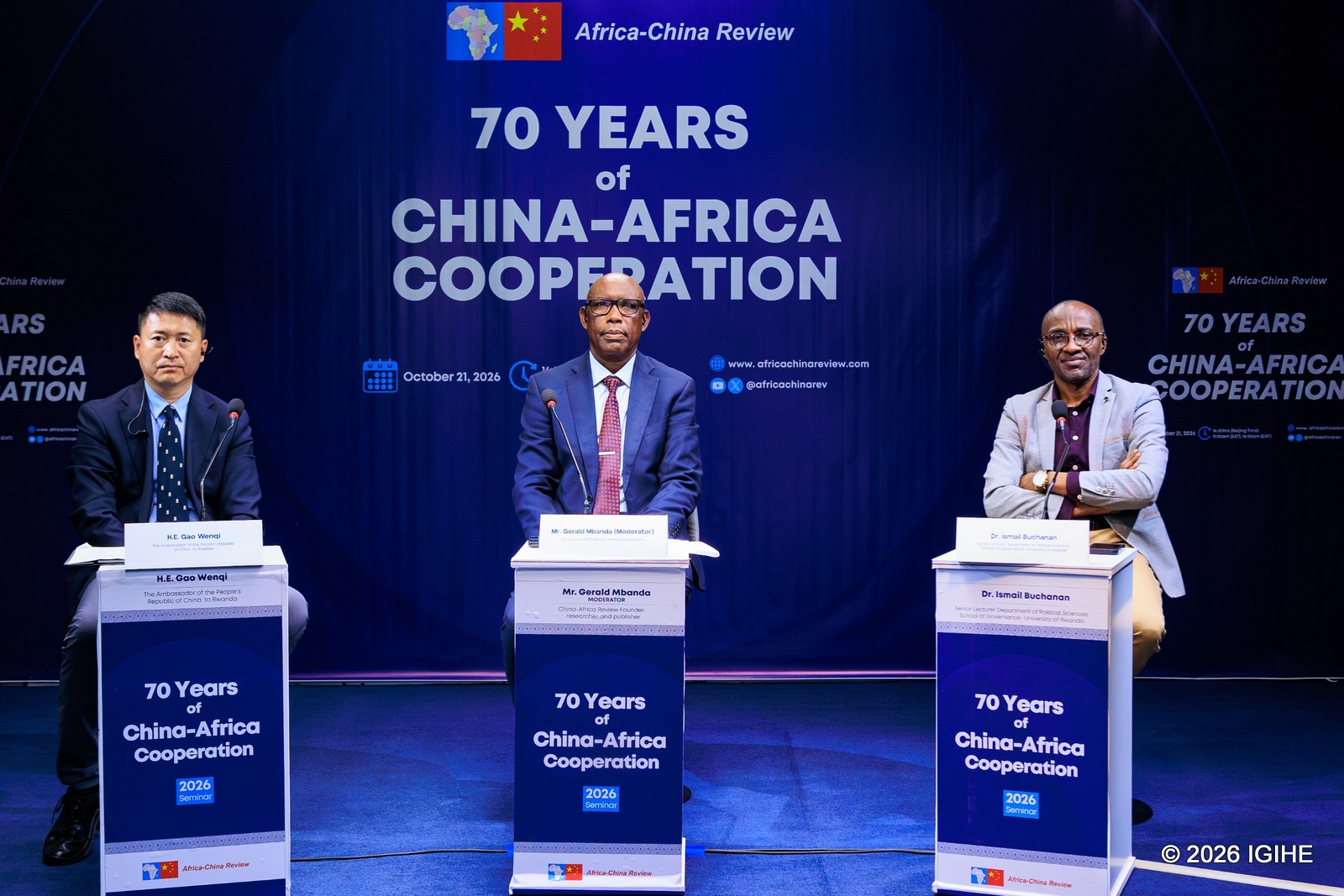
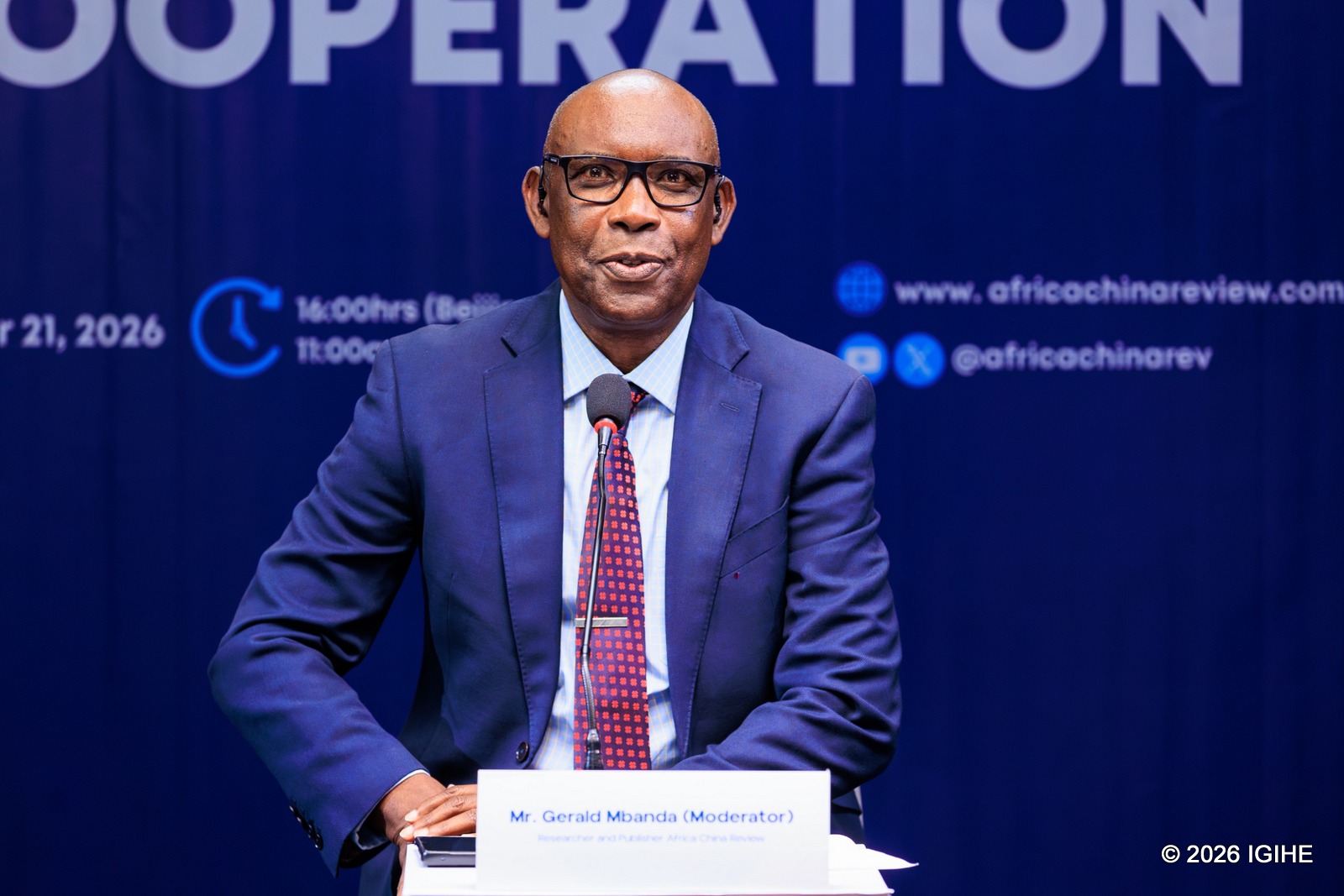
Participants discuss education, skills development and human-centred partnerships at a seminar marking 70 years of China-Africa cooperation.Gerald Mbanda, moderator of the seminar marking 70 years of China-Africa cooperation, leads discussions on the partnership’s achievements and future priorities.Dr Ismail Buchanan, Senior Lecturer in Political Science and International Relations at the University of Rwanda, calls for greater emphasis on education, cultural exchange and human-centred diplomacy in the next phase of China-Africa cooperation.
NASA’s Volatiles Investigating Polar Exploration Rover is scheduled to embark on a mission to the lunar South Pole region in 2027 to explore permanently shadowed craters in search of water and other potentially valuable resources that could support sustainable lunar exploration.
The rover will be delivered to the lunar surface by Blue Origin’s Blue Moon Mark 1 lander and is expected to travel more than 30 kilometers, collecting data on local temperatures, lighting conditions and terrain.
NASA said the data could help scientists better understand the origin and distribution of water on the Moon and assess how lunar resources might be used to support future exploration.
Meanwhile, NASA has awarded task orders to Astrolab and Lunar Outpost to build the first phase of Moon Base rovers capable of carrying crew, called lunar terrain vehicles (LTVs), which are intended to reach the Moon ahead of crewed Artemis missions.
Blue Origin has been tasked with delivering the rovers to the lunar South Pole region by 2028 through NASA’s Commercial Lunar Payload Services initiative.
The LTVs will allow astronauts to explore geologically diverse areas near the lunar South Pole, collect samples and transport equipment. They will also be remotely operated from Earth to map the lunar surface before astronauts arrive, NASA said.
According to NASA, the LTVs are designed to travel up to 10 kilometers on a single battery charge, support up to three moonwalks per Artemis mission, and carry up to 80 kilograms of lunar samples and tools.
“Lunar rovers are central to our surface mobility strategy,” said Robert Pickle, director of NASA’s Surface Mobility Office within the Moon Base Program.
Their performance will help lay the groundwork for the mobility systems needed to build, operate and expand infrastructure for long-duration lunar exploration, he said.
An artist’s concept of NASA’s VIPER lunar rover on the surface of the Moon.
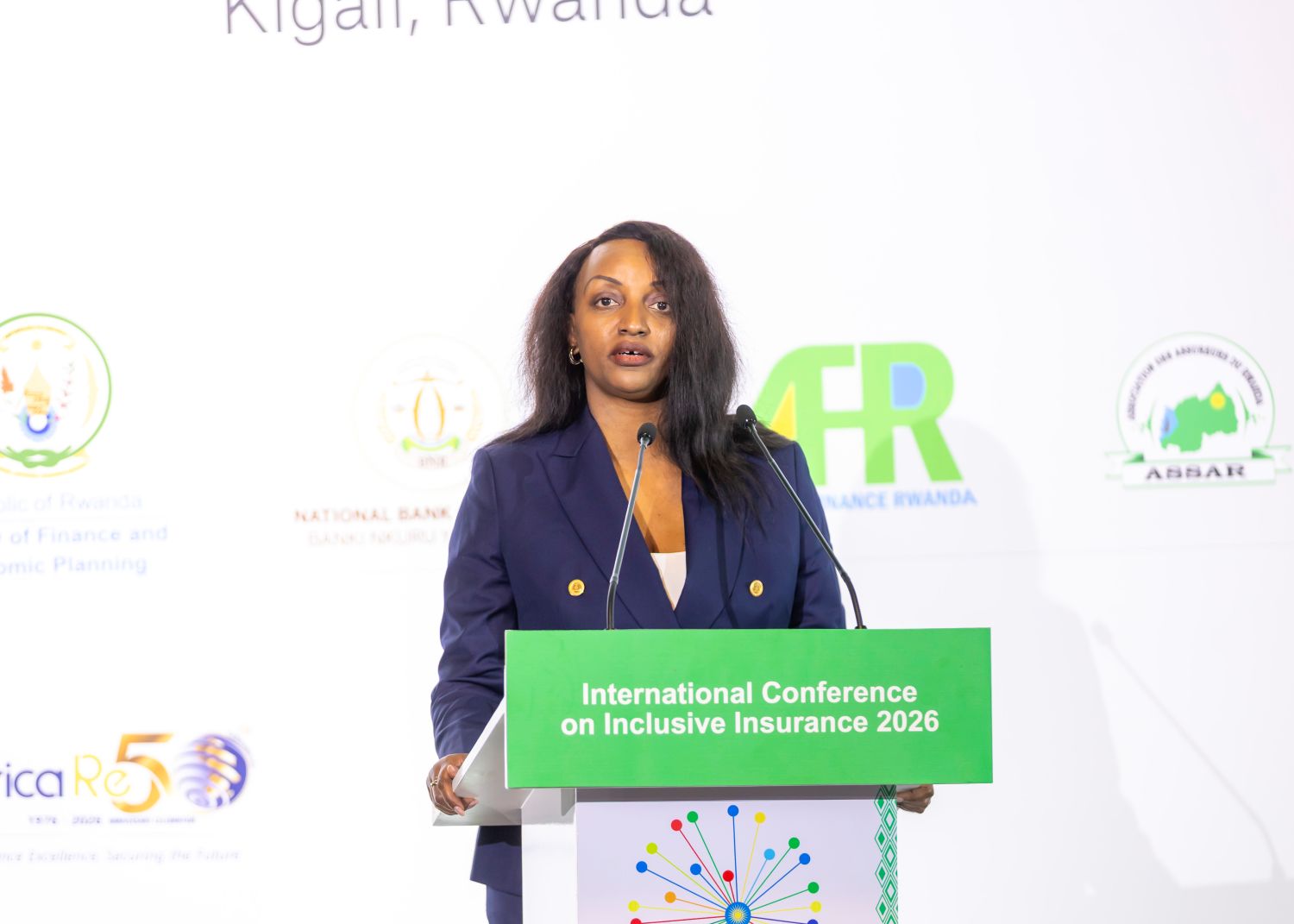
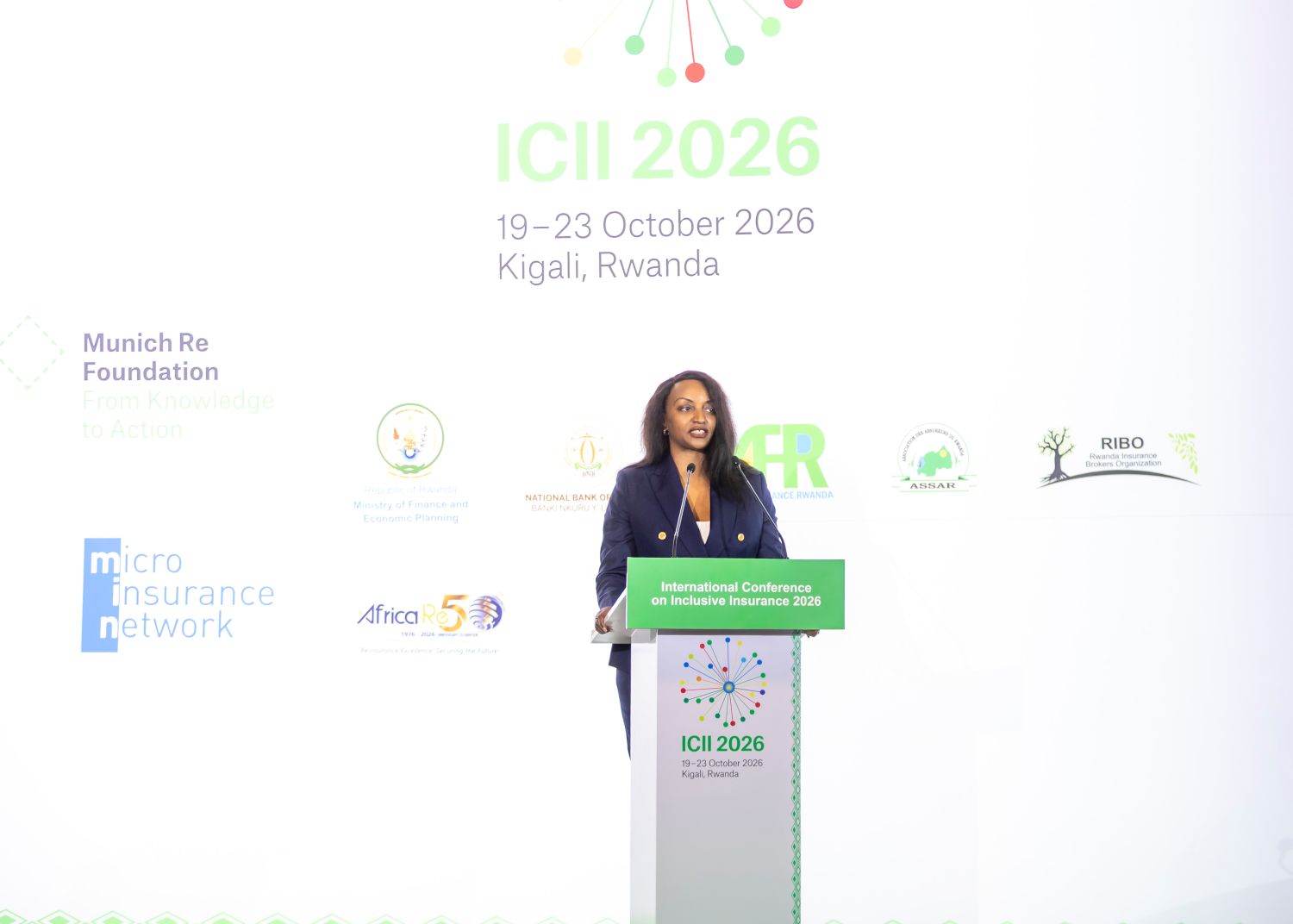
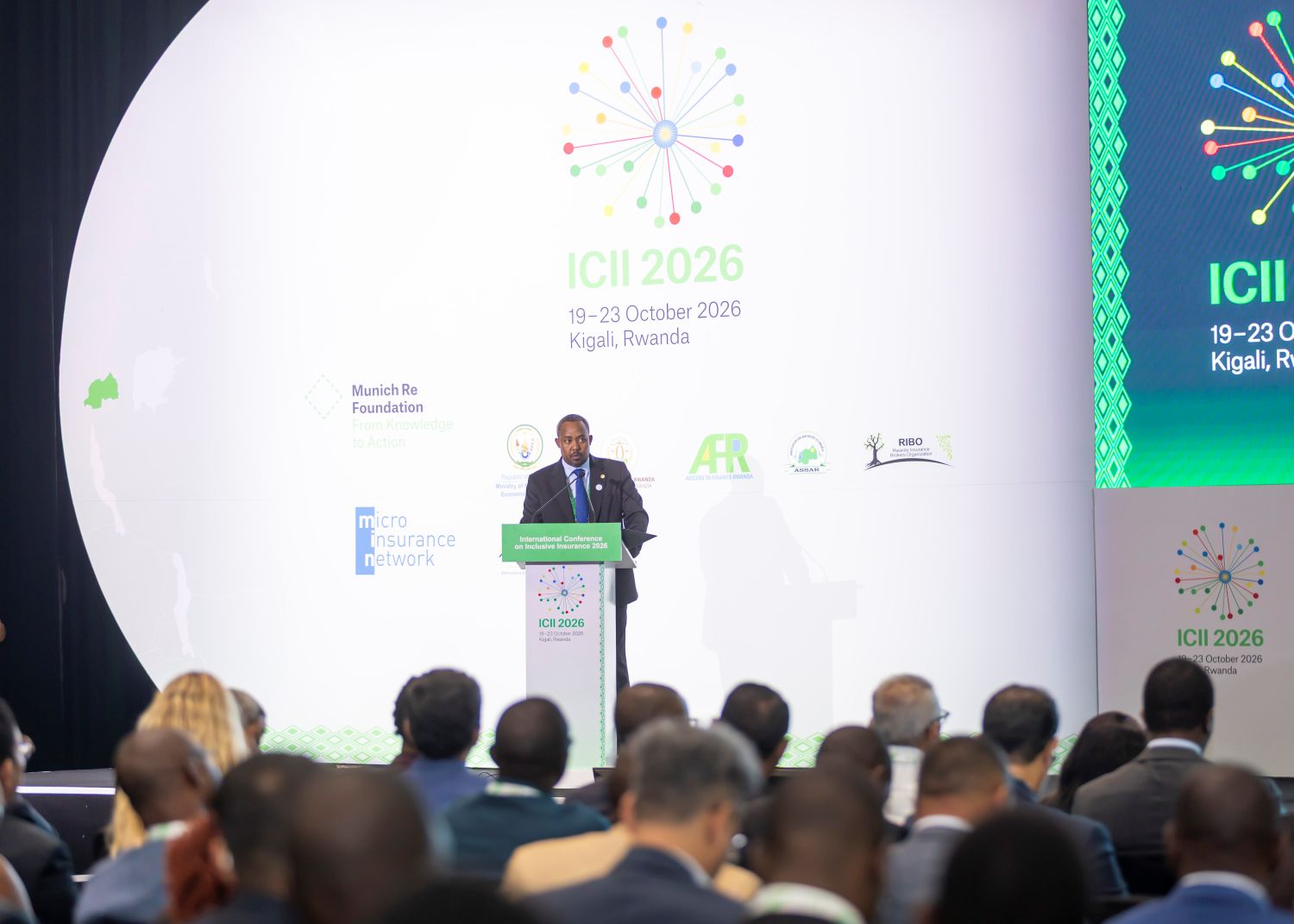
Speaking at the International Conference on Inclusive Insurance 2026 in Kigali on Tuesday, October 20, she said the central question is how to deliver the right protection at an affordable price through channels that citizens trust.
She identified three priorities for the industry: putting customers at the centre of product design, strengthening insurance literacy, and building trust through transparent coverage and reliable claims.
“Technology alone will not close the gap,” she said, adding that products must reflect the risks facing underserved households, smallholder farmers and small businesses, including climate shocks.
Trusted channels
The Governor said innovation can help lower distribution costs through digital technologies and insurtech, alongside trusted channels such as microfinance institutions and savings and credit cooperatives (SACCOs).
She said Rwanda’s financial inclusion rate of 92% shows the value of policy commitment and private-sector innovation, but that access to finance without risk protection remains incomplete.
Understanding what is covered
Laura Elena Rosado, Acting Chair of the Board of the Microinsurance Network, said customers need to clearly understand what their insurance covers, particularly when several types of protection are bundled into one product.
“Making sure that they understand what they are being covered for is very, very important,” she said of customers who have never had insurance.
She said bundling many risks into one product can turn a one-page set of terms into a hundred-page document with many exclusions. Bundling can work, she said, when the context is right, and customers understand what they are buying.
Herbert Asiimwe, Head of Financial Sector Development at the Ministry of Finance and Economic Planning, said the government was open to exploring ways to link community-based health insurance with other insurance products, noting that bundling can make cover easier to sell and deliver greater benefits.
Value and evidence
Andrew Kulayige, Chairperson of the Rwanda Insurers Association (ASSAR), said the industry must now go beyond expanding access and make insurance a better value proposition.
He said cover must be “affordable and reliable for the people and businesses that need protection most.”
Renate Bleich, Chair of the Munich Re Foundation, urged delegates to rely on evidence and on the voices of customers.
“Share the knowledge and experience of what works in practice and what has not worked,” she said, adding that delegates should use it when designing solutions.
Room to grow
Private insurance uptake in Rwanda rose from 17% in 2020 to 27% in 2024, according to figures the Governor presented. Under the National Insurance Strategy, the country aims to raise insurance penetration from 1.9% to 5% of GDP by 2035.
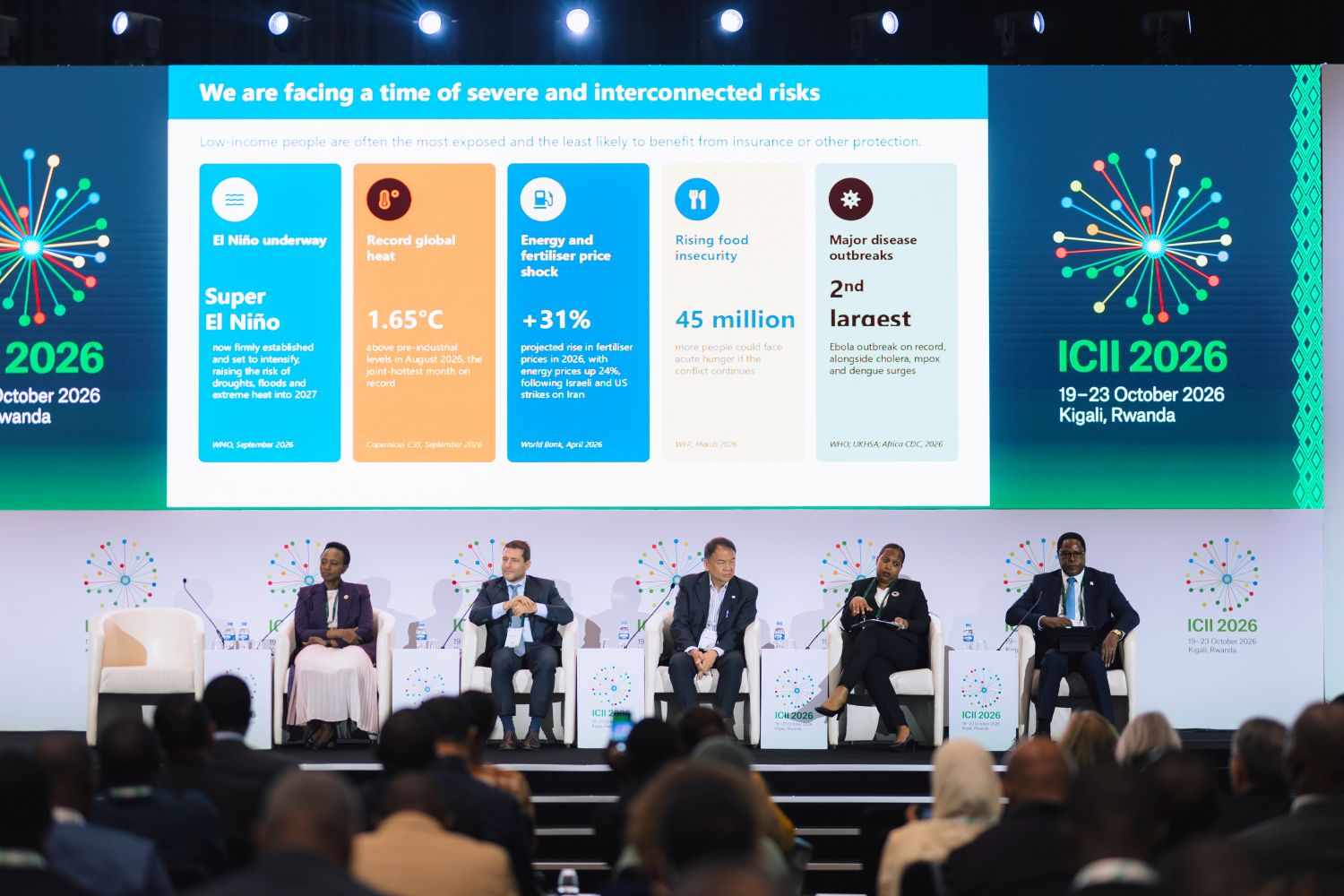
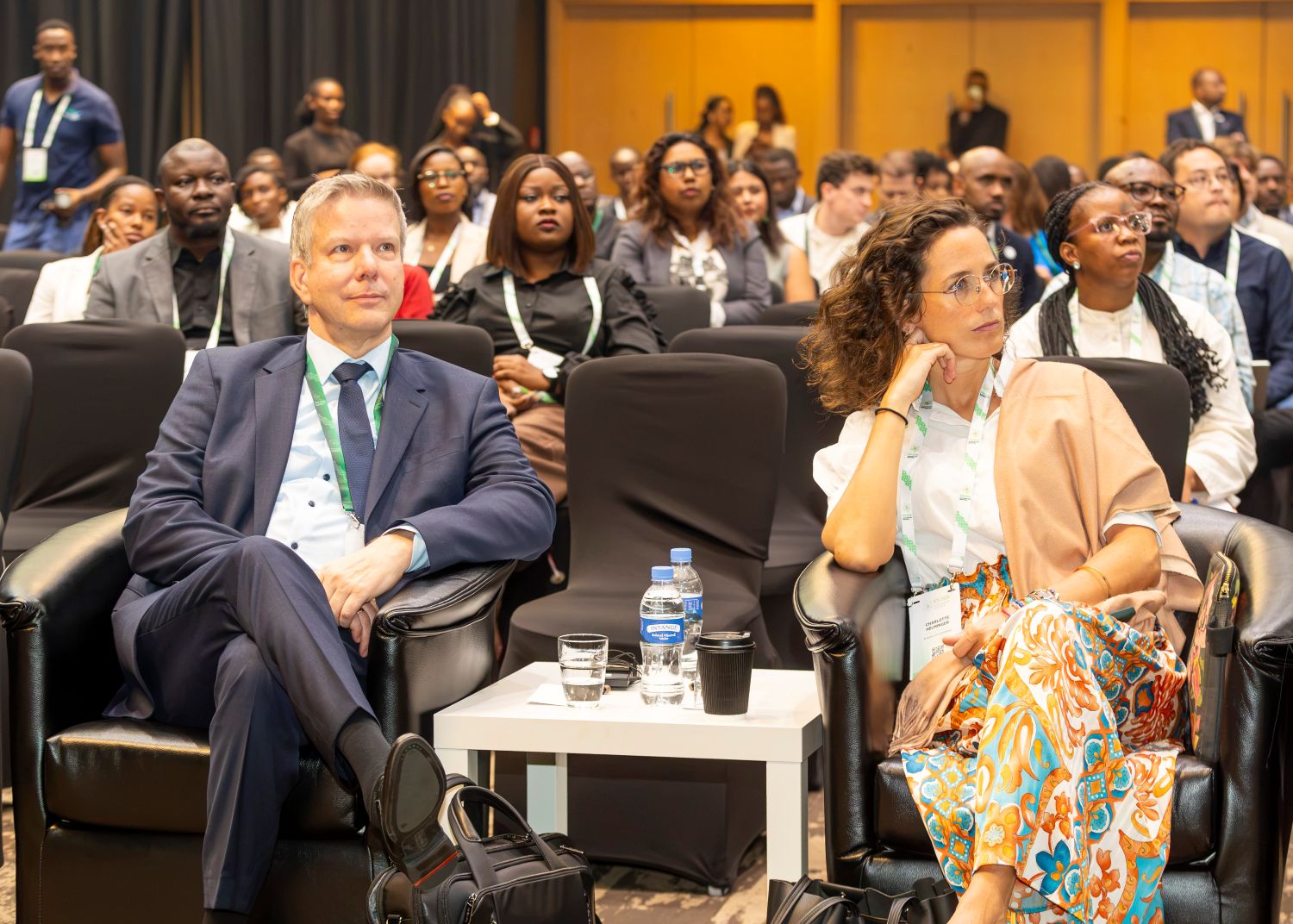
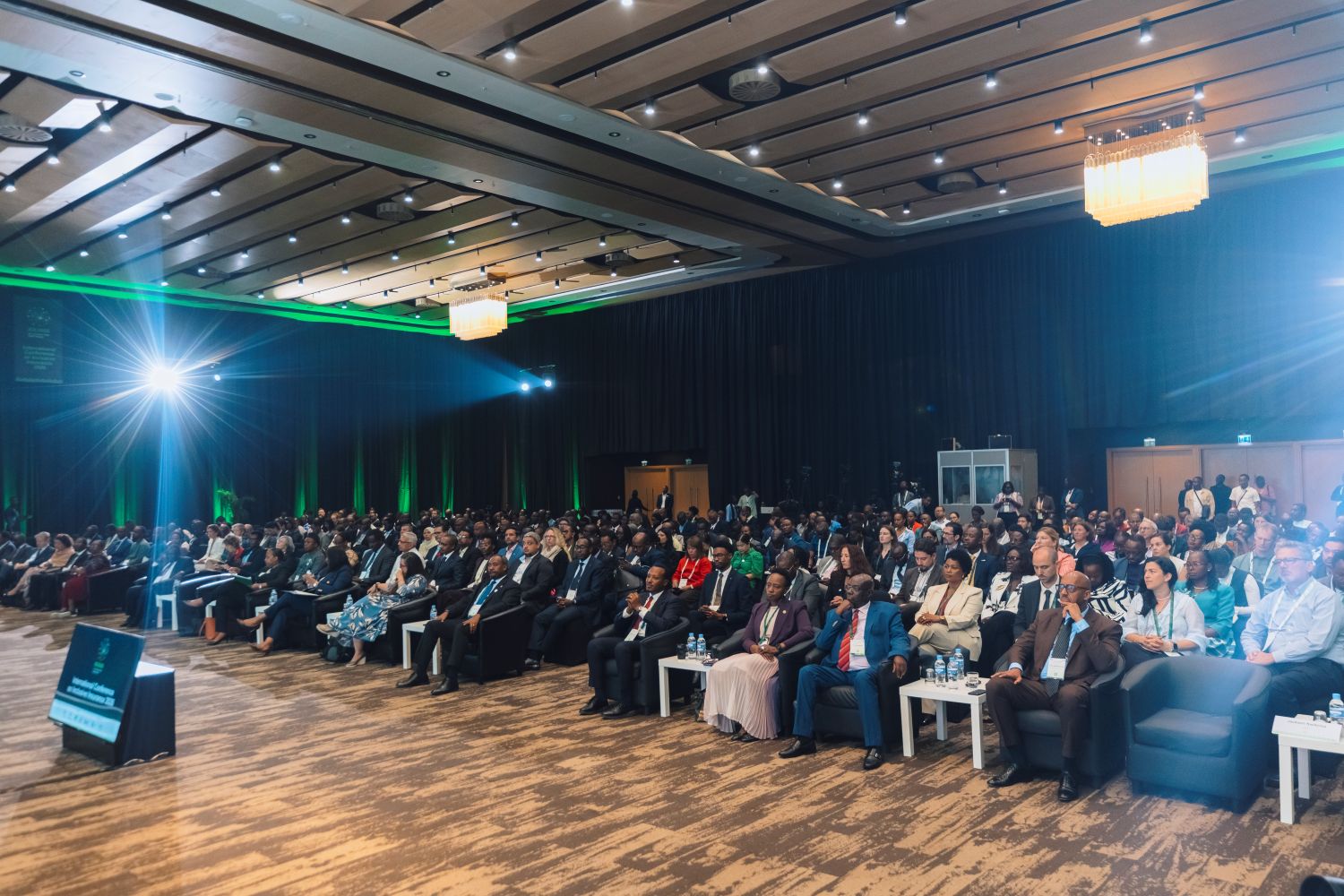
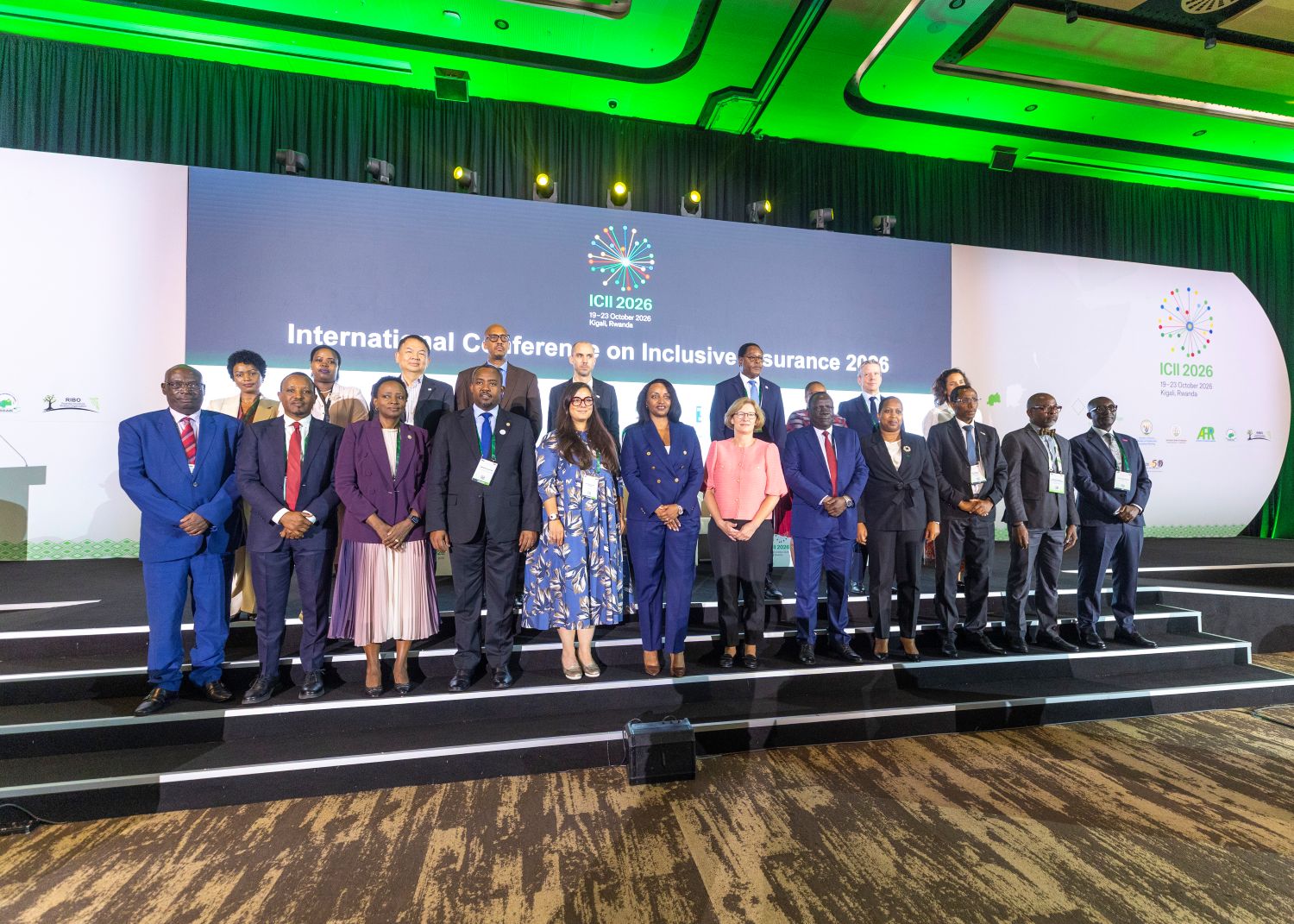
The conference runs at the Kigali Convention Centre until October 23 and has drawn about 600 registered participants from 58 countries.
The conference aims to identify commercially sustainable approaches to inclusive insurance, improve access to affordable products and strengthen collaboration among governments, insurers, technology providers and development partners.
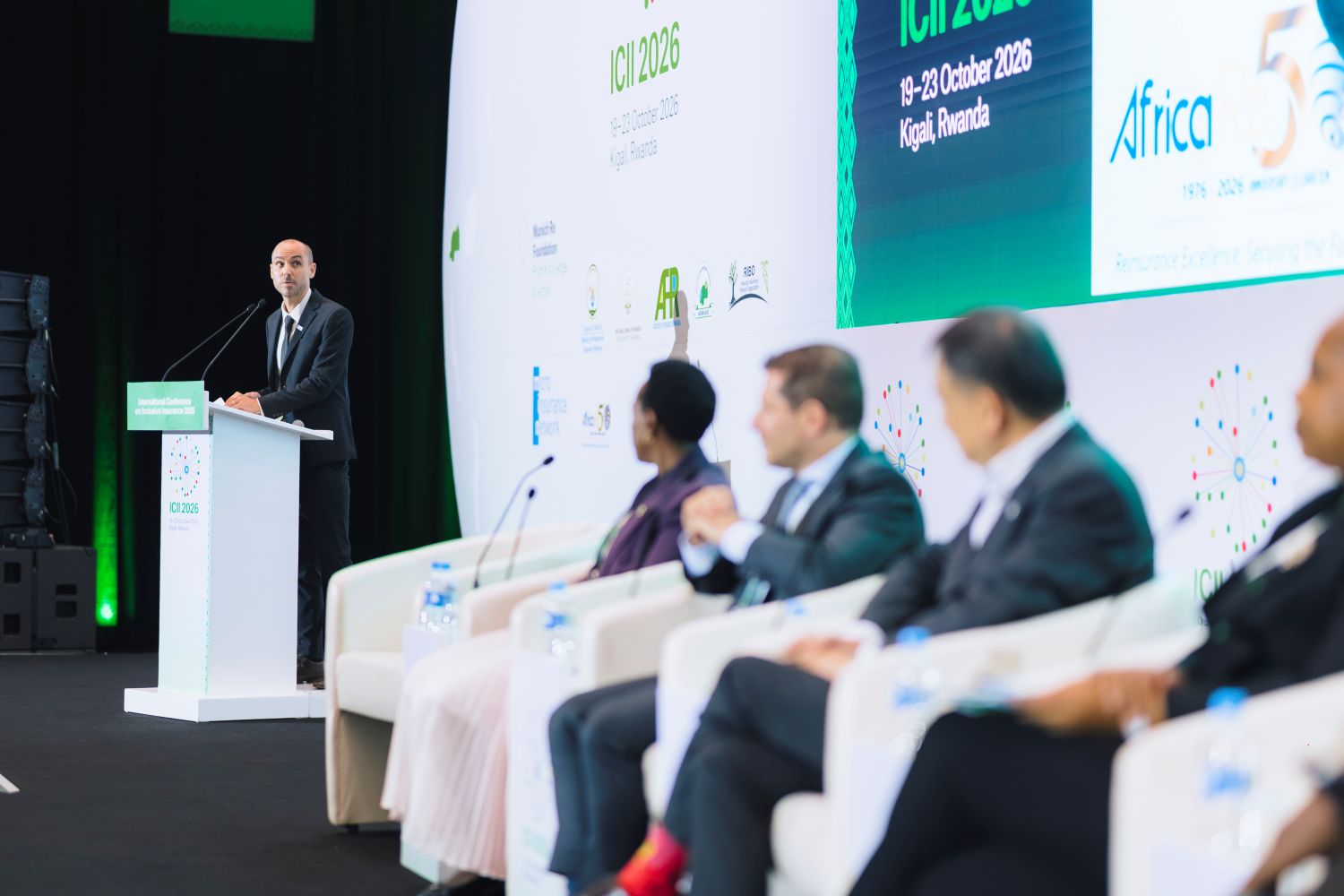
National Bank of Rwanda (BNR) Governor Soraya Munyana Hakuziyaremye was the chief guest at the conference.The conference has brought together participants from 58 countries to address the challenge of closing the insurance protection gap. The conference brought together policymakers, regulators, insurers, reinsurers, financial institutions, researchers, investors and development partners. The focus on meaningful protection was echoed by Andrew Kulayige, Chairperson of the Rwanda Insurers Association (ASSAR), who argued that the industry needed to make insurance a better value proposition for the people and businesses that needed it most.
The Ugandan Ministry of Health said on Tuesday, October 20, that the woman had travelled to eastern DRC for business before passing through Uganda in early October on her way to Nigeria, where she later developed symptoms and tested positive.
“Travel through Uganda does not establish that infection occurred here,” the ministry said, adding that the location where the woman was exposed to the virus remained under investigation.
The ministry said Nigerian authorities had yet to provide detailed information about the woman’s travel itinerary and clinical history to support further investigations and contact tracing.
Uganda was declared free of Ebola on August 27, 2026, after 42 consecutive days without a new confirmed case. The country recorded 20 confirmed cases and two deaths during the outbreak, which was caused by the Sudan virus.
DRC outbreak spreads to more provinces
The DRC is battling an outbreak of Bundibugyo virus disease, a rare Ebola strain for which there is no approved vaccine or specific treatment.
The outbreak, first identified in Ituri Province in May 2026, has spread to eight provinces: Ituri, North Kivu, South Kivu, Haut-Uele, Tshopo, Bas-Uele, South Ubangi and North Ubangi.
North Ubangi was among the latest areas affected, with health authorities reporting two cases, including one death, in the Wapinda health zone in October. The province borders the Central African Republic, raising concerns about further cross-border transmission.
The geographical spread has complicated containment efforts, with health authorities relying on surveillance, isolation, contact tracing and coordination with neighbouring countries to limit further infections.
Nigeria confirms Ebola case
Nigeria confirmed its first Ebola case in a decade on October 19, involving a woman who had travelled to eastern DRC before passing through Uganda.
The patient developed symptoms on October 7, four days after arriving in Nigeria, and sought treatment at a private hospital in Abuja on October 11. Laboratory tests confirmed Ebola on October 20, and she is receiving treatment in isolation.
Nigerian authorities have identified 44 contacts, including healthcare workers and the patient’s Swiss husband, who are being monitored for possible infection. Investigations are also ongoing to establish where she contracted the virus and reconstruct her travel and exposure history.
Kenya, meanwhile, has reported nine confirmed Ebola cases, including one death, according to the World Health Organization. All nine cases are linked to a single cluster originating from a Kenyan man who travelled from the DRC through Uganda and died in Nairobi on October 5.
Uganda says it has no active Ebola cases after a Nigerian woman who tested positive for the virus travelled through the country earlier this month, as an Ebola outbreak in the Democratic Republic of the Congo (DRC) continues to spread to more provinces.
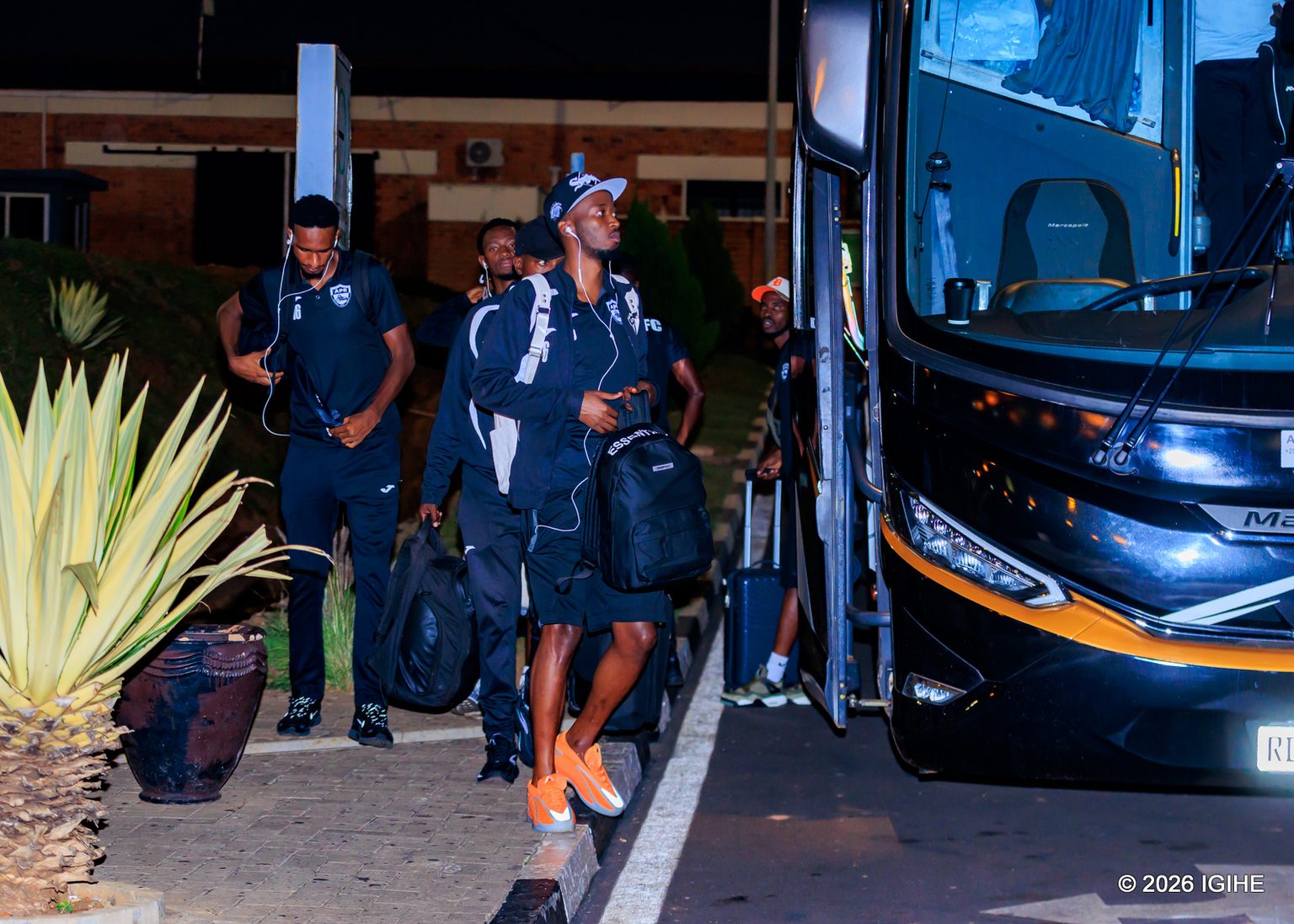
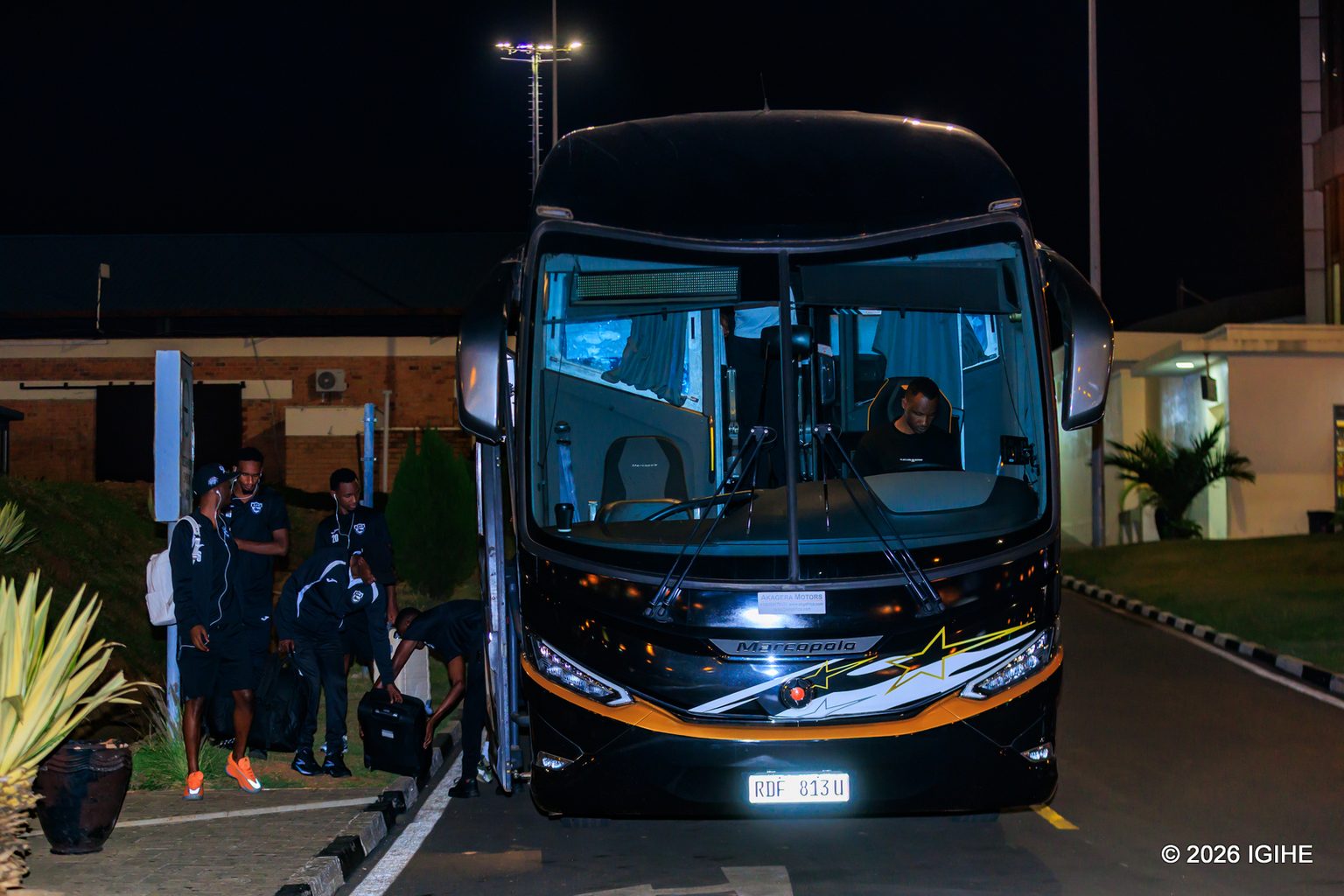
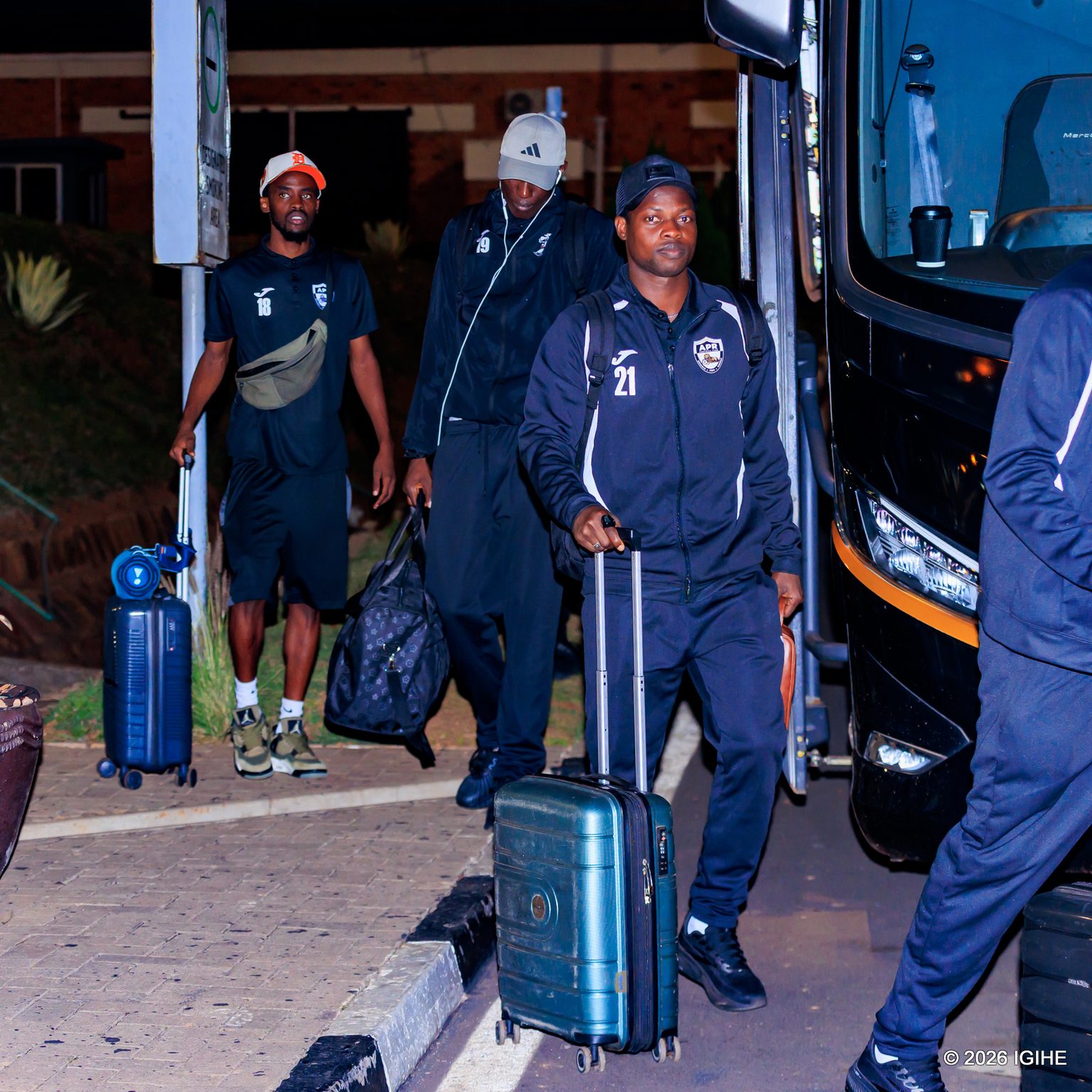
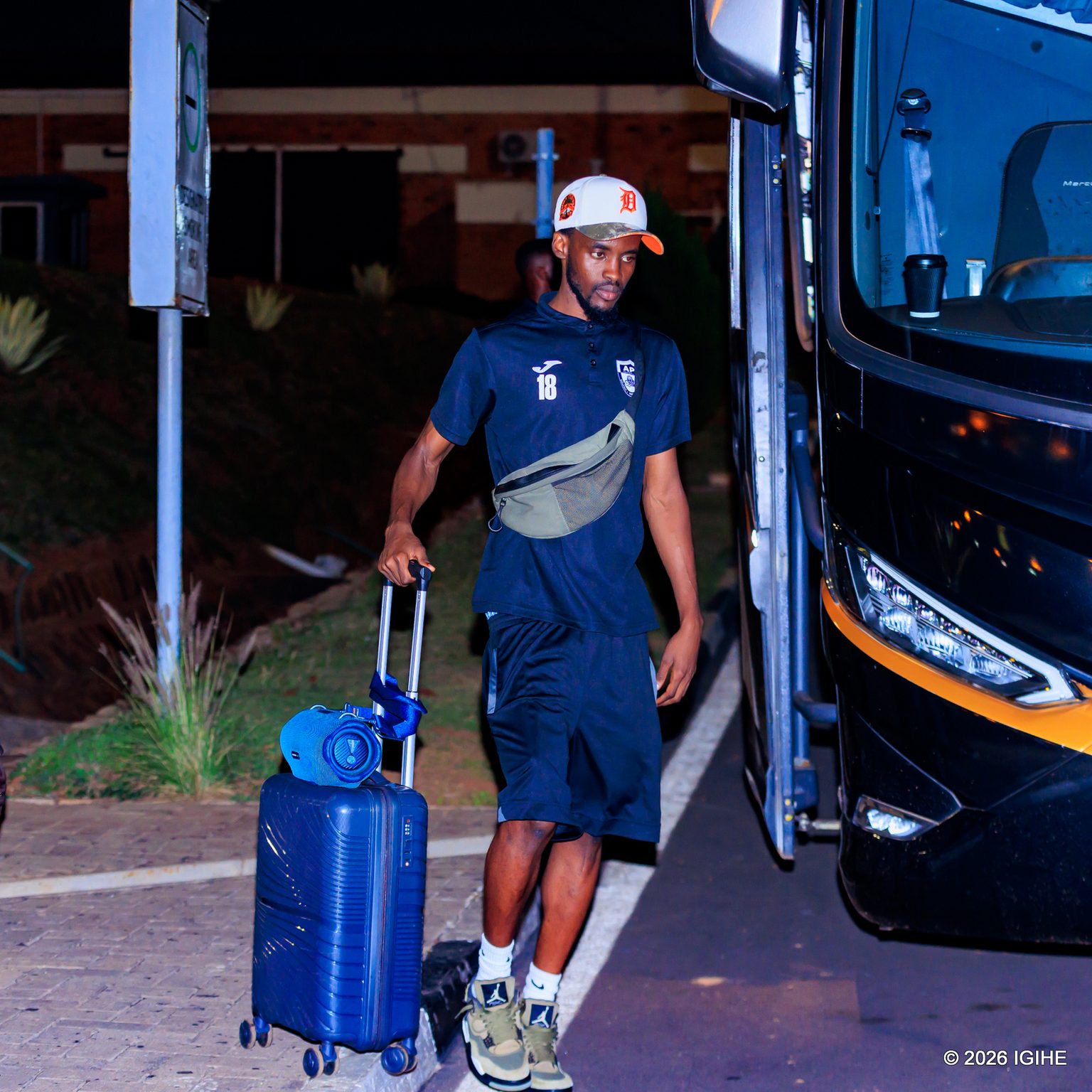
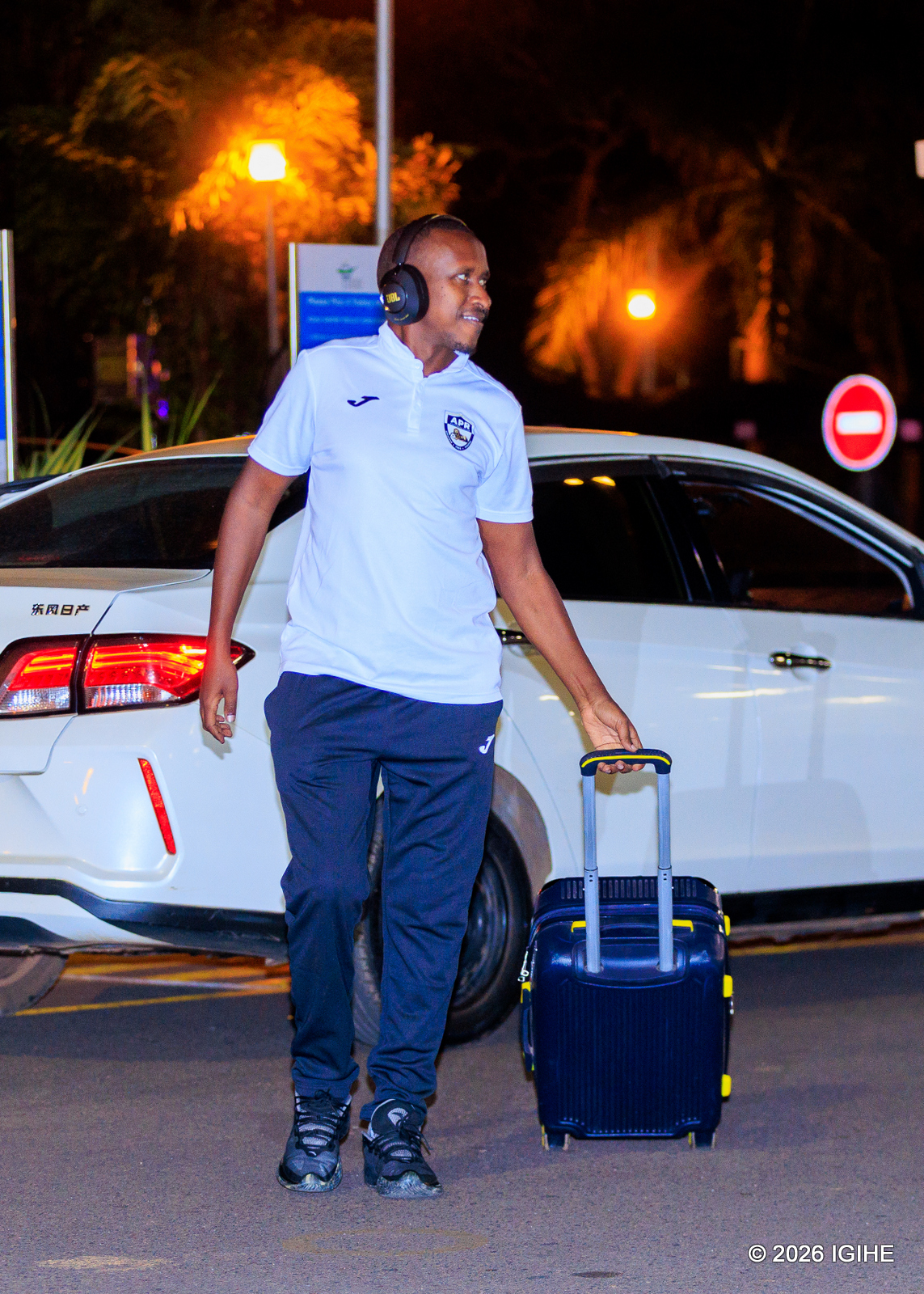
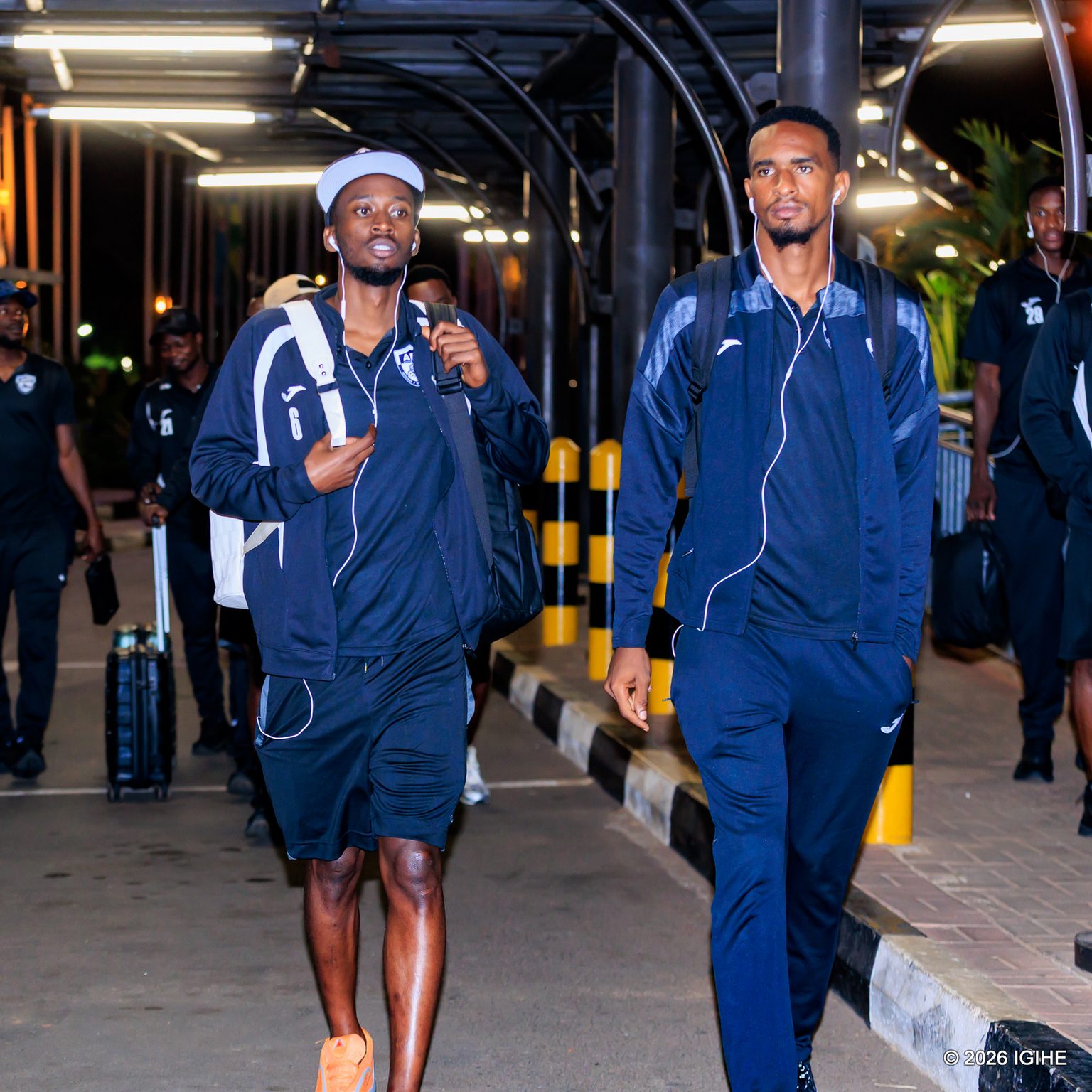
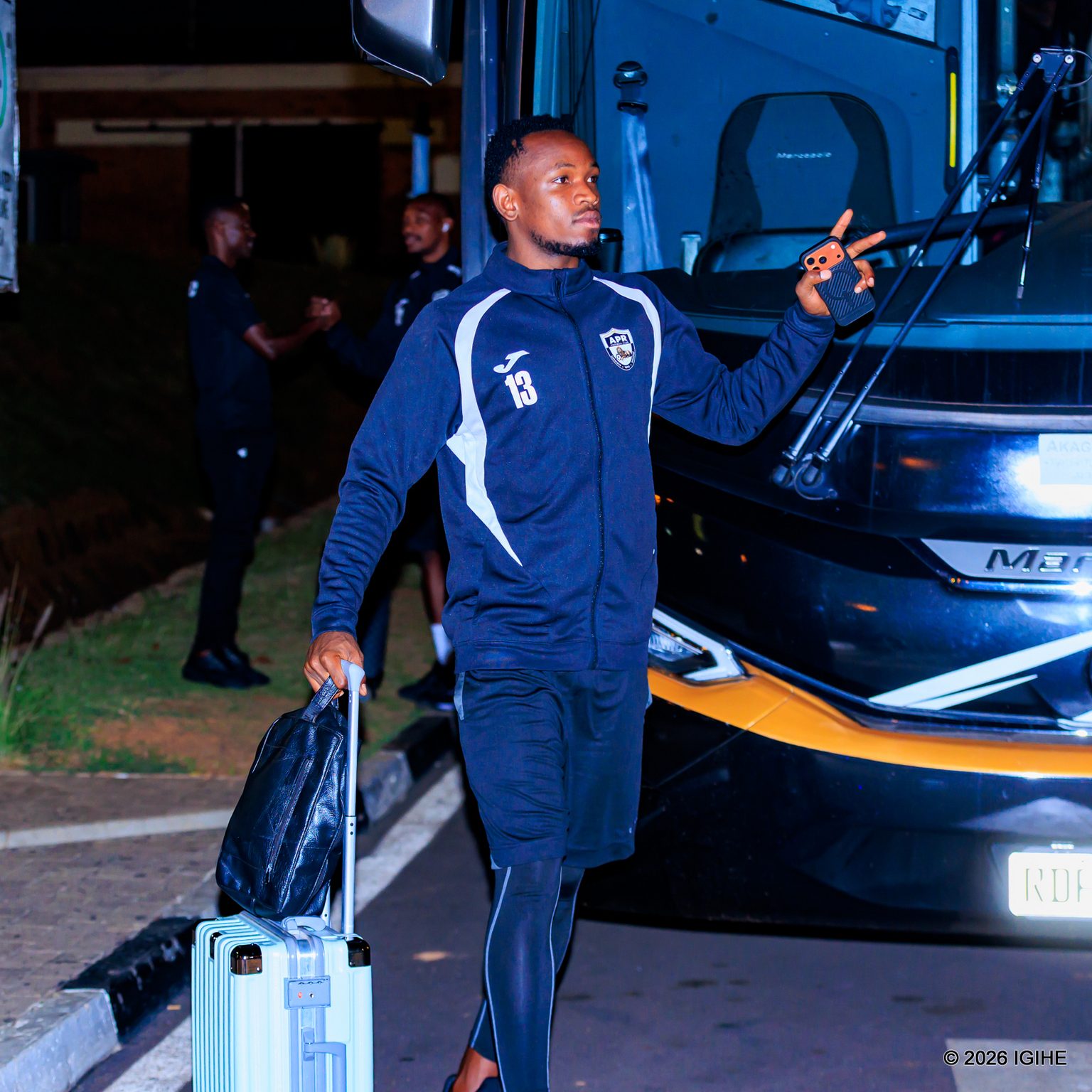
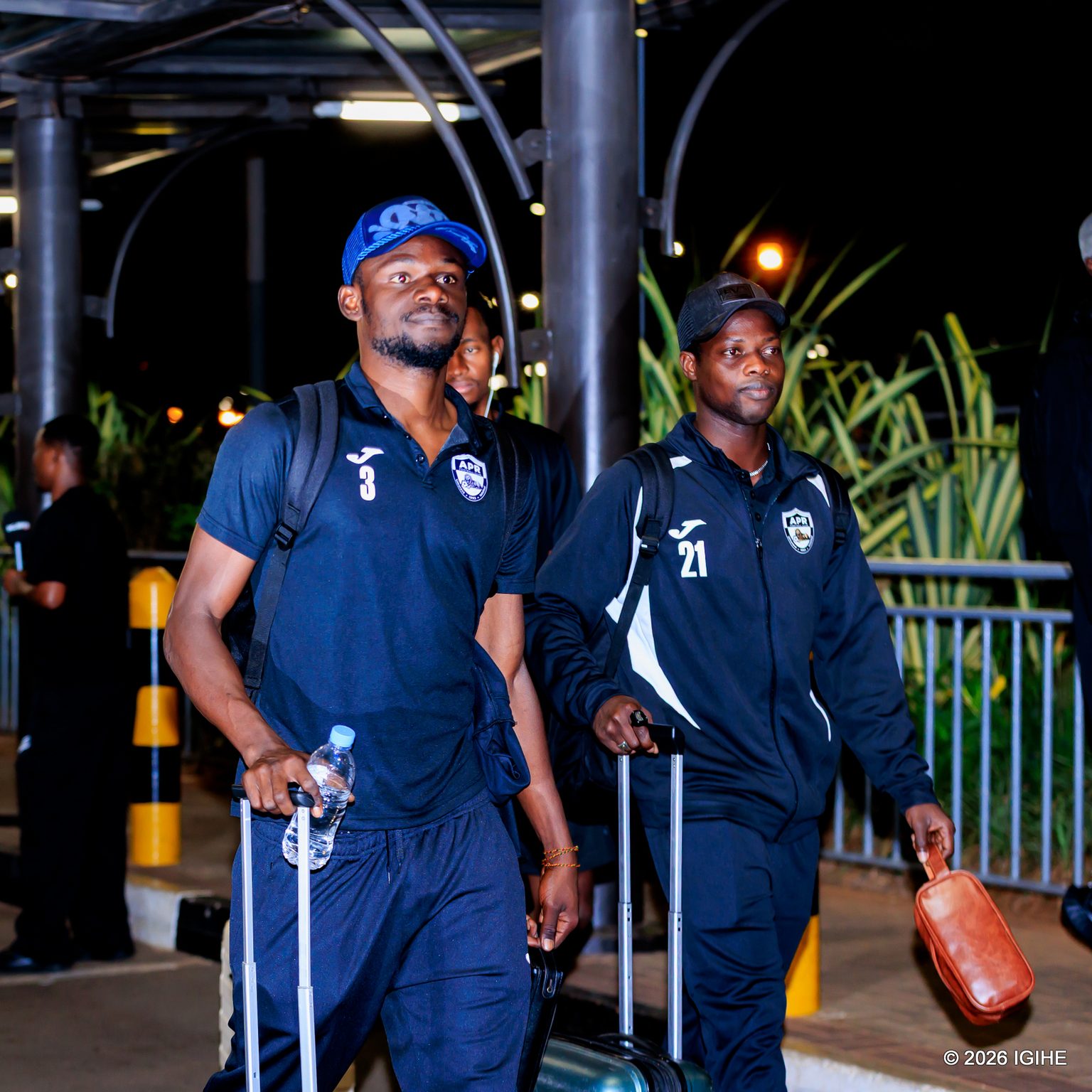
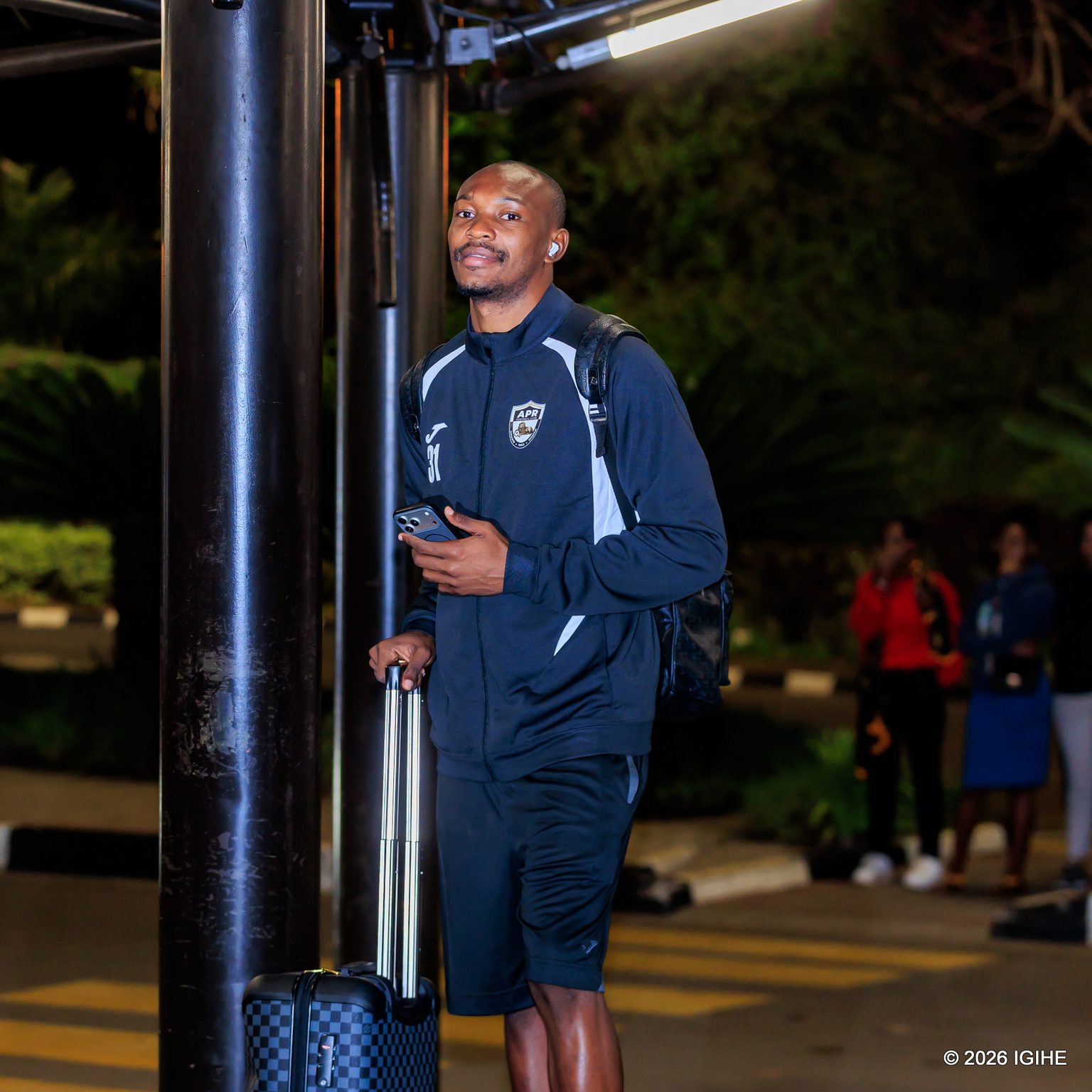
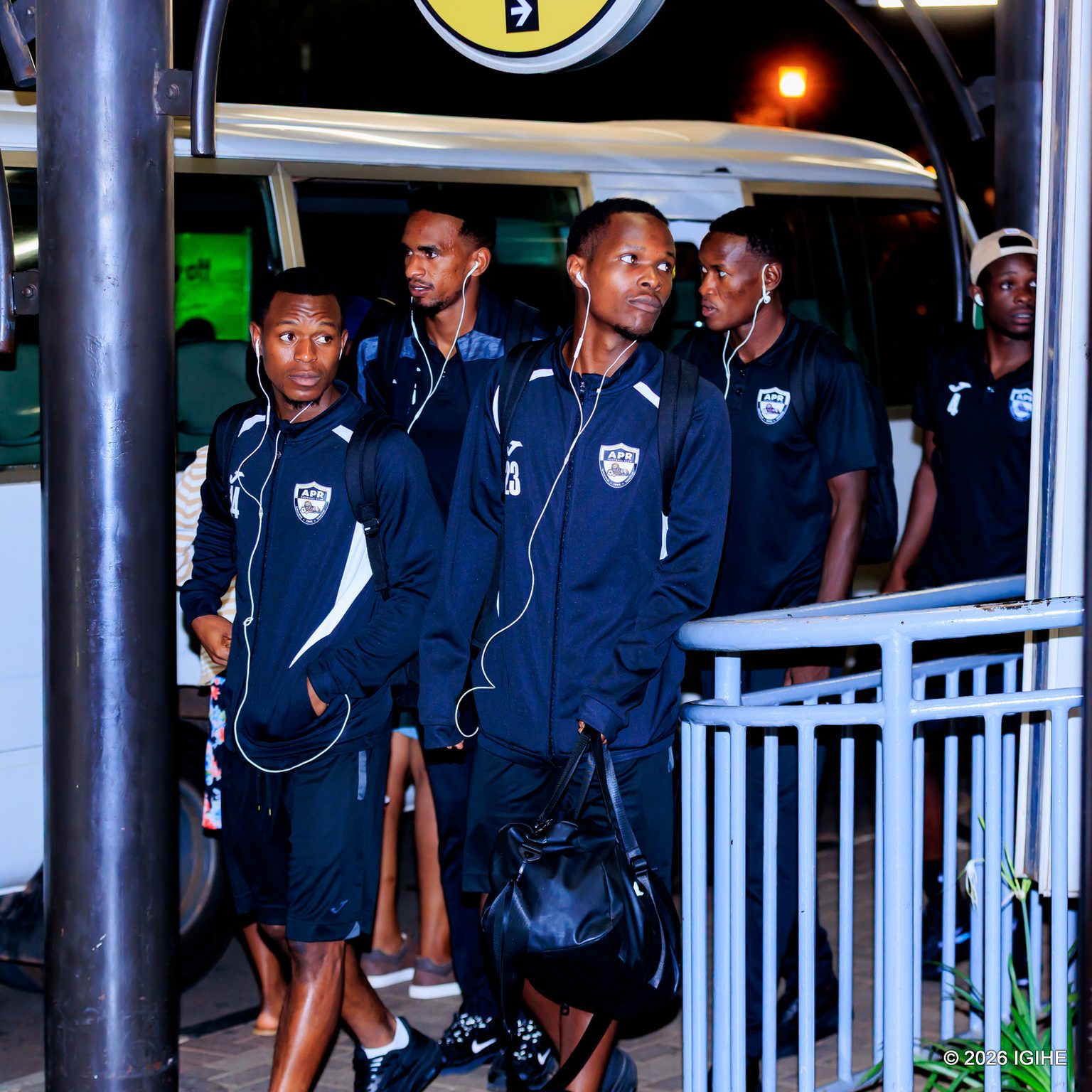
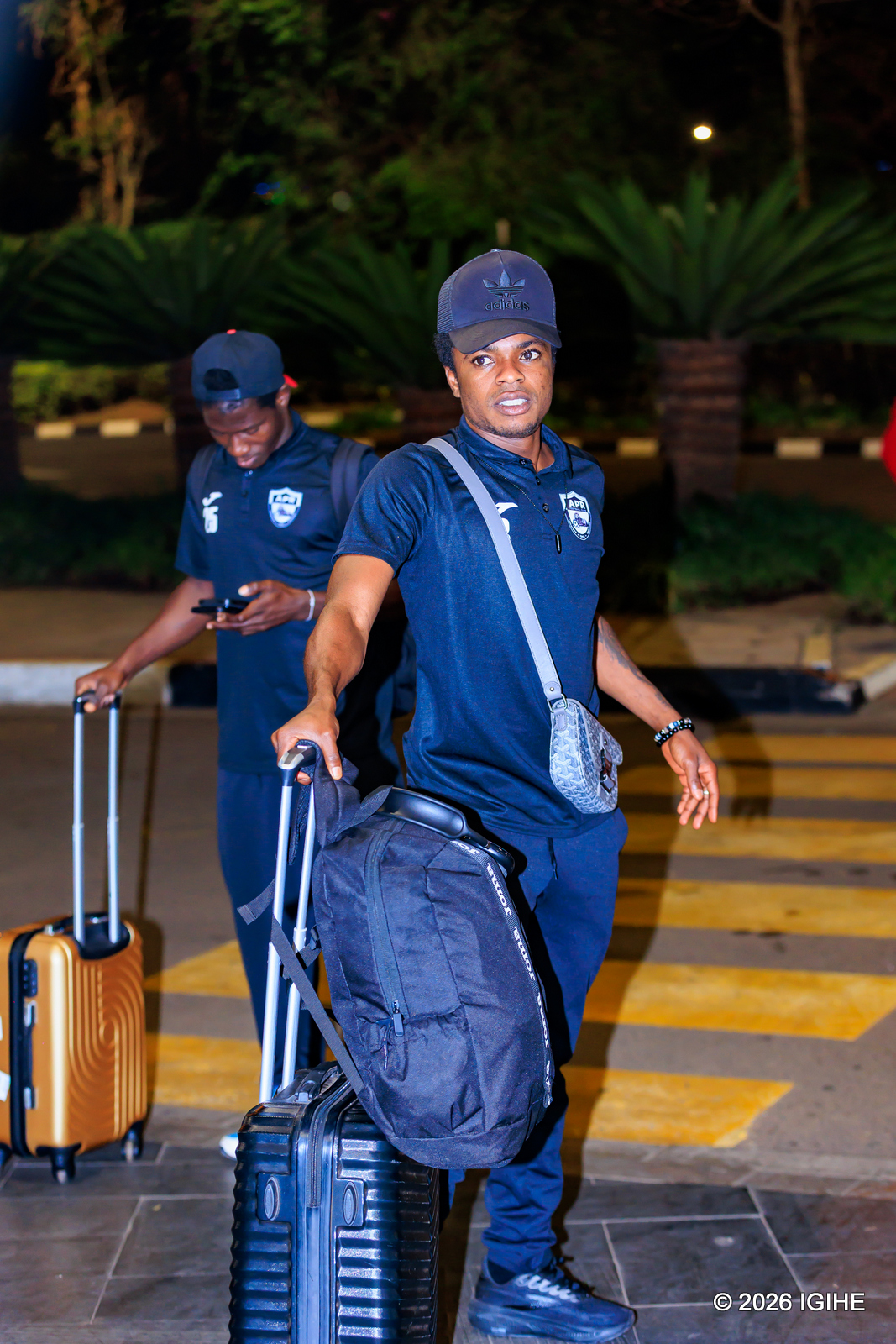
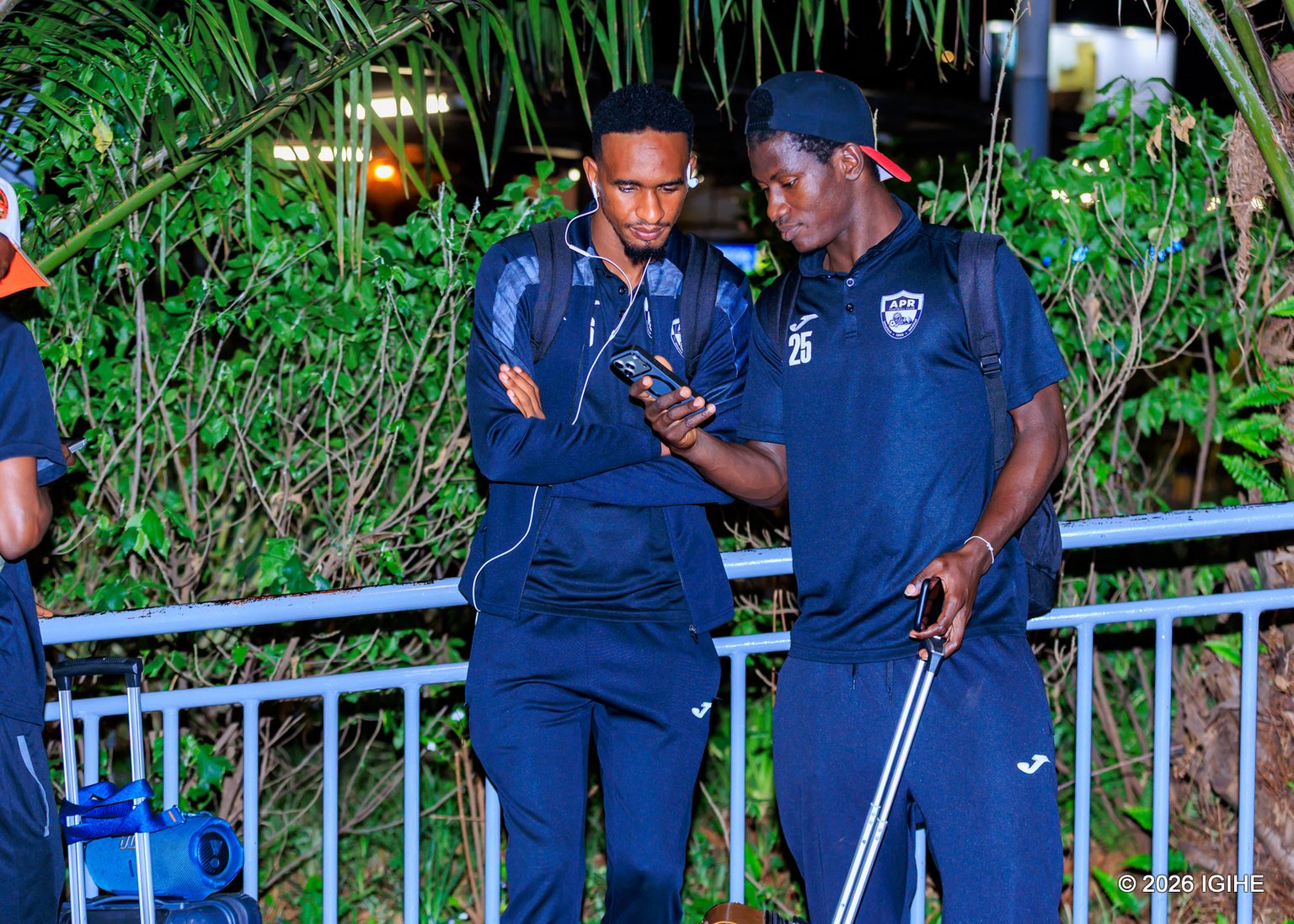
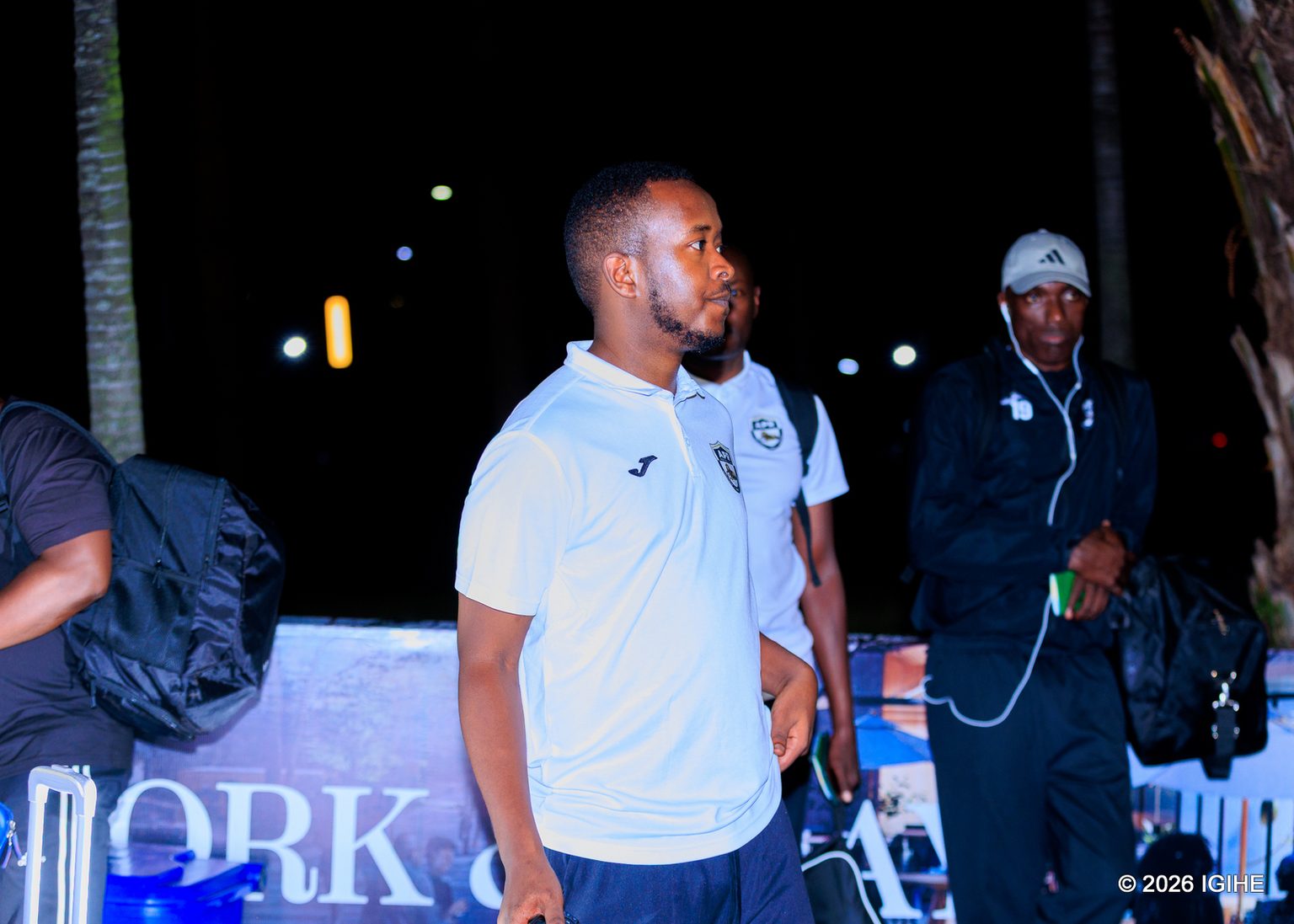
The delegation, comprising players, coaches and club officials, departed Kigali International Airport in the early hours of Wednesday, October 21, 2026, travelling via Nairobi, Kenya.
The Rwandan champions travelled with 23 players for the return leg, scheduled for Saturday, October 24, as they seek to overturn a 1-0 deficit from the first leg and advance to the next round.
The squad includes Hakizimana Adolphe, Ernan Siluane, Nshimiyimana Yunusu, Madou Zon, Byiringiro Jean Gilbert, Ishimwe Christian, Mamadou Traore, Memel Dao, Ronald Ssekiganda, Djibril Ouattara, Amani Michel and William Togui.
Others are Mudahigwa Christian, Nduwayo Alexis, Ishimwe Abdoul, Fitina Ombolenga, Bugingo Hakim, Rubuguza Jean Pierre, Iraguha Hadji, Ngabonziza Pacifique, Hakim Kiwanuka, Uwiyaremye Fidali and Dauda Yussifu.
Most of the players left behind are from the club’s youth team. They include Niyonzima Abidal, Ethinne Bana, Mwumvaneza Tumusiifu, Ndugutse Assoumani, and Ruhamyankiko Ivan.
APR FC lost the first leg 1-0 to Zamalek and must win the return fixture to keep their hopes of progressing in the competition alive.
The delegation, comprising players, coaches and club officials, departed Kigali International Airport in the early hours of Wednesday, October 21, 2026, travelling via Nairobi, Kenya.Ishimwe Christian is set to feature in APR FC’s clash against Zamalek. APR FC face uphill task in EgyptByiringiro Jean Gilbert is one of APR FC’s key players.Ruvuyanga, a former journalist, traveled with APR FC to Egypt.
Ishimwe Abdoul (right) is among the 23 players in APR FC’s squad for the Zamalek clash.Memel Dao, who impressed in the first leg, will feature in CAF Champions League return leg.Dauda Yussif and Ishimwe Abdoul chat before APR FC’s departure from Rwanda.