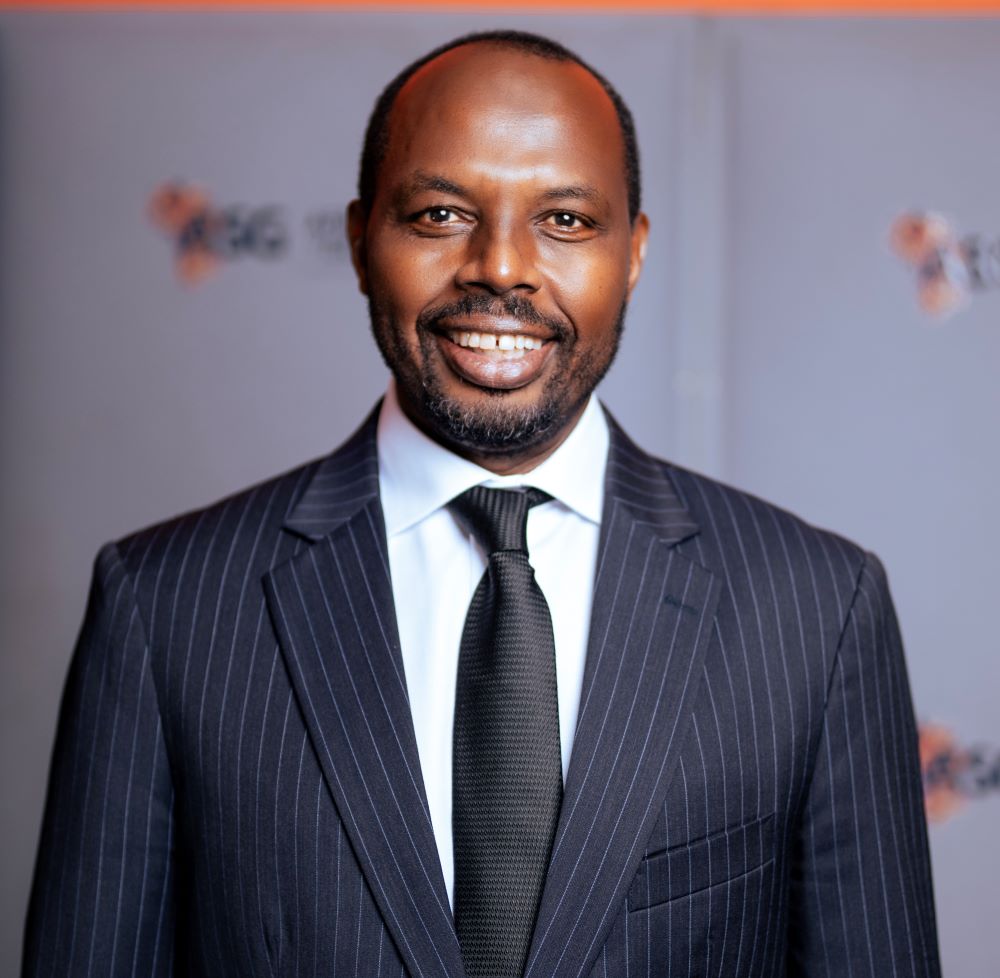
On February 12, 2026, the Minister of Finance and Economic Planning, Yusuf Murangwa, announced that the national budget for 2025/2026 had been revised downward from Rwf 7,032.5 billion to Rwf 6,952.1 billion.
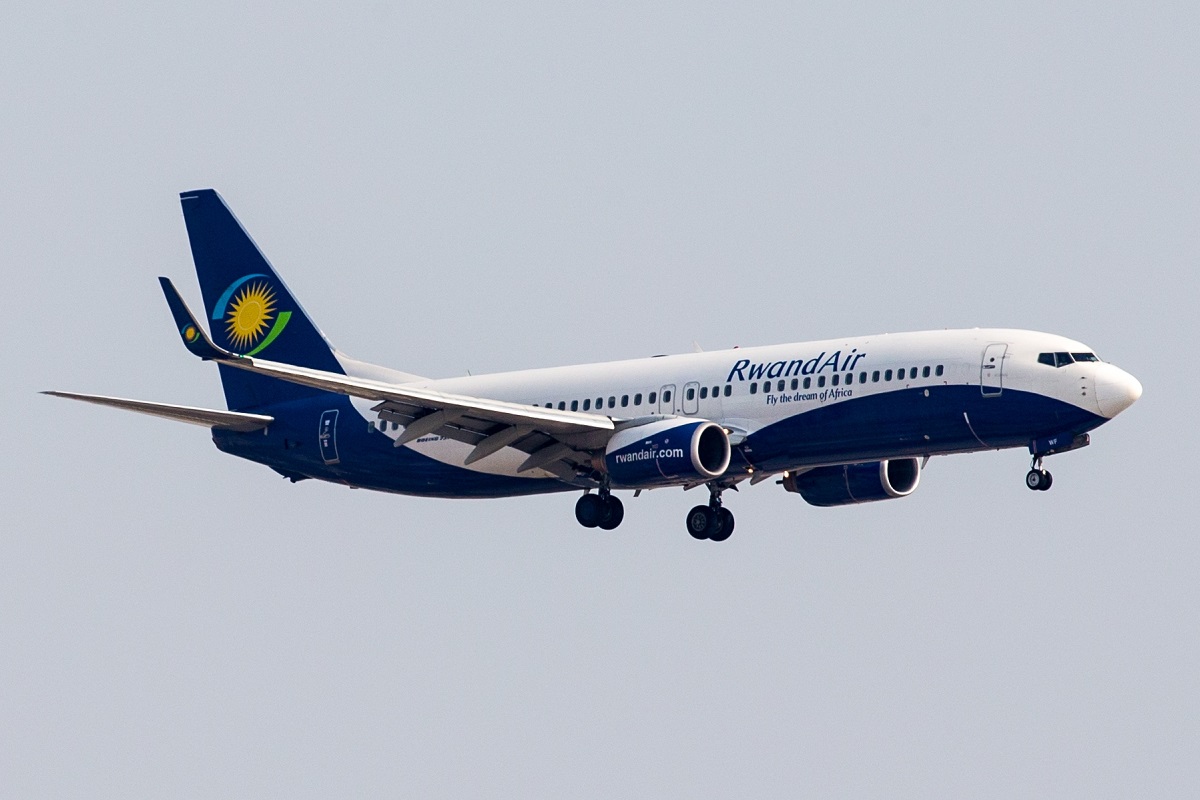
The reduction stems largely from adjustments in financing arrangements for Phase II of the new Kigali International Airport project, which lowered the amount required in the 2025/2026 fiscal year by Rwf 168.2 billion. Changes were also made to the repayment plan for loans owed by RwandAir, with repayments now scheduled to begin gradually from the 2026/2027 fiscal year.
On February 18, 2026, the Senate plenary concluded that the revised budget is well structured and aligned with the pillars of Rwanda’s second National Strategy for Transformation (NST2, 2024–2029).
Funding for social transformation has increased from Rwf 1,526.9 billion to Rwf 1,641.8 billion, representing 23.6% of the total budget. Allocations for good governance have also risen, from Rwf 1,088.3 billion to Rwf 1,105.1 billion, accounting for 15.9% of total expenditure.
Meanwhile, funding for economic transformation has been reduced from Rwf 4,417.2 billion to Rwf 4,205.1 billion, representing 60.5% of the budget. Overall development expenditure, however, has increased from Rwf 2,719.7 billion to Rwf 2,837.2 billion, an increment of Rwf 117.5 billion. Funding for projects alone has risen by Rwf 253.3 billion, reaching Rwf 2,115.8 billion.
Government projections also indicate higher domestic revenue collections than previously expected. Tax and non-tax revenues are projected to rise from Rwf 4,105.2 billion to Rwf 4,146.2 billion, an increase of at least Rwf 41 billion.
Chairperson of the Senate Committee on Economic Development and Finance, Fulgence Nsengiyumva, said the projected growth in tax revenue reflects increasing taxpayer awareness and strengthens Rwanda’s path toward self-reliance.
Data from the Rwanda Revenue Authority show that between July and November 2025, tax collections reached Rwf 1,456.3 billion, surpassing the target of Rwf 1,449.5 billion. Revenue collected on behalf of districts also exceeded expectations.
Domestic borrowing is set to increase significantly, nearly tripling from Rwf 136.6 billion to Rwf 468.4 billion. Minister Murangwa noted that domestic borrowing provides more affordable financing while supporting the growth of local financial institutions.
He added that borrowing in foreign currencies can expose the country to exchange rate losses, whereas local banks remain sufficiently capitalized to support both public and private investment.
External borrowing, on the other hand, will decline by Rwf 512.1 billion, dropping from Rwf 2,151.9 billion to Rwf 1,639.8 billion. Grants are expected to increase from Rwf 585.2 billion to Rwf 649.6 billion.
Combined tax revenues and borrowing will account for 90% of the total budget, slightly down from 91% in the initially approved budget, an indication of continued progress toward financial self-reliance.
The Senate’s recommendations will now be submitted to the Chamber of Deputies, where the Committee on National Budget and State Patrimony will conduct a clause-by-clause review before final approval.
The Government of Rwanda also reported that by December 2025, 65% of the budget approved by Parliament in June 2025 had already been implemented.
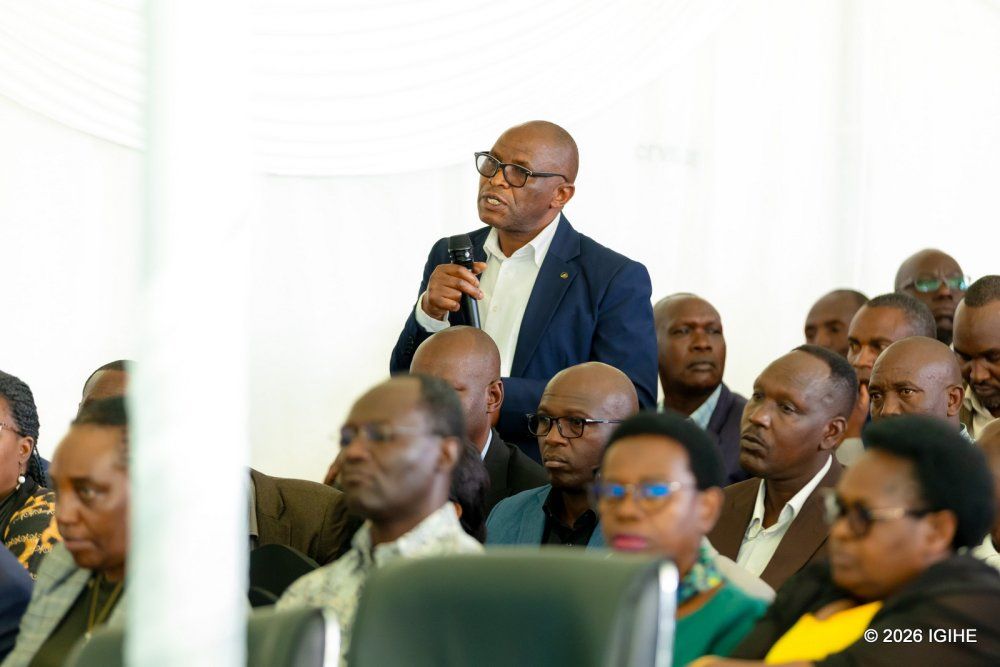
The Minister of Finance and Economic Planning, Yusuf Murangwa presented the revised national budget for 2025/2026 to the parliament on February 12, 2026.
According to data from the National Agricultural Export Development Board (NAEB), coffee and tea remained the leading foreign exchange earners during the period under review.
Coffee leads export revenues
Coffee recorded export volumes of 741 metric tons, generating $4,854,267 in revenues, the highest among all product categories. The strong performance underscores Rwanda’s reputation for high-quality speciality coffee in global markets.
Tea followed closely, with 1,097 metric tons exported and revenues amounting to $3,175,927, reinforcing its position as one of the country’s traditional top export commodities.
Vegetable exports reached 509 metric tons, generating $485,340. Key destination markets included Great Britain, the Netherlands, the United Arab Emirates, France, China, as well as cross-border and other African countries.
Fruit exports totalled 385 metric tons and earned $286,215. Japan, Great Britain, Vietnam, and regional African markets were among the primary destinations.
Flower exports, though smaller in volume at 44 metric tons, generated a notable $388,241. Major markets included Nigeria, the Netherlands, and the United Kingdom.
Diversified agricultural products accounted for the largest export volume at 6,500 metric tons, bringing in $3,431,876. The main destinations for these products were the United States of America, Oman, India, and cross-border and other African countries.
Animal products also contributed to overall earnings, with 266 metric tons exported and revenues totalling $449,009, largely destined for cross-border and regional African markets.
The export data highlights Rwanda’s expanding footprint across Europe, Asia, the Middle East, North America, and intra-African markets. The diversified export basket demonstrates the country’s ongoing efforts to strengthen agricultural value chains and enhance competitiveness in international trade.
Diversified agricultural products accounted for the largest export volume at 6,500 metric tons, bringing in $3,431,876.
The cemetery was established in 2011 after Remera Cemetery in Gasabo District was permanently closed. Remera had been in use long before 1994, and by the time it closed, 9,525 burials had taken place on seven hectares of land. Since its opening, Rusororo Cemetery has accommodated 13,396 burials across 18 hectares.
Rwandan law sets specific standards for burial plots, including maximum dimensions and spacing between graves, and allows multiple burials in a single grave if the family consents.
Despite these provisions, the remaining space at Rusororo is limited, prompting authorities to explore options for expansion.
According to Anselme Nkusi, the Director of Cons Tech Ltd, which manages the cemetery, “The land we currently have will last about seven to eight months. When additional space is needed, the City of Kigali relocates nearby residents to create more room for burials.”
Cremation has been legally permitted for over ten years as a potential solution to land shortages, but adoption remains low among Rwandans, who are often reluctant to burn the remains of loved ones. Since the law was enacted, only 28 cremations have been performed in Rwanda, primarily by foreign residents accustomed to this practice in their home countries.
Authorities have also considered stacking two coffins in a single grave to maximize space, but cultural sensitivities have made this approach difficult.
“We tried burying two people in one grave with family consent,” Nkusi said. “Some families initially agreed but later withdrew, insisting no additional burial should be added above. This illustrates the challenge of balancing practical needs with cultural preferences.”
Attitudes, however, appear to be shifting. A 2025 study by the Ministry of Unity and Civic Engagement found that 61 percent of respondents agreed that cremation could help address the growing shortage of burial space.
Of more than 12,000 people surveyed, 32 percent strongly supported cremation, 29 percent moderately supported it, while 34 percent opposed it and 5 percent were undecided.
Since its opening, Rusororo Cemetery has accommodated 13,396 burials across 18 hectares.
The company began operations in Rwanda in 2016 and now averages over 600 deliveries per day. While it initially focused on transporting blood, Zipline has expanded its services to include more than 200 types of medicines across 10 product categories.
Zipline operates drone distribution hubs in Muhanga District’s Shyogwe Sector and in Kayonza District. Nearly 35 percent of all deliveries consist of livestock vaccines, supporting both human and animal health services.
Each drone can carry between two and three kilograms, fly up to 160 kilometres, and operate for up to three hours on a single battery charge. The longest active route, between Muhanga and Mibilizi District Hospital in Rusizi District, takes less than 40 minutes.
Drone delivery is now fully integrated into Rwanda’s public healthcare system, serving more than 150 hospitals, health centres, and clinics. More than 600 primary healthcare facilities, representing about 50 percent of such clinics nationwide, are reachable by drone.
Health officials say the system has significantly improved emergency care, particularly for maternal health. Hospitals outside Kigali report that maternal deaths linked to blood shortages have fallen to nearly zero, as blood can now be delivered within minutes of being requested. The Minister of Health, Dr Sabin Nsanzimana, has publicly commended facilities such as Kaduha District Hospital for achieving zero maternal deaths related to delayed blood delivery.
Zipline Rwanda employs at least 250 people in technical and operational roles. In April 2025, the company reached the milestone of one million deliveries in Rwanda, eight years after launching operations. A second million deliveries was reached in a much shorter time, reflecting rapid growth.
Globally, Zipline operates 30 sites across four continents. A Zipline drone takes off every 50 seconds somewhere in the world, and the company has completed more than two million deliveries without any accident causing harm to human life. Its drones have flown a combined distance of about 193 million kilometres, serving more than 5,000 health facilities.
Following a recent USD 150 million investment supported by the United States Government, Zipline plans to expand further in Rwanda. A new distribution hub in Karongi District is expected to open in August 2026, serving 200 clinics and 60 major health facilities and reaching more than 2.8 million people.
Pierre Kayitana, Zipline Rwanda’s Country Director, said the expansion creates a single, integrated logistics system serving all Rwandans.
“Rwanda pioneered autonomous logistics for the world,” Kayitana said. “With the addition of a third hub and upcoming urban services in Kigali, Rwanda is creating a seamless national system that serves all citizens equally.”
The expansion is expected to enable nationwide coverage, serving Rwanda’s population of more than 14 million and creating up to 350 jobs. Zipline also plans to introduce urban drone delivery services in Kigali in 2027, including commercial deliveries using its next-generation Platform 2 (P2) drones, which were unveiled in Rwanda in 2025.
Officials say Rwanda’s early adoption of autonomous drone delivery has positioned the country as a global reference point for the technology, with systems tested locally now being deployed worldwide.
The disclosure was made by the Minister of State for Health, Dr. Yvan Butera, during the National Dialogue Council (Umushyikirano) held on February 5–6, 2026.
Rwanda’s health sector has long faced staffing shortages, at times leaving a single health worker responsible for as many as 1,000 patients.
Dr. Butera said the government responded to this challenge by launching an ambitious strategy aimed at quadrupling the number of health workers within four years under the 4×4 programme, which is already showing positive results.
“Our biggest challenge was the shortage of health professionals. Before 2024, only about 1,600 people joined the health sector each year. In the most recent year alone, that number rose to 6,400, nearly four times higher, in line with our goal of expanding the health workforce fourfold within four years,” he said.
The growth has been particularly significant among nurses and midwives. Training capacity for nurses has expanded from around 200 students per year to nearly 2,000, while the annual intake of midwives has increased dramatically from 72 to about 1,000. This expansion is intended to bring maternal and general health services closer to communities across the country.
“With this momentum, we expect health services to become more accessible to citizens in the near future,” Dr. Butera noted.
He also highlighted progress in specialized healthcare services. Over the past three years, Rwanda has carried out kidney transplants for 83 patients, resulting in savings of approximately USD 800,000. In cardiac care, 543 children and 318 adults have undergone heart surgery.
Rwanda currently has 15 teaching hospitals that combine service delivery with medical training. The 2025/26 academic year also saw an increase in secondary schools offering nursing programs, rising from 12 to 18. In addition, both public and private universities and higher learning institutions are enrolling large numbers of students expected to help bridge remaining workforce gaps.
Launched in 2024, the 4×4 programme aims to improve the doctor-to-patient ratio from one doctor per 1,000 people to four doctors per 1,000. As of early July 2024, Rwanda had more than 25,000 health professionals, a figure projected to reach 58,582 by 2028 once the programme is fully implemented.
The initiative is supported by an investment exceeding USD 395 million, allocated to scholarships, training resources, medical equipment, infrastructure development and rehabilitation, and other key components aligned with the programme’s objectives.
In an interview with IGIHE, Talat shared his story with raw honesty. A professional chef with a master’s degree in hospitality from Damascus University, he began his career blending international cuisines and emphasising sensory experiences in food presentation.
“It’s not only about the food, but it’s also about the plates we present,” he explained. “Eyes eat before your mouth.”
In 2003, Talat moved to Dubai, where he worked in restaurants and hotels before joining the cabin crew and travelling the world until 2009. He returned to Syria to start his own business, but his plans were interrupted by mandatory military service between 2009 and 2011, coinciding with the outbreak of the war.
“My life before was very simple: one, two, three, four, like that,” he recalled. “When the war started, the action in my life started.”
As the war escalated, Talat fled Syria and moved to Beirut, Lebanon. There, he worked for Gear Holding and honed his skills while competing against some of Lebanon’s top chefs. He stayed for five years, unsure of how long the war would last.
“I decided to stay close to Syria… we don’t need to be far,” he said. But the war continued far longer than expected.
A brief detour to Cambodia for visa issues led Talat to search for new, welcoming destinations. In late 2016, he discovered Rwanda, a small country in the heart of Africa that he had never heard of before.
“I didn’t know anything about it,” he admitted. During his flight, a cabin crew member reassured him, saying, “You are going to the most beautiful capital in Africa.” Those words calmed his nerves.
Upon arriving in Kigali, Talat experienced something rare for a Syrian passport holder: a genuine welcome. “In airports everywhere, when they see your passport… they look at you like you are someone who’s homeless,” he said. “But here it was a different smile, welcoming, everything was easy. In 30 minutes, they stamped my passport.”
Stepping outside, he felt a sense of “fresh air” and, profoundly, “freedom.” “As a Syrian, we are not free… here I smell the freedom,” he emphasised.
With limited funds, much of his savings lost during Lebanon’s economic crisis, Talat came to Rwanda seeking stability rather than the endless cycle of travel. “I was looking for a home,” he said. “The things I found here… I feel like I’m at home.”
The early days in Rwanda were challenging, as there were few Arabs in Kigali at the time. However, Talat credits two long-time residents, Osama and Mazim (who have since become Rwandan citizens), for helping him find his footing.
“They supported me in all ways… when you learn from successful people, you’ll be successful.”
Talat’s entrepreneurial mindset began to take shape in Rwanda. He noticed a gap in the market: the lack of quality Arabic food. “The challenge was big… there is no Arabic food,” he realised.
This gap led to the creation of Damasquino, a restaurant that combines his Syrian heritage with local Rwandan influences.
Damasquino restaurant at Kimihurura blends cultures with intentionality. The décor merges desert tents and traditional Middle Eastern courtyards with fountains, green farms, and local Rwandan elements.
“We like to mix between desert dirt houses, the tents, and green farms,” Talat explained.
The menu features over 22 dishes that use Rwandan ingredients to recreate authentic Syrian flavours, “real Syrian food… just as you would in the middle of Damascus.”
Beyond food, Talat deeply appreciates Rwanda’s unity, safety, and cleanliness, from the vibrant city of Kigali to its remote villages.
“It’s the same feeling: safe, clean, welcome… like you go to your family house.” He jokingly tells his staff, “If I pass away, just put me to rest here… I want to stay here even in the next life.”
Today, as the founder of Damasquino, Talat is one of the longest-residing Syrians in Rwanda. His story embodies Rwanda’s welcoming spirit and illustrates how one chef transformed his displacement into a cultural bridge, serving food that connects Syria to Africa. For those in Kigali craving a taste of the Middle East with a local twist, Damasquino offers not just a meal, it offers a sense of home to the Syrians.
In an interview with IGIHE, Mayor Katembo stated that prior to AFC/M23’s takeover, the Congolese government had deployed fighters from the Democratic Forces for the Liberation of Rwanda (FDLR) in Goma, alongside the national army (FARDC) and Wazalendo militias, contributing to insecurity in the city.
“They brought the FDLR into the city,” Katembo said. “The FDLR is a foreign armed group, not Congolese. The Kinshasa government armed them to fight the Congolese, us, the AFC/M23. Those weapons were used to kill people here in Goma.”
According to the mayor, the Congolese government’s cooperation with the FDLR, Wazalendo militias, Burundian troops, forces from the Southern African Development Community (SADC), and European mercenaries was intended to protect President Félix Tshisekedi’s administration rather than ensure civilian security.
He noted that abuses were widespread. “Wherever the Wazalendo passed, they destroyed property, killed civilians, and looted. That was also the case with FARDC and the FDLR,” he said.
AFC/M23 seized control of Goma on January 27, 2025, following clashes with a coalition of Congolese government forces. Mayor Katembo said restoring security was the group’s immediate priority, including collecting weapons left throughout the city.
“When I assumed office, for two to three months, we collected between 30 and 40 weapons per day,” he said. “Weapons were being picked up from the streets across all neighbourhoods of Goma. At the time, the city was hosting more than 40,000 soldiers.”
{{Cross-border trade between Goma and Rubavu
}}
Goma and Rubavu, a Rwandan border town, are often described as twin cities due to their close proximity. The two are separated by the La Corniche main border post and the Grande Barrière crossing, which facilitate significant cross-border trade and movement involving Congolese, Rwandans, and foreign nationals.
Mayor Katembo said that restrictions imposed by the Congolese government, including the closure of banks, had disrupted daily life and commerce in Goma, prompting AFC/M23 to seek cooperation with neighbouring Rwanda to ease trade.
“We share a border with Rwanda, specifically with Rubavu,” he said. “Good neighbourly relations are a basic principle between countries. Rwanda is our neighbour today and tomorrow. Cooperation and peaceful coexistence are essential.”
He noted that the cost of the CPGL border pass, previously between 12 and 20 US dollars, has been reduced to 5 dollars under AFC/M23 administration.
According to Katembo, another travel document used as a passport substitute previously cost between 45 and 60 dollars when the Congolese government controlled Goma. That fee has now been reduced to 25 dollars.
AFC/M23 leader Corneille Nangaa has stated that more than 40,000 people cross the shared borders with Rwanda at Rubavu and Rusizi every day.
{{Measures to combat drug trafficking
}}
Drug trafficking, particularly cannabis smuggling into Rwanda via unofficial border routes, has long been a security concern along the Rwanda–DRC border, especially in the Rubavu area.
Authorities in Rubavu District have previously cited legal discrepancies between the two countries as a major challenge, noting that substances illegal in Rwanda may be permitted in the DRC, complicating joint enforcement efforts.
Mayor Katembo said addressing drug use and trafficking is a priority for AFC/M23, emphasizing the need for reforms in areas under its control to ensure long-term stability and youth protection.
Public awareness campaigns have been launched to discourage drug consumption and trade, he said, alongside efforts to identify and shut down illicit production of strong alcoholic beverages.
“As the leadership of Goma City, our focus today is combating drugs such as cannabis,” Katembo said. “People may come and go, but institutions remain.”
He warned that individuals found violating anti-drug and alcohol regulations in Goma will be arrested and detained at Munzenze Prison.
In an exclusive interview with IGIHE, Attiya, the creative mind behind the revered [ Scribs and Nibs->https://thescribsandnibs.com/] platform, opened up about her journey of living in Rwanda. Known for sharing her travels, uncovering hidden gems, and sampling local delicacies, she offers a perspective that is both personal and inspiring.
{{From South Africa to Kigali
}}
Attiya and her husband first visited Rwanda in 2022 while living in South Africa, and they were instantly captivated. “We absolutely loved Kigali,” she recalls. “So when the chance came to move here in March 2025, we jumped at it.”
Having grown up and lived in various parts of Africa, Attiya says her passion for experiencing new cultures and places made Rwanda a perfect fit.
She describes Kigali, where her husband now works, as safe, clean, and welcoming, with plenty of spots to explore. From international cafes to colourful art galleries, the city feels lively yet cosy, offering the perfect balance for both work and leisure.
{{The Birth of Scribs and Nibs
}}
Settling into a new country naturally comes with curiosity, wanting to explore every corner, taste every flavour, and capture the experiences along the way. For Attiya, this curiosity became the spark for Scribs and Nibs. The blog began during the COVID-19 pandemic as a way to document weekend trips, local eateries, and hidden spots, first in South Africa and later in Rwanda.
“The name comes from the ‘scribbles’ of my writing and the ‘nibbles’ from my love of trying new foods,” Attiya explains with a smile.
Over time, her blog evolved into a full guide for travellers, offering detailed reviews of hotels, tours, restaurants, and experiences. What began as a hobby now helps readers explore new places independently while also providing Attiya with income through ads, affiliate links, and partnerships with local businesses.
{{Exploring Rwanda’s rich landscape
}}
Since settling in Rwanda in March 2025, Attiya has embraced both urban life and countryside adventures. She’s been mesmerised by the views at Musanze and Volcanoes National Park, enjoyed peaceful weekends at Twin Lakes, and embarked on a memorable chimpanzee hike in Nyungwe National Park with her family. Close to Kigali, spots like Lake Muhazi and Nena House offer the perfect mix of calm and adventure, just a short drive from the city.
Her love for Kigali’s cafe culture is evident. One of her favourite places is YO ki GA li, a charming space that combines a cafe, B&B, and yoga studio.
“It’s somewhere you can come and feel at home. You can spend all day enjoying the company of others, or just enjoy reading a book or working on your laptop. I think it’s a really lovely space to enjoy in Kigali,” she remarks.
{{Culinary adventure
}}
Food is an essential part of life in Rwanda for Attiya. She has quickly fallen in love with local dishes like Sambaza, Isombe, Dodo, and the spicy Akabanga hot sauce. Each restaurant offers its own take on these classics, turning every meal into an opportunity for discovery. Fried fish, rich sauces, and fresh ingredients have become a big part of her everyday enjoyment and blog content.
Beyond blogging and food, Attiya enjoys staying active. From yoga and Pilates to paddleboarding, tennis, and even the occasional CrossFit session, her weekends are full of exploration and movement. She also visits art galleries like Niyo Art Gallery and Inkingi Arts Space. Both spaces showcase diverse, authentic Rwandan art, including contemporary paintings and mixed media, offering welcoming atmospheres for art lovers.
She also keeps an eye on new restaurant openings or cultural events, all of which fuel her blog and personal inspiration.
Reflecting on her life in Rwanda, she calls it “relaxing.” Weekdays are for writing, exploring local cafes, and taking in the city’s vibrant spaces. Weekends are for discovering nature, new activities, and spending time with family.
“The people are so kind, and nothing feels hectic,” she notes.
Attiya encourages everyone to explore Rwanda. Despite its small size, the country offers a surprising variety of experiences.
“From Kigali, you can reach Musanze, Lake Kivu, Nyungwe, and Akagera within just a few hours,” Attiya says. “It’s amazing how you can experience mountains, lakes, wildlife, and city life all in a single trip.”
Looking ahead, Attiya plans to continue living in Rwanda for the next few years, documenting her adventures, sharing hidden gems, and celebrating the culture, cuisine, and lifestyle that make this country special.
Watch the full interview on the IGIHE YouTube channel to see more of Attiya’s adventures in Rwanda.
In a recent exclusive interview with IGIHE, Clark revealed that for much of his life, he felt trapped in a world where he was “constantly treated as less than human,” always being seen as “a Black man” rather than just a man. He spoke openly about the daily struggles of microaggressions, police harassment, and toxic environments.
“It was like modern-day slavery,” he says, describing a society where people are bound to unfulfilling jobs and material pursuits.
For Clark, life in America felt like a prison, working tirelessly just to afford a house and a car, trapped in a cycle of traffic, widespread drug problems, and a healthcare system that prioritises pharmaceuticals over healing. Yet, a trip to Ethiopia two decades ago planted the seed for a new life.
“That was the first time I felt like a man, not just a Black man,” Clark shares. This journey to Africa, which began with the adoption of four sisters from Ethiopia, marked the beginning of a profound connection with the continent.
“I knew then, this is where I belong,” he says, his voice thick with emotion. His experience in Africa shattered the negative portrayals of the continent seen in the media. Clark describes a deep “gravitational pull” that ultimately led him back to Africa, the land of his ancestors, a place he now views as the “promised land” for people of colour.
“I believe that Africa is the promised land for all people of colour, our ancestors who were enslaved, to return. Africa is where we originally are from,” he declares. “It’s time for everyone to come back home.”
Clark introduces himself not only as a man of roots but as a man on a mission. “I’m a father of approximately 20 children. I’ve adopted many, many children from all over the world. I’m a philanthropist, a community leader. My purpose is to help people, to inspire them to do bigger and better things.”
While initially considering other African countries such as Tanzania, Kenya, and Ethiopia, Clark says that Rwanda’s stability, infrastructure, and warmth made it the perfect place to settle permanently.
“Rwanda kept calling me and calling me,” he explains. “The people, the roads, the infrastructure… It was just overwhelming in the best way. Coming from a toxic environment like America, Rwanda welcomed me with open arms.”
Clark’s move to Rwanda was not simply about leaving the United States; it was about seeking a more peaceful, fulfilling life. “I had a good lifestyle in America. I had the white picket fence, the house, the cars, and everything that comes with materialism,” he says, but his heart was never at peace.
“In America, even though I had all that stuff, that wasn’t the thing. It was temporary happiness. Here, I found peace, love, and joy that money cannot buy,” he continues. “Here, the government supports you, the food is organic, and I’ve lost 76 pounds. It’s just the environment, the balance of nature, the clean air, and the kindness of the people. I’ve never experienced anything like it.”
As a farmer, Clark emphasises the self-sufficiency he has found in Rwanda. “We grow almost all our crops here. I have hundreds of bamboo plants for building materials. The land here is incredible,” he says. He also grows medicinal plants and runs a coffee farm, planning to scale up production in the coming years. Despite being in the process of building his dream, Clark insists this journey is not just for him.
“I want to show others that it’s possible, that you can come home too. Come on home, man. It’s a place for financial freedom, better health care, and peace.”
He passionately challenges the misconception of Africa as a land of poverty and disease, calling it “fake news” designed to maintain control. “Africa is the most progressive continent in the world. People need to see the truth,” he states.
In his final words, Clark reflects on his new life, insisting that he does not miss America. “People ask me that all the time: do I miss anything from America? I miss nothing. Wait, let me tell you once again, I miss nothing from America. Zero. We should be treated like kings and queens and human beings. Hey, I run kings and queens and human beings. That’s how we should be treated.”
Clark’s vision extends beyond personal success. He envisions a community centred on love, empowerment, and growth, where people of colour can thrive, free from the oppressive forces they’ve endured in the West.
“It’s time to come back home,” Clark concludes, his message powerful and clear: “This is the promised land, and it’s time for us to reclaim it.”
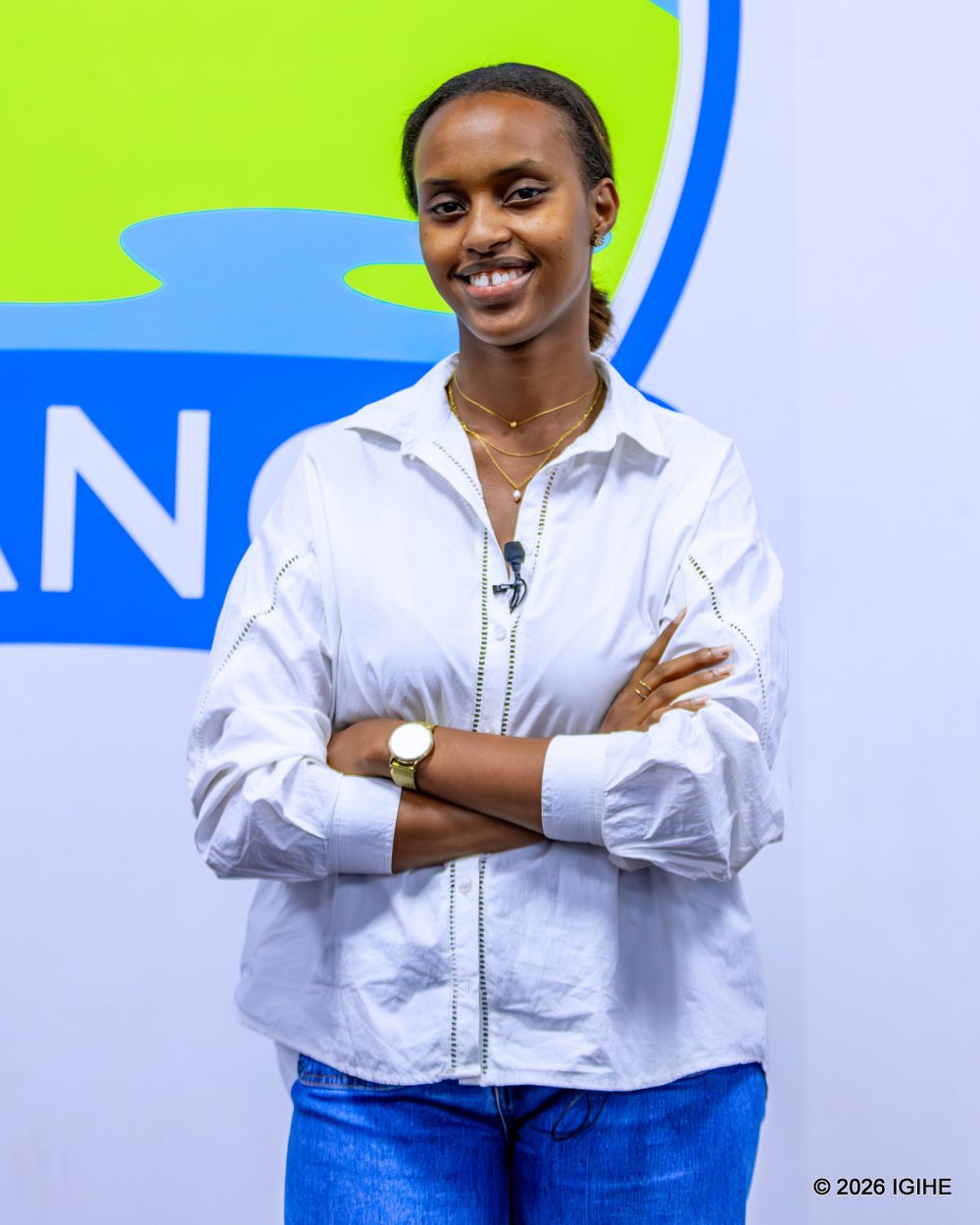
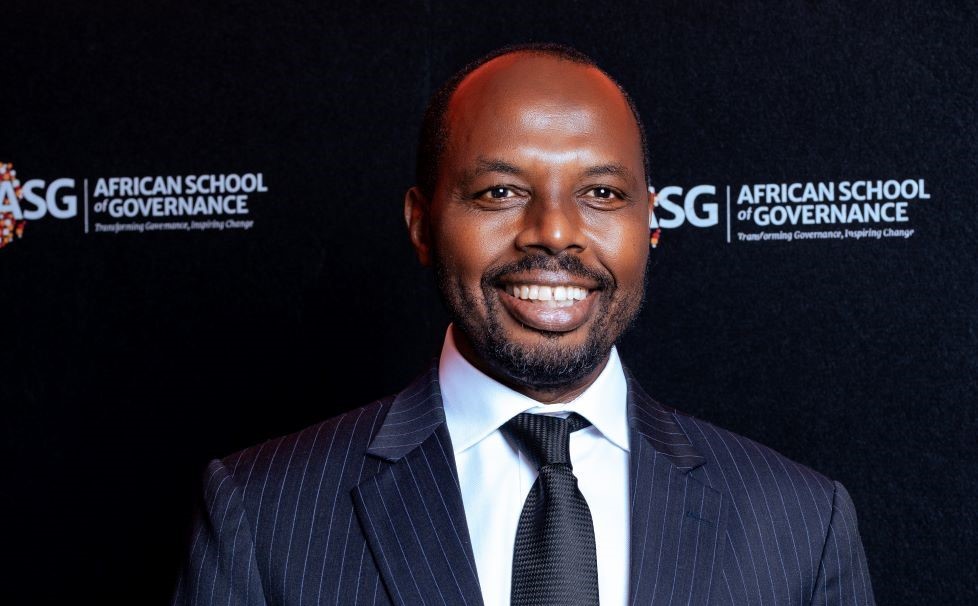
The 22-year-old co-founder and chief executive of Strettch Cloud says the company’s rise, from a modest personal investment of about 2 million Rwandan francs to a fast-growing infrastructure business, has been driven less by capital and more by early exposure to practical technology, disciplined execution, and a clear understanding of Africa’s digital constraints.
{{Early curiosity and the path to technology
}}
Sauvé’s journey into technology began long before Strettch existed. Growing up, he was drawn to science and mathematics, fascinated by how things worked and why systems behaved the way they did. That curiosity eventually narrowed into computer science, which he saw as the most practical application of physics and mathematics in the modern economy.
“Mathematics is the mother language of all sciences,” Sauvé explains. “But I was seeking the most practical way to use that knowledge in the real world, and computer science became the answer.”
While still in lower secondary school, he was already reading computer science books and following emerging technologies such as virtual reality, laying the intellectual groundwork for what would later become a business career.
A defining moment came in 2019, when Sauvé joined the inaugural cohort of Rwanda Coding Academy, a government-backed institution designed to produce industry-ready technologists through project-based learning.
Unlike traditional academic pathways, the school immersed students in software development, cybersecurity, robotics and artificial intelligence, exposing them to real-world problems early. By senior five, Sauvé had secured his first internship, and by senior six he was already employed, an experience that placed him years ahead of many of his contemporaries.
That early professional exposure shaped his view of entrepreneurship. While still at Rwanda Coding Academy, Sauvé attempted to launch two startups, both of which failed. He does not describe them as failures, but as formative experiences that taught him how difficult it is to build software that works in production, manage teams, and navigate uncertainty.
“I’ve already tried two startups when I was still at school that failed, but I don’t take it as a failure because I had to learn a lot through the process,” Sauvé says.
Strettch began taking shape after Sauvé and four fellow Rwanda Coding Academy graduates enrolled at African Leadership University. All five were already employed in different organizations, but they shared a concern that working separately would dilute their collective potential.
They agreed to pool their skills and effort into a single company, even though they had no clear product in mind at the time. Their first strategy was deliberately conservative: start as a software development agency, build solutions for clients, learn how to work as a team, and use the proceeds to finance future products.
That approach paid off sooner than expected. Less than a year after registering the business, the team won a public procurement tender worth $100,000 to develop a national research and innovation system for Rwanda Polytechnic in 2024. The contract was a major financial and psychological breakthrough, but Sauvé says it also introduced a new level of responsibility.
“I had to think about it twice,” Sauvé says. “It felt too good to be true, and at the same time it was a huge responsibility.”
{{How Strettch Cloud was born
}}
From the agency work, several internal product ideas emerged. One stood out: cloud computing. As businesses across Africa digitise, they increasingly rely on cloud infrastructure to run software and store data. Yet data sovereignty laws in more than 35 African countries restrict sensitive data from being hosted outside national borders, limiting the use of global cloud providers for many organisations. That regulatory reality created a gap that Strettch Cloud set out to fill.
Strettch Cloud offers on-demand computing infrastructure hosted locally, allowing businesses to deploy virtual servers within seconds through a self-service platform. According to Sauvé, it is currently the only cloud provider in Rwanda offering such functionality without requiring manual intervention, contracts or lengthy onboarding processes. The broader ambition is to replicate that model across multiple African countries, enabling companies to scale regionally while remaining compliant with local data regulations.
Building the platform required sacrifices. Sauvé resigned from a well-paid international job to work on Strettch full-time, a decision he describes as the hardest of his life. At the time, he had already achieved a lifestyle he once imagined would take decades to reach. Still, he says the potential impact of building a scalable African technology company outweighed personal comfort.
“Business is one of the most powerful ways to serve society,” he says. “It creates jobs, pays taxes and solves problems at scale.”
{{The humble financial beginnings of Strettch
}}
Financially, Strettch’s beginnings were modest. The founders initially invested about 2 million Rwandan francs of their own money, largely to experiment and learn. Later, they committed roughly $30,000, earned from client work, to build the minimum viable version of Strettch Cloud. Before launching publicly, the company tested demand through a waitlist that attracted more than 300 organisations, including large Rwandan companies, validating the market.
That traction helped Strettch reach a valuation of $2.5 million and raise external funding. Today, the platform serves dozens of paying customers, with usage growing month by month.
“The first paying customer is always the most significant achievement,” Sauvé remarks. “It is the moment when someone entrusts you with their business, and that trust validates all the effort, risk, and sacrifice.”
Sauvé says the company’s competitive advantage lies in its cost structure and technology ownership. Unlike many regional providers who license expensive third-party platforms, Strettch built its infrastructure software in-house, allowing it to offer lower prices while maintaining control over performance and security.
The company’s ambitions extend beyond Rwanda. Sauvé points to Africa’s cloud computing market, estimated at $45 billion, much of which flows to providers outside the continent. His vision is explicitly Pan-African: keep data, capital and technical expertise within Africa.
Strettch plans to enter Kenya by 2027 and expand into at least six or seven African markets within five years, building physical infrastructure in each to comply with national regulations.
Looking ahead, Sauvé sees artificial intelligence as both an opportunity and a strategic imperative. Many AI systems used in Africa rely on infrastructure hosted abroad, raising data sovereignty concerns. Strettch Cloud is exploring ways to provide AI-ready infrastructure locally, including access to specialised hardware, so that organisations can deploy advanced technologies without exporting sensitive data.
For Sauvé, the story of Strettch Cloud is still in its early chapters. Yet its trajectory already challenges assumptions about where high-growth technology companies can emerge and how much capital is required to start.
His advice to young Rwandans is pragmatic rather than romantic. The work, he says, is difficult and uncertain, but solvable problems reward those who approach them with discipline and optimism.
“When there is a problem, and you think there is an answer, you become a victor. If you think you can’t find an answer, you become a victim,” Sauvé, who also serves as Vice President of Toastmasters, a nonprofit organisation that develops public speaking, leadership, and networking skills, advises.