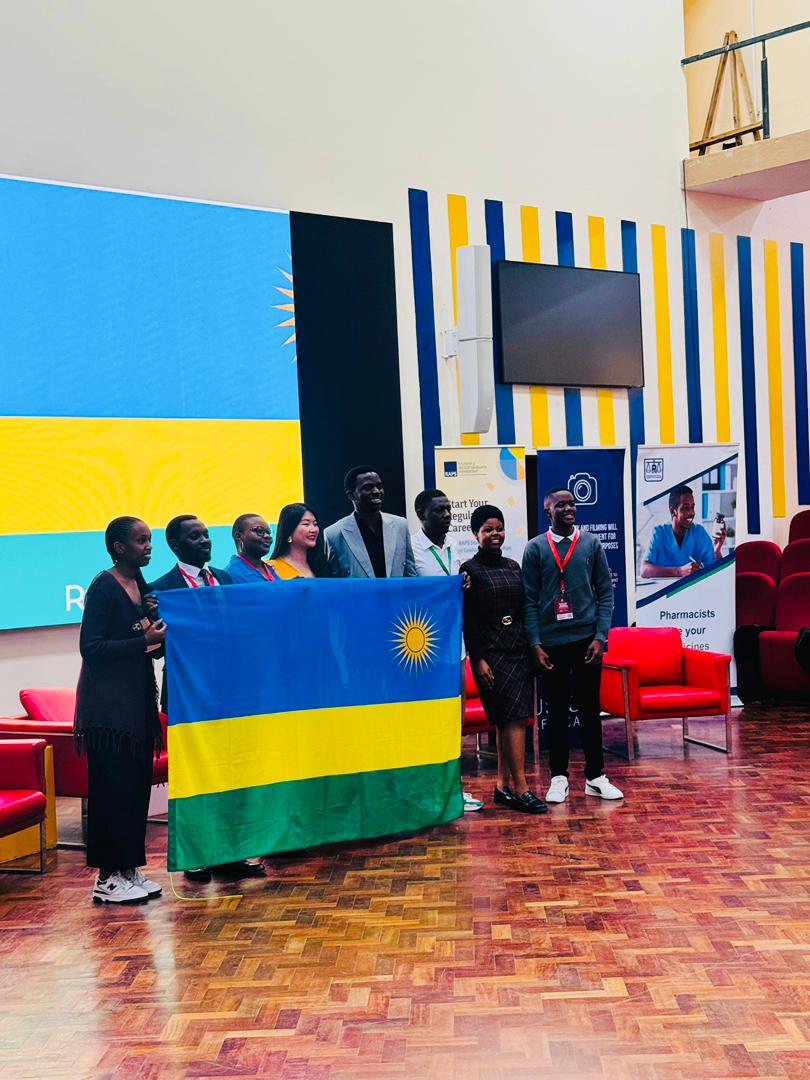
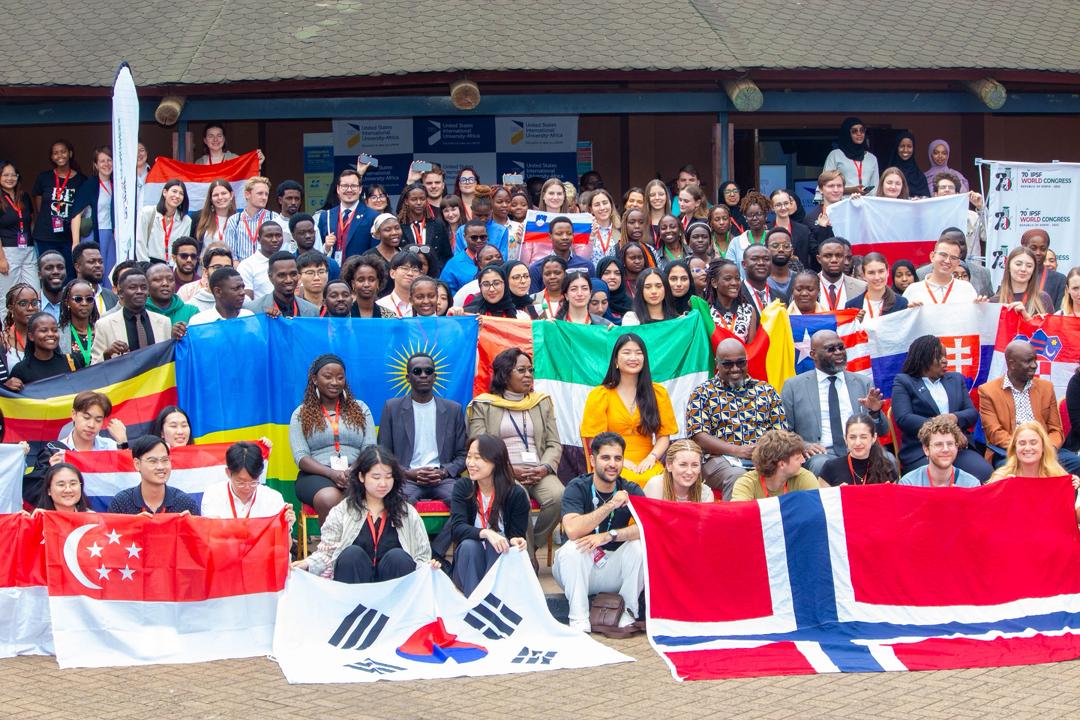
Held under the theme: “The Future of Africa’s Health System: Youth Engagement, Innovation, and Homegrown Solutions”, the symposium is organized by the International Pharmaceutical Students’ Federation African Regional Office (IPSF AfRO), with the Rwanda Pharmaceutical Students’ Association (RPSA) serving as the local host.
This will be the second time Rwanda hosts the continental event, having first organized the 4th edition in 2015.
Hosting rights were secured through a successful bid presented at the 12th AfPS in Freetown, Sierra Leone, and later endorsed by the IPSF African Regional Assembly.
RPSA brings a strong track record to this edition, having previously organized major international health events in Kigali, including the World Healthcare Students’ Symposium in 2017 and the IPSF World Congress in 2019.
Spanning eleven days, the agenda will cover Africa’s most pressing health priorities, from local pharmaceutical and vaccine manufacturing, access to medicines, medicines regulation, and universal health coverage, to digital health, artificial intelligence, disease surveillance, non-communicable diseases, sexual and reproductive health.
Others include oncology care, antimicrobial resistance, supply chain resilience, and pandemic preparedness, through scientific sessions, workshops, innovation showcases, public health campaigns, and professional development competitions.
Rwanda’s selection as host reflects the country’s growing reputation as a hub for healthcare innovation, pharmaceutical development, and international conferencing.
The event is also expected to contribute to Rwanda’s conference tourism by welcoming participants from across the continent for eleven days of professional, scientific, and cultural exchange.
Rwanda is set to host the symposium for the second time. The symposium will bring together over 400 pharmacy students, young professionals, researchers, policymakers, and industry leaders from more than 30 African countries.
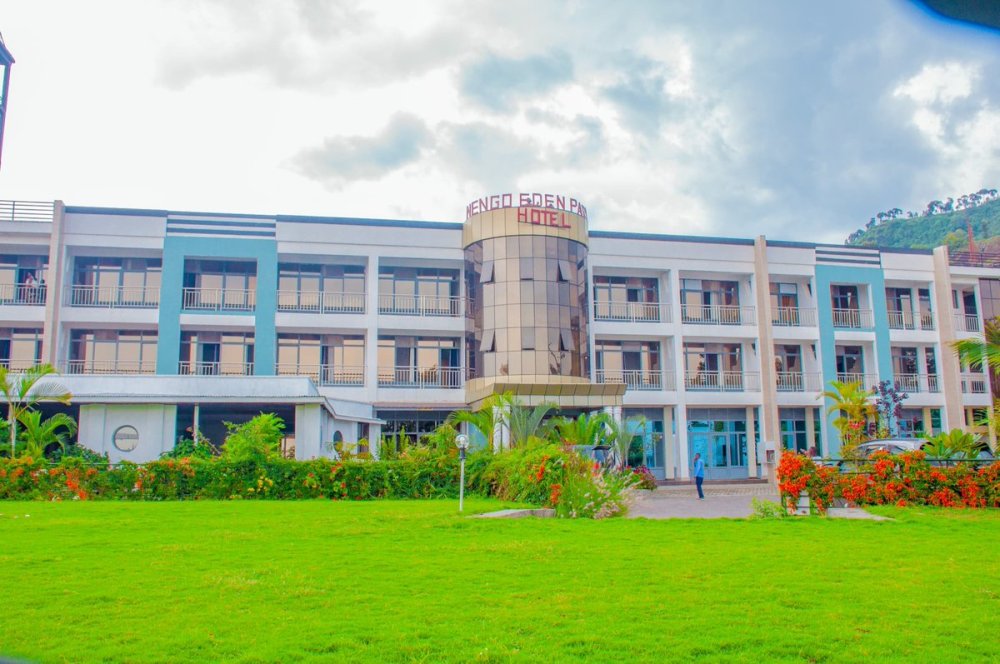
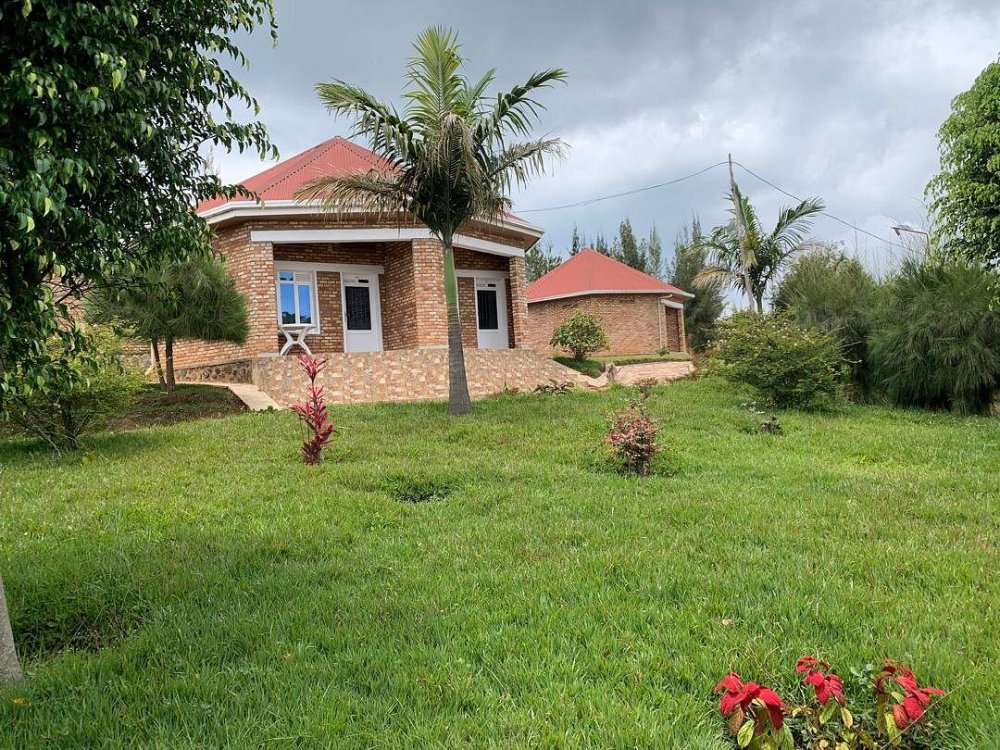
The affected establishments are Century Park Hotel and Residences located in Nyarutarama in Kigali City, Dove Luxury Hotel in Gicumbi District in the Northern Province, Highland Resort Ltd in Rulindo District, and Nengo Eden Park Hotel in Rubavu District in the Western Province.
RDB said the decision follows an assessment carried out to ensure compliance with tourism and hospitality regulations.
Identified deficiencies are related to licensing, hygiene, food safety, security, service quality, operational priocedures and other applicable standards.
The temporary closure is intended to give the hotels time to address the identified shortcomings in their operations. RDB noted that the establishments are not allowed to continue hospitality-related activities until they fully meet the required standards.
According to RDB, the hotels will only be allowed to resume operations after demonstrating compliance and undergoing further inspection by the relevant authorities.
In 2024, Rwanda had 1,460 hotels with a total of 25,330 rooms. This number has steadily increased year after year since 2018.
Data from the National Institute of Statistics of Rwanda (NISR) shows that in 2018, the country had 669 hotels with 13,802 rooms.
In 2019, the number rose to 836 hotels with 16,113 rooms, followed by 870 hotels in 2020 with 17,078 rooms. In 2021, the figure increased again to 911 hotels with 18,201 rooms.
The growth trend continued in 2022 when hotels reached 1,189, with a significant rise in rooms to 21,232.
However, in 2023, there was a slight drop to 1,175 hotels with 21,217 rooms, before increasing again in 2024 to 1,460 hotels and 25,330 rooms.
The report shows that most hotels are concentrated in Kigali City as well as in districts that frequently attract tourists drawn to Rwanda’s natural and cultural attractions.
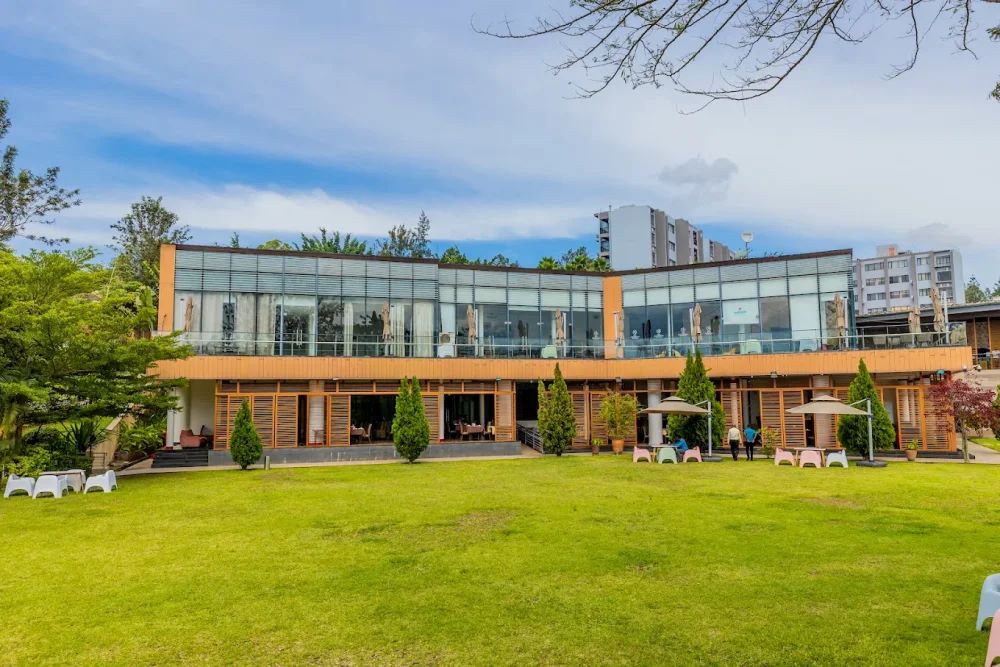
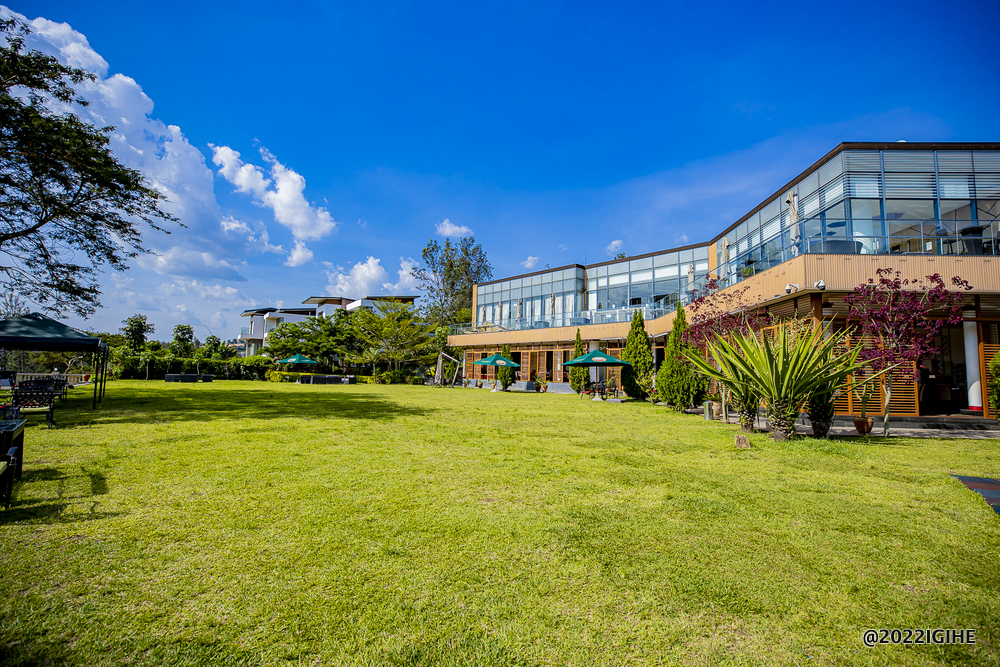
Century Park Hotel and Residences is located in Nyarutarama, Kigali City.Century Park Hotel and Residences is among the four hotels temporarily closed by RDB.Nengo Eden Park Hotel in Rubavu District has been temporarily closed.Highland Resort operates in Rulindo District.
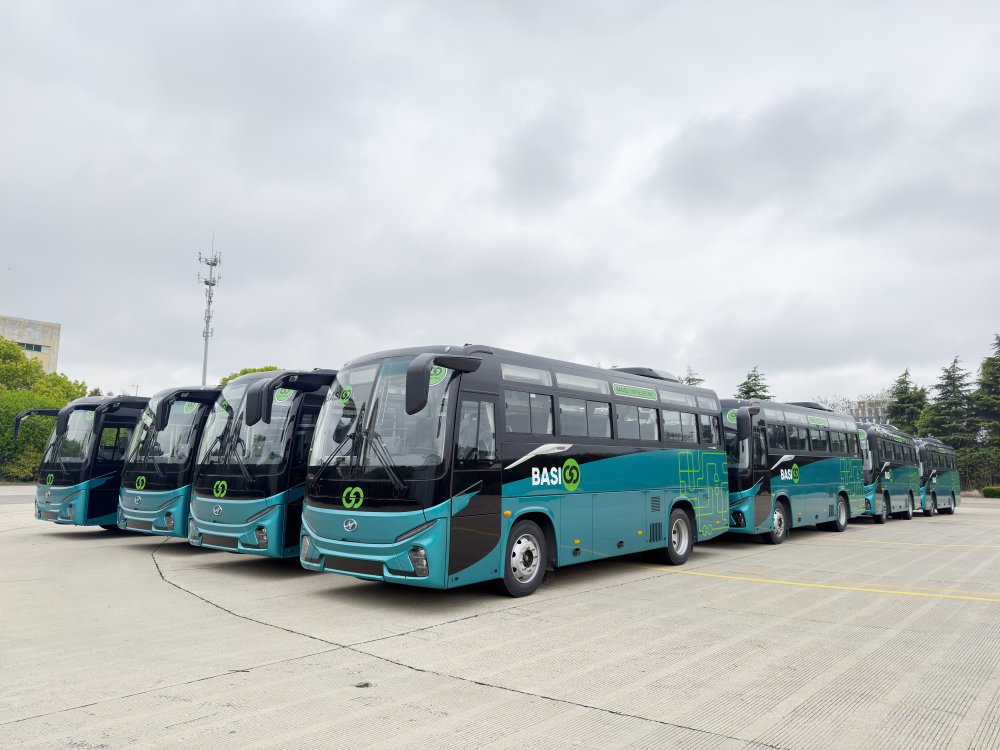
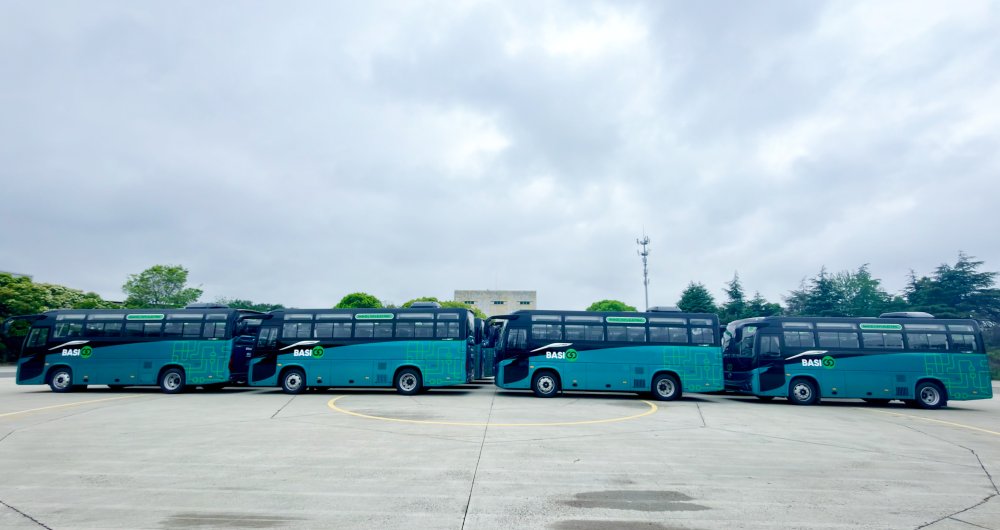
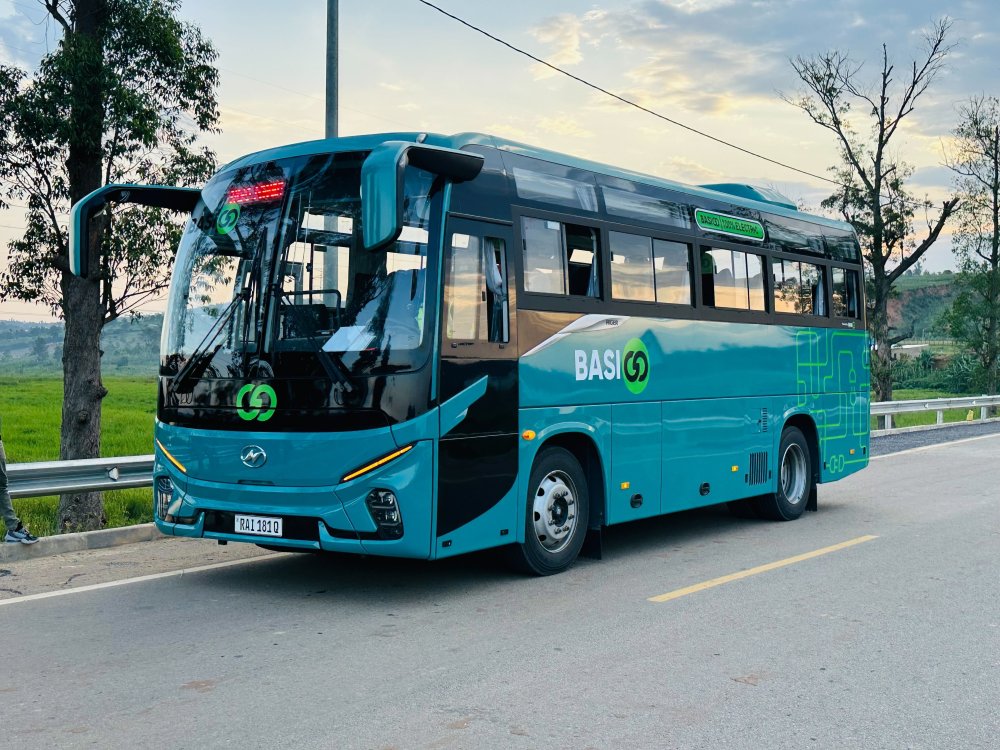
The new fleet consists of fully electric buses, offering an alternative to diesel-powered vehicles at a time when fuel prices continue to rise. The buses are expected to help public transport operators lower operating costs while contributing to efforts to reduce carbon emissions.
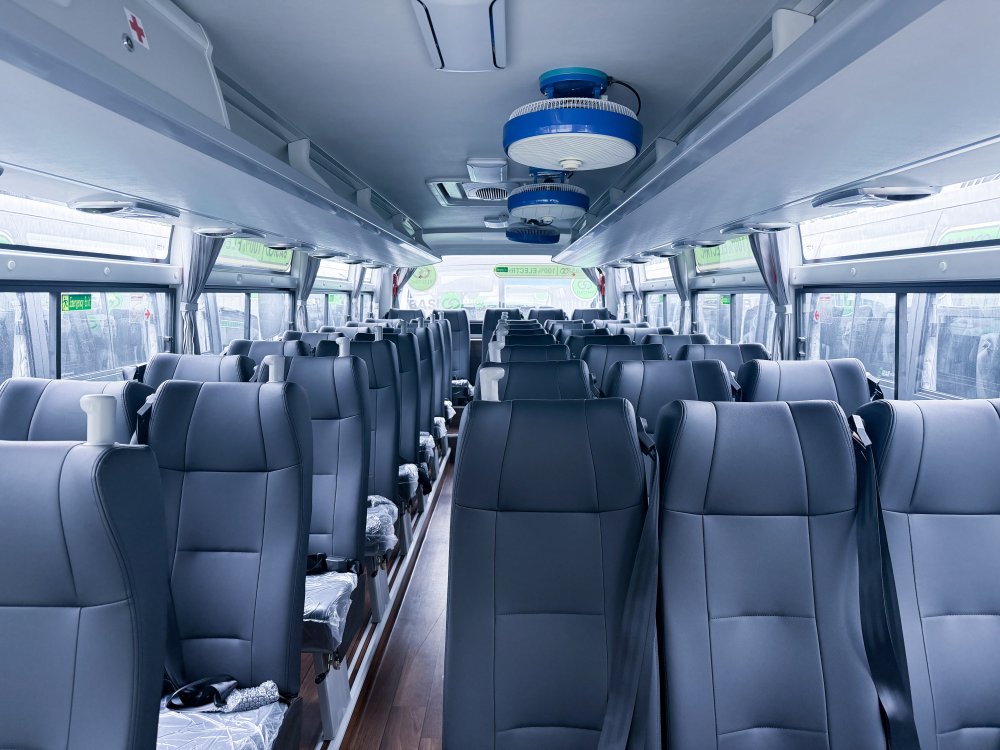
Designed for long-distance travel, each bus can cover at least 400 kilometers on a single charge, allowing it to complete a round trip between Kigali and the Eastern Province without requiring recharging. The buses can accommodate 42 passengers and include dedicated luggage storage space.
While electric buses have become increasingly common in Kigali, BasiGo plans to deploy the new vehicles in the Southern, Northern, and Eastern provinces, expanding access to electric public transportation beyond the capital.
According to BasiGo Rwanda Managing Director Jones Kizihira, the buses have already arrived in Mombasa and are currently en route to Rwanda. He said the vehicles are expected to be operational in the country before the end of June 2026.
Kizihira noted that electric buses are becoming an increasingly attractive option for public transport operators due to their lower operating costs compared with diesel-powered vehicles.
“Fuel prices continue to increase, and these vehicles will help transport operators meet their operational targets while maintaining the profitability of their investments,” he said. “Most operators still rely heavily on diesel-powered fleets, but gradually introducing electric buses enables them to significantly reduce daily operating expenses.”
He also encouraged transport companies to embrace electric mobility, noting that confidence in the technology has grown as more operators experience its benefits.
“Electric vehicles are still relatively new, and some potential buyers initially have concerns,” Kizihira said. “However, those already using them have seen their advantages. As adoption increases, so too will local expertise in operating, maintaining, and servicing these vehicles.”
BasiGo Rwanda aims to have at least 100 electric buses operating in the country by the end of 2026. The expansion will be accompanied by workforce training programs for technicians and charging operators, as well as continued investment in charging infrastructure.
The company currently operates charging stations in Muhanga and Huye districts and plans to further expand its charging network to support the growing electric bus fleet.
The new fleet consists of fully electric buses, offering an alternative to diesel-powered vehicles at a time when fuel prices continue to rise.While electric buses have become increasingly common in Kigali, BasiGo plans to deploy the new vehicles in the Southern, Northern, and Eastern provinces, expanding access to electric public transportation beyond the capital.The buses are expected to help public transport operators lower operating costs while contributing to efforts to reduce carbon emissions.BasiGo Rwanda aims to have at least 100 electric buses operating in the country by the end of 2026.
The event, organised by the GSMA, had been scheduled to take place in Kigali from June 16 to 18, bringing together leaders from across the global mobile and digital technology ecosystem, including handset manufacturers, software companies, equipment providers and internet firms.
In a statement, the GSMA said it had decided to postpone the event but did not provide a reason for the move.
“We recognise the inconvenience this may cause to our participants and appreciate their understanding,” the organisation said.
“A new date will be announced in due course, and we look forward to convening the African continent’s most influential connectivity event again soon.”
The Mobile World Congress is widely regarded as the world’s largest and most influential event for the connectivity and mobile industry. In addition to Kigali, the congress is held annually in Barcelona, Shanghai and Las Vegas.
The postponement comes just weeks before thousands of delegates were expected to arrive in Rwanda for the three-day gathering, which has become a key platform for discussions on digital transformation, innovation and connectivity across Africa.
Last year’s edition, held at the Kigali Convention Centre from October 21 to 23 under the theme “Converge, Connect and Create,” attracted more than 4,000 delegates from 109 countries. The event featured discussions on emerging technologies, digital infrastructure, investment opportunities and the future of Africa’s digital economy.
The event, organised by the GSMA, had been scheduled to take place in Kigali from June 16 to 18, bringing together leaders from across the global mobile and digital technology ecosystem, including handset manufacturers, software companies, equipment providers and internet firms.
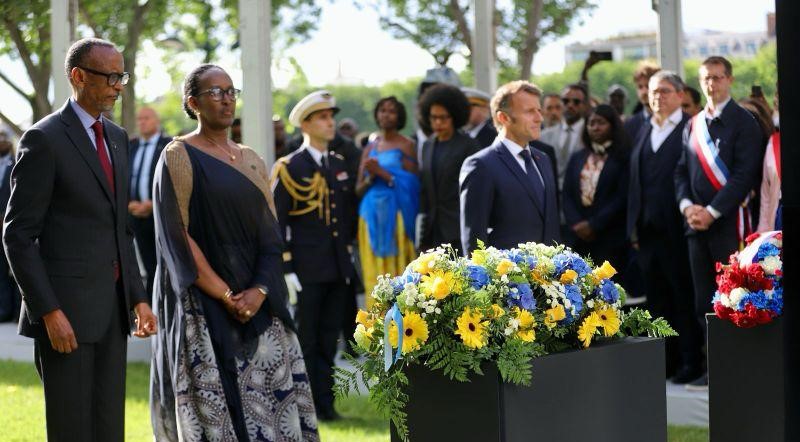
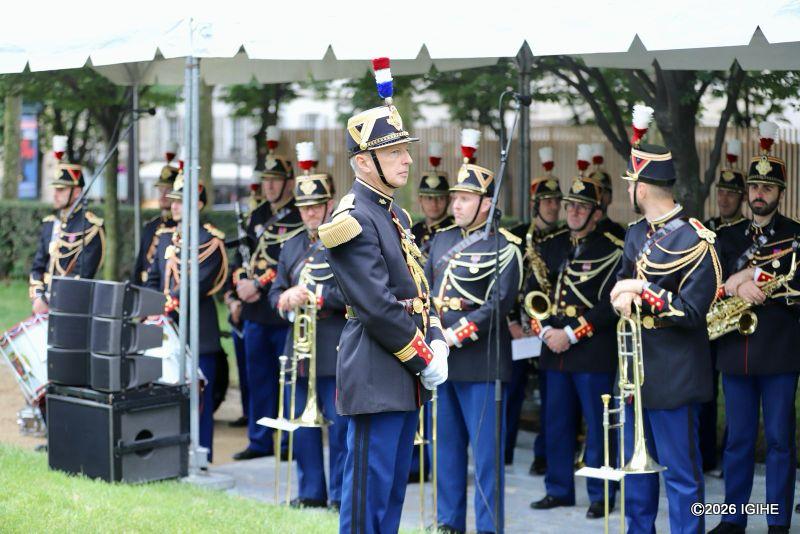
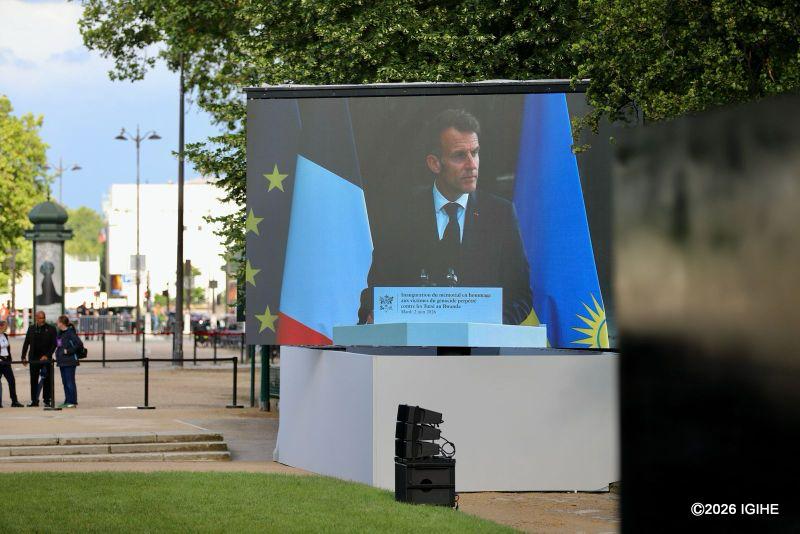
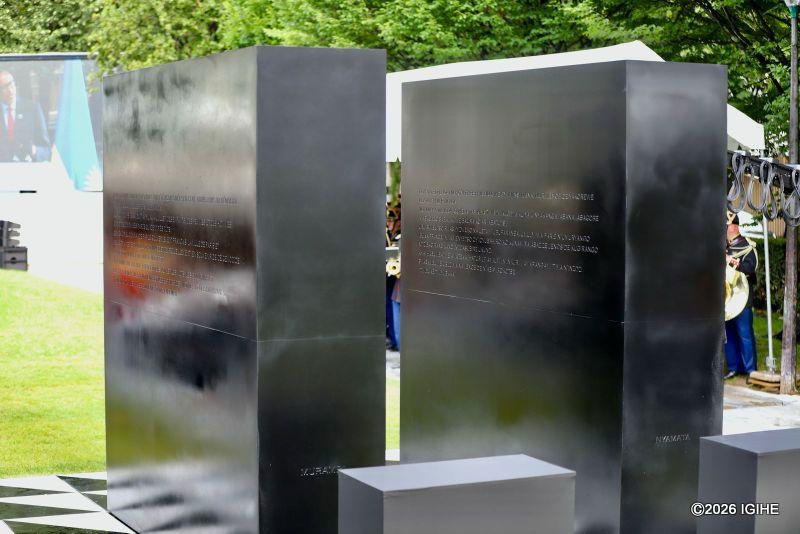
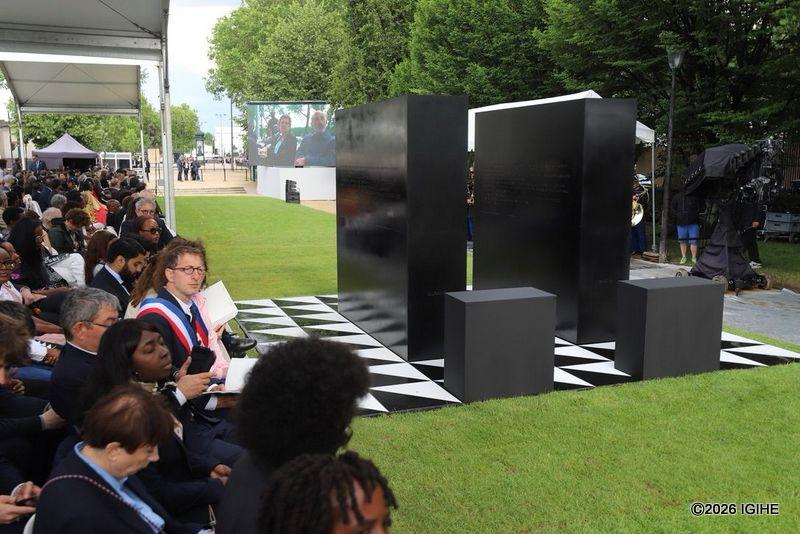
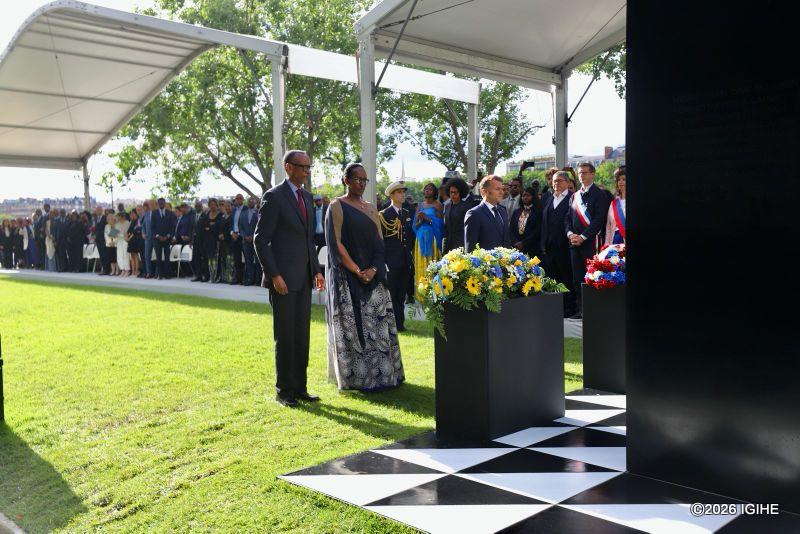
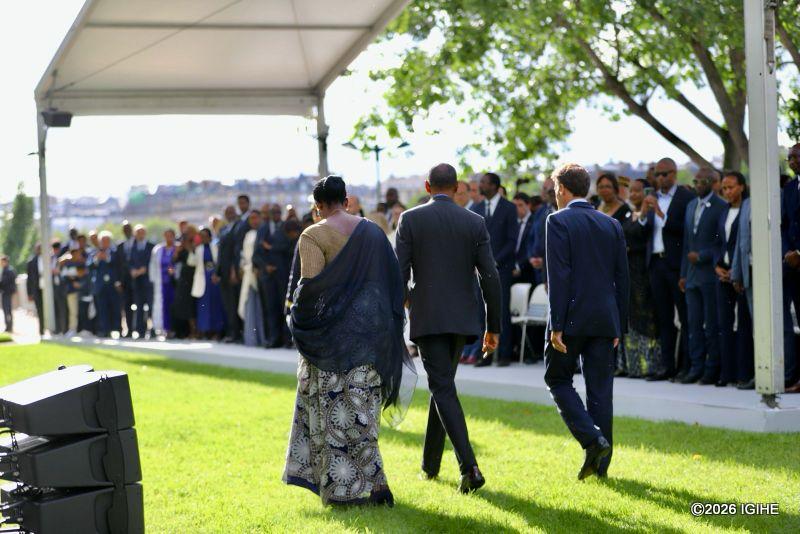
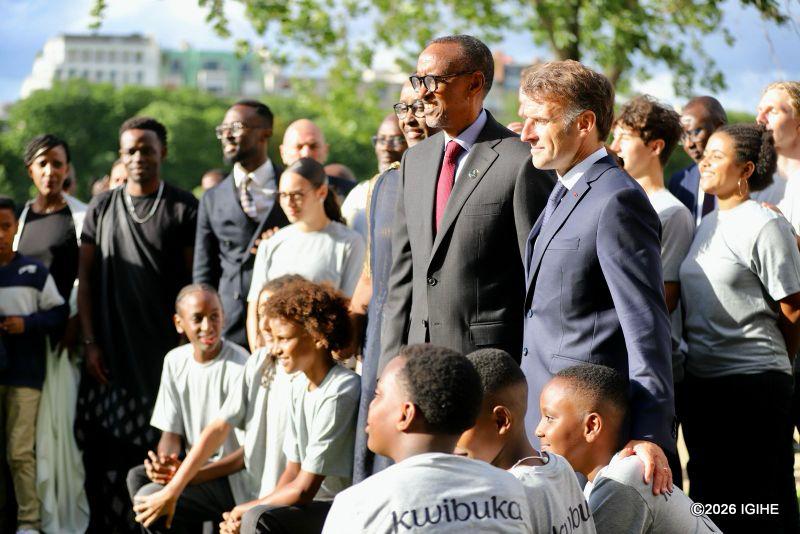
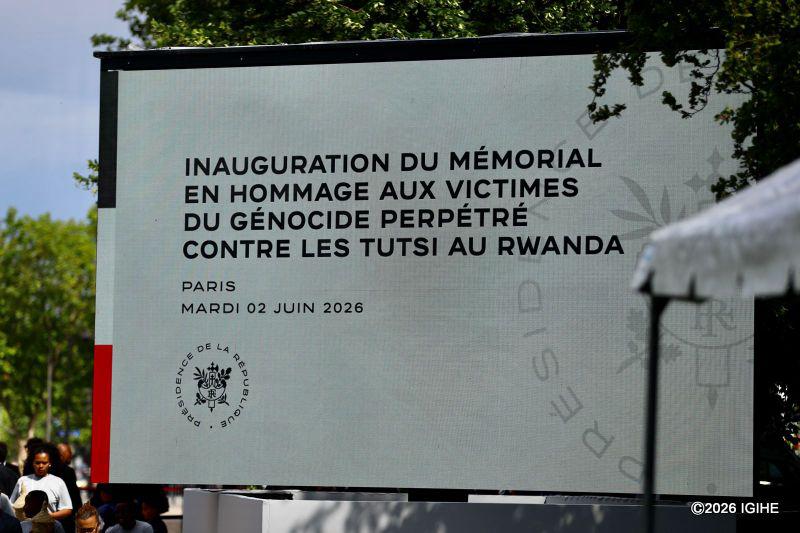
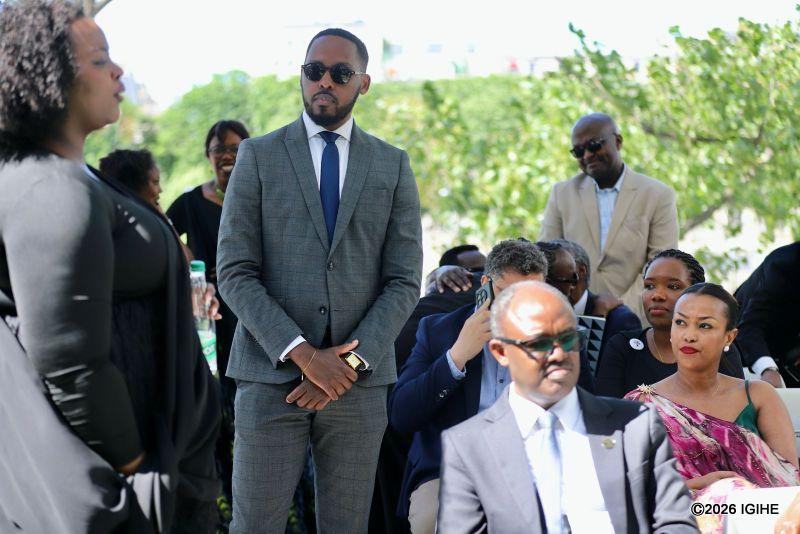
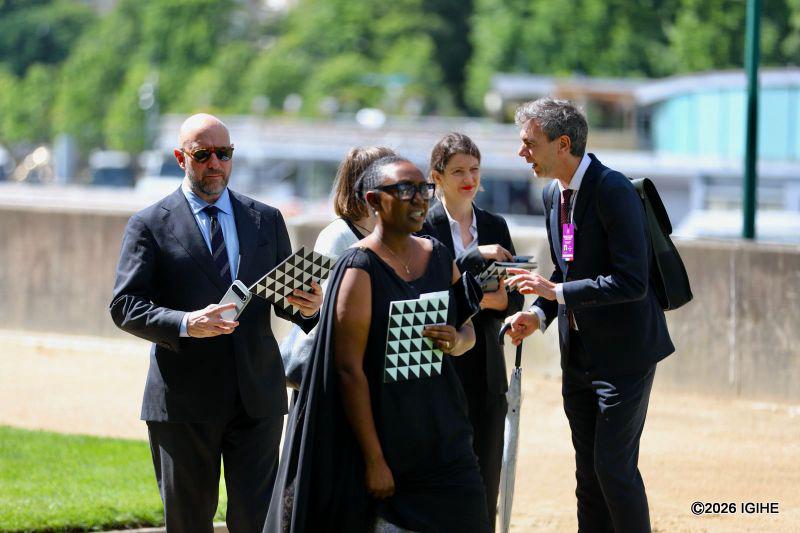
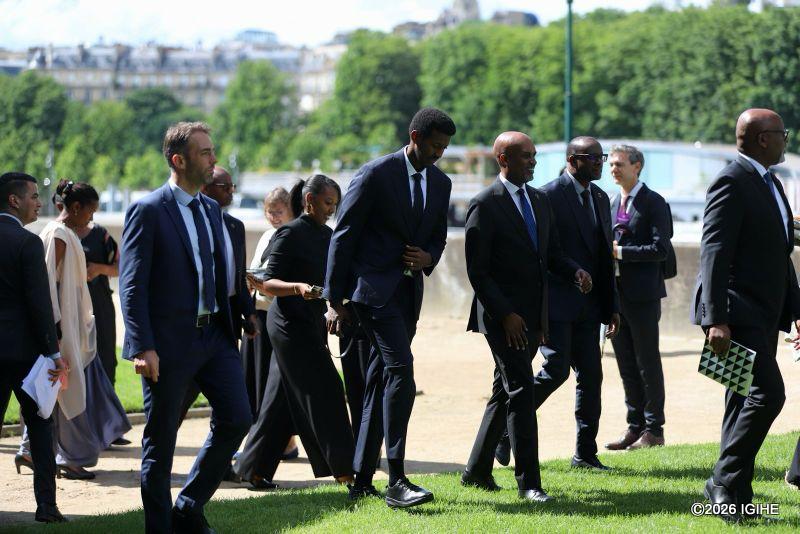
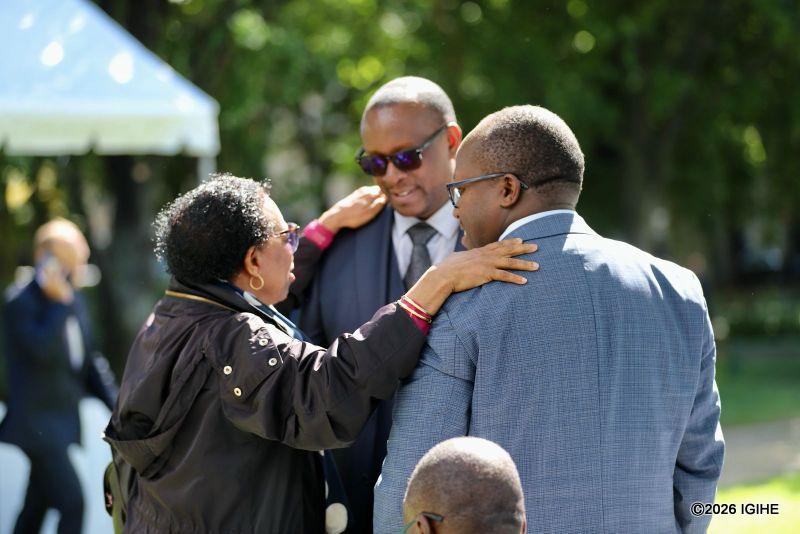
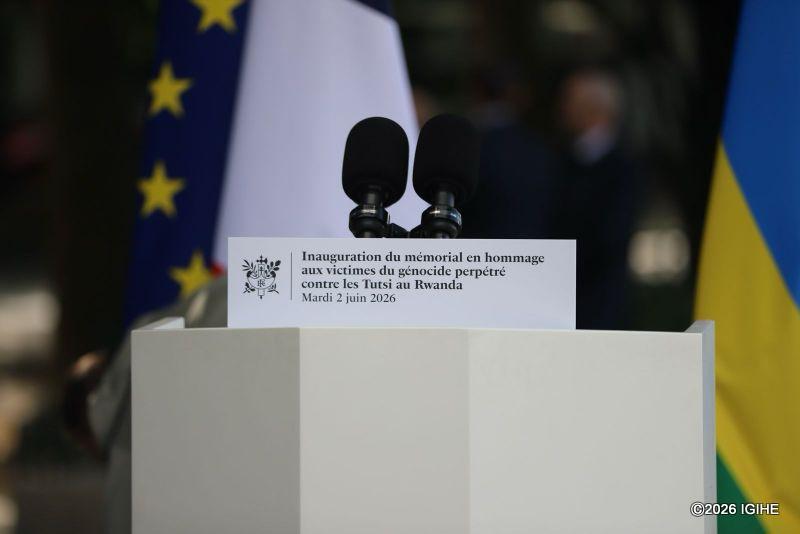
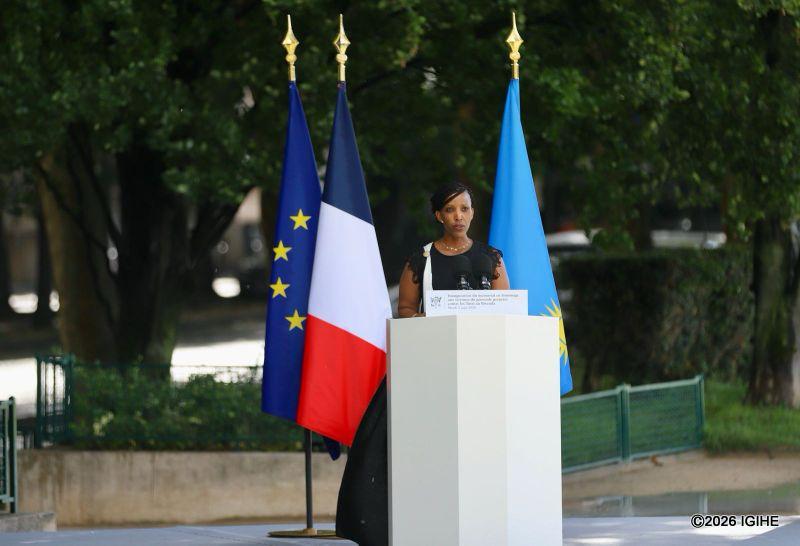
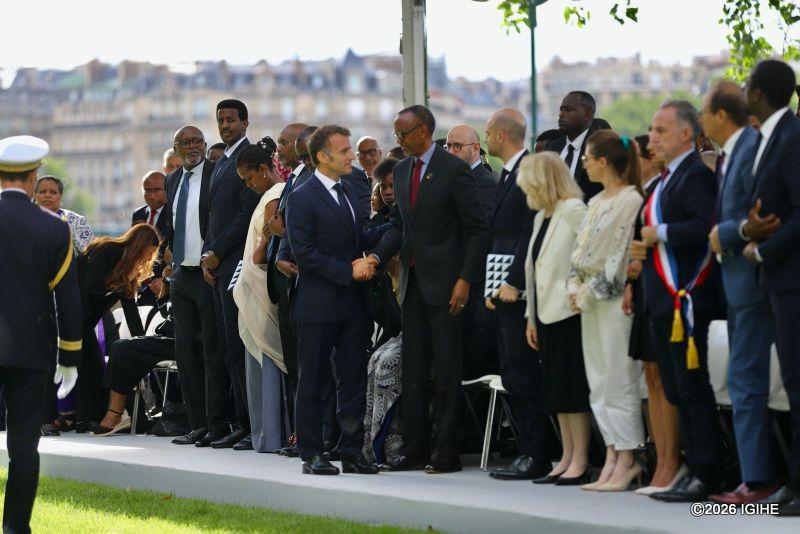
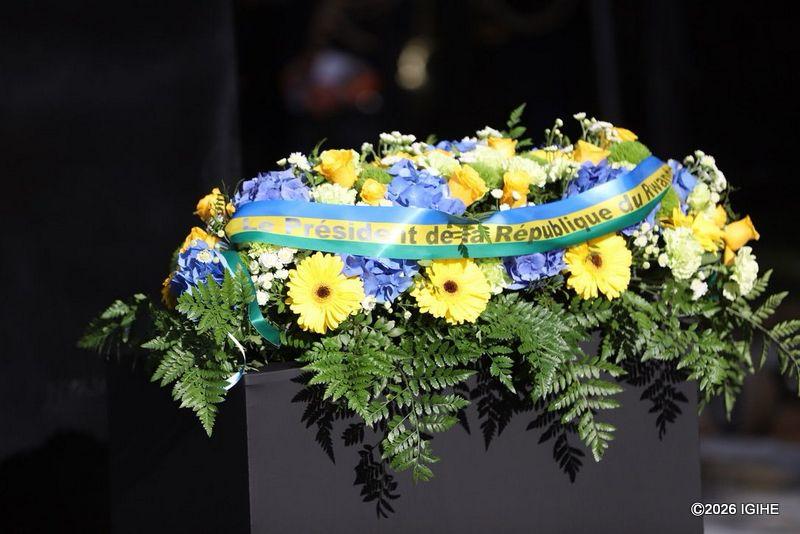
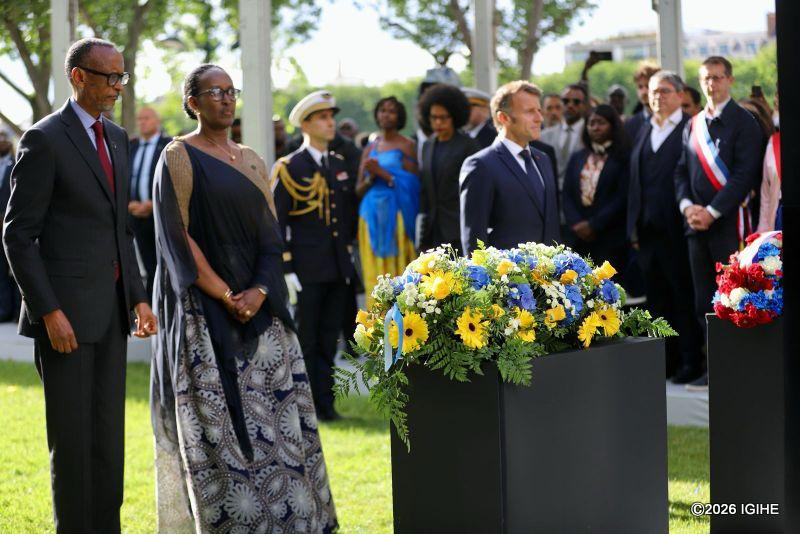
Officially inaugurated by Rwandan President Paul Kagame and French President Emmanuel Macron on June 2, 2026, the monument is being described as “a light that has been lit in the city of Paris.”
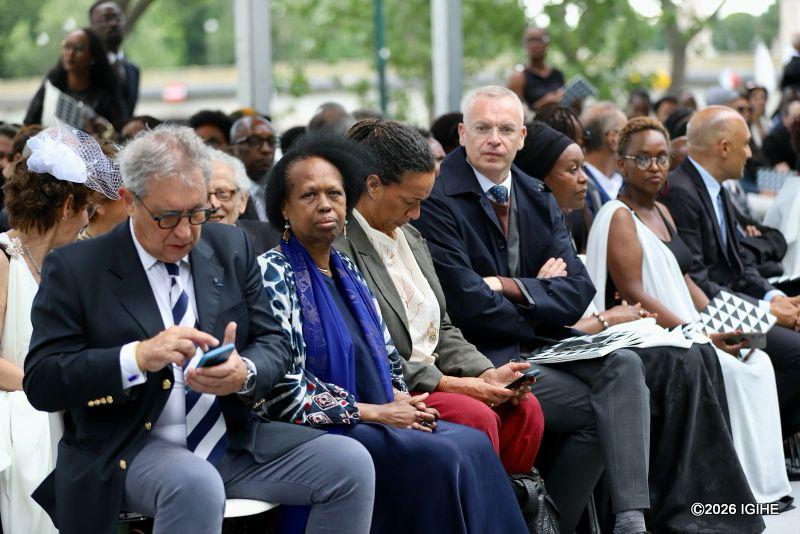
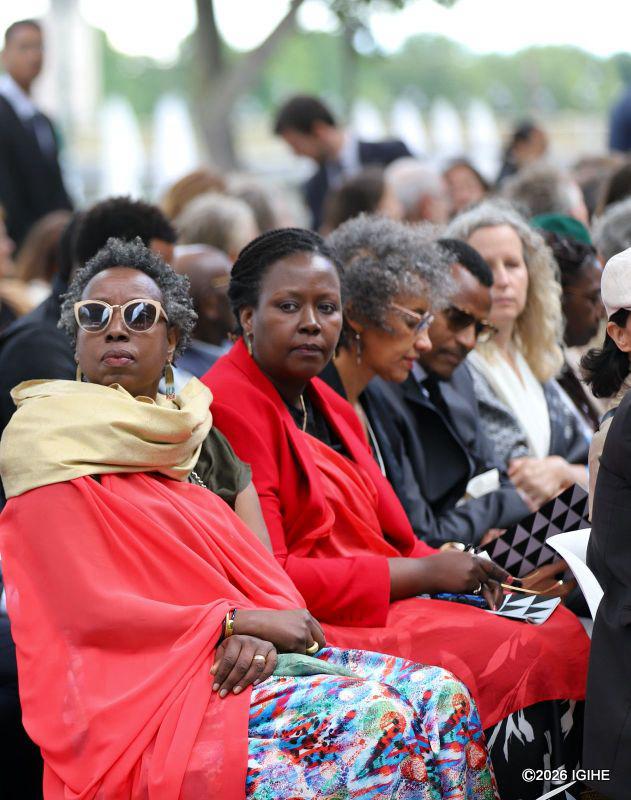
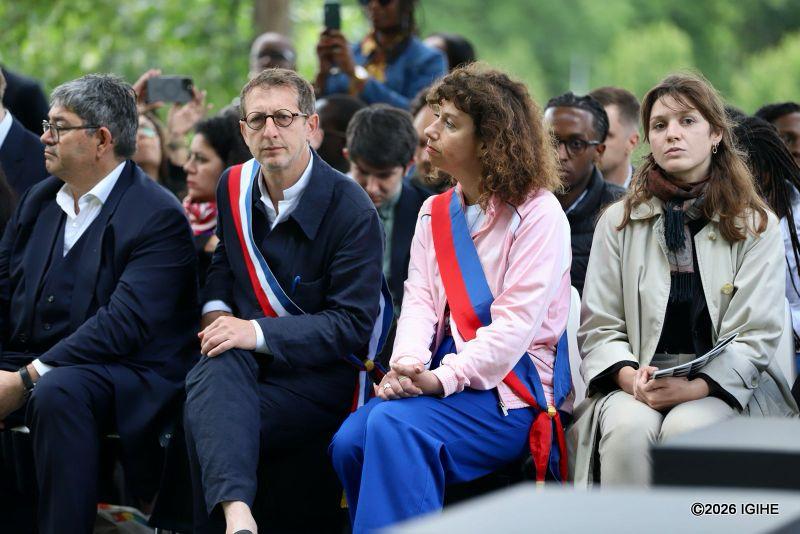
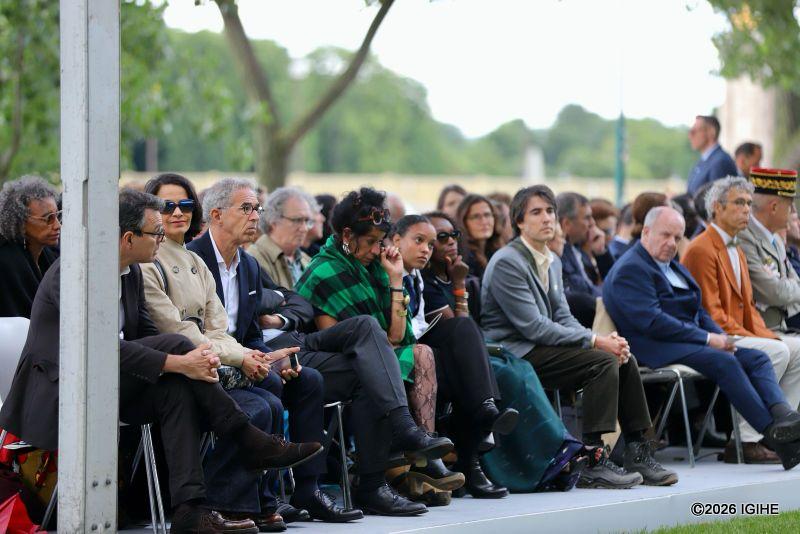
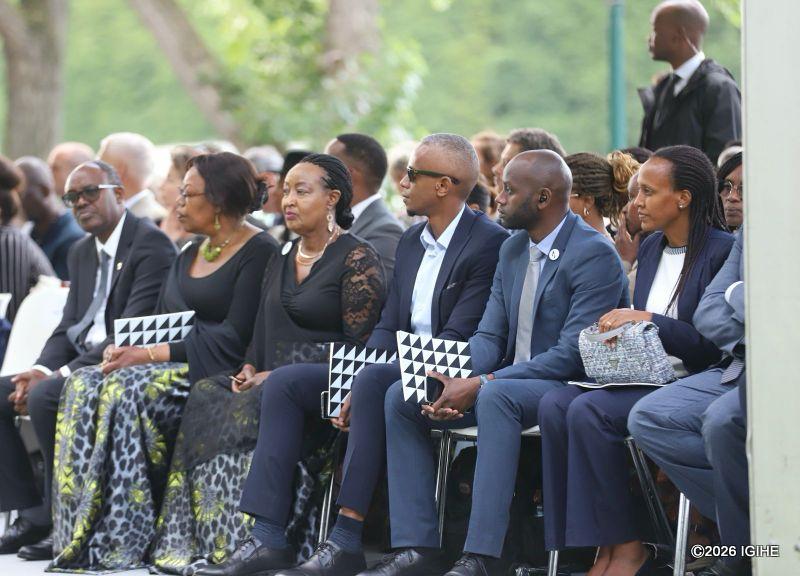
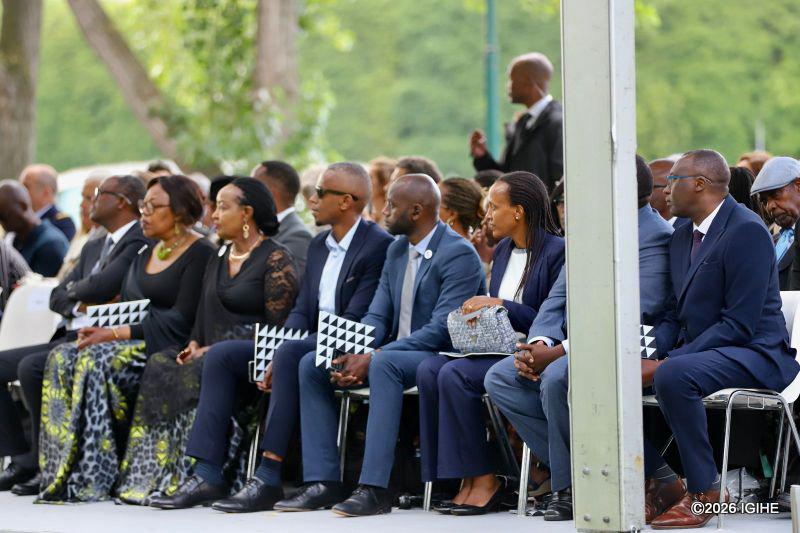
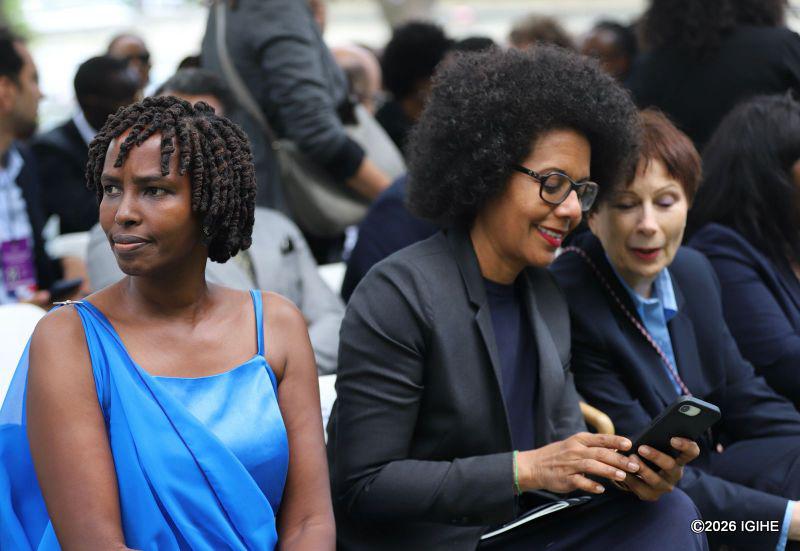
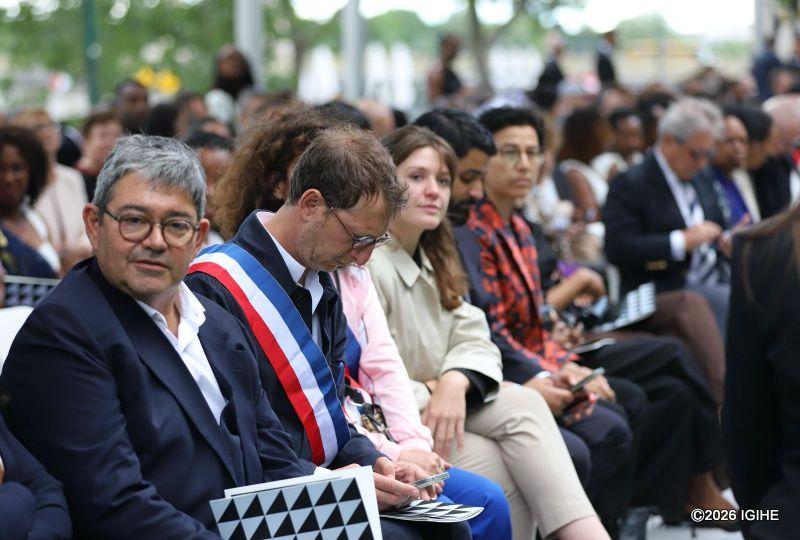
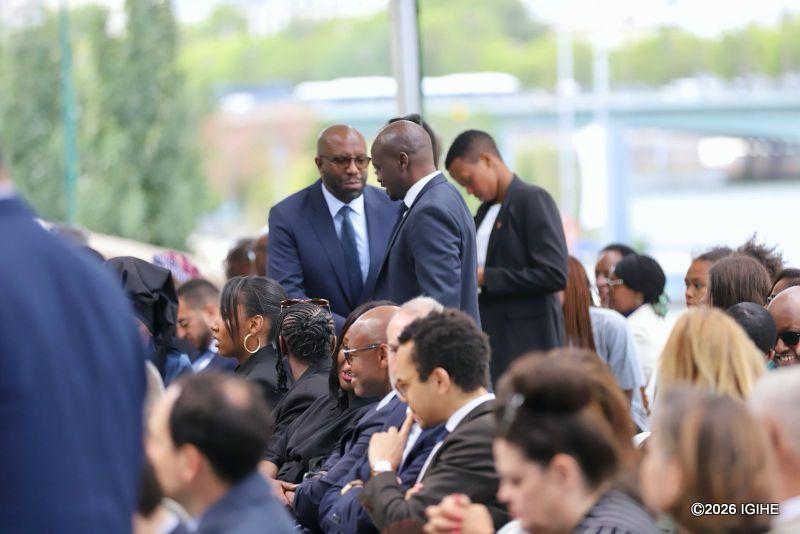
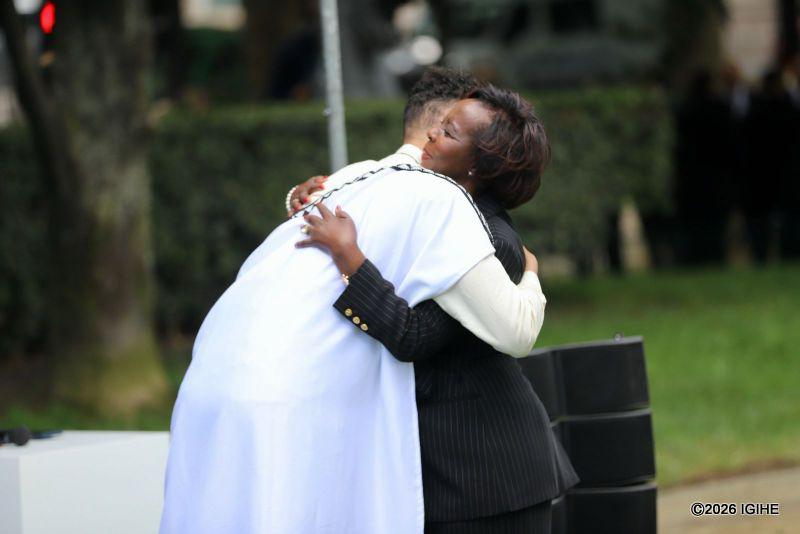
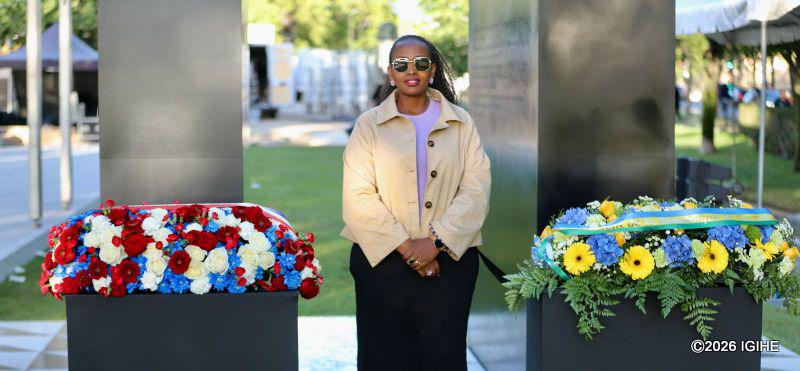
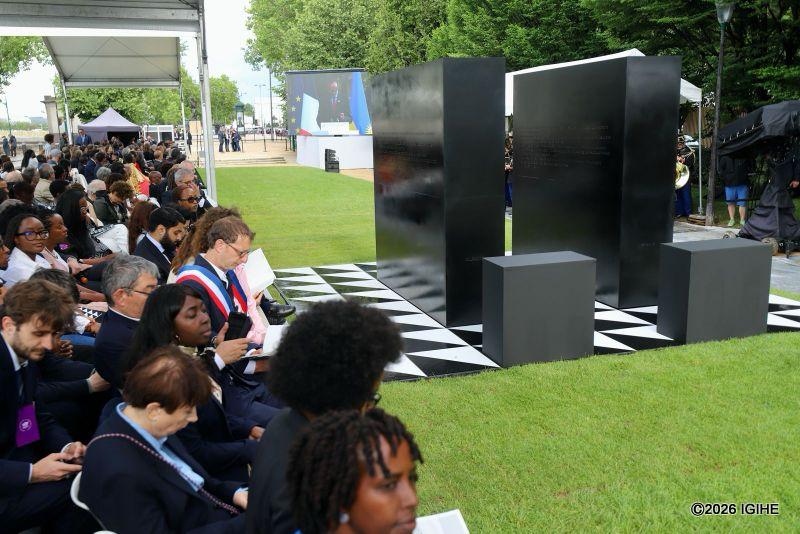
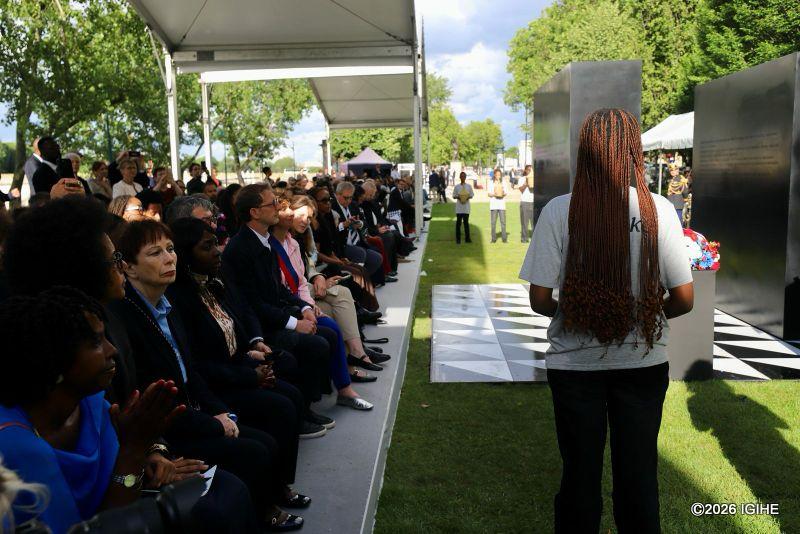
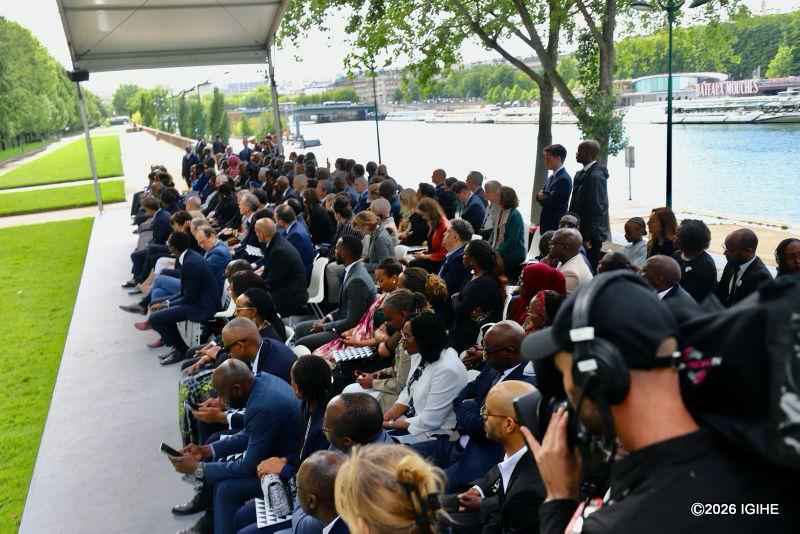
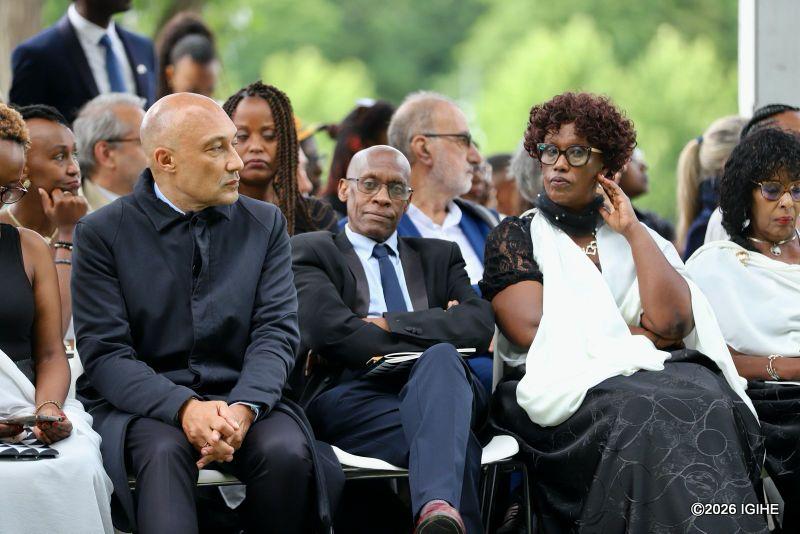
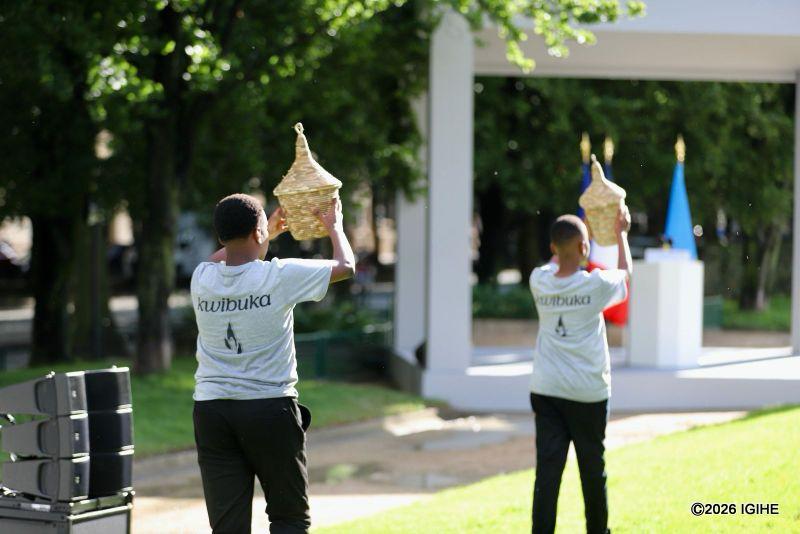
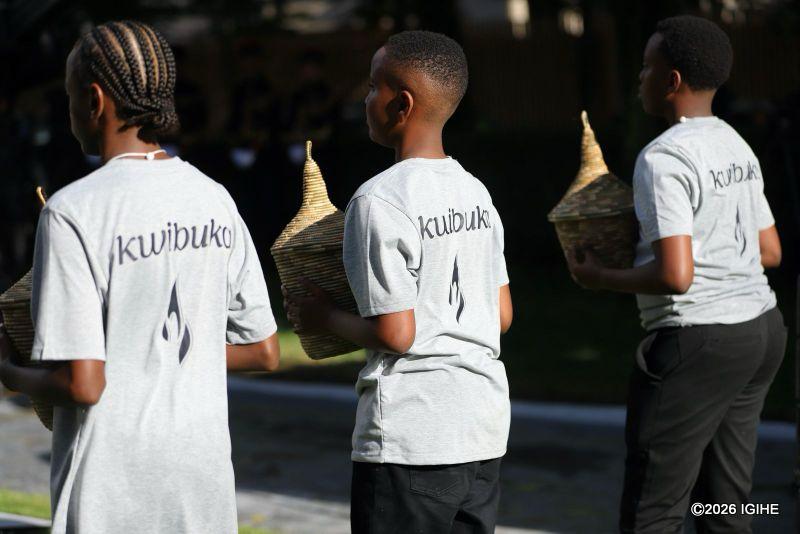
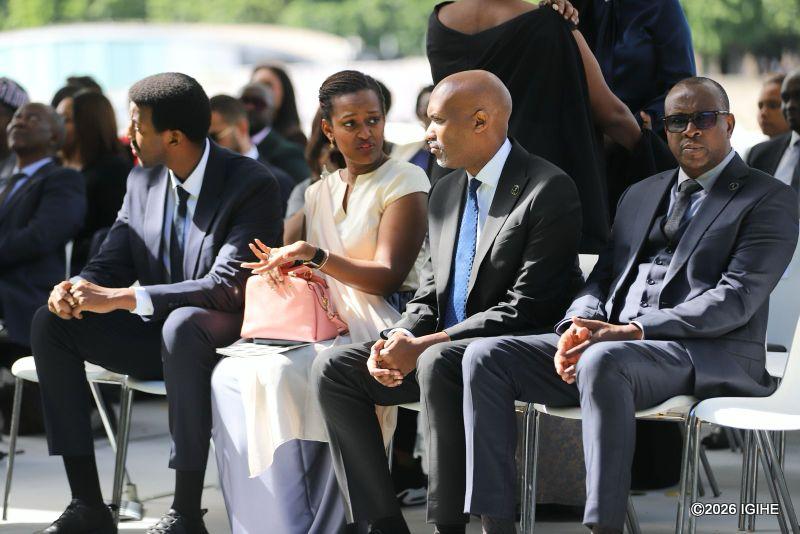
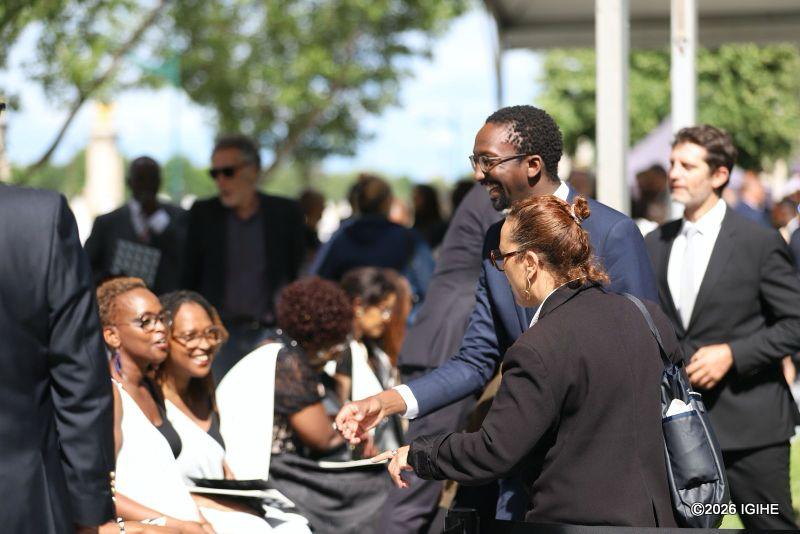
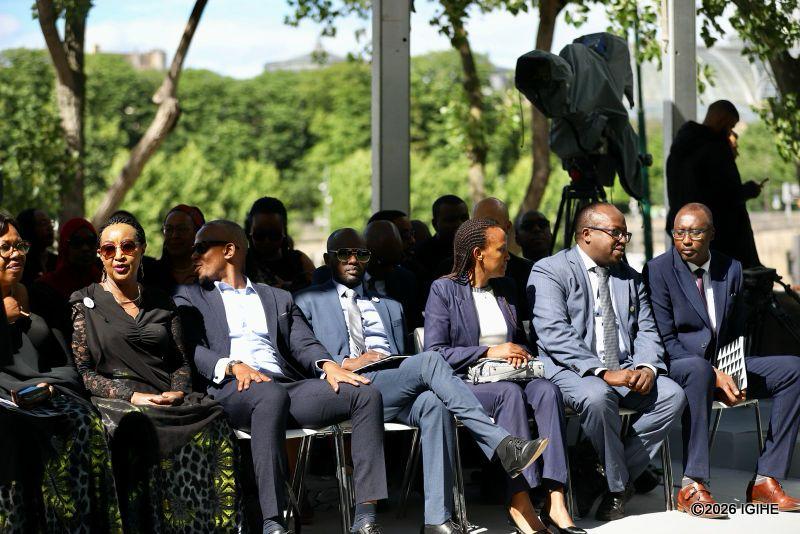
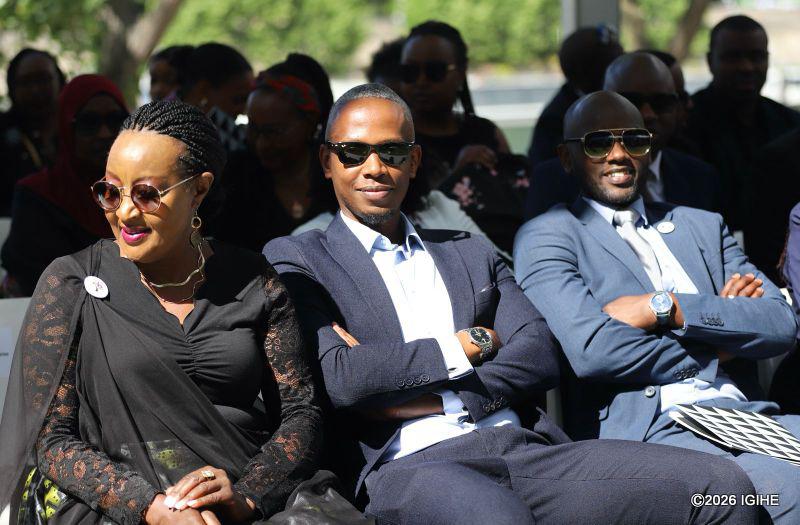
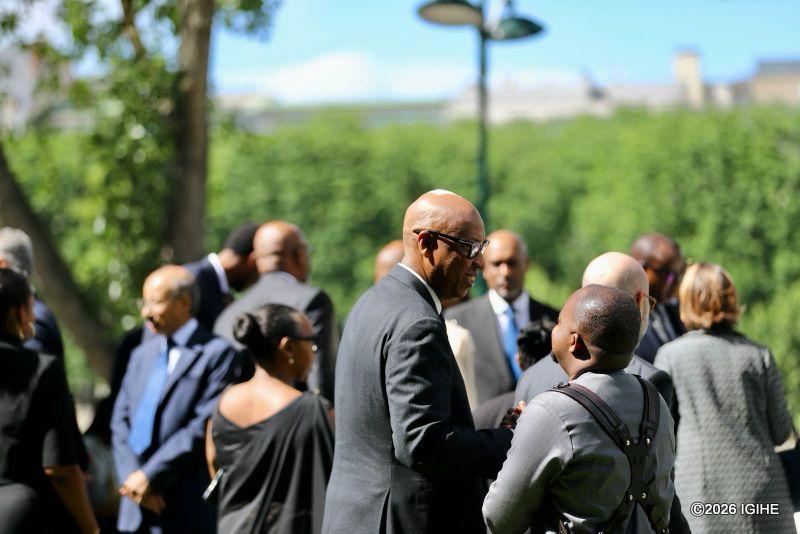
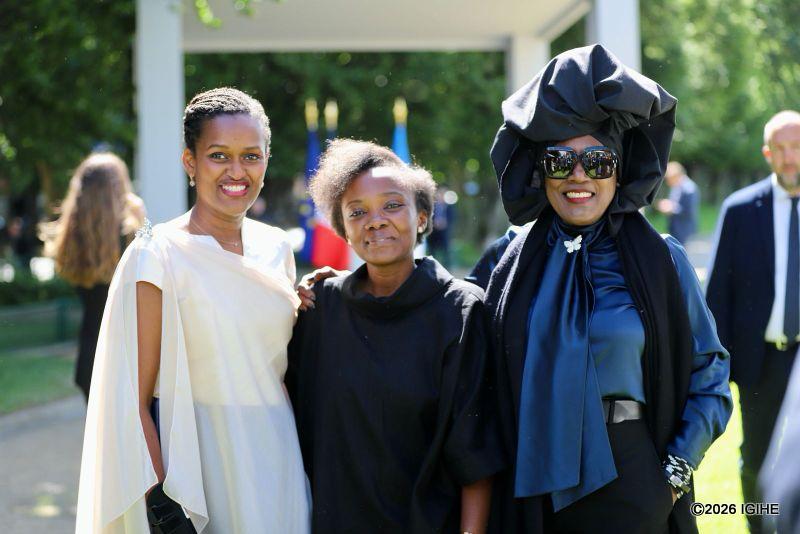
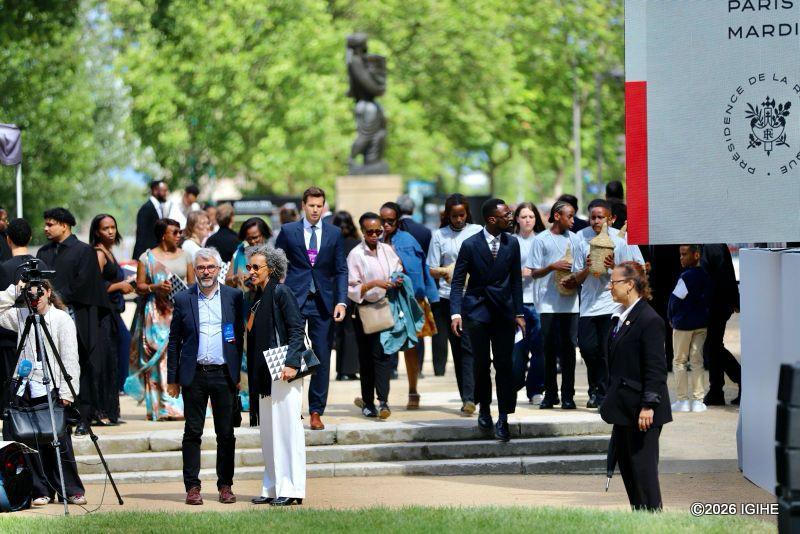
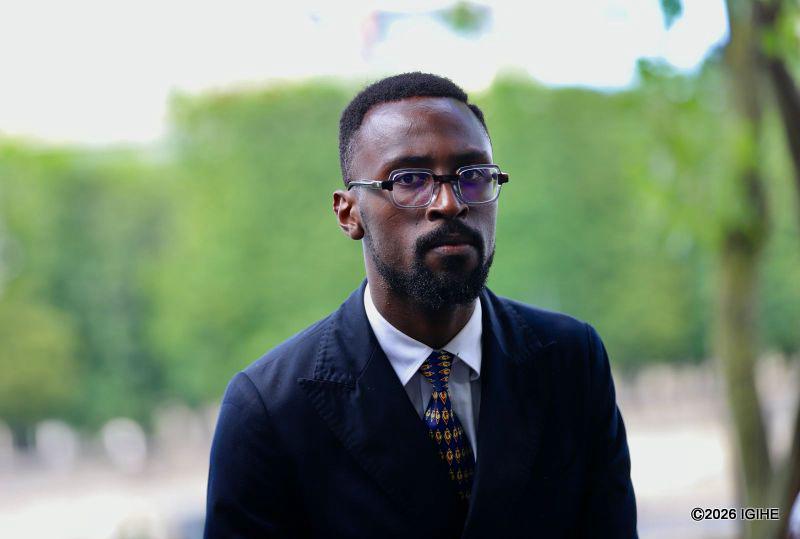
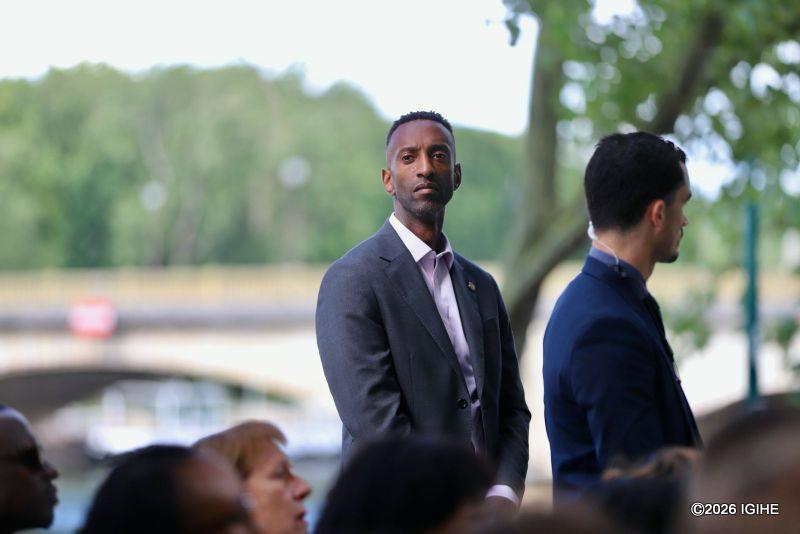
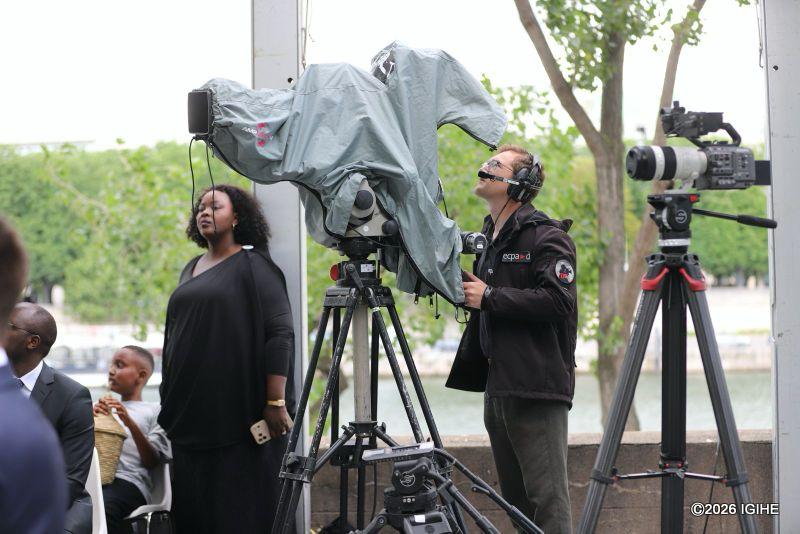
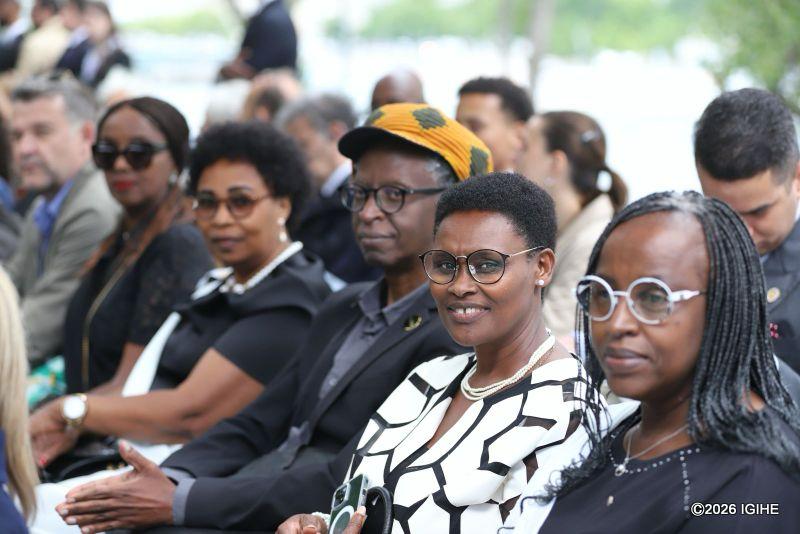
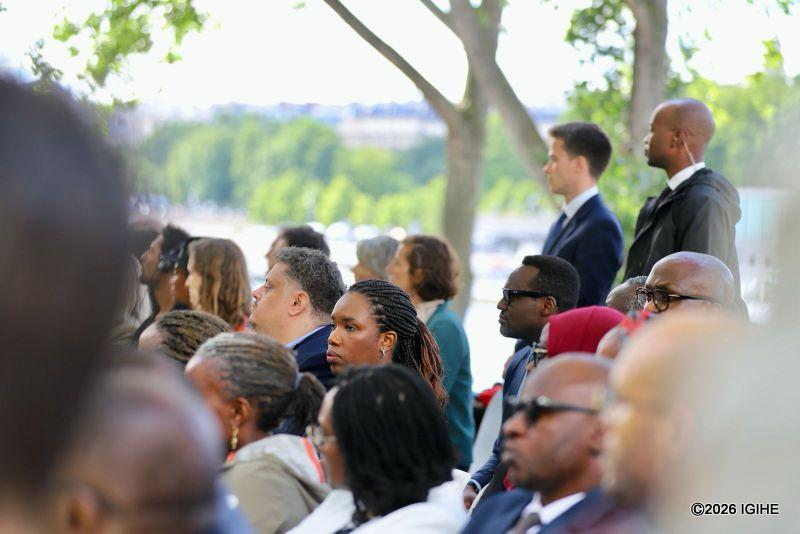
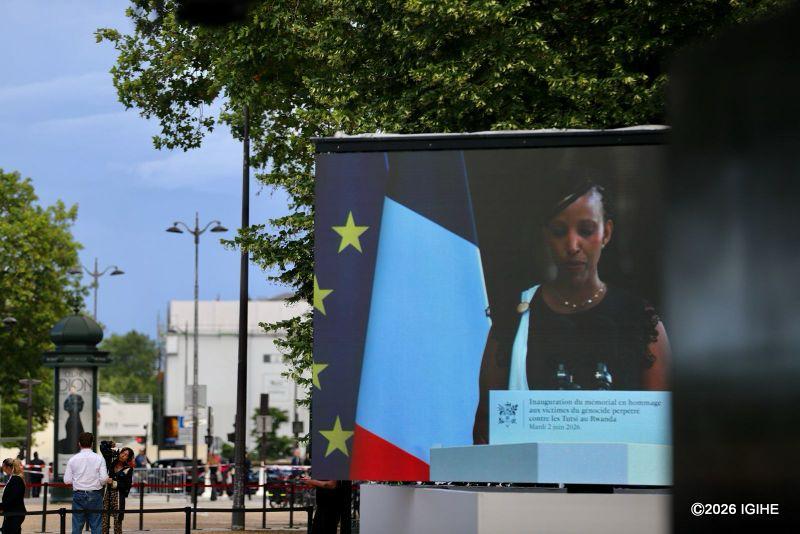
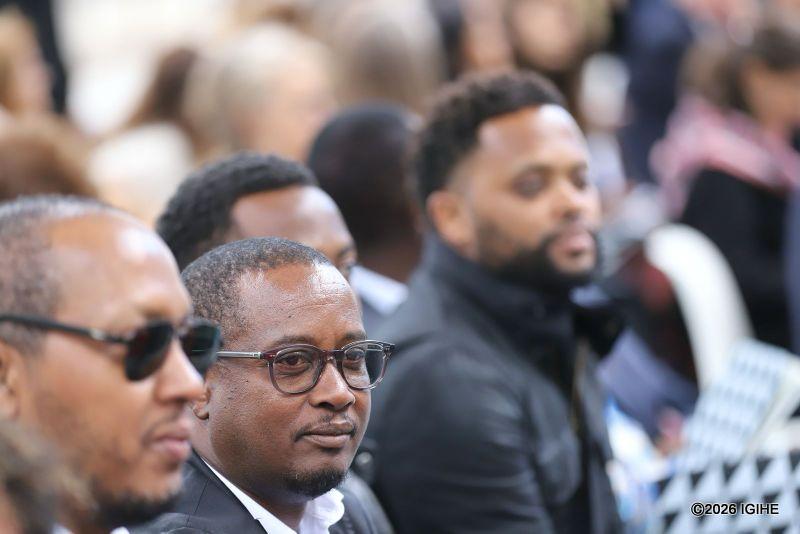
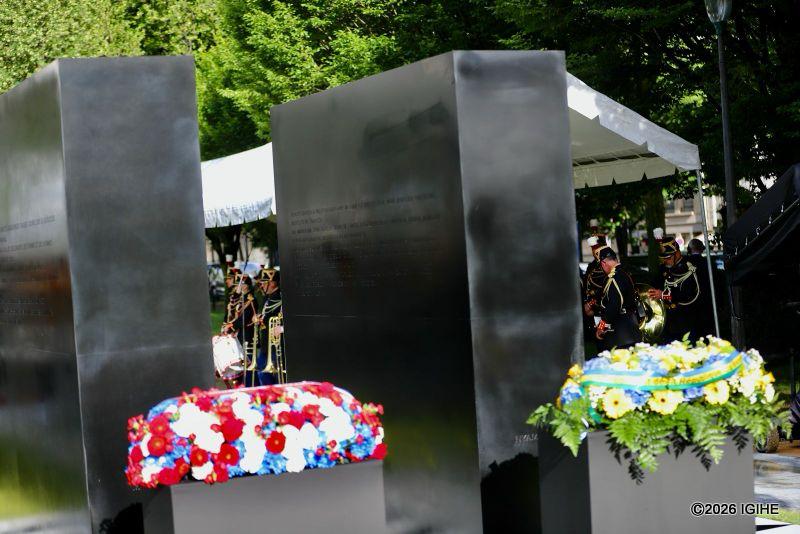
On the evening of June 2, 2026, French and Rwandan authorities officially inaugurated the memorial, named Les Archives, erected along the banks of the Seine River in the heart of Paris in tribute to the victims of the 1994 Genocide against the Tutsi.
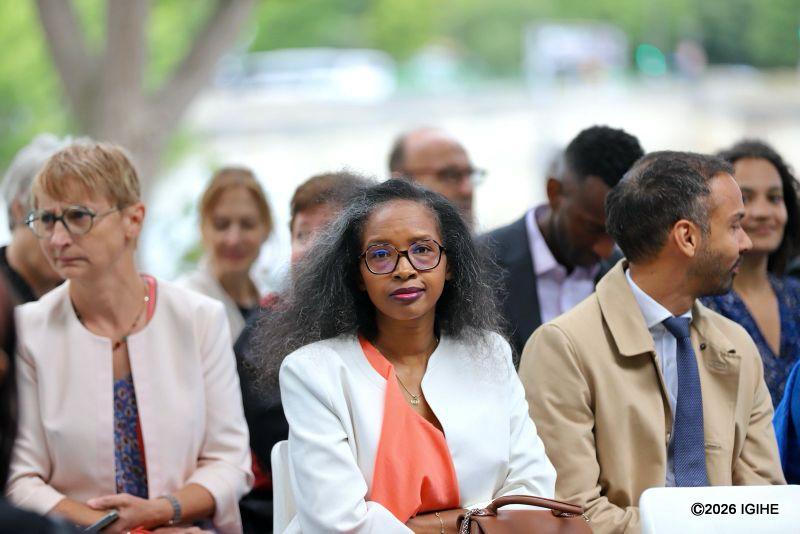
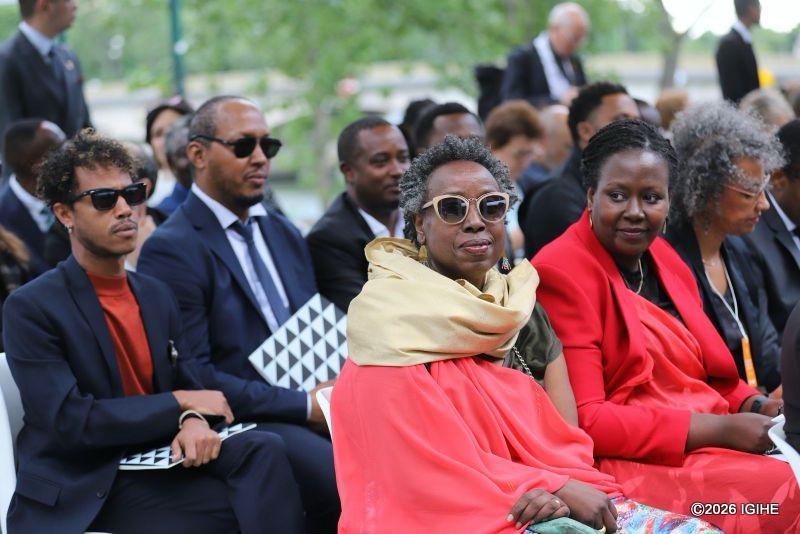
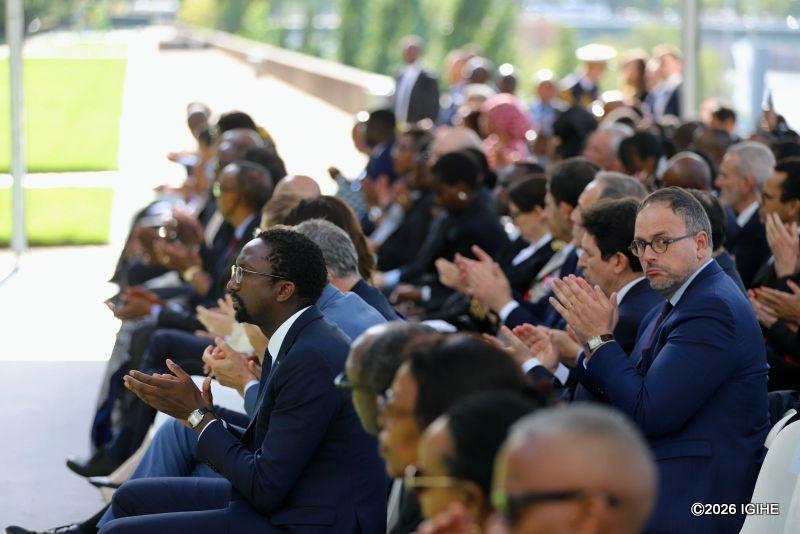
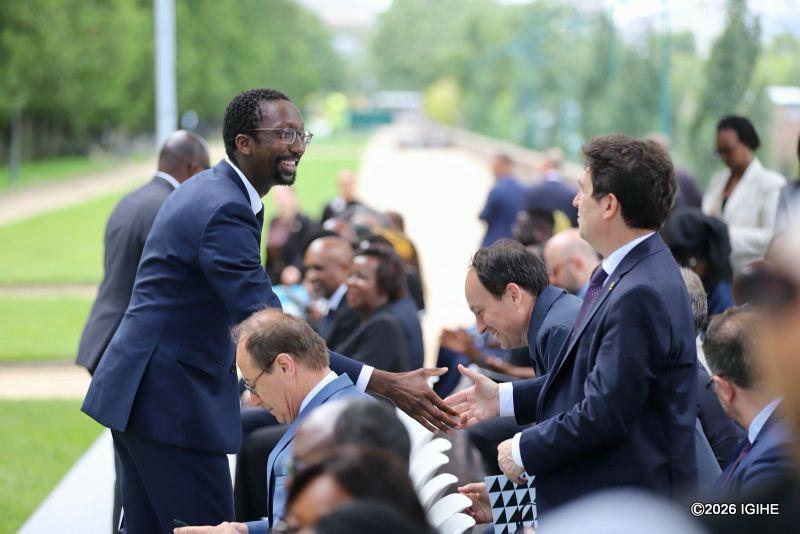
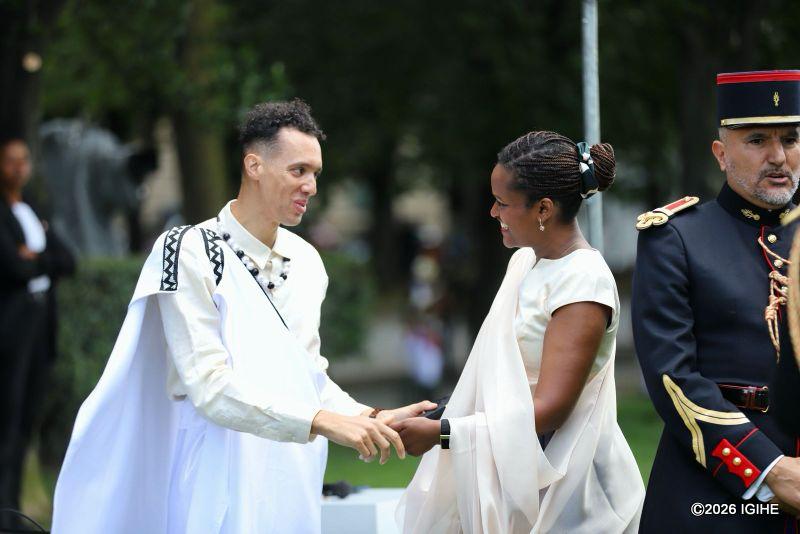
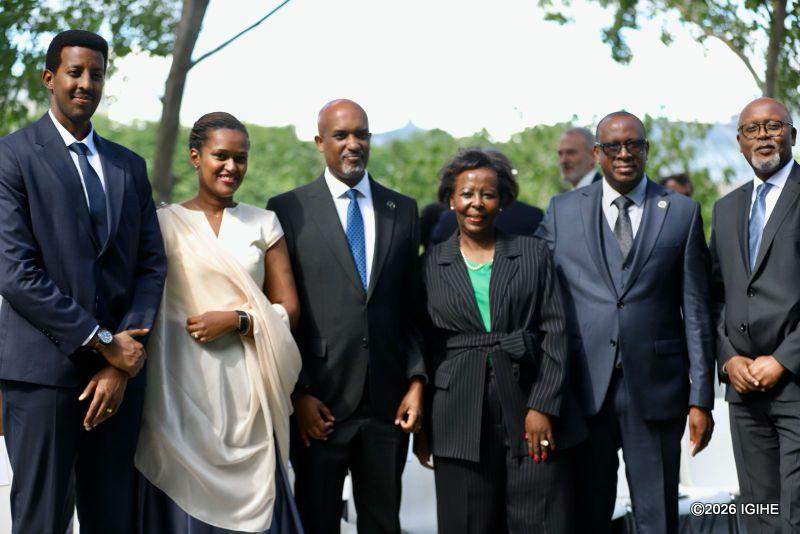
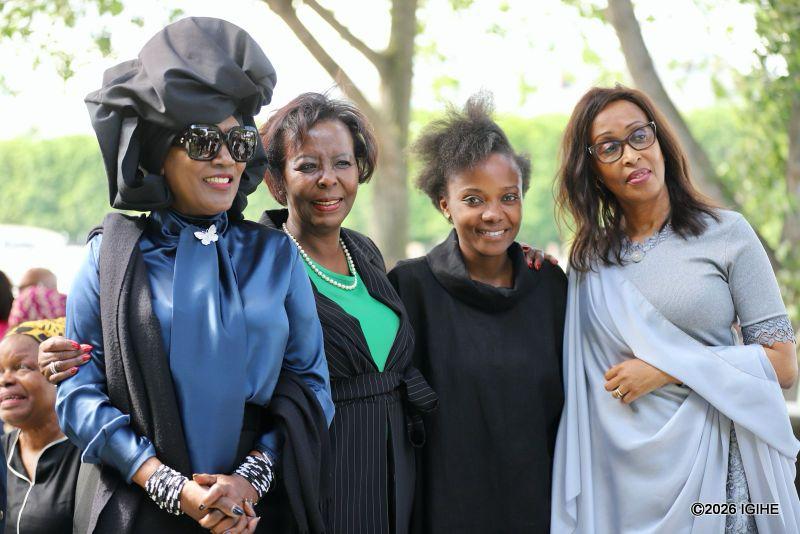
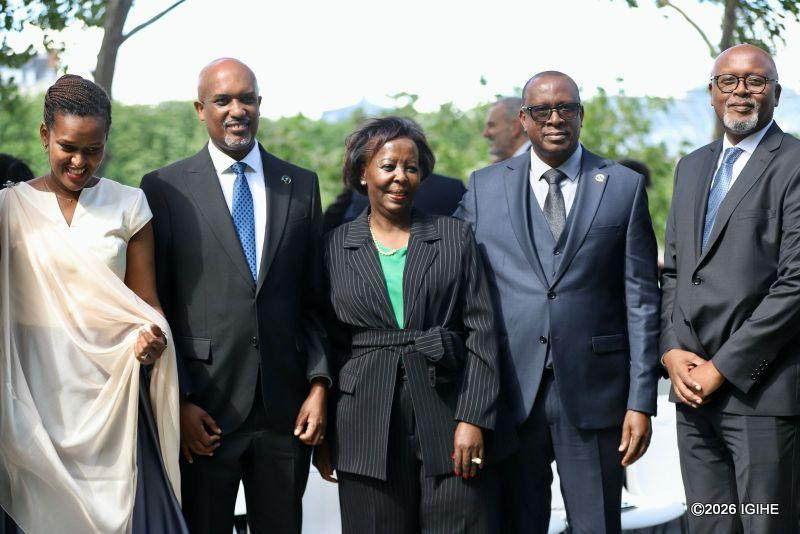
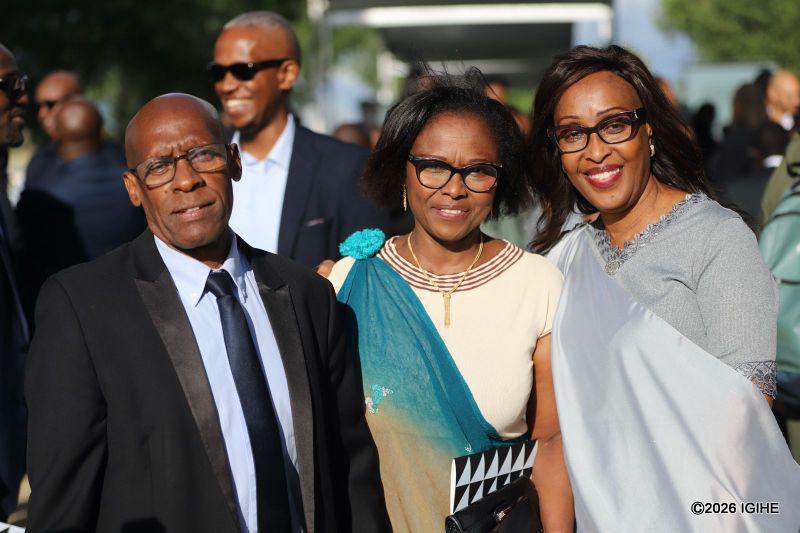
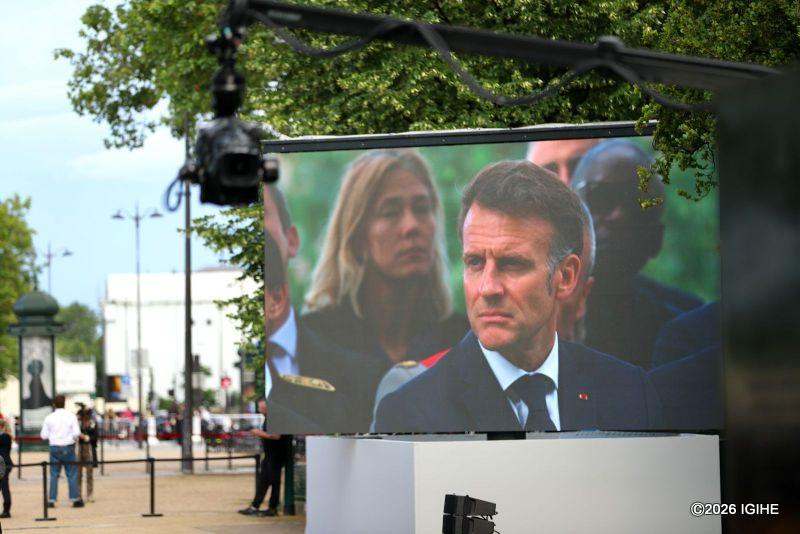
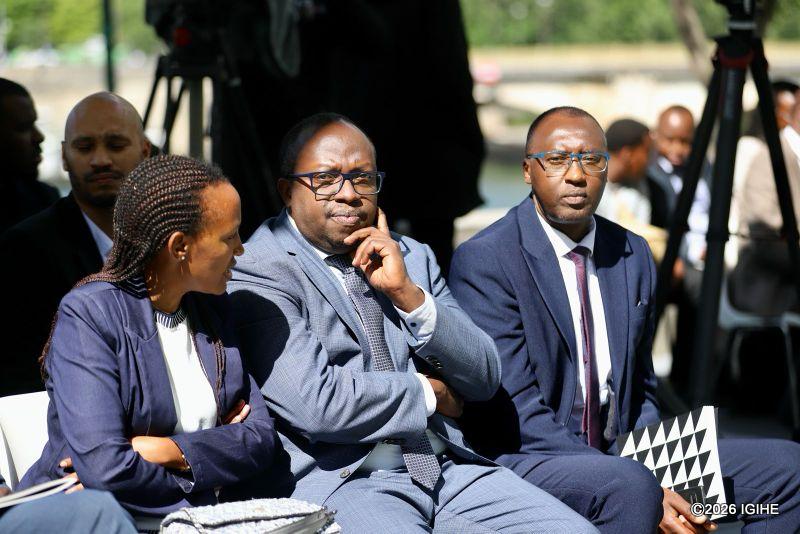
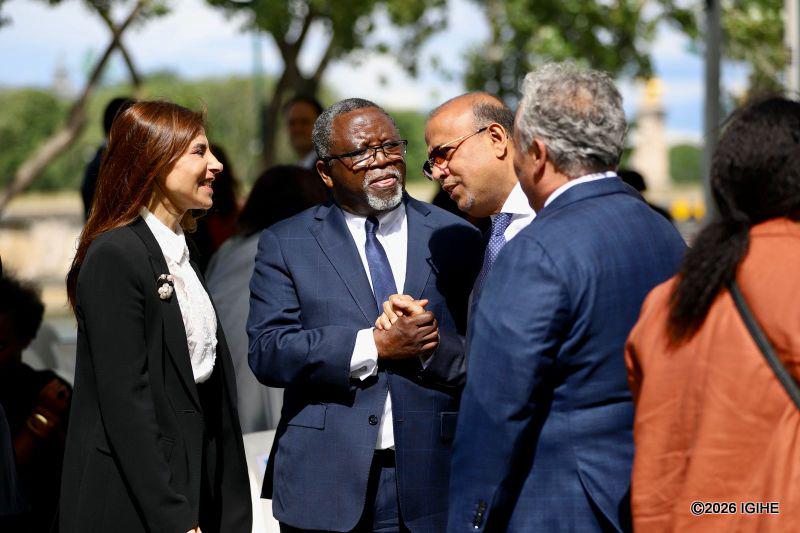
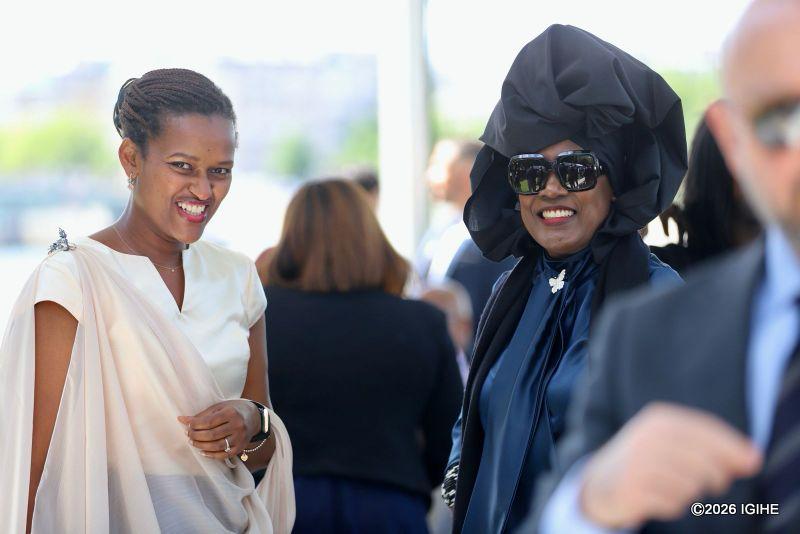
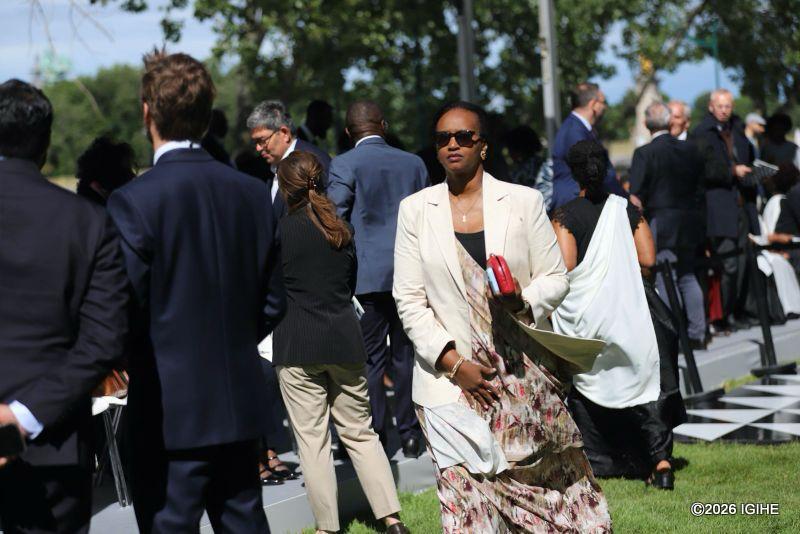
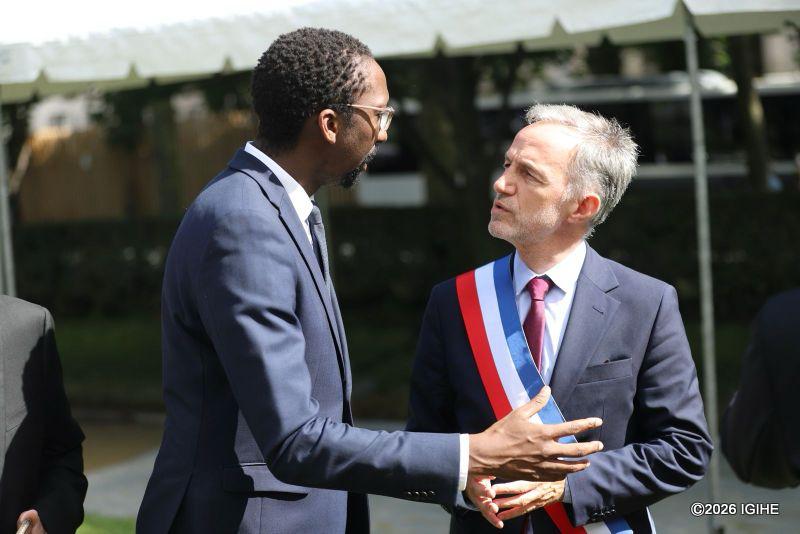
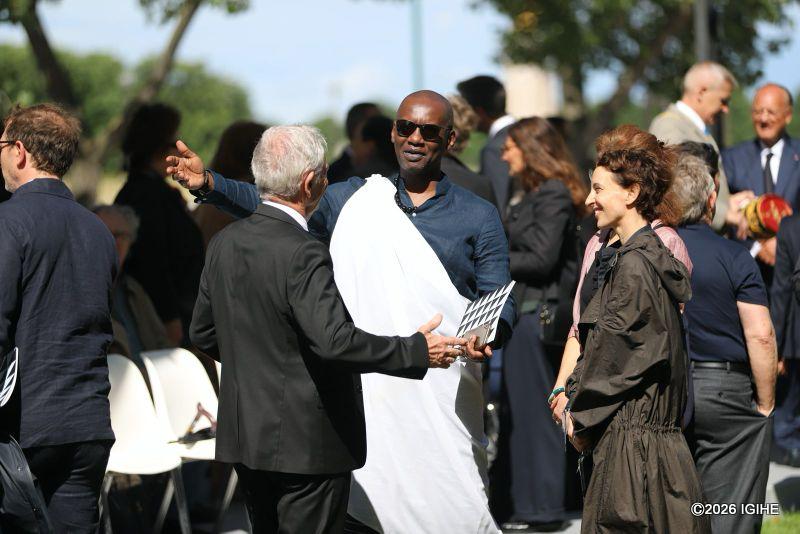
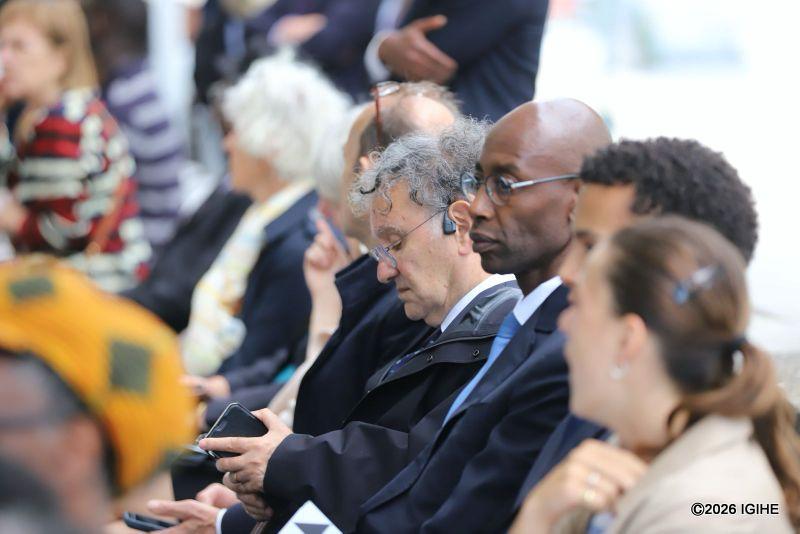
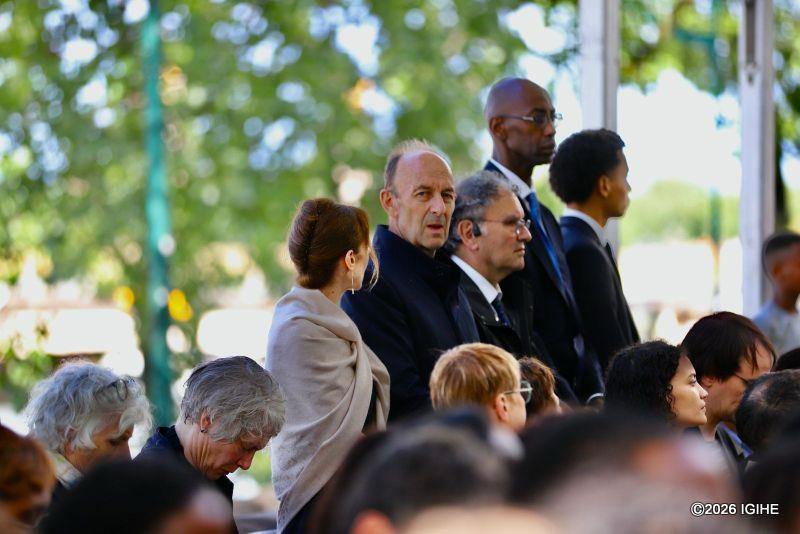
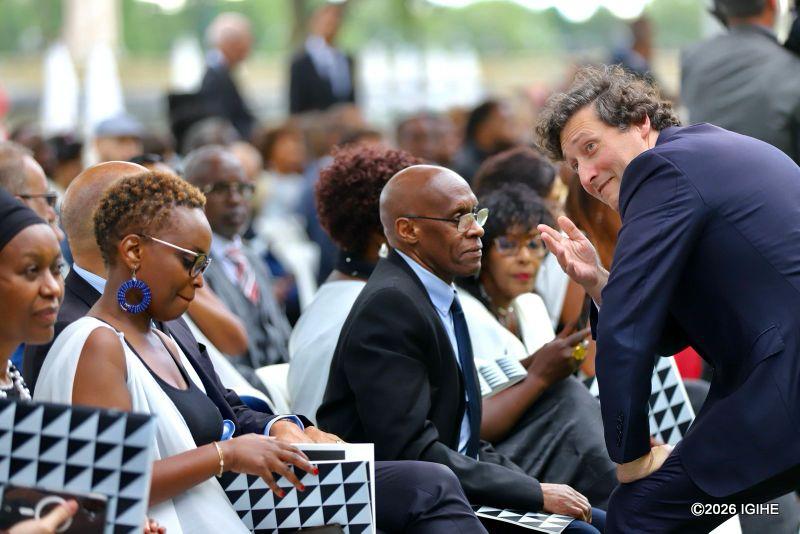
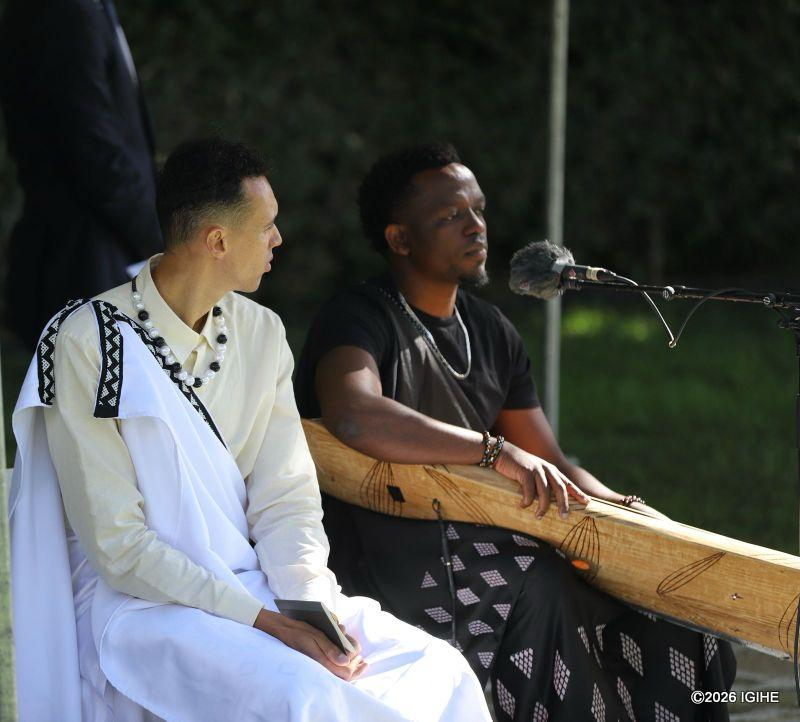
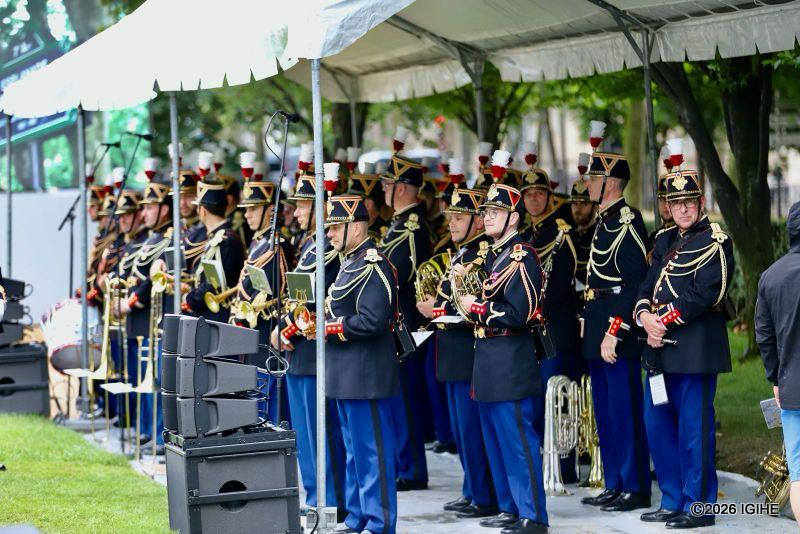
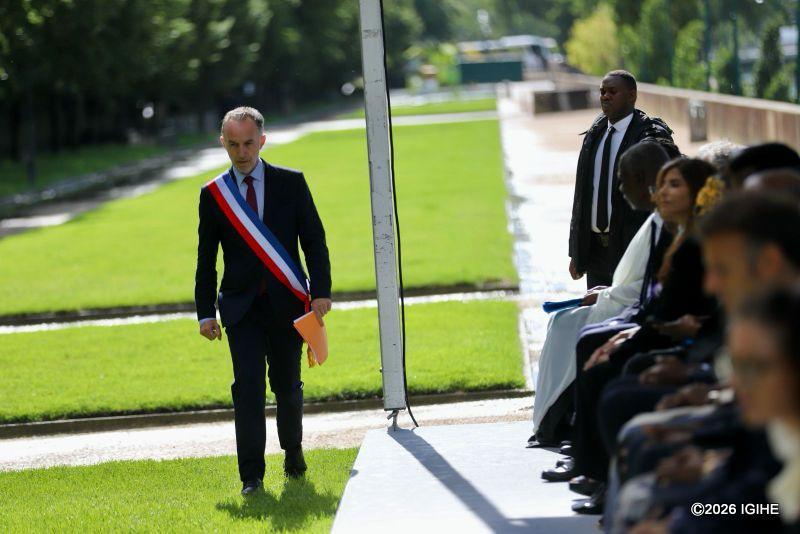
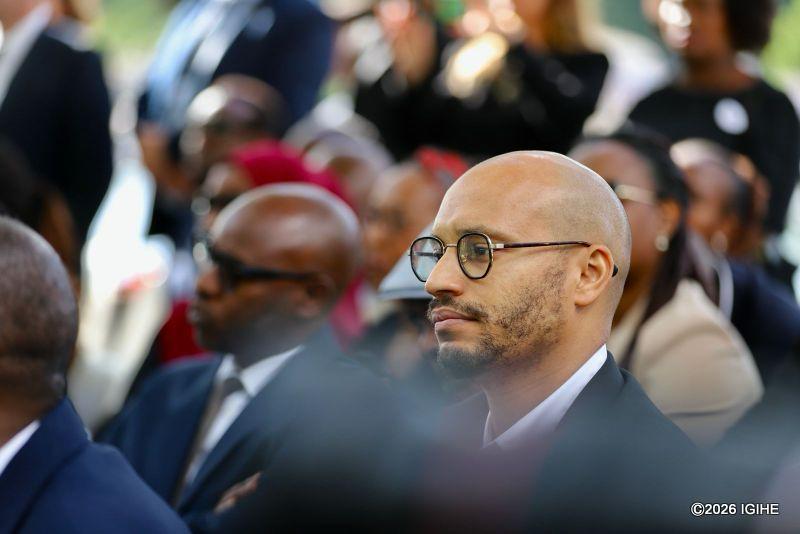
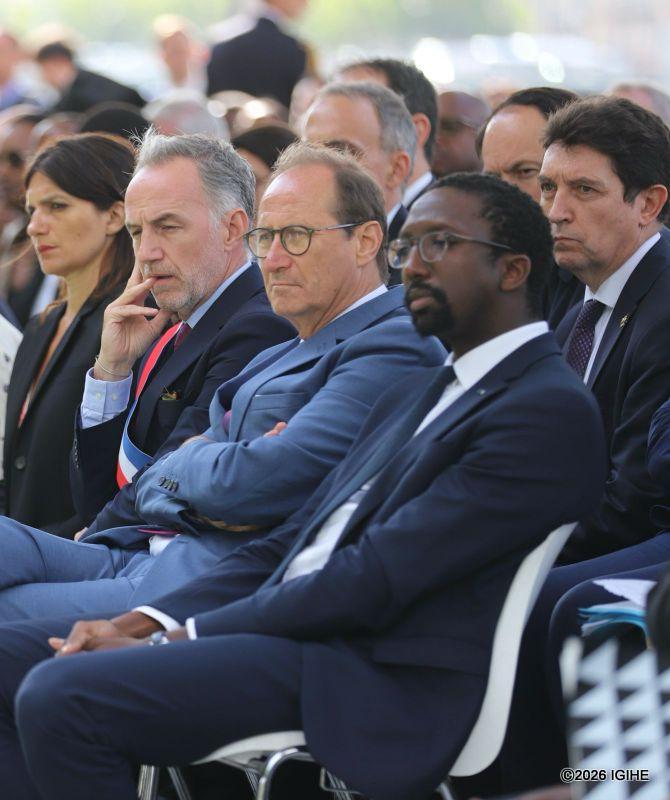
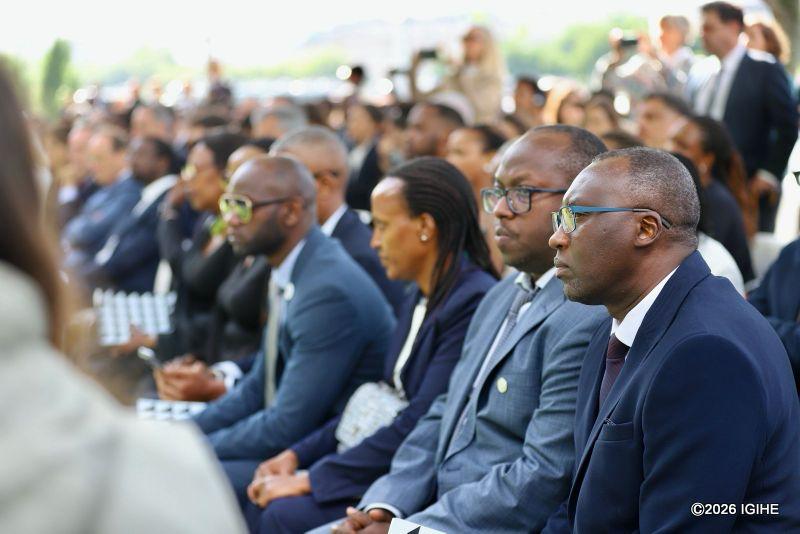
The ceremony was attended by President Emmanuel Macron, Paris Mayor Emmanuel Grégoire, senior officials from the French and Rwandan governments, Secretary General of the Organisation Internationale de la Francophonie (OIF) Louise Mushikiwabo, IBUKA-France President Marcel Kabanda, and numerous representatives of survivors’ associations.
Speaking to IGIHE, several IBUKA leaders from Europe and Rwanda expressed their satisfaction, saying the memorial will help the international community better understand the true history of the Genocide against the Tutsi.
IBUKA-France President Dr. Marcel Kabanda described the memorial as “a light lit in Paris” that will help dispel the darkness of ignorance and genocide denial.
“This memorial is like a light that has been lit in the city of Paris so that people may emerge from the darkness surrounding this history. That darkness is sustained by genocide deniers. They create a fog, but this memorial illuminates the way, enabling people to learn about the history of the Genocide against the Tutsi, understand it, preserve it, and resist those who seek to minimize or distort it.”
He also emphasized that the speeches delivered by Presidents Kagame and Macron reflected a sincere commitment to cooperation between Rwanda and France.
“Each spoke openly and honestly, without evasion. Both Heads of State demonstrated their willingness to work together. What I take from this is a relationship built on sincerity, without hypocrisy or deception. This partnership has already made significant progress, and we hope it will continue moving forward, as President Macron himself stated.”
Dr. Kabanda was also thanked by both Heads of State and the Mayor of Paris for his dedication and efforts in helping bring the memorial project to fruition.
For his part, IBUKA-Rwanda President Dr. Philbert Gakwenzire stressed that the memorial not only honors the victims of the Genocide against the Tutsi but also carries a universal message aimed at preventing future atrocities.
“This memorial pays tribute to the victims, provides comfort to survivors, and sends a message to Rwandans, the French people, and humanity as a whole. It invites us to reflect on our history so that genocide never happens again. It reminds us of our past, the difficult relationship that once existed between France and Rwanda, but also the progress that has been made in restoring ties between our two countries.”
He also highlighted the educational role of memorial sites.
“A memorial should be a place of learning. It should help us understand what happened so that it never happens again. It tells the story of those who were killed during the Genocide against the Tutsi and shows that when leaders make poor decisions, entire populations suffer the consequences. That is exactly what happened during the genocide.”
Dr. Gakwenzire further argued that, given the influence France held in Rwanda at the time, it could have helped prevent the genocide.
“Considering the influence France had over the Republic of Rwanda at the time, had they simply raised a finger and said that these events must stop, they should never have happened. That is why this moment is so important. It shows that France now recognizes certain responsibilities and wishes to build, together with Rwanda, a future based on shared values and a message to the world.”
IBUKA-Italy President Dr. Honorine Mujyambere described the memorial as an important tool in the fight against genocide denial in Europe.
“This is an extremely important initiative, especially in Europe, where genocide denial remains widespread. The fact that France has taken such a step is highly significant. We know the role France played in this history, what was said, what was left unsaid, and what was not done. Today, France has taken strong and meaningful action.”
She added that the memorial will help preserve the memory of the victims while raising awareness about Rwanda’s history.
“Anyone who passes by this memorial will inevitably ask what happened here. It will encourage people to seek the truth about this history and will greatly contribute to combating genocidal ideology, which we know remains particularly prevalent in parts of Europe.”
IBUKA-Switzerland President César Murangira also described the memorial as a major symbol in the process of healing the wounds that long characterized relations between Rwanda and France.
“This memorial carries immense symbolic value. It contributes to healing long-standing wounds in relations between France and Rwanda. It reflects France’s acknowledgment of its role and responsibilities in this history, thereby opening an important path toward truth-seeking, remembrance, and reconciliation.”
According to him, the establishment of the memorial in Paris sends a powerful and hopeful message. It reflects a commitment to honoring the victims, preserving historical truth, and continuing to build a relationship between Rwanda and France founded on truth, remembrance, and reconciliation.
He also emphasized the significance of the memorial’s location, situated near major French institutions such as the Quai d’Orsay, home to the Ministry for Europe and Foreign Affairs, the National Assembly, and Les Invalides—sites that hold a prominent place in France’s political and historical life.
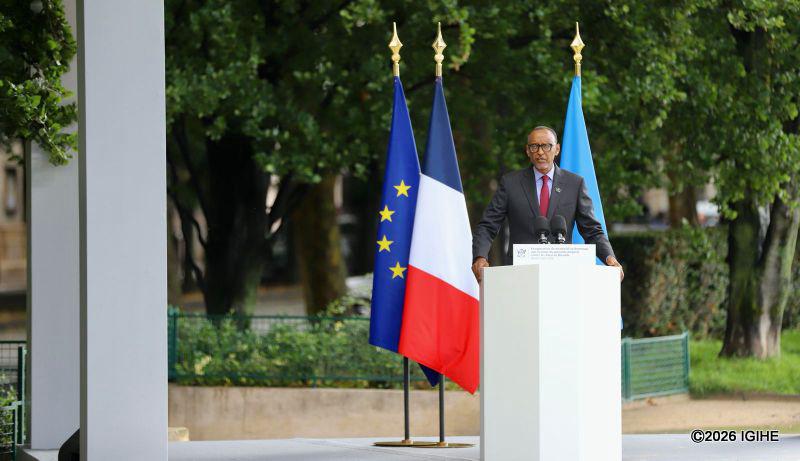
During the inauguration ceremony, President Kagame thanked French individuals who contributed to bringing the truth about the Genocide against the Tutsi to light, including former Paris Mayor Anne Hidalgo, her successor, journalists, historians, and human rights advocates.
The Rwandan Head of State also noted that the memorial stands as a powerful symbol of historical truth—a truth firmly rooted and impossible to shake. He described it as a testament both to the dignity of the Rwandan people and to the memory of the Genocide against the Tutsi.
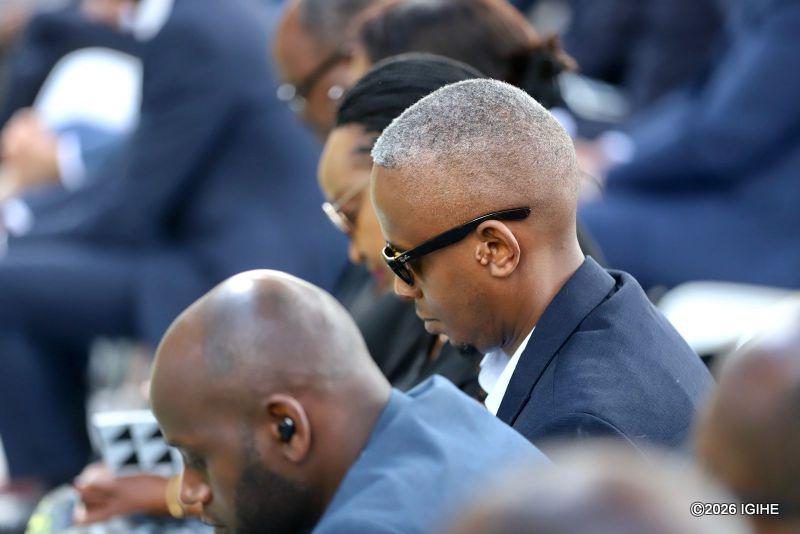
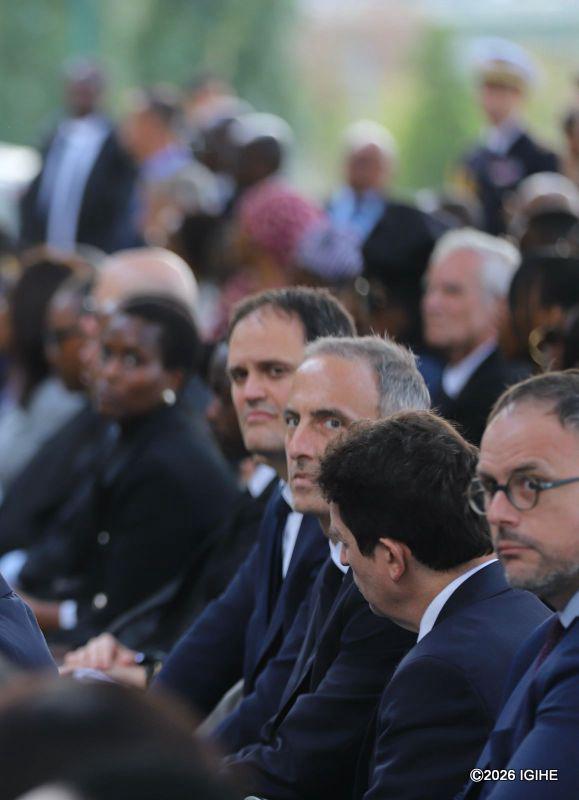
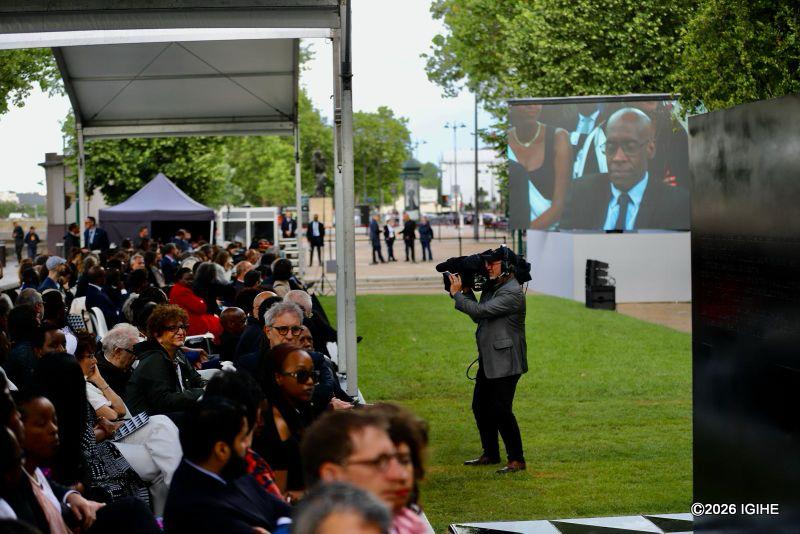
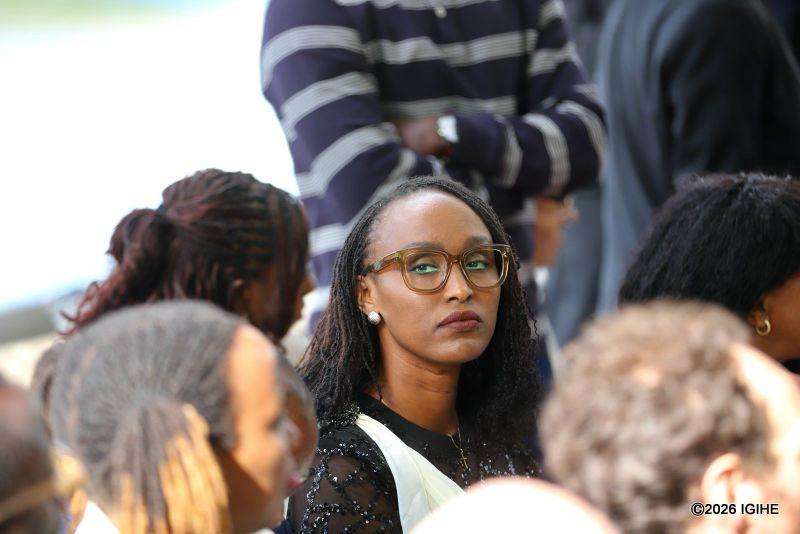
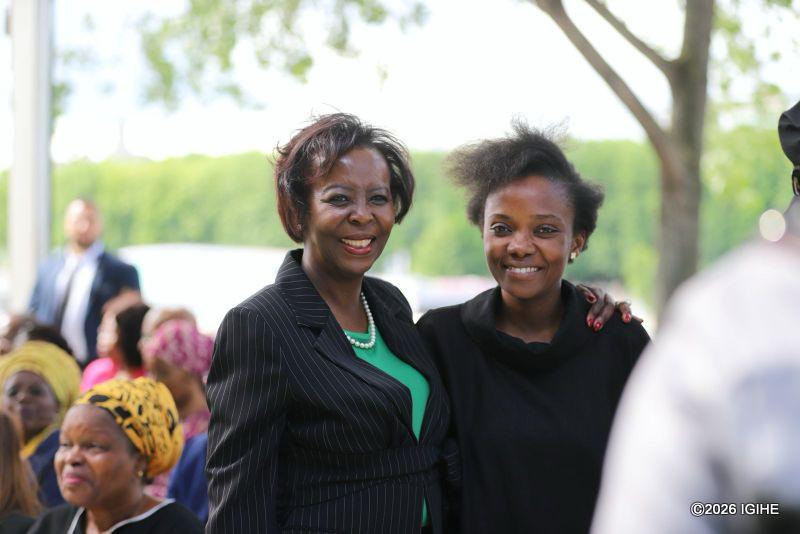
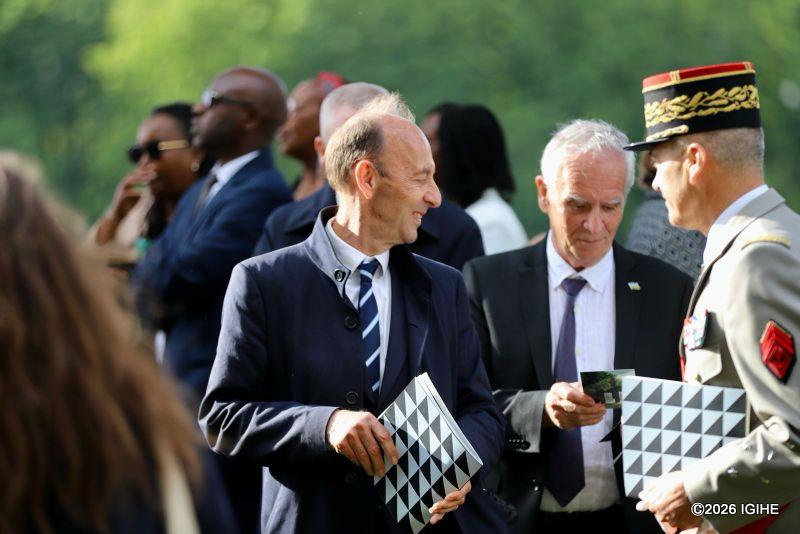
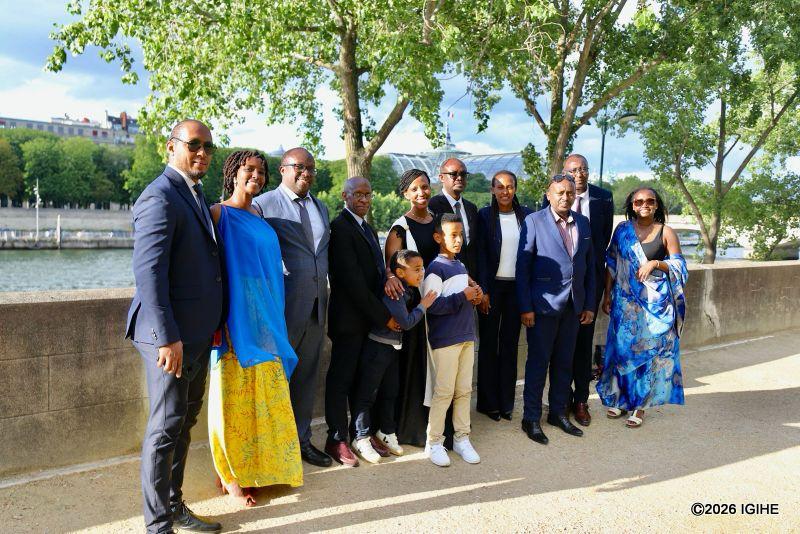
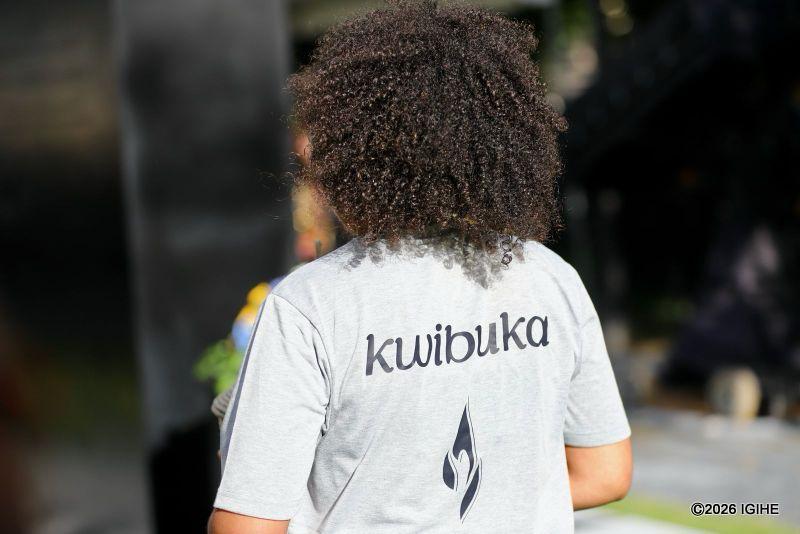
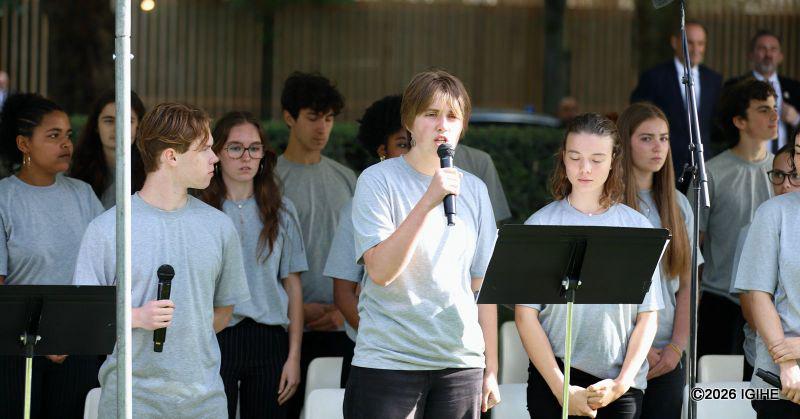
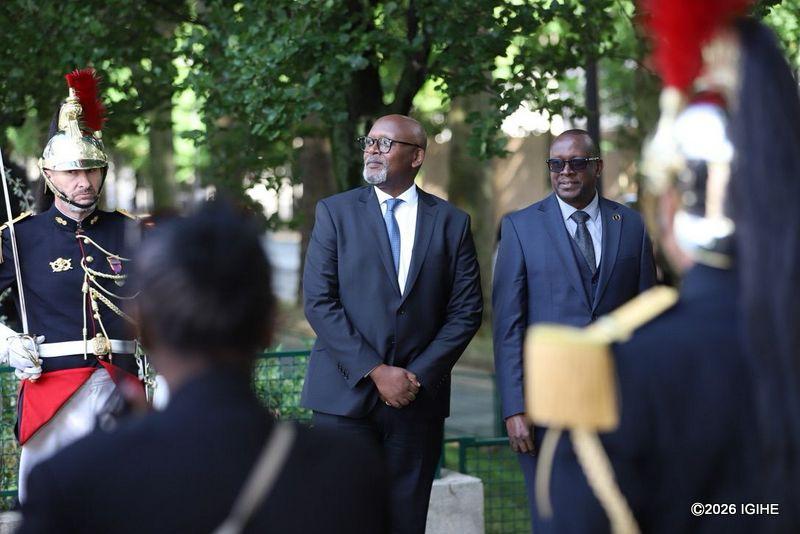
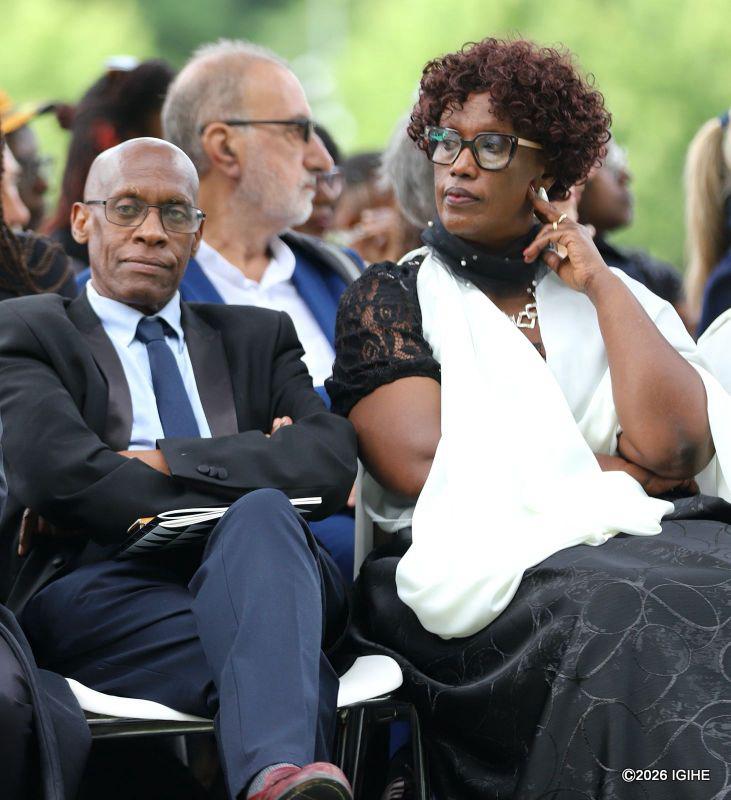
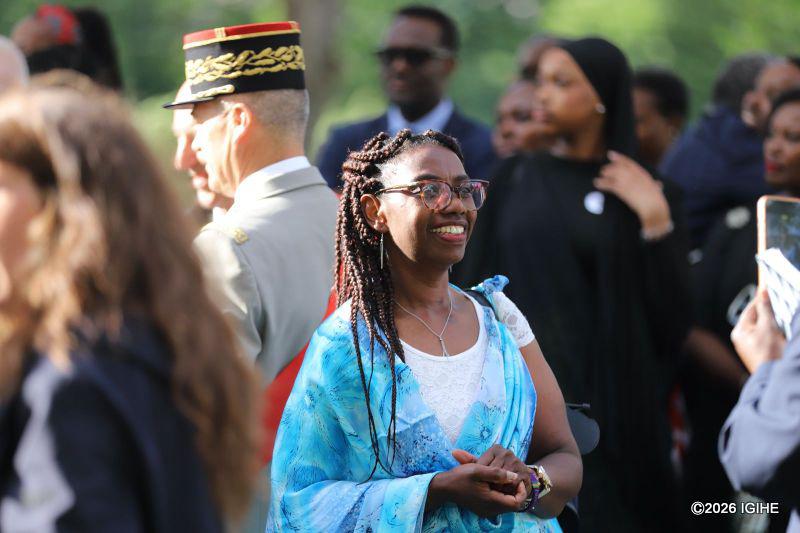
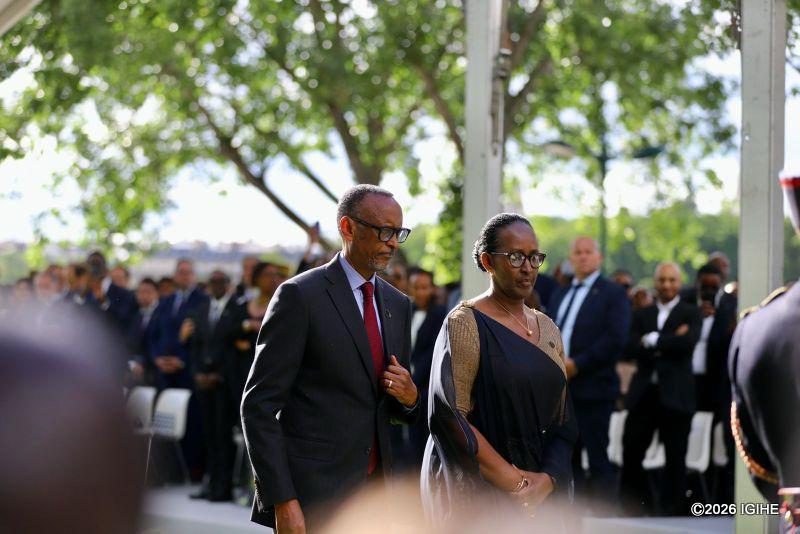
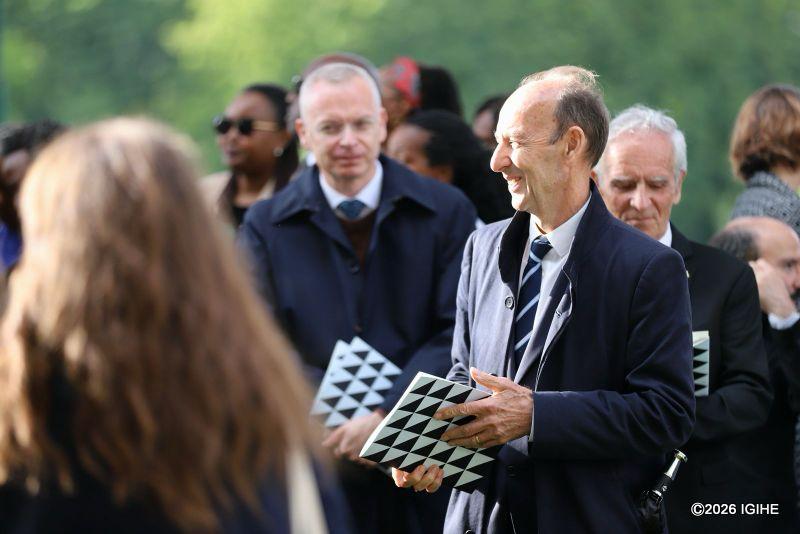
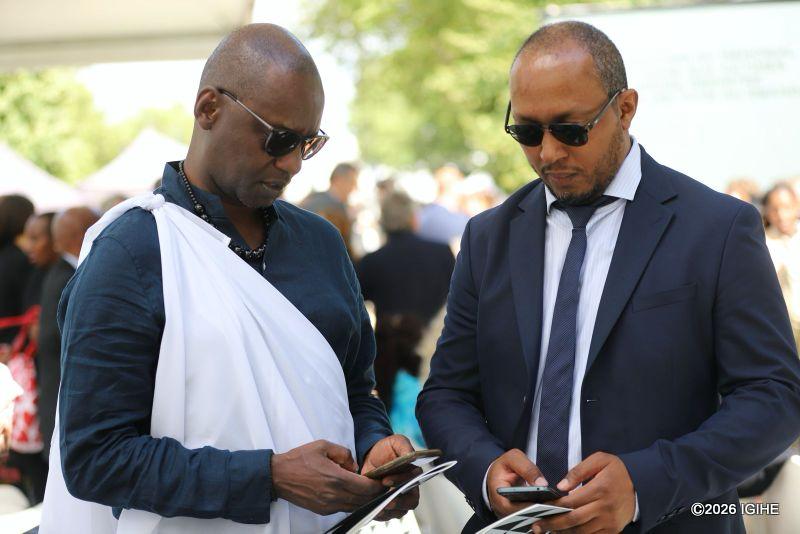
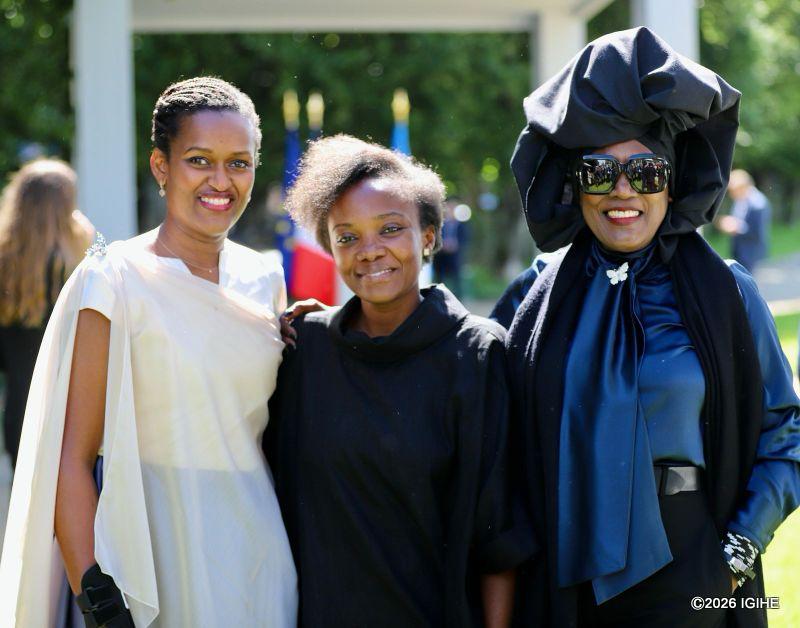
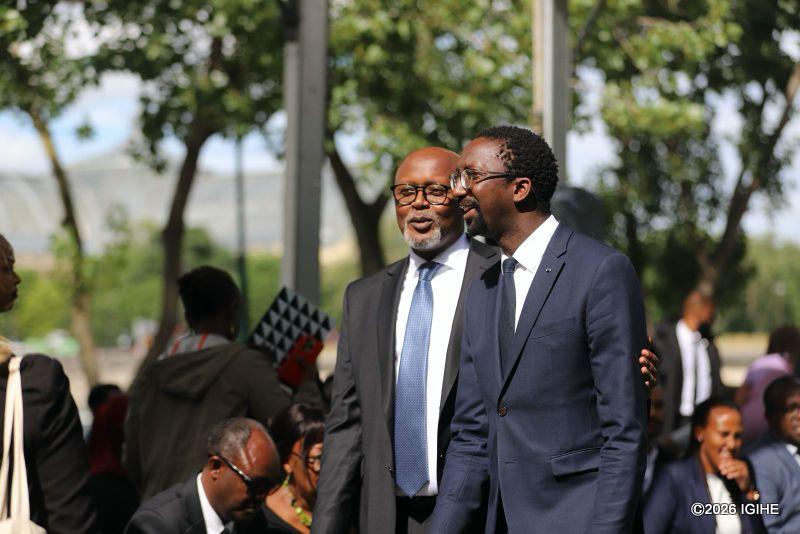
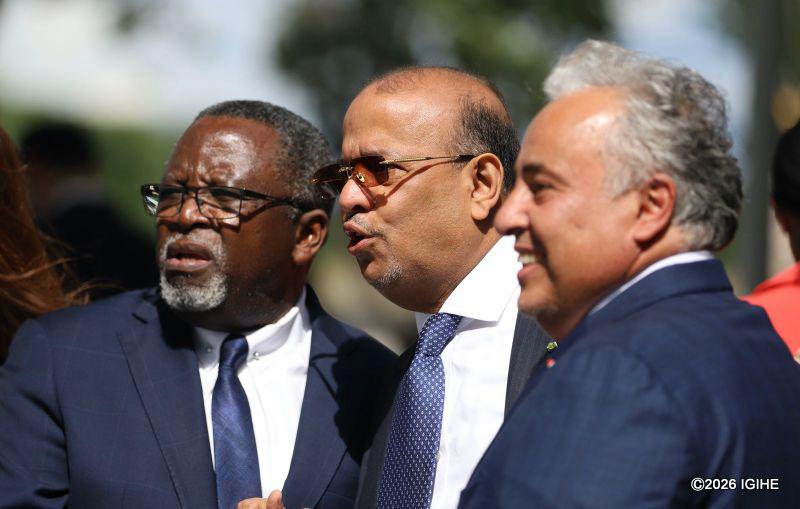
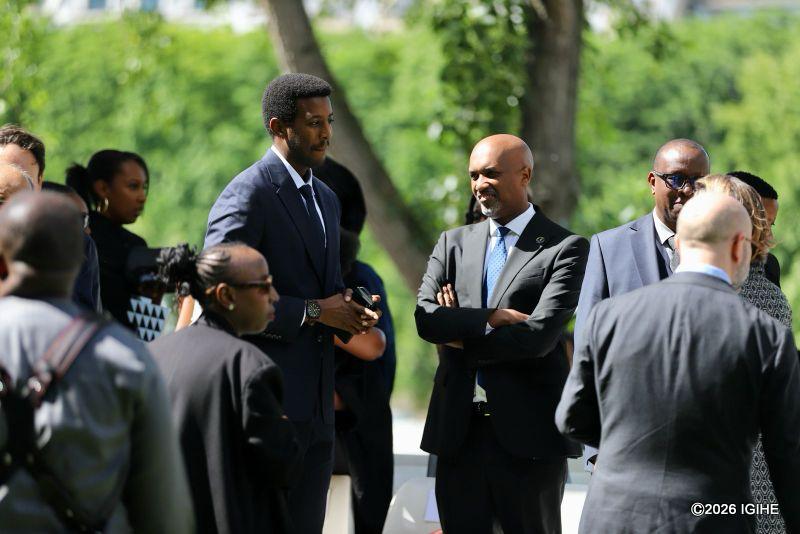
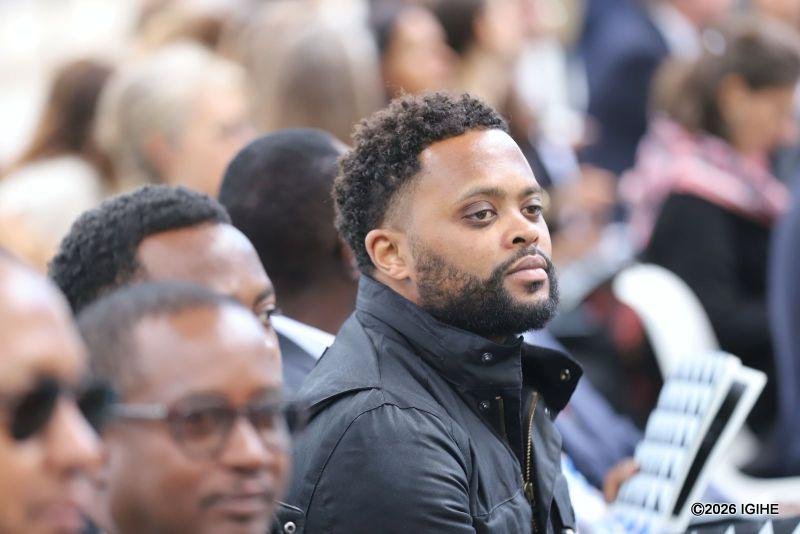
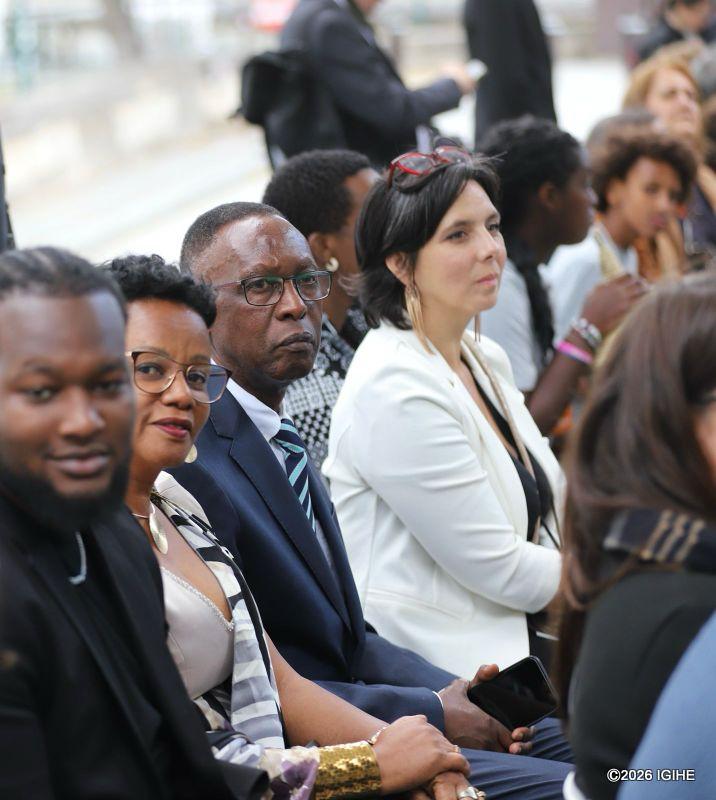
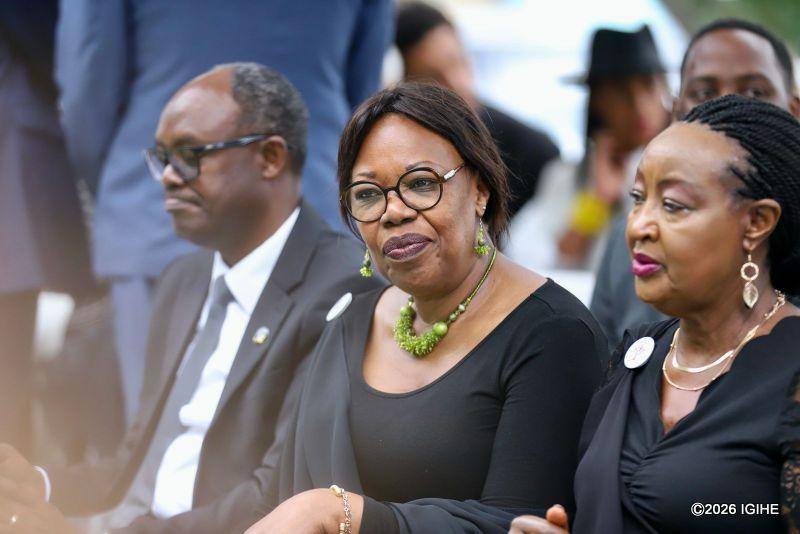
Photos marking the unveiling of the memorial in Paris
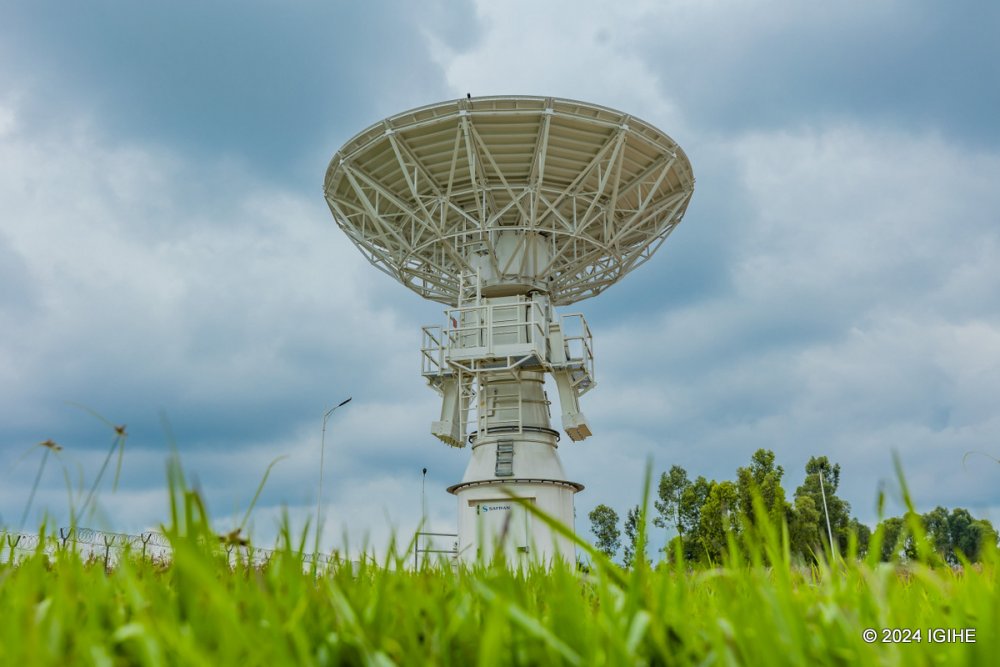
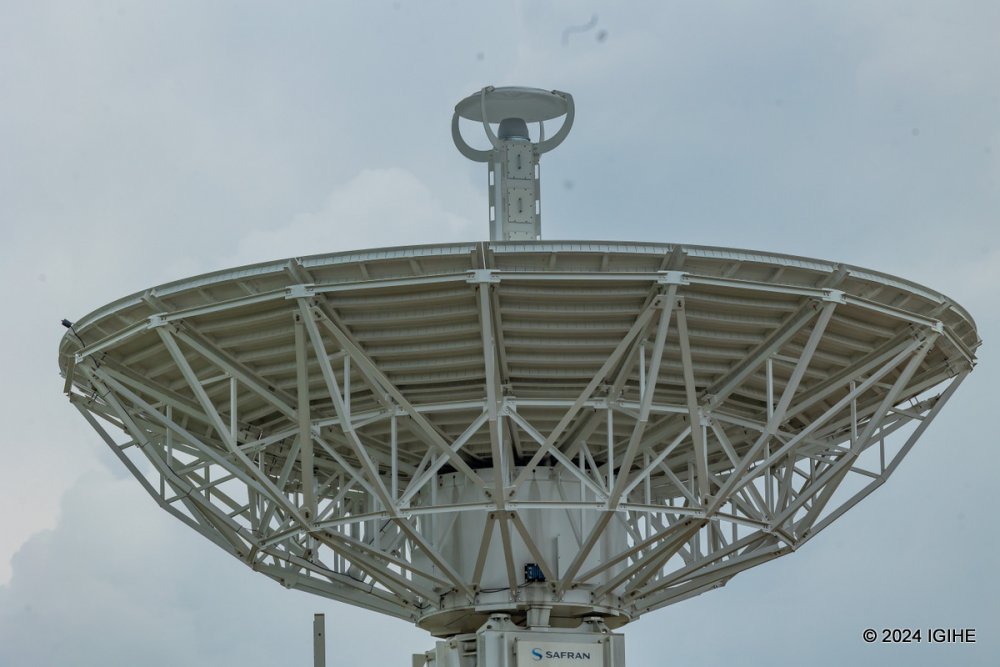
The certification makes Rwanda’s teleport located in Rwamagana the second fully certified teleport in Africa and the first space agency-operated teleport globally to receive WTA certification.
Announcing the achievement, the Rwanda Space Agency described it as “a milestone for Rwanda’s space sector and a recognition of the country’s growing capabilities in satellite communications infrastructure.”
A teleport is a ground-based facility that connects satellites in space with users and networks on Earth. It serves as a key part of satellite communications infrastructure, enabling satellites to transmit data and communications services back to Earth.
According to the Rwanda Space Agency, the certification is significant because the teleport supports a range of satellite-enabled services that contribute to national and regional development.
“Rwanda’s teleport contributes to strengthening satellite-enabled services, which are supporting broadband connectivity, climate monitoring, smart urbanisation, and disaster management across the region,” the agency said.
The agency added that the certification provides assurance that the facility meets internationally recognized standards.
“This certification provides confidence that the teleport’s services meet global benchmarks, and strengthens Rwanda’s role as a regional hub for space services.”
Rwanda’s national teleport has achieved Tier 3 Certification from the World Teleport Association (WTA), marking an important development for the country’s space sector and satellite communications infrastructure.
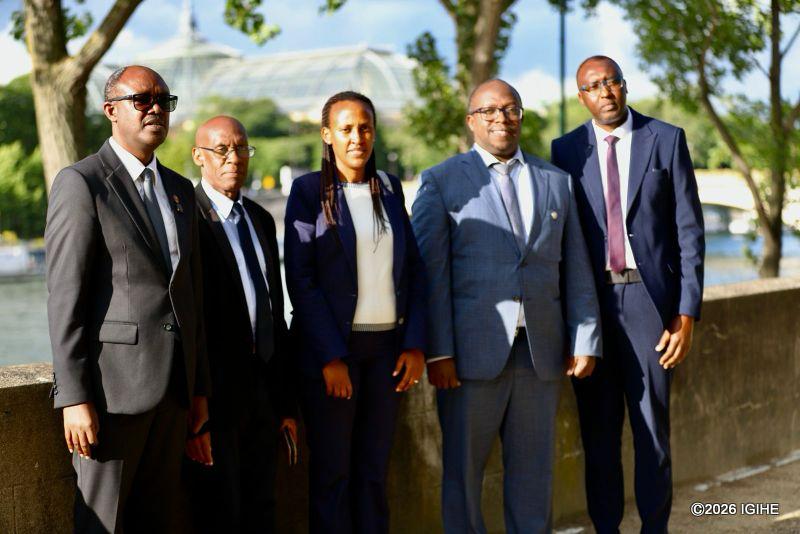
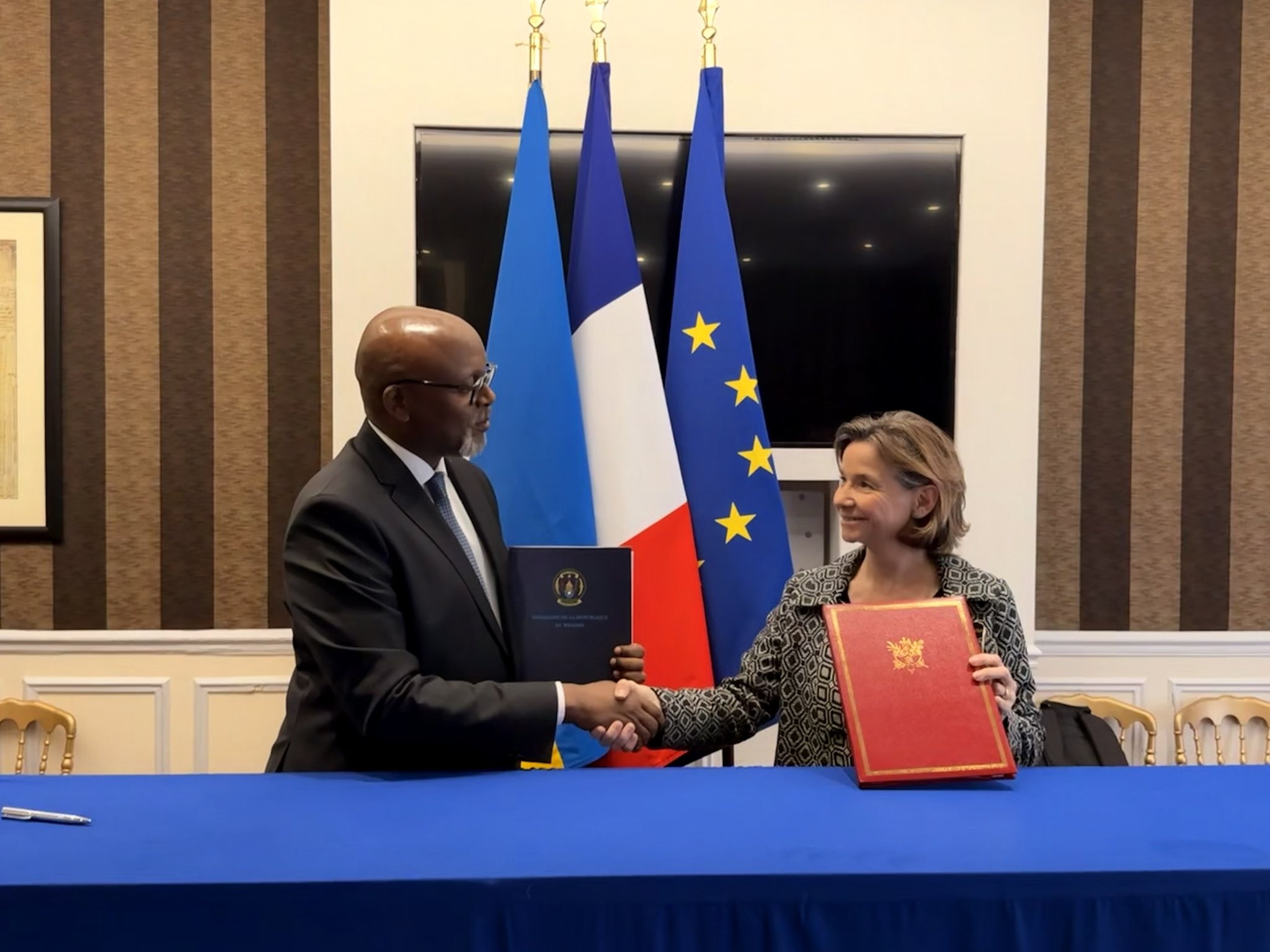
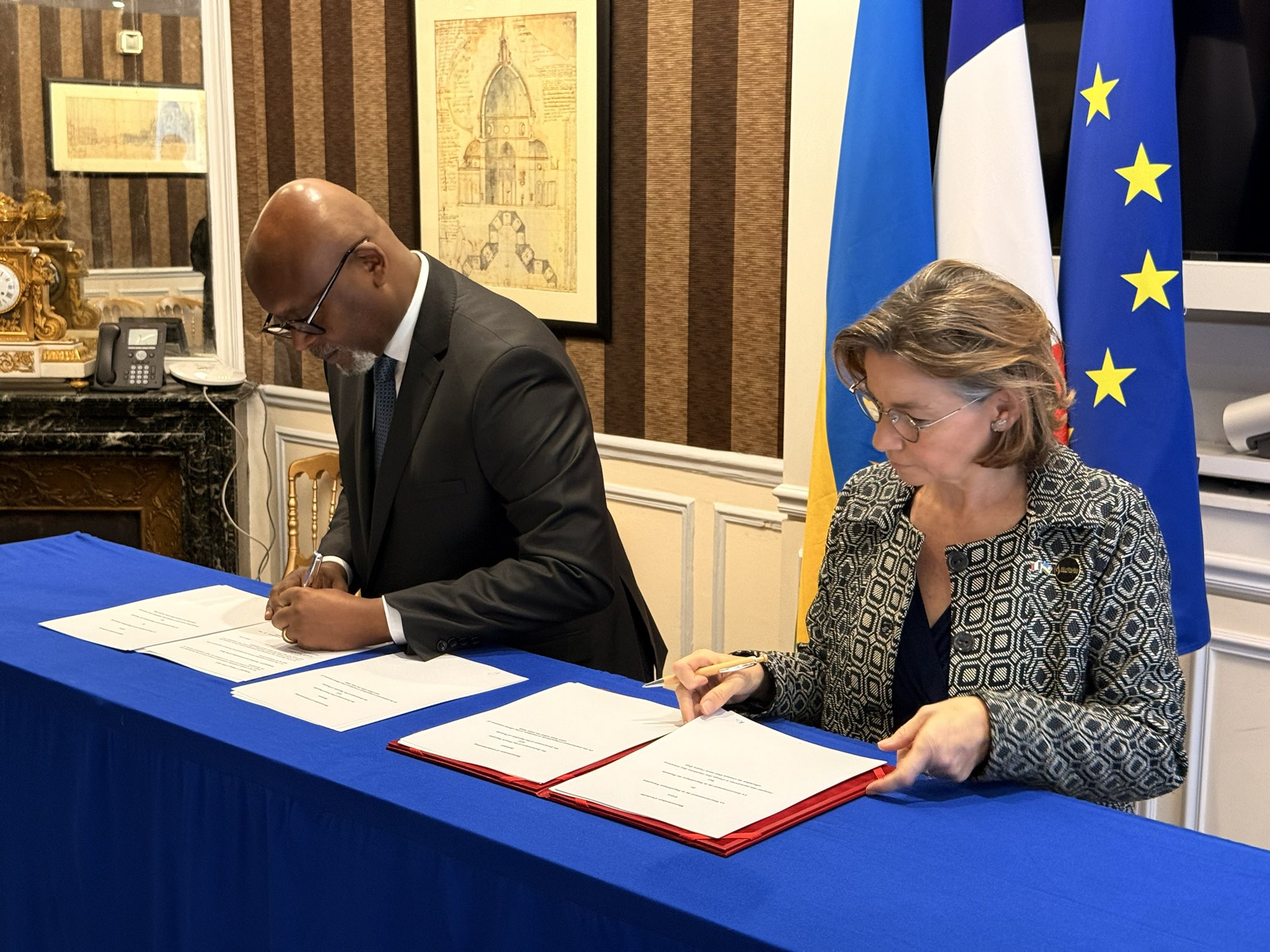
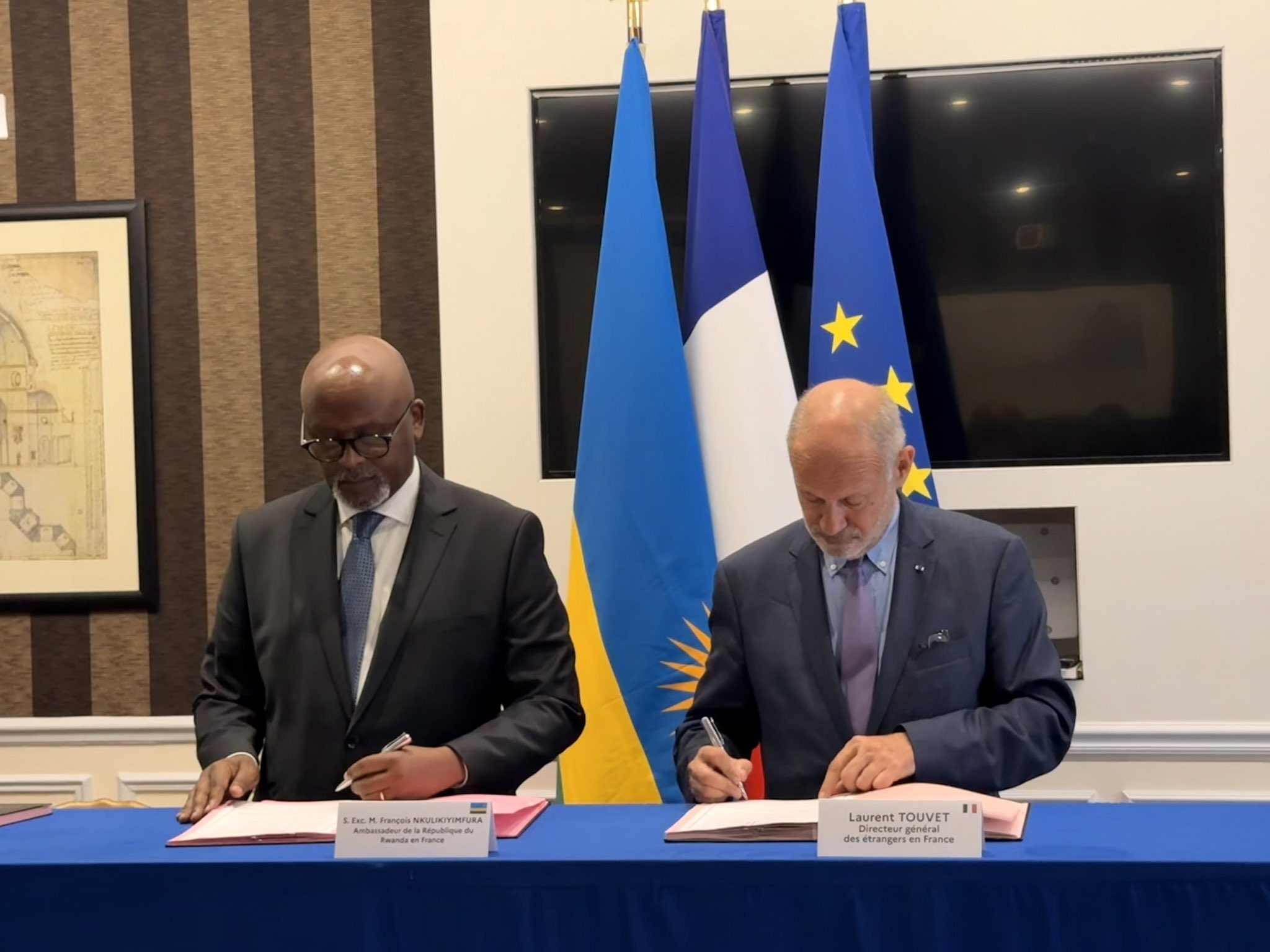
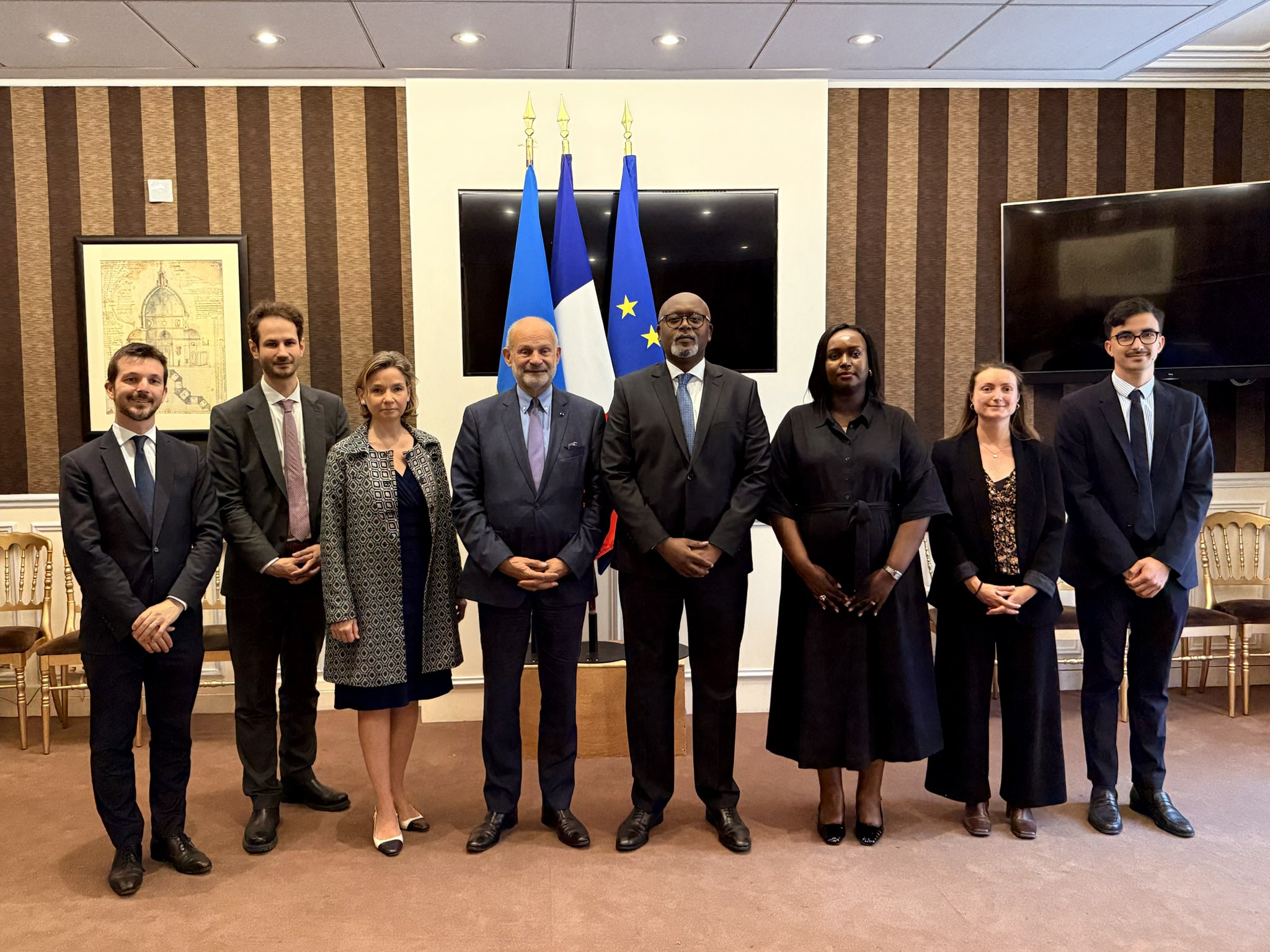
The agreements were formalised during a signing ceremony in Paris. Rwanda was represented by its Ambassador to France, François Nkulikiyimfura, while the French delegation was led by Ambassador to Rwanda, Aurélie Royet-Gounin, alongside Laurent Touvet, the Director General for Foreigners at the French Ministry of the Interior.
The newly signed MoUs are expected to deepen bilateral ties, enhance administrative efficiency, and foster closer cooperation between Kigali and Paris.
The diplomatic milestone closely follows the historic inauguration on June 2, 2026, of “L’Archive”, a permanent memorial in Paris dedicated to the victims of the 1994 Genocide against the Tutsi.
The unveiling of the monument on the Habib-Bourguiba Esplanade was presided over by President Paul Kagame and First Lady Jeannette Kagame, alongside French President Emmanuel Macron, who described the memorial as a significant milestone in the ongoing reconciliation between the two countries.
Rwanda and France sign MoUs on migration and employment of diplomatic dependents.The newly signed MoUs are expected to deepen bilateral ties, enhance administrative efficiency, and foster closer cooperation between Kigali and Paris.Rwanda and France have signed two Memorandums of Understanding (MoUs) aimed at streamlining migration management and easing employment restrictions for families of diplomatic staff serving in both nations.
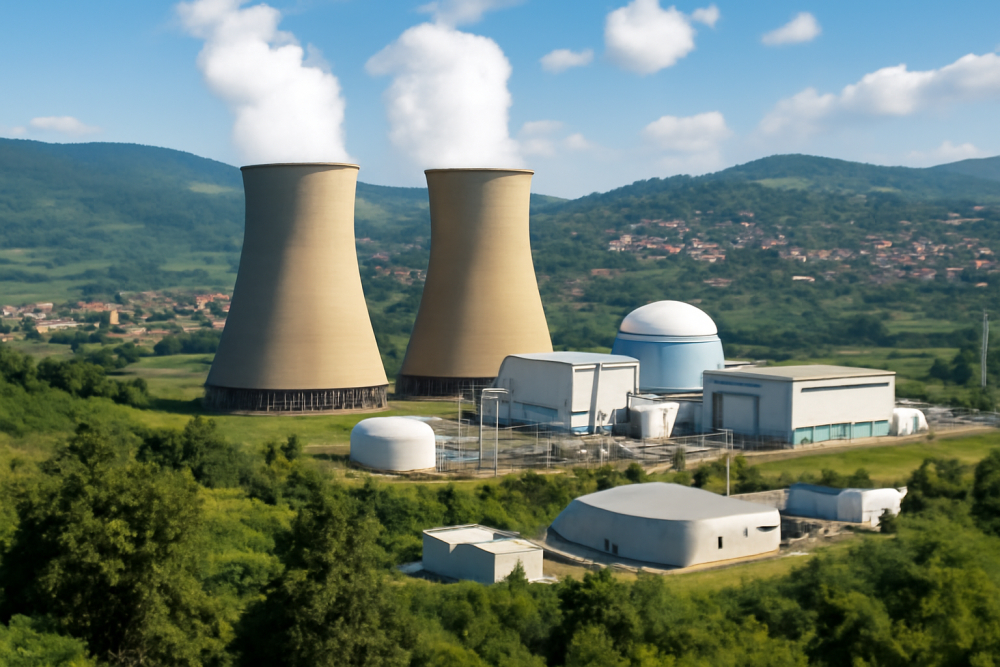
Government Spokesperson Yolande Makolo said Rwanda is working with multiple international partners to develop its nuclear capabilities, as feasibility studies continue for the construction of a facility using Small Modular Reactor (SMR) technology and the establishment of a Centre for Nuclear Science and Technology.
“Rwanda is working with a variety of global partners to develop our civil nuclear capabilities,” Makolo said in a statement on X.
She noted that alongside Russia’s state nuclear corporation, Rosatom, Rwanda recently signed a Memorandum of Understanding (MoU) with the United States government during the Nuclear Energy Innovation Summit for Africa (NEISA), held in Kigali earlier this month.
The summit also resulted in additional agreements between the Rwanda Atomic Energy Board (RAEB) and companies from the United States, South Africa and Austria, underscoring Kigali’s strategy of building broad international cooperation in the sector.
Rwanda’s nuclear partnership dates back several years. In December 2018, Rwanda and Russia signed an intergovernmental framework agreement in Moscow on the peaceful uses of nuclear energy. The cooperation was further strengthened in October 2019 when the two countries signed a roadmap with Rosatom during the Russia-Africa Summit in Sochi.
Most recently, on May 19, 2026, Rwanda and Russia signed another MoU at the Nuclear Energy Innovation Summit in Kigali. The agreement focuses on nuclear medicine, advanced healthcare cooperation and broader training in nuclear science.
At the same summit, Rwanda and the United States signed a Strategic Civil Nuclear Cooperation MoU, which established a framework for collaboration in areas including regulatory capacity building, workforce development, scientific research and the future deployment of advanced nuclear technologies such as SMRs.
Speaking at the signing ceremony, Minister of State for Foreign Affairs and International Cooperation Dr. Usta Kayitesi described the agreement as an important step in Rwanda’s efforts to diversify its energy sources in line with Vision 2050.
“Nuclear energy is a key component of Rwanda’s long-term energy strategy and broader national development ambitions,” she said.
The agreement was welcomed by Renee Sonderman, Acting Principal Deputy Assistant Secretary in the U.S. State Department’s Bureau of Arms Control and Nonproliferation, who praised Rwanda’s structured approach to nuclear energy development and its plans to deploy SMR technology.
The summit also saw RAEB sign a Comprehensive Development Agreement with U.S.-based company Holtec International to support the potential deployment of SMR-300 reactors in Rwanda.
Under the agreement, both parties will undertake technical cooperation activities, including site assessments, feasibility studies and data collection related to future reactor deployment. Officials said the initiative could eventually support up to 5 gigawatts of nuclear generation capacity, strengthening Rwanda’s long-term energy security while providing carbon-free baseload electricity.
President Paul Kagame has repeatedly reaffirmed Rwanda’s commitment to introducing nuclear energy as part of the country’s development agenda. During NEISA, he said Rwanda remains on track to operationalise nuclear energy infrastructure by the early 2030s.
“We intend to have nuclear energy operational by the early 2030s. This assessment confirms that we are on track,” Kagame said after receiving the Phase I Integrated Nuclear Infrastructure Review report from the International Atomic Energy Agency.
Makolo said financing discussions are also evolving globally. While nuclear projects have traditionally been funded by governments, she noted that multilateral development banks have recently begun exploring financing frameworks aimed at expanding access to nuclear energy projects in emerging economies.
As Rwanda pursues its ambitious energy expansion plans, officials say international cooperation, technological partnerships and innovative financing mechanisms will be critical to bringing the country’s first nuclear power project to fruition.
Rwanda aims to generate up to 1.5 gigawatts of electricity from nuclear power by 2050.
In 1996, as the camps began to be dismantled and refugees were encouraged to return home, Musabyemungu decided to repatriate and join fellow Rwandans in rebuilding a nation devastated by the 1994 Genocide against the Tutsi.
While many civilians returned, former government soldiers (Ex-FAR) and Interahamwe militia members refused to do so. Instead, they organised armed groups with the aim of launching attacks on Rwanda and reclaiming power. Their continued presence eventually prompted military operations to facilitate their repatriation.
In 2000, these groups formally established the Democratic Forces for the Liberation of Rwanda (FDLR), a rebel movement that sought to continue armed operations against Rwanda. Musabyemungu’s husband, Jérôme Ngendahimana, then a colonel, became commander of the group’s Second Division before later being appointed head of intelligence.
Speaking to KP Media24, Musabyemungu recalled how her efforts to bring combatants home began in 2001 after RPA forces captured approximately 2,000 FDLR fighters and transferred them to Mudende, in present-day Rubavu District.
“I decided to go and see them because I knew many of them,” she said. “Some had studied with me, worked with me, or lived with me in the refugee camps. I wanted to talk to them, explain the situation, and encourage them to return to their country.”
During one of those visits, Musabyemungu met James Kabarebe, who was serving as Chief of Defence Staff of the Rwanda Defence Forces at the time. Impressed by her determination, he agreed to support her proposal to travel into the forests of eastern Congo and persuade other FDLR members, including her husband, to return to Rwanda.
Two years later, in 2003, Musabyemungu embarked on the mission. She travelled across Lake Kivu to Bukavu and continued on foot through dense forests to reach FDLR-controlled territory.
Upon her arrival, she was housed with the wives of FDLR fighters, as many members of the group distrusted her motives. She later learned that some individuals within the movement had proposed killing her, but the group’s commander, Paul Rwarakabije, repeatedly intervened to protect her.
“Commander Rwarakabije saved my life,” she said. “Whenever reports recommending my execution were brought to him, he would reject them. Sometimes he would say, ‘Leave her alone; I will deal with her myself.’ At other times he would insist that they could not kill me before my husband arrived.”
Musabyemungu explained that her husband was stationed roughly a week’s journey away from the location where she first arrived. When she eventually reached him, she seized an opportunity to speak with him privately.
She told him she had come to take him home and relayed assurances from Gen. Kabarebe that he would be welcomed back and allowed to live peacefully in Rwanda.
Initially sceptical, Ngendahimana struggled to believe the guarantees. He asked for three days of fasting and prayer before making a decision. At the end of that period, he agreed to return, though he remained uncertain about what awaited him during the journey and upon arrival in Rwanda.
In October 2003, after a difficult trek through the forests of eastern Congo, Musabyemungu and Ngendahimana reached Bukavu before crossing into Rwanda through Rusizi. They later travelled to Kigali, where they were personally received by Gen. Kabarebe.
“It was already night when we arrived in Kigali,” she recalled. “I felt immense relief because I had managed to bring him back alive.”
According to Musabyemungu, Kabarebe welcomed them into his home and shared a meal with them.
Soon after Ngendahimana’s return, Kabarebe contacted Rwarakabije by telephone to inform him that the former FDLR commander’s colleague had safely arrived in Rwanda. He then entrusted Musabyemungu with another mission of bringing Rwarakabije home as well.
Musabyemungu said she later spoke directly with Rwarakabije, who told her he would only return if she personally came back to the forests and accompanied him to Rwanda, just as she had done with her husband.
“He had refused to come,” she said. “He told me that he would only return if I came back for him. I agreed and returned to Congo. By then, I was no longer thinking about the possibility of being killed. I was only focused on the outcome.”
Ngendahimana supported the new mission and assured Kabarebe that his wife was capable of accomplishing it.
Musabyemungu described the second mission as even more challenging than the first.
“The first time, I had my husband with me. If something happened, we would face it together. This time, I was alone. Reaching Rwarakabije’s base and convincing him to leave was much more difficult,” she said.
In November 2003, she successfully escorted Rwarakabije back to Rwanda. He returned alongside more than 120 soldiers, including 12 officers.
“When we reached Rusizi, an aircraft was sent to transport us because we were such a large group,” she said. “When we landed at Kanombe, senior military officers and generals were waiting for us.”
The return of Rwarakabije and the officers dealt a major blow to the FDLR. Musabyemungu said the group also brought back weapons and equipment from the movement’s headquarters, making it significantly harder for the organisation to regroup and rebuild its capabilities.
Following his repatriation, Rwarakabije joined the Rwanda Defence Forces and rose to the rank of Major General. After retiring from military service, he was appointed Commissioner General of the Rwanda Correctional Service.
Ngendahimana also joined the Rwanda Defence Forces and retired with the rank of Major General.
For her part, Musabyemungu continued her education, earning postgraduate qualifications from the former National University of Rwanda and later from Kigali Independent University (ULK). Between 2008 and 2013, she served as a member of Rwanda’s Parliament.
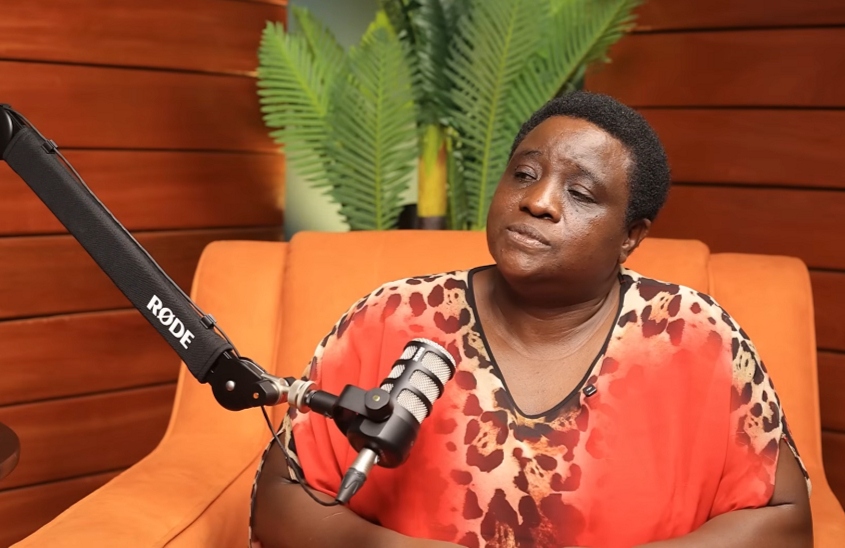
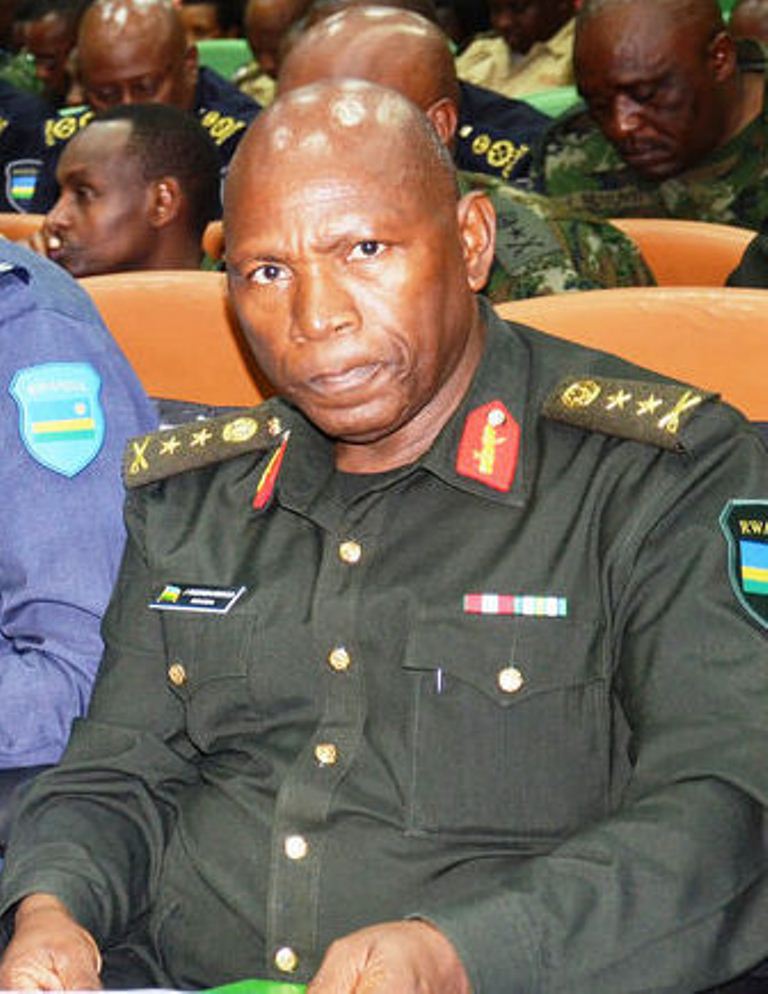
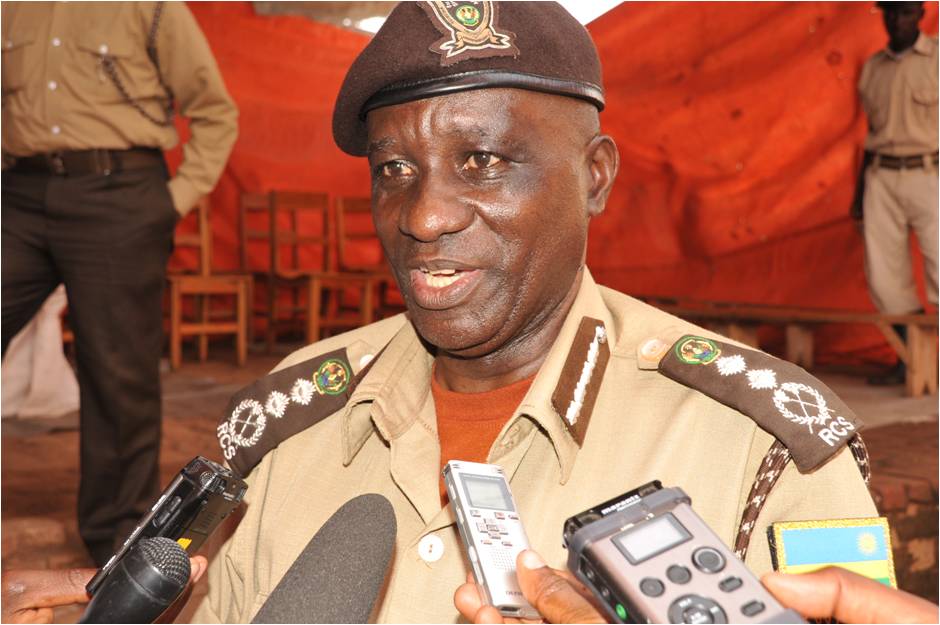
Maj. Gen. (Rtd) Jérôme Ngendahimana returned to Rwanda in October 2003.Maj. Gen. (Rtd) Paul Rwarakabije returned to Rwanda in November 2003, along with 120 other fighters.Anne Marie Musabyemungu said the mission to repatriate the generals was highly challenging, but that she remained confident.
Speaking at a diplomatic briefing, Amb. Nduhungirehe highlighted Rwanda’s position on the upcoming Francophonie elections, regional security and cooperation with Mozambique.
He also briefed diplomats on measures Rwanda has put in place to prevent the spread of Ebola from the Democratic Republic of Congo (DRC) and Uganda.
Mushikiwabo, who has led the OIF since 2018 and was re-elected in 2022, is seeking a third term. Elections are scheduled for November in Cambodia.
Amb. Nduhungirehe praised her leadership, saying Louise Mushikiwabo elevated La Francophonie to another level.
“Ms Louise Mushikiwabo has elevated La Francophonie to greater heights. Under her leadership the organisation has secured its rightful place at decision-making tables on issues related to youth employment, democratic governance, the economy, culture, gender and the promotion of the French language,” he noted.
On regional security, Amb. Nduhungirehe reiterated Rwanda’s support for peaceful solutions to tensions with the DRC and urged international partners to encourage Kinshasa to honor commitments made under existing peace processes.
“ Rwanda calls on the international community and all partners to engage the DRC in a constructive manner that produces tangible results in implementing its end of the bargain,” he said.
He warned that failure to apply impartial pressure could encourage a military approach rather than dialogue.
“Failing to do so would amount to supporting the DRC’s never-ending military approach. Without even-handed pressure and follow up, we cannot create the conditions and incentives necessary for lasting peace in the Great Lakes region,” Minister,” the minister added.
Amb. Nduhungirehe also addressed Rwanda’s security cooperation with Mozambique, confirming that Kigali will continue working directly with the Mozambican government to support the deployment of Rwandan troops and police in Cabo Delgado.
“Rwanda decided this year to work exclusively with the Government of Mozambique, which has secured and will continue to secure the necessary funding for the Rwandan Security Forces in Cabo Delgado.
Collaboration between the two governments has been successful so far and will continue to remain so in the future,” he stated.
This follows a decision by the European Union, influenced by Germany and Belgium, to block €20 million in funding that had been allocated to support counter-terrorism operations in Mozambique.
Rwanda deployed soldiers and police officers to Mozambique at the invitation of the Mozambican government in July 2021. The mission aims to help the country combat terrorist and insurgent groups operating in Cabo Delgado Province.
Over the past five years, the deployment has recorded significant gains, with insurgents largely pushed back from areas secured by Rwandan forces. The improved security situation has enabled many residents who had fled the violence to return to their homes.
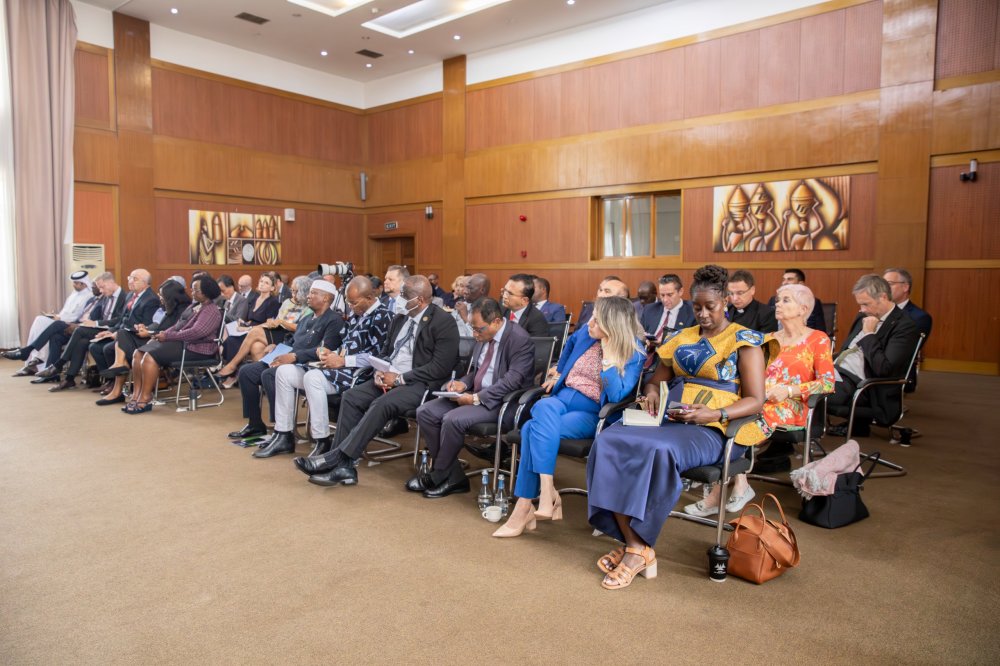
Envoys accredited to Rwanda during discussions with Foreign Minister Nduhungirehe. Amb. Nduhungirehe reiterated Rwanda’s support for peaceful solutions to tensions with the DRC and urged international partners to encourage Kinshasa to honor commitments made under existing peace processes.