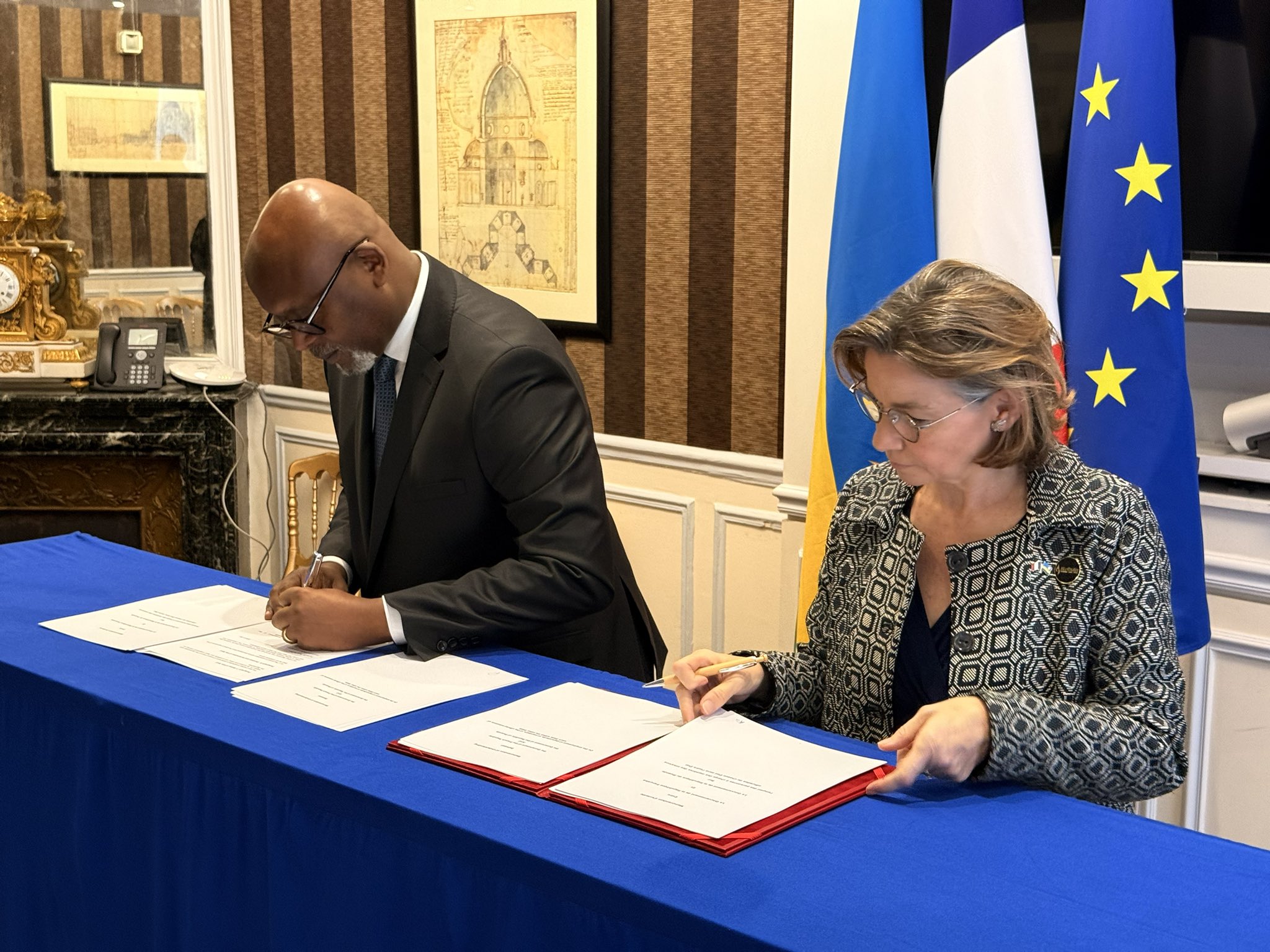
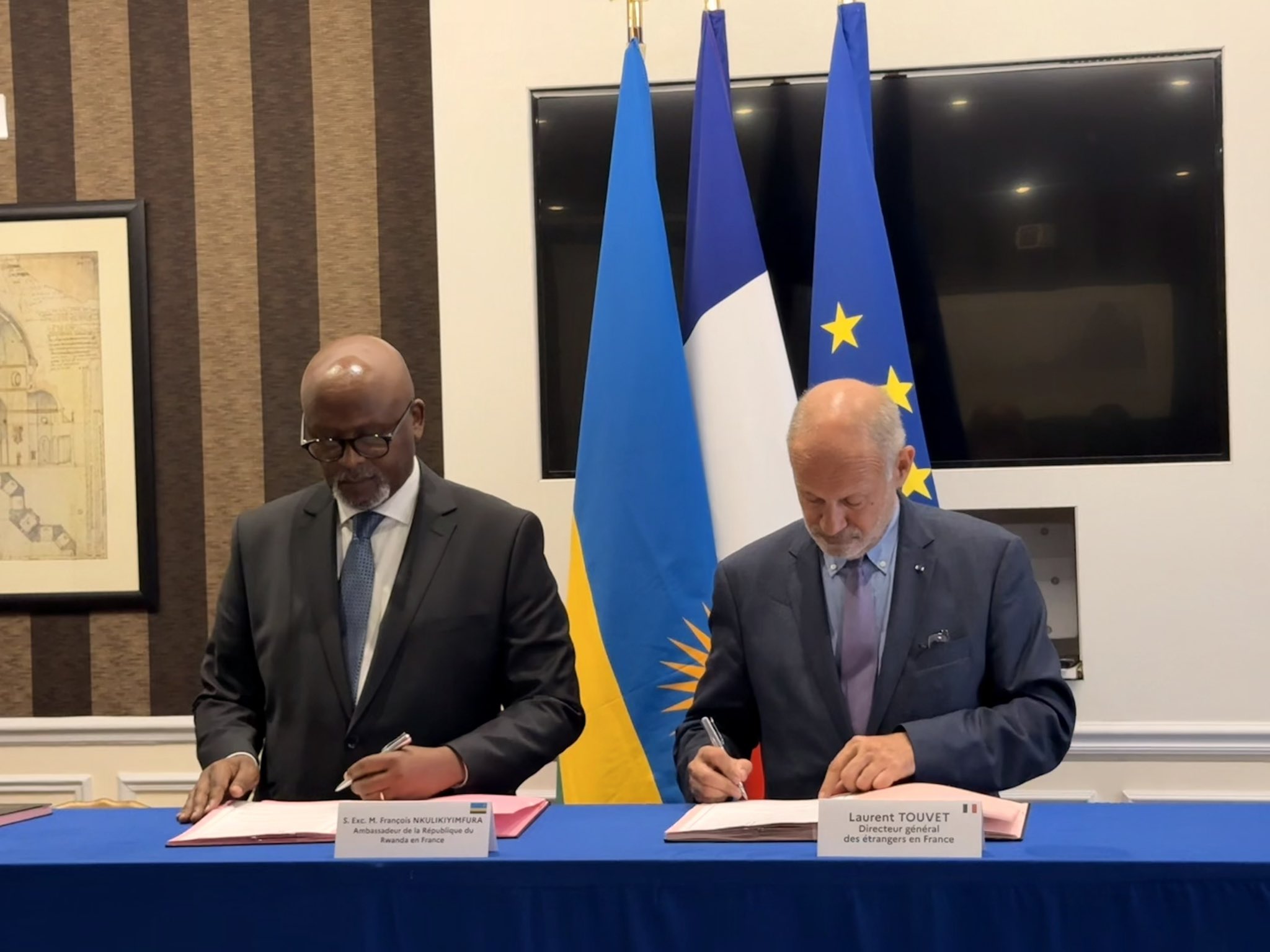
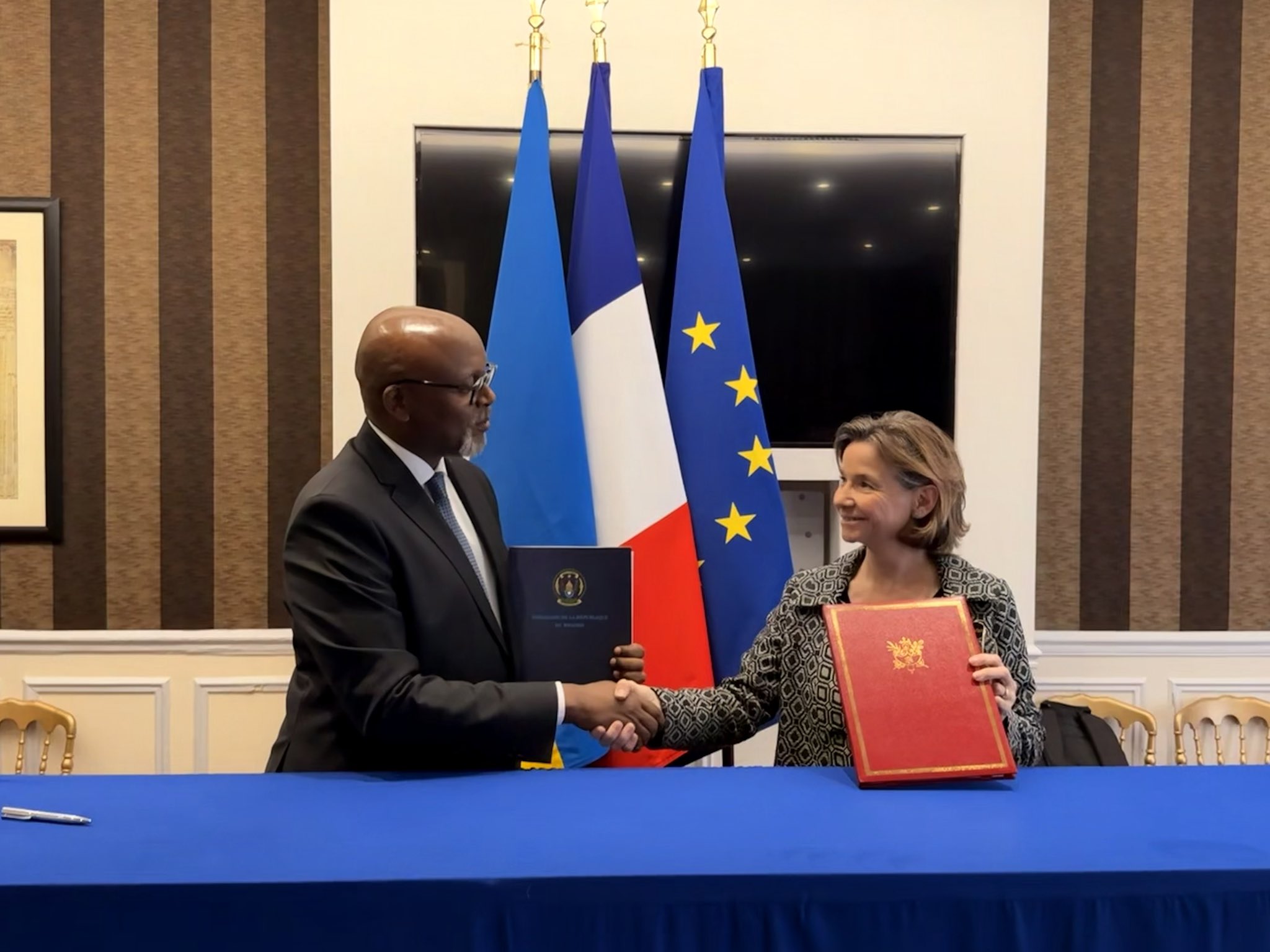
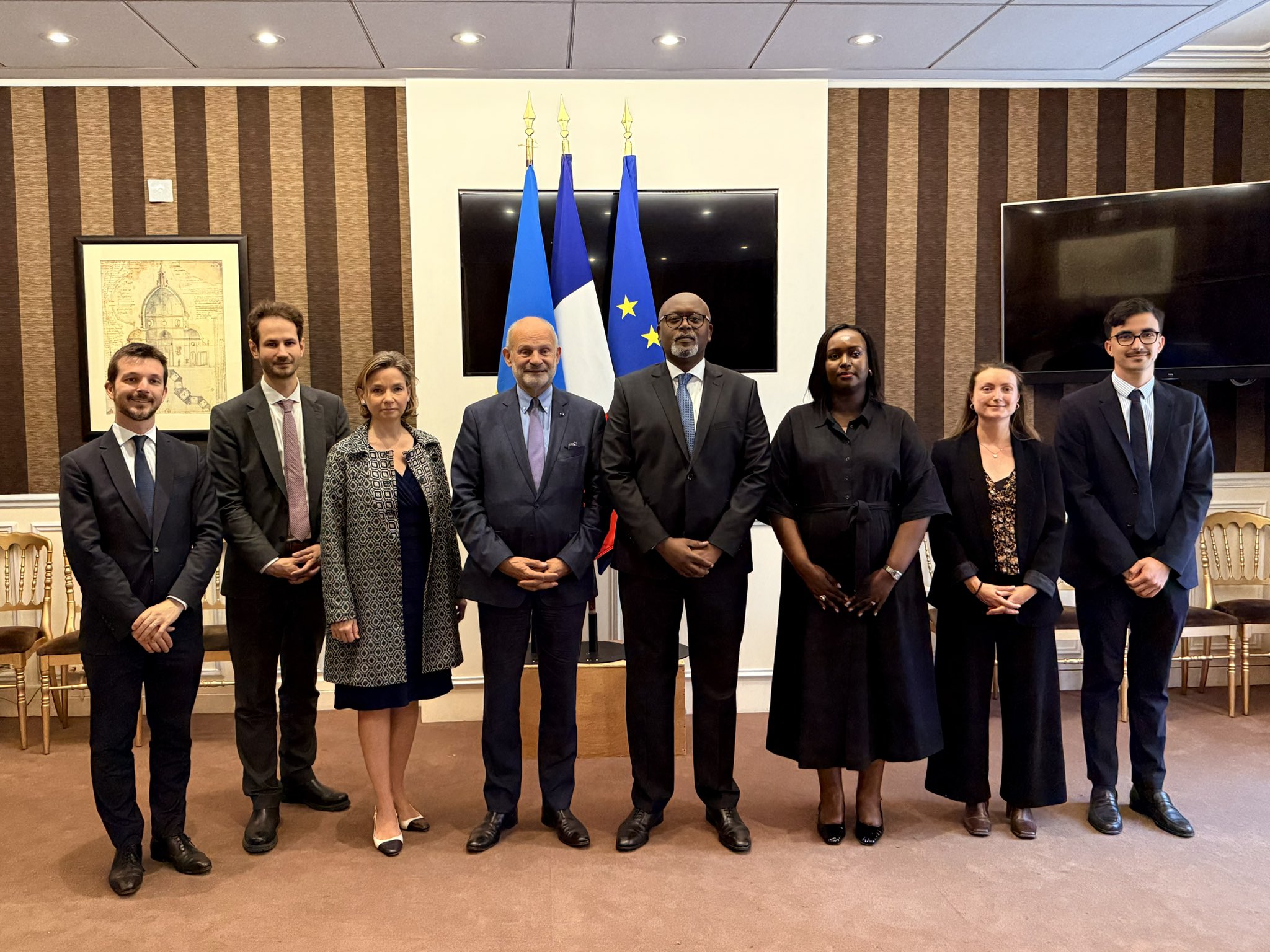
The agreements were formalised during a signing ceremony in Paris. Rwanda was represented by its Ambassador to France, François Nkulikiyimfura, while the French delegation was led by Ambassador to Rwanda, Aurélie Royet-Gounin, alongside Laurent Touvet, the Director General for Foreigners at the French Ministry of the Interior.
The newly signed MoUs are expected to deepen bilateral ties, enhance administrative efficiency, and foster closer cooperation between Kigali and Paris.
The diplomatic milestone closely follows the historic inauguration on June 2, 2026, of “L’Archive”, a permanent memorial in Paris dedicated to the victims of the 1994 Genocide against the Tutsi.
The unveiling of the monument on the Habib-Bourguiba Esplanade was presided over by President Paul Kagame and First Lady Jeannette Kagame, alongside French President Emmanuel Macron, who described the memorial as a significant milestone in the ongoing reconciliation between the two countries.
Rwanda and France sign MoUs on migration and employment of diplomatic dependents.The newly signed MoUs are expected to deepen bilateral ties, enhance administrative efficiency, and foster closer cooperation between Kigali and Paris.Rwanda and France have signed two Memorandums of Understanding (MoUs) aimed at streamlining migration management and easing employment restrictions for families of diplomatic staff serving in both nations.
Government Spokesperson Yolande Makolo said Rwanda is working with multiple international partners to develop its nuclear capabilities, as feasibility studies continue for the construction of a facility using Small Modular Reactor (SMR) technology and the establishment of a Centre for Nuclear Science and Technology.
“Rwanda is working with a variety of global partners to develop our civil nuclear capabilities,” Makolo said in a statement on X.
She noted that alongside Russia’s state nuclear corporation, Rosatom, Rwanda recently signed a Memorandum of Understanding (MoU) with the United States government during the Nuclear Energy Innovation Summit for Africa (NEISA), held in Kigali earlier this month.
The summit also resulted in additional agreements between the Rwanda Atomic Energy Board (RAEB) and companies from the United States, South Africa and Austria, underscoring Kigali’s strategy of building broad international cooperation in the sector.
Rwanda’s nuclear partnership dates back several years. In December 2018, Rwanda and Russia signed an intergovernmental framework agreement in Moscow on the peaceful uses of nuclear energy. The cooperation was further strengthened in October 2019 when the two countries signed a roadmap with Rosatom during the Russia-Africa Summit in Sochi.
Most recently, on May 19, 2026, Rwanda and Russia signed another MoU at the Nuclear Energy Innovation Summit in Kigali. The agreement focuses on nuclear medicine, advanced healthcare cooperation and broader training in nuclear science.
At the same summit, Rwanda and the United States signed a Strategic Civil Nuclear Cooperation MoU, which established a framework for collaboration in areas including regulatory capacity building, workforce development, scientific research and the future deployment of advanced nuclear technologies such as SMRs.
Speaking at the signing ceremony, Minister of State for Foreign Affairs and International Cooperation Dr. Usta Kayitesi described the agreement as an important step in Rwanda’s efforts to diversify its energy sources in line with Vision 2050.
“Nuclear energy is a key component of Rwanda’s long-term energy strategy and broader national development ambitions,” she said.
The agreement was welcomed by Renee Sonderman, Acting Principal Deputy Assistant Secretary in the U.S. State Department’s Bureau of Arms Control and Nonproliferation, who praised Rwanda’s structured approach to nuclear energy development and its plans to deploy SMR technology.
The summit also saw RAEB sign a Comprehensive Development Agreement with U.S.-based company Holtec International to support the potential deployment of SMR-300 reactors in Rwanda.
Under the agreement, both parties will undertake technical cooperation activities, including site assessments, feasibility studies and data collection related to future reactor deployment. Officials said the initiative could eventually support up to 5 gigawatts of nuclear generation capacity, strengthening Rwanda’s long-term energy security while providing carbon-free baseload electricity.
President Paul Kagame has repeatedly reaffirmed Rwanda’s commitment to introducing nuclear energy as part of the country’s development agenda. During NEISA, he said Rwanda remains on track to operationalise nuclear energy infrastructure by the early 2030s.
“We intend to have nuclear energy operational by the early 2030s. This assessment confirms that we are on track,” Kagame said after receiving the Phase I Integrated Nuclear Infrastructure Review report from the International Atomic Energy Agency.
Makolo said financing discussions are also evolving globally. While nuclear projects have traditionally been funded by governments, she noted that multilateral development banks have recently begun exploring financing frameworks aimed at expanding access to nuclear energy projects in emerging economies.
As Rwanda pursues its ambitious energy expansion plans, officials say international cooperation, technological partnerships and innovative financing mechanisms will be critical to bringing the country’s first nuclear power project to fruition.
Rwanda aims to generate up to 1.5 gigawatts of electricity from nuclear power by 2050.
In 1996, as the camps began to be dismantled and refugees were encouraged to return home, Musabyemungu decided to repatriate and join fellow Rwandans in rebuilding a nation devastated by the 1994 Genocide against the Tutsi.
While many civilians returned, former government soldiers (Ex-FAR) and Interahamwe militia members refused to do so. Instead, they organised armed groups with the aim of launching attacks on Rwanda and reclaiming power. Their continued presence eventually prompted military operations to facilitate their repatriation.
In 2000, these groups formally established the Democratic Forces for the Liberation of Rwanda (FDLR), a rebel movement that sought to continue armed operations against Rwanda. Musabyemungu’s husband, Jérôme Ngendahimana, then a colonel, became commander of the group’s Second Division before later being appointed head of intelligence.
Speaking to KP Media24, Musabyemungu recalled how her efforts to bring combatants home began in 2001 after RPA forces captured approximately 2,000 FDLR fighters and transferred them to Mudende, in present-day Rubavu District.
“I decided to go and see them because I knew many of them,” she said. “Some had studied with me, worked with me, or lived with me in the refugee camps. I wanted to talk to them, explain the situation, and encourage them to return to their country.”
During one of those visits, Musabyemungu met James Kabarebe, who was serving as Chief of Defence Staff of the Rwanda Defence Forces at the time. Impressed by her determination, he agreed to support her proposal to travel into the forests of eastern Congo and persuade other FDLR members, including her husband, to return to Rwanda.
Two years later, in 2003, Musabyemungu embarked on the mission. She travelled across Lake Kivu to Bukavu and continued on foot through dense forests to reach FDLR-controlled territory.
Upon her arrival, she was housed with the wives of FDLR fighters, as many members of the group distrusted her motives. She later learned that some individuals within the movement had proposed killing her, but the group’s commander, Paul Rwarakabije, repeatedly intervened to protect her.
“Commander Rwarakabije saved my life,” she said. “Whenever reports recommending my execution were brought to him, he would reject them. Sometimes he would say, ‘Leave her alone; I will deal with her myself.’ At other times he would insist that they could not kill me before my husband arrived.”
Musabyemungu explained that her husband was stationed roughly a week’s journey away from the location where she first arrived. When she eventually reached him, she seized an opportunity to speak with him privately.
She told him she had come to take him home and relayed assurances from Gen. Kabarebe that he would be welcomed back and allowed to live peacefully in Rwanda.
Initially sceptical, Ngendahimana struggled to believe the guarantees. He asked for three days of fasting and prayer before making a decision. At the end of that period, he agreed to return, though he remained uncertain about what awaited him during the journey and upon arrival in Rwanda.
In October 2003, after a difficult trek through the forests of eastern Congo, Musabyemungu and Ngendahimana reached Bukavu before crossing into Rwanda through Rusizi. They later travelled to Kigali, where they were personally received by Gen. Kabarebe.
“It was already night when we arrived in Kigali,” she recalled. “I felt immense relief because I had managed to bring him back alive.”
According to Musabyemungu, Kabarebe welcomed them into his home and shared a meal with them.
Soon after Ngendahimana’s return, Kabarebe contacted Rwarakabije by telephone to inform him that the former FDLR commander’s colleague had safely arrived in Rwanda. He then entrusted Musabyemungu with another mission of bringing Rwarakabije home as well.
Musabyemungu said she later spoke directly with Rwarakabije, who told her he would only return if she personally came back to the forests and accompanied him to Rwanda, just as she had done with her husband.
“He had refused to come,” she said. “He told me that he would only return if I came back for him. I agreed and returned to Congo. By then, I was no longer thinking about the possibility of being killed. I was only focused on the outcome.”
Ngendahimana supported the new mission and assured Kabarebe that his wife was capable of accomplishing it.
Musabyemungu described the second mission as even more challenging than the first.
“The first time, I had my husband with me. If something happened, we would face it together. This time, I was alone. Reaching Rwarakabije’s base and convincing him to leave was much more difficult,” she said.
In November 2003, she successfully escorted Rwarakabije back to Rwanda. He returned alongside more than 120 soldiers, including 12 officers.
“When we reached Rusizi, an aircraft was sent to transport us because we were such a large group,” she said. “When we landed at Kanombe, senior military officers and generals were waiting for us.”
The return of Rwarakabije and the officers dealt a major blow to the FDLR. Musabyemungu said the group also brought back weapons and equipment from the movement’s headquarters, making it significantly harder for the organisation to regroup and rebuild its capabilities.
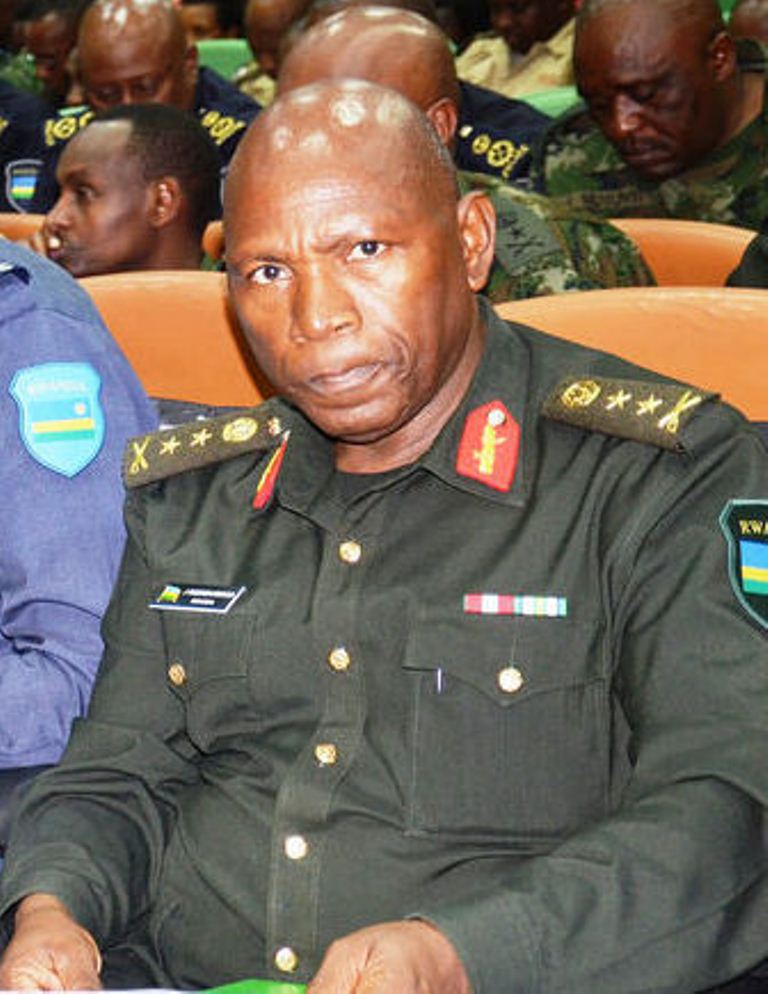
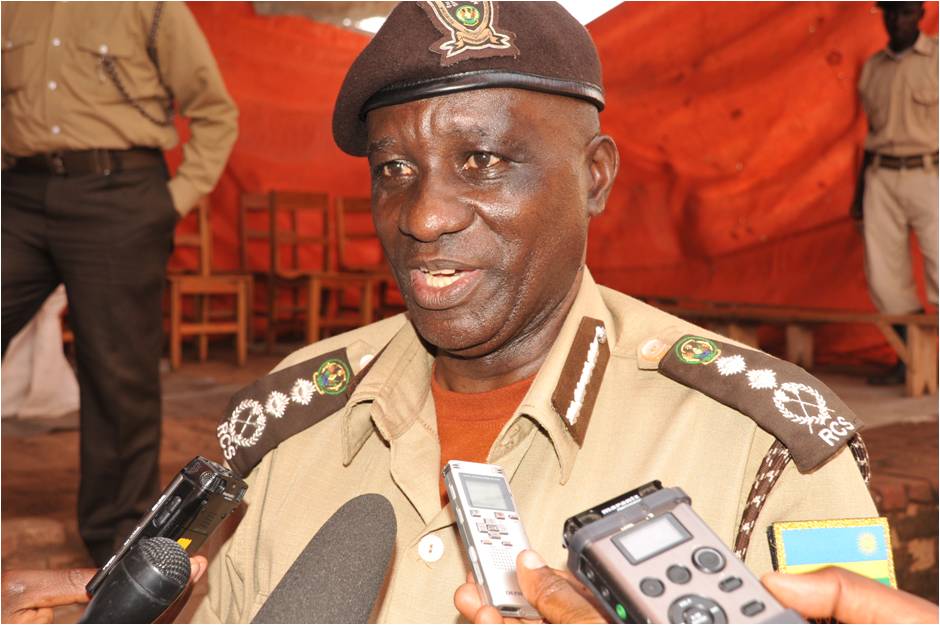
Following his repatriation, Rwarakabije joined the Rwanda Defence Forces and rose to the rank of Major General. After retiring from military service, he was appointed Commissioner General of the Rwanda Correctional Service.
Ngendahimana also joined the Rwanda Defence Forces and retired with the rank of Major General.
For her part, Musabyemungu continued her education, earning postgraduate qualifications from the former National University of Rwanda and later from Kigali Independent University (ULK). Between 2008 and 2013, she served as a member of Rwanda’s Parliament.
Maj. Gen. (Rtd) Jérôme Ngendahimana returned to Rwanda in October 2003.Maj. Gen. (Rtd) Paul Rwarakabije returned to Rwanda in November 2003, along with 120 other fighters.Anne Marie Musabyemungu said the mission to repatriate the generals was highly challenging, but that she remained confident.
Speaking at a diplomatic briefing, Amb. Nduhungirehe highlighted Rwanda’s position on the upcoming Francophonie elections, regional security and cooperation with Mozambique.
He also briefed diplomats on measures Rwanda has put in place to prevent the spread of Ebola from the Democratic Republic of Congo (DRC) and Uganda.
Mushikiwabo, who has led the OIF since 2018 and was re-elected in 2022, is seeking a third term. Elections are scheduled for November in Cambodia.
Amb. Nduhungirehe praised her leadership, saying Louise Mushikiwabo elevated La Francophonie to another level.
“Ms Louise Mushikiwabo has elevated La Francophonie to greater heights. Under her leadership the organisation has secured its rightful place at decision-making tables on issues related to youth employment, democratic governance, the economy, culture, gender and the promotion of the French language,” he noted.
On regional security, Amb. Nduhungirehe reiterated Rwanda’s support for peaceful solutions to tensions with the DRC and urged international partners to encourage Kinshasa to honor commitments made under existing peace processes.
“ Rwanda calls on the international community and all partners to engage the DRC in a constructive manner that produces tangible results in implementing its end of the bargain,” he said.
He warned that failure to apply impartial pressure could encourage a military approach rather than dialogue.
“Failing to do so would amount to supporting the DRC’s never-ending military approach. Without even-handed pressure and follow up, we cannot create the conditions and incentives necessary for lasting peace in the Great Lakes region,” Minister,” the minister added.
Amb. Nduhungirehe also addressed Rwanda’s security cooperation with Mozambique, confirming that Kigali will continue working directly with the Mozambican government to support the deployment of Rwandan troops and police in Cabo Delgado.
“Rwanda decided this year to work exclusively with the Government of Mozambique, which has secured and will continue to secure the necessary funding for the Rwandan Security Forces in Cabo Delgado.
Collaboration between the two governments has been successful so far and will continue to remain so in the future,” he stated.
This follows a decision by the European Union, influenced by Germany and Belgium, to block €20 million in funding that had been allocated to support counter-terrorism operations in Mozambique.
Rwanda deployed soldiers and police officers to Mozambique at the invitation of the Mozambican government in July 2021. The mission aims to help the country combat terrorist and insurgent groups operating in Cabo Delgado Province.
Over the past five years, the deployment has recorded significant gains, with insurgents largely pushed back from areas secured by Rwandan forces. The improved security situation has enabled many residents who had fled the violence to return to their homes.
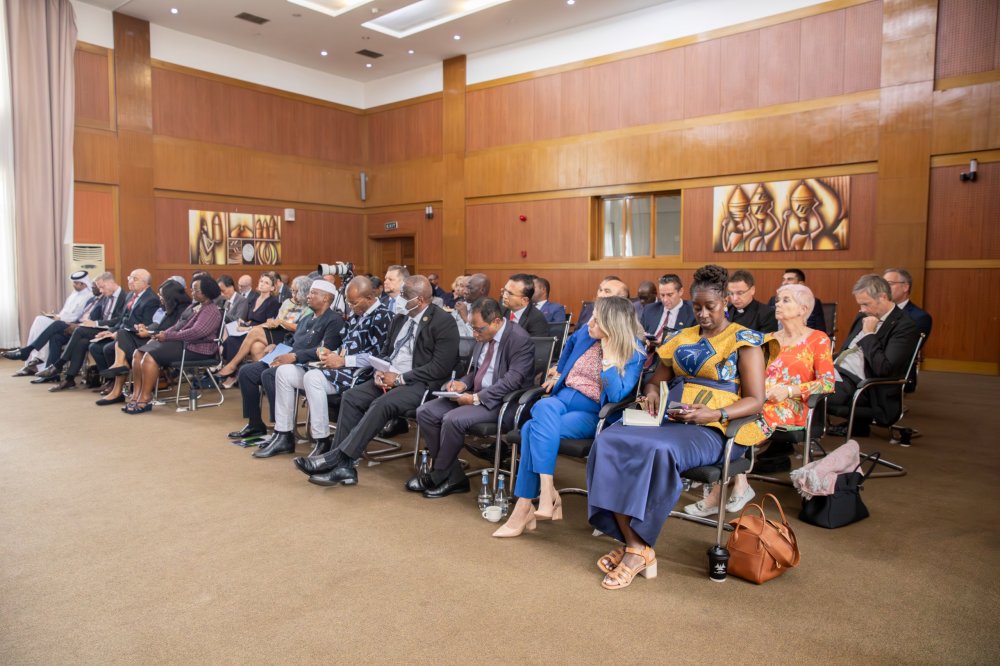
Envoys accredited to Rwanda during discussions with Foreign Minister Nduhungirehe. Amb. Nduhungirehe reiterated Rwanda’s support for peaceful solutions to tensions with the DRC and urged international partners to encourage Kinshasa to honor commitments made under existing peace processes.
Longtai Group began operations in Rwanda in June 2025 and focuses mainly on electric and hybrid vehicles powered by both electricity and fuel.
Speaking to IGIHE, the company’s Head of Sales, François Regis Irareba, said the decision follows positive market reception for the company’s vehicles in Rwanda.
He explained that the planned facility would assemble Dongfeng vehicles locally for both the Rwandan market and exports across the region.
“We want to build a vehicle assembly plant here in Rwanda. Naturally, it will create jobs for Rwandans and also contribute to reducing the amount of money the country spends importing vehicles. Once completed, vehicles will be assembled locally and distributed across the region. We expect the factory to start operations by 2030,” he said.
Longtai Group Rwanda is also planning to establish what it describes as the country’s largest electric vehicle charging station.
According to Irareba, the charging hub will be located in Kigali and will have the capacity to charge between 50 and 80 vehicles simultaneously, with each vehicle taking around 30 minutes to fully recharge.
He noted that existing charging stations in the country currently accommodate between two and six vehicles at a time, adding that the new facility is expected to be operational before the end of 2026.
Longtai Group operates in China, Rwanda, Tanzania and Angola, specialising in electric vehicles. Outside China, Rwanda has emerged as one of the company’s strongest markets.
In Rwanda, one of the most popular models is the Dongfeng Nammi Vigo, also known as the Nammi 06. The company says that about 246 units have been sold in the past four months alone.
The vehicles are supplied with home charging equipment, allowing users to recharge without relying entirely on public charging stations. Their batteries are said to last between 15 and 20 years.
Depending on the model, a fully charged vehicle can travel between 330 kilometres and 1,000 kilometres.
According to the company, a round trip between Kigali and Rubavu using one of its electric vehicles costs around Rwf18,000 in electricity, compared to approximately Rwf90,000 currently required for fuel-powered vehicles, up from about Rwf60,000 before the rise in fuel prices.
Dongfeng Motor was founded in 1969 in Wuhan City, Hubei Province, and is currently among the five largest automobile manufacturers in China. The company produces vehicles under several brands including Venucia, Fengdu, Aeolus, Forthing, Voyah and Dongfeng.
Through partnerships with other manufacturers, Dongfeng also produces vehicles for brands such as Honda, Nissan and KIA.
Earlier this May, Dongfeng Motor entered into a partnership with the Dutch-based automotive giant Stellantis, one of Europe’s major vehicle manufacturers.
The partnership aims to establish a joint company responsible for the production, distribution and sale of new Dongfeng vehicles in Europe.
Under the agreement, Stellantis will hold a 51% stake in the venture, while Dongfeng will own the remaining 49%.
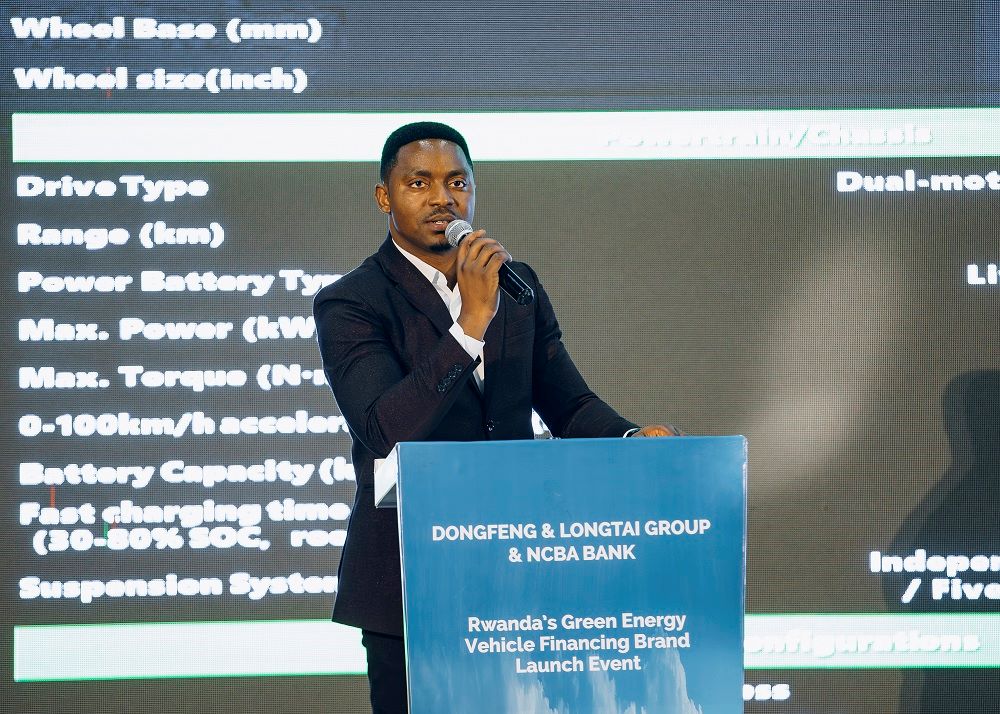
François Regis Irareba, the Head of Sales at Longtai Group Rwanda, said that a Dongfeng vehicle assembly plant will be built in Rwanda before 2030.Rwanda could host Dongfeng vehicle assembly plant by 2030.
Over the past quarter-century, the institution has grown significantly in both human capacity and technological capability. Today, RNP officers not only play a central role in maintaining security within Rwanda but also contribute to peacekeeping and security operations beyond the country’s borders.
A key feature of this transformation is the wide range of modern equipment now used in daily policing operations. These tools support all police departments, each depending on its specific mandate, and are increasingly driven by advanced technology to match global standards of law enforcement.
Water, air, and land operations
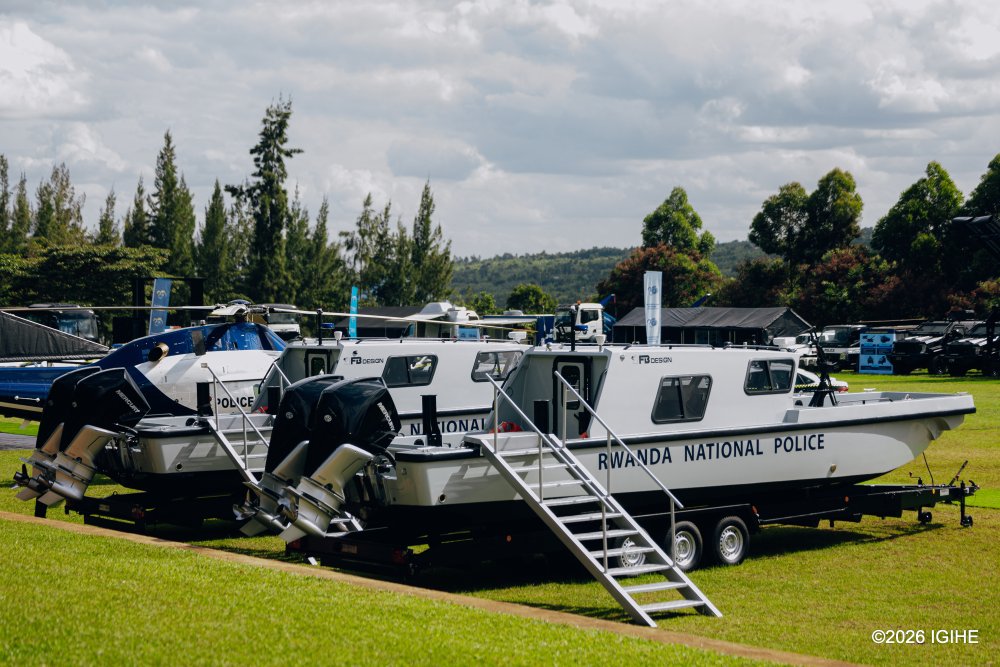
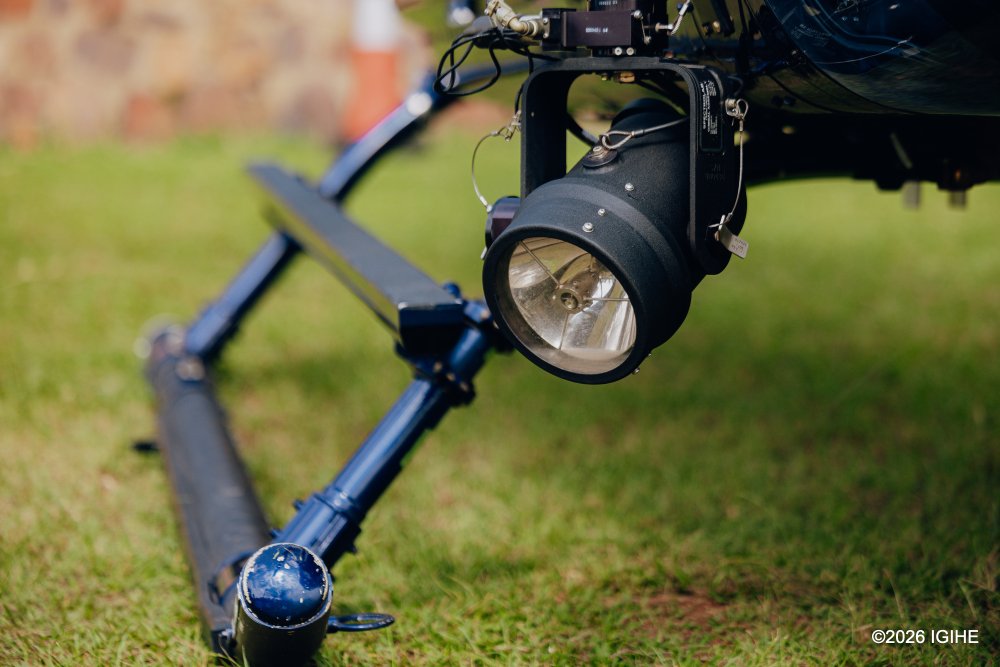
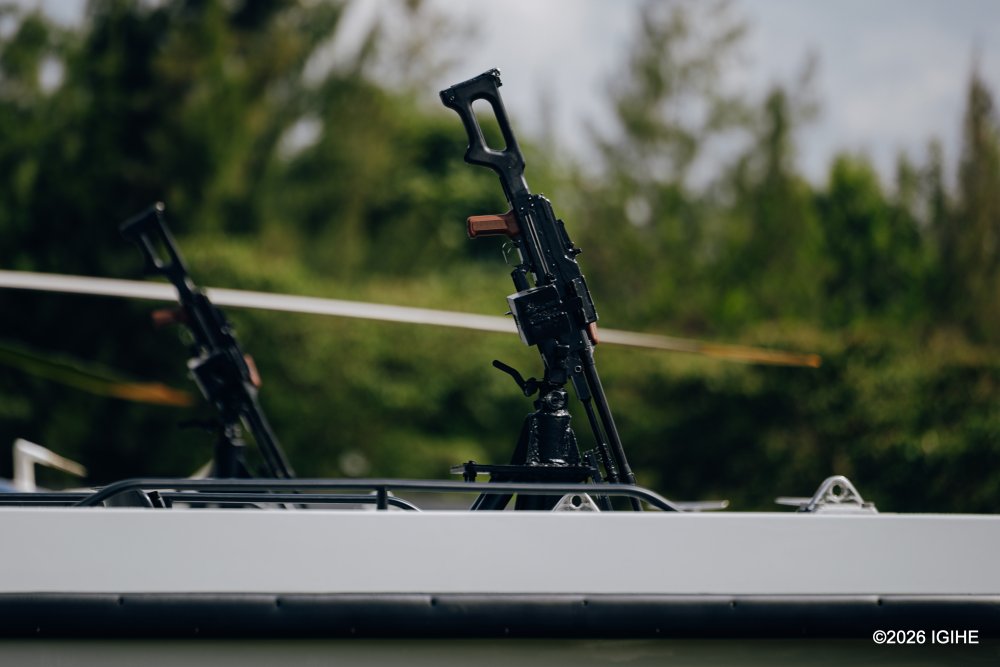
The marine policing unit is equipped with modern boats designed with advanced technology. These vessels are used for transporting personnel, conducting patrols, and carrying out rescue operations on large water bodies. They are fitted with cameras capable of capturing real-time images, as well as powerful lighting systems that allow clear visibility during night operations or emergencies.
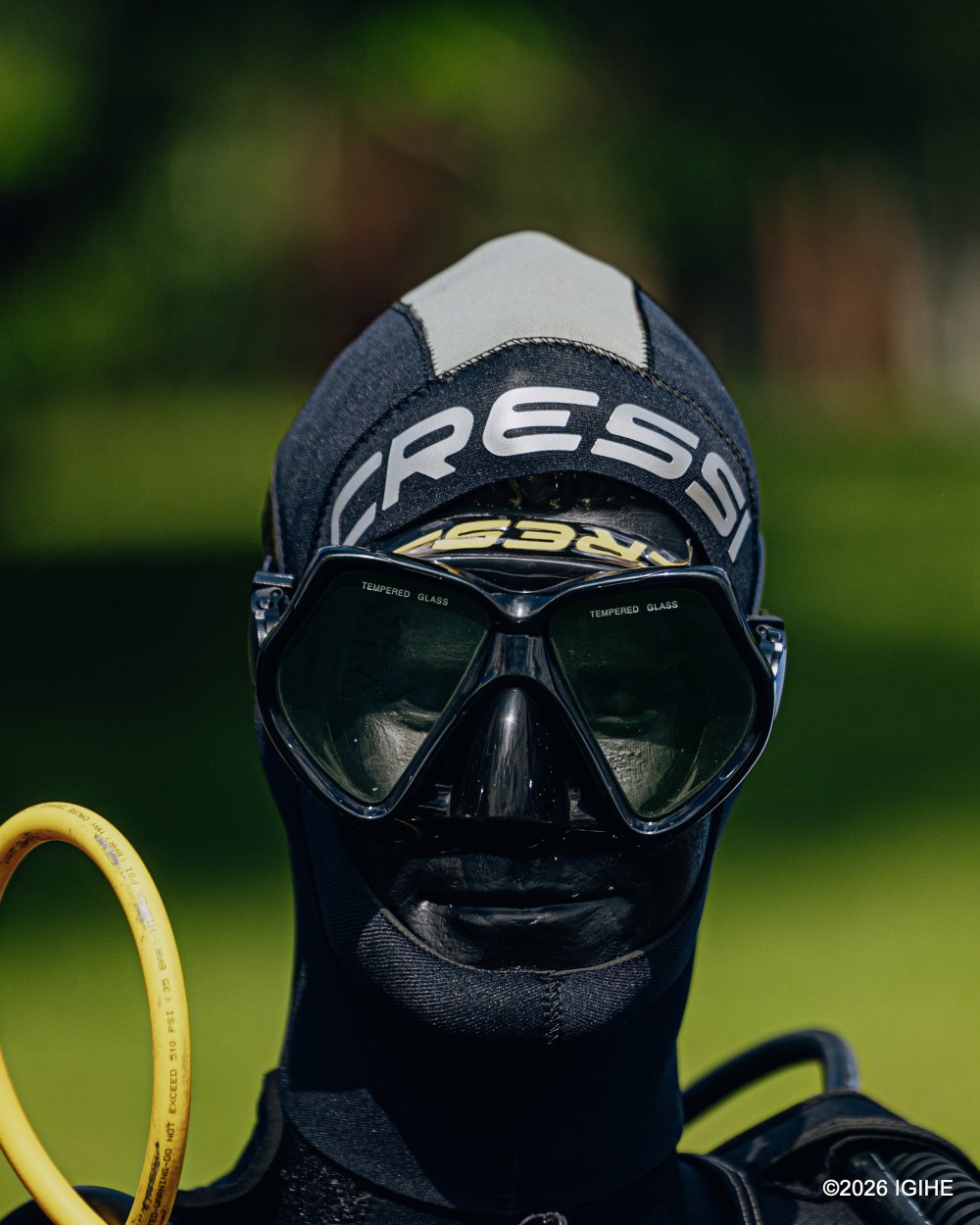
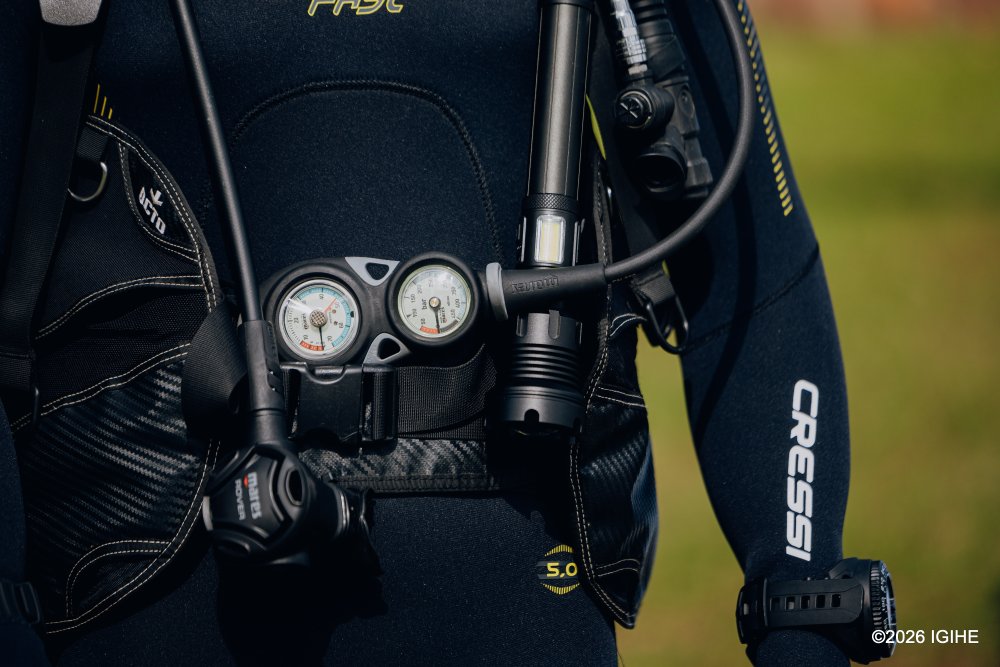
Police officers assigned to water security also use specialized diving equipment. This allows them to conduct underwater search operations, retrieve objects, and rescue individuals who may have drowned or be in distress.
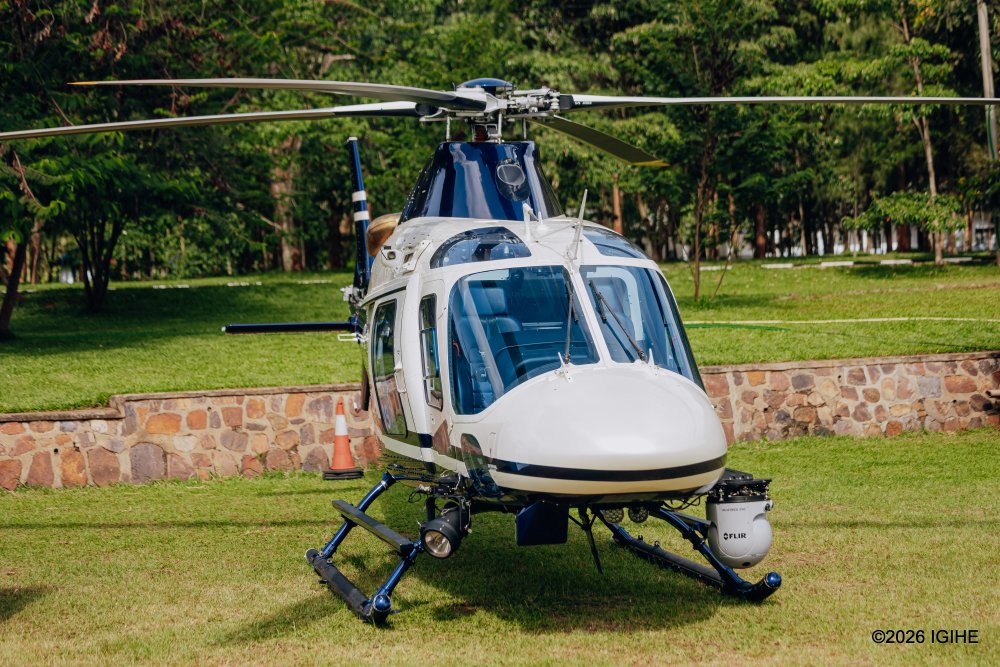
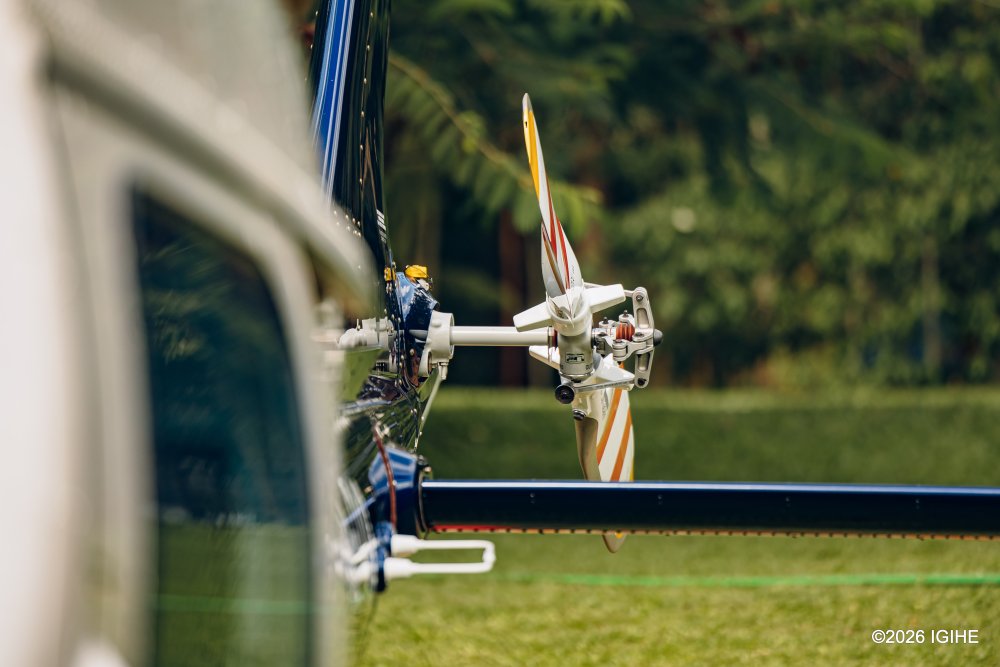
In aerial surveillance, the police rely on helicopters that patrol different areas of the country. These aircraft are used to monitor security situations, capture aerial images, and transmit real-time information to ground units for quick response.
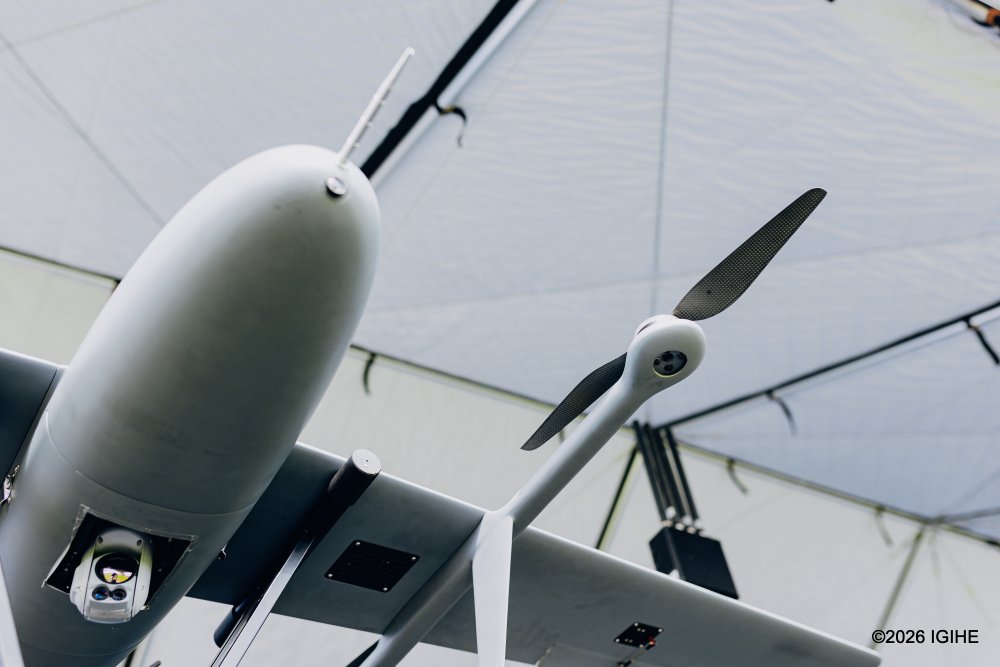
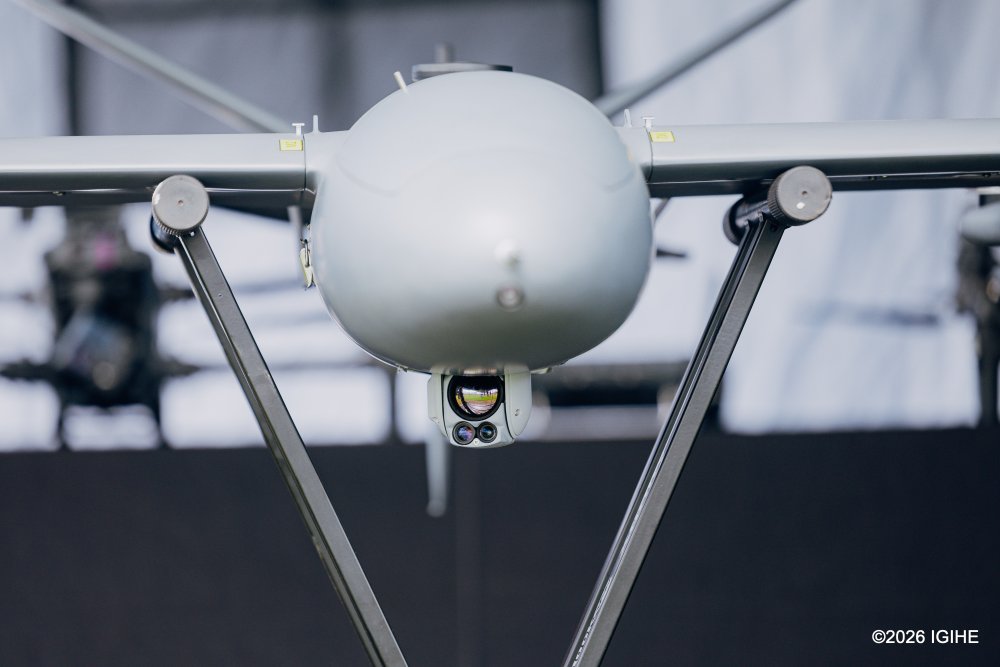
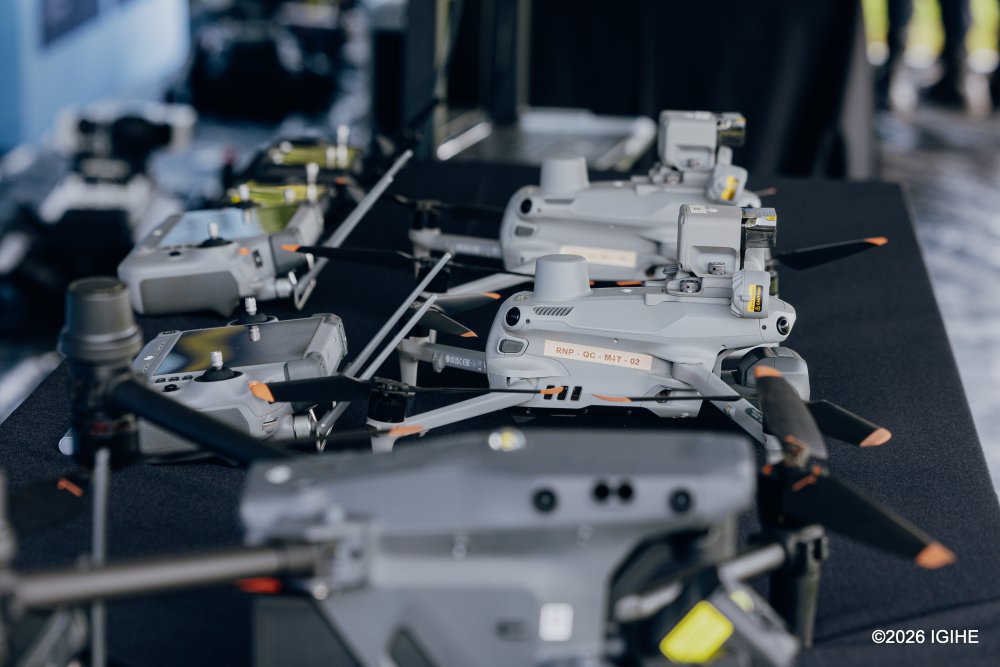
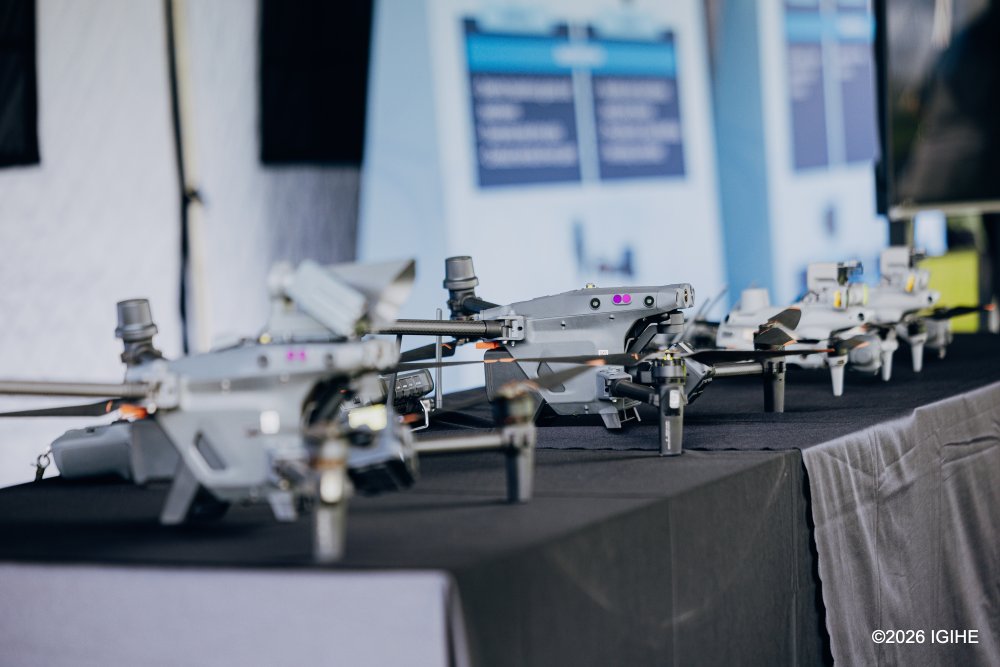
Alongside helicopters, drones have become one of the most widely used tools in modern policing. More unmanned aerial vehicles are expected in the near future to be deployed for various purposes.
According to CIP Félicien Kanamugire, head of the drone operations unit in the Rwanda National Police, drones perform multiple tasks depending on their design and purpose.
Some drones are high-speed, capable of flying up to 100 kilometers per hour and remaining airborne for up to four hours without recharging.
They are equipped with high-resolution cameras that transmit live footage directly to operators on the ground.
Other types are designed for low-speed and short-duration missions but are equipped with advanced night-vision cameras and strong lighting systems, making them effective for nighttime surveillance.
“These drones can even detect a person hiding under trees. For example, in areas like Nyungwe Forest, they can identify individuals, track movement, and even help estimate numbers,” CIP Kanamugire explained. “They can also follow vehicles and monitor their movement until the end destination.”
Some drones are also fitted with loudspeakers used for public communication and awareness campaigns. These allow police to broadcast messages while in flight, making them useful in crowd control and public information dissemination.
The police also plan to expand their drone fleet with new models designed for specialized missions, including firefighting support. These drones are expected to assist in extinguishing fires in high-rise buildings or areas that are difficult for fire trucks to reach.
Future additions also include drones capable of assisting in public order management. These will be able to spray water or non-lethal substances such as paint to disperse unlawful gatherings, while also providing live aerial monitoring.
Robotics and explosive disposal
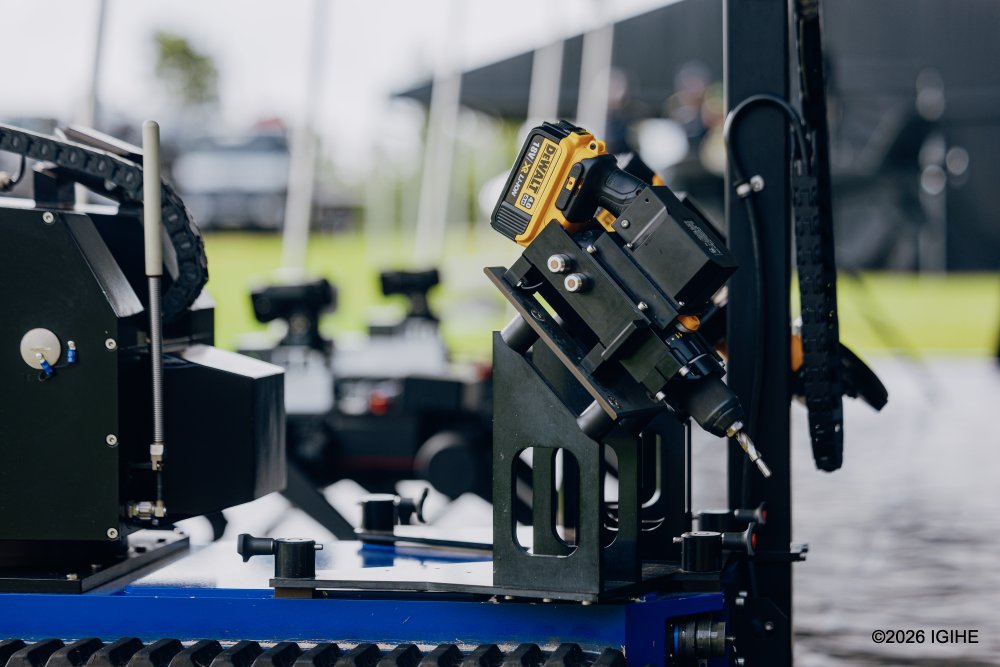
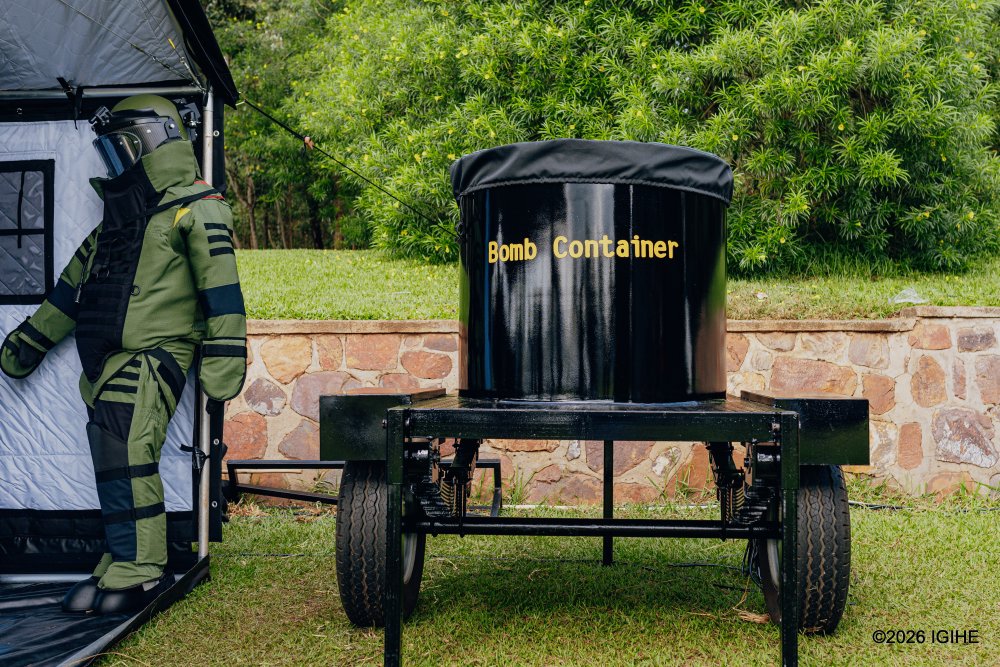
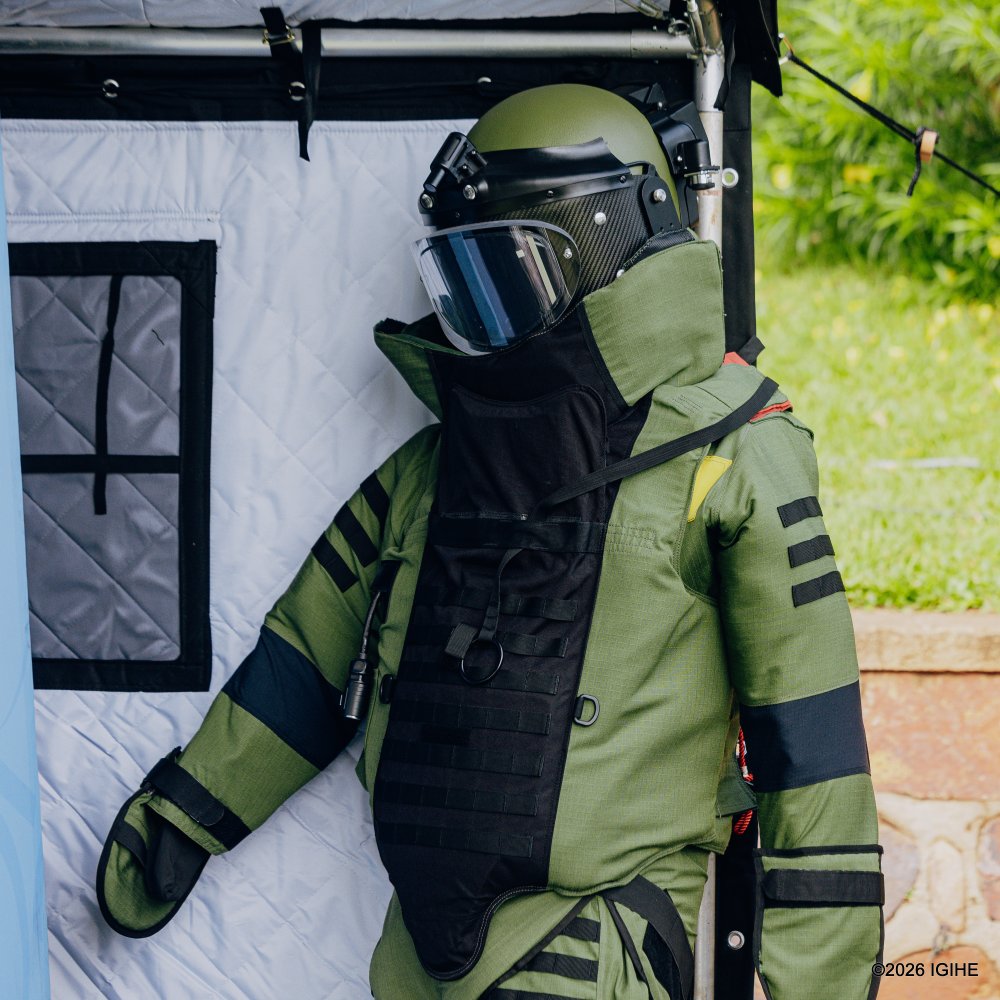
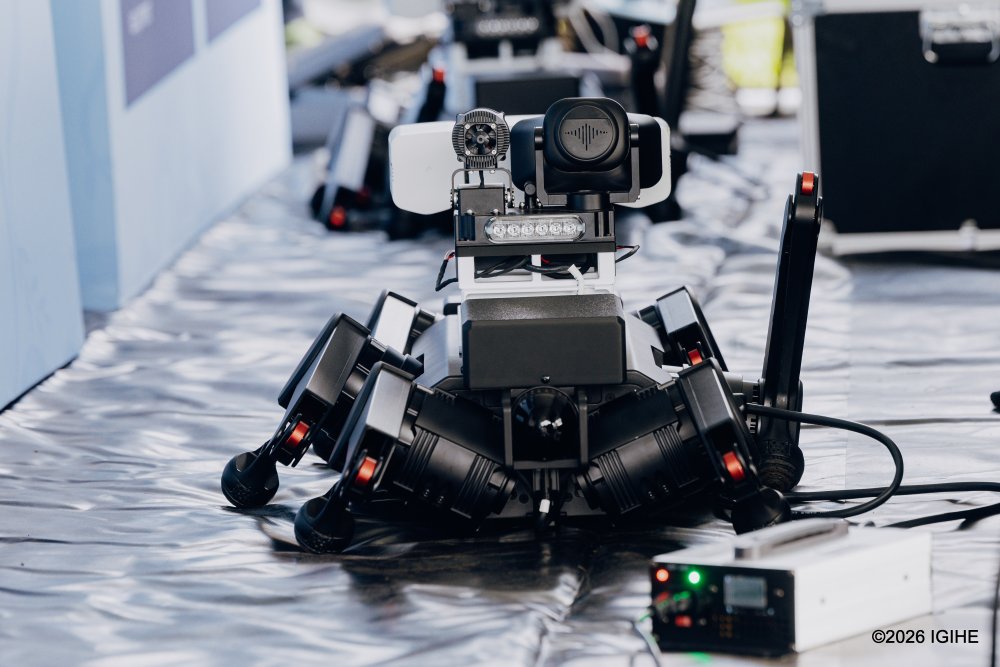
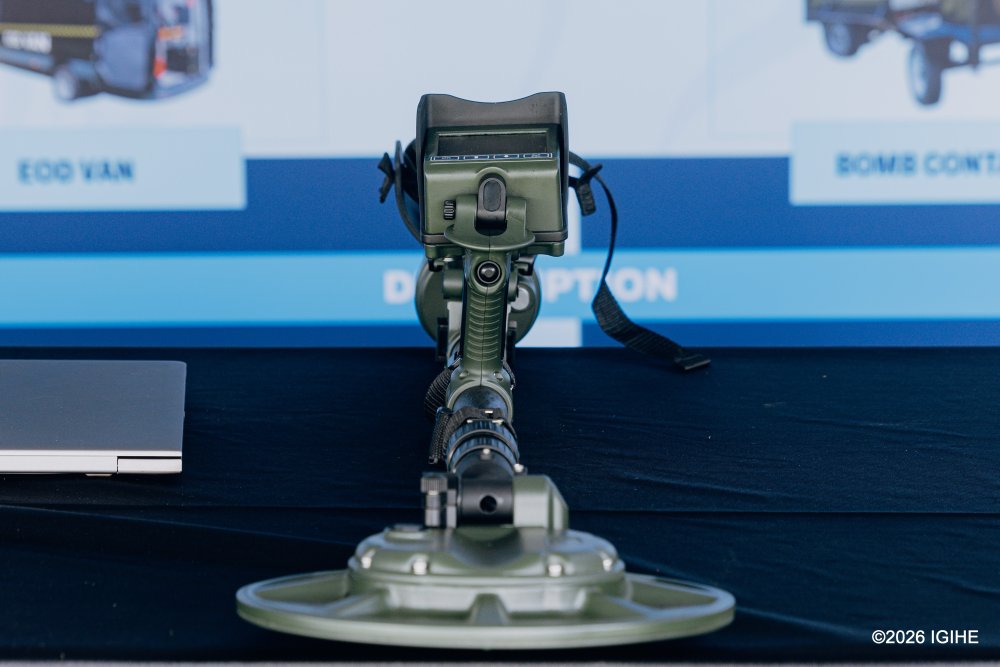
The Rwanda National Police also uses advanced robotics technology in explosive ordnance disposal. These robots are designed to detect and neutralize explosive devices without exposing officers to danger.
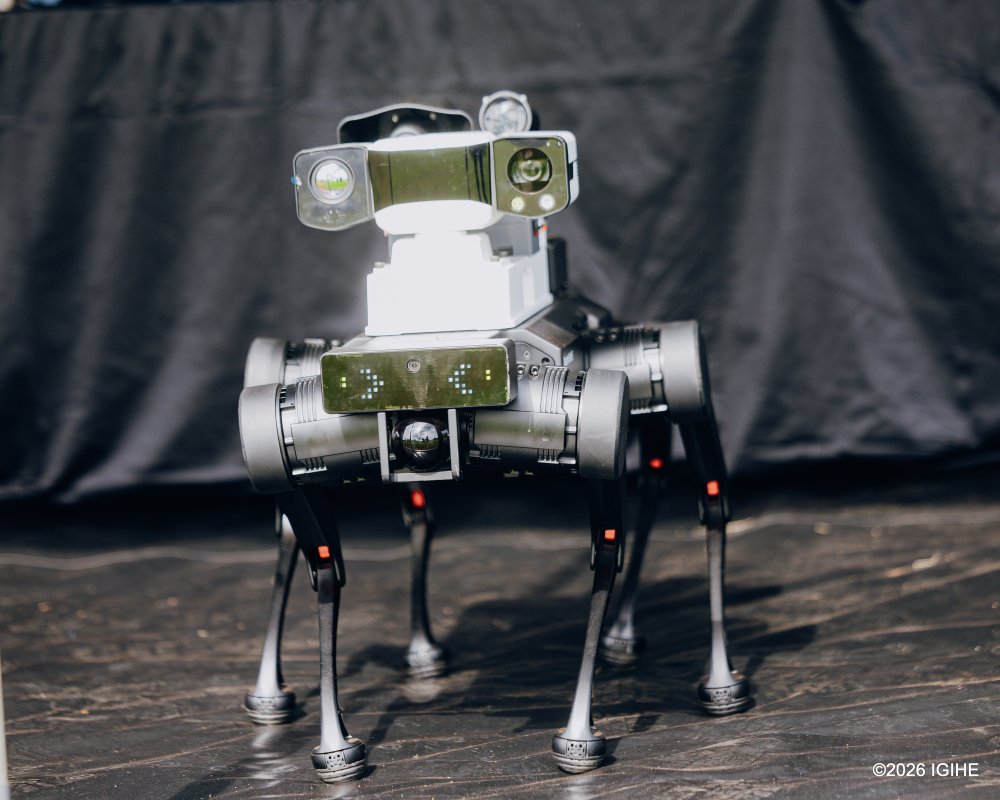
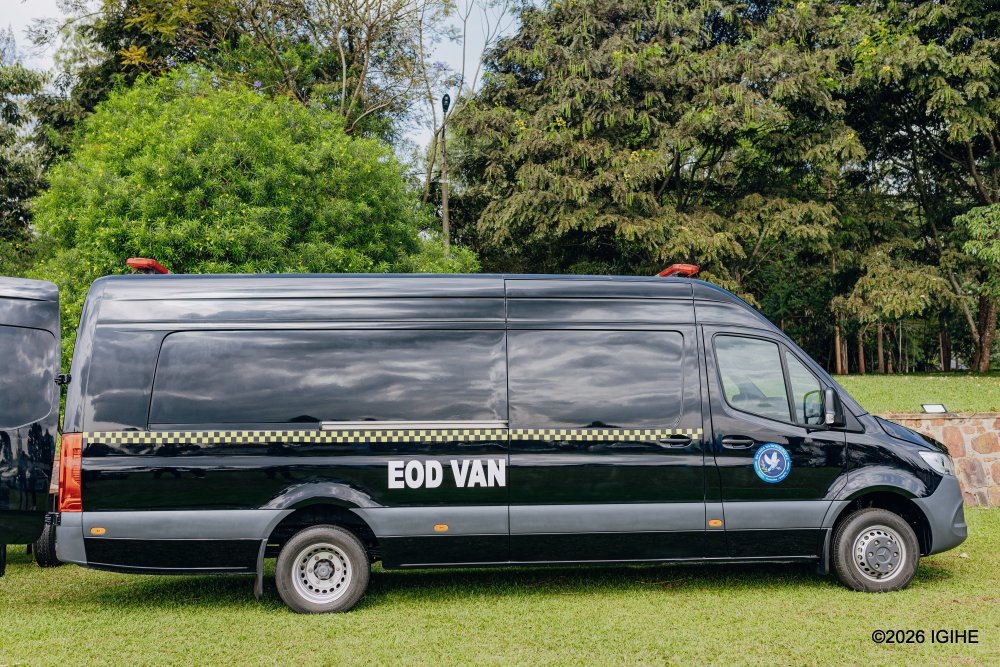
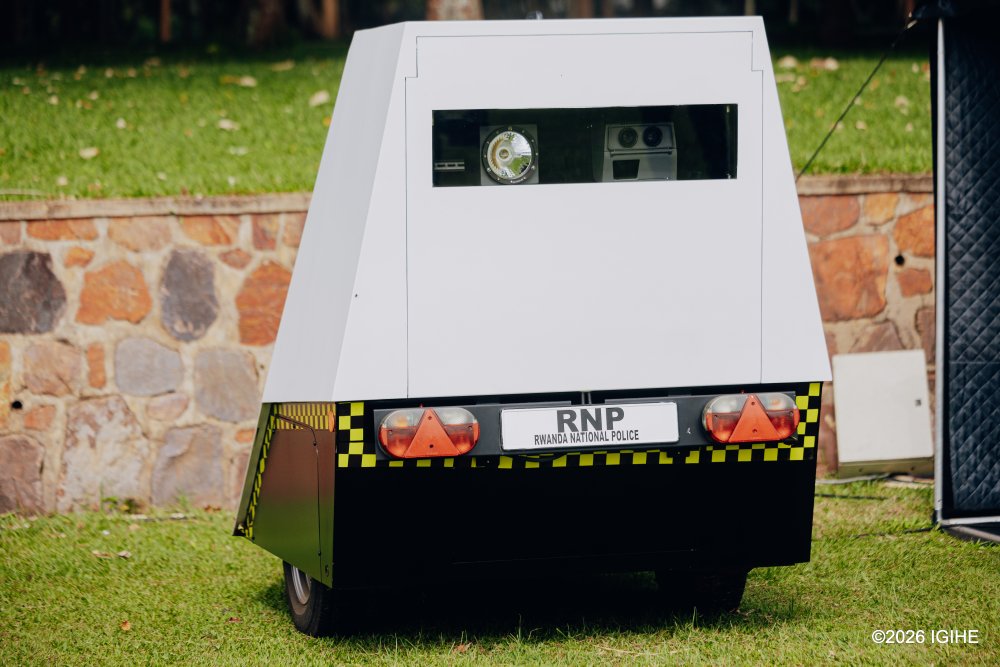
According to CIP Joseph Biziyaremye, head of the explosives unit, some of these machines—known as “robotic security dogs”—are capable of detecting explosives and toxic substances. They transmit information to operators who remain safely inside armored vehicles.
There are also robots designed specifically for bomb disposal operations. These machines can enter buildings, conduct searches, and handle suspicious objects that may pose a threat to public safety.
Some are even equipped with firearms, allowing them to neutralize armed threats when necessary. Canine unit and training systems
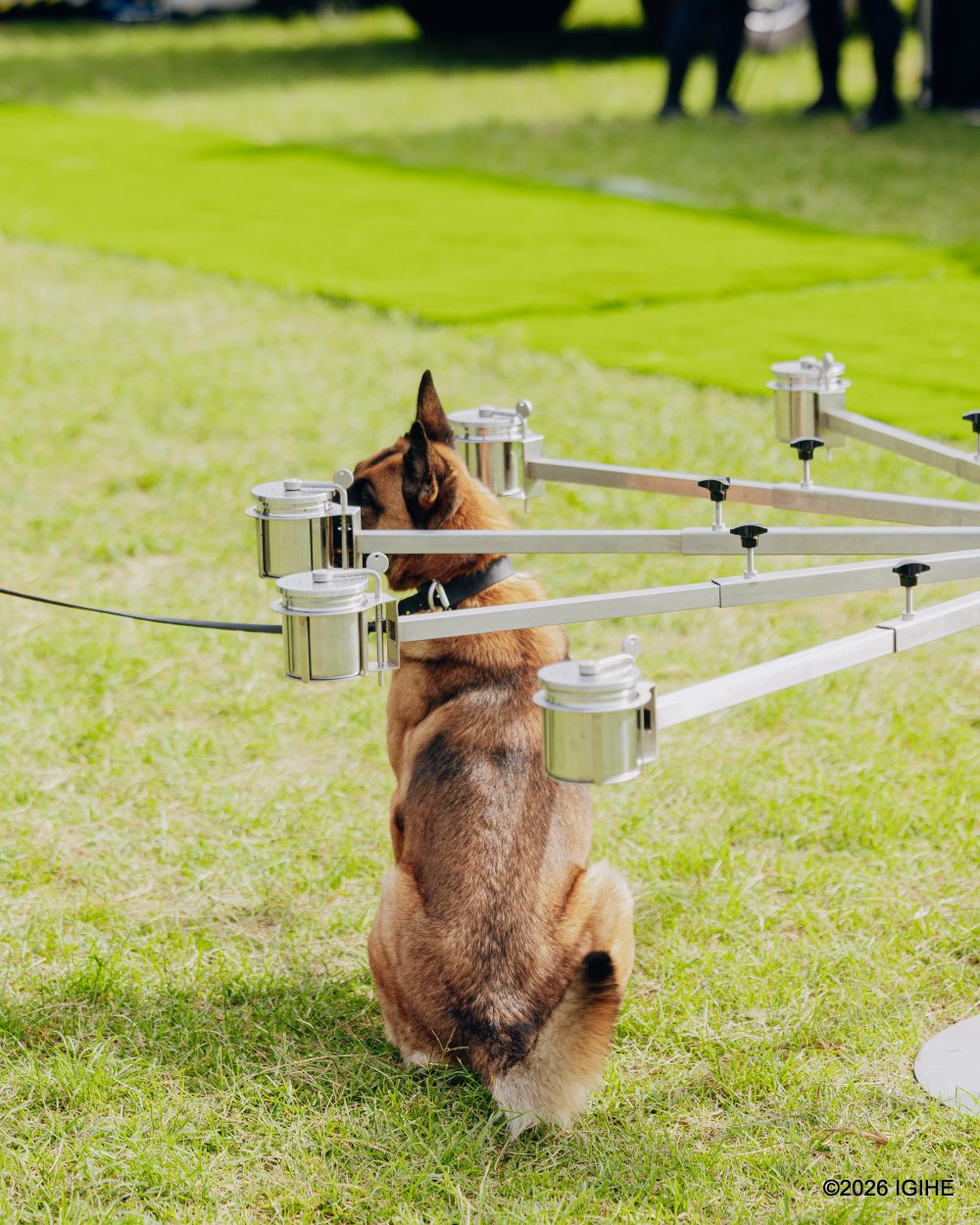
The police canine unit plays an important role in security operations. Trained dogs assist in searching, detecting narcotics, identifying explosives, and supporting various policing tasks.
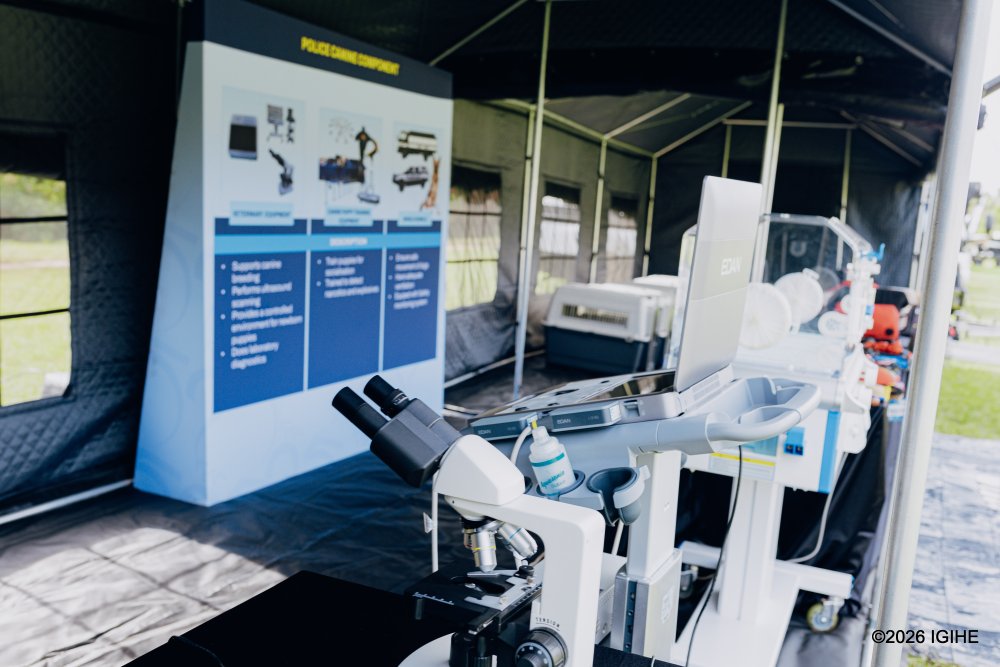
RNP currently has a program to expand its dog breeding and training capacity locally, reducing the need to import trained dogs from abroad.
This initiative aims to strengthen internal capacity and improve efficiency in canine operations.
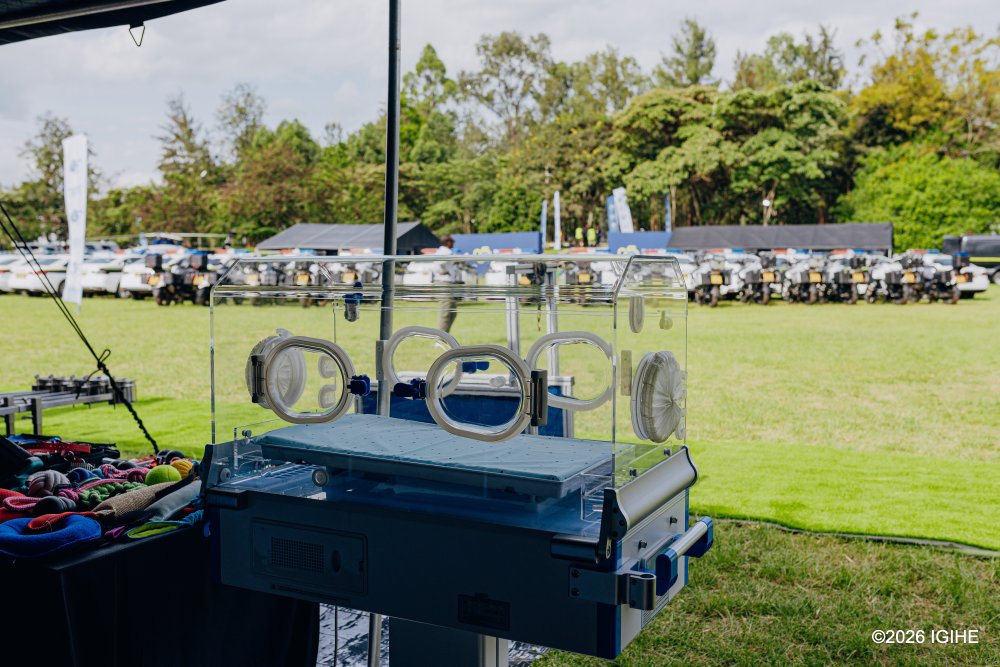
The training process is highly structured. It begins from birth, where puppies are carefully monitored and cared for using veterinary equipment, including systems similar to incubators when necessary.
As the dogs grow, they undergo physical training and continuous development programs to prepare them for operational duties in different security environments.
Public order and transport equipment
Rwanda National Police also uses specialized equipment for crowd control during demonstrations or public disturbances.
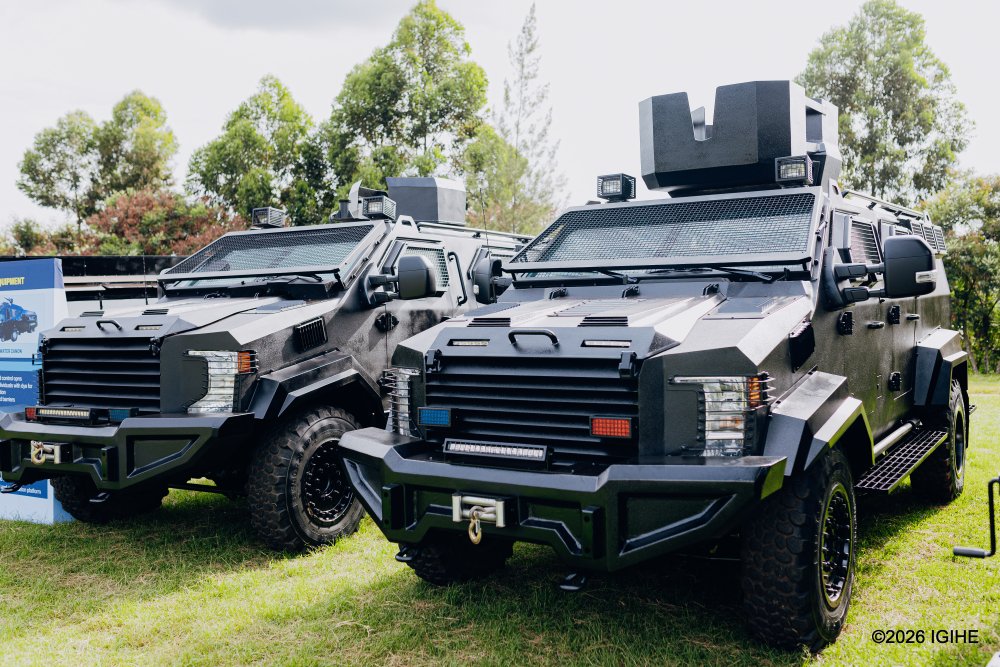
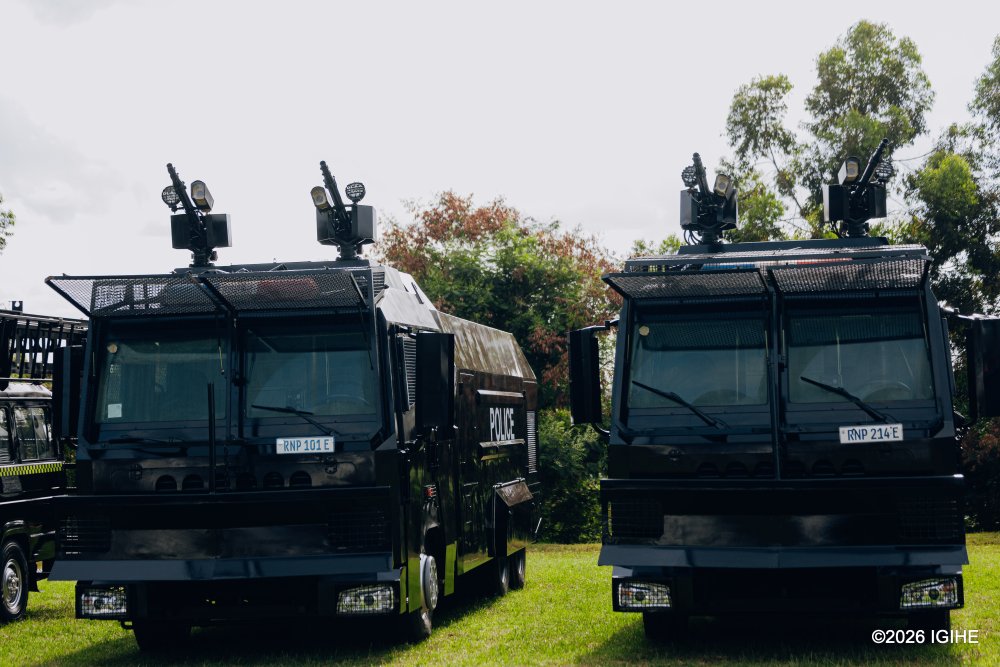
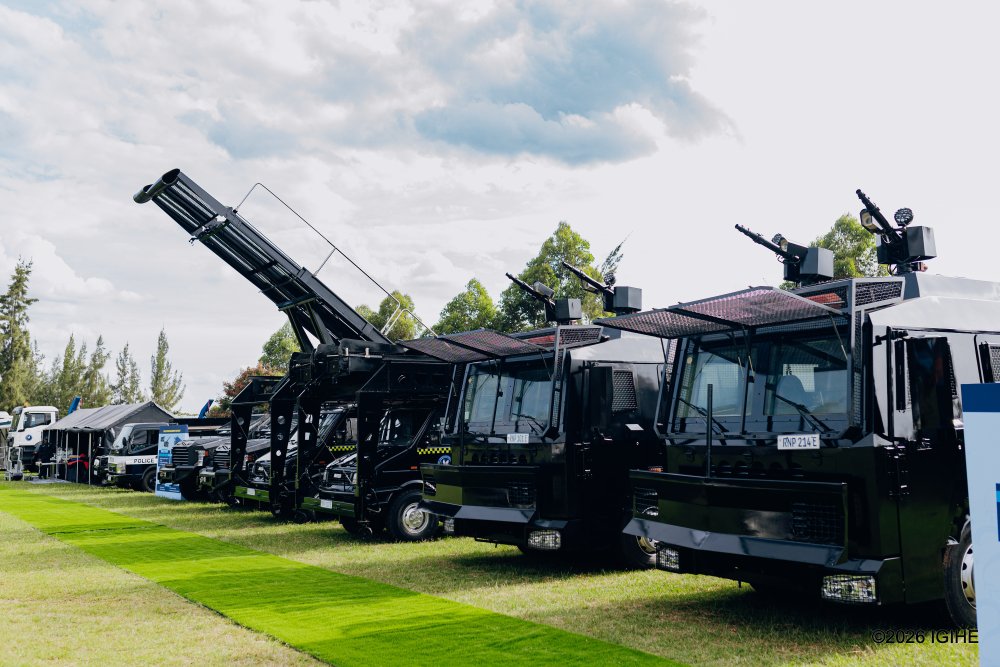
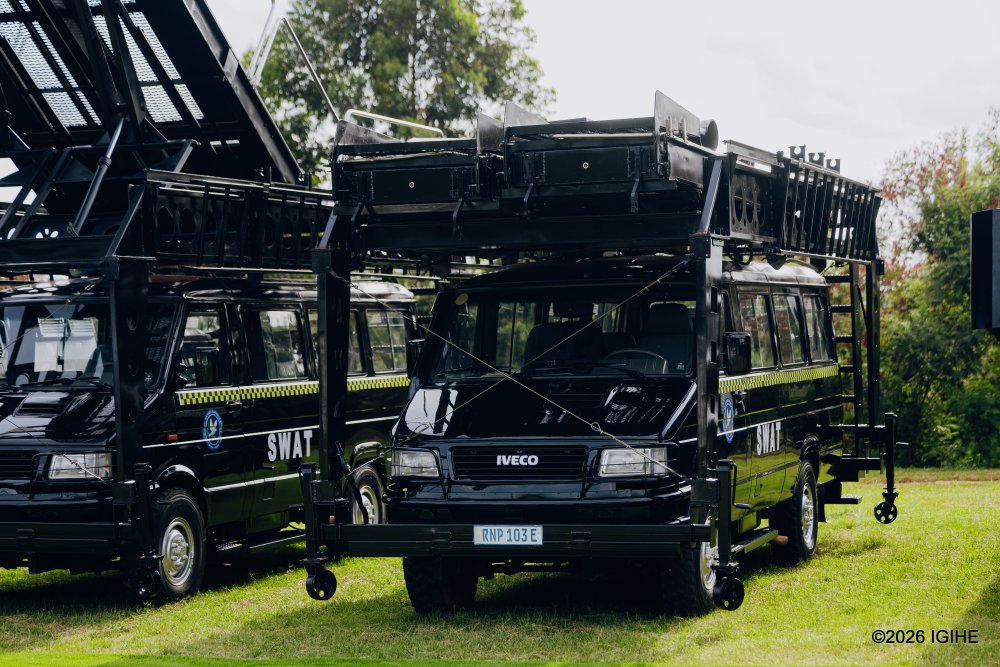
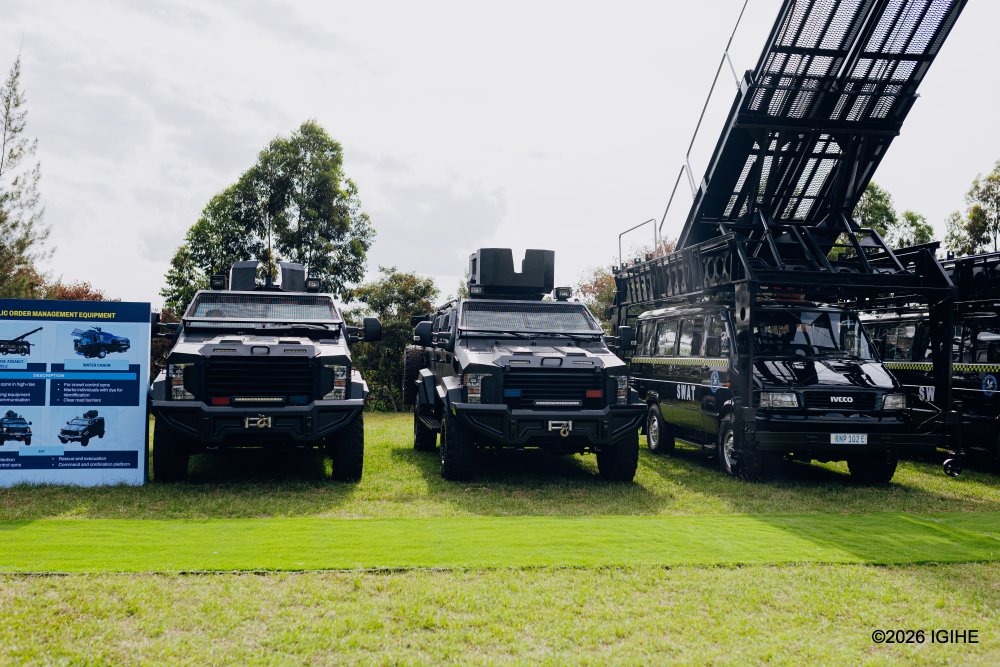
These include armored vehicles capable of transporting officers safely, as well as water cannon trucks and systems designed to disperse crowds using water or irritant sprays.
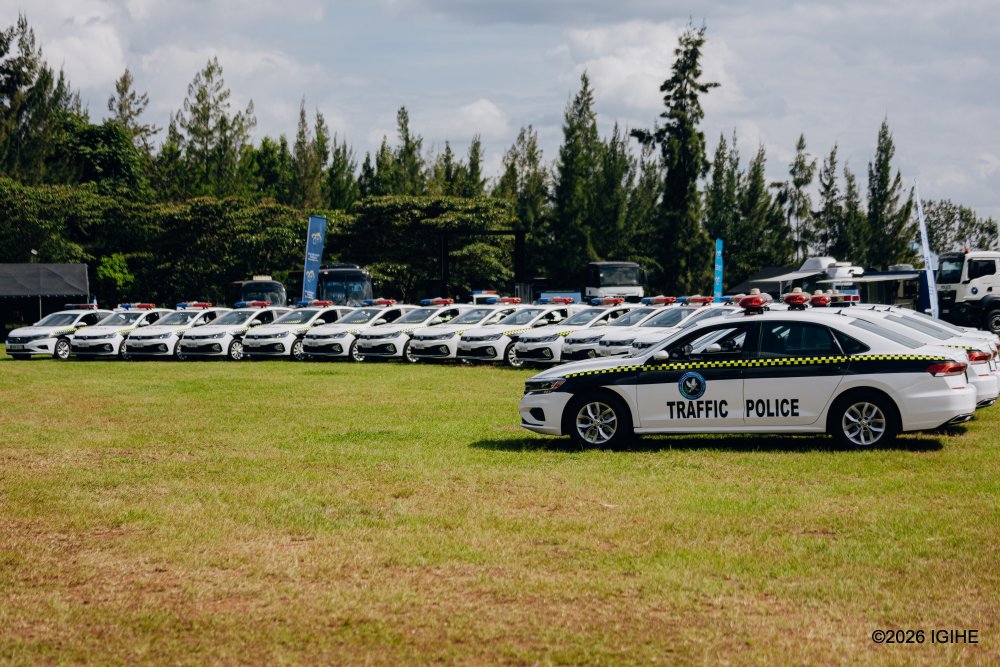
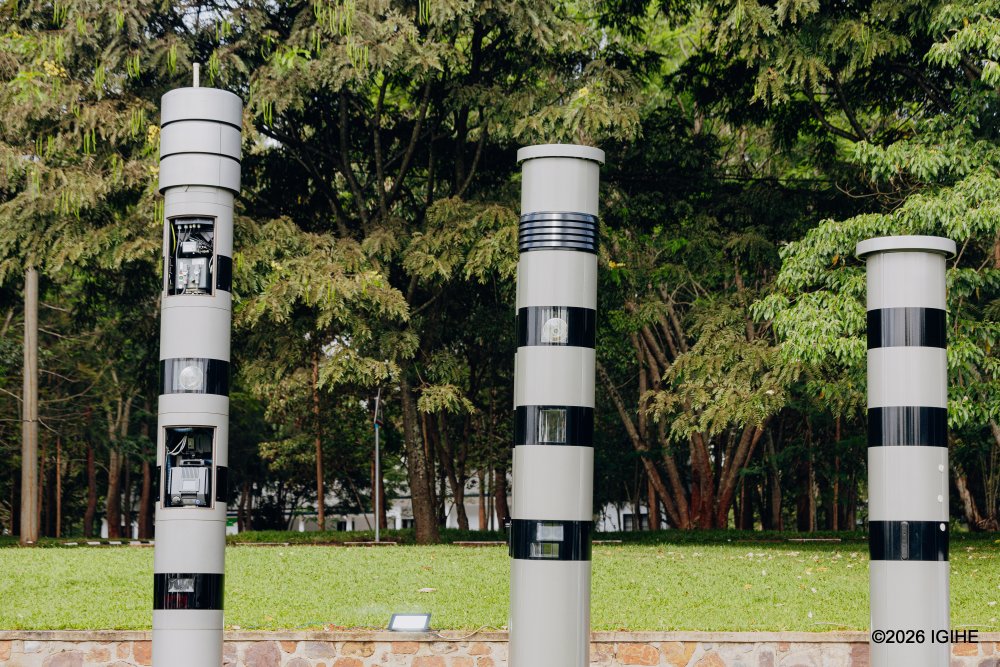
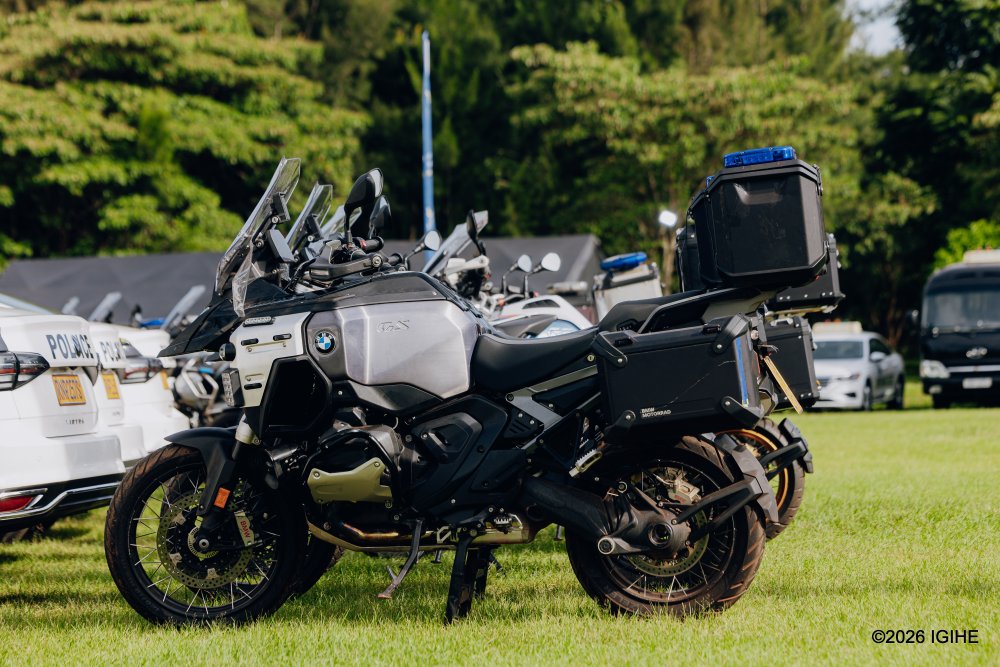
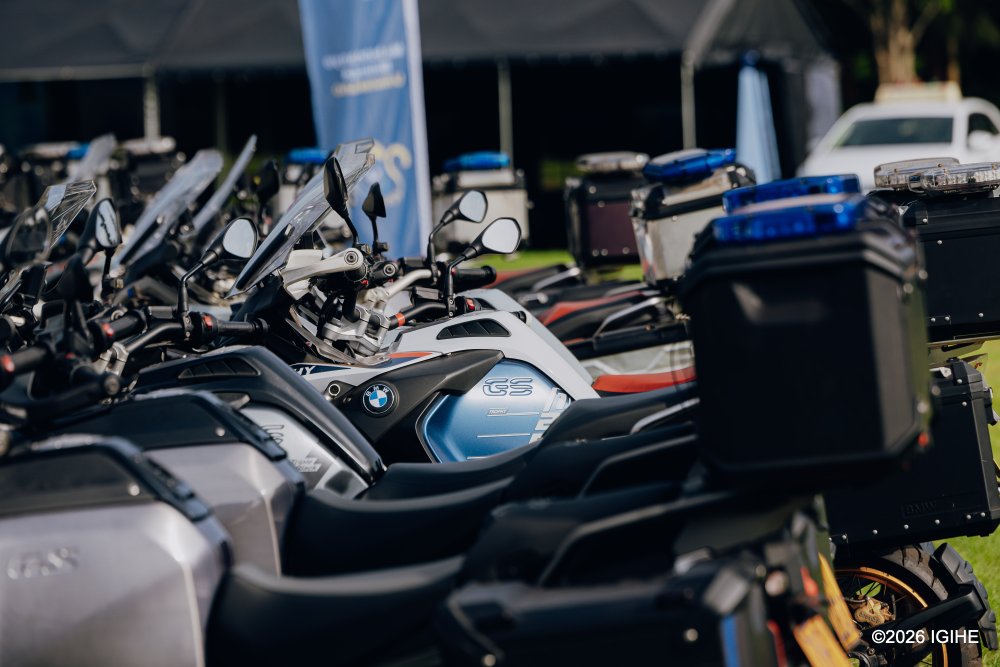
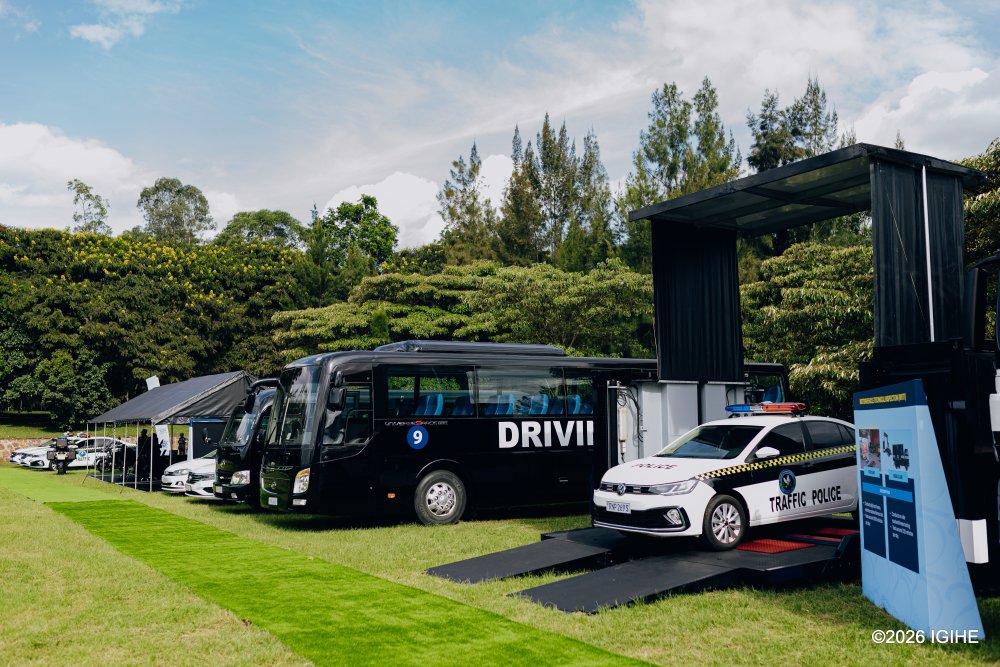
The traffic police unit is equipped with motorcycles, patrol vehicles, and advanced surveillance cameras used to monitor road safety and enforce traffic regulations.
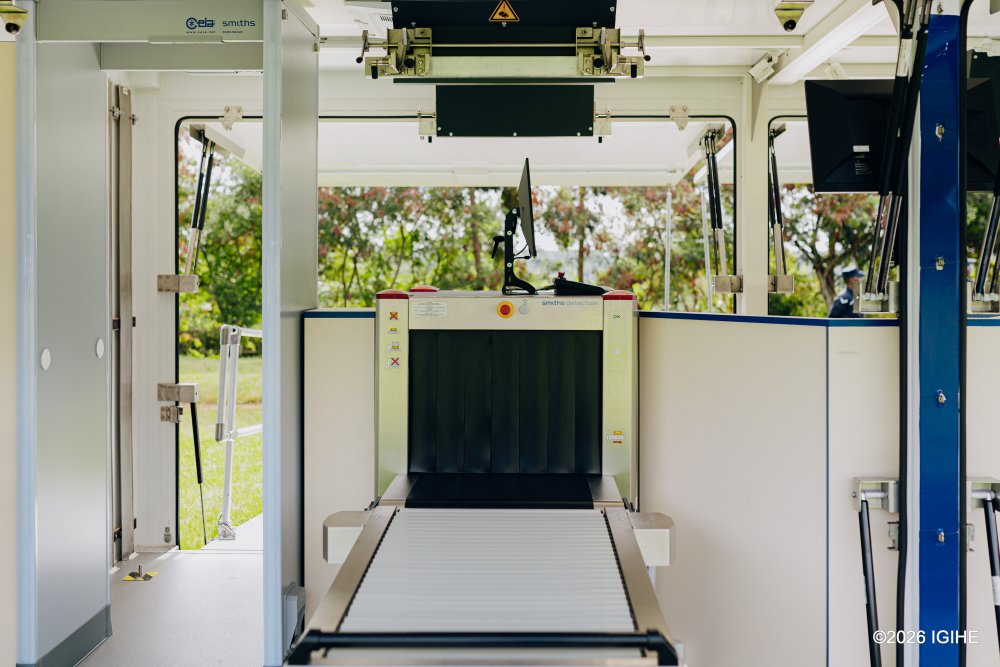
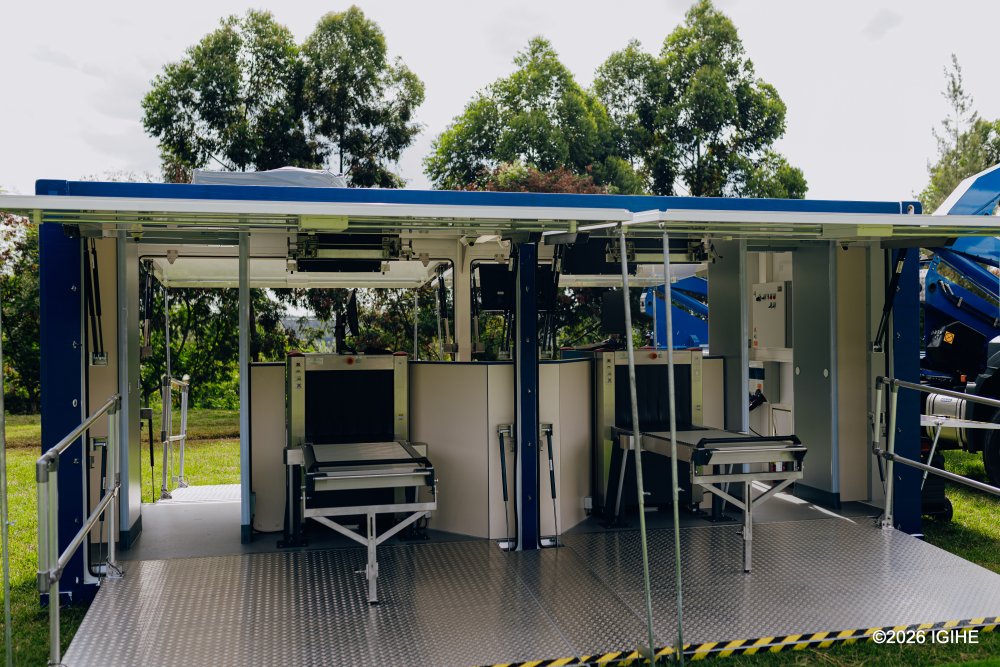
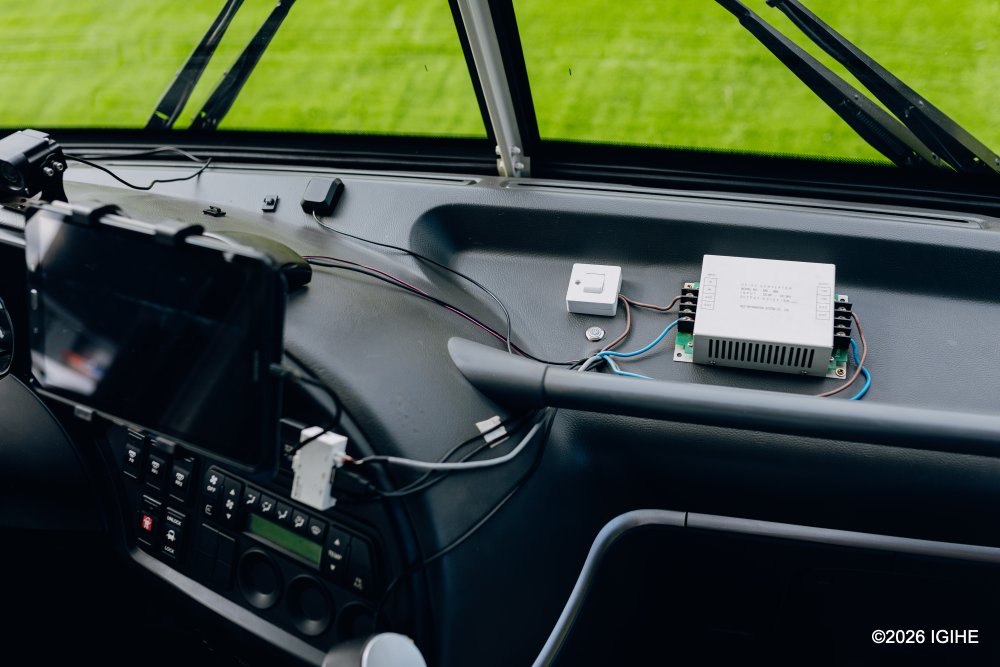
In addition, modern screening technologies allow large groups of people to be searched efficiently without requiring physical contact with officers.
Fire and rescue services
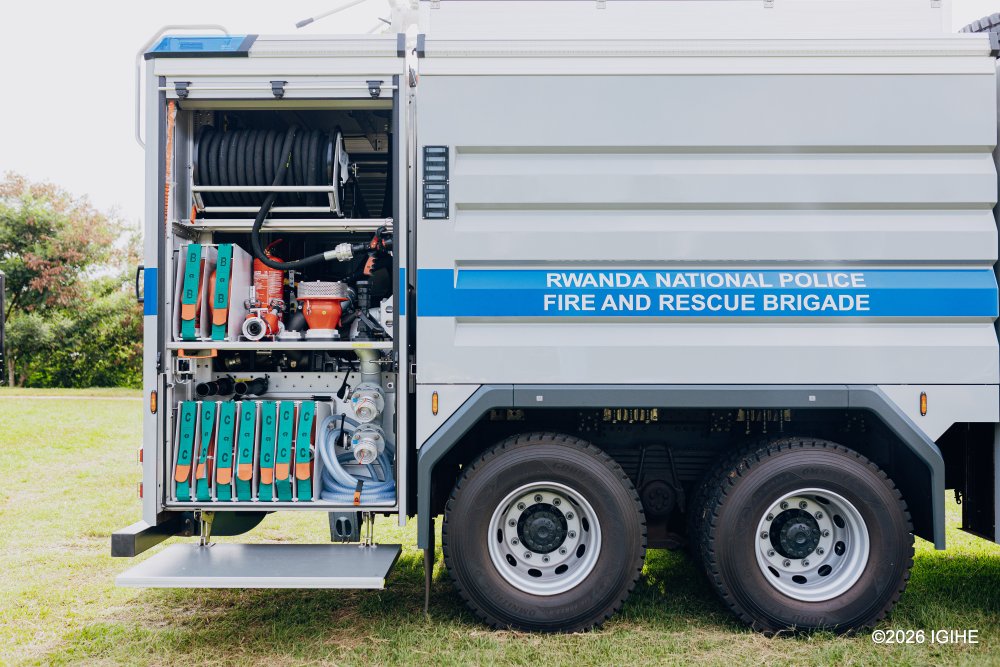
The fire and rescue department has also undergone major transformation since its establishment in 2002.
At its inception, the unit had only one fire truck nationwide, during a period when the country was still recovering from the aftermath of the 1994 Genocide against the Tutsi.
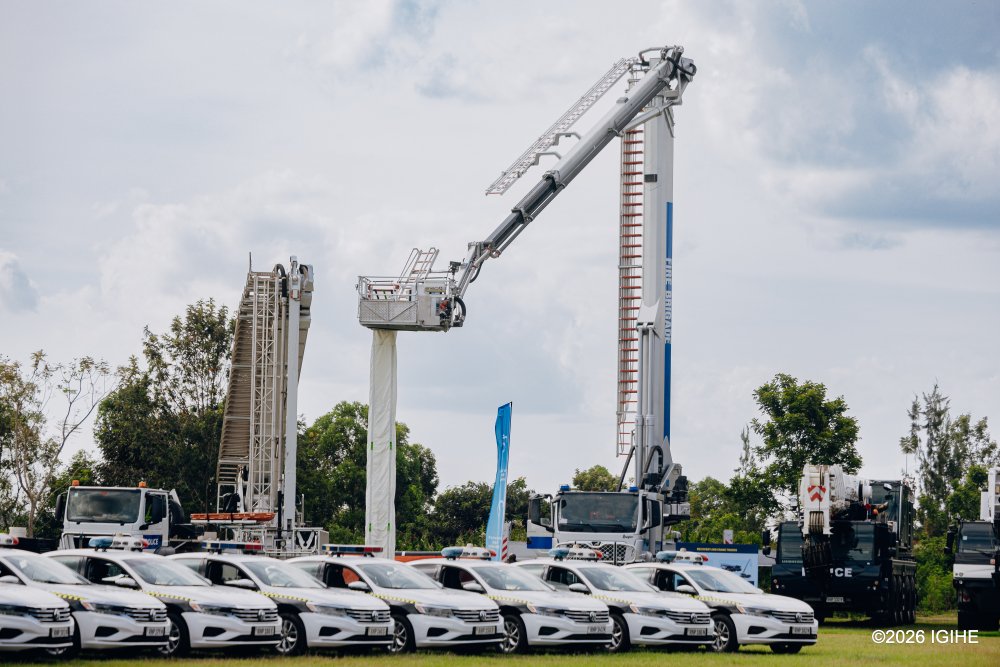
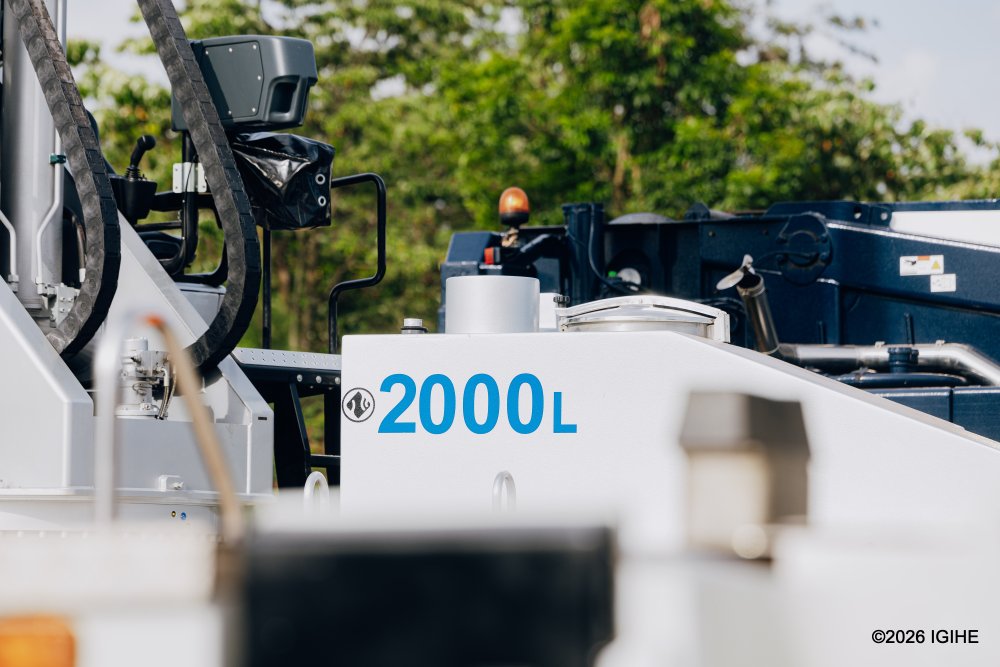
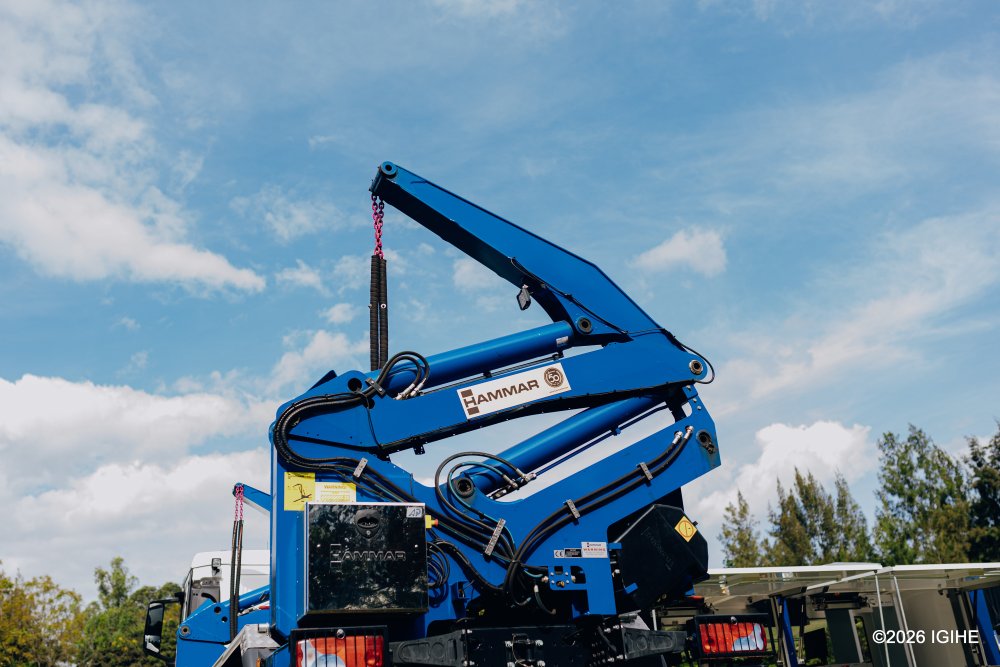
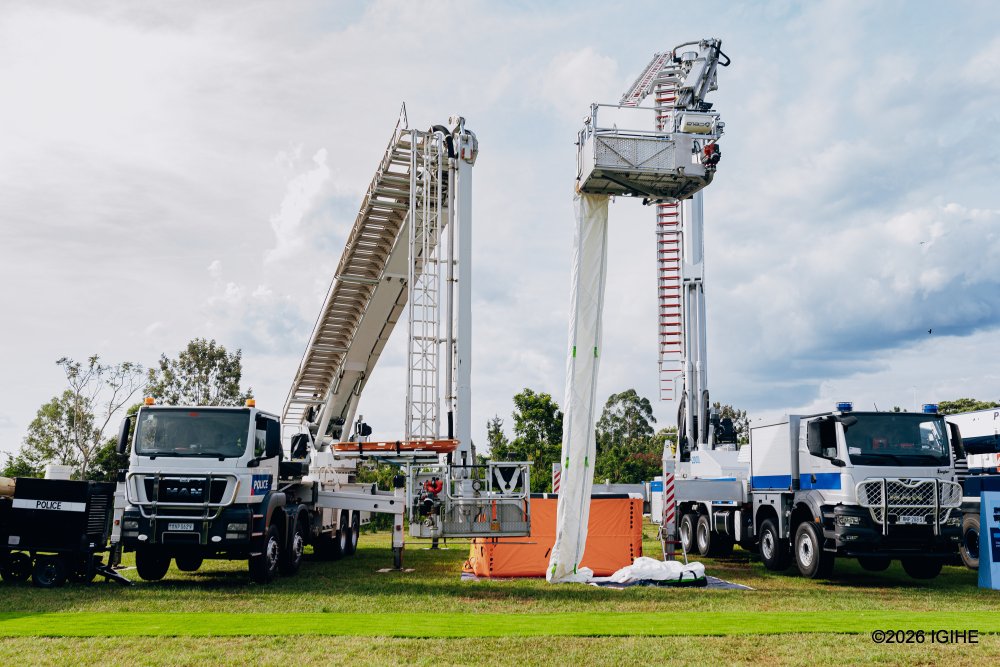
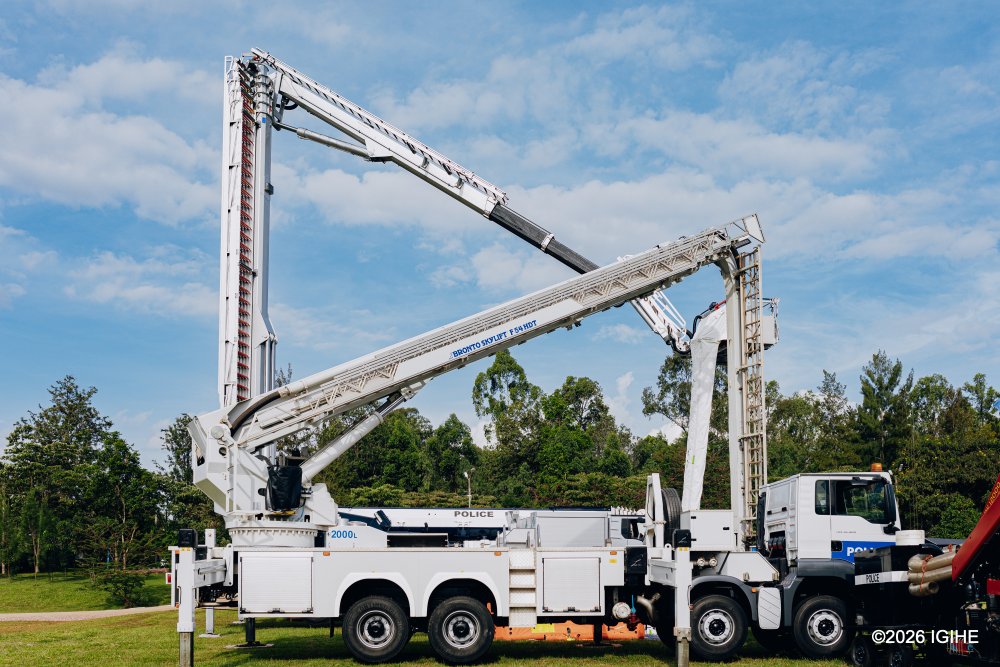
Today, the department has a fleet of fire trucks stationed across the country. Some are capable of extinguishing fires in high-rise buildings exceeding 50 meters in height and can also assist in rescuing people trapped in tall structures.
In Kigali, fire trucks are strategically positioned in key locations such as UTC, Remera, Masoro industrial zone, and Kacyiru at police headquarters, ensuring rapid response in case of emergencies anywhere in the city.
Over 25 years, the Rwanda National Police has evolved into a modern, technology-driven institution equipped with advanced tools across land, air, and water operations.
This evolution reflects a broader transformation in Rwanda’s security sector, where innovation and technology now play a central role in ensuring public safety and national development.
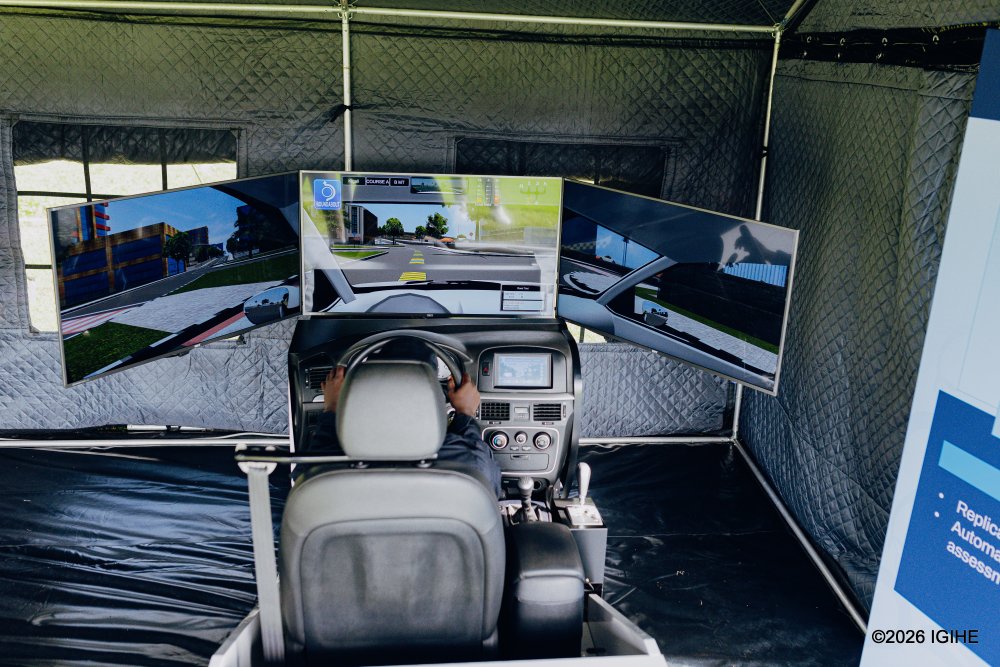
The police marine unit uses modern boats equipped with cameras and lighting systems for rescue and patrol missions.Rwanda National Police officers use specialized diving equipment for underwater search and rescue operations.Helicopters are deployed by RNP for aerial surveillance and real-time security monitoring across the country.Some RNP drones can fly at high speeds and remain airborne for several hours during missions.Drones have become essential tools in Rwanda Police operations for surveillance and public safety management.High-resolution drone cameras provide real-time footage to operators on the ground for quick decision-making.Night-vision drones are used by police to monitor security situations during low-light conditions.Rwanda National Police uses robotics technology for safe and effective explosive ordnance disposal.Bomb disposal robots are used to enter buildings and neutralize potential threats safely.The RNP canine unit plays a vital role in detecting narcotics, explosives, and supporting security operations.RNP uses incubator-like systems to care for young puppies when necessary.Armored vehicles are used by RNP for safe transport of officers during crowd control operations.The traffic police unit uses motorcycles and patrol vehicles to enforce road safety regulations.Advanced surveillance cameras are used by RNP to monitor traffic and improve road safety.Some fire trucks in Rwanda can extinguish fires in buildings over 50 meters high.Fire trucks are strategically positioned in Kigali to ensure rapid emergency response.Rwanda National Police continues to expand its technological capacity across all security units.Rwanda National Police seeks expansion of its local dog breeding and training program to strengthen capacity.Modern screening technologies allow police to search large crowds without physical contact.These machines can be used in the event of an accident to save human lives.These vehicles can spray water or tear gas to disperse protesting crowds.These vehicles are equipped with cameras that can record footage, allowing the police to identify every individual who took part in protests.These motorcycles are used in traffic security and road safety operations.
Born and raised in Berkeley and Oakland, Monica never imagined she would one day settle in East Africa. But after the loss of her firstborn daughter following a long hospital stay, her life took a painful turn that forced her to reconsider everything about where and how she wanted to live.
“I was in the hospital with my daughter for nine months in intensive care,” she shared. “Unfortunately, she passed away. That was a really pivotal moment in my life.”
In the aftermath, Monica began searching for a place to heal. That search eventually led her to Rwanda, where she first arrived about a year and a half ago, initially visiting family who had already relocated. She spent time in Kigali and later moved to quieter areas such as Bugesera and Nyamata before discovering land near Lake Cyohoha.
What she found there changed her life again. “Rwanda really touched my heart,” she said. “It’s just so warm and inviting and safe and peaceful.”
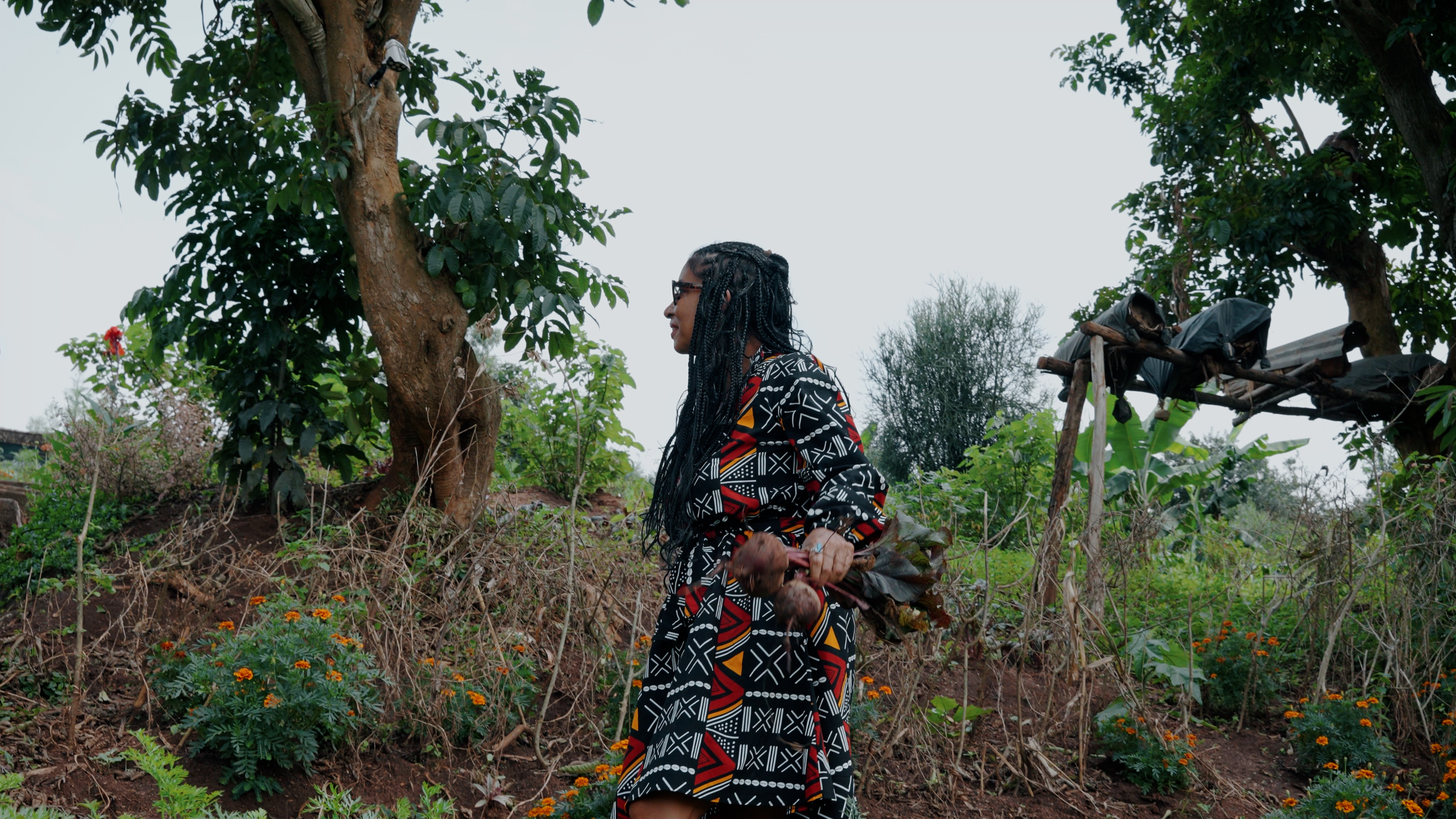
Monica Clark, a retired nurse from California’s Bay Area, is building a new chapter of life in Rwanda.
On this land, she began building what she calls Zion Shores, a name inspired by the biblical idea of Zion as a place of peace and restoration. For Monica, it represents both healing and purpose.
“This is like heaven on earth,” she said. “God’s promise to come back home and live in peace and serenity.”
She began developing the project using her own savings, starting with an estimated investment of around $25,000 (about Rwf 37 million). As the farm expanded and more systems were added, her total investment grew to roughly $50,000 (Rwf 75 million), all self-funded.
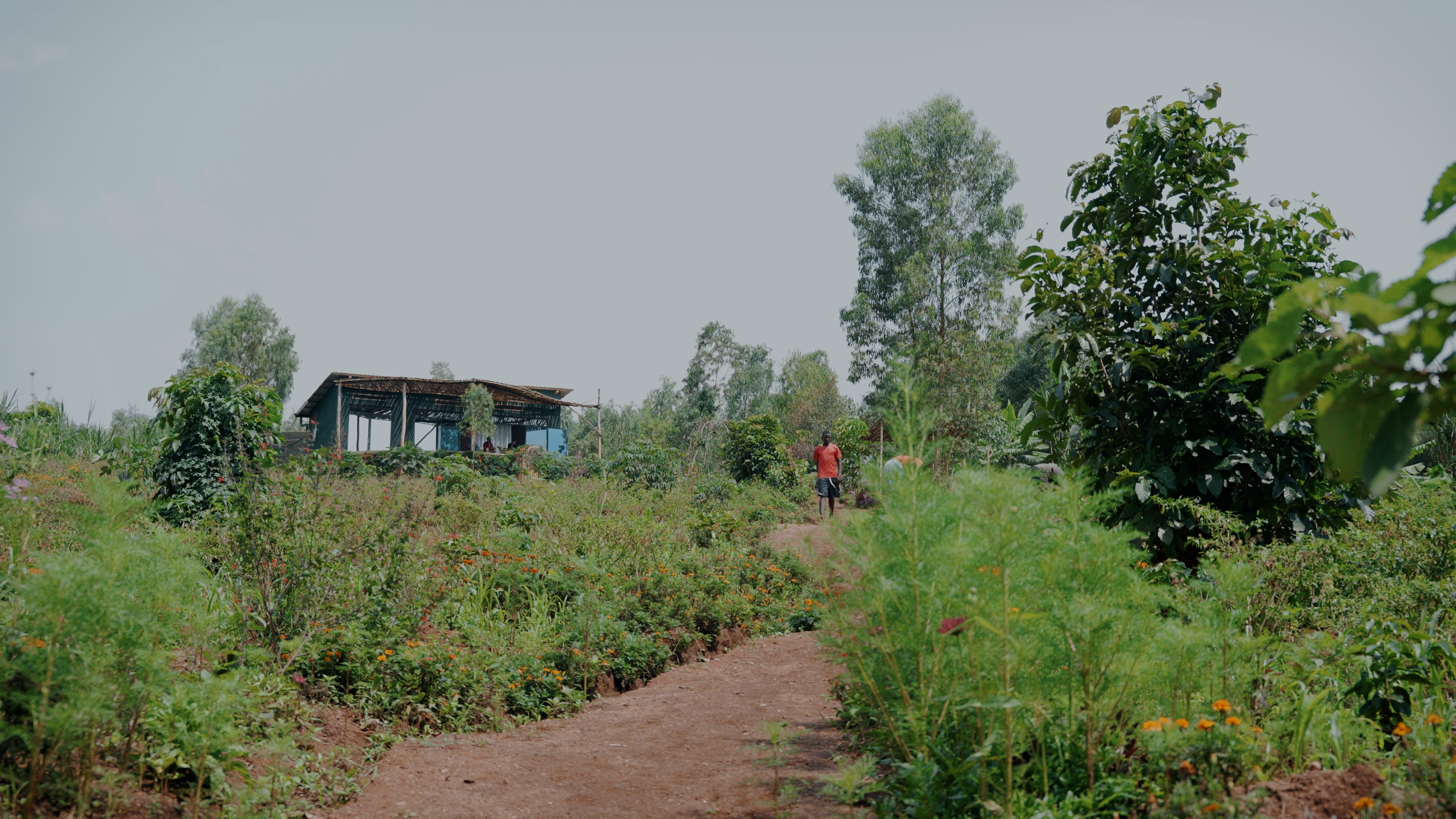
The farm is still developing, but it is already taking shape with fruit trees, including mango, guava, citrus, passion fruit, pomegranate, and dragon fruit. Monica is also part of a dragon fruit growers’ collective, experimenting with crops that can thrive in Rwanda’s climate while supporting long-term food systems.
Monica describes the farm as a closed-loop system where nothing is wasted.
A key part of her philosophy is soil preservation. Because the land sits on a hillside, she uses cover crops to prevent erosion during heavy rains. These plants not only protect the soil but also serve another purpose.
“When you cut them, you can feed the inyambo,” she explained. “They love this. It’s very nutritious, full of protein.”
She describes the farm as a closed-loop system where nothing is wasted. A fish pond stocked with tilapia plays an important role in this cycle, where nutrient-rich water from the fish is reused to fertilise crops.
“Everything here is in a loop,” she said. “The fish feed the plants, the plants feed the animals, and feed us as well.”
Monica is committed to fully organic farming.
Monica is also committed to fully organic farming, rejecting synthetic chemicals entirely.
“Absolutely no pesticides and no chemicals are used on this farm,” she said firmly. “That’s one thing I’m strong about and I’m not going to bend on that.”
Behind the agricultural vision is a deeply personal journey of healing, but also a broader reflection on identity and belonging. Speaking about her perspective as an African American, she reflected on generational history and experience in the United States.
“African Americans were stolen to go to the land of so-called America,” she said. “Our ancestors did whatever they had to do to survive, but their whole intention was to come back home to the continent.”
She went on to describe her feelings about life in the United States, particularly in California.
“Growing up and living in California, I realised a lot of it was hype. It’s beautiful, but it’s expensive, it’s stressful, you have to have many jobs just to survive.”
Her critique also touched on deeper social experiences.
“You’re tolerated there,” she said. “Sometimes you walk into a room and you’re not even seen as a human being.”
For Monica, these reflections are part of what made Rwanda feel different.
“Why would you leave paradise where you’re loved and supported and safe?” she asked. “What you have here is everything you need.”
What she found in Rwanda surprised her. “You feel safe 24 hours,” she explained. “There are no guns, there’s no violence. It allows your nervous system to finally relax and become at peace.”
She contrasts this with her life in California, which she describes as fast-paced and expensive.
“There’s a lot of distractions, and it’s money-driven,” she said. “Here, you just relax. You don’t have to deal with the same level of stress.”
The farm is still developing, but it is already taking shape with fruit trees and other agricultural projects.
Beyond farming, Monica has also focused on community building. The surrounding village has been deeply involved in developing Zion Shores, providing labour, skills, and collaboration. At peak times, up to fifty people work on the project, while around ten are employed full-time.
“I’m not like an outsider just coming to take something,” she said. “I’m a part of this village. We have relationships and friendships.”
She also shares food, seeds, and trees with neighbours, encouraging others to grow their own crops and restore the land around them. For her, the project is as much about people as it is about farming.
Looking ahead, Monica hopes Zion Shores will become a learning space for sustainable agriculture, where both locals and visitors can exchange knowledge about organic farming, companion planting, and ecological design.
She also envisions expanding crop diversity and continuing to reforest the land.
“I want visitors to come,” she said. “A place to learn different ways of growing organically… and also learning from farmers here who have been doing it for thousands of years.”
Monica Clark’s journey from California to Rwanda is ultimately one of transformation, shaped by grief, resilience, and a search for peace. Through Zion Shores, she is building a life she says finally feels like home.
Watch Monica Clark’s full journey in the video below:
In a ruling delivered on May 26, 2026, the High Court found that the appeal had no legal merit and also rejected the bail surety submitted by Semuhungu in an attempt to secure his release.
The appeal, which challenged the lower court’s decision on pre-trial detention, was heard on May 21, 2026, by the Nyarugenge High Court.
The proceedings were held in camera due to the sensitive nature of the case, which involved evidence deemed contrary to public morality, as well as concerns that the accused could face difficulties being tried in a public hearing.
Semuhungu Eric was arrested on April 9, 2026. On May 4, 2026, the Kicukiro Primary Court ruled that he should remain in provisional detention for 30 days, a decision he later appealed.
The court found sufficient evidence to continue holding him in custody on charges of forced sexual intercourse and dissemination of sexually explicit content. However, the allegation of blackmail was dismissed due to lack of supporting evidence.
Semuhungu drew significant media coverage in April 2024 following his deportation to Rwanda from the United States over similar sexual assault claims.
Semuhungu Eric was arrested on April 9, 2026. On May 4, 2026, the Kicukiro Primary Court ruled that he should remain in provisional detention for 30 days, a decision he later appealed.
The event took place on Sunday, May 24, 2026, and was organized to engage young people born to former Rwandan refugees in the Republic of Congo, helping them better understand Rwanda’s history, culture, values and traditions.
During the discussions, Amb. Busabizwa described young people as the future of Rwanda and highlighted government efforts to empower youth through education, employment and leadership opportunities.
He encouraged them to take part in various youth-focused programs, including Itorero ry’Urungano, Youth Tour and Itorero Indangamirwa.
The ambassador also urged them to participate in activities organized for the youth to help them better understand accurate information about Rwanda, strengthen patriotism and obtain Rwandan identification documents as part of efforts to build a united Rwandan community abroad.
“Young people are the future of Rwanda. You have the right to obtain Rwandan documents. Do not allow those who spread hatred and division to mislead you, because we are one people. We come together to discuss Rwanda and what can contribute to its development. It is important that you understand this and work together to build our shared future,” he said.
He further informed participants about programs planned by the embassy, including Kinyarwanda language lessons, traditional dance and cultural activities, as well as sports initiatives.
Some of the participants shared testimonies about how such engagements had changed their perceptions and understanding of Rwanda.
They said they had previously received misleading information about Rwanda and its leadership, and encouraged fellow youth to approach the embassy for assistance in obtaining documents and learning more about their country of origin.
They also noted that Rwanda offers many opportunities for young people.
The participants concluded by thanking the Rwandan Embassy for organizing programs that help connect them to their homeland and deepen their understanding of Rwanda’s history, culture and their responsibilities as Rwandan youth living abroad.
Ambassador Busabizwa engaged over 90 Rwandan youth in Congo on patriotism and national identityRwandan youth in Brazzaville have been urged to strengthen patriotism during embassy engagement programEmbassy outreach in Brazzaville seeks to reconnect Rwandan youth with their history and heritage
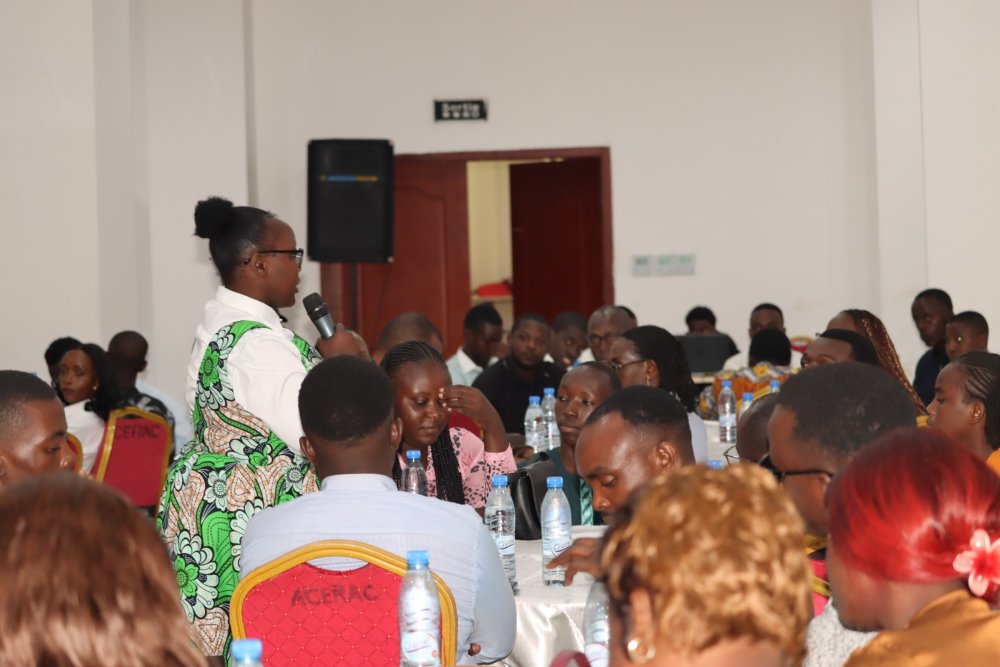
The figures were released on May 25, 2026, during a media engagement organized by the Ministry of Gender and Family Promotion (MIGEPROF) in partnership with RIB.
The session was aimed at briefing journalists on the work of Isange One Stop Center, a facility that provides integrated services to victims of gender-based violence.
It also focused on explaining the offence of child defilement, its consequences, and the role of the media in raising awareness and prevention.
RIB noted that victims of child defilement range from very young children to adolescents aged up to 17 years.
Speaking during the briefing, RIB spokesperson Dr. Murangira B. Thierry said one of the main drivers of child defilement cases is parents’ limited time to supervise and closely follow up on their children, accounting for 45.5% of reported cases.
“The main cause we identified is that parents do not give their children enough time, which accounts for 45.5% compared to other factors,” he said.
He added that lack of awareness about sexual abuse contributes 14.5% of cases, while promises of marriage account for 11.2%.
Domestic violence was also identified as a contributing factor, representing 7% of reported cases.
Dr. Murangira further explained that risky child labour practices, including sending children to fetch water at night or collect firewood from unsafe areas, account for 4% of cases, exposing children to increased vulnerability.
He emphasized that the offence of child defilement does not expire under the law, meaning perpetrators can be prosecuted regardless of how much time has passed.
“Child defilement is imprescriptible. If someone defiles a child today and the victim grows up to be 30 years old, we can still investigate and prosecute based on evidence that shows the victim was under 18 at the time. Even after 50 years, you can still be prosecuted as long as you are alive,” he said.
Article 14 of Law No. 059/2023 of December 4, 2023, which amends Law No. 68/2018 of August 30, 2018 on offences and penalties in general, states that if child defilement is committed against a child under the age of 14, the offender is liable to life imprisonment upon conviction.
RIB has reported over 4,100 cases of child defilement recorded in 2025.