Over the past quarter-century, the institution has grown significantly in both human capacity and technological capability. Today, RNP officers not only play a central role in maintaining security within Rwanda but also contribute to peacekeeping and security operations beyond the country’s borders.
A key feature of this transformation is the wide range of modern equipment now used in daily policing operations. These tools support all police departments, each depending on its specific mandate, and are increasingly driven by advanced technology to match global standards of law enforcement.
Water, air, and land operations
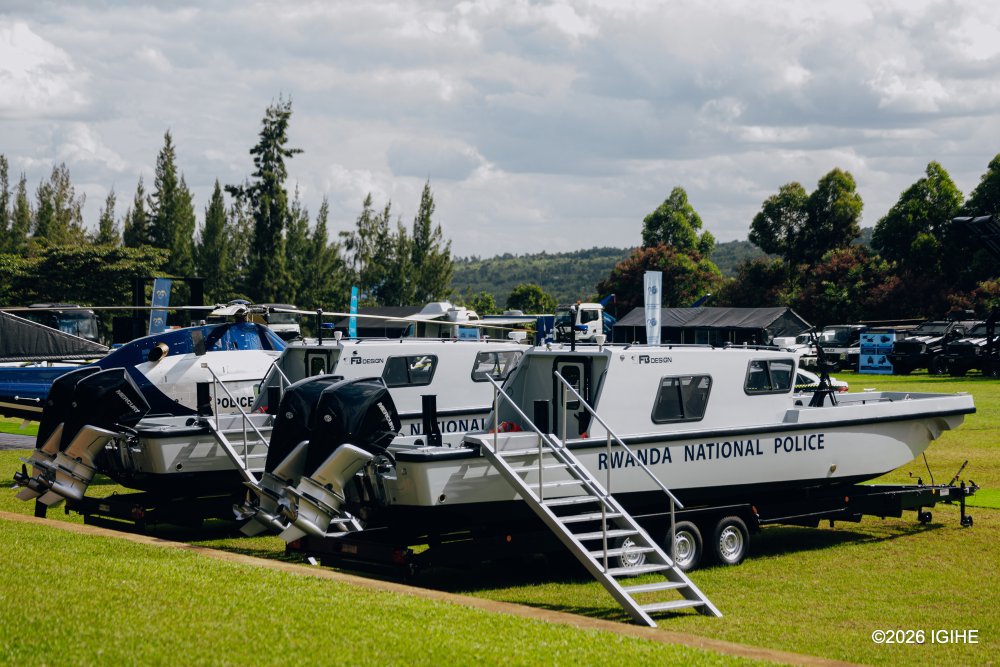
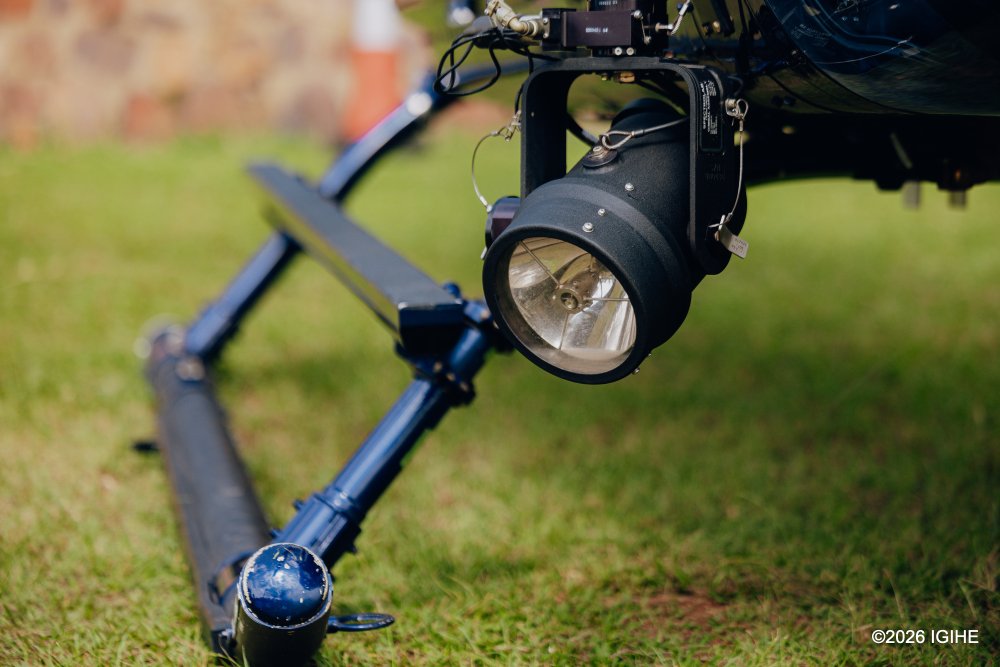
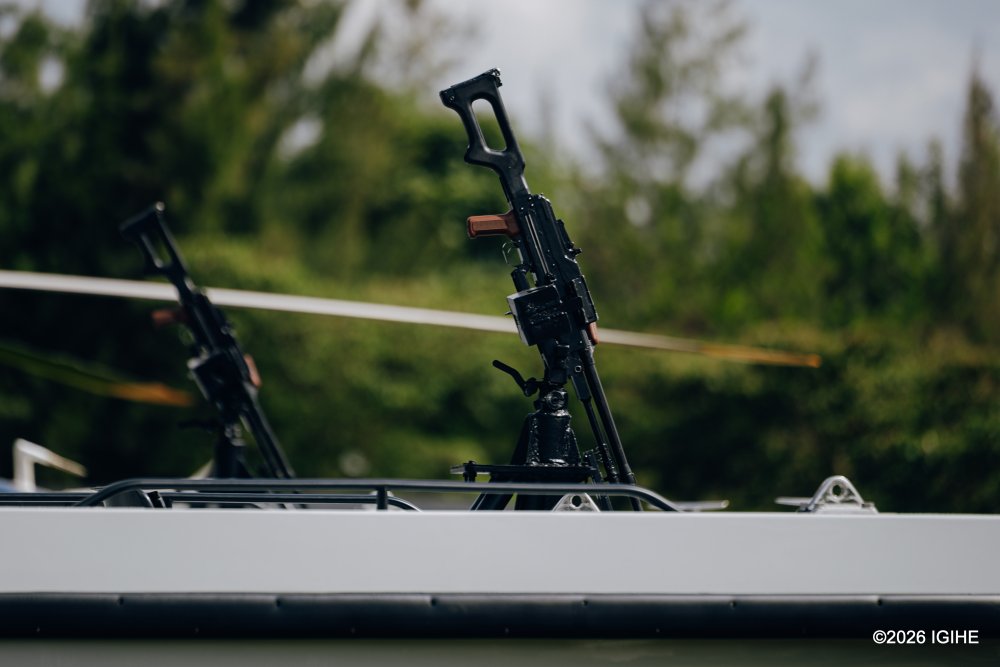
The marine policing unit is equipped with modern boats designed with advanced technology. These vessels are used for transporting personnel, conducting patrols, and carrying out rescue operations on large water bodies. They are fitted with cameras capable of capturing real-time images, as well as powerful lighting systems that allow clear visibility during night operations or emergencies.
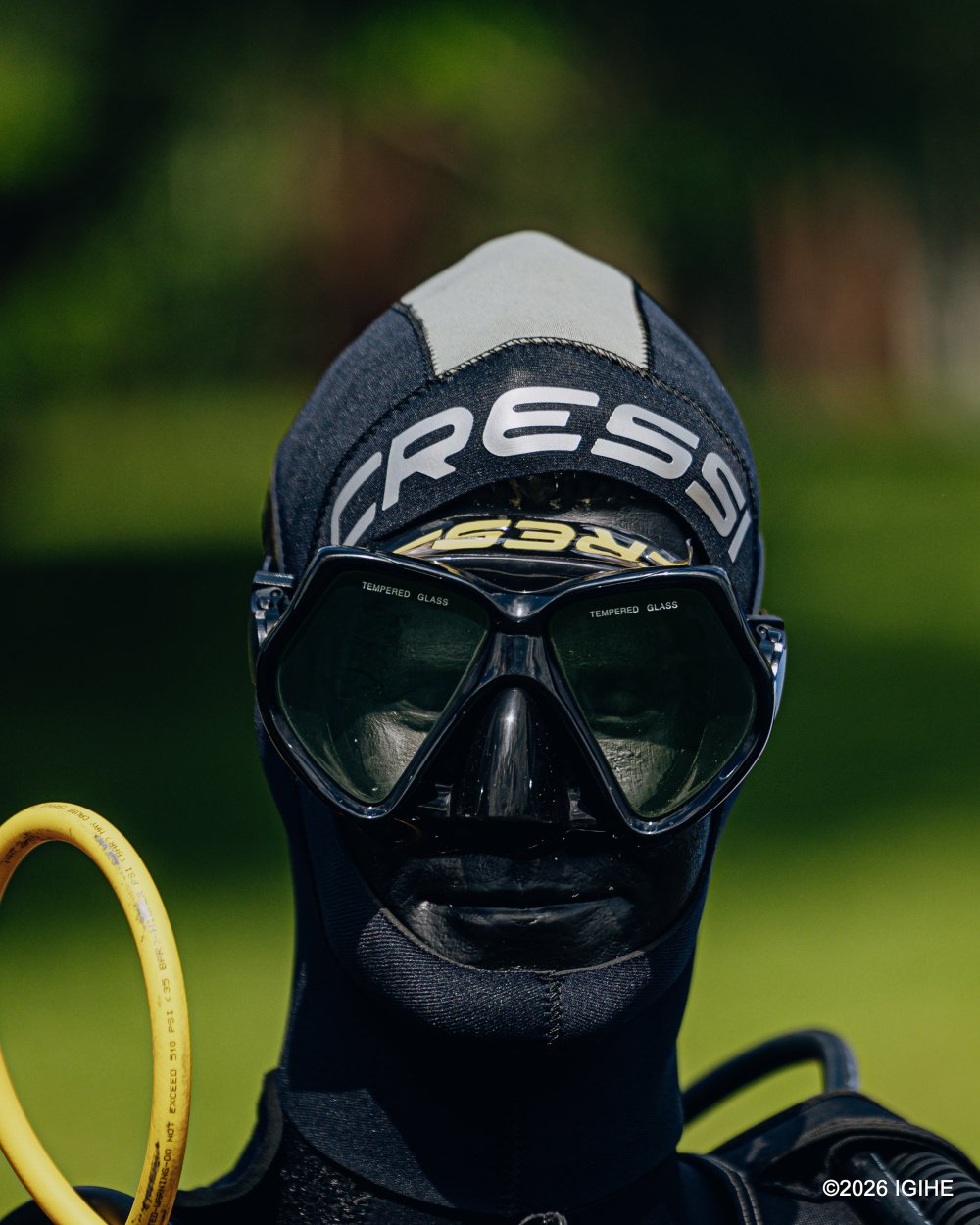
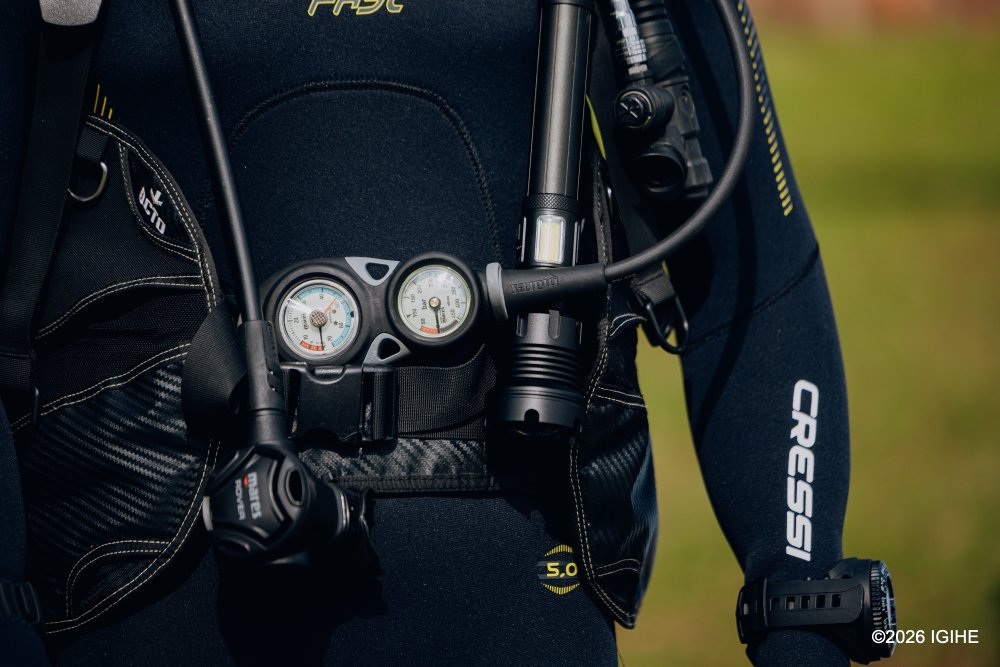
Police officers assigned to water security also use specialized diving equipment. This allows them to conduct underwater search operations, retrieve objects, and rescue individuals who may have drowned or be in distress.
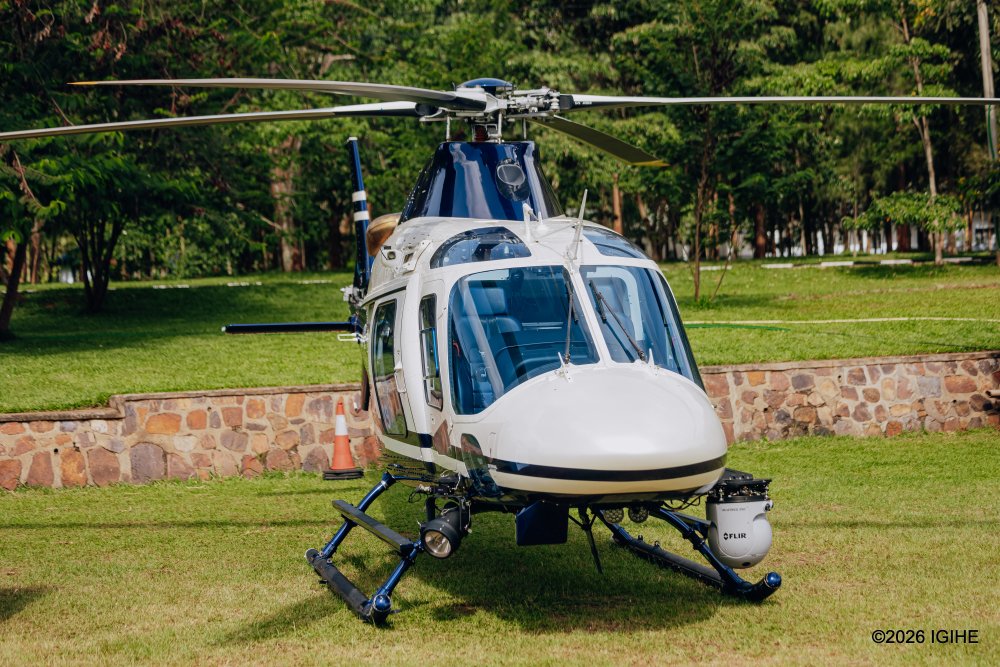
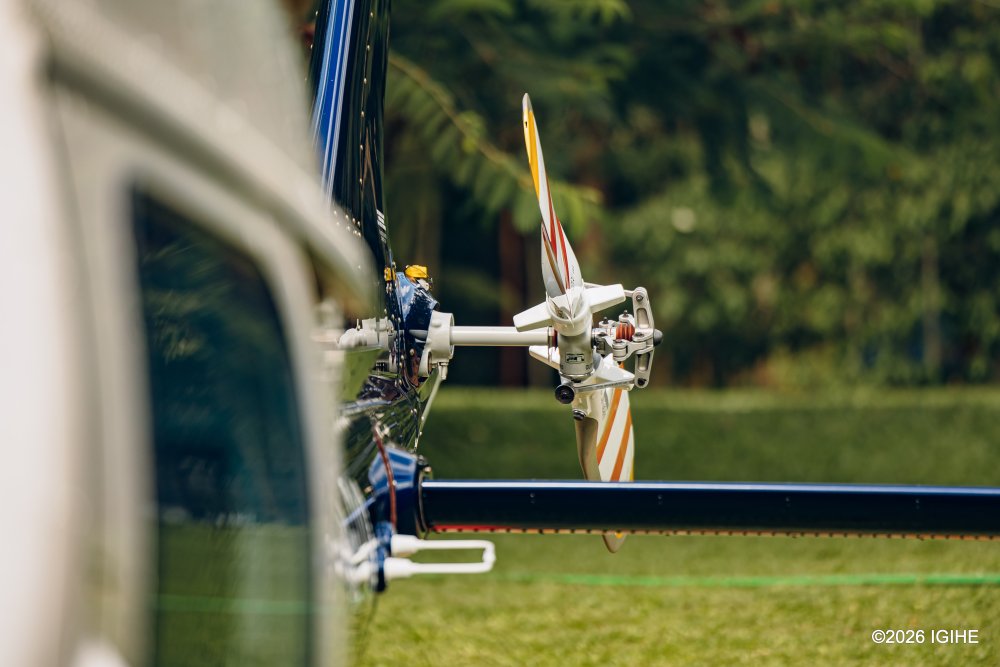
In aerial surveillance, the police rely on helicopters that patrol different areas of the country. These aircraft are used to monitor security situations, capture aerial images, and transmit real-time information to ground units for quick response.
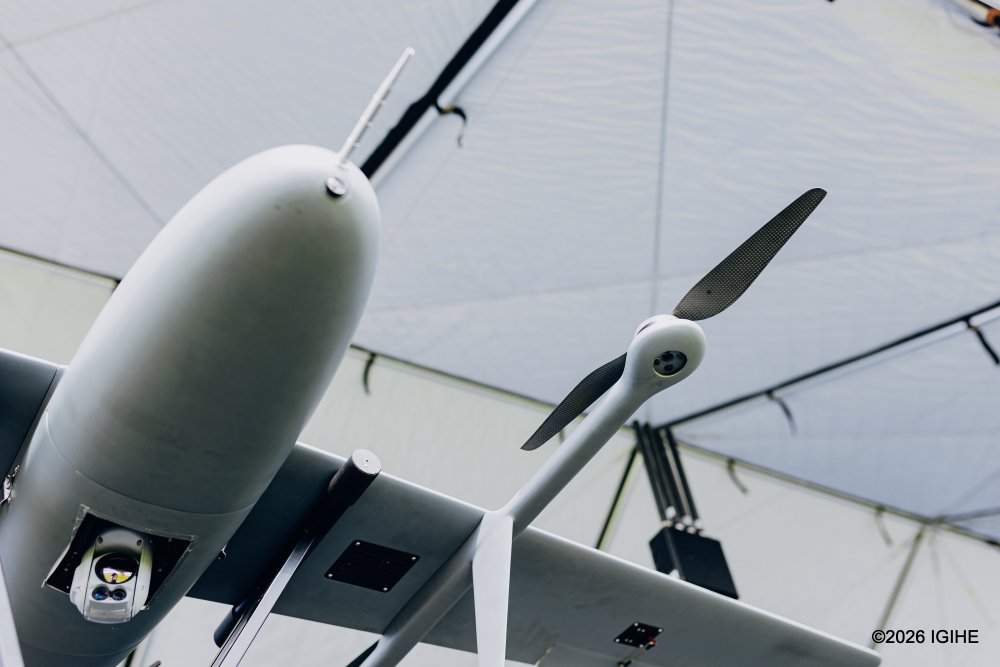
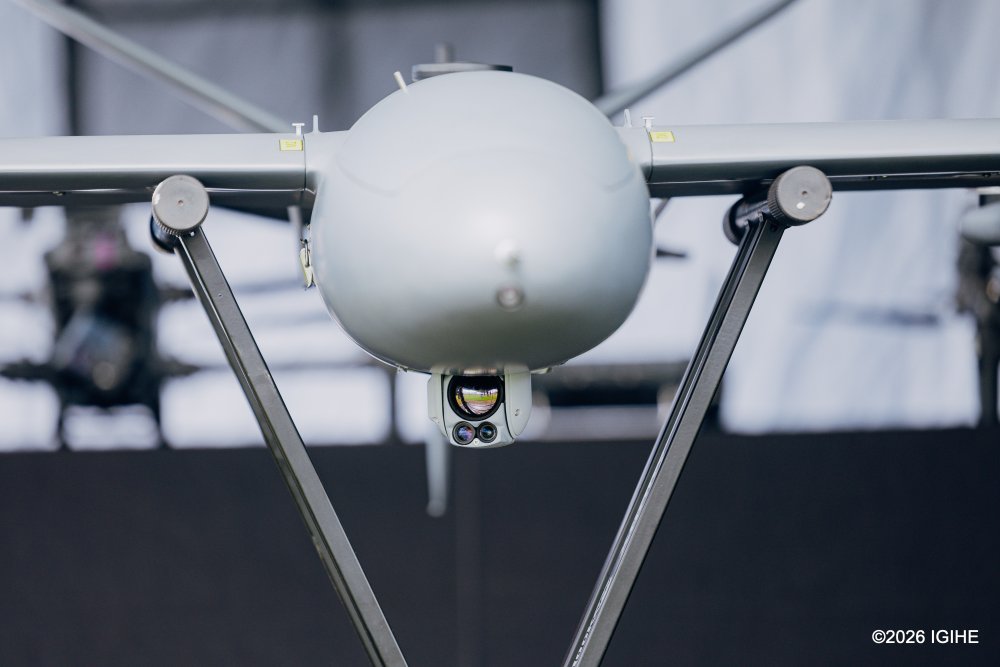
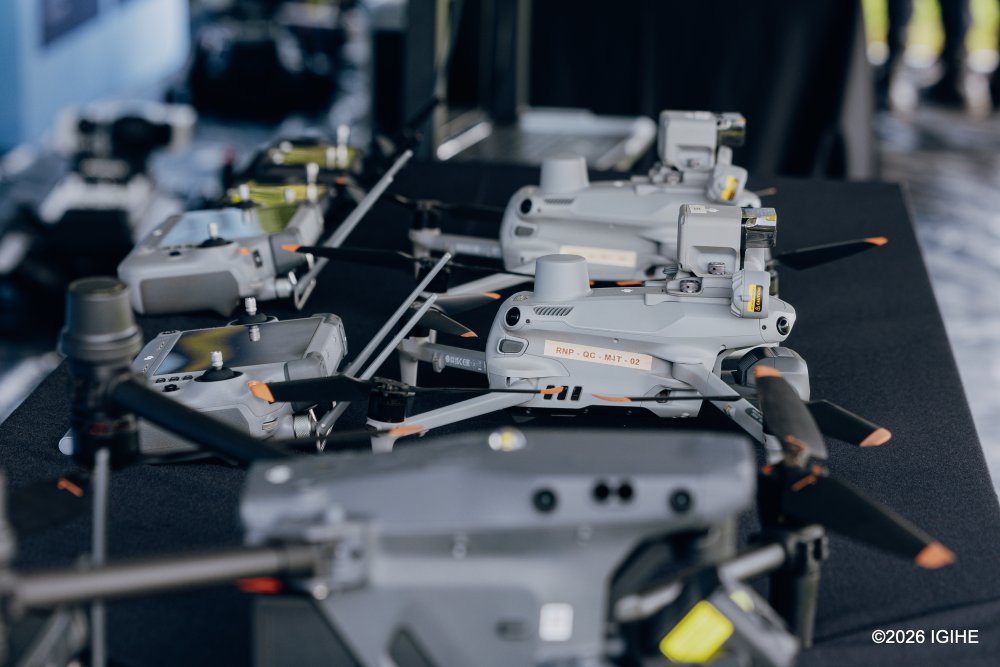
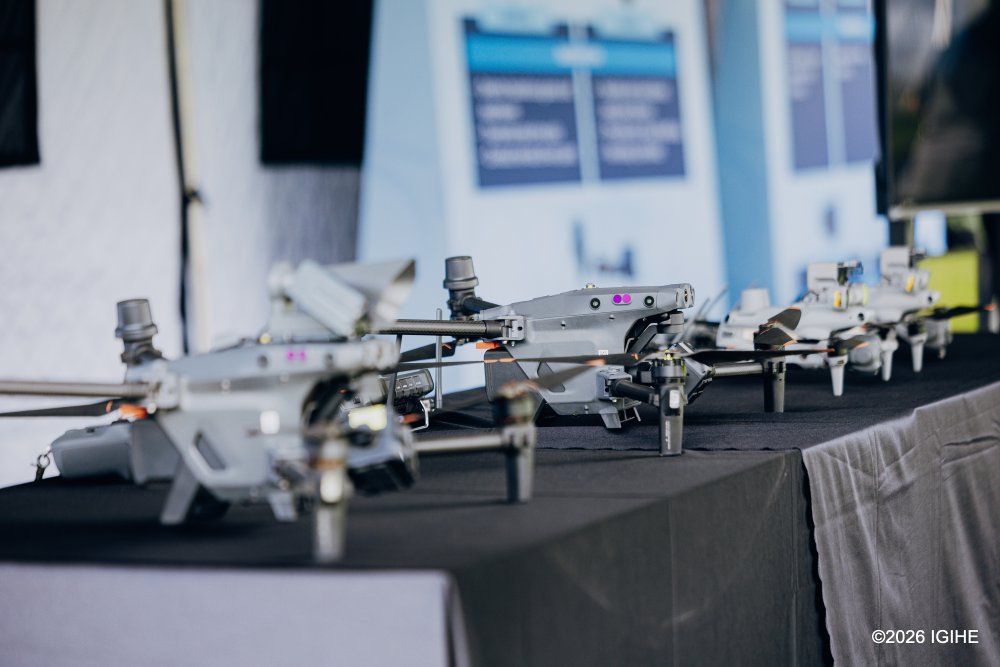
Alongside helicopters, drones have become one of the most widely used tools in modern policing. More unmanned aerial vehicles are expected in the near future to be deployed for various purposes.
According to CIP Félicien Kanamugire, head of the drone operations unit in the Rwanda National Police, drones perform multiple tasks depending on their design and purpose.
Some drones are high-speed, capable of flying up to 100 kilometers per hour and remaining airborne for up to four hours without recharging.
They are equipped with high-resolution cameras that transmit live footage directly to operators on the ground.
Other types are designed for low-speed and short-duration missions but are equipped with advanced night-vision cameras and strong lighting systems, making them effective for nighttime surveillance.
“These drones can even detect a person hiding under trees. For example, in areas like Nyungwe Forest, they can identify individuals, track movement, and even help estimate numbers,” CIP Kanamugire explained. “They can also follow vehicles and monitor their movement until the end destination.”
Some drones are also fitted with loudspeakers used for public communication and awareness campaigns. These allow police to broadcast messages while in flight, making them useful in crowd control and public information dissemination.
The police also plan to expand their drone fleet with new models designed for specialized missions, including firefighting support. These drones are expected to assist in extinguishing fires in high-rise buildings or areas that are difficult for fire trucks to reach.
Future additions also include drones capable of assisting in public order management. These will be able to spray water or non-lethal substances such as paint to disperse unlawful gatherings, while also providing live aerial monitoring.
Robotics and explosive disposal
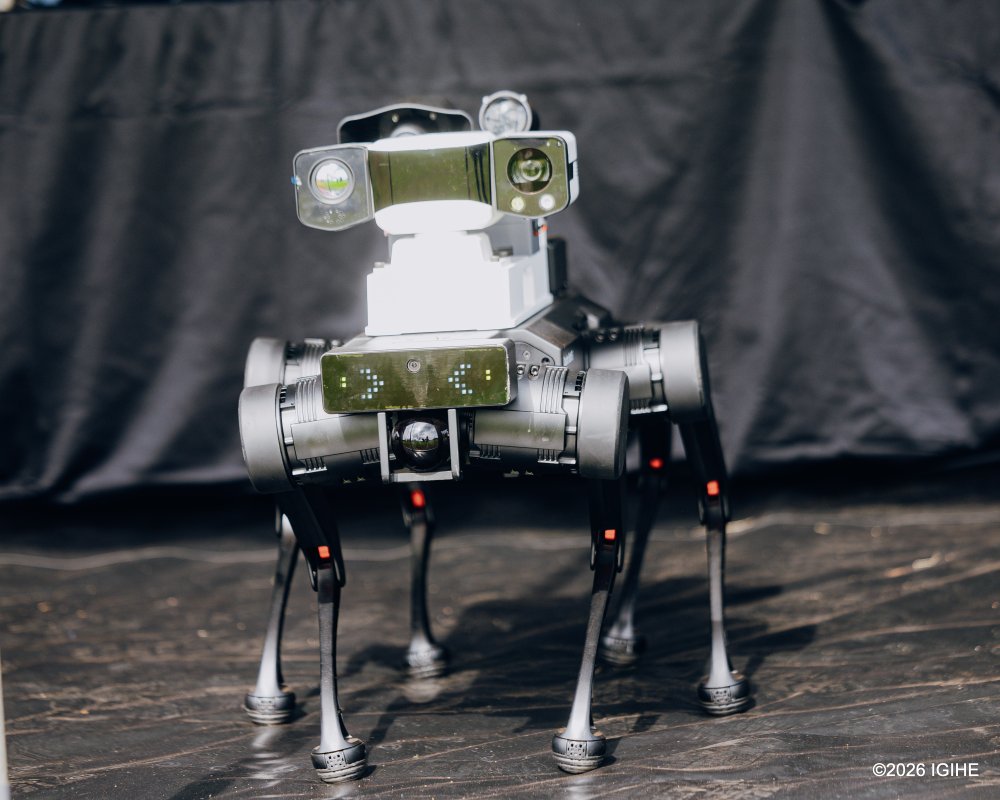
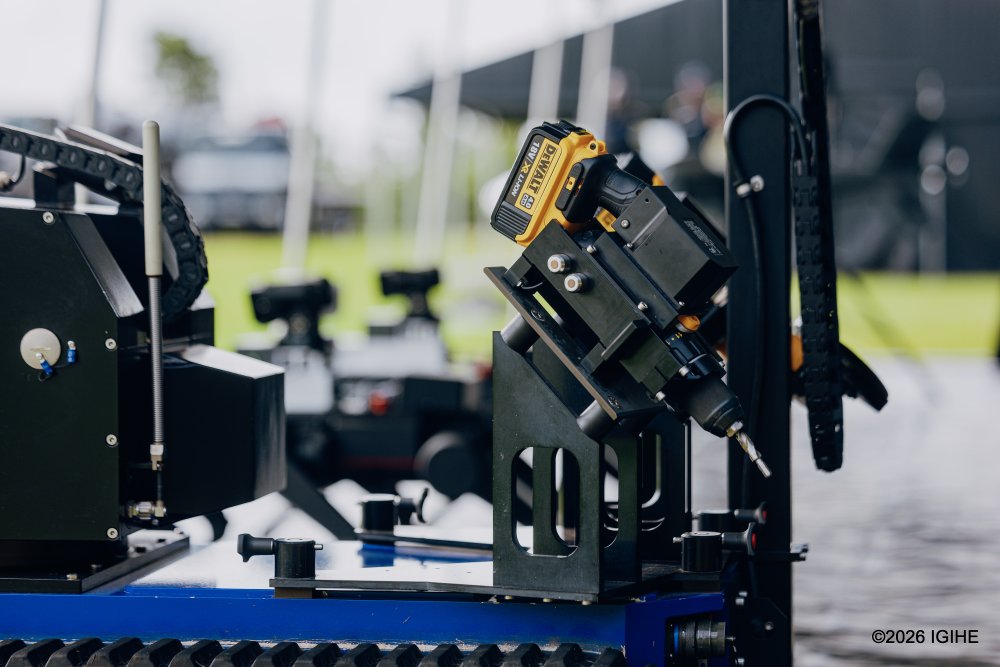
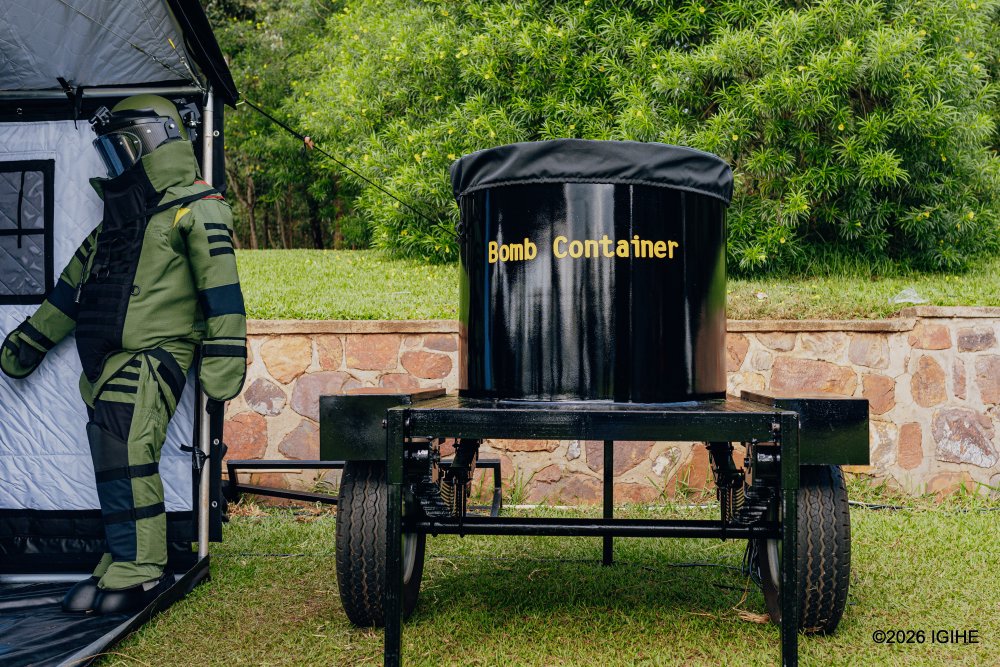
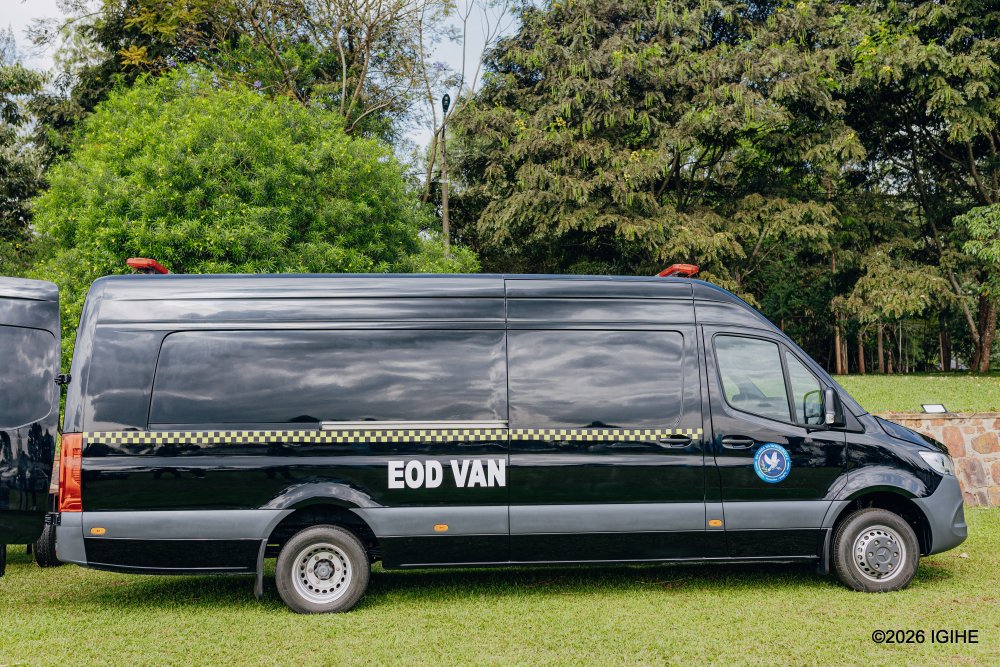
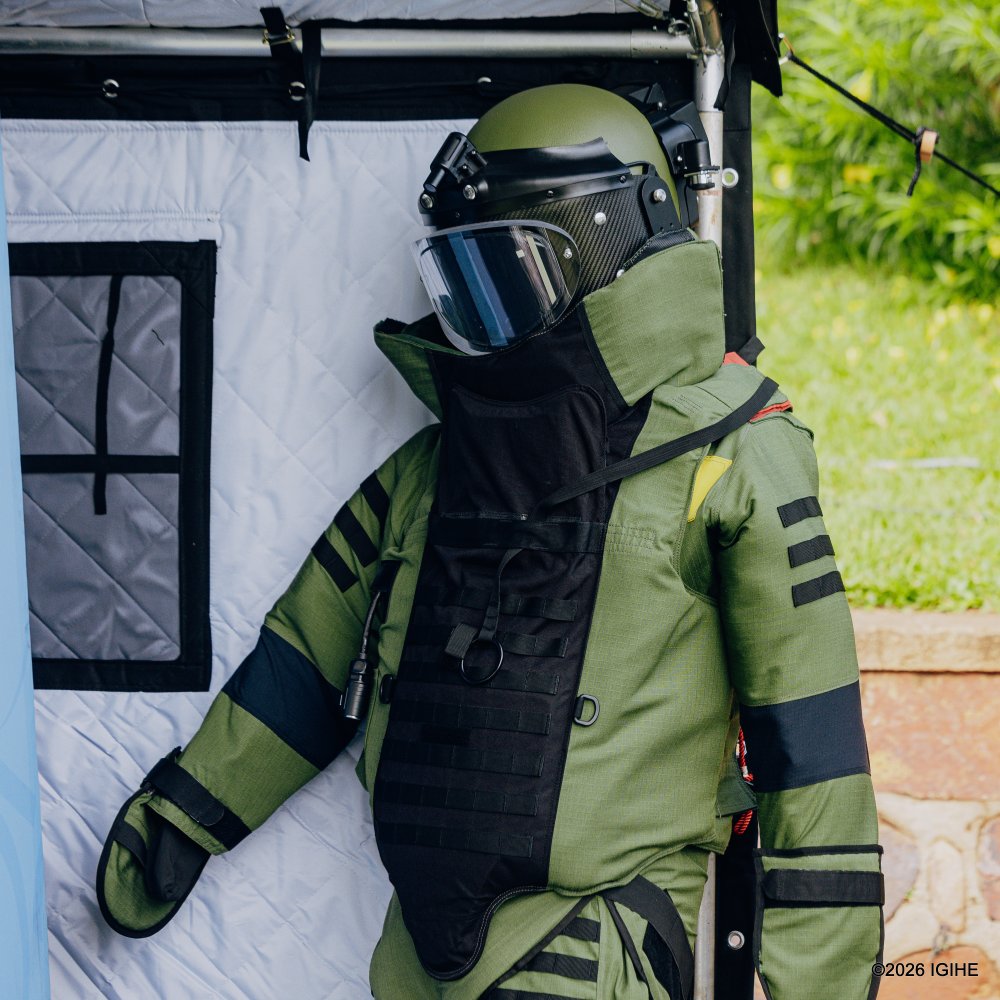
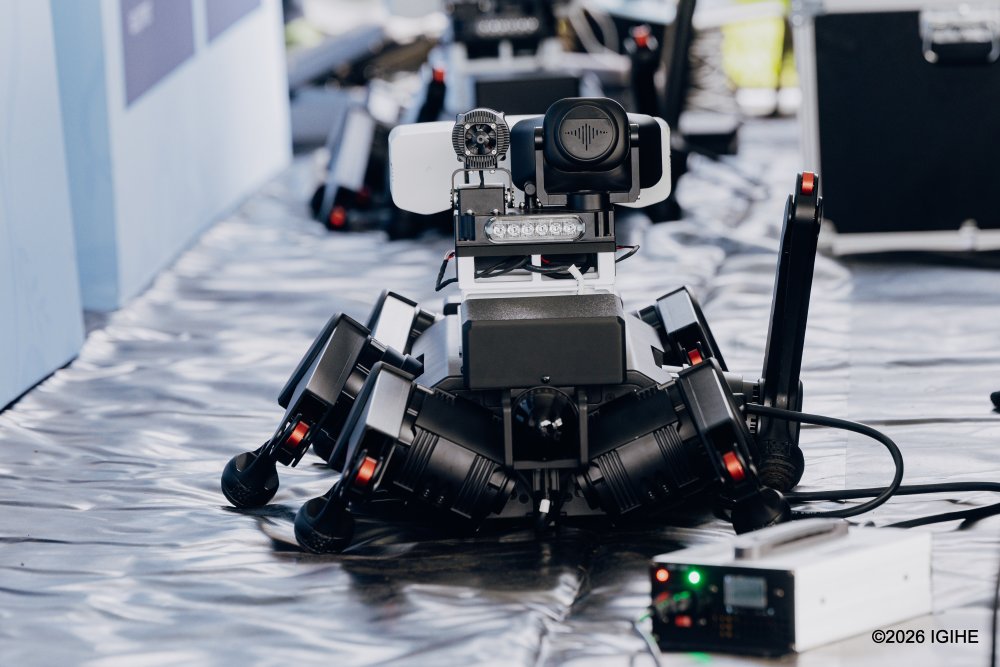
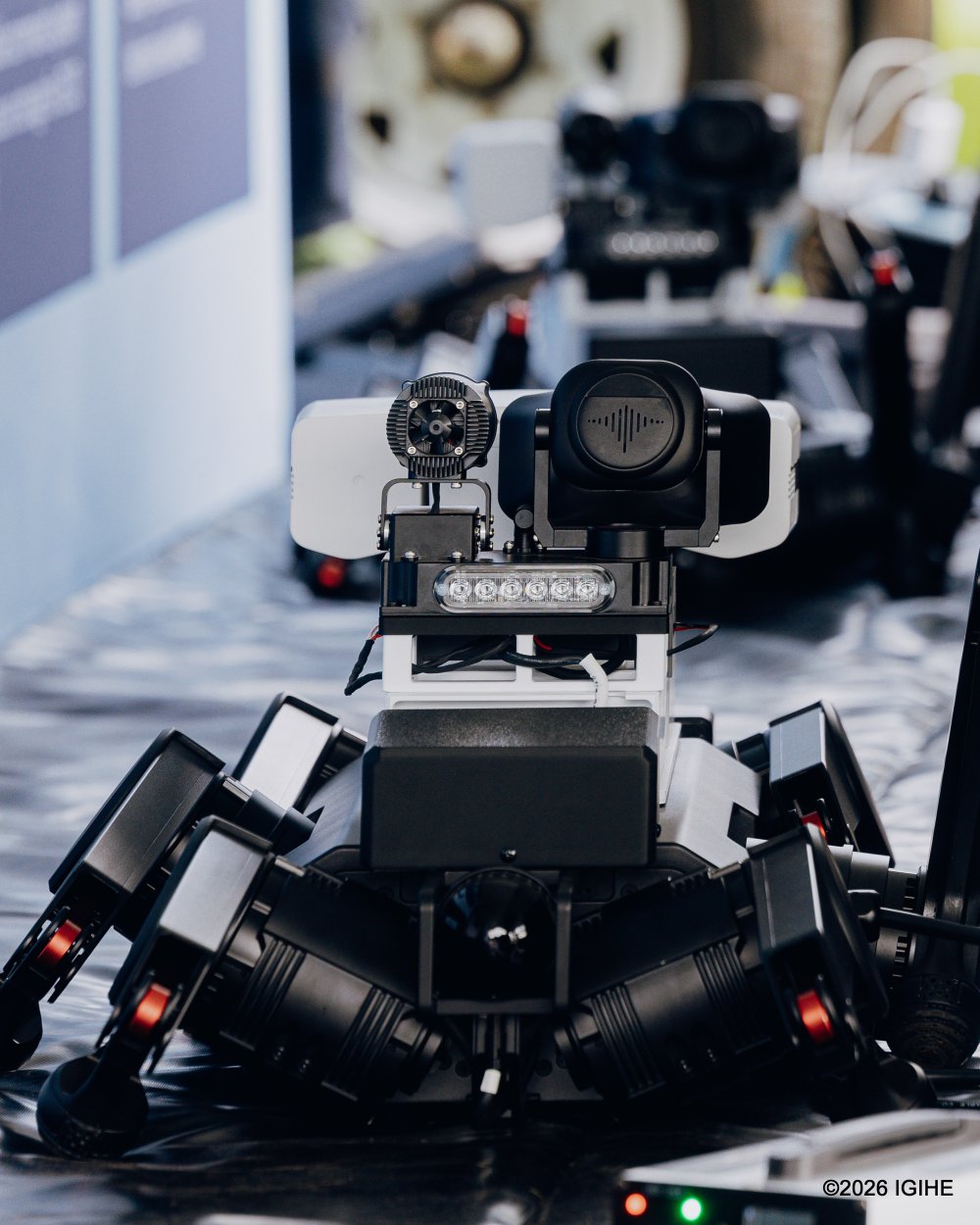
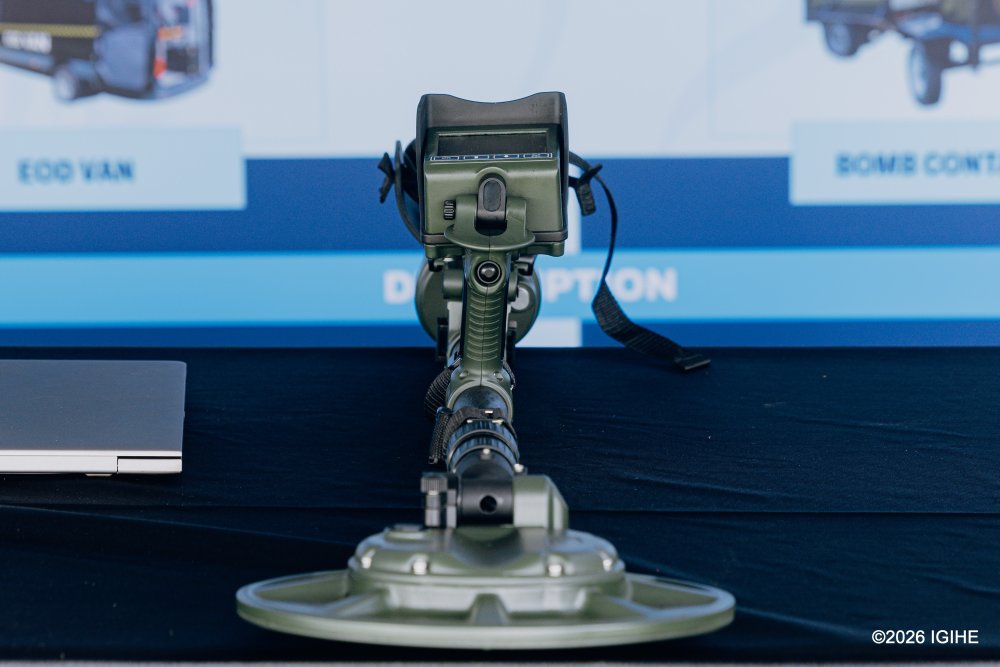
The Rwanda National Police also uses advanced robotics technology in explosive ordnance disposal. These robots are designed to detect and neutralize explosive devices without exposing officers to danger.
According to CIP Joseph Biziyaremye, head of the explosives unit, some of these machines—known as “robotic security dogs”—are capable of detecting explosives and toxic substances. They transmit information to operators who remain safely inside armored vehicles.
There are also robots designed specifically for bomb disposal operations. These machines can enter buildings, conduct searches, and handle suspicious objects that may pose a threat to public safety.
Some are even equipped with firearms, allowing them to neutralize armed threats when necessary.
Canine unit and training systems
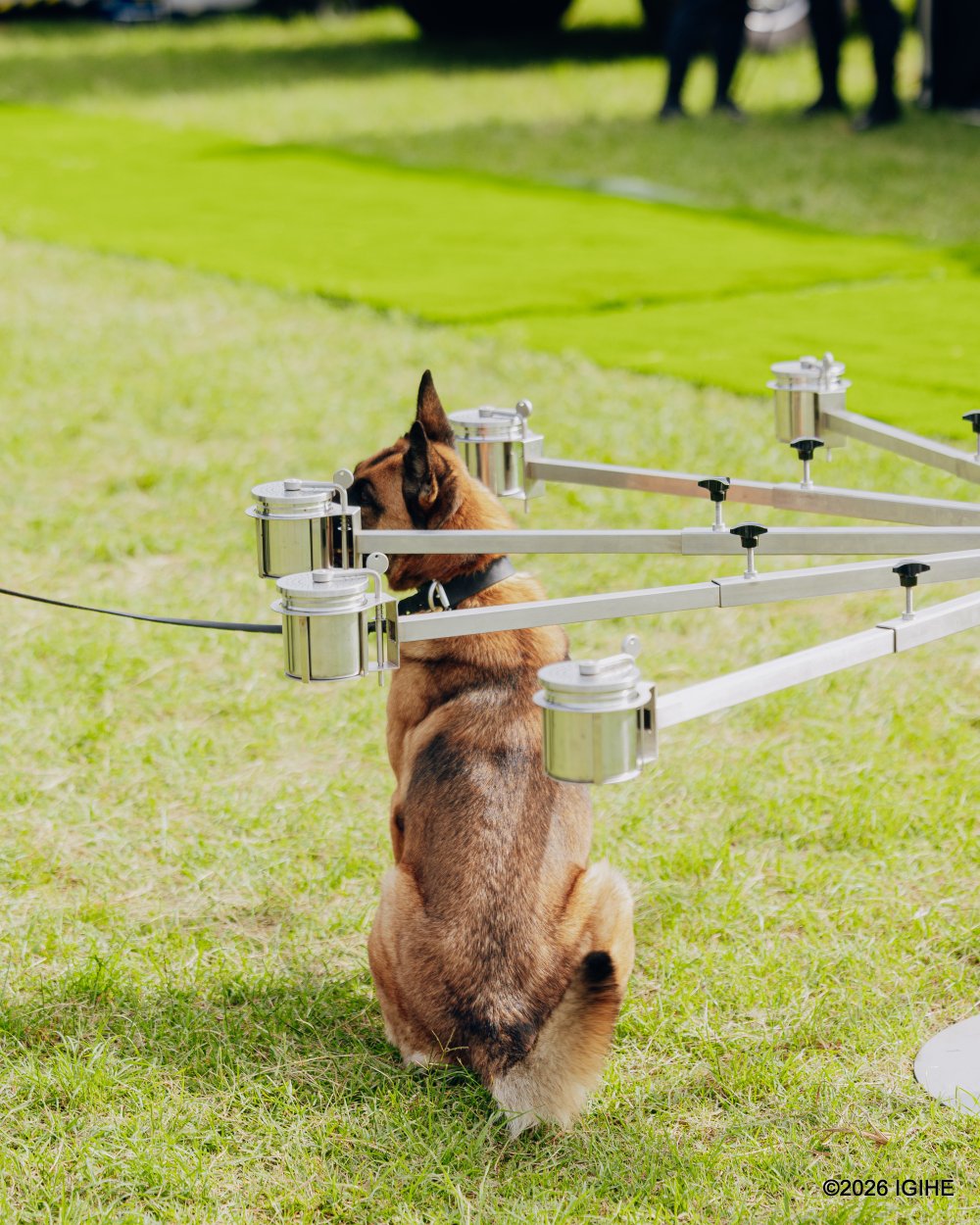
The police canine unit plays an important role in security operations. Trained dogs assist in searching, detecting narcotics, identifying explosives, and supporting various policing tasks.
RNP currently has a program to expand its dog breeding and training capacity locally, reducing the need to import trained dogs from abroad.
This initiative aims to strengthen internal capacity and improve efficiency in canine operations.
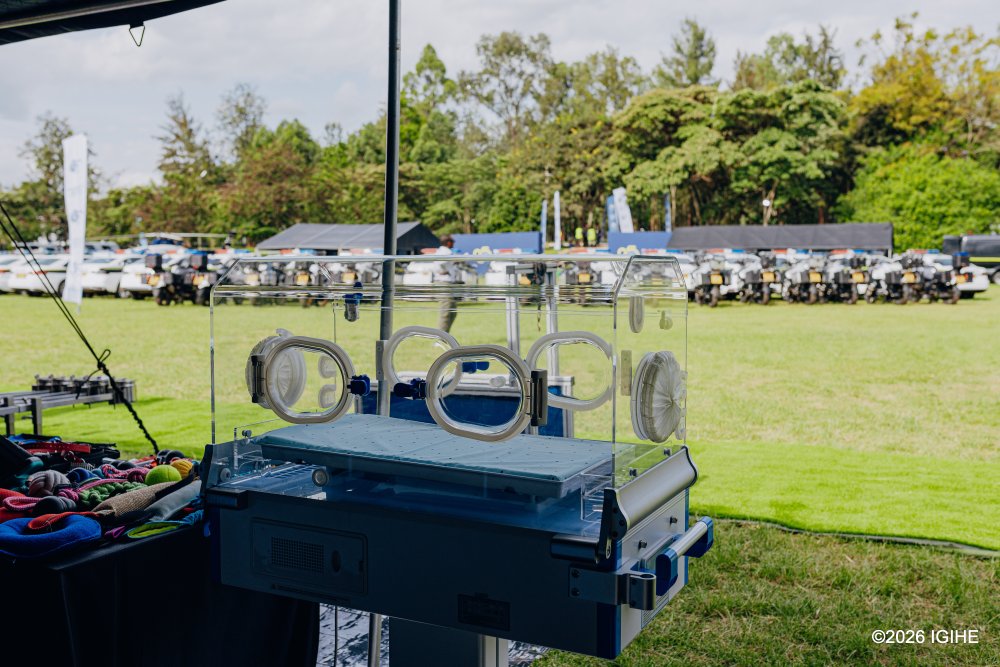
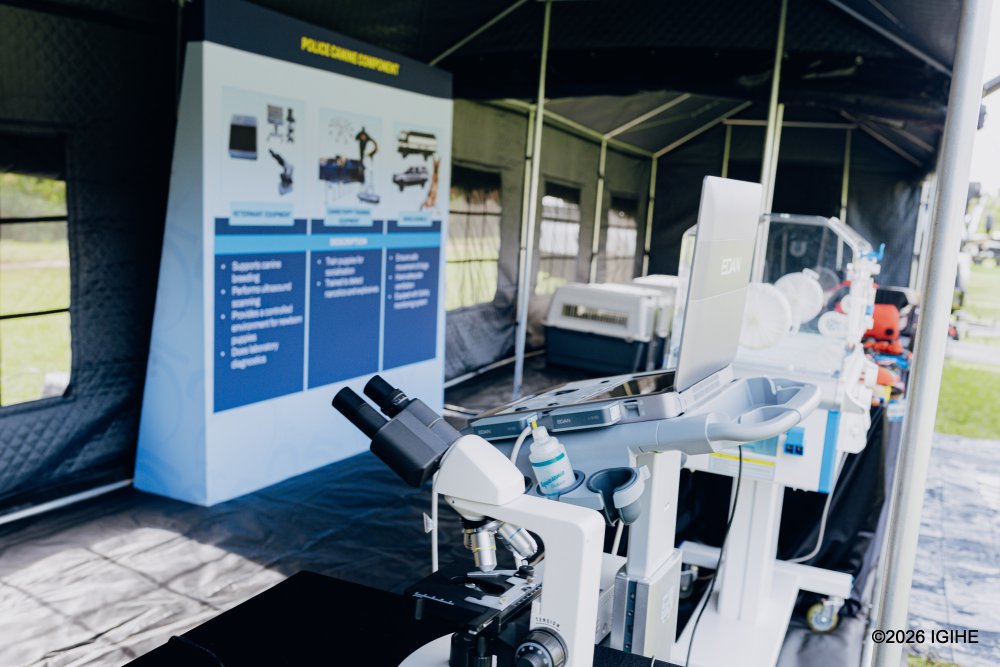
The training process is highly structured. It begins from birth, where puppies are carefully monitored and cared for using veterinary equipment, including systems similar to incubators when necessary.
As the dogs grow, they undergo physical training and continuous development programs to prepare them for operational duties in different security environments.
Public order and transport equipment
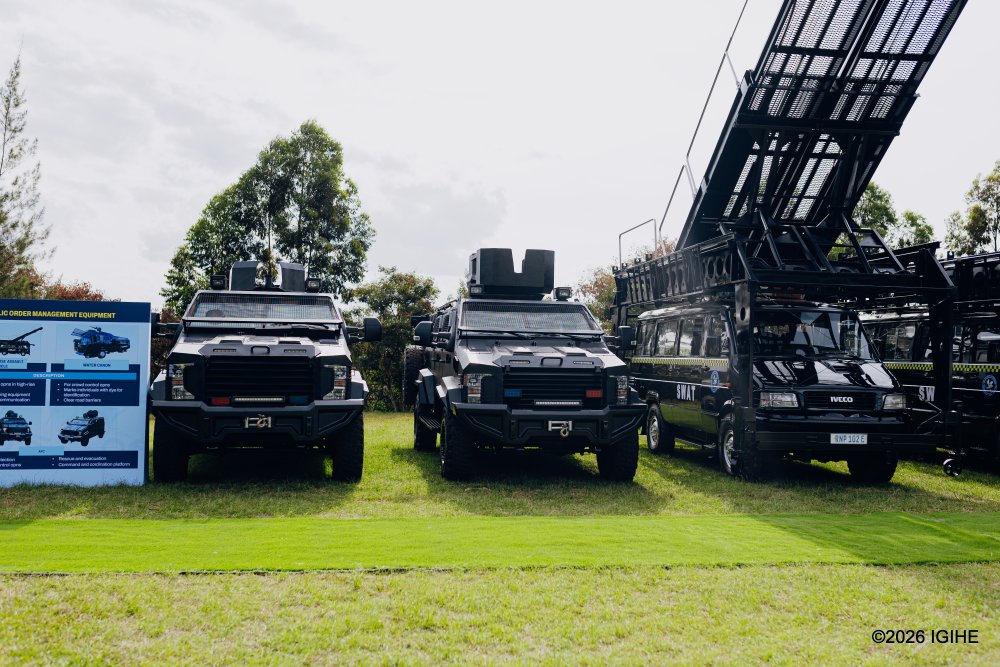
Rwanda National Police also uses specialized equipment for crowd control during demonstrations or public disturbances.
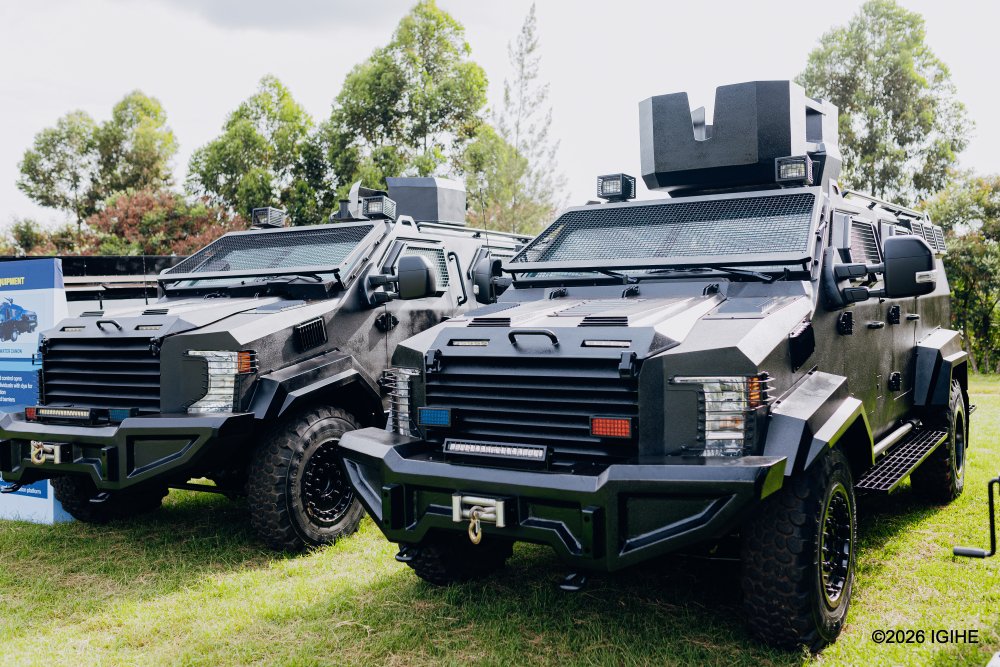
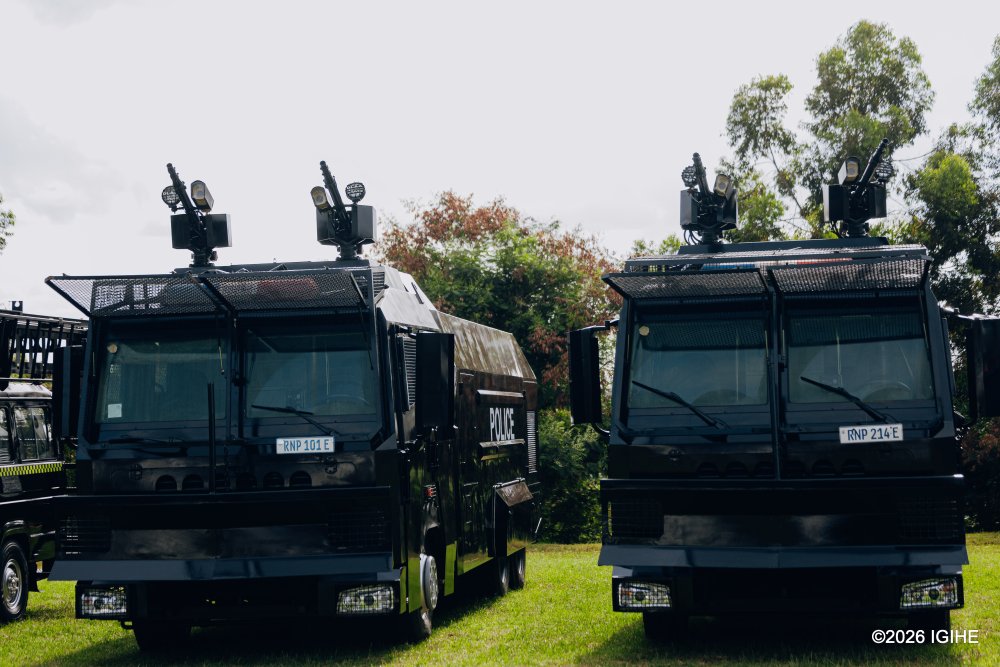
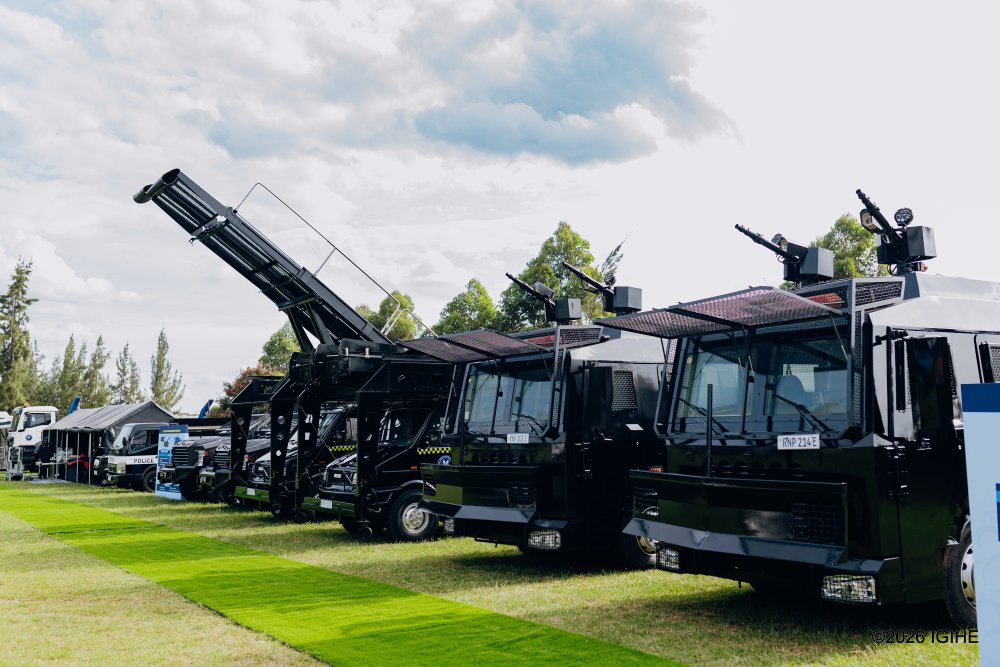
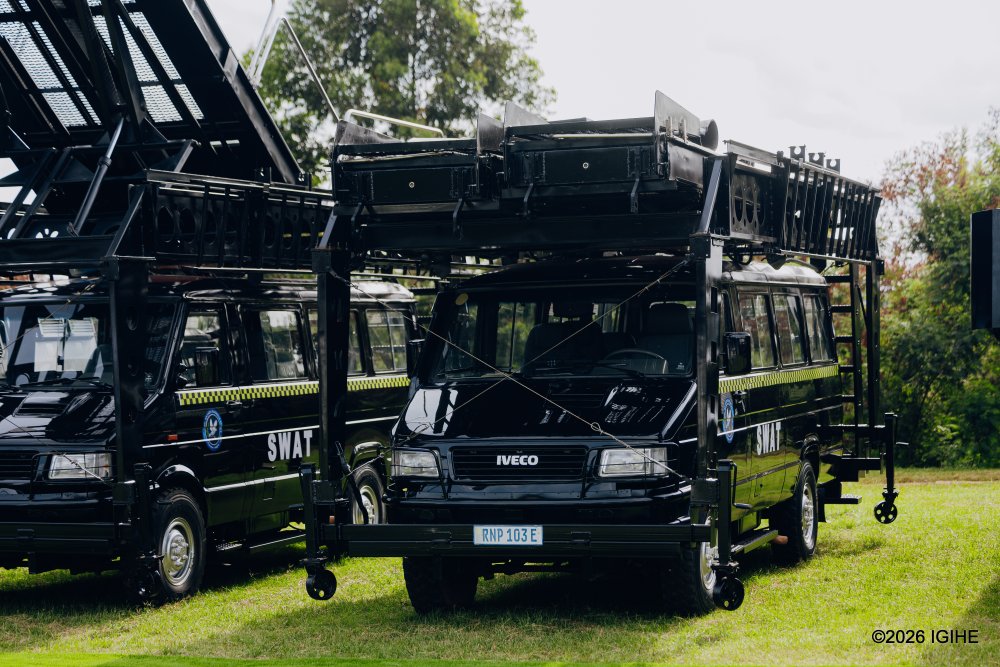
These include armored vehicles capable of transporting officers safely, as well as water cannon trucks and systems designed to disperse crowds using water or irritant sprays.
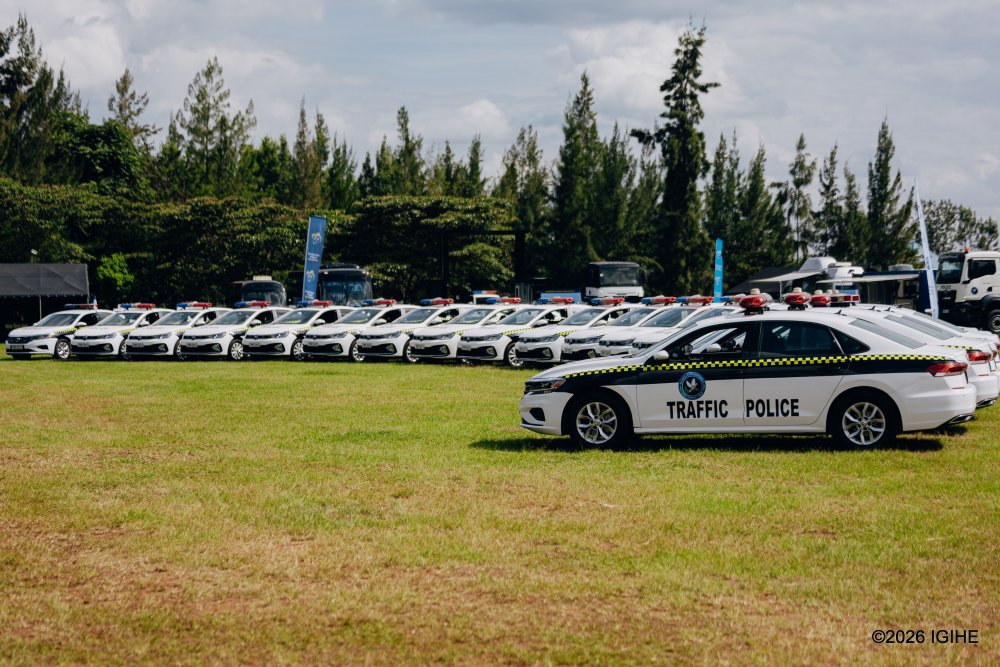
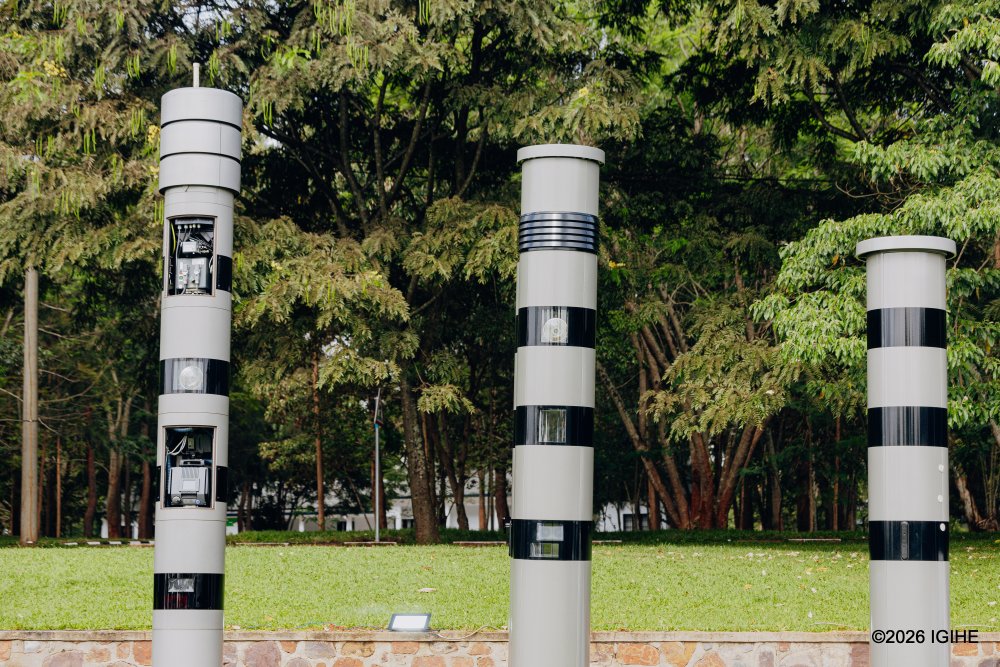
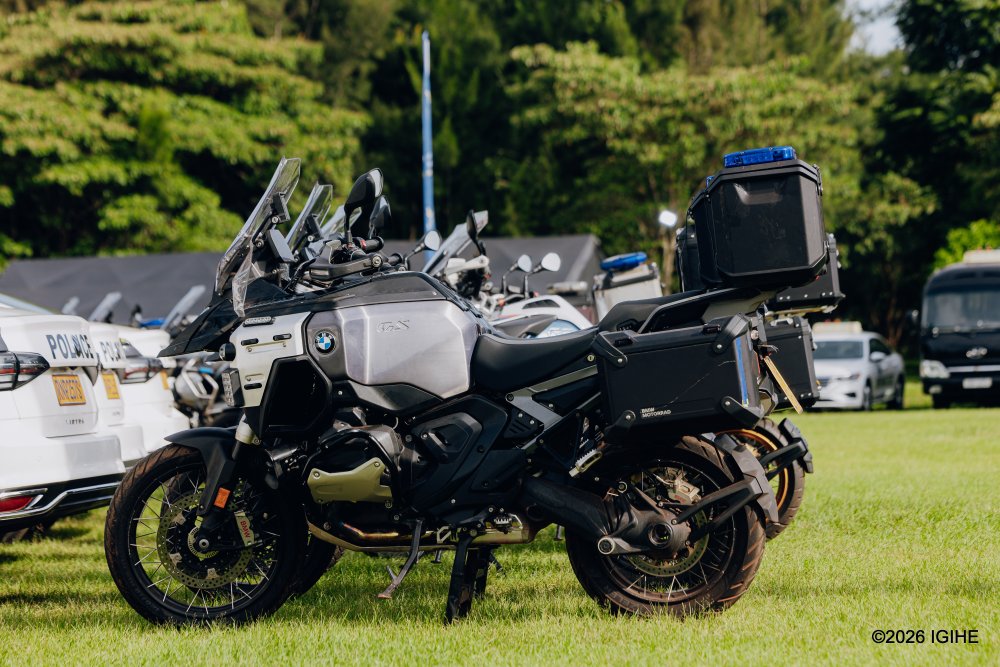
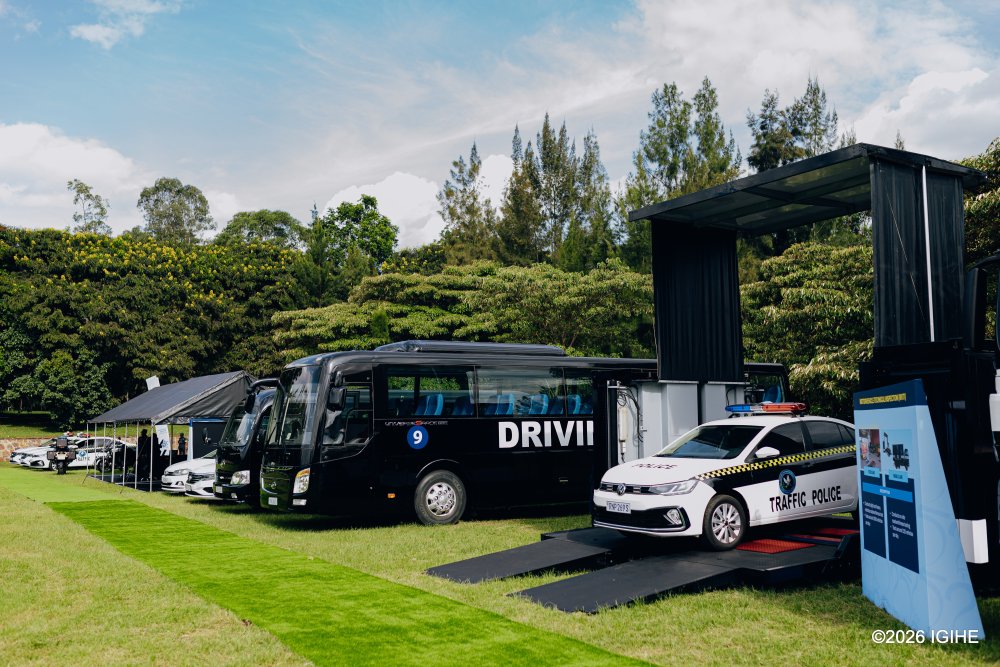
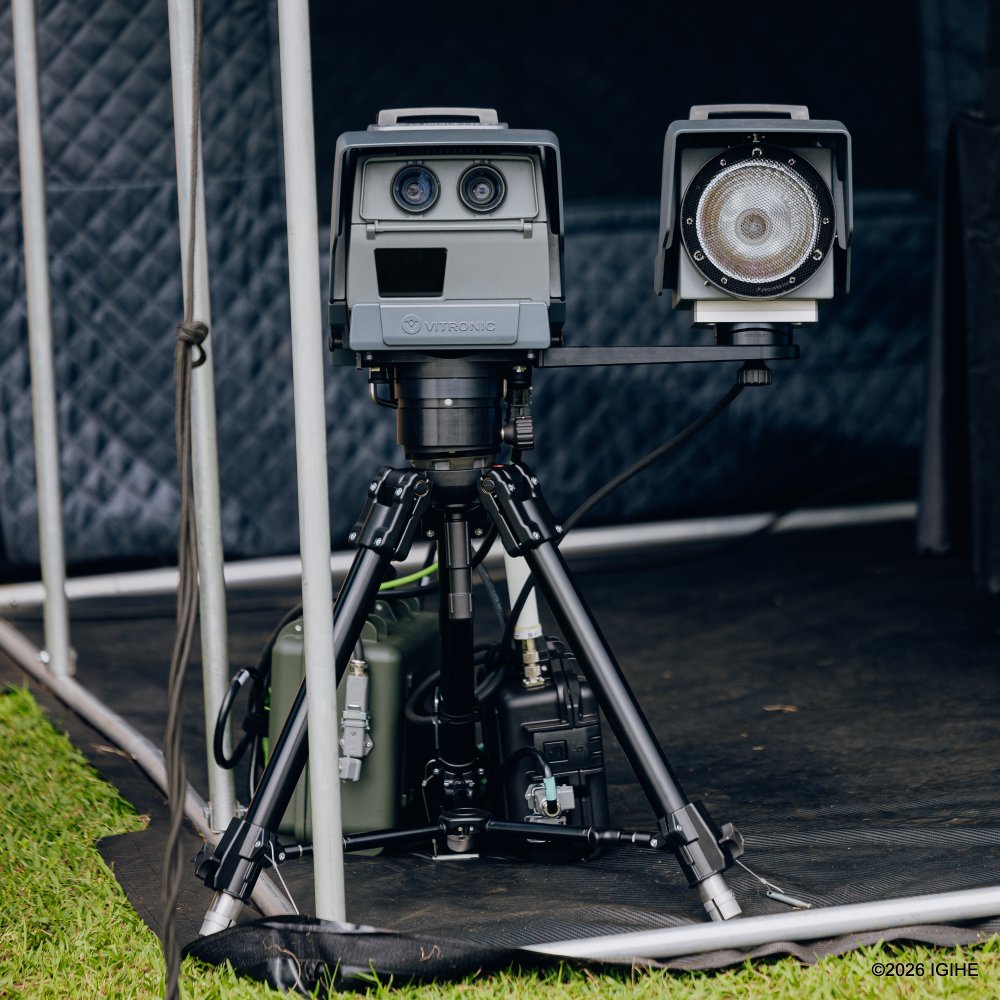
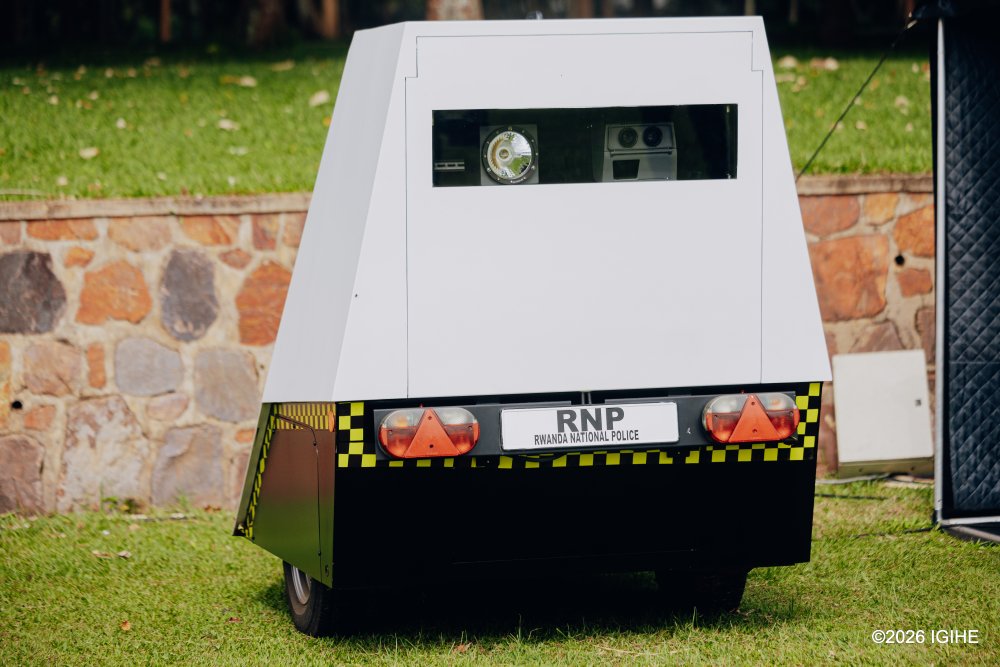
The traffic police unit is equipped with motorcycles, patrol vehicles, and advanced surveillance cameras used to monitor road safety and enforce traffic regulations.
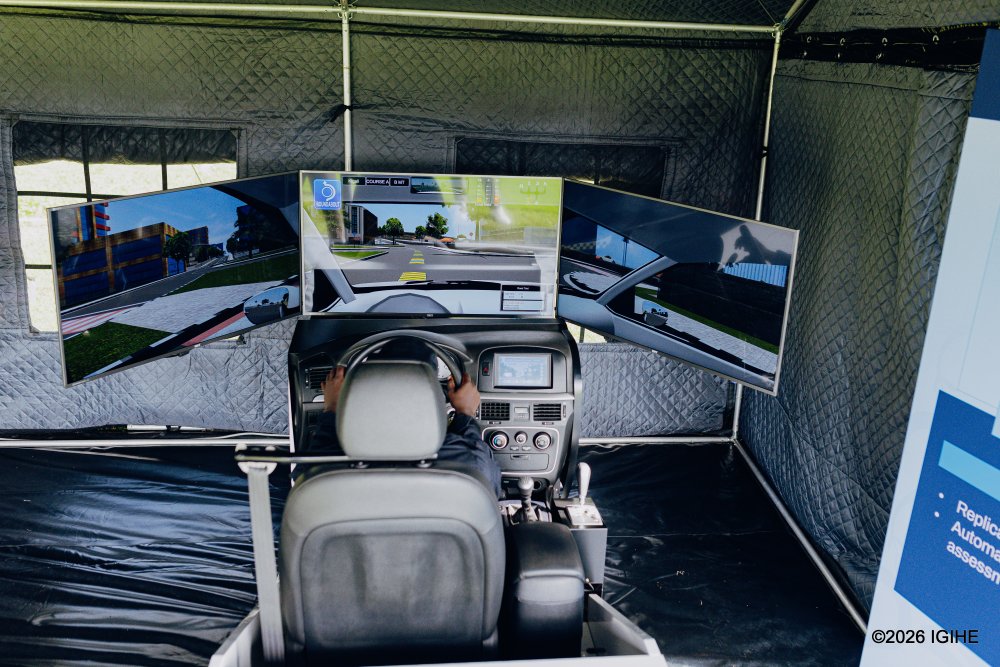
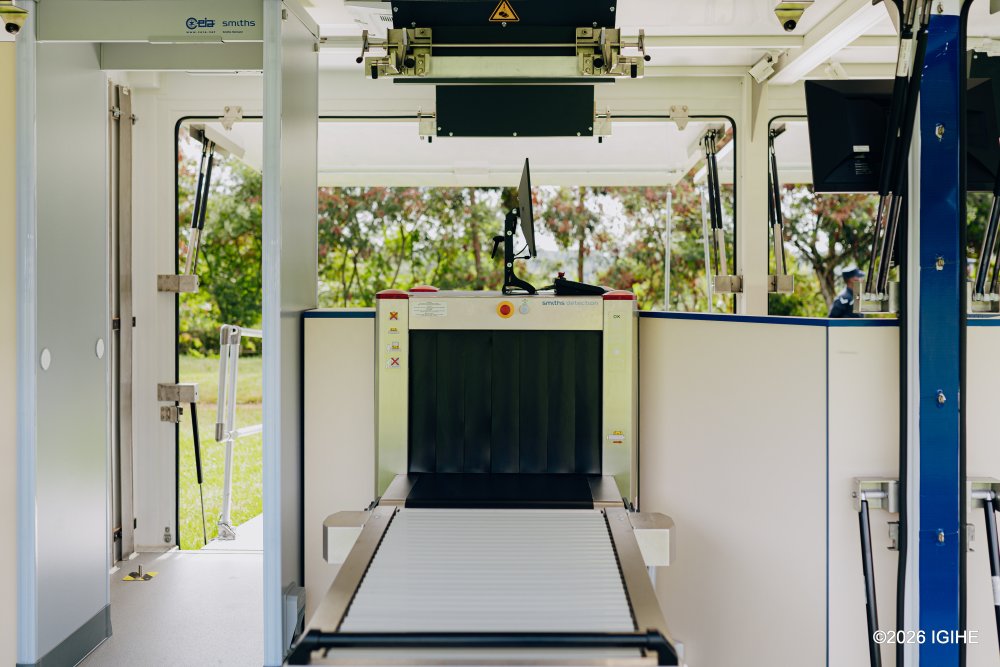
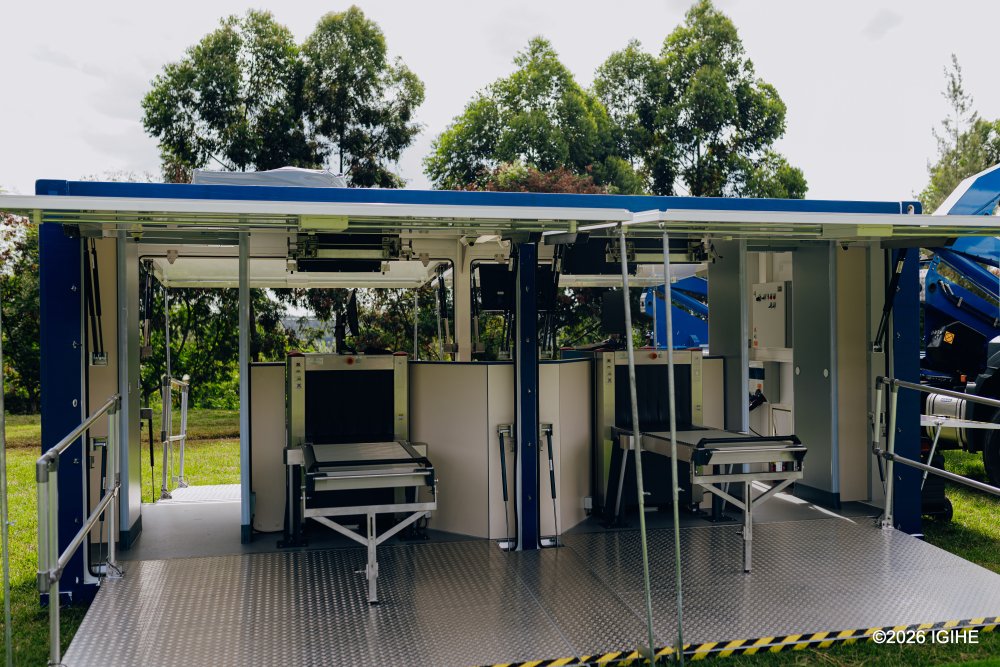
In addition, modern screening technologies allow large groups of people to be searched efficiently without requiring physical contact with officers.
Fire and rescue services
The fire and rescue department has also undergone major transformation since its establishment in 2002.
At its inception, the unit had only one fire truck nationwide, during a period when the country was still recovering from the aftermath of the 1994 Genocide against the Tutsi.
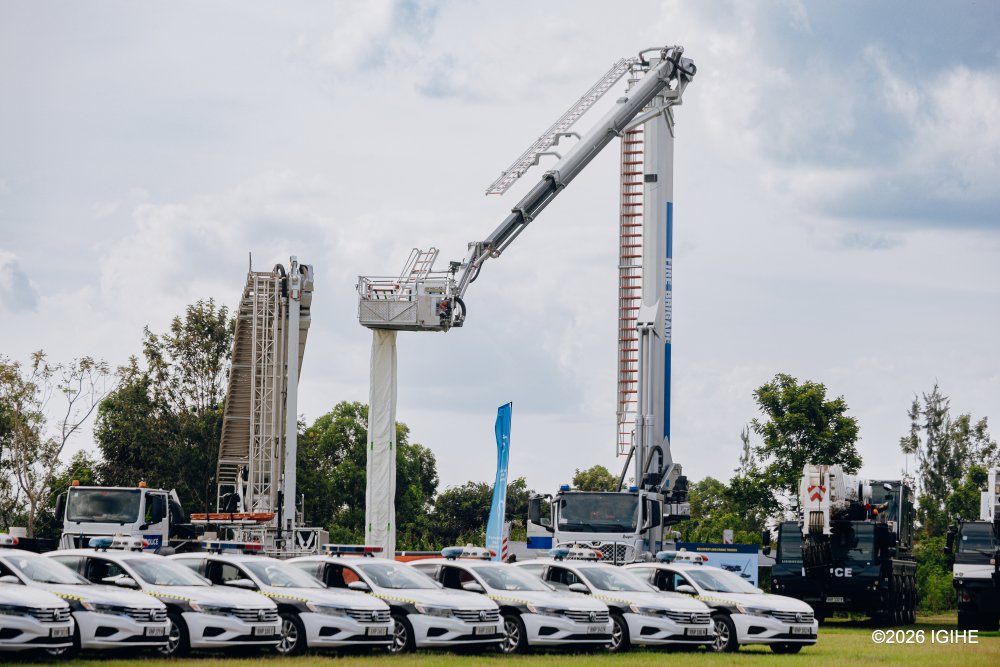
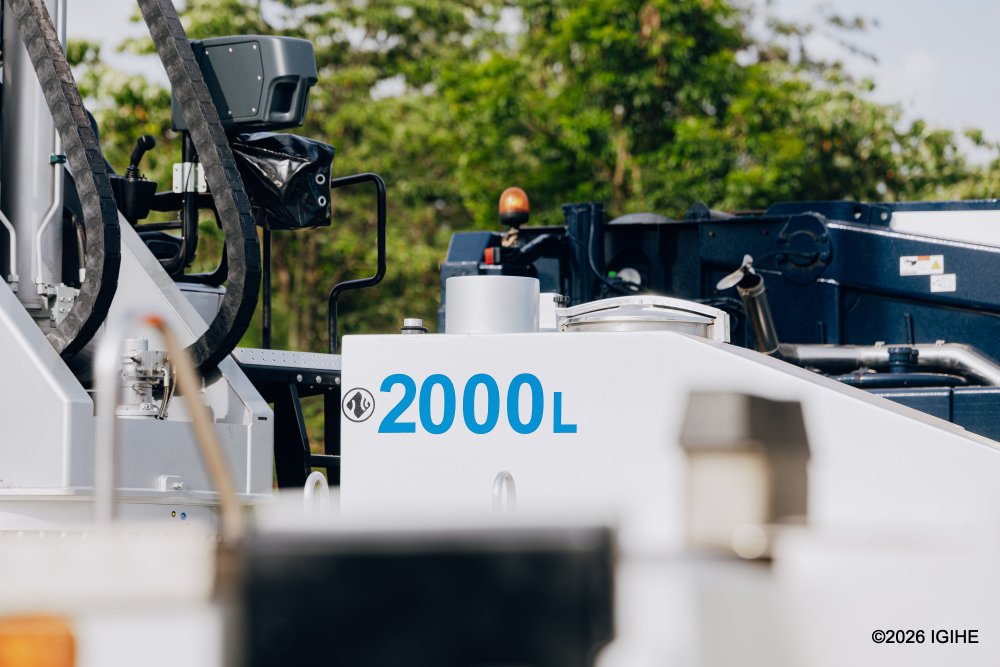
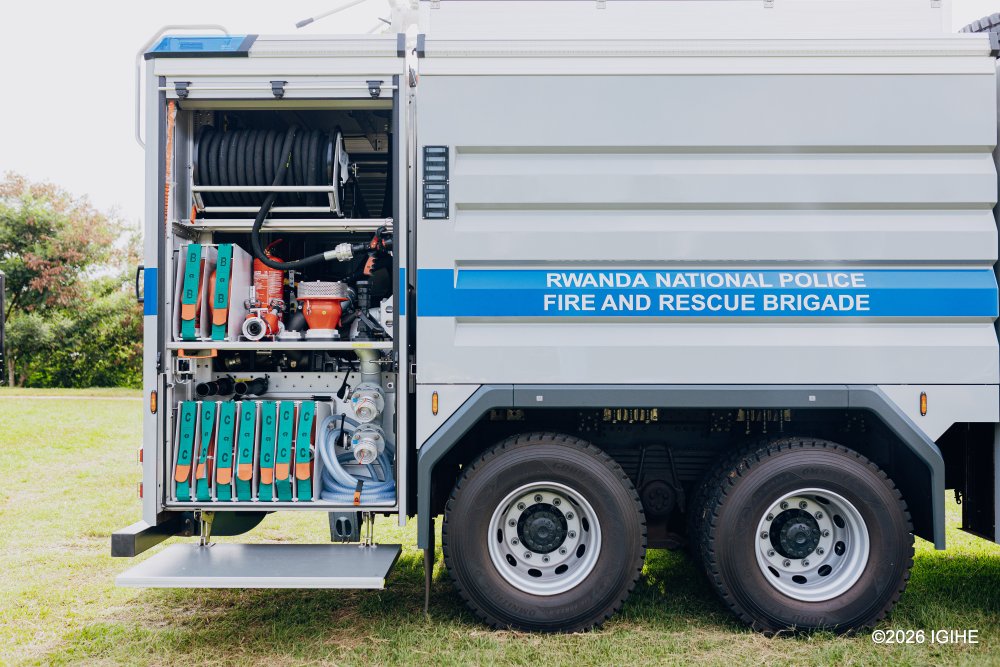
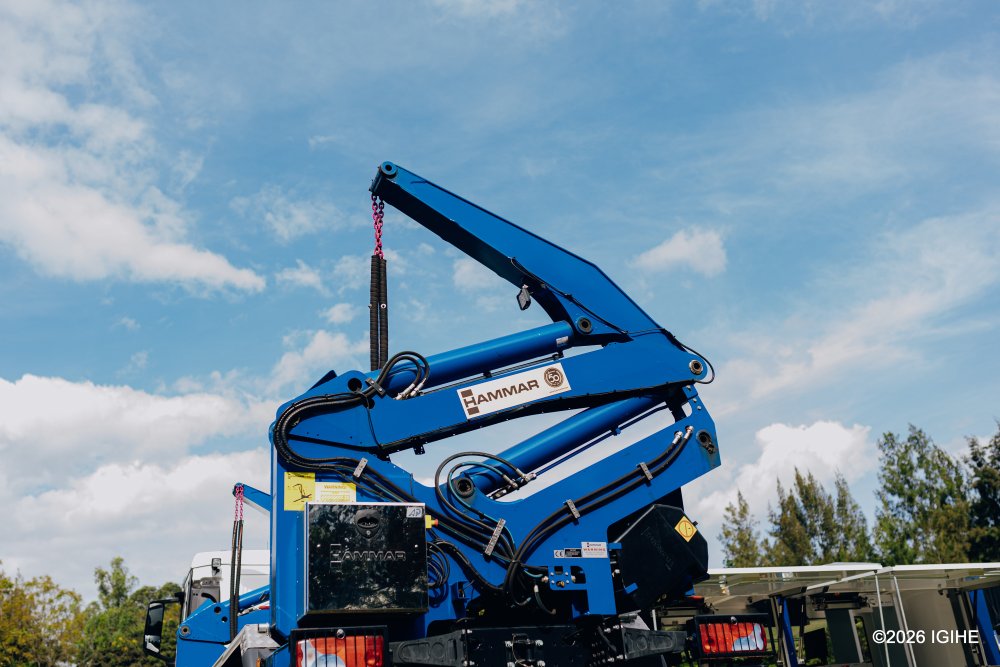
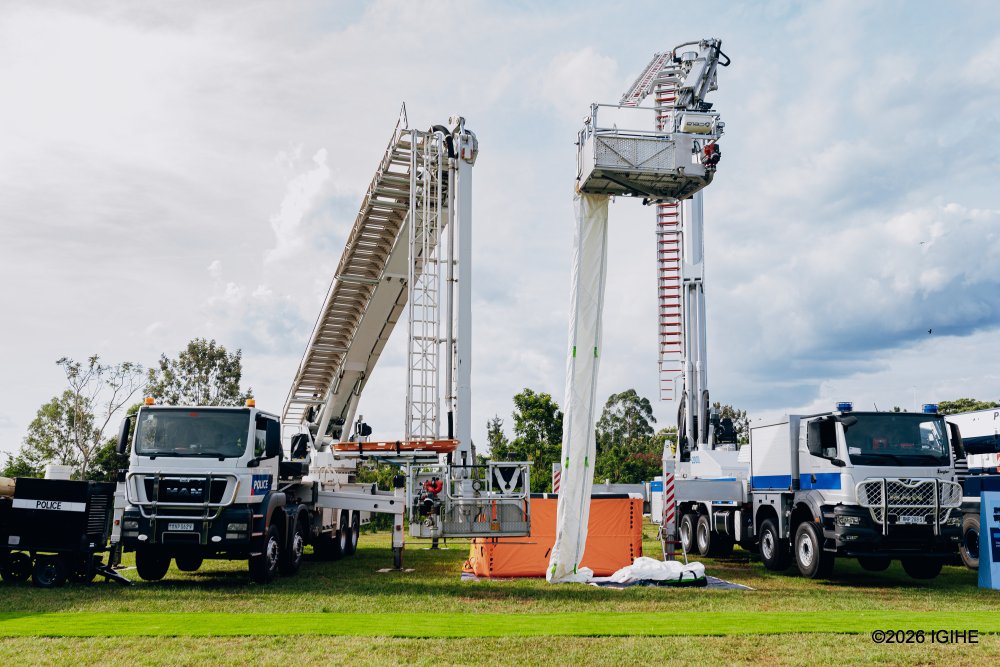
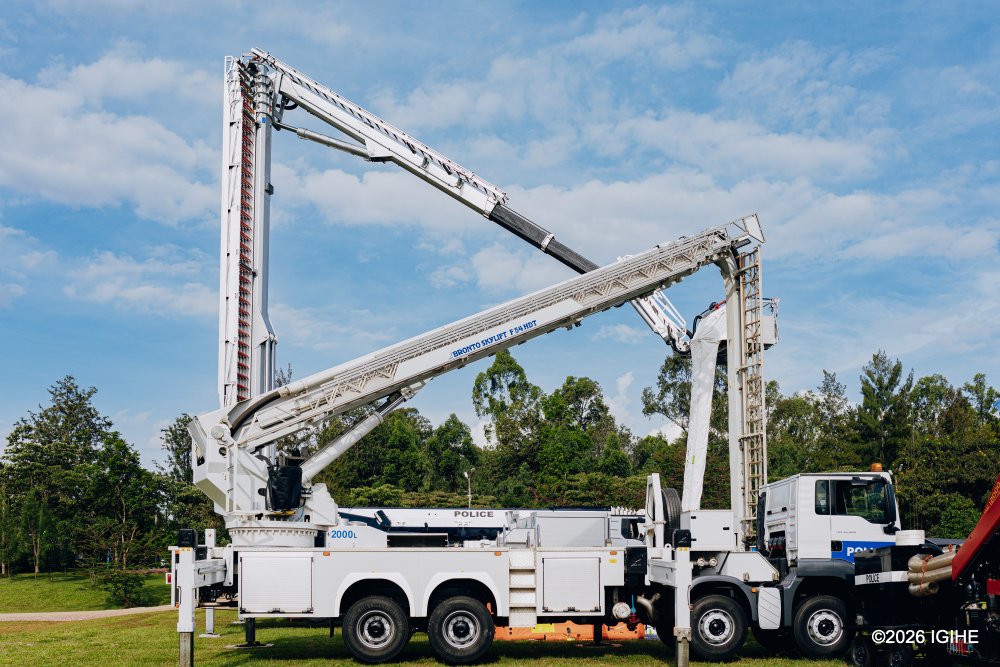
Today, the department has a fleet of fire trucks stationed across the country. Some are capable of extinguishing fires in high-rise buildings exceeding 50 meters in height and can also assist in rescuing people trapped in tall structures.
In Kigali, fire trucks are strategically positioned in key locations such as UTC, Remera, Masoro industrial zone, and Kacyiru at police headquarters, ensuring rapid response in case of emergencies anywhere in the city.
Over 25 years, the Rwanda National Police has evolved into a modern, technology-driven institution equipped with advanced tools across land, air, and water operations.
This evolution reflects a broader transformation in Rwanda’s security sector, where innovation and technology now play a central role in ensuring public safety and national development.





Leave a Reply