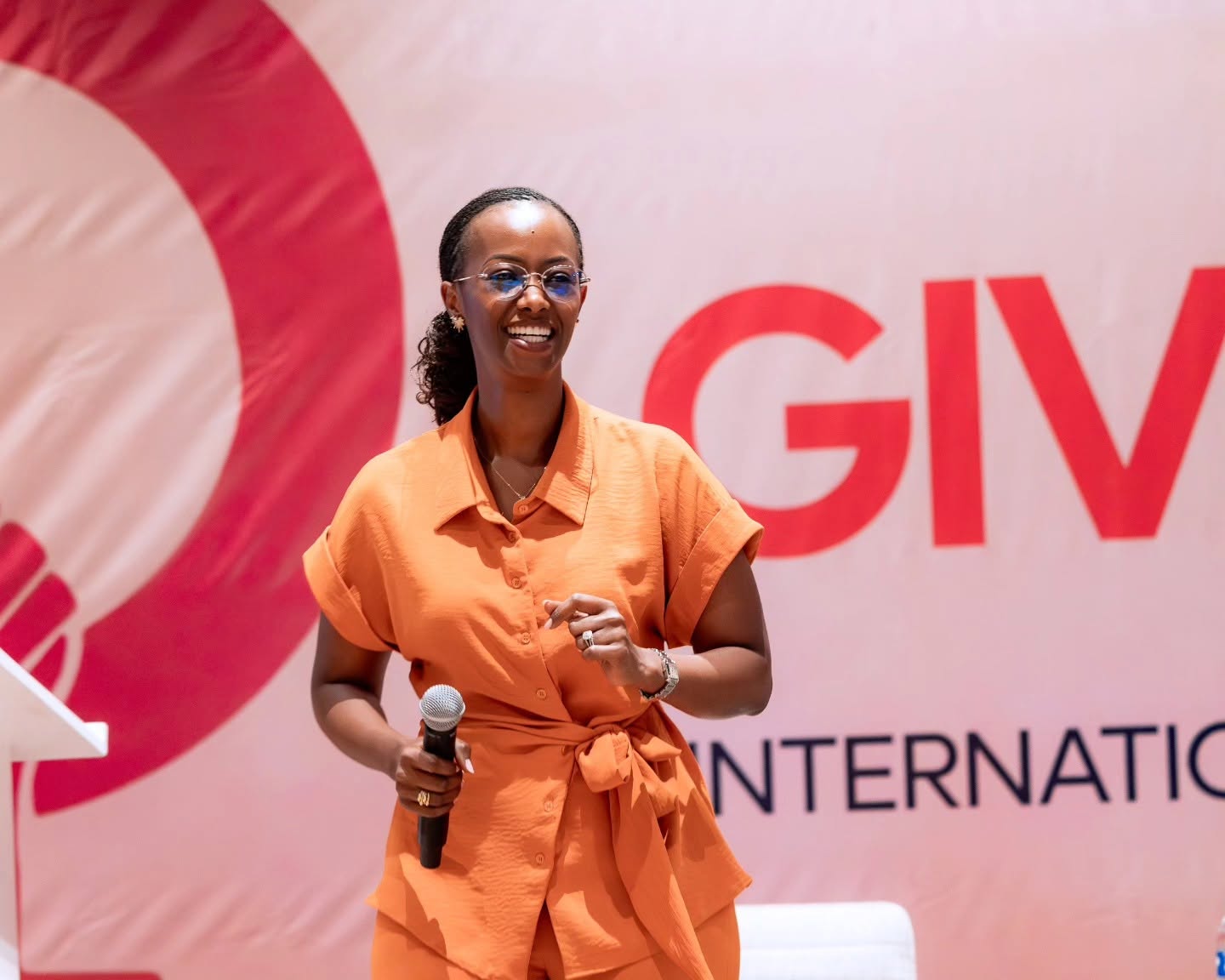
Her departure was announced in a statement dated October 23, 2026, signed by KCB Group CEO Paul Russo.
Mutesi will be succeeded on an interim basis from November 1 by Xavier Mugisha Shema, the bank’s current Executive Director of Commercial Businesses.
According to the statement, Mutesi requested to leave the position to pursue other interests.
KCB Group thanked her for her contribution to the bank’s leadership, particularly during the transition following the merger of BPR and KCB Bank Rwanda.
Mutesi was appointed as Managing Director of BPR Bank Rwanda in late 2022 and officially assumed the role on February 1, 2023.
Before joining the bank, she served as TradeMark East Africa’s Rwanda country director from 2016. She also held various positions at Ecobank Rwanda and Banque Commerciale du Rwanda (BCR), which later became I&M Bank Rwanda.
BPR’s growth and financial performance
BPR traces its origins to 1975, when it was established in Nkamba, in the former Kibungo Prefecture, to help communities save money and access loans.
By 1986, community banks operating across the country had been consolidated under the Union des Banques Populaires du Rwanda (UBPR). The institution became a commercial bank in 2008 and adopted the name Banque Populaire du Rwanda (BPR).
In 2021, Kenya’s KCB Group acquired a 76.67% stake in BPR. The National Bank of Rwanda approved the merger of KCB Bank Rwanda and BPR in March 2022, with the combined institution, BPR Bank Rwanda Plc, commencing operations on April 1, 2022.
Under Mutesi’s leadership, the bank reported a profit of Rwf25.9 billion in 2023, up from Rwf22.3 billion in 2022.
In 2024, its profit after tax increased by approximately 14.7% to Rwf29.7 billion, while profit before tax stood at Rwf43.1 billion.
The bank’s 2025 annual report showed that profit after tax rose to Rwf40.9 billion. Its total assets also increased significantly, reaching Rwf1.405 trillion, compared with Rwf971.9 billion in 2024.
On May 19, 2026, Mutesi said the bank expected its profit to grow by at least 20% compared with 2025.
BPR Bank Rwanda is one of the country’s major lenders, with an extensive branch network and customer base. It operates as a subsidiary of KCB Group, a financial services group headquartered in Kenya.
Mutesi was appointed as Managing Director of BPR Bank Rwanda in 2022.
Nsengimana, a former member of Rwanda’s defeated government forces (Ex-FAR), fled to what was then Zaire after the Rwanda Patriotic Army (RPA-Inkotanyi) stopped the 1994 Genocide against the Tutsi.
He said some FDLR commanders arranged for women and girls to be handed over to Mai Mai leaders and FARDC soldiers to strengthen alliances, gain favour and obtain intelligence.
“Some girls were sold by certain FDLR leaders or handed over to Mai Mai leaders and FARDC soldiers to win their favour and obtain information from them,” he said.
Nsengimana said individuals seeking women would approach FDLR commanders, who demanded money to arrange the encounters. He cited payments ranging from $1,000 to $5,000.
Clashes between FDLR and Mai Mai fighters
Nsengimana also recounted fighting between the FDLR and Mai Mai groups in 2011, which he said followed allegations that FDLR fighters had looted property and killed members of Mai Mai families.
According to him, Mai Mai fighters from North and South Kivu joined forces to drive out the FDLR, but the fighting also led to reprisals against Rwandan women and children.
He said the Mai Mai fighters targeted Rwandan women living with FDLR members, regardless of whether they had children together, and also killed their children.
“Rwandan women were killed in extremely brutal ways by the Mai Mai during that period,” he said.
He also recalled attacks he said were carried out by FARDC soldiers in 2010 in Mwima, eastern DRC, during which women and girls were subjected to severe abuse, with some reportedly dying as a result.
Why he left the FDLR
Nsengimana was among the group’s early members and held several leadership positions over the years. He commanded battalions in the ALiR and FDLR for 12 years and later served as deputy head of the FDLR’s brigade reserve.
By the time he left in 2015, he was an adviser on security and military affairs within the group’s leadership.
He said his decision to leave was partly influenced by difficulties his wife faced in 2010 after giving birth and requiring specialised medical care that was unavailable where they lived in the DRC. She sought permission to travel to Rwanda for treatment.
In 2014, she returned to the DRC to visit him before the couple travelled back to Rwanda together.
Nsengimana said the move raised suspicions among FDLR leaders, who feared he might betray the group because his wife was in Rwanda. He subsequently came under surveillance by people he described as FDLR intelligence operatives.
With assistance from the United Nations peacekeeping mission in the DRC, MONUSCO, he returned to Rwanda in 2015 and was admitted to the Mutobo demobilisation centre in Musanze District for reintegration training.
Six months after leaving the centre, he secured employment at a Rwanda Energy Group (REG) facility in Rubavu District through cooperation between the company and the Ministry of Defence.
Nsengimana urged FDLR leaders to surrender their weapons and return to Rwanda, arguing that their military campaign had little chance of success.
He also appealed to younger fighters to reconsider their involvement, saying some commanders had families living comfortably abroad while their subordinates remained in the forests.
He urged them to abandon the armed struggle, return home and contribute to Rwanda’s development.
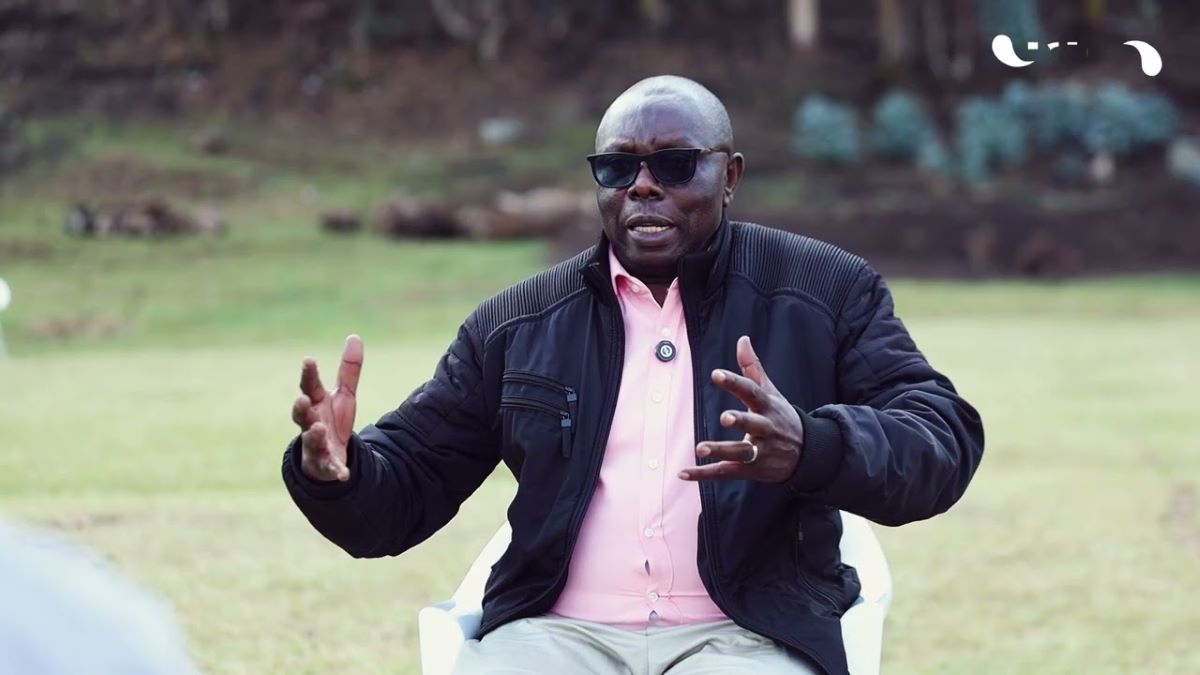
Col (Rtd) Augustin Nsengimana, a former senior FDLR member, recounts alleged cases of women being trafficked for sexual exploitation in eastern DRC.
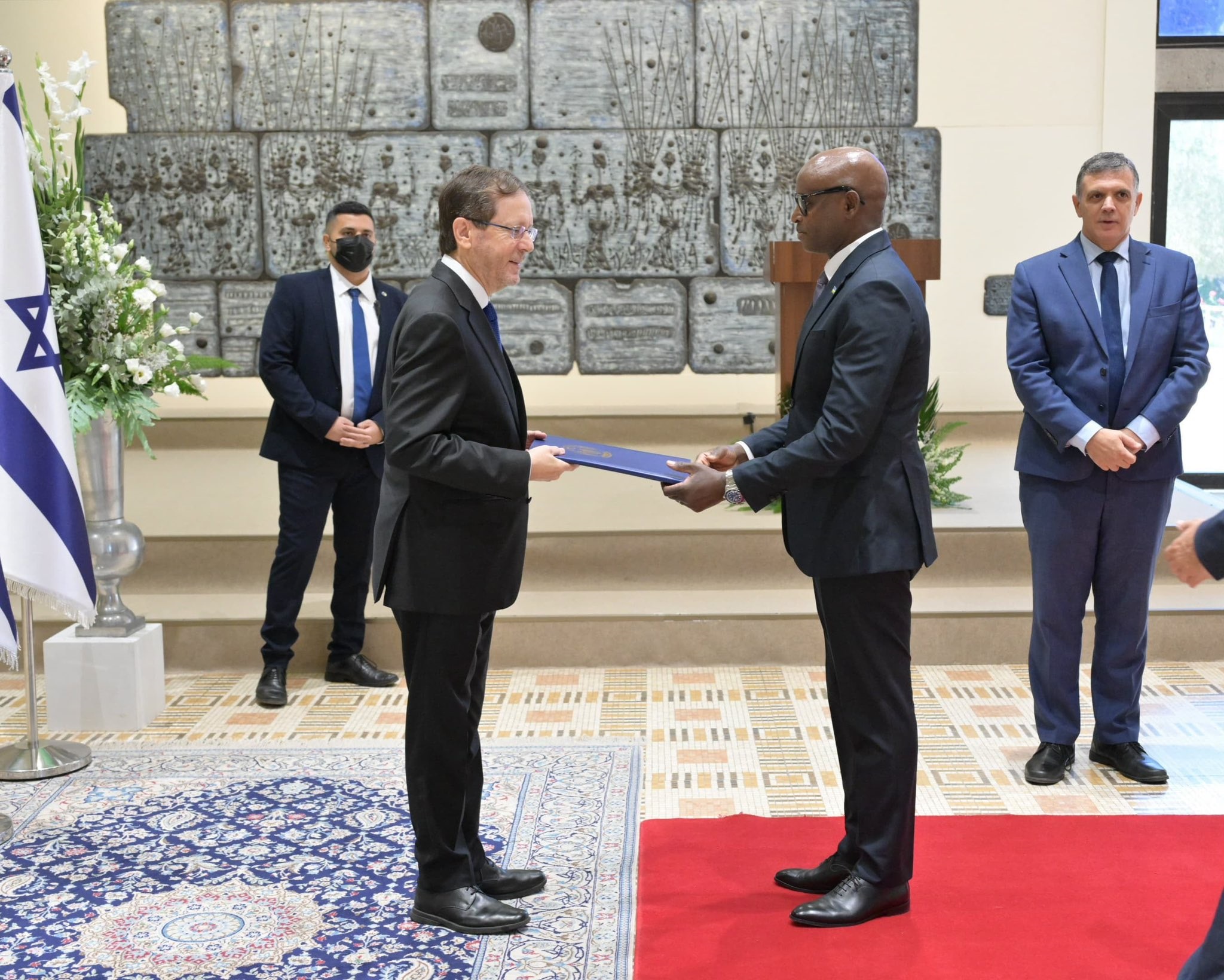
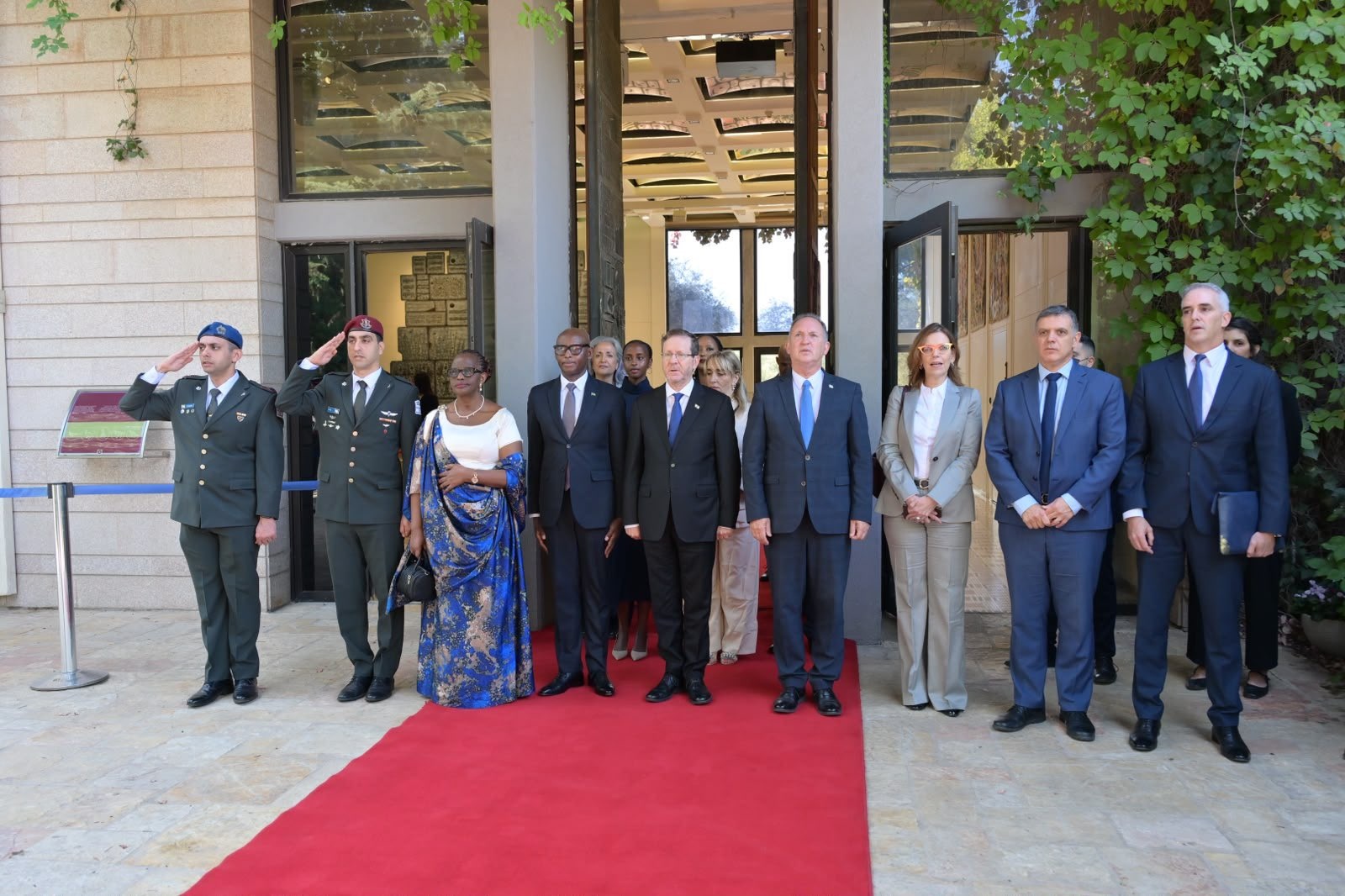
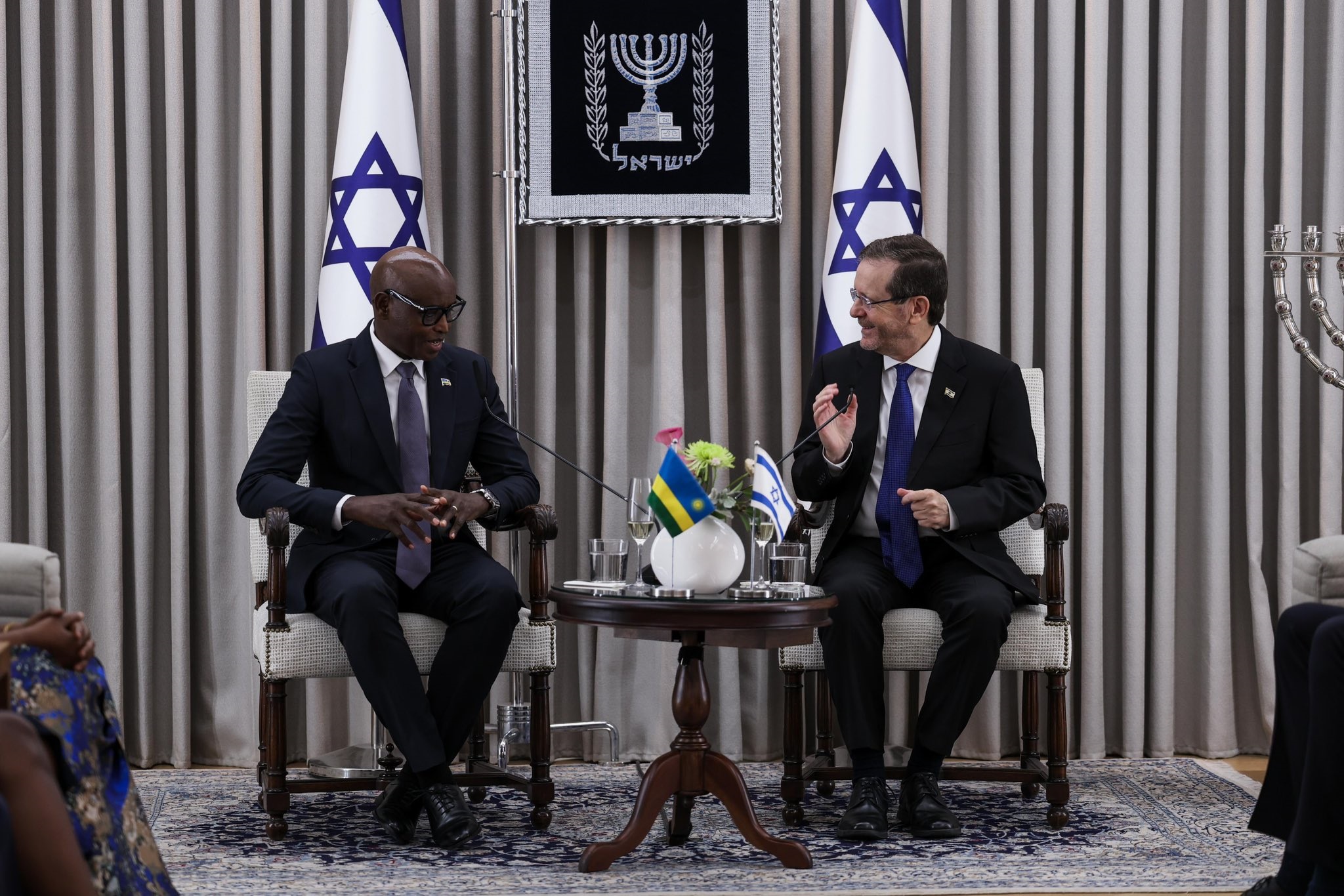
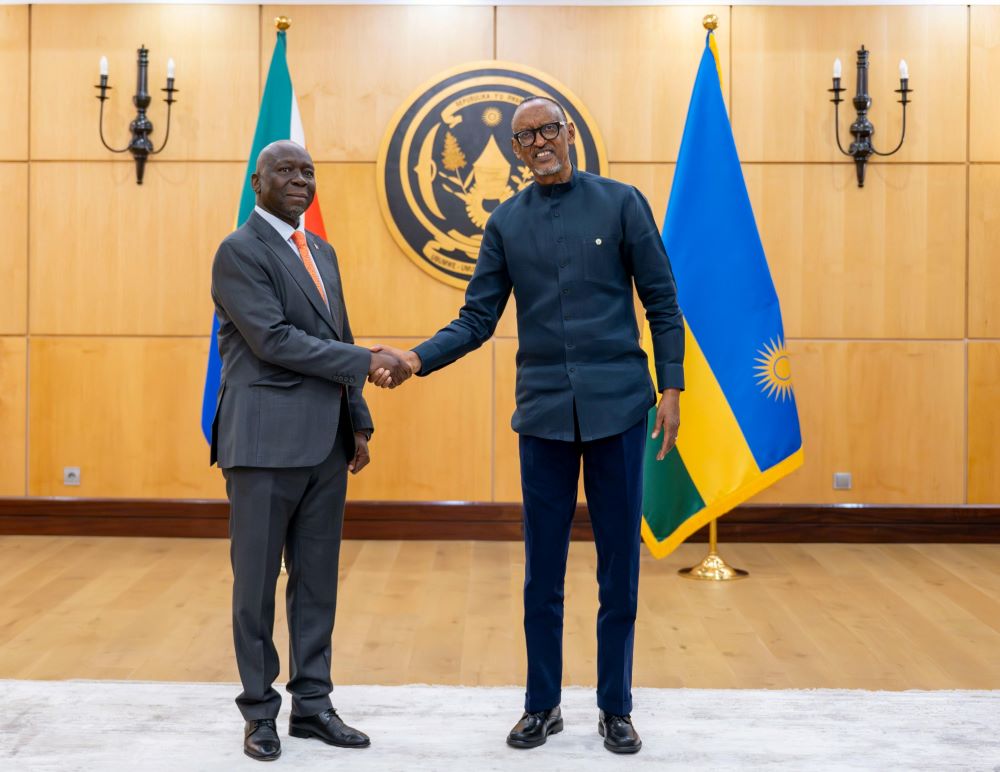
The ceremony took place at the Israeli Presidential Residence on Monday, October 26, 2026.
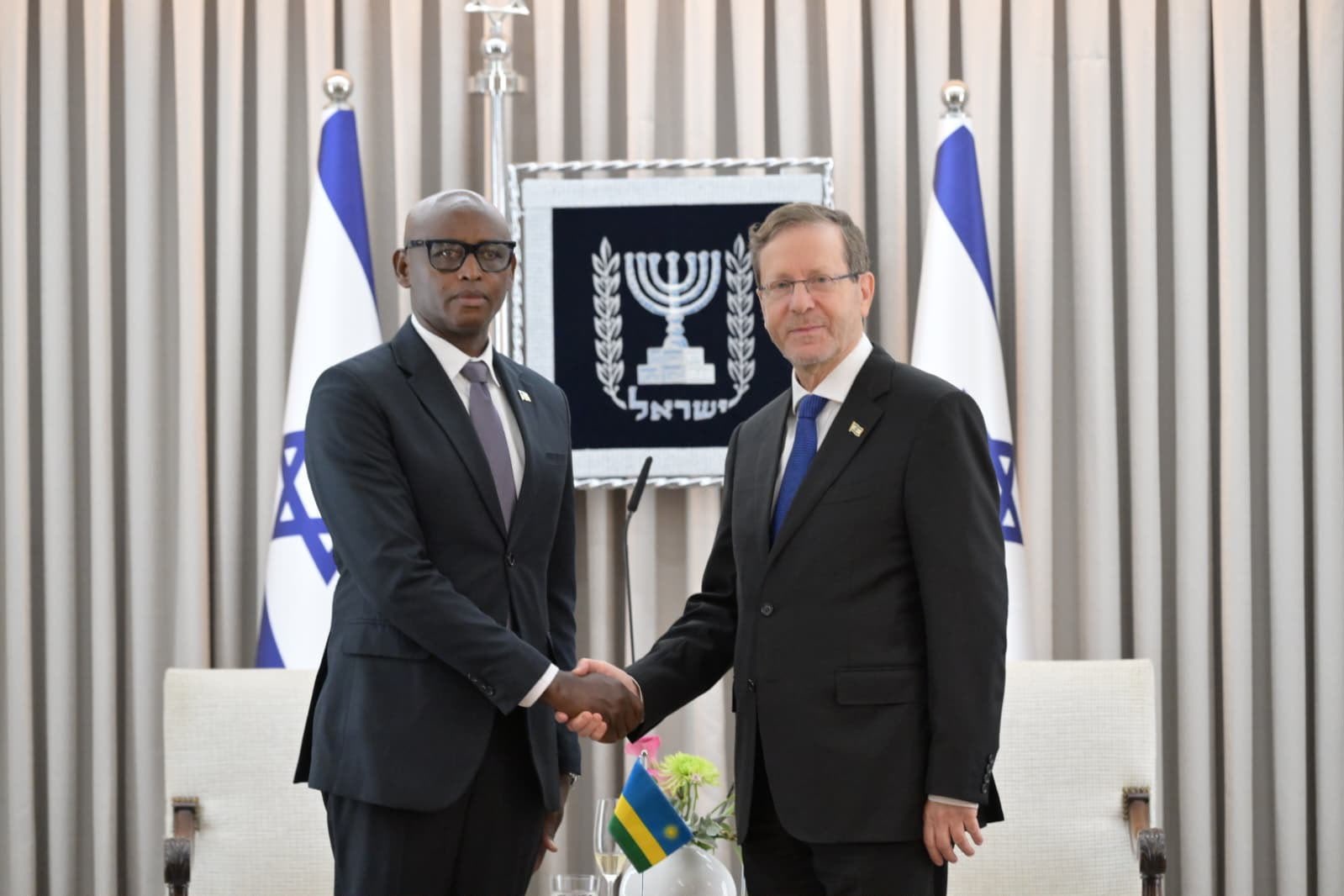
In a statement shared on X, the Israeli President’s Office said Herzog highlighted the warm friendship and growing cooperation between Rwanda and Israel across various fields including innovation, agriculture, development, and education.
Maj Gen Bayingana was appointed Rwanda’s Ambassador to Israel in a series of diplomatic appointments made by President Paul Kagame on June 10, 2026, which saw new ambassadors designated to represent the country in several nations.
On June 18, 2026, the Senate of Rwanda approved his appointment following a review of his credentials alongside those of other candidates nominated to represent the country abroad.
During the vetting process, senators highlighted Maj Gen Bayingana’s extensive experience in various government positions and within the Rwanda Defence Force.
His previous roles include serving as Permanent Secretary at the Ministry of Defence, Chief of Air Staff and Vice Chairperson of the National Itorero Commission, among others.
During his presentation to the Senate, Bayingana outlined several priorities for his diplomatic mission in Israel, including strengthening cooperation in innovation, security, technology-driven agriculture and education.
He also pledged to promote the transfer of Israeli agricultural expertise to Rwanda, particularly through the deployment of Israeli specialists to help farmers access modern farming knowledge and technologies.
In addition, Bayingana highlighted the importance of strengthening cooperation in preserving the history of the 1994 Genocide against the Tutsi, combating genocide denial and minimisation, and promoting practical, skills-based education.
Maj Gen Emmanuel Bayingana presents his credentials to Israeli President Isaac Herzog during a ceremony at the Israeli Presidential Residence.Israeli President Isaac Herzog receives the credentials of Rwanda’s Ambassador to Israel, Maj Gen Emmanuel Bayingana, on October 26, 2026.
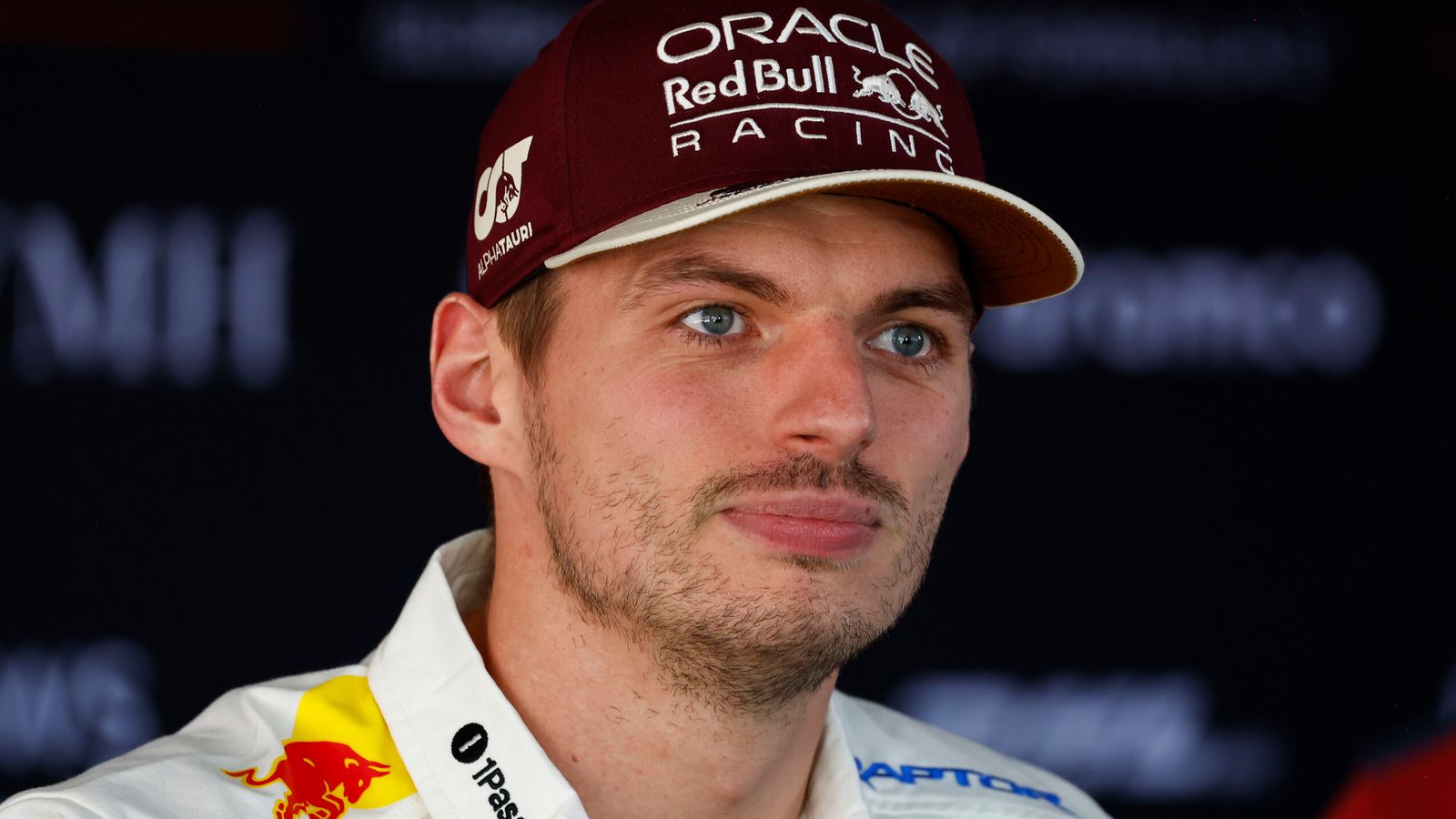
The Dutch driver, who races for Red Bull Racing, made the remarks when asked about political debates and human rights allegations raised by critics of the decision to bring Formula 1 to Rwanda.
“You could say all that about a lot of countries,” said the Red Bull driver.
He indicated that he did not want to get deeply involved in the political debate surrounding the project, preferring to focus on the sporting aspects of Formula 1.
His comments came after Helmut Marko, a senior Red Bull figure, also expressed support for plans to bring Formula 1 to Rwanda.
Marko argued that the Formula 1 World Championship should reach all parts of the world and that critics of Rwanda should also consider the circumstances in other countries that regularly host races.
Asked whether he expected to still be competing in Formula 1 when the Rwandan Grand Prix begins in the early 2030s, Verstappen said it would depend on the circumstances at the time.
“We’ll see then. I’ve been there before, so yeah, fine,” he said.
Verstappen visited Rwanda in December 2024 to take part in activities promoting young talent in motorsport in Kigali.
The visit was part of the community service penalty imposed on him by the Fédération Internationale de l’Automobile (FIA), motorsport’s governing body.
Seven-time world champion Lewis Hamilton has also supported efforts to bring Formula 1 back to Africa.
Rwanda is expected to host a Formula 1 Grand Prix from the early 2030s under the 10-year agreement announced on Tuesday. The race will mark Formula 1’s return to Africa after more than three decades. The championship last held an African race at the 1993 South African Grand Prix at Kyalami.
The proposed circuit will be built in Bugesera District, around 40 kilometres south of Kigali and near the new Kigali International Airport. It is being designed to meet FIA Grade 1 requirements for Formula 1 racing.
Max Verstappen, a four-time Formula 1 world champion, has defended Rwanda against criticism over plans to host a Formula 1 race.
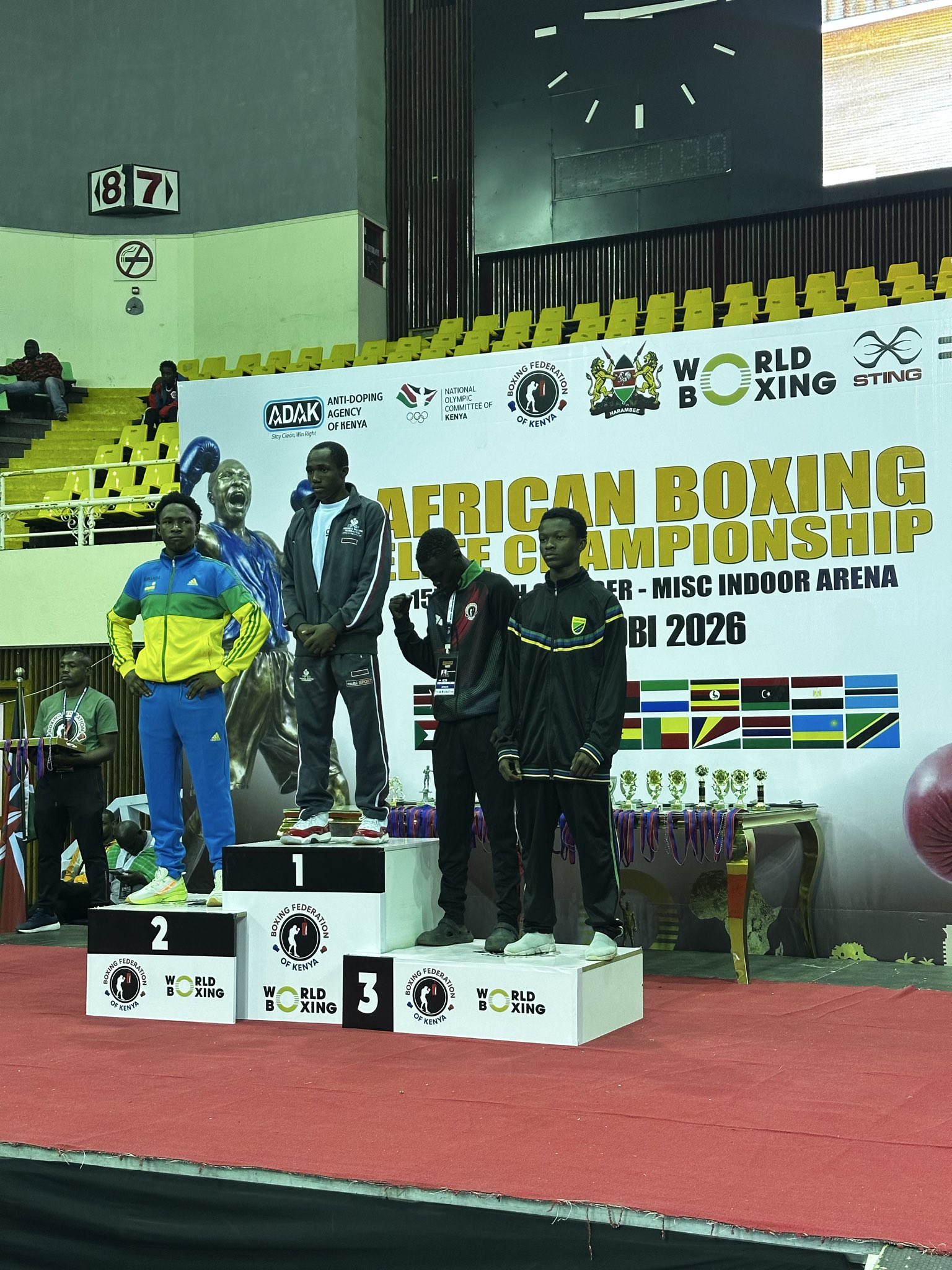
The championships began on October 15, 2026, at Kasarani Indoor Arena, bringing together 150 boxers representing 15 African countries.
Rwanda was represented by six boxers who competed across four weight categories: 47–50kg, 50–55kg, 55–60kg and 60–65kg.
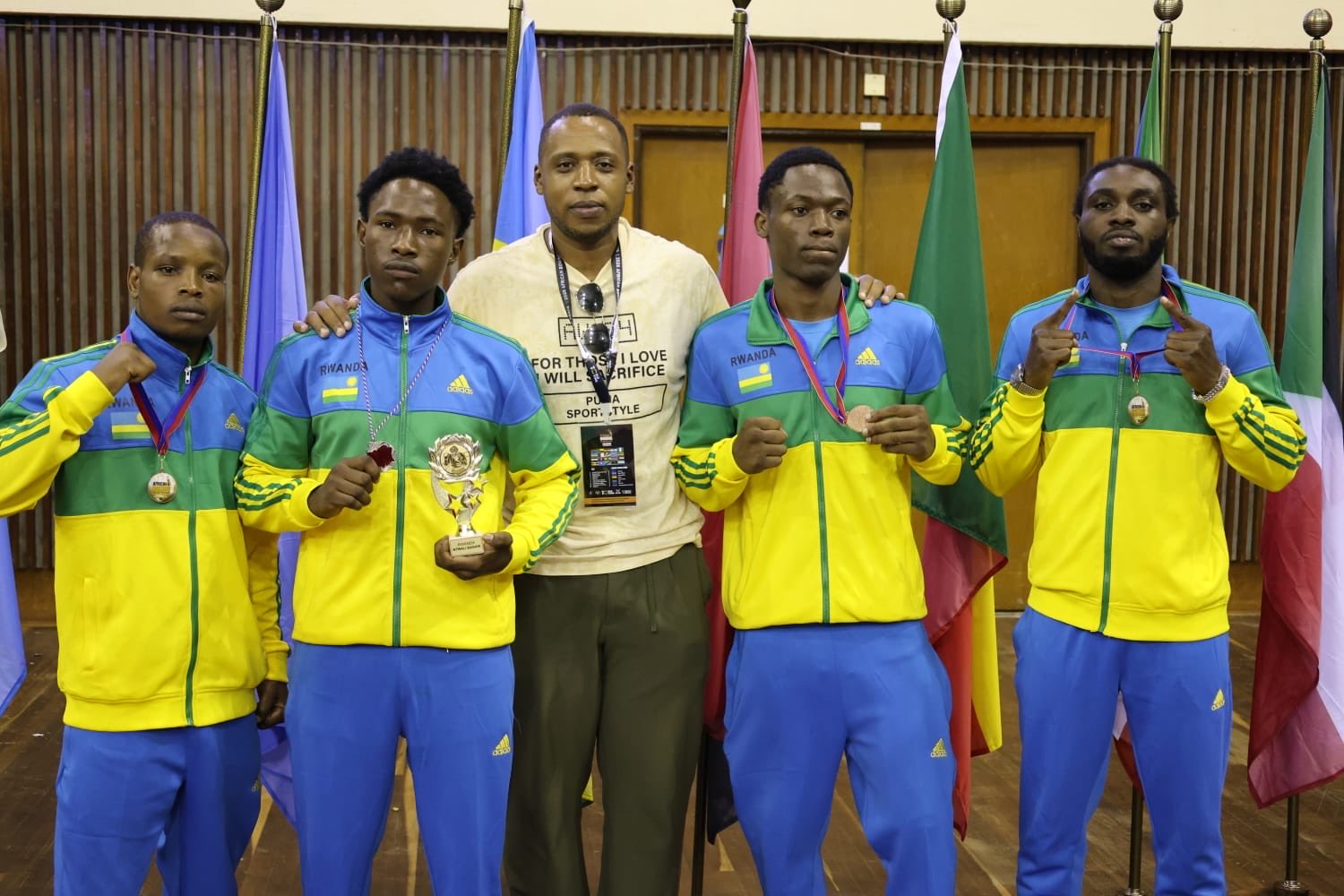
The team secured its first-ever silver medal at the continental competition through Valentin, while Pacifique Niyonzima, Jean Claude Iyanone and Kenny each won a bronze medal.
The achievement marks a significant milestone for Rwandan boxing, as the country had not previously won a medal at the championships.
The Rwanda Boxing Federation (RBF) described the results as the beginning of continued progress, pledging to intensify training and build a stronger national team capable of winning gold medals in future competitions.
Kenya, the host nation, emerged as the best-performing country at the African Boxing Elite Championships, winning 14 medals, including five gold, three silver and six bronze medals.
Rwanda’s boxing team celebrates its first-ever silver medal at the African championships.Rwanda’s boxing team showcased its skills at the African championships.
Dr. Bizimana made the remarks on October 25, 2026, during a conversation on national unity broadcast on various media platforms.
He explained that although priesthood is traditionally conferred for life, the Church is moving towards permanently removing Nahimana from the clergy.
“Priesthood is conferred for life and does not cease even if someone abandons it, renounces it or gets married. However, in Father Nahimana’s case, they are in the process of stripping him of it because he has already abandoned it and openly engaged in political activities. We have been informed that the Church is moving towards removing him permanently,” Dr. Bizimana said.
The minister noted that the process could take considerable time because the final decision rests with the leadership of the Catholic Church at the Vatican. He said he could not provide a specific timeline for its completion.
Dr. Bizimana was responding to questions about challenges preventing Rwanda from achieving 100% performance on national unity indicators, noting that a gap of 4.7 percentage points remains.
He identified religious institutions, particularly the Catholic Church, among the areas where challenges persist.
However, he clarified that the issue was not with the Church as an institution, which has apologised for its role in the Genocide against the Tutsi, but with individuals, including some priests, whose conduct continues to undermine national unity.
Nahimana previously served in the Catholic Diocese of Cyangugu in Rusizi District. In 2005, he left Rwanda for Europe, citing concerns for his personal security, and was subsequently received by the Diocese of Le Havre in France.
At the time of his departure, he was not being pursued by authorities in Rwanda.
After arriving in France, he became involved in politics and later teamed up with Fortunatus Rudakemwa to establish an online platform known as Le Prophète, which was used to disseminate hate propaganda and minimise the 1994 Genocide against the Tutsi.
On January 28, 2013, Nahimana founded the political party Ishema ry’u Rwanda. He later announced plans to contest Rwanda’s 2017 presidential election but did not return to the country to participate.
He has continued his political activities from France, opposing the Rwandan government and collaborating with other critics, including through attacks on the government on social media.
Nahimana previously served in the Catholic Diocese of Cyangugu in Rusizi District before moving to Europe.
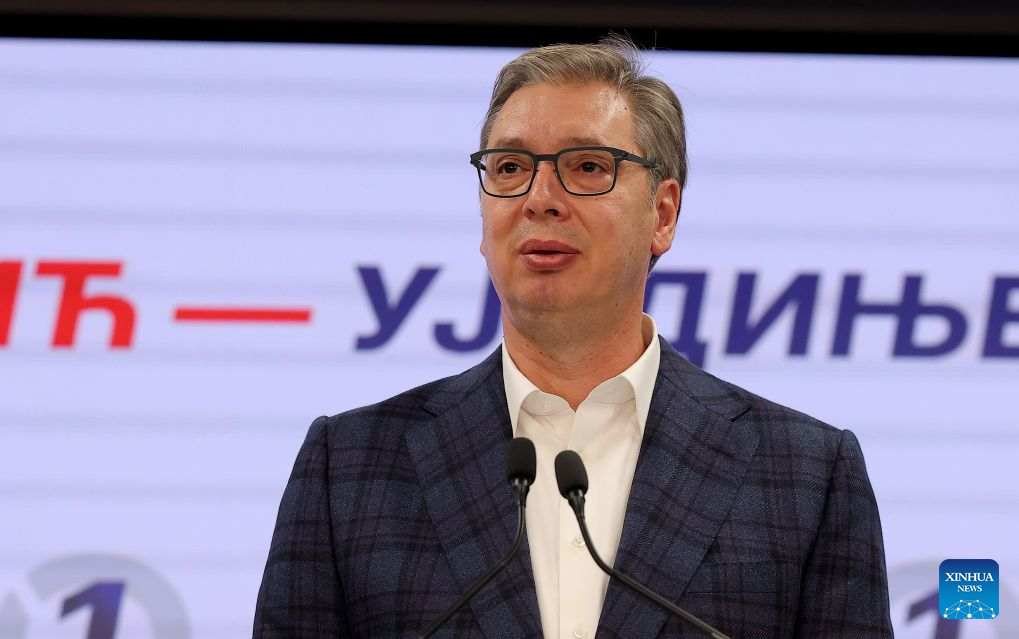
Initial projections released by polling agencies Ipsos and CeSID showed the “Student List — Students Win” winning 52 percent of the vote, well ahead of Vucic’s SNS-led coalition, “Aleksandar Vucic — United Serbia,” which stood at 39.3 percent.
Speaking at his campaign headquarters in Belgrade before final official results were available, Vucic said a stratified sample indicated that the student-backed list would win between 135 and 140 of the 250 parliamentary seats, compared with around 105 for his coalition.
“I want to inform you that based on the stratified sample, it is clear that we have lost these elections,” Vucic said. “The student-backed list has won. They will have between 135 and 140 seats, and we will have around 105.”
According to Vucic’s projections, the student-backed list received approximately 2.2 million votes, while his coalition secured roughly 1.72 million.
As victory celebrations erupted at the Student List’s headquarters, prominent candidate Radomir Saicic, a University of Belgrade professor and member of the Serbian Academy of Sciences and Arts, declared a historic triumph for Serbian citizens.
“Tonight the voice of the people is heard,” Saicic said, noting that preliminary results showed the Student List convincingly leading across polling stations.
“This is a victory of courage over fear, a victory of hope over apathy, a victory of faith that Serbia can and must be different … This victory is no one’s personal trophy. It belongs to all of us,” he said.
Stressing that the electoral will of the public “must be respected without exception,” Saicic called on supporters to celebrate peacefully and with dignity, urging citizens not to fall for provocations or enter into conflicts.
Sunday’s vote determined all 250 seats in Serbia’s unicameral parliament, with 126 needed for a majority.
About 6.45 million voters were eligible to cast ballots at 8,392 polling stations, with 18 electoral lists competing. Polling stations closed at 8 p.m. (1900 GMT), though voters already in line at that hour were permitted to cast their ballots.
The outcome marks a major shift in Serbian politics, where Vucic and the SNS have held a dominant position since 2012. Vucic resigned as president on Sept. 27 to take part in the parliamentary election, with a new presidential vote required by the end of December.
The student-backed movement emerged from nearly two years of anti-corruption protests and university blockades following the November 2024 collapse of a railway station canopy in Novi Sad that killed 16 people. The tragedy became a focal point for public anger over corruption and demands for accountability.
The movement’s electoral list, formally headed by Novi Sad university professor Ilija Srdanovic, campaigned on institutional reform and anti-corruption measures. It challenged not only the ruling bloc but also established opposition parties, including the Socialist Party of Serbia and other pro-European and right-wing groups.
In his concession address, Vucic said he had chosen to announce the projections before official results were released to spare supporters uncertainty and counter claims that he would refuse to acknowledge an electoral defeat.
He attributed his bloc’s projected defeat to foreign support for the protest movement, describing the result as a “verification of a revolution”.
Vucic thanked his supporters and pledged that his political movement would remain united and continue its work from the opposition benches.
The projections represent the most significant electoral setback for the SNS since it came to power in 2012 and place the student-backed movement in a position to form a single-party parliamentary majority.
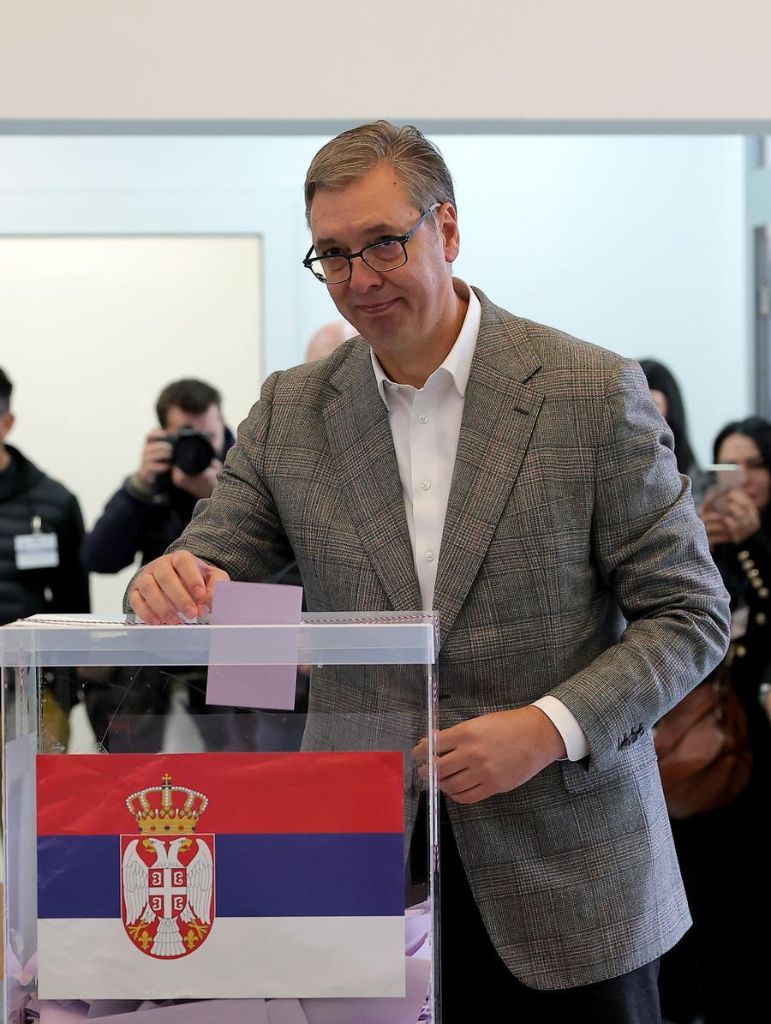
Former Serbian President Aleksandar Vucic casts his ballot for the early parliamentary election at a polling station in Belgrade, Serbia, on Oct. 25, 2026. (Photo by Predrag Milosavljevic/Xinhua)
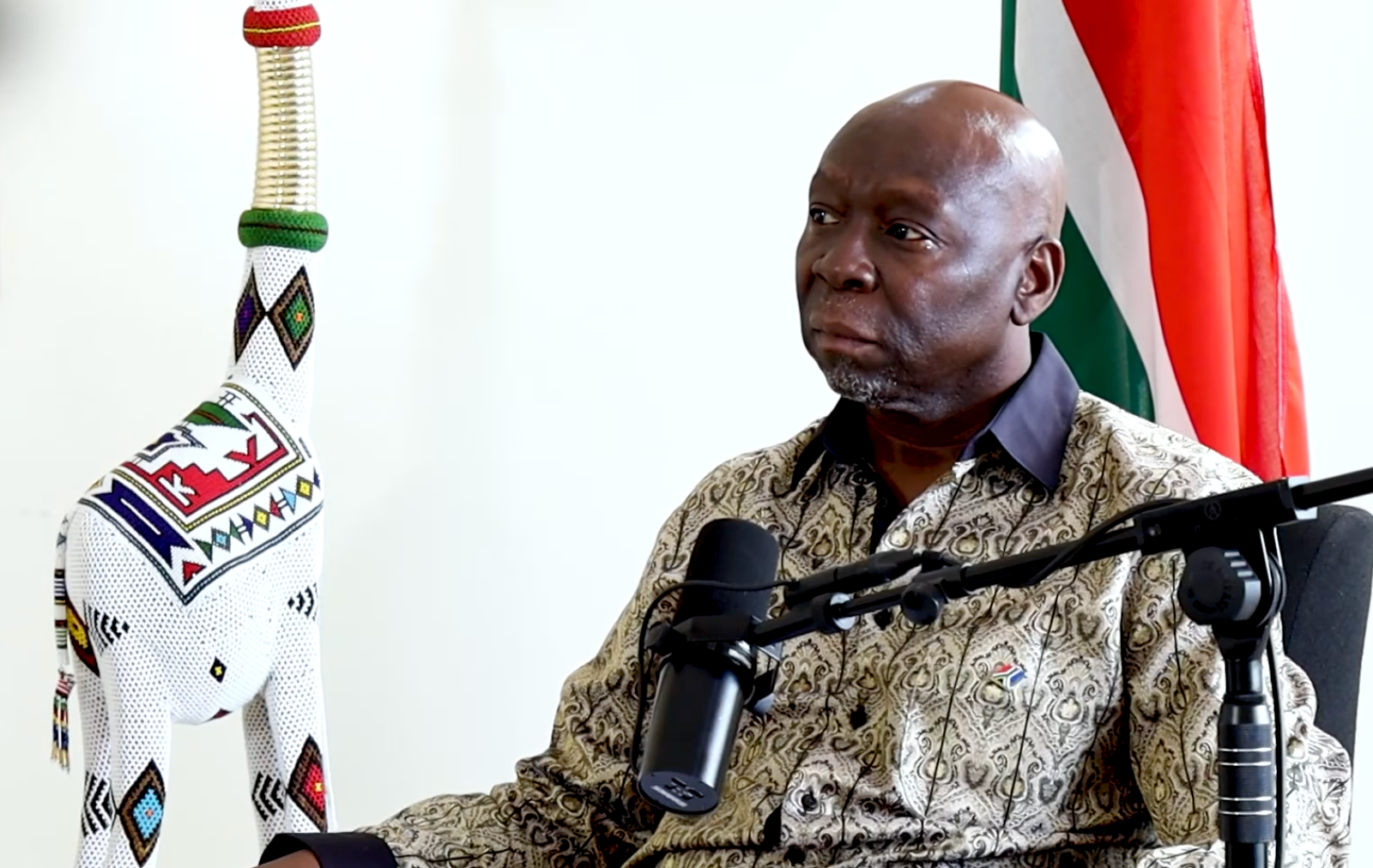
Hlungwane made the remarks in an interview with The Context podcast by The New Times, as Rwanda and South Africa work to restore diplomatic relations following years of tensions.
The interview was held a few days after Hlungwane and four other diplomats presented their credentials to President Paul Kagame, formally accrediting them to represent their respective countries and international organisations in Rwanda.
South Africa last had an ambassador in Rwanda in late 2024, when Mandisi Bongani Mabuto Mpahlwa completed his term. He had arrived in Rwanda in 2020.
For years, Rwanda has repeatedly raised concerns over cooperation between FDLR and the Congolese government forces, as well as the group’s persistent genocidal ideology, concerns it says have been downplayed by the international community.
“We know that every country has their threat and they have a right to defend themselves against any threat. And then we believe FDLR is not just a threat to Rwanda; it’s the existential threat,” High Commissioner Hlungwane said.
He added that South Africa recognised Rwanda’s right to protect itself against the group, which he said was among the issues addressed in agreements aimed at resolving the conflict in eastern Democratic Republic of Congo (DRC).
Hlungwane pointed to the Washington agreement, which includes provisions requiring the DRC to stop supporting the FDLR and work towards its neutralization. He said the lack of progress in implementing this commitment remained a concern.
“Rwanda has a right to protect itself and their territorial integrity from being destabilised by such a threat, whether it’s aided by the neighbouring country or by other external actors,” he said.
The High Commissioner’s remarks come as the two countries seek to rebuild relations that deteriorated around 2014.
Their foreign affairs ministers met in June 2026 and agreed on a roadmap to normalise diplomatic relations, including resuming visa issuance to ordinary Rwandan passport holders within 12 months and reactivating the Joint Commission on Cooperation.
Hlungwane said the renewed engagement would provide an opportunity for both countries to address sensitive matters, including legal and security concerns.
“There’s no process like that. We are open. It’s going to be an open commission. Each country is open to raise whatever issue they want discussed,” he said, adding that the commission would involve relevant government departments, including those responsible for justice and security.
On questions surrounding Rwandan dissidents living in South Africa, Hlungwane said his country would not allow individuals or groups to use its territory to mobilise efforts to overthrow another government.
“As a country we have a policy that we will never allow any group to mobilise to overthrow another country under our watch,” he said.
He explained that South Africa also had to observe its international obligations, including those relating to refugees, while addressing legal questions through appropriate judicial and international mechanisms.
Hlungwane said the two countries’ justice departments could discuss such matters through the planned commission, adding that South Africa would not hesitate to act where applicable international legal obligations required it to do so.
The High Commissioner also addressed South Africa’s role in the Southern African Development Community Mission in the DRC (SAMIDRC), saying the mission’s original purpose was to protect civilians but that events on the ground complicated its implementation.
He said South Africa eventually withdrew its troops and emphasised that his country believed the conflict required dialogue among Congolese stakeholders.
“We believe that DRC people must come together, must have a dialogue, must solve their own problems, and ourselves and even Rwanda can assist them in doing that,” he said.
South Africa withdrew troops from DRC in 2025, and were given passage through Rwanda after AFC/ M23 captured Goma.
Hlungwane called for an inclusive national dialogue in the DRC, arguing that a lasting solution must emerge from discussions involving Congolese stakeholders, with the African Union playing a facilitative role.
He said stronger cooperation between Rwanda and South Africa could help advance peace and development across the continent, adding that the two countries had a shared interest in strengthening African institutions and resolving regional conflicts through dialogue.
South African High Commissioner to Rwanda, Tinyiko George Hlungwane, recently presented his credentials to President Paul Kagame, formally accrediting him to represent South Africa in Rwanda.South African High Commissioner to Rwanda, Tinyiko George Hlungwane, said the FDLR poses an existential threat to Rwanda and acknowledged the country’s right to defend itself against security threats.
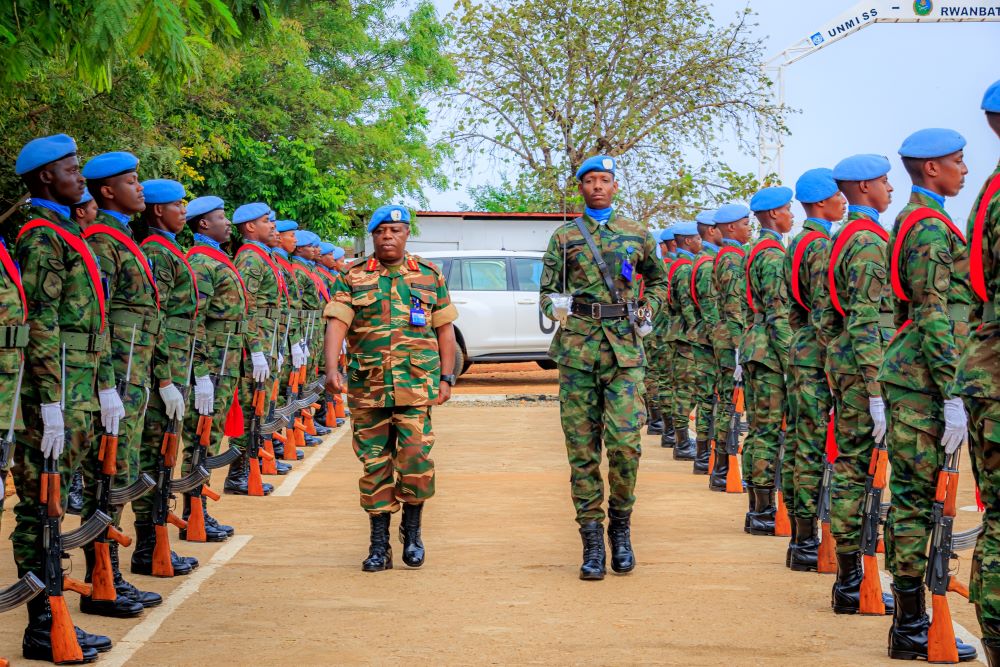
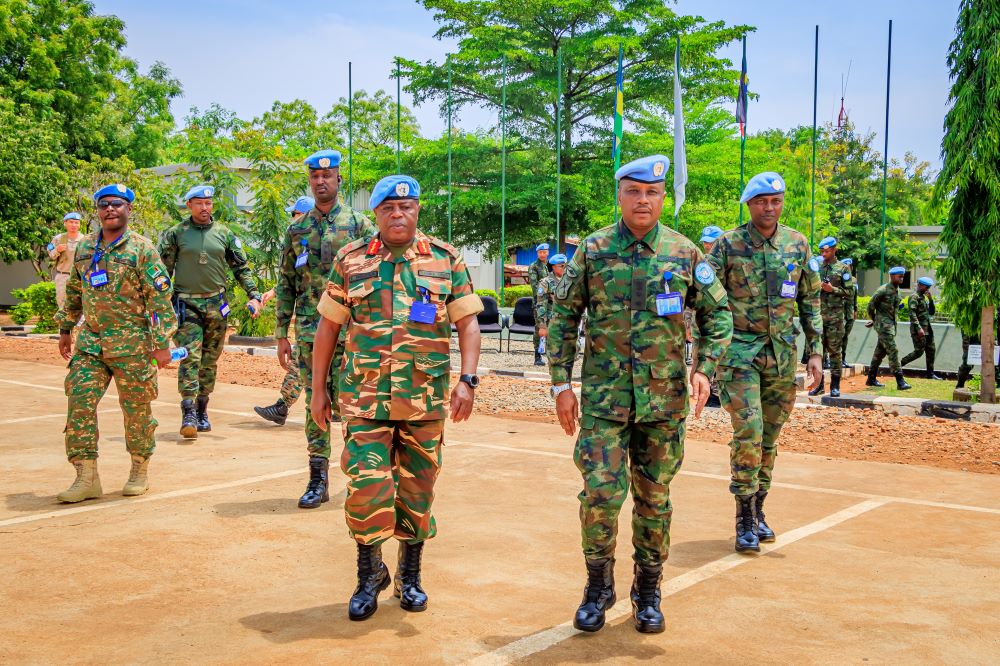
He was received by the Contingent Commander, Colonel Innocent Rwaka Muhirwe.
During the visit, the Contingent Commander briefed the Deputy Force Commander on the contingent’s operational activities in support of the UNMISS mandate, highlighting the operational, CIMIC and training conducted, as well as challenges encountered in the execution of daily duties.
Major General Ngosa commended RWANBATT-3 for its professionalism, dedication, and strong performance in carrying out its assigned tasks.
He also conveyed appreciation from the Special Representative of the Secretary-General (SRSG) and the Force Commander for the contingent’s valuable contribution to the implementation of the UNMISS mandate.
He emphasized that maintaining a high level of operational readiness remains essential to protecting civilians, safeguarding personnel, and strengthening coordination with other contingents operating within the mission area.
He further underscored the importance of continuous training and preparedness, particularly in anticipation of the upcoming elections and security challenges.
The visit concluded by a tree planting symbolising RWANBATT-3’s commitment to environmental conservation and its contribution to promoting a more sustainable green nature.
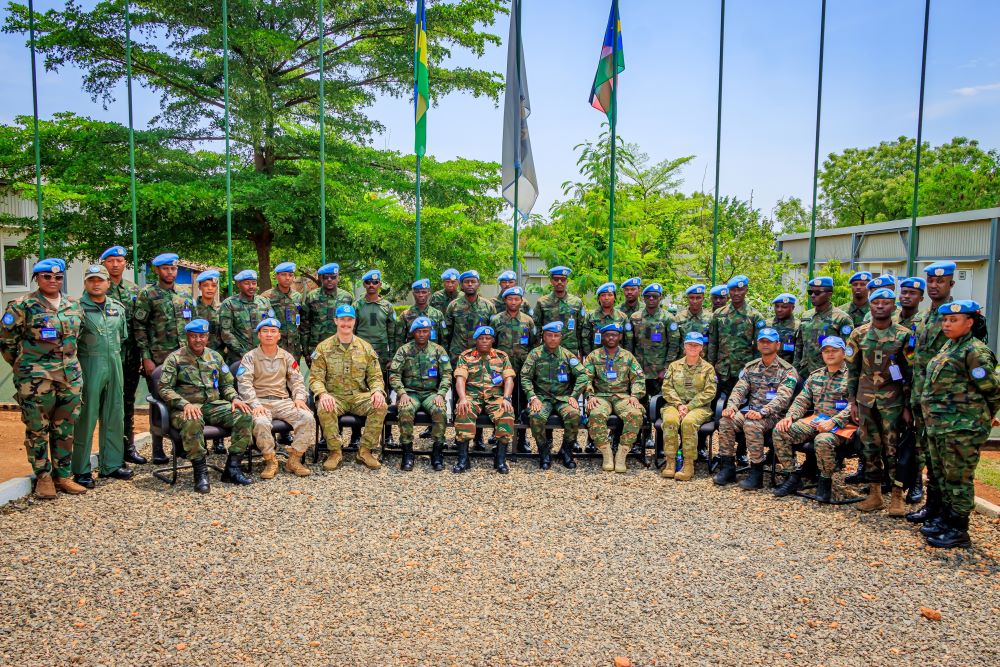
Major General Laston Ngosa poses for a group photo with RWANBATT-3 peacekeepers during his visit to the contingent at Durupi Camp in Juba, South Sudan.Major General Laston Ngosa commended RWANBATT-3 for its professionalism, dedication and performance in carrying out its assigned tasks under the UNMISS mandate.Major General Laston Ngosa inspects RWANBATT-3 during his visit to Durupi Camp in Juba, South Sudan, on October 23, 2026.
The graduates also included students who completed undergraduate programmes at bachelor’s and other levels.
The ceremony was attended by senior government officials, including the Minister of Education, Joseph Nsengimana; Minister of Health, Dr Sabin Nsanzimana; and Minister of Local Government, Dominique Habimana.
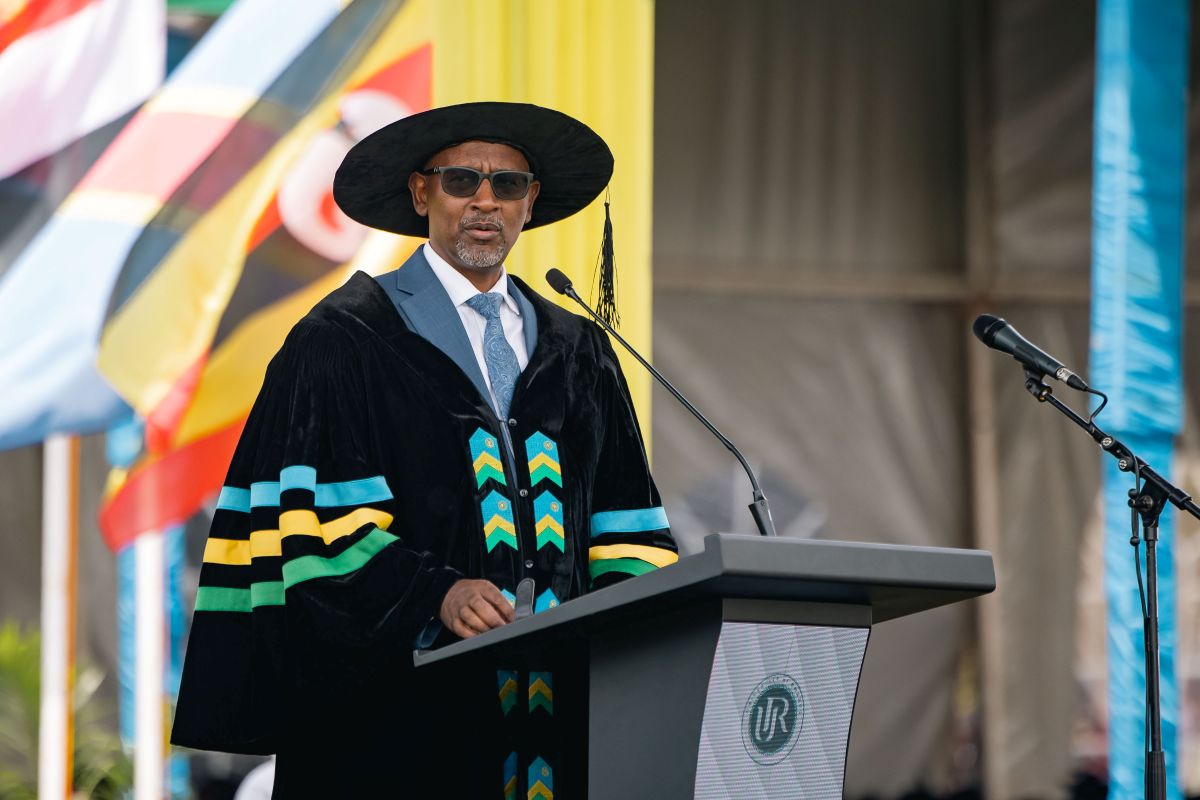
University of Rwanda Vice-Chancellor Prof. Didas Kayihura Muganga said the graduates should use the knowledge and skills they had acquired to address challenges facing the world while continuing to learn and adapt to changing circumstances.
“The world is changing at a breathtaking pace, driven by rapid technological shifts. Do not fear this change; lead it. Adapt and readapt, upskill, and always strive to stay relevant,” he said.
Prof. Muganga also encouraged graduates to turn their learning into practical solutions and drive innovation in their communities.
Education Minister Nsengimana urged graduates to look beyond seeking employment and consider how they could use their skills to create jobs and solve problems.
“Do not just wait for opportunities; use your knowledge and creativity to create them,” he noted.
Nsengimana reminded them that true success is measured not only by personal achievement, but also by the positive difference they make in people’s lives.
Richards Makuza, among the first graduates to complete a postgraduate programme in circular economy, thanked the government for supporting their education and pledged to apply the knowledge gained to promote environmentally sustainable economic development.
Jean Damascene Niyisubiza, who graduated from the University of Rwanda’s Huye campus in a medical imaging-related field, said he was pleased to complete his studies and ready to contribute to the health sector.
“I studied medical imaging, and I believe I will contribute to helping many Rwandans who are ill. I am entering the job market, but I also plan to continue my studies and acquire more knowledge so that I can contribute more to healthcare services,” he said.
Speaking on behalf of fellow graduates, Shema Bravo Bright thanked the university for the education it provided and the government for supporting their studies. He also recognised the contribution of parents and guardians who helped students complete their programmes.
Among the parents attending the ceremony was Saphine Nyirantegereza, who travelled from Rusizi District to celebrate her child’s graduation with a bachelor’s degree. She said completing university was a major achievement.
“It is a great joy to see your child study and complete university. We thank the government for paying our children’s fees and enabling them to graduate.
“We hope they will use the knowledge they have acquired to improve their lives and become responsible men and women who contribute to Rwanda’s future,” she said.
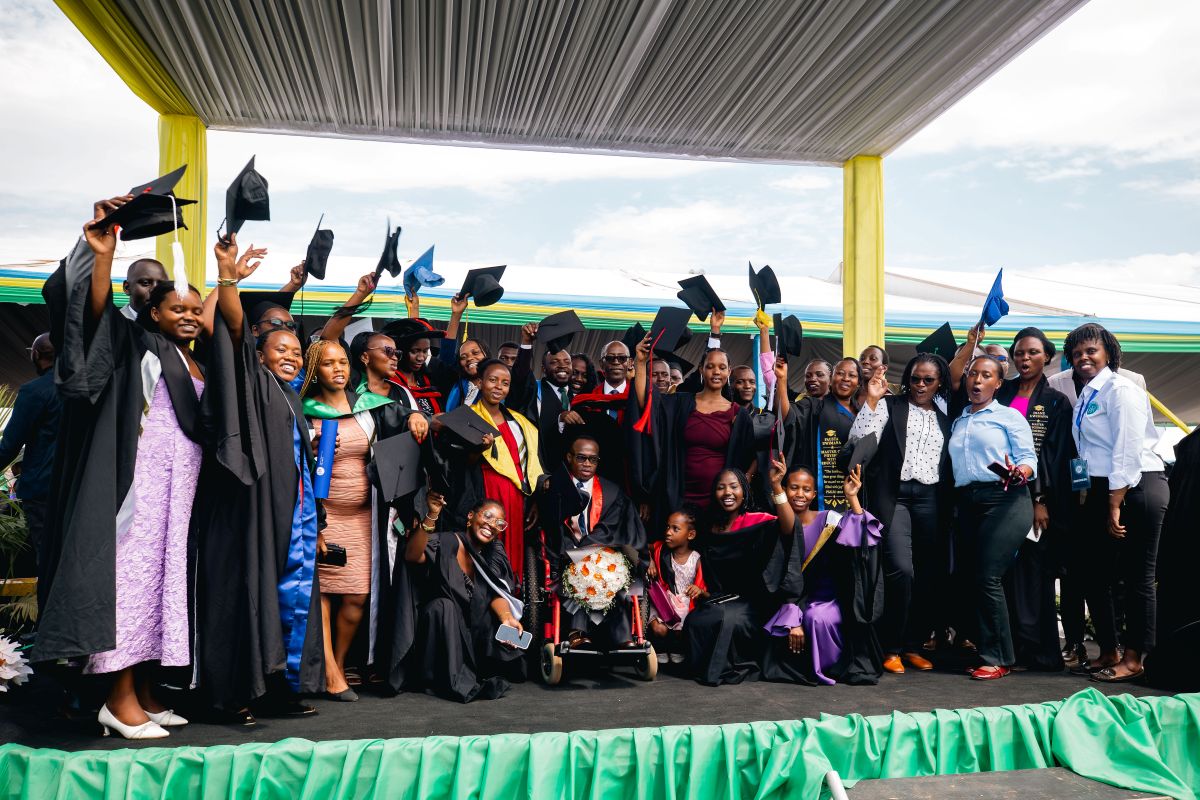
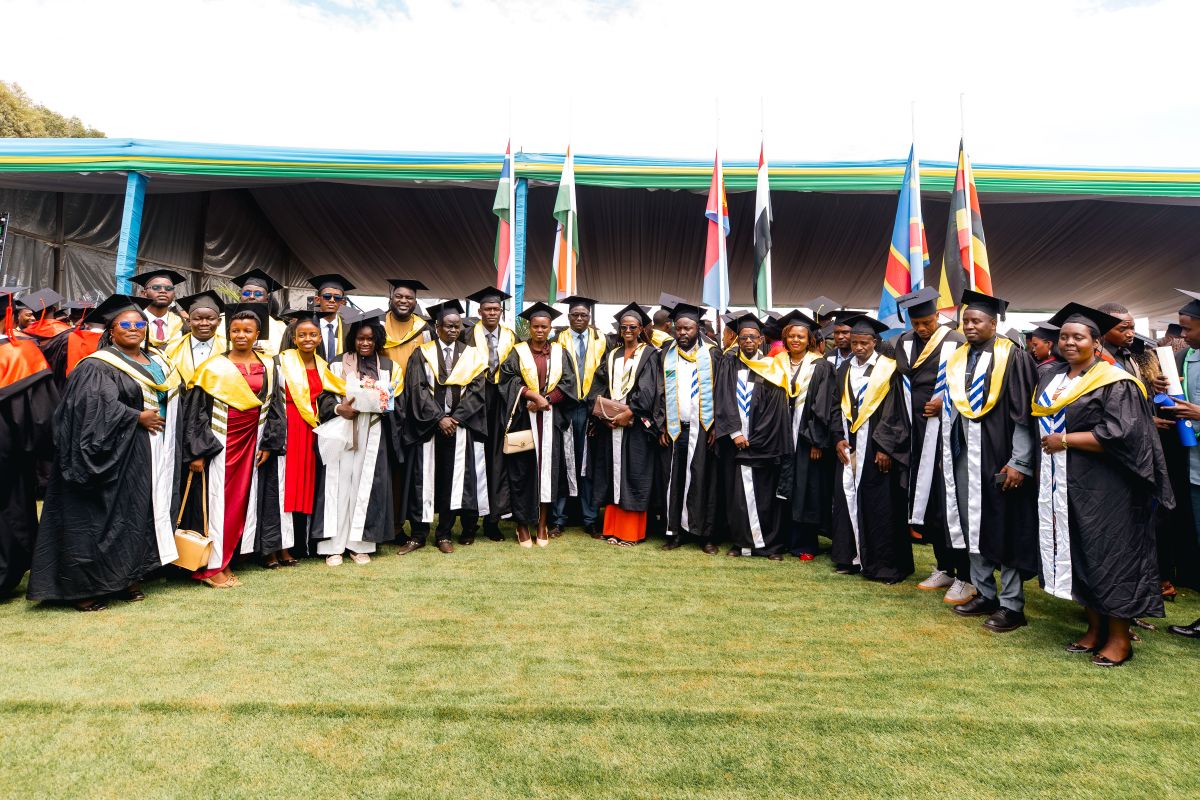
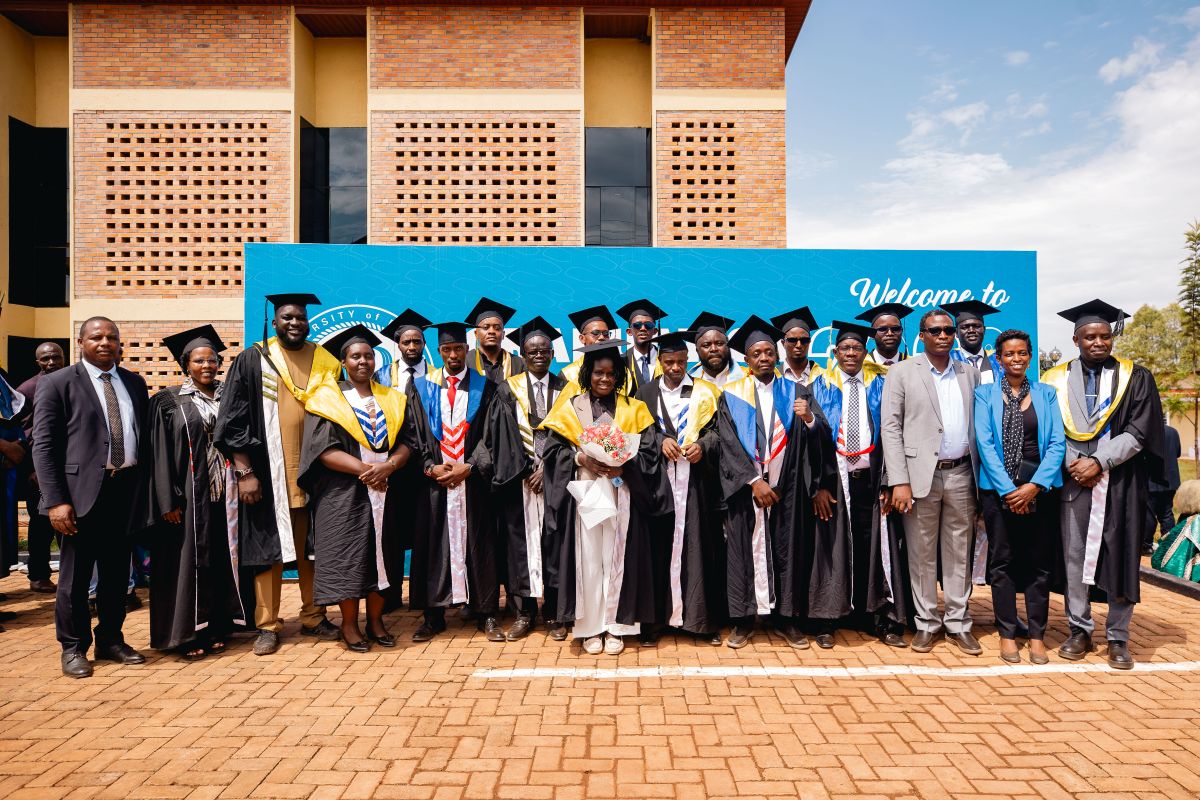
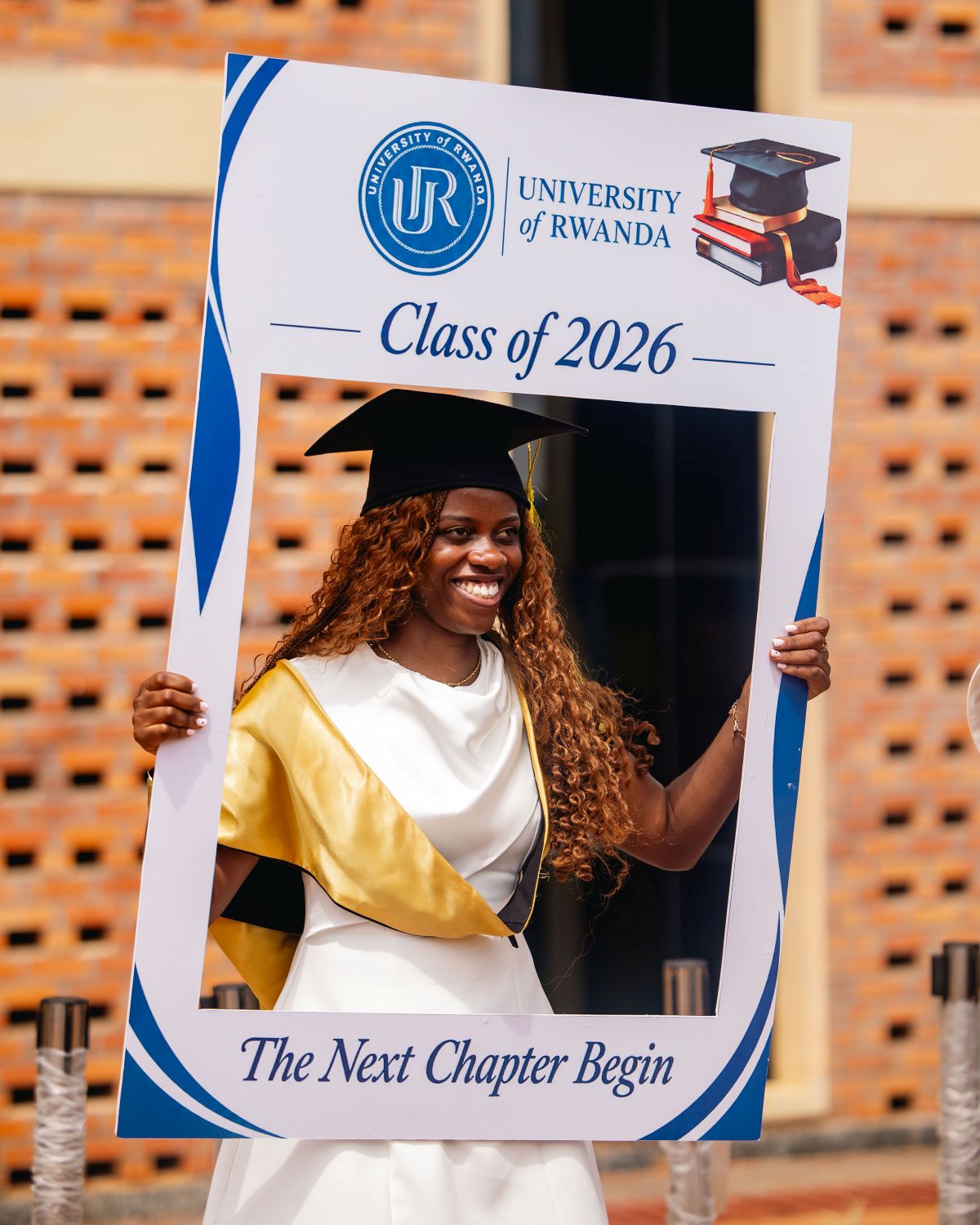
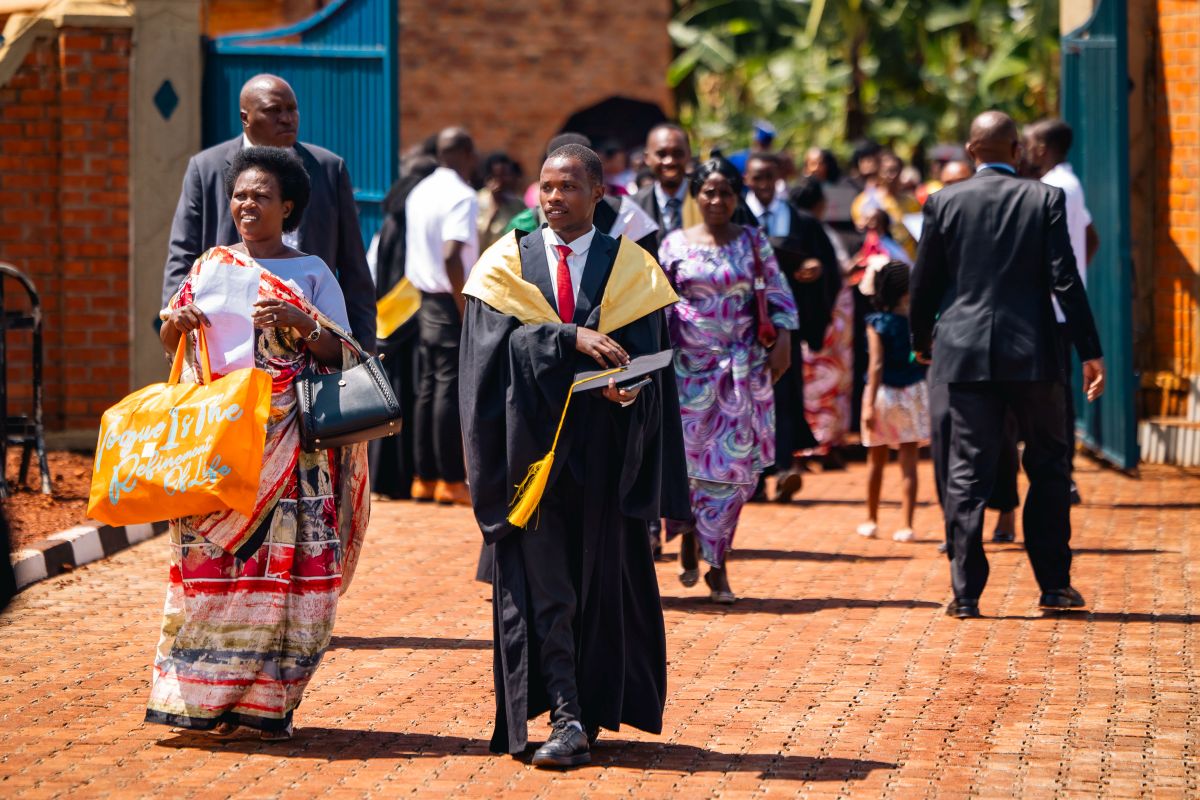
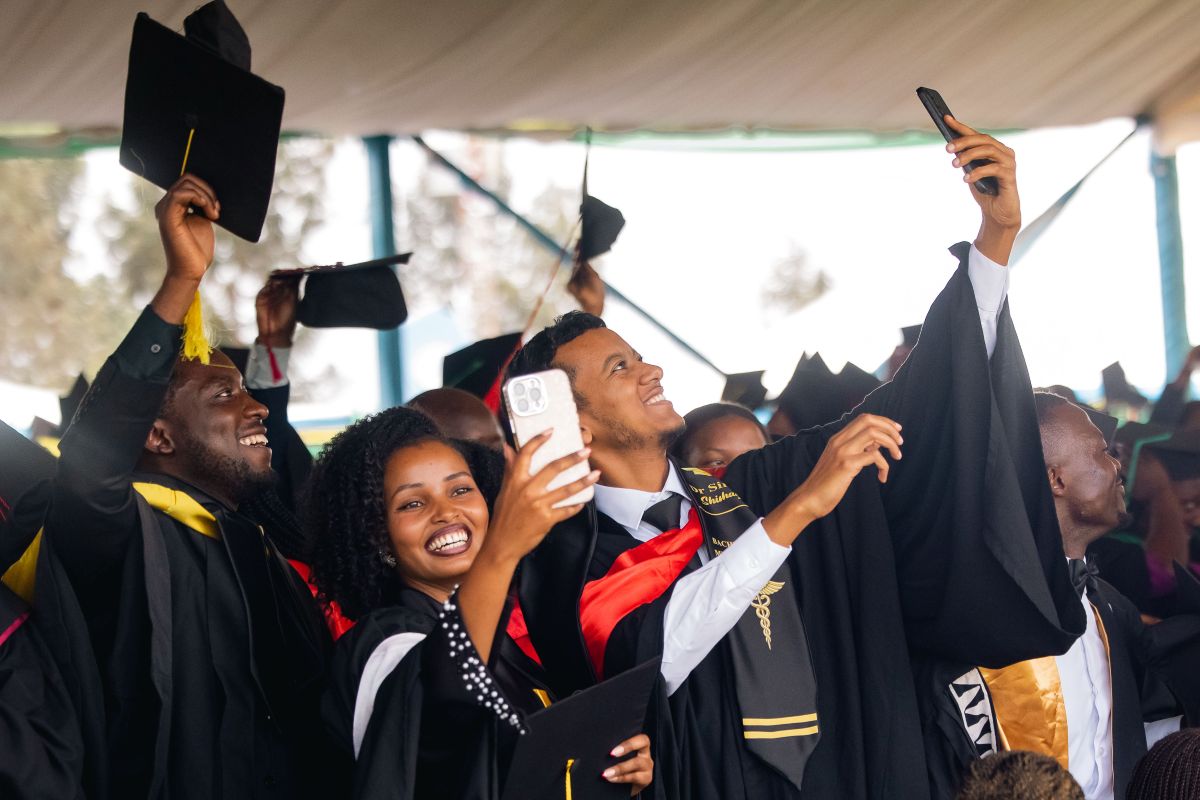
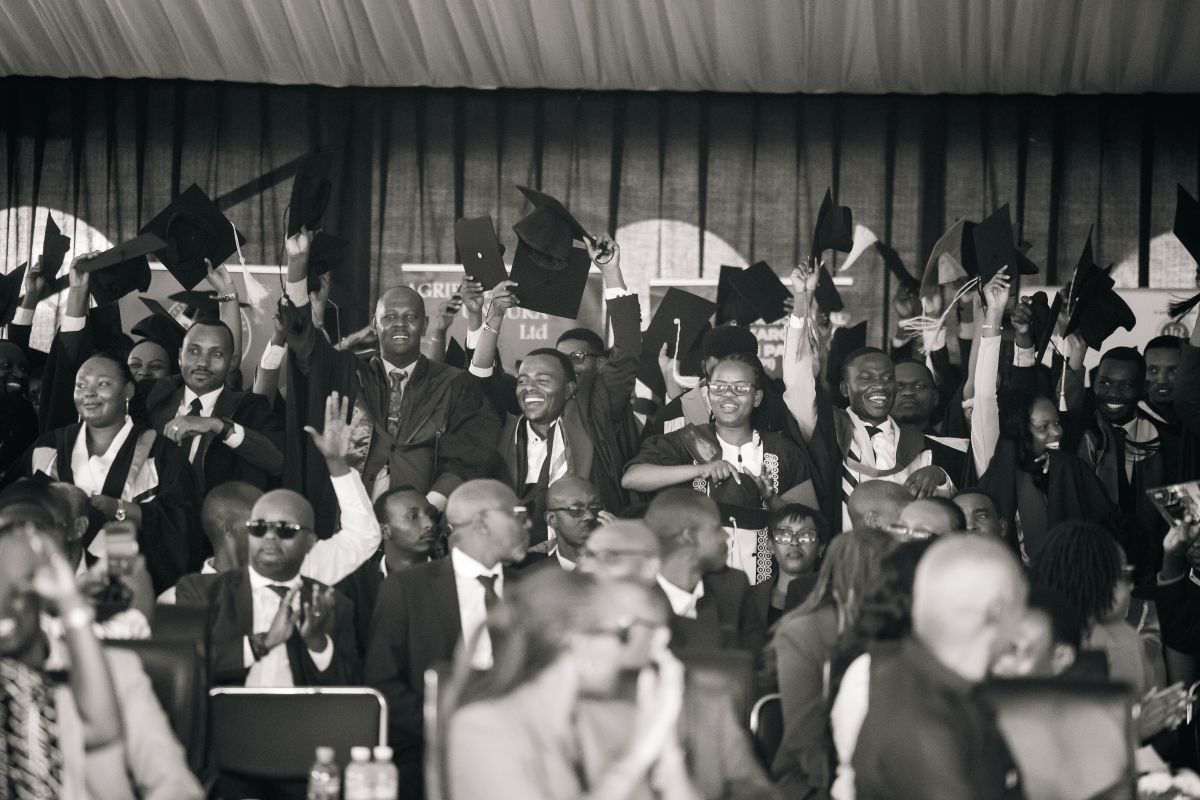
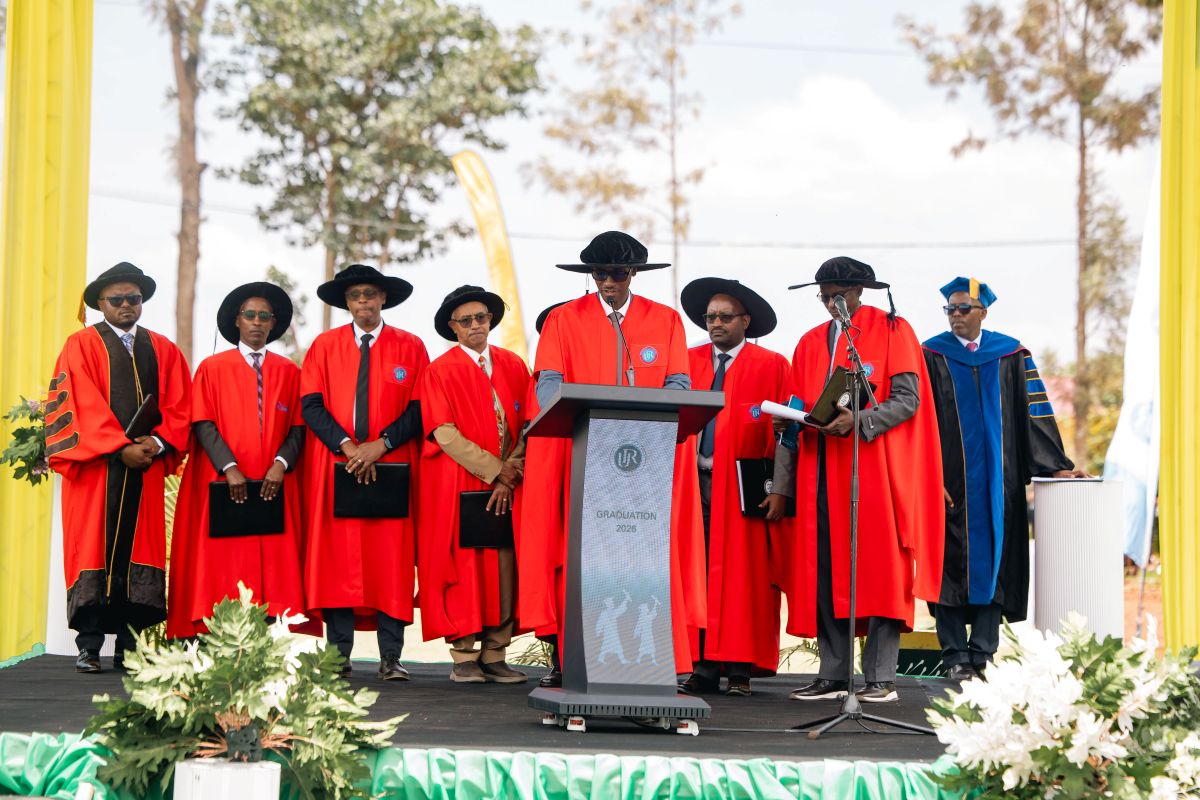
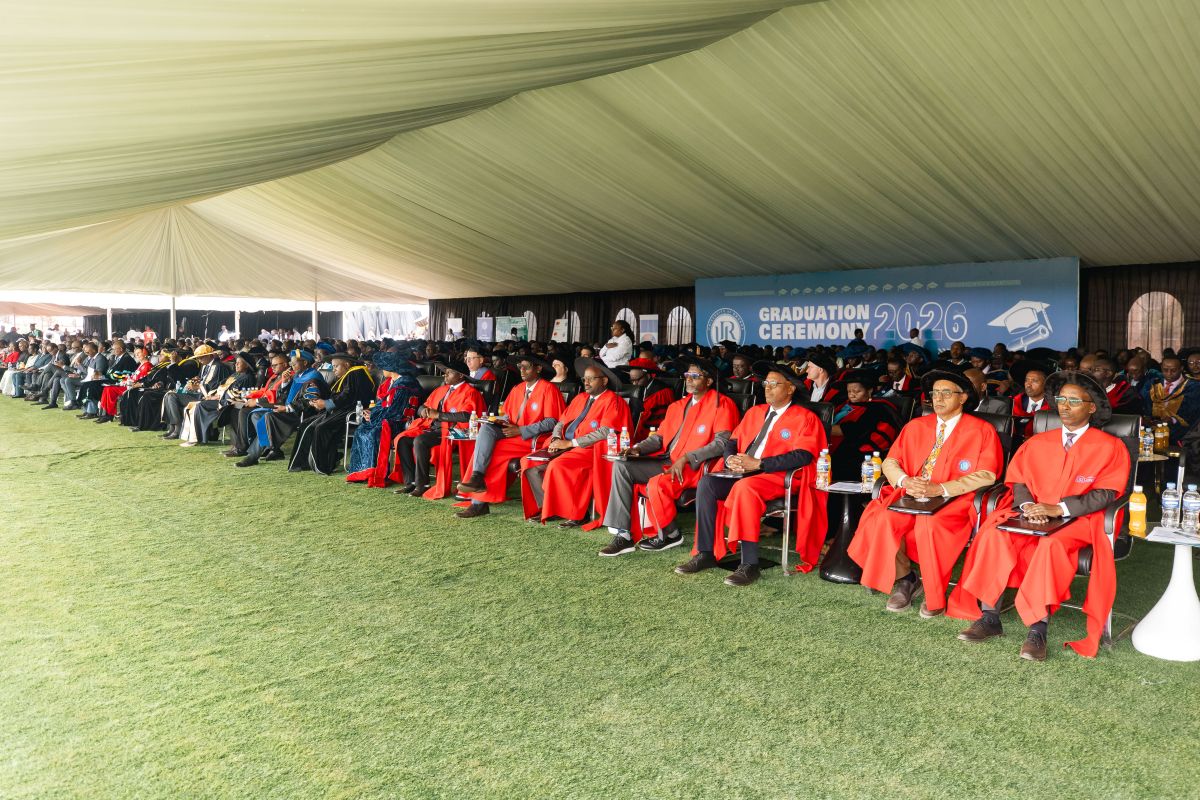
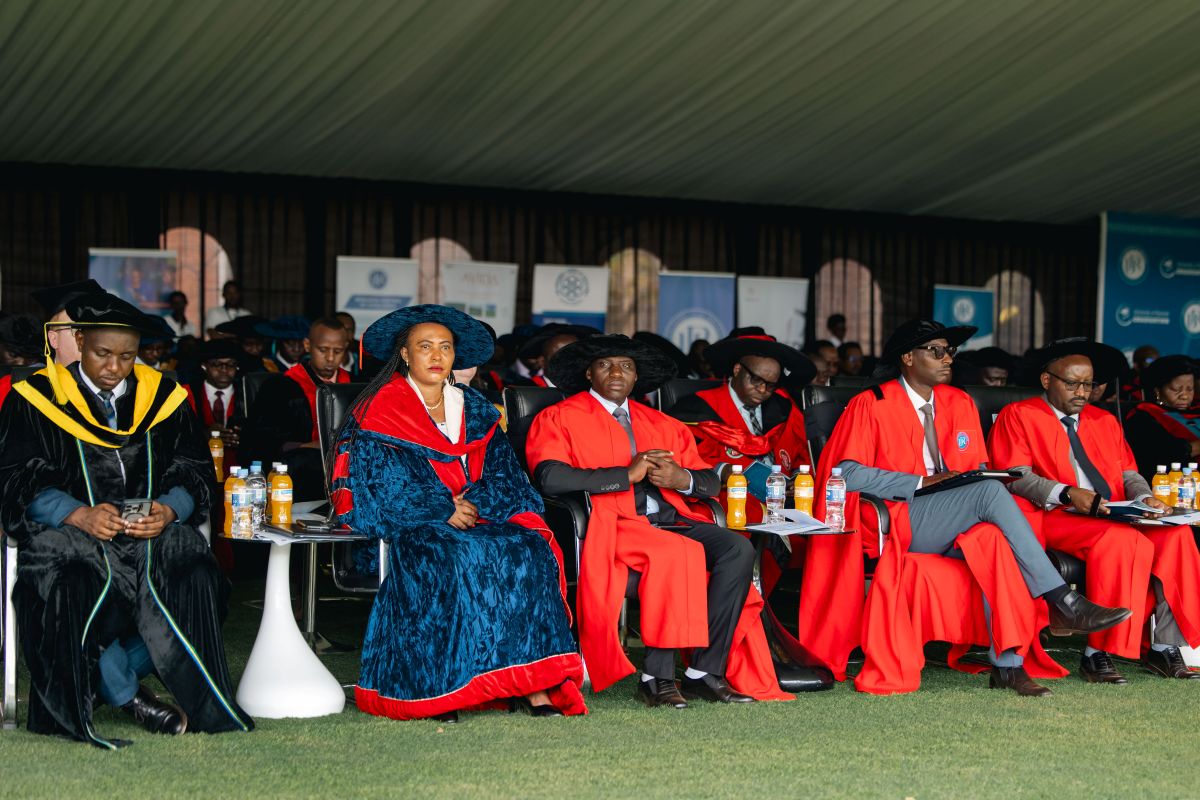
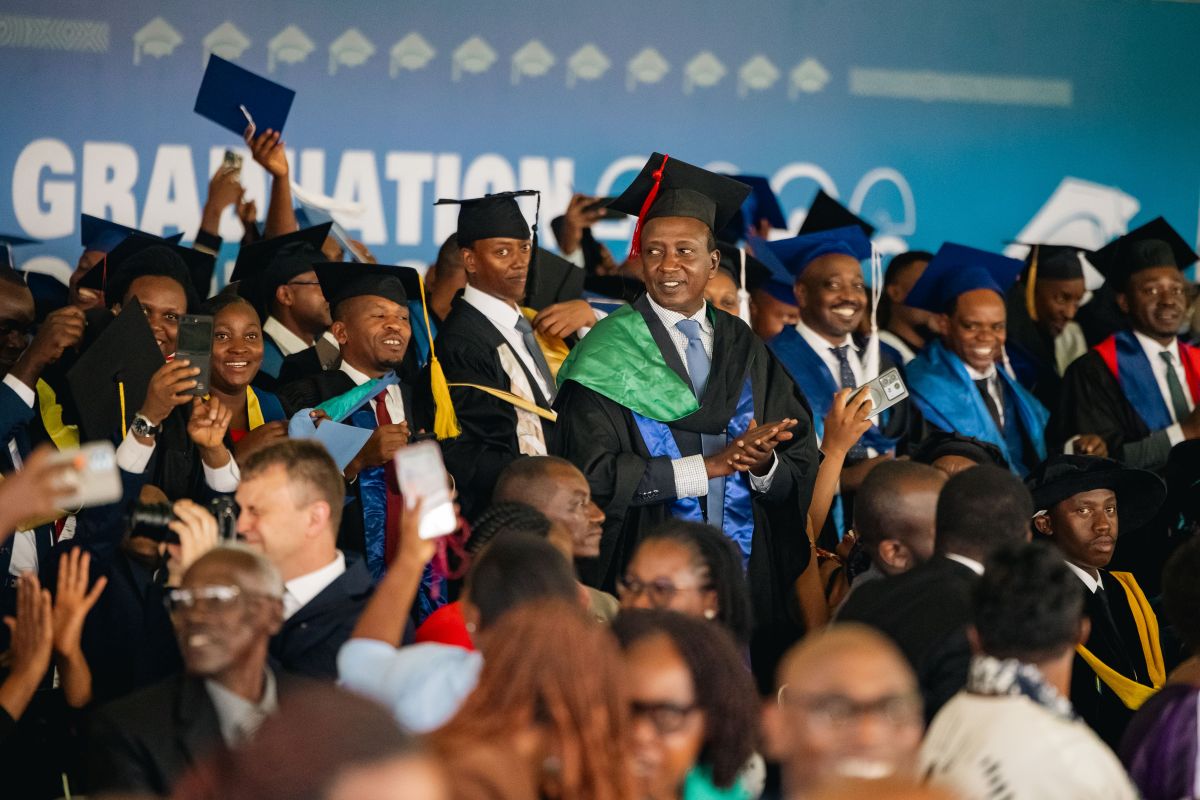
Graduates celebrate after receiving their degrees during the University of Rwanda’s 12th graduation ceremony in Kayonza District.University of Rwanda Vice-Chancellor Prof. Didas Kayihura Muganga speaks during the university’s 12th graduation ceremony at the Rukara campus.The University of Rwanda graduated 4,953 students during a ceremony held at its Rukara campus on October 23, 2026.Minister of Local Government Dominique Habimana and Minister of Health Dr. Sabin Nsanzimana attended the ceremony.Graduates pose for a group photo during the University of Rwanda’s 12th graduation ceremony.Family members and other guests attended the University of Rwanda’s 12th graduation ceremony at the Rukara campus.Minister of Education Joseph Nsengimana addresses graduates during the University of Rwanda’s 12th graduation ceremony held at the Rukara campus in Kayonza District on October 23, 2026.