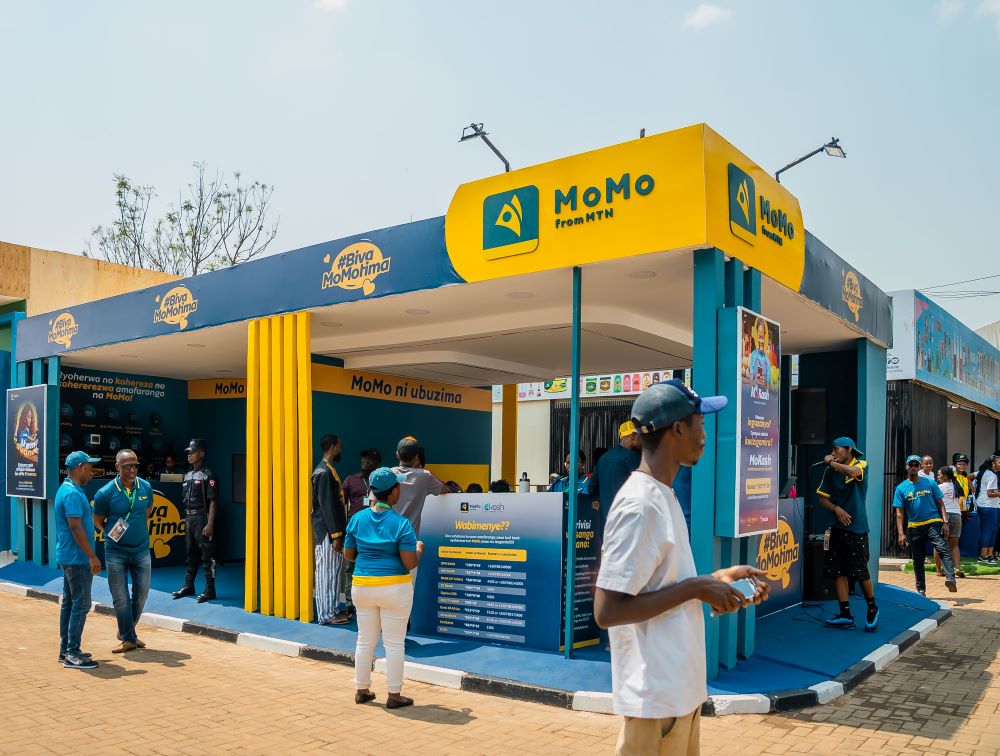
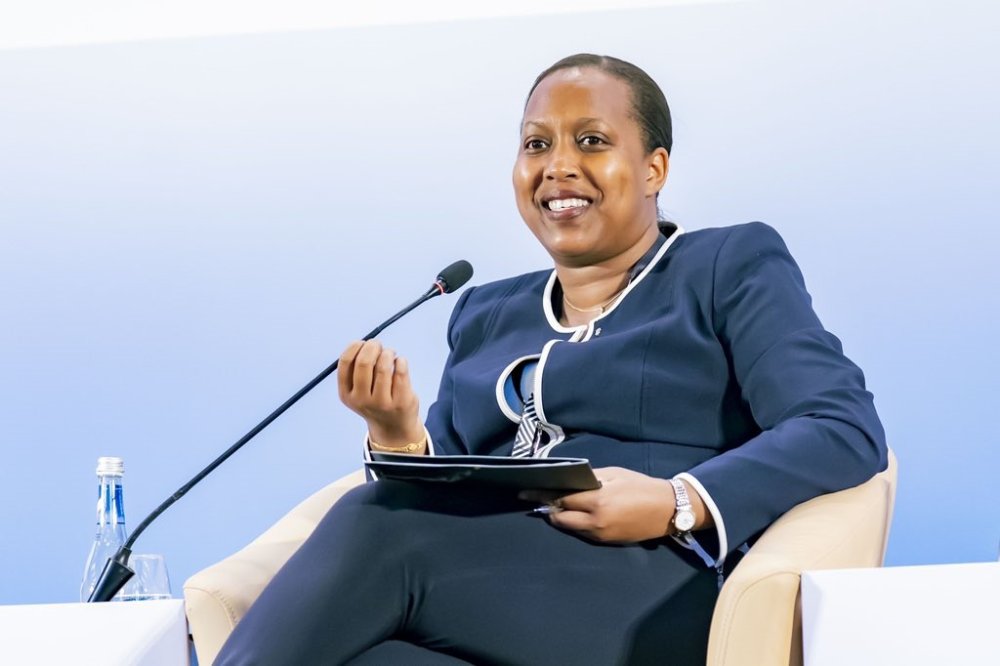
The campaign was unveiled at Expo 2026, currently underway at Gikondo, where MoMo Rwanda is showcasing its full range of services and providing customer support to thousands of visitors over the three – week exhibition.
MoMo Rwanda’s presence at Expo 2026 gives customers and merchants a firsthand look at the products behind the campaign. At its dedicated booth, running for the full three weeks of the expo, the company is providing visitors with access to the complete suite of MoMo services, including account registration, MoMoPay merchant onboarding, and hands – on support for digital payments, making the exhibition an extension of the MoMoBae launch itself.
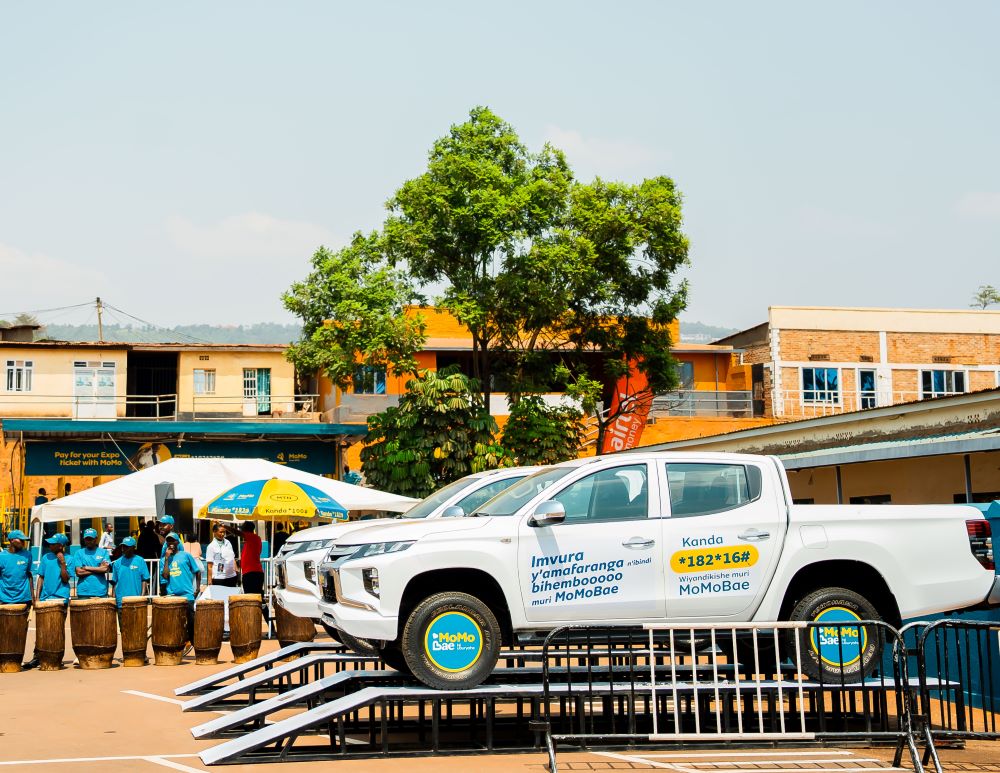
Running for a period of two months, the campaign will reward participants with weekly cash prizes ranging from Rwf 100,000 to Rwf 2 million, a brand – new iPhone 17, a brand – new Samsung A57, and the ultimate grand prizes: two brand – new Mitsubishi trucks, with one awarded to the best – performing merchant and the other to the best – performing customer. MoMoBae is open to both MoMo customers and MoMoPay merchants across Rwanda.
To participate, customers are encouraged to opt in by dialling 18216# then use their MoMo wallets to pay as many merchants as possible, while merchants are encouraged to receive as many MoMo customer payments as possible through their MoMoPay merchant codes.
With the introduction of eKash interoperability for merchant payments, merchants can now receive payments from customers across different mobile money networks, making digital payments more accessible, seamless, and convenient than ever before.
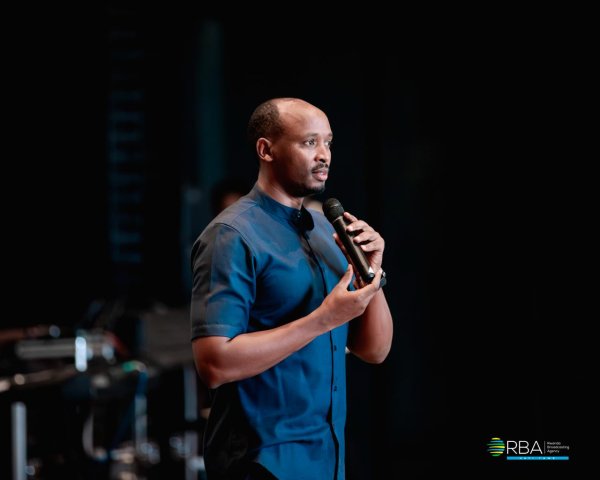
Speaking at the launch, Chantal U. Kagame, Chief Executive Officer of Mobile Money Rwanda Ltd, highlighted the significance of the campaign in driving digital financial inclusion and accelerating the country’s transition to a cashless economy.
“MoMoBae is more than just a rewards campaign; it is a celebration of the evolution of digital payments in Rwanda. The introduction of eKash interoperability on merchant payments marks a significant milestone, allowing customers to pay and merchants to receive payments regardless of their mobile money service provider or network operator.
“This is a game changer for businesses and consumers alike, removing barriers to digital transactions and bringing us one step closer to a truly inclusive cashless economy. Through MoMoBae, we are rewarding the customers and merchants who are embracing this transformation and making digital payments part of their everyday lives.”
The campaign is expected to drive increased adoption of digital payments among both consumers and businesses while encouraging merchants to leverage interoperable payment solutions to grow their businesses. By rewarding transaction activity rather than chance alone, MoMoBae reinforces the value of using secure, convenient, and interoperable digital payment solutions in everyday commerce.
Customers and merchants can transact using participating MoMoPay merchant codes throughout the campaign period to increase their chances of winning. Winners will be selected in accordance with the campaign mechanics and announced throughout the campaign.
MoMo Rwanda has reaffirmed commitment to providing innovative financial solutions that simplify everyday transactions, promote financial inclusion, and support Rwanda’s digital transformation agenda.
Mobile Money Rwanda Ltd is MTN Rwanda’s FinTech subsidiary, established on 27th April 2021 to provide and manage Mobile Money services in Rwanda. The company has about 6.4 million subscribers, over 65,000 Mobile Money agents, and over 60 0,000 MoMoPay merchants across the country.
With continuous innovations in services such as MoMoPay, MoKash Loans & Savings, Tap&Go bus payments, Bill Payments, International & Regional Remittances, and more, Mobile Money Rwanda seeks to position itself at the forefront of driving financial inclusion and supporting the digital economy in Rwanda.
The country is building a carbon market system that allows verified climate projects to generate carbon credits, which can then be sold to organisations seeking to reduce their greenhouse gas emissions.
Each carbon credit represents one tonne of carbon dioxide equivalent that has been reduced, avoided or removed from the atmosphere through an approved activity.
For Rwanda, carbon markets are part of a broader strategy to support its ambition of becoming a climate-resilient and carbon-neutral economy by 2050.
The country is exploring these markets as a way to attract climate finance, support green growth and fund projects in areas such as clean energy, forestry, sustainable agriculture, waste management and clean cooking technologies.
Although Rwanda contributes a relatively small share of global greenhouse gas emissions, it faces significant climate-related challenges, including risks linked to floods, droughts, land degradation and changing weather patterns.
The government considers climate finance an important requirement for implementing mitigation and adaptation measures under its climate commitments.
Carbon markets operate through different mechanisms. They include the Clean Development Mechanism (CDM) established under the Kyoto Protocol, voluntary carbon markets and mechanisms created under Article 6 of the Paris Agreement.
Article 6 allows countries to cooperate in achieving climate targets through approaches that include transferring emission reductions between countries. However, such transactions require strong systems to verify reductions and prevent the same emission reduction from being counted more than once.
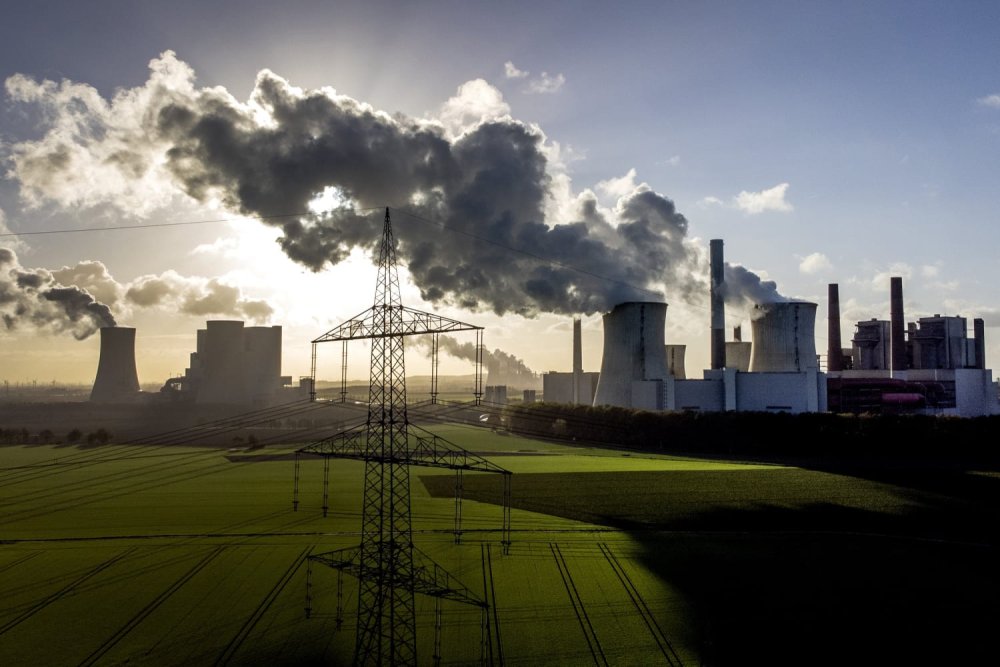
Carbon markets allow high-emitting companies and countries to offset part of their emissions by buying verified carbon credits from projects that reduce or remove greenhouse gases.
Carbon market framework and international partnerships
Rwanda established a major foundation for its carbon market ambitions in December 2023 when it launched its National Carbon Market Framework on the sidelines of the United Nations Climate Change Conference (COP28) in Dubai.
Developed through the Rwanda Environment Management Authority (REMA), the framework establishes rules for generating, approving, monitoring and trading carbon credits. It aims to enhance transparency, safeguard environmental integrity and strengthen Rwanda’s participation in global carbon markets.
The framework also lays the foundation for Rwanda’s engagement in Article 6 mechanisms under the Paris Agreement by setting procedures for project authorisation, emission reduction verification and carbon accounting.
At its launch, Rwanda said the initiative would support the transition to a low-carbon economy by attracting investment in clean technologies and sustainable solutions while ensuring locally generated carbon credits meet international standards.
However, establishing the framework was only the first step. Rwanda has since focused on strengthening the systems, skills and project pipeline needed to make the carbon market operational.
On March 27, 2025, the Global Green Growth Institute (GGGI) and the Government of Rwanda, through REMA, launched a project aimed at improving Rwanda’s readiness to participate meaningfully and equitably in international carbon markets under Article 6 of the Paris Agreement.
The two-year project, supported through GGGI’s Carbon Transaction Facility with a budget of $854,859, focuses on operationalising Rwanda’s National Carbon Market Framework.
The initiative addresses challenges including limited awareness among public and private sector actors about Article 6 opportunities, capacity gaps among stakeholders and the need to develop a stronger pipeline of high-quality mitigation projects.
Under the project, GGGI and REMA are supporting capacity building, strengthening governance systems, developing guidelines and supporting the identification of carbon projects in key sectors, including agriculture, forestry, energy, transport and waste management.
The initiative is also intended to improve engagement between project developers, government institutions and potential international buyers.
Rwanda has also entered into several international partnerships to support its carbon market participation.
In December 2023, Rwanda signed cooperation agreements with Singapore and Kuwait to advance collaboration under Article 6 of the Paris Agreement.
In September 2024, the Rwanda Green Fund (FONERWA), REMA, Gold Standard and Singapore-based investment company GenZero signed an agreement to develop a pipeline of Article 6-compliant carbon credit projects.
The partnership focuses on identifying projects capable of generating high-integrity carbon credits while providing additional benefits such as biodiversity protection, improved livelihoods and job creation.
In January 2026, Rwanda and Singapore launched a call for proposals for high-quality carbon credit projects under their bilateral implementation agreement, inviting developers to submit both technology-based and nature-based initiatives.
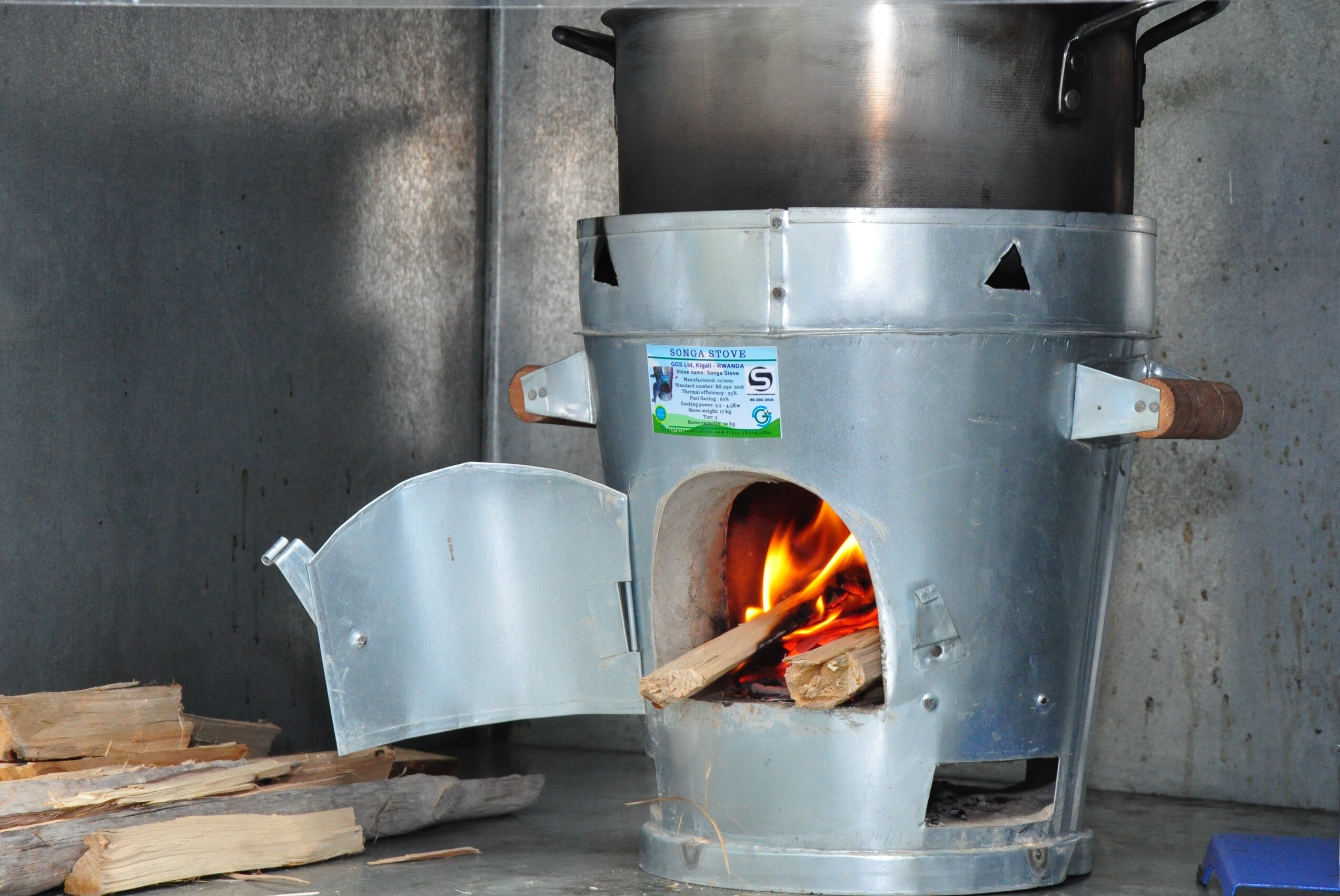
Improved cookstove projects are at the centre of Rwanda’s carbon market journey, helping households reduce reliance on firewood, cut emissions and improve indoor air quality while generating carbon credits for climate finance.
Projects, communities and the future of Rwanda’s carbon market
Rwanda’s carbon market activities have so far been largely driven by improved cookstove projects, which remain among the most developed climate initiatives in the country. These projects help households transition from traditional cooking methods that rely heavily on firewood to more efficient technologies.
Besides reducing greenhouse gas emissions, they contribute to lower indoor air pollution and reduced pressure on forests.
Improved cookstove projects accounted for about 87 percent of Certified Emission Reductions issued from Rwanda’s carbon market activities, according to national climate data. Lighting and solar projects accounted for much of the remaining share.
By December 2020, Rwanda had received more than 2.25 million carbon credits through Clean Development Mechanism and Voluntary Carbon Market activities.
The country is now expanding beyond clean cooking into other areas, including forestry restoration, agroforestry, renewable energy, sustainable agriculture and water purification.
In June 2025, REMA announced that 19 projects were ready to participate in international carbon markets. The projects included 12 energy-efficient cookstove initiatives, three agroforestry and reforestation projects and four water purification projects.
Rwanda is also putting emphasis on ensuring that carbon finance benefits communities involved in climate projects.
New regulations require that at least 30 percent of revenues generated from land-based carbon projects directly benefit communities, landowners, farmers and other stakeholders whose land contributes to the projects.
The government expects carbon markets to become an additional source of climate finance. Rwanda estimates that selling 7.5 million tonnes of carbon dioxide equivalent in carbon credits could generate about $337 million, depending on market prices.
To support investors, GGGI and REMA have also developed practical guidance explaining carbon market opportunities, project requirements and approval processes.
Potential areas for investment include forestry projects, renewable energy installations, methane capture, energy efficiency initiatives, clean cooking solutions and sustainable agricultural practices.
Rwanda’s efforts come as African countries seek to increase their participation in global carbon markets. Kigali is scheduled to host the Carbon Markets Africa Summit in October 2026, bringing together governments, investors, project developers and climate finance institutions to discuss opportunities for scaling credible carbon markets on the continent.
As international buyers increasingly seek high-integrity credits, Rwanda is moving from establishing regulatory frameworks to developing projects that can attract investment and deliver tangible climate outcomes.
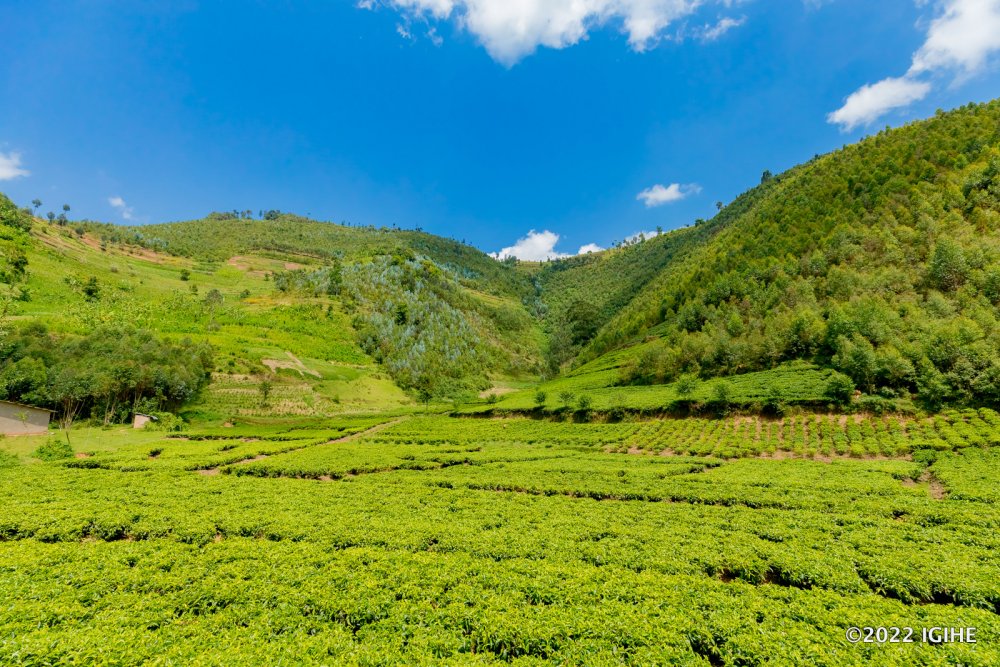
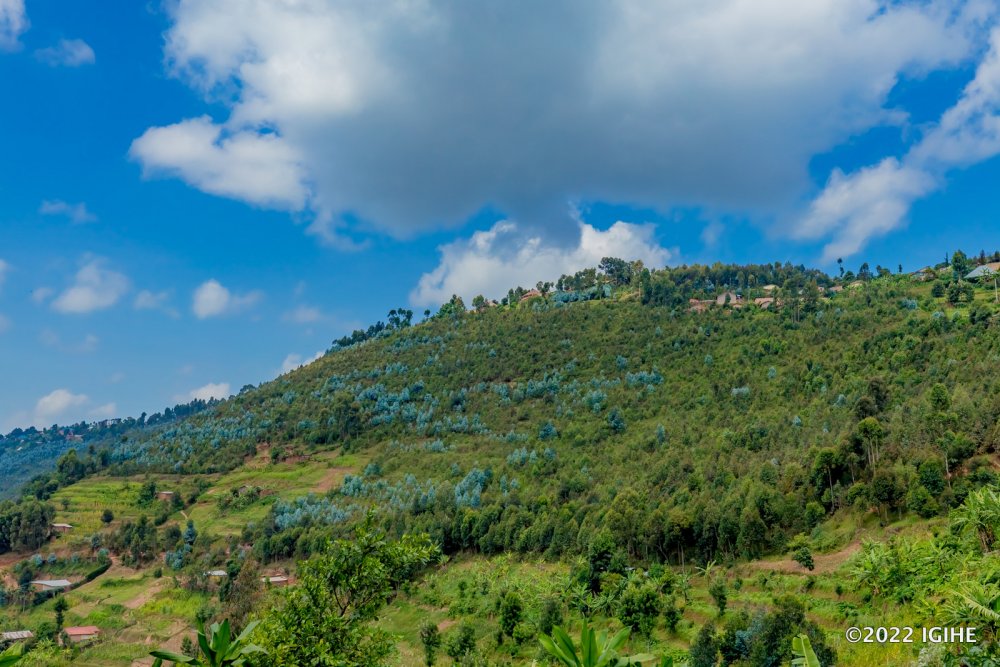
Through initiatives such as Green Gicumbi, Rwanda is restoring degraded forests and helping ecosystems recover their natural state. These reforestation efforts contribute to carbon removal, biodiversity conservation and sustainable livelihoods while creating opportunities within the country’s emerging carbon market.
The suspect, Baziruwiha Eliezer, also known as Sebishihe, is being held at the Rwanda Investigation Bureau (RIB) station in Rubengera. He had previously been sentenced to 19 years in prison by Gacaca courts but fled before serving his sentence.
The 58-year-old was arrested on August 3, 2026, in Matyazo Village, Kinyonzwe Cell, Mutuntu Sector, Karongi District.
The Executive Secretary of Mutuntu Sector, Wilson Ntaganda, said Baziruwiha is suspected of taking part in the killing of Tutsi victims in Bisesero, one of the areas that witnessed some of the most brutal massacres during the genocide.
Ntaganda explained that Baziruwiha disappeared immediately after receiving his 19-year sentence, leaving both survivors and neighbours unaware of his whereabouts. Some even believed he had died while on the run.
According to the local official, Baziruwiha eventually returned to his home area, apparently assuming he had escaped justice. Although he tried to keep a low profile, residents—including genocide survivors whose relatives were killed in Bisesero—eventually recognised him and alerted the authorities.
One of the survivors who identified the suspect reported the information to the sector leadership and was advised to file a complaint with the Rwanda Investigation Bureau, leading to an operation that resulted in his arrest.
“He was arrested on Monday, August 3, and handed over to the RIB station in Rubengera for further investigation,” Ntaganda said. “Authorities will also seek to establish where he had been hiding and whether he has information about other genocide suspects who are still at large so that justice can take its course.”
The Vice President of Ibuka in Karongi District, Jean Laurent Ntukanyagwe, welcomed the arrest, saying the suspect must serve the sentence handed down by the Gacaca courts to reinforce the fight against impunity.
He reiterated that genocide crimes are not subject to a statute of limitations and urged anyone still in hiding to surrender, acknowledge their role, seek forgiveness from survivors and the country, and face justice. He also called on the public to report anyone who escaped justice so they can be arrested and complete their sentences.
Authorities said that 19 genocide suspects who had previously fled justice have been arrested in Mutuntu Sector over the past six months.
According to Ibuka in Karongi District, more than 3,000 people convicted by Gacaca courts for their role in the 1994 Genocide against the Tutsi remain at large in Karongi and other parts of the country. More than 160 fugitives have been arrested over the past three years.
The 58-year-old was arrested on August 3, 2026, in Matyazo Village, Kinyonzwe Cell, Mutuntu Sector, Karongi District.
During the four-day period, the country exported 8,179 tonnes of produce and livestock products to international markets.
Coffee was the top foreign exchange earner, with 467 tonnes exported, generating more than Rwfw 4.5 billion. Tea ranked second, with 578 tonnes exported and earnings exceeding Rwf 2.4 billion.
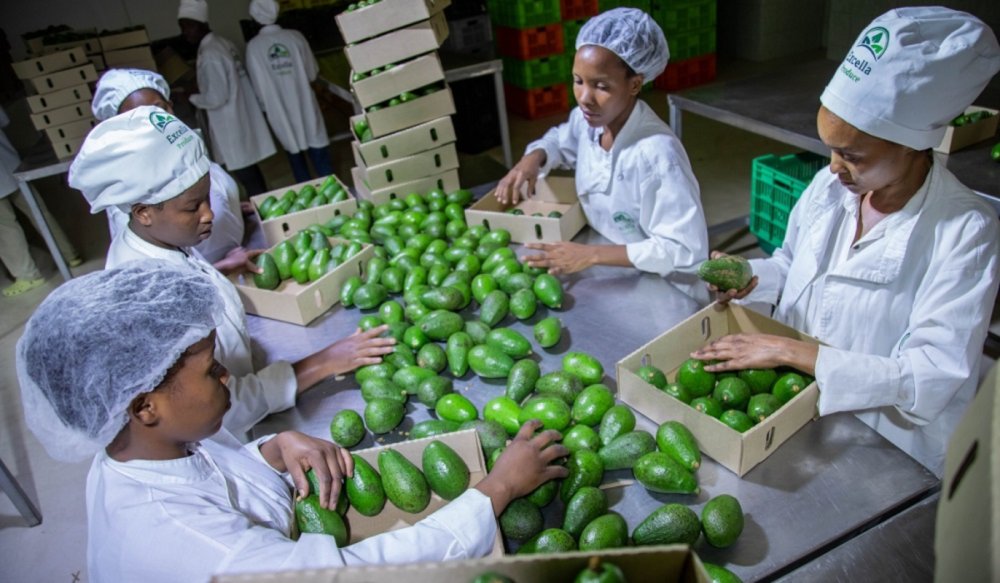
Vegetable exports reached 737 tonnes, bringing in more than Rwf 1.5 billion. The produce was shipped to markets including the United Kingdom, the Netherlands, the United Arab Emirates, Germany, India, France, and several African countries.
Fruit exports totalled 370 tonnes, earning more than Rwf 373.9 million. Rwanda exported the fruit mainly to the United Arab Emirates, the United Kingdom, France, and other African markets.
Flower exports amounted to 4 tonnes, generating more than Rwf 32 million from sales to the Netherlands and the United Kingdom.
A range of other agricultural commodities generated Rwf 4.29 billion after 5,697 tonnes were exported to destinations including the United States, Bangladesh, and several African countries.
Livestock exports totalled 327 tonnes, earning more than Rwf 690.3 million, with African countries remaining the primary export market.
Rwanda generated more than Rwf 13.9 billion from agricultural exports between July 27 and July 31, 2026.
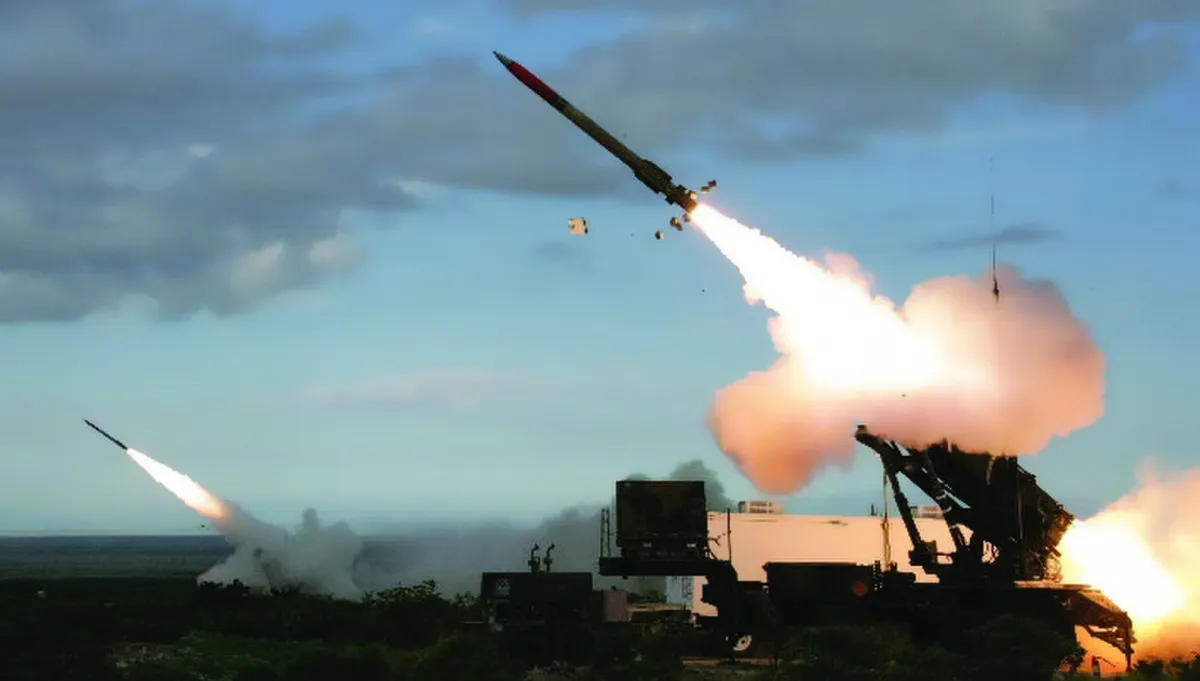
The U.S. military has burned through nearly four-fifths of its THAAD missile inventory compared to pre-war numbers and roughly half of its Patriot interceptors since the start of the war, the report cited two sources familiar with the latest inventory report as saying.
The report noted that the stockpile issue was raised again prior to U.S. President Donald Trump’s decision last weekend to cancel new strikes on Iran.
The U.S. Army has also used “virtually all” of its highly accurate long-range, surface-to-air weapons during the conflict, the report said.
The latest report came as the Pentagon updated its military casualties in overseas operations Tuesday, which showed four U.S. service members have been killed and 270 have been injured since July 7, the start date of a new round of hostilities with Iran as defined by the White House.
Previously released data showed that 14 U.S. service members were killed and 417 were injured during “Operation Epic Fury,” the joint U.S. and Israeli military campaign against Iran that started on Feb. 28.
With the latest update, total U.S. military injuries in the war against Iran have reached 687.
In the August 27, 2025 photo, an Army Tactical Missile System (ATACMS) is displayed in Unterluess, Germany.
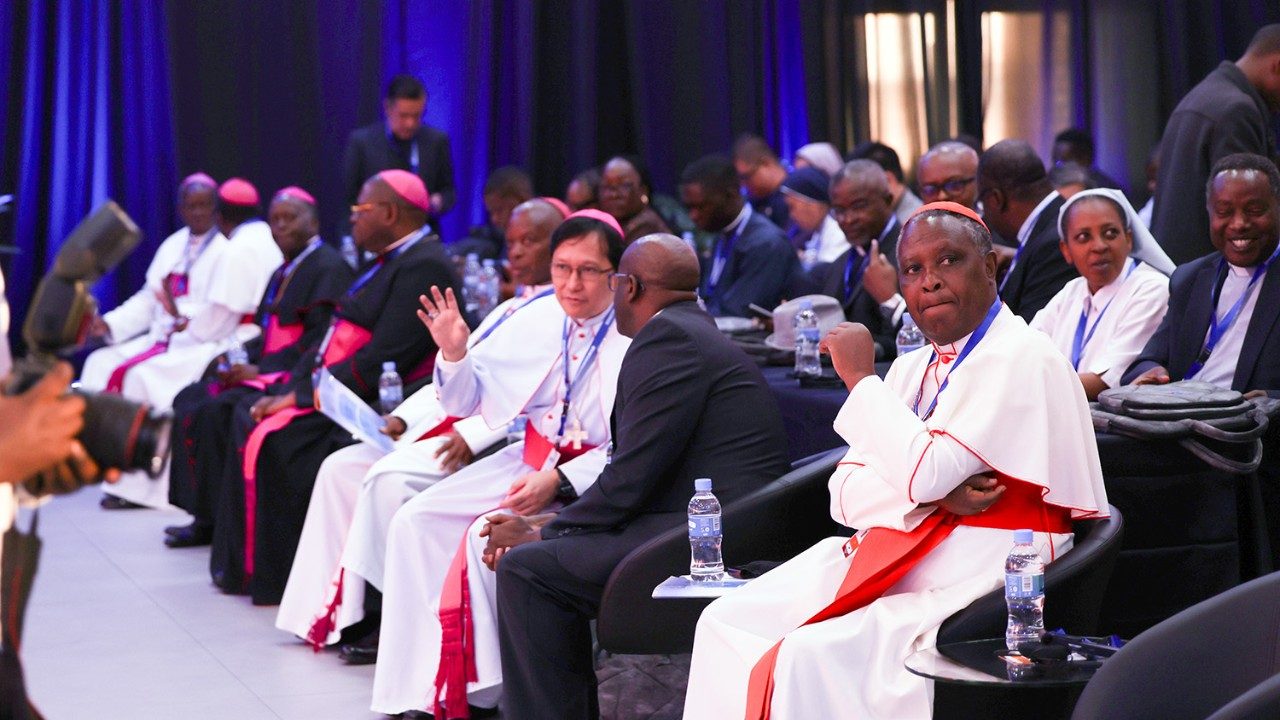
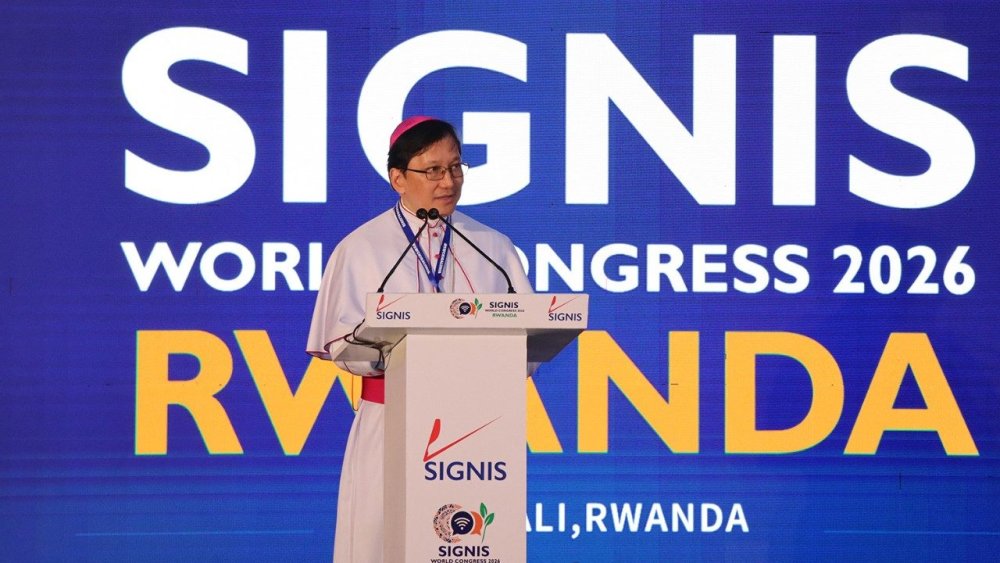
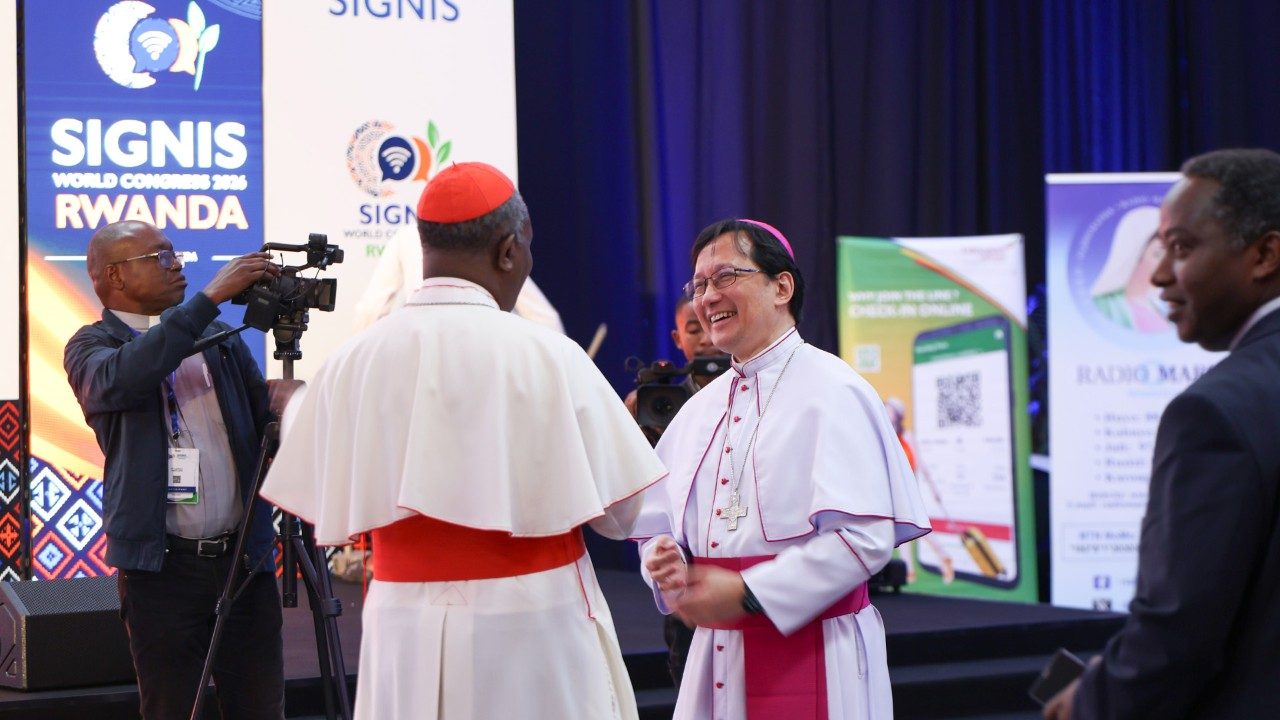
Held under the theme “Digital Communication for Cultural Harmony and Environmental Well-being,” the congress is examining how communication can be used to strengthen relationships, address global challenges and support positive social transformation. In a message delivered on behalf of Pope Leo XIV by Rwanda’s Apostolic Nuncio, Archbishop Arnaldo S. Catalan, the Pope emphasised that digital communication goes beyond sharing information, saying it also shapes culture and influences how people understand the world.
The message, signed by Vatican Secretary of State Cardinal Pietro Parolin, referenced the Pope’s Encyclical Magnifica Humanitas, noting that online platforms have the power to influence collective consciousness.
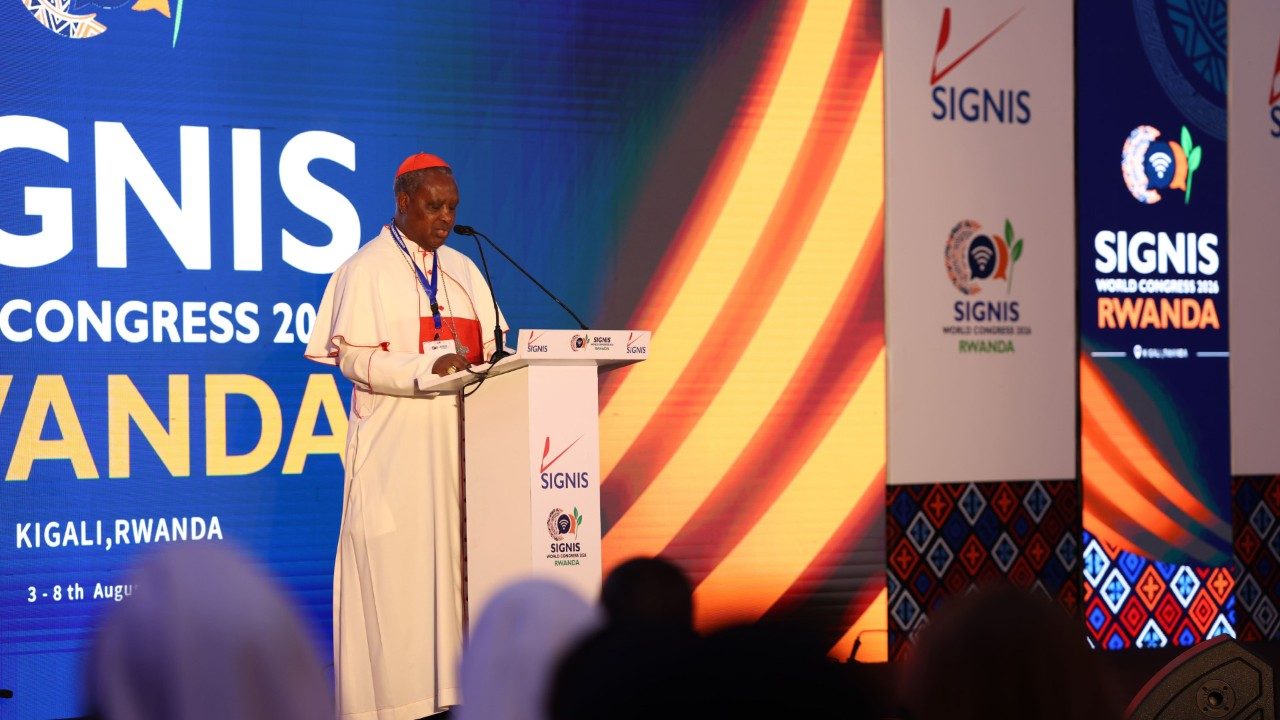
Archbishop Antoine Kambanda, Archbishop of Kigali and President of the Episcopal Conference of Rwanda, called on media professionals to use communication as a tool for healing, reconciliation and promoting solidarity.
Reflecting on Rwanda’s history, particularly the 1994 Genocide against the Tutsi, Cardinal Kambanda warned about the consequences of the misuse of media, which was used to spread hatred and contribute to violence.
He urged participants to use the congress as an opportunity to reflect on the challenges created by harmful communication practices and explore ways of ensuring media serves peace and unity.
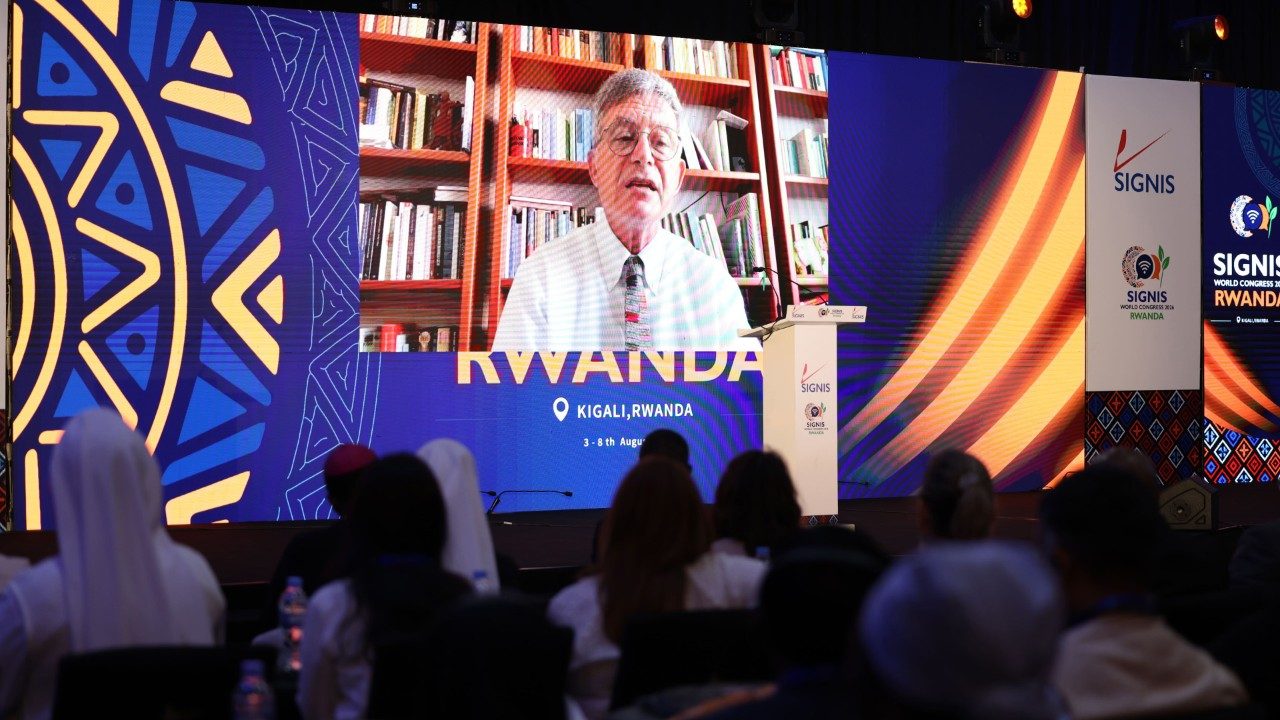
Paolo Ruffini, Prefect of the Vatican Dicastery for Communication, highlighted the importance of human connections in an increasingly digital world, saying communication should begin with people rather than technology.
SIGNIS President Helen Osman called for stronger networks among communicators to promote Christian solidarity and unity, while SIGNIS Africa President Fr. Walter Ihejirika urged Catholic media organisations to work together to build credible platforms that serve both the Church and society.
The congress, which runs until August 8, is bringing together Catholic communicators to exchange ideas, strengthen partnerships and discuss the future of communication across cultures and regions.
Archbishop Arnaldo S. Catalan delivered Pope Leo XIV’s message calling for digital communication that contributes to cultural harmony and human connection.Archbishop Antoine Kambanda urged communicators attending SIGNIS World Congress 2026 to promote peace, solidarity and reconciliation through responsible media use.Paolo Ruffini called on communicators to remember that communication begins with people, not technology, as SIGNIS World Congress 2026 opened in Kigali.The SIGNIS World Congress 2026 brought together Catholic communicators in Kigali to reflect on the future of media and its role in building harmonious societies.SIGNIS World Congress 2026 opened in Kigali with a call for media professionals to use communication as a tool for unity, reconciliation and social healing.
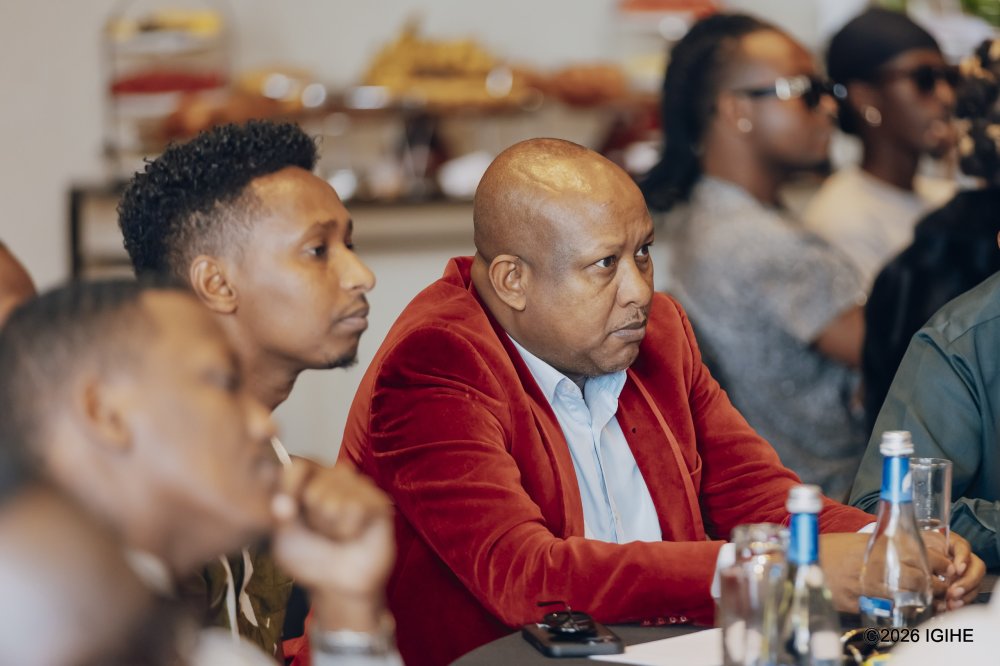
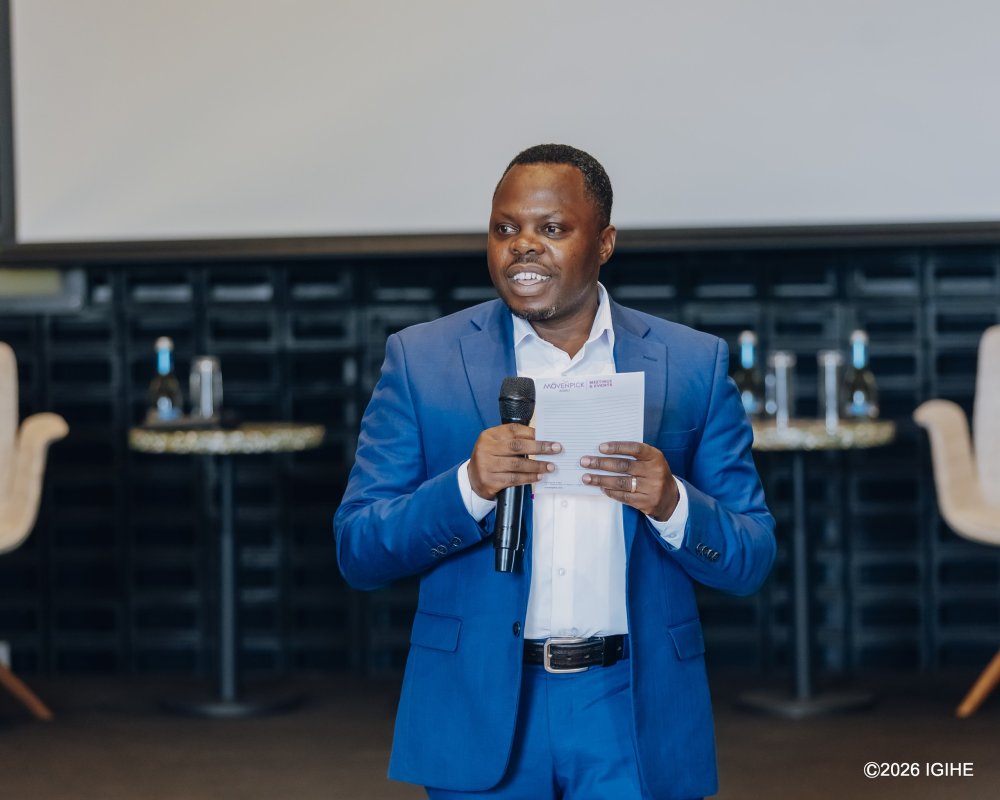
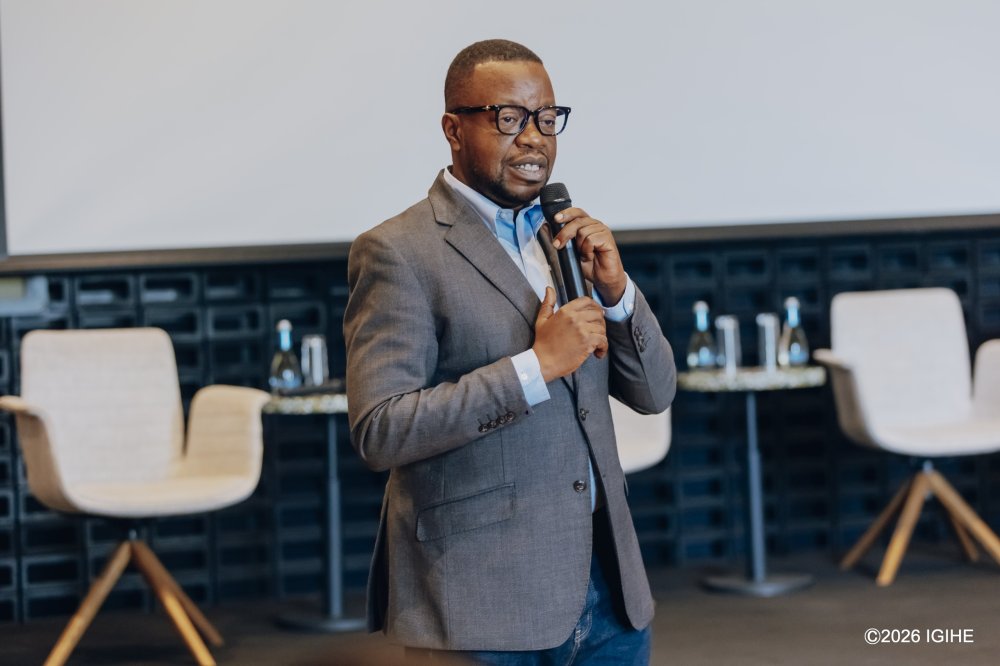
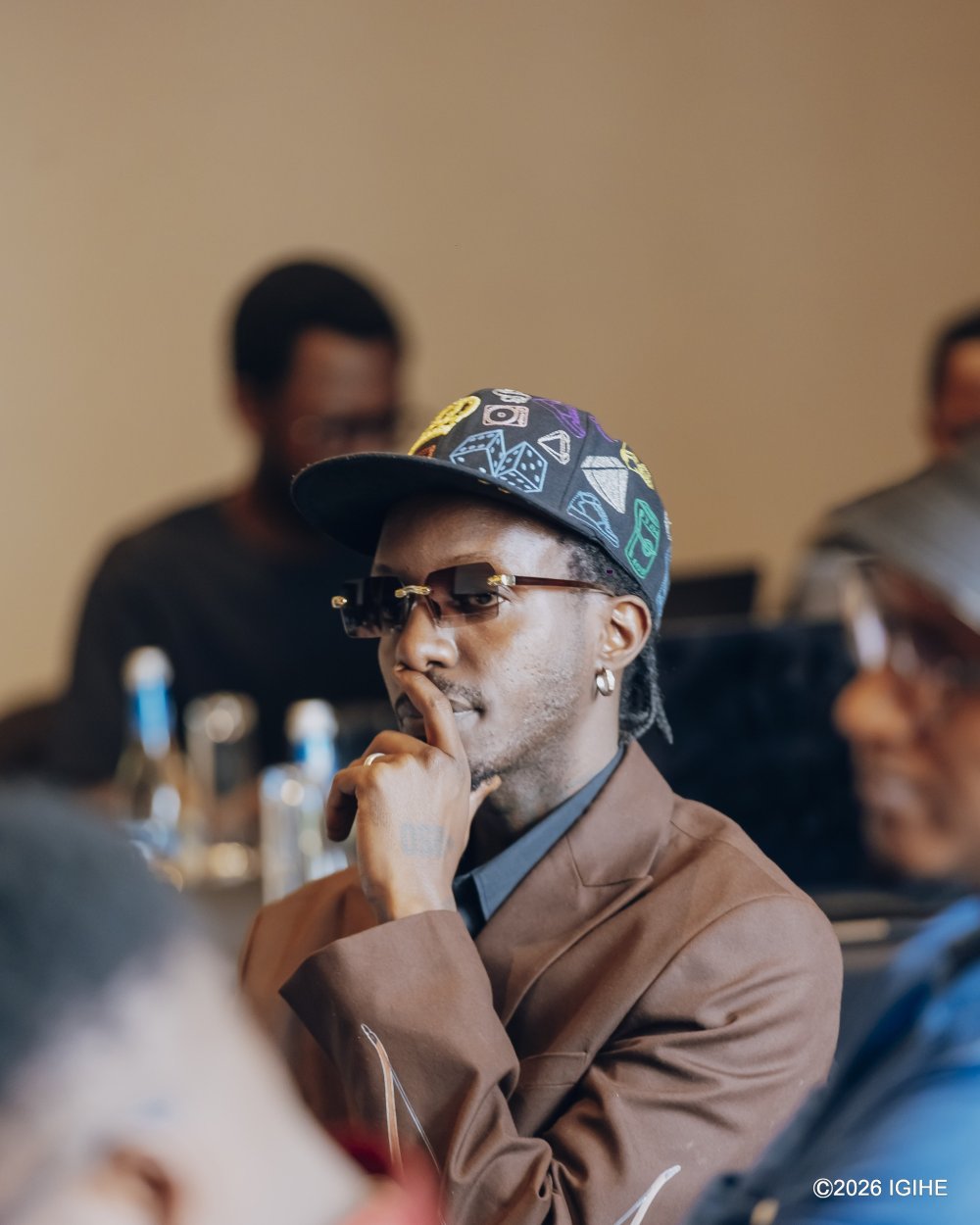
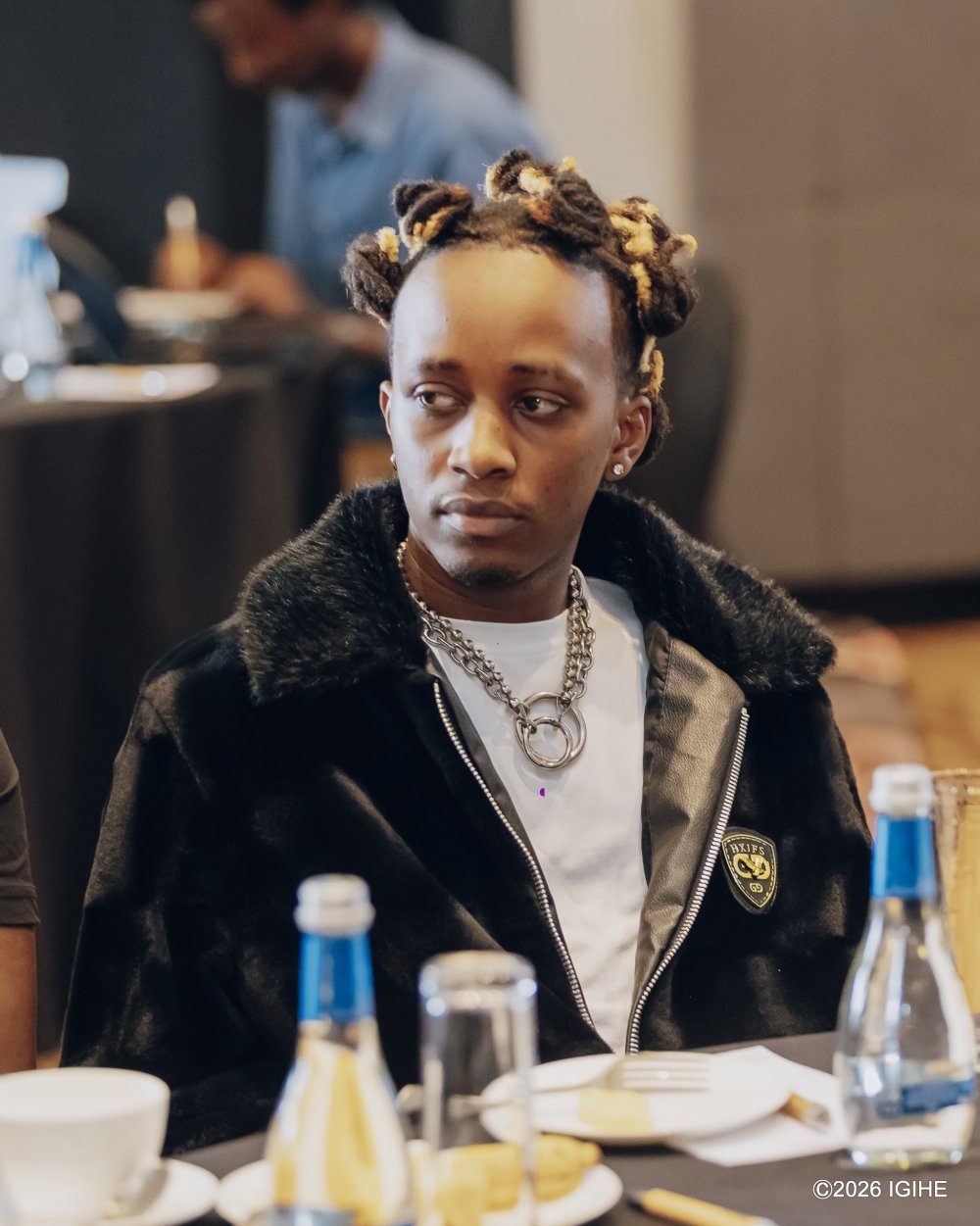
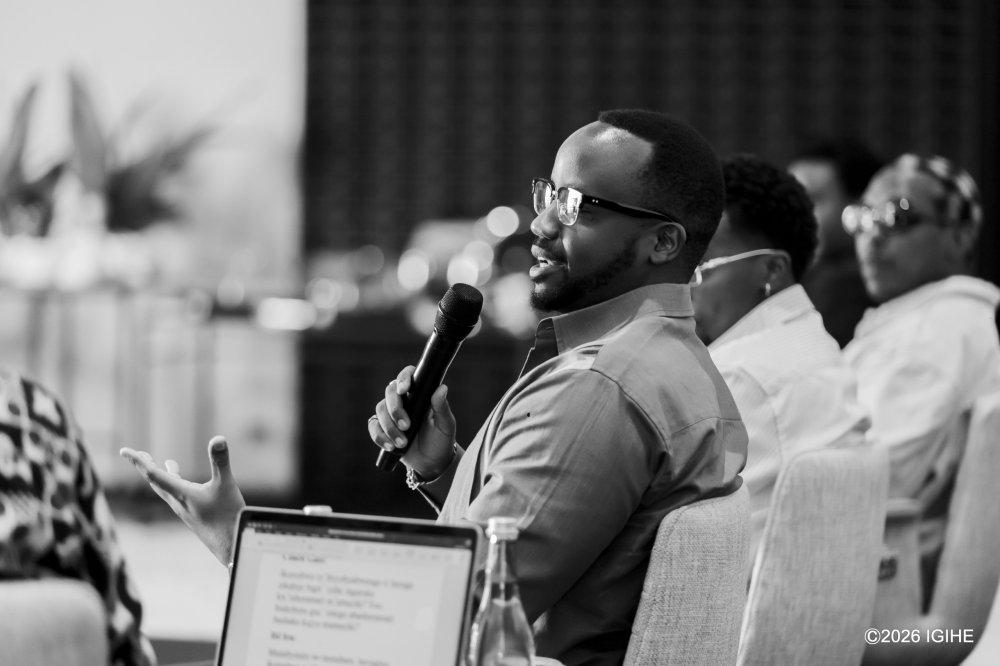
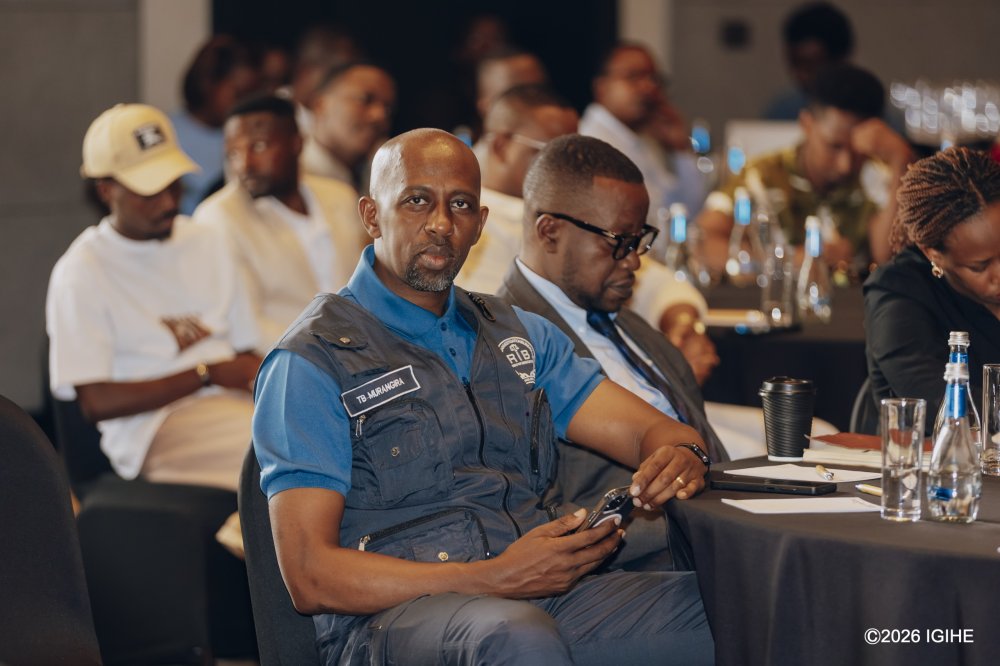
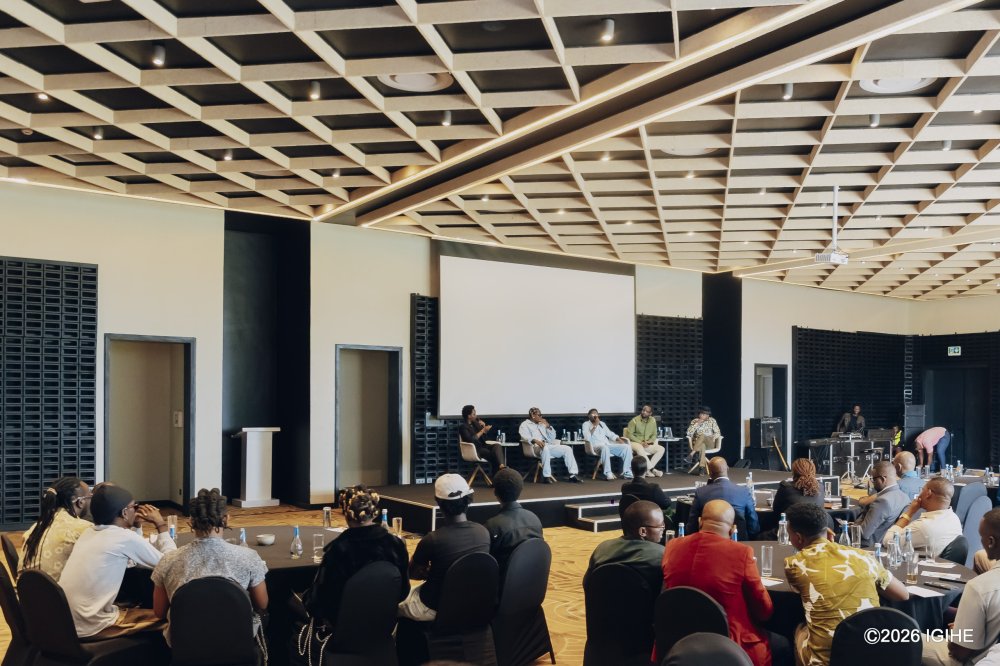
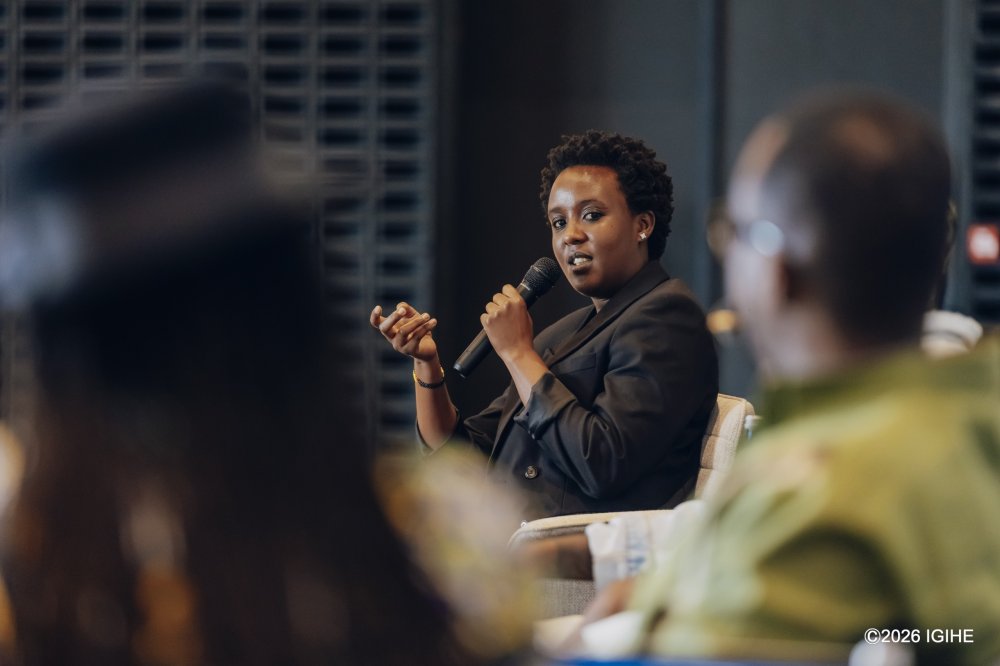
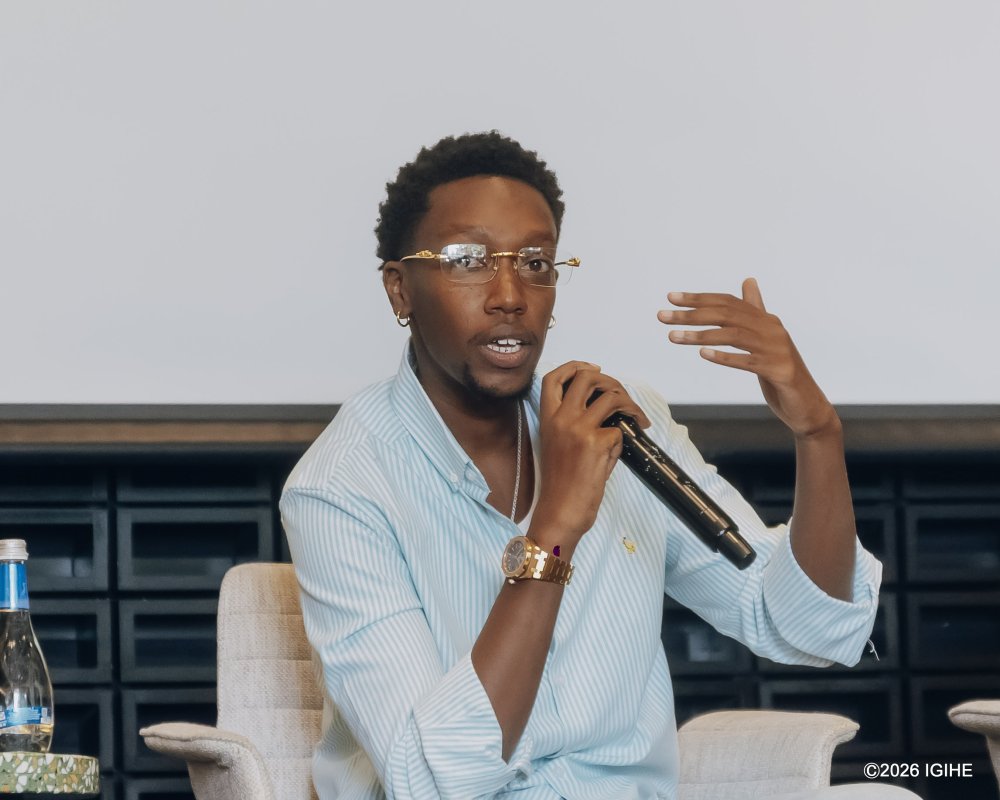
He made the remarks on August 4, 2026, during a meeting with members of Rwanda’s creative industry, including artists and investors, where they discussed the sector’s role in contributing to national development.
The meeting came amid a government campaign against illicit alcoholic drinks, which has resulted in the closure of more than 130 factories producing unsafe beverages.
Dr. Nsanzimana urged people to take responsibility for their health by avoiding substances that harm the body, including drugs and unsafe alcohol.
He stressed that the human body does not come with replaceable parts. “The body I was born with is the one I will grow old with. We will not find replacements for the parts we have,” he said.
He added that what people consume directly affects their health, explaining that a person’s physical condition reflects the choices they make about what they put into their body.
“If you put good things into your body, it will show. But if you put harmful things into it, the damage will also become visible,” he said.
Musician Jean Paul Hagenimana, popularly known as Bushali, shared his personal journey of recovering from drug addiction, revealing that his substance abuse once landed him in prison.
Looking back, he said the experience became a turning point rather than a setback.
He explained that his time in prison gave him the opportunity to reflect on his life and his responsibilities to his country.
After his release, Bushali said he was encouraged by the progress Rwanda had made, particularly the development of infrastructure that has created more opportunities for artists to perform and grow their careers. He said this motivated him to contribute positively to the country’s development.
He also expressed concern about the growing number of young people becoming involved in drug abuse and other harmful behaviours.
“As young people, we should focus on positive actions, support one another, and grow alongside our country’s development,” he said.
Disc jockey Grace Divine Iradukunda, better known as DJ Ira, said artists do not need drugs to fuel their creativity, warning that substance abuse can instead undermine talent and personal values.
She encouraged young people to support friends struggling with addiction instead of being influenced by them.
“We should be the ones encouraging our friends to quit drugs, not allowing them to persuade us to use them,” she said.
Rwanda has intensified its campaign against illicit alcohol following a series of deadly incidents linked to toxic drinks.
In the past seven months alone, contaminated alcohol has claimed more than 50 lives, while over 100 people have lost their sight after consuming it.
The emir stressed the need to adopt diplomatic means to address contentious issues and implement the terms reached under the U.S.-Iran peace memorandum of understanding, according to the statement.
He also reaffirmed Qatar’s support for international initiatives aimed at containing tensions and consolidating regional peace and security, it added.
Earlier in the day, Qatar’s Foreign Ministry reaffirmed that mediation efforts between the United States and Iran remain underway, saying draft proposals for a possible agreement continue to be exchanged between the two sides.
President Donald Trump has held talks with the Emir of Qatar
The Agreement, titled “HANGARIBIHE: Transformational Climate-Smart and Inclusive Agriculture in Rwanda,” is a five-year programme that will provide EUR 36 million in budget support to strengthen national agriculture and environment sector priorities, alongside EUR 4 million in complementary support for technical assistance, capacity building, and studies.
The programme is part of the Team Europe Initiative on “Investing in Sustainable and Inclusive Agricultural Transformation,” bringing together the European Union and partners.
The support will contribute to the implementation of Rwanda’s National Strategy for Transformation (NST-2), the Fifth Strategic Plan for Agriculture Transformation (PSTA-5), and environment sector priorities.
It will focus on increasing investment in agriculture, expanding irrigation and sustainable land management practices, strengthening climate resilience, restoring degraded ecosystems, and improving climate information systems to support evidence-based decision-making.
Speaking at the signing ceremony, Minister Yusuf Murangwa, Minister of Finance and Economic Planning, welcomed the financing agreement as a strategic partnership for Rwanda’s agricultural transformation.
“It will build a modern, productive, and climate-resilient sector by driving inclusive productivity gains for smallholders, cooperatives, women, youth, and SMEs, while mandating climate-smart and sustainable production practices,” he noted.
Belén Calvo Uyarra, the EU Ambassador to Rwanda highlighted that the programme marks another important milestone in the long-standing partnership between the European Union and Rwanda.
“By building on our previous cooperation, it will help turn Rwanda’s climate-smart agriculture ambitions into tangible results for farmers, rural communities and future generations,” she stated.
Minister of Agriculture and Animal Resources, Dr. Telesphore Ndabamenye, said the funding will complement the country’s existing programmes, including irrigation, increasing production in food basket sites, and soil conservation agrculture.
Minister Yusuf Murangwa and EU Ambassador Belén Calvo Uyarra exchange signed documents after formalising a €40 million financing agreement to strengthen climate-smart agriculture in Rwanda.Minister of Finance and Economic Planning Yusuf Murangwa and EU Ambassador to Rwanda Belén Calvo Uyarra sign the €40 million financing agreement supporting Rwanda’s climate-smart agriculture transformation.Minister of Agriculture and Animal Resources, Dr. Telesphore Ndabamenye, said the funding will complement Rwanda’s ongoing programmes in irrigation, food basket sites and soil conservation agriculture.Minister of Finance and Economic Planning, Yusuf Murangwa, said the €40 million financing agreement will support Rwanda’s efforts to build a modern, productive and climate-resilient agriculture sector.EU Ambassador to Rwanda, Belén Calvo Uyarra, said the new programme builds on the European Union’s long-standing partnership with Rwanda to advance climate-smart agriculture and support rural communities
In a statement shared on its social media platforms, AFR said Sayinzoga takes over the leadership of the organisation at a time when it begins implementing a new strategic framework and strengthening its contribution to Rwanda’s financial sector.
“Her experience in institution building, partnership development and inclusive finance will be invaluable as AFR continues to expand its impact,” the organisation said.
Sayinzoga is an expert in economic development with extensive experience in finance, policy, and institutional leadership.
From 2019 to 2025, she served as CEO of the Rwanda Development Bank (BRD), after previously serving as Director General of the National Industrial Research and Development Agency (NIRDA).
She has also held various senior positions at the Ministry of Finance and Economic Planning, including serving as Permanent Secretary.
Before joining public service, Sayinzoga worked at the World Bank. She has also served on the boards of several financial institutions and organisations, including the Trade and Development Bank (TDB), East African Development Bank (EADB), Rwanda Eurobond Committee, GT Bank, and the Rwanda Revenue Authority.
She holds a Master’s degree in Economic Development and Policy Analysis from the University of Nottingham.
Kampeta Pitchette Sayinzoga his the new AFR Chief Executive Officer.