During an online press briefing on Thursday evening, Africa CDC Director-General Jean Kaseya stressed that the continued outbreak “is the fastest-growing Ebola outbreak ever recorded” and is now the second-largest by total confirmed cases.
“It is a very serious outbreak. We are now fighting because we don’t want this outbreak to become the (largest ever) Ebola outbreak,” he said.
According to Kaseya, he will join World Health Organization (WHO) Director-General Tedros Adhanom Ghebreyesus to visit Bunia, the capital of the eastern DRC’s Ituri Province and the epicenter of the outbreak, on Aug. 2. They are scheduled to meet with national authorities, frontline health workers, affected communities, and response partners.
“We really need to strengthen our capacity to stop the spread of this outbreak to other new zones. We need to continue to strengthen the capacity to detect early, and to respond appropriately,” he said.
According to the latest data from the Africa CDC and the DRC health authorities, since the DRC declared its 17th Ebola outbreak on May 15, the country has recorded a total of 3,442 confirmed cases and 1,521 deaths, representing a case fatality rate of more than 44 percent. A total of 48 health zones are now affected by the outbreak across five provinces in the country.
Kaseya expressed concern over critical constraints hindering the response efforts in the DRC, citing limited contact tracing capabilities, climbing community cases and deaths, a rising case fatality rate, and inadequate bed capacity. He also noted persistent funding shortages, insecurity, unsafe burial practices, and infections and deaths among healthcare workers as major obstacles to containing the outbreak.
Despite challenges, the Africa CDC highlighted progress in several areas of the response, including improvements in laboratory testing capacity. Currently, 19 laboratories are actively engaged in testing, marking a notable boost from only two active laboratories at the onset, while daily testing capacity has now surpassed 3,000 samples.
The recent launch of clinical trials of therapeutics targeting the Bundibugyo strain is also considered a breakthrough, given the lack of licensed vaccines or targeted medical countermeasures for this particular Ebola variant.
Despite the worsening situation in the DRC, Kaseya recognized Uganda’s decisive national leadership and response in effectively containing the outbreak’s transmission after the country officially declared the outbreak over on Tuesday.
Uganda’s Ministry of Health officially said that advances in epidemiological investigations and the fully characterized nature of the outbreak provided sufficient scientific evidence that transmission had been interrupted.
“Uganda’s success sends a clear message: when political leadership, communities, and public health move together, outbreaks can be stopped,” said Kaseya, adding that the country’s achievement reflects the commitment and dedication of health workers, communities, national authorities, and partners who worked tirelessly to detect, contain, and overcome this outbreak.
Meanwhile, Kaseya urged the United States to lift its Ebola-related entry restrictions on Uganda as he underscored the country’s successful outbreak containment efforts.
The Africa CDC also called on Uganda’s health authorities to remain fully engaged with continued vigilance and infection prevention measures, alongside enhanced risk communication and community surveillance efforts as the outbreak evolves in parts of the DRC, which borders Uganda.
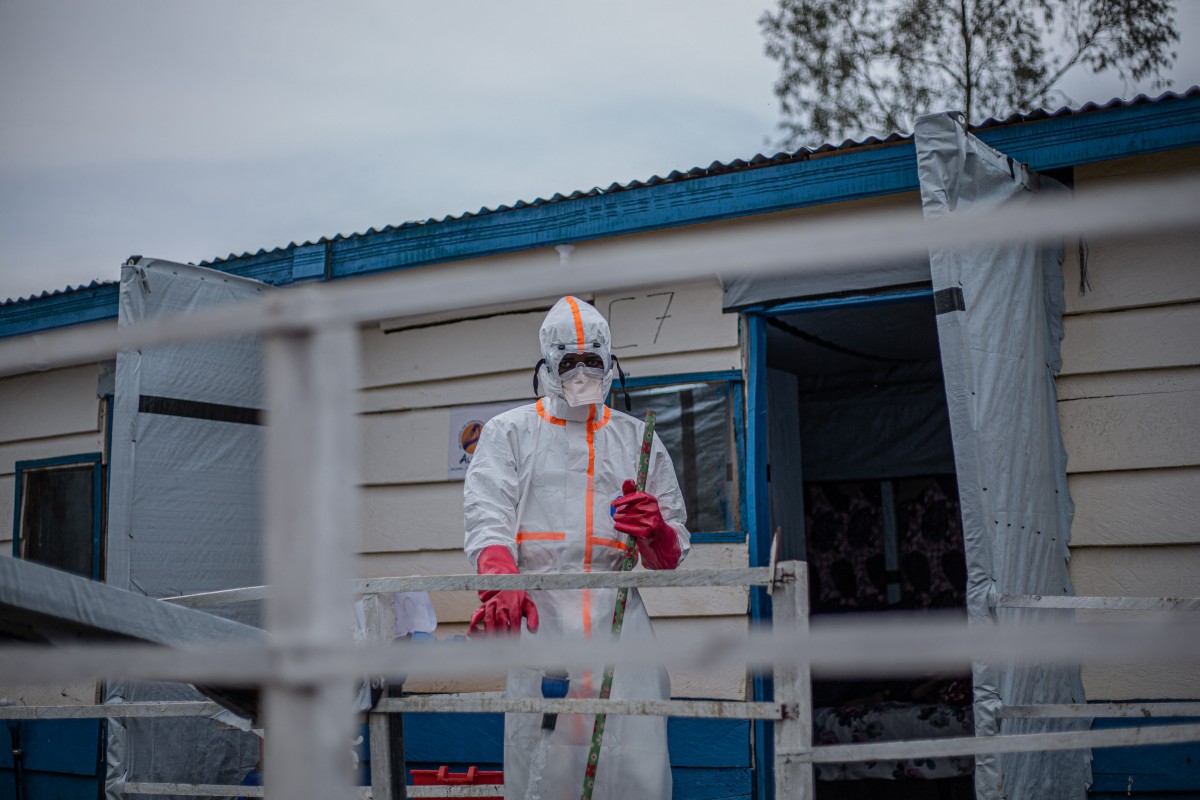
A hygienist wearing personal protective equipment (PPE) begins cleaning and disinfection operations at the Rwampara Ebola Treatment Centre (ETC) in Bunia, Ituri, in the east of the Democratic Republic of Congo on July 13, 2026.
The park is one of Rwanda’s leading tourist attractions, hosting more than 500,000 animals from different species, including some of the world’s rarest wildlife. Visitors can also enjoy its lakes, lodges and numerous viewpoints overlooking the diverse landscape.
Between April and June 2026, Akagera National Park generated more than $1 million in tourism revenue from 8,919 visitors.
According to figures released by the park, this represented a 4% increase compared to the same period in 2025. On average, each visitor spent $108 during their stay.
For first-time visitors, there is more to know than simply booking a safari. Understanding the park’s wildlife, why some lions are placed on birth control, how elephant families are organised, the park’s strict conservation rules, penalties for violating them, and entrance fees can greatly enhance the experience.
Why lions are placed on birth control
Samuel Munyaneza, a tour guide who has worked in Akagera National Park for eight years, is well acquainted with the park’s history, its wildlife and the regulations that govern visits. Among the species whose history he knows best are lions and rhinos, both of which disappeared from the park before eventually being reintroduced.
He explained that following the 1994 Genocide against the Tutsi, many Rwandans who had lived in exile since 1959 returned home. With limited land available, some settled in areas that had previously formed part of the park. As lions preyed on their cattle, some residents poisoned carcasses in retaliation, wiping out the lion population.
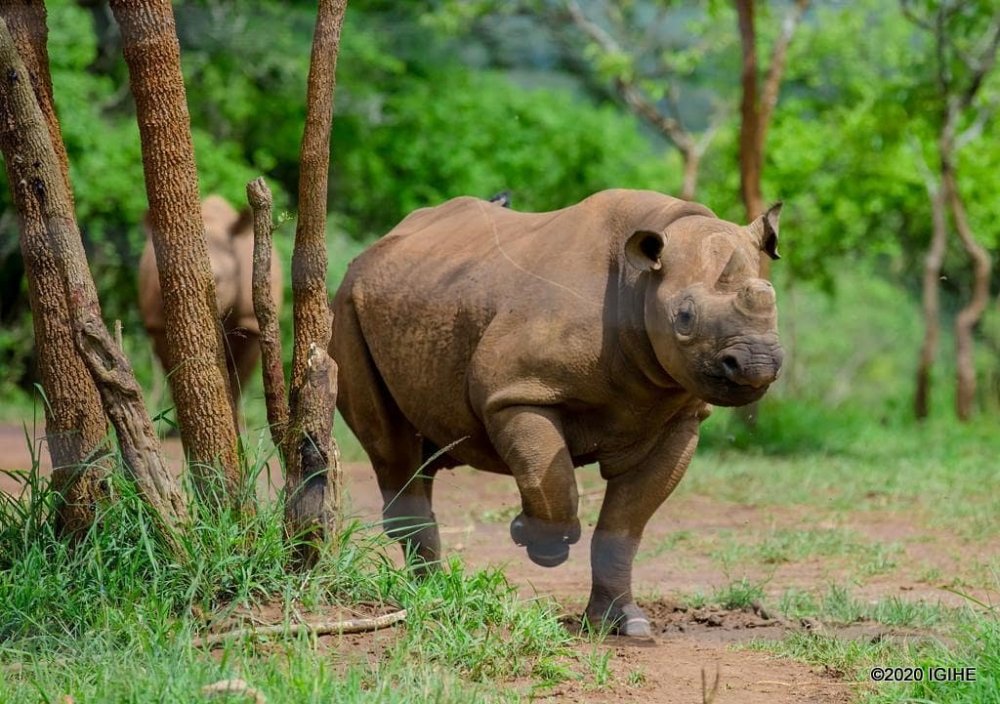
Rhinos, meanwhile, were driven to extinction in the park by poachers targeting their highly valuable horns for the illegal wildlife trade.
Lions were reintroduced to Akagera in 2015 after being translocated from South Africa. The population recovered rapidly, prompting park managers to introduce contraception to control reproduction.
The programme is intended to maintain a balanced ecosystem. An excessive lion population would increase predation pressure on other wildlife and threaten the ecological balance of the park. Munyaneza explained that predators are essential in maintaining healthy wildlife populations. Before lions returned, herbivore numbers increased significantly, raising the risk of inbreeding, which can weaken the genetic health of animal populations.
He noted that while Akagera once covered a much larger area, parts of the park were later allocated for human settlement, reducing its size. With a smaller habitat, allowing lions to reproduce unchecked could lead to territorial conflicts, increased competition for food and pressure on prey species.
In February 2026, five lions in Akagera National Park were placed on birth control as part of this population management strategy.
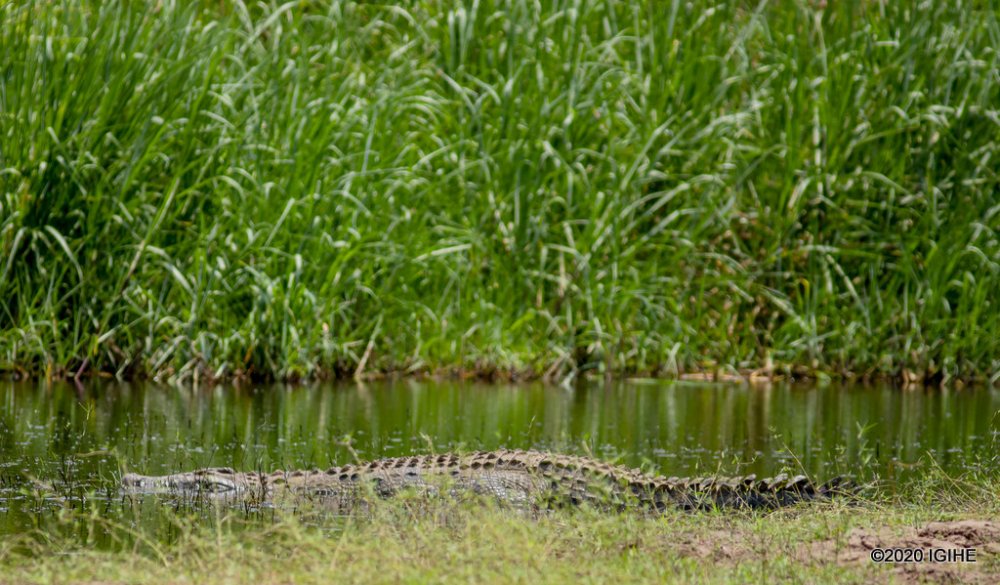
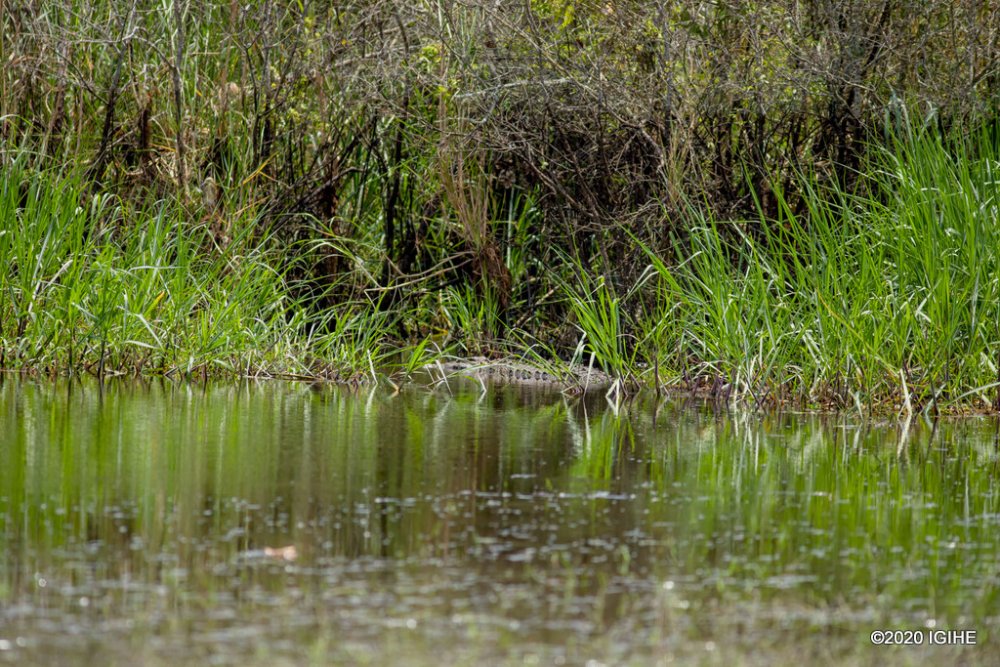
Wildlife surveys are conducted every two years using aircraft, drones, camera traps and ground counts. The most recent census took place in 2025. However, accurately counting species such as snakes and crocodiles remains difficult.
How female elephants lead their families
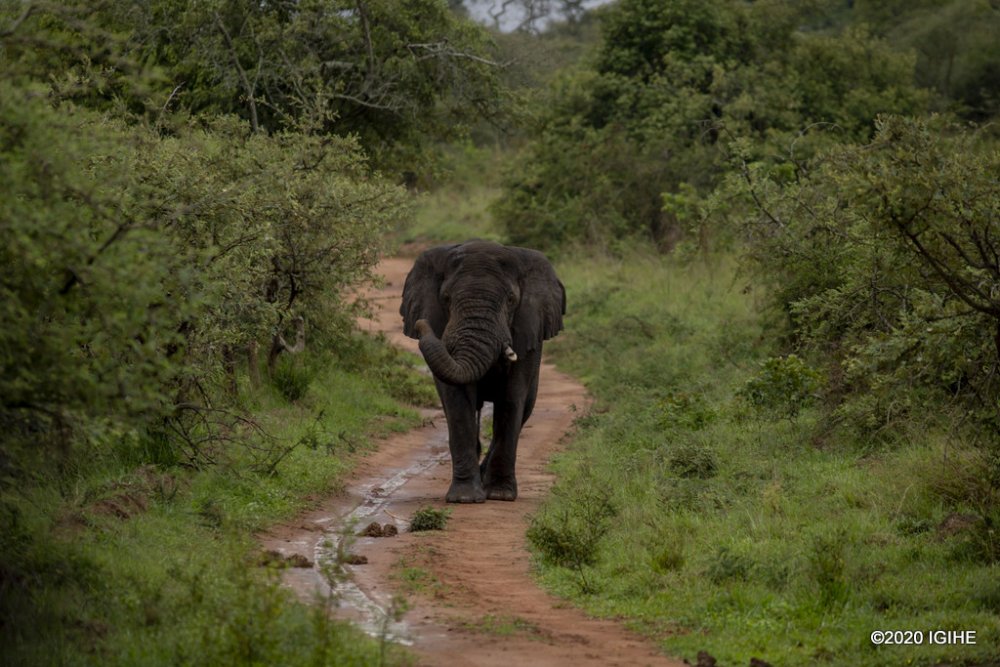
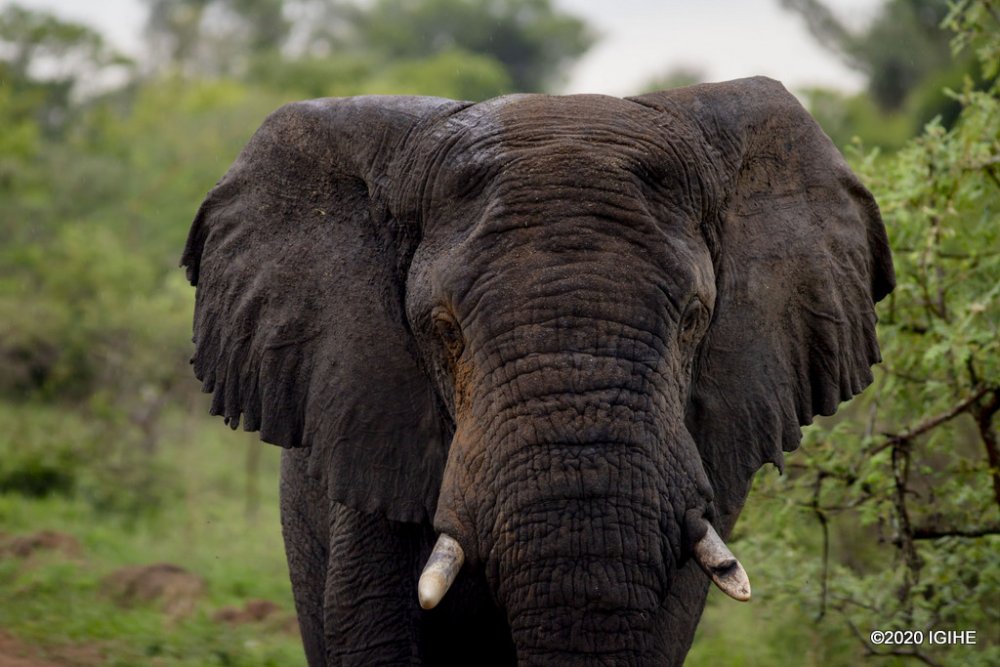
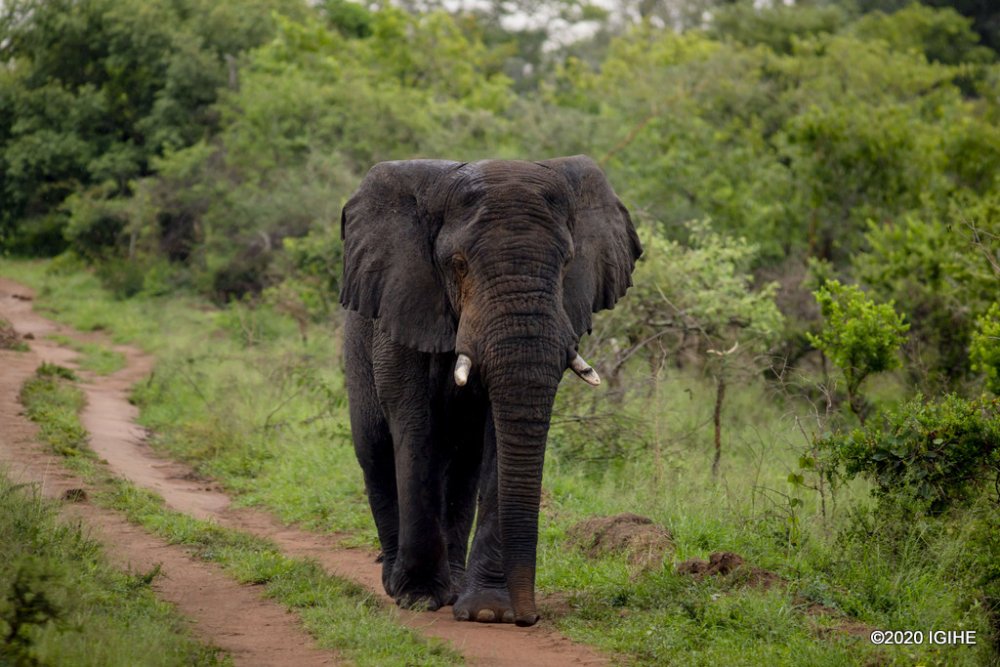
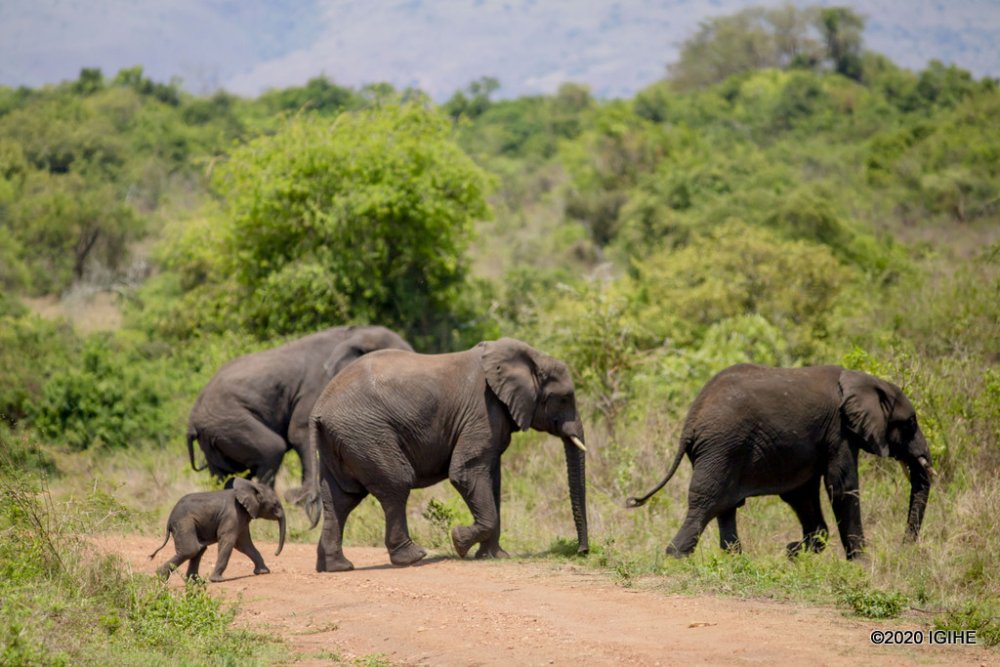
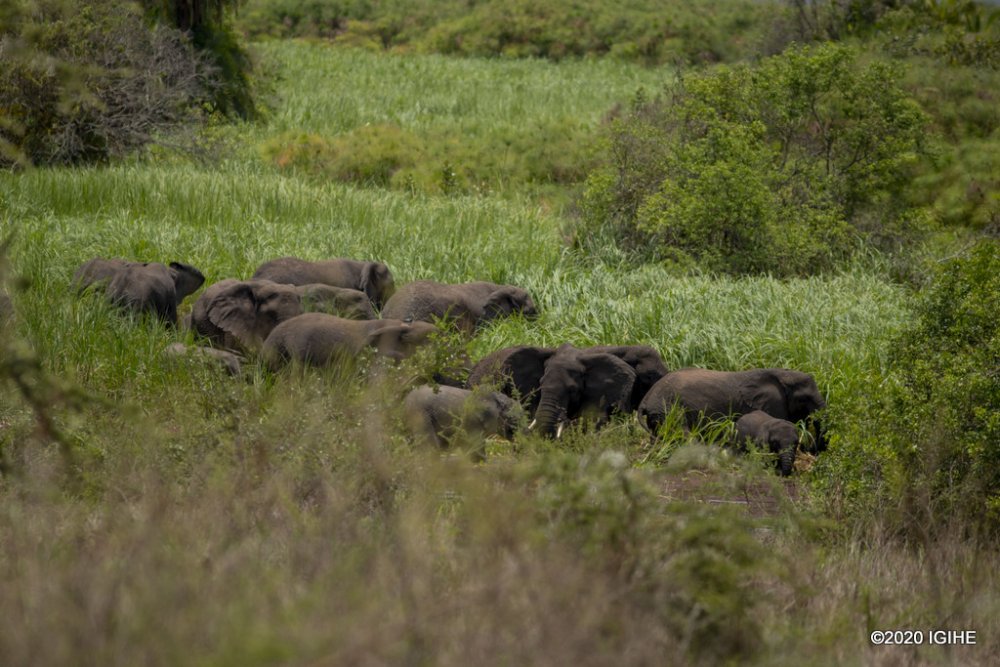
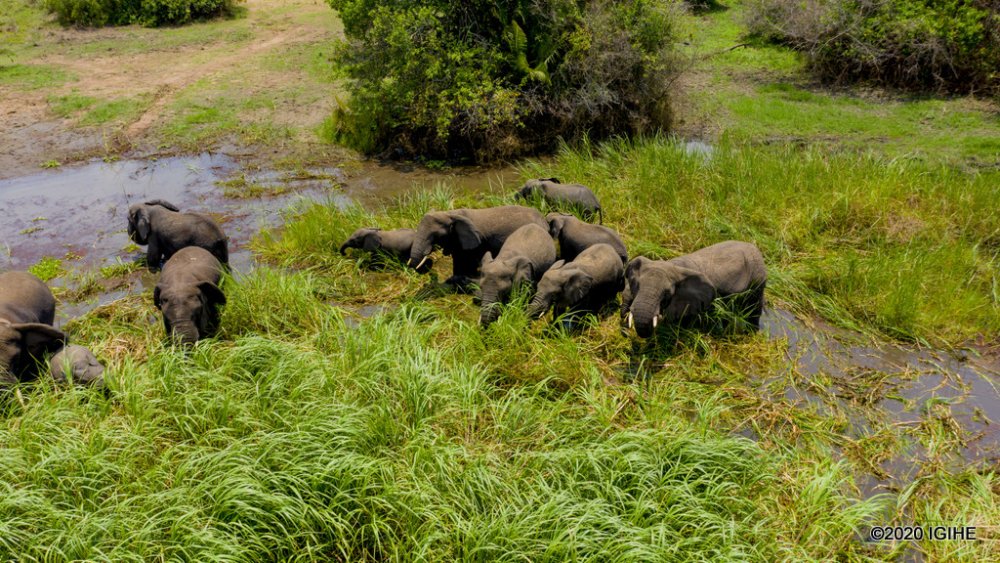
Akagera’s elephants live in two large family groups, each led by the oldest female, known as the matriarch.
According to Munyaneza, adult males spend much of their time away from the family searching for mates. As a result, females remain with the calves, raising and guiding them.
The matriarch possesses years of accumulated knowledge, including where to find food and water during droughts, how to respond to changing weather conditions and how to avoid danger.
When an elephant family prepares to relocate, the matriarch first dispatches a few males to scout for water and feeding grounds.
Once they locate suitable resources, they communicate back to the herd using infrasound, low-frequency sound waves that humans cannot hear but which elephants can detect over distances of up to 12 kilometres.
This allows the scouting elephants to inform the herd that there is sufficient water and food before the rest of the family, including young calves, begins moving.
The matriarch also coordinates road crossings, signalling when it is safe for the group to proceed.
Bringing plastic into the park can result in a fine
Like other protected areas, Akagera National Park enforces strict rules aimed at protecting wildlife and ensuring visitor safety.
Single-use plastics, including plastic water bottles, disposable plates and similar items, are prohibited inside the park.
Munyaneza explained that discarded plastic prevents rainwater from penetrating the soil and poses a serious threat to wildlife, as animals that ingest plastic often die.
Visitors driving through the park must also remain on designated roads. Leaving the tracks can crush insects, destroy reptile eggs, damage vegetation and disturb fragile habitats. Even driving a short distance off-road can destroy thousands of small organisms that are invisible to the naked eye.
Visitors are also prohibited from approaching animals too closely or disturbing them while resting, as this can frighten wildlife and alter their natural behaviour.
Standing through a vehicle’s sunroof or getting out of the vehicle is equally prohibited. Wild animals are unfamiliar with the full silhouette of a standing human and may either flee or react aggressively. Those who violate these regulations risk both their safety and financial penalties.
Munyaneza said visitors found standing outside or on top of their vehicles may be fined $150 (over Frw200,000) for disturbing wildlife and endangering themselves.
Entry fees and accommodation discounts
The cost of visiting Akagera National Park varies depending on the type of experience visitors choose. Some opt for a day trip, while others stay overnight at one of the lodges within the park. A Rwandan citizen pays Rwf15,000 for a standard day visit.
Vehicle entry fees are $10 for a small vehicle and $20 for a larger vehicle, while international visitors pay $100 for park entry.
The park encourages overnight stays by offering reduced entrance fees for additional nights. This helps spread visitor numbers over several days instead of concentrating them into a single day, reducing traffic and disturbance to wildlife.
Visitors staying overnight do not pay the full entrance fee each day. Instead, they only cover accommodation costs and a reduced conservation fee.
According to Munyaneza, visitors pay 100% of the entrance fee on the first night, 50% on the second, 25% on the third, while stays from the fourth to the seventh night receive free park entry. Established in 1934, Akagera National Park covers approximately 112,000 hectares.
Today, it employs 316 permanent staff and about 512 seasonal workers, reflecting its growing role in both conservation and Rwanda’s tourism industry.
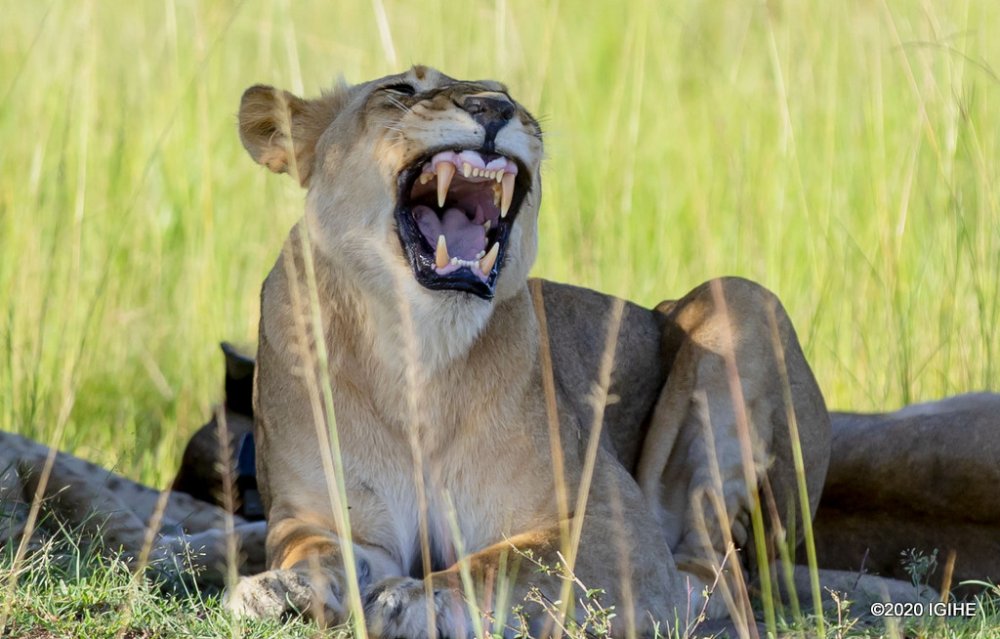
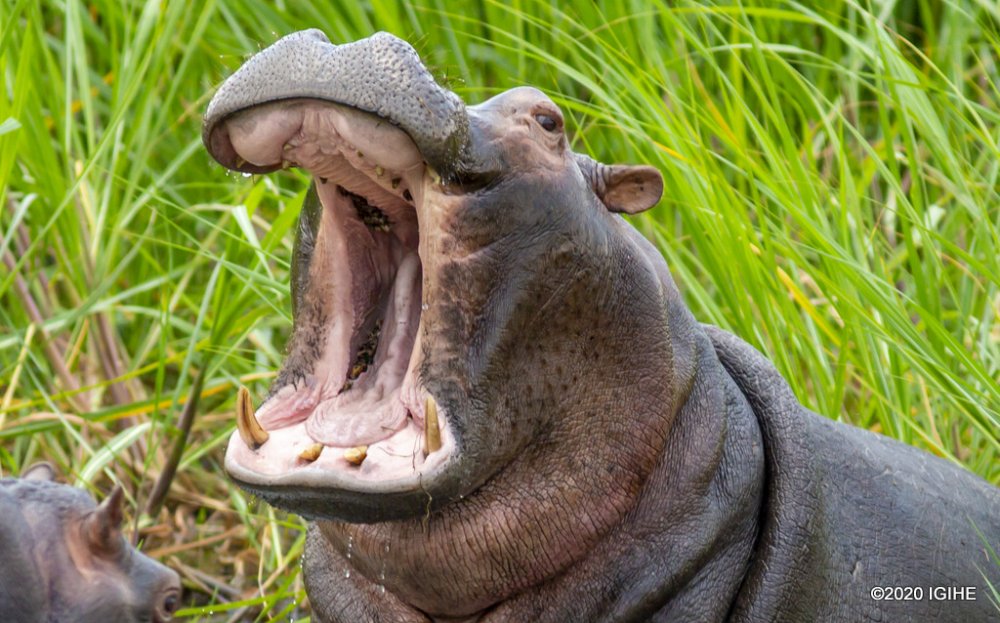
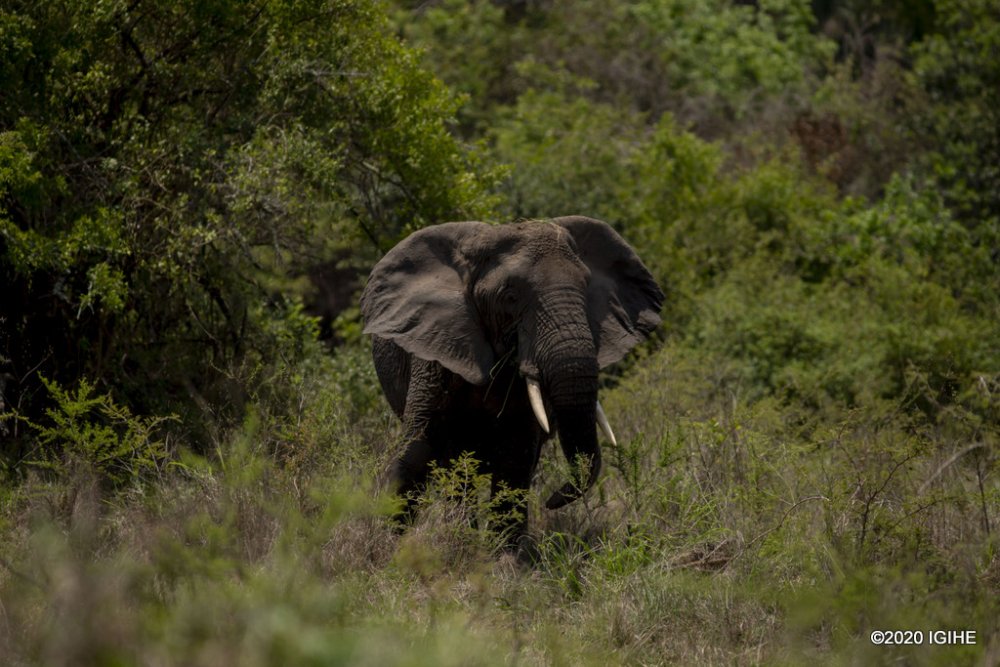
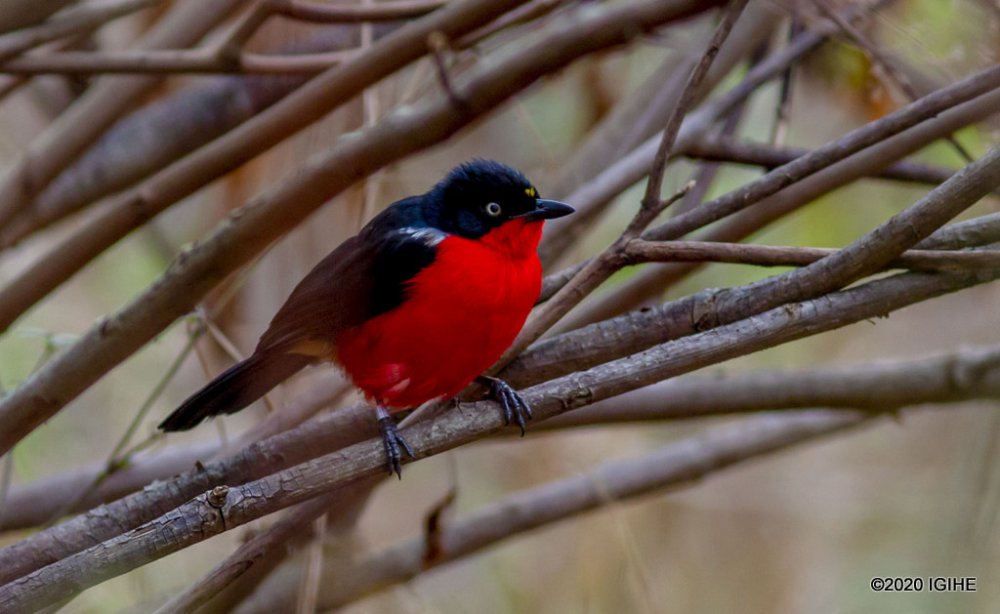
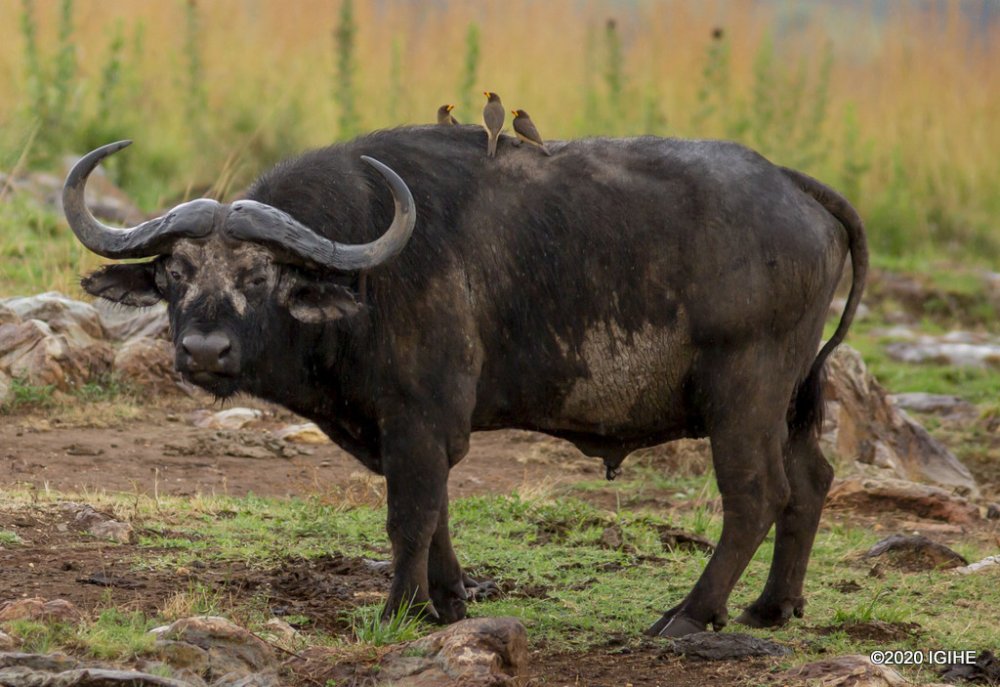
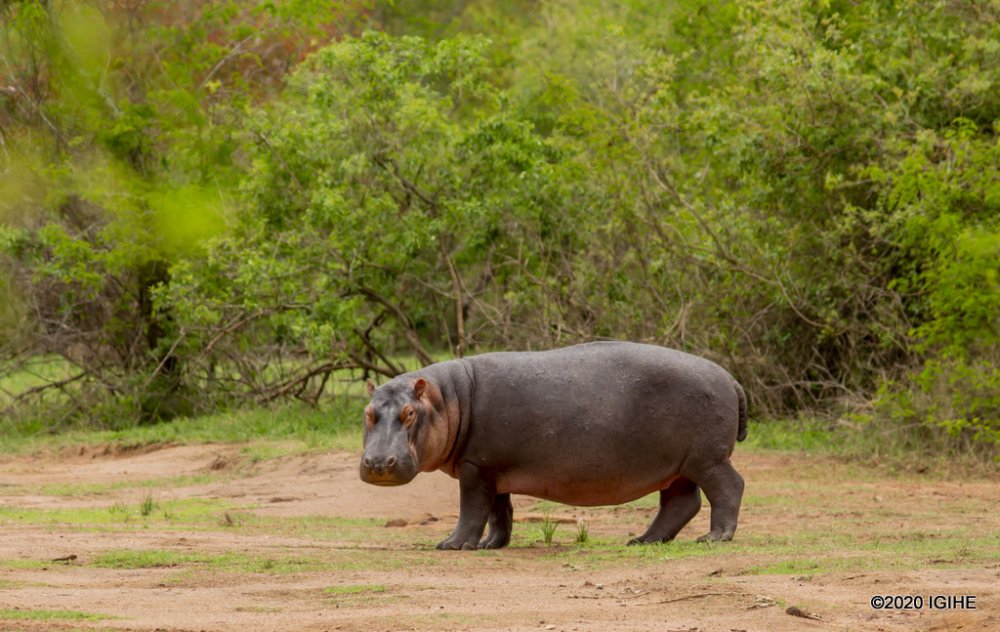
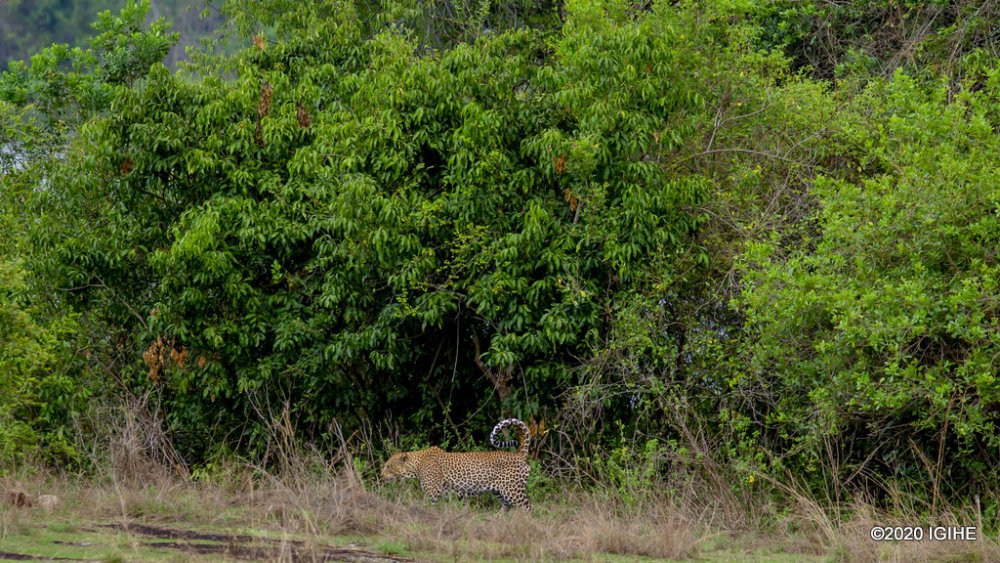
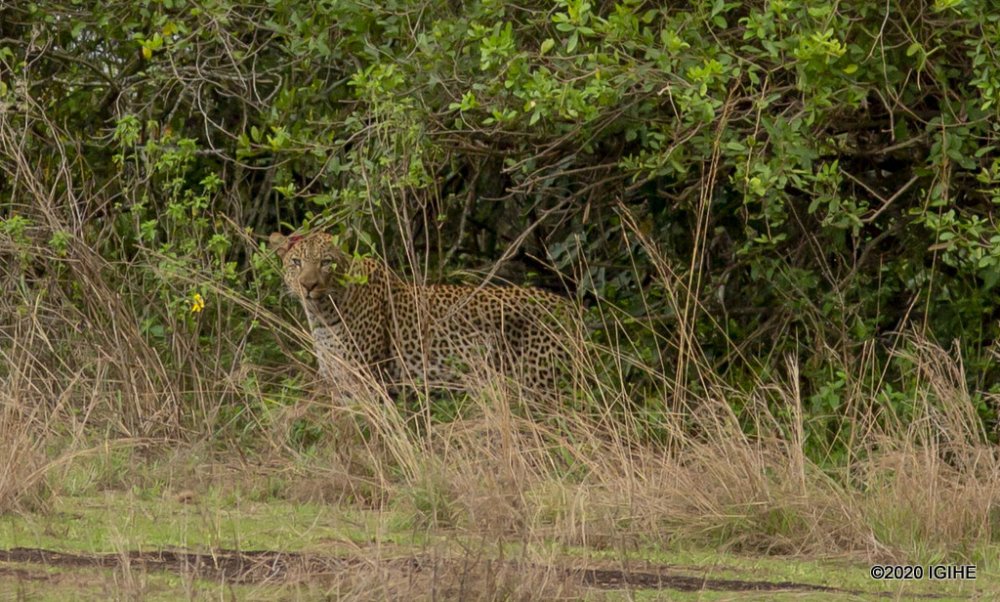
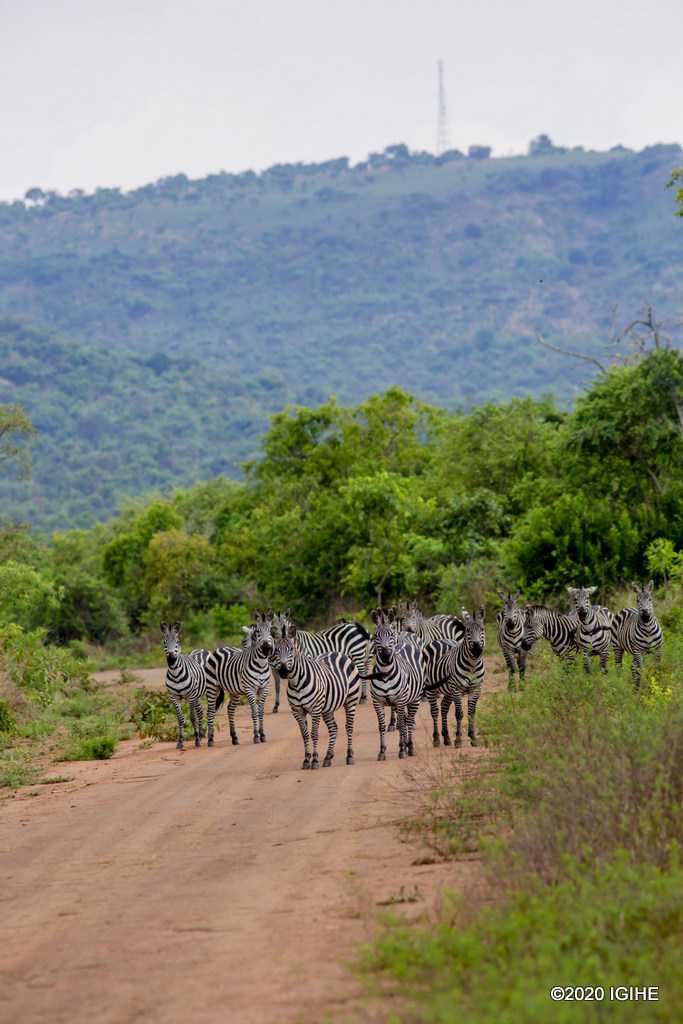
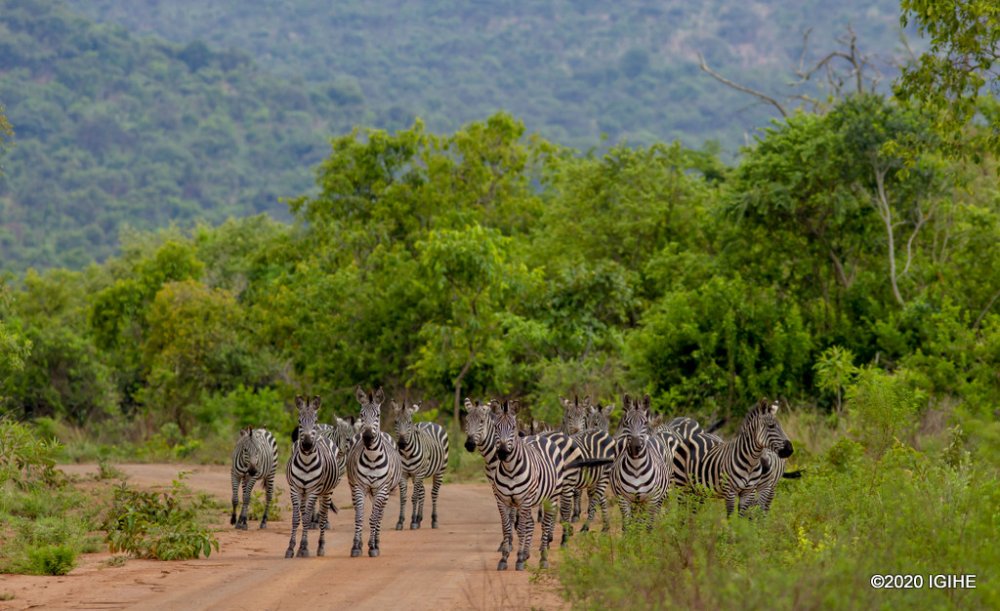
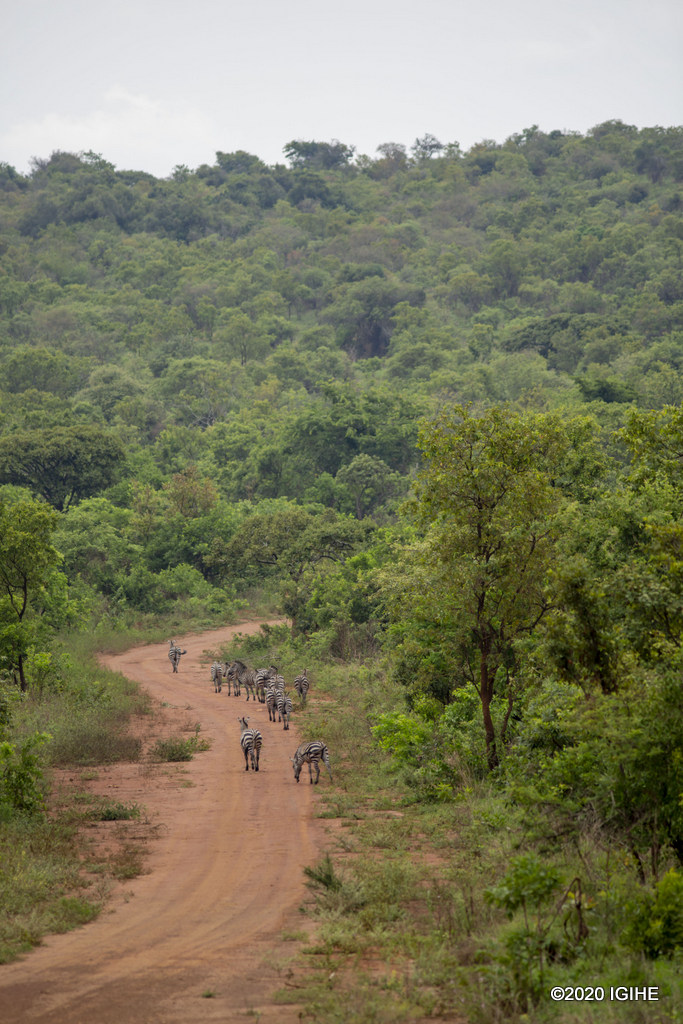
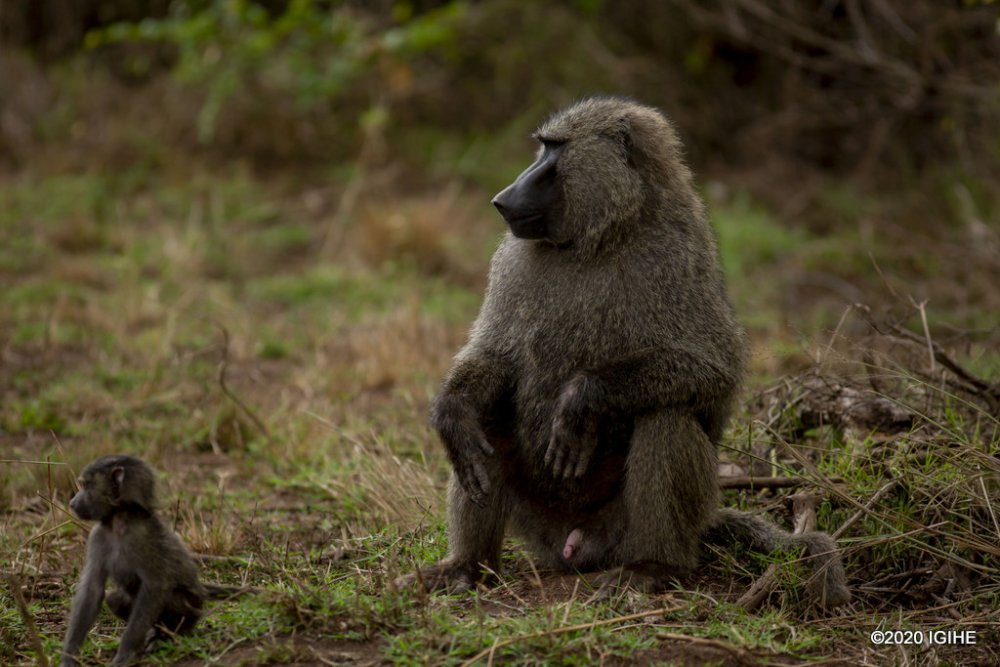
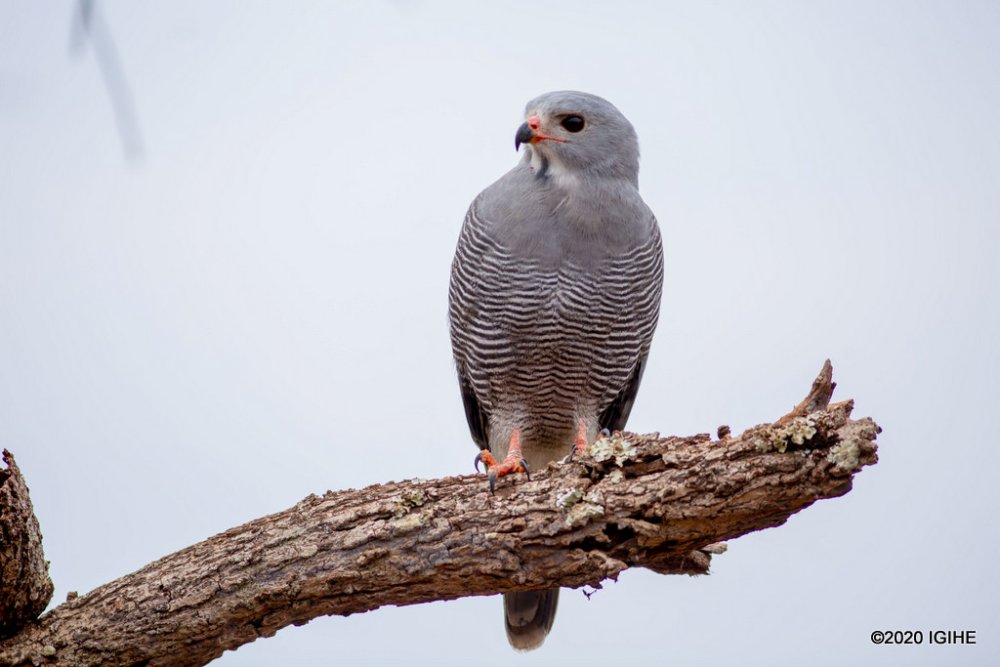
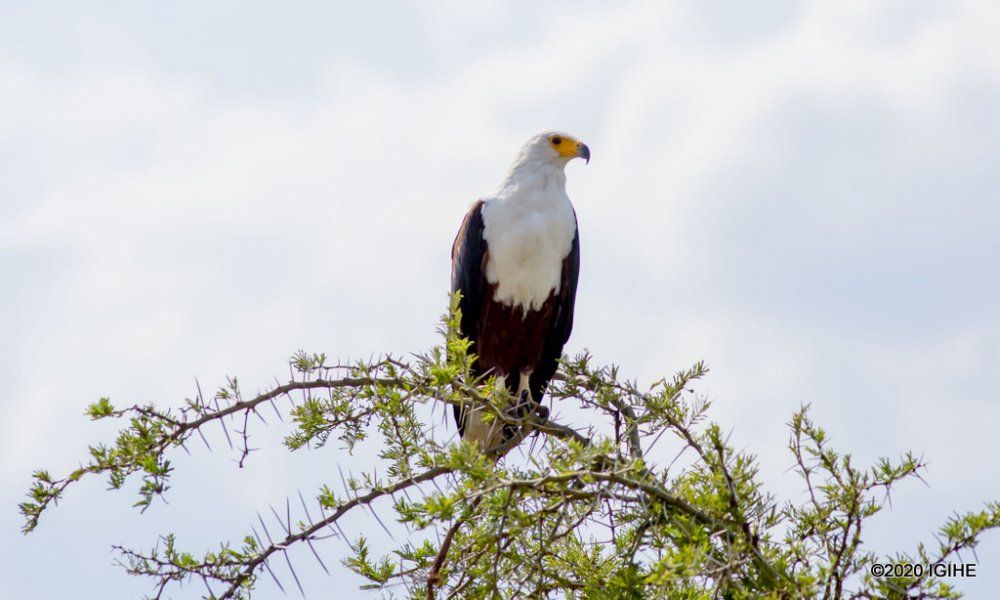
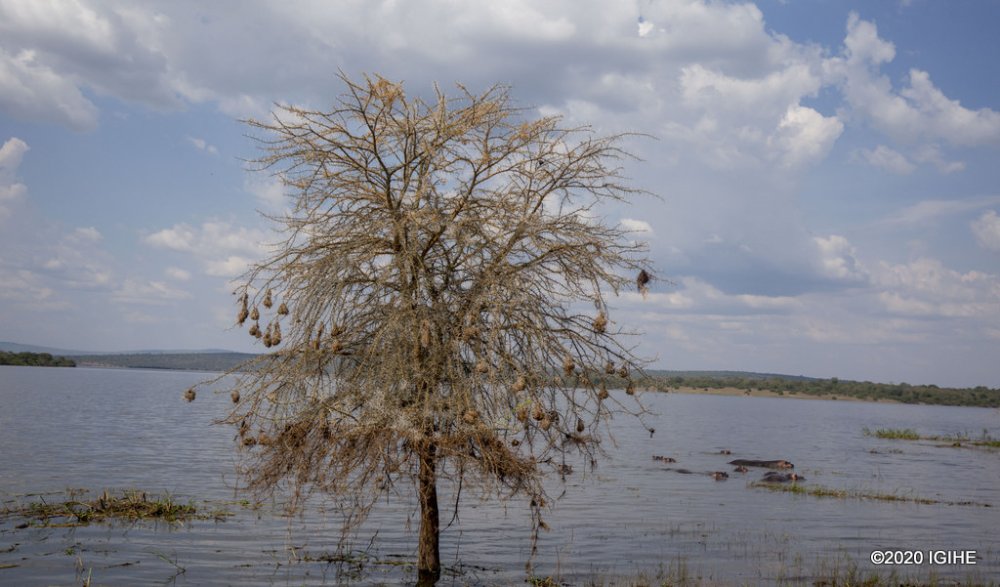
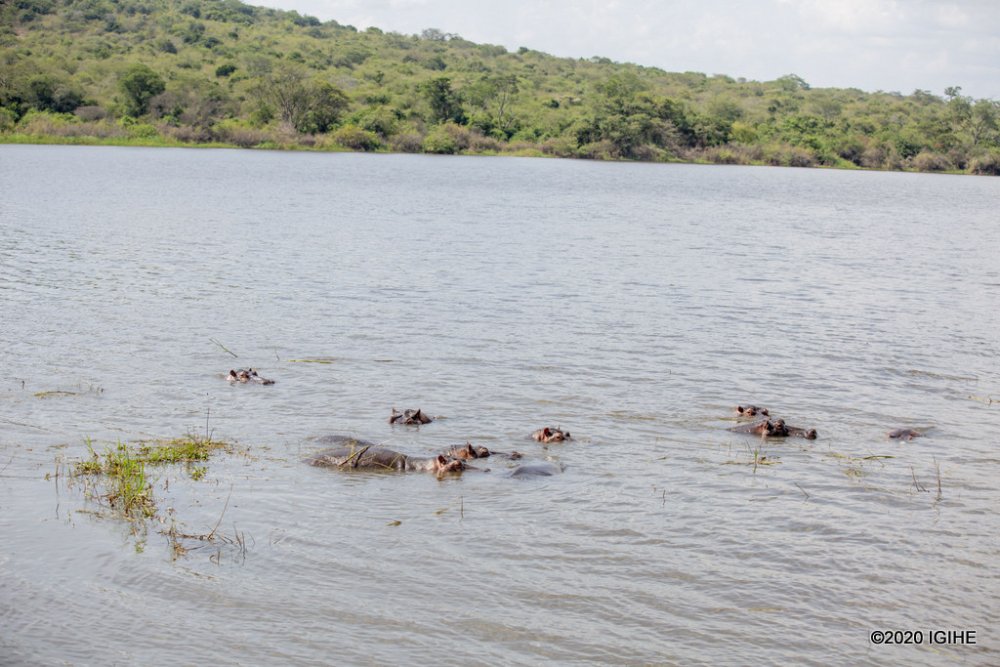
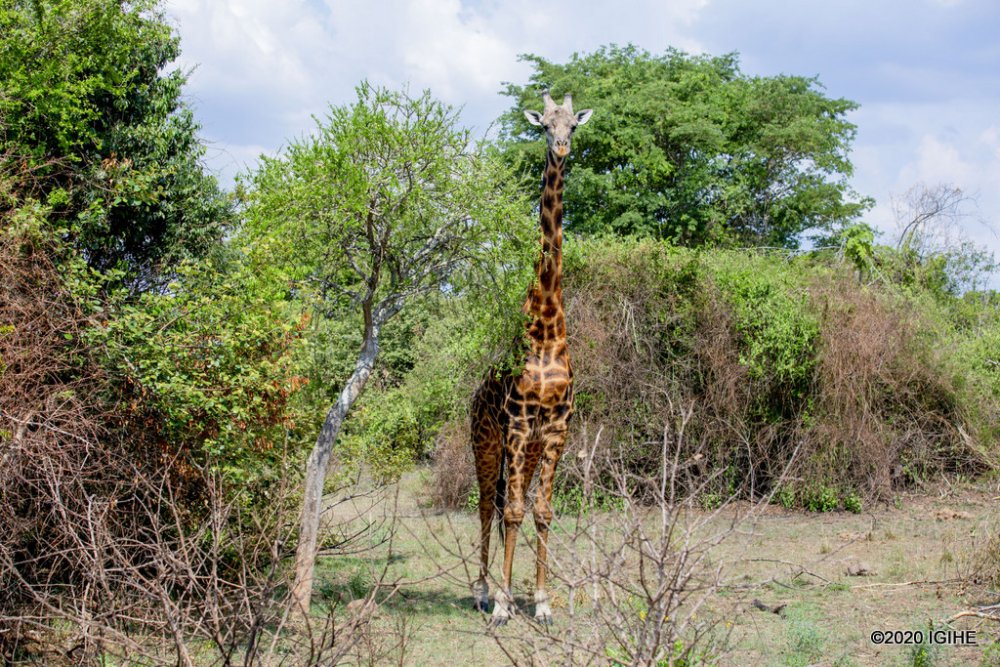
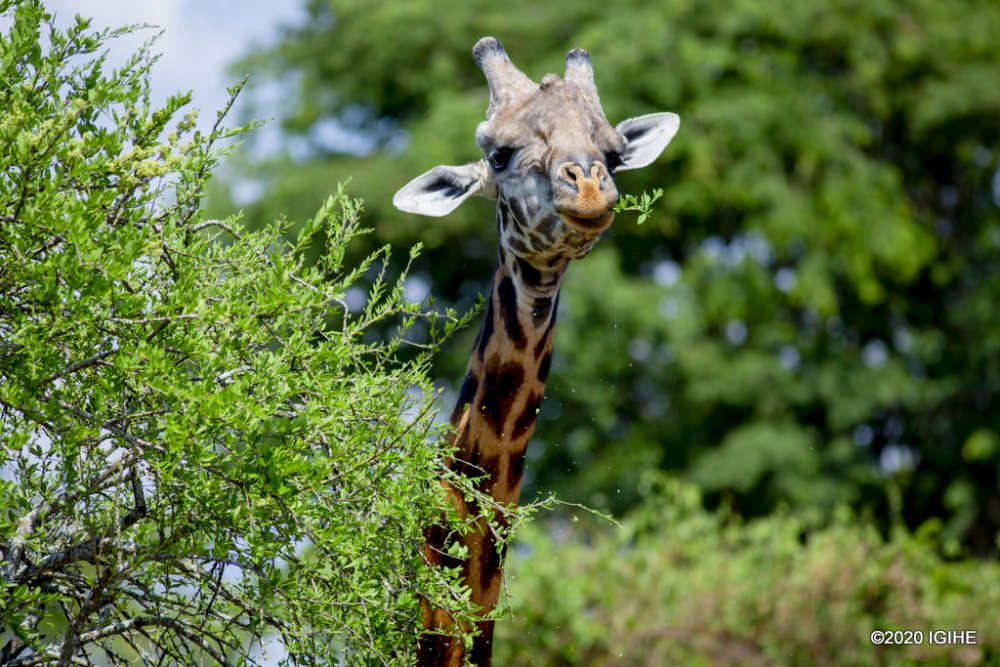
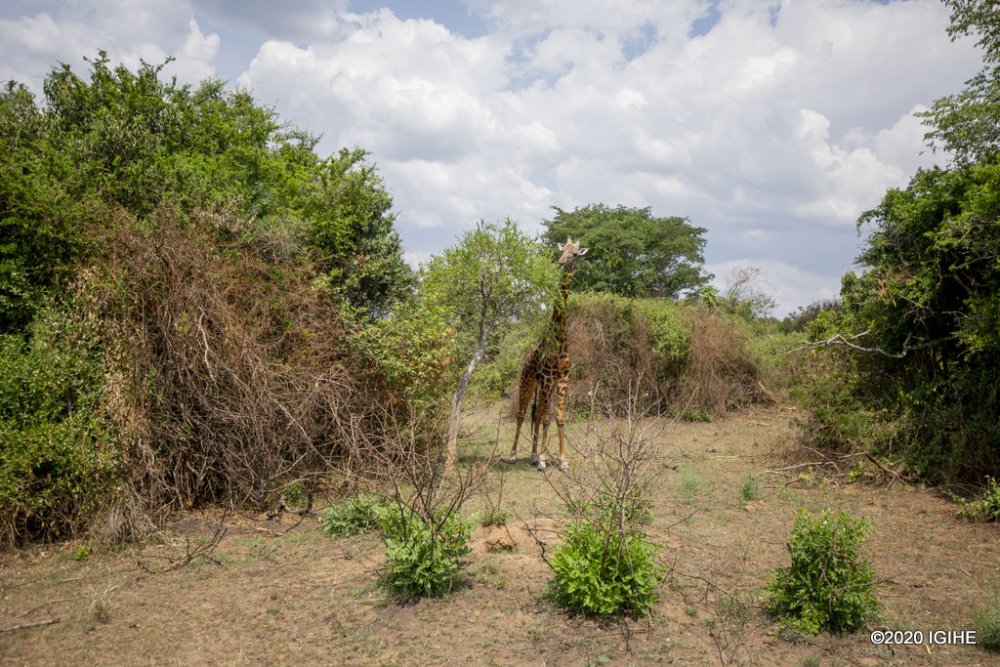
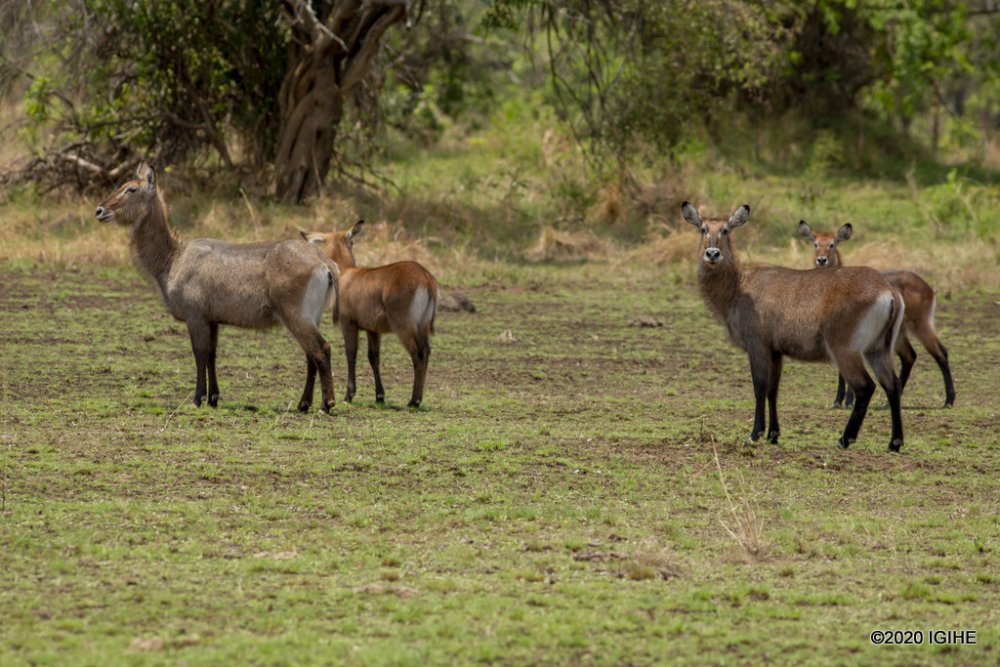
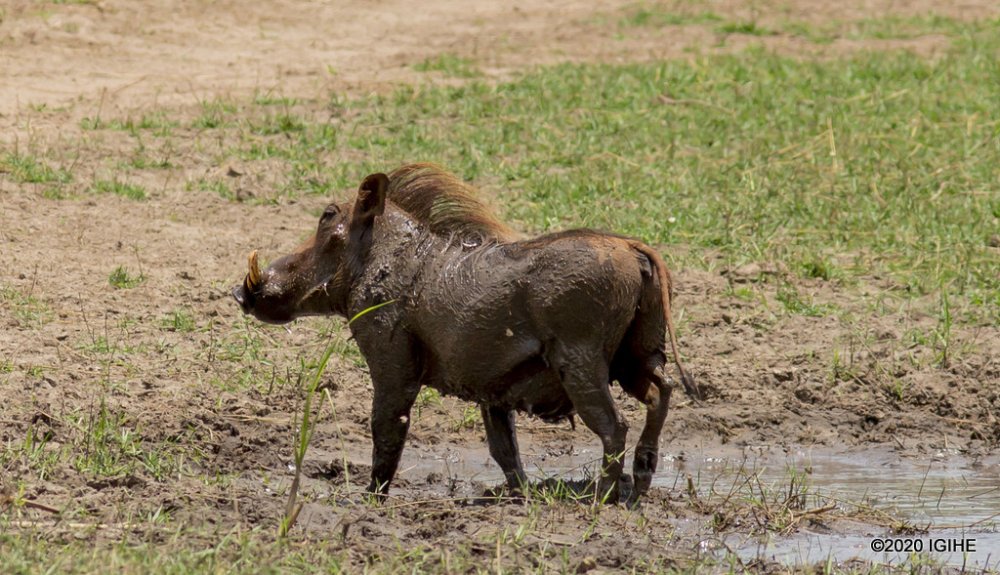
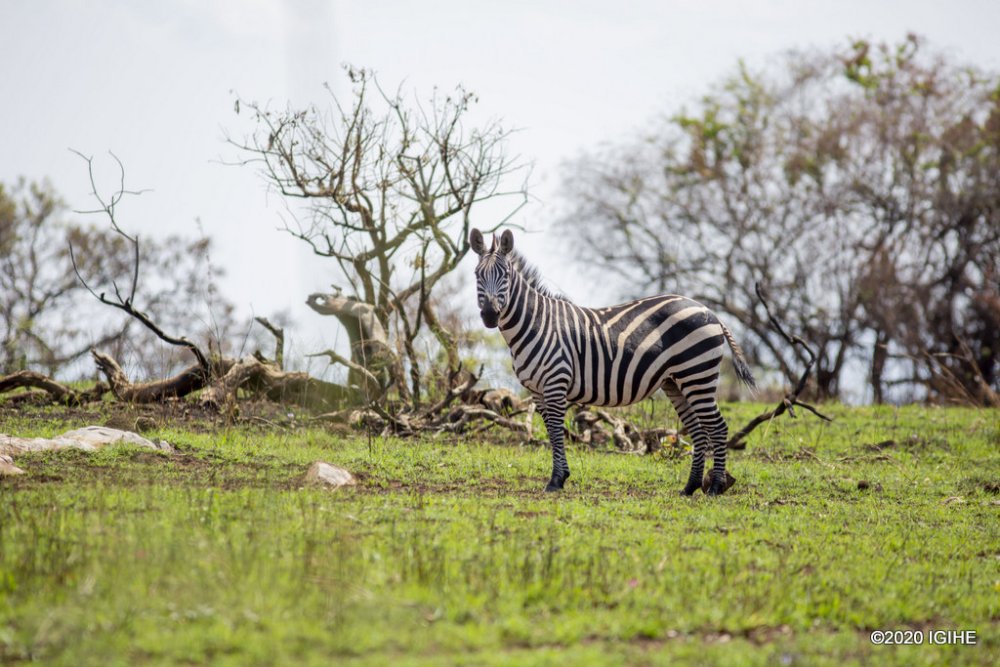
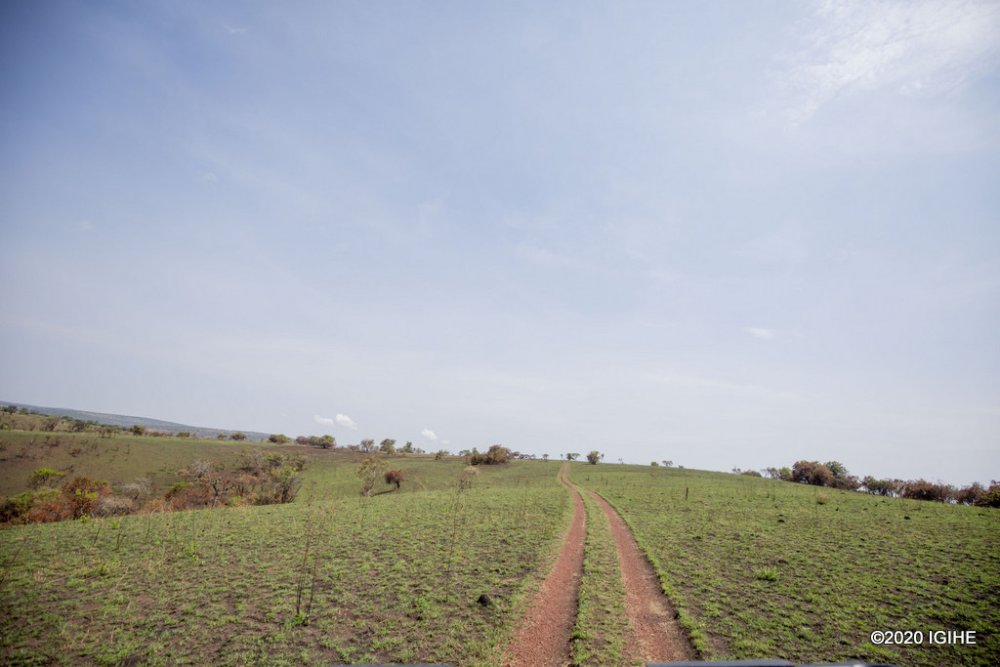
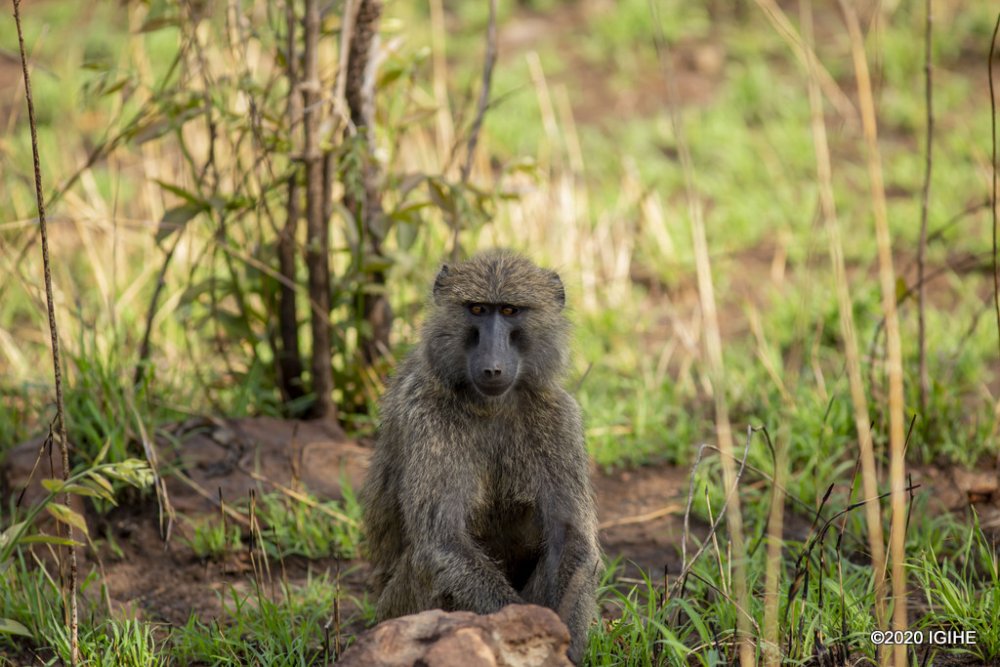
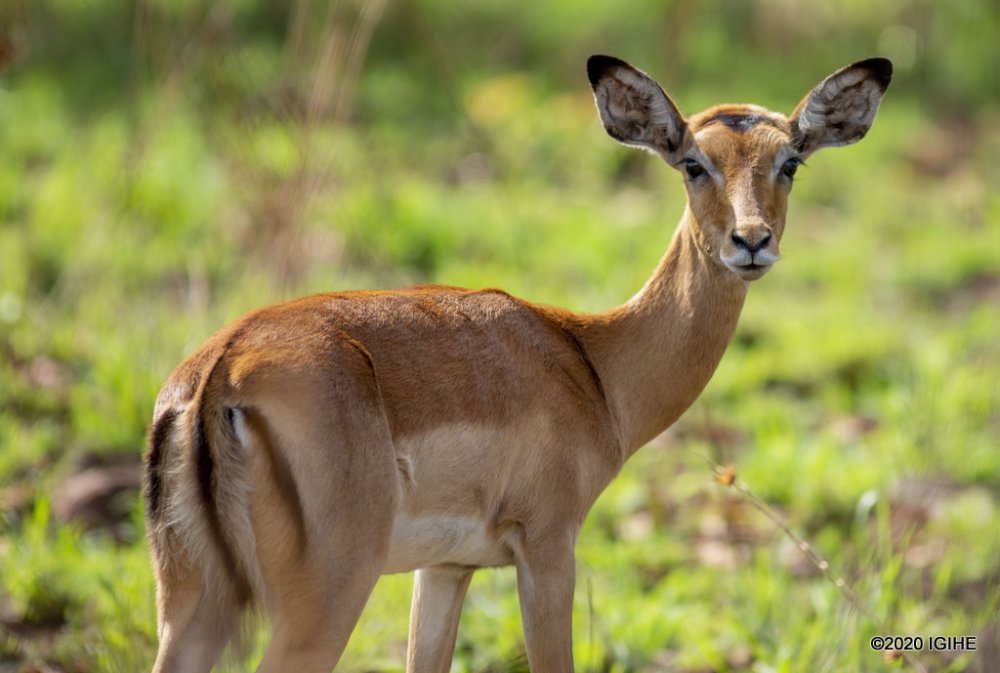
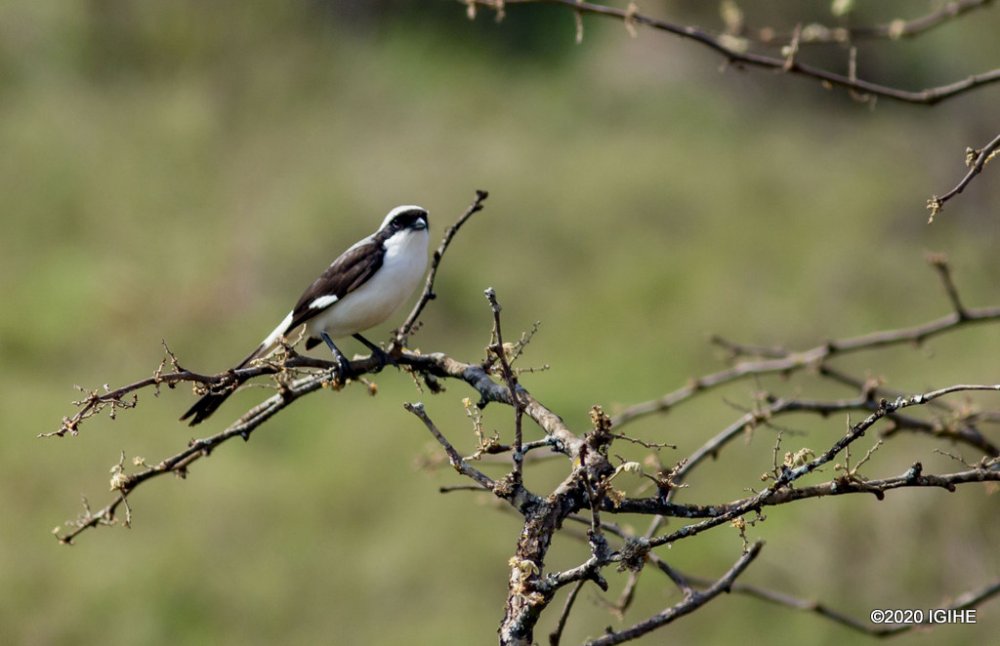
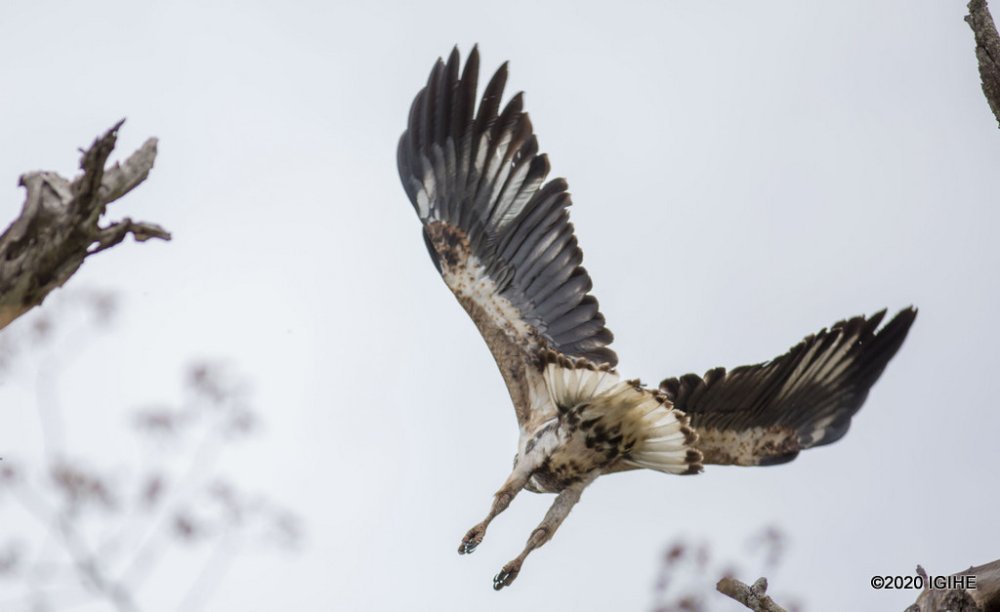
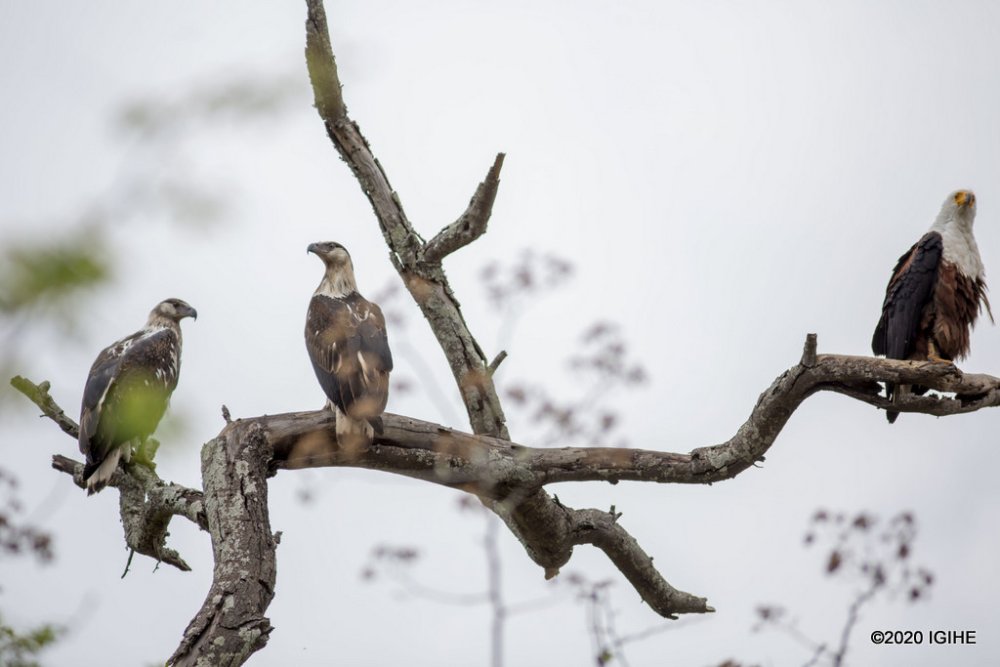
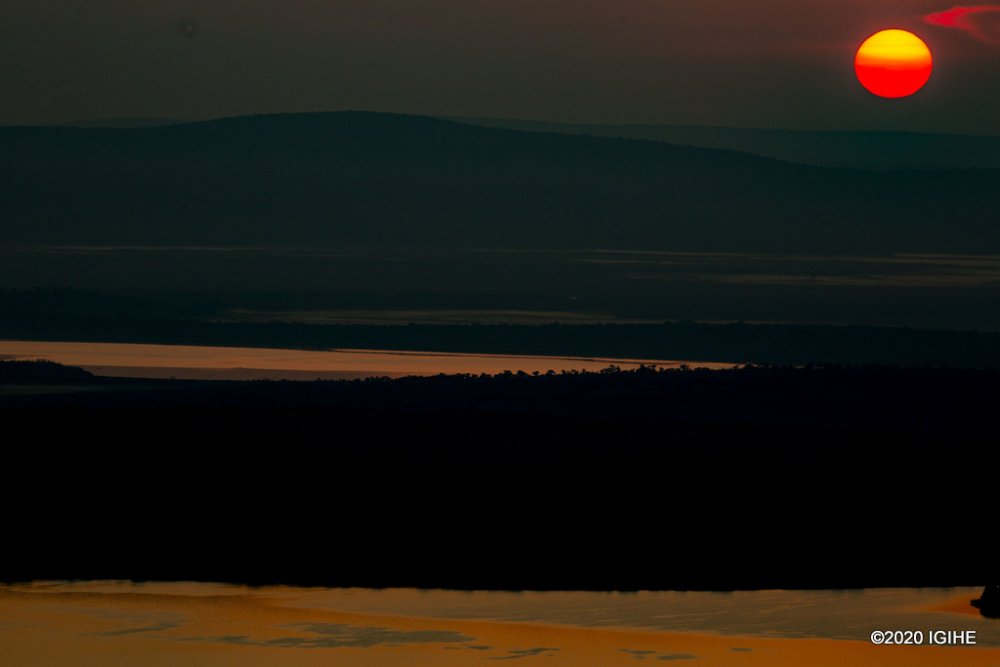
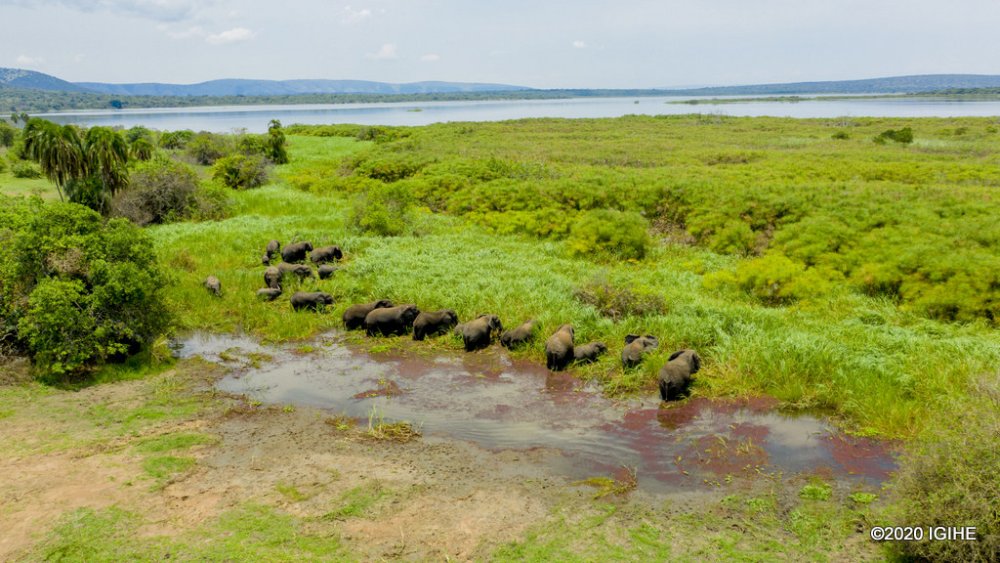
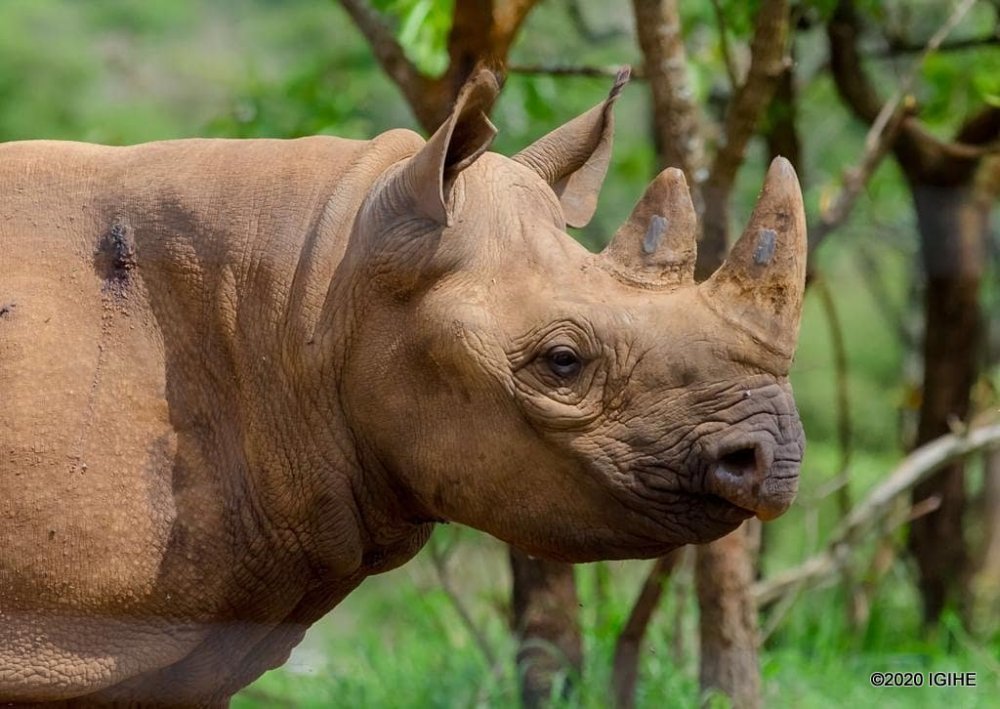
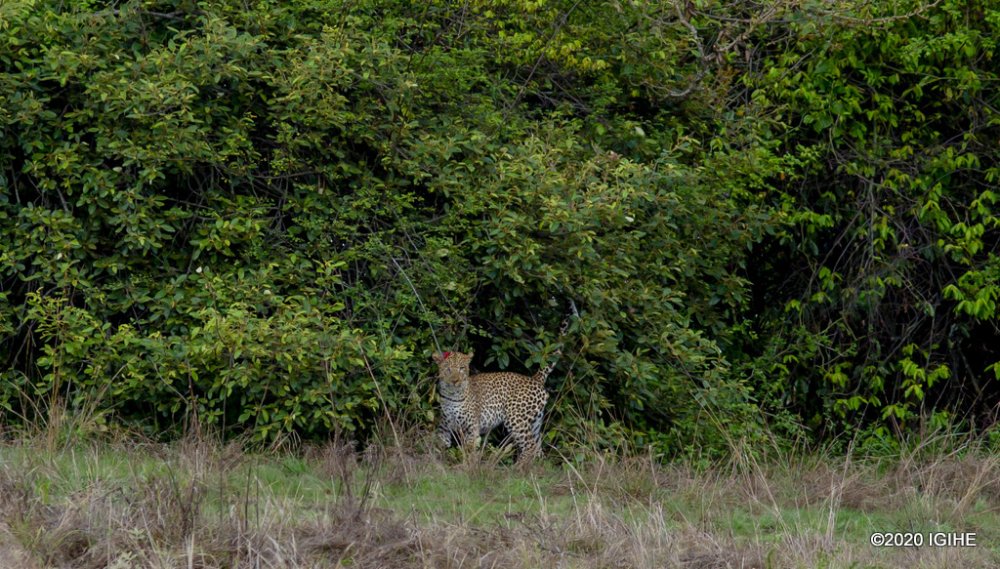
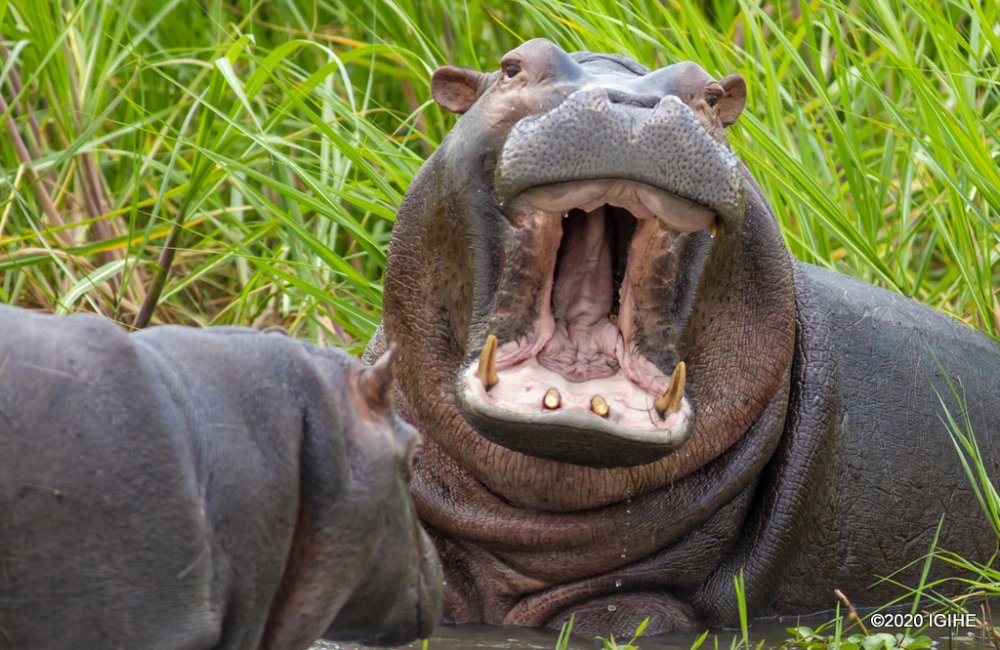
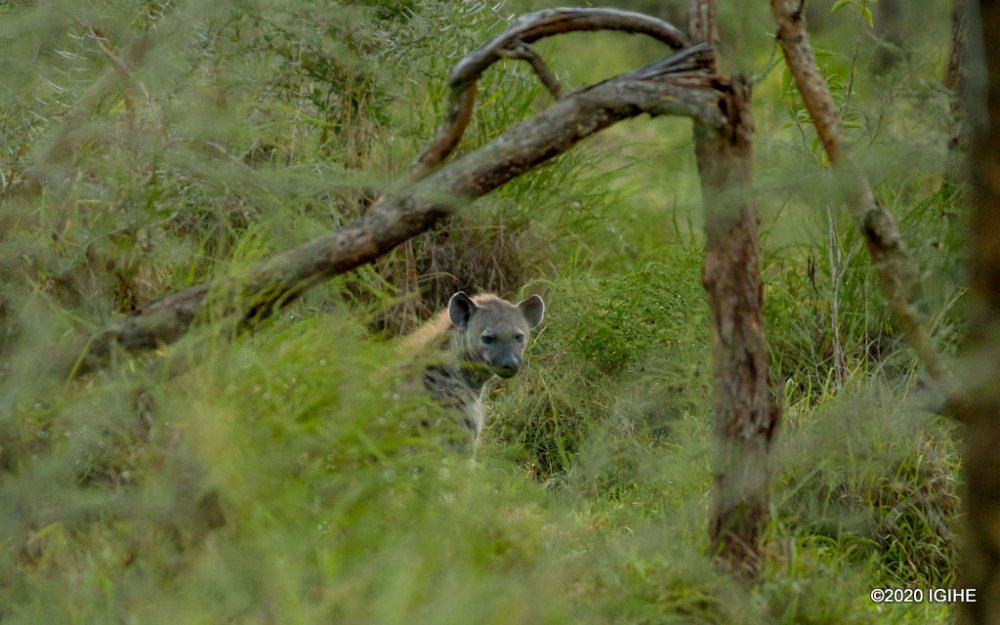
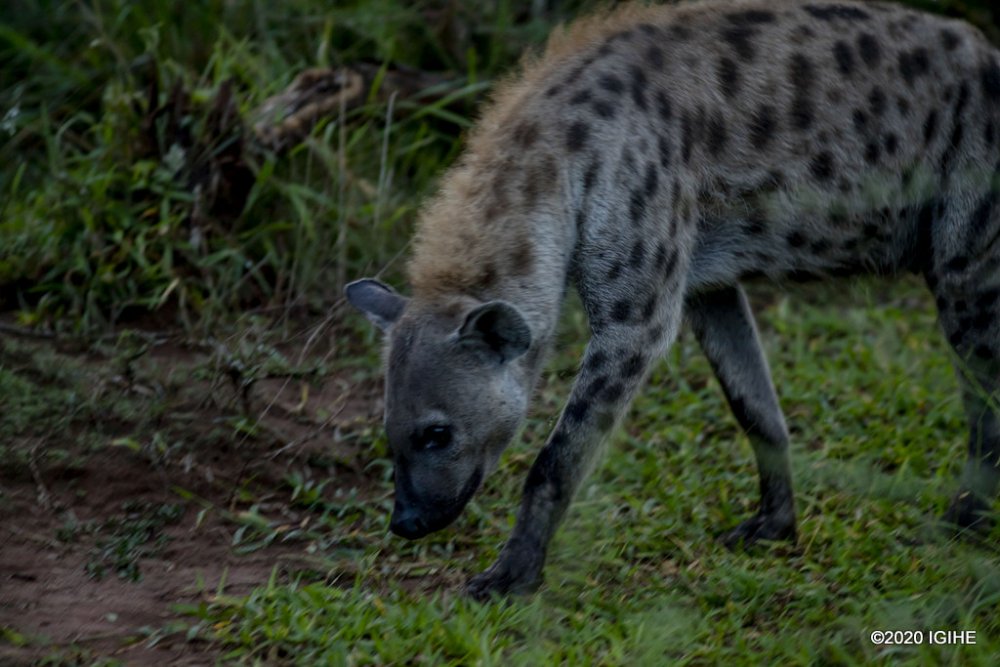
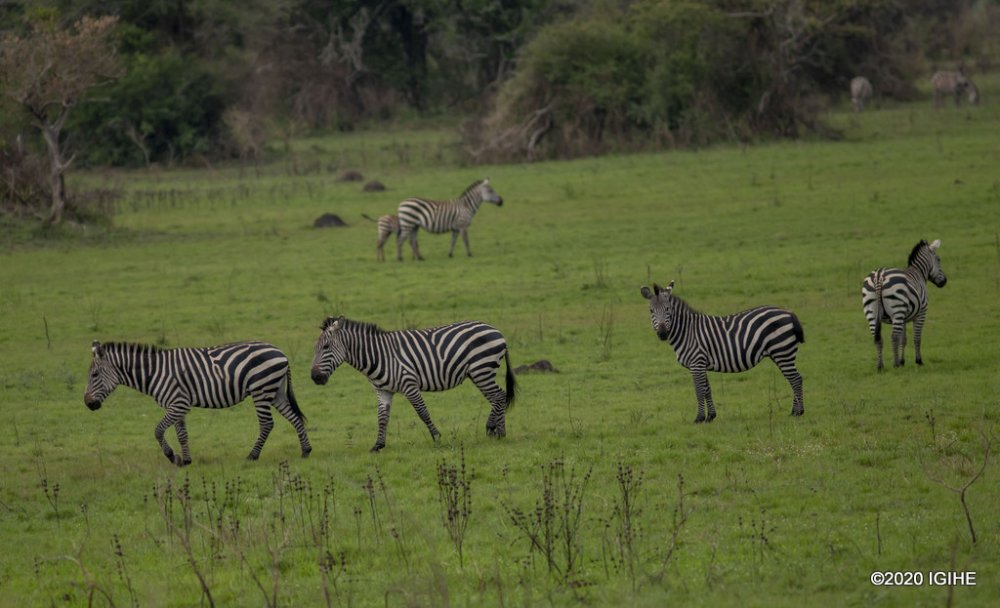
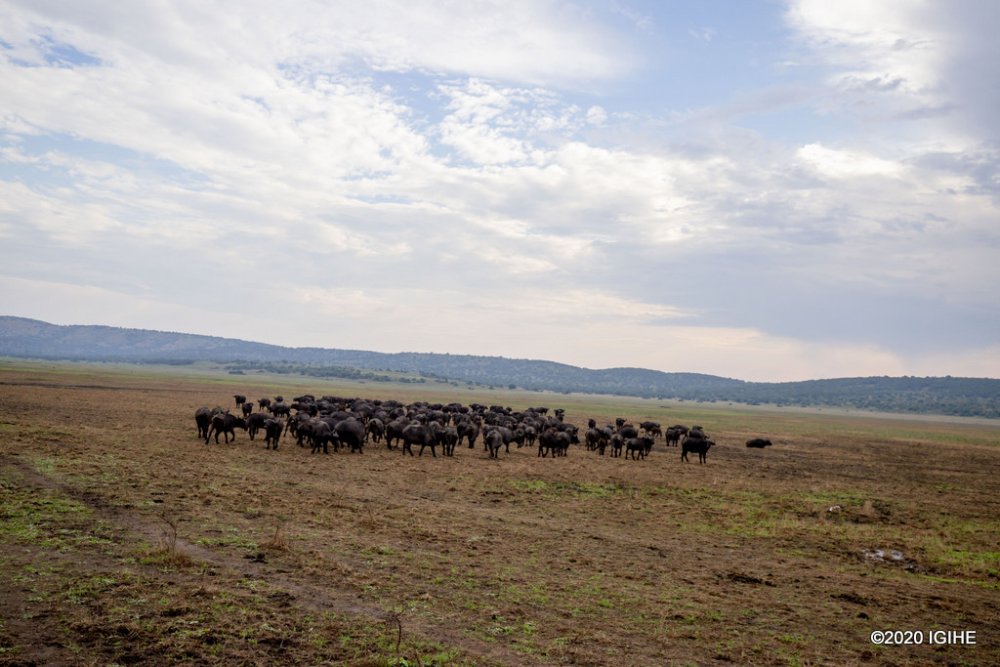
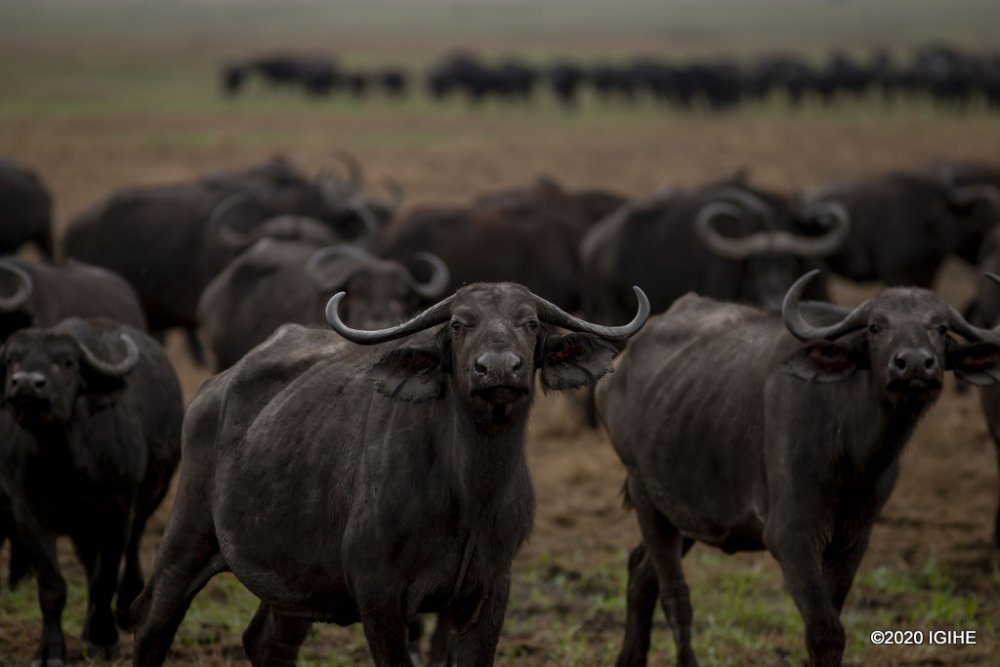
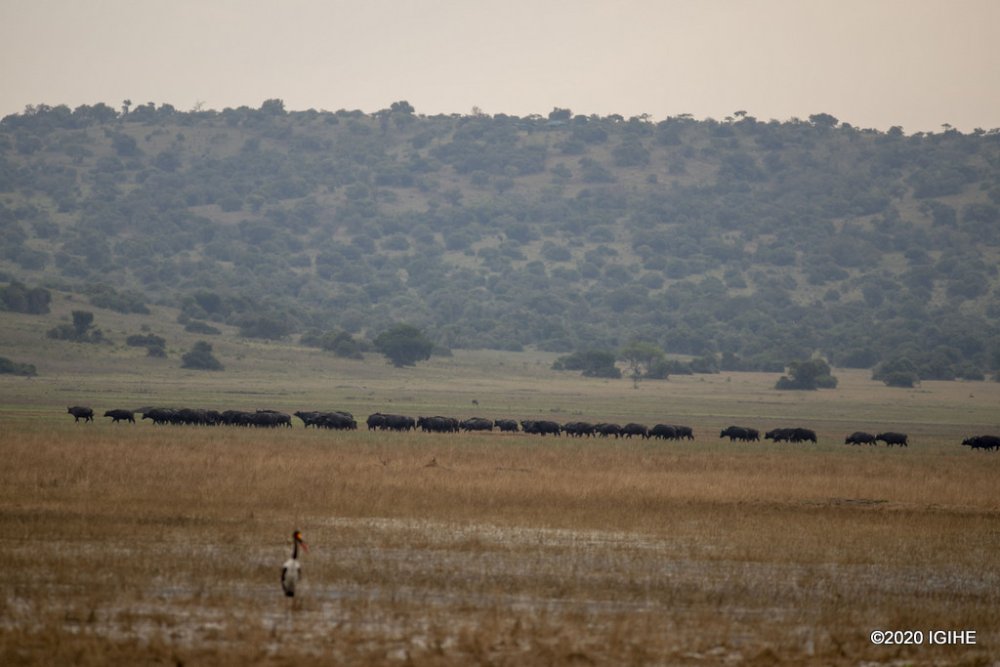
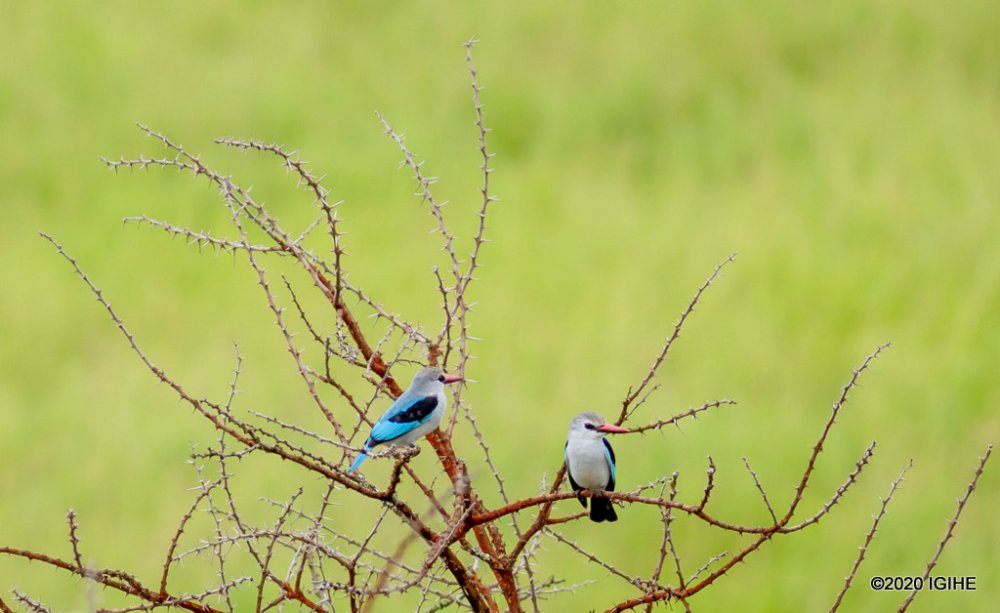
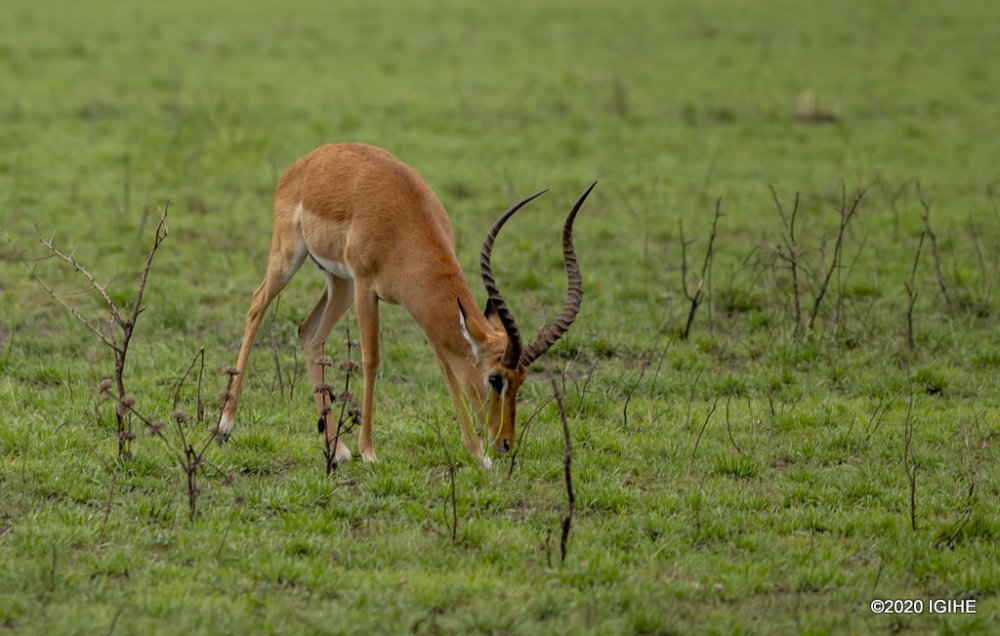
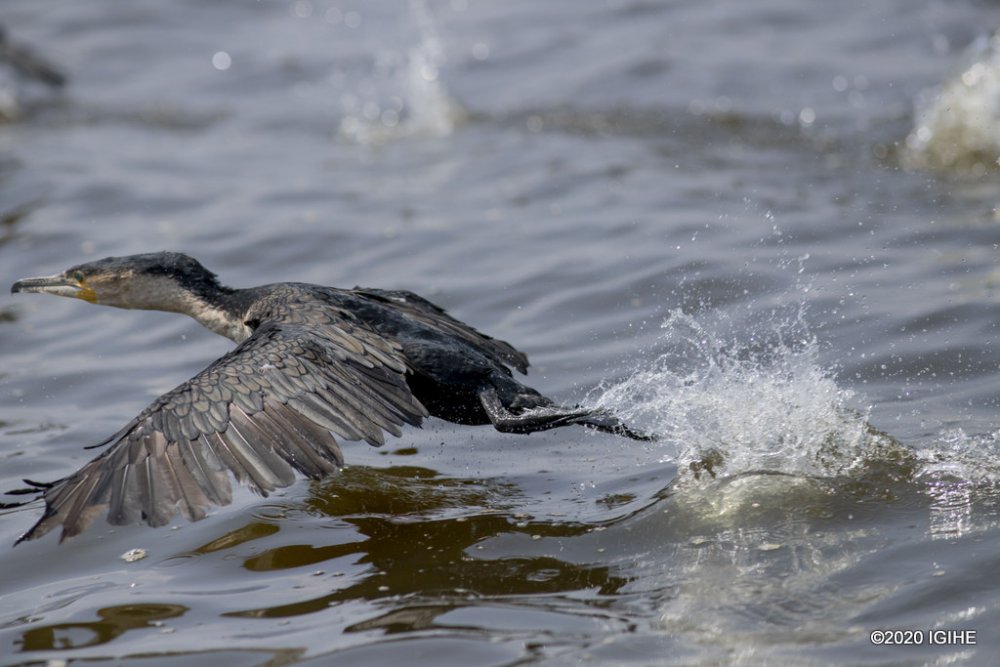
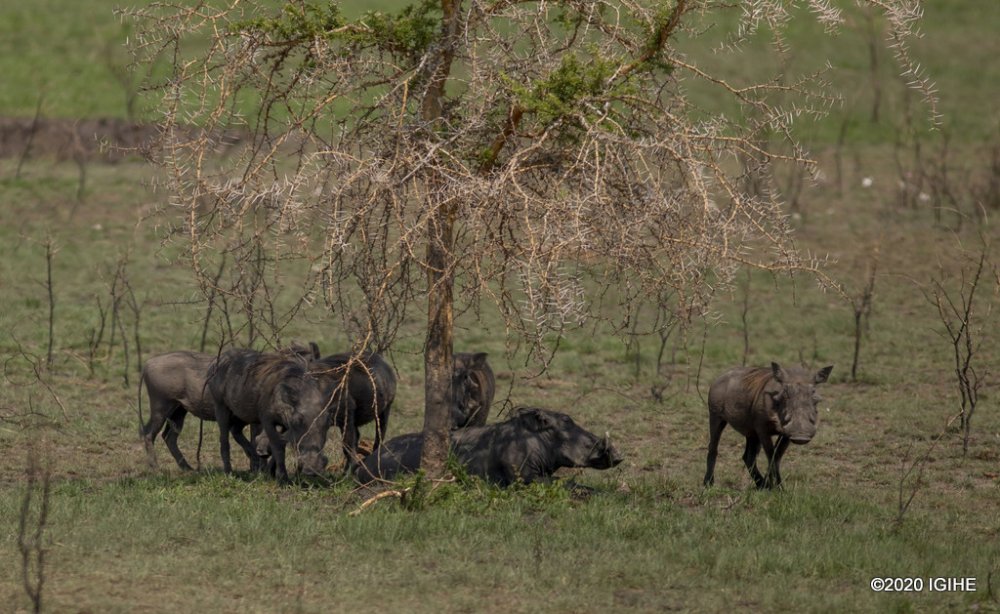
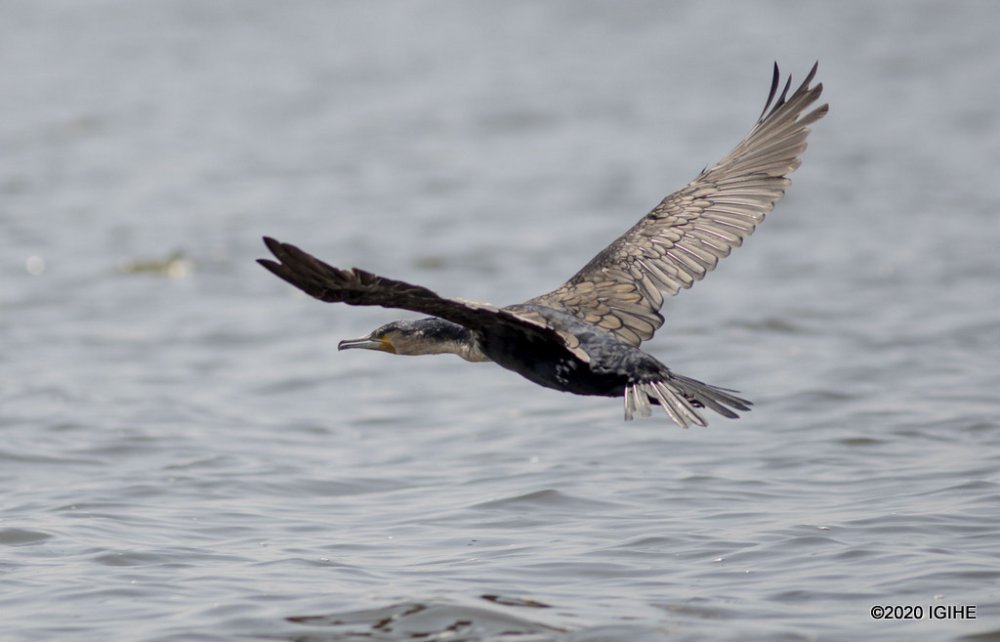
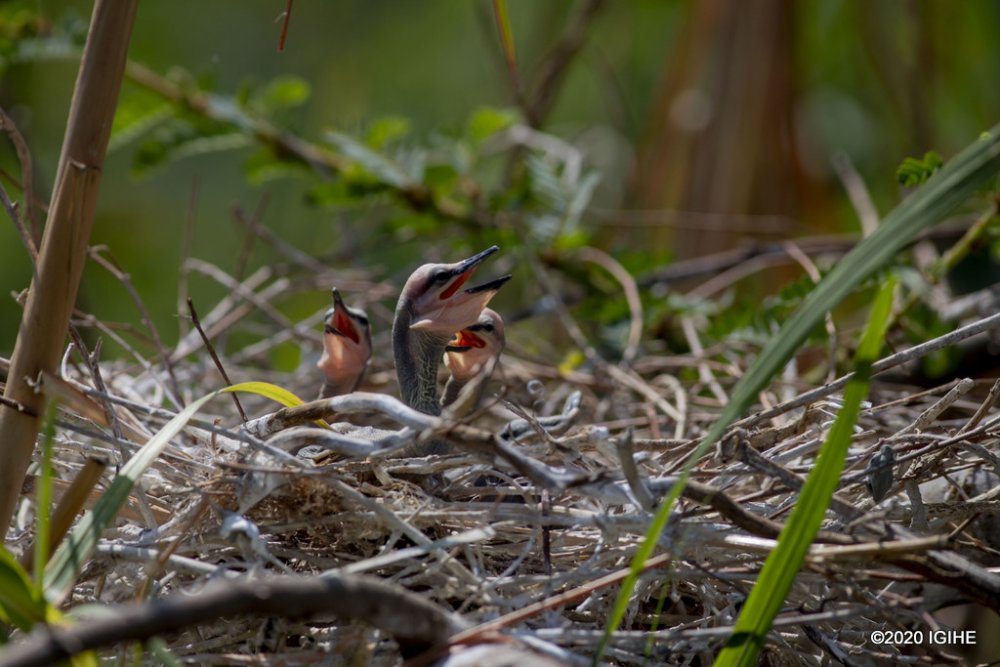
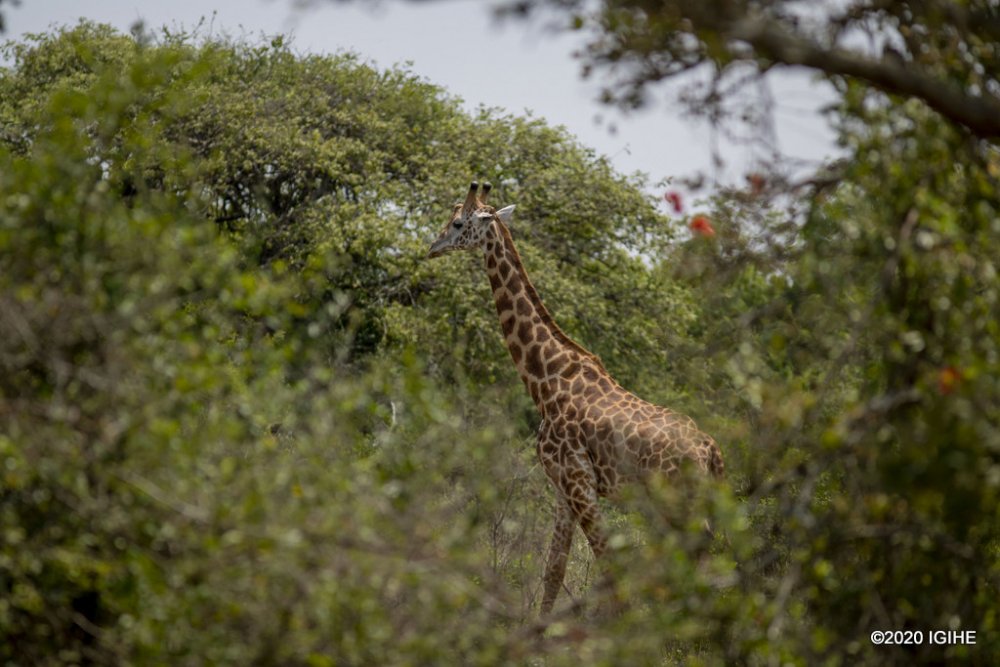
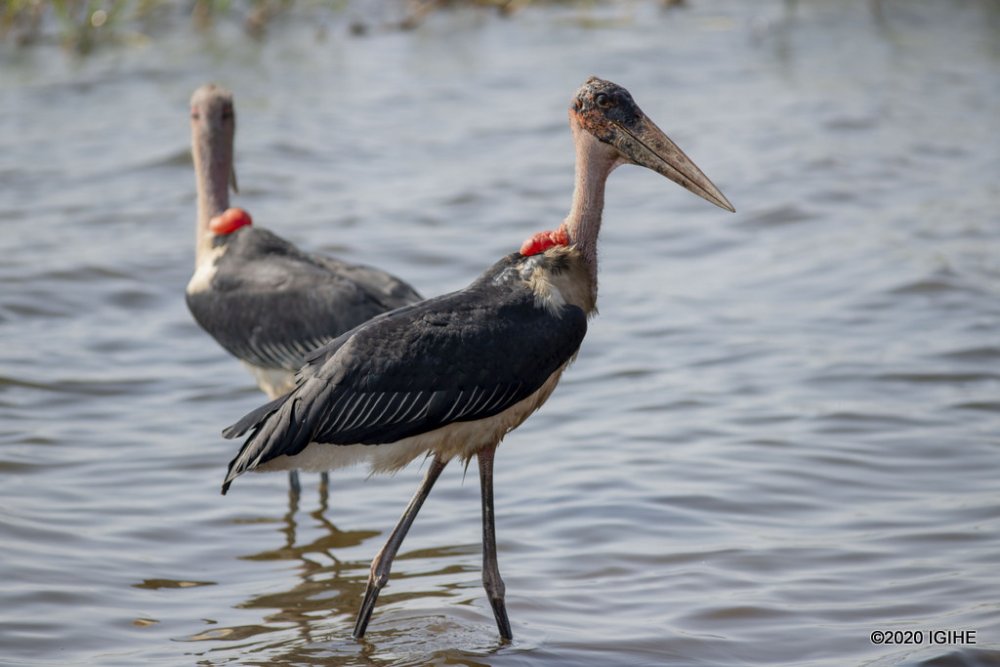
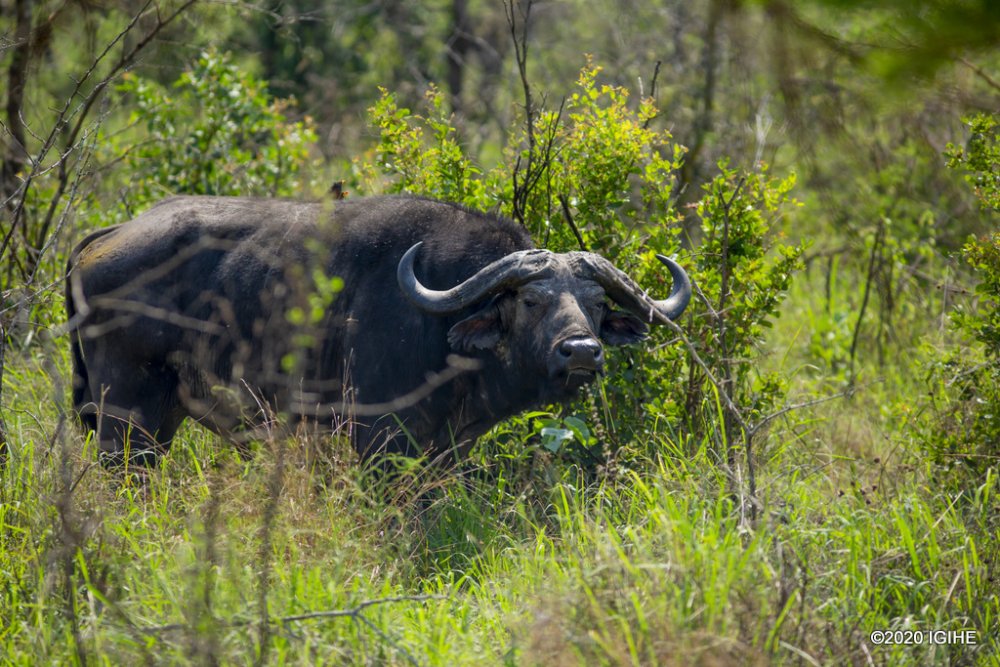
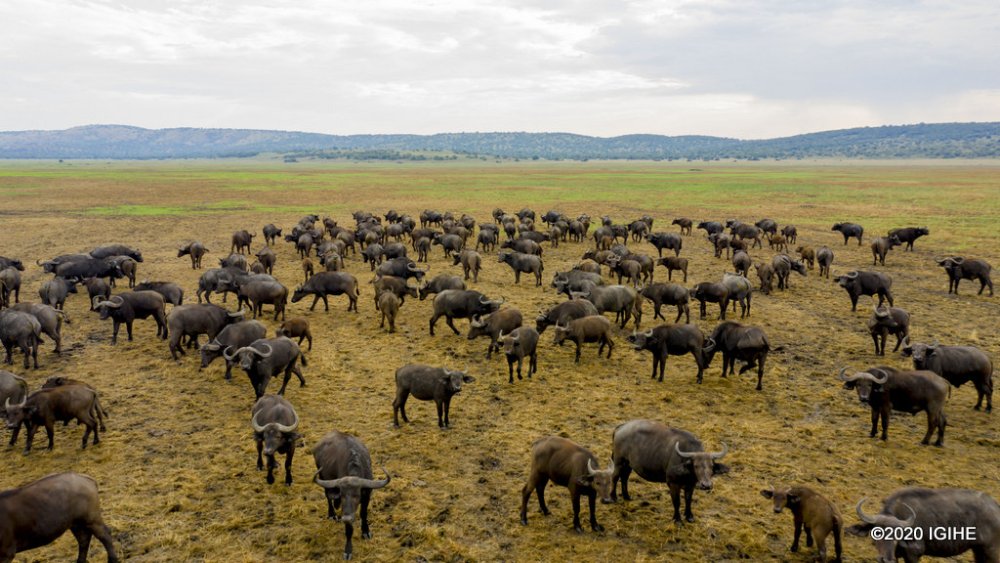
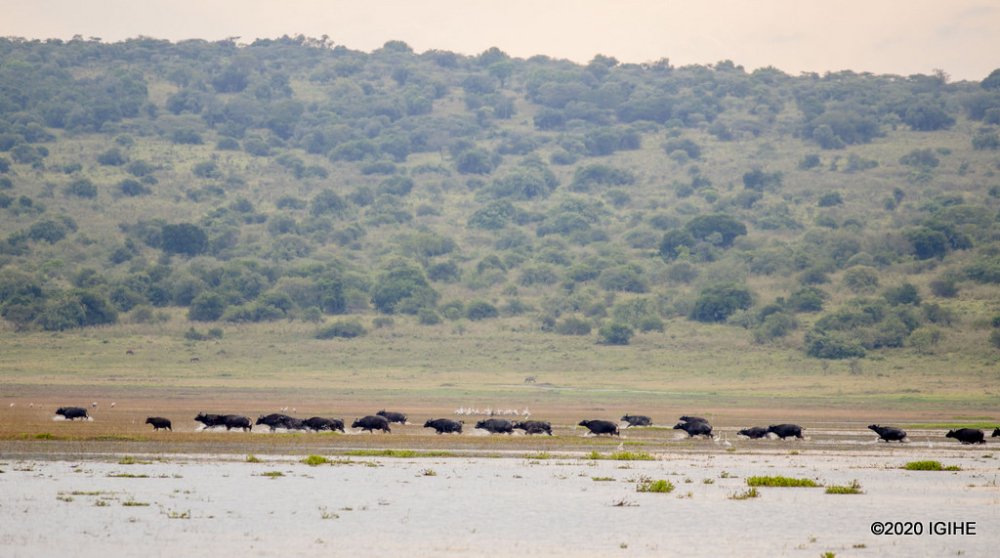
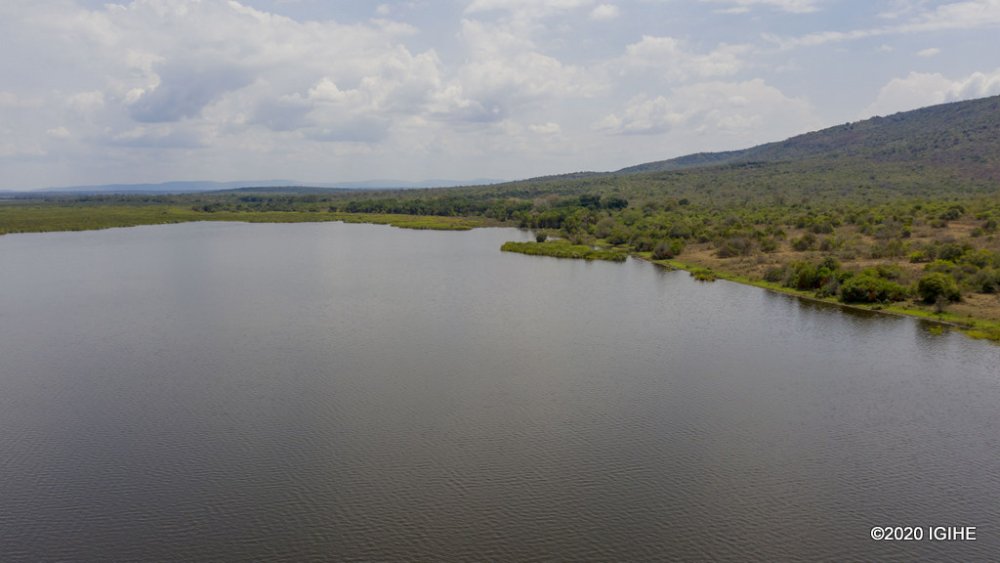
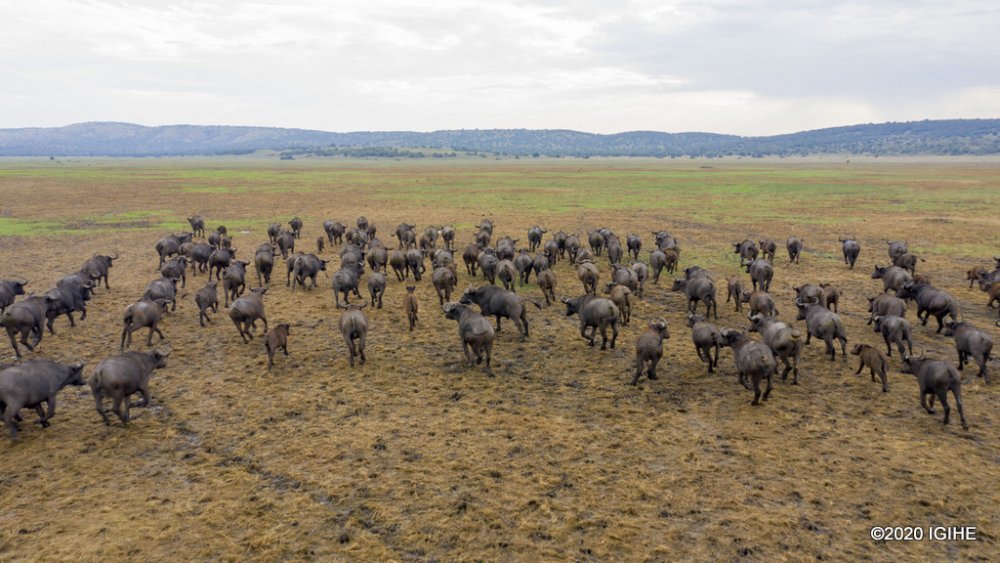
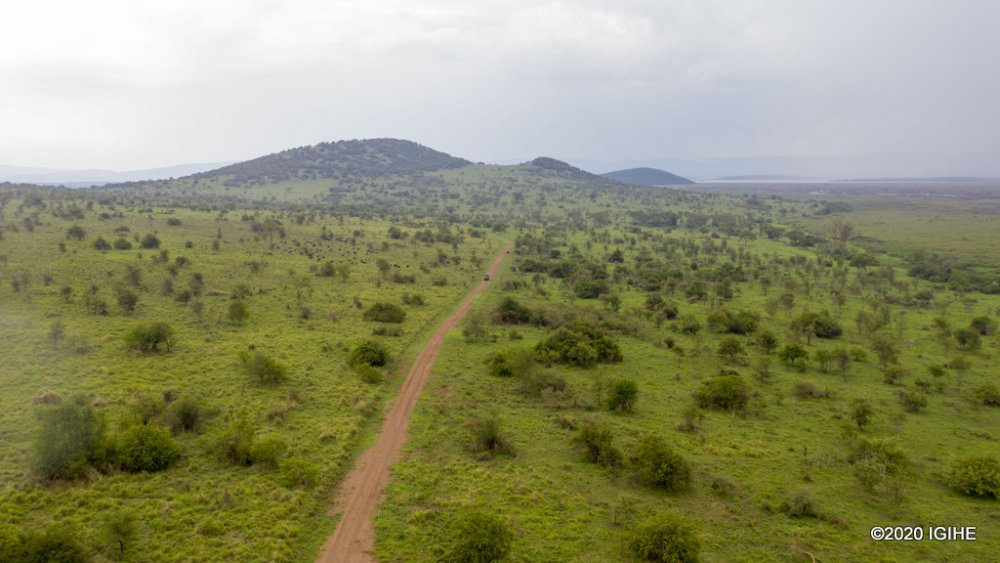
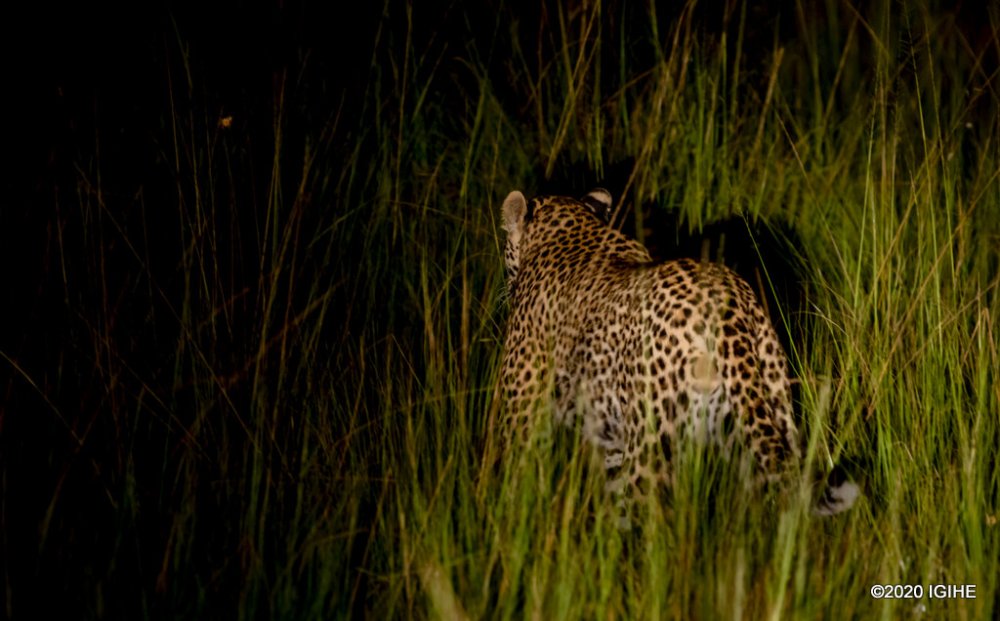
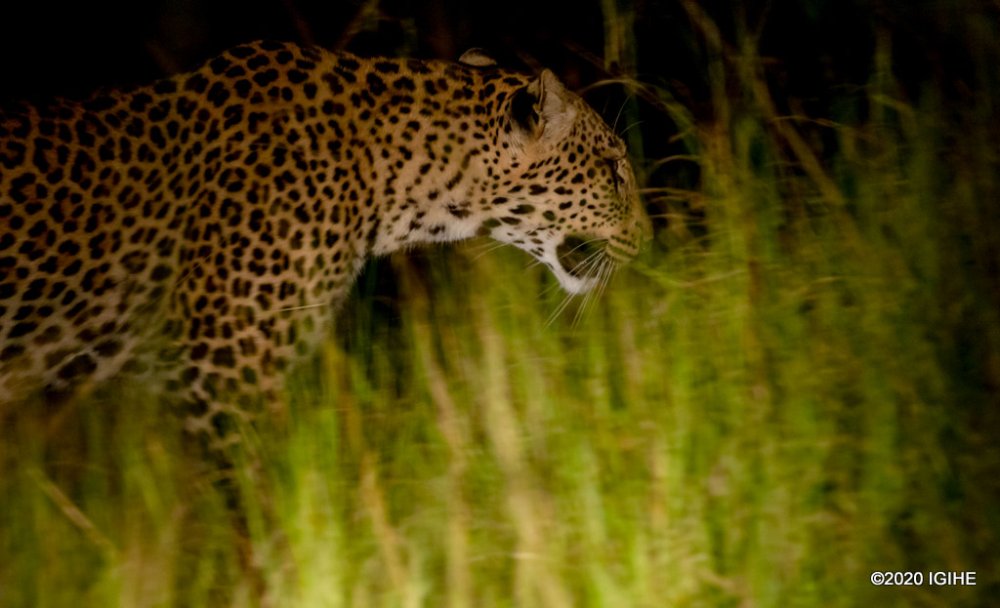
A hippopotamus has large, powerful teeth.Elephants have a remarkable ability to remember.One of the bird species found in Akagera, known as the Black-headed Gonolek.Old buffaloes often move alone.A hippo that left the water to graze on land.A leopard should not be approached carelessly, although spotting one is already a rare experience.Bush pigs, sometimes mistaken by some people pigs, are also found in Akagera National Park.Rhinos are strong animals with a horn on their nose, which they use for defence and fighting.Crocodiles are often hiddenHippos are powerful aquatic animals, although they also come out of the water to graze on land.Hyenas are often spotted in the evening.Without knowing it, one could mistake a buffalo for an unusual-looking cow.Akagera National Park is made up of plains, low hills and lakes.Elephants are among the most respected animals in the park.Elephants crossing the road, with their calf following behind.In the park, all wildlife moves freely, whether birds in the sky, aquatic animals in water, or land animals.Buffaloes are sometimes found gathered in large herds.A lion is known as the king of the jungle.
The UN chief made the appeal at a press encounter, citing an update on El Nino forecasts released by the World Meteorological Organization (WMO).
According to the new forecasts, this summer’s extremes — record-shattering heat domes, apocalyptic wildfires, thousands of lives lost in scorching conditions, record-high global sea-surface temperatures — are only a warm-up act, said Guterres.
El Nino is strengthening, adding fuel to a planet already on fire. The Pacific waters driving the phenomenon have never been this warm this early in an El Nino and temperatures are still rising, he said. “At the same time, WMO’s outlook shows that through October, nearly every land area on Earth is expected to be hotter than normal.”
El Nino does not bring heat alone; it profoundly affects the world’s rainfall. India’s monsoon is already running well below average. Hotter and drier conditions are forecast from Central America and the Caribbean to parts of South America, South Asia, the Southwest Pacific, Europe and Africa, warned Guterres.
“The verdict is clear: the climate crisis is in overdrive,” he said.
The UN chief called for action on four fronts: protect people before heat becomes deadlier, make work safer, build and retrofit for the coming heat, and stop fueling the climate crisis.
Extreme heat is a society-wide threat that demands a government-wide response. Every city and country should have heat-health action plans, early warning systems and public health measures that reach every community in time. And access to sustainable cooling must expand urgently and equitably, he said.
Governments and employers must set heat standards, adjust working hours, and protect incomes when work must stop. Protection from extreme heat must be designed into cities, homes, schools and hospitals, and factored into every plan and public budget, he said.
Guterres warned that every new fossil fuel project approved today makes tomorrow’s heatwaves more dangerous, and the world less secure.
“Today’s findings show that extreme heat is not a future threat. It is here. It is becoming more dangerous. And unless we act — to protect people and tackle the root cause of the crisis — it will become deadlier still,” he said. “The warm-up act is over. We cannot afford to wait for the main event.”
El Nino is strengthening, adding fuel to a planet already on fire.
Speaking in a recent interview with BBC Gahuza, Ndayishimiye said discussions between Rwanda and Burundi had been concluded and that he was now waiting for Rwanda to implement what had been agreed.
The Burundian president said the dispute was not between the people of the two countries but rather their leadership. He explained that whenever he meets Rwandan officials, he asks why the agreements reached have not yet been implemented, suggesting that the delay raises questions about Rwanda’s intentions.
Ndayishimiye further stated that all outstanding issues had already been discussed and agreed upon, leaving only implementation. He added that if Rwanda believes additional matters should be addressed before those agreements are carried out, it should say so openly.
He also said representatives of the two countries held their latest round of talks less than five months ago and indicated that Burundi’s main expectation is for Rwanda to hand over individuals accused of participating in the failed 2015 coup against Nkurunziza.
However, in an interview with IGIHE on July 31, 2026, Amb. Nduhungirehe rejected that claim.
“That is not true. It never happened.”
The minister said the latest meeting between Rwandan and Burundian delegations, involving military and intelligence officials, took place at the common border in December 2025 and that the issue of the 2015 coup suspects was never discussed.
Instead, he explained, the talks focused on addressing the security implications that emerged after the AFC/M23 coalition captured the city of Uvira in the eastern Democratic Republic of Congo.
Burundi experienced an attempted coup in May 2015 amid a political crisis triggered by Nkurunziza’s decision to seek a third presidential term, a move that was strongly opposed by sections of the population.
The failed coup was led by Major General Godefroid Niyombare. After it collapsed, some of those involved fled to countries, including Rwanda.
Burundi requested their extradition, but Rwanda maintained that it could not hand them over because doing so would violate international obligations protecting them as refugees.
Burundian authorities continue to seek the extradition of 34 people accused of participating in the attempted coup, some of whom are living in European countries, including Belgium. In 2020, Burundi’s Supreme Court sentenced them in absentia to life imprisonment.
Apart from repeatedly accusing Rwanda of sheltering the suspects, Burundi has not publicly exerted similar pressure on other countries hosting individuals linked to the failed coup, and its relations with those countries have remained unaffected.
Burundian President Ndayishimiye recently alleged that all outstanding issues had already been discussed and agreed upon, leaving only implementation.Minister Nduhungirehe has rejected Ndayishimiye’s claim over the alleged agreement on sending coup suspects to Burundi.
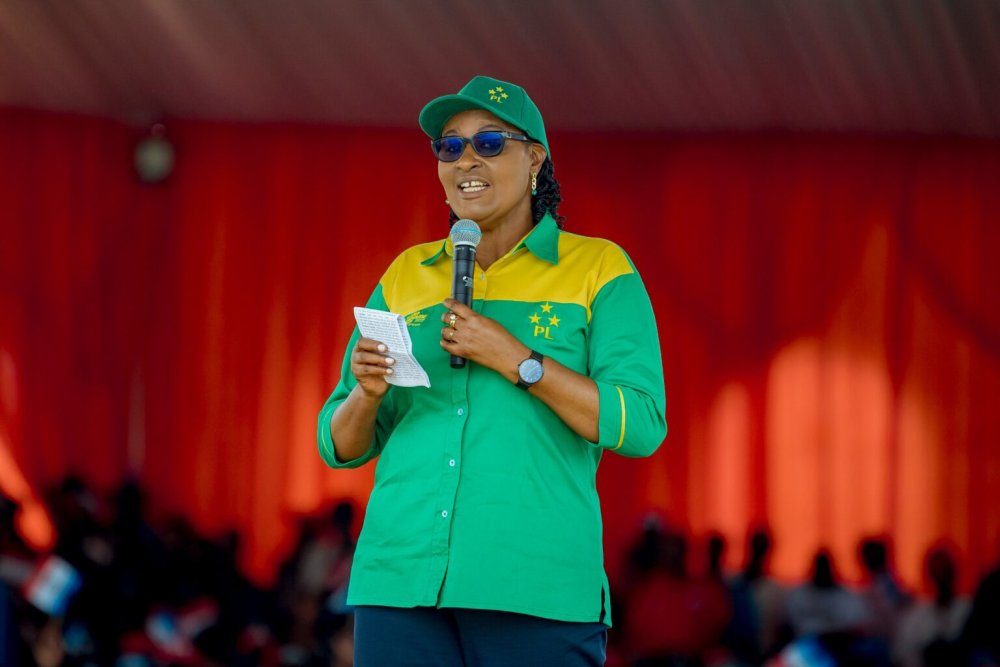
The message was shared through a statement issued on July 31, 2026, by RPF-Inkotanyi Secretary General Ambassador Christophe Bazivamo.
The statement said: “The RPF-Inkotanyi family joins in mourning with the Liberal Party [PL] following the death of Honourable Senator Mukabalisa Donatille, who was the president of the party.”
RPF-Inkotanyi said Senator Mukabalisa will be remembered for her dedicated service to the country and her contribution to Rwanda’s development journey.
“Honourable Senator Mukabalisa Donatille will always be remembered for the good work she did for the country and her contribution to the development journey, especially during her tenure as President of the Chamber of Deputies and during her time as a Senator,” the statement read.
The ruling party also extended condolences to Mukabalisa’s family, friends, and colleagues she worked with at different levels, encouraging them to remain strong during this difficult period.
Senator Mukabalisa died on July 30, 2026, after an illness. She served as President of the Chamber of Deputies from 2013 to 2024 before joining the Senate.
Throughout her political career, Mukabalisa was among the women who played a significant role in Rwanda’s leadership, particularly through her decade-long tenure at the helm of the Chamber of Deputies.
Senator Mukabalisa Donatille served as a Senator and President of PL before her demise.
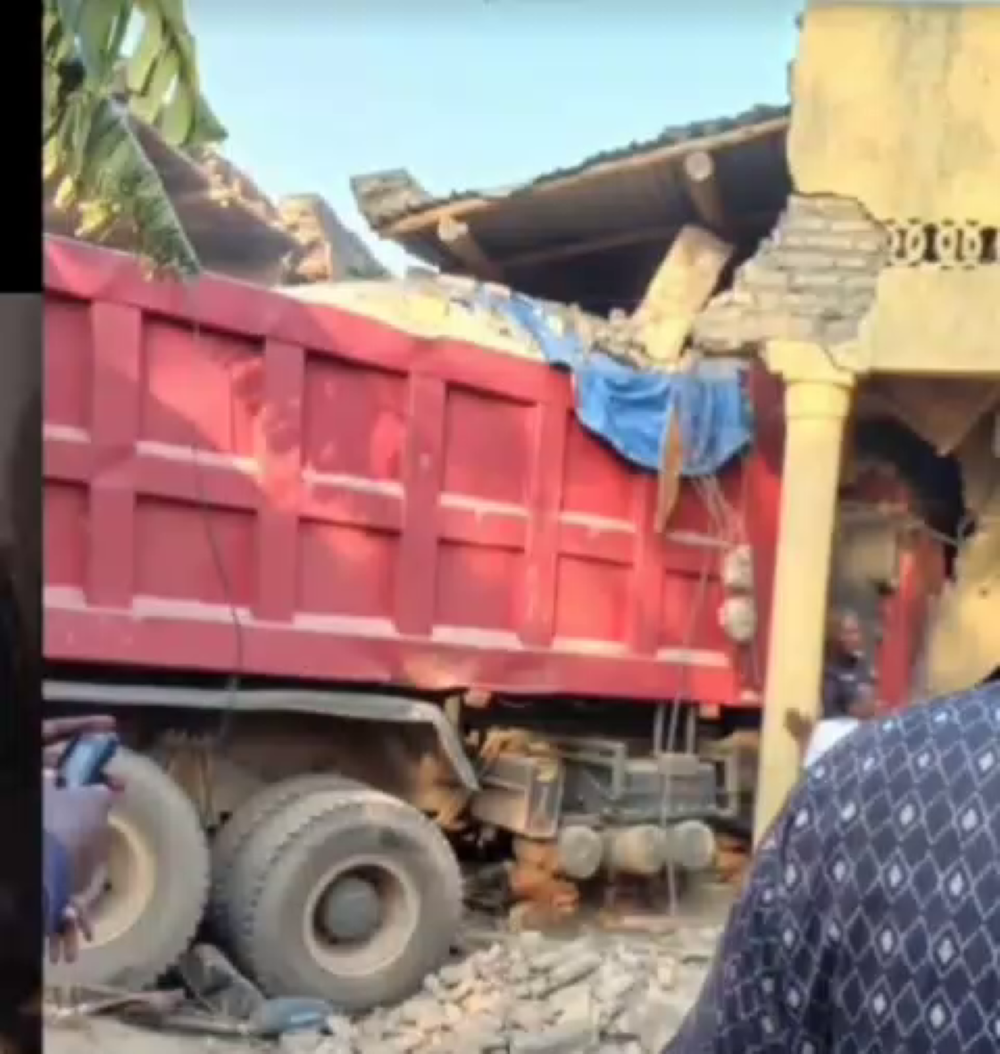
The accident occurred on July 30, 2026, at around 5:00pm in Nyakabungo Village, Gasoro Cell, Kigoma Sector.
The truck, which was carrying sand, reportedly veered off the road due to its heavy load before crashing into the nearby commercial building, where it struck people inside.
Nyanza District Acting Mayor Patrick Kajyambere told IGIHE that one person died in the accident, while five others, including the truck driver, sustained injuries.
“A woman died on the spot while five others were injured, including the driver. We have not yet confirmed the exact number of people affected because one person is still missing,” Kajyambere said by press time.
He added that the deceased and the injured were taken to Nyanza Hospital for medical attention, while expressing condolences to the families affected by the accident.
Kajyambere said the cause of the accident has not yet been established, adding that investigations by the Rwanda National Police traffic unit will determine what led to the crash.
A Howo truck was involved in an accident in Kigoma Sector, Nyanza District on July 30.
According to a report published on July 30, 2026, by African Facts, one of the key figures linked to the Habyarimana family is Kaumbu Mandungu Bula, commonly known as “Kao,” an adviser to DRC President Félix Tshisekedi.
Kao is the son of Antoine Mandungu Bula Nyati, who served as a minister under former President Mobutu Sese Seko and died in Benin in 2002.
The investigation states that Kao’s relationship with the Habyarimana family dates back many years, beginning when they met in Belgium.
According to the report, in November 2007, Kao prepared documents for the registration of what was presented as a charitable organization in Kinshasa. The organization was registered in 2008 as a branch of a UK-based charity established in London.
Although the organization was officially described as charitable, the investigation alleges that it primarily served financial interests and had close links to the Habyarimana family.
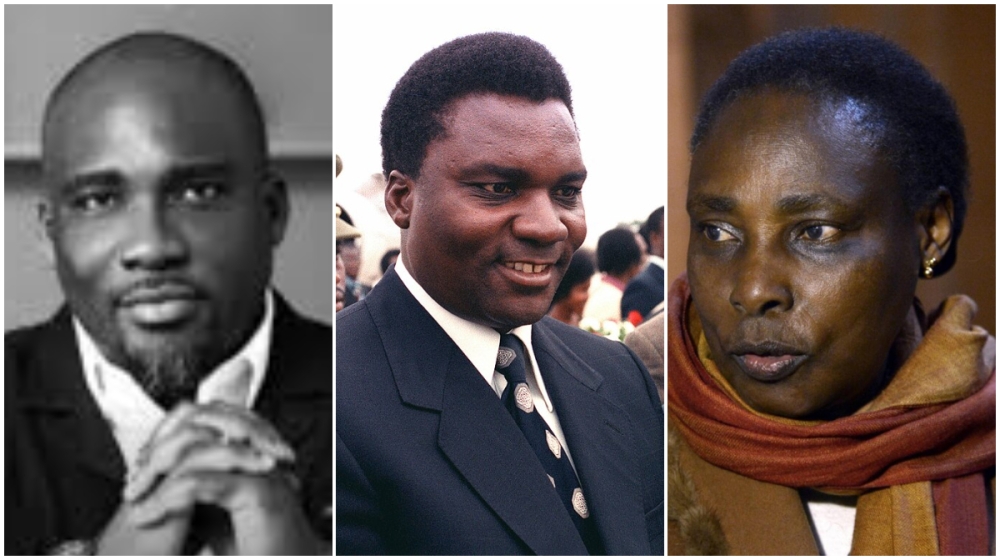
Jean-Luc Habyarimana, the youngest son of the former president, is identified as one of the central figures behind the establishment of the Kinshasa branch and several other organizations presented as charities. The report also suggests that other members of the Habyarimana family were connected to these entities.
The investigation alleges that between 2008 and 2009, money was transferred through various organizations before ending up in the hands of members of the Habyarimana family and their close associates. It claims that on May 20, 2008, Jean-Luc Habyarimana signed an investment agreement worth €125,000 with the UK-based organization.
Under the agreement, the organization was expected to repay him €250,000 between December 2008 and December 2009, representing what the report describes as a 100 percent return.
The investigation further alleges that from late 2007, Kao and individuals linked to the Habyarimana family received at least €382,000. According to the report, the funds originated from a Swiss bank account that had itself received money from a company registered in Panama.
It also claims that between 2008 and 2009, Jean-Luc Habyarimana received €325,000 through UK-registered organizations established between 2007 and 2009.
However, African Facts states that it found no evidence that organizations registered in the DRC, the Central African Republic, and Gabon carried out genuine charitable activities.
Emails referencing Agathe Kanziga
The investigation also cites emails allegedly exchanged between Kao and Jean-Luc Habyarimana.
One email, dated May 17, 2009, reportedly asks whether Jean-Luc’s elder brother, Léon Habyarimana, had received funds and requests that the family promptly notify Kao whenever their mother, Agathe Kanziga, received money.
According to the report, Kao wrote: “Hello everyone. I’m writing because Léon has not told me anything since yesterday. I think he has received the money. Please keep me informed because when Mama Agathe calls me, she doesn’t know what is happening. Communication is very important.”
Another email reportedly referred to a €15,000 transfer to Kanziga through Léon, with Kao allegedly expressing concern that her sons had not informed her about the transaction.
The report also refers to a September 6, 2016, search conducted by French gendarmes at the Habyarimana family’s home in Courcouronnes, Essonne, during an investigation into Agathe Kanziga’s suspected role in the 1994 Genocide against the Tutsi.
According to the investigation, documents and computers seized during the search included an address book containing telephone numbers for family associates, including three numbers belonging to Fabien Singaye, described as a former intelligence operative under Habyarimana’s government in Switzerland, and two Belgian telephone numbers linked to Kao.
Adviser to President Tshisekedi
In January 2023, President Tshisekedi appointed Kao as his special adviser, placing him among the president’s closest aides involved in major political and security matters.
According to the investigation, Kao has participated in discussions involving mining agreements, arms procurement, military operations and the use of foreign mercenaries.
Kao’s close relationship with the Habyarimana family is particularly significant as fighting continues in eastern DRC between government forces and the AFC/M23 coalition.
Both the DRC government and members of the Habyarimana family, particularly Jean-Luc Habyarimana, have repeatedly accused Rwanda of supporting AFC/M23 fighters and deploying troops in eastern DRC. Rwanda has consistently rejected the allegations, describing them as baseless.
Jean-Luc Habyarimana made a discreet visit to Kinshasa in June 2024 before returning publicly in November 2025, when he was photographed during the visit. Reports indicate that he met senior DRC officials. Rwanda has previously maintained that such visits form part of a broader effort to destabilize the country.
On April 8, 2026, DRC government spokesperson Patrick Muyaya publicly praised Jean-Luc Habyarimana, describing him as someone committed to peace in the region and stating that the Congolese government would continue engaging with ‘Rwandan friends’.
The investigation also alleges that on April 16, 2024, Kao attended a meeting in Kinshasa with representatives of the Wazalendo militia, where he encouraged continued recruitment of young people into the militias.
According to reports by United Nations experts, meetings bringing together representatives of Wazalendo militia have also been attended by representatives of the FDLR, a terrorist group that has long operated in eastern DRC and has been reported to cooperate with Wazalendo factions.
The investigation concludes that the presence of individuals with longstanding ties to the Habyarimana family in positions close to the DRC’s political and military leadership could have implications for the country’s security-related decision-making.
Investigation has uncovered new details on Habyarimana family’s ties to the DRC leadership.
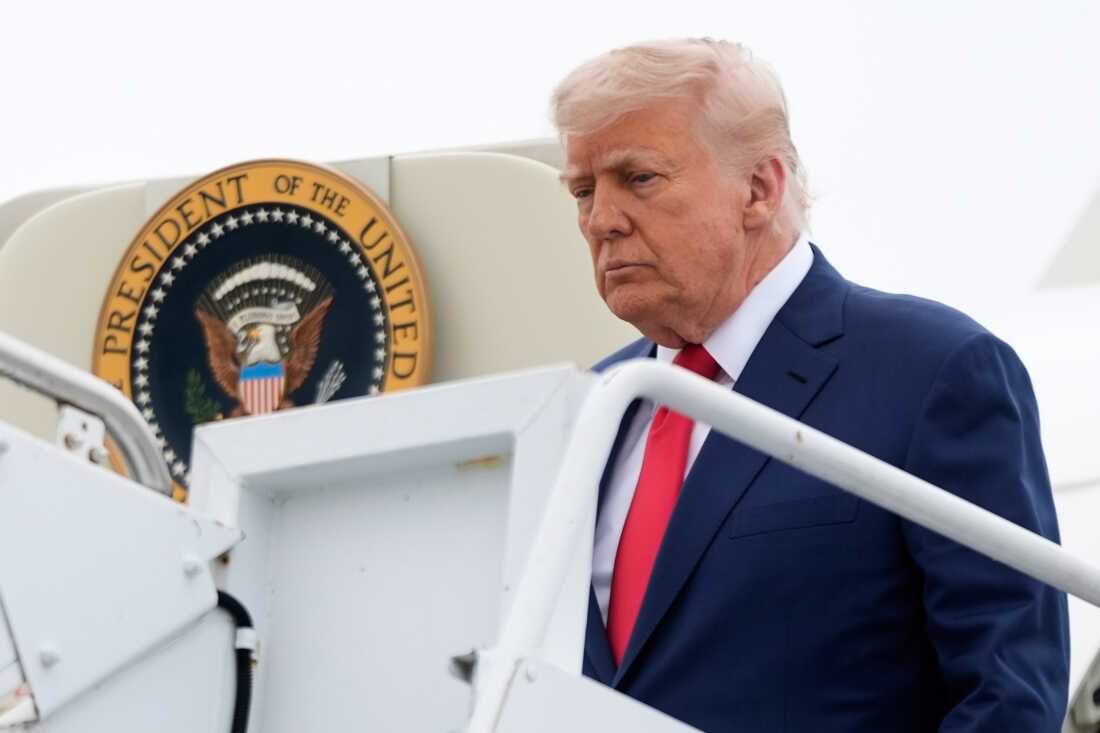
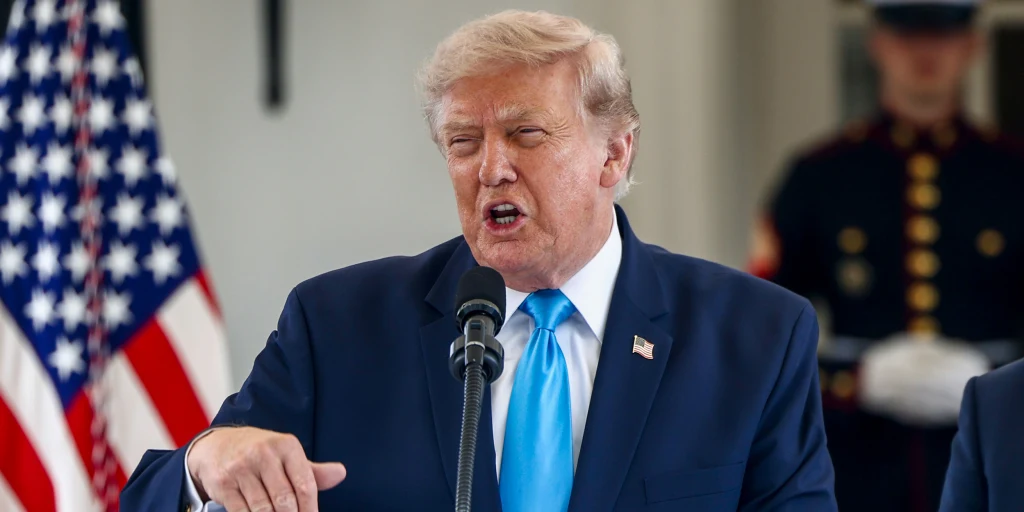
“This agreement is a critical step towards Gaza finally being governed by a new Palestinian government that will work closely with the Board of Peace to help the Palestinian people,” Trump wrote on Truth Social.
“At the same time, Israel will have the security it deserves, with Gaza no longer used as a base for terror attacks,” he added.
The agreement will be carried out in structured phases, according to Trump, who noted that as disarmament is completed, Israeli forces will withdraw, and the International Stabilization Force will work with a new Palestinian police force to take responsibility for Gaza’s security.
He said Egypt, Qatar and Türkiye helped broker the agreement as mediators.
As of now, Hamas has yet to confirm the agreement.
Trump said that the agreement is a critical step towards Gaza finally being governed by a new Palestinian government that will work closely with the Board of Peace
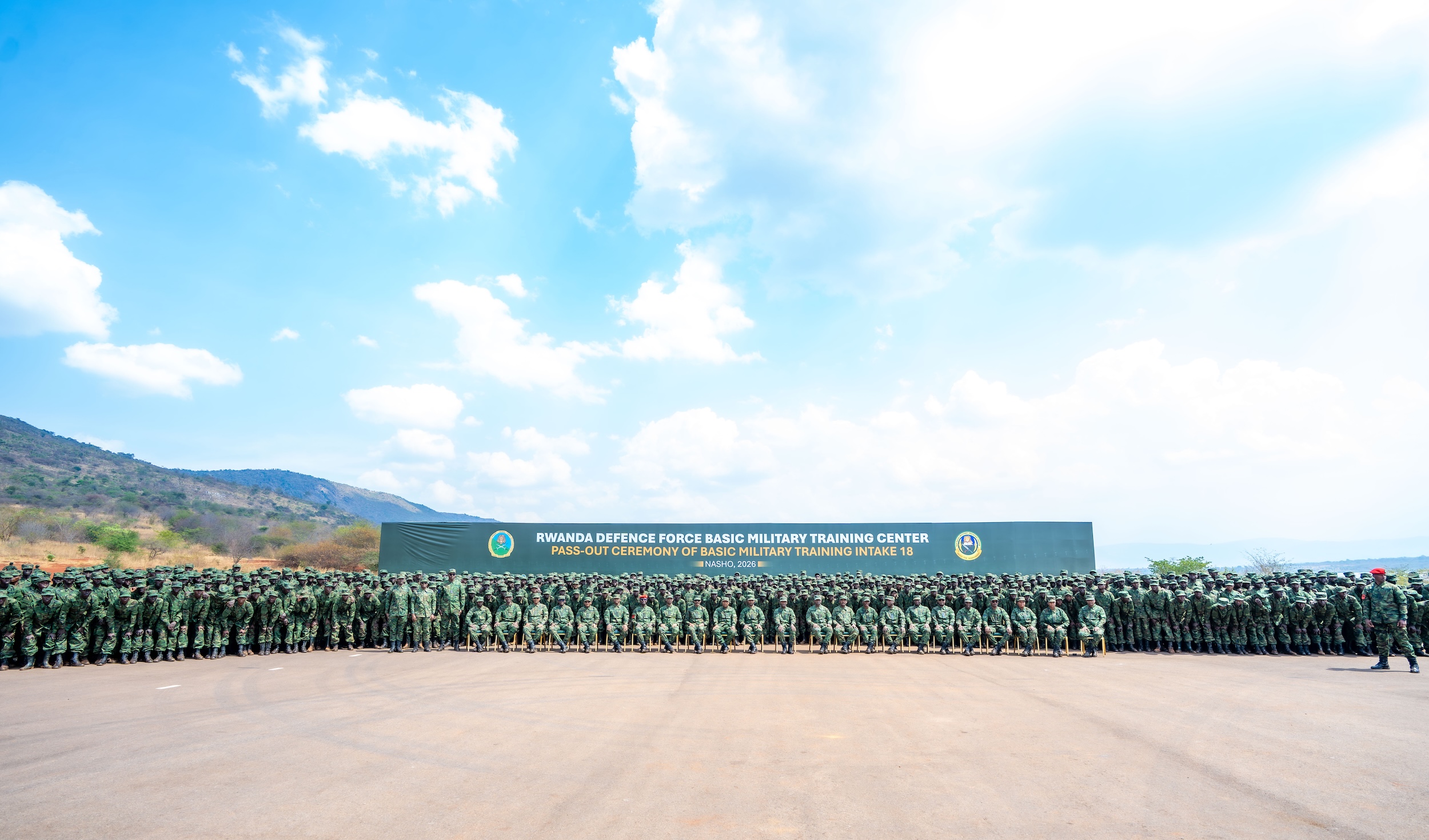
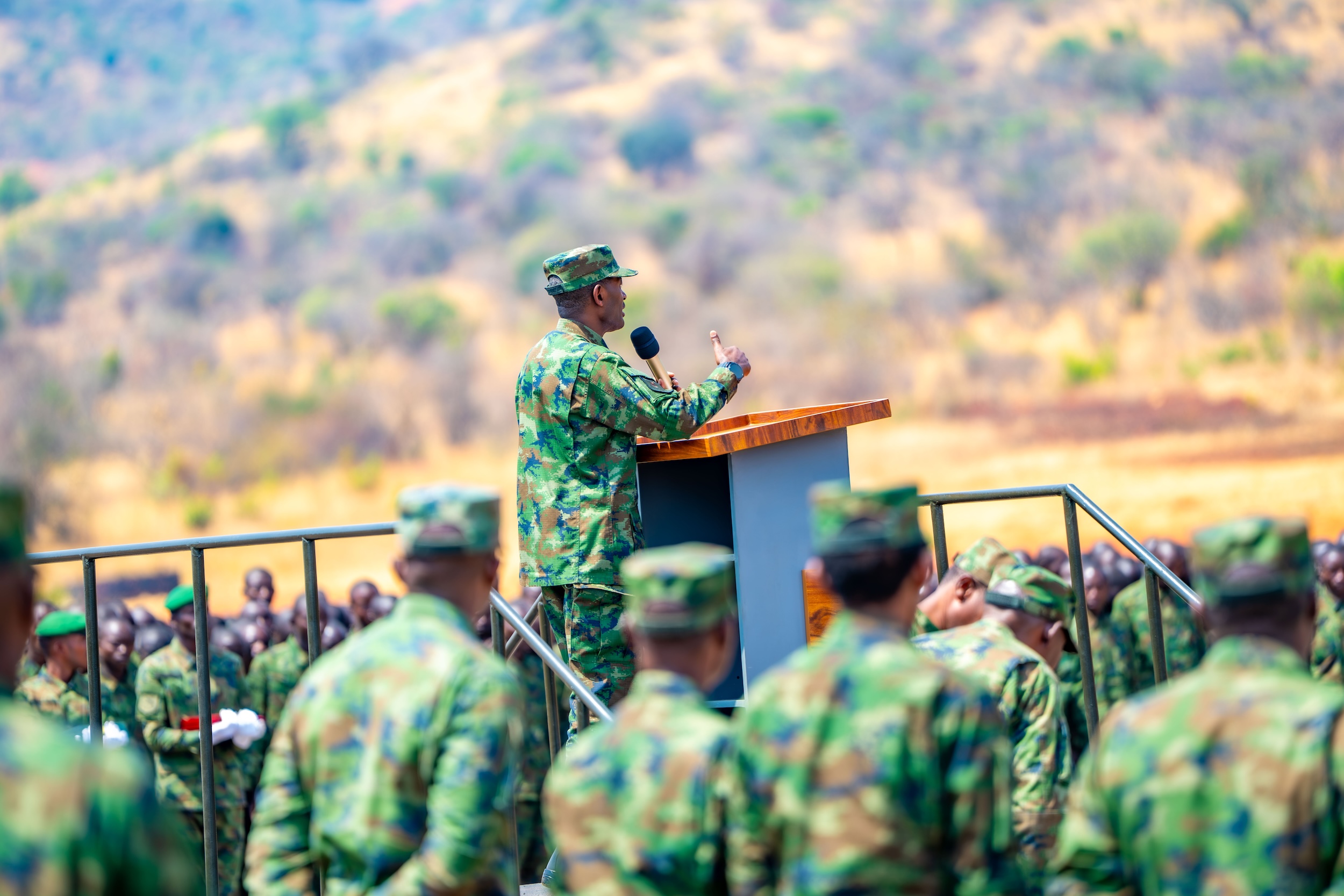
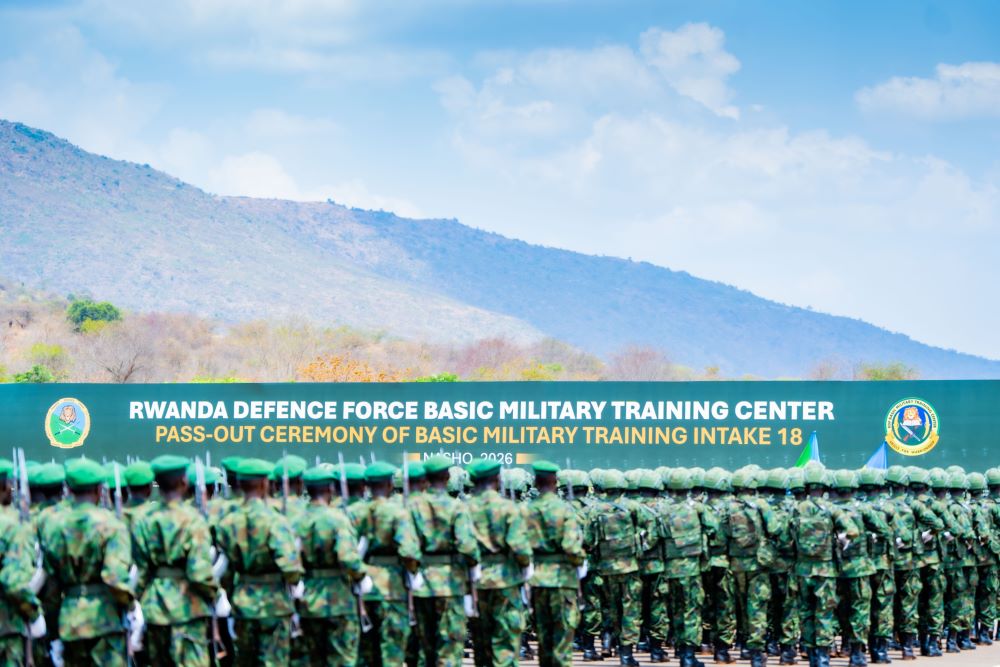
The pass-out ceremony was presided over by the Chief of Defence Staff of the Rwanda Defence Force, General MK Mubarakh, and attended by RDF generals, senior and junior officers, as well as other ranks.
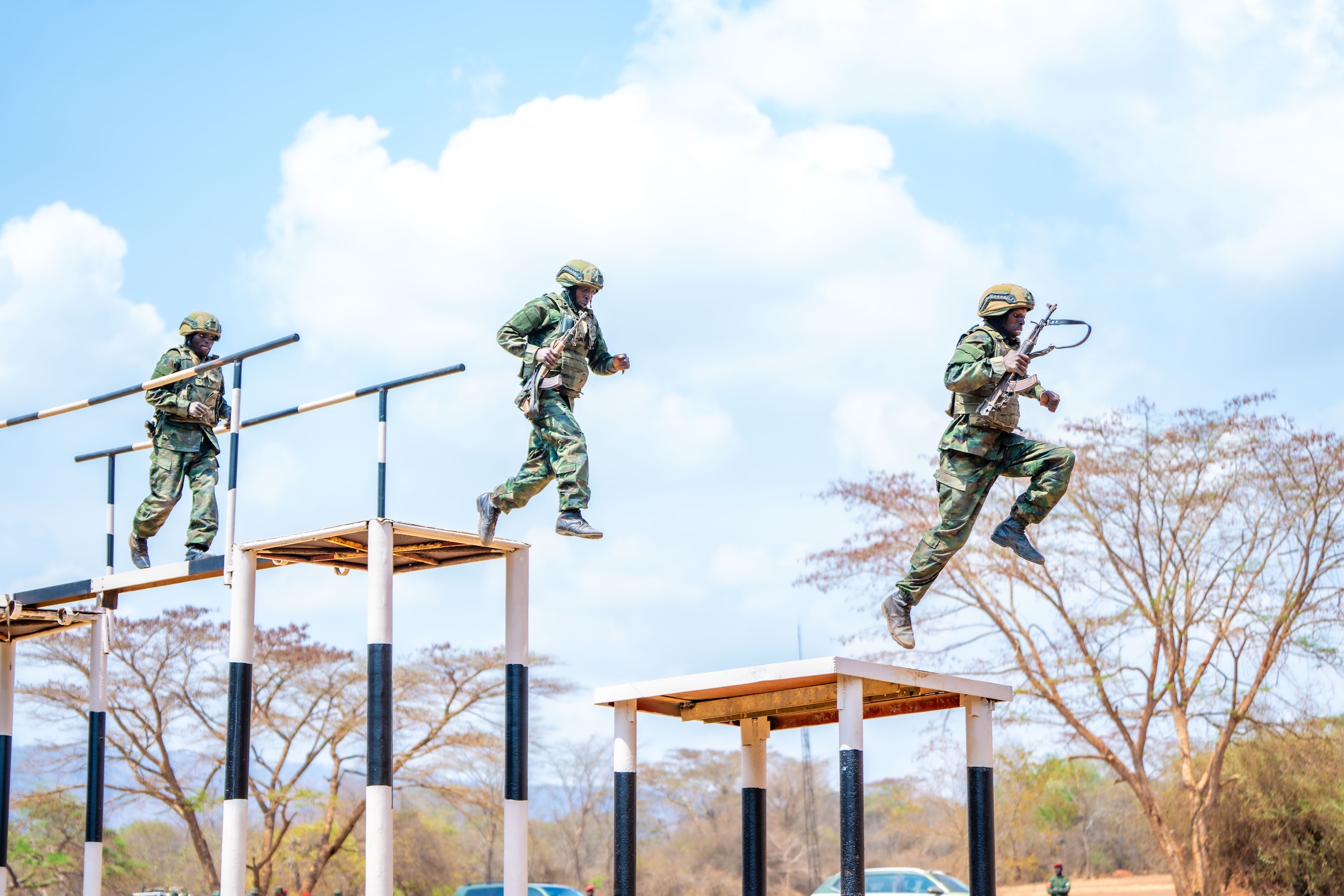
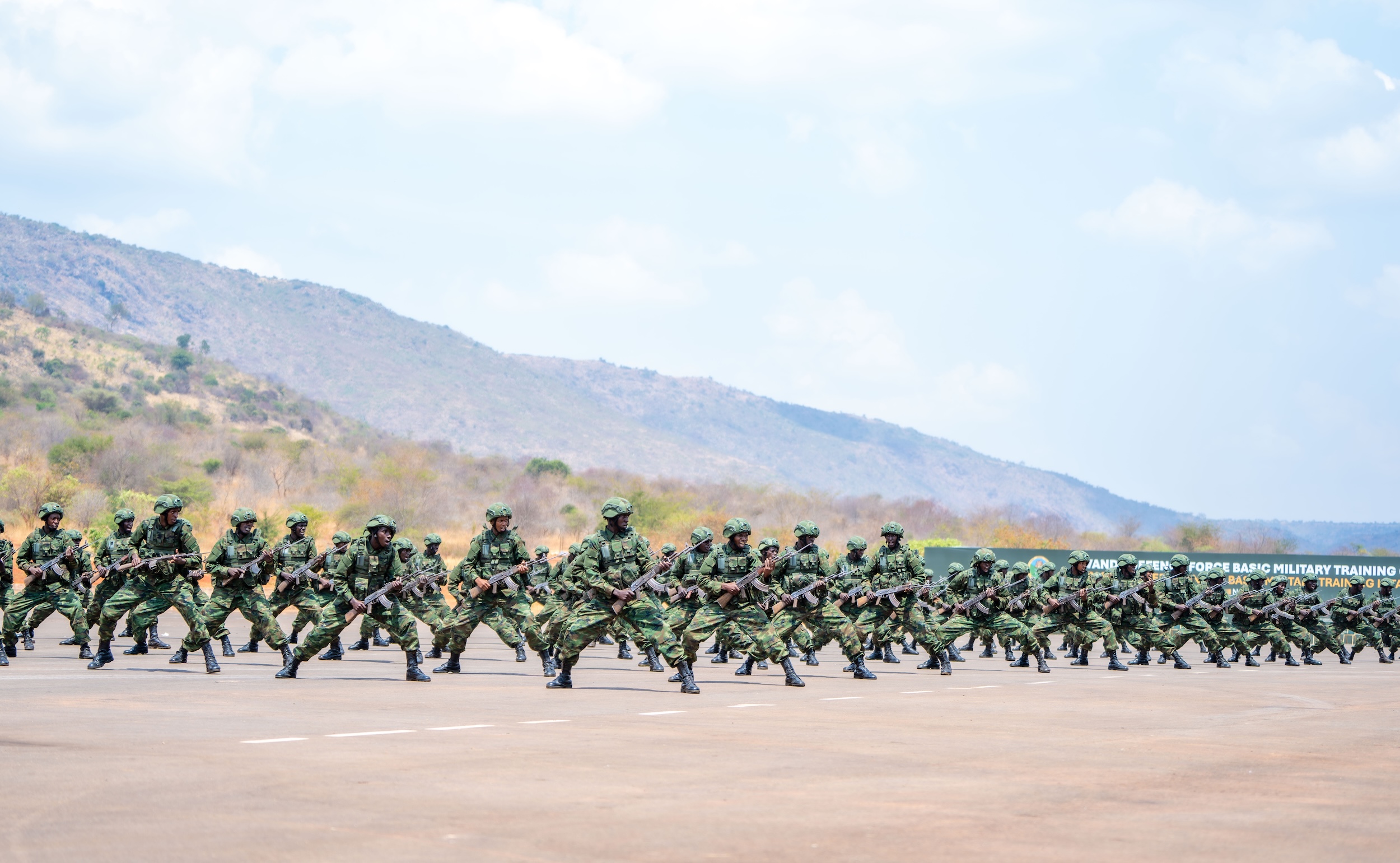
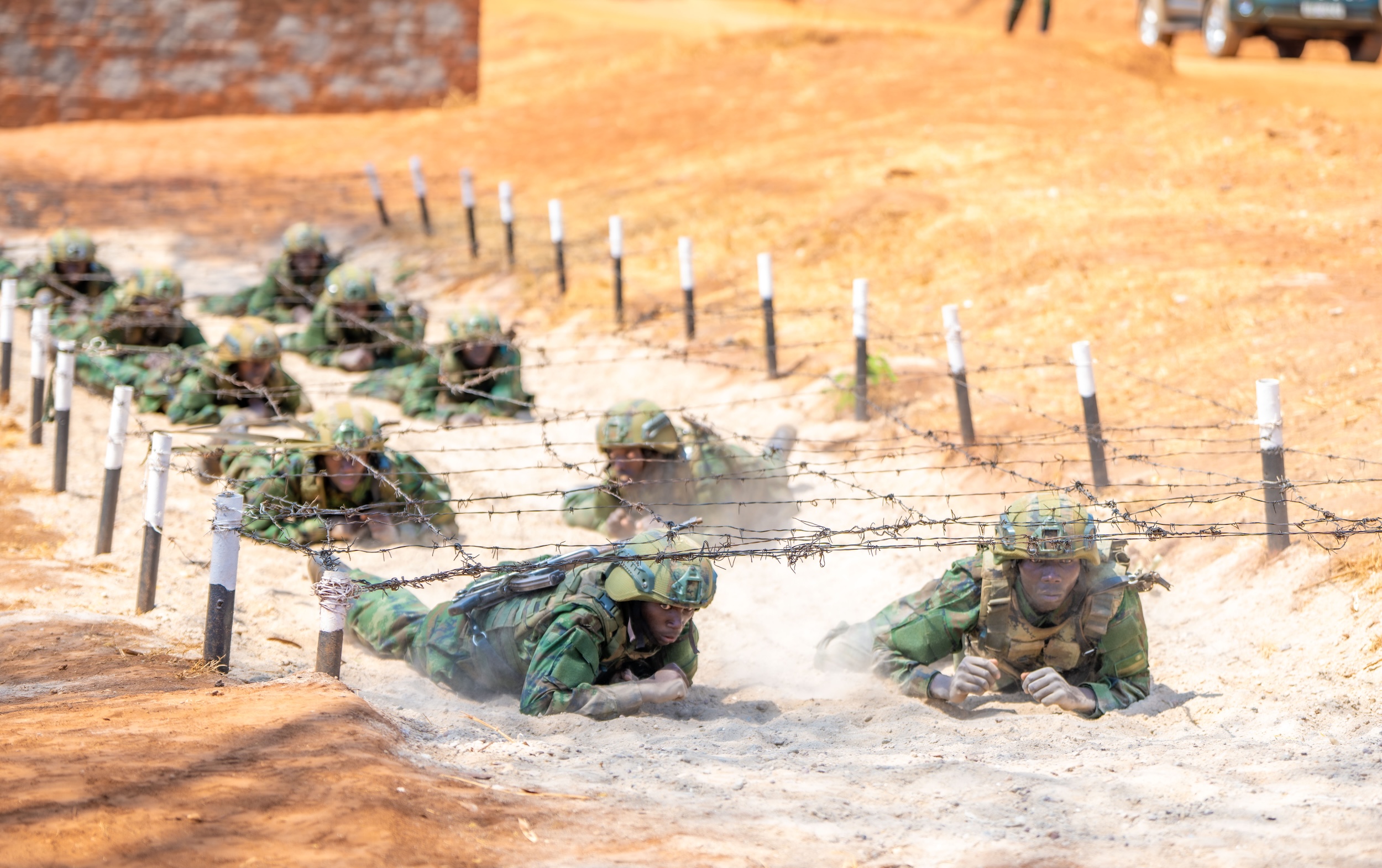
During the ceremony, the newly trained soldiers demonstrated the knowledge and skills they had acquired throughout their training, including marksmanship and a range of tactical drills, highlighting their readiness to undertake operational duties.
In his remarks, General MK Mubarakh congratulated the recruits on their resilience, commitment, and determination throughout the demanding training programme. He welcomed them into the RDF family and urged them to apply the knowledge and skills they had gained in safeguarding Rwanda’s sovereignty and protecting its citizens.
Gen MK Mubarakh also reiterated the guidance delivered by the President of the Republic and Commander-in-Chief of the Rwanda Defence Force to young people participating in the Indangamirwa Programme at the Gabiro Military Training Centre in Gatsibo District.
He encouraged the recruits to uphold the Kinyarwanda language, Rwandan culture, traditions, principles, and values, while remaining vigilant and prepared to confront any threats to the nation’s security.
He further urged them to reject complacency, divisionism, and rhetoric that promotes such tendencies, as well as negative behaviours, including excessive alcohol consumption and immoral conduct.
Gen Mubarak reminded the new soldiers that the training they had completed marked only the beginning of their military careers, emphasising that their professional development would continue through further training to enhance their knowledge and skills in line with the evolving requirements of the RDF.
He challenged them to put their training into practice, uphold the RDF’s vision and mission, and contribute to building a professional, capable, and disciplined force.
He particularly underscored the importance of discipline and adherence to the RDF’s core values as they integrate into their respective units and serve alongside their fellow soldiers.
The Chief of Defence Staff also commended the leadership of BMTC Nasho, particularly the instructors, for their unwavering dedication to developing the recruits’ knowledge, skills, and leadership qualities, thereby preparing them to make an effective contribution to the defence of the country.
New RDF soldiers demonstrate tactical drills during their graduation ceremony at the Basic Military Training Centre in Nasho.The Rwanda Defence Force has welcomed a new cohort of soldiers following the successful completion of six months of basic military training at BMTC Nasho.Newly graduated RDF soldiers demonstrate skills acquired during their training.The pass-out ceremony marked the completion of six months of basic military training.General MK Mubarakh addressed newly trained RDF soldiers, urging them to uphold discipline, patriotism and the force’s core values.
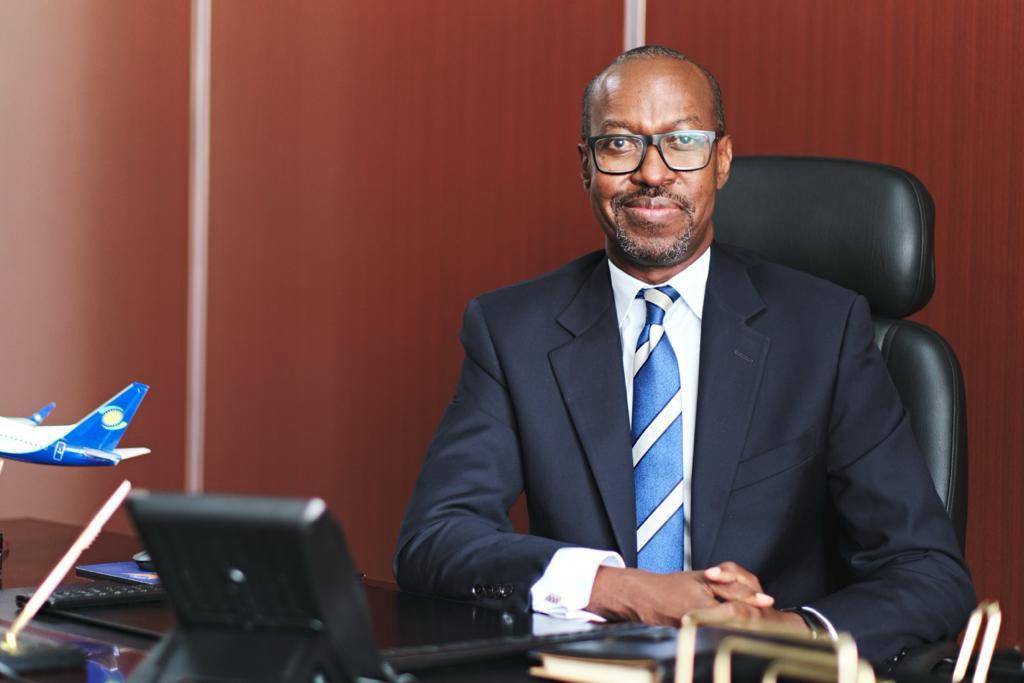
The appointments were announced in a communiqué released by the Office of the Prime Minister on July 30, 2026.
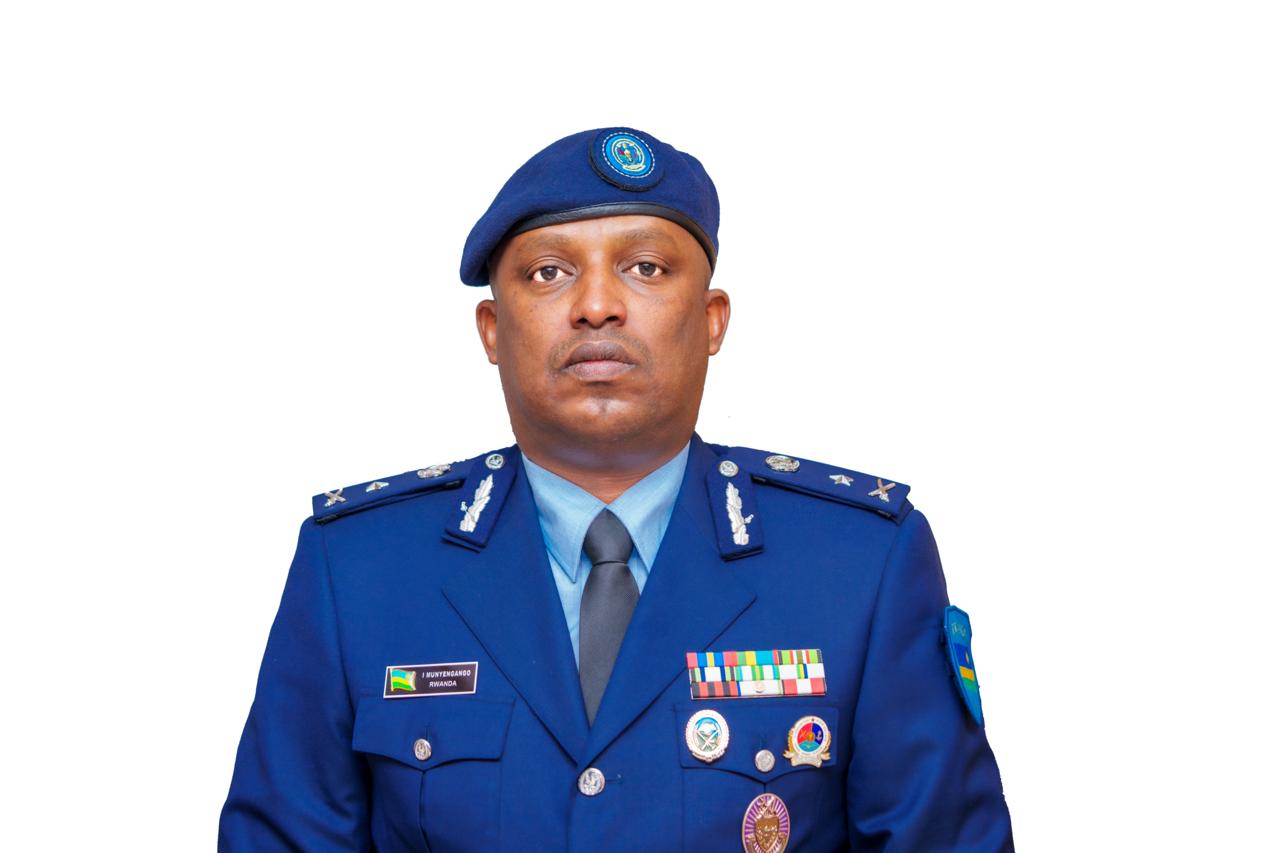
Brig Gen Munyengango takes up the ATL leadership after serving as Commander of the Logistics Brigade in the Rwanda Defence Force (RDF).
A career military officer with more than 35 years of service, he has held several senior positions, including RDF Joint Staff J5 for Strategy, Plans and Policy and Defence and Military Spokesperson. He has also served in United Nations peacekeeping missions in Sudan and South Sudan.
Brig Gen Munyengango holds a Master of Science degree in National Security Strategy from the National Defence University in the United States and a Master of Arts degree in International Affairs from the University of Ghana.
Jules Muheto Ndenga, appointed CEO of Airport City, is an engineer with extensive experience in infrastructure development and aviation-related projects.
Ndenga previously served as CEO of Aviation Travel and Logistics Holding Ltd, where he oversaw the group’s operations and strategic projects, including the development of the new Kigali International Airport in Bugesera.
He holds a Master of Science degree in Construction Management from the University of Birmingham in the United Kingdom and has previously worked in infrastructure planning, transport development and project management roles.
Airport City is a planned development around the new Kigali International Airport in Bugesera, designed to provide supporting services such as hotels, logistics facilities, commercial spaces and other amenities for passengers, investors and businesses operating around the airport.
The project is expected to complement the airport’s operations and contribute to the growth of Bugesera as a new hub for investment, trade and transport.
Brig Gen Innocent Munyengango has been appointed Chief Executive Officer of Aviation Travel and Logistics Holding Ltd (ATL).Jules Muheto Ndenga has been appointed Chief Executive Officer of Airport City, a planned development around the new Kigali International Airport in Bugesera.