Speaking to reporters outside the White House on Saturday, October 10, 2026, Trump accused Zelensky of creating problems for the world by authorising attacks on Russian oil refineries.
“I think it’s time for Ukraine to get a new president,” Trump said, adding that Ukraine needed a leader capable of reaching a deal.
His remarks followed Zelensky’s criticism of an agreement announced by Washington and Moscow to suspend sanctions on Russian diesel exports until April 7, 2027.
Zelensky warned that the deal would provide Russia with additional revenue to finance its war against Ukraine, which began with the full-scale invasion in February 2022. He argued that Moscow could use the money to acquire military equipment and sustain its offensive.
The Ukrainian president also accused Russia of interpreting the agreement as permission to continue attacking Ukrainian cities following deadly strikes on Zaporizhzhia.
Trump defended the deal, saying he had urged Ukraine not to target Russian refineries because attacks on energy infrastructure were contributing to a wider global problem.
“He could have made many deals, and for some reason, he never does,” Trump said, referring to Zelensky.
The agreement comes amid pressure on global energy supplies following the war against Iran launched by the US and Israel in February 2026. The conflict has effectively closed the Strait of Hormuz, a strategic shipping route through which roughly one-fifth of the world’s oil supplies normally pass.
Under the agreement, Russia would initially release 300,000 tonnes of diesel to the US and global markets, followed by another 500,000 tonnes in November. Further deliveries would depend partly on the condition of Russian diesel refineries.
The deal is part of Trump’s efforts to lower fuel prices in the US ahead of midterm elections. The average price of diesel had risen to $6.28 per gallon, up from $3.68 a year earlier, according to the American Automobile Association.
The agreement has drawn criticism from European Union foreign affairs chief Kaja Kallas, who said easing sanctions would give Moscow more revenue to finance the war.
“This is not the time to ease pressure on Russia, and Europe won’t,” Kallas said, adding that European foreign ministers planned to approve a new package of sanctions against Russia.
UK Prime Minister Andy Burnham also expressed solidarity with Zelensky during a telephone conversation on Saturday. The two leaders agreed that Russia should accept an immediate ceasefire covering energy infrastructure and end attacks on Black Sea shipping.
Trump previously called for new elections in Ukraine in December 2025. However, the country has remained under martial law since Russia’s full-scale invasion in February 2022, with elections suspended under wartime arrangements.
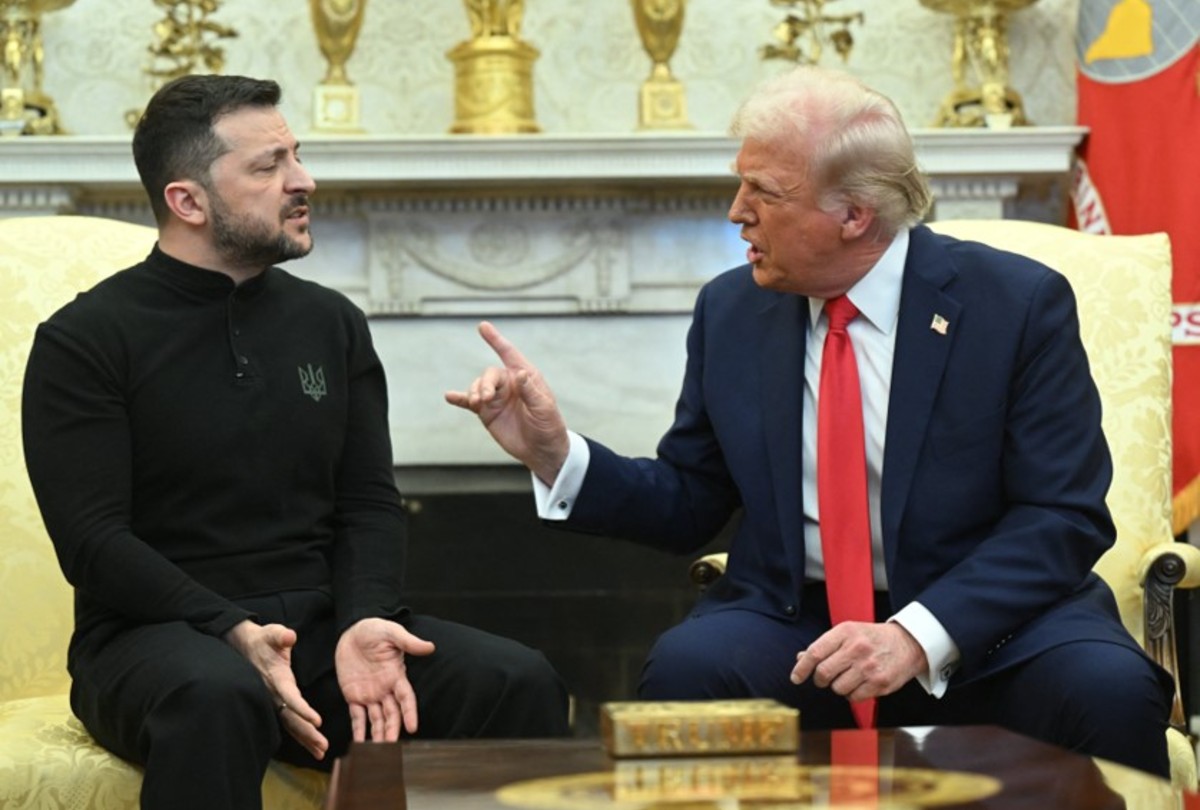
U.S. President Donald Trump and Ukrainian President Volodymyr Zelenskyy engage in a heated discussion during their bilateral meeting at the White House on February 28, 2025. Trump now says Ukraine needs a new president amid a dispute over a Russian diesel deal.
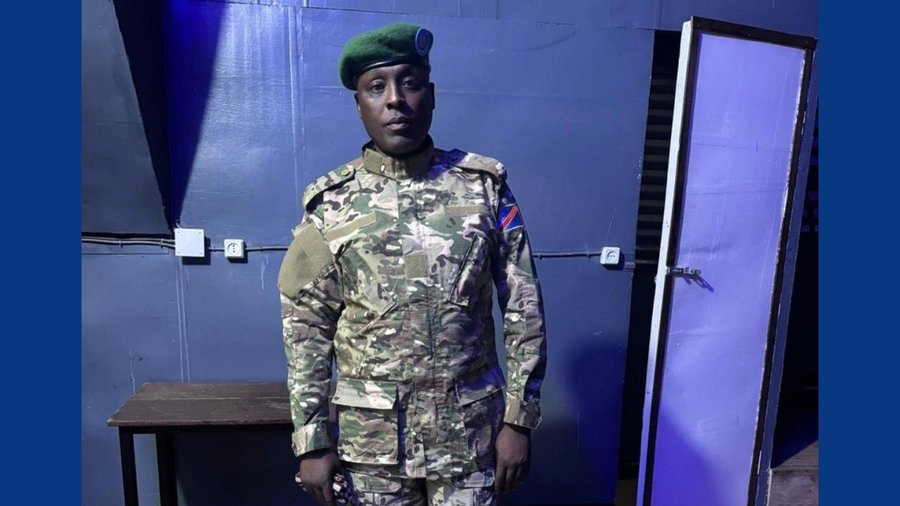
Col Fidèle Rugabo, an officer with Twirwaneho, said that at around 3 a.m. on September 18, 2026, forces of the DRC, Burundi, FDLR, P5 and Wazalendo attacked civilians in Mukoko and Nyaruhinga.
He explained that the enemy from the direction of Mukoko attacked civilians at 3 a.m. and the enemy was being hit hard. ” Col. Rugabo said.
Col Rugabo further claimed that at around 6 a.m., forces supporting the DRC government attacked the Gipimo area in the direction of Kabanju.
The reported attacks follow several days of offensives by forces aligned with the DRC government in areas controlled by Twirwaneho and AFC/M23, including Minembwe, Kalehe and Masisi.
Twirwaneho and AFC/M23 strongly condemned the attacks.
Col Rugabo said MRDP Twirwaneho repelled attacks by the coalition of DRC government forces.
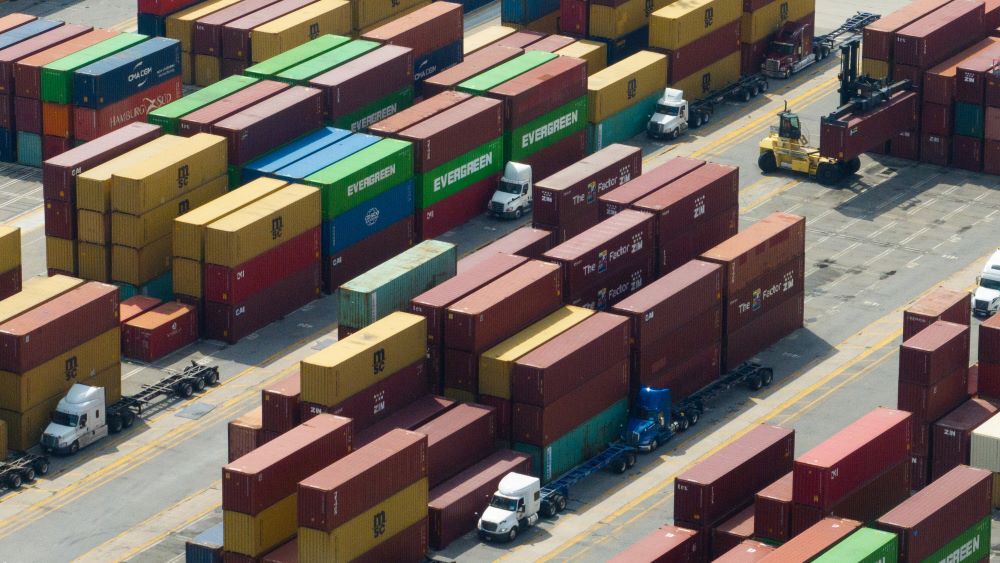
The warning came in the WTO’s annual flagship publication, World Trade Report 2026: A Critical Juncture for the World Trading System, which examines the achievements of the multilateral trading system over the past 80 years and the challenges it now faces.
“The multilateral trading system has delivered enormous benefits over the past 80 years, helping to create a more integrated and resilient global economy,” WTO Director-General Ngozi Okonjo-Iweala said.
About 72 percent of global merchandise trade still takes place under the WTO’s most-favored-nation terms, she said.
“The global trading landscape has changed significantly but the founding logic of the system, that all economies are better off cooperating rather than acting unilaterally, remains as relevant today as ever,” Okonjo-Iweala said.
She said WTO members are actively discussing reforms and recognize that “the status quo is not an option.”
The report models three possible futures for the global trading system.
Under a strengthened multilateral framework, global GDP could rise 2.9 percent and exports 17.9 percent by 2050 compared with the baseline trajectory.
The other two scenarios envision an erosion of multilateral trade rules. In a “geo-fragmented world,” where trade cooperation is organized around geopolitical blocs, global GDP could fall 5.1 percent and exports 18.6 percent, while in a world where multilateral cooperation is replaced by a network of free trade agreements, GDP could fall 6.9 percent and exports 26.9 percent.
The difference between strengthened multilateral cooperation and erosion of the system could amount to as much as 10 percent of baseline global real GDP, WTO Chief Economist Robert Staiger said.
“If the status quo is unsustainable, as many members believe, this illustrates the potential cost of inaction on reform,” he said.
The report noted that over eight decades, the system has helped lower trade barriers, expand global trade nearly 50-fold and create a more integrated, rules-based global economy.
The World Trade Organization has repeatedly expressed concern about the economic effects of President Trump’s tariffs.
Following a string of vessel attacks and seizures since April, the International Maritime Organization (IMO), a specialized agency of the United Nations regulating maritime transport, issued a warning on August 24 highlighting the rise in piracy and confirming that over 90 seafarers remain held hostage by pirate networks.
Experts emphasize that a persistent lack of economic opportunities, compounded by widespread illegal fishing by foreign vessels, is driving more Somalis toward piracy, viewed by many both as a form of socio-economic protest and a desperate survival strategy.
Mohamed Husein Gaas, director of the Raad Peace Research Institute, a think tank, noted that the security vacuum created as international naval forces shifted attention to the Red Sea crisis has given Somali pirate networks renewed operational freedom.
“Somali piracy is back not because the underlying problem disappeared, but because the security architecture that suppressed it has weakened,” Gaas told Xinhua in a recent interview in Mogadishu, the capital of Somalia.
He noted that while international naval patrols and vessel defense measures previously suppressed piracy, root causes like weak coastal enforcement, poverty, and lack of governance remained unresolved.
“Piracy was suppressed, not solved,” Gaas said.
Gaas said that the Houthi conflict has “changed the equation” by shifting shipping routes and diverting naval resources, creating ripple effects for maritime traffic near Somalia.
However, he cautioned against treating allegations of direct operational ties between Houthi networks and Somali pirate groups as established fact.
Meanwhile, commercial consequences are mounting in the region.
Abdirizak Sabriye, a member of the Somali Chamber of Commerce and Industry, the apex umbrella body for Somalia’s private sector, noted that global ocean carrier Maersk has suspended new bookings to and from the Port of Berbera in northern Somalia citing operational scheduling conflicts and broader regional route realignments.
While Sabriye did not link the decision solely to piracy, he emphasized that it underscores the widespread logistics disruption hitting Horn of Africa trade.
For Somalia, an import-dependent economy, prolonged maritime disruptions threaten to drive up freight and insurance premiums, tighten domestic supply chains, and trigger consumer price inflation.
Yusuf Mohamed Mahadale, a prominent capital goods importer known locally as “Shakirow”, said that these cost pressures are already spilling over into local markets.
“The prices of construction materials, fuel and even cooking gas have risen sharply in recent months,” Shakirow said, linking the price hikes directly to growing risks along shipping routes and the broader regional maritime crisis.
Because much of Somalia’s construction material is imported from China, Shakirow emphasized that the Indian Ocean-Gulf of Aden corridor serves as a vital economic lifeline for Somali businesses.
“When shipping companies avoid taking such risks, supply becomes tighter while market demand remains high,” Shakirow told Xinhua.
Analysts have warned that the long-term economic fallout could escalate significantly if piracy evolves from isolated incidents into a sustained, systemic threat to Indian Ocean trade corridors.
“If piracy becomes sustained, shipping companies could again avoid the Gulf of Aden, raising insurance, freight and fuel costs and ultimately consumer prices,” Gaas said.
“For Somalia, that would mean higher import costs and weaker maritime investment, while the wider region and global trade would absorb the larger shock,” he cautioned.
Rising piracy highlights a shift in regional security dynamics as Western naval forces pivot toward broader Middle Eastern conflicts, opening space for Turkey, China, and Gulf nations to expand their influence around the Red Sea.
To address these vulnerabilities, a Somali government official stated that Mogadishu plans to join the Mecca Joint Defense Agreement with Saudi Arabia, Turkey, and Pakistan.
Speaking on condition of anonymity, the official noted Somalia will also consult with China to strengthen its naval capabilities and reduce reliance on Western defense coalitions.
Though Somalia’s potential entry into the defense pact remains an unconfirmed diplomatic effort, Mogadishu is expanding domestic counter-piracy operations.
The foreign ministry reported ongoing land and sea interventions, highlighting the August 29 liberation of the hijacked cargo ship MV Lutuf as a key success.
“Somalia will not permit its waters to become a haven for maritime crime,” the ministry said.
The government is calling for international naval support to align with its national security framework and bringing the piracy issue before the UN Security Council, supported by Parliament’s recent passage of updated anti-piracy legislation.
Gaas noted that naval patrols are insufficient on their own, arguing that lasting solutions depend on strong coastal governance, improved enforcement, and genuine economic opportunities for local communities.
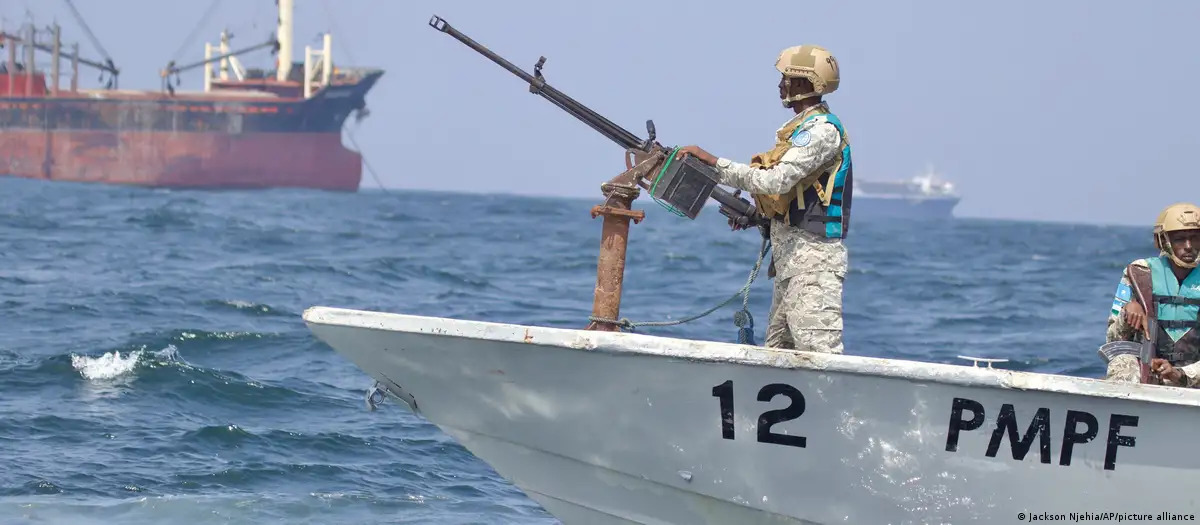
A resurgence of Somali piracy off the northeastern coast and in the Gulf of Aden is growing amid Red Sea security risks, threatening global shipping costs and commodity prices to push up, analysts warned.
The problem was found during routine preparations for the mission. Engineers detected an oxidizer leak, involving a chemical that helps fuel burn inside the spacecraft’s propulsion system and allows the vehicle to maneuver in space.
NASA and SpaceX are now carrying out additional tests and reviewing data to understand the problem. Any necessary repairs will be completed before the spacecraft is cleared for launch.
NASA has not yet announced a new launch date.
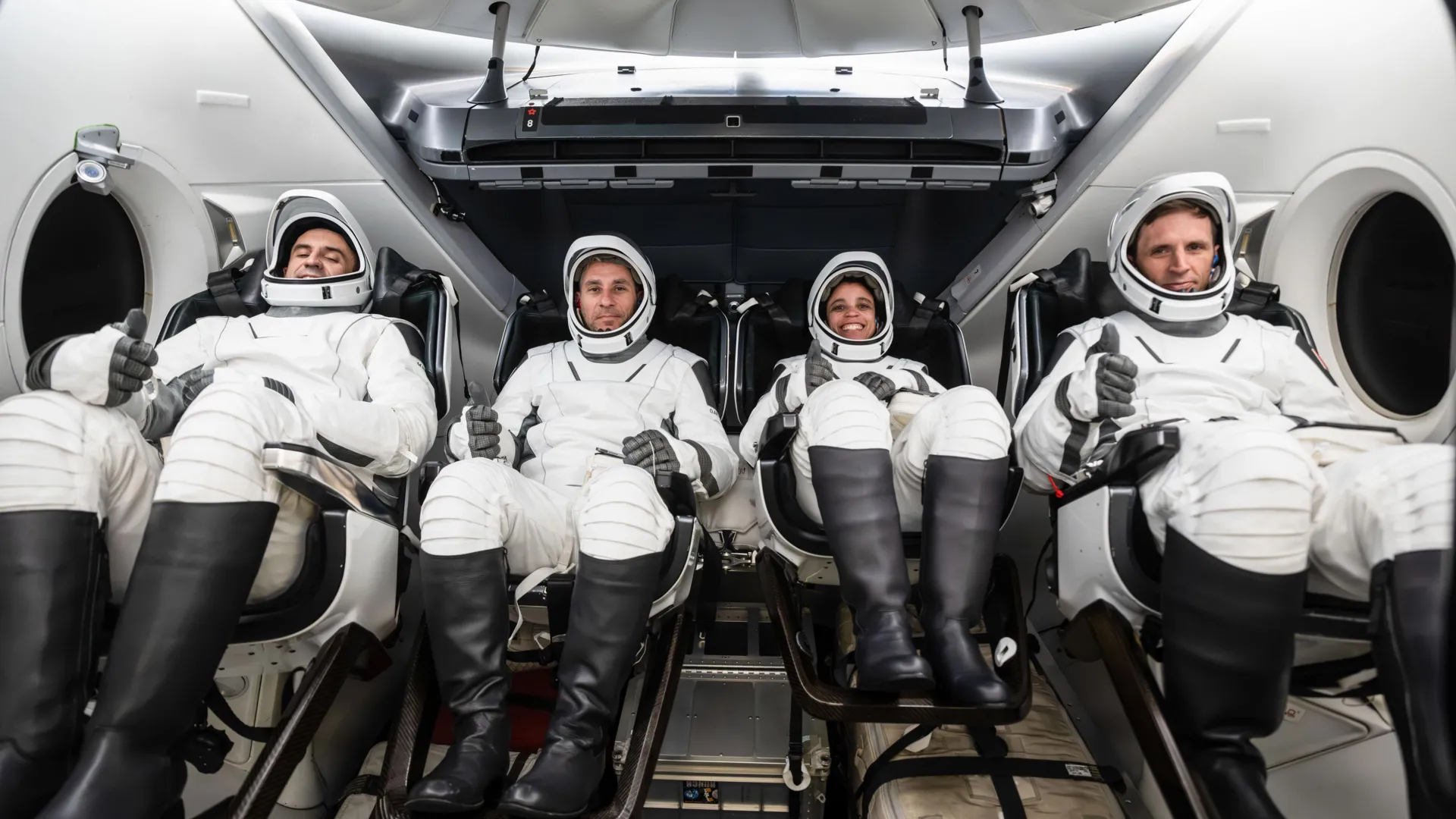
Crew-13 will carry four astronauts to the International Space Station.
NASA astronauts Jessica Watkins and Luke Delaney will serve as the mission’s commander and pilot.
They will be joined by Canadian Space Agency astronaut Joshua Kutryk and Roscosmos cosmonaut Sergey Teteryatnikov, who will serve as mission specialists.
Once they arrive at the International Space Station, the four will become part of Expedition 75. The crew will support scientific research, maintenance and other activities aboard the orbiting laboratory.
Before travelling to space, the astronauts will spend about two weeks in quarantine at NASA’s Johnson Space Center in Houston. The measure is designed to reduce the risk of them becoming sick shortly before the mission.
When the spacecraft is ready, Crew-13 will travel aboard SpaceX’s Dragon spacecraft, which is designed to transport astronauts to and from orbit.
The Dragon will be launched by a SpaceX Falcon 9 rocket from Space Launch Complex 40 at Cape Canaveral Space Force Station in Florida.
NASA and SpaceX will announce a new launch date after engineers complete their testing, review the spacecraft’s data and carry out any necessary repairs.
For now, the priority is to make sure the spacecraft is safe before the astronauts begin their journey to the International Space Station.
NASA and SpaceX have delayed the Crew-13 mission to the International Space Station after engineers discovered an oxidizer leak in the SpaceX Dragon spacecraft’s propulsion system.
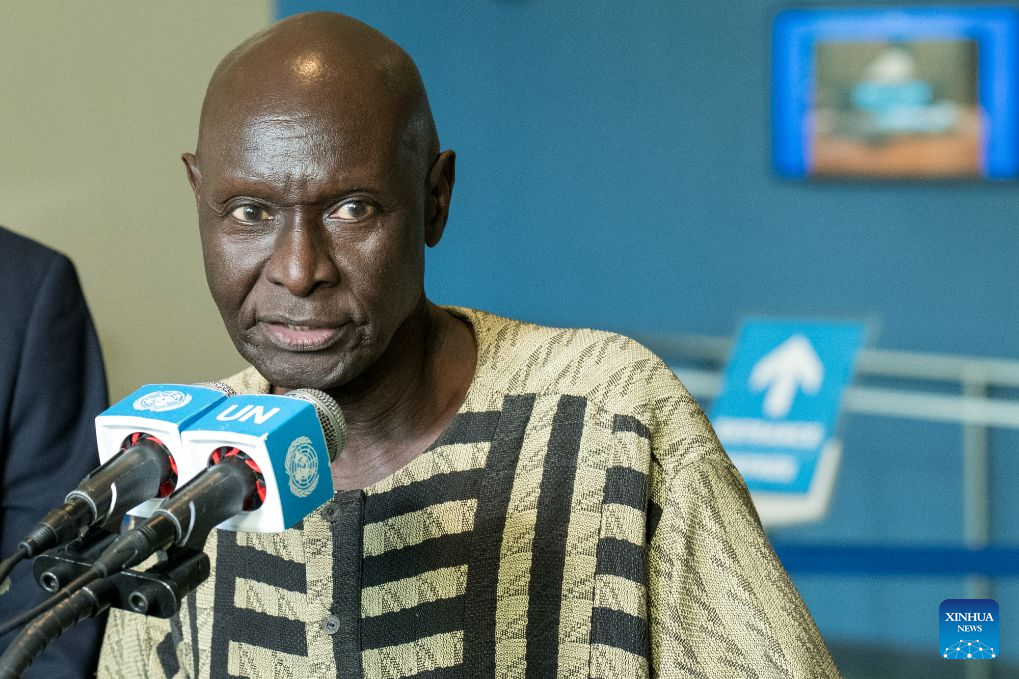
In Wednesday’s dialogue, Ugandan diplomat Olara Otunnu, who was nominated by his country, said the immediate priority must be given to the proliferation of increasingly deadly conflicts that threaten to engulf entire regions and the world.
He promised to support UN member states to end the Ukraine crisis, address the Gaza crisis, support the peace deal between Rwanda and the Democratic Republic of the Congo, work with the African Union and other global partners to end the conflict in Sudan, support ongoing diplomatic efforts to bring about a comprehensive peace agreement in the Iran conflict, and support a more coordinated and concerted counter-terrorism response in the Horn of Africa and the Sahel.
Otunnu also vowed to rebuild consensus on human rights, reform UN, alleviate the fiscal crunch and innovate UN financing, harness the unprecedented opportunities of artificial intelligence, deepen cooperation between UN and regional organizations, and reconnect the global public to UN.
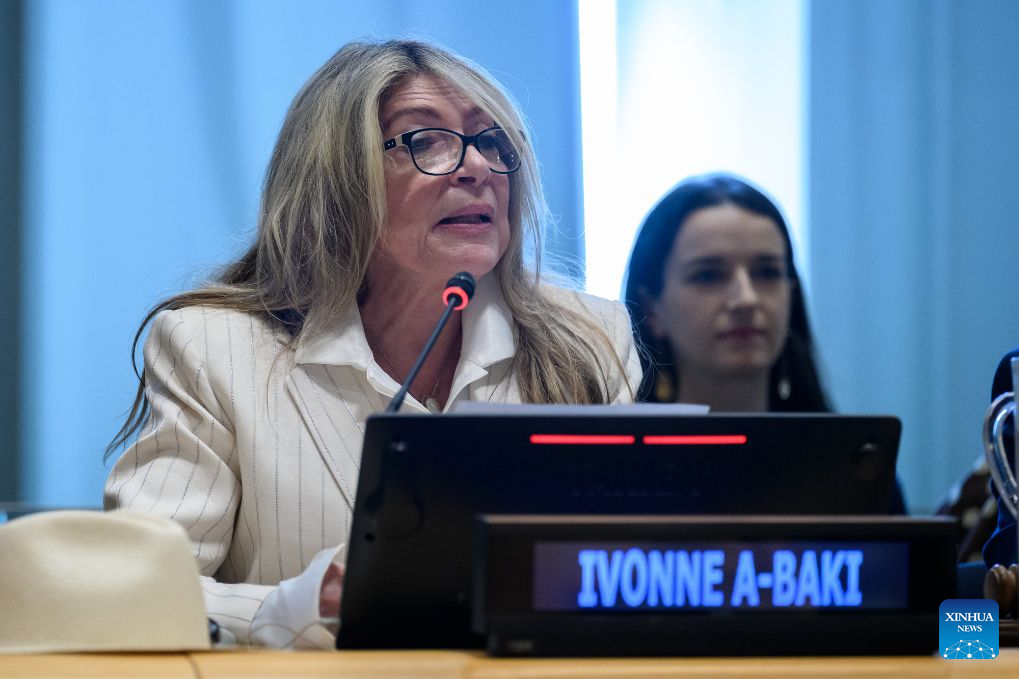
In Thursday’s dialogue, Ecuadoran diplomat Ivonne A-Baki said she wants to be a leader rather than a manager, if selected as the next UN secretary-general.
“A manager is someone who follows a mission statement. A leader is someone who follows a north star,” said A-Baki, who was nominated by Tonga. “My north star for this world body is not necessarily reform. It’s renewal. Renewal of the promise of building peace and preventing war. Renewal of the promise to promote human dignity and social progress and renewal of the vision that the UN can be the one body where nations of the world can work together to achieve more than nations working alone.”
She promised to commit to direct and delegated peacekeeping and peacemaking, Security Council modernization, resolving development debt and unlocking finance, and safeguarding human dignity in the age of artificial intelligence.
The UNGA began to convene interactive dialogues with candidates for the next UN secretary-general in late April.
The other six candidates have attended interactive dialogues one by one.
Current UN Secretary-General Antonio Guterres’ term of office expires at the end of this year. The next secretary-general will take over the role on Jan. 1, 2027.
Ecuadoran diplomat Ivonne A-Baki, a candidate for the next UN secretary-general, speaks at an interactive dialogue with UN member states at the UN headquarters in New York, Aug. 20, 2026. The UN General Assembly (UNGA) on Wednesday and Thursday held respective interactive dialogues with two candidates for the next UN secretary-general. (Loey Felipe/UN Photo/Handout via Xinhua)Ugandan diplomat Olara Otunnu, a candidate for the next UN secretary-general, speaks to reporters after an interactive dialogue with UN member states at the UN headquarters in New York, Aug. 19, 2026. The UN General Assembly (UNGA) on Wednesday and Thursday held respective interactive dialogues with two candidates for the next UN secretary-general. (UN Photo/Handout via Xinhua)
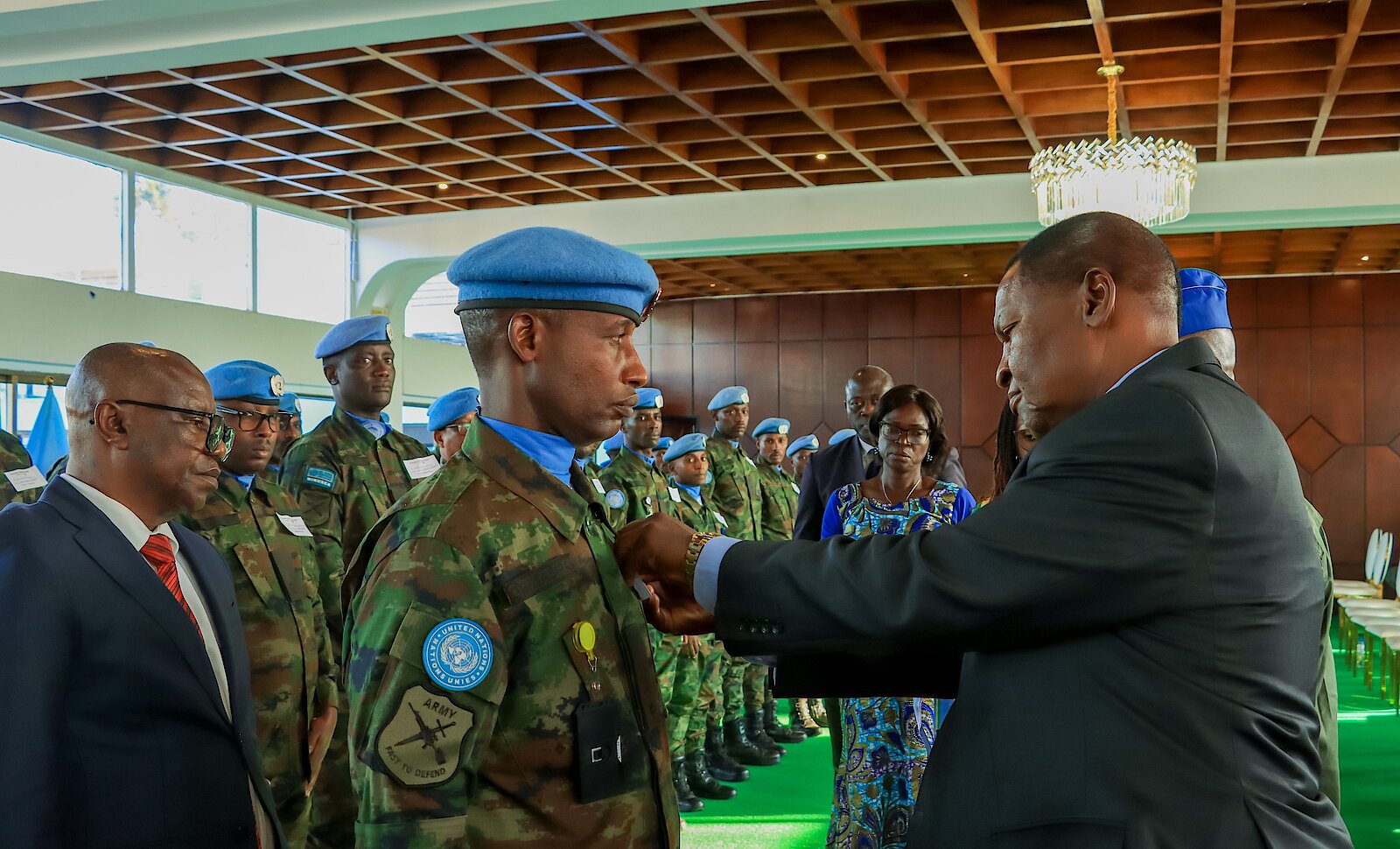
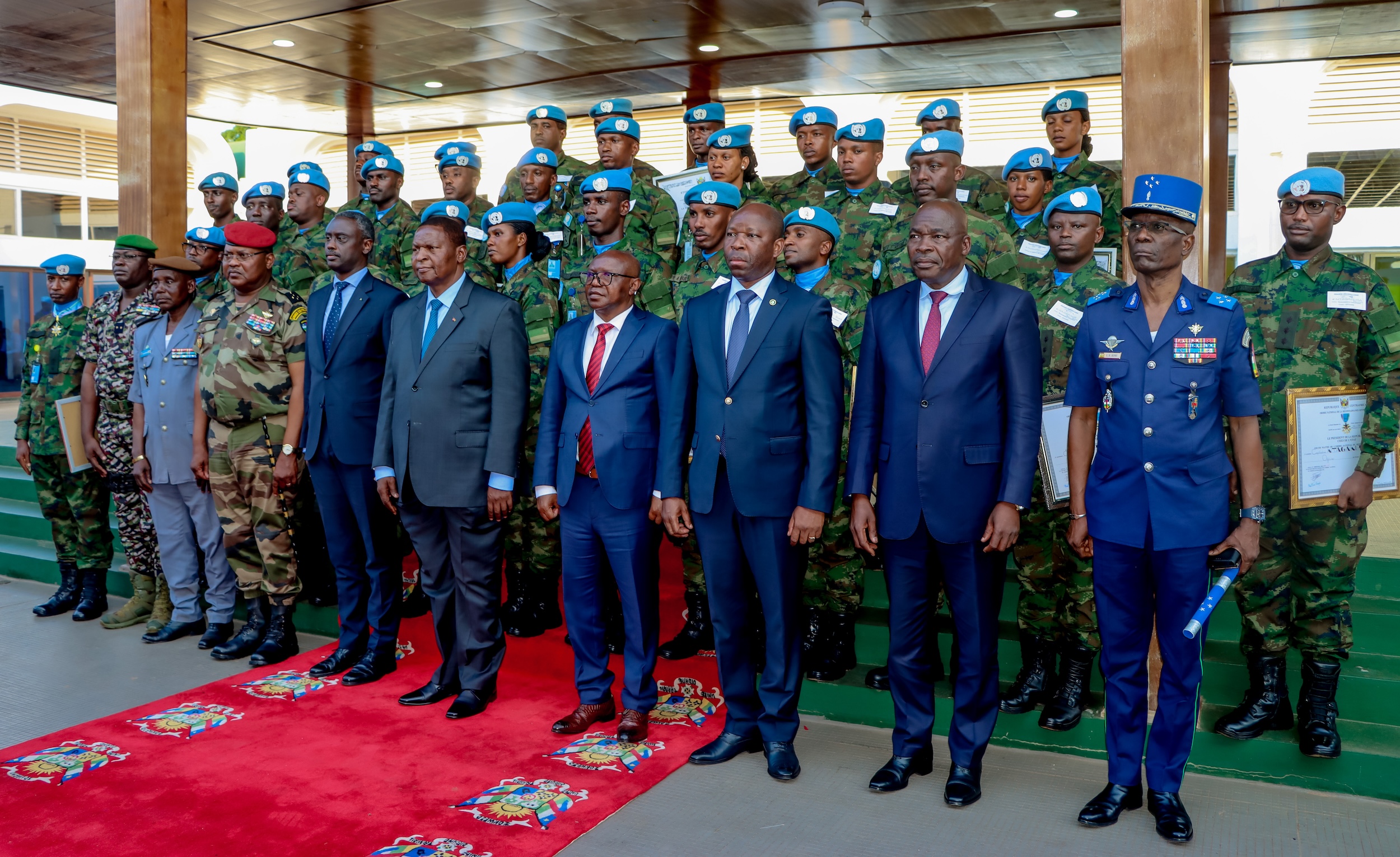
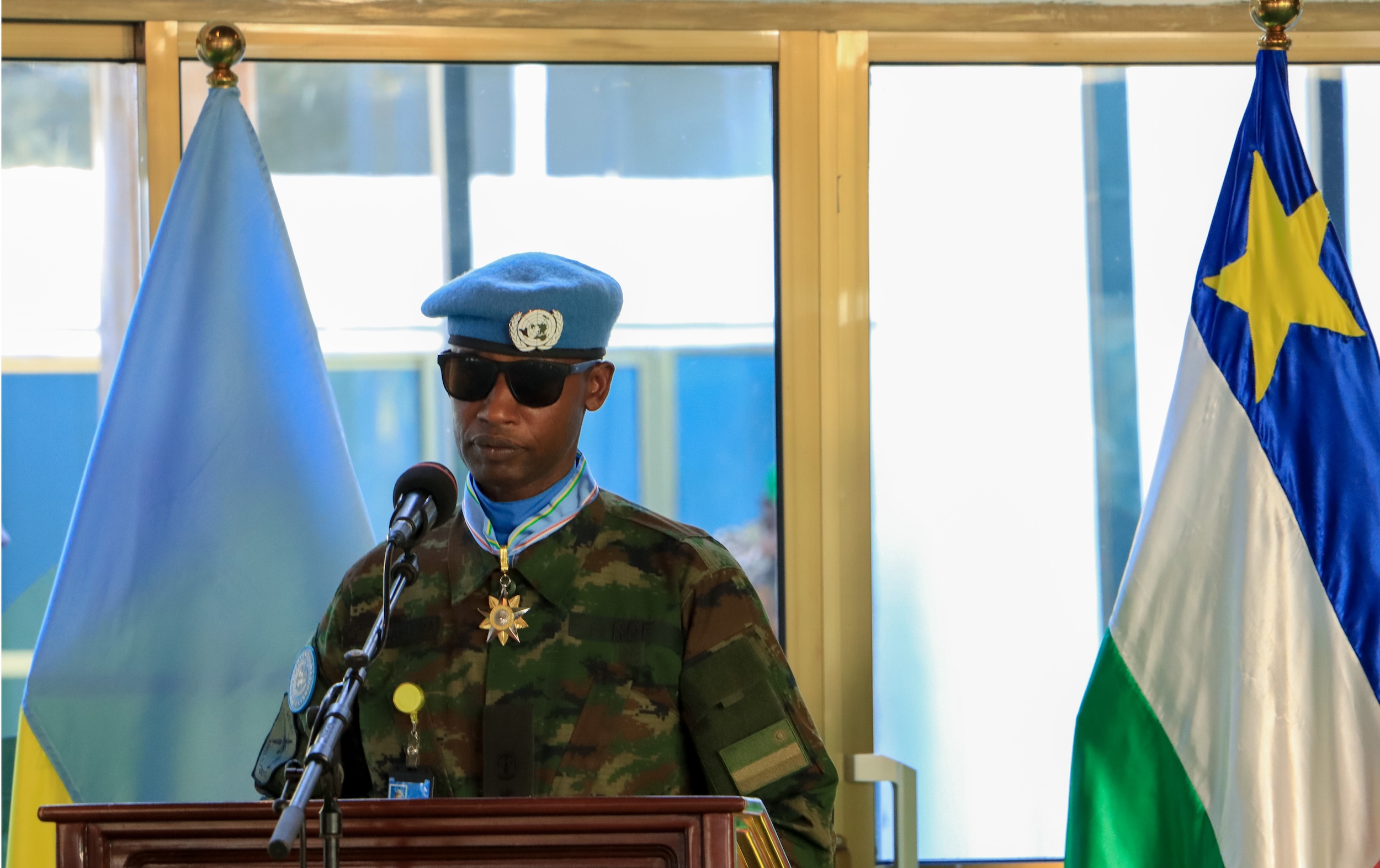
The ceremony took place on Tuesday, July 21, 2026, at the Presidential Palace in Bangui.
The medal was presented in recognition of the contingent’s dedication, steadfast professionalism, and exemplary service during peace support operations in the Central African Republic (CAR), where they played a key role in protecting civilians and promoting peace, security, and stability.
The Commanding Officer of RWANBATT-15, Lt Col Paul Gasasira, expressed his appreciation to the President of the Central African Republic for the continued support extended to the contingent in carrying out its mandate.
He also praised the professionalism, discipline, and resilience shown by RWANBATT -15 personnel throughout their deployment.
The ceremony was attended by senior officials from the Government of the Central African Republic, the Ambassador of the Republic of Rwanda to the Central African Republic, Olivier Kayumba, senior military officials, and members of the Rwandan community residing in the Central African Republic.
Rwanda has been contributing to United Nations peacekeeping efforts in the Central African Republic since 2014 through the United Nations Multidimensional Integrated Stabilization Mission in the Central African Republic (MINUSCA).
The mission is aimed at supporting the restoration of peace, security, and stability in the country.
Rwandan peacekeepers serving under MINUSCA have been awarded the Presidential Medal of Appreciation by CAR President Faustin Archange Touadéra in recognition of their dedication to protecting civilians and promoting peace.Senior government officials, military leaders, Rwanda’s Ambassador to the Central African Republic Olivier Kayumba, and members of the Rwandan community attended the medal award ceremony at the Presidential Palace in Bangui.The Commanding Officer of RWANBATT-15, Lt Col Paul Gasasira, has praised the professionalism, discipline and resilience demonstrated by Rwandan peacekeepers throughout their deployment in the Central African Republic.President Faustin Archange Touadéra has commended the dedication and exemplary service of RWANBATT-15 during its year-long deployment under the UN peacekeeping mission in the Central African Republic.
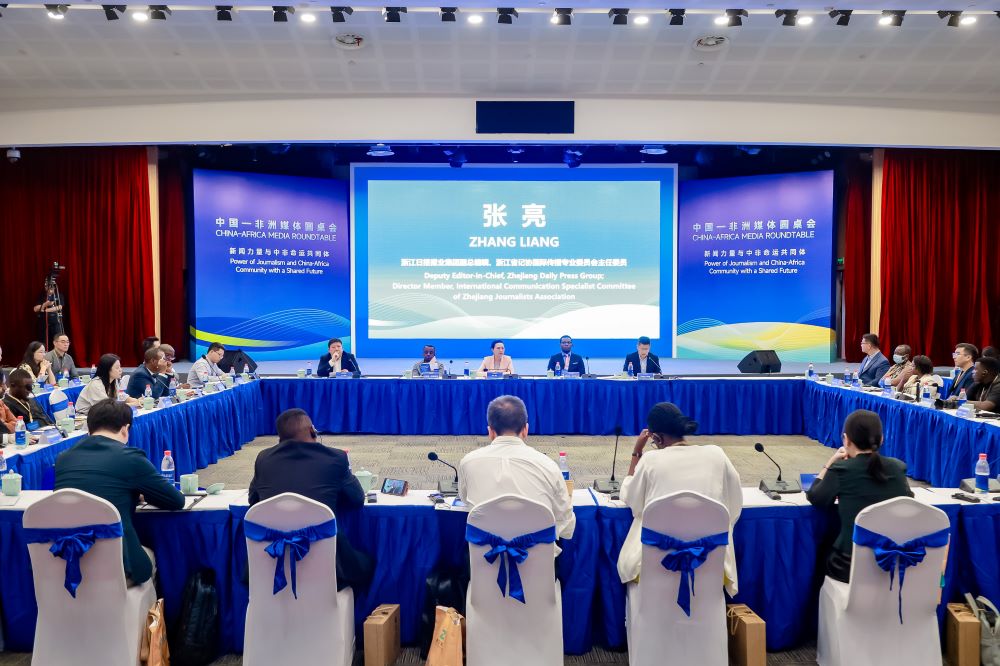
That question was at the heart of a recent roundtable held in Hangzhou, China’s Zhejiang Province, where journalists from Rwanda and Ethiopia joined Chinese media professionals and researchers to discuss the future of journalism and China–Africa cooperation in an AI-driven world.
Organized by the All-China Journalists Association under the theme “The Power of Journalism and the China–Africa Community with a Shared Future,” the discussions focused on a growing challenge facing both media and technology sectors; ensuring that artificial intelligence reflects the realities of Africa and China rather than reproducing incomplete or externally shaped narratives.
While participants touched on broader China–Africa cooperation, including trade and economic ties, the conversation quickly turned to a different kind of exchange—one involving data, knowledge, and representation.
This year marks a significant milestone in relations between China and Africa. Over the past decades, the partnership has demonstrated that sustainable development is not built on charity, but on mutual respect and equal cooperation.
Zhang Qiaowen, Deputy Director of the Institute of African Studies at Zhejiang Normal University, briefly highlighted the depth of China–Africa engagement, noting that Zhejiang accounts for around a quarter of China’s trade with Africa and hosts thousands of businesses involved in Africa-related commerce.
Under the framework of the Forum on China–Africa Cooperation (FOCAC), economic ties have evolved from a focus on aid and basic infrastructure to a more balanced model driven by trade and investment.
Trade between China and Africa has grown dramatically, rising from US$10 billion in 2000 to nearly US$350 billion today. Since 2009, China has remained Africa’s largest trading partner for 16 consecutive years and has also become one of the continent’s fastest-growing sources of investment, even as the global economy faces a growing wave of protectionism.
However, she stressed that the next stage of cooperation is not only about trade volumes but also about how African realities are understood and communicated.
“These are the real stories waiting to be told,” Zhang said, referring to the experiences of African businesses, farmers, entrepreneurs, and communities navigating a rapidly changing global environment.
Participants at the June 24, 2026, Hangzhou roundtable examined emerging AI tools such as Ubuntu AI and their role in improving knowledge exchange and narrative balance between Africa and China.
From trade partnership to knowledge partnership
That concern forms the foundation of Ubuntu AI, a platform introduced during the discussions as a new tool designed to improve how Africa-related knowledge is collected, interpreted, and shared.
Developed jointly by the Zhejiang International Communication Center (ZICC), Zhejiang Normal University’s Institute of African Studies, and other partners, Ubuntu AI is described as China’s first intelligent application dedicated to African studies and China–Africa knowledge exchange.
According to Yang Jidong, Director of the Converged Media Innovation Hub at Zhejiang Daily Press Group, the project emerged from a recognition that many existing large AI models are trained predominantly on Western datasets and information systems.
“The core point of this smart application is that many big models today are based on traditional or Western database training,” Yang explained.
Ubuntu AI seeks to address that imbalance by building a knowledge base rooted more directly in African realities, cultures, research, and experiences.
“The main purpose of Ubuntu is to train local African-related cultures,” Yang said, adding that the platform is designed to ensure that “our database can represent local African cultures.”
Unlike general-purpose AI systems that pull information from vast and often inconsistent online sources, Ubuntu AI relies on what Yang described as a “clean and authoritative database” specifically curated around African studies.
“Ubuntu AI is very different from traditional big models because big models are more susceptible to AI hallucinations,” he said.
AI hallucinations refer to instances where artificial intelligence systems generate information that appears credible but is inaccurate or entirely fabricated.
According to Yang, Ubuntu AI addresses this challenge through its underlying architecture, which combines specialized databases with Retrieval-Augmented Generation (RAG) technology. Rather than generating responses solely from a model’s internal training, the system first retrieves verified information from its knowledge base before producing an answer.
“This allows me to search for the information I want to understand from my clean database and then generate the corresponding answer through big models,” Yang explained.
For journalists covering Africa, he believes the implications are significant.
“When journalists are collecting data, they can get very authoritative and core information, which can help the media produce content,” he said.
Yang Jidong is the Director of the Converged Media Innovation Hub at Zhejiang Daily Press Group
Building an AI model rooted in African realities
The platform supports multiple languages and draws from a wide range of sources, including academic research, media archives, and policy materials. Its goal is not simply to provide information, but to improve context and accuracy in reporting and research.
For African journalists in particular, the initiative raises the prospect of having AI tools that better reflect local realities rather than relying exclusively on datasets developed elsewhere.
Yang argued that Ubuntu AI’s greatest strength lies not in the technology itself but in the quality of the knowledge that powers it.
“I think the core of Ubuntu AI is its database,” he said. “With the expansion of the database, Ubuntu’s ability will become stronger.”
He also emphasized that the project’s long-term success will depend on collaboration.
“I hope that Chinese research institutions, local African media, and database research institutions can work together to build this database,” Yang said.
Why Ubuntu AI could matter for the future of journalism
That vision aligns closely with the philosophy behind the platform’s name. Derived from the African concept of Ubuntu—often translated as “I am because we are”—the system is intended to function as a shared knowledge ecosystem rather than a one-sided technological product.
Participants at the roundtable repeatedly emphasized that despite advances in AI, journalism remains fundamentally a human profession.
Technology can assist with research, translation, analysis, and content production, but journalists remain responsible for verification, context, and ethical judgment.
As artificial intelligence becomes increasingly embedded in global information systems, initiatives such as Ubuntu AI reflect a growing effort to ensure that Africa is not merely represented in those systems but actively helps shape them.
For both Africa and China, the challenge ahead is not simply building smarter technologies. It is building technologies that understand people, cultures, and societies on their own terms.
And in an era where algorithms increasingly influence how the world sees itself, that may be one of the most important stories of all.
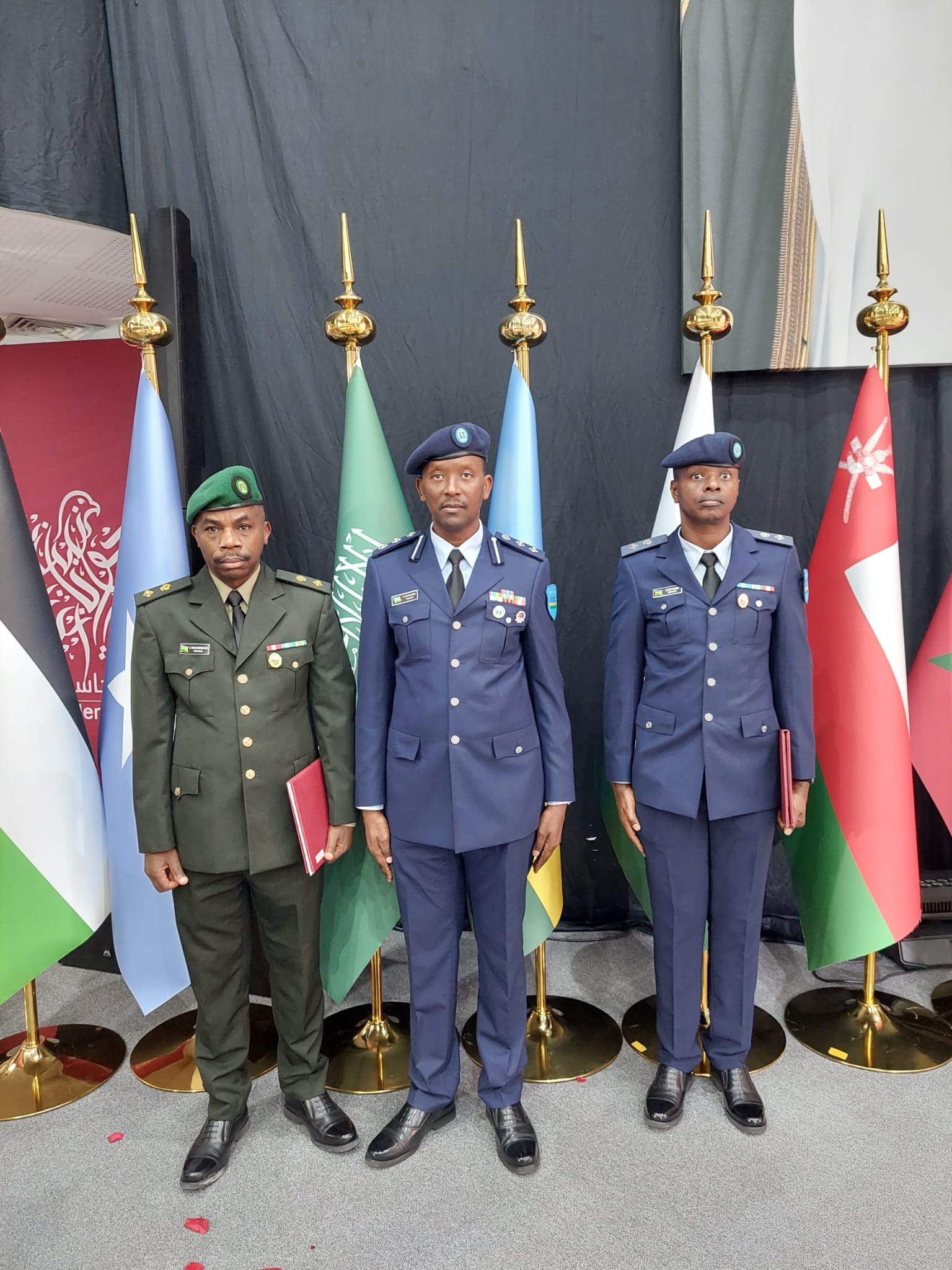
In addition to their military training, the officers also completed Arabic language studies, further strengthening their capacity for international military cooperation.
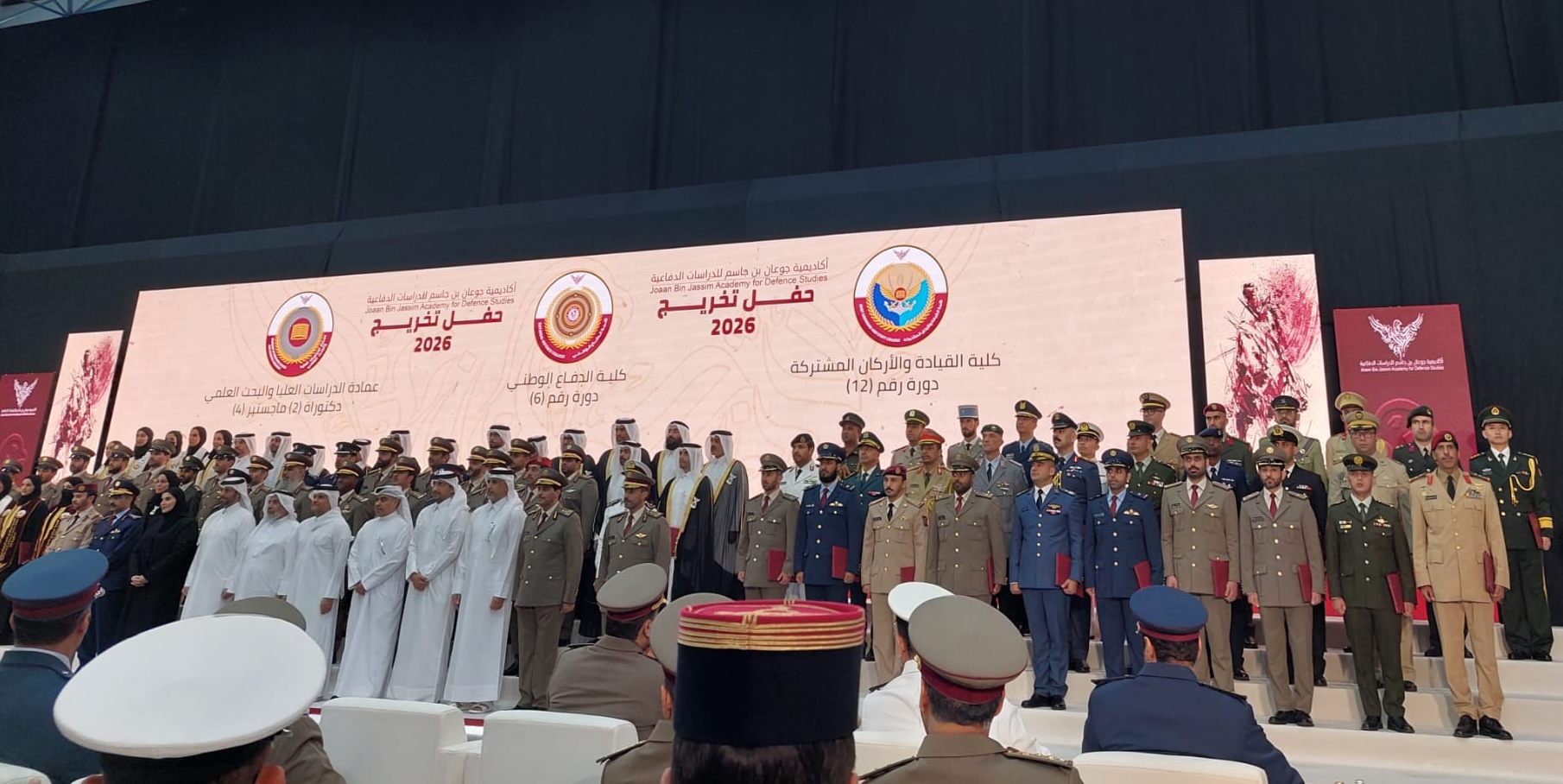
The graduation ceremony was held under the patronage of Sheikh Saud bin Abdulrahman Al Thani, Deputy Prime Minister and Minister of State for Defence Affairs.
It was attended by senior officials of the Qatar Armed Forces, diplomatic representatives, and other distinguished guests. The Rwanda Defence Force was represented by the Defence Attaché to Qatar, Col. Bernard Niyomugabo.
The latest milestone reflects the continued strengthening of defence relations between Rwanda and Qatar, which have expanded significantly in recent years across military, economic, and strategic sectors.
In January 2025, Rwanda and Qatar signed an agreement focused on training RDF personnel, sharing expertise, and enhancing aviation capacity.
The agreement was signed by Brig Gen Célestin Kanyamahanga, Permanent Secretary in the Ministry of Defence, and Sheikh Jabor Bin Hamad Al Thani, head of Qatar Aviation College.
Beyond military training, cooperation between the two countries has extended to policing and security development.
Rwanda’s Inspector General of Police, CG Felix Namuhoranye, previously led a delegation to Qatar on a working visit that included attendance at a graduation ceremony for junior officers at the Qatar Police Academy in Doha, presided over by the Emir of Qatar, Sheikh Tamim bin Hamad Al Thani.
Rwanda and Qatar also maintain broader partnerships in investment promotion, trade, tourism, and technology.
Qatar has emerged as a key partner in Rwanda’s aviation ambitions, particularly in the development of Bugesera International Airport, where Qatar Airways holds a 60% stake. Discussions have also included potential investment in RwandAir.
High-level visits between the two countries have further reinforced bilateral relations.
These include President Paul Kagame’s visits to Qatar in 2018, 2024, and other engagements, as well as reciprocal visits by the Emir of Qatar, Sheikh Tamim bin Hamad Al Thani, including his participation as guest of honour at the 2022 Commonwealth Heads of Government Meeting in Kigali.
Senior officials of the Qatar Armed Forces attend the graduation ceremony held under the patronage of Sheikh Saud bin Abdulrahman Al Thani.RDF Defence Attaché to Qatar, Col Bernard Niyomugabo, represented the Rwanda Defence Force at the graduation ceremony in Doha.The graduation ceremony took place on June 29, 2026.
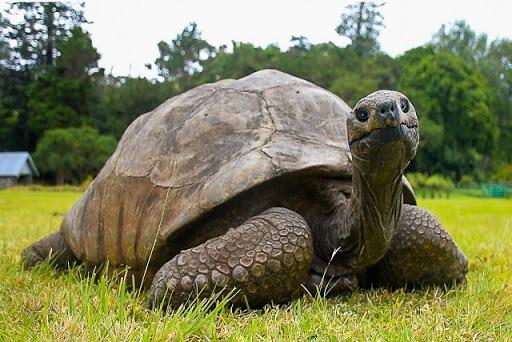
The Seychelles giant tortoise, believed to have been born around 1832, is now approximately 194 years old. His remarkable age has already earned him the titles of the world’s oldest-known land animal and oldest turtle ever recorded.
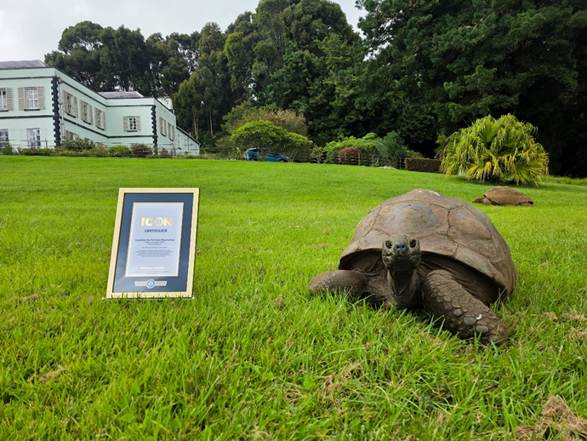
The recognition was announced as part of a global Guinness World Records campaign celebrating individuals and animals whose achievements have captured international attention.
In a statement released on Wednesday, the Government of St Helena welcomed the honour, describing Jonathan as a cherished resident and a symbol of the island’s heritage.
He lives at Plantation House, the official residence of the Governor of St Helena, where he has become one of the South Atlantic island’s most celebrated attractions.
Jonathan’s lifespan stretches across almost two centuries of history. Born before the Victorian era, he is older than some of the world’s most famous landmarks, including Paris’s Eiffel Tower, London’s Tower Bridge and New York’s Statue of Liberty.
Throughout his life, Jonathan has witnessed extraordinary changes in the modern world, from the arrival of automobiles and electricity to television, mobile phones and the internet.
Despite his advanced age, local veterinarians say Jonathan remains in good health and maintains a healthy appetite. Although he has lost his sense of smell, he continues to enjoy a relaxed life alongside three other giant tortoises in the gardens of Plantation House, spending his days grazing on grass and basking in the sun.
Beyond his status as a wildlife icon, Jonathan has also attracted scientific interest. Researchers are studying his DNA in hopes of understanding biological factors that may contribute to exceptional longevity, as his cells appear to age differently from those of humans.
For the people of St Helena, however, Jonathan is more than a scientific curiosity or a record holder. Affectionately known as “Jono” by locals, he has become a living link between generations and a symbol of resilience, endurance and the wonders of the natural world.
His latest recognition as a Guinness World Records ICON further cements his place among the most extraordinary animals ever known and brings renewed global attention to both his remarkable story and the remote island he calls home.
Jonathan the tortoise with his GWR ICON certificate