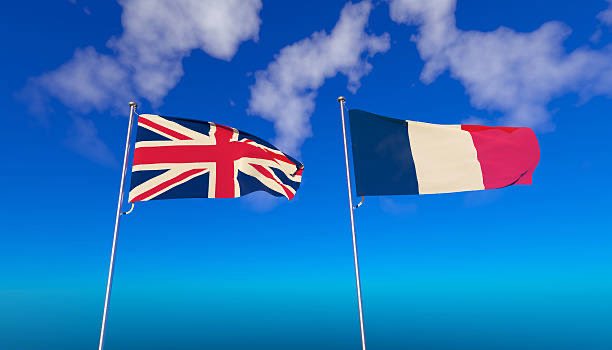
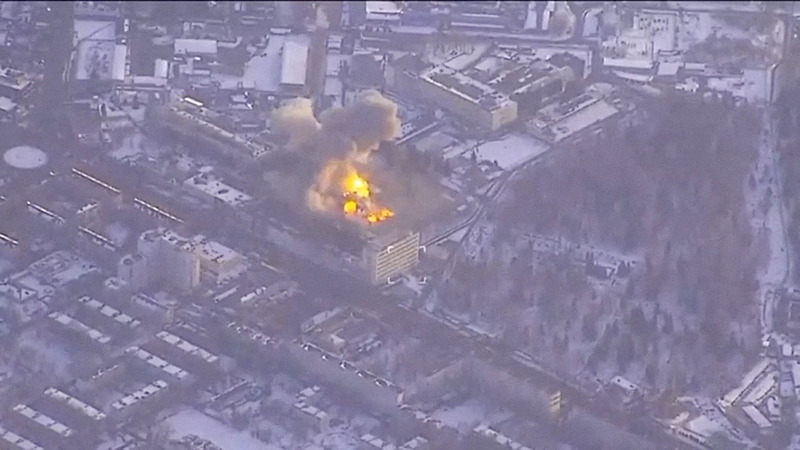
During the summoning, the direct involvement of Britain and France in this “terrorist attack,” which killed seven people and injured over 40, was pointed out, the ministry said in a media release.
“It is clear to us that the missile attack on Bryansk would not have been possible without the involvement of British and French specialists, as well as without the transfer of intelligence” to Kiev, it said.
It was also stated that Moscow views the shelling of Bryansk as a deliberate provocation aimed at undermining the intensified efforts to peacefully resolve the Ukraine crisis.
Moscow demanded that the United Kingdom and France issue a clear public response with a firm and unequivocal condemnation of the attack.
“Failure to do so will be considered solidarity with the terrorist methods, which is a disgrace for countries that are permanent members of the UN Security Council,” the release added.
Ukraine’s military hits Russian missile plant in Bryansk. Photo by Reuters
The group called on all parties, particularly those involved in recent military actions, to immediately cease hostilities, recommit to peace agreements, and prioritize negotiations to prevent further escalation and civilian suffering.
The concern was expressed through a joint statement issued on March 5, 2026, by the governments of the United States, Belgium, Denmark, France, Germany, the Netherlands, Sweden, Switzerland, the United Kingdom, and the European Union, chaired by Sweden.
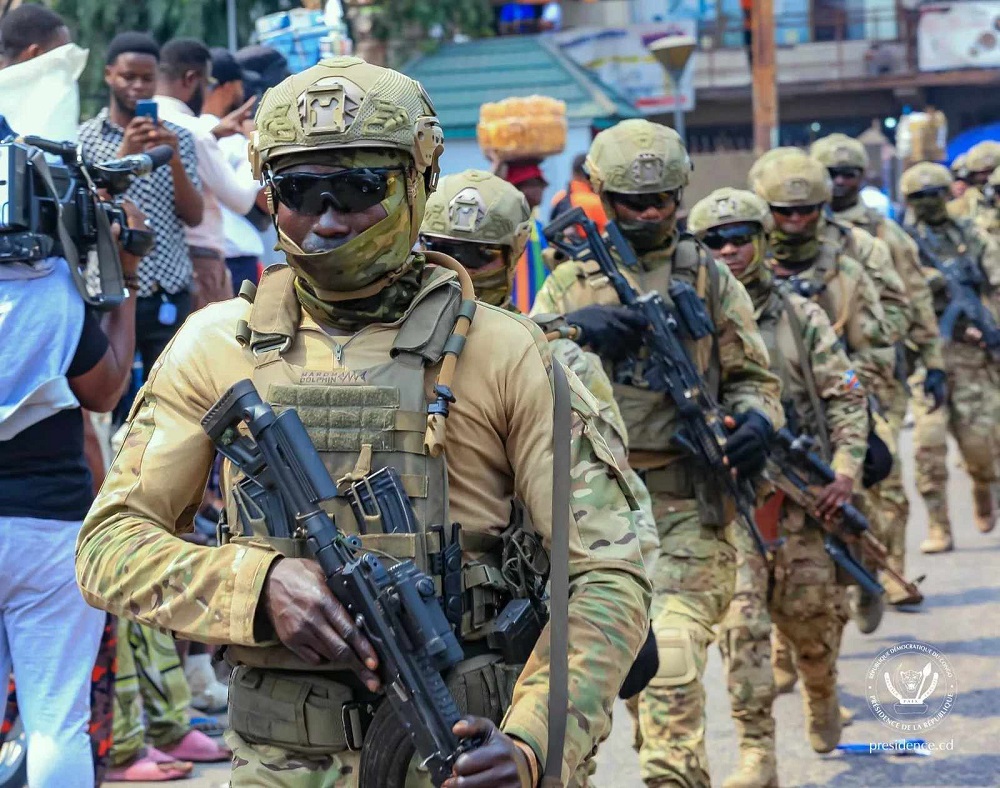
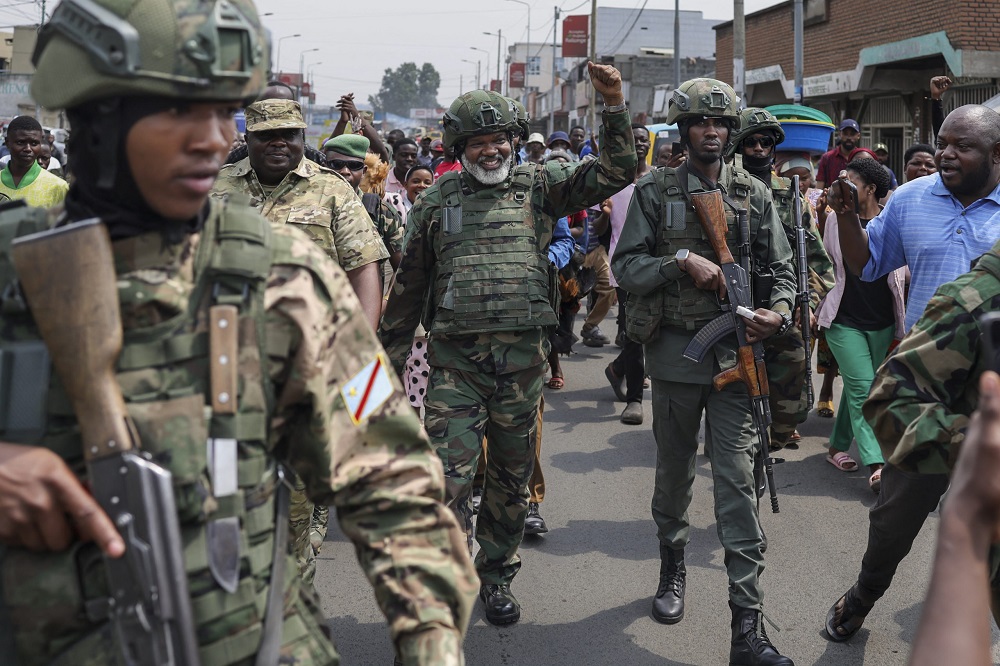
The Armed Forces of the Democratic Republic of Congo (DRC) have been conducting attacks on AFC/M23 positions in South Kivu and North Kivu, as well as targeting civilians, particularly members of the Banyamulenge community living in Minembwe Commune, using fighter jets and drones.
On January 2, 2026, DRC forces carried out a drone strike on residential buildings in Masisi Center, North Kivu, killing approximately 22 people and injuring many others. The area was reportedly under AFC/M23 control.
Another drone attack by DRC forces near Rubaya Center in Masisi Territory on March 24 resulted in the deaths of several fighters, including Lt Col Willy Ngoma, the rebel coalition’s military spokesperson.
In response to these ongoing attacks, AFC/M23 announced that it would begin intercepting incoming strikes.
On February 1 and March 1, 2026, the group reportedly deployed drones from Bangoka Airfield in Kisangani to target and destroy planned military operations against its positions.
The statement emphasized that such violations, including the use of drones in military attacks, pose an acute risk to civilian populations.
“All parties involved should urgently and unequivocally recommit to ceasing the hostilities and return to negotiations,” the ICG declared, stressing that there can be no military solution to the conflict.
The group urged full implementation of obligations under the Washington Accords and the Doha process, alongside compliance with relevant UN Security Council resolutions, including 2773 and 2808, and full respect for territorial integrity.
It commended the ongoing mediation by the African Union-appointed mediator, Faure Gnassingbé, President of the Council of the Republic of Togo, and the Panel of Facilitators, as well as crucial efforts by the United States and Qatar.
It further recalled the need for conditions enabling an inclusive inter-Congolese dialogue involving all key Congolese stakeholders as essential for durable peace.
The ICG affirmed its readiness to support these diplomatic efforts, urging all parties to uphold international humanitarian law, ensure full, safe, and unimpeded humanitarian access for critical assistance to affected populations.
The statement pressed parties to halt incitement to hatred, discrimination, or violence; including against Rwandophone minorities, and any actions that endanger civilians and undermine social cohesion in the region.
AFC/M23 has vowed to neutralize threats at its source following DRC’s ceasefire violations. DRC continues to opt for military solution despite call for dialogue to end hostilities.
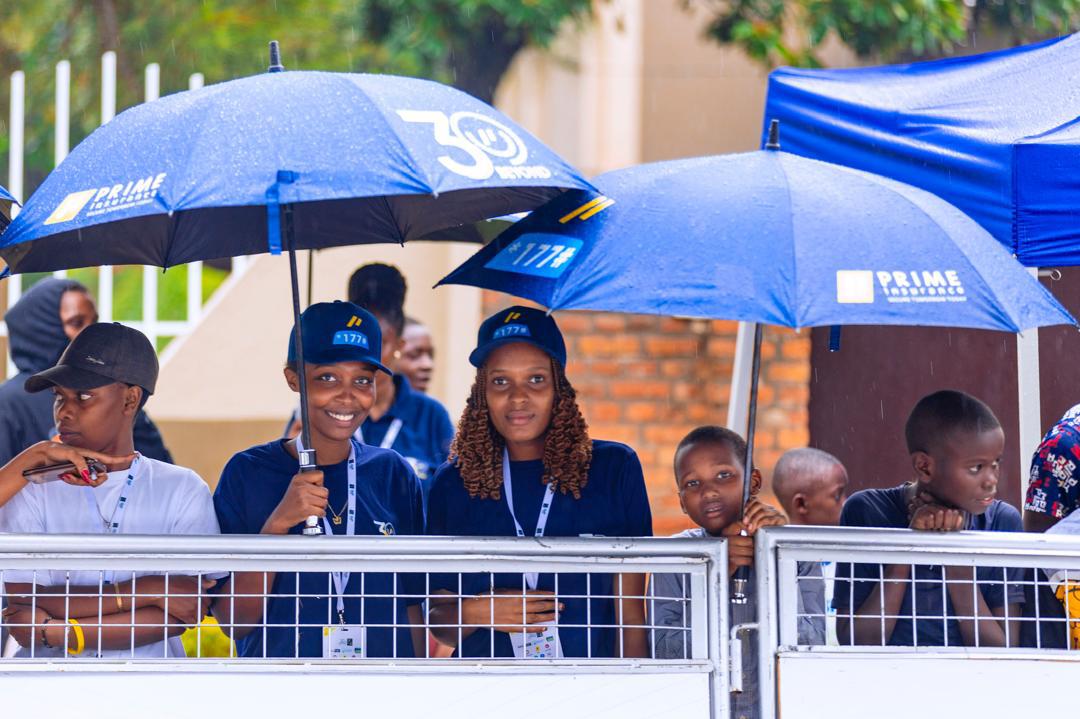
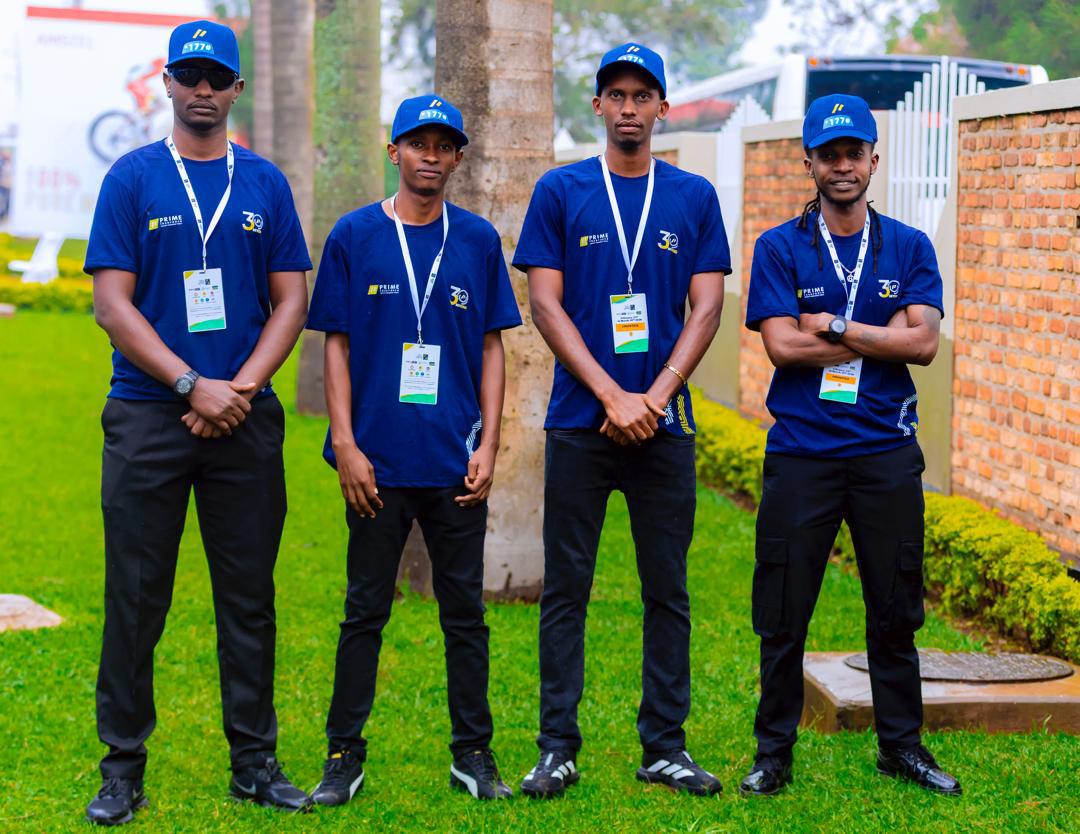
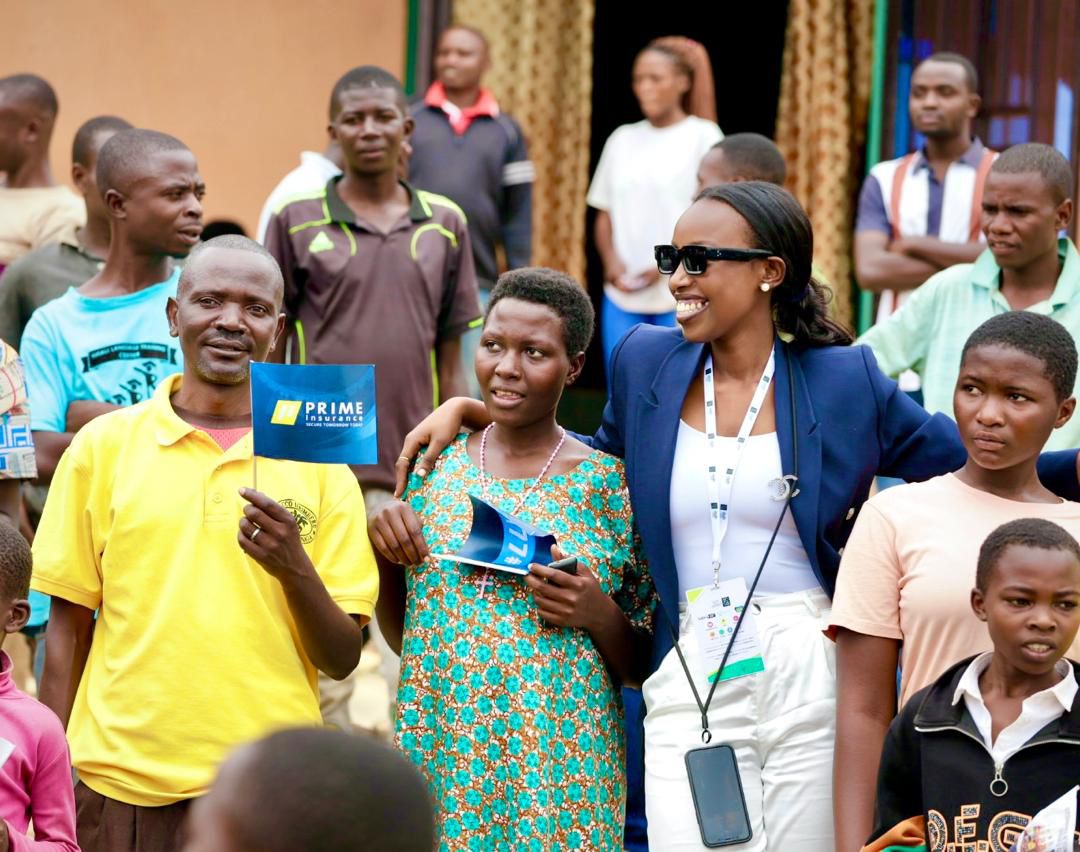
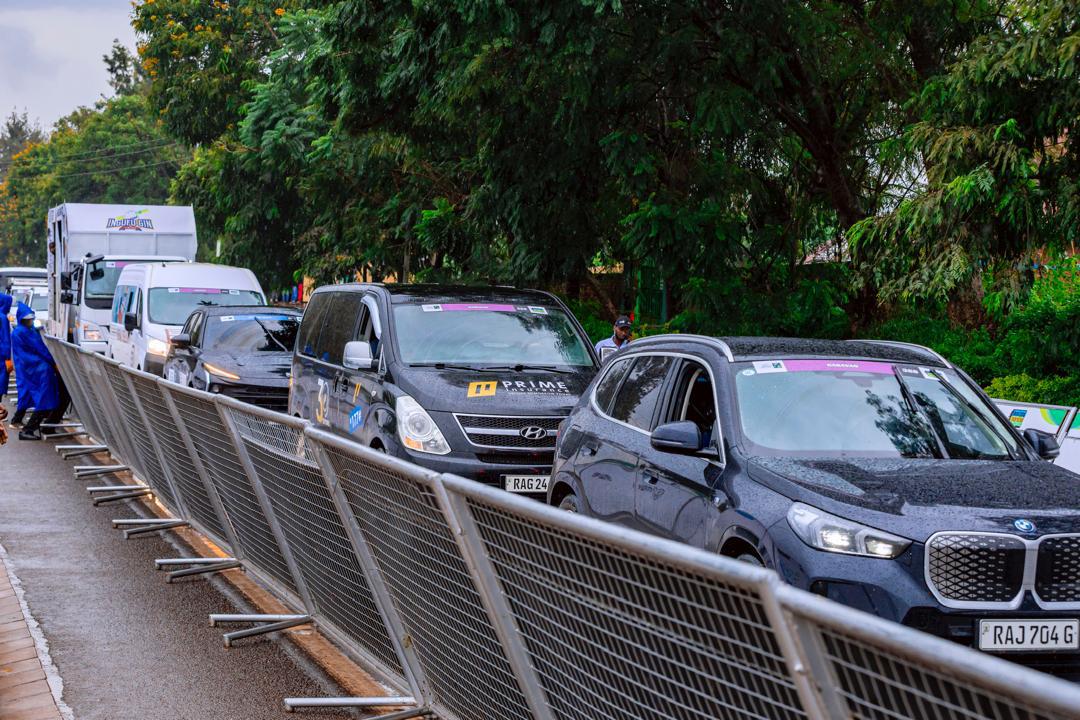
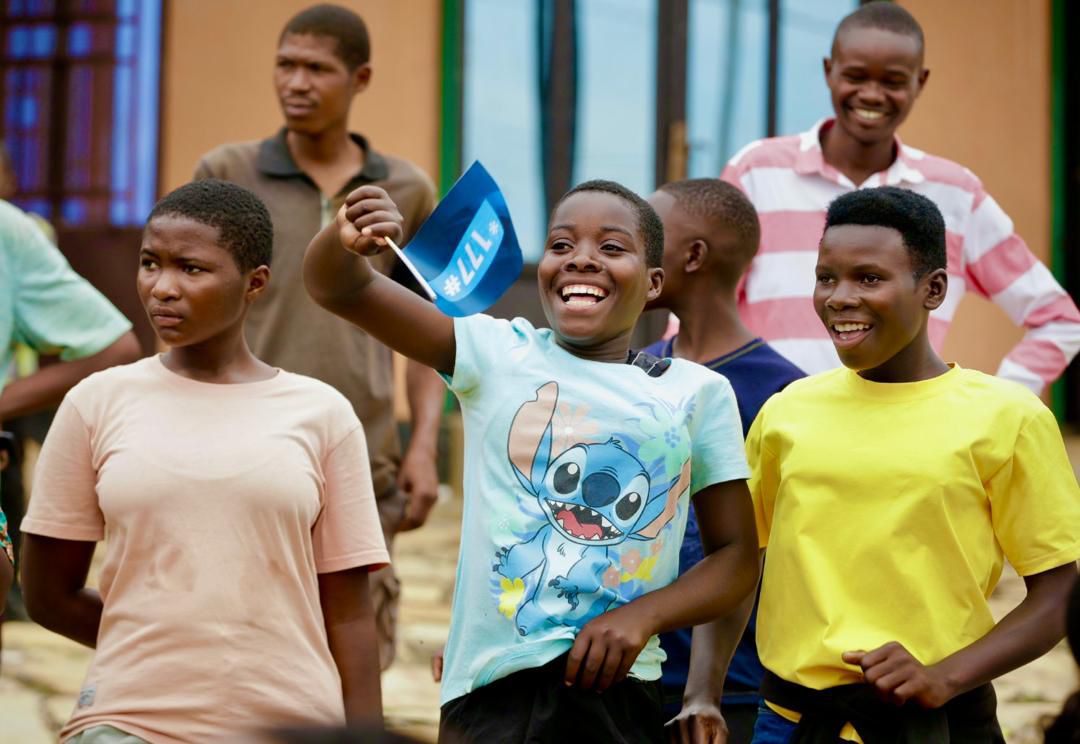
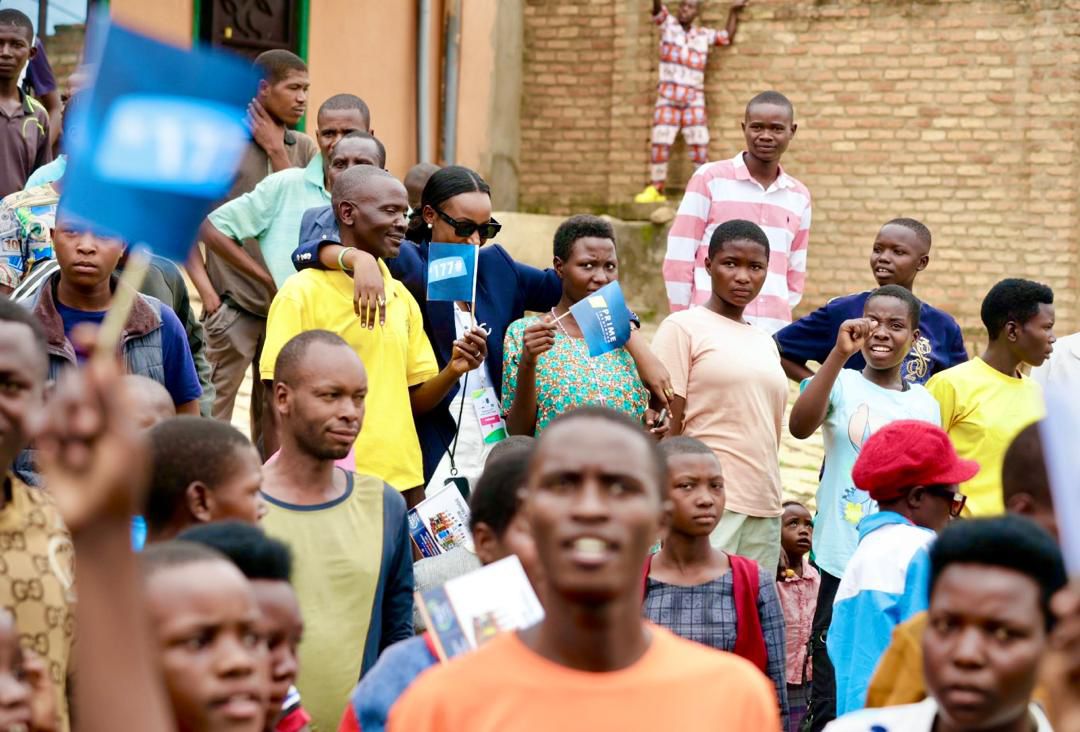
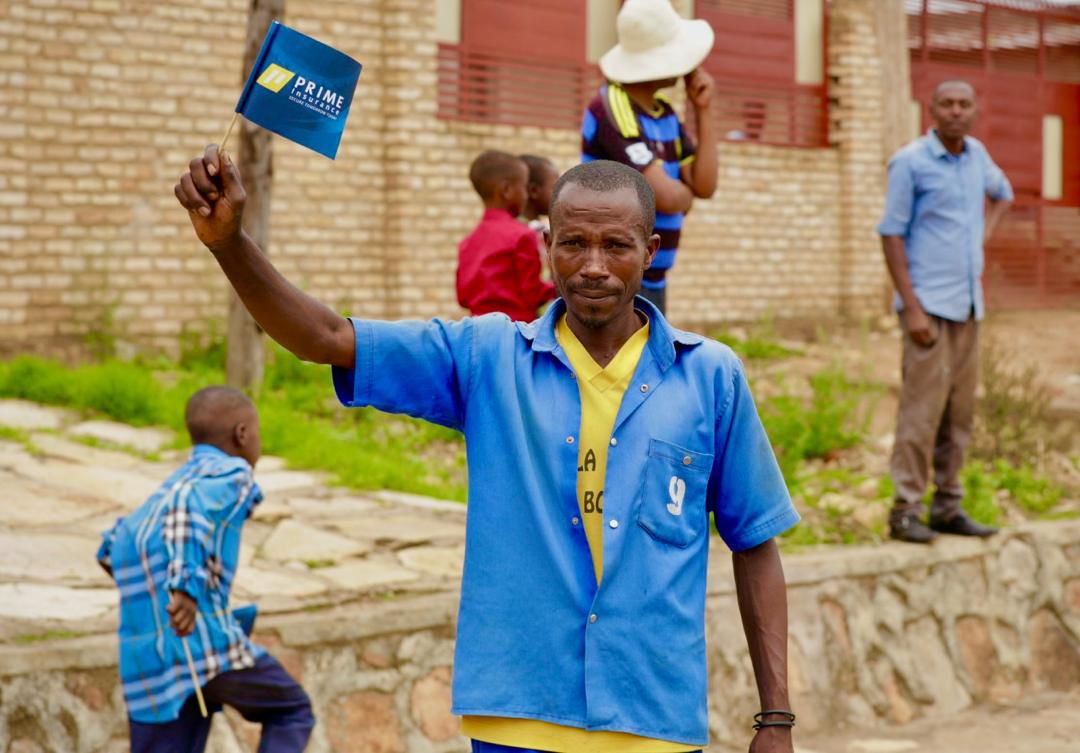
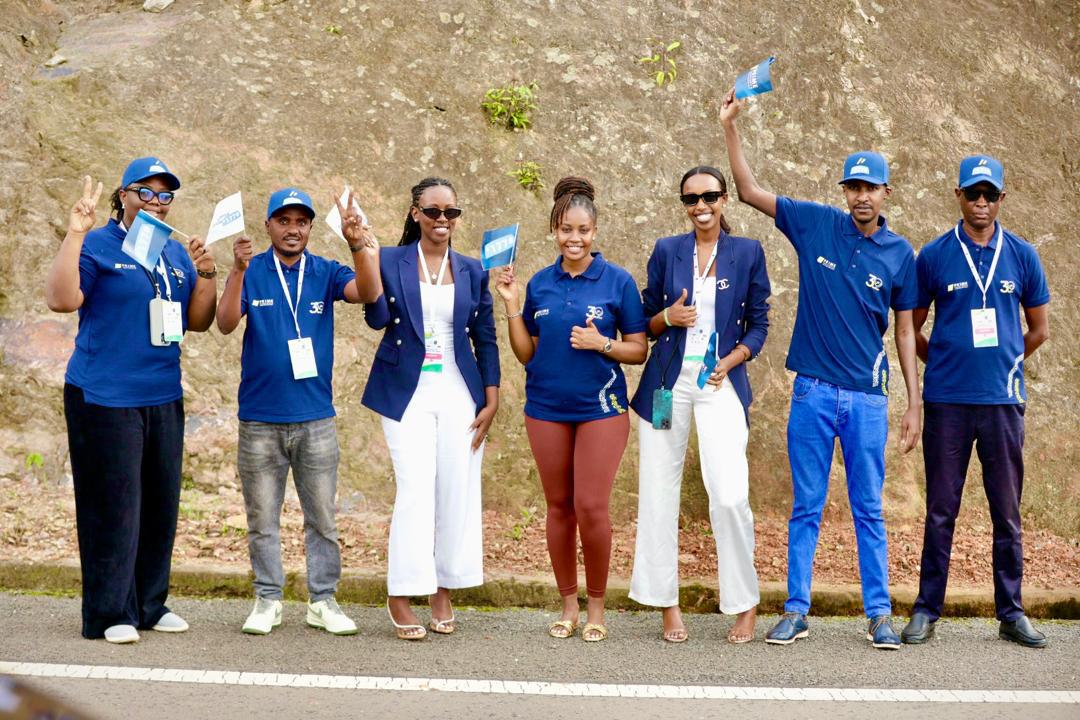
As Rwanda’s premier cycling event once again unites communities across the country, Prime Insurance remains committed not only to sport, but to youth empowerment, resilience, and long-term protection.
Eastern Province
During Stage One in the Eastern Province, Prime Insurance’s Commercial Director, Mike Byusa, called upon residents to safeguard their hard-earned investments, particularly property, through comprehensive property insurance solutions.
He emphasized that as families and entrepreneurs continue to build homes, businesses, and assets, protecting them is essential to ensuring sustainable progress.
Huye: 30 Years of progress and protection
As Prime Insurance celebrates its 30-year milestone, the company reflected on its journey alongside post-genocide Rwanda.
Over the past three decades, the country’s resilience and visionary leadership under President Paul Kagame have driven remarkable national transformation. Mike Byusa linked Prime’s 30-year journey to Rwanda’s broader story of renewal and growth.

While celebrating progress, he emphasized the responsibility to protect what has been achieved and inspire a young generation to carry the legacy forward.
“Beyond celebrating 30 years, our focus is on safeguarding the future. We must protect what has been achieved while inspiring young Rwandans to dream bigger and go further,” he noted.
Recognising loyalty and comprehensive protection in Huye
In Huye, Prime Insurance also recognised loyal clients originating from the region. Among them is Horizon Express, one of the country’s leading public transport companies, widely praised for its excellent service along the Huye–Kigali route.
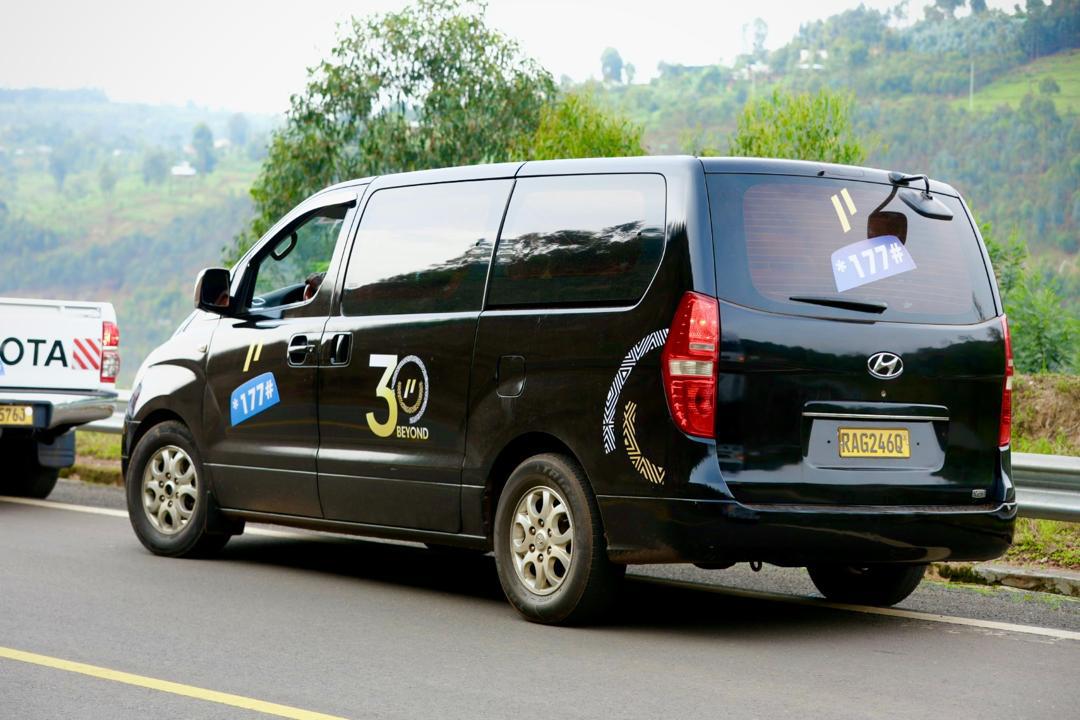
Horizon Express entrusts Prime Insurance with its Motor Insurance portfolio as well as Medical Insurance cover for its employees — ensuring protection for both its fleet and its workforce.
Prime also highlighted the journey of Mr. Téléspore, an entrepreneur in the dining and entertainment industry who operates one of Kigali’s renowned restaurants, Burrows.
Initially insuring his motor vehicles with Prime, Mr. Téléspore, following engagement with Prime’s advisory teams, expanded his coverage to include Public Liability Insurance, Fire Insurance, and Medical Insurance.
This comprehensive protection now safeguards his growing business, its assets, employees, and customers.
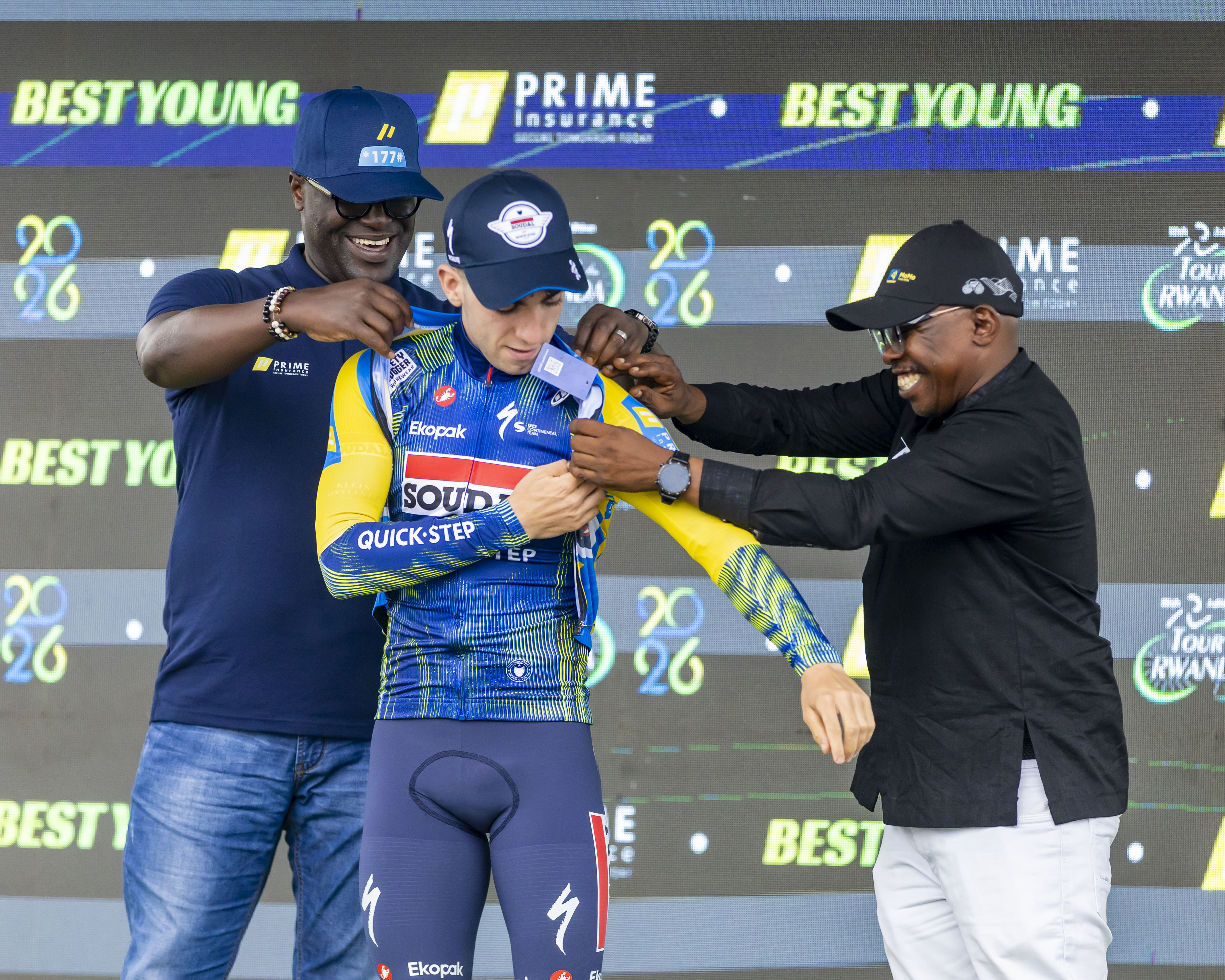
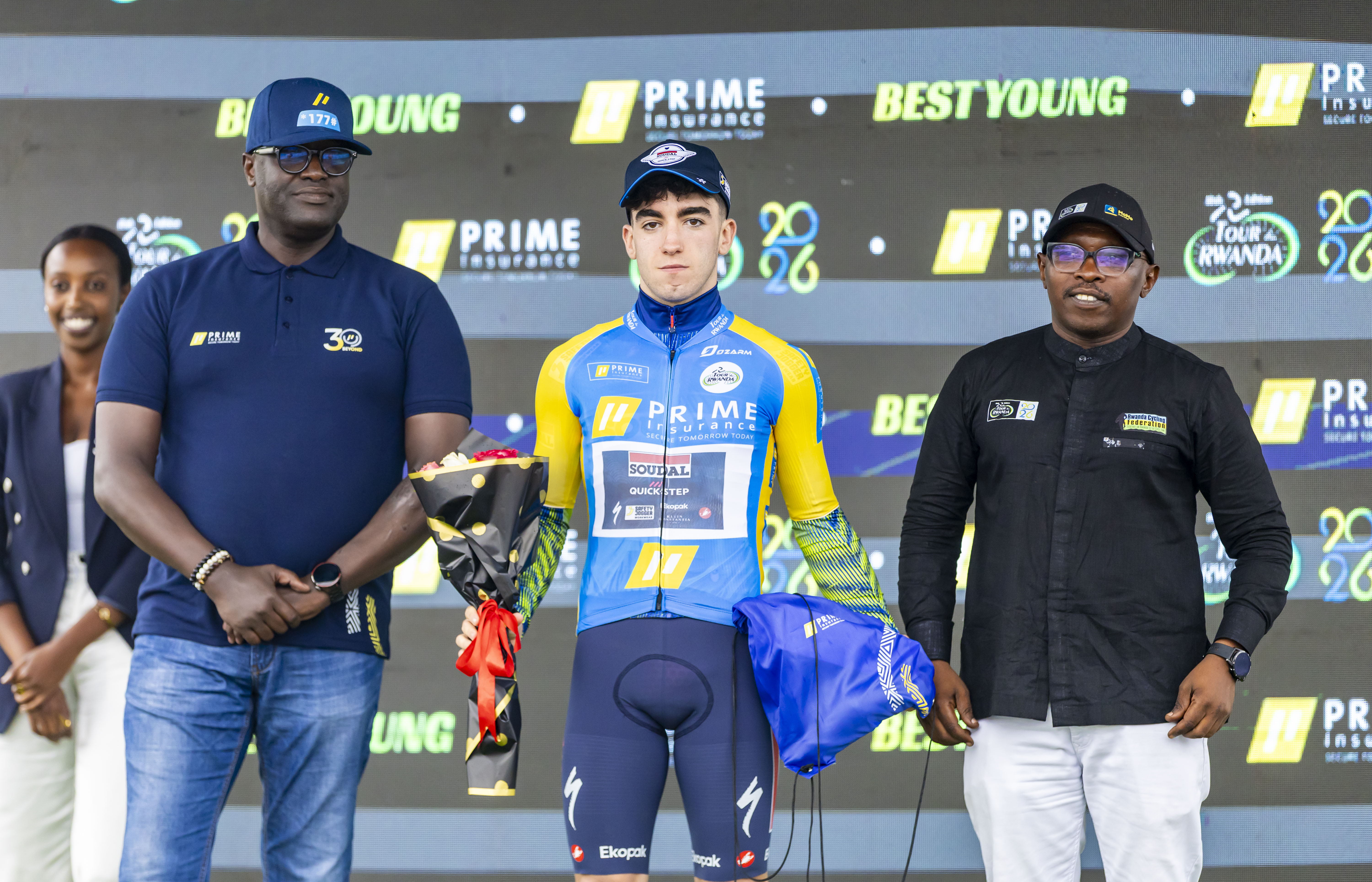
In a symbolic gesture of partnership and community, Mr. Téléspore was invited to award the youngest rider of the stage, reinforcing the message that empowering youth is a shared responsibility.
Through its continued partnership with Tour du Rwanda, Prime Insurance champions youth, resilience, and protection, values that mirror both the spirit of cycling and Rwanda’s extraordinary journey.
As the race continues across the country, the message remains clear: protect the progress achieved and inspire the next generation to build even further.
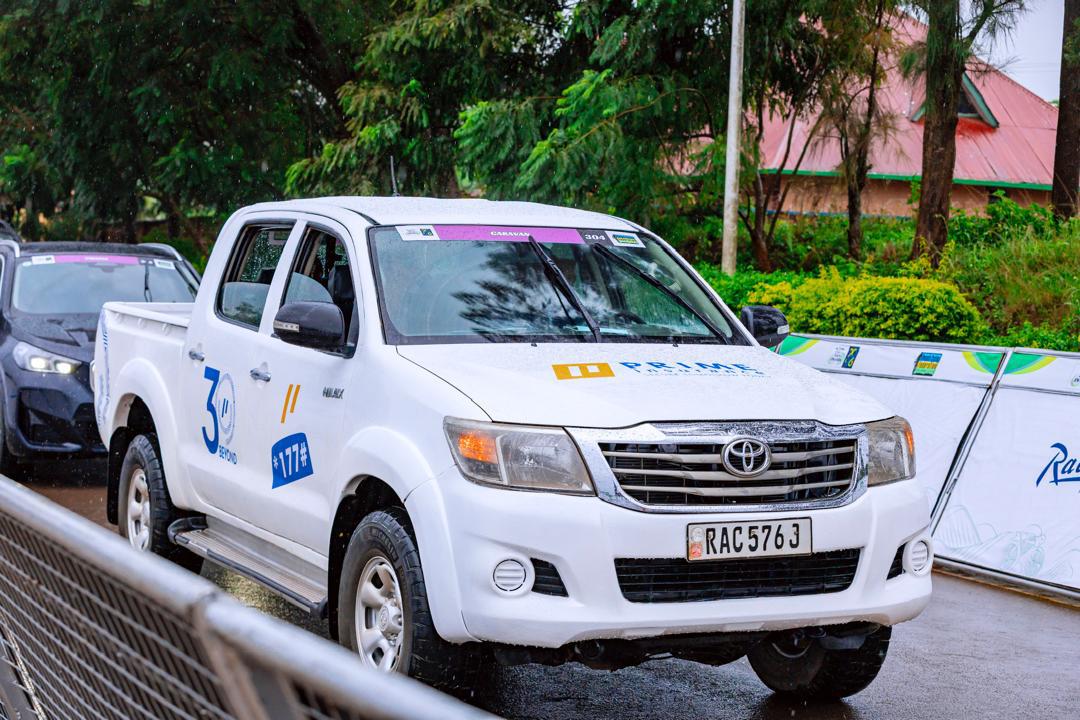
Prime Insurance awarded the youngest rider of the stage as racers headed for Huye.For the ninth consecutive year, Prime Insurance Ltd has proudly continued its cherished tradition at the prestigious Tour du Rwanda.
The facility was constructed at a cost of Rwf 2.4 billion and equipped with medical installations valued at Rwf 682 million. The funding was provided through the Jyambere project under the Ministry of Emergency Management (MINEMA).
The three-storey building includes four operating theatres on the ground floor, a second floor designated for general patient care, and a top floor dedicated to pediatric treatment.
Dr. Casmir Muhire, the Deputy Director General of Kirehe Hospital, explained that the new building was highly needed, as many patients previously had to be sent to other hospitals for surgery.
“Previously, we treated patients but had to send those who needed surgery to other hospitals. Those without financial means were often delayed. Now, with this new building, patients can receive all services here, and we no longer have to refer them to other hospitals unless it’s absolutely necessary,” he said.
“We are pleased to have this modern facility, which has significantly reduced the need for Kirehe residents to seek services elsewhere,” Dr. Muhire added.
Asifiwe Angelique, a resident of Gatore Sector, shared her experience of giving birth at the hospital. She recounted that she initially gave birth in a small, poorly ventilated room, which left her worried about possible complications.
“Now, we are very happy that the place where mothers give birth is much larger and more comfortable than before. In the past, we gave birth in cramped spaces. The new birthing area is spacious, has an in-house toilet, and a shower, so mothers do not need to go outside,” she said.
Uwizeyimana Julienne, from Mpanga Sector in Ntaruka Cell, Nyagasozi Village, also praised the improvements. She recalled that, previously, the delivery area was located on the ground floor, in an area that was somewhat embarrassing. She expressed her happiness with the changes made at Kirehe Hospital.
The Mayor of Kirehe District, Rangira Bruno, highlighted that the construction of the new multi-story building was part of the Jyambere project’s contribution to the hospital. He added that the new building has helped alleviate overcrowding in the delivery rooms and other hospital areas.
He explained, “Previously, there was significant overcrowding in the delivery rooms, with about 50% of our patients coming from the Mahama Refugee Camp. This new facility has helped reduce congestion and improved the delivery of services.”
Kirehe Hospital serves approximately 500,000 residents across 19 health centers, including two health centers located in the Mahama Refugee Camp.
The new building constructed at Kirehe Hospital is expected to help provide surgical servicesThe building is equipped with modern equipment
Independent Online (IOL) reported on Thursday that the four men arrived at Johannesburg’s O.R. Tambo International Airport on Wednesday, where they were met by South African police before being taken into custody for processing.
According to the report, their return followed diplomatic engagements between South African President Cyril Ramaphosa and his Russian counterpart, Vladimir Putin, on Feb. 10, during which the two leaders pledged support for the safe repatriation of South African citizens caught up in the conflict.
Quoting DIRCO Minister Ronald Lamola, IOL reported that the men had been contracted by private security companies in Russia rather than directly enlisted into the Russian military.
“They will be allowed to return when their contracts are cancelled,” Lamola was quoted as saying, adding that the repatriation would take place in phases.
“The Russian government is assisting with their return… What is clear is that they were lured under false pretenses, and that matter is now the subject of a police investigation in South Africa,” the minister said.
On Nov. 6, 2025, the South African Presidency announced that it had been alerted about the 17 men who were “trapped” in the war-torn Donbas region of Ukraine.
The men reportedly claimed they were lured with promises of lucrative employment, only to find themselves caught in a conflict zone.
Local reports indicate that the four men arrived at Johannesburg’s O.R. Tambo International Airport on Wednesday.
Col Charles Sumanyi previously served as Vice President of the Supreme Military Court since 2024. He has also held other positions, including serving as a military court judge for eight years and as a judge in the Military High Court for seven years.
After administering the oath, Prime Minister Dr. Justin Nsengiyumva reminded Col Sumanyi that his new role requires prudence and integrity.
“As you have sworn, in the duties you are about to undertake it is essential that you refrain from using the authority entrusted to you for your personal gain,” he said.
“You must prioritise the interests of the country and diligently fulfill your responsibilities, always striving to deliver fair justice to all and to uphold the positive image of the Rwanda Defence Force and the Republic of Rwanda as a whole,” the Prime Minister added.
Col Sumanyi’s appointment was approved by the Cabinet meeting chaired by President Paul Kagame on January 28, 2026.
Expressing gratitude for the trust placed in him by the Head of State, Col Sumanyi pledged to carry out his duties diligently, aiming to strengthen good conduct within the Rwanda Defence Force.
“This role I am taking up is all about promoting discipline and good conduct in our country’s army. Recently, you heard the President emphasizing that these security institutions are ones he has always wished for… In this position, my primary duty is to reinforce discipline and good conduct, starting with educating soldiers about crimes and their consequences.
“As you know, wherever there are people, minor infractions are inevitable. Where crimes occur, we will take them to court. Our goal is to deliver justice that is both fair and swift.”
He affirmed that he will execute his responsibilities with full dedication to ensure they are fulfilled properly.
The ceremony was attended by the Minister of Defence and Minister of Defence, among others.The ceremony took place on Thursday, February 19, 2025. Col Sumanyi expressed gratitude for the trust placed in him by the Head of State.
NBR Governor Soraya Hakuziyaremye announced the decision on Thursday, February 19, following a meeting of the Monetary Policy Committee (MPC) on Wednesday, which reviewed recent domestic and international economic developments and updated the country’s economic projections.
Inflation in Rwanda increased to 8.9 percent in January 2026, up from 8.0 percent in December 2025, exceeding the Central Bank’s target range of 2–8 percent.
The rise, the central bank boss said, has been driven largely by higher energy costs, electricity tariffs, fuel prices, and supply constraints on fresh food, particularly vegetables affected by below-normal rainfall.
“The Monetary Policy Committee has decided to increase the Central Bank Rate to 7.25 percent to limit second-round effects of recent price increases and support a timely return of inflation to the target range,” she stated.
The governor noted that headline inflation is expected to remain slightly above 8 percent in the first half of 2026, before easing toward the target band by the end of the year.
“The MPC will continue to closely monitor economic developments and the inflation outlook. Should the highlighted risks materialize, we will assess the need for further policy adjustments to ensure inflation converges to the target range over the medium term,” Governor Hakuziyaremye added.
Despite inflationary pressures, Rwanda’s economy continues to perform strongly. The country recorded an average growth of 8.7 percent during the first three quarters of 2025, with the Composite Index of Economic Activity (CIEA) rising 17.1 percent in the fourth quarter.
Merchandise exports grew by 14.1 percent, supported by traditional exports such as coffee and minerals, while non-traditional exports, including processed cooking oil and wheat flour, also recorded notable gains.
The Rwandan franc showed signs of stabilisation in 2025, with depreciation slowing to 4.4 percent from 9.42 percent in 2024, thanks to stronger tourism receipts, increased remittances, and domestic foreign exchange reforms.
In the financial sector, Rwanda continues to demonstrate resilience. Credit institutions, insurance companies, and microfinance institutions maintained strong capital and liquidity positions, while the consolidated loan book of the banking sector grew by 28.5 percent to reach Rwf 6.8 trillion as of December 2025. Non-performing loans remained low at 2.5 percent, within regulatory limits.
NBR Governor Soraya Hakuziyaremye announced the decision on Thursday, February 19, following a meeting of the Monetary Policy Committee (MPC) held on Wednesday.
According to SA News, the discovery was made by Dr. Massimo Meregalli from Italy and Dr. Roman Borovec from the Czech Republic.
These respected entomologists recently published their research on flightless weevils found in remote parts of the park. These tiny insects live in the soil, hidden under shrubs, and mostly come out at night, making them very hard to find and study. Therefore, their discovery required meticulous fieldwork in the Richtersveld’s challenging environment.
SA News quoted a statement by South African National Parks (SANParks) as saying, “With the support and guidance of Richtersveld National Park Nursery Curator Pieter van Wyk, the researchers explored the remote Armmanshoek Valley, an area not previously surveyed for soil insects.”
“Their efforts resulted in the identification of multiple new species, further confirming the Richtersveld as a hotspot of endemism and scientific importance,” it said.
To honor the park’s importance for conservation and SANParks’ support for research, the scientists named a newly found group and species “Richtersveldiella sanparkensis.”
This is the first insect species to be officially named after SANParks and Richtersveld National Park. The researchers have also previously honored the local culture by naming other groups, Khoisan and Nama, recognizing the long history of connection between the communities and this unique land.
“These discoveries highlight the importance of continued scientific exploration within protected areas and reinforce SANParks’ commitment to conserving not only iconic wildlife and landscapes, but also the often-overlooked species that form the foundation of healthy ecosystems,” SANParks said.
“The naming of Richtersveldiella sanparkensis stands as a lasting scientific tribute to the Richtersveld and SANParks’ ongoing dedication to biodiversity conservation,” it added.
To honor the park’s importance for conservation and SANParks’ support for research, the scientists named a newly found group and species “Richtersveldiella sanparkensis.”