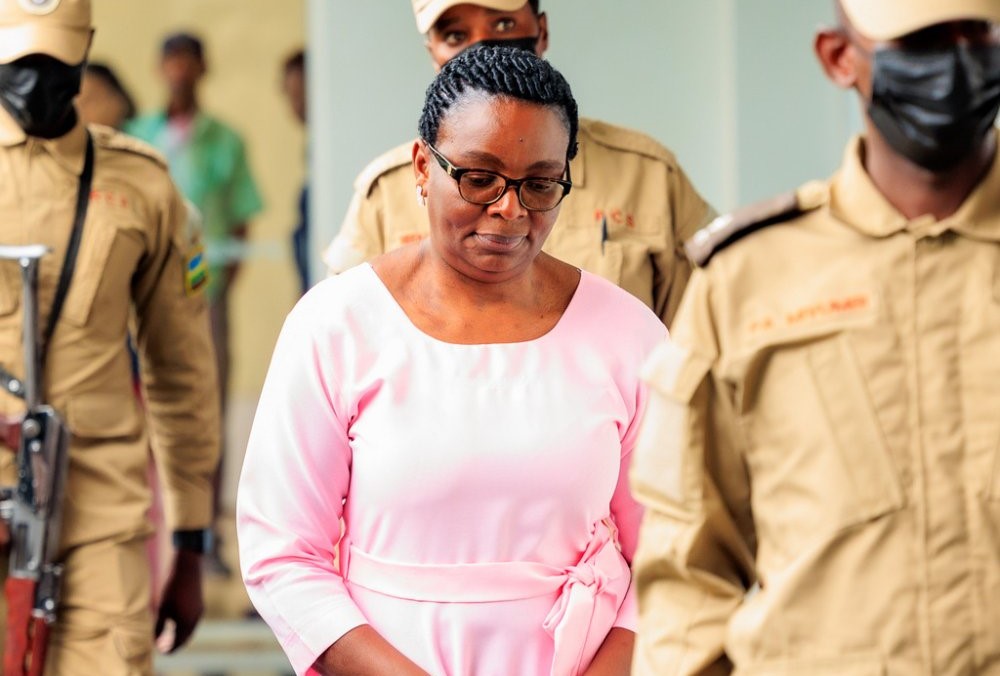
Ingabire Victoire, who describes herself as an opposition politician, is facing seven charges including forming or joining a criminal organisation, inciting public disorder, undermining the existing government, and spreading false information or propaganda aimed at inciting international hostility against the Government of Rwanda.
She is also charged with conspiracy to undermine the government, conspiracy to cause public disorder, and conspiracy to organise demonstrations.
Once the preliminary hearing concludes, the case is expected to proceed in open court.
Preliminary hearings, as provided for under Article 125 of Rwanda’s law governing criminal procedure, are intended to allow parties to address any procedural issues that could affect the main trial before it begins.
Regarding the charge of forming or joining a criminal organisation, the prosecution alleges that Ingabire played a role in organising training sessions for members of her supporters linked to DALFA Umurinzi, an organisation considered illegal in Rwanda.
The prosecution also argues that attacks carried out by groups such as RUD Urunana and P5 resulted in deaths, and that Ingabire was linked to these groups through her leadership of FDU-Inkingi, which allegedly later aligned with P5.
During a prior bail hearing, Ingabire stated that she had distanced herself from FDU-Inkingi, saying she left the party after concluding that it was involved in harmful activities.
Under Rwandan law, forming or joining a criminal organisation carries a prison sentence of no less than seven years and not more than 10 years.
Inciting public disorder is punishable under Article 204 of the penal code with a sentence ranging from 10 to 15 years in prison.
The prosecution alleges that in one audio recording, Ingabire and Cassien Ntamuhanga were heard planning a protest at Kigali’s city roundabout near Rubangura.
On the charge of undermining the government, prosecutors argue that Ingabire’s FDU-Inkingi party collaborated with armed groups opposed to the state, including RUD Urunana, P5, and RNC, with the aim of destabilising the government.
It is further alleged that once these plans were uncovered, Ingabire went on to form another political party, DALFA Umurinzi.
If convicted of undermining the government, she could face life imprisonment.
She is also accused of spreading false information or propaganda intended to incite hostility against the Government of Rwanda abroad, particularly around the time Rwanda was preparing to host the Commonwealth Heads of Government Meeting (CHOGM).
Prosecutors allege that Ingabire and her associates planned demonstrations aimed at portraying Rwanda as insecure.
During the COVID-19 pandemic, she is also accused of mobilising people who were promised food aid in order to stage protests.
Depending on whether the offence is considered in peacetime or wartime, the penalty ranges from seven years to life imprisonment.
Given the seriousness of the charges, prosecutors may seek a life sentence.
Ingabire faces charges including conspiracy to undermine the government, conspiracy to cause public disorder, and conspiracy to organise demonstrations.
Seventy-three UN personnel remain arbitrarily detained. One UN staff member has died in detention. Some colleagues are being held incommunicado, said Farhan Haq, the deputy spokesman, in a statement to mark two years of Houthis’ detention of personnel from the United Nations, nongovernmental organizations, civil society organizations, and diplomatic missions.
“These actions violate international law, cause deep suffering to families, and have severely constrained the ability of the United Nations and its partners to assist millions of people in need across Yemen,” said the statement.
UN personnel, including those who are nationals of Yemen, are immune from legal process in respect of all acts performed by them in their official capacity, it said.
Guterres underscores the importance of continued dialogue and engagement with the Houthis to secure the release of detained personnel and enable the resumption of humanitarian and development activities. The United Nations will continue to pursue all possible avenues to secure their immediate and safe release, said the statement.
The secretary-general remains steadfast in the United Nations’ commitment to supporting the people of Yemen and their aspirations for a just and lasting peace, it said.
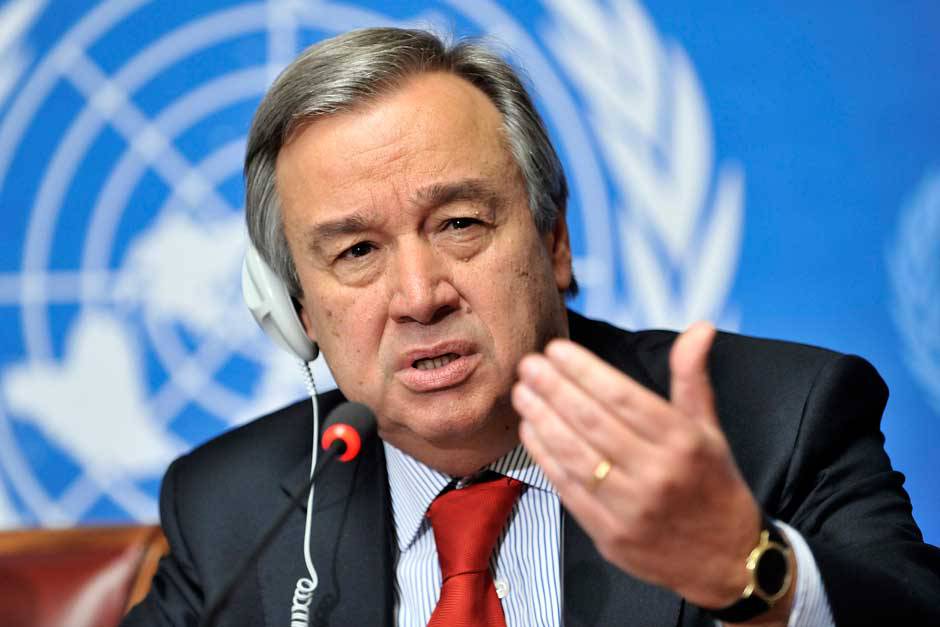
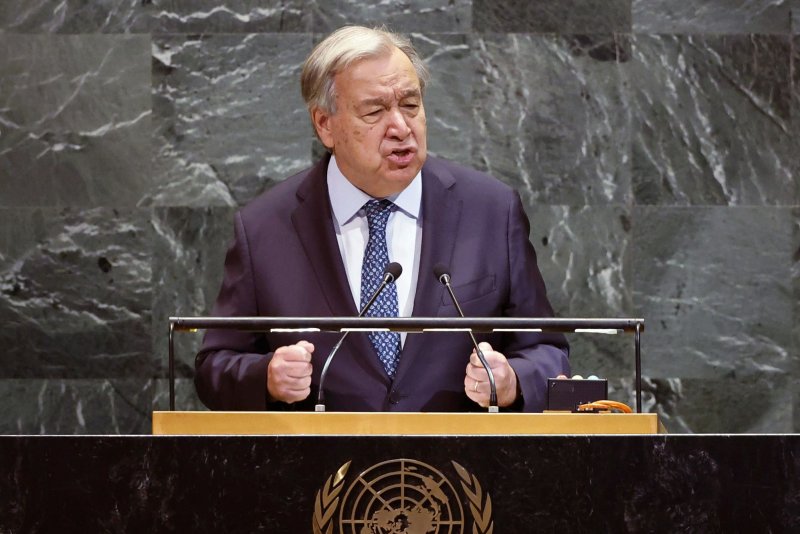
UN Secretary-General Antonio Guterres has reiterated his condemnation of the detention of UN and other personnel and calls for their immediate and unconditional release
Preliminary investigations revealed that the victims were working at night when the landslide occurred, which made rescue efforts harder, Gabin Razafindrakoto, commander of Vatomandry gendarmerie brigade, told Xinhua.
The mayor of the city has ordered the immediate closure of the site to prevent any further mining activities and reduce the risk of additional incidents, he said.
Authorities are trying to determine the exact circumstances of the landslide.
The sanctions were announced on March 2, 2026, with the United States accusing Rwanda of supporting the M23 rebel group fighting the Congolese government, an allegation Kigali has consistently rejected.
Those sanctioned include the Chief of Defence Staff of the RDF, Gen Mubarakh Muganga; the Army Chief of Staff, Maj Gen Vincent Nyakarundi; the Commander of Special Forces, Brig Gen Stanislas Gashugi; and the Commander of the RDF 5th Division, Maj Gen Ruki Karusisi, as well as the RDF as an institution.
The measures are economic in nature. They restrict access to any assets held in the United States or under U.S. jurisdiction, as such property is frozen and placed under the control of the U.S. Office of Foreign Assets Control (OFAC).
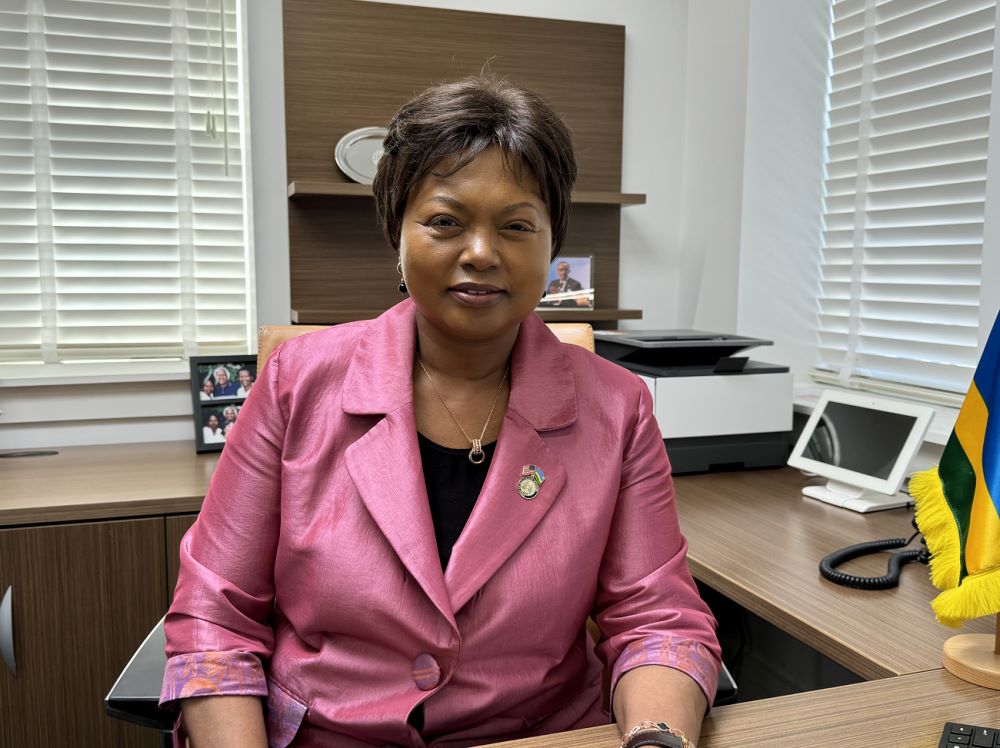
In an interview with journalist Ally Soudy, Ambassador Mukantabana said the crisis in eastern DRC is rooted in the presence of groups originating from Rwanda who played a role in the 1994 Genocide against the Tutsi and later fled into Congo, where she said they continue to spread genocidal ideology.
“Thirty-two years after the Genocide against the Tutsi in Rwanda, which was stopped by Rwandans themselves, the country is at peace. However, as I have explained before, the ideology of genocide did not disappear; it spread among some of our neighbouring communities.
“Those who left after killing victims, they continued to target other communities across the border in Congo. That is what we are still dealing with today. We have not abandoned this issue, and as you know, we are currently engaged in peace agreements with the DRC, including agreements supported by the United States.”
She added that addressing injustices faced by Congolese citizens who speak Kinyarwanda, particularly Tutsi communities allegedly targeted or neglected by the Congolese government, contributed to the emergence of the M23 movement, which says it is fighting for their rights.
The group is among those that some foreign governments accuse Rwanda of supporting—an accusation Rwanda has repeatedly denied, insisting that M23 is composed of Congolese citizens and that Kigali has no involvement in its activities.
Asked what Rwanda is doing to ensure the sanctions are lifted, Ambassador Mukantabana said the measures have not closed diplomatic channels between Rwanda and the United States, and that discussions are ongoing.
She said: “They have not closed doors. We are still following up, we are still engaging. They made their decision, but this is not something where you give up. Instead, it is something you stand firm on and continue addressing.”
She further noted that some Americans understand Rwanda’s position and believe the sanctions were not justified.
“The positive thing is that there are Americans who also do not agree with how those measures were taken. It is about continuing collaboration with such friends so that they can eventually be lifted. Above all, peace in that region must be achieved, because even if they are lifted now, other accusations will continue as long as the conflict persists,” she said.
Mukantabana added that the key solution lies in the full resolution of the conflict in eastern DRC, arguing that as long as instability continues, Rwanda will continue to be blamed.
She said: “That country has many problems, but whenever difficulties arise, Rwanda is often pointed at as a way of shifting responsibility. These are challenges we did not create, but we will continue to engage and we will not back down. We will prevail.”
Since the signing of peace agreement between Rwanda and DRC in June and December 2025, in the United States, DRC has continued to violate agreed commitments.
Rwanda has consistently stated that it remains committed to implementing the agreements and is ready to lift its defensive measures once the DRC fully neutralizes the FDLR terrorist group.
Ambassador Mukantabana said the crisis in eastern DRC is rooted in the presence of groups originating from Rwanda who played a role in the 1994 Genocide against the Tutsi and later fled into Congo.
Over the past quarter-century, the institution has grown significantly in both human capacity and technological capability. Today, RNP officers not only play a central role in maintaining security within Rwanda but also contribute to peacekeeping and security operations beyond the country’s borders.
A key feature of this transformation is the wide range of modern equipment now used in daily policing operations. These tools support all police departments, each depending on its specific mandate, and are increasingly driven by advanced technology to match global standards of law enforcement.
Water, air, and land operations
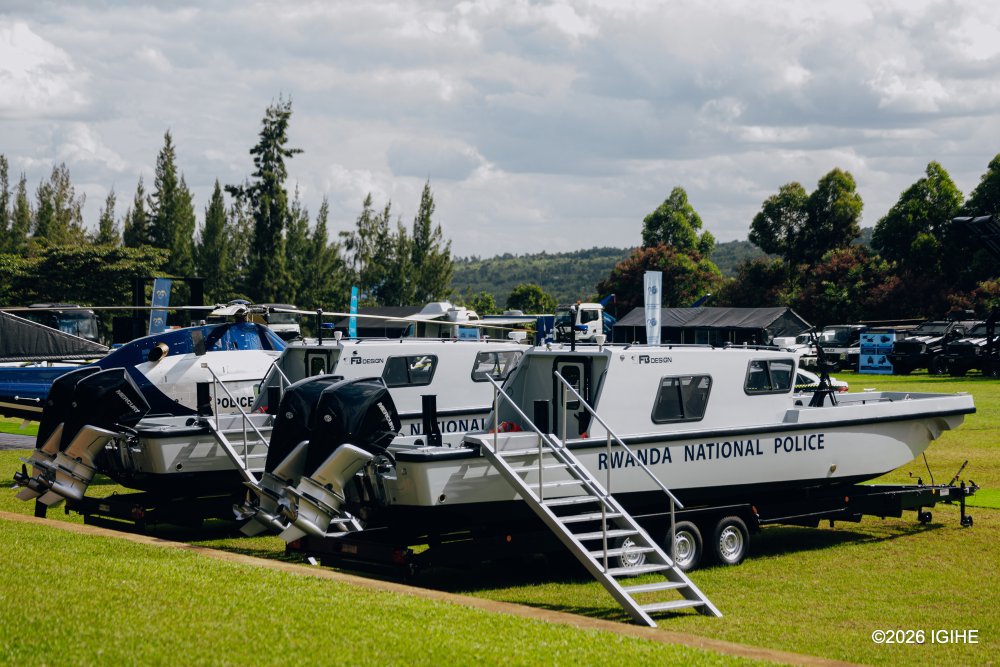
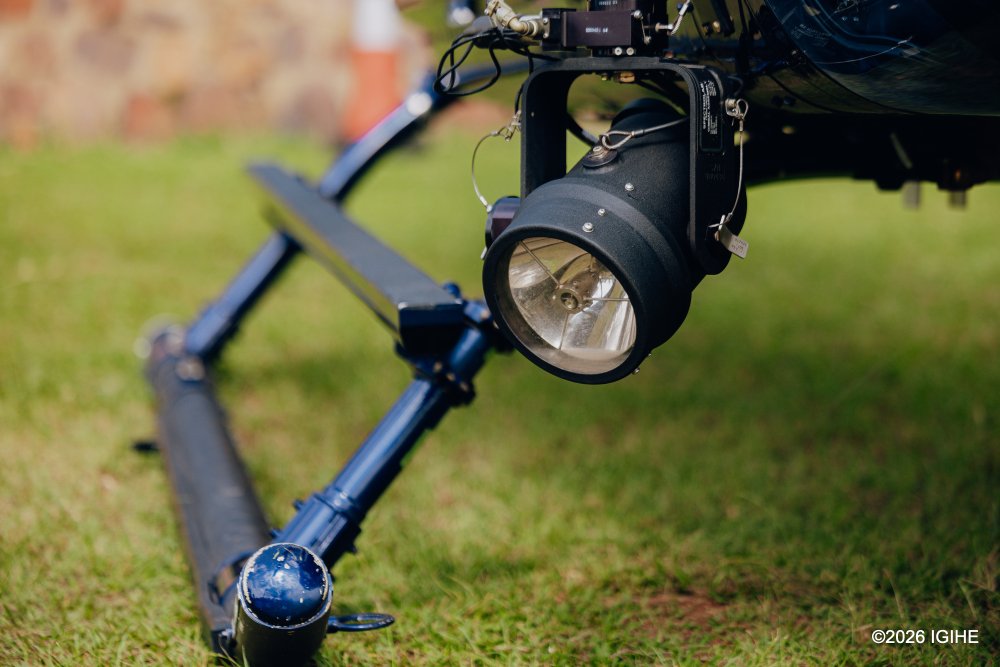
The marine policing unit is equipped with modern boats designed with advanced technology. These vessels are used for transporting personnel, conducting patrols, and carrying out rescue operations on large water bodies. They are fitted with cameras capable of capturing real-time images, as well as powerful lighting systems that allow clear visibility during night operations or emergencies.
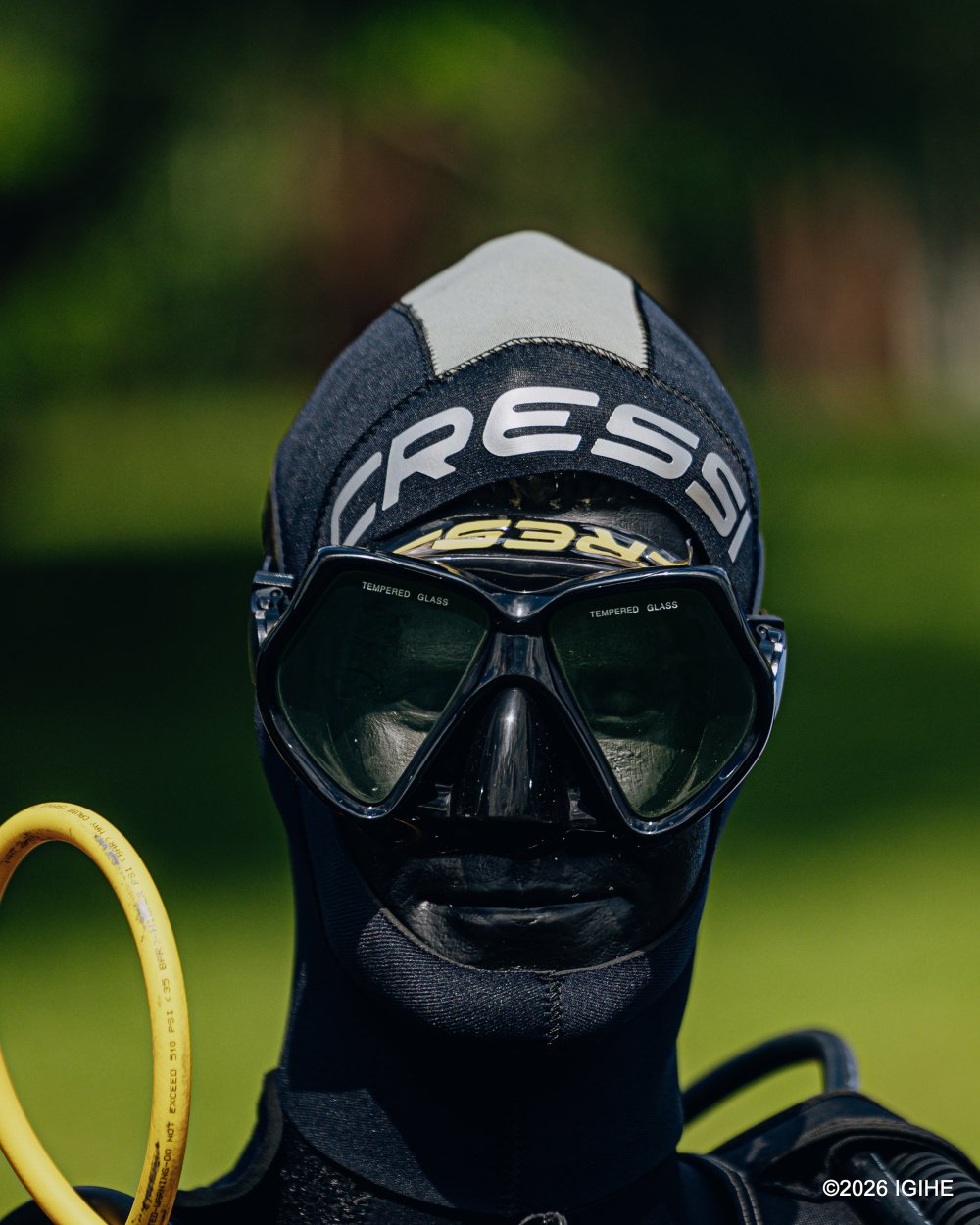
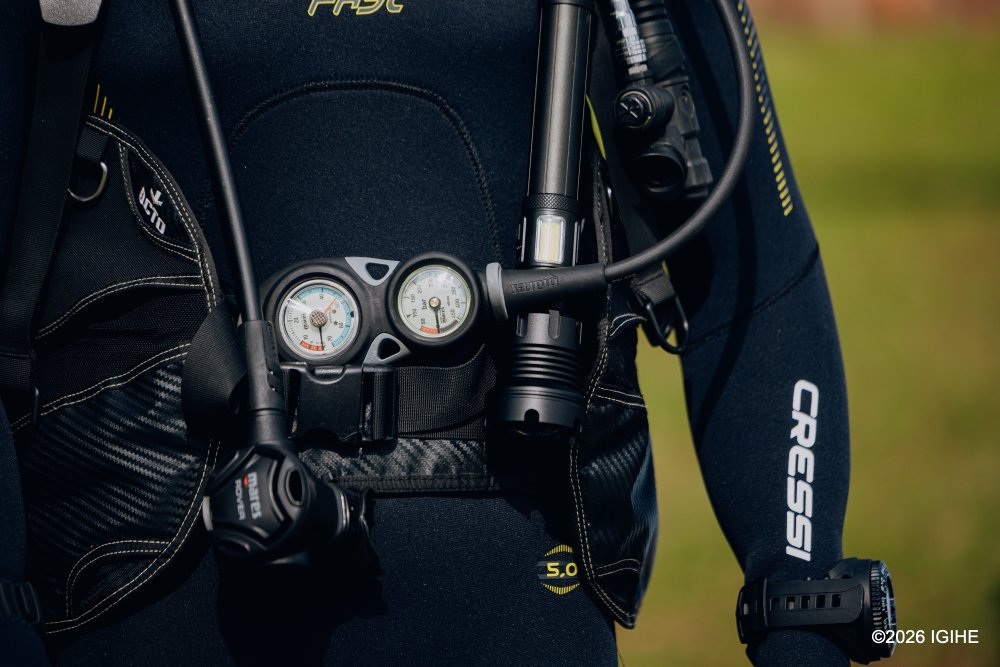
Police officers assigned to water security also use specialized diving equipment. This allows them to conduct underwater search operations, retrieve objects, and rescue individuals who may have drowned or be in distress.
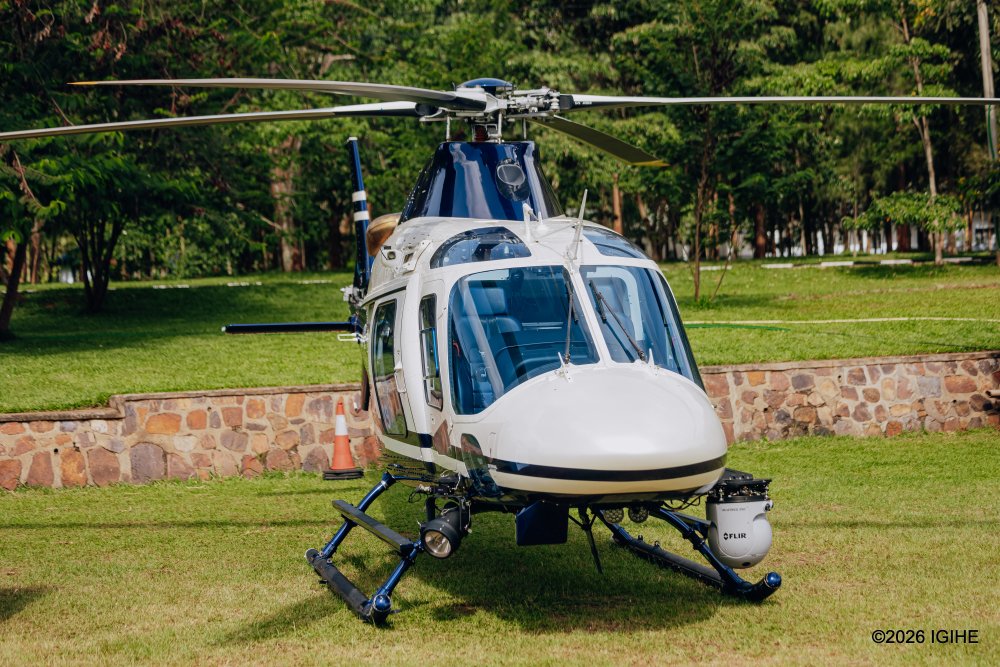
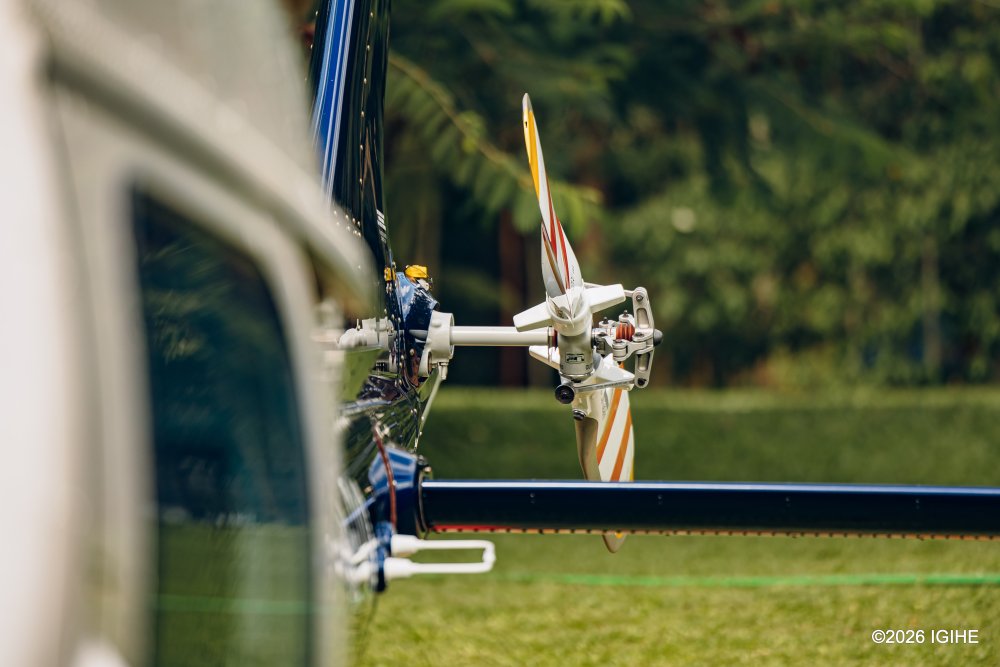
In aerial surveillance, the police rely on helicopters that patrol different areas of the country. These aircraft are used to monitor security situations, capture aerial images, and transmit real-time information to ground units for quick response.
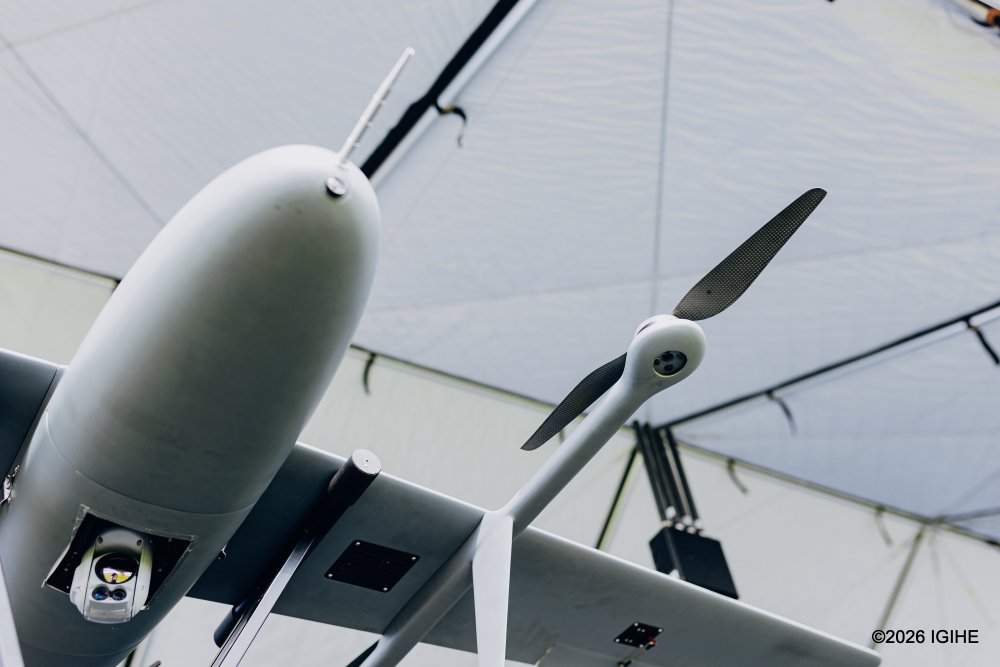
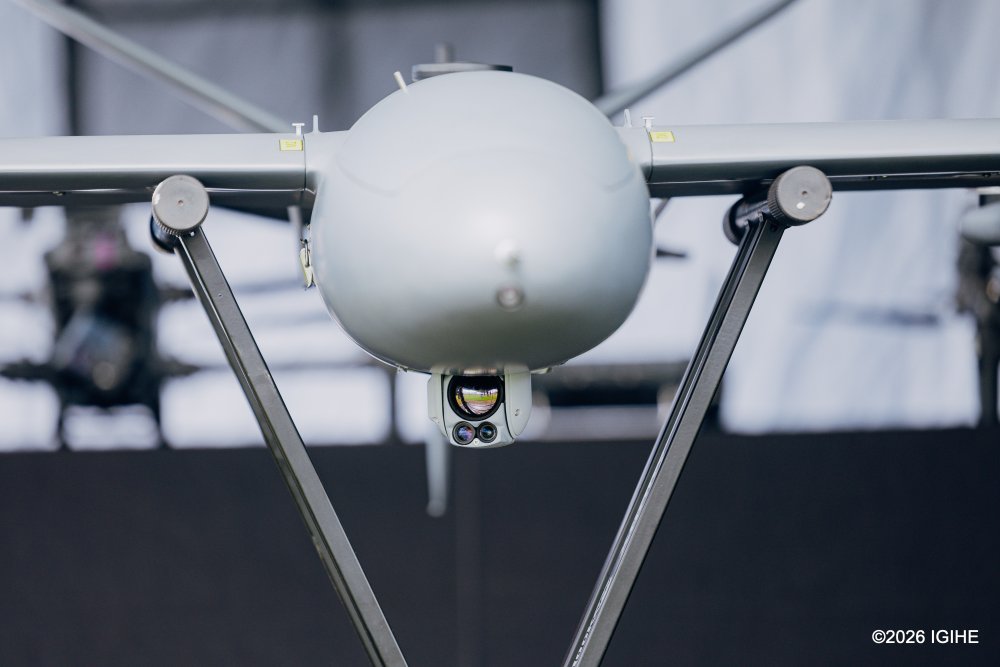
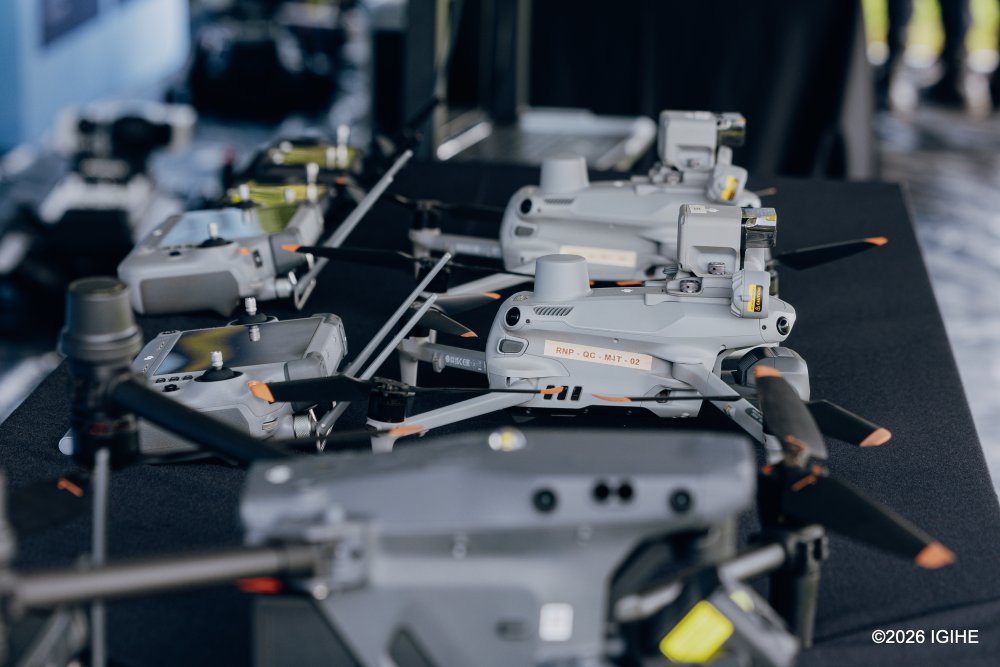
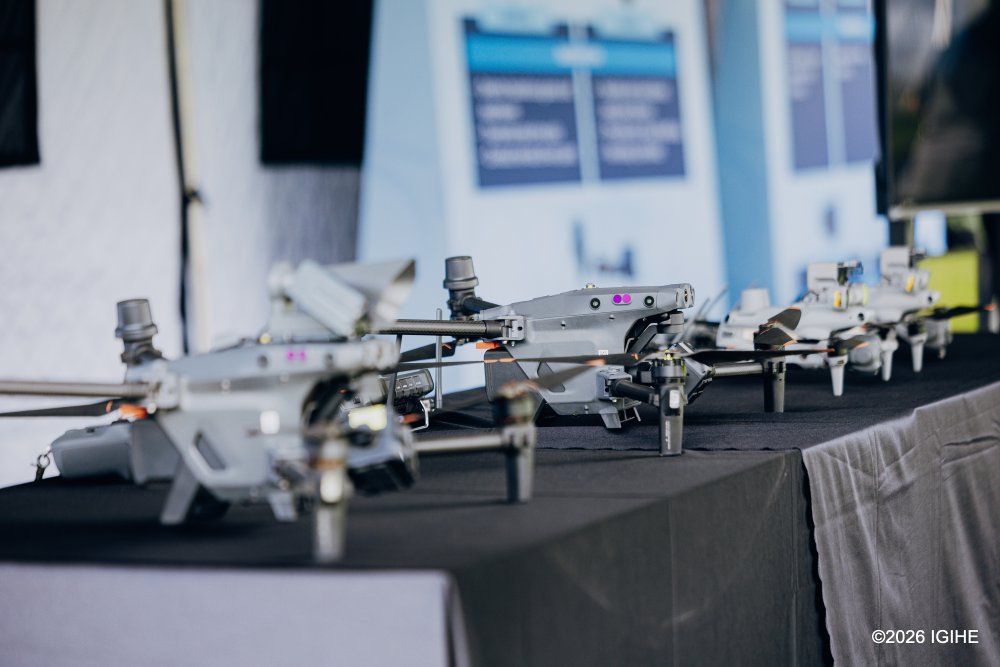
Alongside helicopters, drones have become one of the most widely used tools in modern policing. More unmanned aerial vehicles are expected in the near future to be deployed for various purposes.
According to CIP Félicien Kanamugire, head of the drone operations unit in the Rwanda National Police, drones perform multiple tasks depending on their design and purpose.
Some drones are high-speed, capable of flying up to 100 kilometers per hour and remaining airborne for up to four hours without recharging.
They are equipped with high-resolution cameras that transmit live footage directly to operators on the ground.
Other types are designed for low-speed and short-duration missions but are equipped with advanced night-vision cameras and strong lighting systems, making them effective for nighttime surveillance.
“These drones can even detect a person hiding under trees. For example, in areas like Nyungwe Forest, they can identify individuals, track movement, and even help estimate numbers,” CIP Kanamugire explained. “They can also follow vehicles and monitor their movement until the end destination.”
Some drones are also fitted with loudspeakers used for public communication and awareness campaigns. These allow police to broadcast messages while in flight, making them useful in crowd control and public information dissemination.
The police also plan to expand their drone fleet with new models designed for specialized missions, including firefighting support. These drones are expected to assist in extinguishing fires in high-rise buildings or areas that are difficult for fire trucks to reach.
Future additions also include drones capable of assisting in public order management. These will be able to spray water or non-lethal substances such as paint to disperse unlawful gatherings, while also providing live aerial monitoring.
Robotics and explosive disposal
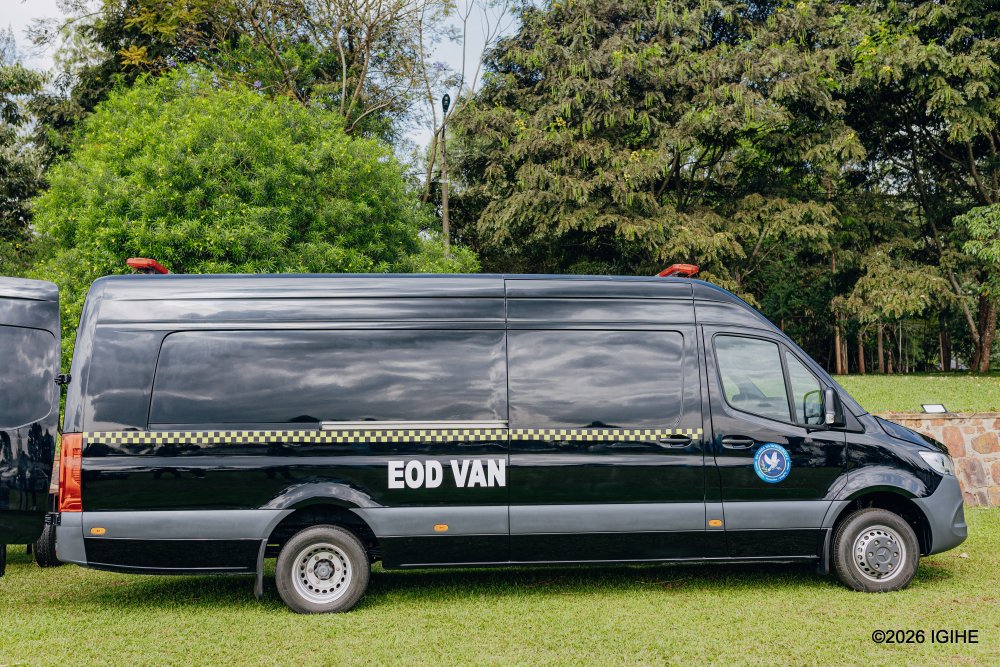
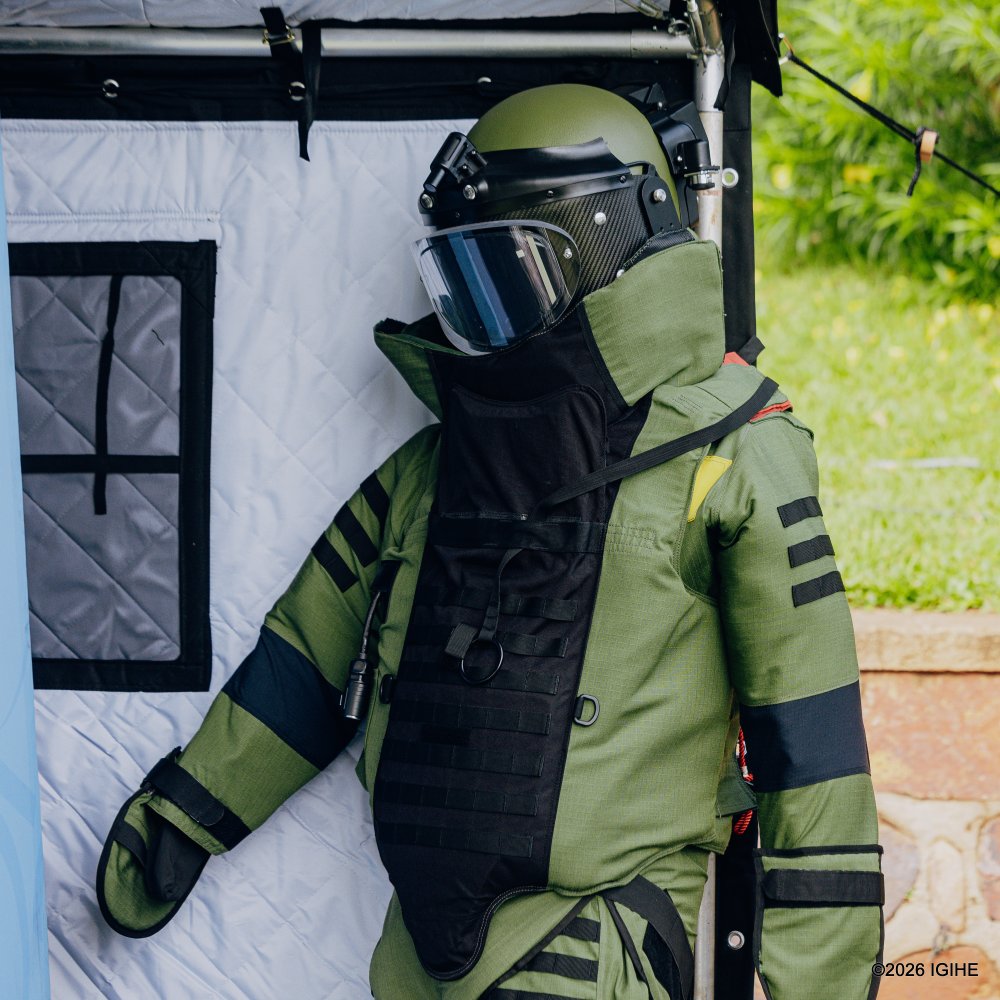
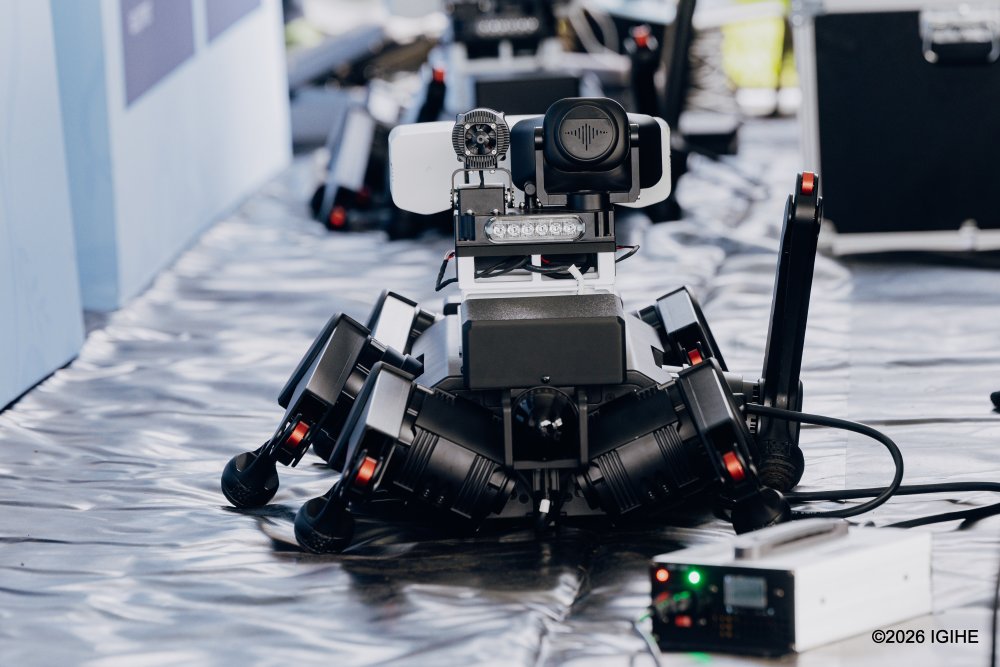
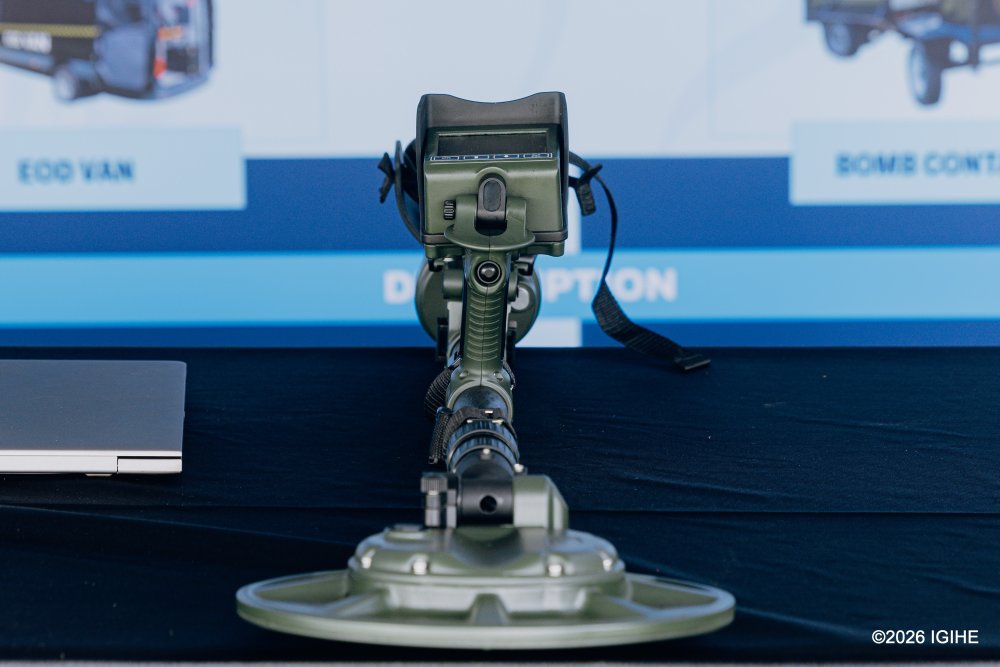
The Rwanda National Police also uses advanced robotics technology in explosive ordnance disposal. These robots are designed to detect and neutralize explosive devices without exposing officers to danger.
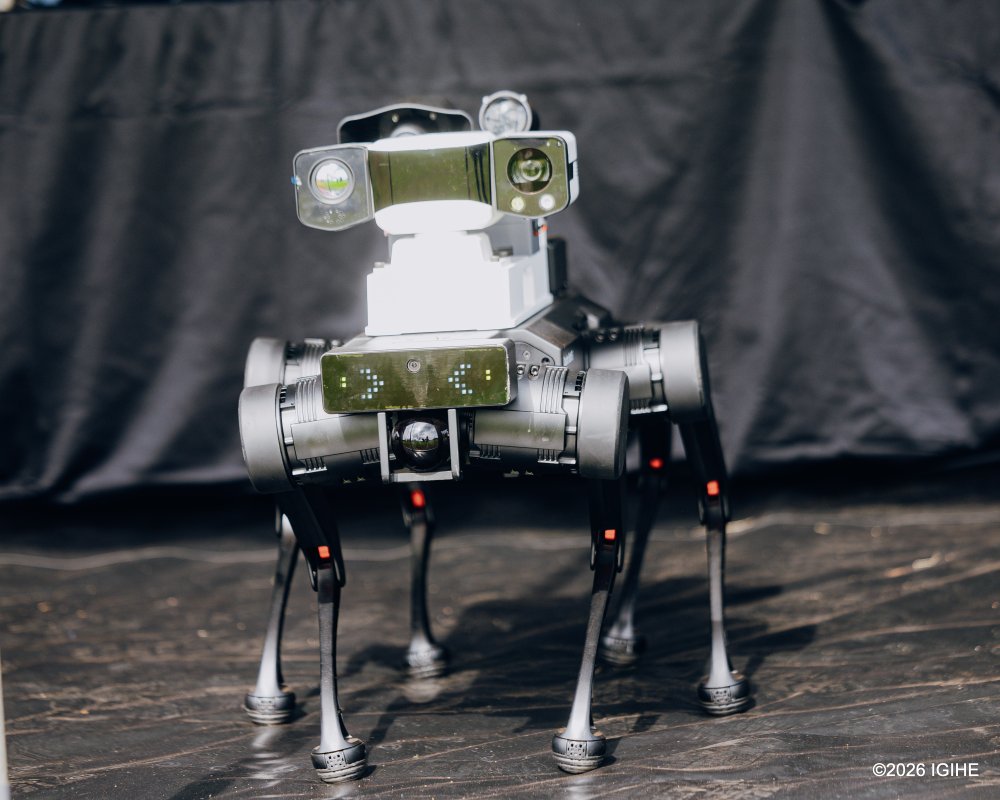
According to CIP Joseph Biziyaremye, head of the explosives unit, some of these machines—known as “robotic security dogs”—are capable of detecting explosives and toxic substances. They transmit information to operators who remain safely inside armored vehicles.
There are also robots designed specifically for bomb disposal operations. These machines can enter buildings, conduct searches, and handle suspicious objects that may pose a threat to public safety.
Some are even equipped with firearms, allowing them to neutralize armed threats when necessary. Canine unit and training systems
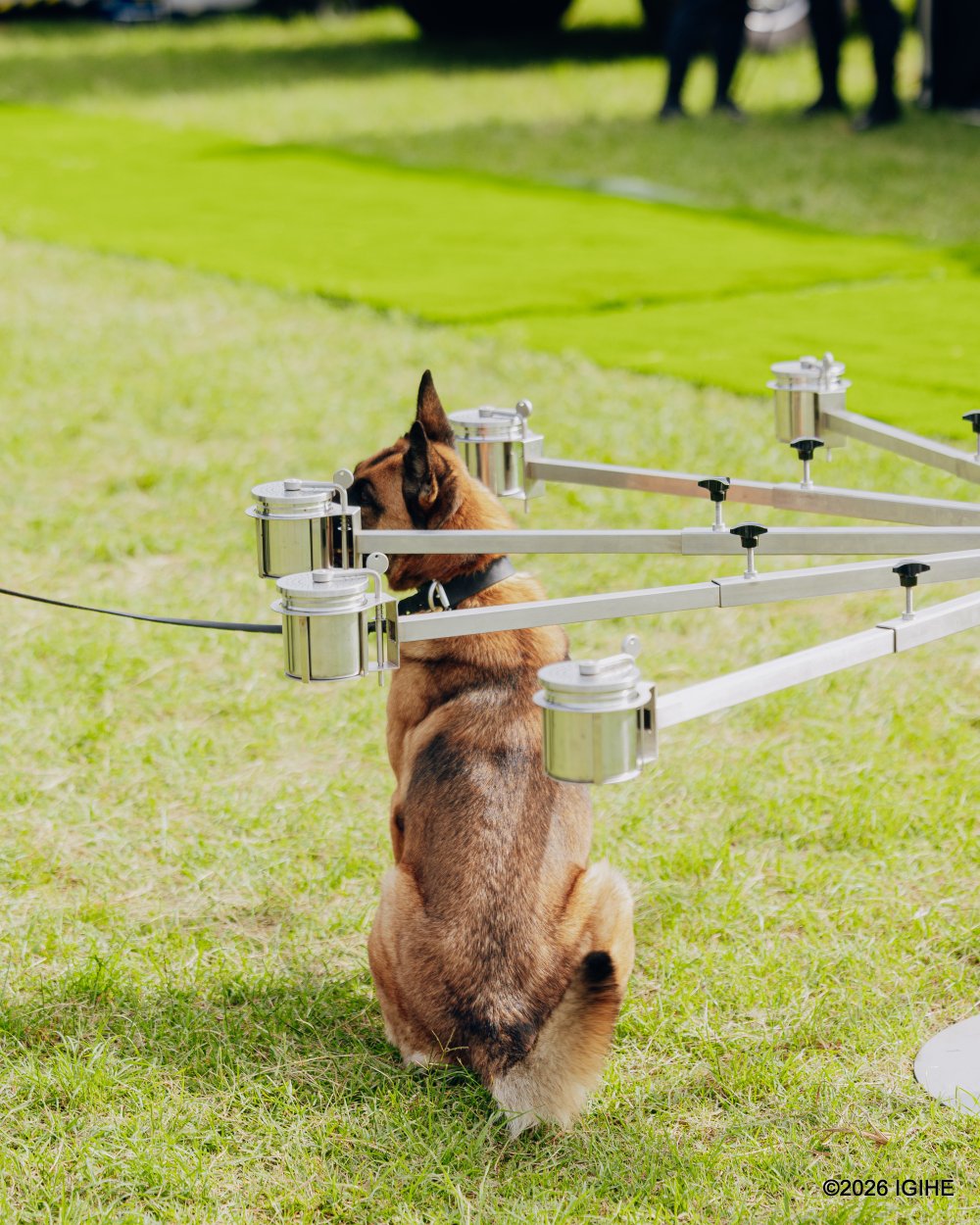
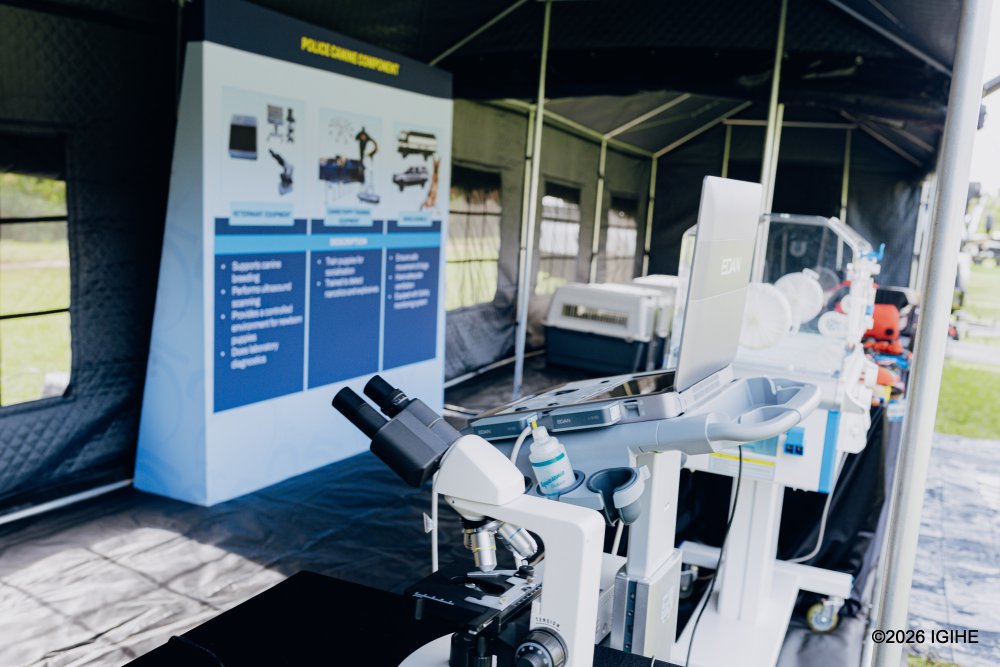
The police canine unit plays an important role in security operations. Trained dogs assist in searching, detecting narcotics, identifying explosives, and supporting various policing tasks.
RNP currently has a program to expand its dog breeding and training capacity locally, reducing the need to import trained dogs from abroad.
This initiative aims to strengthen internal capacity and improve efficiency in canine operations.
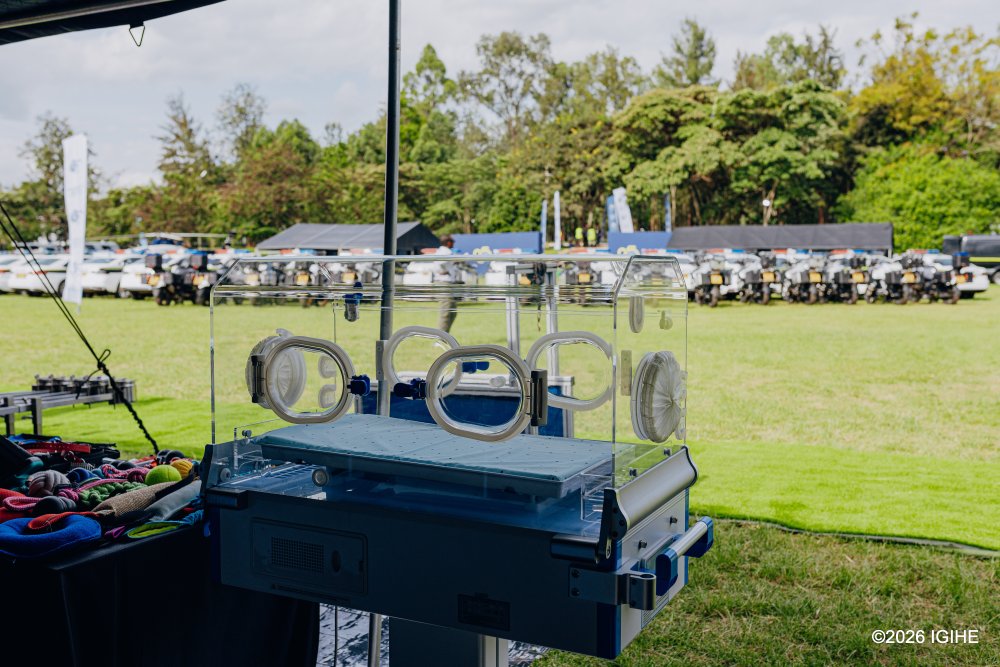
The training process is highly structured. It begins from birth, where puppies are carefully monitored and cared for using veterinary equipment, including systems similar to incubators when necessary.
As the dogs grow, they undergo physical training and continuous development programs to prepare them for operational duties in different security environments.
Public order and transport equipment
Rwanda National Police also uses specialized equipment for crowd control during demonstrations or public disturbances.
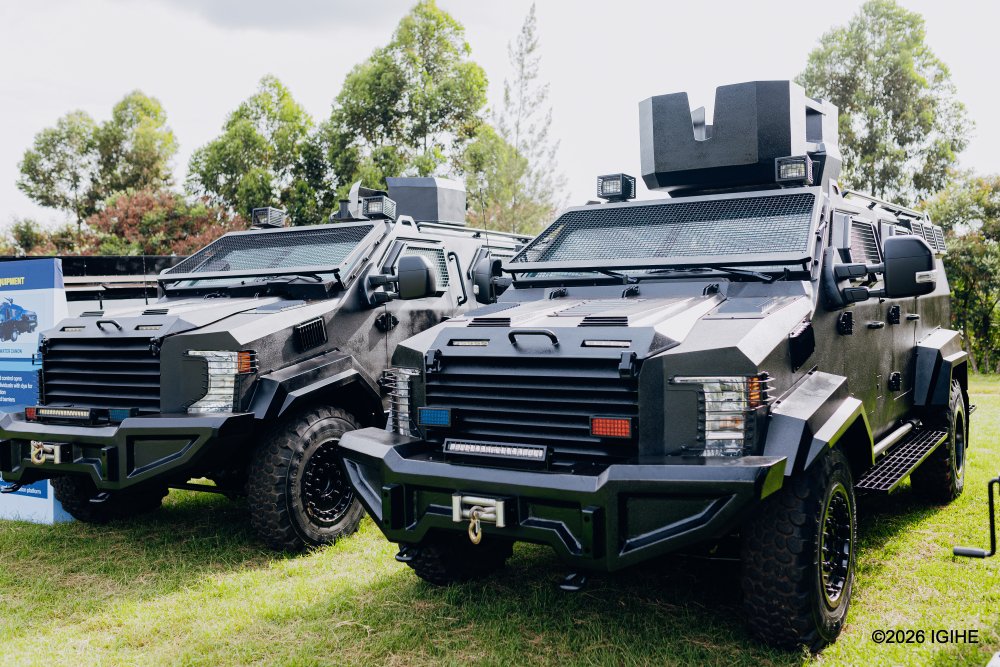
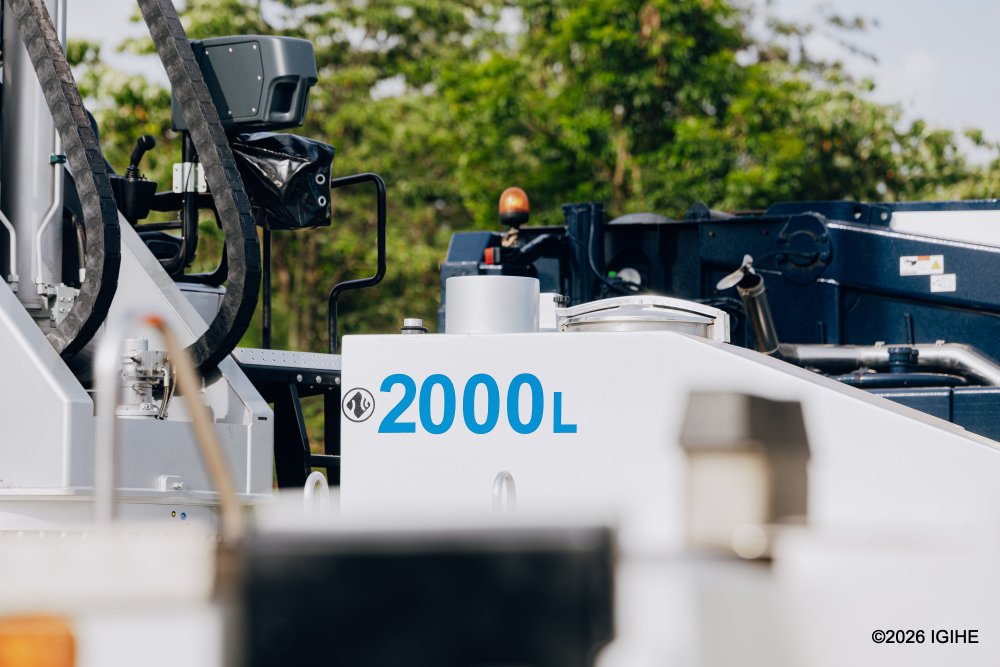
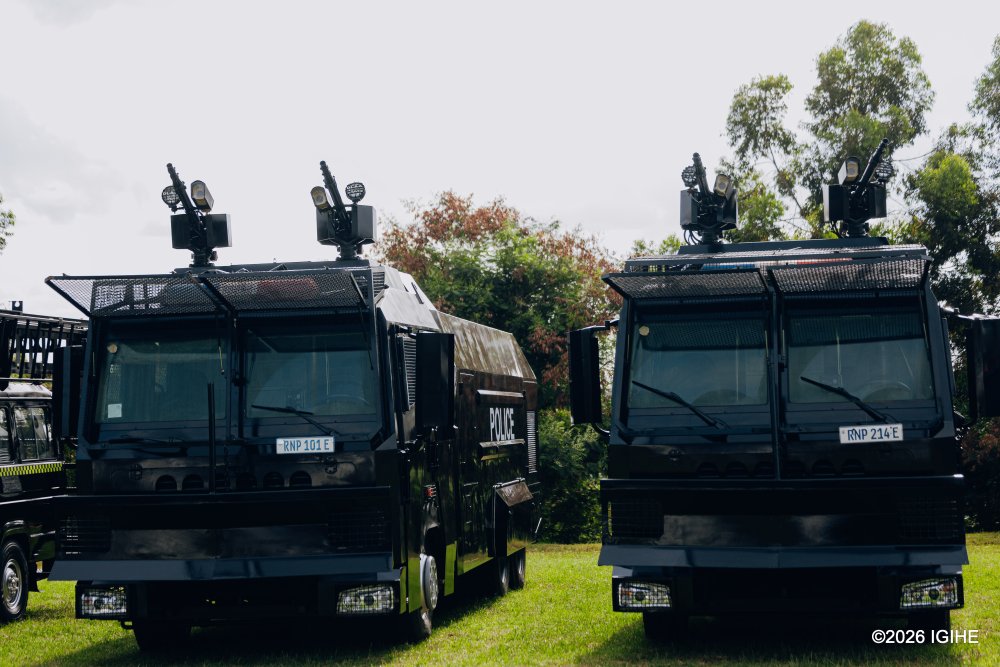
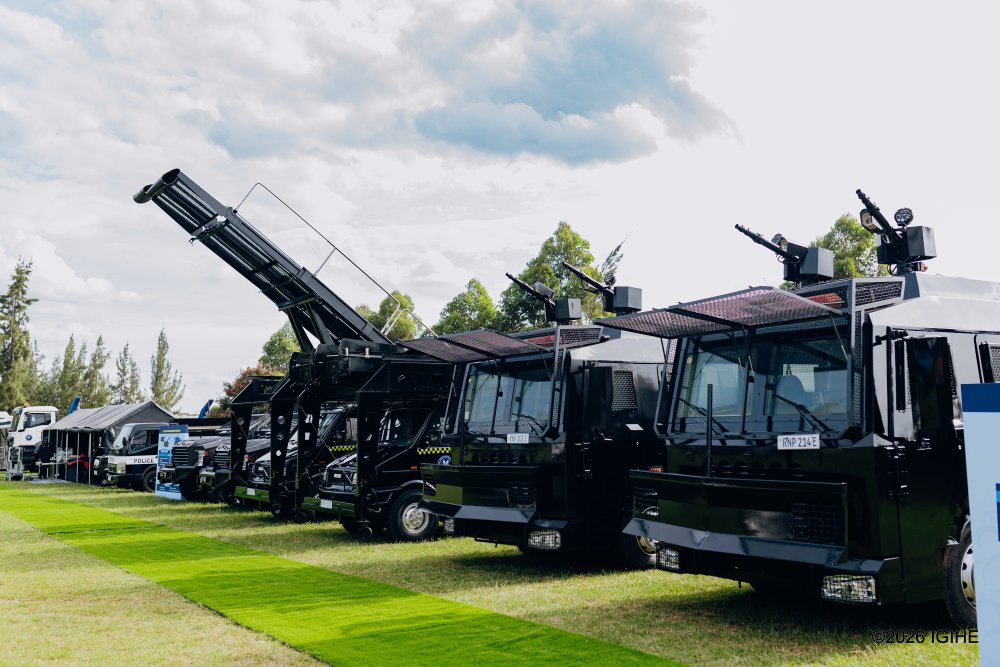
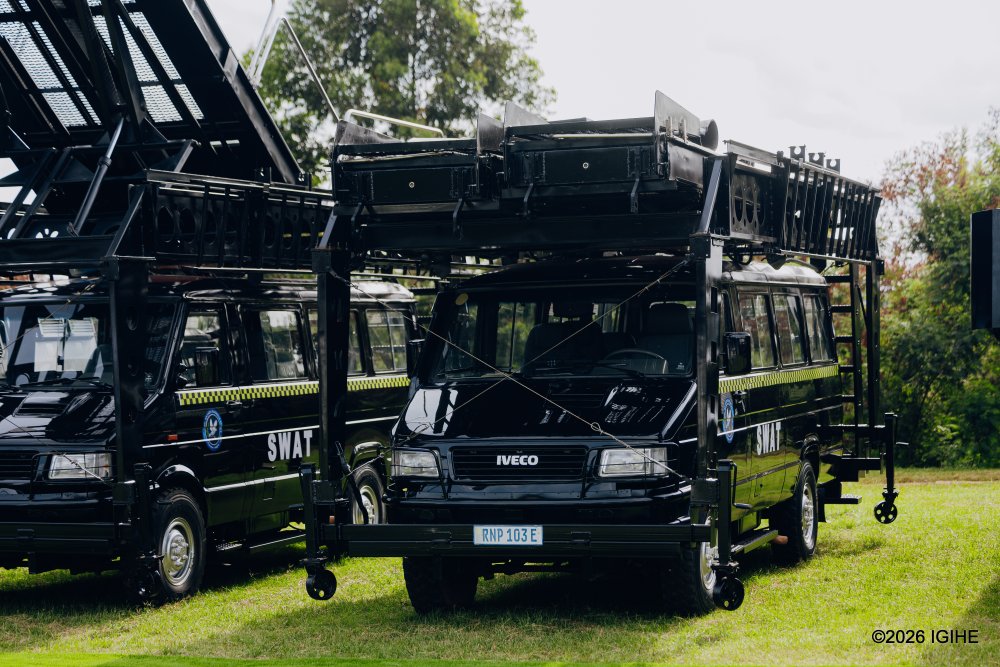
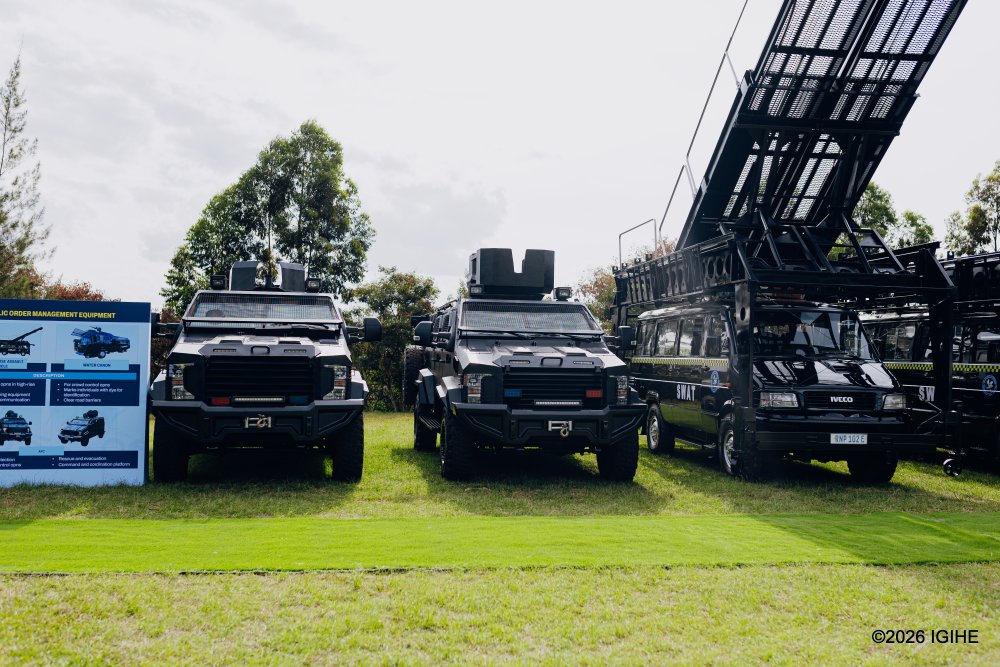
These include armored vehicles capable of transporting officers safely, as well as water cannon trucks and systems designed to disperse crowds using water or irritant sprays.
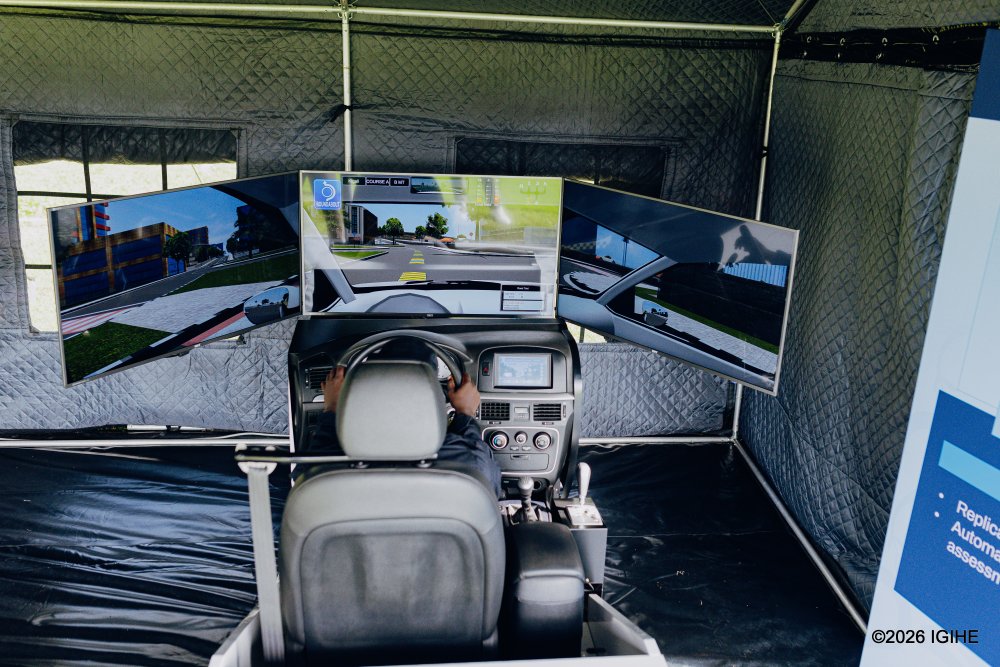
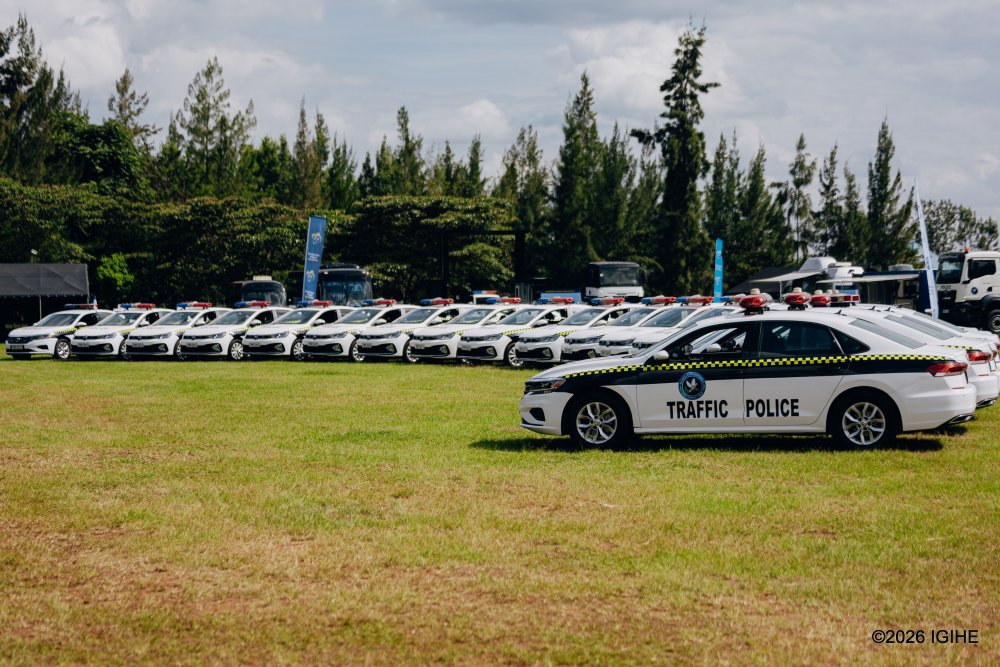
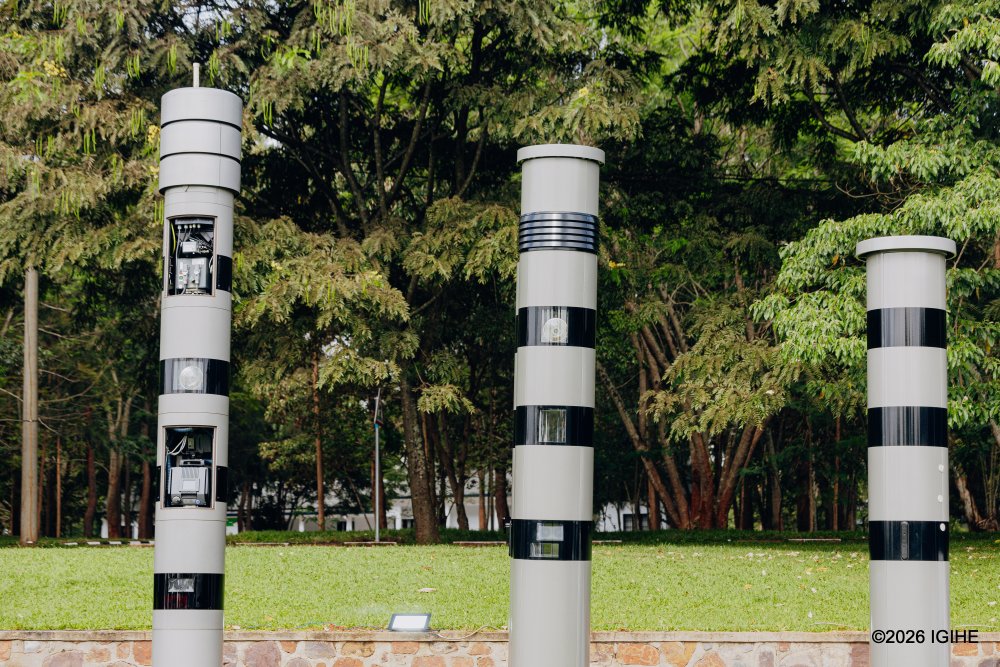
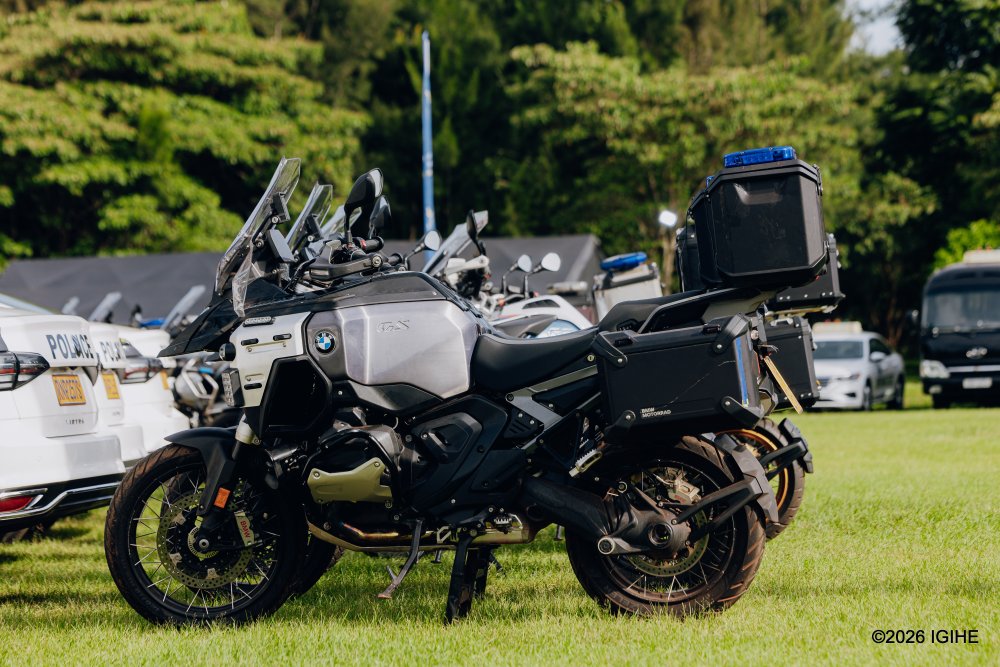
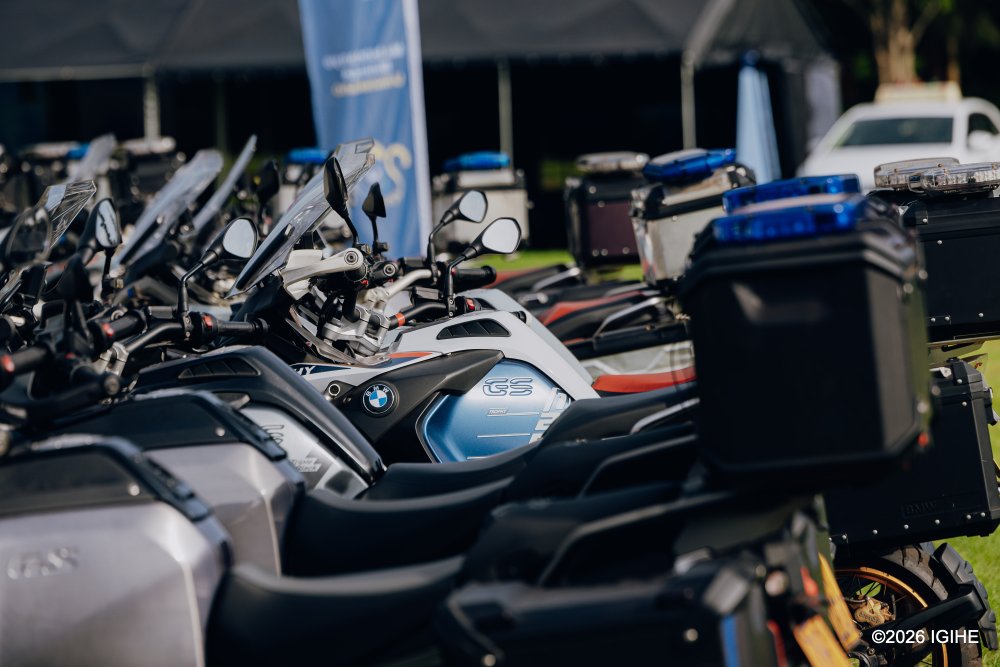
The traffic police unit is equipped with motorcycles, patrol vehicles, and advanced surveillance cameras used to monitor road safety and enforce traffic regulations.
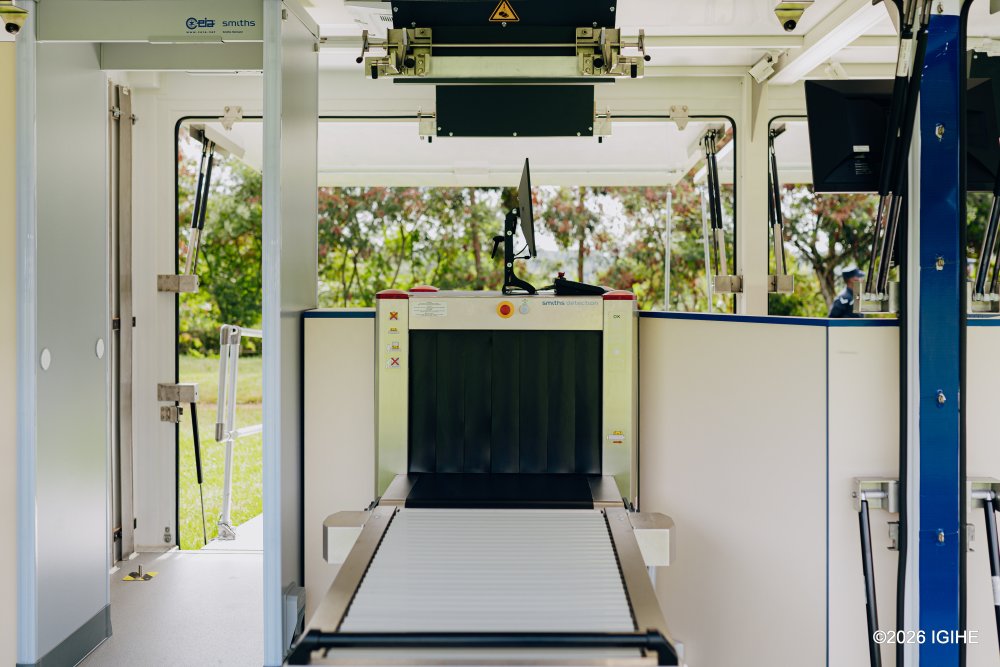
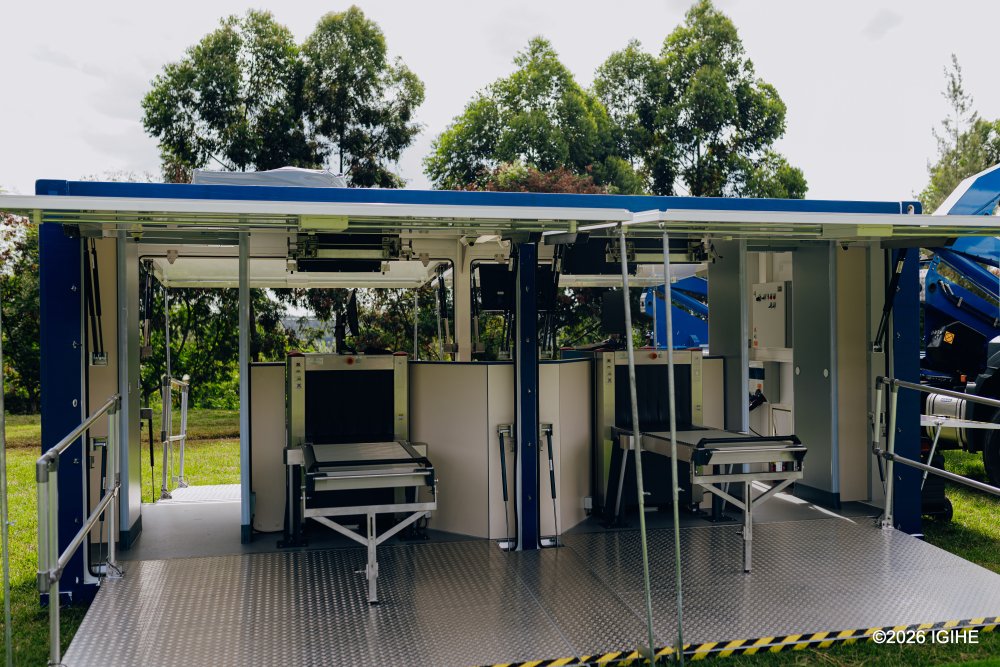
In addition, modern screening technologies allow large groups of people to be searched efficiently without requiring physical contact with officers.
Fire and rescue services
The fire and rescue department has also undergone major transformation since its establishment in 2002.
At its inception, the unit had only one fire truck nationwide, during a period when the country was still recovering from the aftermath of the 1994 Genocide against the Tutsi.
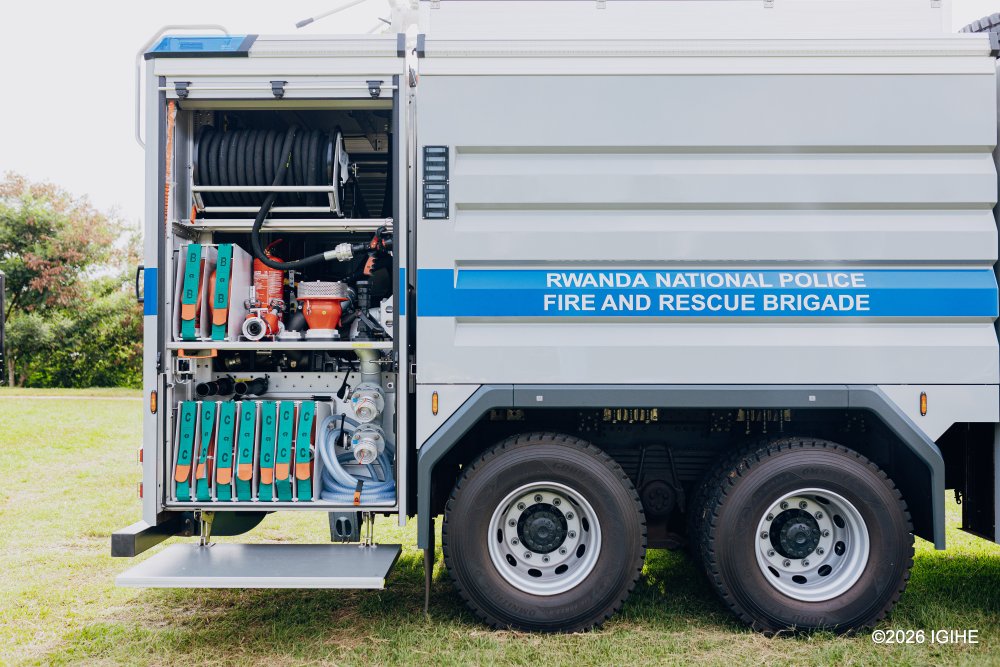
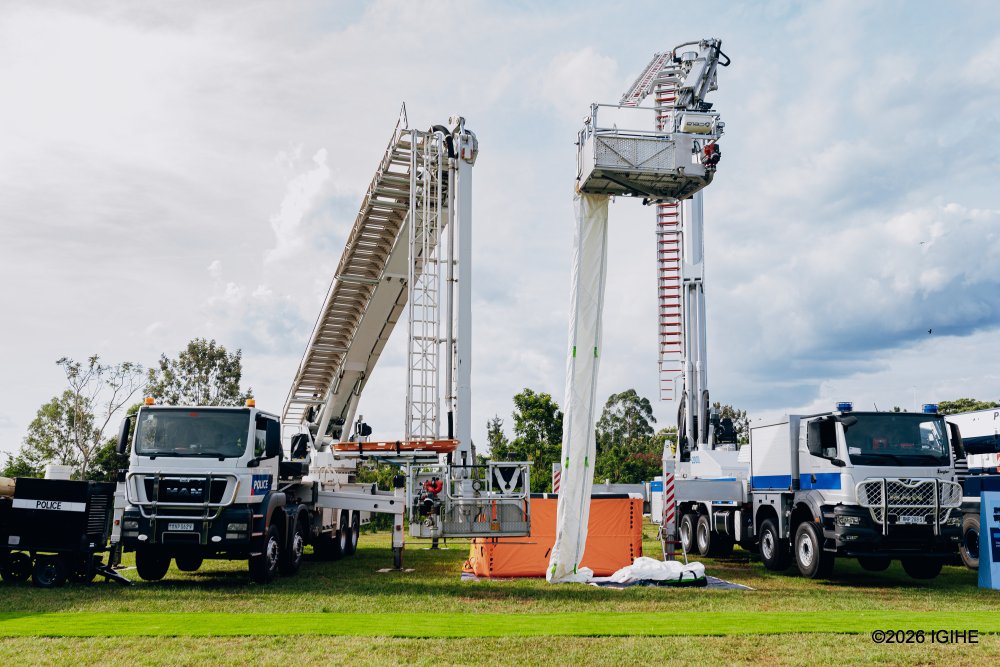
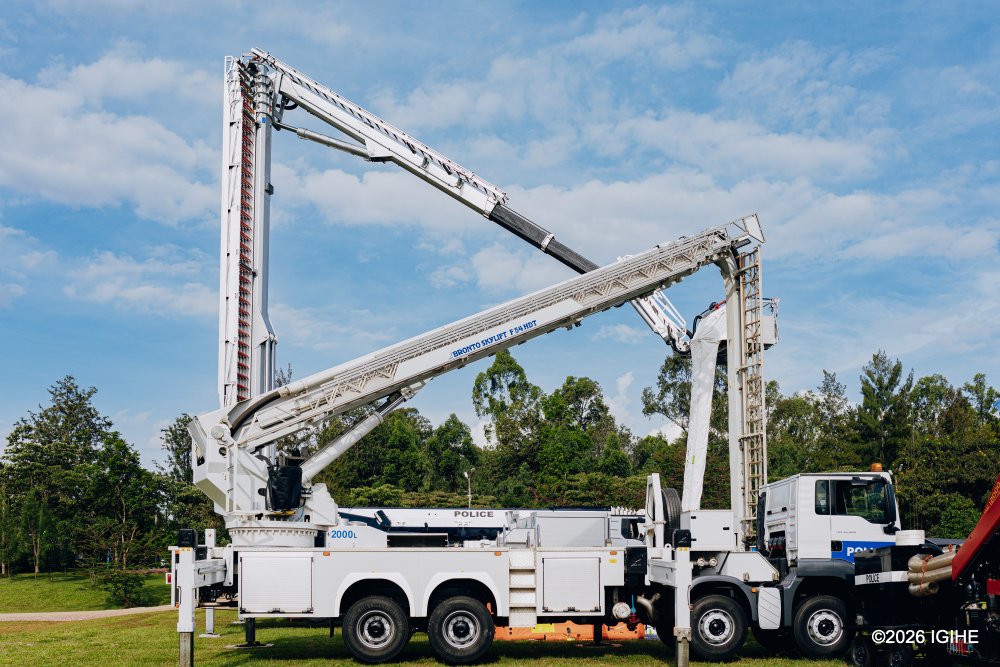
Today, the department has a fleet of fire trucks stationed across the country. Some are capable of extinguishing fires in high-rise buildings exceeding 50 meters in height and can also assist in rescuing people trapped in tall structures.
In Kigali, fire trucks are strategically positioned in key locations such as UTC, Remera, Masoro industrial zone, and Kacyiru at police headquarters, ensuring rapid response in case of emergencies anywhere in the city.
Over 25 years, the Rwanda National Police has evolved into a modern, technology-driven institution equipped with advanced tools across land, air, and water operations.
This evolution reflects a broader transformation in Rwanda’s security sector, where innovation and technology now play a central role in ensuring public safety and national development.
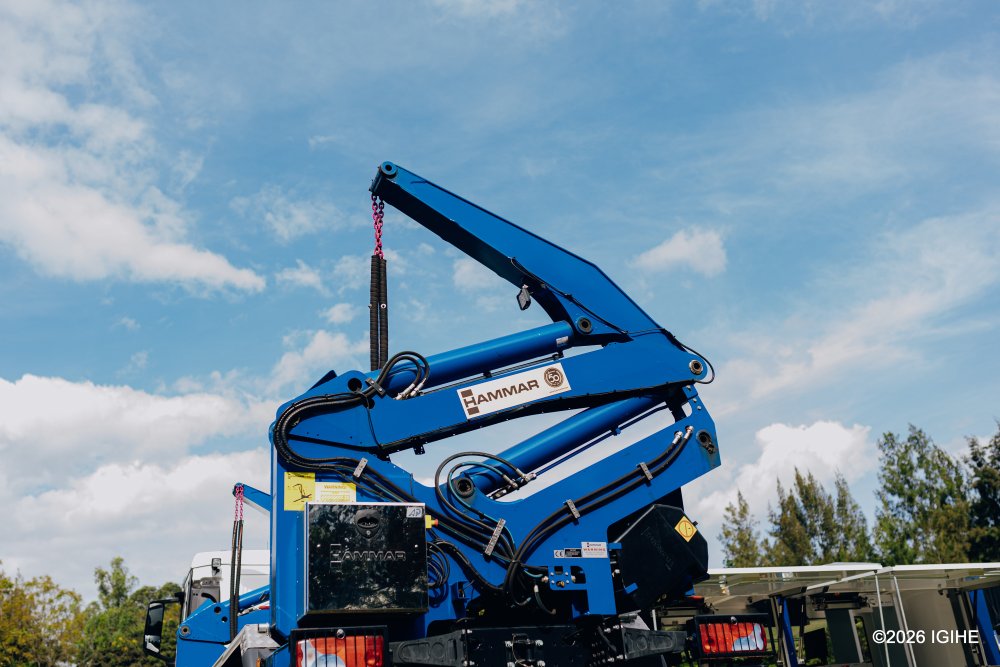
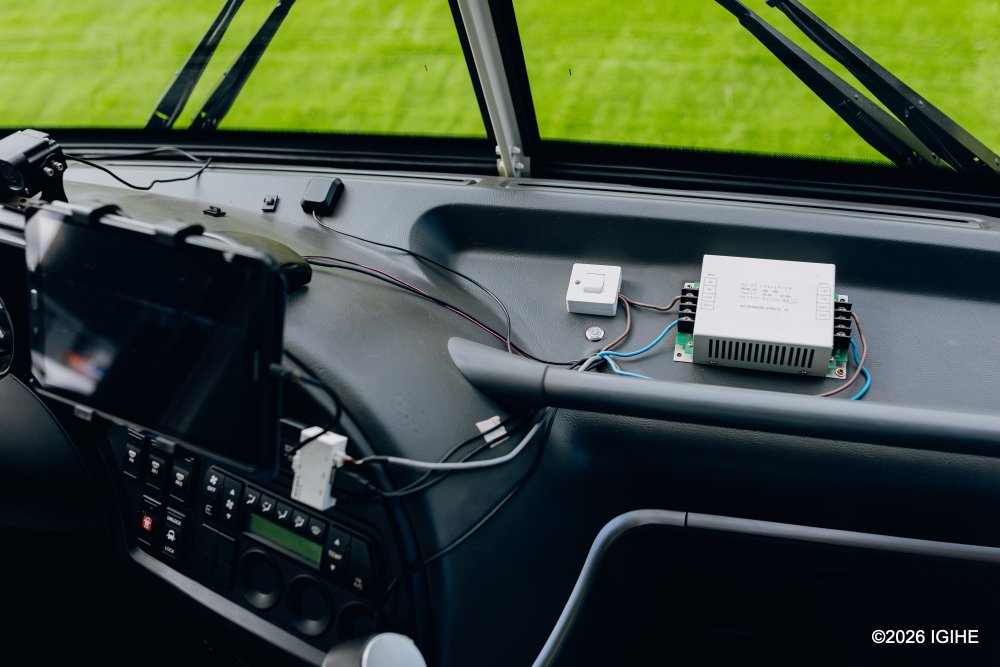
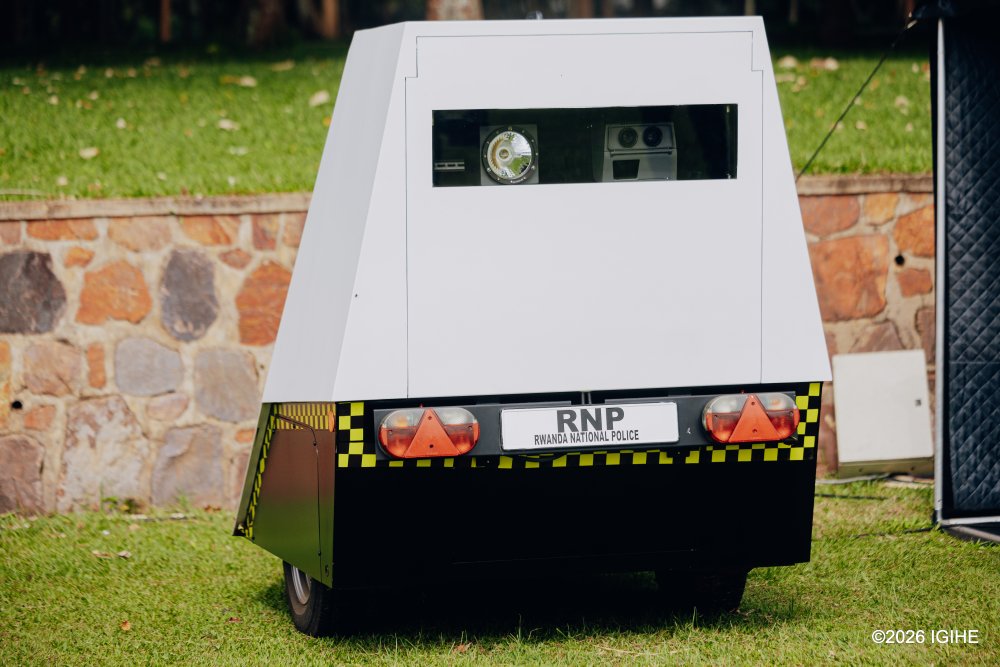
The police marine unit uses modern boats equipped with cameras and lighting systems for rescue and patrol missions.Rwanda National Police officers use specialized diving equipment for underwater search and rescue operations.Helicopters are deployed by RNP for aerial surveillance and real-time security monitoring across the country.Some RNP drones can fly at high speeds and remain airborne for several hours during missions.Drones have become essential tools in Rwanda Police operations for surveillance and public safety management.High-resolution drone cameras provide real-time footage to operators on the ground for quick decision-making.Night-vision drones are used by police to monitor security situations during low-light conditions.Rwanda National Police uses robotics technology for safe and effective explosive ordnance disposal.Bomb disposal robots are used to enter buildings and neutralize potential threats safely.The RNP canine unit plays a vital role in detecting narcotics, explosives, and supporting security operations.RNP uses incubator-like systems to care for young puppies when necessary.Armored vehicles are used by RNP for safe transport of officers during crowd control operations.The traffic police unit uses motorcycles and patrol vehicles to enforce road safety regulations.Advanced surveillance cameras are used by RNP to monitor traffic and improve road safety.Some fire trucks in Rwanda can extinguish fires in buildings over 50 meters high.Fire trucks are strategically positioned in Kigali to ensure rapid emergency response.Rwanda National Police continues to expand its technological capacity across all security units.Rwanda National Police seeks expansion of its local dog breeding and training program to strengthen capacity.Modern screening technologies allow police to search large crowds without physical contact.These machines can be used in the event of an accident to save human lives.These vehicles can spray water or tear gas to disperse protesting crowds.These vehicles are equipped with cameras that can record footage, allowing the police to identify every individual who took part in protests.These motorcycles are used in traffic security and road safety operations.
Rift Valley Regional Police Commander Samuel Ndanyi said the inferno broke out at around 1:00 a.m. (2200 GMT Wednesday) in a student dormitory.
“At least 10 students are confirmed dead, and the injured have been rushed to the hospital,” Ndanyi said, noting that firefighters were deployed to the scene to contain the blaze and evacuate students from the affected dormitory.
“Some students remain missing, and counting is underway to establish the exact number,” he added.
The cause of the blaze remains unclear, and criminal investigators and forensic experts are at the scene.
The Kenya Red Cross Society confirmed that the fire was reported at around 3:30 a.m. (0030 GMT), prompting an immediate rescue deployment.
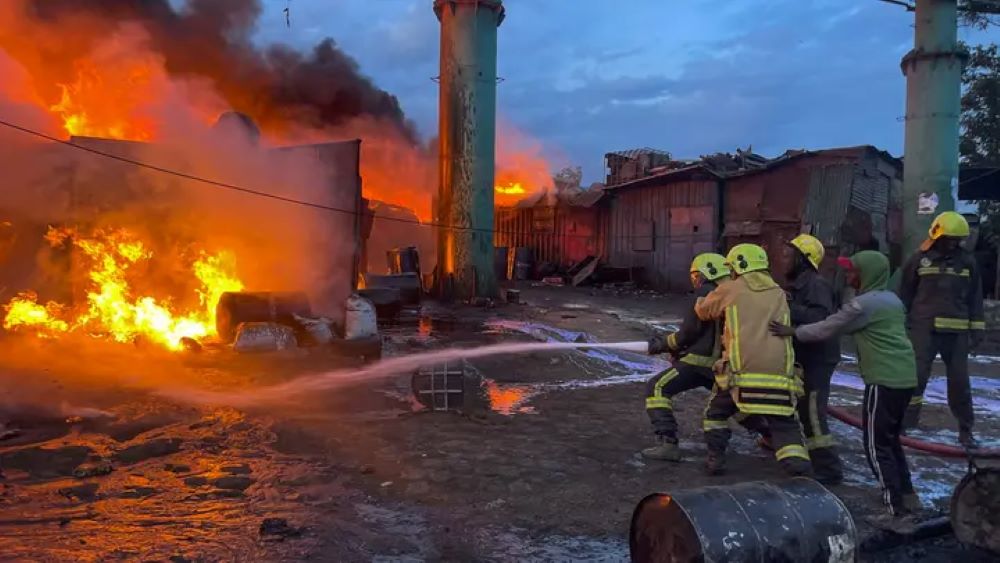
Firefighters attempot to extinguish fire at a commercial depot used for oil barrels and flammable drums near Muthurwa settlement in Nairobi, on January 30, 2024. Photo by Reuters
The lender’s financial results for the period ending March 31, 2026 also show net operating income rising 18% to Rwf 19.7 billion, reflecting sustained business momentum despite a challenging global economic environment.
Total assets increased by 19% year-to-date to Rwf 1.3 trillion, while net loans grew sharply by 26% to Rwf 613.8 billion, supported by strong demand from SMEs, retail customers, and corporate clients aligned with key growth sectors of Rwanda’s economy.
Customer deposits also rose by 22% year-to-date, crossing the Rwf 1 trillion mark, underscoring growing public confidence in the bank.
The strong performance was largely driven by a 40% increase in net interest income, boosted by improved asset yields and efficient balance sheet management. Operating expenses rose by 19%, reflecting continued investments in digital infrastructure, cybersecurity, and talent development.
Despite rising costs, the bank improved its efficiency, with the cost-to-income ratio declining to 44.4% from 47.6% year-to-date. Asset quality remained stable, with a gross non-performing loan ratio of 1.5%, while the capital adequacy ratio stood at 18.1%, well above regulatory requirements.
Chief Executive Officer Benjamin Mutimura said the results demonstrate resilience in a difficult global environment.
“The first quarter of 2026 reflects the continued resilience of our business model in a complex and evolving global environment. While external conditions remain uncertain, we have maintained a disciplined approach to execution, with a focus on customer-led growth and delivering sustainable long-term value for our stakeholders,” he said.
He added that customer engagement continued to strengthen business performance.
“We continue to see strong confidence from our customers, our focus on improving the customer experience is contributing to stronger interaction levels and is having a positive impact on overall business performance,” Mutimura said.
During the quarter, the bank accelerated its digital transformation through the “Tsinda na Banki Muhorana” campaign, encouraging increased use of mobile and online banking services.
It also expanded its sustainability agenda through a partnership with the Rwanda Green Fund to support agritech SMEs focused on climate-resilient solutions.
In addition, the bank advanced inclusive finance through its “Berwa” women-focused programme, offering tailored financial services, mentorship, and financial literacy support. The initiative earned the bank recognition as Corporate Champion for Women in Leadership 2026 at the RWIBA awards.
Mutimura said the bank remains confident in sustaining growth while navigating ongoing macroeconomic uncertainty.
Incorporated in 1963, I&M Bank (Rwanda) PLC holds the distinction of being the oldest bank in Rwanda. It is a subsidiary of I&M Group PLC, a leading regional financial services group in Eastern Africa with a presence in Kenya, Tanzania, and Uganda, and a joint venture with CIEL Group (Bank One) in Mauritius.
With a comprehensive portfolio of personal, business, institutional, and corporate banking products available at its various locations, I&M Bank Rwanda caters to a diverse range of customer needs.
I&M Bank (Rwanda) PLC holds the distinction of being the oldest bank in Rwanda.
The final list of candidates approved to contest in the FERWACY elections scheduled for May 31, 2026, was released on Saturday, May 23, 2026.
Gahitsi, who had been nominated for the presidency by Les Amis Sportifs as a federation member, decided to withdraw from the race after his club also fielded another candidate for the position of First Vice President. The club reportedly agreed to focus on that position instead.
The First Vice President race will now feature Makuza Clement Anastase Rwigimba of Les Amis Sportifs as the sole candidate after Mpatswenumugabo Jean Bosco also withdrew his candidacy for personal reasons.
Ishimwe Jean Hubert, who previously served as Coordinator of Tour du Rwanda 2026 and was nominated by Bugesera Cycling Team, is now the only candidate contesting for the FERWACY presidency.
Other candidates confirmed on the final list include Niyonzima Gildas and Umuhoza Ange Belyse, who will compete for the position of Second Vice President.
Ruyonza Arlette, who served as Secretary General in the outgoing committee, is seeking re-election for the same position. Katabarwa Daniel, the outgoing treasurer, is also seeking another term, while Bizimana Albert is contesting for the auditor position.
Candidates vying for advisory roles include Karambizi Rabini-Hamim, Nsengumuremyi Florent, Mupenzi Christophe Rene, Ntembe Jean Bosco and Nsengiyumva Jean Claude.
Campaign activities will run from May 24 to May 30, while elections will take place on May 31, 2026, followed immediately by the announcement of the federation’s new leadership for a five-year term.
The outgoing FERWACY Executive Committee was led by Ndayishimiye Samson, who was elected in November 2023 to complete the term initially won by the committee headed by Murenzi Abdallah.
Ishimwe Jean Hubert, who previously served as Coordinator of Tour du Rwanda 2026 and was nominated by Bugesera Cycling Team, is now the only candidate contesting for the FERWACY presidency
During the solemn ceremony, Ambassador Bakuramutsa conveyed greetings from President Paul Kagame, the Government, and the people of Rwanda to Pope Leo XIV.
She also reaffirmed Rwanda’s commitment to further strengthening the longstanding relations between Kigali and the Holy See through dialogue, cooperation, and shared values centered on peace, solidarity, and mutual respect.
Several other diplomats accredited to the Holy See also presented their Letters of Credence during the same ceremony, including ambassadors from Bangladesh, Chad, Mauritius, Namibia, Sierra Leone, Sri Lanka, and Yemen.
In his address to the diplomatic representatives, Pope Leo XIV emphasized the importance of diplomacy rooted in dialogue, shared responsibility, mutual respect among nations, and the promotion of peace at a time when the international community continues to face numerous global challenges.
Ahead of the official ceremony, Ambassador Bakuramutsa held a series of diplomatic meetings with senior Holy See officials.
She met with His Eminence Cardinal Pietro Parolin, Secretary of State of the Holy See, as well as Archbishop Paul Richard Gallagher, Secretary for Relations with States and International Organizations, following the presentation of copies of her credentials.
She also held discussions with Archbishop Paolo Rudelli, Substitute of the Secretariat of State, and Monsignor Javier Fernández, Head of Protocol at the Vatican.
The meetings provided an opportunity to discuss the longstanding partnership between Rwanda and the Holy See, as well as avenues for strengthening cooperation in areas of mutual interest.
Rwanda and the Holy See share longstanding and cordial relations, supported in part by the continued contribution of the Catholic Church to Rwanda’s development, particularly in the fields of education, healthcare, social welfare, and community development.
During the solemn ceremony, Ambassador Bakuramutsa conveyed greetings from President Paul Kagame, the Government, and the people of Rwanda to Pope Leo XIV.Ambassador Bakuramutsa presenting credentials to Pope Leo XIV.
Qatar Airways has announced that it will restart two weekly flights to Kigali International Airport (KGL) from June 16, 2026, strengthening connectivity between Rwanda and Doha through Hamad International Airport ahead of the busy summer travel season.
The resumption forms part of Qatar Airways’ wider African network expansion, which also includes the restart of four weekly flights to Seychelles from June 16 and daily flights to Marrakesh from July 1.
The carrier, which resumed passenger flights to Kigali last year after a three-year hiatus, is also increasing frequencies on several African routes amid growing demand for air travel and trade connectivity across the continent.
Among the destinations receiving additional flights are Alexandria, Cairo, Cape Town, Dar es Salaam, Lusaka-Harare, and Maputo-Durban.
In addition, Qatar Airways will launch three weekly flights to Port Sudan beginning July 2, 2026. The flights will operate every Tuesday, Thursday, and Saturday between Doha and Port Sudan.
According to the airline, the expansion is aimed at enhancing travel convenience while supporting sustainable growth and strengthening global connectivity through its Doha hub.
“This summer, Qatar Airways will fly to over 160 destinations worldwide, connecting through its Doha hub, Hamad International Airport,” the airline said.
The airline has won the Skytrax World’s Best Airline award nine times, most recently in 2025. It also received recognition for World’s Best Business Class and World’s Best Business Class Airline Lounge.
Its hub, Hamad International Airport, has been recognised by Skytrax as the Best Airport in the Middle East for 11 consecutive years.
The airline has also partnered with Rwanda’s national carrier, RwandAir, under a comprehensive strategic partnership that includes a codeshare agreement launched in October 2021 to boost global connectivity through Kigali and Doha.
The agreement allows RwandAir customers access to more than 65 destinations across the United States, Europe, and Asia, while providing Qatar Airways with enhanced access to African cities.
Qatar Airways will restart two weekly flights to Kigali International Airport (KGL) from June 16, 2026, strengthening connectivity between Rwanda and Doha through Hamad International Airport ahead of the busy summer travel season.