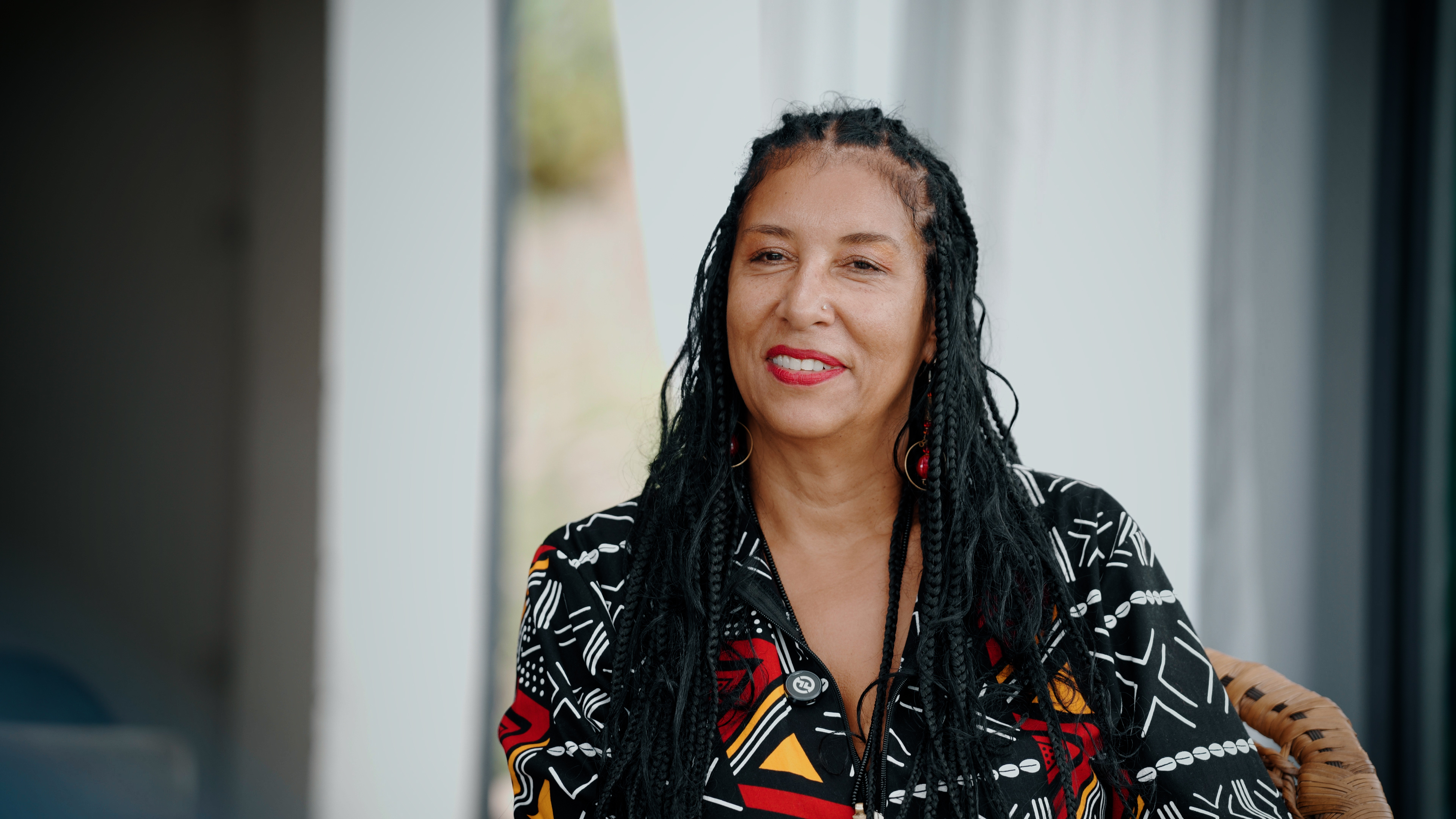
Born and raised in Berkeley and Oakland, Monica never imagined she would one day settle in East Africa. But after the loss of her firstborn daughter following a long hospital stay, her life took a painful turn that forced her to reconsider everything about where and how she wanted to live.
“I was in the hospital with my daughter for nine months in intensive care,” she shared. “Unfortunately, she passed away. That was a really pivotal moment in my life.”
In the aftermath, Monica began searching for a place to heal. That search eventually led her to Rwanda, where she first arrived about a year and a half ago, initially visiting family who had already relocated. She spent time in Kigali and later moved to quieter areas such as Bugesera and Nyamata before discovering land near Lake Cyohoha.
What she found there changed her life again. “Rwanda really touched my heart,” she said. “It’s just so warm and inviting and safe and peaceful.”
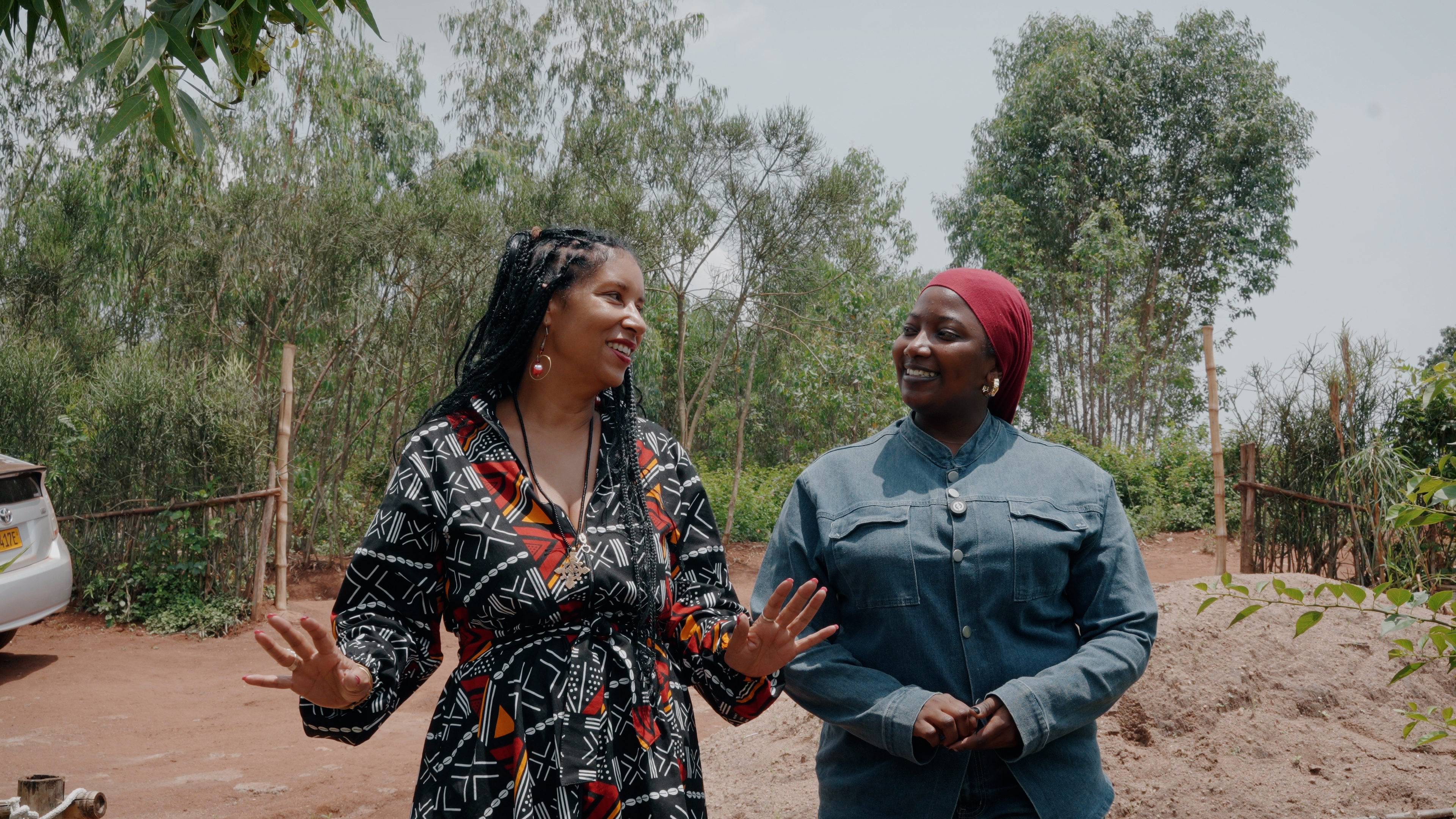
On this land, she began building what she calls Zion Shores, a name inspired by the biblical idea of Zion as a place of peace and restoration. For Monica, it represents both healing and purpose.
“This is like heaven on earth,” she said. “God’s promise to come back home and live in peace and serenity.”
She began developing the project using her own savings, starting with an estimated investment of around $25,000 (about Rwf 37 million). As the farm expanded and more systems were added, her total investment grew to roughly $50,000 (Rwf 75 million), all self-funded.
The farm is still developing, but it is already taking shape with fruit trees, including mango, guava, citrus, passion fruit, pomegranate, and dragon fruit. Monica is also part of a dragon fruit growers’ collective, experimenting with crops that can thrive in Rwanda’s climate while supporting long-term food systems.
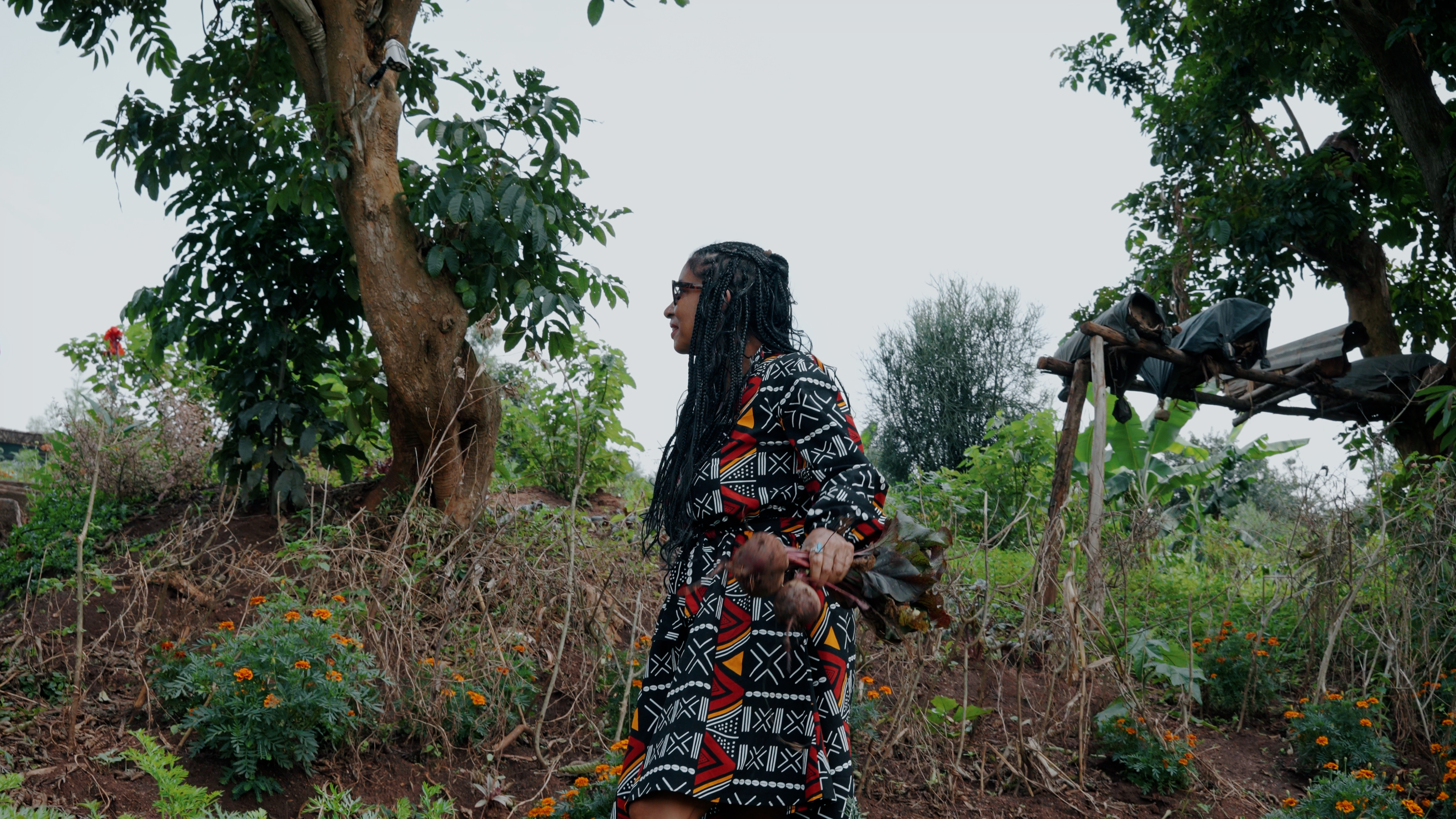
A key part of her philosophy is soil preservation. Because the land sits on a hillside, she uses cover crops to prevent erosion during heavy rains. These plants not only protect the soil but also serve another purpose.
“When you cut them, you can feed the inyambo,” she explained. “They love this. It’s very nutritious, full of protein.”
She describes the farm as a closed-loop system where nothing is wasted. A fish pond stocked with tilapia plays an important role in this cycle, where nutrient-rich water from the fish is reused to fertilise crops.
“Everything here is in a loop,” she said. “The fish feed the plants, the plants feed the animals, and feed us as well.”
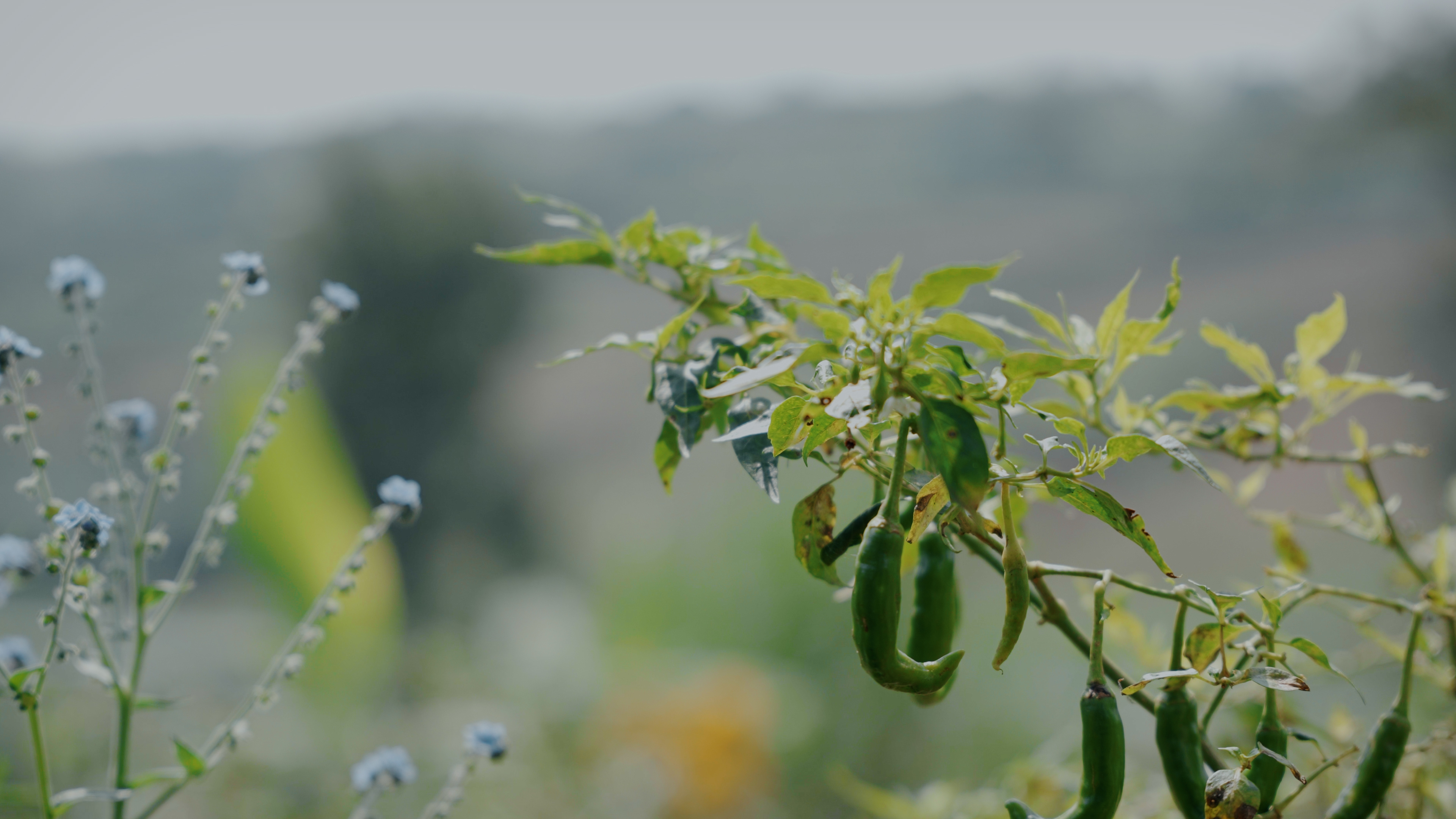
Monica is also committed to fully organic farming, rejecting synthetic chemicals entirely.
“Absolutely no pesticides and no chemicals are used on this farm,” she said firmly. “That’s one thing I’m strong about and I’m not going to bend on that.”
Behind the agricultural vision is a deeply personal journey of healing, but also a broader reflection on identity and belonging. Speaking about her perspective as an African American, she reflected on generational history and experience in the United States.
“African Americans were stolen to go to the land of so-called America,” she said. “Our ancestors did whatever they had to do to survive, but their whole intention was to come back home to the continent.”
She went on to describe her feelings about life in the United States, particularly in California.
“Growing up and living in California, I realised a lot of it was hype. It’s beautiful, but it’s expensive, it’s stressful, you have to have many jobs just to survive.”
Her critique also touched on deeper social experiences.
“You’re tolerated there,” she said. “Sometimes you walk into a room and you’re not even seen as a human being.”
For Monica, these reflections are part of what made Rwanda feel different.
“Why would you leave paradise where you’re loved and supported and safe?” she asked. “What you have here is everything you need.”
What she found in Rwanda surprised her. “You feel safe 24 hours,” she explained. “There are no guns, there’s no violence. It allows your nervous system to finally relax and become at peace.”
She contrasts this with her life in California, which she describes as fast-paced and expensive.
“There’s a lot of distractions, and it’s money-driven,” she said. “Here, you just relax. You don’t have to deal with the same level of stress.”
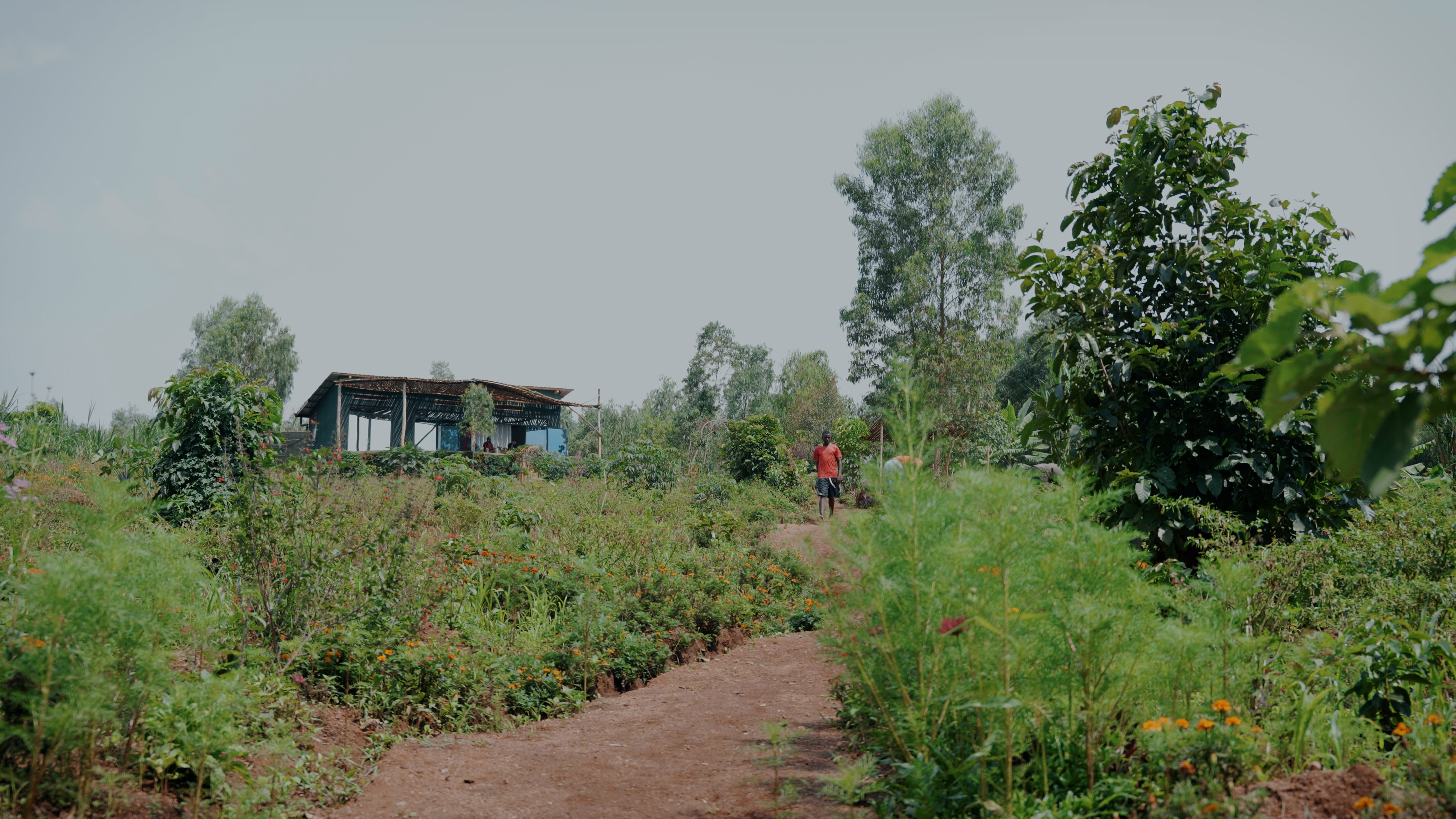
Beyond farming, Monica has also focused on community building. The surrounding village has been deeply involved in developing Zion Shores, providing labour, skills, and collaboration. At peak times, up to fifty people work on the project, while around ten are employed full-time.
“I’m not like an outsider just coming to take something,” she said. “I’m a part of this village. We have relationships and friendships.”
She also shares food, seeds, and trees with neighbours, encouraging others to grow their own crops and restore the land around them. For her, the project is as much about people as it is about farming.
Looking ahead, Monica hopes Zion Shores will become a learning space for sustainable agriculture, where both locals and visitors can exchange knowledge about organic farming, companion planting, and ecological design.
She also envisions expanding crop diversity and continuing to reforest the land.
“I want visitors to come,” she said. “A place to learn different ways of growing organically… and also learning from farmers here who have been doing it for thousands of years.”
Monica Clark’s journey from California to Rwanda is ultimately one of transformation, shaped by grief, resilience, and a search for peace. Through Zion Shores, she is building a life she says finally feels like home.
Watch Monica Clark’s full journey in the video below:
Leave a Reply