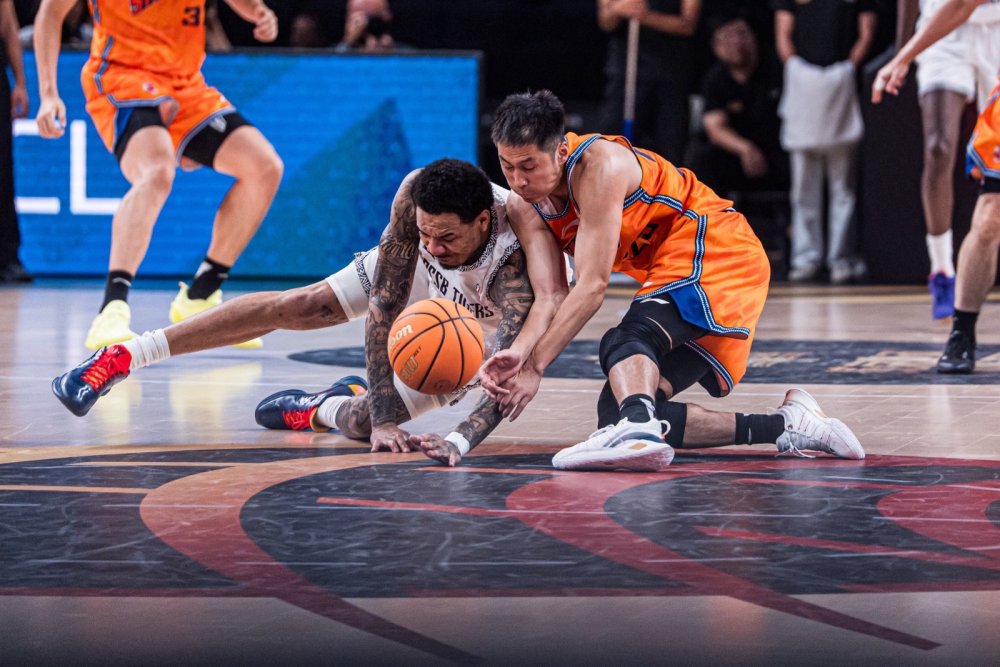
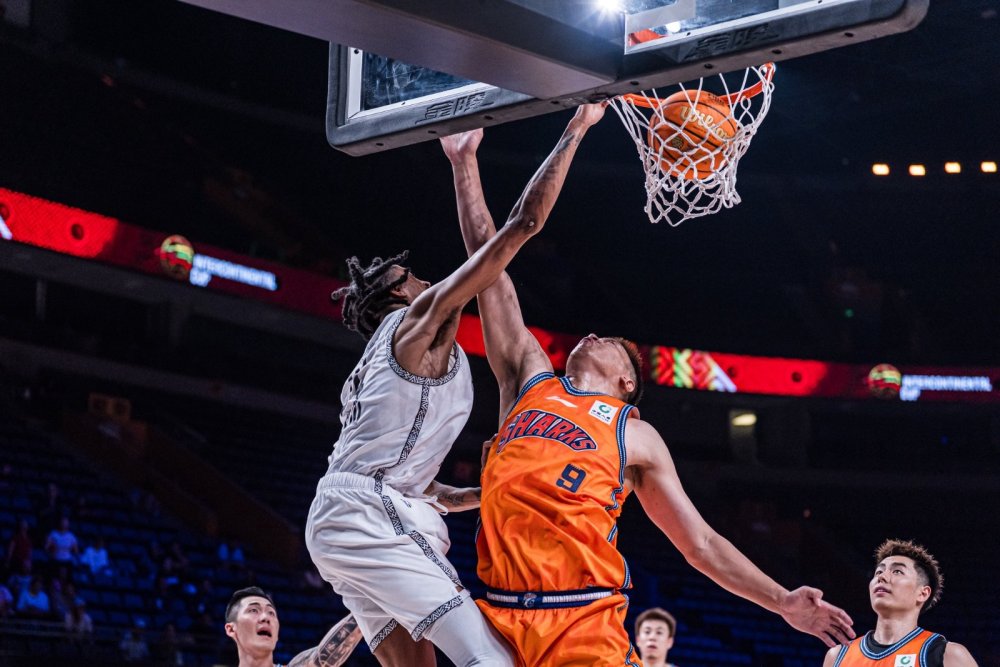
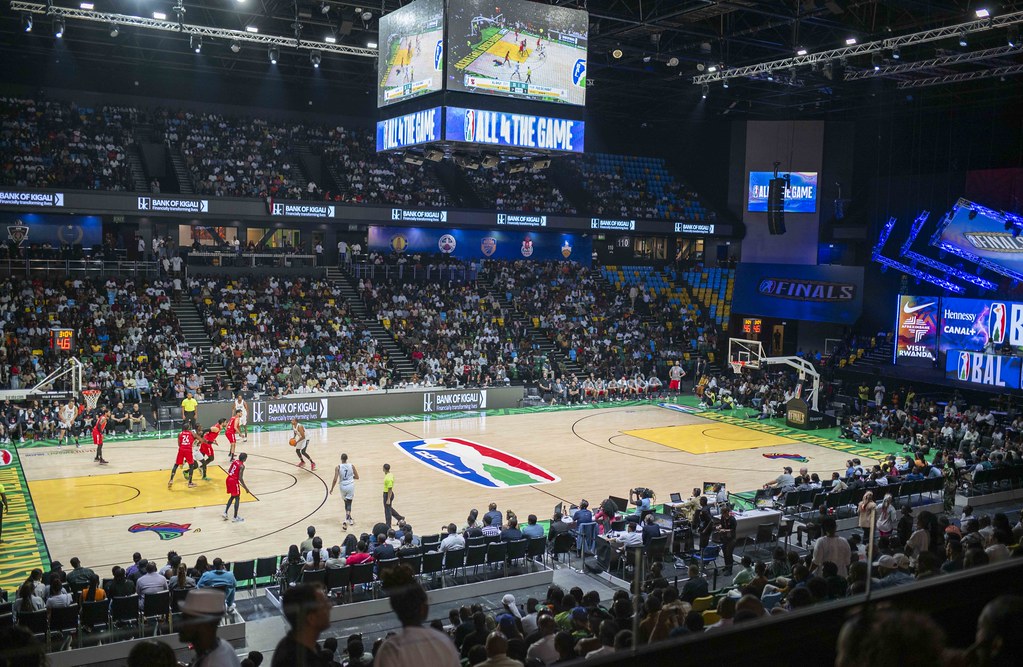
The game went into overtime after the two sides were tied 103-103 at the end of regulation time.
Shanghai Sharks started strongly, taking the first quarter 30-17, before narrowly edging the second quarter 30-29 to build a halftime lead. The teams were tied 25-25 in the third quarter before Tigers produced a brilliant fourth-quarter comeback, outscoring the Sharks 32-18 to force overtime.
RSSB Tigers scored 14 points in the five-minute overtime period, while Shanghai Sharks managed 12, securing the 117-115 victory for the Rwandan side.
Shanghai Sharks’ American guard Brandon Goodwin led all scorers with 37 points, while Craig Randall II was Tigers’ leading scorer with 30 points.
The victory keeps RSSB Tigers in contention for a strong finish in Group A. The Rwandan side will know its final standing after Thursday’s game between Rytas Vilnius and Shanghai Sharks.
Tigers opened their campaign on September 22 with a 107-89 defeat to Lithuania’s Rytas Vilnius.
Under the tournament format, the top team in Group A will advance to the final to face the winner of Group B—which features Beijing Royal Fighters of China, Club Atlético Boca Juniors of Argentina, and NBA G League United of the United States. The second-placed teams in each group will contest the third-place playoff, while the third-placed teams will play for fifth place.
The tournament will conclude on September 27, 2026.
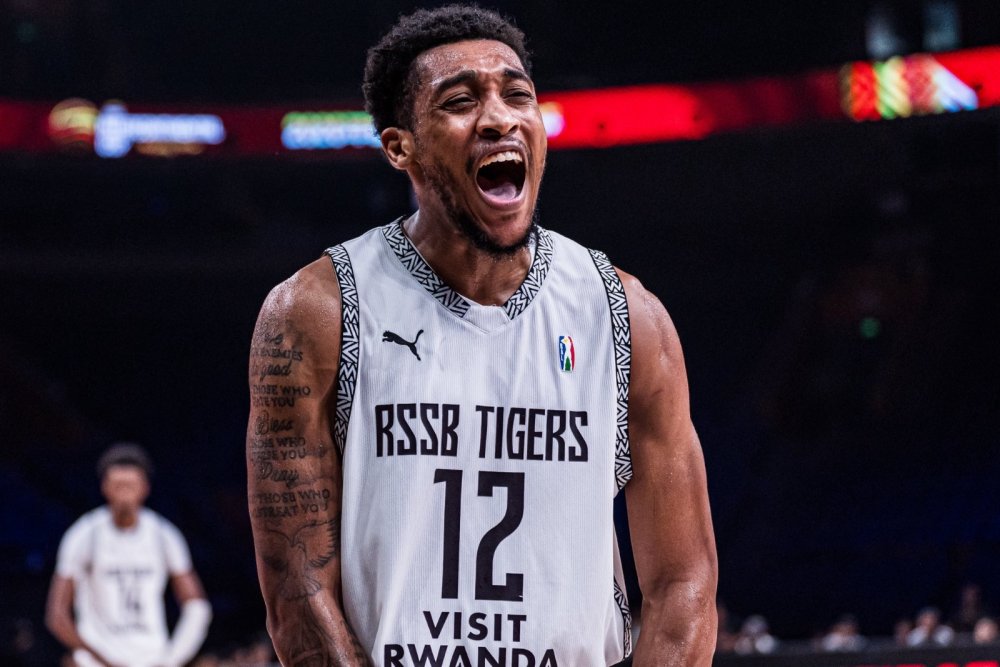
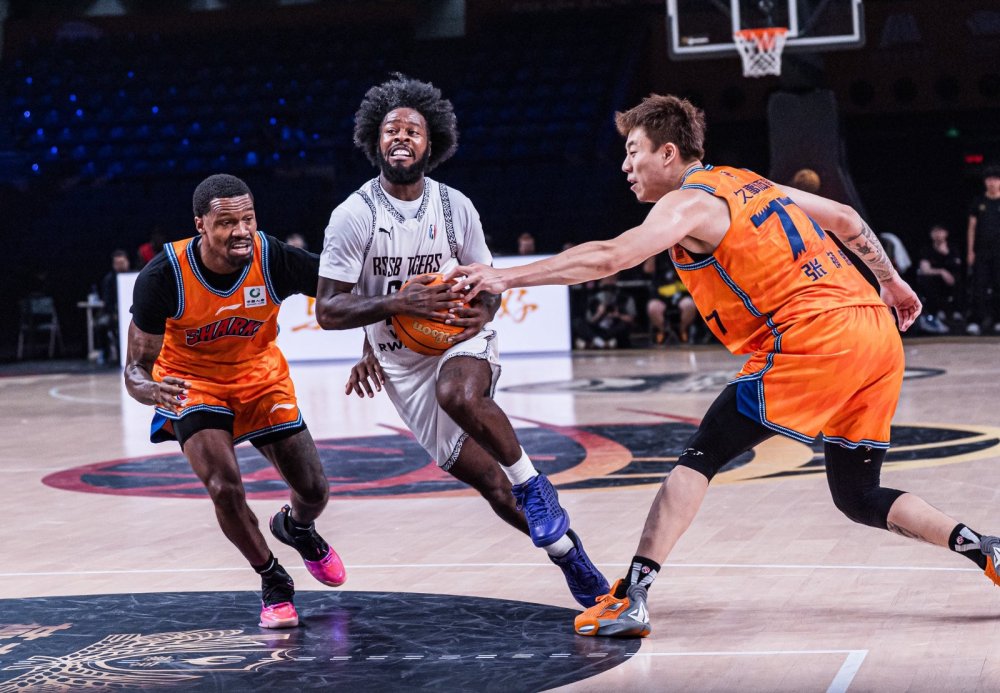
Craig Randall II was Tigers’ leading scorer with 30 points.The RSSB Tigers vs Shanghai Sharks game was a closely contested affair. Antino Jackson Jr dribbles past two Shanghai Sharks players.
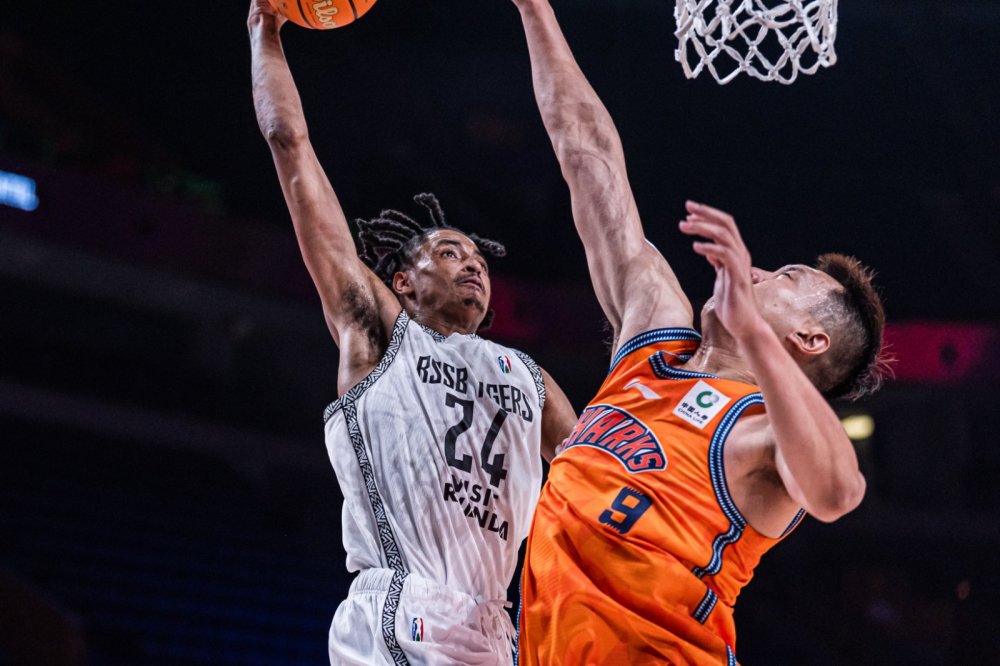
Teafale Lenard Jr goes up for a shot as Shanghai Sharks’ Pengfei Yan attempts to block him.
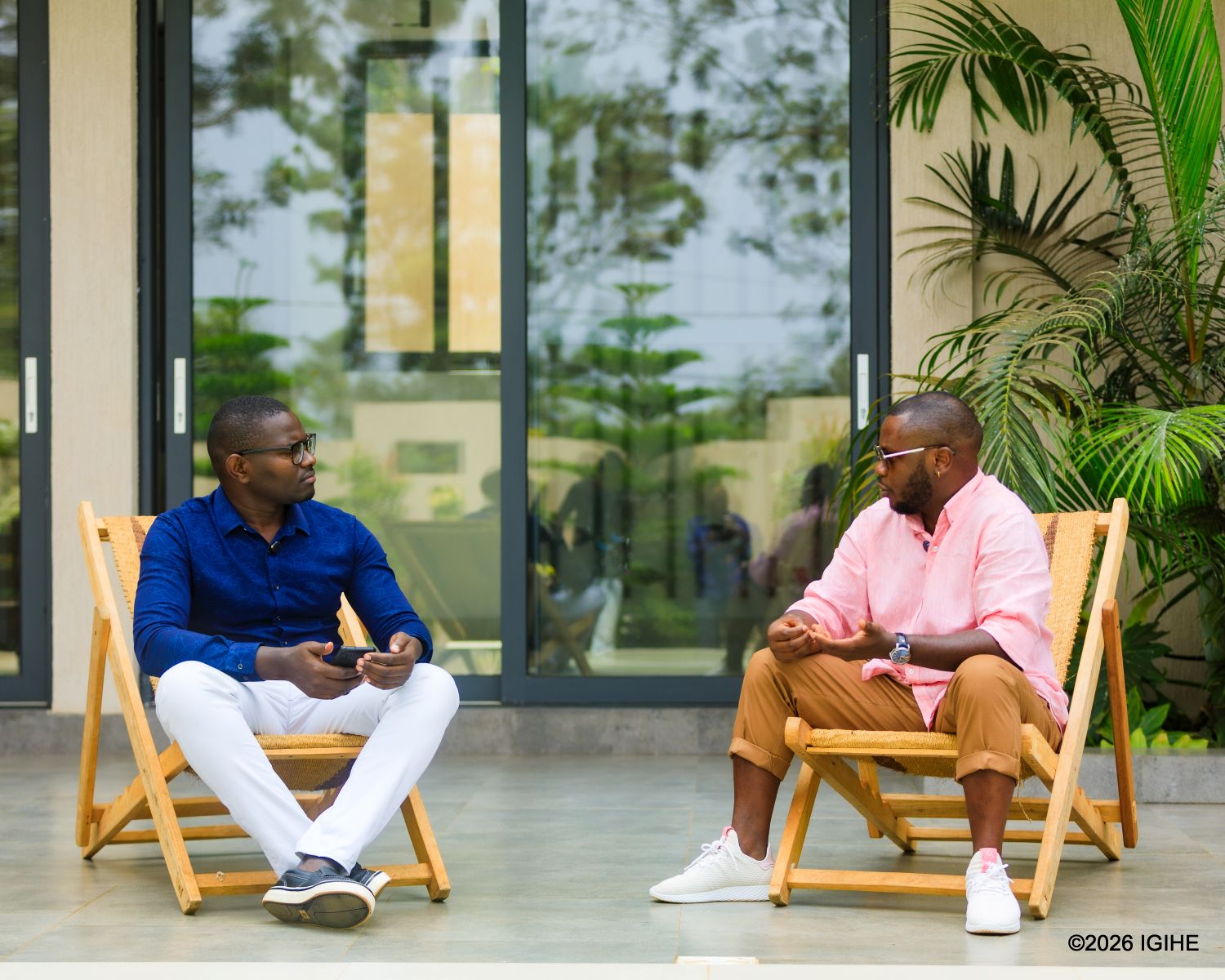
Makinde, founder of Dellman Group, first came to Rwanda in 2020 on a business feasibility trip after visiting Kenya, Uganda and Tanzania. He later registered his business in Rwanda in 2021 and began investing in real estate.
He initially focused on affordable housing before moving into mid-income and luxury residential properties.
Today, much of his investment is concentrated in Rusororo, where he says he identified the area’s potential before many investors were willing to take the risk.
“When I started, a lot of people thought I was crazy. Why would you want to go build in that place?” Makinde recalled.
He recalled buying his first 600-square-metre plot in Rusororo for Rwf16 million. He said a similar plot in the area could now cost around Rwf120 million, while a 300-square-metre plot can sell for about Rwf50 million.
Makinde attributes the increase to the development of roads, hospitals, universities and other infrastructure around the area.
He pointed to projects and developments including the Masaka Teaching Hospital, African Leadership University (ALU), IRCAD Africa, DP World, and roads connecting Rusororo with other parts of Kigali and Bugesera.
“Real estate grows with development. Anywhere development is going, the value of properties in that place goes up,” he said.
For Makinde, that has shaped his investment strategy in Rwanda.
Rather than focusing exclusively on established neighbourhoods like Nyarutarama where property prices are already high, he looks for areas where infrastructure and other economic activity are still developing.
“You don’t want to go buy in premium neighbourhoods,” he said, advising investors to identify neighbourhoods with strong growth potential and planned infrastructure.
He also favours a mixed strategy of selling some units while keeping others for rental income, allowing investors to generate cash flow while waiting for property values to rise.
From affordable housing to luxury homes
Makinde’s business strategy has also evolved.
He said affordable housing has proved difficult for private developers because of the high cost of land and construction materials.
According to him, building materials such as cement, aluminium, sand and stone can make it difficult for private developers to deliver homes at prices that buyers consider affordable.
He argues that government-backed programmes are better positioned to deliver mass and social housing, while private developers can focus on other segments of the market.
Dellman Group has consequently moved towards high-end residential properties aimed at wealthy buyers and tenants.
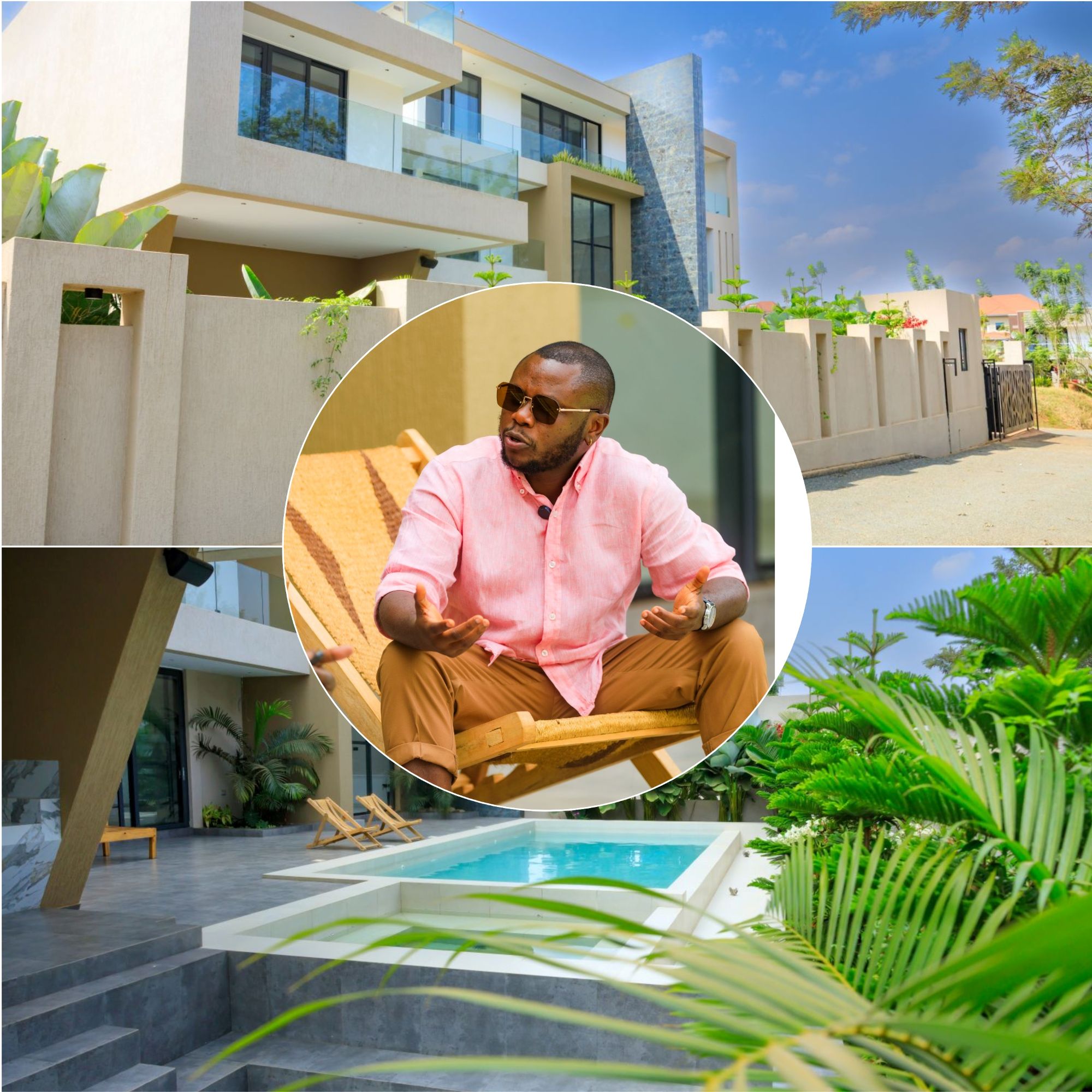
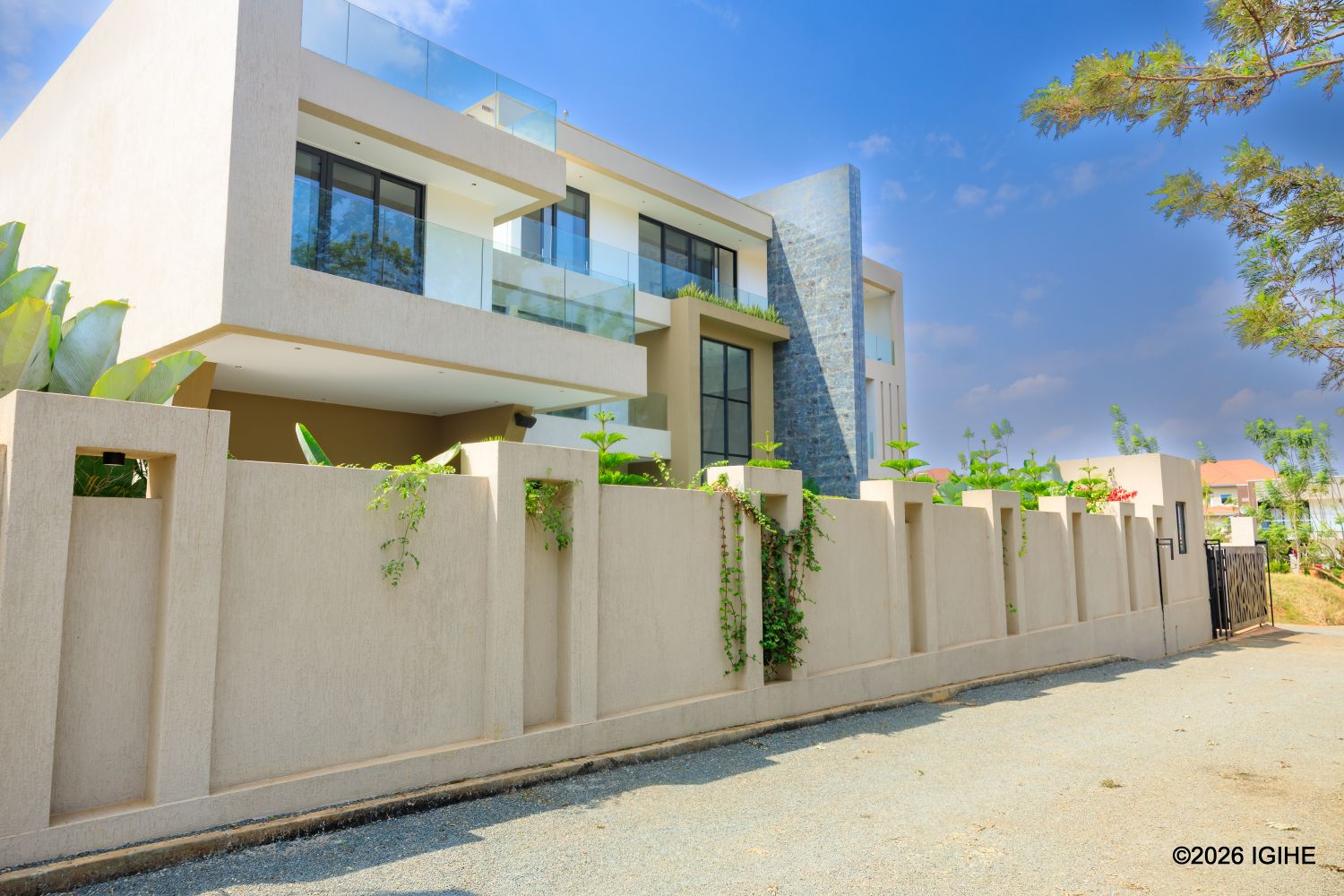
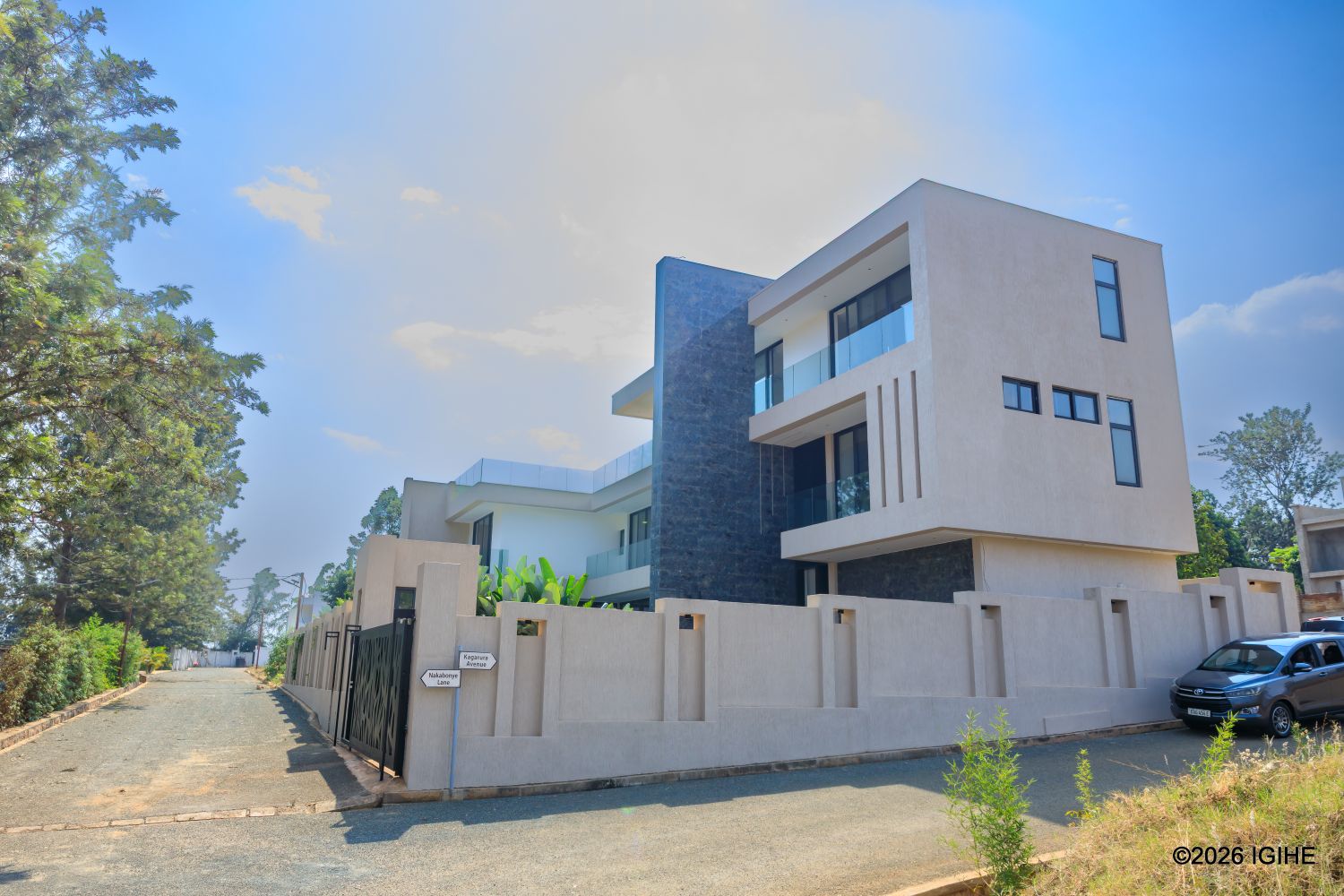
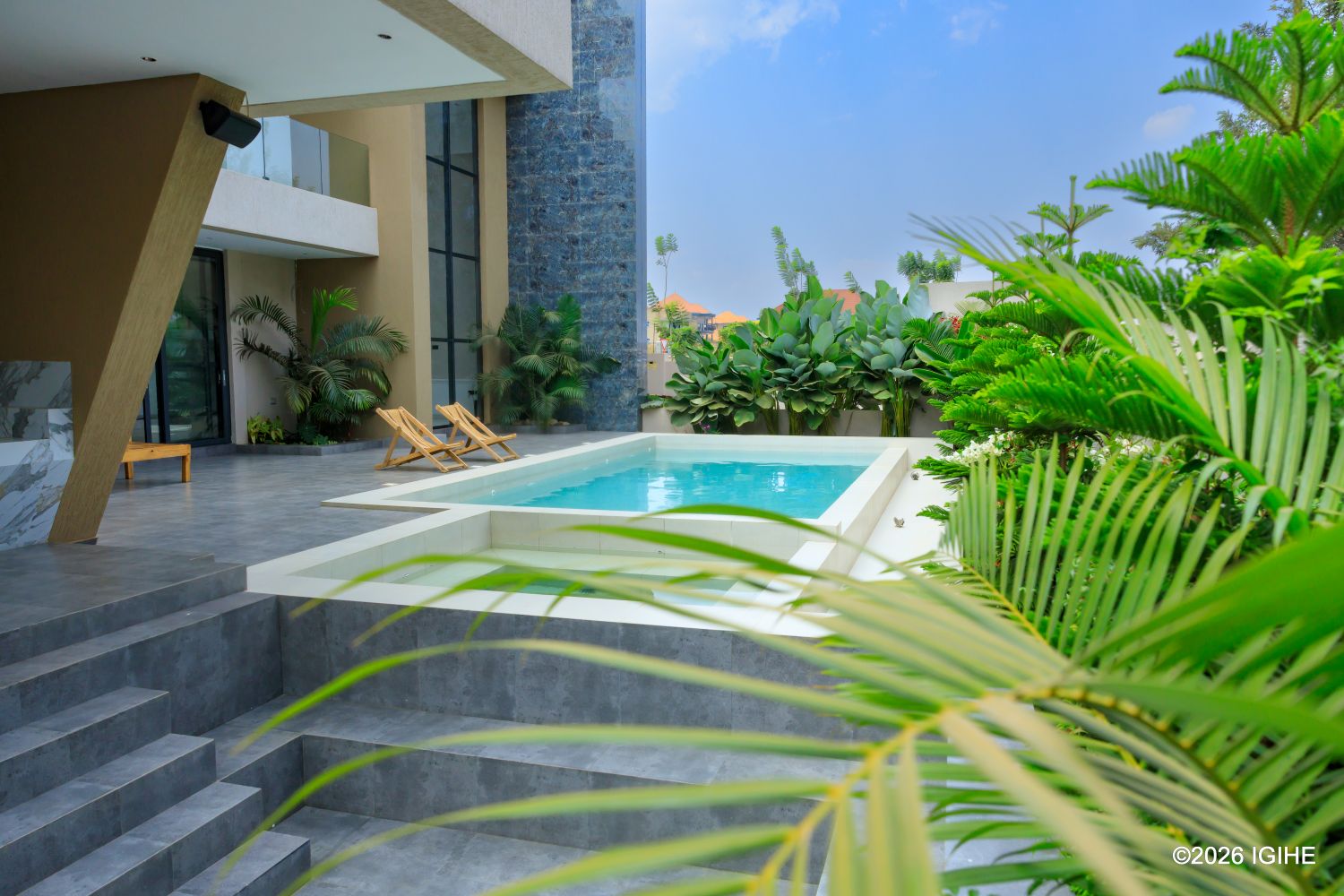
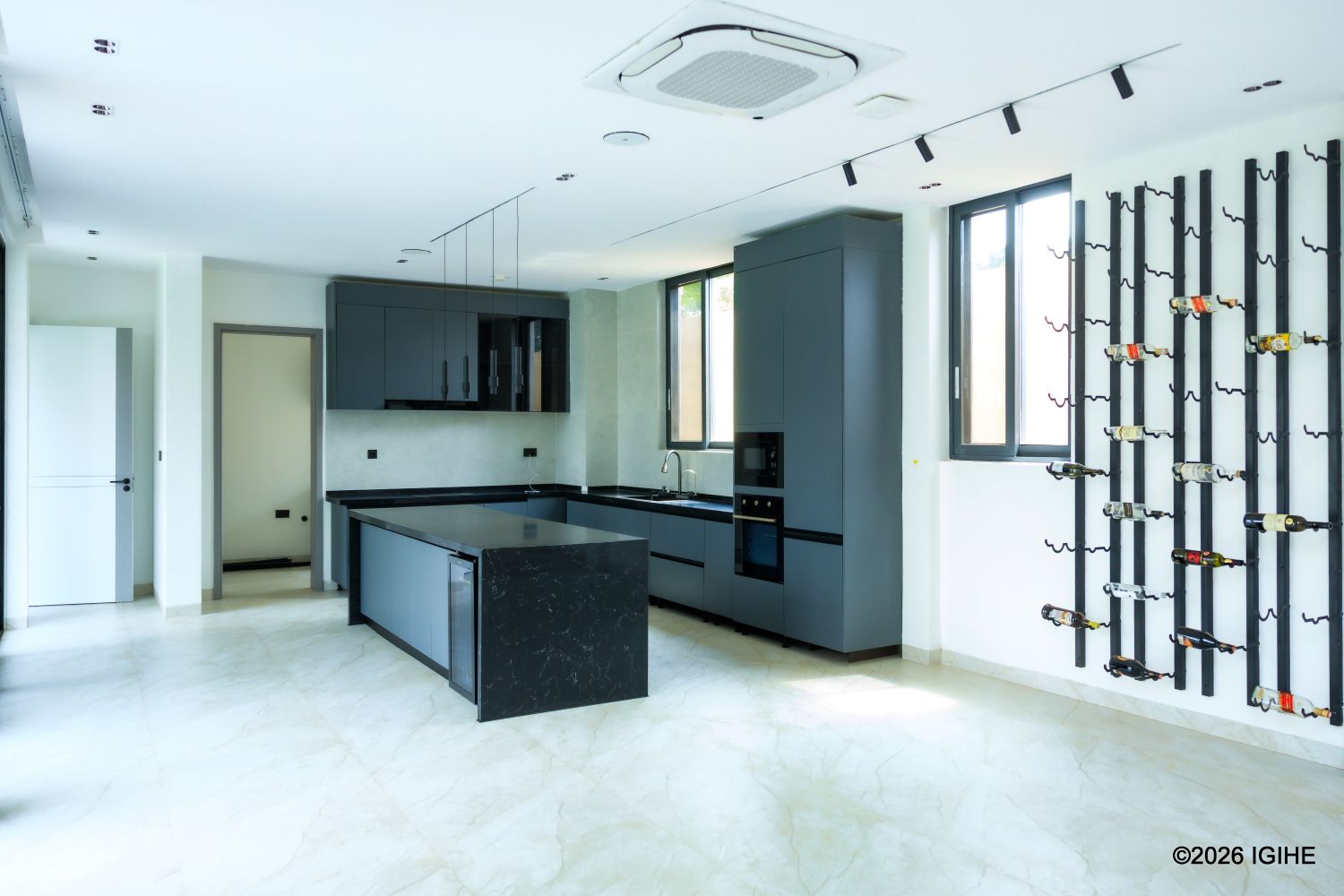
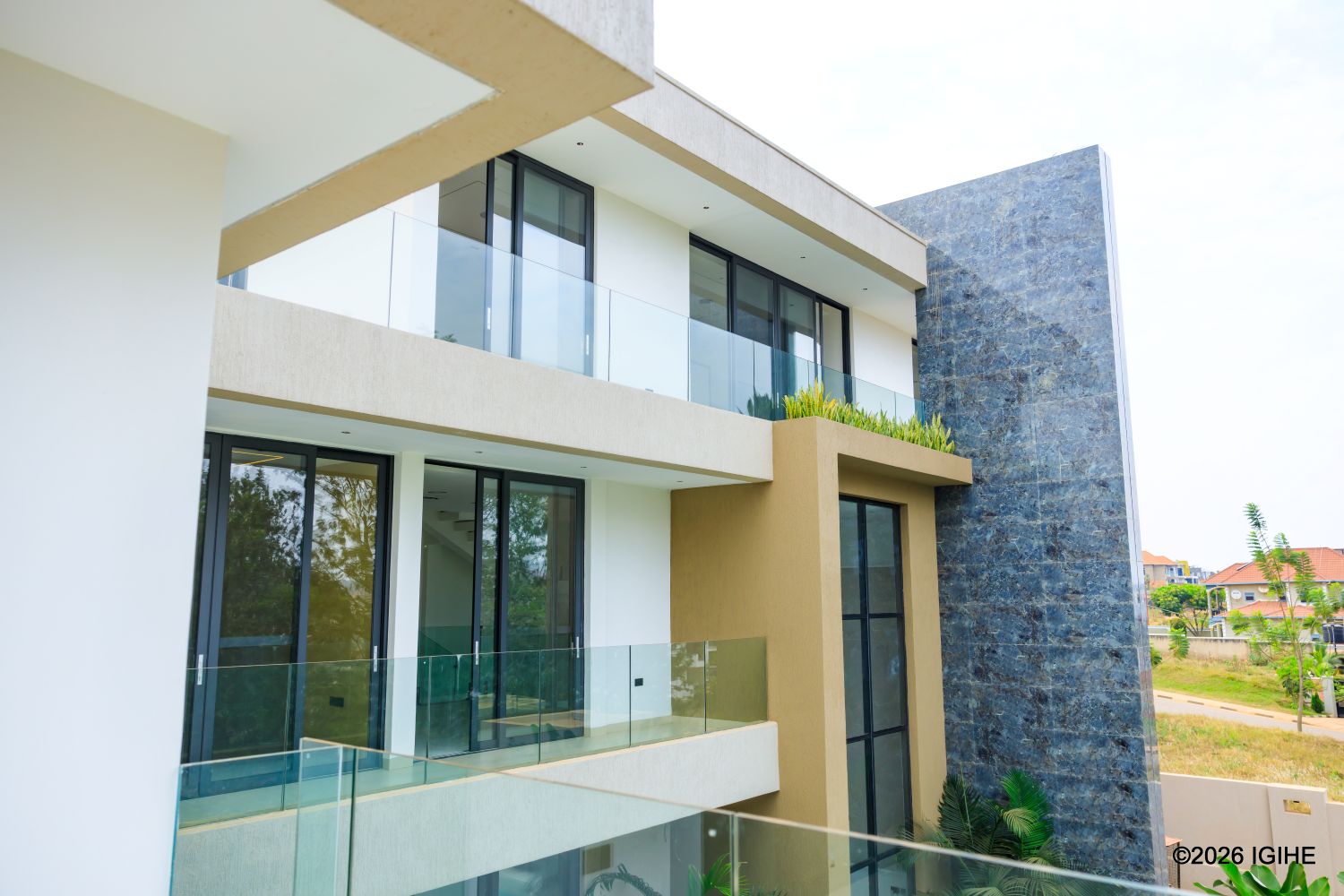
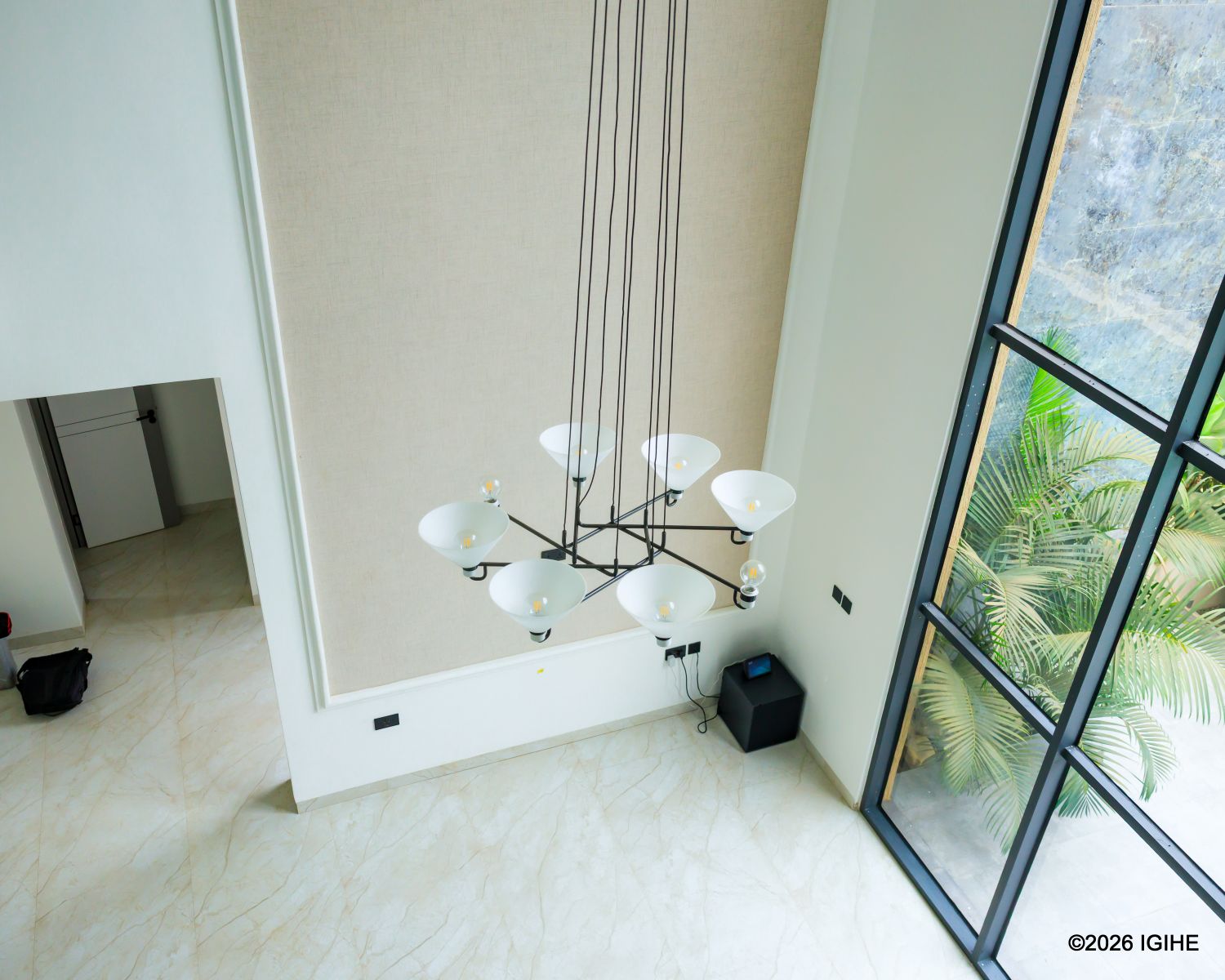
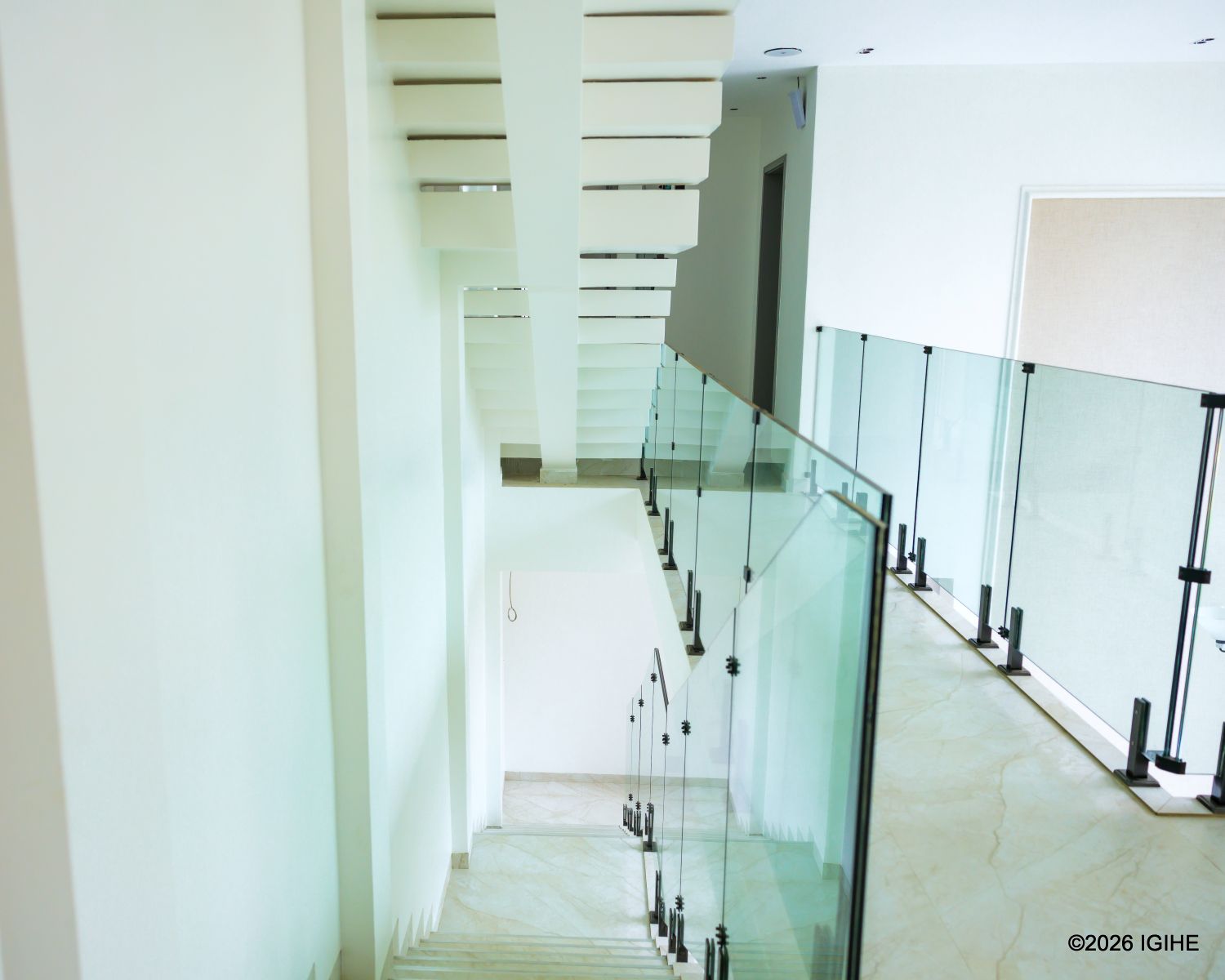
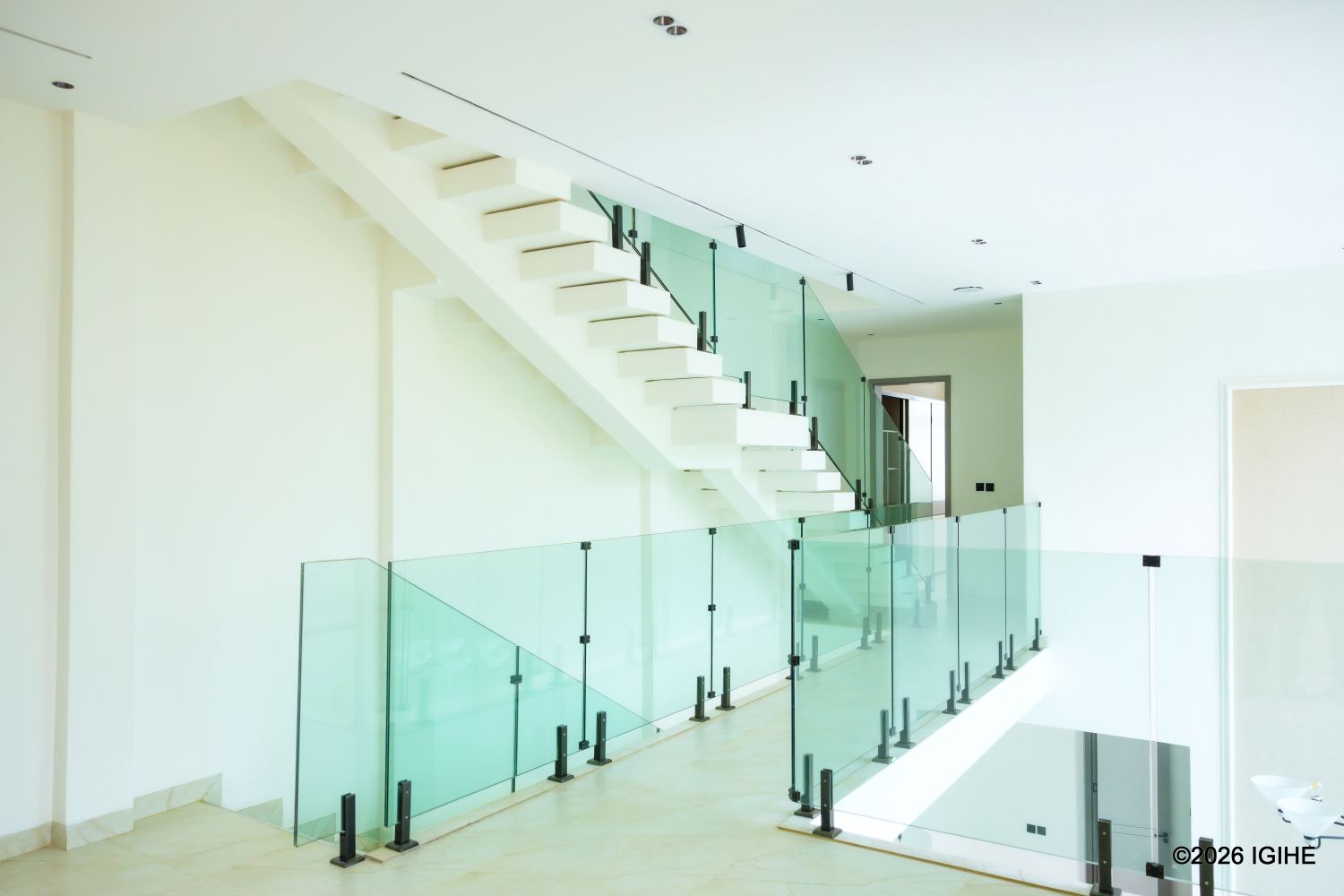
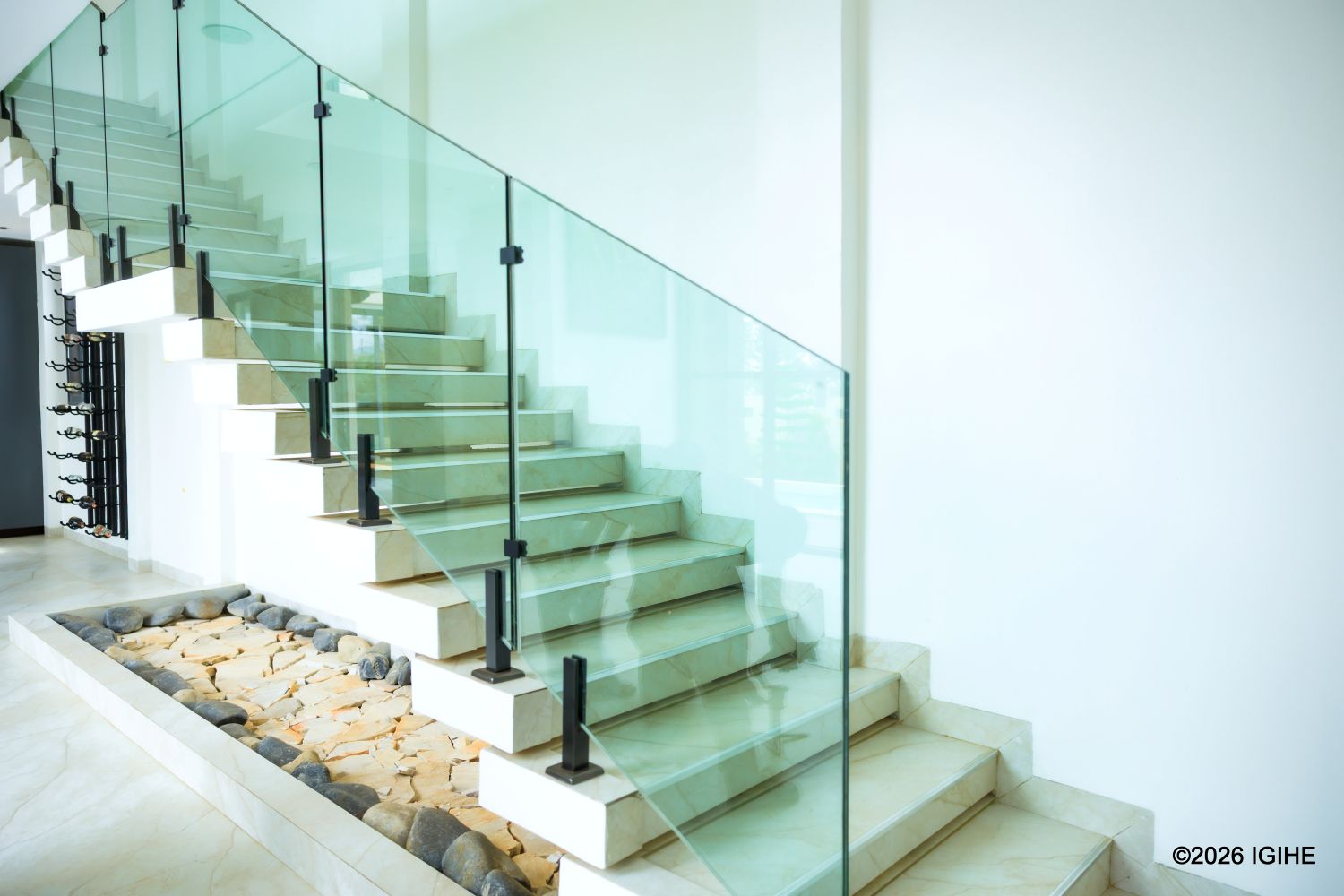
One example is Lujoso by Dellman, a four-bedroom luxury home in Rusororo equipped with a swimming pool, jacuzzi, cinema, gym, games room and home automation.
The property can be controlled through mobile devices, wall-mounted panels and voice commands.
Makinde said the home was designed to offer a different proposition from many properties currently available in Kigali.
“We wanted to do something totally different from what I’m seeing,” he said.
The house is currently on the market for $1.2 million, fully furnished, according to Makinde. He said similar properties could command between $7,000 and $10,000 a month in rent.
Lujoso by Dellman is a four-bedroom luxury home in Rusororo equipped with a swimming pool, jacuzzi, cinema, gym, games room and home automation.
A home for celebrities and high-net-worth clients
The concept for Lujoso was partly influenced by demand from high-profile visitors to Rwanda who want more privacy and space than hotels can provide.
Makinde recalled an experience involving Nigerian musician Davido, who had visited Rwanda and wanted a private space where he could stay with his team rather than remain in a hotel.
That experience helped shape his thinking about luxury accommodation for celebrities, athletes, diplomats and other high-net-worth individuals.
Makinde said such clients could use the property as a private residence while visiting Rwanda, with facilities that include entertainment and leisure spaces.
He said the property is designed for a niche market rather than the mass housing segment.
The villa has a heated A heated pool adds another layer of luxury to the villa..
Bringing UK experience to Rwanda
Makinde spent much of his professional career in the UK, where he worked as an IT consultant and business analyst.
The 39-year-old started his company in England at the age of 24 and worked with banks, asset managers, insurance companies and defence contractors.
He later moved into property investment in the UK, buying homes at auction, renovating them, selling some and renting or refinancing others.
He said the experience helped him build the capital and knowledge that eventually enabled him to invest in Rwanda.
Makinde said he chose Rwanda partly because its relatively small market allowed him to learn while expanding his business.
“Rwanda is not the place you would make the most money. But in terms of you starting up, building something, you being safe, you’ll be able to learn in the market because it’s a small market,” he said.
His investments have since expanded beyond Rwanda to Uganda, where he said his business operates on a larger scale.
Dellman told IGIHE affordable housing has proved difficult for private developers because of the high cost of land and construction materials.
Importing luxury
The development of high-end properties has also exposed gaps in Rwanda’s local supply chain for premium construction and interior products.
Makinde said much of the materials used in Lujoso were imported, including marble tiles, aluminium products, windows, doors, kitchen equipment, switches, sockets and air-conditioning systems.
He said some products were sourced from China, India, Turkey and Germany because he wanted specifications that he could not readily find in Rwanda.
However, he also sees an opportunity for Rwandan businesses to enter the market by supplying premium construction products.
The challenge, he said, is balancing quality with purchasing power because high-end imported products can be expensive to clear and may not have a large enough local market.
The concept for Lujoso was partly influenced by demand from high-profile visitors to Rwanda who want more privacy and space than hotels can provide.
Jobs and local skills
The development has also created employment and opportunities for skills transfer.
Makinde said Dellman Group construction projects rely heavily on freelance workers and contractors.
At the peak of construction of the Lujoso property, he said more than 50 people could be working on the site in a single day, with the weekly wage bill reaching about Rwf3.5 million at some stages.
He also highlighted skills transfer involving workers from Uganda and local Rwandan technicians, particularly in specialised areas such as tiling.
Makinde said his investments have also involved improving access roads around some of his properties.
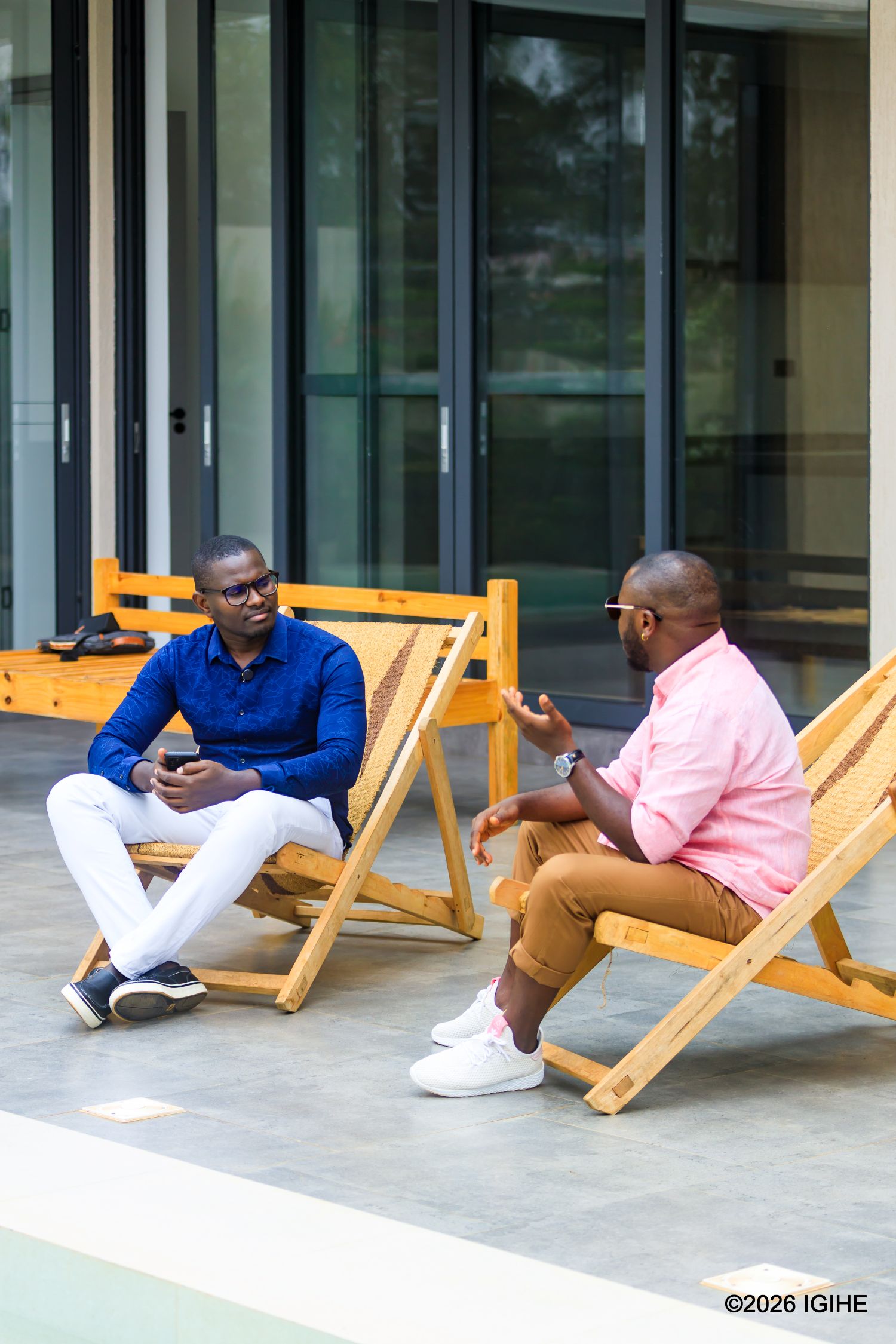
Watch the full IGIHE interview with Abraham Dellman Makinde below to hear more about his investment journey, why he chose Rusororo, the thinking behind his $1.2 million luxury home and his outlook for Rwanda’s property market.
Makinde said the home was designed to offer a different proposition from many properties currently available in Kigali.Makinde said much of the materials used in Lujoso were imported.
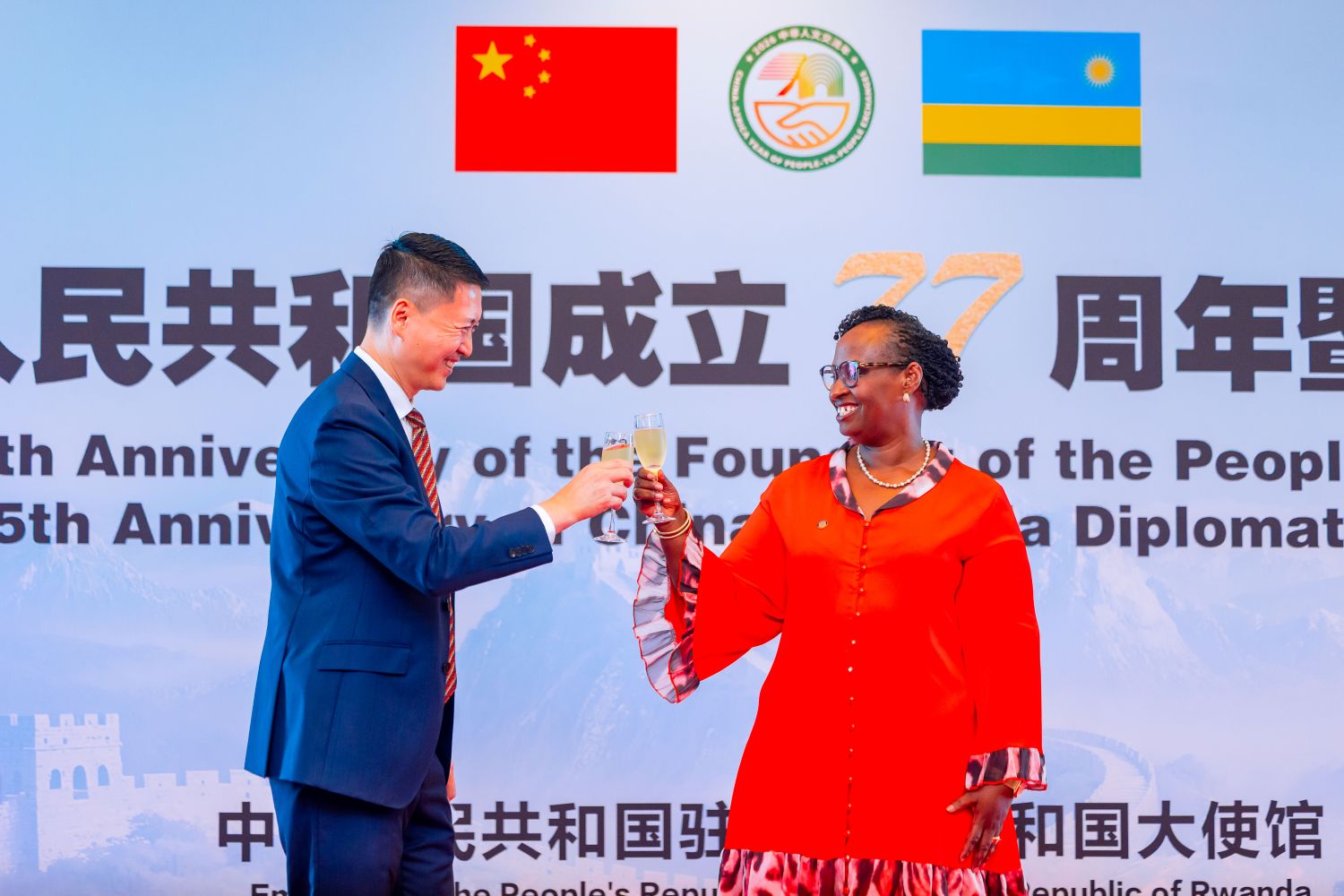
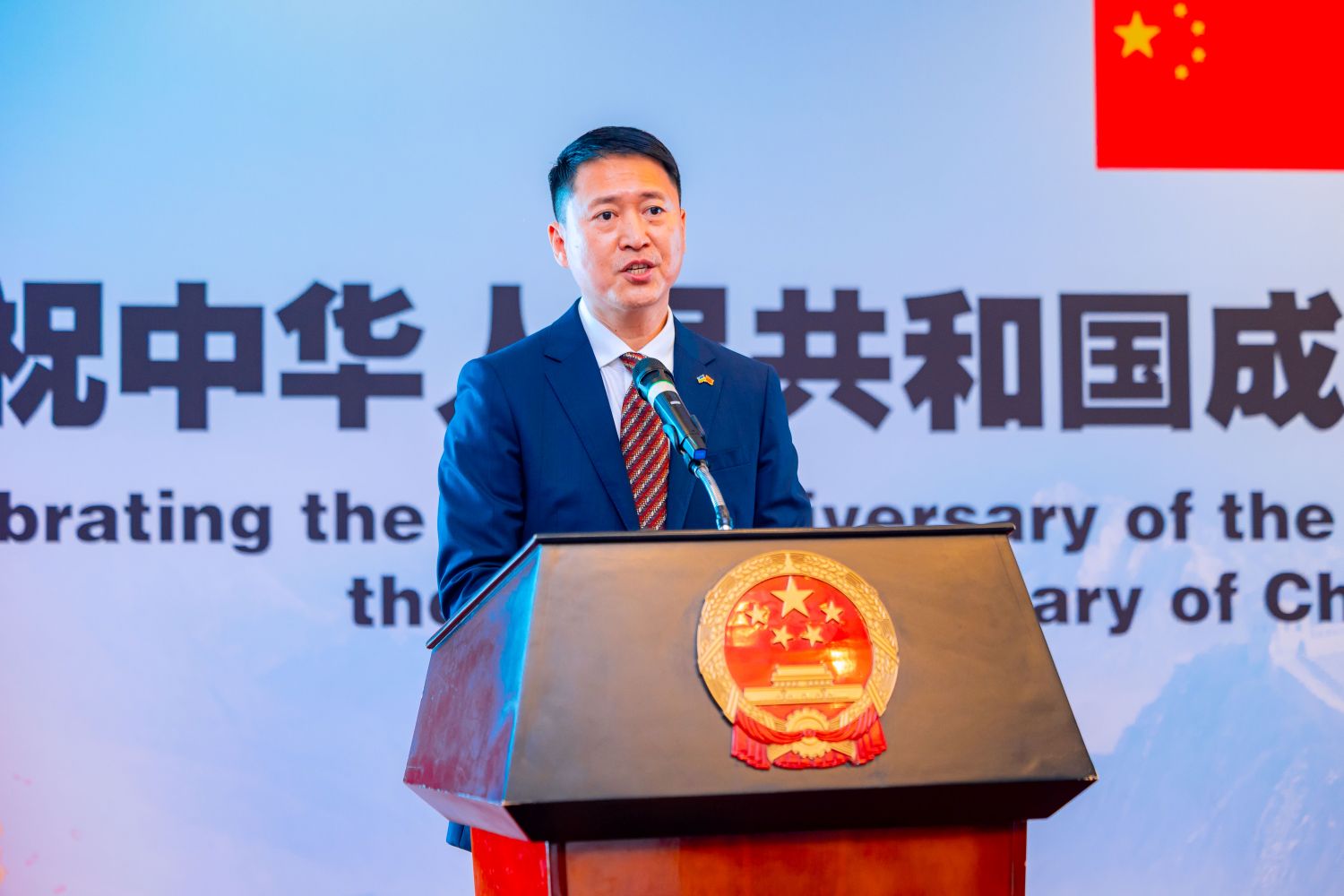
Amb. Gao made the remarks at a reception celebrating the anniversary of diplomatic relations between the two countries and the 77th anniversary of the founding of the People’s Republic of China.
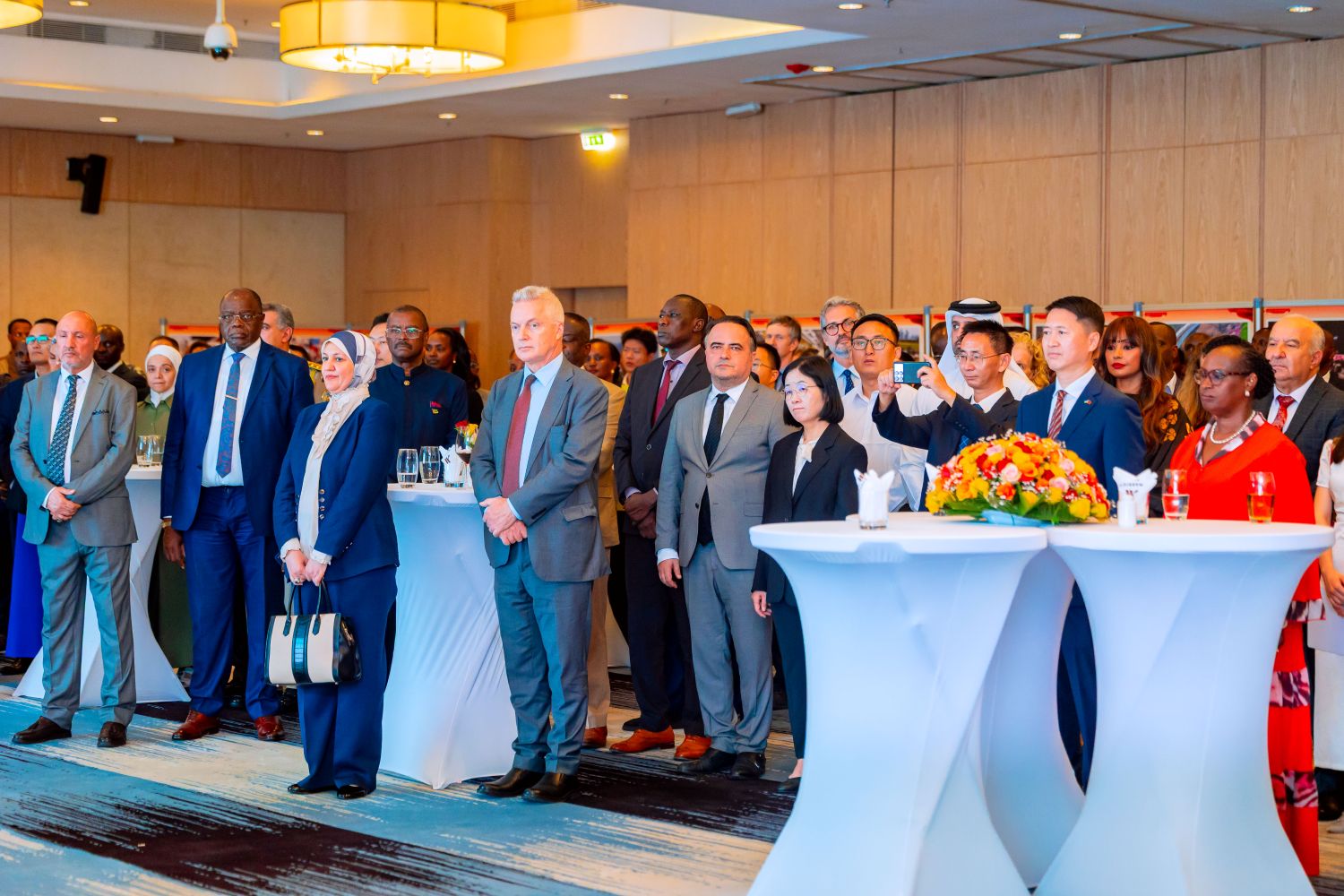
The ceremony, held at the Kigali Marriott Hotel, brought together government officials, diplomats, members of the Chinese community and other guests to celebrate the longstanding ties between Rwanda and China.
Amb. Gao pointed to the elevation of China-Rwanda relations to a comprehensive strategic partnership in 2024 as a major step that opened a new chapter in bilateral cooperation.
“China-Rwanda friendship has grown from strong to stronger,” Amb. Gao noted, adding that the two countries share mutual trust and support each other on issues concerning their respective core interests and major concerns.
“China-Rwanda relations are a choice, not a coincidence,” he affirmed.
The envoy also highlighted Rwanda’s adherence to the one-China principle, describing it as a position highly appreciated by the Chinese government and people.
Amb. Gao pointed to the elevation of China-Rwanda relations to a comprehensive strategic partnership in 2024 as a major step that opened a new chapter in bilateral cooperation.
Trade and investment
Economic ties have remained a key part of the relationship, which dates back to 1971, with bilateral trade reaching a record $849 million in 2025
Rwandan exports to China rose 42% year-on-year to $227 million during the same period, with products such as coffee gaining a larger share of the Chinese market.
Amb. Gao pointed to the zero-tariff policy as one factor supporting the growth in trade, while highlighting the upcoming ninth China International Import Expo, scheduled for November 5, as another opportunity for Rwandan products and businesses to expand their presence in China.
He also described China as Rwanda’s largest source of foreign direct investment, with Chinese companies investing in sectors ranging from garments, cement and agriculture to food processing and vehicle assembly.
These investments, he noted, are contributing to Rwanda’s “Made in Rwanda” ambitions by supporting local production.
Infrastructure and healthcare
Amb. Gao also highlighted major infrastructure and healthcare projects as examples of the practical cooperation between the two countries.
The newly renovated and expanded Masaka Hospital was officially handed over to Rwanda on August 28. Its floor space has expanded nearly tenfold, while its capacity has increased sixfold, the ambassador noted.
The hospital, which cost 580 million Chinese yuan, equivalent to more than Rwf124 billion, has 837 beds and 22 operating theatres. It is expected to become the new home of the University Teaching Hospital of Kigali (CHUK) by the end of 2026.
The Prince House-Giporoso-Masaka road project was also highlighted after officially breaking ground earlier this month.
The 10.3-kilometre project is being implemented through a partnership in which China is contributing about Rwf95 billion and Rwanda about Rwf35 billion.
Construction is expected to take about 30 months. The works include a flyover, underpasses, interchanges, bridges, drainage systems and street lighting, while the existing corridor will be upgraded into a dual four-lane carriageway, with some sections reaching eight lanes.
The upgraded road is expected to improve connectivity between Kigali, the Eastern Province, Bugesera International Airport and east-bound seaports.
Minister of State for Foreign Affairs Dr. Usta Kaitesi also cited the Masaka Hospital, the Prince House-Giporoso-Masaka road and the Nyabarongo II hydropower project as examples of cooperation with a direct impact on Rwanda’s development.
“Our partnership continues to deepen and expand across infrastructure, agriculture, education, health, energy, trade, investments, capacity building, and many other areas,” Dr. Kaitesi noted.
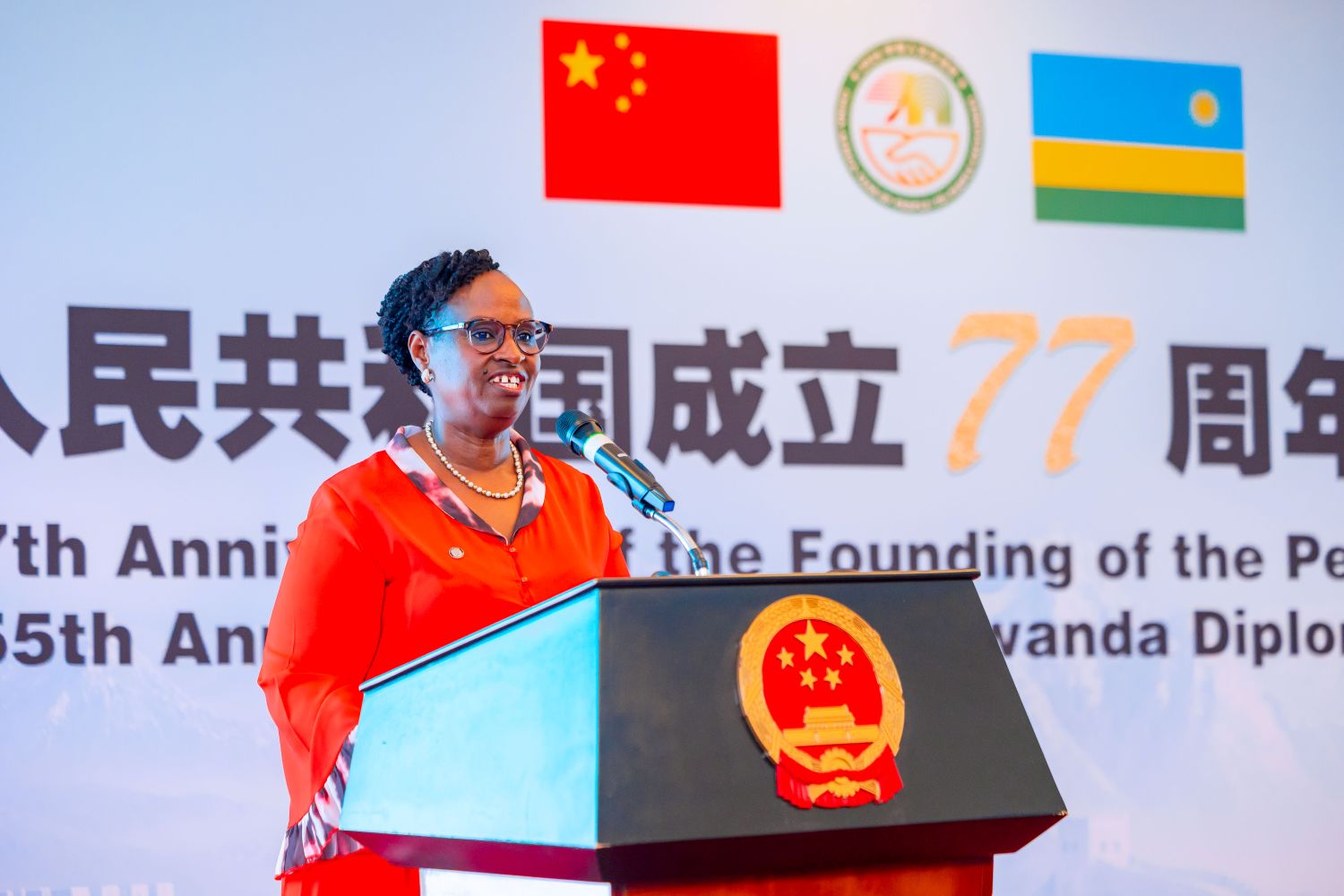
Minister of State for Foreign Affairs Dr Usta Kaitesi lauded the strong and longstanding relations between Rwanda and China during the reception marking 55 years of diplomatic ties between the two countries.
Education, skills and people-to-people ties
Beyond infrastructure and trade, the two countries have expanded cooperation in education, technical training and people-to-people exchanges.
Amb. Gao revealed that around 150 Rwandan students had travelled to China on degree scholarships this year, while more than 300 Rwandan experts had participated in specialised training courses and workshops in China.
More than 35,000 Rwandan farmers have also received training and materials related to Juncao mushroom technology.
Amb. Gao further highlighted Rwanda’s performance in the Huawei ICT Competition, noting that three Rwandan teams reached the global final this year and brought home one first prize and one second prize.
The Chinese medical team, which has served in Rwanda for 44 years, was cited as another example of knowledge and skills transfer.
Amb. Gao explained that the focus of cooperation is increasingly on building Rwanda’s own capacity and supporting its development priorities under the National Strategy for Transformation (NST2) and Vision 2050.
“The philosophy today is teaching to fish, rather than giving fish,” he remarked.
Dr. Kaitesi, meanwhile, emphasised Rwanda’s appreciation of China’s contribution to addressing global challenges and advancing the priorities of the Global South.
He also highlighted the Forum on China-Africa Cooperation as an important platform for dialogue and practical cooperation between China and African countries.
The two officials also pointed to stronger people-to-people links, including tourism, as an area with room for further growth.
The ambassador noted a 20% increase in Chinese tourists visiting Rwanda and linked the trend to the broader push for people-to-people exchanges between China and Africa.
He also highlighted exchanges between the Communist Party of China and Rwanda’s Rwandan Patriotic Front as an example of the close relationship between the two countries.
Referring to President Paul Kagame’s description of China as a “long-term, reliable and trustworthy partner” of Rwanda, Amb. Gao maintained that the relationship had stood the test of time.
He expressed confidence that the friendship would continue to grow in the coming decades.
Dr. Kaitesi similarly expressed Rwanda’s commitment to strengthening the partnership in the years ahead.
“Rwanda greatly appreciates China’s continued partnership and looks forward to further strengthening our cooperation in the next 55 years ahead,” she stated.
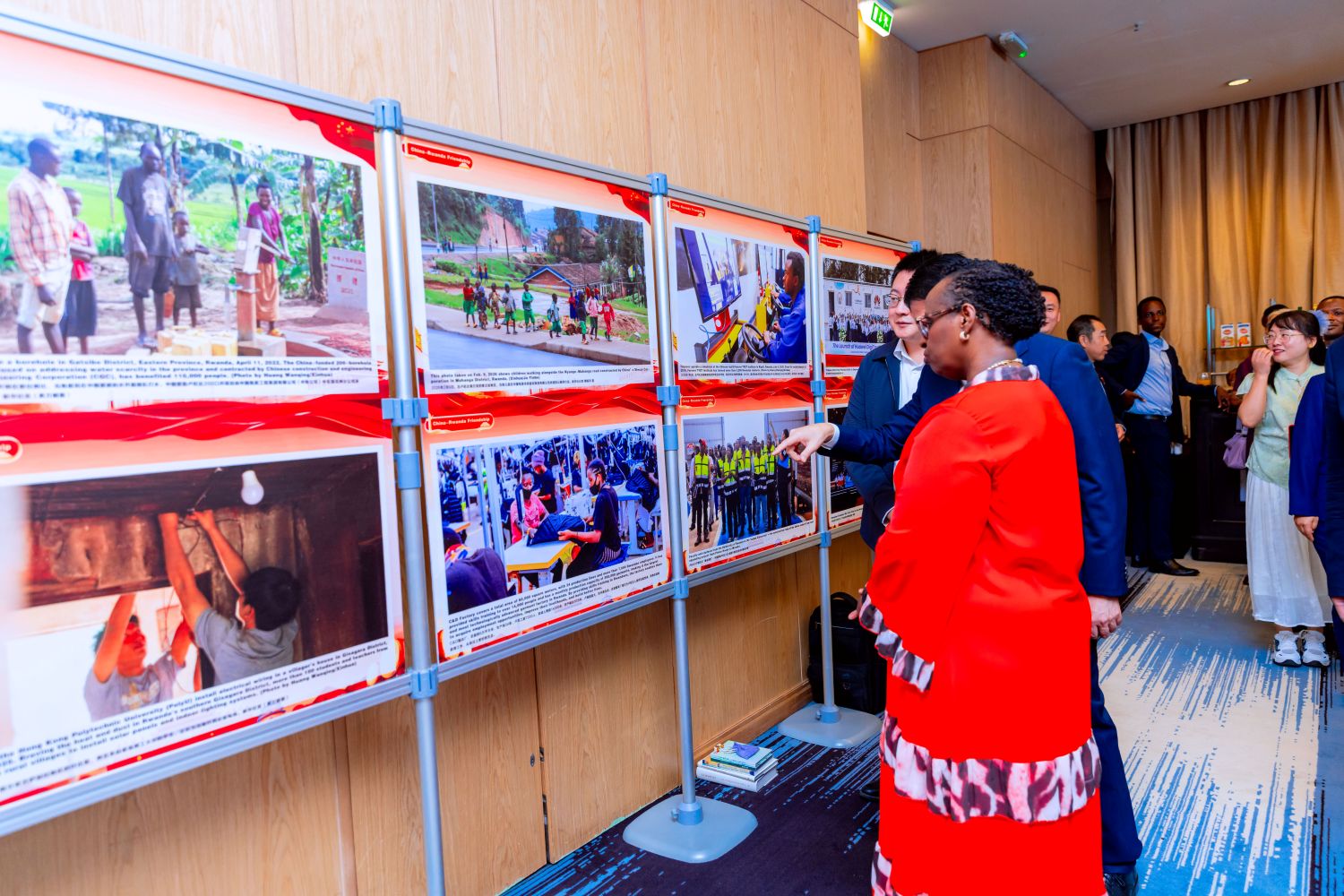
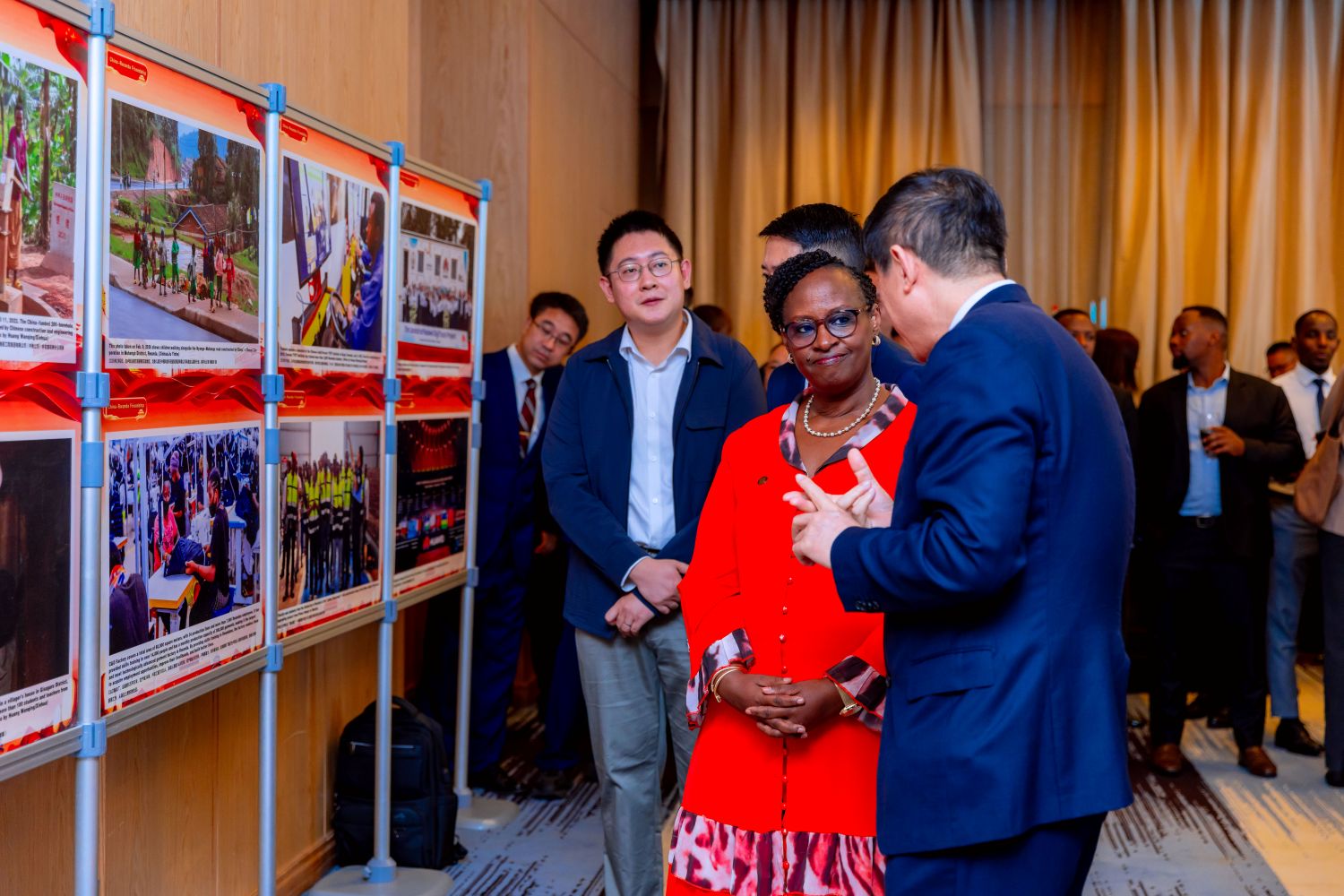
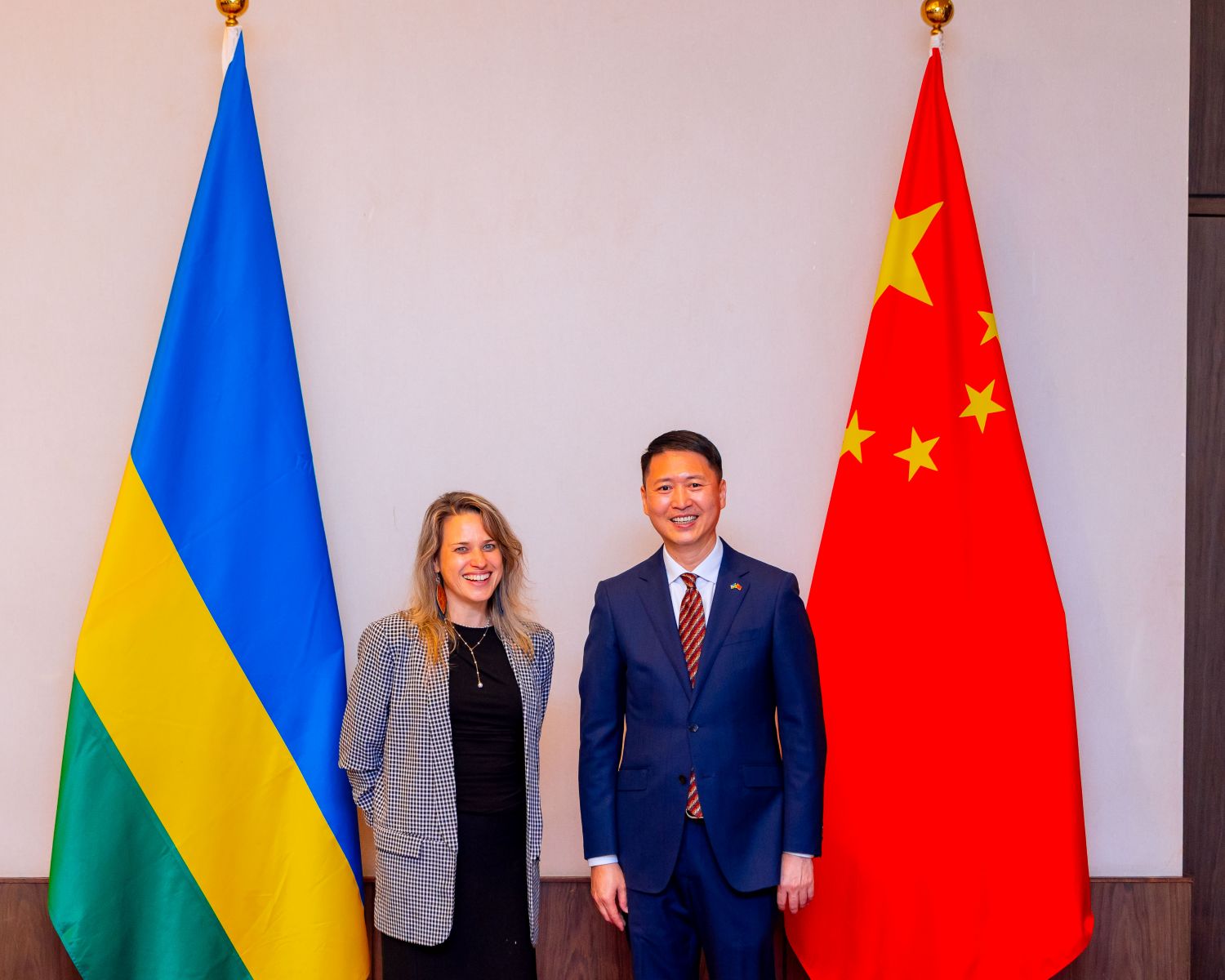
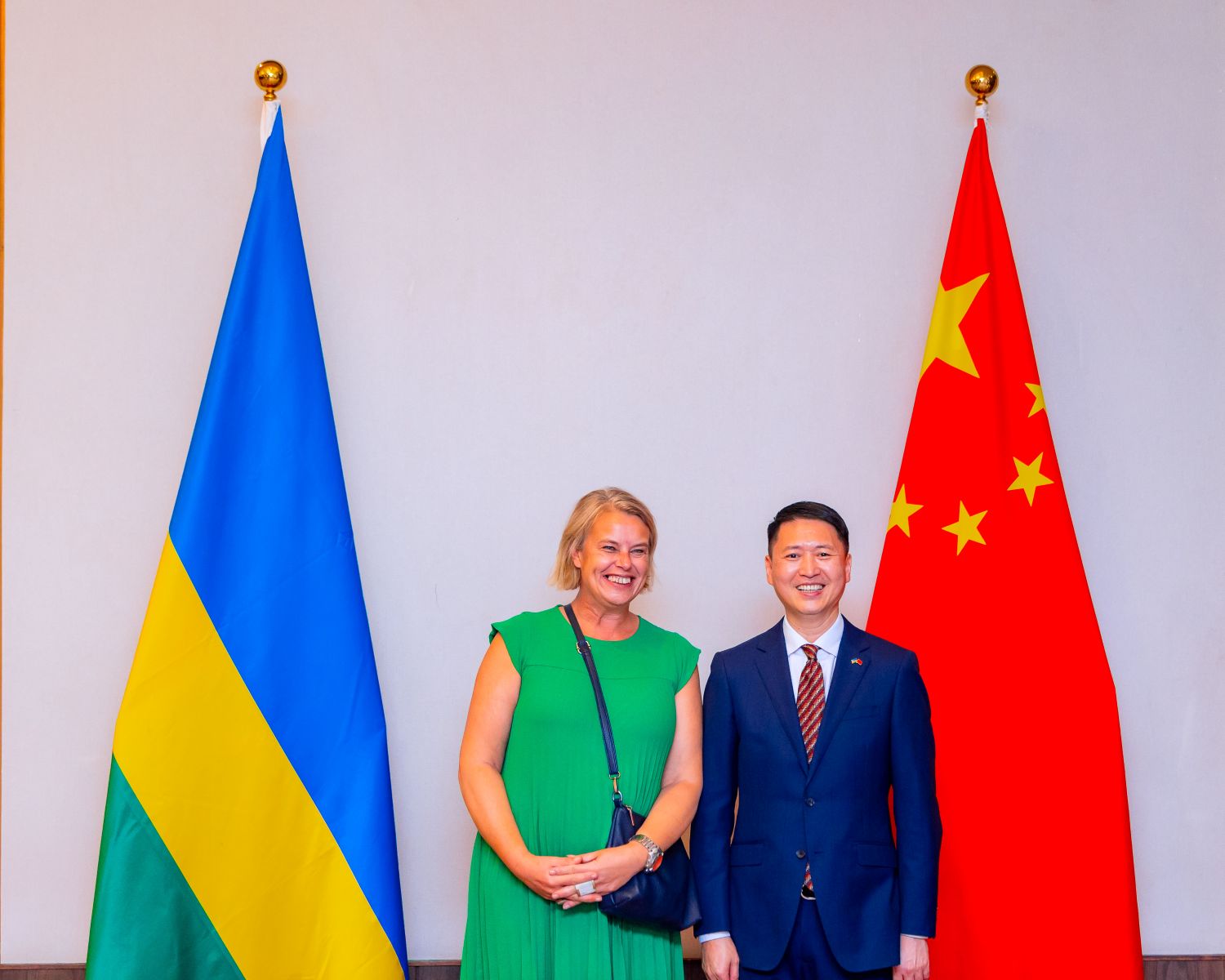
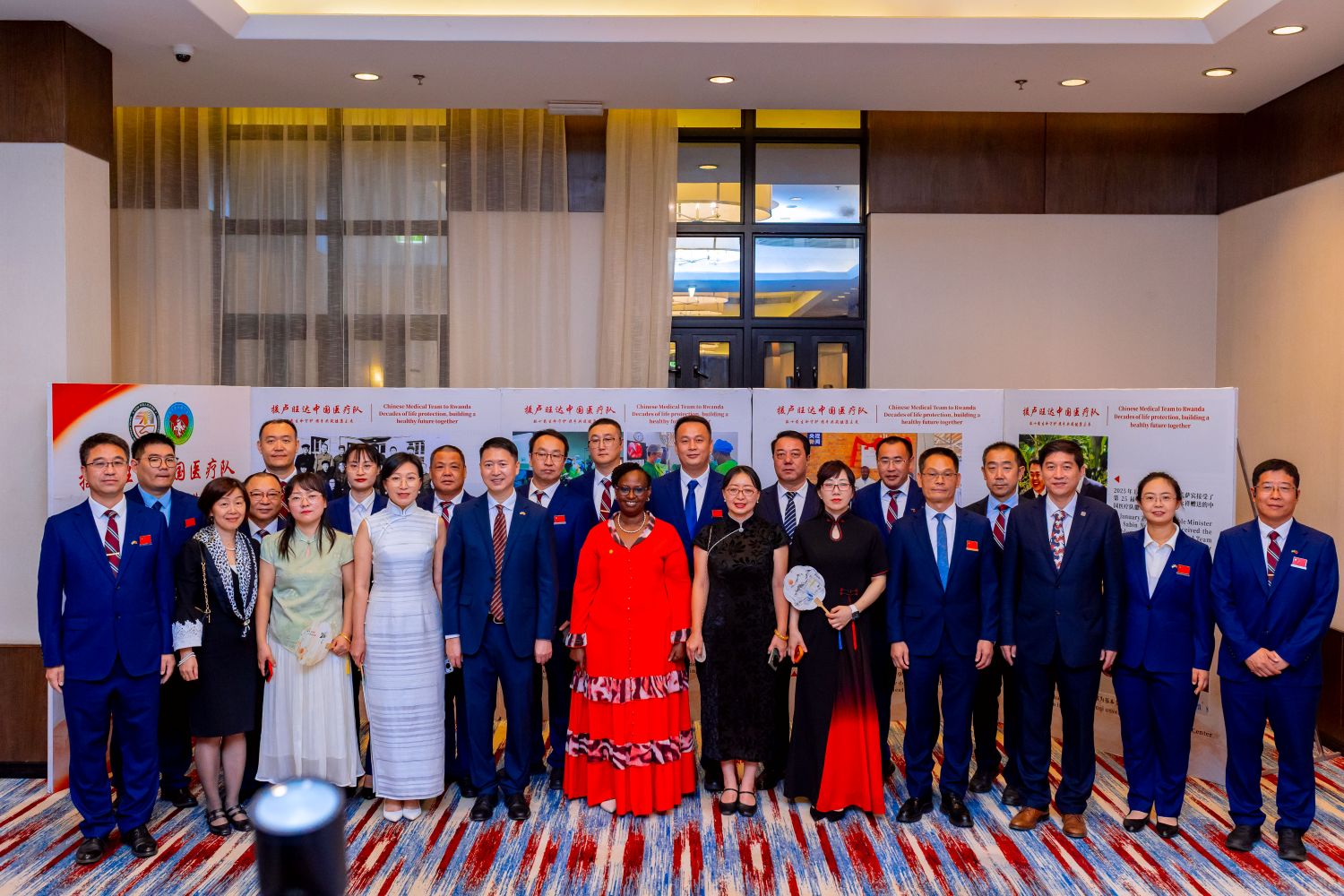
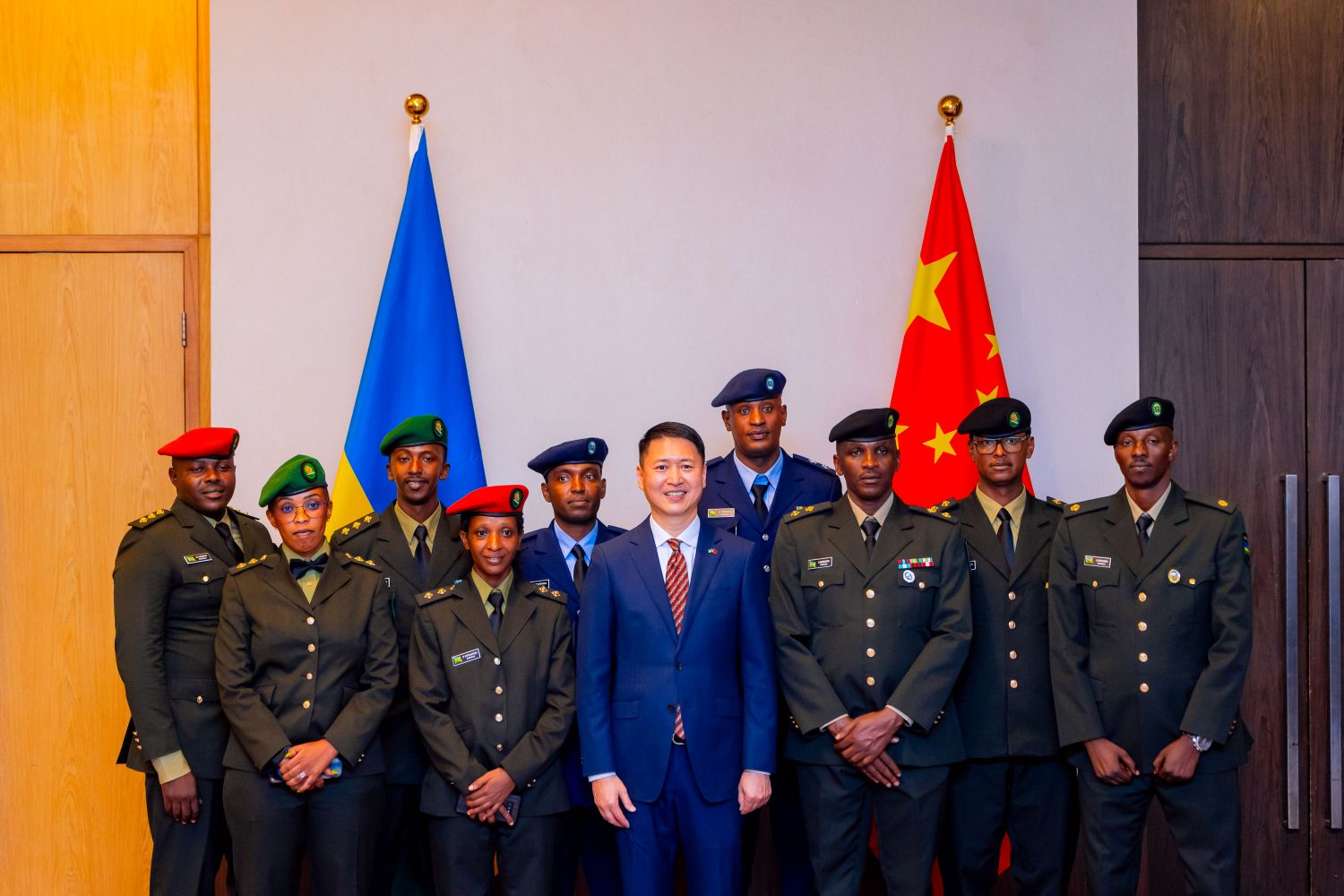
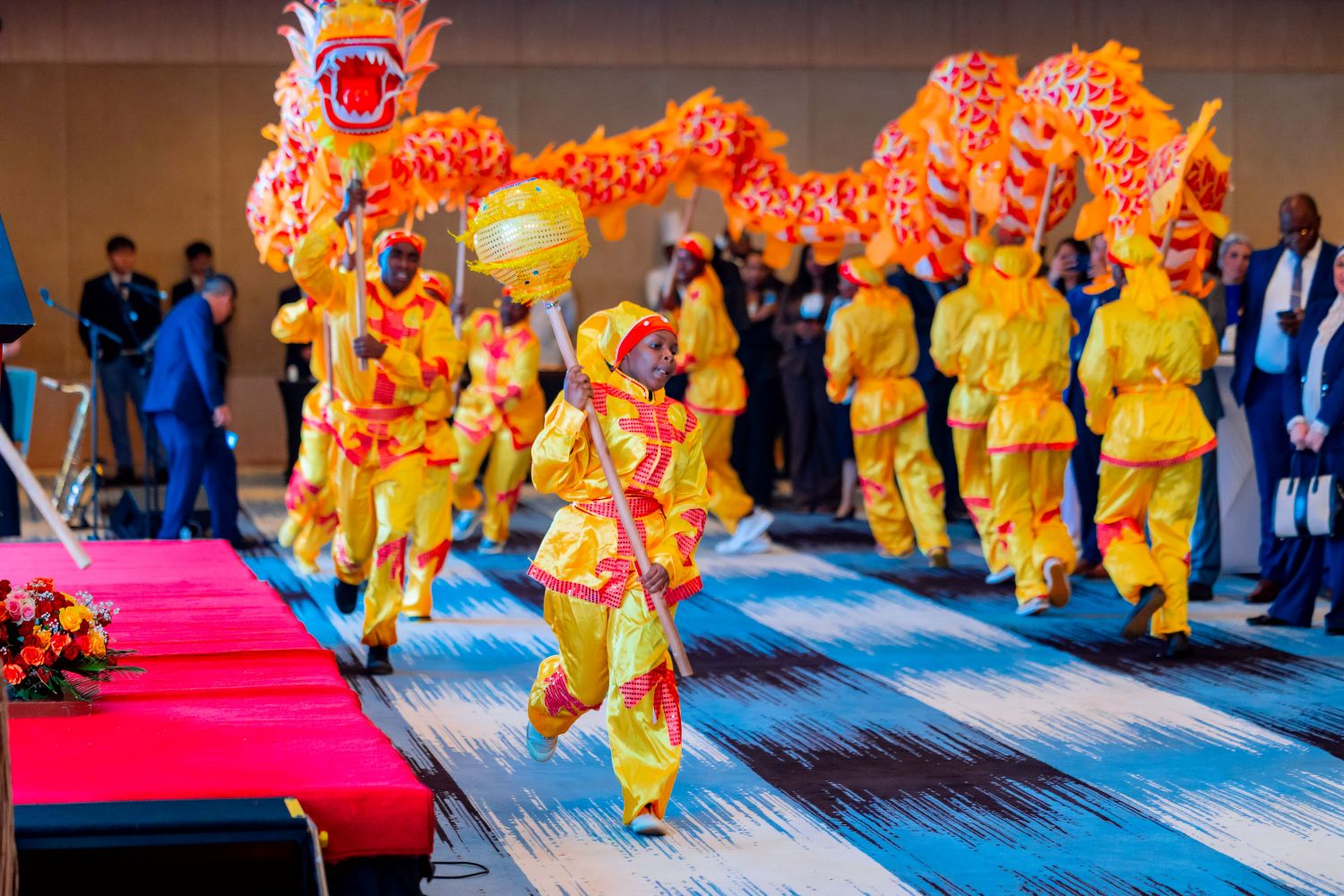
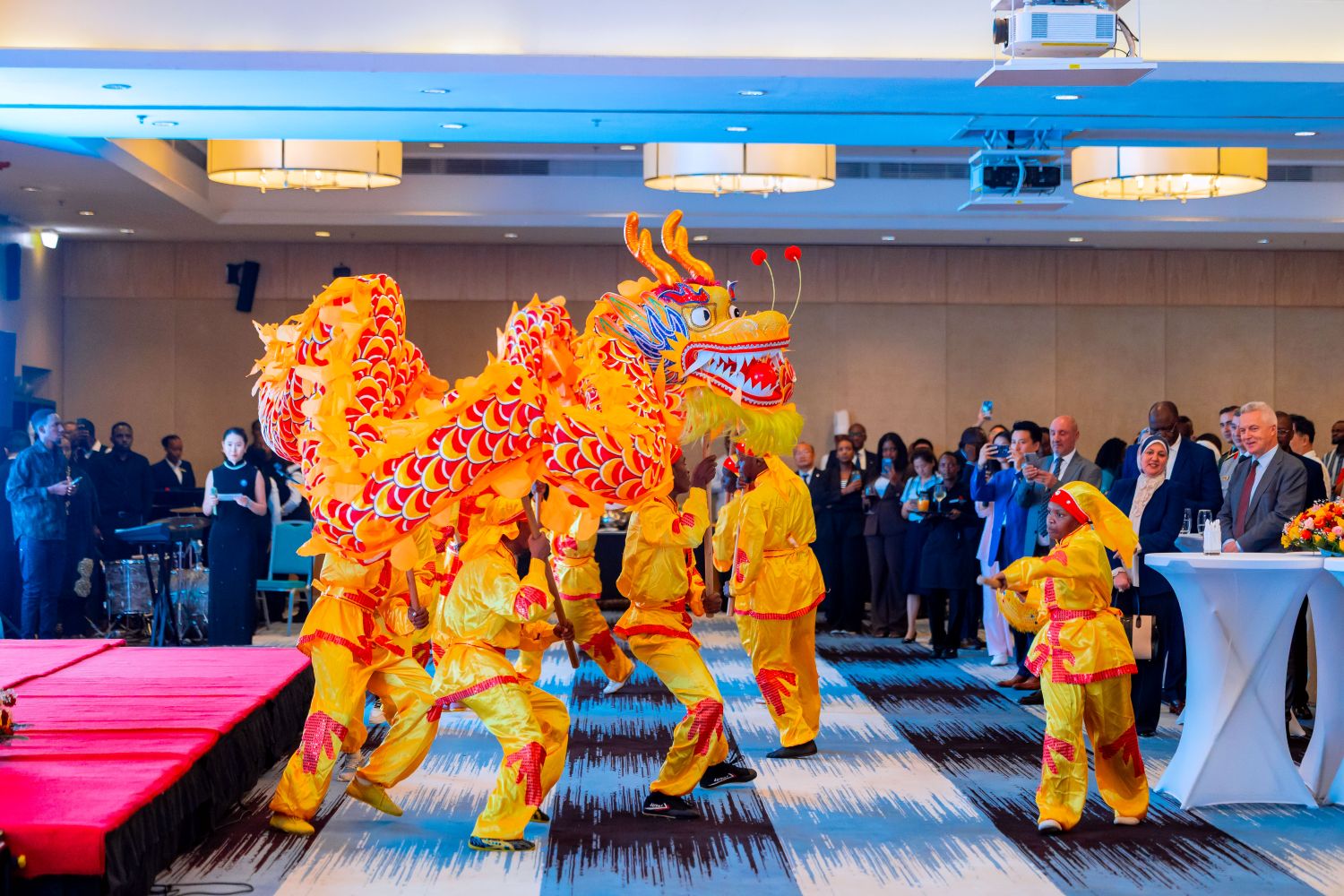
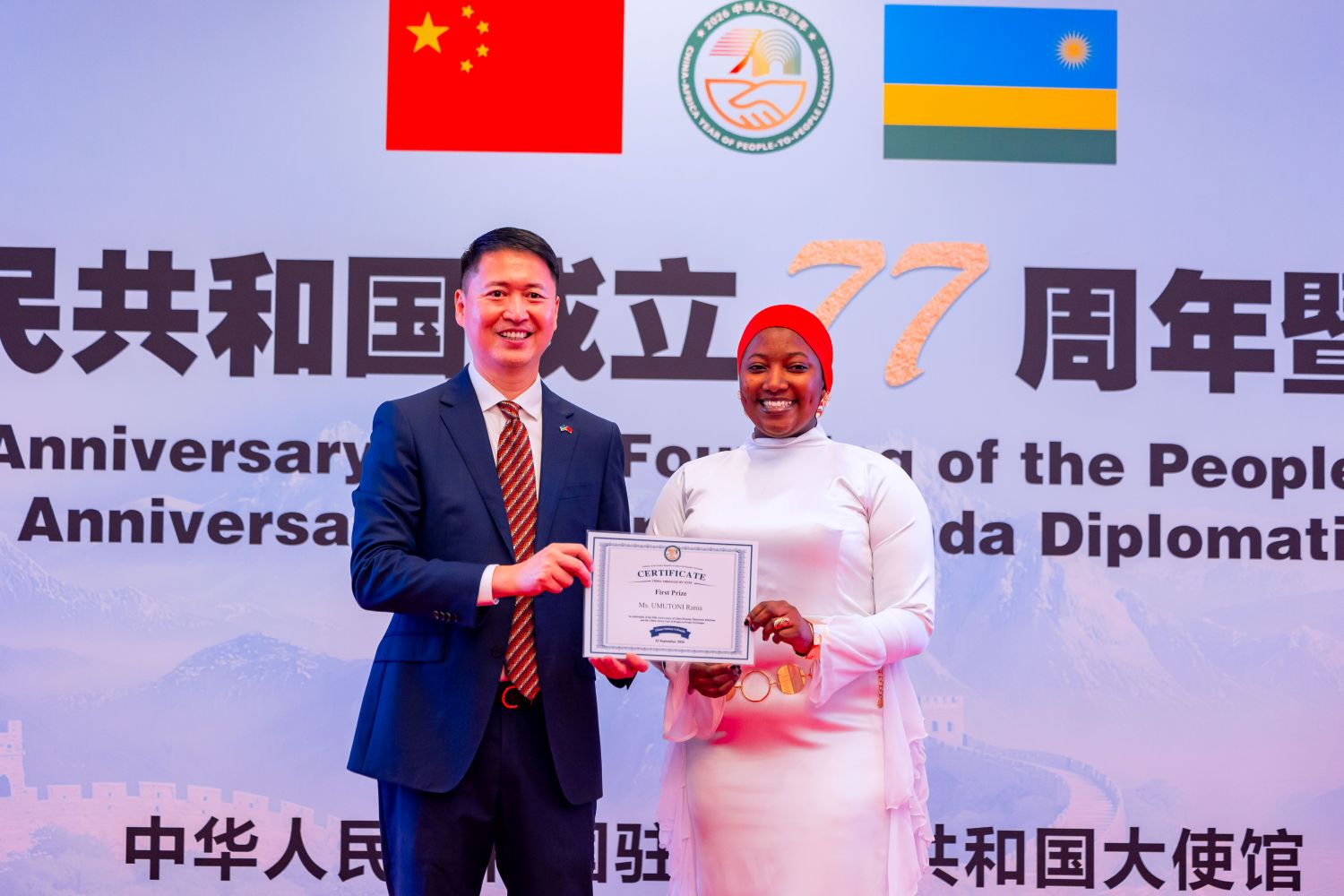
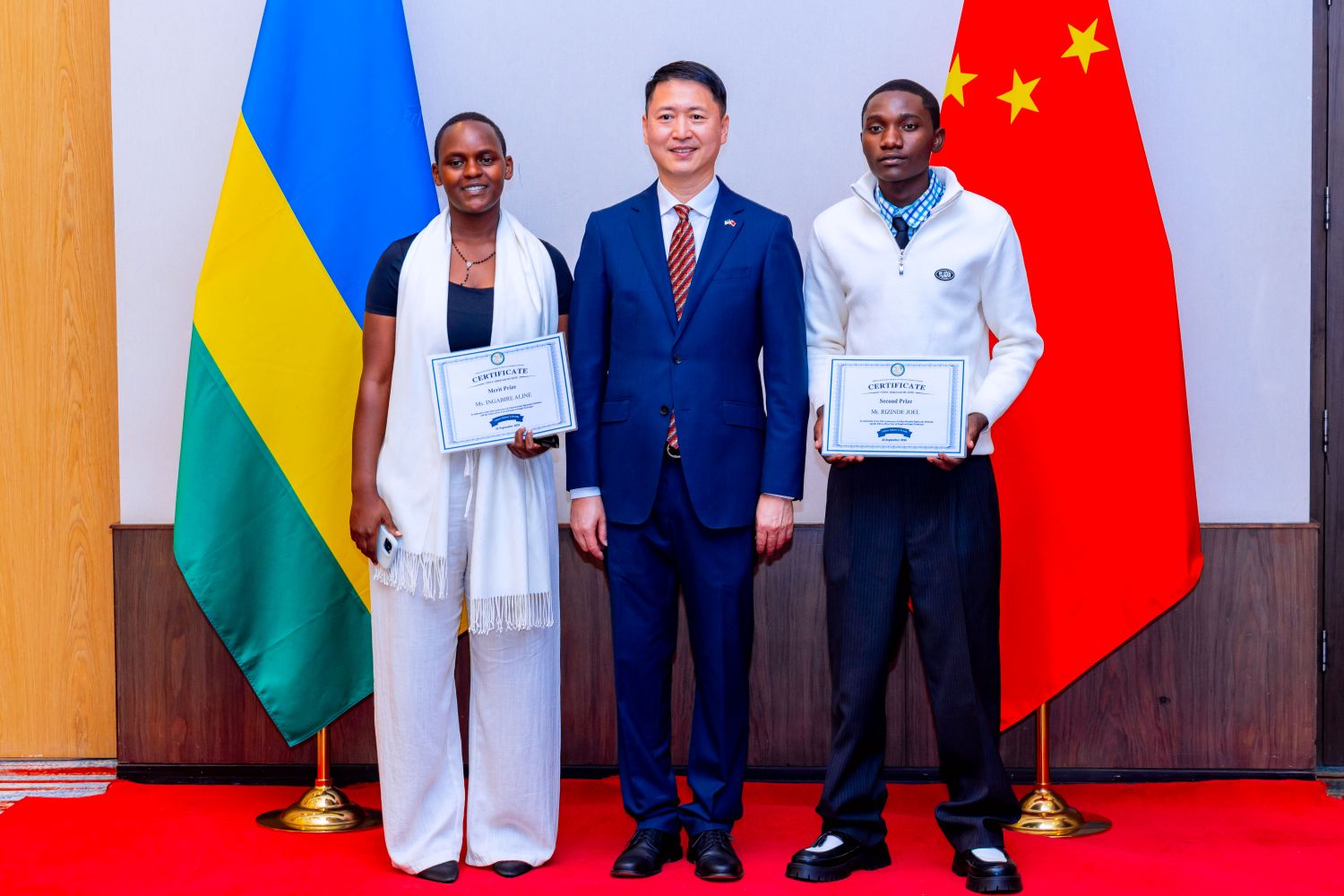
The ceremony, held at the Kigali Marriott Hotel, brought together government officials, diplomats, members of the Chinese community and other guests to celebrate the longstanding ties between Rwanda and China.Chinese Ambassador to Rwanda Gao Wenqi and members of the Chinese delegation take Minister of State for Foreign Affairs Dr Usta Kaitesi on a tour of an exhibition during the reception at the Kigali Marriott Hotel on September 22, 2026.Chinese Ambassador to Rwanda Gao Wenqi poses for a photo with Israeli Ambassador to Rwanda Einat Weiss during the reception at the Kigali Marriott Hotel on September 22, 2026.Chinese Ambassador to Rwanda Gao Wenqi poses for a photo with British High Commissioner to Rwanda Alison Thorpe during the reception at the Kigali Marriott Hotel on September 22, 2026.The ceremony marked the 77th anniversary of the founding of the People’s Republic of China and 55 years of diplomatic relations between China and Rwanda.Chinese Ambassador to Rwanda Gao Wenqi poses for a photo with representatives of security organs during the reception at the Kigali Marriott Hotel on September 22, 2026.The colorful ceremony featured various cultural performances, including a traditional Chinese dragon dance.IGIHE journalist Rania Umutoni was among the participants awarded during the National Day reception after winning first prize in the “China Through My Eyes” competition for her story showcasing her experience of China.Several participants were recognised at the ceremony.
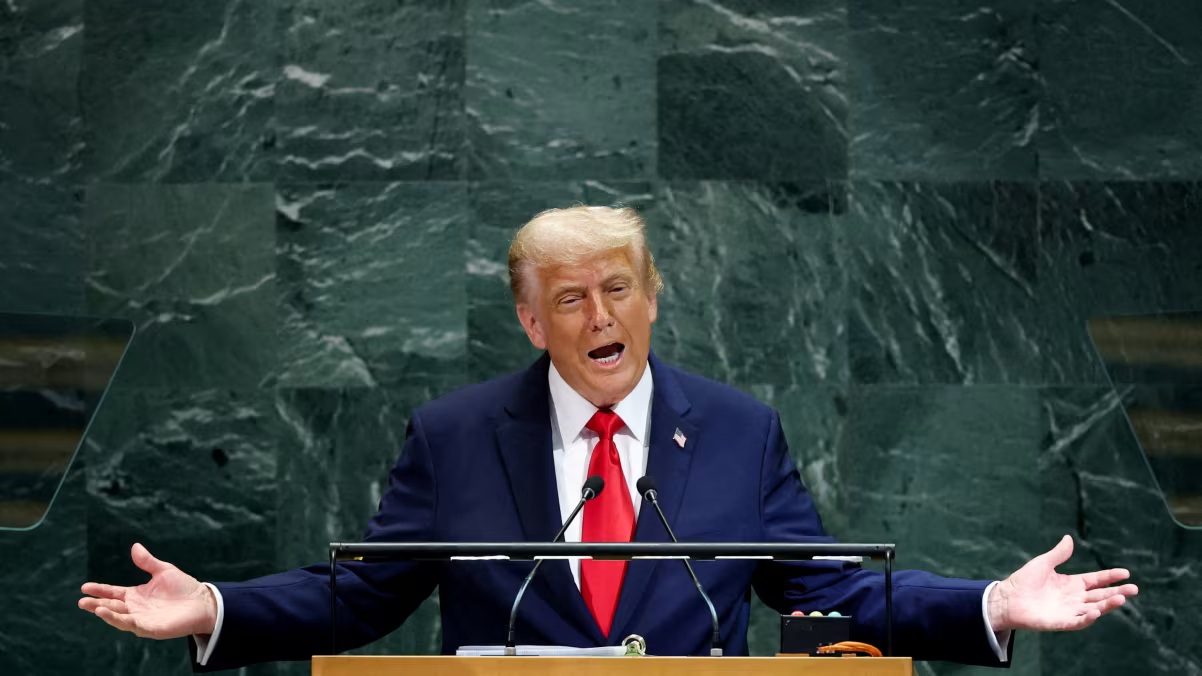
Trump made the remarks during his address to the United Nations General Assembly in New York on Tuesday, where he announced that the United States would use the new term in its official documents and expressed hope that other countries would follow.
“From this point forward, all of United States’ documents, and hopefully the world’s, will be changed to use the more accurate term ‘super’ as opposed to ‘artificial’. So it’s ‘super intelligence’,” Trump said.
The proposal follows a series of polls on Trump’s Truth Social account in which he asked users to choose possible alternatives to artificial intelligence.
Other names floated by Trump included “superior intelligence” and “extreme intelligence”, but “super intelligence” emerged as the preferred option.
It remains unclear how the proposed change would be implemented or whether it will be adopted beyond the US government.
Experts have questioned the terminology, noting that “super intelligence” already has a specific meaning in the technology industry.
The term is commonly used to describe a hypothetical form of intelligence that would surpass human capabilities across a broad range of areas. It has been particularly associated with philosopher Nick Bostrom, who has written extensively about the concept.
Trump’s push to rename AI comes as governments and technology companies debate how rapidly the technology should develop and whether stronger regulation is needed.
The president has argued against regulations that he believes could slow US technological progress, particularly as Washington competes with China for leadership in AI.
“We’re leading now over China by a lot, and everyone else, and we’re going to keep it that way,” Trump said at the UN.
He also said he would not “stifle the growth” of technology that he expects to become bigger than the Industrial Revolution.
Trump is due to meet Chinese President Xi Jinping this week, with artificial intelligence expected to feature in discussions between the leaders of the world’s two largest economies.
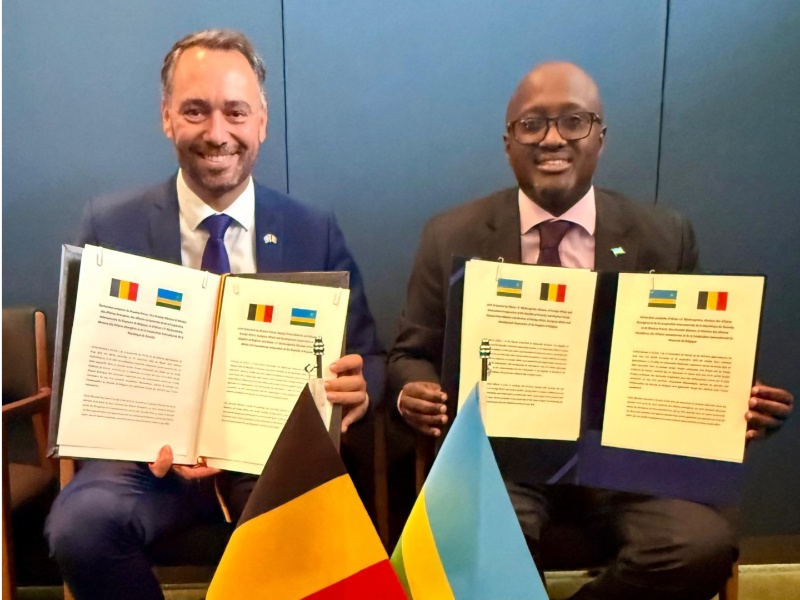
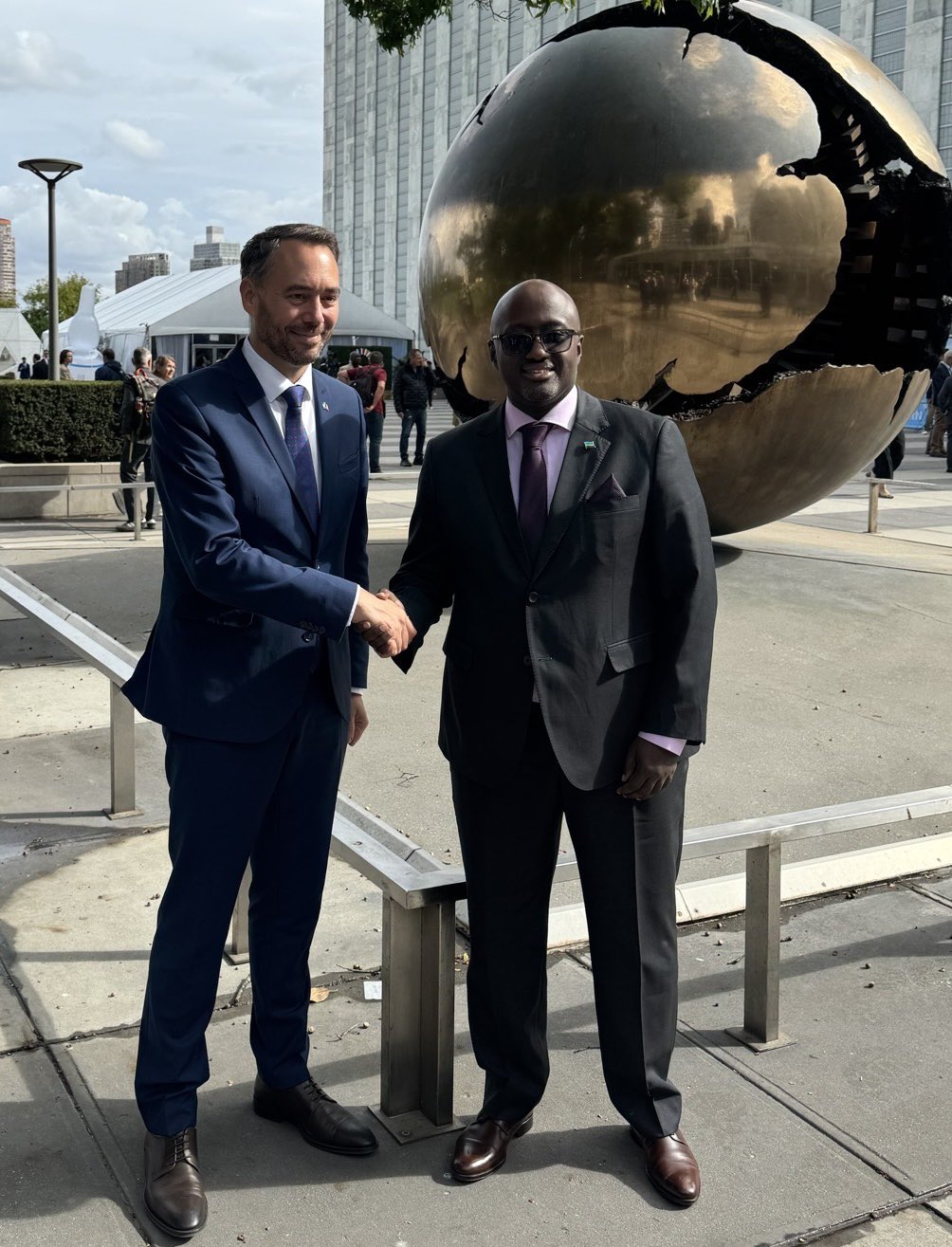
The decision was announced on Tuesday, September 22, in a joint statement issued by Rwanda’s Minister of Foreign Affairs and International Cooperation Olivier J.P. Nduhungirehe and Belgium’s Deputy Prime Minister and Minister of Foreign Affairs, European Affairs and Development Cooperation Maxime Prévot.
The ministers issued the statement on the sidelines of the ongoing 81st United Nations General Assembly in New York, United States.
The two sides said their embassies will reopen in the “near future”. As an initial step, each mission will be headed by a chargé d’affaires ad interim, supported by a diplomat or consular officer and a small technical support team.
The two countries will subsequently begin the process of appointing ambassadors. Rwanda’s ambassador to Belgium will also be accredited to the European Union, according to the statement.
The restoration follows a series of meetings and informal contacts between Nduhungirehe and Prévot in recent months, during which the two sides said they addressed a number of differences and misunderstandings in a constructive spirit.
The two ministers expressed their gratitude to Qatar for facilitating their first meeting in Doha in June 2025.
Rwanda and Belgium said they would maintain “an open, candid and transparent dialogue” as they work to address bilateral differences and divergent positions on international issues.
They also agreed on “non-interference, mutual respect, and constructive engagement” as principles that will guide their future bilateral relations.
The statement said the two countries recognise dialogue as “essential for addressing bilateral differences and discussing divergent positions and outstanding disagreements on international issues.”
Rwanda severed diplomatic ties with Belgium on March 17, 2025, accusing Brussels of taking sides in the conflict in eastern Democratic Republic of Congo and of systematically mobilising against Rwanda in international forums.
Rwanda also accused Belgium of seeking to undermine the country and the region in pitiful attempts to sustain its neocolonial delusions.
The dispute came amid tensions over the conflict in eastern DRC, where Rwanda has faced accusations of supporting the M23 rebel group. Kigali has consistently denied the allegations.
Rwanda has instead maintained that its main security concern is the collaboration between the Congolese government and the FDLR, an armed group composed of remnants of perpetrators of the 1994 Genocide against the Tutsi.
The restoration of diplomatic relations reopens formal channels between Kigali and Brussels after more than a year of strained relations.
The restoration follows a series of meetings and informal contacts between Rwanda’s Foreign Affairs Minister Olivier J.P. Nduhungirehe and Belgium’s Deputy Prime Minister and Minister of Foreign Affairs, Maxime Prévot, in recent months, during which the two sides said they addressed a number of differences and misunderstandings in a constructive spirit.
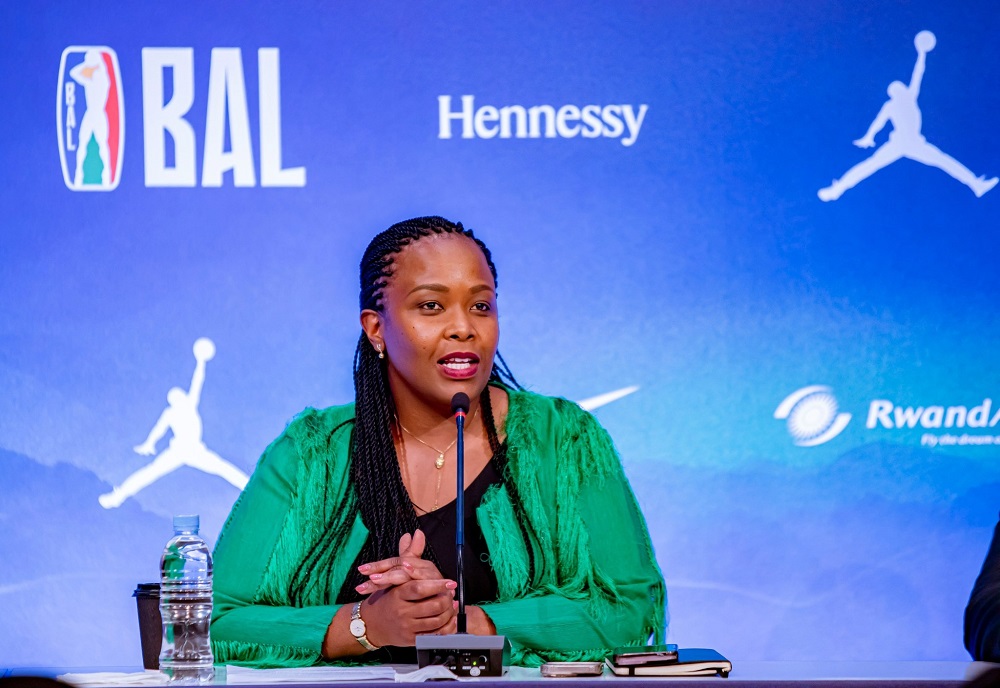
Clare Akamanzi, CEO of NBA Africa, outlined the plans during a panel at the Unstoppable Africa 2026 forum in New York on September 21, held on the sidelines of the 81st United Nations General Assembly.
Akamanzi explained that the BAL had spent its first six seasons proving that a credible professional basketball competition could be built and sustained on the continent.
The focus is now shifting towards creating opportunities for African and global investors to own BAL teams permanently.
“We’re now going to a more permanent structure where we’re giving and exploring opportunities for African investors and other global investors to own teams permanently, in perpetuity, in the BAL, backed by the NBA and FIBA,” Akamanzi stated during the panel, titled “Real Value from the Field: Protecting and Profiting from Africa’s Talent Pipeline,” and moderated by WNBA All-Star and broadcaster Chiney Ogwumike.
She revealed that NBA Africa is already seeing interest from investors, including those on the continent, who are exploring team ownership as a commercial opportunity.
The move comes as the BAL seeks to deepen its business ecosystem beyond the games themselves, with opportunities spanning team ownership, sponsorship, media, hospitality, transport, aviation, security and digital services.
Akamanzi pointed to the league’s first six seasons as a proof of concept, demonstrating that African audiences are willing to consume professional basketball and that companies on the continent are increasingly prepared to invest in the sport.
“We showed that Africans are actually ready to consume sport,” she remarked, pointing to the growing audience for the BAL in countries including Rwanda, South Africa, Senegal, Morocco and Egypt.
She also highlighted the league’s growing corporate base, noting that it finished the previous season with 22 marketing partners, mostly African brands.
Media partnerships have also expanded around the competition, with broadcasters including Canal+ helping distribute BAL games to audiences across the continent.
The economic impact of the league has been significant. NBA Africa estimates that the first four BAL seasons generated $250 million in GDP across the countries where games were hosted and contributed to 37,000 jobs.
Akamanzi reiterated that the league’s longer-term expansion could increase its estimated economic contribution to $5.4 billion in GDP and 650,000 jobs within a decade.
For Akamanzi, the next challenge is to turn the league’s growing audience and commercial interest into a deeper ownership structure that allows African investors to participate directly in the value created by the sport.
“It’s really looking at the game beyond the court,” she emphasised, arguing that investment in sports also creates opportunities across the wider economy.
Simon Tiemtore, founder, chairman and CEO of Lilium Capital Group and chairman of Vista Bank Group, backed the push for greater African ownership, pointing to the difficulty many investors face in entering the sports business.
Tiemtore disclosed that he was working with NBA Africa and Afreximbank through its Creative Africa Nexus (CANEX) programme to create financing structures that could enable more Africans to own teams.
“It’s expensive to get in, to have an entry point,” Tiemtore noted. “So with Afreximbank, we created some sort of structure financing program to essentially enable more Africans to own their own team and their own destiny.”
He also cited his investment in E1, the electric powerboat racing championship, where he co-owns Team Drogba Global Africa with partners including Afreximbank.
Kingsley Pungong, executive chairman of Rainbow World Group, stressed that private investment alone would not be enough to build a sustainable sports industry.
He called for African governments to place sports at the centre of economic policy and invest in the infrastructure needed to support professional leagues.
“You need infrastructure. You need enshrined policy,” Pungong argued, noting that athletes will continue to move to markets offering stronger commercial opportunities unless African countries build ecosystems capable of retaining and rewarding talent.
He pointed to Saudi Arabia, China and the United States as examples of markets where long-term investment, infrastructure and government support have helped build powerful sports ecosystems.
Tiemtore also called for stronger financial services tailored to African athletes, including banking, wealth management and investment products that can help athletes preserve and reinvest wealth generated abroad.
He noted that many African sporting stars use financial institutions outside the continent and argued that African banks should develop products that allow athletes to manage their earnings and invest back home.
The economic impact of the league has been significant. NBA Africa estimates that the first four BAL seasons generated $250 million in GDP across the countries where games were hosted and contributed to 37,000 jobs.Akamanzi pointed to the league’s first six seasons as a proof of concept, demonstrating that African audiences are willing to consume professional basketball and that companies on the continent are increasingly prepared to invest in the sport.
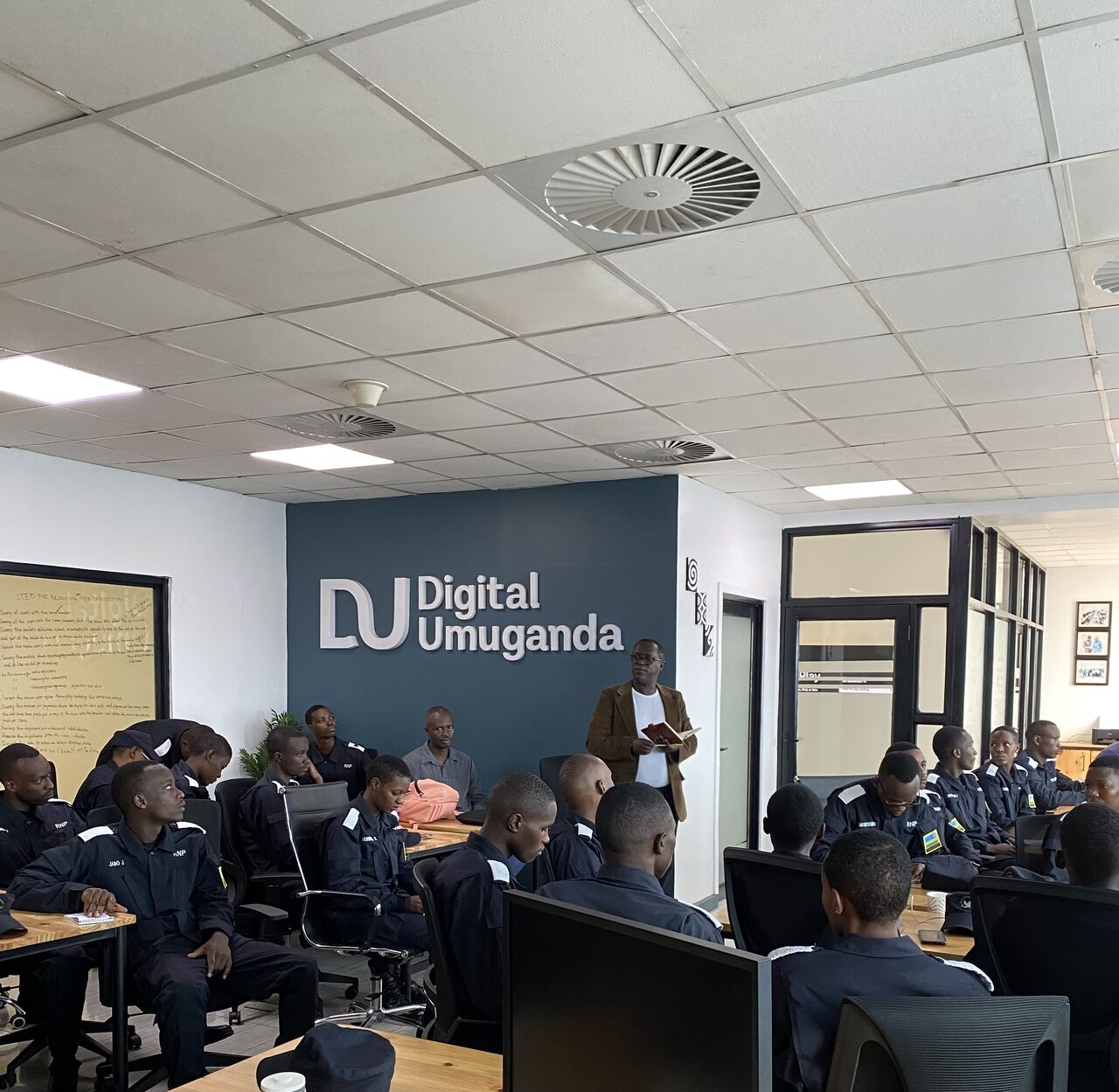
IremboGov, Rwanda AI Scaling Hub and Digital Umuganda are among the initial signatories backing the five-year commitment, which brings together technology companies, researchers, governments, philanthropic organizations and community groups from around the world.
The initiative was announced in New York on September 21, with the signatories calling for broader collaboration to make AI tools more effective and accessible in the languages and voices people use in their daily lives.
Other signatories include Amazon, Anthropic, Gates Foundation, Google, Microsoft, Mistral, NVIDIA, UNICEF, World Bank Group, OpenAI Foundation and Zoom.
Closing AI’s language gap
There are roughly 7,000 languages spoken around the world, but only a small proportion are considered sufficiently resourced to support strong AI capabilities.
Many languages have limited representation in the datasets, tools and benchmarks used to develop and evaluate AI systems. This can result in AI tools that are less accurate or useful for speakers of those languages.
The challenge also extends beyond written text. The coalition says voice-based AI can be particularly important in communities where typing or text-based interfaces are less practical.
Dialects, slang, idioms and cultural context can also affect how AI systems understand and respond to people, creating risks when accuracy is important, including in areas such as health, education, agriculture, financial services and public services.
The coalition’s five-year goal is to make AI tools available in the languages and voices of an estimated 3.4 billion people whose languages are currently underrepresented in AI models.
Four areas of focus
The participating signatories will work across four main areas.
The first is developing an open language layer, including shared and safe data infrastructure that AI developers can use under open licences.
The second is developing assessments and benchmarks to track whether AI systems are making measurable progress in supporting more languages.
The third involves turning language data into models and applications that can be used by AI developers, including those without the resources to build such systems independently.
The fourth focuses on ensuring that the technology reaches people responsibly, with attention to privacy, consent and data sovereignty.
The coalition builds on existing work by organizations developing datasets, language models, benchmarks and AI applications for languages that have received less attention in the development of AI.
Rwanda’s role
Rwanda’s participation brings together entities working across digital public services, AI development and the country’s broader digital transformation ecosystem.
IremboGov operates Rwanda’s digital government services platform, through which citizens and residents can access a wide range of public services online. Its participation connects the initiative to Rwanda’s experience using digital technology to make government services more accessible.
The Rwanda AI Scaling Hub supports the development and adoption of AI in Rwanda, while Digital Umuganda works to expand digital skills, access and participation in technology, particularly at the community level. Both are among the Rwandan signatories to the commitment.
Their participation places Rwanda alongside major technology companies, research institutions, governments and development organizations working to expand the reach of AI.
The coalition says its detailed governance structure and workstreams will be developed collaboratively over the coming year. The participating signatories will contribute according to their respective expertise and capabilities.
The initiative also invites additional participants across the global AI ecosystem to join the effort and contribute resources, research, technology or implementation expertise.
Digital Umuganda, one of the signatories, works to expand digital skills, access to technology and participation in the digital economy, particularly at the community level.
The Burkinabé says he does not want their marital problems to become a media war, but believes some questions should be answered through evidence and the appropriate legal processes.
In an interview with IGIHE, Idrissa discussed how his relationship with Vestine began, why he decided to marry her, problems that emerged after she travelled to Canada, allegations involving other women, questions surrounding their child and his decision to request a DNA test.
Idrissa declined to do a video interview. Instead, he responded in writing to 15 questions from IGIHE.
Throughout his responses, he avoided making accusations against Vestine or other people, repeatedly stressing that he did not want to litigate their personal disputes through the media.
“I am not interested in winning a public argument against my wife. I am interested in having the facts properly established and in handling this situation with dignity,” he said.
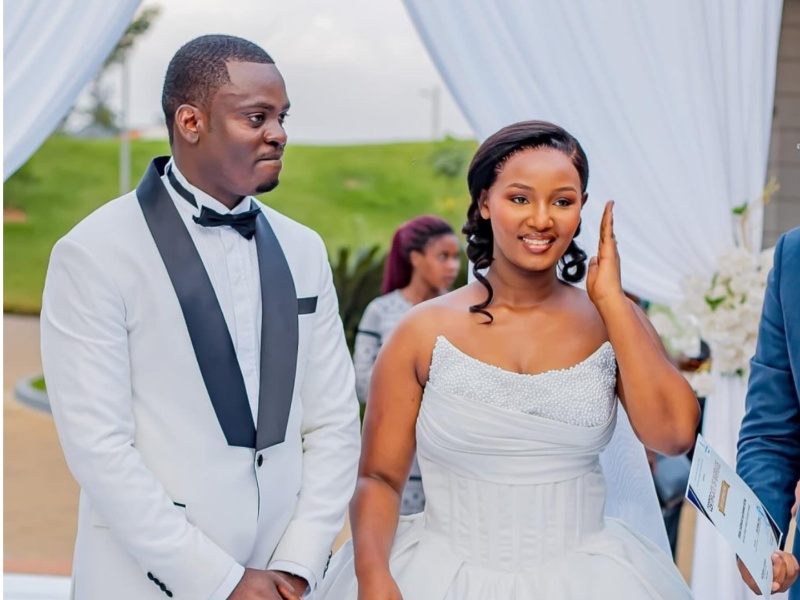
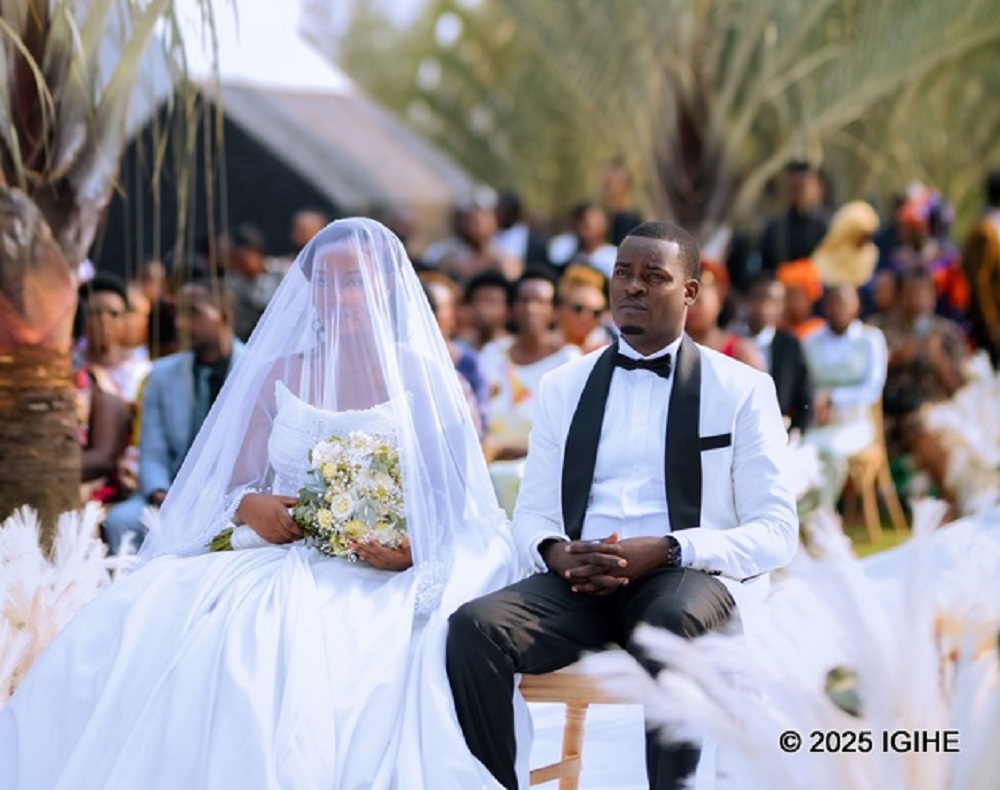
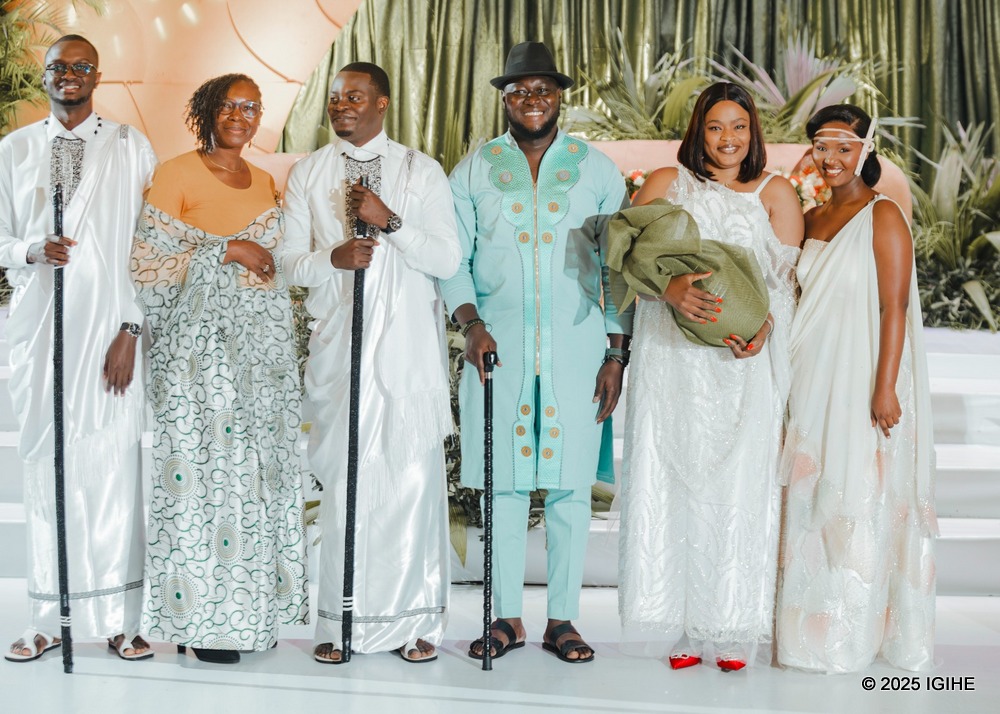
Vestine and Ouédraogo married on July 5, 2025, after their relationship became public. The couple had earlier formalised their union through a civil marriage.
‘I entered the marriage sincerely’
Idrissa said his relationship with Vestine developed gradually before they decided to build a life together.
“Vestine and I met and, over time, our relationship developed into something serious. We shared important moments together and eventually decided to build a life as husband and wife,” he said.
He declined to discuss how they first met, saying he did not want to turn their personal history into a public dispute.
“What I can say is that, at the time we made the decision to marry, I genuinely believed in our relationship and in the future we were building together,” he said.
A person familiar with the couple’s relationship told IGIHE that the two first became acquainted through social media.
According to the source, Idrissa was living in China and had posted a song by Vestine and Dorcas on his status. One of his followers reportedly told him they could introduce him to the musicians.
Asked why he decided to marry Vestine, Idrissa said the decision was not made lightly.
“Marriage is not a decision I took lightly. I believed that we had a relationship worth building on and that we could create a family together,” he said.
“I entered the marriage sincerely and with the intention of making it work. Whatever difficulties have arisen since then should not change the sincerity with which I entered that commitment.”
Wedding photos and the problems that followed
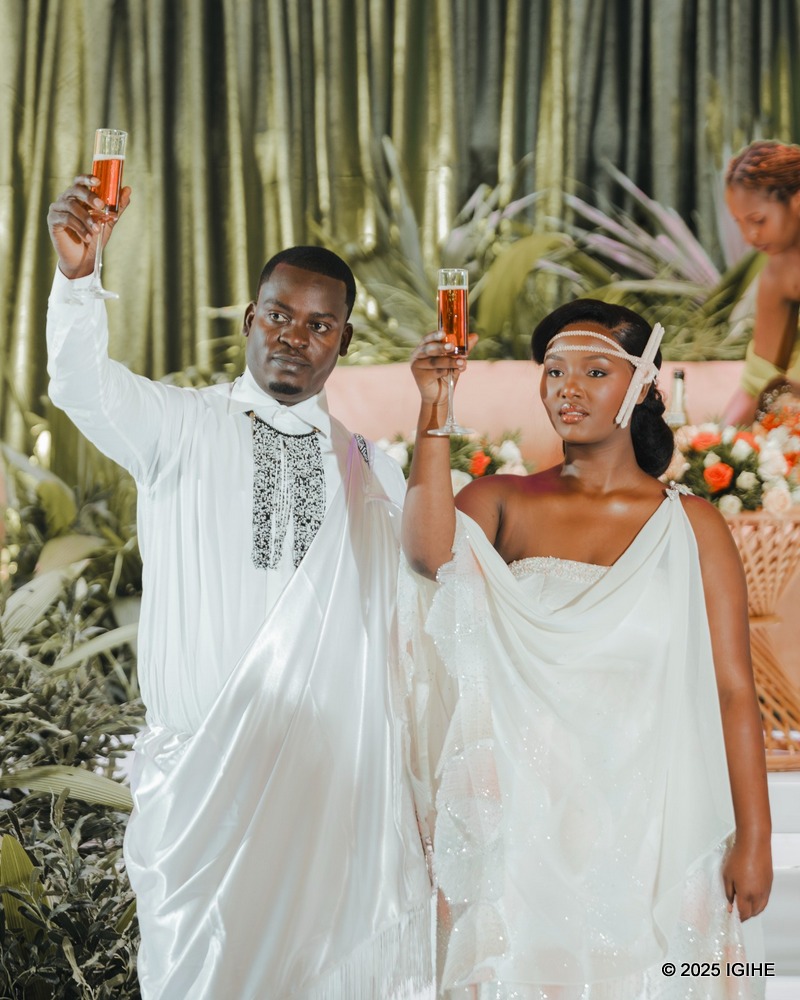
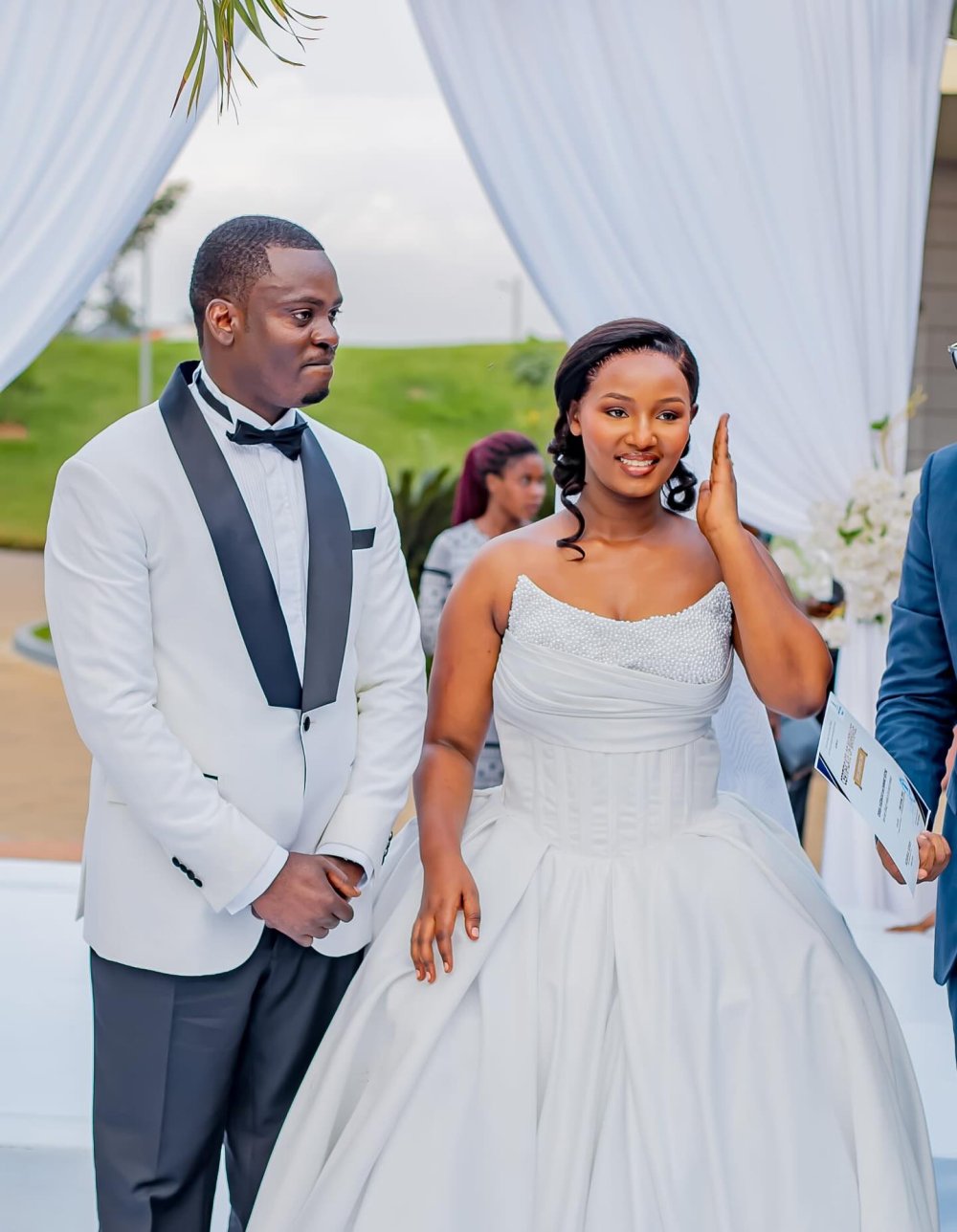
Photos from the couple’s wedding have been widely discussed on social media, with some users interpreting Idrissa’s expression as a sign that he was unhappy.
He rejected that interpretation.
“A photograph captures a moment, not an entire relationship,” he said.
“I don’t think someone’s facial expression in a few photographs can reasonably establish what was happening in their marriage. There were many emotions surrounding that day, and I would not want people to draw conclusions about our relationship based on photographs alone.”
Idrissa said the early months of the marriage involved both good moments and challenges.
“Like many marriages, we had good moments as well as challenges. From my perspective, I was committed to the marriage and to resolving difficulties privately whenever possible,” he noted.
He said the situation became more complicated after Vestine travelled to Canada.
“From my perspective, there was nothing at the beginning that I would describe as a major conflict between us. We had our normal challenges as a couple, but we continued moving forward with our marriage and our plans as a family,” he said.
“The situation changed later, particularly after Vestine travelled to Canada. That is when circumstances became more complicated and certain questions and misunderstandings arose.”
He declined to discuss the details, citing ongoing legal and family matters.
A person close to Idrissa told IGIHE that disagreements emerged after Vestine arrived in Canada and began staying in the same house as Murindahabi Irene, despite arrangements for them to stay separately.
Court documents show that on December 4, 2025, lawyers representing Idrissa filed a complaint with investigators, including allegations related to Vestine’s trip to Canada and Murindahabi’s alleged role in it.
Among the evidence examined were messages Idrissa sent to Irene. In one, he agreed that Vestine should remain in Canada because she was pregnant. In another, he later asked that Vestine return to Rwanda.
The prosecution said the two messages contradicted each other. The issue also featured in the decision concerning a complaint alleging “abandonment of the matrimonial home.”
Vestine wants her marriage to Idrissa dissolved.
Allegations involving other women
Vestine has also alleged in her divorce filings that Idrissa had relationships with other women and that two women became pregnant by him.
Idrissa acknowledged the allegations but declined to address them in detail.
“I am aware of those allegations, but I would like to be very careful because these are serious personal allegations,” he stated.
“There are different versions of events, and I don’t believe a public interview is the appropriate place to litigate those matters. Where there are specific facts that need to be established, I am prepared to address them through the appropriate legal channels.”
Asked whether he has two children outside the marriage, he again declined to confirm or deny the claim.
“I don’t want to make statements in the media that could later be taken out of context or affect ongoing proceedings,” he said.
Asked specifically about claims that he had a romantic relationship with Last Sandra, Idrissa also declined to comment.
“I’m aware of the claims circulating publicly, but I don’t think it would be appropriate for me to comment on private matters or unverified allegations in the media,” he stressed.
On whether communication with other women contributed to problems in the marriage, Idrissa said he did not believe responsibility could be assigned to one person or event.
“Every marriage can be affected by communication, trust and misunderstandings, but I don’t think it would be fair for me to place the entire responsibility for the breakdown of a marriage on one person or one event,” he remarked.
Why did he request a DNA test?
One of the most contentious issues concerns the child Vestine gave birth to in Canada.
Court documents show that Idrissa filed a complaint alleging that Vestine refused to inform him that she had given birth and denied him access to the child.
The case file also records statements Vestine made to an investigator. She reportedly said one of the issues between her and Idrissa was that he “does not accept the child.” The file also records her allegation that Idrissa linked her to Murindahabi.
Those are statements attributed to Vestine during the investigation and are not presented in the case file as established facts.
Idrissa said his decision to seek legal clarification was about establishing his position as a father.
“My decision to seek legal clarification was not intended to create a public confrontation. It was about obtaining clarity regarding my position as a father and ensuring that the relevant questions concerning the child are addressed properly,” he revealed.
Asked what prompted him to request a DNA test, he said there were circumstances that left him with unanswered questions.
“Rather than making accusations publicly, I chose to seek an objective and lawful way of obtaining clarity,” he said.
“For me, a DNA test is not about humiliating anyone or attacking anyone. It is about establishing facts where there are unresolved questions.”
As the dispute continued to circulate on social media, some reports also linked questions about the child’s paternity to Murindahabi Irene, who works with Vestine on music projects.
Idrissa declined to speculate about her involvement.
“I have seen and heard various things circulating publicly, but I don’t believe it would be responsible for me to speculate about another person’s involvement or repeat unverified information,” he said.
“I have no intention of accusing or implicating anyone based on rumours. If there is a question that needs to be established, it should be established through evidence and the appropriate process.”
‘I don’t want to attack her publicly’
Vestine has publicly described experiencing difficult moments during the marriage and said she was hurt by what happened.
Idrissa said he did not want to dismiss her feelings.
“If she experienced pain or felt hurt, I respect that those are her feelings and her perspective,” he said.
At the same time, he said their experiences of the marriage were not identical.
“My experience of the marriage and of what happened is not identical to hers. That is precisely why I believe it is important that both sides are heard before conclusions are reached.”
He said he had no desire to attack his wife publicly.
“She is someone with whom I shared an important part of my life, and I would prefer to speak about the situation with dignity,” he said.
Could they reconcile?
Idrissa did not rule out the possibility of rebuilding the marriage, but said he did not want to make promises about the future.
“At this stage, I think it is more important to deal responsibly with the issues that are already before us rather than make promises or predictions about the future,” he noted.
He said reconciliation would require honesty, mutual respect, trust and willingness from both sides to address the problems that led to the current situation.
“For now, my priority is to handle the situation calmly and responsibly, particularly where the child and the legal proceedings are concerned,” he said.
Idrissa urged people not to draw conclusions based solely on social media, rumours or one side of the story.
“There are important parts of this situation that the public does not know, and there are matters that I cannot discuss fully because of the ongoing legal and family proceedings,” he remarked.
“I am not interested in winning a public argument against my wife. I am interested in having the facts properly established and in handling this situation with dignity.”
He also urged the public to consider the impact of the dispute on their child.
“Behind the headlines there are real human beings and, most importantly, a child. Whatever disagreements exist between adults, the child’s interests should remain at the centre of the matter,” he pleaded.
“I don’t want to fight this matter through the media. Where there are allegations, I am prepared to answer with facts and evidence through the appropriate channels.”
Vestine has publicly described experiencing difficult moments during the marriage and said she was hurt by what happened.
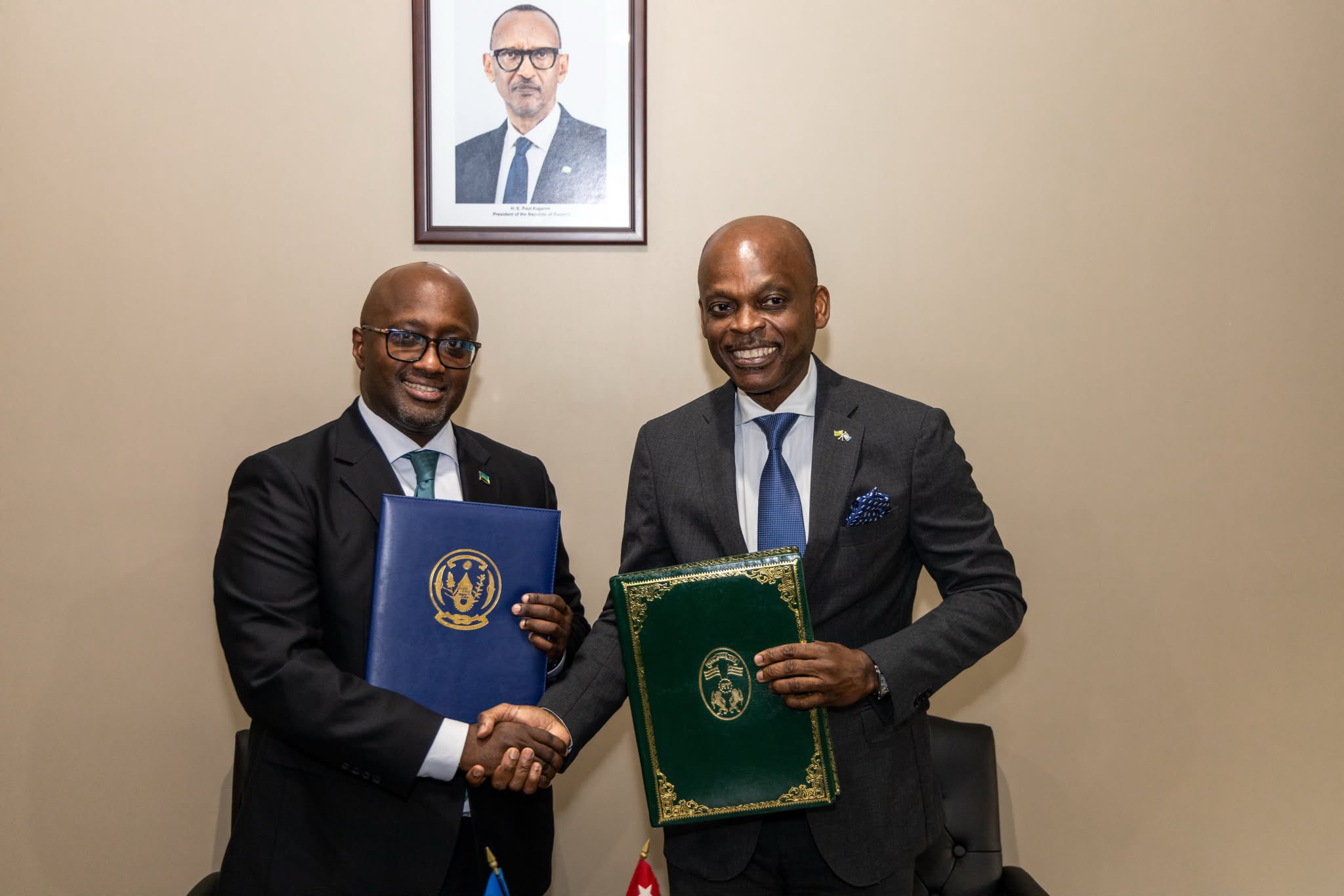
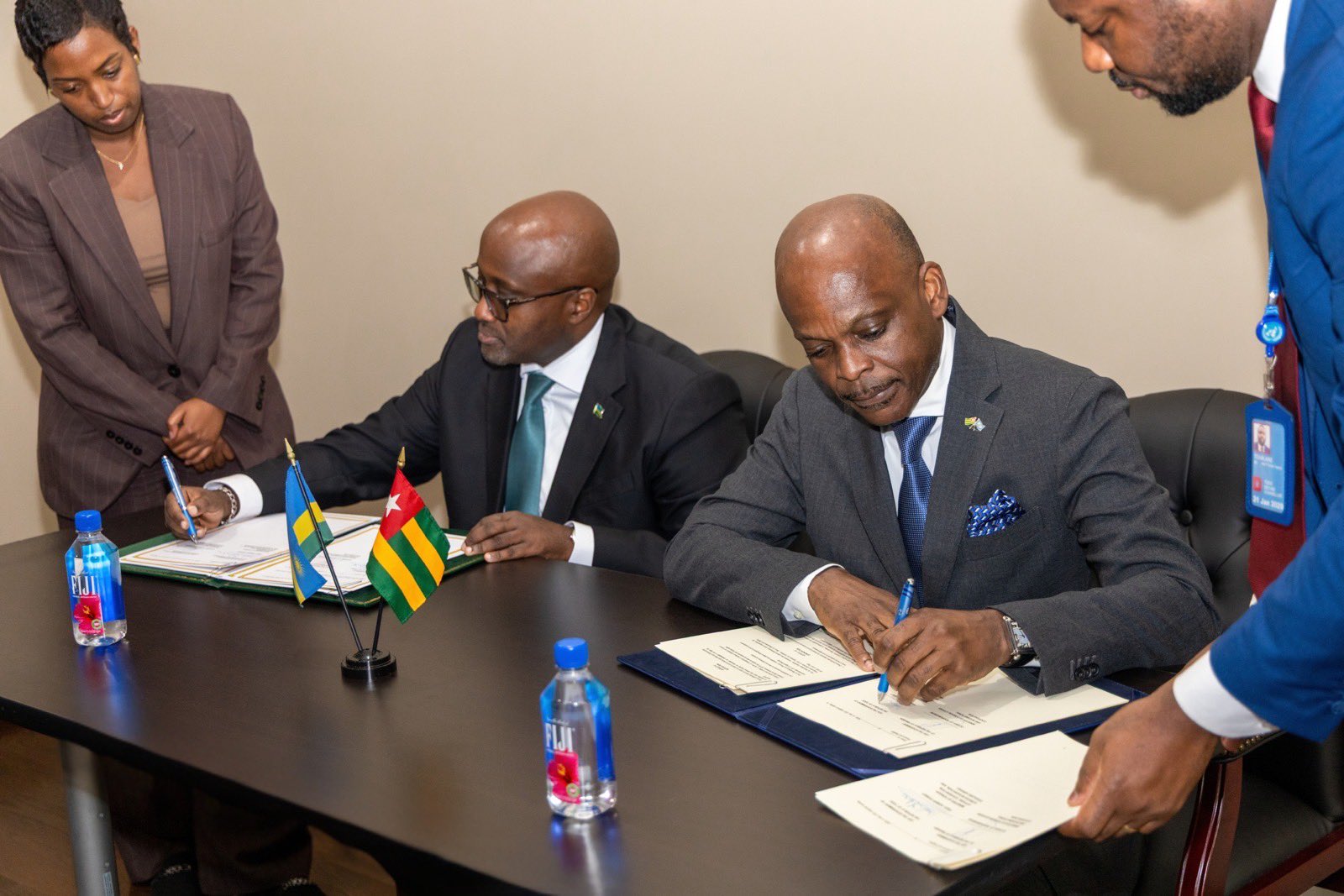
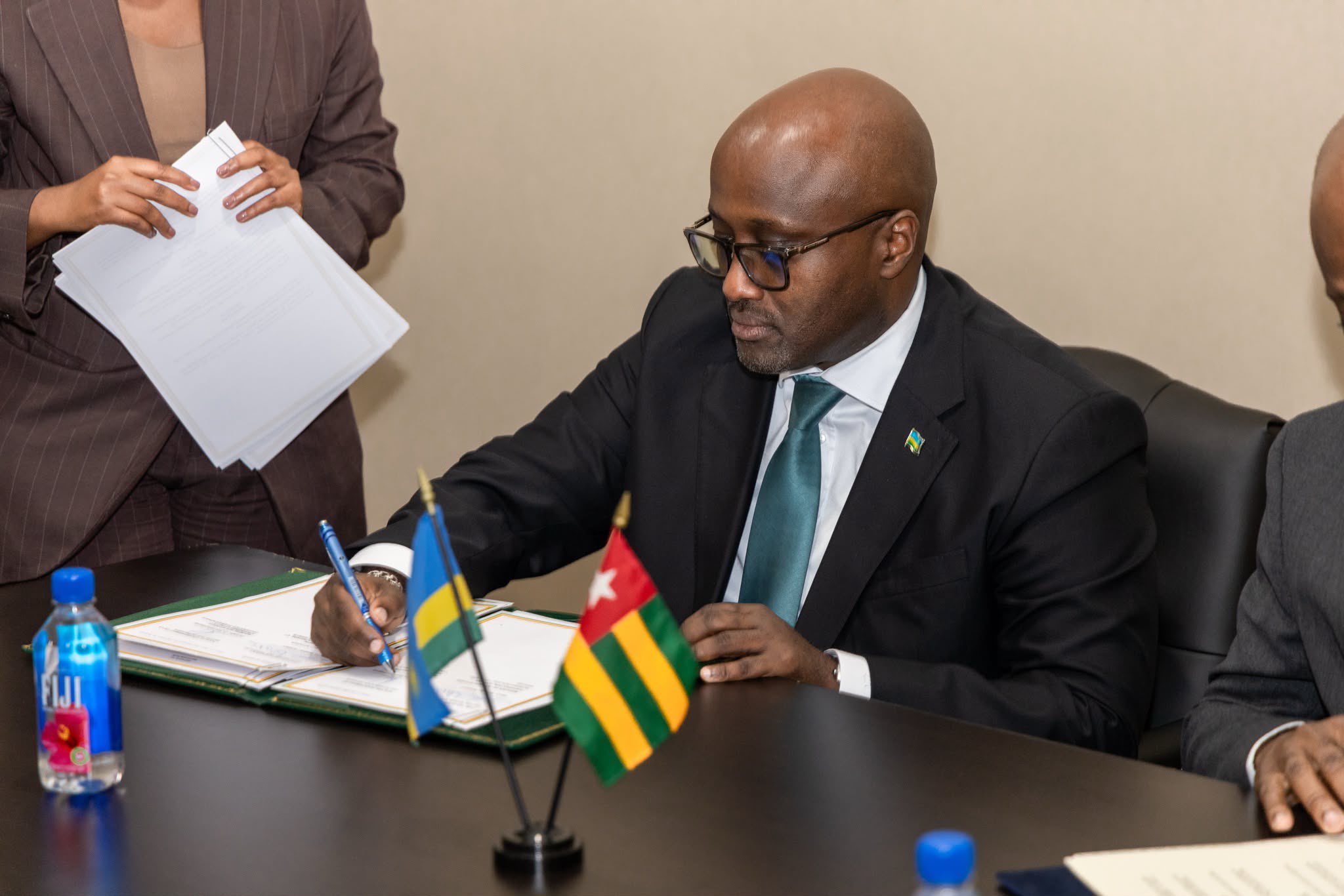
The agreements were signed in New York on the sidelines of the 81st session of the United Nations General Assembly (UNGA 81) by Rwanda’s Minister of Foreign Affairs and International Cooperation, Olivier J.P. Nduhungirehe, and his Togolese counterpart, Prof. Robert Dussey.
The agreements include a Memorandum of Understanding on Political Consultations, a Memorandum of Understanding establishing a Joint Commission for Cooperation, and a Framework Agreement for Cooperation.
The Ministry of Foreign Affairs and International Cooperation said the agreements will further strengthen bilateral relations and cooperation between the two countries.
The new agreements build on growing Rwanda-Togo ties in areas including trade, transport, mobility and regional diplomacy.
In January 2026, Rwanda and Togo signed a reciprocal visa exemption agreement covering all passport categories. The deal was intended to facilitate movement between the two countries and support tourism and trade.
The two countries also have an air services framework dating back to 2018, providing a basis for air connectivity between Kigali and Lomé, including operations involving RwandAir and Togo-based ASKY Airlines.
Rwanda and Togo have exchanged technical expertise in transport, including public transport regulation, cashless payment systems and fleet management. Rwanda has also engaged with Togo on maritime logistics and port management through the Port of Lomé.
The two countries have maintained diplomatic engagement on regional peace and security, including issues concerning the Democratic Republic of Congo and the wider Great Lakes region.
Nduhungirehe is in New York for UNGA 81, where Prime Minister Justin Nsengiyumva is representing President Paul Kagame.
Nsengiyumva is scheduled to deliver Rwanda’s national statement on September 23. He is also expected to participate in high-level meetings, side events and bilateral engagements during the General Assembly.
The UNGA high-level General Debate runs from September 22 to 28 under the theme, “Restoring trust, managing transformation: A United Nations that delivers for all.”
The agreements were signed in New York on the sidelines of the 81st session of the United Nations General Assembly (UNGA 81) by Rwanda’s Minister of Foreign Affairs and International Cooperation, Olivier J.P. Nduhungirehe, and his Togolese counterpart, Prof. Robert Dussey.The agreements include a Memorandum of Understanding on Political Consultations, a Memorandum of Understanding establishing a Joint Commission for Cooperation, and a Framework Agreement for Cooperation.
Under the agreement, Shema admitted to two offences: issuing a cheque without sufficient funds and fraudulently obtaining another person’s property.
The agreement was reached under Article 26 of Law Nº027/2019 of September 19, 2019, on criminal procedure, as well as Articles 5 and 9 of the Prosecutor General’s Guidelines Nº6/2022 of July 19, 2022, on plea agreements.
Shema admitted to the offences after reaching an agreement with the prosecution on September 15, 2026.
He admitted to issuing a cheque without sufficient funds, an offence provided for under Article 126 of Law Nº060/2021 of October 14, 2021, governing negotiable instruments.
He also admitted to fraudulently obtaining another person’s property, an offence provided for under Article 174 of Law Nº68/2018 of August 30, 2018, determining offences and penalties in general.
How the case started
The prosecution said the case stemmed from a business transaction between ABZL International General Trading LLC, a company based in the United Arab Emirates and represented by Jesse Harry Ndambala, and Africa Medical Supplier, represented by Shema.
The two companies entered into an agreement on January 23, 2024, for the purchase of medical equipment worth €1,092,736.
On October 3, 2025, ABZL International General Trading LLC, through lawyer Gahizi Safari, filed a complaint against Africa Medical Supplier and Shema, accusing them of issuing two bounced cheques and fraudulently obtaining its property.
According to the prosecution, Shema repeatedly delayed payment despite being contacted by the company. He responded by email, promising to settle the debt, before issuing two cheques drawn on I&M Bank.
One cheque was for $400,000 and the other for $200,000. The company alleged that the cheques had been incorrectly written in a way intended to prevent the bank from processing them.
When the investigation began, Shema denied the offences. He has since admitted that there was not enough money in his account when he issued the cheques.
He told investigators that he intended to deposit funds from accounts he held in other banks. He also said the cheques were cancelled by the bank before they could be presented for payment and that he has since resolved the dispute by paying the company.
Terms of the plea agreement
Under the agreement, the prosecution will ask the court to convict Shema of issuing a cheque without sufficient funds and fraudulently obtaining another person’s property.
The prosecution will also ask the court to impose a six-month prison sentence suspended for one year and a fine of Rwf3 million.
ABZL International General Trading LLC did not participate in the plea agreement because the payment dispute had already been resolved and the company had been paid.
The agreement applies only to the prosecution of the two offences covered by it.
It does not affect the right of any person to bring civil, commercial, labour or administrative proceedings, nor does it affect any other decisions that may be taken by other authorities.
The parties agreed that if the court rejects the agreement, it will have no legal effect and the prosecution will continue as though the agreement had not been made.
The prosecution also agreed that information provided by Shema during the plea-bargaining process cannot be used for any purpose other than those related to the agreement.
Until the agreement is approved by the court, either party may withdraw from it in writing, provided the reasons are explained to the other party.
The agreement was signed on September 21, 2026, by Shema, his lawyers Rutagengwa Jean Damascène, Me Sangano Yves and Me Niyomugabo Christophe, and prosecutor Tuyisenge Vestine.
What happens next?
Shema is expected to appear before court on September 23, 2026.
His lawyers had notified the Nyarugenge Intermediate Court on September 17 that they were not ready to proceed with the appeal concerning his detention and provisional release because of the agreement reached with the prosecution, which had not yet been presented to the court.
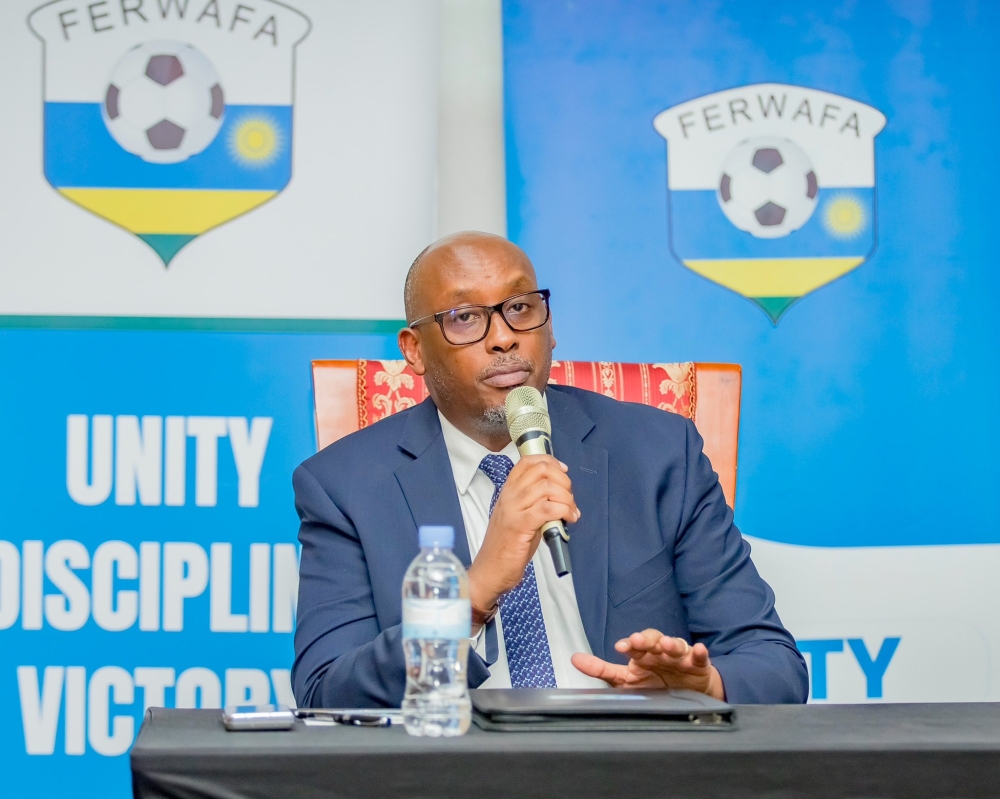
Businessman and Rwanda Football Federation (FERWAFA) President Shema Fabrice Ngoga paid $600,000 owed in a case involving two bounced cheques after reaching a plea agreement with the prosecution.