In a post on his Truth Social account, Trump said he would not stand by and let the “decimation or destruction” of AI happen.
“We will not in any way hinder or stifle the Growth of this incredible Industry. Rather, we will cherish it, help it, and watch over it, as it grows! However, we will also be looking for BAD, and we can do that, very easily, with our already existing Criminal and Civil Justice System,” Trump said.
Trump also described AI as the next Industrial Revolution or Internet, and said it could possibly account for as much as 25 percent of U.S. gross domestic product.
Trump did not provide details on the structure of the planned “AI Force” or the role of the “AI Czar.”
The announcement comes amid growing debate in the United States over the rapid development of AI and its potential risks.
U.S. President Donald Trump said he is forming an “AI Force” and will announce an “AI Czar” in the near future.
The championships are scheduled to take place in Montréal from September 20 to 27, bringing together cyclists from around the world.
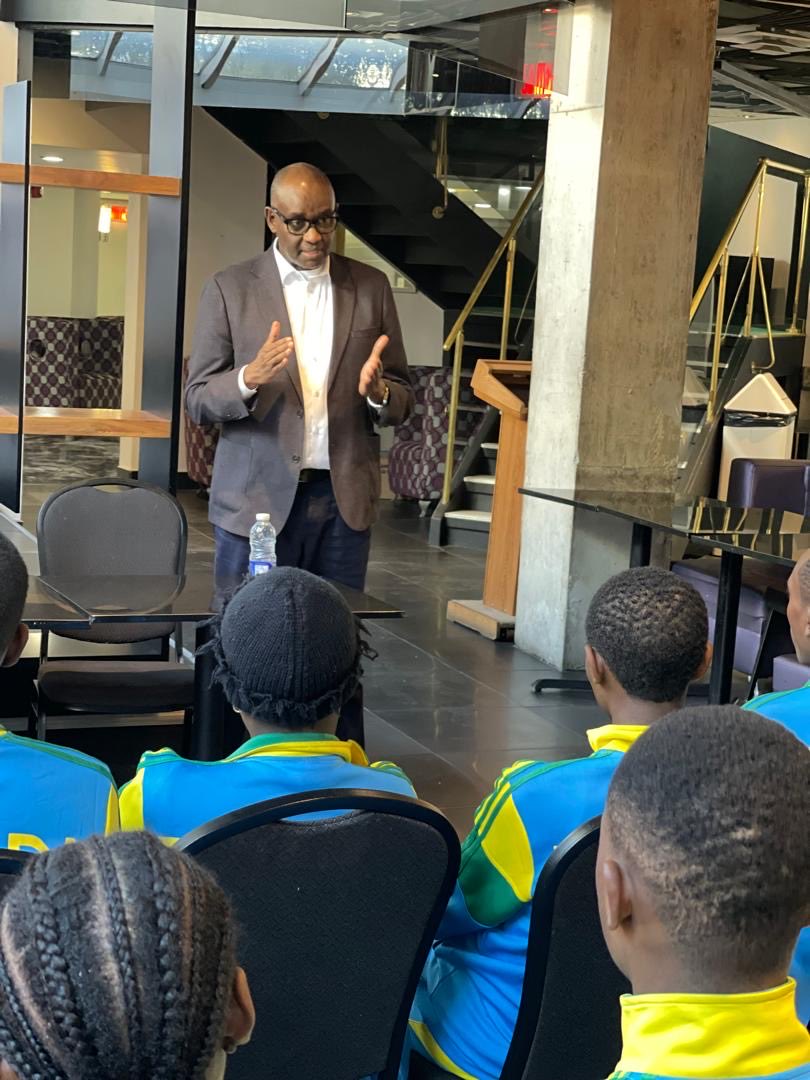
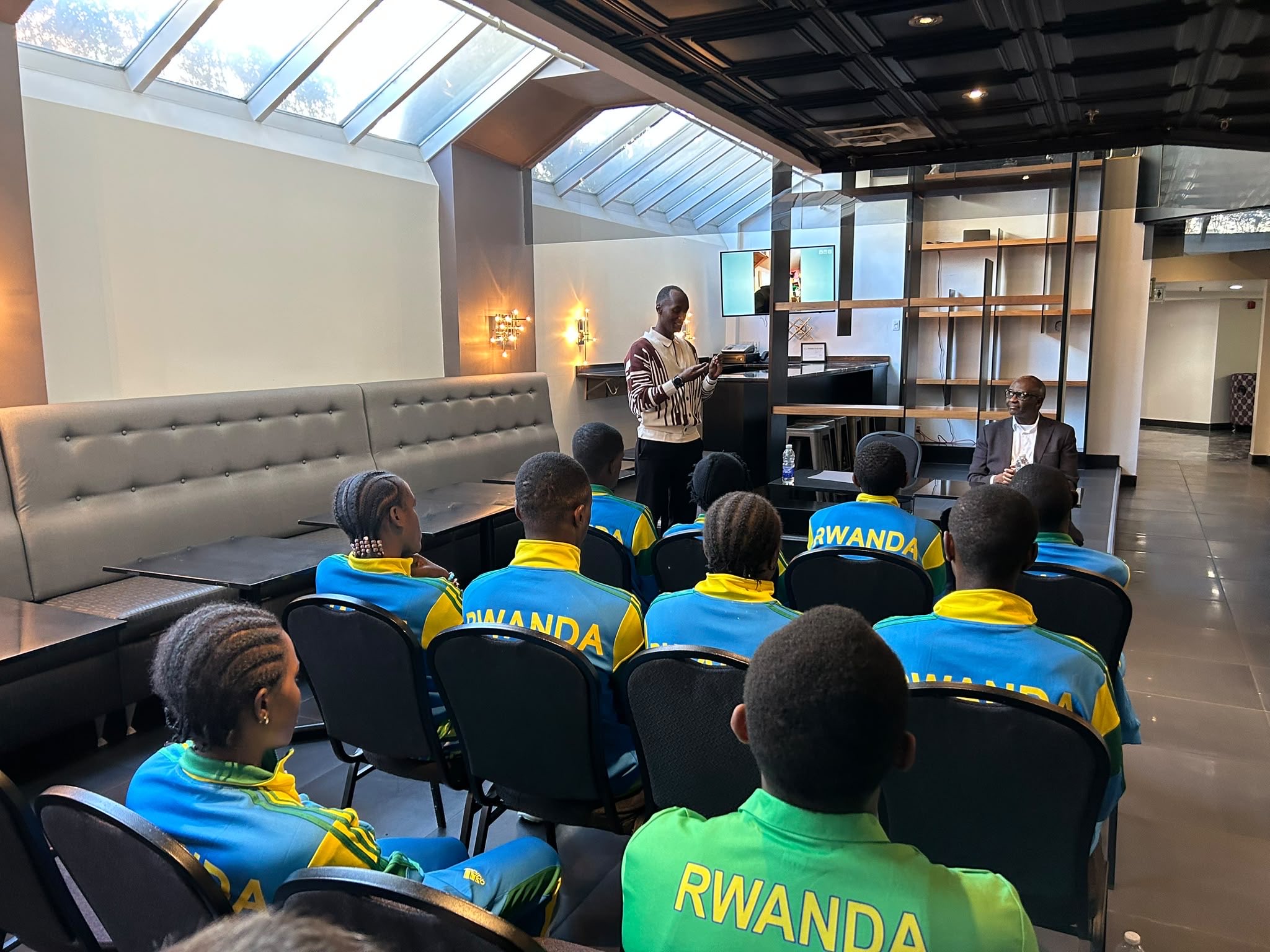
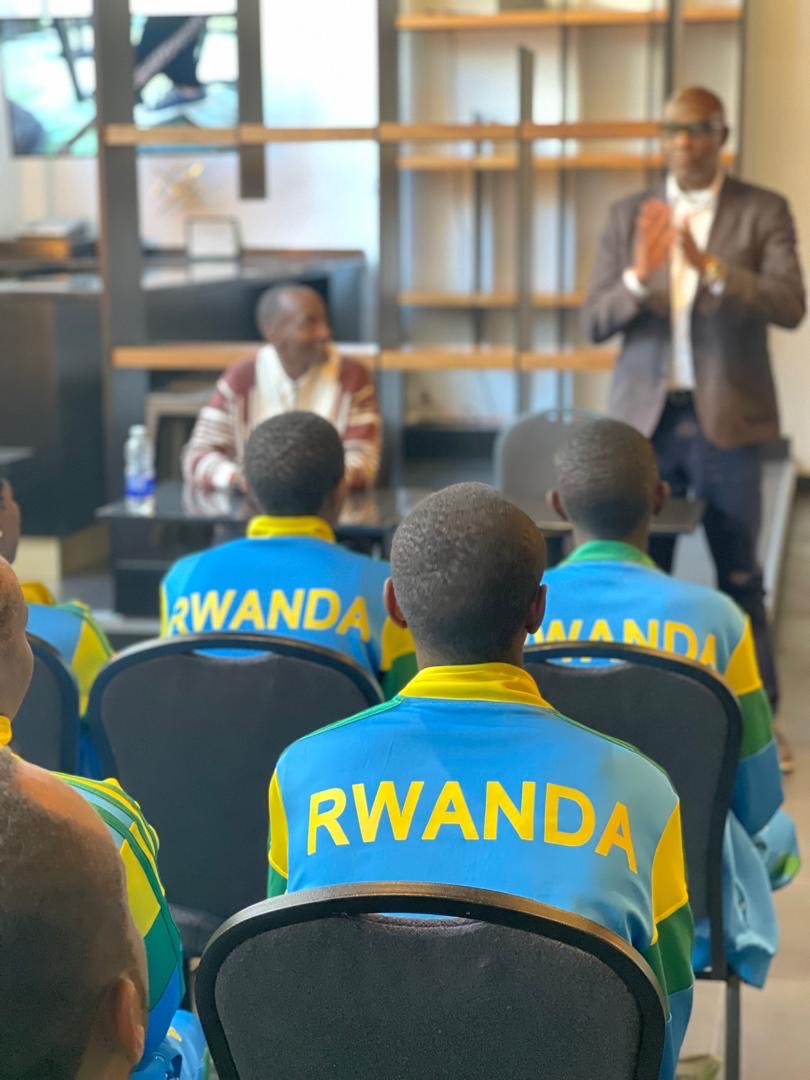
Higiro met the Rwandan delegation on Saturday ahead of the championships. The delegation included FERWACY President Nkurayija Ishimwe Jean Hubert, cyclists and other officials.
Higiro encouraged the riders to use the championships as an opportunity to showcase Rwanda on the international stage.
Rwanda is taking part in the competition following the 2025 edition held in Kigali, which made the country the first in Africa to host the UCI Road World Championships.
Rwanda’s campaign begins on Sunday, with Nirere Xaverine and Ingabire Diane competing in the women’s individual time trial (ITT).
Higiro met the Rwandan delegation on Saturday ahead of the championships. The delegation included FERWACY President Nkurayija Ishimwe Jean Hubert, cyclists and other officials.The championships are scheduled to take place in Montréal from September 20 to 27, bringing together cyclists from around the world.Higiro encouraged the riders to use the championships as an opportunity to showcase Rwanda on the international stage.
Named the “Lindsey O. Graham Sanctioning Russia and Iran Act of 2026,” the act authorizes and expands statutory sanctions, tariffs and prohibitions on Russia and extends existing sanctions on Iran, the release said.
The U.S. House of Representatives passed the bill on Wednesday after the Senate passed it on August 7.
The measure would impose sanctions on Russian officials, banks and vessels used to transport Russian energy. It also authorizes Trump to impose tariffs of up to 100 percent on goods from the five largest importers of Russian oil or natural gas.
The measure also extends the Iran Sanctions Act by five years, maintaining sanctions targeting Iran’s energy and weapons sectors.
The act is seen as a legacy of late Senator Lindsey Graham, who pushed for the legislation and passed away in July after a brief and sudden illness.
Legislators in the House of Representatives were more divided over the act in comparison with the Senate.
A recent joint statement by three Democratic members in the House of Representatives said the act “would do more harm than good,” and would “dramatically expand presidential tariff authorities while failing to mandate sanctions on Russia.”
US President Donald Trump displays a signed executive order while speaking at a dinner in the Rose Garden of the White House on September 17, 2026, in Washington, DC.
The charges include forming or joining a criminal organisation, inciting riots or public disorder, attempting to undermine the established government, and spreading false information or propaganda intended to turn foreign countries against Rwanda.
The prosecution began presenting its case after earlier proceedings in which Ingabire and her lawyers challenged the panel of judges hearing the case and were fined Rwf500,000 for allegedly delaying the proceedings. The challenge was rejected by the Court of Appeal, which also upheld the fine.
Prosecutors alleged that although Ingabire had advocated removing the government through non-violent means, investigations showed that she was also involved in efforts involving force or weapons.
The prosecution said that after Ingabire was pardoned and released from prison in September 2018, she resumed working with FDU Inkingi and groups based outside Rwanda in efforts aimed at removing the government.
It also linked her to the P5 coalition, which included the Rwanda National Congress (RNC), FDU Inkingi, Amahoro People’s Congress, PDP-Imanzi and a faction of PS-Imberakuri led by Bernard Ntaganda.
The prosecution alleged that P5 was involved in attacks in Rwanda, including an October 2019 attack in Musanze District that killed civilians and injured others.
Ingabire’s lawyer, Bruce Bikotwa, asked prosecutors to demonstrate her specific role in FDU Inkingi while the group was part of P5. The prosecutor responded that Ingabire founded and continued to lead FDU Inkingi during that period.
The prosecution also referred to a covert investigation and alleged that Ingabire and former FDU Inkingi member Cassien Ntamuhanga were recorded discussing plans to overthrow the government. The recordings, it said, will be presented in court.
Prosecutors further alleged that after Ingabire realised an armed overthrow was not possible, she changed strategy and organised training sessions described as English classes for DALFA Umurinzi members.
According to the prosecution, participants were taught strategies including “protest and persuasion”, “non-cooperation”, “boycott” and “mobilisation”. They were allegedly encouraged to use methods such as refusing to participate in some government programmes and to use media platforms to publicise their activities.
The prosecution also alleged that Ingabire coordinated participants inside and outside Rwanda, while journalists Théoneste Nsengimana and Dieudonné Niyonsenga, known as Cyuma Hassan, were expected to help publicise the activities.
The court has given the prosecution four days to present its case, after which the defence will respond.
The hearing was adjourned on Friday afternoon and will resume on September 21 at 9 a.m. when the prosecution will continue presenting its case.
The High Court in Kigali on Friday, September 18, began hearing the case against Victoire Ingabire and 10 co-defendants accused of offences linked to an alleged plot to overthrow the government.
The requirement was introduced under the Insurance (Inbound Travel Insurance) Regulations, 2026, issued by the Minister for Finance through Government Notice No. 256 published on September 4.
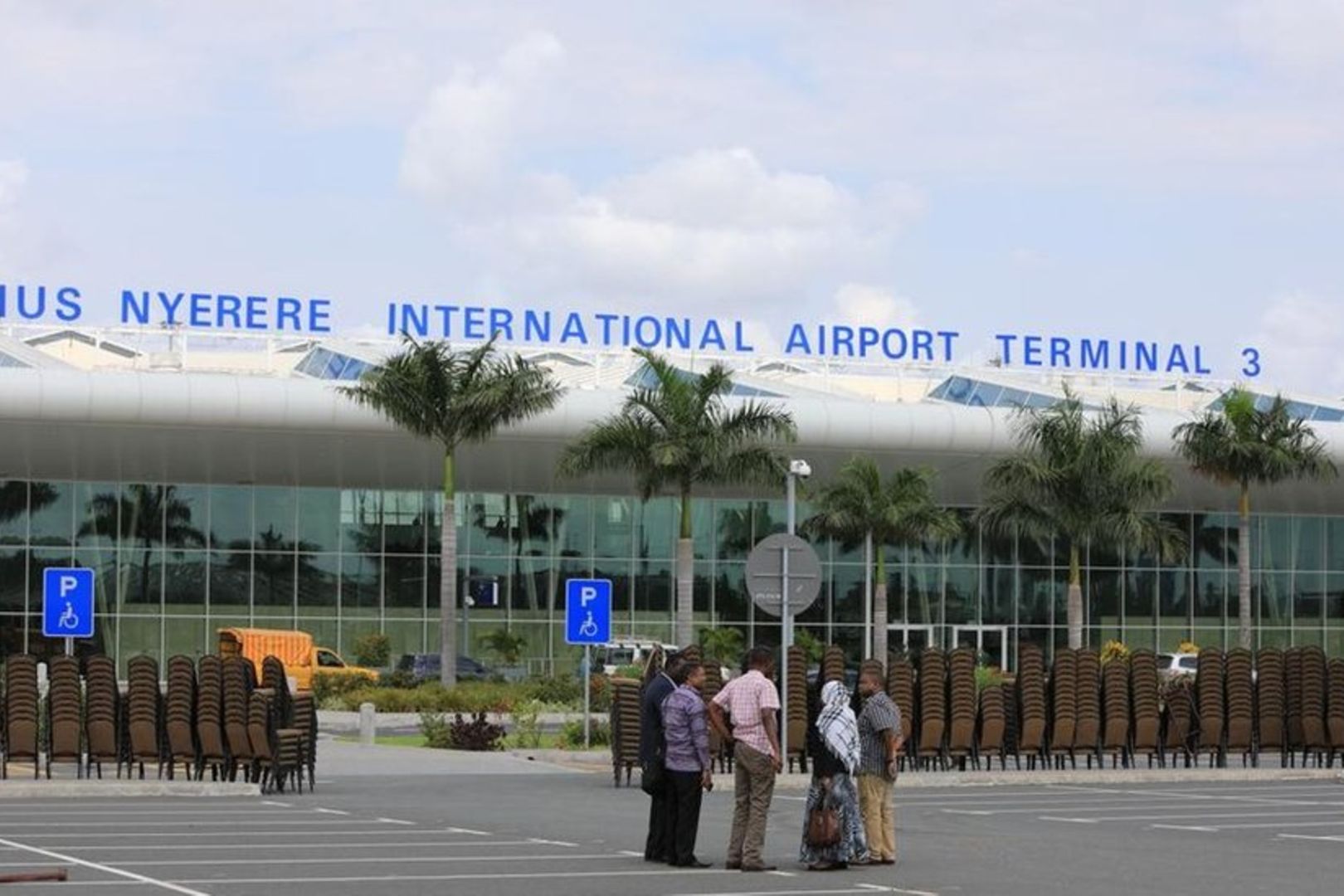
The regulations apply to foreign visitors entering mainland Tanzania through airports, seaports or land borders.
However, citizens of East African Community (EAC) and Southern African Development Community (SADC) member states are exempt from the requirement.
Visitors covered by the regulations must have valid inbound travel insurance, which can be purchased before travelling or at a designated point of entry.
Those arriving without the required cover may be denied entry into Tanzania.
Visitors who stay in Tanzania beyond the 92-day validity period must obtain a new policy.
The insurance will be provided by Tanzania’s National Insurance Corporation (NIC) or other registered insurers operating in partnership with NIC. The insurance products must also receive approval from the Tanzania Insurance Regulatory Authority.
The mandatory cover includes emergency medical treatment, medical evacuation, emergency repatriation and loss of luggage. The specific limits and benefits will depend on the terms of the policy issued to each visitor.
Insurers are also required to establish systems for verifying premium payments and insurance coverage and integrate them with relevant government authorities.
The new requirement extends Tanzania’s use of mandatory travel insurance for foreign visitors beyond Zanzibar, which introduced a separate compulsory insurance scheme in October 2024.
The move also follows Kenya’s introduction of a mandatory inbound travel health insurance framework for foreign visitors in July 2026.
Kenya’s scheme requires non-Kenyans staying in the country for less than 12 months to have insurance with a minimum cumulative benefit limit of $50,000.
However, implementation of Kenya’s requirement was suspended by the High Court in August after two petitioners challenged the policy.
Tanzania has introduced mandatory travel insurance for foreign visitors entering mainland Tanzania, with the policy costing $44 (about Rwf65,000) and valid for up to 92 days.
He is also asking the court to order a DNA test to establish whether he is the child’s biological father.
Ouedraogo filed the case on September 17, 2026, following a divorce case filed by Ishimwe Vestine.
According to the court filing seen by IGIHE, Ishimwe Vestine cited alleged abuse as one of the reasons for seeking a divorce, saying she was subjected to it after discovering that Ouedraogo had other wives.
Ouedraogo denies the allegations in his filing.
He also claims that he has never seen the child since their birth, despite repeatedly asking to be allowed to meet them.
As he awaits the substantive hearing of the divorce case, Ouedraogo is asking the court to order Ishimwe Vestine to allow him to see the child.
He said he is concerned that a legal separation from the child’s mother could make it difficult for him to maintain contact with the child, particularly because Vestine lives abroad.
Ouedraogo has also asked the court to order a DNA test involving him and the child to establish paternity.
He said the test would help address his concerns over his inability to meet the child and enable him to establish whether he has parental responsibilities towards them.
In his application to Kicukiro Primary Court, Ouedraogo asked that the requests concerning the child be addressed before the divorce case filed by Ishimwe Vestine proceeds to a substantive hearing.
Vestine and Ouédraogo married on July 5, 2025, after their relationship became public. The couple had earlier formalised their union through a civil marriage.
The now-estranged couple tied the knot in July 2025. Ouedraogo filed the case on September 17, 2026, following a divorce case filed by Ishimwe Vestine.
The figure combines outbound travel spending recorded in the first and second quarters of the year: $98.1 million in Q1 and $99.7 million in Q2, marking a steady rise in what Rwandans are spending on trips outside the country.
The survey is conducted jointly by NISR, the National Bank of Rwanda (NBR), the Rwanda Development Board (RDB), and the Directorate General of Immigration and Emigration (DGIE), drawing on interviews with returning residents at 11 border points, including Kigali International Airport.
“The results of this survey are instrumental in addressing a diverse range of tourist interests and in enhancing overall travel experiences,” the report notes.
Business travel leads the spend
Business was the dominant driver of outbound spending in Q2, accounting for 49.1% ($49.0 million) of that quarter’s total import bill. Visiting friends and relatives (VFR) followed at 20.6% ($20.5 million), with education-related travel contributing 19.0% ($18.9 million). Holiday and health-related travel made up the smallest shares.
Air travel accounted for the largest portion of spending, at $76.2 million in Q2 alone, compared to $23.5 million spent by residents travelling through land borders.
By region, Europe recorded the highest spending among air travellers in Q2, at $26.0 million, followed by Asia at $17.3 million and the East African Community (EAC) at $13.1 million. Among residents travelling by land, the EAC accounted for nearly all spending, at $23.5 million, reflecting the region’s proximity and frequent cross-border movement for business and family visits.
Outbound spending on a steady climb
NISR’s data shows that Rwandans’ spending abroad has risen consistently over recent quarters, climbing from $83.7 million in the first quarter of 2025 to $99.7 million by the second quarter of 2026, an upward trend even as global and regional travel patterns fluctuate.
Despite the rising outbound bill, Rwanda’s earnings from foreign visitors continue to outpace what residents spend abroad. In Q2 alone, the country earned $161.8 million from non-resident travellers, leaving a net travel services surplus of $62.1 million for the quarter.
The estimates are derived by combining survey findings on average length of stay and average daily expenditure abroad with official traveller volumes recorded by the DGIE.
Rwandan residents spent an estimated $197.8 million (about Rwf291 billion) on travel abroad in the first half of 2026, according to the latest National Institute of Statistics of Rwanda’s (NISR) biannual Travel Expenditure Survey (TES) released in mid-September.
The figure represents the country’s export of travel services, spending by non-resident visitors while in Rwanda, and marks an increase from $151.4 million (Rwf222 billion) recorded in the first quarter of the year.
The survey, conducted jointly by NISR, the National Bank of Rwanda (NBR), the Rwanda Development Board (RDB), and the Directorate General of Immigration and Emigration (DGIE), gathered data from travellers at 11 border points, including Kigali International Airport, between May and July 2026.
Air travel dominates earnings
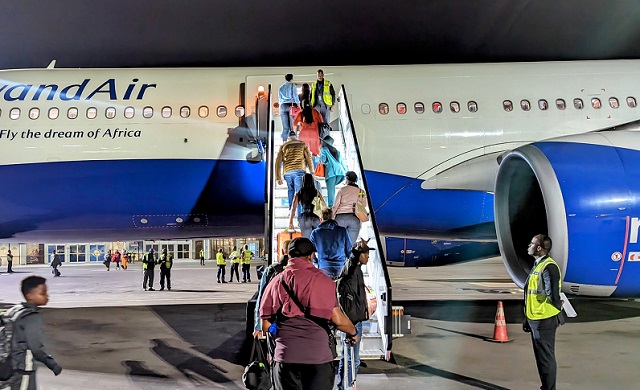
Visitors arriving by air accounted for the bulk of the earnings, contributing $135.4 million (Rwf199 billion), or 83.7%, of total travel credits. Land border arrivals contributed the remaining $26.4 million (Rwf39 billion).
By purpose of visit, holiday travel was the single largest contributor, bringing in $59.7 million (Rwf88 billion), or 36.9% of total credits. Visitors travelling to see friends and relatives (VFR) contributed 28.1% ($45.5 million), while business travellers accounted for 24.9% ($40.2 million).
Gorillas the star attraction
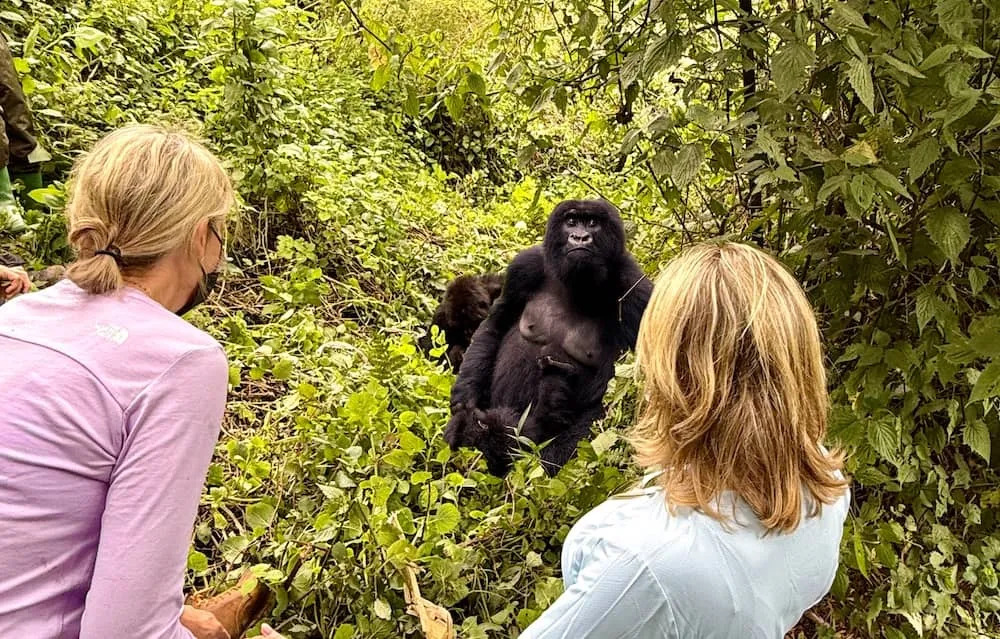
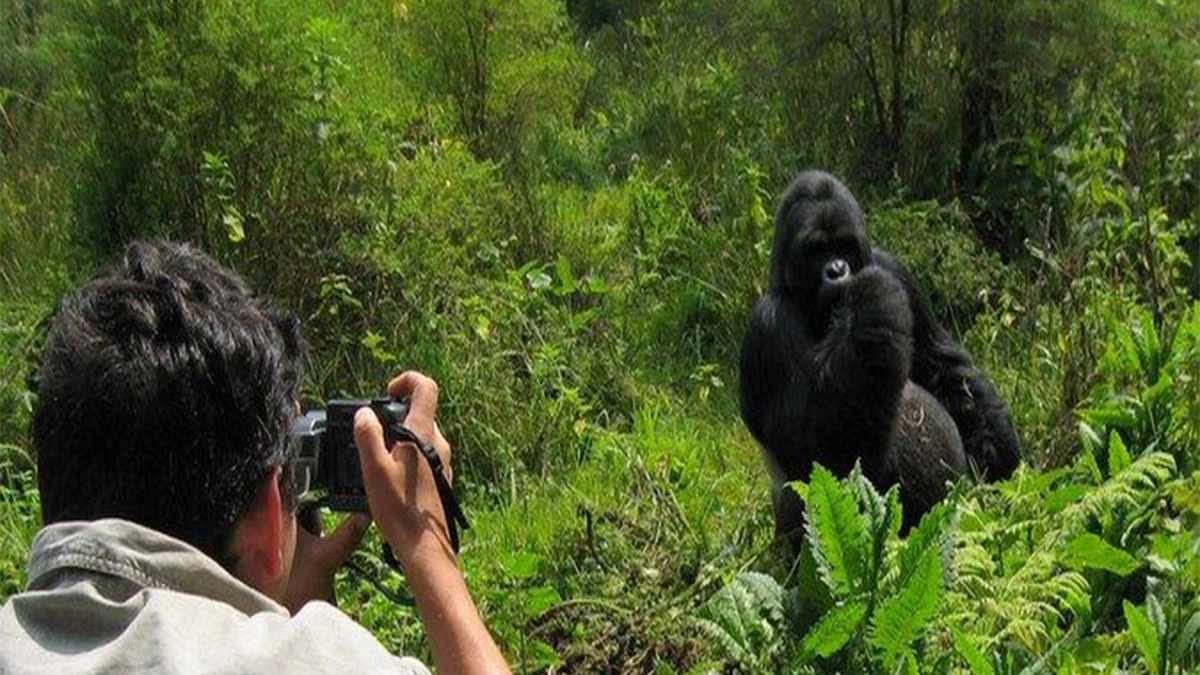
Within the holiday travel segment, gorilla tourism proved to be the dominant revenue driver. Of the $57.6 million (Rwf85 billion) generated from holiday travel by air, gorilla-related visits accounted for 79.4% of that total, underscoring the primate’s continued role as Rwanda’s flagship tourism product.
By region, North America was the top-spending market, with visitors from the region contributing $40.2 million. Europe followed with $27.7 million, while visitors from the rest of Africa spent $27.1 million. Travellers from the East African Community (EAC) contributed $22.2 million by air, and were the largest spenders by land, accounting for $13.6 million of the $26.4 million recorded through land borders.
Outbound spending also rises
While Rwanda earned $161.8 million from inbound travel, residents travelling abroad spent $99.7 million during the same period, up from $98.1 million in the first quarter, leaving Rwanda with a net travel services surplus of $62.1 million.
Business was the leading purpose for outbound spending, accounting for 49.1% ($49.0 million) of the import bill, followed by visits to friends and relatives at 20.6% ($20.5 million) and education-related travel at 19.0% ($18.9 million). Europe was the top destination for spending among air travellers, at $26.0 million, while the EAC accounted for nearly all spending by residents travelling by land, at $23.5 million.
The estimates are derived by combining survey findings on average length of stay and average daily expenditure with official traveller volumes recorded by the DGIE.
Within the holiday travel segment, gorilla tourism proved to be the dominant revenue driver. Of the $57.6 million (Rwf85 billion) generated from holiday travel by air, gorilla-related visits accounted for 79.4% of that total, underscoring the primate’s continued role as Rwanda’s flagship tourism product.
Faustin Munyazikwiye, Deputy Director-General of the Rwanda Environment Management Authority (REMA), said on September 16 that 29 carbon projects have been registered in Rwanda.
“So far, REMA has registered 29 projects on the carbon market, which are at different stages of development,” Munyazikwiye said at a press conference ahead of the Carbon Markets Africa Summit scheduled for next month.
The projects cover areas including forestry, agriculture, land conservation, waste management, renewable energy and electric mobility. They are at different stages, with some already generating credits for sale while others are undergoing independent verification.
Carbon credits are tradable units representing verified reductions or removals of greenhouse gas emissions. One carbon credit generally represents one tonne of carbon dioxide equivalent that has been avoided, reduced or removed from the atmosphere.
Munyazikwiye said carbon credits currently sell for between $14 and $45 per tonne, depending on factors including the nature and quality of the project.
Under Rwanda’s carbon market framework, launched in 2023, projects are reviewed by REMA before undergoing verification by accredited independent entities. The process is designed to establish whether claimed emissions reductions or removals have been achieved before credits are issued.
A portion of the revenue generated from credit sales goes to the government.
Rwanda participates in both voluntary and regulated carbon markets and has a cooperation agreement with Singapore allowing the purchase of eligible credits generated by projects in Rwanda.
Environment Minister Bernadette Arakwiye said the market could also create income opportunities for communities, including through activities such as tree planting.
The figures come ahead of the Carbon Markets Africa Summit, which will be held in Kigali from October 13-15 and bring together developers, investors and buyers around projects in areas such as nature-based solutions, regenerative agriculture and waste management.
Rwanda has generated about $1.5 million (Rwf2.2 billion) from carbon credit sales as the country expands efforts to attract investment into climate-focused projects.
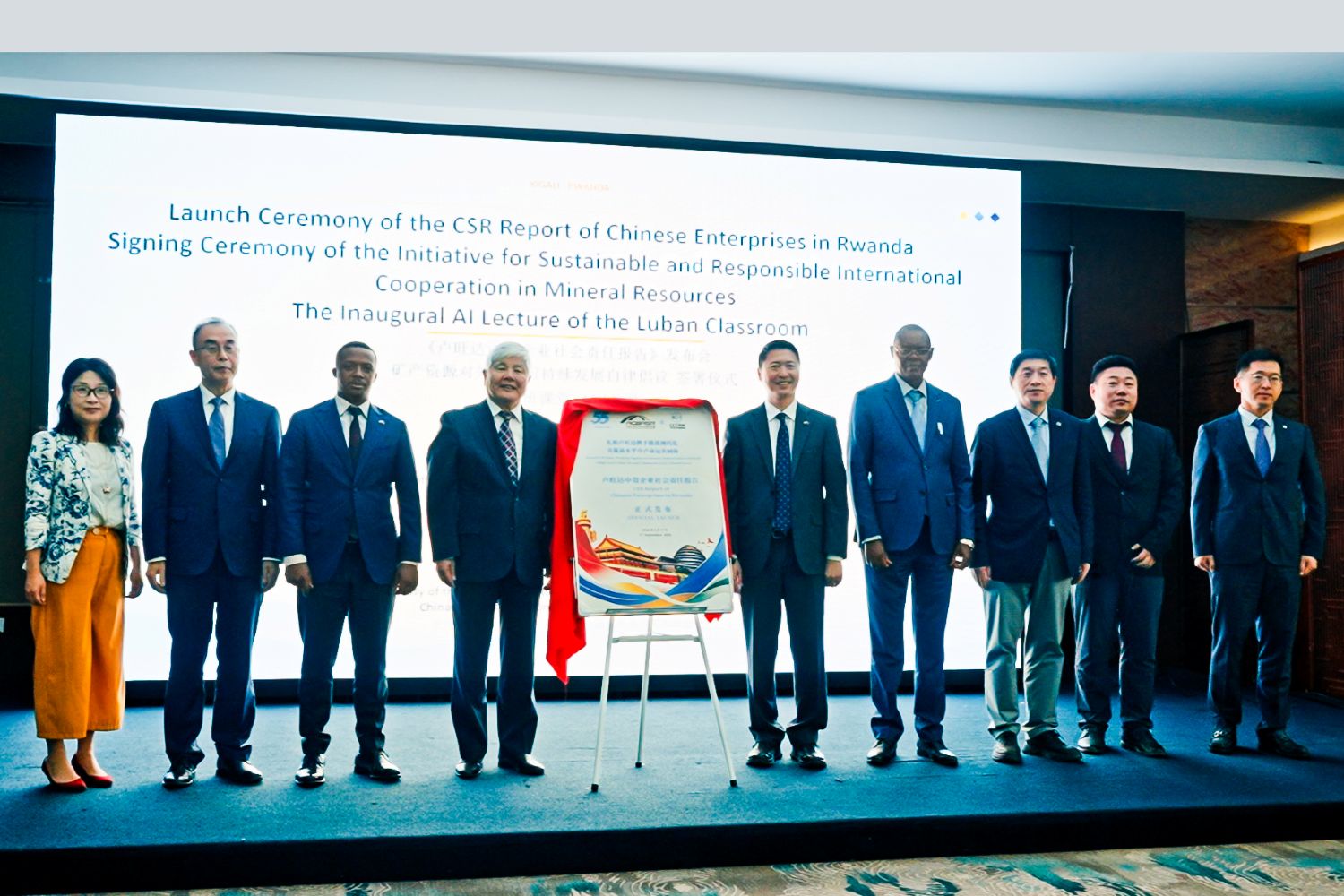
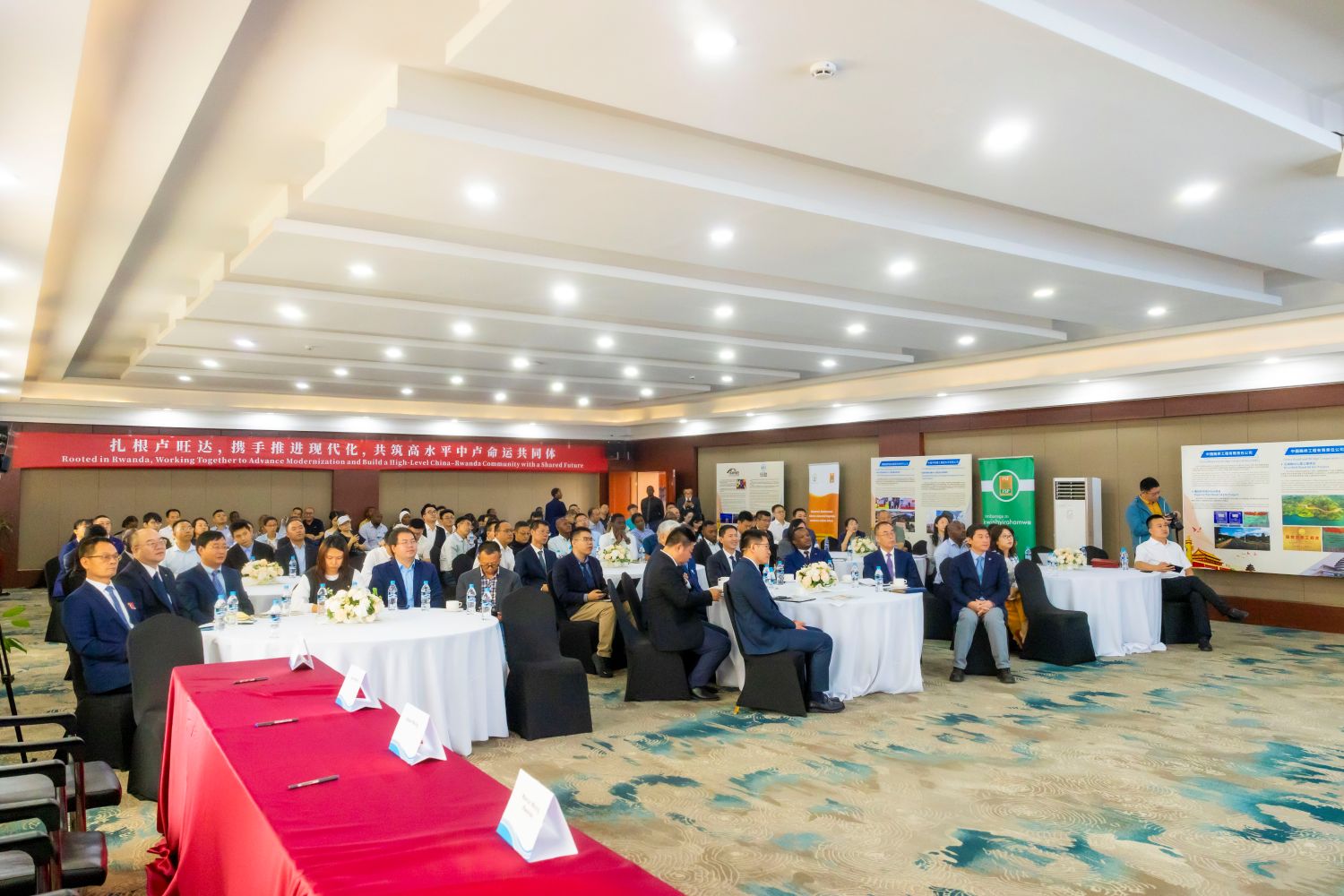
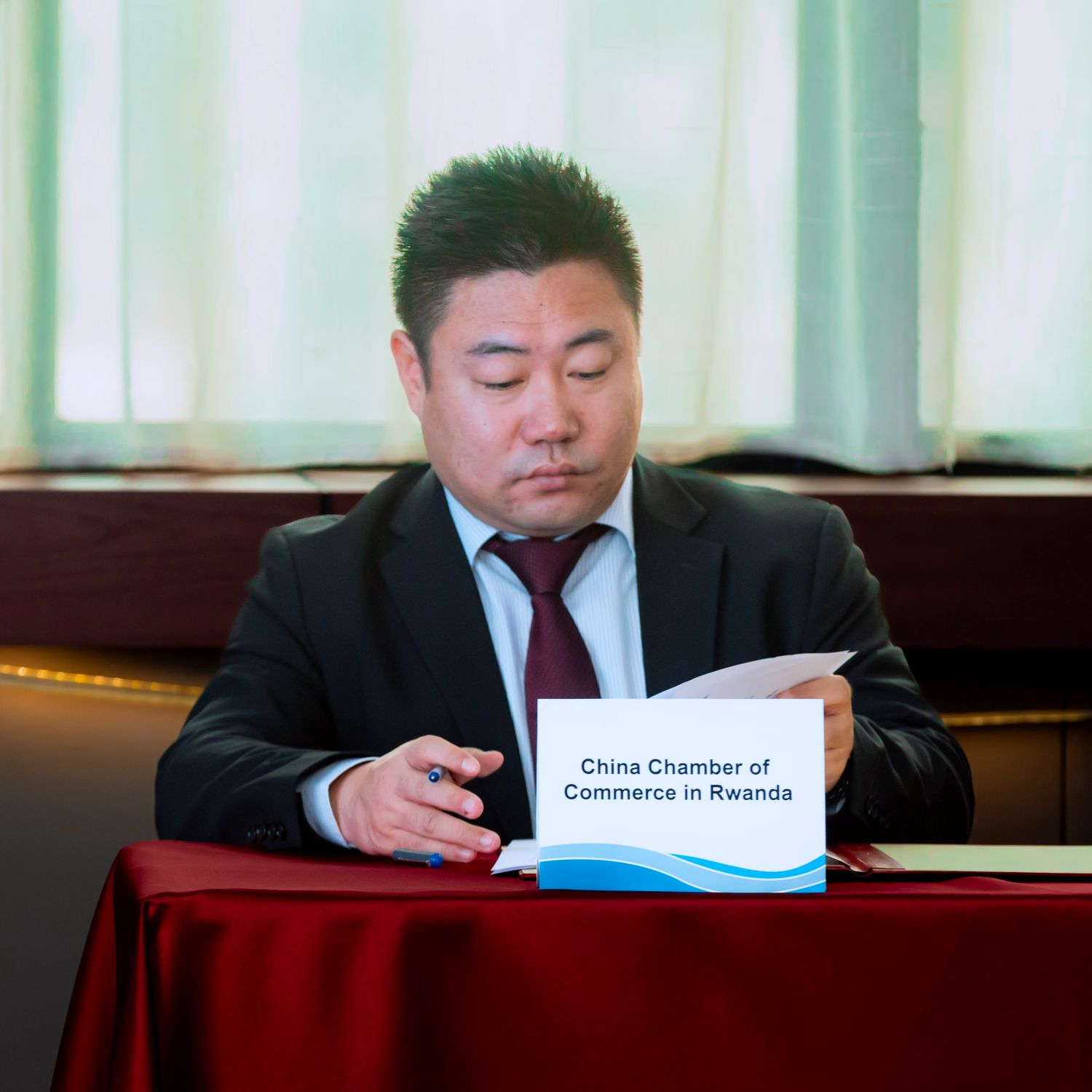
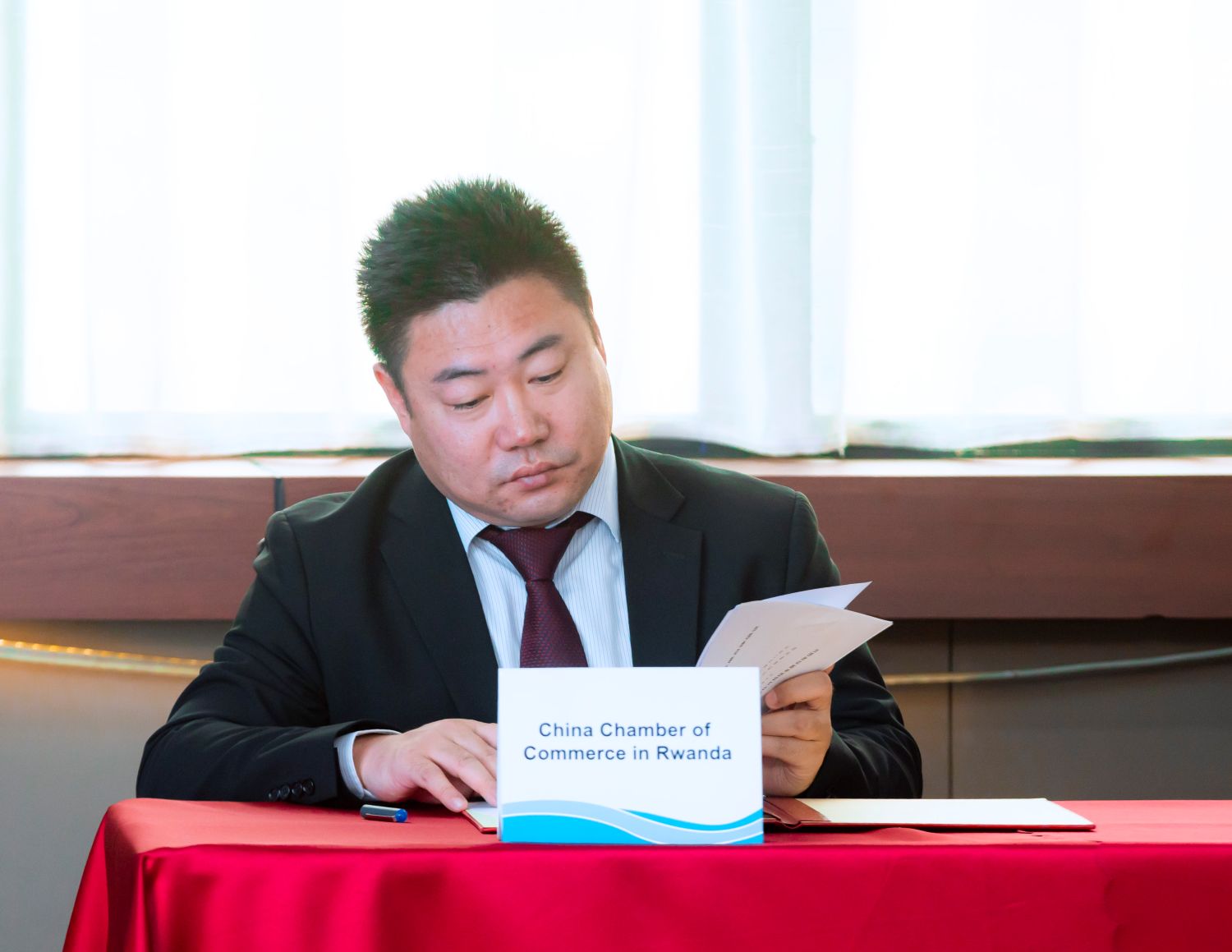
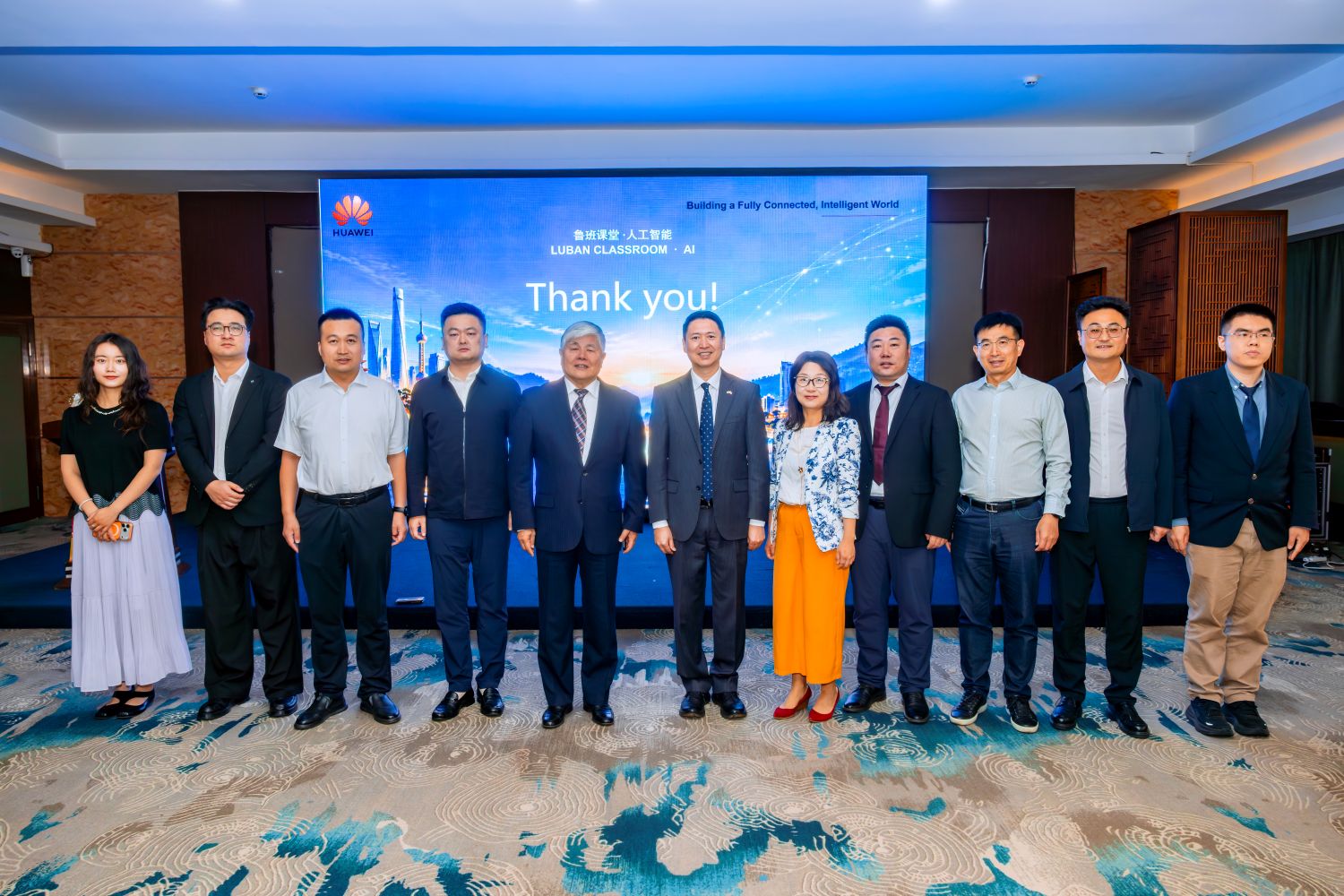
The commitment was made on Thursday, September 17, 2026, during a ceremony at M Hotel in Kigali that also marked the launch of the first Corporate Social Responsibility (CSR) Report of Chinese Enterprises in Rwanda and the inaugural artificial intelligence lecture under the Luban Classroom programme.
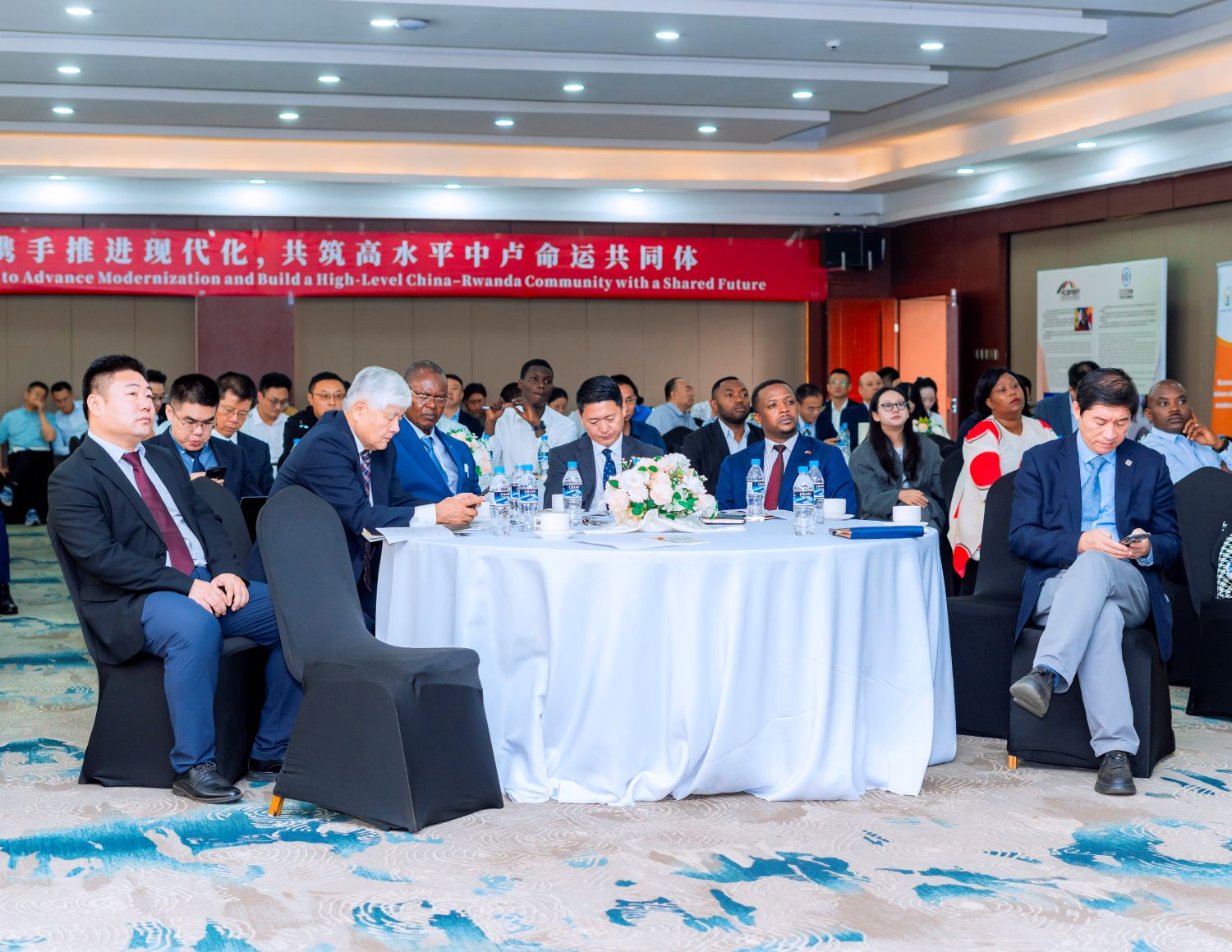
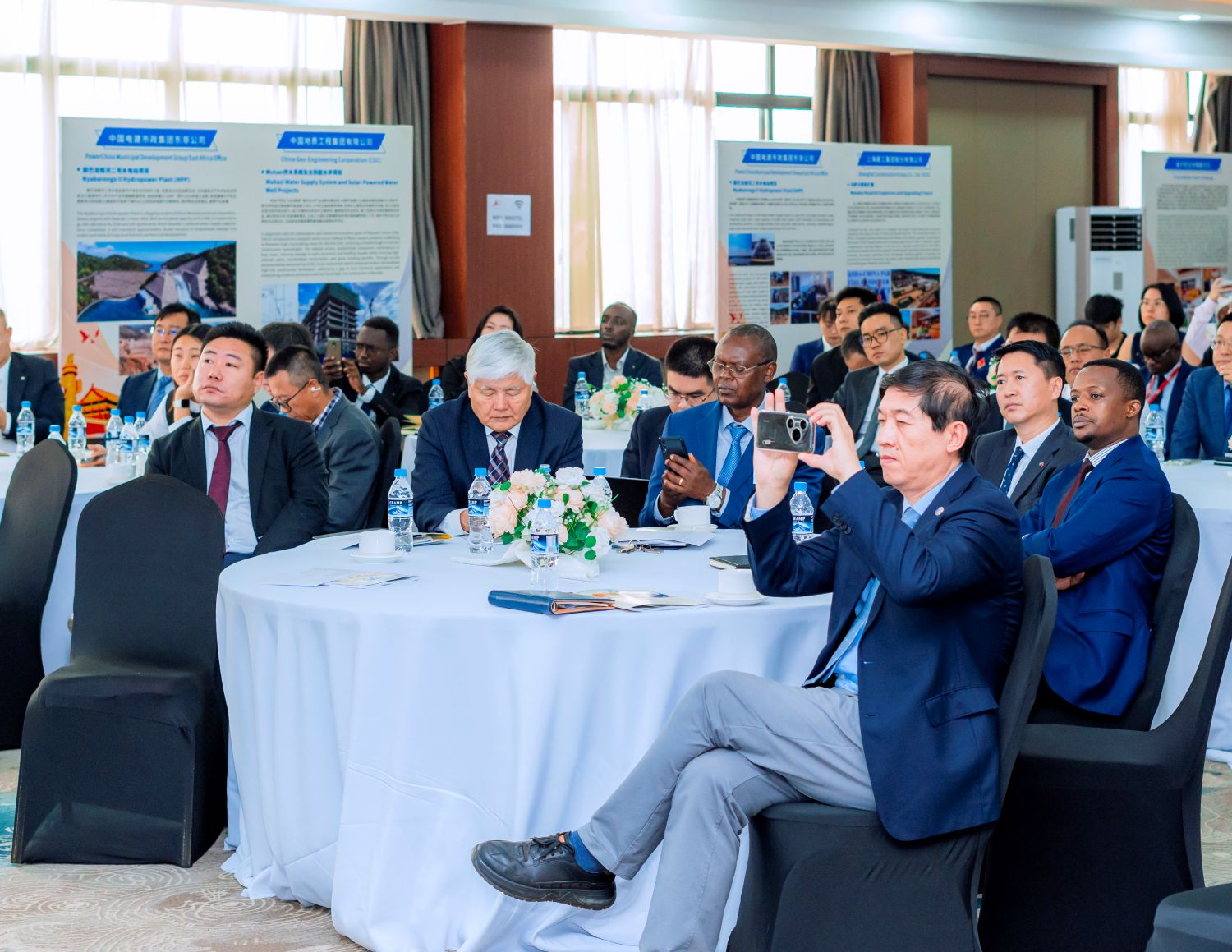
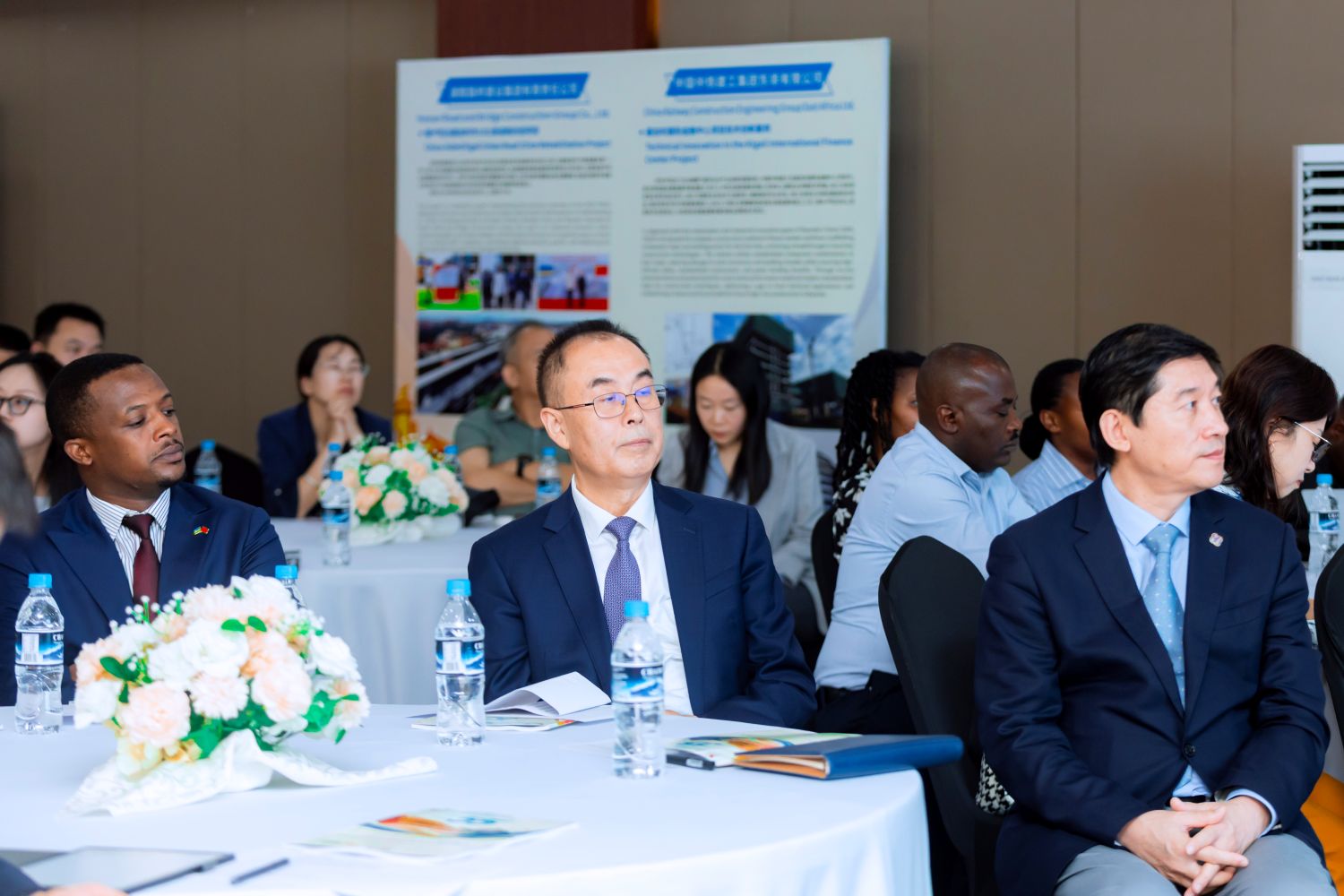
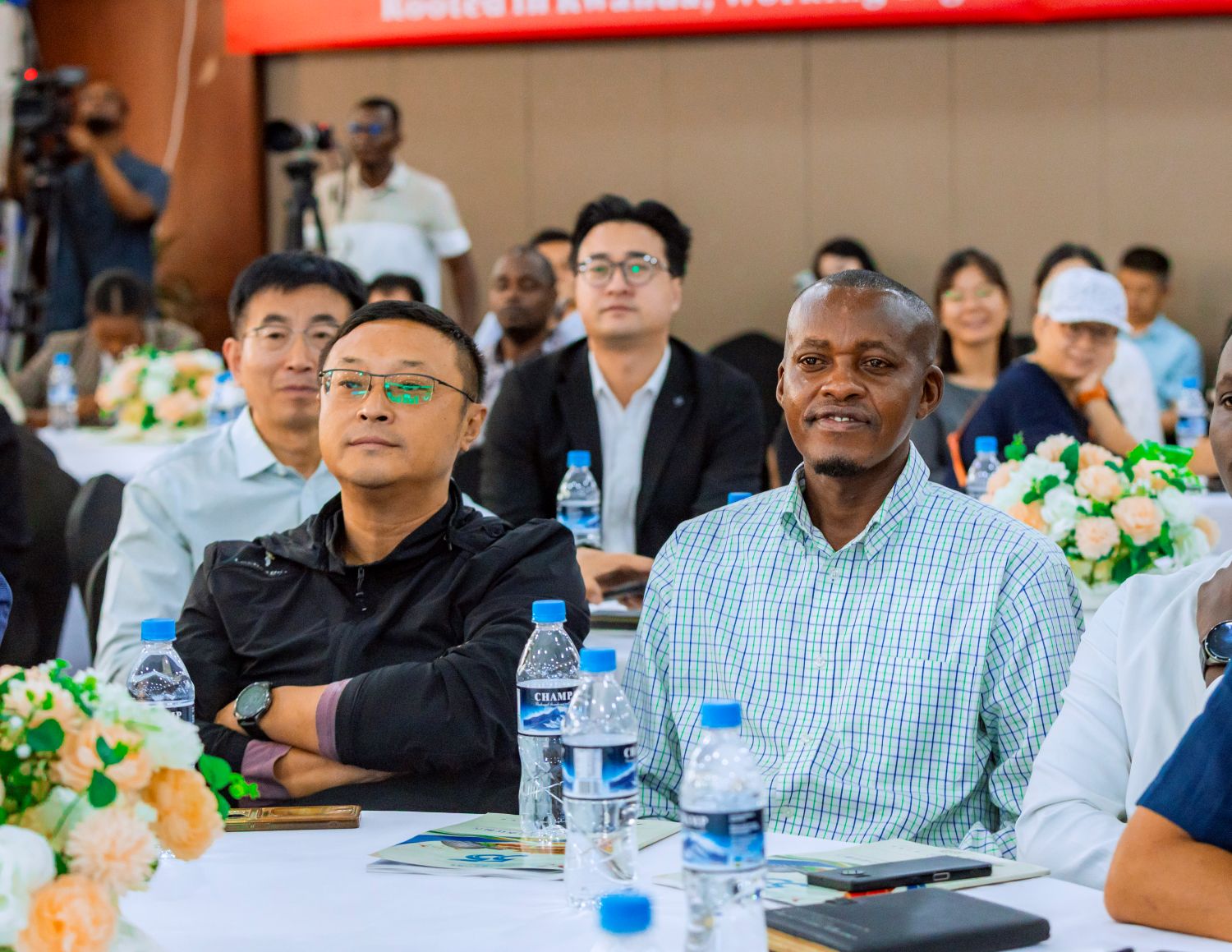
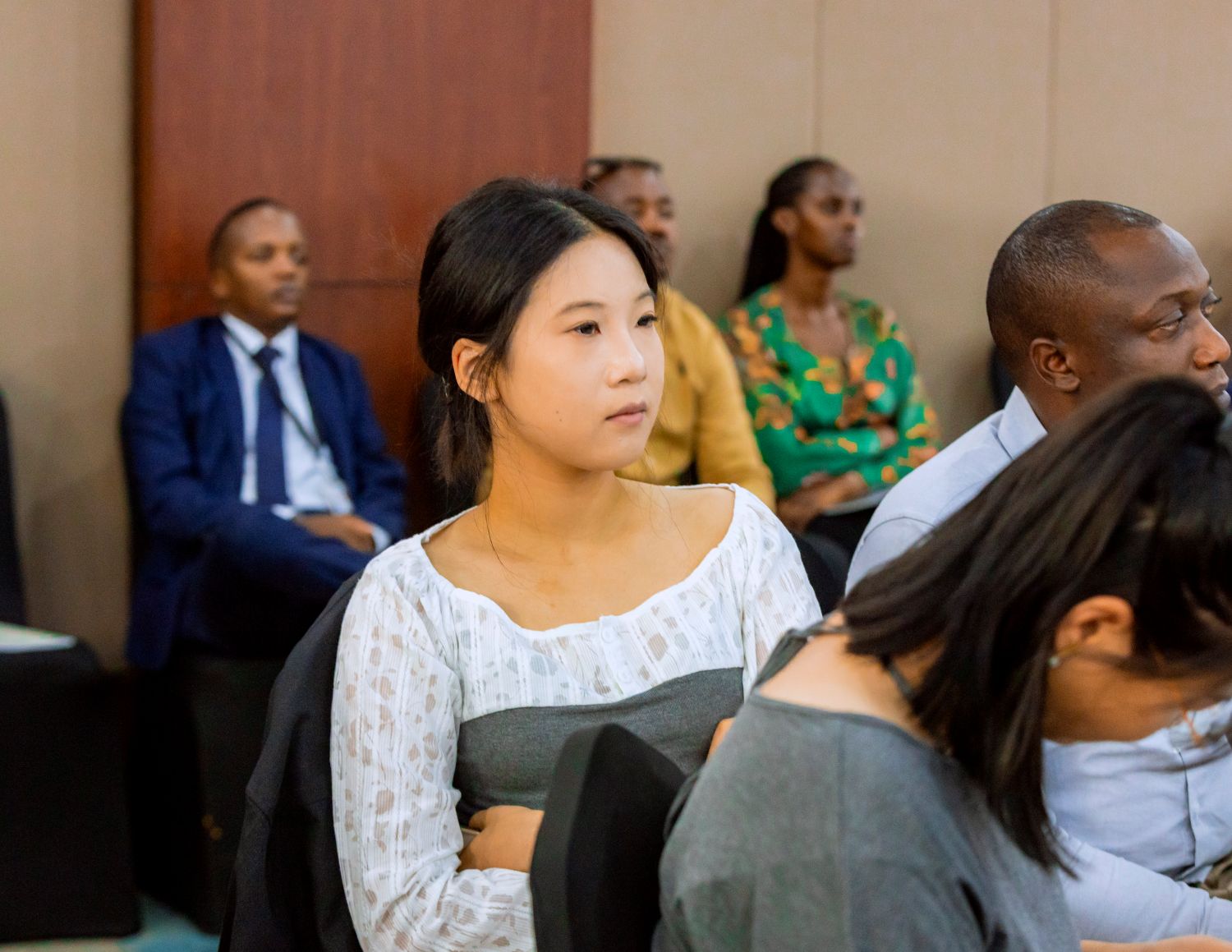
The event brought together representatives of Chinese and Rwandan businesses, government institutions and other stakeholders to discuss responsible investment, sustainable mining, corporate social responsibility, skills development and technology.
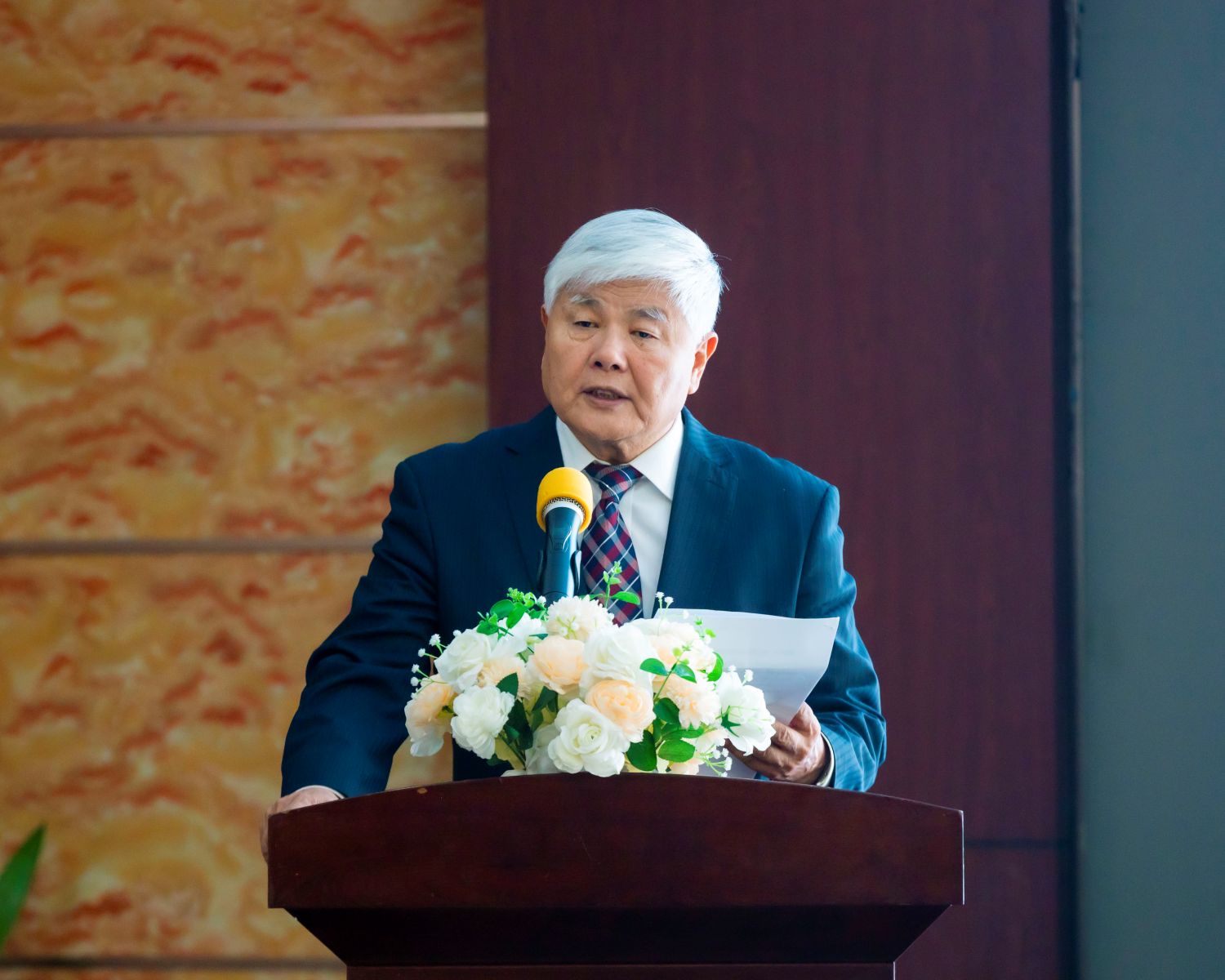
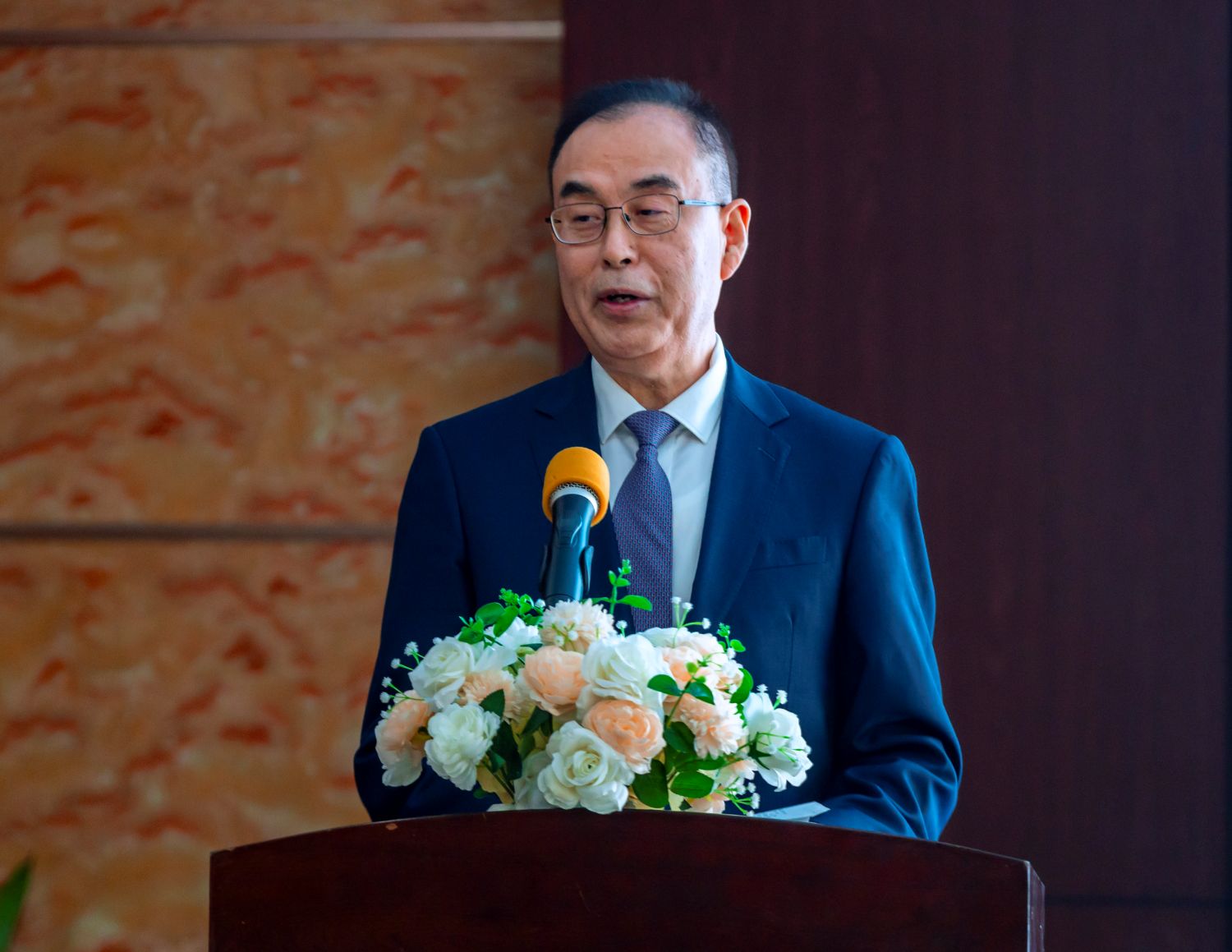
Speaking at the ceremony, Chinese Ambassador to Rwanda Gao Wenqi said responsible business practices are essential to building lasting cooperation between Chinese companies and their host communities.
“As a responsible major developing country, the Chinese government is committed to guiding Chinese enterprises to comply with the laws and regulations of China and host countries, to regulate business conduct, maintain sound market order, promote industry self-discipline and continuously improve social and environmental performance,” Gao said.
He said responsible business conduct should not be viewed solely as a government requirement but also as a foundation for trust, quality and long-term partnerships.
“This is not only a policy requirement, but also a foundation of trust, quality and long-term cooperation,” he added.
Gao highlighted the contribution of Chinese enterprises to Rwanda’s economic and social development through job creation, skills transfer and investment across different sectors.
“In Rwanda, Chinese enterprises have been working hard, creating jobs, transferring skills, contributing to economic and social development,” he said.
Report highlights contribution of Chinese firms
The 2026 Social Responsibility Report of Chinese Enterprises in Rwanda, published as Rwanda and China mark 55 years of diplomatic relations, documents the contribution of Chinese companies to infrastructure, employment, education, healthcare, community welfare and environmental protection.
The report details that China Road and Bridge Corporation (CRBC), which has operated in Rwanda for 52 years, has completed more than 90 projects and constructed about 1,500 kilometres of roads. The report says CRBC has created more than 500,000 jobs for Rwandans over its 52 years of operations in the country.
The Kivu Belt Road project alone employed 1,500 local workers, while PowerChina’s Nyabarongo II hydropower project provided 1,064 local jobs.
In manufacturing, C&D Garment employs more than 6,000 local workers, with women accounting for 80% of its workforce. Average wages at the company are reported to be more than 20% above Rwanda’s statutory minimum wage.
The report also points to investments in healthcare. The expanded Masaka Hospital, constructed by Shanghai Construction Group, has 837 beds and is reported to serve more than 300,000 residents.
Meanwhile, a traditional Chinese medicine programme run by the China Medical Team at Masaka and Kibagabaga hospitals recorded 14,913 patient visits as of July.
Education and skills development are also highlighted. Huawei’s DigiTruck programme trained 1,836 people over the past 12 months, while Forever TVET has trained more than 2,500 graduates.
The Confucius Institute at the University of Rwanda is reported to have reached nearly 30,000 learners through 14 teaching sites over 17 years.
The report also documents community support and emergency response by Chinese enterprises. CRBC says it cleared 48 kilometres of disaster relief roads within 30 hours during the 2025 floods in Rwanda’s Western Province.
Environmental initiatives highlighted in the report include 1,500 hectares of planted bamboo forests out of a 2,129-hectare concession, as well as a 44.28 kWp solar photovoltaic energy-storage system at Forever TVET.
The report presents corporate social responsibility as part of Chinese enterprises’ broader operations in Rwanda, with future priorities including infrastructure, education and culture, healthcare, employment, community welfare and green development.
Mining initiative
The mineral resources initiative signed during Thursday’s ceremony outlines principles aimed at promoting responsible business conduct in Rwanda’s mining sector.
They include compliance with laws and national policies, business ethics and fair competition, engagement with local communities, protection of workers’ rights, responsible procurement, environmental protection and transparent communication.
Gao encouraged Chinese enterprises to strengthen engagement with local communities and Rwandan partners.
“We encourage Chinese enterprises to listen to local communities, work with Rwandan partners and turn responsibility into concrete action,” he said.
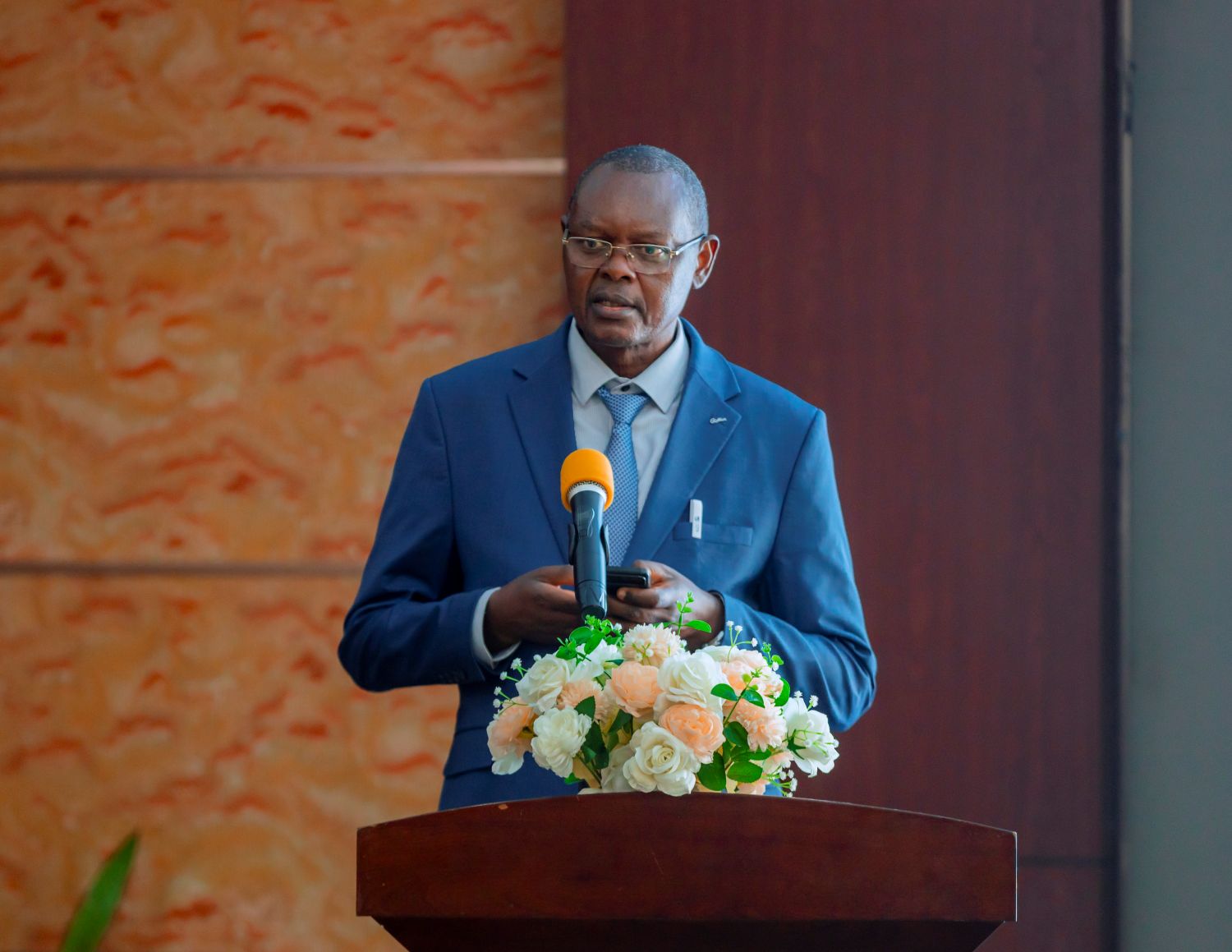
The Acting CEO of the Rwanda Private Sector Federation (PSF), Callixte Kanamugire, said Rwanda’s mining sector has significant potential but must be developed responsibly to create lasting value for the country.
“The private sector must ensure that mineral development creates lasting value for Rwanda through local processing, employment creation, skills development and stronger participation of Rwandan businesses in the supply chain,” he said.
He welcomed the commitment by participating companies to comply with laws and regulations, protect the environment, safeguard occupational health and safety, respect local communities, and promote transparency and sustainable mining practices.
Rwanda is the first country outside China where Chinese mining enterprises have collectively responded to the initiative, following its launch at the China Mining Conference and Exhibition in Tianjin on September 10, 2026.
Kanamugire called for deeper cooperation in responsible investment, stronger partnerships between Chinese and Rwandan businesses through local procurement, subcontracting and technology transfer, and greater investment in professional training and technical education.
He said responsible business should go beyond charitable donations to include decent employment, workers’ rights, workplace safety, environmental protection, local sourcing and knowledge transfer.
AI skills development
The ceremony also featured the inaugural artificial intelligence lecture of the Luban Classroom programme, which focuses on knowledge sharing, skills development and practical cooperation between China and Rwanda.
Kanamugire said AI and digital technology are transforming the global economy, making cooperation in education and skills development increasingly important.
He said Rwanda has placed innovation, technology and human capital at the centre of its development agenda, and encouraged institutions and companies involved in the Luban Classroom to ensure its training remains connected to labour-market needs.
The Luban Classroom was initiated by the Chinese Embassy in Rwanda and is organised and implemented by the China Chamber of Commerce in Rwanda.
55 years of diplomatic ties
The event formed part of activities marking the 55th anniversary of diplomatic relations between Rwanda and China.
Gao said China remains committed to supporting Rwanda’s development ambitions through continued cooperation.
“This year marks the 55th anniversary of our diplomatic relations, so I have every reason to believe that our bilateral relations have entered the best period in history. Rwanda and China are good friends and we are comprehensive strategic partners,” he said.
He added that China is ready to work with Rwanda to implement outcomes of the Forum on China-Africa Cooperation, promote high-quality Belt and Road cooperation and support Rwanda’s development goals.
A delegation representing 15 Chinese enterprises is visiting Rwanda from September 15 to 20 as part of the activities. The delegation includes Diao Chunhe, Executive Chairman of the Alliance of Chinese Business in Africa for Social Responsibilities, and Xin Xiuming, Vice President of the China International Contractors Association.
The ceremony concluded with renewed commitments to responsible mineral-resource cooperation, stronger corporate social responsibility, environmental protection, skills development and technology partnerships between Rwanda and China.
The ceremony marked the launch of the first Corporate Social Responsibility (CSR) Report of Chinese Enterprises in Rwanda and the inaugural artificial intelligence lecture under the Luban Classroom programme.The event brought together representatives of Chinese and Rwandan businesses, government institutions and other stakeholders to discuss responsible investment, sustainable mining, corporate social responsibility, skills development and technology.The report also documents community support and emergency response by Chinese enterprises. The Acting CEO of the Rwanda Private Sector Federation (PSF), Callixte Kanamugire, said Rwanda’s mining sector has significant potential but must be developed responsibly to create lasting value for the country.Chinese Ambassador to Rwanda Gao Wenqi (center) said responsible business practices are essential to building lasting cooperation between Chinese companies and their host communities.