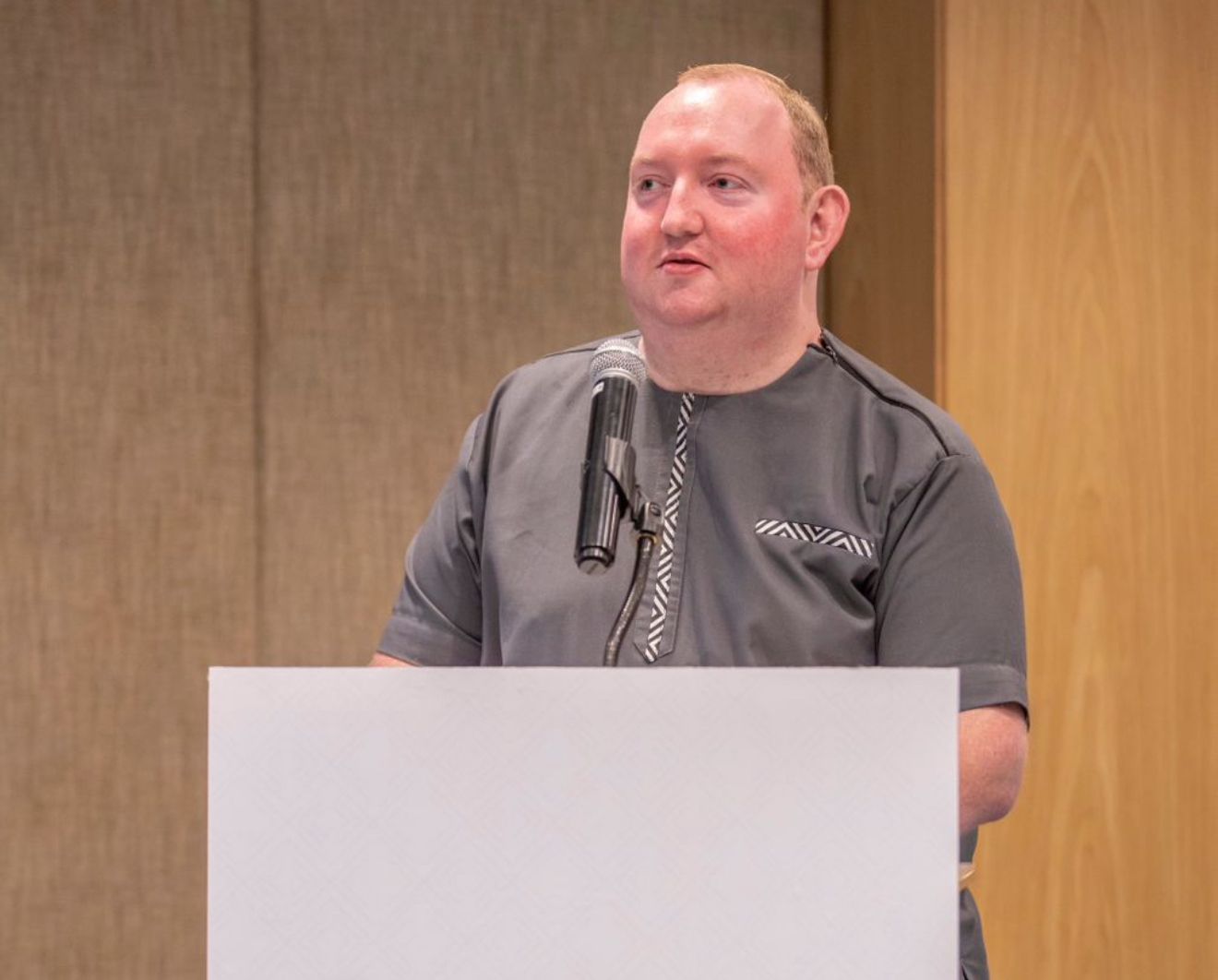
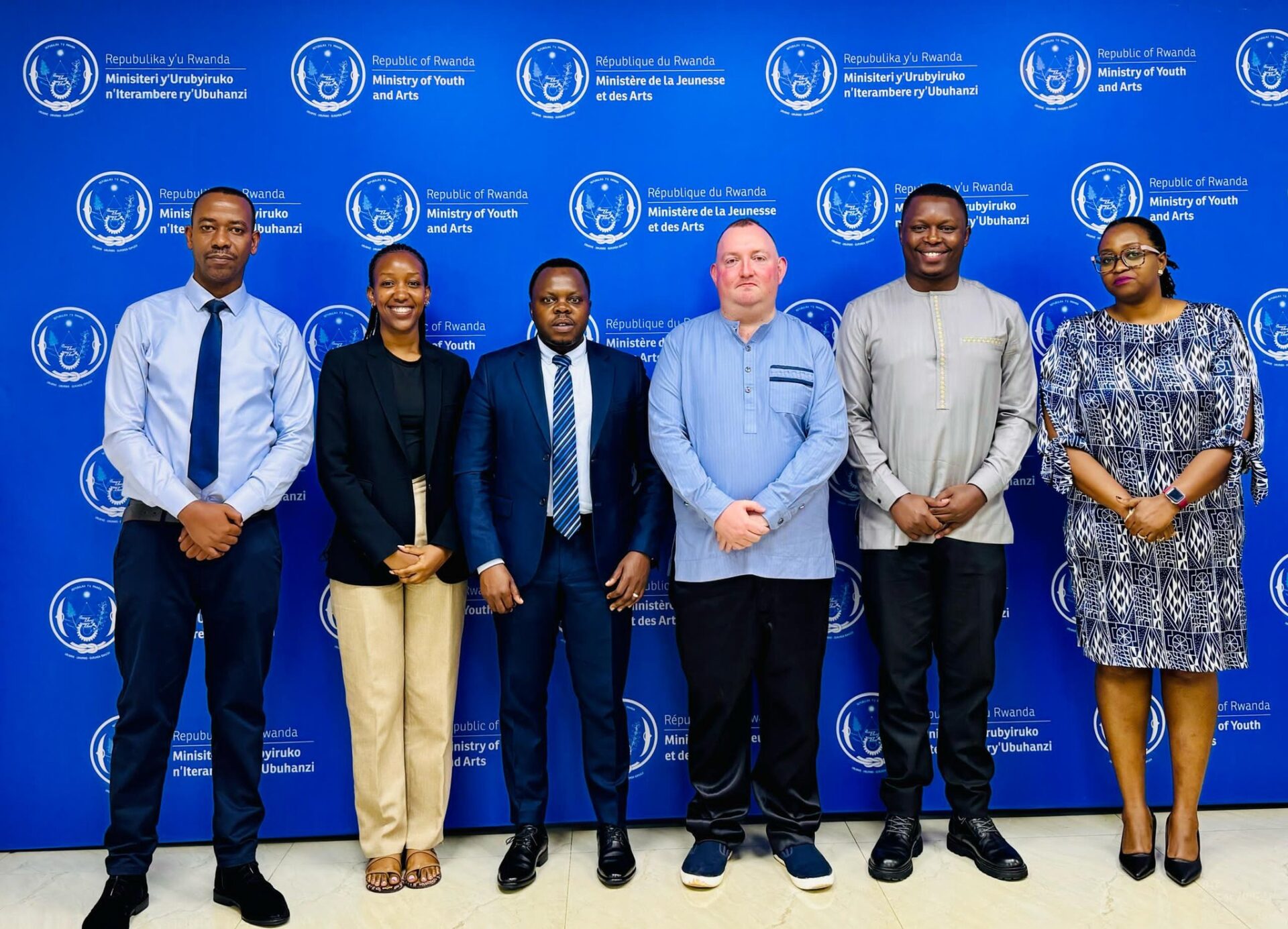
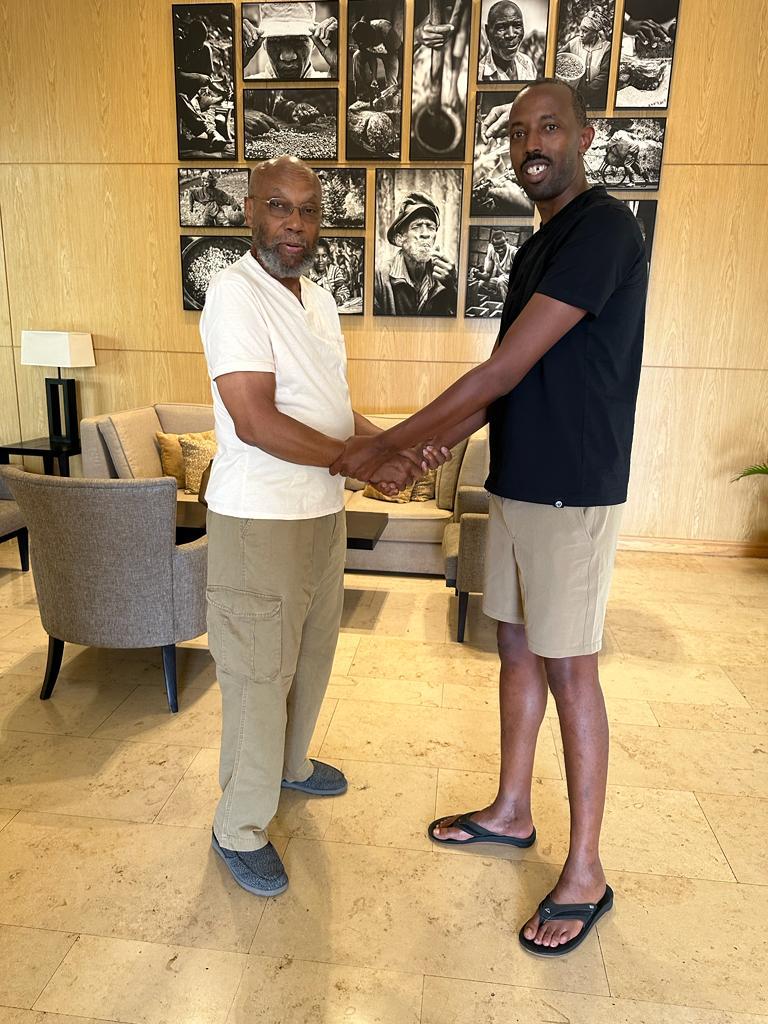
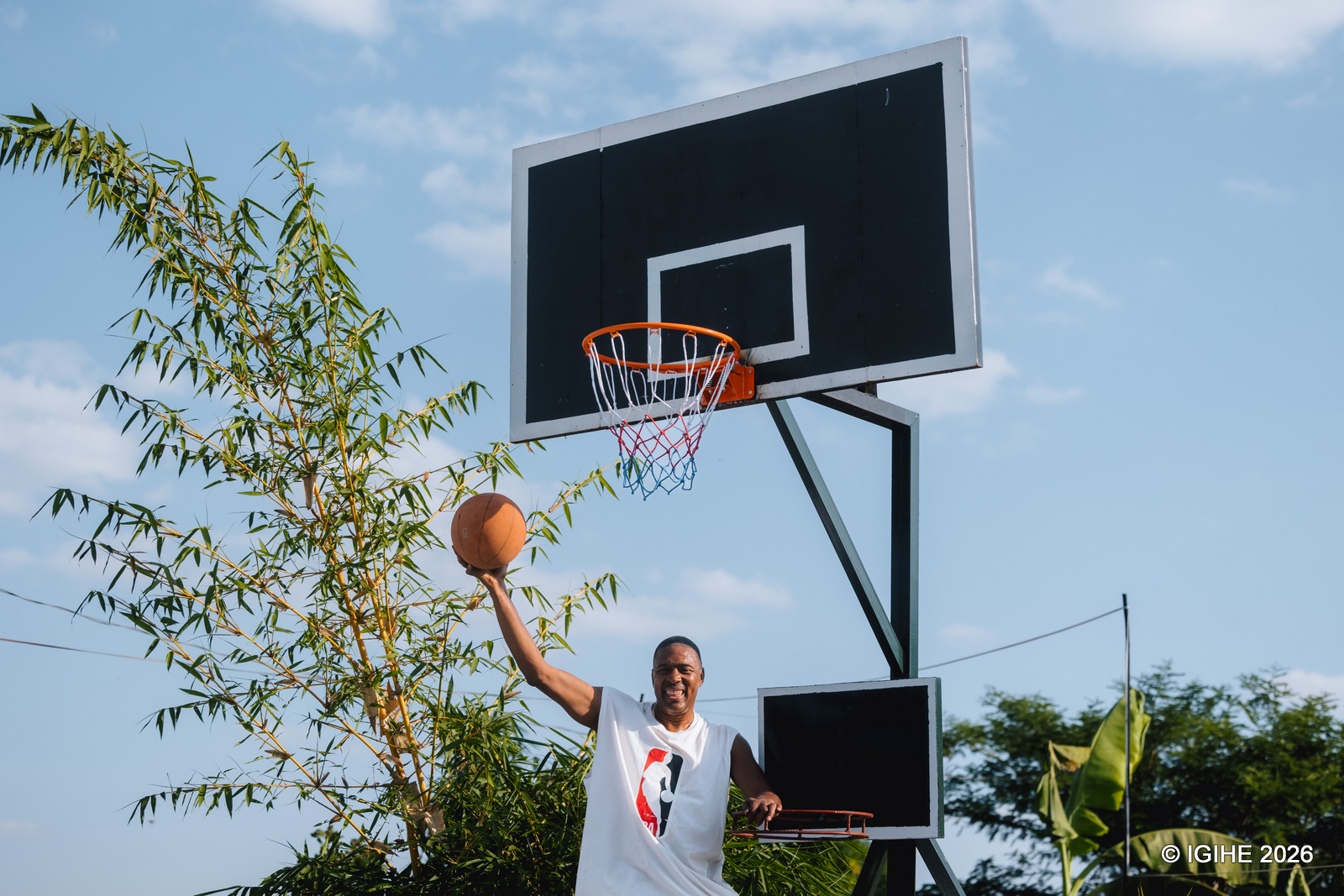
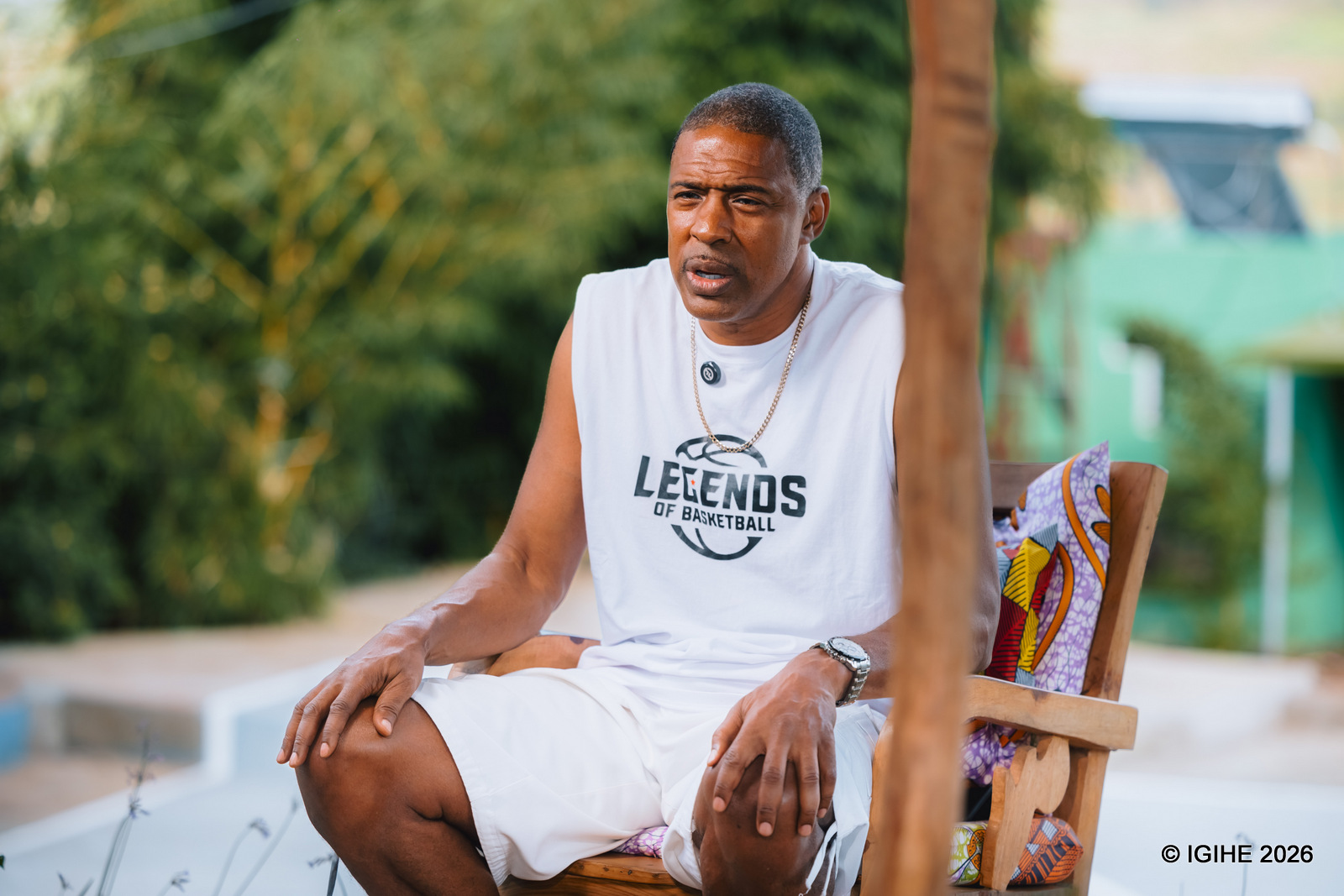
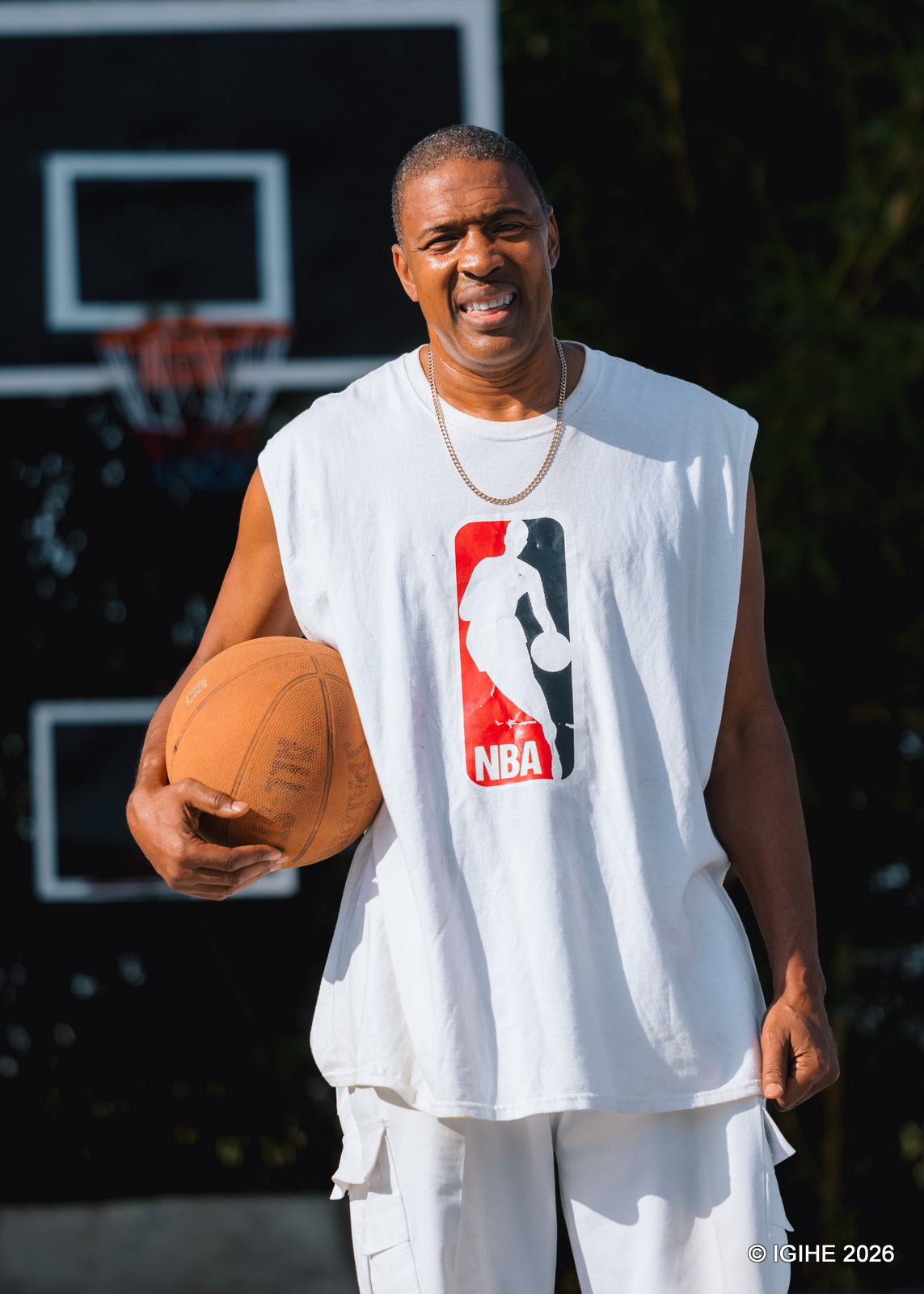
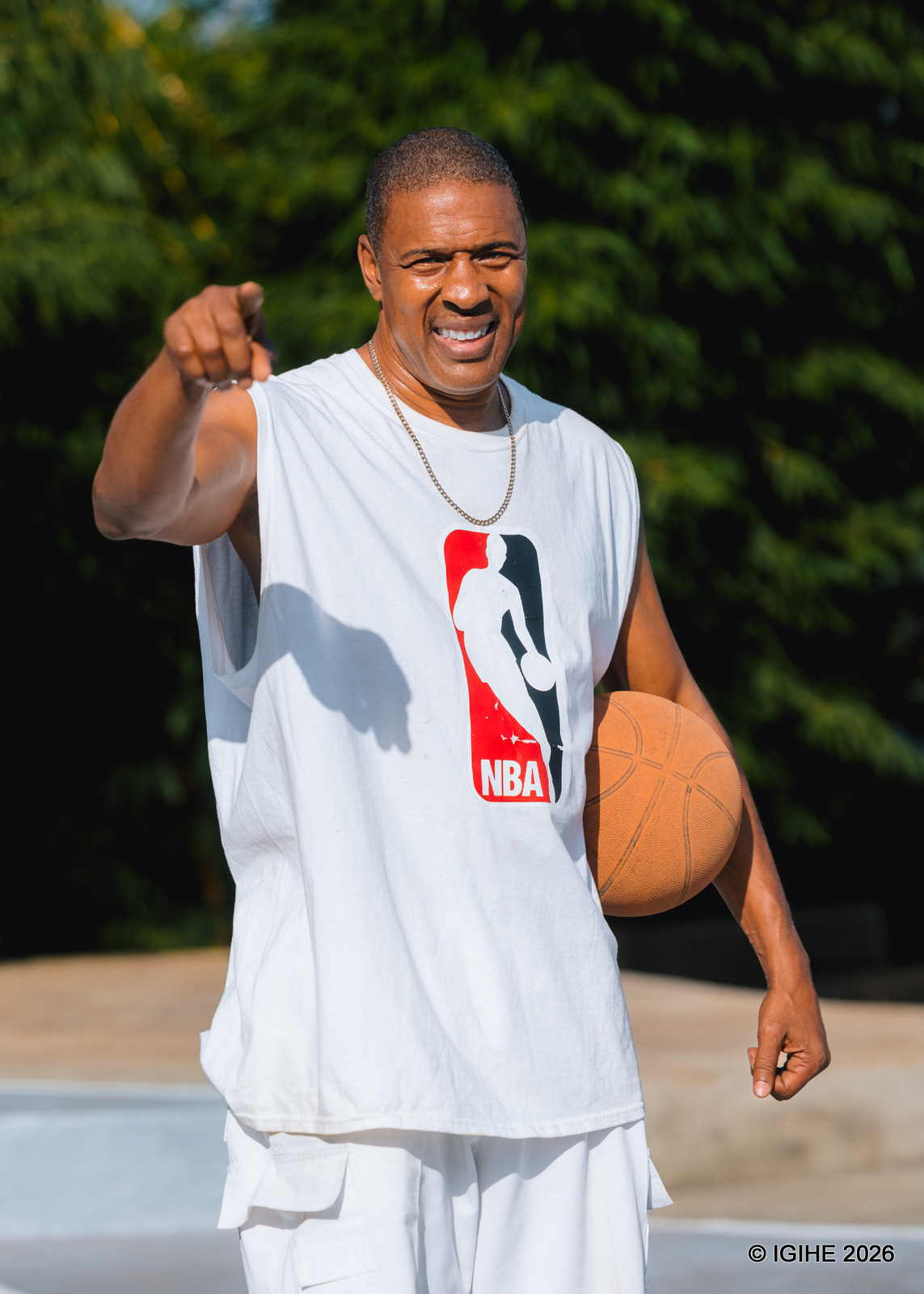
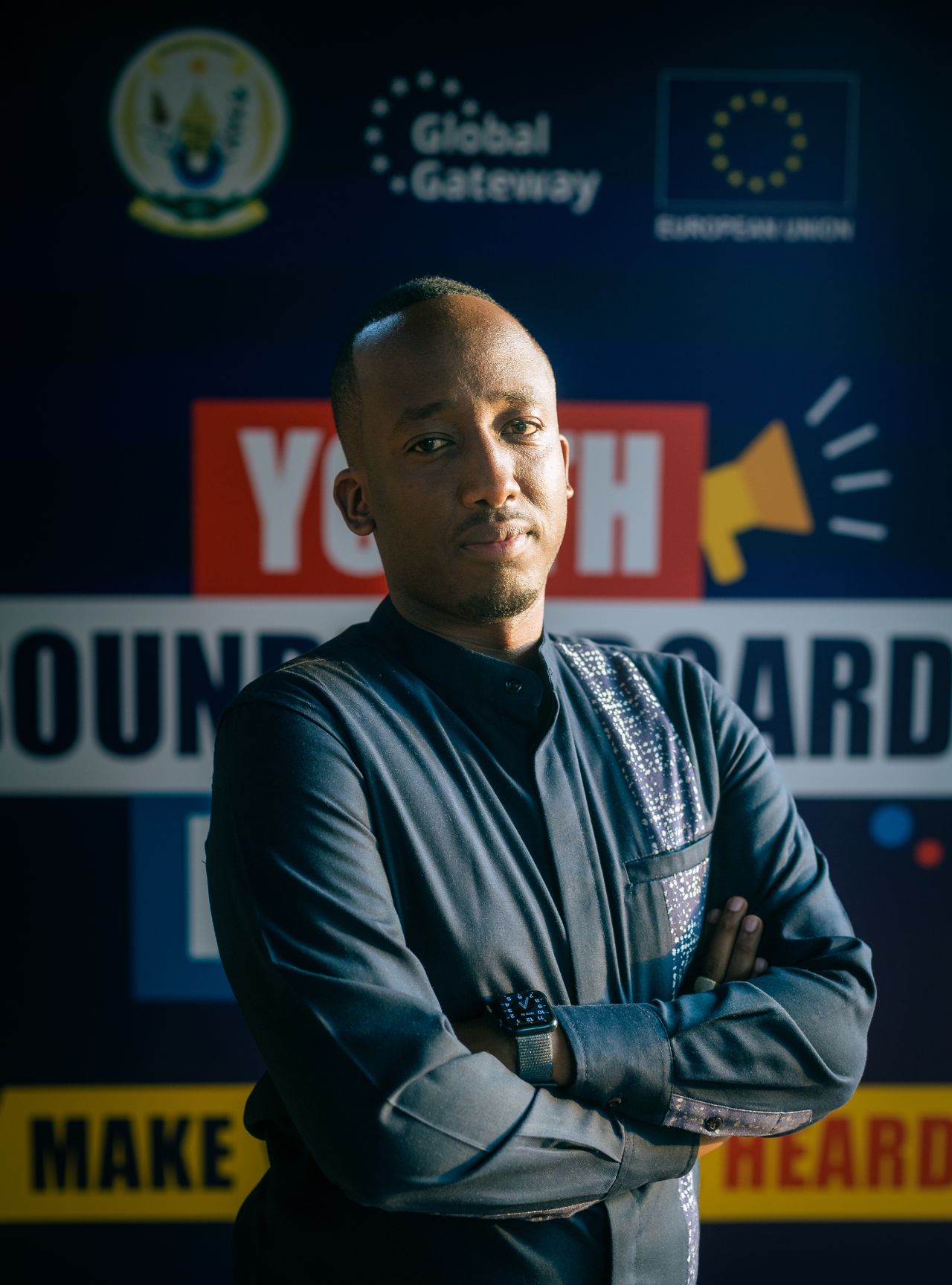
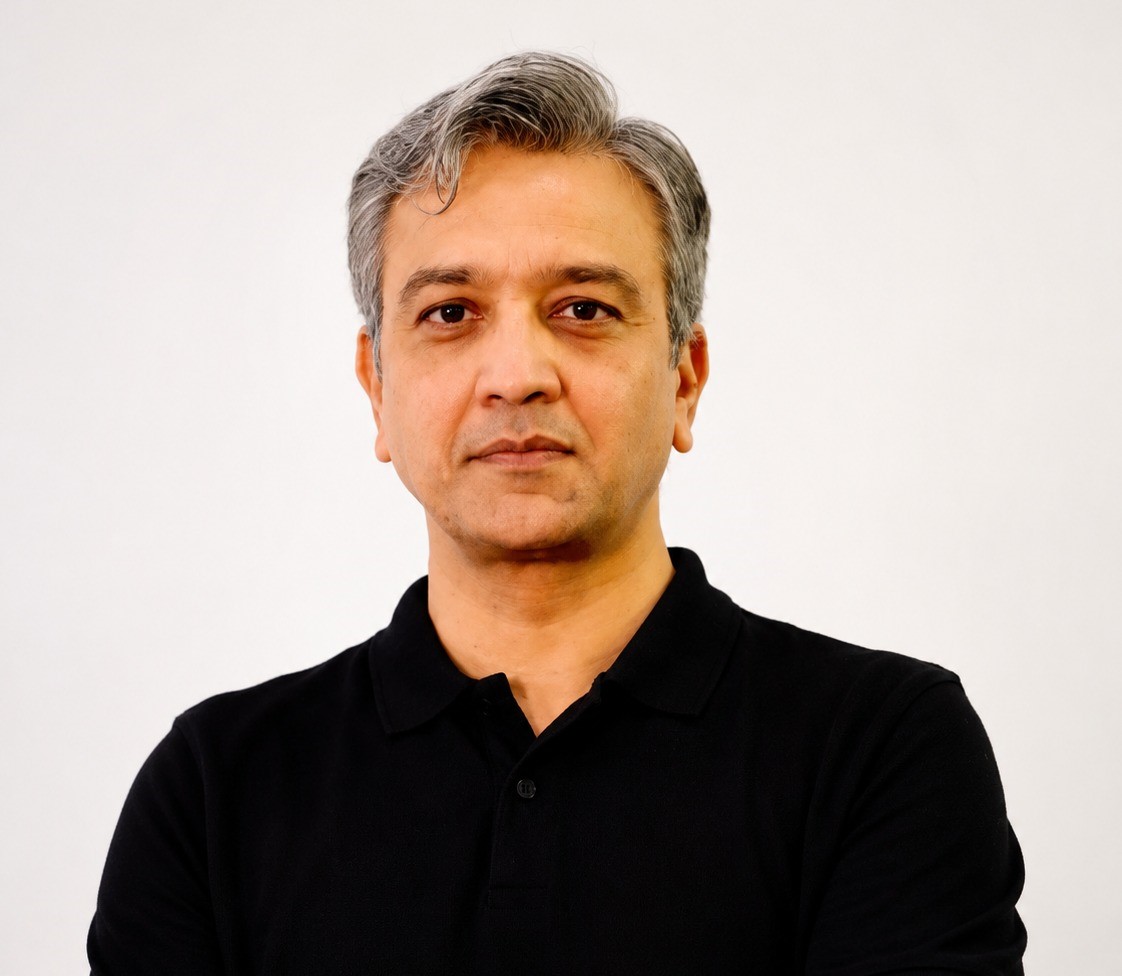
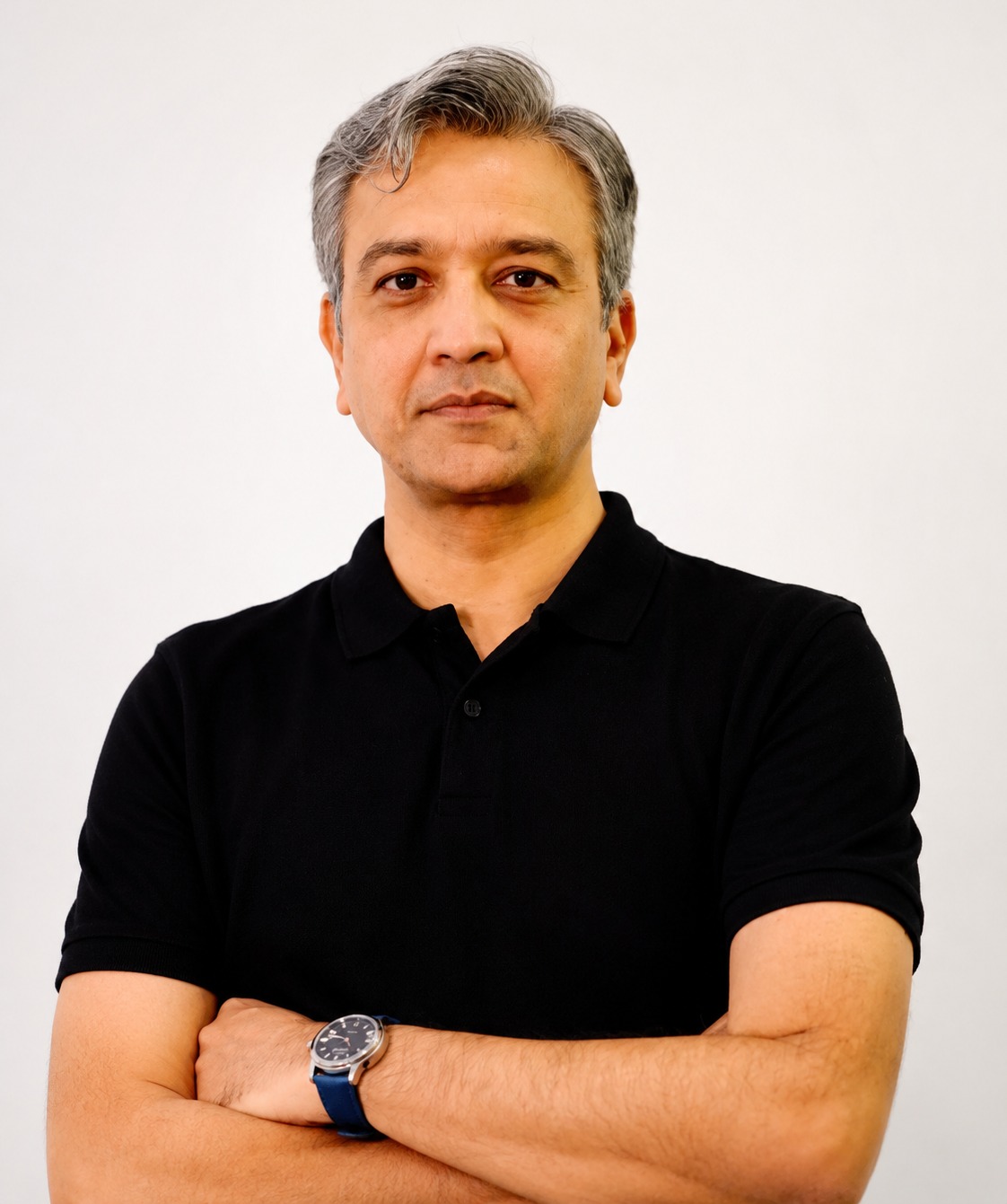
Murenzi announced the appointment through his social media platforms, expressing gratitude for the opportunity and his commitment to representing the interests of young people.
“I am delighted to share that I have been appointed to the Youth Sounding Board of the European Union Delegation in Rwanda,” he wrote.
He added that he looks forward to working closely with the EU Delegation and embassies of EU member states in Rwanda to strengthen cooperation and advocate for initiatives that address the aspirations, challenges and needs of Rwandan youth.
The Youth Sounding Board is a mechanism established by the European Union to ensure meaningful youth participation in the design and implementation of EU policies, programmes and partnerships. The platform enables young people to contribute their perspectives and help make development efforts more inclusive, responsive and impactful.
Murenzi’s appointment adds to a growing record of youth leadership and engagement in national and international development initiatives.
He founded Rwanda We Want in 2015 at the age of 17, creating a platform aimed at empowering young people and encouraging their participation in Rwanda’s development agenda. Under his leadership, the organization has grown into a prominent youth-focused movement that promotes civic engagement, leadership and sustainable development.
Murenzi holds a Bachelor of Science degree in Monetary Economics from the University of Rwanda and a Master’s degree in Design Management from Coventry University in the United Kingdom.
Over the years, he has also served in several regional and international roles focused on youth empowerment and sustainable development. These include membership on the policy team of the planning task force for the 12th Commonwealth Youth Forum and serving as Sustainable Development Goals (SDG) Coordinator for the United Nations Sustainable Development Solutions Network (UN-SDSN).
His new role on the EU Youth Sounding Board is expected to provide an additional platform for engaging with policymakers and development partners on issues affecting young people in Rwanda.
Murenzi’s appointment adds to a growing record of youth leadership and engagement in national and international development initiatives.
Anant joins Spiro with more than two decades of leadership experience across India, the Middle East and Africa, building and scaling businesses across electric mobility, energy and industrial sectors.
Most recently, he served as CEO of Indofast Energy, the joint venture between IndianOil and SUN Mobility, where he led the development of one of India’s largest battery-swapping networks, comprising more than 1,800 stations and serving nearly 90,000 vehicles daily.
The appointment comes at a pivotal moment for Spiro following its landmark US$215 million financing round, one of the largest investments ever made in Africa’s electric mobility sector.
As Spiro is accelerating on its mission to transform mobility across Africa, Anant’s broad mandate will span battery swapping, leasing, logistics, energy, and vehicle manufacturing. As CEO Mobility, Kaushik Burman will continue to further consolidate Spiro’s leadership and fleet in Spiro’s 7 existing markets and beyond.
Commenting on the development; Gagan Gupta, Founder and Chairman of Spiro said: “As Spiro is accelerating on its mission to transform mobility across Africa through clean, affordable and accessible electric transportation solutions, Anant will consolidate the Group’s strategic initiatives and guide the company through its next chapter of growth and execution in mobility, energy and tech.”
Commenting on his appointment, Anant Badjatya said: “Africa represents the most exciting frontier for electric mobility. Spiro has built a unique platform and is exceptionally well positioned to accelerate the transition to cleaner and more accessible mobility across the continent. I look forward to working with our teams, partners and stakeholders to drive the next phase of growth and impact.”
Spiro is Africa’s largest electric mobility company and operates the continent’s most extensive battery-swapping network for electric two-wheel vehicles.
With more than 100,000 electric motorcycles on the road, over 2,500 swapping stations and more than 30 million battery swaps to date, Spiro is replacing expensive fossil-fuel transport with affordable, accessible and sustainable mobility solutions.
Through its growing regional production and assembly footprint, Spiro is committed to building electric vehicles made in Africa by Africans for Africa and the world.
Spiro has appointed former Indofast Energy CEO Anant Badjatya as Group CEO to lead its next phase of growth
Born and raised in Berkeley and Oakland, Monica never imagined she would one day settle in East Africa. But after the loss of her firstborn daughter following a long hospital stay, her life took a painful turn that forced her to reconsider everything about where and how she wanted to live.
“I was in the hospital with my daughter for nine months in intensive care,” she shared. “Unfortunately, she passed away. That was a really pivotal moment in my life.”
In the aftermath, Monica began searching for a place to heal. That search eventually led her to Rwanda, where she first arrived about a year and a half ago, initially visiting family who had already relocated. She spent time in Kigali and later moved to quieter areas such as Bugesera and Nyamata before discovering land near Lake Cyohoha.
What she found there changed her life again. “Rwanda really touched my heart,” she said. “It’s just so warm and inviting and safe and peaceful.”
Monica Clark, a retired nurse from California’s Bay Area, is building a new chapter of life in Rwanda.
On this land, she began building what she calls Zion Shores, a name inspired by the biblical idea of Zion as a place of peace and restoration. For Monica, it represents both healing and purpose.
“This is like heaven on earth,” she said. “God’s promise to come back home and live in peace and serenity.”
She began developing the project using her own savings, starting with an estimated investment of around $25,000 (about Rwf 37 million). As the farm expanded and more systems were added, her total investment grew to roughly $50,000 (Rwf 75 million), all self-funded.
The farm is still developing, but it is already taking shape with fruit trees, including mango, guava, citrus, passion fruit, pomegranate, and dragon fruit. Monica is also part of a dragon fruit growers’ collective, experimenting with crops that can thrive in Rwanda’s climate while supporting long-term food systems.
Monica describes the farm as a closed-loop system where nothing is wasted.
A key part of her philosophy is soil preservation. Because the land sits on a hillside, she uses cover crops to prevent erosion during heavy rains. These plants not only protect the soil but also serve another purpose.
“When you cut them, you can feed the inyambo,” she explained. “They love this. It’s very nutritious, full of protein.”
She describes the farm as a closed-loop system where nothing is wasted. A fish pond stocked with tilapia plays an important role in this cycle, where nutrient-rich water from the fish is reused to fertilise crops.
“Everything here is in a loop,” she said. “The fish feed the plants, the plants feed the animals, and feed us as well.”
Monica is committed to fully organic farming.
Monica is also committed to fully organic farming, rejecting synthetic chemicals entirely.
“Absolutely no pesticides and no chemicals are used on this farm,” she said firmly. “That’s one thing I’m strong about and I’m not going to bend on that.”
Behind the agricultural vision is a deeply personal journey of healing, but also a broader reflection on identity and belonging. Speaking about her perspective as an African American, she reflected on generational history and experience in the United States.
“African Americans were stolen to go to the land of so-called America,” she said. “Our ancestors did whatever they had to do to survive, but their whole intention was to come back home to the continent.”
She went on to describe her feelings about life in the United States, particularly in California.
“Growing up and living in California, I realised a lot of it was hype. It’s beautiful, but it’s expensive, it’s stressful, you have to have many jobs just to survive.”
Her critique also touched on deeper social experiences.
“You’re tolerated there,” she said. “Sometimes you walk into a room and you’re not even seen as a human being.”
For Monica, these reflections are part of what made Rwanda feel different.
“Why would you leave paradise where you’re loved and supported and safe?” she asked. “What you have here is everything you need.”
What she found in Rwanda surprised her. “You feel safe 24 hours,” she explained. “There are no guns, there’s no violence. It allows your nervous system to finally relax and become at peace.”
She contrasts this with her life in California, which she describes as fast-paced and expensive.
“There’s a lot of distractions, and it’s money-driven,” she said. “Here, you just relax. You don’t have to deal with the same level of stress.”
The farm is still developing, but it is already taking shape with fruit trees and other agricultural projects.
Beyond farming, Monica has also focused on community building. The surrounding village has been deeply involved in developing Zion Shores, providing labour, skills, and collaboration. At peak times, up to fifty people work on the project, while around ten are employed full-time.
“I’m not like an outsider just coming to take something,” she said. “I’m a part of this village. We have relationships and friendships.”
She also shares food, seeds, and trees with neighbours, encouraging others to grow their own crops and restore the land around them. For her, the project is as much about people as it is about farming.
Looking ahead, Monica hopes Zion Shores will become a learning space for sustainable agriculture, where both locals and visitors can exchange knowledge about organic farming, companion planting, and ecological design.
She also envisions expanding crop diversity and continuing to reforest the land.
“I want visitors to come,” she said. “A place to learn different ways of growing organically… and also learning from farmers here who have been doing it for thousands of years.”
Monica Clark’s journey from California to Rwanda is ultimately one of transformation, shaped by grief, resilience, and a search for peace. Through Zion Shores, she is building a life she says finally feels like home.
Watch Monica Clark’s full journey in the video below:
This strategic move underscores the Group’s commitment to strengthening leadership within Rwanda’s evolving insurance, risk advisory, pensions and investments sector.
The appointment reflects the company’s ambition to enhance governance and support its next phase of growth in an increasingly dynamic and innovation-driven market.
His appointment comes at a time when Rwanda’s financial services sector is undergoing a significant shift toward digitalization, driven by the emergence of mobile-based services and the increasing adoption of AI-powered solutions that are transforming business processing and customer experience.
For Liaison Rwanda and Liaison Financial Services Rwanda, this transformation presents an opportunity to strengthen its innovation-led service offering, expand its risk advisory solutions, and reinforce its position as a trusted partner in insurance, risk management, pension, and investment solutions.
With over two decades of experience in operational transformation, business reengineering, and leading recovery initiatives in complex environments, Sebera is widely recognized for delivering practical, results-oriented solutions. He has successfully guided organizations through both turnaround and growth phases across African markets.
His cross-sector experience positions him to support Liaison Rwanda and Liaison Financial Services Rwanda, in accelerating innovation, strengthening institutional resilience, and enhancing its competitive position within the financial services sector.
In an official statement, Group Managing Director Tom Mulwa said; “We are pleased to welcome Eddy Sebera as Chairman of Liaison Rwanda and Liaison Financial Services Rwanda. His depth of experience, strategic foresight, and proven leadership across African markets will be invaluable as we continue to strengthen our position and deliver innovative risk and insurance solutions.”
He added that the Group is confident the new Chairman’s leadership will help accelerate growth, drive innovation, and contribute to the continued development of Rwanda’s financial sector.
In accepting the appointment, Eddy Sebera stated; “I am honored to take on this role at such a pivotal time. I look forward to working with the Board and Management to build on the Company’s strong foundation and contribute to its continued growth and impact in Rwanda and the region.”
Looking ahead, Liaison Group remains focused on sustainable growth, leveraging its regional expertise to deliver technology-driven solutions that help clients manage risk and build long-term financial security. The appointment is for a term of three (3) years and is subject to renewal.
Founded in 2009, Liaison Rwanda is an independent non-banking financial services Organization that has been at the forefront of Risk advisory and Healthcare management. Through a comprehensive suite of service offerings, Liaison Rwanda is wholly and exclusively engaged in supporting its clients in building and maintaining robust risk management and internal control structures.
Eddy Sebera has been named Chairman of Liaison Rwanda and Liaison Financial Services Rwanda.
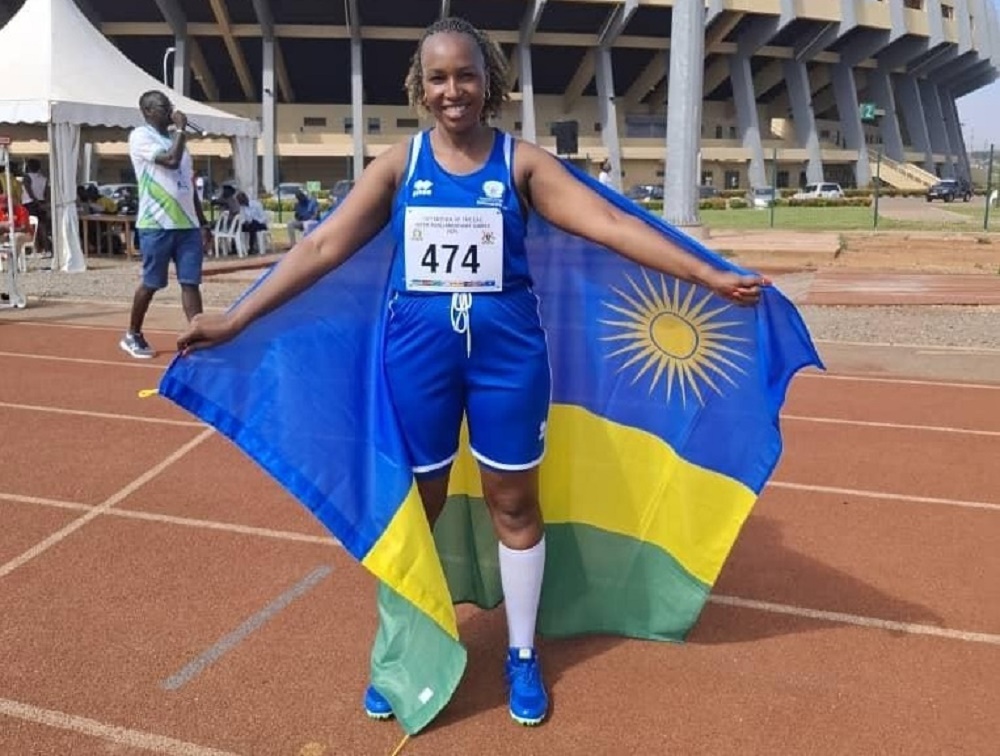
Uwimbabazi received the “J. Willard Marriott Award of Excellence,” an award given every year to only 10 employees across Marriott International’s worldwide operations who demonstrate exceptional service and leadership in the hospitality industry.
The award ceremony took place at Marriott International’s headquarters in Washington, D.C. on May 11, 2026.
Employees considered for the award are nominated by the hotels where they work based on their performance and achievements. Marriott International evaluates candidates on customer care, teamwork, leadership and professionalism.
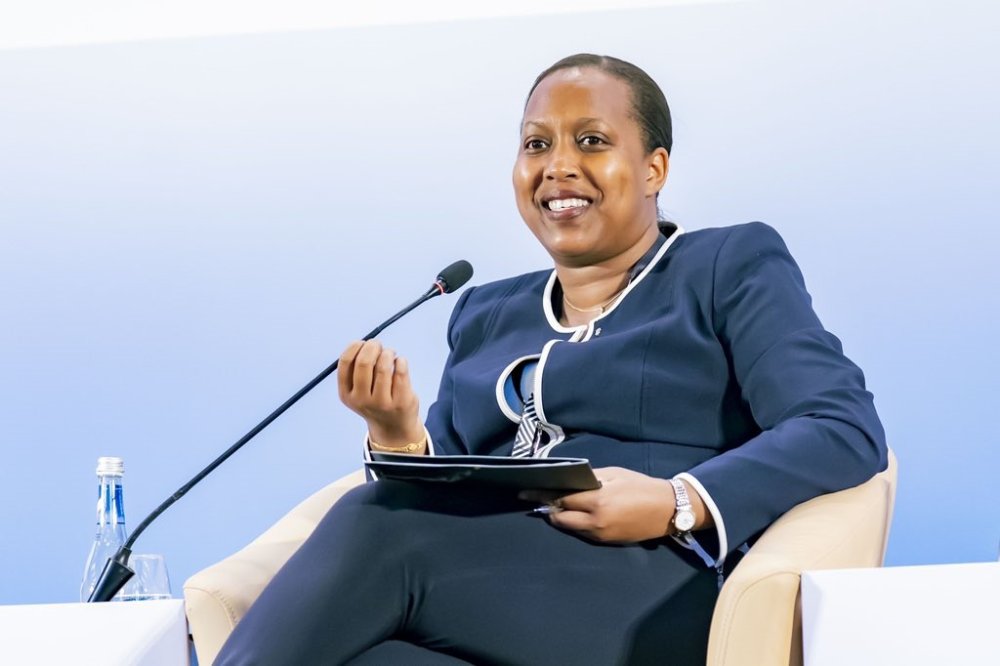
Uwimbabazi works as the Director of Rooms Operations at Kigali Marriott Hotel. She became the first employee from East Africa to receive the award.
Her leadership and ability to provide efficient and high-quality services to guests from different backgrounds were among the reasons she was recognised.
After receiving the award, Uwimbabazi thanked those who had trusted her and expressed pride in representing Rwanda on the international stage. She noted that becoming the first Rwandan woman and the first employee from East Africa to receive the award was not simply a personal achievement, but also a responsibility.
She added that the recognition belonged to every African working in the hospitality industry, especially women.
Uwimbabazi also highlighted that the values and confidence she gained as a Rwandan inspired her to love her work and helped her achieve international recognition.
Rwanda’s Ambassador to the United States, Mathilde Mukantabana, thanked Uwimbabazi for making Rwanda proud, noting that she deserved the recognition of her commitment to excellence.
Deborah Marriott Harrison, a member of the Board of Directors of Marriott International also congratulated Uwimbabazi. Uwimbabazi was accompanied by her husband, Ribani Eric.Bill Marriott, the Executive Chairman of Marriott International and son of the company’s founder J. Willard Marriott, congratulated Uwimbabazi. Sandeep Walia is the Chief Operating Officer (COO) for Marriott International in the Middle East & Africa congratulated Uwimbabazi.
He also describes himself as a longtime friend of President Paul Kagame, dating back to the period when Kagame lived in Kampala.
Capt Mike Mukula, now 69, is widely known for his 28 investment companies under the Mukula Group of Companies. He is also a former pilot.
Between 1996 and 2016, he represented Soroti constituency in the Parliament of Uganda and currently remains a prominent figure within Uganda’s ruling party, the National Resistance Movement (NRM).
Thirty-six years after the launch of the Rwandan liberation struggle and 32 years since the 1994 Genocide against the Tutsi was stopped, Capt Mukula reflects on his close and personal ties with both President Paul Kagame and Maj Gen Fred Rwigema.
In an interview on The Long Form Podcast with Sanny Ntayombya, Mukula recalls meeting Rwigema in 1985, a moment that quickly evolved into a deep friendship.
Captain Mike Mukula still remembers the night of September 30, 1990, with painful clarity. He was getting a haircut in Bugolobi when Major General Fred Rwigyema walked in.
“He came to me and said, ‘I just want to look at you. I wanted to see you and look at you,’” Mukula recalls. “That was the last time I saw him.”
The following day, Rwigema crossed into Rwanda to launch the Liberation Struggle. He was killed on the second day of fighting.
For Mukula, that quiet moment marked the end of a deep friendship that had grown over years—one shaped in Kampala’s social spaces, shared meals, and a shared revolutionary spirit.
Long before the Rwandan Patriotic Front launched the Liberation Struggle on October 1, 1990, Mukula and Rwigema moved in the same circles. At the time, Mukula, then a pilot and businessman, ran Bimbo Ice Cream, a popular hangout in Kampala.
“Fred loved to come to Bimbo,” Mukula says. “He used to come, order ice cream. He used to come home. I was very close to his mother—very, very close to his mother. Actually, we started speaking Kinyarwanda. She started teaching me Kinyarwanda because she didn’t know English, she didn’t know Luganda, she didn’t know Swahili.”
Their friendship grew so close that Mukula believed he would play a central role in Rwigema’s wedding.
“We had even bought suits,” he recalls with a smile. “I thought I was going to be his best man. But then the hierarchy wanted to make it a military wedding, so they got General Ivan Koreta to be the best man. But we had already bought the suits—for both the Kasiki and the wedding.”
A Kasiki in Uganda is a traditional, celebratory party held on the eve of a wedding at both the bride’s and groom’s homes, acting as a farewell to bachelorhood.
The Kasiki ceremony was held in Bugolobi, not far from Mukula’s home. As he said, President Kagame was responsible for security at the time.
“We coordinated together to make sure that the function went very well,” Mukula says. Rwigema remained a frequent visitor to Bimbo, where he ate, drank, and interacted freely with Mukula.
“That’s how close we were,” he explains. “They would eat freely in my place, drink freely, and interact with me. That’s how free it was.”
Mukula also recalls a moment that revealed Rwigema’s calm bravery far from the battlefield. One evening, as they drove out of Bimbo along Jinja Road, they encountered an armed robber who had hijacked a vehicle and was exchanging fire with police officers who had frozen in place.
“Fred then took a brand new AK-47 from one of the policemen,” Mukula recounts. “He went into the corner—the act of bravery—fired I think two or three shots… As soon as [the robber] stopped, he entered in and fired rapidly. He had pinned where the man was. And the man was no more.”
Afterward, Rwigema calmly returned the gun to the policeman and drove away.
Mukula reflects on the moment with admiration: “General Salim Saleh and most of the soldiers of the NRA did not command from the rear. They breathed in engagement directly from the front.”
When news of Rwigema’s death reached him, Mukula says the pain was overwhelming. To this day, he marks October 2 as a personal day of remembrance.
“On the 2nd of October every year from the time he fell, I don’t work. I stay home… in memory of my brother,” he says. “It was very painful, very, very painful.”
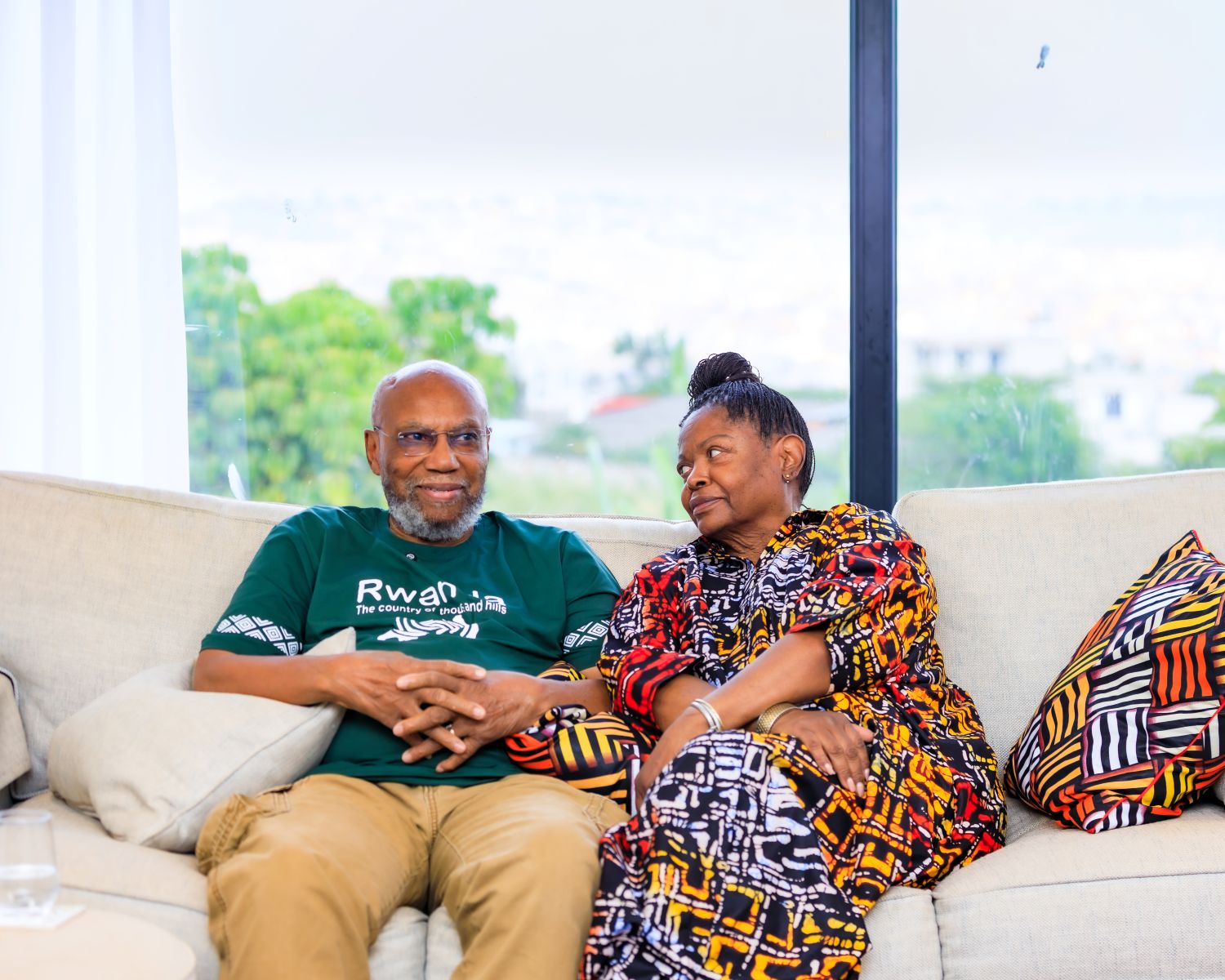
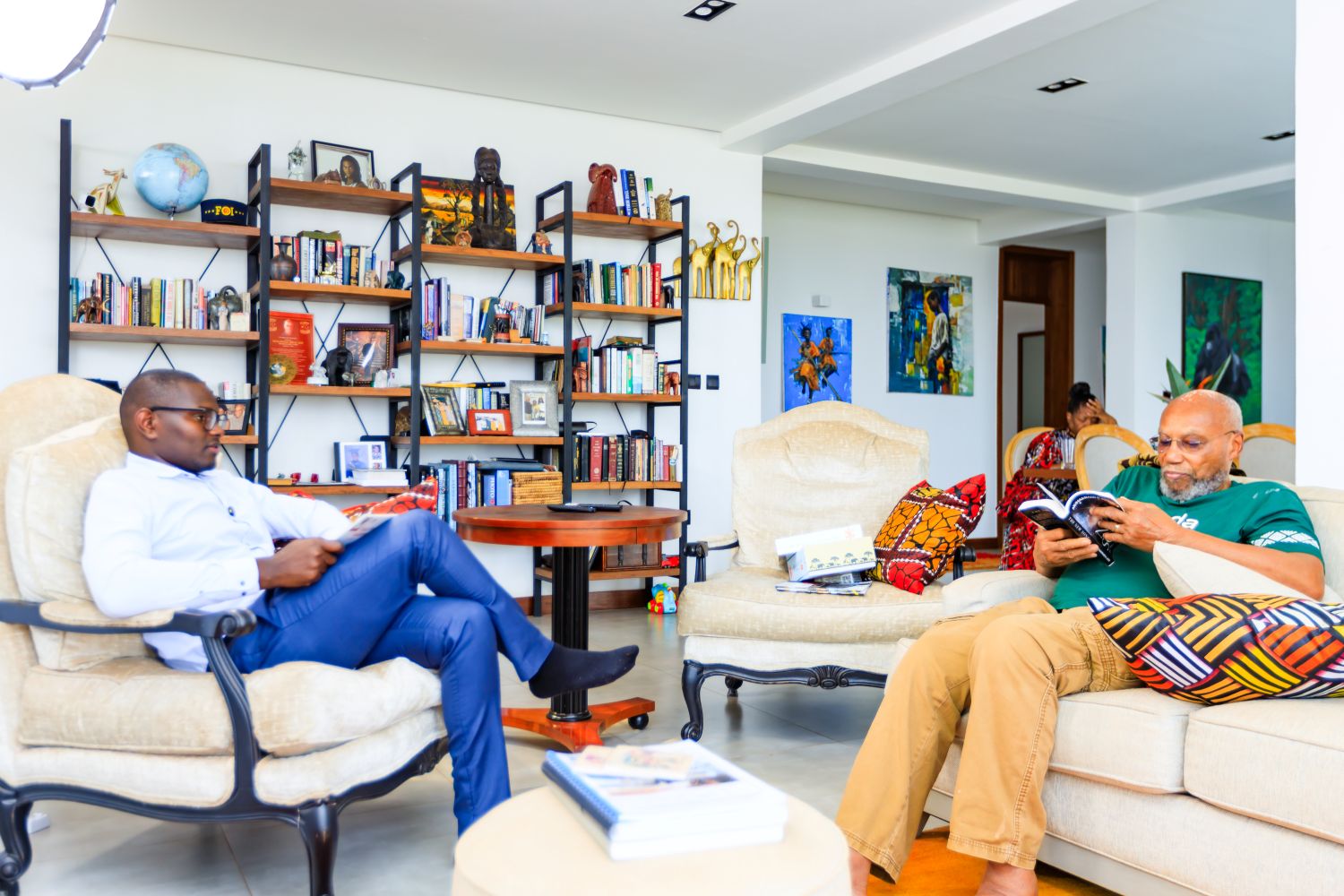
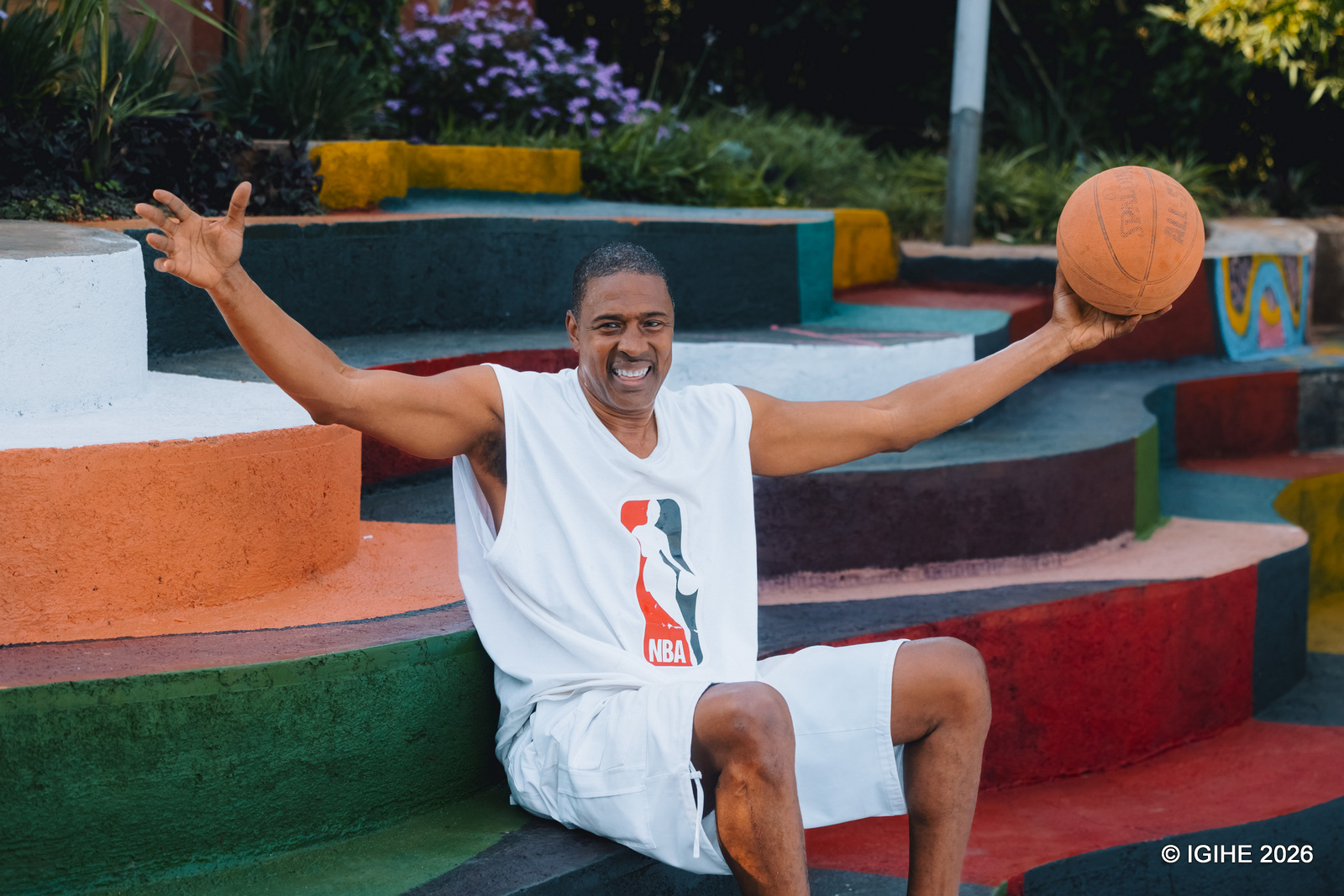
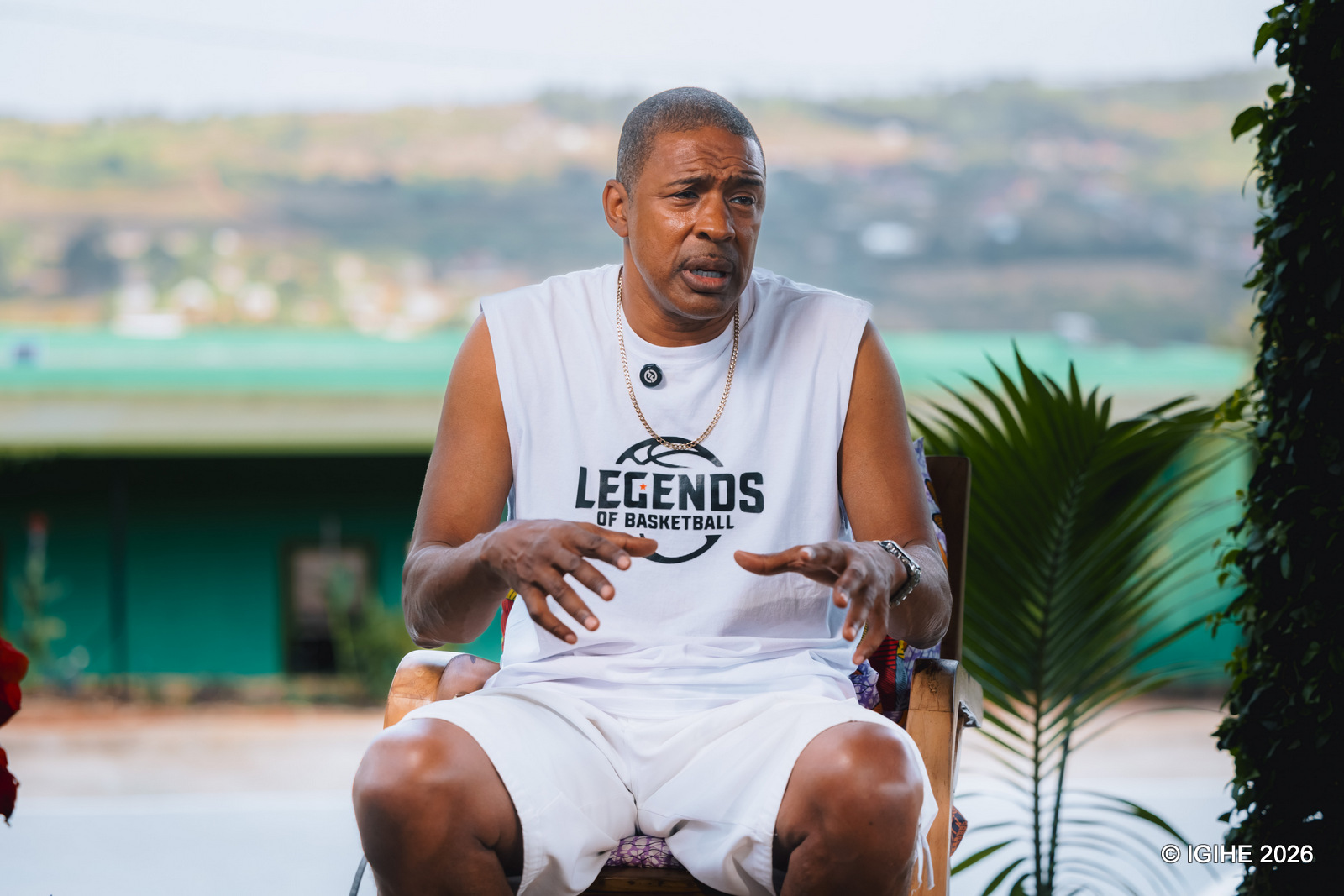
Capt. Mike Mukula recalled how his close friendship with Gen. Fred Rwigyema extended to wedding preparations, where he had expected to serve as best man before military protocol changed the arrangement.Capt. Mike Mukula has shared personal memories of Maj Gen Fred Rwigema, highlighting their bond and the emotional weight of their last encounter.
The team consisted of renowned broadcaster David Attenborough and photographer Martin Saunders. They were confident their work would proceed smoothly, having secured all the necessary permits from Rwandan authorities. In addition, they had the support of primatologist Dian Fossey, who had extensive experience studying gorillas in the Karisoke area, between Mount Karisimbi and Mount Bisoke.
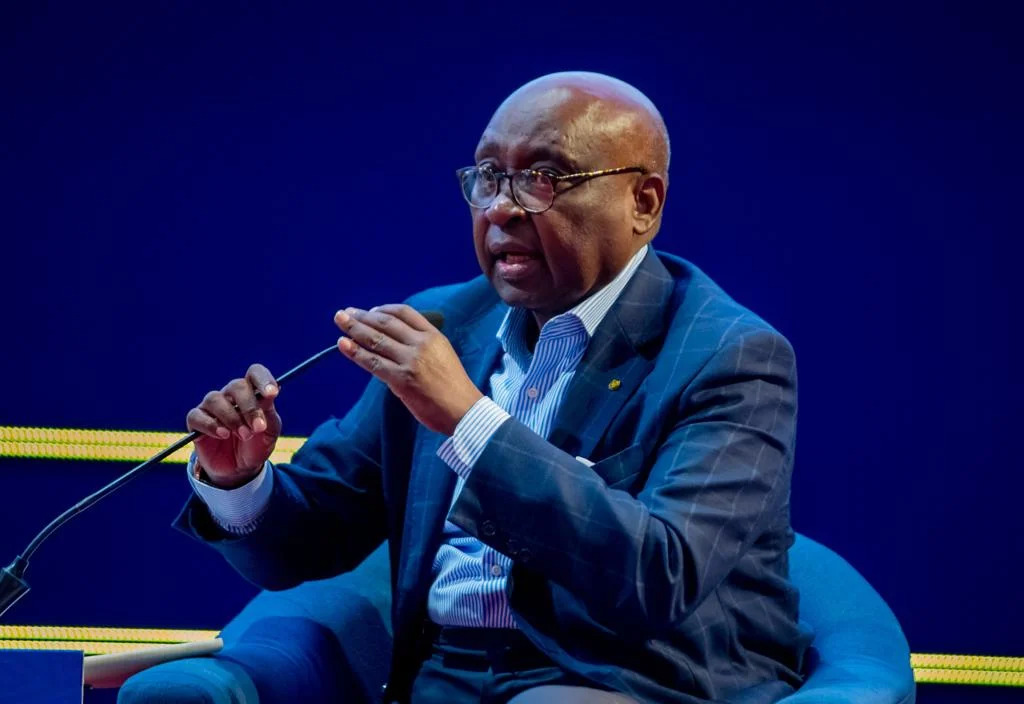
According to Attenborough, their preparations had been thorough, with all required permissions in place and everything appearing well organized.
Dian Fossey, widely known in the Ruhengeri by a local nickname as Nyiramacibiri, had devoted her life to protecting mountain gorillas. Her work went far beyond feeding or treating them, she lived among them in the wild, even establishing a base in the volcanic mountains. She would later be killed under circumstances widely believed to be linked to powerful interests opposed to her conservation efforts.
Filming the gorillas proved challenging for Attenborough, who was not yet accustomed to their behavior. At one point, a dominant male gorilla named Pablo climbed onto him, creating a moment of fear. Despite the tension, he remained focused and continued the work that had brought him there.
After completing the demanding work, Attenborough and Saunders returned to Kigali, preparing to head back to the United Kingdom with what they believed was an extraordinary story, one that would reveal to the world the complex and human-like nature of these animals.
Their journey from Ruhengeri had been filled with excitement, as they believed they had achieved something rare. However, as they approached Kigali International Airport, that sense of accomplishment quickly turned into fear. Attenborough began to wonder whether they would safely leave the country—or lose everything they had worked so hard to capture.
Gunfire suddenly erupted overhead. At first, they were unsure what was happening, but it soon became clear that they themselves were being targeted by Rwandan soldiers attempting to stop them, apparently suspecting them of wrongdoing.
Attenborough later described the confusion of the moment, recalling how they turned and saw armed security personnel approaching them.
The two men were stopped and quickly realized that the footage they had captured was at risk. Sensing danger, they discreetly rearranged how they stored their film in an effort to prevent it from being confiscated.
When the soldiers reached them, they demanded to inspect their belongings. However, the exact reason for the suspicion remained unclear—whether they were accused of threatening national security, illegal wildlife activities, or something else entirely.
They were taken away from the airport and first brought to a hotel. The following morning, they were transferred to a military facility, where they were made to stand in an open area under the sun, surrounded by armed personnel. At that moment, they feared for their lives, unsure whether they would be imprisoned, executed, or subjected to other forms of punishment.
Saunders later reflected that they were left standing in the heat without explanation, unable to understand what they were being accused of, which only heightened their anxiety about what might happen next.
After some time in detention, the authorities unexpectedly decided to release them. The two men were allowed to leave, greatly relieved—not only to have regained their freedom, but also because their valuable footage remained intact.
This dramatic episode is recounted in the documentary, Making Life of Earth: Attenborough’s Greatest Adventure, released by BBC on May 3, 2026, just days before Attenborough’s 100th birthday.
More recently, Attenborough has also been involved in another documentary released on April 17, 2026, on Netflix. This production also explores the lives of mountain gorillas and was created in collaboration with Silverback Films.
The film brought together contributions from several prominent figures in filmmaking, including James Reed, Alastair Fothergill, Leonardo DiCaprio, Jennifer Davisson, and Phillip Watson.
The project combined over 250 hours of footage captured between 2023 and 2024, along with archival material filmed by Attenborough during his time in Rwanda.
According to Fothergill, the original idea was simply to tell the story of gorillas. However, after discussions with the Dian Fossey Gorilla Fund—which has spent more than six decades protecting gorillas in Rwanda—the project gained momentum.
The concept evolved further when Fothergill approached Attenborough, who had previously worked on gorilla-related documentaries. Attenborough welcomed the idea and revealed that he had kept detailed notes from his earlier experiences in Rwanda, which could enrich the film.
The resulting documentary not only highlights how gorillas live, but also shows their complex social dynamics, including struggles for leadership and behaviors that often resemble human interactions.
Sir David and Martin during an excursion in ComorosThe film “Making Life of Earth: Attenborough’s Greatest Adventure,” features footages of a gorilla climbing onto Sir David Attenborough.
At just 12 years old, Geraldine’s life took a dramatic turn when she was diagnosed with Type 1 diabetes, a condition that requires constant insulin therapy and careful monitoring. Living in the UK, she faced not only the physical demands of managing her condition but also the emotional challenges of being misunderstood by teachers and coaches.
Dropped from her netball team and labeled a “burden,” she struggled with her self-confidence and fell into depression. Her mother, Tracy Mutesi, a caregiver to Geraldine’s grandfather who lived with Type 2 diabetes, became her unwavering support, encouraging her to see beyond her diagnosis.
During a trip to Rwanda in 2019, Geraldine visited Muhima Hospital in Kigali, where she met young Rwandans also living with Type 1 diabetes. The stark contrast between their healthcare access and hers in the UK deeply impacted Geraldine.
Recognizing the disparity in opportunities, she decided to use her story to create change.
“I could turn this pain into purpose,” she realized, aspiring to be a role model and show others that they were not alone.
In 2019, Geraldine co-founded the Geraldine Trada Foundation (GT Foundation) with her mother. The foundation aims to educate, support, and empower young people with Type 1 diabetes in Rwanda, breaking the stigma surrounding the condition.
The foundation runs programs like school awareness campaigns, outreach to rural areas, and empowering camps for youth and caregivers.
It started with modest funding from family and friends but has since expanded with multi-year funding in 2024, growing through local partnerships and media storytelling.
Geraldine is passionate about educating the public on the differences between Type 1 and Type 2 diabetes. She aims to challenge harmful myths that suggest diabetes is caused by poor lifestyle choices, especially in relation to sugar consumption.
As an award-winning Economics graduate pursuing an MSc in International Development, she advocates for better access to diabetes care, having served as a Campaign Champion with Diabetes UK.
Looking forward, Geraldine envisions a future where no young person feels limited by diabetes.
She dreams of creating a hub that offers education, support, and a community for youth and caregivers, with the goal of empowering young people to live without barriers.
Geraldine also encourages anyone newly diagnosed to remember, they are not alone.
“The challenges you face today are ones I once faced too, but you can overcome them.”
Today, at 23, Geraldine balances her studies in the UK with her work in Rwanda, proving that personal adversity can spark a global movement of hope, education, and empowerment.
The Geraldine Trada Foundation continues to make a lasting impact, standing as a reminder that resilience, family love, and purposeful action can transform challenges into platforms for progress.
Geraldine Trada decided to use her story to create change recognizing the disparity in opportunities. Members of the Geraldine Trada Foundation community gathering, uniting to share strength, support, and hope in their journey with diabetes. Participants at the Ikizere Camp engaging in educational sessions, learning effective strategies for managing and living with diabetes.
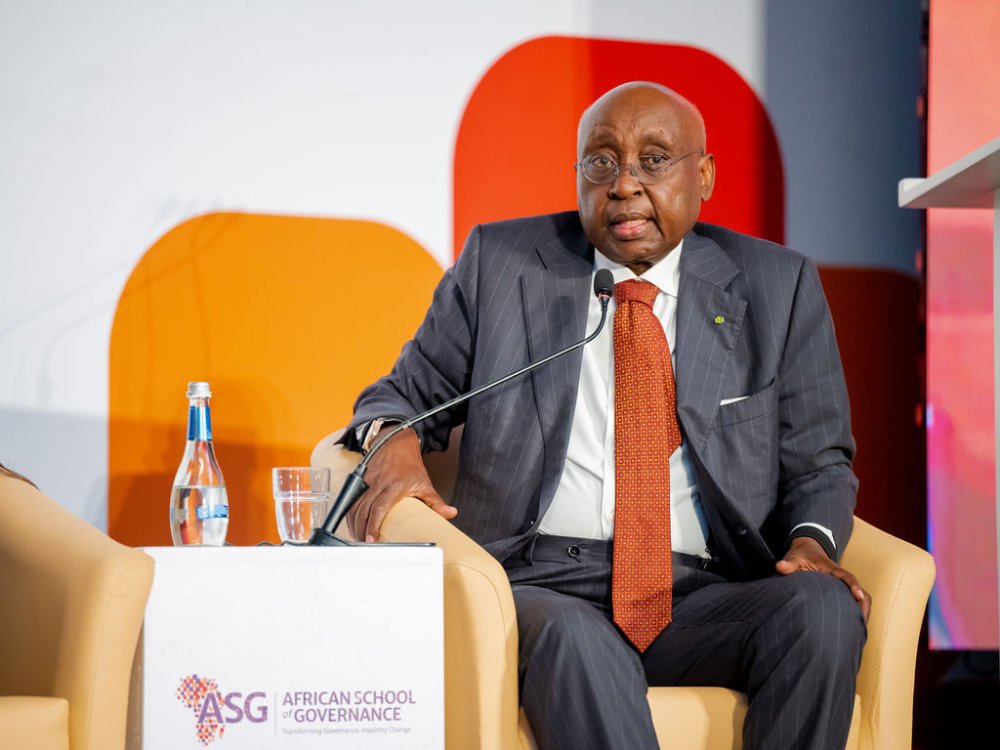
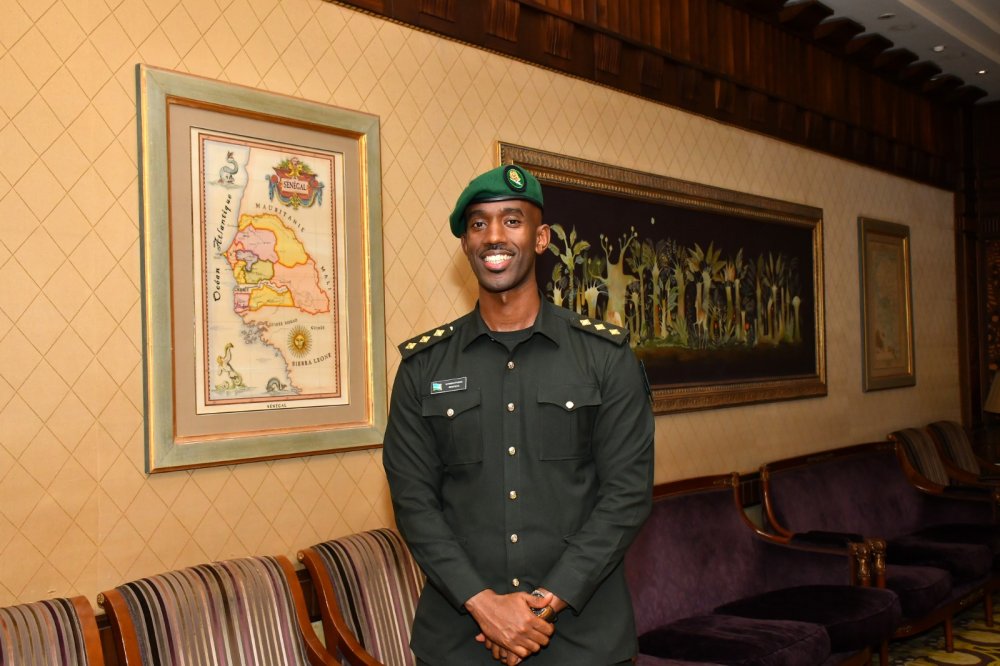
Iyacu will take over from Paula Hunter who is retiring. She is expected to step down from her Executive Director role during the transition period.
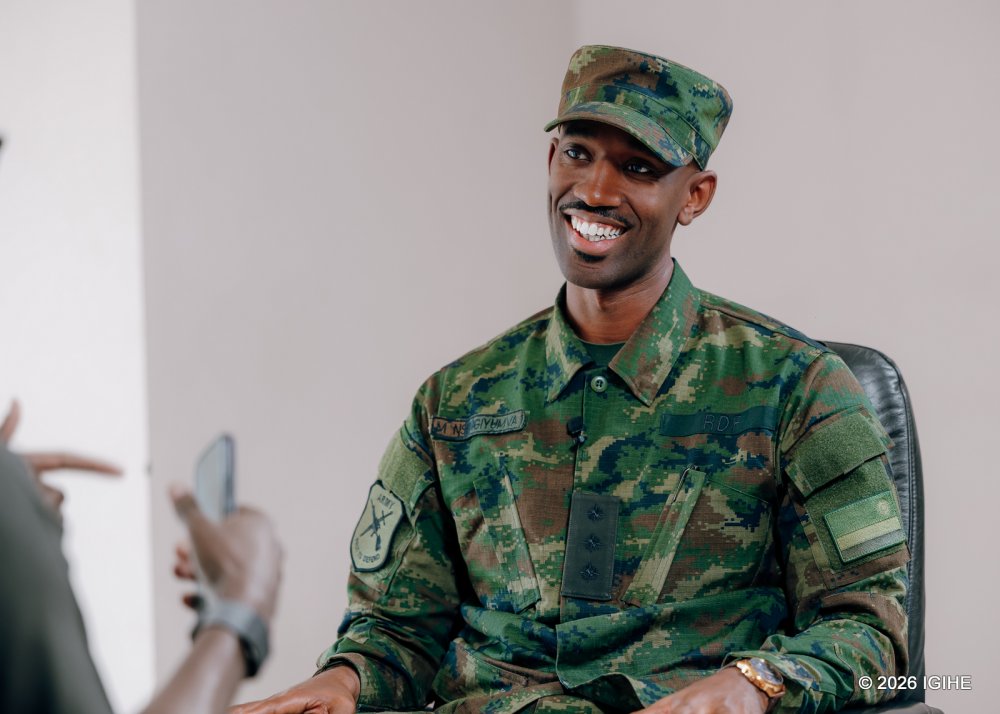
Based in Kigali, Iyacu brings more than 15 years of experience in inclusive financial systems, digital finance and Digital Public Infrastructure (DPI), with a track record of advancing initiatives linked to the Sustainable Development Goals.
His appointment signals the foundation’s continued focus on scaling inclusive, real-time payment systems, particularly in underserved markets.
In his new role, Iyacu is expected to steer the foundation’s long-term sustainability efforts, mobilise additional funding and support deployments across multiple regions where the organisation works with governments, central banks and other partners.
“Inclusive finance is one of the defining challenges and opportunities of our time. Mojaloop has already demonstrated the power of open, interoperable infrastructure to transform economies and improve lives,” Iyacu said.
“I’m excited to build on this momentum, working with partners around the world to expand access to inclusive digital financial services and ensure long-term sustainability for the organization,” he added.
Kosta Peric, Chairperson of the Mojaloop Foundation, said Iyacu’s appointment comes at a pivotal moment for the organisation.
“Jean Bosco brings an exceptional combination of regional insight, leadership experience and deep understanding of Digital Public Infrastructure. This marks an important step in Mojaloop’s evolution as we continue to scale our global impact,” Peric said.
Iyacu currently serves as Chief Executive Officer of Access to Finance Rwanda (AFR), where he leads a team of more than 40 staff and has played a key role in mobilising donor funding and expanding the institution’s interventions over the past five years.
Beyond AFR, he chairs the Financial Sector Deepening (FSD) Network Council, which coordinates collaboration across nine African markets. He is also a member of the Consultative Group to Assist the Poor (CGAP) FinEquity Technical Advisory Committee and holds private sector board roles, including at Salvo Grima Africa Distribution.
The Mojaloop Foundation, a non-profit organisation, focuses on promoting financial inclusion by supporting interoperable payment systems through its open-source software. Its platform is used by governments, banks and mobile money providers to build and enhance real-time payment ecosystems aimed at expanding access to digital financial services worldwide.
Jean Bosco Iyacu has been appointed as Chief Executive Officer, effective June 1, 2026.
The latest assessment places Rwanda ahead of countries with comparable income levels, reflecting notable progress across health, education, and labour market performance.
The country achieved a score of 157 on the HCI+, significantly surpassing the Sub-Saharan Africa average of 126 and the low-income country benchmark of 116.
The HCI+ evaluates how effectively nations are building and utilising human capital by measuring the future productivity of children born today.
It considers access to quality healthcare, education, and employment opportunities, while also accounting for inefficiencies such as underused skills.
Compared to the original index, the HCI+ introduces broader indicators, including higher education attainment, job quality, and transitions within the labour market.
Minister of Finance and Economic Planning Yusuf Murangwa attributed the achievement to Rwanda’s long-standing policy focus.
“Our focus on health, quality education, and creating pathways to productive employment is delivering measurable results for Rwandans and the economy,” he stated.
He further noted that sustainability is being embedded across sectors to secure lasting impact.
Key indicators underline this progress. The probability of surviving to age 60 has reached 79 per cent, exceeding the regional average of 73.8 per cent.
Efforts to combat child stunting have also advanced, with 70.2 per cent of children expected to grow without stunting.
In education, Rwanda posted a harmonised learning score of 417 and a tertiary completion rate of 22.8 per cent.
Meanwhile, employment data shows encouraging trends, particularly among youth and wage earners, pointing to improved access to stable jobs. Overall, the gains reflect steady advancement since 2010, especially in health and workplace learning.
Rwanda has achieved a score of 157 on the HCI+, significantly surpassing the Sub-Saharan Africa average of 126 and the low-income country benchmark of 116 in the latest World Bank human capital index.