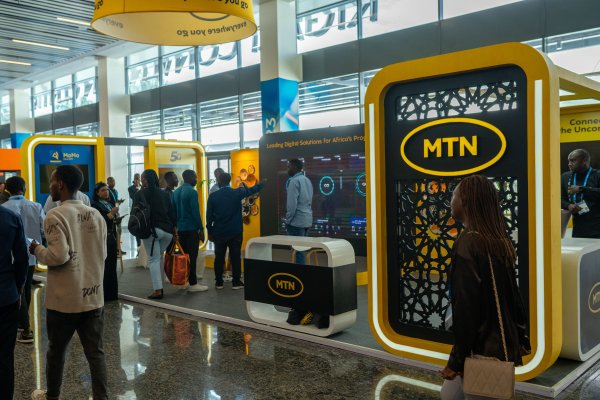
The telecom operator announced on Monday that its service revenue grew by 21.2% year-on-year to Rwf 81.4 billion, as more customers adopted digital and financial services on its network.
The company said the performance reflected “disciplined commercial execution” within what it described as a supportive regulatory environment that continues to encourage investment and innovation in Rwanda’s digital economy.
MTN Rwanda’s subscriber base increased by 10.6% to 8.4 million customers during the quarter. Active data users rose by 19.6% to 2.7 million, while monthly active mobile money users grew by 20.5% to 6.3 million.
Mobile money remained the company’s strongest revenue driver, growing by 30.2% and contributing 52.7% of total service revenue.
Transaction volumes on the MoMo platform increased by 32% during the quarter, reflecting growing reliance on digital payments among individuals and businesses.
The company said more than four million customers are now transacting through MoMoPay, as digital financial services continue gaining traction across the country.
During the quarter, Mobile Money Rwanda also launched “MoFlex”, a flexible credit product developed in partnership with Ecobank Rwanda Plc and Yabx, aimed at expanding access to credit for individuals and businesses.
Chantal Kagame, Chief Executive Officer of Mobile Money Rwanda Limited, said customer trust in MoMo services continues to drive growth beyond payments into broader financial services.
“Beyond payments, we are deepening access to financial services, enabling businesses, supporting lenders and creating practical solutions that work for every Rwandan,” she said.
Data revenue rose by 10.7%, supported by a 64.7% increase in data traffic as more subscribers migrated from 3G to 4G smartphones. Smartphone penetration on the network reached 44.9%.
Voice revenue also recovered strongly, increasing by 8.2% after the reintroduction of mobile termination rates, which the company said helped restore commercial balance in the interconnect market.
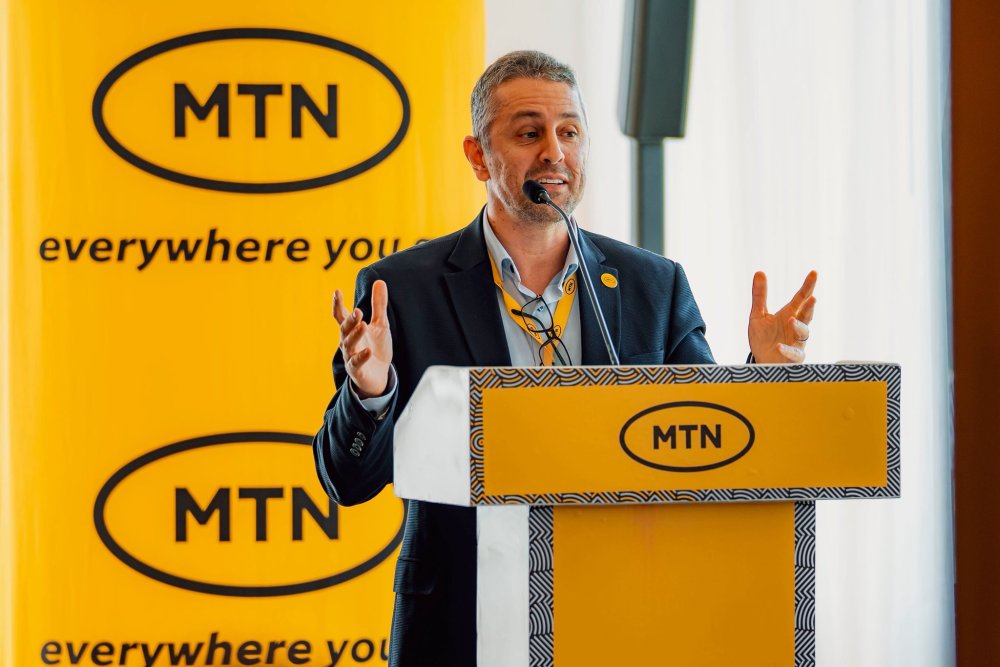
MTN Rwanda Chief Executive Officer Monzer Ali said Rwanda’s regulatory framework continues to provide confidence for long-term investment and expansion.
“With a clear policy direction and unwavering focus on equality of access to digital services for all Rwandans, investment decisions are easier and we can focus on what matters most: product innovation, providing quality customer experience and delivering second to none connectivity operations,” he said.
The company’s earnings before interest, tax, depreciation and amortisation (EBITDA) grew by 32.8% to Rwf 34 billion, while EBITDA margins improved to 41.5%.
MTN Rwanda also invested Rwf 11.2 billion in capital expenditure during the quarter to expand network coverage and improve service quality.
Beyond commercial performance, the telecom firm continued supporting Rwanda’s digital agenda through partnerships in education and skills development.
During the quarter, MTN Rwanda signed a memorandum of understanding with Rwanda’s Ministry of Education to explore digital solutions for the education sector and launched a Digital Skills for Digital Jobs platform under the MTN Skills Academy.
The academy offers free access to more than 500 courses in digital literacy, data analytics and financial capability.
MTN Rwanda Chief Executive Officer Monzer Ali said Rwanda’s regulatory framework continues to provide confidence for long-term investment and expansion.
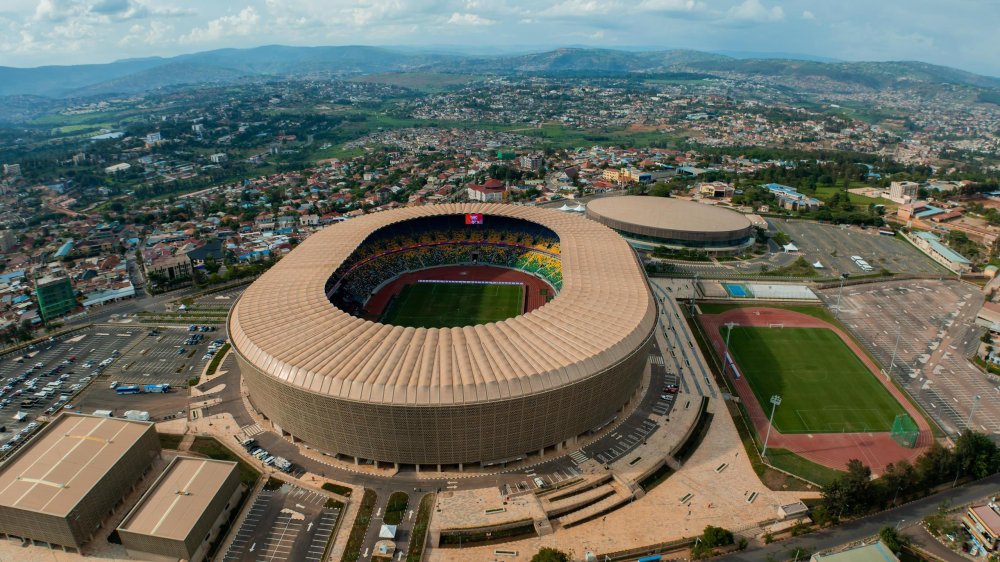
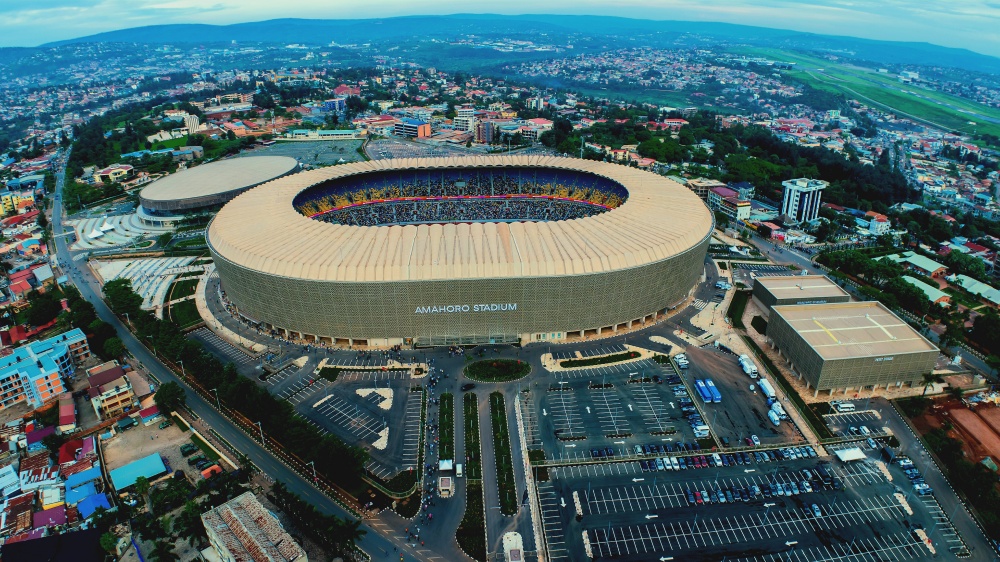
Amahoro Stadium, which was reopened in 2024 after a major renovation costing more than $160 million, has a seating capacity of 45,000 people. BK Arena, completed in 2019 at a cost of $104 million, can host up to 10,000 spectators.
The two venues have become central to Rwanda’s ambition of positioning itself as a destination for international conferences, sports and entertainment events. They have hosted major events including the FIFA Congress, the Basketball Africa League, Move Afrika and Giants of Africa.
However, despite their growing importance, event organizers and members of the public have repeatedly raised concerns over what they describe as expensive rental fees and restrictive operational requirements.
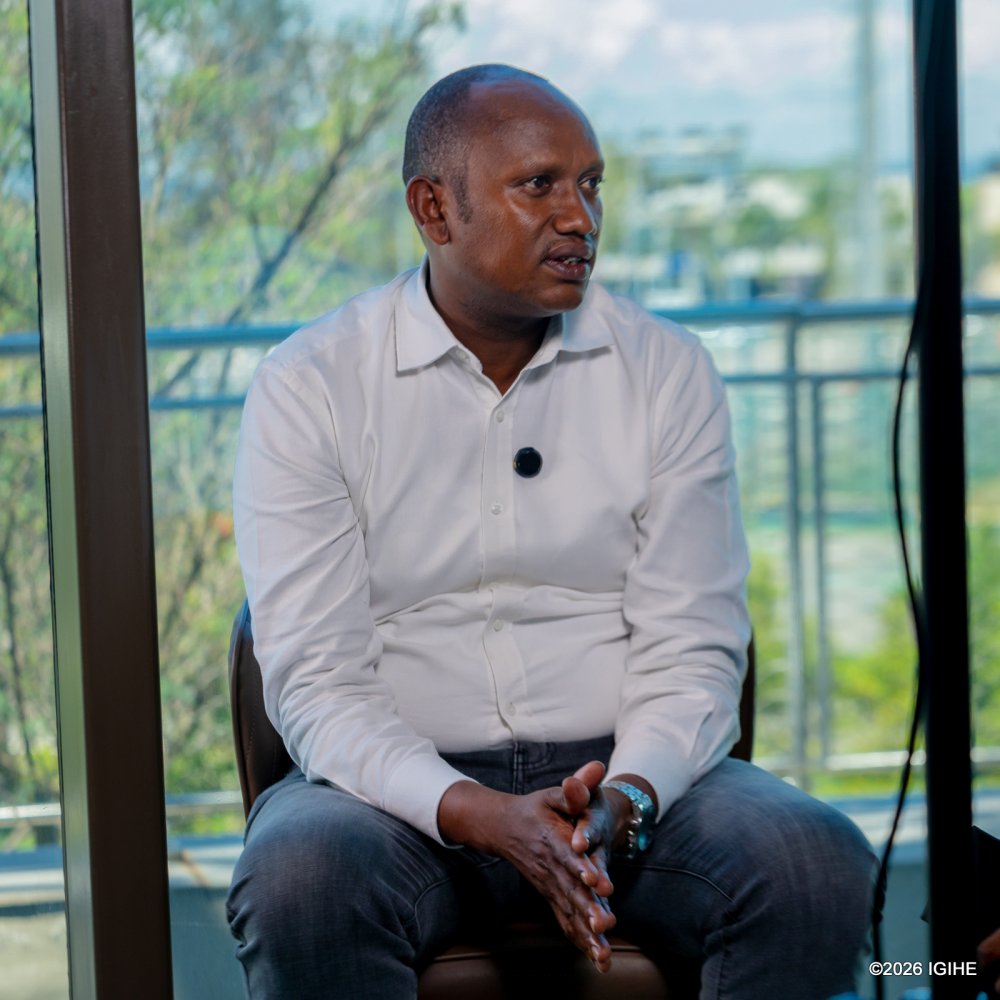
In an interview with IGIHE, John Ntigengwa, the Country Director of QA Venue Solutions which managed both facilities, addressed the concerns and defended the company’s management approach.
Ntigengwa explained that QA Venue Solutions operates the facilities under an agreement with the Government of Rwanda, with responsibilities that include maintaining the venues and ensuring they generate revenue.
He said one of the biggest challenges remains the fact that many people still cannot afford to use the facilities.
According to him, operating and maintaining such large infrastructures comes at a high cost, making it impossible to lower prices beyond a certain level.
“For BK Arena, the average base price over the last five years has been around Rwf5 million,” he explained, noting that this amount only covers the minimum operational requirements for an event.
He added that the actual daily operational cost for events at BK Arena reaches about Rwf9 million before additional expenses such as security, protocol staff and cleaning services are included.
Regarding Amahoro Stadium, Ntigengwa revealed that the initial minimum operational fee had been estimated at Rwf16 million.
However, after discussions with stakeholders including the Rwanda Premier League, the base price was reduced to around Rwf3 million in an effort to make the stadium more accessible, especially for football clubs.
He said the company is also seeking more partnerships, particularly with advertisers and sponsors, to further reduce operational costs and make the venues more affordable.
John Ntigengwa says maintaining BK Arena and Amahoro Stadium comes with high operational costs.
Addressing complaints that BK Arena is more expensive than Amahoro Stadium, Ntigengwa argued that when all operational costs are considered, the expenses are nearly similar.
He also explained that most event organizers rely heavily on sponsorships because the local market alone is often not sufficient to cover the costs of staging large events.
Another issue frequently raised by organizers concerns the requirement to use venue-approved protocol staff, security teams and, in some cases, sound equipment providers.
Ntigengwa said those policies are primarily aimed at ensuring professionalism and safety.
He explained that protocol and security personnel assigned to the venues receive specialized training and are familiar with the infrastructure, making it risky to allow untrained teams to manage crowds in the facilities.
On technical equipment, he said the company only requires service providers who meet specific professional standards, especially for complex installations such as suspended lighting and sound systems.
However, he denied claims that QA Venue Solutions works exclusively with one supplier, saying organizers with smaller technical needs are sometimes allowed to work with their preferred providers.
The company also responded to complaints from event promoters who accuse the venue management of generating additional revenue from food and beverage sales during events without sharing profits.
Ntigengwa said food and drinks sold at the venues must meet strict safety and quality standards, which is why the company limits who can operate inside the facilities.
He added that the company intentionally keeps rental fees below actual operational costs and compensates through other revenue streams such as concessions and commercial activities inside the venues.
“If an event at BK Arena costs us at least Rwf9 million to operate but we charge the organizer Rwf5 million, it does not mean we are choosing to make losses,” he said. “We look for other ways to generate revenue while keeping the venue accessible.”
On VIP suites at BK Arena, Ntigengwa explained that out of the 14 available suites, organizers typically receive only two because the others are reserved for clients who lease them on annual contracts.
He also addressed criticism over ticketing fees, where organizers have complained about a 15 percent deduction on ticket sales.
According to him, QA Venue Solutions only takes 3 percent, while ticketing service providers receive 12 percent, with the remaining amount going to the event organizer.
Despite the criticisms, Ntigengwa said the company remains open to dialogue and welcomes suggestions from clients and partners on how operations can be improved.
“We encourage people not to rely only on rumors that these venues are too expensive,” he said. “Anyone interested in using them should come and discuss their project with us because every case is different.”
He also acknowledged that attracting international artists remains costly, although the company hopes to organize at least two major concerts annually at BK Arena and one at Amahoro Stadium.
Ntigengwa dismissed reports suggesting that negotiations to host major artists such as Chris Brown and Burna Boy for a grand Amahoro Stadium inauguration concert had been finalized, saying discussions remain at an early stage.
He nevertheless confirmed preparations are progressing for the upcoming concert by UB40 featuring Ali Campbell scheduled for June 9, 2026, at BK Arena.
Ntigengwa also praised King James after tickets for the artist’s concert reportedly sold out within three days, describing it as proof of the musician’s strong fan base and hinting that discussions for a second day show were ongoing.
BK Arena and Amahoro Stadium have become key venues for Rwanda’s international sports and entertainment ambitions.
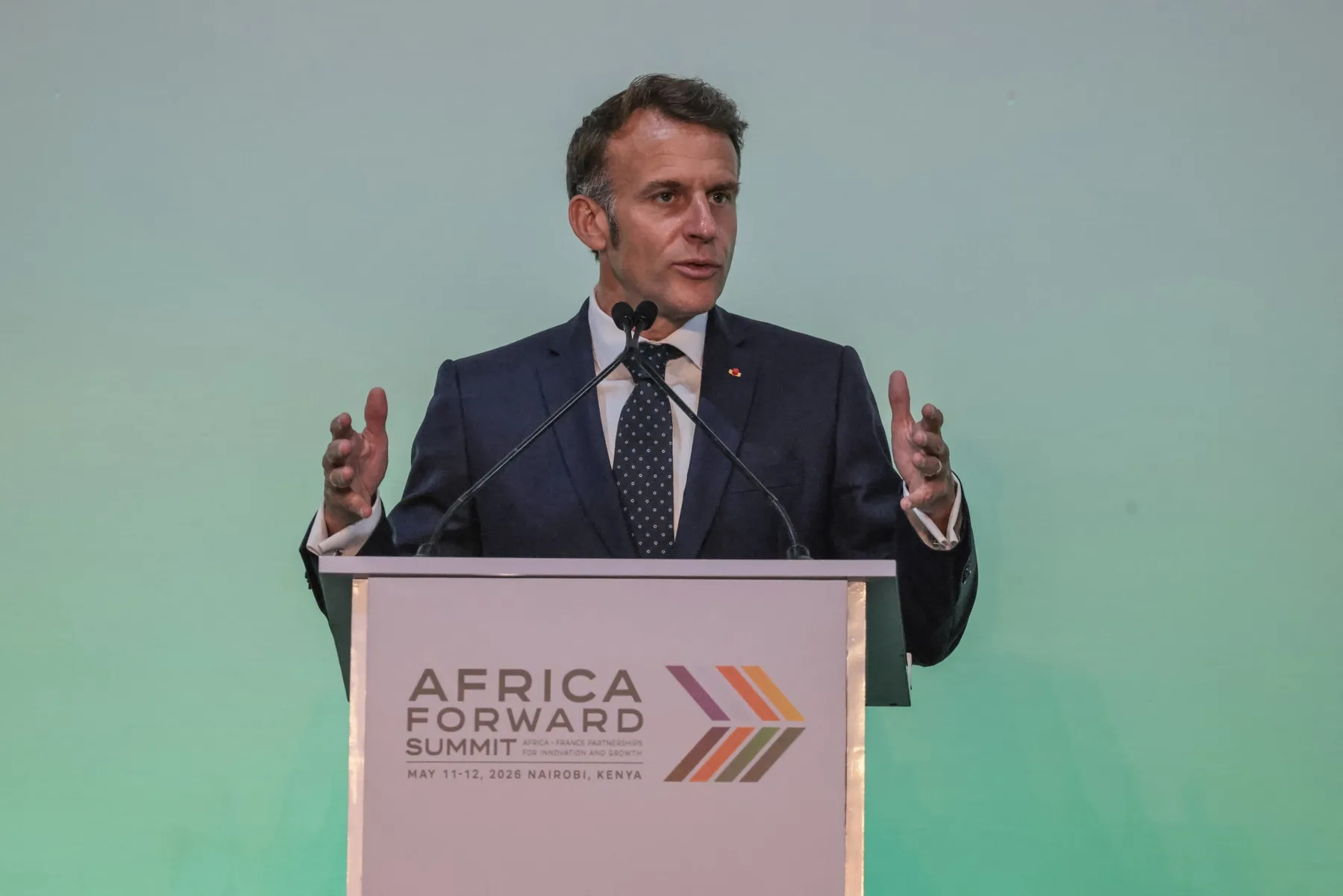
The investment package, unveiled during the “Inspire & Connect” Business Forum co-hosted by France and Kenya, combines €14 billion in public and private financing from French companies and institutions with an additional €9 billion pledged by African investors and entrepreneurs.
Speaking at Nairobi’s convention centre, Macron said the initiative would focus on sectors including energy transition, artificial intelligence, digital infrastructure, maritime industries and agriculture. He added that the investments are expected to create around 250,000 direct jobs across Africa and France.
“We are not simply here to come and invest on the African continent alongside you, we need the great African business leaders to come and invest in France,” Macron told delegates. “That too is what underpins this relationship, now entirely free of hang-ups.”
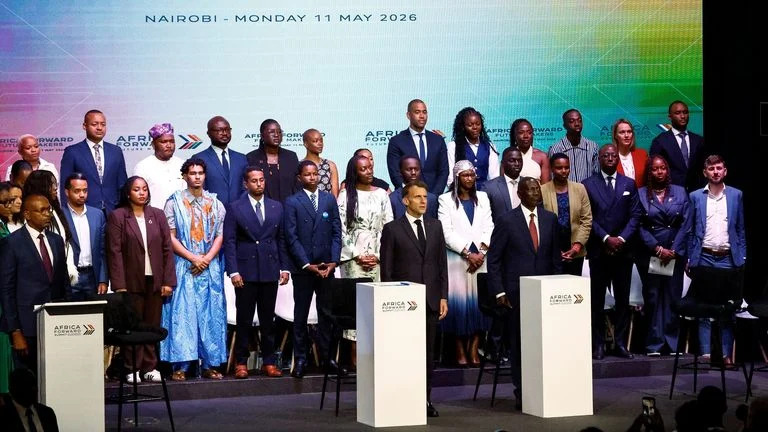
The two-day summit attracted heads of state, investors and thousands of business leaders from across Africa and Europe. Organisers initially expected up to 2,500 participants, but attendance reportedly reached nearly 7,000, with more than 700 business meetings held alongside 32 panel discussions.
Rwanda’s President Paul Kagame is among the heads of state attending the summit and is scheduled to co-chair a high-level roundtable on Artificial Intelligence and Digital Technologies. The discussion is expected to explore Africa’s growing role in shaping global digital policy and accelerating innovation-led development, an area where Rwanda has increasingly positioned itself as a continental leader.
In addition to the AI session, President Kagame is expected to address a plenary session bringing together African and French chief executive officers, where discussions will focus on green industrialisation and energy transition.
The summit represented a symbolic shift in France’s Africa strategy. It was the first Africa-France summit held in an English-speaking African country since 1973, reflecting Paris’ effort to strengthen ties beyond its traditional francophone sphere amid declining influence in parts of West Africa and the Sahel.
A significant portion of the financing drive was coordinated by Proparco, the private-sector financing arm of the French Development Agency. The institution announced more than €500 million in agreements during the summit, including a €300 million partnership with Ecobank aimed at strengthening agricultural value chains and a €200 million cross-currency transaction with the West African Development Bank.
Proparco also launched the Africa AgriTrade Coalition, a group of 16 financial institutions with combined balance sheets nearing €400 billion. The coalition aims to address Africa’s estimated $50 billion agricultural trade finance gap. Macron used the summit to position Europe as a stable and reliable economic partner in contrast to growing global competition from China and the United States.
The French leader also called for reforms to international financial systems to encourage greater private investment in Africa, saying the continent’s youthful population and economic potential remain underfinanced.
“There is no reason today for there to be so little private investment coming into a continent as full of energy and youth as yours,” Macron said.
The summit comes as France continues to recalibrate its role in Africa following military withdrawals from Mali, Burkina Faso and Niger after coups in those countries between 2020 and 2023. Macron defended France’s previous military presence in the Sahel, saying French forces had operated at the request of local governments to combat jihadist insurgencies.
“When our presence was no longer wanted after the coups, we left,” he said in comments published ahead of the summit. “That wasn’t a humiliation but a logical response to a given situation.”
Macron also addressed the issue of colonial-era cultural artefacts, saying the return of looted African artworks had become “unstoppable.” France recently passed legislation enabling the restitution of African cultural objects held in French collections.
Despite the ambitious announcements, critics questioned whether France’s strategy represents a genuine break from past practices. Togolese economist Kako Nubukpo argued that elements of the old economic system still persist, citing the continued use of the CFA franc and the influence of major French corporate groups across francophone Africa.
Others pointed to contradictions within France’s own fiscal policies. France’s development assistance budget has been reduced several times in recent years, with aid spending projected to fall well below the country’s long-standing international target.
Still, French officials presented the Nairobi summit as evidence of a broader transformation in France-Africa relations, one based on partnership, co-investment and shared economic growth rather than the hierarchical relationships associated with the colonial era.
The investment package, unveiled during the “Inspire & Connect” Business Forum co-hosted by France and Kenya, combines €14 billion in public and private financing from French companies and institutions with an additional €9 billion pledged by African investors and entrepreneurs.
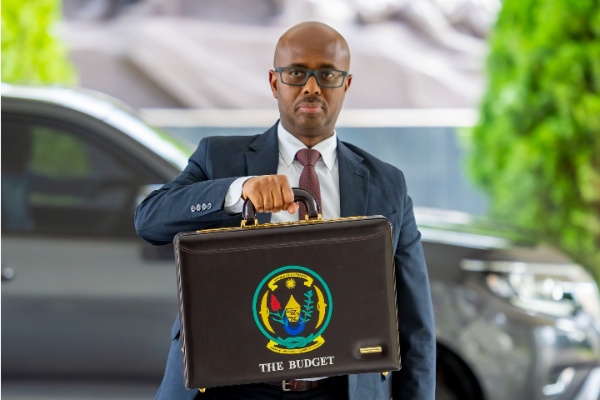
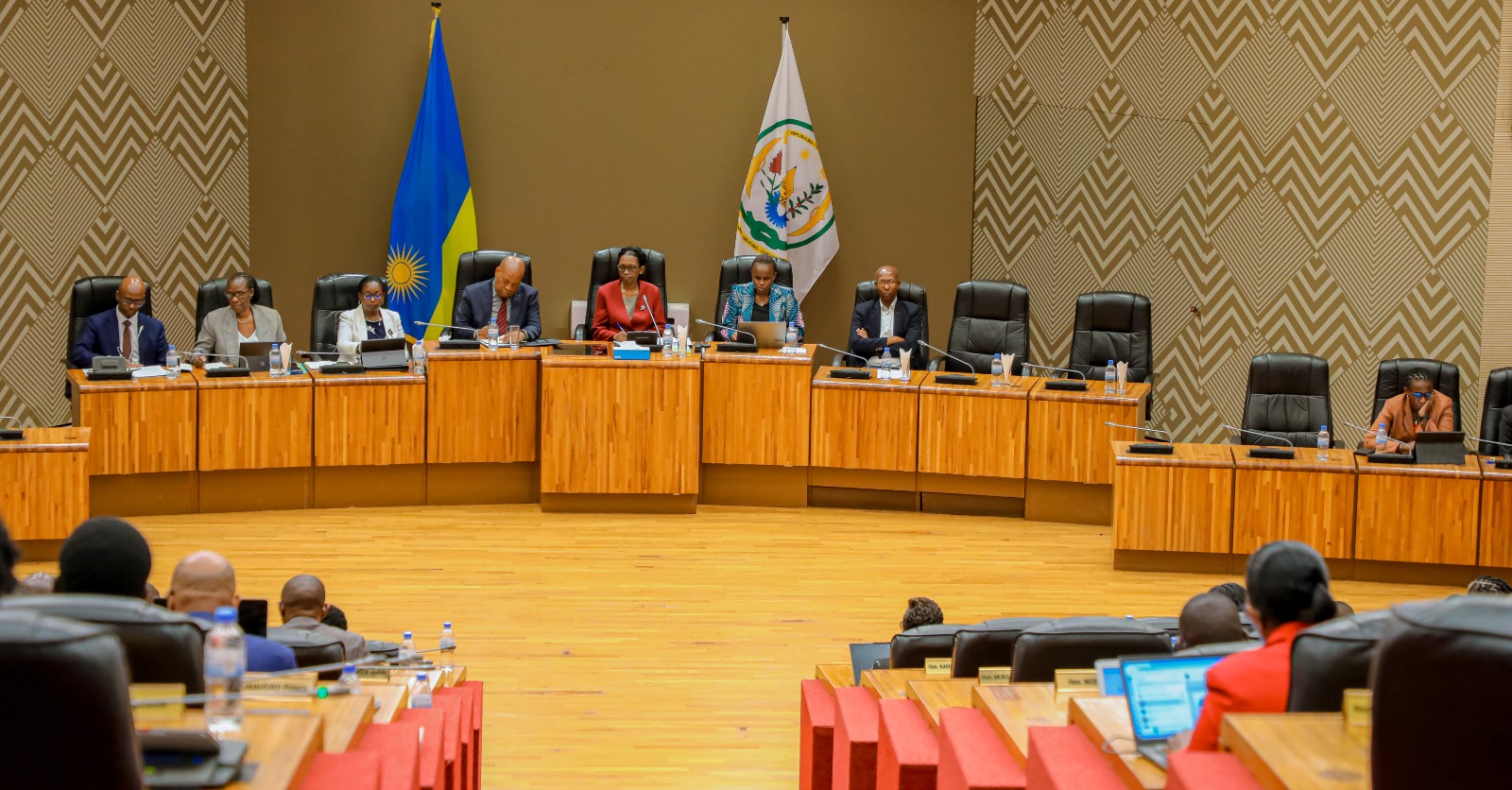
The framework, presented by the Minister of Finance and Economic Planning, Yusuf Murangwa, outlines the country’s spending and revenue priorities over the 2026/27 to 2028/29 period.
It also reflects a significant increase of Rwf 844.2 billion compared to the revised 2025/26 budget, signaling expanded government investment in key sectors. Murangwa said Rwanda’s economy continues to show resilience despite global uncertainties.
“Rwanda’s growth momentum remains strong, despite a challenging environment caused by war in the Middle East, climate change effects, geopolitical tensions, trade wars, among other factors,” he said, adding that the government remains committed to maintaining macroeconomic stability and promoting inclusive growth through investment in strategic sectors.
According to the framework, the Rwf 7.8 trillion budget will be financed mainly through domestic revenue, which is projected at Rwf 5,273.8 billion. This includes Rwf 4,429.1 billion in tax revenue, Rwf 582.4 billion in other revenues, Rwf 138.8 billion in domestic financing, and Rwf 123.6 billion from financial assets. External financing will also contribute, with grants estimated at Rwf 548.3 billion and loans at Rwf 1,974.1 billion.
On the spending side, the government plans to allocate Rwf 4,779.1 billion to recurrent expenditure, including salaries and operational costs, while Rwf 3,017.2 billion will go toward capital investments.
The increased capital investment is expected to support major projects such as the construction of the New Kigali International Airport in Bugesera, the expansion of RwandAir, and continued subsidies for fertilizers to strengthen agricultural productivity and cushion external shocks.
The Budget Framework Paper also comes on the back of strong economic performance in 2025, when Rwanda recorded 9.4 percent growth, surpassing the earlier projection of 7 percent. Growth was driven by industry at 11 percent, services at 9 percent, and agriculture at 7 percent, reflecting broad-based expansion across key sectors.
Minister Murangwa noted that the government will continue prioritizing investments that enhance resilience and inclusive development, particularly in energy, agriculture, manufacturing, healthcare, education, and social protection.
The framework aligns with Rwanda’s long-term development vision under Vision 2050 and the National Strategy for Transformation (NST2), which emphasizes economic transformation, social development, and improved governance.
The full national budget for the 2026/27 fiscal year is expected to be tabled before Parliament in June 2026, where detailed sector allocations will be further debated and approved.
The framework, presented by the Minister of Finance and Economic Planning, Yusuf Murangwa, outlines the country’s spending and revenue priorities over the 2026/27 to 2028/29 period.
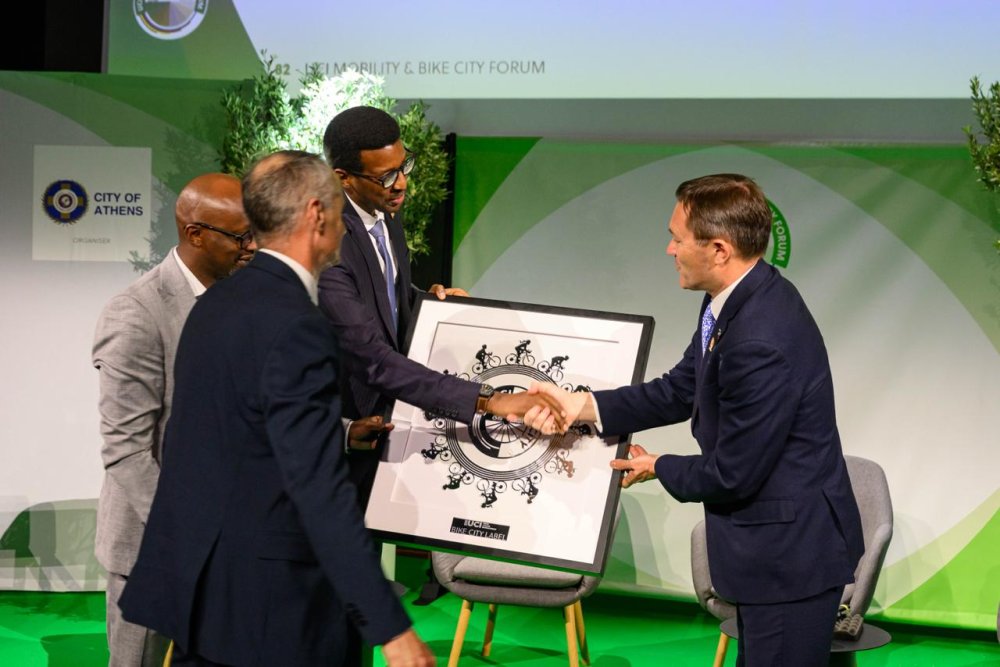
The award was presented during the international “UCI Mobility & Bike City” conference held in Athens, Greece, from May 10 to 11, 2026.
The conference brought together city leaders and experts in urban mobility and transportation to exchange ideas on best practices and strengthen international cooperation in cycling and sustainable transport systems.
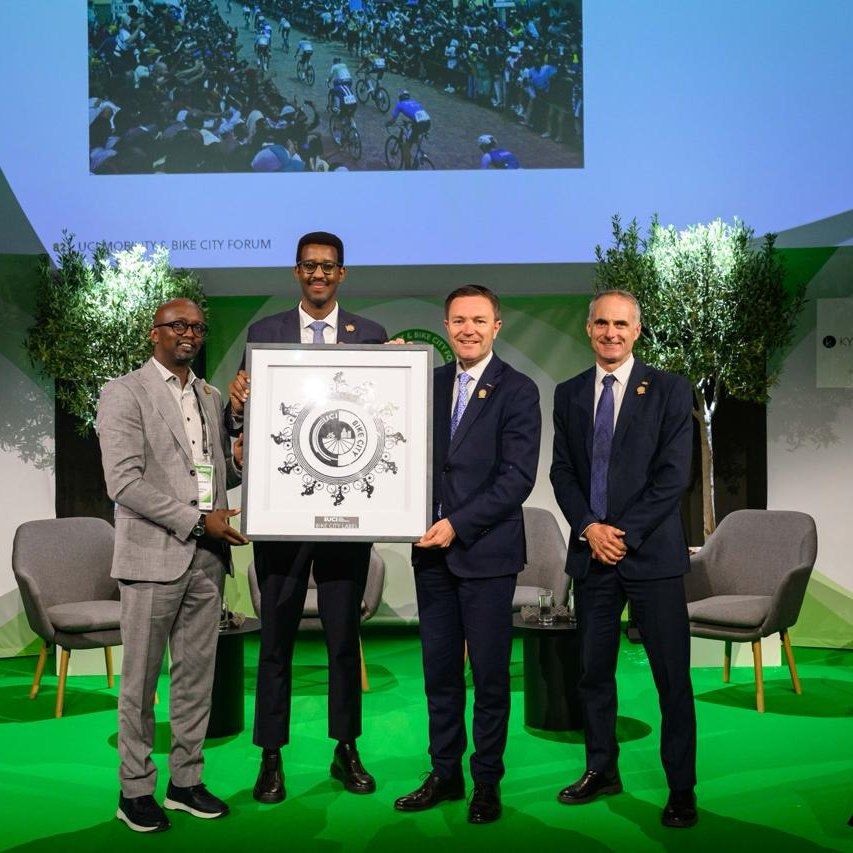
Rwanda was represented by the State Minister for Sports, Rwego Ngarambe, and the president of FERWACY, Samson Ndayishimiye.
The “UCI Bike City” label is awarded to cities that demonstrate excellence in hosting major cycling events and promoting cycling-friendly mobility systems.
For Kigali, the recognition reflects Kigali’s growing vision of becoming a more people centred, active, and environmentally conscious city.
In February, UCI President David Lappartient said that by hosting the championship for the first time in Africa, Kigali had made history in the world of cycling. Kigali became the 31st city in the world to receive the award and the first in Africa to earn the distinction.
Rwanda is now the 17th country globally, and the first in Africa, to receive the recognition, highlighting the country’s achievements in organizing international competitions and promoting cycling, urban development, and quality of life.
Kigali became the 31st city in the world to receive the award and the first in Africa to earn the distinction.David Lappartient, President of the Union Cycliste Internationale (UCI), presents the “UCI Bike City Label Award” to the State Minister for Sports, Rwego Ngarambe, in recognition of the City of Kigali for successfully hosting the 2025 UCI Road World Championships.
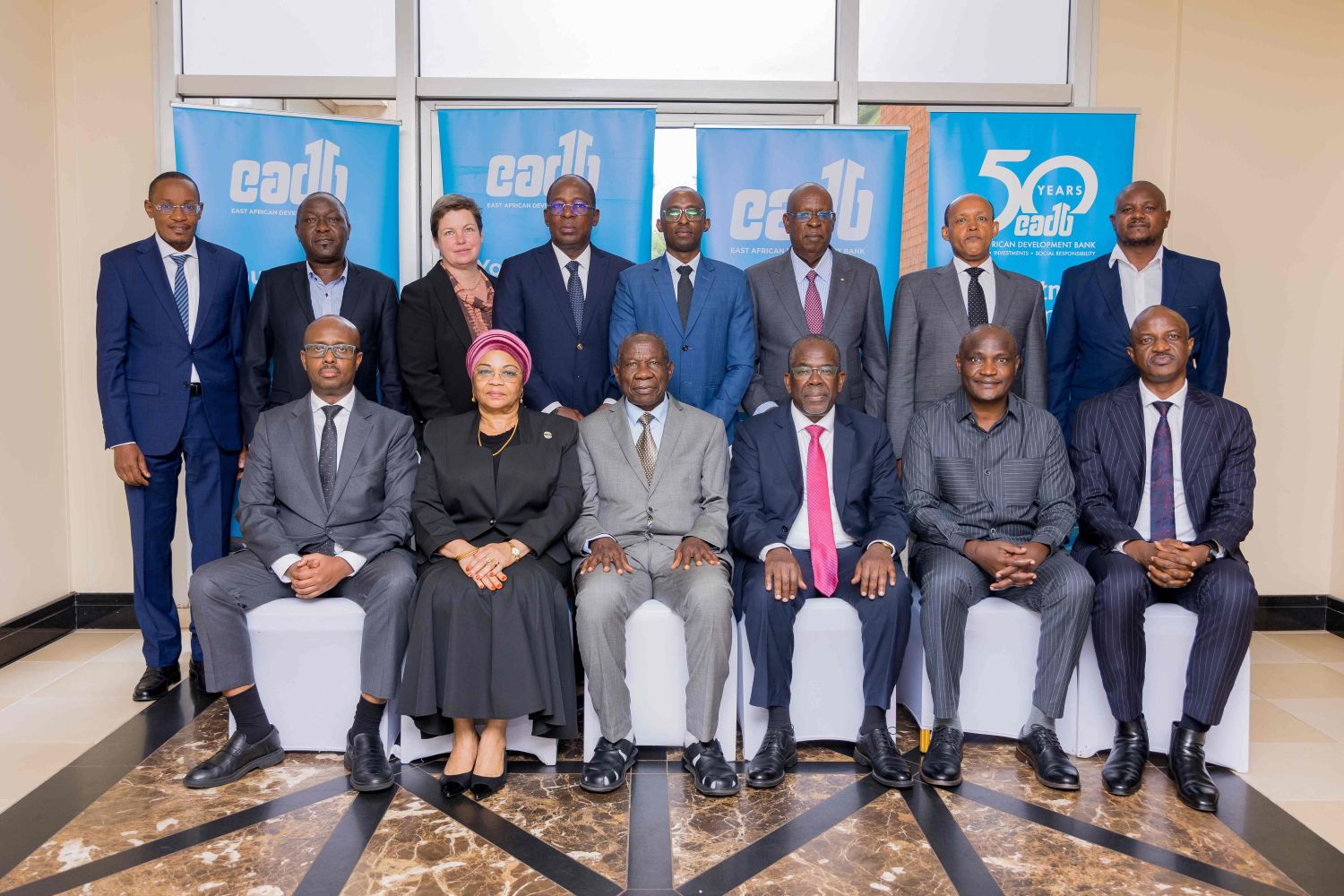
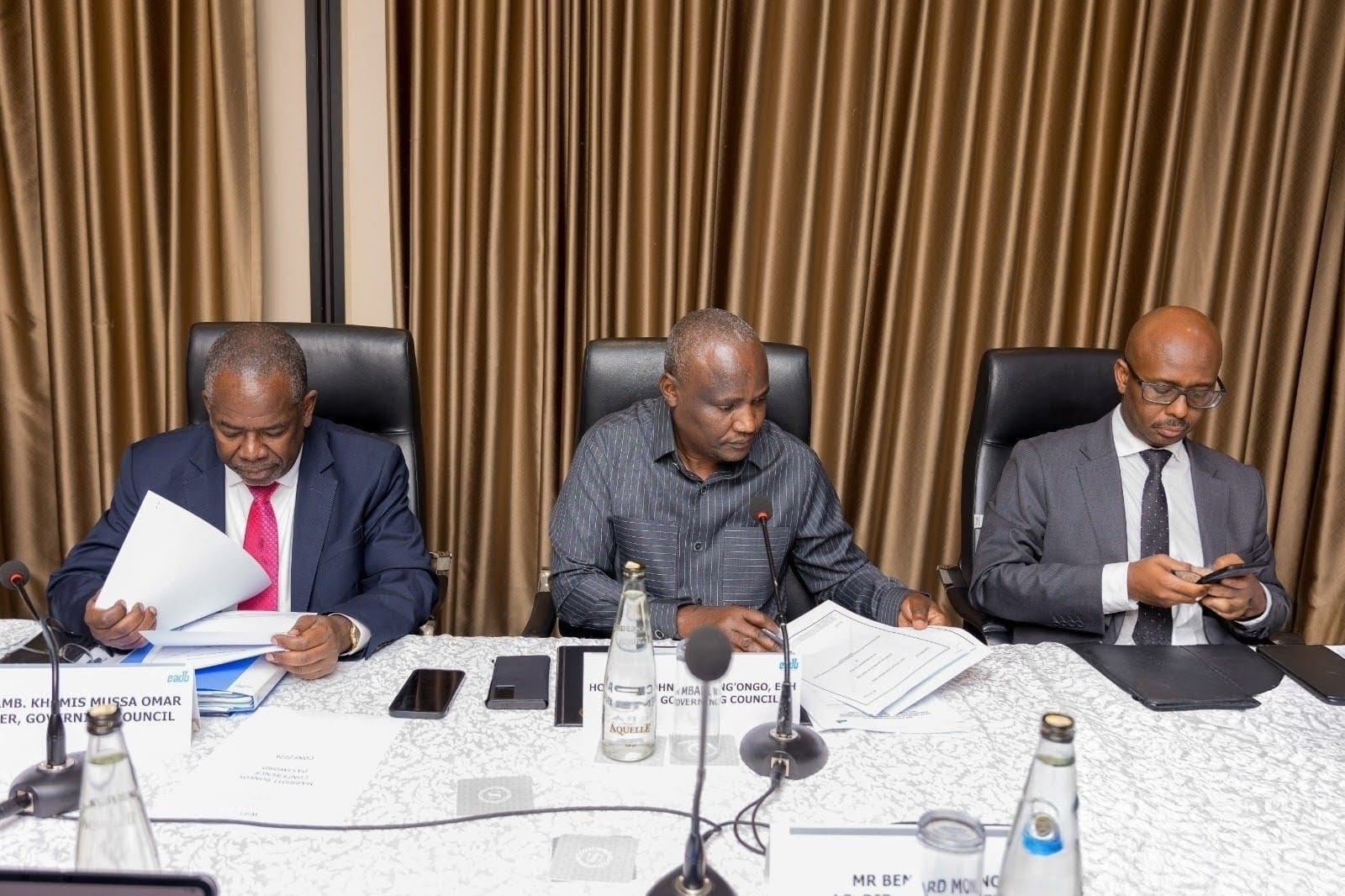
The unveiling of the new leadership and the fund took place during the EADB Governing Council meeting held in Kampala, Uganda, where regional finance ministers and senior officials gathered to review the Bank’s performance and leadership transition.
In a press statement issued on Monday, May 11, EADB said the newly launched fund is part of its 2024–2028 Strategic Plan and aims to boost access to financing for women and youth-led businesses across the region.
Outgoing Governing Council Chairperson Matia Kasaija said the initiative reflects the Bank’s recognition of the role youth and women play in East Africa’s economic transformation.
“We recognise that youth and women are critical drivers of economic growth and innovation across East Africa. The establishment of this Fund is a strategic step towards scaling enterprises led by these groups through prudent and targeted financing,” Kasaija said.
He added that the fund will initially be financed from the Bank’s profits, while management has been directed to mobilise additional resources from development partners to ensure long-term sustainability and greater regional impact.
The fund announcement came as EADB reported strong financial performance for the year ended December 2025. The Bank posted a 51 percent increase in profit before tax, rising to $16.93 million from $11.20 million in the previous financial year.
EADB also reported significant expansion in its lending activities, with loan disbursements increasing by 140 percent and outstanding loans growing by 52 percent, indicating improved operational efficiency and loan portfolio performance.
Kasaija attributed the growth to the Bank’s enhanced ability to mobilise capital and deploy innovative financing solutions across member states.
“This strong performance is a testament to EADB’s enhanced capacity to mobilize resources and deploy innovative financing solutions. In the past year, we supported a more diverse range of projects across key sectors in our member states,” he said.
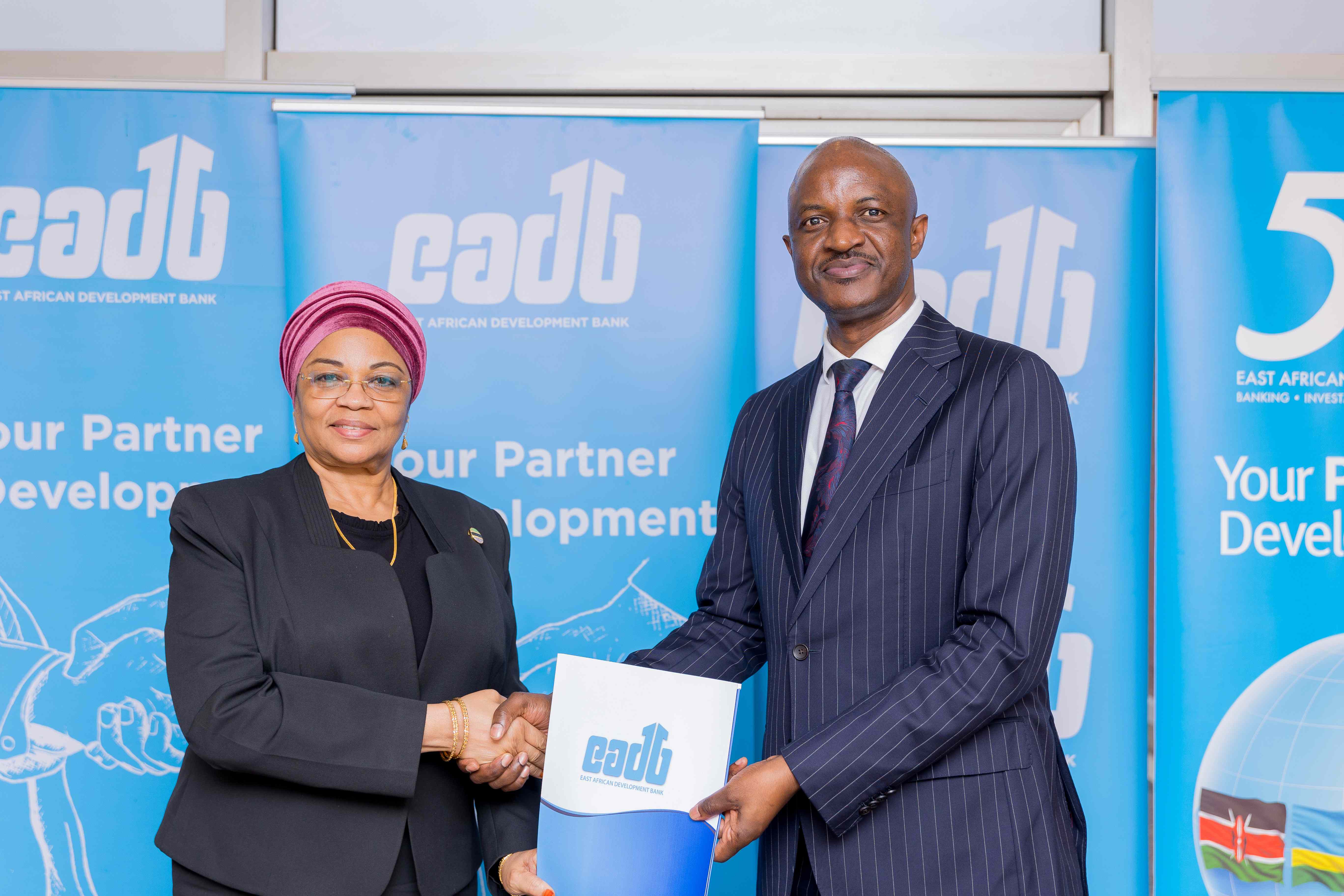
In line with the Bank Charter, the meeting also marked key leadership changes within the institution. Rwanda’s Murangwa officially succeeded Kasaija as Chairperson of the Governing Council.
Meanwhile, Uganda’s Permanent Secretary at the Ministry of Finance, Planning and Economic Development, Ramathan Ggoobi, was appointed Chairperson of the EADB Board of Directors for a two-year term, replacing Tanzania’s Finance Ministry Permanent Secretary Natu Mwamba.
Other leaders who attended the meeting included Kenya’s Cabinet Secretary for the National Treasury and Economic Planning, John Mbadi Ng’ongo, and Tanzania’s Finance Minister, Khamis Mussa Omar.
Established in 1967, the East African Development Bank serves Kenya, Uganda, Tanzania and Rwanda, providing development finance aimed at promoting regional integration and socio-economic growth.
The East African Development Bank (EADB) has unveiled a new $13 million fund aimed at supporting youth and women-led enterprises across East Africa, while also confirming Rwanda’s Finance and Economic Planning Minister, Yusuf Murangwa, as the new Chairperson of the Bank’s Governing Council.The fund announcement came as EADB reported strong financial performance for the year ended December 2025. The Bank posted a 51 percent increase in profit before tax, rising to $16.93 million from $11.20 million in the previous financial year.Uganda’s Permanent Secretary at the Ministry of Finance, Planning and Economic Development, Ramathan Ggoobi, was appointed Chairperson of the EADB Board of Directors for a two-year term, replacing Tanzania’s Finance Ministry Permanent Secretary Natu Mwamba.
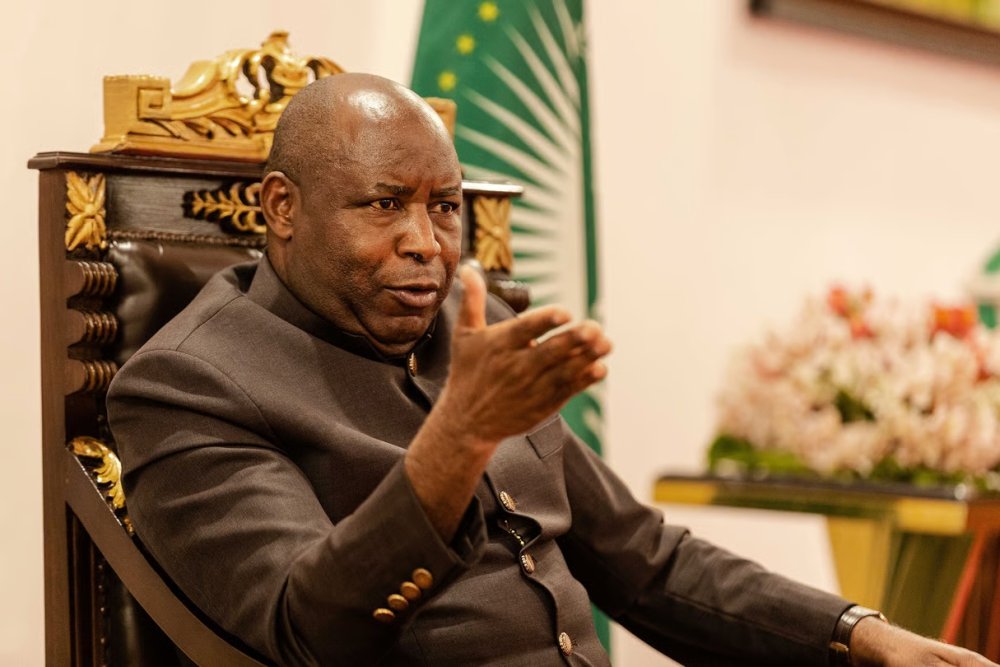
In an interview with Jeune Afrique published on May 10, 2026, Ndayishimiye discussed the closure of the Gatumba and Vugizo border crossings between Burundi and DR Congo on the South Kivu side. He claimed the decision was linked to the proximity of M23 fighters near Burundi’s borders, alleging that the group operates with Rwanda’s backing.
According to Ndayishimiye, Burundi considers the presence of M23 fighters near its borders as a security concern, although he expressed hope that the Washington peace agreement would increase pressure aimed at ending the tensions.
The Burundian leader also repeated accusations that Rwanda supports RED Tabara, a group Burundi describes as a terrorist organization responsible for attacks inside the country. Rwanda has consistently denied the allegations, insisting that it does not support any group seeking to destabilize Burundi.
Under bilateral agreements signed between Burundi and DR Congo in 2022 and 2023, Burundi deployed more than 20,000 troops to South Kivu. The deployment was reduced in early December 2025 after M23 fighters captured several areas in the Ruzizi Plain and the city of Uvira.
Ndayishimiye maintained that Burundian troops were sent to DR Congo to assist Congolese forces against their enemies rather than to defend Burundi itself. He explained that the deployment was carried out under regional arrangements that assigned South Kivu as Burundi’s operational zone.
He further argued that despite efforts by regional actors, fighting continued because some countries failed to contain the conflict. According to him, only Uganda and Burundi remained actively engaged, with Burundian troops operating under the directives of the Congolese army.
Between 2022 and 2023, Burundi maintained two categories of troops in DR Congo. One contingent operated under bilateral agreements between Burundi and DR Congo, while another formed part of the East African Community Regional Force (EACRF), which had been deployed to separate warring parties and create conditions for peace talks.
The bilateral contingent, known as TAFOC, began operations in South Kivu in 2022 alongside Congolese forces against armed groups including RED Tabara, FOREBU, FNL and Twirwaneho.
Meanwhile, Burundian troops under EACRF were deployed to Masisi Territory in North Kivu in 2023. The regional force had not been mandated to conduct offensive operations but rather to position itself between M23 and FARDC forces in order to support de-escalation and encourage dialogue.
However, the Congolese government later requested that troops from Burundi, Kenya, Uganda and South Sudan join military operations against M23. While the EACRF leadership rejected the proposal, Burundi increasingly aligned itself with FARDC and the Wazalendo militias.
At the end of 2023, the East African Community resolved to withdraw its regional force. Troops from participating countries returned home, but Burundi kept its forces in Masisi, where they continued operating alongside Congolese forces in a manner similar to deployments in South Kivu. The former EACRF Burundian contingent effectively became integrated into TAFOC operations.
Since November 2021, Uganda has also maintained troops in North Kivu and Ituri under “Operation Shujaa,” targeting the Allied Democratic Forces (ADF). Although Ugandan troops serving under EACRF later withdrew, those operating under the anti-ADF arrangement remained in place.
Unlike the EAC regional force, whose mission focused on preventing clashes, both Burundian and Ugandan troops currently operating in DR Congo are deployed under bilateral agreements that permit combat operations.
Reports have also suggested that Ndayishimiye initially sought to avoid international attention regarding Burundi’s continued military presence in Masisi after the withdrawal of other EACRF troops. During a regional summit, while discussions emerged about Burundian soldiers allegedly captured by M23, he reportedly denied that the fighters were members of the Burundian army.
At one stage, Ndayishimiye claimed that the individuals presented by M23 as captured Burundian soldiers were in fact RED Tabara fighters because they spoke Kirundi. However, the explanation later faced scrutiny after the individuals were reportedly found carrying identification documents issued by the Burundian military.
Questions over alleged cooperation with FDLR
During the interview, journalist Romain Gras also raised Rwanda’s accusations that Burundi collaborates with the FDLR, a errorist group founded by individuals responsible for the 1994 Genocide against the Tutsi and which Rwanda accuses of threatening its security from eastern DR Congo.
In response, Ndayishimiye argued that he had previously asked President Paul Kagame to provide intelligence on FDLR positions, insisting that Burundi would attack the group if such information were made available.
He maintained that Burundi could not be accused of supporting FDLR without proof, arguing that military action against the group would demonstrate Burundi’s willingness to dismantle it.
When asked how Burundian troops could avoid cooperating with FDLR while operating alongside FARDC, which has repeatedly been accused of collaborating with the group, Ndayishimiye acknowledged that Congolese forces work with FDLR. However, he argued that Burundian troops operate separately under Congolese command structures and do not mix with those groups because each force has distinct operational methods and areas.
He also indicated that he had advised Congolese President Félix Tshisekedi to avoid situations likely to fuel suspicions regarding cooperation between Burundian troops and FDLR.
Ndayishimiye further stated that regional leaders, including Tshisekedi, agreed on the need to fight FDLR, though he argued that limited operational capacity remained a challenge. He proposed coordinated military action involving Rwanda, DR Congo, Burundi and Uganda against armed groups operating in the region, saying such cooperation could help reassure Rwanda about its security concerns.
Despite Ndayishimiye’s denials, reports by United Nations experts indicate that relations between Burundi and Rwanda deteriorated again in late 2023, accompanied by increased cooperation between Burundi and armed groups opposed to Rwanda.
Reports also emerged alleging that Burundian military officials met in Bujumbura with leaders of FDLR and CNRD-FLN to discuss plans related to destabilizing Rwanda.
Burundian President Évariste Ndayishimiye has again attracted attention following false remarks on the strained relationship between Burundi and Rwanda.
According to the latest Consumer Price Index (CPI) report from the National Institute of Statistics of Rwanda (NISR), the urban index, a key benchmark for monetary policy, saw a 4.7% increase in just one month.
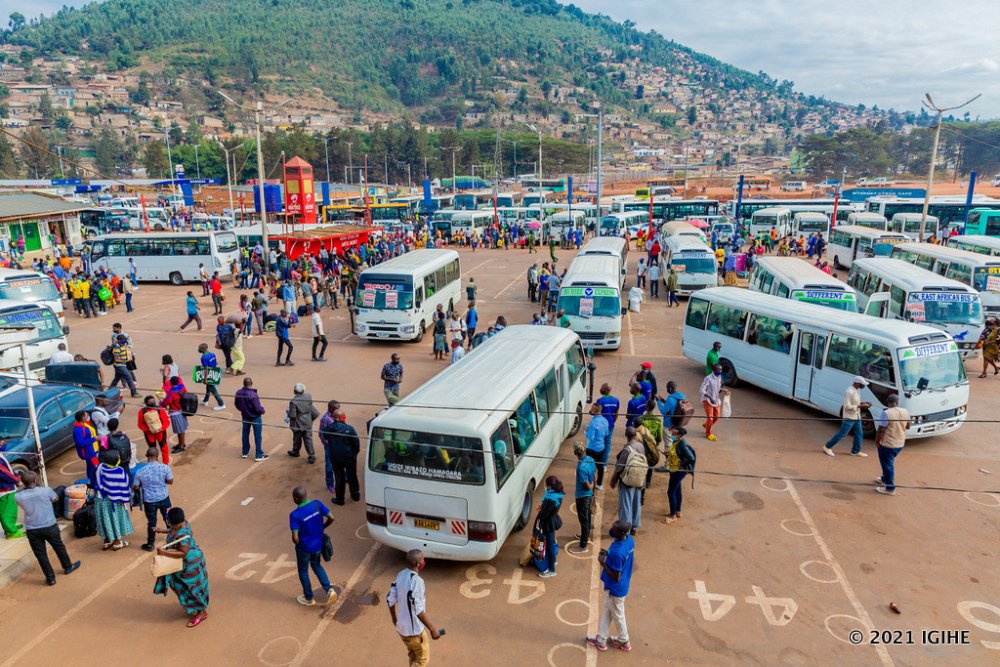
The sharp rise can be attributed to a 23.7% annual jump in transport costs. In April alone, transport prices climbed by 15.1%, reflecting the immediate impact of global fuel price volatility.
The broader energy sector felt the heaviest blow as the specific Energy Index, which tracks fuel and electricity directly, skyrocketed by 47.9% on an annual basis and rose 18.0% within the month of April. These increases have been compounded by a 21.3% rise in costs for housing, water, electricity, and gas.
Beyond energy, several other sectors recorded substantial price hikes. Healthcare saw a staggering 70.0% annual increase. Prices for restaurants and hotels rose by 18.5%, while alcoholic beverages and tobacco recorded a 17.1% increase.
In the food and non-alcoholic beverages category, prices increased by 5.8% annually, with specific staples such as meat rising by 12.2% and bread and cereals increasing by 10.0%. Notably, the price of locally produced goods rose by 13.6% annually, outpacing the 11.4% increase for imported goods.
Core inflation, which excludes volatile fresh products and energy, stood at 12.5%, suggesting that inflationary pressures are becoming embedded in the wider economy. The annual average inflation rate for the last twelve months was recorded at 8.2%.
In rural areas, the annual inflation rate reached 10.6%, with a significant monthly increase of 6.8%. Nationally, the Overall Rwanda Index rose to 11.5% compared to April 2025.
The NISR calculates the CPI by monitoring the prices of 1,622 products across Rwanda. To ensure accuracy, the institute collects over 29,482 price entries in urban centres and 10,744 in rural areas every month from markets, shops, hospitals, and schools.
The Urban CPI remains the primary reference for the National Bank of Rwanda (BNR) in assessing economic stability and guiding monetary policy decisions.
The sharp rise can be attributed to a 23.7% annual jump in transport costs. In April alone, transport prices climbed by 15.1%, reflecting the immediate impact of global fuel price volatility.
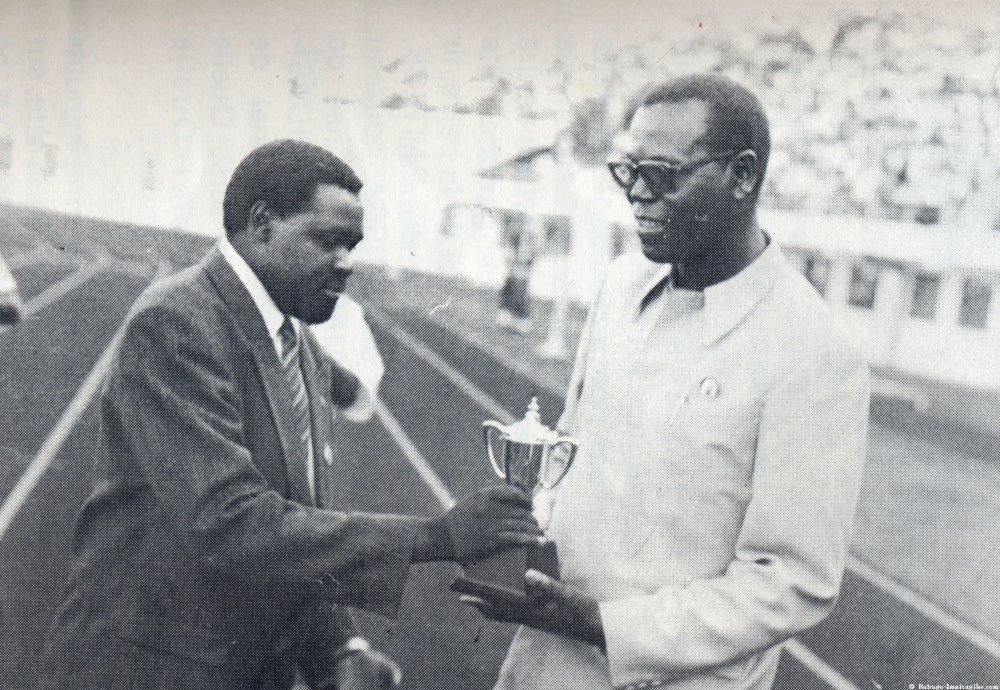
The document was written by Lt. Col. Charles Uwihoreye, a former officer in Habyarimana’s presidential security apparatus who also served as commander of the military gendarmerie in Ruhengeri Prefecture.
In the letter dated June 24, 1994, Uwihoreye wrote to Col. René Galinié, who served as military adviser at the French Embassy in Kigali between 1988 and 1991, detailing killings taking place across Rwanda.
The letter remained undisclosed for years before Galinié handed it in 2022 to historian Prof. Vincent Duclert, who chaired the French commission investigating France’s role and support for the Rwandan government between 1990 and 1994.
French newspaper Le Monde published the document on May 7, 2026, after Galinié authorised its release to journalists through Prof. Duclert.
In the letter, Uwihoreye describes how soldiers from Habyarimana’s presidential guard under the command of Major Mugemana killed Tutsi civilians in the communes of Kinigi and Kigombe in Ruhengeri on January 22, 1991. He also recounts how members of his own family were subsequently targeted.
The officer further notes that massacres of Tutsis in Bugesera and other regions, including Kibilira, were carried out by Interahamwe militias operating under the supervision of presidential guard units and with the backing of senior government officials.
According to Uwihoreye, the government at the time prioritised the elimination of political opponents over developing a military strategy against the RPA, relying instead on informal directives issued through the Presidency.
He states that orders to target Tutsi civilians originated from members of the Akazu, also referred to as the “Réseau Zéro”, a powerful network composed of Habyarimana, his wife Agathe Kanziga, and close family associates.
Uwihoreye wrote that officials across political, military, and economic institutions were expected to comply with directives issued by the Akazu. He noted, however, that then-Minister of Defence James Gasana opposed the system and ultimately resigned.
The letter identifies Habyarimana as the leading figure within the Akazu, followed by Agathe Kanziga. Protais Zigiranyirazo, Kanziga’s brother, widely known as “Monsieur Z” and a former prefect of Ruhengeri, is identified as the third-ranking member.
Prof. Duclert said Uwihoreye had served the Habyarimana government loyally before being imprisoned in 1991 on accusations of treason, allegations he said were based solely on the officer’s Tutsi identity.
Duclert also said Uwihoreye trusted Galinié because the French officer had intervened on his behalf, helping secure his release and reinstatement.
“Charles Uwihoreye served Habyarimana’s government faithfully before being imprisoned in 1991 because, as a Tutsi, he was considered a traitor,” Duclert said.
“He was later released thanks to René Galinié’s intervention and returned to his duties. Galinié considered him a reliable source and someone with deep knowledge of the Habyarimana government.”
A separate document from the French external intelligence agency (DGSE), dated September 22, 1994, also identified Habyarimana, Kanziga, and Zigiranyirazo as leading figures within the Akazu and described its members as “Hutu extremists” opposed to democratic reforms.
That intelligence report, published by Mediapart and Radio France in February 2019, further alleged that several military officers protected by Kanziga and Zigiranyirazo, while directing attacks against Tutsi civilians, became known as the “Colonels de Madame.”
Among those named were Col. Elie Sagatwa, Kanziga’s brother; Séraphin Rwabukumba, another relative of Kanziga; and Charles Nzabagerageza, a cousin of Habyarimana and former prefect of Ruhengeri.
Others identified as members of the Akazu included Col. Théoneste Bagosora, a senior official in the Ministry of Defense; Lt. Col. Anatole Nsengiyumva, head of military intelligence; Lt. Col. Nkundiye, former commander of the presidential guard; Capt. Pascal Simbikangwa; former Justice Minister Matayo Ngirumpatse; RTLM executive Ferdinand Nahimana; Lt. Col. Tharcisse Renzaho; Emmanuel Bagambiki; Col. Laurent Serubuga; and Col. Pierre Célestin Rwagafilita.
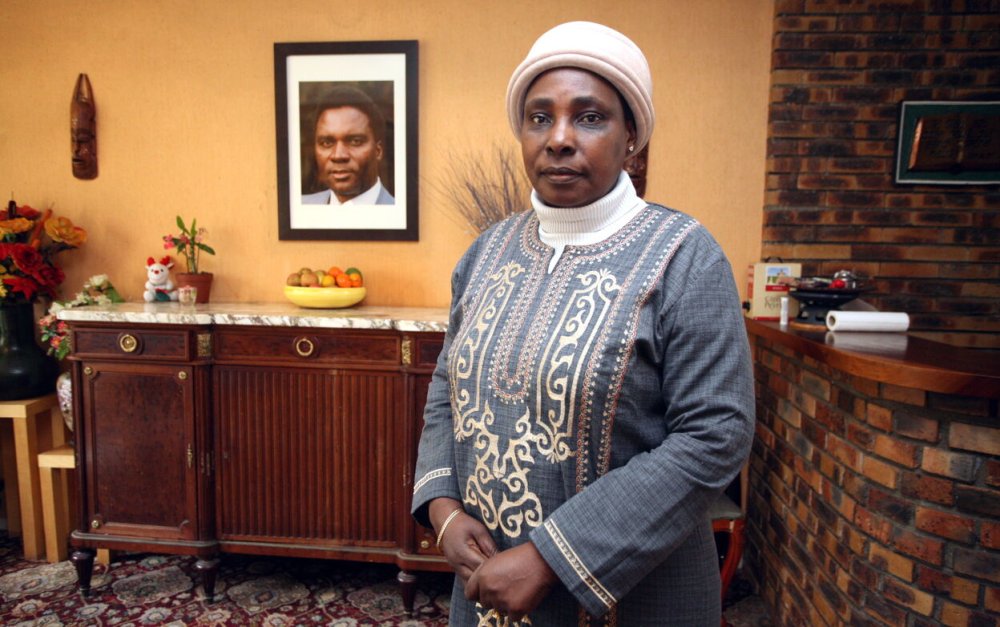
During investigations into Kanziga in France, Col. Galinié told investigating judges Stéphanie Tacheau and Carole Vujasinovic that Kanziga was indeed part of the Akazu, although she sought to avoid public association with the group.
Uwihoreye’s letter was never introduced as evidence in court proceedings. However, it may now become part of renewed efforts to examine Kanziga’s role in the planning and implementation of the 1994 Genocide against the Tutsi.
This week, the Paris Court of Appeal ruled that the investigation into Kanziga should be reopened.
The decision, issued on Wednesday, May 6, 2026, overturned a previous ruling by investigative judges on August 21, 2025, which had ordered the closure of the case due to what they described as insufficient evidence linking Kanziga to the crimes.
The document was written by Lt. Col. Charles Uwihoreye, a former officer in Habyarimana’s presidential security apparatus who also served as commander of the military gendarmerie in Ruhengeri Prefecture.Lt. Col. Charles Uwihoreye (right) stated that orders to kill Tutsi civilians originated from the Akazu.
Uwihoreye’s letter was never introduced as evidence in court proceedings. However, it may now become part of renewed efforts to examine Kanziga’s role in the planning and implementation of the 1994 Genocide against the Tutsi.
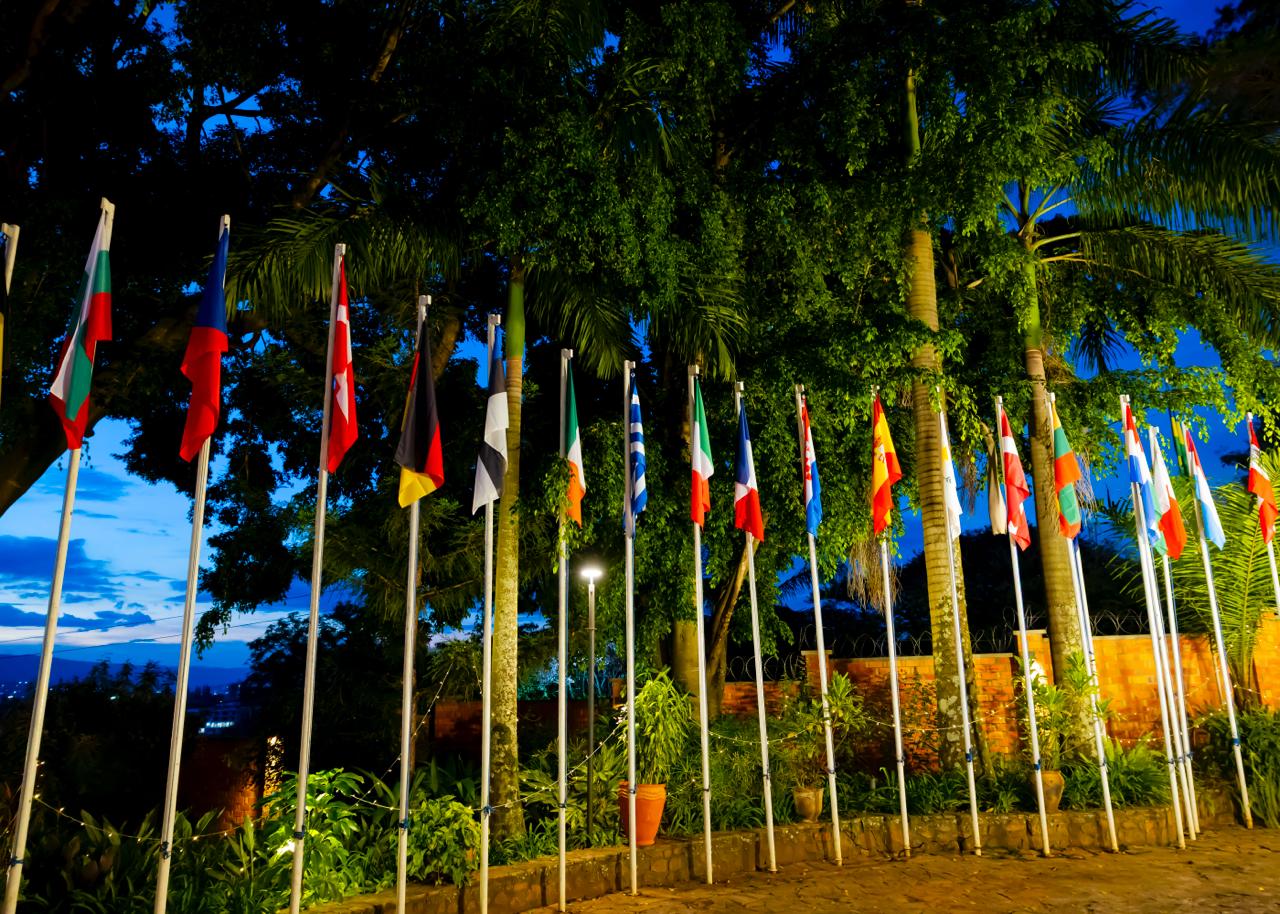
Europe Day, celebrated annually on May 9, commemorates the Schuman Declaration of 1950, widely considered the foundation of the modern European Union. Proposed by then French Foreign Minister Robert Schuman in the aftermath of World War II, the declaration called for European countries to jointly manage coal and steel production, industries central to war-making at the time, in order to make future conflict between historic rivals “materially impossible.”
The declaration laid the foundation for what would later become the European Union, a bloc built around peace, economic cooperation, shared prosperity, and political integration. This year’s celebrations marked 76 years since the declaration and highlighted how those founding ideals continue to shape the EU’s partnerships around the world, including with Rwanda.
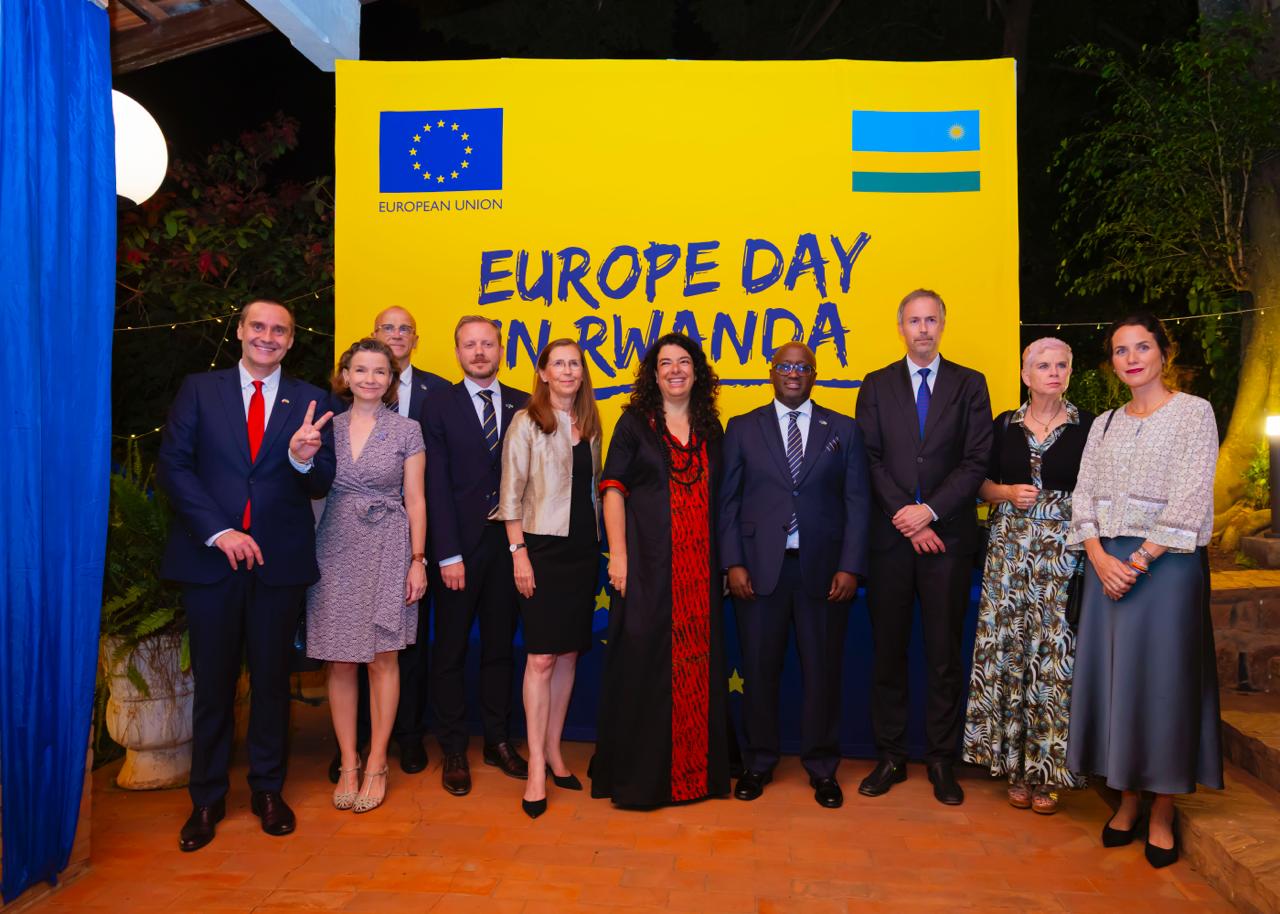
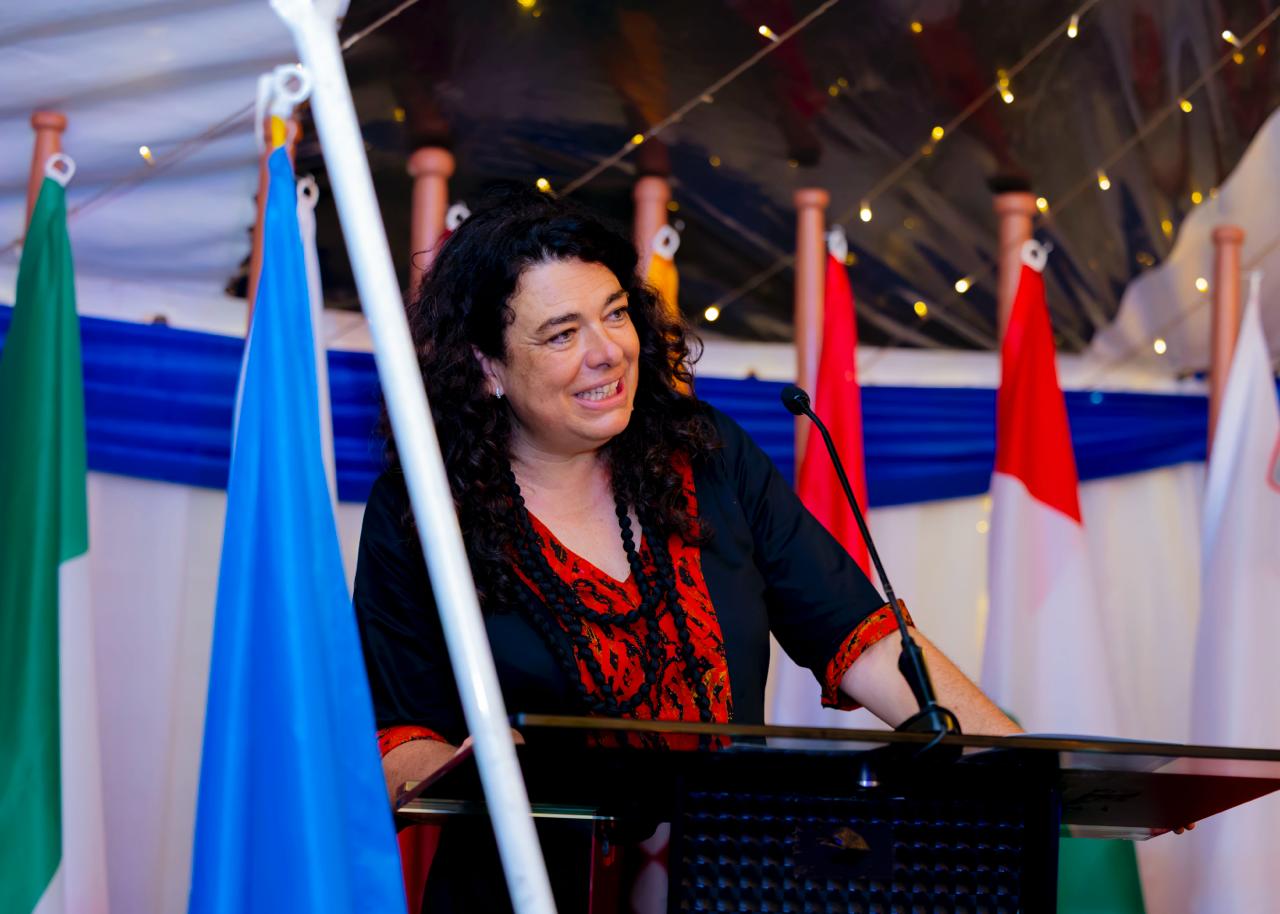
The event, hosted by Ambassador Belén Calvo Uyarra at her residence in Kigali, reflected on the expanding political, economic, and development cooperation between Rwanda and the European Union.
The event highlighted the expanding political, economic, and development cooperation between Rwanda and the European Union.
Addressing guests, the envoy described the Schuman Declaration as “a project for peace and shared prosperity,” noting that its founding principles remain relevant amid rising geopolitical tensions and global uncertainty.
“In a world of international disorder and coercive power politics, the EU stands strong for peace and prosperity, freedom and democracy, unity and diversity, partnerships and multilateralism,” she said.
The ambassador used the occasion, her final Europe Day celebration in Rwanda before the end of her diplomatic mission, to reflect on four years of EU-Rwanda cooperation, describing the partnership as one built on “continuous open dialogue, respect, consistency and trust.”
She pointed to major achievements under the partnership, including support for Rwanda’s ambition to become a regional hub for vaccine manufacturing, youth employment initiatives, climate-smart agriculture, innovation, and infrastructure investment through the EU’s Global Gateway strategy.
Ambassador Belén Calvo Uyarra used the occasion, her final Europe Day celebration in Rwanda before the end of her diplomatic mission, to reflect on four years of EU-Rwanda cooperation.
According to the ambassador, Team Europe has invested more than €1 billion in Rwanda in recent years across sectors including health technology, smart cities, transport infrastructure, critical minerals, and environmental conservation.
“Global Gateway puts the private sector and investment at the heart of the partnership, aligning with Rwanda’s vision to shift from aid to trade,” she said.
She added that more than 300 European businesses are currently operating in Rwanda, with over €1.4 billion in new European investment recorded over the past four years. Rwanda’s exports to the European Union have also grown by 47 percent since 2019.
Among the flagship projects highlighted was the establishment of an ecosystem for pharmaceutical manufacturing in Rwanda, supported by European investment, including German biotechnology company BioNTech.
“What started during COVID as Rwanda’s ambitious vision to manufacture vaccines has become an attractive ecosystem for quality pharmaceutical investment,” the ambassador noted.
The celebrations also focused on regional peace and security, with the ambassador emphasising the EU’s support for diplomatic efforts aimed at restoring stability in eastern Democratic Republic of Congo and dismantling the FDLR militia group, which was formed by individuals responsible for the 1994 Genocide against the Tutsi in Rwanda.
She welcomed ongoing peace initiatives, including the Doha Framework and African Union mediation efforts, while stressing the need for concrete progress on ceasefire implementation and regional trust-building.
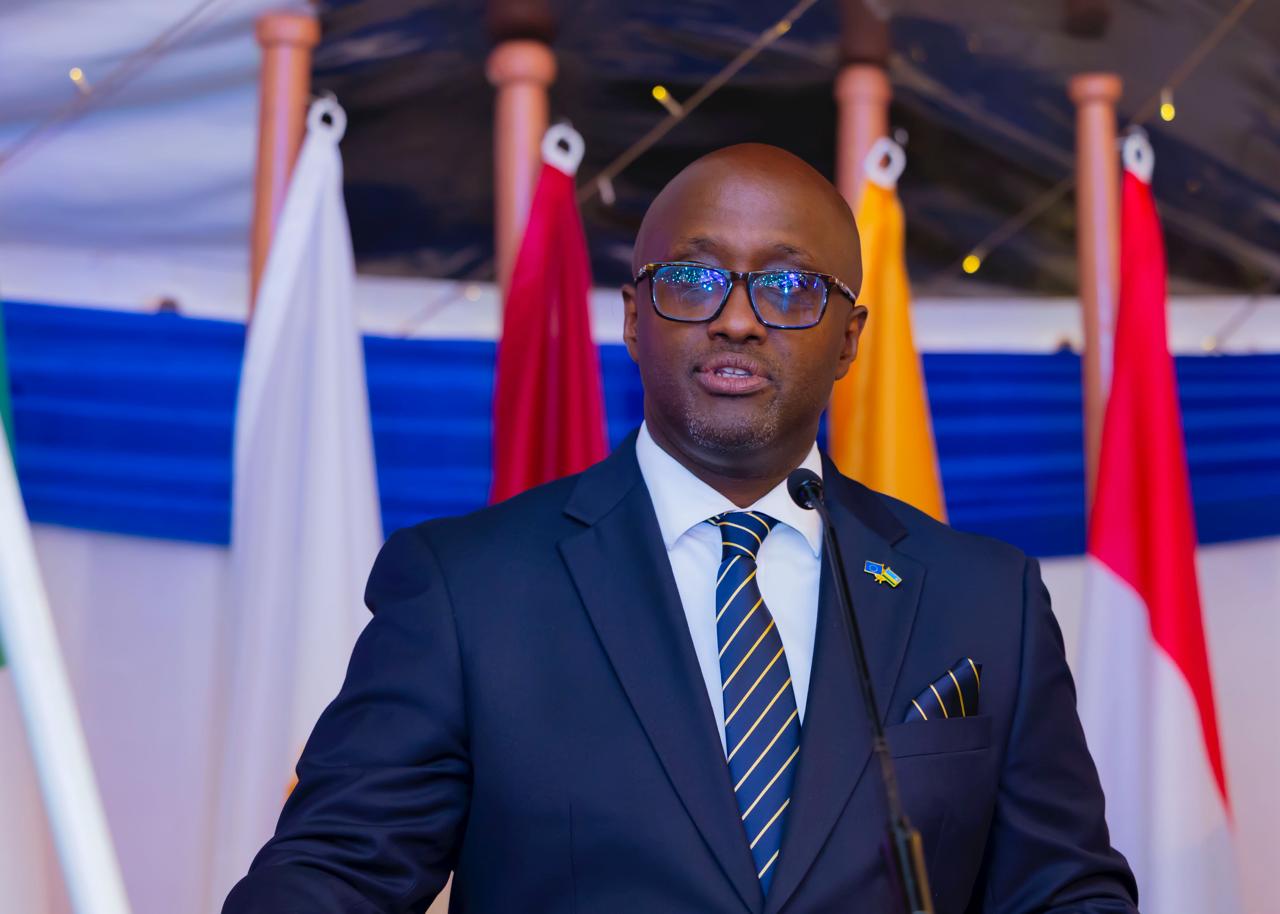
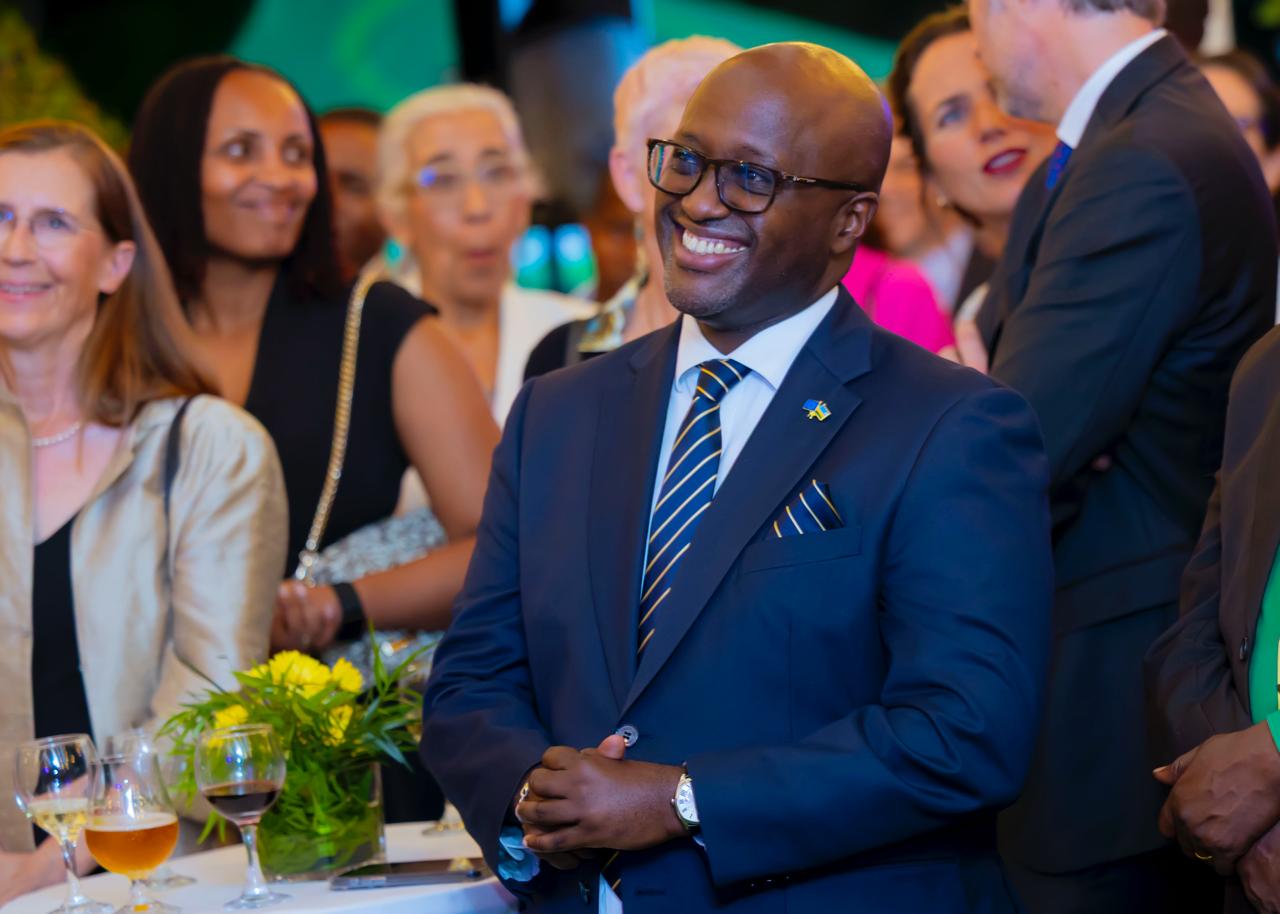
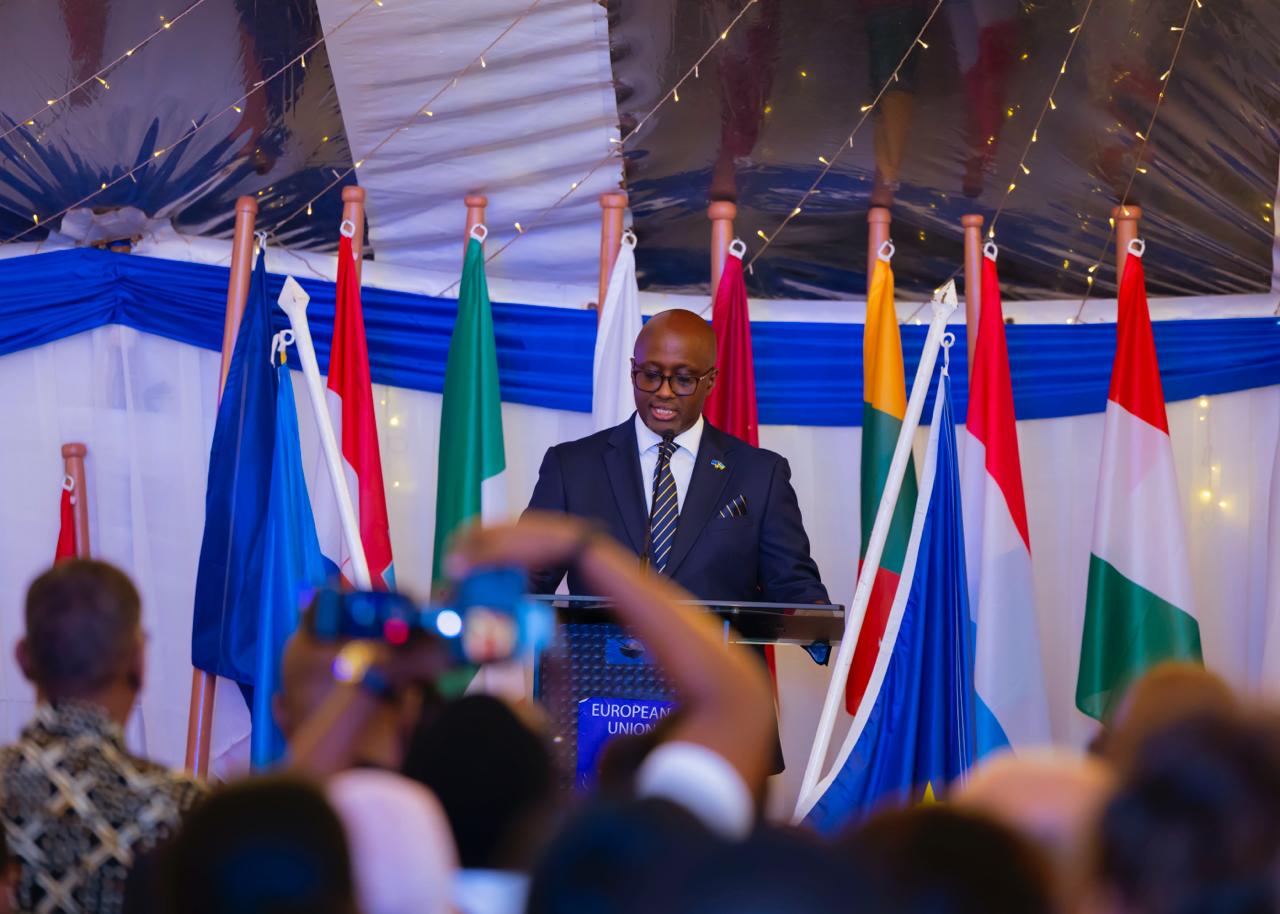
Rwanda’s Minister of Foreign Affairs and International Cooperation, Olivier Nduhungirehe, praised the EU for its continued support to Rwanda’s development agenda and described the partnership as increasingly dynamic and diversified.
“Europe Day offers us a valuable opportunity to celebrate the longstanding and dynamic partnership between Rwanda and the European Union,” he said.
Rwanda’s Minister of Foreign Affairs and International Cooperation, Olivier Nduhungirehe, praised the EU for its continued support to Rwanda’s development agenda and described the partnership as increasingly dynamic and diversified.
Nduhungirehe commended the strengthened cooperation under the Global Gateway strategy and welcomed renewed investment worth €105 million to support Rwanda’s ambitions in vaccine manufacturing and medical innovation.
The vaccine-manufacturing project has been hailed as a major step towards ensuring equitable access to vaccines and strengthening Africa’s capacity to respond to future health emergencies.
Nduhungirehe also reflected on the security dimension of the EU–Rwanda partnership, describing it as a key pillar of bilateral cooperation alongside development and economic engagement.
“The EU has remained a trusted partner of Rwanda throughout our peacekeeping engagements and bilateral interventions around the continent. We hope to continue counting on your support as we get closer to achieving key priorities under the AU’s Silencing the Guns agenda and the UN’s Sustainable Development Goals by 2030,” he added.
The minister also praised Ambassador Belén Calvo Uyarra for her contribution to strengthening political dialogue and expanding cooperation during her tenure in Kigali.
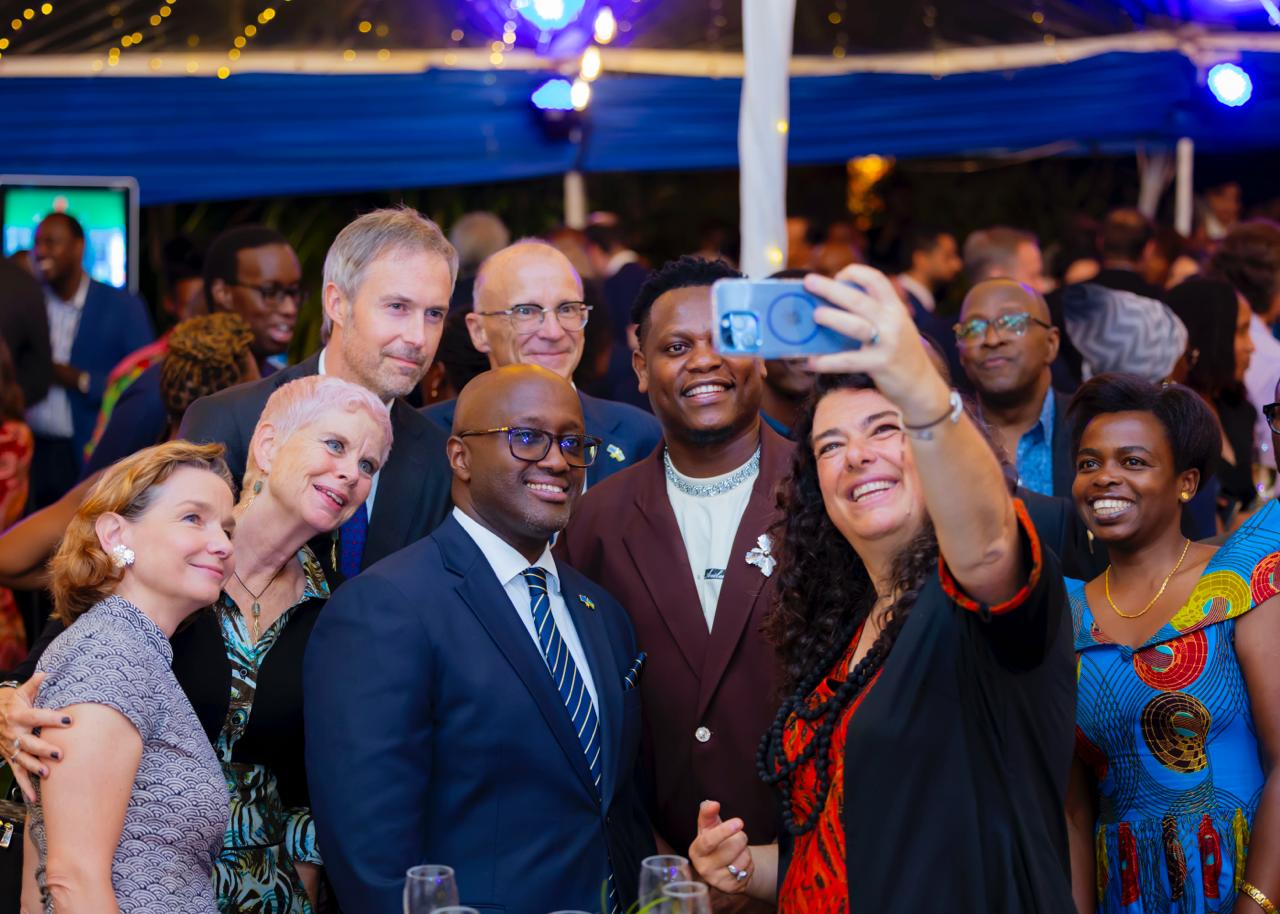
The event celebrated growing people-to-people relations between Rwanda and Europe.
Beyond diplomacy and investment, the event celebrated growing people-to-people relations between Rwanda and Europe through education exchanges, arts, sports, entrepreneurship, and youth innovation initiatives.
The ambassador highlighted programmes such as Hanga Hubs and Aguka, developed in partnership with the Ministries of Youth and ICT as well as United Nations Development Programme (UNDP), which she said contributed to the creation of more than 100,000 jobs over the past two years.
She also announced the creation of a youth sounding board aimed at involving young people more directly in shaping EU policies and partnerships in Rwanda.
“Let us continue working together, uniting in our pursuit of a peaceful and prosperous tomorrow for Rwanda, Europe, Africa, and the world,” the ambassador said as she invoked the philosophy of Ubuntu, which emphasises humanity, interconnectedness, and collective responsibility, focusing on compassion, respect, and community over individual isolation.
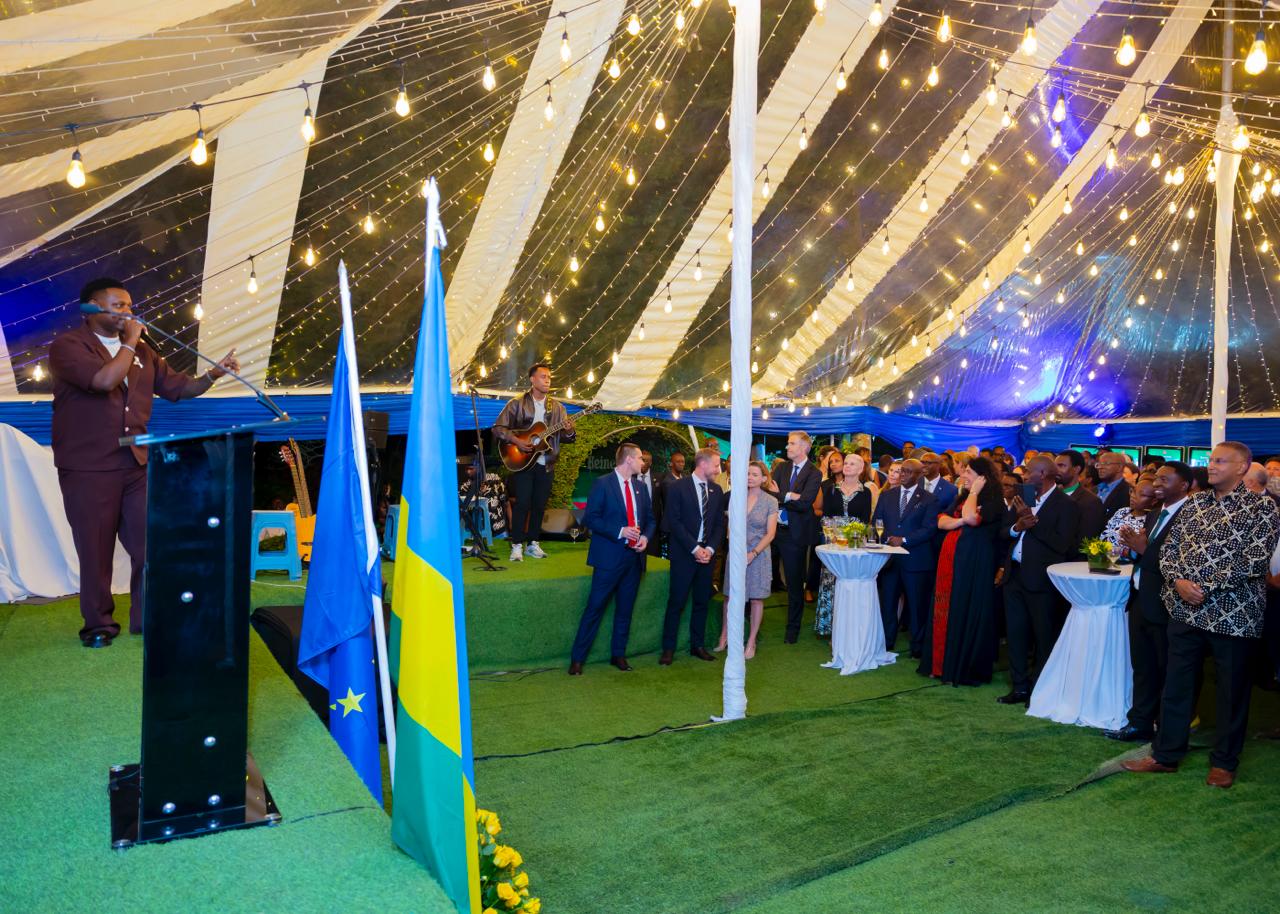
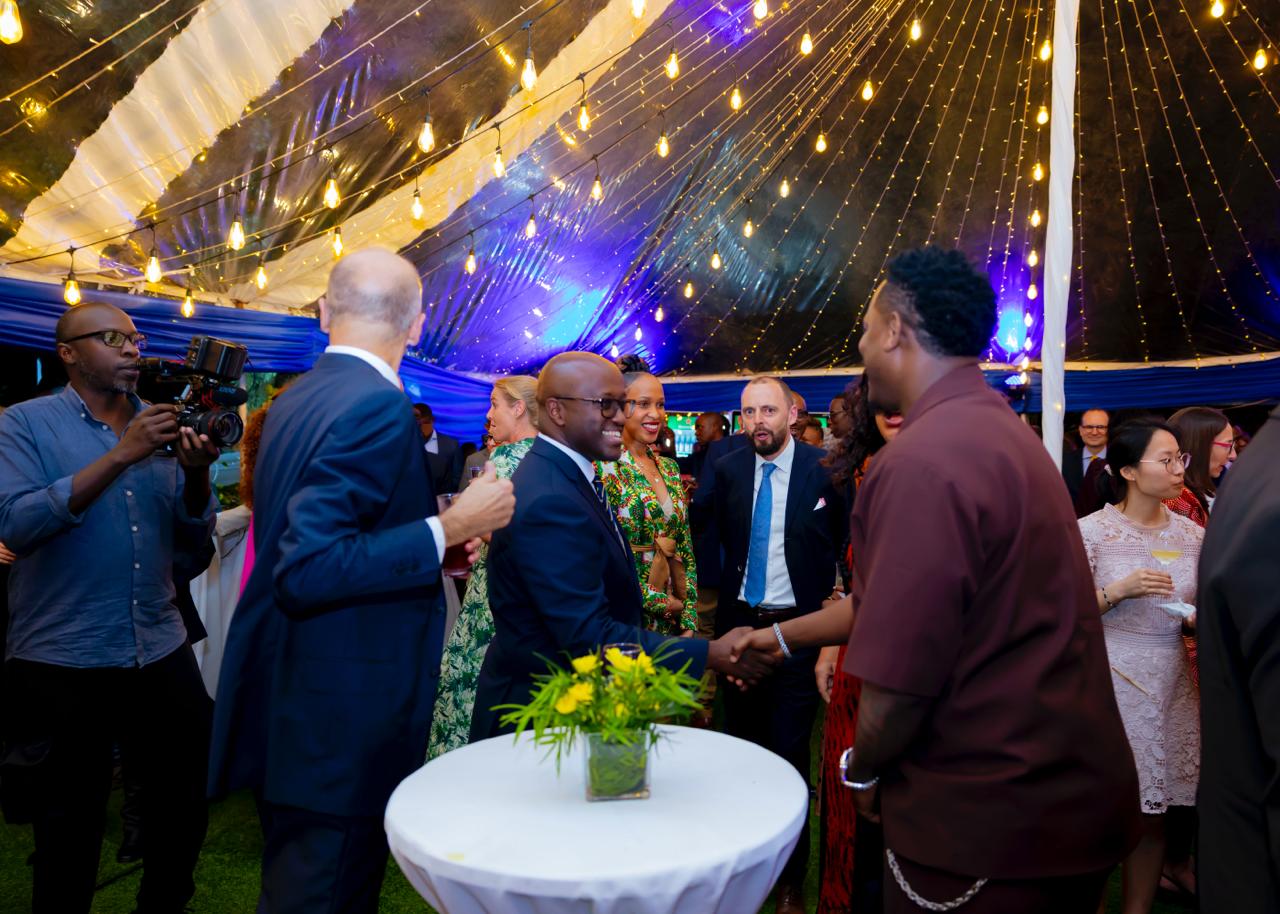
The colourful evening celebration featured performances by bands with a surprise appearance by Bruce Melodie, who has been working with the EU delegation on youth programmes.
Celebrated Rwandan musician Bruce Melodie interacting with VIP guests at the event.Rwanda’s Minister of Foreign Affairs and International Cooperation, Olivier Nduhungirehe, graced the celebration.Nduhungirehe commended the strengthened cooperation under the Global Gateway strategy.Europe Day, celebrated annually on May 9, commemorates the Schuman Declaration of 1950, widely considered the foundation of the modern European Union.