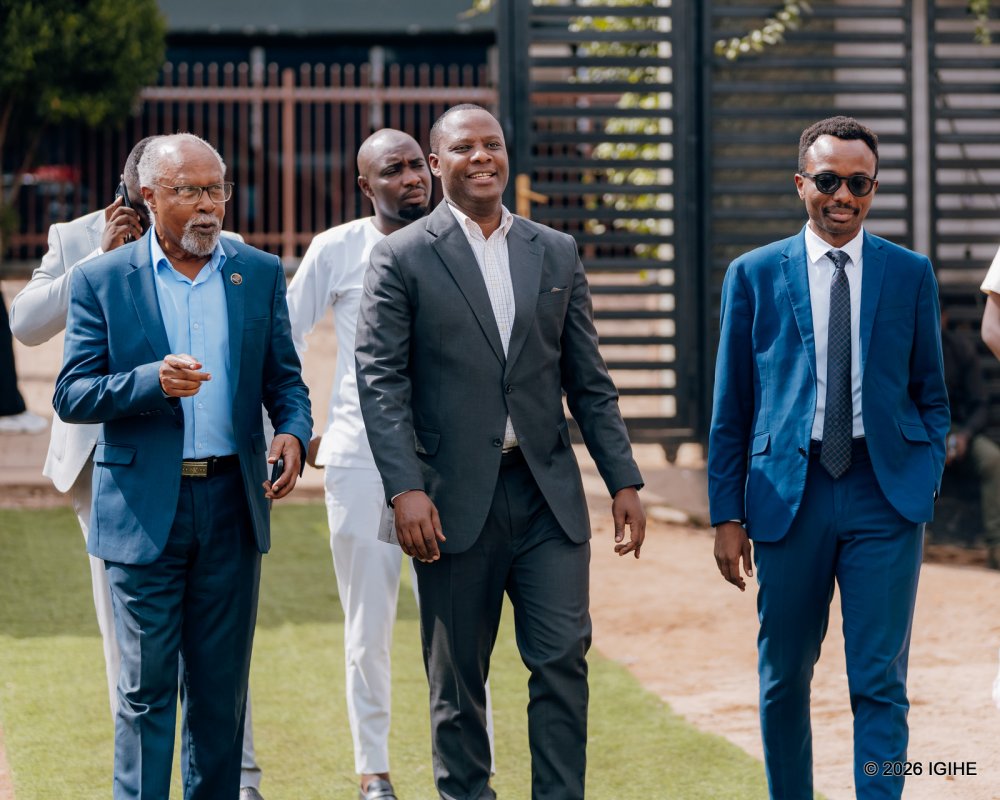
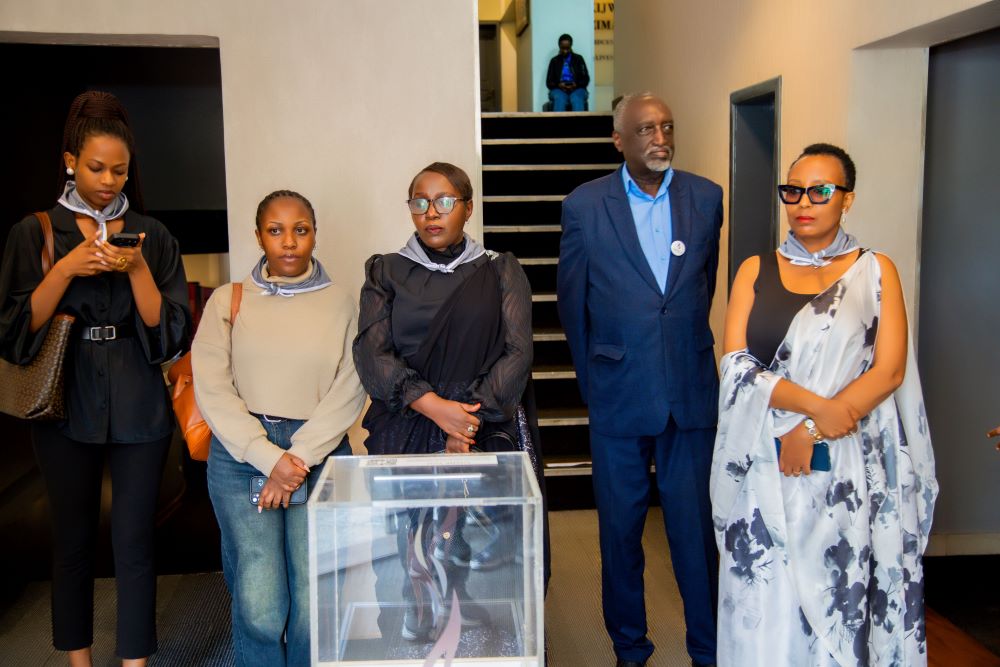
The office, which has been in Kigali since 2013, serves as a local hub for Rwandan businesses accessing services at the Port of Mombasa.
The MoU provides a strategic framework to enhance coordination, streamline logistics, and boost trade competitiveness along the Northern Corridor. By handling port-related issues locally, the Kigali office allows Rwandan importers to avoid travelling to Kenya, saving time and reducing costs.
Captain William Kipkemboi Ruto, Managing Director of KPA, said the agreement underscores the long-standing partnership between the two countries.
“This office has been here since 2013, and today’s MoU formalises our commitment to support Rwanda’s business community,” he said.
He noted that cargo throughput for Rwanda grew by 22.8 percent last year, totalling 896,000 metric tons of goods transported through Mombasa Port.
“There is more opportunity to grow this volume to over a million tons. Our goal is to bring the port closer to the consumer and simplify business operations for Rwandan importers,” Captain Ruto added.
Captain Ruto also highlighted the office’s role in digitisation and automation. Through KPA’s online payment platform and CargoPay, businesses can process transactions in Rwandan francs without physical interactions, speeding up cargo clearance and reducing delays.
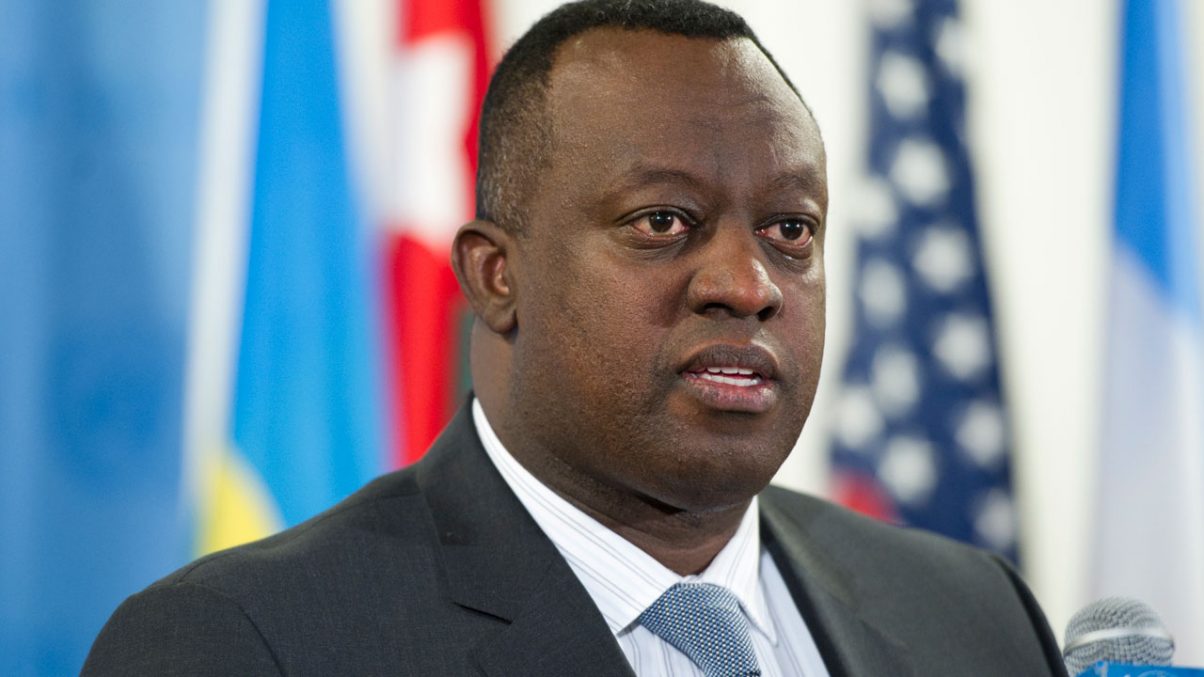
Mohamed Daghar, Kenya’s Principal Secretary for Transport, noted that the MoU ensures the Kigali office operates in full compliance with Rwandan law.
“Rwanda is a key partner for us. This agreement will help eliminate non-tariff barriers and other obstacles along the Northern Corridor, enhancing the flow of goods between our countries,” he said.
Rwanda’s Permanent Secretary in the Ministry of Infrastructure (MININFRA), Canoth Manishimwe, emphasised the impact on cross-border trade.
“This agreement strengthens cooperation and creates smoother processes for resolving any trade-related issues,” he said. “Commercial trucks will no longer face unlawful delays or unnecessary fines, thanks to the MoU’s ‘Non-Barrier Tariff’ clause.”
Statistics from Rwanda’s National Institute of Statistics (NISR) show a steady increase in goods passing through Mombasa Port. In 2022, Rwanda handled 429,850 tons of cargo via the port, rising sharply to 520,000 tons in 2023. The KPA Liaison Office in Kigali is expected to accelerate this growth, improve efficiency, and further strengthen Rwanda’s regional trade position.
Fleeing the turmoil of the ongoing Russia–Ukraine war, they sought peace, security, and a better future for their families after the war broke out in early 2022.
“It was really hard for me as a citizen of Russia to acknowledge this,” James recalls. “I had three kids, a beautiful wife, and we wanted to move on to a life of security and peace. And we found this in the middle of Africa, in Rwanda, Kigali.”
James and Boris arrived in Kigali in 2023. They spent the first few months exploring the city and understanding their surroundings before deciding to make Rwanda their permanent home.
“First three months, we just looked around to the left and right and then understood that we want to stay here. Rwanda is one of the most welcoming countries so far,” James says.
His previous experience of travelling extensively in 12 countries over eight years gave him a unique perspective on what makes a country feel like home. But he admits that it was Rwanda’s warmth and sense of safety that convinced them to stay.
With their shared passion for cooking, James and Boris dreamed of creating something special.
“Me? I’m not so smart, to tell you the truth. I’m just a cook,” he jokes. “But I love making something good, seeing people smile, and sharing that joy with others.”
The duo’s dream led them to open Burger Bros in Kisimenti, which quickly grew from a small street cart into one of Kigali’s most popular burger restaurants.
“We served over 200 burgers at a festival once. Even more, I think 300 burgers,” he recalls.
Burger Bros’ approach emphasises fresh, high-quality ingredients and handmade components, including their secret spice mix and signature sauces.
The restaurant’s growth was fueled by teamwork and mentorship. Key team members like Jimmy Hakizimana were recruited for their dedication and talent.
“He used to cook for me sombe (Cassava leaves). I taught him a lot of the things that I know. Now he’s a monster, a professional in our kitchen,” James says proudly.
Today, with 34 employees, Burger Bros continues to thrive while fostering a family-like atmosphere for staff and customers alike.
James’ personal philosophy also drives the restaurant’s culture. “My mother and father would always say, if I did something good, they’d be like, ‘Good boy, good boy.’ I grew up with this notion. When people give me money, I’m delighted, of course, because I give it to my beautiful family, for school, for education, for food, for everything. But the main thing for me is the smile of the person. I want to feel the same thing as I got from my father and mother. It’s as easy as that.”
Legacy is another central theme for James and Boris. “I’m a simple cook, but I’ve always thought a lot about legacy. When we pass on what we know, the people we teach can share it with the next generation, and then the next. That’s how we preserve what we’ve built. For me, that’s a kind of immortality,” he adds.
For the duo, Rwanda is more than a place to live; it’s home. They are grateful to the government for creating a welcoming environment and hope to become Rwandan nationals one day.
“The message for the Rwandan government is, you’re doing a good job. We love you guys. Keep it up. We want more of this. And the second one is, we want the nationality. We want to be Rwandans. Mr. Kagame, president number one. We’re waiting for you at Burger Bros. {Karibu. Murakaza neza} (welcome),” James says with a smile.
The storm left communities reeling, as homes were destroyed, trees uprooted, and floodwaters surged through towns and villages. Dozens of people lost their lives, many others were injured, and daily life ground to a halt.
Power and communication networks collapsed across large parts of the country, forcing thousands of families into shelters as debris filled streets that were once bustling.
With billions of dollars in damage to homes, infrastructure, and livelihoods, the hurricane carved a path of devastation that will take years for Jamaica to overcome.
Recovery efforts have been inspiring, bolstered by international partnerships. On January 14, 2026, the Rwanda Defence Force deployed a contingent of military engineers to assist with rehabilitating critical infrastructure, a meaningful gesture that highlights deepening bilateral ties and Jamaica’s global connections.
As the nation rebuilds, its timeless appeal shines brighter, inviting exploration of its beauty, history and unbreakable resilience.
{{Geography and size}}
Jamaica, the third-largest island in the Caribbean, covers about 10,991 square kilometers, roughly the size of Connecticut in the United States or Lebanon in the Middle East. Located in the Greater Antilles, south of Cuba and west of Haiti, it boasts an extraordinarily diverse terrain packed into a relatively small space.
The eastern interior is dominated by the majestic Blue Mountains, rising to 2,256 meters at Blue Mountain Peak, where misty clouds and fertile soil produce world-renowned coffee. Lush rainforests transition into rolling hills, fertile valleys, and flat coastal plains.
Over 200 kilometers of coastline feature everything from powdery white-sand beaches and coral reefs to rugged cliffs and hidden coves.
Rivers plunge into spectacular waterfalls, while limestone cave systems add an underground wonder.
This geographical variety creates distinct climates: cool and wet in the highlands, hot and sunny on the coasts. It’s a playground for nature enthusiasts, offering hiking, diving, birdwatching, and relaxation in one compact paradise.
{{History}}
Jamaica’s past is a tapestry of indigenous roots, colonial hardship, and hard-won independence. The Taíno people, original inhabitants, named it “Xaymaca”, land of wood and water, and thrived until Christopher Columbus’s arrival in 1494 sparked Spanish colonization.
British control from 1655 transformed the island into a sugar powerhouse, reliant on the transatlantic slave trade and plantation labor.
Enslaved Africans and their descendants endured immense suffering but resisted fiercely, forming Maroon communities in the mountains under leaders like Queen Nanny and fueling rebellions like Sam Sharpe’s 1831 uprising, which accelerated emancipation in 1838.
The 20th century brought waves of change: Marcus Garvey’s global push for Black empowerment inspired movements worldwide, while labor leaders Norman Manley and Alexander Bustamante guided Jamaica to independence in 1962.
Today, this history lives on in preserved sites, museums, and the national motto, “Out of Many, One People,” celebrating unity amid diversity.
{{A multicultural hub in Kingston}}
With a population of approximately 2.8 million, Jamaica is a vibrant melting pot. Influences from African, European, Indian, Chinese, and Middle Eastern ancestors, shaped by enslavement, indentured labor, and migration, create a rich ethnic blend reflected in daily life.
Kingston, the capital on the southeast coast, is home to over 580,000 and serves as the nation’s pulsating center. A city of contrasts, it mixes modern skyscrapers and bustling commercial districts with historic neighborhoods, colorful markets brimming with fresh produce, and street art that tells stories of resilience.
As the economic, political, and cultural heartbeat, Kingston embodies Jamaica’s energy, where English is official but expressive Patois brings conversations to life with rhythm and warmth.
{{Culture and lifestyle}}
Jamaican culture pulses with creativity, spirituality, and an infectious “irie” outlook—optimistic, laid-back, and full of joy even in tough times.
Reggae, born here in the 1960s from ska and rocksteady, spreads messages of peace, love, and social justice globally, thanks to icons like Bob Marley.
Dancehall keeps the beats evolving with high-energy rhythms, while Rastafarianism, rooted in the 1930s, promotes natural living, Ital (vegetarian) diets, African pride, and spiritual depth, influencing everything from dreadlocks to philosophy.
Lifestyle revolves around community and celebration: family gatherings over home-cooked meals, lively street dances, and festivals like Reggae Sumfest that draw international crowds.
Hospitality is legendary, visitors are welcomed like old friends, and faith, whether Christian, Rastafari, or other, provides a strong foundation. In post-hurricane recovery, this communal strength has been evident, with neighbors and global partners coming together.
{{Cuisine: Bold, spicy flavors that tell a story}}
Jamaican food is a delicious fusion of history and fresh ingredients, known for its spice and soul. The national dish, ackee and saltfish, features the creamy (and carefully prepared) ackee fruit sautéed with salted cod, peppers, onions, and thyme—often enjoyed for breakfast with boiled green bananas or fried dumplings.
Jerk seasoning defines the island’s grilling tradition: allspice, scotch bonnet peppers, garlic, and herbs rubbed on chicken, pork, or fish, slow-smoked over pimento wood for smoky, fiery perfection. Roadside jerk pits are cultural institutions, serving it with festival (sweet fried dough) or rice and peas simmered in coconut milk.
Other highlights include tender curried goat, escovitch fish (fried and topped with pickled vegetables), flaky beef or vegetable patties, and abundant tropical fruits like mangoes and pineapples. Blue Mountain coffee is smooth and prized worldwide, while rum distills the sugarcane heritage into punches and cocktails, paired perfectly with crisp Red Stripe beer.
{{Tourism and key attractions}}
Tourism is Jamaica’s lifeblood, drawing millions for its beaches, adventure, and culture. Iconic spots include Negril’s Seven Mile Beach, with soft sands and dramatic cliff sunsets; Dunn’s River Falls near Ocho Rios, where visitors climb cascading terraces in a fun group tradition; and the Blue Mountains for hiking trails, coffee tours, and breathtaking views.
In Kingston, the Bob Marley Museum offers intimate insights into the legend’s life, while Devon House, a 19th-century mansion built by Jamaica’s first Black millionaire, charms with gardens and legendary ice cream. Emancipation Park provides urban tranquility, and historic sites like Port Royal (the old pirate capital) or Rose Hall Great House blend mystery and lore.
Eco-tourism thrives with rafting on the Rio Grande, exploring luminous lagoons, or relaxing in natural hot springs. Post-hurricane, many attractions have reopened stronger, showcasing Jamaica’s bounce-back ability.
{{Sports and global influence}}
Jamaica excels in athletics, especially sprinting, producing stars like Usain Bolt, whose Olympic dominance made him a worldwide icon. The island’s school-based track programs nurture talent that consistently shines internationally.
Cricket remains a national passion with hard-hitting legends, soccer rallies behind the Reggae Boyz, and the underdog bobsled team’s story inspired the world. Sports reflect Jamaica’s competitive heart and ability to achieve greatness on limited resources.
Jamaica blends natural wonders, cultural depth, and warm resilience into an unforgettable experience.
Speaking on the 44th anniversary of her first apparition on January 12, 1982, the 62-year-old Mukamazimpaka emphasised the enduring relevance of the Virgin Mary’s calls for sincere prayer, genuine love, and conversion.
The anniversary was solemnly commemorated with a Holy Mass at the Chapel of Our Lady of Kibeho, presided over by Bishop Célestin Hakizimana of the Diocese of Gikongoro. He was joined by retired Bishop Kizito Bahujimihigo of Kibungo Diocese, numerous priests, religious, and pilgrims from Rwanda and abroad.
The Kibeho apparitions began on November 28, 1981, when Alphonsine Mumureke, a student at Kibeho Secondary School (now Our Lady of the Word Secondary School), reported seeing the Virgin Mary.
Mukamazimpaka followed on January 12, 1982, and Marie Claire Mukangango on March 2, 1982.
All three were teenage students at the small girls’ school of about 150 pupils. The Catholic Church, after thorough investigation, officially recognised the apparitions to Alphonsine and Nathalie in 2001, making Kibeho the only approved Marian site in Africa.
Marie Claire Mukangango was killed with her husband during the 1994 Genocide against the Tutsi.
{{Mukamazimpaka’s experience}}
In an interview with IGIHE, Mukamazimpaka recounted that the Virgin Mary appeared to her countless times between January 12, 1982, and December 3, 1983, sometimes privately in her dormitory bed, sometimes with classmates, and on 30 public occasions before large crowds.
She described the Virgin Mary as a young woman of extraordinary beauty, aged between 20 and 30, dressed in a seamless white gown and a blue veil, neither distinctly Black nor white.
The apparitions typically came from the east, with Mary standing in the air about four metres above the ground.
The visionaries were shown harrowing scenes of violence and rivers of blood, images later understood as foretelling the 1994 Genocide against the Tutsi. They also received personal guidance about their future lives.
Mukamazimpaka was told she would never marry and would remain in Kibeho to pray for the world, a calling she has faithfully followed.
Alphonsine Mumureke, who was told she would become a nun, now lives as a religious sister in Italy.
Mukamazimpaka urged people worldwide to heed the core messages: sincere prayer without hypocrisy, authentic love for God and neighbour, and heartfelt conversion.
“The Virgin Mary often called us to be ‘beautiful flowers’, people filled with goodness and love, rather than withered ones who spread cruelty,” she said. “Her message never ages. Only by living it can humanity find healing.”
She pointed to Kibeho’s transformation as visible proof of the messages’ power: once a little-known area, it is now a major pilgrimage site attracting over 1.2 million visitors from around the world, bringing spiritual peace and tangible development.
Concessa Mukarusagara, a former classmate of the visionaries, expressed sorrow that some Rwandans still overlook the message while pilgrims travel from distant countries to embrace it.
“This place is my home,” she told IGIHE. “When I come here, I speak to my Mother, and she listens. I have seen her miracles and learned the patience she asked for. Praying the Rosary through Mary always resolves my difficulties.”
Bishop Célestin Hakizimana of Gikongoro Diocese highlighted Kibeho’s ongoing fruitfulness: “No one leaves Kibeho unchanged, spiritually or even physically. What was once an obscure sector has become a town of light, consolation and blessing for many.”
Today, Kibeho stands as Africa’s sole Vatican-approved Marian apparition site, a beacon of hope and reconciliation 44 years after heaven, in the words of pilgrims, “came down to visit us.”
The delay is linked to pending financing agreements that must be signed between the Ministry of Finance and Economic Planning (MINECOFIN) and the World Bank.
Construction to expand and modernise Nyabugogo Bus Terminal was initially scheduled to start in mid-2025 and conclude by 2027. However, the project has yet to commence.
During a visit to the City of Kigali, Members of Parliament from the Budget and State Patrimony Committee questioned city officials about delays affecting several development projects, including the new Nyabugogo terminal.
According to Kigali City’s six-month report for the 2025/2026 fiscal year, more than three procurement processes linked to the Nyabugogo project faced setbacks.
These delays are tied to the unsigned agreements between MINECOFIN and the World Bank, which is expected to finance the project.
Kigali City Vice Mayor in charge of Urbanisation and Infrastructure, Fulgence Dusabimana, explained that the delay is primarily due to these pending agreements.
“The feasibility study is complete, which should have enabled us to access funds for the project. We have requested MINECOFIN’s support to resolve the remaining issues. From the discussions so far, it seems the delay is not a refusal to sign but matters that still need alignment at their level to proceed smoothly,” he said.
If all goes according to plan, the financing agreements are expected to be signed by January 2026. The procurement process to select contractors could take at least ten months, potentially identifying a winning bidder by October 2026. Construction is then expected to begin in 2027.
Kigali City further explained that detailed architectural and engineering designs, along with construction works by the selected contractor, would start in January 2027. The construction phase is expected to last two years, with completion anticipated by 2029.
Nyabugogo Bus Terminal is the busiest transport hub in Rwanda, connecting passengers from all provinces and linking Kigali to major regional cities including Kampala, Nairobi, Dar es Salaam, and Bujumbura.
City authorities note that the current terminal is constrained by limited space, leading to frequent congestion of vehicles and passengers. The master plan envisions upgrading Nyabugogo to international standards, providing passengers with a modern and comfortable experience similar to Kigali International Airport.
Plans to modernise the terminal were first announced in November 2017, with construction initially expected in 2018, but delays have persisted. The project was initially set to be implemented by the public transport company RFTC at a cost of Rwf 45 billion, but the City later announced that the World Bank would fund it.
Nyabugogo Bus Terminal, opened in 1998, has since served as Kigali’s main hub for domestic and international bus routes. The upgrade is estimated to cost between USD 100 million and USD 150 million and will include parking areas, passenger waiting lounges, offices, commercial spaces, ticketing areas, information desks, security offices, rest areas, and other modern amenities.
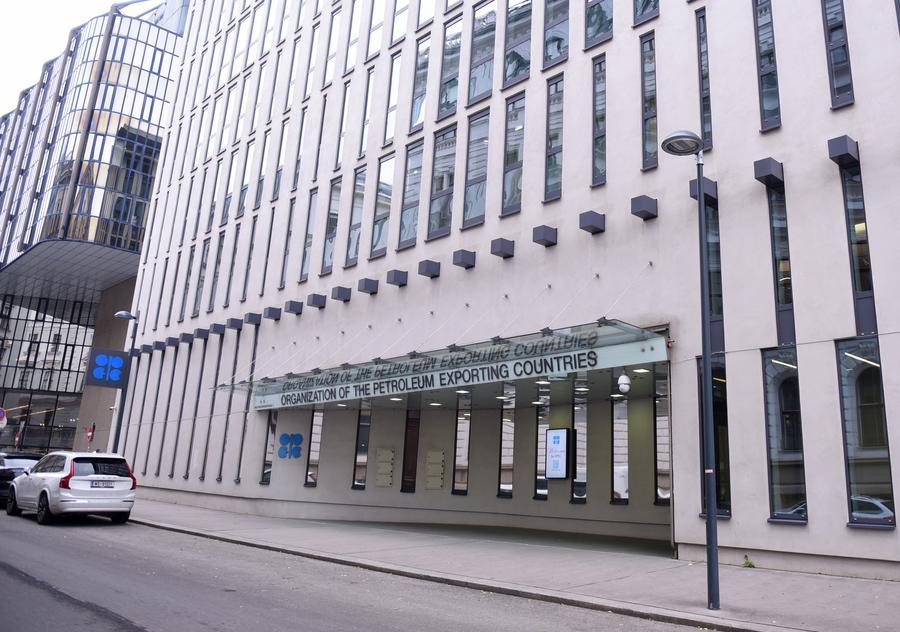
The tour began in Volcanoes National Park, where IShowSpeed, whose real name is Darren Jason Watkins Jr., came face to face with Rwanda’s famed mountain gorillas. The 20-year-old content creator documented the experience on social media, visibly excited. He later described Rwanda as one of the most beautiful countries he had ever visited.
“All my life, I kid you not, this has to be one of the most beautiful countries I have ever been to,” he said.
Back in Kigali, the atmosphere shifted dramatically at Amahoro Stadium, where IShowSpeed made a surprise motorcycle entrance during a women’s football match between Rayon Sports WFC and Indahangarwa WFC. Thousands of fans erupted into chants of his name, creating scenes more commonly associated with national leaders than internet personalities.
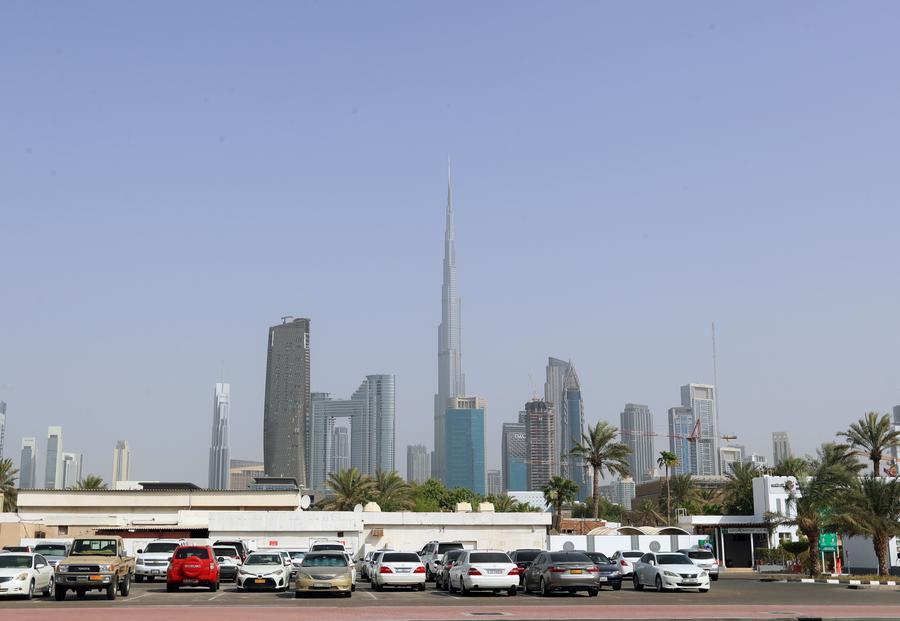
Inside the stadium, he took part in traditional Rwandan dance and drumming performances, entertained the crowd with Cristiano Ronaldo’s signature “Siuuu” celebration, and posed for countless selfies. “Amahoro Stadium is the best stadium in Africa,” he told his livestream audience. The appearance drew national attention and was widely covered by local media.
The tour continued at BK Arena, where IShowSpeed participated in a basketball challenge with local players, demonstrating his competitive energy beyond the digital realm.
Later, he made a stop at the magnificent Zaria Court, where a large crowd had gathered for a fan meet-up. Here, the lighter and more humorous moments of the tour took centre stage. A fan presented IShowSpeed with a customised cake featuring his face, which he famously bit into mouth-first.
Another supporter arrived with Speed’s name shaved into his hair and merchandise bearing his face, though the name was humorously misspelt. He was also presented with a custom painting from a local artist. During the visit, he wowed fans with backflip stunts, leaving a lasting impression on those who had waited hours to meet him.
Beyond the city’s central attractions, much of the livestream’s impact came from spontaneous encounters across Kigali and its outskirts. At a ranch just outside the city, IShowSpeed milked a cow for the first time and even drank the fresh milk.
Later, while driving through Kigali, fans repeatedly stopped his convoy, including one emotional encounter in which a supporter broke down in tears upon meeting him. Speed comforted the fan, a moment many viewers called the most wholesome of the entire stream.
After the broadcast, IShowSpeed shared that security had alerted him to a 16-year-old boy who had been riding a bicycle behind the convoy for more than three and a half hours, despite the bike repeatedly breaking down, just to meet him. Realising how far the teen had gone left Speed genuinely shocked, and he gave him a special, heartfelt greeting in return.
🚨WATCH: iShowSpeed explains after the stream ended that security had told him to notice a kid in Rwanda who’d been riding behind them for three and a half hours on a bike that kept breaking down, just to meet him.
Other memorable moments included a local challenge in which Speed was asked to pull two motorbikes while their riders tried to drive away. Against expectations, he succeeded, earning cheers from the crowd.
🚨WATCH: iShowSpeed is challenged by a local in Rwanda to a strength test — pulling two motorbikes while the riders try to drive away.
Against all expectations, Speed actually manages to do it, leaving everyone stunned pic.twitter.com/yS3Up9PqCA
Throughout the day, he also spoke candidly about the demands of his tour. Running on just four hours of sleep, he admitted it was tough but said his mental state was improving. He publicly thanked his team for their tireless work behind the scenes, even as some viewers complained the Africa tour felt rushed. Despite that, the numbers were undeniable: in Rwanda alone, the livestream drew over 4.1 million viewers in just a few hours.
The Rwanda visit concluded in Biryogo, Nyamirambo, where IShowSpeed fully immersed himself in local cuisine. He sampled pilau, ugali made from cassava, traditional sombe, and grilled brochettes, praising the food and visibly enjoying the experience.
From gorilla trekking and stadium ovations to cow milking on the city’s outskirts and emotional encounters with fans, IShowSpeed told his followers that he hopes to return for a longer stay, saying he would like to come back ‘for a week, just for a vacation.
IShowSpeed’s visit to Rwanda is part of his broader project, “Speed Does Africa Tour,” which he launched on December 21, 2025. The tour sees him livestreaming and sharing experiences from different African countries, showcasing culture, people, and tourism to his global audience.
For someone who grew up surrounded by war, noise, and urgency, this calm still feels significant.
“I came from big cities where life is stressful,” he says. “But here, everything is relaxed and calm.”
Ibrahim is a filmmaker, cinematographer, editor and often all three at once. His work revolves around motion, but his life in Rwanda has taught him the value of stillness. It’s a lesson he didn’t expect to learn in a country the world once defined almost entirely by tragedy.
He first felt it the moment he landed at the Kigali International Airport.
“I landed in Rwanda, and the first moment I stepped into the airport, I felt something,” he says. “It was like it could become home.”
In his early days, he spent most of his time at Mocha Café in Kigali. Coffee turned into conversations with strangers. Strangers became friends. Friends became family. It happened naturally, without effort. Coming from cities where survival required constant alertness, the openness disarmed him.
“I met a lot of people,” he says. “They became friends. They became family.”
Ibrahim’s relationship with conflict is not theoretical. He was born in Baghdad in 1998. War was already part of the city’s language by the time he could understand it. When the American invasion began in 2003, chaos followed quickly. His father, a journalist with Al Jazeera, knew how dangerous everything could be. In 2004, the family left Iraq.
Baghdad became a memory suspended in time. He hasn’t returned since.
“I left Iraq in 2004,” he says. “Sadly, ever since then, I haven’t seen my hometown.”
Rwanda, too, carries the weight of memory. In 1994, a million lives were lost in the Genocide against the Tutsi. The country the world expected to collapse chose a different path, one that Mushtaq openly admires.
Thirty years after the genocide, Rwanda hosts international sporting events, builds infrastructure at a staggering pace, and quietly rewrites the assumptions placed upon it.
“What happened 30 years ago and what you see today, no country on this planet can achieve that in 30 years,” Ibrahim says.
It’s that contrast that keeps him here.
He arrived in Africa in 2023 as a filmmaker on assignment, unaware that the continent might leave a mark on him personally. Having grown up in Qatar after leaving Baghdad, and later moving to Turkey to study cinema and begin his career, Africa was not on his map. His first stop was Uganda, where he went with his father and brother to film a project.
The timing, however, was far from ideal. Work was delayed by the Gaza war, and the unfamiliar surroundings quickly took a toll. Malaria struck, leaving him bedridden for fifteen days. Isolated and exhausted, the new environment felt overwhelming.
“At that moment, I decided to go back to Turkey and never return to Africa,” he says.
But his father remained behind, moving on to Rwanda, and it was through him that Ibrahim was introduced to the country. Weeks later, a single photo of a roundabout framed by the Kigali skyline and the Convention Center arrived with a simple note: “Just give it a chance.”
He did, and what followed was movement.
After settling in, Ibrahim rented a car and began driving. Not just Kigali, but beyond it. North. South. East. West. Villages. Districts. Forests. Hills. He discovered an impressive Rwanda: rainforests in Nyungwe alive with monkeys, mist rolling through Volcanoes National Park, roads that curve endlessly through green.
“Kigali is just one part of Rwanda,” he says. “You need to go and discover the nature, the diversity.”
By the time he finished, he had seen nearly 90 percent of the country.
His camera became both witness and argument.
When friends back home joked about Africa, do they have phones, cars, internet? Ibrahim didn’t respond with words. He posted stories. Reels. Quiet moments of daily life. Clean streets. Safety. Beauty.
“They don’t know,” he says. “That’s the stereotype.”
People started asking questions. Then they started visiting.
Professionally, Rwanda unlocked something new.
Starting a business was easy. So he did. Premium Cut Production became his base, a production house where projects move from idea to final cut under one roof. He shot for clients, cafés, events. Slowly, the work grew.
The UCI Road World Championships in September 2025 marked a turning point. As one of the event’s photographers, Ibrahim moved behind the scenes, watching cyclists collapse from exhaustion after Rwanda’s relentless hills, documenting fleeting moments.
“One was sitting on the ground, tired,” he says. “His whole team was around him. He was exhausted because Rwanda is very challenging.”
Away from work, Rwanda reshaped his body as much as his mind.
“I used to smoke for almost 15 years,” he says. “Then the environment and the community here made me see myself as different, so I quit.”
He started running. Training. Lifting weights at Soho, where fitness turned into community. The running club meets twice a week. Thirty to sixty runners. Consistent. Quietly disciplined.
“This environment gave me a feeling of calmness, of a healthy environment,” he says.
Ibrahim thinks often about what comes next, not for himself, but for others.
He dreams of giving back to Rwanda through a free filmmaking school or weekly workshops for Rwandan youth. “We learned from others; it’s our duty to pass it on,” he says. His goal is to provide aspiring filmmakers with the tools to build their skills and income. “No fees, just tools,” he adds.
He encourages young videographers and photographers to seek information online, to copy styles at first, learn from mistakes, and eventually develop their own unique voices.
“YouTube has billions of tutorials,” he points out.
One day, he hopes to return to Baghdad. To walk the streets he left as a child. To see what time has done to the place that shaped him. Until then, Kigali holds his present.
Mitterrand died at the age of 79, shortly after completing 14 years in office. He remains one of the most controversial French leaders in modern history, particularly over his African policy, which critics argue contributed to instability across the continent. His presidency has been closely scrutinised for France’s conduct before, during, and after the Genocide against the Tutsi in Rwanda.
Presidency coinciding with the genocide
Mitterrand’s final term coincided with the 1994 Genocide against the Tutsi, a period during which he was reportedly weakened by illness. Critics maintain that his close personal and political relationship with then Rwandan President Juvénal Habyarimana influenced France’s actions in Rwanda.
That relationship, analysts argue, shaped France’s continued political, military, and diplomatic support for the Habyarimana government, even as preparations for mass violence were underway.
The anti-genocide-denial organisation Survie has documented the involvement of French actors in Rwanda prior to and during the Genocide. Among those cited is Captain Paul Barril, a former French gendarme who had worked closely with senior Rwandan officials from 1989. Barril reportedly operated with the backing of François de Grossouvre, a close adviser and confidant of President Mitterrand.
Barril is accused of having signed an agreement on May 28, 1994, with Rwanda’s Interim Government, represented by Prime Minister Jean Kambanda, to supply weapons and provide military training to forces implicated in the Genocide. Reports indicate that the government at the time agreed to pay France approximately three million US dollars for the arms.
{{Bisesero and accusations of abandonment
}}
French forces have also been criticised for failing to protect Tutsi civilians during massacres in several parts of the country. In Bisesero, where tens of thousands of Tutsi had gathered and attempted to resist attacks, documents later revealed the presence of French mercenaries in mid-May 1994.
Survivors and investigators allege that these mercenaries encouraged continued attacks rather than intervening to protect civilians, leading to the deaths of thousands.
{{Zone Turquoise under scrutiny
}}
Under Operation Turquoise, French forces established what was described as a humanitarian safe zone in parts of Cyangugu, Kibuye, and Gikongoro. However, critics argue that the operation failed to prevent killings of Tutsi who sought refuge in those areas.
Despite Radio Télévision Libre des Mille Collines (RTLM) continuing to broadcast genocidal propaganda into the French-controlled zone, no action was taken to shut it down. French troops also did not arrest members of the Interim Government who fled Rwanda through Zone Turquoise into what is now the Democratic Republic of Congo.
When questioned in the French National Assembly, France’s Foreign Minister at the time stated that the troops had not been given a mandate to investigate crimes or arrest suspects.
While the conduct of French forces has been widely criticised, President Mitterrand consistently defended them, claiming they had saved thousands of lives.
{{Kagame on France and Belgium’s role
}}
In an interview with journalist Mario Nawfal last year, President Paul Kagame stated that France and Belgium played a role in preventing timely United Nations intervention during the Genocide.
“You see an ideological link from the beginning,” Kagame said, referring to Belgium’s colonial legacy and policies that entrenched ethnic divisions.
On France, Kagame described Mitterrand’s relationship with Habyarimana as very close.
“The French president at the time was François Mitterrand. He was a very close friend of Habyarimana. Very close. One was like a father figure to the other,” President Kagame said.
He added that historical records show that Mitterrand bore responsibility comparable to others who enabled the killings.
{{Protection of Agathe Habyarimana
}}
Following the shooting down of President Habyarimana’s plane, Mitterrand facilitated the evacuation of Habyarimana’s widow, Agathe Kanziga Habyarimana, and her children to Europe.
Despite international arrest warrants over her alleged role in the Genocide against the Tutsi, France has neither extradited her to Rwanda nor prosecuted her domestically.
President Kagame once said he raised these issues with individuals close to Mitterrand, including his son, who wielded influence over French policy in Africa, but they consistently rejected any responsibility.
{{Rwanda marginalised after the genocide
}}
After the fall of the Habyarimana government, Mitterrand distanced himself from Rwanda’s new leadership under the RPF-Inkotanyi. Rwanda was sidelined diplomatically at a time when it urgently needed international support.
In November 1994, France hosted the France–Africa Summit in Biarritz, attended by 25 African heads of state. Discussions included France’s relations with Africa and post-genocide Rwanda. However, Rwanda was not invited.
Former presidential adviser Dr Charles Murigande later said the exclusion reflected Mitterrand’s stance toward the new Rwandan government.
“The fact that we were not invited did not surprise us,” Murigande said. “That was his mindset. He had aligned himself with those who had destroyed Rwanda. He carried a burden of shame and could not bring himself to invite the President of Rwanda to Biarritz.
Born and raised in Bujumbura, Burundi, Saya is of Persian (Iranian) and Burundian descent. After completing her studies in Burundi, she moved to Iran, her father’s homeland, seeking new opportunities and a chance to connect with her roots.
“After finishing my studies, I decided to go to my father’s country. I had never lived there and thought it would be like Africa—liberated (free and open). I knew it was a Muslim country, but I didn’t realise how strict it would be, particularly for women. I thought I’d manage, but it was a very hard place to live as a lady. Despite my family’s warnings, I insisted: ‘No, I’m going to try. After all, it’s my country,’” she says.
She spent nearly two years working at a large travel agency, gaining experience and exposure to professional life. But she quickly realised that as a woman, her ability to grow as an entrepreneur was severely limited.
{{Journey to Rwanda
}}
During this time, her fiancé, who was living in Kigali, encouraged her to visit Rwanda. “He kept telling me, ‘Come to Kigali, give it a try. Rwanda has developed, it’s now the Singapore of Africa.’ I was hesitant, but he insisted, ‘Just come for one day and judge for yourself.’”
That one-day visit changed her perspective. “I went back to Iran and made the decision to move permanently to Rwanda. I started planning to open my beauty center in Kigali. Rwanda had advanced 20 years ahead of what I had known,” Saya says.
Six months later, Saya relocated to Kigali. “I was impressed by how efficient everything wa, no corruption, clear processes, and the business setup was remarkably smooth. From finding a location to importing equipment from Italy and China, everything was fast. Rwanda makes the impossible possible,” she explains.
In September 2025, Persian Beauty Spa and Laser Center opened with four employees. Rapid demand quickly expanded the team to 13.
{{The Iran conflict experience
}}
Saya’s journey wasn’t without danger. While travelling to Iran to pick up equipment for her spa and attend a family wedding, she became trapped amid the Iran-Israel conflict.
“Those 11 days of war were the worst period of my life. I had to sleep in underground metro stations, seeing fires, bombs, and missiles. Communication was cut off—no internet, no calls. I couldn’t reach my family or fiancé,” she recalls.
Eventually, she reached her fiancé, who secured embassy letters and arranged transport to the border. “I begged, cried, and spent the night on the ground at the border post. The next morning, an officer finally let me through,” she says.
Back in Kigali, she resumed work. “That experience was the only real challenge I’ve faced as an entrepreneur, not opening the business in Rwanda, but being stuck in Iran during the conflict,” she notes.
Saya invested around $45,000 (approximately Rwf 66 million Rwandan francs) to launch the spa in Kibagabaga, importing high-quality European skincare devices. Persian Beauty Spa and Laser Center offers facials, acne and hyperpigmentation treatments, therapeutic massages, nail care, and more.
Her clients include both Rwandan and international customers. “Rwandan women take incredible care of themselves even in their 50s and 60s; their skin remains smooth and wrinkle-free,” she says, adding, “I would like to welcome everyone to the Persian Beauty Spa and Laser Center. It’s a great opportunity to try our services and meet me in person. You won’t regret it.”
Watch the full video to see Saya’s journey from Iran to building her dream spa in Kigali.
The updated legislation imposes harsher penalties for violations, emphasizes modern technology for enforcement and management, and aims to boost transparency, accountability, and road safety while cutting accidents and fatalities.
The previous framework, Law No. 34/1987 dated September 17, 1987, has been superseded. The new law was approved on January 5, 2026, at 9:30 p.m., with 77 parliamentarians in the plenary session voting in favor after a full day of article-by-article review.
Lawmakers highlighted that the reforms align with national development, introducing tougher sanctions to deter intentional breaches and encourage responsible driving.
Under Article 37, driving with a blood alcohol level exceeding the legal limit of 0.80 g/L is an offense. For drivers of public transport vehicles, those carrying students, employees, or tourists, heavy goods vehicles over 3.5 tonnes, or income-generating vehicles, conviction carries a fine of Rwf 100,000 to 400,000 and 3–6 months in prison.
For other drivers, penalties include a fine of Rwf 150,000 to 300,000 and up to 10 days in prison, or one of these alone. If the blood alcohol level is at least double the limit, penalties rise to a fine of Rwf 200,000 to 500,000 and 3–6 months in prison, or one of these. Repeat offenders within one year face the maximum penalty, which may be doubled.
Refusing a blood alcohol test is also an offense. For higher-risk category drivers, it brings a fine of Rwf 300,000 to 600,000 and 3–6 months in prison. For others, a fine of Rwf 400,000 to 600,000 and up to 10 days in prison, or one of these.
The prospect of jail terms sparked discussion in parliament. Deputy Christine Mukabunani argued against imprisonment where possible, proposing longer driving suspensions and steeper fines instead, believing higher financial consequences would be more effective.
Deputy Pie Nizeyimana raised concerns about potential psychological impacts.
In response, Ambassador Hope Gasatura Tumukunde, Chairperson of the Committee on Foreign Affairs, Cooperation and Security, defended the tough measures as necessary to shift attitudes toward road safety.
She stressed that the penalties were weighed against the gravity of offenses, their threat to lives, and the need for strong deterrence, addressing an urgent issue requiring shared responsibility.
Article 39 states that refusing to stop when signaled by a police officer or authorized official is an offense, punishable upon conviction by a fine of Rwf 400,000 to 700,000 and 3–6 months in prison. Driving without a valid license carries 15–30 days in prison and a fine of Rwf 100,000 to 200,000, or one of these.
For serious safety-threatening offenses, police must prepare case files and forward them to the National Public Prosecution Authority within legal deadlines. A forthcoming ministerial order will define administrative offenses, fines, and demerit points.
Those issued administrative fines must pay within 30 days of notification. Late payment incurs a 30% surcharge, due within another 30 days.
Non-compliance leads to vehicle impoundment. However, alleged offenders or vehicle owners can appeal in writing or other means; if no reply comes within three days, the offense is canceled.