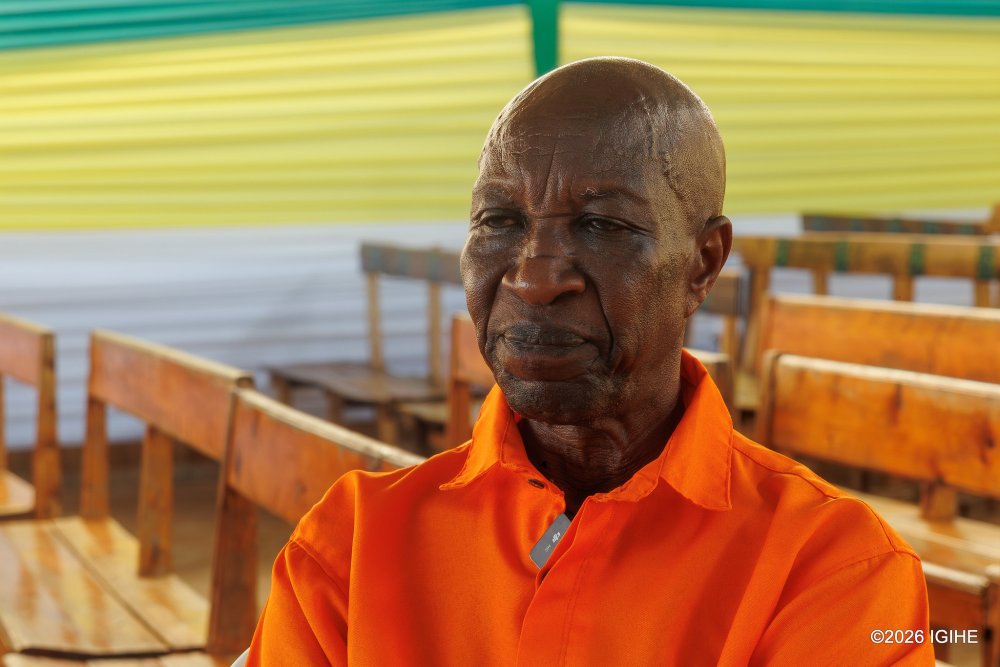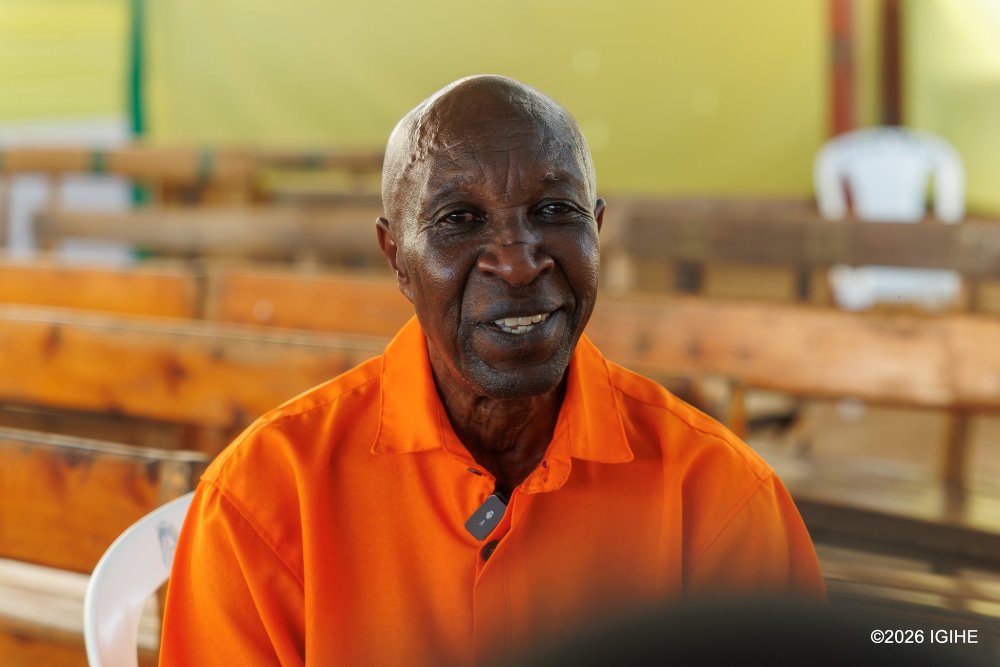
“I was held for six months. Every day was a nightmare,” Mwiza, now living with disabilities caused by the abuse, testified during a protest by Congolese refugees in Rwanda, organised to condemn a recent anti-Tutsi slur by Major General Sylvain Ekenge, the suspended FARDC spokesperson.
“I was raped by over 100 soldiers. Everyone, including elders, their children, and even their guards, assaulted me, all to ‘experience what a Tutsi woman is like.’ I contracted HIV and sustained disabilities. I am now on medication.”
Ekenge’s remarks, widely condemned as incitement against Tutsis, included warnings against marrying Tutsi women, reflecting entrenched anti-Tutsi sentiment within the DRC military. Refugees in Rwanda expressed outrage at the comments, staging demonstrations demanding accountability and protection for Congolese Tutsis.
Mwiza’s ordeal began six months before fleeing to Rwanda, when FDLR soldiers abducted her and her niece from Shangi and took them to Kirolirwe in Masisi territory. While Mwiza survived, her niece was killed.
“They did whatever they wanted, denying me water, denying me care. Sometimes they told me to call Kagame [President Paul Kagame] to rescue me, but all I could do was pray. Everyone struck me, even children, because they were ordered to.”
Her escape came through the unexpected aid of a local soldier who recognised her plight. “He said my blood would not be accounted for. He helped me leave Kirolirwe secretly and guided me to Bishoga,” Mwiza recounted. From there, she moved cautiously to Nyamitabo, where M23 forces were stationed. She finally reached the Nkamira temporary camp in Rwanda, traumatised but alive.
In Rwanda, she joined the Mvura Nkuvure rehabilitation programme, which has helped her begin to rebuild her life despite deep psychological and physical scars. Her husband and father were killed, but her children have since been reunited with her.
“I survived because of God and those who helped me. But no one should endure what I went through,” she said.
Mwiza’s story is part of a decades-long pattern of violence targeting Kinyarwanda-speaking Tutsis in the DRC. After the 1994 Genocide against the Tutsi in Rwanda, the DRC harboured elements of the Interahamwe and forces loyal to former President Juvenal Habyarimana, cultivating anti-Tutsi ideology. Some of these individuals formed armed groups that evolved into the FDLR.
The FDLR continues to terrorise Congolese citizens, often with tacit DRC government support. Incidents include home burnings, kidnappings, killings, and sexual violence.
In October 2023 alone, nearly 300 homes in Nturo village were destroyed, with residents accused of supporting M23. Social media footage has repeatedly shown Congolese civilians attacking Tutsi neighbours, in some cases committing acts of extreme cruelty, including cannibalism.
Rwanda now hosts over 120,000 Congolese refugees, many fleeing decades of violence and displacement. Mwiza urges the international community to intervene to end decades of hatred and persecution of Congolese Tutsis.
Speaking to the congregation, the cardinal stressed the urgency of the project, noting how the current church often overflows, with worshippers spilling outside and tents needed for extra space.
“It’s time for us to come together and build a spacious, beautiful cathedral,” he said, urging everyone to get involved.
He encouraged Christians to reach out to the chief priest at St. Michel Parish with ideas or donations within their means.
The goal is a grand church that matches Kigali’s rapid growth and modern vibe, built on land donated by the president.
When pressed for specifics like an exact start date or budget, Cardinal Kambanda said planning is ongoing but fundraising and preparations continue full steam ahead.
The new cathedral will rise on the site of the former Nyarugenge Prison, known locally as “1930.” Designs show a contemporary building with room for at least 5,000 inside and vast outdoor areas to handle up to 20,000 for big celebrations.
Cardinal Kambanda first voiced his vision for a fitting city cathedral back in 2019 during his installation ceremony at Amahoro Stadium.
In 2023, the Rwanda Development Board (RDB) announced that efforts to raise 40 billion Rwandan Francs for the construction were still underway.
Currently, the Cathedral of Kigali is located in Kiyovu, Nyarugenge District, where St. Michel Parish is based. However, it is too small to accommodate large events.
St. Michel Parish was founded in 1963 as part of the Kabgayi Diocese and became a Cathedral Parish on May 3, 1976, when the Archdiocese of Kigali was established.
Here are the top destinations to celebrate the festive season in style:
{{Kigali: The urban holiday heartbeat}}
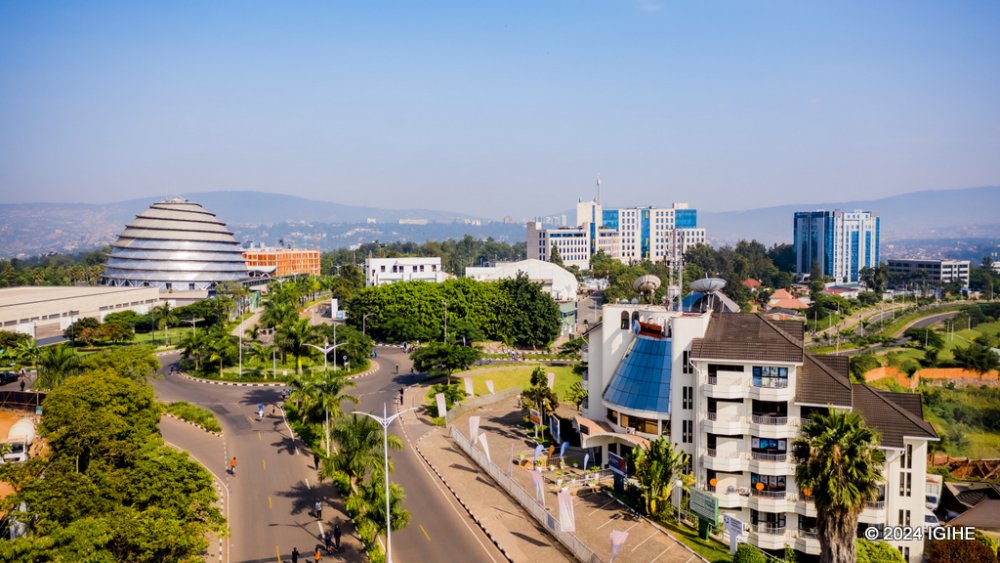
As the festive season begins, the capital Kigali is already aglow with lights and culinary delights. Known as one of Africa’s safest and cleanest cities, it is perfect for those seeking holiday cheer with a cosmopolitan twist.
The Kigali Convention Centre and surrounding streets are glowing with seasonal lights that frame romantic evening strolls and festive selfies. Dotted across the city are cosy cafés and restaurants serving menus that highlight local flavours with international flair, with many offering special dishes and treats for the festive season.
While street food is rare due to strict public health regulations, Kigali boasts a vibrant culinary scene. Restaurants and eateries offer diverse cuisines, with neighbourhoods like Nyamirambo standing out for their culinary charm. Biryogo in Nyamirambo is a favourite for sampling local dishes such as pilau, brochettes, and traditional Rwandan staples like sweet potatoes, cassava, and hearty stews.
For festive fine dining and lively entertainment, Kigali’s top restaurants, such as Atelier du Vin, Boho, Poivre Noir, and Inka Steakhouse, offer elegant menus that showcase seasonal ingredients, innovative twists on classic dishes, and carefully curated drinks, creating the perfect setting for celebrations with friends and family. Heaven Restaurant is a great family spot, serving modern African cuisine alongside local art.
Top hotels are spread across the city for anyone seeking a calm retreat, offering comfortable rooms, festive dining options, and panoramic views of Kigali’s twinkling hills, perfect for relaxing between celebrations.
For a bit of adventure, head to Fazenda Sengha on Mount Kigali. Enjoy horseback riding, ziplining, and archery while soaking in breathtaking views of the city.
{{Lake Kivu: Peaceful waters & sunset dreams
}}
If your ideal holiday blends slow mornings, lake breezes and spectacular sunsets, Lake Kivu is hard to beat. One of Africa’s great lakes, it’s framed by hills and dotted with emerald islands that seem designed for lingering afternoons.
Rubavu (Gisenyi) is the liveliest lakeside town during the festive season, with Lake Kivu Serena Hotel offering beachfront parties, live music and beach picnics under twinkling stars. The lake’s calm waters are perfect for kayaking, canoeing, boat cruises and even coffee plantation tours that take in both scenic views and Rwanda’s celebrated coffee culture.
For a quieter, more intimate escape, the town of Karongi is ideal. Walk hand‑in‑hand along the shoreline at sunset, enjoy romantic meals at lakeside cafés, and savour fresh fish from the water, perhaps served in unique lakeside venues such as Tam Tam Bikini, where boat hulls double as tables against the backdrop of setting suns.
{{Volcanoes National Park: Christmas in the clouds
}}
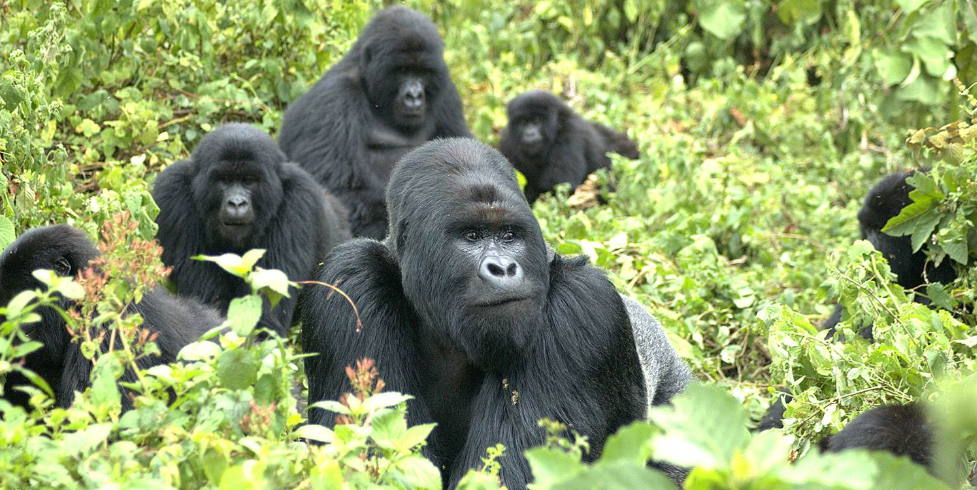
For a holiday that feels truly transformative, head north to Volcanoes National Park, home to the world’s remaining mountain gorillas. This misty terrain of bamboo forests and volcano ridges is perfect for a Christmas morning trek that few destinations can rival.
Once you’ve met a gentle silverback and his family, there’s no better way to feel thankful and awed during the season. Beyond gorillas, Golden Monkey trekking, birdwatching and volcano hikes add rich layers to your mountain adventure.
Luxury lodges like Bisate Lodge and One&Only Gorilla’s Nest set the tone for your evenings with warm fires, gourmet meals and landscapes that glow pink and gold at dusk. Not far from the park, the Iby’Iwacu Cultural Village offers festive cultural immersion through traditional dance, music and crafts, a heartfelt way to connect with Rwandan heritage.
{{Akagera National Park: A New Year’s safari celebration
}}
When the calendar flips to New Year’s Day, trade misty visions for the golden savannah of Akagera National Park in eastern Rwanda. This restored wilderness harbours East Africa’s Big Five, lions, elephants, buffalo, leopards and rhinos, and boasts scenic lakes and wetlands that support abundant birdlife.
Guided game drives at dawn and dusk cast you into iconic African landscapes, while a boat safari on Lake Ihema offers a gentle New Year’s start with hippos and crocodiles lounging by the water’s edge. Camp options like Ruzizi Tented Lodge and Magashi Camp bring safari luxury to life with firelit dinners and star‑filled skies.
{{Nyungwe Forest: A green holiday adventure
}}
For a lush rainforest Christmas or New Year’s getaway, Nyungwe Forest National Park is unmatched. One of Africa’s oldest rainforests and a newly designated UNESCO World Heritage Site, Nyungwe brims with biodiversity, including chimpanzees, colobus monkeys and over 300 bird species.
The Canopy Walkway, suspended high above the forest floor, offers breathtaking perspectives over verdant treetops, and guided chimpanzee treks bring you up close to our closest animal relatives. Stay at One&Only Nyungwe House, set amidst tranquil tea plantations with spa moments and refined cuisine, a restorative way to close out the year.
{{Hidden gems to enrich your festive break
}}
Rwanda’s festive charm goes beyond its headline attractions, offering experiences that are equally rich and memorable.
In Nyanza, visitors walk through the King’s Palace Museum, admire the regal Inyambo cows, and immerse themselves in Rwanda’s royal history. The town’s calm streets and cultural sites make it a peaceful stop for those seeking a more reflective holiday experience.
Musanze invites exploration of the ancient Musanze Caves, where dramatic limestone formations reveal landscapes shaped by volcanic forces over millennia. The surrounding hills offer scenic trails, making it a perfect spot for hiking and photography.
The Twin Lakes of Burera and Ruhondo provide a tranquil lakeside escape. Visitors enjoy boat rides, hiking, and birdwatching, all set against the stunning backdrop of volcanic peaks, creating a serene and restorative festive experience.
In the south, Huye pulses with cultural richness. The Ethnographic Museum showcases Rwanda’s art, history, and traditions, while nearby coffee plantations provide aromatic journeys into one of the country’s most celebrated exports.
For nature enthusiasts, Gishwati‑Mukura National Park, Rwanda’s newest forest reserve, offers immersive forest hikes, primate spotting, and vibrant wildlife experiences, making it an ideal destination for conservation-minded travellers during the festive season.
For several years, the two nations have had a strained relationship, with Burundi accusing Rwanda of harboring individuals who attempted to overthrow the Burundian government in 2015.
At other times, Burundi has claimed that Rwanda supports the RED Tabara rebel group, although Rwanda has consistently denied these accusations.
On various occasions, President Ndayishimiye and other Burundian leaders have stated in international media that they possess information suggesting that Rwanda is planning an attack on Burundi. Since early 2024, Burundi has closed all its land borders with Rwanda.
Rwanda has also rejected these allegations. The country argues that Burundi, which shares a southern border with Rwanda, chose to collaborate with the armed forces of the Democratic Republic of the Congo (DRC), which has links to the FDLR, thus aligning itself with the FDLR.
On the other hand, as the city of Uvira remains under the control of the AFC/M23, relations between Rwanda and Burundi have deteriorated further, with Burundi accusing Rwanda of shelling its territory.
In an interview with France 24 on December 18, 2025, Minister Nduhungirehe stated that the accusations from Burundi were false, adding that it was Burundi, not Rwanda, that had shelled the DRC territory.
“That’s false. It was actually shells from Burundi that hit the city of Kamanyola in Congo, causing refugees which triggered movements of refugees to Rwanda, in Bugarama.”
When asked whether there have been any discussions between Rwanda and Burundi, Minister Nduhungirehe confirmed that security officials from both countries met over the weekend to discuss the ongoing tensions.
“Regarding Burundi, a meeting was held this weekend between the security services of both states to discuss de-escalation. And we believe that if these meetings continue, we will reach an agreement on a way forward for regional de-escalation and the reactivation of peace agreements,” he stated.
Regarding the DRC, talks between both countries are framed within the context of the Washington agreements, where the joint security coordination mechanism will oversee efforts to dismantle the FDLR terrorist group and remove the security measures Rwanda has imposed.
So far, a peace agreement was signed on December 4, 2025, but the DRC continues to stick to military action that continues to hinder the implementation.
The FDLR, composed of an estimated 7,000 to 10,000 fighters, collaborated with FARDC and over 20,000 Burundian soldiers during the fighting against M23.
Minister Nduhungirehe also noted that the joint security meetings will resume to focus on the dismantling of the FDLR group and the removal of Rwanda’s security measures.
NISR said Gross Domestic Product (GDP) at current market prices was estimated at Frw 5,53 trillion in Q3 2025, up from Frw 4,66 trillion recorded in the same period last year. The expansion marks a continued acceleration in growth, following increases of 7.8% in the second quarter and 6.5% in the first quarter of 2025.
“In the third quarter of 2025, GDP grew by 11.8 per cent following the growth of 7.8 per cent in Q2 and 6.5 per cent in Q1,” NISR Director General Ivan Murenzi told members of the press in Kigali on Tuesday, December 16, 2025.
Services remained the backbone of the economy, accounting for 57% of GDP, while industry contributed 22% and agriculture 15%. Net direct taxes made up the remaining 6%.
Sectoral data show that industry was the fastest-growing sector, expanding by 17%, followed by services at 10% and agriculture at 10%.
Within agriculture, growth was underpinned by a strong rebound in export crops, which increased by 35%. This was largely driven by a 32% rise in coffee harvests and a 100% increase in tea production. Food crop production also returned to growth, rising by 4%, compared with a 10% contraction in the same quarter of 2024.
The industrial sector posted broad-based gains. Mining and quarrying grew by 14%, with quarrying expanding by 20%, while mining rose by 2%. Construction activity surged by 20%, reflecting sustained infrastructure development, while manufacturing grew by 14%.
Manufacturing growth was led by a 44% increase in non-metal products, mainly cement, alongside a 28% rise in metal products and 25% growth in chemical products, including paints and soaps. Food processing expanded by 12%.
Services growth was anchored in trade and transport. Wholesale and retail trade increased by 20%, while transport services grew by 9%, supported by a 10% rise in land transportation. Information and communication services expanded by 17%, and financial services grew by 10%. However, hotels and restaurants contracted by 3%, reflecting continued pressures in the hospitality segment. Public administration services increased by 7%, education services by 5%, while health services declined by 16%.
Speaking on Thursday during the inauguration of newly appointed officials at Parliament buildings, Kagame said the accusations often come from individuals seeking to pressure Rwanda and wrongly link it to the ongoing conflict in eastern Democratic Republic of Congo (DRC).
“Rwanda signed the agreement willingly, accepted it, and will fulfil its obligations so that, if others also meet their responsibilities, it will lead us to peace,” he said.
He acknowledged that implementing such agreements is challenging, noting that “the path is never easy. Some people do not speak the truth. There are things people wish for, sometimes not even included in the agreement, or they think should have been included. In an agreement, you don’t get everything you want, but you get what is necessary, and others also get what is necessary.”
Allegations that Rwanda breached the Washington agreement stem from the recent advance of the AFC/M23 rebels to the city of Uvira. Some parties have accused Rwanda of supporting the group, claiming it violated the agreement, a claim Kigali has consistently refuted.
Kagame emphasised that Rwanda did not breach any agreements, pointing out that hostilities between the AFC/M23 rebels and Kinshasa coalition forces were already occurring when he travelled to the United States.
“When we went to America, fighting had already been ongoing for days and weeks, and even on the day we travelled, clashes continued in some areas,” he said.
He added that claims suggesting Rwanda’s actions triggered the fighting are false. “The situation already existed; it did not start after the agreements,” he reiterated.
He concluded by reiterating that many of the allegations against Rwanda are based on falsehoods and malice.
The inauguration ceremony also saw the swearing-in of Solange Uwituze as State Minister in the Ministry of Agriculture and Animal Resources, Dr. Usta Kaitesi as State Minister in the Ministry of Foreign Affairs, Dr. Charles Murigande as Senator, and two Court of Appeals judges, Dr. Ntete Jules Marius and Dr. Nshimiyimana Didace.
These minerals are challenging to process because a single stone extracted from the earth can contain a mix of different types of minerals. Additionally, only a few countries are abundant in them.
China currently controls nearly 80% of the global market for processing rare earth minerals. Globally, there are approximately 130 million tons of these minerals. China holds over 44 million tons, Vietnam possesses 22 million tons, Brazil has 21 million tons, and Russia controls 12 million tons. The United States, in comparison, has about 1.2 million tons.
For the U.S., securing rare earth minerals is crucial for maintaining its position as a global superpower. These minerals are essential to its technological leadership, supporting everything from electric vehicles to 5G internet, and reducing reliance.
To illustrate the importance, Apple, one of America’s leading tech companies, has announced it will invest $500 million in mining and processing these minerals within the United States.
The U.S. also aims to capitalize on Ukraine’s vast mineral wealth, which is valued at an estimated $14 trillion. It’s reported that the U.S. plans to replace its dependence on Chinese rare earth minerals with those sourced from Ukraine, given that the country is rich in these resources.
The minerals in question include Bastnaesite, Monazite, Xenotime, Allanite, Eudialyte, Loparite, Gadolinite, Cerite, Samarskite, Fergusonite, Parisite, Fluorite, and others.
These minerals are processed into valuable metals like Lanthanum, Cerium, Praseodymium, Neodymium, Promethium, Samarium, Europium, Gadolinium, Terbium, Dysprosium, Holmium, Erbium, Thulium, Ytterbium, Lutetium, Scandium, and Yttrium. These are used in various industries, such as electronics, energy production, and medical technologies.
The cost of these minerals can vary significantly. For example, a ton of Cerium may cost between $2,000 and $4,000, while the price of Dysprosium can range from $300,000 to $500,000 per ton. The most expensive mineral is Terbium, which can cost up to $1.5 million per ton.
{{Rwanda’s rich potential in rare earth minerals}}
Rwanda is one of the countries actively developing research in rare earth minerals through advanced technologies. History shows that these minerals have been mined in the country, and their presence continues to be significant today.
Jean Claude Ngaruye, Mining Exploration Division Manager at the Rwanda Mines, Petroleum and Gas Board (RMB), has told IGIHE that Rwanda has abundant reserves of these minerals.
“These minerals were mined before and after independence. Three types were particularly extracted: Monazite, Zircon, and Xenotime. These minerals are in high demand due to their use in modern technology, with Zircon also being utilized in the nuclear industry.”
The regions with the most significant mining activity are located in Rwanda’s Southern Province. These include areas like Rukarara in Nyamagabe, Nshili in Nyaruguru, and near Munanira rock.
According to Ngaruye, “These sites were part of the former Butare, with one area located in the Gishamvu sector of Huye District.”
Minerals are also found in Musebeya, a region that stretches across Karongi, Nyamagabe, and Nyamasheke.
Monazite, for example, yields metals like Cerium, Lanthanum, Neodymium, Praseodymium, and Samarium, which are essential for producing batteries, audio systems, aircraft engines, and other high-tech devices.
These minerals are highly valuable. For instance, Neodymium is priced at about $70,500 per ton, while Praseodymium costs around $71,350 per ton.
Ngaruye pointed out that the reason these minerals are in such high demand is not due to their low cost but because of their crucial role in technological development and environmental protection.
“Mining is like any other business. When something is in high demand, prices rise. If supply exceeds demand, prices drop. […] The prices of rare earths have decreased, which has led to our reduced interest. You wouldn’t go looking for an unnecessary stone in the market. The reason America is pursuing them so aggressively is to build its own large stockpile and compete with China,” he said.
Despite Rwanda’s wealth of these minerals, Ngaruye observed that the country does not yet have a large-scale market for them. However, he believes there is potential for specific buyers to access these minerals.
“They were present. Although most of the mining has been done in the Southern Province, there are also signs of these minerals in other regions like Rulindo, Gatumba in Ngororero, and other areas. Research could be easy if anyone is interested.”
{{Rwanda’s mining growth}}
Although Rwanda is rich in rare earth minerals, processing these minerals, particularly Monazite, presents challenges. Monazite often contains Uranium and Thorium, which require advanced processing methods and significant investment.
Rwanda’s revenue from mineral exports has seen steady growth, rising from $373 million in 2017 to $1.7 billion in 2024.
The country has set a target of reaching $2.2 billion in mineral production by 2029. This goal includes increasing the processing rate of extracted minerals from 40% to 80%. To achieve this, research will be conducted to identify new mineral-rich areas.
As of May 2025, the RMB has identified over 27,000 new hectares of land with significant mineral deposits.
The ceremony, held at the newly inaugurated United States Institute of Peace, was attended by US President Donald Trump, African leaders, and key international dignitaries.
In his opening remarks, President Trump described the event as “a great day for Africa, a great day for the world, and a great day for these two countries.” He praised the leaders of Rwanda and the DRC for their courage and persistence in bringing the long-running conflict in eastern Congo to a potential close after three decades.
“This compact we are signing today, known as the Washington Accords, formalises the terms agreed to in June, including a permanent ceasefire, disarmament of non-state forces, provisions for refugees to return home, and justice for those who have committed atrocities,” Trump said.
The US Head of State also emphasised the accord’s economic dimension, highlighting the potential for regional economic integration and US investment in the two countries’ mineral wealth.
President Paul Kagame, who spoke after Trump, expressed deep gratitude to all parties involved, singling out President Trump, Secretary of State Marco Rubio, and Senior Advisor Massad Boulos for their pivotal roles in creating a space for breakthrough negotiations.
Kagame emphasised that the responsibility for the success of the accord ultimately rests with African nations themselves.
“If this agreement falters and things do not work out as they are supposed to, the responsibility will not lie with President Trump, but with ourselves,” he said. He reassured that Rwanda will play its part decisively:
“It is up to us in Africa, working with our partners, to consolidate and expand this peace. There will be ups and downs on the road ahead. There is no doubt about it. Rwanda, I know, will not be found wanting. I can assure you of that.”
He framed the accord as a clear path toward a prosperous and stable future for Rwanda, emphasising the country’s commitment to security and development after enduring years of tragedy.
DRC President Félix Tshisekedi also hailed the accord as a turning point, describing it as more than just a document, but “a framework for regional economic integration and cooperation that finally overcomes the cycle of violence, mistrust, and forced displacement.”
He reaffirmed the DRC’s commitment to fully implementing its obligations under the agreement and called for mutual respect and collaboration between the two nations.
The Washington Accord represents not only a formal ceasefire but also a framework for justice, economic cooperation, and regional integration. It aims to dismantle the FDLR militia, composed of remnants of those responsible for the 1994 Genocide against the Tutsi who fled to the DRC and have continued to promote genocidal ideology, posing a threat to Rwanda’s security along the border.
The agreement also aims to facilitate refugee returns and create new opportunities for prosperity in both countries.
The signing ceremony was attended by African leaders, including Évariste Ndayishimiye of Burundi, William Ruto of Kenya, João Lourenço of Angola, and Jean-Lucien Savi de Tové of Togo, as well as representatives from Uganda, Qatar, the United Arab Emirates, and the African Union.
The sites, covering a combined 14,020 hectares across the country, are categorised into medium- and large-scale mining zones, with four designated for extraction of the 3Ts (tin, tungsten, tantalum), four set aside for exploration, and two dedicated to gemstone mining.
RMB, which is hosting the mining week, noted that the minerals remain in high global demand due to their use in construction, aviation, military equipment, electronics, batteries, and jewellery.
Among the identified extraction zones is Binyeri in Rukoma Sector, Kamonyi District (70 ha), which contains cassiterite, lithium, and beryllium and is earmarked for medium-scale mining. In Bugesera District, the Musenyi site spans 1,000 hectares and is designated for large-scale mining of cassiterite, coltan, lithium, and beryllium.
Gatsibo District’s Rubiha site (450 ha) contains high-grade cassiterite with purity levels between 90.5% and 99.08%, while the Minazi zone in Gakenke District (700 ha) features cassiterite, coltan, and gemstones.
RMB also listed several exploration zones, including Shyorongi in Rulindo District (3,175 ha), where cassiterite, wolfram, coltan, and gold deposits were identified. Other exploration sites include Kabagari–Kinihira in Ruhango District (1,500 ha) and Bihembe in Rwamagana District (1,600 ha).
In Rubavu District, the Kivumu–Nyamyumba zone (875 ha) contains cassiterite, coltan, wolfram, and beryllium. For gemstones, the Bushekeri–Rangiro area in Nyamasheke District (1,400 ha) hosts sapphire, amethyst, smoky quartz, and ruby, while Kanama in Rubavu District contains tourmaline, sapphire, beryl, and almandine.
RMB CEO Alice Uwase encouraged investors to apply for licences, emphasising financial capacity, technical expertise, and appropriate equipment as key requirements. Applications are open from December 3, 2025, to March 3, 2026, with RMB planning guided site visits in January 2026.
“We expect strong interest. In the last licensing cycle, we received 73 applications for 10 sites, and we anticipate that number will double this year,” Uwase said, urging investors to consider partnerships or joint ventures to meet regulatory thresholds.
This is the second major discovery announcement in 2025. In May, RMB unveiled 10 mineral-rich sites covering 13,454 hectares.
Rwanda’s mining sector, which employs over 92,000 people, generated $1.75 billion in 2024. The country aims to reach $2.2 billion in mineral export revenues by 2029 and increase mineral traceability and collection rates from 40% to 80%.
Rwanda extracts minerals including wolframite, cassiterite, and coltan, processed into tungsten, tin, and tantalum, with an annual production of 8,000 to 10,000 tons. The country also mines gold, sapphire, and lithium, alongside ongoing exploration to identify new deposits. Increasingly, Rwanda is focusing on value addition through local processing.
The Gasabo Gold Refinery, now in its sixth year of operation, has an annual capacity of 96 tons. Director Kayobotsi Bosco told IGIHE that the facility has reached 30% of capacity, 28.8 tons annually. Monthly production has grown from 600 kilograms to 2.5 tons.
“We started by processing about 600 kilograms per month, and now we are processing 2.5 tons per month,” he said, noting the steady growth over the years. Gold processed at the refinery comes from Rwanda and six non-conflict African countries.
“They want us to process their gold. It’s easier to bring it because Rwanda has adequate security,” he added.
Processing yields significant benefits. Gold refined to 99.99% purity sells for over $134,000 per kilogram, compared to about $120,000 for unprocessed gold. Silver, often discarded when gold is sold raw, can fetch more than $1,800 per kilogram when refined. The refinery employs 42 Rwandans and aims to reach 50% capacity, about four tons per month, next year.
Tin processing has also expanded. LuNa Smelter, which began operations in 2018/19, has increased output from 100 to over 250 tons of tin per month, with a purification rate of 99.95%. Interim operations manager Parfait Udakemwa said the plant plans to reach 320 tons next year and targets 600 tons per month within five years. It employs 161 staff and sources cassiterite from across Rwanda.
Rwanda is also adopting advanced technologies in mining. The country has shifted from basic tools to research-driven methods and is now introducing robots to improve safety and efficiency. Through discussions with Zora Robotics, Rwanda plans to deploy robots in underground tunnels to assess ground stability, measure gas levels, and monitor workers.
Zora Robotics CEO Benjamin Karenzi said the company has over 60 robots operating in various sectors and is ready to support mining. Robots, operating on 5G, will inspect tunnels before miners enter and track worker movements, helping to reduce accidents and raise productivity. The technology is already used in South Africa and may cost up to 120 million Rwandan Francs per mine.
The initiative has gained support from investors such as British businessman Ray Power, whose company processes 120 tons of coltan per month in Bugesera. He said improved worker safety strengthens client confidence and long-term cooperation.
Rwanda aims to increase mining export revenues to $2.2 billion by 2029 and raise mineral recovery rates from 40% to 80%. In May 2025, the country identified new mineral zones spanning 13,454 hectares, with more discoveries expected.