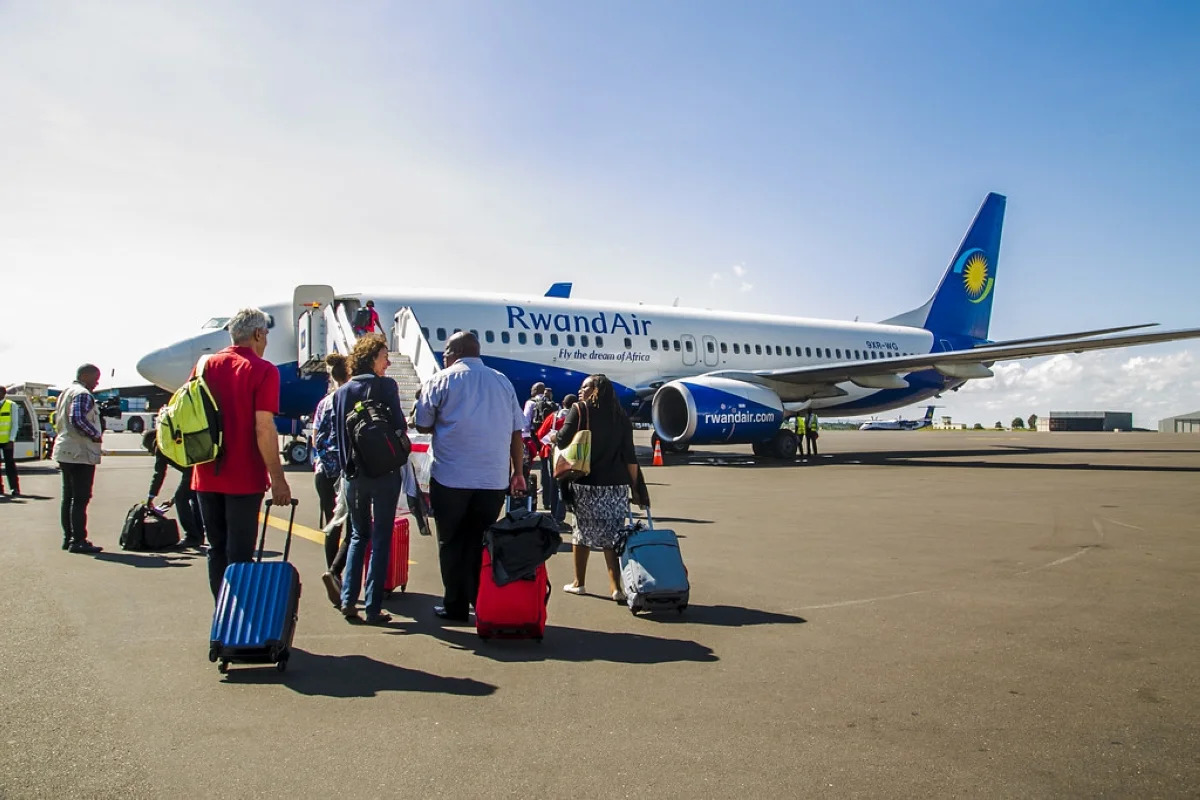
According to the advisory, passengers will not be permitted to board RwandAir flights to the UAE if they are travelling directly from the Democratic Republic of Congo (DRC), Uganda, or South Sudan. The restriction also applies to passengers who have originated from or transited through any of these three countries, even if they are connecting via another destination.
However, the advisory notes exemptions for UAE citizens and holders of diplomatic passports, who will still be allowed to travel under the current arrangements.
The airline has not indicated how long the restrictions will remain in place, as measures are subject to change depending on the evolving public health situation on the ground.
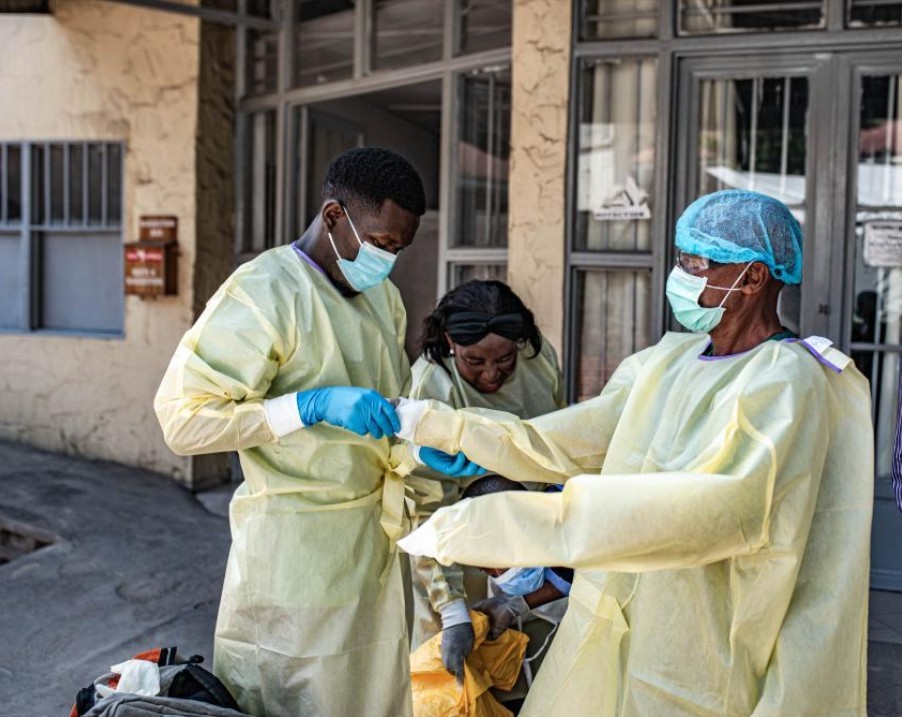
The current outbreak involves the Bundibugyo strain of Ebola, a particularly concerning variant for which there is no approved vaccine or specific antiviral treatment. Health authorities warn that this makes surveillance, early detection, and rapid containment critical to preventing further spread across the region.
Recent health data indicates that the Democratic Republic of Congo has reported 452 confirmed cases and at least 82 deaths, while Uganda has recorded 19 confirmed cases and 2 deaths. In Uganda, infections have been reported in Kampala, Wakiso, and western border areas, underscoring continued transmission risks in the region.
South Sudan, while not yet reporting confirmed Ebola cases, is included in the UAE restrictions due to its geographic proximity to the active outbreak zone in Ituri province, DRC, which borders the country, raising concerns about potential cross-border transmission.
Recent health data indicates that the Democratic Republic of Congo has reported 452 confirmed cases and at least 82 deaths, while Uganda has recorded 19 confirmed cases and 2 deaths.
He made the remarks on June 6, 2026, during a press conference.
Rwanda’s current minimum wage was set in 1974 at Rwf100 per day for employees working in the formal sector.
The issue is frequently debated in public discourse, with concerns often linked to rising living costs, while incomes for many workers remain relatively unchanged.
Dr. Nsengiyumva noted that while workers naturally expect higher pay, employers view wage increases in relation to production costs and business sustainability.
“For workers, when the minimum wage is increased above prevailing market levels, it is seen as positive because they earn more. However, from the employer’s perspective, it increases the cost of producing goods and services,” he said.
He illustrated the impact with an example of a business currently paying Rwf50,000 per worker. If a minimum wage of Rwf80,000 were imposed, he said, the employer would have to significantly adjust operational costs.
“An employer who previously hired 10 workers may find it difficult to sustain all of them and may reduce the workforce to seven. As a country, we must ask whether we have truly benefited if three people lose their jobs,” he said.
According to him, while the remaining employees may earn more, the increase could simply reflect the redistribution of wages from those who were laid off.
He cautioned against focusing solely on nominal wage figures without considering broader economic dynamics.
“Increasing wages on paper while prices also rise achieves little. What matters is how we help workers become more productive. The key question is: how much value are we generating from the work being done? Employees should not rely on guaranteed wages alone while delivering low productivity, just as employers should not expect high output without fair compensation,” he said.
Dr. Nsengiyumva emphasised that productivity growth is the foundation for sustainable wage increases.
“If productivity increases, wage growth will follow naturally. Employers do not need to be reminded to increase wages when workers are generating higher value,” he added.
He also highlighted persistent productivity gaps in key sectors, particularly agriculture, where yields remain below potential. For instance, maize production may average around two tonnes per hectare, despite the capacity to produce significantly more under improved practices.
The government, he said, continues to prioritise investment in skills development and capacity building to enhance workforce productivity. He further noted that Rwanda is focusing on creating higher-quality jobs that require specialised skills and offer improved remuneration.
According to the National Institute of Statistics of Rwanda (NISR), 238,491 non-agricultural jobs were created in 2025, marking an 8.9% increase compared to the previous year.
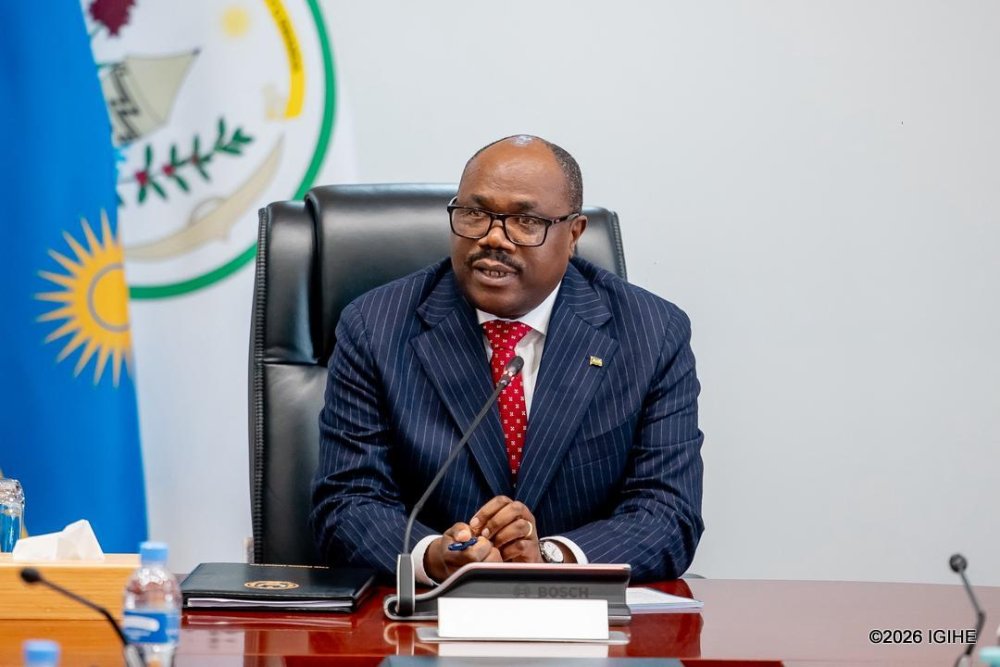
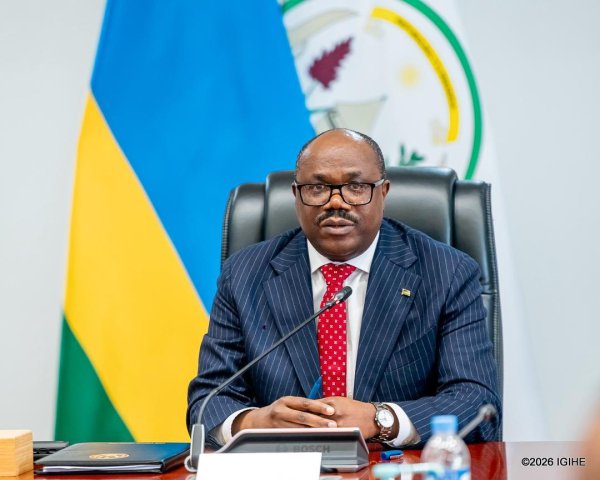
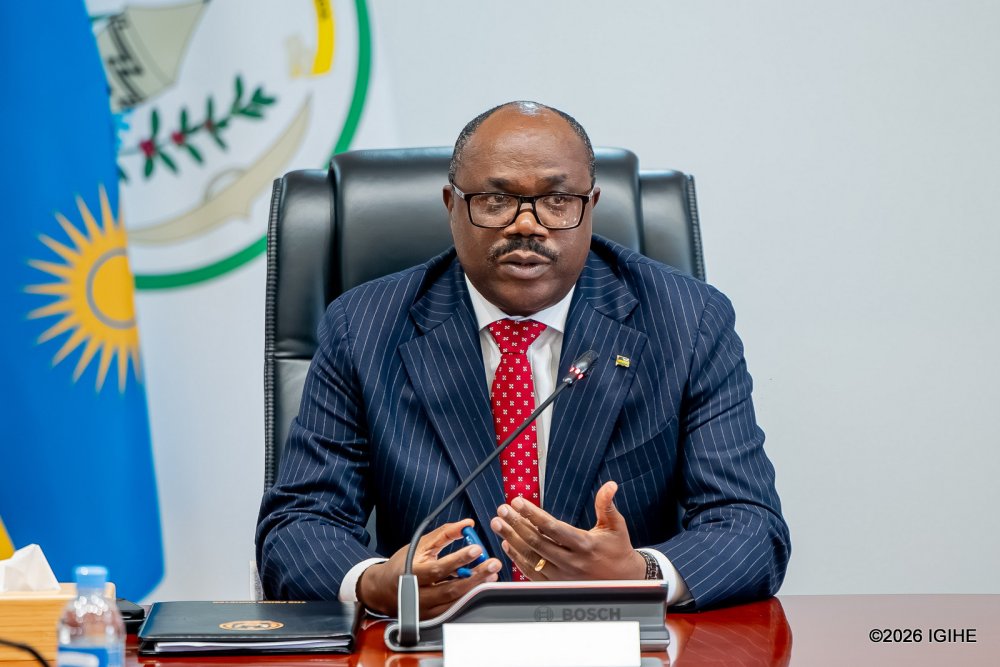
Prime Minister Dr. Justin Nsengiyumva has said that discussions on the minimum wage should not be the primary focus, arguing instead that raising productivity is the sustainable path to higher incomes, as employers are more likely to increase wages when output improves.The PM made the remarks on June 6, 2026, during a press conference.
Speaking during a press briefing on June 6, Prime Minister Dr. Justin Nsengiyumva said Rwanda has strengthened surveillance, prevention and response systems to protect public health while ensuring that economic and social activities continue uninterrupted.
“The Ebola outbreak continues to be reported in the eastern region of Africa. However, Rwanda has strengthened its prevention measures and monitoring, and we are confident in protecting the lives of our citizens without disrupting economic activities and the normal social life of the population,” he said.
Nsengiyumva noted that the Ministry of Health and the Rwanda Biomedical Centre (RBC) are closely tracking developments in the region and will continue updating the public on preventive measures. He urged citizens to remain vigilant, observe good hygiene practices and seek medical attention if they experience symptoms associated with the disease.
Minister of Health Dr. Sabin Nsanzimana said Rwanda’s preparedness efforts are anchored on five pillars: public awareness and communication, surveillance, detection capacity, response capability, and human resources.
He said the country has continued to strengthen systems across all these areas, with a particular focus on prevention and early detection.
“The goal is prevention; we do not want to be in a situation where we are reacting after the fact,” he said, adding that health authorities closely follow developments in neighbouring countries, particularly in areas near Rwanda’s borders.
According to Nsanzimana, Rwanda has the capacity to rapidly identify suspected cases, including at border points, with test results often available within six hours. He also highlighted ongoing simulation exercises and training for healthcare workers, emergency responders and communication teams to ensure a coordinated response.
The current regional outbreak involves the Bundibugyo strain of Ebola, for which there is no approved vaccine or specific antiviral treatment, making surveillance, early detection and rapid containment critical to preventing its spread.
According to recent health data, the Democratic Republic of Congo has reported 452 confirmed cases and at least 82 deaths, while Uganda has recorded 19 confirmed cases and 2 deaths, including infections in Kampala, Wakiso and western border areas. Health authorities say ongoing transmission in neighbouring countries continues to require heightened vigilance across the region.
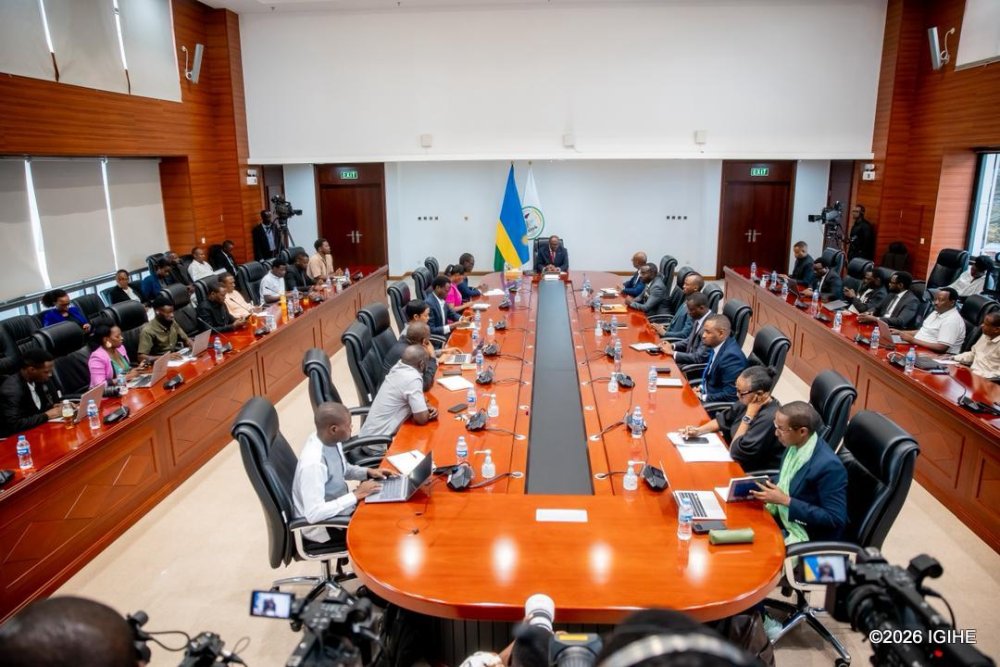
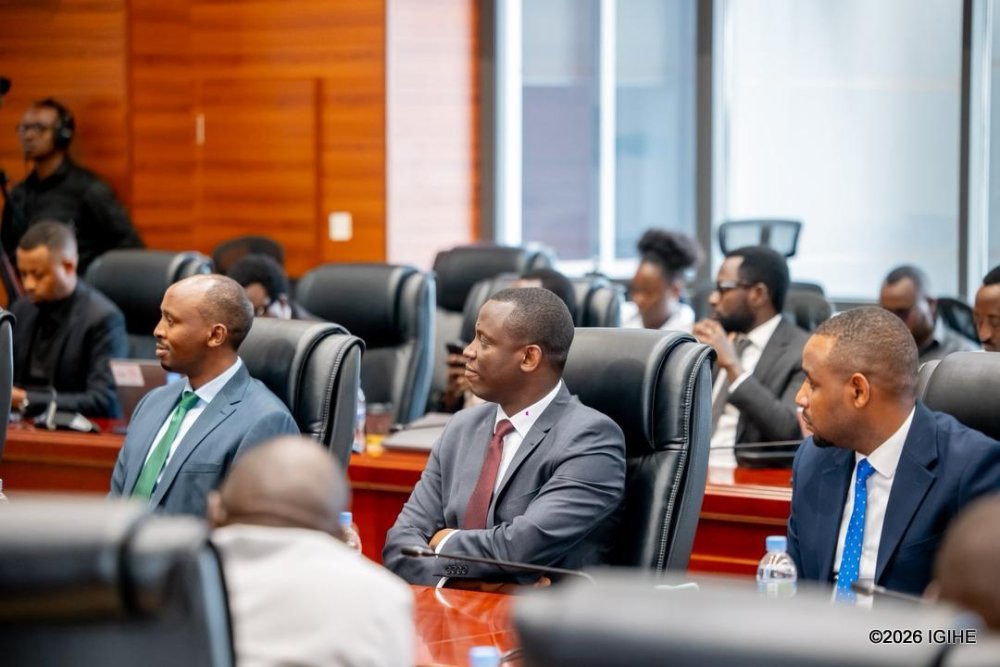
Speaking during a press briefing on June 6, Prime Minister Dr. Justin Nsengiyumva said Rwanda has strengthened surveillance, prevention and response systems to protect public health while ensuring that economic and social activities continue uninterrupted.Minister of Health Dr. Sabin Nsanzimana (left) said Rwanda’s preparedness efforts are anchored on five pillars: public awareness and communication, surveillance, detection capacity, response capability, and human resources.
He made the remarks on Saturday during a press briefing on Rwanda’s economic situation and the impact of ongoing global tensions, particularly in the Middle East, on fuel prices and the wider economy.
According to the Prime Minister, diesel prices have risen by about Rwf 700 per litre due to increases on the international market. However, he noted that the government continues to cushion consumers through a subsidy that currently covers about 18.26% of the cost.
He explained that the official price released by RURA already reflects this support.
“In reality, the market price without subsidy would have been Rwf 3,581 per litre, but it was set at 2,927 Rwf,” he said.
On June 5, 2026, RURA announced that from June 6, the maximum pump prices would remain at Rwf 2,938 per litre for petrol and Rwf 2,927 for diesel.
Data shows that fuel prices have risen sharply since March 2026. Petrol has increased by about 47.7%, rising from Rwf 1,989 to Rwf 2,938 per litre, while diesel has gone up by 50.3%, from Rwf 1,948 to Rwf 2,927.
Diesel has seen a steeper rise between April and June, climbing from Rwf 2,205 to the current price level, while petrol has remained stable since mid-April at Rwf 2,938.
Dr. Nsengiyumva said the government will continue intervening to limit the impact of rising fuel costs on citizens’ livelihoods.
The Prime Minister further highlighted that subsidies will continue in key sectors, particularly public transport, to prevent fare increases.
He gave the example of a trip from Nyabugogo to Musanze, which would cost Rwf 4,281 without subsidies, but currently costs Rwf 3,821, with the government covering the remaining Rwf 460.
He added that agriculture will also continue to receive support through subsidies on inputs such as fertilizers and irrigation, as part of efforts to shield the sector from global economic pressures.
Dr. Nsengiyumva said the government will continue intervening to limit the impact of rising fuel costs on citizens’ livelihoods.
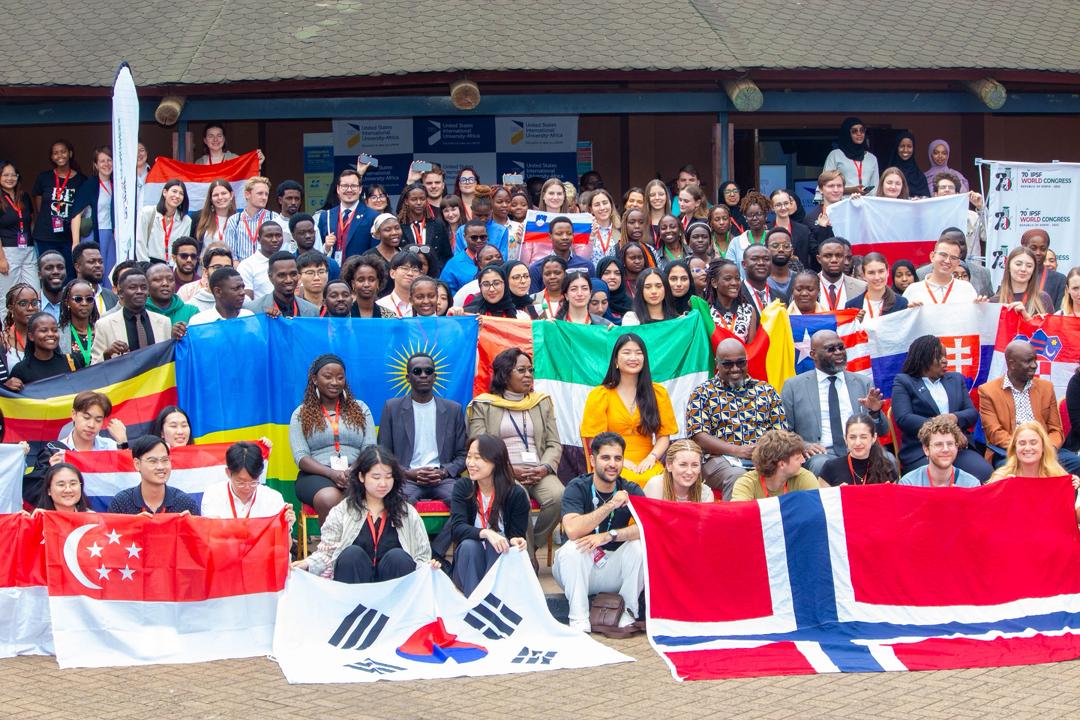
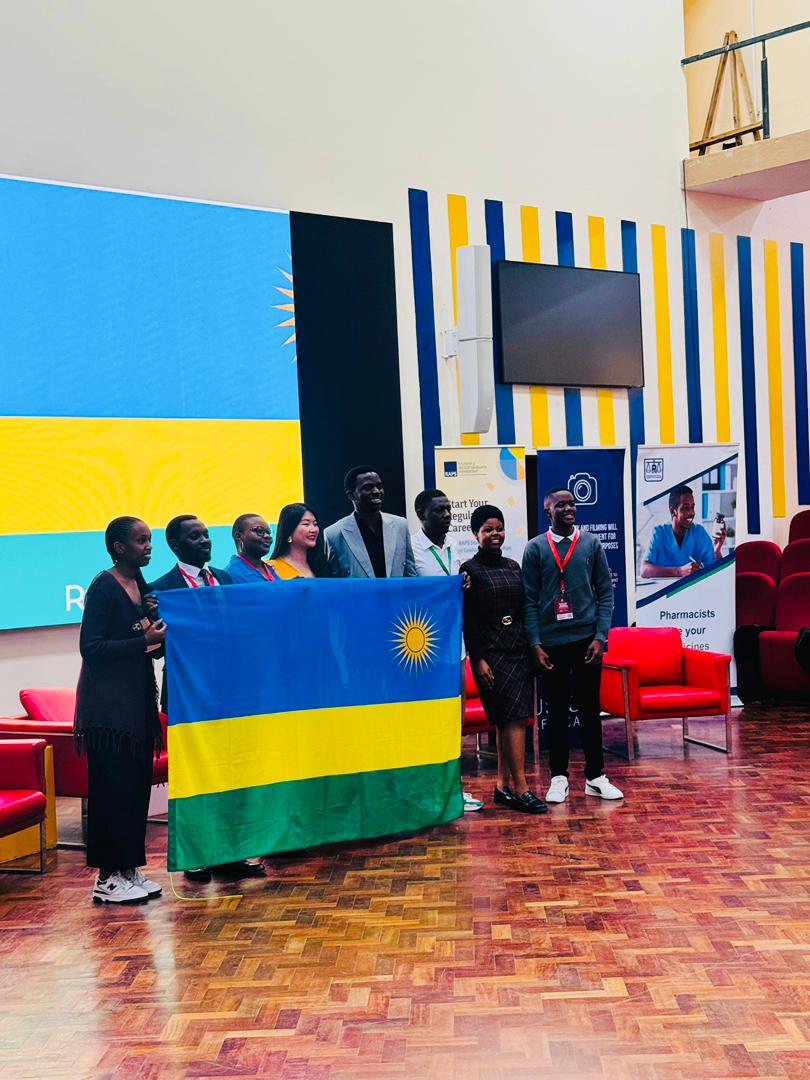
Held under the theme: “The Future of Africa’s Health System: Youth Engagement, Innovation, and Homegrown Solutions”, the symposium is organized by the International Pharmaceutical Students’ Federation African Regional Office (IPSF AfRO), with the Rwanda Pharmaceutical Students’ Association (RPSA) serving as the local host.
This will be the second time Rwanda hosts the continental event, having first organized the 4th edition in 2015.
Hosting rights were secured through a successful bid presented at the 12th AfPS in Freetown, Sierra Leone, and later endorsed by the IPSF African Regional Assembly.
RPSA brings a strong track record to this edition, having previously organized major international health events in Kigali, including the World Healthcare Students’ Symposium in 2017 and the IPSF World Congress in 2019.
Spanning eleven days, the agenda will cover Africa’s most pressing health priorities, from local pharmaceutical and vaccine manufacturing, access to medicines, medicines regulation, and universal health coverage, to digital health, artificial intelligence, disease surveillance, non-communicable diseases, sexual and reproductive health.
Others include oncology care, antimicrobial resistance, supply chain resilience, and pandemic preparedness, through scientific sessions, workshops, innovation showcases, public health campaigns, and professional development competitions.
Rwanda’s selection as host reflects the country’s growing reputation as a hub for healthcare innovation, pharmaceutical development, and international conferencing.
The event is also expected to contribute to Rwanda’s conference tourism by welcoming participants from across the continent for eleven days of professional, scientific, and cultural exchange.
Rwanda is set to host the symposium for the second time. The symposium will bring together over 400 pharmacy students, young professionals, researchers, policymakers, and industry leaders from more than 30 African countries.
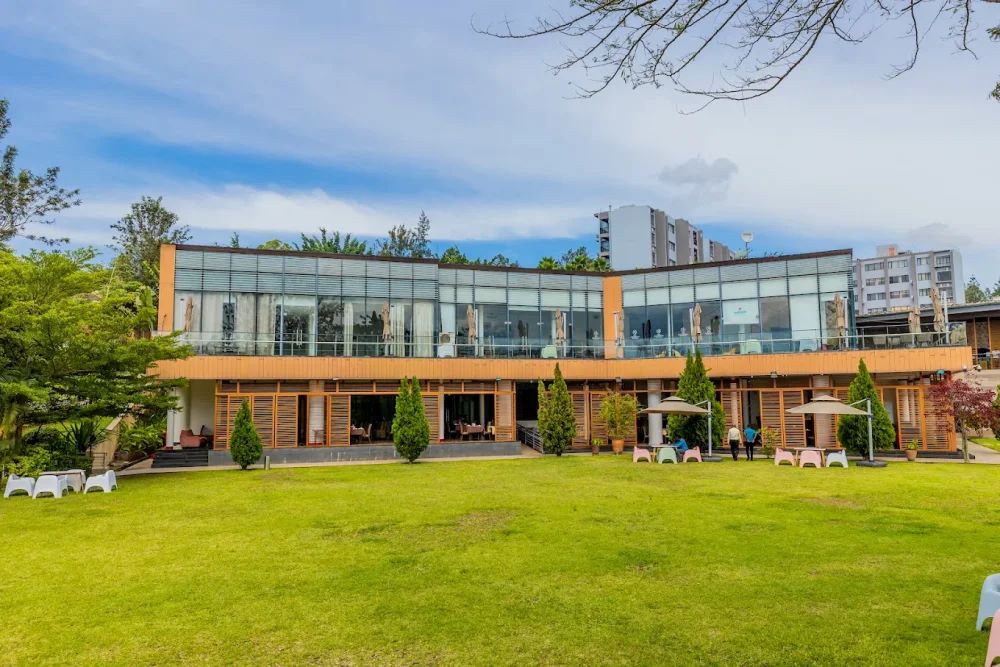
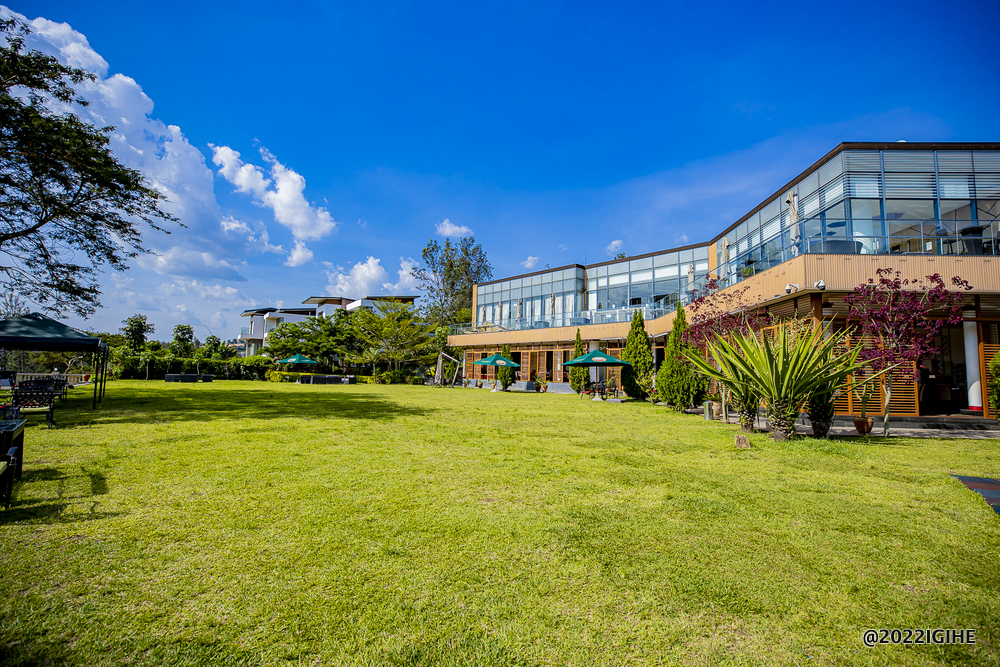
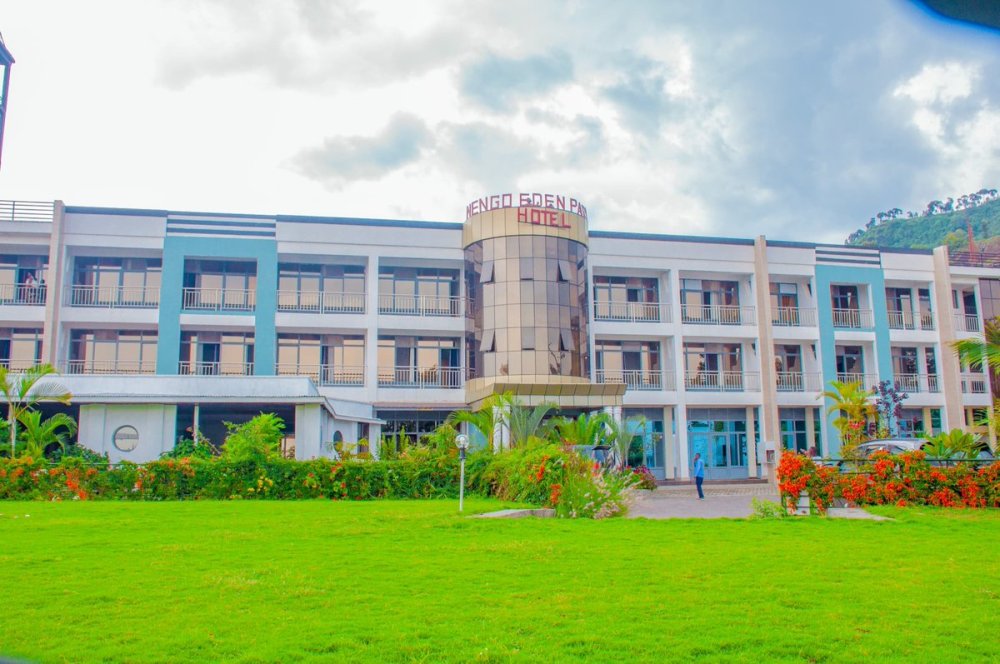
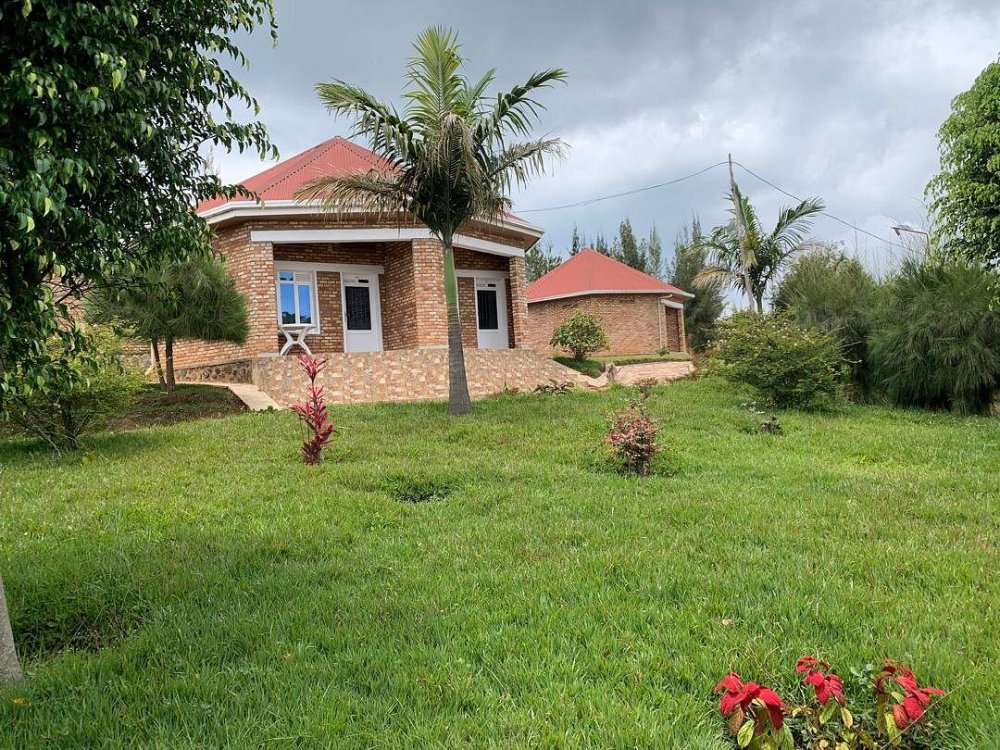
The affected establishments are Century Park Hotel and Residences located in Nyarutarama in Kigali City, Dove Luxury Hotel in Gicumbi District in the Northern Province, Highland Resort Ltd in Rulindo District, and Nengo Eden Park Hotel in Rubavu District in the Western Province.
RDB said the decision follows an assessment carried out to ensure compliance with tourism and hospitality regulations.
Identified deficiencies are related to licensing, hygiene, food safety, security, service quality, operational priocedures and other applicable standards.
The temporary closure is intended to give the hotels time to address the identified shortcomings in their operations. RDB noted that the establishments are not allowed to continue hospitality-related activities until they fully meet the required standards.
According to RDB, the hotels will only be allowed to resume operations after demonstrating compliance and undergoing further inspection by the relevant authorities.
In 2024, Rwanda had 1,460 hotels with a total of 25,330 rooms. This number has steadily increased year after year since 2018.
Data from the National Institute of Statistics of Rwanda (NISR) shows that in 2018, the country had 669 hotels with 13,802 rooms.
In 2019, the number rose to 836 hotels with 16,113 rooms, followed by 870 hotels in 2020 with 17,078 rooms. In 2021, the figure increased again to 911 hotels with 18,201 rooms.
The growth trend continued in 2022 when hotels reached 1,189, with a significant rise in rooms to 21,232.
However, in 2023, there was a slight drop to 1,175 hotels with 21,217 rooms, before increasing again in 2024 to 1,460 hotels and 25,330 rooms.
The report shows that most hotels are concentrated in Kigali City as well as in districts that frequently attract tourists drawn to Rwanda’s natural and cultural attractions.
Century Park Hotel and Residences is located in Nyarutarama, Kigali City.Century Park Hotel and Residences is among the four hotels temporarily closed by RDB.Nengo Eden Park Hotel in Rubavu District has been temporarily closed.Highland Resort operates in Rulindo District.
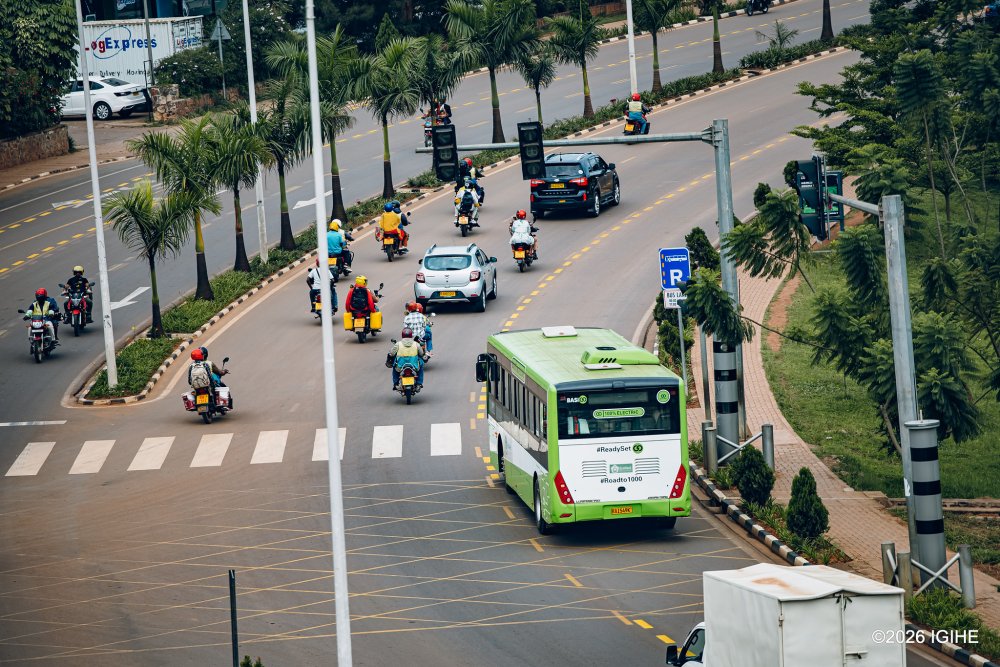
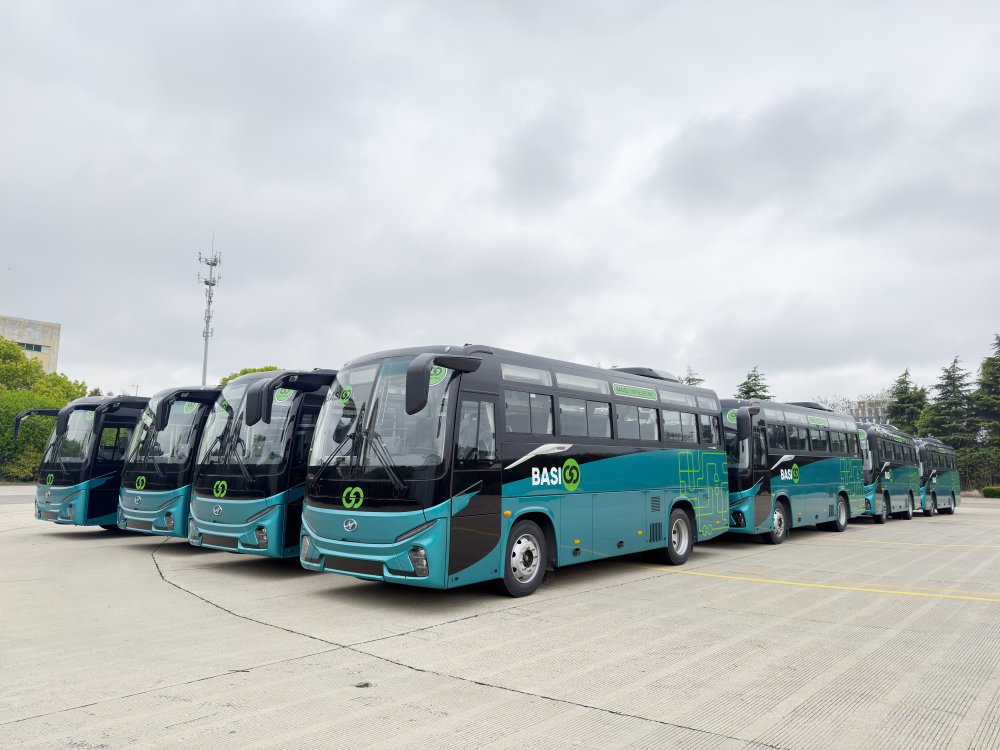
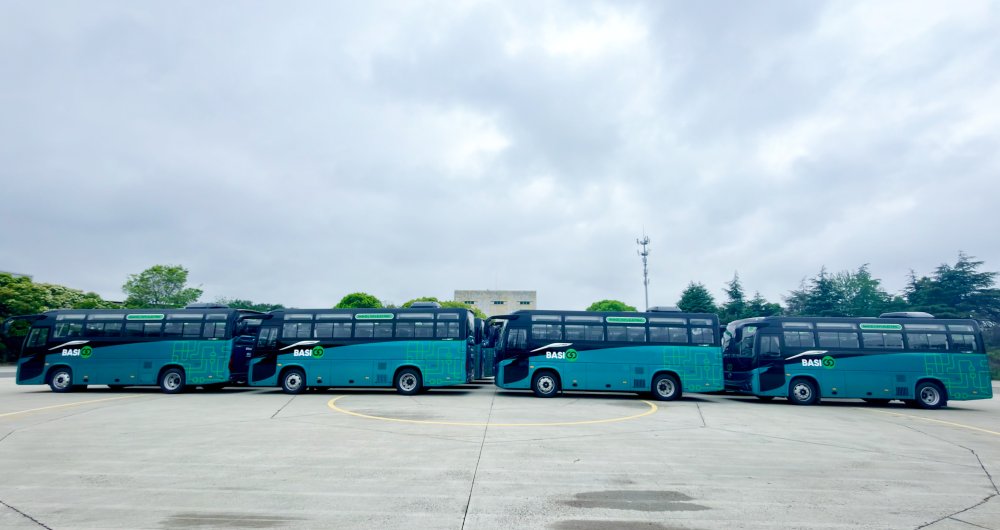
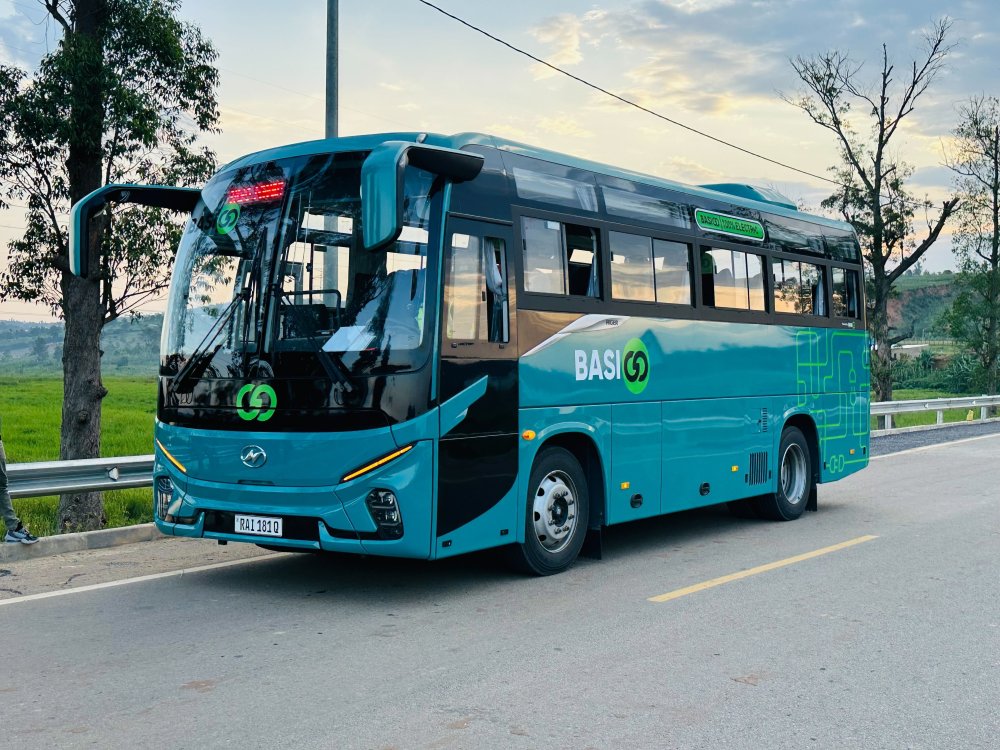
The new fleet consists of fully electric buses, offering an alternative to diesel-powered vehicles at a time when fuel prices continue to rise. The buses are expected to help public transport operators lower operating costs while contributing to efforts to reduce carbon emissions.
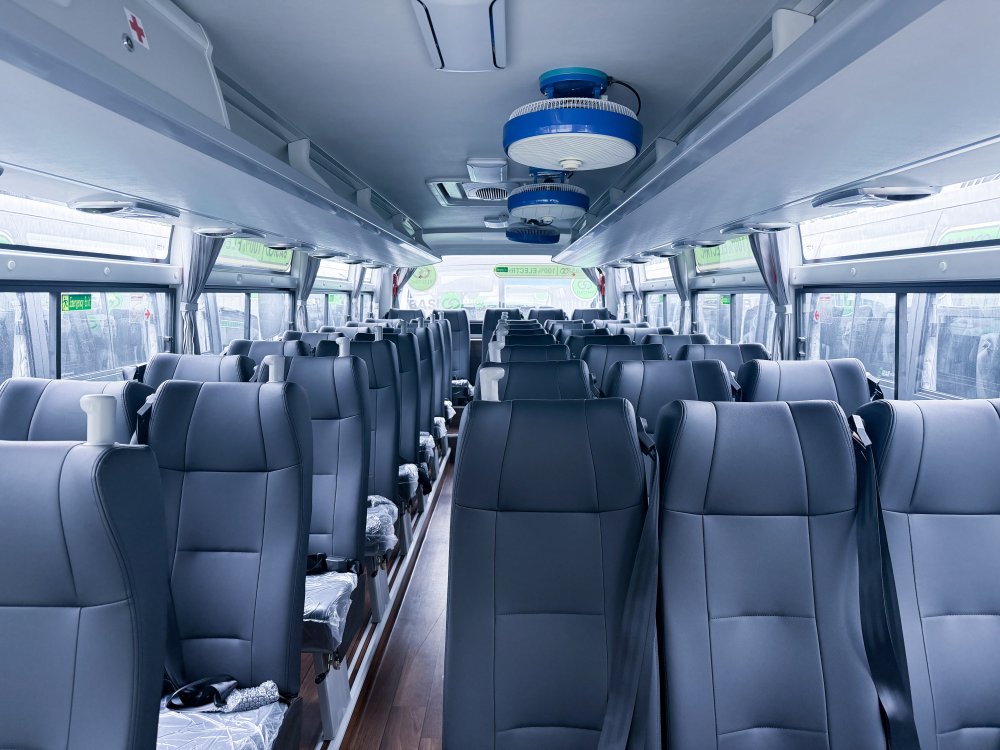
Designed for long-distance travel, each bus can cover at least 400 kilometers on a single charge, allowing it to complete a round trip between Kigali and the Eastern Province without requiring recharging. The buses can accommodate 42 passengers and include dedicated luggage storage space.
While electric buses have become increasingly common in Kigali, BasiGo plans to deploy the new vehicles in the Southern, Northern, and Eastern provinces, expanding access to electric public transportation beyond the capital.
According to BasiGo Rwanda Managing Director Jones Kizihira, the buses have already arrived in Mombasa and are currently en route to Rwanda. He said the vehicles are expected to be operational in the country before the end of June 2026.
Kizihira noted that electric buses are becoming an increasingly attractive option for public transport operators due to their lower operating costs compared with diesel-powered vehicles.
“Fuel prices continue to increase, and these vehicles will help transport operators meet their operational targets while maintaining the profitability of their investments,” he said. “Most operators still rely heavily on diesel-powered fleets, but gradually introducing electric buses enables them to significantly reduce daily operating expenses.”
He also encouraged transport companies to embrace electric mobility, noting that confidence in the technology has grown as more operators experience its benefits.
“Electric vehicles are still relatively new, and some potential buyers initially have concerns,” Kizihira said. “However, those already using them have seen their advantages. As adoption increases, so too will local expertise in operating, maintaining, and servicing these vehicles.”
BasiGo Rwanda aims to have at least 100 electric buses operating in the country by the end of 2026. The expansion will be accompanied by workforce training programs for technicians and charging operators, as well as continued investment in charging infrastructure.
The company currently operates charging stations in Muhanga and Huye districts and plans to further expand its charging network to support the growing electric bus fleet.
The new fleet consists of fully electric buses, offering an alternative to diesel-powered vehicles at a time when fuel prices continue to rise.While electric buses have become increasingly common in Kigali, BasiGo plans to deploy the new vehicles in the Southern, Northern, and Eastern provinces, expanding access to electric public transportation beyond the capital.The buses are expected to help public transport operators lower operating costs while contributing to efforts to reduce carbon emissions.BasiGo Rwanda aims to have at least 100 electric buses operating in the country by the end of 2026.
The event, organised by the GSMA, had been scheduled to take place in Kigali from June 16 to 18, bringing together leaders from across the global mobile and digital technology ecosystem, including handset manufacturers, software companies, equipment providers and internet firms.
In a statement, the GSMA said it had decided to postpone the event but did not provide a reason for the move.
“We recognise the inconvenience this may cause to our participants and appreciate their understanding,” the organisation said.
“A new date will be announced in due course, and we look forward to convening the African continent’s most influential connectivity event again soon.”
The Mobile World Congress is widely regarded as the world’s largest and most influential event for the connectivity and mobile industry. In addition to Kigali, the congress is held annually in Barcelona, Shanghai and Las Vegas.
The postponement comes just weeks before thousands of delegates were expected to arrive in Rwanda for the three-day gathering, which has become a key platform for discussions on digital transformation, innovation and connectivity across Africa.
Last year’s edition, held at the Kigali Convention Centre from October 21 to 23 under the theme “Converge, Connect and Create,” attracted more than 4,000 delegates from 109 countries. The event featured discussions on emerging technologies, digital infrastructure, investment opportunities and the future of Africa’s digital economy.
The event, organised by the GSMA, had been scheduled to take place in Kigali from June 16 to 18, bringing together leaders from across the global mobile and digital technology ecosystem, including handset manufacturers, software companies, equipment providers and internet firms.
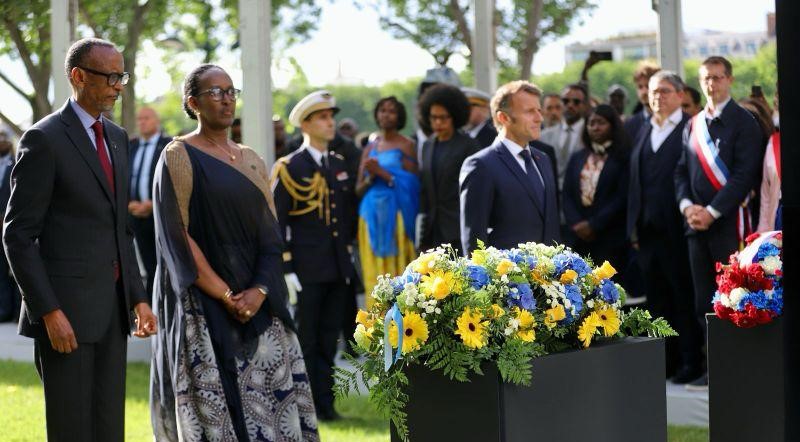
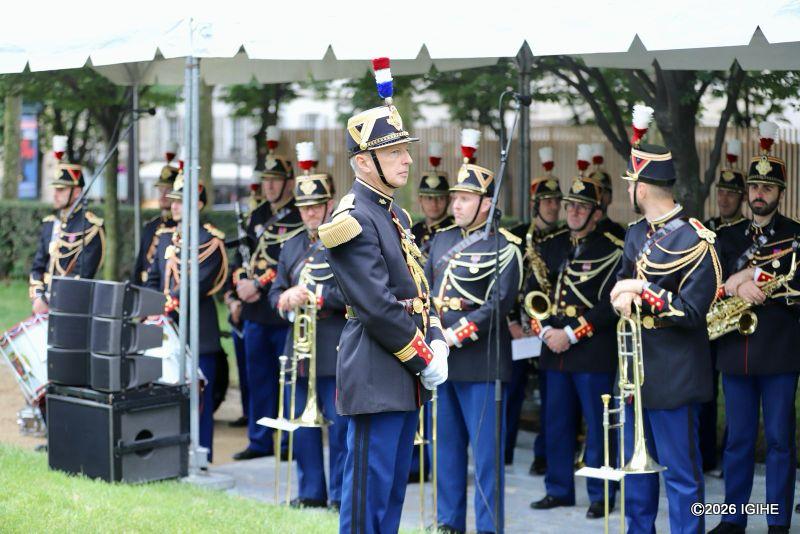
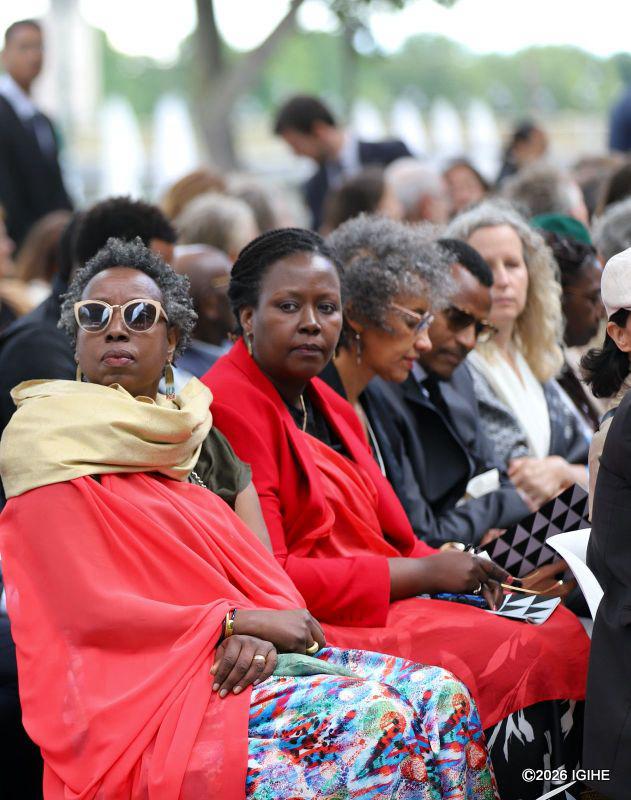
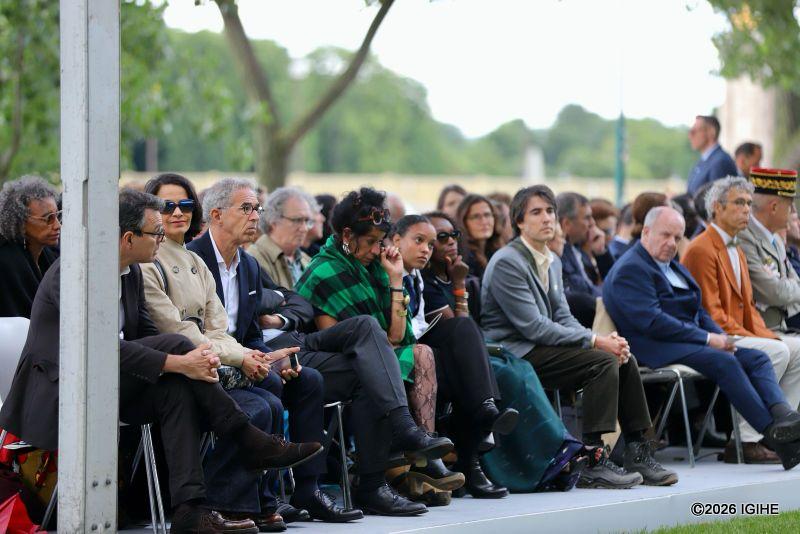
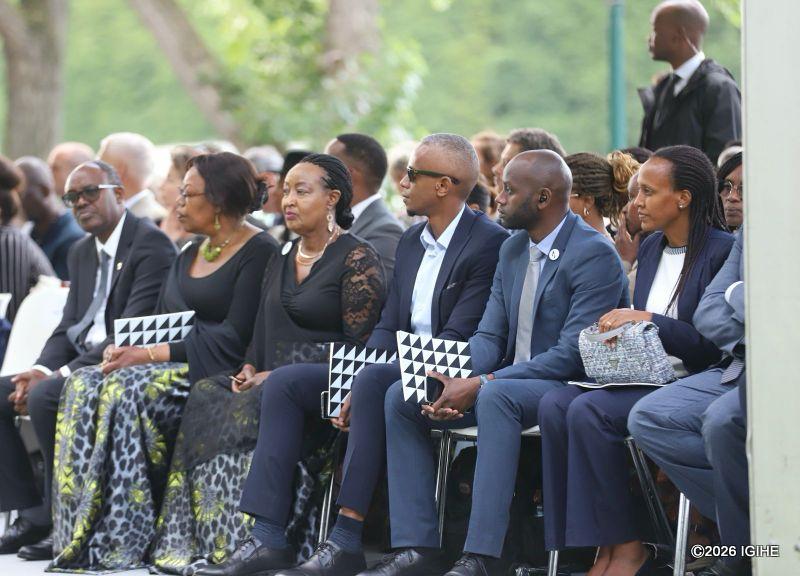
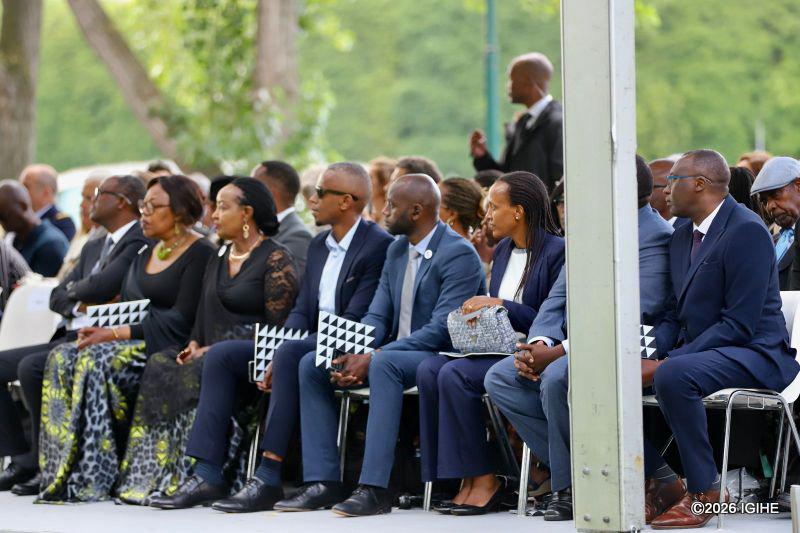
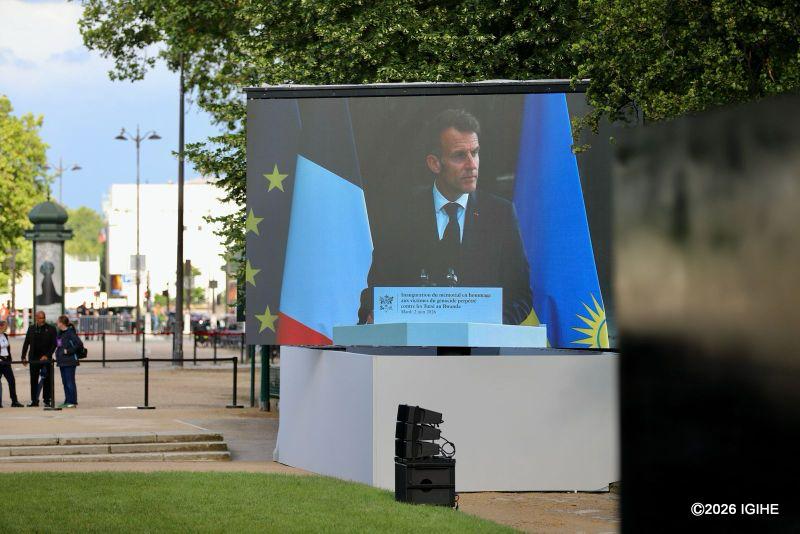
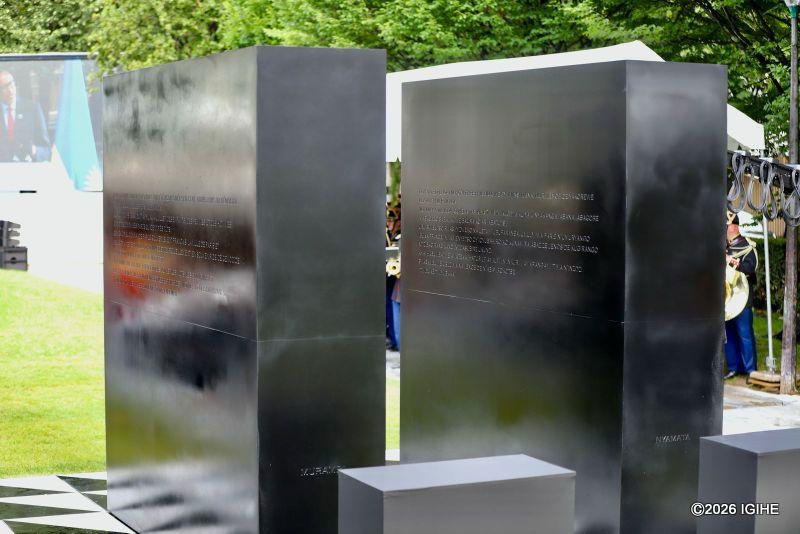
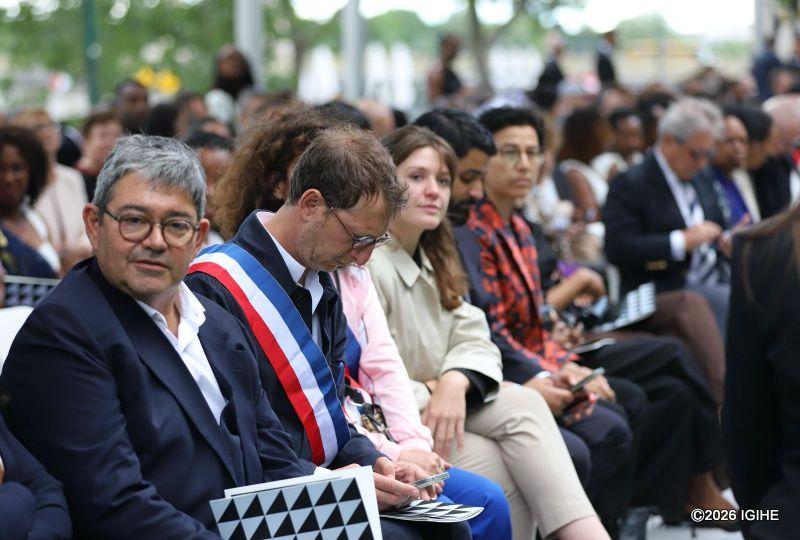
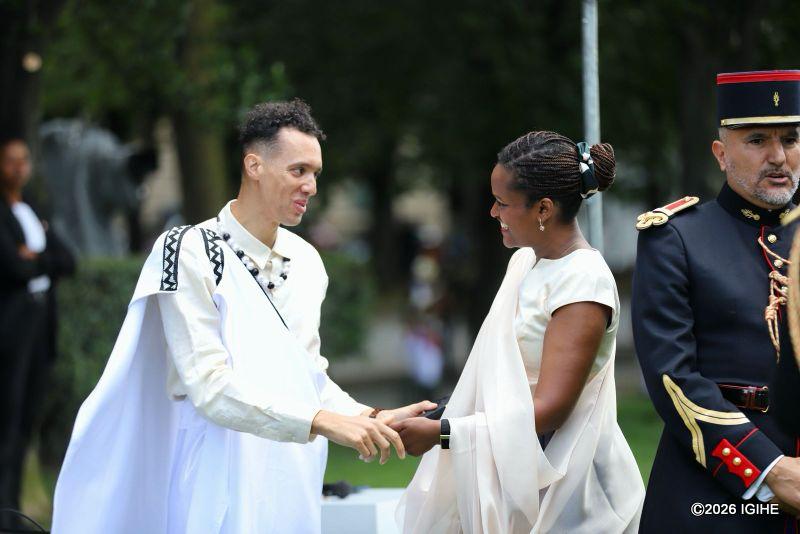
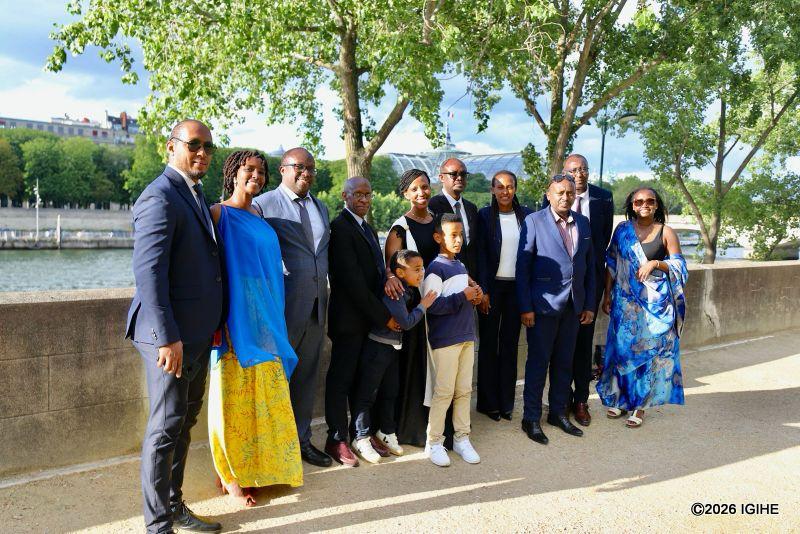
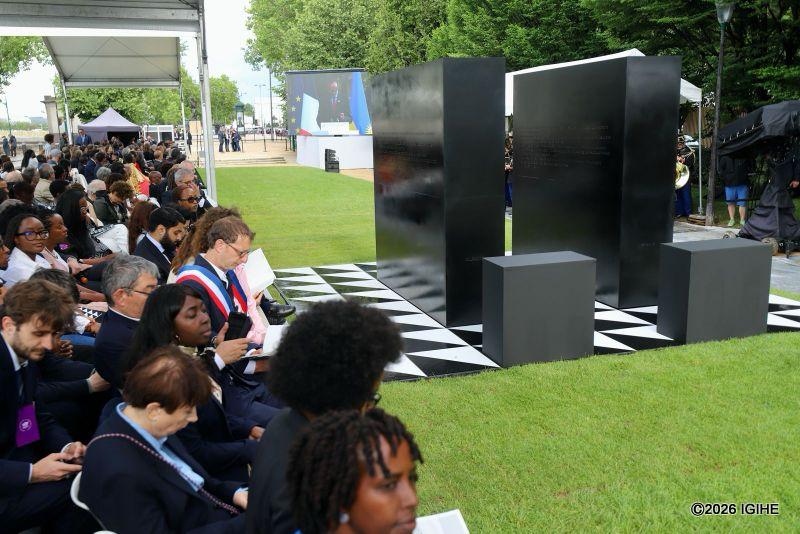
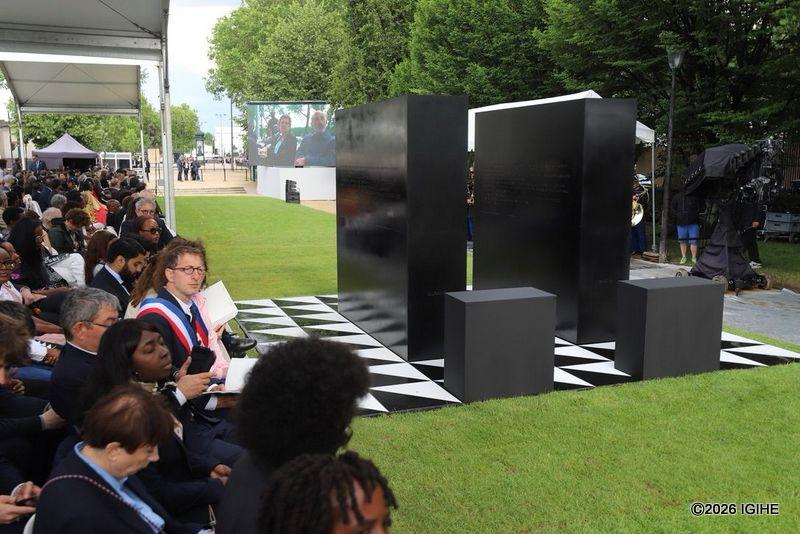
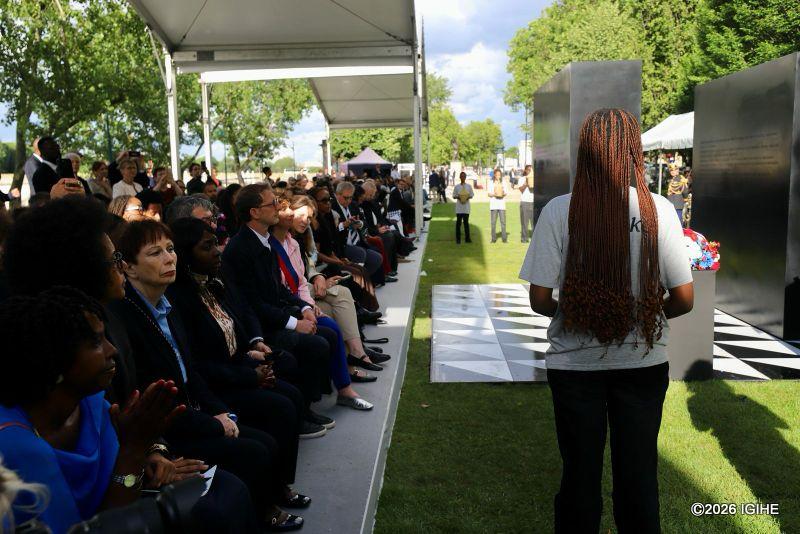
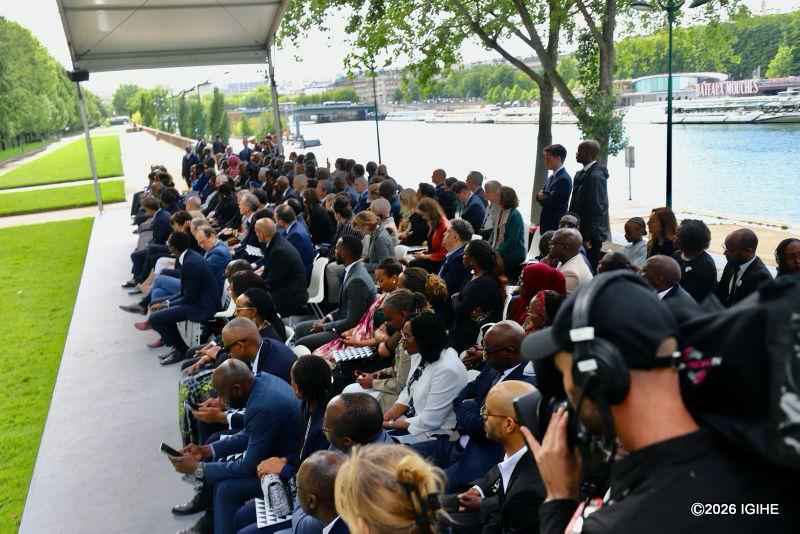
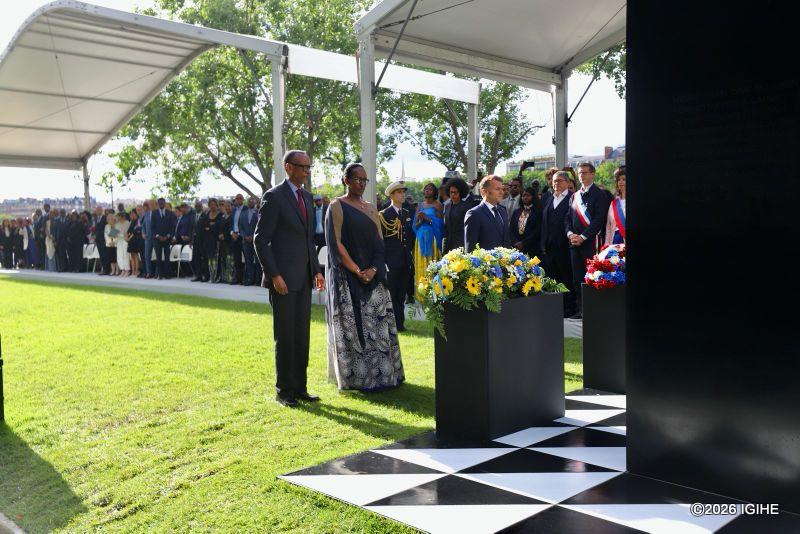
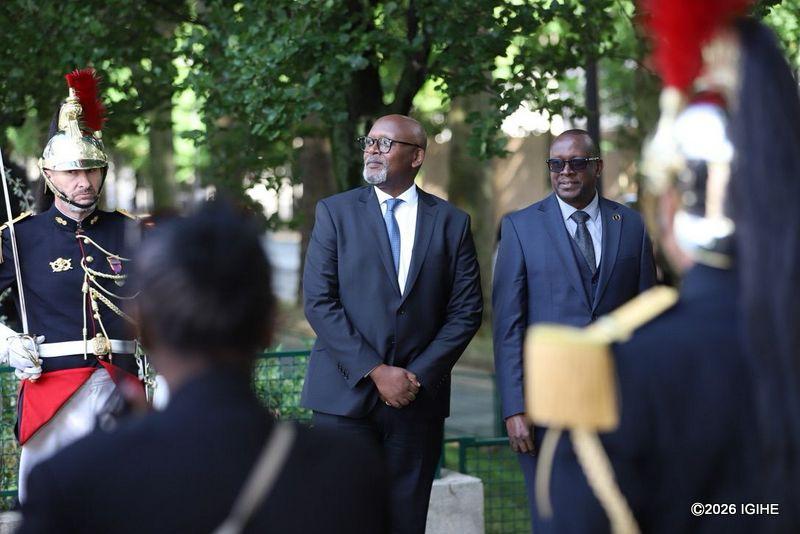
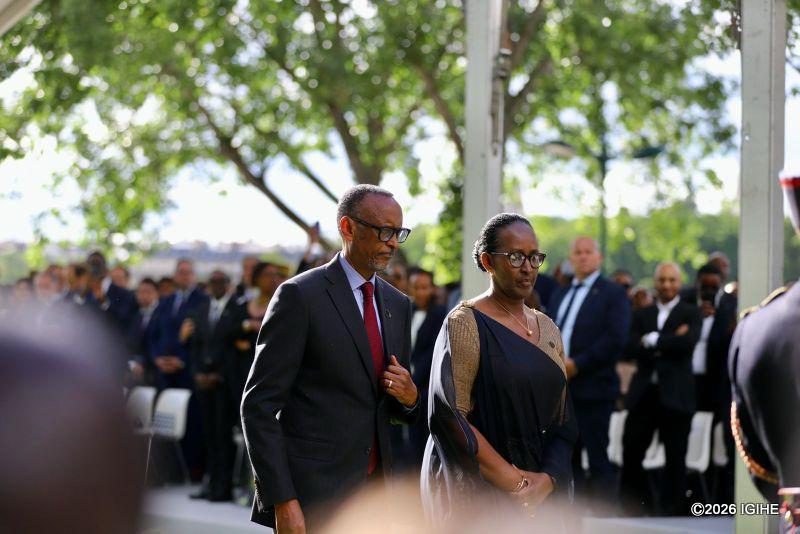
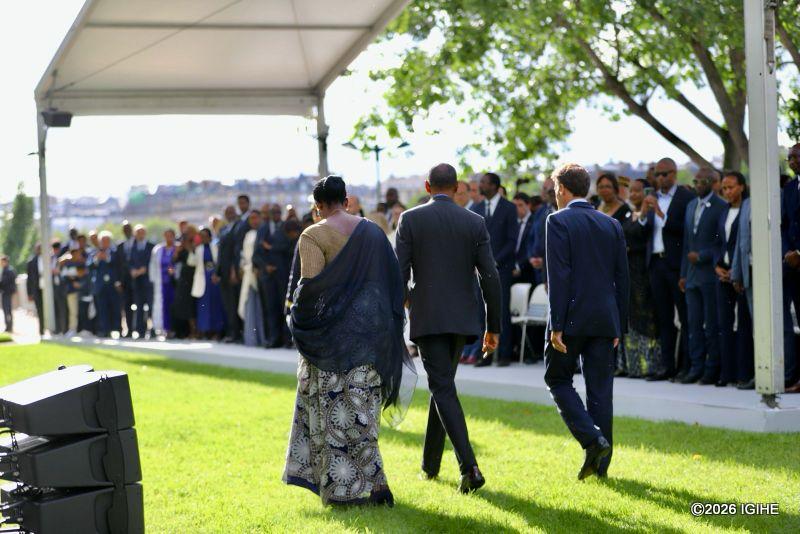
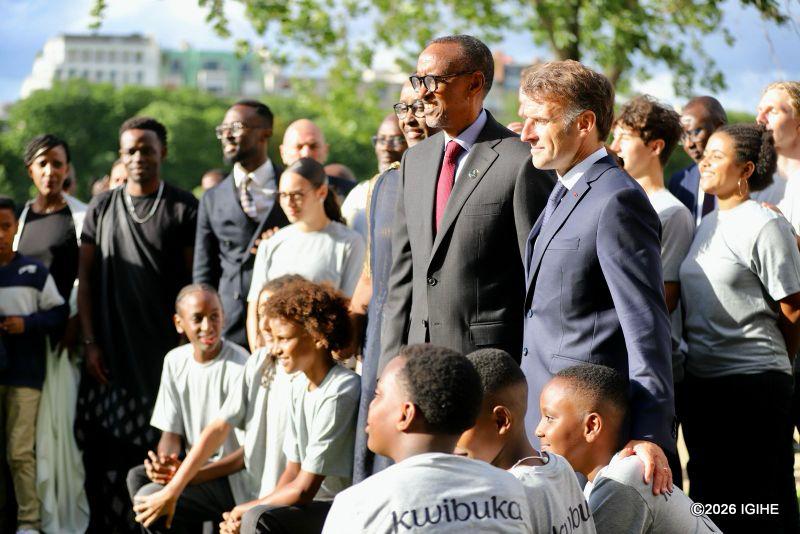
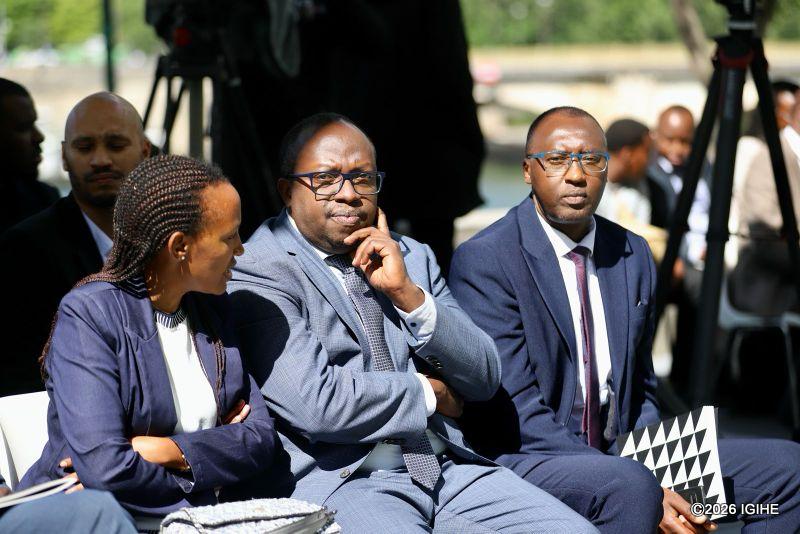
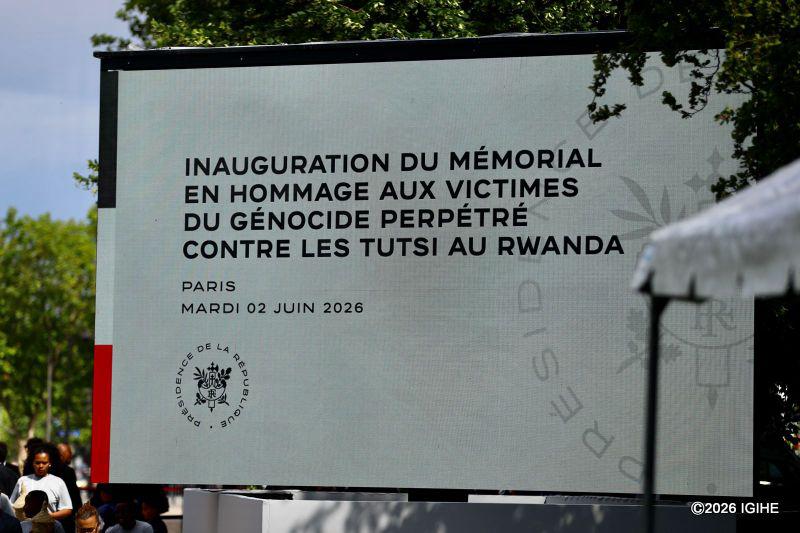
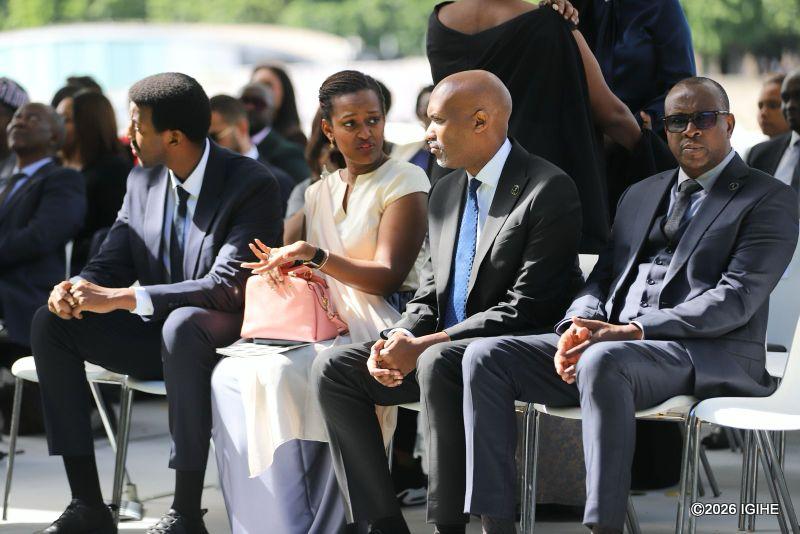
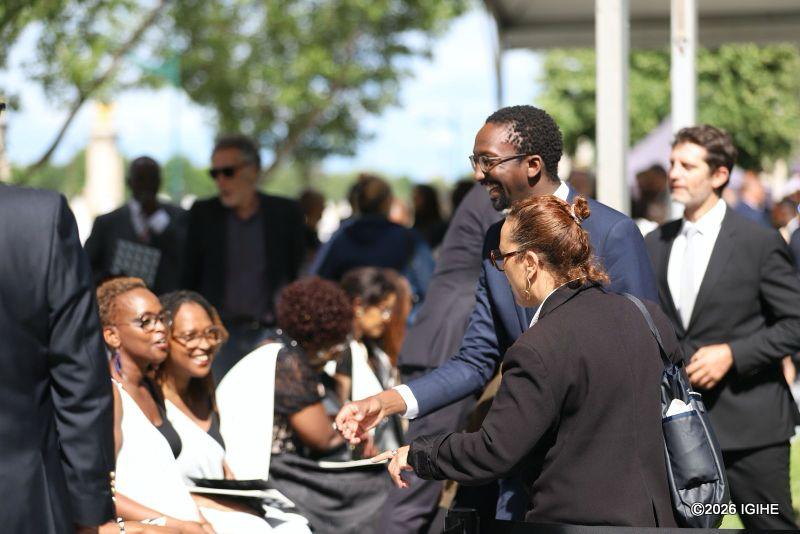
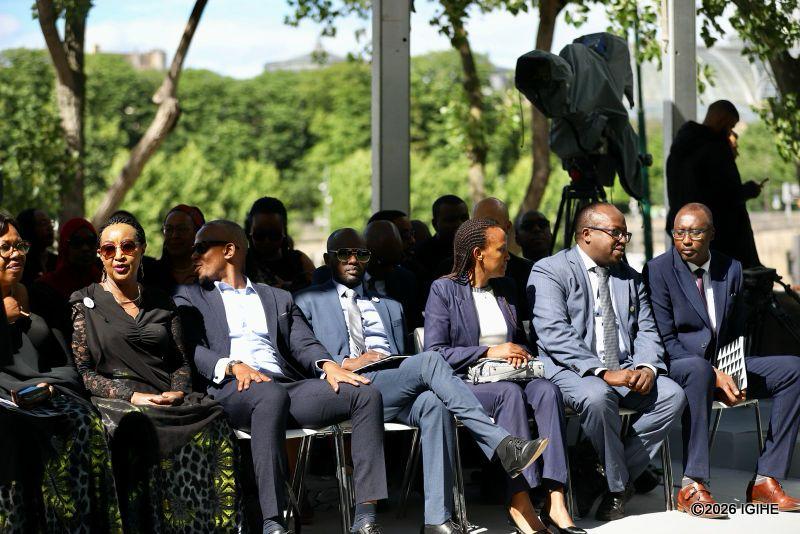
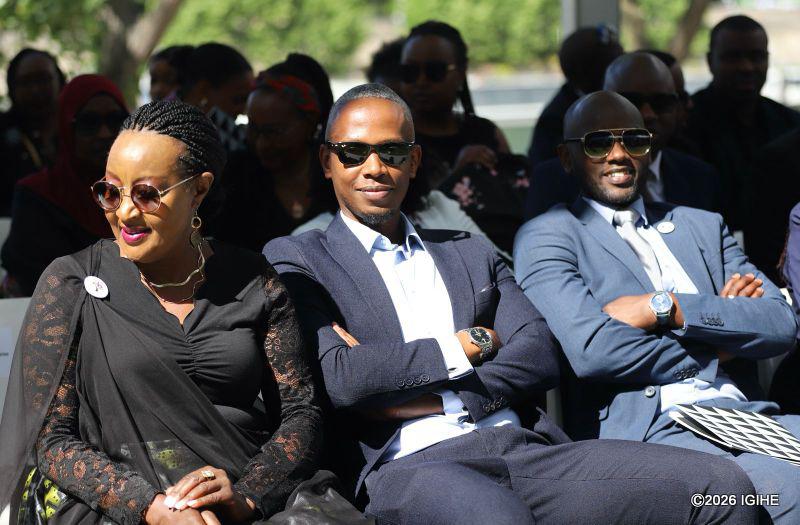
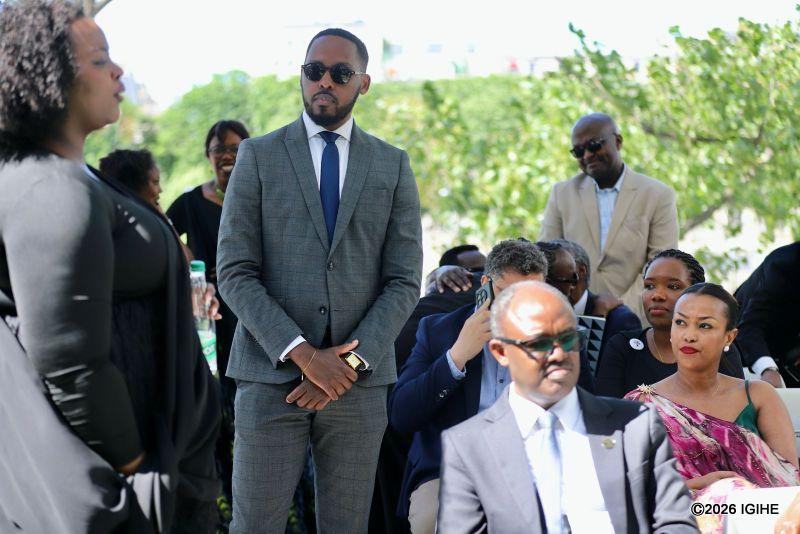
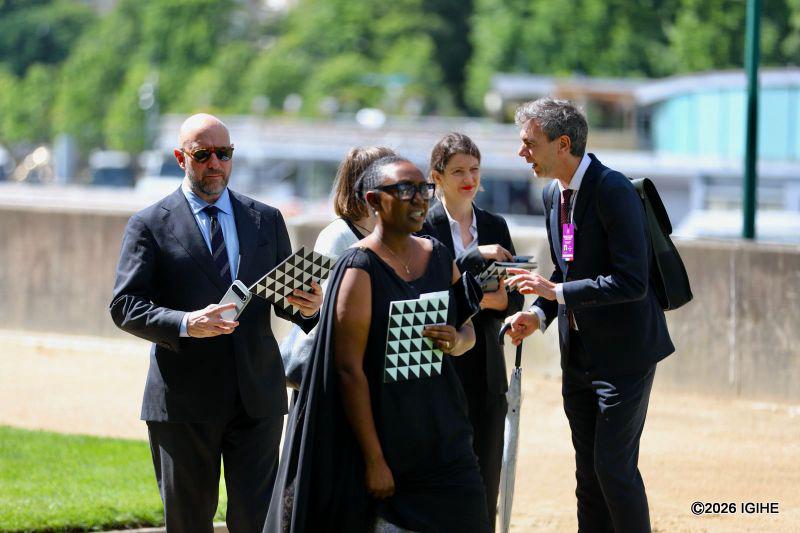
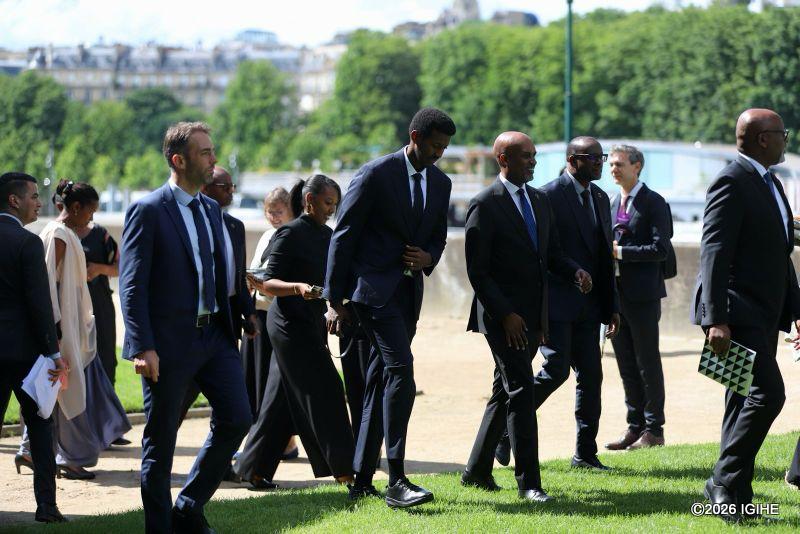
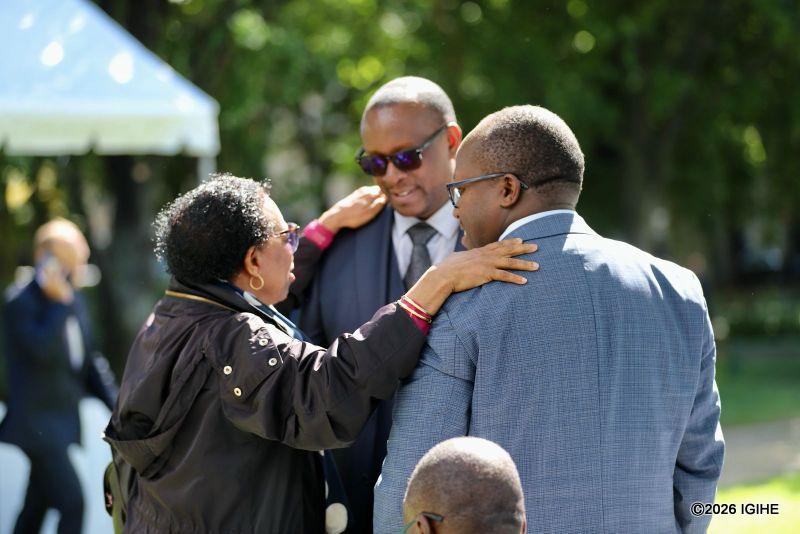
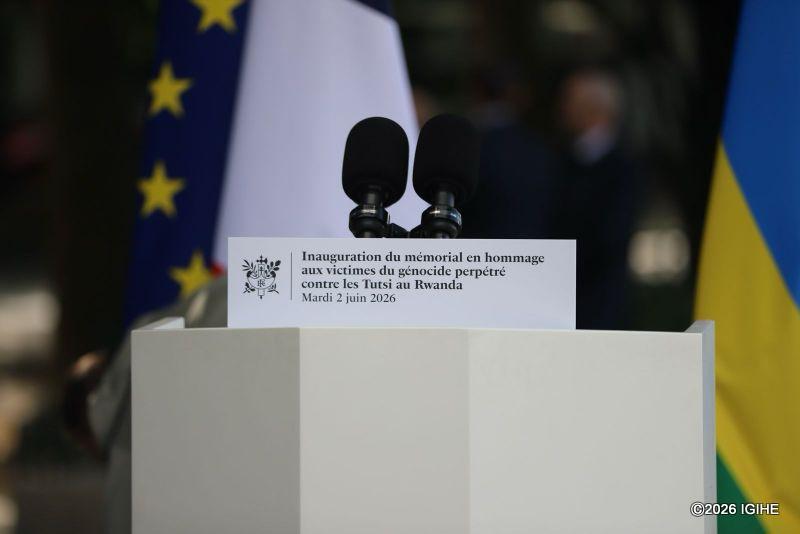
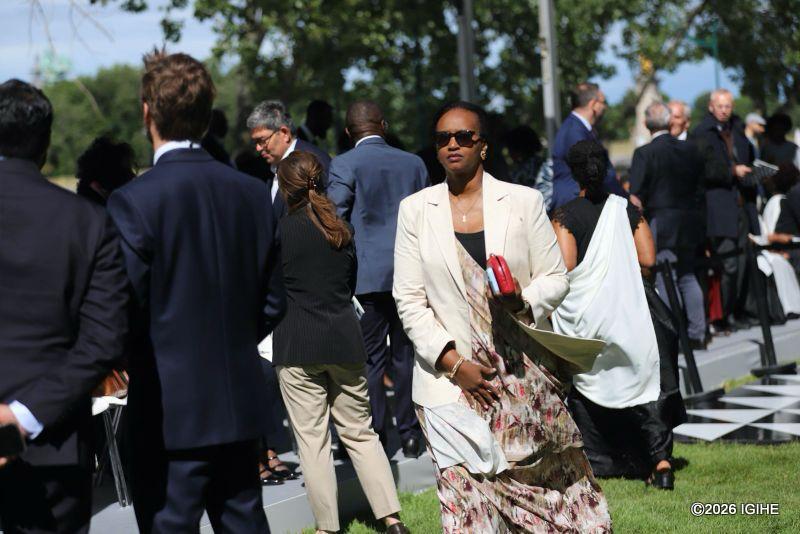
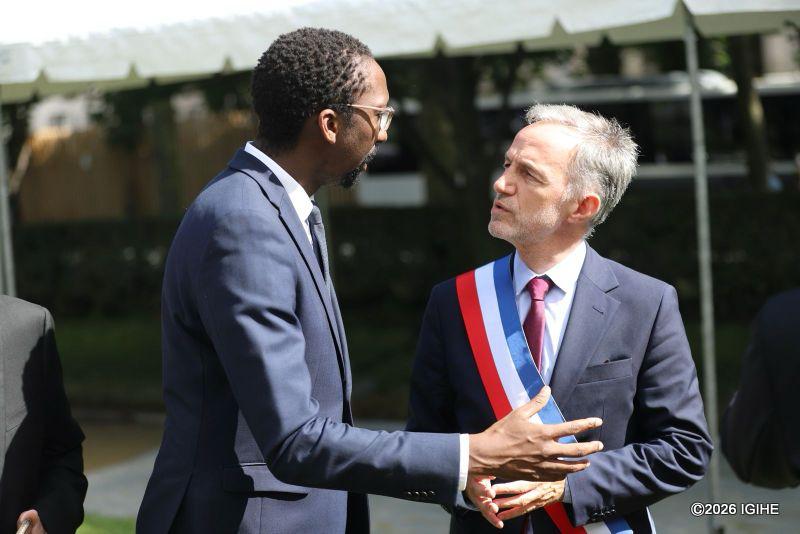
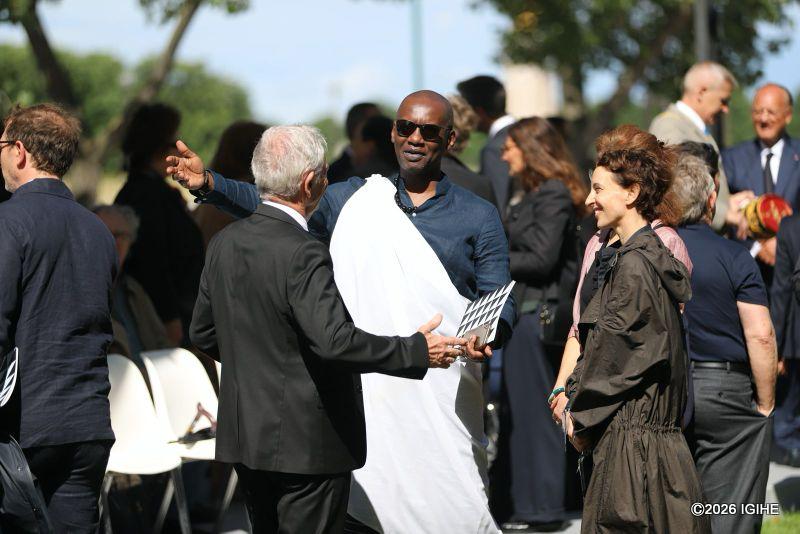
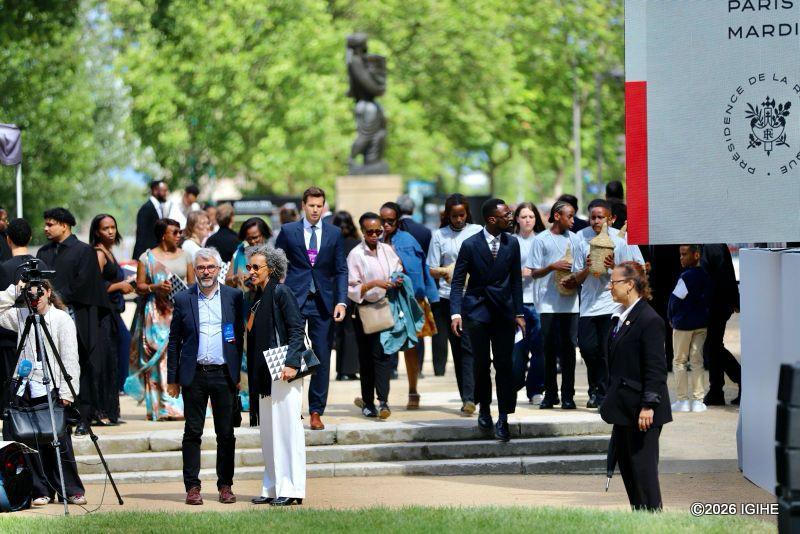
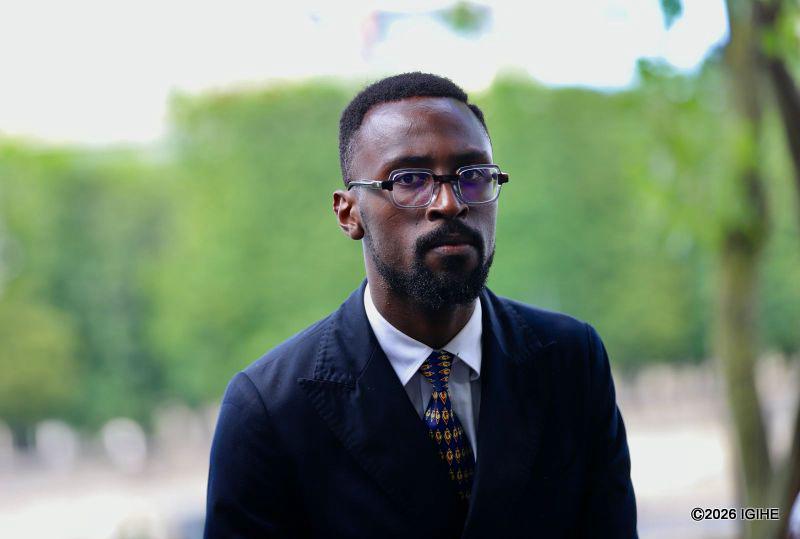
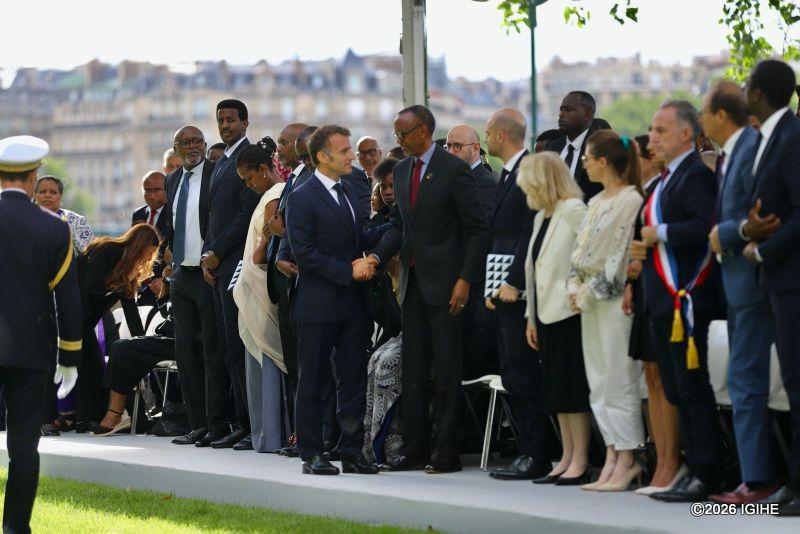
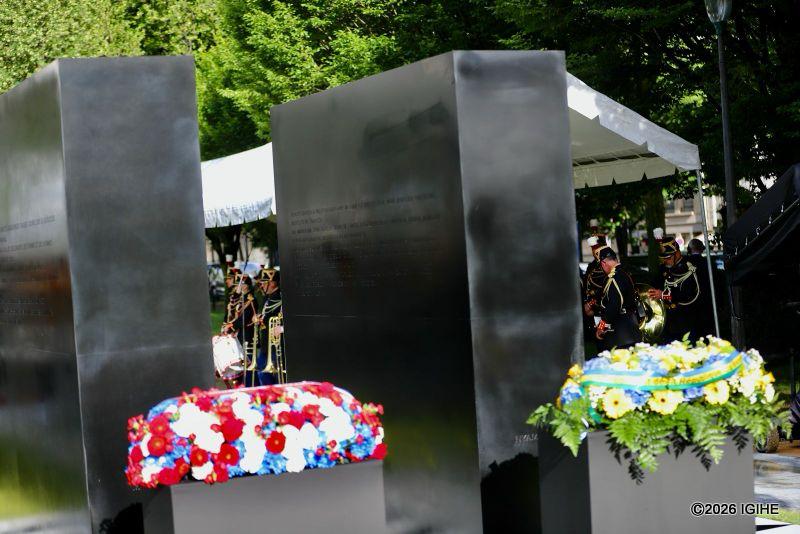
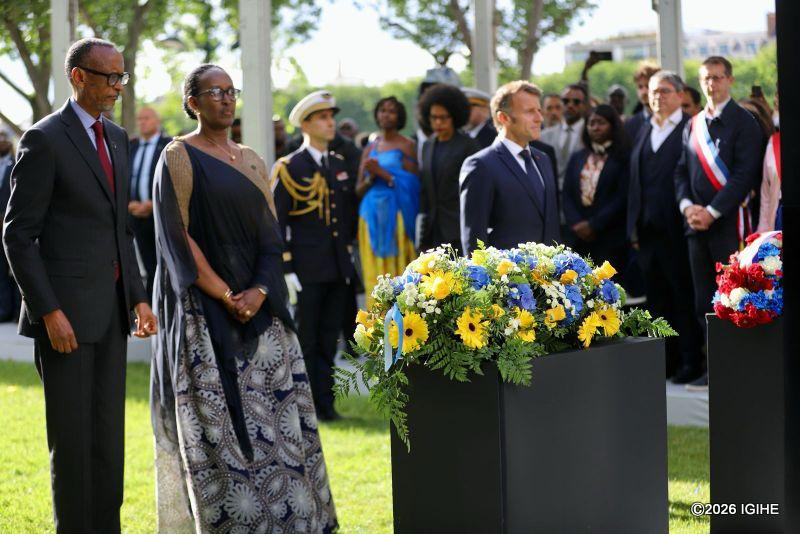
Officially inaugurated by Rwandan President Paul Kagame and French President Emmanuel Macron on June 2, 2026, the monument is being described as “a light that has been lit in the city of Paris.”
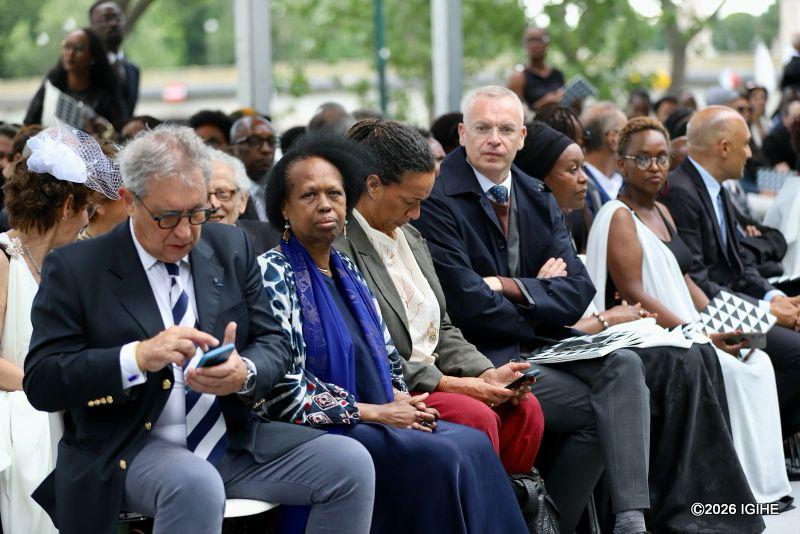
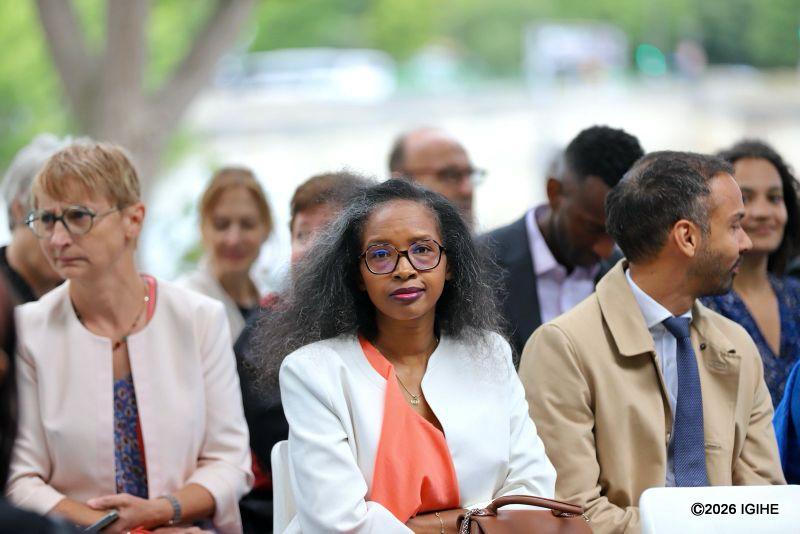
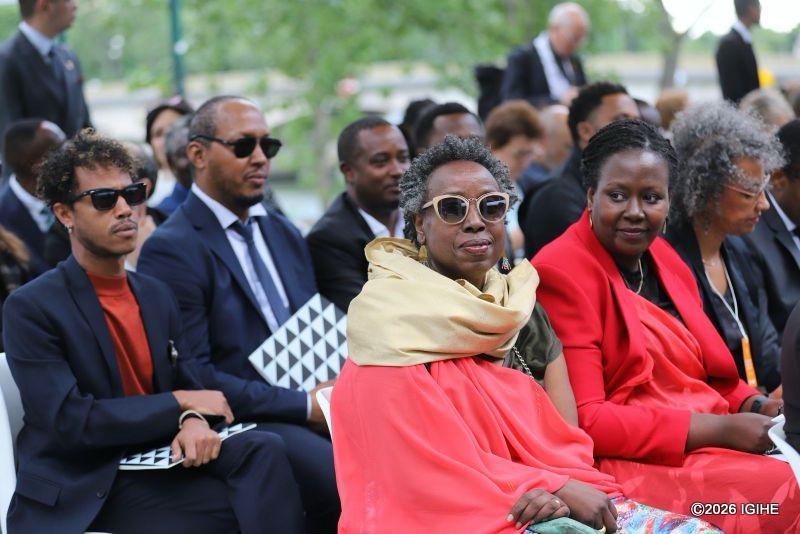
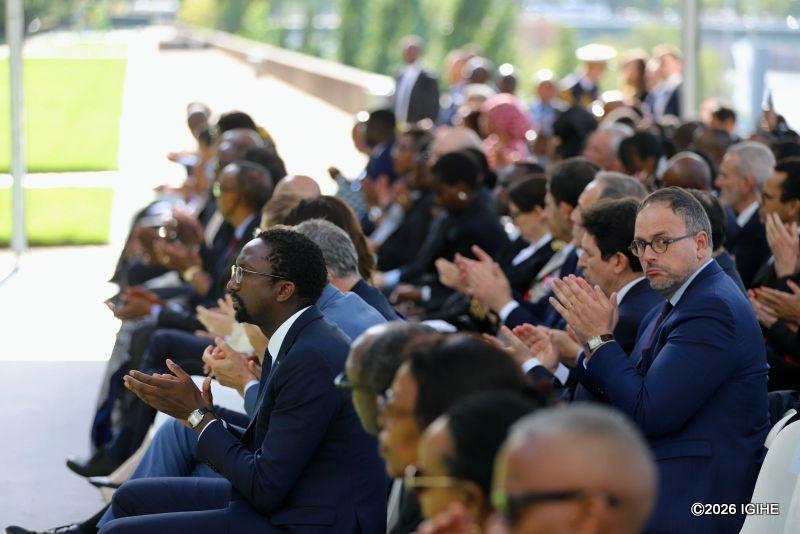
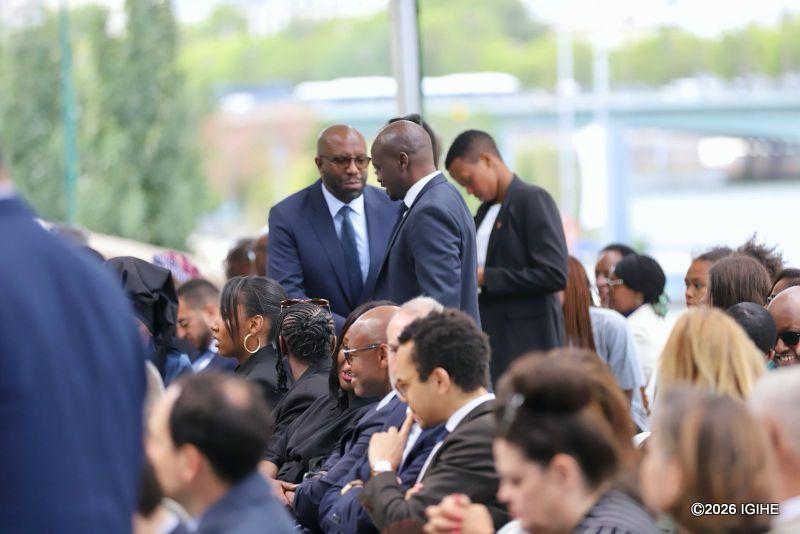
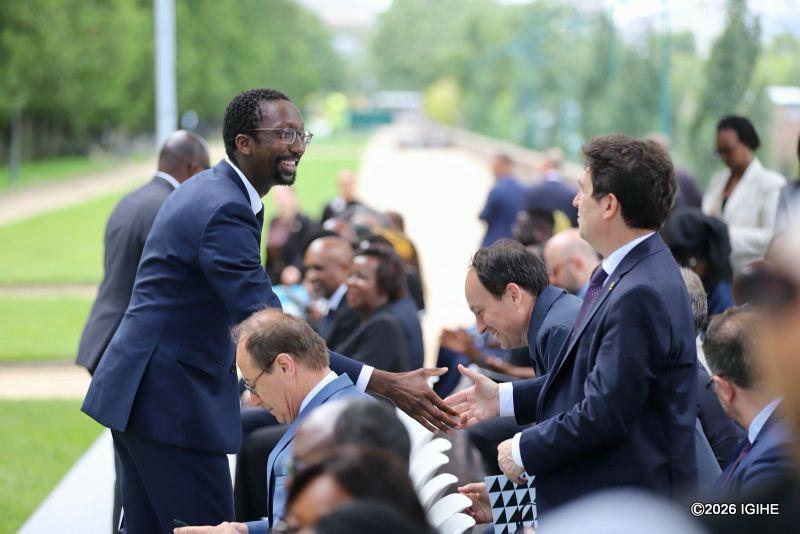
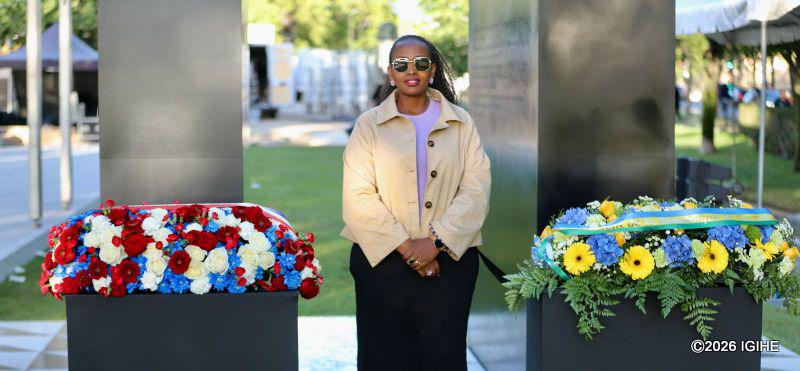
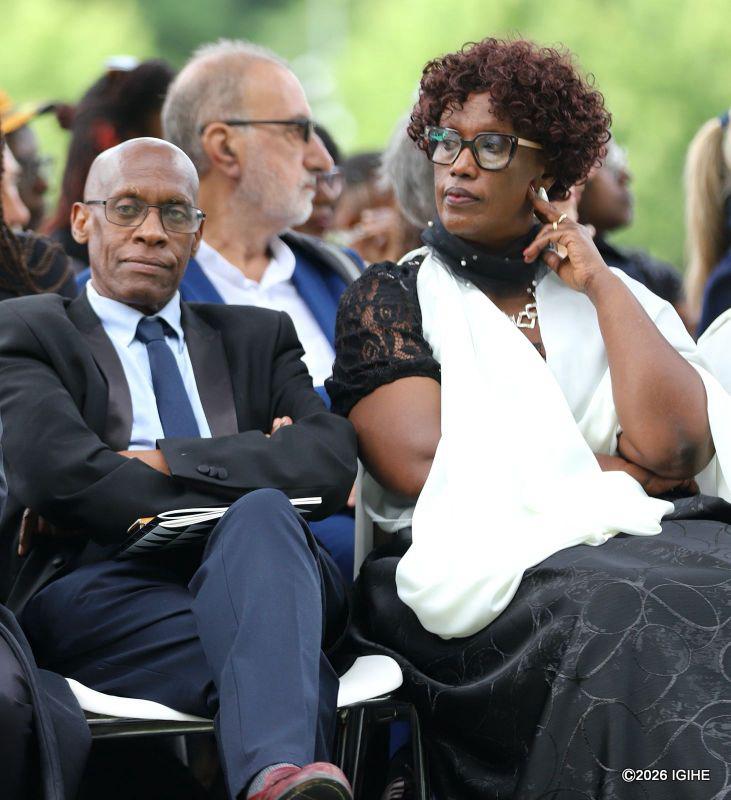
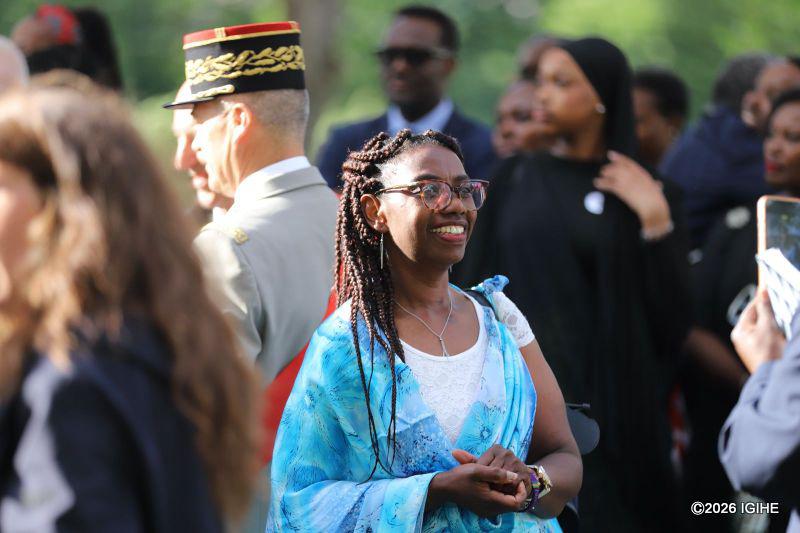
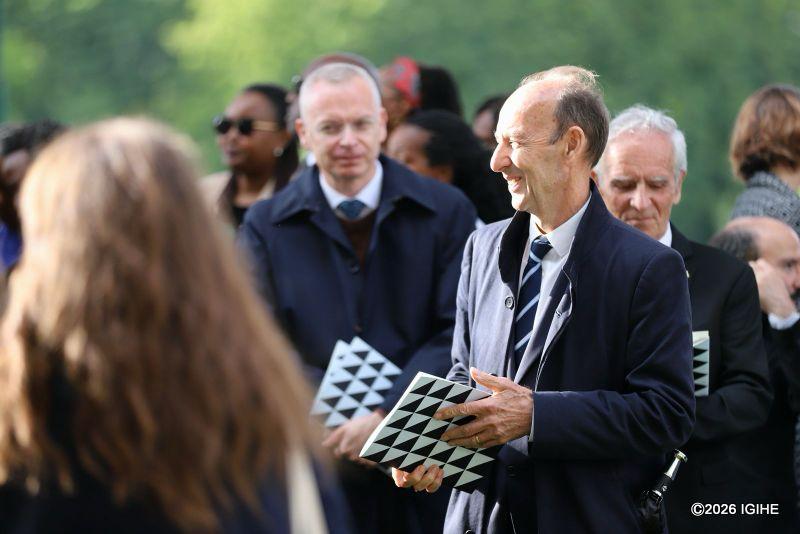
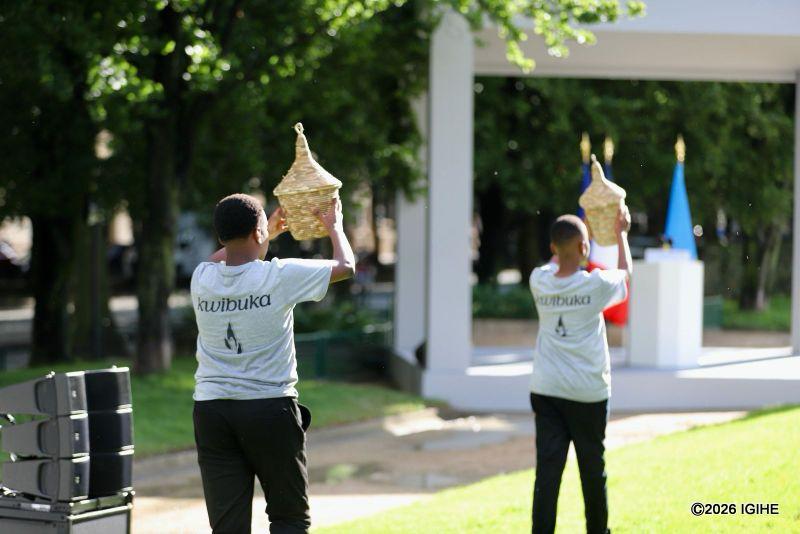
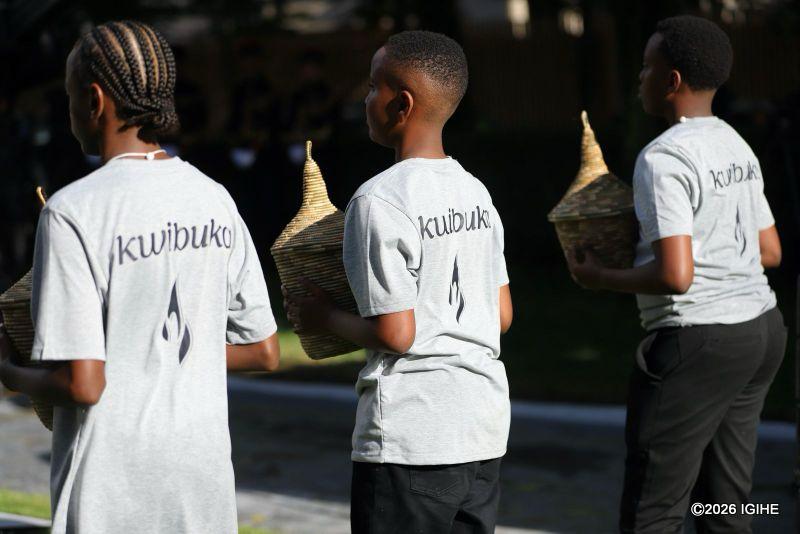
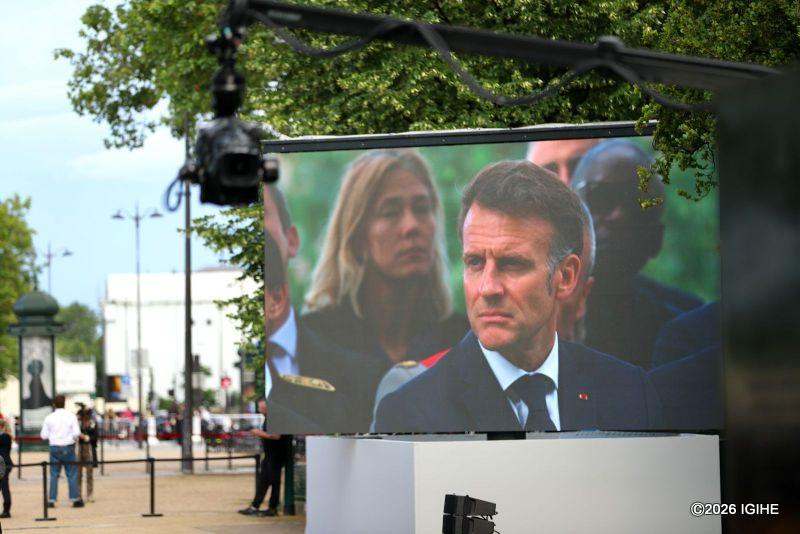
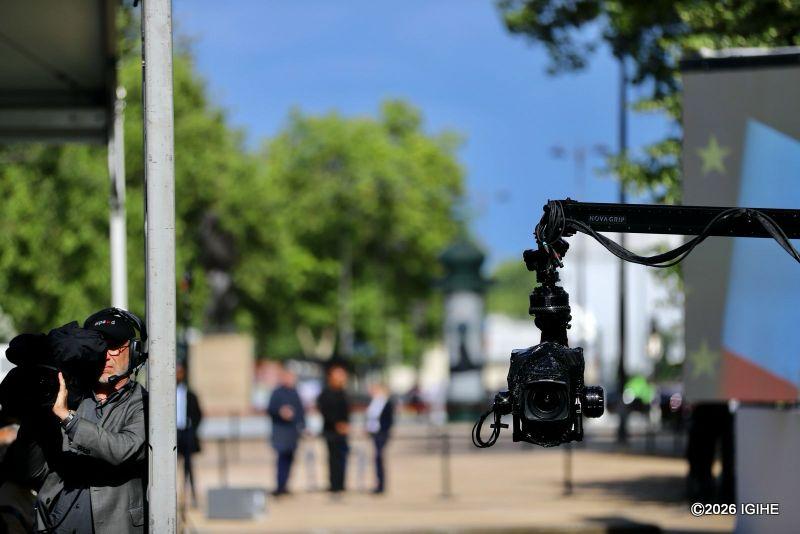
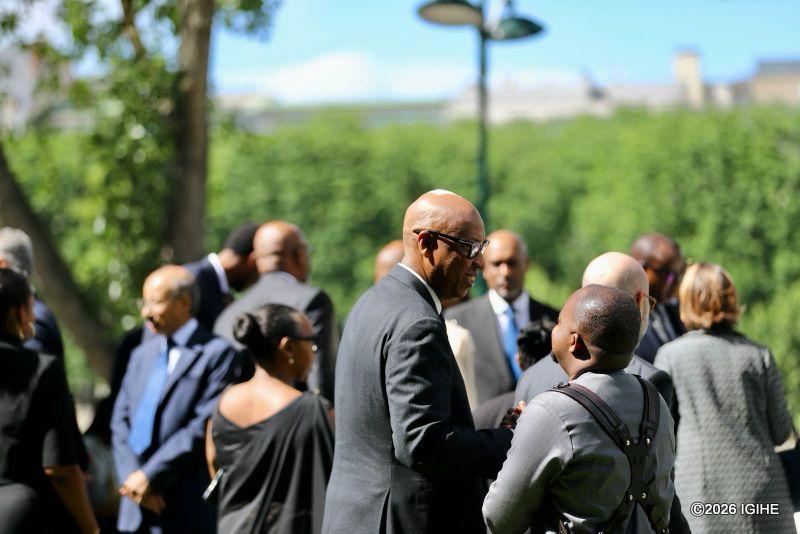
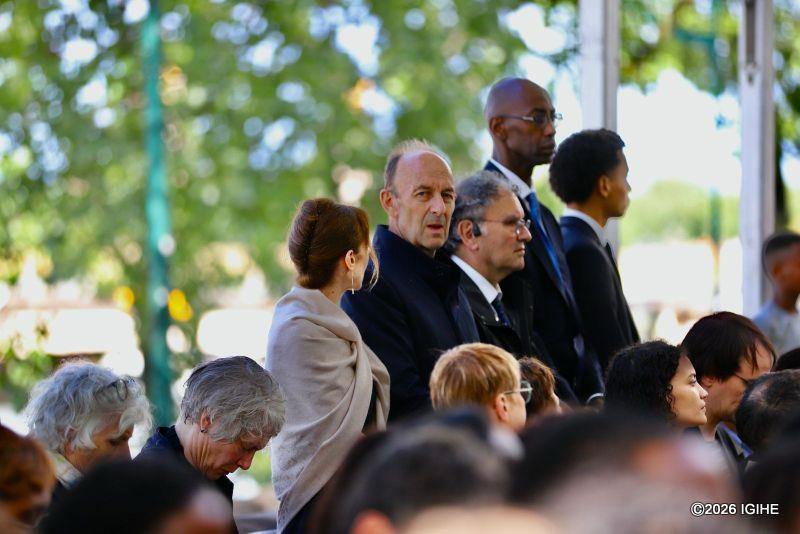
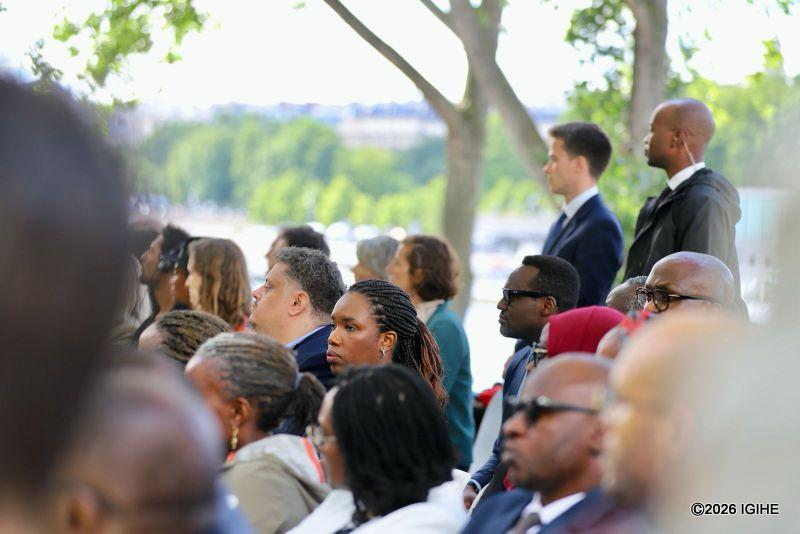
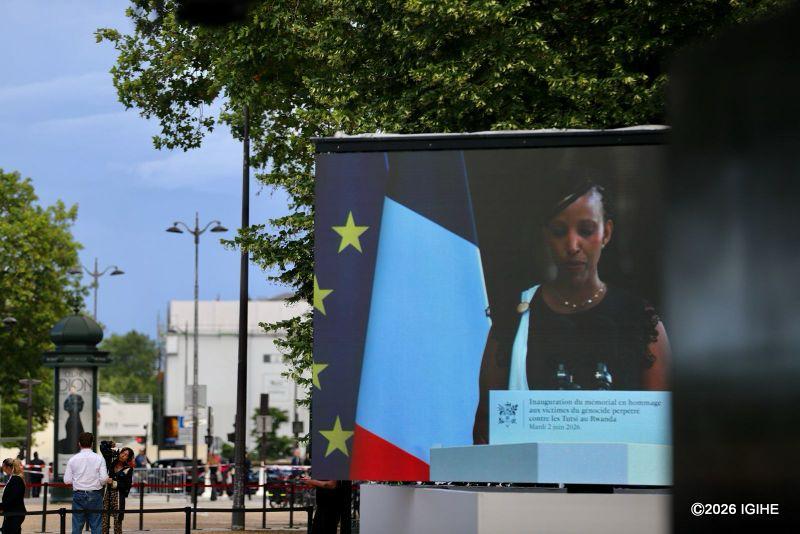
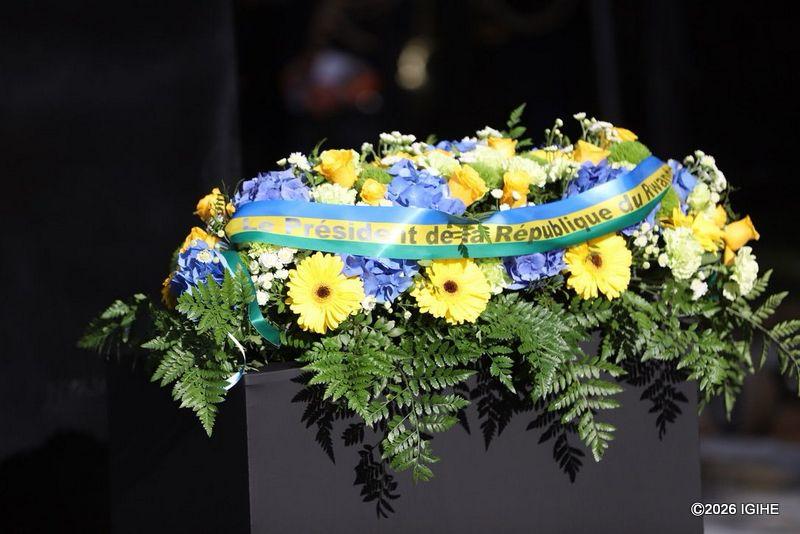
On the evening of June 2, 2026, French and Rwandan authorities officially inaugurated the memorial, named Les Archives, erected along the banks of the Seine River in the heart of Paris in tribute to the victims of the 1994 Genocide against the Tutsi.
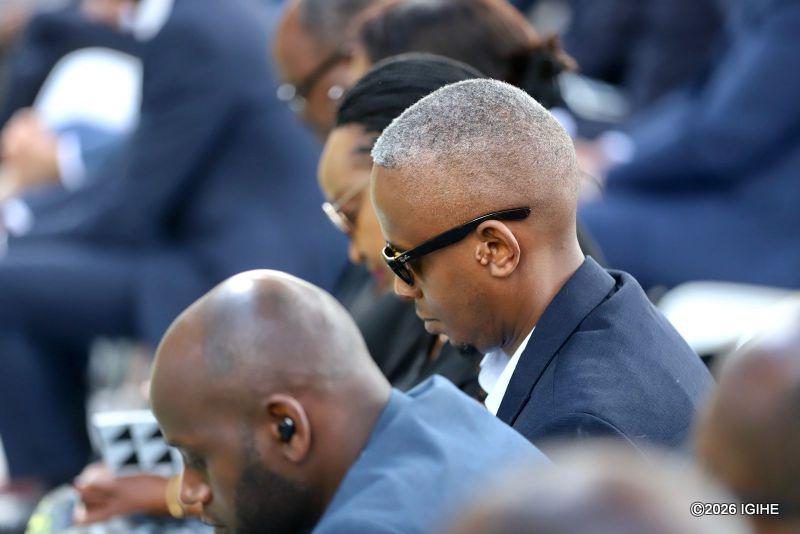
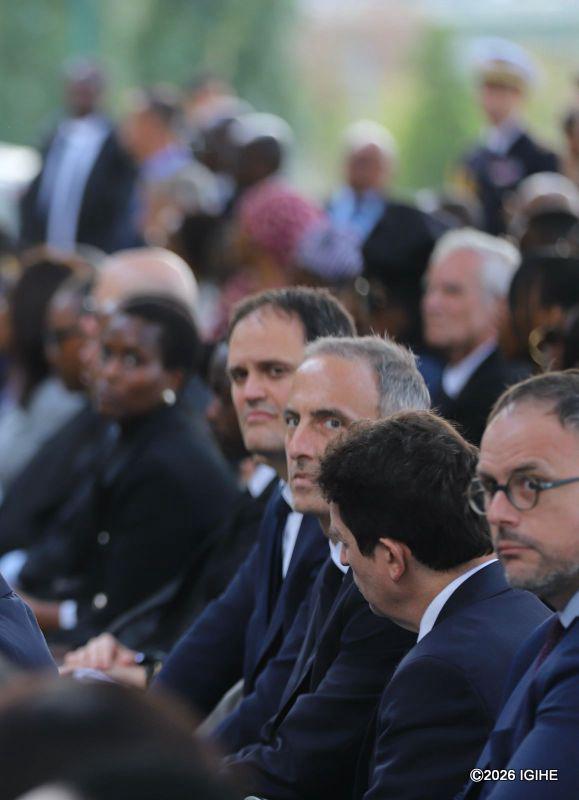
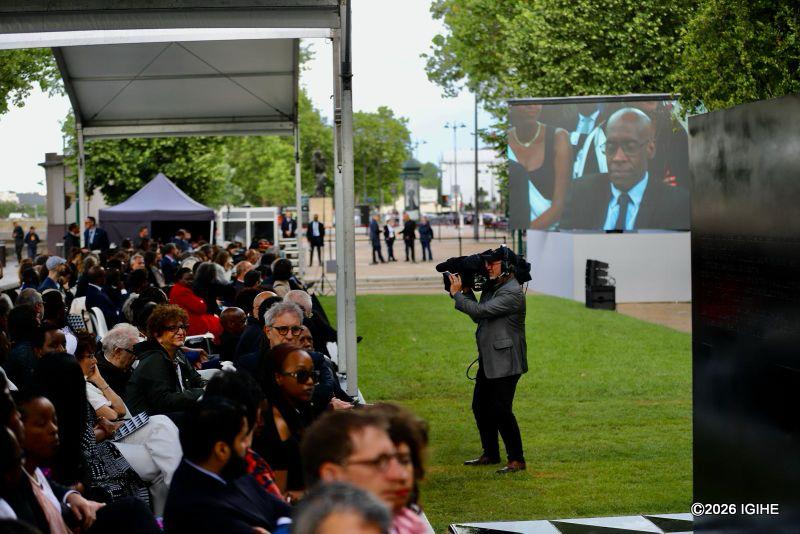
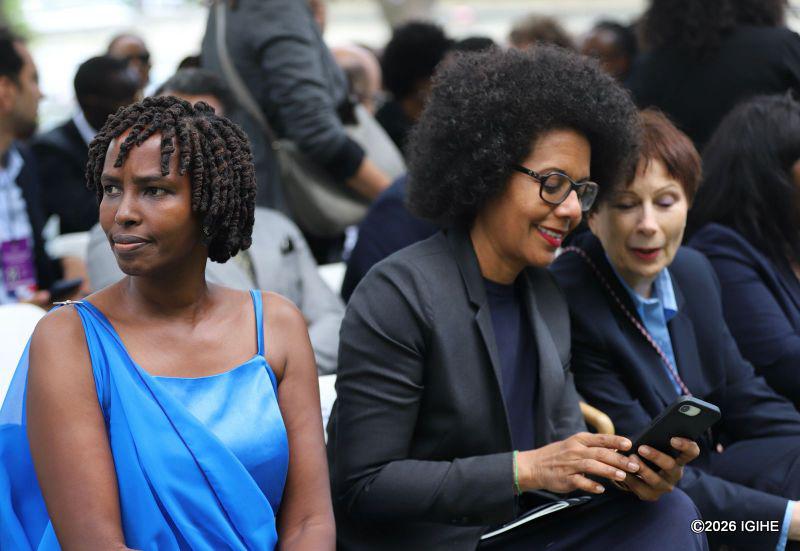
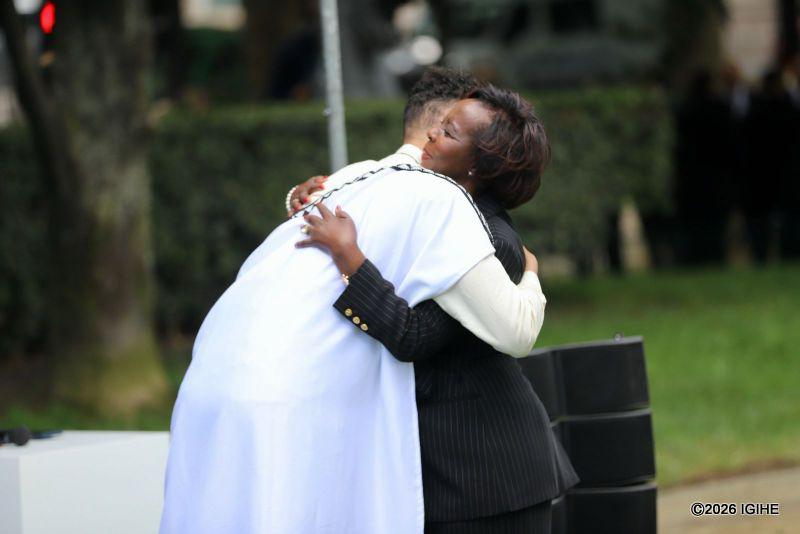
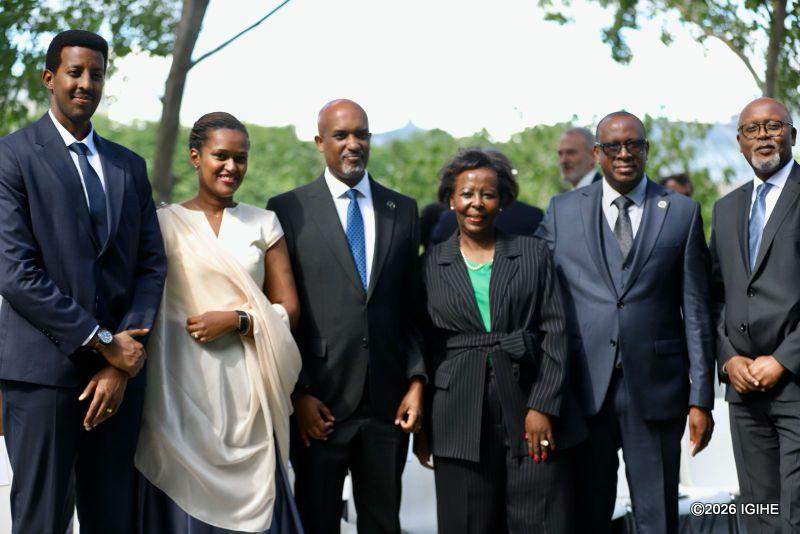
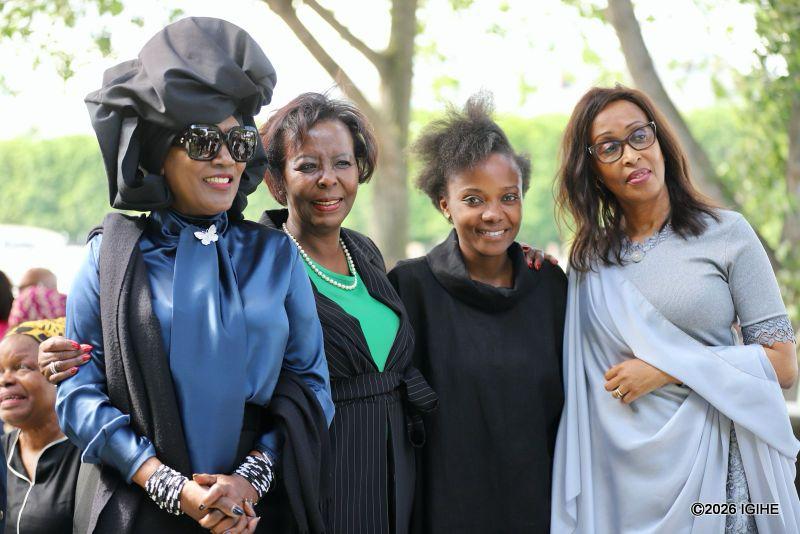
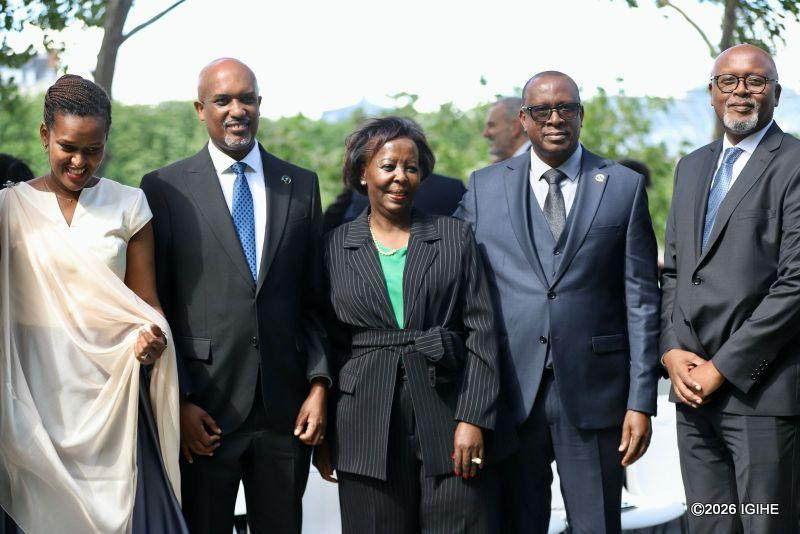
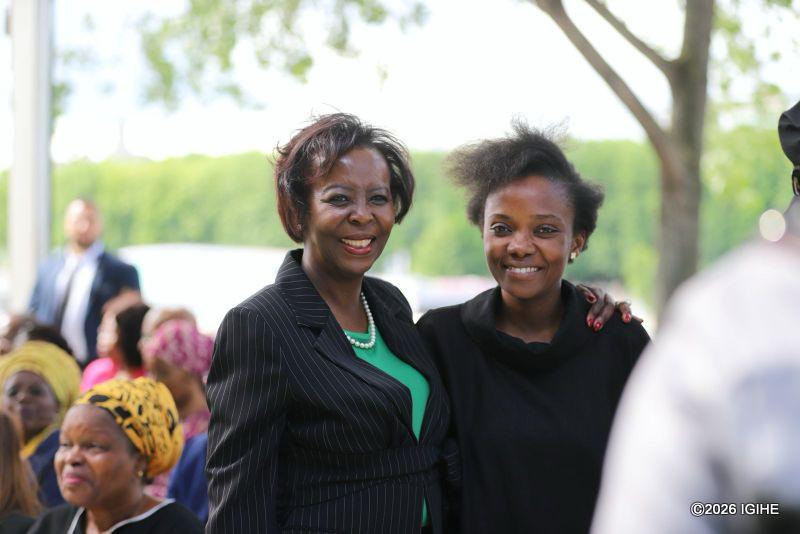
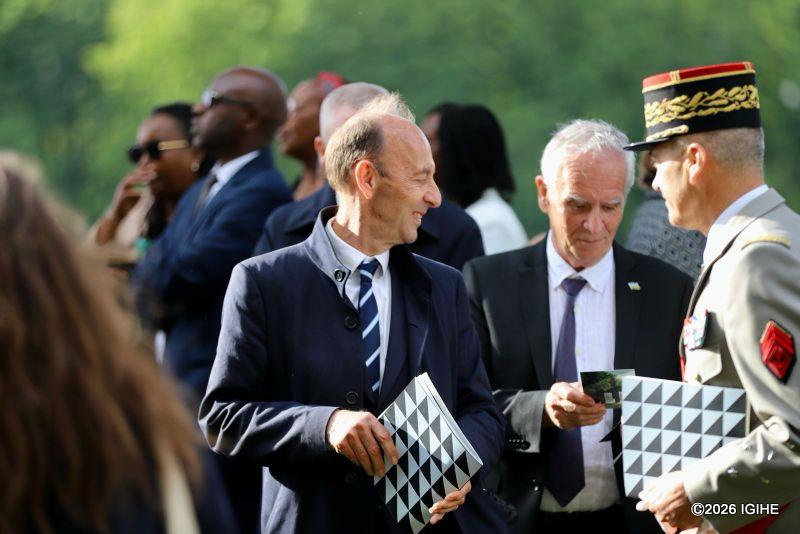
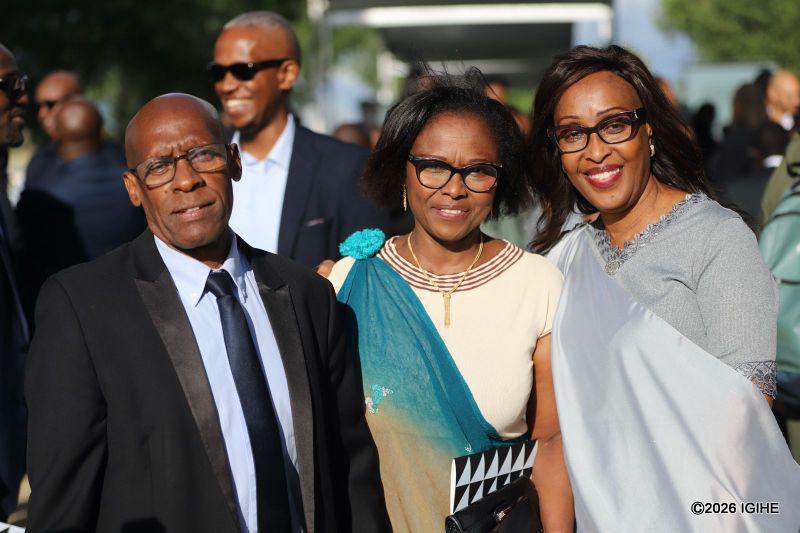
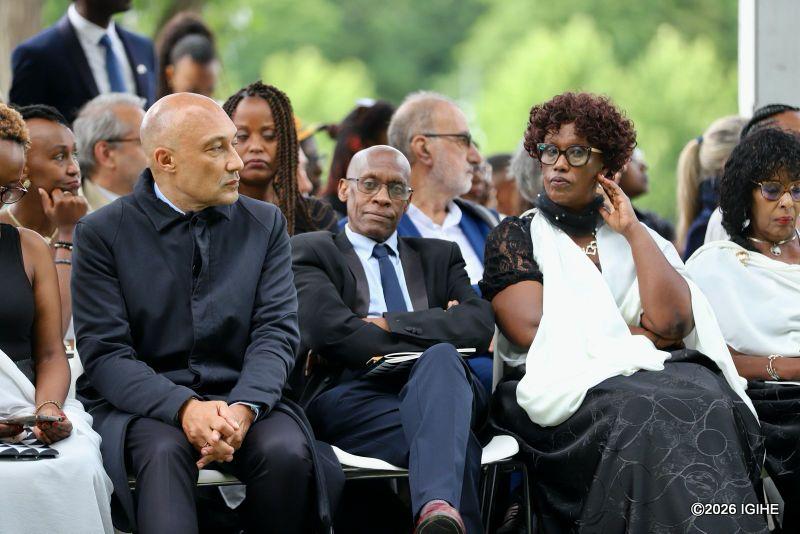
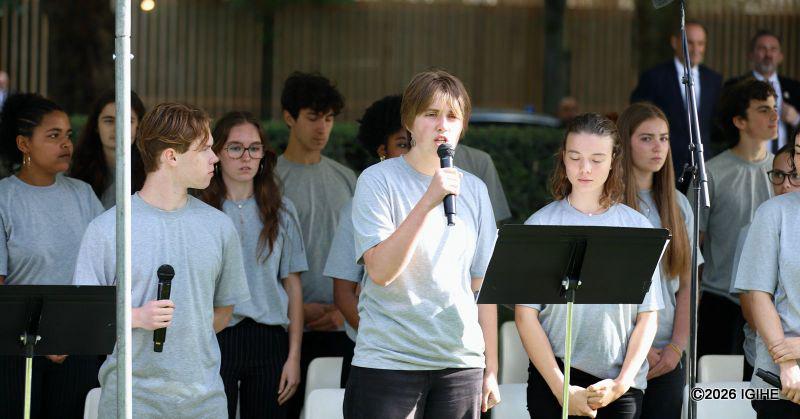
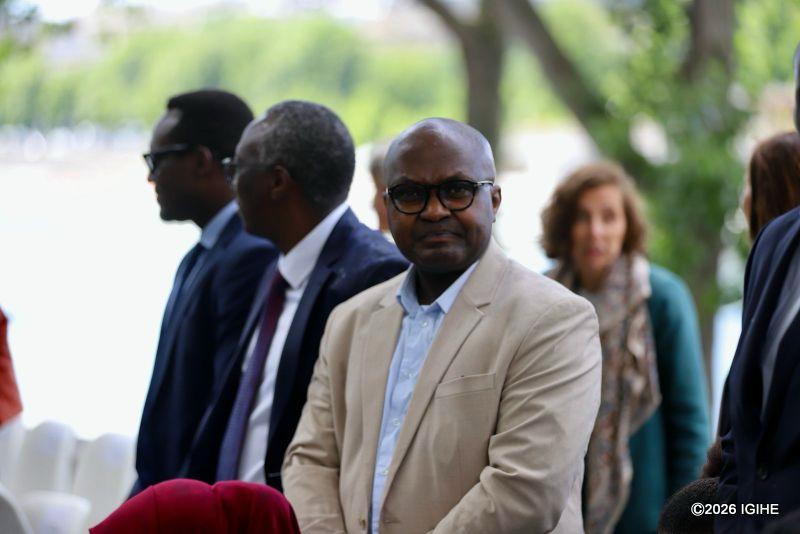
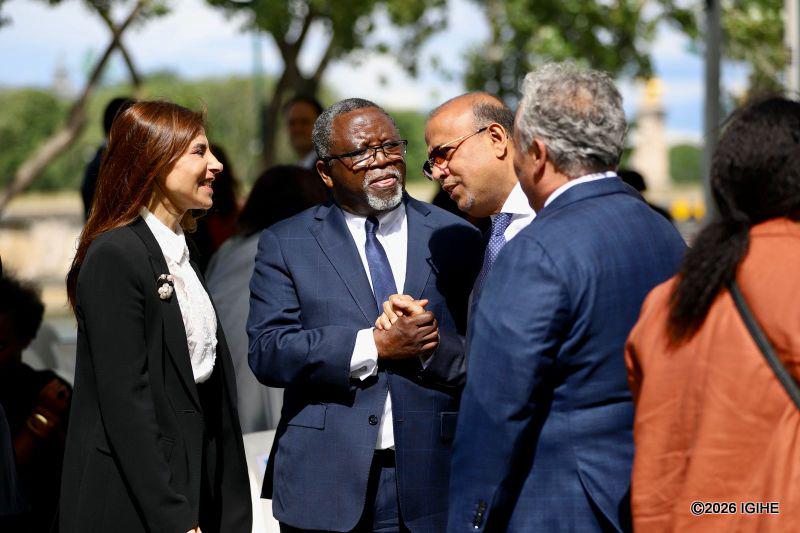
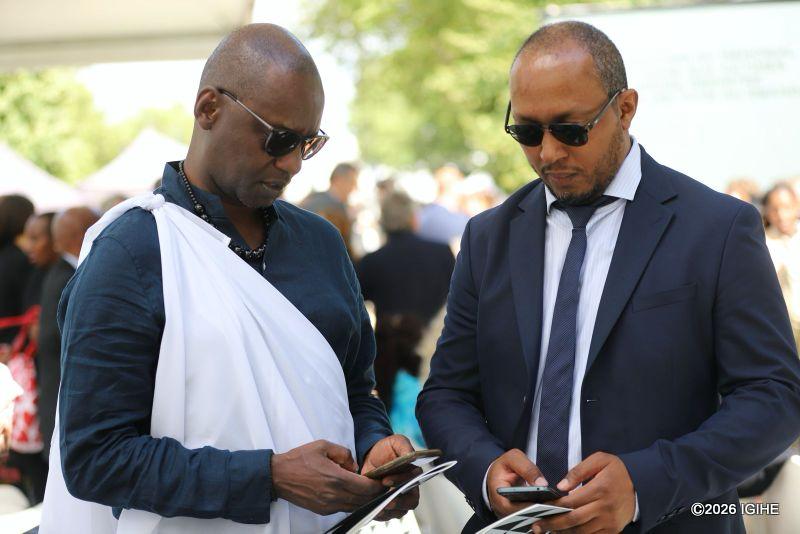
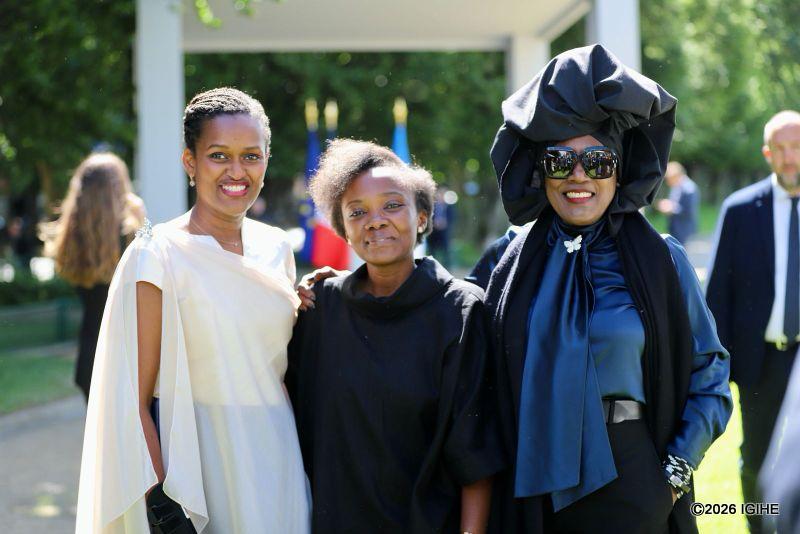
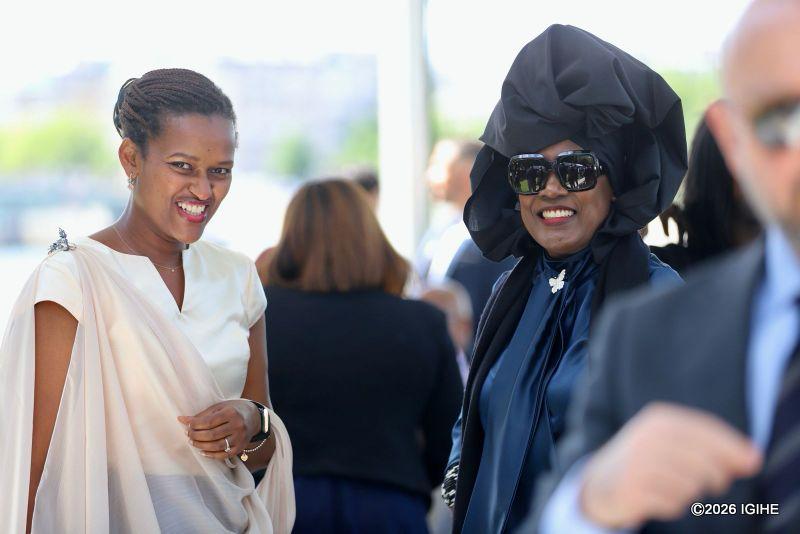
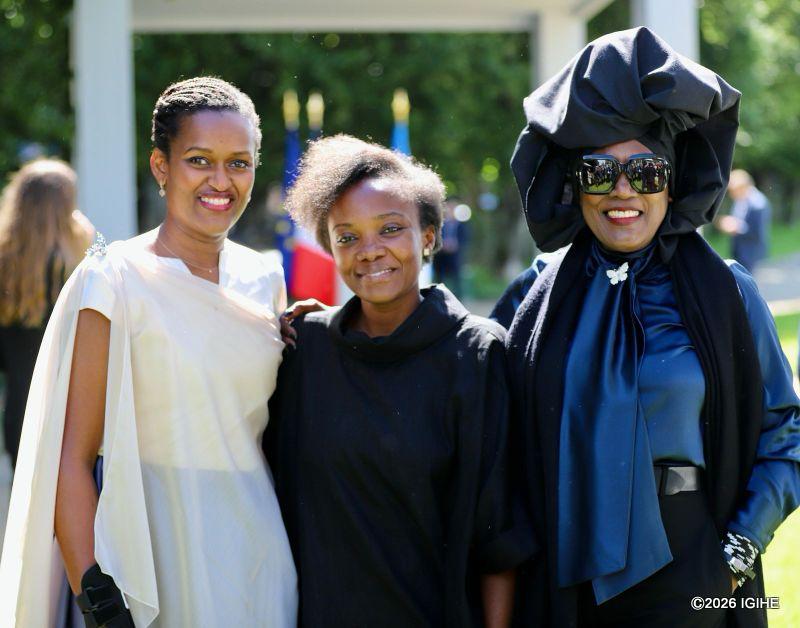
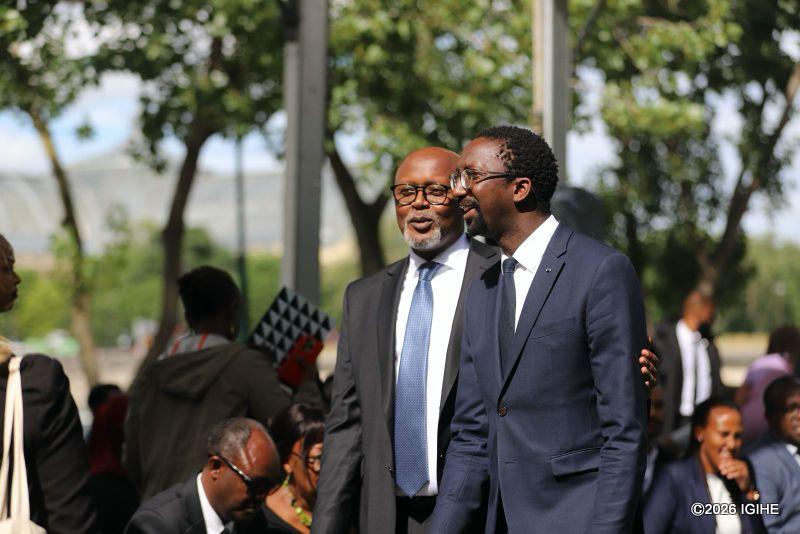
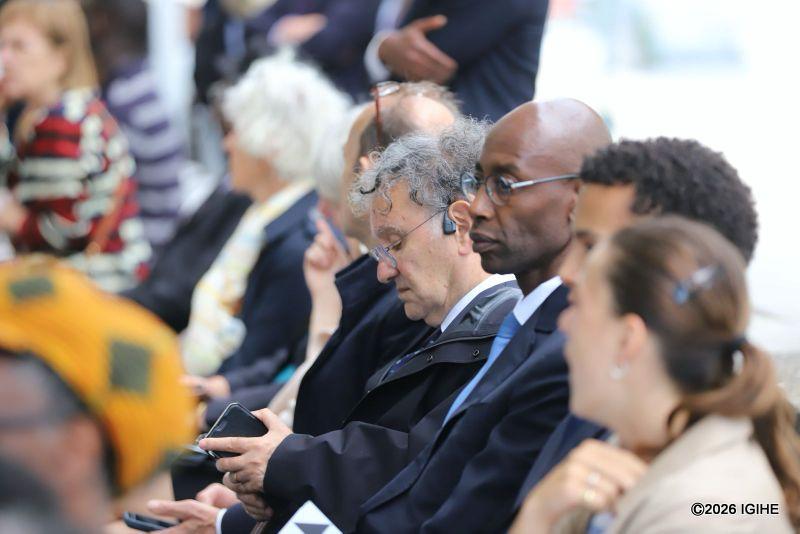
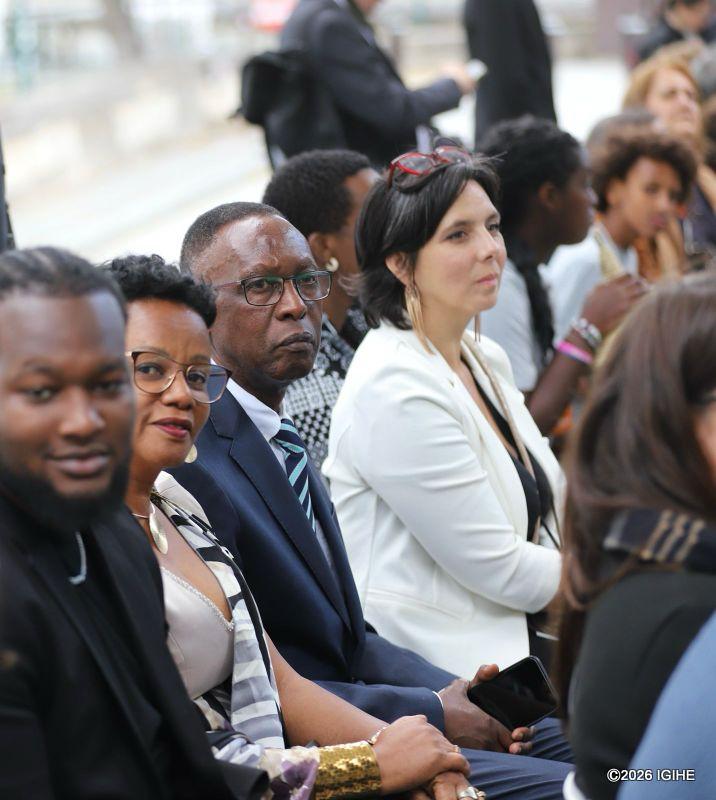
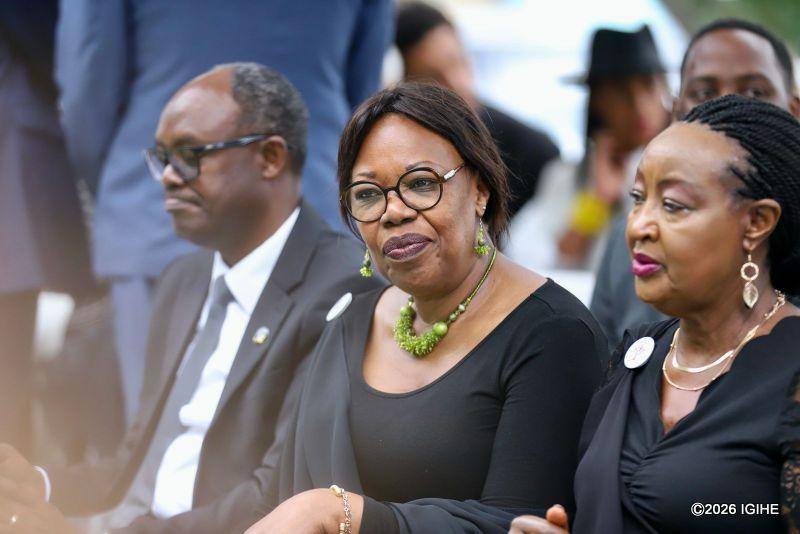
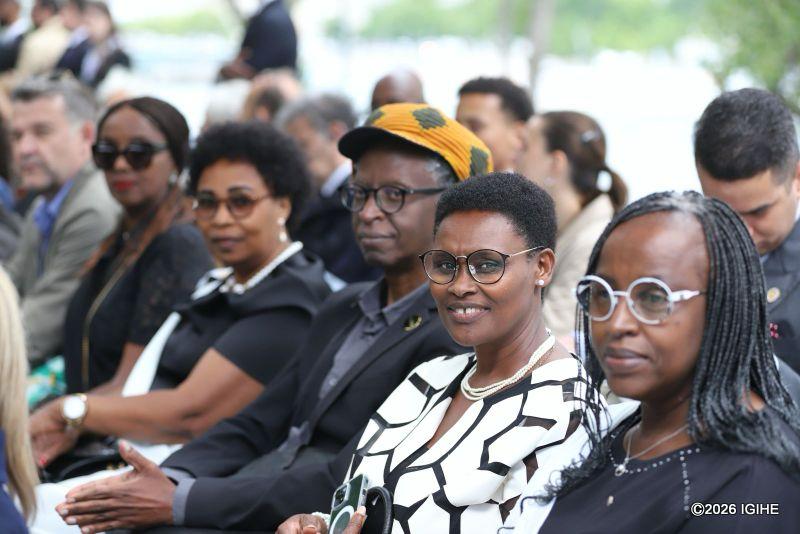
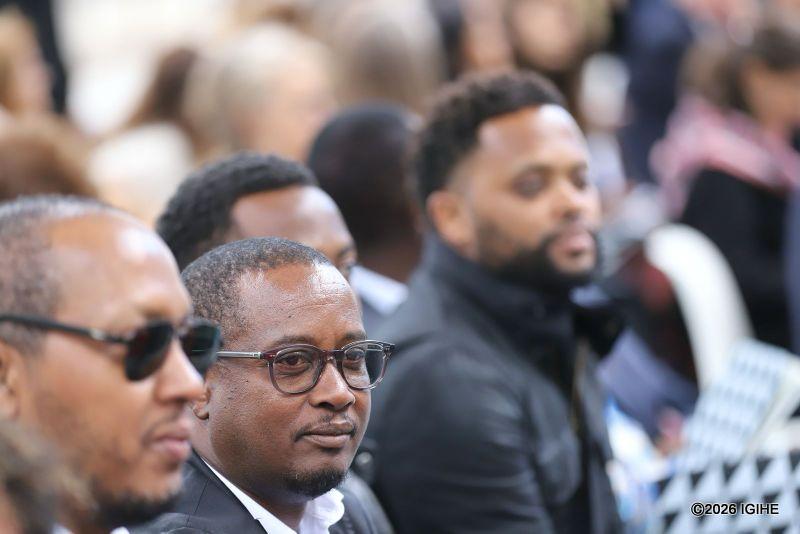
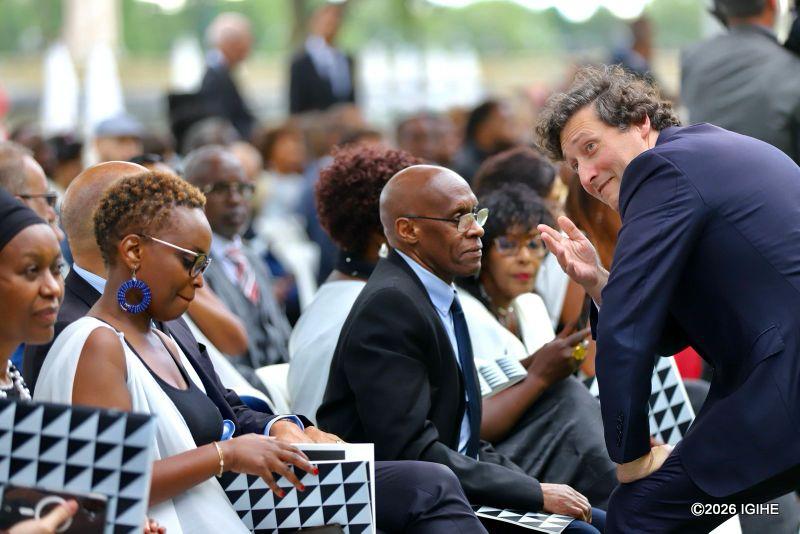
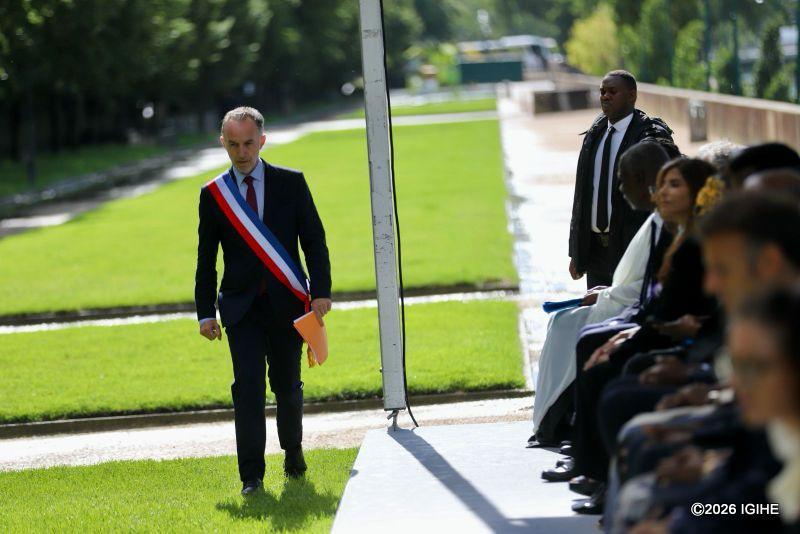
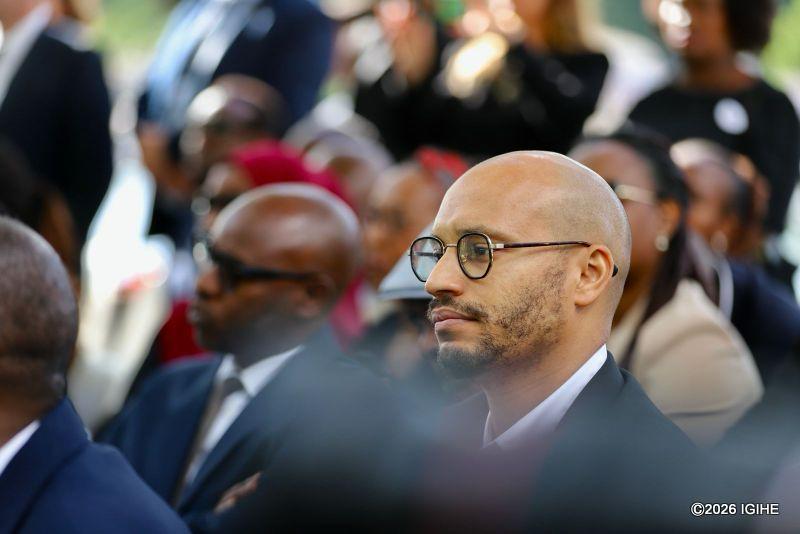
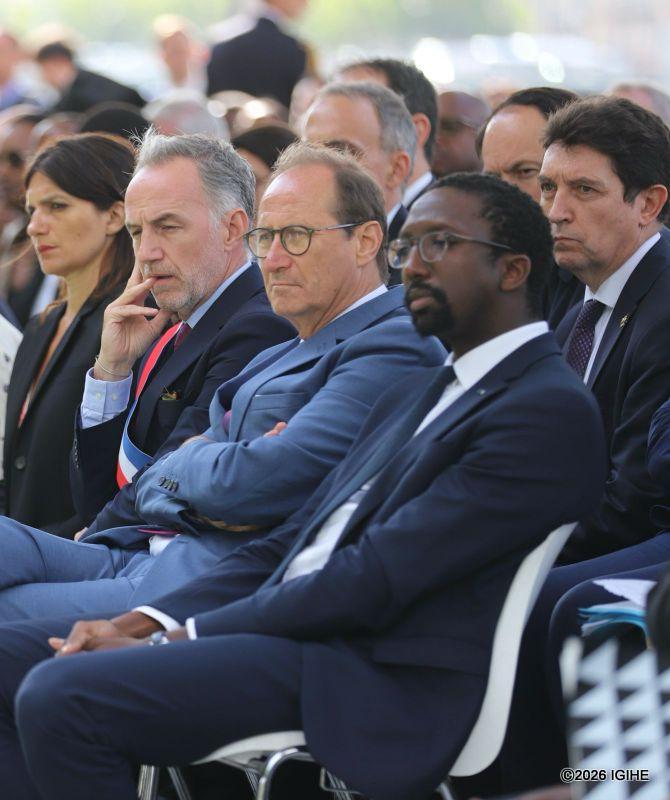
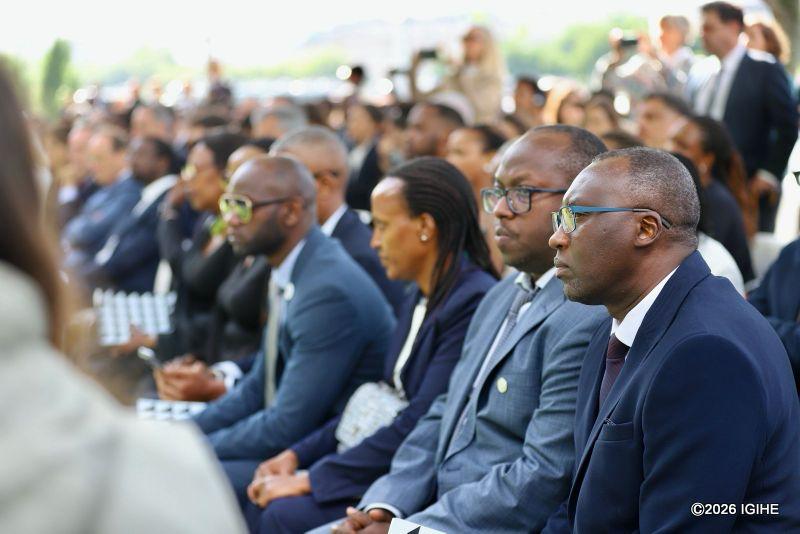
The ceremony was attended by President Emmanuel Macron, Paris Mayor Emmanuel Grégoire, senior officials from the French and Rwandan governments, Secretary General of the Organisation Internationale de la Francophonie (OIF) Louise Mushikiwabo, IBUKA-France President Marcel Kabanda, and numerous representatives of survivors’ associations.
Speaking to IGIHE, several IBUKA leaders from Europe and Rwanda expressed their satisfaction, saying the memorial will help the international community better understand the true history of the Genocide against the Tutsi.
IBUKA-France President Dr. Marcel Kabanda described the memorial as “a light lit in Paris” that will help dispel the darkness of ignorance and genocide denial.
“This memorial is like a light that has been lit in the city of Paris so that people may emerge from the darkness surrounding this history. That darkness is sustained by genocide deniers. They create a fog, but this memorial illuminates the way, enabling people to learn about the history of the Genocide against the Tutsi, understand it, preserve it, and resist those who seek to minimize or distort it.”
He also emphasized that the speeches delivered by Presidents Kagame and Macron reflected a sincere commitment to cooperation between Rwanda and France.
“Each spoke openly and honestly, without evasion. Both Heads of State demonstrated their willingness to work together. What I take from this is a relationship built on sincerity, without hypocrisy or deception. This partnership has already made significant progress, and we hope it will continue moving forward, as President Macron himself stated.”
Dr. Kabanda was also thanked by both Heads of State and the Mayor of Paris for his dedication and efforts in helping bring the memorial project to fruition.
For his part, IBUKA-Rwanda President Dr. Philbert Gakwenzire stressed that the memorial not only honors the victims of the Genocide against the Tutsi but also carries a universal message aimed at preventing future atrocities.
“This memorial pays tribute to the victims, provides comfort to survivors, and sends a message to Rwandans, the French people, and humanity as a whole. It invites us to reflect on our history so that genocide never happens again. It reminds us of our past, the difficult relationship that once existed between France and Rwanda, but also the progress that has been made in restoring ties between our two countries.”
He also highlighted the educational role of memorial sites.
“A memorial should be a place of learning. It should help us understand what happened so that it never happens again. It tells the story of those who were killed during the Genocide against the Tutsi and shows that when leaders make poor decisions, entire populations suffer the consequences. That is exactly what happened during the genocide.”
Dr. Gakwenzire further argued that, given the influence France held in Rwanda at the time, it could have helped prevent the genocide.
“Considering the influence France had over the Republic of Rwanda at the time, had they simply raised a finger and said that these events must stop, they should never have happened. That is why this moment is so important. It shows that France now recognizes certain responsibilities and wishes to build, together with Rwanda, a future based on shared values and a message to the world.”
IBUKA-Italy President Dr. Honorine Mujyambere described the memorial as an important tool in the fight against genocide denial in Europe.
“This is an extremely important initiative, especially in Europe, where genocide denial remains widespread. The fact that France has taken such a step is highly significant. We know the role France played in this history, what was said, what was left unsaid, and what was not done. Today, France has taken strong and meaningful action.”
She added that the memorial will help preserve the memory of the victims while raising awareness about Rwanda’s history.
“Anyone who passes by this memorial will inevitably ask what happened here. It will encourage people to seek the truth about this history and will greatly contribute to combating genocidal ideology, which we know remains particularly prevalent in parts of Europe.”
IBUKA-Switzerland President César Murangira also described the memorial as a major symbol in the process of healing the wounds that long characterized relations between Rwanda and France.
“This memorial carries immense symbolic value. It contributes to healing long-standing wounds in relations between France and Rwanda. It reflects France’s acknowledgment of its role and responsibilities in this history, thereby opening an important path toward truth-seeking, remembrance, and reconciliation.”
According to him, the establishment of the memorial in Paris sends a powerful and hopeful message. It reflects a commitment to honoring the victims, preserving historical truth, and continuing to build a relationship between Rwanda and France founded on truth, remembrance, and reconciliation.
He also emphasized the significance of the memorial’s location, situated near major French institutions such as the Quai d’Orsay, home to the Ministry for Europe and Foreign Affairs, the National Assembly, and Les Invalides—sites that hold a prominent place in France’s political and historical life.
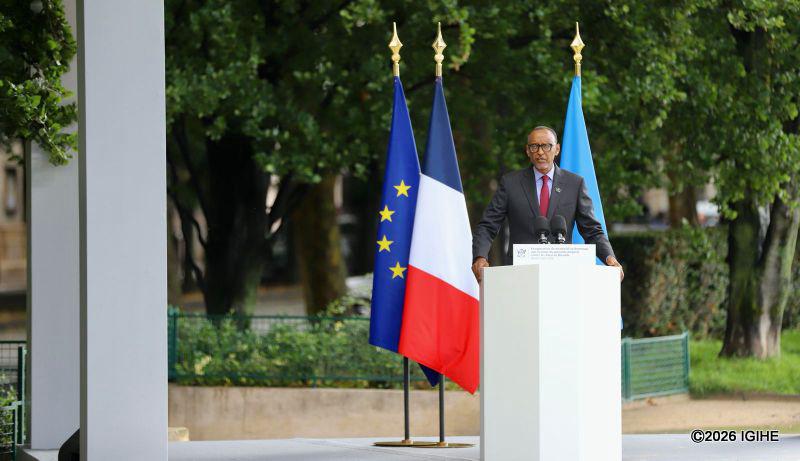
During the inauguration ceremony, President Kagame thanked French individuals who contributed to bringing the truth about the Genocide against the Tutsi to light, including former Paris Mayor Anne Hidalgo, her successor, journalists, historians, and human rights advocates.
The Rwandan Head of State also noted that the memorial stands as a powerful symbol of historical truth—a truth firmly rooted and impossible to shake. He described it as a testament both to the dignity of the Rwandan people and to the memory of the Genocide against the Tutsi.
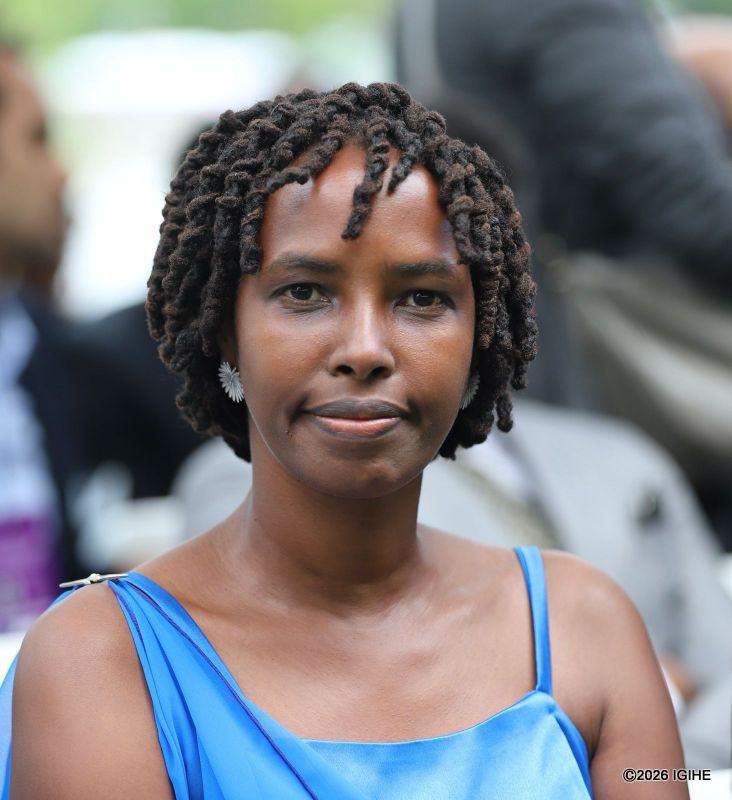
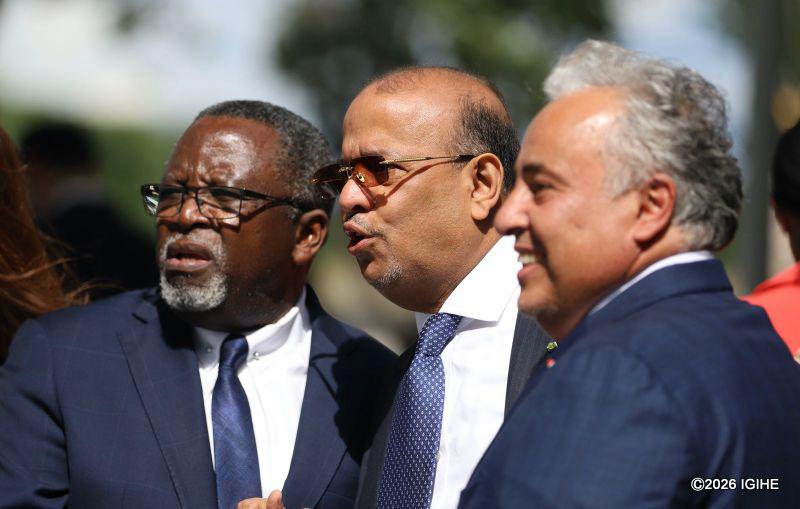
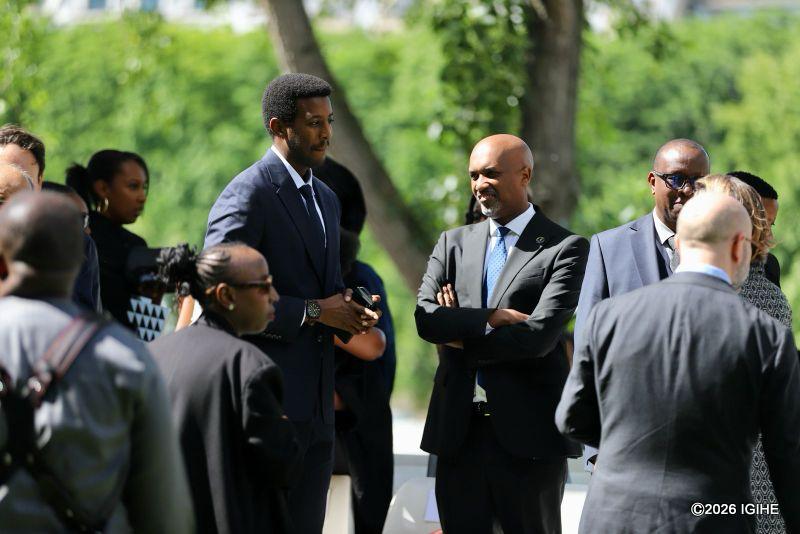
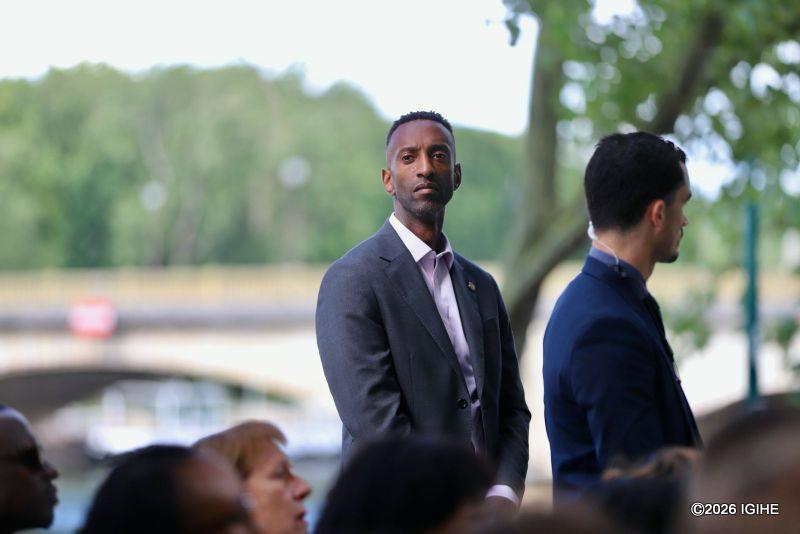
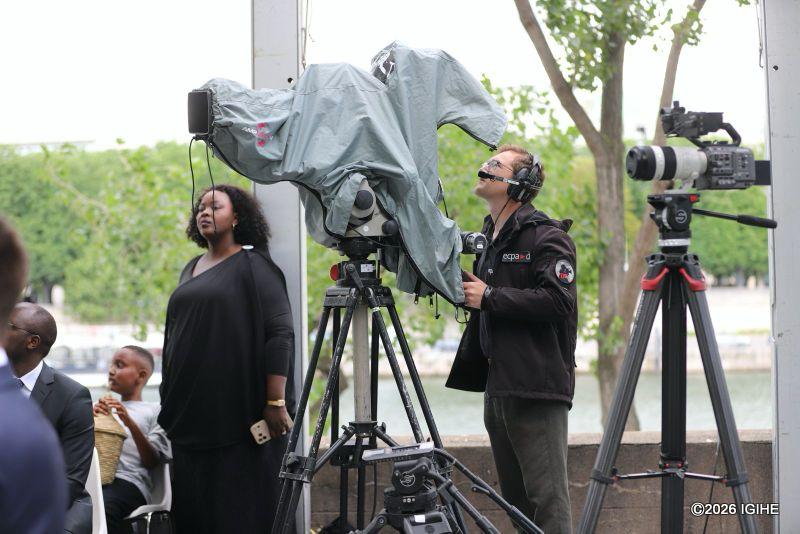
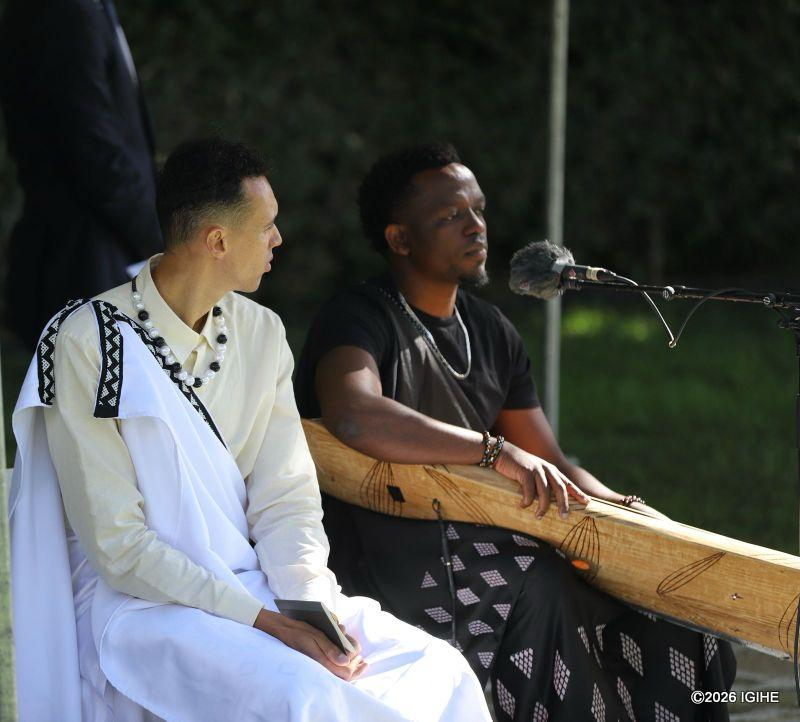
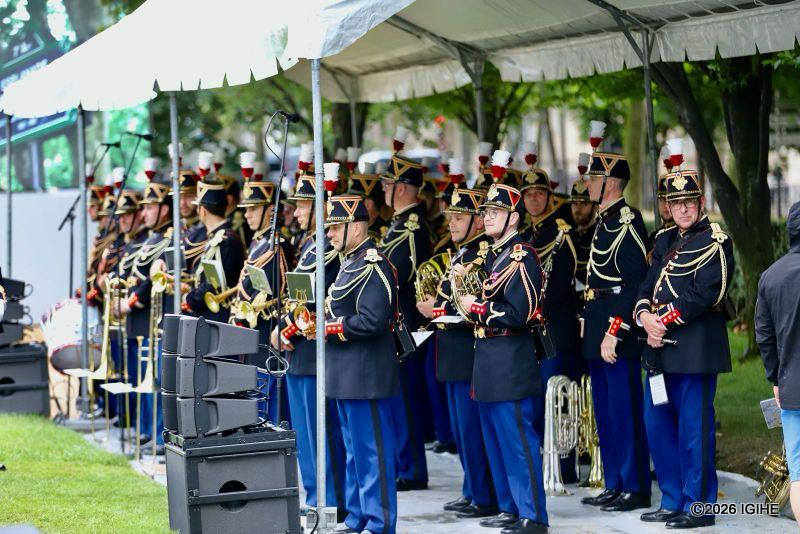
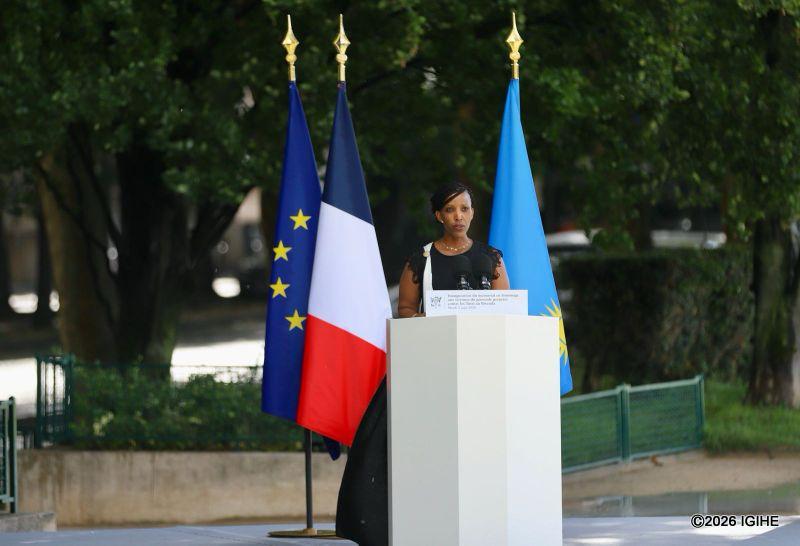
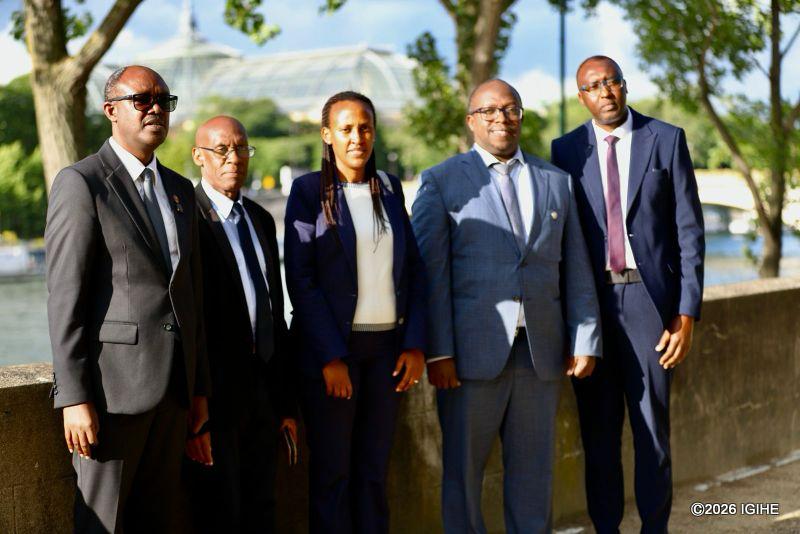
Photos marking the unveiling of the memorial in Paris
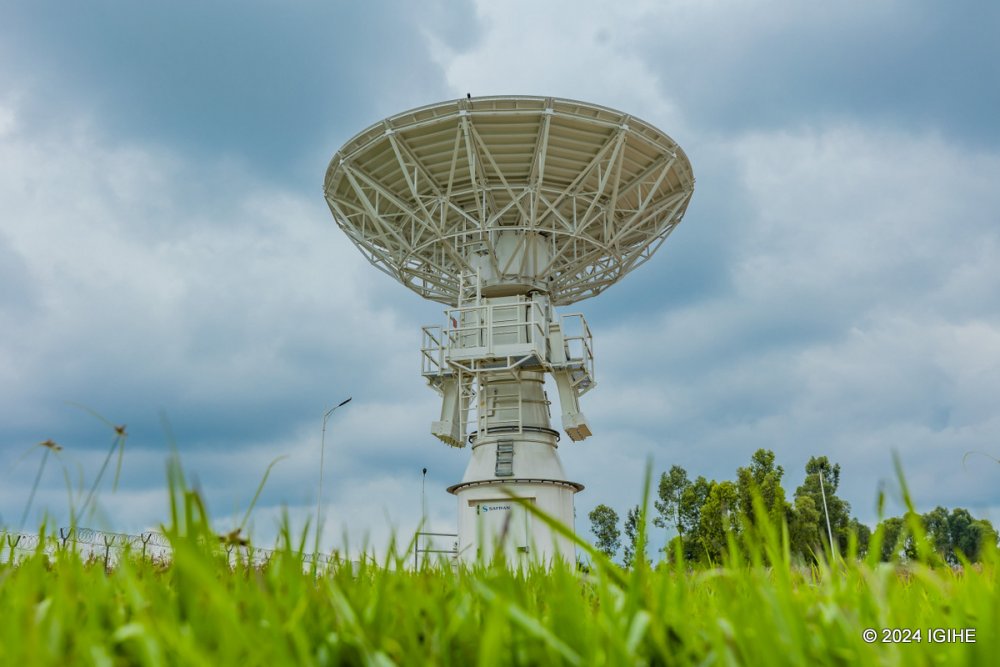
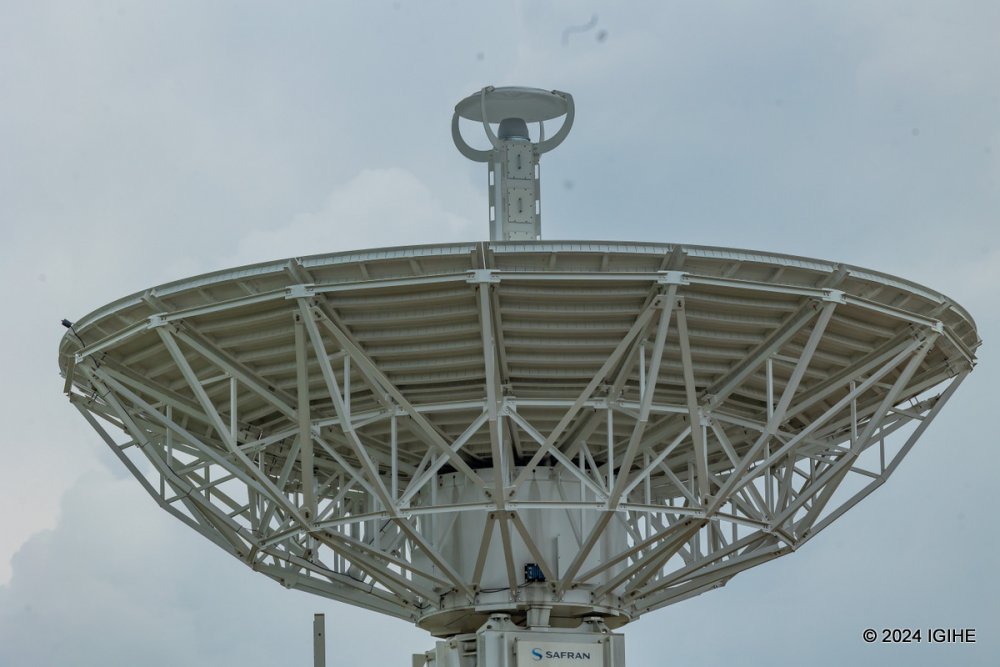
The certification makes Rwanda’s teleport located in Rwamagana the second fully certified teleport in Africa and the first space agency-operated teleport globally to receive WTA certification.
Announcing the achievement, the Rwanda Space Agency described it as “a milestone for Rwanda’s space sector and a recognition of the country’s growing capabilities in satellite communications infrastructure.”
A teleport is a ground-based facility that connects satellites in space with users and networks on Earth. It serves as a key part of satellite communications infrastructure, enabling satellites to transmit data and communications services back to Earth.
According to the Rwanda Space Agency, the certification is significant because the teleport supports a range of satellite-enabled services that contribute to national and regional development.
“Rwanda’s teleport contributes to strengthening satellite-enabled services, which are supporting broadband connectivity, climate monitoring, smart urbanisation, and disaster management across the region,” the agency said.
The agency added that the certification provides assurance that the facility meets internationally recognized standards.
“This certification provides confidence that the teleport’s services meet global benchmarks, and strengthens Rwanda’s role as a regional hub for space services.”
Rwanda’s national teleport has achieved Tier 3 Certification from the World Teleport Association (WTA), marking an important development for the country’s space sector and satellite communications infrastructure.