The Prime Minister made the disclosure on June 9, 2026, while presenting to both chambers of Parliament an overview of government efforts aimed at strengthening the country’s economic resilience and improving citizens’ welfare.
Dr. Nsengiyumva said Rwanda’s economy has continued to demonstrate strong performance despite various internal and external challenges.
He noted that the country’s Gross Domestic Product (GDP) grew by 10% in the first quarter of 2026, contributing to the creation of more than 240,000 jobs since the first quarter of 2025.
According to the Prime Minister, the country’s economic growth has been supported by increasing private sector investment.
“From 2024 until June this year, private sector investment projects worth nearly $8 billion were registered. These investments are expected to create approximately 118,000 jobs,” Dr. Nsengiyumva said.
Rwanda has set a target of creating 250,000 jobs every year by 2029 as part of efforts to expand employment opportunities and support economic development.
The country’s GDP reached Frw 6.346 trillion in the first quarter of 2026, compared to Frw 5.276 trillion recorded during the same period in 2025, representing a 10% increase.
The services sector remained the largest contributor to economic output, accounting for 52% of GDP, followed by industry at 24%, agriculture at 19%, and other sectors contributing the remaining 5%.
Agricultural production increased by 8%, while industrial output grew by 13%. The services sector also recorded a 7% rise during the period under review.
Other sectors also registered growth, with wholesale and retail trade increasing by 11%. Transport services grew by 11%, driven by a 10% rise in land transport activities, while air transport recorded a 7% increase.
The latest figures highlight Rwanda’s continued efforts to attract investment, expand economic activity, and create more employment opportunities as the country works toward its long-term development goals.
Rwanda registers $8 billion in private investment projects by June 2026
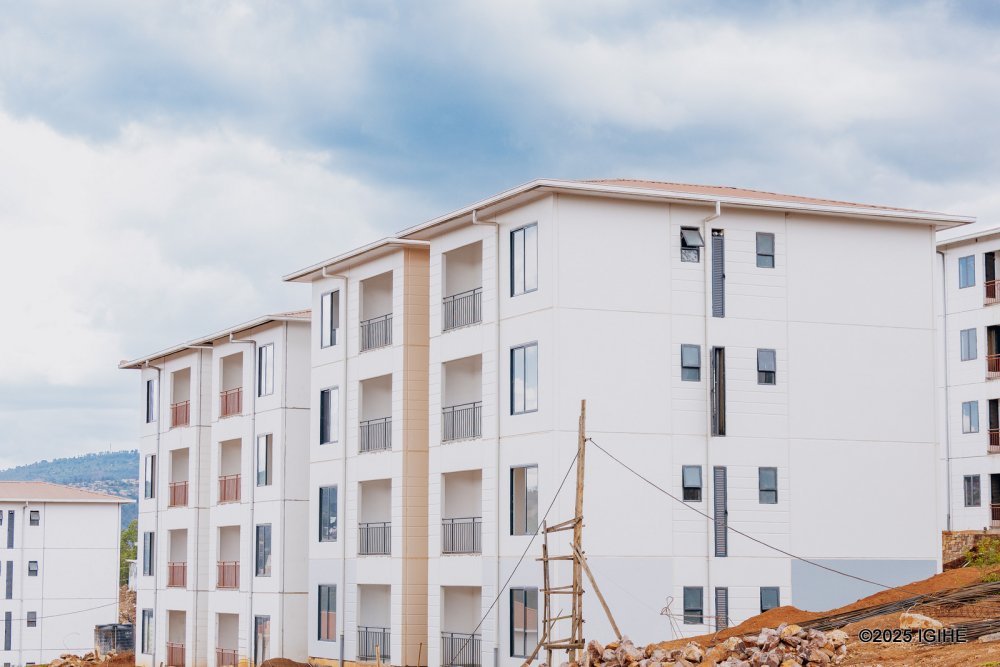
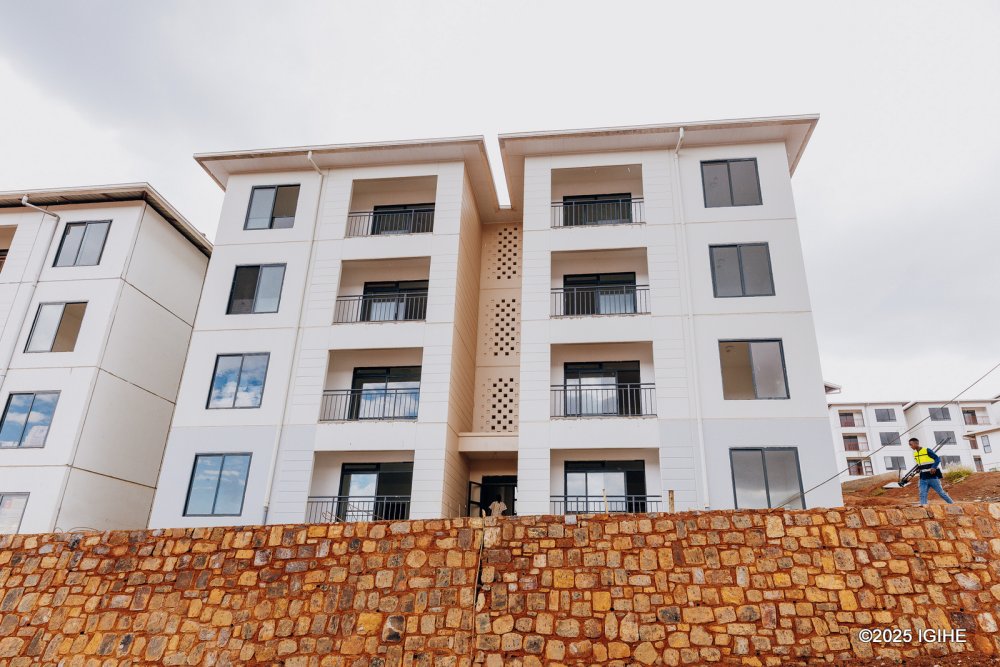
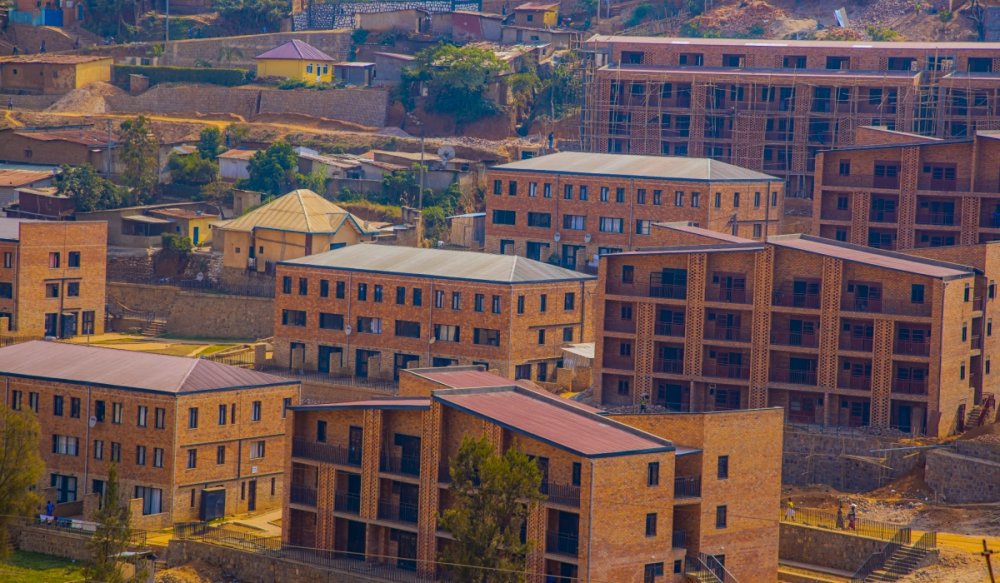
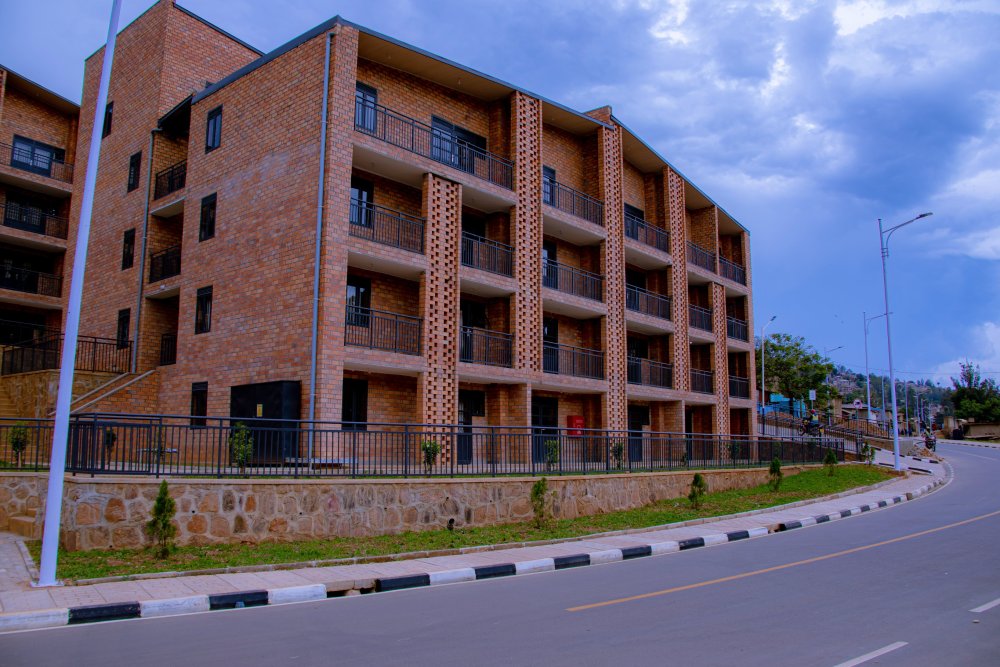
The affordable housing project, located in Kinyinya Sector, Gasabo District, Kigali, is being developed by RSSB and comprises 548 housing units designed for different categories of buyers, including workers, families, Rwandans living abroad and others seeking to own homes.
The development features both apartments and townhouses. The apartment blocks include two- and three-bedroom units, each with two bathrooms, while the townhouses are available in two categories, offering two- and three-bedroom options across two- and three-storey designs.
The estate is also planned to include commercial spaces, a nursery school, sports facilities, including basketball and volleyball courts, as well as landscaped gardens and recreational areas for residents.
The project has, however, faced significant delays since its launch in 2014. A report by the Office of the Auditor General for the financial year ending June 2025 highlighted a 10-year delay in its implementation.
Appearing before Parliament’s Public Accounts Committee (PAC) to respond to concerns raised in the report, Rugemanshuro said several challenges affected progress, forcing RSSB to take on responsibilities beyond its initial mandate.
He cited land compensation as one of the issues that delayed the project, explaining that although such payments were not originally part of RSSB’s responsibilities, the institution eventually intervened to ensure the project moved forward.
“Sometimes we had to work with other government institutions responsible for specific areas to make sure the project was completed,” Rugemanshuro said.
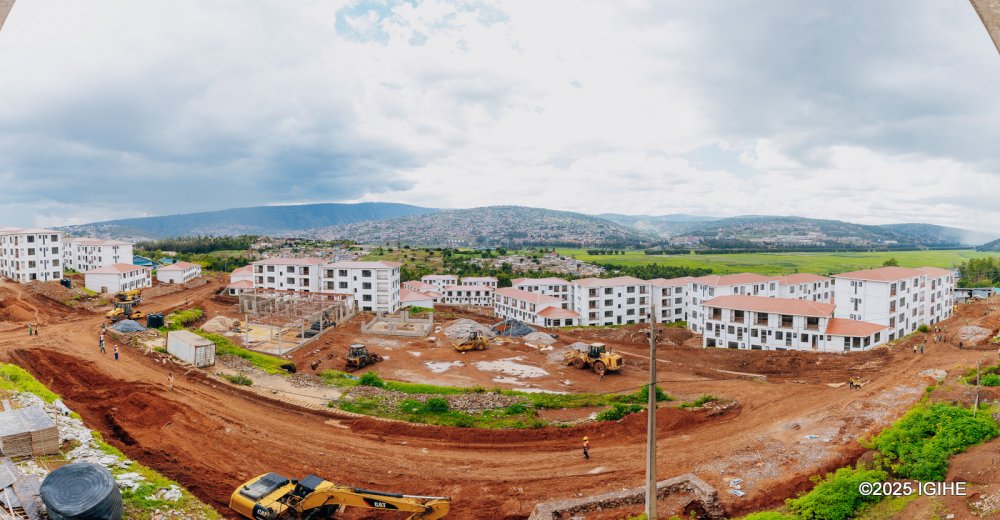
He told lawmakers that construction of the housing units is now 97 percent complete, while infrastructure works stand at 70 percent completion.
“The project is expected to be completed in December 2026. The houses are already at 97 percent completion, while infrastructure has reached 70 percent,” he said.
Infrastructure works include roads, water supply systems, wastewater treatment facilities and street lighting.
So far, 70 percent of the houses have already been sold, with the remaining 30 percent still available on the market.
PAC Chairperson Muhakwa Valens sought clarification on whether the reported 70 percent infrastructure completion covered all key facilities required for residents to occupy the estate, including roads, drainage systems, water facilities and lighting.
“We want to have a complete picture of this project so that we can conclude that the Batsinda issue has been resolved,” Muhakwa said.
Responding to the concerns, Rugemanshuro assured the committee that buyers would be able to move into their homes by January 2027.
“By January 2027, those who have paid for their houses should be living in them. The roads, water reservoirs, street lighting and other facilities should also be completed by then, unless an unforeseen challenge beyond our control occurs,” he said.
The homes are priced from Rwf80 million for a two-bedroom townhouse to Rwf117 million for a three-bedroom townhouse. Apartment units range from Rwf101 million to Rwf111 million.
Heza Estate in Batsinda is set to provide modern housing units alongside community facilities and recreational spaces for future residents.Heza Estate in Kinyinya Sector, Gasabo District, features a mix of apartments and townhouses designed to provide affordable housing options for different categories of buyers.Construction works at Heza Estate include housing units, roads, water facilities and other infrastructure expected to support residents once the project is completed.
The subsidy helped keep the price of diesel at Rwf 2,927 per litre on the Rwandan market, instead of rising to about Rwf 3,600 per litre, which would have been the expected price without government intervention.
Prime Minister Nsengiyumva made the remarks on July 9, 2026, while presenting to a joint session of Parliament the government’s measures to strengthen Rwanda’s economic resilience and protect citizens’ welfare amid domestic and global challenges.
Global trade has been significantly affected by international conflicts, including tensions in the Middle East, which have contributed to disruptions in fuel markets.
Petroleum prices on international markets began rising sharply in February 2026, with the price of a barrel of crude oil increasing from about $70 to more than $126.
The increase pushed petrol prices up by nearly 48 percent and diesel prices by about 50 percent.
The rise affected several sectors, including transport, fertilizer, cooking gas and food prices, contributing to increased living costs.
Dr. Nsengiyumva said the government responded by implementing measures aimed at protecting the economy and limiting the impact of price fluctuations.
“From March to June 2026, the government provided subsidies worth nearly Rwf 48 billion to the transport of people and goods to reduce the impact of rising fuel prices,” he said.
He added that the intervention helped slow the increase in transport costs and prices of other goods, preventing severe disruptions to citizens’ livelihoods and economic activities.
Under the latest fuel price review announced on June 5, 2026, a litre of petrol is selling at Rwf 2,938, while diesel is priced at Rwf 2,927 per litre.
Rwanda currently has storage capacity for about 118 million litres of petroleum products, with plans to increase this capacity to 230 million litres by 2029.
“This will help the country withstand shocks from international markets and ensure a reliable supply of petroleum products,” Dr. Nsengiyumva said.
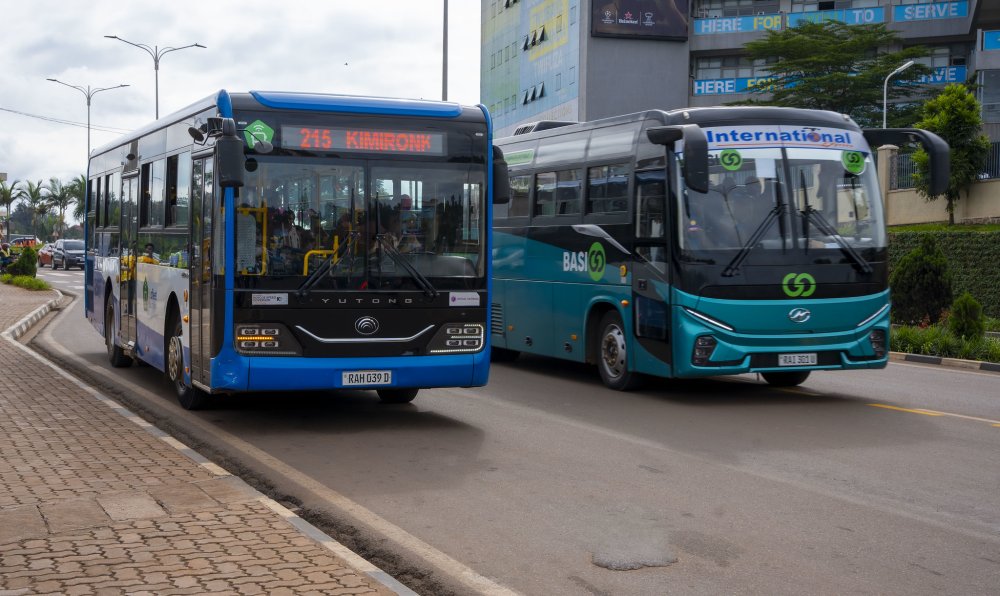
Meanwhile, the number of passengers using buses has increased by 15 percent over the past six months.
Rwanda spent more than Rwf 47.7 billion on transport subsidies between March and June 2026 to cushion citizens and businesses from the impact of rising global fuel prices.
Prime Minister Dr. Justin Nsengiyumva announced the development on July 9, 2026, while presenting to a joint session of Parliament the government’s measures to enhance Rwanda’s economic resilience and safeguard citizens’ welfare against both domestic and external shocks.
He said the shipment, which is expected to arrive at Tanzania’s Port of Tanga by the end of July, is part of a new government-led fuel procurement strategy implemented through the Rwanda National Energy Company (RNEC) in partnership with oil-producing and refining countries.
“The government has introduced a centralized system for importing refined petroleum products through RNEC to make fuel imports more efficient and achieve sustainable reductions in fuel prices,” Dr. Nsengiyumva told lawmakers.
He added that the first vessel carrying 40,000 metric tonnes of petroleum products is expected to dock at the Port of Tanga by the end of July, with Rwanda planning to receive similar shipments every month thereafter.
“These regular shipments will help ensure lower and more stable fuel prices over the long term,” he said.
The initiative follows a series of bilateral agreements aimed at diversifying Rwanda’s fuel supply routes and strengthening energy security.
On June 29, 2026, Rwanda signed a government-to-government agreement with Kenya to facilitate the importation of petroleum products through the Port of Mombasa. The agreement grants Rwanda access to Kenya’s fuel storage facilities, transport infrastructure and pipeline network.
The arrangement is expected to improve the reliability of fuel supplies, reduce logistical bottlenecks and allow for more predictable import planning.
Rwanda also signed a separate agreement with Tanzania to import petrol and diesel through the Port of Tanga. The deal was concluded between RNEC and Gulf Bulk Petroleum Tanzania Limited (GBP).
The government expects the new procurement arrangements to reduce transport costs, improve fuel availability and shield the domestic market from price volatility.
Under the latest fuel price review announced on June 5, 2026, a litre of petrol is retailing at Rwf 2,938, while diesel is priced at Rwf 2,927 per litre.
Prime Minister Dr. Justin Nsengiyumva announced that Rwanda is set to receive 40,000 tonnes of petroleum products as a new supply plan takes effect.
According to TransUnion Rwanda’s Q1 2026 Consumer Pulse Study, 98% of Rwandans consider access to credit and lending products important to achieving their financial goals. However, only 42% believe they have sufficient access to the credit products they need, exposing a significant gap between demand and availability.
The findings come as Rwanda continues to expand formal financial services and digital payments, with 96% of the population now having access to financial services, according to TransUnion Rwanda Chief Executive Officer Didier Mutambazi.
“As we look at the growth of our economy, 9.4% GDP growth is a good number. The conversation we want to have today is how we ensure that, as the country grows, we also see improvements in the lives of consumers and how, as a financial industry, we all come together to solve the real problems affecting them,” Mutambazi told journalists during the launch of the report at Kigali Marriott Hotel on Thursday, July 9, 2026.
Demand remains high
The survey, conducted between February 10 and March 9, 2026, among 259 adults, shows that 56% of consumers plan to apply for new credit or refinance existing loans within the next year, reflecting sustained appetite for borrowing. Personal loans emerged as the most sought-after product, with 47% of prospective borrowers intending to apply, followed by student loans (28%) and Buy Now, Pay Later (BNPL) services (22%).
Yet many consumers are unable to translate that demand into actual borrowing.
Nearly half (49%) of respondents who considered applying for credit ultimately abandoned their plans. The most common reasons included concerns over income or employment (33%), the high cost of credit (30%), and the belief that refinancing would not significantly improve their repayments (22%).
Mutambazi said the findings indicate that the challenge is no longer simply expanding financial access but enabling more people to actively participate in the credit market.
“Today, only about 40% of consumers in the market are credit visible, while around 60% are not yet visible. This is a challenge we must address if we are to expand participation and increase usage of credit,” he said.
To tackle this, TransUnion is working with lenders to incorporate alternative data, including mobile money transactions, into credit assessments to help consumers with limited borrowing histories build credit profiles.
Financial optimism persists
Despite the access challenges, the survey paints a relatively optimistic picture of household finances.
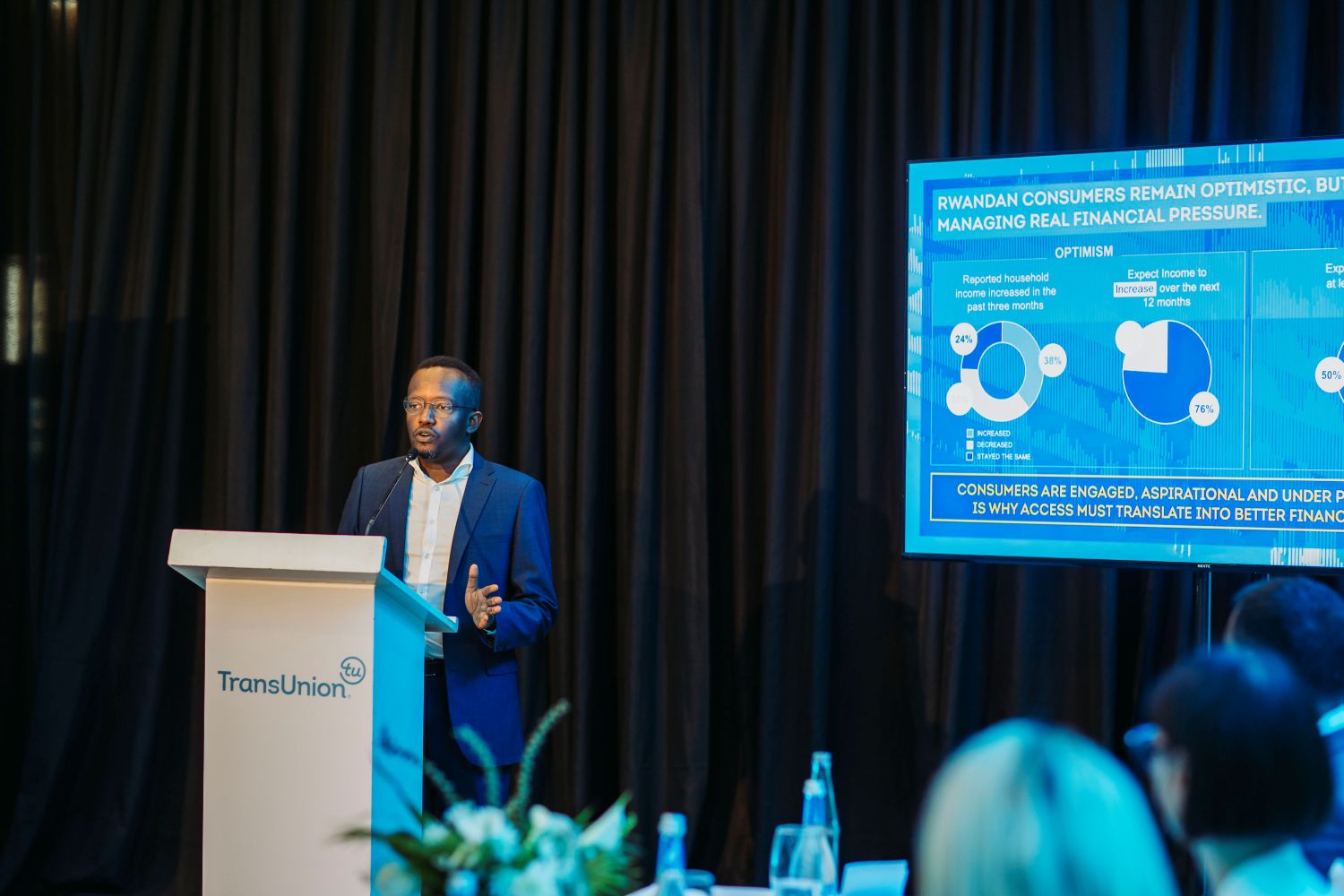
About 76% of respondents expect their household income to increase over the next 12 months, while another 16% expect it to remain stable. At the same time, 38% reported their incomes had increased over the previous three months, compared with 24% who experienced declines.
However, financial pressures remain evident.
Half of respondents said they expect to be unable to pay at least one current bill or loan in full. Among those anticipating difficulties, many plan to make partial payments, use savings or take on temporary work to meet their obligations.
The report notes that these coping mechanisms reflect resilience rather than declining confidence, as households continue adjusting to economic pressures while maintaining cautious optimism.
From financial inclusion to economic inclusion
Speaking at the report’s launch, TransUnion Africa Regional President and CEO Lee Naik argued that Rwanda’s next challenge extends beyond simply expanding access to financial services.
“Financial inclusion is not just about accessing a way to pay bills or move money around. Financial inclusion is the ability to give people access to opportunity,” he said.
He noted that greater access to credit would enable more Rwandans to purchase homes and vehicles, finance education, and invest in small businesses, particularly given that micro, small and medium-sized enterprises account for more than 70% of employment across Africa.
Naik also described financial inclusion, digital trust, cross-border collaboration, agri-finance and renewable energy financing as key trends that will shape Africa’s economic future over the next five years.
Building on that vision, Jeannine Naude, Vice President and Head of Africa Regions at TransUnion, said unlocking greater financial inclusion will require stronger collaboration across the financial ecosystem.
She said banks, fintechs, telecommunications companies and regulators must work together to build trusted digital infrastructure and develop financial products that reflect how consumers actually earn, save and transact. Such collaboration, she noted, will be key to expanding responsible lending and ensuring more people can participate meaningfully in Rwanda’s growing digital economy.
Credit awareness on the rise
The study also found that consumers are becoming increasingly engaged with managing their financial profiles.
Seventy percent of respondents said they monitor their credit reports at least once a month, while 96% believe keeping track of their credit information is important. Meanwhile, 57% believe their credit scores would improve if lenders incorporated alternative data, such as rental payments and other non-traditional financial information, into credit assessments.
Mutambazi said this openness presents an opportunity for financial institutions to broaden lending without increasing risk.
“The future is bright,” he said. “As an industry, we must work collaboratively on initiatives to meet this demand.”
Digital trust remains critical
As Rwanda’s digital economy expands, the survey also highlights the importance of strengthening trust in digital financial services.
Some 62% of respondents said they had been targeted by at least one form of digital fraud during the previous three months. However, only 9% said they actually became victims, suggesting that while fraud attempts are widespread, many consumers are successfully avoiding scams.
Naik said Rwanda compares favourably with several other African markets, where fraud victimisation rates are considerably higher, but stressed that continued investment in digital security and consumer education remains essential.
“Access creates participation, but trust sustains it,” Mutambazi said, adding that expanding financial inclusion will increasingly depend on building confidence in digital systems while ensuring more consumers can access affordable and suitable credit products.
TransUnion, the global credit reporting and information services company behind the survey, operates across more than 30 countries, including Rwanda and several African markets. The company provides credit data and analytical insights that help financial institutions assess risk, expand access to credit, and enable consumers to participate more confidently in the financial system.
Beyond its traditional credit reporting services, TransUnion has expanded into areas such as fraud prevention, marketing, and advanced analytics, using data to support more informed financial decisions for businesses and consumers.
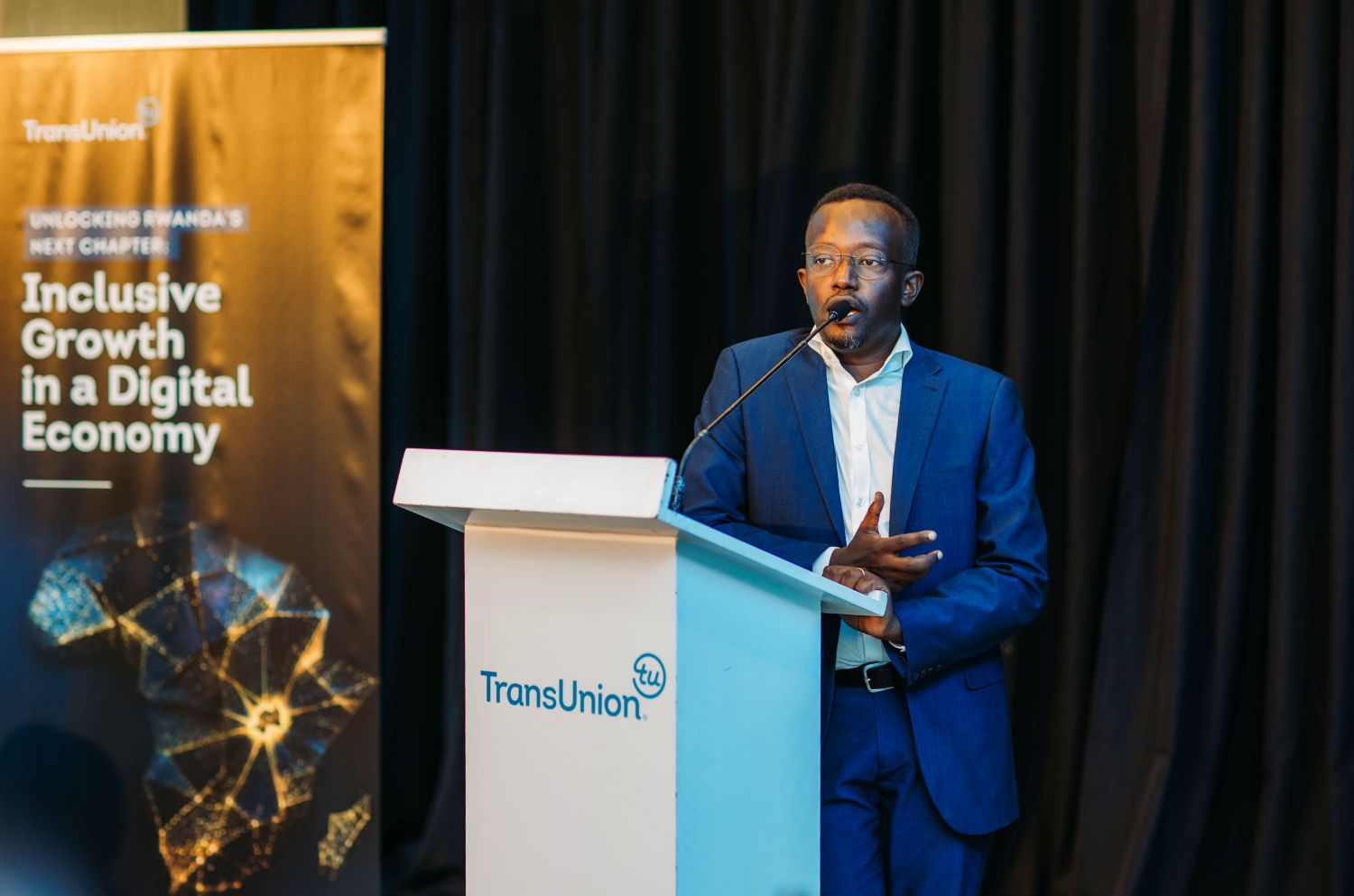
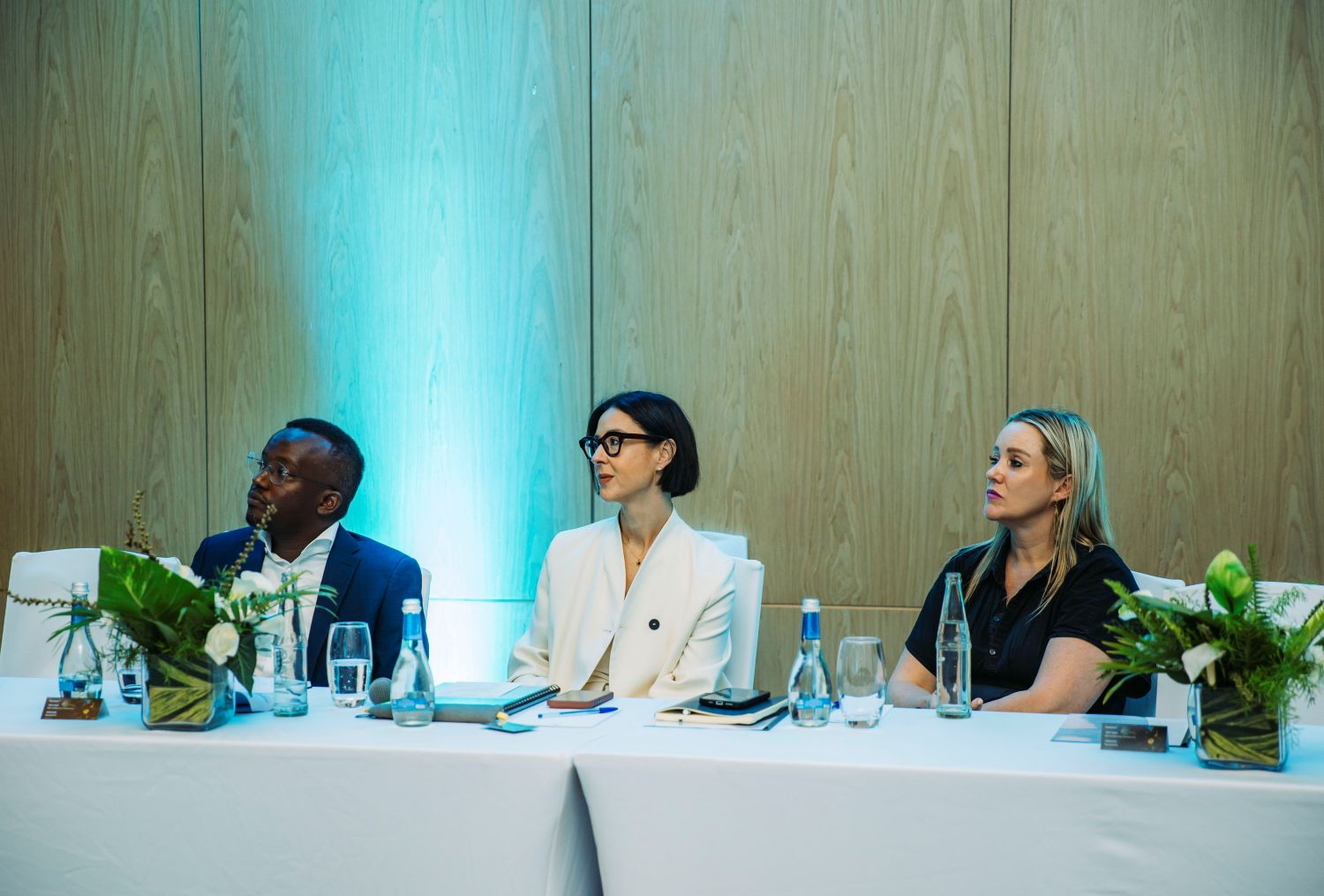
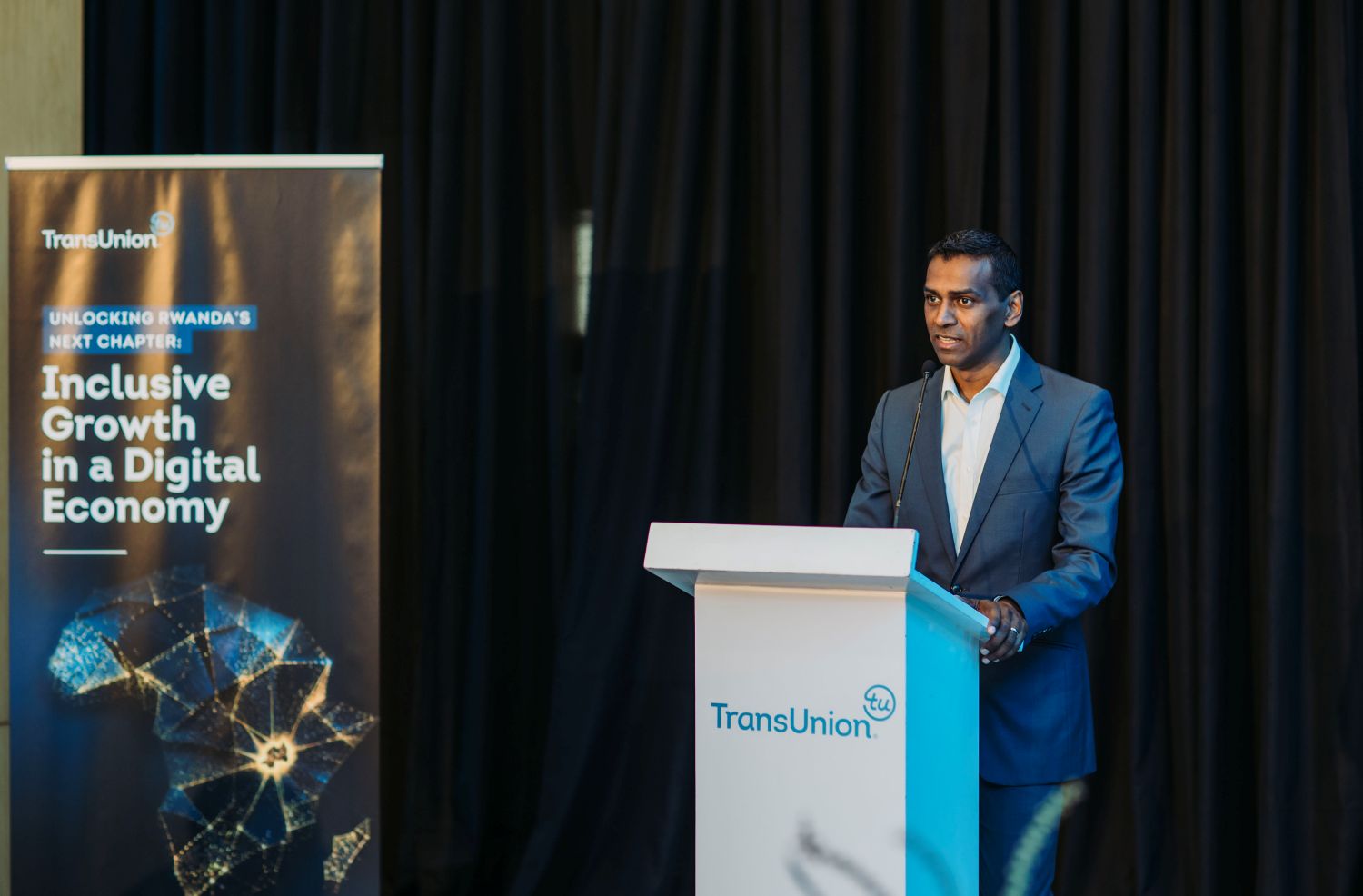
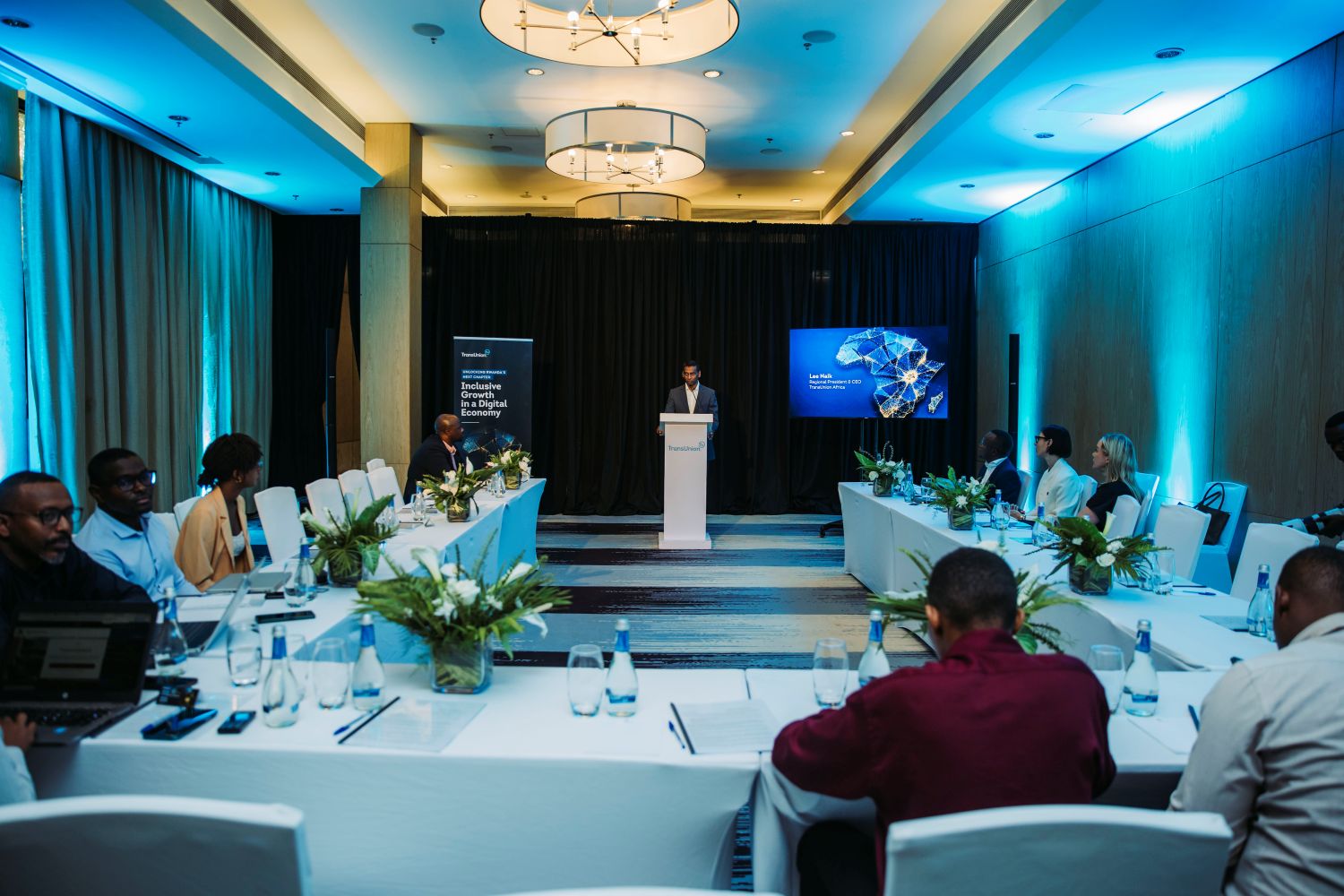
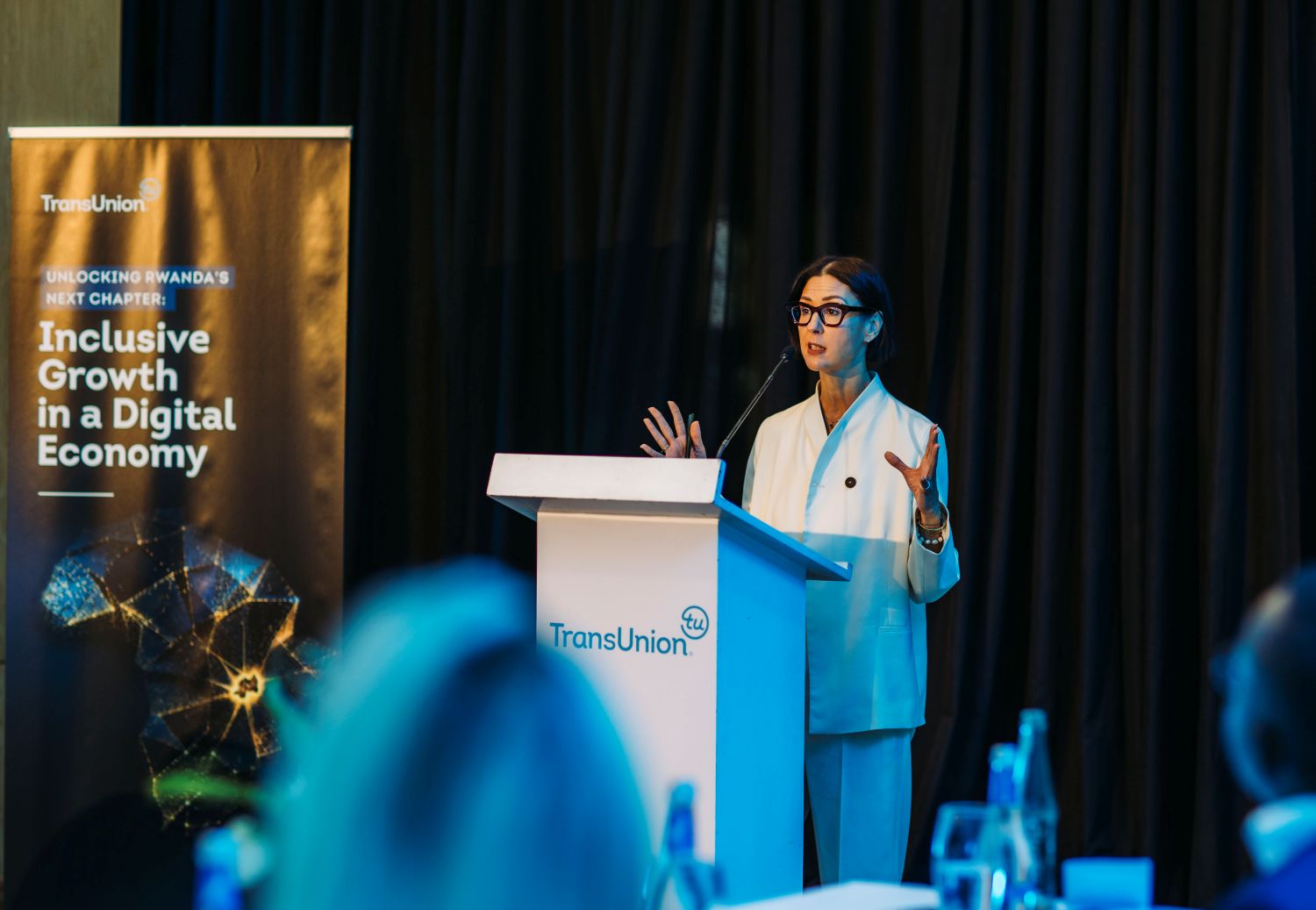
TransUnion Rwanda Chief Executive Officer Didier Mutambazi makes a presentation during the release of the survey on Thursday. Mutambazi said the findings indicate that the challenge is no longer simply expanding financial access but enabling more people to actively participate in the credit market.Speaking at the report’s launch, TransUnion Africa Regional President and CEO Lee Naik argued that Rwanda’s next challenge extends beyond simply expanding access to financial services.Jeannine Naude, Vice President and Head of Africa Regions at TransUnion, said unlocking greater financial inclusion will require stronger collaboration across the financial ecosystem.
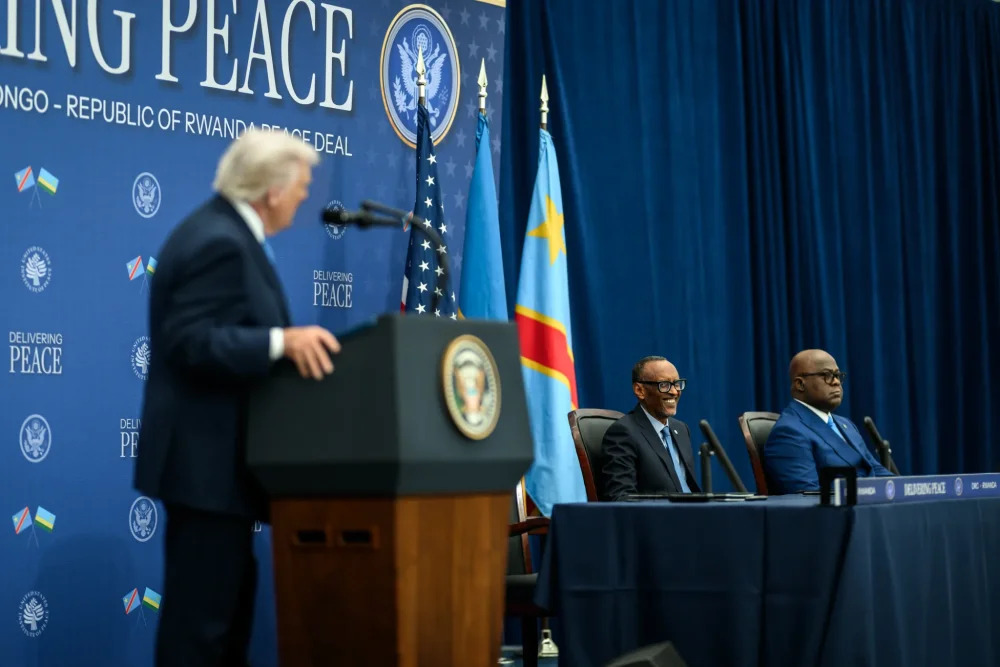
Trump made the remarks on July 8 while speaking to reporters aboard Air Force One after attending a NATO summit in Türkiye, where he portrayed the DRC conflict as one of eight wars he had helped bring to an end.
Responding to a question about Venezuelan opposition figure María Corina Machado, who he said had credited him with resolving conflicts around the world, Trump cited the tensions between the DRC and Rwanda among disputes he claimed to have settled.
“Think of the wars settled, eight wars that were going to last 30 years. Even if you look in the Congo, the Congo versus Rwanda. I settled it. After 14 years and about 15 million people had their heads chopped off. I settled that one,” Trump said.
Trump’s remarks appear to refer to the peace agreement signed by Rwanda and the DRC in Washington, which was designed to address years of tensions between the two neighbours.
The agreement outlines steps including the dismantling of the Democratic Forces for the Liberation of Rwanda (FDLR), an armed group linked to the 1994 Genocide against the Tutsi that Rwanda maintains remains a security threat and operates with support from elements within the Congolese security system.
Implementation of the agreement has faced significant challenges, with Kigali accusing Kinshasa of failing to honour its commitments, particularly regarding the neutralisation of the FDLR, while also questioning the neutrality of the US mediation.
Rwanda’s Foreign Minister Olivier Nduhungirehe recently expressed disappointment, arguing that peace cannot be achieved if only one party implements its obligations under the agreement, following sanctions imposed on Rwanda.
The agreement was built on two key pillars: the neutralisation of the FDLR and the lifting of Rwanda’s defensive measures. However, Nduhungirehe argued that implementation has stalled mainly due to what he described as a lack of political will from Kinshasa.
“The main issue is the political will by the government in Kinshasa to cease fire,” Nduhungirehe said, adding that drone attacks had intensified after the signing of the agreement.
He further accused the Congolese side of failing to take action against the FDLR, instead citing continued collaboration with the group.
Nduhungirehe said that while US officials had acknowledged partial progress by Rwanda, Washington had overlooked the DRC’s failure to fulfil its commitments under the agreement.
“So for us, we are disappointed by the increasingly biased U.S. mediation,” he said, stressing that peace agreements require both parties to implement their obligations simultaneously.
He questioned why sanctions had been imposed only on Rwanda, including recent measures targeting Rwanda’s Gasabo Oil Refinery and the Rwanda Defence Forces, while similar action had not been taken against the DRC.
According to the minister, sanctions risk undermining the mediation process.
“Those sanctions are unfair, one-sided and counter-productive,” he said, warning that applying pressure on only one party could embolden the other and worsen insecurity.
Trump’s claim also comes against the backdrop of continued clashes in eastern DRC, where the AFC/M23 rebel group and forces aligned with the Kinshasa government remain engaged in fighting despite diplomatic efforts.
At the end of last week, MRDP-Twirwaneho fighters allied with AFC/M23 announced that they had captured areas including Point-Zéro, Kalingi, Mikenke, Gitavi, Ilundu, Kalongi, Gakenke, Lubemba, Bicumbi and Baruta Rwitsankuku, locations previously held by forces comprising the Congolese army, Burundian troops, FDLR, Wazalendo fighters and foreign mercenaries.
On July 8, 2026, intense clashes were again reported in the same areas, involving FARDC-aligned forces and Twirwaneho fighters. The fighting was concentrated around Rugezi, Mulima, Point Zero, Kazaroho, Bilalo Mbili and Mikenke.
This followed heavy fighting in late June 2026 between Wazalendo militias and AFC/M23 near Ngungu town in Masisi territory, as well as in Rubaya, Bibwe, Minjenje and Pinga.
United States President Donald Trump’s claim that he “settled” the conflict in the eastern Democratic Republic of Congo (DRC) has drawn fresh questions over the state of the peace process, as continued tension in the region suggests that the crisis remains far from resolved.
A comparison of data from 1992, 2000 and 2025 offers a clear picture of Rwanda’s remarkable transformation.
Across key areas including living standards, healthcare, education and the economy, the figures point to substantial and measurable progress over the past three decades.
Today, Rwandans enjoy a significantly higher life expectancy than they did three decades ago.
Average incomes have increased, while infant and maternal mortality rates have declined sharply.
The country’s healthcare system has also undergone a remarkable transformation. Rwanda now provides advanced medical services that were once unavailable, including heart surgery and organ transplantation procedures such as kidney transplants.
These achievements are reflected in successive Demographic and Health Surveys conducted over the years.
This analysis draws on findings from the first survey carried out in 1992, the second conducted in 2000, and the seventh survey published in 2025, all of which illustrate the profound changes in the lives and well-being of Rwandans.
In 1992, Rwanda’s population stood at approximately 7.2 million. At the time, the country ranked among the most densely populated in the world, with an average population density of 270 people per square kilometre. The population was growing at an annual rate of 3.2%.
According to the second Demographic and Health Survey conducted in 2000, although Rwanda had lost more than one million people during the 1994 Genocide against the Tutsi, the country’s population did not decline overall.
Following the end of the genocide, large numbers of Rwandans who had fled the country returned home, contributing to population growth.
As a result, Rwanda’s population had risen to approximately 7.6 million by 2000, with an annual population growth rate of 2.8%.
Rwanda’s modern settlement approach promotes sustainable development by protecting land resources, conserving the environment, and creating well-planned communities.
By 2025, the National Institute of Statistics of Rwanda (NISR) reported that the country’s population had reached 14.1 million, up from 13.2 million in 2022. The report also indicated that Rwanda’s population is growing at an annual rate of 2.3%.
Rwanda has also made remarkable progress in improving living standards. In 1992, only 2.3% of Rwandans had access to electricity.
That figure rose to 6% in 2000 and reached 75% by 2025. Of those with access to electricity today, 54% are connected to the national power grid.
Access to clean water has improved significantly as well. In 1992, only 1.7% of households had piped water inside their homes, while 20.8% relied on public water taps. The rest depended on water from springs, rivers and other natural sources.
By 2000, the proportion of households with piped water at home had increased slightly to 1.9%, while 29.1% of the population accessed water through public taps. Many others still relied on springs, rivers and other water sources.
In 2025, the situation had changed considerably. About 24% of households had piped water in their homes, while 44% accessed clean water through public taps located within a 30-minute round trip from their homes, reflecting improved access to safe drinking water.
The country’s healthcare sector has also undergone a dramatic transformation. In 1992, more than 73% of women gave birth at home, and one in every five babies was delivered without the assistance of a trained health professional.
Home births remained common in 2000, with about 73% of women still delivering outside health facilities. The majority of those who gave birth at home were women aged over 35, accounting for 82% of all home deliveries.
By 2025, institutional deliveries had become the norm. An overwhelming 98% of women gave birth in health facilities, while only 2% delivered outside hospitals or health centres.
Advanced healthcare services have become more accessible to many Rwandans, marking a significant shift from the past.
These improvements have been accompanied by a significant decline in child mortality rates. Before 1992, 150 out of every 1,000 children born in Rwanda died before reaching the age of five.
By 2000, the figure had fallen, although it remained high, with more than 100 children out of every 1,000 dying before their fifth birthday.
Today, the under-five mortality rate in Rwanda has dropped significantly, with approximately 27 children out of every 1,000 live births dying before reaching the age of five.
The country’s health progress is also reflected in the rise in life expectancy. In 1992, Rwandans had an average life expectancy of slightly more than 44 years. This increased to 47 years in 2000 and reached 69.6 years by 2025.
In the education sector, major changes have also been recorded. In 1992, only 25.8% of women aged up to 49 had completed primary education, compared with 56.2% of men in the same age group.
By 2000, the proportion of people who had completed primary education had increased to 72.2%. In 2025, 38% of women and 40% of men under the age of 49 had completed primary education.
Economic conditions have also improved over the past three decades. In 1992, Rwanda’s average income per person was estimated at $270 annually, while 91% of the population depended on agriculture as their main source of livelihood. In 2000, average income stood at around $250 per person per year, with 91% of Rwandans still relying on agriculture.
By 2025, average income per person had increased to approximately $1,040 annually, while the share of the population dependent on agriculture had declined to 65%.
Looking at these figures, it is clear that Rwanda has achieved significant progress over the past 32 years, although the journey of transformation continues.
The country’s ongoing development efforts are reflected in its ambitions under the Second National Strategy for Transformation (NST2) and the long-term aspirations outlined in Vision 2050.
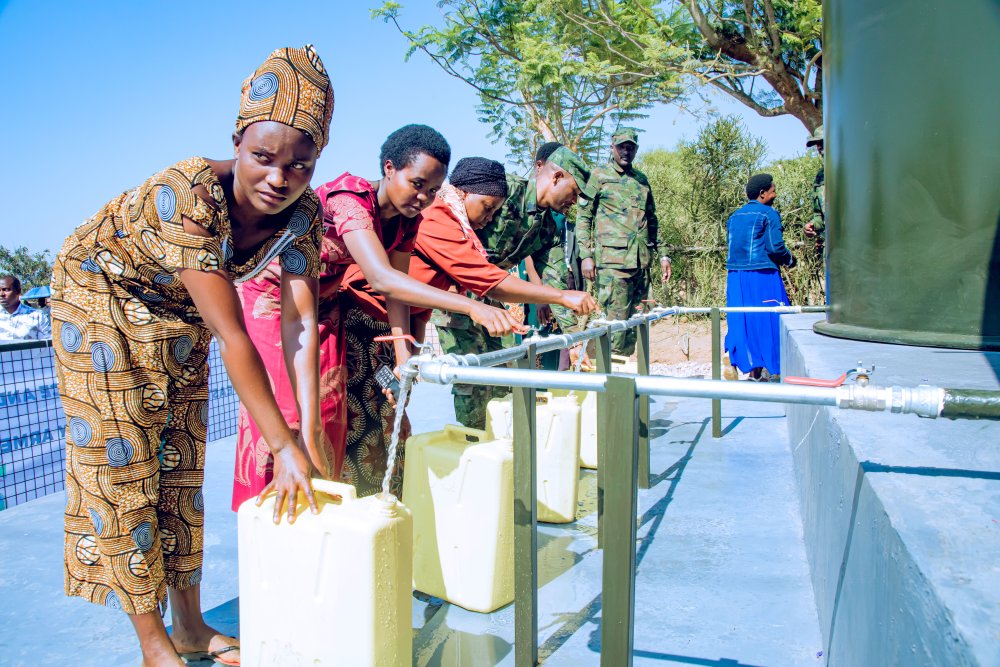
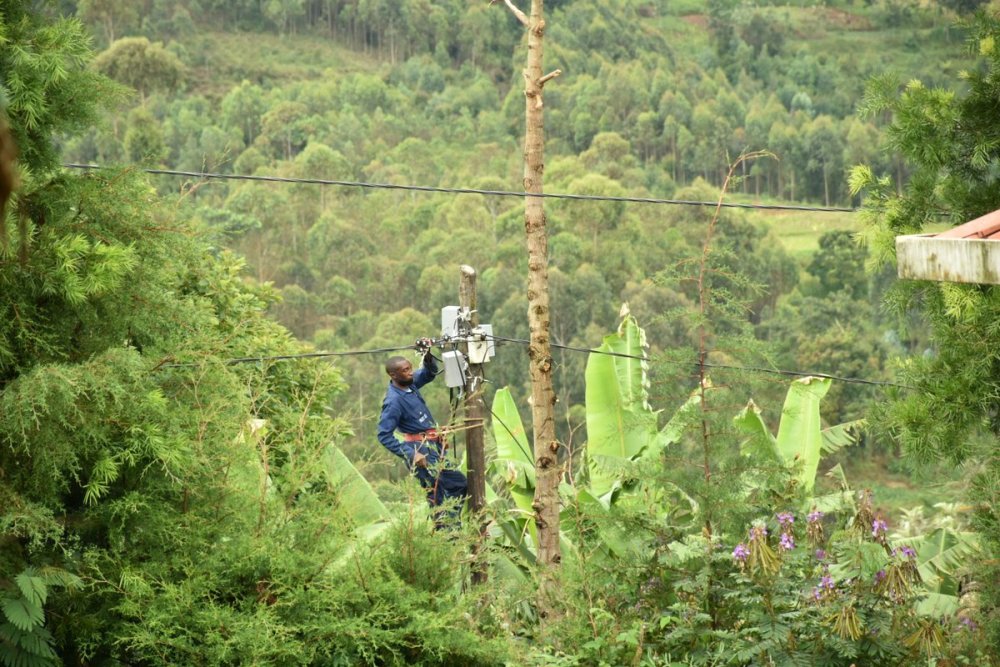
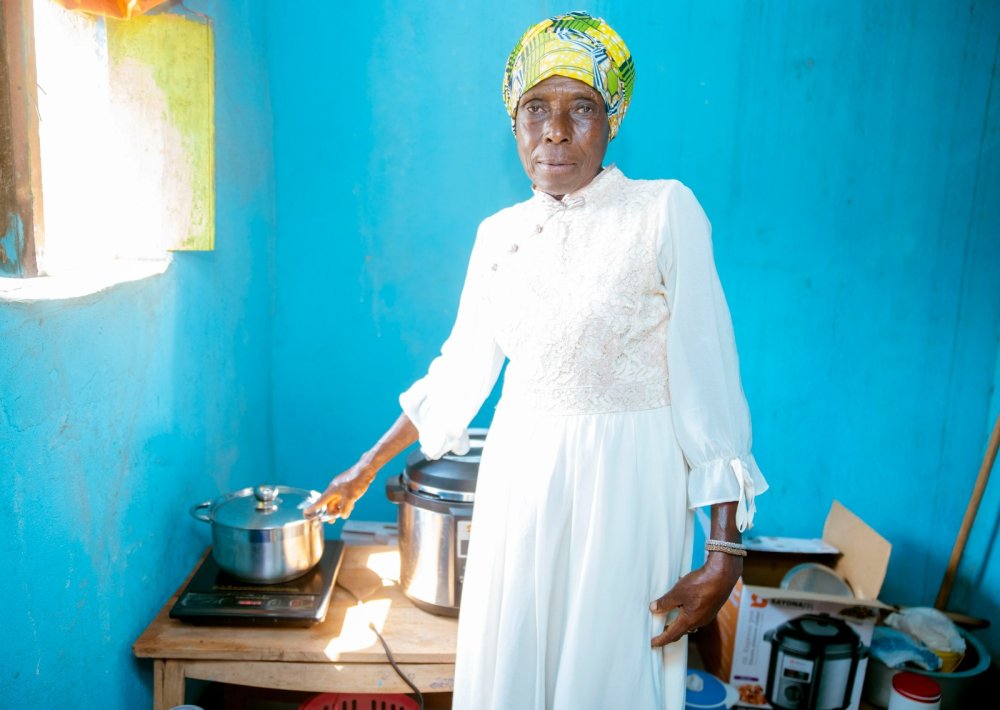
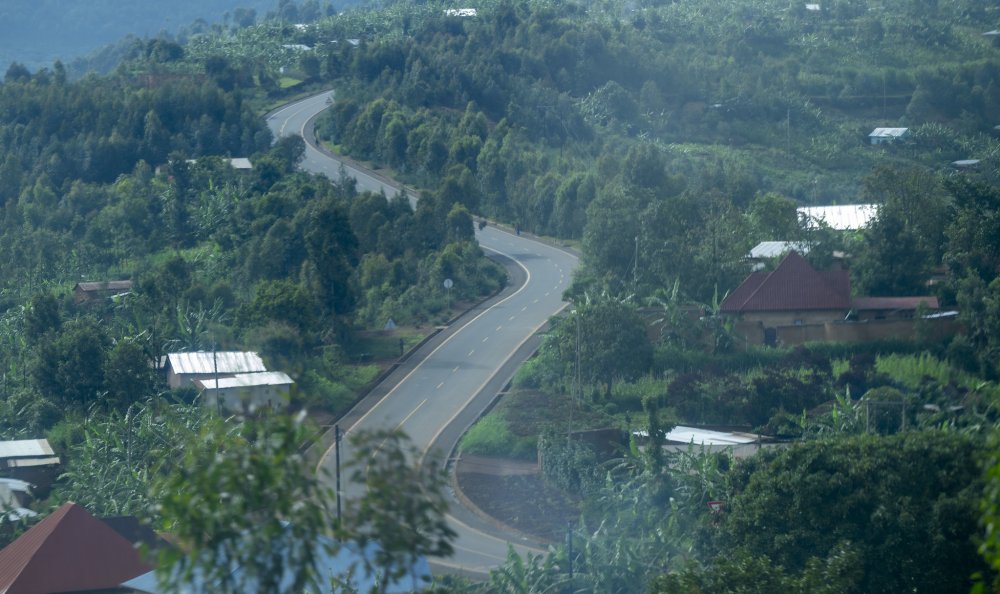
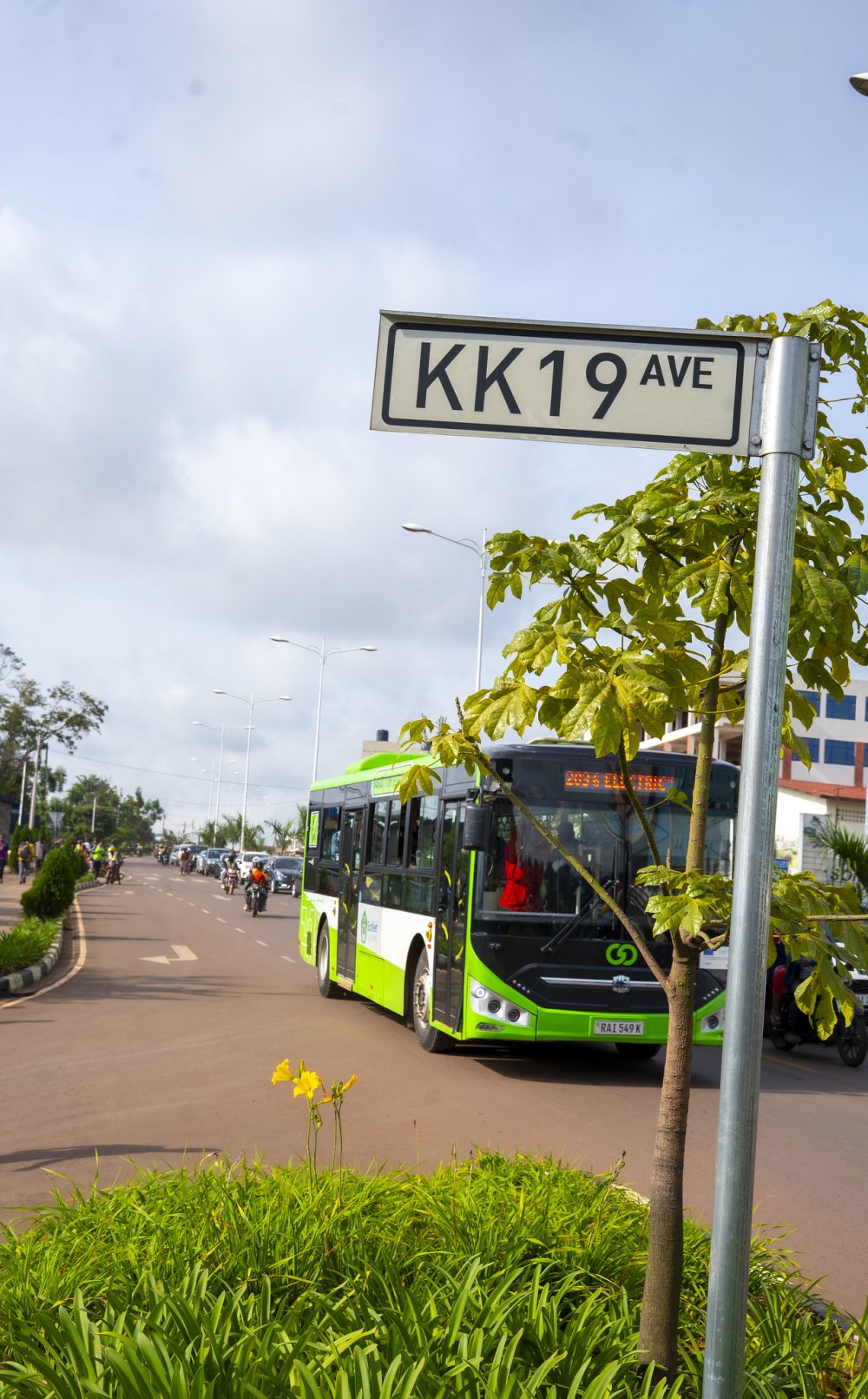
The number of Rwandans living in model villages continues to increase.More than 90% of Rwandans now have access to clean water across the country.The number of Rwandans with access to electricity continues to increase year after year.Rwanda has intensified efforts to increase the use of environmentally friendly energy sources.Rwanda’s transport sector has continued to improve and become more efficient.Education remains a cornerstone in improving citizens’ livelihoods and driving economic growth.
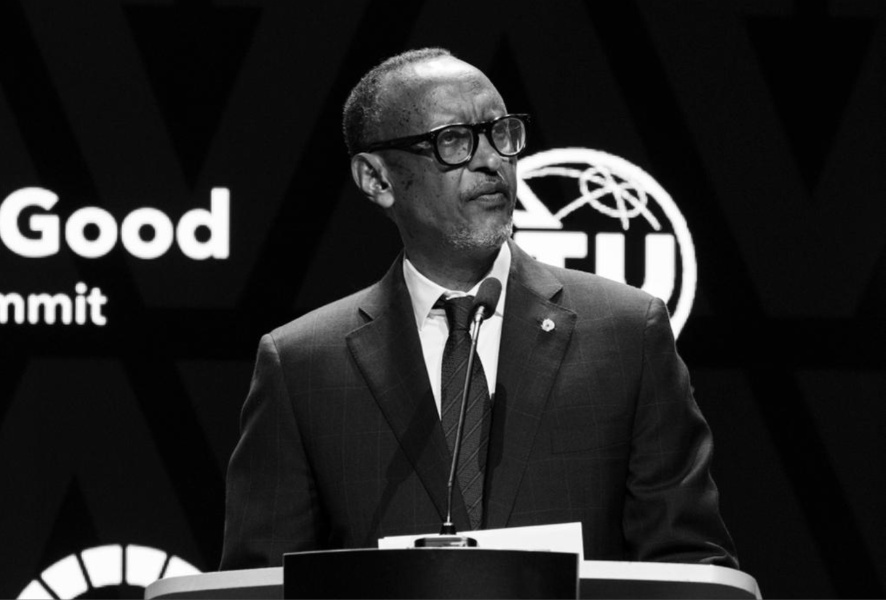
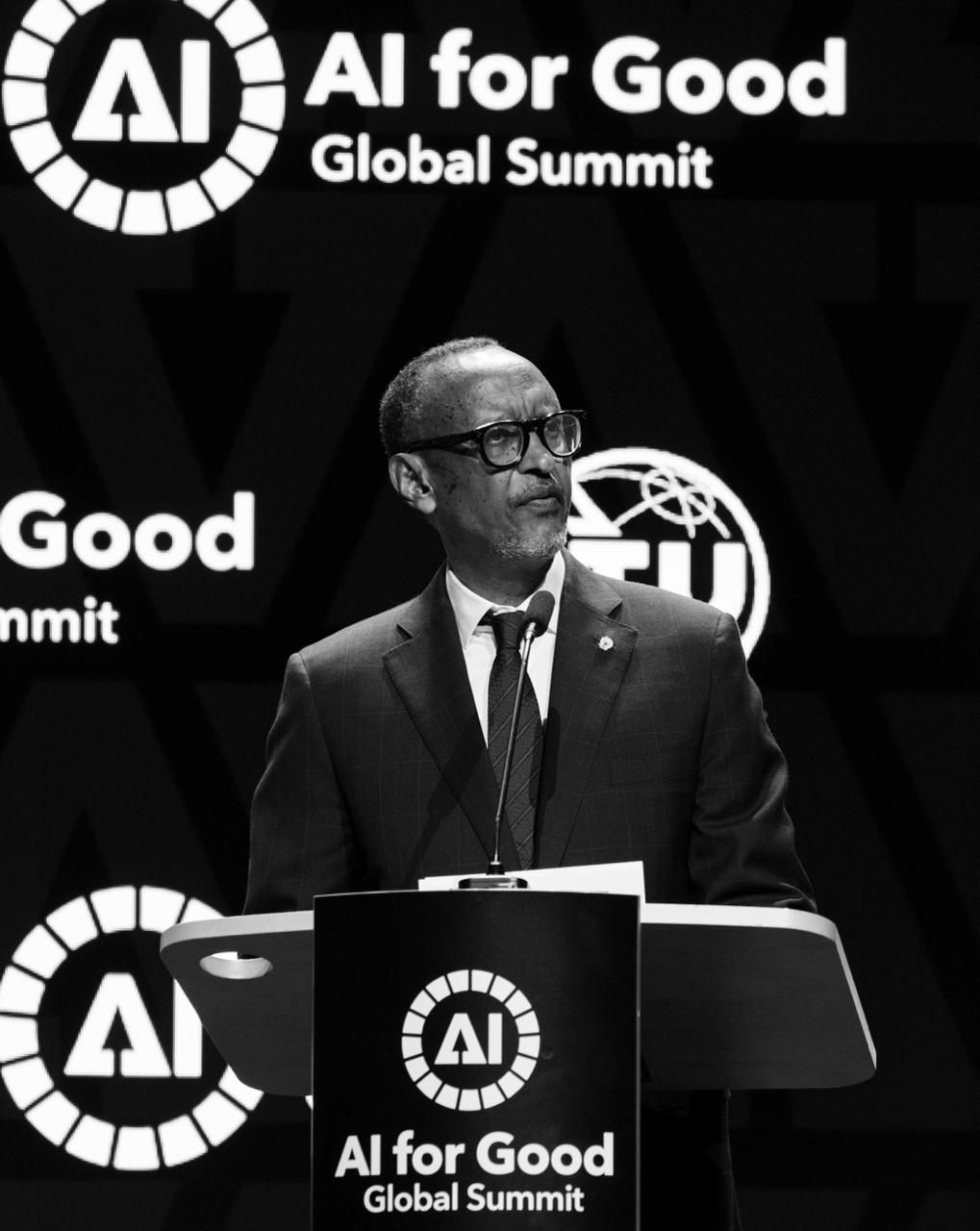
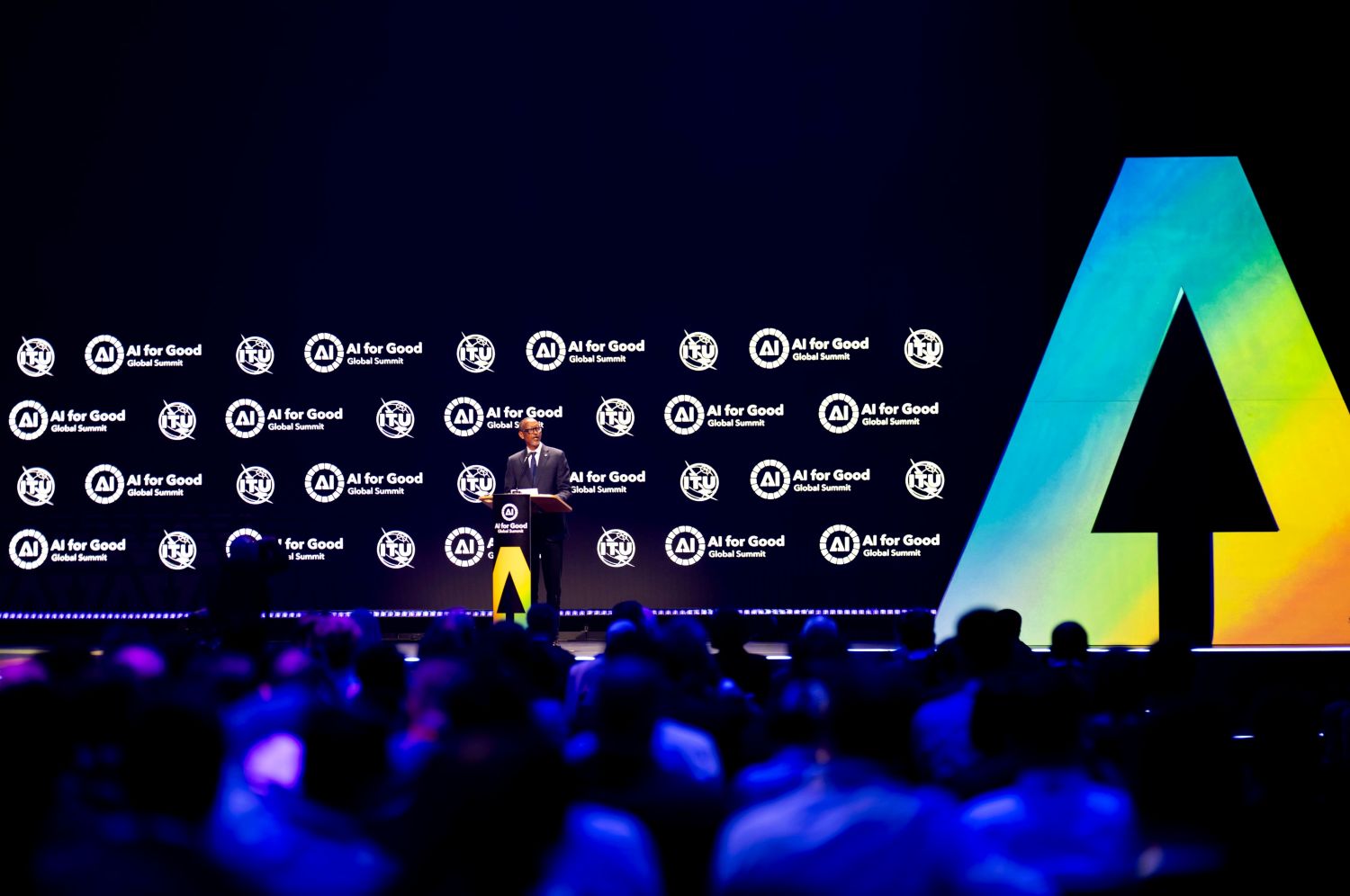
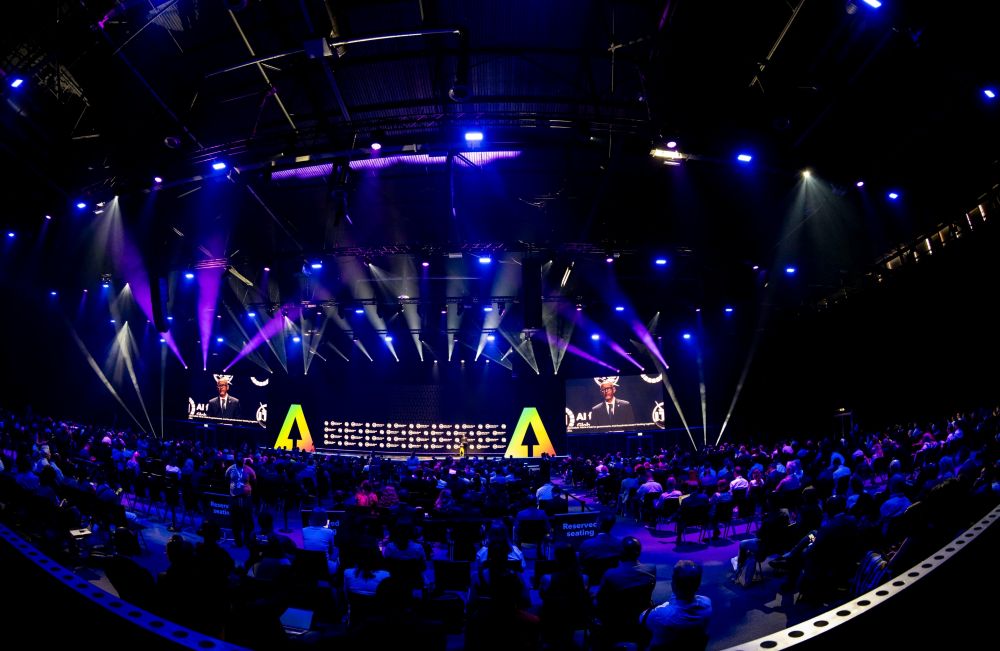
Kagame delivered the remarks at the summit in Geneva, Switzerland, which also marked the official launch and inaugural meeting of the AI for Good Global Commission, a new global initiative he co-chairs that seeks to advance inclusive and responsible AI development.
The AI for Good Global Summit 2026 is organised by the International Telecommunication Union (ITU), the United Nations specialised agency for information and communication technologies (ICTs) and digital technologies.
Addressing heads of state, technology leaders, investors and development partners, Kagame said AI has the potential to transform lives and strengthen economies, but stressed that deliberate action is needed to ensure its benefits are shared equitably.
“We must be intentional about designing, funding, and governing AI so that it can reach its full potential,” he said.
The Head of State highlighted three areas that should be prioritised to unlock AI’s potential.
The first, he said, is infrastructure, noting that computational power, connectivity and reliable energy must become more accessible through stronger collaboration between governments and the private sector.
Secondly, President Kagame underscored the importance of skills development, saying talent exists everywhere but opportunities do not. He urged educational institutions to continually adapt their curricula to prepare young people for an AI-driven economy.
His third priority was accountability, calling for AI governance frameworks that promote trust and transparency rather than creating new divisions.
Kagame said Rwanda is already demonstrating the practical use of AI through its Health Intelligence Center, which uses real-time health data and artificial intelligence to help predict disease outbreaks and support better policy decisions.
In June 2026, the Cabinet, chaired by President Kagame, approved the establishment of the National Artificial Intelligence Agency, which will drive AI development, innovation, adoption, investment and governance in support of Rwanda’s digital transformation and economic growth.
The agency is expected to play a central role in coordinating Rwanda’s AI agenda as the country seeks to strengthen its position as a regional technology and innovation hub.
In his speech on Wednesday, President Kagame also highlighted continental efforts through Smart Africa, noting that the alliance established the Africa AI Council last year to strengthen Africa’s role in shaping the future of AI.
While acknowledging growing geopolitical competition over technology and persistent uncertainty surrounding AI, President Kagame noted that Africa is well positioned to contribute to the global digital economy, pointing to the continent’s rapidly growing and youthful workforce.
“In Africa, we are no longer satisfied to be passive consumers of technology. We want to build and deploy that technology at scale as well,” he said.
President Kagame is serving as co-chair of the newly launched AI for Good Global Commission alongside Salesforce Chair and CEO Marc Benioff. The commission builds on the legacy of the Broadband Commission and brings together governments, business leaders, international organisations, investors and civil society to help ensure AI advances opportunity and development worldwide.
During the commission’s inaugural fireside discussion hosted by ITU Secretary-General Doreen Bogdan-Martin, Benioff described AI as a technology unlike any before it and said its impact would depend on how humanity chooses to develop and govern it.
“This is not a regulatory body, this is not a rule-making body, this is a conversation,” Benioff said. “Technology is never good or bad. It’s what we do with the technology that matters.”
He stressed the importance of a multi-stakeholder approach, saying governments, industry and civil society must work together to guide AI’s development in a way that benefits people around the world.
Kagame echoed that view, saying the commission would build on lessons learned from the Broadband Commission over the past 15 years, where public-private cooperation helped expand digital connectivity across continents, including Africa.
“The main task is to deliver,” Kagame affirmed. “We want to harness the good of AI.”
The AI for Good Global Commission aims to foster international collaboration on AI policy, investment and innovation, ensuring the technology is developed responsibly and its benefits are shared more broadly across countries and communities.
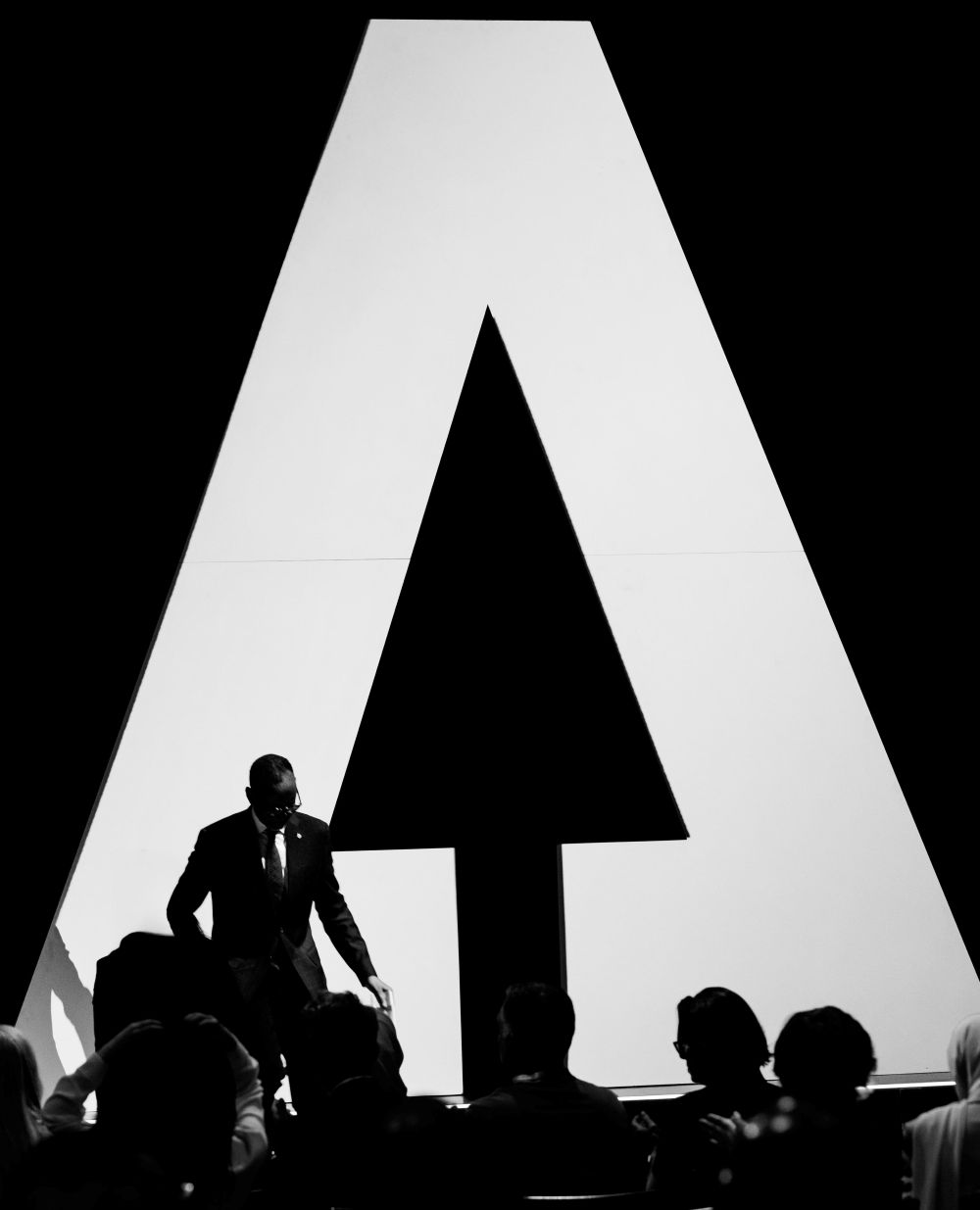
Kagame delivers his remarks during the official launch and inaugural meeting of the AI for Good Global Commission, a new global initiative he co-chairs that seeks to advance inclusive and responsible AI development.The AI for Good Global Summit 2026 is organised by the International Telecommunication Union (ITU), the United Nations specialised agency for information and communication technologies (ICTs) and digital technologies.
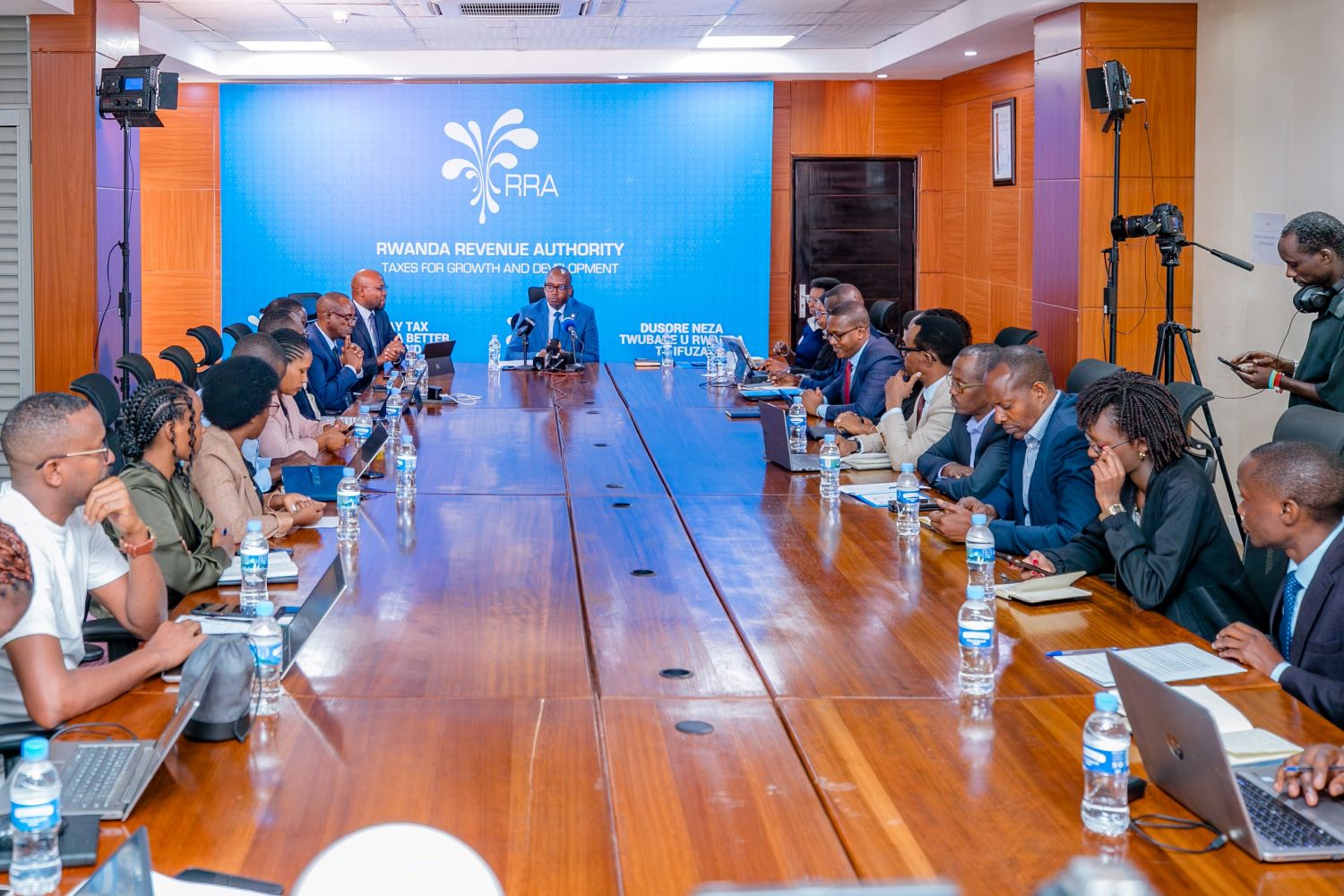
The annual compliance strategy, unveiled on Wednesday, July 8, is aimed at strengthening voluntary tax compliance, expanding the tax base and mobilising more domestic revenue to support Rwanda’s development agenda.
The launch comes after RRA recorded a 27.7% increase in tax collections compared to the previous fiscal year. Revenue collected on behalf of local governments also exceeded target, reaching Rwf 137.9 billion, or 102.3% of the planned collection before reconciliation.
RRA Commissioner General Ronald Niwenshuti attributed the strong performance to “favourable macroeconomic conditions, effective tax administration, successful implementation of tax policy measures, and sustained improvements in taxpayer compliance.“
Strong economic growth boosts tax collections
According to RRA, Rwanda’s economy expanded by 11% during the first three quarters of the fiscal year (July 2025 to March 2026), outperforming the projected 8.1%, with growth driven largely by the industrial and services sectors.
The stronger economic activity translated into improved tax performance across major revenue streams.
Business turnover increased by 23.7%, while the proportion of VAT-taxable sales rose from 52.3% to 59.2%, broadening the country’s Value Added Tax (VAT) base.
Corporate taxable income grew by 22.9%, compared to 1.9% in the previous fiscal year, while taxable employment income rose by 14.6%, resulting in a 16% increase in Pay As You Earn (PAYE) revenue.
The value of taxable imports also increased by 29.6%, contributing to stronger customs revenue.
Meanwhile, tax policy reforms introduced during the year generated Rwf 286.7 billion, exceeding the projected Rwf 259.2 billion and achieving 110.6% of the target.
Beyond economic growth, RRA credited a series of compliance initiatives for boosting domestic revenue.
During the year, the authority registered 126,282 new taxpayers, who contributed Rwf 15.4 billion in tax revenue, while Rwf 277.1 billion in outstanding domestic tax arrears was recovered through strengthened enforcement.
The adoption of Electronic Billing Machines (EBMs) also continued to expand, with 43,243 additional taxpayers joining the system to improve VAT compliance and transaction traceability.
RRA completed 1,883 tax audits, resulting in Rwf 9.3 billion in additional tax assessments and payments, while enhanced monitoring of unsupported business expenses helped improve corporate income tax compliance and reduce underreporting.
The authority also credited continued taxpayer education, risk-based compliance management and collaboration with stakeholders for improving voluntary compliance.
Participation in the Tengamara na TVA and Tenga Promo VAT reward schemes grew significantly during the year, with registered participants increasing from 74,964 in June 2025 to 1.09 million by the end of June 2026.
The scheme generated invoices accounting for Rwf 105.8 billion in VAT output, while consumers received Rwf 4.2 billion in VAT rewards.
On the enforcement front, RRA completed 163 tax investigation cases, leading to assessments worth Rwf 21.4 billion, while 1,542 anti-smuggling operations resulted in assessments totalling Rwf 29 billion.
Joint EBM compliance campaigns conducted with the Rwanda National Police across Kigali and five districts outside the capital led to more than 12,000 taxpayers adopting EBMs and the recovery of Rwf 3 billion in penalties.
Using data analytics, the authority also identified and blacklisted fictitious invoices, preventing fraudulent VAT refund claims worth Rwf 28 billion.
New strategy targets higher voluntary compliance
Building on the gains made in 2025/26, RRA has been assigned a revenue target of Rwf4.640 trillion for the central government and Rwf165.9 billion for local governments during the 2026/27 fiscal year.
The collections are expected to finance approximately 61.6% of Rwanda’s Rwf7.796 trillion national budget.
Under the new Compliance Improvement Plan, RRA will focus on strengthening taxpayer registration, encouraging timely filing and payment of taxes, improving the accuracy of tax declarations, expanding the use of Electronic Billing Machines, accelerating digital transformation, enhancing taxpayer education and applying risk-based compliance management.
The strategy also calls for closer collaboration with stakeholders and law enforcement agencies to combat tax crimes.
Priority sectors include manufacturing, transport and storage, information and communication, professional services, education, real estate and construction, where the authority intends to strengthen compliance while promoting fair taxation.
Niwenshuti said continued collaboration between taxpayers, stakeholders and the tax authority will be key to achieving the new revenue target.
“While significant progress has been made, much remains to be done to achieve even higher levels of compliance and domestic revenue mobilisation. I remain confident that, through continued collaboration, mutual trust and the shared commitment of taxpayers, stakeholders and RRA staff, we will successfully achieve our revenue and compliance objectives for FY 2026/2027,” he said.
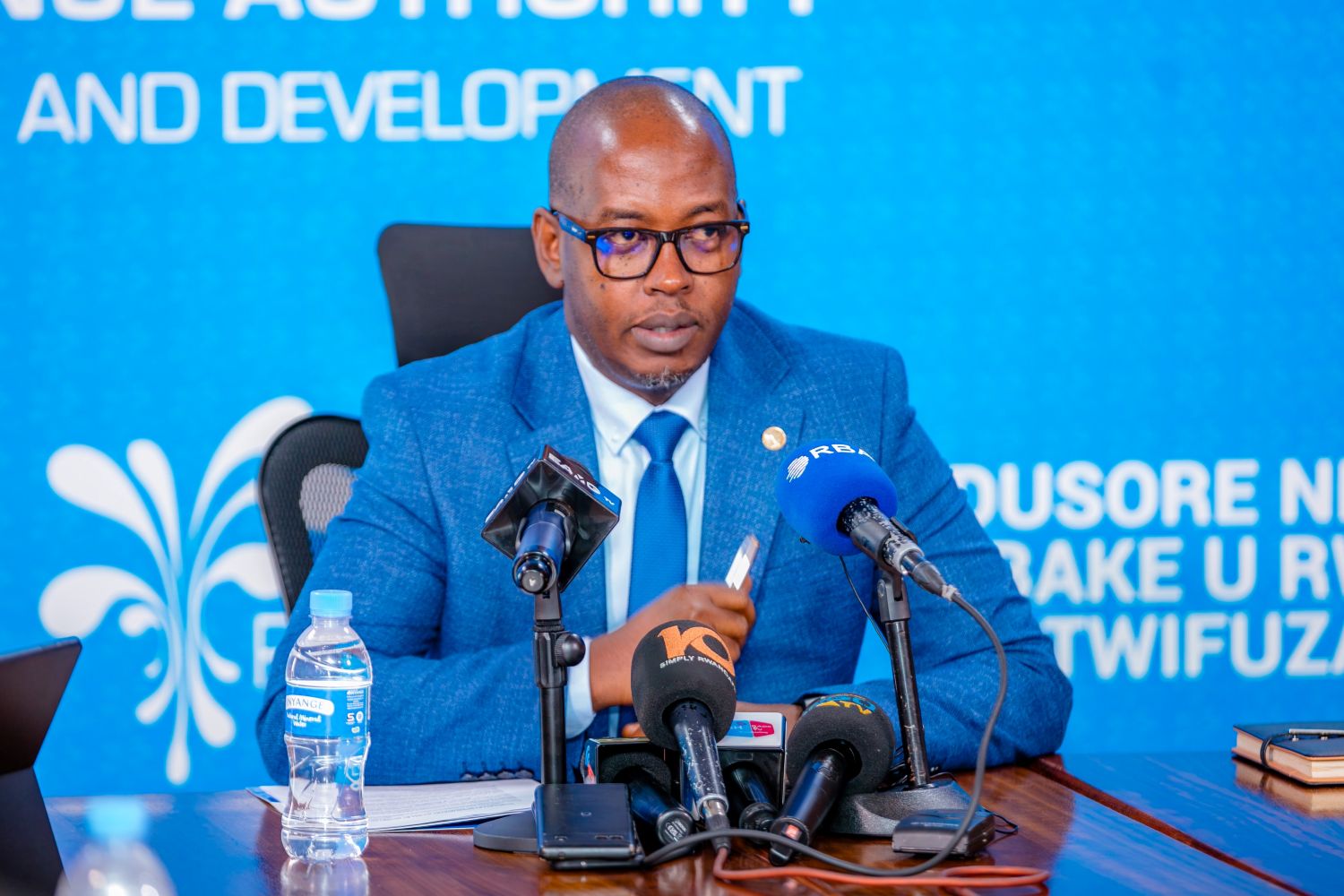
The performance was announced by RRA Commissioner General Ronald Niwenshuti during a press briefing on Wednesday, July 8.Niwenshuti said tax revenue increased by 27.7% compared to the previous fiscal year, attributing the growth to improved voluntary tax compliance, sustained economic expansion, and the implementation of new tax measures.
Instead, the first military operation led by President Paul Kagame after his return from the United States became the turning point that ultimately secured victory.
Speaking in IGIHE’s Ingingo Nkuru programme as Rwanda commemorates the 32nd anniversary of the country’s liberation and the end of the 1994 Genocide against the Tutsi, Col (Rtd) Mugisha reflected on some of the defining moments of the liberation war.
Capturing Gatuna
Col (Rtd) Mugisha served in the battalion commanded by Col (Rtd) Dodo Twahirwa, the unit that captured Gatuna.
After securing Gatuna, the battalion remained in the hills of Byumba, where it was reinforced by two additional battalions.
“We stayed in the Byumba hills until two other battalions joined us, making three battalions in total. From there we continued fighting in Byumba, Kivuye, Bungwe and all the way to Butaro,” he recalled.
He described the battles at Kaniga and Kivuye as some of the most difficult during the early stages of the war.
“We fought at Kivuye and Kaniga II, particularly in Kivuye Commune. On the first day, we defeated the enemy and captured their positions. But on the second day, they received reinforcements from Byumba, Butaro and Ruhengeri. They launched a strong counterattack, forcing us to retreat.”
The fighting continued at Gatuna.
He said, “From there we moved to Gatuna II. We fought there as well, but the enemy had superior strength. We would capture part of the area, only for them to drive us out again. We adopted guerrilla tactics because if we stayed in one position for too long, we suffered heavy casualties. We would attack, hold the area for a day, then move on the next day.”
Col (Rtd) Vincent Mugisha shares memories of his years as an RPA soldier, highlighting the challenges, sacrifices and determination that shaped the liberation campaign.
One of the things he admires most, he said, is President Kagame’s leadership during the liberation struggle and his ability to plan military operations that defeated the enemy in ways many people still find remarkable today.
“The Commander-in-Chief planned our operations exceptionally well. After the battles at Kivuye and Kaniga II, he devised another strategy. I wasn’t involved in the planning because I was still a junior soldier, but he organized an operation to attack Ruhengeri again. We marched on foot through the Virunga Mountains, attacked Ruhengeri and freed prisoners. That operation shocked the enemy and convinced them that we had far greater strength than they had imagined.”
He continued: “After we left the Virunga Mountains, he quickly organized two battalions and ordered them to return to the park. Since almost all the enemy’s forces had been deployed in Ruhengeri, he knew only a small number of troops remained elsewhere. He instructed them to move through the park and advance as far as Rusumo.”
“As we moved, the enemy detected us when we reached the Kayange area, just beyond Namuhemura. They pursued us through Nyarupfubire toward Rwimiyaga. We engaged them effectively. They had underestimated us, thinking we were only a small force, but after the battle, their morale was badly shaken.”
Another decisive battle took place at Gikoba, where RPA troops refused to surrender ground.
“Our soldiers stayed in trenches. Whenever they attacked, we’d repel them. They would return a week later, and we would push them back again.”
Trenches dramatically reduced casualties
According to Col (Rtd) Mugisha, one of President Kagame’s most important military directives required every soldier to dig a trench for protection.
“He taught us that every soldier had to fight from a trench. Inspection teams were even established to verify that every battalion had properly dug them. I clearly remember senior officers coming to inspect.”
The trenches significantly reduced casualties.
“The enemy would bombard our positions thinking they had killed us all. When they advanced to finish us off, they found us alive and ready to fight back. That completely changed the nature of the war. Eventually they became afraid of attacking us, and it greatly boosted our soldiers’ morale.”
Arriving in Kigali after the Genocide began
Col (Rtd) Mugisha arrived in Kigali on April 10, 1994, after his battalion was ordered south from the Mulindi area to rescue civilians as the Genocide against the Tutsi unfolded.
“We left on April 8 and reached Kigali on April 10, entering through Kagugu.”
The journey exposed them to scenes that remain unforgettable.
“From Mugambazi through Rutongo, there were bodies everywhere.”
He explained that displaced people from Byumba who had settled around Nyacyonga had already begun killing Tutsi civilians, leaving bodies scattered along the roads.
“It was heartbreaking. Those who did not witness the Genocide cannot fully understand its cruelty. Even soldiers were deeply affected by what we saw. When I think about what happened to the Tutsi, it still pains me.”
The horrifying discovery at Musha Parish
After several days fighting in Kigali, Mugisha’s battalion received new orders under the command of Maj Gen Caesar Kayizari to rescue Tutsi civilians in eastern Rwanda.
At Musha in present-day Rwamagana District, he encountered the largest number of victims he had ever seen.
“At Musha Parish, around the priest’s residence near the cathedral, there were more than 5,000 bodies. There were many more inside the parish. They had been killed in horrific ways.”
He recalled seeing victims who had been beaten to death and stripped naked. One memory has never left him.
“A fellow soldier came from Musha. When we arrived, he said, ‘This is my home.’ We told him to check whether any of his relatives had survived. As soon as he entered the compound, he collapsed over the bodies of his family members. He cried uncontrollably until we had to carry him away.”
As they advanced further, they discovered that the killings were still ongoing. “We even found a truck transporting bodies from the church to dumping sites. The entire church was covered in blood.”
The liberation of Kigali brought mixed emotions
By July 4, 1994, Col (Rtd) Mugisha was stationed in Kimihurura when Kigali was finally liberated.
Despite the military victory, he says there was little celebration among the soldiers.
“The capture of Kigali did not bring us the joy many people imagine. You celebrate when the people you came to save are alive. Instead, we found bodies everywhere.”
Months of continuous fighting had also taken a heavy physical toll.
“We had been fighting nonstop from April to July. The troops were exhausted.” He added that civilians, who would normally celebrate alongside liberating forces, were either dead or had fled.
“It was a mixture of emotions that is difficult to explain. We were happy to have achieved victory, but overwhelmed by the tragedy we witnessed.”
Col (Rtd) Vincent Mugisha recounts key moments from his time in the Rwanda Patriotic Army (RPA), including the capture of Gatuna and other decisive battles.
Confident in Rwanda’s youth
Col (Rtd) Mugisha expressed strong confidence in today’s young generation, saying they are fully capable of serving Rwanda in different fields.
“People often criticise today’s youth, but every generation has heard older people say, ‘Children these days.’”
He said it is unfair to judge an entire generation because of the mistakes of a few individuals.
“If one young person uses drugs or another gets drunk, people assume they are all the same. I don’t believe that. Our children will achieve even more than we did because they have opportunities we never had. They are educated, they understand technology, and today’s battles are battles of development.”
He added that Rwanda’s young people have already demonstrated responsibility.
“I’ve been away from home for three years and nothing has happened. Our young people are capable. Heroes produce heroes. A lion gives birth to another lion, not a dog.”
A message to detractors
Reflecting on his years in the Rwanda Defence Force, Col (Rtd) Mugisha described it as a family built on solidarity, mutual respect and shared values.
“I’ve lived well because you never go hungry in the army, and you’re never abandoned when you’re sick. The RDF is a family that supports its members, and I love it.”
He also had a message for those who continue to seek to destabilise Rwanda.
“Those who failed in 1994, 1995, 1996, 2000 and all the years since should give up. They should return home and help build the country because they will never achieve their objective.”
He said Rwanda’s unity makes attempts to destabilise the country futile.
“Rwanda is stable because its people are united. Where would anyone even find a way to divide it? They should abandon the idea of capturing Rwanda. The country has moved far beyond that.”
Col (Rtd) Vincent Mugisha, is one of the soldiers who took part in the liberation struggle.