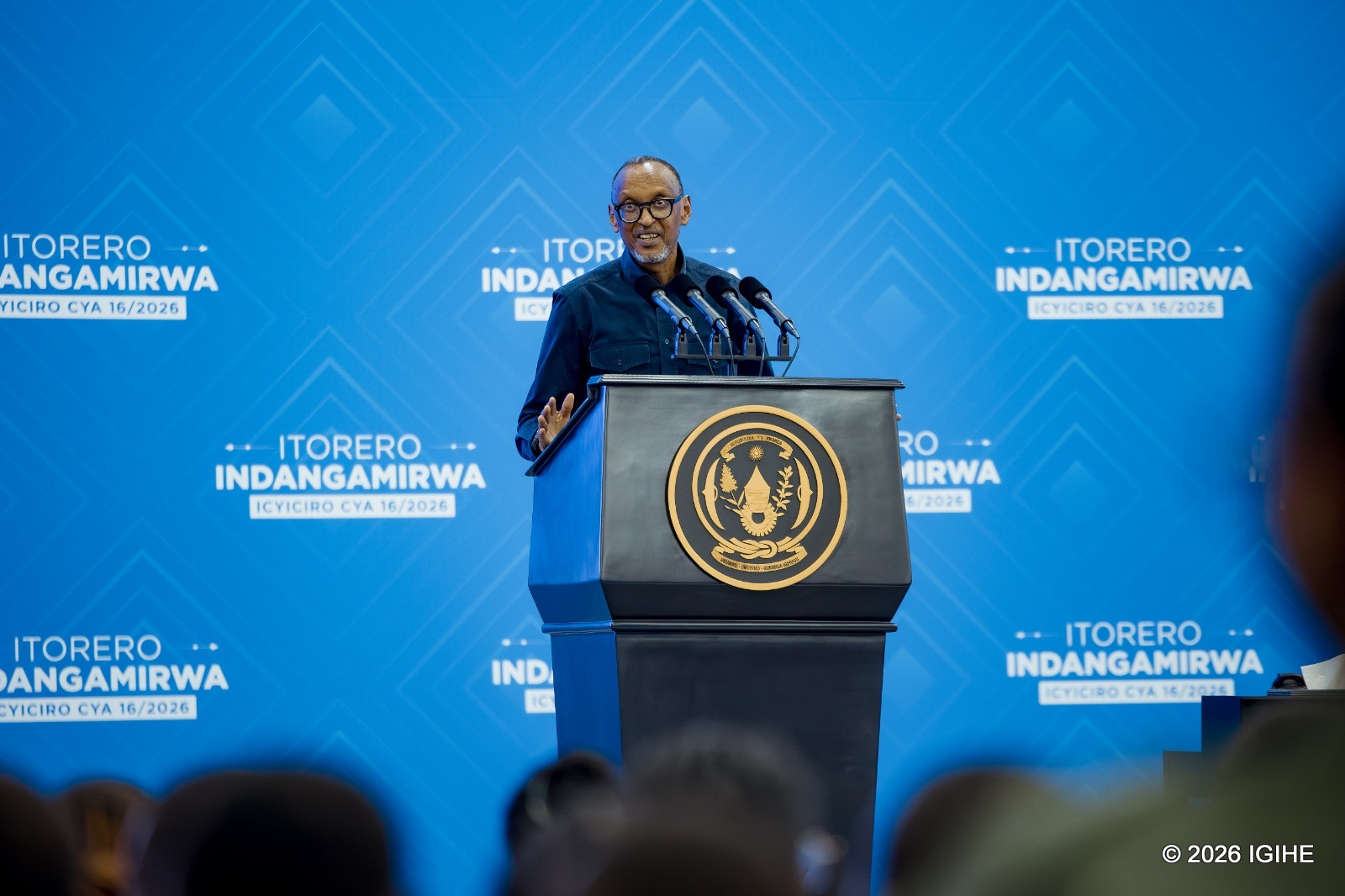
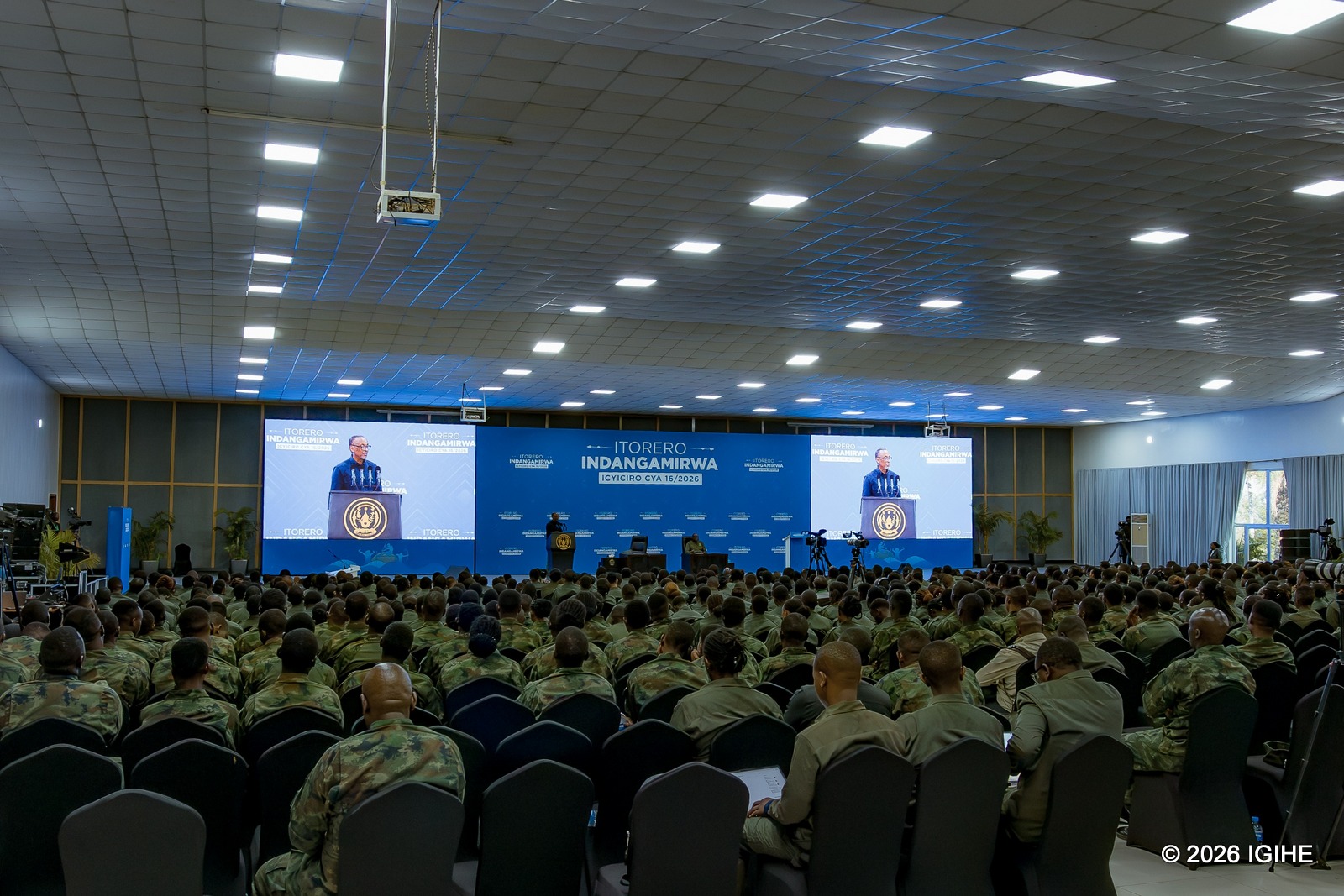
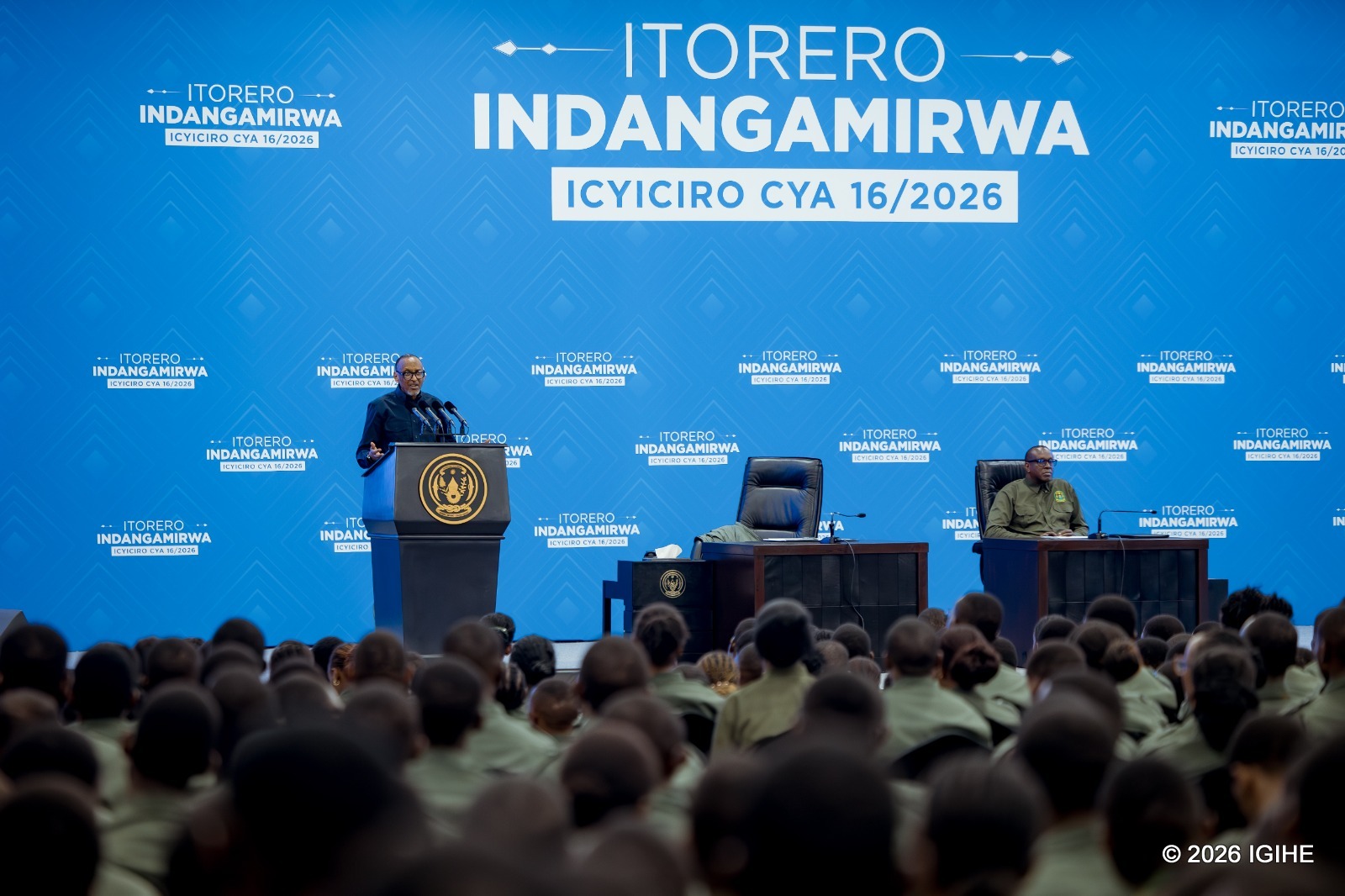
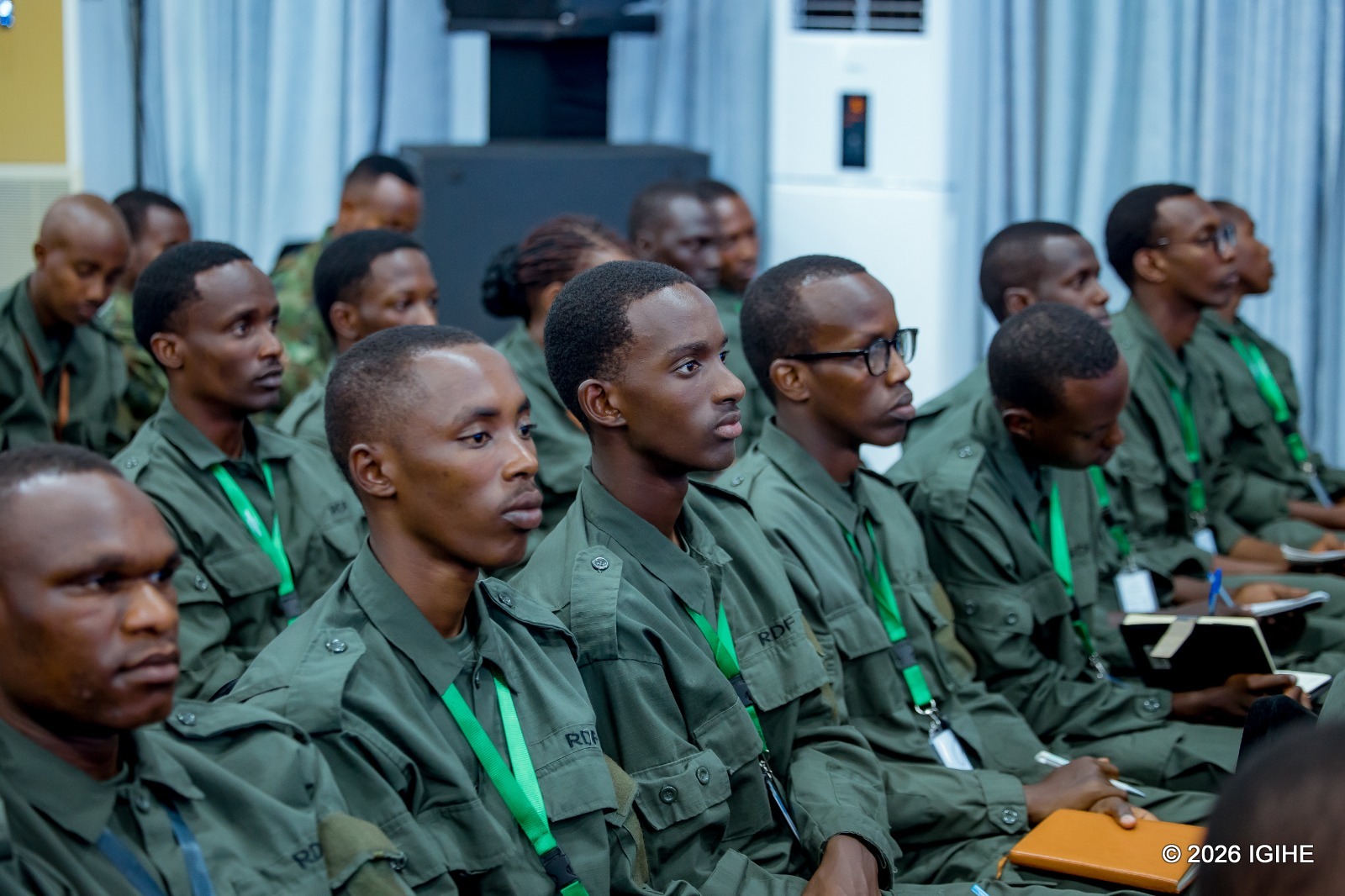
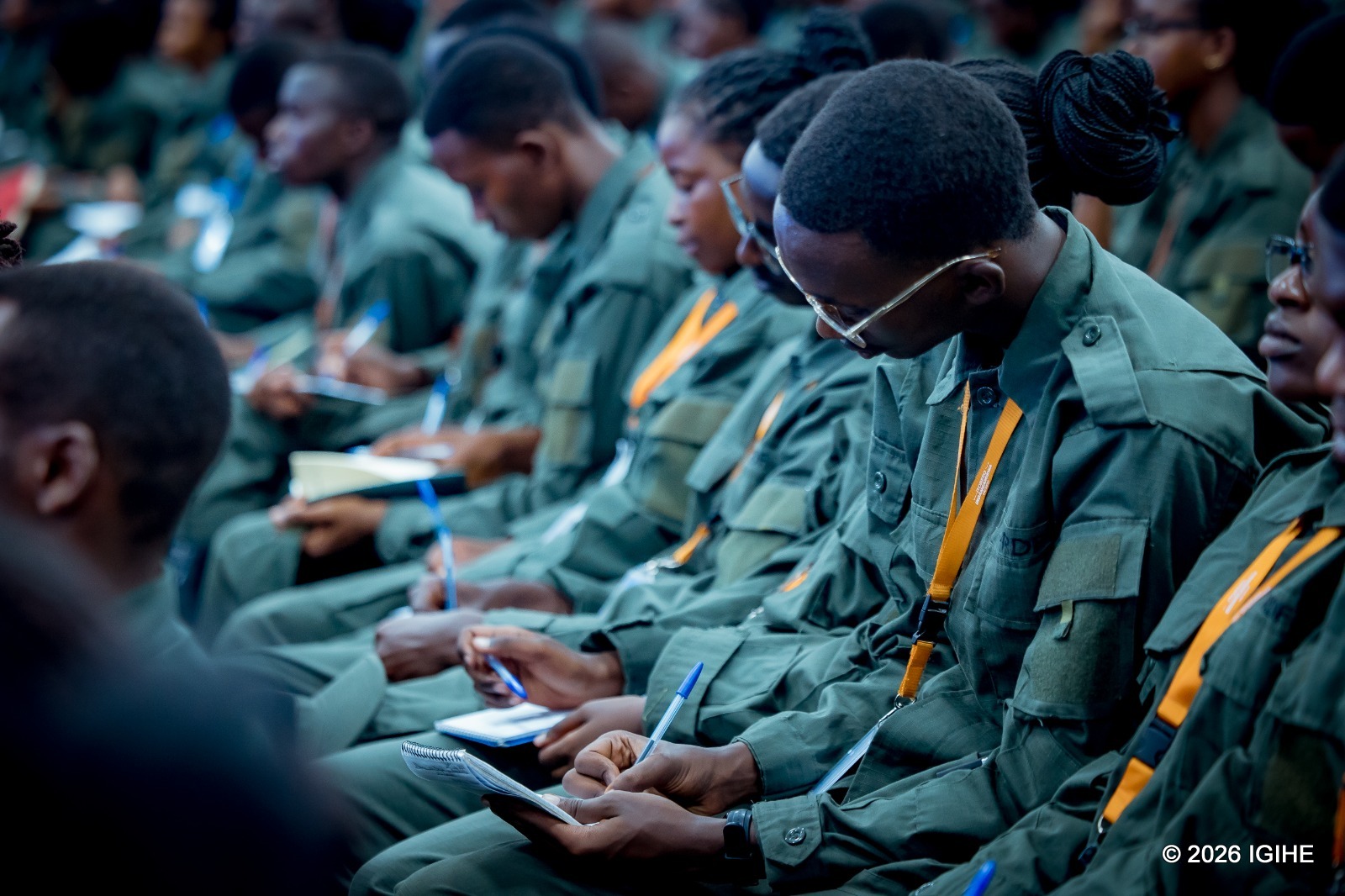
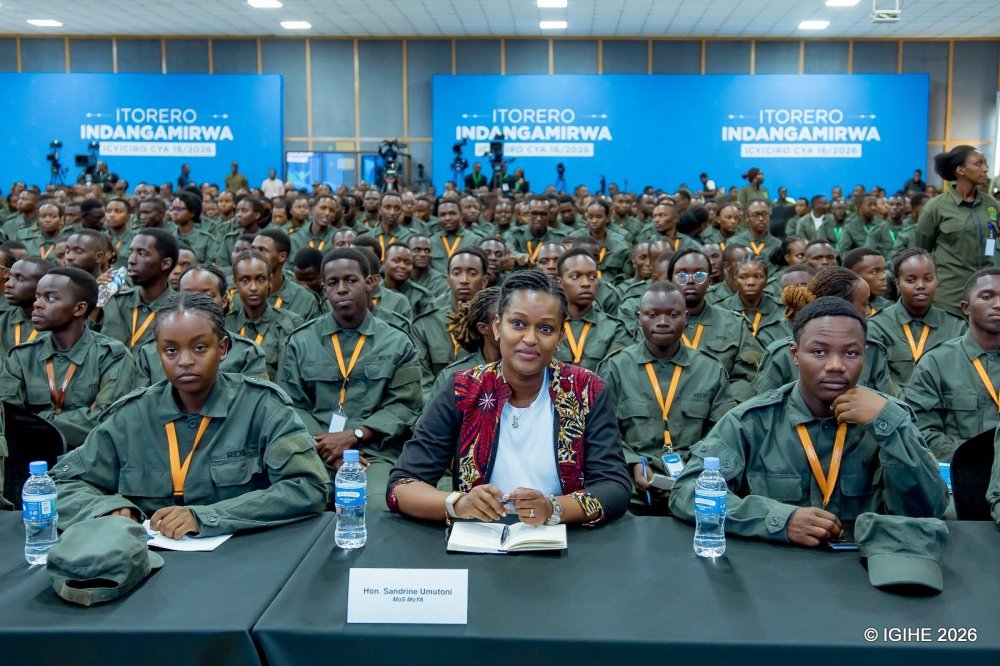
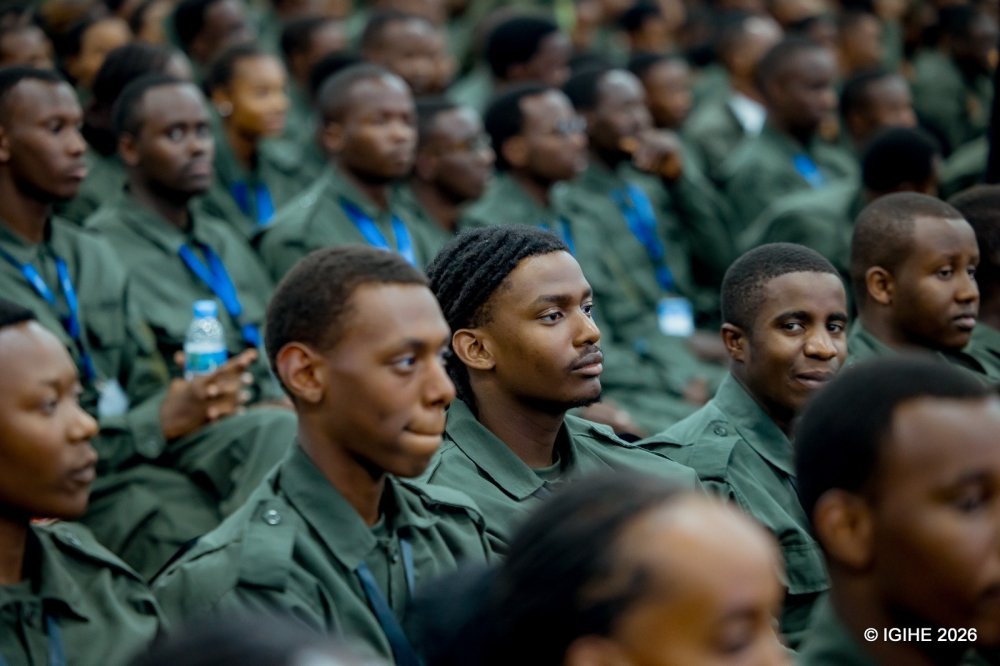
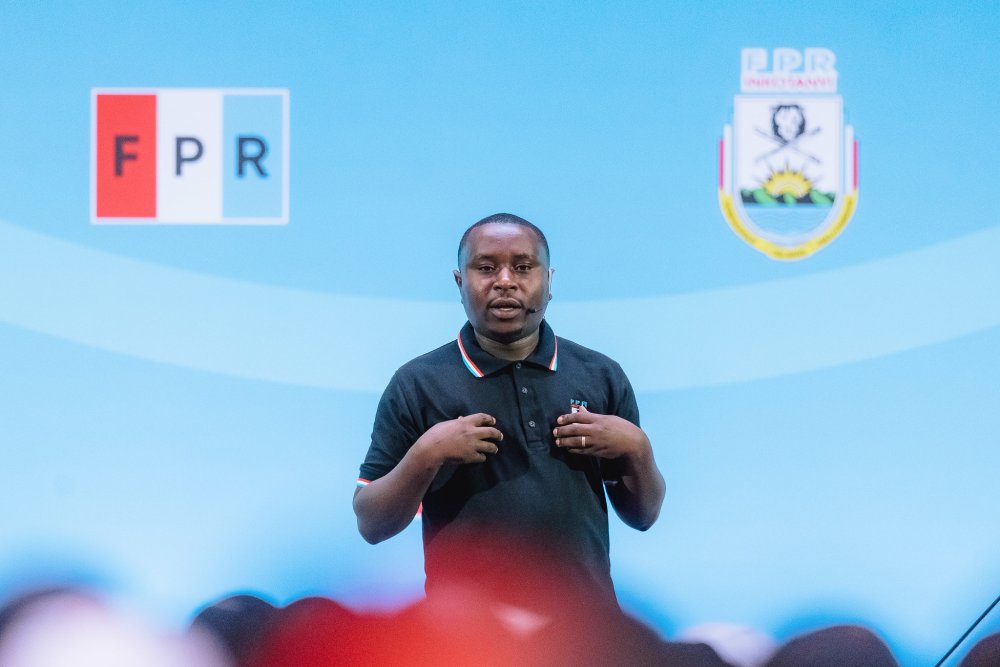
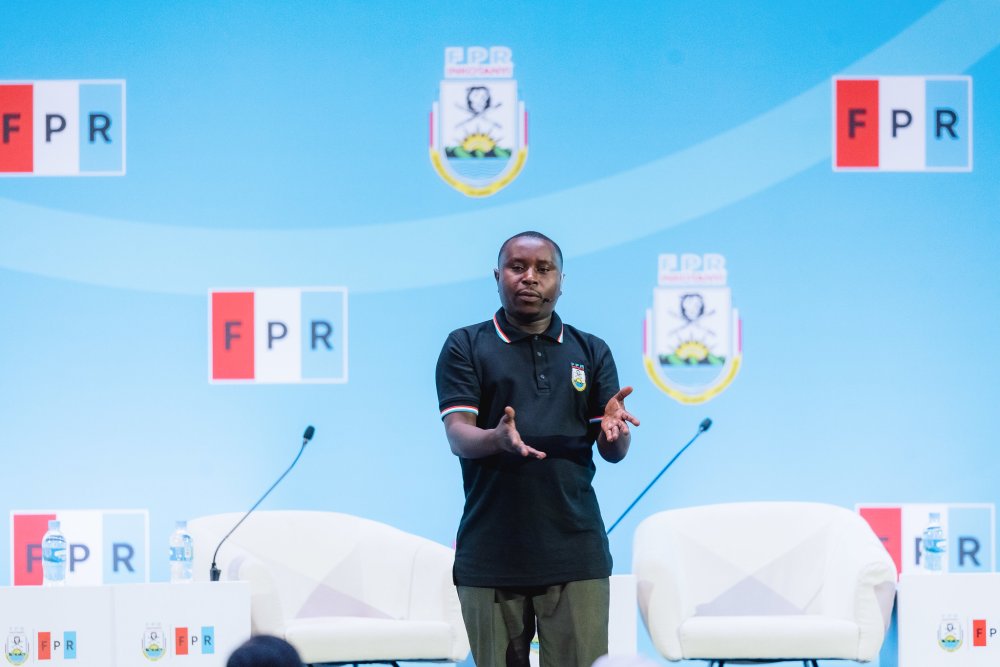
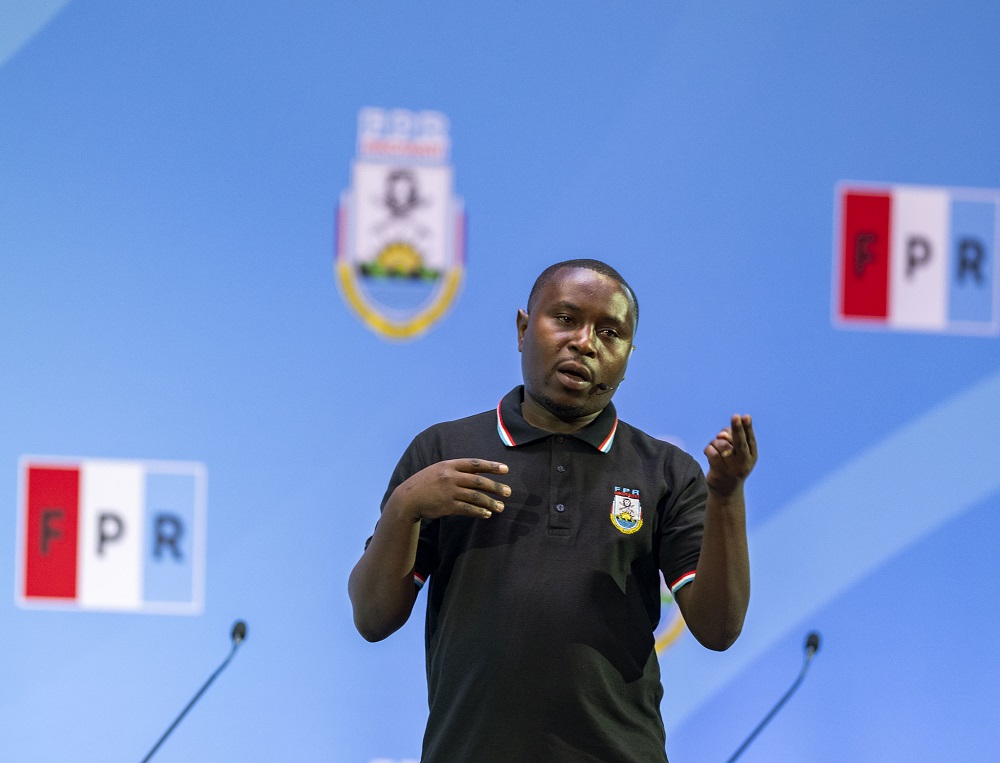
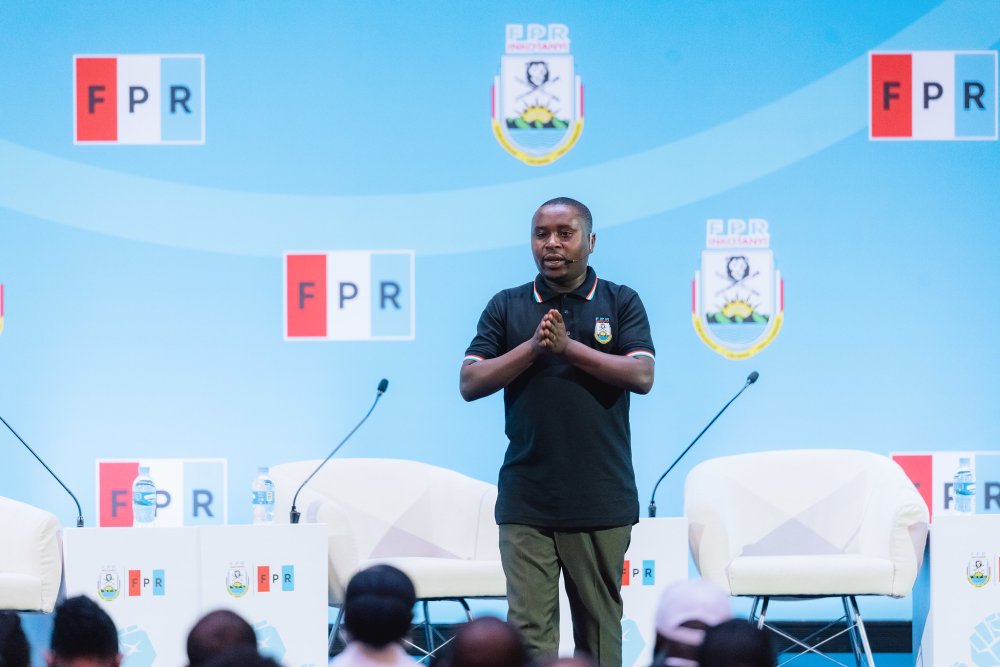
He made the remarks during an interactive #MeetThePresident session with participants of the 16th cohort of Itorero Indangamirwa at the Gabiro Combat Training Center on Tuesday.
Itorero Indangamirwa is a national civic education and values-formation programme established in 2008. It is designed to promote Rwandan cultural values, national history, and principles of socio-economic transformation, while also introducing participants to basic military skills and leadership training.
President Kagame told the young participants that they should approach challenges with confidence, believing they have the ability to find solutions or become part of the solution instead of expecting others to solve their problems.
“You must be confident that you have the ability to find a solution or to be part of the solution,” he said. “Be part of government. Be part of the private sector. Be part of any institution; being part of it is your right.”
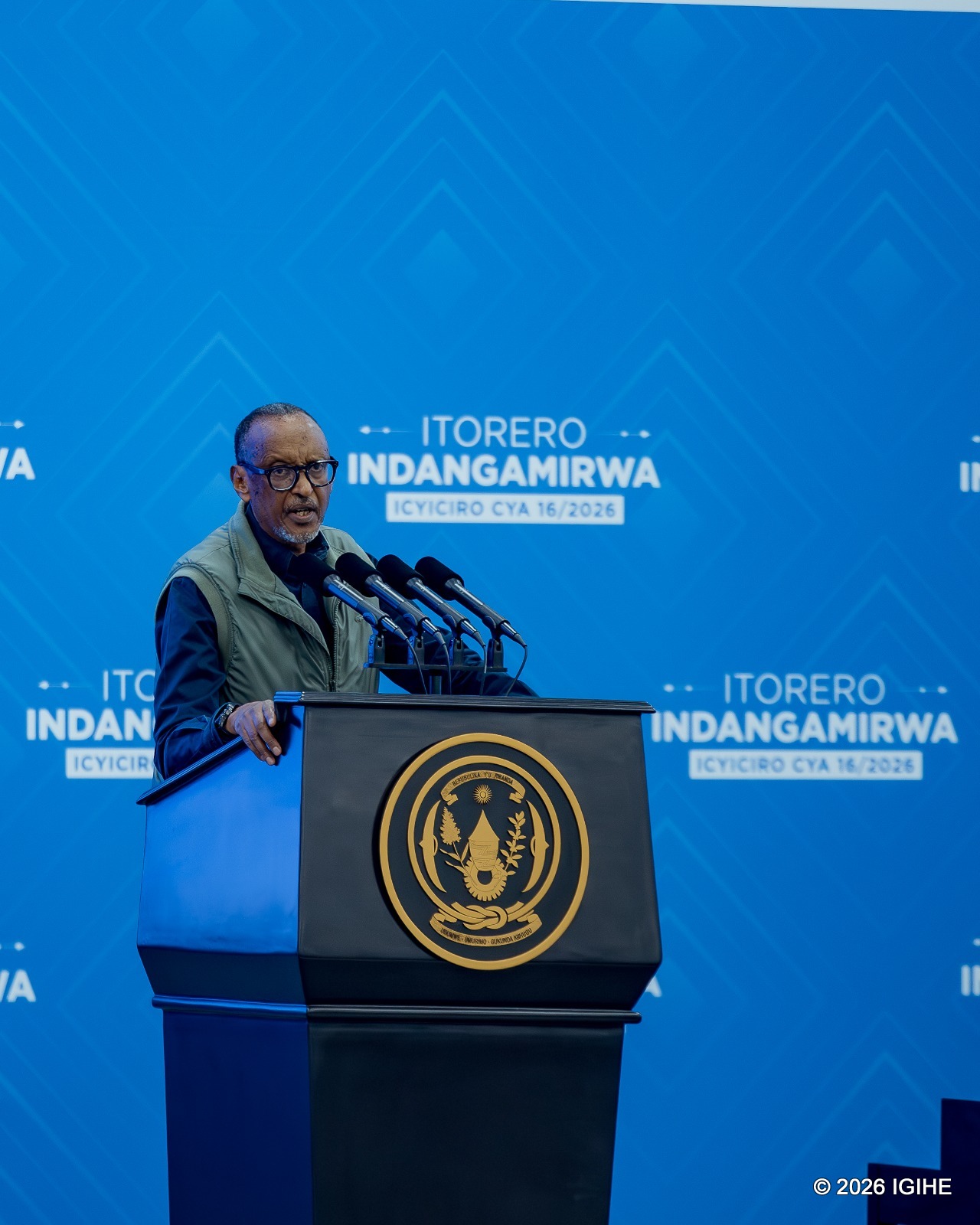
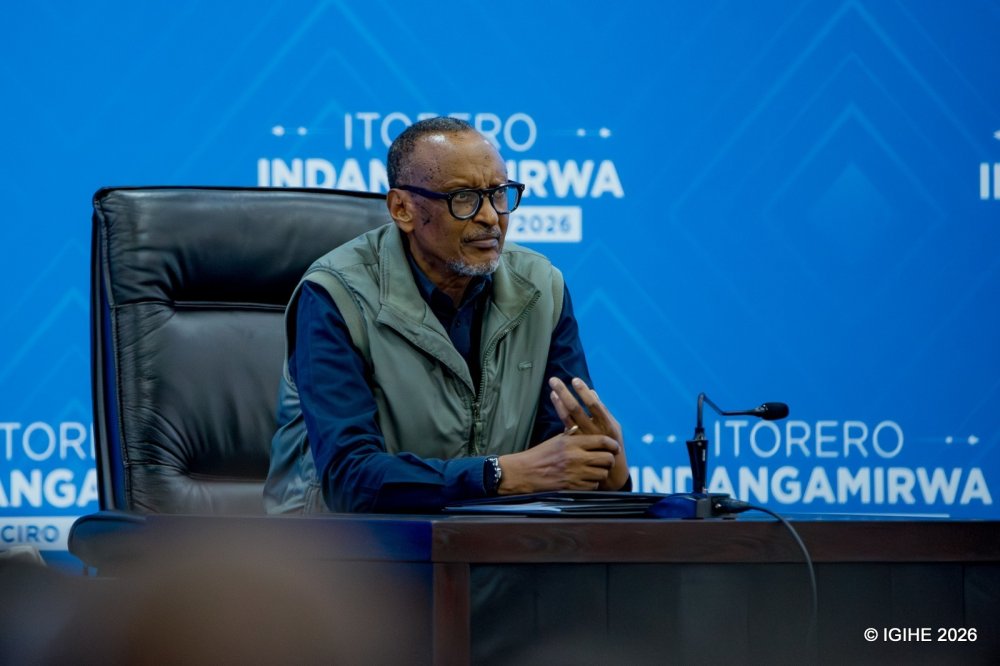
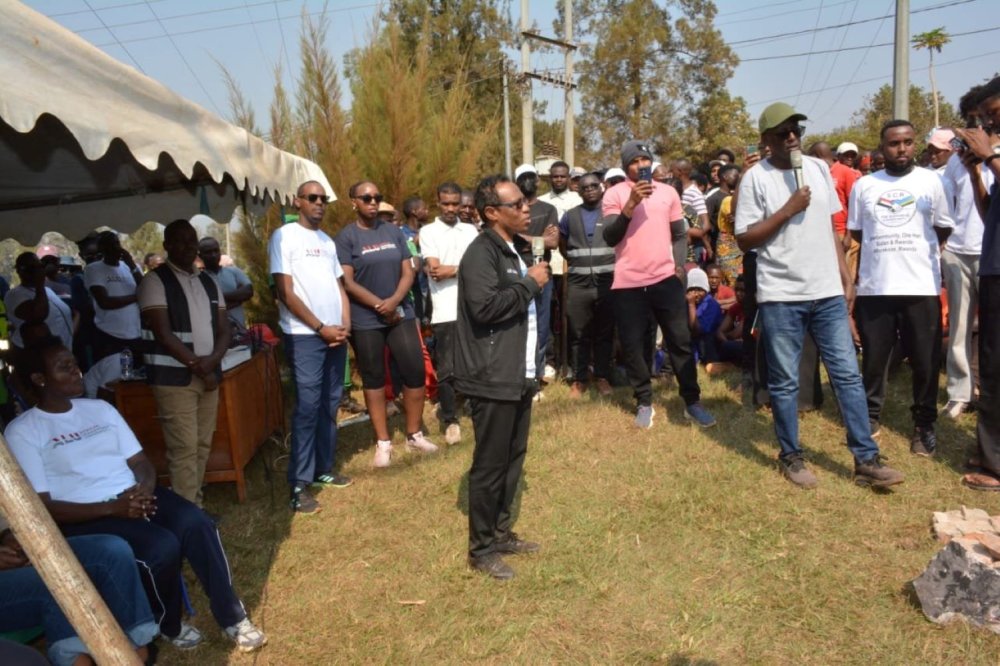
President Kagame engages participants of the 16th cohort of Itorero Indangamirwa during an interactive session at the Gabiro Combat Training Center on Tuesday.
He cautioned against what he described as a culture of entitlement, saying people should not sit back expecting others to provide what they need.
“Why do you feel entitled that somebody will provide what you need? Why are you not making an effort to give yourself what you need?” Kagame asked.
Addressing young people interested in business and entrepreneurship, the President encouraged them to develop ideas, collaborate with friends and colleagues, and take the first step before seeking external support.
He advised innovators to seek support from relevant government institutions or other stakeholders when they encounter obstacles they cannot overcome on their own, rather than assume that no help is available.
“But if you sit back and say, ‘This government, even people who have ideas, they can’t help’, you haven’t even reached out to the government to say, ‘We have an idea,’” he said.
Kagame acknowledged that not every idea would succeed but urged young people to persevere.
“Maybe ten out of ten ideas or approaches you try may not work favourably for you, but six out of ten will work. Why not? So it’s worth giving it a try,” he said.
President Kagame cautioned against what he described as a culture of entitlement, saying people should not sit back expecting others to provide what they need.
The President urged participants to channel their energy into creating solutions, describing them as builders, innovators and problem solvers with a responsibility to contribute to Rwanda’s continued development.
“You are now builders of something. You are problem solvers. You are innovators,” he remarked, adding that contributing to the nation’s development ultimately benefits those who make the effort.
Reflecting on Rwanda’s liberation struggle, Kagame recalled that those who fought to liberate the country had little external support and therefore had no option but to rely on their own determination and resilience.
“During the liberation, actually, we had nobody to go to,” he said. “Who would we have complained to? Tell me, where would you have gone to complain? Nowhere.”
He stressed that meaningful support usually comes after people demonstrate commitment and effort.
“If you want to be helped, you must know how to do it. You can’t wait for somebody to feed you. You must strive to feed yourself. There are no two ways about it,” he stressed.
President Kagame told the young participants that they should approach challenges with confidence,
Warning against overreliance on others, Kagame argued that expecting governments, foreign countries or other people to provide everything undermines personal responsibility.
“But if you think we shall sit back and expect to be given resources from other countries or other citizens, first of all, it is a foolish thing. It’s absolutely foolish. Many people who sit back and expect that somebody will look after them; people call it dependence. Dependence is another word for stupidity.”
He urged young Rwandans to reject such a mindset and instead build on the achievements of previous generations.
“Some others have played their part… It is up to you to come and fill the gap, and then continue beyond that to another level higher than where we have reached this country,” Kagame urged.
He concluded by encouraging the participants to remain disciplined, take care of themselves, and avoid destructive habits such as alcohol abuse, warning that they could derail their ambitions before they are realised.
Itorero Indangamirwa is a national civic education and values-formation programme established in 2008. The programme is designed to promote Rwandan cultural values, national history, and principles of socio-economic transformation, while also introducing participants to basic military skills and leadership training.
The President made the remarks on July 28, 2026, while meeting with the 16th cohort of Itorero Indangamirwa, the civic and national values training program for Rwandan youth, organized by the Ministry of National Unity and Civic Engagement at Gabiro Combat Training Centre.
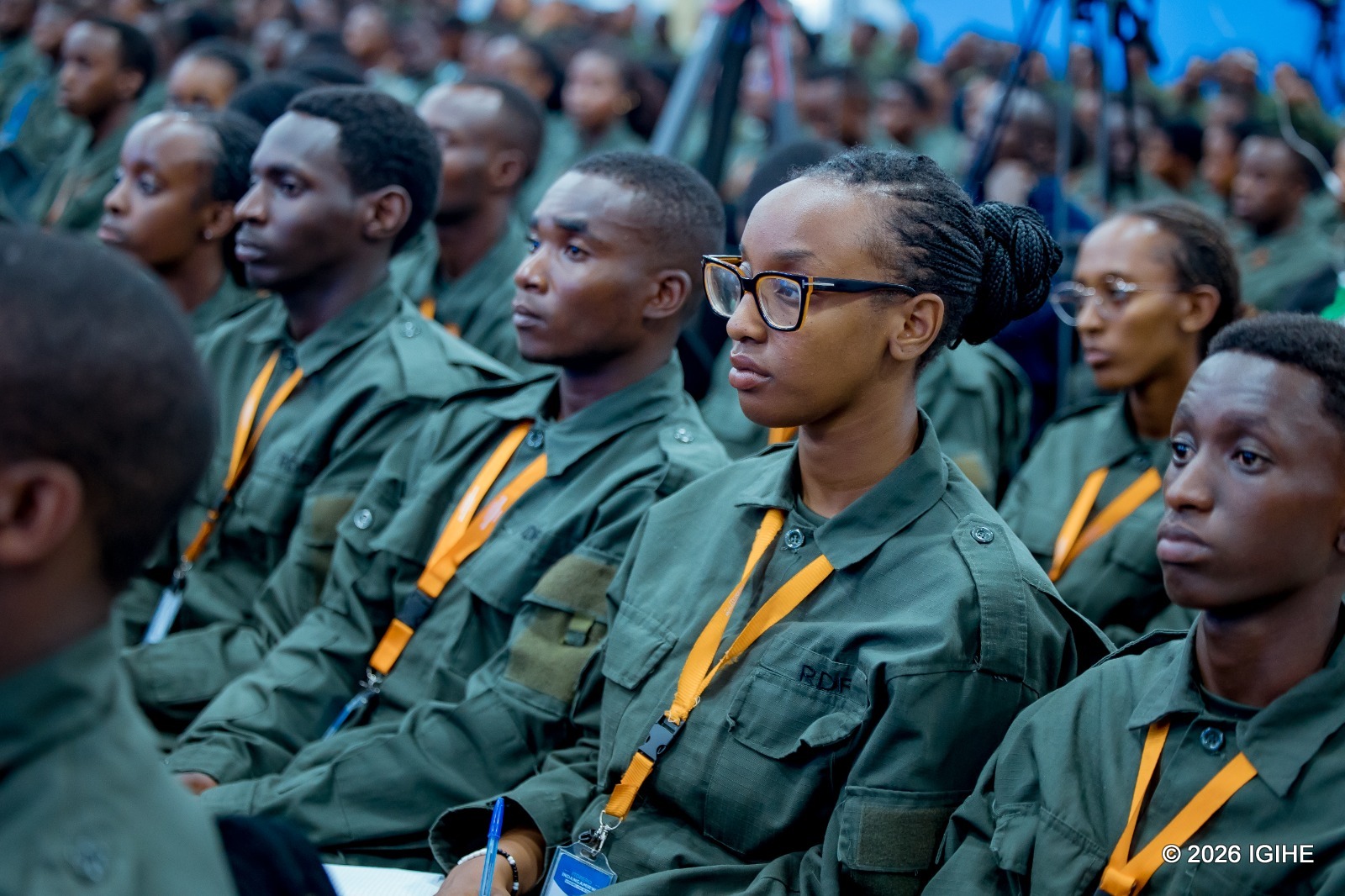
This year’s program has close to 800 participating youth between the ages of 18-23 including Rwandans living abroad, and students from across high schools and higher learning institutions in Rwanda.
Kagame explained to the young people the difficult history Rwanda went through, including the displacement of thousands of Rwandans who fled the country from 1959 following waves of violence targeting sections of the population.
“Unlike you, I did not have the opportunity to start from where you are, being told that there is Itorero and learning what happens there. No, I never attended Itorero. Where I got my lessons was not called Itorero,” Kagame said.
He explained that he lived in Uganda from the age of four or five because of these historical circumstances and began searching for solutions when he was around 20 or 21 years old. By the age of 23, he said, he met others who shared the same concerns and joined efforts to address the issue.
Kagame urged the youth to start thinking early about their interests and those of their families and country, commending them for choosing to attend Itorero, a programme aimed at instilling values among Rwandans.
During the interaction, the President asked the Indangamirwa participants whether they had learned how to accurately use firearms. After they responded that they had, he told them that weapons should only be used when necessary and not against every situation.
He said: “Everything has its time. When the time has not come to resort to weapons, there is no reason to use them. When that time comes, it does not come because of one individual alone.
“It comes when people’s rights have been taken away, when they have been pushed as far as we were pushed, and when they seek other ways to resolve the problem but those options fail. Then it becomes a matter of saying: ‘Now you know? We are going to fight over this.’”
Kagame said that when one person denies another person their rights and prevents a country from living in peace, the first step should be to seek dialogue and peace. However, if that fails, he said, the use of force may become necessary, citing the Rwanda Patriotic Army’s (RPA) liberation struggle that began on October 1, 1990.
He recalled that while he and his colleagues were refugees, they believed they should not remain in exile. However, he said officials from the Habyarimana government who came to Uganda argued that Rwanda was too small to accommodate all refugees returning home.
“But the country is small. These people don’t have a place,” Kagame said.
President Kagame said it was inconceivable that Rwandan refugees could be denied the right to return to their own country while the Habyarimana government believed they, and even their descendants, would remain in exile indefinitely despite having a homeland.
He explained that at the start of the liberation struggle, he told those fighting alongside him that he did not blame the country that had given them refuge, even if it had treated them unfairly, but instead held responsible the government that had refused to allow them to return home.
“My problem was with the person who was supposed to determine my rights in my own country and denied me those rights. That was the person we had to confront, and that is what happened,” Kagame said.
“I would not start a war against those who had hosted us because they had not given us something or had denied us something.
“No. They were free to give us what they wished or not, even if one might consider it unfair. The real responsibility lay with the person who had denied you peace in your own country.
Kagame told the youth that one of the important lessons they should learn is how to defend their rights and understand that no one should dictate how they should live or determine how Rwandans should live.
The Indangamirwa programme brings together young Rwandans to strengthen patriotism, leadership skills and national values.President Paul Kagame addresses the 16th cohort of Itorero Indangamirwa during a session at Gabiro Combat Training Centre.Nearly 800 young Rwandans, including students and youth from the diaspora, are taking part in the 16th Indangamirwa training programme.
According to a statement issued by the Ministry of ICT and Innovation on July 27, 2026, the nationwide switch-off of 3G services is scheduled for June 30, 2027, while the retirement of 2G services will follow after an assessment of network coverage, service continuity and the adoption of compatible devices.
The transition is being coordinated by the Ministry of ICT and Innovation (MINICT) and the Rwanda Utilities Regulatory Authority (RURA) in collaboration with mobile network operators, government institutions, the private sector and the public.
“This transition will free up network capacity currently used to run two generations of aging technology, allowing mobile operators to invest fully in expanding and strengthening 4G and, over time, 5G coverage across the country,” the statement reads.
For consumers, the change is expected to translate into faster internet speeds, clearer voice calls, fewer dropped connections and improved access to services that increasingly rely on modern mobile networks, including mobile banking, government e-services, education and digital health platforms.
The implementation will be guided by several readiness indicators before the shutdown is completed.
These include ensuring reliable nationwide 4G coverage and quality of service, maintaining uninterrupted voice calls, text messaging, mobile money and emergency services, migrating services that still depend on USSD, 2G or 3G technologies, ensuring the availability of affordable compatible devices, and conducting extensive public awareness campaigns and customer support.
As part of the transition, pilot shutdowns of older networks will be carried out during 2026 while authorities continue expanding 4G coverage and monitoring the country’s readiness for the nationwide 3G switch-off.
MINICT has urged mobile phone users to verify whether their devices and SIM cards support 4G technology. MTN Rwanda customers can check their SIM compatibility by dialing 4561#, while Airtel Rwanda customers can dial 2555*4#. Mobile operators will also notify customers who need to upgrade their devices or SIM cards.
Businesses and public institutions operating equipment or services that still rely on 2G or 3G; including systems used for mobile money, payment platforms, utilities, transport, healthcare, public safety and government services, have also been advised to begin planning for upgrades or replacements.
MINICT and RURA said additional guidance will be issued to service providers and the public as the migration progresses.
The move comes just over a year after MTN Rwanda officially launched its 5G network in June 2025, describing the technology as a key driver of innovation and digital transformation.
At the time, the operator said 5G would deliver significantly higher speeds, lower latency and greater network capacity, with initial deployment focusing on Kigali and selected high-demand locations before wider expansion.
Rwanda is among Africa’s leading countries for internet speed and also ranks among the world’s top-performing nations for internet connectivity.
The latest government roadmap is expected to further support the country’s long-term transition toward advanced mobile connectivity.
The nationwide switch-off of 3G services is scheduled for June 30, 2027, while the retirement of 2G services will follow after an assessment of network coverage.
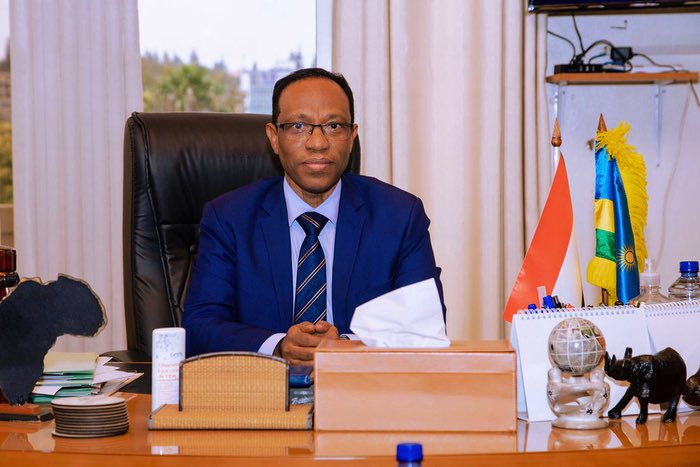
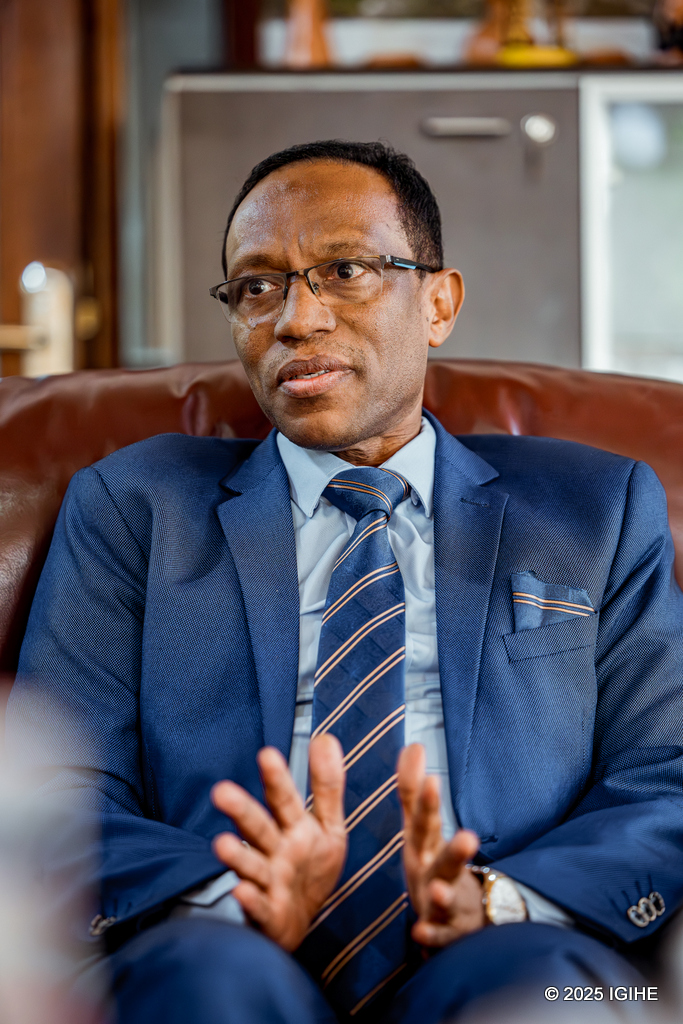
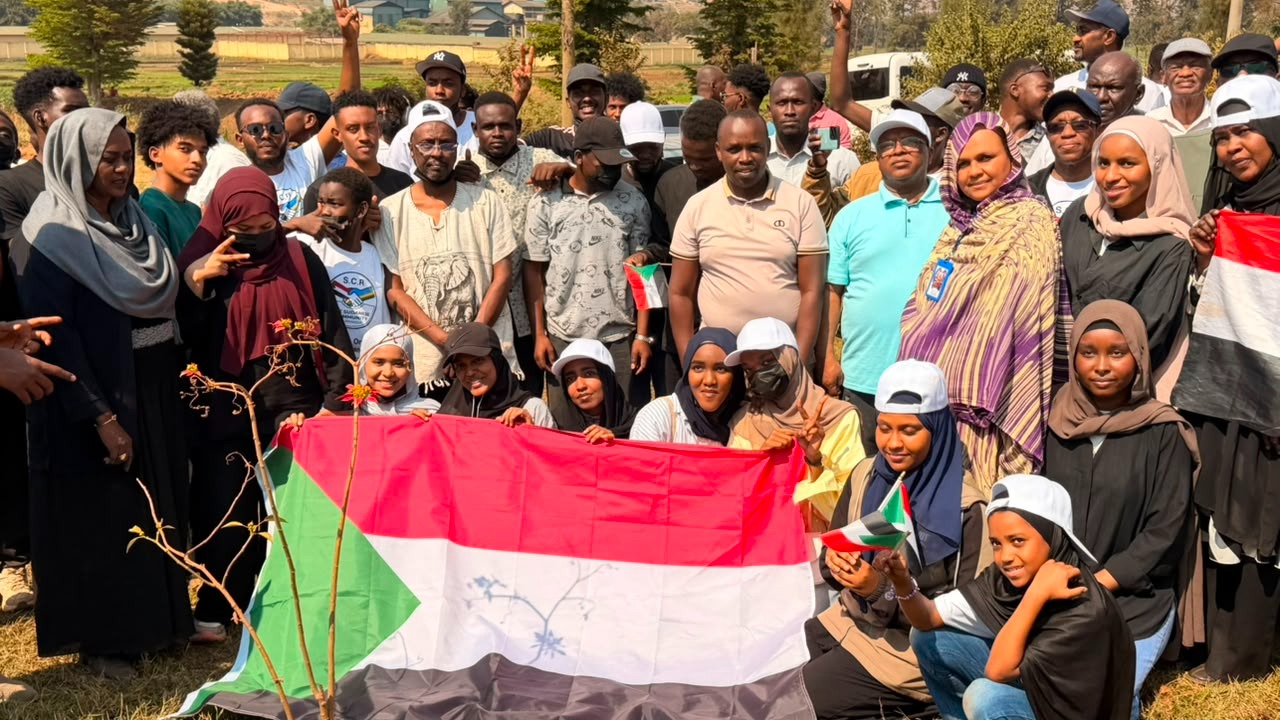
The ambassador disclosed the figures while speaking to IGIHE on the sidelines of Umuganda, Rwanda’s monthly community service, held in Jabana Sector of Gasabo District last Saturday, where more than 150 Sudanese nationals joined local residents in community work.
Dafalla said the growing investment portfolio reflects the Sudanese community’s confidence in Rwanda’s business environment and its desire to contribute to the country’s socio-economic development.
“Our total investment here is more than $25 million,” he said. “Real estate is one of the biggest sectors. We have five companies developing apartments, villas and houses. It is a very promising sector.”
He added that Sudanese investors have also established a strong presence in education, including two schools and a medical university with more than 1,000 medical students, alongside investments in medical services.
Ambassador Dafalla said the growing investment portfolio reflects the Sudanese community’s confidence in Rwanda’s business environment.
Beyond education and real estate, Sudanese businesses are active in agriculture, poultry farming, oil and gas, and other commercial activities.
“We have Sudanese agriculturalists with different farms. There are three or four companies in poultry, and some companies are already exporting cash crops,” he said.
According to the ambassador, Sudanese entrepreneurs are increasingly looking at Rwanda’s real estate market while also exploring opportunities in agriculture, particularly the export of coffee, tea and other cash crops.
“Rwanda is famous for its agribusiness, especially coffee and tea, which are among the best quality in the world,” he said, noting that Sudan is the sixth-largest importer of Rwandan coffee and tea and that both countries have room to expand agricultural trade.
Dafalla also revealed that Sudanese investments in Jabana alone are valued at about $4 million, mainly in the oil and gas sector.
The ambassador said the investments are being driven by a growing Sudanese community in Rwanda, which he estimated at around 5,000 people, including about 4,000 students enrolled in six universities. Others work in healthcare, business and other professional fields.
He noted that Sudanese doctors serve in hospitals and clinics across Rwanda, while business owners operate shops in Kigali and have also introduced Sudanese cuisine through about 15 restaurants.
“We are contributing to cultural diversity,” he said. “We are part of this culture and are adding beauty to the cultural scene in Rwanda.”
Members of the Sudanese community participated in Umuganda, Rwanda’s monthly community service programme, held in Jabana Sector of Gasabo District last Saturday.
Umuganda offers lessons for Sudan
Dafalla said the Sudanese Embassy organised the participation of more than 150 Sudanese nationals in Umuganda to expose them to one of Rwanda’s most celebrated homegrown initiatives.
He described Umuganda as an expression of African values centred on collective responsibility and community development, adding that the Sudanese community would take the lessons learned from the initiative back home and promote similar practices within their communities.
“We came to learn from Rwanda’s good practices and deepen our understanding of Rwandan culture,” he said. “Our youth especially want to learn from this so that when they finish their studies and return home, they can reflect these good practices in the Sudanese community.”
During the exercise, the embassy donated 100 construction and cleaning tools to support community activities in Jabana.
The ambassador emphasised that the Sudanese community considers itself an integral part of Rwandan society.
“We are not aliens; we are African brothers and sisters,” he said. “We are here to participate, contribute positively and learn from Rwanda’s good practices.”
The ambassador emphasised that the Sudanese community considers itself an integral part of Rwandan society.
Embassy addresses student misconduct
The ambassador also addressed recent reports involving misconduct by some Sudanese students, describing the incidents as isolated and unrepresentative of the wider community.
He said the embassy has intensified engagement with students through campus visits, meetings with university leaders and collaboration with student associations to encourage respect for Rwandan laws and peaceful coexistence.
“When you have 4,000 students and there are only a few reported cases, the proportion is not alarming, but it is still a concern for us,” he said. “We are working hard to ensure it is not repeated.”
He urged Sudanese students to respect Rwanda’s laws, cooperate with law enforcement authorities and act as ambassadors of goodwill between the two countries.
“My message is that we should pay back respectfully to the Rwandan community,” he said. “Take the good practices from Rwanda back to Sudan. You are cultural bridges between our two African sister countries.”
At the centre of this transformation is the Rwanda Institute for Conservation Agriculture (RICA), which is helping build the knowledge and skills needed to move the approach from research and demonstration plots into farming communities across the country.
Through its role in a four-year Conservation Agriculture (CA) mainstreaming and scaling-up project worth $5 million, RICA is training agricultural professionals who will support farmers in adopting practices designed to protect soil while improving yields.
The project, implemented jointly by the Ministry of Agriculture and Animal Resources (MINAGRI), the Rwanda Agriculture and Animal Resources Development Board (RAB) and RICA, aims to integrate conservation agriculture into Rwanda’s agricultural extension system ahead of a nationwide rollout starting with the 2027A agricultural season.
Rather than training every farmer directly, RICA is focusing on strengthening the capacity of the people who work closest with farmers, including district agronomists, agricultural extension officers, environmental officers, Crop Intensification Programme focal persons and young agricultural professionals.
So far, 168 agricultural officers have been trained, while 889 technicians are expected to receive training before the start of the 2027A season.
On July 22, 2026, RICA hosted a two-day training session for 52 young agricultural professionals from districts across the country at its campus in Bugesera, equipping them with practical knowledge they will later transfer to farming communities.
Learning before teaching
At RICA, conservation agriculture training goes beyond classroom lessons.
Trainees are taken through demonstration plots where they observe the difference between conventional farming methods and conservation agriculture practices.
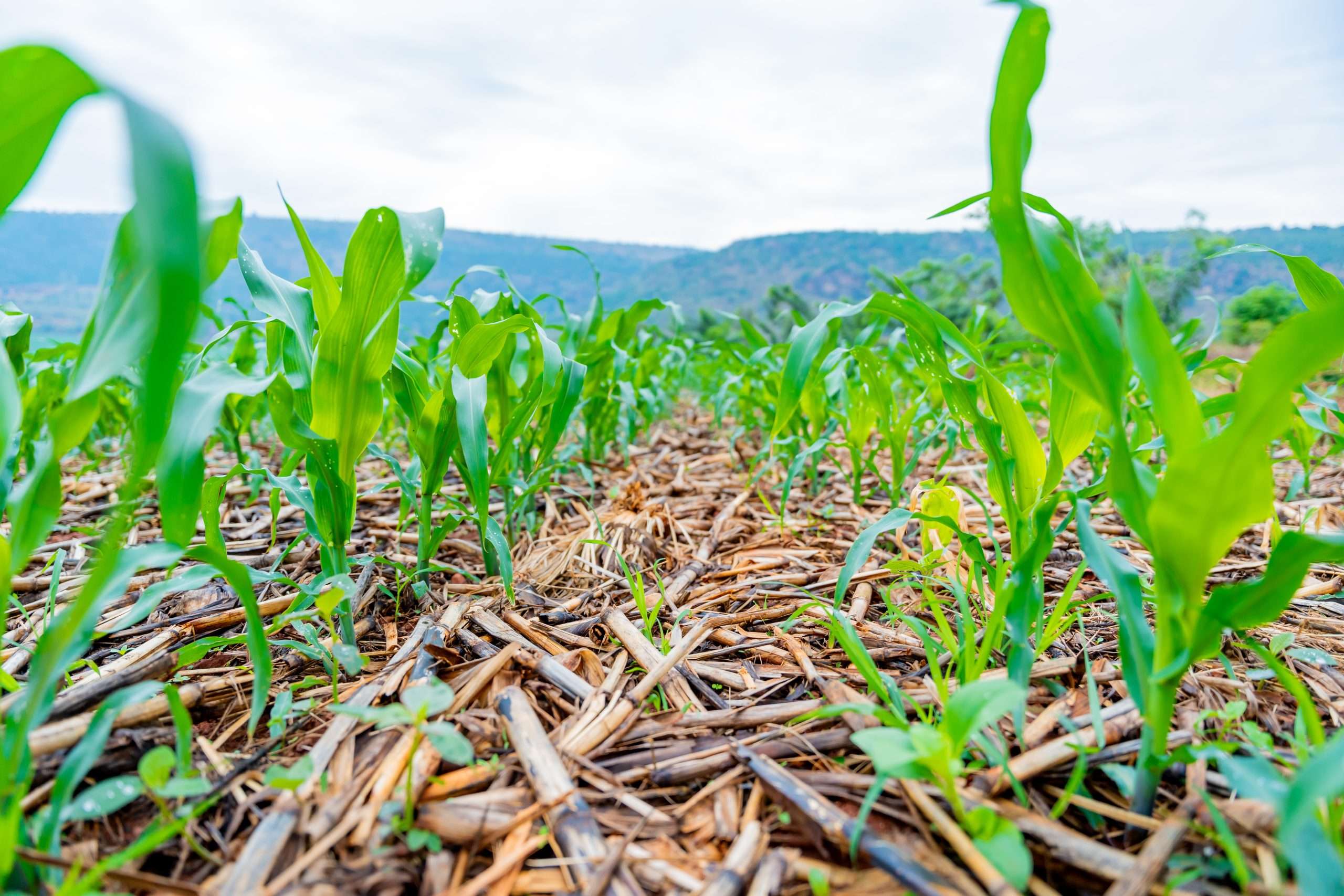
Plots managed through conventional tillage show how repeated soil disturbance can contribute to erosion and nutrient loss, while conservation agriculture plots demonstrate how minimum tillage, soil cover and crop diversification help restore soil health over time.
For RICA, the goal is not only to introduce new farming techniques but also to change long-established perceptions among farmers about what makes a productive field.
For generations, many farmers have considered a well-prepared field to be one that is deeply tilled, free of weeds and cleared of all crop residues after harvest.
However, agricultural experts warn that such practices can gradually damage soil quality, reduce moisture retention and lower productivity.
Heavy rains can wash away exposed topsoil, while uncovered land loses moisture quickly under intense sunlight. Over time, farmers may be forced to invest more in fertilisers and other inputs while getting lower returns.
Dr. Léonce Harerimana, Director of Extension and Irrigation and Water Management Lecturer at RICA, said the institution’s mission is to promote farming methods that protect Rwanda’s limited agricultural land while increasing production.
“As an institution dedicated to conservation agriculture, climate resilience and sustainable farming on small pieces of land, we promote minimum tillage, permanent soil cover, crop rotation, quality seed use, efficient irrigation and fertiliser management,” he said.
“Our mission is to ensure these practices go beyond the campus. We want farmers across Rwanda to embrace conservation agriculture because it protects the soil while improving productivity.”
Changing farming mindsets
Harerimana said one of the biggest challenges is changing traditional beliefs around farming practices.
He explained that excessive ploughing and removing crop residues from fields can negatively affect soil health.
“Sometimes we dig too deeply because that is what we have always done. But excessive tillage makes the soil more vulnerable to erosion. Many farmers also believe that a clean field is a good field, so they remove every residue after harvesting. Yet those residues are exactly what help protect the soil and improve its fertility as they decompose into organic matter with time,” he said.
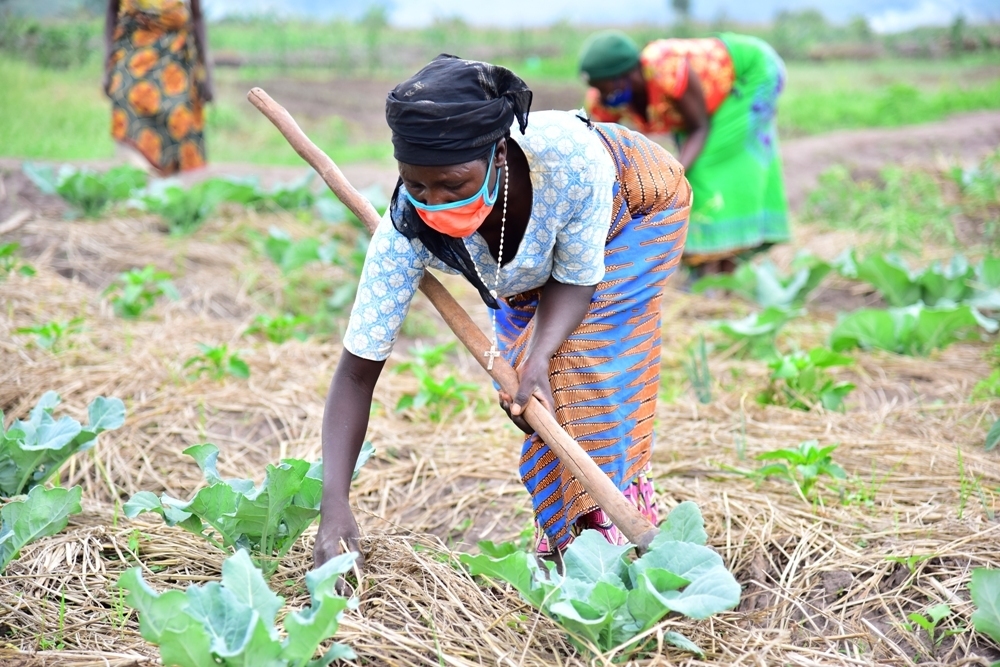
Under conservation agriculture, farmers are encouraged to leave crop residues on the soil surface, where they act as natural mulch, helping retain moisture, reduce weed growth and restore organic matter.
The approach also promotes efficient use of fertilisers instead of simply increasing the quantity applied.
“Sometimes farmers apply more fertiliser thinking it will increase production. But what matters is applying the right quantity in the right way while maintaining healthy soils,” Harerimana said.
Protecting soil, increasing yields
According to Dr. Christian Nkurunziza, Conservation Agriculture Promotion Project Manager at MINAGRI, the approach is built around three main principles: minimum soil disturbance, permanent soil cover and crop diversification.
“Conservation agriculture is a type of farming that protects the soil through minimum tillage, recycles nutrients through crop residues, and protects crops by maintaining soil cover. As a result, plants grow under more favourable conditions, and agricultural production naturally increases,” he said.
The benefits of conservation agriculture are already reflected in research findings.
Nkurunziza said maize yields under conservation agriculture can increase by about 40 per cent, while bean production can rise by approximately 70 per cent.
RICA also highlights that maize production can reach up to seven tonnes per hectare when farmers combine conservation agriculture practices with quality seeds, compared with less than two tonnes on degraded soils.
For beans, conserved land can produce more than 1.6 tonnes per hectare, while poorly managed soils may produce below 500 kilogrammes per hectare.
Nkurunziza said protecting soil is becoming increasingly important because Rwanda’s available agricultural land is limited.
“Today, the amount of land available for farming is not increasing, but we want the same land to produce more. Without protecting it, soil would lose its natural qualities. In the past, farmers could leave fields fallow, but that is no longer possible because land must be cultivated every season,” he said.
Taking lessons to farming communities
Among those preparing to take conservation agriculture knowledge to farmers is Vivine Umubyeyi, a young agricultural professional who will work under MINAGRI in Kirehe District.
She said the training changed her understanding of farming and equipped her with skills to help farmers adopt new practices.
“I acquired training in conservation agriculture and I understand how it works and how it can positively affect farmers’ yields while protecting our soils. I will use these skills to help farmers practice conservation agriculture. Most importantly, I want them to understand why these methods work so they willingly adopt them,” she said.
Another trainee, Eric Uwitoze from Ruhango District, said the programme helped him understand the importance of practices such as crop rotation in reducing crop diseases and improving productivity.
He added that conservation agriculture could also help farmers reduce unnecessary costs by improving soil quality and efficiency.
Scaling up across Rwanda
The initiative will initially focus on Rwanda’s major food production areas and districts where land consolidation farming is practised.
It will start with 100,000 hectares during the 2027A agricultural season, expand to 150,000 hectares in the following season and eventually reach 600,000 hectares by 2029.
Priority crops include maize, beans, Irish potatoes and soybeans.
The programme is aligned with Rwanda’s Fifth Strategic Plan for Agriculture Transformation (PSTA 5), which seeks to improve productivity while ensuring sustainable management of natural resources.
As Rwanda’s population continues to grow while farmland remains limited, RICA says conservation agriculture will be critical in ensuring that the country produces more food without exhausting the soil that supports agriculture.
Rwanda is set to introduce conservation agriculture practices on 600,000 hectares of farmland across the country under a $5 million project.
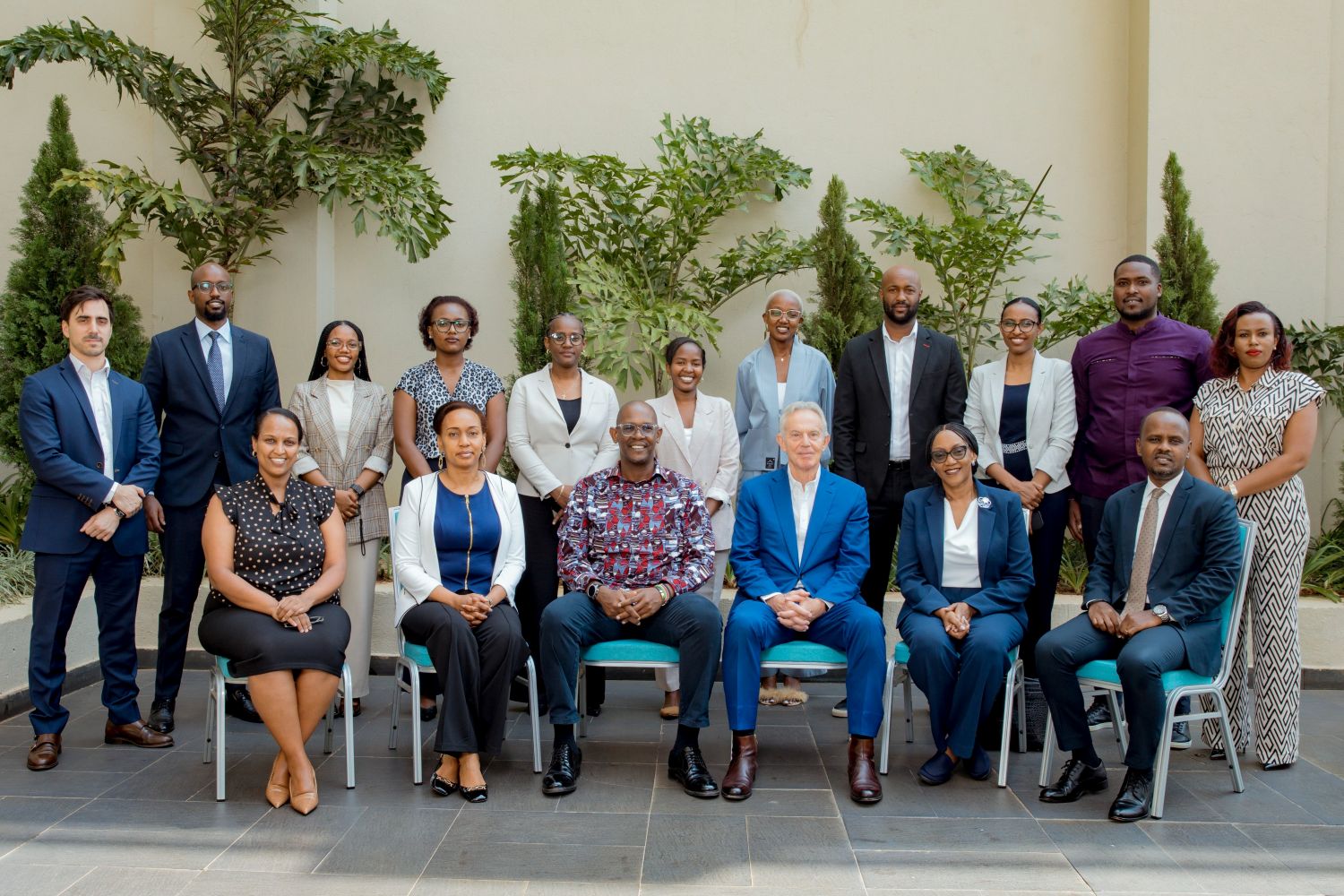
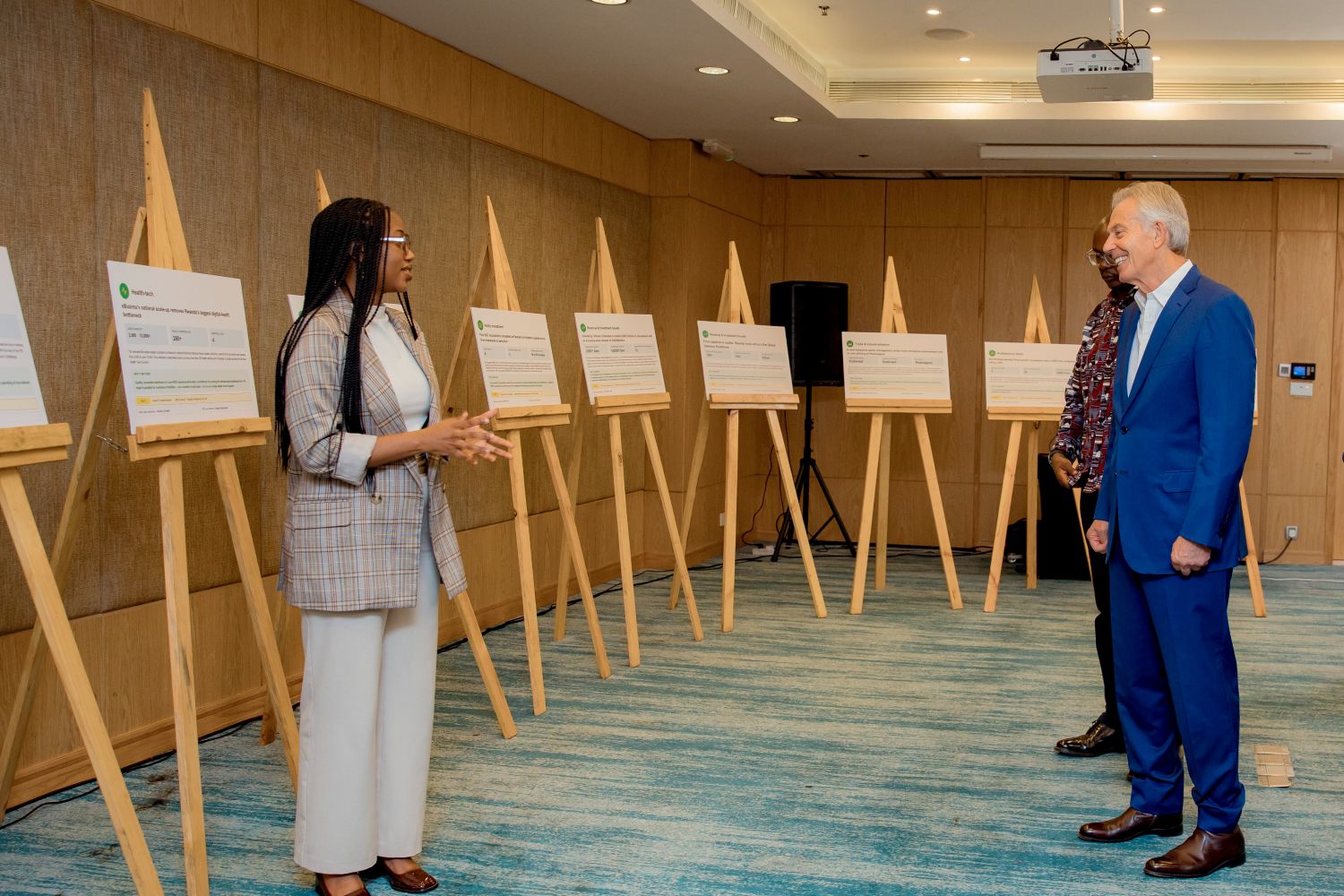
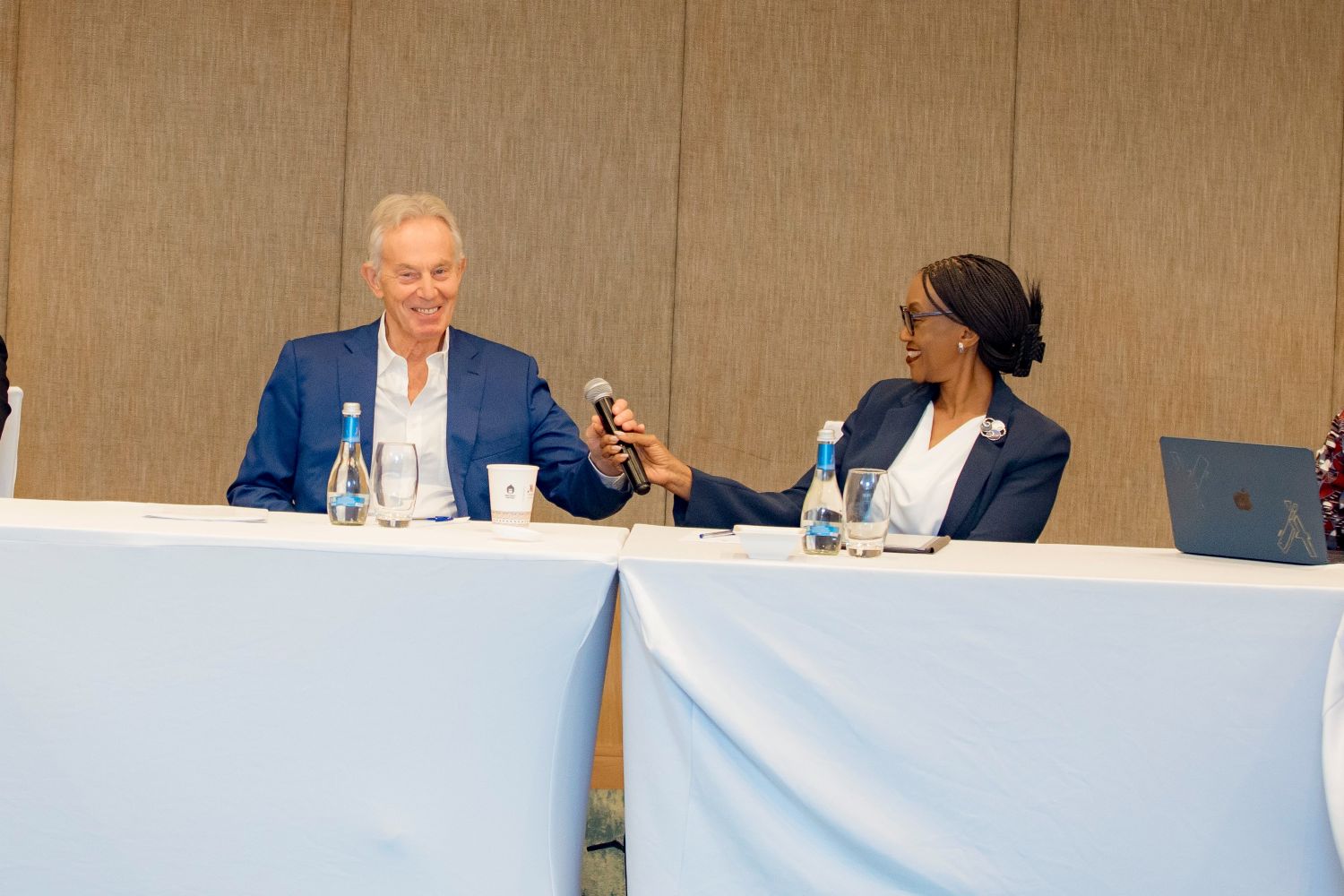
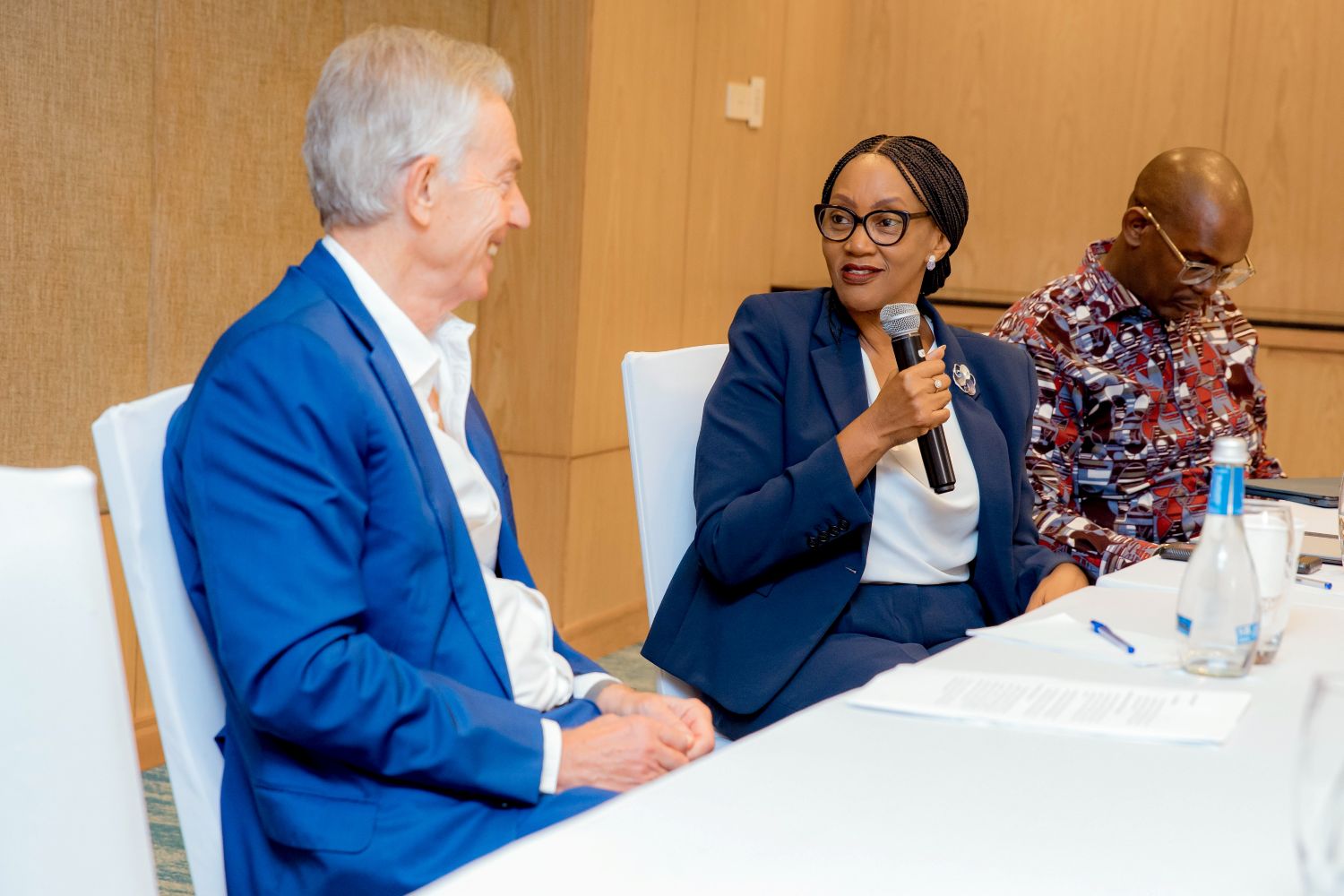
The Tony Blair Institute for Global Change (TBI) said the meeting reaffirmed its longstanding partnership with the Government of Rwanda and a shared commitment to accelerating priority reforms and supporting long-term, sustainable growth.
“Their discussions focused on the next phase of Rwanda’s transformation agenda and how TBI can continue supporting government priorities across digital transformation, investment, industrialisation, agriculture, health, professional skills and public-sector delivery,” the institute said in a statement on Monday.
Blair has maintained a close relationship with Rwanda for nearly two decades, having worked with President Kagame’s administration as an advisor and development partner.
Through TBI, Blair has supported Rwanda’s efforts to attract investment, strengthen governance systems and advance innovation-driven development. The institute has been involved in areas including digital transformation, green energy, foundational learning and initiatives linked to high-value industries.
TBI has also supported Rwanda’s efforts to build an ecosystem for advanced healthcare manufacturing, including work connected to the establishment of BioNTech’s mRNA vaccine manufacturing facility in Kigali.
Over the years, Blair has frequently highlighted Rwanda’s development progress since the 1994 Genocide against the Tutsi and has advocated for greater international investment and partnerships with the country.
The latest meeting comes as Rwanda continues implementing reforms focused on economic transformation, industrialisation, skills development, technology adoption and improving public service delivery.
The Tony Blair Institute for Global Change (TBI) said the meeting reaffirmed its longstanding partnership with the Government of Rwanda and a shared commitment to accelerating priority reforms and supporting long-term, sustainable growth.Blair has maintained a close relationship with Rwanda for nearly two decadesThrough TBI, Blair has supported Rwanda’s efforts to attract investment, strengthen governance systems and advance innovation-driven development.
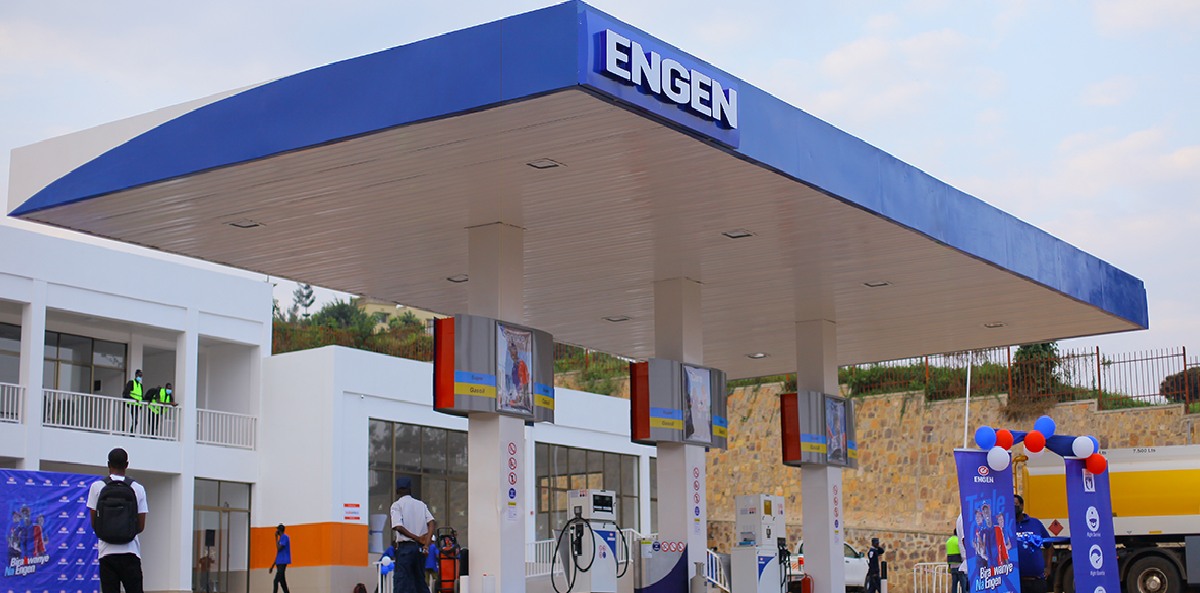
Vivo Energy and Mount Meru Group have signed a sale and purchase agreement for Mount Meru’s acquisition of Vivo Energy’s shareholding in Vivo Energy Rwanda and Vivo Energy Malawi, in a combined transaction.
The transaction includes the network of Vivo Energy’s over 40 service stations in Rwanda and over 50 service stations in Malawi, together with the commercial fuel and lubricants operations.
Vivo Energy identified Mount Meru Group as a partner well placed to bring focused investment, local and regional expertise as well as long-term ambition to its businesses in Rwanda and Malawi.
Mount Meru Group, which first entered Rwanda in 2007 and Malawi in 2013, brings an established regional presence and a strong track record in downstream fuel distribution across Africa. The transaction will see the Group significantly deepen its footprint in both markets.
Commenting on the development; Atul Mittal, Director, Mount Meru Group, said: “We are proud to be growing our existing, long-standing presence in Rwanda and Malawi.
“We are committed to investing and growing these businesses and on completion of the transaction look forward to strengthening relationships with channel partners, customers and employees while expanding our reliable service, customer satisfaction, and environmental responsibility to more consumers.”
Stan Mittelman, CEO, Vivo Energy, said the decision reflects ongoing commitment to ensuring every part of their portfolio has the ownership best placed to take it forward.
“Mount Meru brings deep local and regional expertise and a genuine ambition to invest in these markets, and we are confident this transaction provides a strong opportunity for our employees, dealers and customers in both countries. We have valued working closely with the Mount Meru team throughout this process and look forward to a smooth transition,” he noted.
The transaction is subject to approval from the relevant authorities and the fulfilment of other conditions precedent, and we expect this process to take some months before it completes.
Until completion, Vivo Energy Rwanda and Vivo Energy Malawi will continue to operate as normal, maintaining their focus on the safe, reliable and high-quality service they provide to customers.
Mount Meru Group is a diversified African conglomerate operating in more than 15 countries across energy, consumer products, and logistics.
It runs over 330 fuel stations, supported by strong storage and distribution networks, and offers a wide energy portfolio including LPG, lubricants, jet fuel, and heavy fuel oil. The Group also operates in agro-processing and edible oil refining, backed by an integrated logistics fleet of more than 1,000 trucks.
Meanwhile, Vivo Energy operates across Africa, the Indian Ocean Islands, and Jordan, managing more than 4,200 service stations in 29 markets under the Engen and Shell brands. The company supplies fuels, lubricants, LPG, and chemicals to retail and industrial customers, supported by over 6,000 employees and more than 2.1 billion litres of fuel storage capacity.
Vivo Energy Rwanda was established in 2019, providing Engen products and services as a licensee of the Engen brand.
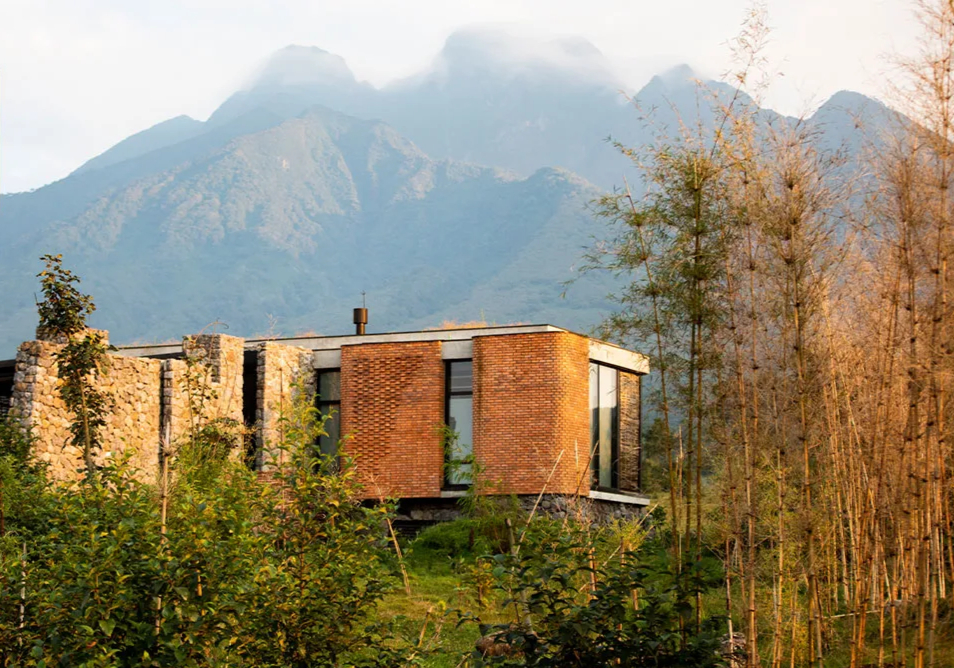
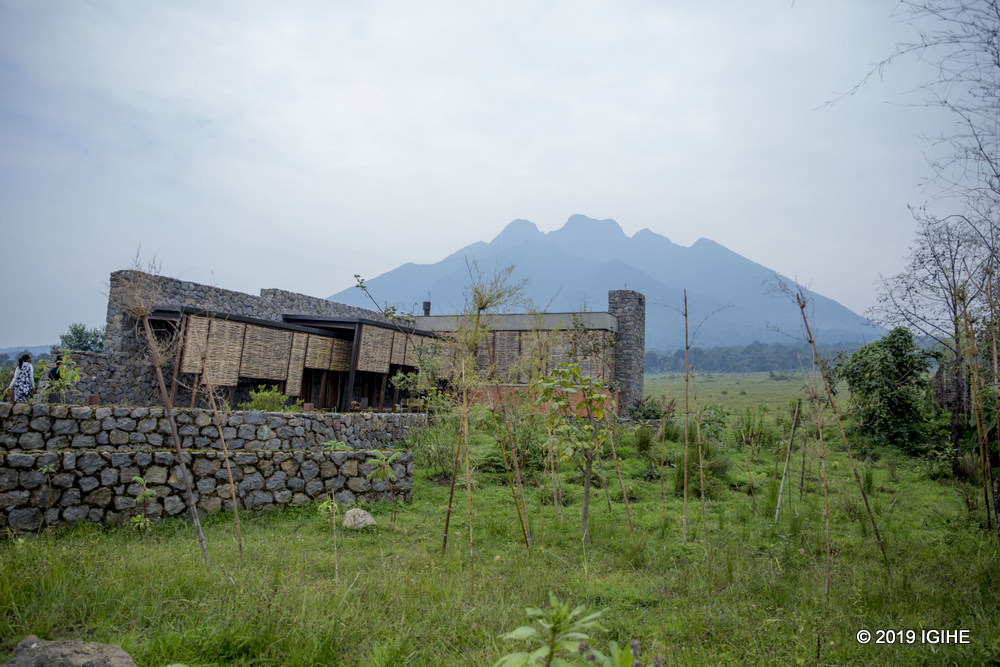
Rwanda’s Singita Kwitonda Lodge has been ranked the second-best luxury hotel in the world in the 2026 edition of Robb Report’s prestigious global index, “The 50 Greatest Luxury Hotels on Earth.”
The annual ranking by the US luxury lifestyle publication evaluates premier hospitality properties across six continents. Singita Kwitonda earned its spot at the top of the list for its blend of high-end design, environmental sustainability, and proximity to Volcanoes National Park, where guests can embark on private mountain gorilla treks.
Robb Report compiled the 2026 edition using an evaluation panel of 24 international luxury travel specialists, known as Travel Masters. The panelists vetted properties based on service quality, architectural vision, location, and guest experience.
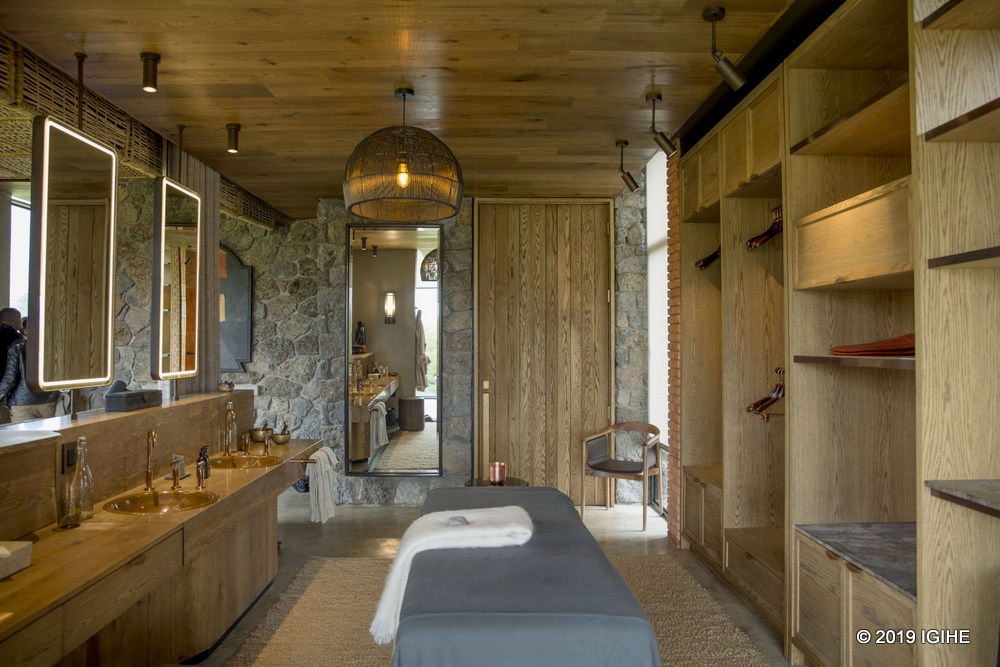
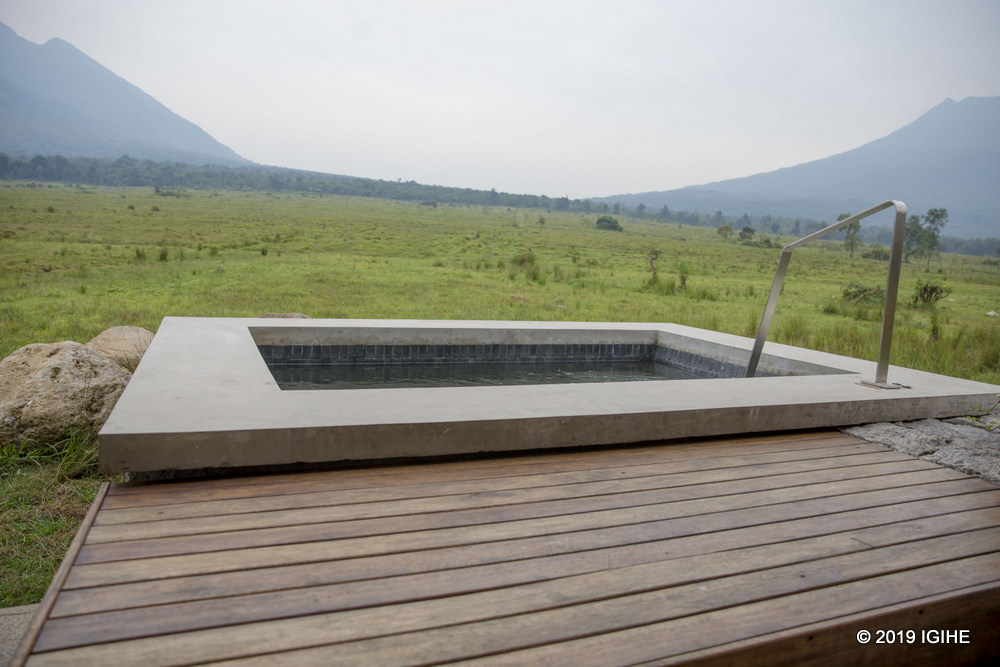
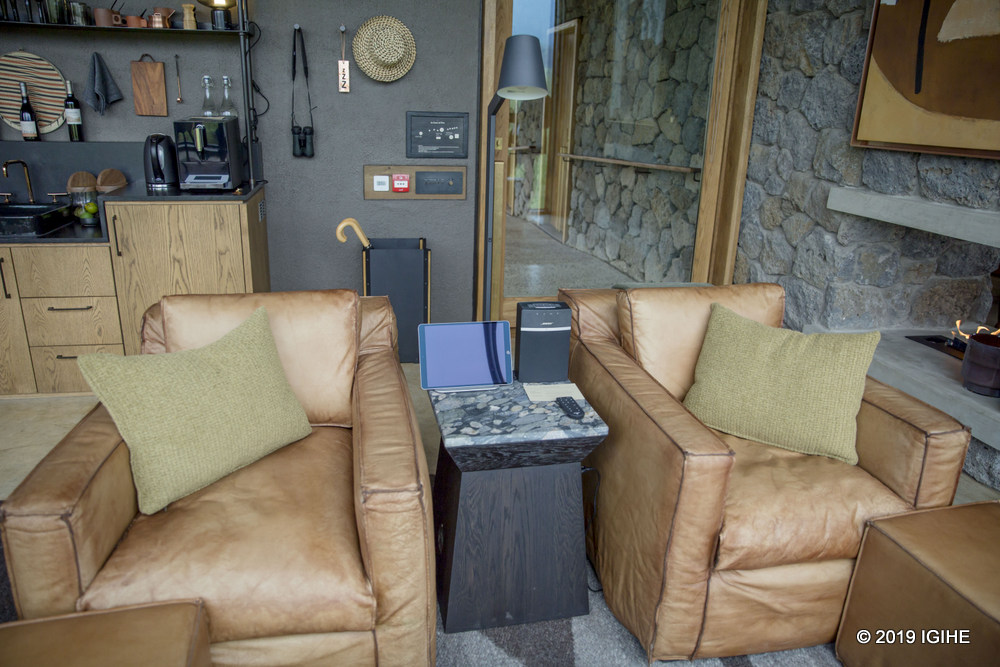
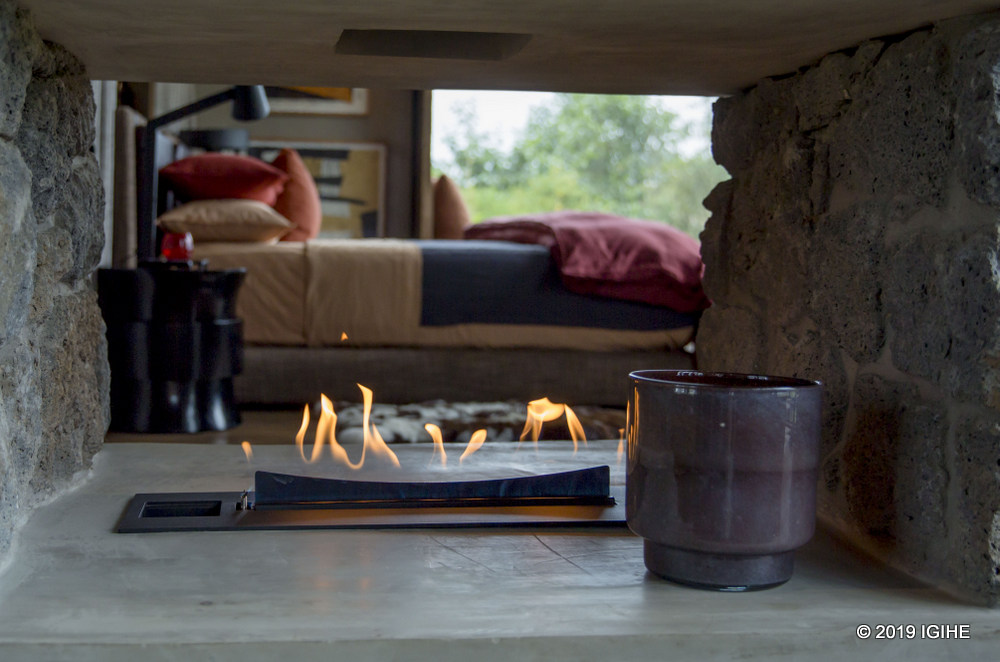
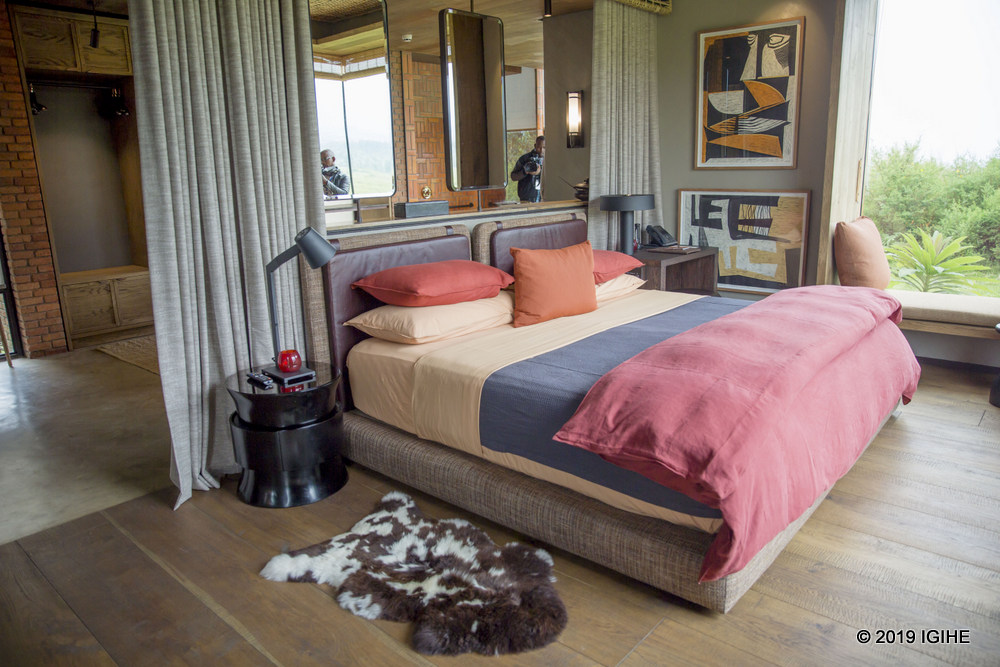
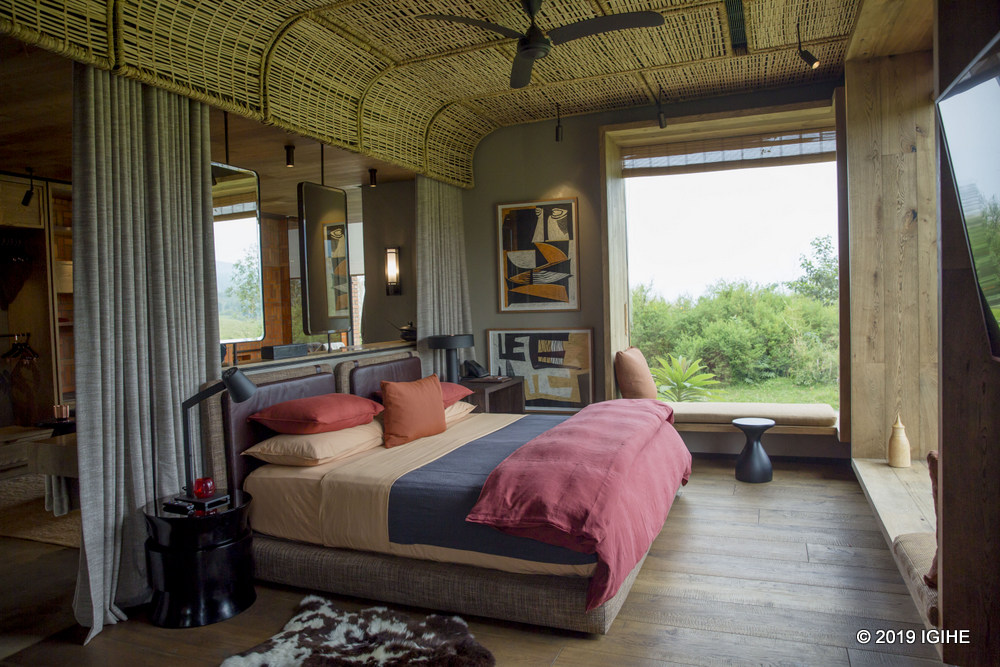
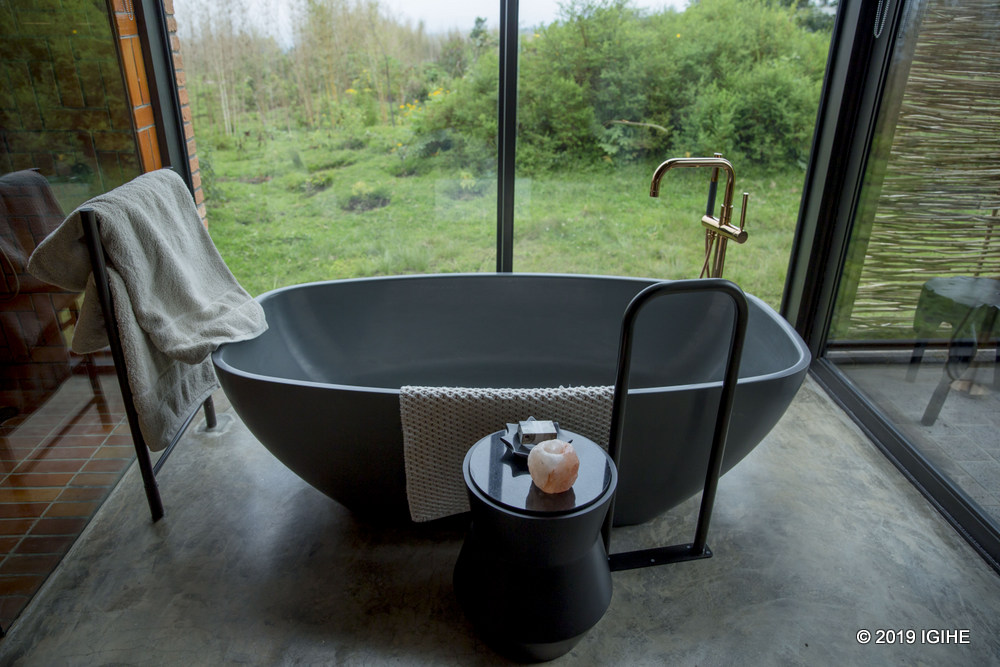
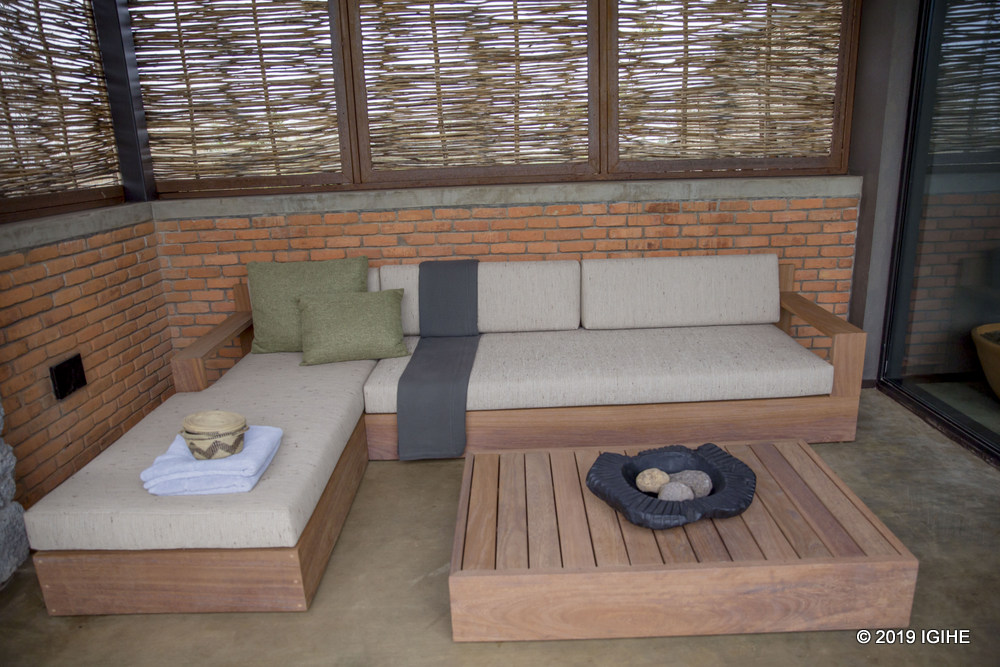
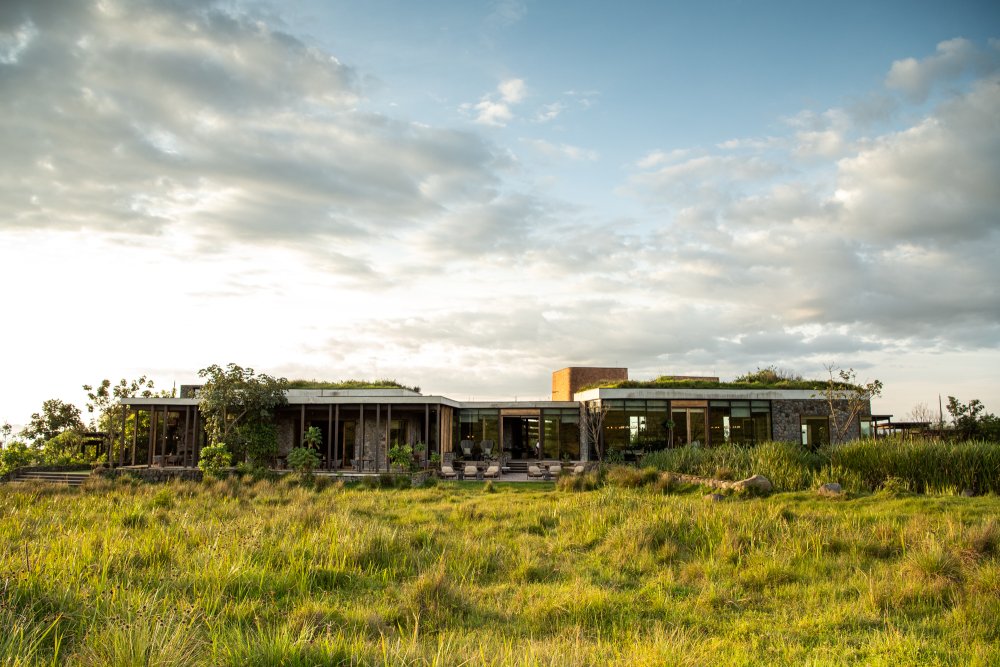
The lodge features indoor-outdoor fireplaces, heated plunge pools, and hand-fired brickwork constructed with the help of more than 500 local artisans. In addition to seven private suites, the property includes Kataza House, a four-bedroom villa designed to function as a self-contained safari lodge within the grounds.
Developed by luxury hospitality brand Singita, the lodge represents a $20 million investment in Rwanda’s high-end ecotourism sector. It was named in honor of Kwitonda, a silverback gorilla who led a prominent group in Volcanoes National Park before passing away in 2012.
A stay at Singita Kwitonda Lodge in Volcanoes National Park ranges from $2,720 to $3,780 per adult per night sharing a double suite, depending on the season.
In the 2026 rankings, Singita Kwitonda Lodge sat just behind Nepal’s Shinta Mani Mustang, outranking luxury properties across Europe, Asia, and the Americas.
Robb Report’s Top 10 Luxury Hotels in the World (2026)
Shinta Mani Mustang – Kali Gandaki River Valley, Nepal
Singita Kwitonda – Volcanoes National Park, Rwanda
Hope Lodge – Sutherland, Scotland
Park Hyatt Tokyo – Japan
Shakti Prana – Kumaon, India
Collegio alla Querce – Florence, Italy
Claridge’s – London, U.K.
Le Bristol Paris – France
Islas Secas – Gulf of Chiriqui, Panama
Casa Bonavita – Attard, Malta
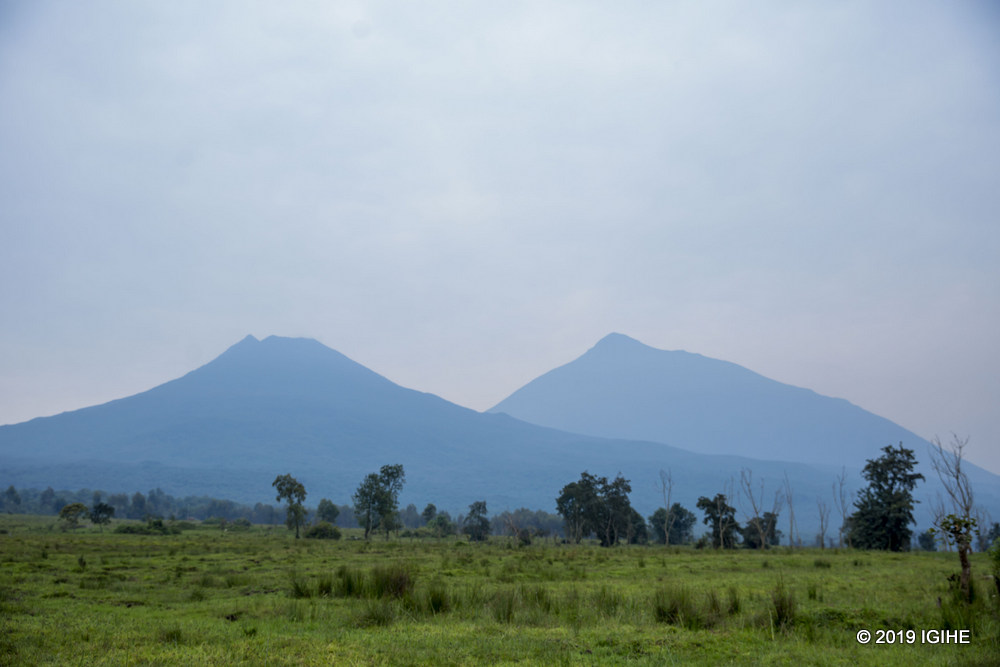
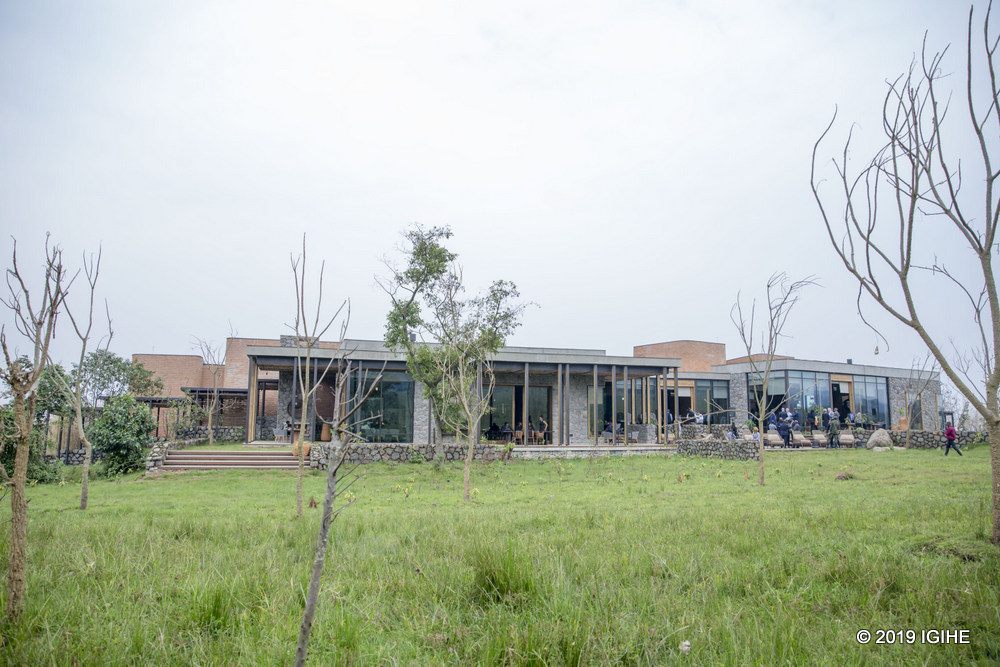
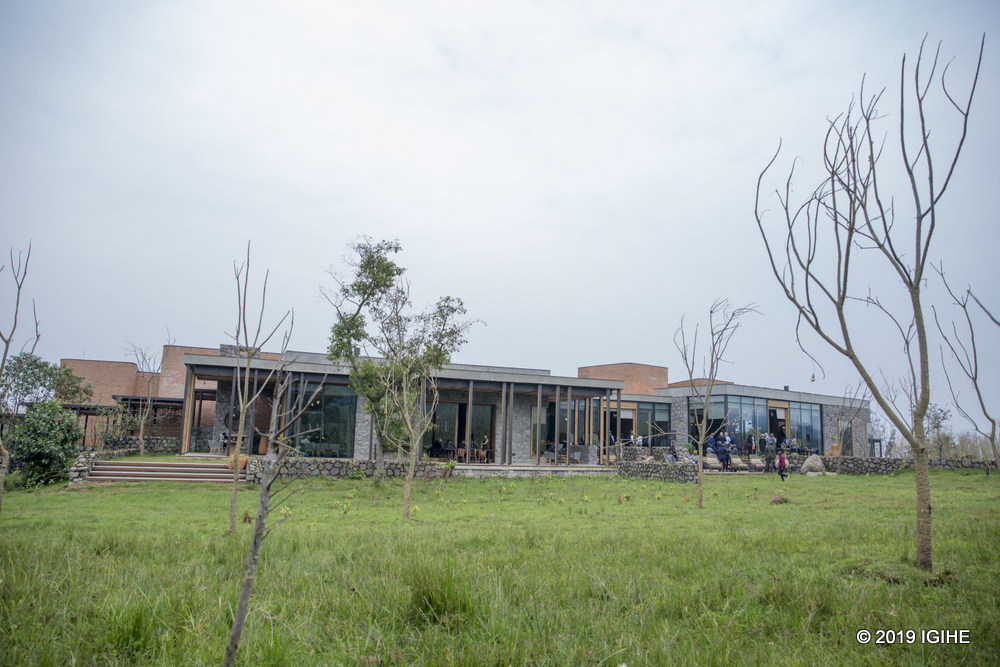
Signs showing directions to the rooms at Singita Kwitonda Lodge and Kataza House.Located in Musanze near Mount Sabyinyo, Singita Kwitonda Lodge and Kataza House features modern structures with breathtaking views of the Gahinga and Muhabura volcanoes.
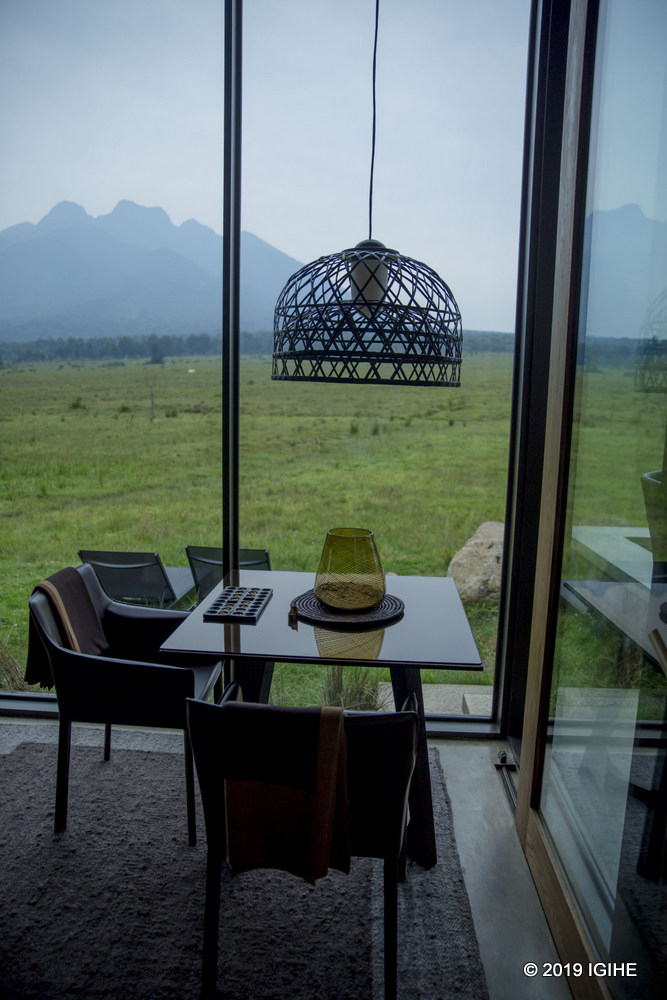
The Guest Suites are elegantly designed. The property provides guests with spaces where they can enjoy a swim or bask in the sun.A stay at Singita Kwitonda Lodge in Volcanoes National Park ranges from $2,720 to $3,780 per adult per night sharing a double suite, depending on the season.Perched near the Virunga Mountains, Singita Kwitonda Lodge offers guests breathtaking views of Mount Gahinga and Mount Muhabura.
After months of living in fear, deprivation and constant uncertainty, Nkurunziza found a chance to escape. He made his way back to Rwanda, a country he had been told would punish him if he returned.
Instead, he found support and a second chance. He was reintegrated into society, granted citizenship, trained in a vocational skill and supported in developing his talent in music.
His journey is a story of survival, resilience and hope; a story of a child whose childhood was taken away but who later found an opportunity to rebuild his future.
A childhood spent in exile
Nkurunziza was born in the Democratic Republic of Congo in 1997 to Mvuyekure Bernard and Uwiragiye Jeannette, parents who had fled Rwanda during the 1994 Genocide against the Tutsi.
Growing up in exile, Nkurunziza continued his education and dreamed of building a better future. He was a student at Institut Katwe, where he was studying in Senior Four, when his life changed forever.
While in Rutshuru, he and his friend John were abducted by FDLR fighters and taken to Walikale Territory. There, they were brought to an FDLR military camp and informed that they would become soldiers.
However, during the first weeks at the camp, they were not immediately trained in combat. Instead, they were forced to perform tasks that supported the rebel group, including carrying ammunition, transporting property taken from civilians and collecting supplies needed by fighters.
Nkurunziza believes his abduction was also part of an attempt by FDLR to force his father to join the armed group.
According to him, the rebels wanted his father to become a fighter, but he refused because he had a family to support.
“My father was already old, and he told them, ‘No, I have a family to take care of. I do not want to join the army or become part of those activities.’ That is when they decided to use me as a way to force him to join,” Nkurunziza recalled.
The rebels later contacted his family and threatened to kill him if his father refused to join FDLR.
When Nkurunziza managed to communicate with his father, he urged him not to accept the group’s demands, even though he knew the decision could put his own life at risk.
“Be strong, my father. I will follow their rules and do whatever they tell me so that I can protect your life. I have already reached this point. If I die, let me die, but the life I am living here is extremely difficult,” he told his father.
From a rebel camp to a new beginning
After enduring months of hardship under the control of FDLR, Nkurunziza eventually found an opportunity to escape. His journey out of the rebel-controlled forests marked the beginning of a new chapter in his life.
Instead of facing rejection, he received assistance that helped him return to normal life. He was supported through reintegration programmes, acquired skills that helped him become self-reliant and was encouraged to pursue his passion for music.
Today, Nkurunziza’s story stands as a reminder that even after experiencing unimaginable hardship, survivors can find opportunities to rebuild their lives when they receive support and a second chance.
At just 14 years old, Nkurunziza was abducted and forcibly recruited into FDLR, where he was forced into a life of violence and armed activities.
Nkurunziza says that when he arrived at an FDLR camp, he found many other children, both boys and girls. Some were around his age, while others were even younger.
The children were used to carry out various activities for the armed group, including stealing from civilians, transporting supplies, collecting items needed by fighters and participating in violent operations. Some were also forced to bring women and girls who were subjected to sexual violence.
Nkurunziza says that before witnessing such acts himself, he had never believed that such cruelty could exist.
“Before I saw it with my own eyes, I thought such things were impossible. But sometimes you would see young people being sent to bring women and girls, and they would return saying, ‘My commander, we have brought them,’” he recalled.
After three weeks at the camp, Nkurunziza and his friend John began military training that lasted three months. He expected to be taught how to use weapons and become a soldier, but he says much of the training focused on spreading hatred and extremist ideology.
“What surprised me was that I thought I was going to become a strong soldier who would receive serious military training. Instead, we were taught to hate the country, hate Tutsi people and hate the RPF,” he said.
According to Nkurunziza, the recruits were told that Tutsi people and supporters of the Rwanda Patriotic Front (RPF) were their enemies.
They were also told that the 1994 Genocide against the Tutsi had not happened as it was documented and were encouraged to prepare to overthrow the Rwandan government.
The teachings made Nkurunziza question why the group spent so much time spreading hatred instead of preparing them for legitimate military responsibilities.
Forced into combat and mineral exploitation
After completing the training, Nkurunziza was sent on FDLR operations. He was involved in attacks, raids against civilians and missions to extract minerals.
He says it was painful to see senior members of the group sending their own children to schools in cities such as Goma, Beni and Butembo, while abducted children like him were forced into armed activities.
“We would go and steal minerals and bring them, while at the same time hearing that their own children were studying in Goma, Beni and Butembo. We were young children who had been denied the kind of life their children were enjoying,” he said.
Nkurunziza says refusing orders often resulted in severe punishment, including beatings, being suspended in the air as a form of torture, or other forms of abuse.
Whenever he refused to carry out certain orders, such as bringing a woman or performing tasks assigned to him, his commanders would contact his family and threaten to kill him.
“When you live with constant pain and suffering, there comes a time when you become numb to it,” he said.
Despite enduring extreme hardship, Nkurunziza says he continued to persevere because he remained determined to protect his parents and keep them alive.
He explained that he was forced into combat and that much of the indoctrination he received was centred on promoting hatred against Tutsi people.
The man who helped him find a way out
Six months after being taken to an FDLR camp, Nkurunziza met a soldier named Harerimana, who already knew his family.
Harerimana asked him how he had ended up with the armed group. Nkurunziza briefly explained how he had been abducted and the suffering he had endured since being taken into the forest.
Harerimana later asked Nkurunziza’s commander to allow him and his friend John to accompany him and help transport supplies. However, his real intention was to take them away from the camp so he could listen carefully to their story.
After learning what Nkurunziza had gone through, Harerimana advised him not to attempt an escape without careful planning.
“My young brother, be patient and continue enduring this suffering for now. If you try to escape without a proper plan, you will be killed. I will go and tell your parents how they should behave so that they do not end up in the same situation,” Harerimana told him.
As time passed, Nkurunziza opened up to Harerimana about his desire to leave the forest and escape the life he had been forced to live.
“I am already living a life that feels as if I died long ago. I am alive, but it feels like I am already dead. How can I continue living like this?” he asked.
That was when Harerimana began preparing their escape.
He instructed Nkurunziza and John to carefully study the routes used by FDLR fighters during operations, identify the times when security was weakest, count the number of soldiers guarding different areas and look for possible escape paths.
In December 2009, Harerimana finally told them that the time to leave had arrived.
A dangerous escape between life and death
Harerimana once again asked Nkurunziza and John to accompany him on what appeared to be a mission to collect supplies.
After moving far away from the FDLR camp, he asked them to hand over their weapons, but then quickly changed his mind and decided to give them more ammunition instead.
“No, my children, that will not work. The journey ahead will not be easy. Instead, let me give you more ammunition because you still have a difficult task ahead,” he told them.
He gave each of them two magazines of ammunition and showed them the mountain routes they needed to follow.
They began their journey at around 10:00 a.m. and continued walking until night fell.
At around 11:00 p.m. or midnight, they encountered an ambush by armed men. A gunfight broke out, forcing Nkurunziza and John to retreat and hide behind rocks.
They later discovered that FDLR had already realised they had escaped and was trying to prevent them from reaching the positions of the United Nations peacekeeping mission in the Democratic Republic of Congo, MONUSCO.
That night, they survived by taking turns sleeping. One would rest for about 20 minutes while the other remained awake to watch over their surroundings.
At dawn the following day, they saw a MONUSCO base in the distance. However, reaching it meant passing through another heavily guarded position.
This time, Nkurunziza and John decided they had no choice but to move forward.
“We had no other option. We decided to fight our way through, knowing that we would either die or survive,” Nkurunziza recalled.
Although they were still young and wearing oversized, worn-out boots, they gathered their courage and fought to break through the forces surrounding them.
Nkurunziza says that in that moment, he found strength he never knew he had.
“I fought with determination. They used to tell me that I was an Interahamwe, that I was a Hutu, and many other things. But at that moment, none of that mattered. I found a strength that I do not know where God placed inside me,” he said.
They eventually broke through the ambush and ran towards the MONUSCO base.
When they arrived, they raised their hands to show they had surrendered. Their weapons were taken away, and they were received and protected by MONUSCO forces.
A helicopter later transported them to Goma, from where they were taken by boat to Bukavu, a location far from FDLR-controlled areas.
For Nkurunziza, that journey marked the beginning of a new chapter, a move from captivity and fear towards freedom and the possibility of rebuilding his life.
Nkurunziza said he finally reached the MONUSCO base as FDLR fighters were still chasing after him, turning his escape into a race between life and death.
The family tragedy that pushed Nkurunziza to return home
On his second day in Bukavu, Nkurunziza was approached by a former fighter who delivered devastating news: his family had been killed.
The revelation left him overwhelmed with grief.
“I became silent. I reflected and cried. But before I could finish crying, I asked him, ‘Were they all killed?’” Nkurunziza recalled.
He was told that the information available suggested that all members of his family could have lost their lives. At that moment, Nkurunziza began wondering where he could go next.
For years, FDLR had taught him that the Rwanda Patriotic Front (RPF) were enemies, that the Rwanda Defence Force (RDF) killed people, and that Rwanda was not a place where he could find safety.
However, he also knew that staying in the Democratic Republic of Congo exposed him to the possibility of being captured again or losing his life.
He eventually made the decision to travel to the country his parents had always told him was his homeland.
“I told myself, ‘Let me go to the place my parents said I belong to. Let me go there, even if I die there. If I am killed by a Rwandan, then there is nothing else I can do,’” he said.
A Rwanda different from what he had been told
When Nkurunziza arrived at the border in Rusizi District, he was filled with fear.
One of the first things that surprised him was hearing people speak the same language he spoke.
While living with FDLR, he had been taught that his language was “Igihutu”. However, after arriving in Rwanda, he discovered that it was simply Kinyarwanda, the language spoken by Rwandans.
“I heard people speaking like me, yet I had been taught that I spoke Igihutu. They told me, ‘No, this is Kinyarwanda,’” he said.
Nkurunziza expected government officials to receive him with anger and accuse him of being part of FDLR.
Instead, he was welcomed, provided with support and taken to a centre designed to help former combatants return to normal life.
Despite the warm reception, he initially suspected that it was a trick.
He quietly told his friend John:
“Look at this deception. Are they not going to kill us?”
The two were taken to Mutobo Demobilisation and Reintegration Centre, where former fighters receive support to reintegrate into society.
Nkurunziza says it was there that he gradually realised that he was safe.
When he arrived, he was in poor condition, with dirty clothes, overgrown hair, worn-out clothing and damaged shoes.
He was given a haircut, new clothes, shoes and food. Because he was still a child, he was separated from adults and transferred to Nyarubande in Musanze District.
“When I arrived there, I found a life that looked like children living with their own families. It felt as if they were being cared for by their parents. I told myself, ‘I am not going to die. I have found a real parent. Even though I no longer have my own parents, I can still have a future,’” he said.
Learning to live as a Rwandan
At Nyarubande, Nkurunziza began receiving lessons aimed at helping him overcome the hateful ideas that had been instilled in him by FDLR.
He was taught that he was first and foremost a Rwandan and that he should not define himself by ethnic identity, but instead build his life around unity and coexistence.
He received guidance from teachers, trauma counselors and local leaders who supported his recovery and reintegration.
Later, he was issued a Rwandan national identity card.
The Demobilisation and Reintegration Commission gave him an opportunity to choose a profession he wanted to pursue.
He chose to study hospitality in Kayonza District.
Afterwards, those supporting him asked whether he had any talent he wanted to develop. He chose music.
With the support of music trainer Intore Semanza Jean Baptiste, Nkurunziza travelled to Kigali in 2014.
He stayed at a hotel near Sainte Famille, where he was introduced to producer Bob Pro, who helped him record his songs.
He was given the opportunity to produce 12 audio songs and 12 music videos.
“Although I had lost my parents, I had found a parent — a truly good country. I was satisfied,” he said.
Through his music, Nkurunziza wanted to reach young people who were still carrying guns in the forests of the Democratic Republic of Congo and encourage them to abandon violence and return home.
A father, employee and artist
After completing his reintegration programme, Nkurunziza began looking for employment.
Today, he works in the department of marketing at Airtel Rwanda in Musanze District.
He has also built a family of his own and become a father. He continues to pursue music whenever opportunities arise, using it both as a passion and an additional source of income.
Nkurunziza’s story highlights the devastating impact that conflict and extremist ideology can have on children. However, it also demonstrates how rehabilitation, support and opportunities can transform the life of someone who was once deprived of hope.
He says his experience taught him an important lesson: people should not blindly believe everything they are told about a country, a community or a group of people. Instead, they should seek the truth through careful reflection and understanding.
Sharing a message with young people, Nkurunziza said: “Young people, whenever you hear a word or a name such as the RPF, take time to think carefully and understand it.”
He added: “There is one important lesson: we must learn resilience. We must remain strong and never give up.”
For a child born in exile, abducted, forced to carry a gun and taught to hate his own country, resilience eventually came to mean something different: surviving, rebuilding his life and using the second chance he received to ensure that his future would no longer be controlled by war.
Nkurunziza Patrick has recounted his journey from FDLR to rebuilding his life in Rwanda.
Tracking rent payments, managing lease agreements, maintaining properties, and communicating with tenants often require either a physical presence or the support of a trusted third party.
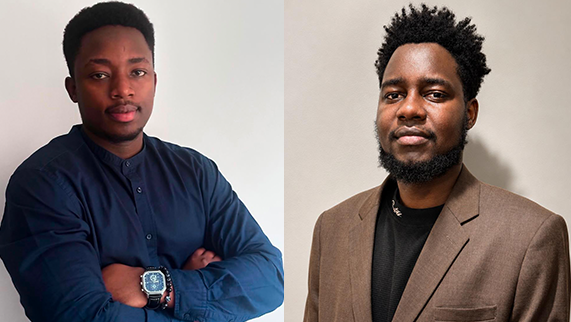
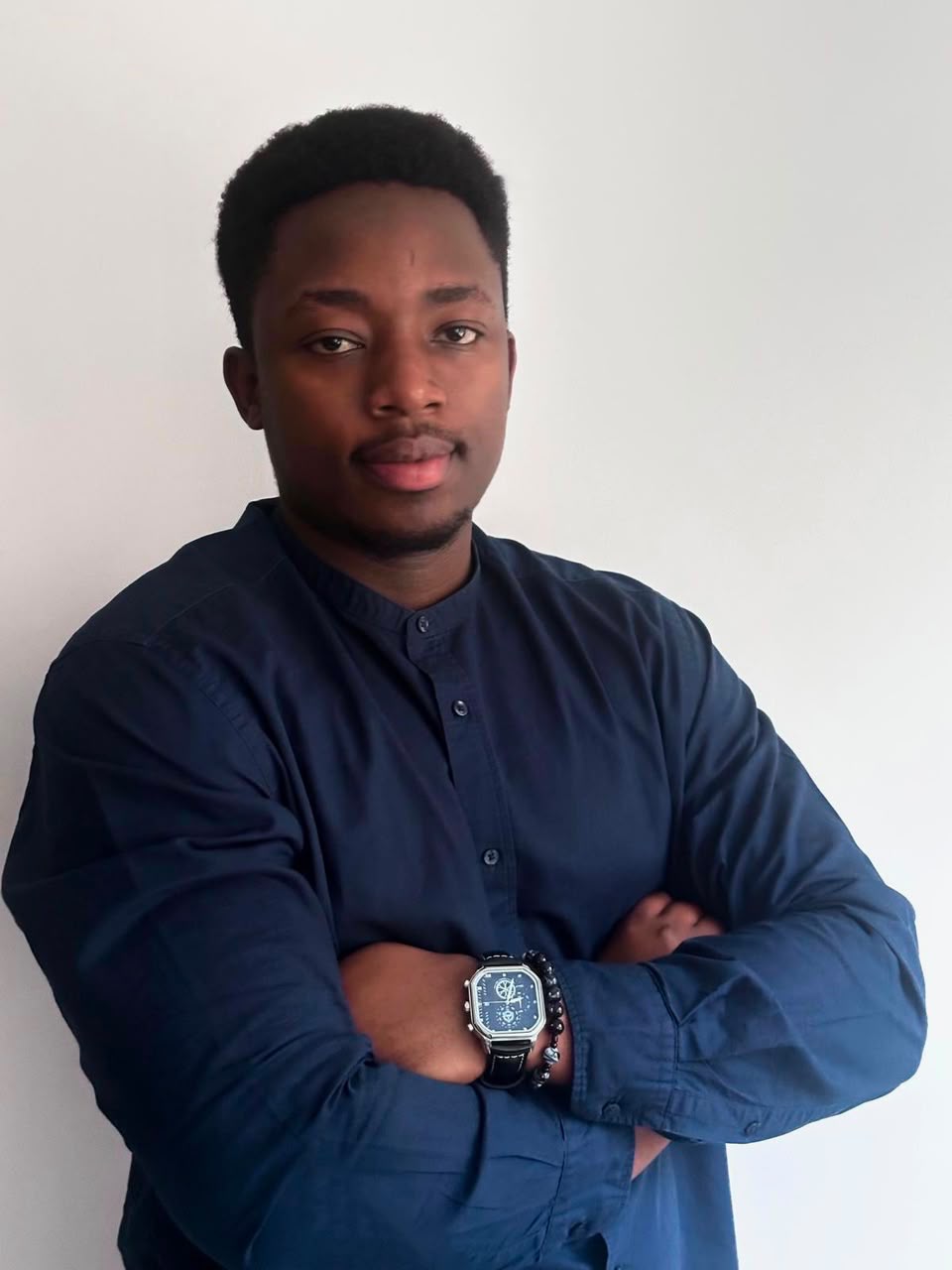
To address these challenges, Aristide Shema, a young Rwandan entrepreneur based in Wrocław, Poland, developed DomLift, a digital platform that enables property owners to manage their real estate from anywhere in the world.
In an interview with IGIHE, he discusses his background, the inspiration behind the platform, and his vision for the digital transformation of Rwanda’s real estate sector.
IGIHE: Could you briefly introduce yourself and tell us about your academic and professional background?
Shema: My name is Aristide Shema. I was born in Gisozi, Kigali. Even after leaving Rwanda to pursue my studies and career abroad, I have always remained deeply connected to my country. That attachment has inspired me to stay engaged with Rwanda’s challenges and to think about how I could contribute to its development, even while living thousands of kilometers away.
I studied International Business with a specialization in technology at WSHiU – Academy of Applied Sciences in Poznań, Poland. Today, I work as an IT Support Engineer at Hemmersbach on the Thales Alenia Space project, while based in Wrocław.
This experience has allowed me to combine business management skills with technology expertise, a combination that proved invaluable in building DomLift.
IGIHE: How did the idea for DomLift come about?
Shema: Several factors inspired this project. First, President Paul Kagame’s consistent call for young Rwandans to embrace innovation and develop solutions that address the country’s challenges has always inspired me.
At the same time, I became interested in the real estate sector. The figures speak for themselves: Rwanda currently faces a housing deficit of more than 200,000 units, a number projected to reach nearly 310,000 by 2032. I realized there was a genuine need to modernize property management.
I have always been passionate about real estate. However, I did not have the financial resources to invest in property myself. So I told myself that if I could not contribute as an investor, I could still contribute by building a technological solution that supports those who already invest in the sector.
IGIHE: How did you turn that idea into a working platform?
Shema: I trained myself in software development through online courses for more than nine months. After that, I designed and developed DomLift entirely on my own, from the very first line of code to the platform’s launch.
For me, it was a way to contribute to the development of Rwanda’s real estate sector without having investment capital. I wanted to create a tool that genuinely makes life easier for landlords, property managers, and tenants.
IGIHE: Who are the people working with you to make this possible?
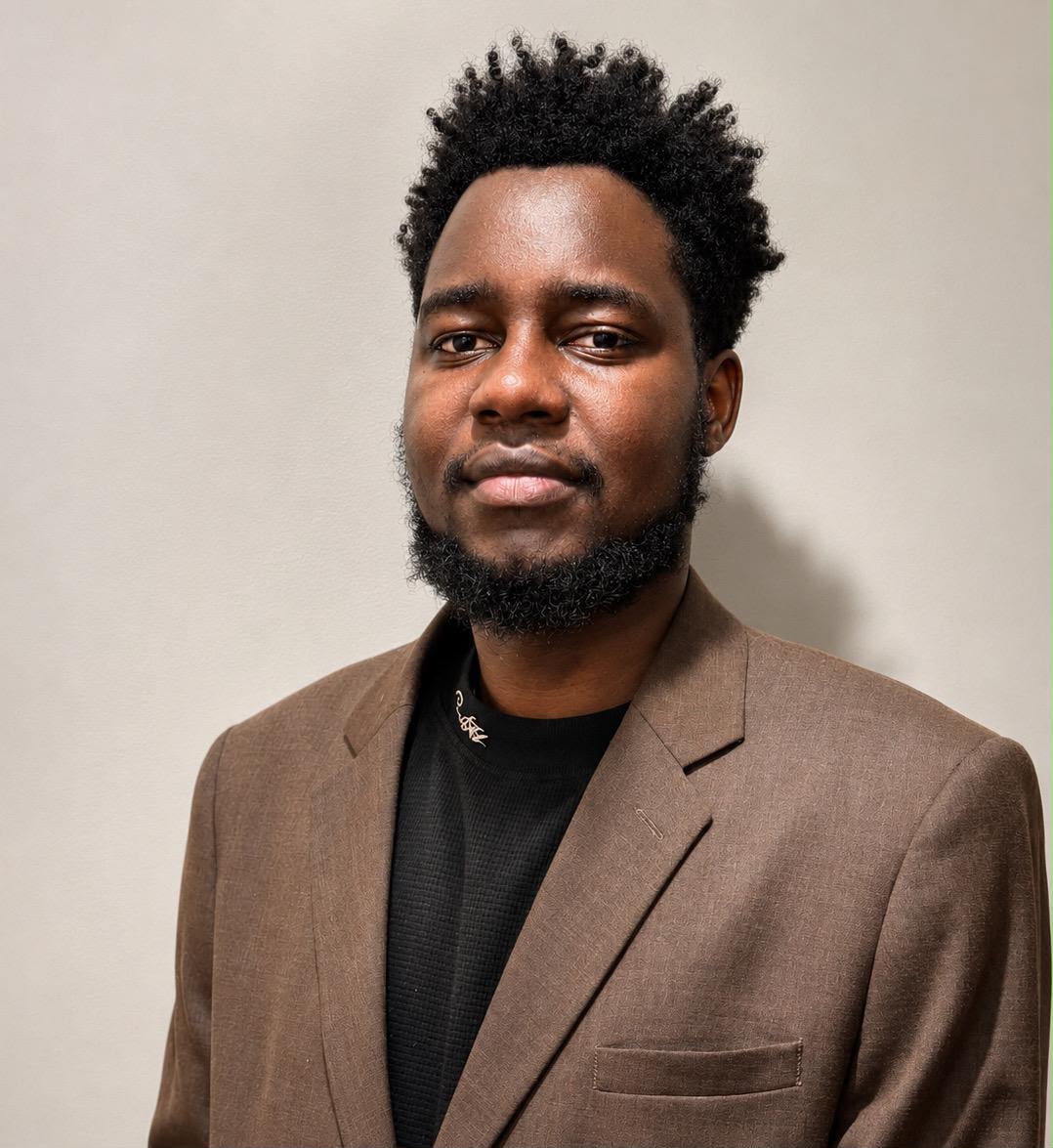
Shema: I am fortunate to have my co-founder, Landry Rudasingwa, by my side. He is originally from Nyakabanda and holds a degree in Hydraulic Engineering earned in China. He is currently pursuing a degree in International Business in Poznań, Poland.
He also works as an Integration Engineer at Jitterbit while serving as DomLift’s Chief Technology Officer (CTO). His technical expertise plays a vital role in the continued development of our platform.
IGIHE: How does DomLift work in practice?
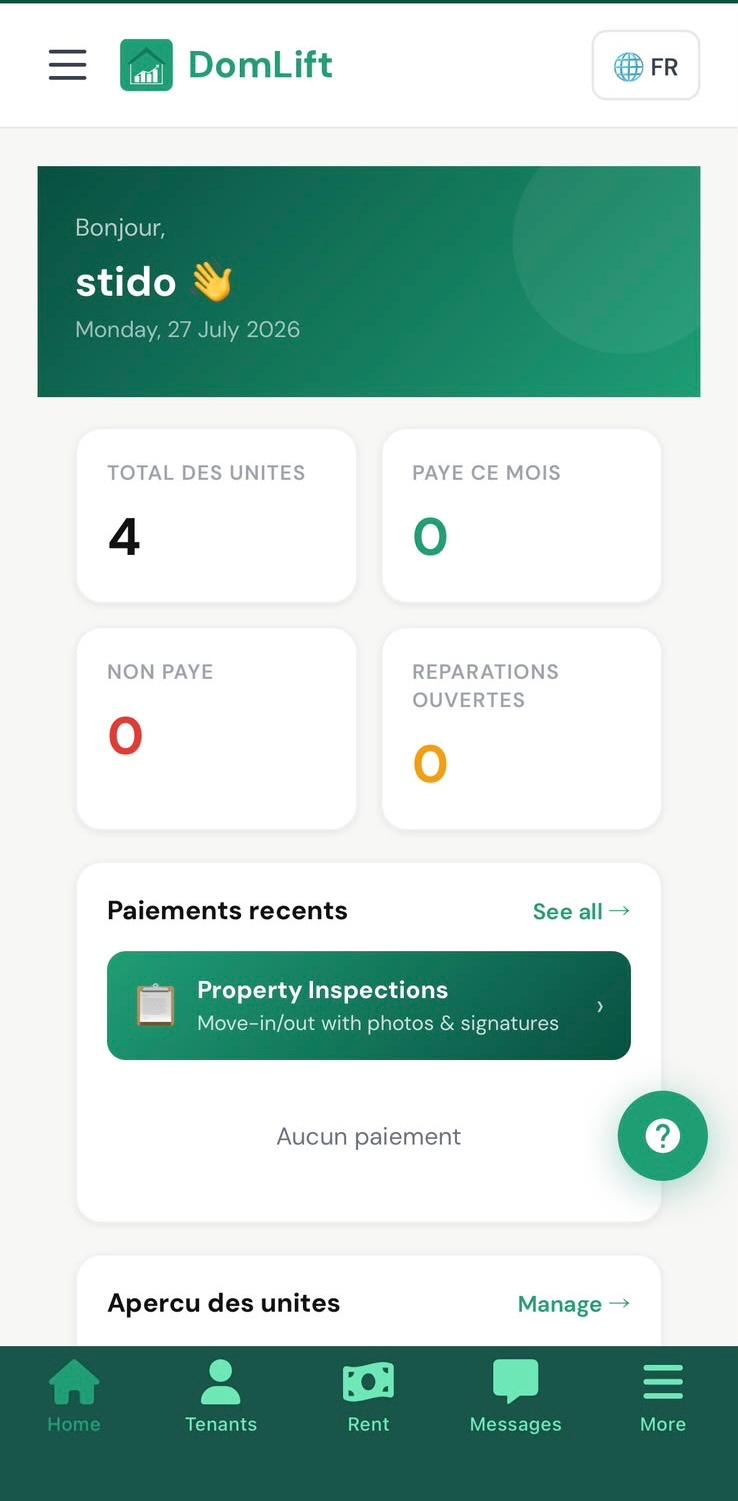
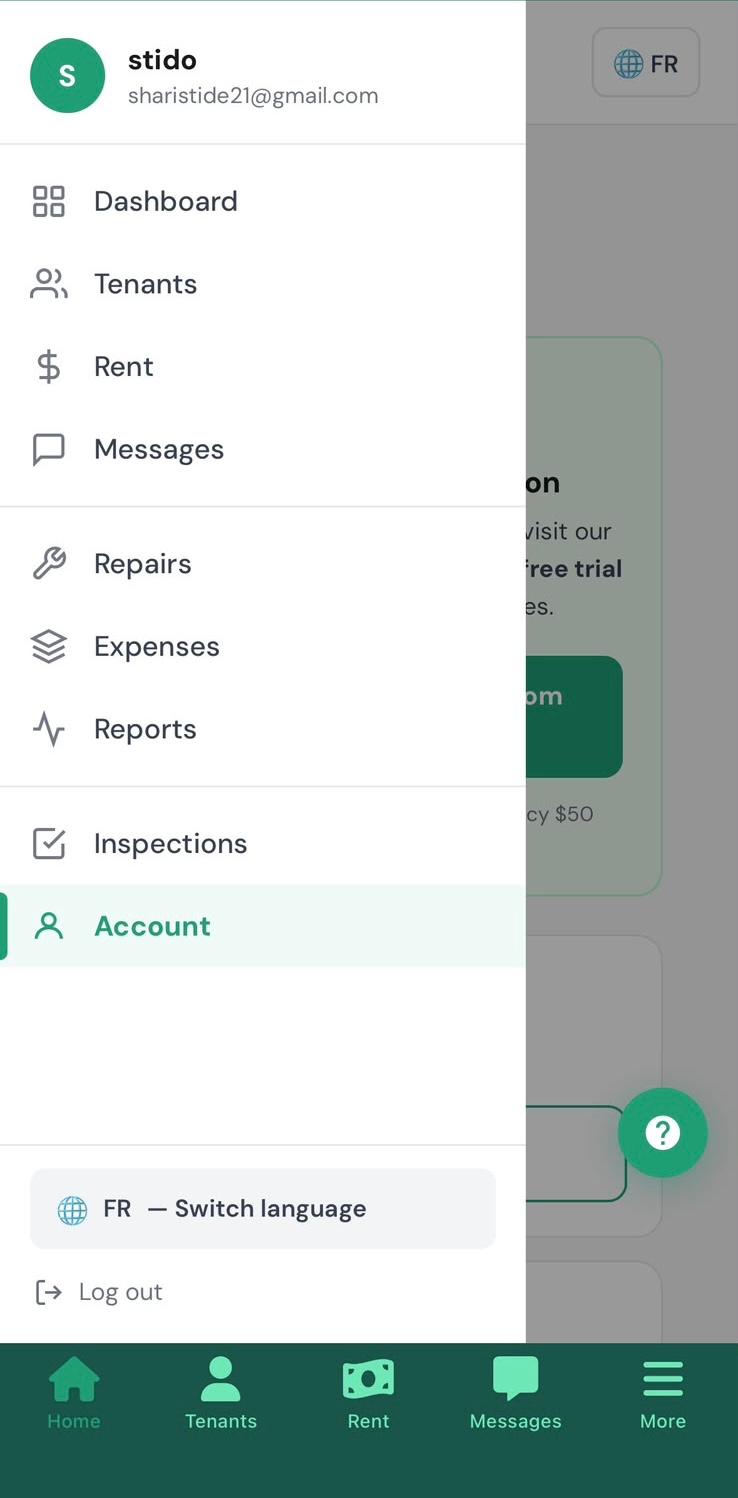
Shema: DomLift operates through two connected portals: one for landlords and property managers, and another for tenants.
Everything starts with onboarding. Property owners register their properties and individual units, then assign tenants to each unit. From that point onward, every piece of information related to that property is stored in one centralized place.
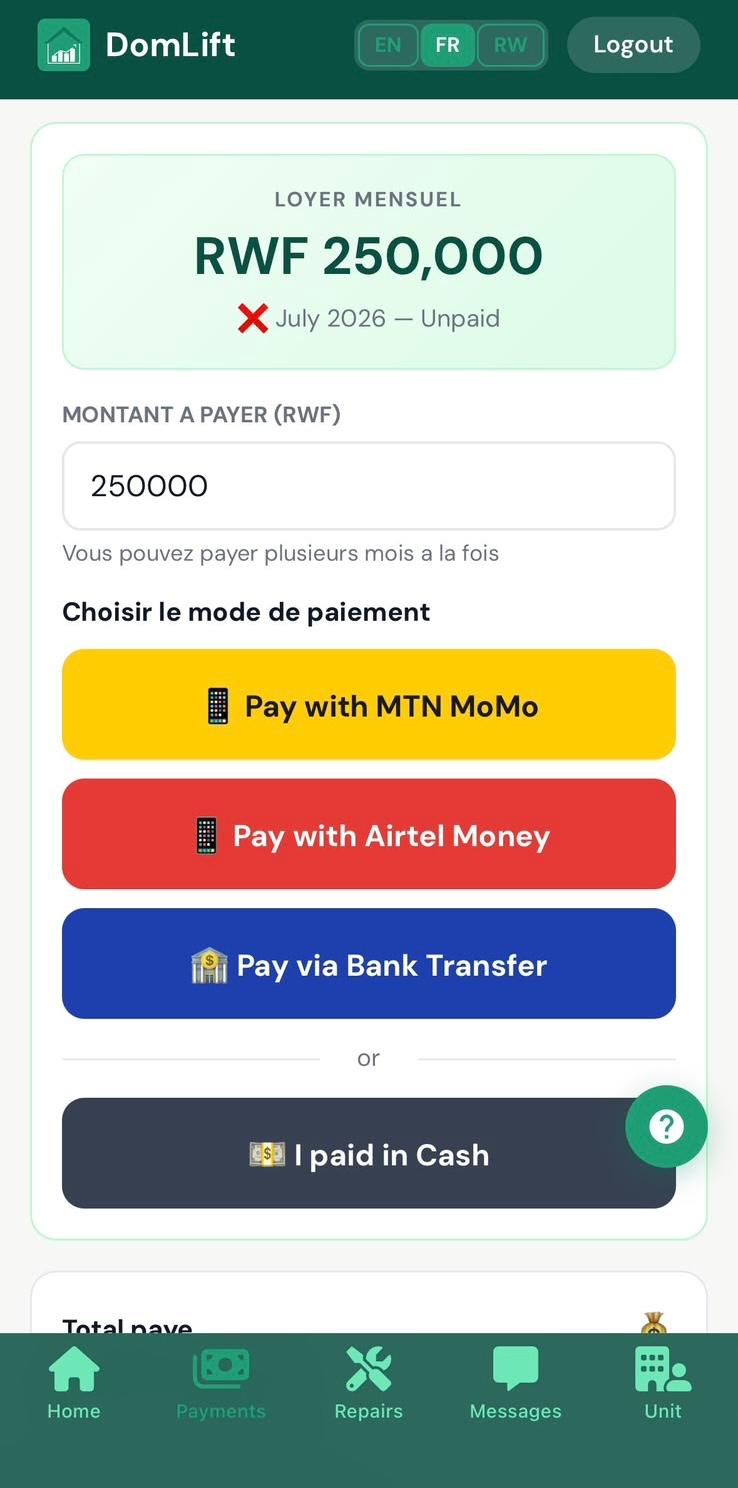
Rent can be paid through MTN Mobile Money, Airtel Money, bank transfers, or even cash. Regardless of the payment method, every transaction is automatically recorded, allowing landlords to instantly see who has paid without having to reconcile payments manually.
When maintenance is needed, tenants submit repair requests directly through their portal. The landlord receives a notification, assigns the work, and tracks the request until it is completed.
We have also integrated an internal messaging system that allows landlords and tenants to communicate directly within the platform, eliminating the need for scattered WhatsApp conversations.
One of the features we are particularly proud of is the property inspection system. Landlords can carry out detailed inspections using photographs, notes, checklists, and electronic signatures, creating a reliable record of each property’s condition over time.
This feature becomes especially valuable when an owner wants to sell a property, increase its rental value, or apply for bank financing.
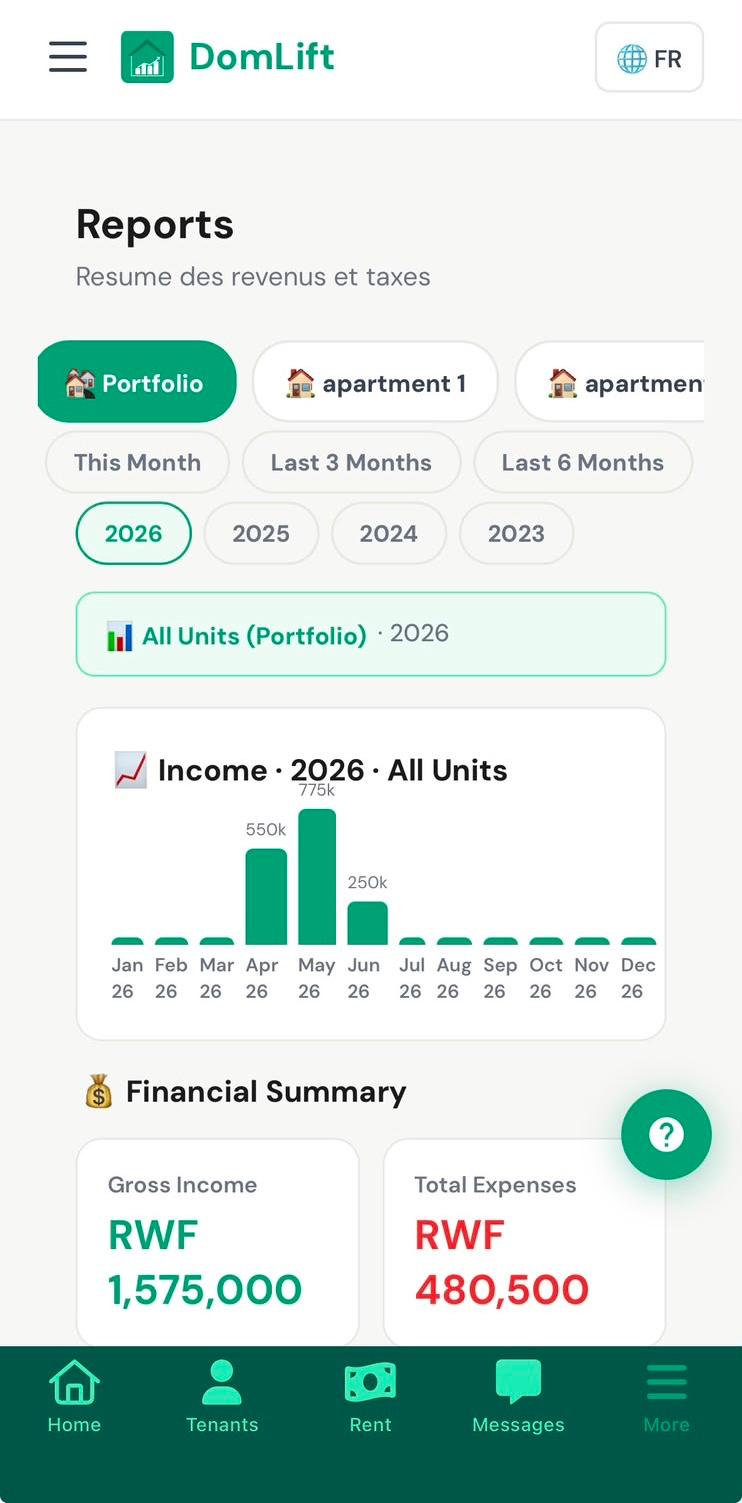
DomLift also generates financial reports that help landlords analyze the performance of their property portfolio. We are currently developing even more detailed reports for each individual unit so owners can track income, expenses, and occupancy history separately.
Our goal is to provide a solution that works equally well for an individual managing a few rental units as it does for a company managing hundreds of properties.
IGIHE: How long has DomLift been available?
Shema: The platform has been publicly available for just over two months. Despite being relatively new, we are already seeing encouraging growth, with between 60 and 150 active users. Our goal is to continue expanding this community and support even more property owners in managing their real estate.
IGIHE: On which platforms is DomLift available?
Shema: DomLift is available on the web as well as through native Android, iPhone, and iPad applications. Users can download it free of charge from Google Play and the App Store. Automatic updates ensure that everyone always has access to the latest features and improvements.
The idea is simple: to allow someone to manage their property portfolio from Kigali, Brussels, London, Toronto, or anywhere else in the world directly from a smartphone or computer.
IGIHE: What is your vision for the coming years?
Shema: Our ambition is for every landlord and property manager to have access to a professional property management system.
We want to go beyond simple rent collection. By providing reliable data, the platform helps property owners analyze their investments, prepare bank financing applications, and make informed decisions when expanding their portfolios.
We also aim to serve professional property management companies. In the long term, our ambition is to expand DomLift across the East African Community after strengthening our presence in Rwanda.
IGIHE: What message would you like to share with Rwandans, especially those living abroad?
Shema: I want to tell Rwandans that technology offers an incredible opportunity to contribute to the development of our country, wherever we may live.
DomLift was born from that belief. We want to provide a modern, reliable, and accessible solution that simplifies property management while helping owners make better investment decisions through accurate data.
Our ambition is to build a platform that will support real estate investors not only in Rwanda but eventually across East Africa.
Aristide Shema i sthe founder of DomLift, a digital property management platform.Landry Rudasingwa, Co-founder and Chief Technology Officer (CTO) of DomLift.