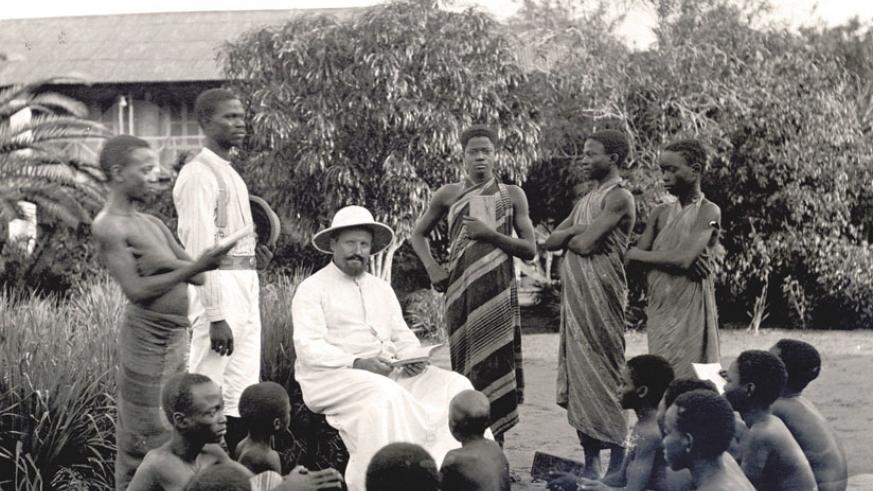
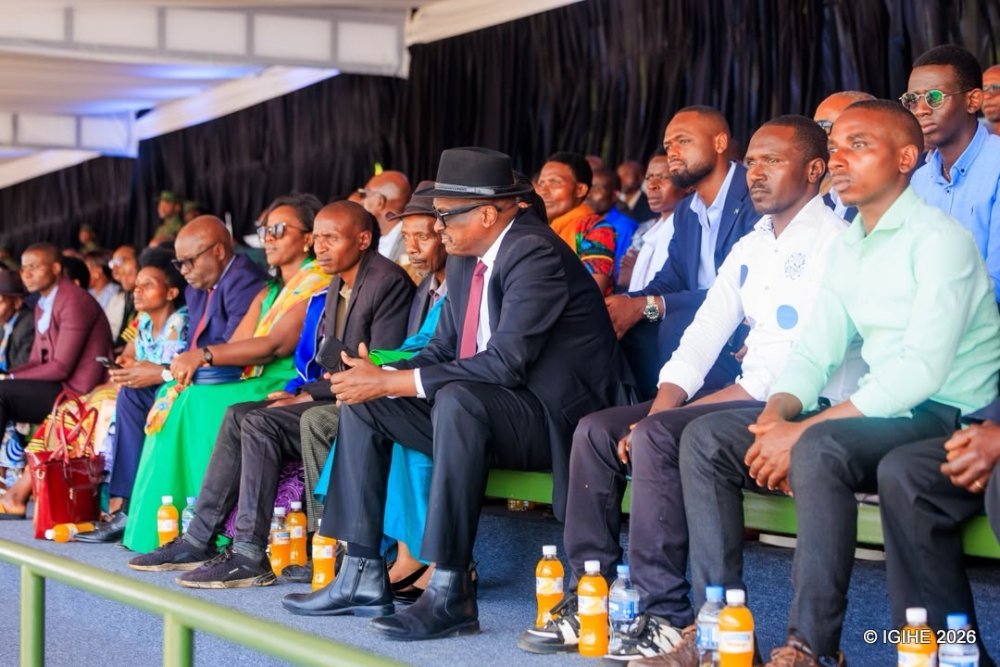
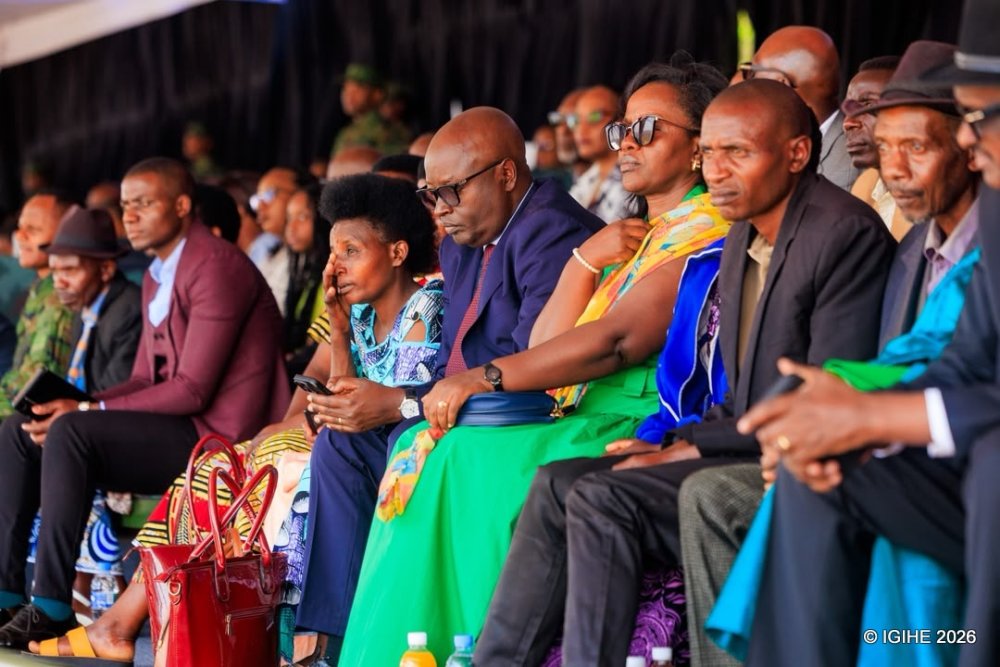
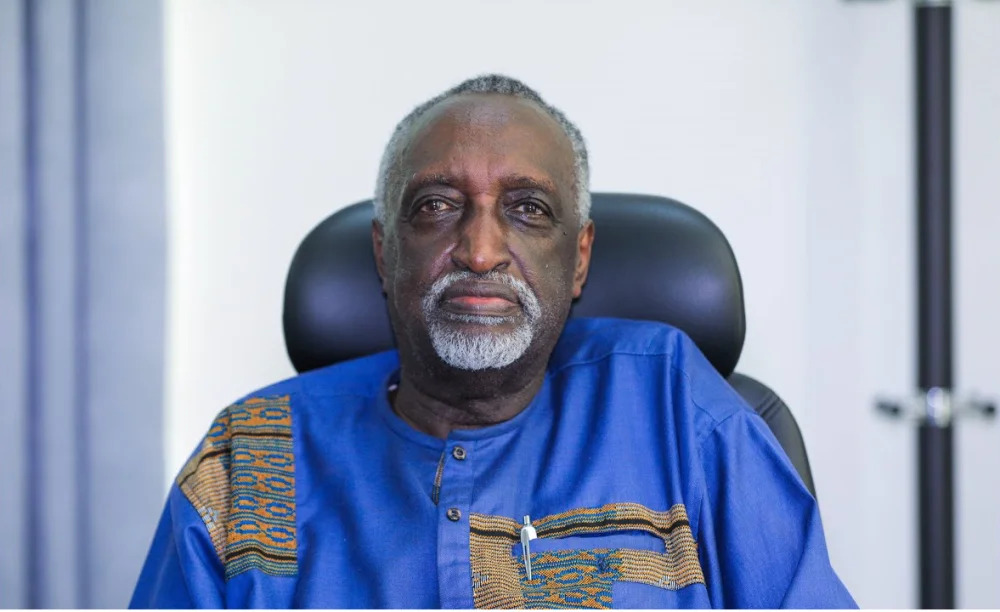
The conference, titled “Belgium’s Colonial Injustice and the 101-Year Path to Reparations,” was held on August 21 and organized by the Baku Initiative Group (BIG).
The discussions took place on August 21 during a conference titled “Belgium’s Colonial Injustice and the 101-Year Path to Reparations,” organized by the Baku Initiative Group (BIG).
The meeting brought together representatives of Rwanda, Burundi, the DRC, Morocco and South Africa, alongside UN Human Rights Council experts, diplomats, parliamentarians, human rights advocates, historians and international law experts.
Rwanda was represented by Lt Gen (Rtd) Charles Kayonga, the country’s ambassador to Türkiye, who also represents Rwanda in Azerbaijan, Kazakhstan and Lebanon.
Participants examined the historical, political, economic and social consequences of Belgian colonial rule and discussed whether its legacy continues to shape the region. They also considered the restoration of historical justice, reparations and the return of cultural heritage taken from Central Africa during the colonial period.
A colonial legacy across the Great Lakes
Rwanda, Burundi and the DRC came under Belgian colonial rule in the aftermath of the First World War. Belgian administration of Ruanda-Urundi, which comprised present-day Rwanda and Burundi, began in 1916 after Germany lost control of the territory.
The Belgian colonial period formally ended as the countries gained independence between 1960 and 1962, but participants at the Baku conference argued that its effects have continued to be reflected in political, economic and social structures.
In Rwanda, the country had first been placed under German rule in the late 19th century, following the European partition of Africa associated with the Berlin Conference of 1884–1885.
Belgian rule later introduced policies that placed particular emphasis on economic production for colonial interests, including export-oriented agriculture and compulsory labour.
The colonial administration also played a significant role in reshaping Rwanda’s social and political structures. One of the most contested aspects of this period was the way Belgian authorities classified Rwandans along ethnic lines and institutionalized those classifications through identity documents.
Those policies contributed to the entrenchment of divisions that later continued under successive post-independence governments.
The colonial legacy remains a subject of debate in Rwanda, particularly because of the way policies introduced during the Belgian period were later maintained and adapted by governments after independence.
Rwanda became independent on July 1, 1962, while Belgian influence remained present during the early years of the new state.
The political divisions that had been reinforced during the colonial period continued into the First and Second Republics and formed part of the broader historical context preceding the 1994 Genocide against the Tutsi.
Calls for historical justice
At the Baku conference, BIG Executive Director Abbas Abbasov said addressing colonial crimes should go beyond financial compensation.
He called for recognition of historical responsibility, official apologies, reparations and legal safeguards, noting that the DRC, Rwanda and Burundi have long awaited concrete action.
Abbasov said reparations should be pursued transparently and in accordance with international law. Rwanda’s Ambassador Charles Kayonga said colonialism had left a lasting legacy that continues to affect former colonies.
He underscored the need to address that legacy in discussions on responsibility and reparations.
Participants also discussed the appropriation and restitution of cultural heritage from the colonial period, noting that Belgium’s Royal Museum for Central Africa holds around 85,000 objects from Central Africa.
The conference further highlighted the five forms of reparation set out in UN General Assembly Resolution 60/147: restitution, compensation, rehabilitation, satisfaction and guarantees of non-repetition.
The discussions come as debates continue across Africa over the historical consequences of slavery and colonialism, with countries and organizations increasingly examining how historical injustices can be addressed through recognition, restitution and reparations.
Participants at the Baku conference called for greater international recognition of colonial-era injustices, stronger legal mechanisms and more systematic discussions on reparations.
They stressed that restoring historical justice is important not only for addressing the past, but also for building a fairer international system for future generations.
Belgian colonial authorities are accused of imposing policies in Rwanda to advance their own interests.
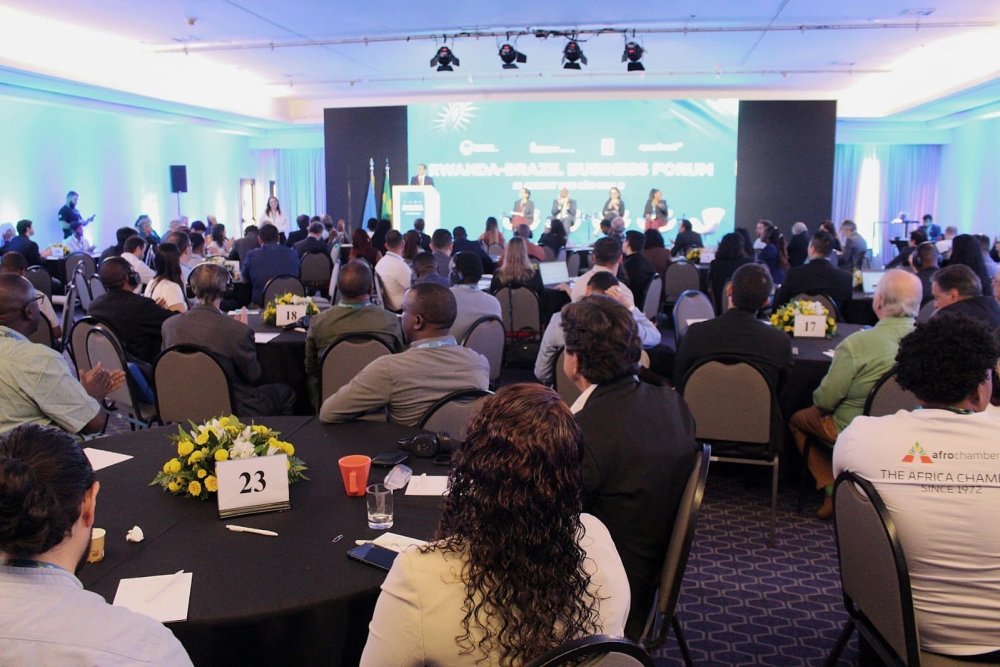
The forum took place on August 20, 2026, according to the Rwanda Development Board (RDB).
The event aimed to explore ways to further strengthen cooperation between Rwanda and Brazil while showcasing opportunities available in the African market.
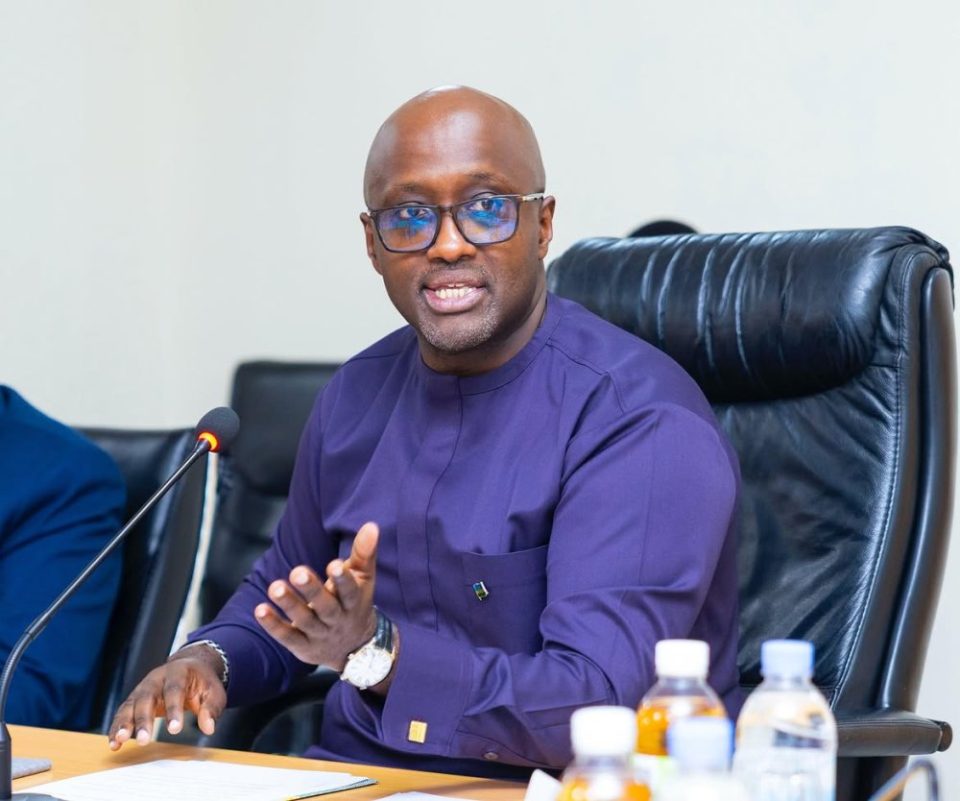
Rwanda’s Ambassador to Brazil, Lawrence Manzi, said Rwanda offers Brazilian businesses seeking a foothold in Africa a strategic gateway.
“For Brazilian businesses seeking a foothold in Africa, Rwanda is the gateway of choice. Our ease of doing business and strategic location make Rwanda the perfect bridge to the continent,” Manzi said.
Claver Tuyishimire, Permanent Secretary at the Ministry of Trade and Industry, said Rwanda’s small size does not limit its investment opportunities.
“While Rwanda is small in size, it is vast in opportunity. Positioned at the heart of Africa and connected through the AfCFTA and regional markets, Rwanda provides a gateway to over 1.3 billion consumers across the continent,” Tuyishimire said.
The forum comes as Rwanda continues to encourage international investors to take advantage of opportunities in the country and its position as a bridge to different African markets.
In 2025, Rwanda registered investments worth $2.62 billion across 799 projects, up from 612 projects in 2024.
The newly registered investments were concentrated in sectors including real estate, manufacturing and mining.
Rwanda has set a target of doubling private investment to $4.6 billion by 2029.
Rwanda-Brazil ties
Rwanda and Brazil established diplomatic relations in 1981, and the two countries have since signed several agreements to strengthen bilateral cooperation.
In 2019, the two countries signed a Bilateral Air Services Agreement (BASA).
In 2011, Rwanda and Brazil also signed an agreement on cooperation aimed at strengthening food security.
Brazil is the world’s leading producer of coffee, soybeans, sugarcane and oranges.
Since 2022, Rwanda has imported wheat from Brazil after imports from Ukraine declined. Rwanda also imports products including sugar from Brazil.
In February 2026, the governments of Rwanda and Brazil signed an agreement providing a framework for cooperation in promoting trade, facilitating investment and strengthening cooperation in various sectors.
More than 200 Brazilian investors have discussed how to tap into opportunities offered by Rwanda.
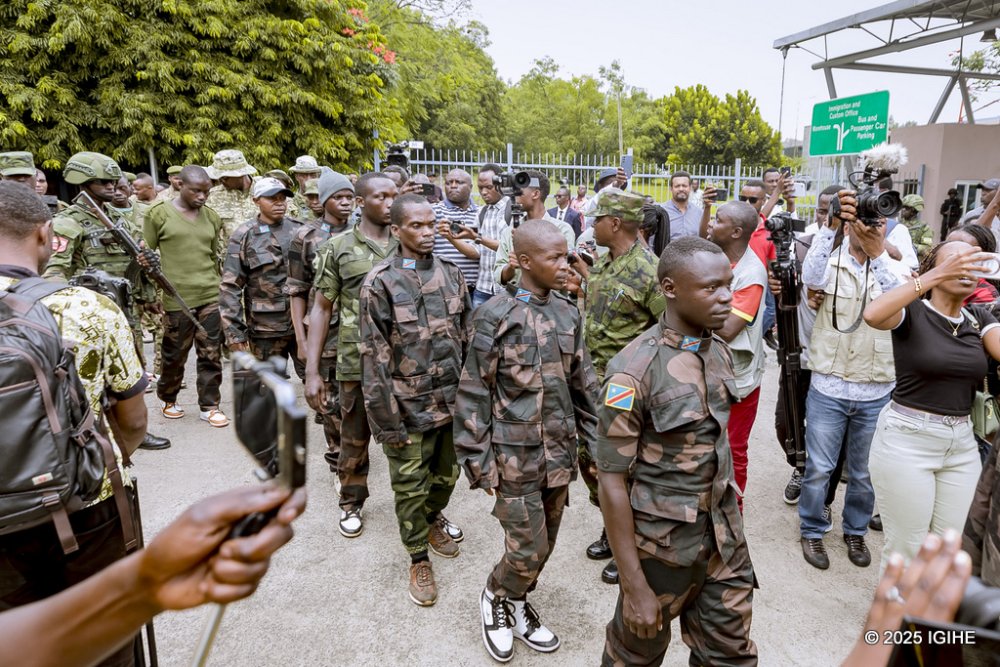
According to a former FDLR official, this belief was sustained through a combination of prophecies, rumours and teachings that circulated within the group for years.
He said the promises of an imminent victory encouraged some fighters to remain in the forests rather than abandon the armed struggle and return to civilian life.
The fighters were reportedly told that the time to “capture Rwanda” was approaching and that signs supporting the prophecy were already emerging. When the predicted victory failed to materialise, however, new explanations and further prophecies were reportedly used to maintain their morale.
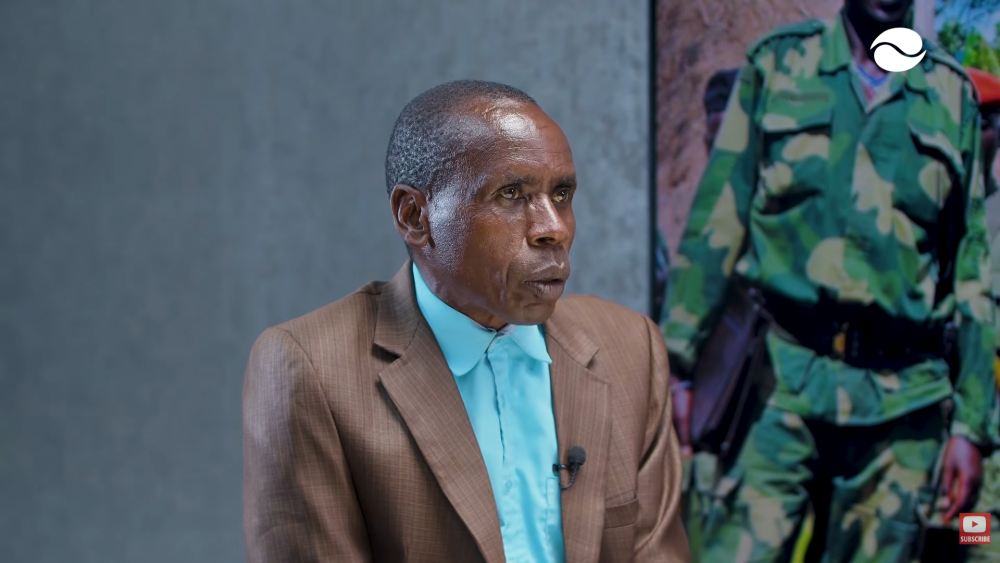
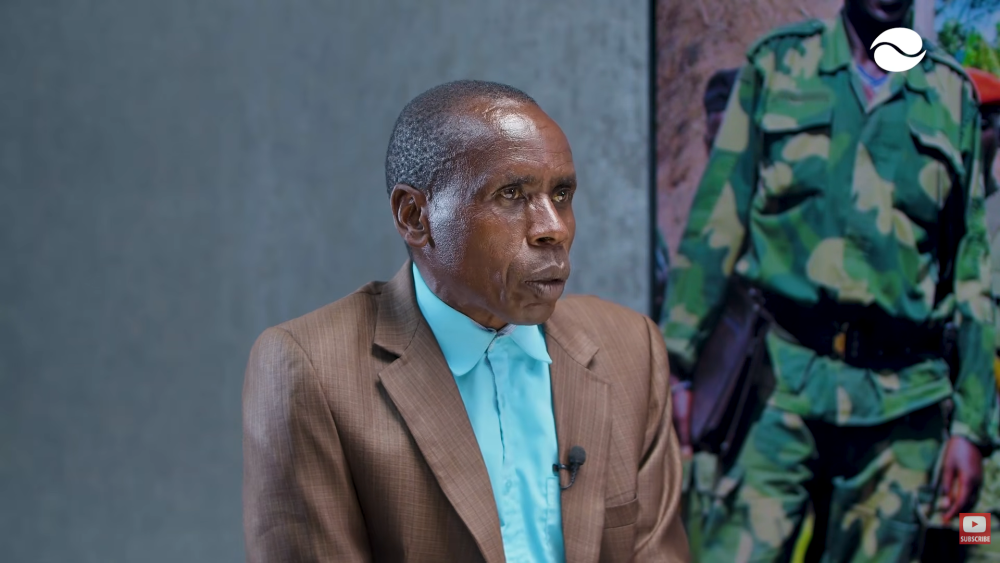
Pastor Niyonzima Jean Damascène, who previously served in the FDLR’s intelligence structures and was also involved in delivering prophecies within the group before returning to Rwanda in 2023, told IGIHE that the practice developed partly as a way of encouraging fighters who lacked the resources and military strength needed to achieve their objectives.
He said former Rwandan government soldiers, commonly known as Ex-FAR, and Interahamwe fighters who remained in eastern DRC had reorganised with the intention of attacking Rwanda but lacked sufficient military equipment.
“The people who remained in the east reorganised themselves so that they could attack Rwanda, but because they did not have the equipment, telling them to attack Rwanda had little effect because they did not have the strength to do so,” he said.
A prophet brought in to boost fighters’ morale
Niyonzima said the group subsequently sought the help of a prominent prophet from Masisi Territory, Nyiraruvugo Taciana, whom he described as a respected figure among local communities.
“To give them strength, there was a prophet named Nyiraruvugo Taciana from Masisi. We called her. She was a well-known person who was respected by the local population, and people believed that she delivered messages from God,” he said.
According to Niyonzima, Nyiraruvugo was brought in because the fighters were more likely to believe the message if it came from someone they regarded as a genuine prophet.
He claimed that the group instructed her to tell the fighters that God had given them Rwanda and that they would succeed if they launched an attack.
“She came and said what we had told her to say. We told her that she had to tell the soldiers that God had given us the country, that we should attack and that we would win. We also told her to say that although we lacked equipment, we would find what we needed once we reached Rwanda, and that this would help us capture the country,” Niyonzima said.
New prophecies after fighters’ defeat
Niyonzima said the FDLR subsequently attacked Rwanda but was defeated.
The defeat, he said, created a challenge for the group’s leadership because fighters had been assured that they would emerge victorious and seize power.
“We were defeated and returned to Congo. We then prepared other prophets because we had established groups of people responsible for prayer,” he said.
According to Niyonzima, the group then sought to explain the failed prophecy by telling fighters that the defeat was not evidence that God had lied.
Instead, he said, the fighters were told that they had failed to fulfil certain obligations and had committed acts that were presented as the reason for their defeat.
“We told those prophets that they had to explain to the people that the defeat did not mean God had lied to them. Instead, it was because there were responsibilities we had been given that we had not fulfilled. Some had become drunk, others had committed adultery, some had stolen, and others had killed innocent people. That was presented as the reason we were defeated,” he said.
Niyonzima said fighters were subsequently told that the prophecy remained valid and that they needed to repent for the alleged wrongdoing before resuming their efforts to attack Rwanda and seize power.
The former FDLR member’s account illustrates how, according to his testimony, religious beliefs and prophecies were allegedly used to maintain morale within the group and encourage fighters to remain committed to its armed struggle despite setbacks and failed predictions.
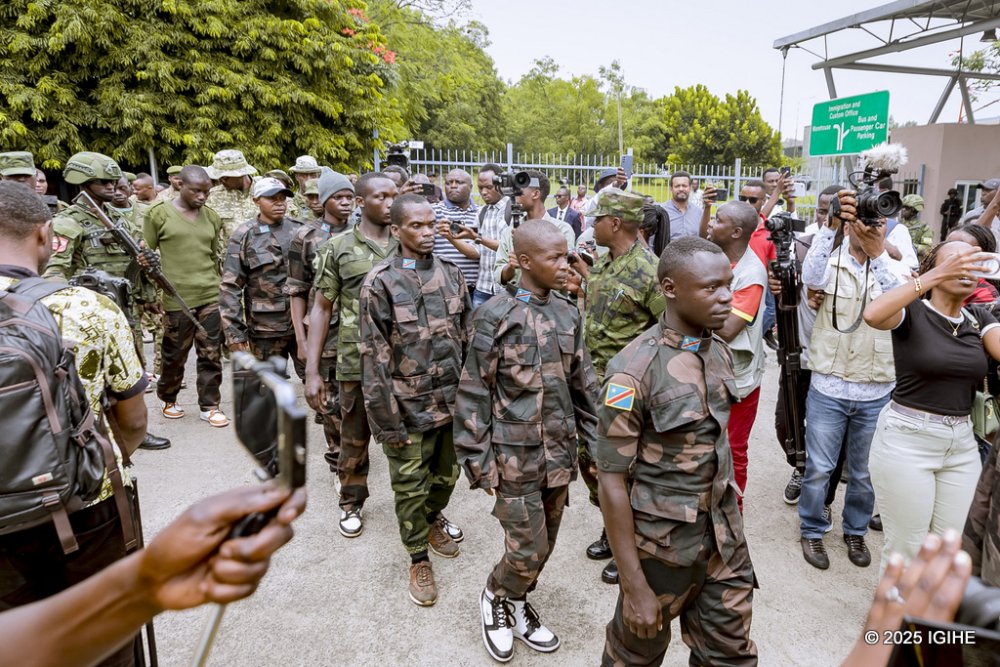
Former FDLR members who returned have undergone rehabilitation and reintegration into civilian life.
Using prophecies to keep fighters committed to the armed struggle
Maj. (Rtd.) Makuza Anastase, who worked closely with FDLR president Lt. Gen. Victor Byiringiro for 19 years in communications before returning to Rwanda in 2020, said the prophecies used within the group had nothing to do with divine messages but were instead decisions made by its leadership.
“We attributed them to God, but in reality, they were decisions made during meetings of the leadership. If an attack on Rwanda was being planned, we needed to prepare the soldiers and refugee population so that they would understand the plan. The decisions made during those meetings would then be presented through prayer gatherings, where people would pray for an operation that was about to be carried out in Rwanda,” he said.
According to Makuza, the prophets would then deliver messages telling fighters that victory was certain.
“They would say, ‘I have seen us capturing Rwanda. I have seen the leaders preparing us to attack Rwanda. We will attack Rwanda and capture it.’ These were fabricated stories. We made them up to deceive people,” he said.
Makuza said FDLR leaders gave special treatment to those presented as prophets and elevated them within the group so that they would not leave and reveal that the prophecies were fabricated.
He said the group also benefited from the arrival in the Democratic Republic of Congo of people accused of involvement in the 1994 Genocide against the Tutsi who had fled Rwanda.
According to Makuza, such individuals could be presented to FDLR fighters and civilians as prophets rather than refugees.
“Let me put it this way: when someone who had committed genocide here and fled justice arrived, we considered that a gain for us. We did not call that person a refugee. We called them a prophet and introduced them to soldiers and civilians by saying, ‘A prophet has arrived,’” he said.
Makuza said those who had fled were instructed not to tell fighters that they were running from justice. Instead, they were expected to claim that they had voluntarily left Rwanda, abandoned everything they owned and joined the FDLR because they believed the time to capture Rwanda was approaching.
“We would take them around to visit soldiers at their positions and civilians, where they would give their testimony. They would then say, ‘God sent me to tell you to prepare yourselves.’ They had fled justice, but we did not want them to be seen as refugees,” he said.
‘Oracle du Seigneur’ attack
In 2001, FDLR fighters launched a major attack on Rwanda that they called ‘Oracle du Seigneur’, meaning “Oracle of the Lord.”
Makuza said the attack was based partly on prophecies used to convince fighters that they were going to capture Rwanda.
“That attack was called ‘Oracle du Seigneur.’ We had prepared prophets to tell the fighters that the time had come to attack Rwanda. We knew what we had planned and that we were going to fight, but those we were leading believed they were taking part in a plan ordained by God,” he said.
Makuza said many FDLR fighters were captured during the operation, while those who survived returned to the DRC.
He said the surviving fighters were then brought together for morale-building sessions accompanied by prayers. According to him, prophets told them that the attack had failed because the fighters had committed sins, including sexual misconduct.
Pastor Niyonzima Jean Damascène also recalled an occasion when he and other FDLR fighters were preparing to launch a major attack on Rwanda.
He said that when they reached the Virunga area, they stopped to pray, during which prophets allegedly claimed they had seen the Gisenyi-Ruhengeri road captured.
“There was a time when we reached the Virunga area and stopped to pray. The prophets said, ‘We can see that the Gisenyi-Ruhengeri road has been captured. We can see soldiers moving towards Kigali.’ I remained in the Virunga area, while the soldiers we had travelled with had come from Rutshuru. There were about 2,000 soldiers, but we returned with no more than 50. The others were either captured or killed,” he said.
Former members urge fighters to leave the FDLR
Makuza and Niyonzima both described the prophecies used within the FDLR as fabricated messages intended to influence fighters and maintain their morale.
They urged those who remain in the group, particularly young fighters, to stop relying on such messages and to reject what they described as manipulation by older members.
They called on FDLR members to abandon the armed group, return to Rwanda and rebuild their lives, following the example of former fighters who have already returned and begun new lives.
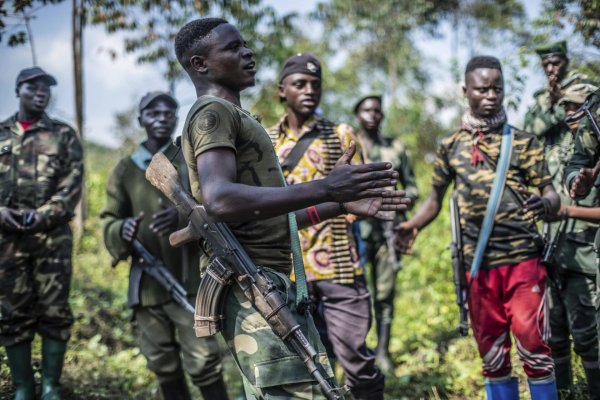
Pastor Niyonzima Jean Damascène said that the FDLR’s use of prophecies began with Nyiraruvugo Taciana, a well-known prophet from Masisi.Young FDLR fighters are misled by self-proclaimed prophets who promise that they will capture Rwanda, keeping them in the forests of the DRC because of that belief.Maj. (Rtd.) Anastase Makuza said FDLR leaders knew the prophecies were fabricated, while young fighters believed their attacks were part of God’s plan.
Despite these efforts, the terrorist group has survived, rebuilt its ranks and continued to play a significant role in the conflicts that have plagued eastern DRC.
The Congolese government has once again pledged to dismantle the FDLR under agreements that would require its fighters to lay down their weapons, relocate to designated camps and eventually return to civilian life.
However, former members of the FDLR interviewed by IGIHE say similar promises have been made before without producing lasting results.
They allege that Kinshasa’s previous efforts to neutralise the group were often accompanied by political manoeuvring and that the same pattern could continue under the latest arrangements.
Pastor Niyonzima Jean Damascène, who previously worked in intelligence and reconnaissance for the FDLR before returning to Rwanda in 2023, told IGIHE that the group’s relationship with successive governments in Kinshasa dates back decades.
He said that when tensions escalated between the government of Laurent-Désiré Kabila and Rwanda, Kabila sought the support of former Rwandan government soldiers, commonly referred to as Ex-FAR, and Interahamwe militia who had fled to different African countries.
According to Niyonzima, the groups reached an agreement to cooperate militarily and pursue a common objective against Rwanda.
“At that time, they agreed to work together against the Tutsis. After defeating them, they would push them out and help them capture Rwanda. That agreement is still in place today because some forces have left the FDLR and joined the FARDC. They include generals, colonels and others who have joined,” he said.
Joseph Kabila succeeded his father, Laurent-Désiré Kabila, as president of the DRC in 2001.
Niyonzima said Joseph Kabila later sought to relocate FDLR fighters within the country because of disagreements with the group. In 2002, he said, the fighters were placed in camps but were not fully disarmed.
According to Niyonzima, a major development came in 2003 when Congolese forces pursued FDLR fighters who had been based in Kamina. The fighters subsequently moved towards eastern DRC, where they joined other members of the group.
Niyonzima alleged that Congolese forces sometimes staged operations against the FDLR while maintaining an understanding with its commanders.
He claimed commanders on both sides would communicate before an operation, allowing FDLR fighters to withdraw before Congolese troops arrived.
“If one commander had worked with another commander, and one of them was sent to the east to fight the FDLR, he could not actually fight us. He would tell us, ‘We are going to attack this place. Leave because we are coming and we will burn it,’” he said.
He claimed that Congolese forces would then carry out the operation to create the impression that they had defeated the FDLR.
“They would actually come and burn the area, but because we had agreed beforehand, we would have already left. They would burn houses to show that they had carried out an operation, but they would leave equipment behind. When we returned, we would find the equipment they had left for us. That is what we used,” he said.
Maj. (Rtd.) Makuza Anastase, who worked closely with FDLR president Lt. Gen. Victor Byiringiro before returning to Rwanda in 2020, also claimed that the FDLR maintained relationships with successive governments in Kinshasa.
He said public announcements that the Congolese government was preparing to dismantle the FDLR did not always reflect what was happening on the ground.
“I think there was a time when you would hear Congo saying that it was going to dismantle the FDLR. That was simply a way of deceiving the international community. In reality, that is not how things happened,” he said.
Makuza alleged that Congolese forces would announce military operations, launch heavy bombardments and instruct FDLR fighters to leave targeted areas before troops arrived.
“They would tell us to leave, we would leave, and then they would arrive and burn things to make it appear as though they had taken control of the area. Afterwards, they would leave,” he said.
He further alleged that the troops sometimes left ammunition and food behind for FDLR fighters.
According to Makuza, messages were also allegedly left on trees for FDLR fighters, including one that read: “Our enemy is one, it is Rwanda.”
Why Kinshasa continues to rely on the FDLR
The administration of President Félix Tshisekedi, which succeeded Joseph Kabila’s government, has at times characterised the FDLR as a group largely composed of elderly fighters and therefore lacking the capacity to pose a serious security threat to Rwanda.
Makuza disputed that description, arguing that the FDLR has evolved over generations.
“An elderly person is someone who fled when he was already old. I am also getting older. But haven’t I had children? Didn’t others have children? We reached there and had children, those children grew up, and others are still being born. The FDLR is not made up of elderly people because it does not belong to one, two or three people. There are many of them. Those who went there as children and those who were born there are all part of the FDLR,” he said.
Makuza argued that elderly fighters represent only a small proportion of the group and claimed that its ranks increasingly include younger people who were born into families linked to its founders.
Niyonzima and Makuza both argued that the Congolese government has continued to rely on the FDLR because they consider its fighters more experienced and more willing to engage in combat than many Congolese troops.
Niyonzima said Kinshasa has particularly turned to the FDLR whenever its forces face significant military pressure.
“Kinshasa often turns to the FDLR, especially when it is under pressure. Since 1998, whenever it faced difficult situations, that is what happened. When M23 first emerged, Congo also relied on the FDLR, and it has done so again recently,” he said.
FDLR and Wazalendo cooperation
Niyonzima said cooperation between the Congolese government and the FDLR has become more visible in recent years, particularly through the broader alliance involving Wazalendo militia.
He claimed that FDLR-linked fighters and other armed groups have been deployed alongside Congolese forces in battles against AFC/M23.
“They fought during the first M23 rebellion, and now they are openly working together against the current M23. They have hidden behind the term Wazalendo. There are groups that the FDLR helped establish. Nyatura is one of them. The FDLR trained them and provided them with equipment,” Niyonzima said.
He said FDLR and Nyatura fighters are often deployed to areas where fighting is particularly intense because, in his view, they have more battlefield experience than regular Congolese troops.
“Where the FDLR and Nyatura are deployed, it becomes difficult for M23 to dislodge them. The Congolese government sees that these are fighters and thinks, ‘If I remove these people, I will lose a lot. I will not have this kind of strength again,’” he said.
According to Niyonzima, when fighting intensifies, Congolese forces provide FDLR and other Wazalendo members with equipment to help them confront AFC/M23 fighters.
Maj. (Rtd.) Makuza Anastase said claims that the FDLR is made up only of elderly fighters are false, arguing that the group is predominantly composed of young combatants.Pastor Niyonzima said that whenever FARDC forces planned to attack the FDLR, they would warn the group in advance so its fighters could withdraw from their positions.
Fayulu made the remarks during a press conference in Brussels, Belgium, where he argued that the Banyamulenge are not Congolese.
He said ethnic groups in the Democratic Republic of Congo (DRC) have their own languages, but claimed that the Banyamulenge do not because they speak Kinyarwanda, which he used to argue that they originate from Rwanda.
“Which Congolese person does not have a language? Raise your hands. Is Kinyamulenge a language spoken in Congo? They speak Kinyarwanda,” Fayulu said.
He went on to question whether the Banyamulenge are among the ethnic groups that make up the DRC.
“Are the Banyamulenge Congolese? Look at the ethnic groups in Congo. There is no such ethnic group,” he said.
Amb. Nduhungirehe condemned Fayulu’s remarks, drawing a comparison with rhetoric used by a section of Rwanda’s political class in the years leading up to the 1994 Genocide against the Tutsi.
“Ethnic hatred, historical distortions and cynical remarks have reached a worrying level within the Congolese political class, including part of the opposition,” Amb. Nduhungirehe said.
“This strangely reminds me of a section of Rwanda’s political class between 1990 and 1994 which, as part of a genocidal process of delegitimisation, claimed that Rwandan Tutsi were not true indigenous people,” he added.
In the years preceding the Genocide against the Tutsi, extremist propaganda sought to portray Tutsis as foreigners who had taken control of Rwanda.
In November 1992, Léon Mugesera, a prominent figure in the then-ruling MRND party, delivered an inflammatory speech in Kabaya, in the former Gisenyi Prefecture, in which he called for Tutsis to be sent back to “Abyssinia” through River Nyabarongo.
Questions surrounding the citizenship and identity of the Banyamulenge have remained a longstanding source of political controversy in the DRC.
Human Rights Watch has documented how, particularly during the 1980s and 1990s, some politicians in then-Zaire sought to strip Banyamulenge of citizenship by portraying them as immigrants from Rwanda.
Amb. Nduhungirehe also criticised those who give platforms to politicians making such statements, warning that they could eventually be held responsible for doing so.
“At some point, those who roll out the red carpet for these unscrupulous politicians, instead of taking action against them, will also have to answer for it,” he said.
Minister Nduhungirehe likened Fayulu’s remarks on the Banyamulenge to rhetoric used by a section of Rwanda’s political class between 1990 and 1994 to delegitimise Tutsis.
The sharp increase highlights the growing financial contribution of Rwandans living abroad, whose remittances support households while also helping finance businesses, property purchases and other investments in Rwanda.
Investments by Rwandans abroad have contributed to projects such as Inn of The Lac on the shores of Lake Kivu, Isange Estate and Imara Properties, among others.
Another initiative, Girinzu, aims to help Rwandans in the country and abroad access affordable housing.
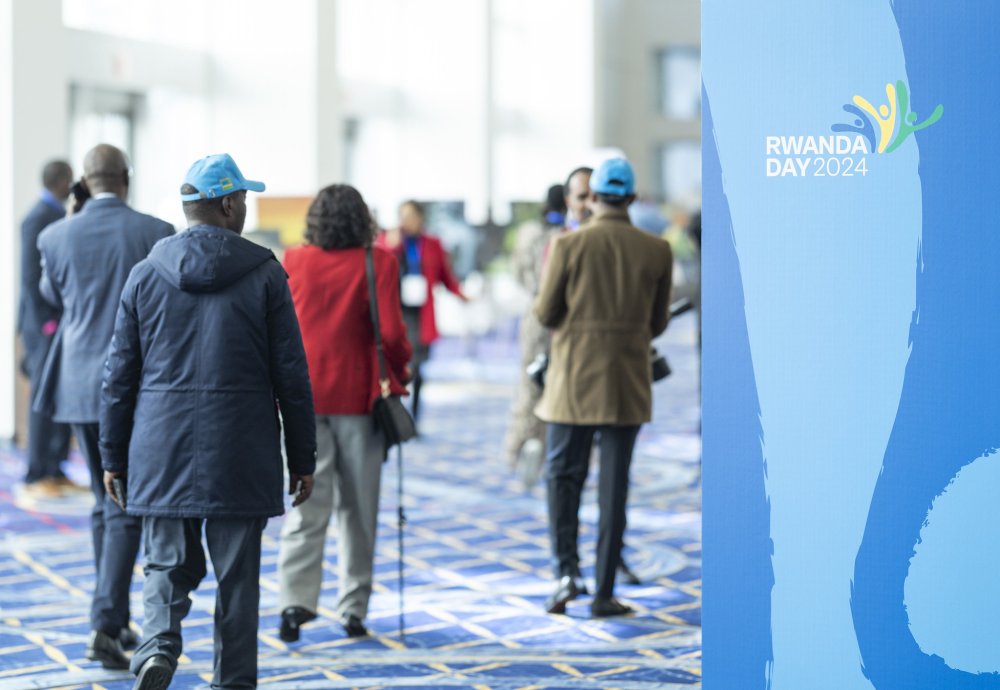
Speaking to Rwandans living abroad during a meeting on August 14, 2026, Minister of Foreign Affairs and International Cooperation Olivier Nduhungirehe thanked the diaspora for its continued contribution to Rwanda’s development.
Remittances nearly double in five years
BNR figures show that diaspora remittances to Rwanda have generally increased over the past five years.
In 2021, Rwandans living abroad sent $379 million to Rwanda up from $65 million of 2010. The figure rose to $461 million in 2022 and reached $505 million in 2023.
Remittances declined slightly to $502 million in 2024 before recording their strongest annual growth in 2025, when they increased by 27.3% to reach $640 million.
This represents growth of about 69% between 2021 and 2025, bringing diaspora remittances close to twice their 2021 level.
The continued increase underscores the growing role of the diaspora in supporting households and contributing to investment in Rwanda.
The 2024 FinScope survey found that 65% of adults in Rwanda had either sent or received money, with domestic transfers accounting for the largest share.
About 3% of adults received money from outside Rwanda, while 1% sent money abroad. The report found that, for both domestic and international transfers, the proportion of people receiving money was higher than that of those sending it.
Non-bank channels remain the most commonly used means of transferring money. Around 63% of people used non-bank channels, compared with 4%, equivalent to about 309,000 people, who used banks.
Mobile Money was the most widely used channel for sending and receiving funds.
For recipients, remittances are primarily used to meet everyday household needs. About 53% used the money to buy food and clothing, while 10% used it to start businesses.
Another 9% used the funds to pay school fees, 5% invested them, and 4% used them to pay for medicines and other healthcare-related expenses.
The figures show that while diaspora remittances remain an important source of household support, part of the money is also being directed towards businesses, property and other investments, strengthening the economic ties between Rwandans abroad and their home country.
Some remittances sent by Rwandans living abroad are channelled into investments in Rwanda.
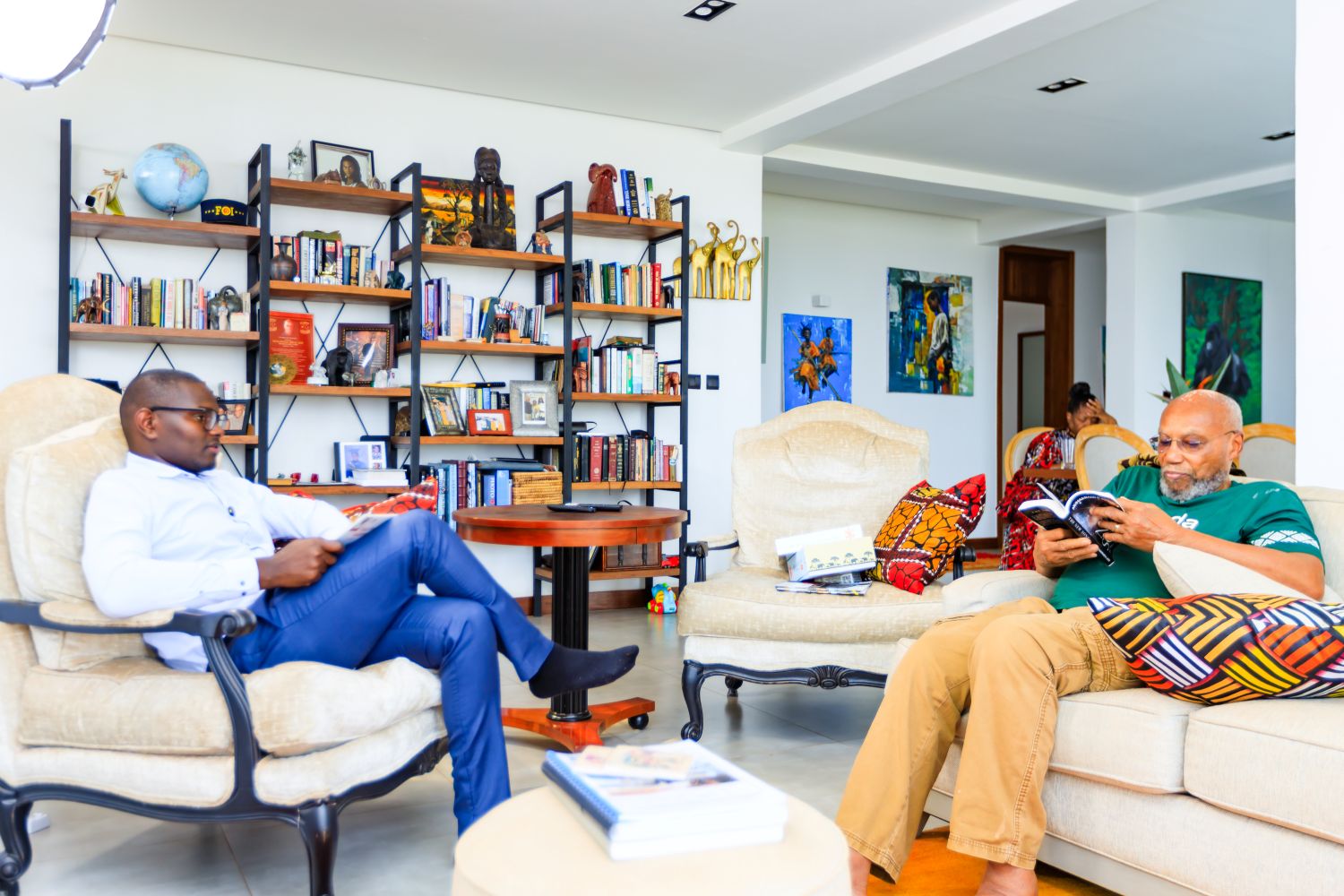
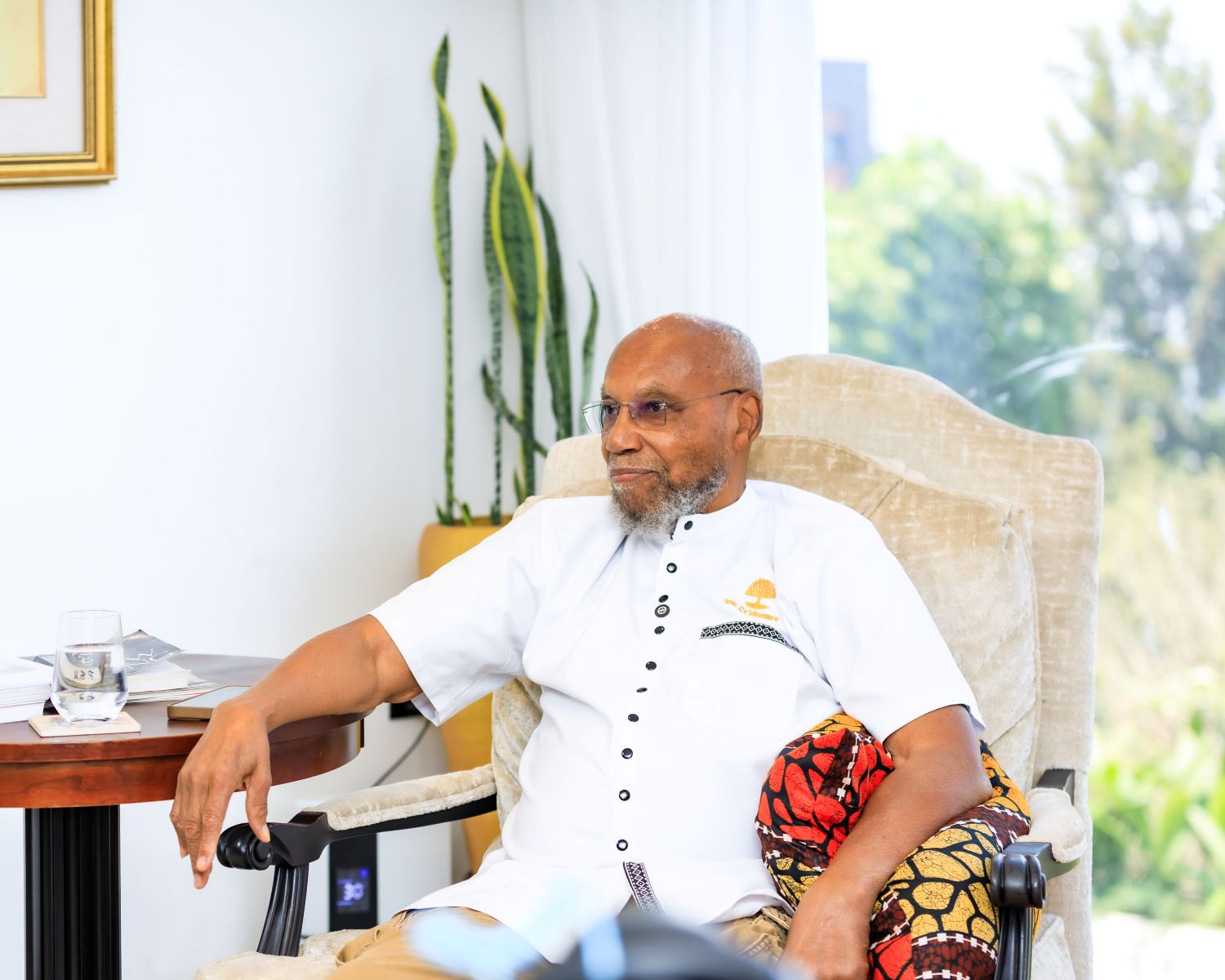
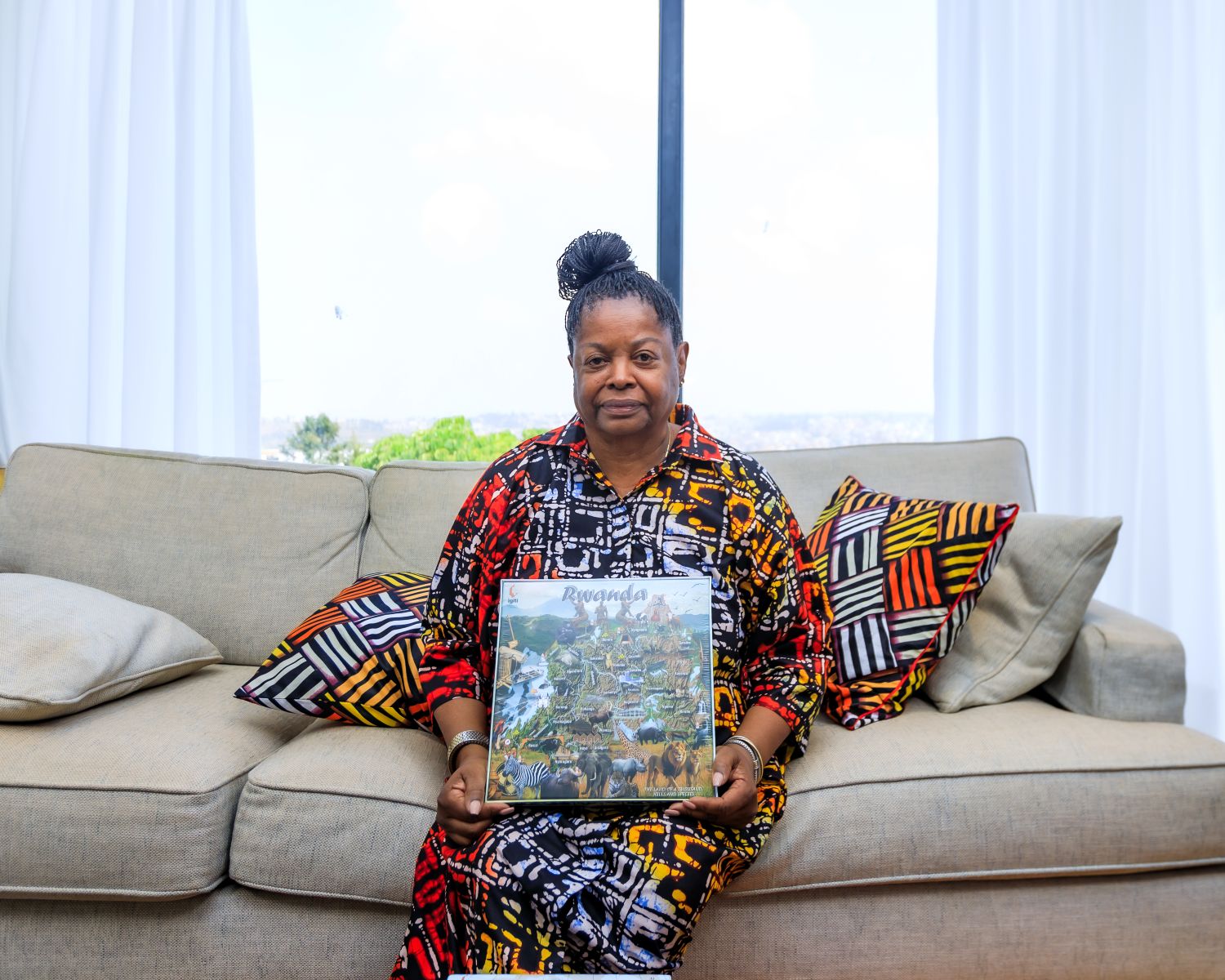
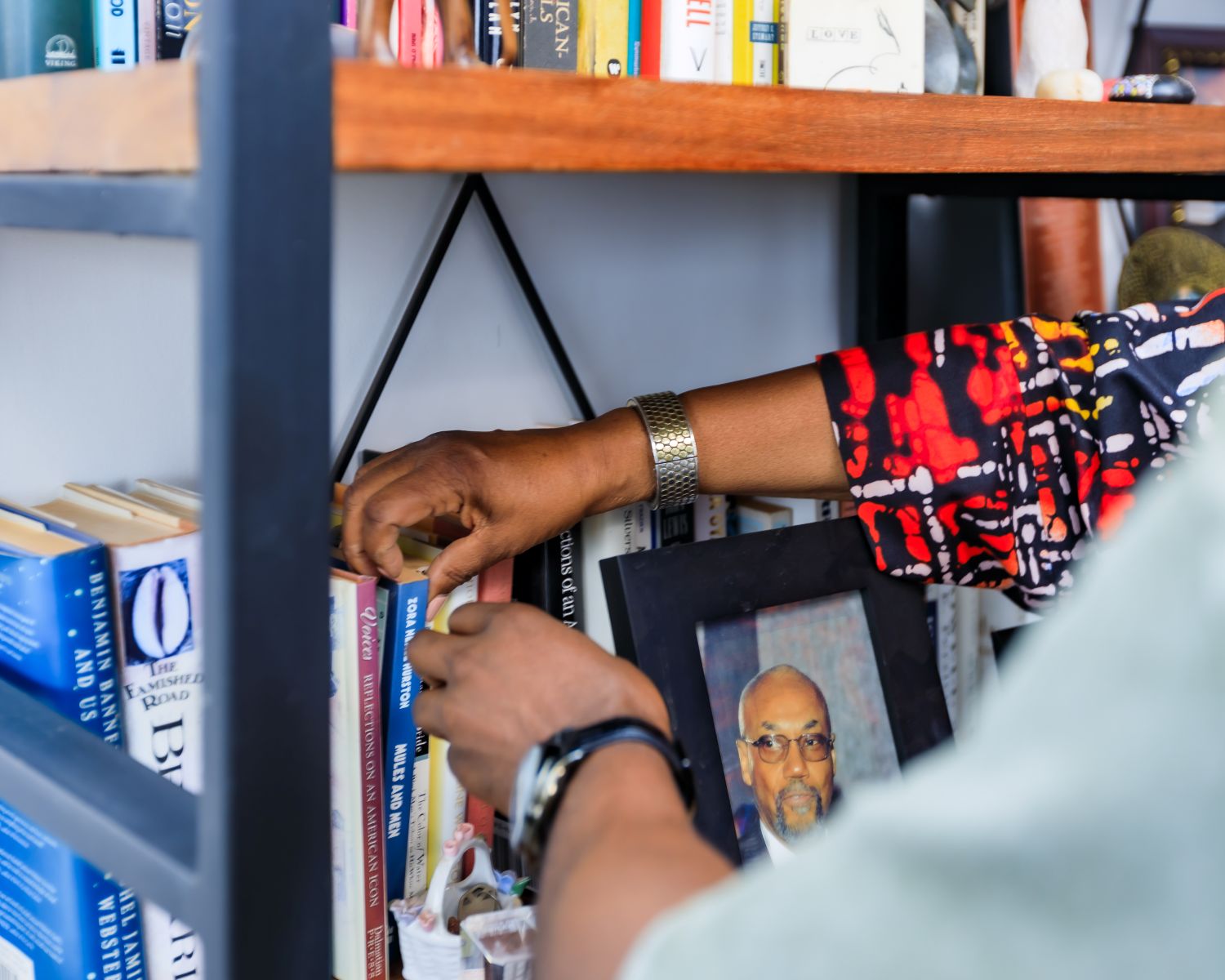
A man sits alone with a book, seemingly unaware, or perhaps simply unbothered, that he is being watched. He does not look up right away. When he finally does, it is with the calm of someone who has spent a lifetime learning to sit still with his own thoughts.
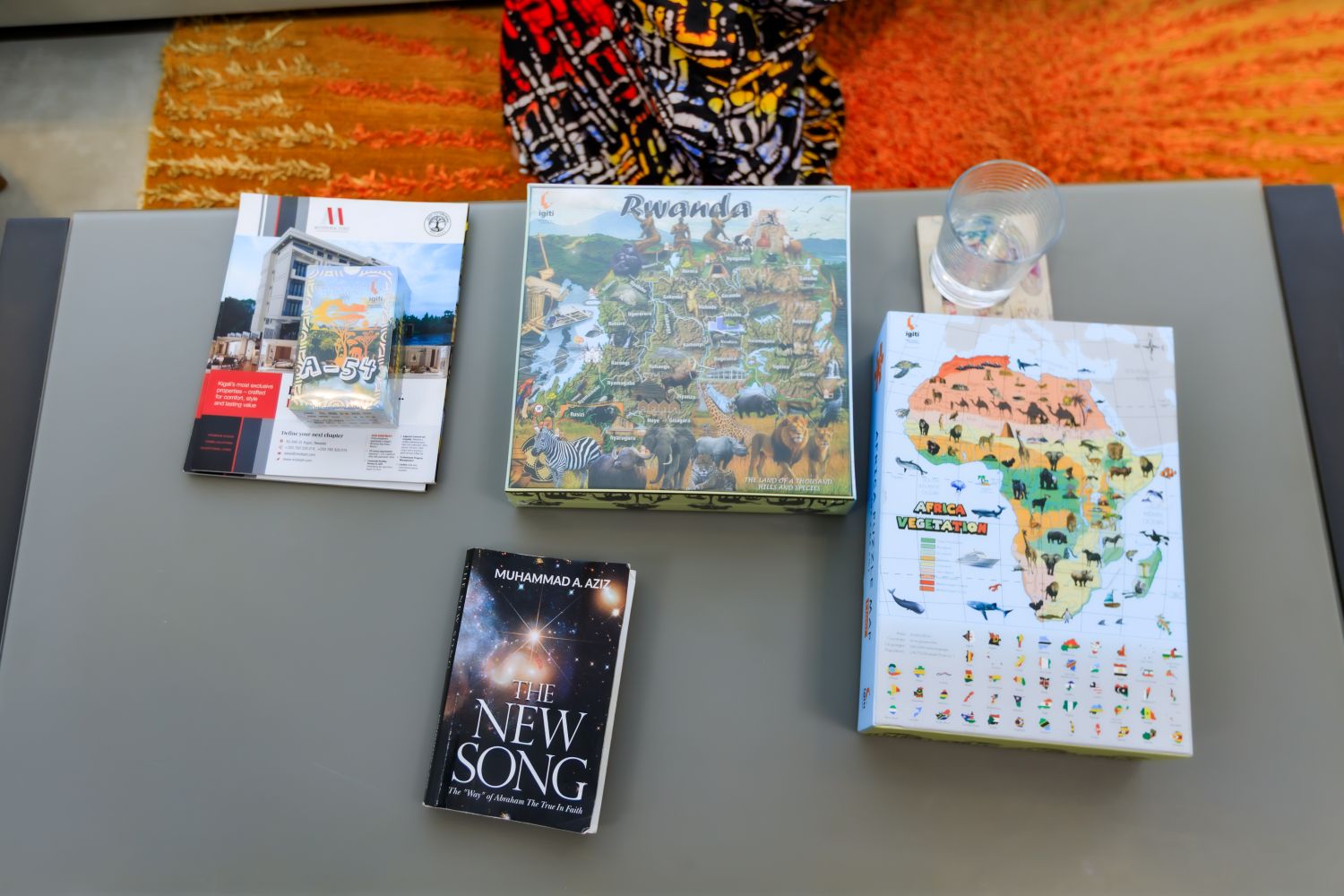
The book in his hands is titled “The New Song”, a work I would later learn was his own. Inside the house, his wife moves quietly, chatting with the new family they have made here.
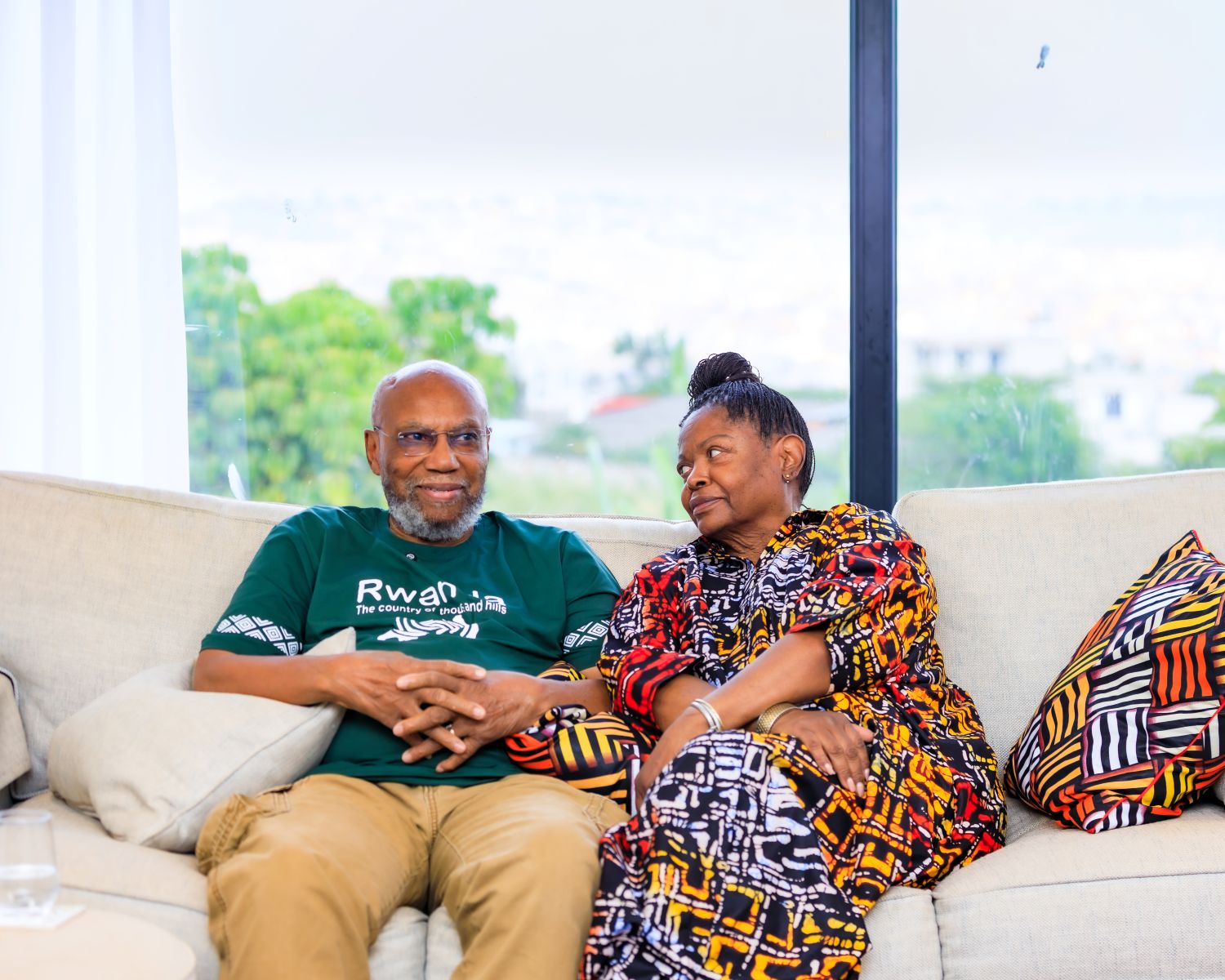
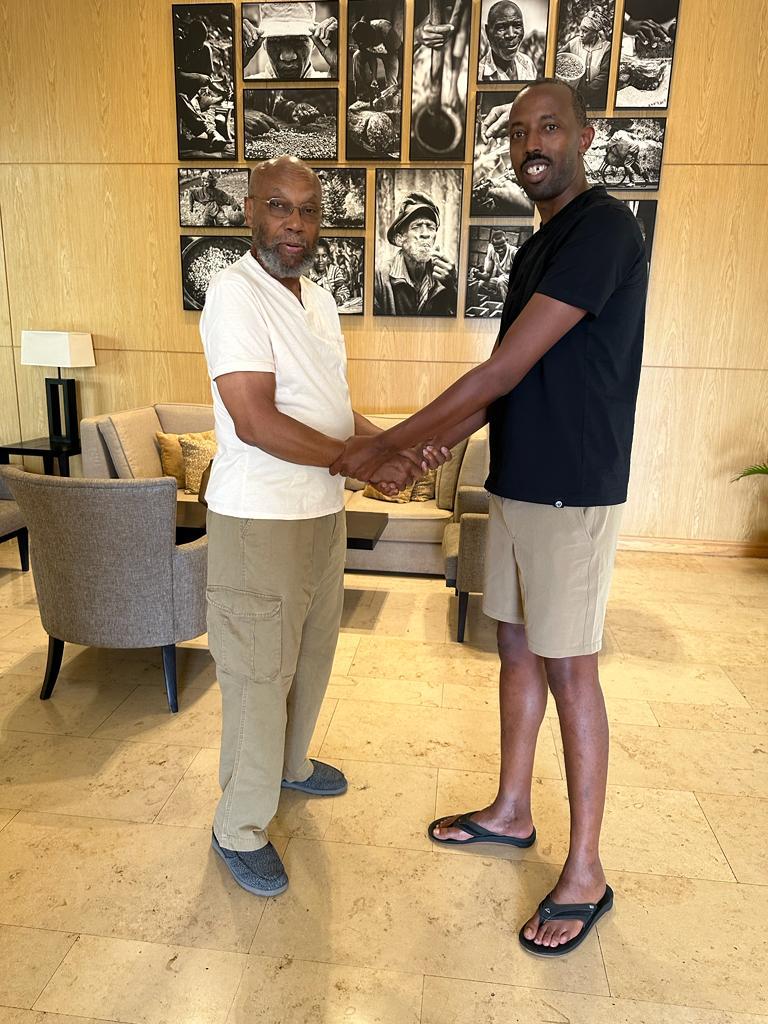
This was my first encounter with Muhammad Aziz, before he agreed to sit down on camera and tell me about the life he has built in the Land of a Thousand Hills.
At 88, Aziz lives thousands of miles from the Bronx, where he was born, and from the courtroom where his name was tied to one of the most notorious assassinations in American history. He spent 20 years in prison after being convicted in the killing of Malcolm X, the influential Black American civil rights leader and activist, a crime he has always maintained he did not commit. It would take more than five decades before his conviction was vacated.
Today, he is learning Kinyarwanda, investing in property, supporting children’s education and building a life in Rwanda with his wife.
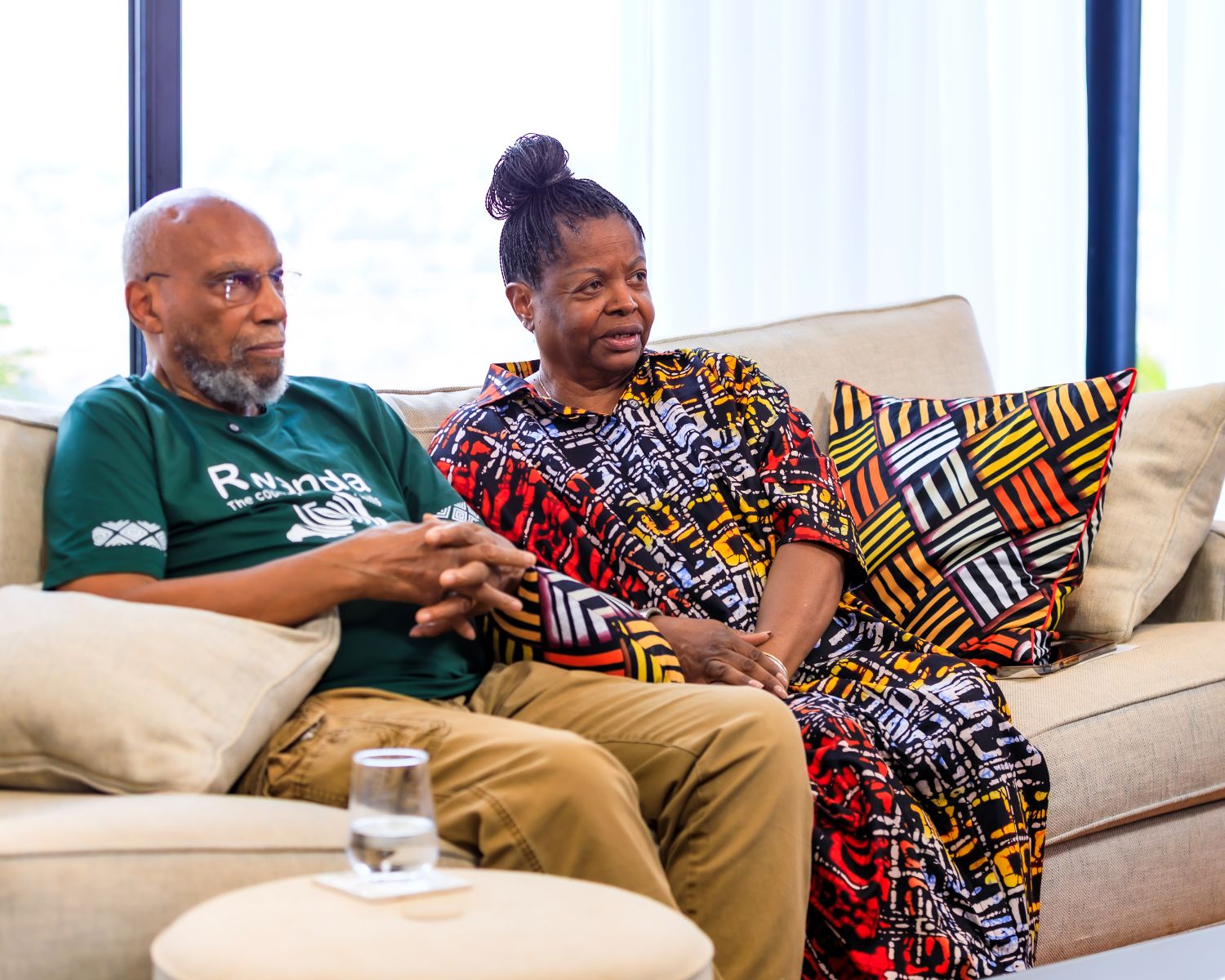
But sitting on the living room couch, book in hand, there is little that immediately reveals the weight of the life behind him.
Muhammad Aziz says he developed a love of reading from an early age.
Twenty years taken away
Aziz was born in the Bronx on June 27, 1938, and grew up in poverty. Books became an early refuge. His stepfather brought home encyclopedias, and by the age of eight or nine, Aziz had developed a habit of reading that would stay with him for the rest of his life.
At 17, already a father, he joined the U.S. Navy. For a young Black man trying to change his circumstances, military service offered a route to money, education and a life beyond the neighbourhood he had grown up in.
“Trying to get out of the ghetto,” he says. “That was a way for most, back then.”
By the early 1960s, Aziz had joined the Nation of Islam and was attending a mosque in New York where Malcolm X served as minister. His proximity to Malcolm X, he says, did not mean they were close.
“I was around him, but I didn’t know him,” he explains.
That distinction would soon become almost irrelevant.
On February 21, 1965, Malcolm X was assassinated at the Audubon Ballroom in Manhattan as he prepared to address an audience. He had broken publicly with the Nation of Islam the previous year, embarking on an increasingly independent political and religious path. His assassination triggered an investigation that quickly focused on members of the organisation he had left.
Aziz was among three men arrested and charged.
He says the police broke into his home during his arrest and beat him, leaving him unable to walk. He also maintained that he had an alibi and that evidence supporting it was disregarded.
At trial, Talmadge Hayer, one of the three defendants, admitted participating in the assassination but testified that Aziz and the third defendant, Khalil Islam, had not been involved.
The testimony did not prevent their convictions.
In 1966, Aziz, then known as Norman 3X Butler, was convicted of first-degree murder and sentenced to life imprisonment. He was 27.
Decades later, he still speaks about the verdict with the same bluntness with which he speaks about much of his life.
“That’s white America,” he reflects. “Black people’s word doesn’t count. When did it count? Didn’t count then. It doesn’t count now.”
He believes the FBI knew of his innocence from the beginning and withheld it. “They had special agents in the crowd, in the audience,” he stresses. “They knew who was there. They knew what happened.”
Twenty years in prison followed, years he filled with reading, self-study, and eventually advocacy for other inmates, becoming the first chairman of a prison grievance committee.
But the cost outside the prison walls was one he could never fully recover. His children grew up without him, and the years of separation left a lasting fracture in his family. His then-wife, with whom he had four sons, later died.
“It destroyed my family,” he says. When he was paroled in 1985, his children were already grown, and the distance between them proved difficult to close. “I was a stranger to them.”
“The one thing that bothers me extremely in terms of the Nation of Islam is that they didn’t take care of my family,” he adds.
For decades after his release, Aziz continued to live under the shadow of the Malcolm X case.
Then, in 2020, the Netflix documentary Who Killed Malcolm X? brought renewed attention to the assassination and to the convictions of Aziz and Islam.
The Manhattan District Attorney’s Office reopened the case and reviewed thousands of pages of records, including material from the FBI, NYPD and other agencies. The review identified evidence that had not been disclosed to the defence during the original proceedings.
In November 2021, a judge vacated the convictions of Aziz and Islam. Islam had died in 2009. He never lived to see his name cleared.
Aziz was later awarded compensation by New York State and New York City.
Asked if the multi-million dollar settlement feels like justice, Aziz is unmoved.
“I’m not thinking in terms of justice,” he says. “I’m just thinking about the freedom to do what I want to do now.”
Muhammad Aziz was exonerated in 2021, when his conviction in the Malcolm X assassination case was vacated.
Choosing Rwanda
For years, Aziz had wanted to leave the United States but lacked the means to do so. After his release in 1985, he had hoped to rebuild his family ties and find a way to earn a living.
“I tried both,” he reflects. “And I was essentially unsuccessful in both.”
After his conviction was vacated and his financial circumstances changed, he began researching places where he might build a new life.
He considered countries across South America, Central America, the Caribbean and Africa.
Eventually, his attention settled on Rwanda.
Aziz says he spent time studying Rwanda before making the move and was particularly drawn by the leadership of President Paul Kagame.
His wife was initially less certain.
“When Muhammad said, ‘We’re going to Rwanda,’ I said, ‘Okay.’ But all I knew about Rwanda was the 1994 Genocide against the Tutsi,” she recalls.
She began researching the country, as did her siblings. Their research focused on present-day Rwanda rather than the country remembered primarily through the events of 1994.
The answer, she says, was reassuring.
“They all got back to me and said it’s a good place to go.”
The couple arrived in Kigali in 2023. They did not come simply to retire. They came to build.
The couple arrived in Kigali in 2023. They did not come simply to retire. They came to build.
Building a new life in Kigali
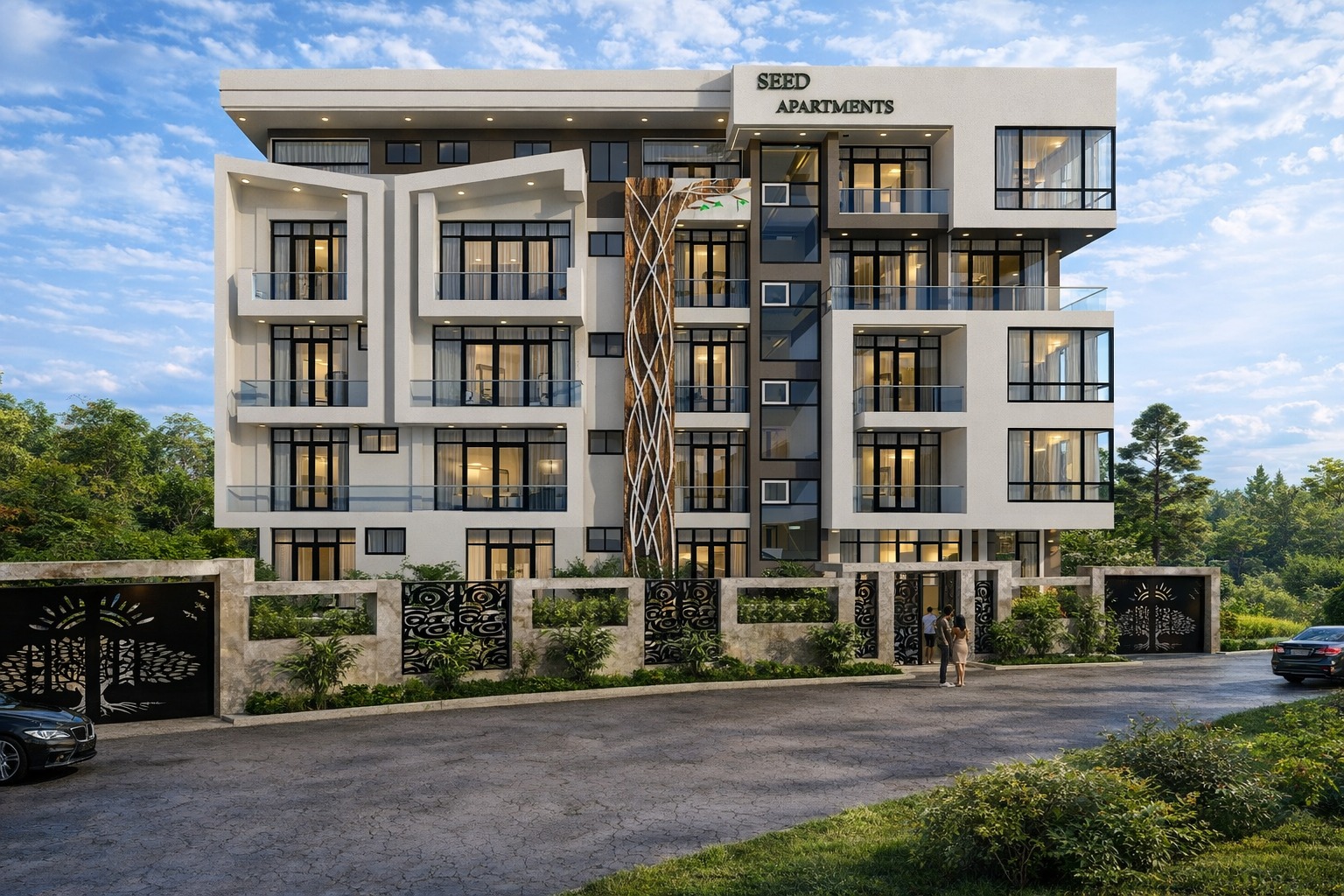
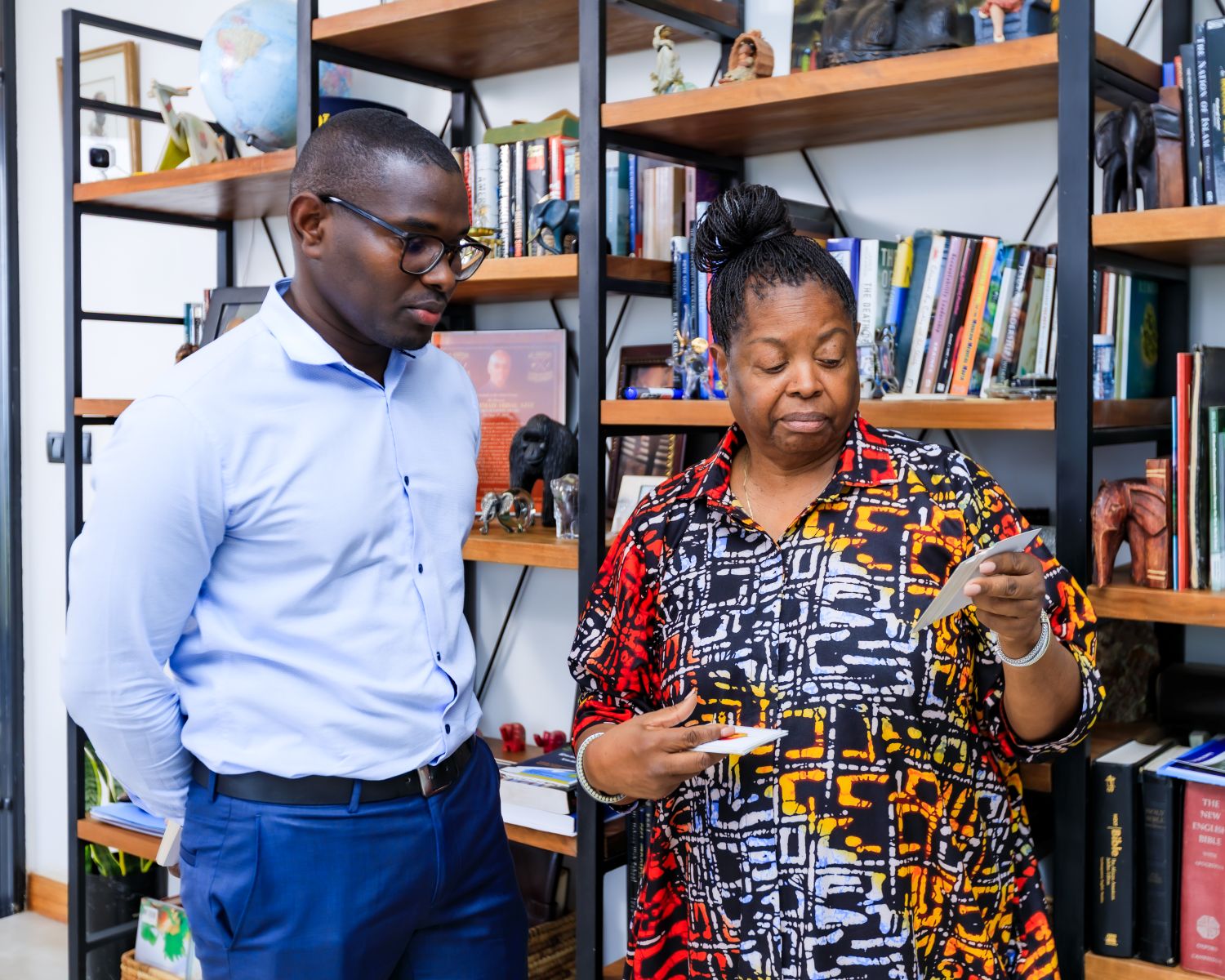
That new life has come with a new sense of purpose. The couple has invested an estimated $7.5 million in Rwandan real estate through their firm, Igiti Cy’ubumwe, including an apartment development, commercial buildings, and lakefront property.
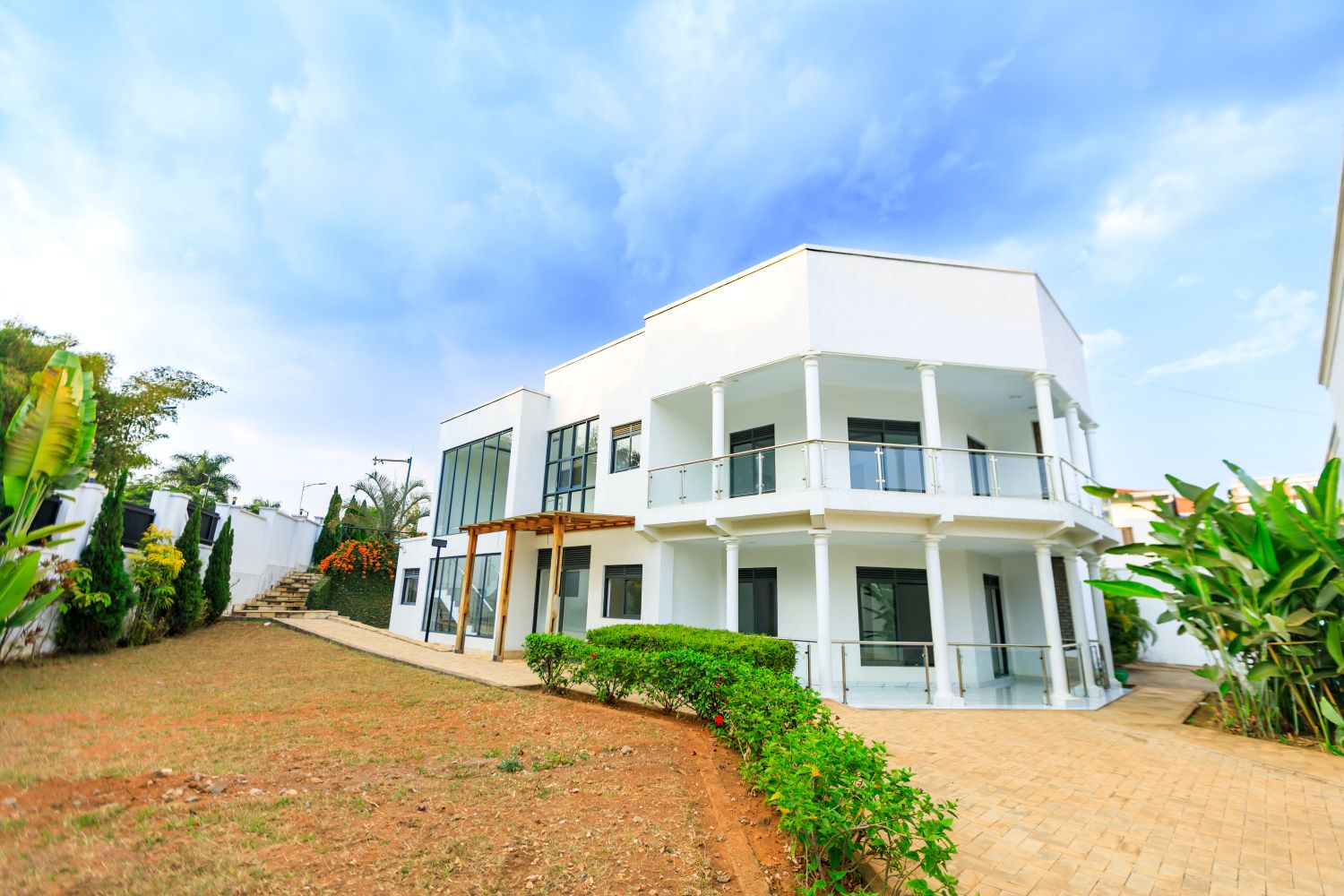
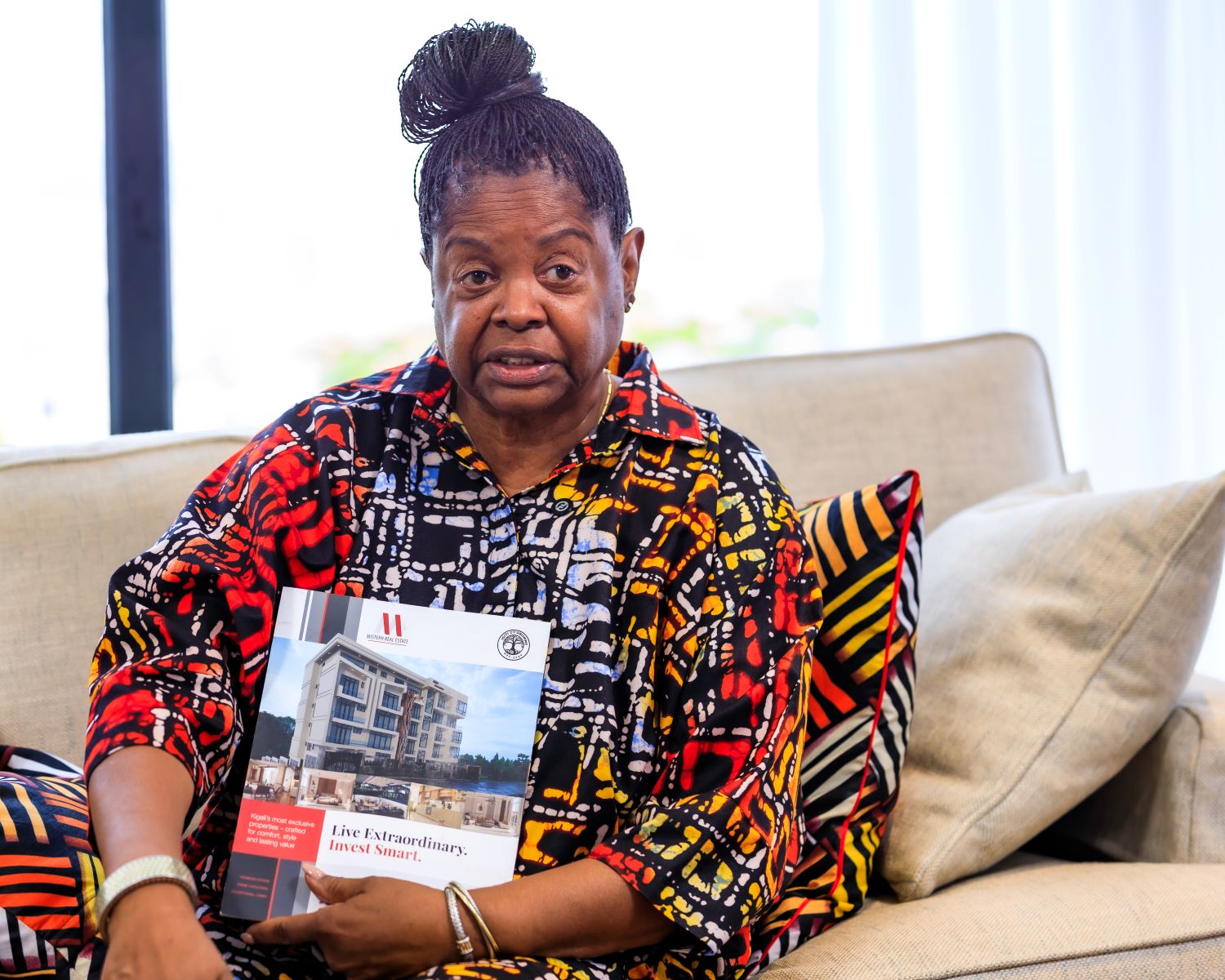
Their major projects include Seed Apartments, an 18-unit residential and investment development in Kimihurura, as well as a prime property dubbed the ‘White House’, located adjacent to the Kigali Convention Centre.
The Seed Apartments is an 18-unit residential and investment development project located in Kimihurura.
Aziz says the investments have already benefited hundreds of people locally, a number he hopes will continue to grow.
But the couple’s ambitions in Rwanda extend beyond buildings.
In addition to their investments, the couple has made education an important part of their commitment to Rwanda.
Believing that “education is a way out of poverty,” the couple began covering school fees for children in the village near their home, 30 students the first year, 100 the next and the numbers have kept growing since.
They’ve since launched a business producing educational puzzles and card games that teach Rwandan children about the continent, built with three young Rwandan partners, with proceeds feeding back into the community.
The couple has since partnered with local Rwandan entrepreneurs to launch a business producing educational puzzles and card games that teach children about the continent, while giving back proceeds to the community.
For Aziz, it also reflects the philosophy that has followed him from the prison library to the Kigali hillside.
“Children learn best when they’re playing,” he says, a philosophy behind giving young people something that roots them in their own history and identity, rather than one borrowed from elsewhere.
Their involvement in Rwanda has also taken them into different aspects of life in the country, including supporting initiatives such as Kwita Izina, Rwanda’s annual gorilla naming ceremony.
“There’s so much energy put into environmental preservation here,” the wife notes.
As they settle into their new home, the family is also learning Kinyarwanda, attending classes three times a week. Aziz admits he would like more immersion, acknowledging the language’s “massive” nuances.
“I’m not going anywhere”
His wife says it is the everyday experience of Rwanda that has made the country feel like home.
She speaks about the calm she encounters in Kigali, the friendliness of people and the absence of the kind of tension she associated with life in the United States.
“This is a peaceful place,” she says. “Everybody gives each other a hug when they see each other.”
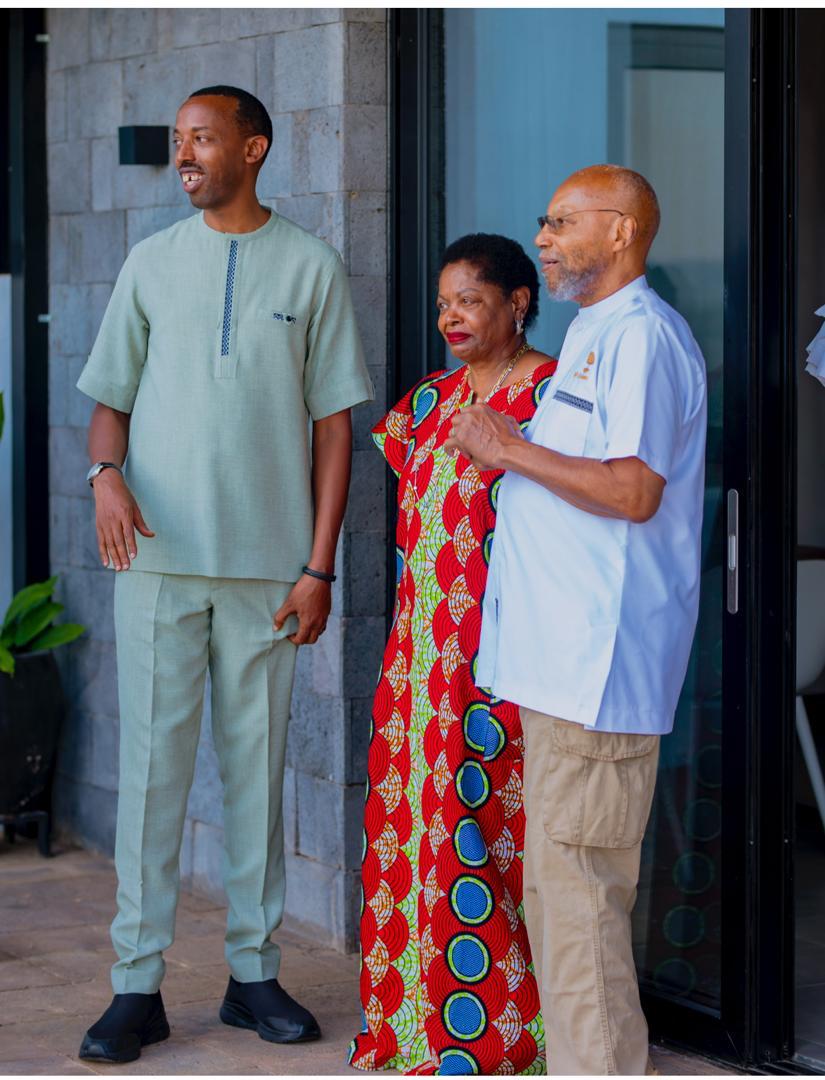
The family speaks fondly of Rwandan real estate developer Stephen Milindi, who they say has helped them settle into their new life. They have also applied for Rwandan citizenship, hoping one day to become citizens of the country they now call home. For Aziz, there appears to be little uncertainty about where that home is.
“I’m here,” he remarks. “I’m not going anywhere.”
Watch the full documentary on the Aziz family’s new life in Rwanda below.
Their major projects include Seed Apartments, an 18-unit residential and investment development managed by Misteph Real Estate in Kimihurura. Another prime property they call the White House is located adjacent to the Kigali Convention Centre.The family speaks fondly of Rwandan real estate developer Stephen Milindi, who they say has helped them settle into their new life.
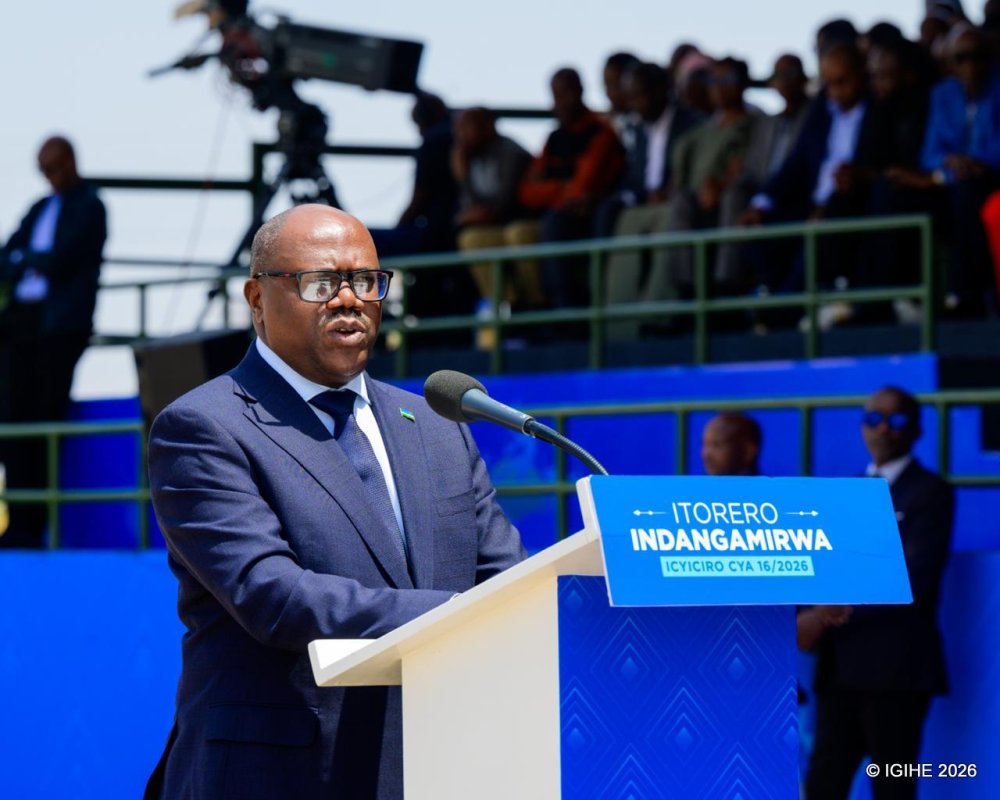
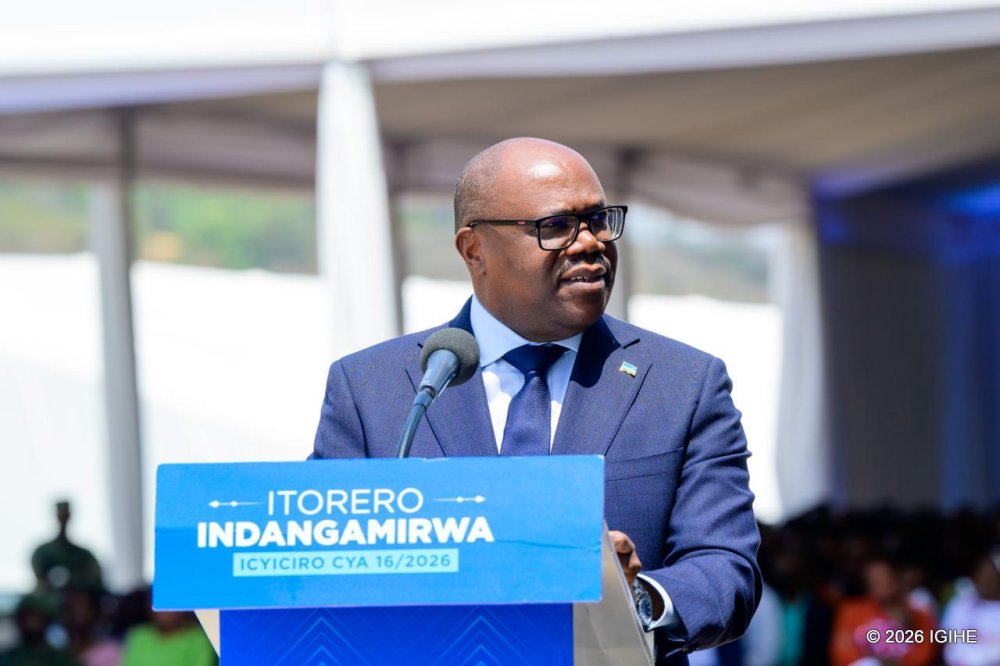
He made the remarks on August 10, 2026, during the closing ceremony of the 16th edition of Itorero Indangamirwa, held at Gabiro Combat Training Centre (CTC-Gabiro) in Gatsibo District.
Dr. Nsengiyumva said today’s youth are fortunate to have grown up in a Rwanda that offers many opportunities, unlike the generation that lived through the period before 1994.
“What your country expects from you is different from what was expected of the youth who liberated the country. They found Rwanda devastated by the 1994 Genocide against the Tutsi, but their bravery was demonstrated through rebuilding the country, restoring unity among Rwandans and laying the foundation for the development Rwanda is experiencing today,” he said.
He urged the graduates to build on the achievements made over the past three decades and contribute to making Rwanda stronger and more prosperous.
“You grew up in Rwanda that has rebuilt itself, a country with many opportunities and a promising future. Your responsibility, therefore, is to protect what has been achieved and build on it, taking the country far beyond where it is today,” he said.
‘Doing what is right may be difficult’
The Prime Minister told the youth that they have numerous opportunities to pursue but will also face distractions and temptations that could affect their choices.
“There are many opportunities available to young people like you to take advantage of, but I also want to remind you that there are many distractions and temptations. Often, you will find that doing what is right seems difficult, but that is where your values and your character as Intore will be demonstrated,” Dr. Nsengiyumva said.
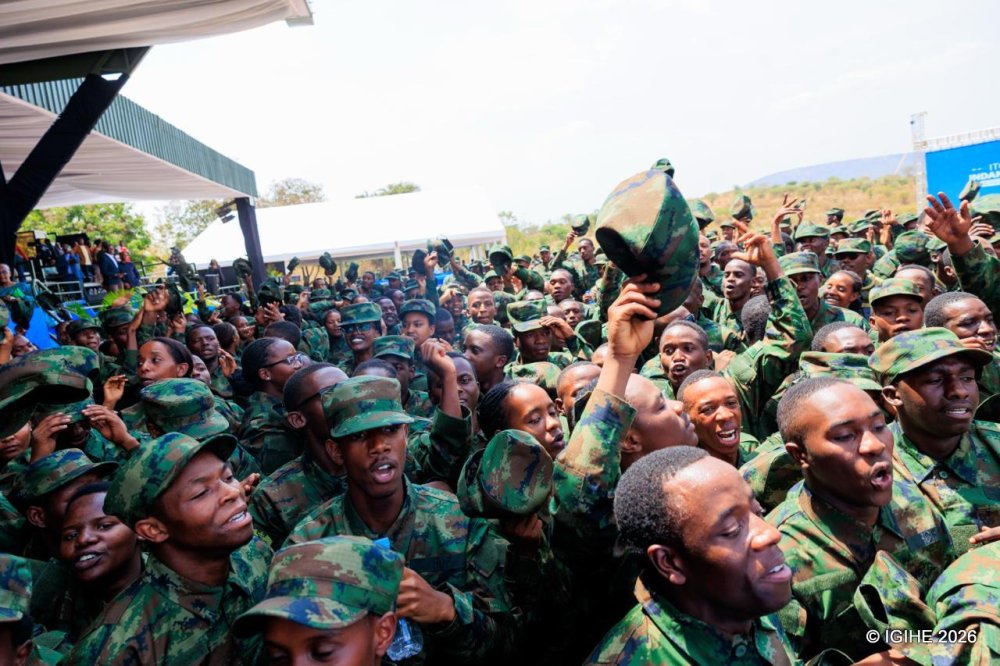
He encouraged them to remain guided by the values they acquired during the training and to make decisions that contribute to the country’s development. The 16th edition of Itorero Indangamirwa brought together 769 young people, including 315 girls and 454 boys.
The participants underwent training at Gabiro Combat Training Centre, covering areas including proficiency in the Kinyarwanda language, Rwandan cultural values and taboos, marksmanship and other basic military skills.
The participants included Rwandans living or studying abroad, students from international secondary schools, university students and young people who performed well during the 13th edition of Rwanda’s national civic education and community service programme known as Urugerero rw’Inkomezabigwi.
The latest group brings to 5,216 the number of young people who have completed Itorero Indangamirwa training through more than 15 previous editions.
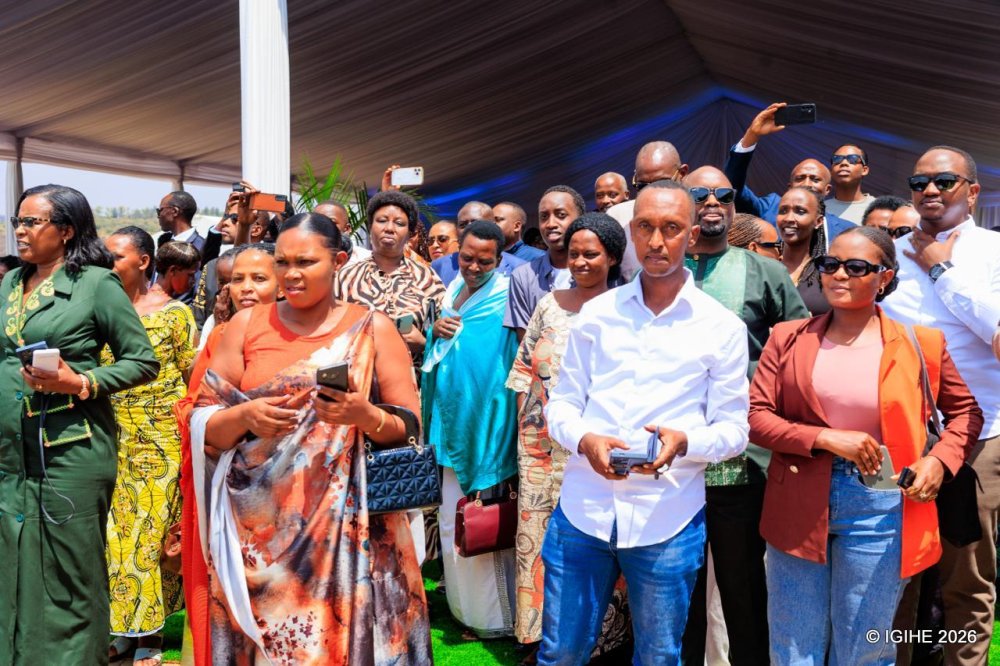
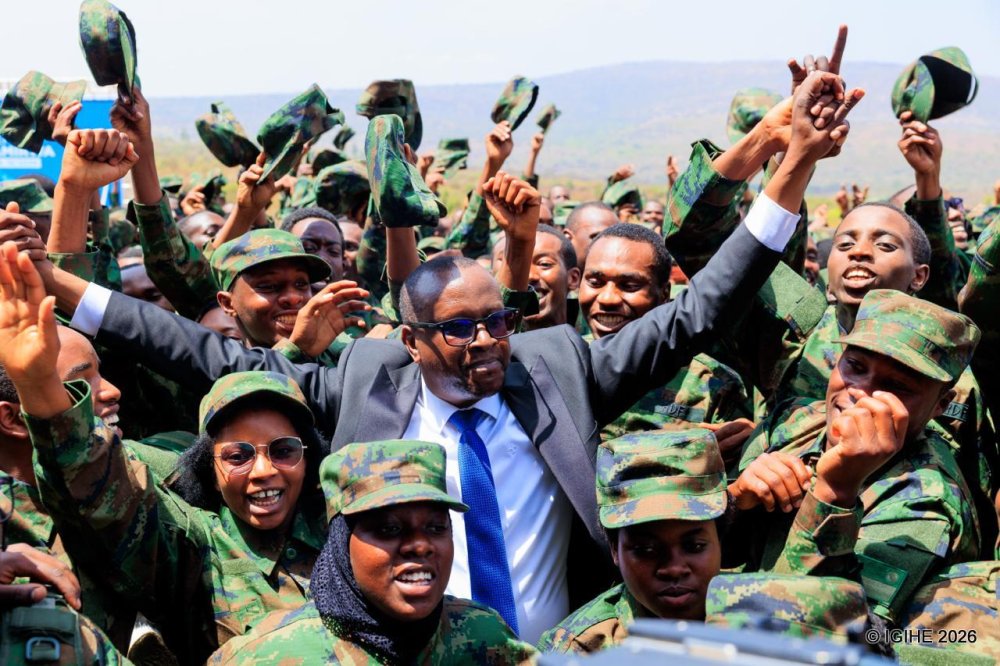
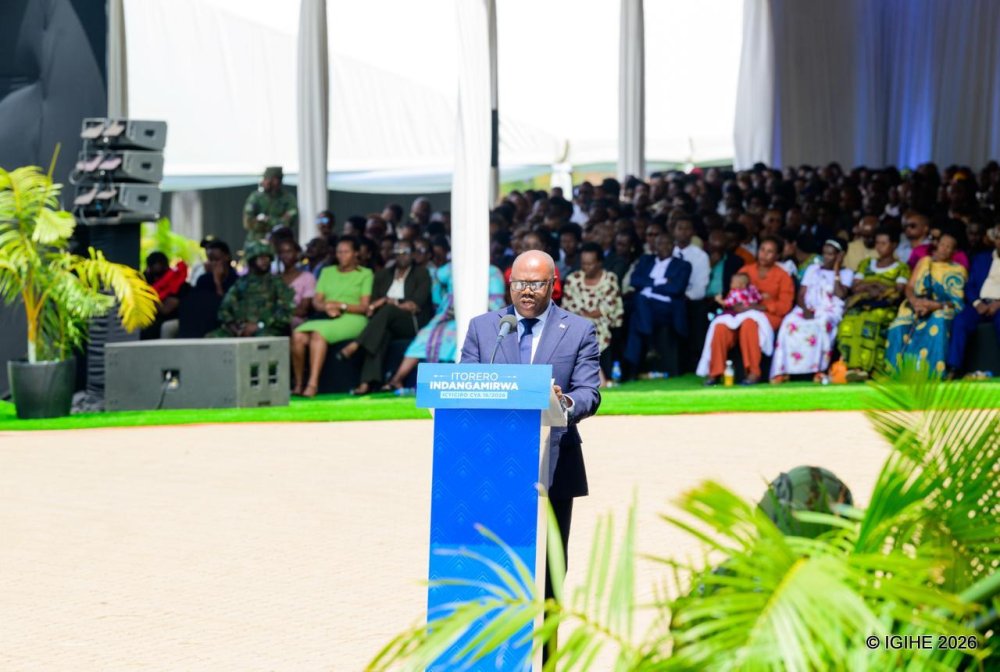
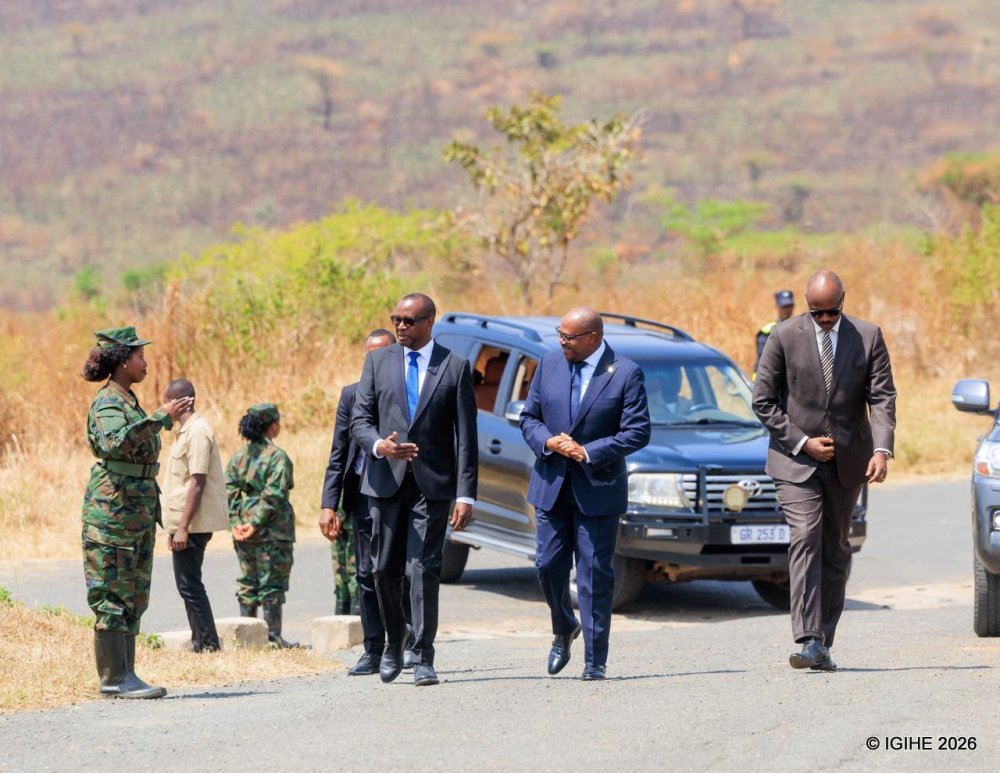
Prime Minister Dr. Justin Nsengiyumva addresses participants during the closing ceremony of the 16th edition of Itorero Indangamirwa at Gabiro Combat Training Centre in Gatsibo District on August 10, 2026.Relatives also attended the ceremony to show support for graduates. Young Rwandans participating in the 16th edition of Itorero Indangamirwa received training on Rwandan cultural values and traditions.The 16th edition of Itorero Indangamirwa brought together Rwandans living and studying abroad, international school students, university students and top performers from Urugerero rw’Inkomezabigwi.The event was attended by various dignitaries.
The urban index, which serves as the headline measure for monetary policy, rose 0.9 percent on a monthly basis compared to June 2026. The annual average inflation rate between July 2026 and July 2025 stood at 9.9 percent, while the annual average underlying inflation rate was 10 percent.
Nationally, the overall Rwanda CPI increased by 13.8 percent year-on-year and 0.3 percent month-on-month. Rural inflation rose 13.3 percent annually but eased 0.2 percent from June, pulled down by a 3.6 percent monthly drop in rural housing, water, electricity, gas and other fuel costs.
Transport and housing costs continue to lead the increase. Urban transport prices jumped 24.2 percent year-on-year, while housing, water, electricity, gas and other fuels rose 21 percent. Transport costs have been under pressure since February, linked to disruptions in oil flows through the Strait of Hormuz amid the Middle East conflict.
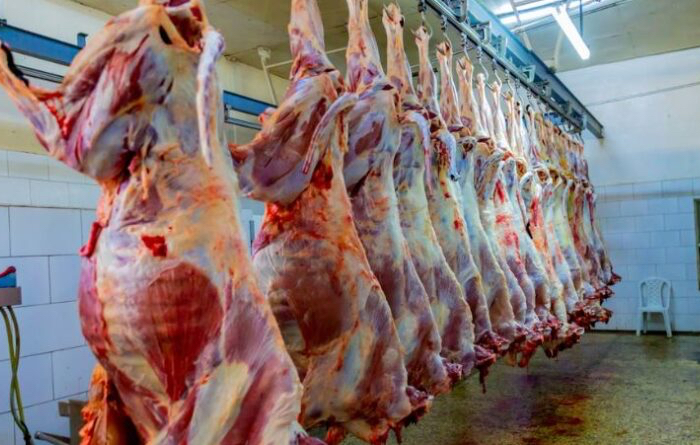
Meat prices surged 33.8 percent annually and spiked 17.8 percent in a single month, while vegetables were up 19.8 percent year-on-year, though they eased 0.8 percent from June. The sharp monthly rise in meat prices has been linked to strict livestock movement restrictions and quarantine measures imposed to contain Rift Valley Fever, a contagious animal disease that has significantly reduced the number of cattle, goats and sheep reaching Kigali’s abattoirs.
Food and non-alcoholic beverages, the largest component of the urban basket at 27 percent weight, increased 13.1 percent annually and 1.5 percent monthly, making it the biggest driver of July’s monthly rise. Restaurants and hotels rose 14.2 percent year-on-year.
NISR’s core index, which strips out fresh food and energy prices to capture underlying price trends, rose 11.4 percent year-on-year and 0.6 percent month-on-month, up from 5.8 percent a year earlier, signalling that price pressures have broadened beyond volatile categories.
The energy index rose sharply, up 44.5 percent annually, while the local goods index increased 15.8 percent and the imported goods index rose 10.7 percent over the same period.
NISR’s CPI is based on a basket of 1,622 products, with more than 29,482 prices collected each month in urban areas and 10,744 in rural areas. The urban CPI serves as the headline index for monetary policy purposes.
Meat prices surged 33.8 percent annually and spiked 17.8 percent in a single month. The sharp monthly rise in meat prices has been linked to strict livestock movement restrictions and quarantine measures imposed to contain Rift Valley Fever.
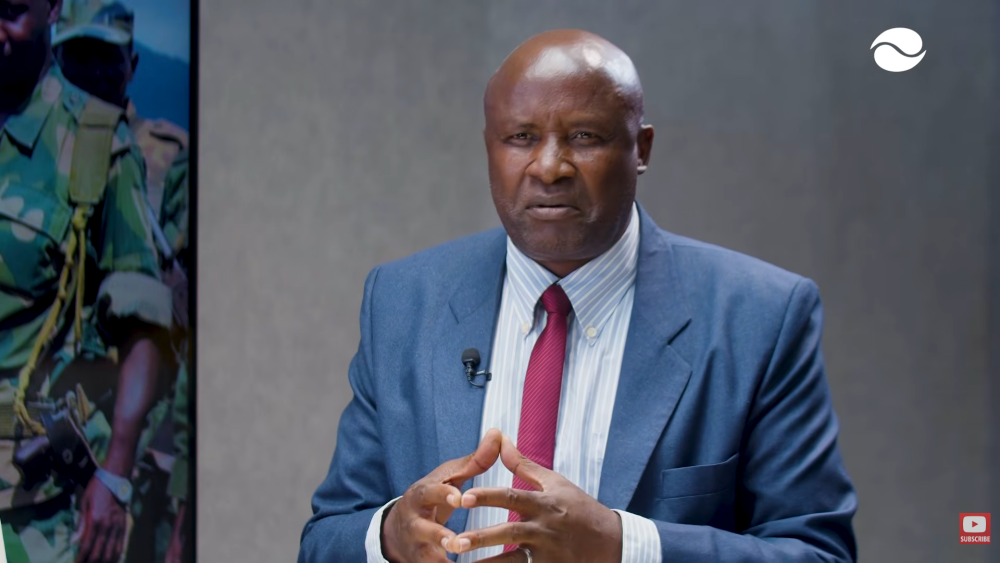
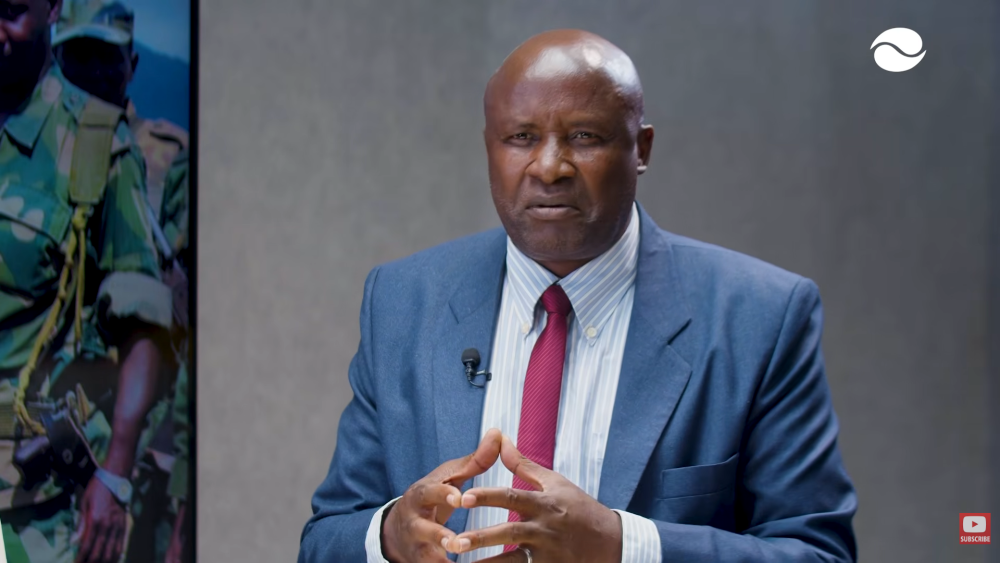
Rutaremara, now Chairperson of Rwanda Elders Advisory Forum (REAF), shared the account in an interview with One Nation Radio, offering fresh details about his first encounter with Dijoud, one of the key architects of France’s Rwanda policy in the early 1990s.
The remarks build on an account President Paul Kagame shared last month about his own tense meeting with Dijoud in Paris in September 1991, when the French official warned that even if the RPF captured Kigali, it would not find the people it sought to rescue because they would have already been killed.
A meeting that quickly turned confrontational
Rutaremara said he travelled to Paris ahead of Kagame to prepare for talks that France had requested with the RPF.
When he arrived at Dijoud’s office, he was received by the diplomat’s secretary while Dijoud met ministers from Djibouti, the Central African Republic and Chad.
According to Rutaremara, the secretary deliberately opened the office doors and windows, allowing him to overhear Dijoud reprimanding the ministers.
“We heard him saying they came asking for their countries’ money, squandered it and then returned asking for more,” Rutaremara recalled.
He believes the secretary intentionally allowed the RPF delegation to hear the exchange.
When Rutaremara and his colleagues were finally invited into Dijoud’s office, he said the French official did not greet them. Instead, he immediately asked whether they were from the RPF, speaking in what Rutaremara described as a dismissive tone.
Dijoud then urged the RPF to end the war, saying France wanted the movement to halt its military campaign and that he had advised President Juvénal Habyarimana to allocate government positions to the RPF.
Rutaremara objected to the tone of the meeting, telling Dijoud there was no reason to treat them disrespectfully.
“He asked me what I meant,” Rutaremara recalled. “I told him, ‘Those ministers you were scolding had come asking for money. We have not come here asking you for money, so why are you treating us this way?’”
‘We did not ask for your permission’
Rutaremara said Dijoud again insisted that the RPF should stop fighting.
His response, he said, was unequivocal.
“I told him, ‘When we started the war, we did not ask for your permission. You came to help fight against us, but you will not be the ones to stop this war. We will stop it ourselves when we decide the time is right.’”
According to Rutaremara, the exchange infuriated Dijoud, who ordered the delegation out of his office and requested that future discussions be held with other senior RPF leaders.
He said the French side specifically asked that Kagame, then the RPF’s vice chairman, attend the next meeting instead of the movement’s chairman, Col. Alexis Kanyarengwe.
Confined to a hotel in Paris
Rutaremara said that when Kagame later travelled to Paris for the talks, he was instructed to remain at the hotel where he was staying and was not allowed to accompany him to the negotiations.
He believes the decision was linked to his earlier confrontation with Dijoud.
“It felt like being imprisoned,” he said. “I believed they kept me away because of my argument with Dijoud.”
Rutaremara added that Rwandan contacts later helped him leave the hotel through an alternative exit.
A lesson for young people
Reflecting on the RPF’s eventual military victory over the then Rwandan government forces and the French troops supporting them, Rutaremara said the outcome should inspire younger generations.
He argued that despite France’s global influence, the RPF prevailed because it remained committed to what it believed was a just cause.
“Do not be intimidated by those who appear powerful. If you are fighting for a just cause, remain committed to it, and you can achieve your goal,” he said.
At the RPF Political Bureau meeting on July 17, 2026, President Kagame also recalled his own encounter with Dijoud, saying the French official warned him in September 1991 that if the RPF continued fighting, it would eventually capture Kigali only to find that the people it sought to save had already been killed.
“He said, ‘You must stop fighting, because even if you take Kigali, you will not find your people,’” Kagame recalled.
“At first, I couldn’t understand what it meant. But it actually meant they would be killed,” he added, noting that the warning foreshadowed the 1994 Genocide against the Tutsi.
As the meeting ended, Kagame said Dijoud made a sarcastic remark in the corridor, telling him he hoped to meet him again “when you are the commander of the new army of Rwanda.” Kagame said he replied that if that happened, he would do a good job of it.
President Kagame also recounted how, after the meetings, he and two colleagues, Dr. Emmanuel Ndahiro and Tom Byabagamba, were arrested in the middle of the night by armed plainclothes officers while staying at a hotel in Paris.
He said they were taken to a detention facility, where they were questioned about the people they had met during the visit.
Kagame recalled refusing to undergo a polygraph test and rejecting food offered to him while in custody. The three were released later that day before Kagame left France via Brussels.
Veteran RPF-Inkotanyi official Tito Rutaremara recounted a heated confrontation with Paul Dijoud, then a senior official at the French Foreign Ministry, saying he told the diplomat that the RPF had never sought France’s permission to launch its liberation struggle and would decide for itself when to end the war.