According to historical accounts, the King succumbed after receiving what has been described as a suspicious injection administered by Belgian physician Dr. Vyncke. His death has long been regarded as a political assassination, that preceded the violence against Tutsi that erupted later that year and eventually culminated in the 1994 Genocide against the Tutsi.
More than six decades later, the anniversary of King Rudahigwa’s death continues to serve as a moment to reflect on the legacy of a monarch remembered for championing unity, modernization and Rwanda’s quest for self-determination.
A reformer ahead of his time
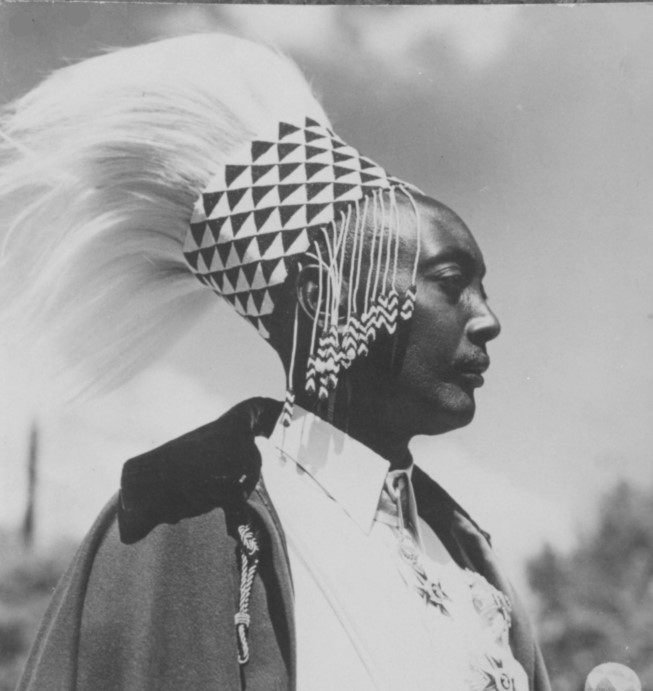
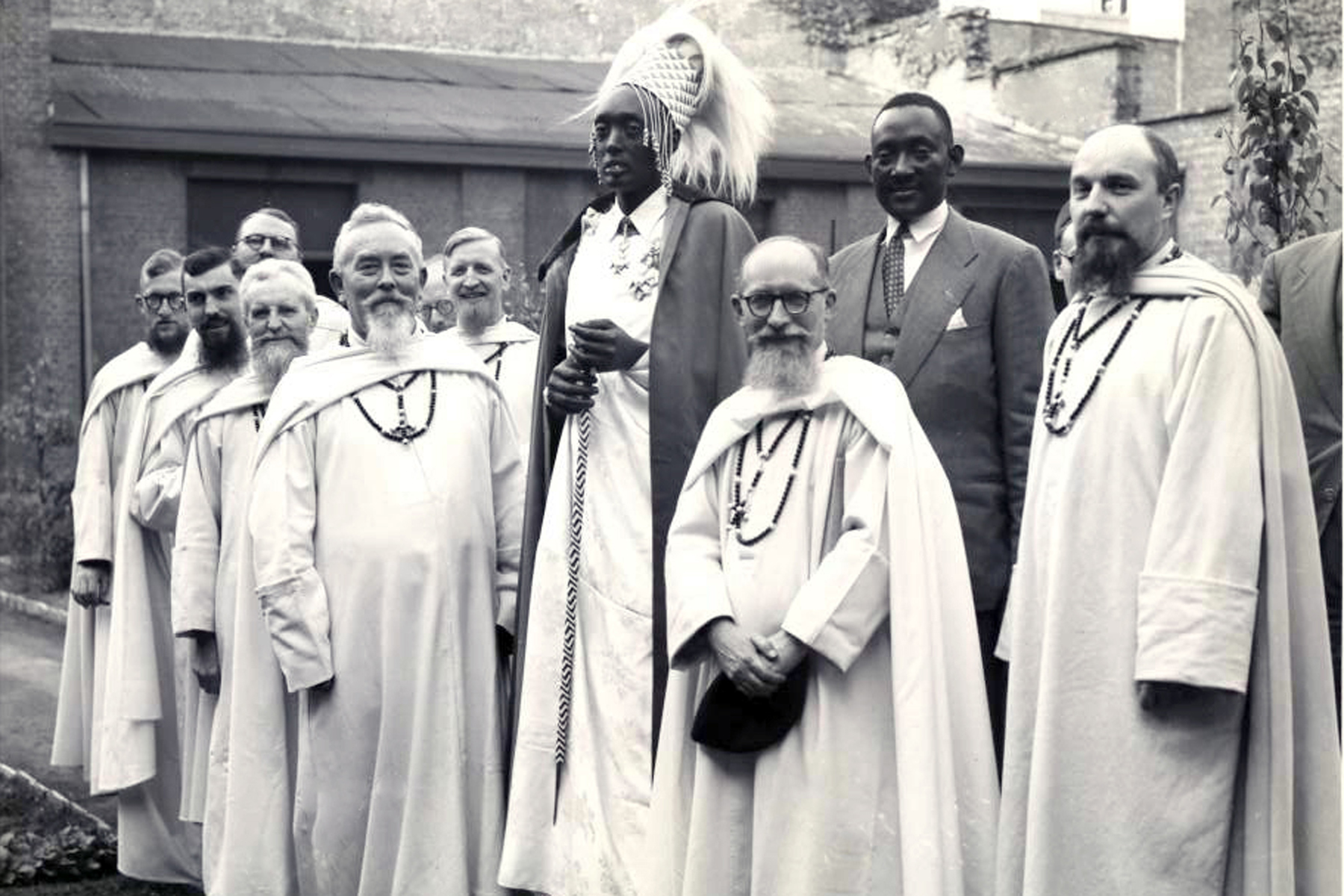
King Mutara III Rudahigwa ascended the throne during the colonial era but distinguished himself as a progressive leader determined to modernize Rwanda’s institutions and improve the lives of his people.
Among his most enduring achievements was the abolition of the Ubuhake clientship system and the Uburetwa and Shiku systems of forced labour, reforms widely regarded as milestones in promoting equality and national unity.
Rudahigwa also embraced modernization in his personal conduct. Rather than travelling in the traditional royal hammock, he purchased and used a motor vehicle, symbolizing his vision of a modern state.
To strengthen governance, he established the Conseil du Mwami (Council of the King), an advisory body that later evolved into the Conseil du Pays (Council of the Country) in 1942 and the Conseil Supérieur du Pays (Superior Council of the Country) in 1953, an institution comparable to today’s Senate.
His reign also saw significant investment in infrastructure. Rwanda’s road network expanded rapidly, linking major towns such as Kigali, Butare, Gisenyi, Ruhengeri, Cyangugu and Bujumbura, while international routes connected the country to Uganda, Tanzania and the port of Mombasa, facilitating trade and regional integration.
The mining sector also experienced considerable growth under his leadership. Companies including MINETAIN, SOMUKI, GEORWANDA and COREM expanded mineral exploration and extraction, producing tin, gold, columbo-tantalite, beryl and amblygonite. By the late 1950s, the industry employed an estimated 15,000 to 16,000 workers.
Champion of independence
Beyond economic and institutional reforms, King Rudahigwa increasingly advocated for Rwanda’s political future.
Historical records indicate that he pushed for Rwanda’s independence from Belgian colonial rule, called for the removal of ethnic designations from identity cards, promoted universal access to education and sought the establishment of a university in Rwanda similar to those already operating elsewhere in the region.
These positions placed him at odds with the colonial administration. Many historians and Rwandan officials argue that his determination to secure Rwanda’s sovereignty ultimately made him a target.
His death in July 1959 was followed by escalating political unrest and anti-Tutsi violence later that year.
Today, King Mutara III Rudahigwa is remembered not only as Rwanda’s last reigning monarch before the country’s political transformation but also as a leader whose vision centred on national unity, social reform and independence. His legacy continues to be commemorated as part of Rwanda’s historical journey and its ongoing commitment to unity, self-reliance and national development.
Leave a Reply