With a history stretching back more than 2,400 to 3,000 years, Chengdu has long been known as one of China’s most culturally rich and creatively dynamic cities.
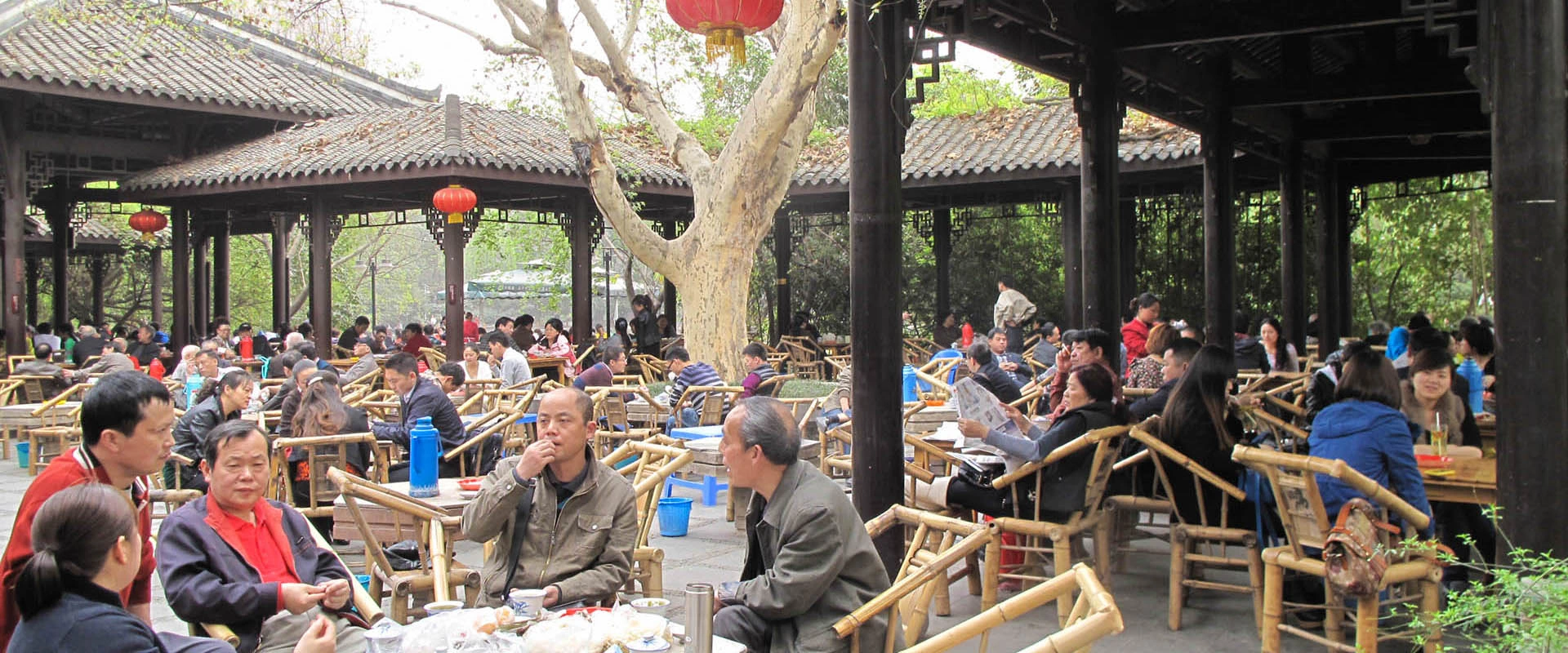
Often described as one of China’s most livable cities, Chengdu is famous for its leisurely lifestyle, teahouse culture, and vibrant street life.
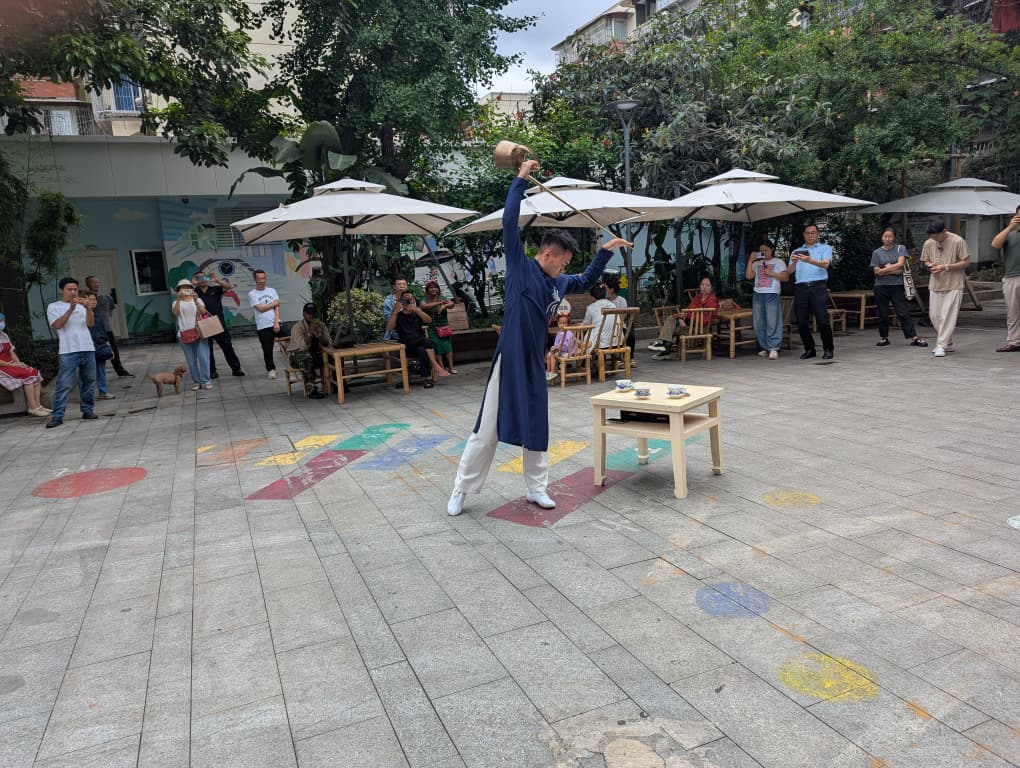
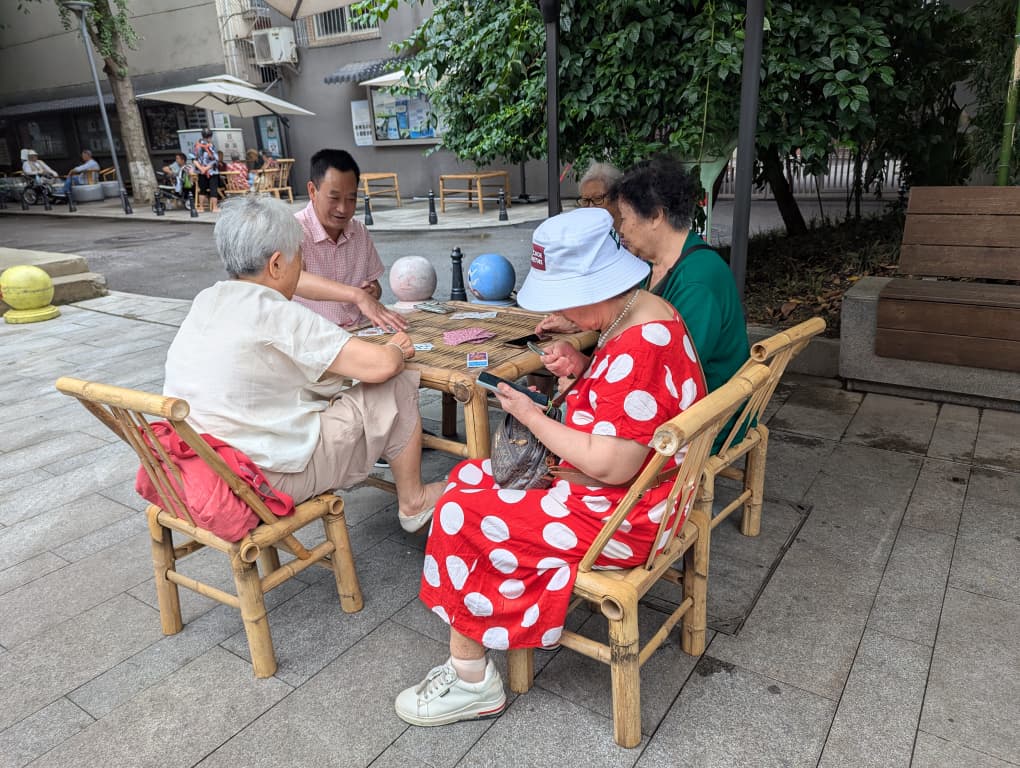
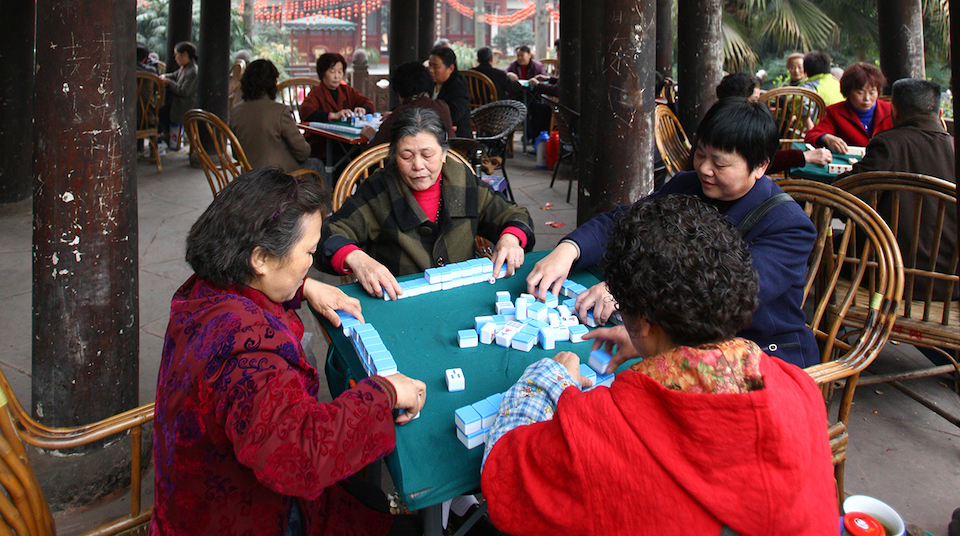
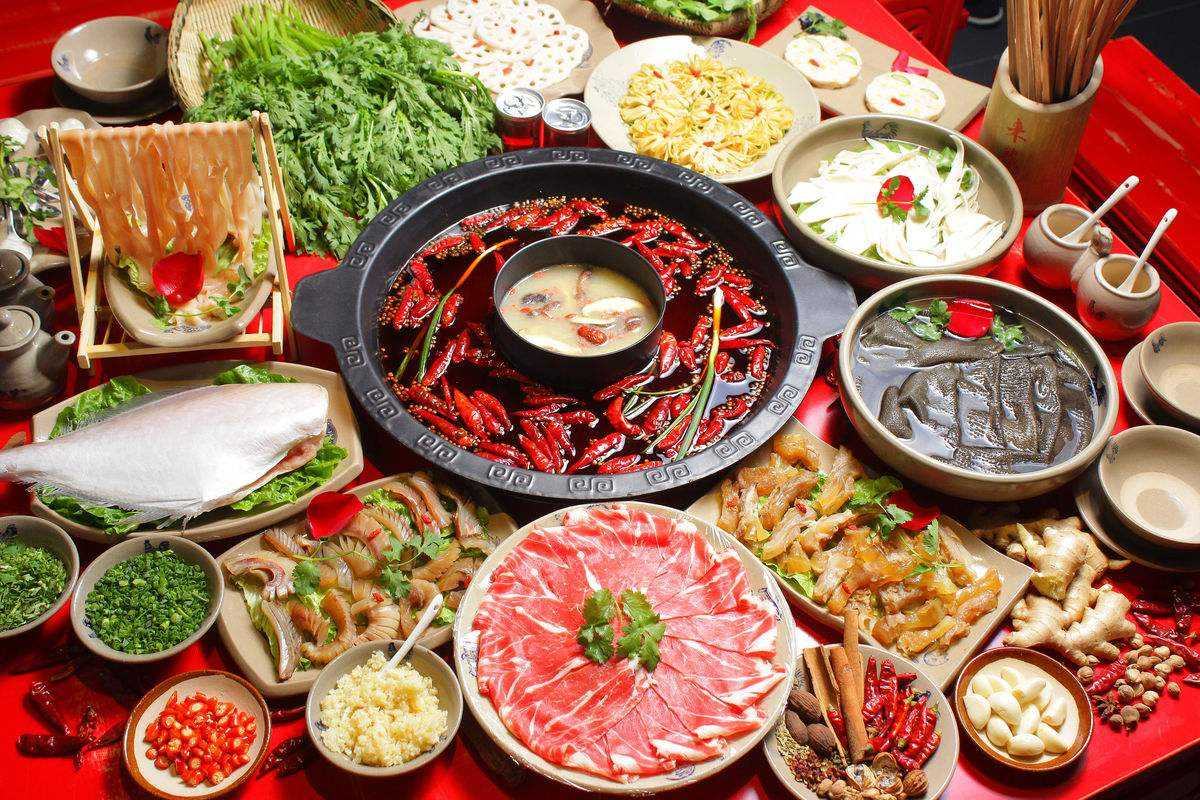
A typical day for many locals begins in a traditional teahouse, where friends gather over a pot of tea, chatting and playing mahjong in a slow rhythm that reflects the city’s identity. By afternoon, life often shifts to hotpot restaurants, followed by lively evening gatherings that stretch late into the night.
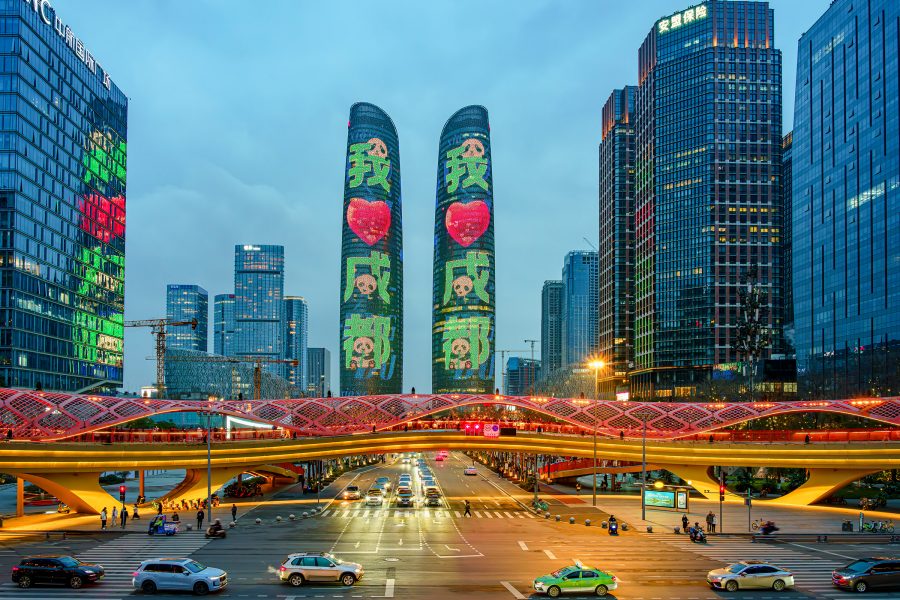
But beyond this relaxed image, Chengdu is also a rapidly growing economic and creative hub. Today, it is one of the most important cities in western China and ranks among the country’s top urban economies, with a population exceeding 20 million people.
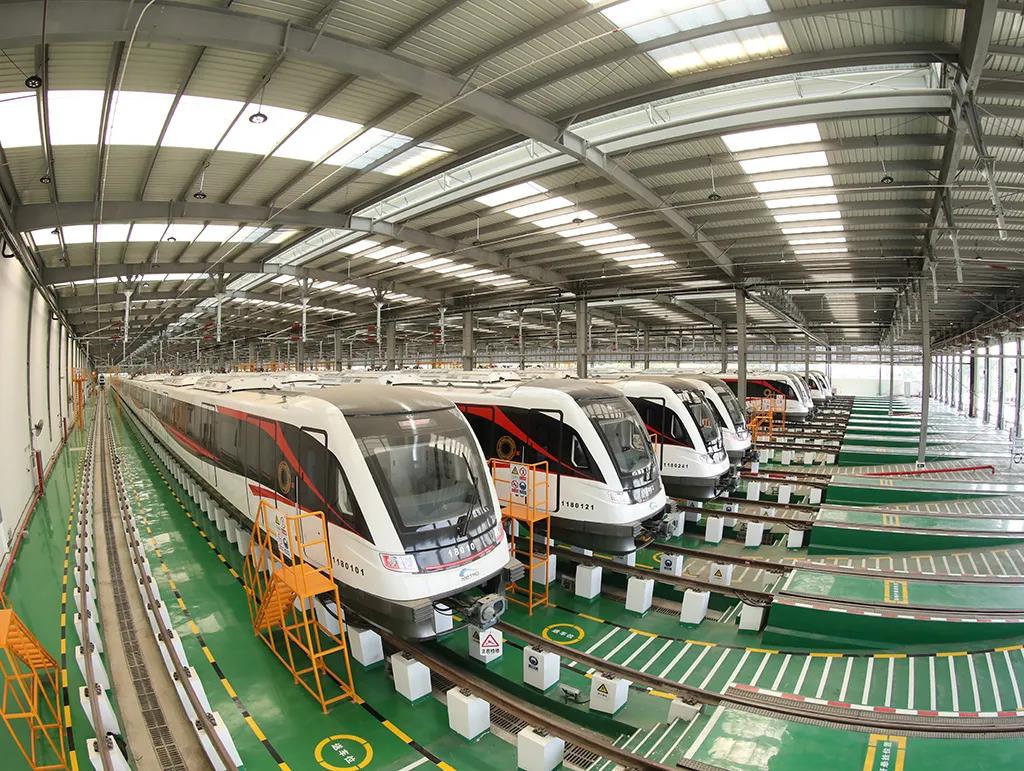
Over the past decade, the city has experienced remarkable growth, driven by infrastructure development, technology, transport expansion, and a rising creative and digital economy.
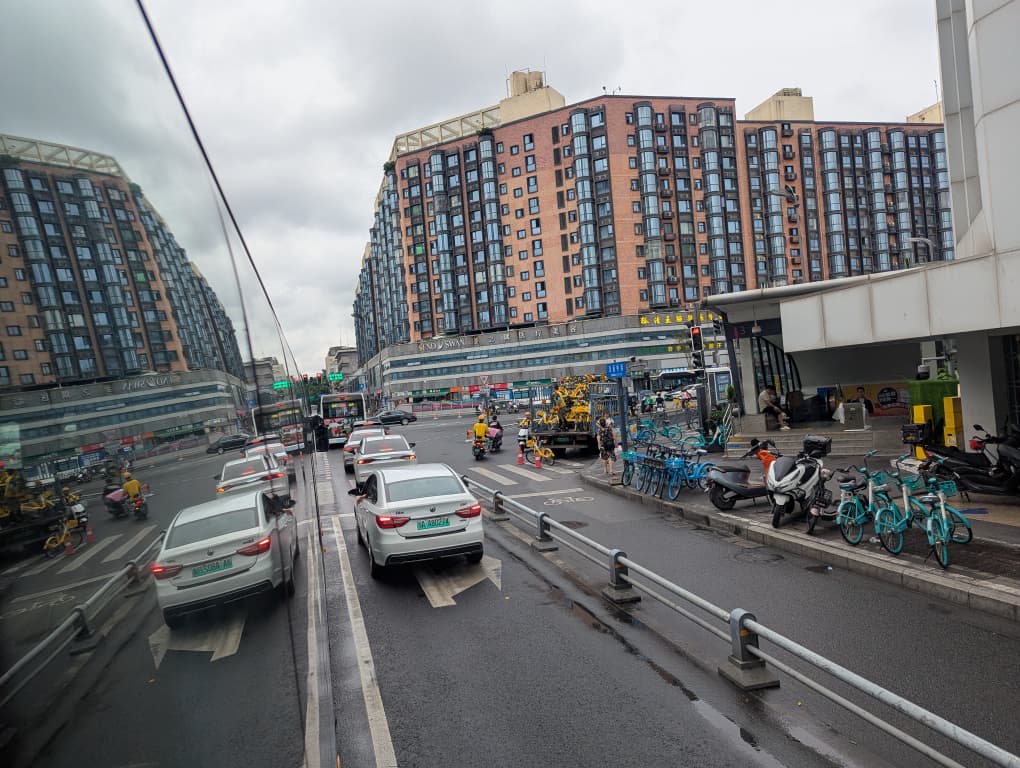
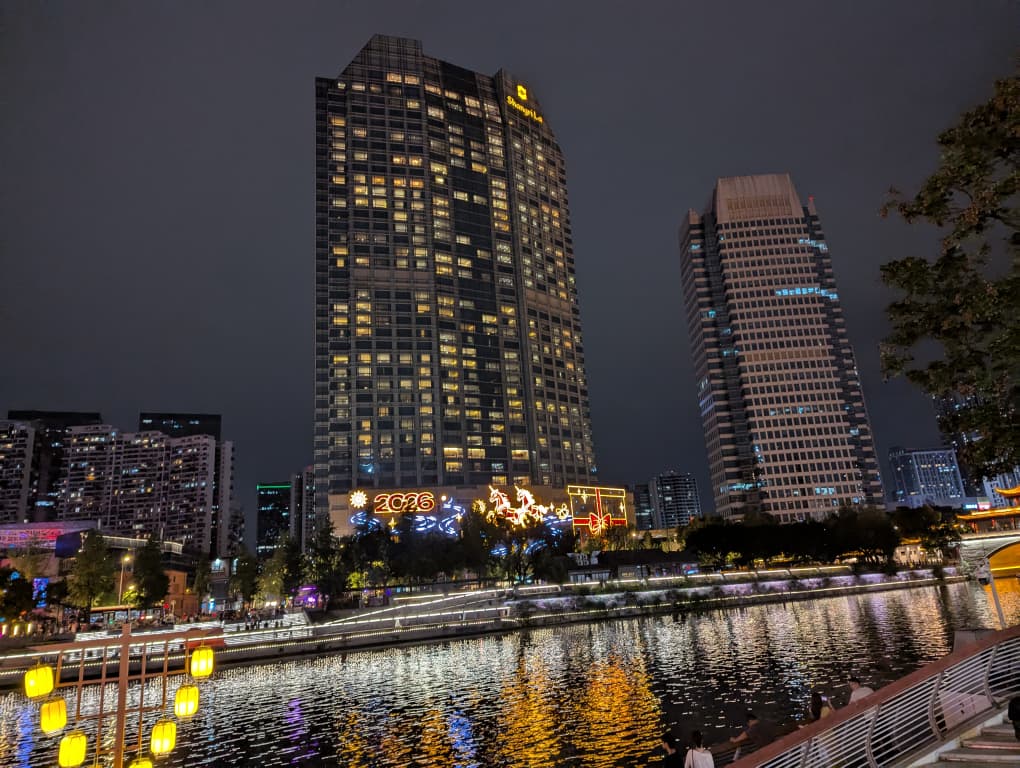
Its modern skyline, metro systems, shopping districts, and business centres reflect a city that is constantly evolving while preserving its cultural roots.
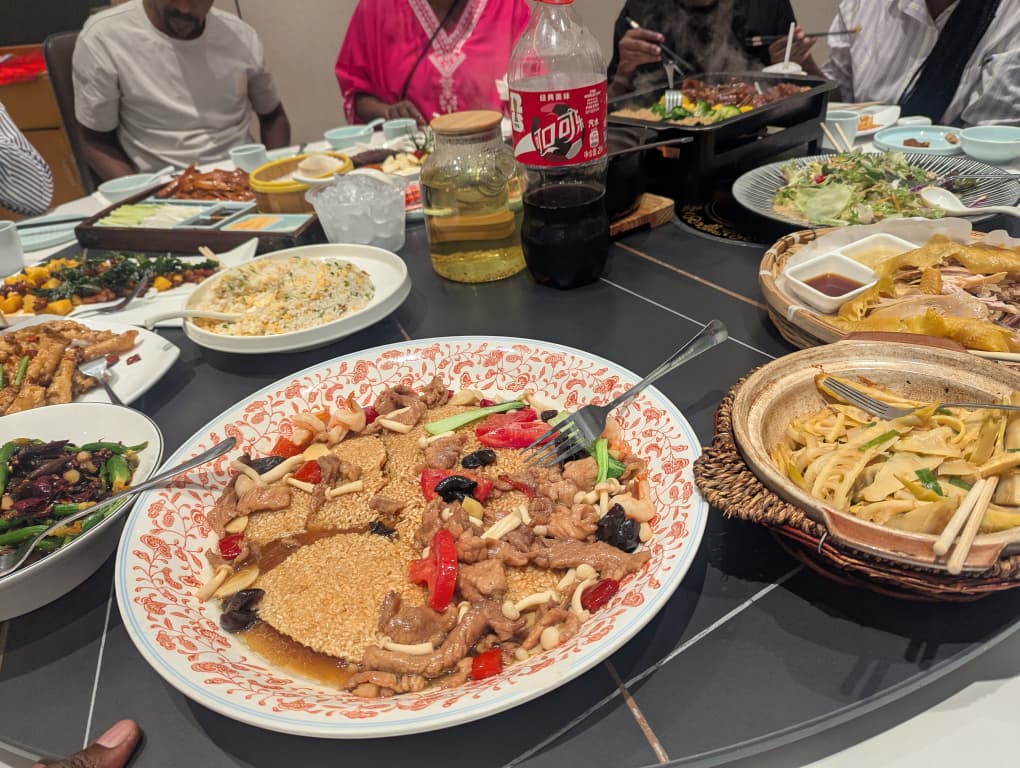
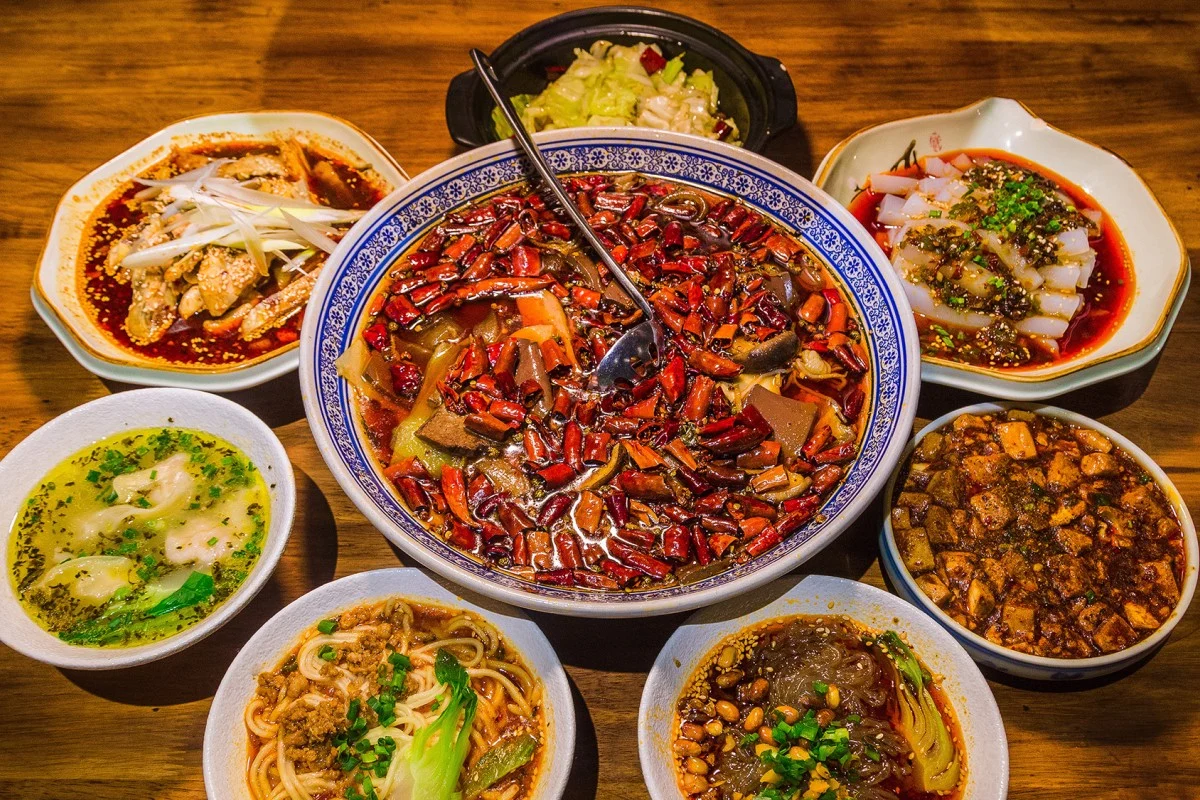
At the heart of Chengdu’s global reputation is its status as a UNESCO “City of Gastronomy,” the first in Asia to receive this honour. Sichuan cuisine, one of China’s four major culinary traditions, originated here and is celebrated worldwide for its bold, spicy, and complex flavours.
A local saying captures this perfectly: “The best cuisine is from China, while the richest flavour is from Chengdu.”
Chengdu food culture is built on balance and harmony, blending sweet, sour, bitter, spicy, and salty tastes into one experience.
Signature dishes such as hotpot, Mapo Tofu, and delicacies made with Doubanjiang (fermented bean paste) define the city’s culinary identity.
With over 60,000 restaurants, thousands of chefs, and a thriving food industry employing hundreds of thousands of people, Chengdu is truly a paradise for food lovers. The city also hosts annual food festivals that bring together chefs, tourists, and food enthusiasts from around the world.
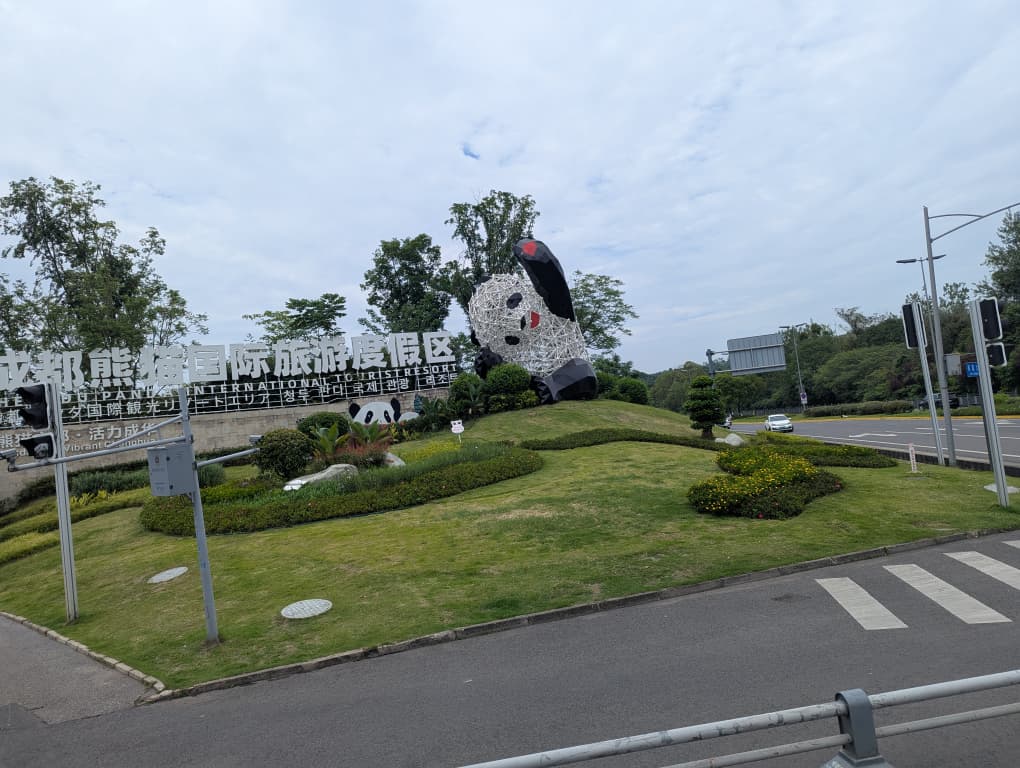
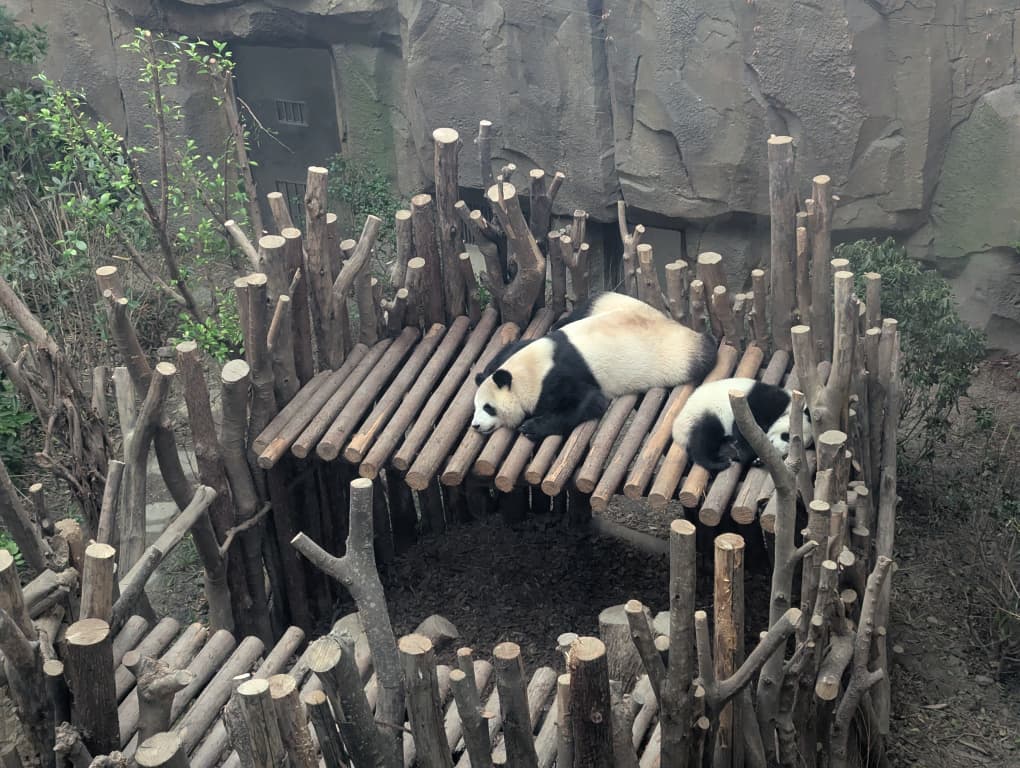
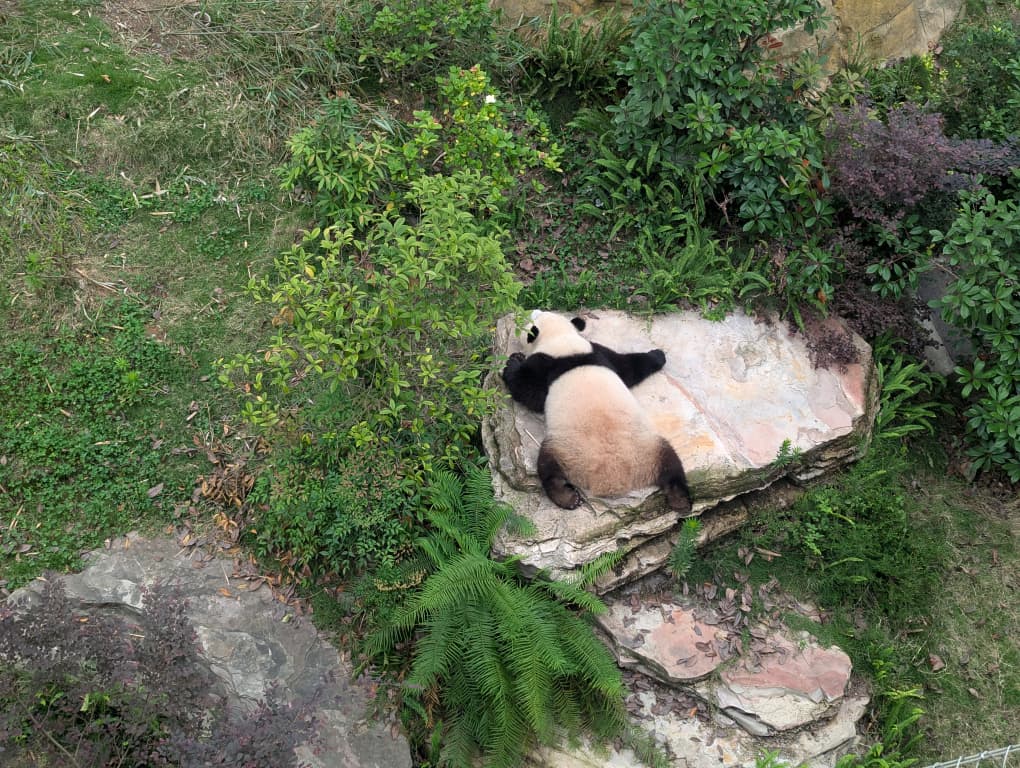
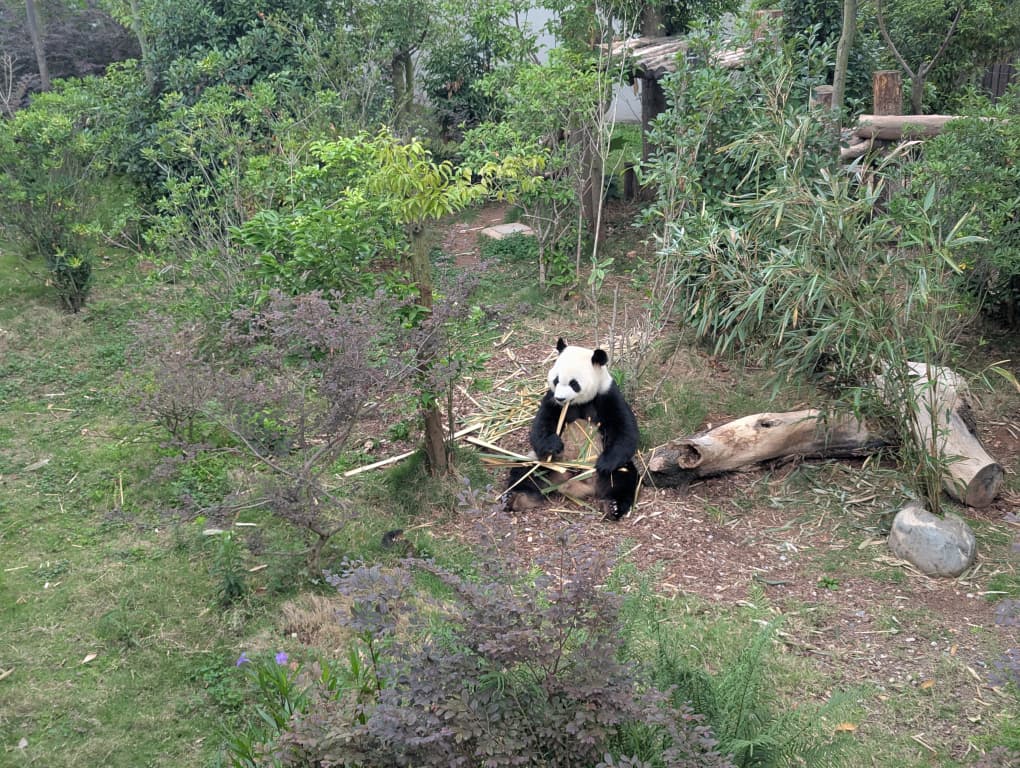
Yet Chengdu is not only about food—it is also the proud home of China’s national treasure, the giant panda. The Chengdu Research Base of Giant Panda Breeding is one of the world’s most important conservation centres for pandas.
Located just a short distance from the city centre, it allows visitors to observe these rare animals in a natural, carefully protected environment.
One of the most unique traditions here is that all baby pandas are given names in a ceremonial way, just as Rwanda names baby mountain gorillas every year, a symbolic gesture that reflects global conservation culture and respect for wildlife heritage.
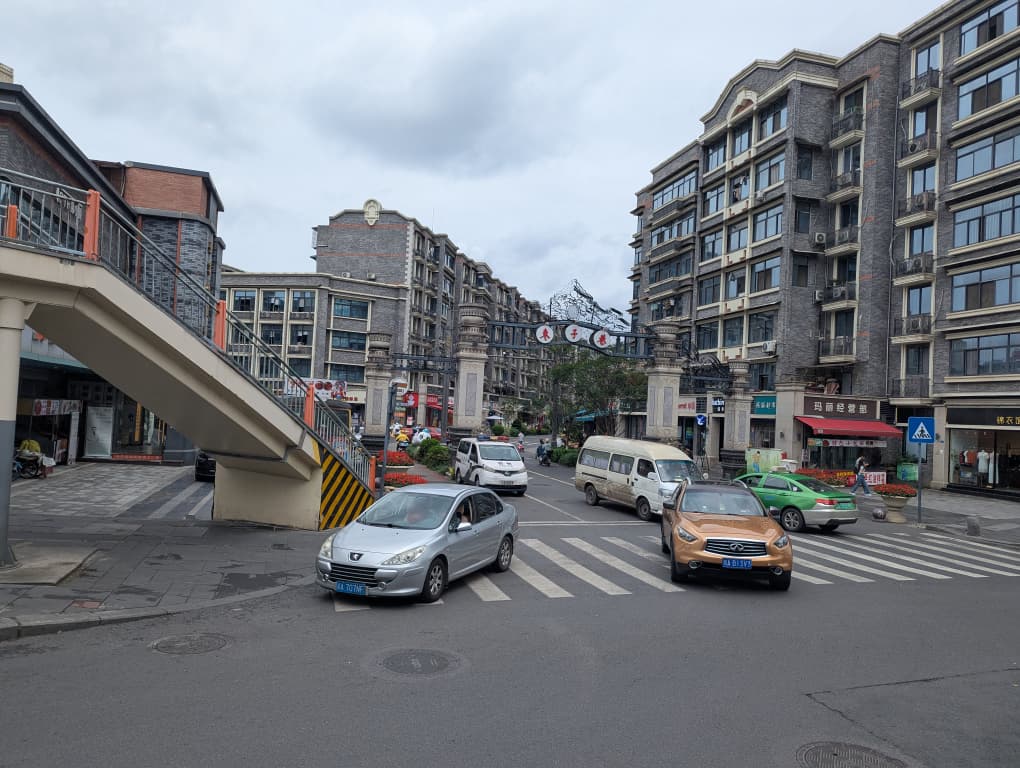
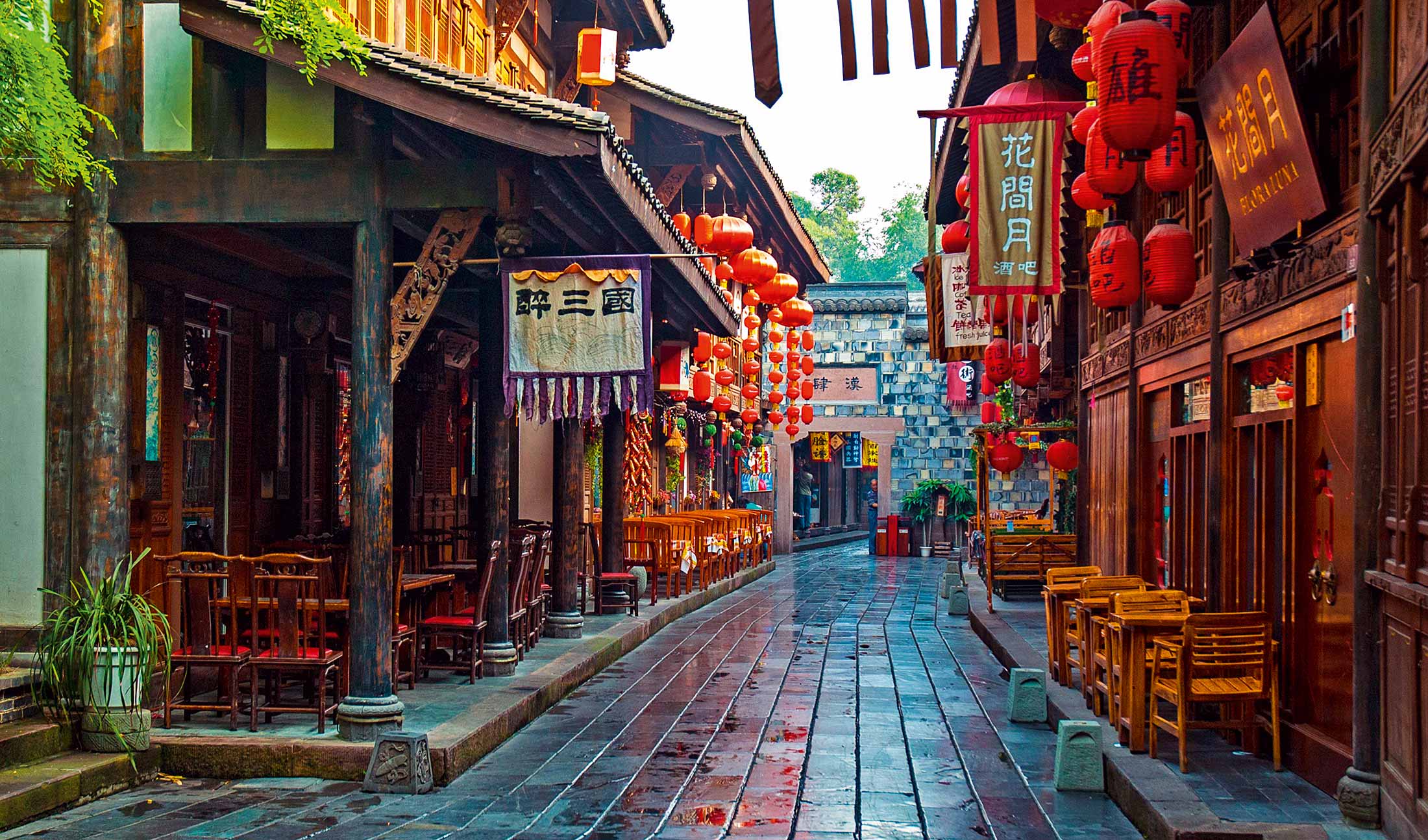
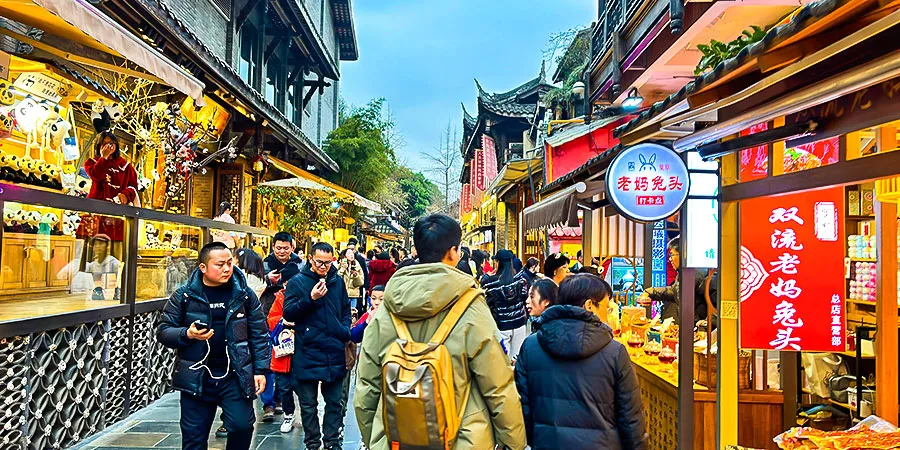
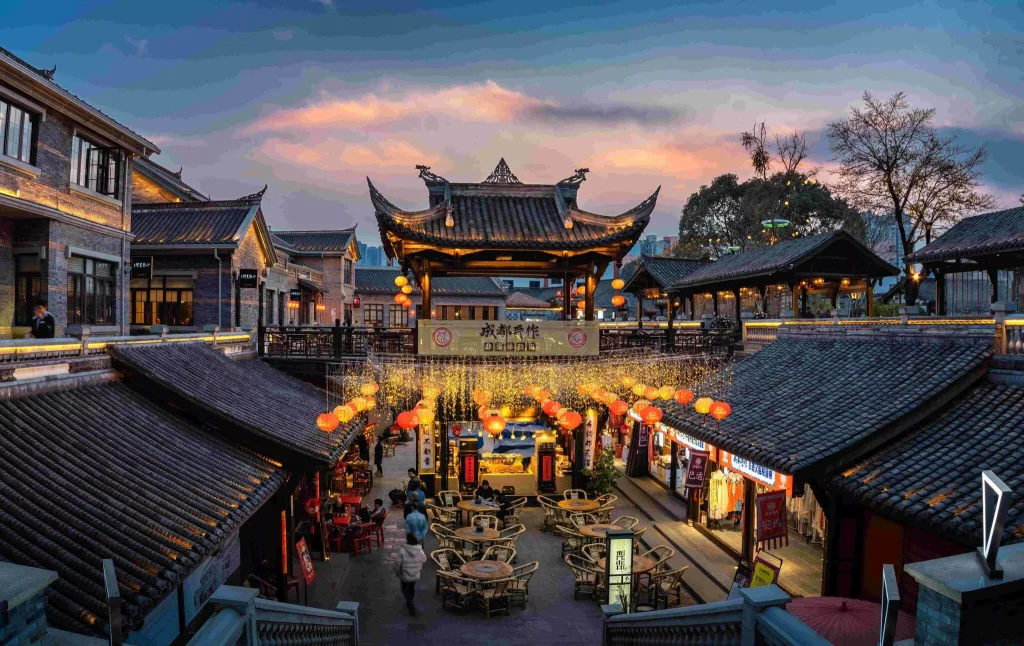
The city is also rich in historical and cultural attractions. Kuanzhai Alley (Wide and Narrow Alleys) offers visitors a glimpse into traditional Chengdu life, with ancient-style streets, teahouses, artisan shops, spas, and local snacks. It is a place where history and modern tourism meet in a lively cultural atmosphere.
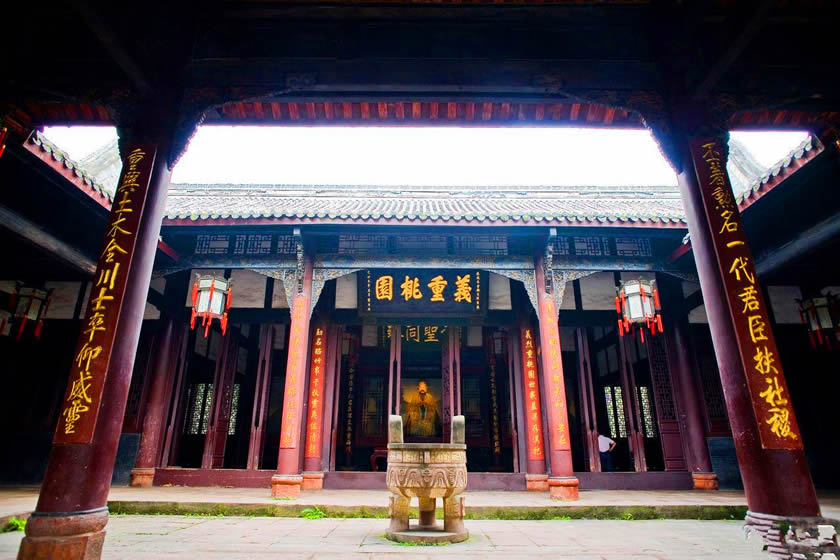
Another important site is the Temple of Marquis Wu, built in honour of Zhuge Liang, a legendary strategist of the ancient Shu Kingdom. The temple preserves centuries of history through sculptures, relics, and ancient inscriptions that continue to attract visitors and history lovers.
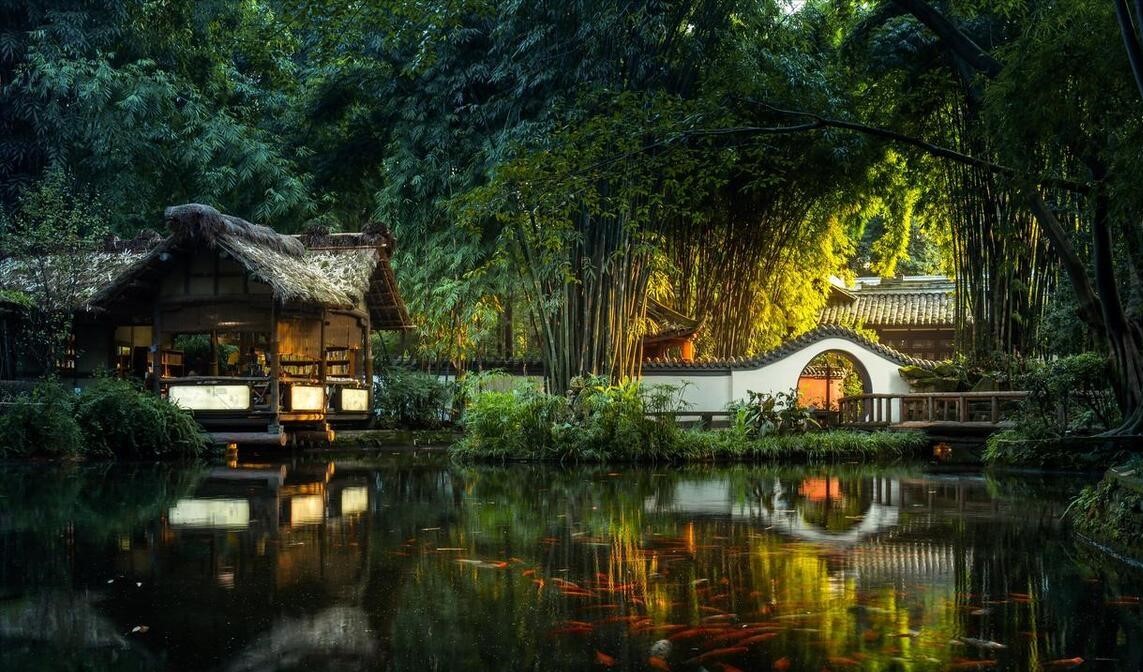
Not far away lies Du Fu Thatched Cottage, the former residence of one of China’s greatest poets. Here, Du Fu wrote many of his most famous works during a peaceful period of his life, making the site a symbol of Chinese literary heritage and reflection.
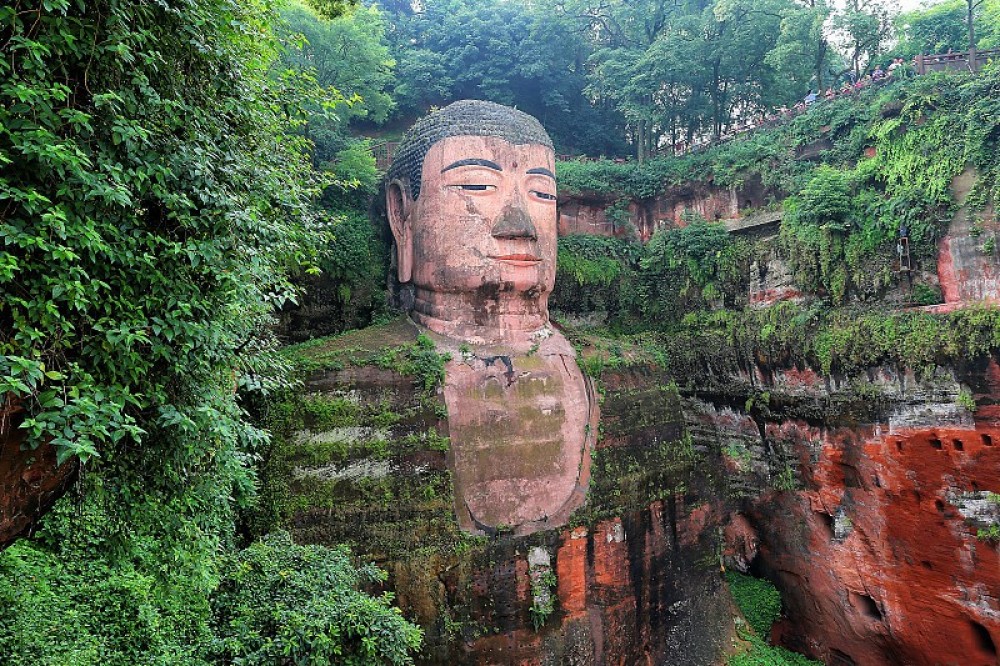
For those seeking natural and engineering wonders, Chengdu offers access to extraordinary sites such as the Leshan Giant Buddha, a monumental stone carving carved into a cliff face that stands as one of the largest Buddha statues in the world.
Nearby, the Dujiangyan Irrigation System, built over 2,000 years ago, remains a functioning masterpiece of ancient engineering and water management, still benefiting millions of people today.
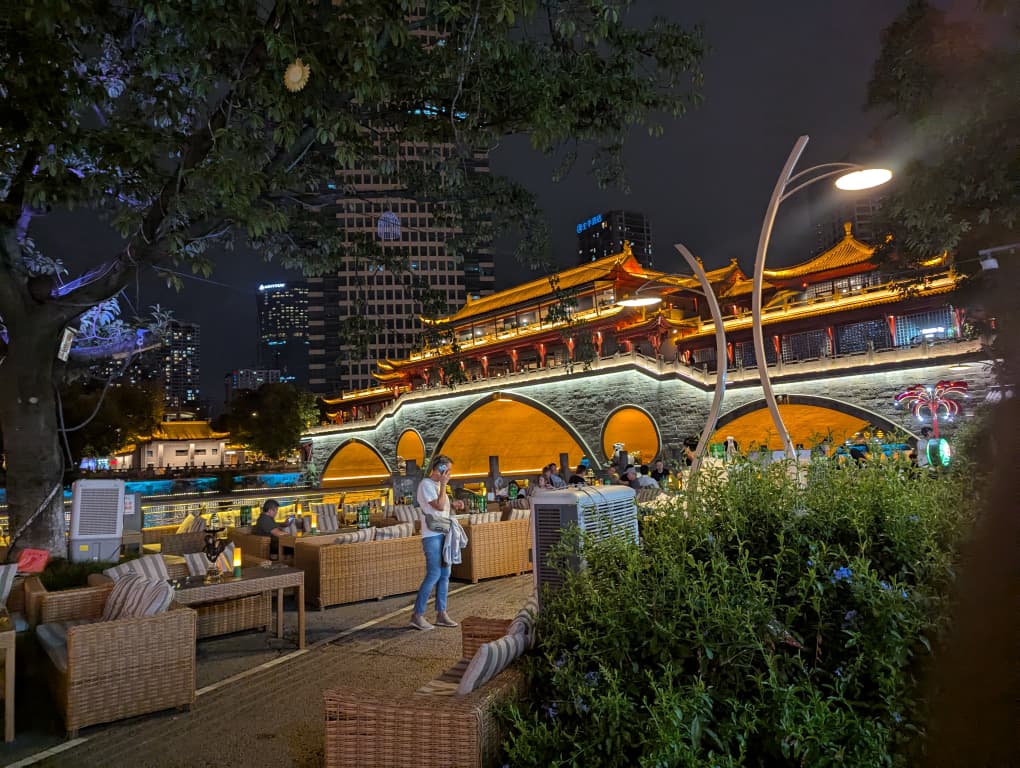
Chengdu’s charm also lies in its modern lifestyle districts such as Chunxi Road and Taikoo Li, where luxury brands, shopping malls, street food, and entertainment spaces coexist. Visitors can enjoy everything from international fashion to local crafts, all within a vibrant urban atmosphere.
The city’s appeal can be summed up in five powerful reasons: it is romantic, scenic, delicious, relaxed, and home to giant pandas.
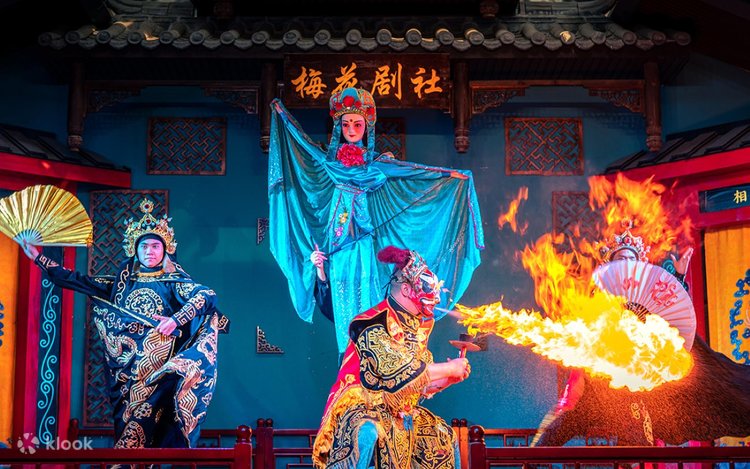
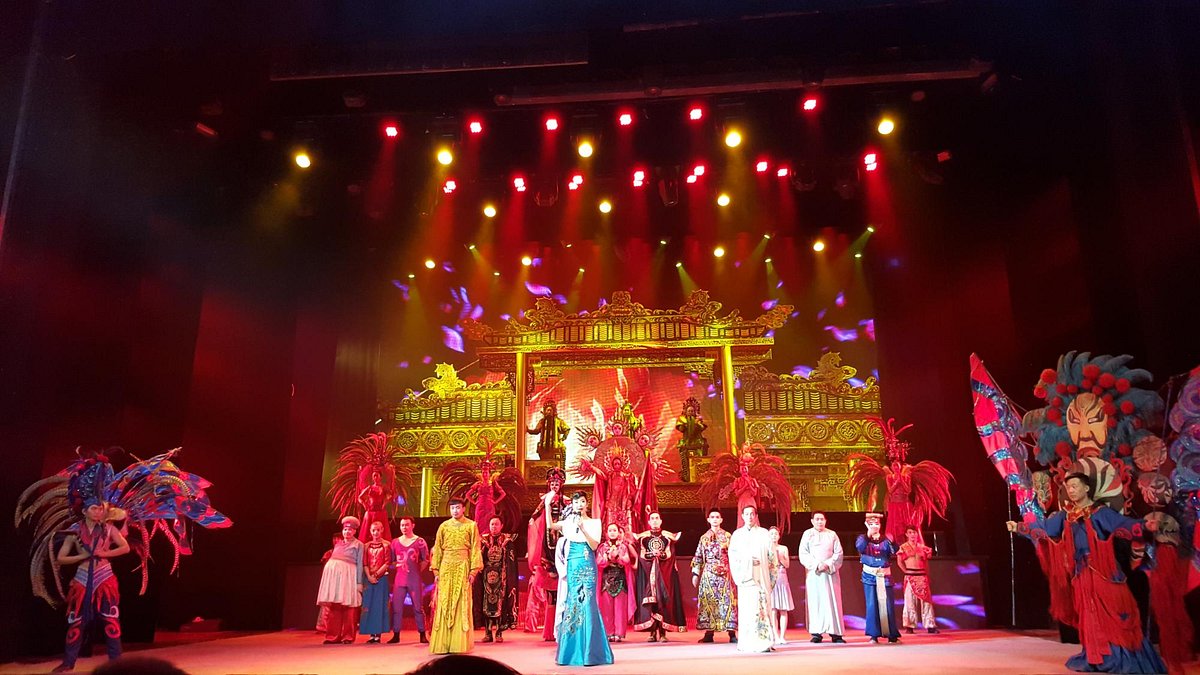
Whether exploring the historic lanes, tasting spicy Sichuan cuisine, watching a Sichuan opera performance, Chengdu offers a lifestyle that feels both peaceful and deeply enriching.
It invites visitors not only to explore its landmarks, but to experience a way of life where comfort, culture, and creativity exist in perfect harmony.



Leave a Reply