The figure represents the country’s export of travel services, spending by non-resident visitors while in Rwanda, and marks an increase from $151.4 million (Rwf222 billion) recorded in the first quarter of the year.
The survey, conducted jointly by NISR, the National Bank of Rwanda (NBR), the Rwanda Development Board (RDB), and the Directorate General of Immigration and Emigration (DGIE), gathered data from travellers at 11 border points, including Kigali International Airport, between May and July 2026.
Air travel dominates earnings
Visitors arriving by air accounted for the bulk of the earnings, contributing $135.4 million (Rwf199 billion), or 83.7%, of total travel credits. Land border arrivals contributed the remaining $26.4 million (Rwf39 billion).
By purpose of visit, holiday travel was the single largest contributor, bringing in $59.7 million (Rwf88 billion), or 36.9% of total credits. Visitors travelling to see friends and relatives (VFR) contributed 28.1% ($45.5 million), while business travellers accounted for 24.9% ($40.2 million).
Gorillas the star attraction
Within the holiday travel segment, gorilla tourism proved to be the dominant revenue driver. Of the $57.6 million (Rwf85 billion) generated from holiday travel by air, gorilla-related visits accounted for 79.4% of that total, underscoring the primate’s continued role as Rwanda’s flagship tourism product.
By region, North America was the top-spending market, with visitors from the region contributing $40.2 million. Europe followed with $27.7 million, while visitors from the rest of Africa spent $27.1 million. Travellers from the East African Community (EAC) contributed $22.2 million by air, and were the largest spenders by land, accounting for $13.6 million of the $26.4 million recorded through land borders.
Outbound spending also rises
While Rwanda earned $161.8 million from inbound travel, residents travelling abroad spent $99.7 million during the same period, up from $98.1 million in the first quarter, leaving Rwanda with a net travel services surplus of $62.1 million.
Business was the leading purpose for outbound spending, accounting for 49.1% ($49.0 million) of the import bill, followed by visits to friends and relatives at 20.6% ($20.5 million) and education-related travel at 19.0% ($18.9 million). Europe was the top destination for spending among air travellers, at $26.0 million, while the EAC accounted for nearly all spending by residents travelling by land, at $23.5 million.
The estimates are derived by combining survey findings on average length of stay and average daily expenditure with official traveller volumes recorded by the DGIE.
Within the holiday travel segment, gorilla tourism proved to be the dominant revenue driver. Of the $57.6 million (Rwf85 billion) generated from holiday travel by air, gorilla-related visits accounted for 79.4% of that total, underscoring the primate’s continued role as Rwanda’s flagship tourism product.
The increase amounts to $22.5 million, or nearly 643%, in one year. Spending also rose sharply from the previous quarter, when residents spent $3.9 million in Europe.
The figures are contained in the Travel Expenditure Survey 2026 published by the National Institute of Statistics of Rwanda (NISR).
According to the report, residents of Rwanda travelling abroad by air spent a total of $76.2 million during the second quarter of 2026. Business and professional travel accounted for the largest share, at $32.8 million.
By destination region, Europe recorded the highest expenditure, with residents spending $26 million there. Asia followed with $17.3 million, EAC countries with $13.1 million, North America with $10.3 million and other African countries with $9.1 million.
NISR estimates that travel expenditure covers money spent by residents while staying in the countries they visit, including accommodation, food and drinks, transport, shopping, entertainment, education and health services, among others. The estimate excludes the cost of international transportation.
The $26 million is an estimate rather than a figure obtained by collecting travellers’ receipts or checking their bank accounts.
NISR calculates travel expenditure by combining the number of residents returning to Rwanda from abroad, based on data from the Directorate General of Immigration and Emigration (DGIE), with the average length of their stay and the estimated average amount spent per person per day.
In the second quarter of 2026, a total of 12,669 residents of Rwanda returned by air from Europe.
Of these, 5,330 had travelled for business and professional purposes, 4,735 to visit friends and relatives, 1,859 for holidays, 708 for education and 37 for medical reasons.
NISR estimates that residents travelling to Europe for business stayed for an average of 11 days. Those travelling for education stayed for 238 days, those seeking medical services for 22 days, holidaymakers for 16 days and those visiting friends and relatives for 17 days.
Daily expenditure also varied according to the purpose of travel. Business travellers spent an estimated average of $127 per day, those travelling for education $48, medical travellers $106, holidaymakers $130 and those visiting friends and relatives $78.
Using these estimates, the 5,330 business travellers who stayed for an average of 11 days and spent $127 per day accounted for approximately $7.45 million.
The 708 residents who travelled for education, stayed for an average of 238 days and spent $48 per day accounted for approximately $8.09 million.
Those travelling for medical reasons accounted for about $86,000, while holidaymakers accounted for approximately $3.87 million and those visiting friends and relatives about $6.28 million.
Combined, these estimates amount to approximately $25.8 million, which rounds to the reported $26 million.
The NISR report also shows that residents travelling abroad by land spent $23.5 million during the second quarter of 2026.
Business was the main purpose of these trips, accounting for $16.2 million in expenditure.
Together, the figures show that residents’ spending abroad varied considerably according to both their destination and the purpose of their travel during the quarter.
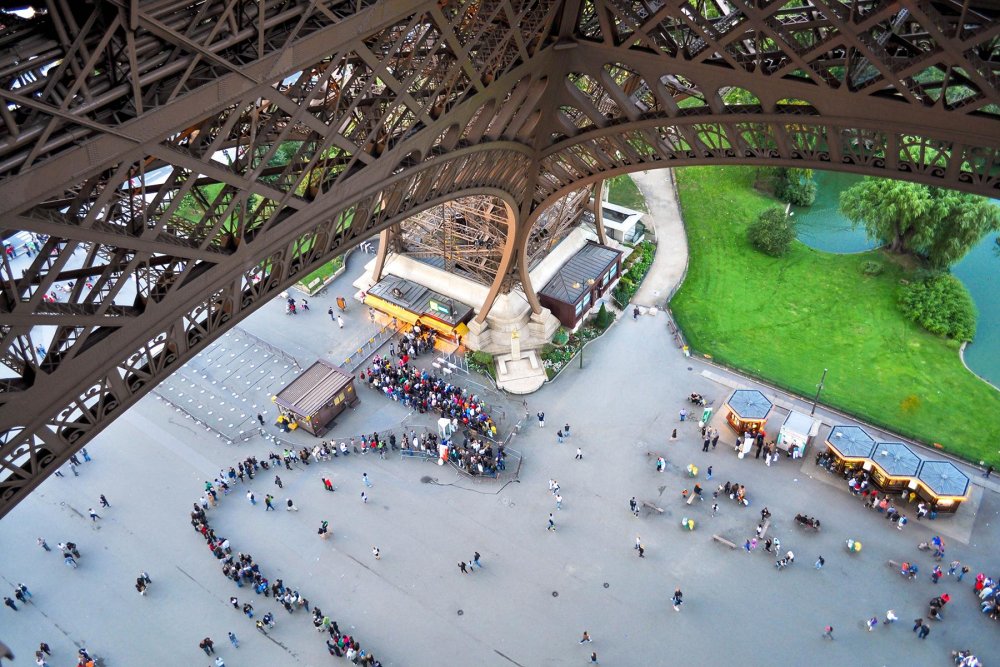
For many Rwandans travelling to Europe for holidays, visiting the Eiffel Tower in Paris offers an experience they do not want to miss.
The National Institute of Statistics of Rwanda (NISR), in its Travel Expenditure Survey 2026, reported that between April and June 2026, international visitors who travelled to Rwanda by air for holiday purposes spent $57.6 million.
Of this amount, 79.4% was associated with gorilla tourism. Based on this share, gorilla-related tourism accounted for approximately $45.7 million.
The figure represents nearly 28% of Rwanda’s total travel service receipts of $161.8 million recorded during the second quarter of 2026.
However, the $45.7 million does not represent revenue from gorilla trekking permits alone. NISR’s calculation covers the overall spending of visitors in Rwanda, including accommodation, food and drinks, domestic transport, shopping, entertainment, visits to tourist attractions and other services.
This means visitors who come to see gorillas contribute to the economy not only through trekking permits but also through spending at hotels, restaurants, transport services, shops and other businesses during their stay.
More than 6,000 visitors came for gorilla tourism
Data from Rwanda’s Directorate General of Immigration and Emigration shows that 6,023 visitors who entered Rwanda by air in the second quarter of 2026 indicated that gorilla tourism was the purpose of their trip.
North American visitors accounted for the largest share, with 3,469 arrivals, followed by visitors from Europe at 1,008.
They were followed by visitors from other parts of the world at 590, other African countries at 412, East African Community countries at 294 and Asia at 250.
The figures highlight the importance of the North American market to Rwanda’s tourism sector.
Overall, North American visitors also recorded the highest spending among air travellers to Rwanda during the quarter, at $40.2 million.
Visitors from Europe spent $27.7 million, those from other African countries spent $27.1 million, while visitors from East African Community countries spent $22.2 million.
Tourism remains the leading source of travel revenue
Holiday and tourism trips generated the highest travel receipts in Rwanda during the second quarter of 2026.
They generated $59.7 million, representing 36.9% of the country’s total travel service receipts. Visits to friends and relatives generated $45.5 million, while business and professional trips generated $40.2 million.
Among air travellers alone, holiday visitors spent $57.6 million, compared with $37.3 million spent by those visiting friends and relatives and $33.1 million by business travellers.
Overall, Rwanda recorded $161.8 million in travel service receipts in the second quarter of 2026, up from $151.4 million in the first quarter.
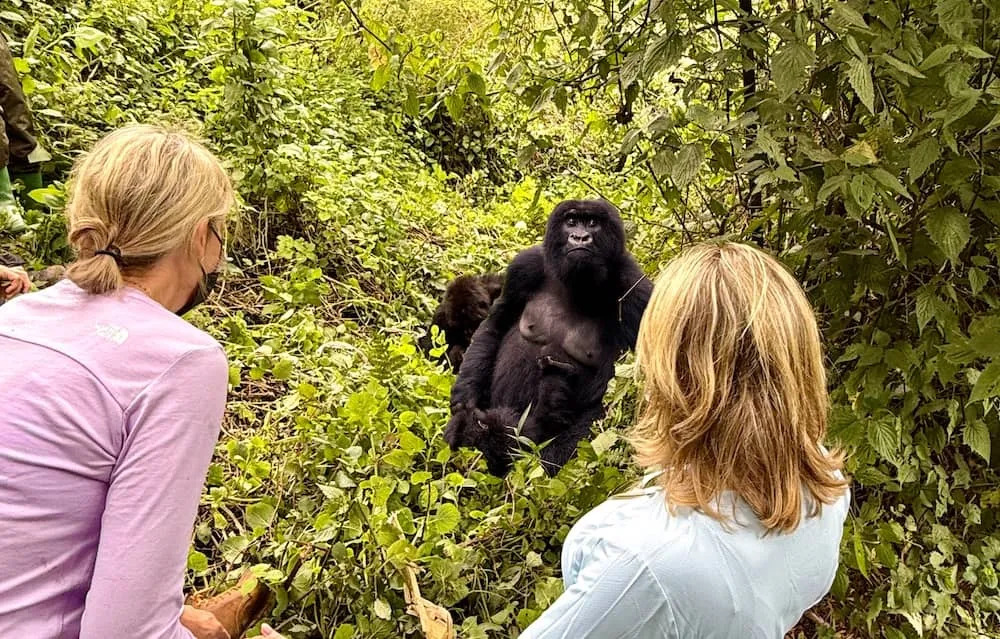
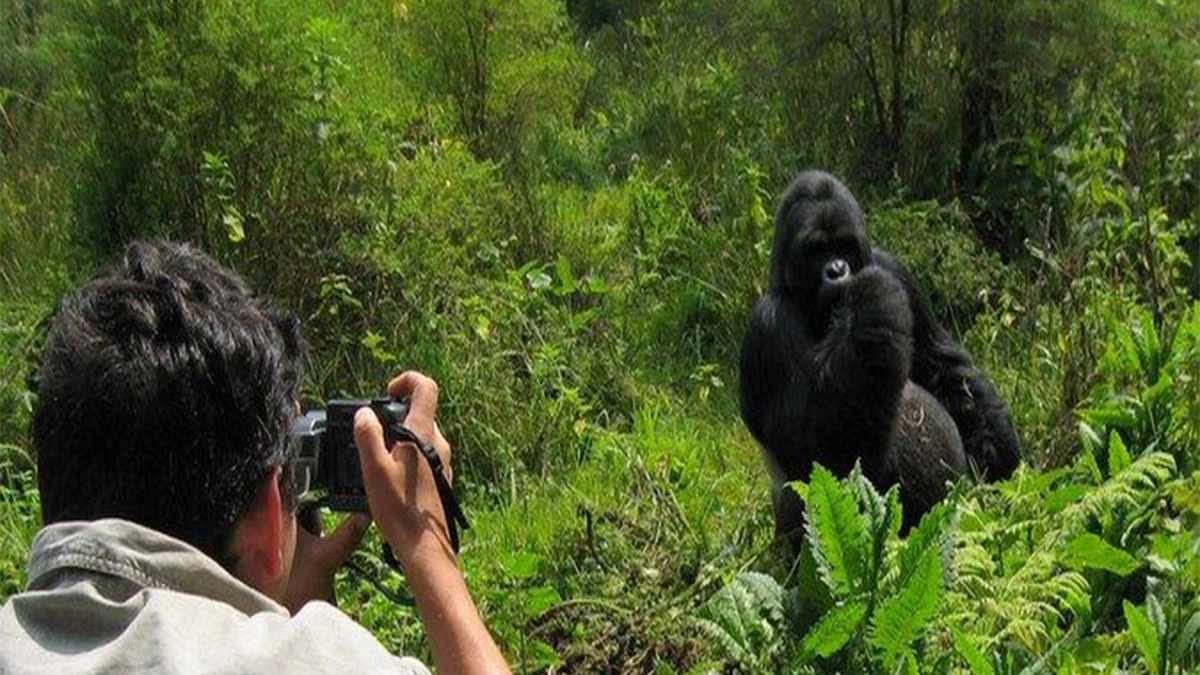
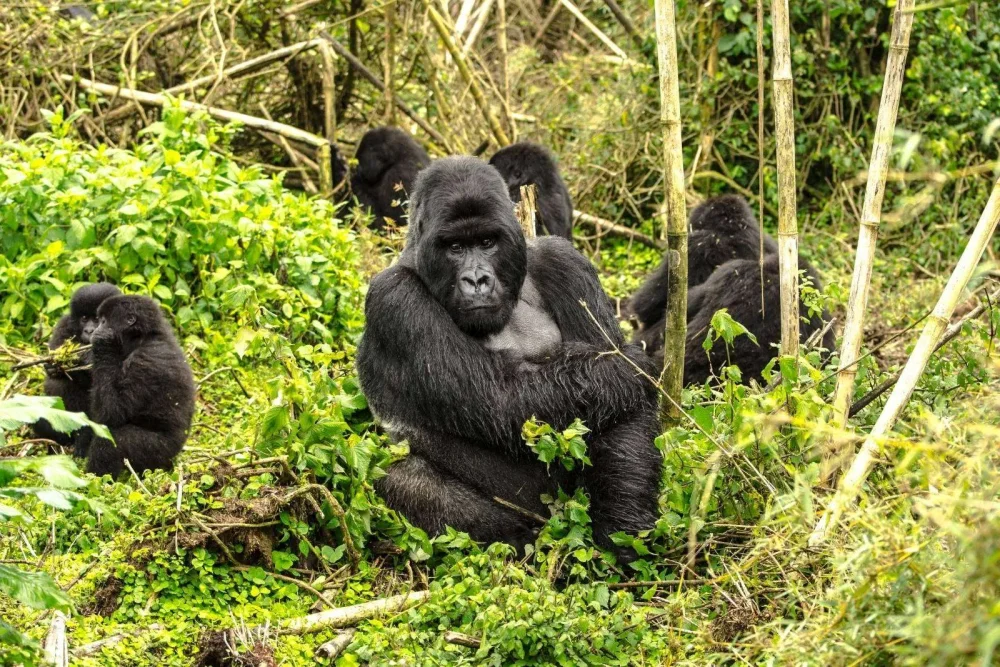
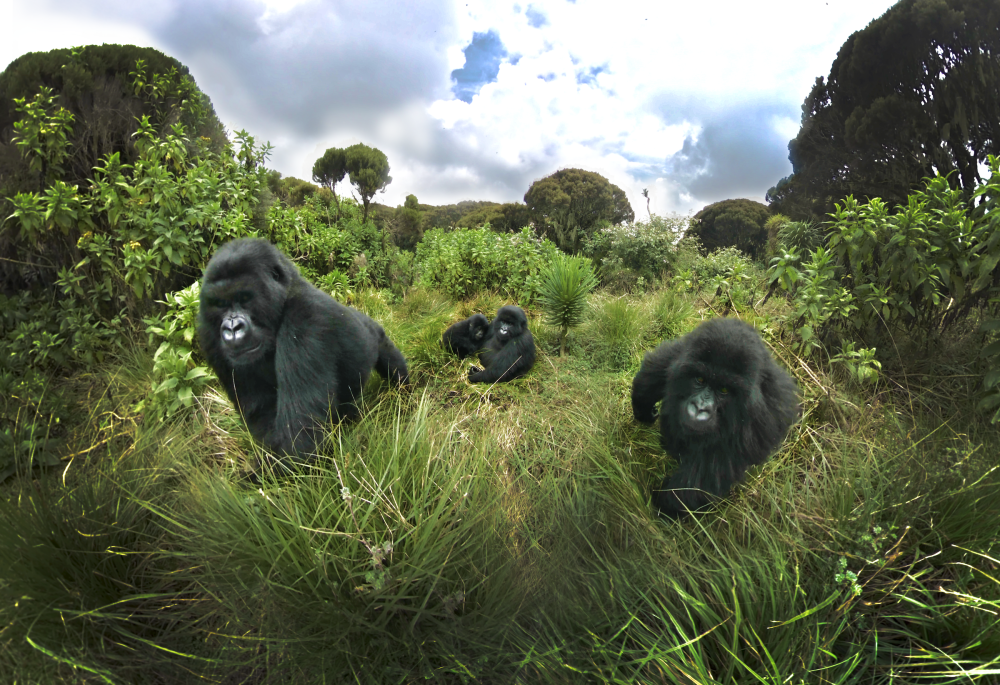
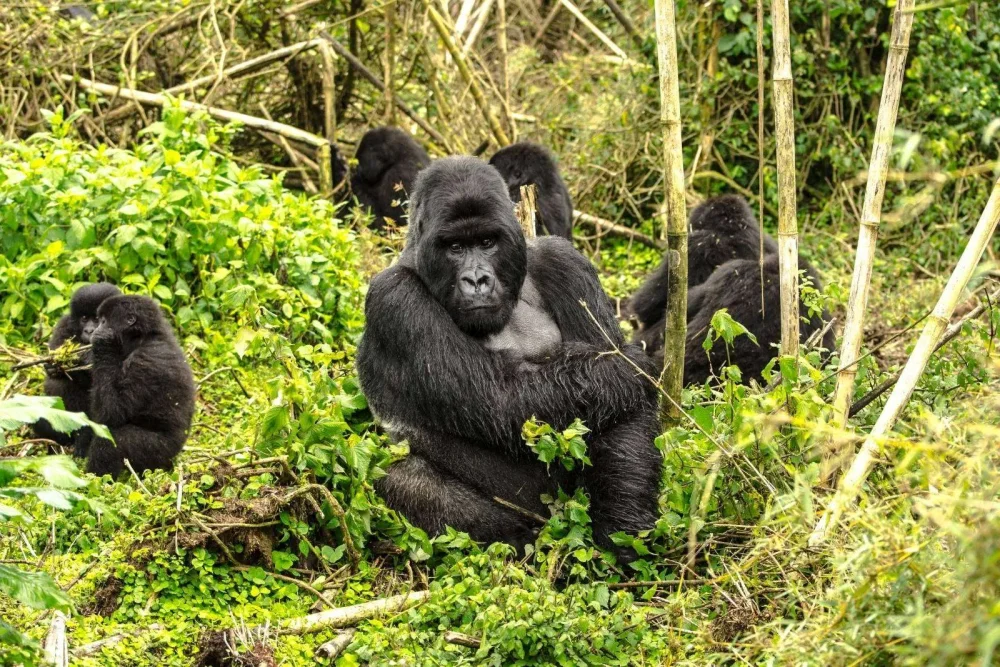
Rwanda’s mountain gorillas continue to draw wildlife enthusiasts from around the world to Volcanoes National Park.
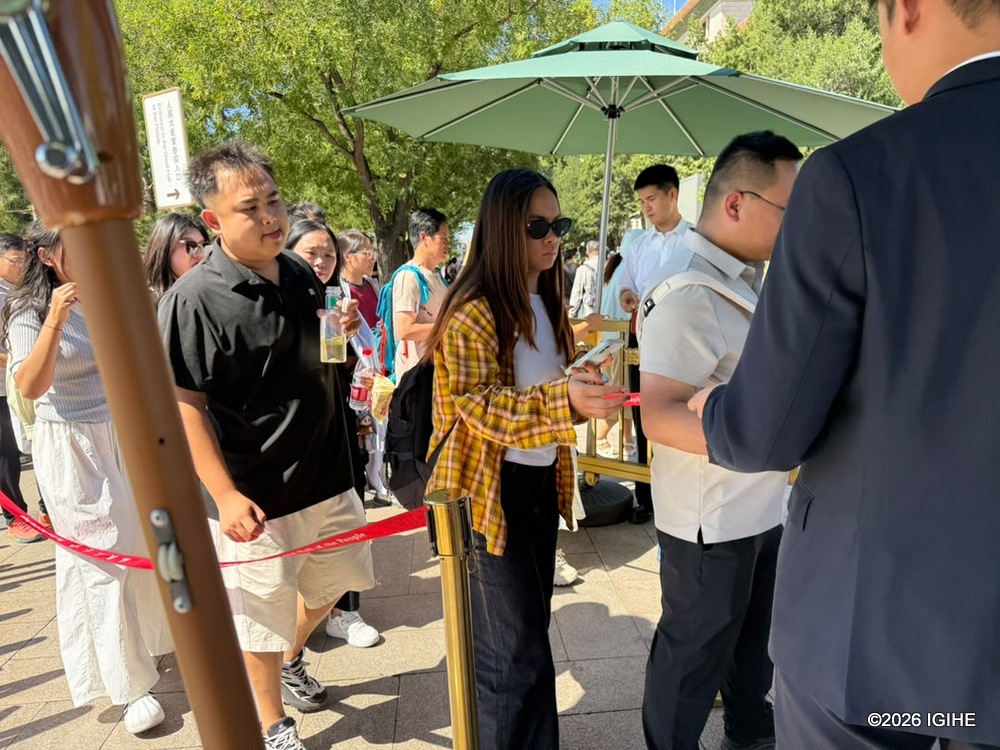
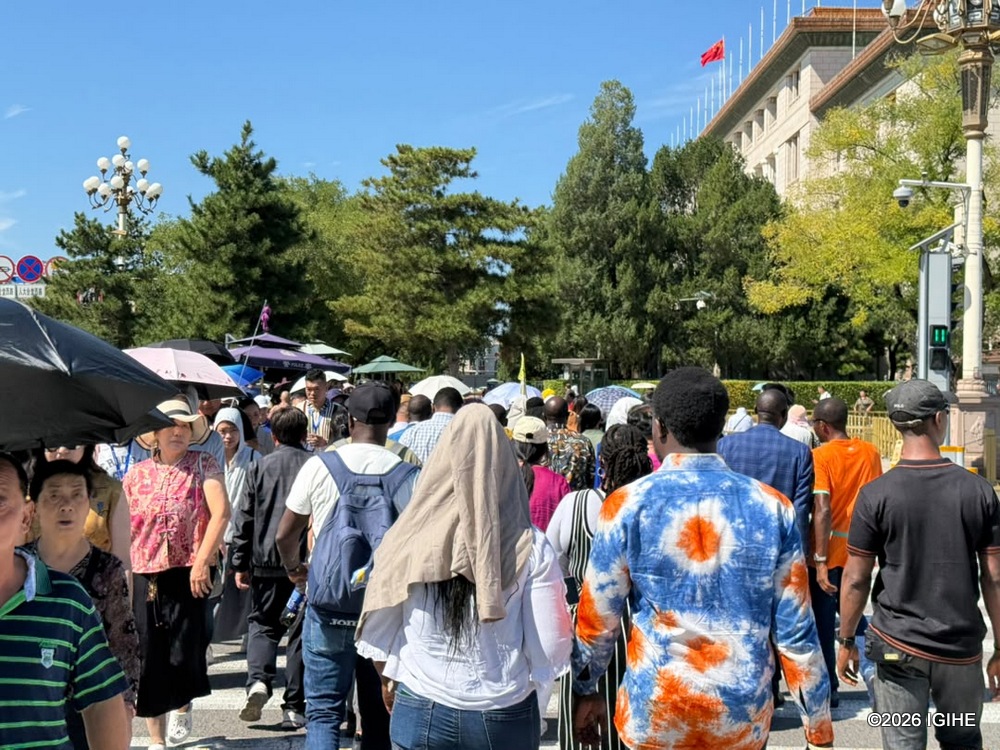
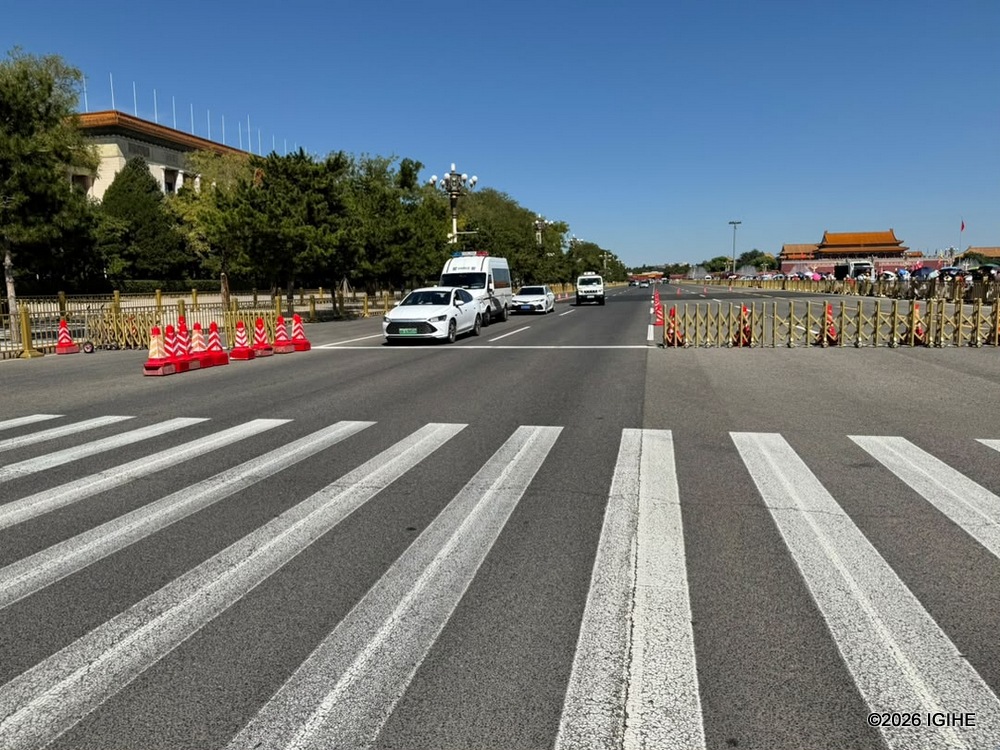
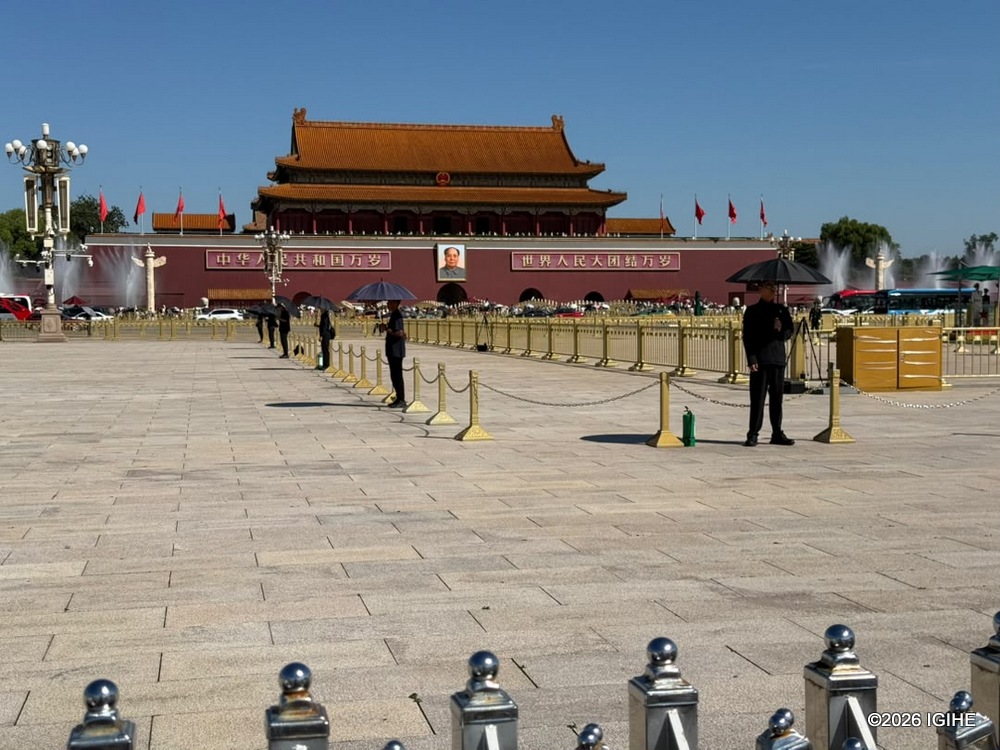
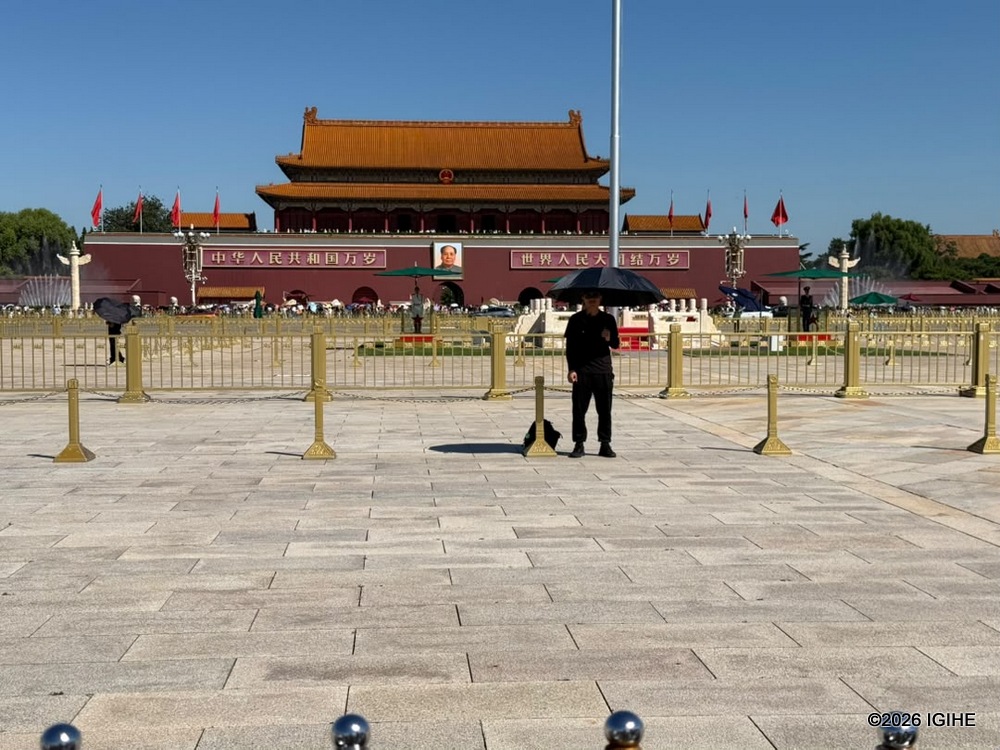
Soldiers and uniformed guards stand around the entrances, a reminder that this is not simply a tourist attraction but one of China’s most carefully protected national and ceremonial sites.
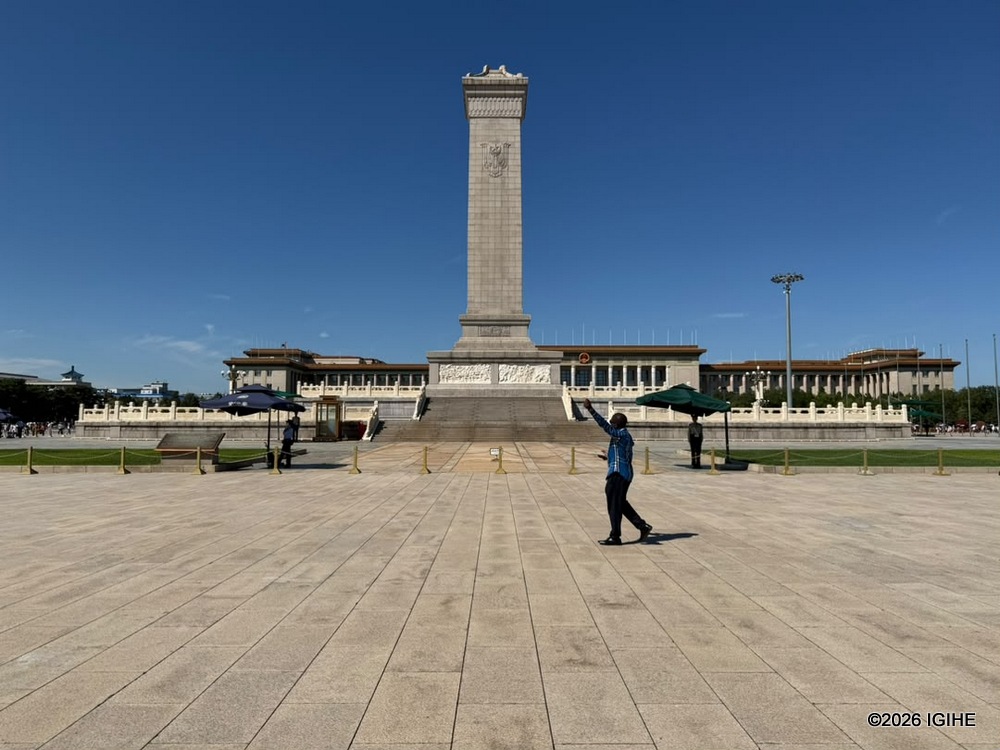
Located in central Beijing, Tiananmen Square forms part of the city’s historic north–south Central Axis. Tiananmen Gate, or the Gate of Heavenly Peace, stands to the north, with the Forbidden City directly behind it. Zhengyangmen, commonly known as Qianmen, marks the southern end, while the National Museum of China and the Great Hall of the People occupy the eastern and western sides respectively.
The square measures about 880 metres from north to south and 500 metres from east to west, covering approximately 440,000 square metres. It can accommodate about one million people during a major gathering.
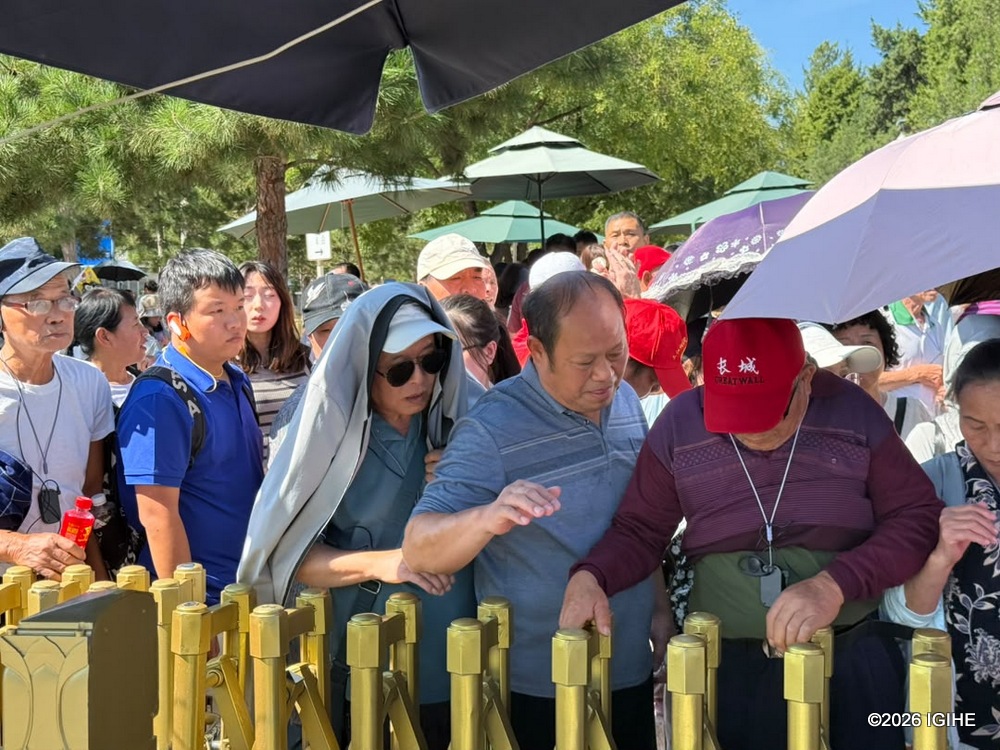
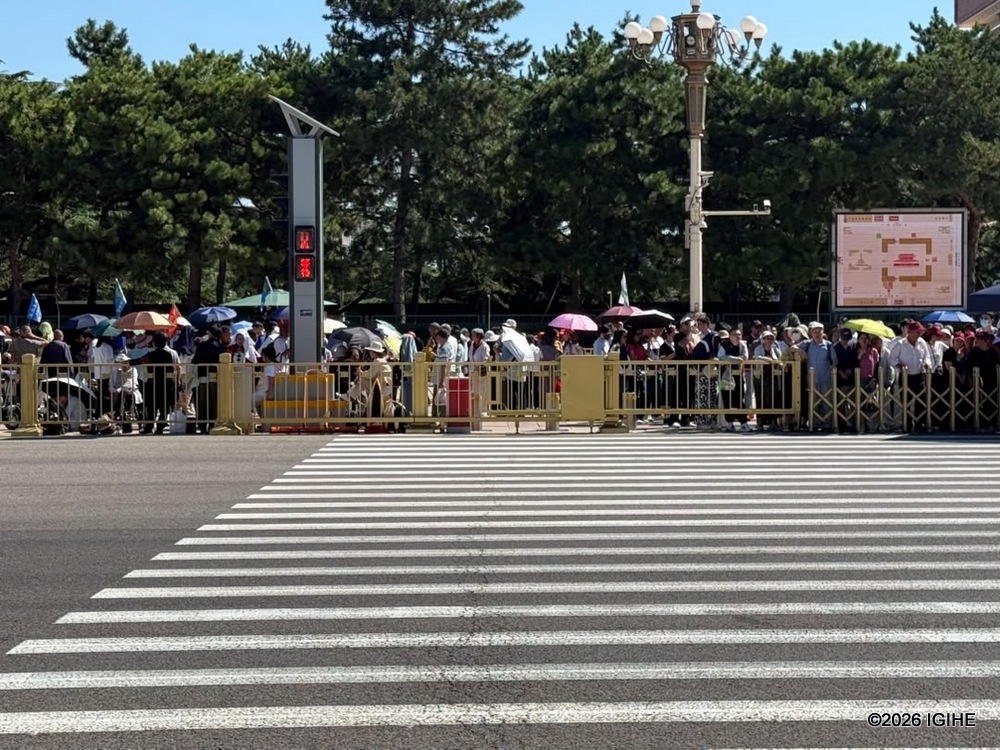
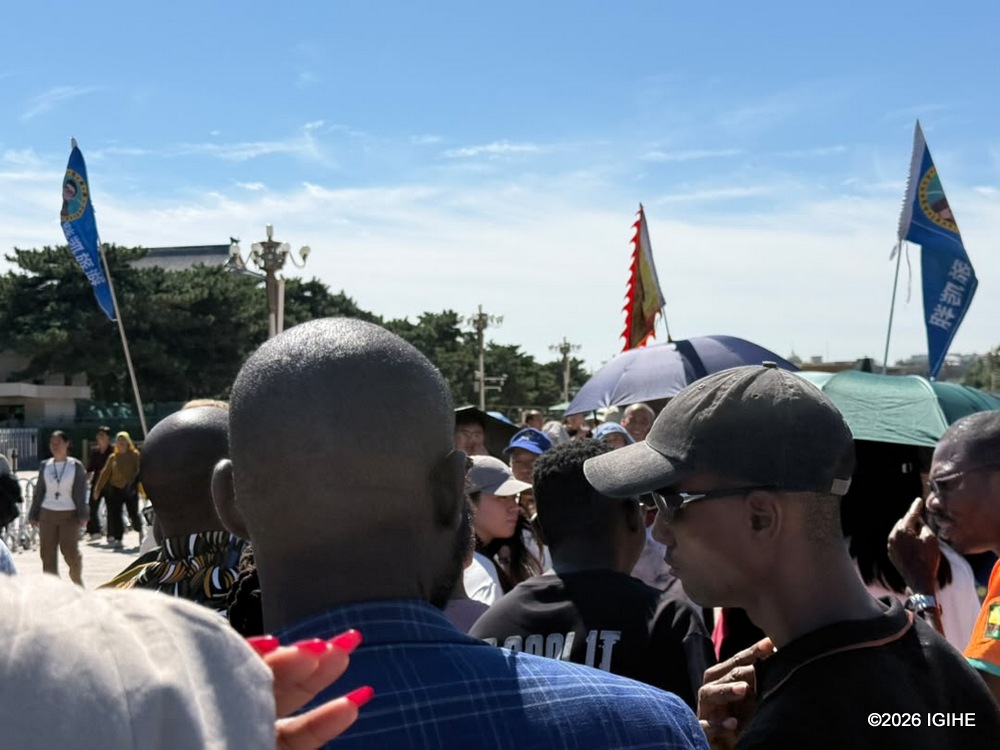
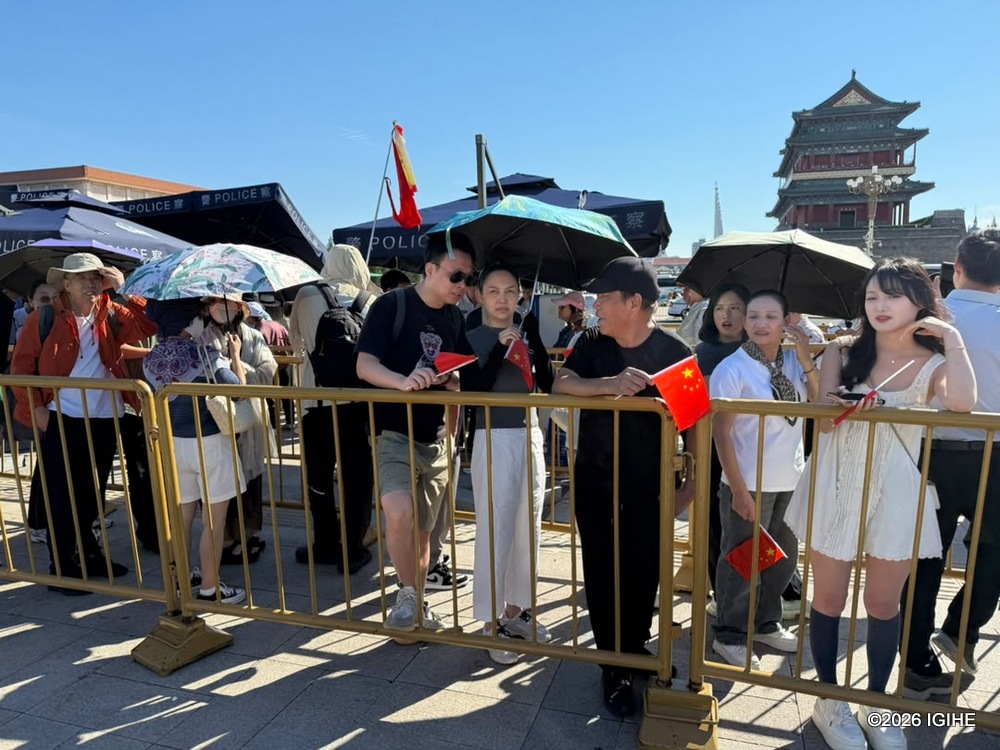
Its scale is matched by the number of visitors. The official 2024 annual report of the Tiananmen Area Management Committee recorded more than 57 million visits by Chinese and foreign tourists during the year. The figure covers the wider Tiananmen area rather than the paved square alone. Visitors must also make a reservation before entering, according to current Beijing visitor guidance.
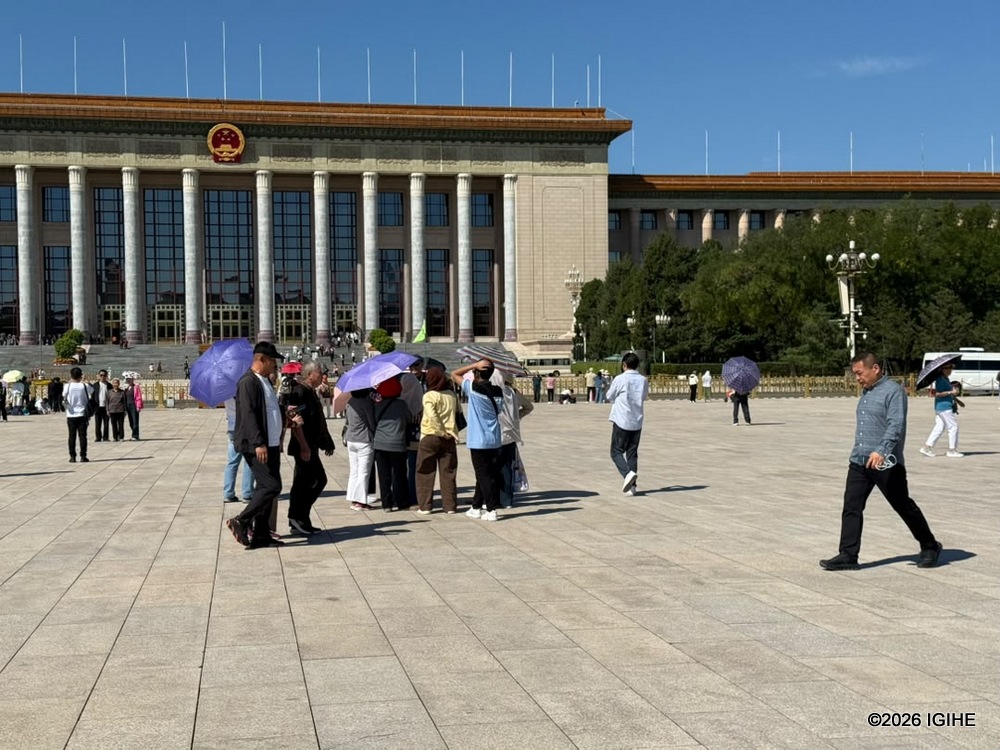
The Great Hall of the People hosts major political, state and diplomatic events in Beijing.
From imperial approach to public square
The history of the site goes back centuries before the establishment of the People’s Republic of China.
Tiananmen Gate was first built in 1417 during the Ming dynasty and was originally known as Chengtianmen. It was rebuilt in 1651 during the Qing dynasty and received its present name, Tiananmen, meaning “Gate of Heavenly Peace”.
For centuries, it formed part of the Imperial City and served as an important entrance to the Forbidden City, where Chinese emperors lived and governed. The area was then an imperial approach surrounded by gates, offices and ceremonial buildings rather than the open public square seen today.
Major changes came in the twentieth century. The Gate of China was demolished in 1954, while construction between 1958 and 1959 created the broad modern plaza. The Great Hall of the People and buildings that later became the National Museum of China were also constructed during this period.
Tiananmen Gate took on a new role in modern Chinese history on October 1, 1949, when Mao Zedong announced the establishment of the People’s Republic of China from its balcony before a large crowd.
The gate has five doorways and seven bridges, reflecting its imperial history. In front of it stand marble lions and two Huabiao, or ceremonial stone columns, decorated with dragons and clouds.
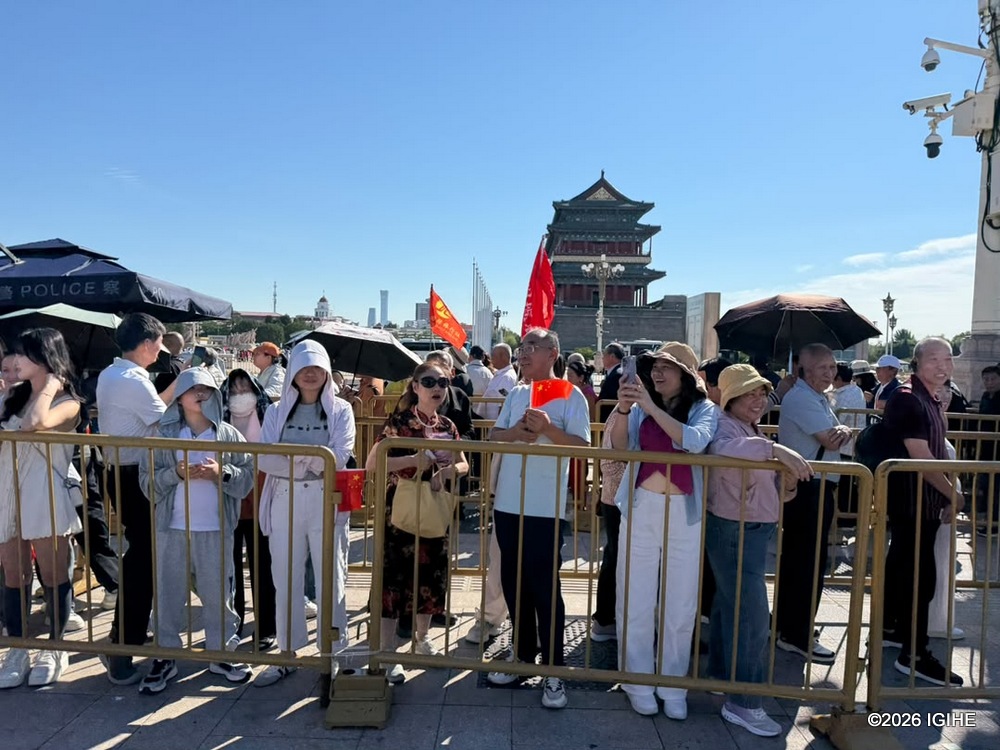
The national flagpole at the northern end continues the square’s ceremonial role. Every day, the Chinese flag is raised around sunrise and lowered around sunset, attracting visitors who arrive early to watch the ceremony.
Tiananmen Square forms part of Beijing’s historic north–south Central Axis.
The landmarks around the square
On the western side, the Great Hall of the People hosts meetings of the National People’s Congress, China’s highest legislative body. It is also used for major political, state and diplomatic events and the National Congress of the Chinese Communist Party.
The building includes a Great Auditorium with around 10,000 seats and a large banquet hall.
On the eastern side, the National Museum of China connects the square to China’s ancient civilisation and cultural heritage.
According to the museum’s official information, it has a construction area of about 200,000 square metres, more than 1.4 million objects and 48 exhibition halls. Its collections include archaeological discoveries, works of art, rare books and other objects from China’s long history.
At the centre stands the Monument to the People’s Heroes, a 37.94-metre obelisk built between 1952 and 1958. Its base contains reliefs depicting important episodes in China’s revolutionary history. During national ceremonies, leaders and other important guests lay flowers or wreaths there to honour the country’s heroes and martyrs.
South of the monument is the Chairman Mao Memorial Hall. Built after Mao’s death in 1976 and completed in 1977, it stands on the former site of the Gate of China. Mao’s preserved body is displayed inside, attracting visitors who come to pay their respects.
Mao was a Chinese revolutionary and Communist Party leader who became the founding leader of the People’s Republic of China. His portrait remains above Tiananmen Gate.
Tiananmen has therefore witnessed imperial ceremonies, the founding of the People’s Republic, national celebrations, public mourning, political protests and major state events.
In 2024, Tiananmen Square and several surrounding historic structures became part of the UNESCO World Heritage property Beijing Central Axis: A Building Ensemble Exhibiting the Ideal Order of the Chinese Capital, recognising the area’s importance to Beijing’s urban development and China’s history.
For visitors, the square offers more than an impressive backdrop for photographs. Within one vast space, its gates, monuments and surrounding buildings provide a glimpse into centuries of Chinese history.
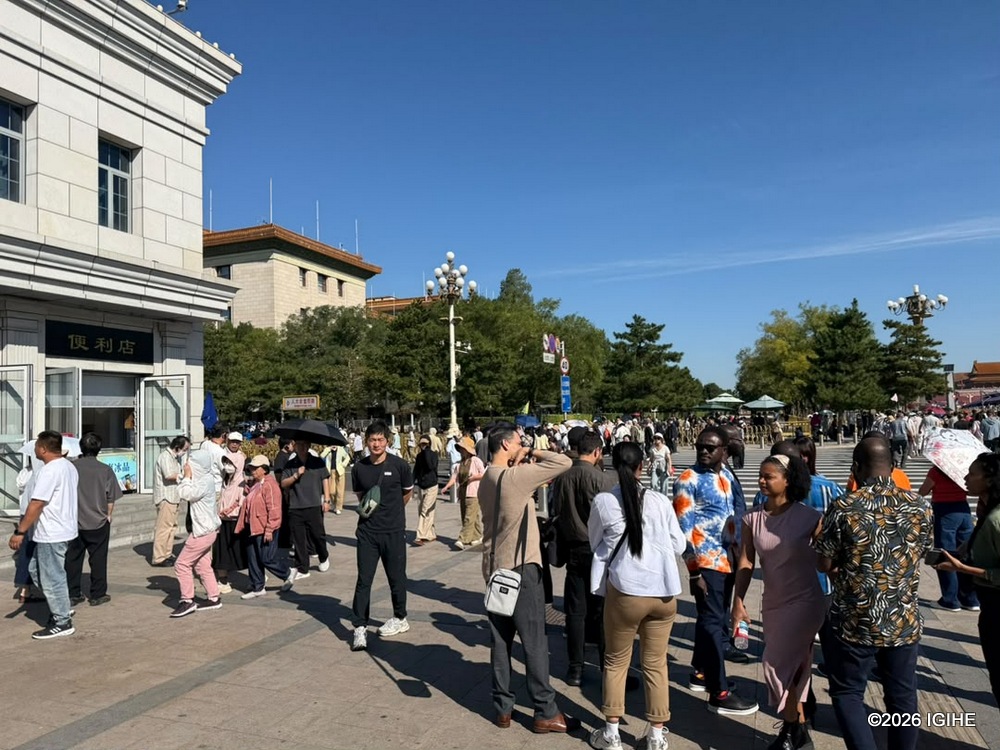
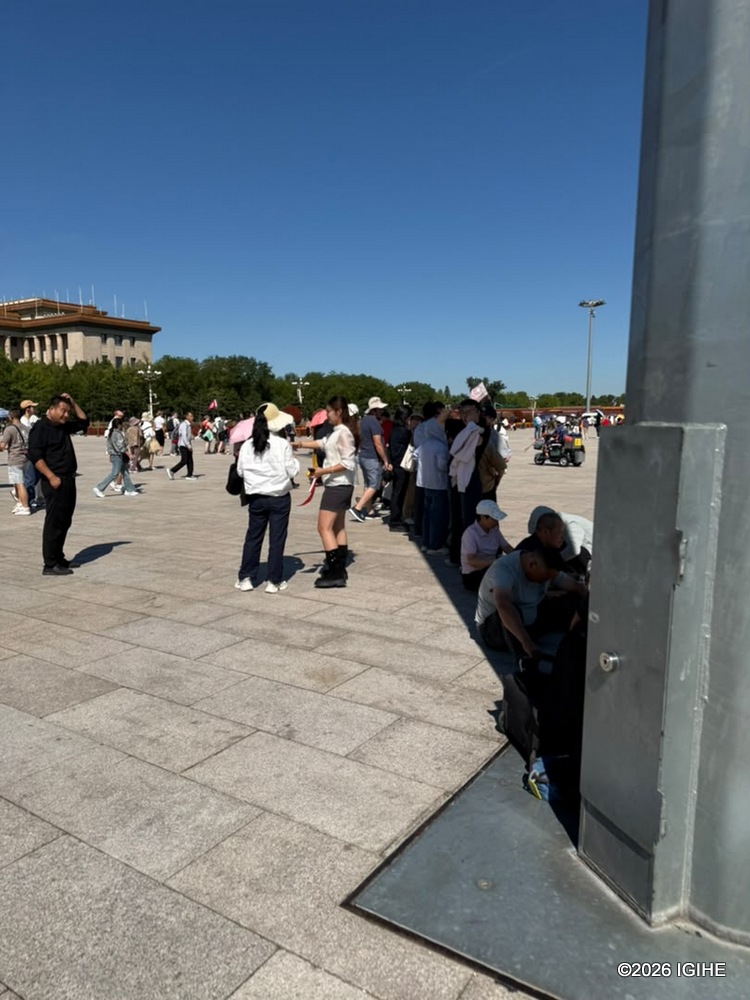
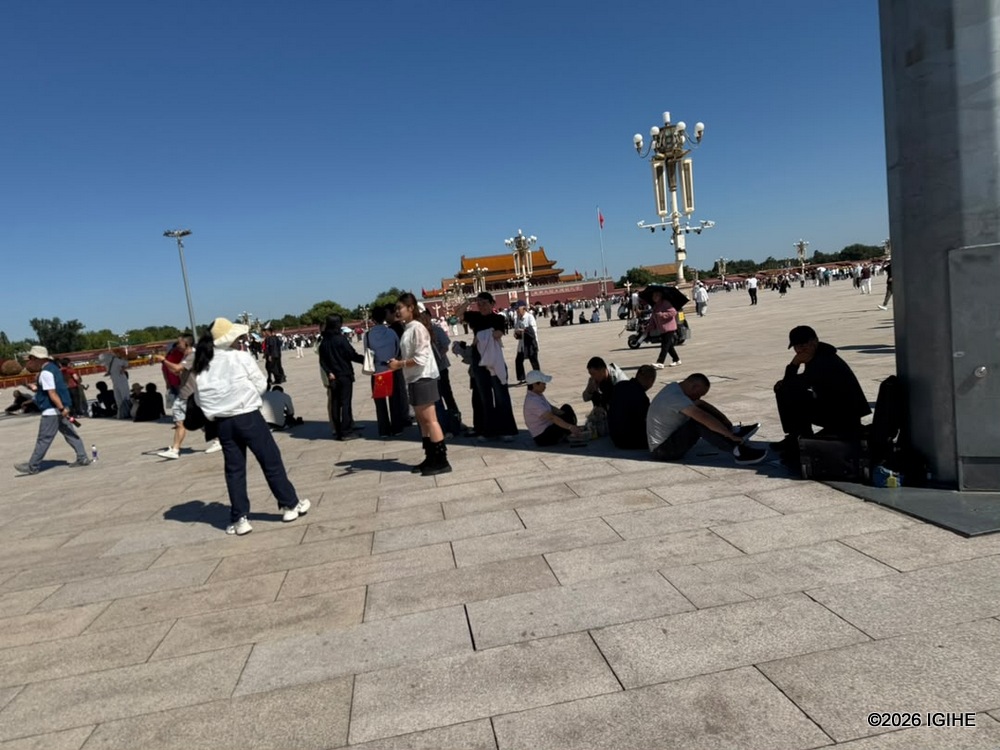
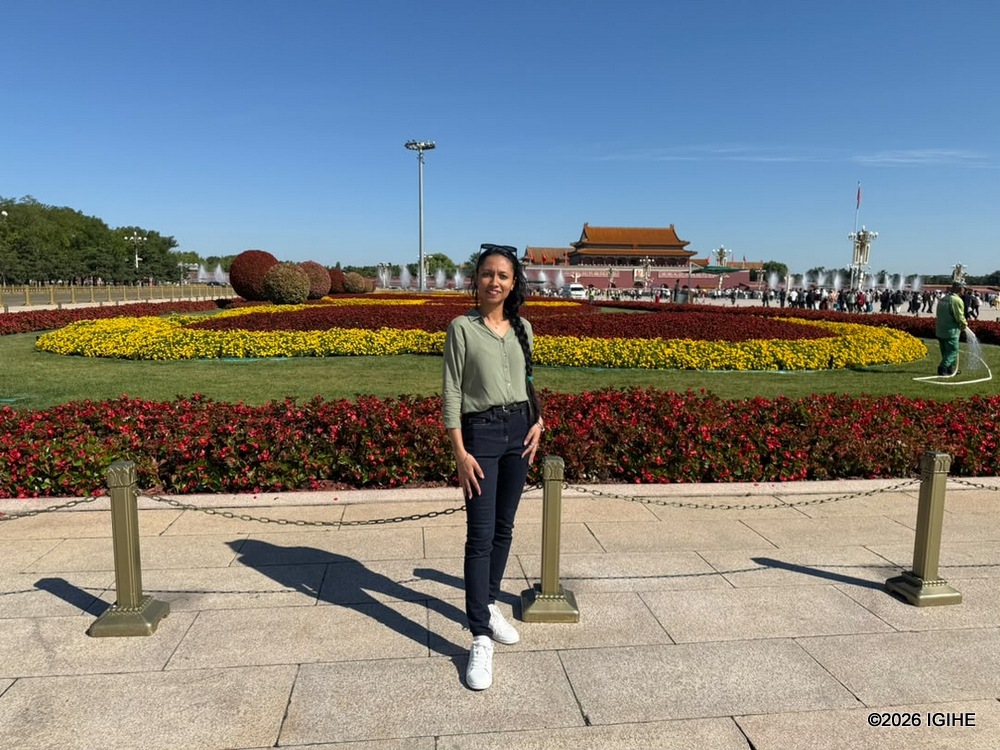
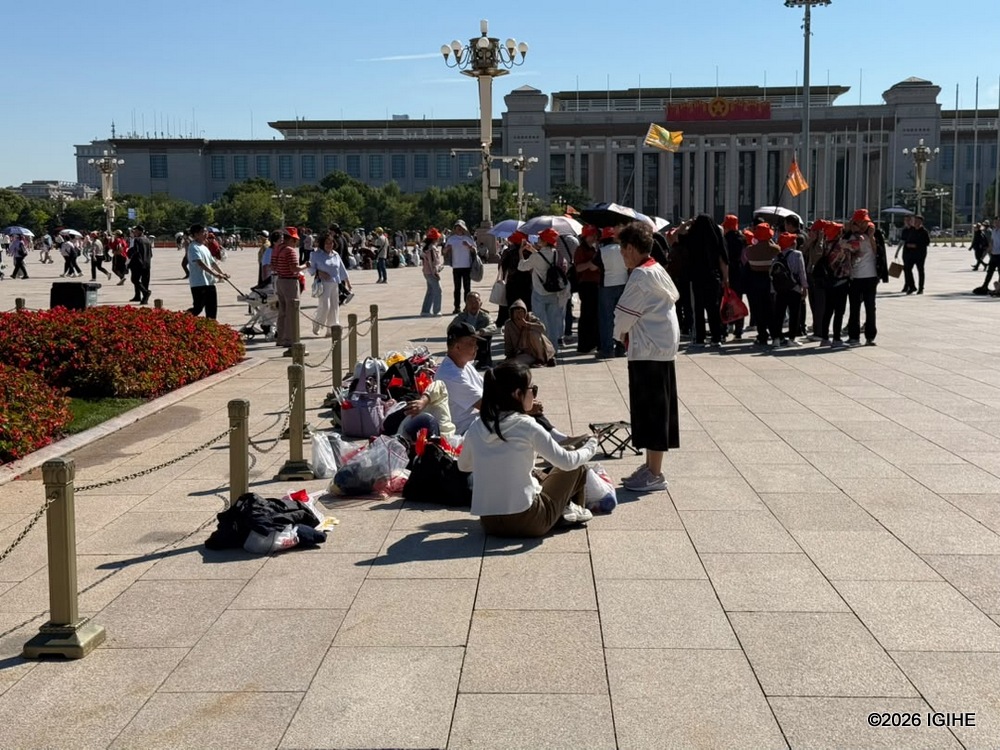
The famous portrait of Mao Zedong overlooks Tiananmen Square from the front of Tiananmen Gate.Visitors walk across Tiananmen Square, one of Beijing’s most prominent historic landmarks.
Most wild giant pandas live in Sichuan, Shaanxi and Gansu provinces, with Sichuan home to the largest share of the population. For visitors, however, seeing these elusive animals does not require venturing into the remote mountains.
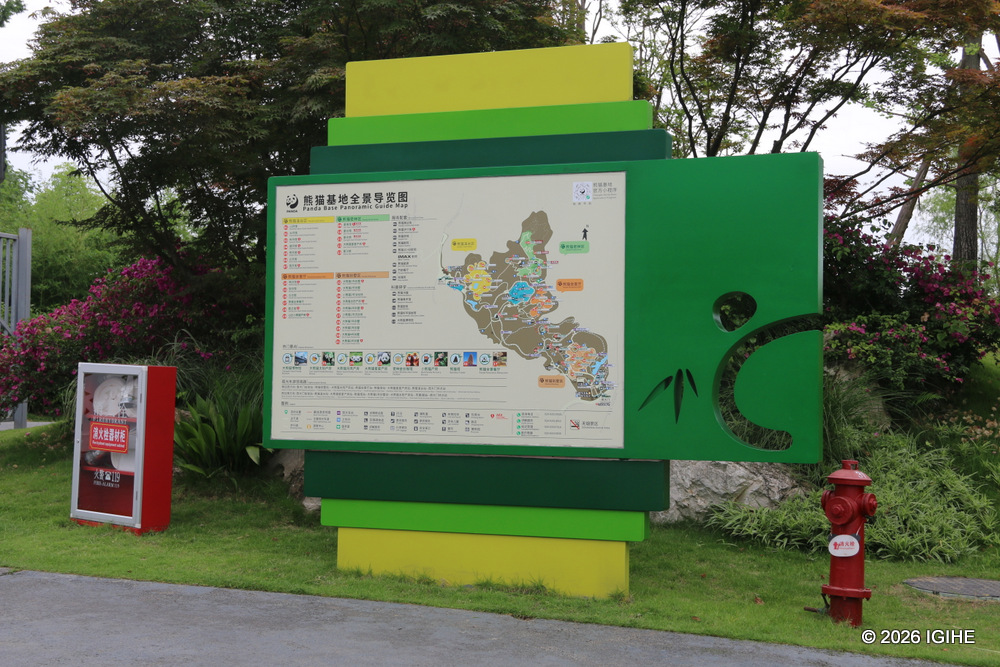
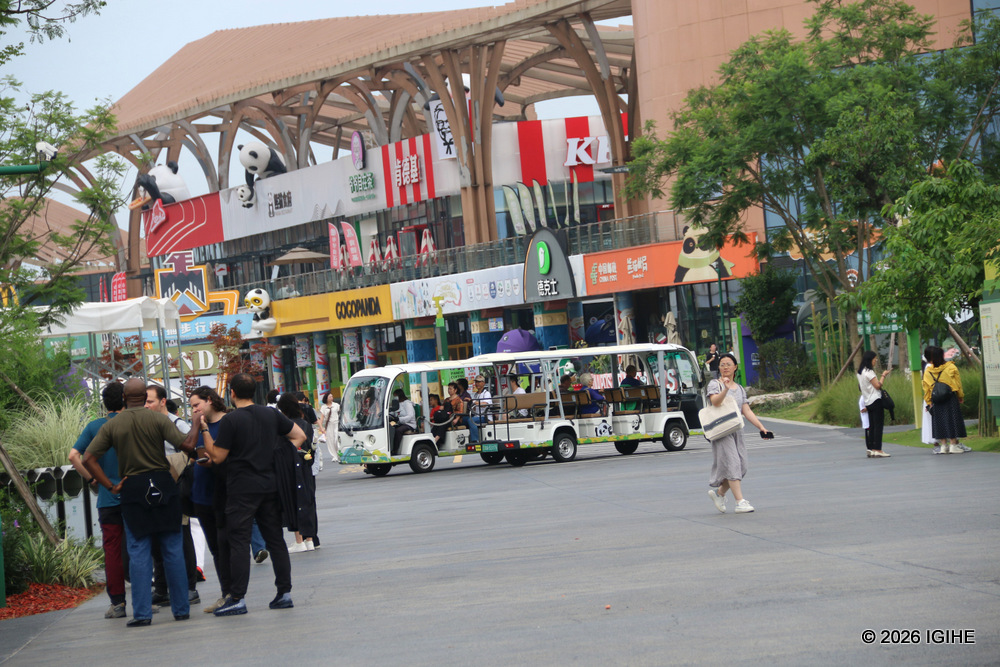
In Chengdu, the capital of Sichuan, pandas are woven into the city’s identity, appearing everywhere from signs and artwork to souvenirs and tourism attractions.
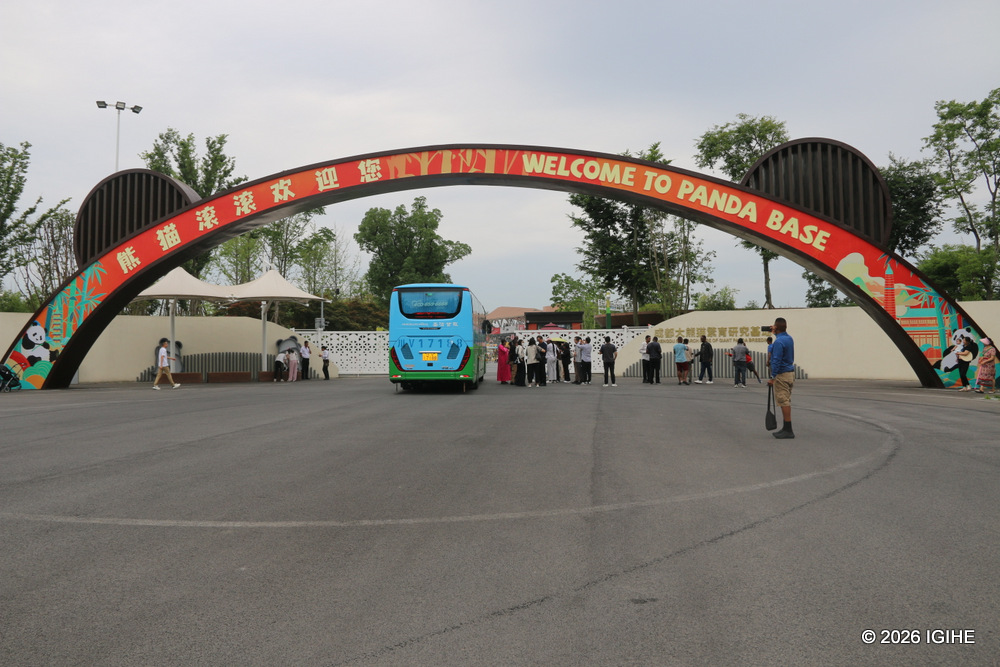
But beyond the images is the real experience. At the Chengdu Research Base of Giant Panda Breeding, widely known as the Panda Base, visitors can see the animals for themselves in an environment designed around their natural way of life.
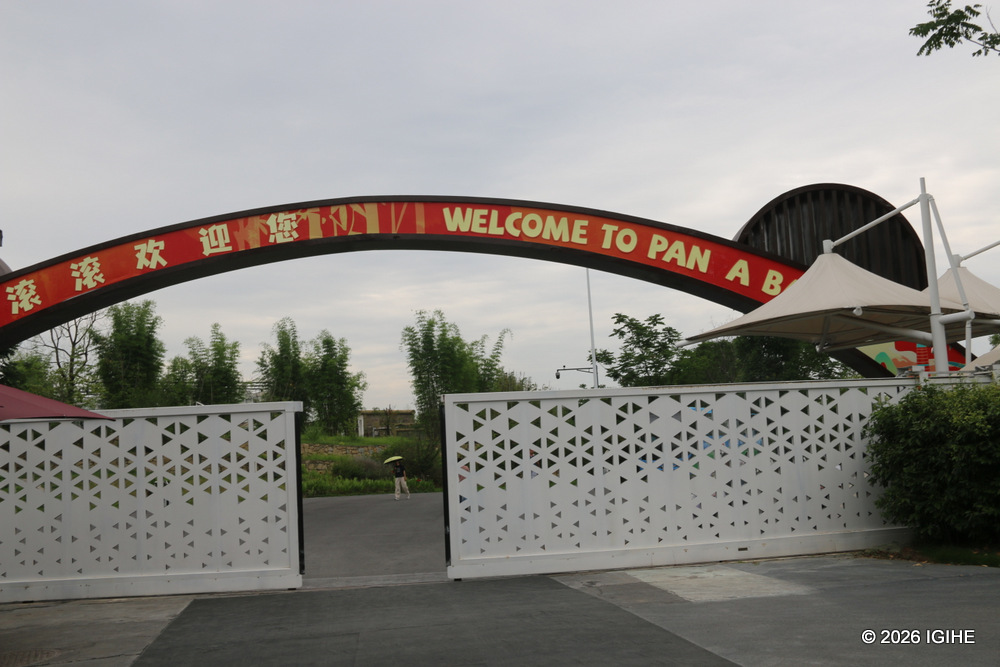
About 10 kilometres from Tianfu Square, the city centre, the 238-hectare facility welcomes local and international visitors drawn by the chance to see giant pandas up close.
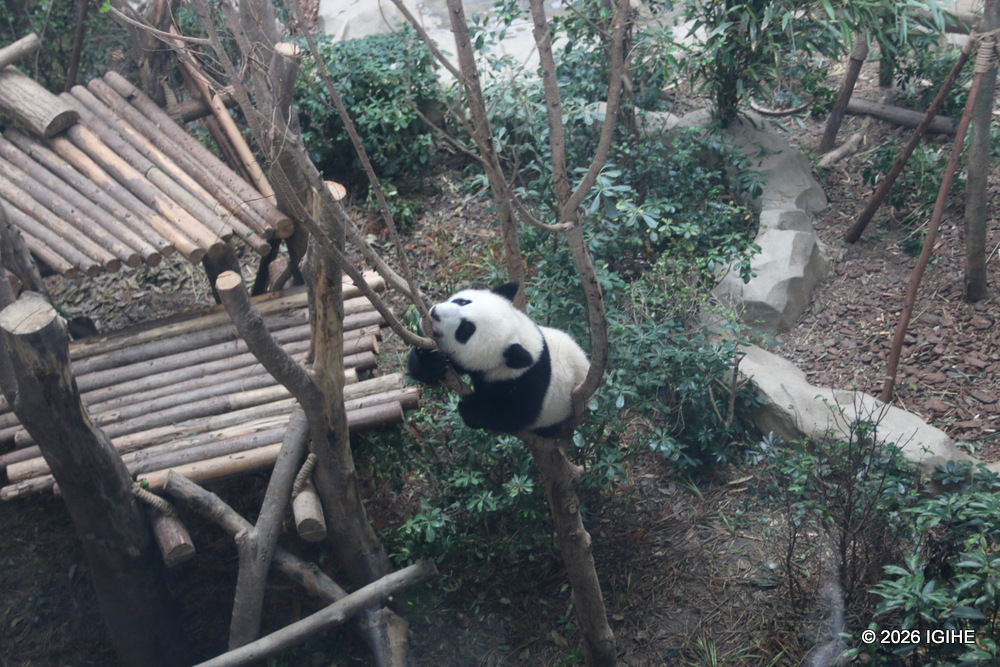
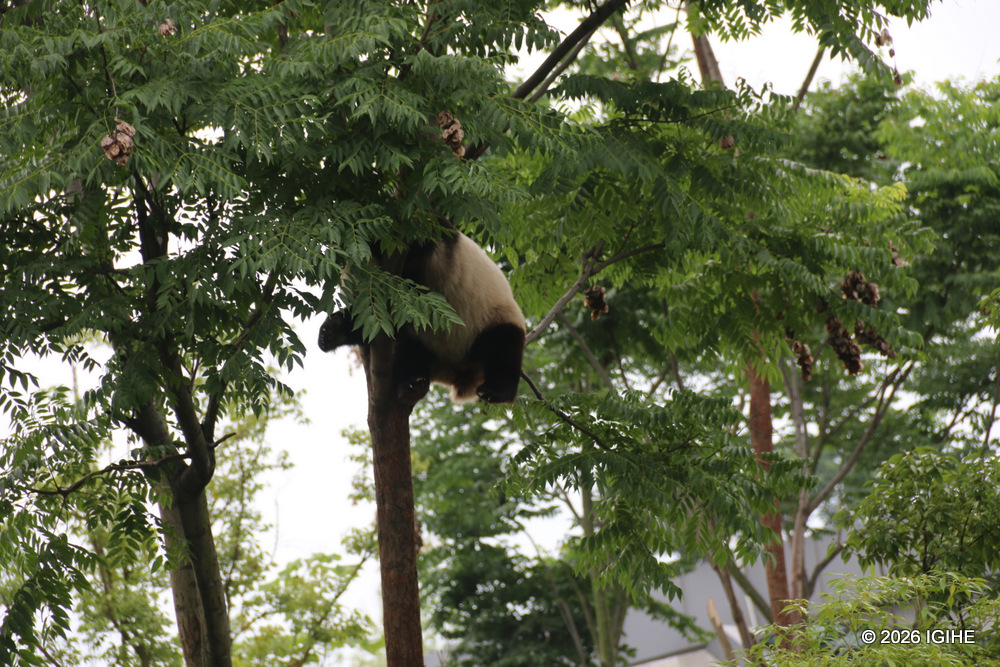
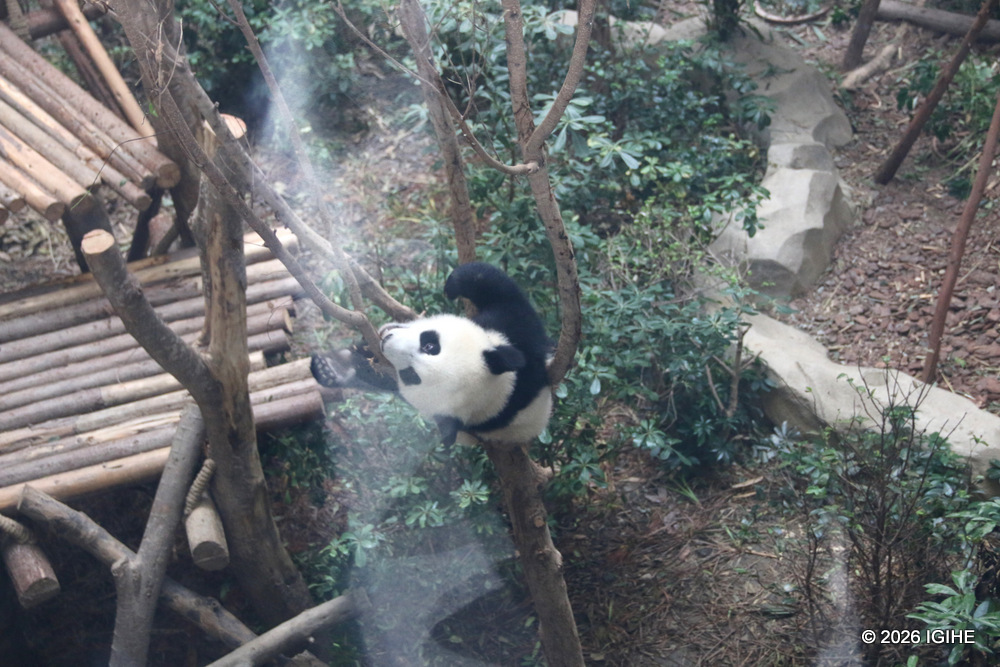
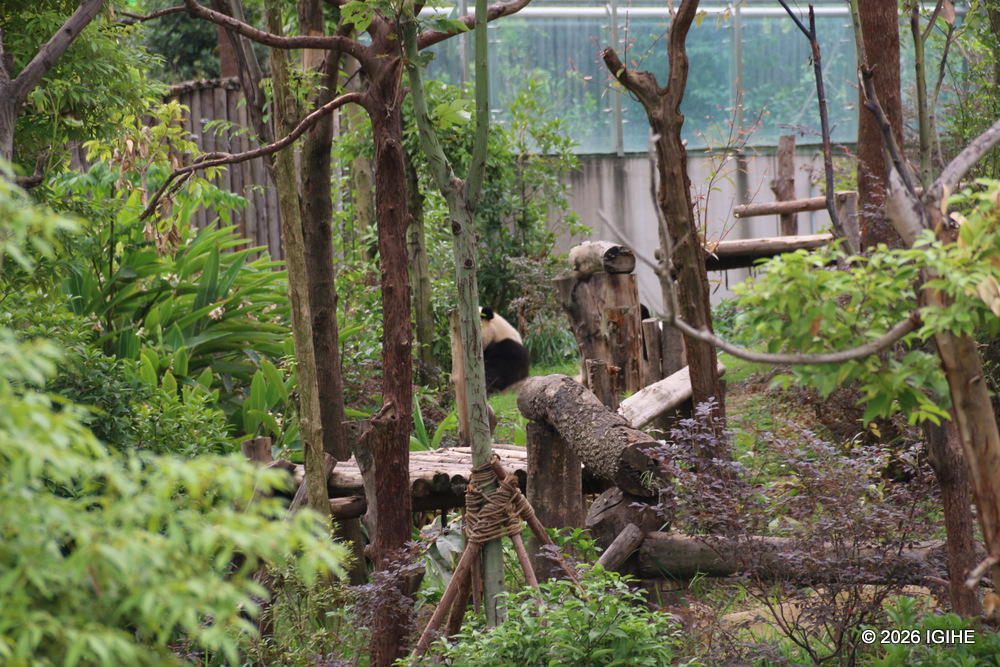
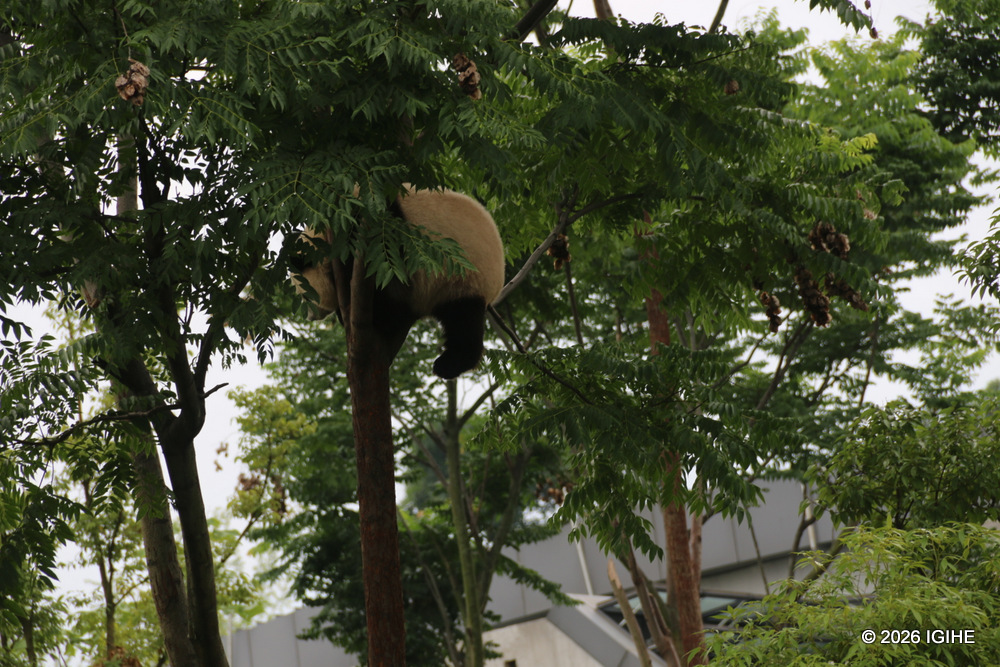
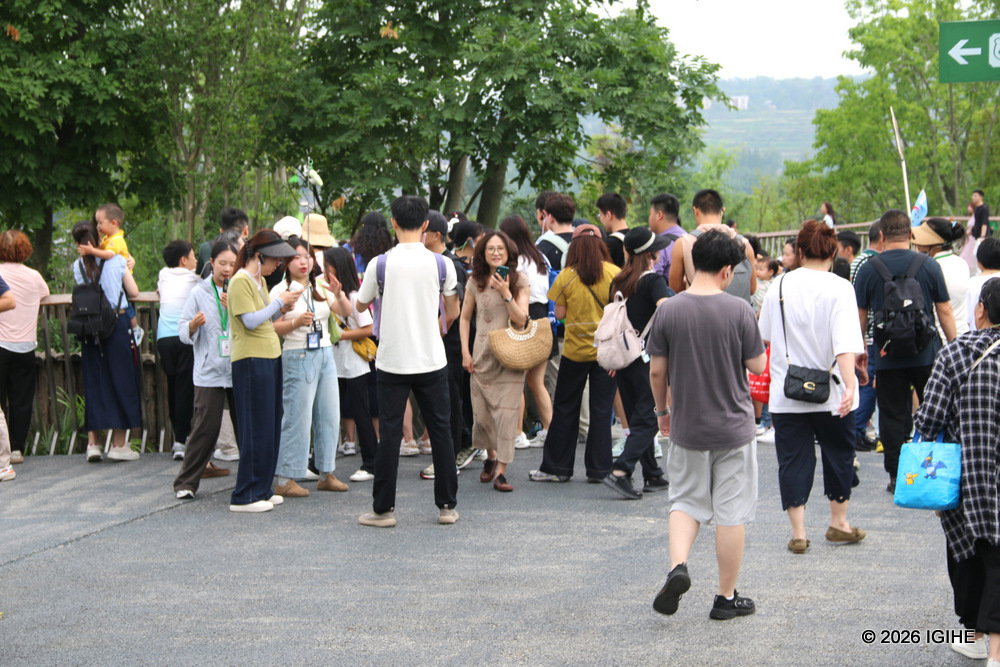
Upon arrival, visitors of different ages and from different countries can be seen making their way through the base, many with scenes that make the visit memorable.In one enclosure, a panda may sit quietly, climb into a tree or settle on a branch, while visitors gather nearby with the same curiosity: to see these gentle giants with their own eyes.
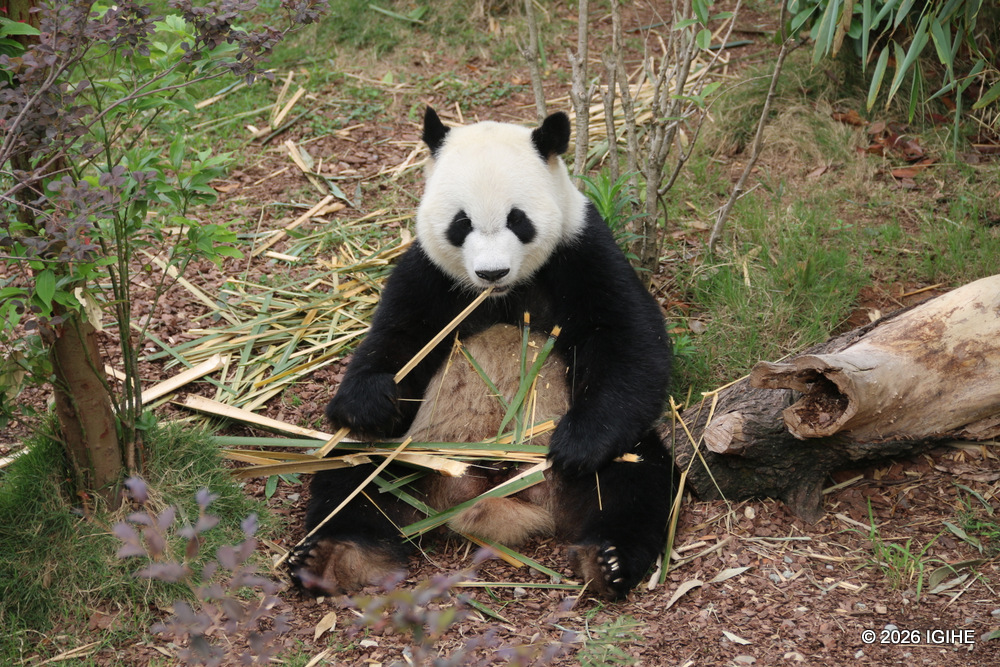
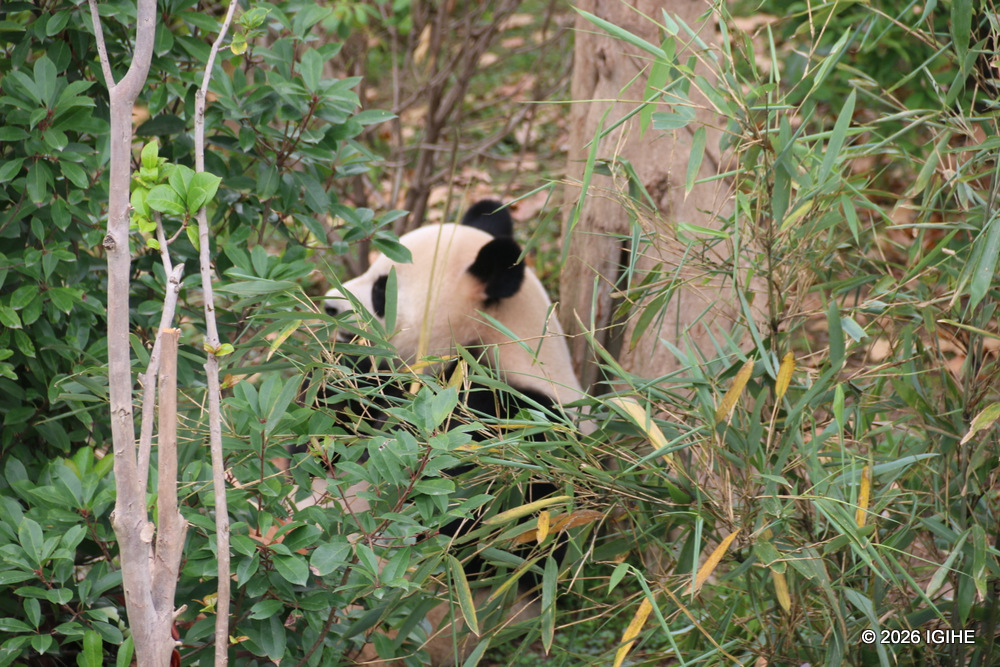
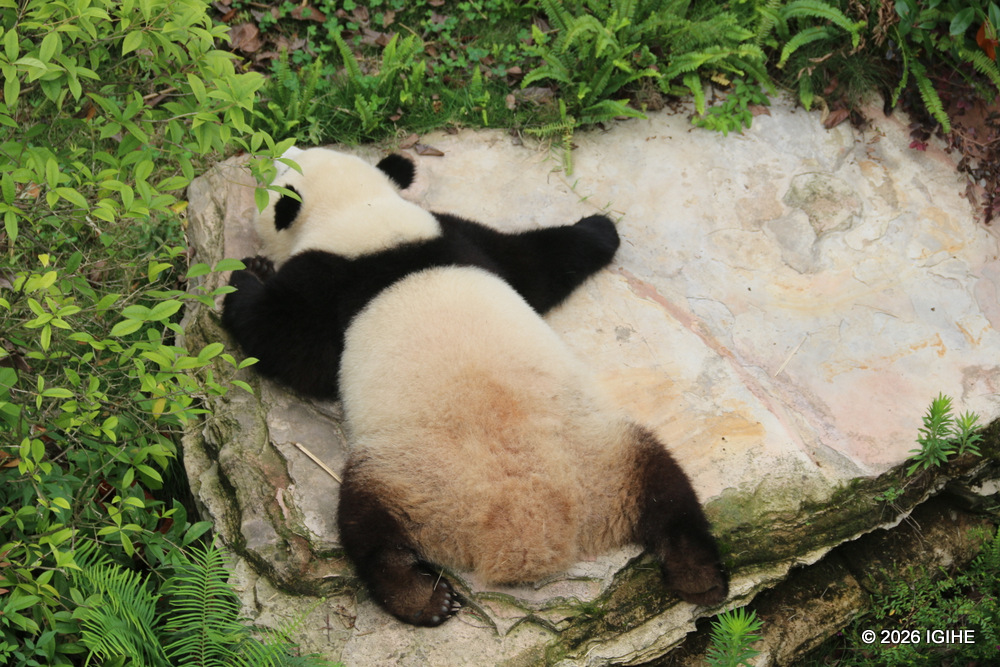
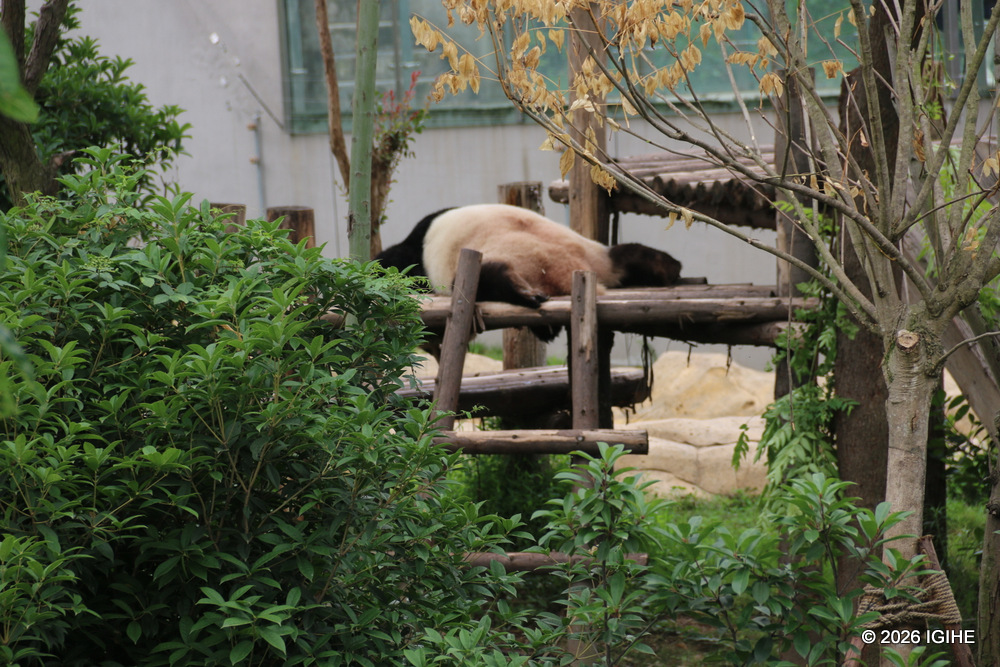
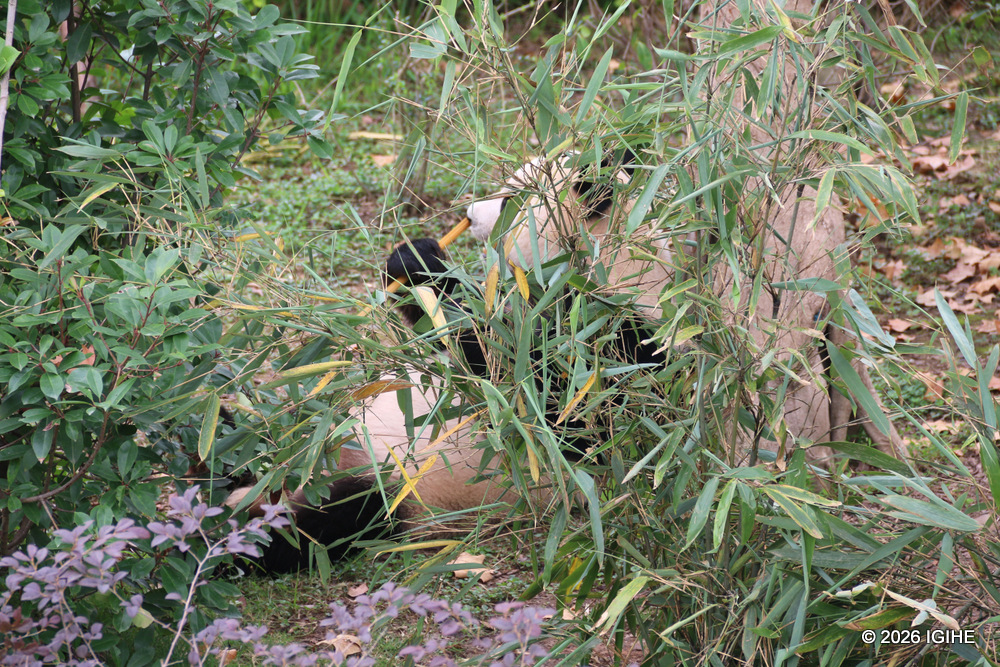
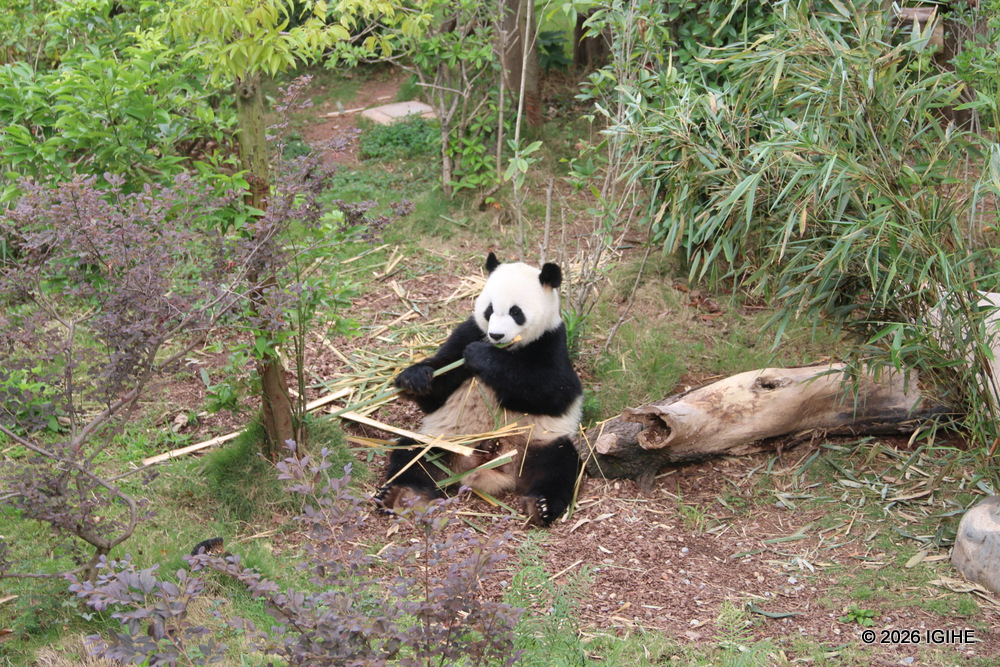
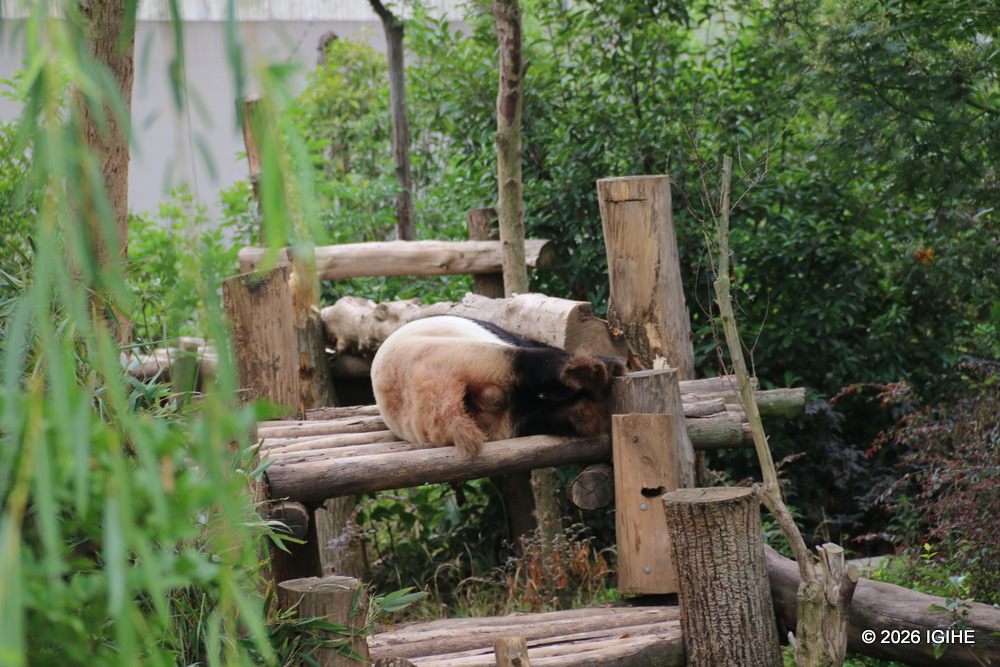
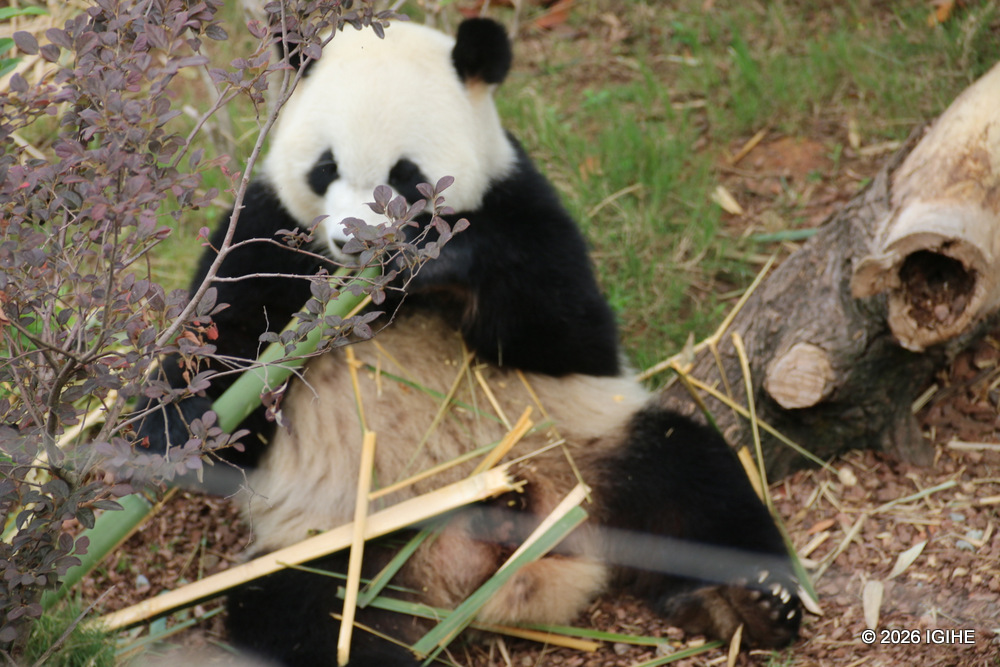
The wait is often rewarded with a panda resting beneath a tree, while another may be busy feeding on bamboo. Elsewhere, visitors can watch pandas climbing trees, moving between branches, descending to the ground or simply stretching out for a rest.
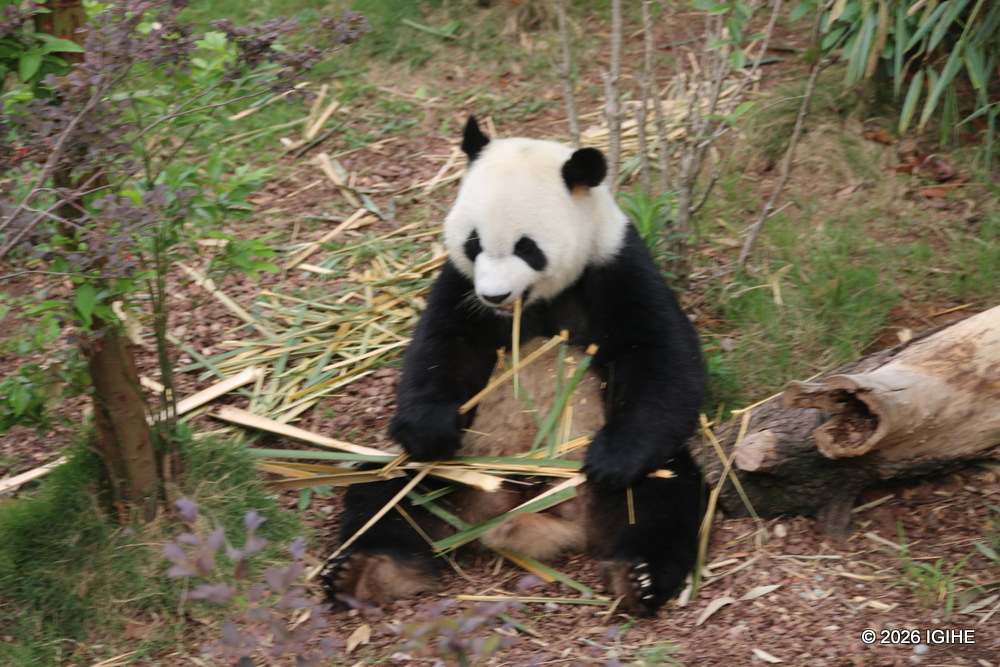
Their movements are unhurried, but fascinating. A panda can spend up to 14 hours a day eating, consuming large quantities of bamboo because it provides relatively little energy. Although pandas are biologically classified within the carnivore family, they have adapted to a diet made up almost entirely of bamboo.
A specialised wrist bone, commonly known as a “pseudo-thumb”, helps them grasp bamboo stalks and strip leaves from the stalks.
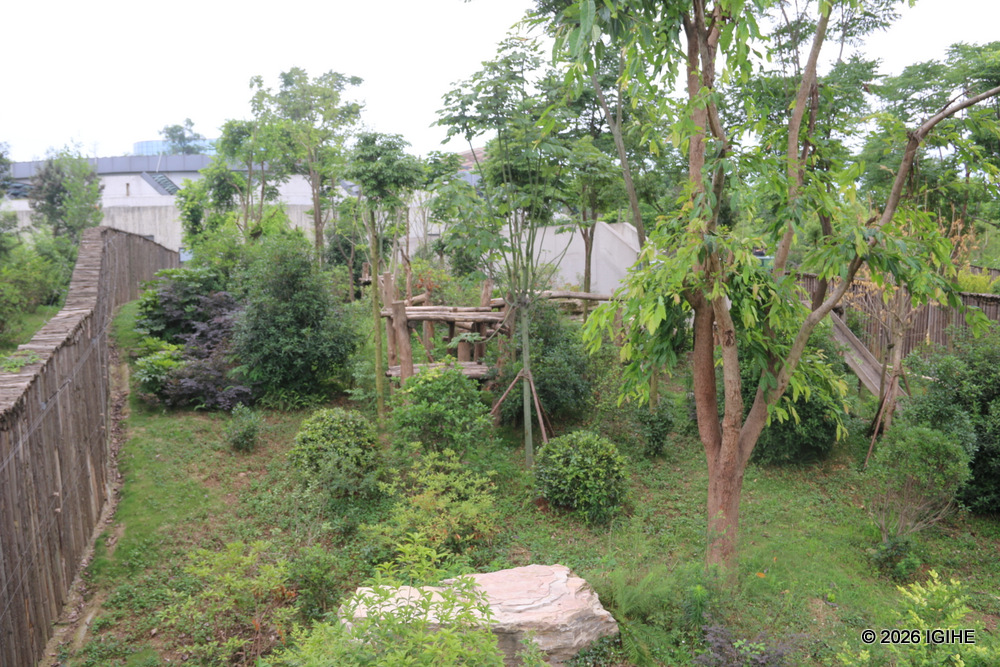
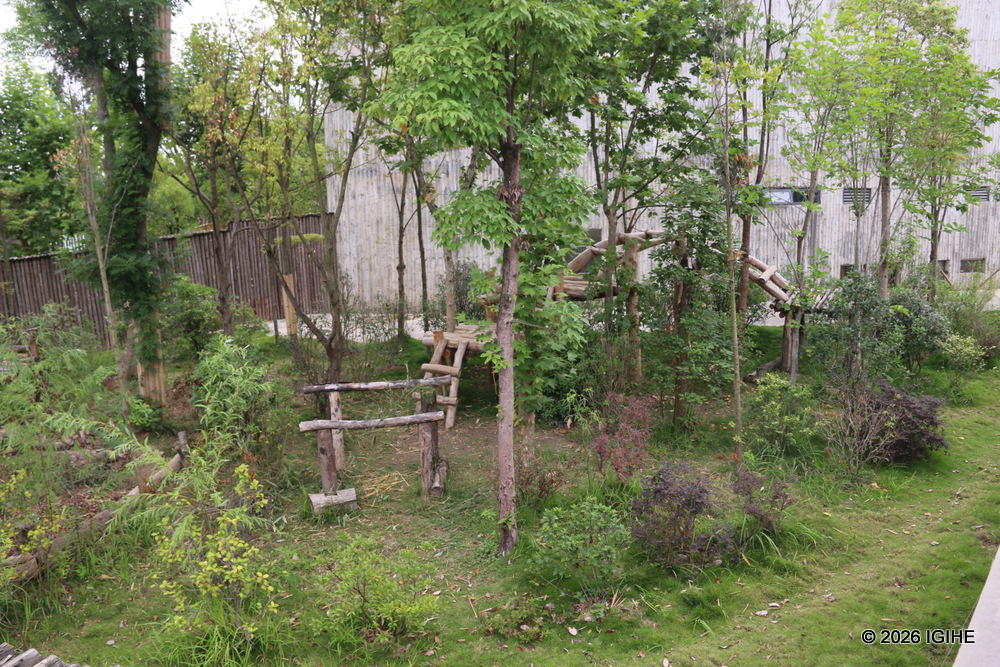
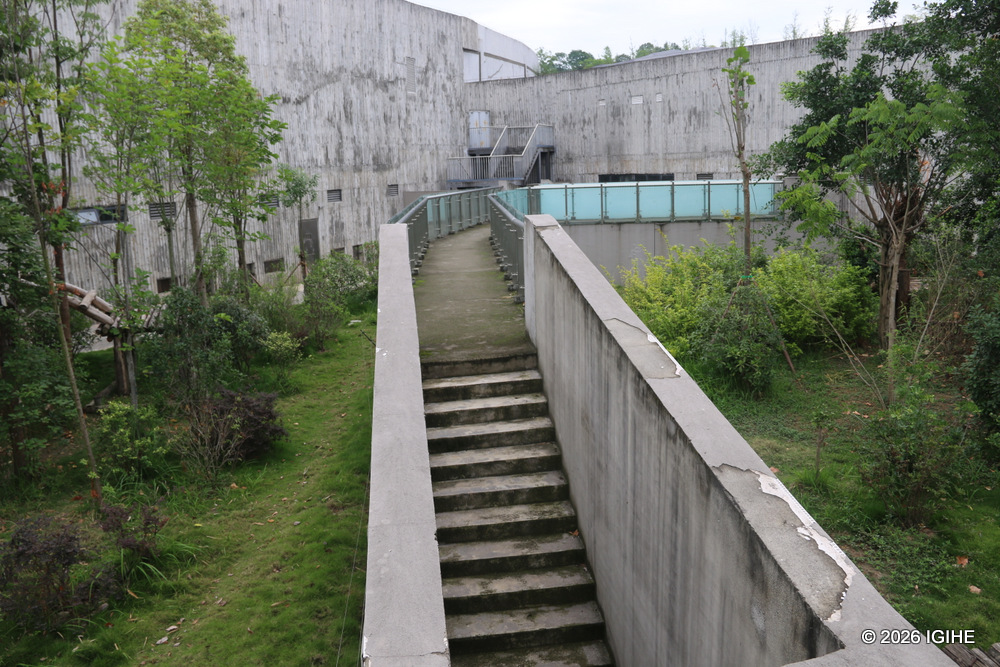
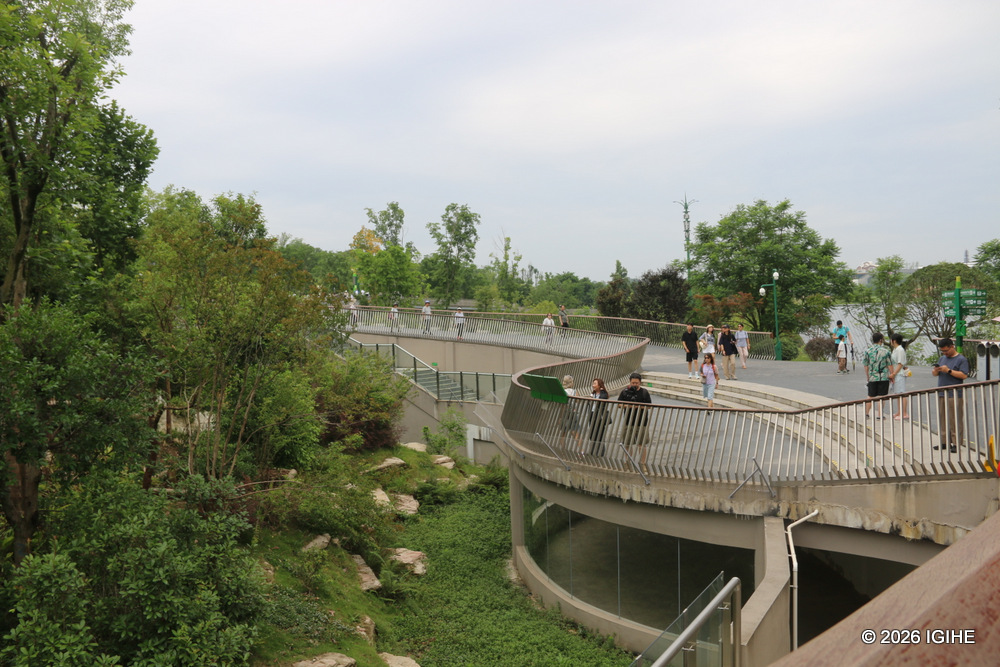
At the Panda Base, these behaviours can be observed as part of an environment designed to recreate aspects of the animals’ natural habitat. Mountains, forests and bamboo-filled landscapes surround panda enclosures, while paths connect different sheltered buildings and visitor areas.
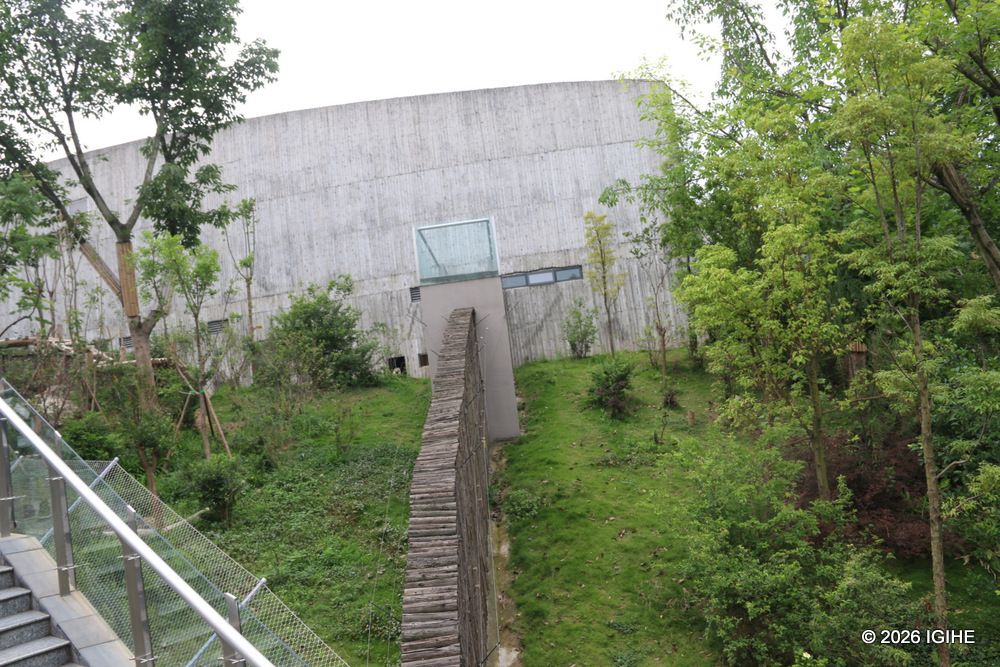
Panda nurseries, husbandry zones, research laboratories and a panda hospital are also integrated into the site, with panda “villas” scattered among the greenery.
The experience extends to the panda nursery, where visitors can encounter younger pandas before they mature into adults. Watching the cubs move, climb and explore offers another glimpse into the early stages of a panda’s life, while the care provided around the nursery reflects the specialised work involved in raising them.
Giant pandas can spend up to 14 hours a day eating bamboo, reflecting the demands of their low-energy diet.
The Panda Base is divided into four themed areas: Panda Creek Valley, Panda Forest Area, Panda Reception Hall and Panda Villa Area.
It is not only a place to see pandas, but also a major centre for conservation and research. The facility has spent more than three decades working on captive husbandry and management, breeding and cub rearing, disease prevention and control, and population genetic management.
Its conservation work is presented alongside education. In 2021, the Panda Base opened the world’s first interactive themed museum dedicated to giant pandas. It now has eight major science education display scenes, including the Giant Panda Theme Museum and the Panda Scientific Discovery Center.
Its “Panda Chat” programme brings science education directly to the animal enclosures, allowing visitors to watch giant pandas and red pandas while learning about their biology, habitats and conservation.
Panda cubs can be seen moving and climbing in an enclosure at the Chengdu Research Base of Giant Panda Breeding.
Since 2025, the base has also offered customised educational activities, including an immersive practical course on the giant panda’s scientific diet, an experience exploring the ecological information contained in panda feces, and a giant panda enrichment designer programme.
The work at the Panda Base forms part of China’s wider effort to protect a species whose wild population once faced severe pressure from habitat loss and human expansion. Today, nearly 1,900 giant pandas are estimated to live in the wild, with their natural habitat concentrated in Sichuan, Shaanxi and Gansu provinces. Sichuan is the species’ main stronghold. The Panda Base itself is home to more than 200 giant pandas.
The species, once classified as Endangered, has been reclassified as Vulnerable following sustained conservation efforts, including habitat protection and the establishment of the Giant Panda National Park.
The Panda Base has also become an international centre for conservation cooperation, with research partnerships involving 46 research and conservation institutions across 17 countries and regions. It has hosted the Annual Conference of the Giant Panda Breeding Technical Committee for 29 consecutive years.
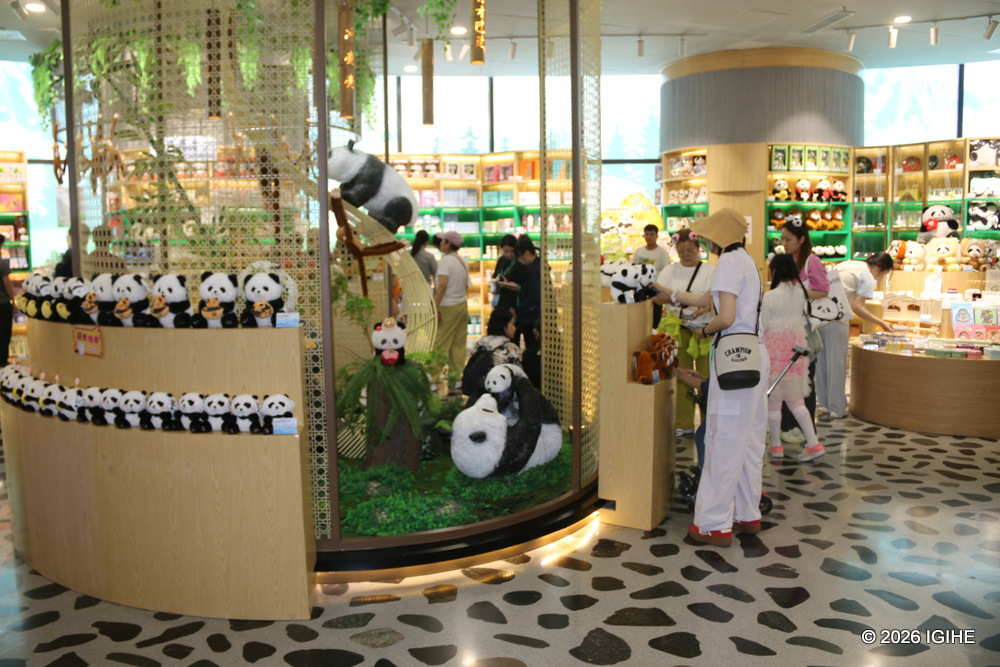
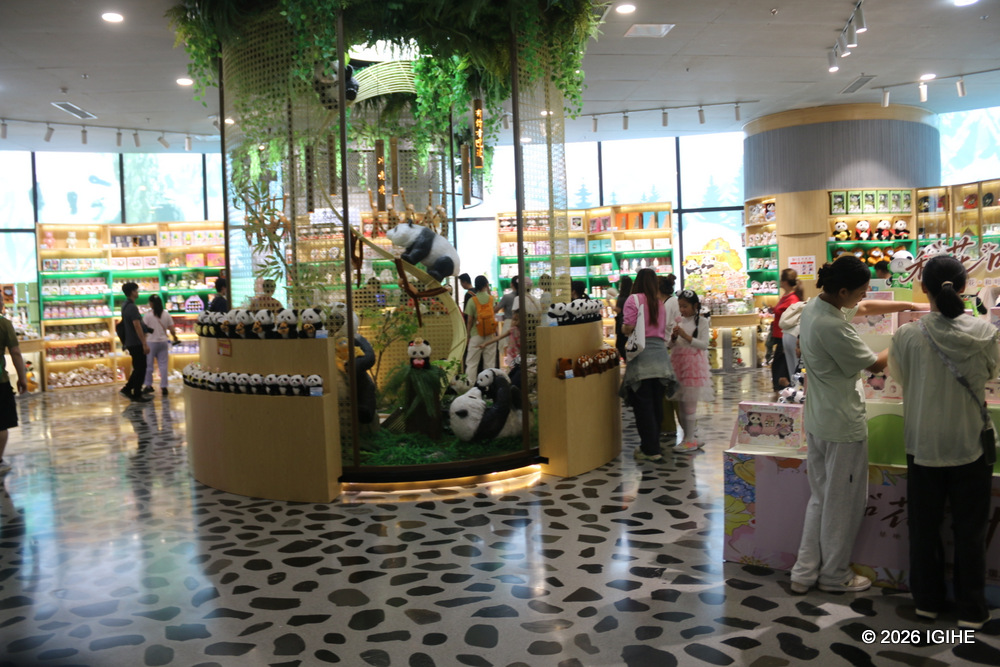
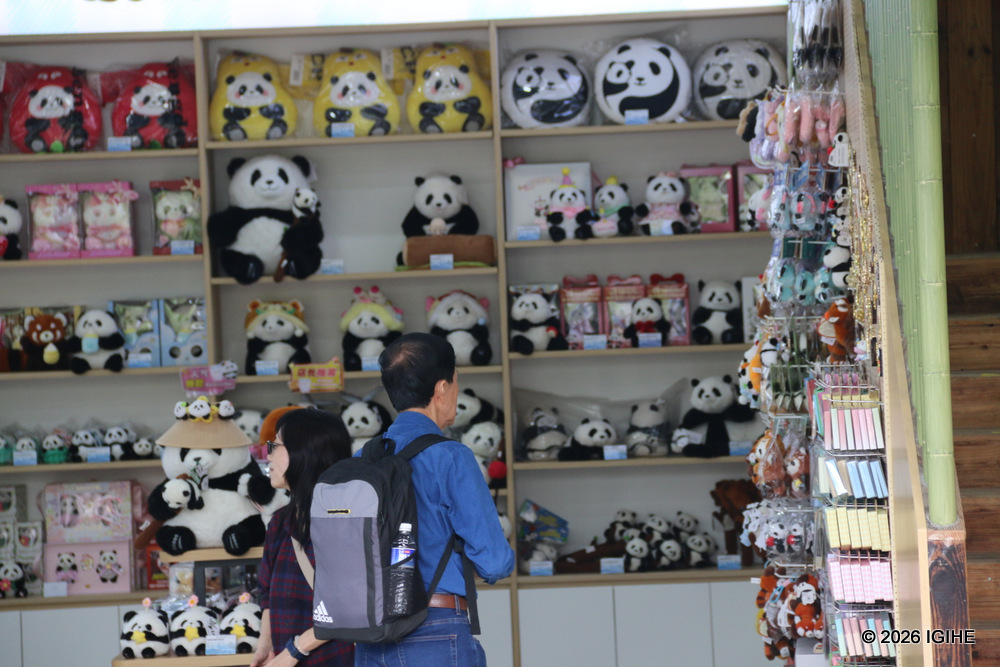
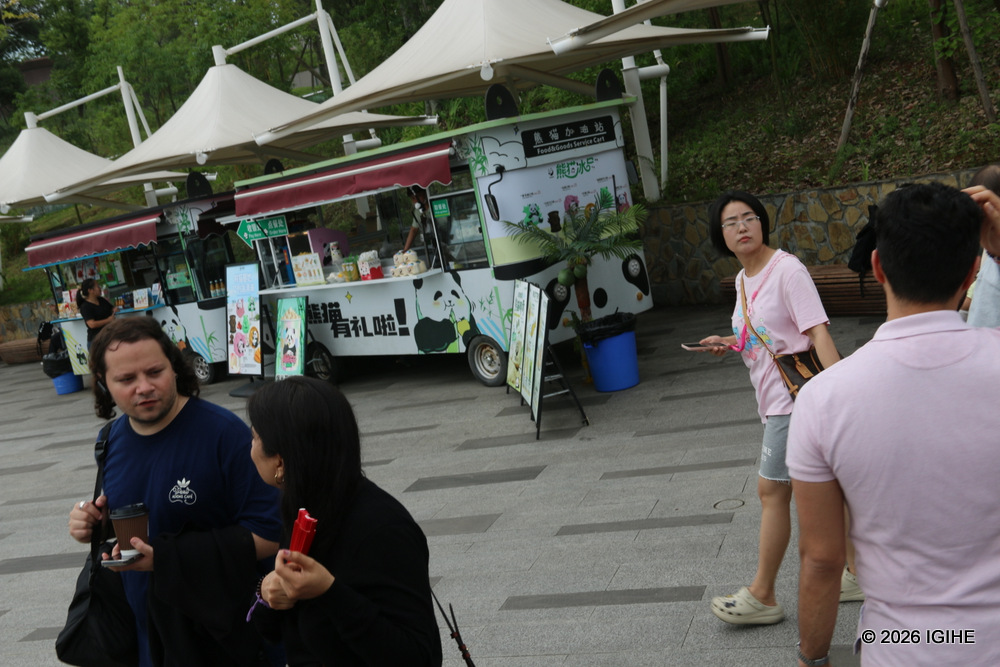
And the panda experience does not end at the enclosures. Along the visitor routes and rest areas, nearly 60 cultural and creative merchandise experience spots and specialty food and beverage outlets offer visitors the chance to take home panda-themed souvenirs.
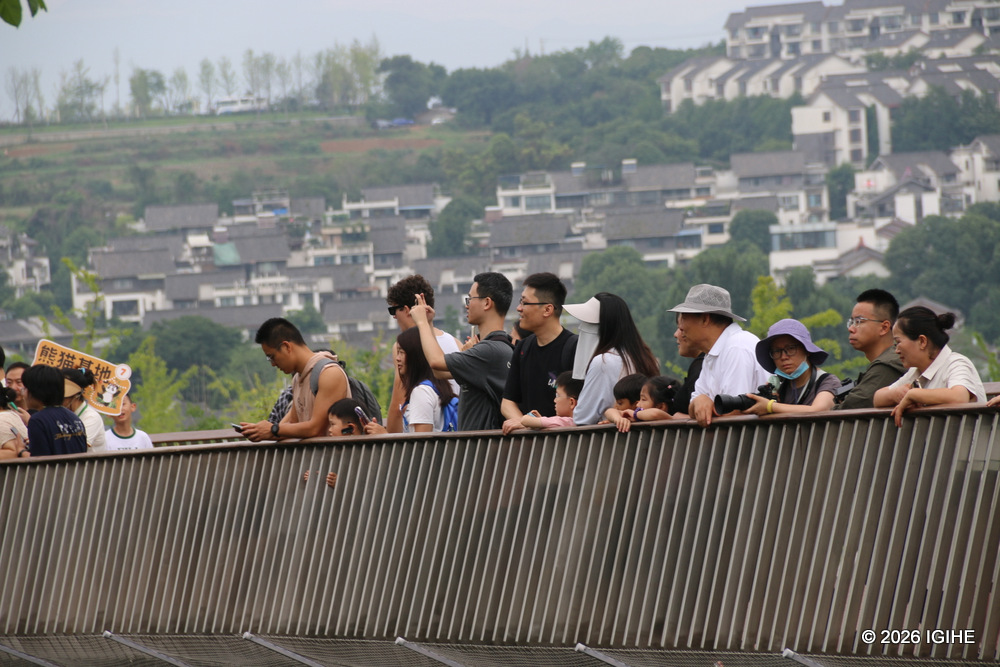
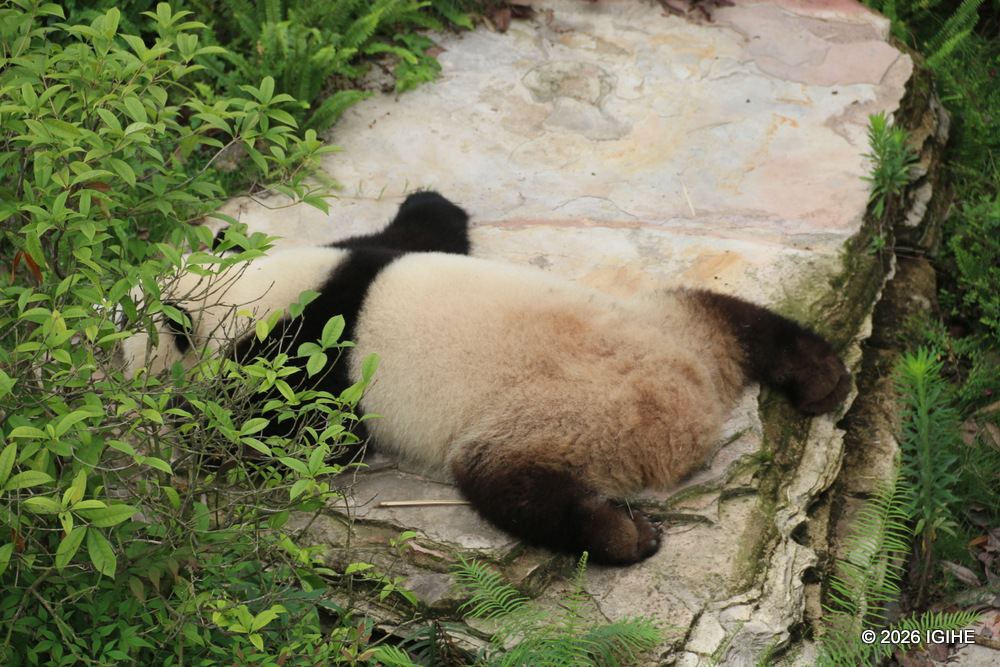
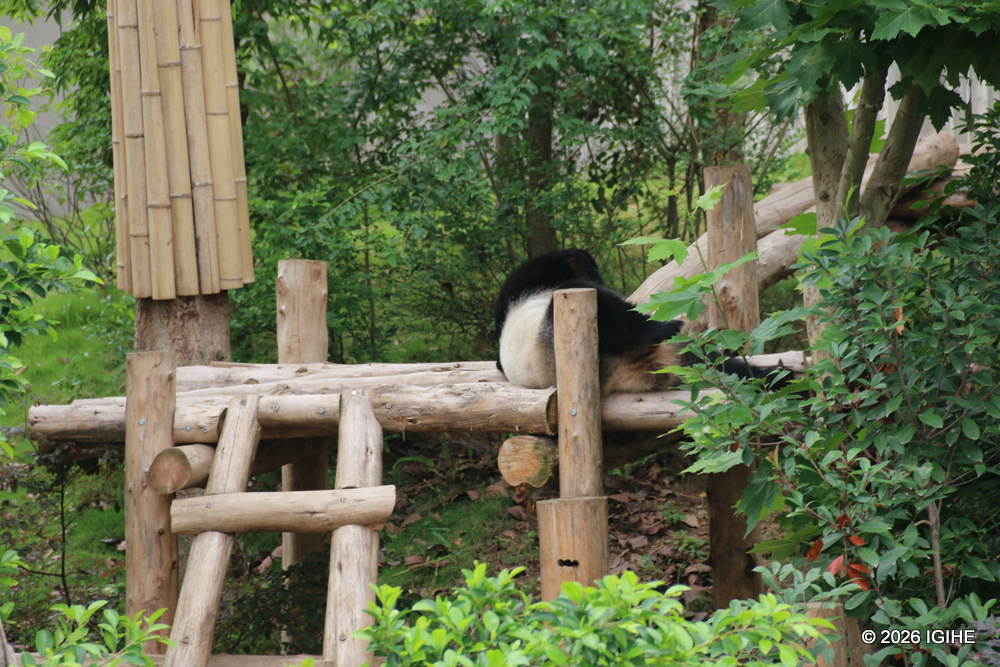
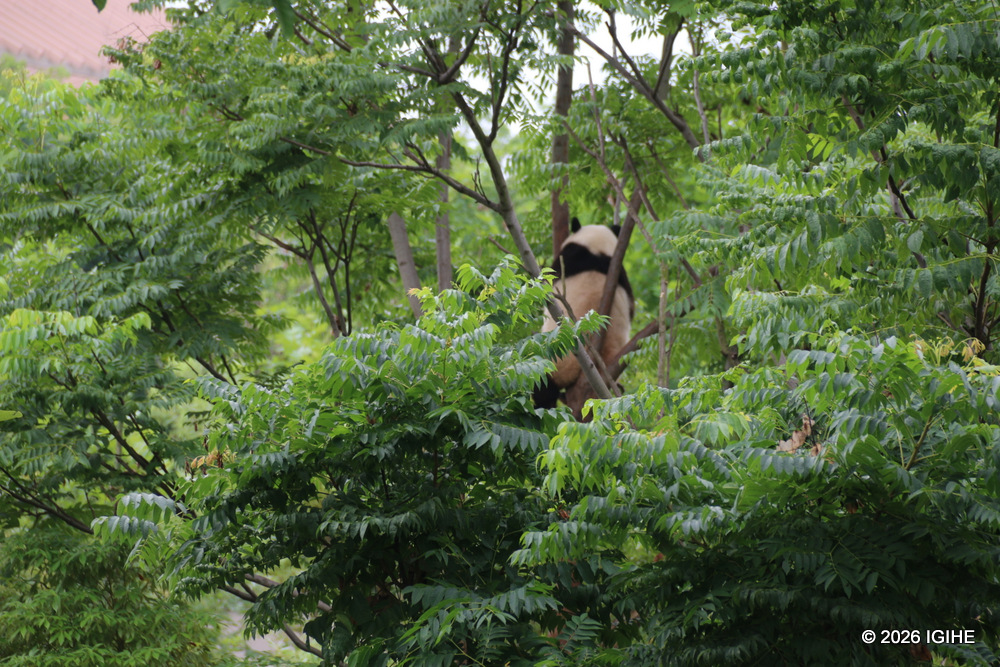
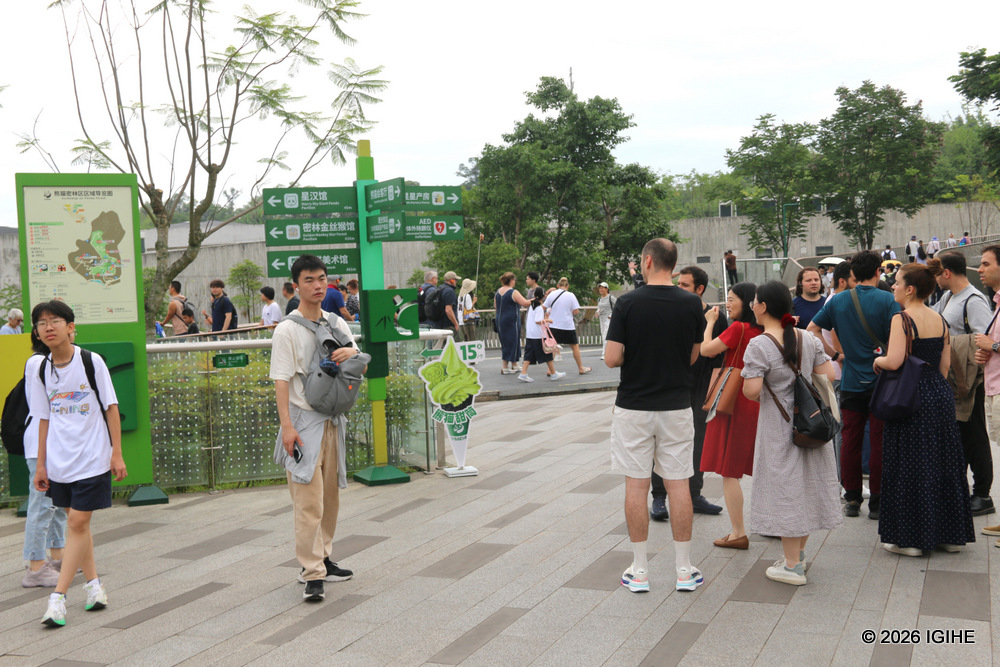
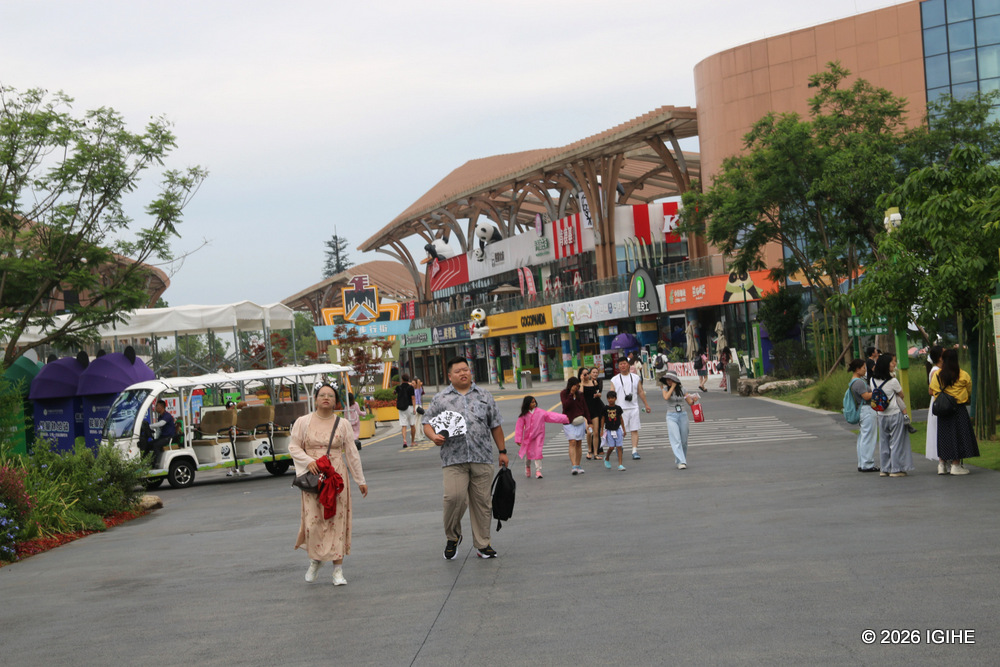
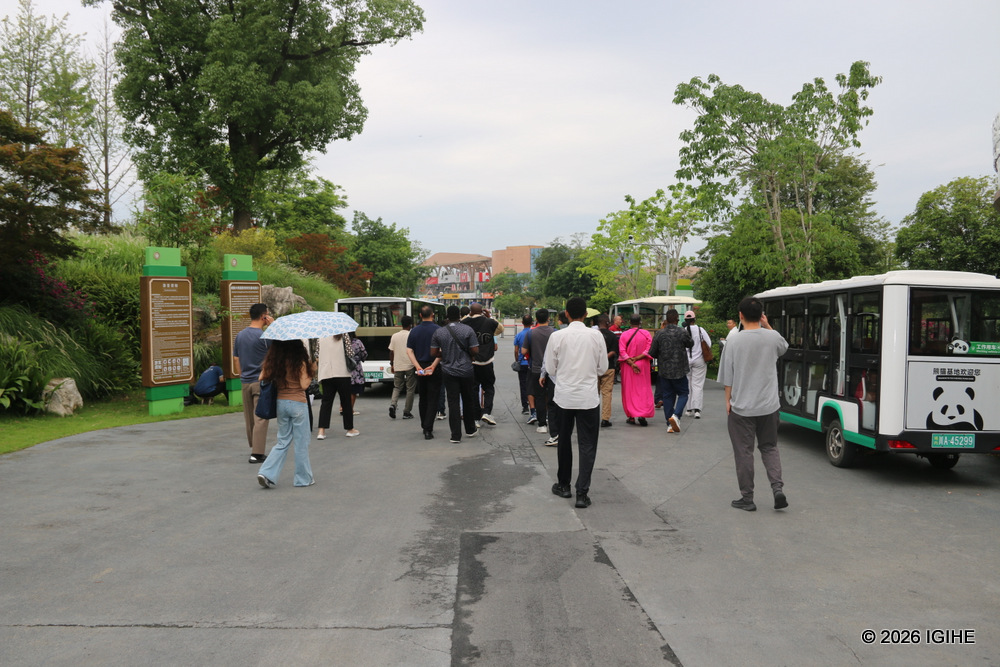
Giant pandas live in different enclosures at the baseA giant panda is seen quietly feeding on bamboo at the Chengdu Research Base of Giant Panda Breeding.Visitors gather around an enclosure, eager to catch a glimpse of giant pandas at close range.A giant panda stretches out for a rest after spending time feeding on bamboo.Giant pandas can spend up to 14 hours a day eating bamboo, reflecting the demands of their low-energy diet.Sheltered buildings and panda enclosures are connected by paths winding through the green surroundings of the Panda Base. A panda moves between branches as visitors watch from below at the Chengdu Panda Base.After feeding on bamboo, a male giant panda rests beneath a tree at the Panda Base.The Panda Base covers about 238 hectares, with forests and visitor paths spread across the facility.A giant panda rests in the shade as it feeds on bamboos, offering visitors a quieter moment during their tour of the Panda Base. The Panda Base recreates aspects of the giant panda’s natural habitat through its forestsA giant panda rests in the shade after feeding, offering visitors a quieter moment during their tour of the Panda Base.A giant panda climbs a tree, giving visitors a close view of one of the animal’s natural behaviours.A giant panda spends part of its day feeding on bamboo, with the species capable of eating large quantities to meet its energy needs.Panda-themed artwork and displays are part of the experience visitors encounter around Chengdu, a city closely associated with the giant panda.A giant panda sits among bamboo and greenery at the Chengdu Panda BaseVisitors make their way along the paths connecting panda enclosures and other facilities at the 238-hectare Panda Base.A panda holds a bamboo stalk with its paws as it settles down for a meal at the Panda Base. Visitors browse panda-themed merchandise as they look for souvenirs to take home from Chengdu.Panda villas are set among greenery at the Chengdu Research Base of Giant Panda Breeding.Visitors from different countries and walks of life observe giant pandas at the Chengdu Panda Base.The excitement of seeing giant pandas up close draws visitors of different ages to the Panda Base.Mobile shops and cultural outlets along the visitor routes offer panda-themed souvenirs and other items.Air transport is popular in Sichuan
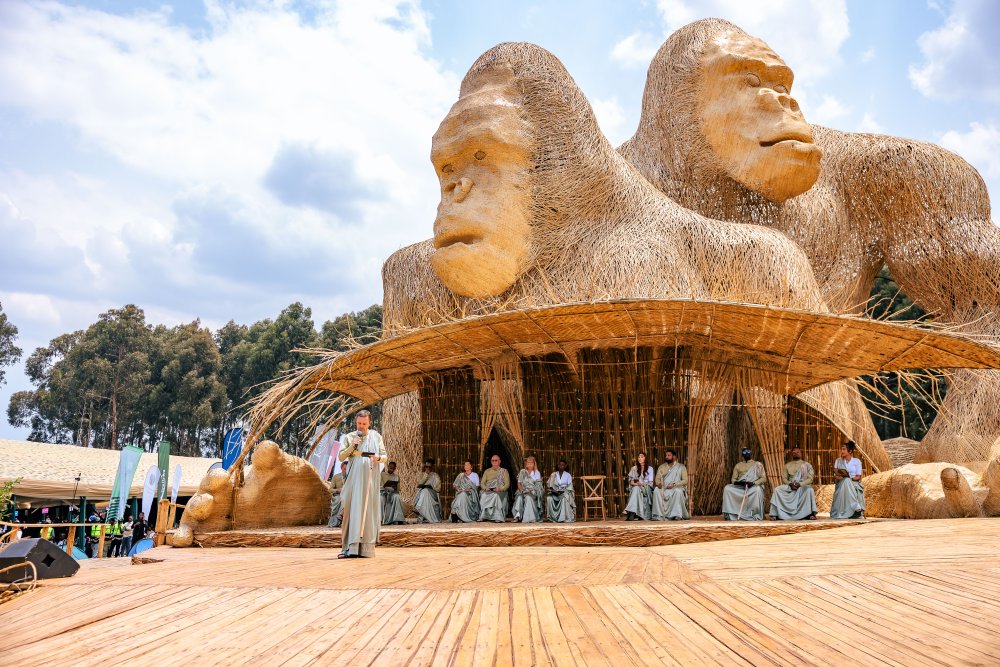
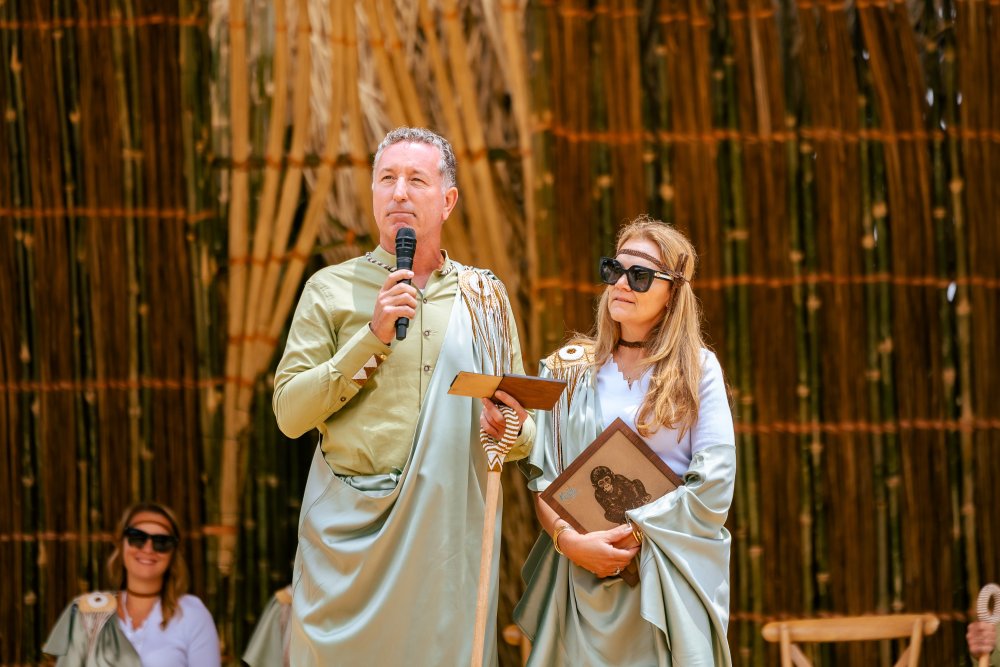
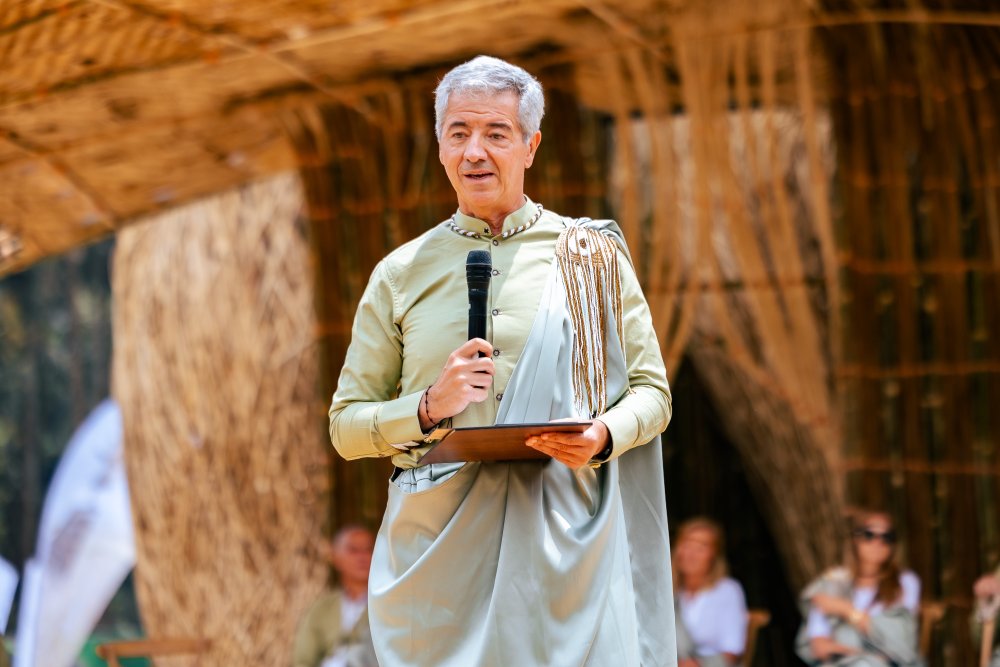
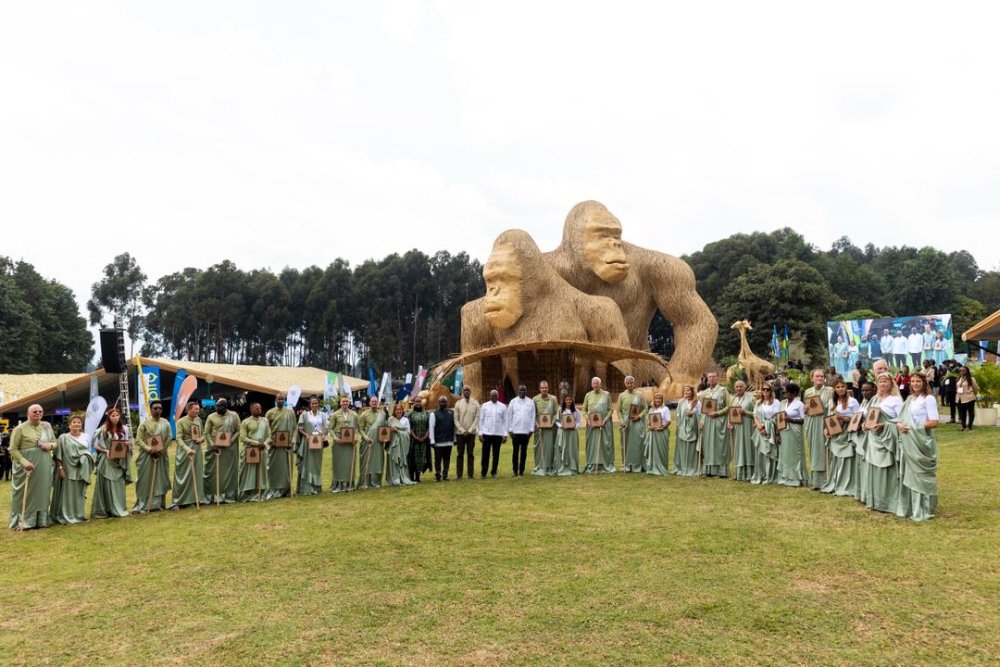
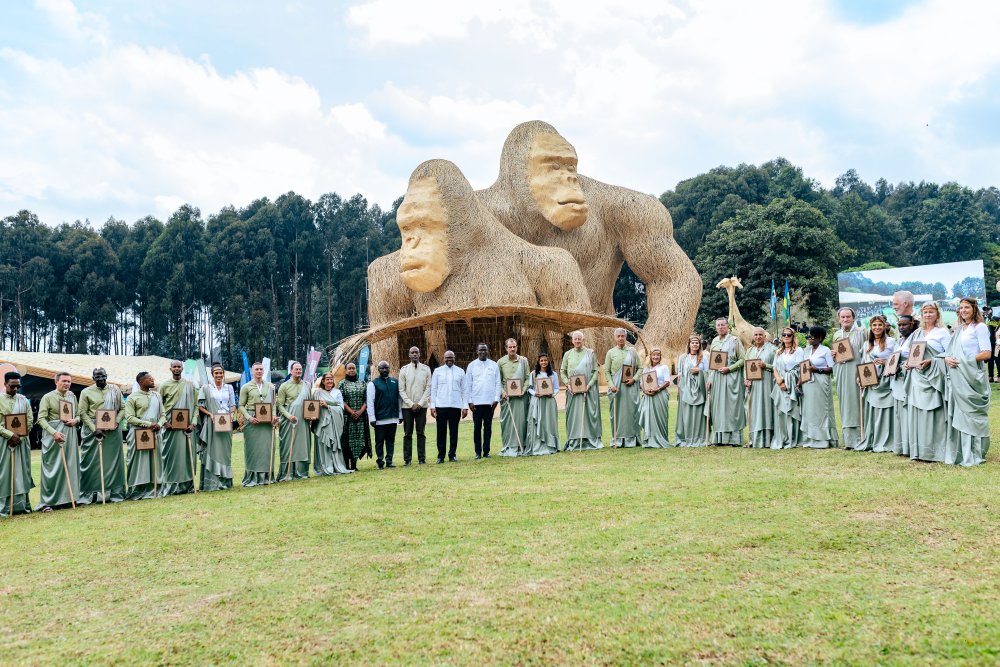
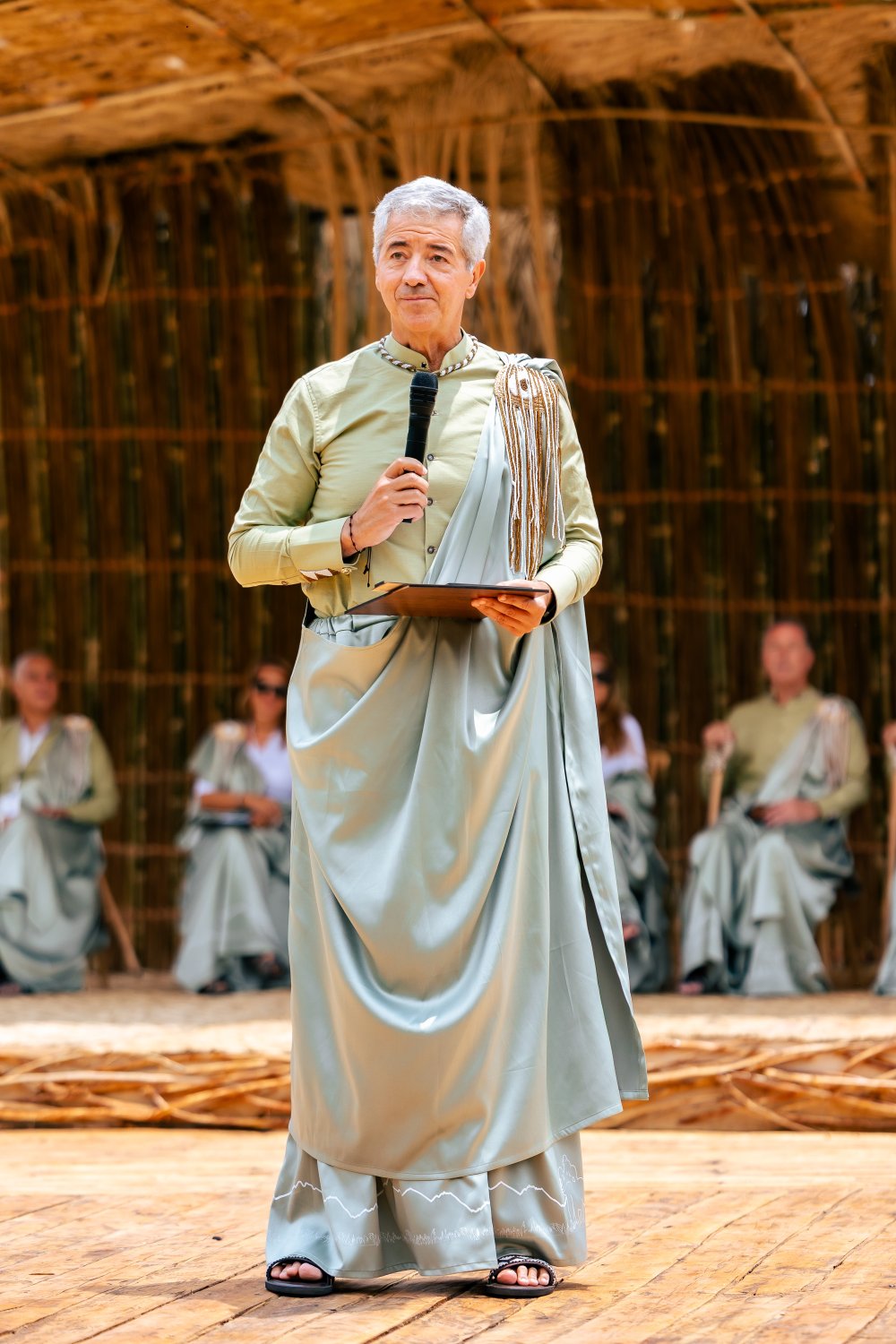
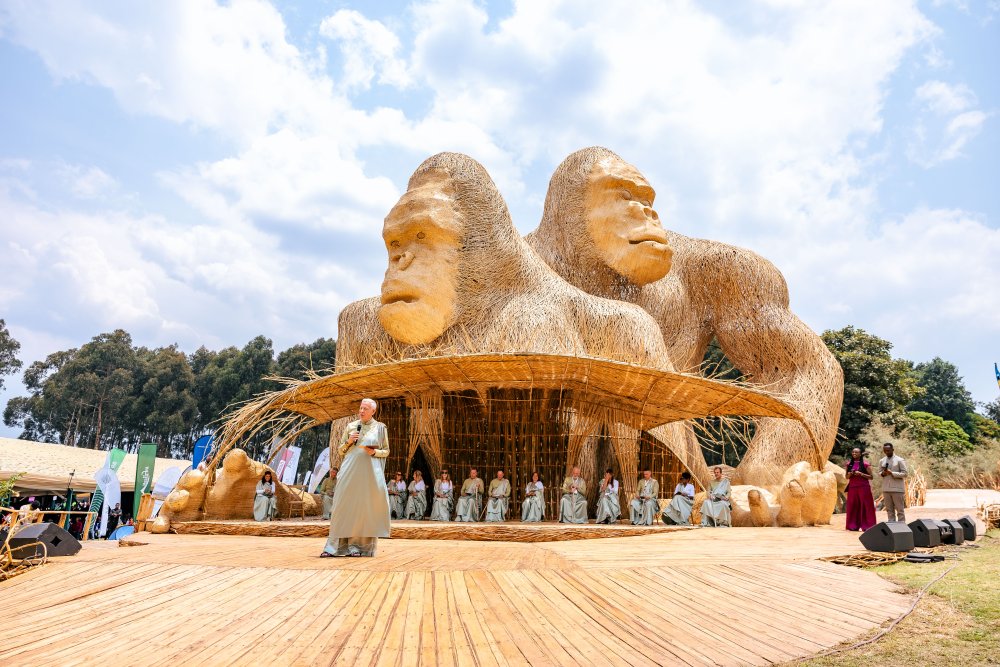
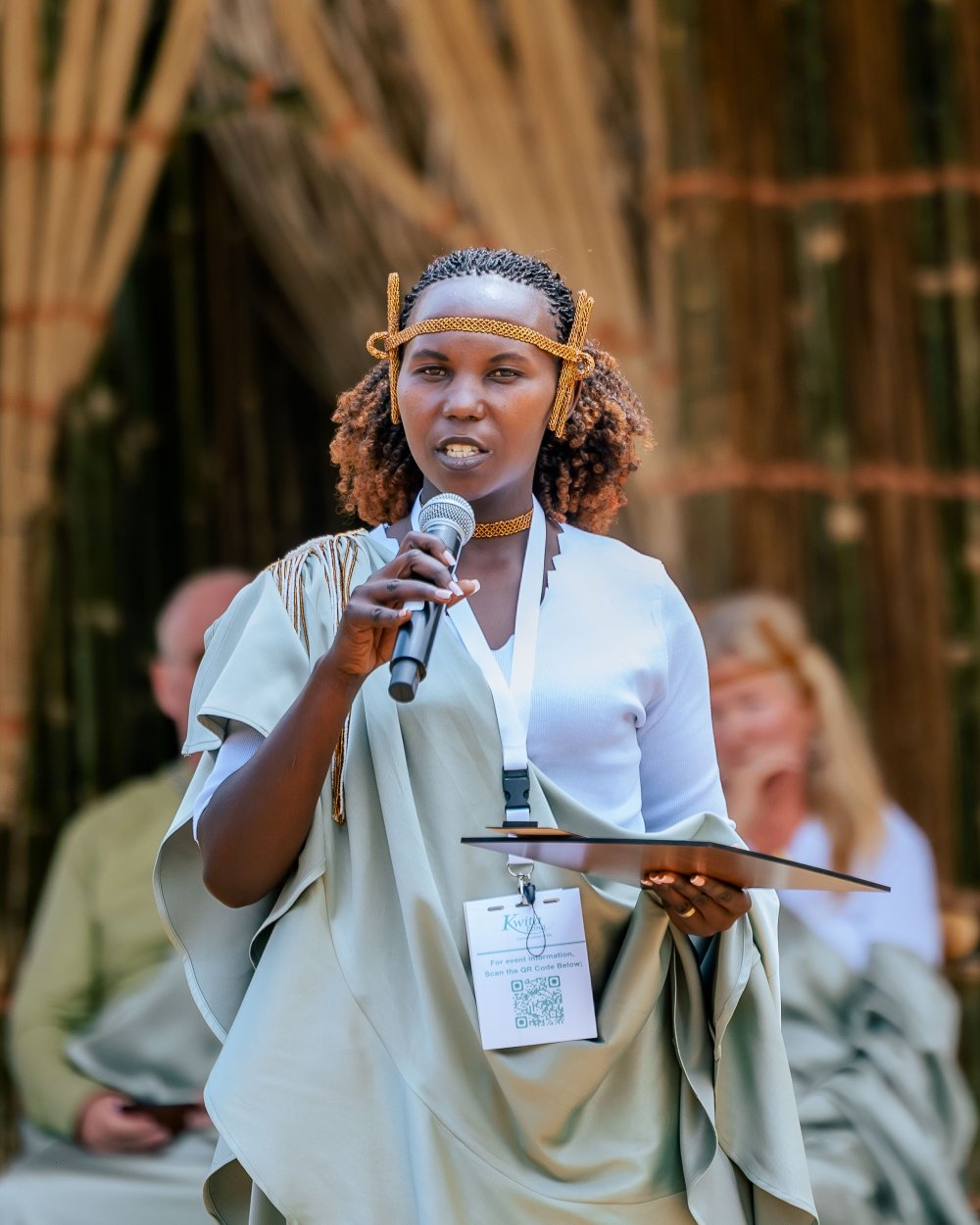
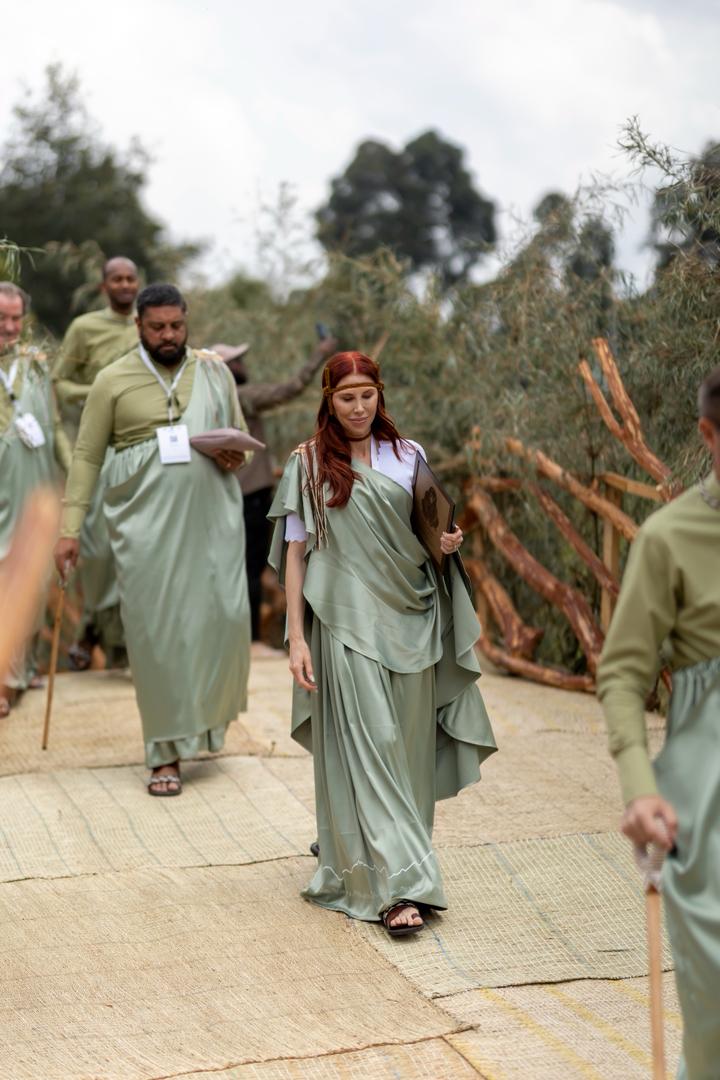
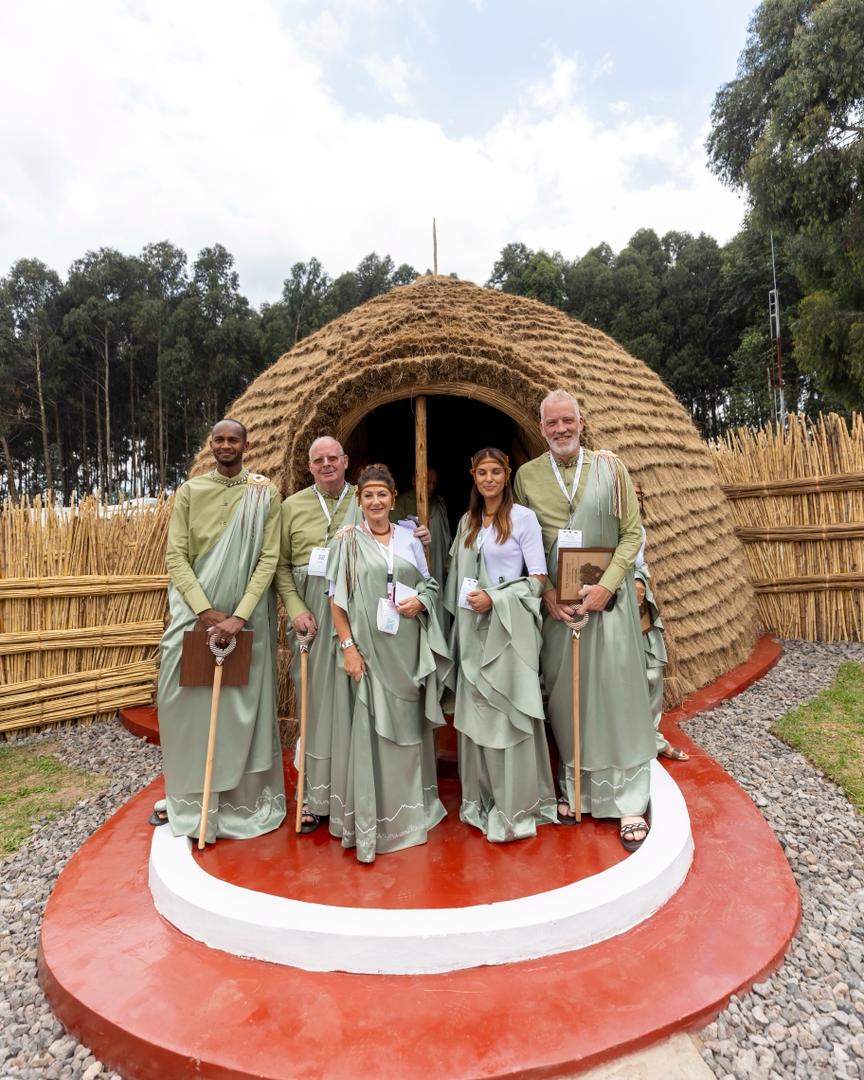
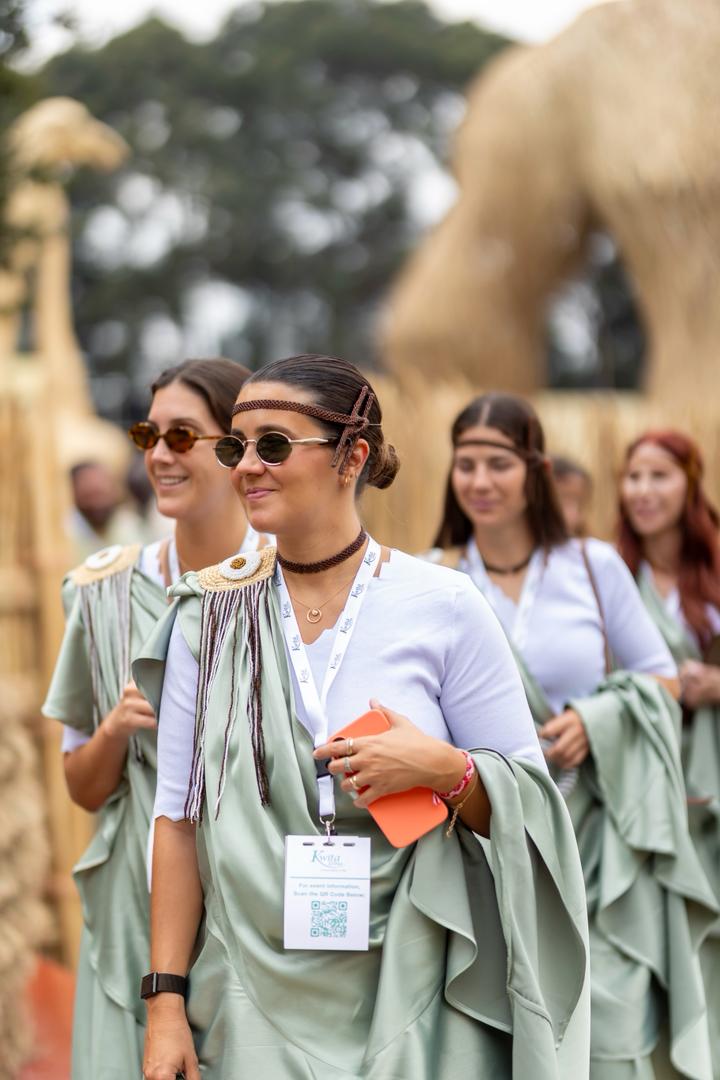
Held in Kinigi under the theme “Conservation is Life: Sustaining the Future,” the annual ceremony brought together conservationists, business leaders, sports personalities, artists, philanthropists and public figures from Rwanda and around the world.
The tradition, inspired by the Rwandan practice of naming newborn children in the presence of family and community, has become one of the country’s most prominent conservation events.
This year, the 22 names brought the total number of gorillas named through Kwita Izina since it became an annual event in 2005 to 460.
Here are the stories behind the names and the people who gave them.
Ishakwe – determination
Born on April 1, 2025, to Inkubito of the Muhoza family, the female gorilla was named Ishakwe, meaning “determination.”
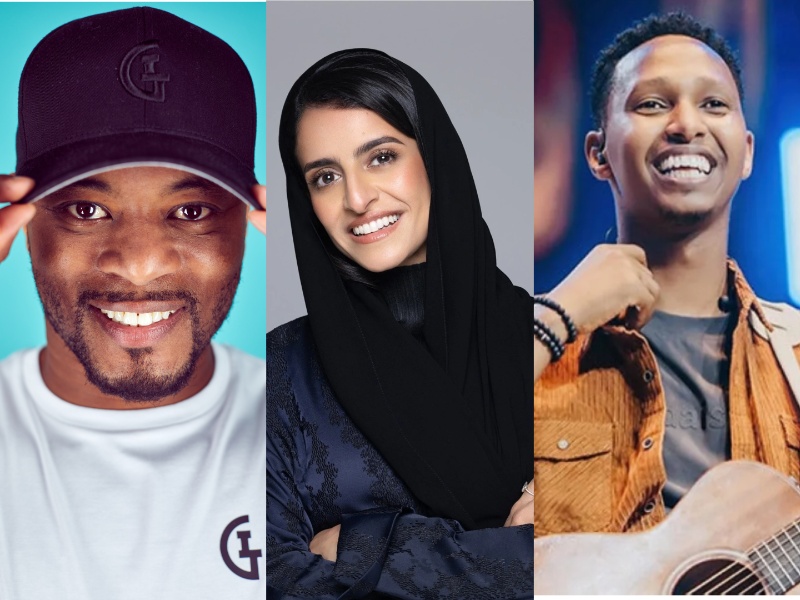
The name was given by Shaikha Al Nuwais, Secretary-General of UN Tourism and the first woman set to lead the organisation in its 50-year history.
The name reflects the resilience required to protect the mountain gorilla population and sustain conservation gains for generations to come.
Umukondo – a starting point
Born on June 20, 2025, to Muhabura of the Izuba family, the male gorilla was named Umukondo, meaning “navel” or “starting point.”
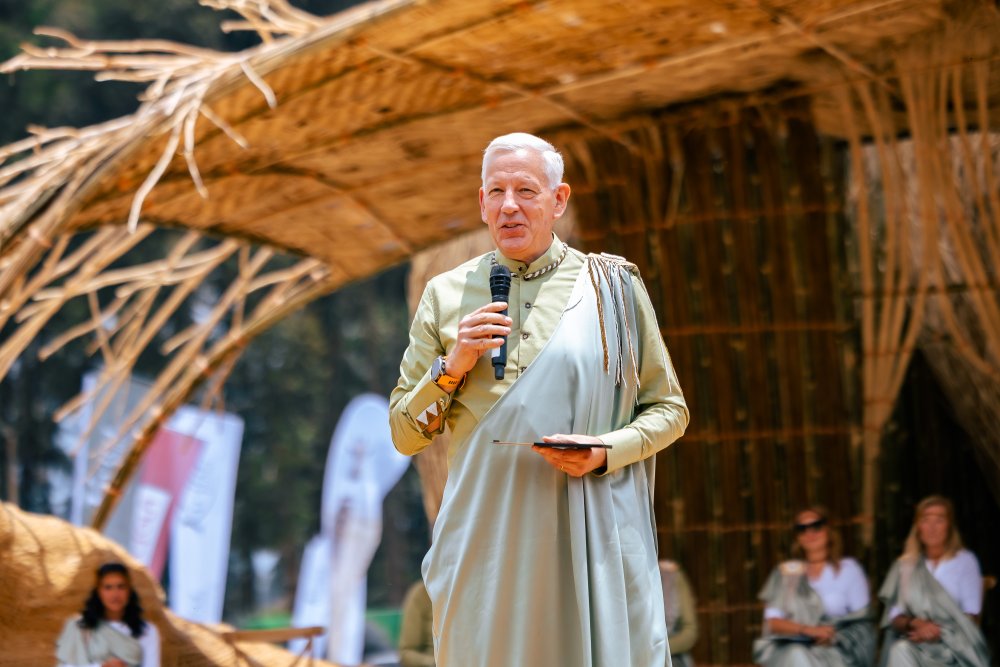
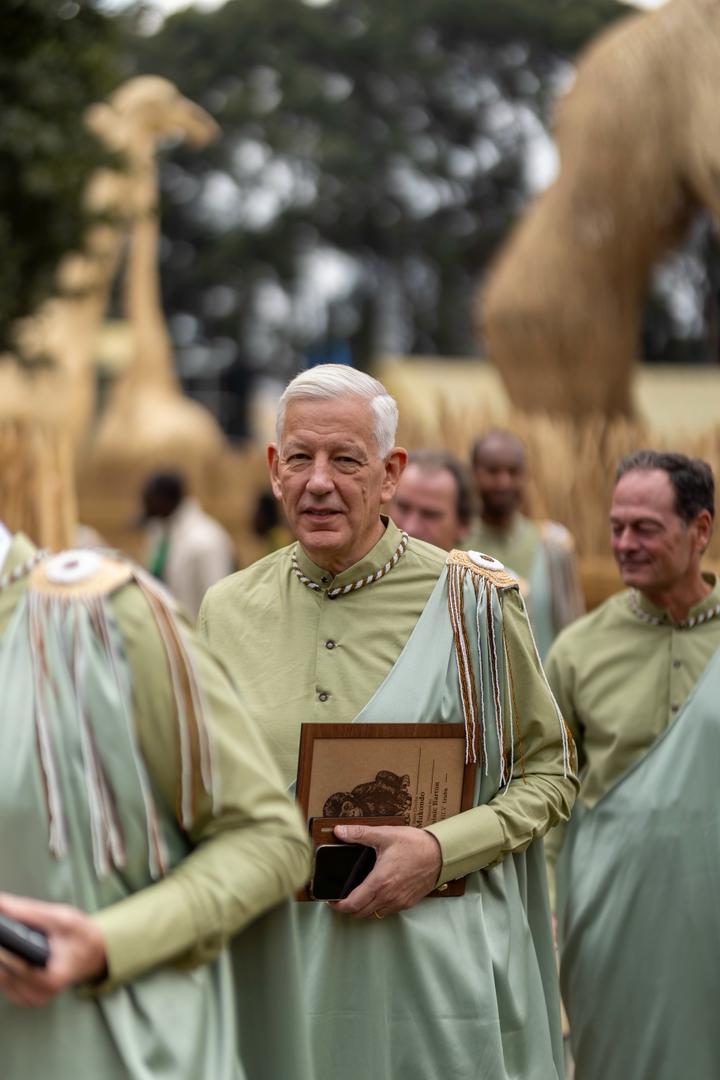
The name was given by Dominic Barton, Chairman of Rio Tinto and LeapFrog Investments and former Global Managing Partner of McKinsey & Company.
The name evokes a beginning, fitting for a young gorilla at the start of its life and for the continued journey of conservation.
Shikama – stand strong
The male gorilla, born on July 3, 2025, to Turimaso of the Susa family, was named Shikama, meaning “stand strong.”
Its namer, Paul Danforth, President of CAA Sports, chose a name that speaks to strength and resilience.
Inkera – traditional festivity
Born on July 31, 2025, to Isangano of the Pablo family, the male gorilla was named Inkera, meaning “traditional festivity.”
The name was given by Miguel Ángel Gil Marín, CEO and majority shareholder of Atlético de Madrid and a member of the UEFA Executive Committee.
The name captures the celebratory spirit of Kwita Izina itself, where conservation is marked through ceremony, culture and community.
Rugamba – the fighter
Born on September 8, 2025, to Gwaneza of the Hirwa family, the male gorilla was named Rugamba, meaning “fighter.”
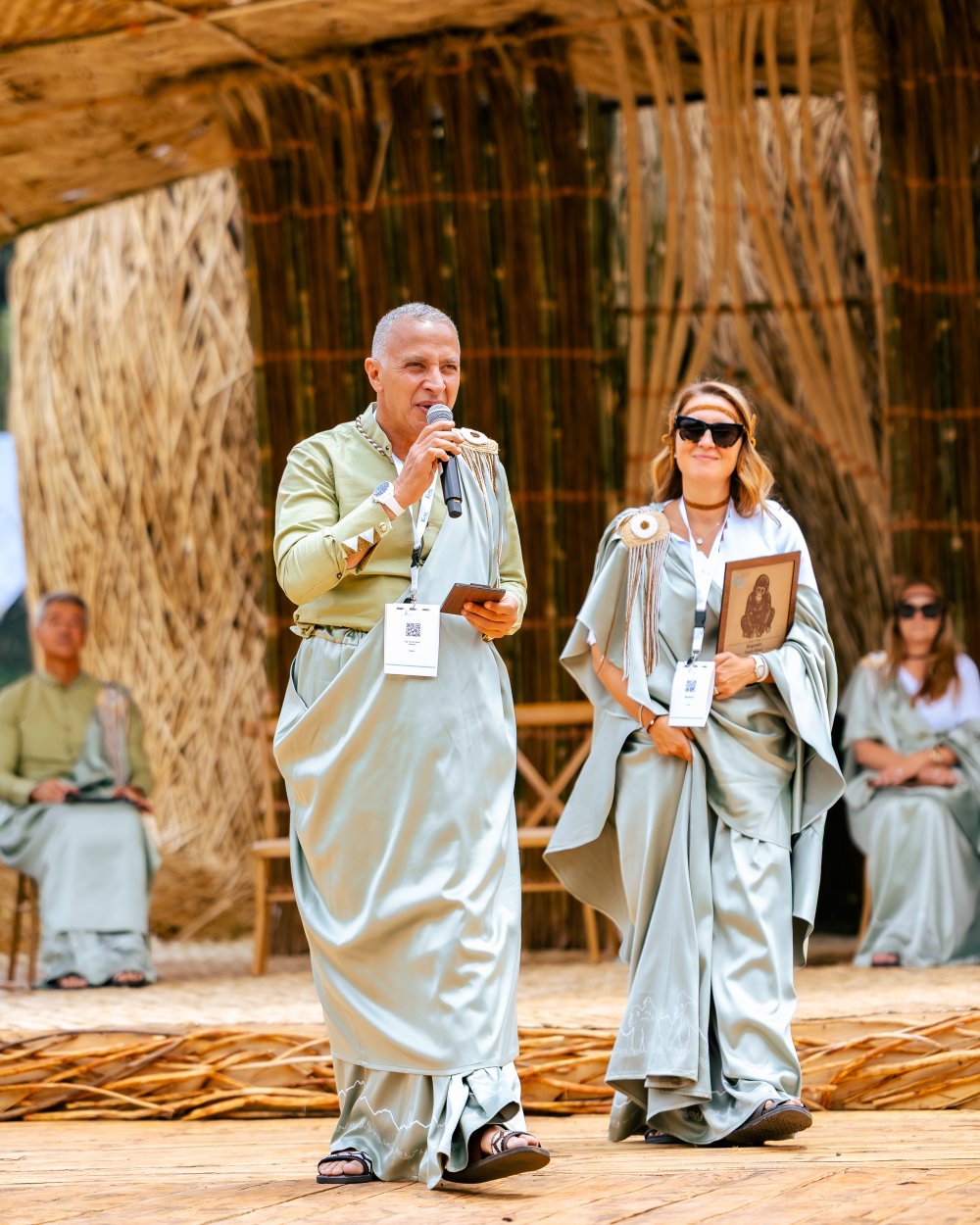
The name was jointly given by Ahmed Sadek Elsewedy, Chairman of Elsewedy Electric, and his wife Anita Dravec.
Elsewedy Electric has been involved in Rwanda’s electrification efforts, adding another dimension to a name that speaks of strength and perseverance.
Umucyo – light
The male gorilla born on October 14, 2025, to Urahirwa of the Ntambara family, was named Umucyo, meaning “light.”
The name was given by Olivier and Quitterie Granet.
Olivier Granet is Managing Partner and Co-CEO of Kasada Capital Management, an investor in Africa’s hospitality sector.
Ngabonzima – the protector
Born on December 28, 2025, to Ukwiyunga of the Segasira family, the male gorilla was named Ngabonzima, meaning “the protector.”
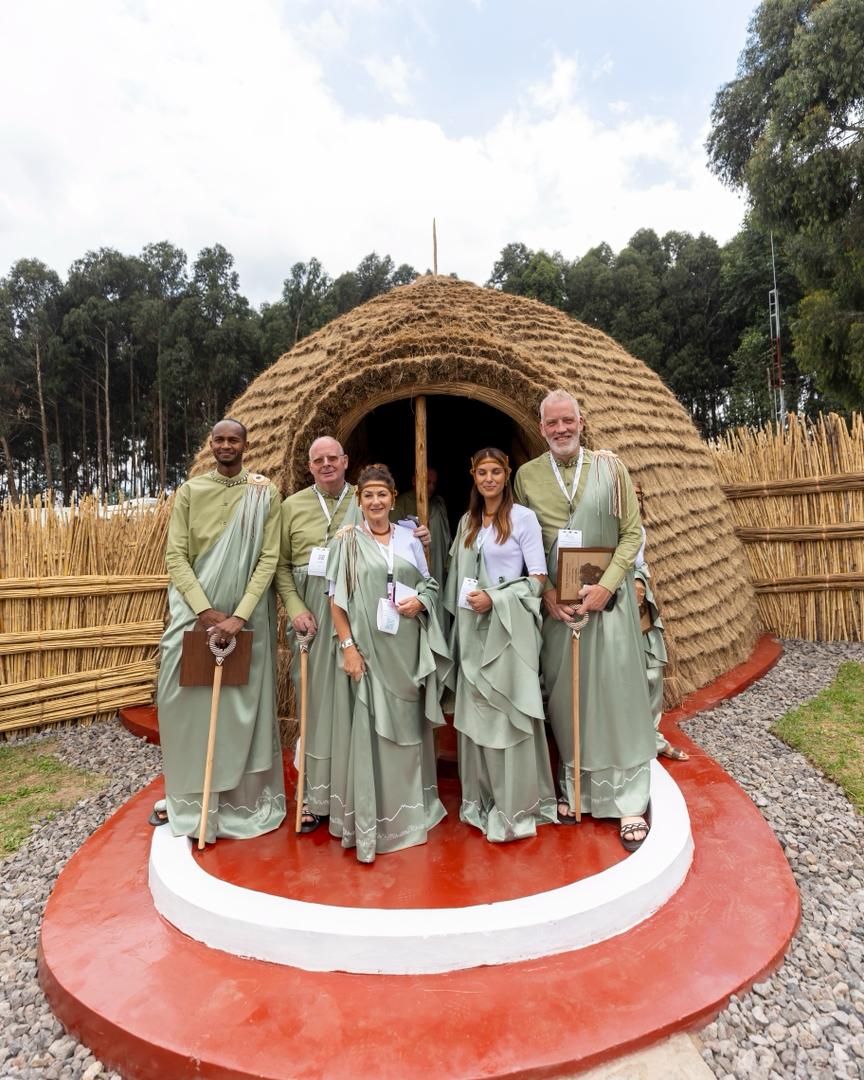
The name was given by philanthropists Garreth and Nicola Wood, co-founders of Kids Operating Room, a global health charity focused on expanding access to paediatric surgery.
Garreth (far right) named the baby gorilla Ngabonzima.
The name carries a particularly fitting message at a ceremony built around the protection of wildlife and its habitat.
Ikambere – an important place
The female gorilla born on December 5, 2025, to Ntamupaka of the Sabyinyo family, was named Ikambere.
The name refers to “the important place where you receive your esteemed visitors.”
It was given by Susan Hollern, founder and president of Hope Haven Rwanda, who has worked in Rwanda on education and family transformation since 2011.
Ubukaka – majesty, strength and power
Born on July 28, 2025, to Ururabo of the Humura family, the female gorilla was named Ubukaka, meaning “majesty, strength and power.”
The name was given by acclaimed Rwandan filmmaker Marie-Clémentine Dusabejambo, whose film Ben’Imana was selected for the Un Certain Regard section at the 2026 Cannes Film Festival.
Ngoga – courage
The male gorilla born on March 21, 2026, to Ntibisanzwe of the Kwitonda family was named Ngoga, meaning “brave” or “with courage.”
The name was given by Francesco Calvo, President of Business Operations at Aston Villa, who has previously held senior leadership positions at Juventus, FC Barcelona and AS Roma.
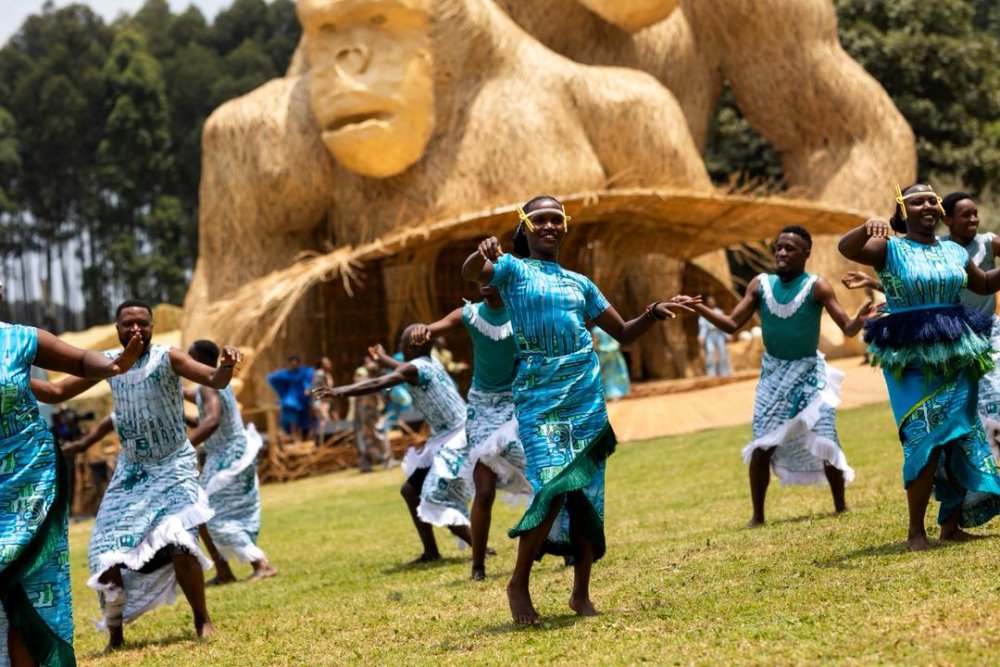
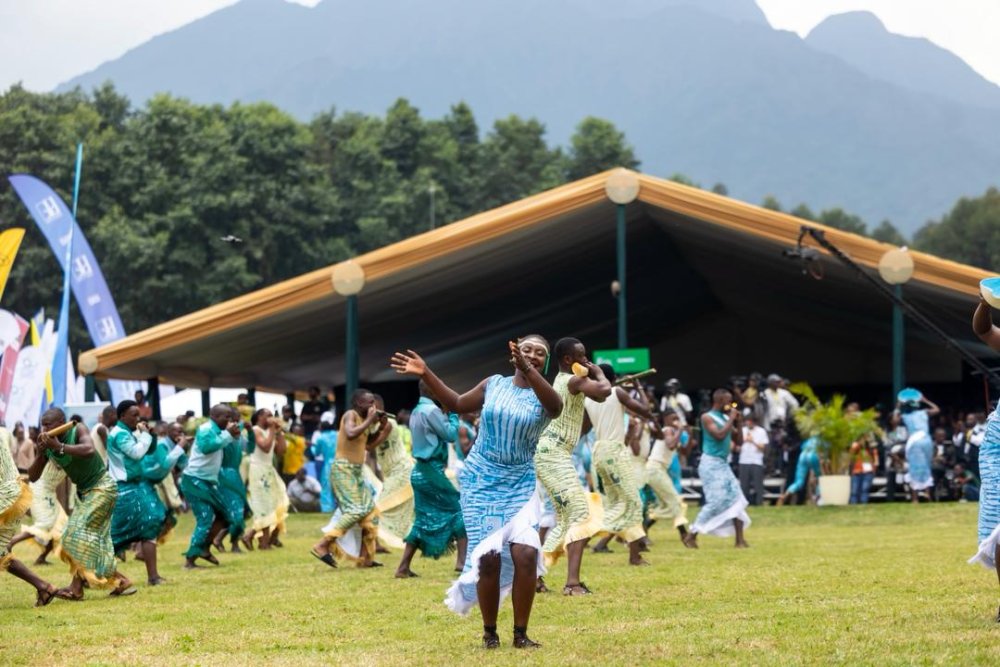
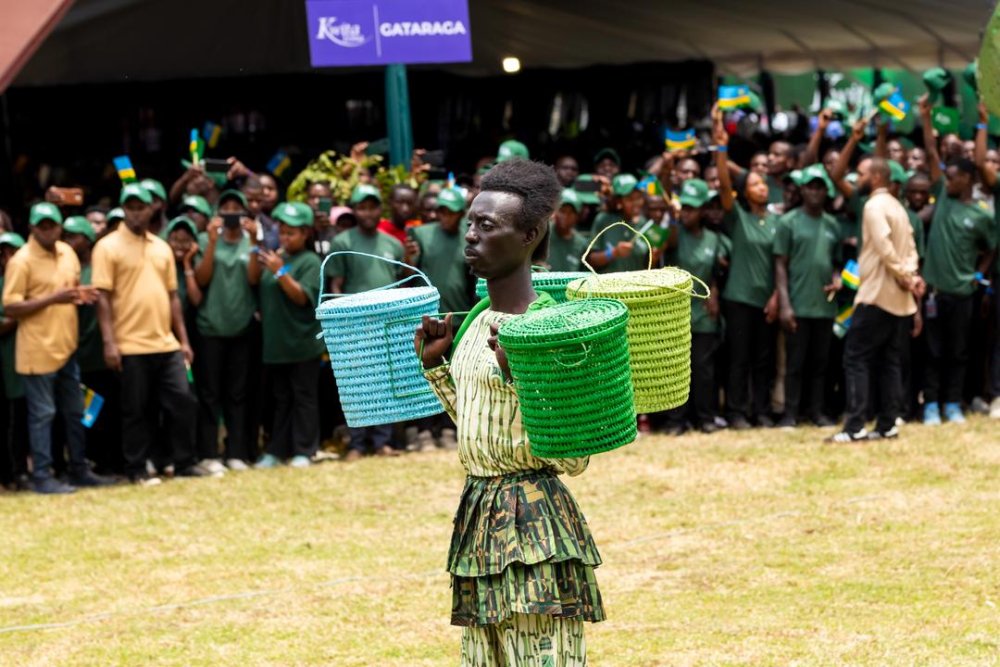
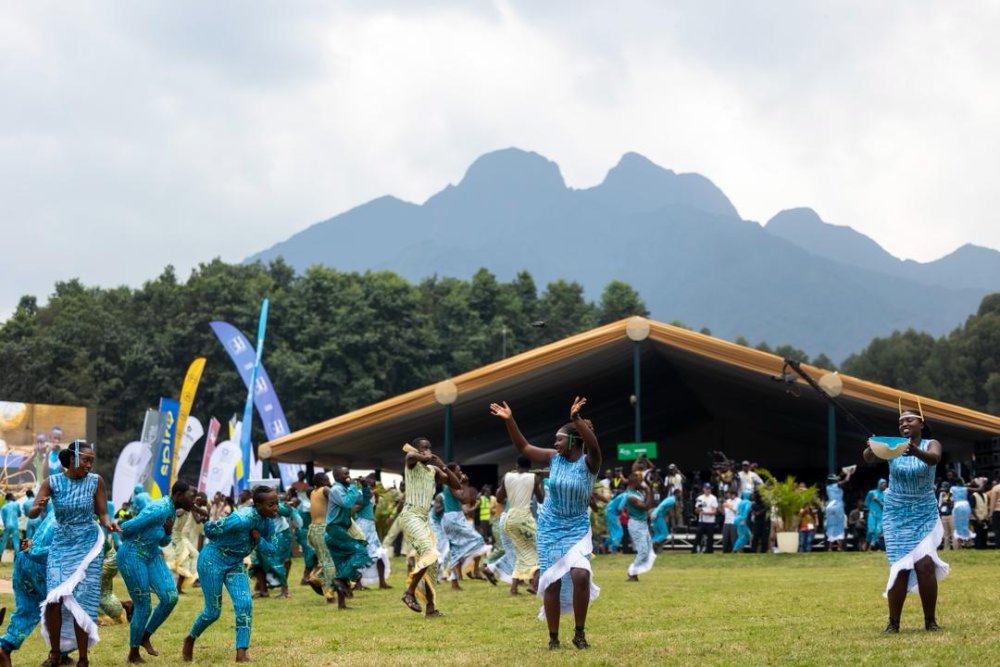
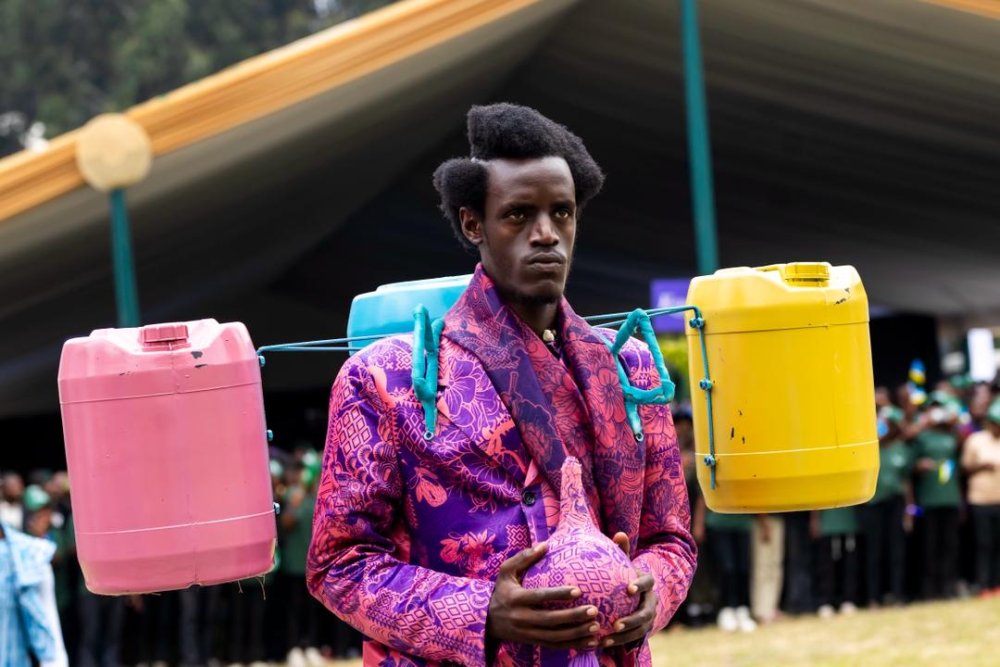
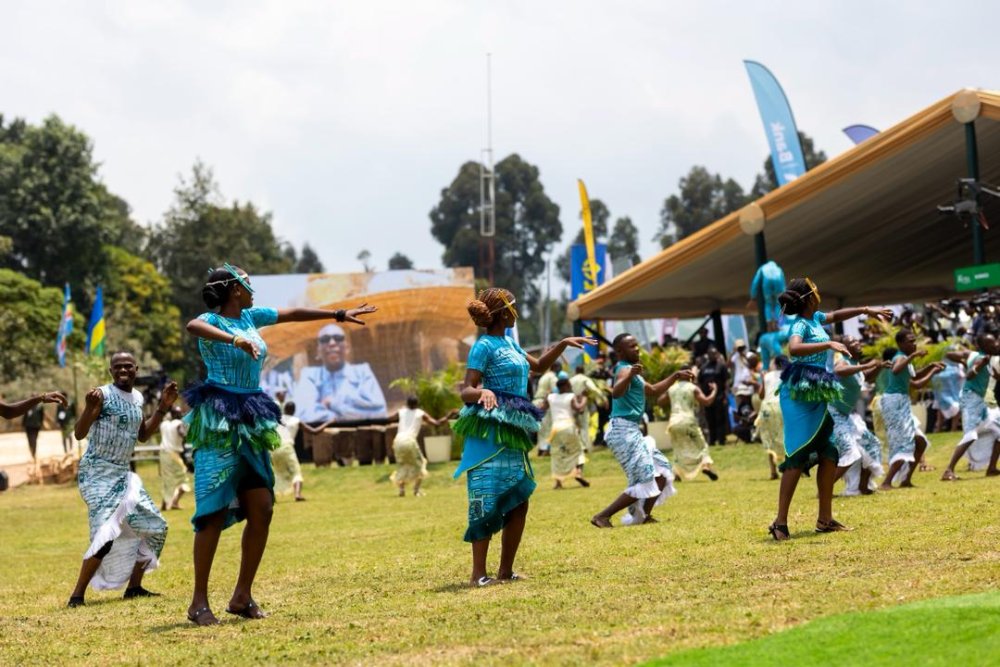
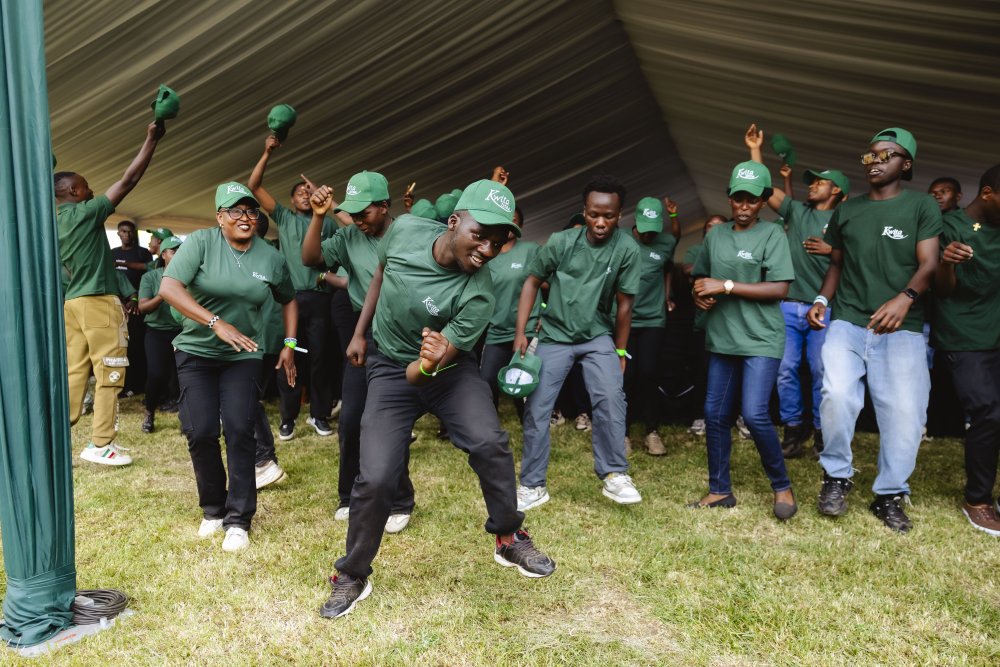
The naming ceremony was marked by tradition, music and celebrations.
Intwarane – fighting for a common goal
Born on January 27, 2026, to Intango of the Muhoza family, the male gorilla was named Intwarane.
The name refers to people fighting for a common goal, a fitting idea for a conservation programme built on collaboration between governments, communities, researchers, rangers, businesses and conservation organisations.
The namer was Mamadou Sakho, former France international and former captain of Paris Saint-Germain, who also played for Liverpool and Crystal Palace.
Tarama – socialise
The male gorilla born on July 21, 2025, to Impuhwe of the Humura family was named Tarama, meaning “socialize.”
The name was given by Mutaz Essa Barshim, the Qatari Olympic gold medallist and three-time world champion in high jump.
The name reflects the social nature of mountain gorillas, which live in close-knit family groups.
Igeno – destiny
Born on March 15, 2026, to Tabaro of the Musilikale family, the female gorilla was named Igeno, meaning “destiny.”
The name was given by Kelly O’Meara, Executive Director of the Pan African Sanctuary Alliance, which works to advance primate protection and welfare across Africa.
Uruhembe – on the frontline
The male gorilla born on August 9, 2025, to Mbele of the Izuba family was named Uruhembe, meaning“on the frontline.”
The name was given by Neil and Susan McDougall.
Neil McDougall is founder and chairman of DelAgua, which works on clean cooking and livelihoods across Africa.
The name also echoes the frontline role played by rangers and conservation teams who work daily to protect Rwanda’s wildlife.
Indahiro – commitment
Born on December 28, 2025, to Bukima of the Musilikale family, the male gorilla was named Indahiro, meaning “commitment.”
The name was given by Jeanette Uwimbabazi, a Nyungwe National Park ranger recognised for her courage in combating wildlife crime and protecting Rwanda’s biodiversity.
Her own conservation work gives particular weight to a name centred on commitment.
Muganura – national harvest
The male gorilla born on March 20, 2026, to Mafubo of the Izuba family was named Muganura, referring to National Harvest Day, a Rwandan thanksgiving celebration.
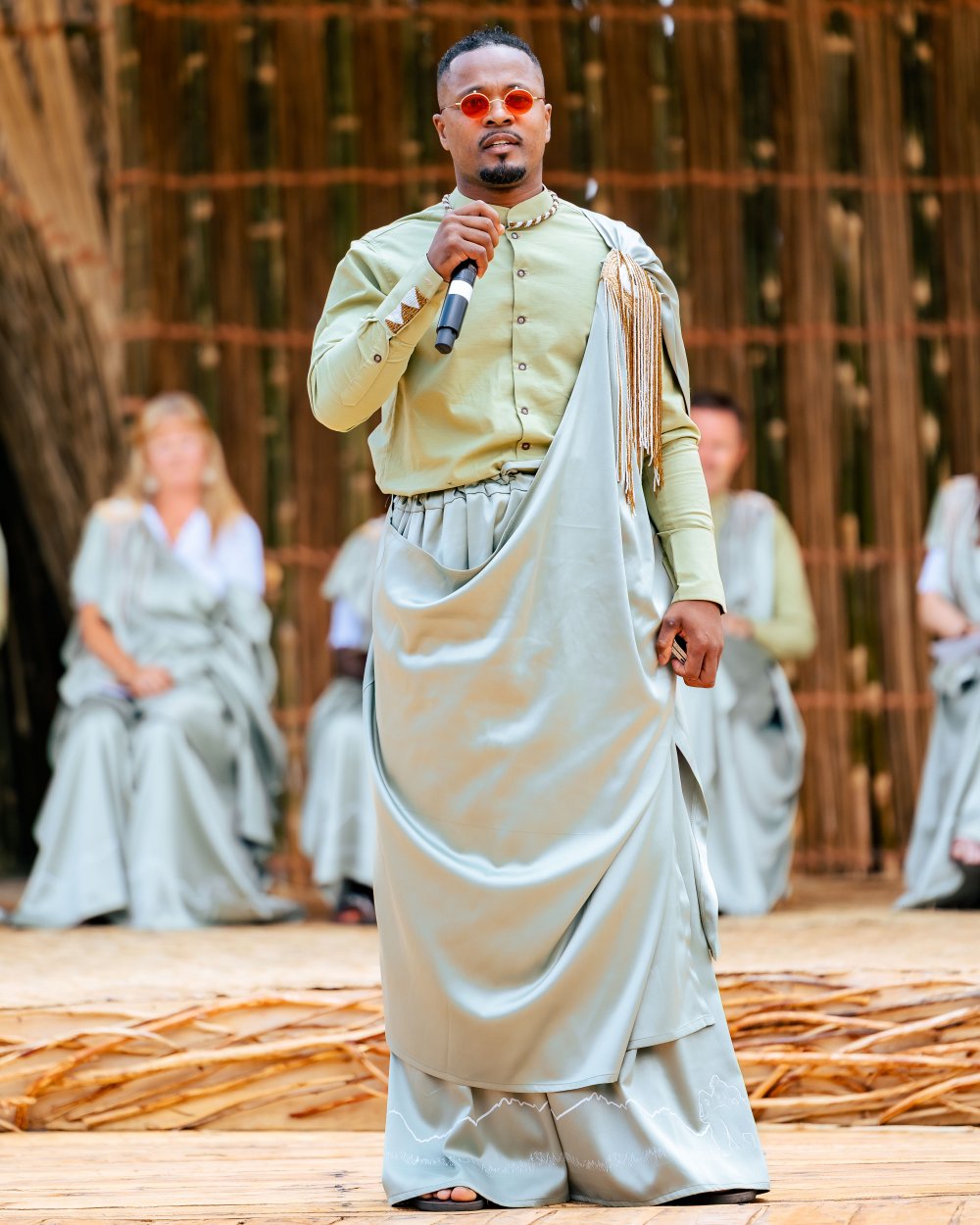
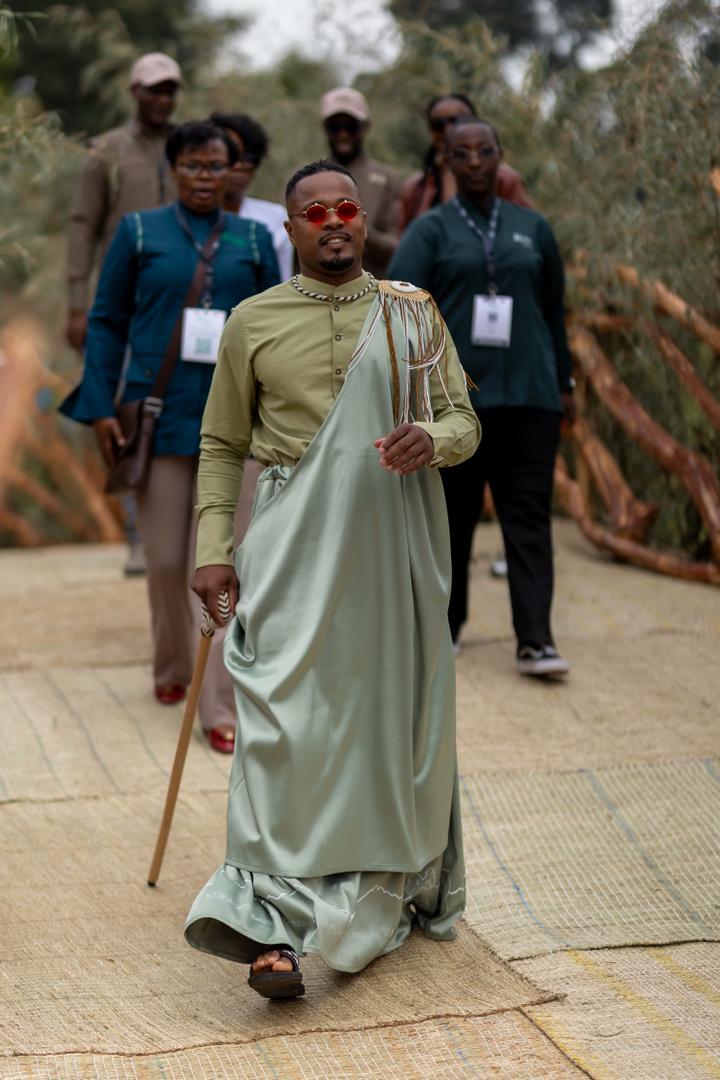
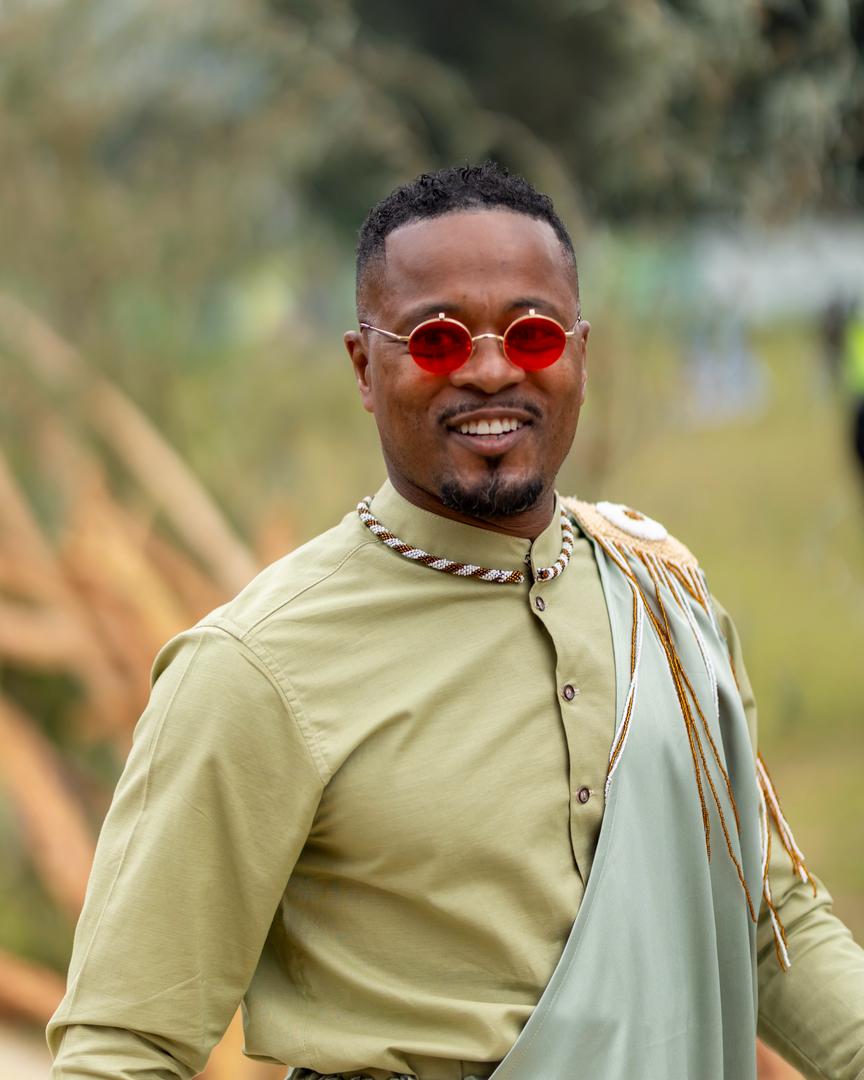
The name was given by former France and Manchester United captain Patrice Evra, a five-time Premier League champion and UEFA Champions League winner.
Ndongozi – outstanding leader
James Chester, Aston Villa legend and former Wales international, gave a baby gorilla the name Ndongozi, meaning “outstanding leader.”
Chester, who captained Aston Villa and helped the club return to the Premier League, brought a sporting connection to a name centred on leadership.
Muhuza – the one who brings people together
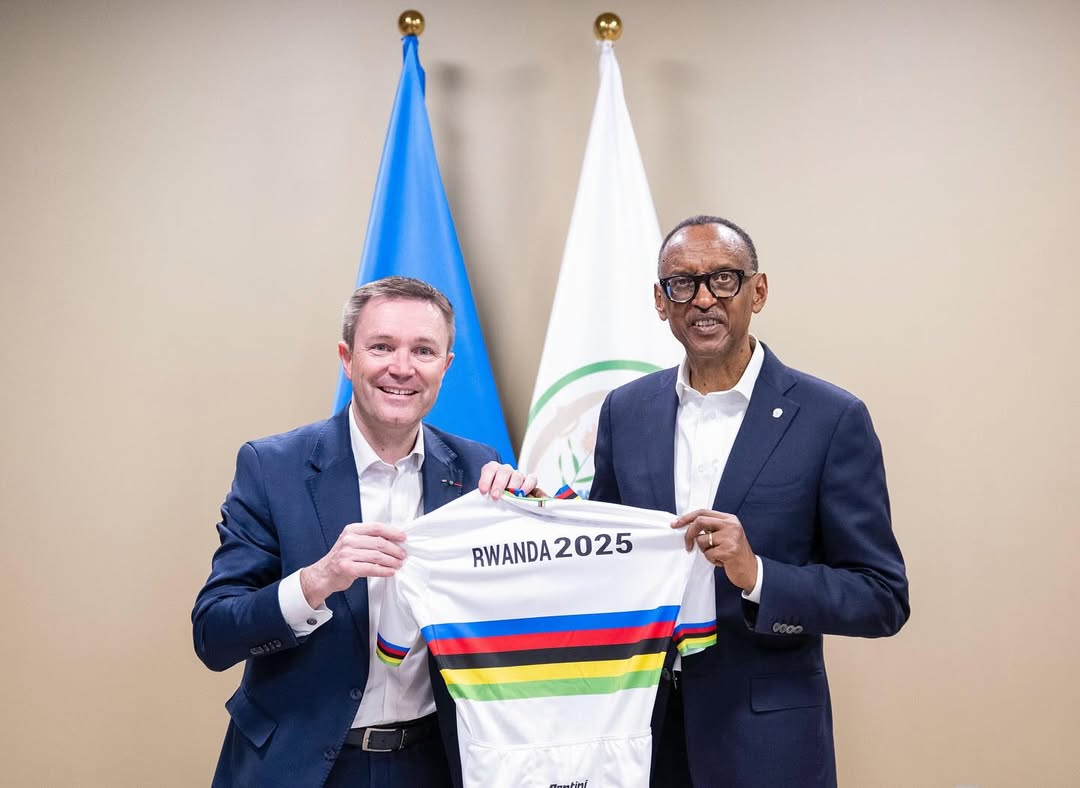
David Lappartient, President of the Union Cycliste Internationale (UCI) and a member of the International Olympic Committee, named a baby gorilla Muhuza.
The name means “the one who brings people together and connects.”
Lappartient played a key role in bringing the 2025 UCI Road World Championships to Rwanda, the first edition of the competition to be held in Africa.
Komezutsinde – keep winning
Dominique Plewes, CEO and philanthropy leader and founder of SOF Support Foundation, gave a baby gorilla the name Komezutsinde, meaning “keep winning.”
She was joined by Steven Kouraas, co-namer.
The name carries a message of perseverance, victory and continued progress, echoing Rwanda’s conservation journey.
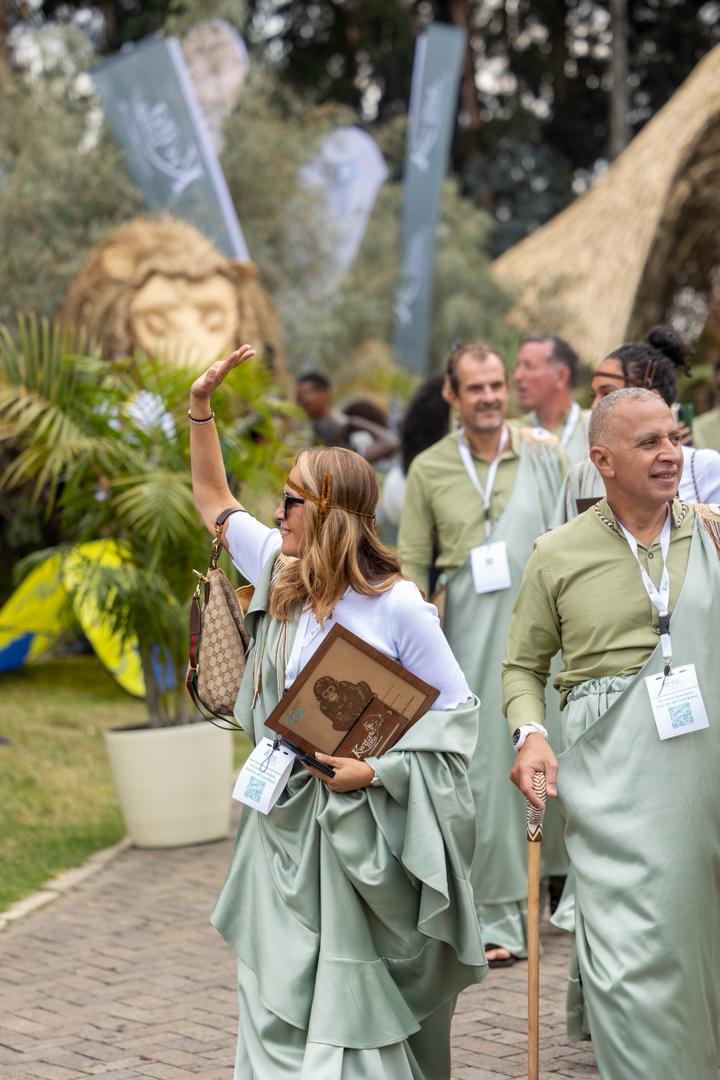
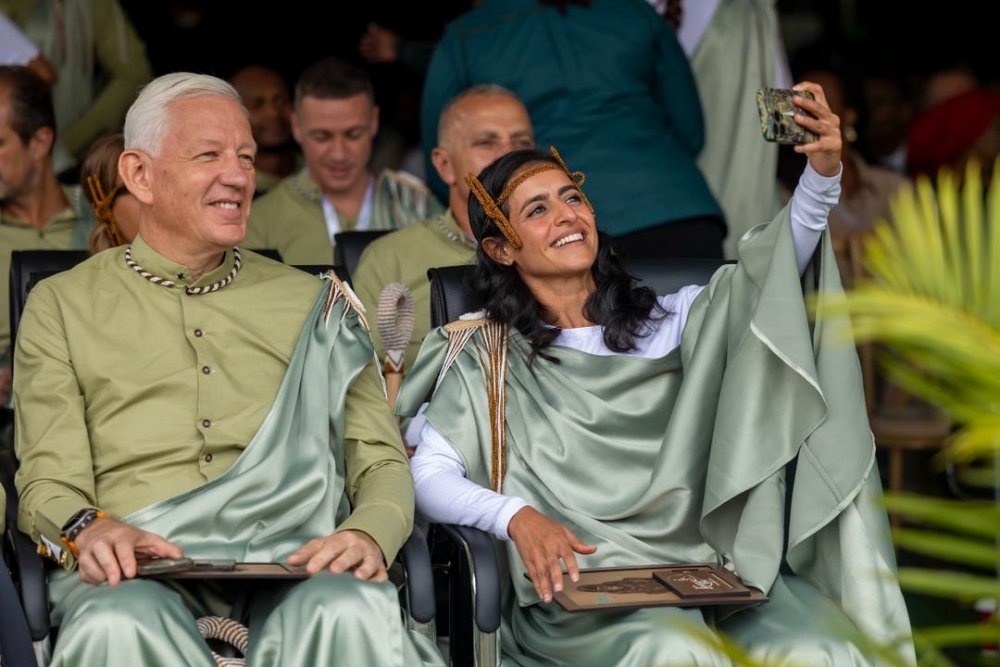
The ceremony welcomed a distinguished group of international personalities from sports, business, conservation, entertainment and philanthropy.
Mpinga – on top
Renowned British nature filmmaker and producer Alastair Fothergill, known for major wildlife productions including Planet Earth and Blue Planet, gave a baby mountain gorilla the name Mpinga, meaning “on top.”
Fothergill’s long career documenting wildlife brought a conservation storyteller’s perspective to the ceremony.
Impeta – an award and symbol of recognition
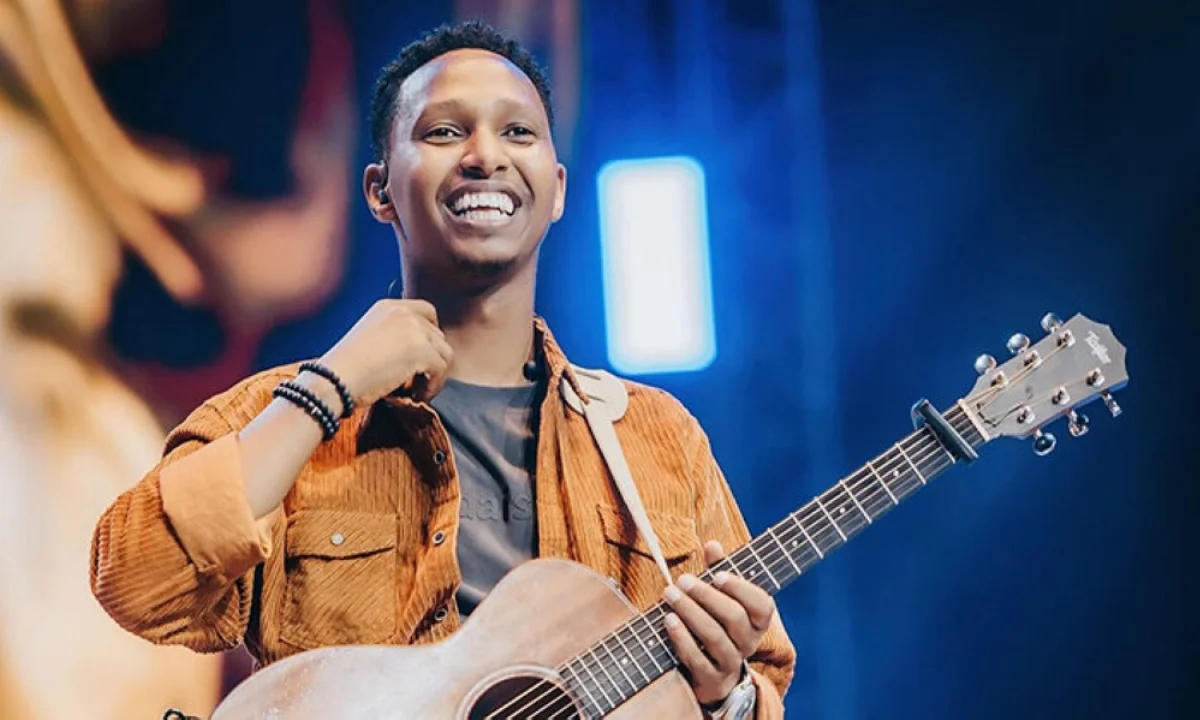
Rwandan gospel singer Israel Mbonyi named a baby gorilla from the Izuba family Impeta.
The name translates to “an award” or “a symbol of recognition.”
The choice connects the ceremony to the achievements of the people and institutions whose work has contributed to the recovery of mountain gorillas.
Nkwakuzi – bravery
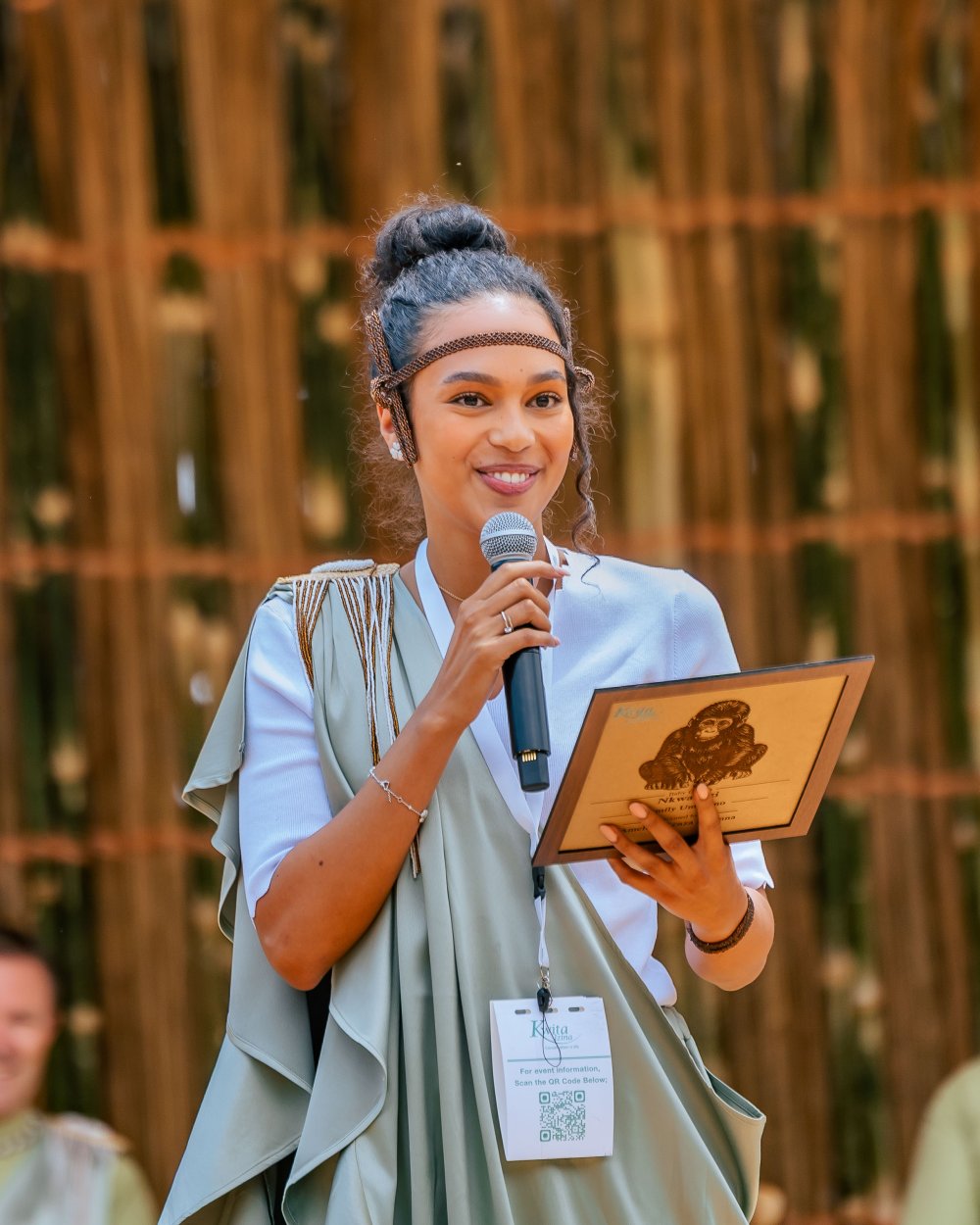
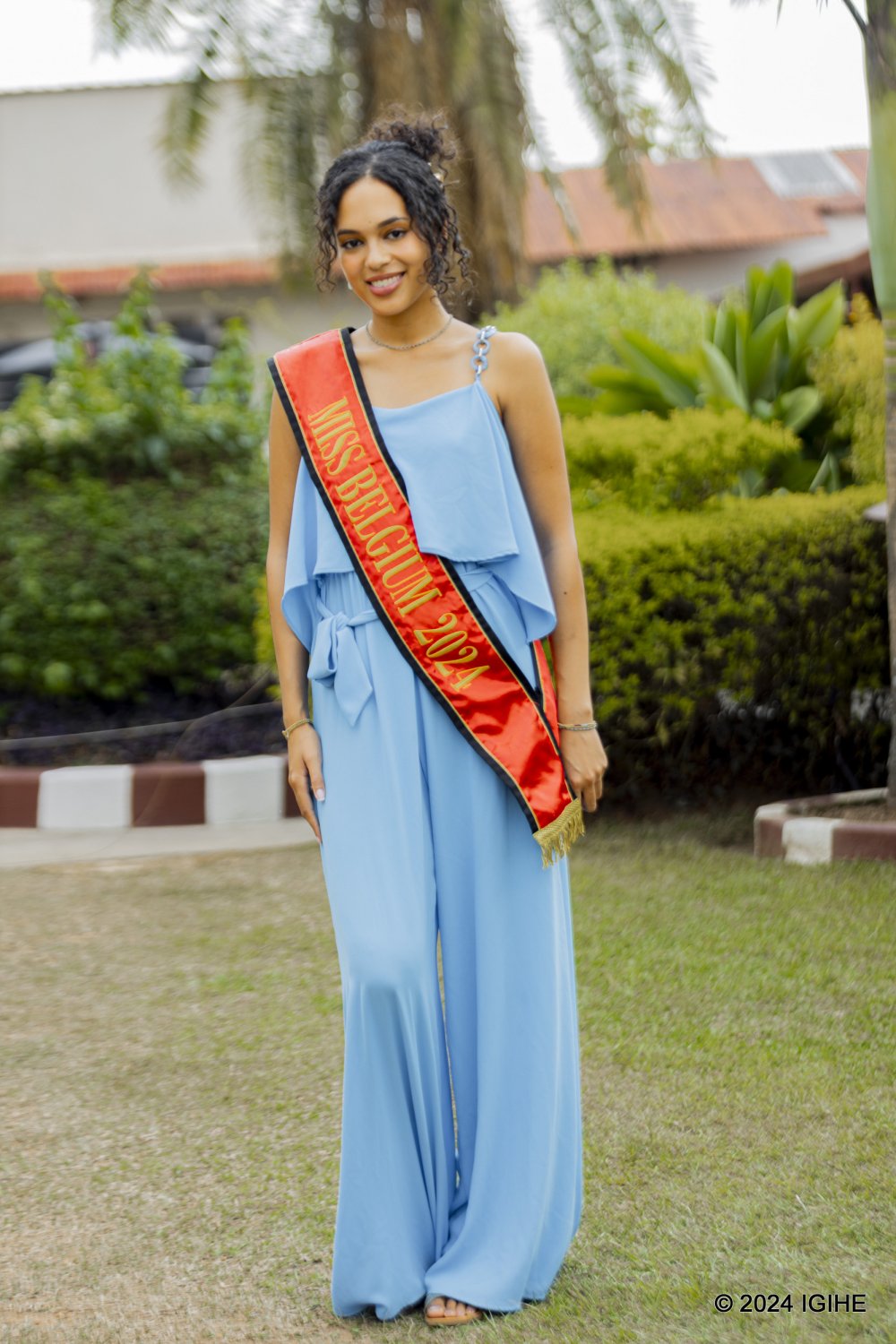
Kenza Johanna Ameloot, Miss Belgium 2024, named a male baby gorilla Nkwakuzi, a name meaning “a brave person.”
Ameloot, who has Rwandan heritage, said she chose the name to honour the strength, courage and resilience of the Rwandan people.
She also uses her platform to advocate for children affected by cataracts while championing her Rwandan heritage.
More than names
Beyond the colour, music and star power surrounding Kwita Izina, the ceremony carries a deeper conservation message.
Rwanda’s mountain gorilla population has grown to more than 1,060 in the wild across the Virunga Massif and Bwindi ecosystem, making the species the only great ape whose population is increasing.
Prime Minister Dr Justin Nsengiyumva said that when Rwanda names a gorilla, it is making a promise to protect it.
“Because a name for us is more than a celebration. It is a promise,” he said.
That promise, he added, means ensuring that the gorillas have the protection, habitat and conditions they need to grow, thrive and reproduce.
The recovery has come a long way from the early 1980s, when only about 250 mountain gorillas were estimated to remain in the Virunga Massif.
Today, Rwanda is also pursuing a major expansion of Volcanoes National Park, alongside investments aimed at improving the lives of communities living around the protected area.
The newly launched Smart Green Village, an investment of more than $49 million, is expected to provide modern housing, services and sustainable livelihood opportunities for 547 households affected by the park’s expansion.
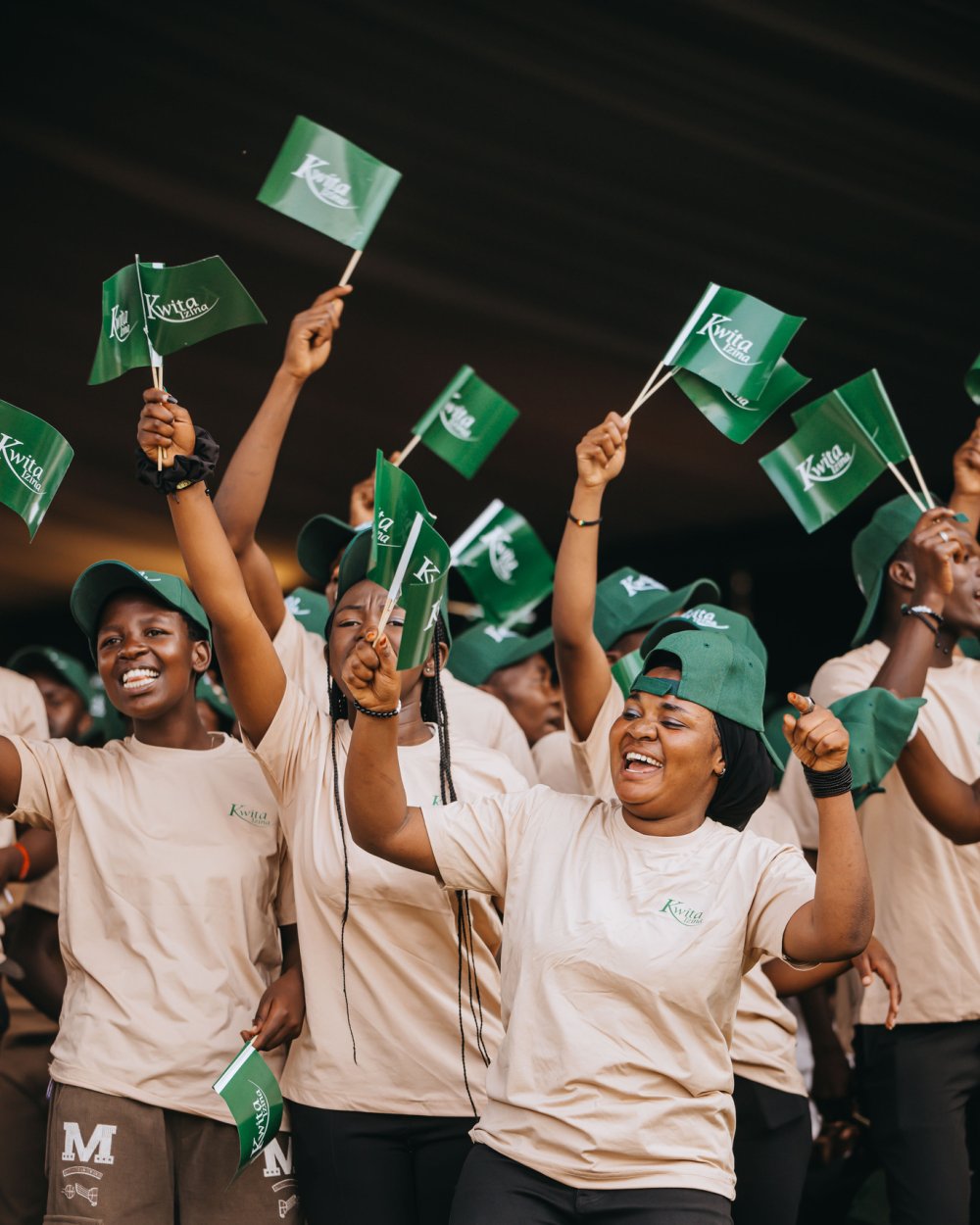
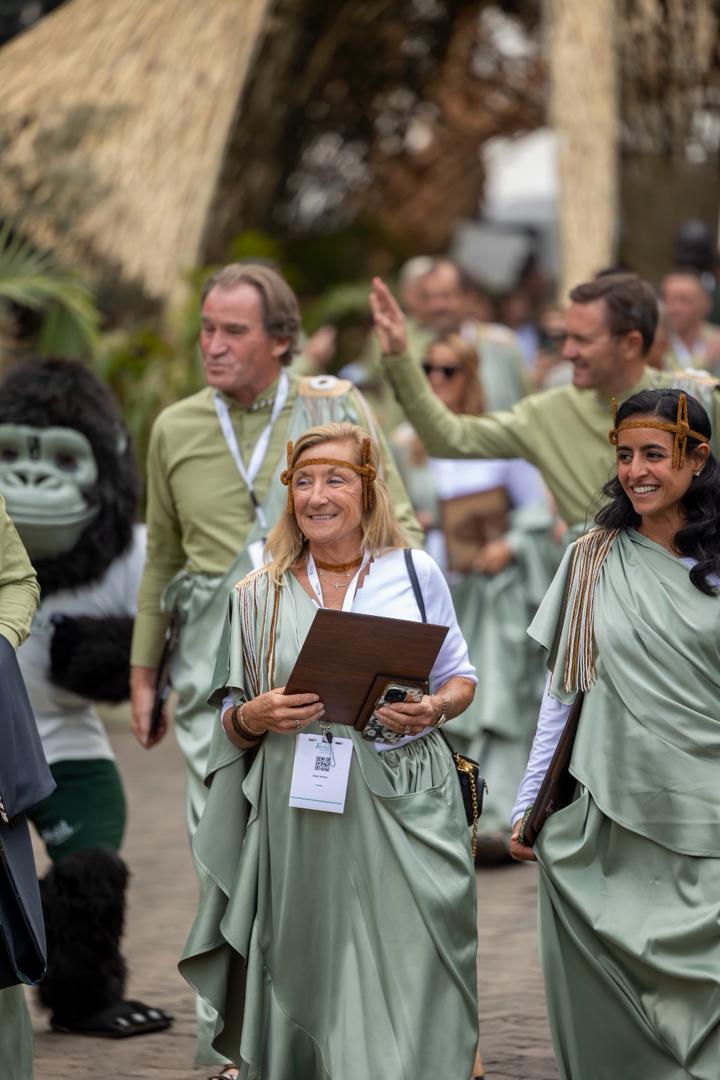
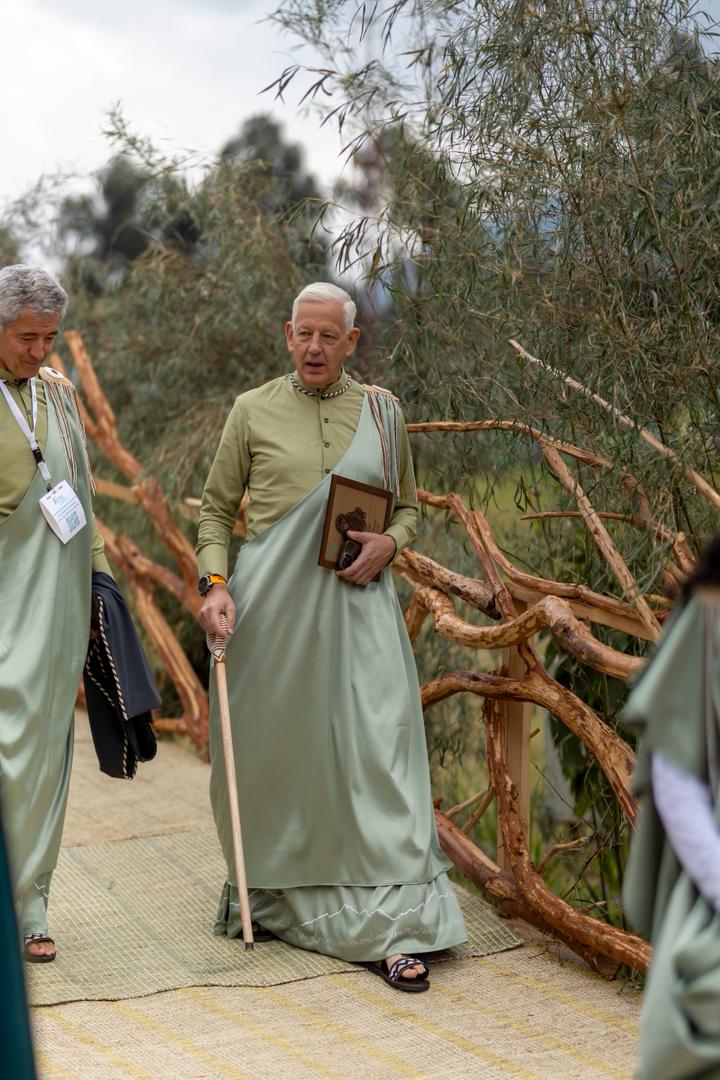
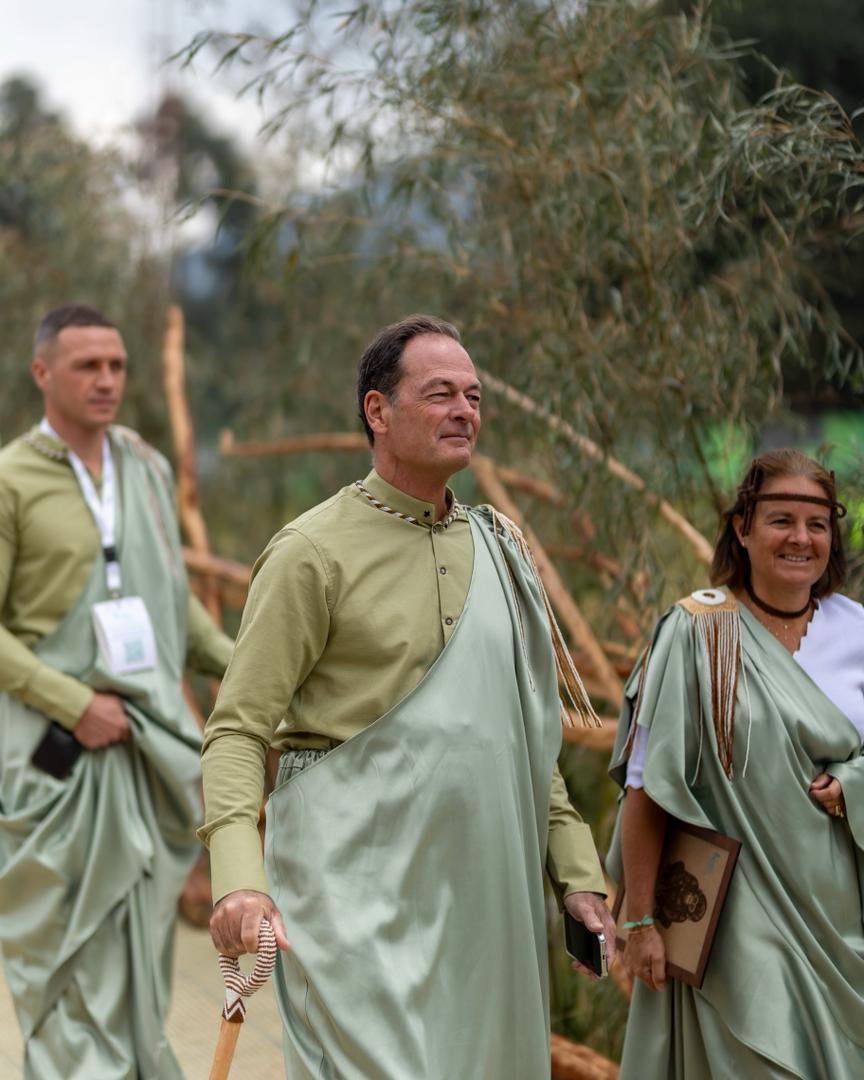
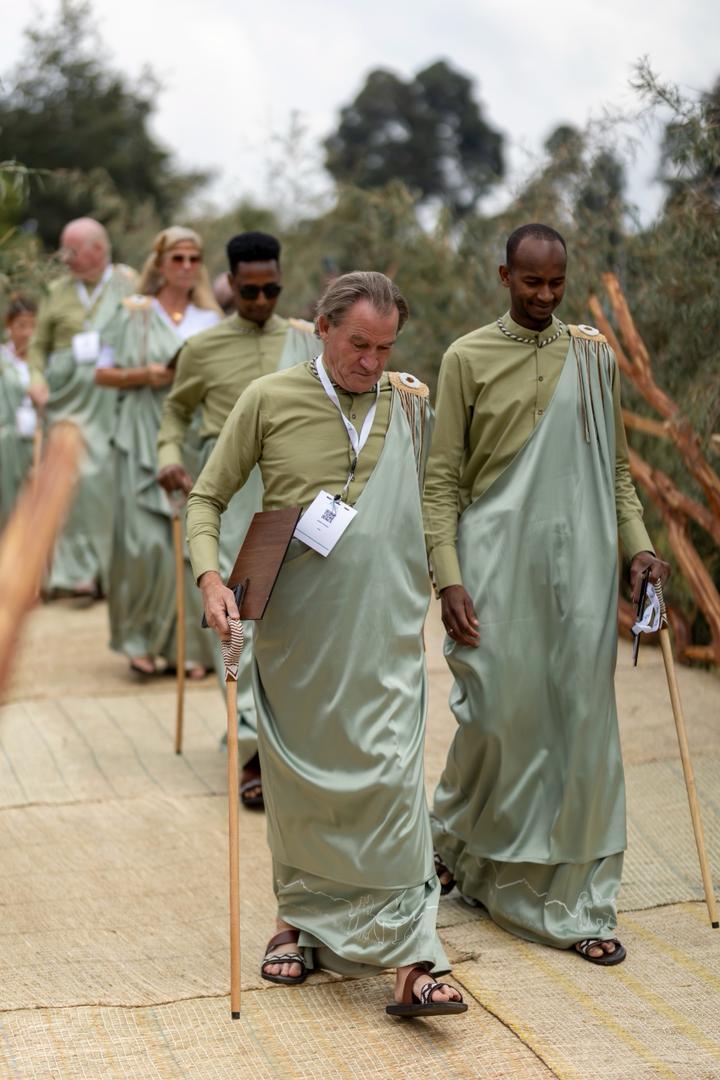
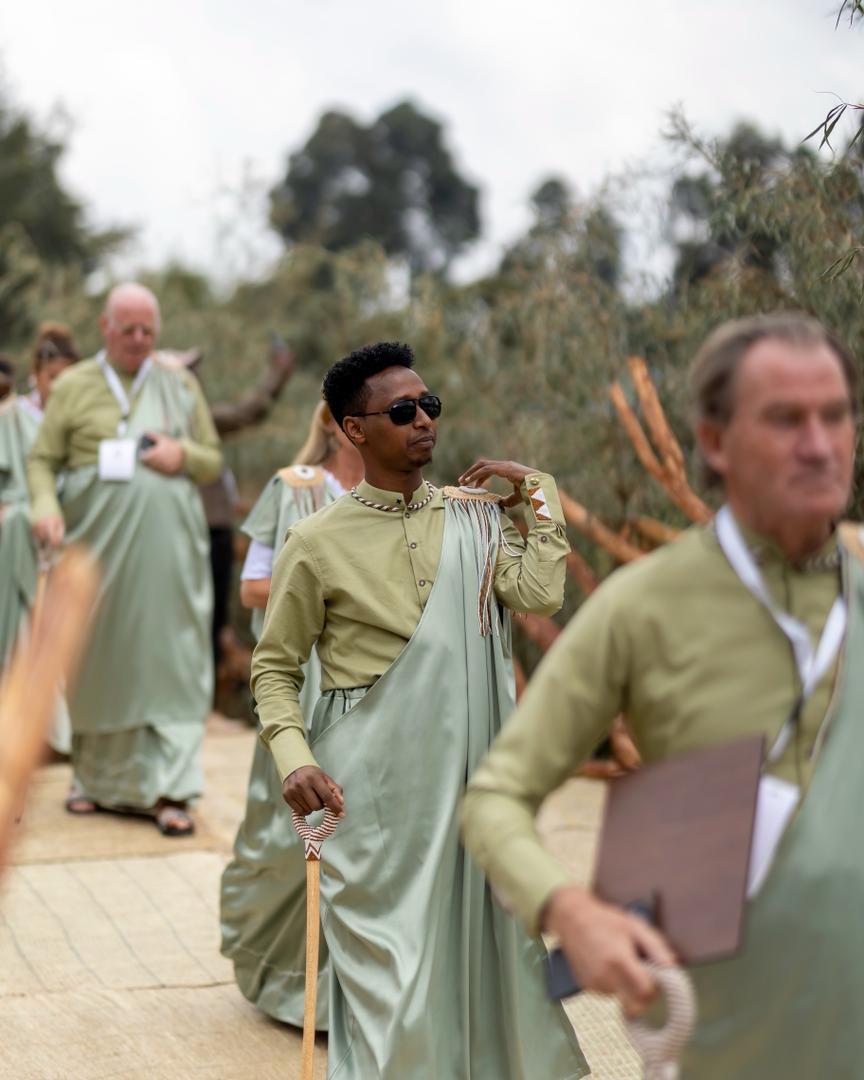
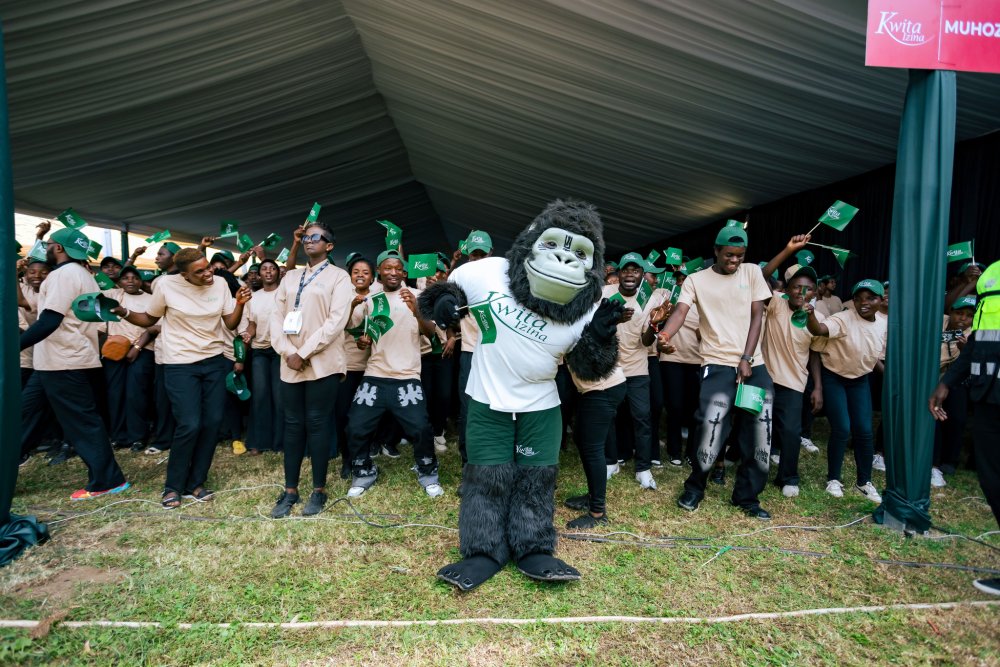
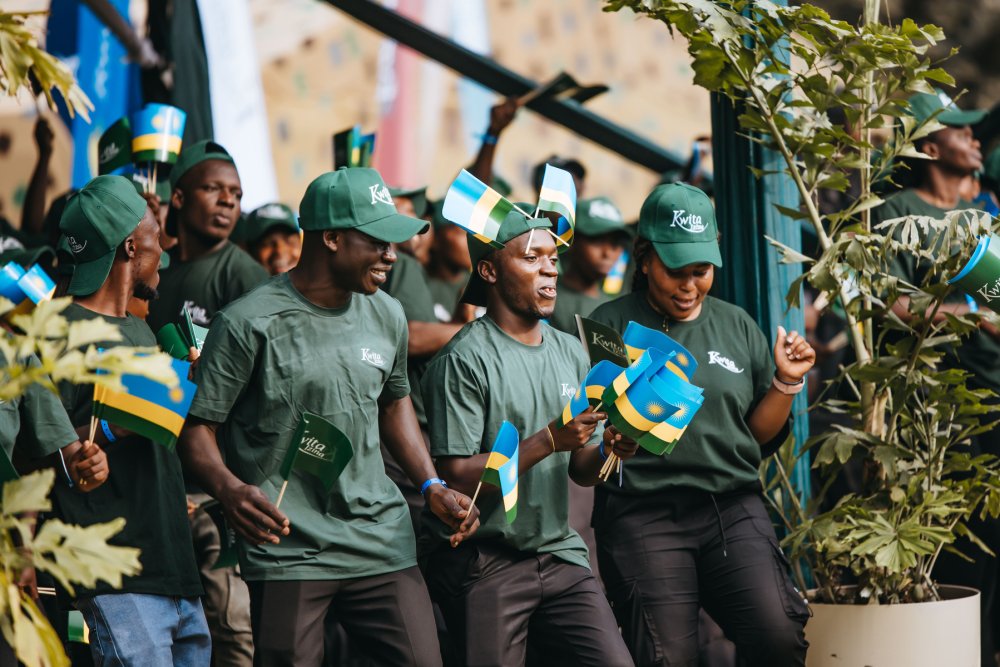
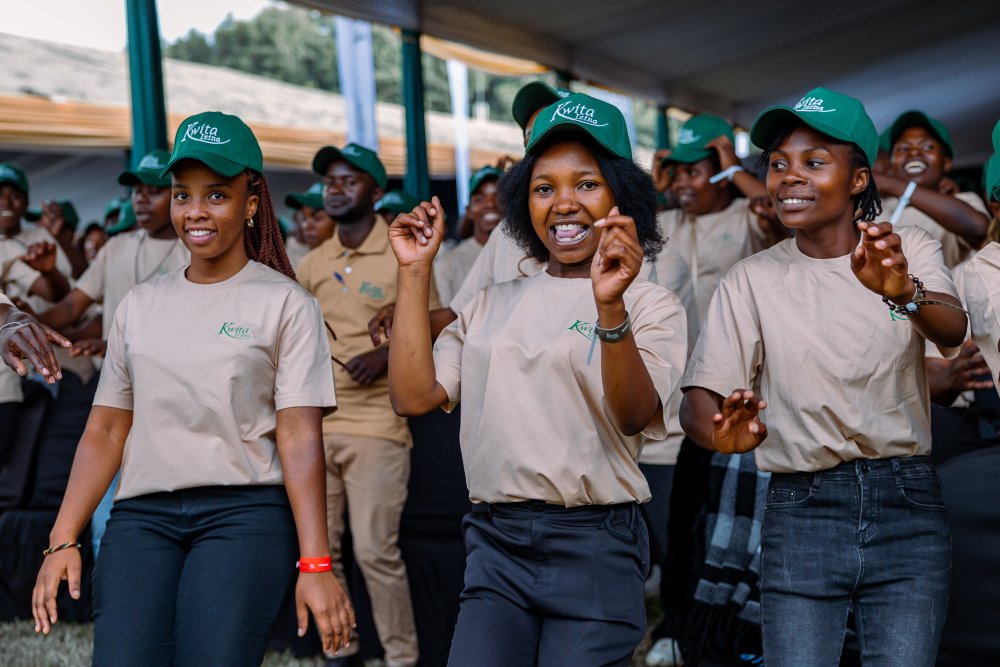
The ceremony, held in Kinigi under the theme “Conservation is Life: Sustaining the Future,” was marked by colourful cultural performances and music, as 22 distinguished namers from Rwanda and around the world gave names to the baby gorillas.
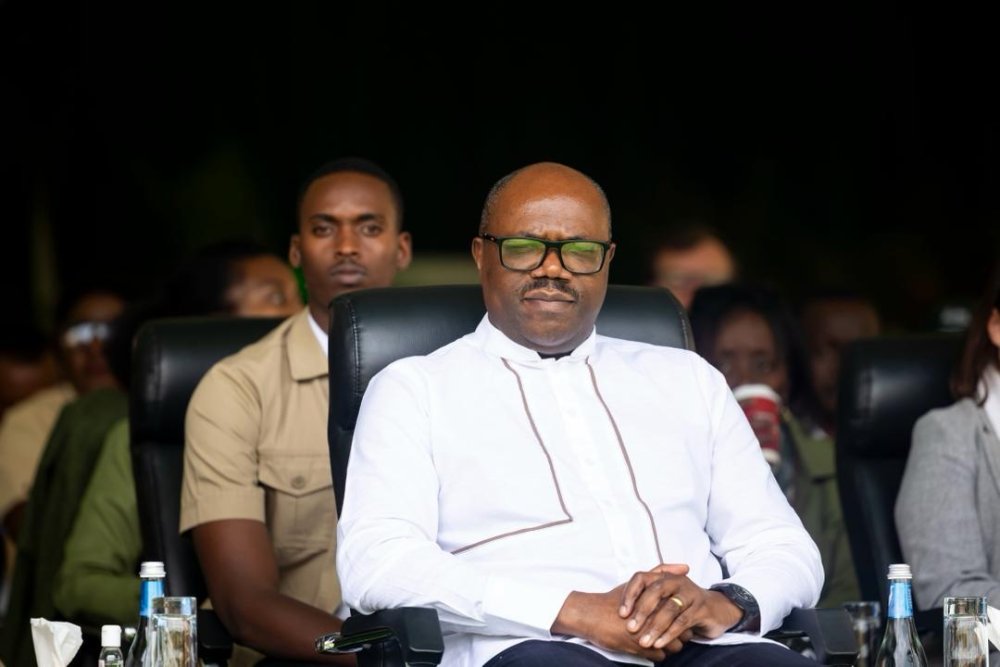
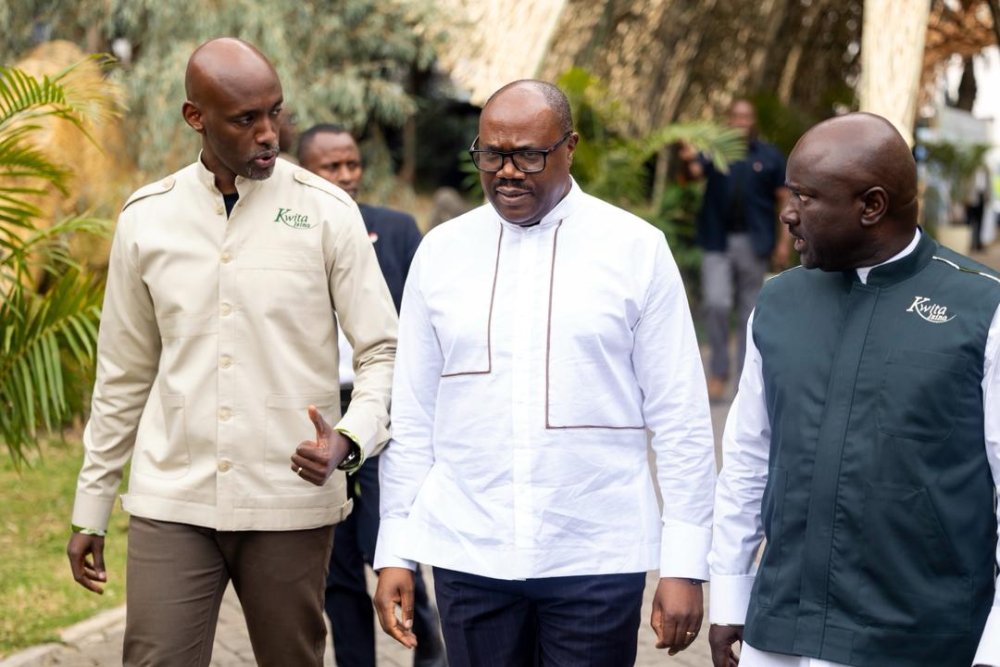
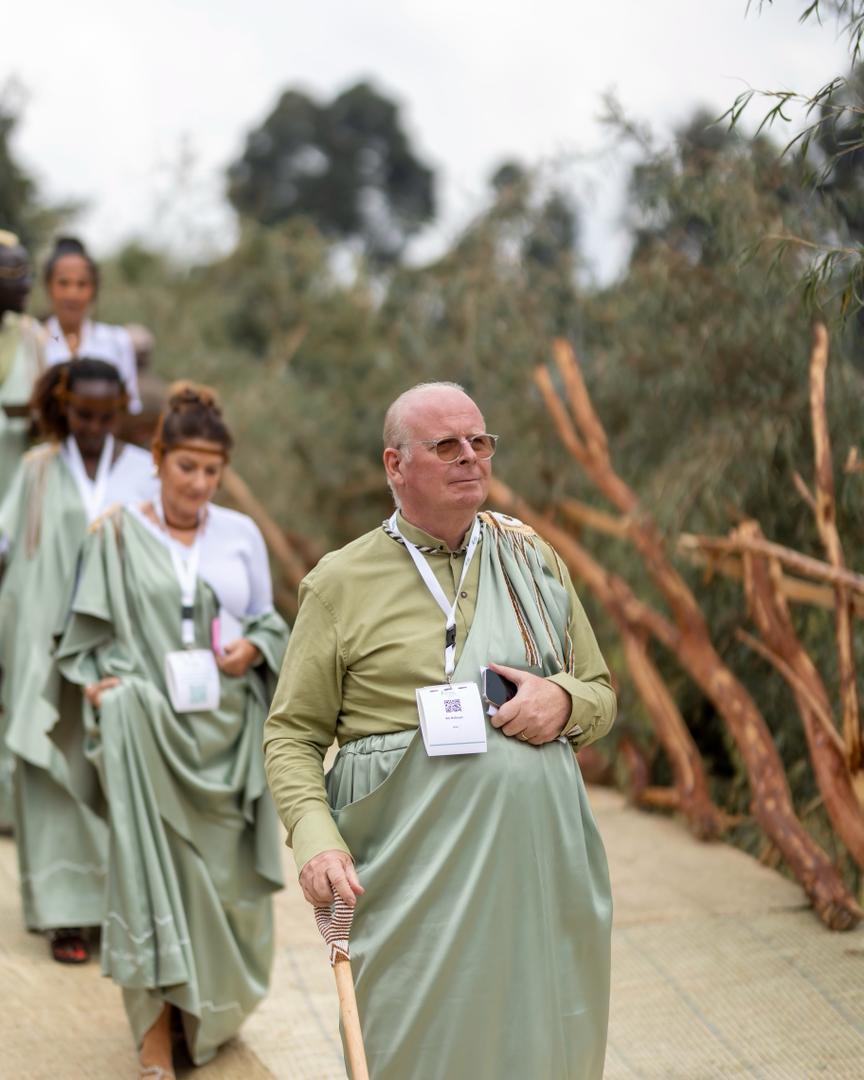
Among those who took part in the celebrations were former Botswana President Mokgweetsi Masisi and former Ethiopian Prime Minister Hailemariam Desalegn, alongside personalities from business, sport, entertainment, conservation and philanthropy.
Rwandan gospel singer Israel Mbonyi named a baby gorilla from the Izuba family Impeta, meaning “an award and a symbol of recognition.”
Miss Belgium 2024 Kenza Johanna Ameloot, who is of Rwandan heritage, named a male baby gorilla from the Umbano family Nkwakuzi, meaning “a brave person.”
“I am sure he will be the strongest and kindest gorilla in the park,” Ameloot said while announcing the name.
Ahmed Sadek Elsewedy, Chairman of Elsewedy Electric, and his wife Anita Dravec named another baby gorilla Rugamba, meaning “Fighter”.
David Lappartient, President of the Union Cycliste Internationale (UCI) and a member of the International Olympic Committee, named a baby gorilla Muhuza, a name meaning “the one who brings people together and connects.”
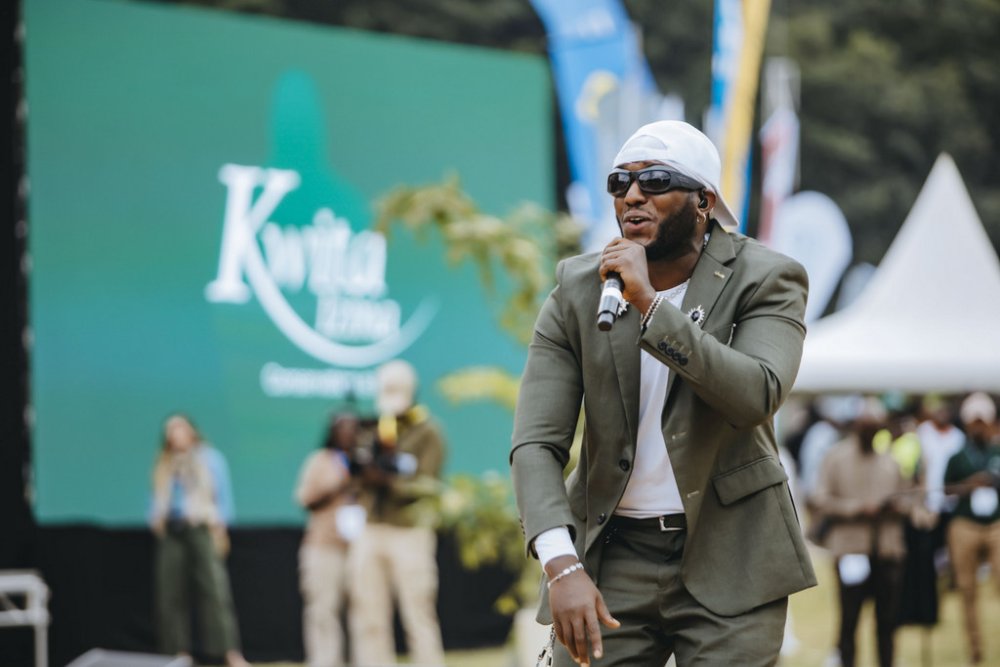
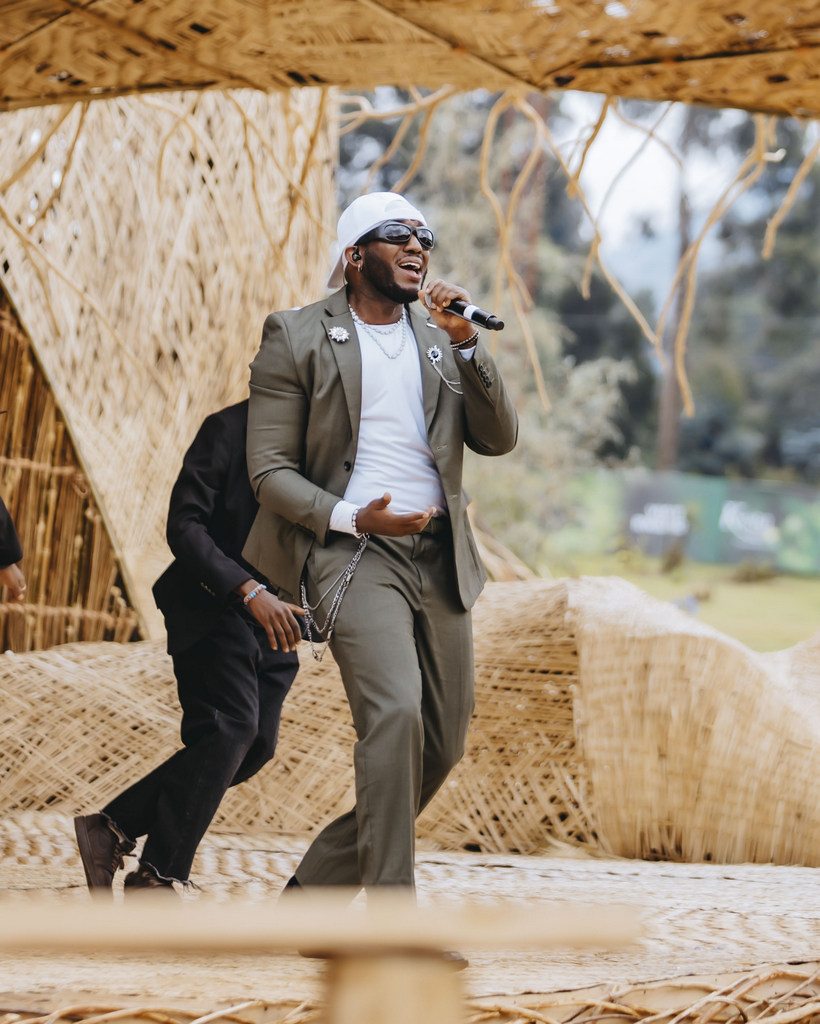
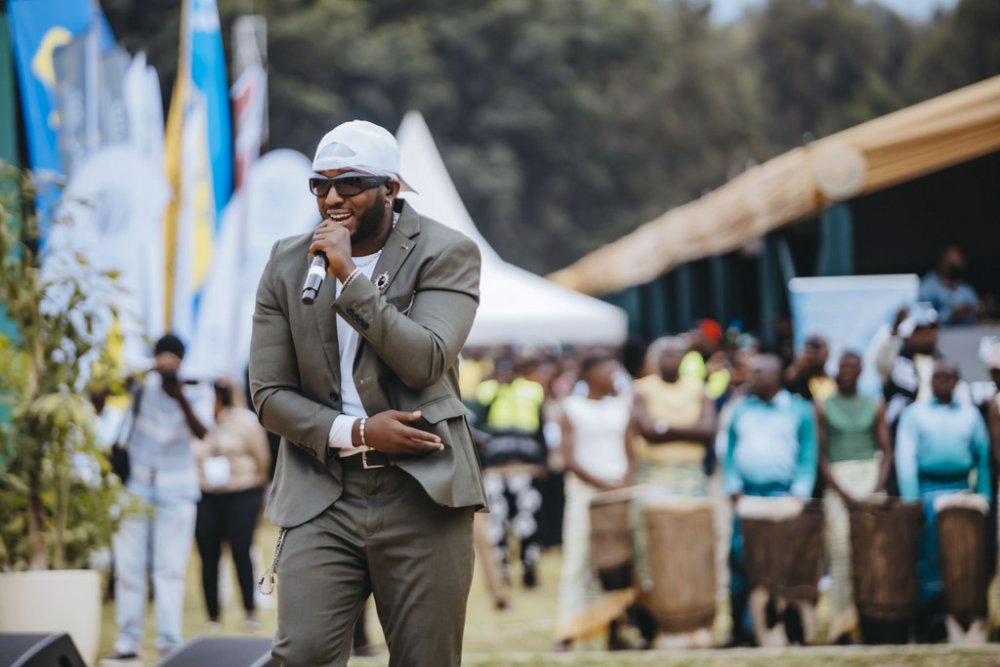
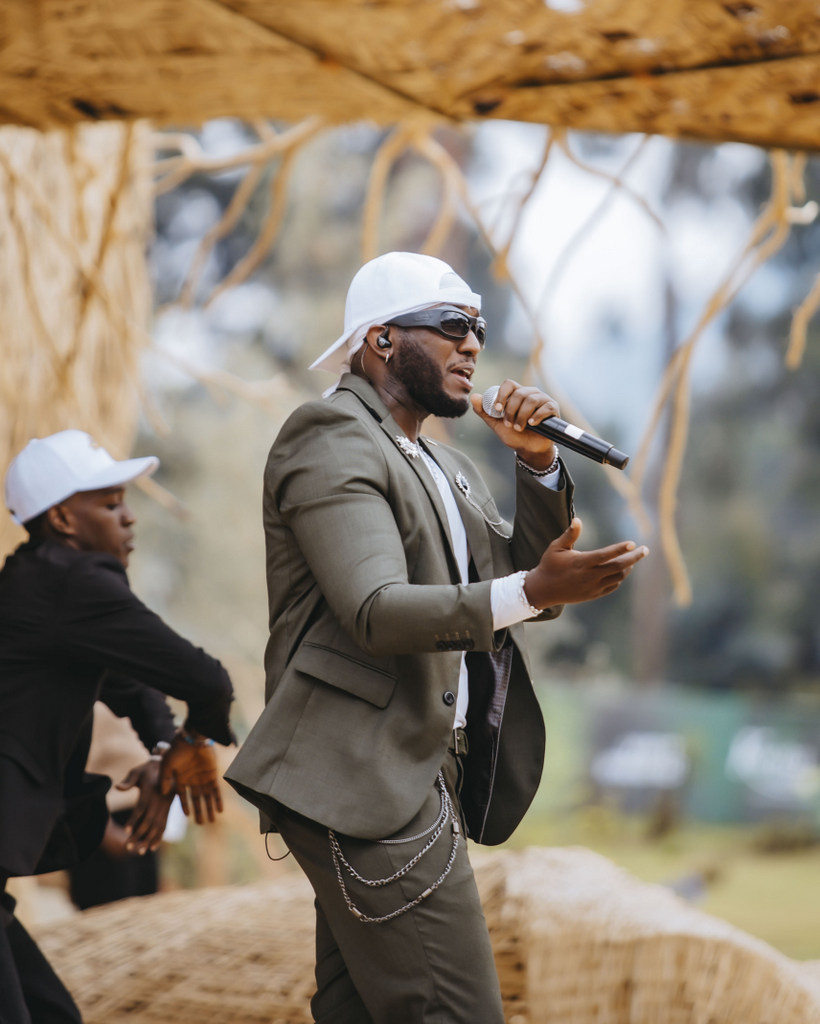
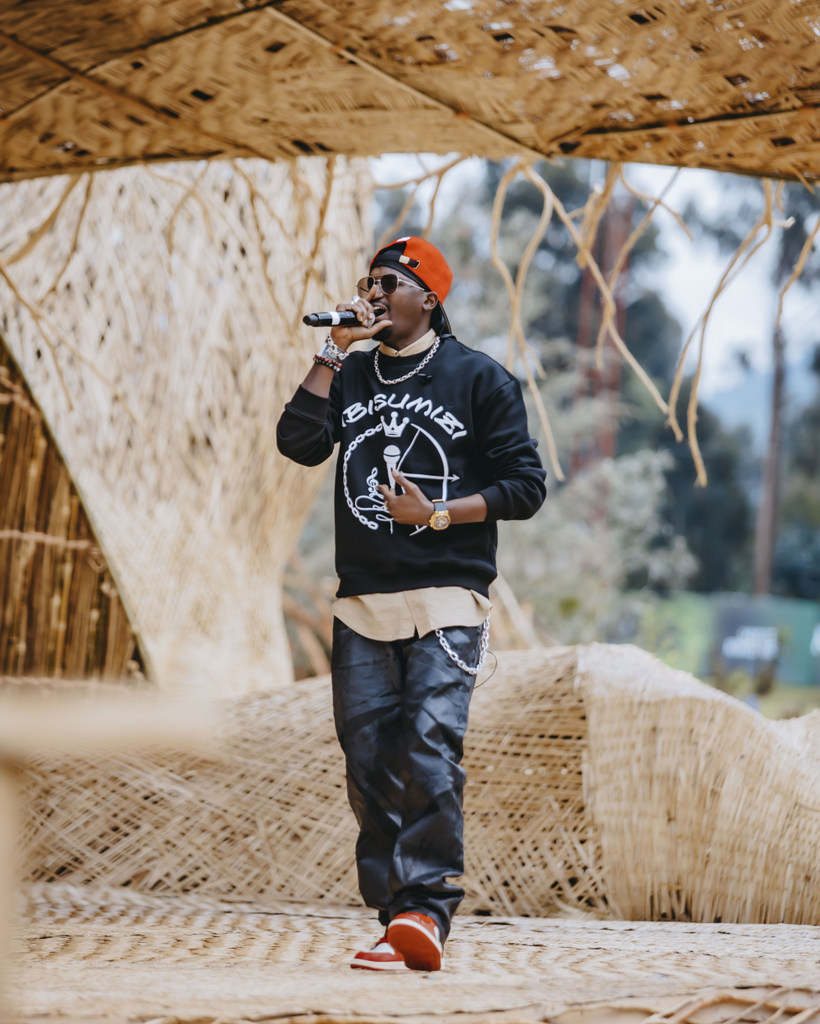
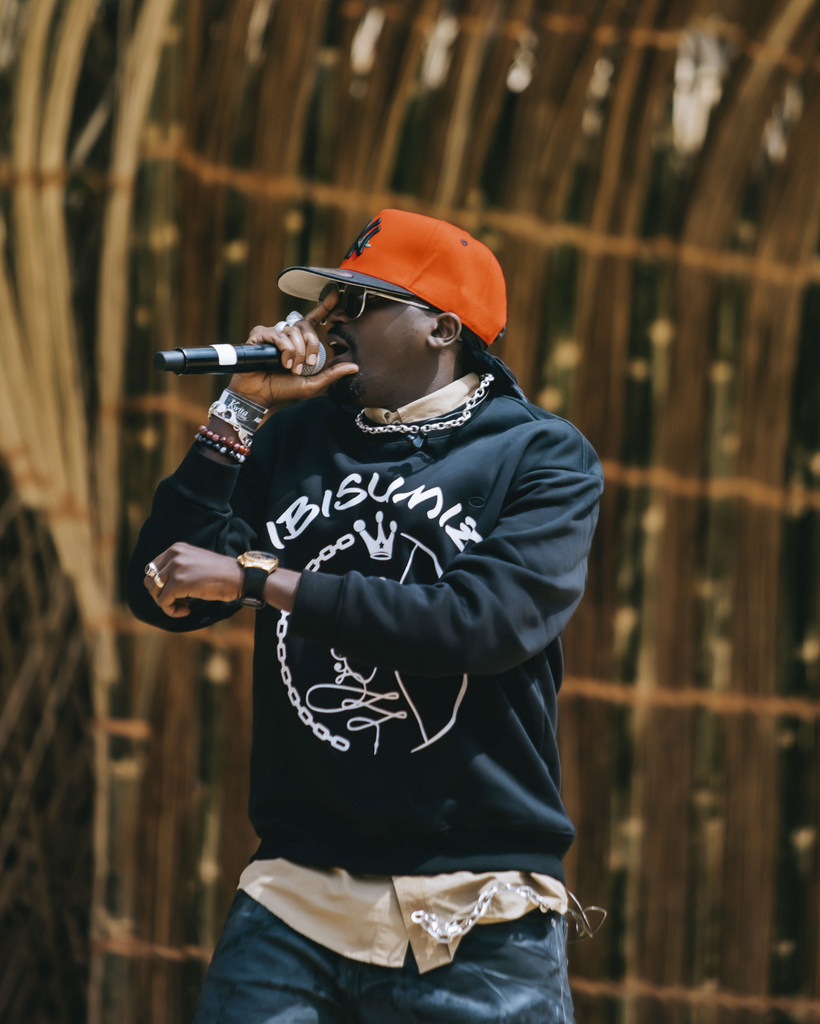
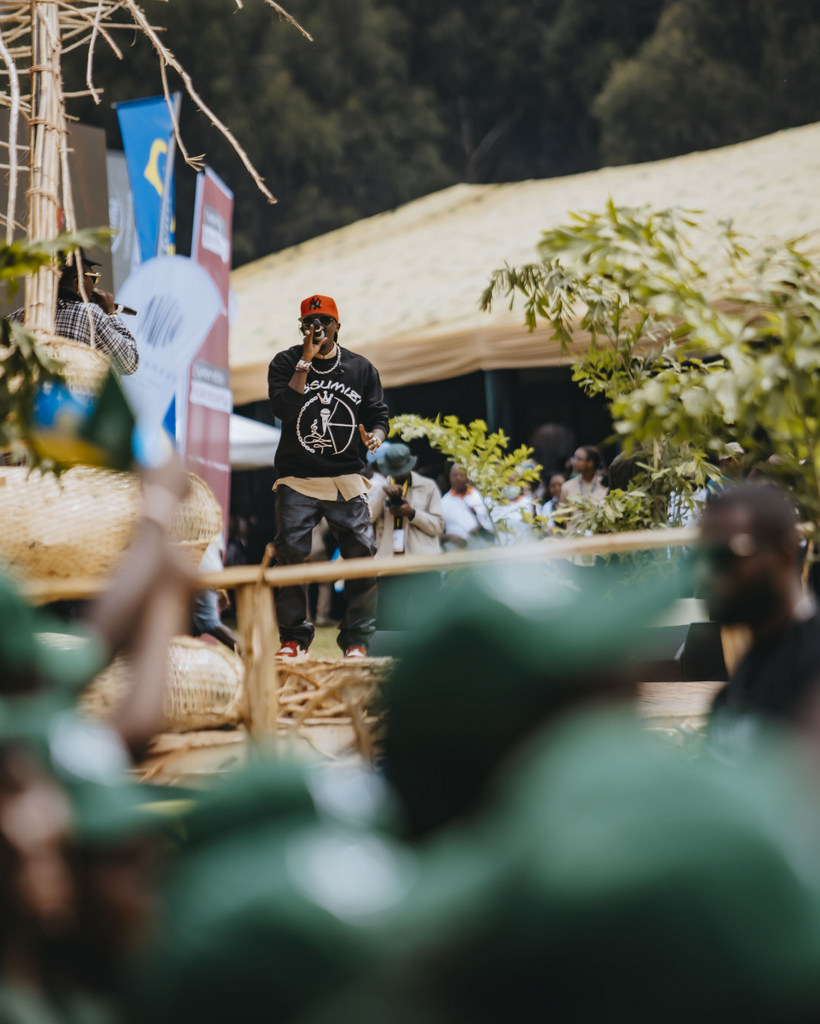
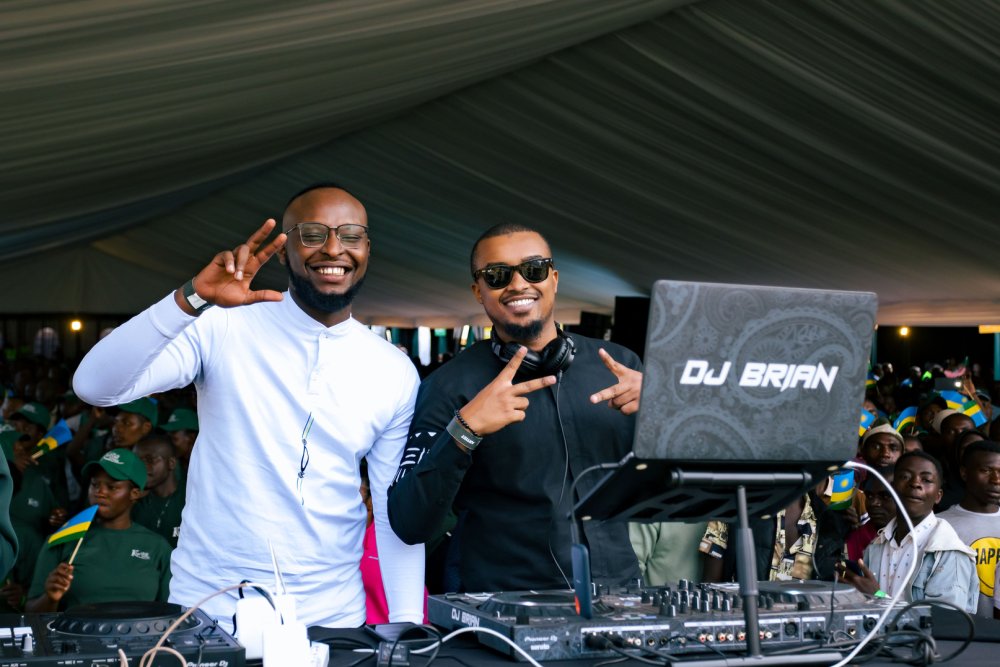
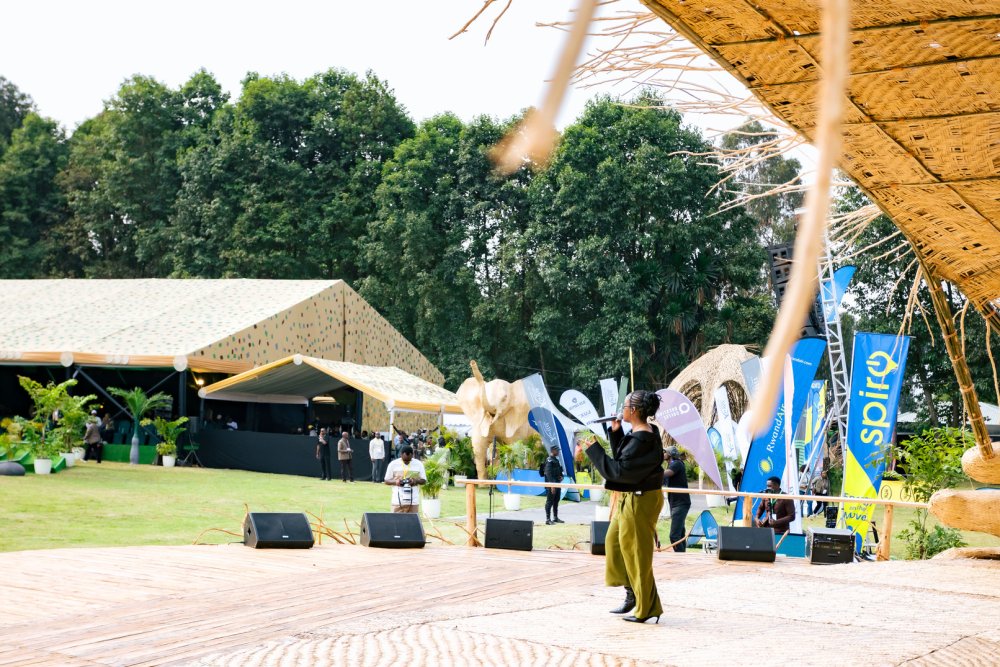
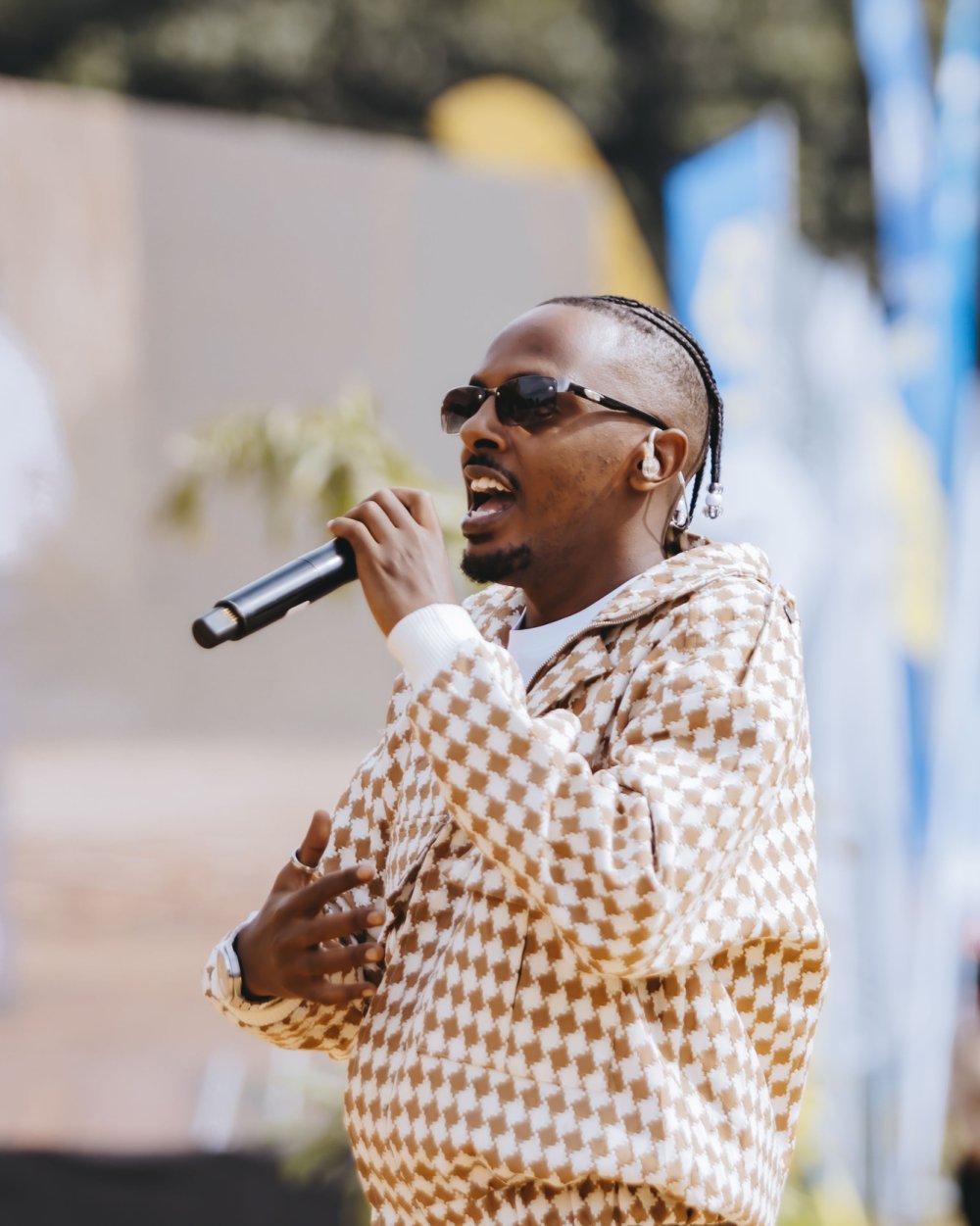
The ceremony also featured an energetic performance by Rwandan music star The Ben and his crew, adding to the festive atmosphere in Kinigi.
The event has become one of Rwanda’s most prominent annual conservation celebrations since it was officially launched in 2005. Over the first 20 editions, 438 gorillas had been named, bringing the cumulative number to 460 with the 22 named on Friday.
Speaking at the ceremony, Prime Minister Dr Justin Nsengiyumva said Kwita Izina was inspired by the Rwandan tradition of naming children in the presence of family, friends and neighbours.
“Because a name for us is more than a celebration. It is a promise,” he said, adding that the promise extended to protecting the gorillas, their habitat and the conditions they need to grow and reproduce.
The Prime Minister said the recovery of the mountain gorilla population had taken decades of work involving rangers, veterinarians, researchers, government institutions, conservation organisations, communities and international partners.
In the early 1980s, only about 250 mountain gorillas remained in the Virunga Massif. Today, more than 1,060 mountain gorillas live in the wild across the Virunga Massif and Bwindi ecosystem, making the mountain gorilla the only great ape whose population is increasing.
Jean-Guy Afrika, Chief Executive Officer of the Rwanda Development Board, said the 22 births represented hope and demonstrated what sustained conservation efforts, strong institutions, community ownership and international partnerships can achieve.
“Each new birth represents hope,” Afrika said.
He affirmed that Rwanda’s conservation approach seeks to ensure that protecting nature goes hand in hand with improving people’s lives.
That approach is also reflected in plans to expand Volcanoes National Park by about 3,740 hectares and establish approximately 6,620 hectares of buffer zones to create more habitat for the growing gorilla population.
The government has also launched the Smart Green Village in Kinigi as part of the wider Volcanoes Community Resilience Project. The project is expected to provide modern housing, services and livelihood opportunities to 547 households affected by the park’s expansion, with an investment of more than $49 million.
Prime Minister Nsengiyumva said the expansion demonstrated Rwanda’s belief that conservation and human development should advance together.
The benefits of gorilla conservation have also extended to surrounding communities through tourism and related economic activities.
Under Rwanda’s Tourism Revenue Sharing Programme, 10 per cent of national park tourism revenues is reinvested in communities around protected areas. More than Rwf23 billion has so far supported nearly 1,300 community projects, including schools, health centres, water infrastructure and livelihood initiatives.
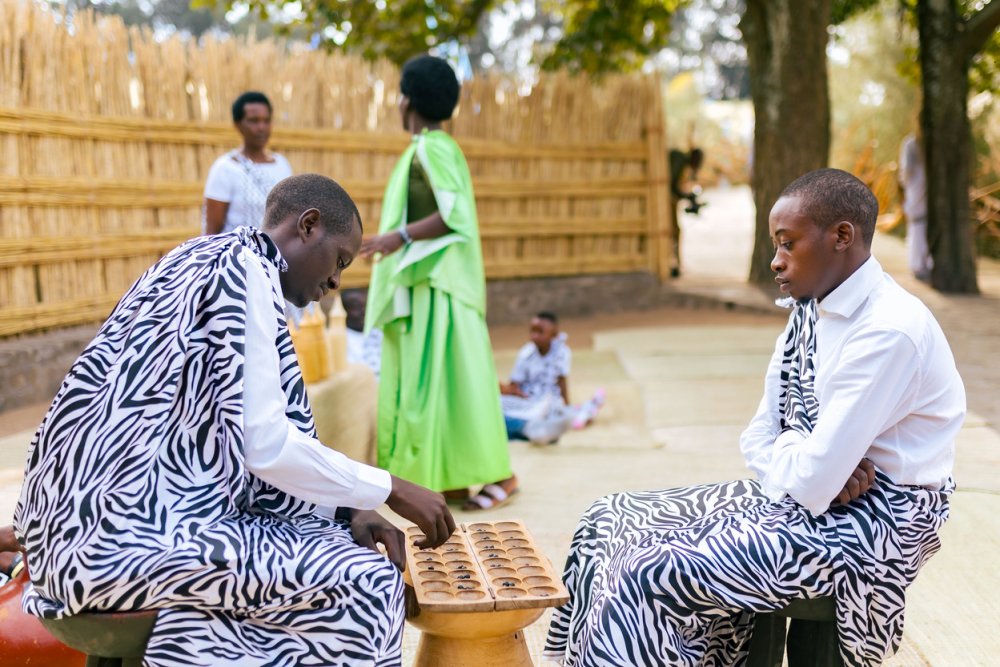
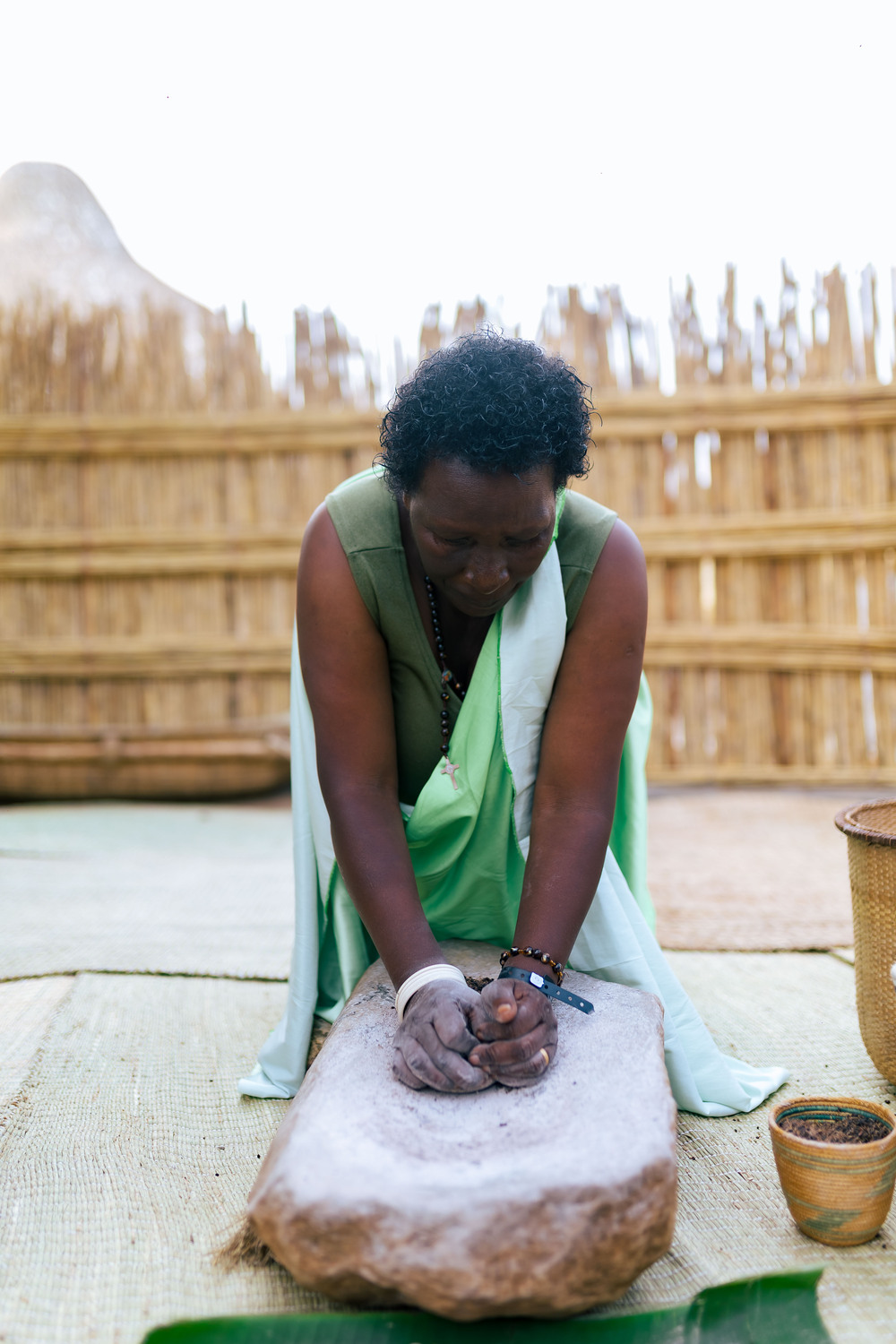
Beyond the conservation message, Friday’s ceremony offered Rwanda an opportunity to showcase its tourism and cultural heritage to an international audience.
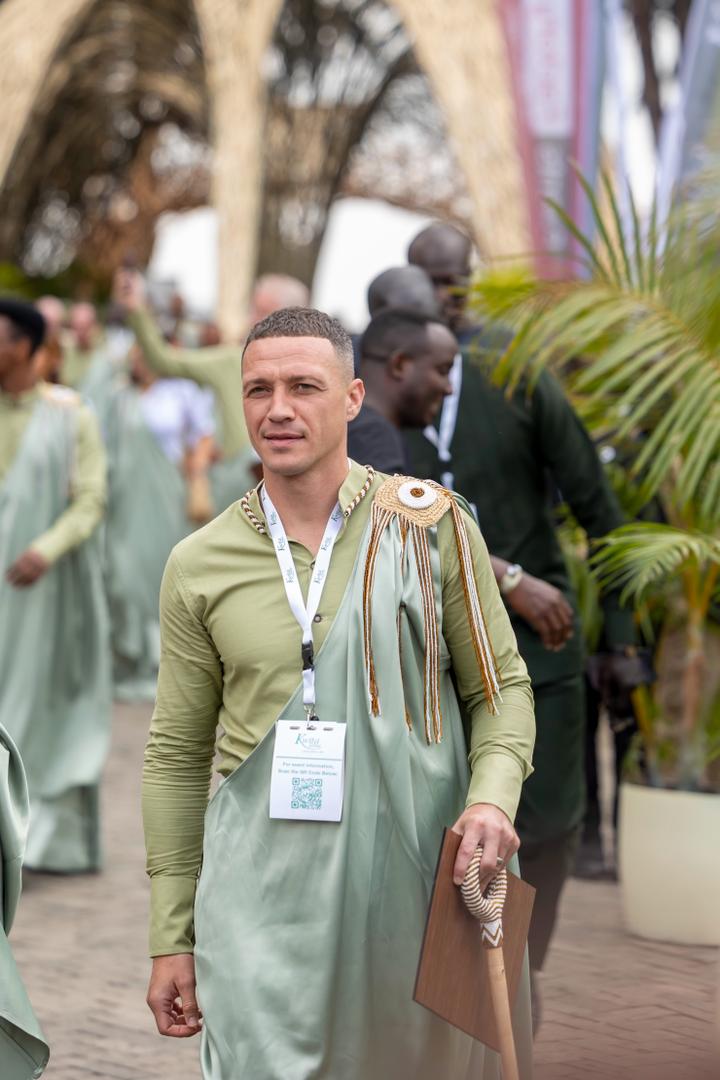
The gathering brought together personalities such as former football stars Patrice Evra, Mamadou Sakho and James Chester, Olympic high-jump champion Mutaz Essa Barshim, filmmaker Alastair Fothergill, Atlético de Madrid chief executive Miguel Ángel Gil Marín and Rio Tinto Chairman Dominic Barton.
Other Namers included hospitality investor Olivier Granet, philanthropists Garreth and Nicola Wood, Pan African Sanctuary Alliance Executive Director Kelly O’Meara, Nyungwe National Park ranger Jeanette Uwimbabazi and filmmaker Marie-Clémentine Dusabejambo.
For Rwanda, the annual ceremony remains both a celebration of new life in the forest and a reminder of the responsibility that comes with protecting a species once pushed close to extinction.
22 distinguished Namers from Rwanda and around the world gave names to the baby gorillas.
The high-profile namers include former football stars, global business leaders, conservation advocates, artists, sports executives and philanthropists, reflecting the international reach of Rwanda’s conservation efforts.
Among the prominent figures expected at the ceremony is Shaikha Al Nuwais, Secretary-General of UN Tourism and the first woman to lead the organisation in its 50-year history.
The list also features football legends Mamadou Sakho, whose professional career spanned from 2007 to 2025, and Patrice Evra, who played professionally between 1998 and 2018. Both are former France internationals with distinguished club careers.
Manchester United legend Patrice Evra, who played professionally between 1998 and 2018, is among the high-profile personalities taking part in Kwita Izina 2026.
Sakho, who captained Paris Saint-Germain during his six-year senior spell at the club (2007–2013), went on to play for Liverpool (2013–2017) and Crystal Palace (2017–2021) in the English Premier League. He later had a stint at Montpellier before concluding his career at Georgian side Torpedo Kutaisi. He earned 29 caps for the French national team between 2010 and 2018.
Evra, who earned 81 international appearances for France between 2004 and 2016, served as captain for both his country and Manchester United. During his eight-year tenure at Old Trafford (2006–2014), he won five Premier League titles and the 2008 UEFA Champions League, before later playing for Juventus, Marseille and West Ham United.
Rwanda will also be represented among the namers by gospel singer and songwriter Israel Mbonyi, one of the country’s most recognised musical voices.
Mbonyi, who has built a large following in Rwanda and across Africa, joins one of the country’s most celebrated conservation traditions as a namer.
Gospel singer Israel Mbonyi has built a large following in Rwanda and across Africa.
The business and investment community will be represented by Eng. Ahmed Sadek, Chairman of Elsewedy Electric, a global energy and infrastructure company that has been involved in Rwanda’s electrification efforts.
Global business leader Dominic Barton, Chairman of Rio Tinto and LeapFrog Investments, will also join the ceremony. Barton previously served as Global Managing Partner of McKinsey & Company and as Canada’s Ambassador to China.
Miguel Ángel Gil Marín, CEO and majority shareholder of Atlético de Madrid and a member of the UEFA Executive Committee, is another high-profile name on the list.
The hospitality investment sector will be represented by Olivier Granet, Managing Partner and Co-CEO of Kasada Capital Management, a hospitality investment platform and investor in Mövenpick Hotel Kigali.
Sports will also feature prominently among this year’s namers.
Francesco Calvo, President of Business Operations at Aston Villa, will join the celebration, alongside global sports executive Paul Danforth, President of CAA Sports and a former Senior Vice President of Sales for the New York Mets.
David Lappartient, President of the Union Cycliste Internationale (UCI) and a member of the International Olympic Committee (IOC), will also return to Rwanda. His participation comes after Rwanda made cycling history in 2025 by hosting the UCI Road World Championships.
David Lappartient, President of the Union Cycliste Internationale (UCI) and a member of the International Olympic Committee (IOC), holds the yellow jersey alongside President Paul Kagame during the historic competitions in Rwanda last year.
Olympic champion Mutaz Essa Barshim of Qatar is another prominent sports figure taking part. A three-time world champion, Barshim is one of the most accomplished high jumpers of his generation and will join Rwanda in celebrating mountain gorilla conservation.
Conservation will also feature prominently among this year’s namers.
Jeannette Uwimbabazi, a Nyungwe National Park ranger, has been recognised for her dedication to protecting Rwanda’s biodiversity and will take part in the ceremony as a representative of those working on the front lines of conservation.
Kelly O’Meara, Executive Director of the Pan African Sanctuary Alliance (PASA), is another conservation advocate among the namers. She works to promote primate protection and welfare across Africa.
Neil McDougall, Founder and Chairman of delAgua Group, will also join the 21st Kwita Izina as a namer. He leads efforts to expand access to clean cooking and improve livelihoods across Africa.
The ceremony will also bring together leading voices from wildlife filmmaking. Alastair Fothergill, the award-winning filmmaker behind productions including Planet Earth, Blue Planet and A Gorilla Story: Told by Sir David Attenborough, is among those set to name a gorilla.
Rwandan filmmaker Marie-Clémentine Dusabejambo will also take part. Her film Ben’Imana was selected for the Un Certain Regard section of the 2026 Cannes Film Festival, and she now joins Rwanda’s conservation celebration as a namer.
The list extends to personalities using their public platforms to support social causes.
Kenza Johanna Ameloot, Miss Belgium 2024 of Rwandan heritage, is among the namers. She has used her platform to advocate for children affected by cataracts.
Kenza Johanna Ameloot, Miss Belgium 2024 of Rwandan heritage, is among the namers.
Former Aston Villa captain and Wales international James Chester will also take part. Chester helped Aston Villa return to the Premier League and represented Wales at UEFA Euro 2016.
Philanthropy and social impact will be represented by several namers.
Susan Hollern, Founder and President of Hope Haven Rwanda, will join the ceremony. She has worked to advance education and family transformation in Rwanda since 2011.
Philanthropy leader Dominique Plewes, Founder of SOF Support Foundation, will also take part. The foundation supports research and humanitarian initiatives in conflict-affected communities.
Philanthropists Garreth and Nicola Wood will also join the ceremony.
Garreth Wood MBE, a Scottish entrepreneur and philanthropist, chairs The Wood Foundation. Together with his wife, Nicola Wood MBE, he co-founded Kids Operating Room, a global health charity focused on expanding access to safe paediatric surgery in low-resource settings.
Garreth Wood MBE will attend the baby gorilla naming ceremony with his wife, Nicola Wood MBE, who will also take part as a namer.
Their participation adds a global philanthropy dimension to this year’s ceremony, which continues to use gorilla conservation as a platform for bringing together people from different sectors and parts of the world.
Kwita Izina has grown into one of Rwanda’s most prominent conservation events, drawing international attention to the protection of mountain gorillas and the communities living alongside their habitat.
The 2026 edition will once again bring together personalities whose influence spans sports, tourism, business, conservation, entertainment and philanthropy, with each namer playing a role in celebrating Rwanda’s commitment to protecting its iconic mountain gorillas.
According to the Rwanda Development Board’s (RDB) 2025 annual performance report, Rwanda’s tourism sector generated $685 million in revenue in 2025, nearly four times the $164 million recorded in 2021.
Tourism revenue rose to $455 million in 2022 as the sector recovered from the effects of the Covid-19 pandemic, before reaching $620 million in 2023 and $647 million in 2024.
In 2025, tourism revenue increased by 6% compared with the previous year, supported by growth in visitor numbers and air travel. Revenue from air travel rose by 9% to $594 million.
Gorilla tourism accounted for a significant share of those earnings, generating $248 million in 2025, an increase of 7%.
Rwanda received 1.49 million visitors during the year, up from 1.36 million in 2024, representing a 9% increase. Visitors arriving by air increased by 23%.
The growth illustrates how the conservation of a species once considered highly vulnerable has become closely intertwined with Rwanda’s tourism ambitions.
Bringing tourism benefits to communities
Rwanda has also sought to ensure that the economic value created by conservation reaches communities living near national parks.
Through its tourism revenue-sharing programme, 10% of tourism revenues is allocated to communities living around protected areas.
The funds are invested in projects such as schools, health centres, water infrastructure and other community facilities.
RDB says more than Rwf23 billion has been invested in nearly 1,300 community projects since the programme began.
Muzungu made the announcement in an interview with Rwanda Broadcasting Agency (RBA) on September 2, 2026.
He said Afrinest Engineering Ltd, a boat-manufacturing company based in Karongi that built the vessel, is currently repairing it, with plans to return it to the water next year.
“Afrinest Engineering, the company that makes boats, also built this vessel, so they are repairing it. We work with them regularly, and they have given us confidence that next year it will be back in the water,” Muzungu said.
He added that the Kivu Queen uBuranga will not be the only vessel expected to operate on Lake Kivu, saying more boats are being built to improve transport across the lake.
“It is not the only one. There are other boats that will increase transportation on Lake Kivu, so that they can carry people from Rubavu to Rusizi and elsewhere, in a way that will improve transportation on Lake Kivu compared to what is happening today,” he said.
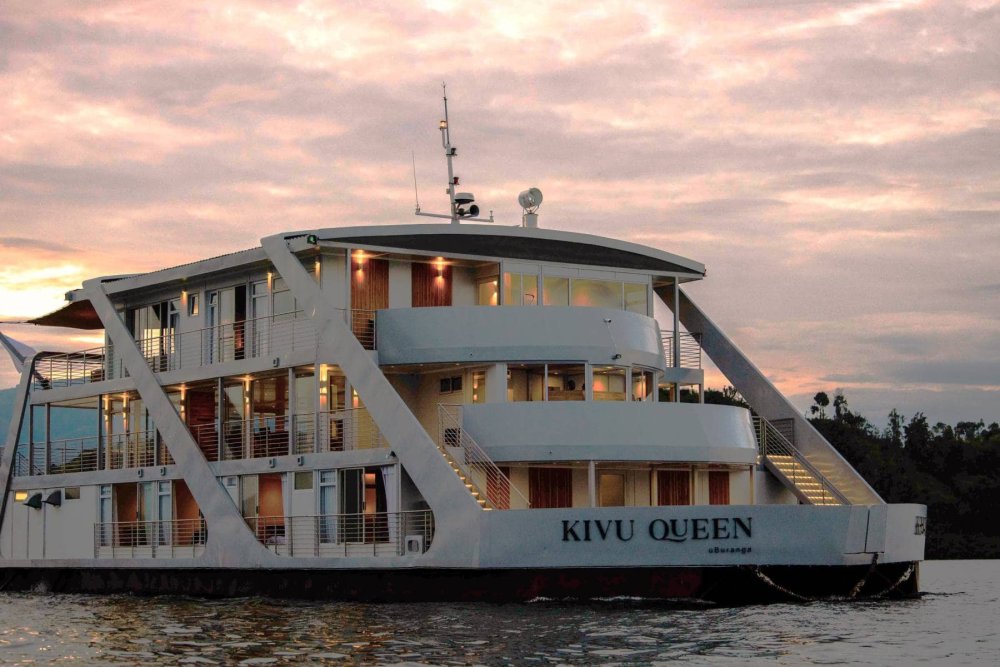
Mantis Kivu Queen uBuranga, which operated as a floating hotel, struck a rock in Lake Kivu in 2024 while sailing from Nyamasheke District towards Karongi.
The incident occurred in Kagano Sector, in Ninzi Cell, when the vessel was in waters near Nyamasheke.
The vessel did not sink, and all passengers and crew members on board were safely evacuated without injuries.
Mantis Kivu Queen uBuranga, a floating hotel on Lake Kivu, is expected to resume operations in 2027
The experience topped the Wildlife Experience Index with a score of 90 out of 100, ahead of emperor penguin expeditions in Antarctica and saiga antelope expeditions in Kazakhstan.
The index ranked 30 of the world’s most remarkable wildlife experiences, focusing on encounters where travellers can see animals in their natural habitats.
Wildlife encounters of this kind have become a major attraction for travellers, with safaris and other experiences involving wild animals featuring prominently on many travel bucket lists.
While Africa’s Big Five; lions, elephants, leopards, rhinoceroses and buffaloes, often dominate wildlife tourism, the index highlights a much wider range of experiences, from tracking black rhinos in Namibia to searching for elusive snow leopards in the Himalayas.
Bailey Robinson evaluated each experience across six factors: rarity, remoteness, conservation importance, exclusivity, accessibility and encounter potential.
Rarity was assessed based on population numbers and how difficult it is to encounter a species in the wild. Remoteness considered how far an experience is from tourism infrastructure, while conservation importance was informed by the IUCN Red List of Threatened Species.
The index also assessed exclusivity based on access restrictions and visitor limitations, accessibility based on how easy it is to reach the destination, and encounter potential based on known opportunities to observe the animals.
Each factor was scored out of 10 before being combined to produce an overall score out of 100.
Why mountain gorilla trekking came first
Mountain gorilla trekking in Rwanda or Uganda received the highest overall score, helped by a perfect 10 out of 10 for encounter potential.
According to Bailey Robinson, expert trackers play an important role in helping visitors find the gorillas they have travelled to see.
In Rwanda, gorilla trekking takes place in Volcanoes National Park, where visitors hike through the mountain forests in small groups to find habituated gorilla families.
Only 96 permits are issued each day in Rwanda, making the experience highly exclusive while also limiting the number of people who interact with the gorillas.
The visitor limits are intended to reduce disturbance to the gorillas while allowing people to experience them in their natural environment.
Gorilla tourism also contributes to conservation and supports communities living around the protected areas. Revenue generated through tourism helps support the protection of gorillas and their habitats, while surrounding communities benefit from tourism-related activities.
Other top wildlife experiences
Antarctica’s emperor penguin expeditions ranked second with 88.5 points, receiving 10 out of 10 for both remoteness and exclusivity.
Kazakhstan’s saiga antelope expeditions ranked third with 87 points, followed by snow leopard tracking in Ladakh or the Himalayas with 85.5 points.
Javan rhino tracking in Indonesia came fifth with 85 points, while black rhino tracking in Namibia or Kenya ranked sixth with 84.5 points.
Polar bear expeditions in Svalbard and Bornean orangutan encounters ranked seventh and eighth respectively, both scoring 84 points.
Eastern lowland gorilla expeditions in the Democratic Republic of the Congo ranked ninth with 81.5 points, while African wild dog safaris in Botswana or Tanzania completed the top 10 with 81 points.
Eight of the top 10 experiences involved threatened species, while Asia and Africa accounted for most of the destinations featured in the ranking.
Sarah Parker, sales director at Bailey Robinson, said the relationship between rarity and remoteness was one of the key findings from the analysis.
“What particularly stood out to us was the relationship between rarity and remoteness,” she said.
“The world’s most extraordinary wildlife encounters tend to involve travelling further, going deeper into wilderness and experiencing something that very few travellers will ever have the opportunity to see.”
She added that responsible travel and support for conservation projects were central to the value of such experiences.
“For us, the real luxury is the opportunity to experience something rare and meaningful, while travelling responsibly and supporting the places and conservation projects that make these encounters possible.”
Rwanda’s mountain gorillas continue to draw wildlife enthusiasts from around the world to Volcanoes National Park.Mountain gorillas in Rwanda offer visitors a rare chance to observe one of the world’s most remarkable wildlife species in its natural habitat.