A recent report by the World Travel & Tourism Council shows that while the city’s tourism sector has made a strong comeback, there is still room to attract a more diverse range of international visitors.
In 2025, Hong Kong welcomed an estimated 50.3 million tourists, down 22.9% from the 2018 peak of 65.3 million, but the industry has rebounded to nearly pre-pandemic levels.
Tourism remains a key pillar of the city’s economy, contributing over $56 billion and supporting more than half a million jobs.
However, the report notes that 76% of visitors currently come from Mainland China, highlighting the need to expand into new markets such as Southeast Asia, the Middle East, and India.
The council recommends a renewed focus on long-haul travel, business tourism, and curated visitor experiences.
From global conferences to cultural festivals, Hong Kong is being encouraged to reposition itself as more than just a shopping hub, offering richer and more diverse attractions to travelers.
“Hong Kong remains a global powerhouse, defined by world-class infrastructure and a unique cultural DNA that bridges East and West,” said Gloria Guevara. She emphasized that with strong partnerships and clear strategy, the city is “reclaiming its rightful place as a premier global destination.”
Government backing is also playing a major role, with significant investment planned to boost tourism marketing, events, and international connectivity.
Combined with its growing aviation capacity and strategic location, Hong Kong appears well-positioned to compete once again on the global stage.
New World Travel & Tourism Council (WTTC) research has revealed that Hong Kong, a Special Administrative Region of China, can re-establish itself as a go-to destination for international travellers by investing in key source markets.
According to the TAT, the initiative leverages influencer marketing to convert online engagement into real-world travel, laying the foundation for sustainable tourism and distributing revenue to grassroots economies across the country.
TAT Governor Thapanee Kiatphaibool emphasized that the tourism industry is currently facing significant pressure from global energy price volatility, largely fueled by geopolitical tensions in the Middle East.
Thapanee said rising aviation and transport expenses have notably shifted consumer behavior, leading to a decline in long-haul travel and stricter budget controls.
The campaign seeks to turn this challenge into an opportunity to restructure Thai tourism by aligning it with a modern era that prioritizes sustainability, energy conservation, and the true value of travel experiences, she said in a statement.
In addition to the domestic market, the TAT said the campaign also actively targets short-haul international tourists.
A key focus is on visitors from Malaysia, Singapore and Indonesia, as these neighboring countries provide cross-border travelers to southern Thailand, a region currently undergoing recovery after last year’s severe flooding.
Data from restaurant booking platform CatchTable shows that reservations jumped an average of 303% in the five weeks following the second season premiere compared to the five weeks prior.
The show distinguishes chefs as “Black Spoons” (hidden masters) and “White Spoons” (elite), highlighting both street food and fine dining. Fans, particularly millennials and Generation Z, are increasingly seeking these culinary experiences as part of cultural travel, according to Euromonitor International’s Asia-Pacific 2025 lifestyle survey.
Travel experts note the trend is shaping tourism strategies across Asia. South Korea has incorporated food tourism into its 2026 plans, while Singapore saw a 15% rise in tourist spending on food and beverages in 2025. In Japan, more than 80% of tourists now expect to experience local cuisine during visits.
Hotels are responding by enhancing culinary offerings. Hilton’s 2025 Trends Report found that 60% of luxury travelers prioritize hotels with quality food options, and nearly one in five travelers actively seek new culinary experiences.
Singapore’s Amara Holdings and Capella Hotel provide guided market tours and interactive cooking sessions with chefs, combining food, culture, and storytelling for travelers.
According to Erik Wolf, founder of the World Food Travel Association, tourists increasingly value authentic experiences and local culture, from rural food markets to historical culinary traditions.
Overall, “Culinary Class Wars” demonstrates how entertainment can influence travel, turning dining experiences into a key driver for tourism and cultural exploration.
Participants Jung Ho-young, Hudukjuk, Monk Sunjae, Son Jong-won, producers Kim Eun-ji and Kim Hak-min, Yoon Jumo Yoon Nara, French Papa, Chinese Cuisine Witch, and Baby Beast pose during a press conference for the Netflix series Culinary Class Wars: Black and White Chef Season 2 at JW Marriott Dongdaemun Square in Jongno-gu, Seoul. (Photo by iMBC/Imazins via Getty Images)
In a new assessment, the council estimates that disruptions to air travel, declining traveller confidence and reduced regional connectivity are costing the sector about $600 million per day in international visitor spending.
“Travel & Tourism is the most resilient of sectors,” the WTTC said, noting that losses across the region currently average “around US$600 million per day.”
The Middle East plays a significant role in global travel flows, accounting for roughly 5% of international tourist arrivals worldwide and 14% of global transit passenger traffic. As a result, any instability quickly reverberates across the international travel network.
Major aviation hubs such as Dubai, Abu Dhabi, Doha and Manama, which together normally process more than half a million passengers daily, have experienced temporary closures and operational disruptions as tensions escalate. The WTTC had projected that international visitors would spend about $207 billion in the Middle East in 2026, meaning even short-term interruptions could translate into significant economic losses for airlines, airports, hotels and other tourism services.
Despite the challenges, the organization says the sector has historically shown strong resilience, with tourism demand often rebounding within months when governments and industry coordinate efforts to restore traveller confidence and ensure safety.
The World Travel & Tourism Council estimates that disruptions to air travel, declining traveller confidence and reduced regional connectivity are costing the sector about $600 million per day in international visitor spending.
Titled ‘Climate Justice in Tourism’, the publication was edited by Freya Higgins-Desbiolles, Raymond Rastegar and Roshis Krishna Shrestha.
The book brings together research and case studies from around the world to explore the complex links between tourism development, climate change and social inequality.
Developed with input from researchers at the Griffith Institute for Tourism, the book is connected to the institute’s Climate Justice and Tourism research initiative. The project examines how climate policies in the tourism sector can be designed to address fairness and avoid deepening existing social and economic disparities.
Tourism remains one of the largest global industries and plays a significant role in greenhouse gas emissions, especially through aviation and other forms of transport.
At the same time, many popular tourism destinations, including islands, coastal areas and nature-based sites, are among the most exposed to climate threats such as rising sea levels, extreme weather events and environmental degradation.
Dr. Rastegar said the research highlights a fundamental contradiction within the sector.
“Tourism is both a contributor to the climate crisis and one of its victims,” he said. “If we want meaningful climate action in tourism, we must consider who benefits from tourism development and who bears the environmental and social costs.”
The book introduces a framework for examining justice within tourism, looking at how power structures, governance systems and global economic dynamics influence climate outcomes in the industry. It also questions traditional tourism models that prioritize economic growth while overlooking environmental sustainability and social wellbeing.
Instead, the contributors call for new approaches that respect the rights of local communities, indigenous peoples and ecosystems.
“Too often climate action focuses only on reducing emissions or protecting industry growth,” Dr. Rastegar said. “A climate justice perspective asks deeper questions about fairness, participation and responsibility, ensuring that climate policies support communities, workers and ecosystems rather than leaving them behind.”
Through interdisciplinary research and global case studies, the book offers insights for policymakers, researchers and industry leaders seeking more sustainable and equitable pathways for the future of tourism.
Tourism is both a contributor to the climate crisis and one of its victims
The report examines how much international visitors spend from the time they arrive in Rwanda until they depart, covering expenses such as accommodation, food, shopping, and other services.
In recent years, Rwanda has opened several high-end hotels capable of hosting international conferences that bring together thousands of participants from across the world to discuss different issues.
The country has also invested heavily in healthcare infrastructure, with existing facilities being expanded to increase capacity.
In the fourth quarter of 2025 alone, more than 1,400 people entered Rwanda specifically seeking medical services.
Among the most sought-after services are cancer treatment offered at Butaro Cancer Center of Excellence and specialized procedures such as heart surgery available in Kigali.
Sports infrastructure has also contributed to the inflow of international visitors. The recently completed Amahoro Stadium now hosts international matches organized by the Confederation of African Football (CAF) and FIFA.
During the 2025/2026 football season, Amahoro Stadium has hosted several continental matches after Al-Hilal SC reached the quarter-finals of the CAF Champions League.
The matches have attracted many foreign fans and officials to Rwanda, who in turn spend on services and goods during their stay.
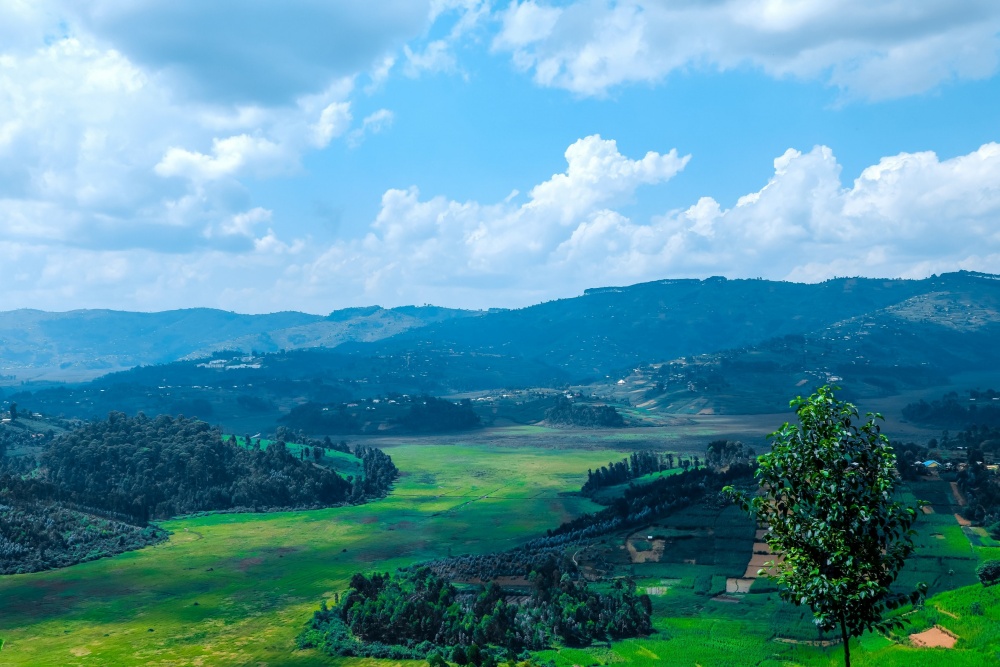
In addition to football, Rwanda continues to host other international sporting events including cycling, handball, volleyball, and basketball competitions, as well as entertainment concerts that bring visitors from across the world to the “Land of a Thousand Hills.”
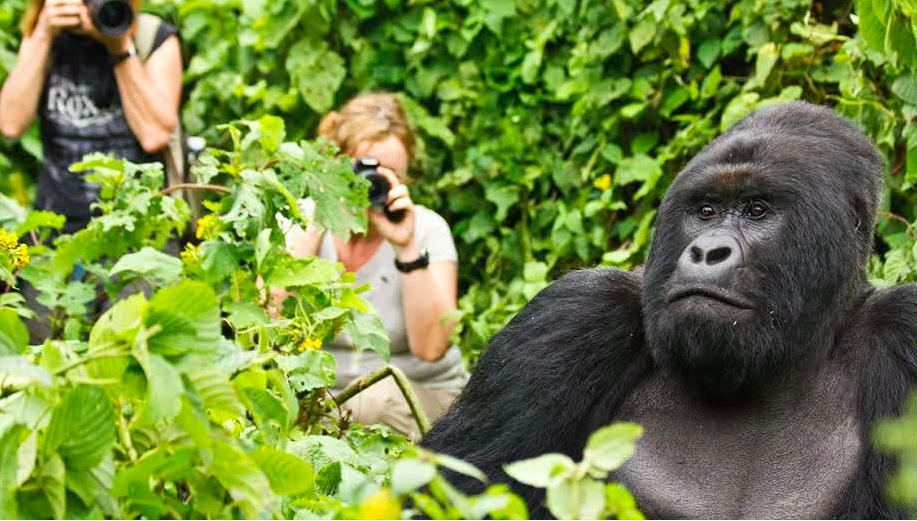
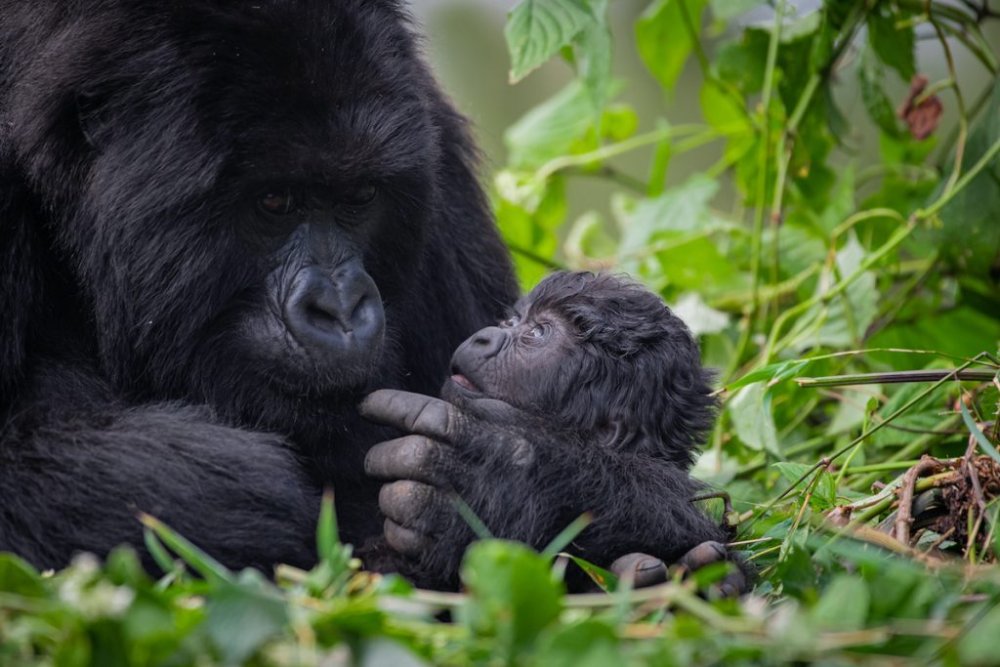
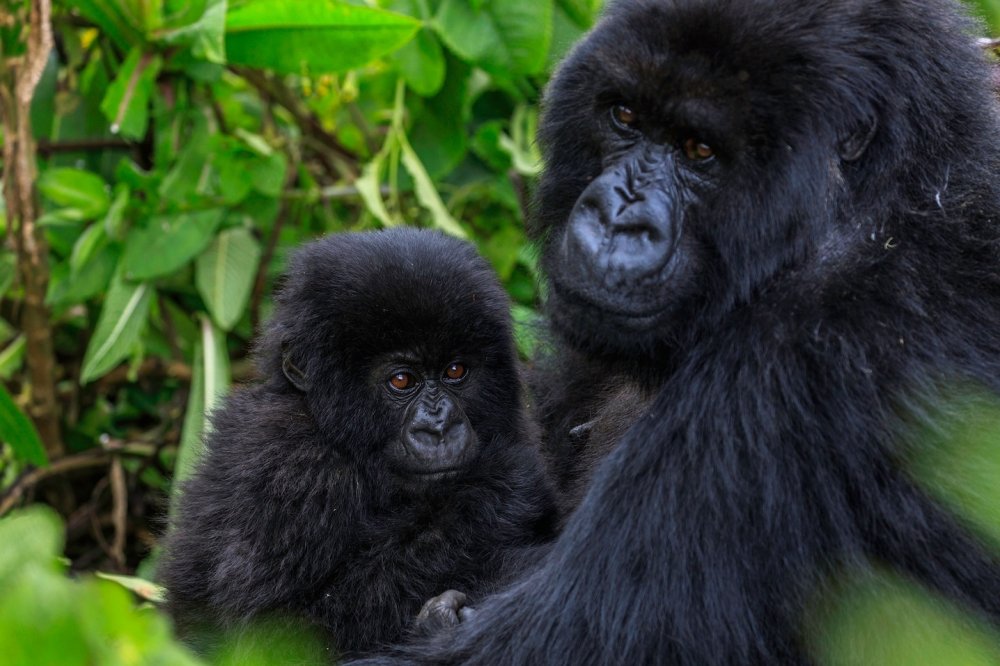
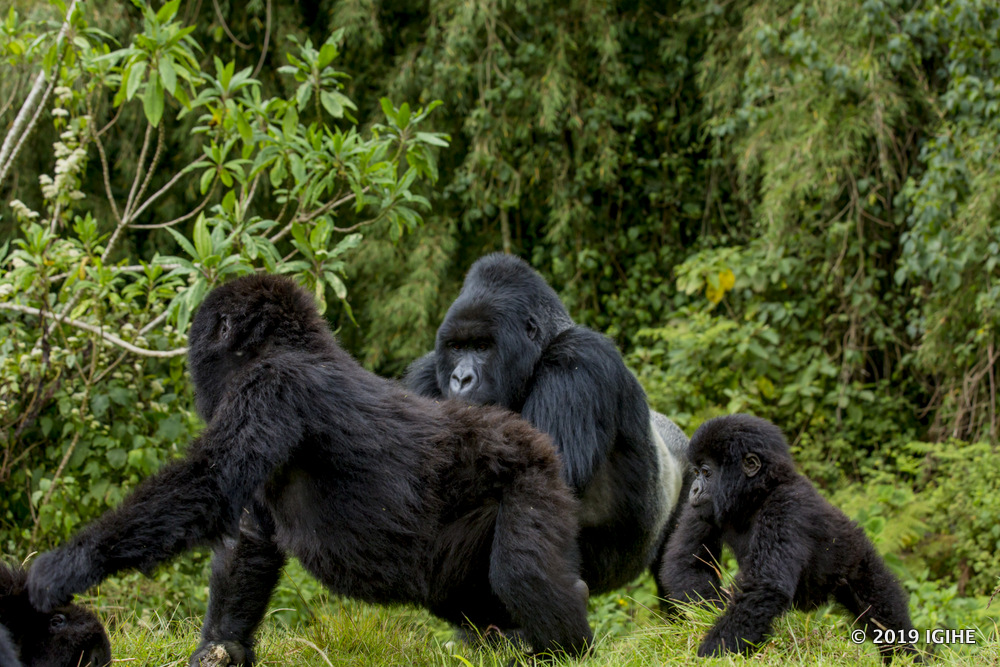
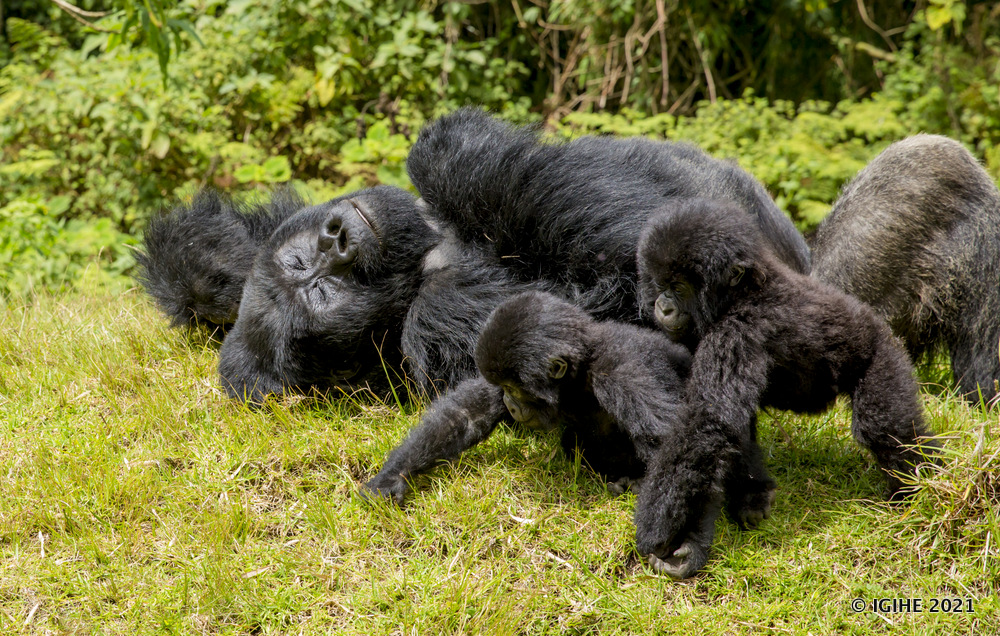
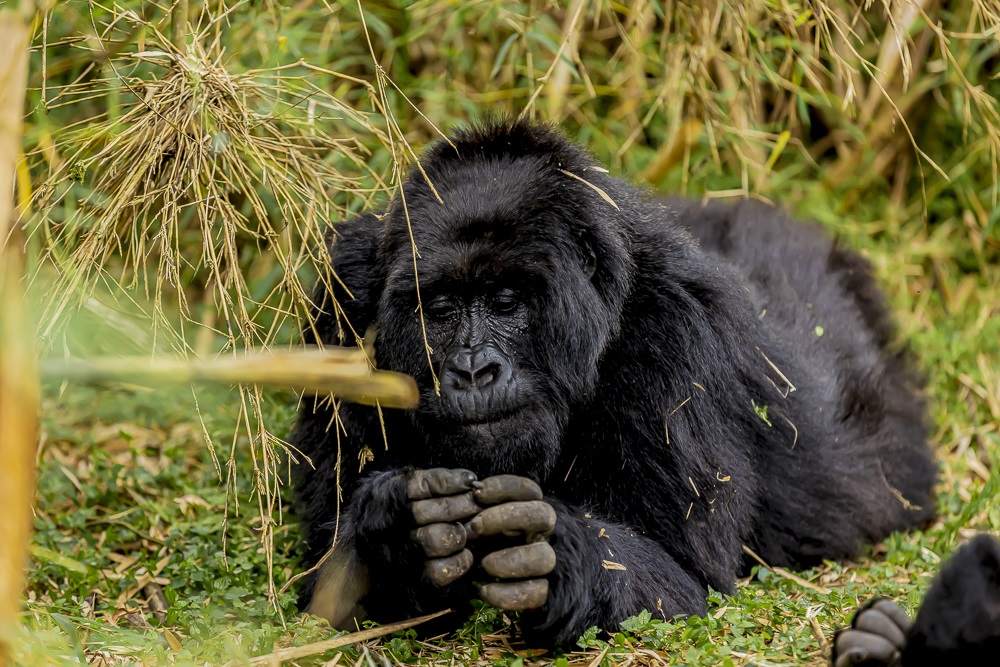
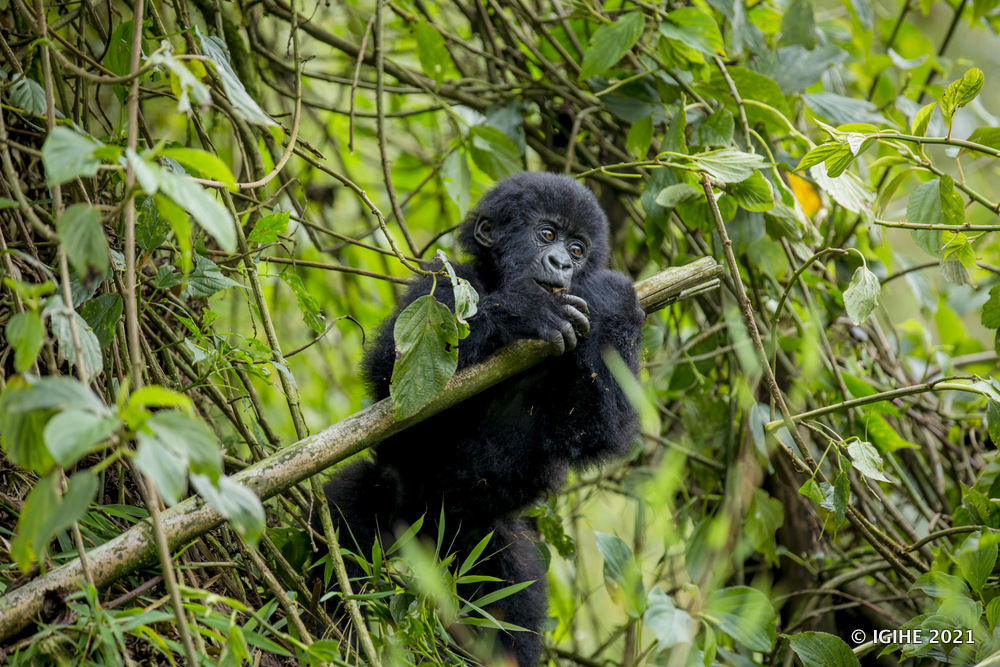
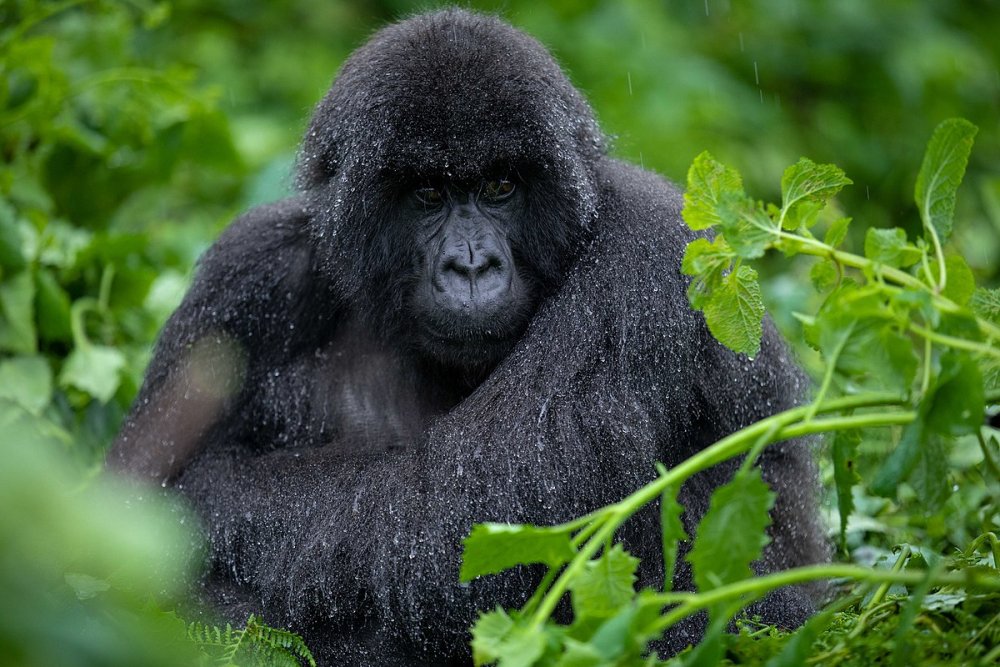
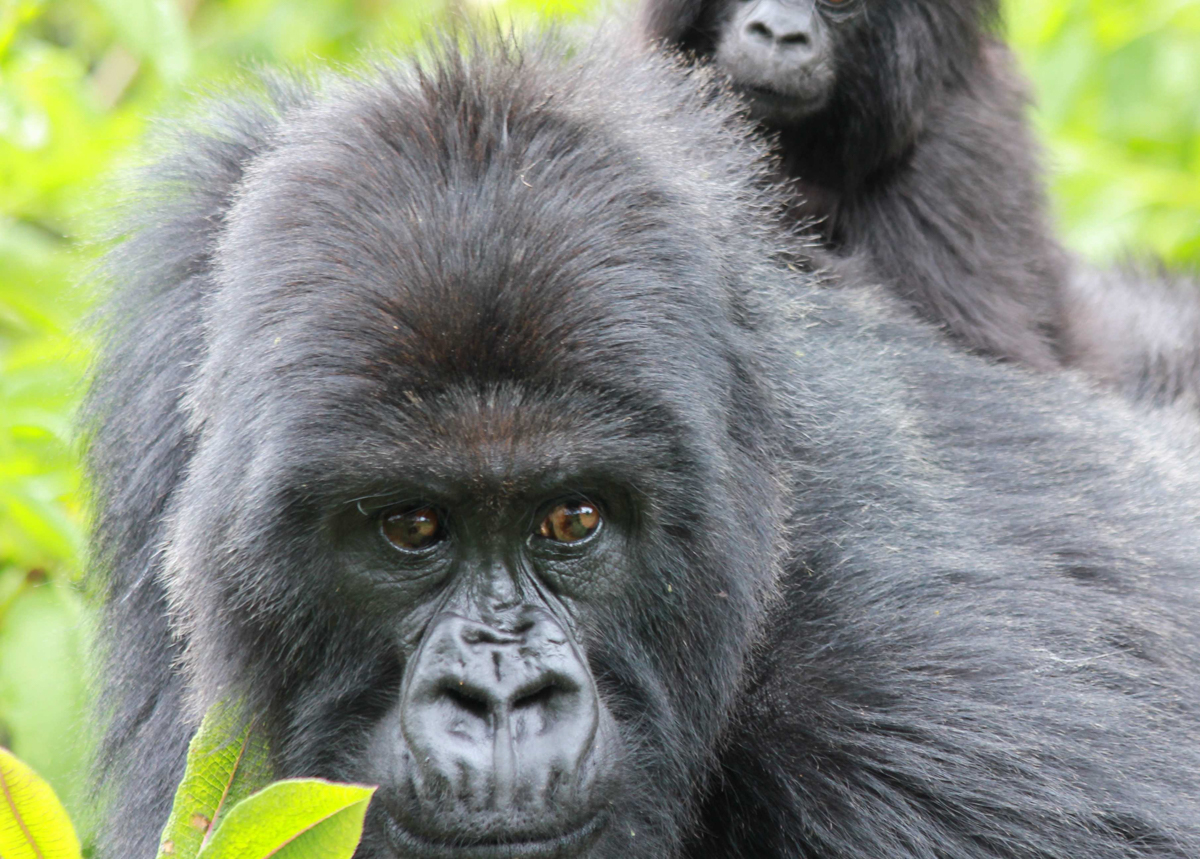
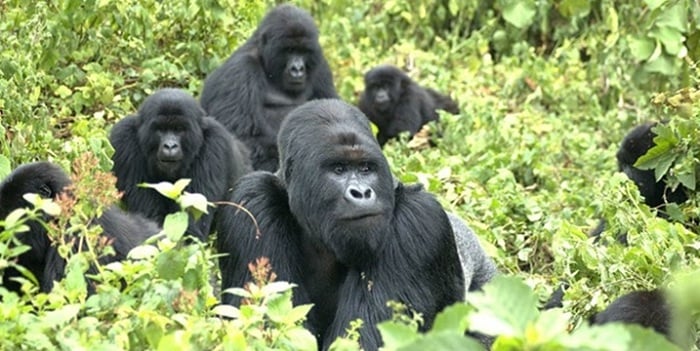
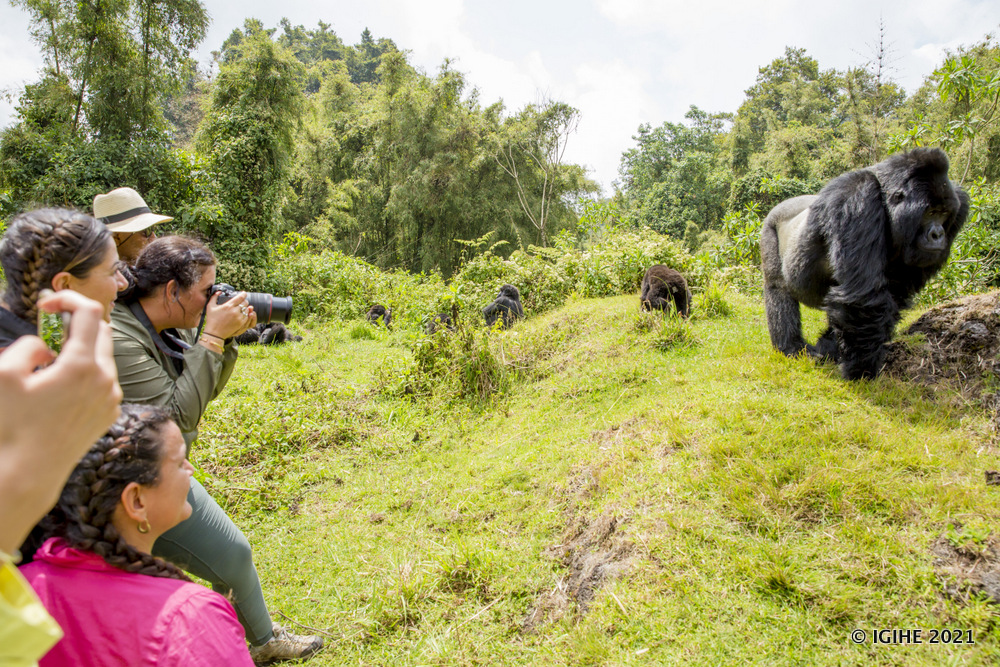
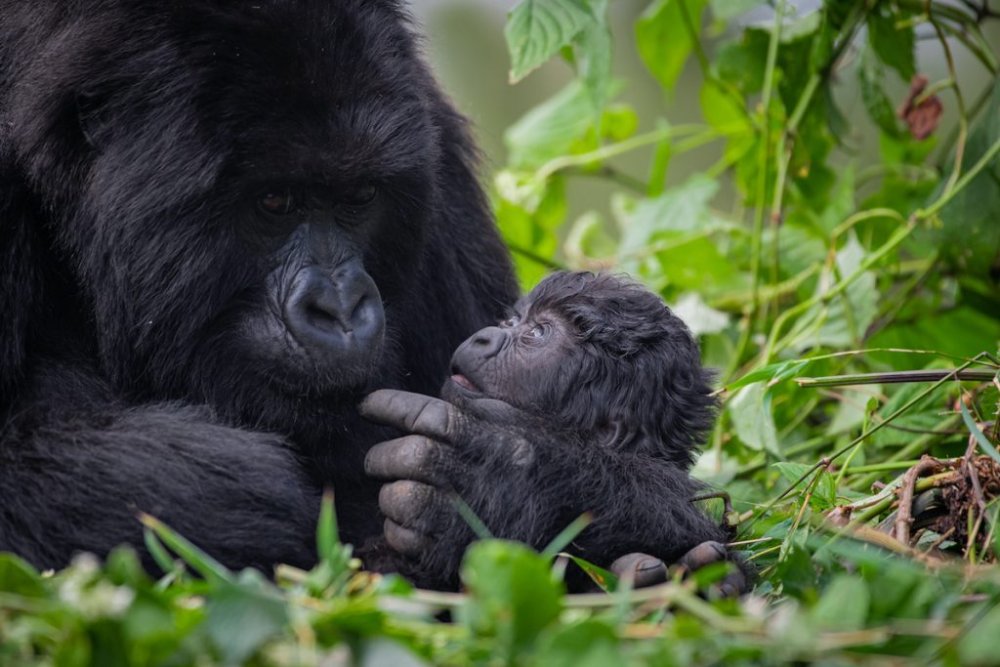
According to the Travel Expenditure Survey included in the fourth-quarter report, visitors who came to see Rwanda’s mountain gorillas were the biggest spenders during the period.
Data was collected from travelers passing through 11 border points, including Rusumo, Kagitumba, Buziba, Gatuna, Cyanika, Rusizi I, Rusizi II, Bugarama, La Corniche, and Kigali International Airport.
Information for foreign visitors was gathered at exit points, while data for Rwandans traveling abroad was collected when they re-entered the country.
In the fourth quarter of 2025, international visitors spent more than $161.5 million in Rwanda on shopping, accommodation, and other services.
Tourists traveling for holidays alone spent $65 million during the quarter, while revenue generated from gorilla tourism accounted for 71.4% of total tourism earnings.
NISR data also indicates that visitors from North America spent the most on shopping and purchasing goods in Rwanda, totaling $40.8 million.
Foreign travelers entering Rwanda by land spent about $24.9 million, with the majority traveling to visit friends and relatives, accounting for $11.3 million.
Strong performance in 2025
The report further shows that international visitors spent $130.7 million in the first quarter of 2025, $121.7 million in the second quarter, $190.6 million in the third quarter, and $161.5 million in the fourth quarter.
Leisure travelers made up the largest share of spending, accounting for 41.1% of total tourism revenue. They were followed by visitors traveling to see friends and relatives, while those visiting Rwanda for business and investment opportunities contributed 16.2% of the spending.
Meanwhile, Rwandans traveling abroad spent $83.7 million in the first quarter, $89.3 million in the second quarter, $90.1 million in the third quarter, and $95.9 million in the fourth quarter of 2025.
Rwandans who traveled abroad for business purposes accounted for the largest share of spending, representing 35.7% of the total. Those visiting friends and relatives spent 28.3%, while travelers seeking education-related services accounted for 23.1%.
A 2024/25 report from the Ministry of Trade and Industry shows that 1.15 million visitors entered Rwanda, including 37% who came for gorilla tourism, 24% visiting friends and relatives, and 17% traveling for business.
In the fourth quarter of 2025, international visitors spent more than $161.5 million in Rwanda on shopping, accommodation, and other services.
The initiative aimed at promoting domestic tourism while giving participants an immersive experience in the rich biodiversity of one of Rwanda’s most iconic wildlife destinations.
Participants expressed excitement as they explored Akagera’s scenic landscapes and diverse wildlife.
Celebrities, including Ish Kevin and DiezDola, joined fans for an unforgettable safari adventure at Akagera National Park.
The tour, held on Saturday, February 28, followed a successful inaugural trip to Nyungwe National Park. Organisers have since announced a third excursion scheduled for April in Bigogwe, Nyabihu District, as part of ongoing efforts to encourage Rwandans to discover the country’s natural attractions.
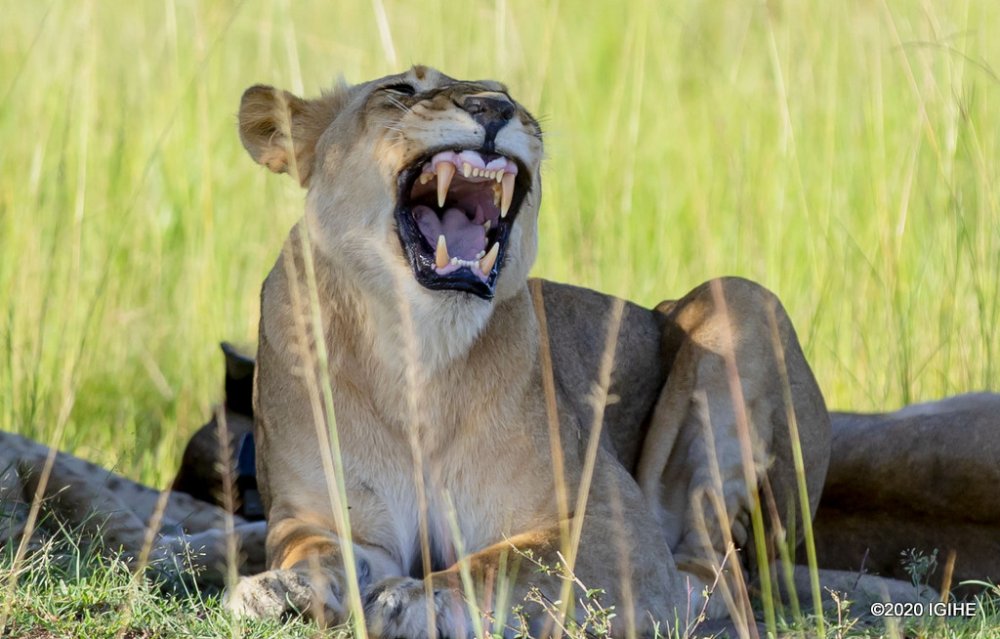
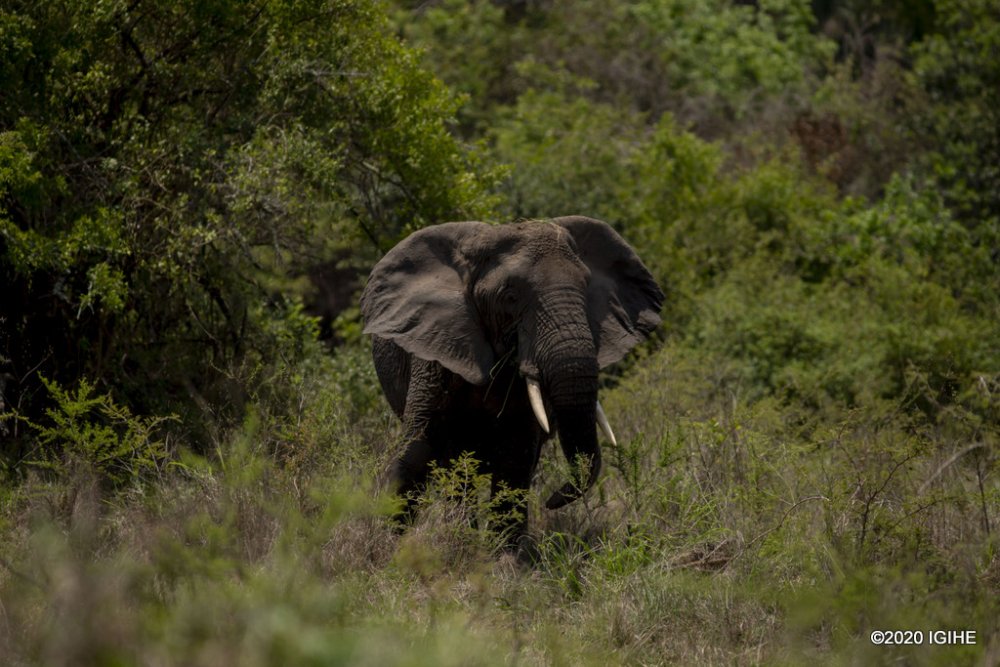
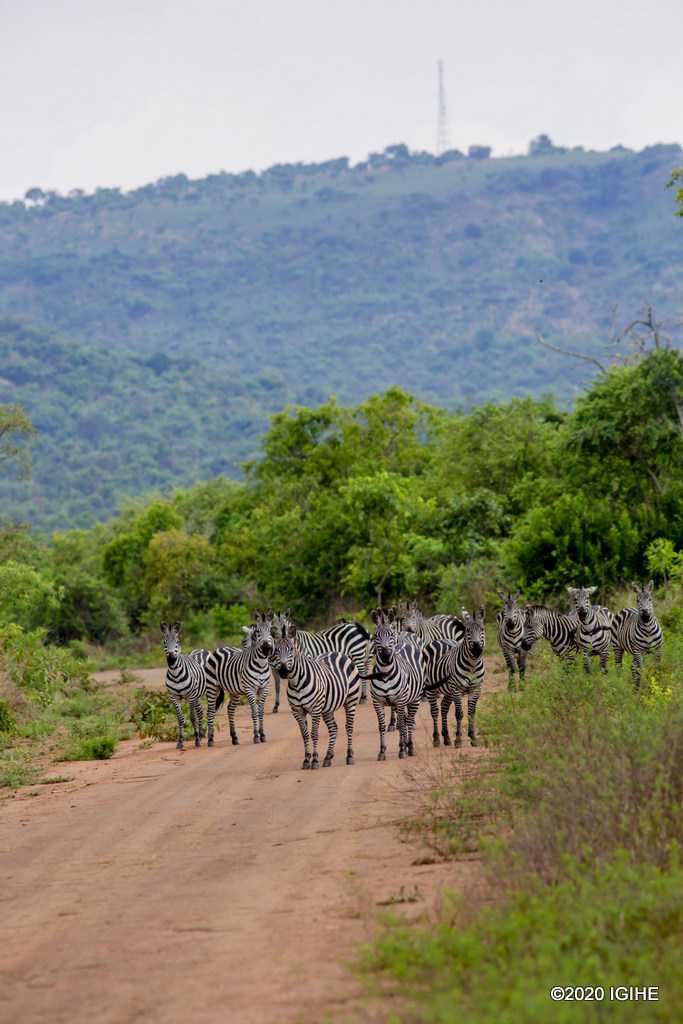
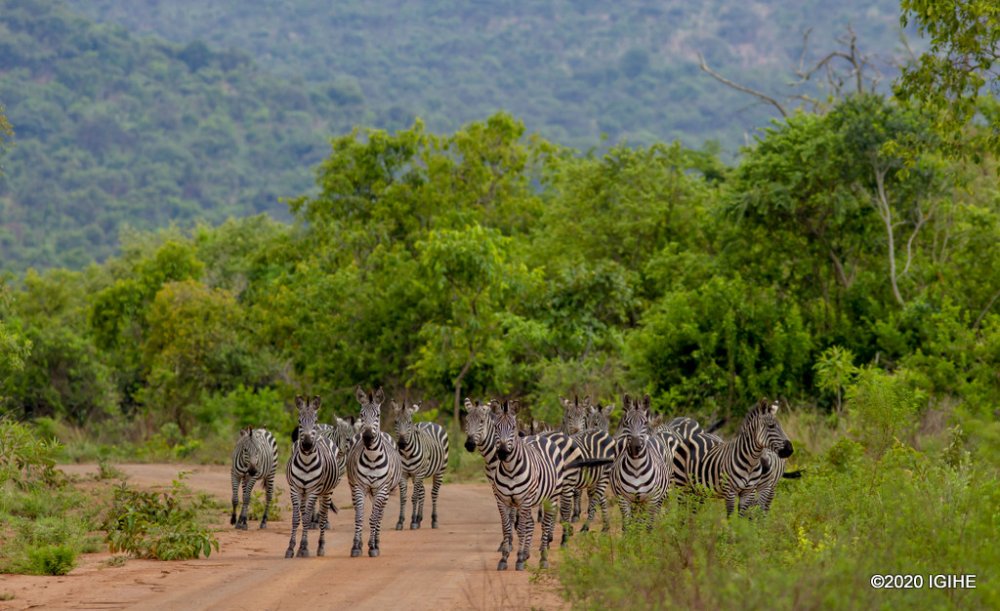
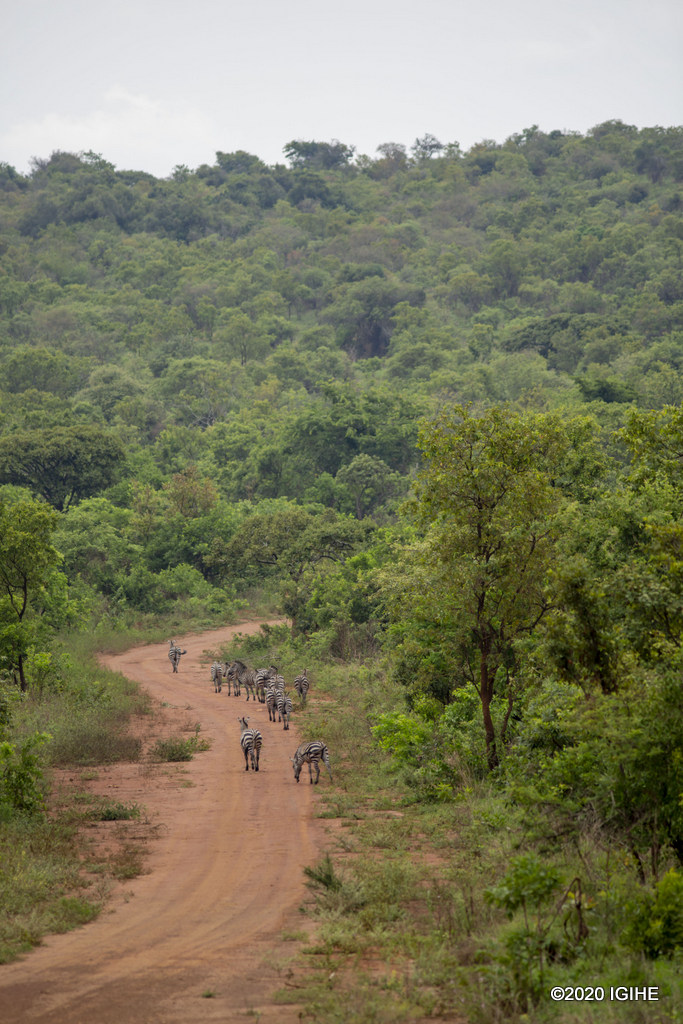
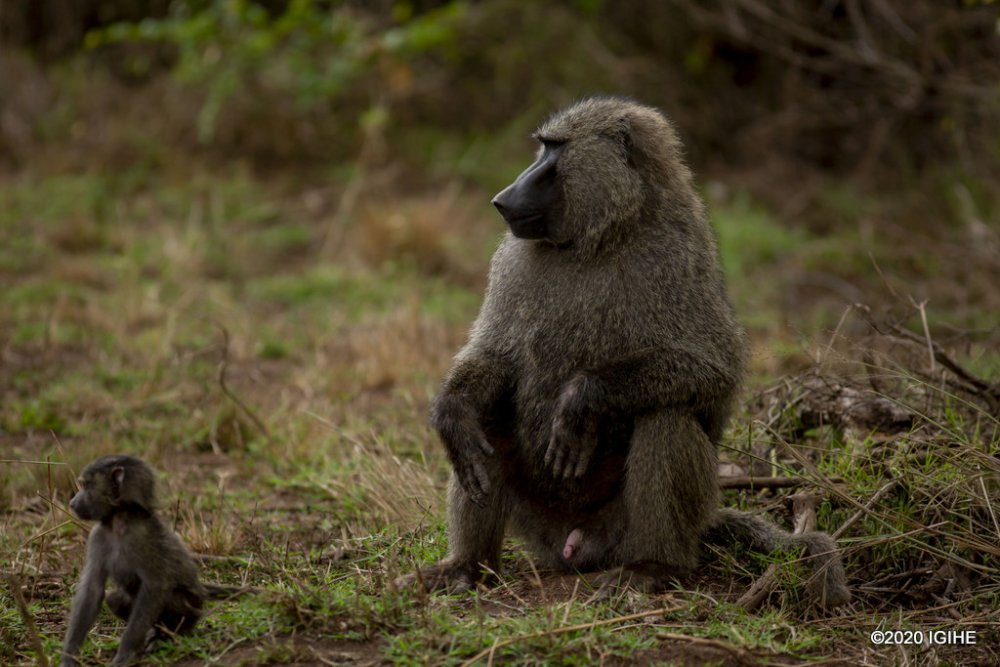
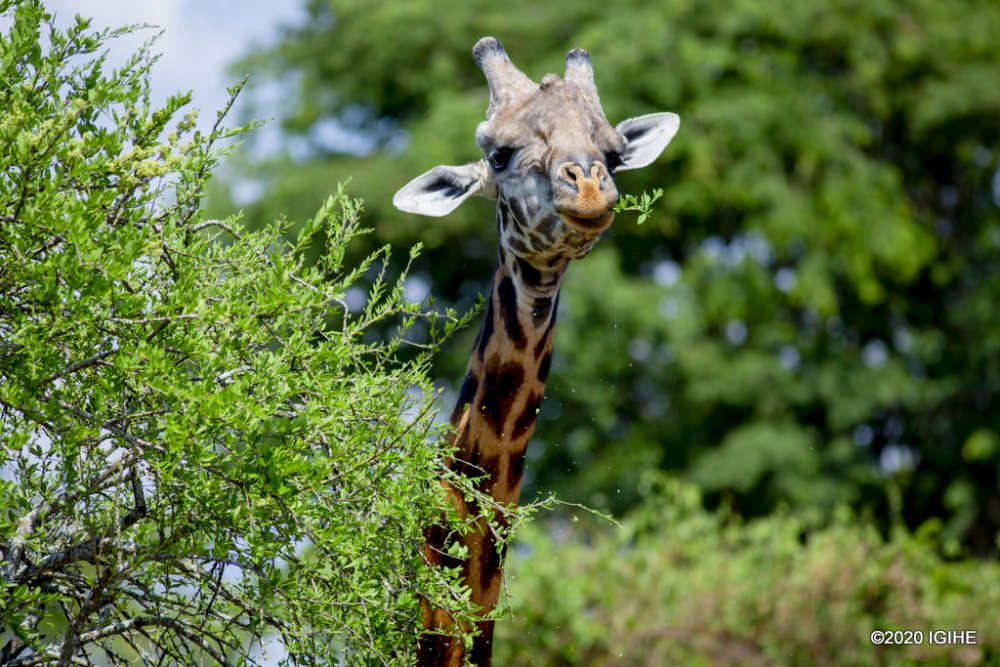
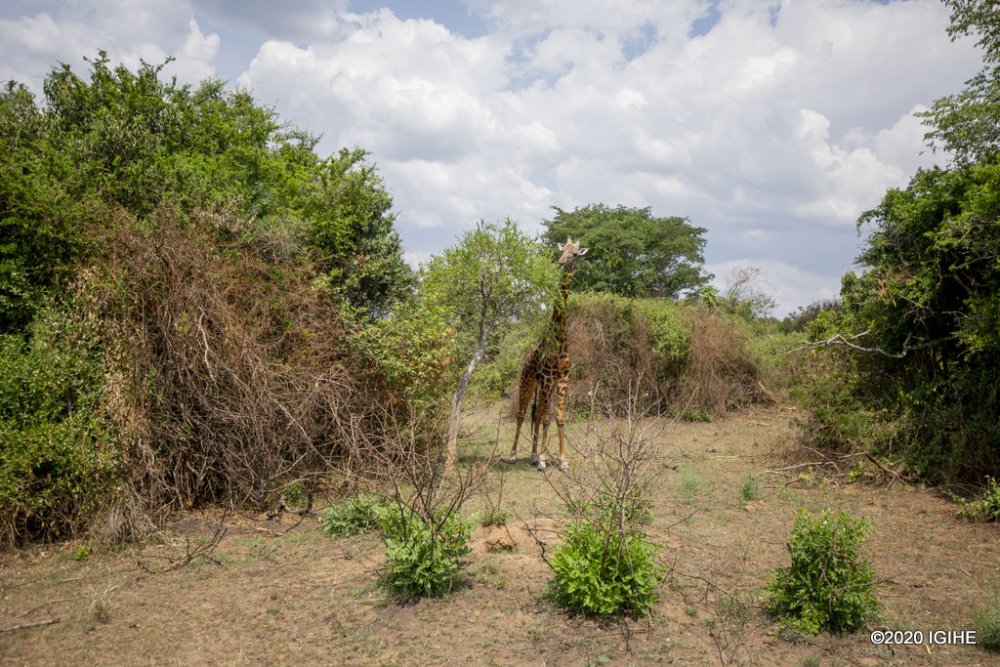
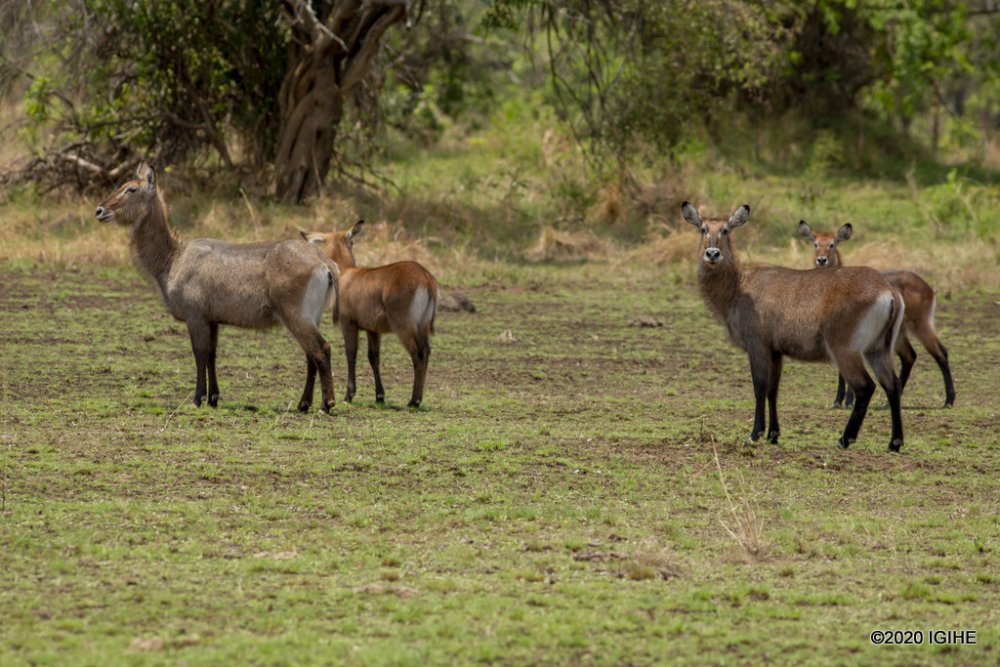
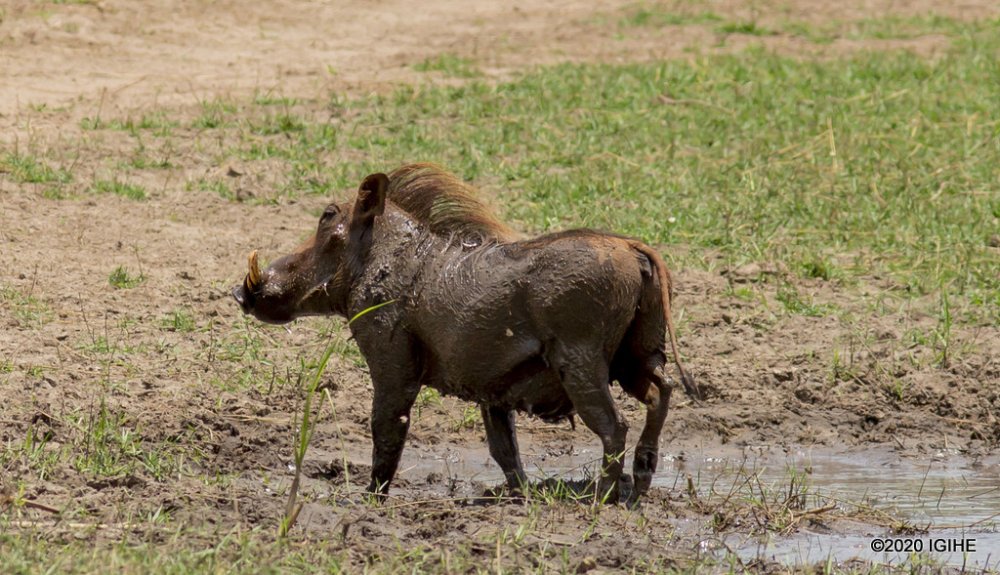
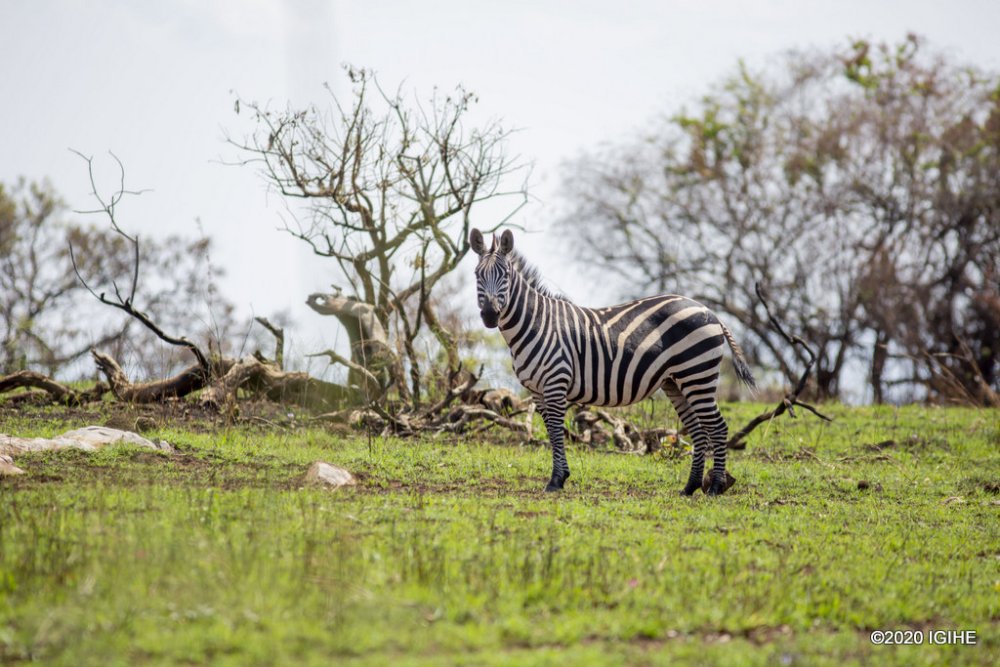
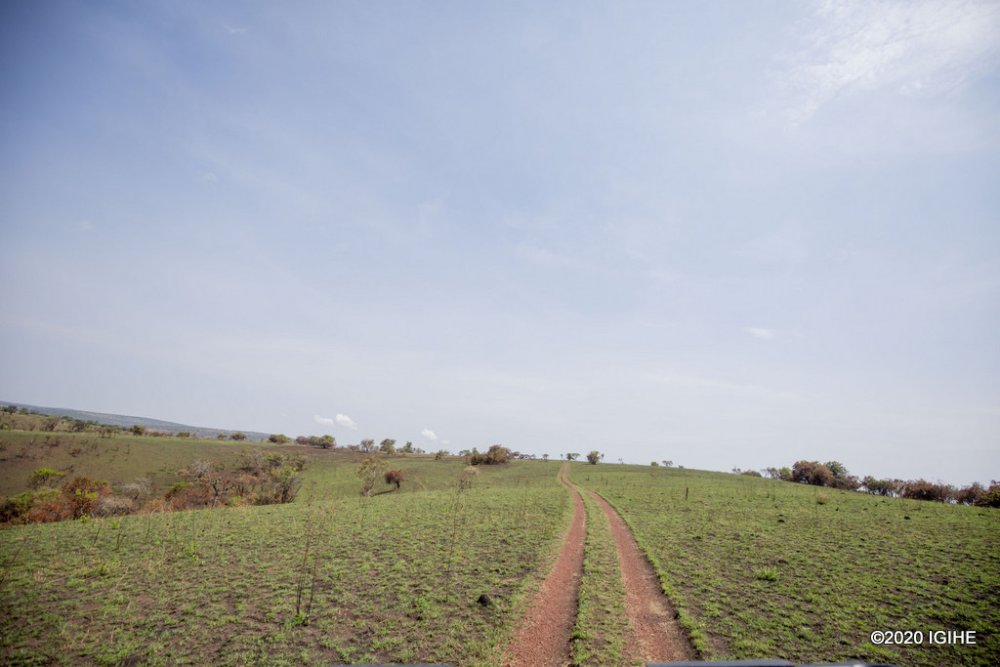
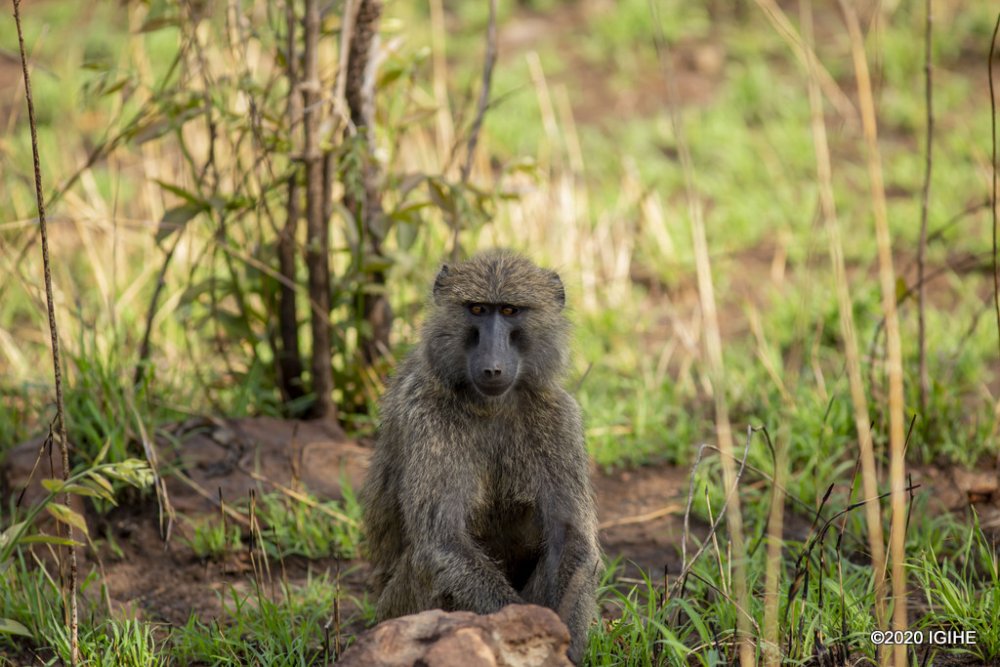
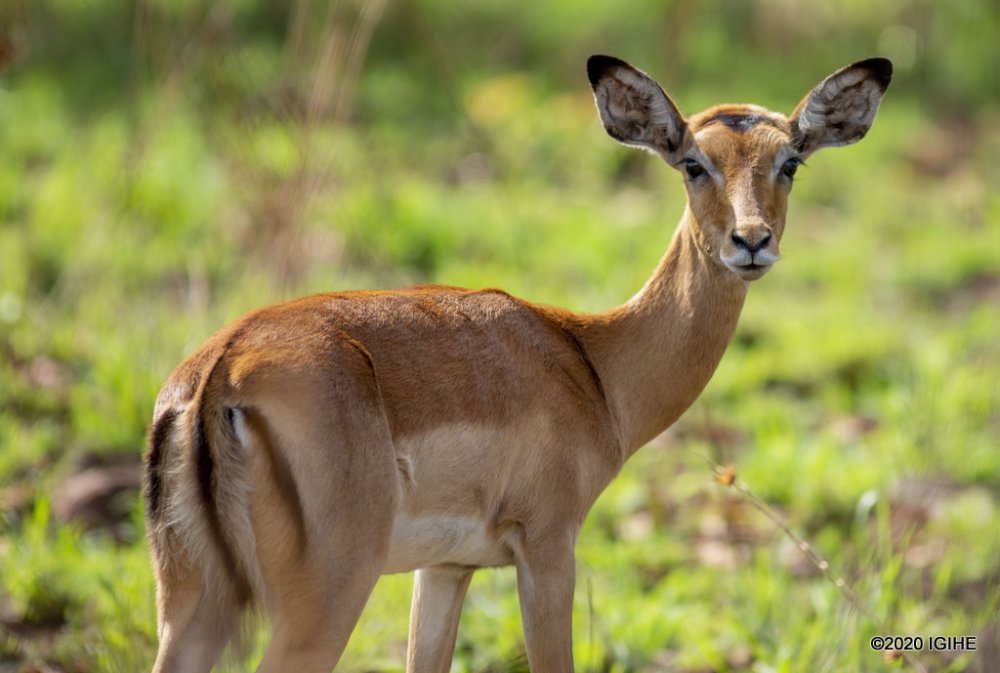
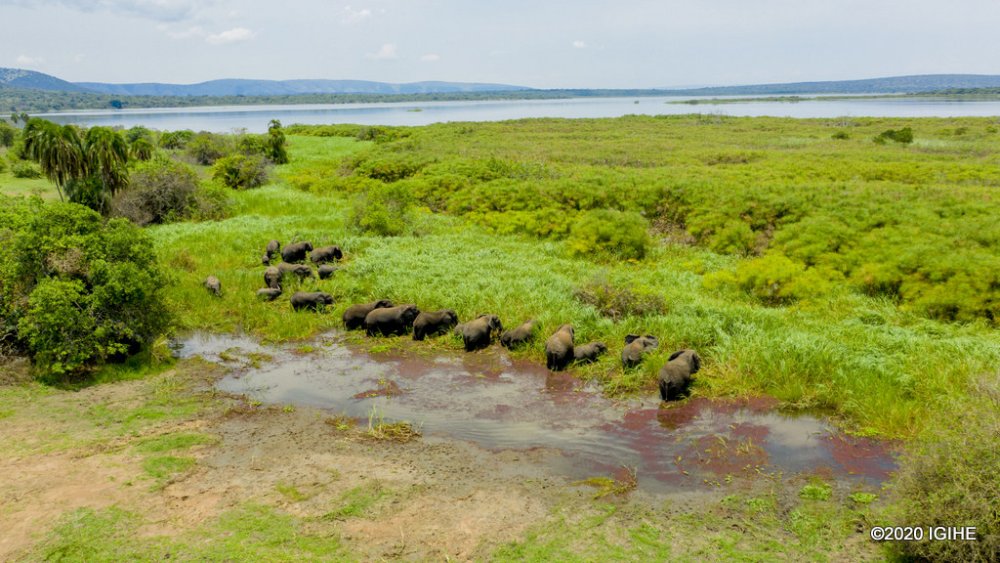
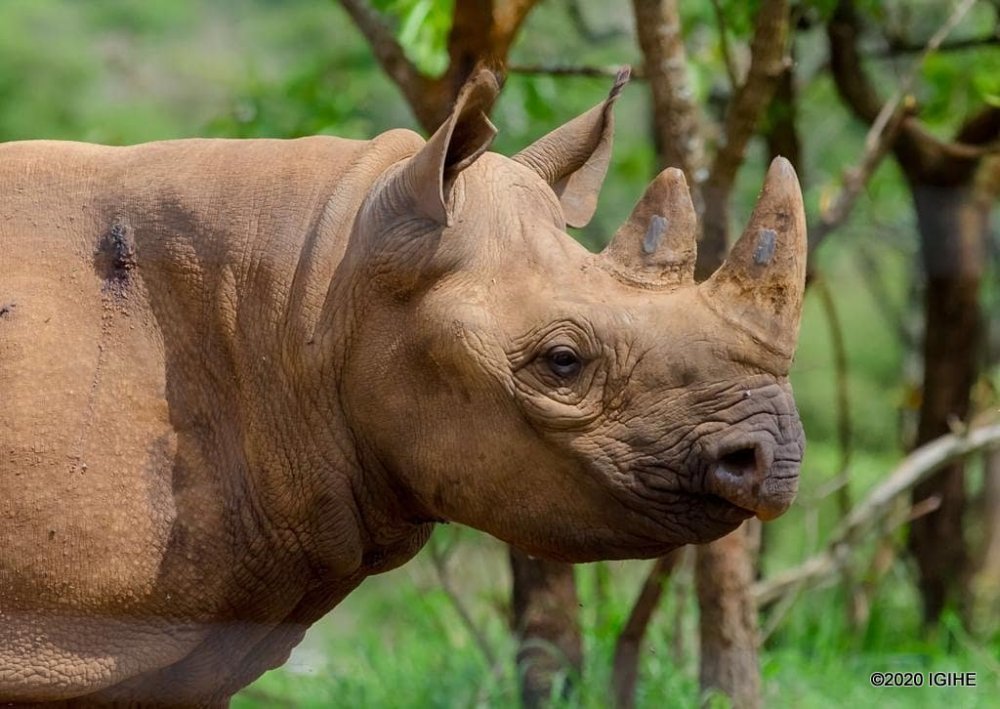
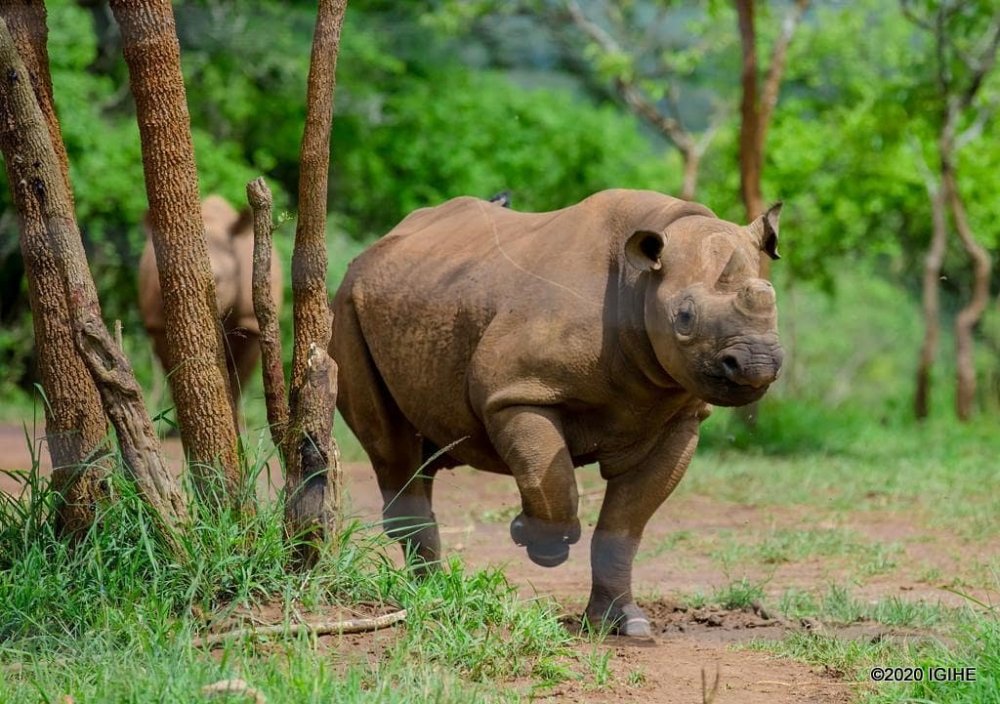
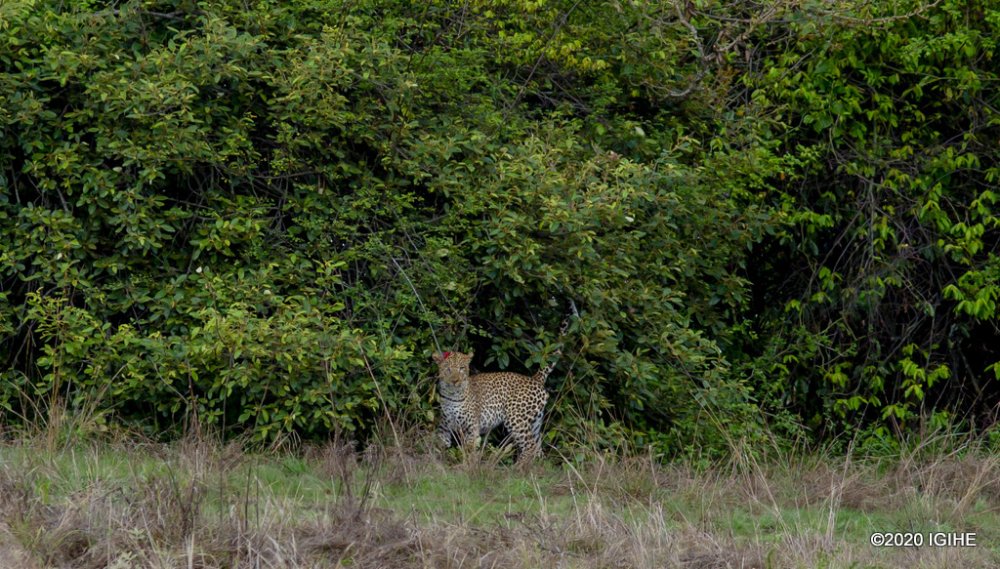
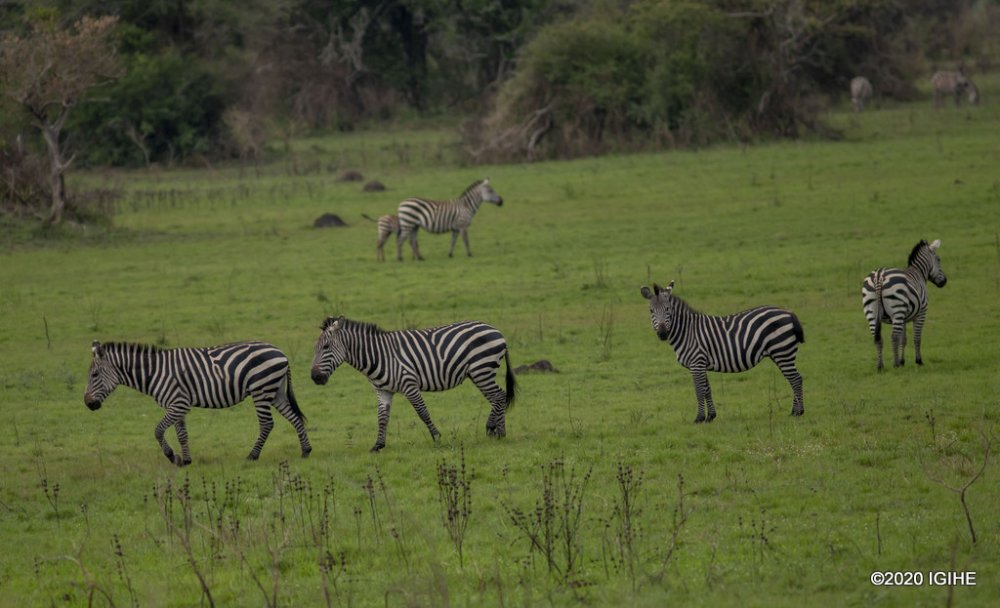
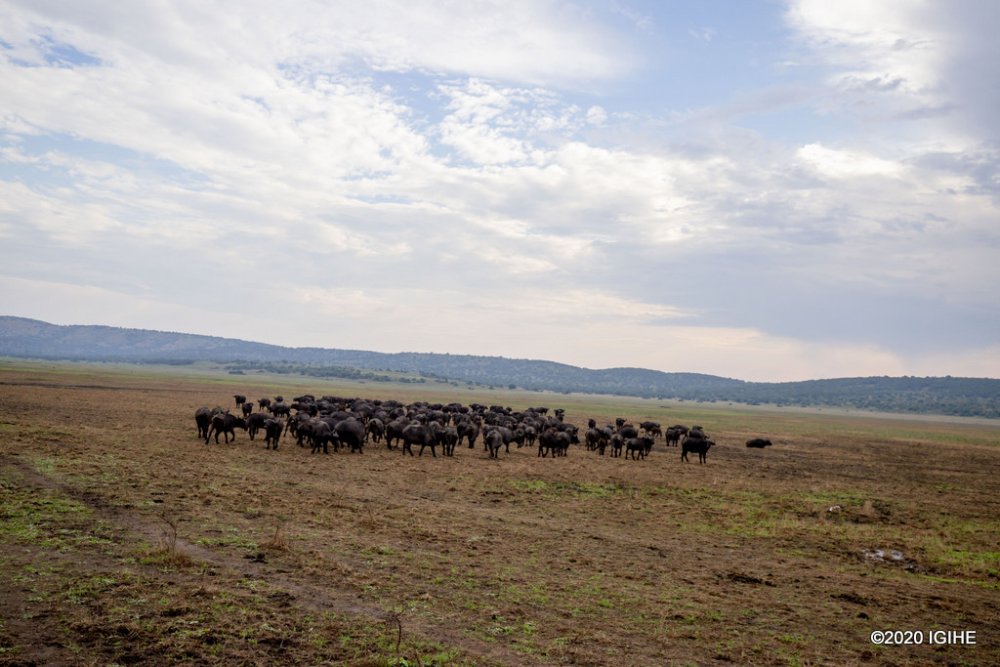
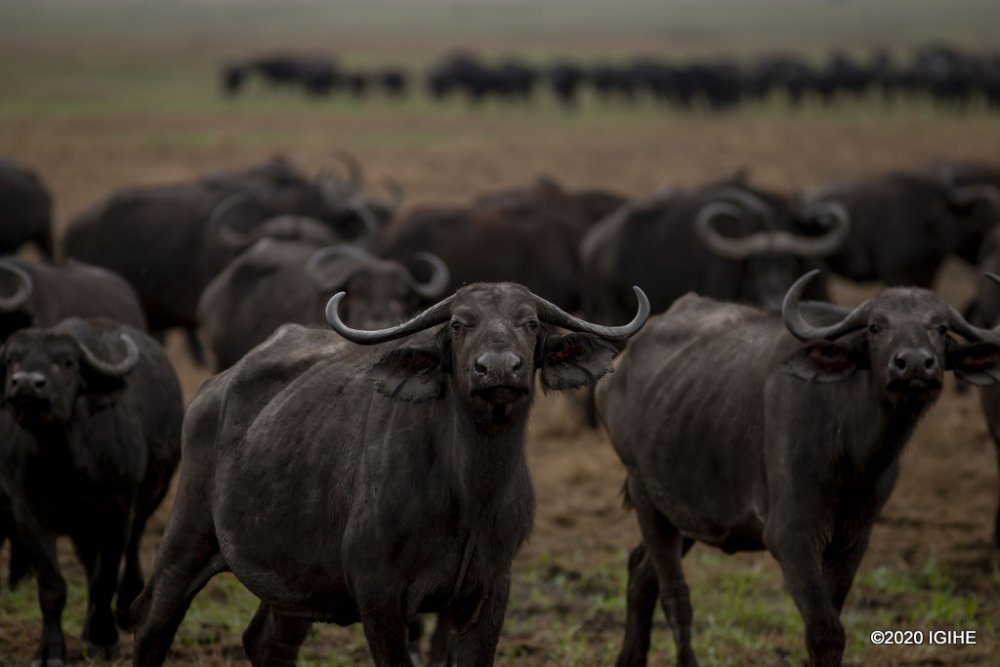
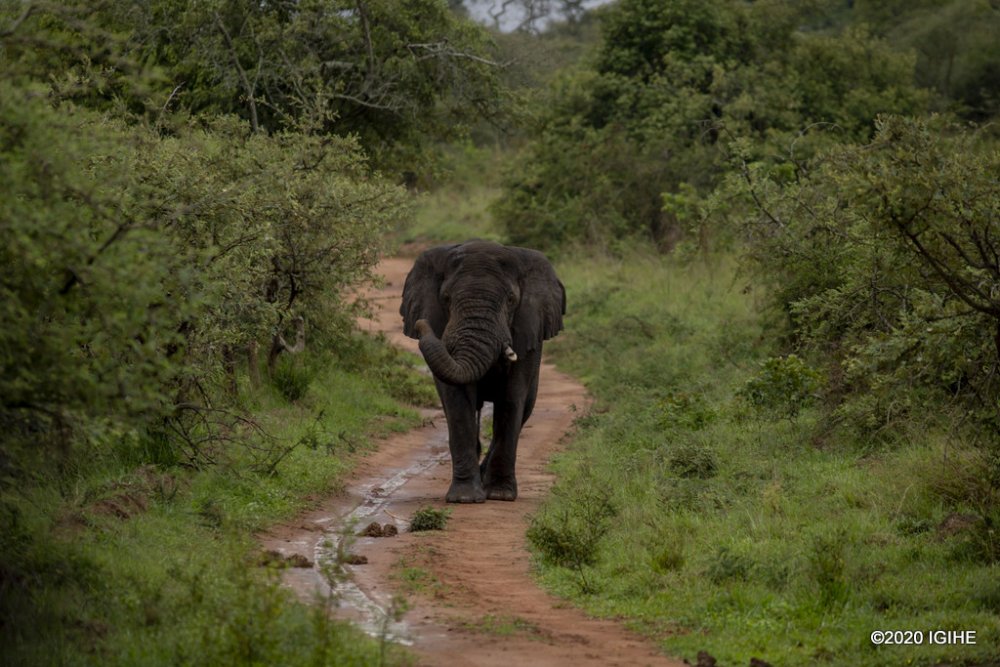
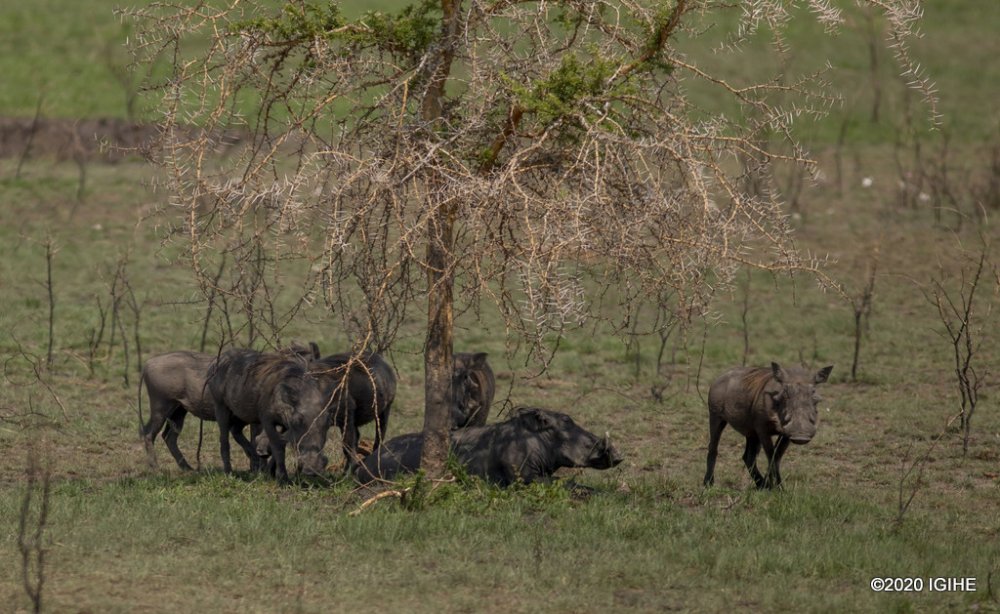
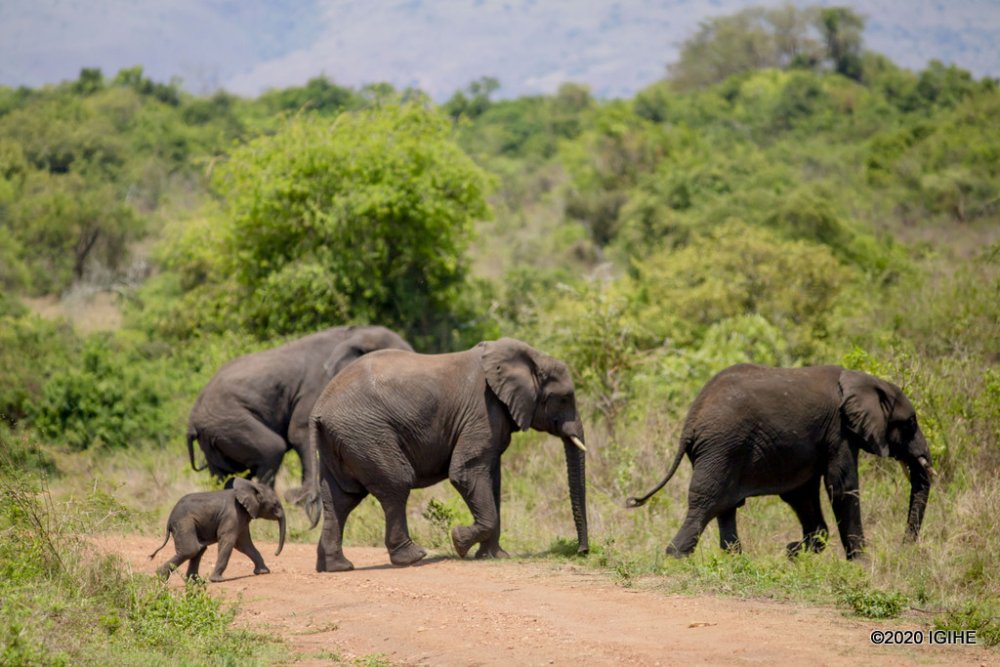
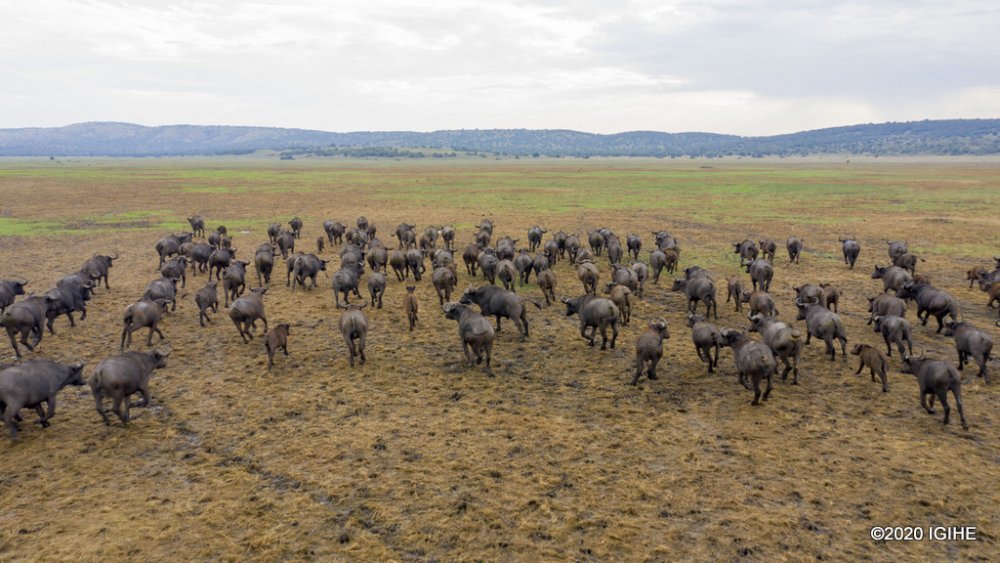
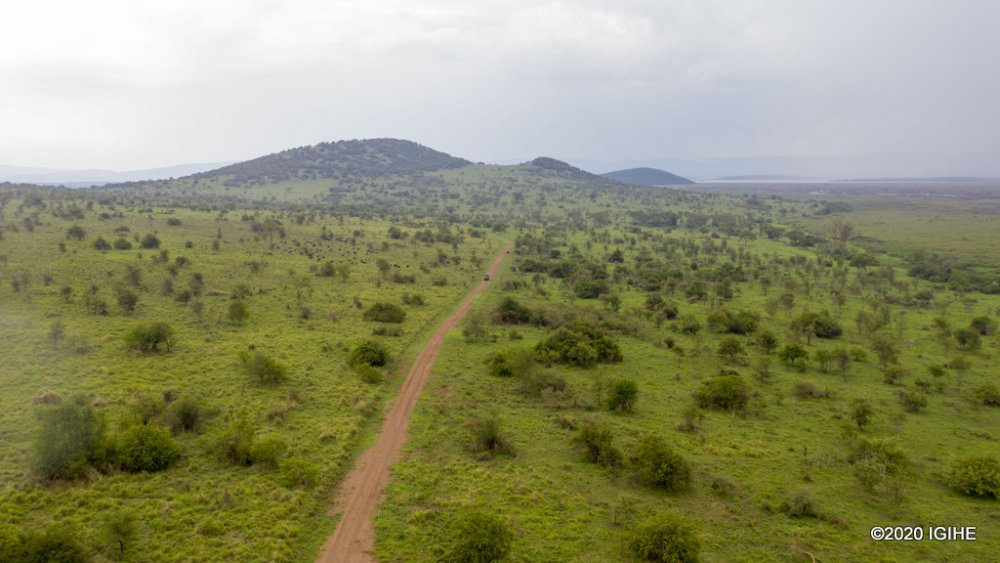
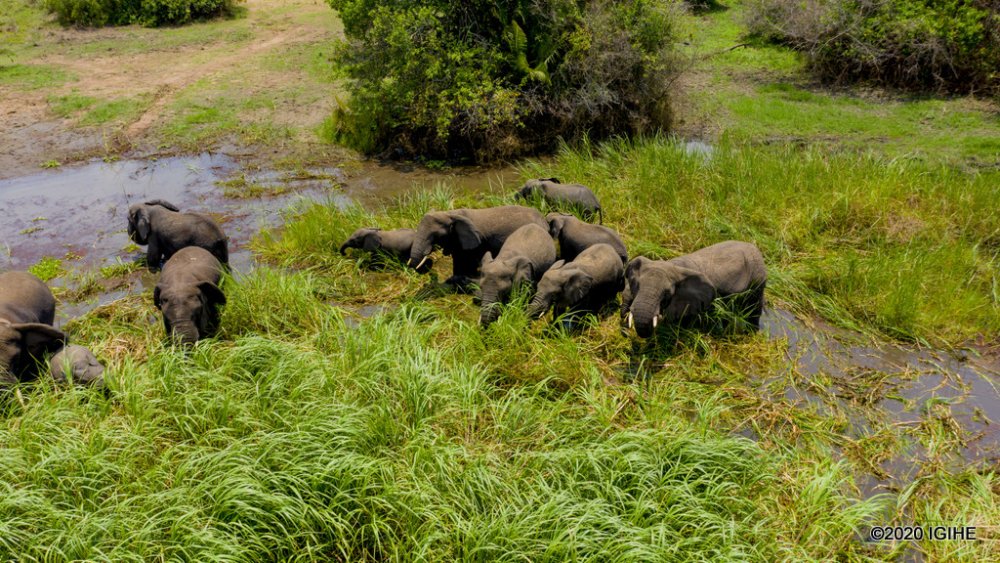
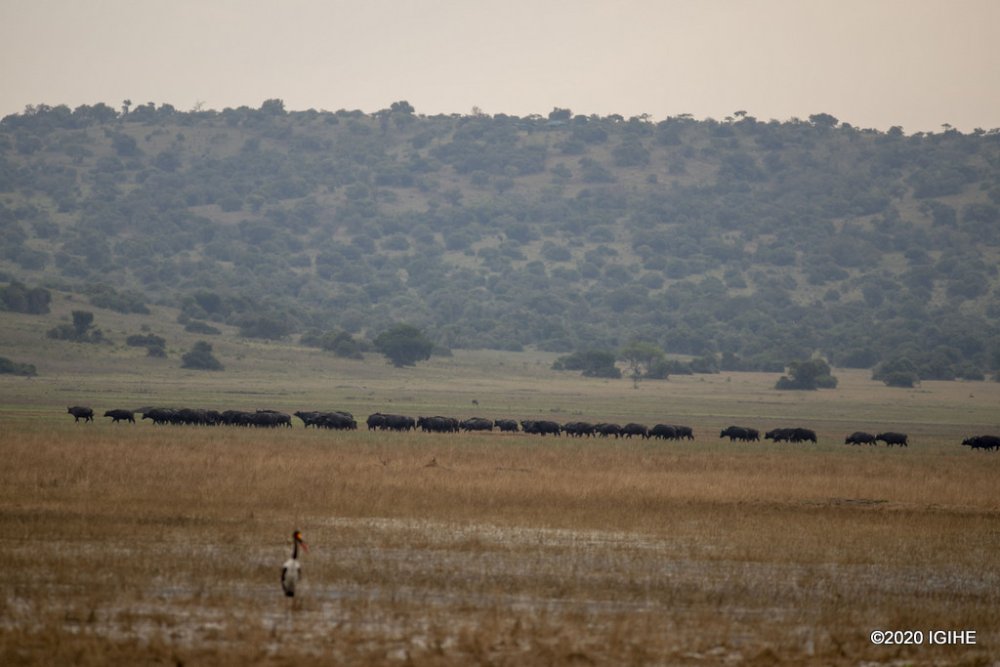
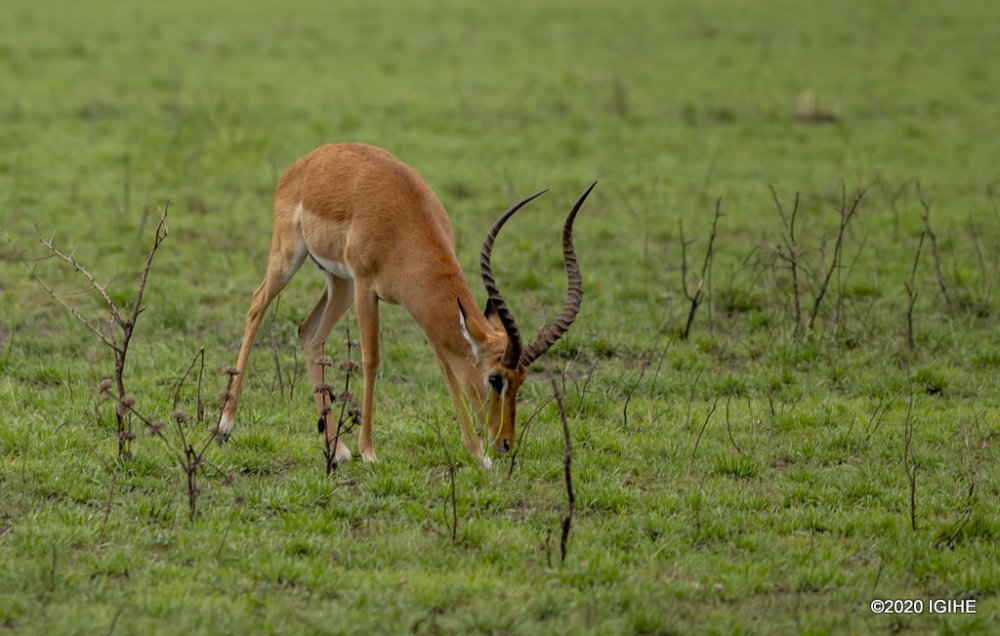
The highlight of the trip was the game drive, which took participants deep into the park’s wilderness. Akagera, renowned for its diverse wildlife species including lions, giraffes, zebras and elephants, offered guests an opportunity to observe animals in their natural habitat.
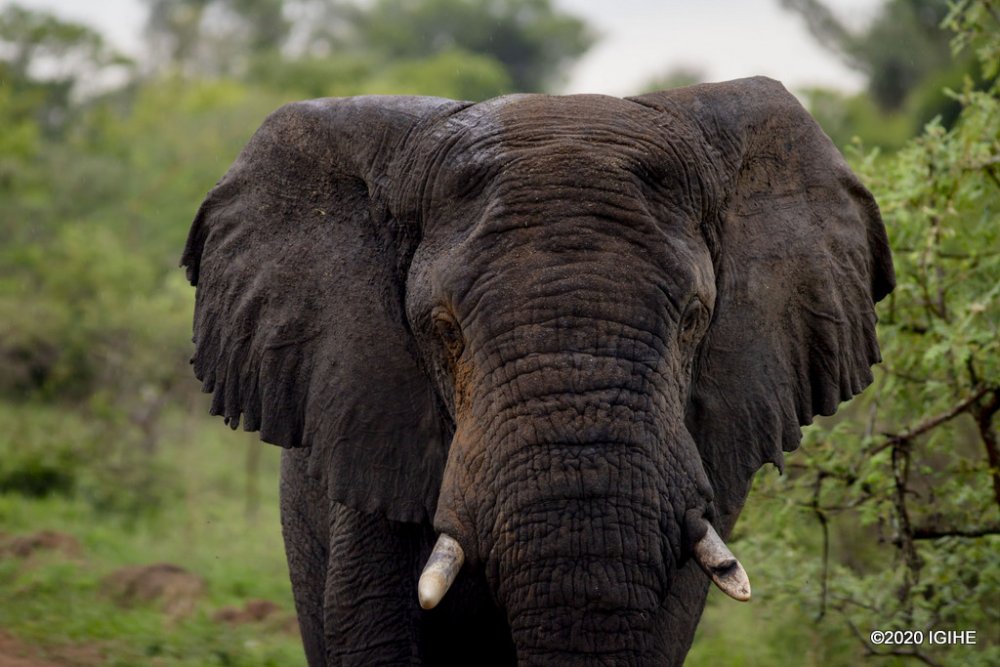
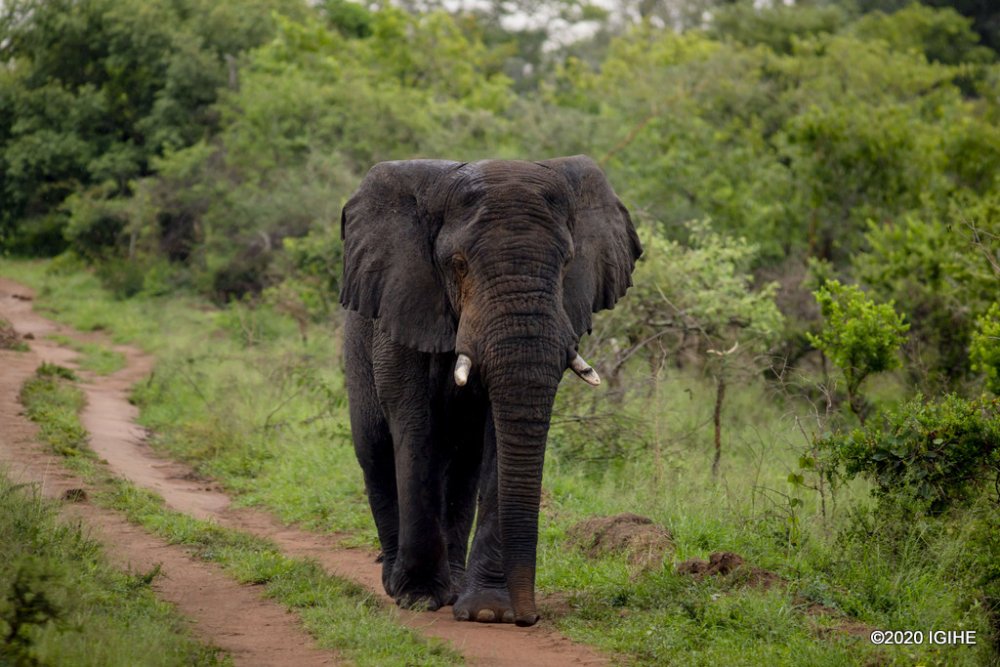
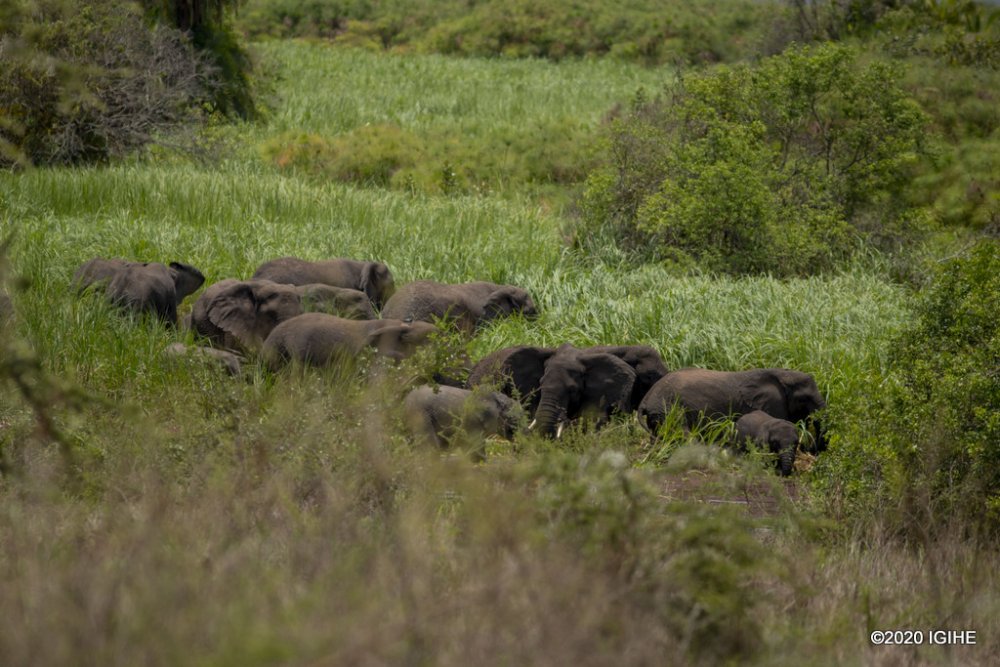
The group was fortunate to spot elephants, one of the iconic Big Five, during their adventure at Akagera National Park.
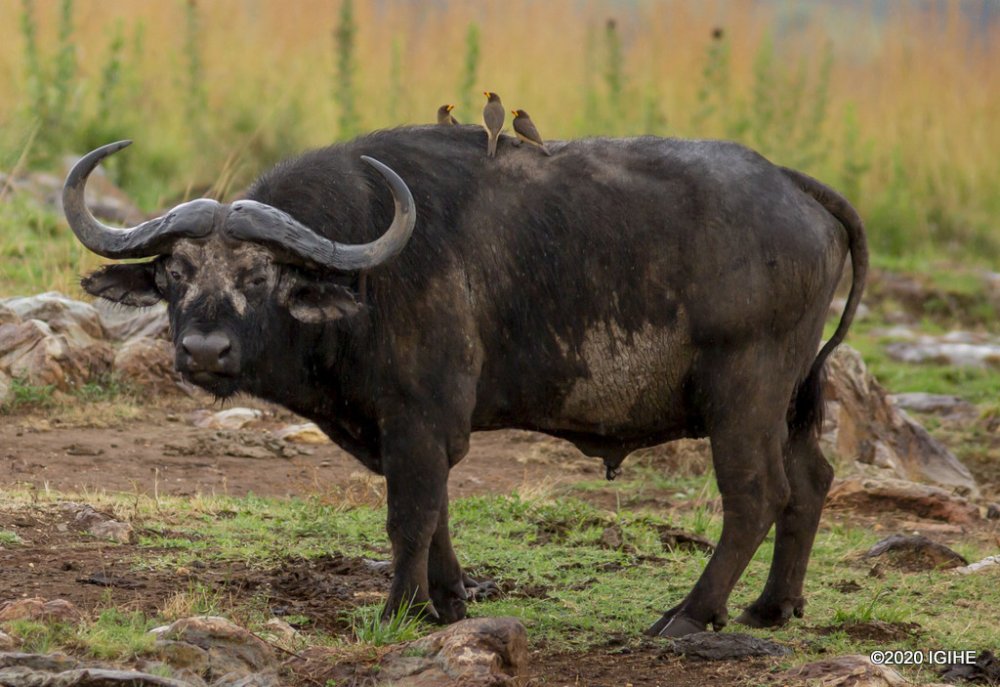
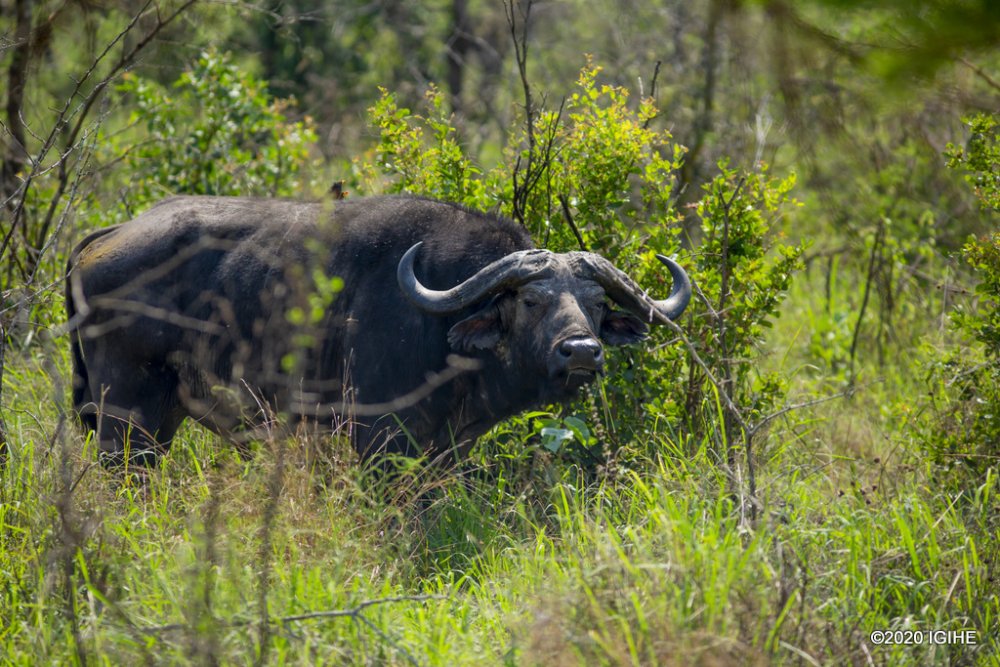
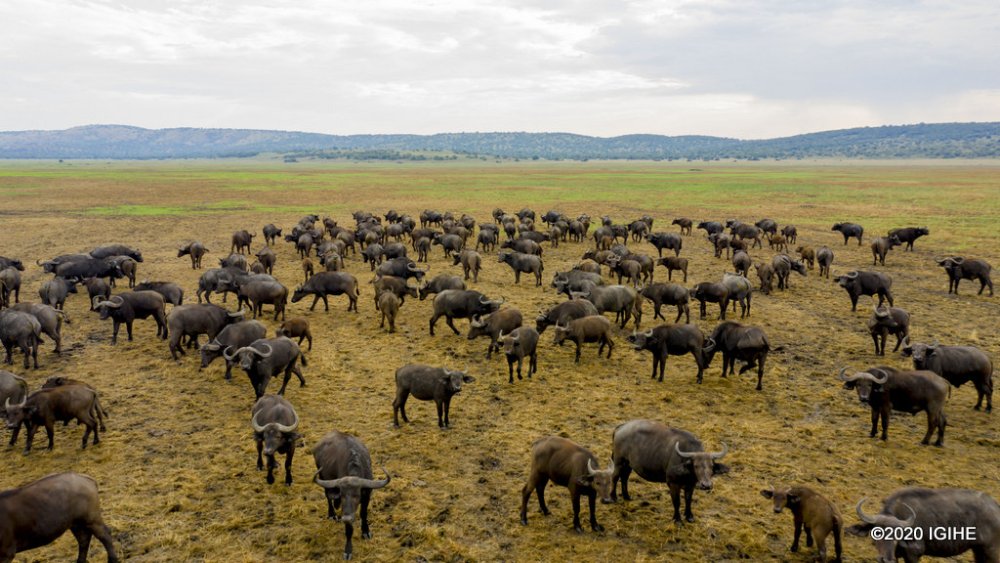
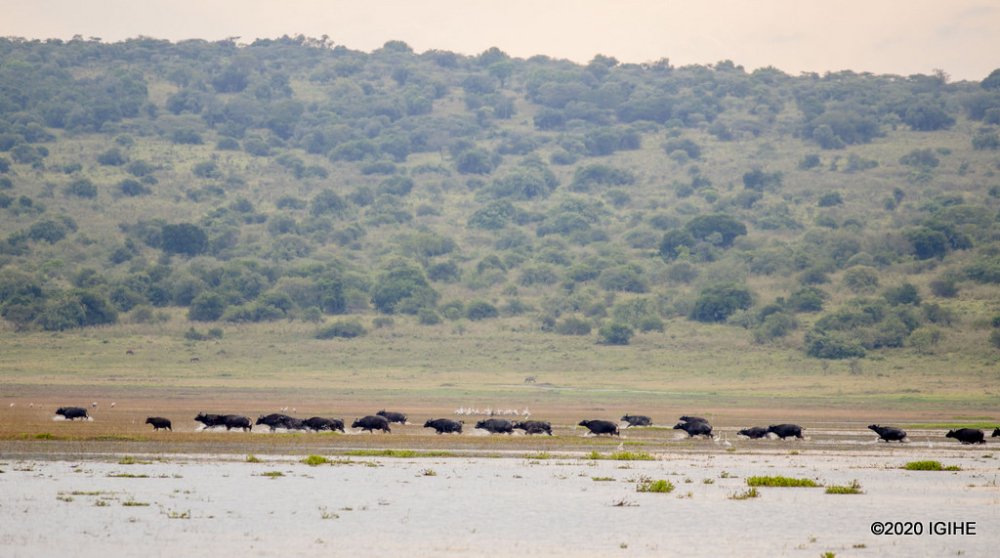
Although the group did not spot the complete Big Five, they encountered elephants, buffaloes and a rhinoceros during the drive.
Babu Rugemana, the event organiser, described wildlife viewing as a matter of chance.
“You may see them today, and you may not see them tomorrow,” he said, noting that safari experiences vary from one visit to another.
Families with their children had an amazing time at Akagera National Park, enjoying the beauty of nature and the thrill of wildlife sightings.
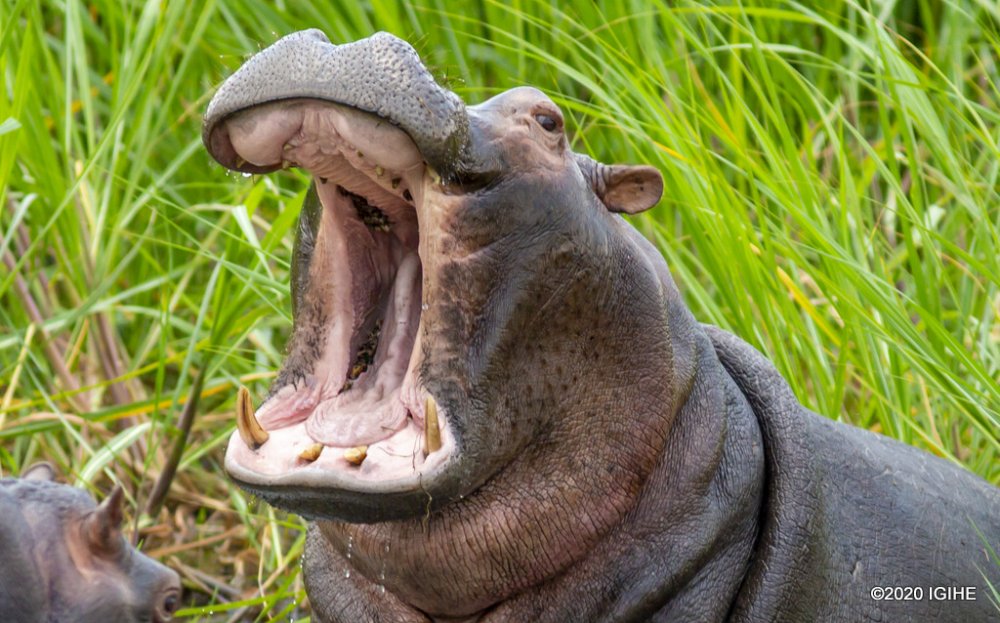
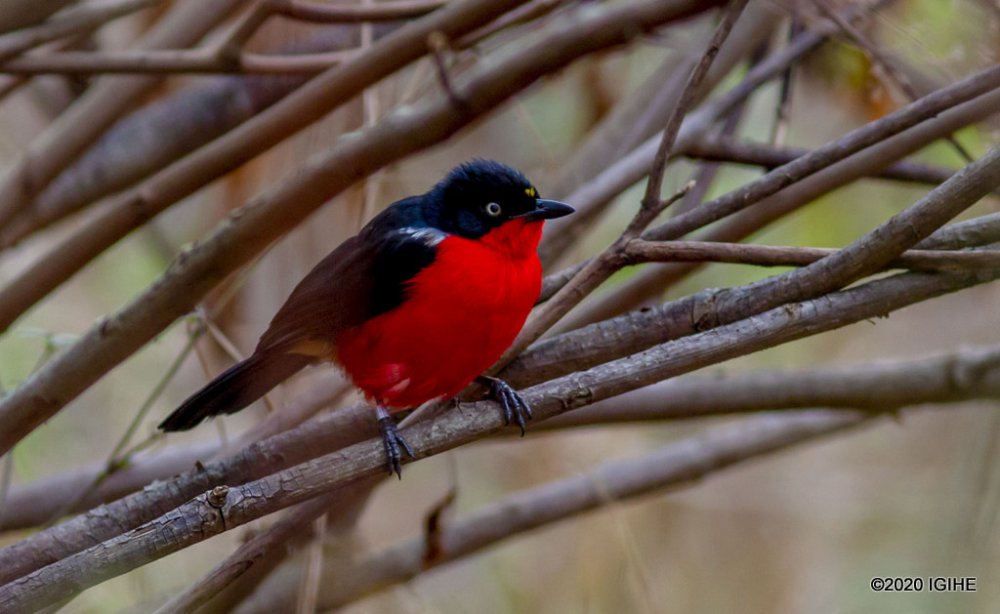
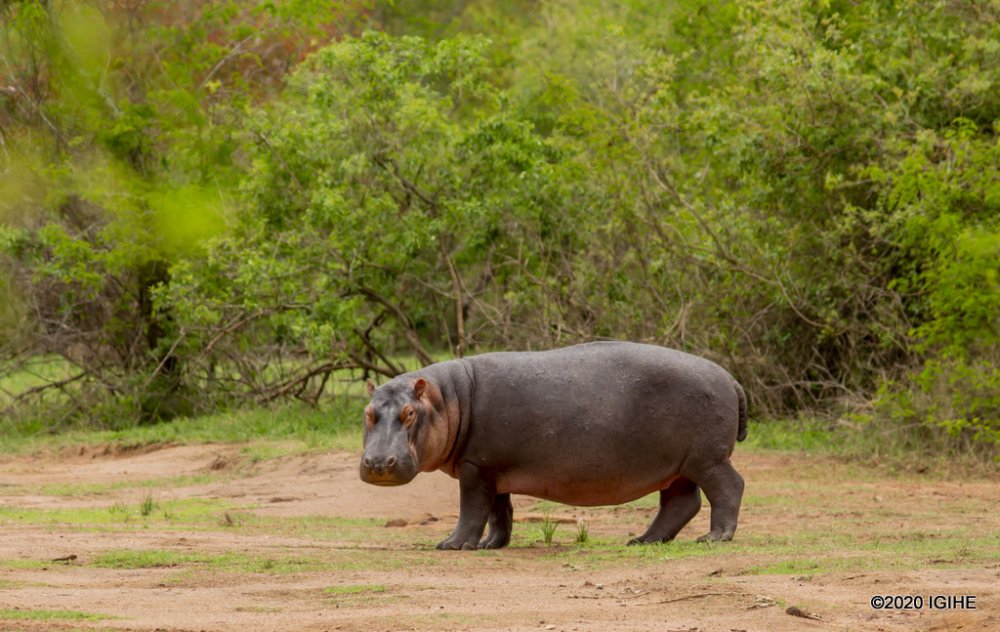
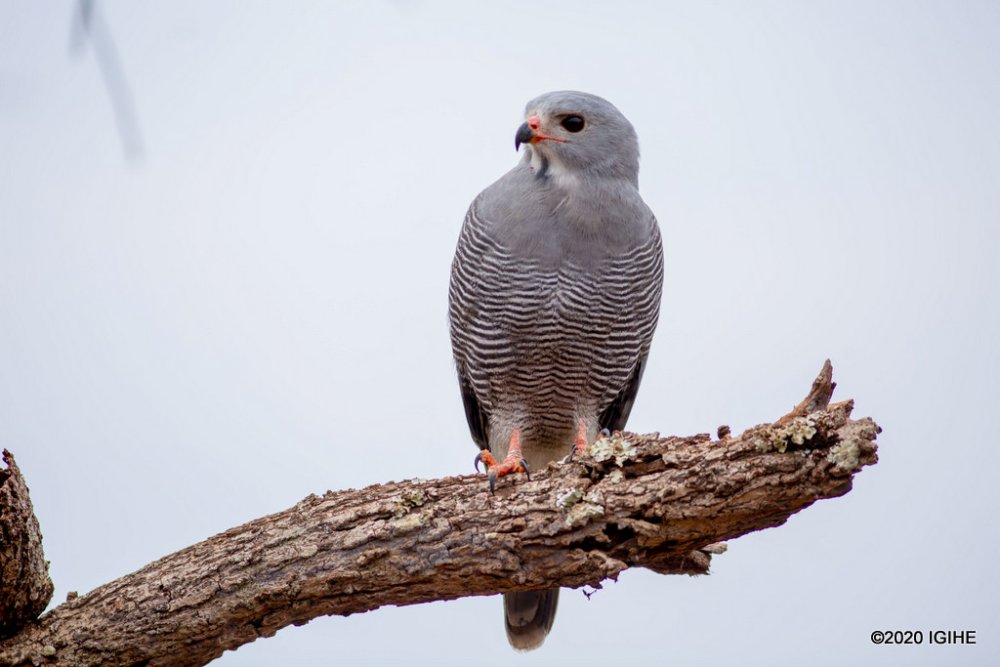
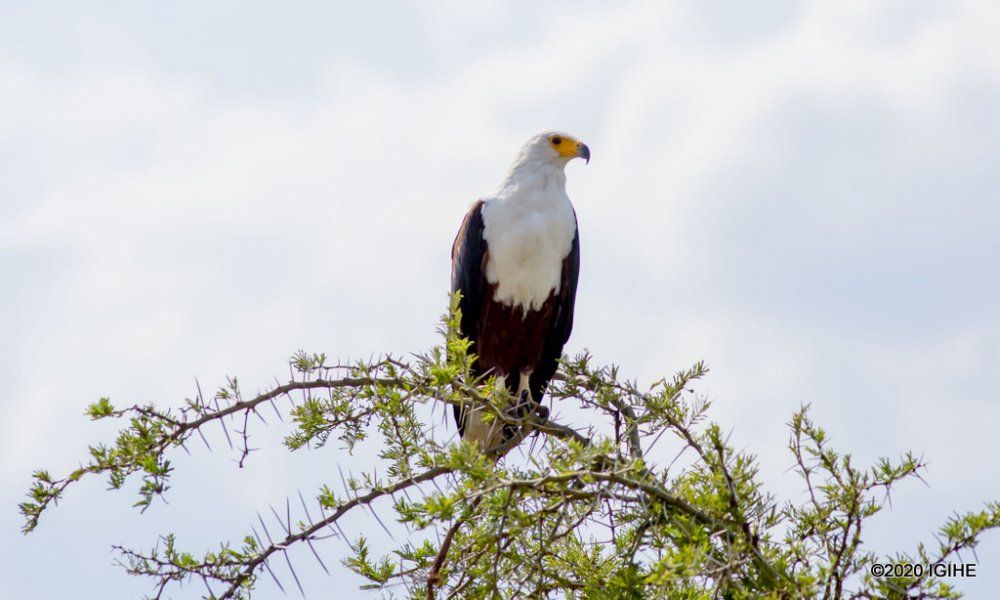
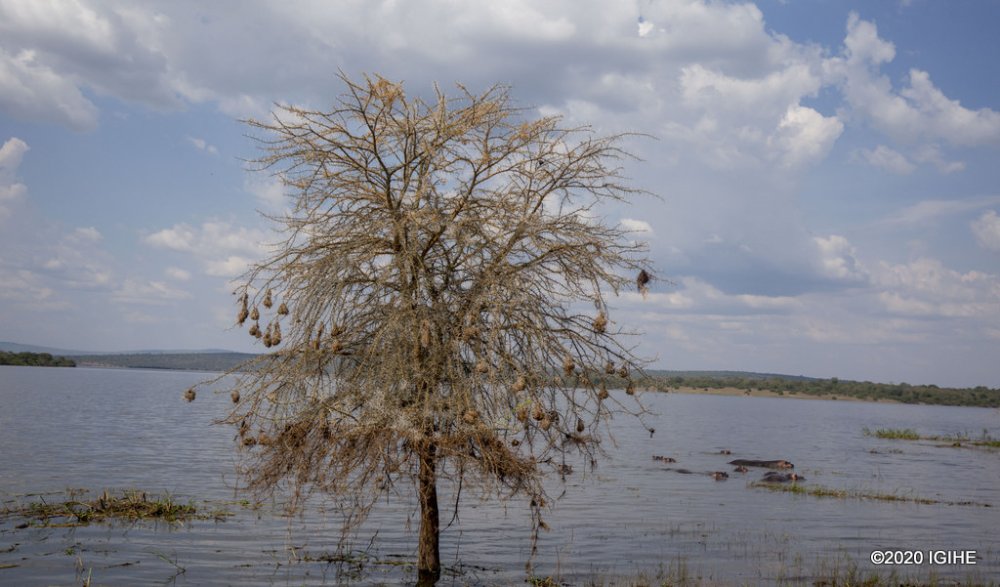
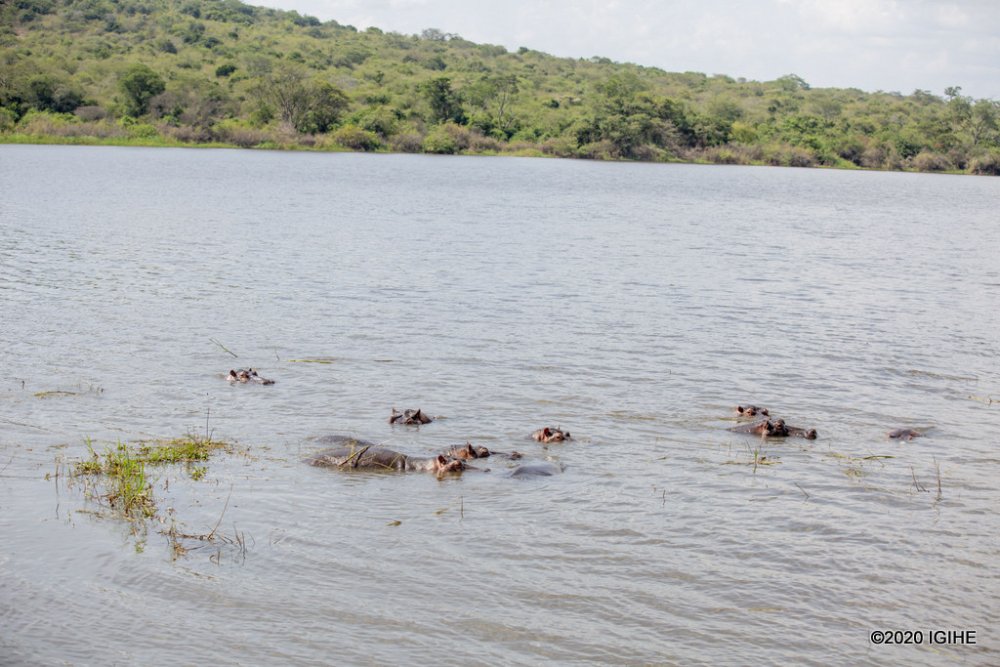
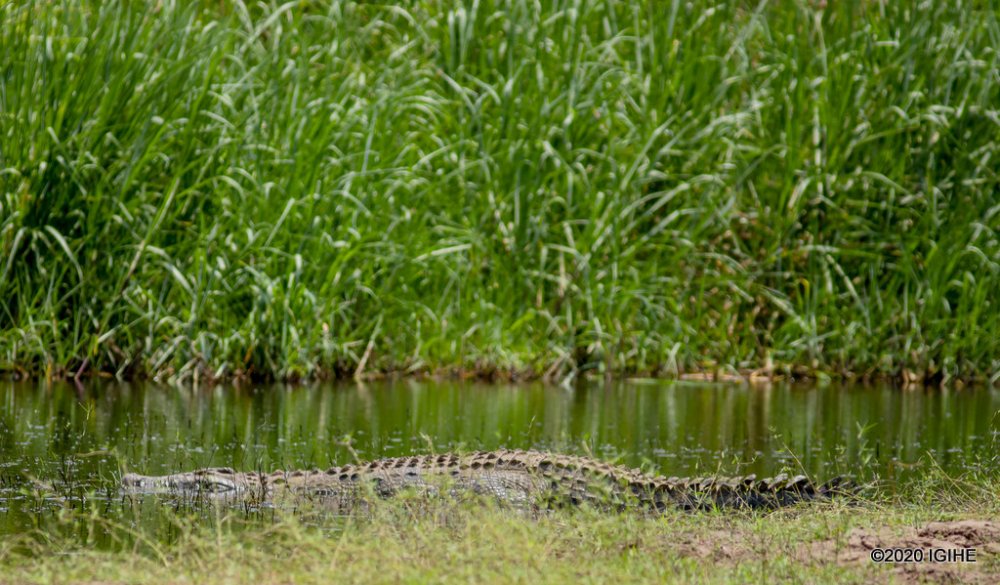
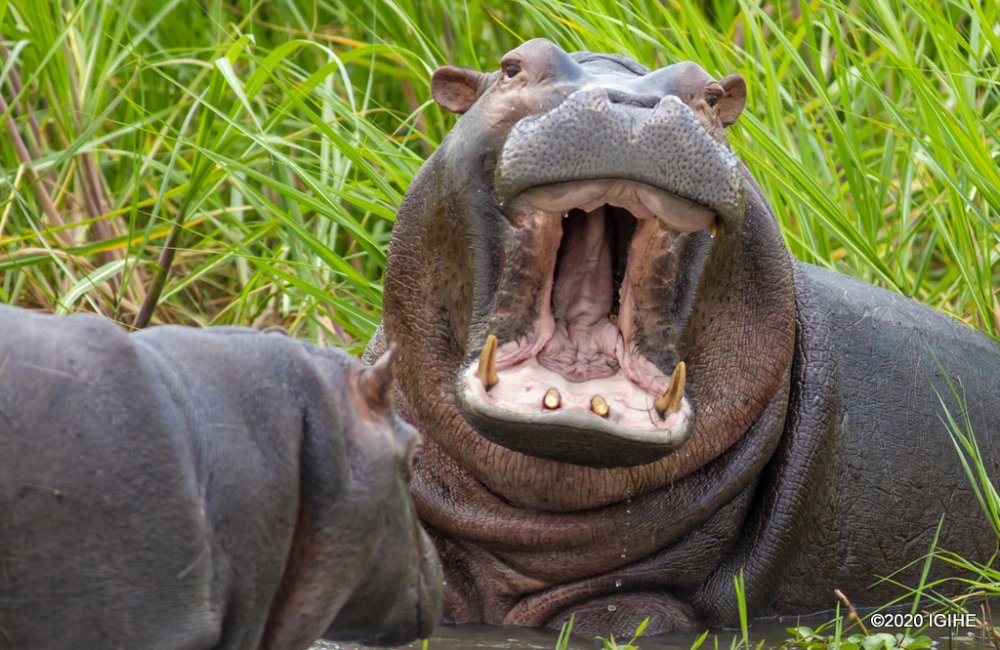
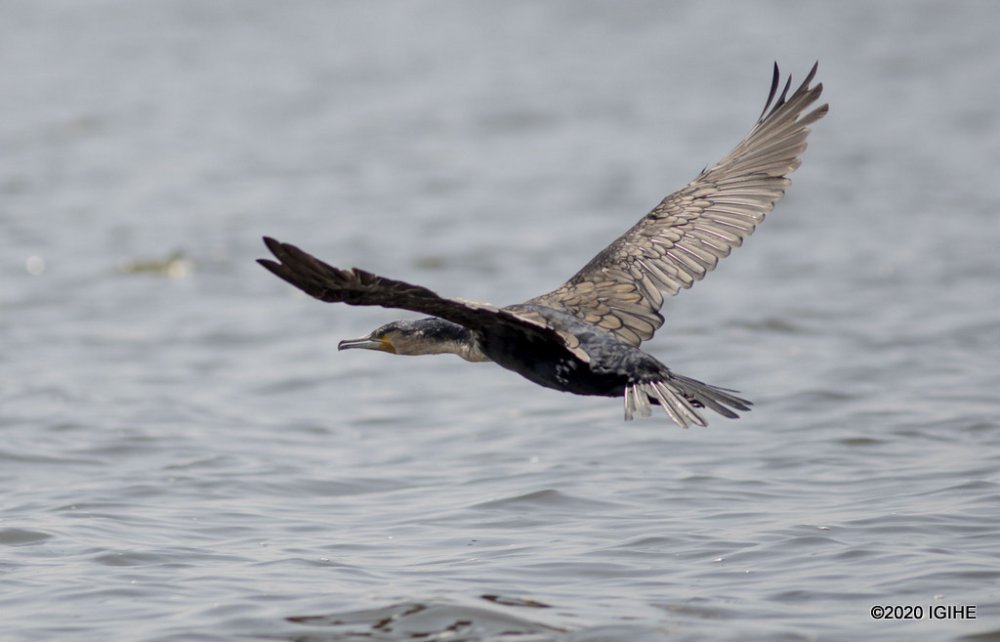
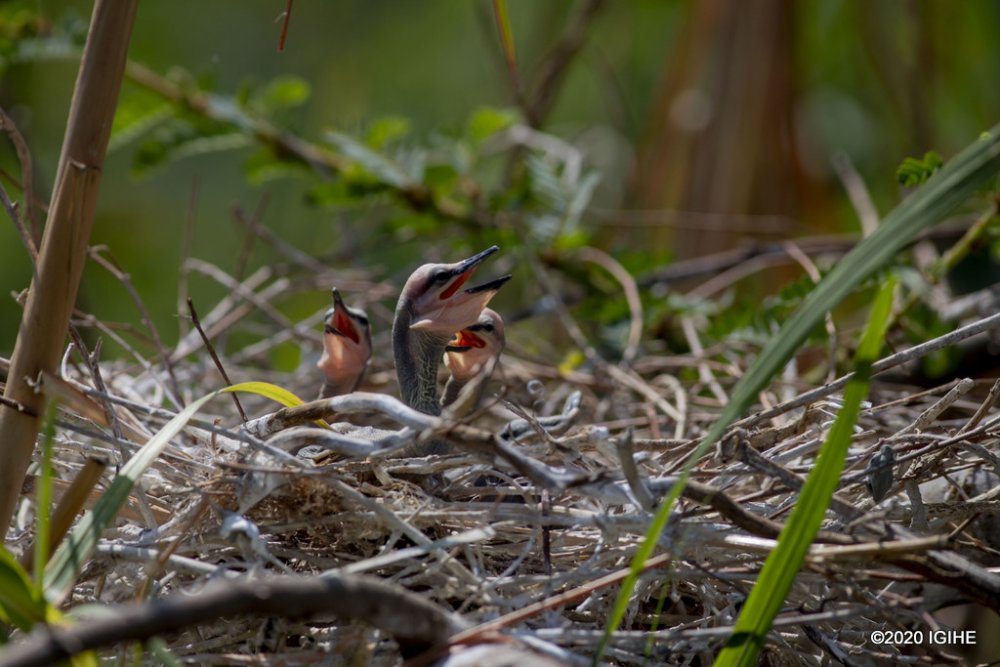
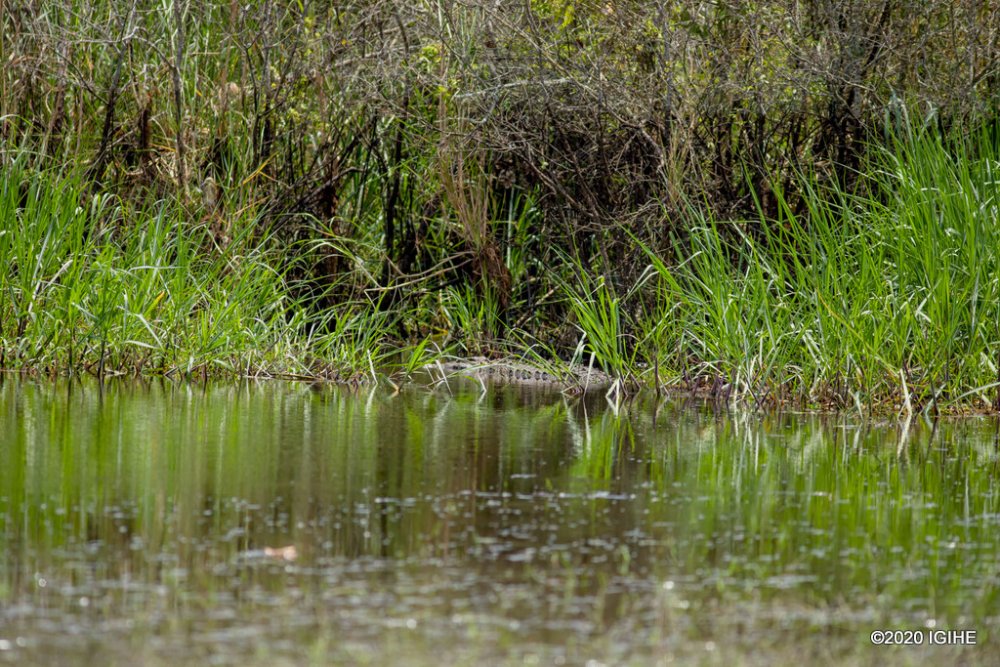
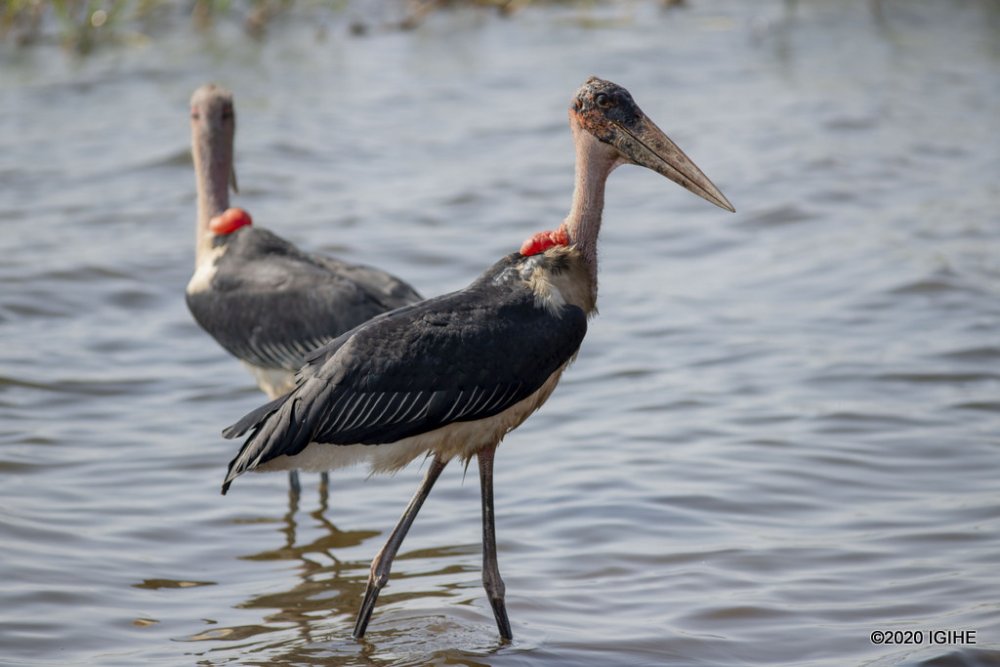
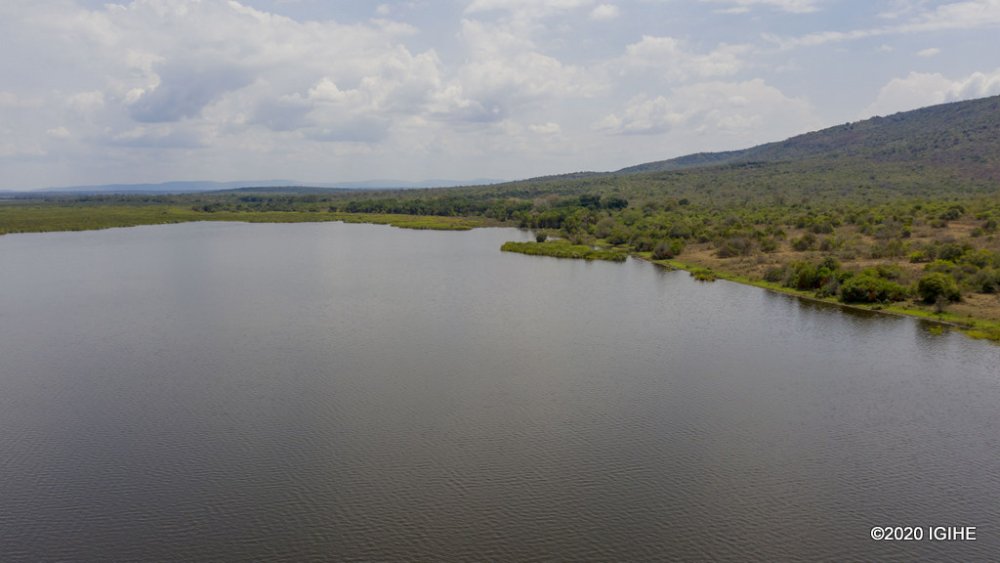
In addition to the game drive, participants enjoyed a boat safari on Lake Ihema, where they observed hippos, crocodiles and various bird species. The boat cruise provided a unique vantage point of the park’s ecosystem.
The tour also featured a guided nature walk led by conservation experts, who educated participants on Akagera’s ecological significance, conservation efforts and historical background.
Speaking to IGIHE, Amen Babu Rugemana expressed appreciation to the sponsors, partners and celebrities who supported and amplified the initiative.
He specifically acknowledged IGIHE and Choice Live for their sponsorship, and commended Coach Gael for backing the event, particularly in its appeal to young people.
“I’m thankful to everyone who made this trip a success, from our sponsors to the celebrities who shared their experiences. Their engagement plays a key role in promoting Rwanda’s wildlife and tourism potential,” he said.
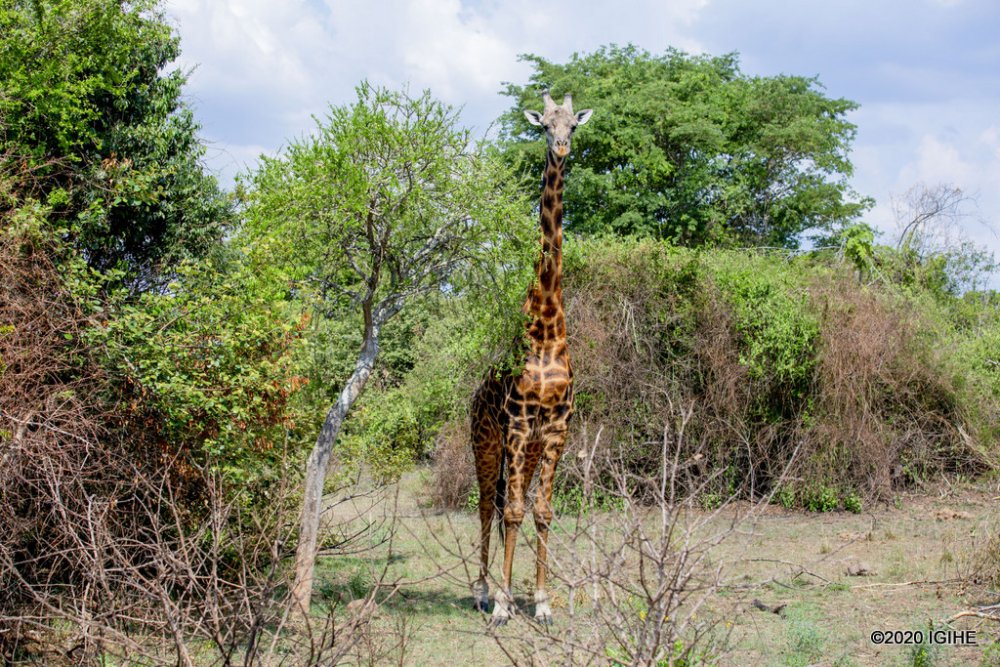
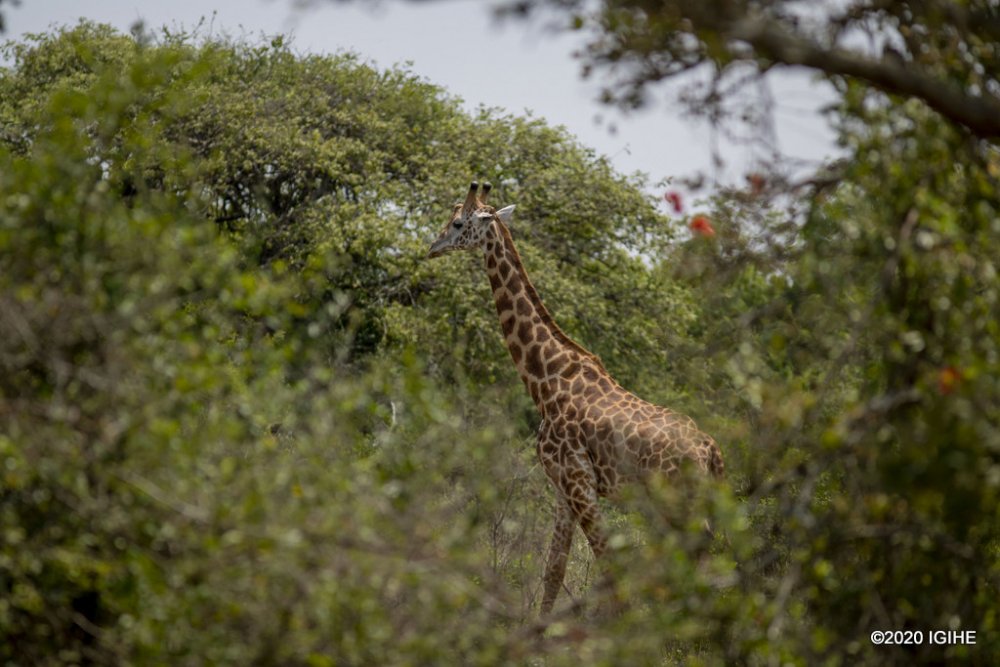
The group was treated to the sight of giraffes gracefully roaming through Akagera National Park, adding to the awe of the safari experience.
Looking ahead, Rugemana reaffirmed plans for the upcoming April trip to Bigogwe in Nyabihu District.
“This is just the beginning. We want to continue creating opportunities for more people to explore Akagera and other unique destinations across Rwanda,” he added.
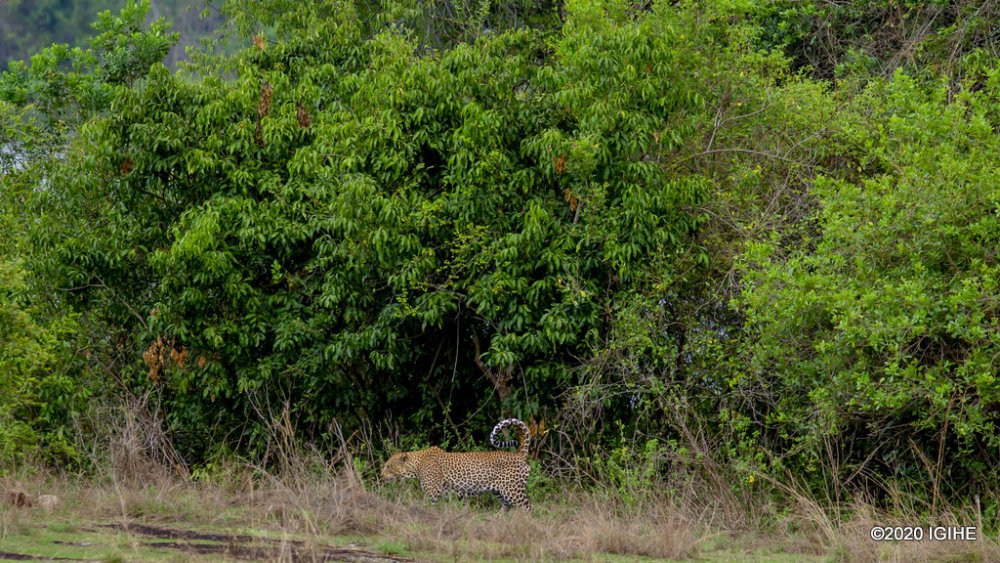
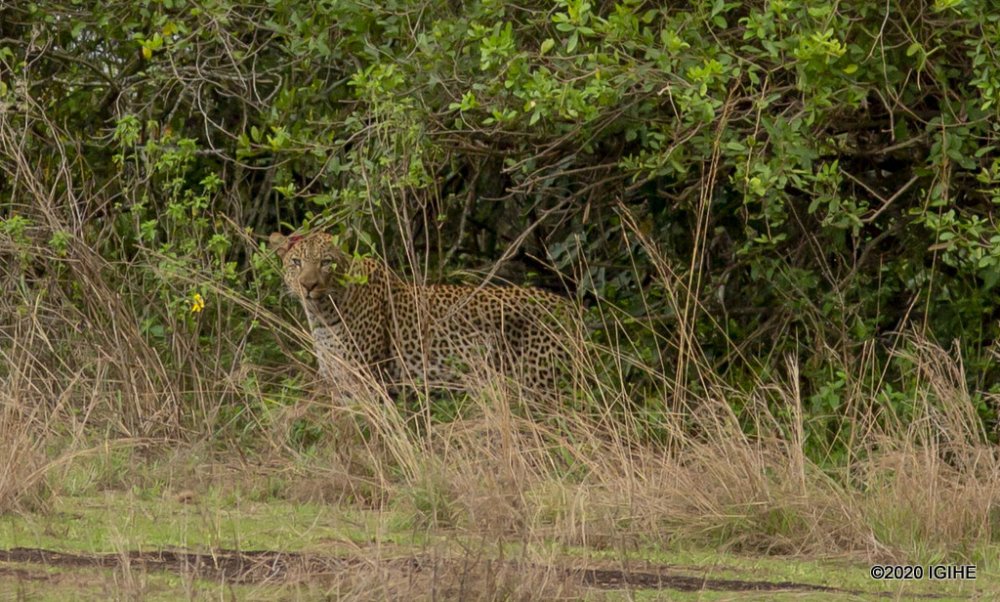
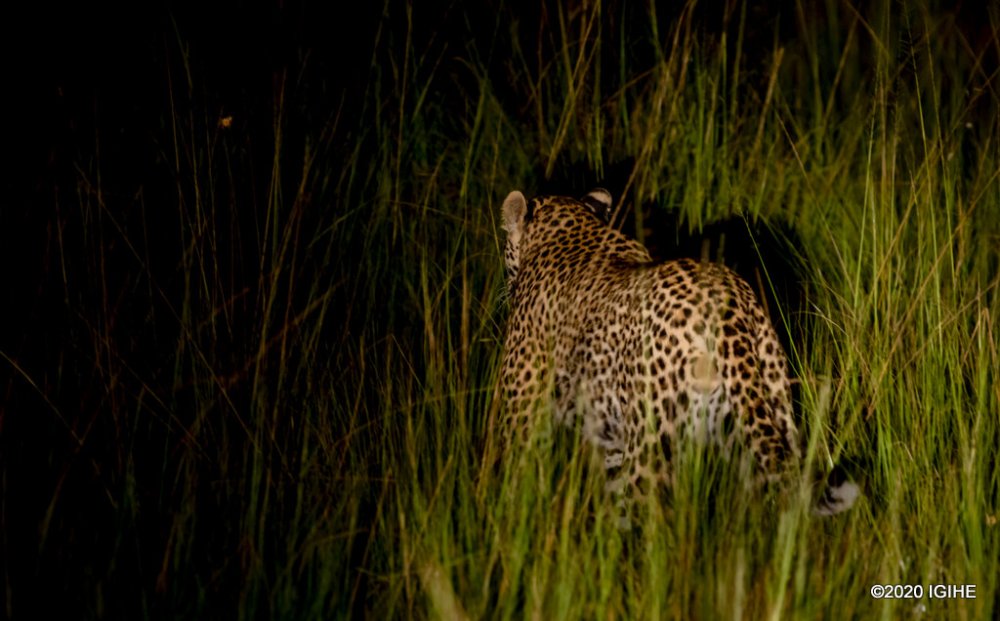
Akagera National Park continues to play a vital role in Rwanda’s conservation and tourism sectors. Located in eastern Rwanda, the park is home to the Big Five, lions, elephants, buffaloes, rhinos, and leopards, making it one of the region’s premier wildlife destinations.
In recent years, visitor numbers have steadily grown, reaching 59,538 in 2025, a 5.4% increase over the previous year.
This growth, alongside ongoing conservation and restoration initiatives and the park’s achievement of 100% operational self-sufficiency in 2025, underscores Akagera’s importance as both a cornerstone of Rwanda’s natural heritage and a key driver of the country’s ambition to become a global leader in sustainable tourism.
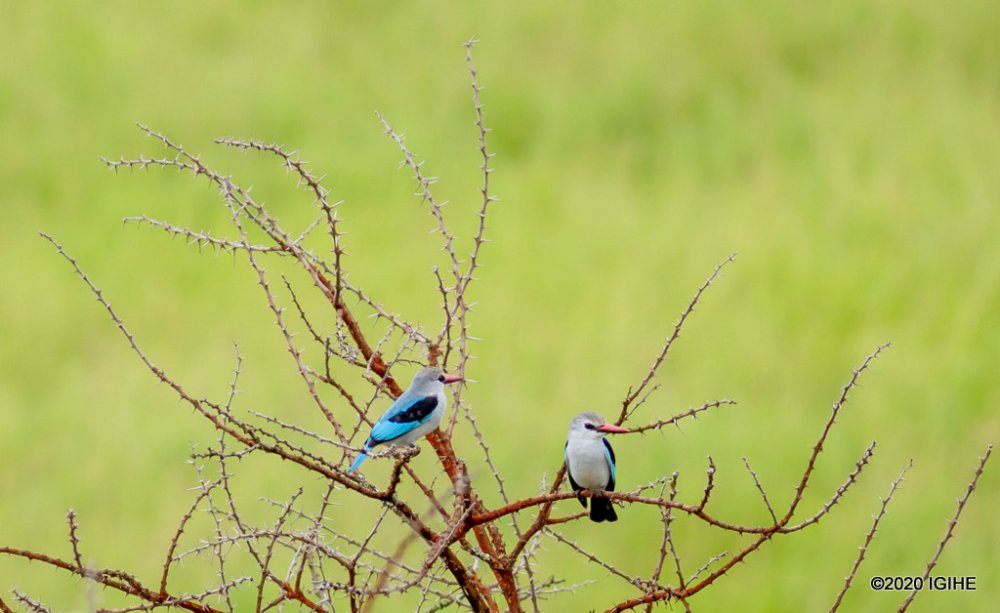
Osmarito, the popular TikToker, was also part of the adventure at Akagera National Park, sharing his experience with fans and capturing the beauty of Rwanda’s wildlife.IGIHE journalists were also on the ground at Akagera National Park, capturing the essence of the adventure and sharing the unforgettable moments of the safari.The group was thrilled to spot zebras during the safari tour at Akagera National Park. The day at Akagera National Park offered a variety of entertainment activities.
Known for a lifetime of overland journeys with her husband Alan, 85, Cooper has recently returned from Rwanda, after 14 years since her husband first visited and she initially declined to join him.
In an interview with BBC, she recounted her experiences in the East African nation, painting a vivid picture of its natural beauty and warm hospitality.
“I was really surprised. It was like one vast botanical garden. Green, lush plants and flowers everywhere, the people were friendly, the food terrific,” Cooper said.
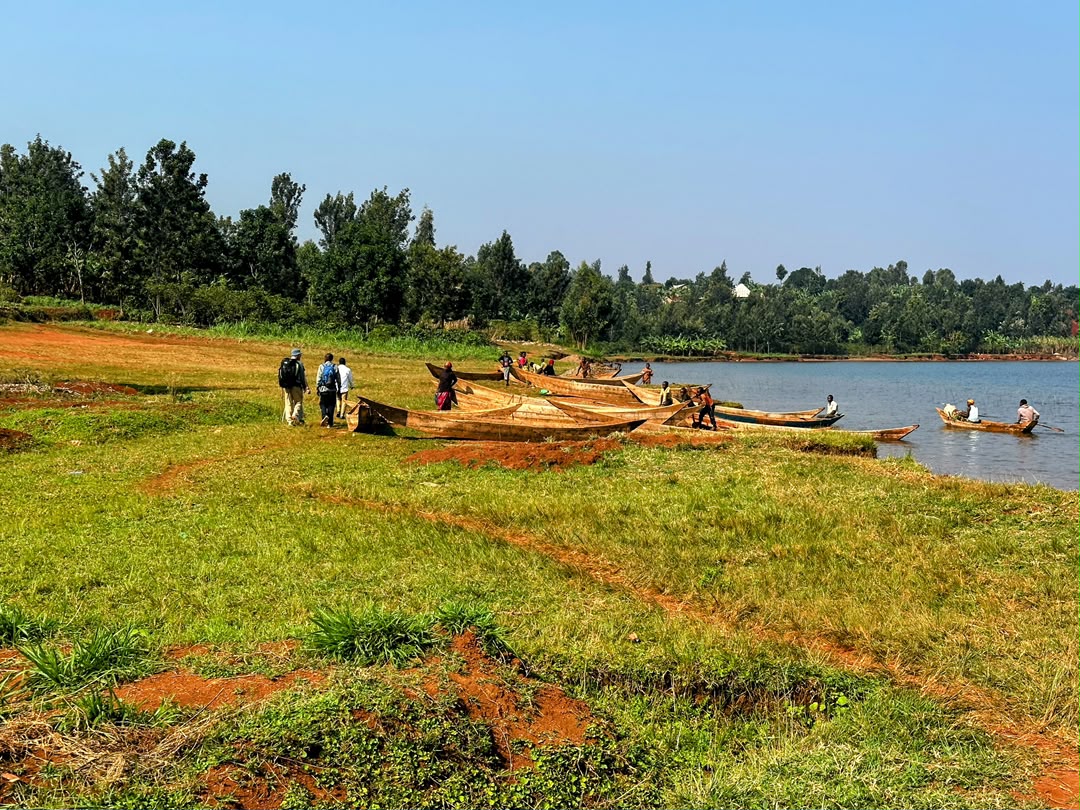
Her description highlights Rwanda’s lush landscapes, often dubbed the “Land of a Thousand Hills,” where rolling green vistas, vibrant flora, and a welcoming atmosphere create an almost garden-like serenity.
Cooper and her husband Alan, have been backpacking the globe together since shortly after their marriage, embracing a spontaneous, off-the-beaten-path style of travel that has taken them across continents.
Their adventures began with overland journeys, including a memorable route through India, Iran, Afghanistan, and Pakistan.
Over the decades, they have ventured into the Middle East and South Asia extensively, often booking flights to a destination and then relying on local hotels, public transport, and a sense of adventure to navigate from there.
Reflecting on their nomadic lifestyle, Cooper explained how external events sometimes extended their stays in unexpected ways.
“We decided we would go to Canada or Australia. We were going to go overland to India and get a boat to Australia. But when we got to India, there was the Arab-Israeli War. That trip was about eight months!” she recalled.
Cooper also reflected on how recent conflicts in the region reminded her of times past.
“That was when the Shah was in power in Iran. It was very civilized. As we approached a town, there was always a big roundabout planted with trees and flowers to welcome you. And people were lovely, friendly, educated,” she recalled, drawing a connection between past travels and present news.
Ann Cooper started backpacking with her husband Alan two years after they got married and the couple have maintained their wanderlust ever since.
Their trip comes as part of the ongoing partnership between Rwanda and Atlético de Madrid, which has seen players from the men’s and women’s teams, former players, and coaches travel to the country for official engagements and tourism activities.
On the first day of their visit, the two players toured the Kigali Genocide Memorial, where they paid tribute to victims of the 1994 Genocide against the Tutsi.
The players later traveled to Nyanza District, visiting the King’s Palace Museum, where they learned about Rwanda’s pre-colonial history and the lifestyle of its former monarchs. They also learned about the traditional Inyambo cows, renowned for their cultural significance in the country.
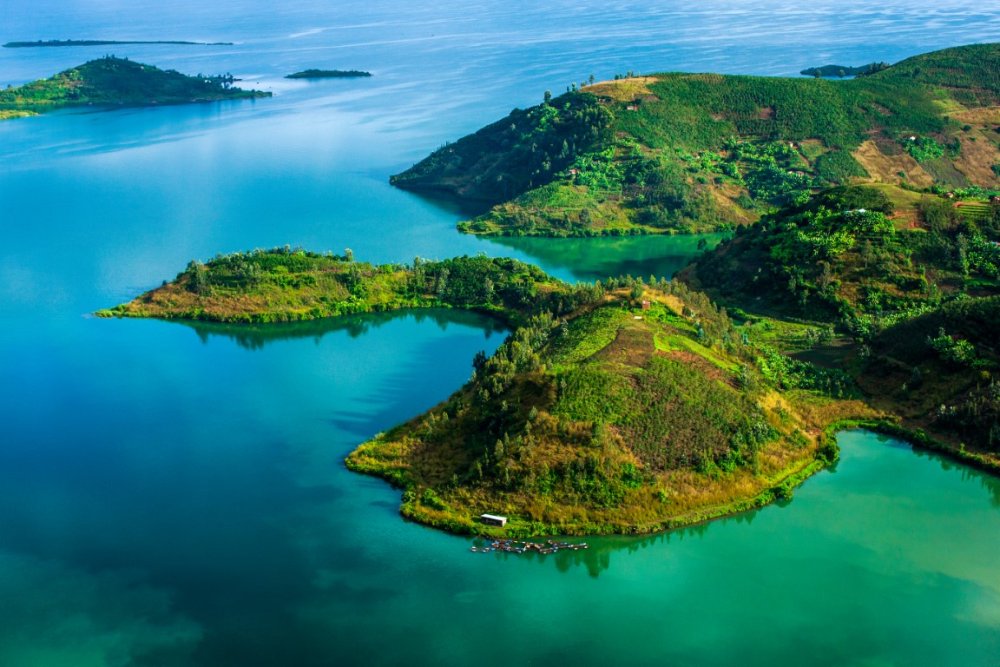
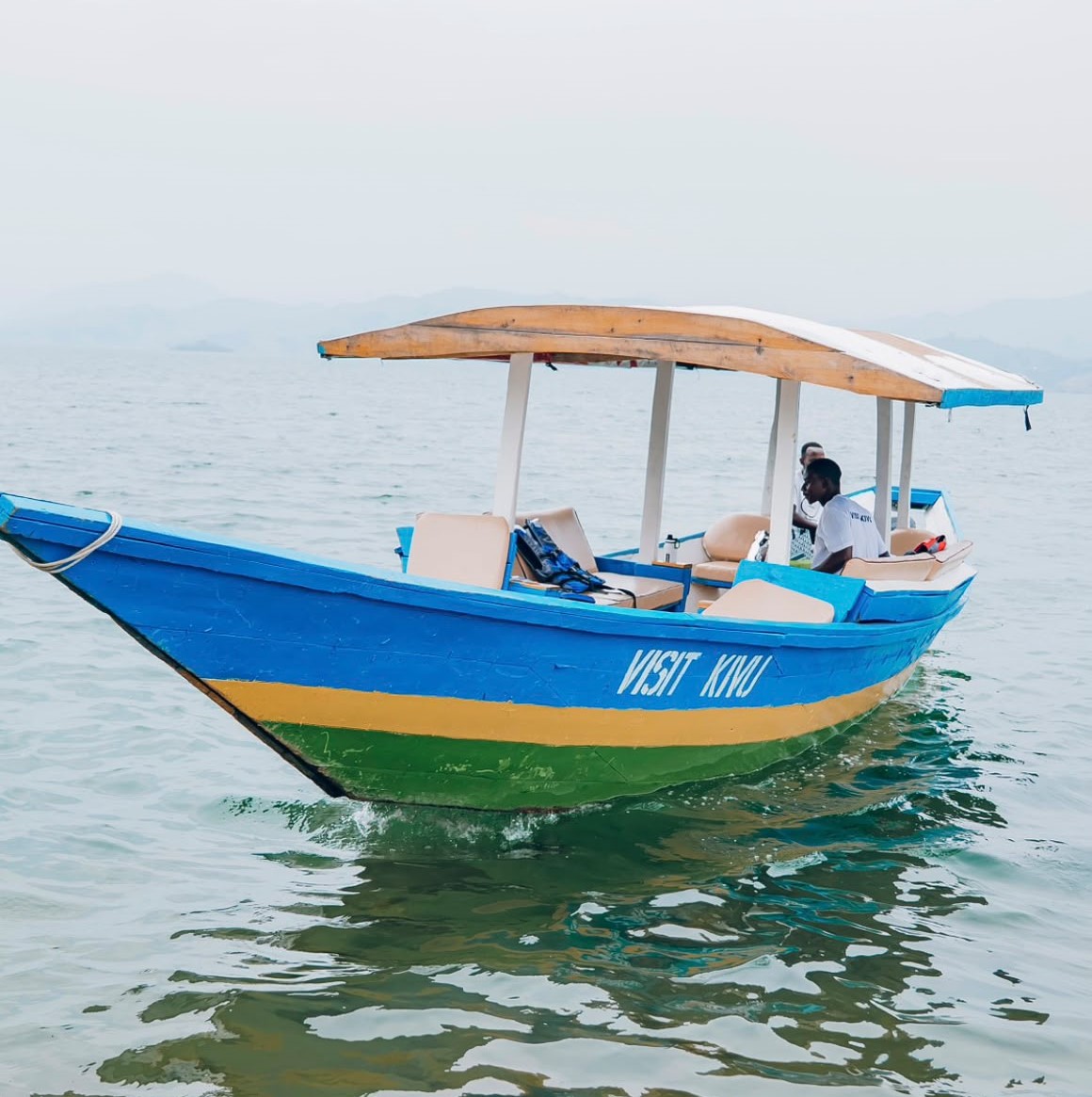
Their itinerary also included a visit to Lake Kivu, where they enjoyed a boat ride on one of the country’s most popular tourist destinations.
Menayo and Gallardo further toured Volcanoes National Park in Musanze District, where they had the opportunity to see mountain gorillas, a rare species found in limited regions worldwide.
Gallardo, 32, is a goalkeeper and one of the experienced members of Atlético de Madrid. She first joined the club in 2012 and spent eight years there before moving to Olympique Lyonnais Féminin in France for a season. She rejoined Atlético in 2021 and has remained with the club since. Between 2013 and 2022, she earned 38 caps with the Spain women’s national football team.
Menayo, 27, plays as a defender. She began her professional career at Santa Teresa CD, where she spent two seasons before joining Atlético de Madrid in 2016. She currently serves as team captain and has made more than 200 appearances for the club.
The players visited the King’s Palace Museum, where they learned about Rwanda’s pre-colonial history.María Dolores arrived in Nyanza.Carmen Menayo and María Dolores learned about the lifestyle of Rwanda’s kings during their visit.They had an opportunity to meet and engage with the Inyambo cows up close. The players visited Kinigi in Musanze to see the mountain gorillas.