The nearly 10,000-square-meter headquarters, located next to Madrid’s Congress Palace, was designed with sustainability criteria and is expected to further strengthen the Spanish capital’s role as a hub for international tourism cooperation.
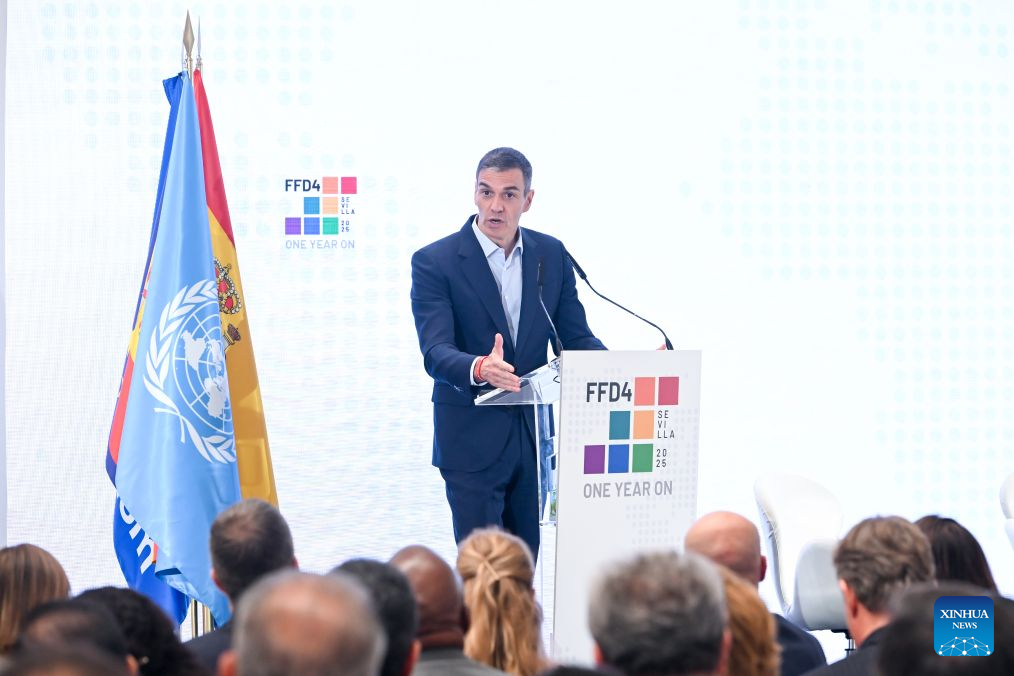
Speaking at the inauguration ceremony, Spanish Prime Minister Pedro Sanchez said the opening of the new headquarters reflected Spain’s commitment to multilateralism and underscored the country’s leading role in the global tourism sector.
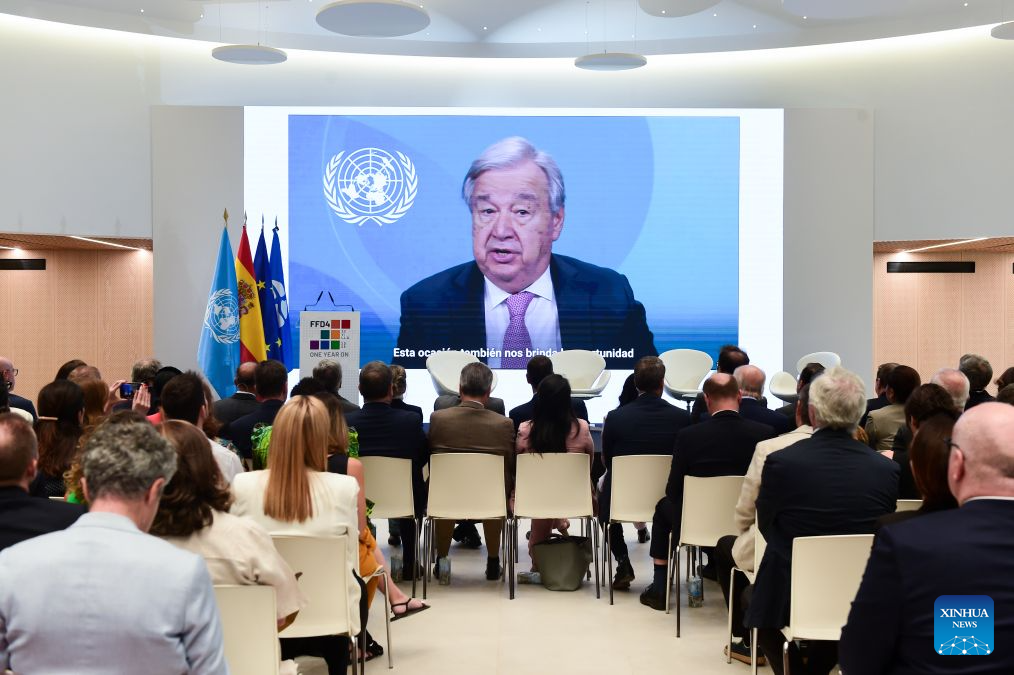
Spanish Prime Minister Pedro Sanchez delivers a speech at the inauguration ceremony of the new headquarters of United Nations Tourism in Madrid, Spain, June 29, 2026. United Nations Tourism on Monday inaugurated its new headquarters in Madrid, marking a new chapter for the United Nations agency dedicated to promoting sustainable and inclusive tourism worldwide. (Photo by Gustavo Valiente/Xinhua)Photo taken on June 29, 2026 shows the inauguration ceremony of the new headquarters of United Nations Tourism in Madrid, Spain. United Nations Tourism on Monday inaugurated its new headquarters in Madrid, marking a new chapter for the United Nations agency dedicated to promoting sustainable and inclusive tourism worldwide. (Photo by Gustavo Valiente/Xinhua)
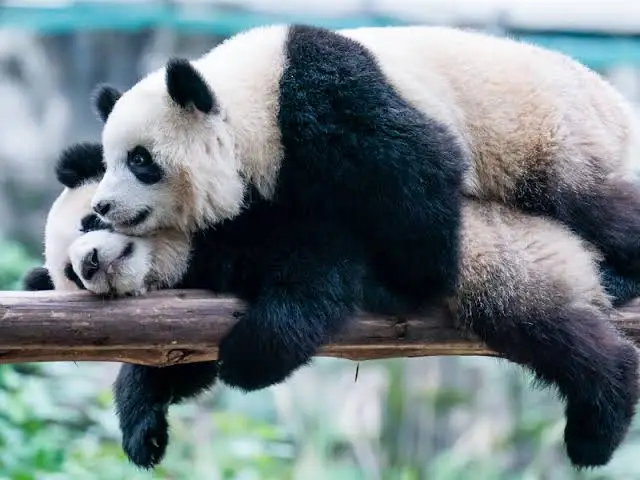
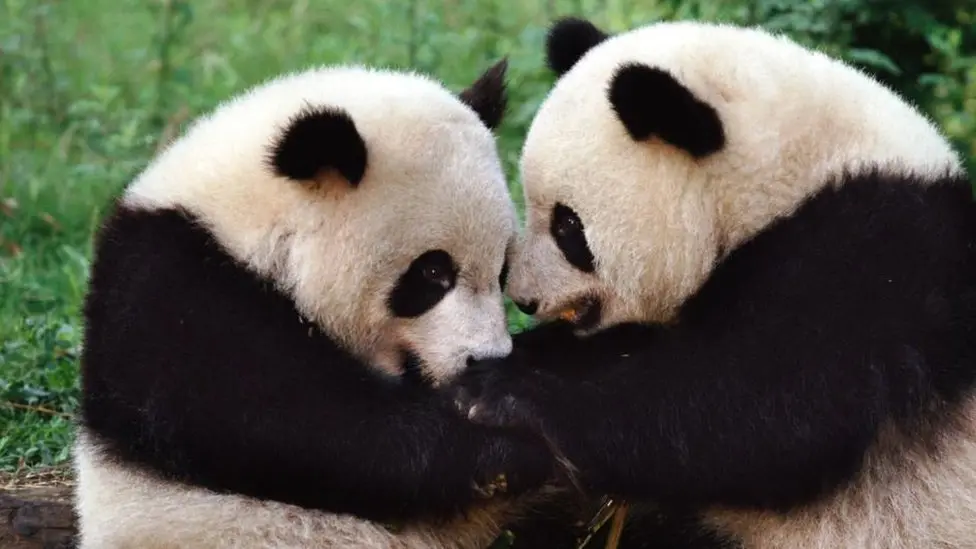
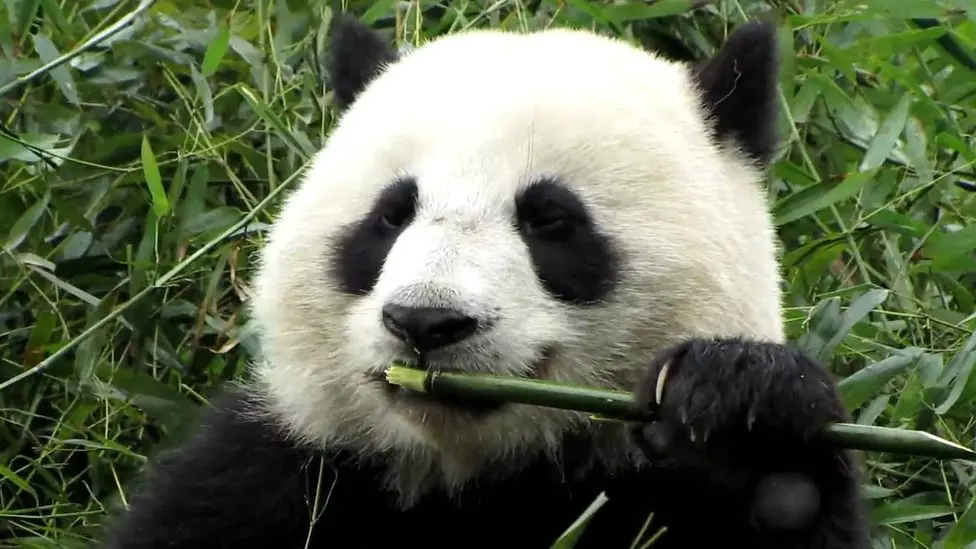
Centuries ago, pandas were widespread across Asia, but climate shifts and human expansion dramatically reduced their habitat. Biologically belonging to the carnivore family, pandas adapted uniquely to a diet made up of 99 percent bamboo. Because bamboo is low in nutrients, they spend up to 14 hours a day consuming 26 to 84 pounds of it, using a specialized “pseudo-thumb” wrist bone to grasp the stalks.
By the late 20th century, deforestation and habitat loss caused the wild panda population to drop to a dangerously low estimate of just 1,100 individuals. This crisis sparked massive conservation programs, including the establishment of the massive Giant Panda National Park. Due to these intense efforts, the giant panda population has achieved an extraordinary recovery.
Today, the total global population of giant pandas has reached approximately 2,708. This includes nearly 1,900 pandas living dynamically in the wild, alongside 808 pandas thriving in dedicated breeding centers and zoos.
Because wild giant pandas exclusively exist in China, the country holds almost the entirety of the global population. Out of all the pandas on Earth, only about 40 to 50 individuals live in overseas zoos across 16 countries under official research loan agreements.
Within China, wild pandas are strictly concentrated in three specific provinces: Sichuan, Shaanxi, and Gansu. Sichuan Province acts as the primary stronghold for the species, containing nearly 65 percent of the world’s entire wild population.
Despite their highly concentrated geography, the giant panda’s cultural footprint is truly international. In 1961, Chi Chi, a panda living at the London Zoo, inspired the founding sketch of the World Wildlife Fund (WWF) logo, cementing the animal as the definitive global face of environmental preservation.
This international fame was further elevated by China’s practice of “panda diplomacy,” where the loaning of these rare animals to foreign capitals routinely captured worldwide media attention, turning them into beloved global ambassadors.
This remarkable ecological turnaround and worldwide adoration prompted international wildlife organizations to officially upgrade the giant panda’s status from Endangered to Vulnerable.
For international travelers making the journey to China, seeing these gentle giants up close is a bucket-list experience. Because wild pandas remain hidden in dense, inaccessible mountains, visitors can see them at several world-renowned conservation and breeding facilities.
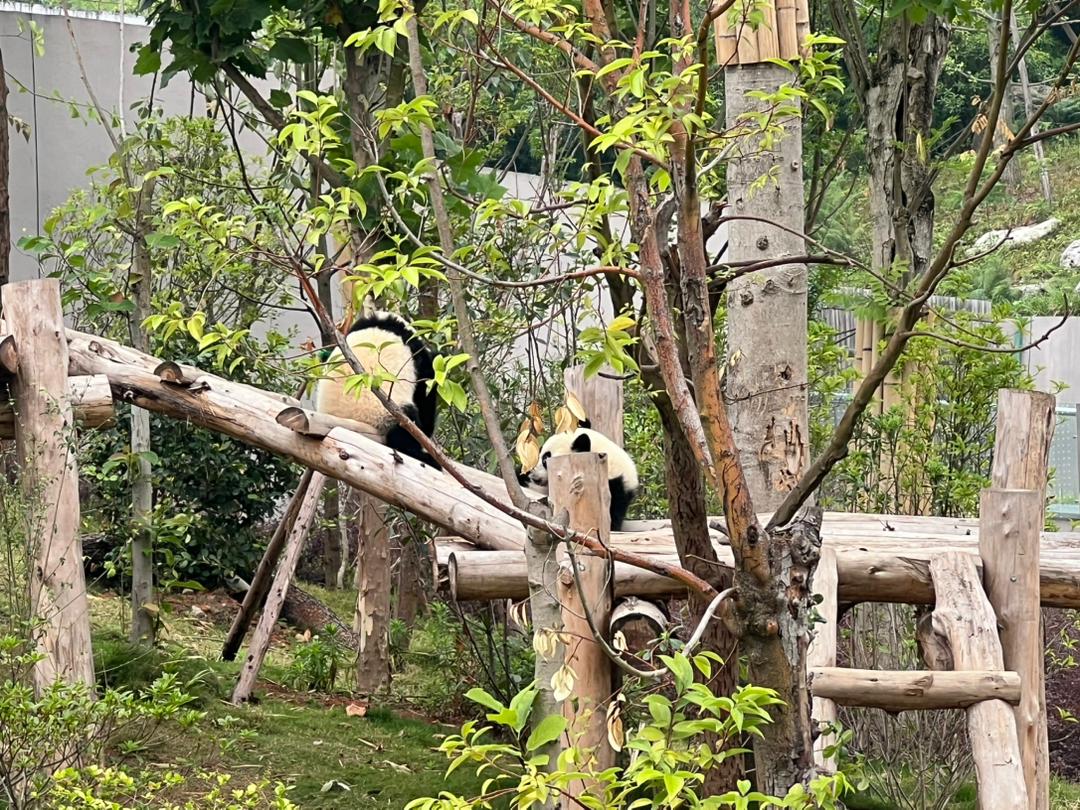
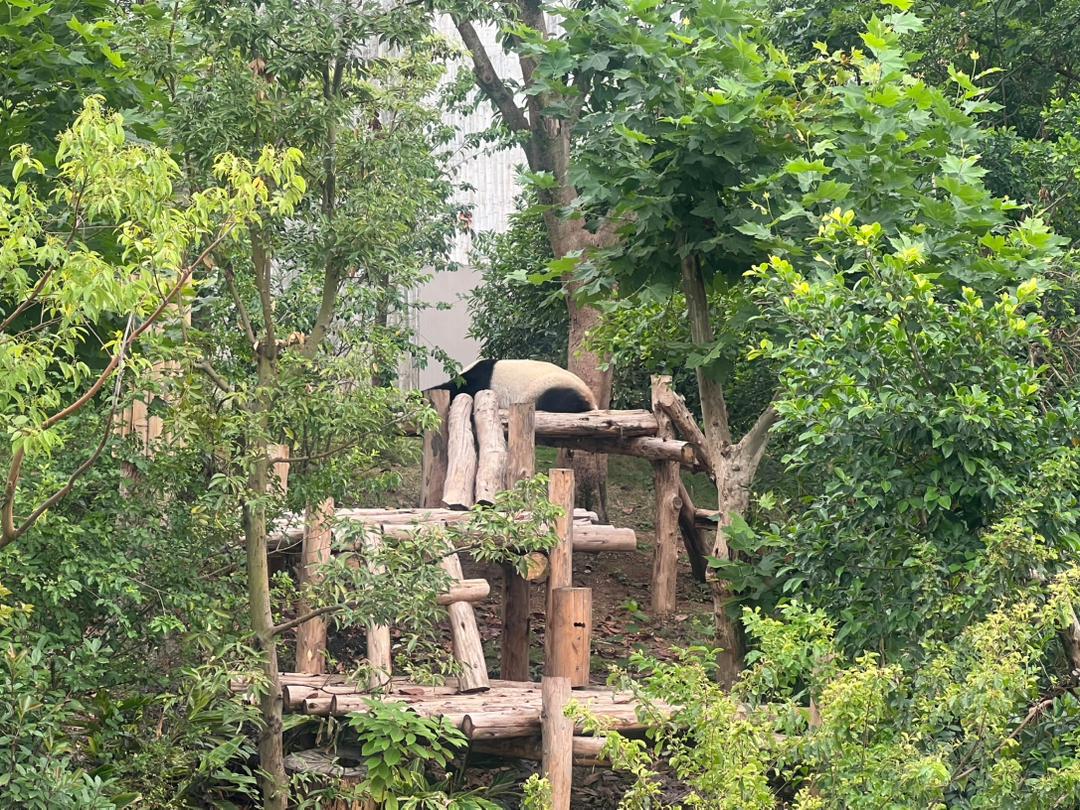
The heart of panda tourism is located in Sichuan Province, specifically at the Chengdu Research Base of Giant Panda Breeding, which is highly famous for its nursery rooms filled with panda cubs. Visitors seeking a deeper experience can travel to the Dujiangyan Panda Base, which offers experiential volunteer programs where participants help keepers prepare bamboo.
Additionally, the Wolong National Nature Reserve offers a pristine alpine environment focused on rewilding pandas. Outside of Sichuan, excellent panda pavilions can also be visited at the Beijing Zoo and Hong Kong’s Ocean Park.
Ultimately, the giant panda stands as a powerful reminder that human action can both threaten and protect life on Earth. Its ongoing survival story is not just about a single species, but about hope, responsibility, and the true possibility of restoring balance between people and nature.
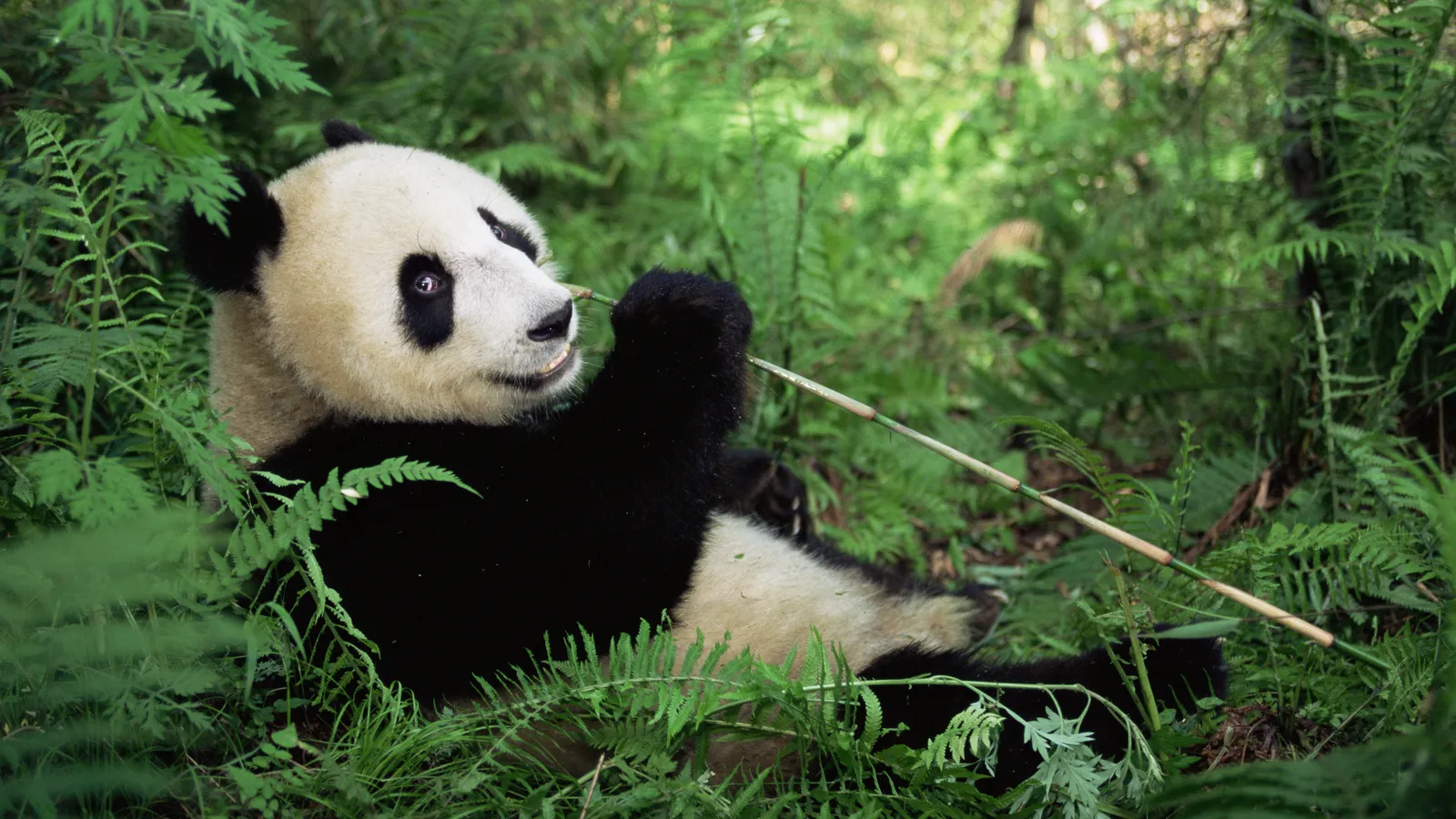
A symbol of peace and friendship, the giant panda holds a special place in Chinese culture.The giant panda rests peacefully in the bamboo forests of southwestern China, its natural habitat.Feeding for hours each day, the panda relies almost entirely on bamboo for survival.Conservation efforts in China have helped protect the panda from extinction and secure its future.
The nomination seeks to place the region among a select network of landscapes recognised by the United Nations Educational, Scientific and Cultural Organisation (UNESCO) for their exceptional geological significance, biodiversity, cultural heritage and contribution to sustainable development through education and tourism.
Understanding the UNESCO Geopark network
A UNESCO Global Geopark is a geographically unified area that contains sites and landscapes of international geological importance. Beyond protecting geological features, geoparks promote scientific research, environmental conservation, education and community-based tourism while preserving the cultural heritage associated with these landscapes.
Such areas are typically characterised by remarkable natural features, including volcanoes, caves, unique rock formations, valleys and lakes that tell the story of the Earth’s evolution over millions of years.
Currently, the UNESCO Global Geopark Network comprises 241 sites spread across 51 countries. In Africa, only Morocco, Tanzania, and Tunisia have areas that have received this prestigious designation.
As part of the evaluation process, Rwanda is presenting the Northern Province’s outstanding geological and ecological sites, demonstrating how they meet UNESCO’s strict criteria. Among the key attractions are the twin Lakes Burera and Ruhondo, the Musanze Caves, Rugezi Marsh, Mount Bisoke’s crater lake and Volcanoes National Park.
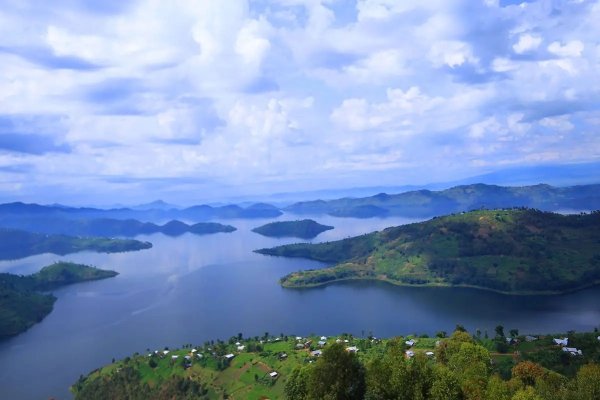
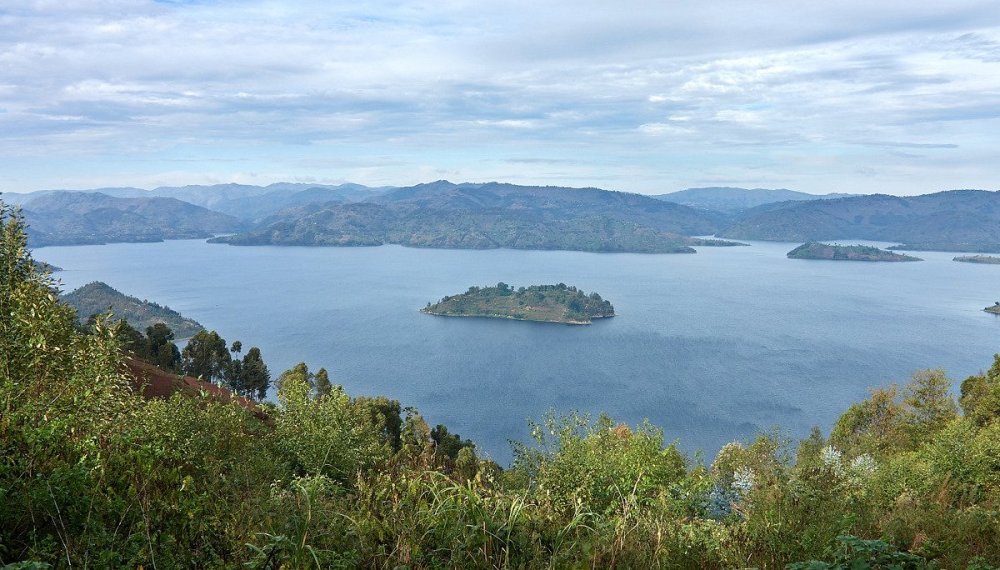
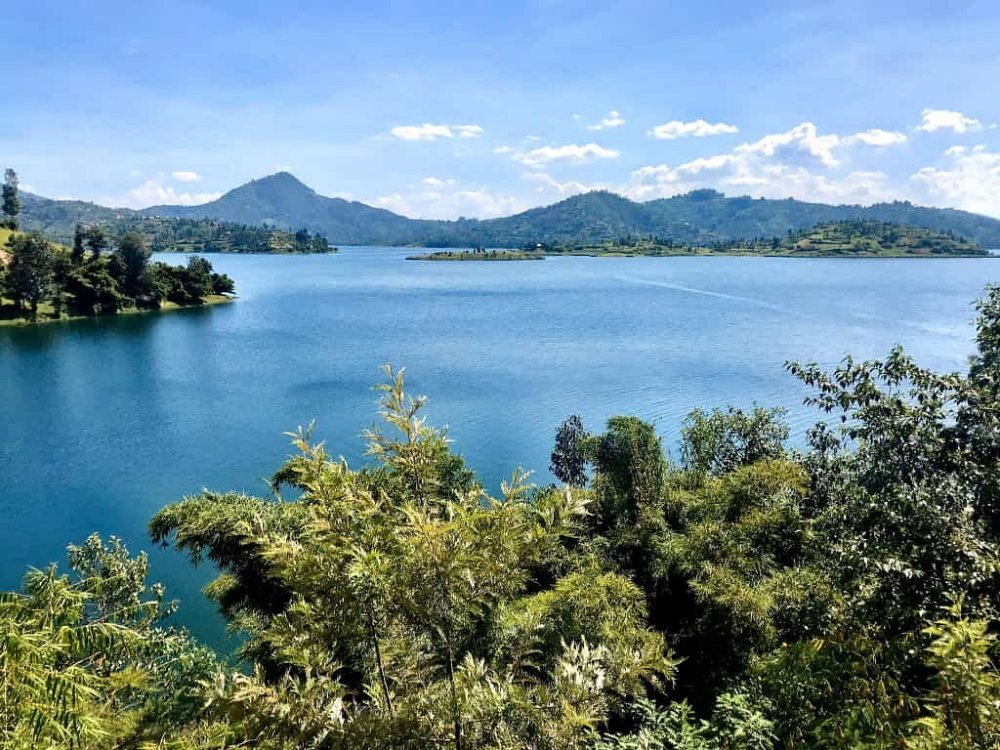
Among the key attractions are the twin lakes, Burera and Ruhondo.
The Geological wonders of the twin lakes and caves
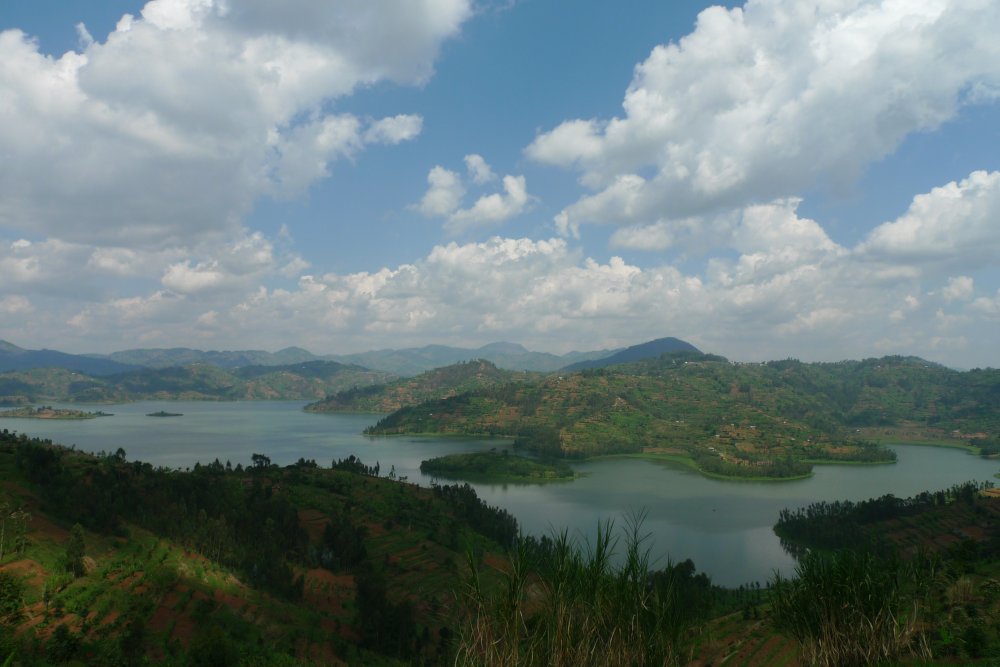
Lakes Burera and Ruhondo are among Rwanda’s most spectacular natural landscapes, distinguished not only by their scenic beauty but also by their remarkable geological origin. The two lakes are textbook examples of lava-dammed lakes, formed following volcanic eruptions from Mount Karisimbi and Mount Muhabura. During these eruptions, molten lava flowed into the ancient river valleys, blocking the waterways.
The lava accumulations caused water to back up, eventually forming large reservoirs that stabilised into what are now Lakes Burera and Ruhondo, with their drainage redirecting southward.
The same volcanic activity also created nine islands that dot the lakes today. Besides their geological significance, the lakes play an essential role in Rwanda’s hydrological system. Water from Lake Burera flows into the Rugezi River before reaching Lake Ruhondo, from where the Mukungwa River emerges to supply water used in electricity generation at the Ntaruka Hydropower Plant.
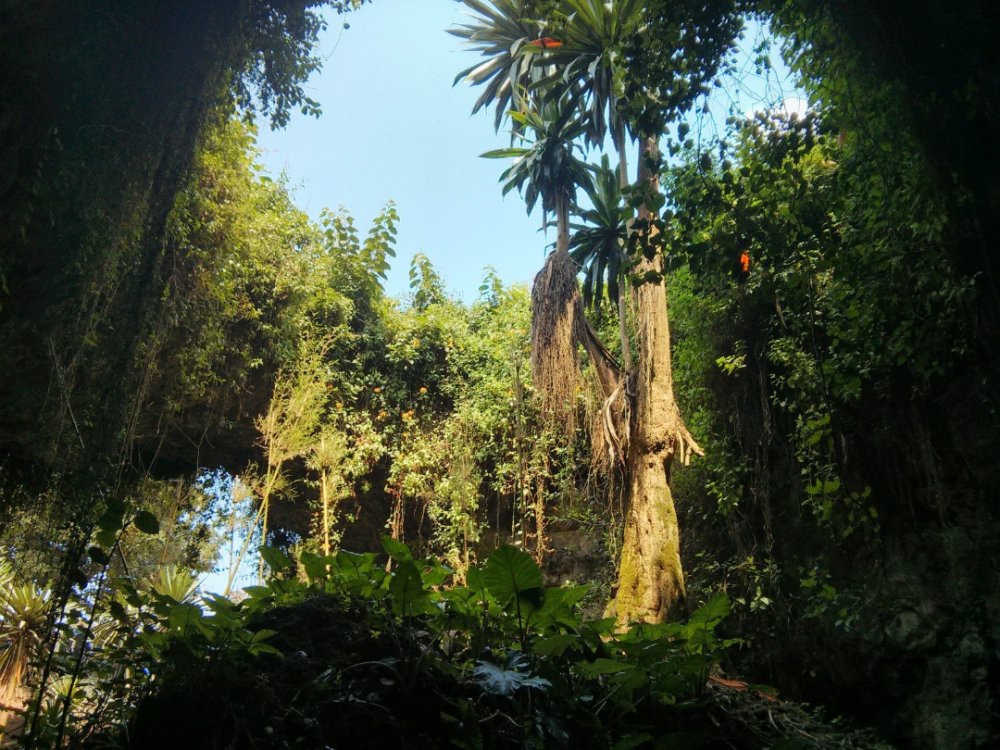
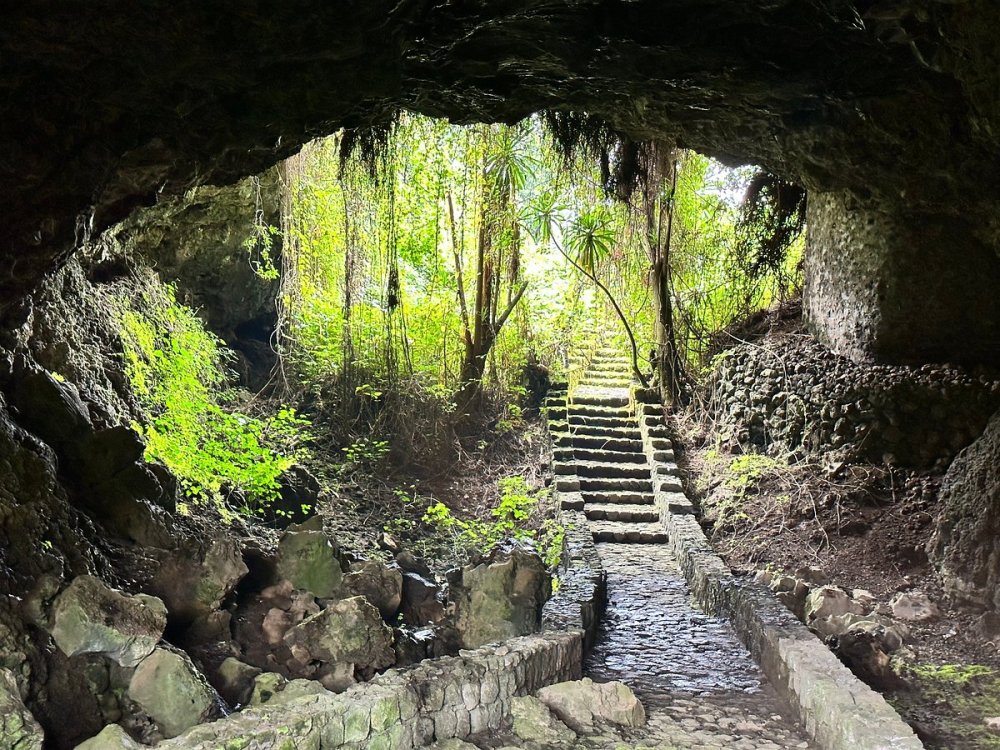
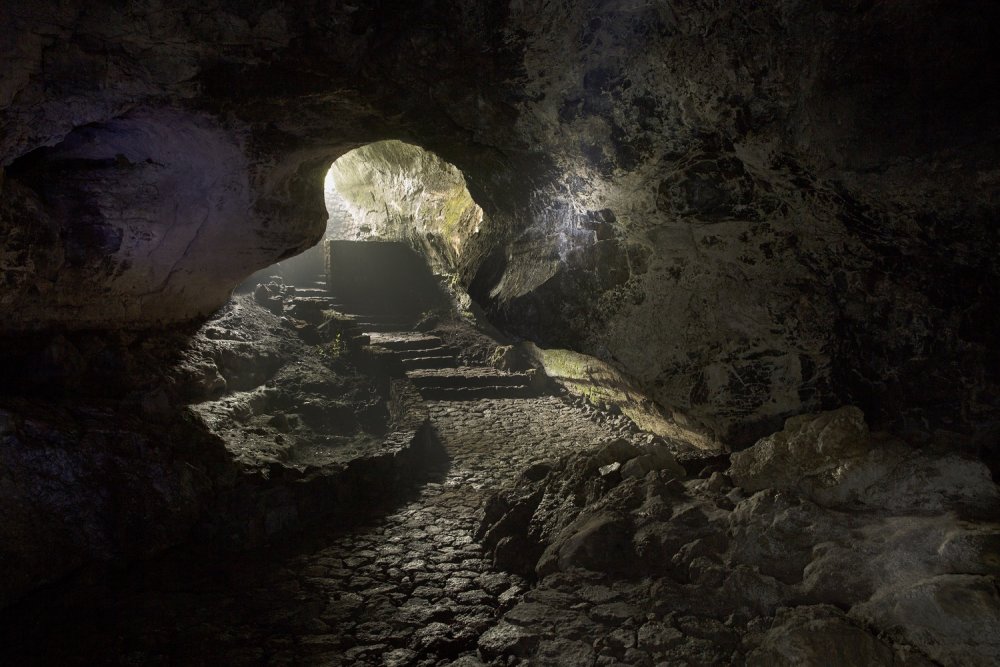
Another landmark highlighting the province’s volcanic history is the Musanze Caves, one of Rwanda’s best-known geological attractions. The caves were formed by lava flows from eruptions of Mount Bisoke and Mount Sabyinyo.
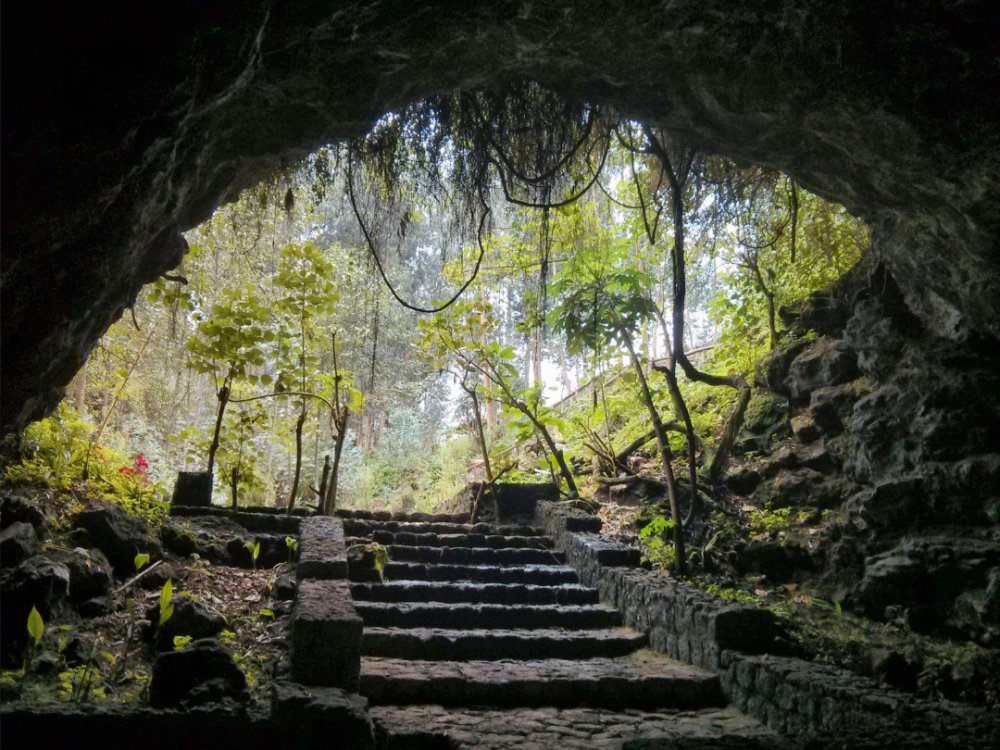
The Musanze Caves have been developed to make them more accessible to visitors.
As molten lava travelled across the landscape, its outer layer cooled and hardened upon contact with the atmosphere, while the lava beneath continued flowing. Once the molten rock drained away, it left behind extensive underground tunnels that now form the cave system.
The Musanze Cave extends approximately 1,275 metres, while the nearby Kinigi Cave measures about 810 metres. Throughout the network, the caves vary between three and ten metres in width and between ten and forty metres in depth, making them one of the country’s most impressive volcanic formations.
Ecological wealth of Rugezi Marsh and the Virunga Peaks
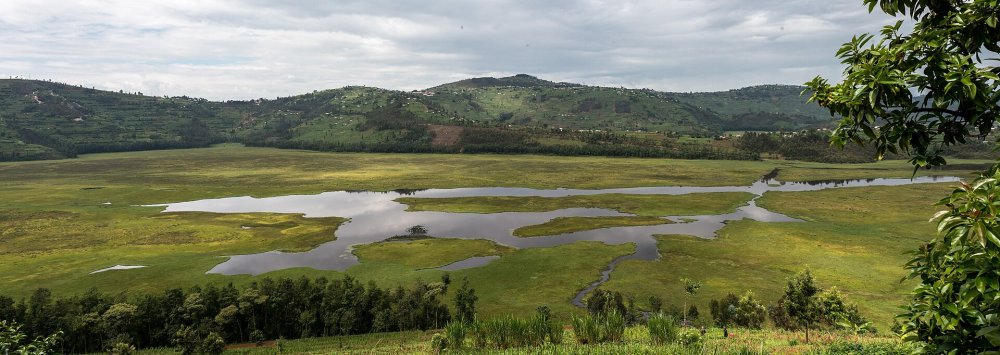
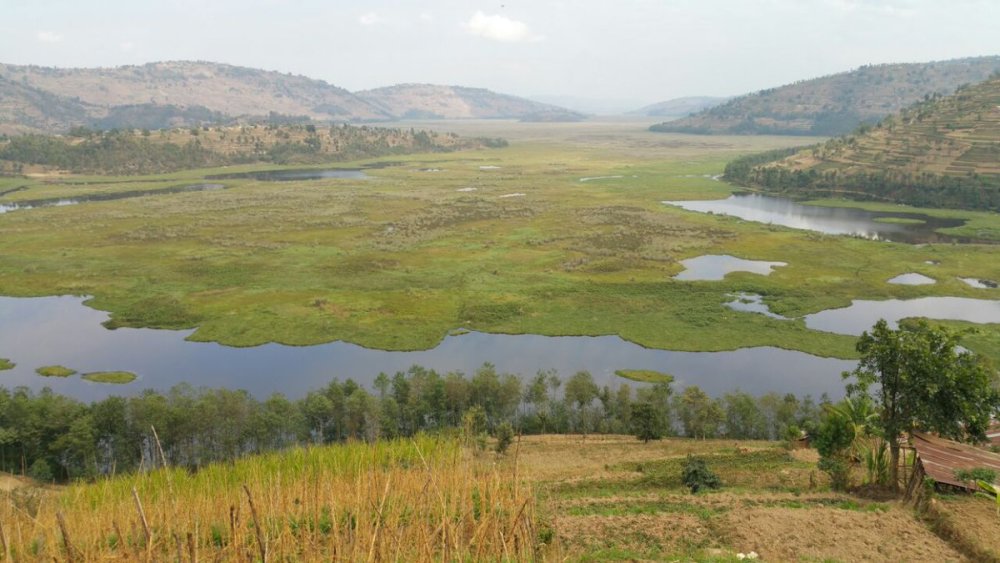
Equally important is the Rugezi Marsh, a wetland covering more than 7,000 hectares across Gicumbi and Burera districts. The marsh is one of Rwanda’s most significant freshwater ecosystems, serving as a critical water catchment area while naturally filtering water before it flows into Lakes Burera and Ruhondo. These lakes, in turn, supply water to the Ntaruka and Mukungwa hydropower stations.
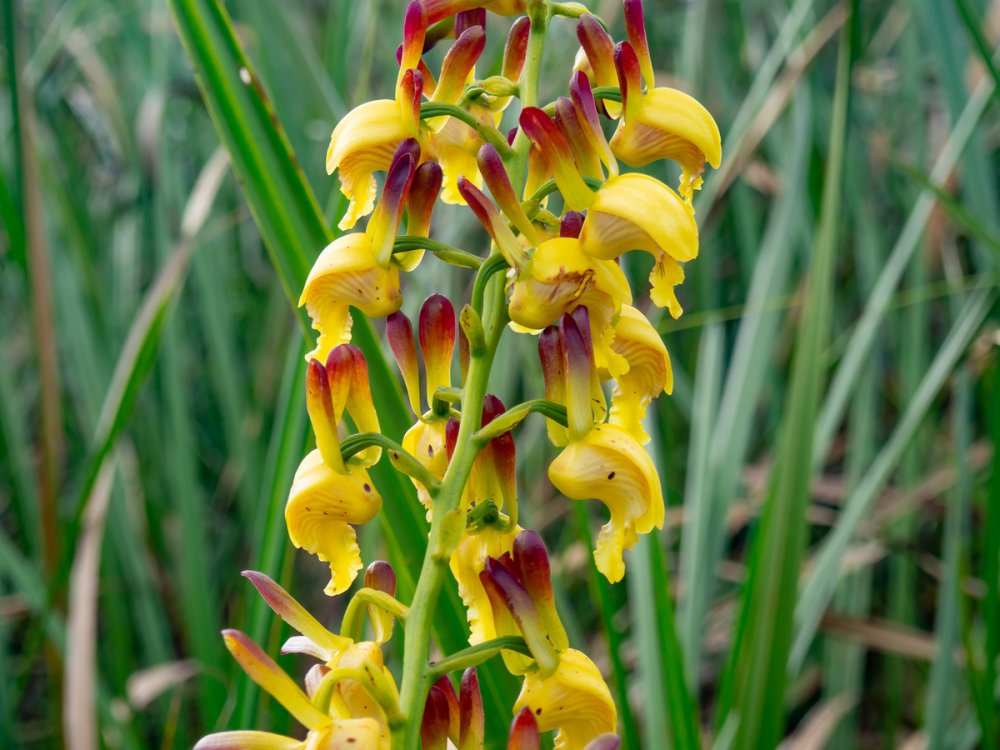
Rugezi Marsh supports a rich diversity of vegetation, including a wide variety of flowering plants.
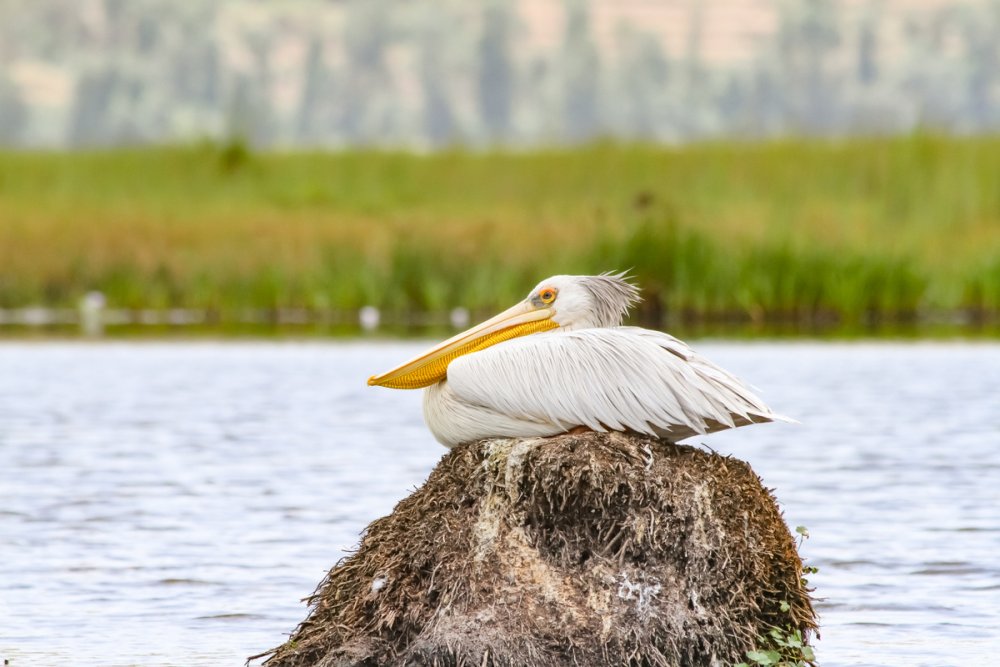
Rugezi Marsh is also one of Rwanda’s richest biodiversity hotspots. The wetland is recognised internationally as an Important Bird Area (IBA) sheltering roughly 194 bird species, including the endangered Grauer’s swamp warbler.
Across the wider catchment ecosystem, scientific inventories have documented hundreds of species, comprising unique high-altitude plants, insects, amphibians, reptiles, and over 20 species of bats, with several organisms documented in Rwanda for the first time.
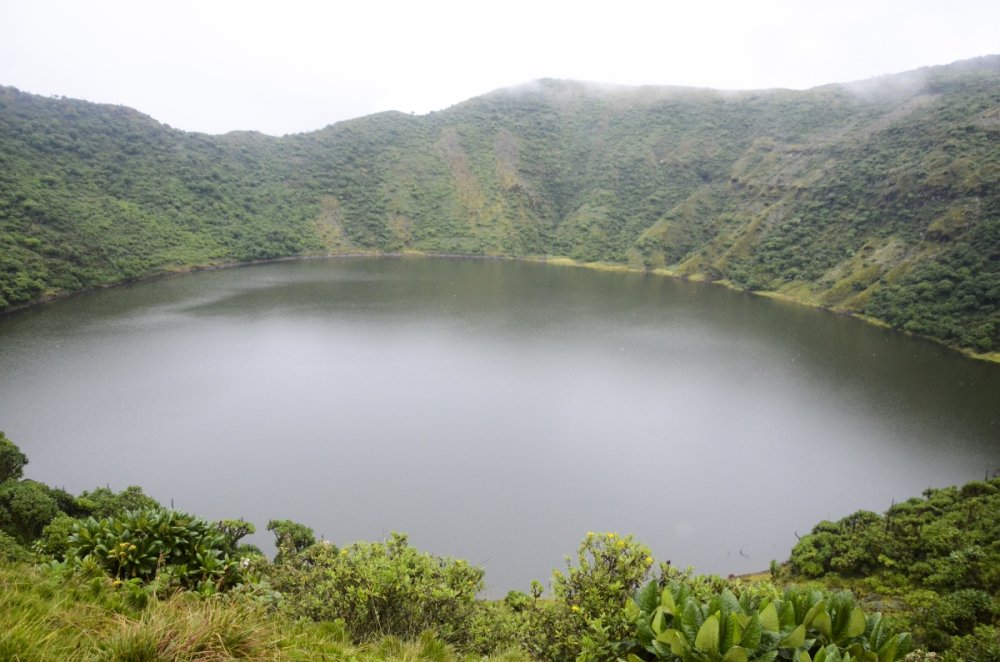
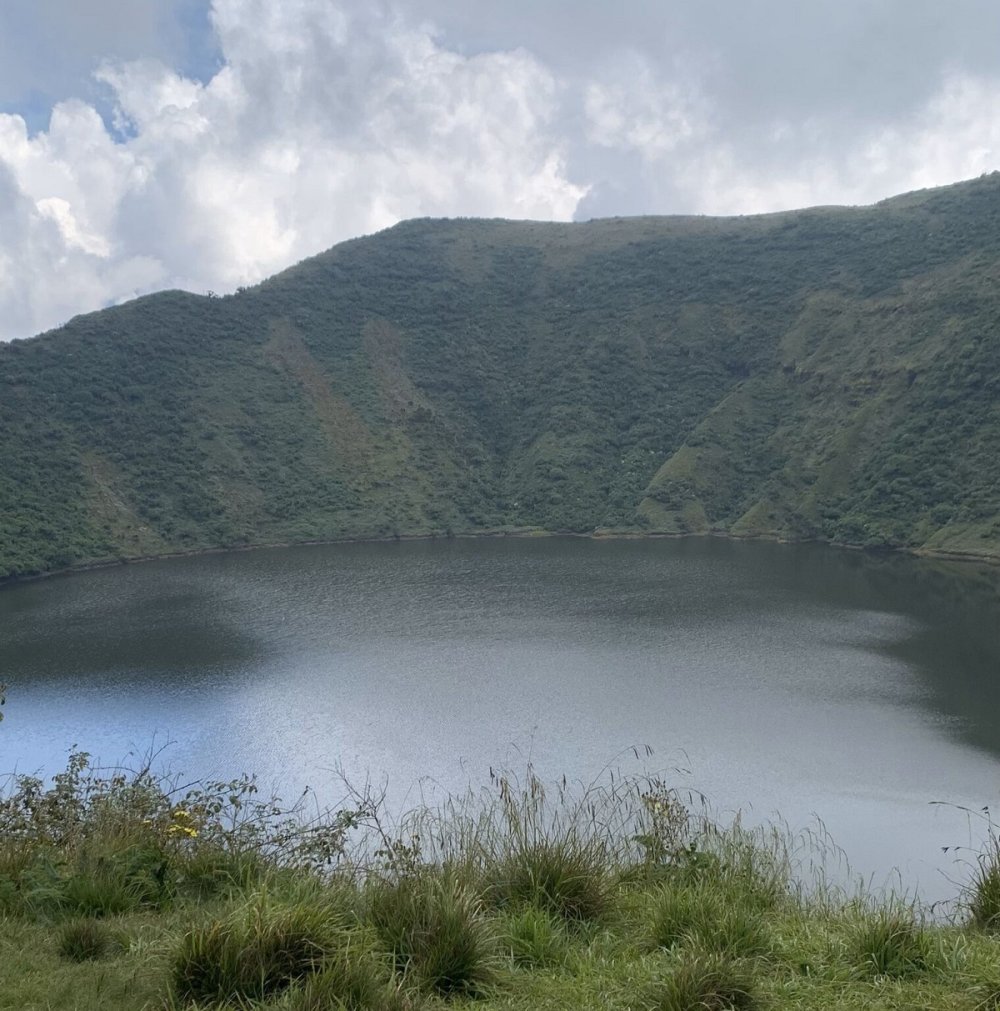
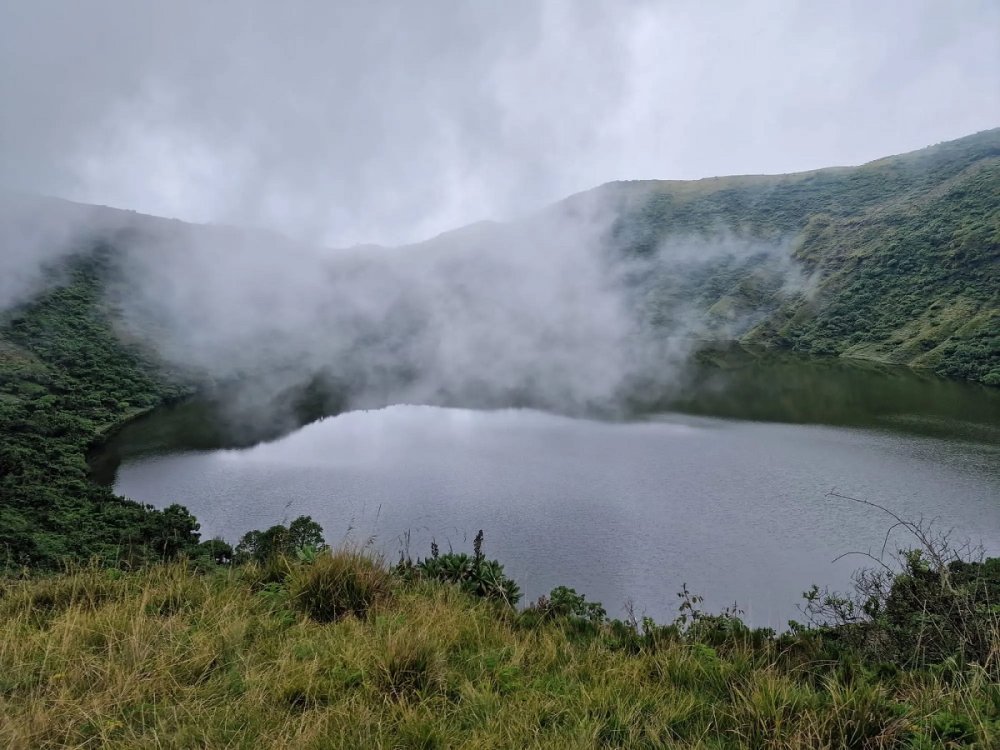
Towering above the surrounding landscape, Mount Bisoke is home to one of Rwanda’s most iconic natural features, a crater lake perched at an altitude of 3,711 metres above sea level. The lake occupies a summit volcanic crater measuring roughly 400 metres across, making it one of the country’s most popular hiking destinations.
The crater lake at the summit of Mount Bisoke is one of northern Rwanda’s most popular tourist attractions.
The crater lake was formed after the volcano became dormant, leaving behind a steep depression at its summit. Over time, rainwater accumulated within the enclosed crater, creating the lake that now attracts thousands of visitors each year.
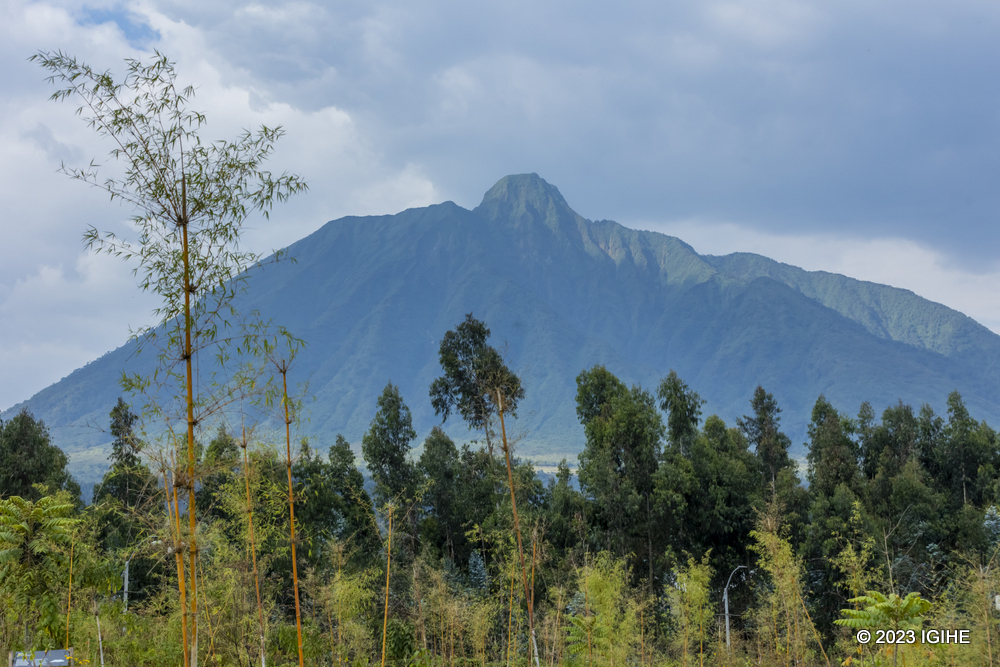
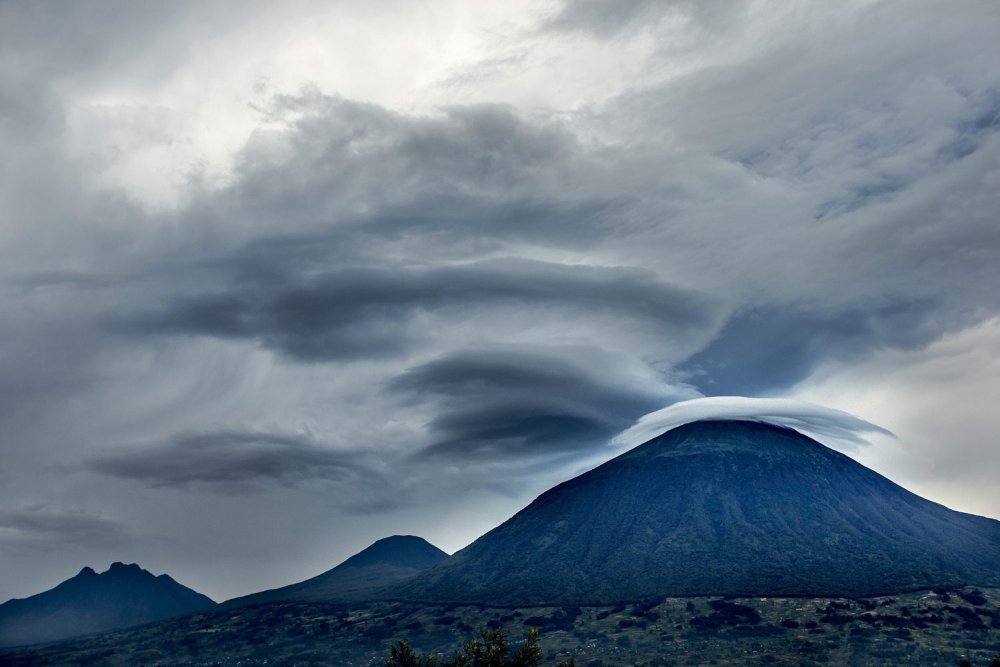
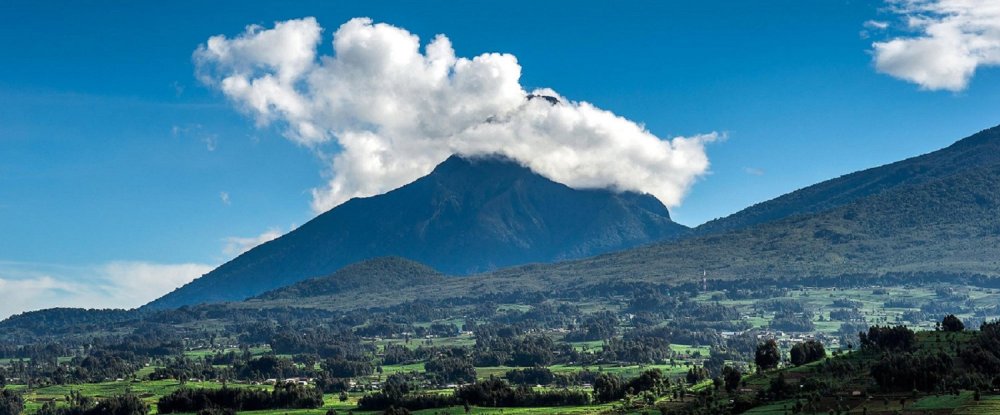
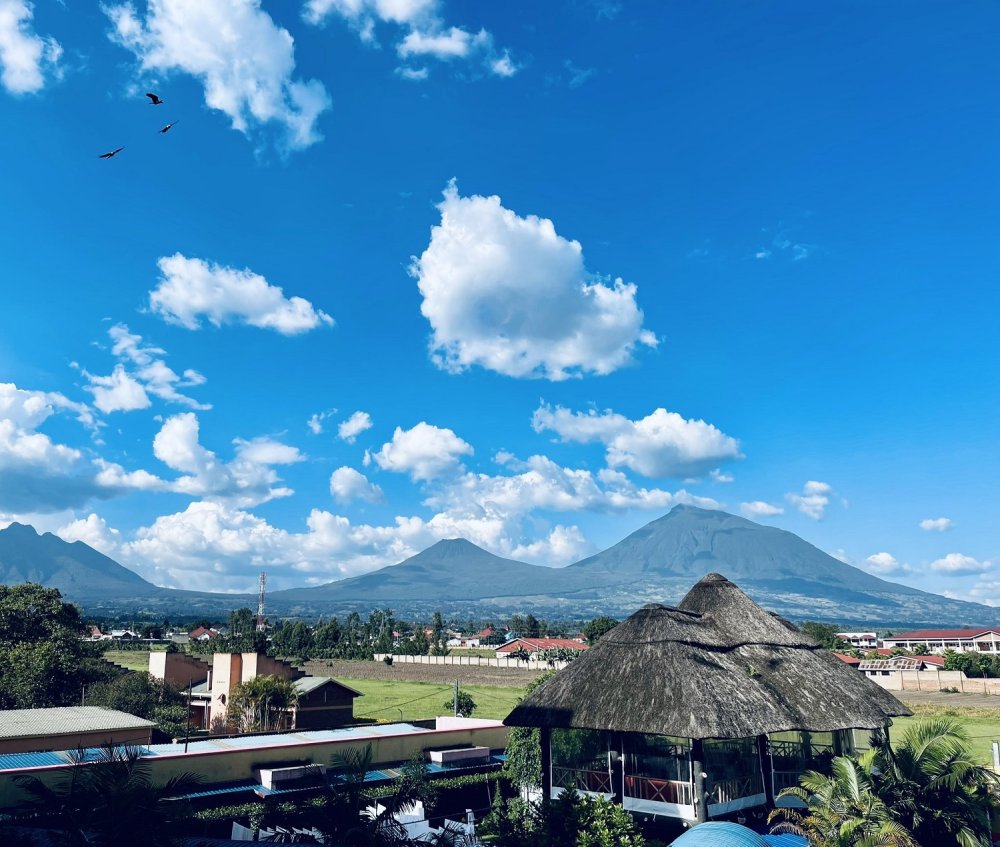
Volcanoes National Park further strengthens the Northern Province’s case for UNESCO recognition. Located in Rwanda’s northwestern region, the park covers approximately 16,000 hectares and encompasses five of the Virunga volcanoes: Karisimbi, Bisoke, Sabyinyo, Gahinga and Muhabura.
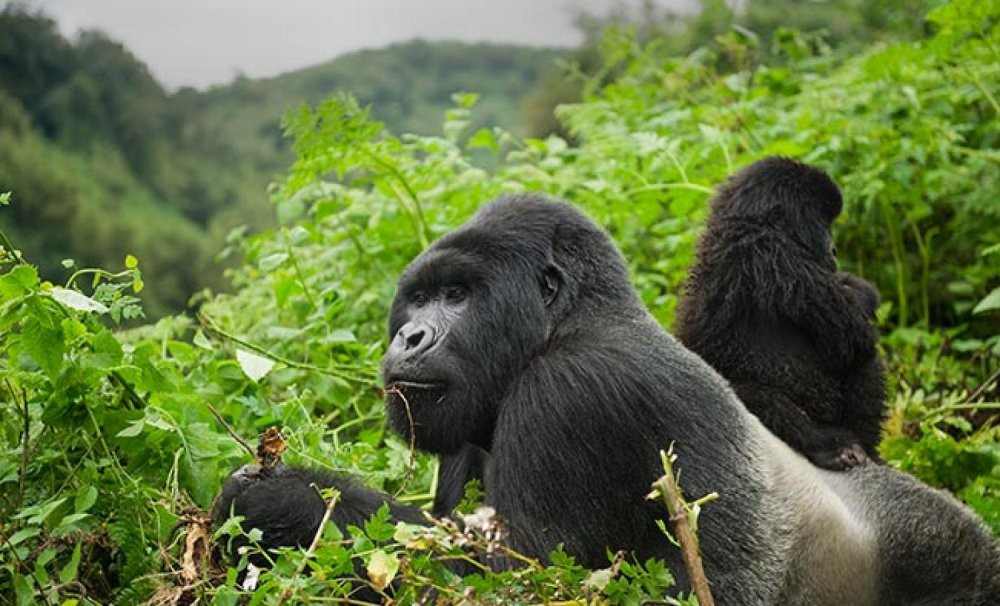
The park is internationally renowned as the habitat of the endangered mountain gorilla and remains one of Rwanda’s leading tourism destinations, attracting visitors from around the world to experience its unique volcanic landscapes, forests and wildlife.
Mountain gorillas are one of the iconic attractions that make Volcanoes National Park a leading tourist destination in Rwanda.
Much of the Northern Province’s extraordinary landscape was shaped by the East African Rift System, one of the world’s most significant geological processes.
The rift was created as tectonic forces gradually pulled apart sections of the Earth’s crust, allowing magma from deep beneath the surface to rise. Over millions of years, repeated volcanic eruptions sculpted the mountains, caves, crater lakes, wetlands and lava formations that define the region today.
It is this exceptional combination of geological history, biodiversity, ecological importance, scientific value and tourism potential that qualifies the Northern Province for UNESCO Global Geopark status.
If successful, the designation would place Rwanda alongside a select group of nations preserving globally significant geological heritage while promoting sustainable development through conservation, research and responsible tourism.
The Musanze Caves were formed by lava flows from ancient eruptions of volcanoes in the Virunga volcanic region.
The Musanze Cave extends approximately 1,275 metres, while the nearby Kinigi Cave measures about 810 metres. The Musanze Caves are one of the most popular tourist attractions in the region.
Volcanoes National Park is among the key sites expected to be highlighted as part of Rwanda’s bid for the Northern Province to be designated a UNESCO Global Geopark.
Volcanoes National Park is home to five volcanoes: Mount Karisimbi, Mount Bisoke, Mount Sabyinyo, Mount Gahinga and Mount Muhabura.
Volcanoes National Park stands out as one of Rwanda’s most iconic natural landscapes, renowned for its dramatic volcanic scenery and rich biodiversity.
The Northern Province features numerous landscapes shaped by ancient volcanic eruptions.
Rugezi Marsh is home to a wide variety of wildlife species.
The crater lake at the summit of Mount Bisoke is one of the area’s major tourist attractions.
The crater lake on Mount Bisoke is frequently visited by hiking enthusiasts.
Lakes Burera and Ruhondo are among the Northern Province’s most remarkable natural attractions.
Rugezi Marsh is one of Rwanda’s notable natural attractions.
Rugezi Marsh is home to a rich diversity of bird species.
Lakes Burera and Ruhondo contain several islands that were formed as a result of volcanic activity in the region.
Lakes Burera and Ruhondo were formed as a result of volcanic eruptions.
Jackson Hakiza, the Head of Tourism at the Private Sector Federation (PSF), told IGIHE that hotel room capacity in Rwanda has steadily risen to 27,938, serving both domestic and international visitors across the country. This marks growth of more than 10,000 rooms over the past five years, up from 16,113 in 2019.
The PSF attributes this growth to sustained investment in the sector, noting its vital importance to the national economy.
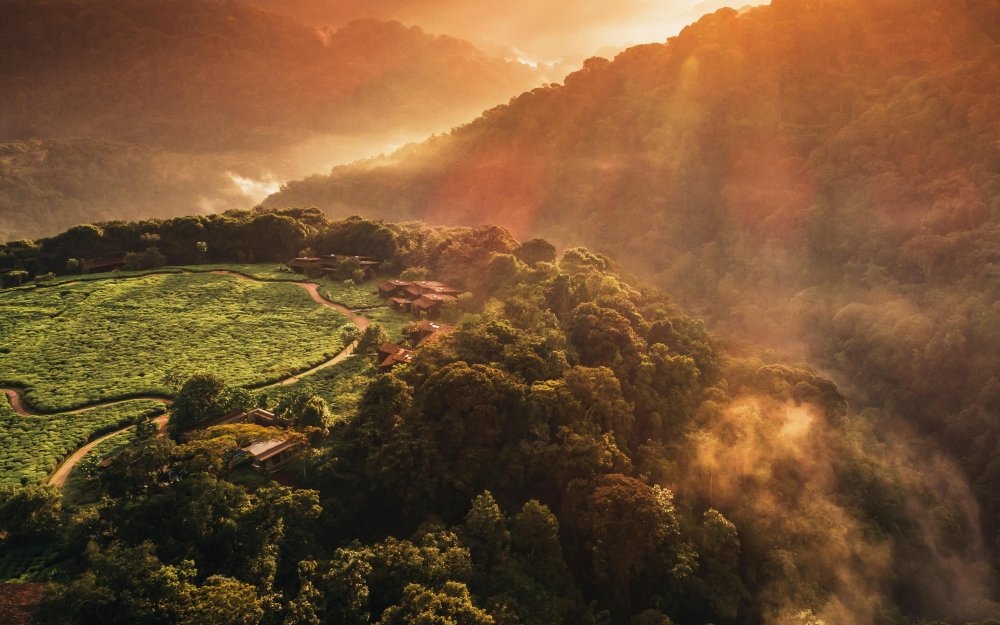
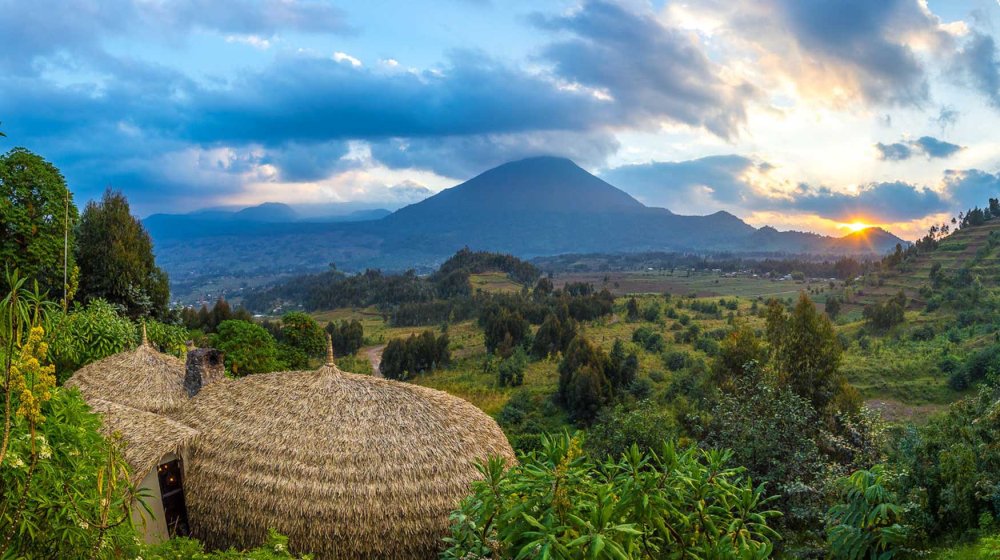
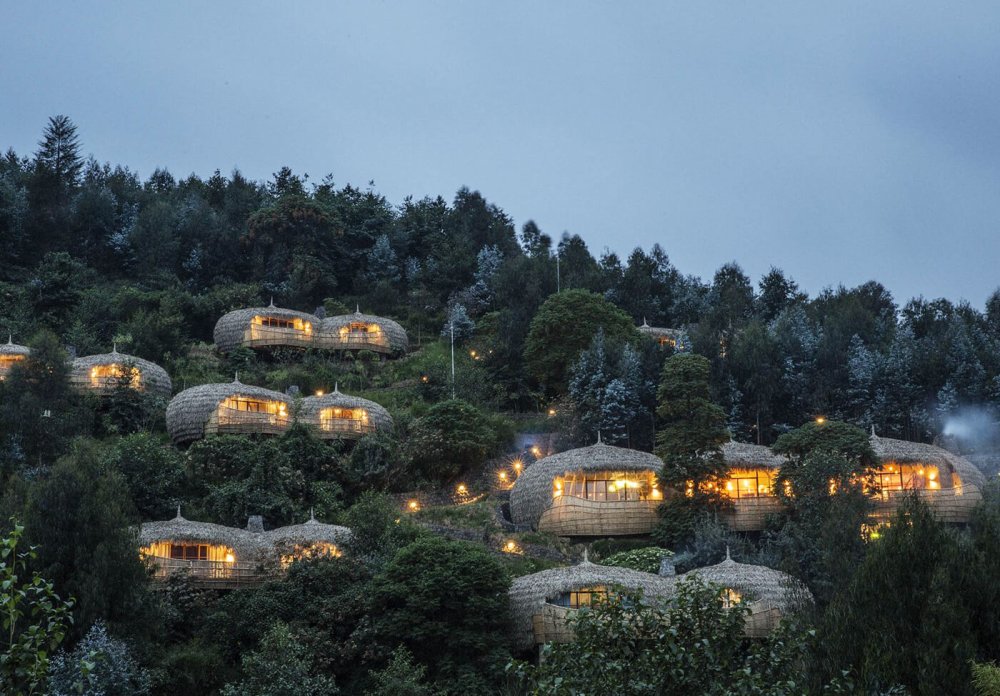
The country features a diverse array of accommodation options, anchored by elite five-star hotels and globally acclaimed luxury eco-lodges. These include the Kigali Marriott Hotel and Radisson Blu Hotel & Convention Centre in the capital, alongside ultra-luxury wilderness properties like Bisate Eco Lodge and Singita Kwitonda Lodge near Volcanoes National Park, Magashi Camp in Akagera, and One&Only Nyungwe House.
In addition, a robust framework of four-star and three-star hotels indicates a highly diversified hospitality sector that caters to varying market segments.
The expansion of hotel infrastructure has played a central role in supporting Rwanda’s tourism growth, improving service capacity and strengthening the country’s attractiveness as a regional tourism and business destination.
In 2025, tourism revenue reached $685 million, up from $647 million in 2024, representing a 6% increase. Visitor arrivals grew by 9% to 1.49 million, with flagship conservation areas like Volcanoes National Park remaining primary economic engines.
The MICE (Meetings, Incentives, Conferences, and Exhibitions) segment also continued to expand rapidly, generating $94.7 million in 2025, up from $84.8 million in 2024, an 11.8% increase. Rwanda hosted 165 regional, continental, and global events during the year, drawing over 61,000 delegates who were accommodated across various hotels in the country.
Industry leaders note that the sector’s performance reflects sustained structural growth and its increasing contribution to the national economy through investment attraction and job creation. Under the Second National Strategy for Transformation (NST2), tourism is projected to generate $1.1 billion annually by 2029, while MICE revenues are targeted to hit $224 million.
The sector remains a key employer outside agriculture and livestock. The government aims to leverage these hospitality investments to help drive its broader NST2 employment goals, which target the creation of 250,000 new productive jobs annually through 2029.
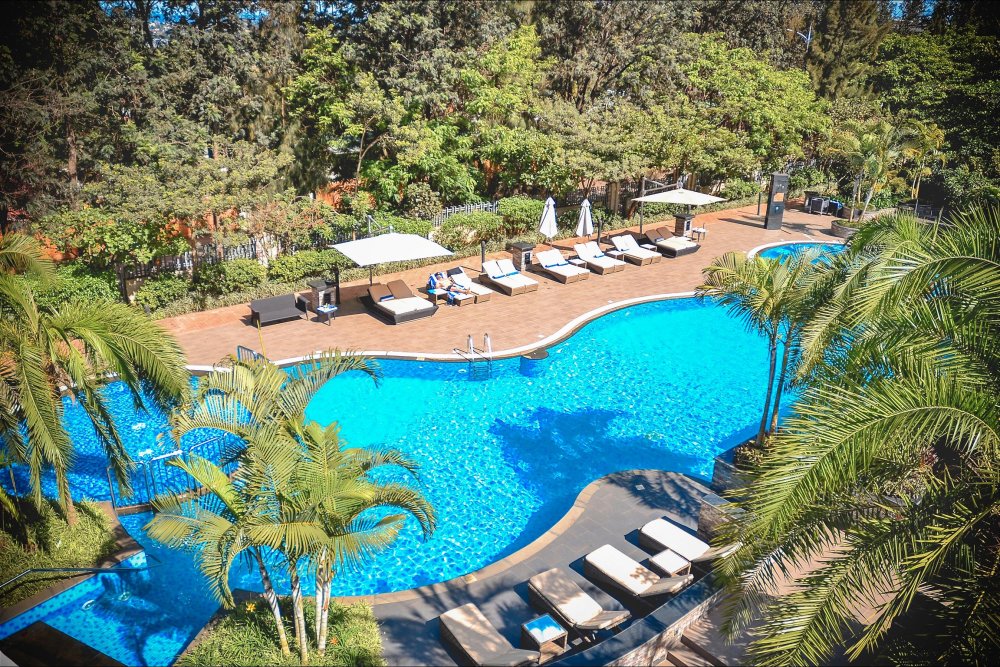
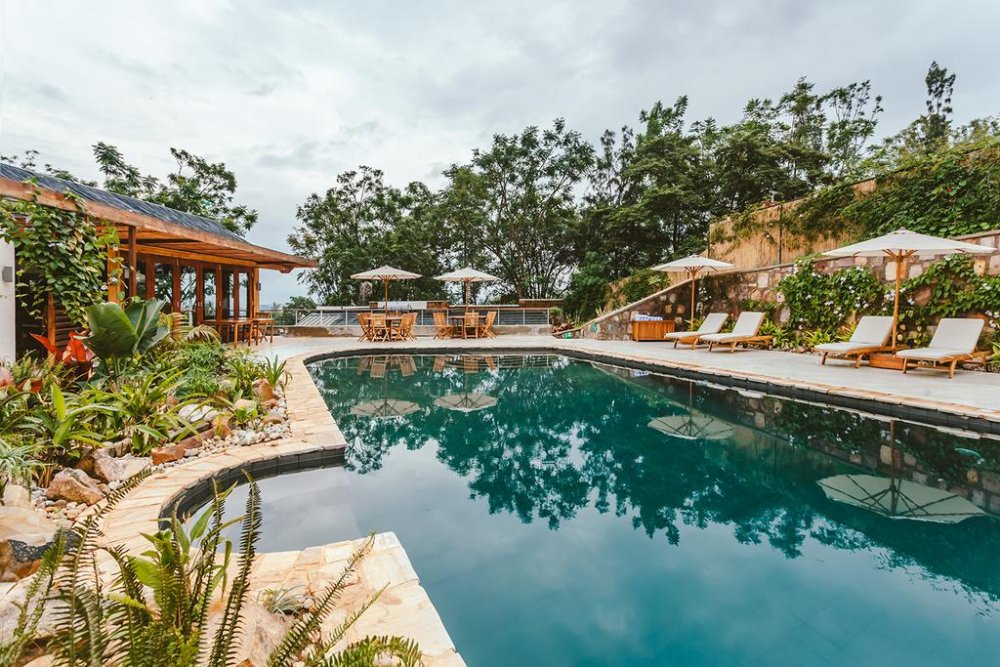
The swimming pool at Mövenpick Hotel Kigali features heated water.
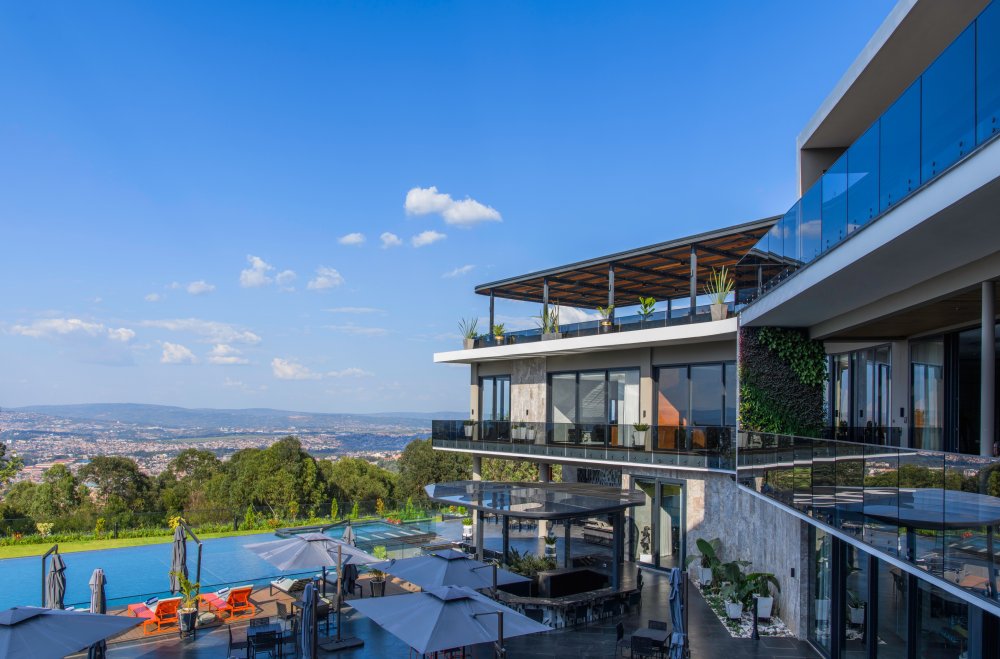
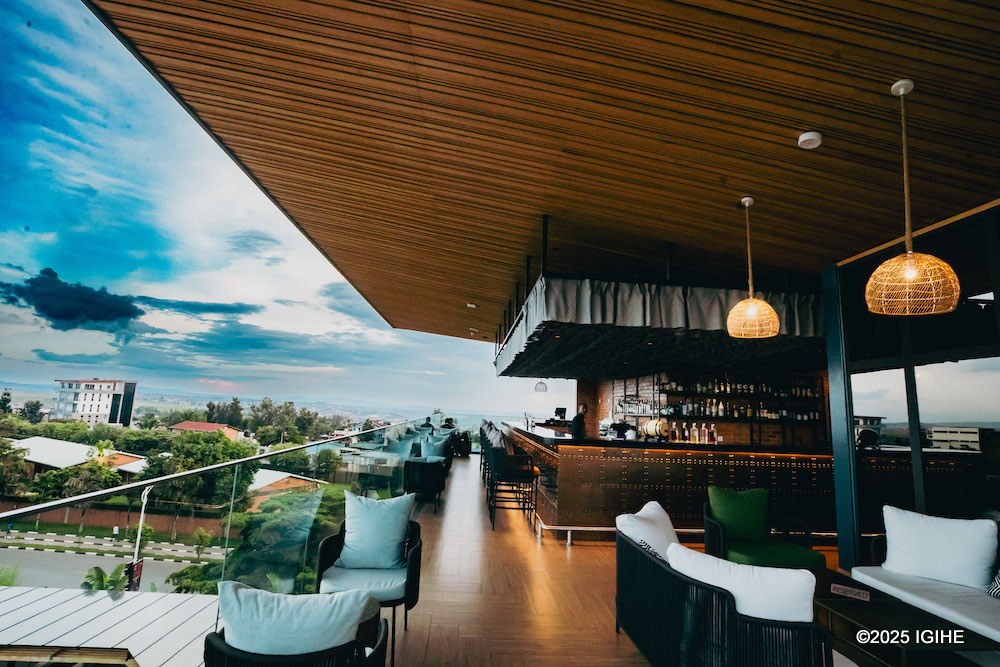
The Pinnacle Kigali is a hotel set on a 3.2-hectare site.
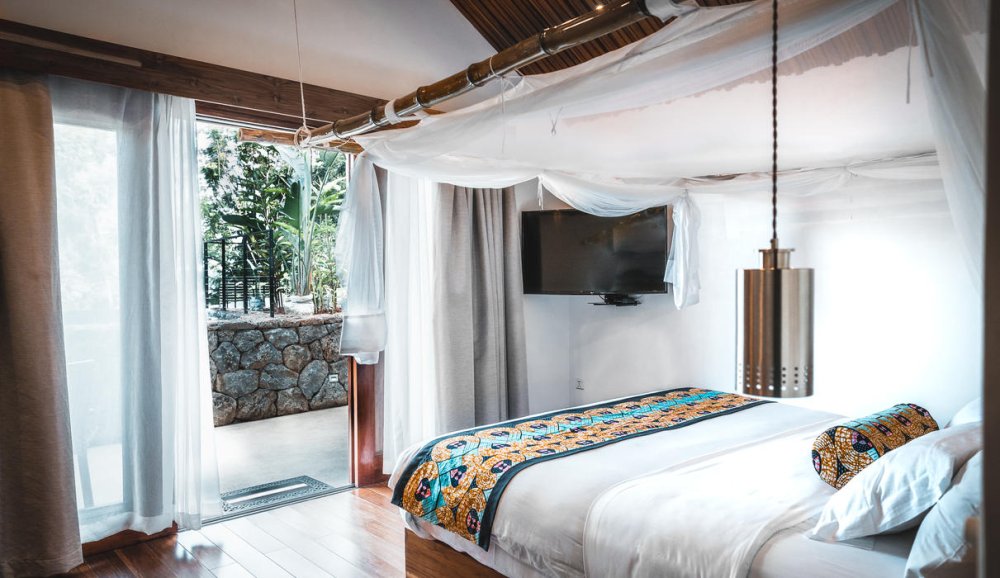
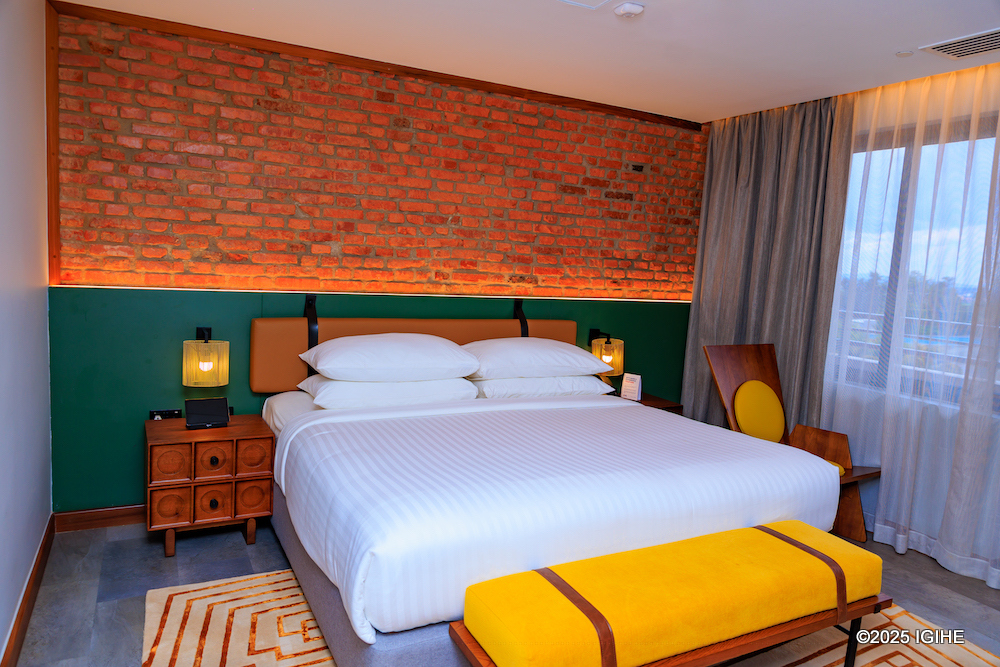
One of the 20 rooms at The Retreat by Heaven.
The luxury boutique property, The Retreat by Heaven, located in the Kiyovu neighborhood of Kigali, was founded by the American entrepreneurs Josh and Alissa Ruxin. [1, 2]The Retreat by Heaven is located in Kiyovu.
The Retreat by Heaven features 20 rooms.
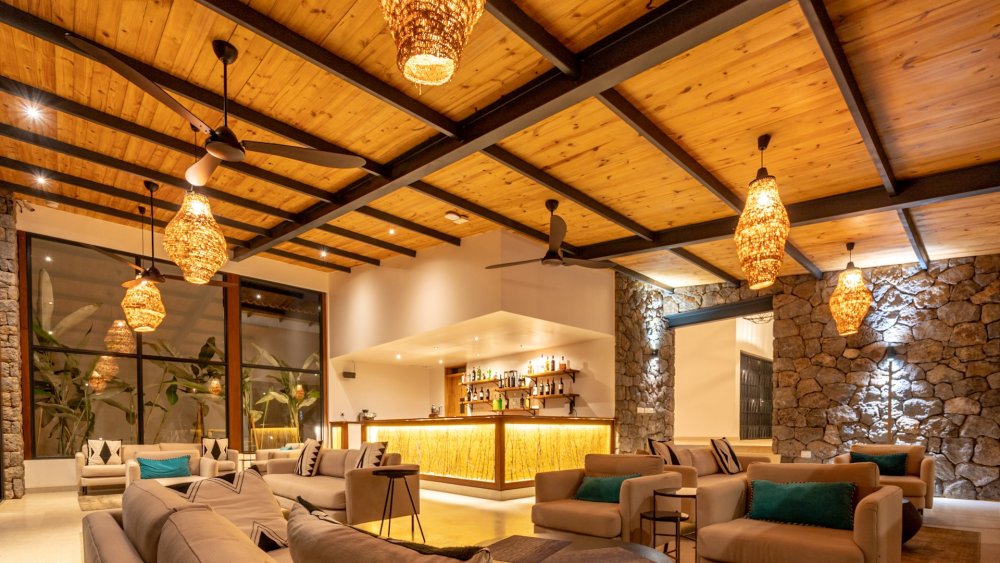
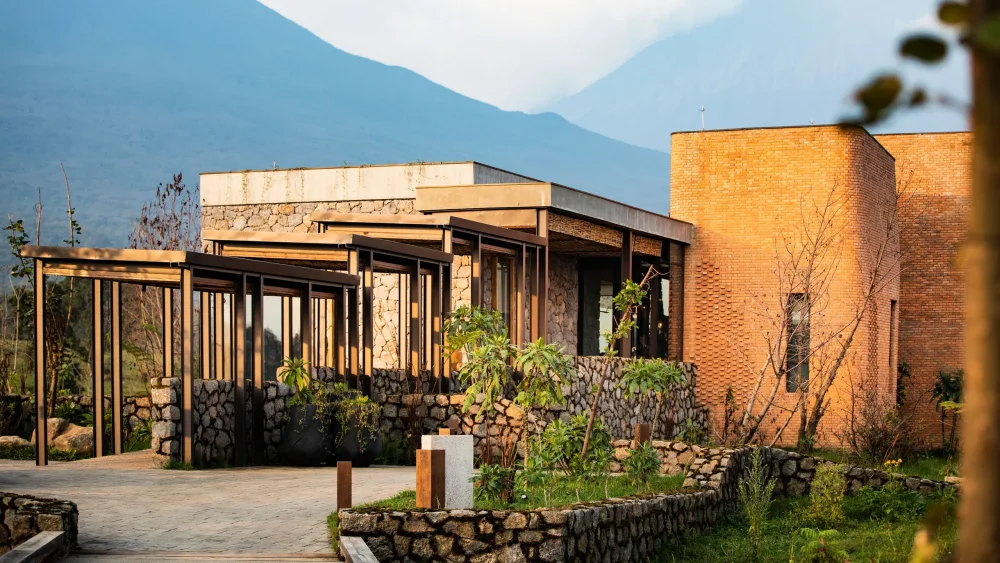
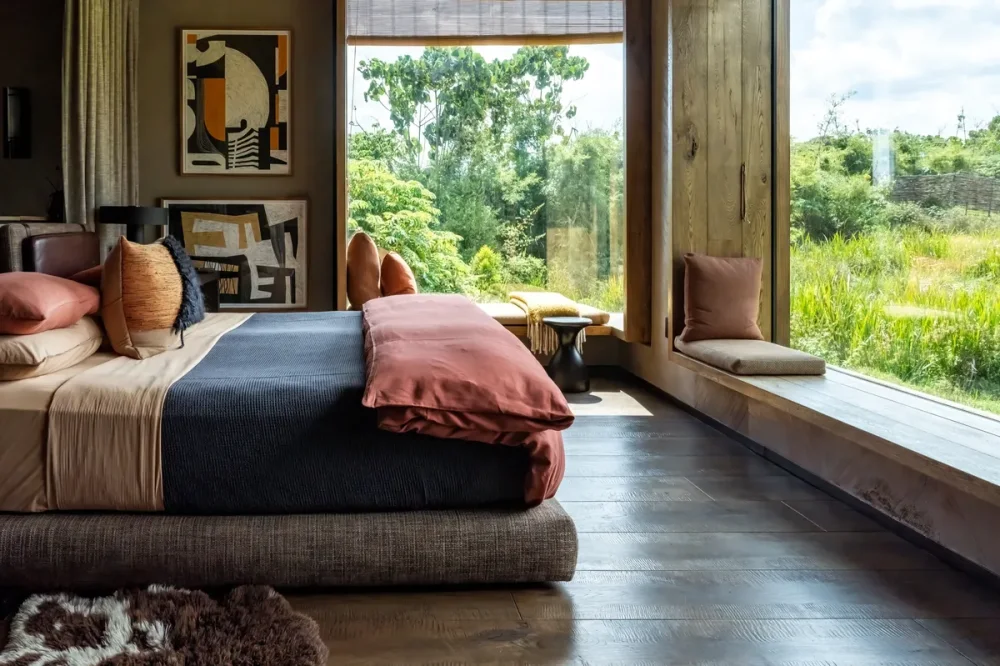
Singita Kwitonda Lodge offers ultra-luxury accommodation on the edge of Volcanoes National Park. Singita Kwitonda Lodge was built by the renowned conservation and tourism company Singita.The rooms at Singita Kwitonda Lodge are elegantly designed.
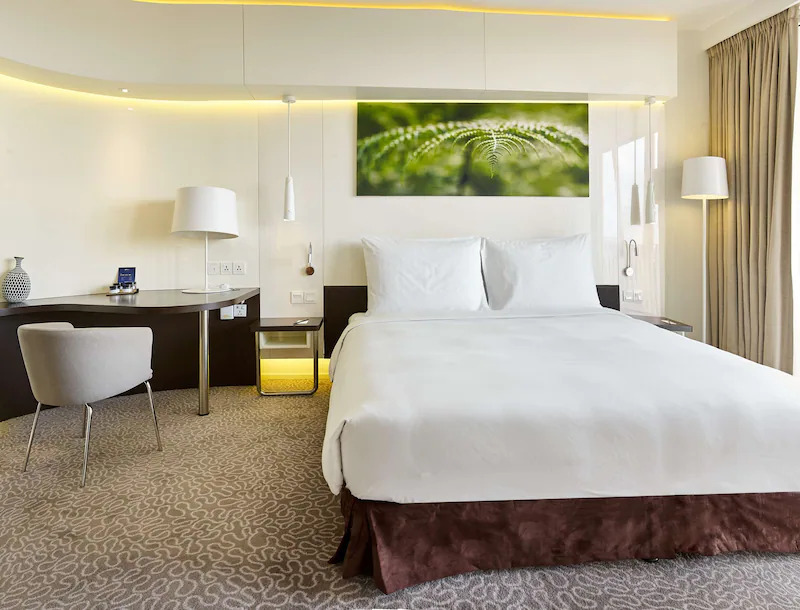
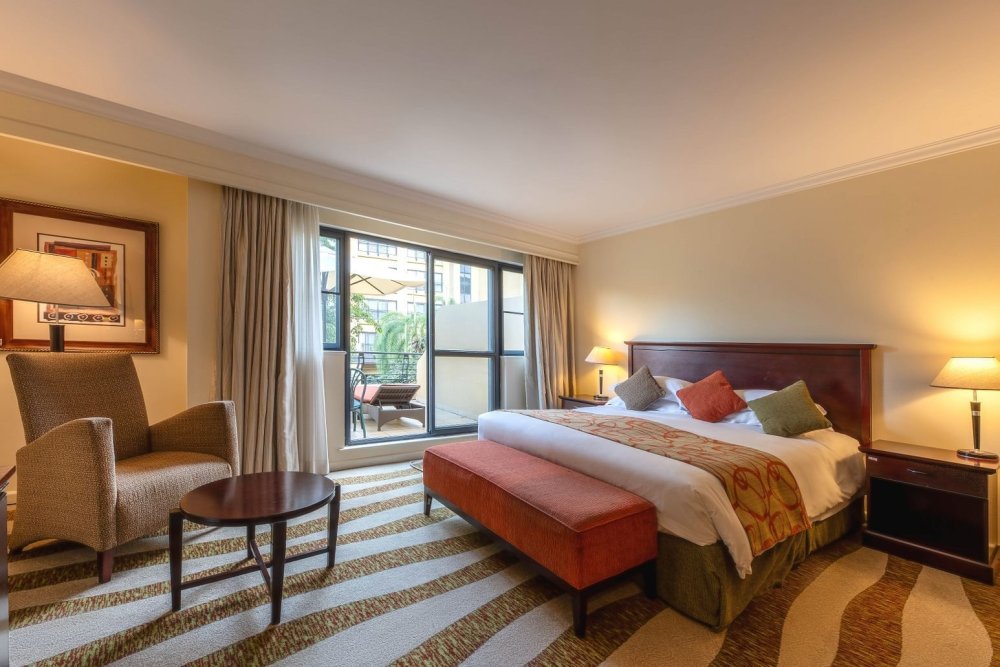
One of the rooms at Radisson Blu Hotel & Convention Centre.
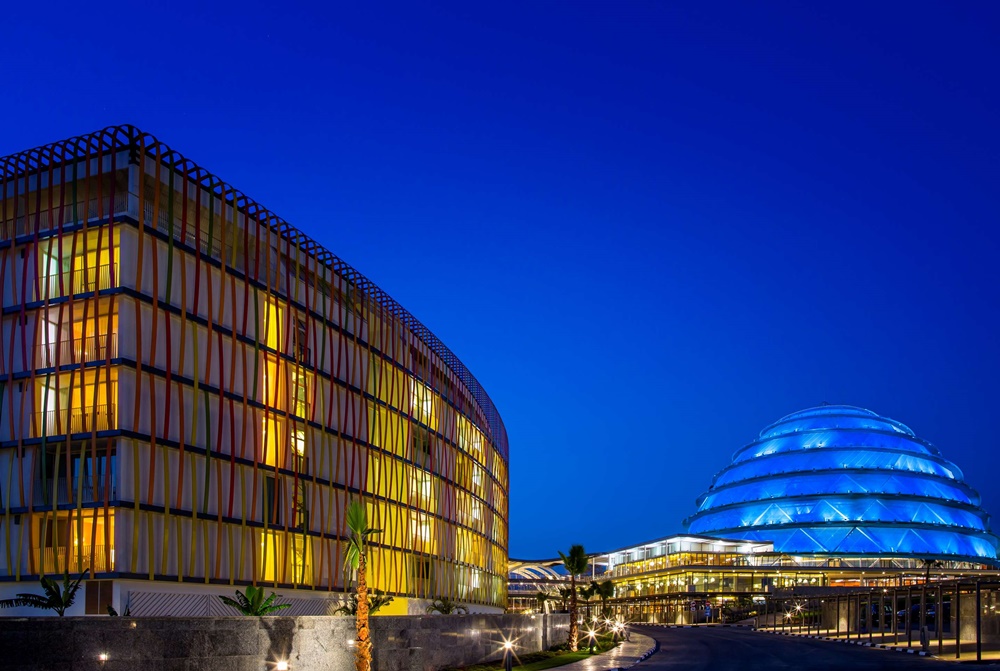
Radisson Blu Hotel & Convention Centre, built in 2016, has 291 rooms.
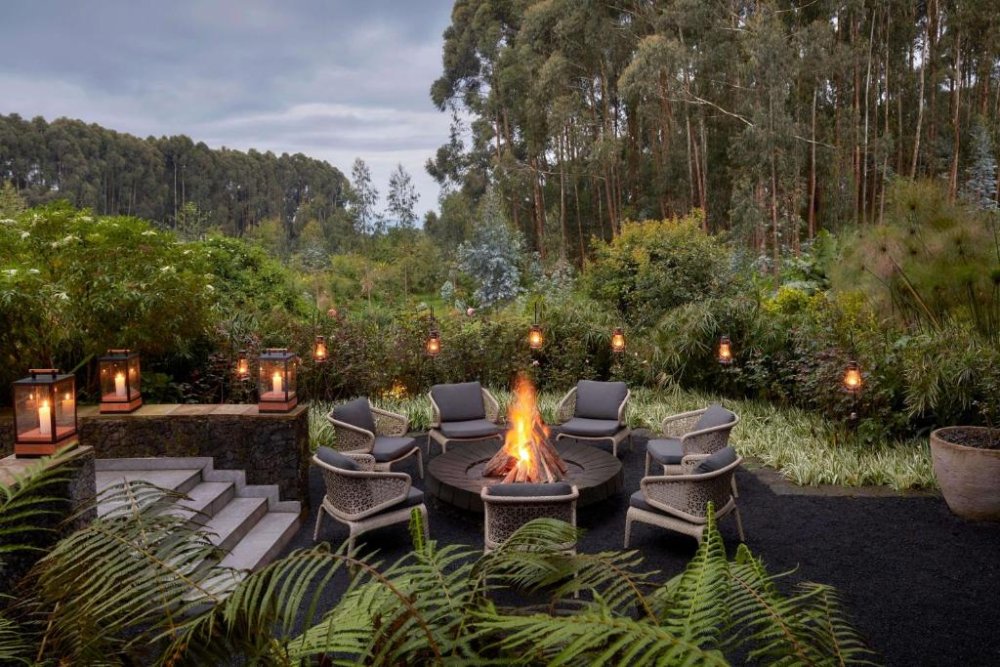
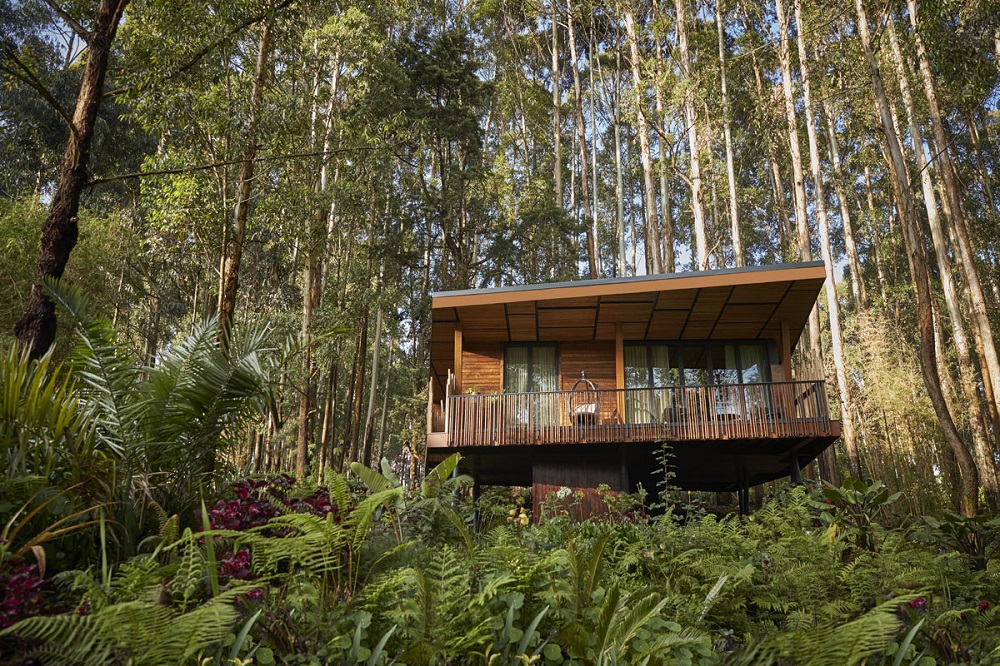
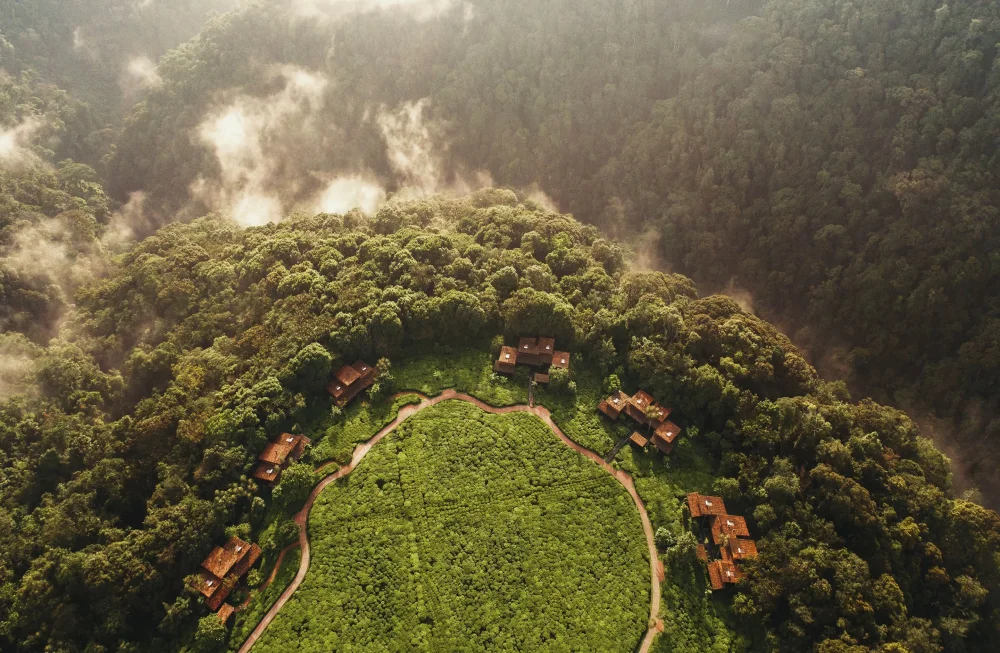
One&Only Gorilla’s Nest is set within a forested landscape, nestled among trees.
Radisson Blu Hotel & Convention Centre is located in Kimihurura in Kigali City.
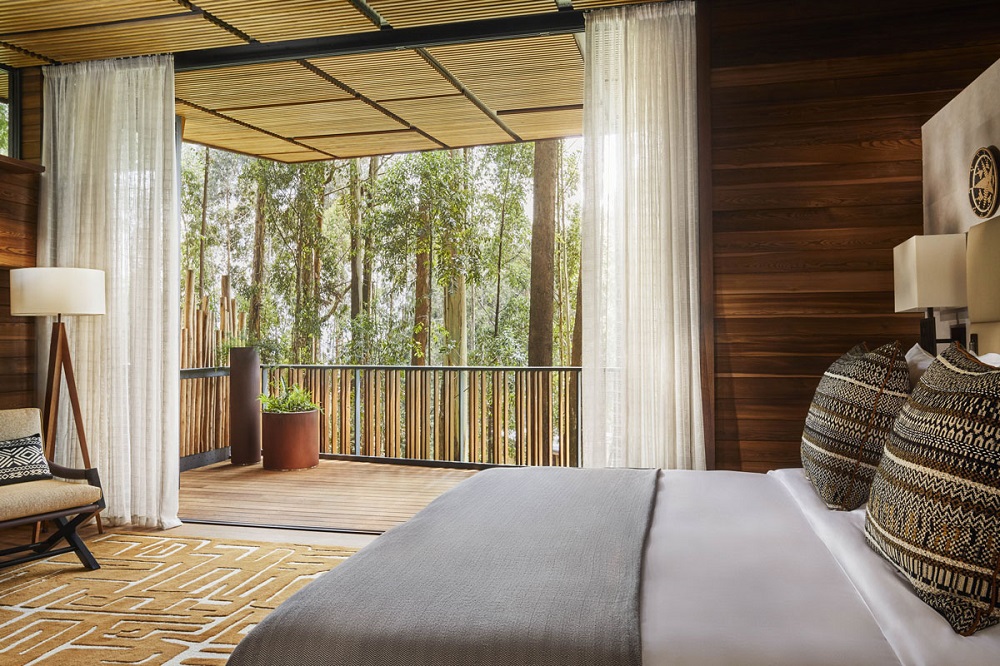
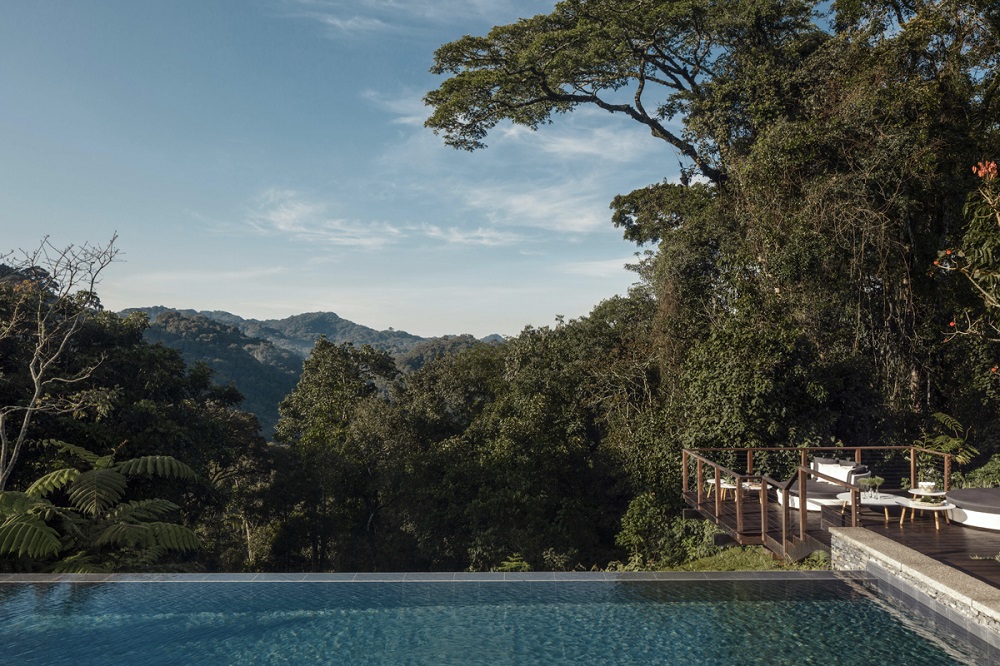
Inside One&Only Gorilla’s Nest in Kinigi, Musanze District.
One&Only Gorilla’s Nest in Kinigi features 21 modern rooms and seven standalone villas.
Inside One&Only Nyungwe House, set within lush forest surroundings.
Inside One&Only Nyungwe House, built in 2010.
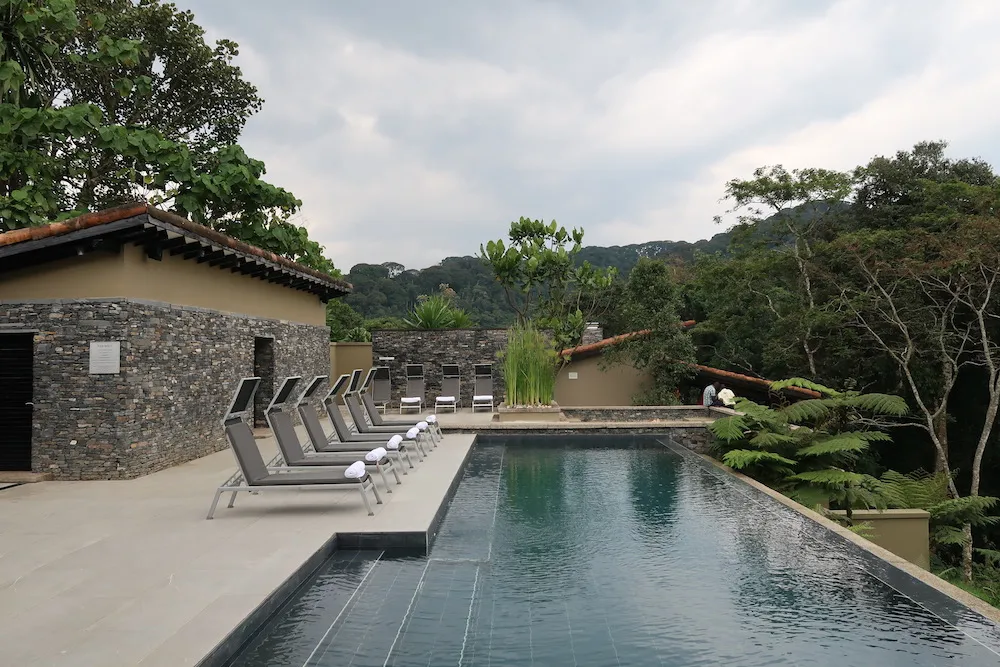
One&Only Nyungwe House is a luxury eco-resort set on the edge of Nyungwe Forest National Park.
One&Only Nyungwe House was built in 2010 in partnership with the Government of Rwanda.
Inside One&Only Nyungwe House, located within Nyungwe National Park.
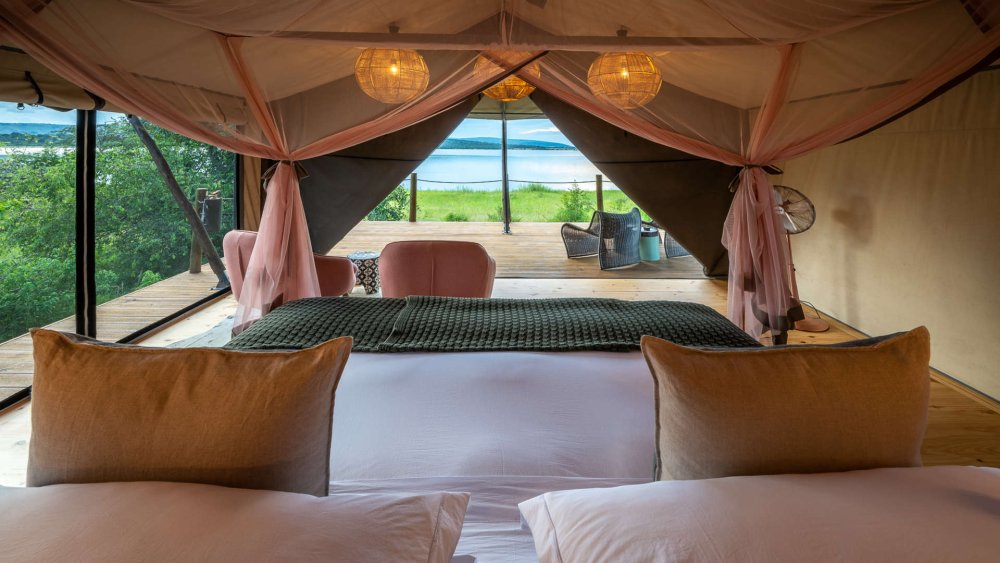
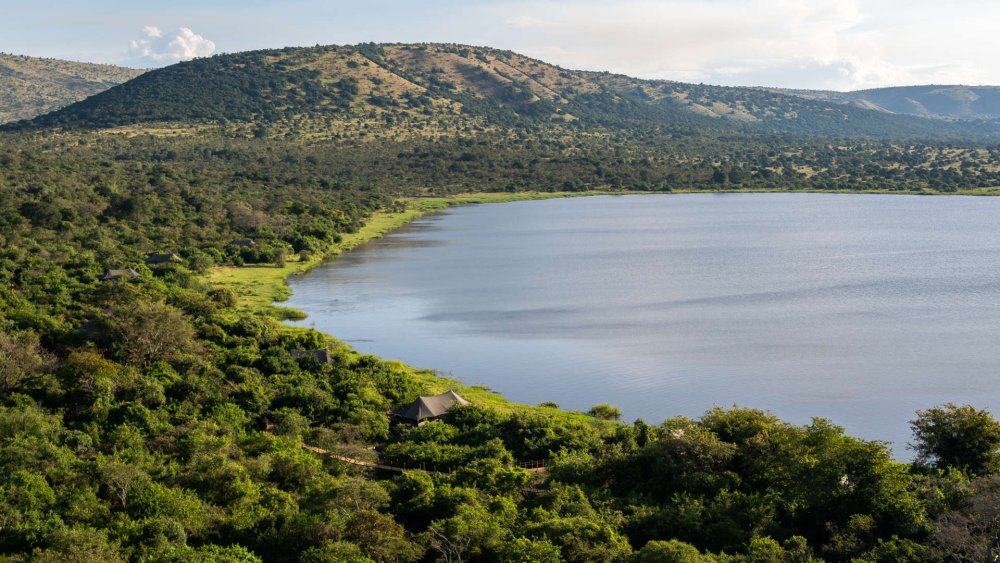
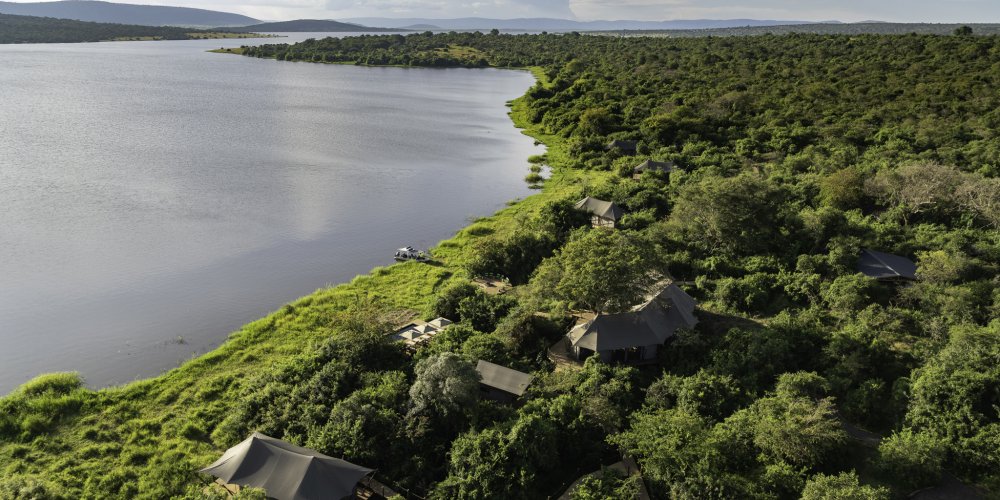
Inside Magashi Camp in Akagera National Park.
Magashi Camp in Akagera National Park is a luxury safari camp. Magashi Camp in Akagera National Park was established in 2018 inside Akagera National Park.
Kigali Serena Hotel is one of Rwanda’s long-established flagship hotels, built on the site of the former Hotel des Diplomates. It was later operated as Hotel Intercontinental before being rebranded as Kigali Serena Hotel in 2007.
One of the rooms at Kigali Serena Hotel.
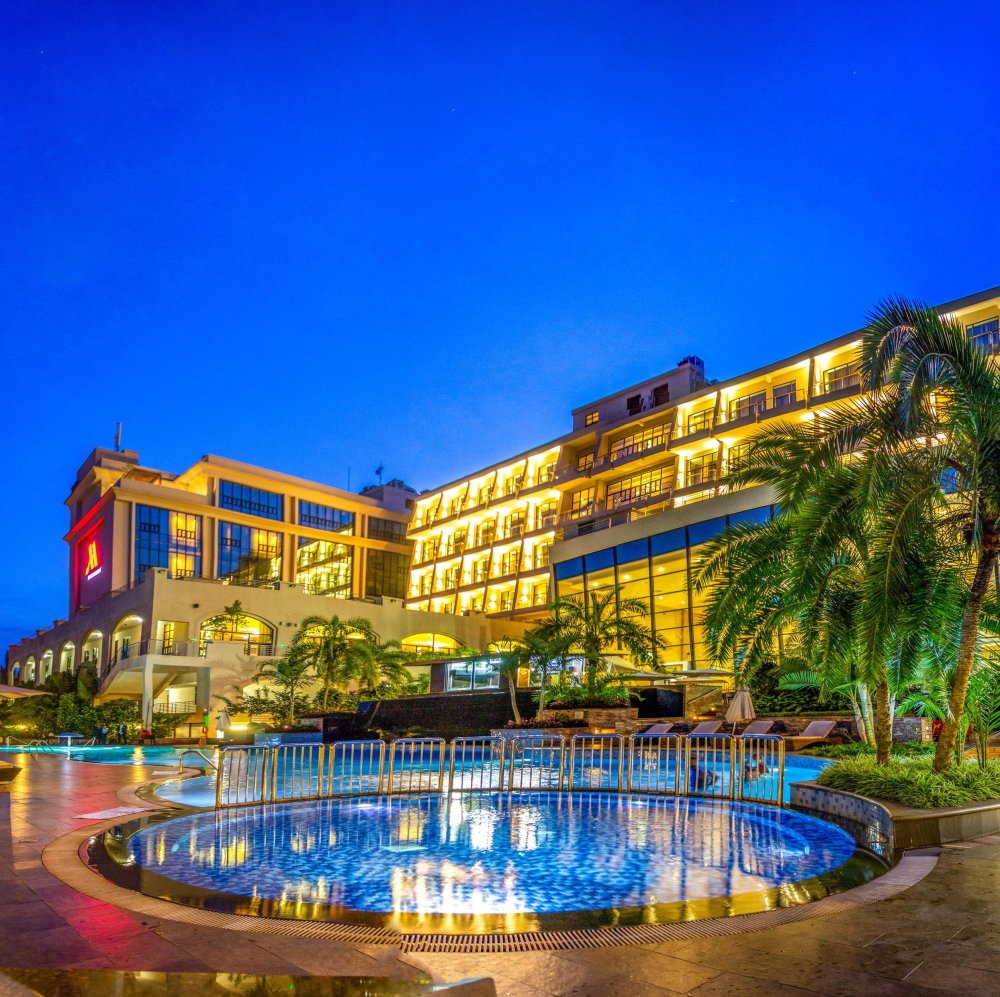
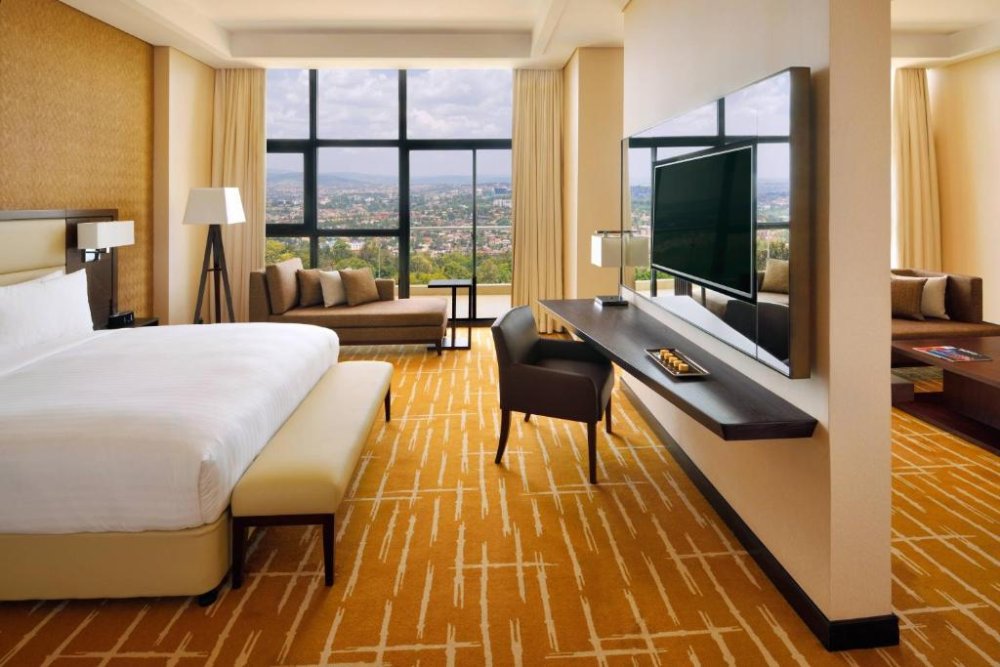
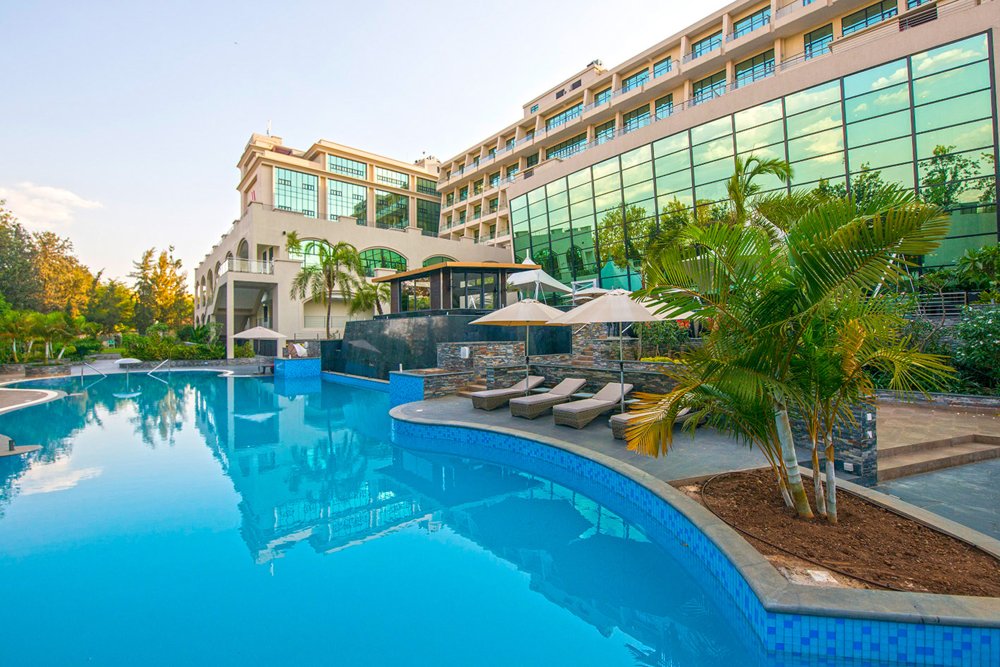
Kigali Marriott Hotel, located in the heart of Kigali, was officially opened on October 4, 2016.
Kigali Marriott Hotel features 250 rooms, including presidential suites.
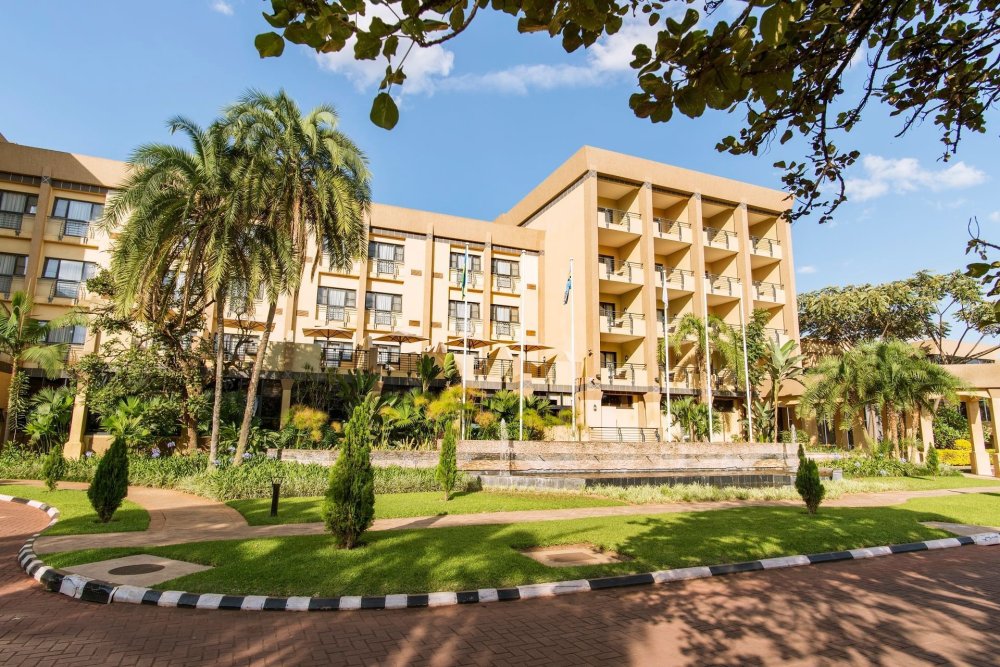
Kigali Marriott Hotel is one of Rwanda’s five-star hotels.
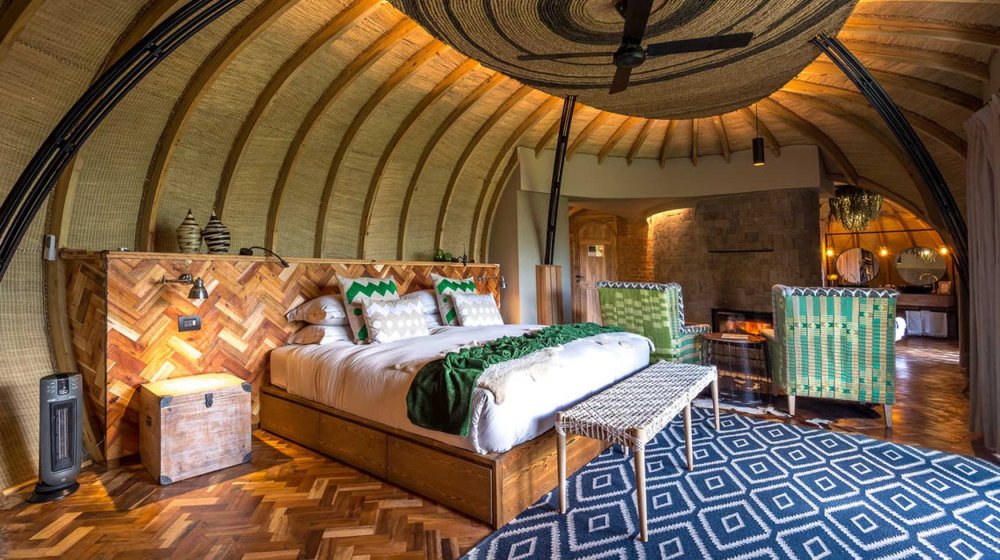
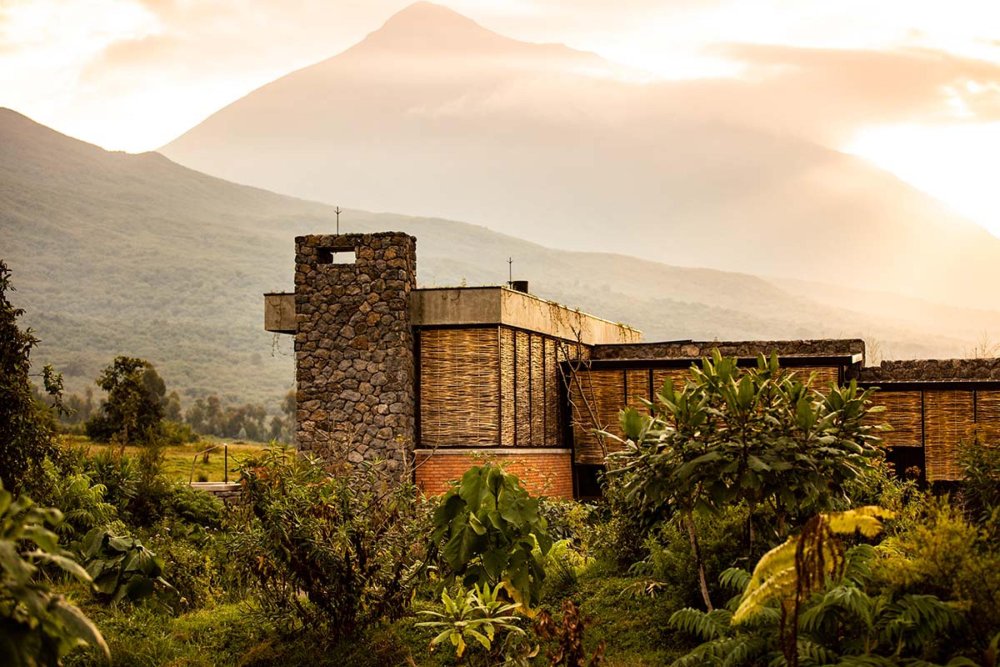
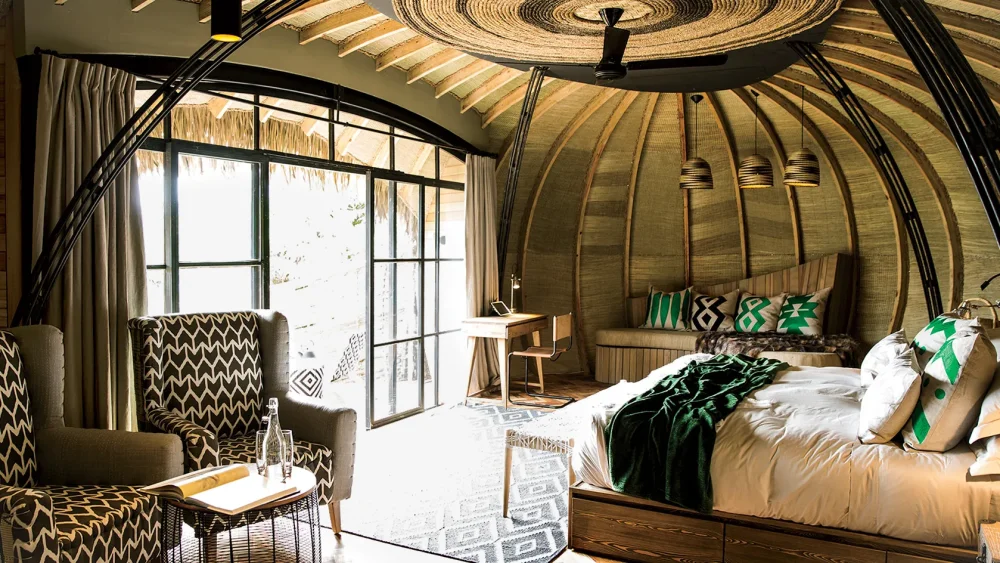
Inside Bisate Eco Lodge.
Bisate Eco Lodge is widely admired for its distinctive architectural design.
Bisate Eco Lodge was officially inaugurated by President Paul Kagame on September 1, 2017.
Bisate Eco Lodge is located in Kinigi, Musanze District, close to Volcanoes National Park.
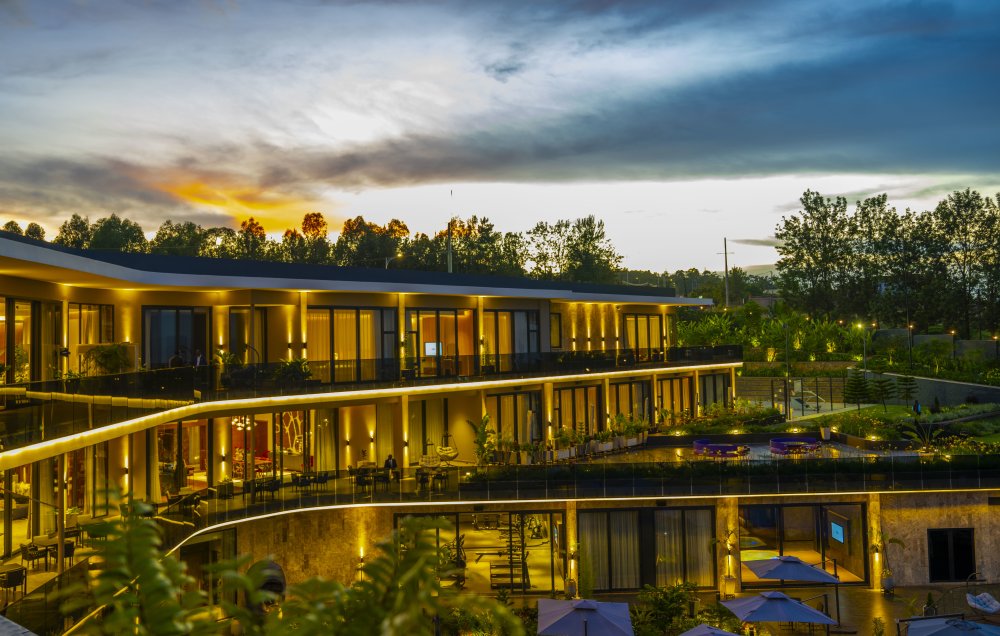
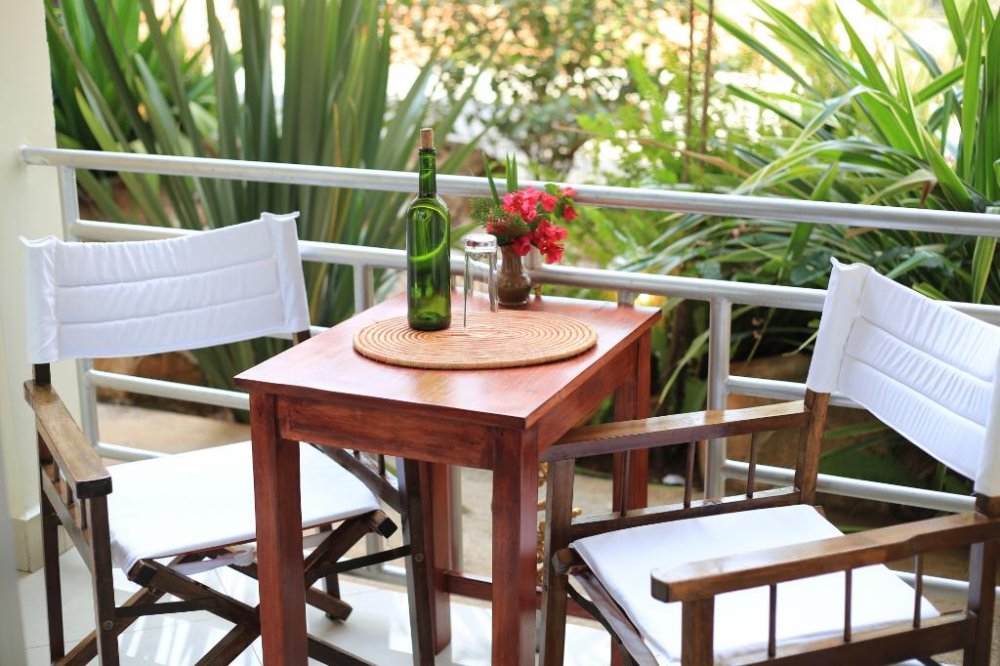
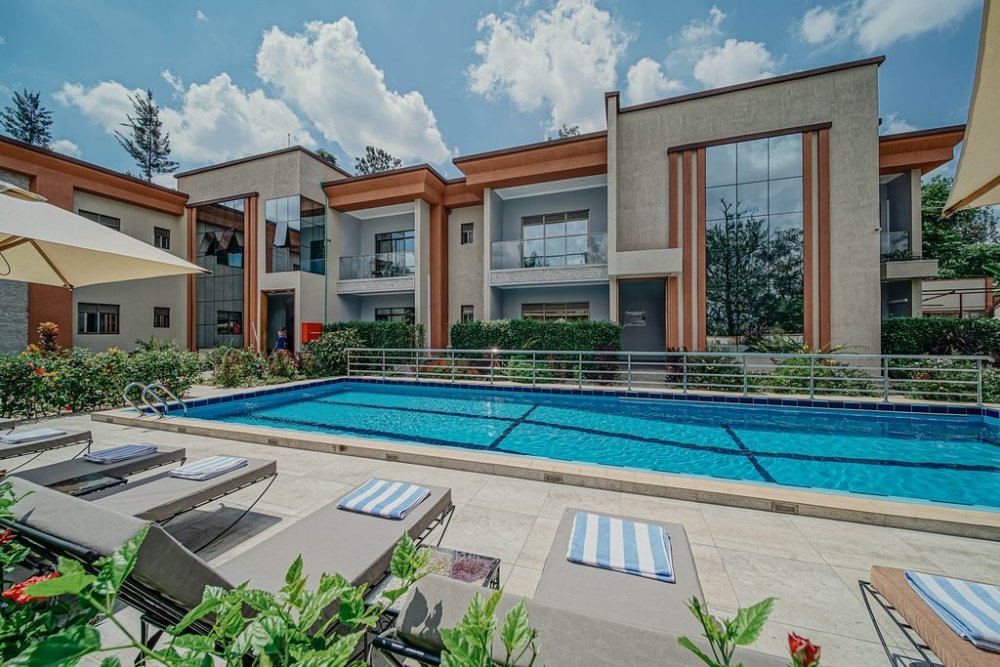
Zaria Court Hotel.Zaria Court Hotel is one of Kigali’s modern hotels.
The Retreat by Heaven is located in Kiyovu and opened in 2011.Virunga Inn Resort is located in Kinigi, Musanze District.
Mövenpick Hotel Kigali is one of Rwanda’s recently established five-star hotels.
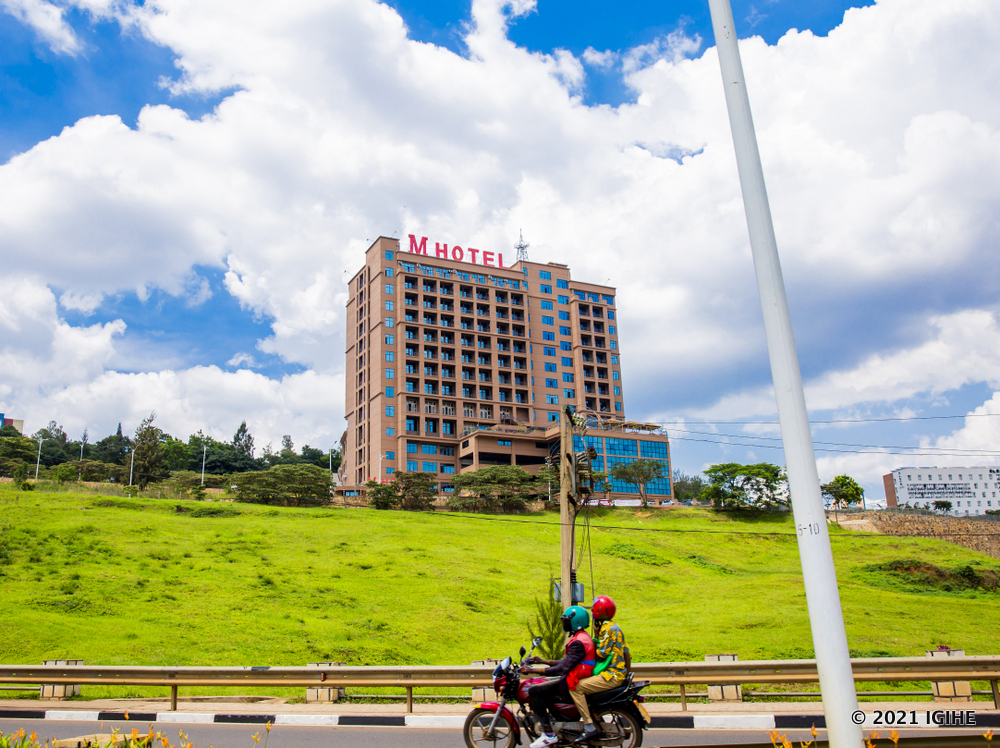
M Hotel, rated four stars, is part of Rwanda’s hospitality network serving international and domestic guests.
The births come just a year after 70 southern white rhinos were relocated to Rwanda, marking a significant milestone in the country’s wildlife conservation programme.
According to Jean Paul Karinganire, Funding & Reporting Manager at Akagera National Park, three calves have already been born from the group of 70 white rhinos that arrived in 2025. He noted that more births are expected this year, as rhinos typically have a gestation period of between 15 and 16 months.
“The rhinos have also brought tourism benefits. Akagera National Park is now one of the easiest places in Africa where visitors can see rhinos in the wild,” Karinganire said.
He added that the white rhinos are helping to strengthen biodiversity in the park and represent an important conservation achievement for East Africa.
On June 10, 2025, Rwanda received 70 white rhinos, including 28 males, from South Africa. The relocation was the largest single translocation of animals ever carried out into the country.
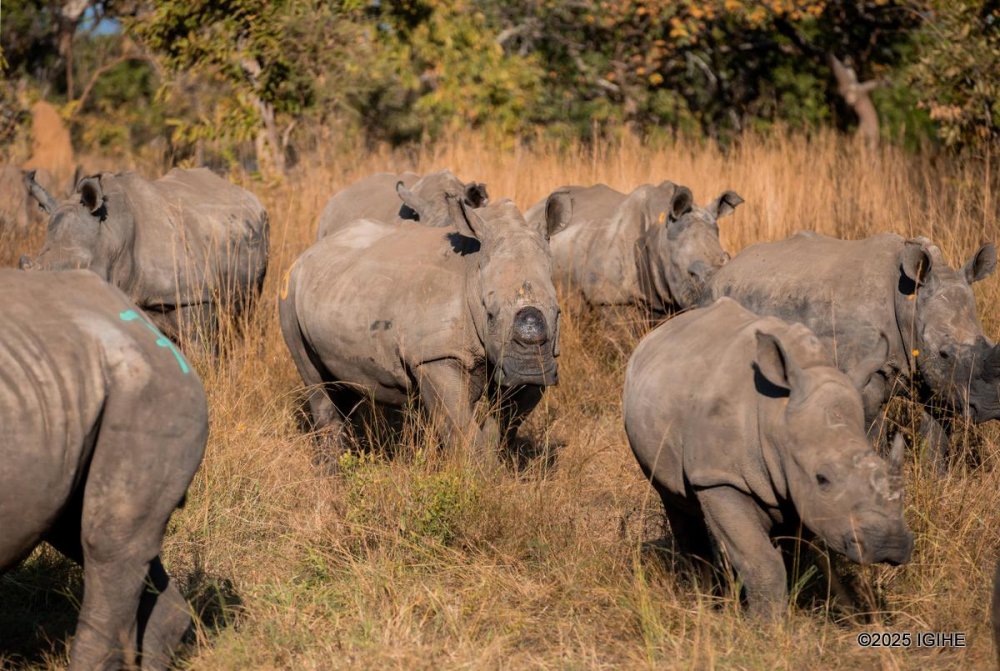
The white rhinos joined Akagera’s existing black rhino population, pushing the total number of rhinos in the park above 145. With the recent births, the population has now reached 148.
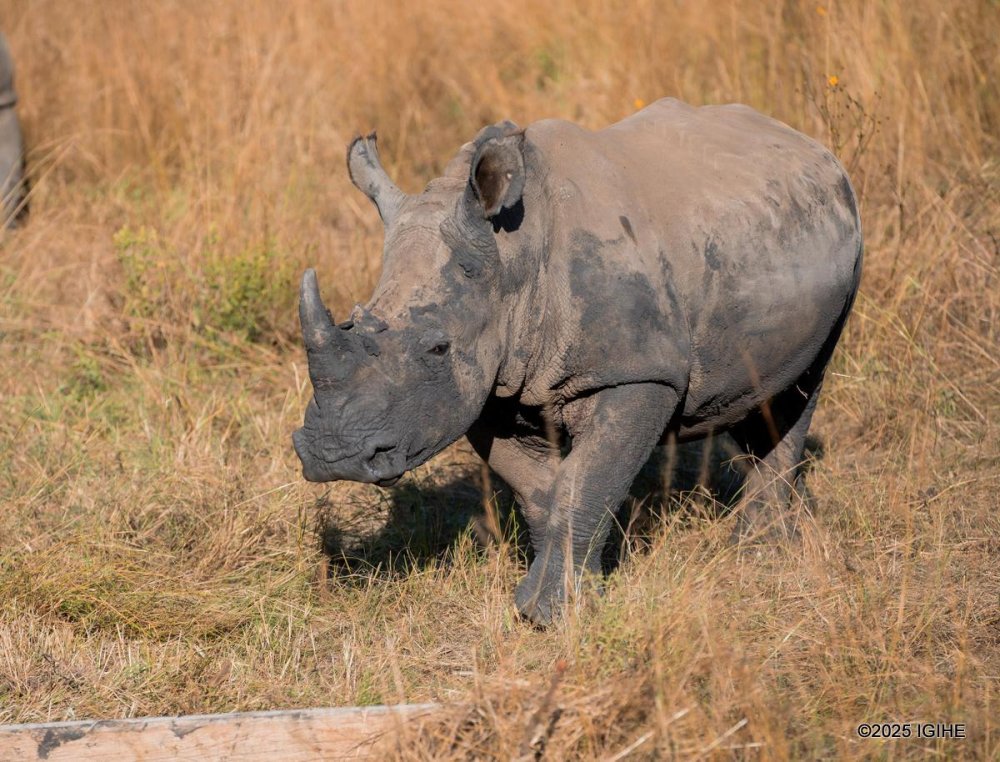
White rhinos are nearly twice the size and weight of black rhinos. They are grazers that feed mainly on short grasses and are easily identified by their broad, wide mouths adapted for grazing. They also have a prominent shoulder hump and distinctive muscular features on their bodies.
Rwanda’s rhino population had completely disappeared by 2007, when the last remaining rhino in the country died. A decade later, in 2017, black rhinos were successfully reintroduced to Akagera National Park, and their numbers have steadily increased over the years. The arrival and reproduction of white rhinos mark another important step in restoring the country’s wildlife heritage.
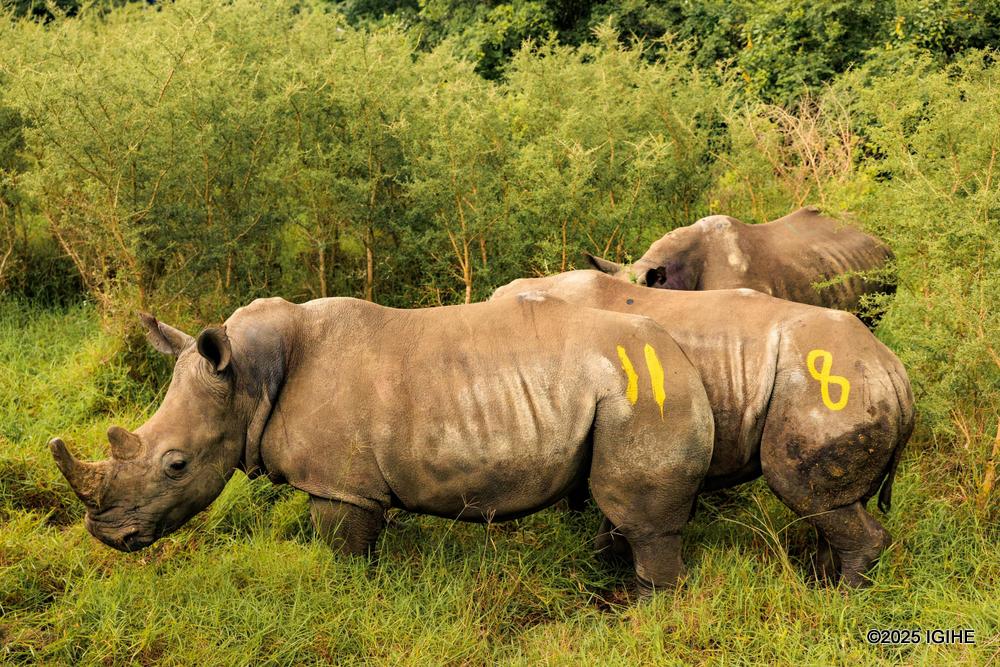
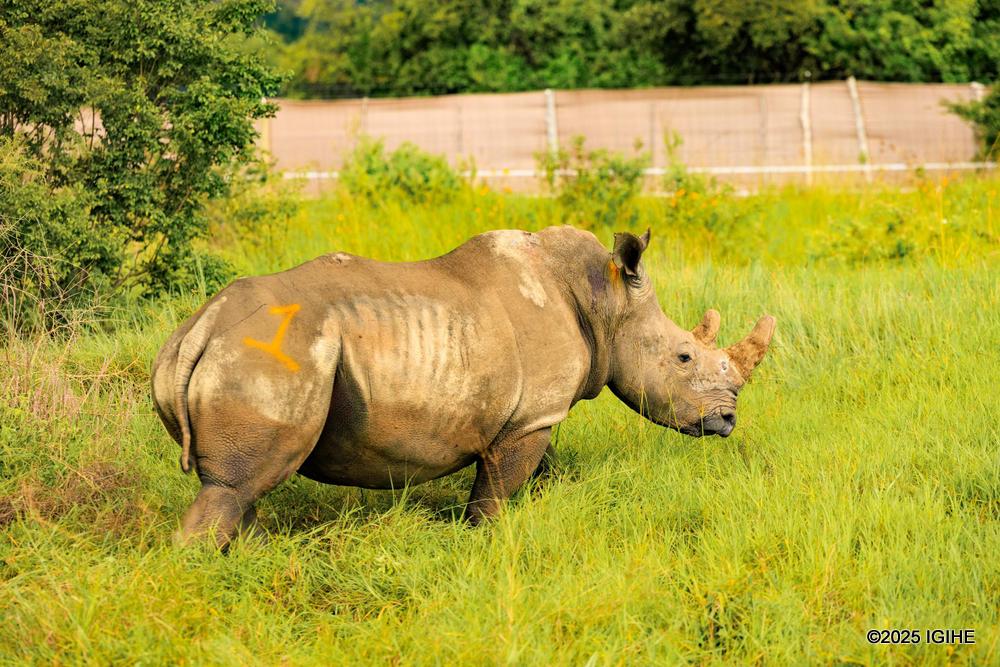
The presence of rhinos in Akagera National Park highlights the progress made in restoring endangered species.Rhinos are among Africa’s most iconic wildlife species and play an important role in maintaining healthy ecosystems.Akagera National Park is home to both black and white rhinos, contributing to Rwanda’s wildlife conservation efforts.White rhinos are the largest rhino species and are known for their broad mouths adapted for grazing.
The initiative, titled “Soil & Water: Kigali Crossings,” is being launched by the NIROX Foundation, an independent non-profit organisation dedicated to environmental and contemporary art, in partnership with QA Venue Solutions Rwanda, the company that manages the park alongside BK Arena and Amahoro Stadium.
Scheduled to run from August 2026 to March 2027, the long-term programme will merge art, ecology, and public engagement within the park’s boundaries.
The event will feature public exhibitions, artist residency programmes, performances, concerts, and research-driven creative installations. Participating creators will develop works responding directly to environmental challenges, utilizing both technology and sustainable materials.
According to Benji Liebmann, founder and director of the NIROX Foundation, the project builds on more than two decades of using art to connect people with nature and conservation. He believes that art speaks to people differently, emotionally and intuitively, creating a deeper connection with the earth that inspires humanity to fall in love with nature again so they can protect it.
This marks the first time the programme will be hosted in Rwanda. Having previously been held in Europe and South Africa, Rwanda becomes only the second African country to host the initiative.
Liebmann noted that discussions to bring the project to Kigali emerged through a connection with Nyandungu Eco-Park Manager Ildephonse Kambogo, who visited the NIROX Sculpture Park in South Africa, a landscape famous for integrating open-air sculptures made of natural and recycled materials into the environment.
Liebmann recalled visiting about four years ago to assess its feasibility and realizing that the concept was more than feasible, describing it as both necessary and desirable.
“It has taken this long to reach the first stage, which is a pilot exhibition project,” he said, adding, “Art speaks to people differently, emotionally and intuitively, and we believe that creates a deeper connection with the earth. Humanity needs to fall in love with nature again.”
The programme is expected to feature some of Africa’s leading contemporary artists, including Ibrahim Mahama and Serge Attukwei Clottey from Ghana, alongside Willem Boshoff from South Africa. They will be joined by additional participants from France, Spain, and Austria, while local Rwandan artists, including creators from the Inema Arts Center, will also take part in the initiative.
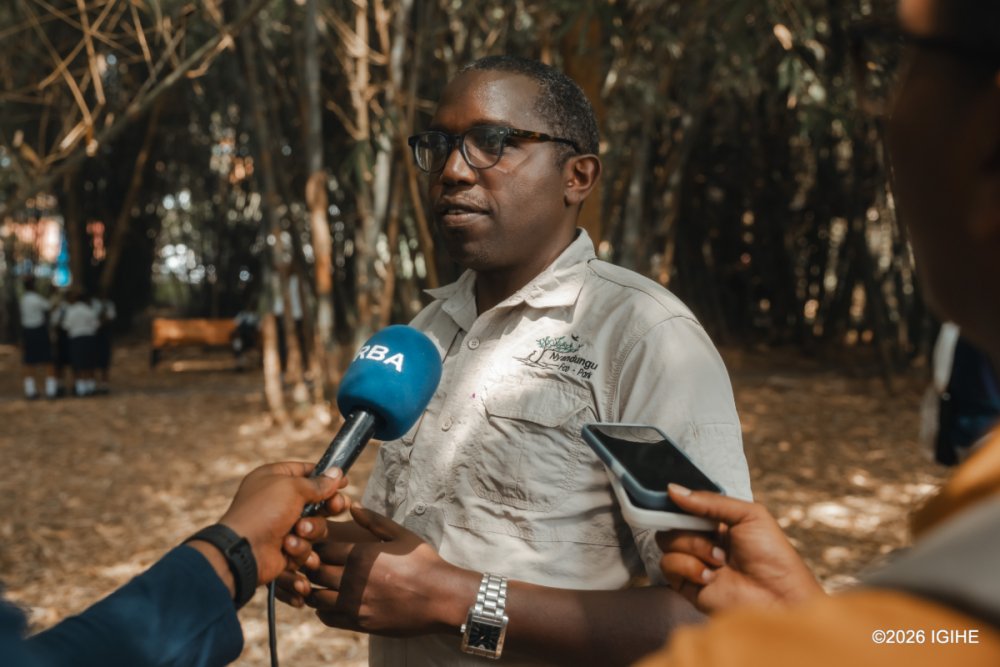
Nyandungu Eco-Park Manager Ildephonse Kambogo welcomed the partnership, stating that it will expand the park’s role by integrating cultural and artistic engagement into its core conservation mission.
He explained that the wetland’s primary role is to filter polluted water and improve its quality, and through art, they hope to find creative ways of showcasing this water purification process.
This will make the process easier for people to understand while supporting the wetland’s conservation mission.
Kambogo added that the residency will allow local Rwandan artists to collaborate with international practitioners, helping to further scale local creative talent.
“Visitors usually come to enjoy the natural beauty, but there has been something missing, art that connects them to the park, culture, and creativity. These artists will create works displayed across the park so that every visitor can enjoy them,” he said.
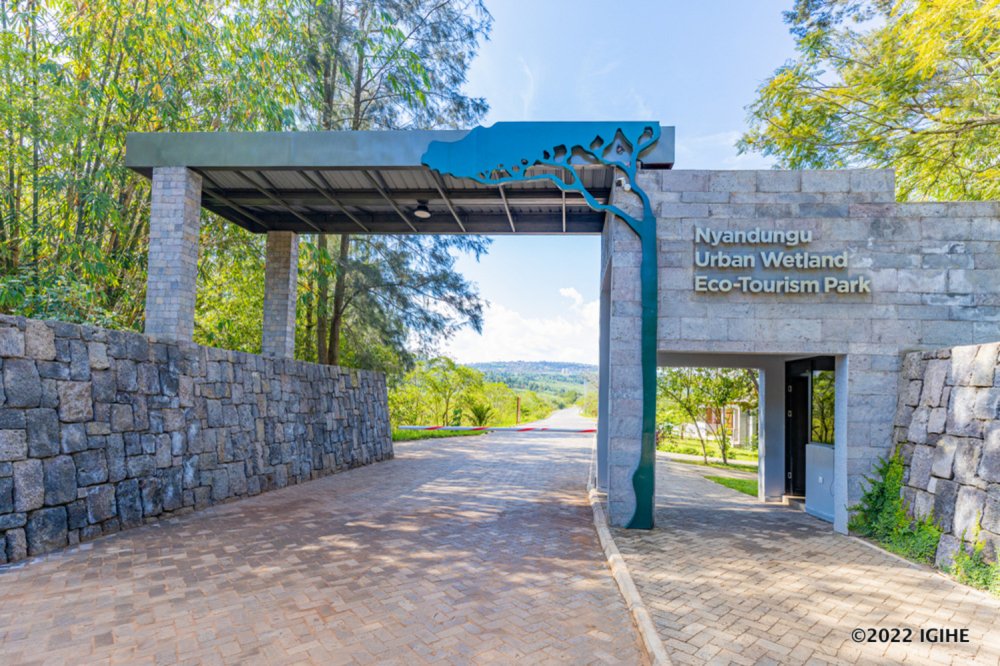
Nyandungu Eco-Park officially opened in 2022 following a massive ecological restoration of the local wetland. Since its opening, visitor attendance has experienced sharp exponential growth, rising from 48,813 in its inaugural year to 67,222 in 2023. This steady upward trajectory solidified in 2024 when the park recorded 76,754 visitors.
By late 2025, attendance experienced its strongest growth spike yet, surging past 100,000 visitors to register a growth rate of over 30% compared to the previous year. The incoming art installations will be distributed throughout the park’s 121 hectares, establishing a permanent creative layer for future visitors to experience.
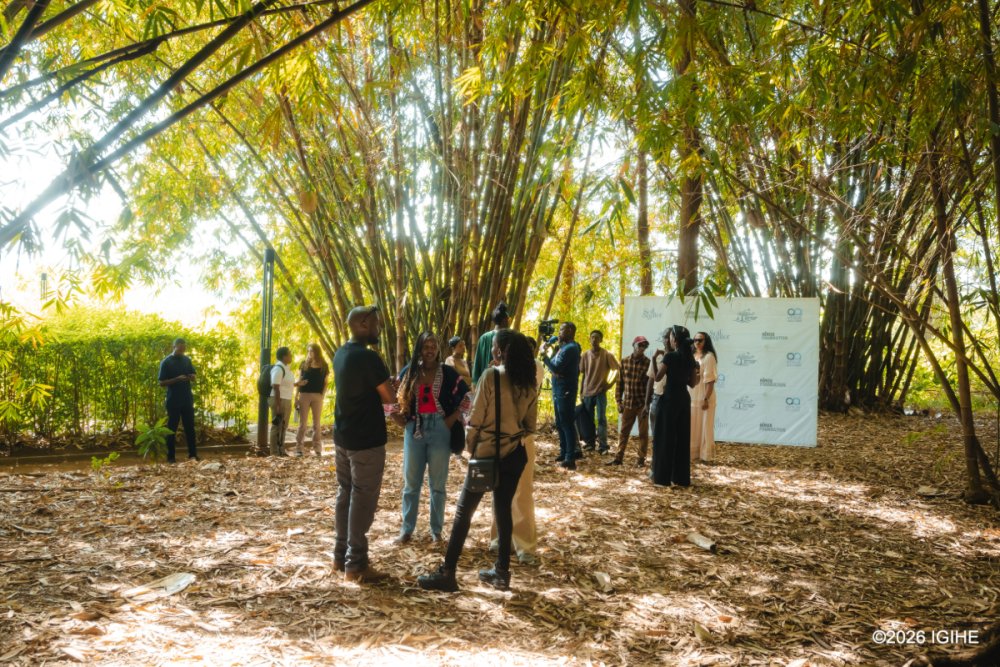
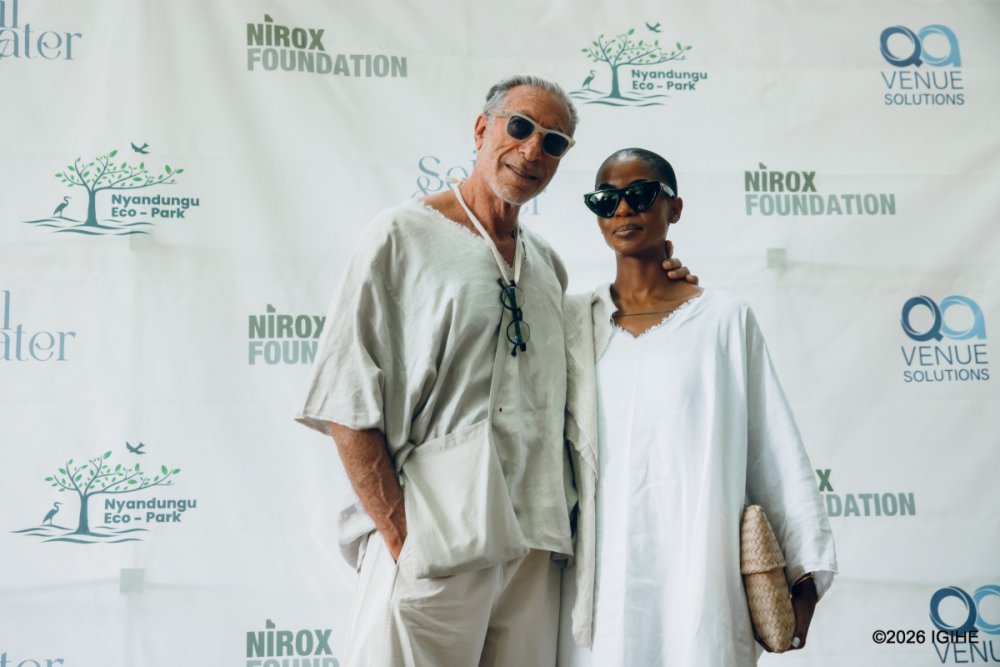
Nyandungu Eco-Park officially opened in 2022 following a massive ecological restoration of the local wetland. Organisers of the upcoming event at Nyandungu Eco-Park.Nyandungu Eco-Park Manager Ildephonse Kambogo welcomed the partnership, stating that it will expand the park’s role by integrating cultural and artistic engagement into its core conservation mission.Benji Liebmann (left), founder and director of the NIROX Foundation visiting Nyandungu.
The development was announced on June 7, 2026, during the launch of Disc Golf, a sport being introduced in Rwanda for the first time and which is commonly played in natural settings with trees and open grasslands.
Speaking to IGIHE, Nyandungu Eco-Park Manager, Ildephonse Kambongo, said the new attraction forms part of a broader strategy to diversify the park’s offerings and enhance visitors’ experiences.
He explained that the planned zipline will give visitors a unique perspective of the park’s ecosystems, allowing them to appreciate its natural beauty from above.
“We are working on an aerial route that will enable visitors to experience the park from a different angle and enjoy its scenery while suspended above the ground. We expect the facility to be ready by the end of this year or early next year,” he said.
Kambongo noted that discussions with the companies involved in the project are at an advanced stage and that construction is expected to begin soon.
The zipline is among several new attractions planned for the park. Construction is already underway on a four-kilometre walking trail, while dedicated birdwatching areas are being developed near the park’s lakes to allow visitors to observe birdlife more closely.
Management is also considering the introduction of recreational fishing activities as part of efforts to broaden the range of experiences available to visitors.
The park currently charges an entrance fee of Rwf 2,000 for Rwandans and citizens of the East African Community. Additional activities, including bicycle rentals, electric cart rides and children’s recreational facilities, are charged separately.
Officials believe that expanding the range of attractions will encourage more visitors to spend time at the park and contribute to its growing revenue.
Opened in 2022 following the restoration of the Nyandungu Wetland, the park has seen a steady increase in visitor numbers over the years.
The numbers rose from 67,222 visitors in 2023 to 76,754 in 2024. Growth accelerated in 2025, when the park welcomed more than 100,000 visitors by November, representing an increase of over 30% compared to the previous year and the strongest growth recorded since its establishment.
Revenue has followed a similar upward trend, rising from Rwf 158 million in 2024 to more than Rwf 200 million in 2025.
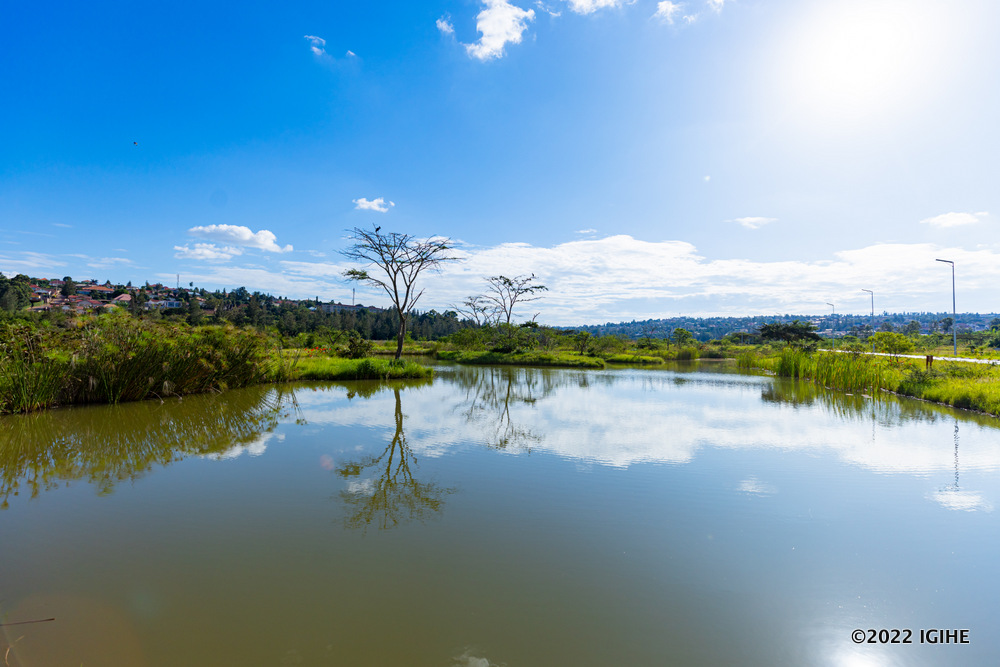
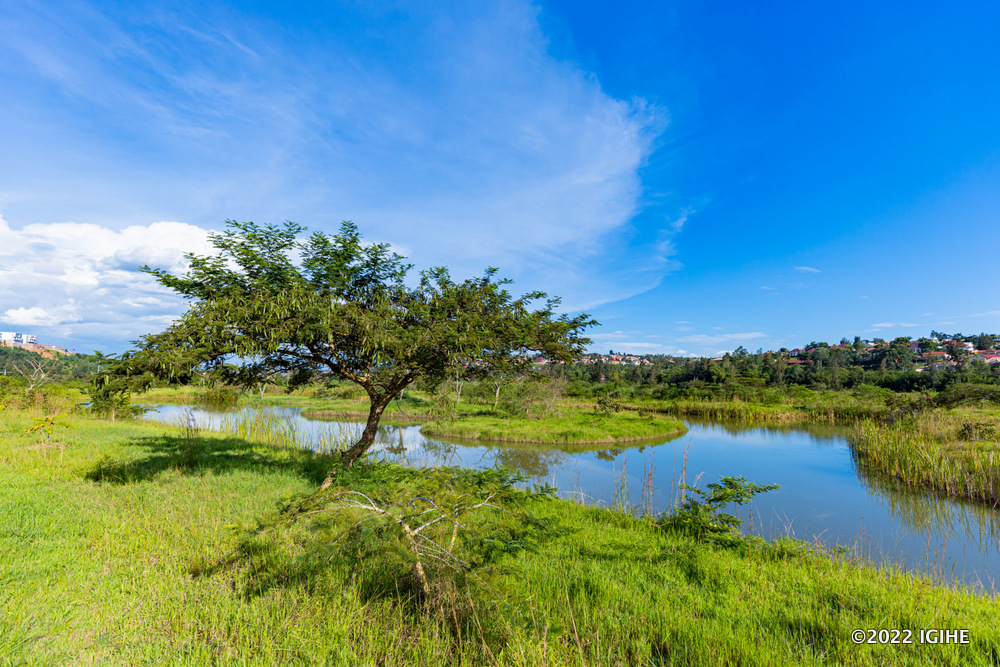
Spanning 121 hectares, Nyandungu Eco-Park includes 70 hectares of wetland and 50 hectares of forest. It is home to more than 60 plant species and over 200 species of birds, making it one of Kigali’s leading urban nature destinations.
Nyandungu Eco-Park Manager, Ildephonse Kambongo, said the new attraction forms part of a broader strategy to diversify the park’s offerings and enhance visitors’ experiences. Nyandungu Eco-Park includes 70 hectares of wetland and 50 hectares of forest.
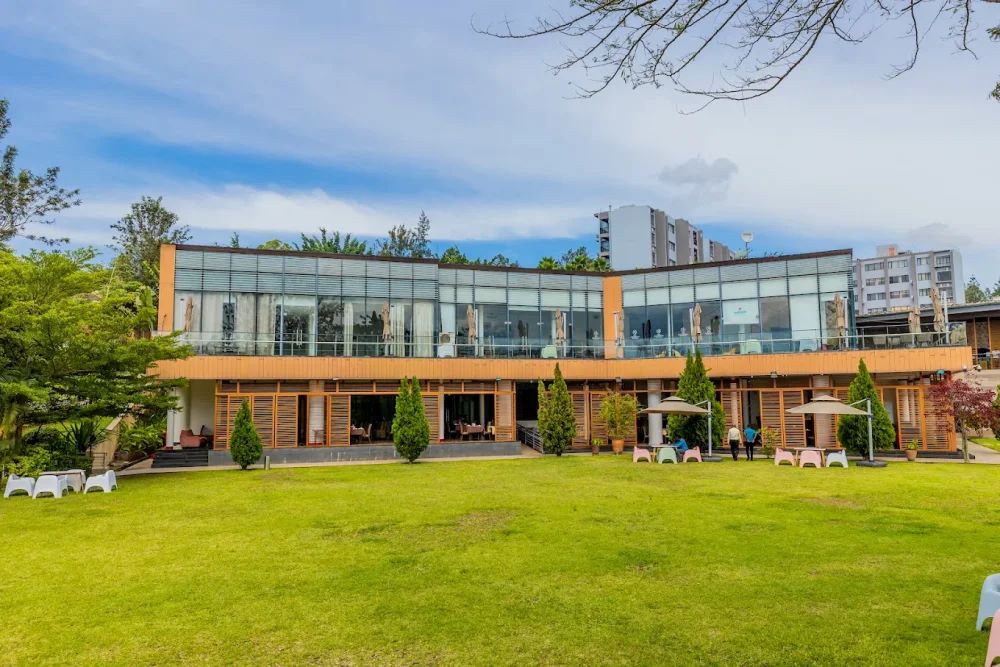
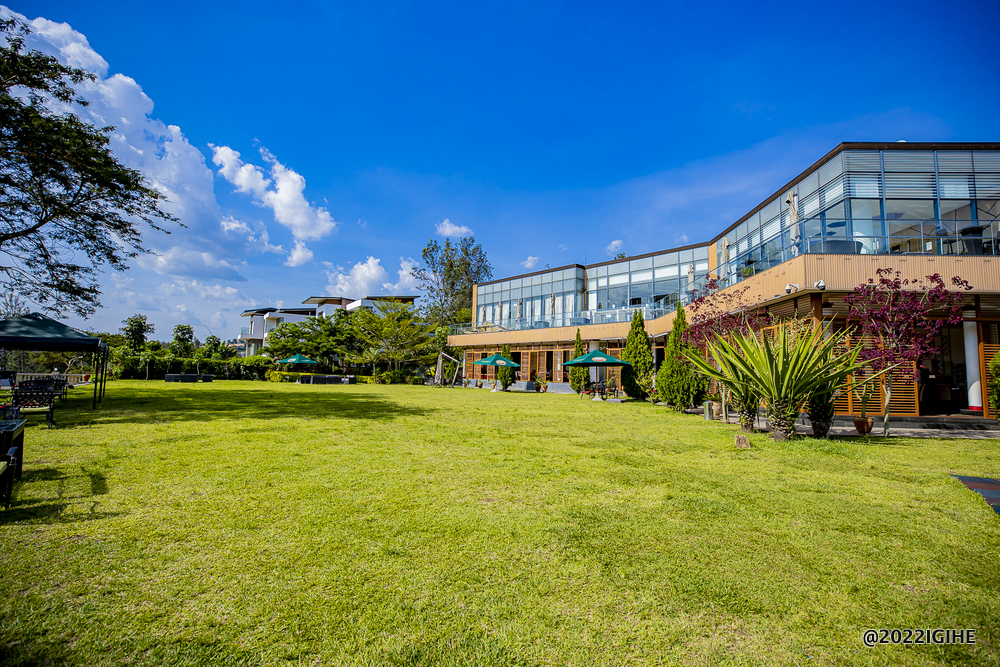
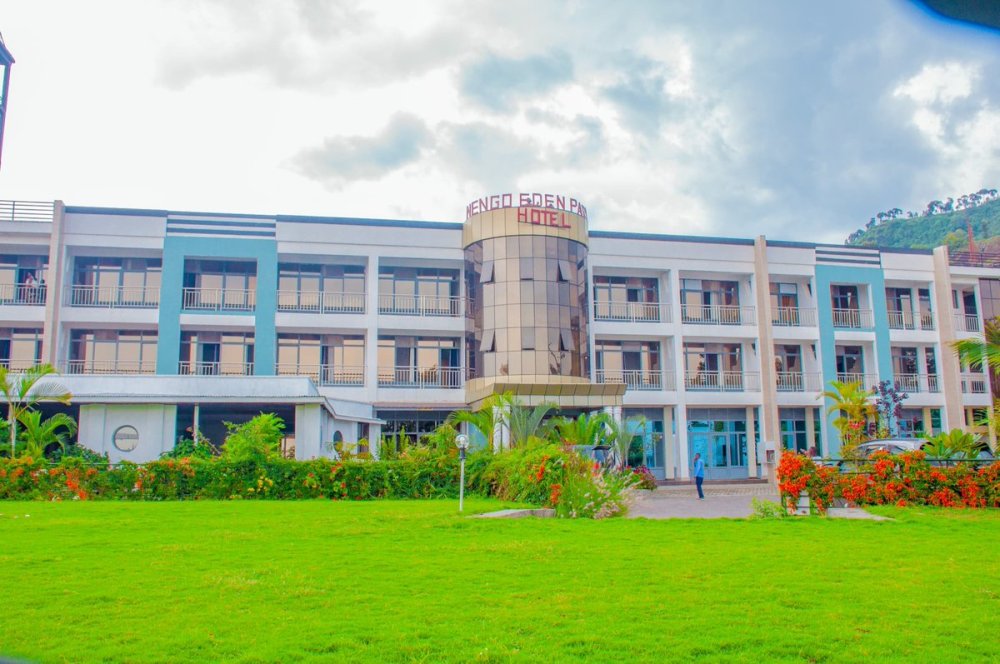
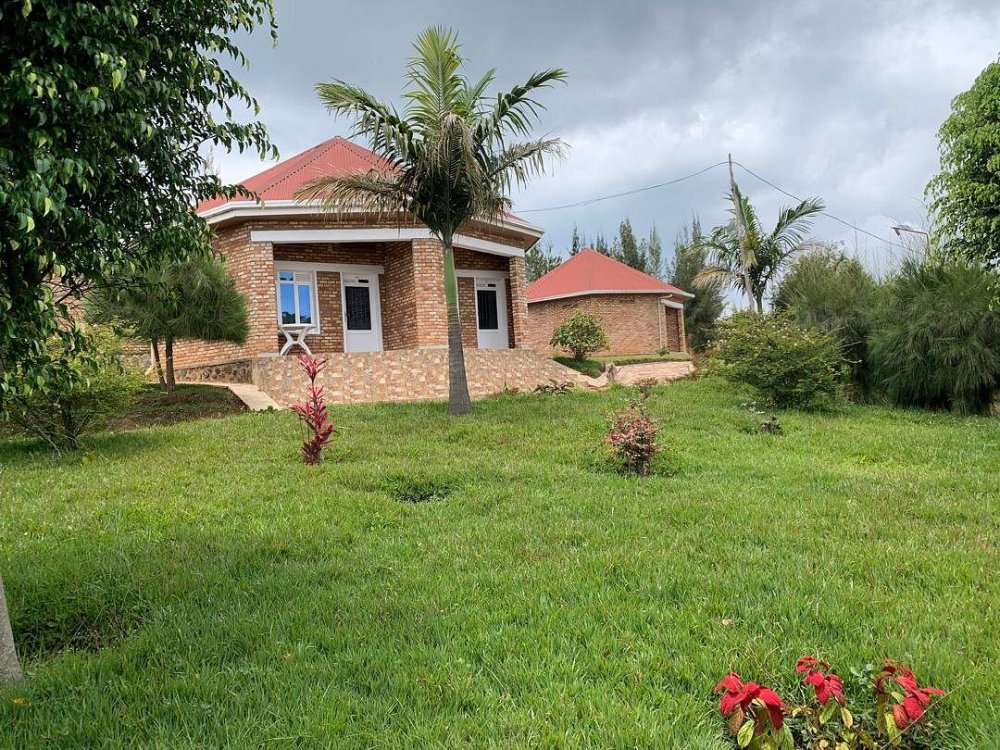
The affected establishments are Century Park Hotel and Residences located in Nyarutarama in Kigali City, Dove Luxury Hotel in Gicumbi District in the Northern Province, Highland Resort Ltd in Rulindo District, and Nengo Eden Park Hotel in Rubavu District in the Western Province.
RDB said the decision follows an assessment carried out to ensure compliance with tourism and hospitality regulations.
Identified deficiencies are related to licensing, hygiene, food safety, security, service quality, operational priocedures and other applicable standards.
The temporary closure is intended to give the hotels time to address the identified shortcomings in their operations. RDB noted that the establishments are not allowed to continue hospitality-related activities until they fully meet the required standards.
According to RDB, the hotels will only be allowed to resume operations after demonstrating compliance and undergoing further inspection by the relevant authorities.
In 2024, Rwanda had 1,460 hotels with a total of 25,330 rooms. This number has steadily increased year after year since 2018.
Data from the National Institute of Statistics of Rwanda (NISR) shows that in 2018, the country had 669 hotels with 13,802 rooms.
In 2019, the number rose to 836 hotels with 16,113 rooms, followed by 870 hotels in 2020 with 17,078 rooms. In 2021, the figure increased again to 911 hotels with 18,201 rooms.
The growth trend continued in 2022 when hotels reached 1,189, with a significant rise in rooms to 21,232.
However, in 2023, there was a slight drop to 1,175 hotels with 21,217 rooms, before increasing again in 2024 to 1,460 hotels and 25,330 rooms.
The report shows that most hotels are concentrated in Kigali City as well as in districts that frequently attract tourists drawn to Rwanda’s natural and cultural attractions.
Century Park Hotel and Residences is located in Nyarutarama, Kigali City.Century Park Hotel and Residences is among the four hotels temporarily closed by RDB.Nengo Eden Park Hotel in Rubavu District has been temporarily closed.Highland Resort operates in Rulindo District.
The number represents a 2% increase compared to the same period in 2025, with around six million more international travelers recorded worldwide.
The year started on a positive note, with strong travel demand in January and February. However, growth slowed in March as the ongoing conflict in the Middle East began affecting global travel patterns.
UN Tourism warns that the conflict could reduce overall growth in international tourist arrivals this year. The agency had initially projected growth of between 3% and 4% in 2026, but the crisis could lower that figure by one to two percentage points.
The conflict has disrupted flights to and from the Middle East, pushed up oil prices and contributed to shortages of jet fuel in some markets. As a result, airfares have increased and some airlines have reduced flight capacity.
UN Tourism Secretary-General Shaikha Al Nuwais said the effects of the conflict are being felt far beyond the Middle East.
“Even amid this uncertainty, international tourism continued to show resilience in the first quarter of 2026,” she said, noting that tourism remains an important source of jobs, income and economic growth.
Europe and Africa recorded the strongest performance during the quarter, each posting a 4% increase in international arrivals. Europe welcomed more than 130 million tourists, while Africa benefited from strong growth in both North Africa and Sub-Saharan Africa.
Asia and the Pacific saw arrivals rise by 3%, while the Americas recorded a 2% increase. In contrast, the Middle East experienced a 14% decline in arrivals due to the conflict.
Among the fastest-growing destinations were Paraguay, New Zealand, El Salvador, Mongolia and Uzbekistan.
Despite ongoing challenges, tourism experts remain cautiously optimistic about the upcoming Northern Hemisphere summer season. However, rising travel costs, geopolitical tensions and uncertainty over air connectivity are expected to influence where and how people travel.
The Middle East experienced a 14% decline in arrivals due to the conflict in Iran.
In a public notice issued on May 25, RDB said Rwanda remains open for tourism, conferences, events and business activities, adding that national parks, hotels, conference venues and tourism facilities continue to operate normally while maintaining appropriate health and safety standards.
The institution encouraged visitors to continue with their planned activities “with confidence” while observing recommended public health measures.
RDB further stated that there are currently no Ebola cases in Rwanda and that measures are actively in place to safeguard public health and the wellbeing of residents, visitors and wildlife.
The agency noted that Rwanda has a strong and well-coordinated public health system with established surveillance, rapid response and infection prevention mechanisms, adding that relevant institutions remain vigilant and prepared to respond to any potential public health risks.
“The Government of Rwanda continues to work closely with regional and international health partners to ensure the safety and wellbeing of residents, visitors and wildlife,” the statement reads.
As part of enhanced prevention measures, health screening and surveillance have been reinforced at key entry points, including Kigali International Airport and selected border posts.
RDB reiterated that all foreign nationals who have travelled to or transited through the Democratic Republic of Congo (DRC) within the last 30 days prior to their intended travel to Rwanda will be denied entry.
Rwandan nationals and foreign residents with valid proof of residency in Rwanda will, however, be permitted entry.
Those who recently travelled to or transited through the DRC within the same 30-day period will be subject to mandatory quarantine procedures in line with public health protocols.
Tourism and conference activities remain among Rwanda’s key foreign exchange earners.
Rwanda generated $685 million from tourism in 2025, up from $647 million in 2024, representing a 6% increase.
The number of visitors to Rwanda also increased by 9% in 2025, reaching 1.49 million.
Many visited Volcanoes National Park, renowned for mountain gorilla tourism, alongside other national parks.
Revenue generated from meetings, incentives, conferences and exhibitions (MICE) reached $94.7 million in 2025, compared to $84.8 million in 2024, marking an 11% increase.
The Ebola strain Rwanda is monitoring was first detected in Ituri Province in eastern DRC before cases were later reported in Uganda. The strain is known as the Bundibugyo variant.
The Bundibugyo strain of Ebola was first identified in Uganda between 2007 and 2008, infecting 149 people and killing 37.
In 2012, it was detected in Isiro in the DRC, where 57 people were infected and 29 died.
According to regional figures, the outbreak has so far claimed 221 lives, while more than 900 suspected cases have been recorded.
Despite the outbreak in the region, officials affirm, Rwanda remains Ebola-free.
Rwanda has encouraged visitors to continue with their planned activities “with confidence” while observing recommended public health measures.