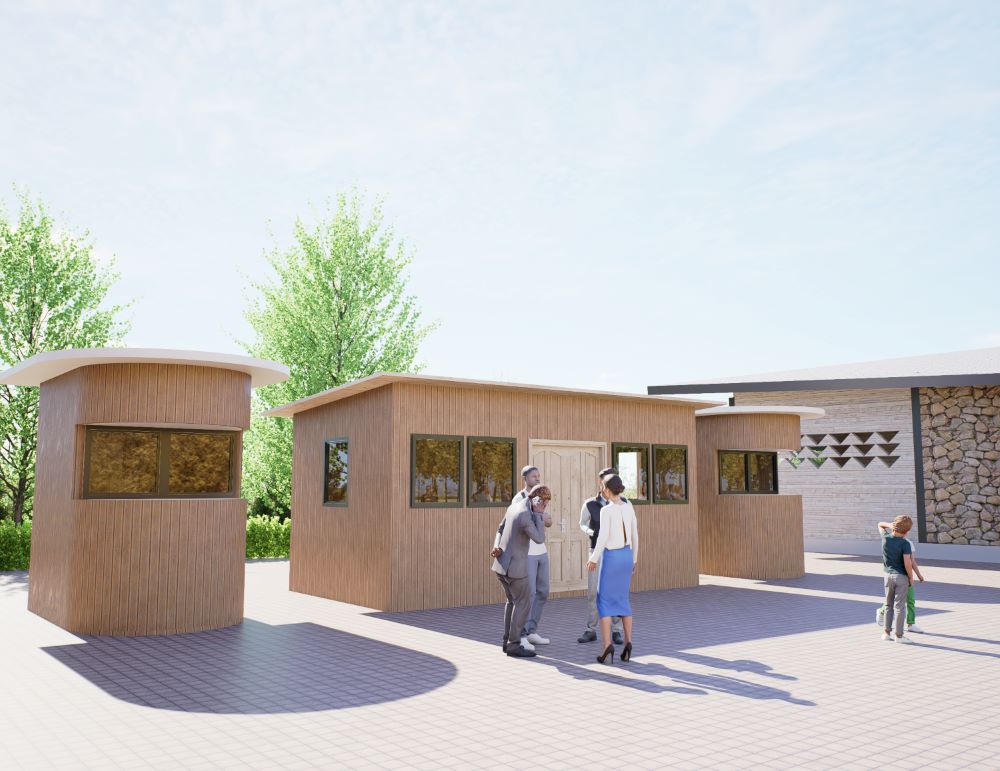
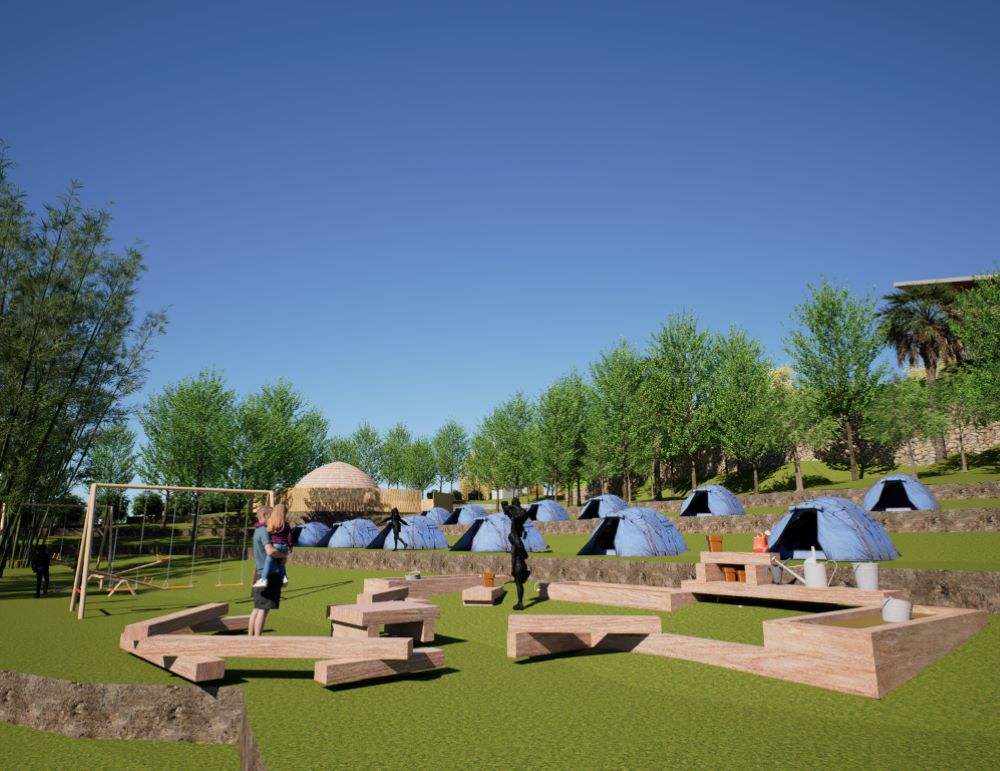
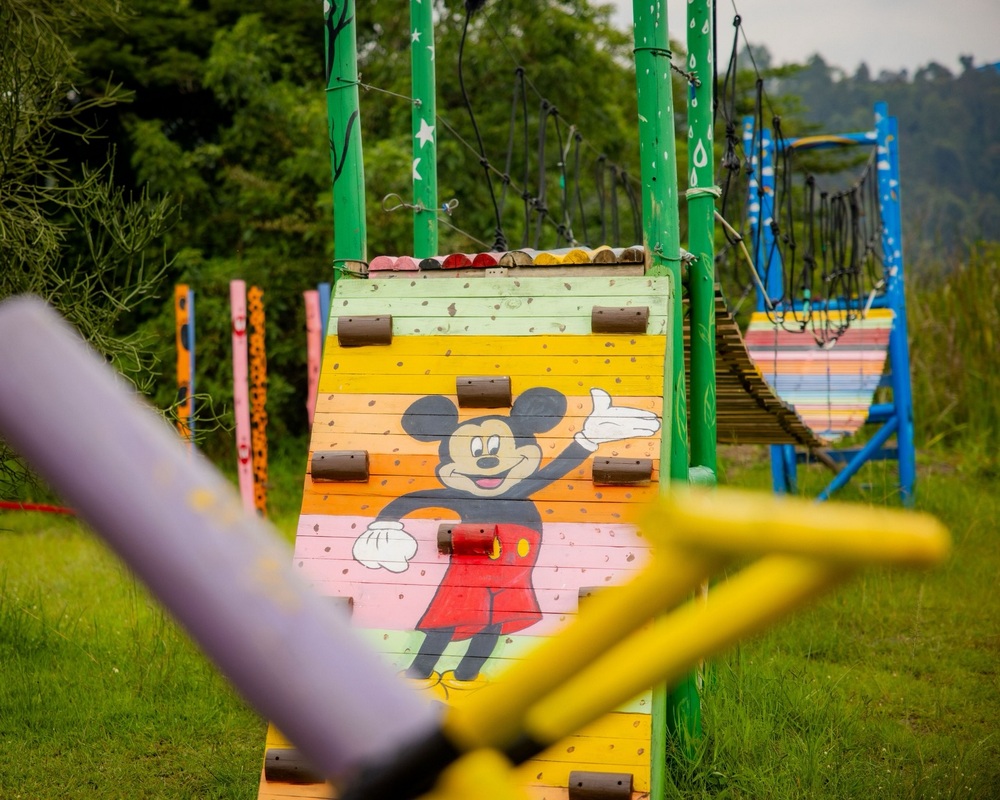
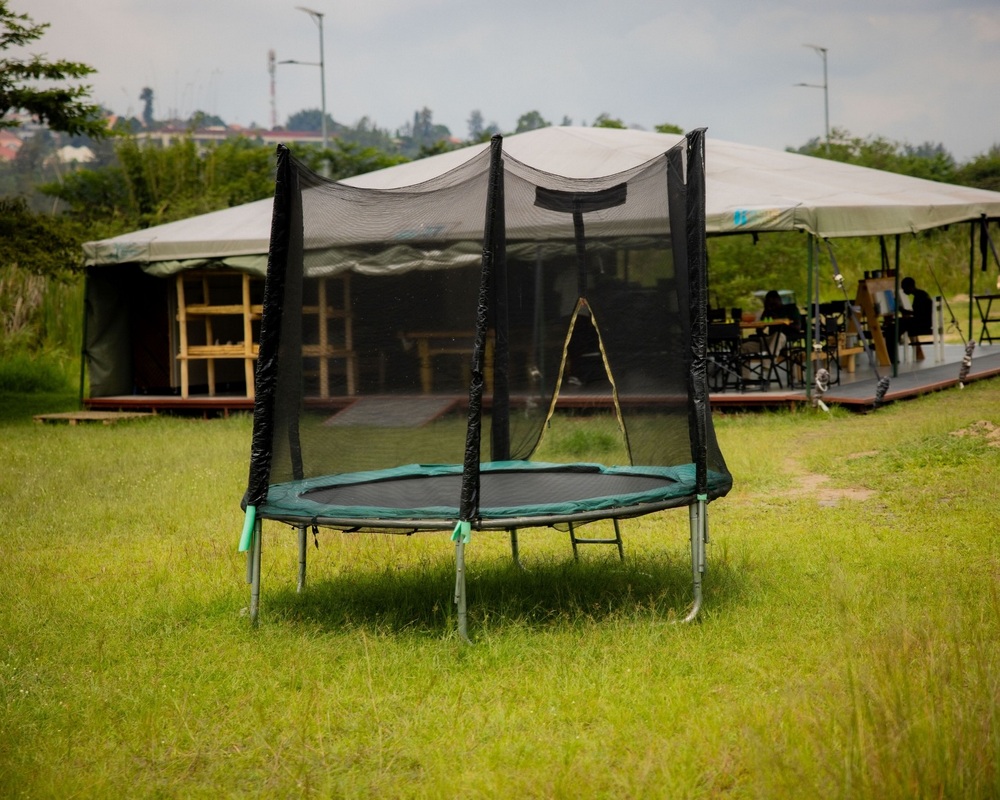
The project is being developed by the Ejo Heza Rubyiruko Gishwati-Mukura Cooperative, which currently offers guided tourism services, camping accommodation and nature tours in the area.
The tourism center will be built along the Kivu Belt road linking Rubavu and Rusizi, near the Gishwati-Mukura National Park. Construction is expected to cost about Rwf70 million and will cover one hectare of land.
The site is located in Nyagahinika Cell, Nyaruku Village, Kigeyo Sector in Rutsiro District, and is expected to be completed within seven months.
The cooperative also operates a cultural tourism trail stretching about 70 kilometers from Kinihira through Bitenga Base Camp to Ndaba Rock in Karongi District.
Speaking to IGIHE, the president of the cooperative, Kalisa Obed, said the center will include a shop selling locally made products and agricultural goods from the region, including coffee, tea, milk and honey.
He explained that the project is expected to initially create jobs for at least 125 people with different skills.
“This will be a relaxing place for visitors and will also help people learn more about the environment. We plan to plant indigenous trees and educate visitors about Rwanda’s culture and history. Construction activities will begin in June, and by the end of 2026 the project should be nearing completion,” he said.
Kalisa added that the activities offered at the site will focus on traditional Rwandan culture, including traditional games, cattle herding practices, milking cows, storytelling, playing traditional musical instruments, weaving mats, grinding grains and other cultural experiences.
The site will also feature a traditional Rwandan house that will help visitors understand the lifestyle and history of ancient Rwandan communities.
The Vice Mayor of Rutsiro District in charge of Economic Development, Uwizeyimana Emmanuel, recently told IGIHE that the tourism center would significantly support local tourism and business activities.
He noted that visitors will be able to buy local products such as coffee, fresh milk, cheese, traditional foods and handicrafts, while also enjoying camping accommodation through tents.
The Ejo Heza Rubyiruko Gishwati-Mukura Cooperative has 57 members and currently receives between 250 and 300 visitors annually. Rwandan visitors pay around Rwf30,000, while foreign tourists pay between $50 and $100.
In 2020, UNESCO added Gishwati-Mukura National Park to the World Heritage list.
The upcoming cultural tourism hub is expected to create jobs and expand tourism opportunities in the region.A new cultural tourism center is set to boost tourism and youth employment in Rutsiro District.The project aims to combine nature, culture and community development in western Rwanda.The planned tourism site will showcase Rwanda’s cultural heritage near Gishwati-Mukura National Park.
Known for its cleanliness, safety and strong governance, the city has become a regional hub for business, tourism and international events, attracting visitors through conferences, sports competitions, cultural experiences and eco-tourism initiatives.
Ongoing investments in urban development, sustainability and tourism promotion continue to create opportunities for both local and international investors, particularly in the tourism sector, which still holds significant untapped potential.
Below are some of the key investment opportunities in Kigali’s tourism industry.
Environment and Eco Tourism
The City of Kigali has made major investments in environmental conservation and ecological restoration over the past decade. One of the key initiatives has been the rehabilitation of wetlands and their transformation into eco-tourism destinations, environmental conservation areas, and research hubs.
This transformation has created unique opportunities for investment in eco-tourism related services and infrastructure.
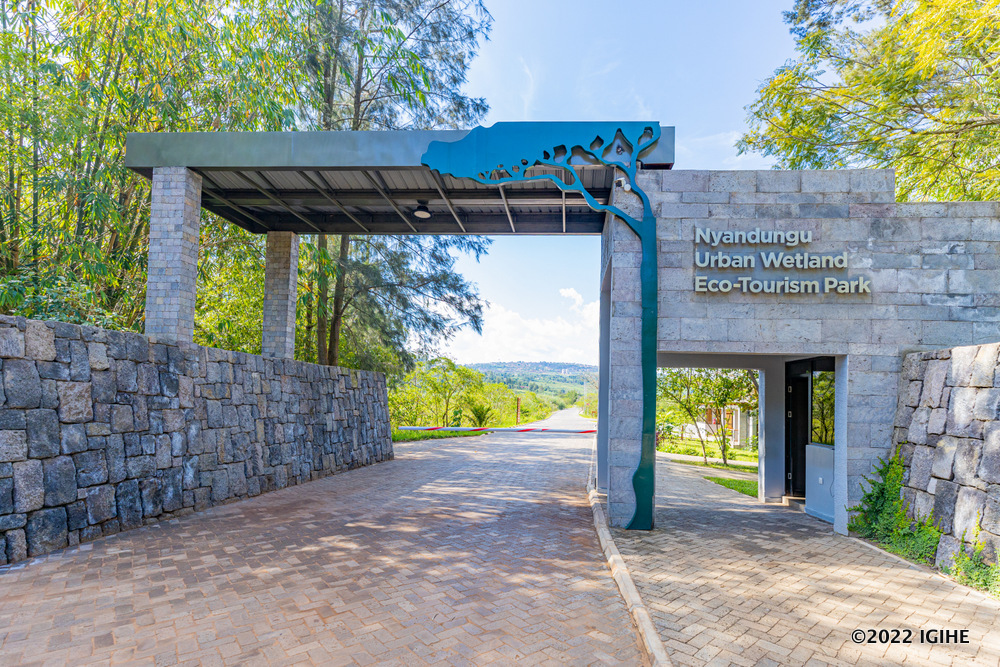
Nyandungu Eco Tourism Park stands as one of the leading examples of this vision. Once a degraded wetland, the area has been transformed into a modern eco-tourism destination attracting both residents and international visitors.
Due to its growing popularity and visitor traffic, the park continues to provide strong opportunities for investment in tourism related businesses and recreational services.
The success of Nyandungu has also gained international recognition, with the park being ranked among the top 10% of places to visit globally by TripAdvisor in 2025.
In addition to Nyandungu, several other wetlands in Kigali are currently undergoing restoration and transformation into eco-tourism attractions, biodiversity conservation spaces, and research centers. These include Gikondo, Rwampara, Nyabugogo, Rugenge Rwintare, and Kibumba wetlands.
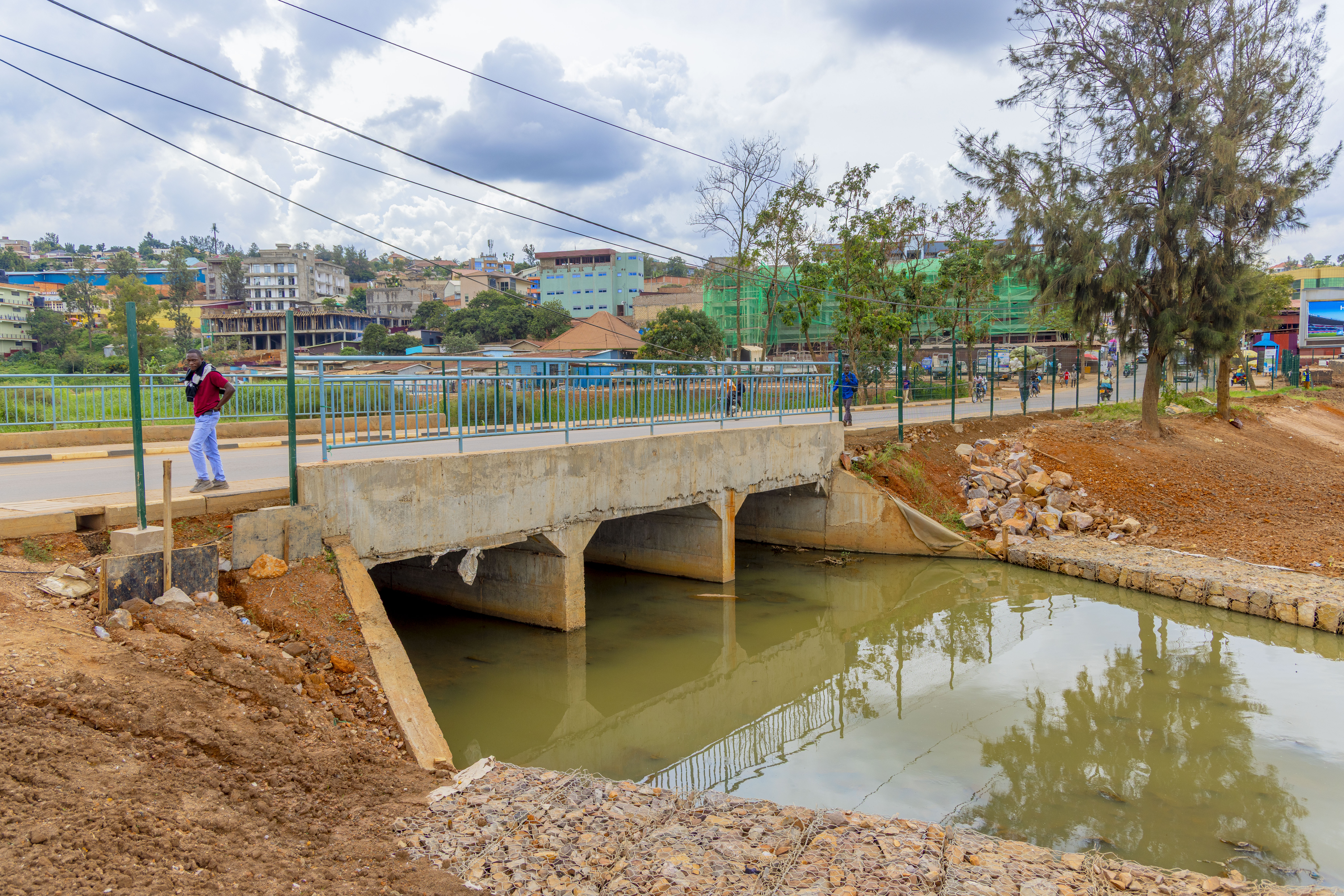
Nyandungu Eco Tourism Park has become one of Kigali’s leading eco-tourism attractions, welcoming both residents and international visitors.Wetland restoration projects across Kigali are transforming formerly degraded areas into eco-tourism and conservation spaces.The restoration of Kigali’s wetlands is contributing to both environmental protection and urban tourism development.Kigali continues to combine environmental conservation with economic opportunities through large-scale wetland restoration initiatives.
Conference and business tourism
Kigali has built a strong reputation as one of Africa’s leading destinations for international conferences, meetings, and business events.
Over the years, the city has successfully hosted numerous regional and international gatherings bringing together participants from across the world.
Some of the major international events hosted in Kigali in recent years include the Commonwealth Heads of Government Meeting (CHOGM), the Women Deliver Conference, the World Economic Forum on Africa, the International Conference on AIDS and STIs in Africa (ICASA), and the Global AI Summit on Africa, among many others.
These events continue to strengthen Kigali’s reputation as a trusted destination for global gatherings while creating increasing demand for conference related infrastructure, hospitality services, event management, transport, entertainment, and business tourism investments.
The Kigali Convention Centre remains one of the country’s most iconic landmarks and symbolizes Rwanda’s commitment to positioning Kigali as a global meetings and conference destination. Its modern design and world-class facilities continue to attract major international events and business gatherings.
The Kigali Convention Centre remains one of the country’s most iconic landmarks
Sports tourism
Sports tourism is another rapidly growing area within Kigali’s tourism sector.
The City of Kigali has continued investing in sports infrastructure and facilities aimed at promoting sports development, entertainment, and the hosting of international tournaments for both professional and amateur athletes.
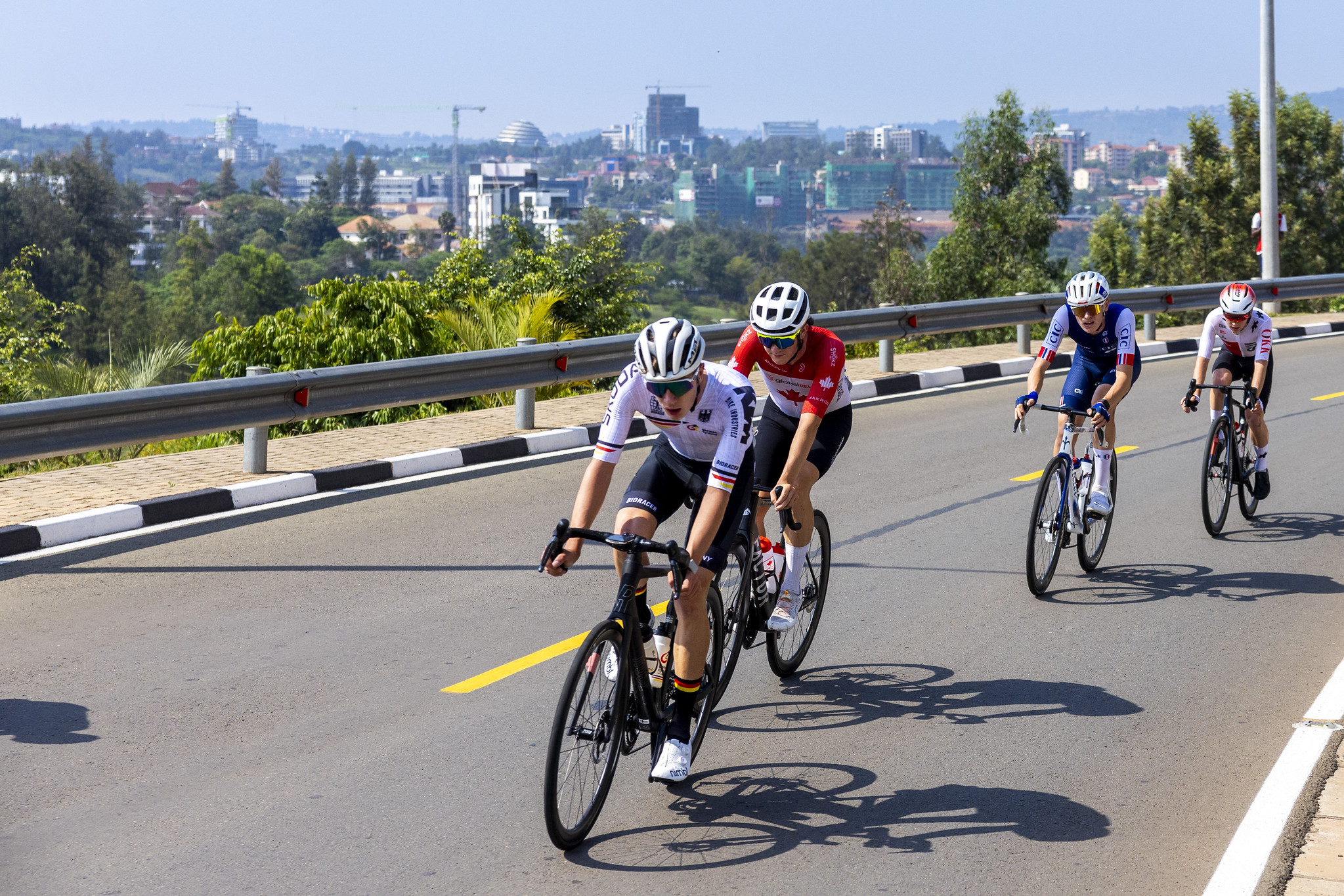
Kigali has already hosted several major international sporting events, including the FIFA Series, the Basketball Africa League (BAL), and the historic UCI Road World Championships, the first edition ever held on the African continent.
These achievements have been supported by investments in world-class facilities such as Amahoro Stadium, BK Arena, Zaria Court, and the Nyarutarama Golf Course, among others.
The continued growth of sports and entertainment activities presents strong opportunities for investors interested in sports tourism, event hosting, hospitality, recreation, and related services.
Kigali became the first African city to host the UCI Road World Championships, marking a major milestone for sports tourism on the continent.International sporting events hosted in Kigali continue to boost tourism, hospitality and entertainment opportunities across the city.
Culture and historical tourism
Culture remains one of Rwanda’s strongest tourism assets, and Kigali continues to play a central role in promoting and preserving the country’s rich cultural heritage.
Through cultural performances, creative arts initiatives, exhibitions, and entertainment events, the City of Kigali continues to create opportunities for cultural exchange and culture based tourism investments.
Key attractions such as Agaseke Women Centre and the Richard Kandt House Museum provide visitors with opportunities to explore Rwanda’s history, traditions, and cultural identity.
Kigali Cultural and Exhibition Village is another unique tourism destination offering space for cultural exhibitions, concerts, conferences, festivals, and various tourism related activities.
The Gihanga Institute of Contemporary Art (GICA), Rwanda’s first non-profit institution dedicated to contemporary art, officially opened in Kigali on December 20, 2025.
Why invest in Kigali
Kigali offers investors a safe, clean, and rapidly growing urban environment supported by investor-friendly policies and a leadership committed to sustainable development.
Rwanda has established efficient systems that simplify business registration, investment procedures, and service delivery, making it easier for investors to establish and grow their businesses.
Investors in Kigali benefit from access to a growing market, increasing consumer confidence, technological advancements, and a national vision focused on innovation and long-term development.
As the City of Kigali continues advancing sustainable urban development and strengthening its tourism sector, investors remain important partners in this journey.
For investors seeking opportunities in a growing and dynamic market, Kigali offers strong potential, particularly within the tourism sector.
Known for its safety, cleanliness and modern urban planning, Kigali is steadily emerging as a leading tourism hub in East Africa.
The May 12-14 trade show, held in the South African coastal city of Durban, brought together exhibitors, airlines, tour operators and officials from across Africa, with discussions focusing on easier visa access, tailored travel products and deeper tourism cooperation with China.
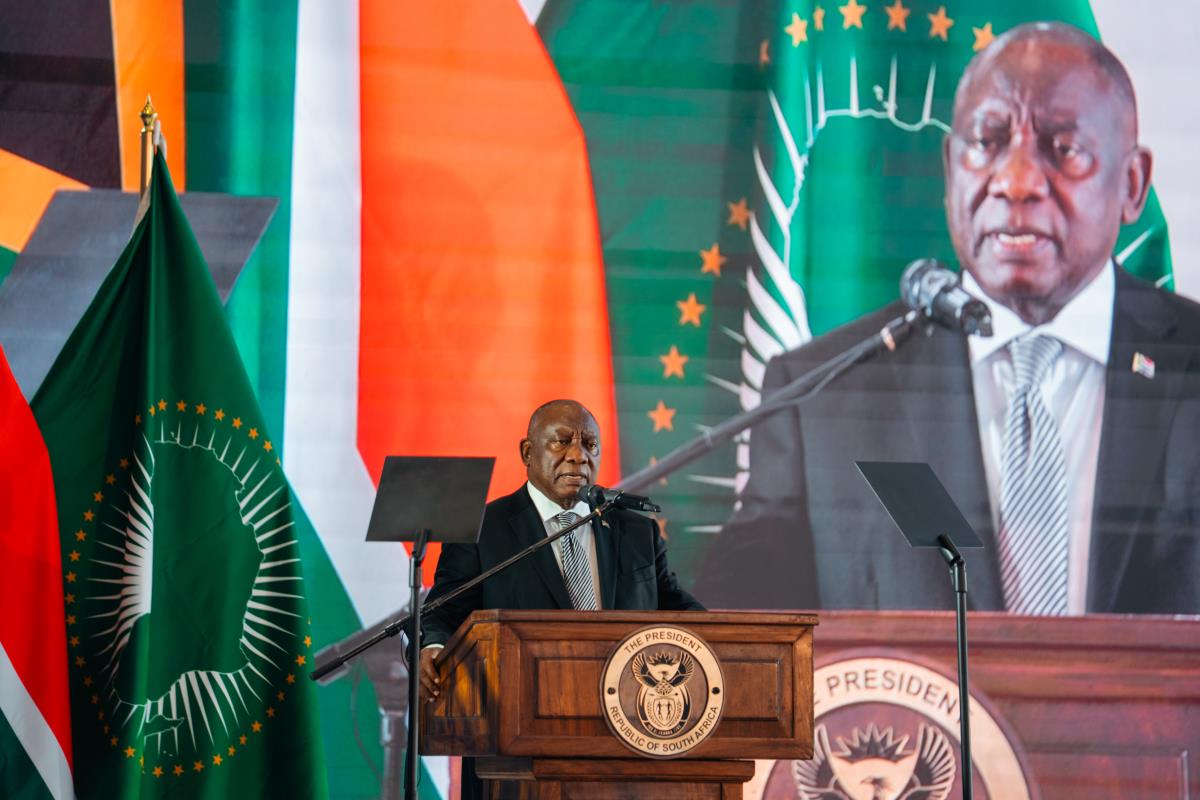
Speaking at the opening ceremony, South African President Cyril Ramaphosa described tourism as both a vibrant expression of national identity and a key driver of economic growth for African countries.
He called on African countries to improve regional connectivity and facilitate intra-African travel while expanding into international markets such as China to better harness tourism’s role in boosting the continent’s economy.
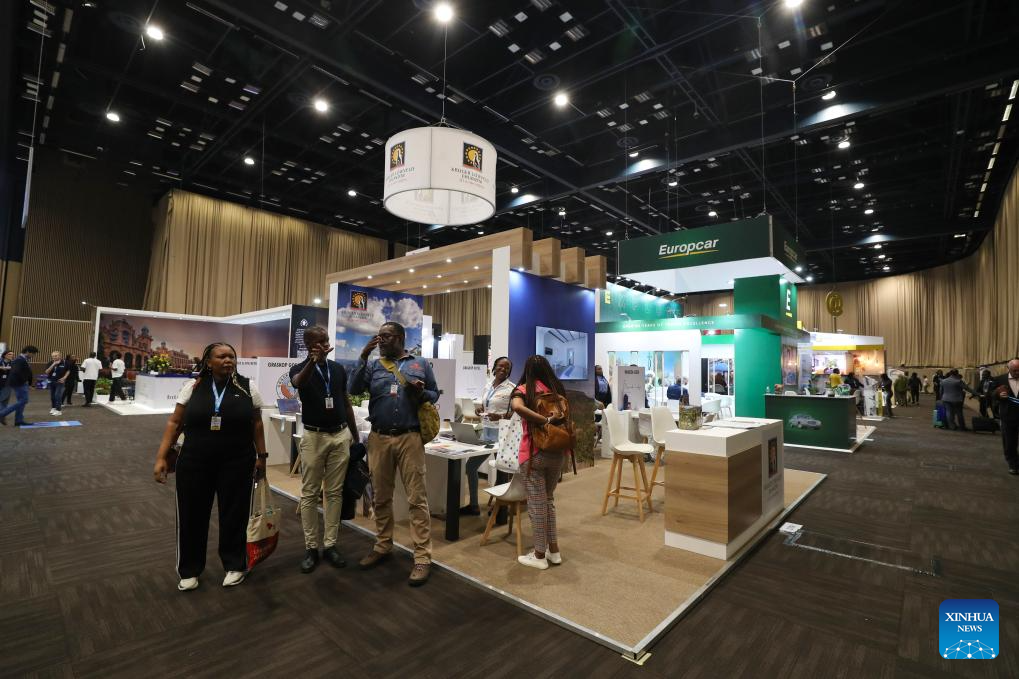
The exhibition floor featured a wide range of tourism offerings, including Rovos Rail train, international airlines, hotel chains and destination management companies. Exhibitors showcased products and services spanning local ground operations, route planning and destination promotion, creating extensive opportunities for global buyers and tourism businesses.
Held under the theme “Unlimited Africa: Growing Africa’s Tourism Economy,” this year’s Indaba attracted 1,225 exhibitors from 22 African countries and nearly 1,000 buyers from over 40 countries and regions.
At national pavilions, tourism enterprises from Namibia, Angola, Gabon, Mauritius and other African countries pitched their signature offerings, including desert adventures, rainforest ecotourism and island holidays.
Speaking to Xinhua, Mozambique’s Minister of Economy Basilio Muhate said that the country regards tourism as a key pillar of economic diversification, noting that Mozambique boasts around 2,700 km of coastline and abundant tourism resources.
“China’s outbound tourism market holds enormous potential, and we attach great importance to tourism cooperation with China,” he said.
Muhate added that Mozambique has, in recent years, explored visa facilitation measures and digital tourism platforms to attract more Chinese visitors.
Gcobani Mancotywa, regional general manager for Asia, Australasia and the Middle East at South African Tourism, told Xinhua that China remains an important source market for South Africa’s tourism sector.
He said South African Tourism has launched official accounts on major Chinese social media platforms such as Xiaohongshu, Weibo and Douyin to introduce the country’s natural scenery and cultural diversity to Chinese travelers.
Mancotywa added that South African Tourism plans to further strengthen digital marketing efforts and deepen cooperation with airlines, leading tour operators and local travel agencies to develop more customized products for Chinese tourists.
In 2025, South Africa’s Department of Home Affairs introduced visa facilitation measures, including the Trusted Tour Operator Scheme and an electronic travel authorization system, to streamline visa applications for Chinese visitors.
Data from South African Tourism shows that around 45,000 Chinese tourists visited South Africa in 2025, with the number expected to exceed 50,000 this year.
A total of 35 Chinese tourism industry representatives attended this year’s event.
Liu Yina, founder and chief executive officer of WTA Travel, a South Africa-based travel company, said Africa’s distinctive tourism resources, combining natural landscapes with rich cultural experiences, are attracting a growing number of Chinese travelers.
“Instead of simply checking off famous attractions, Chinese tourists are now seeking more immersive and unique experiences,” Liu said, noting that birdwatching tours and safari camping trips are becoming increasingly popular among Chinese travelers.
Qiu Yan, product manager for the Africa Region of Youpai Travel, a Shanghai-based travel agency, said more Chinese tourists have in recent years begun to show interest in long-haul African travel, reflecting the strong growth potential of the market.
By attending the trade show, she hopes to learn more about emerging African tourism trends and products, such as culinary tourism and shark cage diving, to create more distinctive travel experiences for Chinese tourists, Qiu said.
People visit the exhibition area of Africa’s Travel Indaba 2026 in Durban, South Africa, May 12, 2026. (Xinhua/Chen Wei)
“For many African countries, tourism is not merely a leisure industry. It is a developmental instrument through which we can grow our economies,” Ramaphosa said at the event’s opening ceremony in the coastal city of Durban.
Ramaphosa said South Africa welcomed 10.5 million international visitors in 2025, with three-quarters of arrivals coming from the Southern African Development Community (SADC) region.
He called for deeper integration of travel across Africa, saying South Africa was working with neighboring countries to advance the SADC Tourism UNIVISA, which aims to enable seamless travel across member states.
The initiative, he said, aligns with the broader goals of the African Union’s Agenda 2063 and the African Continental Free Trade Area, both aimed at promoting freer movement of people and stronger trade and investment ties across the continent.
“As we look to the future, we must continue to diversify our source markets,” Ramaphosa said, noting that South Africa is stepping up efforts to attract visitors from fast-growing markets such as China, India, Southeast Asia, Mexico and Brazil.
He added that visa reforms, including the Electronic Traveler Authorization system and the Digital Nomad Visa, are intended to make travel to South Africa “easier and more seamless.”
Africa’s Travel Indaba is an iconic African leisure trade show, owned by South African Tourism with the specific objective of creating market access for a vast array of African leisure tourism products.
This year’s three-day event, held under the theme “Unlimited Africa: Growing Africa’s Tourism Economy,” has attracted over 1,200 exhibitors from 22 African countries and nearly 1,000 buyers from 44 countries.
Ramaphosa has called for deeper integration of travel across Africa, saying South Africa was working with neighboring countries to advance the SADC Tourism UNIVISA, which aims to enable seamless travel across member states.
The park was recently listed by Tripadvisor among notable tourist attractions, further boosting its international visibility.
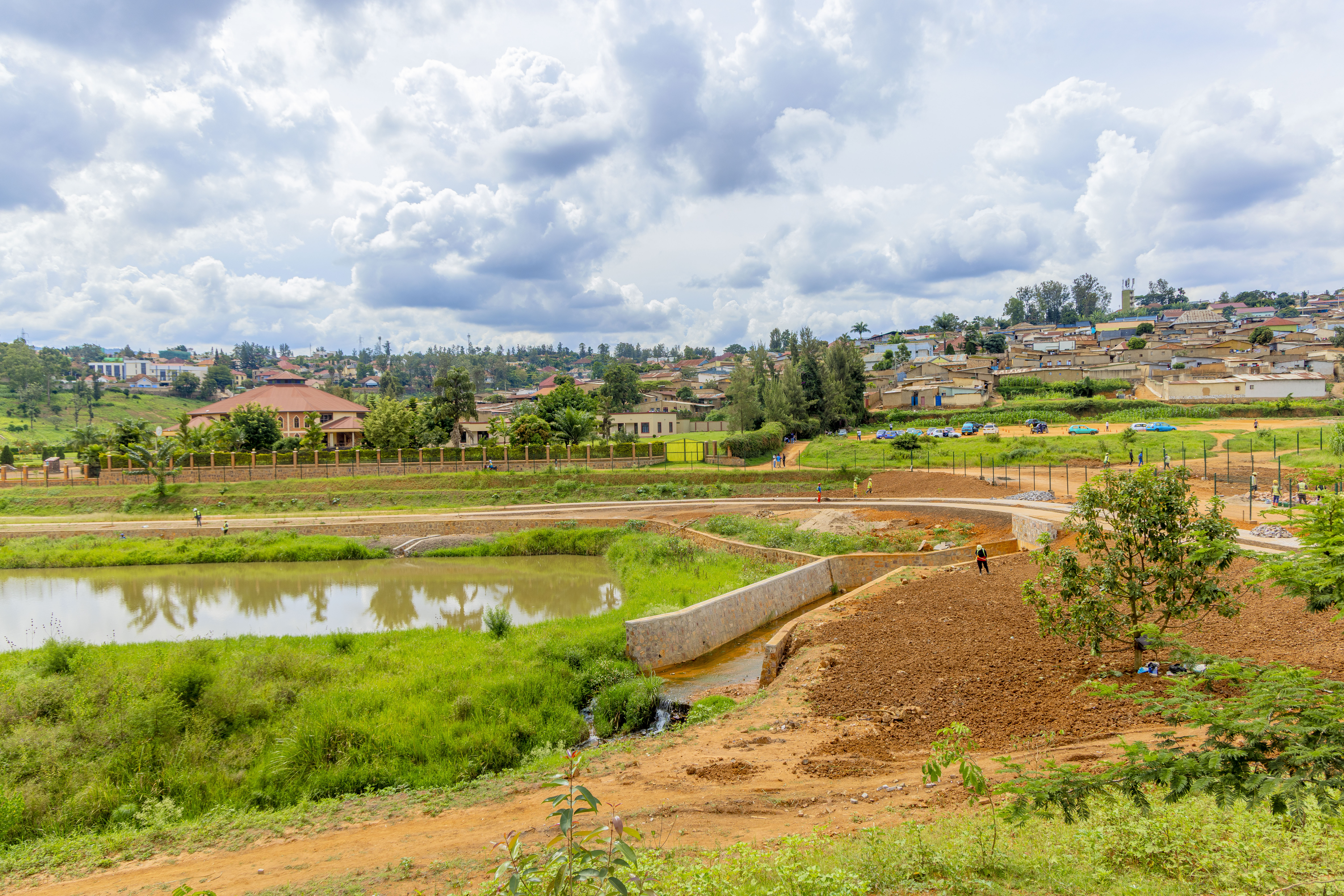
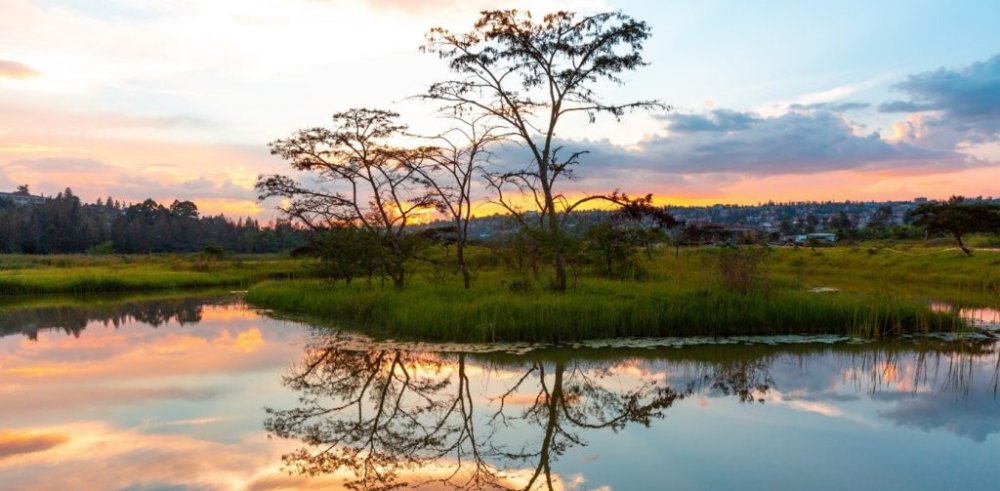
The transformation of Nyandungu began in 2016 with a project aimed at restoring the degraded Nyandungu wetland and converting it into an eco-tourism park. What was once a polluted and heavily exploited marshland has since become one of Kigali’s leading green spaces.
Before rehabilitation efforts started, the wetland had been used for farming, livestock grazing and, in some areas, as an illegal dumping site. The degradation contributed to frequent flooding caused by runoff water from surrounding hills and nearby communities.
Restoration works were completed in 2022, paving the way for the official opening of Nyandungu Eco-Tourism Park.
Today, the park covers more than 121 hectares across Ndera Sector in Gasabo District and Nyarugunga Sector in Kicukiro District. It stretches along the road linking La Palisse Hotel to Ndera.
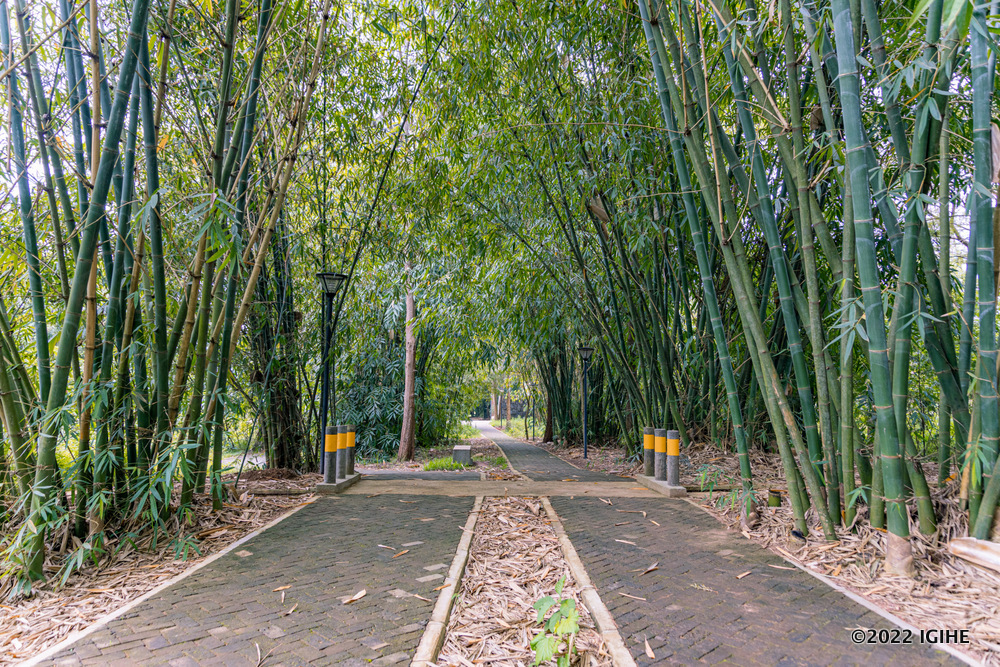
At the time of its inauguration, the park consisted of five sections. Two were dedicated to wetland restoration, featuring grasses and trees designed to naturally filter polluted water flowing into the marsh. The remaining three sections were developed for tourism and recreation, including more than 10 kilometers of walking and cycling trails.
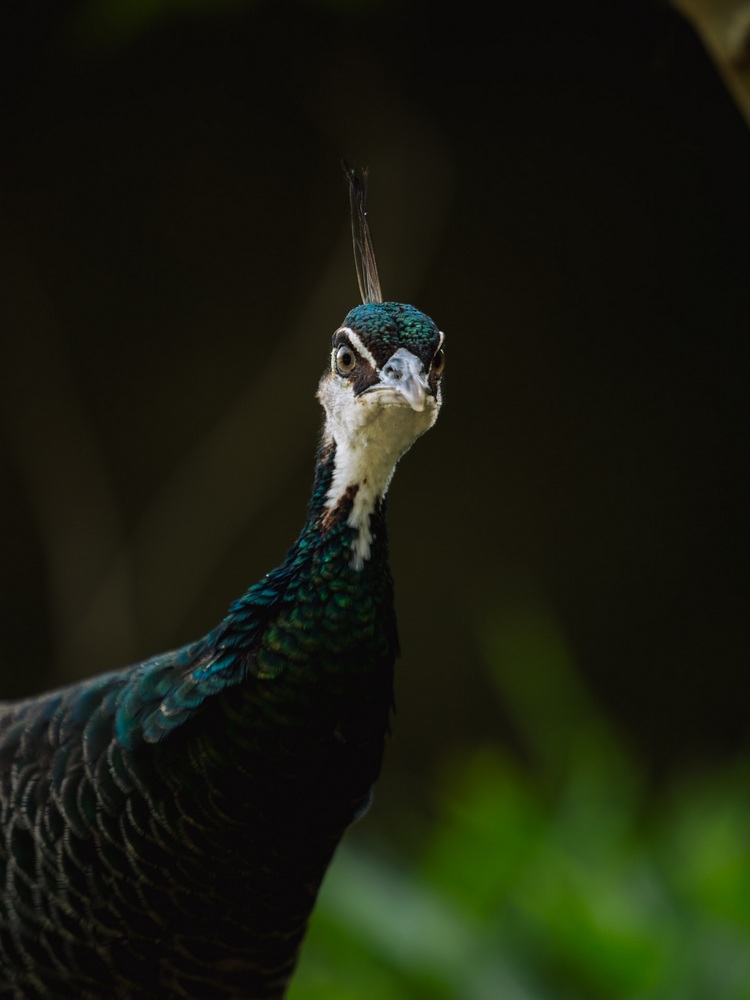
The park initially recorded 102 bird species, including crowned cranes and herons. That number has now surpassed 200 species, among them crested cranes and several other rare birds. Wildlife such as turtles, monitor lizards and mongooses have also started reappearing in the ecosystem.
Nyandungu is now home to more than 25,000 trees, up from about 17,000 during the early stages of development. Most of these are indigenous species.
Research conducted by the Regional Research Centre for Integrated Development (RCID) showed that biodiversity in the park has nearly doubled over the past two years. More than 250 plant species and around 75 bird species have been added during that period.
The number of visitors has also continued to rise steadily. In 2025, the park received more than 111,000 visitors and generated over Rwf360 million in revenue. In comparison, it welcomed more than 76,000 visitors in 2024, generating Rwf158 million.
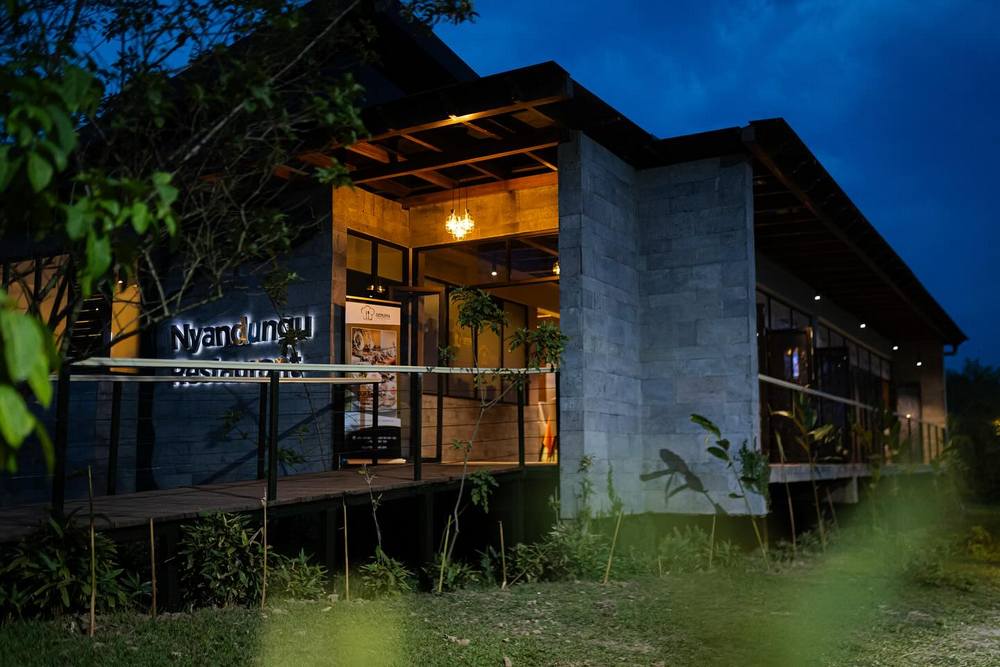
One of the park’s distinguishing features is that more than 70 percent of visitors are Rwandans, highlighting its growing popularity among local residents. Visitors are not allowed to bring outside food into the park, but there is an on-site restaurant serving meals and drinks.
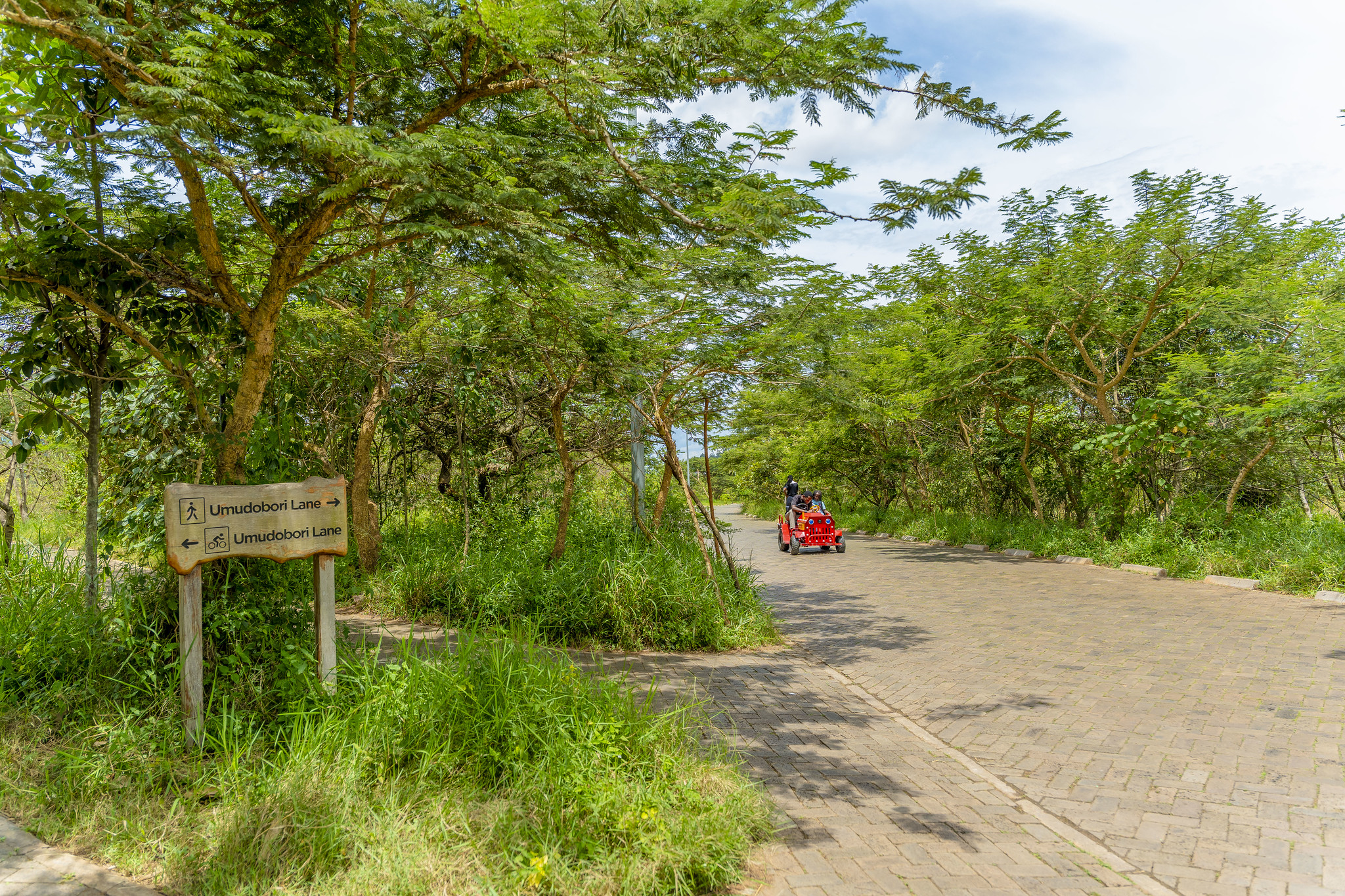
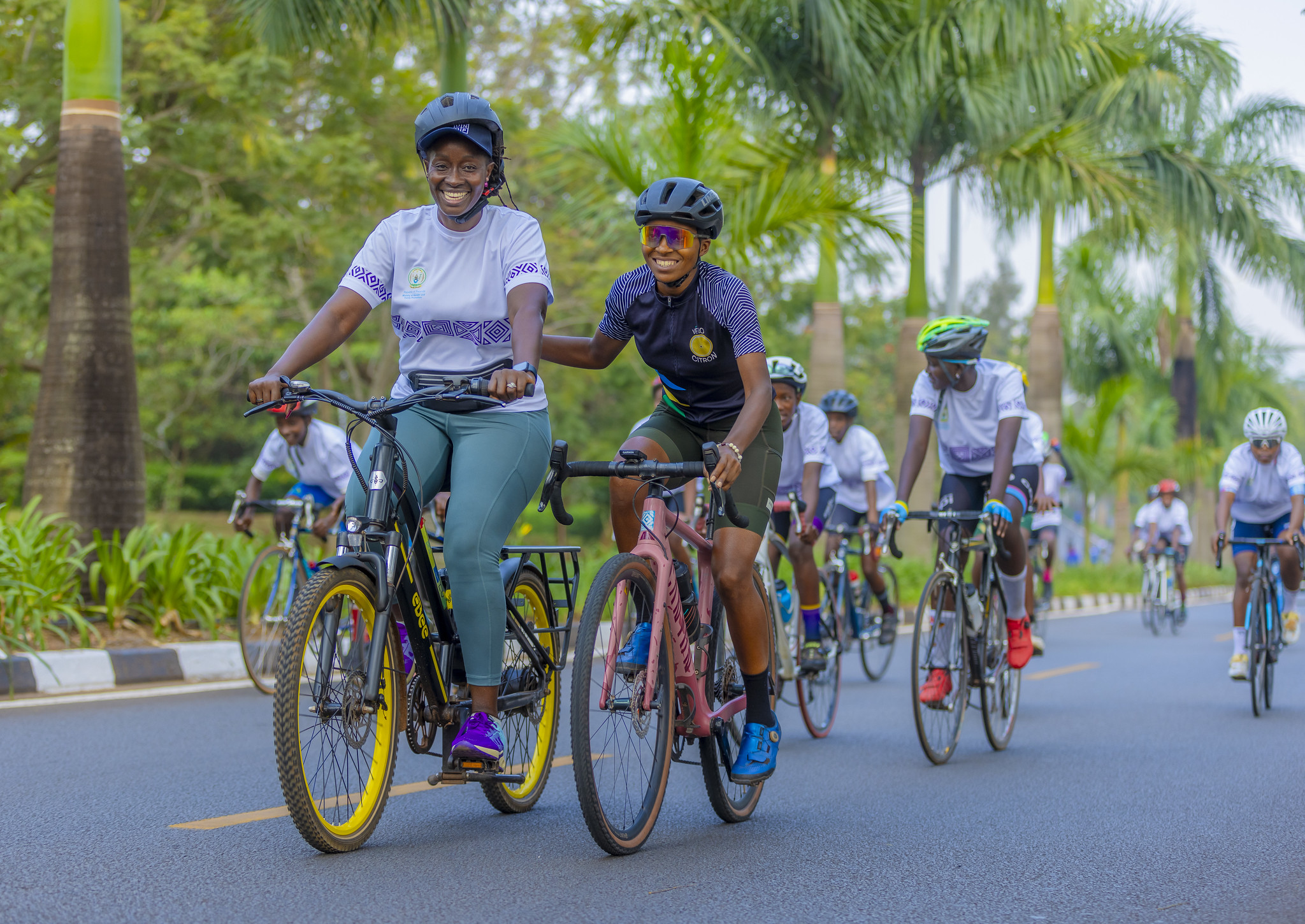
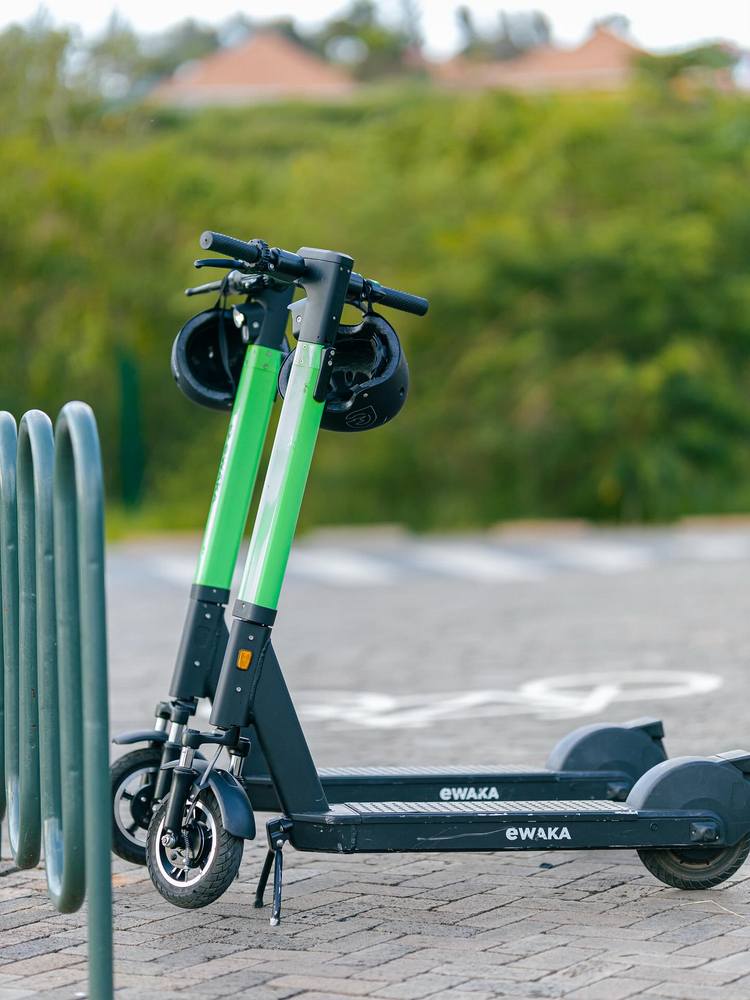
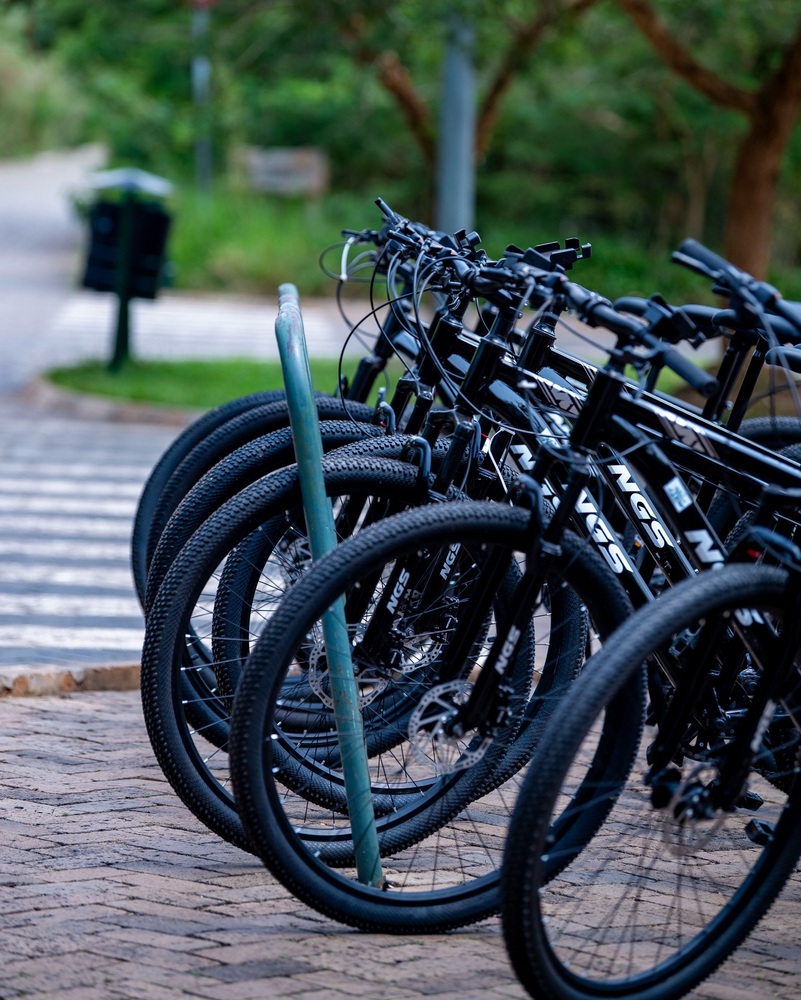
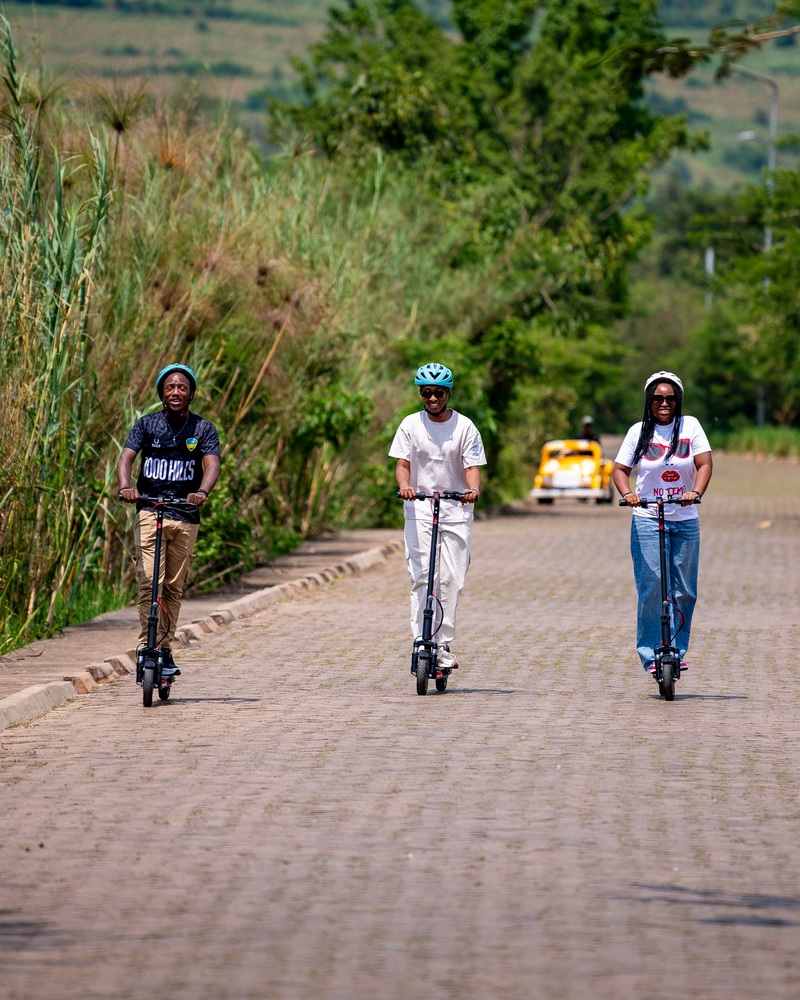
To make the experience more attractive, the park has continued introducing new recreational activities. In addition to bicycles, visitors can now use scooters and small tour vehicles.
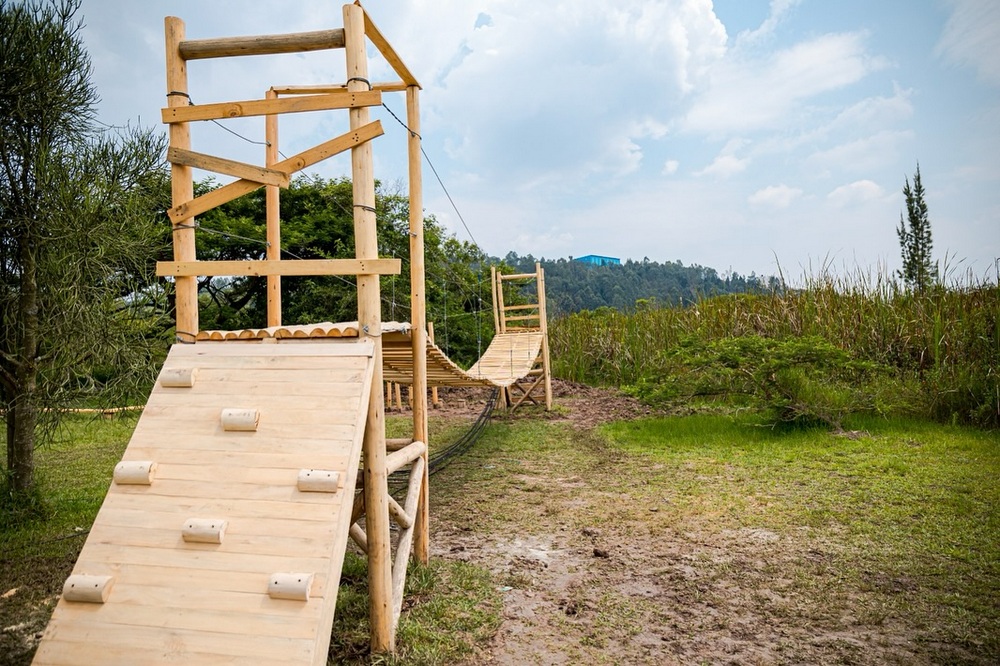
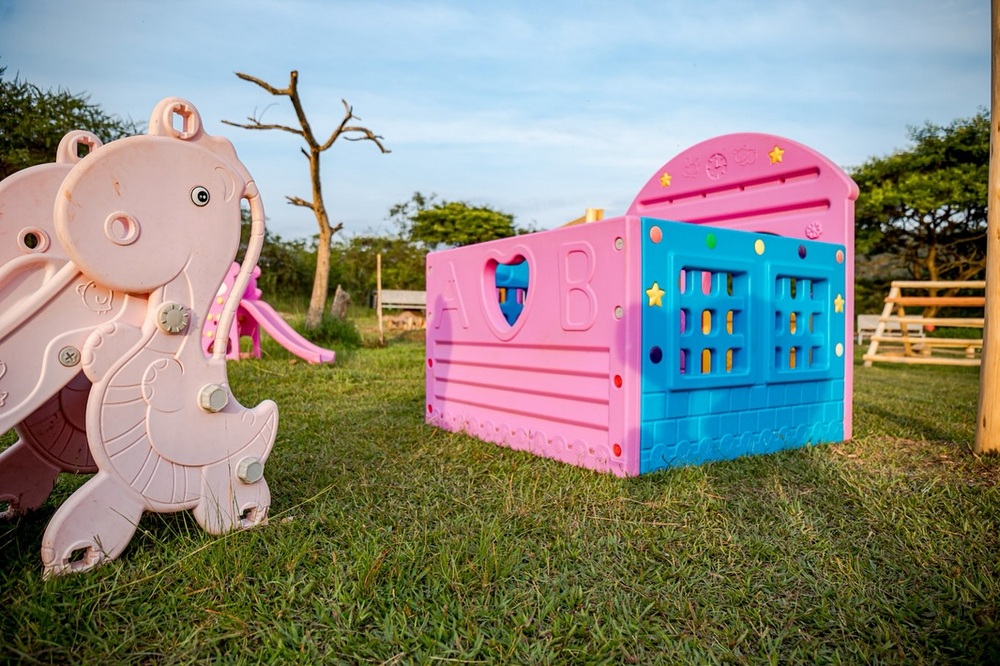
Adventure activities have also been added, including a high ropes course suspended between trees, hanging bridges, chess areas and several other leisure facilities. Children have not been left out either. The park includes playgrounds and entertainment areas designed specifically for young visitors.
Nyandungu also hosts shops selling Made-in-Rwanda products such as clothing, bags, toys and handcrafted items, including puzzle games featuring African-themed designs.
The park has further expanded into hosting environmentally friendly events through specially designed gardens and open-air venues.
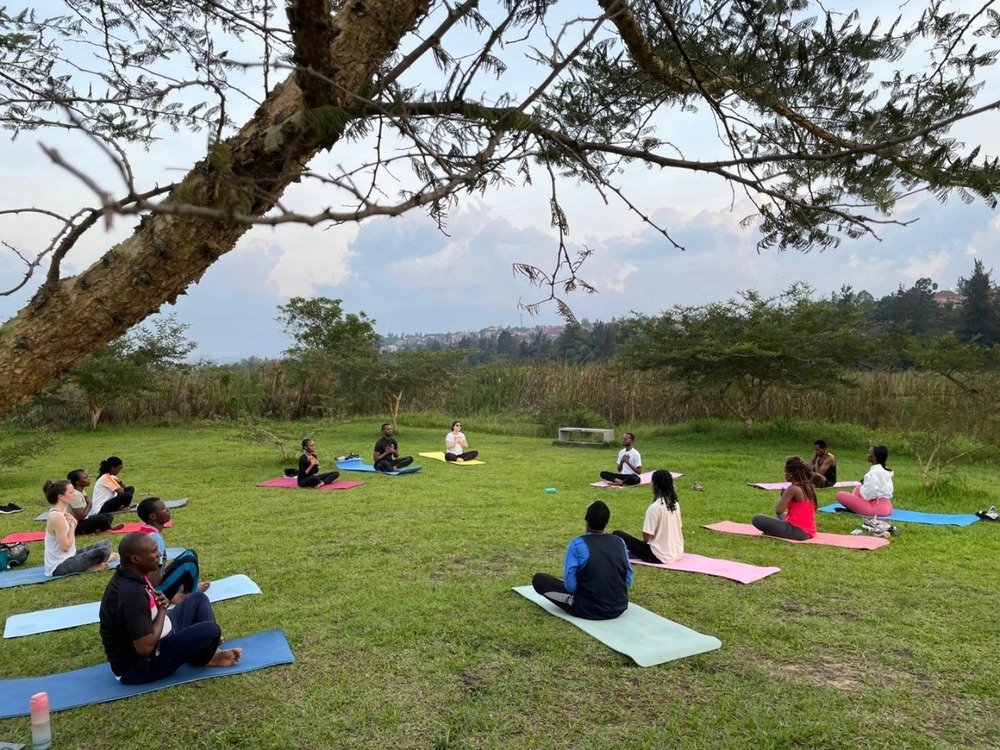
Among them is the Pope John Paul II Garden, named after Pope John Paul II, who celebrated Mass in the area during his 1990 visit to Rwanda. The site was chosen because of its capacity to accommodate large crowds. Other sections are dedicated to wellness activities such as yoga and fitness sessions.
Beyond tourism and entertainment, Nyandungu has also become a quiet retreat for many Kigali residents. Benches placed throughout the park allow visitors to sit under trees near small artificial lakes, creating a peaceful environment for reading, reflection or simply enjoying nature.
More animals and attractions planned
The Manager of Nyandungu Eco-Tourism Park, Ildephonse Kambogo, said the park’s development is still ongoing and that plans are underway to introduce additional wildlife species.
He explained that feasibility studies have already been conducted to determine which animals can adapt to the park’s environment.
“We started by conducting research to identify which animals are suitable for this park and capable of living here. We studied species such as impalas, sitatungas and other small mammals. The research was completed in April, and we are now looking at how to begin introducing them,” he said.
Kambogo added that the park management is optimistic the animals will thrive, noting that species already present in the park have adapted well and reproduced successfully.
He also revealed that new tourism activities, including a zipline and climbing wall for adventure enthusiasts, are expected to be introduced in the future.
In 2024, the Rwanda Environment Management Authority (REMA) announced plans to expand the park by an additional 43 hectares. Recent biodiversity studies show that plant species have increased significantly, rising from 258 species in 2023 to 523 species in 2025.
Wildlife species have also grown steadily. Bird species increased from 83 to over 150, reptiles rose by nine species to reach 11, fish species increased from five to seven, while mammal species rose to 13.
As Kigali continues to grow into a modern urban center, Nyandungu Eco-Tourism Park is emerging as a symbol of how environmental restoration, tourism and urban living can coexist in one of Africa’s fastest-changing cities.
The Pope John Paul II Garden at Nyandungu Eco-Tourism Park honors the late pontiff’s 1990 visit to Rwanda.Other sections are dedicated to wellness activities such as yoga and fitness sessions.Indigenous trees and restored wetlands have transformed Nyandungu into a thriving urban ecosystem in Kigali.Birdlife continues to flourish at Nyandungu Eco-Tourism Park, where more than 200 species have now been recorded.Cyclists and pedestrians explore more than 10 kilometers of recreational trails inside Nyandungu Eco-Tourism Park.Nyandungu Eco-Tourism Park continues to expand its eco-tourism offerings with plans for new wildlife species and adventure activities.Scooters and small tour vehicles have been added to improve visitor experiences at Nyandungu Eco-Tourism Park.A restored wetland at Nyandungu Eco-Tourism Park now serves as a peaceful escape for Kigali residents and tourists alike.Benches placed beneath trees offer visitors quiet spaces to read, reflect and enjoy nature within Kigali’s urban setting.A restored wetland at Nyandungu Eco-Tourism Park now serves as a peaceful escape for Kigali residents and tourists alike.Children enjoy play areas at Nyandungu Eco-Tourism Park, which has expanded its family-friendly attractions in recent years.
Under a May 2026 agreement, Rwandans can now enter Botswana visa-free for up to six months. The arrangement reflects a broader push by both governments to strengthen intra-African mobility and reduce barriers to movement.
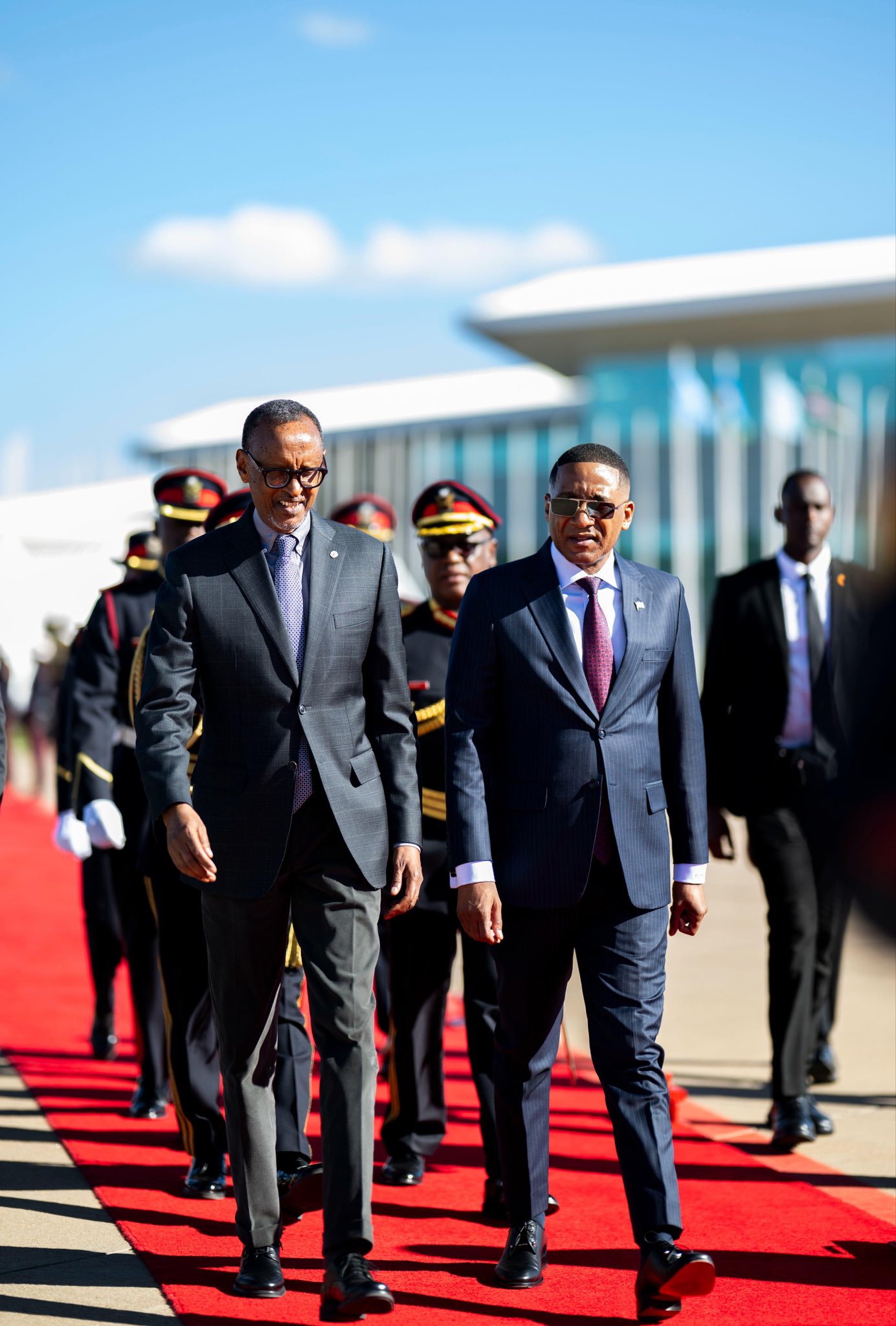
The deal is part of a wider package of six bilateral agreements signed in Gaborone during President Paul Kagame’s state visit, witnessed by President Duma Boko.
These agreements cover double taxation avoidance, visa exemptions for diplomatic, official, and national passport holders, air services cooperation, health sector collaboration, economic, trade, and investment partnerships, and institutional cooperation between the Rwanda Development Board and the Botswana Investment and Trade Centre.
The visa waiver deal is part of a wider package of six bilateral agreements signed in Gaborone during President Paul Kagame’s state visit, witnessed by President Duma Boko.
Both leaders emphasised that the partnership must move beyond diplomacy into practical outcomes that improve citizens’ livelihoods, particularly through trade, connectivity, and private sector growth.
Why Botswana matters now
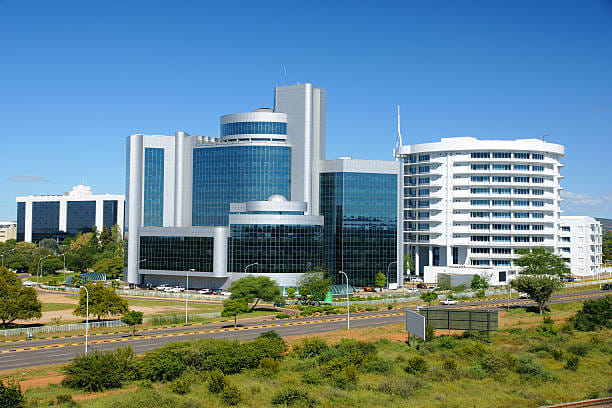
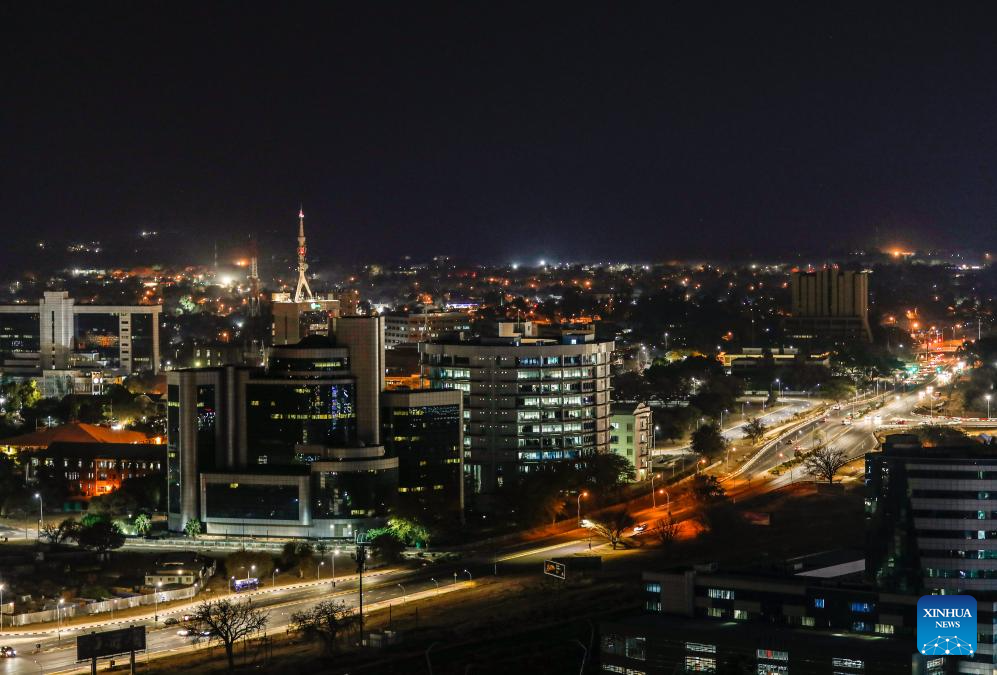
Botswana is often described as one of Africa’s most stable democracies and a model of prudent resource management, particularly in its diamond industry. Much like Kigali, its capital Gaborone City is known for being clean, safe, and steadily modernizing, with a growing tech and services sector.
Gaborone is the capital and largest city of Botswana.
With the new visa waiver, Rwandan travelers can now more easily explore a country that combines high-end eco-tourism with vast, untouched wilderness.
Natural wonders worth exploring
Botswana’s landscapes are among the most striking in Africa, offering experiences that range from wetland safaris to desert plains.
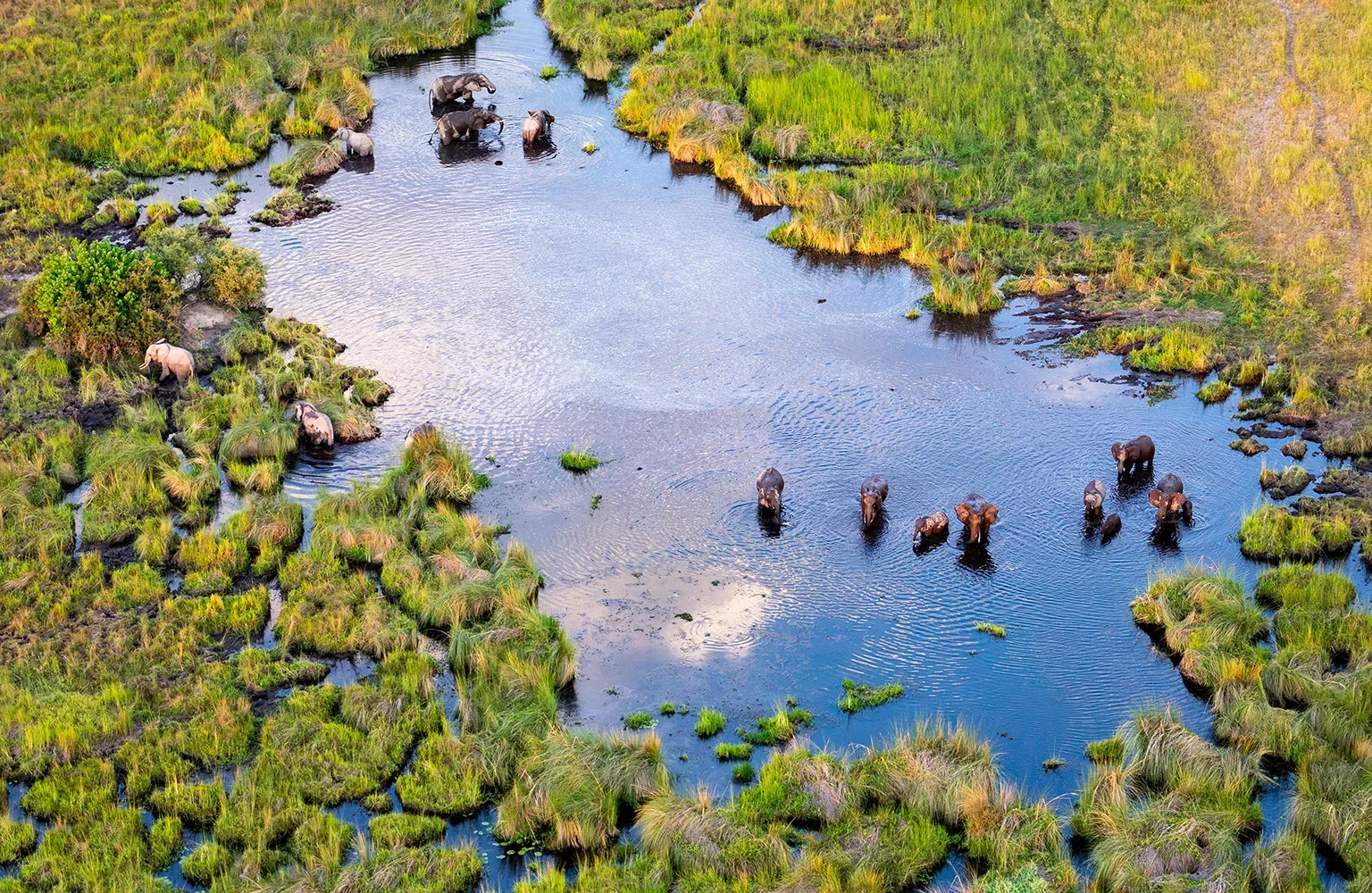
One of the country’s crown jewels is Okavango Delta, a UNESCO World Heritage Site and the world’s largest inland delta, where water flows into the Kalahari Desert rather than the sea. Visitors can glide through waterways in a traditional mokoro canoe, spot elephants, hippos, cheetahs, and endangered rhinos, and experience one of Africa’s most unique wetland ecosystems.
The Okavango Delta lies in the far north of Botswana, in the Ngamiland District, roughly 1,000 km north of the country’s capital, Gaborone.
Near Kasane, Chobe National Park is famous for hosting one of the largest elephant populations in the world, estimated at around 130,000. Visitors often experience river safaris along the Chobe River, watching elephants swim and gather along the banks, and the area sits close to the “Four Corners” region where Botswana, Namibia, Zambia, and Zimbabwe meet.
Makgadikgadi Pans National Park offers a surreal, lunar-like environment made of vast salt flats. In the dry season it becomes a brilliant white desert, while in the wet season it transforms into wetlands that attract large zebra and flamingo migrations. It is also one of the best stargazing locations in Africa due to almost zero light pollution.
Known as the “Louvre of the Desert,” Tsodilo Hills contains more than 4,500 ancient rock paintings created by the San people, some of which date back thousands of years, offering a deep historical and spiritual insight into the region’s earliest inhabitants.
Key gateway cities
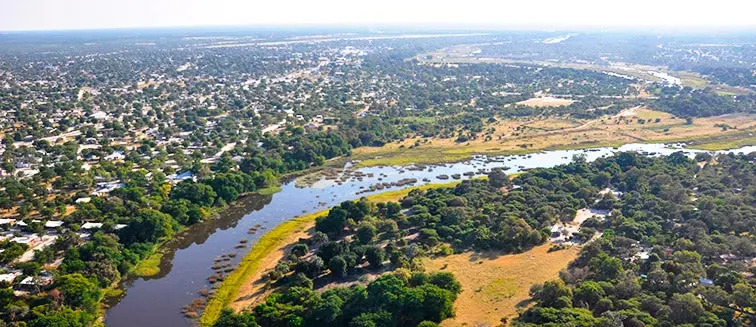
For travellers entering Botswana, two towns often serve as key entry points. Maun is the main launch point for safaris into the Okavango Delta and is widely regarded as the country’s tourism capital. Francistown is one of the oldest urban centres in Botswana and serves as an important commercial hub near the Zimbabwe border.
Maun is known as the “gateway to the Okavango Delta” and serves as the primary tourism hub and staging point for travellers visiting this UNESCO World Heritage site.
Culture, people, and everyday life
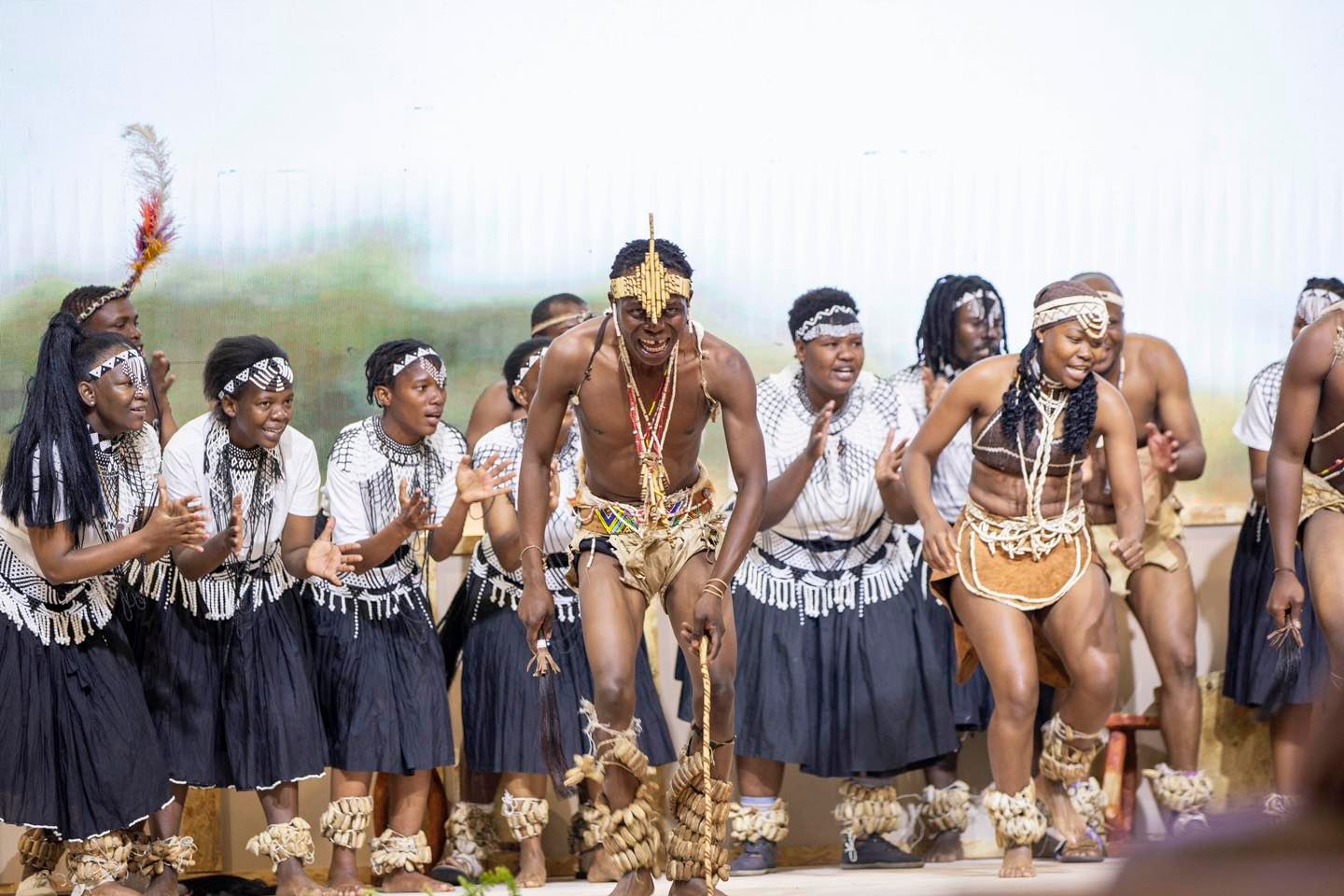
Botswana’s people, known as Batswana (singular: Motswana), speak Setswana alongside English, which is widely used in government and business. The national currency is the Pula, meaning “rain,” a reflection of how precious water is in this semi-arid country.
The Botswana cultural dance performance.
Cuisine includes Seswaa, a traditional meat dish made from beef or goat that is slow-cooked and pounded until tender, often served with bogobe, a thick porridge similar in texture to Rwanda’s traditional staples. Geographically, Botswana is roughly the size of France but has a population of only about 2.4 million people, making it one of the most sparsely populated countries in the world.
A partnership beyond borders
The visa waiver is part of a broader strategic shift between Rwanda and Botswana toward deeper integration. During recent talks in Gaborone, both Presidents emphasized that success will be measured not only in agreements signed but in real improvements in trade, investment flows, air connectivity, and citizens’ mobility.
As Botswana opens its doors wider to Rwandan travelers, it presents a rare combination of wilderness, stability, and cultural depth, offering a new frontier for tourism and exchange in Southern Africa.
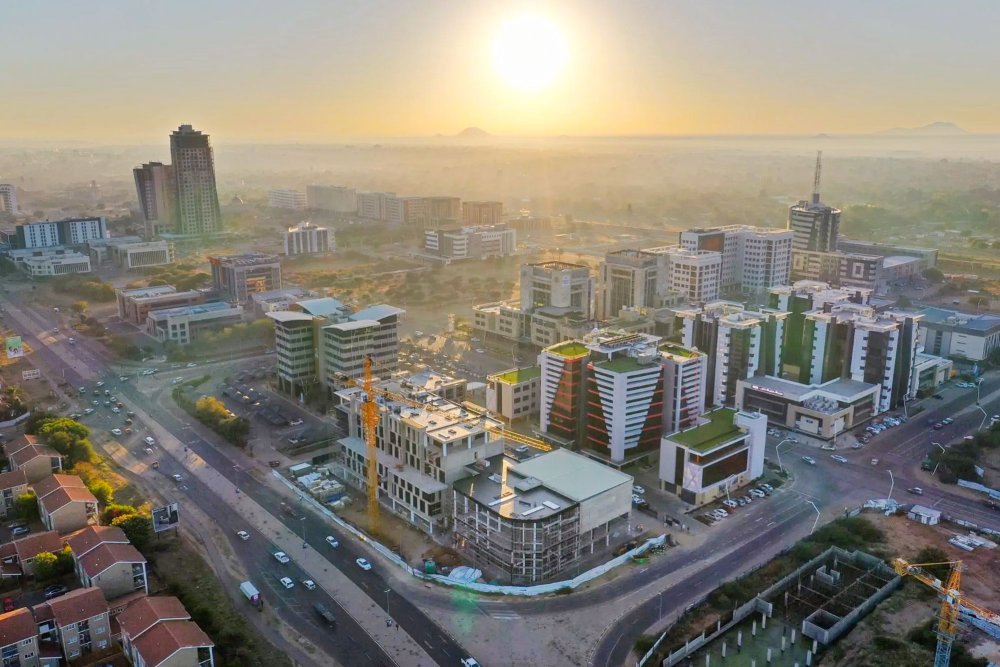
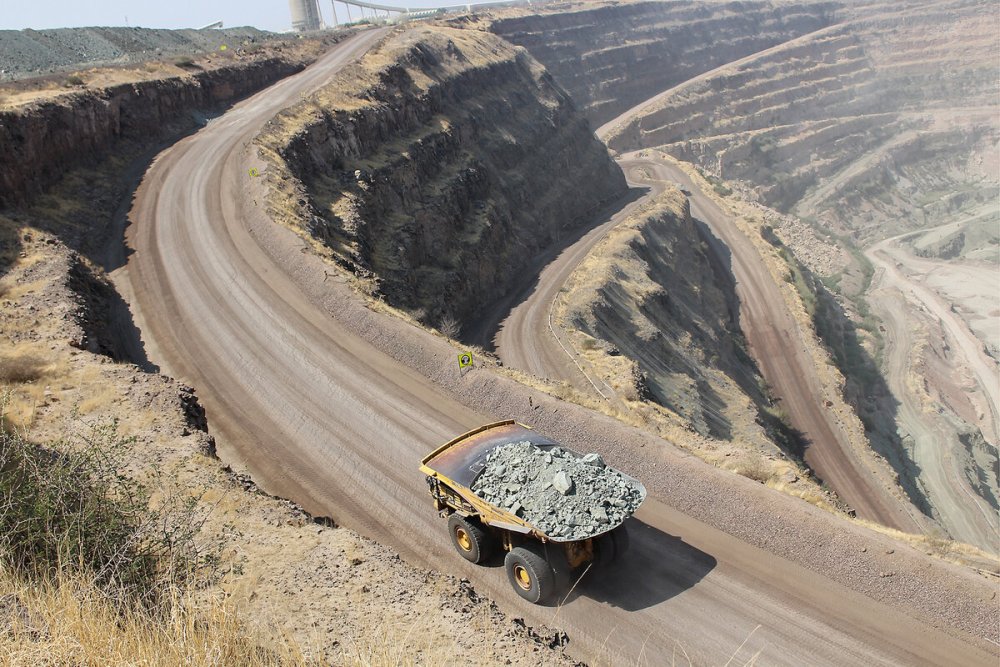
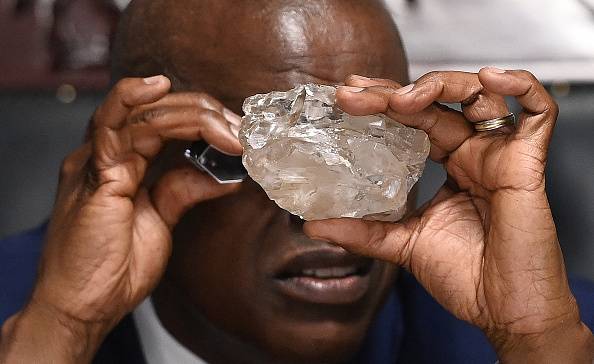
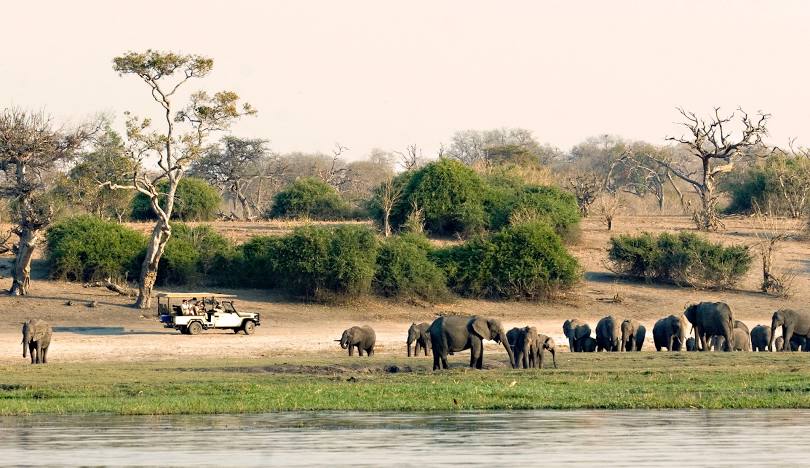
This photo taken on Sept. 10, 2023 shows a night view of Gaborone, Botswana. As the capital of the Republic of Botswana, Gaborone is located on the southeastern border of the country, with a population of over 200,000.The City of Gaborone.Diamonds continue to account for roughly 80% of Botswana’s total export earnings.Former Botswana President Mokgweetsi Masisi looks at a large diamond discovered in Botswana at his office in Gaborone on August 22, 2024. The 2492 carat diamond was discovered in the Karowe mine in Botswana of Lucara Diamond Company.Botswana holds the largest elephant population in Africa. Home to an estimated 130,000 bush elephants, roughly one-third of the continent’s total, the country features a ratio of approximately one elephant for every 15 people.
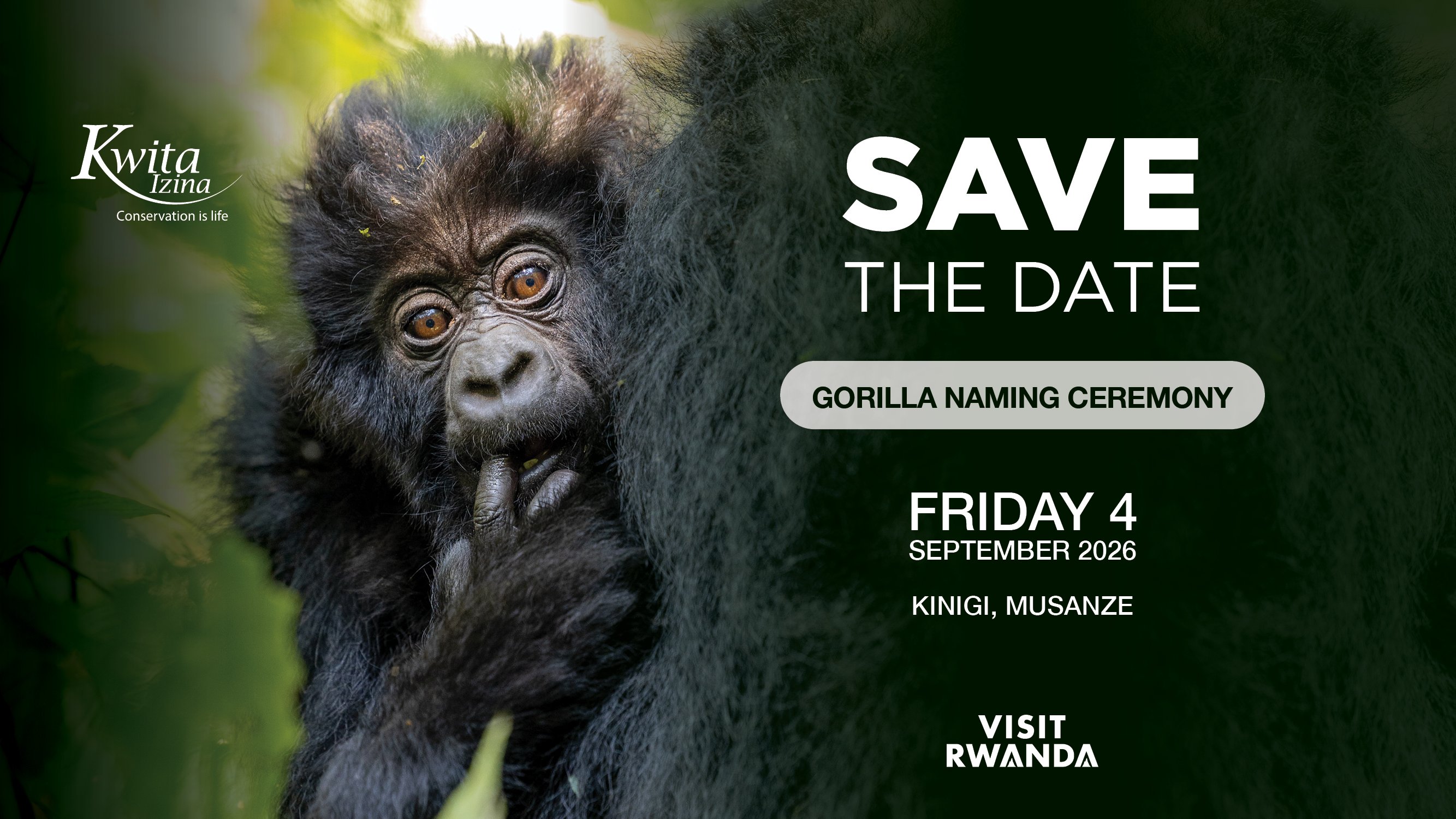
As is tradition, the 21st edition of the ceremony will take place in Kinigi Sector, Musanze District, at the foothills of Volcanoes National Park.
“Join us in Kinigi, @MusanzeDistrict for the 21st @KwitaIzina, Rwanda’s annual baby gorilla naming ceremony, celebrating community-centred conservation and the collective responsibility to protect mountain gorillas and their habitat at @VolcanoesPark,” RDB said in a post on X on Monday, May 4, 2026.
The 20th edition of Kwita Izina took place on September 5, 2025, during which 40 baby gorillas from 15 families were named.
Prime Minister Dr Justin Nsengiyumva served as the guest of honour at the ceremony, which was also attended by several high-level dignitaries, including First Lady Jeannette Kagame.
In his address, PM Nsengiyumva highlighted the global significance of the event:
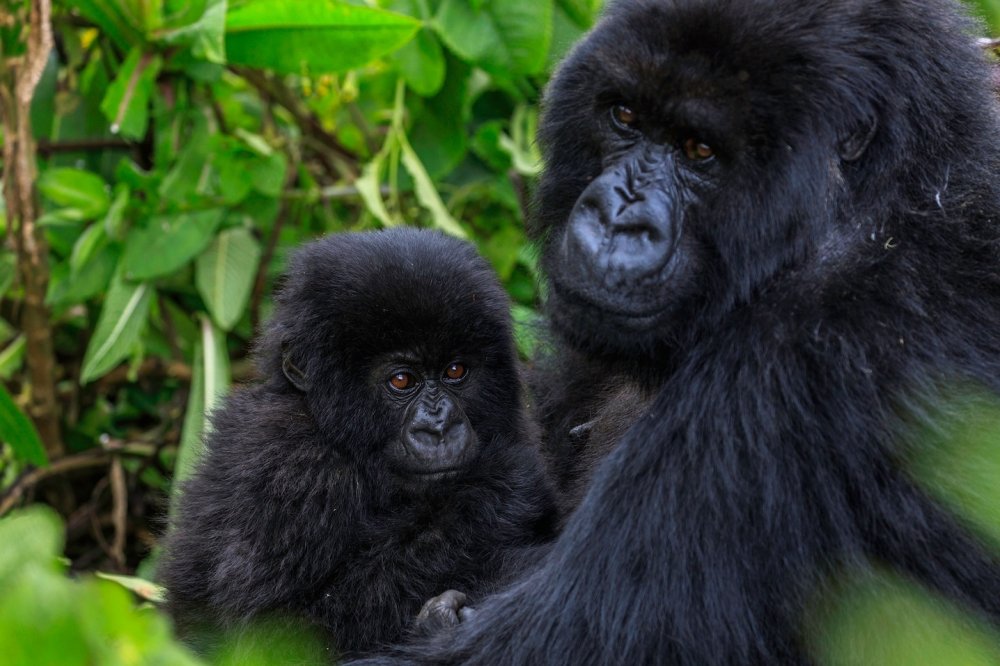
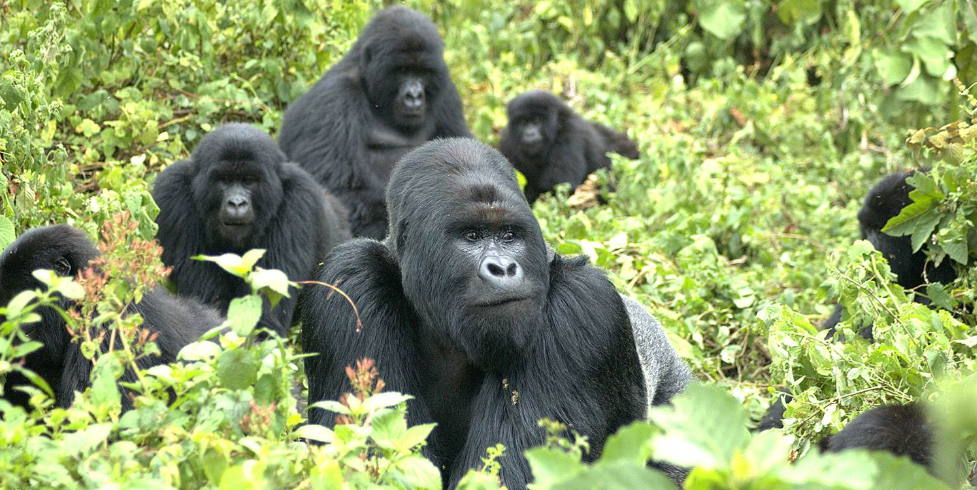
“Thanks to the leadership of Rwanda, the dedication of conservationists, and the commitment of our communities, mountain gorillas have come back from the brink. Today, there are over a thousand mountain gorillas worldwide, including more than 600 in the Virunga Massif,” he said.
The Prime Minister also affirmed a bold plan to expand Volcanoes National Park by nearly 25%, ensuring future generations of gorillas have secure habitats while simultaneously improving local livelihoods.
Since its launch in 2005, Kwita Izina has become a flagship conservation event, with 435 baby gorillas named to date.
Tourism revenues continued to grow in 2025, reaching $685 million, up from $647 million in 2024, representing a 6 percent increase.
Visitor arrivals also rose by 9 percent to 1.49 million, with a significant share visiting Volcanoes National Park, known for gorilla trekking, as well as other national parks.
Gorilla trekking permits are priced at $1,500 for foreign non-residents. Reduced rates of $500 apply to foreign residents living in Rwanda, other African nationals, and foreigners residing elsewhere in Africa. Citizens of Rwanda and the East African Community (EAC) qualify for the lowest rate of $200.
Total park revenue surged to $40.8 million, with the renowned Volcanoes National Park serving as the primary economic engine by contributing $35.8 million.
Beyond the mountain gorillas, the country successfully diversified its offerings, leading to a 22.8% growth in visitation to Nyungwe National Park, according to the 2025 annual report released by the Rwanda Development Board (RDB) this week. This surge was boosted by the debut of the Nyungwe Zipline, which, at 1,935 meters, is now recognized as one of the longest in Africa.
The hospitality sector complemented this growth with the launch of premier properties such as Bisate Reserve, Magashi Peninsula, and Munazi Eco Lodge, helping to drive total visitor arrivals to 1.49 million. While international air travel to the country grew by 23%, the EAC and DRC remained the strongest source markets for visitors.
The 20th anniversary of Kwita Izina saw 40 baby gorillas named, bringing the total number of names given since the program’s inception to 397.
Conservation efforts in 2025 were highlighted by the Rhino Rewild Initiative, which saw the successful translocation of 70 southern White rhinos from South Africa to Akagera National Park. This initiative was mirrored by the 20th anniversary of Kwita Izina, where 40 baby gorillas were named, bringing the total number of names given since the program’s inception to 397.
Looking forward, the approval of the Rwanda Wildlife Conservation Master Plan sets a bold target to protect 12% of Rwanda’s land area by 2050. These conservation successes are being shared directly with the population through the Tourism Revenue Sharing Programme, which reinvested Rwf 4.7 billion into 82 community projects during the 2024-2025 cycle, with an increased commitment of Rwf 5.2 billion slated for the following year.
Total park revenue surged to $40.8 million (approximately Rwf 59.4 billion) in 2025.
The economic impact of the sector was further amplified by Rwanda’s rise as a hub for sports and international gatherings. The MICE sector generated $94.7 million in 2025, a growth of 11.8% bolstered by major events like the first-ever UCI Road World Championships held in Africa.
Domestically, there was also a notable shift in engagement, as park visits by Rwandan residents rose by 8.1% to nearly 60,000 visitors, while total domestic tourism revenue increased by 3.5% to reach $821,093. This holistic growth across luxury, community, and domestic segments underscores a robust and sustainable future for the “Land of a Thousand Hills.”
The RDB report published on Tuesday, April 28, indicates that the performance reflects resilient demand despite global uncertainties, supported by strong air travel activity and the continued diversification of tourism products.
Gorilla tourism remained the sector’s leading revenue contributor, increasing by 7 per cent to $248 million (Rwf 361.3 billion), further strengthening its position as Rwanda’s flagship high-value tourism product.
The visiting friends and relatives (VFR) segment recorded strong growth of 19 per cent, reaching $180 million (Rwf 262.2 billion), driven by increased regional travel and diaspora visits. Education-related travel also expanded by 17 per cent to $ 64 million (Rwf 93.2 billion), while business travel remained broadly stable at $112 million (Rwf 163.2 billion), the RDB report indicates.
Overall, tourism growth was largely underpinned by air travel revenues, which rose by 9 per cent to $594 million (Rwf 865.4 billion), reflecting improved connectivity and sustained international demand.
Visitor arrivals rise to 1.49 million
According to the RDB data, Rwanda welcomed 1.49 million visitors in 2025, up from 1.36 million in 2024, representing a 9 per cent increase in arrivals. The report attributes the growth mainly to air travel, with air arrivals rising by 23 per cent, while road arrivals increased by 5 per cent, highlighting Rwanda’s continued regional appeal.
Visitor inflows were led by East African Community (EAC) countries and the Democratic Republic of Congo, while arrivals from Europe, North America, Asia, and other African markets continued to expand. Business travel remained the largest segment of arrivals, alongside notable growth in health and education-related travel, reinforcing Rwanda’s positioning as a diversified, year-round destination.
National parks record growth and new attractions
RDB data shows that Rwanda’s national parks recorded 155,394 visits in 2025, a 3.2 per cent increase compared to 2024, supported by a 15 per cent rise in domestic visitation. Park revenues increased by 5.2 per cent to $40.8 million (Rwf 59.4 billion). Volcanoes National Park remained the leading revenue driver, generating $35.8 million (Rwf 52.2 billion), accounting for 87.7 per cent of total park revenues, the report states.
Nyungwe National Park recorded the fastest growth in visitation at 22.8 per cent, driven by new tourism products including a zipline and rope course, which attracted over 6,000 visitors within six months of launch, according to RDB.
Akagera National Park experienced a moderation in visitation following strong previous performance but continued to play a key role in Rwanda’s conservation and wildlife tourism offering, according to RDB.
Domestic tourism continues to expand
The new report indicates that domestic tourism revenues increased by 3.5 per cent to $821,093 (Rwf 1.2 billion) in 2025, while domestic park visits rose by 8.1 per cent to 59,270. Akagera National Park led domestic visitation with 32,932 visitors, followed by Nyungwe with 18,515 and Volcanoes National Park with 7,699 visitors. Gishwati–Mukura National Park continued to serve a niche domestic market.
On the revenue side, Volcanoes National Park generated the highest domestic tourism income at $306,263 (Rwf 446.2 million), followed by Akagera with $278,325 (Rwf 405.5 million) and Nyungwe with $234,337 (Rwf 341.4 million).
Rwanda also expanded its tourism offering through new investments, including Bisate Reserve in Volcanoes National Park, Magashi Peninsula in Akagera, and Munazi Eco Lodge in Nyungwe. Kigali’s hospitality sector also grew with new high-end hotels such as Mövenpick Hotel Kigali, The Pinnacle Kigali, and Zaria Court Kigali.
Tourists visit Akagera National Park. Rwanda’s tourism sector recorded steady growth in 2025, generating $685 million (about Rwf 997.9 billion) in revenue, a 6 per cent increase compared to 2024.Gorilla tourism remained the sector’s leading revenue contributor, increasing by 7 per cent to $248 million (Rwf 361.3 billion), further strengthening its position as Rwanda’s flagship high-value tourism product.
The Health and Wellness Trade Meet 2026, held on Thursday, brought together 69 Thai health and wellness operators, 74 international buyers, and 24 overseas media and influencers, aiming to reinforce Thailand’s position as a premier global destination for health, medical, and holistic wellness tourism.
Hosted by the TAT, the one-day trade meeting was designed to create opportunities and expand networks into international markets, facilitating over 1,632 business appointments and generating an estimated economic circulation of over 929.62 million baht (about 28.65 million U.S. dollars).
Speaking at the event, TAT Governor Thapanee Kiatphaibool highlighted that health and wellness have become major driving forces for lifestyle, travel, and investment.
According to the Global Wellness Institute, the global wellness economy was valued at approximately 6.8 trillion dollars in 2024 and is projected to expand to nearly 7.9 trillion dollars in 2026, reflecting a clear transition into an era of proactive healthcare.
Thapanee said Thailand represents one of the fastest-growing wellness economies worldwide, with a valuation exceeding 42.7 billion dollars in 2024 and a growth rate of over 10 percent compared to the previous year.
Furthermore, the Southeast Asian country’s wellness tourism experienced remarkable growth, surging by 36.4 percent year-on-year, nearly three times the global average, and reaching a value of 14 billion dollars, she noted.
“This demonstrates strong confidence in Thailand’s health and wellness potential, encompassing traditional wisdom, natural resources, modern medicine, and exceptional service, further strengthening its ambition to become a global hub for health and rehabilitation,” she added.
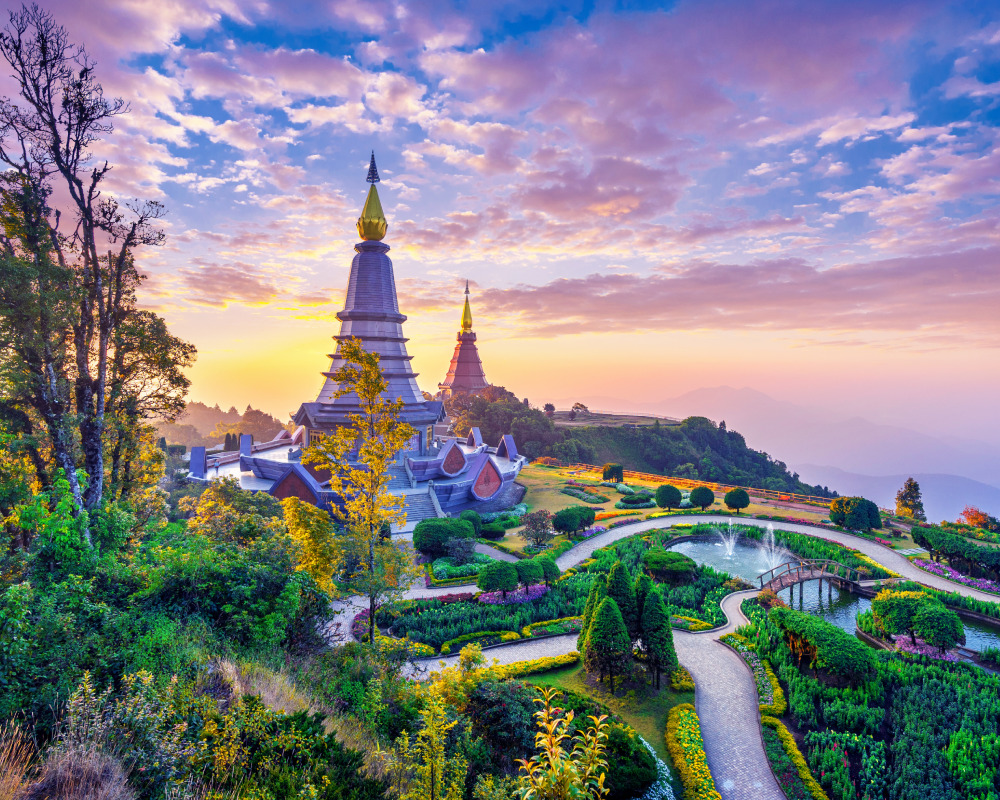
Thailand is a Southeast Asian country known for tropical beaches, opulent royal palaces, ancient ruins and ornate temples displaying figures of Buddha.