Yet, within the global Meetings, Incentives, Conferences, and Exhibitions (MICE) landscape, a persistent glass ceiling exists for regional standouts. Dominating continental rankings is one thing; competing directly with global heavyweights like Tokyo, Berlin, Dubai, and Copenhagen for rotating world congresses is another entirely.
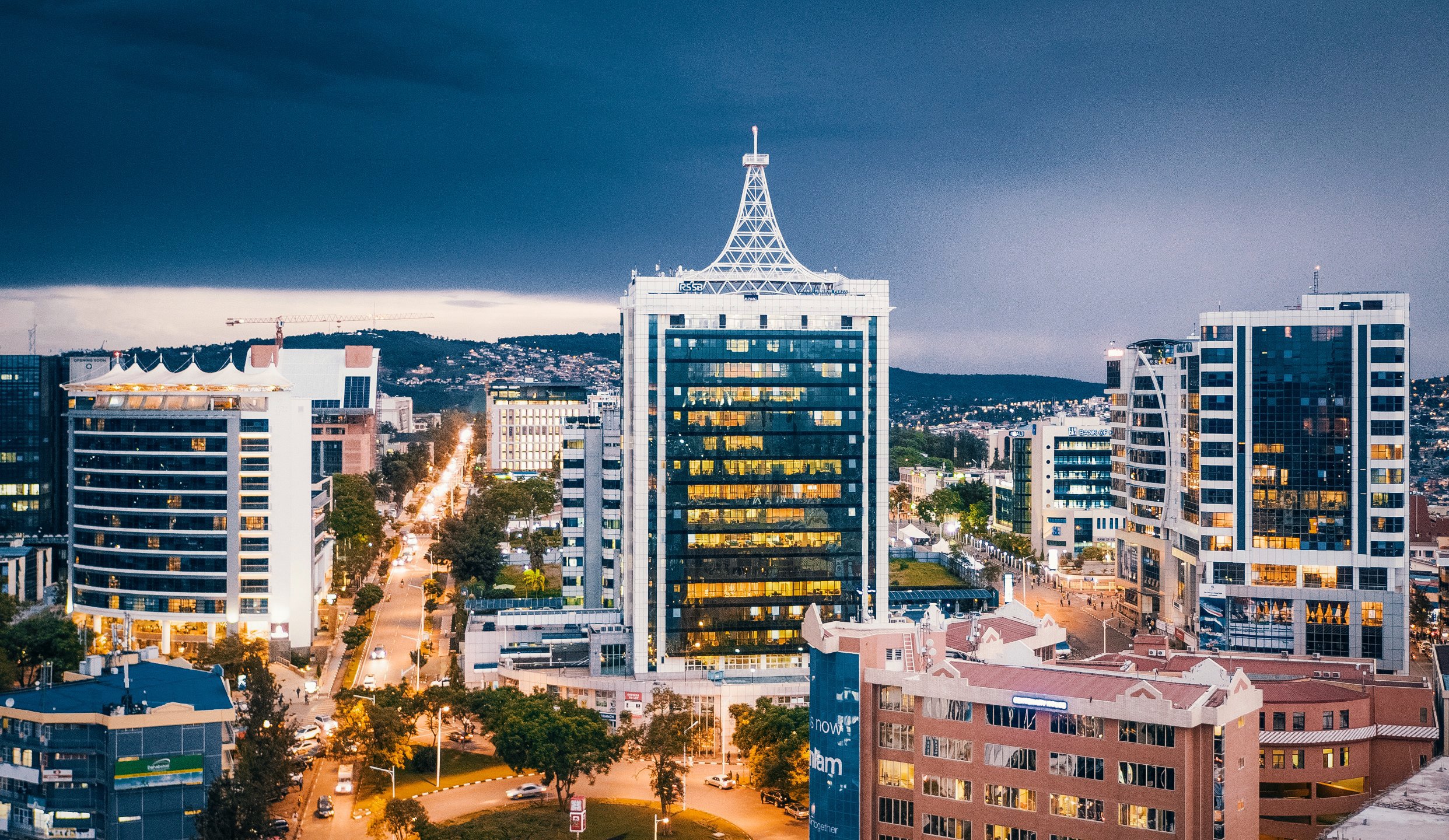
Kigali’s admission as the 14th member of the BestCities Global Alliance, and the very first from East Africa this month, fundamentally changes that dynamic. The milestone represents less of a celebratory badge and more of a structural leap forward for Rwanda’s long-term tourism and macroeconomic goals.
The economic backing
This structural ambition is already backed by powerful economic momentum. According to the Rwanda Development Board’s (RDB) latest reporting, the country’s MICE subsector generated $94.7 million (about Rwf 139 billion) in revenue in 2025, marking an 11.8% increase from the $84.8 million recorded the previous year.
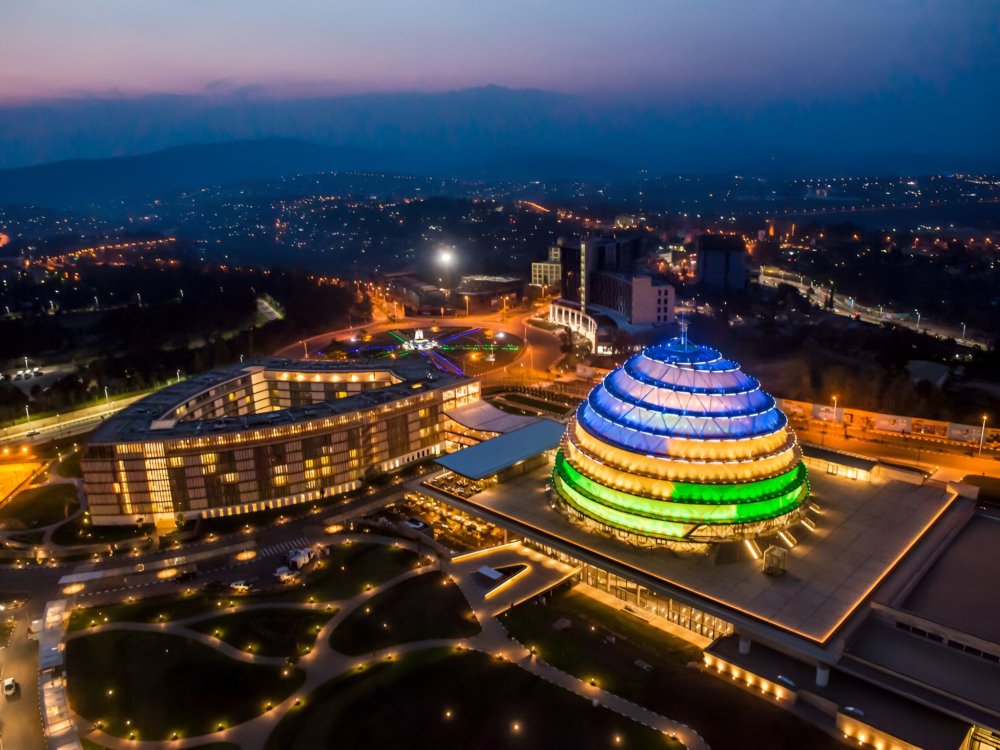
Driven by the country’s welcoming visa-on-arrival policy and top-tier venue infrastructure, Rwanda successfully hosted 165 international and regional events that drew 61,888 delegates to the capital, a 17.3% surge in delegate attendance year-on-year. These figures underscore that MICE is no longer just a luxury branding exercise for Kigali, but a primary engine driving high-value tourism receipts, which reached a record $685 million overall in 2025.
Entering the closed-door multi-city bidding pipeline
The most immediate, practical advantage of joining BestCities is access to a collaborative bidding ecosystem. Large international associations rarely return to the same continent, let alone the same city, in consecutive years. Instead, their mega-conventions rotate systematically across global regions.
Historically, the Rwanda Convention Bureau (RCB) had to track, pitch, and bid for these global events in isolation. Inside the alliance, Kigali joins a unified peer-to-peer network.
When a global association rotates its conference out of a member city like Dublin or Houston, those bureaus actively share data, client preferences, and operational specifications with fellow alliance members like Kigali.
This multi-city referral system gives Rwanda an inside track on long-term event pipelines years before a formal request for proposals (RFP) is ever made public.
Validation by association decision-makers
For major international medical, scientific, and technical associations, choosing an event destination requires confidence in a city’s ability to deliver world-class experiences. Meeting planners seek strong assurances around venue technology, safety, local vendor expertise, and data security.
By meeting the alliance’s rigorous entry criteria, Kigali has demonstrated that its conference ecosystem aligns with globally recognised standards. BestCities membership reinforces the city’s position alongside leading destinations such as Copenhagen and Vancouver, giving international planners added confidence in Kigali’s capacity to host high-level events.
Acceleration of the national knowledge economy
Rwanda’s MICE strategy has always aimed for an impact deeper than just boosting hospitality revenue or hotel occupancy rates. The ultimate goal is to anchor international events to priority sectors of the domestic economy, such as health, fintech, climate finance, and agriculture.
BestCities heavily champions the “Madrid Challenge,” an industry framework focused on the “legacy and impact” of business events. Membership means Kigali will work alongside global peers to ensure that major incoming events, like the ICCA Congress in 2027 and the World Nephrology Congress in 2029, leave a permanent footprint on the ground.
This structural focus ensures that international delegates don’t just stay within the convention center zone, but actively exchange expertise with local university faculties, domestic tech startups, and regional policy minds.
Upskilling the local supply chain
To maintain active status within BestCities, a destination must consistently pass stringent quality audits. This requirement creates a positive pressure cooker for Rwanda’s domestic MICE supply chain.
Over the coming years, local professional conference organizers (PCOs), catering firms, production crews, and transport providers will need to continuously align with the alliance’s benchmarked practices. The exchange of institutional expertise with the world’s most sophisticated convention bureaus will directly upskill local hospitality workers, ensuring that international service delivery remains consistent across every tier of the city’s tourism network.
As Janet Karemera, CEO of the Rwanda Convention Bureau, noted, the membership reflects Kigali’s long-term ambition to strengthen its global presence. By joining one of the MICE industry’s most exclusive networks, Rwanda has further enhanced its competitive edge.
“Through this platform, we aim to further enhance our visibility, exchange expertise, and continue elevating Kigali as a competitive destination for global business events,” she remarked.
The focus now shifts from demonstrating Kigali’s readiness for the global stage to delivering the world-class, high-impact events expected of a destination among the world’s leading business event cities.
Leave a Reply