The groundbreaking ceremony, held on Wednesday in Gisagara District in Rwanda’s Southern Province, brought together government officials, the Chinese embassy, development partners, local authorities, farmers, contractors and other stakeholders.
The project was financed by the Export-Import Bank of China and constructed by China Geo-Engineering Corporation. With an estimated investment of 47 million U.S. dollars, the project will develop a dam with a storage capacity of about 6.5 million cubic meters, a modern pressurized irrigation system covering more than 2,600 hectares of net irrigated land, and about 48.8 km of lined canals.
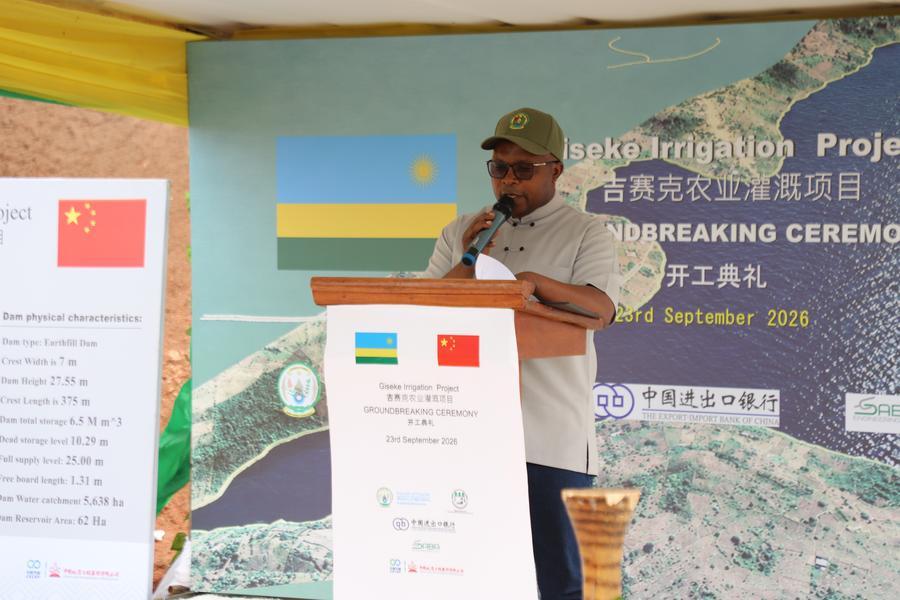
Speaking at the ceremony, Rwandan Minister of Agriculture and Animal Resources Telesphore Ndabamenye said the project represents an important step in Rwanda’s efforts to build a modern and climate-resilient agricultural sector.
“Today is an important milestone in our continued efforts to transform Rwanda’s agriculture into a modern, productive, resilient and commercially oriented sector,” Ndabamenye said.
He noted that the irrigation infrastructure would reduce farmers’ dependence on rainfall, which has increasingly become unreliable due to changing climatic conditions, while enabling farmers to better plan production and respond to market demand.
“The availability of reliable irrigation water will create an enabling environment for more predictable and commercially oriented agricultural production,” the minister said, adding that the investment is expected to increase production, improve farmers’ incomes, create jobs and strengthen agricultural value chains.
Ndabamenye expressed appreciation to China and the Export-Import Bank of China for supporting the project, describing Giseke as a strong demonstration of the Rwanda-China partnership in agricultural transformation and infrastructure development.
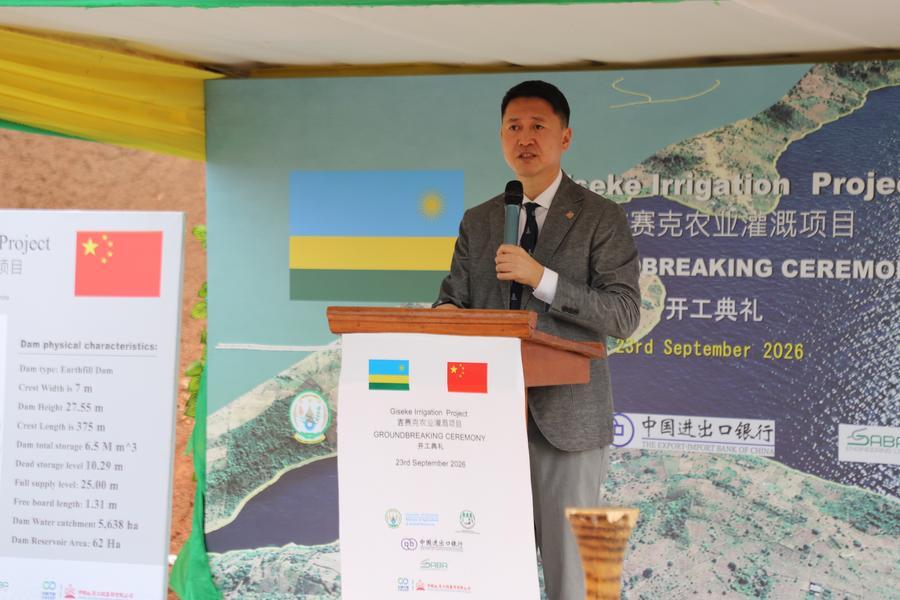
Speaking at the event, Chinese Ambassador to Rwanda Gao Wenqi said the project comes at a time when developing countries are facing the combined challenges of climate change, erratic rainfall and food insecurity.
“For developing nations, sound agricultural infrastructure constitutes a cornerstone for poverty reduction, food security and rural prosperity,” Gao said.
He described the Giseke project as a tangible outcome of China-Rwanda practical cooperation and South-South cooperation, noting that it aligns with Rwanda’s national agricultural modernization priorities.
Gao said the project will integrate water storage, conveyance, on-farm irrigation and supporting infrastructure. Once operational, it is expected to provide reliable irrigation to thousands of hectares of farmland, helping smallholder farmers gradually shift from rain-fed farming to more stable and productive irrigated agriculture.
Beyond irrigation infrastructure, the project will include rural access road improvements, technical training and knowledge-sharing, creating opportunities for employment and improving the movement of agricultural inputs and produce, Gao said.
Gao called on Rwandan and Chinese partners to maintain close cooperation throughout implementation and ensure that the project becomes a high-quality demonstration of agricultural and water-resource cooperation.
The Giseke Irrigation Project is expected to contribute to increased agricultural productivity and food security while creating opportunities for higher-value crop production, improved market access, and stronger agricultural value chains in Gisagara and surrounding areas, according to the Ministry of Agriculture and Animal Resources.
Rwandan Minister of Agriculture and Animal Resources Telesphore Ndabamenye delivers a speech during the groundbreaking ceremony for the Giseke Irrigation Project in Gisagara District in Southern Province, Rwanda, on Sept. 23, 2026. Chinese Ambassador to Rwanda Gao Wenqi delivers a speech during the groundbreaking ceremony for the Giseke Irrigation Project in Gisagara District in Southern Province, Rwanda, on Sept. 23, 2026.
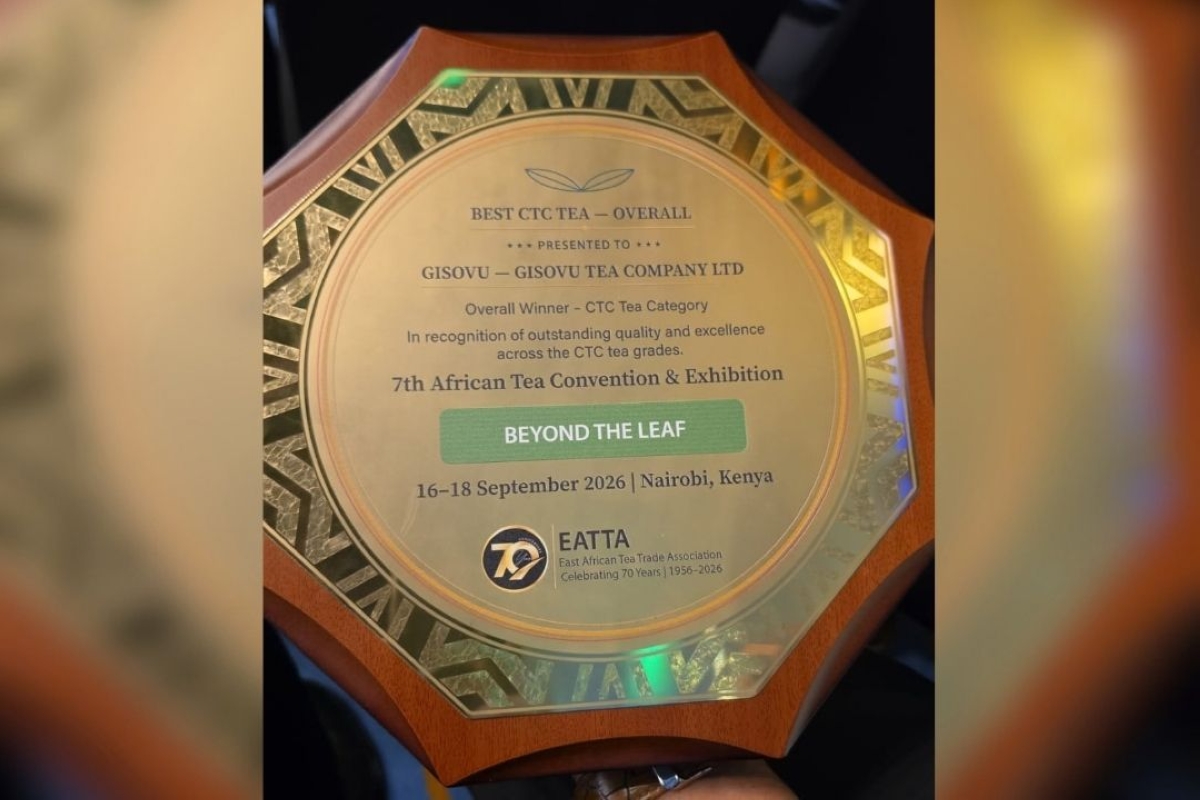
The award, presented at the September 16-18 event, recognises Gisovu’s quality across different grades of CTC tea, a processing method in which tea leaves are crushed, torn and curled into small particles to produce a strong, brisk brew.
Gisovu Tea Company, part of Silverback Tea Company, is based in Karongi District in Rwanda’s Western Province. It produces CTC and specialty teas, including Gisovu White Tea.
The company attributed the quality of its tea to Rwanda’s growing conditions and the work of smallholder farmers and its tea workforce.
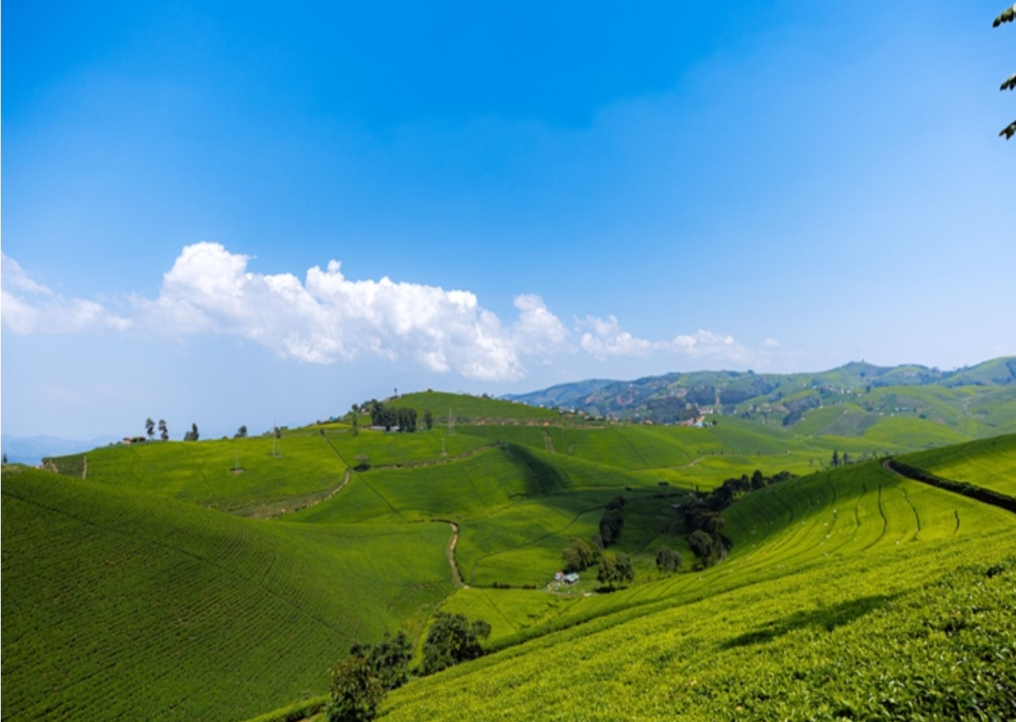
A view of Gisovu Tea Company plantations.
The latest recognition adds to Gisovu’s growing list of awards. It was named Best Tea in Africa at the 6th African Tea Convention in Rwanda in 2024 and was also recognised as Factory of the Year by the National Agricultural Export Development Board (NAEB) that year.
Its other awards include Best PF1 in Rwanda and the 2025 Global Tea Championship Origin Award for Rwanda.
Gisovu General Manager Allan Mwangi said the continental award validates the company’s focus on quality and consistency.
“This milestone not only elevates our brand globally but directly transforms the livelihoods of our dedicated farmers and the local community by securing premium returns for their hard work,” he said.
The Best CTC Tea award Gisovu Tea Company Ltd won in recognition of its outstanding quality and excellence across the CTC tea grades, at the 7th African Tea Convention & Exhibition.
Gisovu’s plantations sit at an altitude of about 2,500 metres near Nyungwe National Park. The estate has 394 hectares under production, while another 836 hectares are supplied by about 3,800 smallholder farmers.
Smallholders contribute about 70 per cent of the company’s annual production of 2,500 tonnes.
Nzeki Samuel Munyao, CEO of Silverback Tea Company, credited the award to the work of farmers and the company’s manufacturing operations.
Tea is among Rwanda’s leading agricultural exports, generating over $553 million in export revenue between 2020 and 2026 on cumulative shipments exceeding 224,000 metric tons, according to figures from NAEB.
NAEB projects annual earnings to reach $175 million by 2029 through targeted smallholder expansion and field infilling.
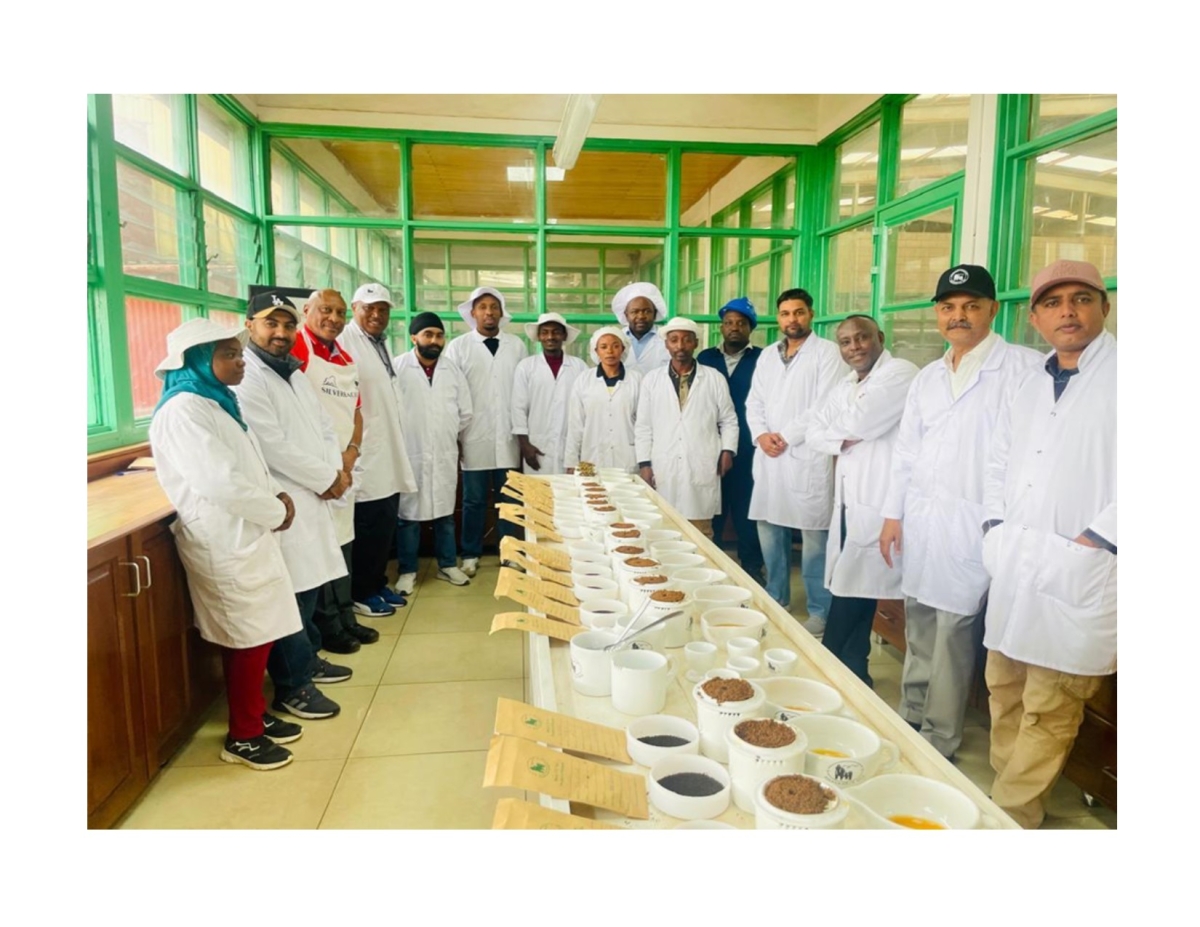
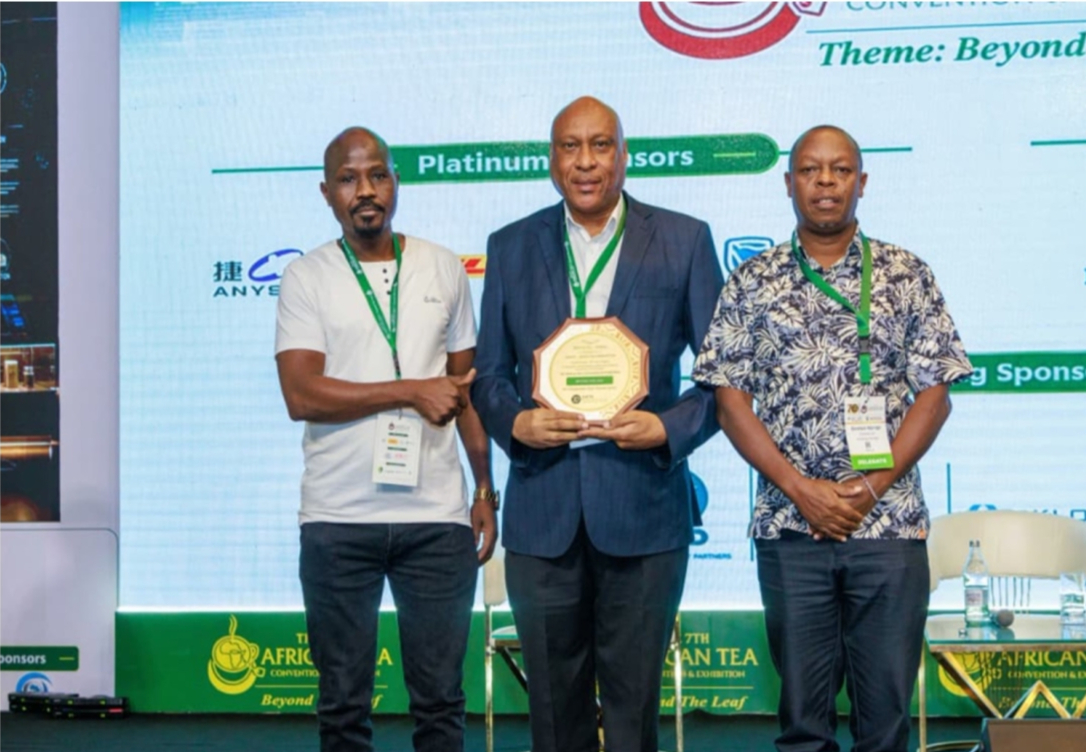
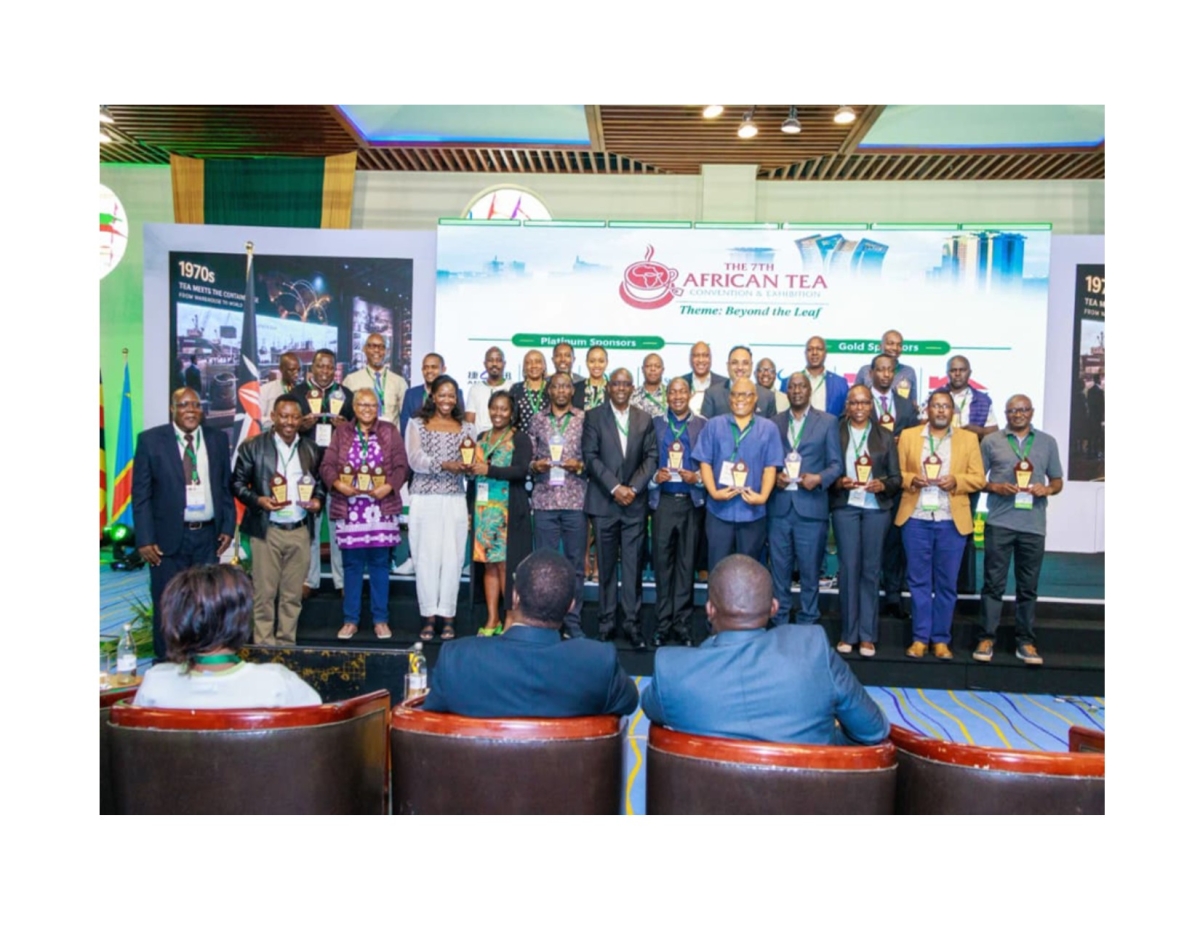
David Mwashumbe (centre), Head of Tea Tasting at Silverback Tea and Sorwathe Ltd, holds the Best CTC Tea award won by Gisovu Tea Company at the 7th African Tea Convention in Nairobi. He is flanked by Mombasa auction brokers Michael Chemweno (left) and Boniface Njoroge (right).Different tea award winners pose for a group photo at the 7th African Tea Convention & Exhibition in Nairobi, Kenya.
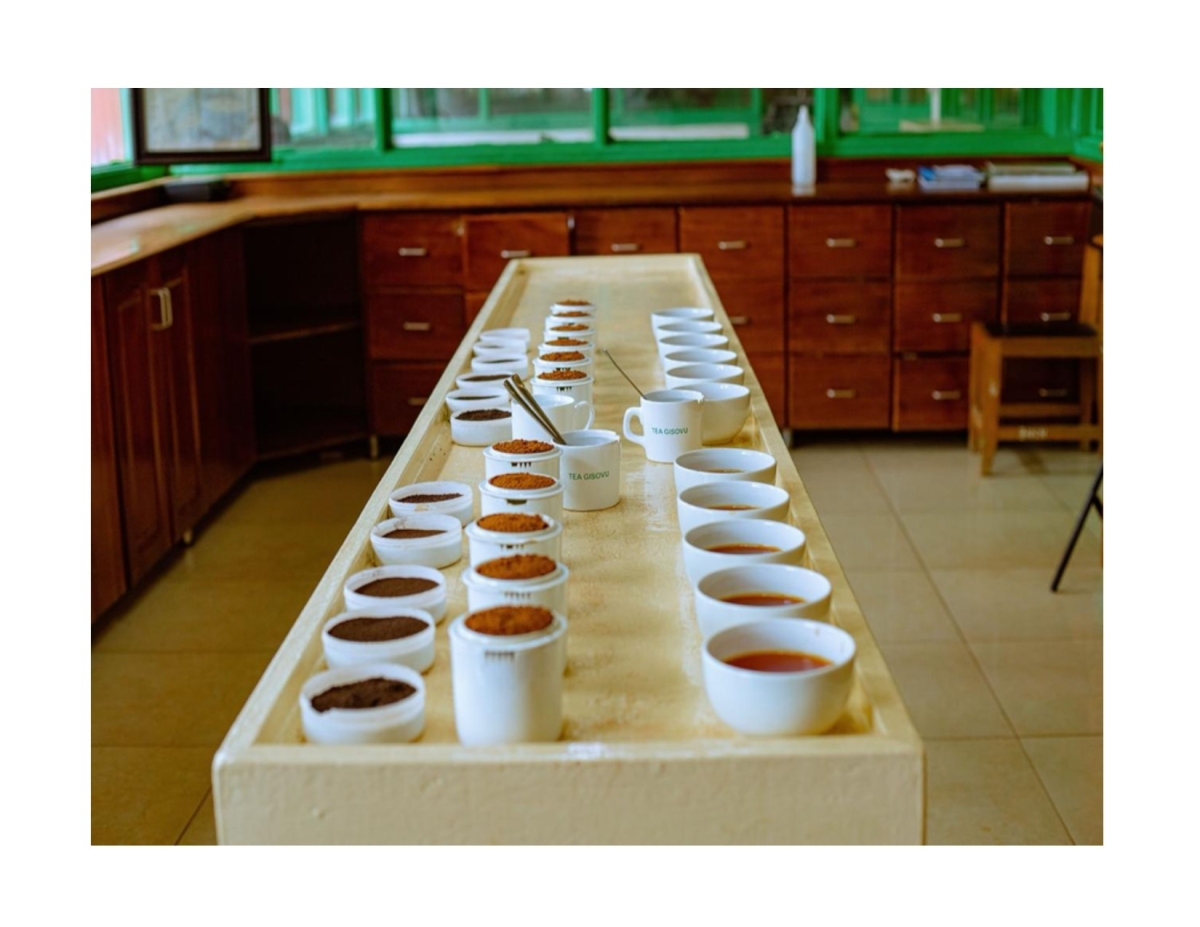
Gisovu Tea Company’s tea tasting room with a display of award-winning CTC grades.
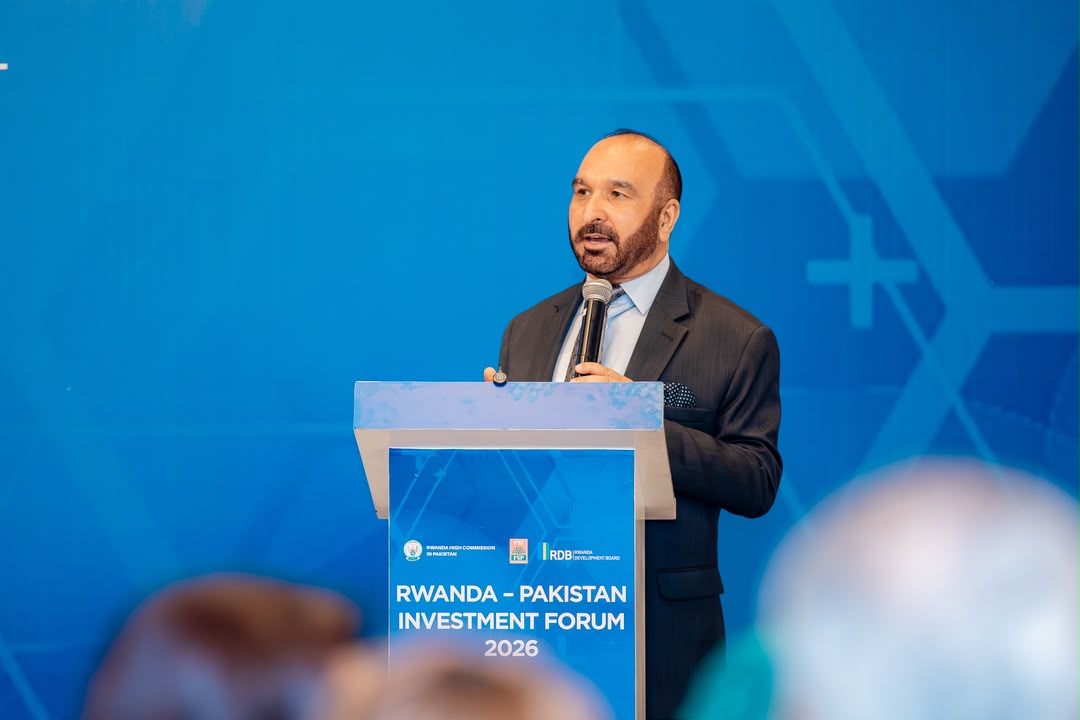
Pakistan’s High Commissioner to Rwanda, Naeem Khan, revealed that the two countries are working on an aviation memorandum of understanding that could pave the way for direct air connectivity.
“We are working on an MoU in the aviation sector,” Naeem told journalists on the sidelines of the Rwanda-Pakistan Investment Forum held in Kigali on Thursday, September 24, 2026.
He highlighted that the proposed air link could benefit not only Rwanda and Pakistan but also facilitate connections between wider markets in Africa and South Asia.
“RwandAir already flies to Qatar. From Qatar, Pakistan is just two or three hours away. Why not extend that connection to Pakistan?” Naeem remarked, referring to the possibility of extending existing connections through the Middle East.
He cited the model used by airlines such as Ethiopian Airlines, which connect Pakistan to Addis Ababa and then serve other African destinations, saying a similar model could be developed through Rwanda.
Naeem noted that the aviation agreement is still under discussion and could be concluded within the next few months to a year.
The proposed direct flights come as Rwanda and Pakistan seek to increase trade and investment following the signing of a bilateral trade agreement at the forum.
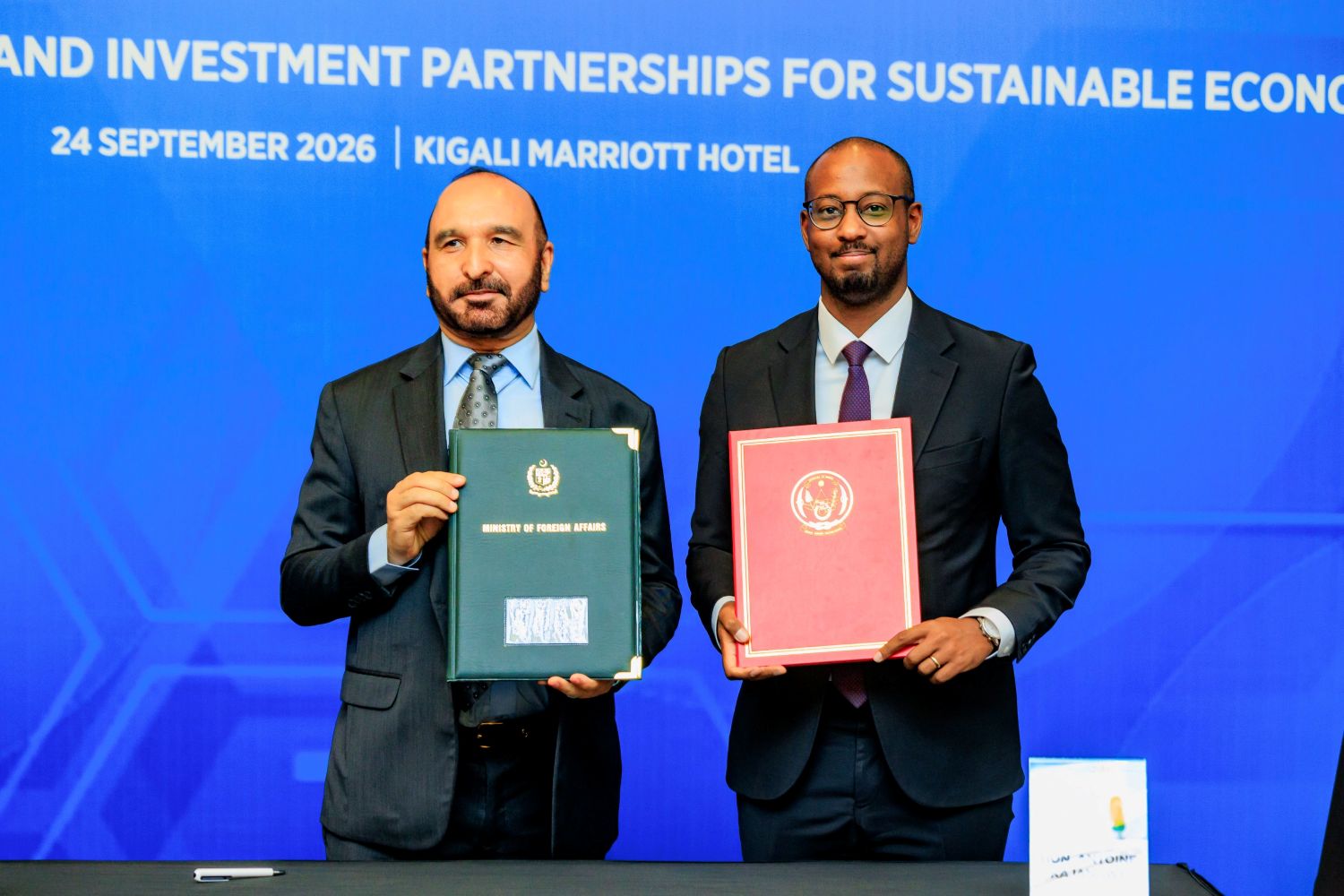
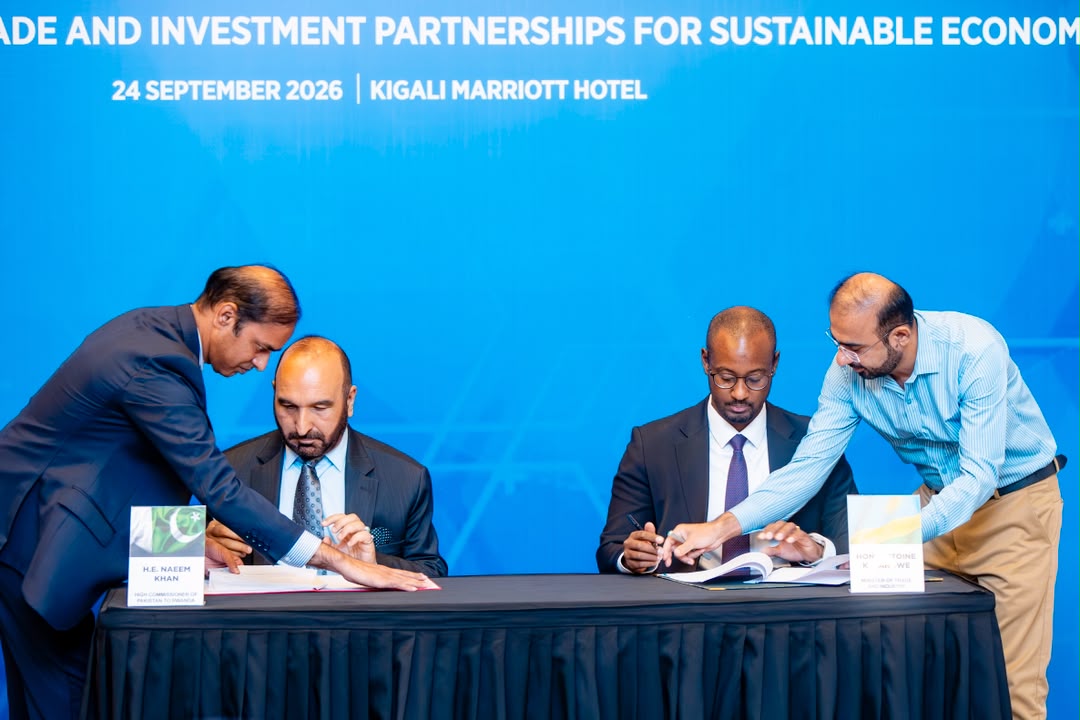
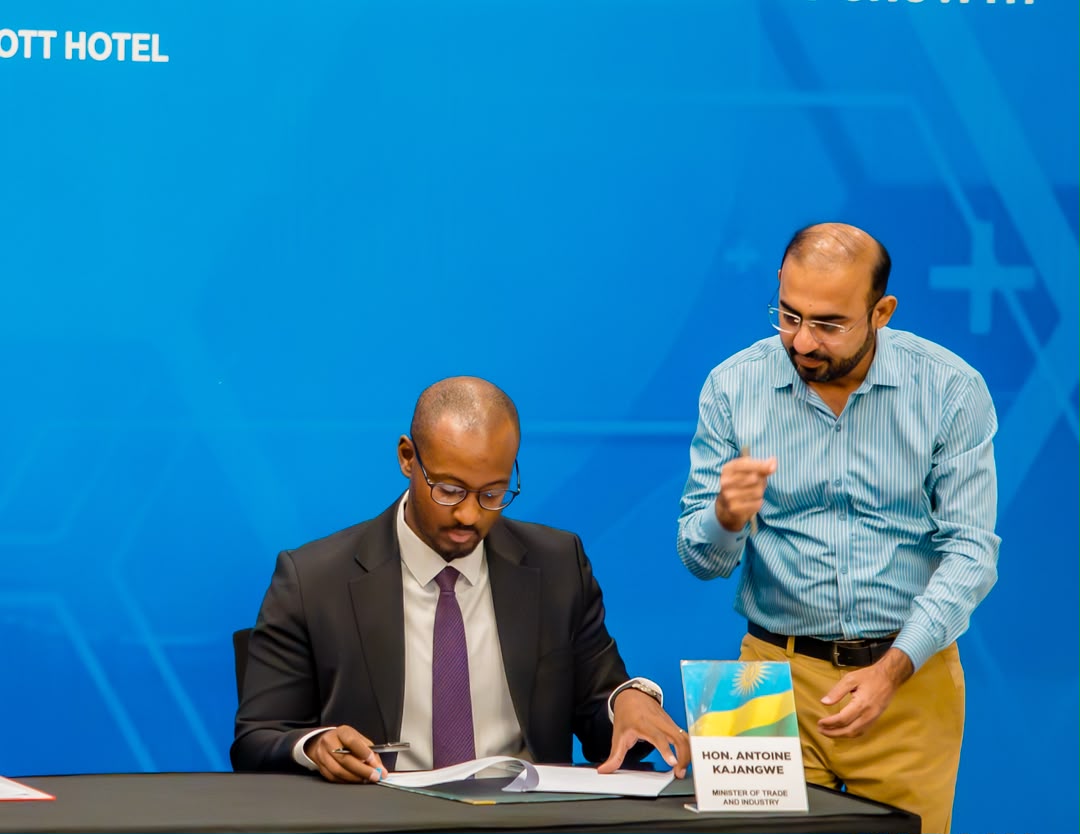
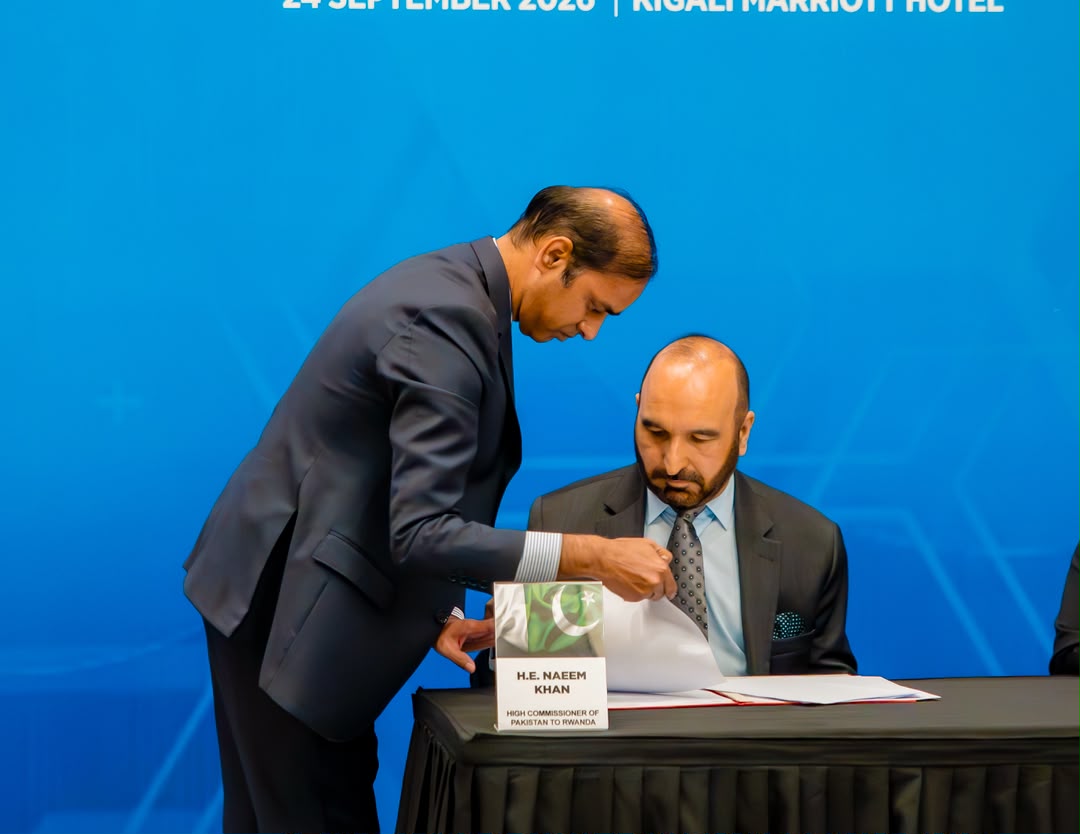
The agreement, signed by Rwanda’s Minister of Trade and Industry, Antoine Kajangwe, and Naeem, is intended to strengthen trade facilitation, business-to-business partnerships, joint ventures and cooperation in sectors including manufacturing, agriculture, tourism and transport.
Naeem emphasised that stronger air connectivity would support growing commercial links between the two countries by making it easier for businesspeople, investors and tourists to travel between Rwanda and Pakistan.
He also pointed to opportunities for Pakistani airlines and aviation-related companies to participate in Rwanda’s growing aviation market.
Rwanda is developing the new Kigali International Airport, which is expected to have a long-term capacity of up to 14 million passengers and serve as an anchor for a wider airport city focused on trade, logistics, tourism and investment.
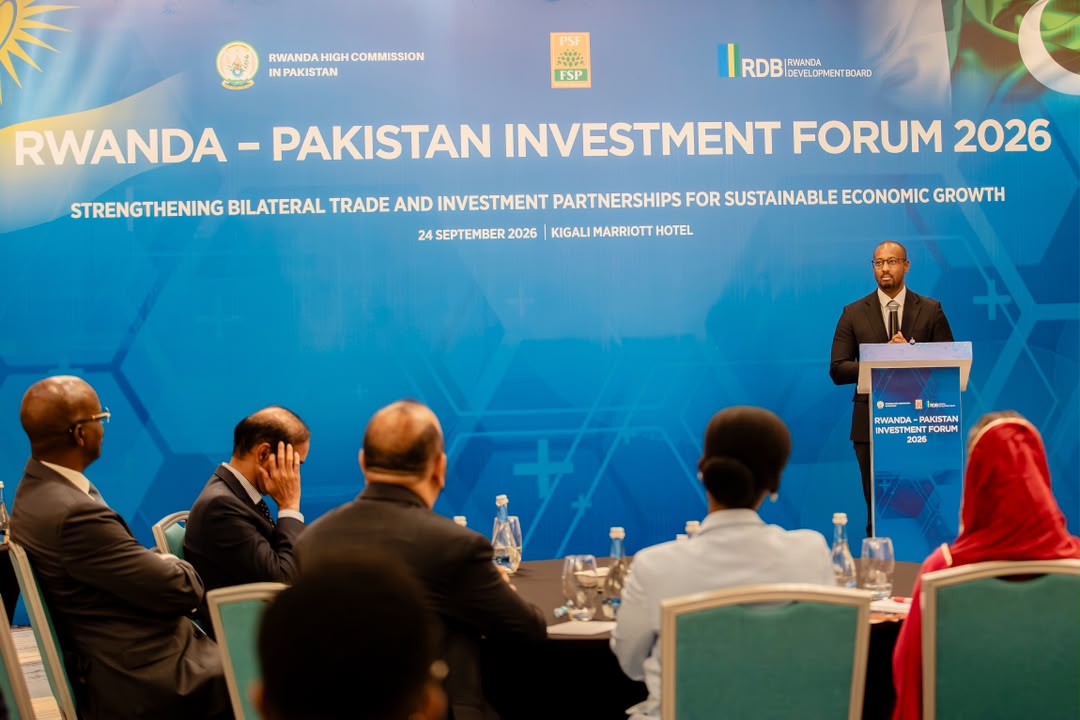
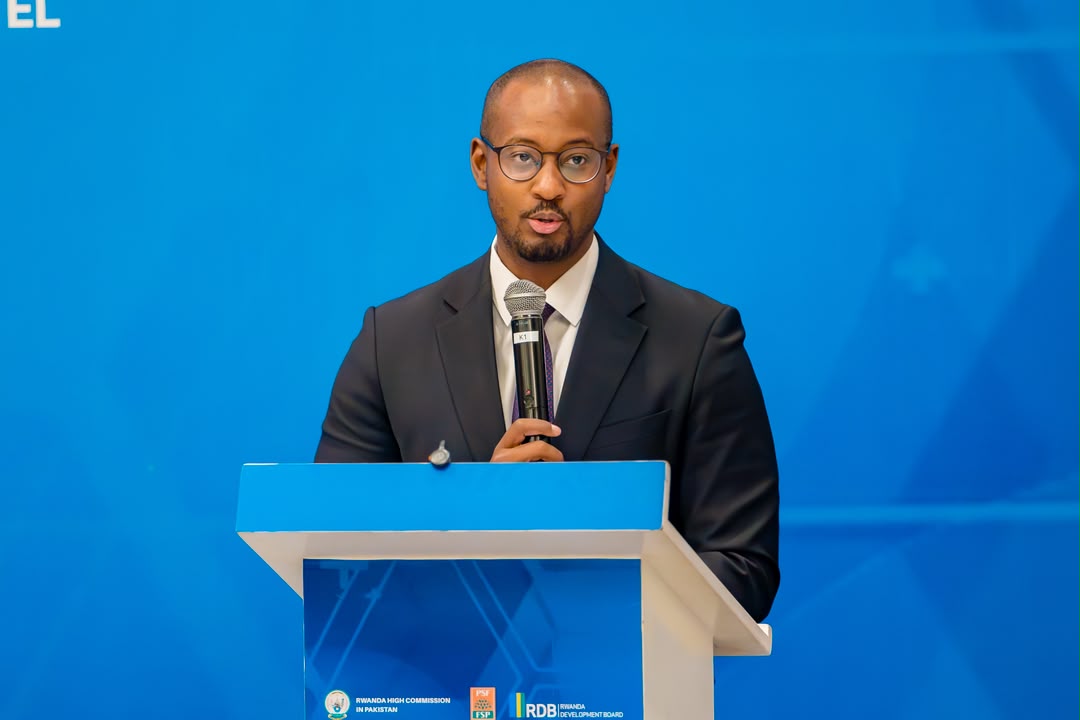
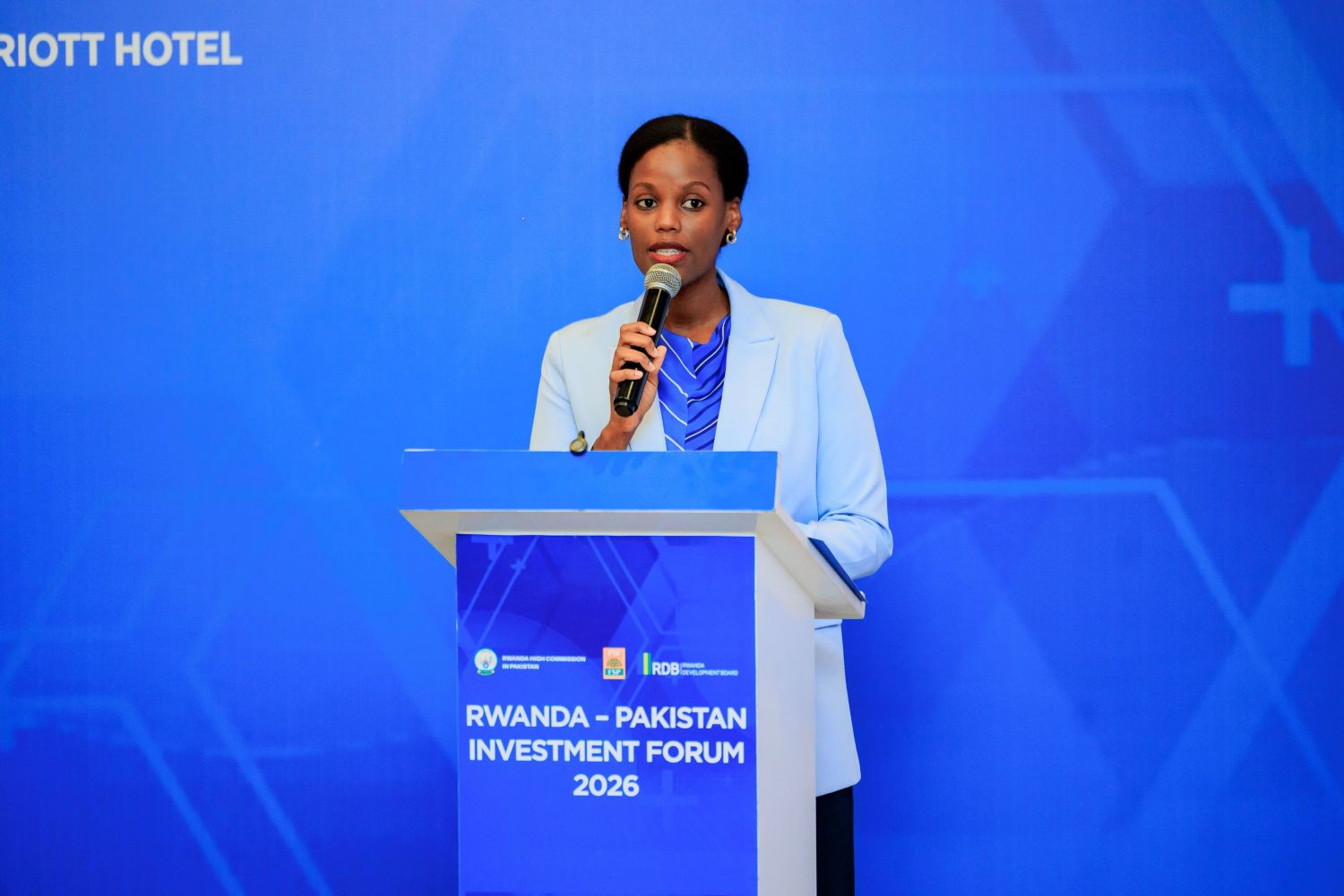
Rwanda Development Board Deputy CEO Juliana Muganza told the forum that the airport development forms part of Rwanda’s broader ambition to strengthen its position as a regional hub.
Trade between Rwanda and Pakistan reached $236 million between 2023 and 2025, according to the RDB Deputy CEO, as the two countries seek to deepen commercial ties and expand investment.
Naeem said the proposed connectivity could also position Rwanda as a link between South Asia and the wider African market.
“It will not be only Rwanda and Pakistan. They can cater to the whole of Africa and South Asia from Pakistan,” he added.
Rwanda and Pakistan have also identified several areas for stronger commercial cooperation, including manufacturing, agriculture, healthcare, ICT, tourism, construction and logistics.
Naeem said Pakistani companies are interested in investing in Rwanda while also using the country as a base to serve other African markets.
He cited construction, real estate, tourism and hospitality among the sectors where Pakistani investors could participate.
The two countries are also seeking to increase trade in agricultural products. Naeem highlighted Pakistani interest in importing Rwandan tea, coffee, avocados, beans, lentils and other pulses directly from Rwanda.
He emphasised that direct air connectivity could complement these efforts by improving links between businesses and markets in the two countries.
The proposed aviation cooperation is therefore part of a broader push by Rwanda and Pakistan to move beyond diplomatic relations and expand practical economic ties through trade, investment, transport and private-sector partnerships.
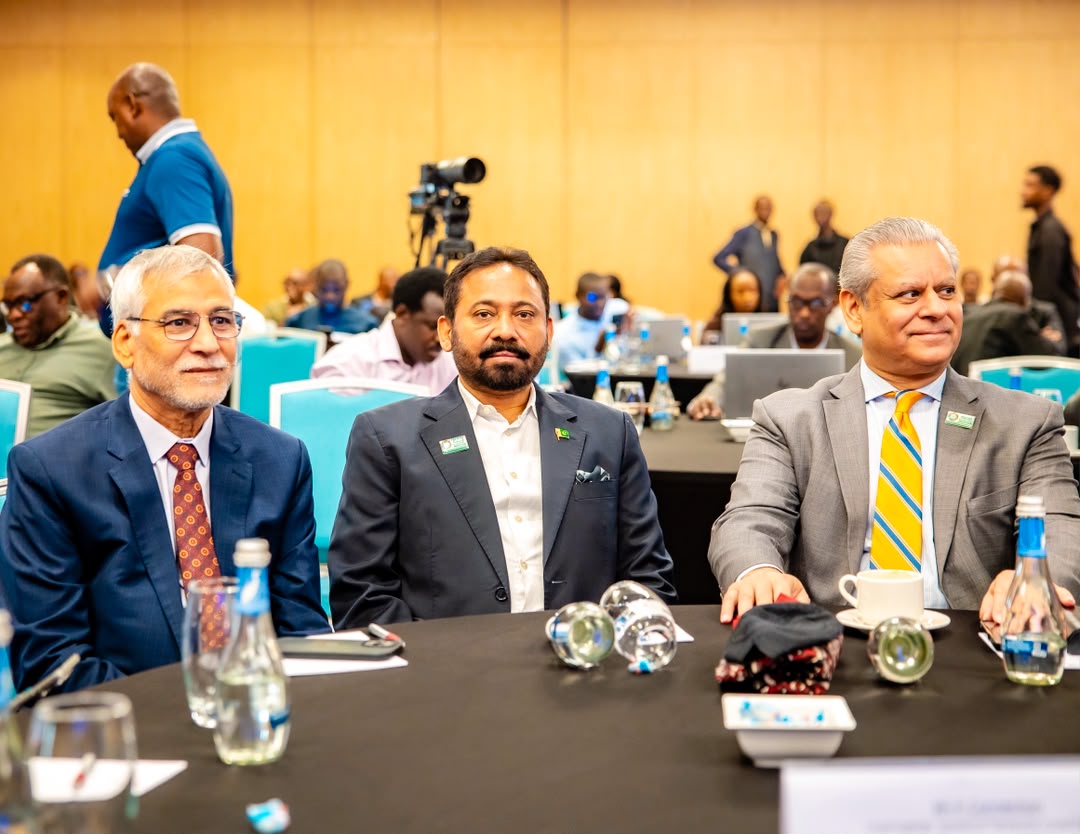
The proposed direct flights come as Rwanda and Pakistan seek to increase trade and investment following the signing of a bilateral trade agreement at the forum.Pakistan’s High Commissioner to Rwanda, Naeem Khan, revealed that the two countries are working on an aviation memorandum of understanding that could pave the way for direct air connectivity.Minister Kajangwe said the new trade agreement would help deepen cooperation in priority sectors. The forum brought together about 30 Pakistani business leaders and more than 40 Rwandan business representatives.
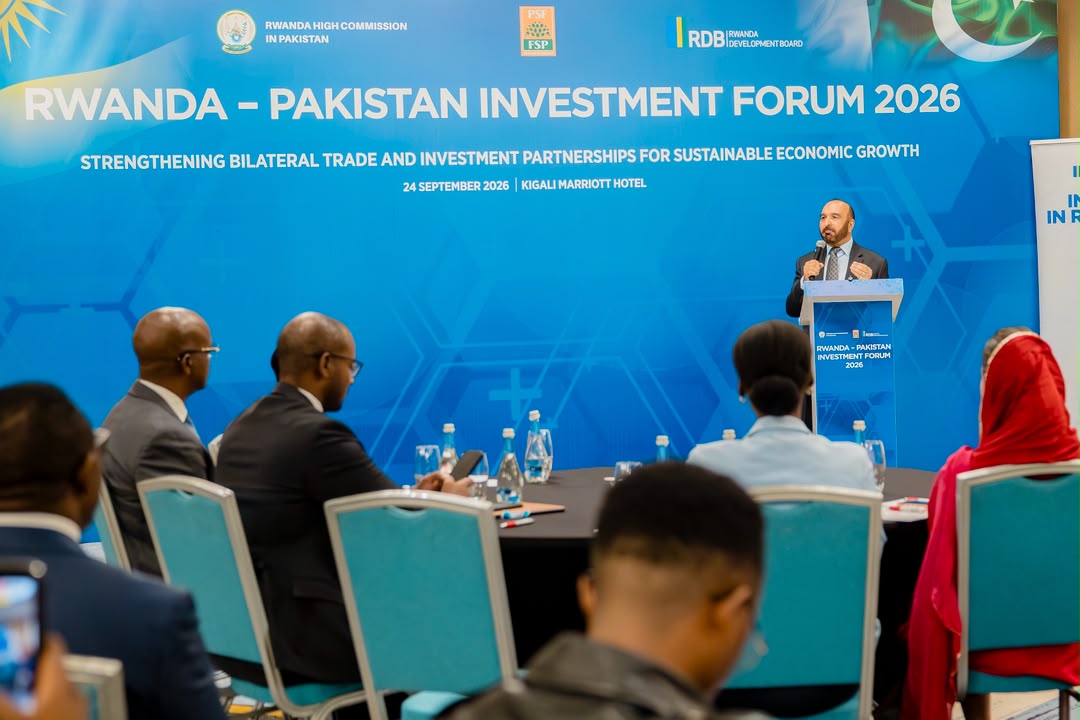
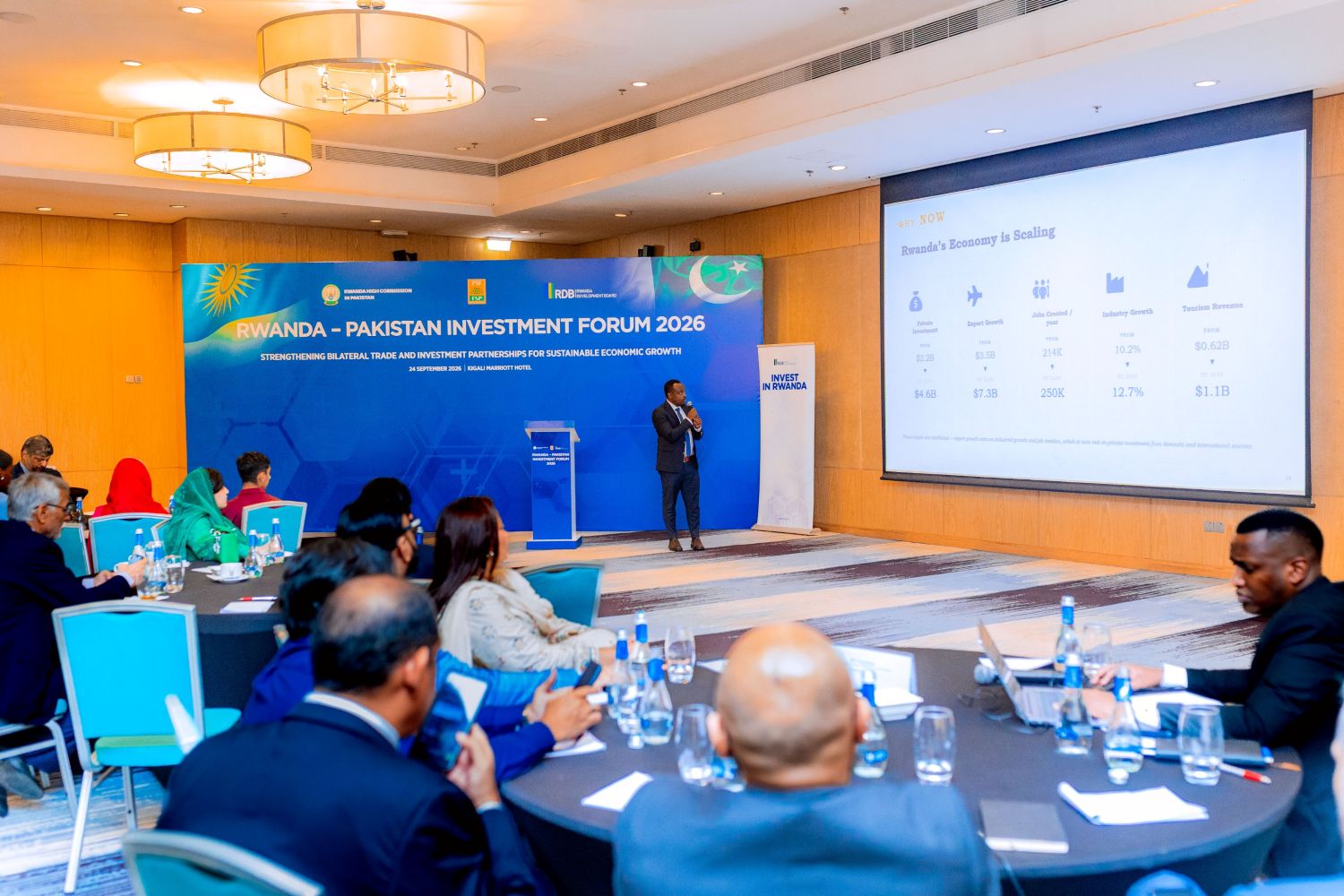
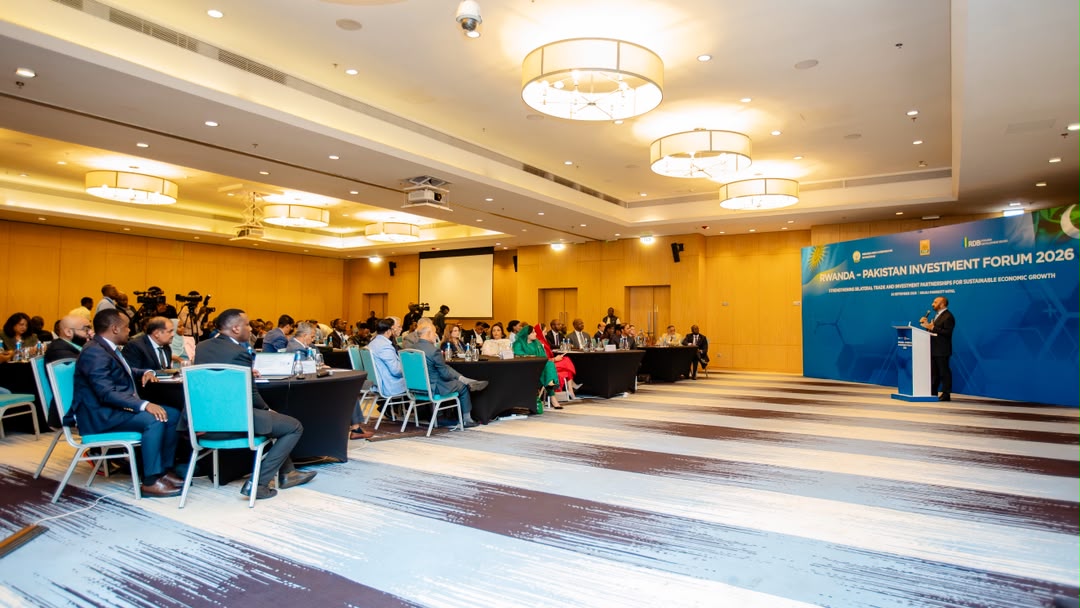
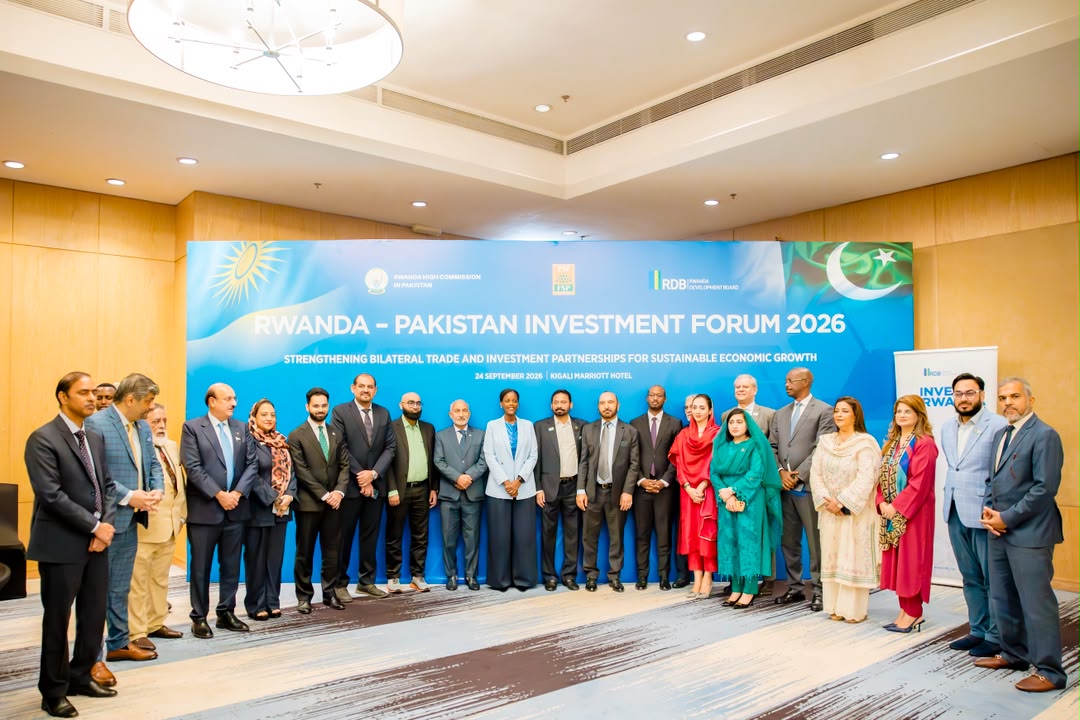
The agreement was signed by Rwanda’s Minister of Trade and Industry, Antoine Kajangwe, and Pakistan’s High Commissioner to Rwanda, Naeem Khan, during the inaugural Rwanda-Pakistan Investment Forum held at the Kigali Marriott Hotel on Thursday, September 24, 2026.
The forum was organised by the Rwanda High Commission in Pakistan in collaboration with the Rwanda Development Board.
The new agreement is expected to support greater trade facilitation, stronger business-to-business partnerships, joint ventures and cooperation across sectors including manufacturing, textiles and apparel, agriculture, tourism and transport.
It also provides for greater cooperation between private-sector organisations, including Rwanda’s Private Sector Federation (PSF) and Pakistan’s chambers of commerce, as well as the sharing of information on trade and investment opportunities in both countries.
Kajangwe said the agreement would help deepen cooperation in priority sectors, including agro-processing, manufacturing, textiles, electronics, infrastructure and healthcare equipment.
“Pakistan is home to more than 250 million people. But more importantly, it has an established manufacturing base in emerging markets,” he said, highlighting Pakistan’s manufacturing capabilities in areas such as textiles, surgical instruments, sports equipment, pharmaceuticals and IT services.
Minister Kajangwe said the agreement would help deepen cooperation in priority sectors.
Rwanda, meanwhile, is seeking to attract more Pakistani investment and position the country as a base from which companies can serve wider African markets.
Rwanda Development Board (RDB) Deputy CEO Juliana Muganza said bilateral trade between Rwanda and Pakistan reached $236 million between 2023 and 2025, while Rwanda registered seven Pakistani investment projects worth more than $2 million.
She said Rwanda’s economic growth and investment environment offer opportunities for Pakistani companies looking to manufacture, process and export to regional markets.
“Rwanda is not only a place to sell products, it is also a place to manufacture, innovate, process, export, and scale across Africa,” Muganza said.
She pointed to opportunities in agriculture and agro-processing, pharmaceuticals and medical manufacturing, textiles and apparel, ICT and digital services, artificial intelligence, mining and mineral value addition, infrastructure, tourism and hospitality.
Muganza said Rwanda should be viewed as a gateway to a much larger regional market rather than solely as a market of about 14 million people.
She noted that businesses operating from Rwanda can access more than 80 million consumers within a 500-kilometre radius, while the African Continental Free Trade Area offers access to a market of about 1.4 billion people.
Juliana Muganza, RDB Deputy CEO, highlighted Rwanda as a gateway to a much larger regional market, beyond its 14 million people.
The RDB deputy CEO also highlighted the new Kigali International Airport and surrounding airport city development in Bugesera as part of Rwanda’s plans to strengthen its position as a regional hub for trade, logistics, tourism and investment.
The airport’s long-term capacity is expected to reach 14 million passengers, while the surrounding development is expected to create opportunities in logistics, manufacturing, hospitality, commercial services and innovation.
For Pakistani businesses, Muganza identified opportunities to supply agricultural machinery and inputs, food processing, packaging and other products while establishing production and processing operations in Rwanda.
Pakistan is also seeking greater access to Rwandan agricultural products.
High Commissioner Naeem said Pakistani companies are particularly interested in importing Rwandan tea, coffee, avocados, beans, lentils and other pulses directly from Rwanda.
“We want to import Rwandan tea directly to Pakistan,” he said during an interview with journalists.
He said Pakistan currently imports Rwandan tea through intermediaries and that direct trade could create opportunities for Rwandan producers to strengthen their presence in the Pakistani market.
He also highlighted interest in Rwandan coffee and other agricultural and mineral products.
At the same time, Pakistan is seeking to expand exports to Rwanda in areas including rice, surgical instruments, sports goods, agricultural machinery and technology.
High Commissioner Naeem highlighted Pakistani interest in importing Rwandan tea, coffee, avocados, beans and pulses.
Naeem said Pakistani companies could also invest in Rwanda’s construction, real estate, tourism, hospitality and agriculture sectors.
He cited Pakistan’s manufacturing capabilities in surgical instruments and sports equipment, arguing that some of these products could eventually be manufactured in Rwanda and re-exported to other African markets.
The two sides are also exploring closer cooperation in aviation.
Naeem said Rwanda and Pakistan are working on an aviation memorandum of understanding that could pave the way for stronger air connectivity and direct flights between the two countries.
He also said the newly signed trade agreement could serve as a step towards a preferential trade agreement, with the two countries expected to identify products that could receive preferential treatment.
François Twagirumukiza, chairperson of the Private Sector Federation, noted that the agreement would give greater institutional backing to trade that has previously been driven largely by individual traders.
“This trade agreement signed today will boost our trade cooperation with Pakistan considerably,” he stressed.
He added that bringing business communities from both countries together alongside the agreement would help identify concrete commercial opportunities.
The forum brought together about 30 Pakistani business leaders and more than 40 Rwandan business representatives.
Rwanda registered $2.62 billion in investments across 799 projects in 2025, according to RDB, with the projects expected to create nearly 40,000 jobs.
Kajangwe said the government would continue working with Pakistani investors and other private-sector partners to translate the growing bilateral relationship into concrete business activity.
The new agreement comes as Rwanda and Pakistan seek to build on renewed diplomatic engagement following the establishment of resident diplomatic missions in Kigali and Islamabad.
The agreement was signed by Rwanda’s Minister of Trade and Industry, Antoine Kajangwe, and Pakistan’s High Commissioner to Rwanda, Naeem Khan.The new agreement is expected to support greater trade facilitation, stronger business-to-business partnerships, joint ventures and cooperation across sectors including manufacturing, textiles and apparel, agriculture, tourism and transport.The agreement also provides for greater cooperation between private-sector organisations, including Rwanda’s Private Sector Federation (PSF) and Pakistan’s chambers of commerce, as well as the sharing of information on trade and investment opportunities in both countries.Minister Kajangwe said the agreement would help deepen cooperation in priority sectors, including agro-processing, manufacturing, textiles, electronics, infrastructure and healthcare equipment.Amb. Naeem said Pakistani companies are particularly interested in importing Rwandan tea, coffee, avocados, beans, lentils and other pulses directly from Rwanda.François Twagirumukiza (right), chairperson of the Private Sector Federation, said the agreement would give greater institutional backing to trade that has previously been driven largely by individual traders.
The forum was organised by the Rwanda High Commission in Pakistan in collaboration with the Rwanda Development Board.
Clare Akamanzi, CEO of NBA Africa, outlined the plans during a panel at the Unstoppable Africa 2026 forum in New York on September 21, held on the sidelines of the 81st United Nations General Assembly.
Akamanzi explained that the BAL had spent its first six seasons proving that a credible professional basketball competition could be built and sustained on the continent.
The focus is now shifting towards creating opportunities for African and global investors to own BAL teams permanently.
“We’re now going to a more permanent structure where we’re giving and exploring opportunities for African investors and other global investors to own teams permanently, in perpetuity, in the BAL, backed by the NBA and FIBA,” Akamanzi stated during the panel, titled “Real Value from the Field: Protecting and Profiting from Africa’s Talent Pipeline,” and moderated by WNBA All-Star and broadcaster Chiney Ogwumike.
She revealed that NBA Africa is already seeing interest from investors, including those on the continent, who are exploring team ownership as a commercial opportunity.
The move comes as the BAL seeks to deepen its business ecosystem beyond the games themselves, with opportunities spanning team ownership, sponsorship, media, hospitality, transport, aviation, security and digital services.
Akamanzi pointed to the league’s first six seasons as a proof of concept, demonstrating that African audiences are willing to consume professional basketball and that companies on the continent are increasingly prepared to invest in the sport.
“We showed that Africans are actually ready to consume sport,” she remarked, pointing to the growing audience for the BAL in countries including Rwanda, South Africa, Senegal, Morocco and Egypt.
She also highlighted the league’s growing corporate base, noting that it finished the previous season with 22 marketing partners, mostly African brands.
Media partnerships have also expanded around the competition, with broadcasters including Canal+ helping distribute BAL games to audiences across the continent.
The economic impact of the league has been significant. NBA Africa estimates that the first four BAL seasons generated $250 million in GDP across the countries where games were hosted and contributed to 37,000 jobs.
Akamanzi reiterated that the league’s longer-term expansion could increase its estimated economic contribution to $5.4 billion in GDP and 650,000 jobs within a decade.
For Akamanzi, the next challenge is to turn the league’s growing audience and commercial interest into a deeper ownership structure that allows African investors to participate directly in the value created by the sport.
“It’s really looking at the game beyond the court,” she emphasised, arguing that investment in sports also creates opportunities across the wider economy.
Simon Tiemtore, founder, chairman and CEO of Lilium Capital Group and chairman of Vista Bank Group, backed the push for greater African ownership, pointing to the difficulty many investors face in entering the sports business.
Tiemtore disclosed that he was working with NBA Africa and Afreximbank through its Creative Africa Nexus (CANEX) programme to create financing structures that could enable more Africans to own teams.
“It’s expensive to get in, to have an entry point,” Tiemtore noted. “So with Afreximbank, we created some sort of structure financing program to essentially enable more Africans to own their own team and their own destiny.”
He also cited his investment in E1, the electric powerboat racing championship, where he co-owns Team Drogba Global Africa with partners including Afreximbank.
Kingsley Pungong, executive chairman of Rainbow World Group, stressed that private investment alone would not be enough to build a sustainable sports industry.
He called for African governments to place sports at the centre of economic policy and invest in the infrastructure needed to support professional leagues.
“You need infrastructure. You need enshrined policy,” Pungong argued, noting that athletes will continue to move to markets offering stronger commercial opportunities unless African countries build ecosystems capable of retaining and rewarding talent.
He pointed to Saudi Arabia, China and the United States as examples of markets where long-term investment, infrastructure and government support have helped build powerful sports ecosystems.
Tiemtore also called for stronger financial services tailored to African athletes, including banking, wealth management and investment products that can help athletes preserve and reinvest wealth generated abroad.
He noted that many African sporting stars use financial institutions outside the continent and argued that African banks should develop products that allow athletes to manage their earnings and invest back home.
The economic impact of the league has been significant. NBA Africa estimates that the first four BAL seasons generated $250 million in GDP across the countries where games were hosted and contributed to 37,000 jobs.Akamanzi pointed to the league’s first six seasons as a proof of concept, demonstrating that African audiences are willing to consume professional basketball and that companies on the continent are increasingly prepared to invest in the sport.
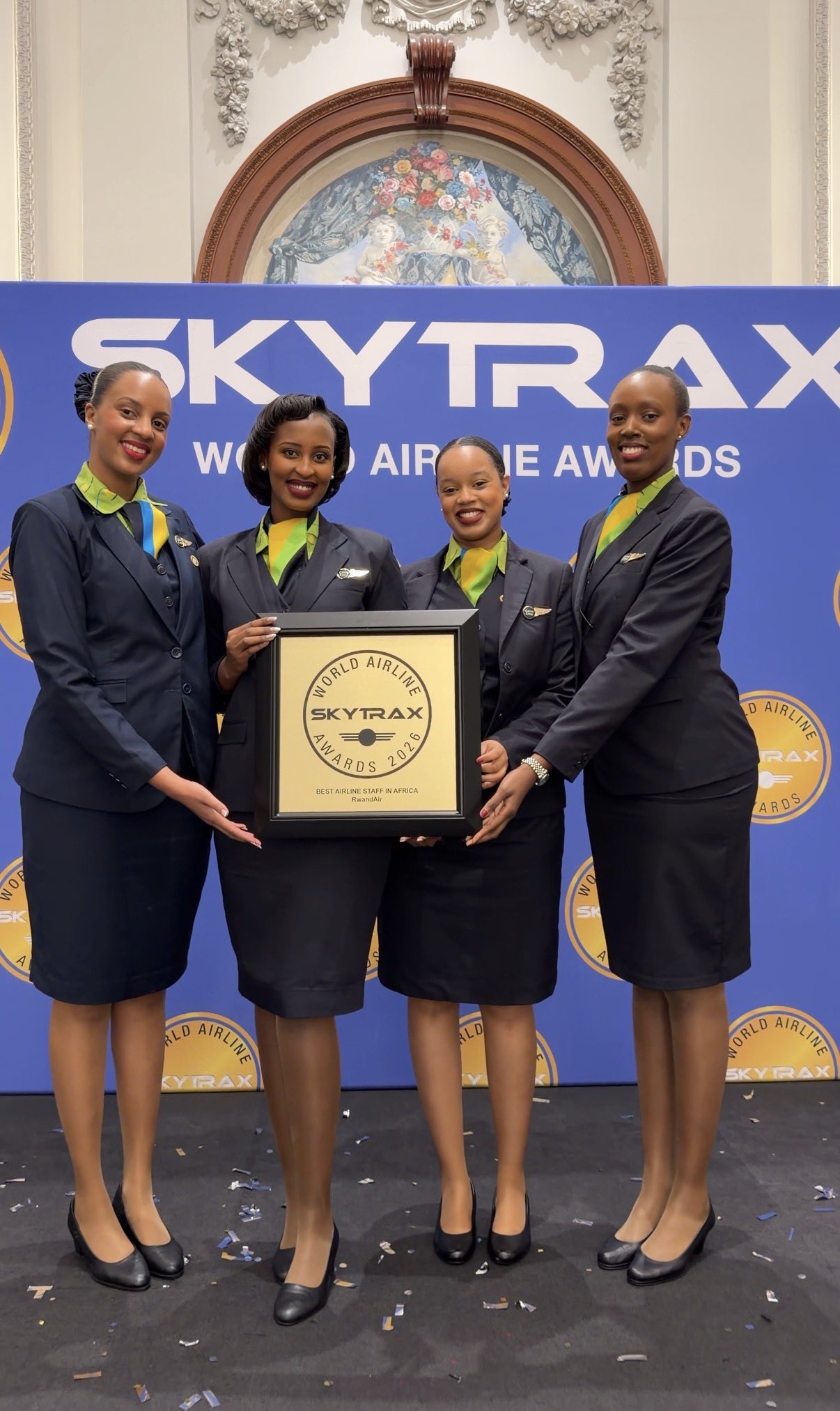
The award, announced at a ceremony in London on September 18, recognises the combined performance of airline staff working in airport ground operations and onboard cabins, including efficiency, hospitality, boarding assistance and customer service.
RwandAir finished ahead of several major African carriers in the Best Airline Staff Service in Africa category, including EgyptAir, Ethiopian Airlines, Kenya Airways and South African Airways.
The recognition comes a year after RwandAir was named Best Regional Airline in Africa at the 2025 Skytrax World Airline Awards. In the 2026 results, the carrier placed second in the same regional category, ranking ninth globally.
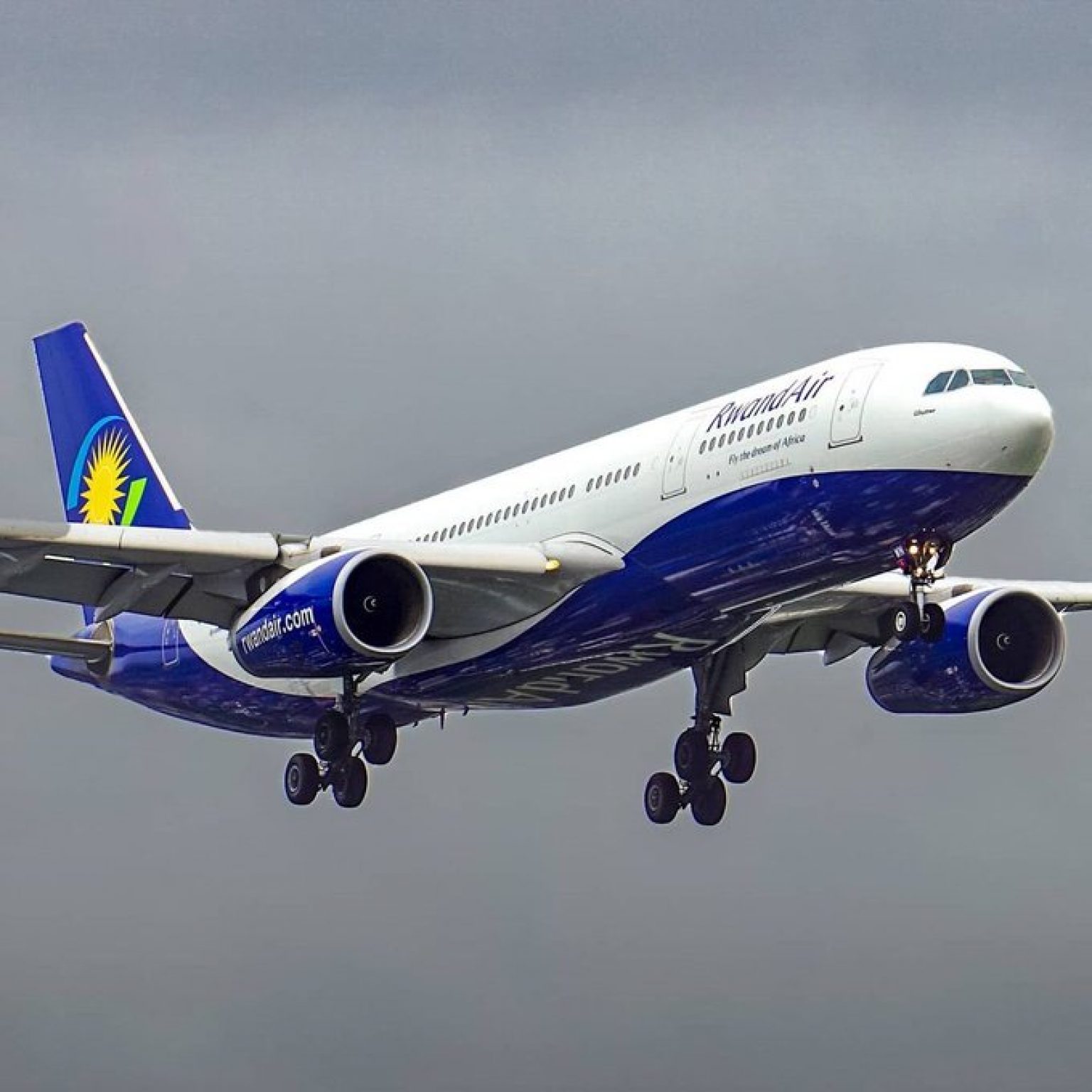
RwandAir finished ahead of several major African carriers in the Best Airline Staff Service in Africa category.
RwandAir also ranked fifth in the overall Best Airline in Africa category.
Following the announcement, RwandAir thanked its passengers and staff for the recognition.
“We are honoured to be named the Best Airline Staff in Africa 2026 by Skytrax,” the airline said, thanking passengers for choosing to fly with it and its team for the “warmth, professionalism, and dedication” they bring to flights, ground operations and passenger experiences.
RwandAir was named Africa’s Best Airline Staff Service at the 2026 Skytrax World Airline Awards.
Ethiopian Airlines retained the Best Airline in Africa title in 2026, while RwandAir’s second-place finish in the regional category placed it behind the African regional winner.
Singapore Airlines reclaims global crown
The awards, based on more than 24 million traveller survey responses worldwide, also saw Singapore Airlines reclaim the overall global title.
Singapore Airlines secured its sixth World’s Best Airline award, moving back to first place after Qatar Airways, last year’s winner, dropped to second.
Cathay Pacific Airways ranked third, followed by ANA (All Nippon Airways), Turkish Airlines, Emirates, Air France, Hainan Airlines, Japan Airlines and Korean Air.
Singapore Airlines secured its sixth World’s Best Airline award
Key cabin and service winners
Qatar Airways retained major honours in premium travel, winning World’s Best Business Class and Best Onboard Wi-Fi.
Air France took World’s Best First Class, while EVA Air was named Best Premium Economy.
Singapore Airlines also won World’s Best Economy Class and Best Economy Class Catering, adding to its overall award.
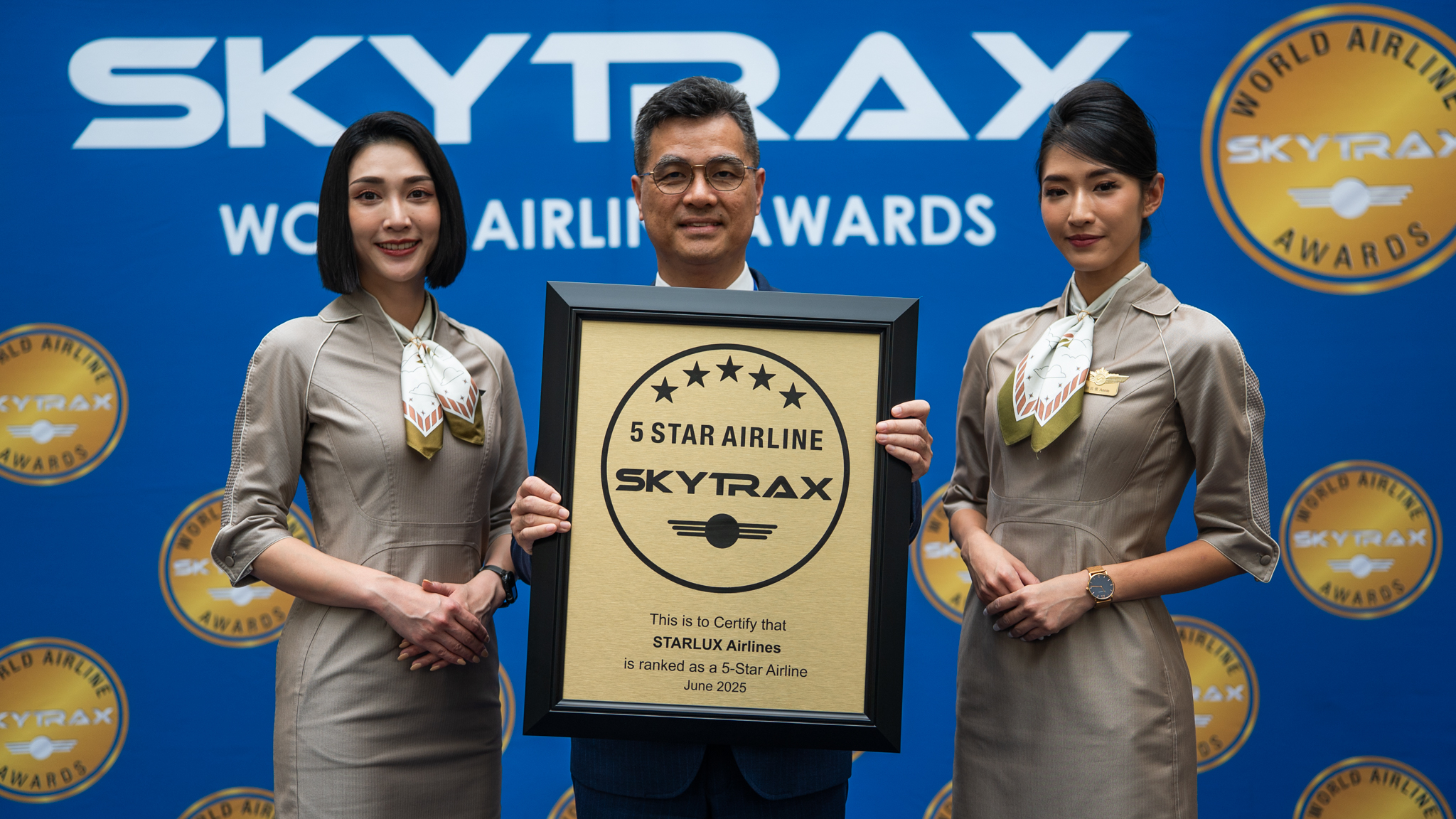
STARLUX Airlines was recognised for having the World’s Cleanest Cabin and received a five-star Skytrax rating.
Among low-cost carriers, AirAsia retained the World’s Best Low-Cost Airline title, while Scoot was named World’s Best Long-Haul Low-Cost Airline.
STARLUX Airlines was recognised for having the World’s Cleanest Cabin and received a five-star Skytrax rating.
Regional winners
Beyond Africa, Bangkok Airways was named Best Regional Airline in Asia, while Turkish Airlines led Europe, Air Canada topped North America and LATAM Airlines took the South American regional title.
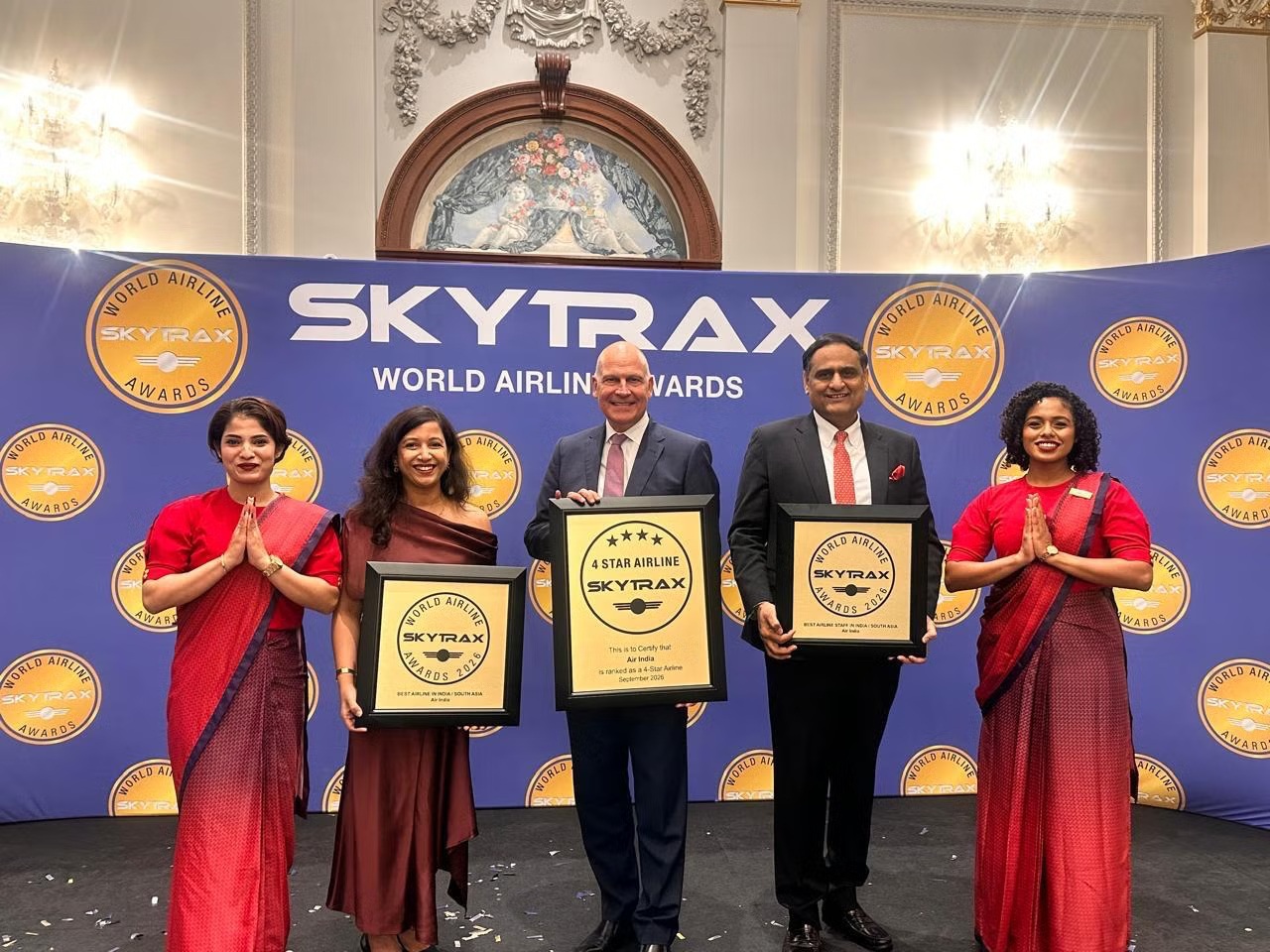
Air India also recorded several gains, winning Best Airline in India and Best Staff Service in South Asia, while receiving an upgrade to a Skytrax four-star rating.
Campbell Wilson, CEO & MD, Rajesh Dogra, Chief Customer Experience Officer, and Anjali Birla, Head of Customer Experience and Loyalty, alongside members of the Air India cabin crew, receive Air India’s awards at the 2026 Skytrax World Airline Awards in London.
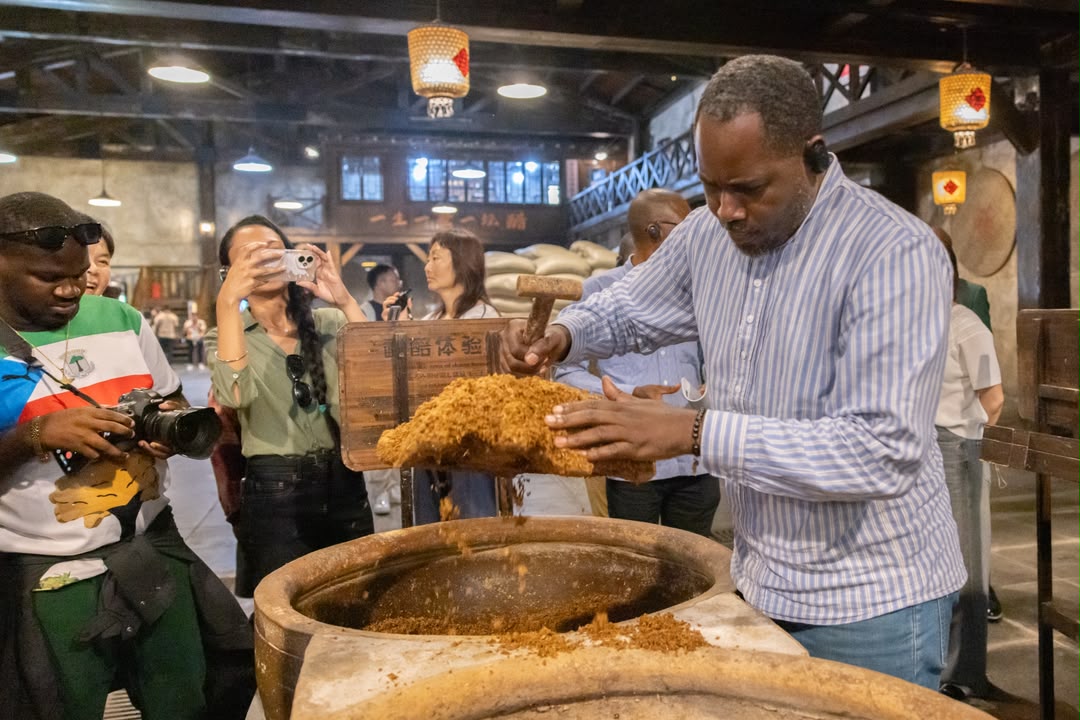
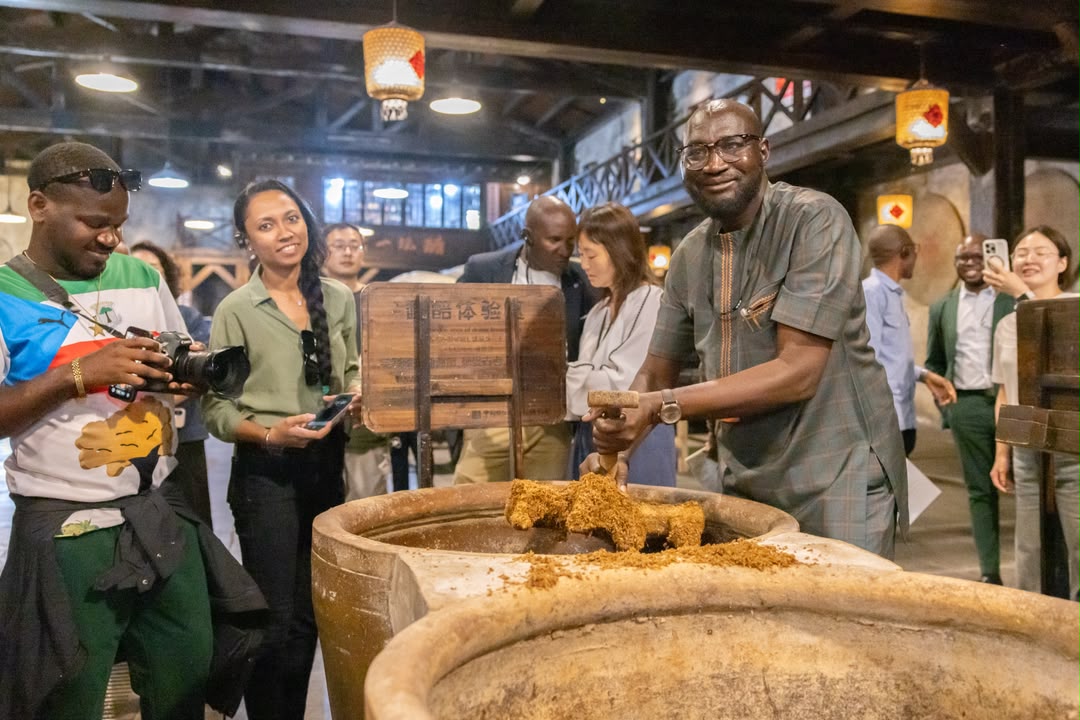
The scent immediately tells a story — this is not just a factory producing a kitchen ingredient; it is a place where more than 2,000 years of Chinese tradition continues to breathe through modern technology.
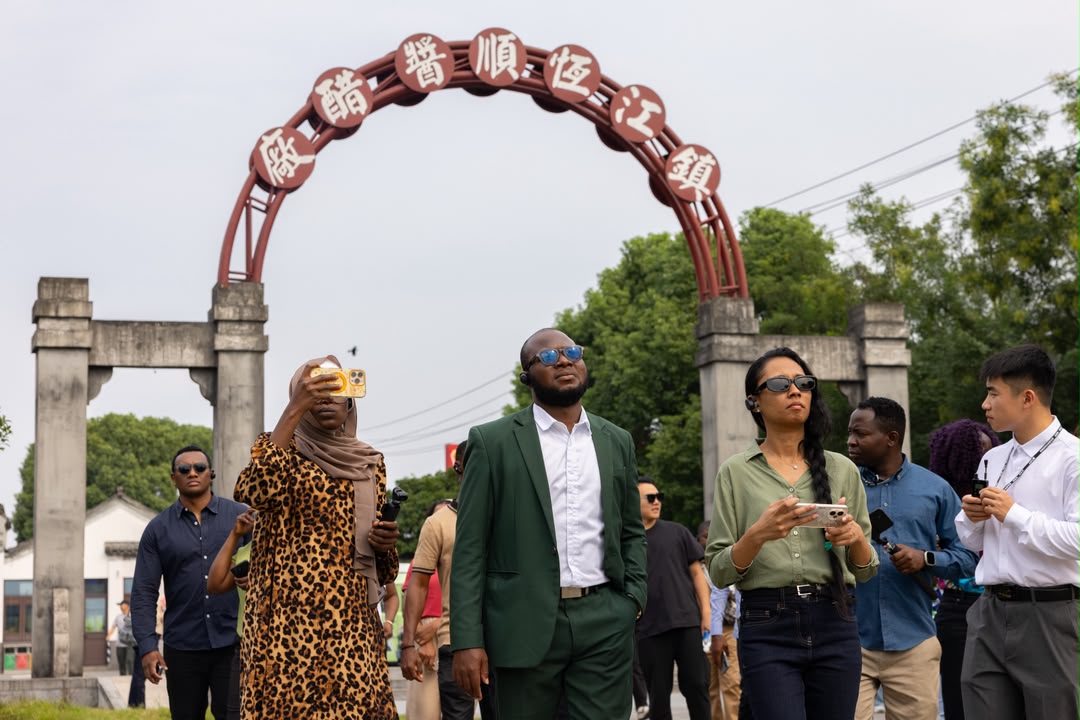
Located in Jiangsu Province, eastern China, Zhenjiang has earned the title “Vinegar Capital of China” because of its unique relationship with one of the world’s oldest fermented products.
Here, vinegar is more than a seasoning placed on a dining table. It represents history, culture, science and industrial transformation.
During our visit recently, we discovered how a simple-looking bottle carries centuries of knowledge, connecting ancient fermentation techniques with intelligent manufacturing systems capable of producing thousands of bottles every hour.
China’s relationship with vinegar stretches back more than two millennia. Ancient communities discovered that grains such as rice, wheat and sorghum could be transformed through fermentation into a product with a distinctive taste, longer shelf life and important culinary value.
Over generations, Zhenjiang developed its own speciality, Zhenjiang aromatic vinegar, a black vinegar recognised for its deep colour, balanced sourness, mild sweetness and unique fragrance.
Unlike ordinary vinegar, whose main purpose is acidity, Zhenjiang vinegar is created through a complex fermentation process where time, microorganisms and craftsmanship determine the final flavour.
The process begins with carefully selected grains. Through alcoholic fermentation, natural sugars are converted into alcohol before acetic acid bacteria transform it into vinegar. But the secret is not only in science.
For generations, craftsmen have mastered the relationship between temperature, fermentation conditions and ageing techniques, creating a product where sourness, sweetness and aroma exist in perfect balance.
At the centre of this story is Jiangsu Hengshun Vinegar Industry, a company founded in 1840 during the Qing Dynasty.
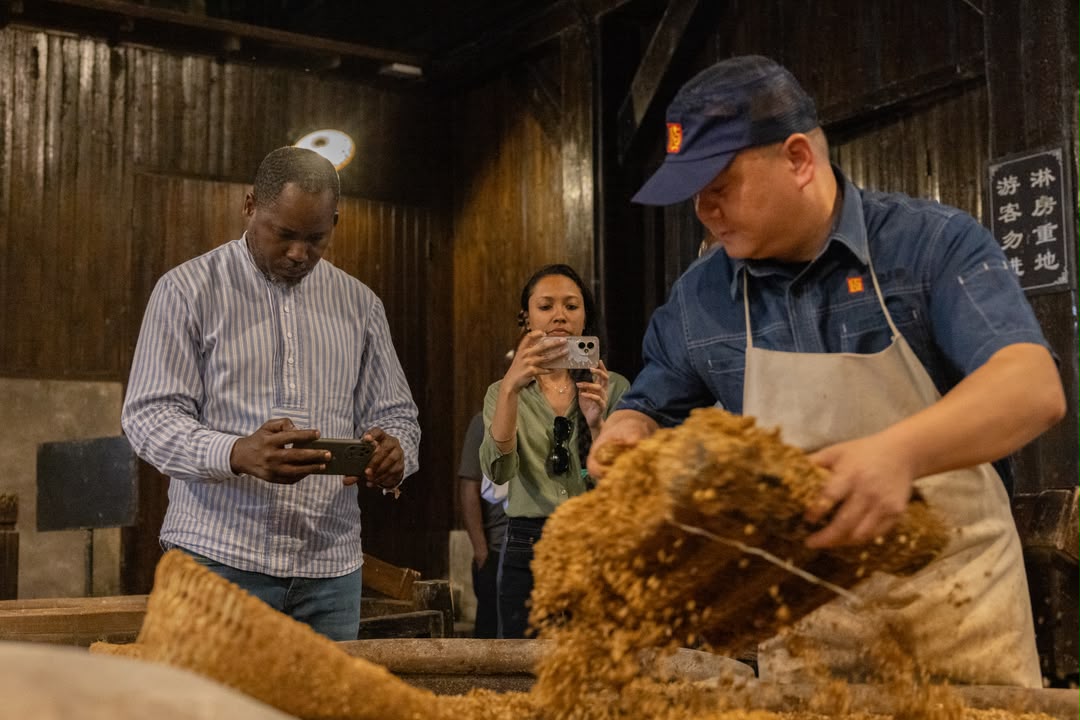
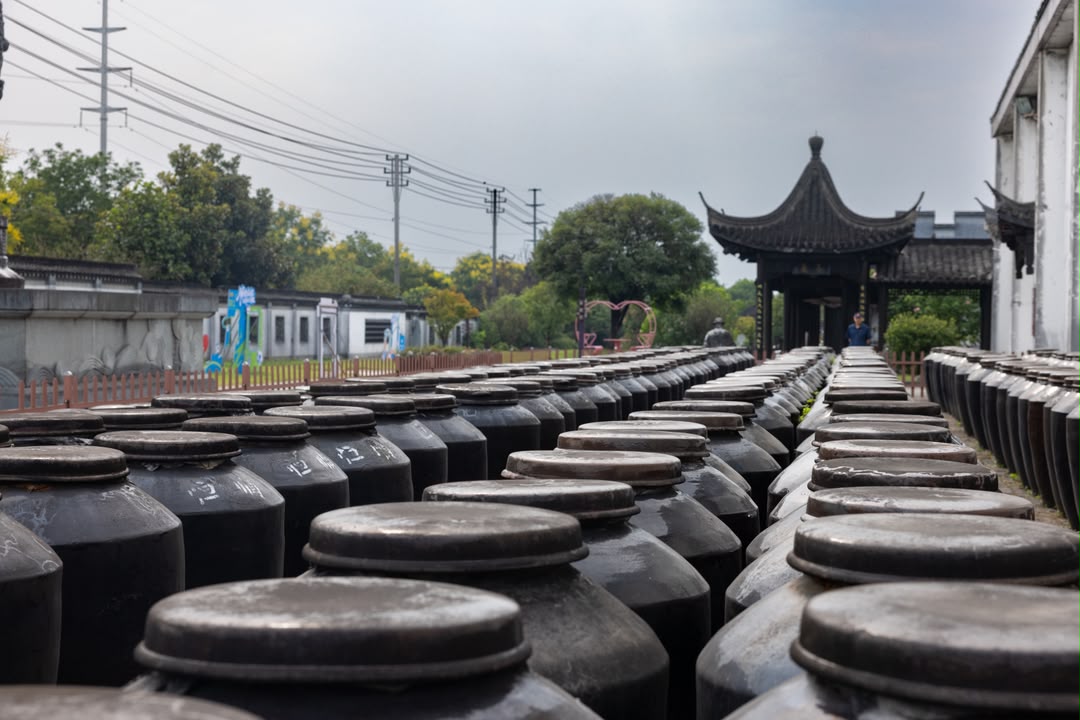
What started as a traditional workshop has developed into one of China’s most recognised vinegar brands, combining centuries-old brewing methods with biotechnology, quality control systems and intelligent production.
Traditional fermentation areas exist alongside modern laboratories, automated production lines and digital monitoring systems designed to improve efficiency while preserving the original character of the vinegar.
Today, Zhenjiang’s vinegar industry has grown far beyond one company. The city has built a complete vinegar ecosystem involving more than 40 enterprises, producing over 300,000 tonnes annually and contributing a significant share of China’s vinegar production.
Hengshun’s transformation reflects this wider industrial growth. In 2017, the company invested 120 million yuan, equivalent to about 26 billion Rwandan francs, in advanced German automated filling technology.
The production line can process 24,000 bottles per hour while enabling real-time monitoring and complete product traceability. The company later introduced another intelligent filling line capable of handling 36,000 bottles per hour, further strengthening its manufacturing capacity.
The journey continues at the Zhenjiang Vinegar Culture Museum, where vinegar becomes a story of people, heritage and innovation.
Established to preserve the history of vinegar-making, the museum displays traditional brewing tools, historical documents, old production methods and materials showing how Hengshun developed from a small workshop into a modern industrial enterprise.
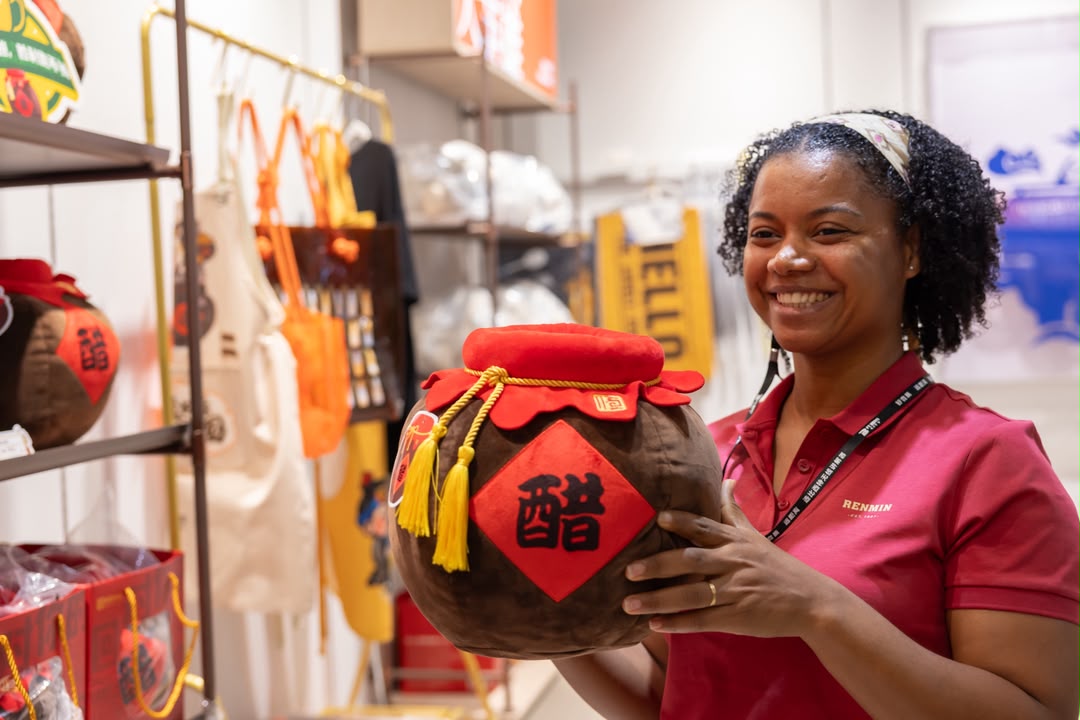
Recognised as a National Demonstration Base for Industrial Tourism in 2023, the museum has transformed vinegar into an educational and cultural experience. Visitors do not only learn how vinegar is produced; they discover why it remains an important part of Chinese identity.
Technology has also changed how this heritage is shared. Through virtual reality experiences, digital guides, online exhibitions and livestreaming, Zhenjiang’s vinegar culture is reaching audiences beyond the city and beyond China.
In Chinese cuisine, Zhenjiang vinegar plays an important role. It is used in sauces, seafood dishes, soups and traditional recipes, adding depth and fragrance while maintaining the original taste of food.
However, modern consumer preferences are creating new opportunities. Younger generations are increasingly interested in natural ingredients, healthier products and new flavours.
Responding to these changes, Hengshun has expanded beyond traditional cooking vinegar by introducing products such as floral vinegar varieties featuring ingredients like rose, osmanthus and camellia.
At Hengshun Industrial Park, a new 33,000-square-metre intelligent production facility is being developed with automated feeding, fermentation management and modern processing systems. Once completed, it is expected to increase annual capacity by 56,000 tonnes of table vinegar and 20,000 tonnes of white vinegar.
A product that began as an ancient fermentation technique has become an industry connecting agriculture, tourism, food technology and modern manufacturing.
In China’s Vinegar Capital, every drop tells a story, a story of tradition preserved, innovation embraced and a city that transformed a simple ingredient into a symbol of heritage.
Visitors explore the centuries-old vinegar-making tradition in Jiangsu Province, known as China’s “Vinegar Capital.”Jiangsu Hengshun Vinegar Industry preserves traditional brewing methods while using automated production and digital monitoring systems.Zhenjiang’s vinegar industry combines more than 2,000 years of fermentation tradition with modern technology and intelligent manufacturing.
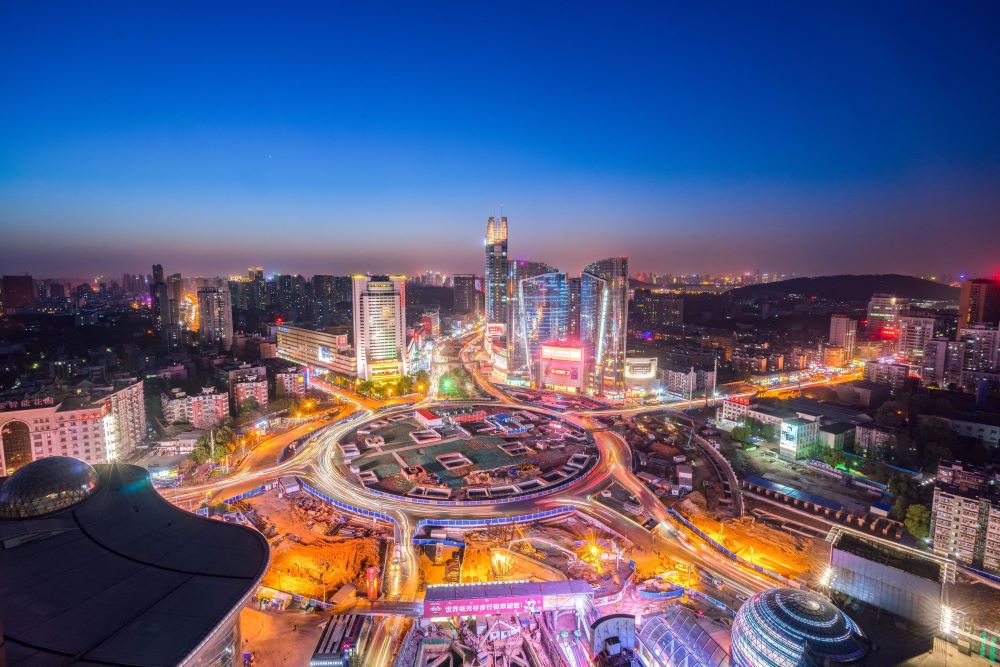
My journey into this dynamic urban tapestry began on a morning flight out of Beijing Capital International Airport. Two and a half hours later, I woke up to the flight attendant announcing our imminent landing at Wuhan Tianhe International Airport.
Stepping off the plane, the shift in weather was immediate. While Beijing had already settled into a cooler autumn breeze, Wuhan greeted me with a wave of heavy, lingering summer heat.
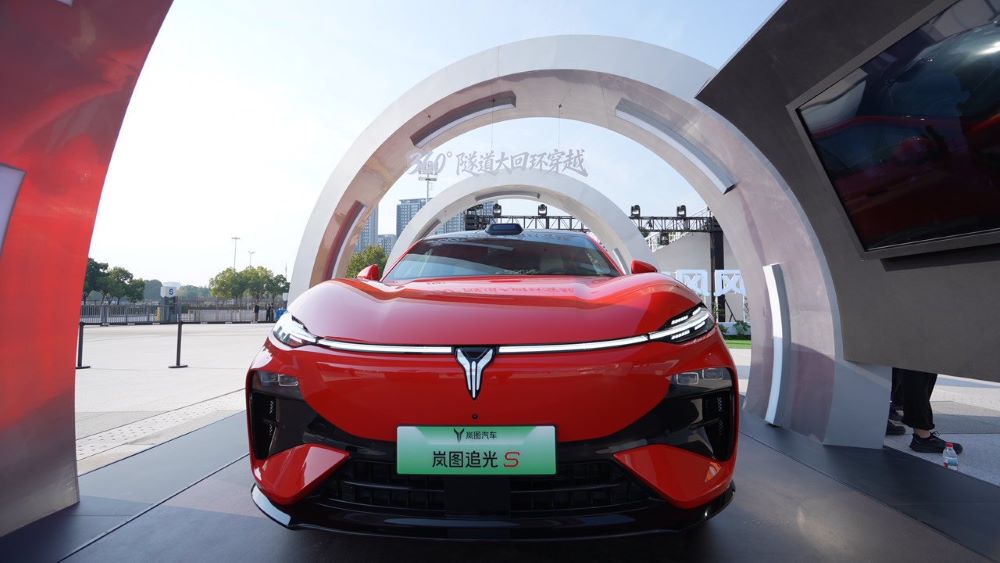
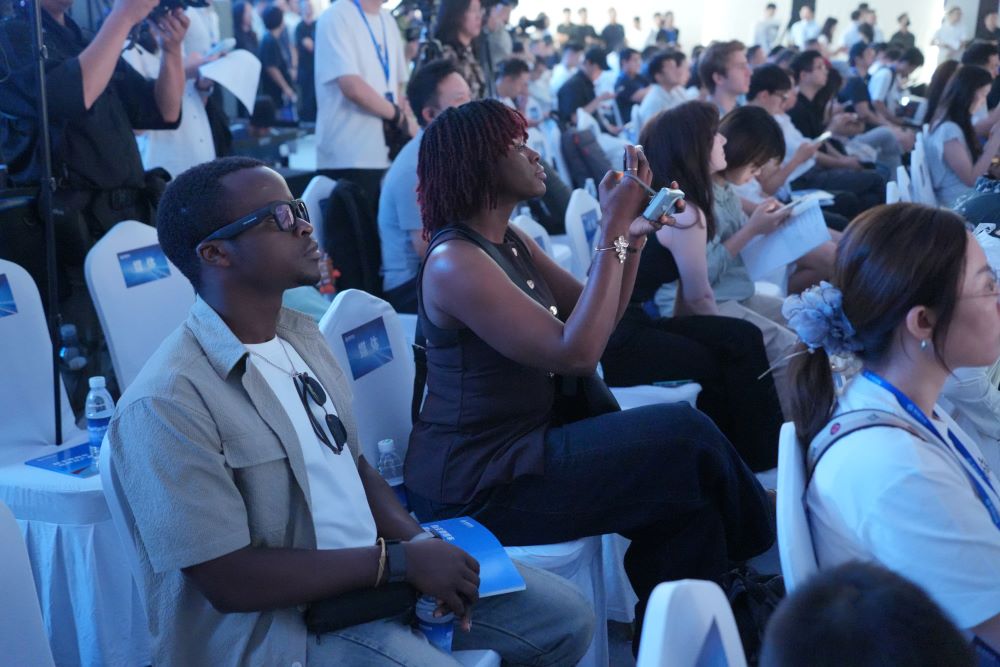
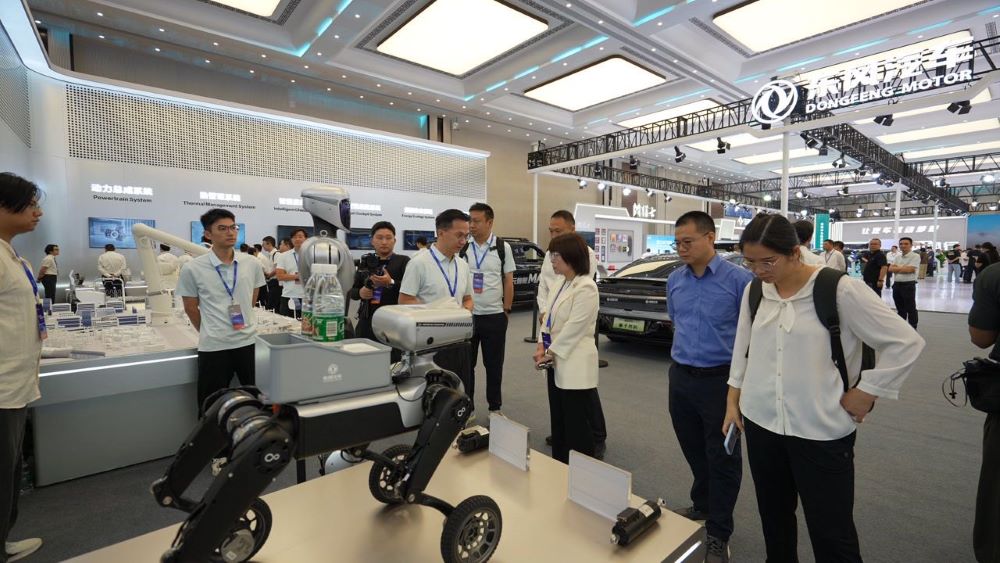
Immediately after dropping my bags at the hotel, I geared up for the primary reason I came to this city: attending Dongfeng Motor’s 10th Science and Technology Innovation Week and 1st User Lifestyle Festival.
Kicked off on September 14 under the theme “Wind from the East, Creating a Smart Life,” the event was a massive showcase of automotive evolution. Dongfeng officially unveiled three major global initiatives: the “Sky-Clean Zero-Carbon” Plan, the Embodied Intelligent Vehicle All-Domain Protection Plan, and the “Sky Horizon Voyage” Plan.
These blueprints are designed to highlight the company’s cutting-edge leaps in new energy technologies, safety, and international expansion. To bridge the gap between engineering and everyday drivers, they also launched the “Dongfeng Youxin” service brand, a platform meant to build direct, trust-based relationships with users and deliver reliable, full-lifecycle services.
During the opening ceremony, Dongfeng Motor Chairman Yang Qing made the company’s ambitions clear. He emphasized that Dongfeng is prioritizing safe, intelligent, and green mobility to upgrade the experience for its over 64 million users.
Looking toward the future, Yang noted that the company will deeply embrace AI trends and a low-carbon industrial layout, turning technological strength into tangible user value and enhancing the global influence of Chinese auto brands as they march toward their 2030 goals.
But hearing about the technology is one thing; feeling it is another entirely.
My hands-on experience actually began a day prior to the official launch. A 30-minute drive brought me to the first testing ground, MHERO Technology Park.
Here, I strapped into the passenger seat of the mighty M-Hero 817 for a masterclass in extreme off-roading. The showcase kicked off with the vehicle’s “crab mode.”
It is incredibly surreal to feel a massive car moving diagonally sideways, effortlessly sliding out of tight spots. Then came the sheer power: the vehicle rocketed to 100 kilometers per hour in just a few seconds, followed by an instant brake system that brought the heavy beast to a stop in just a few meters.
Next, we tackled the obstacle course. We hit a 30-degree bumpy wall that angled the vehicle so sharply that the right side—where I was sitting—was suspended entirely in the air.
Despite hanging above the ground, I felt perfectly secure as the car crawled forward. From there, we hit a stretch of oblique, alternating bumps. The vehicle acted like a seesaw, balancing perfectly on two opposing wheels as the suspension absorbed the staggered drops.
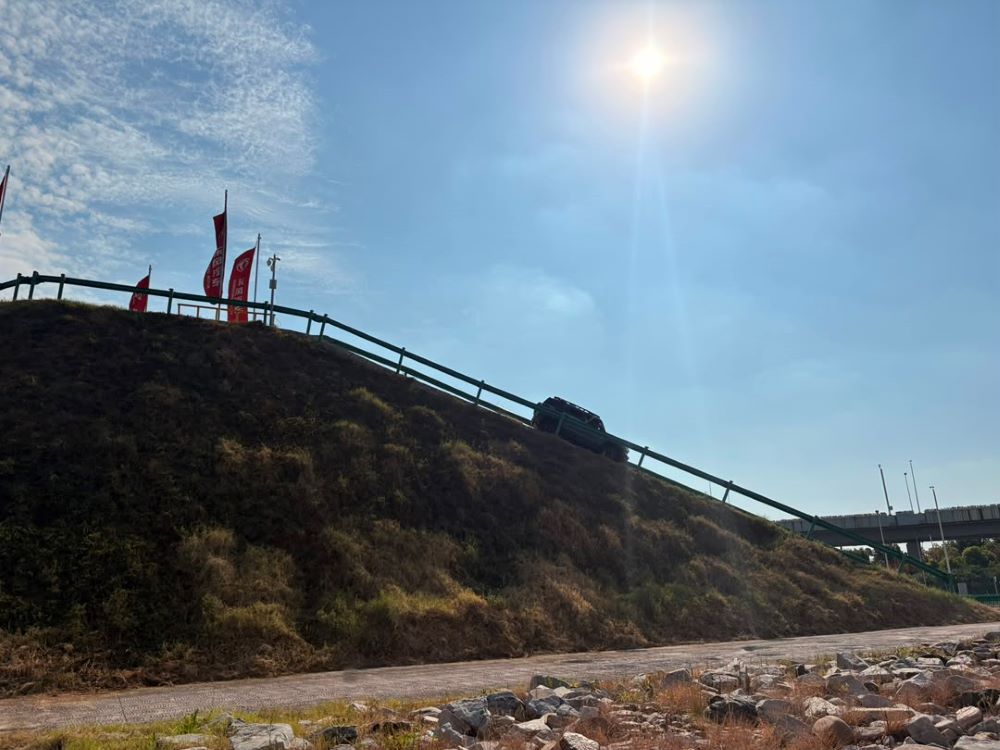
Then came the mountain. We started climbing a 35-degree incline that quickly and aggressively sharpened to 45 degrees. At that angle, the windshield offered nothing but a view of the open sky; navigating the terrain relied entirely on the cameras and screens inside the cabin.
Immediately after summiting, we tipped over the edge for a steep 30-to-40-degree descent, staring straight down into the dirt. To cap off the M-Hero experience, we plunged into a water basin a full meter deep. The water washed almost over the front hood, yet the vehicle pushed through the flooded trench without a single stutter. It was nothing short of phenomenal.
My adrenaline was already spiking, but a second 30-minute transfer brought me to another track, at the National Intelligent and Connected Vehicle Test and Demonstration Zone, Longlingshan Site.
Here I finally got to take the wheel myself. This was my very first time driving a car in China, and my ride was the sleek Dongfeng eπ007.
If the M-Hero is an off-road beast, the eπ007 is a pure sports machine. Putting my foot down, this car hit 100 km/h in an astonishing 3.9 seconds. During my 10-minute drive, I threw it through sharp turns, weaved tightly around cones, and blasted through tunnels. I drove it over dirt roads, sloped terrain, and through a simulated rain zone where the intelligent wipers automatically triggered the moment the water hit the glass. You could even pull off perfect 360-degree spins.
Walking away from the track, the message of Dongfeng’s innovation week was no longer just a corporate speech—it was a physical reality. Experiencing cars that can crab-walk, scale sheer cliffs, wade through deep water, and hit 100 km/h in a few seconds proved that this city isn’t just manufacturing vehicles; it is engineering the absolute future of driving.
Stepping into Wuhan’s famous, lingering summer heat after arriving from BeijingStepping into Wuhan’s famous, lingering summer heat after arriving from Beijing
That question became the starting point for Kabizu Business Group Ltd, a venture Bizumuremyi first established in Ostend, Belgium, in 2020 before bringing the business to Rwanda.
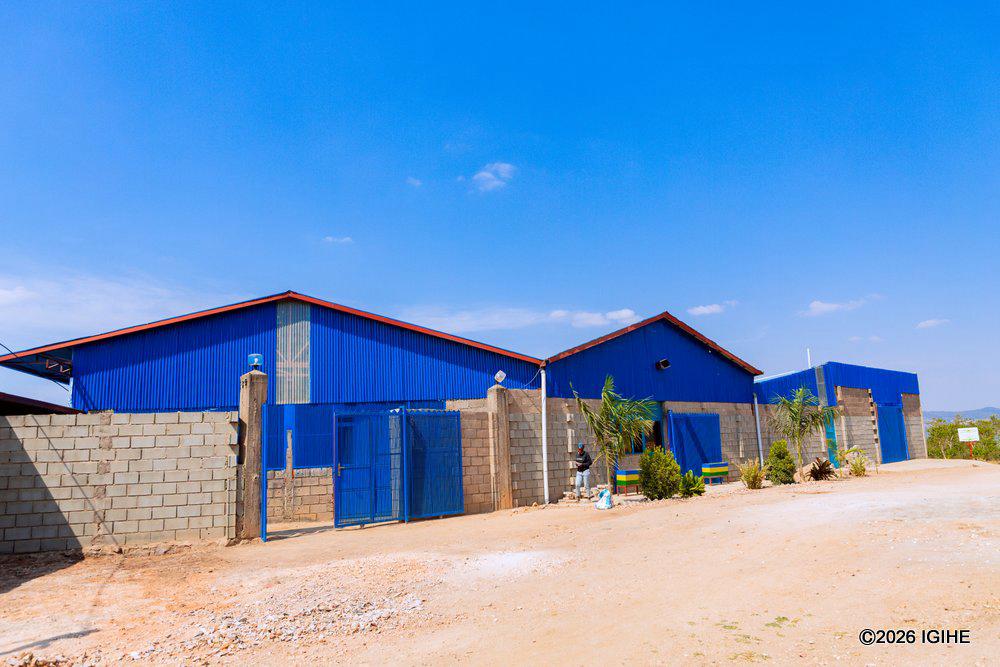
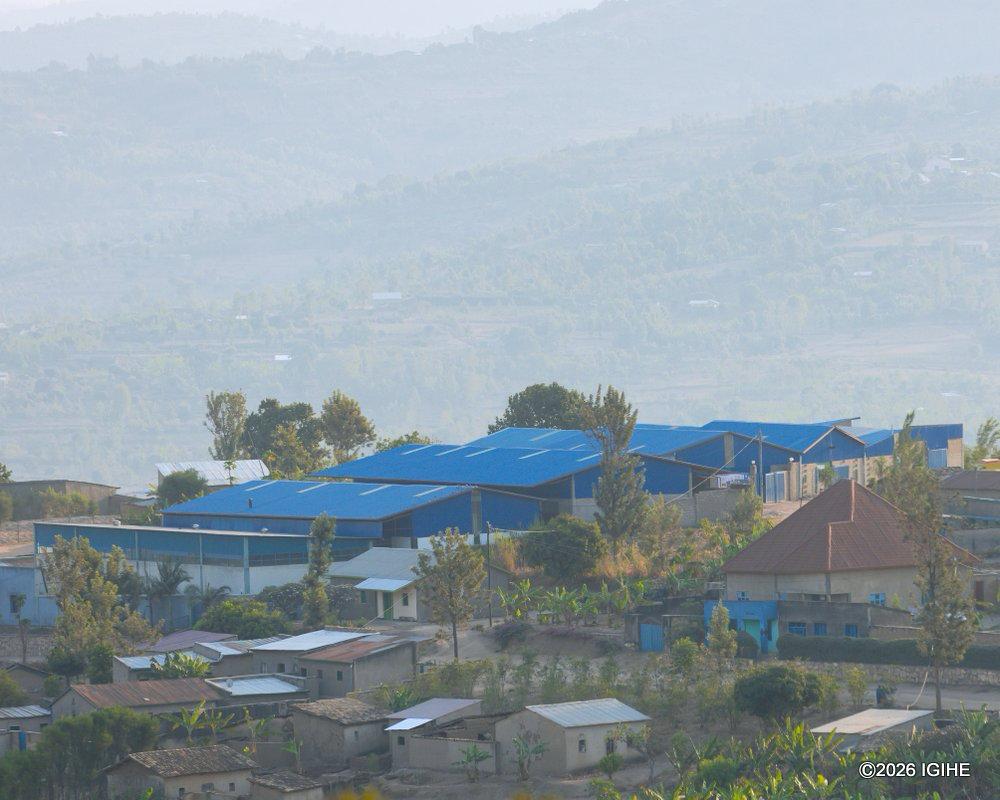
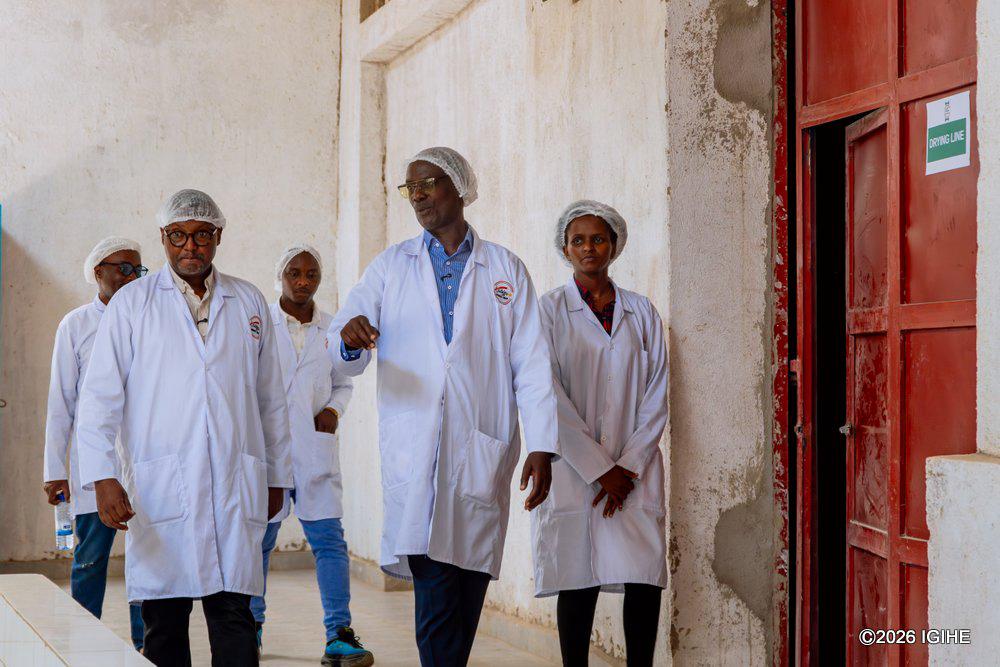
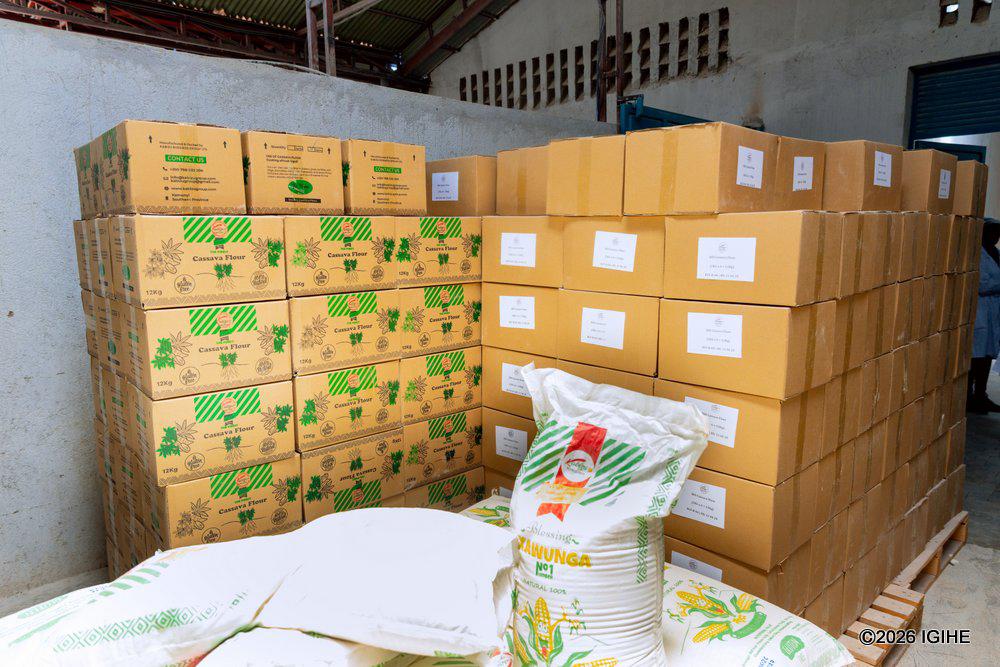
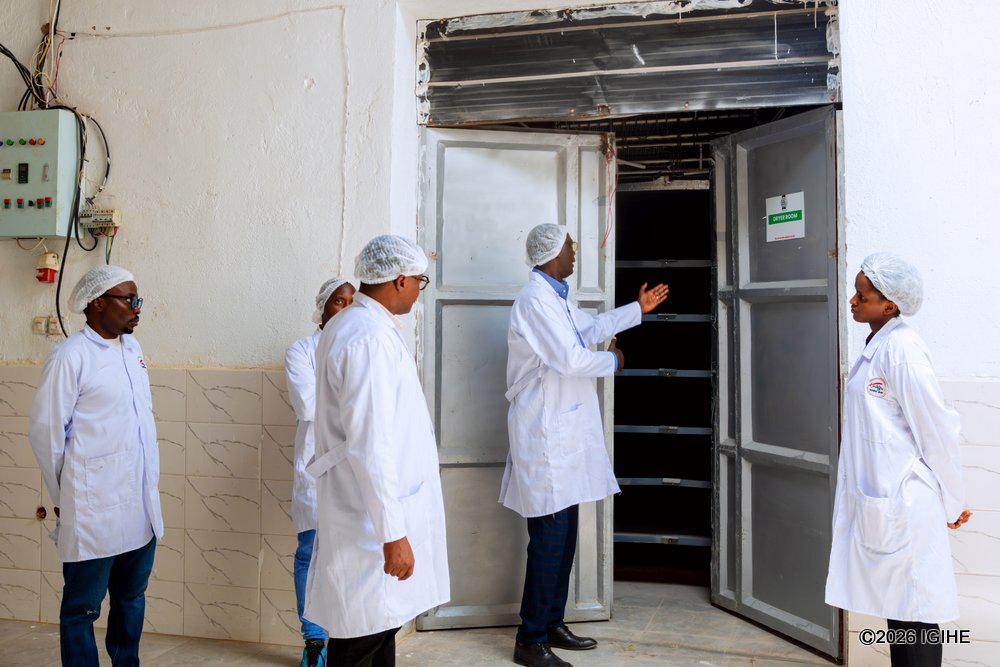
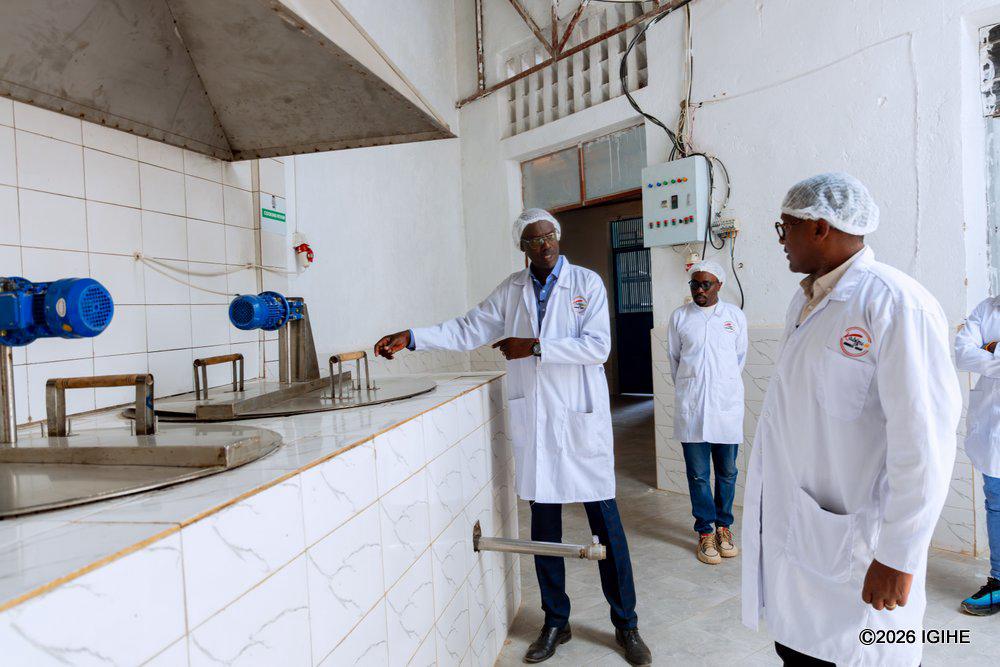
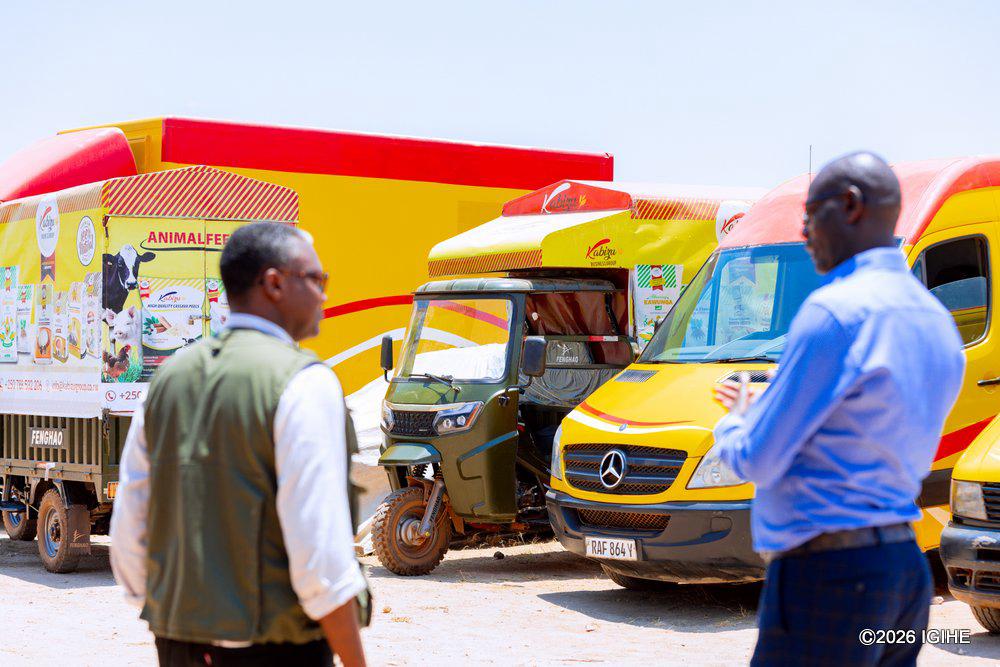
Today, his agricultural processing plant in Nyamiyaga Sector, Kamonyi District, turns locally produced crops into a range of food products, some of which have found their way to markets in the United States, Canada and Belgium.
For Bizumuremyi, the journey from Belgium to Kamonyi is not only about building a business. It is also about turning experience gained in the diaspora into opportunities for farmers and communities back home.
From promoting Rwandan products to creating his own brand
Bizumuremyi, who lives in Ostend, was involved in the Rwandan diaspora community in Belgium and helped establish the Diaspora of the North Sea.
He was also part of a “Made in Rwanda” initiative that brought products from Rwanda to Belgium, including coffee, tea, food products and handicrafts.
“We would bring different products from Rwanda and sell them in a shop. They included Kinazi and other products, as well as artisanal works from Rwanda,” he said.
The experience exposed him to both the demand for Rwandan products abroad and the challenges of getting them to consumers at the right time and in the right form.
From 2010 to 2017, Bizumuremyi also worked with entrepreneurs in different sectors in Belgium, building experience that later influenced his decision to establish his own business.
“I looked at products that would reach me in Belgium and services that would not reach me at the right time. This pushed me to make my own brand, Kabizu Business Group,” he said.
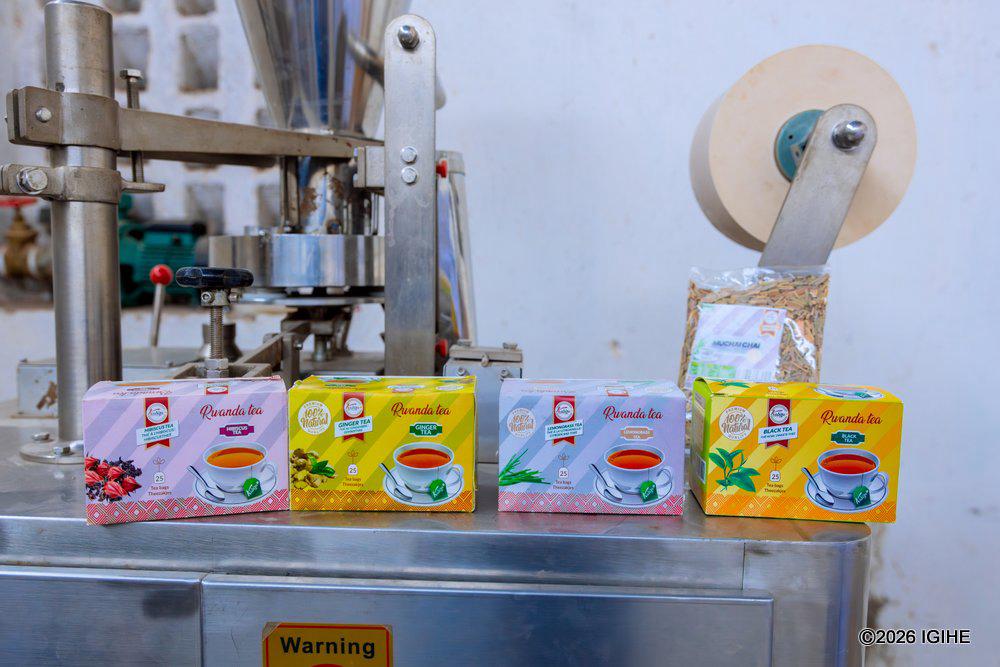
The company initially focused on coffee, with the National Agricultural Export Development Board (NAEB) supporting the repackaging of coffee for the Belgian market. He later bought a machine to package tea sourced from Rwanda Mountain Tea, Karongi Tea Factory and others, selling it under the Akabizu brand.
As customers began asking for more products, the business gradually expanded into agricultural value addition.
“Later, clients requested me to expand into other products. That is how we had the idea of adding value to agricultural products from Rwanda,” he said.
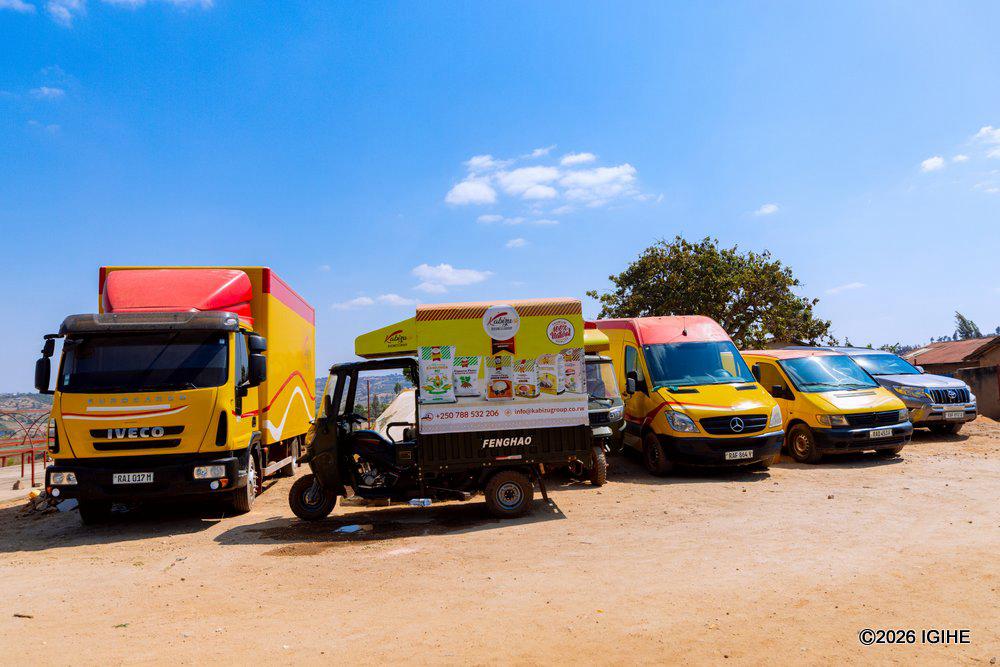
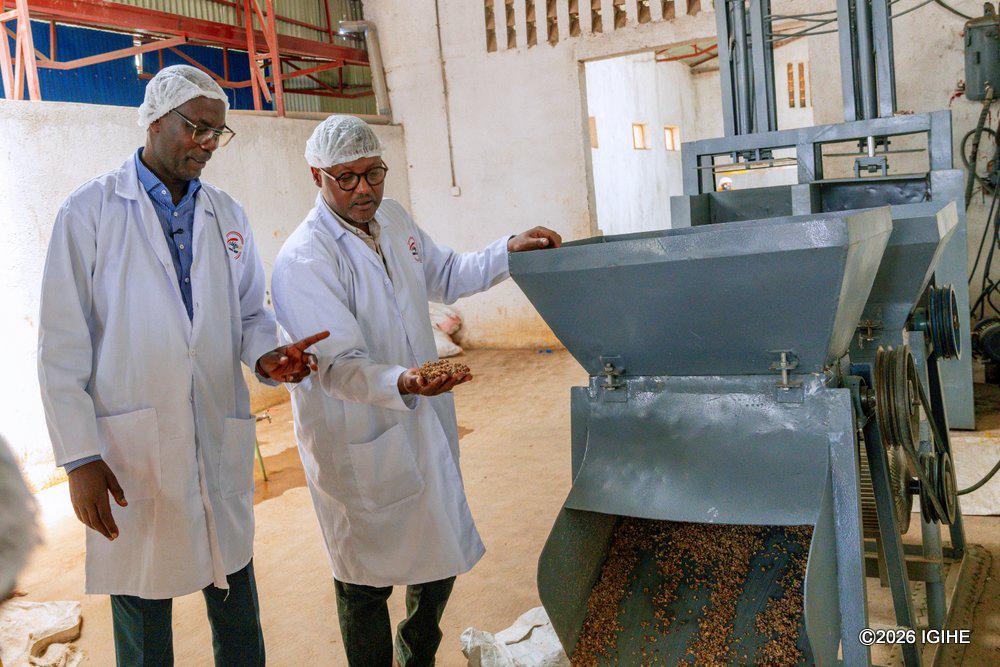
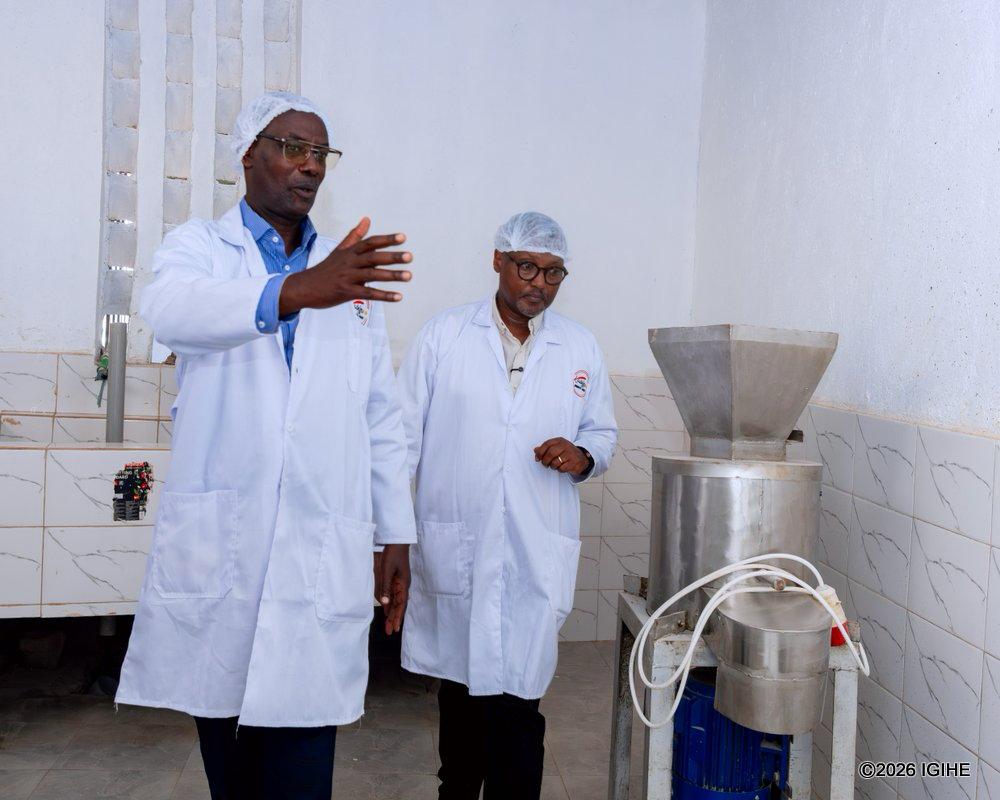
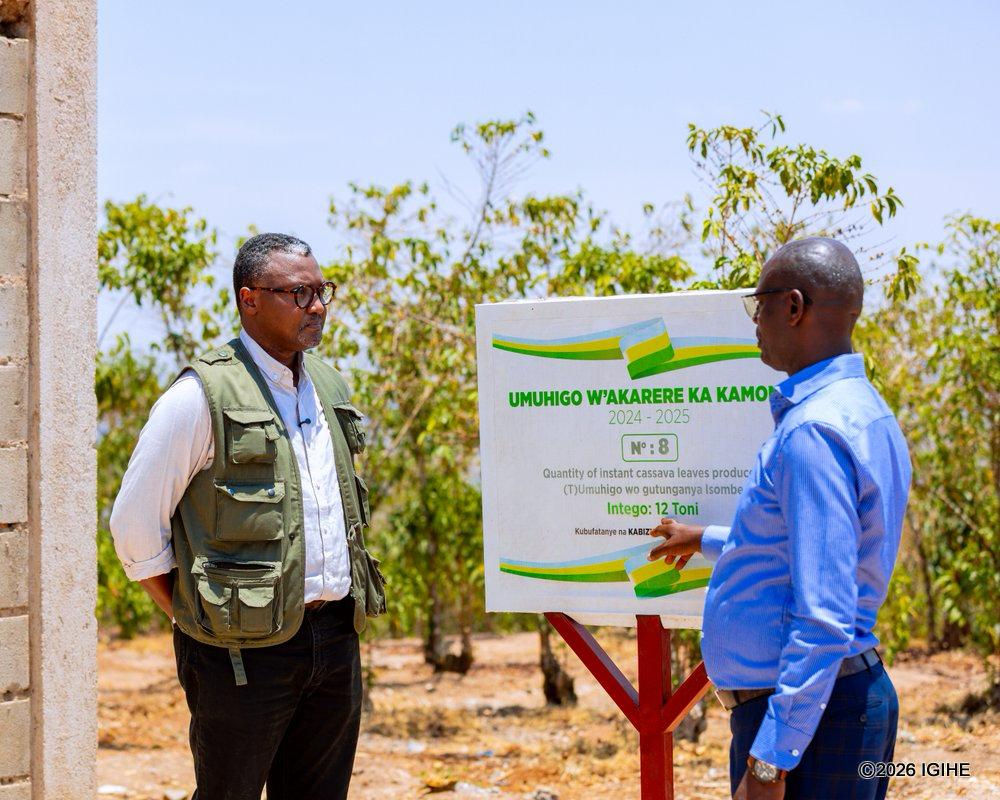
Today, the plant processes cassava, maize, sorghum, millet and soybean flour, as well as baby food, cooking oil, processed cassava leaves, commonly known as isombe, and peanut-based products.
Turning farm produce into more value
For Bizumuremyi, agro-processing offers opportunities beyond producing finished food products.
He points to cassava as an example. While the crop has traditionally been processed mainly into flour, the company has also found ways to use cassava residues to produce animal-feed ingredients.
“The residues would be wasted, but under the project we started to produce animal feed,” he said.
He believes such value addition can create additional income for farmers while contributing to solutions for shortages of animal feed and cereals.
The company works with cooperatives and smallholder farmers supplying cassava, sorghum, wheat, rice, maize and other crops.
Bizumuremyi encourages farmers to organise themselves in cooperatives so they can consolidate production, while also accepting produce from individual farmers.
“We are here to provide a market for farmers in this province,” he said.
He wants farming to be seen as a profitable business rather than an activity limited to small-scale production. “It should be a lucrative business that helps people to develop and enables them to see the added value of their produce,” he said.
A business rooted in Kamonyi
Choosing Nyamiyaga as the location for the plant was also intended to bring the business closer to farmers and contribute to the surrounding community.
The company employs people living near the plant, with specialised positions filled by workers from elsewhere when necessary.
Bizumuremyi says the business also works with local authorities, participates in community activities and exhibitions, and contributes to local initiatives.
He says the location has another benefit: giving Kamonyi greater visibility as the products reach international markets.
“When we export, we indicate the address of where they are processed on the labels. For me, this also adds to the visibility of Kamonyi,” he said.
Looking beyond Rwanda
The company initially exported to Belgium but has since expanded its reach, particularly to the United States, where Bizumuremyi says its products are sold in four states, including Michigan, New York and Kentucky. Canada and Belgium are also among its markets.
Looking ahead, he wants to expand the business across Africa and raise the standards of the processing facility to international levels.
“In line with the government’s vision, we also have a vision of expanding to Africa and raising the standards of the manufacturing facility to operate at an international level,” he said.
His message to other members of the diaspora is straightforward: Rwanda offers opportunities for those willing to return and invest.
“I am part of the diaspora members who returned to Rwanda and invested, so as not to be left behind. The time is now, and it is possible to do it,” he said.
Bizumuremyi also commended Rwanda’s leadership under President Paul Kagame, saying the country’s security and conducive investment environment make it easier for investors to establish and grow their businesses.
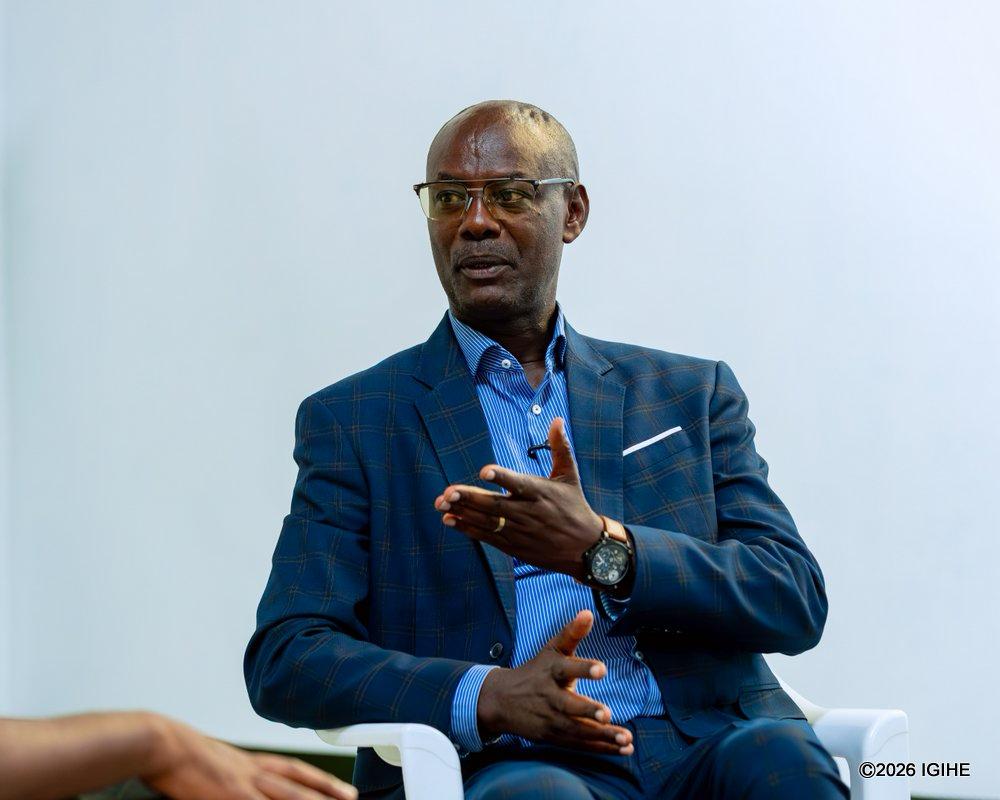
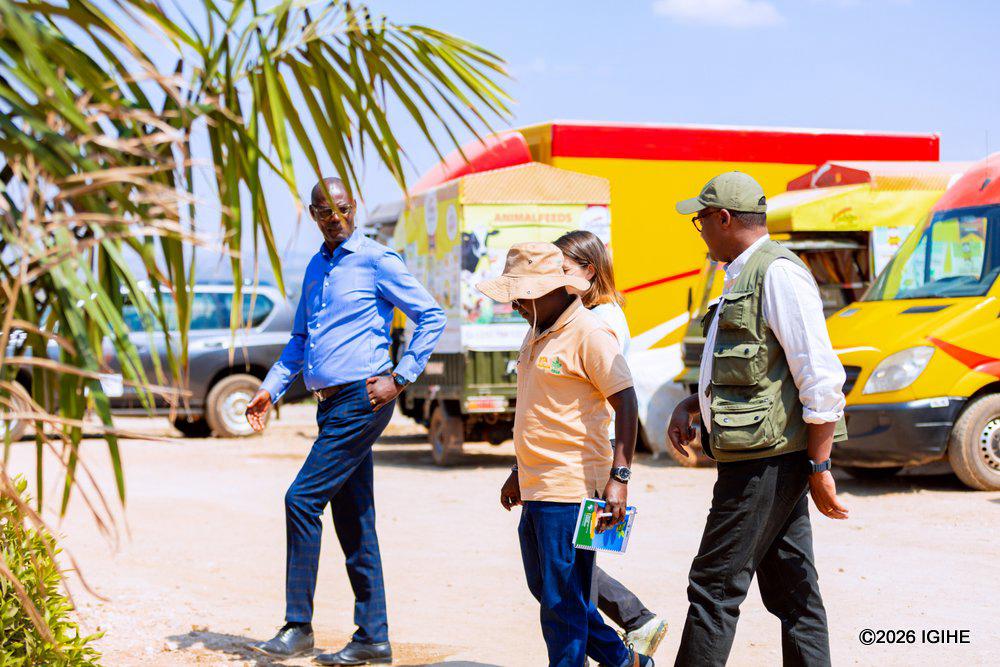
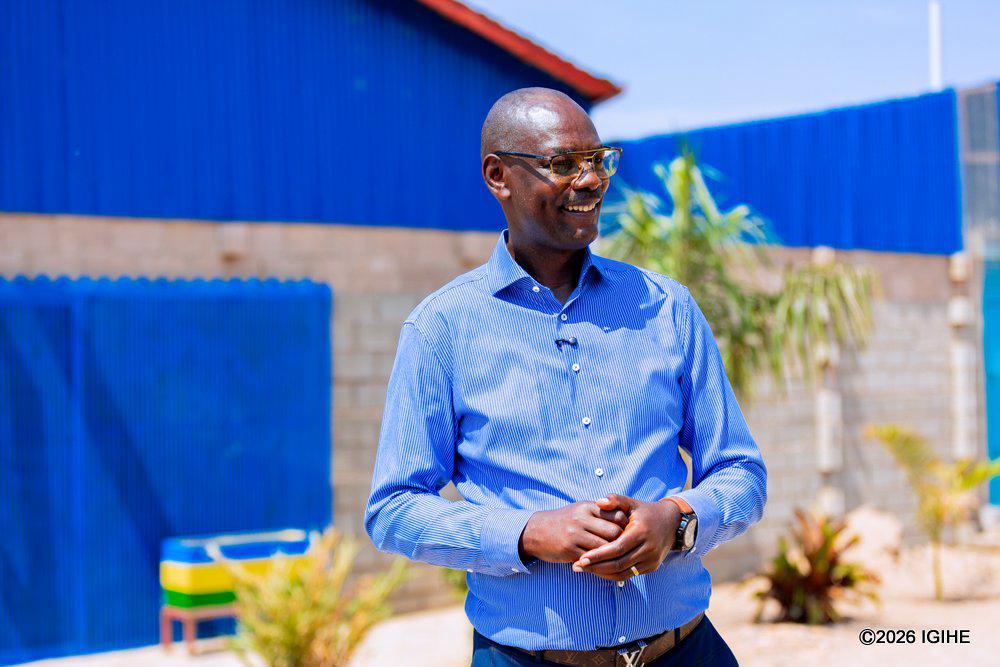
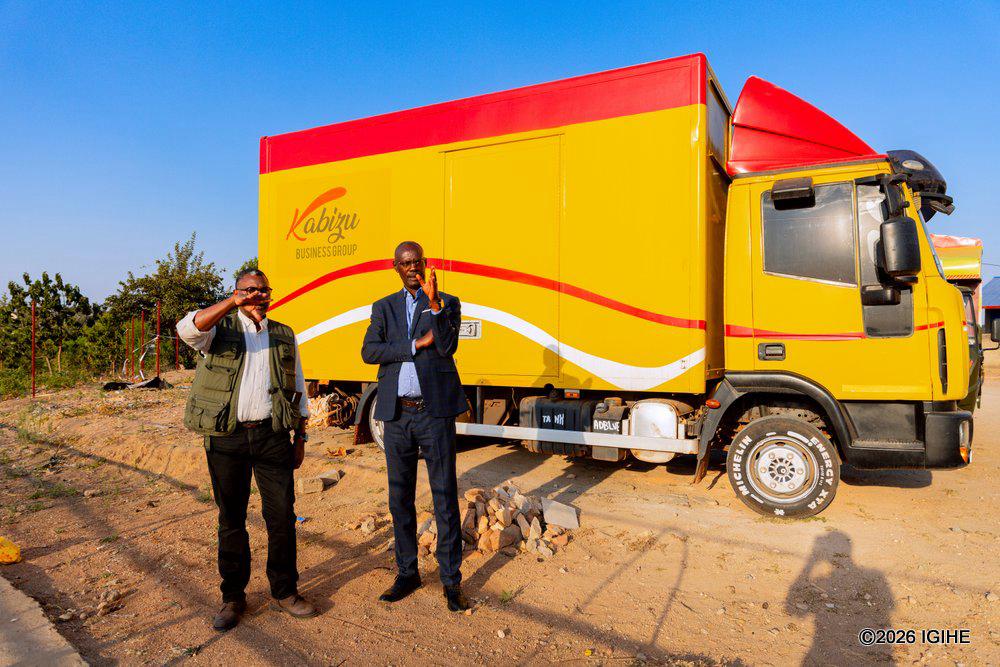
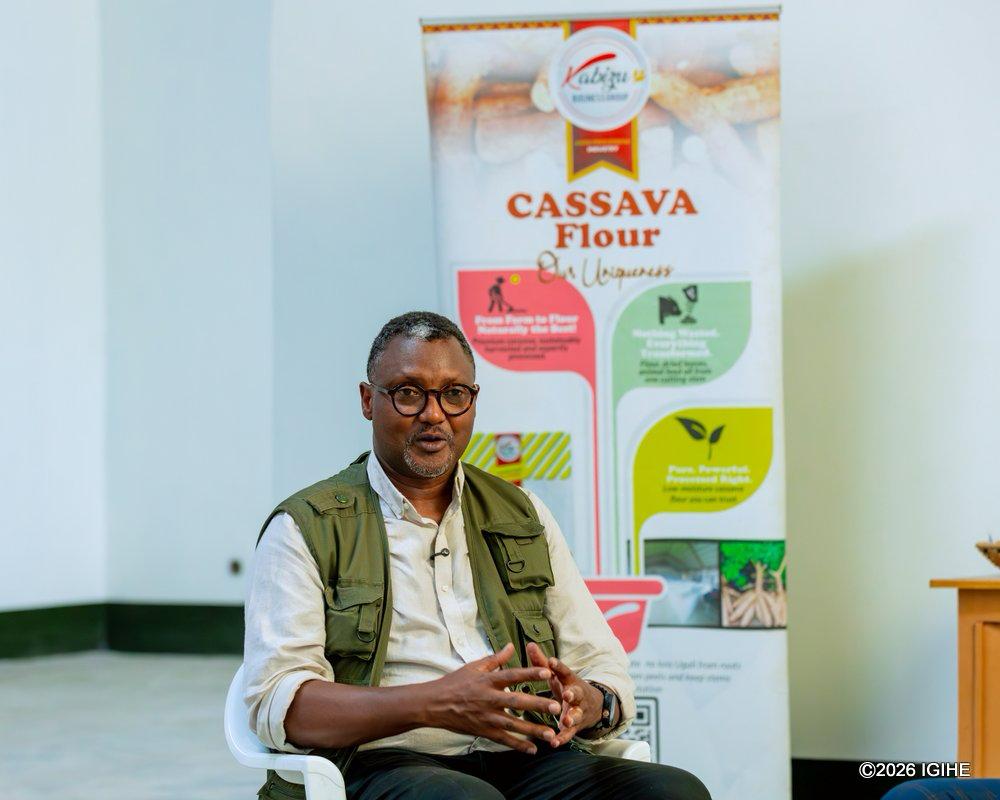
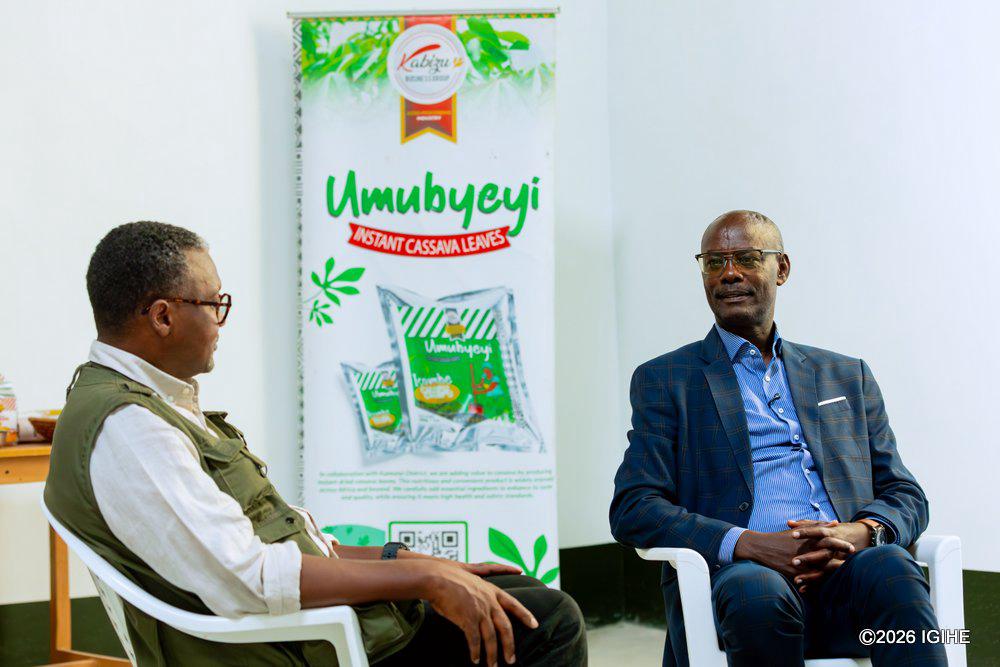
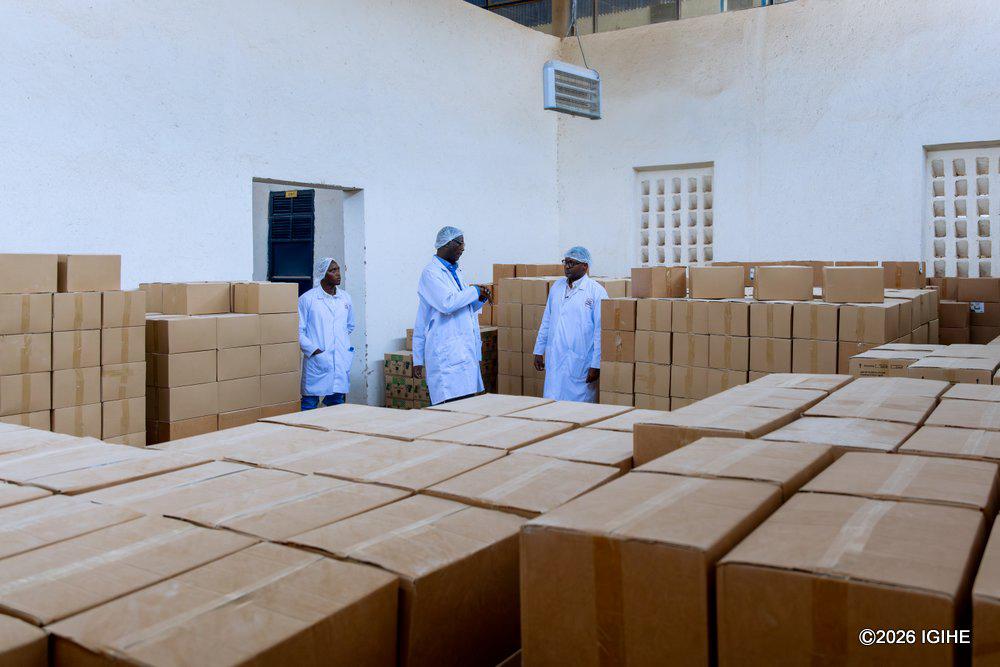
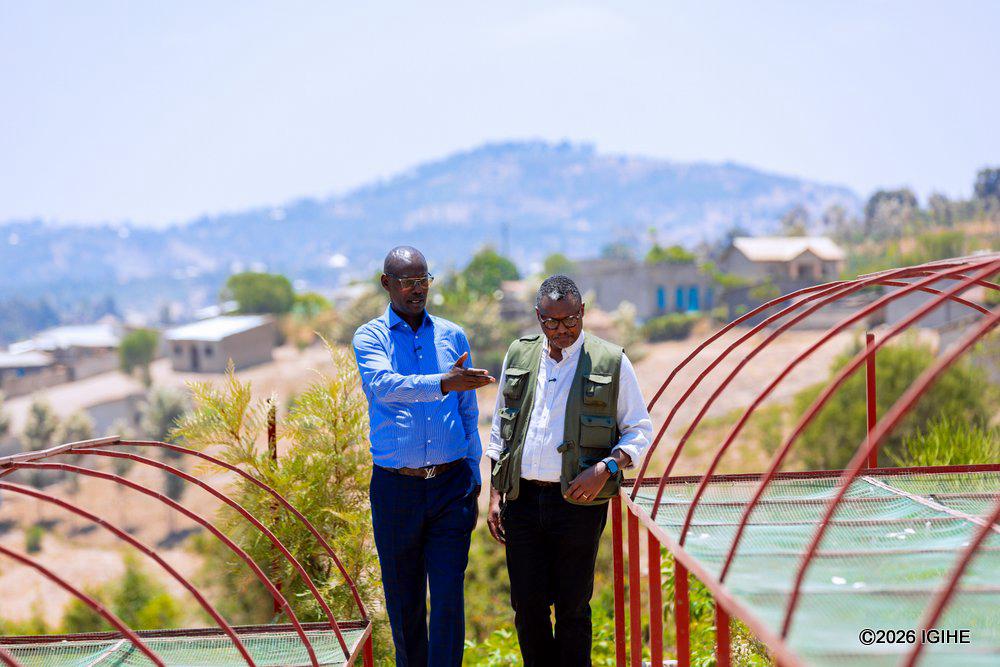
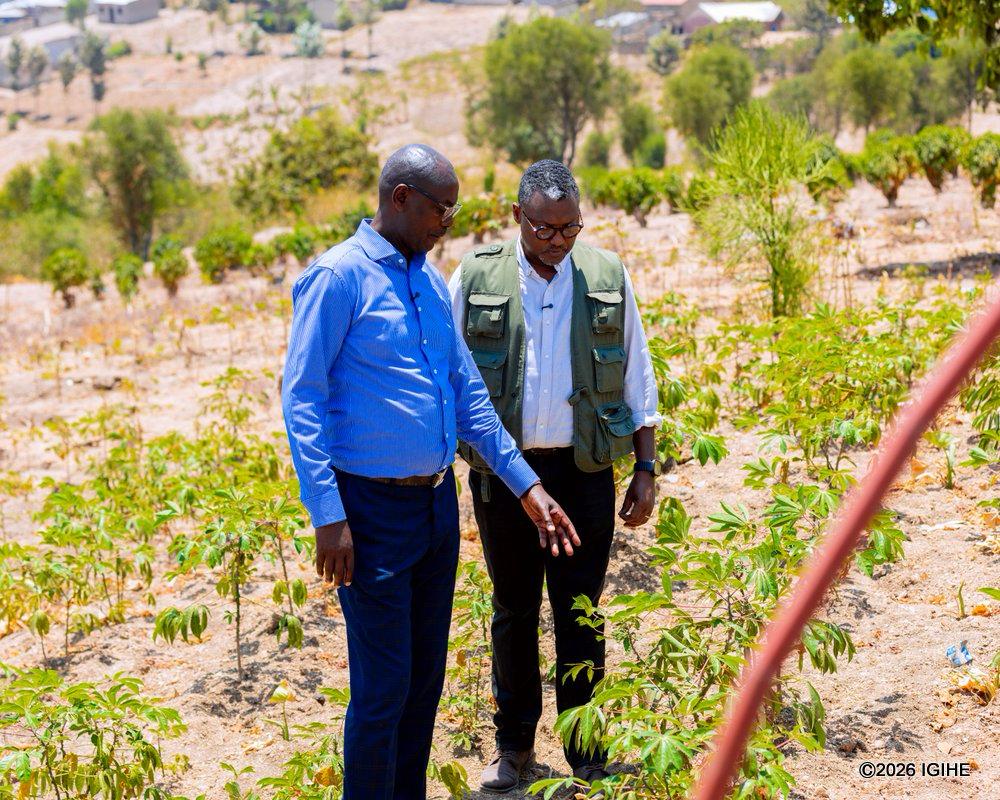
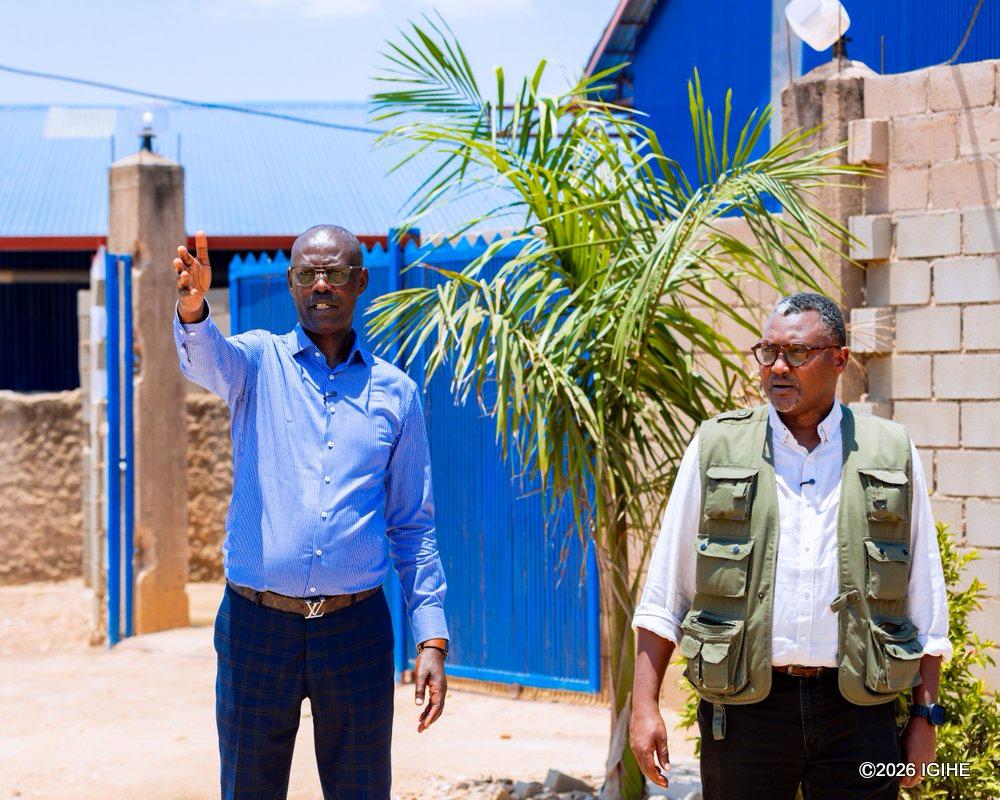
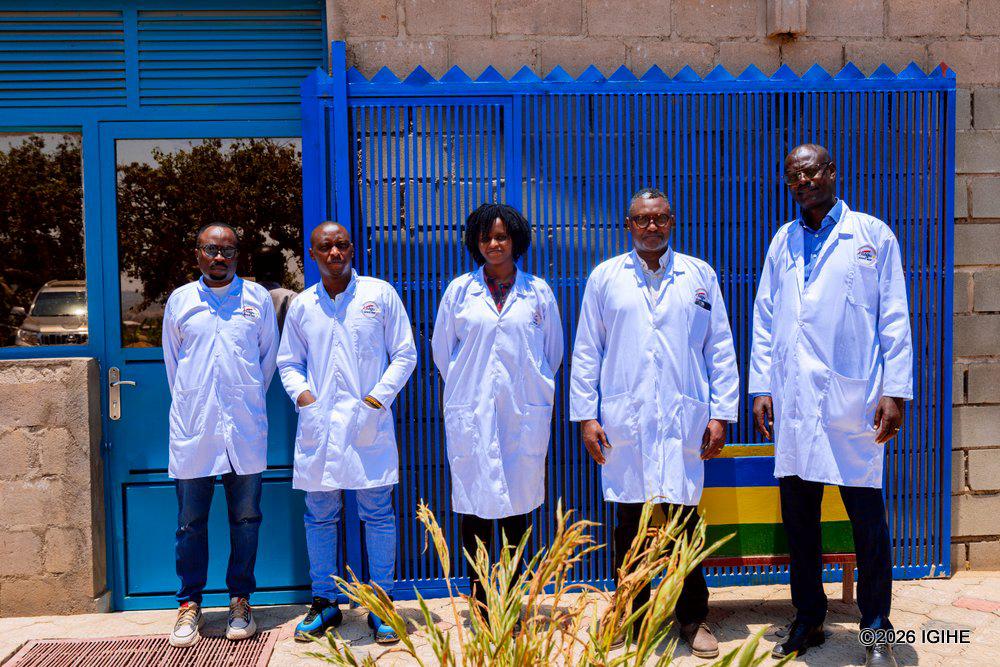
Christian Bizumuremyi stands at his agro-processing plant in Nyamiyaga Sector, Kamonyi District, where locally produced crops are turned into finished food products.Christian Bizumuremyi established Kabizu Business Group after years of working with Rwandan products and entrepreneurs in Belgium.The Kabizu Business Group plant in Kamonyi processes crops including cassava, maize, sorghum, millet and soybean into a range of food products.Bizumuremyi turned years of experience promoting Rwandan products in Belgium into a business focused on agricultural value addition back home.The company works with cooperatives and individual farmers supplying agricultural produce for processing at its Kamonyi facility.Workers from the surrounding community are employed at Kabizu Business Group’s processing facility in Nyamiyaga Sector.Bizumuremyi began his business journey by selling Rwandan products in Belgium before expanding into agricultural processing in Rwanda.Kabizu Business Group adds value to crops supplied by cooperatives and smallholder farmers in Rwanda.Bizumuremyi returned from the Rwandan diaspora with the ambition of creating opportunities for farmers through agricultural processing.Bizumuremyi says agricultural processing can create additional value for farmers while making better use of locally produced crops.
The decision was made during a Cabinet meeting held at Village Urugwiro on September 18, 2026, chaired by President Paul Kagame.
Among the resolutions adopted was the approval of an investment agreement for the construction of a plant to assemble electric vehicles in Rwanda.
The approval marks a new milestone after months of discussions surrounding the project. In April 2026, President Kagame received Xu Hui, Vice President of Chery Holding Group and Chairman of Rich Resource International Investment, for discussions that focused on investment opportunities in Rwanda, including vehicle assembly.
Although the Cabinet has approved the investment agreement, details regarding the value of the investment, the location of the plant, its planned production capacity, the start date for construction and when the facility is expected to begin operations have not yet been disclosed.
Chery’s global expansion
Chery was established in 1997 and is headquartered in Wuhu City, Anhui Province, China.
The company began manufacturing vehicles in 1999 and expanded its sales operations in 2003.
Chery has developed a broad global strategy aimed at transforming the automotive industry. As of 2024, the company had nine vehicle brands, including Fulwin, Exeed, Jetour, iCar/iCaur and Luxeed, which was developed in partnership with Chinese technology company Huawei.
Other brands associated with the group include Karry, Omoda, Jaecoo, Lepas, Exlantix and Aiqar.
These brands serve different markets, with some vehicles produced primarily for the Chinese domestic market while others are exported internationally.
Chery, Exeed and Jetour, for example, are sold both in China and in overseas markets.
Omoda, Lepas and Jaecoo are primarily focused on markets outside China, while iCar is sold in China and marketed as iCaur in international markets. Luxeed and Karry are focused exclusively on the Chinese domestic market.
Chery has also partnered with Jaguar Land Rover since 2012 to manufacture Jaguar and Land Rover vehicles in China.
In 2024, Chery expanded into Spain through an agreement with Ebro, one of Europe’s established automotive manufacturers, under which vehicles began being produced and marketed under the Ebro brand.
Chery took its Tiggo 7 and Tiggo 8 models, upgraded them and rebranded them as the Ebro S700 and Ebro S800, respectively.
The company aims to sell 50,000 vehicles of these models by 2027, with sales projected to reach 150,000 units by 2029.
In 2025, Omoda and Jaecoo were introduced as new brands under the company. Within 27 months of their launch, sales of the two brands had reportedly reached 600,000 vehicles. The two brands are expected to sell at least 1.4 million vehicles by 2030.
Chery’s financial growth
Financial figures show that Chery generated approximately $12.8 billion in revenue in 2022, rising to $22.5 billion in 2023 and $37.2 billion in 2024. In the first quarter of 2025, the company recorded revenue of approximately $9.4 billion.
Over the same periods, the company’s profits stood at approximately $702 million in 2022, $1.44 billion in 2023, $1.98 billion in 2024 and $455 million in the first quarter of 2025.
The approval of the investment agreement comes as Rwanda continues to promote the adoption of electric vehicles.
Fully electric vehicles, their batteries and charging equipment imported into Rwanda have been granted VAT exemptions as part of efforts to encourage the transition to electric mobility.
Luxeed is one of the leading electric vehicle brands produced by CheryJetour is one of Chery’s modern SUV brands, and its vehicles are becoming increasingly popular in the Rwandan marketThis vehicle is sold as iCar in China, but is marketed as iCaur when it reaches Rwanda. It is a fully electric vehicleThis is what the interior of the Tiggo 7 Pro looks likeThe Tiggo 7 is one of the modern vehicles available in the European marketChery plans to establish an electric vehicle assembly plant in Rwanda