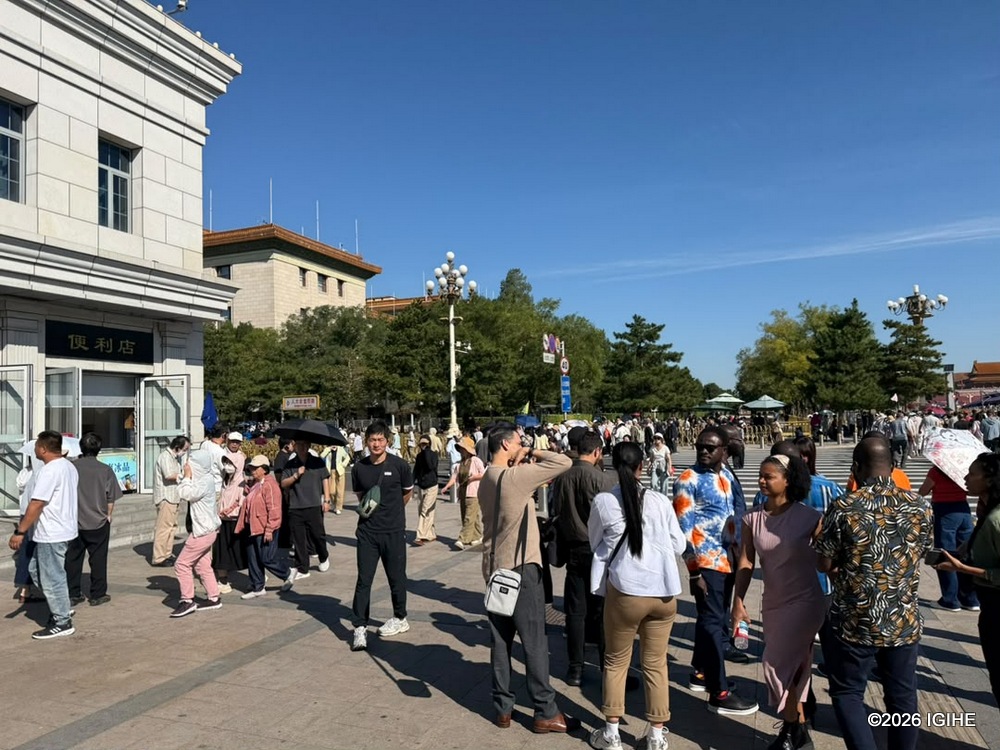
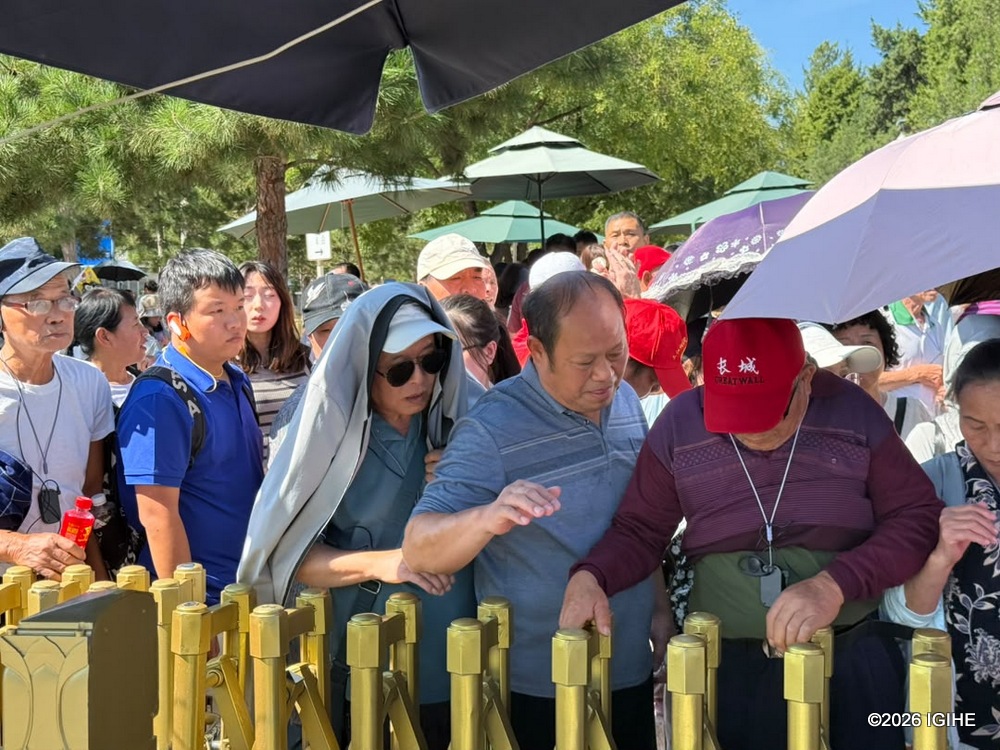
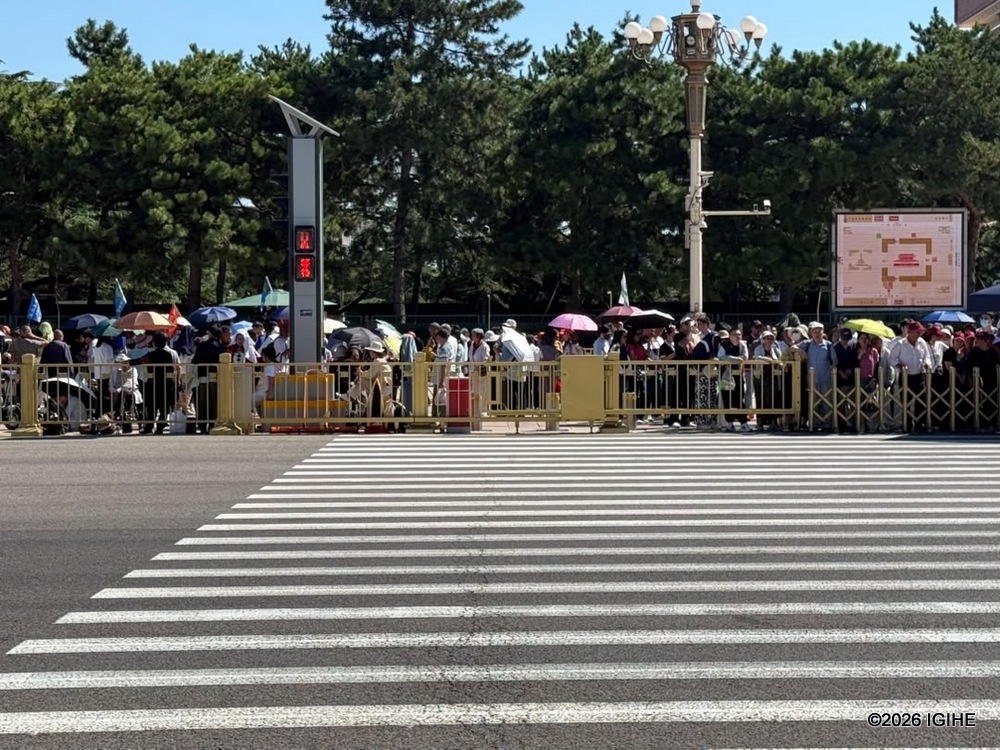
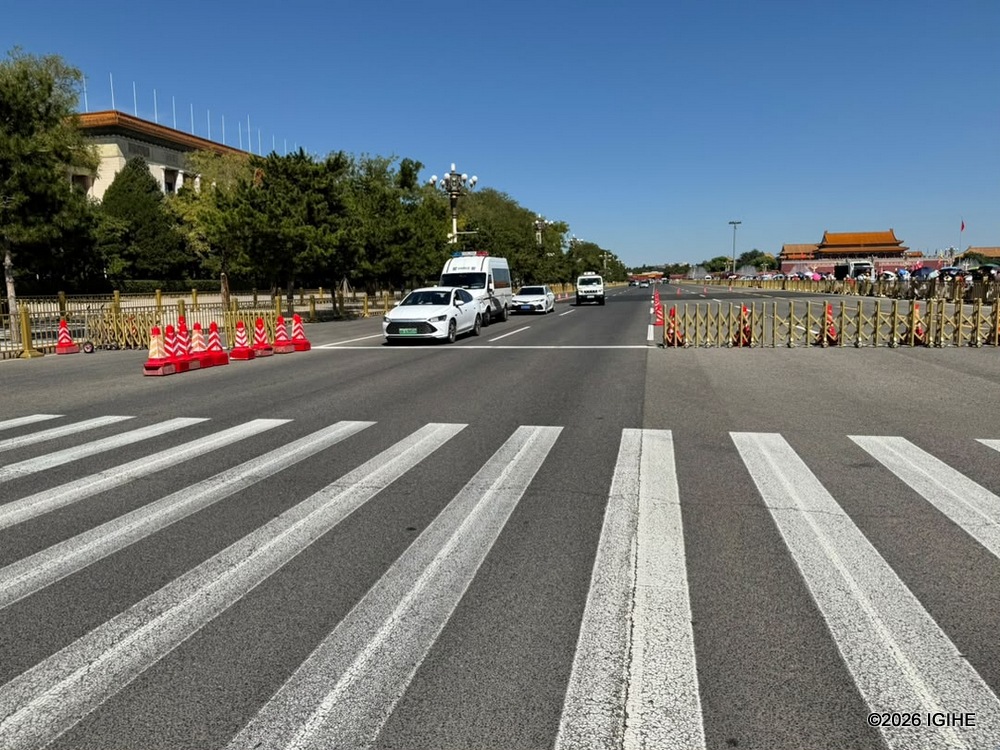
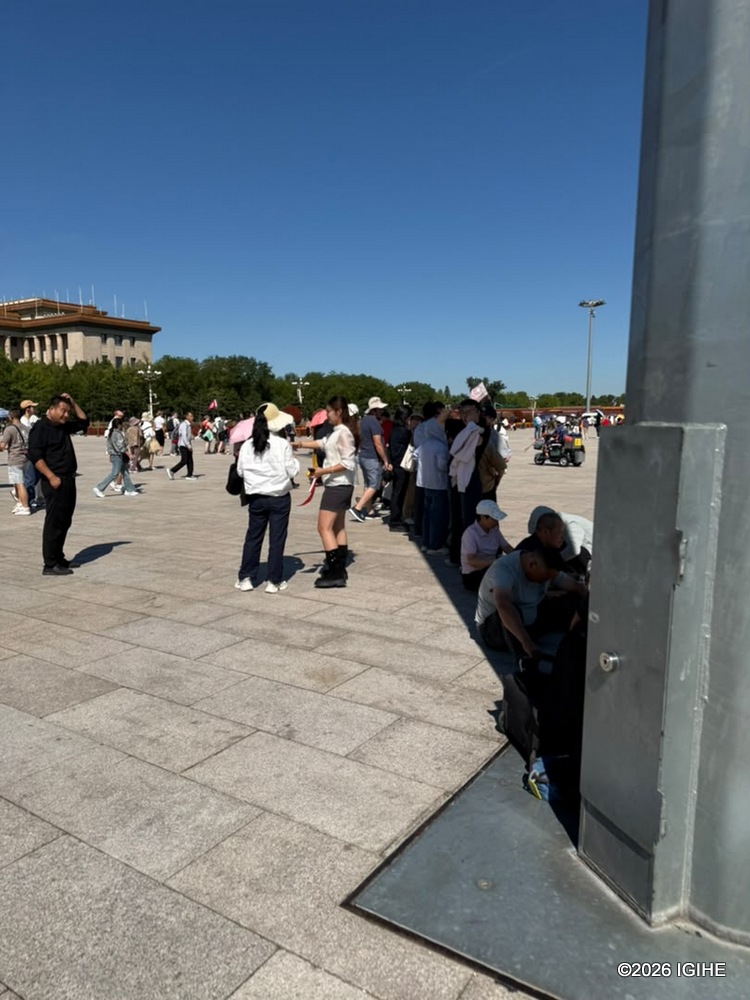
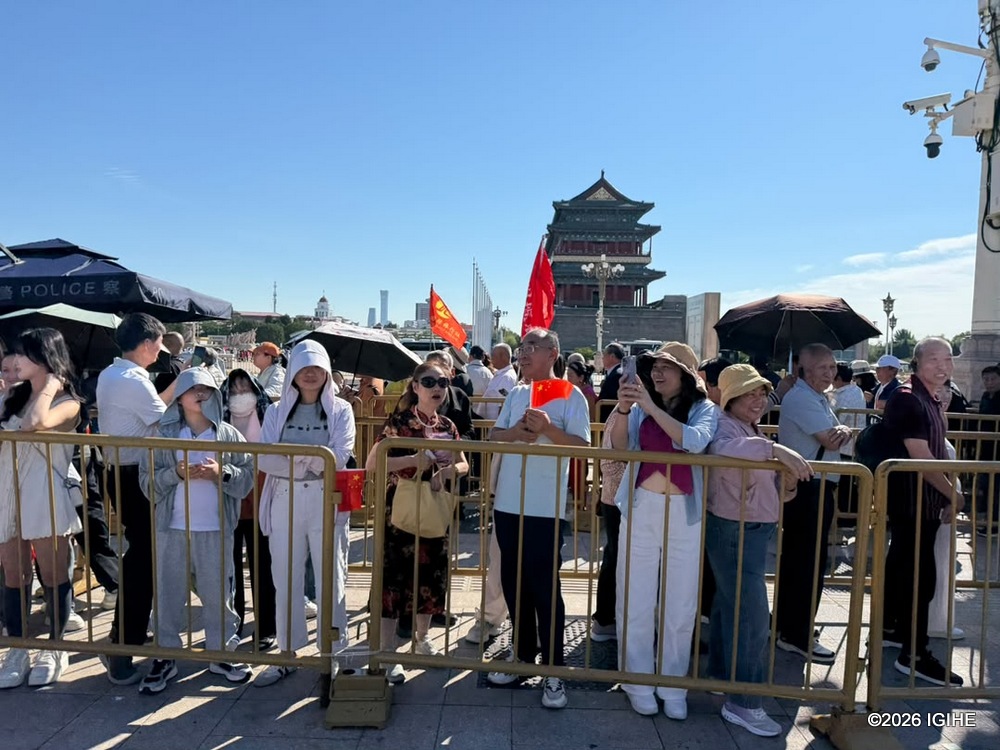
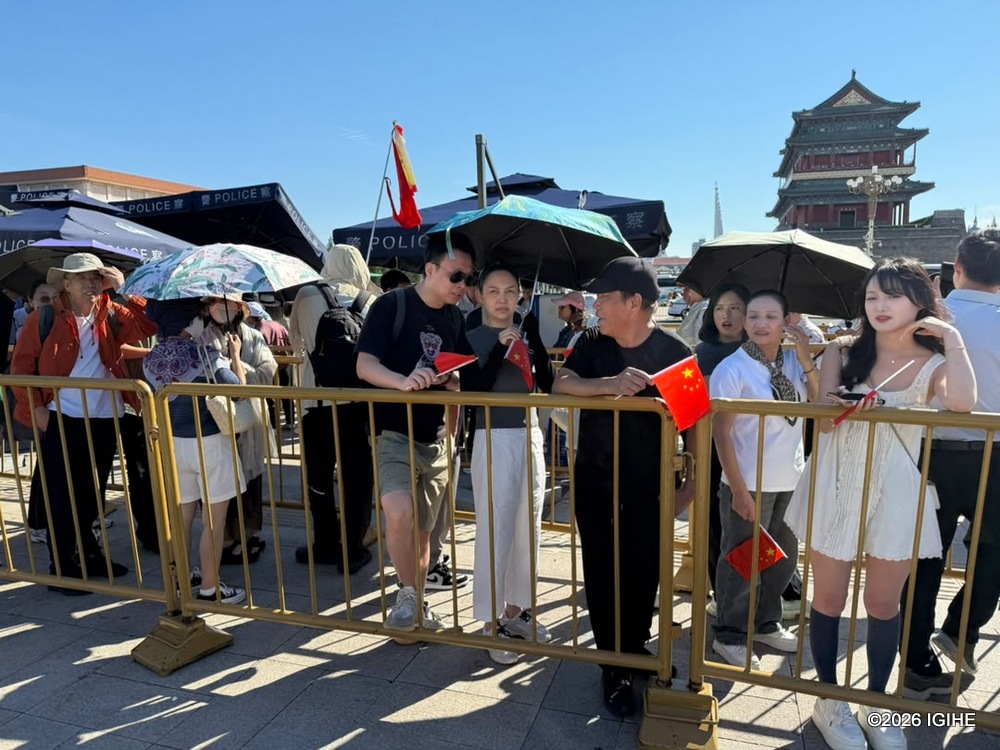
Soldiers and uniformed guards stand around the entrances, a reminder that this is not simply a tourist attraction but one of China’s most carefully protected national and ceremonial sites.
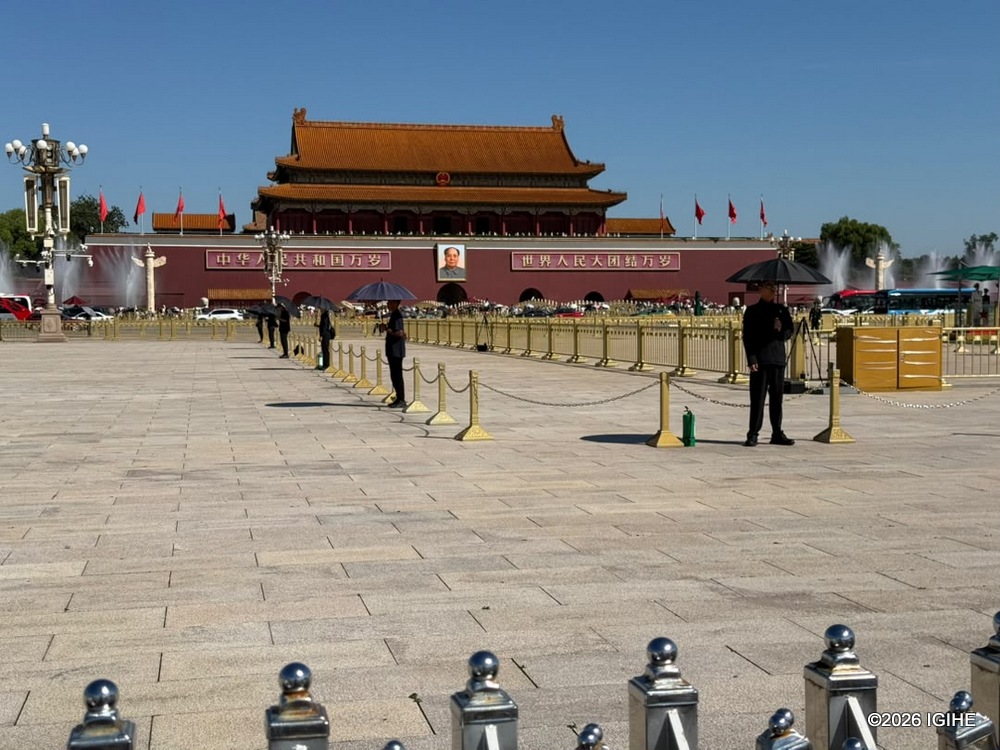
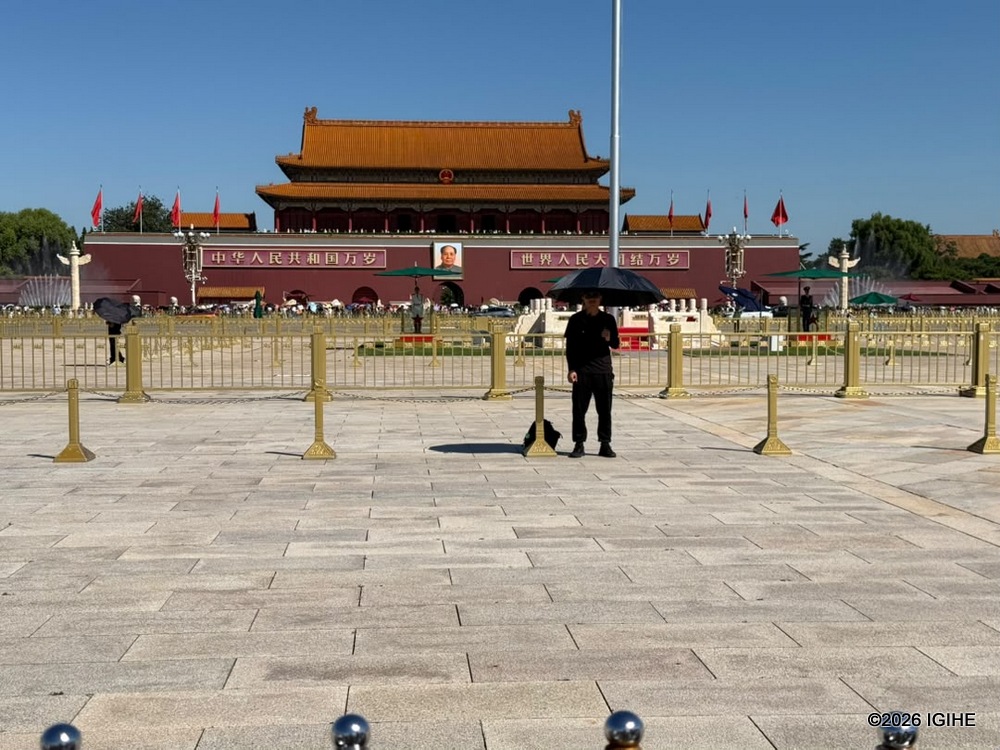
Located in central Beijing, Tiananmen Square forms part of the city’s historic north–south Central Axis. Tiananmen Gate, or the Gate of Heavenly Peace, stands to the north, with the Forbidden City directly behind it.
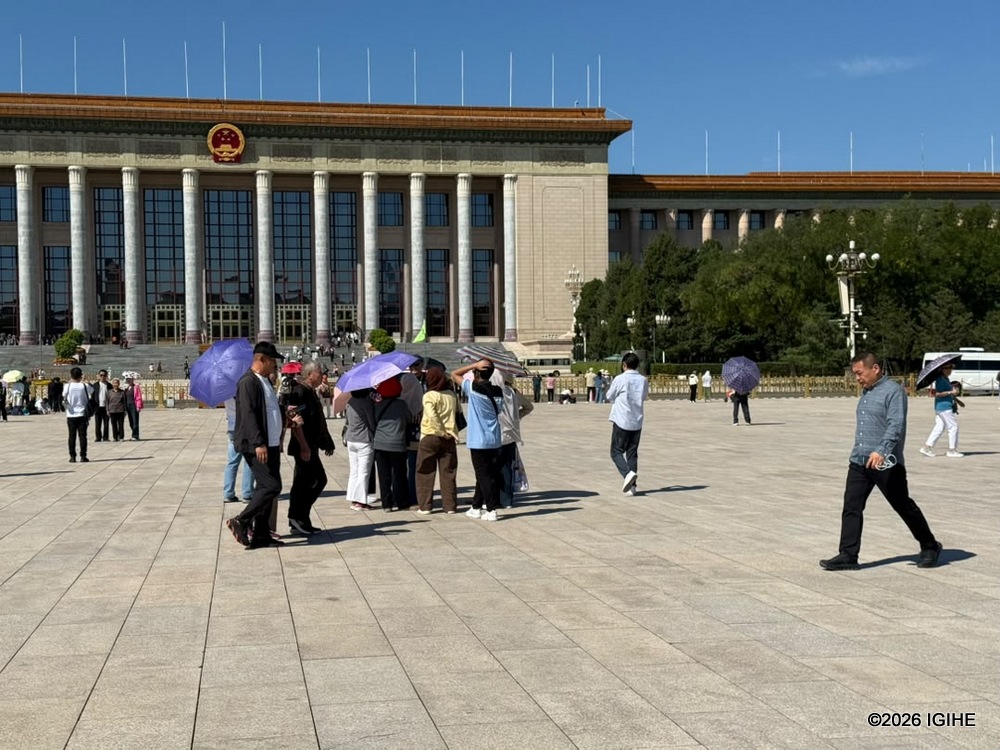
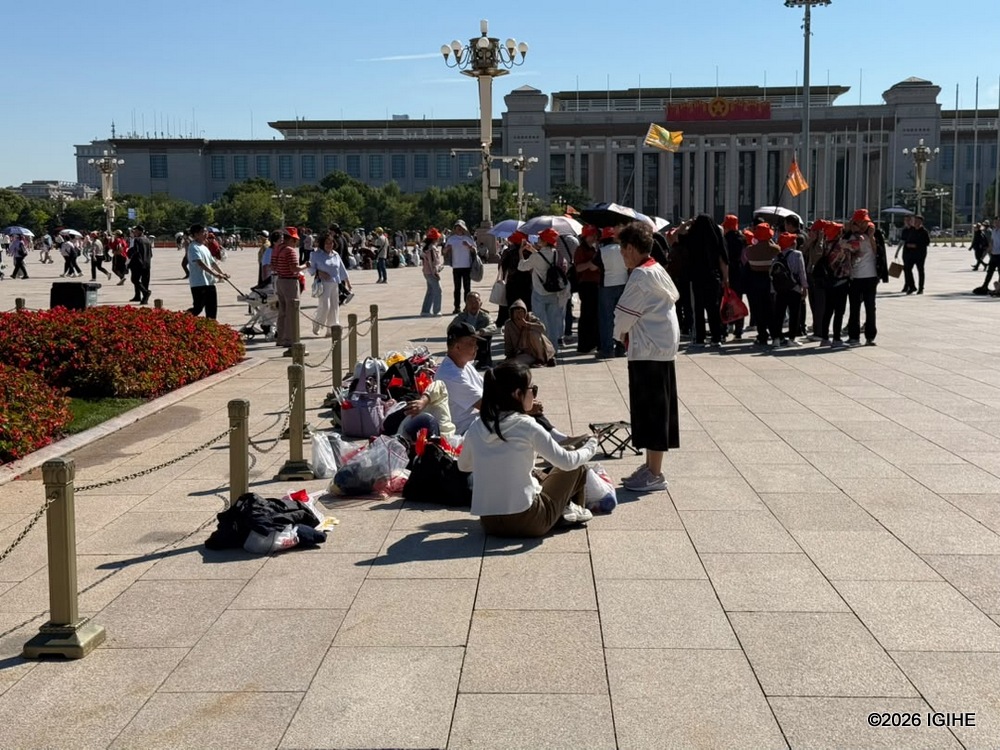
Zhengyangmen, commonly known as Qianmen, marks the southern end, while the National Museum of China and the Great Hall of the People occupy the eastern and western sides respectively.
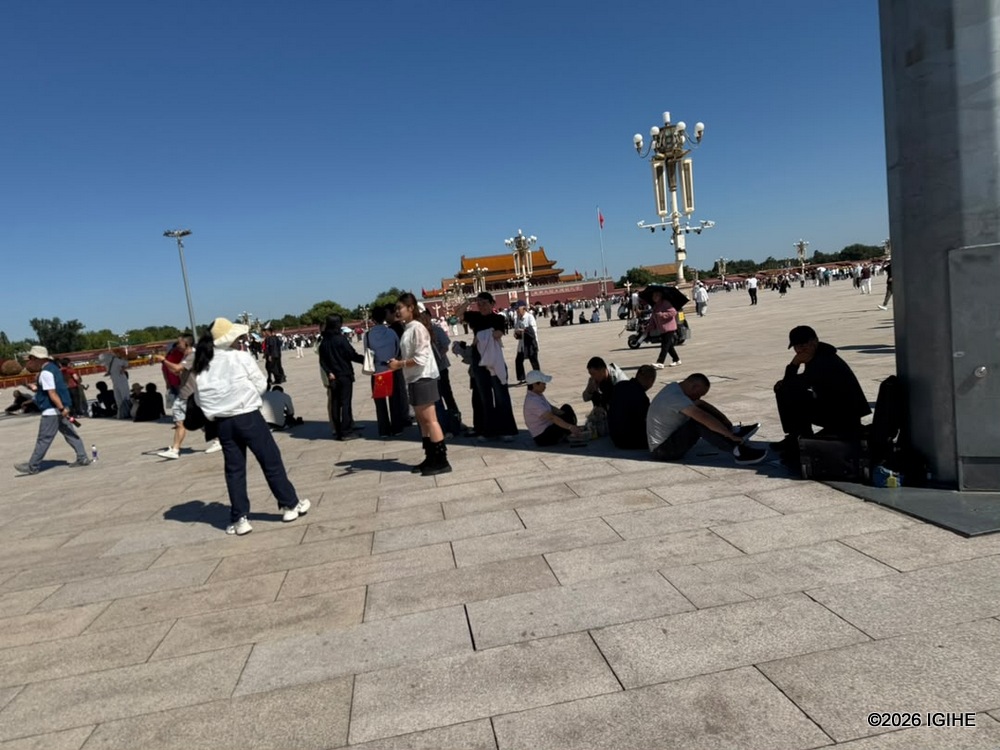
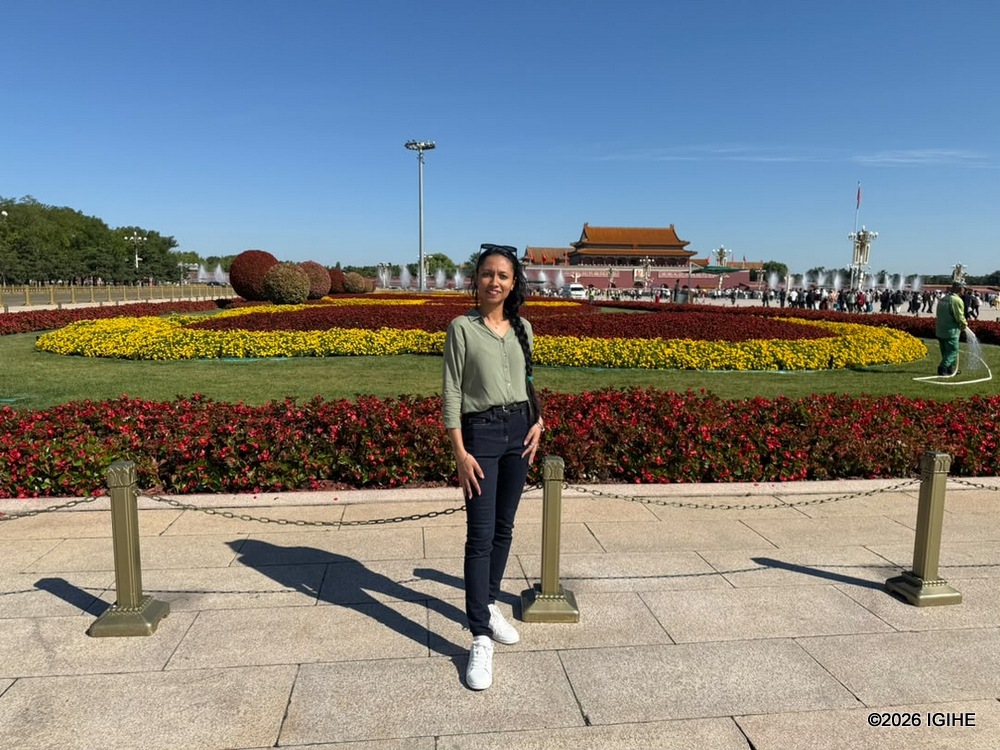
The square measures about 880 metres from north to south and 500 metres from east to west, covering approximately 440,000 square metres. It can accommodate about one million people during a major gathering.
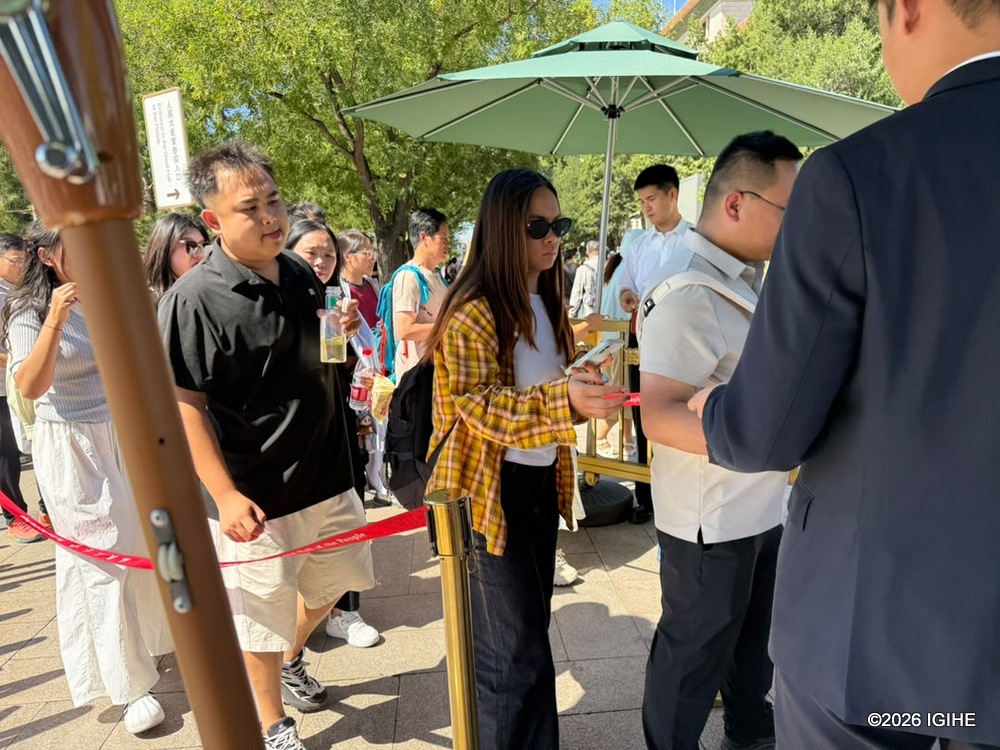
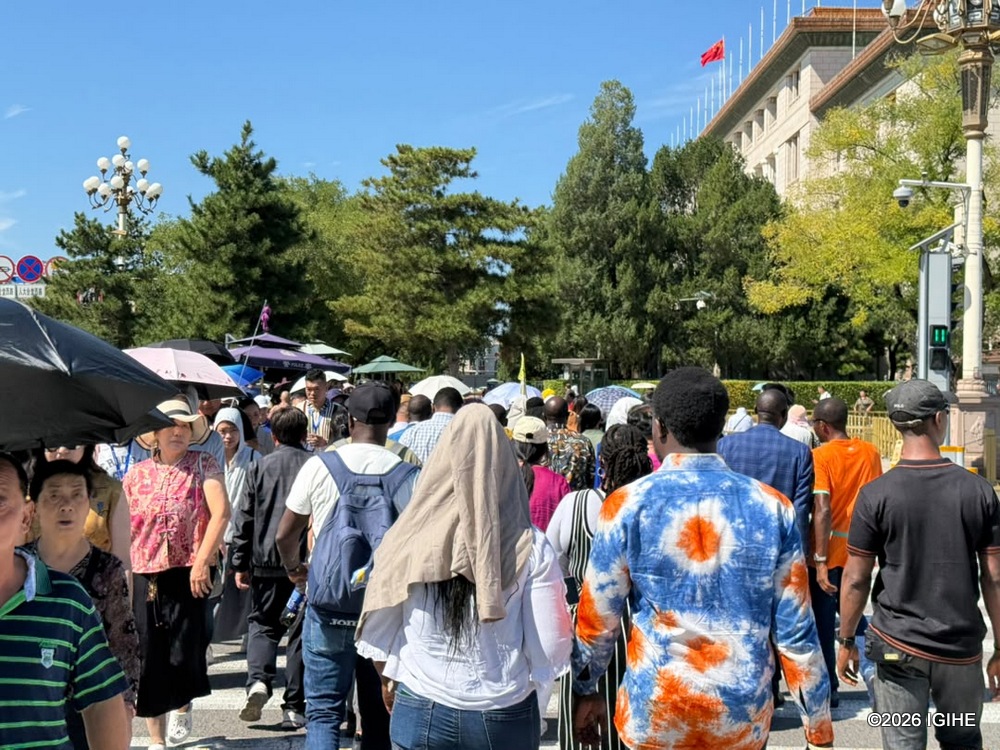
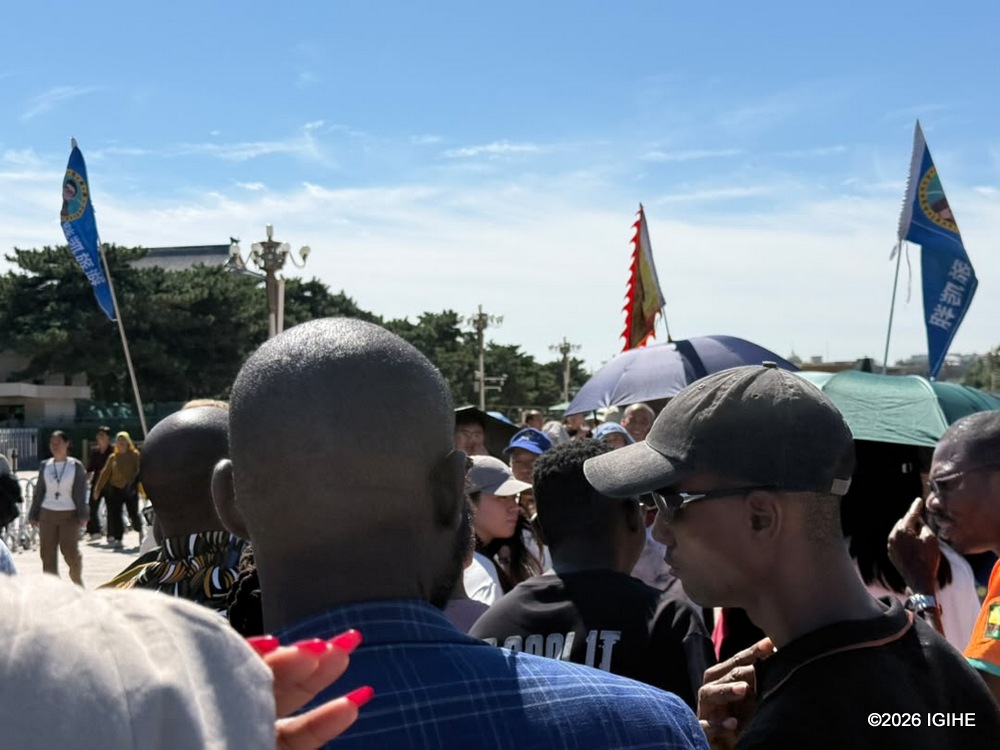
Its scale is matched by the number of visitors. The official 2024 annual report of the Tiananmen Area Management Committee recorded more than 57 million visits by Chinese and foreign tourists during the year. The figure covers the wider Tiananmen area rather than the paved square alone. Visitors must also make a reservation before entering, according to current Beijing visitor guidance.
From imperial approach to public square
The history of the site goes back centuries before the establishment of the People’s Republic of China.
Tiananmen Gate was first built in 1417 during the Ming dynasty and was originally known as Chengtianmen. It was rebuilt in 1651 during the Qing dynasty and received its present name, Tiananmen, meaning “Gate of Heavenly Peace”.
For centuries, it formed part of the Imperial City and served as an important entrance to the Forbidden City, where Chinese emperors lived and governed. The area was then an imperial approach surrounded by gates, offices and ceremonial buildings rather than the open public square seen today.
Major changes came in the twentieth century. The Gate of China was demolished in 1954, while construction between 1958 and 1959 created the broad modern plaza. The Great Hall of the People and buildings that later became the National Museum of China were also constructed during this period.
Tiananmen Gate took on a new role in modern Chinese history on October 1, 1949, when Mao Zedong announced the establishment of the People’s Republic of China from its balcony before a large crowd.
The gate has five doorways and seven bridges, reflecting its imperial history. In front of it stand marble lions and two Huabiao, or ceremonial stone columns, decorated with dragons and clouds.
The national flagpole at the northern end continues the square’s ceremonial role. Every day, the Chinese flag is raised around sunrise and lowered around sunset, attracting visitors who arrive early to watch the ceremony.
The landmarks around the square
On the western side, the Great Hall of the People hosts meetings of the National People’s Congress, China’s highest legislative body. It is also used for major political, state and diplomatic events and the National Congress of the Chinese Communist Party.
The building includes a Great Auditorium with around 10,000 seats and a large banquet hall.
On the eastern side, the National Museum of China connects the square to China’s ancient civilisation and cultural heritage.
According to the museum’s official information, it has a construction area of about 200,000 square metres, more than 1.4 million objects and 48 exhibition halls. Its collections include archaeological discoveries, works of art, rare books and other objects from China’s long history.
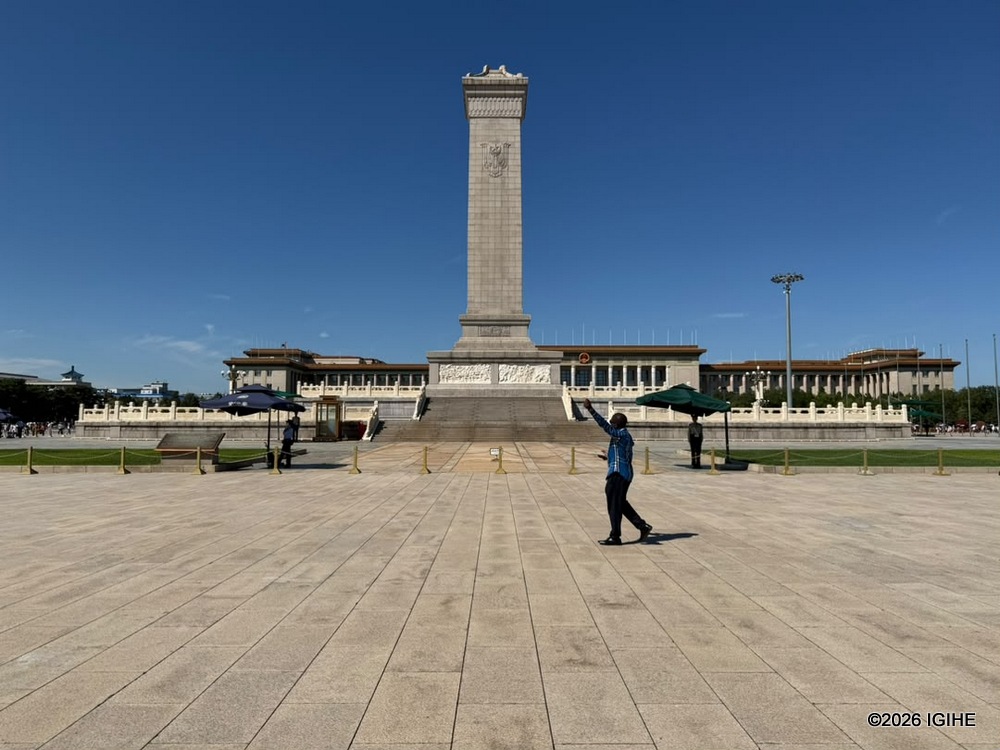
At the centre stands the Monument to the People’s Heroes, a 37.94-metre obelisk built between 1952 and 1958. Its base contains reliefs depicting important episodes in China’s revolutionary history. During national ceremonies, leaders and other important guests lay flowers or wreaths there to honour the country’s heroes and martyrs.
South of the monument is the Chairman Mao Memorial Hall. Built after Mao’s death in 1976 and completed in 1977, it stands on the former site of the Gate of China. Mao’s preserved body is displayed inside, attracting visitors who come to pay their respects.
Mao was a Chinese revolutionary and Communist Party leader who became the founding leader of the People’s Republic of China. His portrait remains above Tiananmen Gate.
Tiananmen has therefore witnessed imperial ceremonies, the founding of the People’s Republic, national celebrations, public mourning, political protests and major state events.
In 2024, Tiananmen Square and several surrounding historic structures became part of the UNESCO World Heritage property Beijing Central Axis: A Building Ensemble Exhibiting the Ideal Order of the Chinese Capital, recognising the area’s importance to Beijing’s urban development and China’s history.
For visitors, the square offers more than an impressive backdrop for photographs. Within one vast space, its gates, monuments and surrounding buildings provide a glimpse into centuries of Chinese history.
Leave a Reply