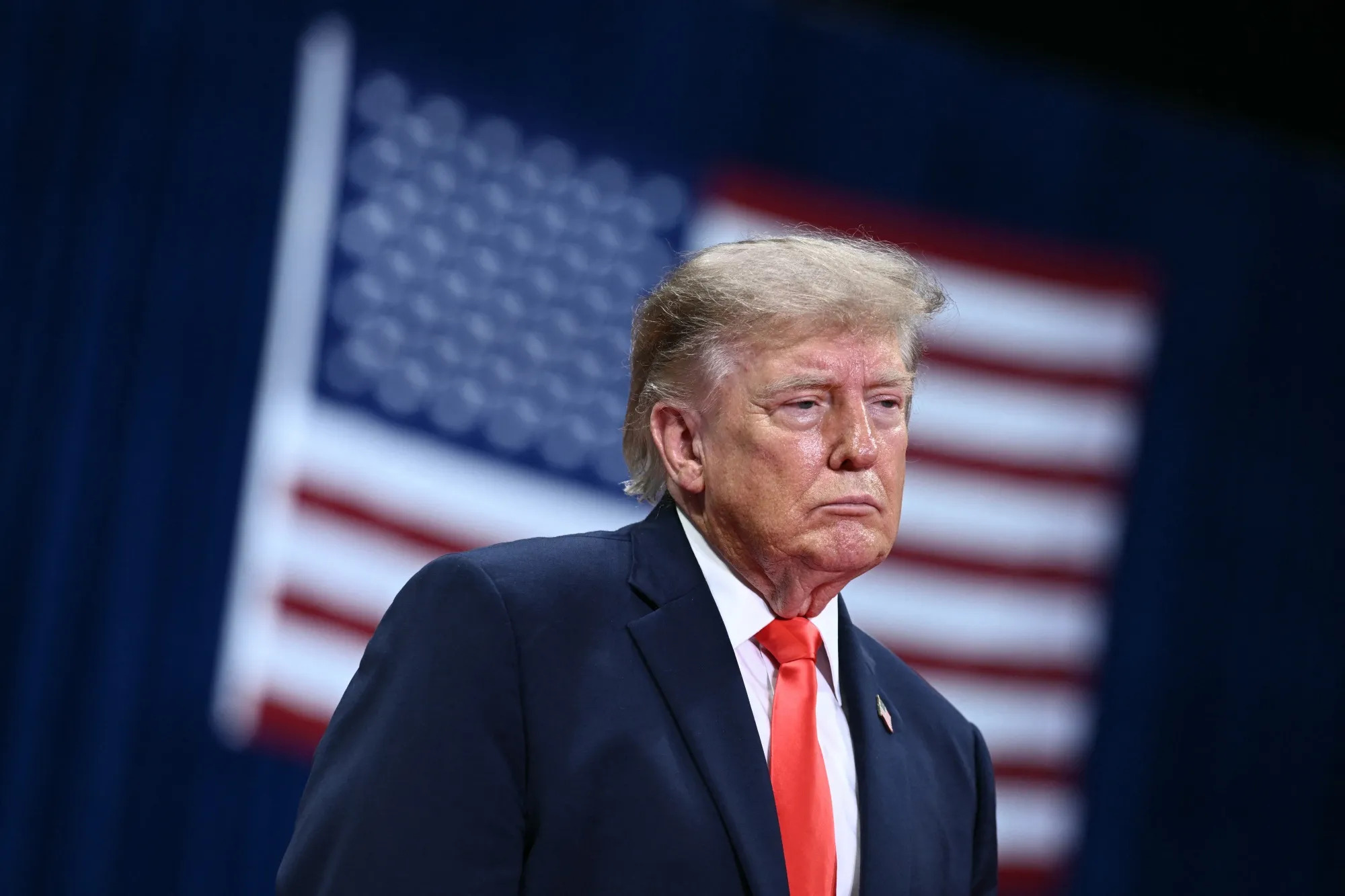
Trump made the admission after Vice-President JD Vance attributed the party’s defeat to the conflict, which has become a major source of political frustration among voters.
Asked about Vance’s assessment, Trump said it was “largely true”, although he maintained that the military campaign was justified to prevent Iran from acquiring nuclear weapons.
He described the decision as “worth it”, signalling that despite the electoral consequences, he had no regrets about the war.
The Democratic victory gives the party control of the House of Representatives and the Senate, setting the stage for a more difficult political environment for Trump during the remainder of his presidency.
Democrats secured at least seven Senate seats previously held by Republicans, making gains in traditionally Republican strongholds including Kansas and Texas. They also flipped more than two dozen House districts, including constituencies that had strongly backed Trump in the 2024 presidential election.
The results have prompted criticism within Republican ranks, with some party members blaming Trump’s policies and political priorities for the scale of the defeat.
Republican operatives and campaign officials cited the Iran war, rising gasoline prices, tariffs and the administration’s immigration crackdown as factors that weakened the party’s appeal among voters. Trump had repeatedly downplayed concerns over fuel costs and dismissed affordability concerns as a Democratic hoax, a position that further fuelled frustration among voters.
A White House ally described the combination of these issues as a “perfect storm” that contributed to the November defeat, adding that frustration within the party was increasingly directed at Trump.
In Texas, Republican lobbyist Bill Miller described the outcome as a major rejection of the president.
“It’s on him. It’s not on anybody else. It’s a total, complete rejection of President Trump,” Miller told the BBC.
Other Republicans argued that the party had fielded weak candidates in competitive states, while Trump’s involvement in some races had complicated their campaigns.
In Texas, Attorney General Ken Paxton, whom Trump endorsed for the Senate race, lost to Democrat James Talarico. Some Republican operatives criticised Paxton’s campaign, arguing that it failed to mobilise enough voters.
Trump, however, rejected the suggestion that the results represented a personal setback, shifting much of the responsibility to Republican candidates.
“I don’t view it as a hit on me,” he told Fox News, insisting that his administration had delivered strong economic results and achievements.
He also argued that some candidates had failed to inspire voters and pointed to the historical tendency for the president’s party to lose seats during midterm elections.
Trump had repeatedly urged supporters to vote as though he were personally on the ballot, making dozens of campaign appearances alongside Vice-President Vance in the run-up to the elections.
However, his efforts failed to prevent Democrats from making substantial gains, including in states where they had struggled to win statewide contests for decades.
Before the election, Democrats had not won a Senate seat in Kansas since 1932, while their victories in Texas and South Carolina further demonstrated the extent of Republican losses.
The outcome is expected to complicate Trump’s legislative agenda, with Democrats preparing to use their newly acquired congressional majorities to scrutinise his administration and challenge its policies.
Democratic Senate Minority Leader Chuck Schumer said the party would use Congress’s spending powers to pressure the administration over the war in Iran.
Schumer and House Democratic Leader Hakeem Jeffries also identified affordability as a priority, seeking to address concerns over the rising cost of living that featured prominently during the campaigns.
Trump, meanwhile, has signalled willingness to work with Democrats, saying he would accept the election results and explore areas of cooperation with political opponents.
He told Fox News that he had already spoken with some Democrats, although he did not identify them.
The election has also revived questions about the Republican Party’s direction ahead of the 2028 presidential race, with some party members suggesting the defeat should prompt a reassessment of its political strategy.
Republican officials have already begun discussing possible successors to Trump, with Vice-President JD Vance, Secretary of State Marco Rubio and Senator Ted Cruz among the names mentioned as potential contenders.
For now, the Democratic takeover of Congress leaves Trump facing a more assertive opposition, with the Iran war emerging as one of the central issues shaping the political consequences of his second term.
Leave a Reply