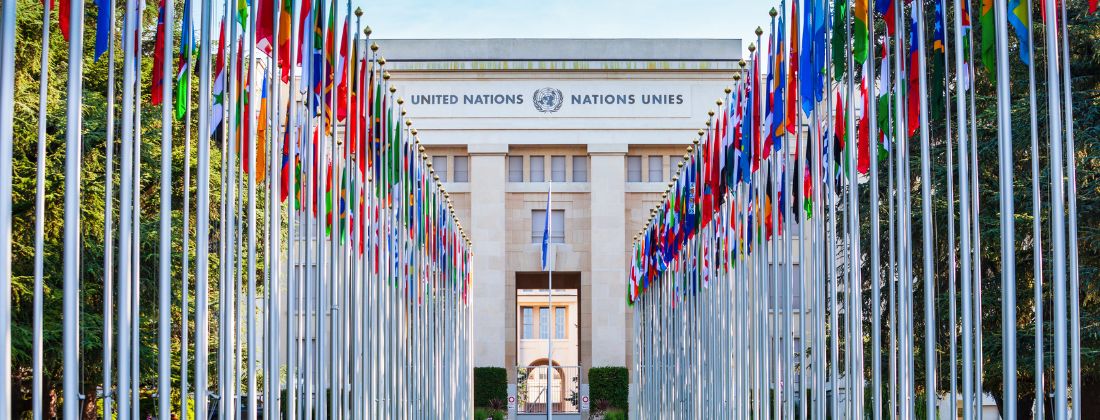
“The fourth round of straw polls has taken place,” said Jerome Bonnafont, the UN ambassador of France, whose country holds the rotating presidency of the Security Council for the month of September.
“Each candidate will be informed of the results through the respective permanent representatives of nominating member states. The president of the (UN) General Assembly will also be informed that the straw poll has been conducted,” he told reporters after the conclusion of the secret vote.
Security Council straw polls on secretary-general candidates are informal closed-door ballots used to determine the viability of the candidates. Their results are not officially released.
Seven candidates remain in the race for the next UN secretary-general following the withdrawal of former Chilean President Michelle Bachelet earlier this month.
The seven candidates are: Rebeca Grynspan, a former vice president of Costa Rica and current secretary-general of the UN Conference on Trade and Development; Carolyn Rodrigues-Birkett, Guyana’s permanent representative to the United Nations; Ivonne A-Baki, a former Ecuadoran minister and a diplomat; Maria Fernanda Espinosa, a former UN General Assembly president and former foreign minister and defense minister of Ecuador; Rafael Grossi of Argentina, current director general of the International Atomic Energy Agency; Olara Otunnu of Uganda, a former UN under-secretary-general; Macky Sall, a former president of Senegal.
Current UN Secretary-General Antonio Guterres’s term of office expires at the end of this year. The next secretary-general will assume office on Jan. 1, 2027.
Seven candidates remain in the race for the next UN secretary-general following the withdrawal of former Chilean President Michelle Bachelet earlier this month.
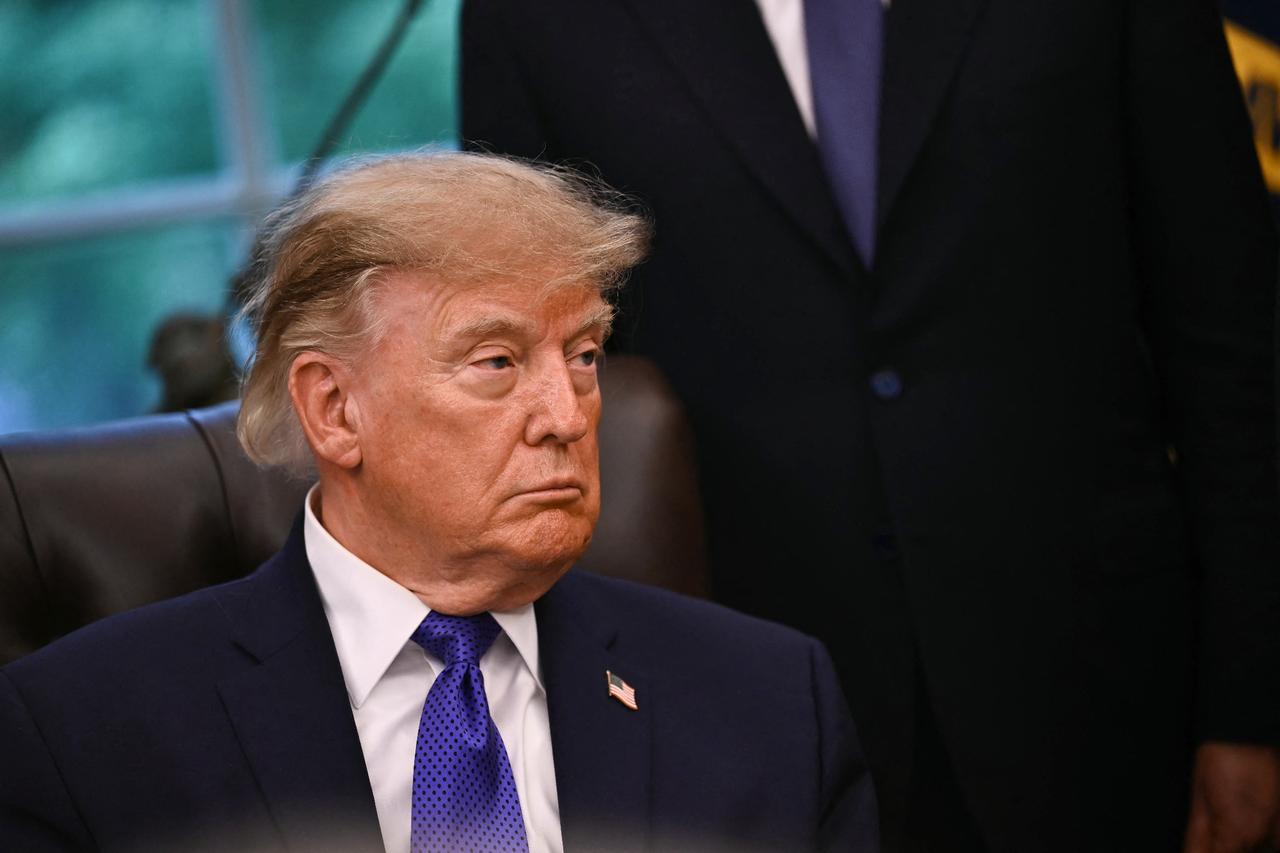
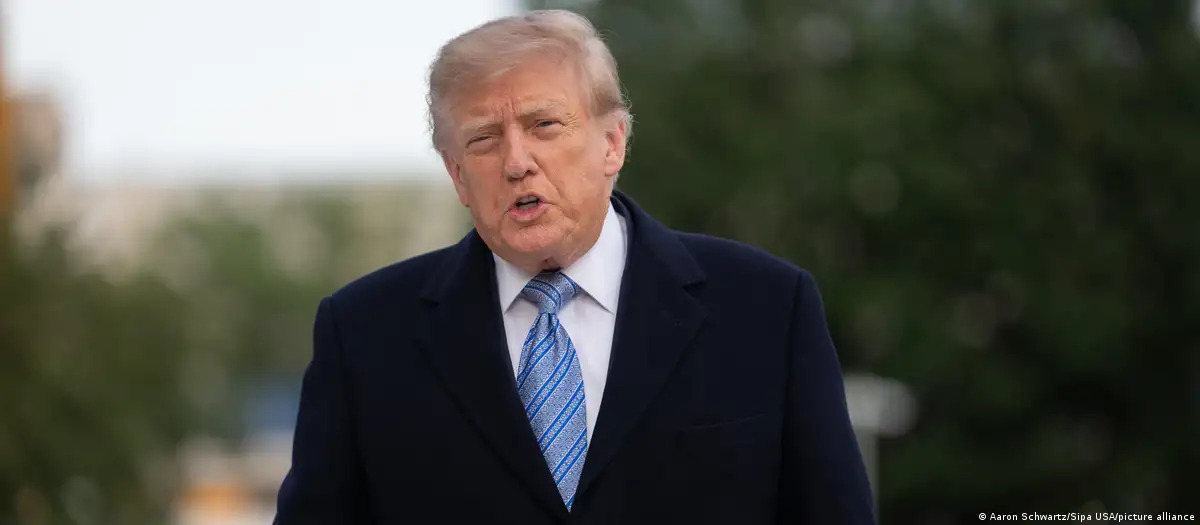
“Axios just released a story that ‘Trump’ offered Sanctions Relief and Frozen Funds to Iran. This is untrue. I offered them NOTHING! Axios’ story, like most others, is a HOAX,” Trump wrote on social media.
Trump demands Axios “IMMEDIATELY” withdraw the story.
The Axios story came after Trump rejected an Iran-proposed ceasefire deal over the weekend.
Iran’s proposed peace deal demands a suspension of the U.S. blockade on Iranian ports in the Strait of Hormuz in exchange for Iran reopening the rest of the strait and resuming talks over its nuclear program, local media reported.
In response to Trump’s rejection of its peace proposal, Iranian Foreign Minister Abbas Araghchi said on Sunday that it is “up to President Trump to choose” between diplomacy and continuing the war.
“We are fully prepared for the war to be resumed. We stand firm in the face of any new aggression, even if it comes to a doomsday war,” Araghchi said.
U.S. President Donald Trump has denied a media report that his administration had offered Iran sanctions relief.
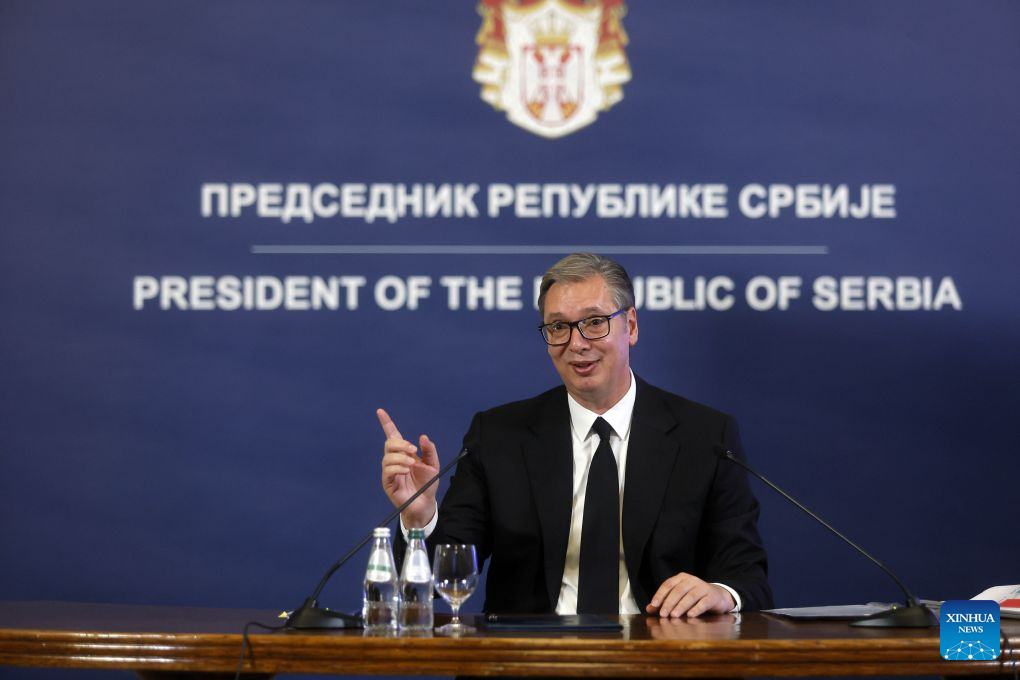
“I am now signing the text that reads as follows: ‘Pursuant to Article 116, paragraph 5 of the Constitution of the Republic of Serbia, I submit my resignation from the office of President of the Republic.’…Ana, this goes to the Parliament, and tomorrow you go to the handover,” said Vucic.
Under Serbia’s Constitution and Law on the president, the president’s term ends when the written resignation is formally received by the National Assembly, without requiring approval. The Speaker of the National Assembly Ana Brnabic then assumes presidential duties for up to three months and must call a presidential election within that period.
Vucic also said he would take part in the snap parliamentary elections scheduled on Oct. 25 as an ordinary citizen.
The Serbian parliament was dissolved on Sept. 9. Under the Constitution, a dissolved parliament has limited powers, while the government continues to perform its duties until a new government is formed.
On Sept. 5, the Serbian Progressive Party (SNS) nominated Vucic as head of its electoral list and its candidate for prime minister in the upcoming snap parliamentary elections.
Following the Oct. 25 elections, the process of forming a new government will begin. The acting president, after consulting representatives of the elected electoral lists, proposes a prime minister candidate to the National Assembly. The candidate then presents the government’s program and cabinet members, which must be approved by a majority of all lawmakers.
Vucic, born in Belgrade in 1970, had served as defense minister, first deputy prime minister and prime minister. He was elected president in 2017 and re-elected in 2022. Under the Constitution, the presidential term is five years, with a maximum of two terms for any individual.
Serbian president Aleksandar Vucic speaks during a press conference in Belgrade, Serbia, Sept. 27, 2026. Aleksandar Vucic signed and submitted his resignation on Sunday, stepping down as president. (Photo by Predrag Milosavljevic/Xinhua)
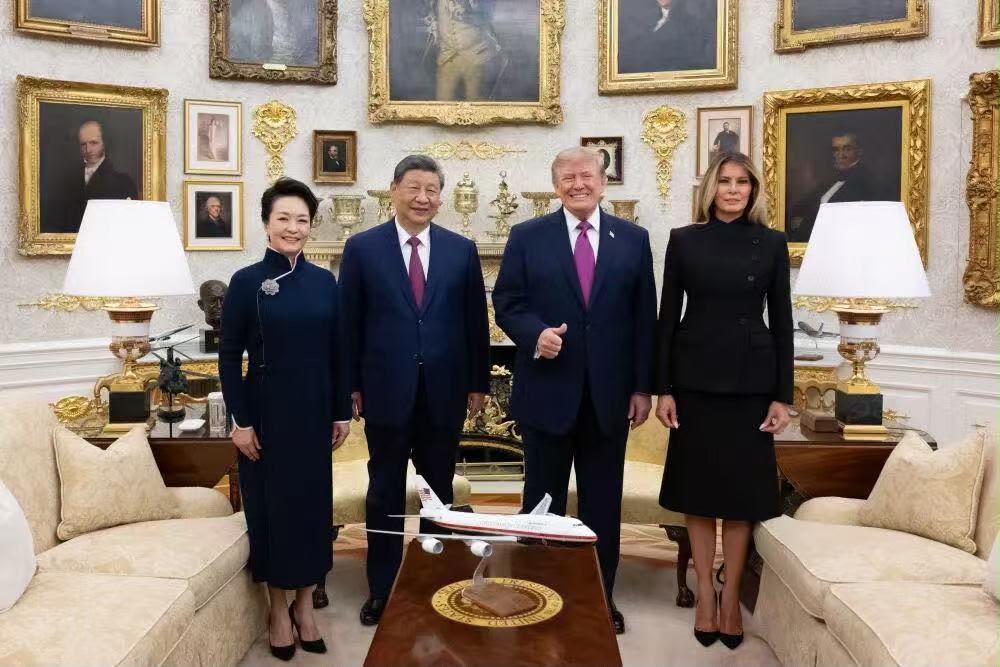
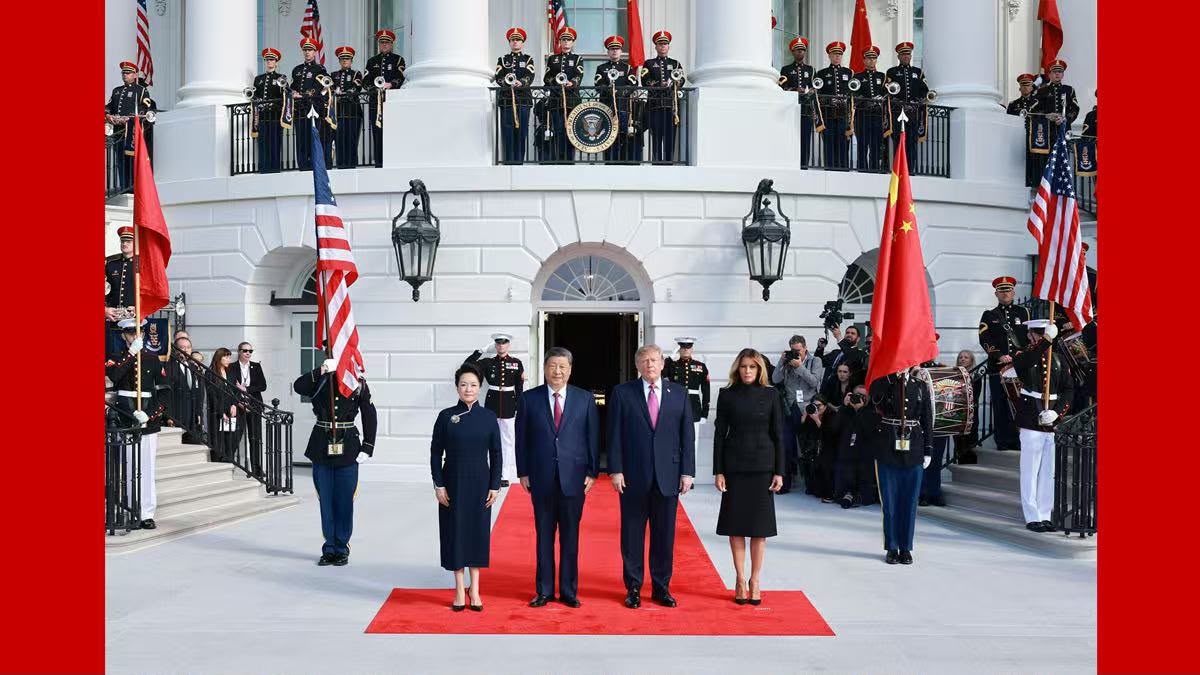
Xi visited the United States from September 23 to 25 at Trump’s invitation, with the two leaders holding talks at the White House on September 24. They discussed the future of China-U.S. relations, economic and trade cooperation, AI and major international and regional issues.
During the talks, Xi said China and the United States should strengthen communication, manage differences and expand practical cooperation.
“China and the United States are great countries, and both the Chinese and American peoples are great peoples,” Xi said.
He said the two countries, as influential global powers, have a historic responsibility to contribute to human development and progress.
Xi recalled that during his meeting with Trump in May, the two countries agreed to build a constructive China-U.S. relationship based on strategic stability. He said he was ready to work with Trump to guide the relationship toward a stable future.
He also said that through sincere and continuous dialogue, China and the United States could better understand each other, find common ground, manage disagreements and build mutual trust.
According to Xi, cooperation between the two countries may not solve every global challenge, but many problems would be more difficult to address without it.
On artificial intelligence, Xi said China and the United States have both the ability and responsibility to ensure that AI is developed responsibly. He stressed that the technology should remain under human control and serve the interests of people.
During the visit, the two countries announced eight deliverables and understandings aimed at advancing bilateral relations.
They agreed to build a constructive China-U.S. relationship based on respect, fairness and reciprocity, with the goal of achieving greater strategic stability. They also agreed to support each other in hosting major international gatherings, including the APEC Economic Leaders’ Meeting and the G20 Summit.
Xi and Trump discussed international security issues, including Iran, agreeing that Tehran should respect its commitment not to develop nuclear weapons. They also stated that no country or institution should be allowed to impose tolls on international waterways.
On economic relations, both sides supported the implementation of agreements reached by their economic teams, including the establishment of the Board of Trade and other cooperation platforms, as well as an arrangement involving a $30 billion reciprocal tariff reduction.
The two countries also highlighted progress in law enforcement cooperation, particularly in combating drug-related crimes involving New Psychoactive Substances, precursor chemicals and criminal networks.
China and the United States further agreed to establish a China-U.S. AI Dialogue for officials and experts to exchange views on the risks and benefits of artificial intelligence. The next discussion is expected in November, while a communication channel for AI-related incidents will also be created.
As part of efforts to strengthen people-to-people ties, the United States welcomed two giant pandas, Ping Ping and Fu Shuang, which will be hosted at Zoo Atlanta under a lease agreement with China.
Beyond the eight understandings, the Chinese and U.S. militaries agreed to work toward a memorandum of understanding on crisis communication and prevention. Xi also announced that China would invite 100,000 young Americans to visit China over the next five years for educational and cultural exchanges.
President Trump welcomed Xi’s visit, saying the relationship between the two countries was built on mutual respect and shared interests. He said the two leaders would continue discussions on trade, security, artificial intelligence and technology, with the aim of contributing to peace and prosperity.
The visit marked a renewed effort by Beijing and Washington to deepen dialogue, expand areas of cooperation and manage differences as the two countries continue shaping one of the world’s most important bilateral relationships.
Xi visited the United States from September 23 to 25 at Trump’s invitation.They discussed the future of China-U.S. relations, economic and trade cooperation, AI and major international and regional issues.During the talks, Xi said China and the United States should strengthen communication, manage differences and expand practical cooperation.
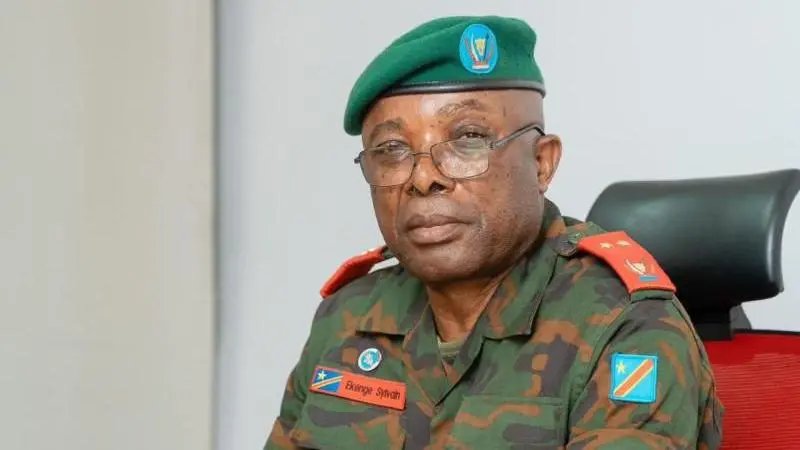
Ekenge’s return became public on September 25 when he signed an FARDC statement announcing the deaths of two senior military justice officials in a plane crash in Kenge, Kwango Province. The statement identified him as the army’s spokesperson.
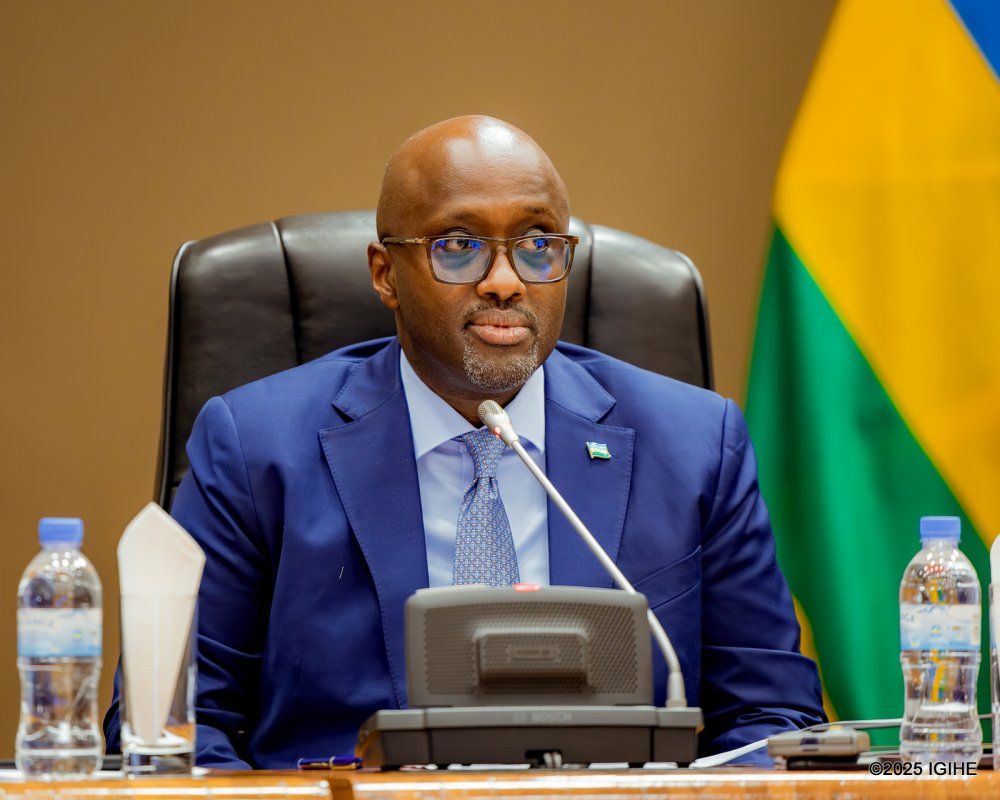
In a post on X, Nduhungirehe described the reinstatement as “troubling and indecent,” arguing that it was evidence that hate speech against Congolese Tutsis and “genocidal ideology” in the DRC were not limited to isolated individuals within the military or government.
He said the development instead suggested that such rhetoric was being embraced as state policy.
Nduhungirehe also questioned the manner in which Ekenge’s return was announced, saying it was made public almost quietly through a statement signed by Ekenge concerning the Kenge plane crash.
The minister recalled remarks Ekenge made on state broadcaster RTNC on December 27, 2025, in which the military spokesman warned Congolese men to be careful when marrying Tutsi women. Ekenge had claimed that Tutsi women could bring male relatives into their marital homes to father their children, which he linked to the preservation of the Tutsi “race.”
The remarks prompted criticism and led to Ekenge’s suspension from his position as FARDC spokesperson on December 29, 2025. FARDC leadership subsequently distanced itself from the comments, saying they did not represent the position of the military or government.
During his absence, Lieutenant Colonel Mak Hazukay Mongba served as acting FARDC spokesperson.
Ekenge’s signature on the September 25 statement is the first publicly documented indication of his return to the role. Congolese media reports have noted that no separate official act lifting his suspension had been made public at the time of his return.
In his post, Nduhungirehe also referred to Ekenge’s 2025 remarks as echoing the “Ten Commandments of the Hutu,” published in 1990 by Hassan Ngeze, who was later convicted by the International Criminal Tribunal for Rwanda.
Rwanda’s Foreign Affairs Minister Olivier Nduhungirehe has questioned the reinstatement of Maj Gen Sylvain Ekenge as FARDC spokesperson, nine months after his suspension over remarks about Tutsi women.Ekenge’s return became public on September 25 when he signed an FARDC statement announcing the deaths of two senior military justice officials in a plane crash in Kenge, Kwango Province.
“We have total control of the Hormuz Strait. Massive amounts of oil are coming out of the Hormuz Strait. Last night, we had 29 ships come out,” Trump told journalists at the White House.
“They want to make a deal, and I think that’s fine. I like making a deal too, but that deal would not be acceptable,” he added.
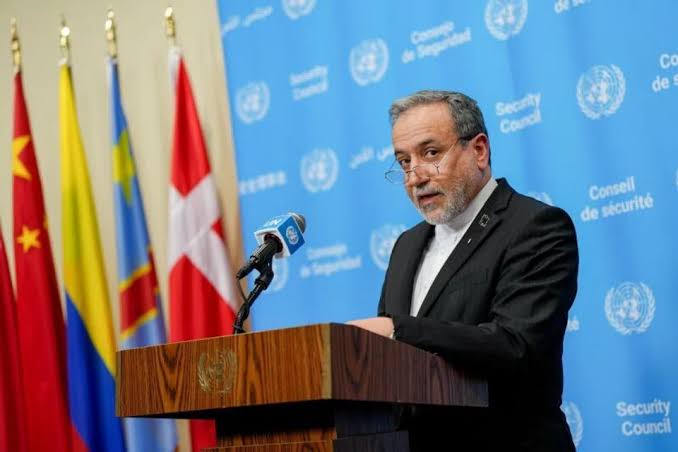
On Friday, Iranian Foreign Minister Seyed Abbas Araghchi told reporters at the United Nations (UN) Headquarters in New York that Iran had conveyed to the United States through Qatar a “concrete” plan under which the strait can be reopened within seven days if necessary conditions are met.
The seven-day timeline will start as soon as Washington accepts it, he said.
Under the plan, the United States would need to take certain actions that Iran believes may take four or five days, said Araghchi, adding that on day six, the strait would be open. “And on day seven, the talks with the U.S. will be started for the final deal on mutually agreed subjects,” he said.
He further said the actions the United States should take are not new, as they are already included in the memorandum of understanding (MoU) signed in June.
U.S. President Donald Trump said Saturday that he has rejected a conditional proposal by Iran concerning the reopening of the Strait of Hormuz.
Nduhungirehe said in a Saturday post on X that the timeline of events makes it difficult to link the sanctions to the group’s presence in Uvira, arguing that AFC/M23 had already withdrawn from the city before the measures were imposed.
Boulos made the comments in an interview with France24 while responding to a question about whether the United States was acting as a biased mediator in the conflict in eastern DRC.
Boulos refuted the suggestion that Washington was taking sides with the DRC, saying the sanctions followed the capture of Uvira shortly after the signing of the Washington peace and economic agreement between Rwanda and the DRC.
“Sanctions on Rwanda were a direct result of the invasion of Uvira, just after the Washington deal. They were given a chance to withdraw; we were extremely patient but unfortunately had to sanction,” Boulos said.
He added that the sanctions could be lifted if the commitments under the agreements were respected.
Nduhungirehe, however, said AFC/M23, which is a Congolese movement, began withdrawing from Uvira on December 16, 2025, and completed its withdrawal on January 17, 2026.
“The city was then retaken by the Congolese army (FARDC), its Burundian allies and its militias (FDLR and Wazalendo),” he said.
The minister noted that US sanctions against the Rwanda Defence Force (RDF) and four of its generals were imposed on March 2, 2026, with other sanctions following later.
“It’s therefore extremely difficult to justify the US sanctions against Rwanda by the refusal of the AFC/M23 to withdraw from Uvira,” Nduhungirehe said.
Rwanda has repeatedly rejected claims of supporting the AFC/M23 rebel group in eastern DRC, insisting that its primary concern is the continued presence of the FDLR militia group in the region. The group was formed by perpetrators of the 1994 Genocide against the Tutsi who fled to the DRC after the Rwanda Patriotic Army stopped the genocide.
The Washington Accords between Rwanda and the DRC include security commitments and a regional economic integration framework. On security, the parties committed to the neutralisation of the FDLR and the lifting of Rwanda’s defensive measures.
The economic framework covers mineral supply chains, infrastructure, energy and national park management, while promoting greater transparency in mineral trade and cross-border economic cooperation.
Minister Nduhungirehe said the timeline of events makes it difficult to link the sanctions to the group’s presence in Uvira, arguing that AFC/M23 had already withdrawn from the city before the measures were imposed.
Iran presented the proposal during the United Nations General Assembly in New York, saying it had been communicated to Washington through Qatari mediators.
Under the proposal, Iran would reopen the strategically important waterway within seven days and fighting across the region would be paused.
Iranian Foreign Minister Abbas Araqchi said on Friday that Tehran was prepared to move forward if the United States showed seriousness about reaching an agreement.
“If there is seriousness on the US side to come to a deal and reopen the Strait of Hormuz, everything is now prepared,” Araqchi said.
The proposed agreement would also involve wider negotiations on issues agreed by both sides, potentially including Iran’s nuclear programme.
Tehran, however, has said it would not make concessions on its nuclear rights, including uranium enrichment or transferring its highly enriched uranium out of the country.
Iran’s proposal also calls for the United States to lift its blockade on Iranian ports, release frozen Iranian funds and waive oil sanctions. In return, Tehran would halt hostilities on all fronts, including Lebanon, while reopening the Strait of Hormuz.
A US official had previously described discussions between Washington and Tehran through mediators as “positive and constructive.”
However, the Wall Street Journal reported that Trump remained doubtful that Iran would meet his demands and had told aides he expected renewed bombing after the November US midterm elections.
The diplomatic developments come as the seven-month conflict continues to affect regional security and global energy supplies.
The Strait of Hormuz is one of the world’s most important shipping routes for oil, and disruptions there have contributed to pressure on global energy markets.
Meanwhile, Iran has also engaged Saudi Arabia over arrangements for safe shipping through the strait. Saudi Arabia and its allies have faced increased attacks from Iran-linked Houthi forces, including drone and missile strikes, further widening the regional security crisis.
The latest developments leave the next move largely dependent on whether Washington formally responds to Tehran’s proposal and whether diplomatic efforts can prevent a further escalation of the conflict.
Iran’s proposal is a confirmed development, while the reported US rejection and expected renewed bombing are attributed to the Wall Street Journal
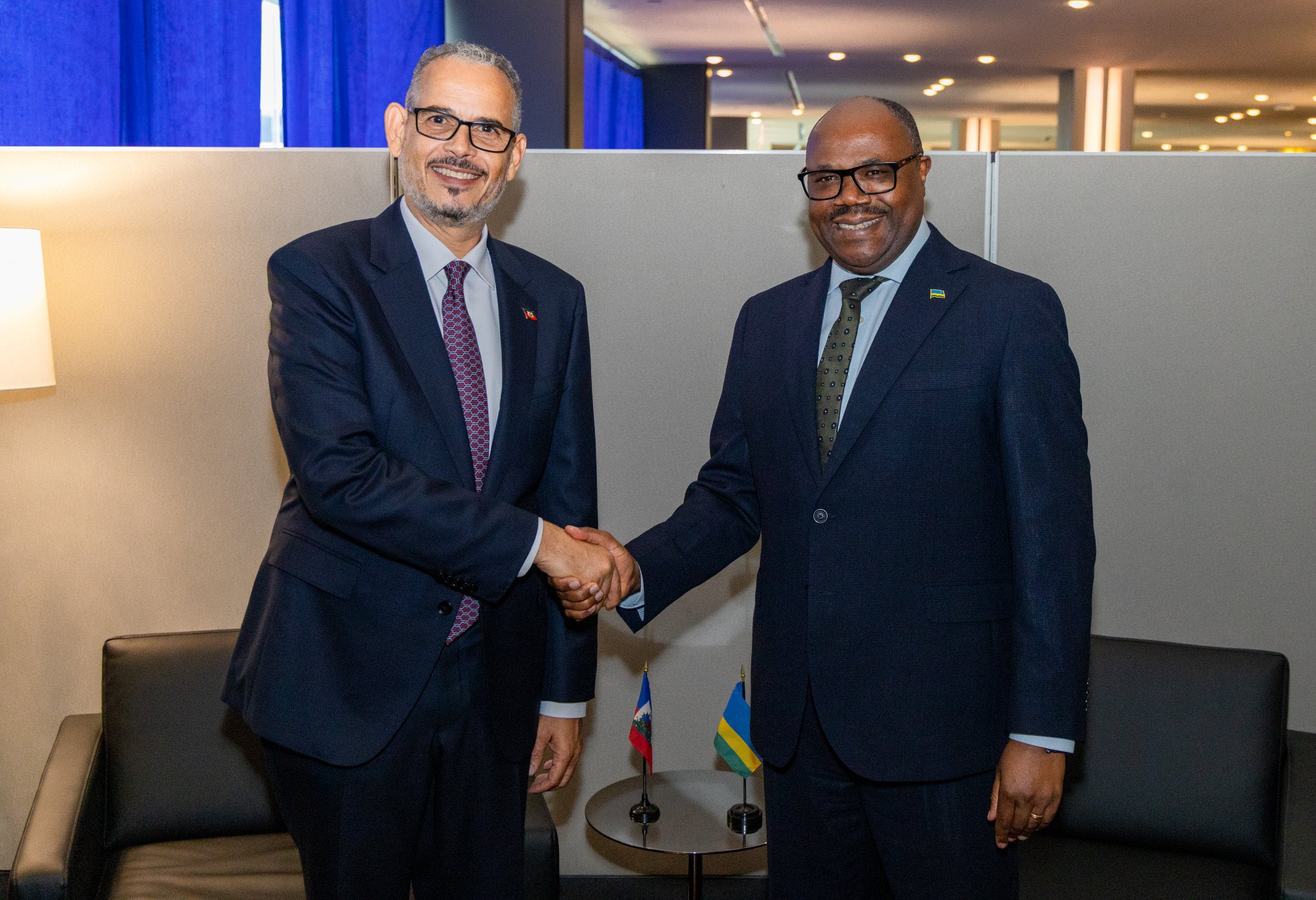
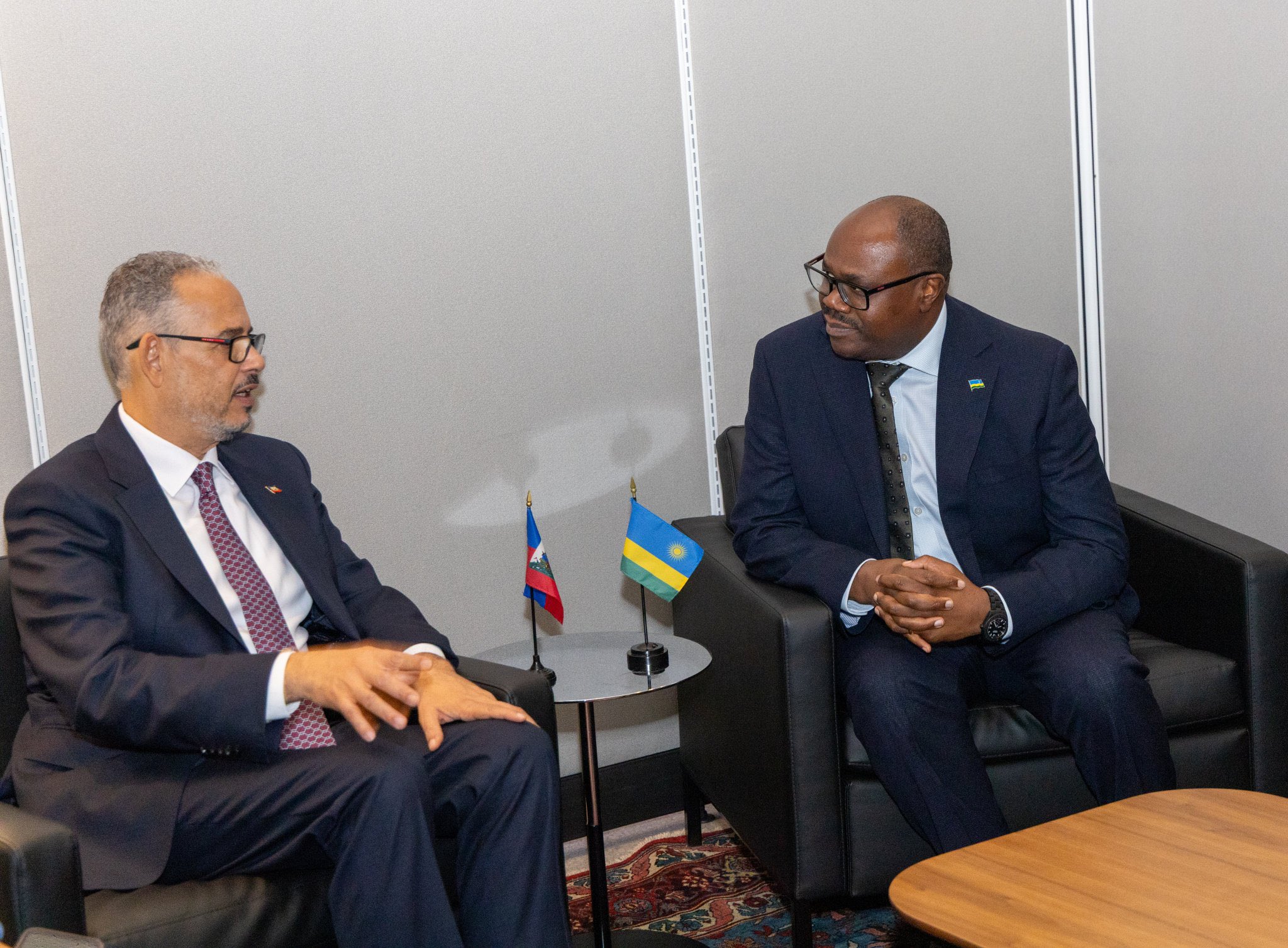
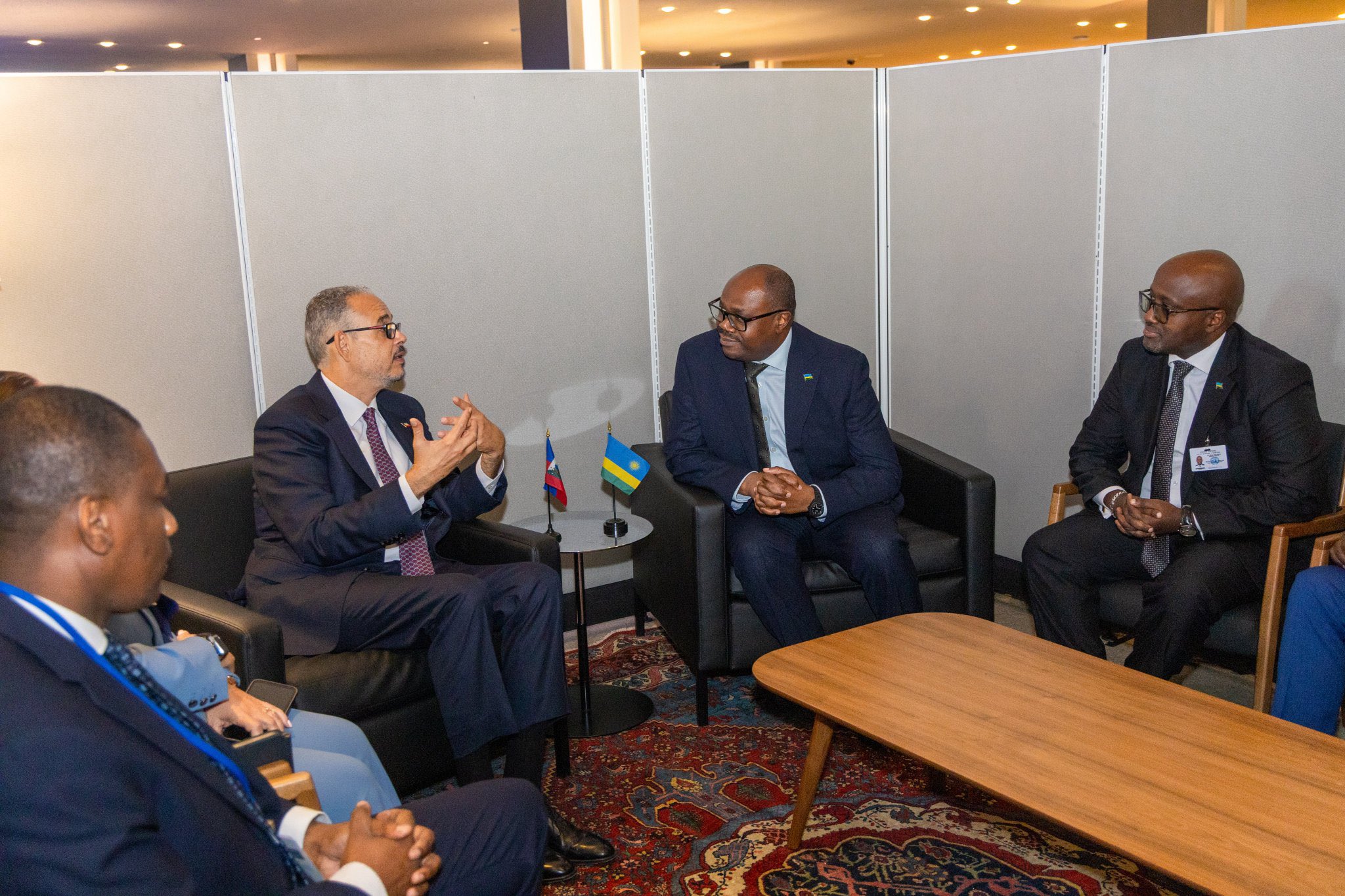
According to Haitian media, the discussions focused on efforts to restore national security in Haiti, strengthen the country’s security forces, consolidate state institutions and hold credible elections.
The Haitian government said it wants to strengthen its partnership with Rwanda and, more broadly, with African countries in areas including security, training, governance and development.
The meeting comes as Haiti continues to face a severe security crisis linked to armed groups, particularly in the capital, Port-au-Prince.
Haitian authorities have been seeking support to build the capacity of the country’s security forces and strengthen state institutions as they work to restore security and create conditions for credible elections.
Rwanda has previous experience of security cooperation with Haiti through UN peacekeeping missions. The Rwanda National Police concluded its peace-support deployment in Haiti in 2019, after nine years of rotational deployments.
Rwanda remains one of the largest contributors to UN peacekeeping operations and has deployed security personnel to missions in several countries.
According to Haitian media, the discussions focused on efforts to restore national security in Haiti, strengthen the country’s security forces, consolidate state institutions and hold credible elections.The Haitian government said it wants to strengthen its partnership with Rwanda and, more broadly, with African countries in areas including security, training, governance and development.The meeting comes as Haiti continues to face a severe security crisis linked to armed groups, particularly in the capital, Port-au-Prince.
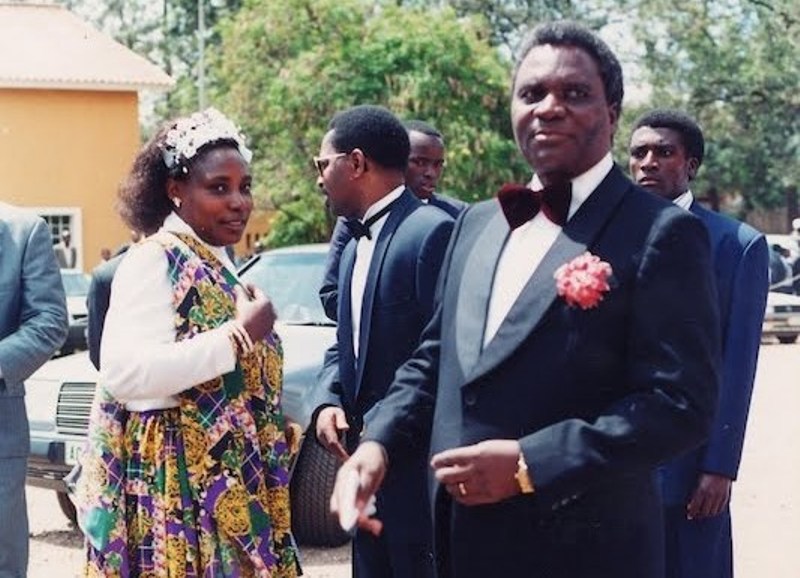
Kanziga, Habyarimana’s wife, was frequently portrayed in accounts from the period as a powerful figure in political affairs despite holding no official government position.
Various documents, intelligence reports, testimonies from security officials and media reports from the period have described her as having influence that extended beyond her formal role as the President’s wife.
In a June 24, 1994 letter, Lt Col Charles Uwihoreye, an officer in the defeated Rwandan Armed Forces (Ex-FAR), wrote to Col René Galinié, a security adviser at the French Embassy.
He described the hierarchy within the Akazu as appearing to place Habyarimana at the top, followed by Kanziga, while noting that her activities suggested an influence that went beyond that position.
Historical accounts have also linked Kanziga to influential members of her family, including Col Elie Sagatwa and Protais Zigiranyirazo, popularly known as “Monsieur Z.” They were among figures who were described as having significant influence over political and security affairs during the final years of Habyarimana’s government.
One incident often cited in accounts of Kanziga’s influence occurred on February 27, 1994, when Habyarimana reportedly went to Hôtel Rebero l’Horizon but was prevented from entering by security personnel.
According to the account, the guards told him that he could enter only after receiving permission from Kanziga and her brothers.
At the time, Kanziga and her brothers were reportedly holding a fundraising meeting at the hotel to raise money for the Interahamwe militia, which played a role in the 1994 Genocide against the Tutsi. Three million Rwandan francs were reportedly raised during the meeting.
Documents revealed by French media outlets Mediapart and Radio France in February 2019 also indicated that several senior Ex-FAR officers were closely associated with Kanziga and Zigiranyirazo. The group was reportedly referred to as the “Colonels de Madame,” or “Madame’s Colonels.”
Those named included Col Sagatwa, Col Théoneste Bagosora, Lt Col Anatole Nsengiyumva, Lt Col Nkundiye, Lt Col Tharcisse Renzaho, Col Laurent Serubuga and Col Pierre Célestin Rwagafilita.
‘She is the real leader of this country’
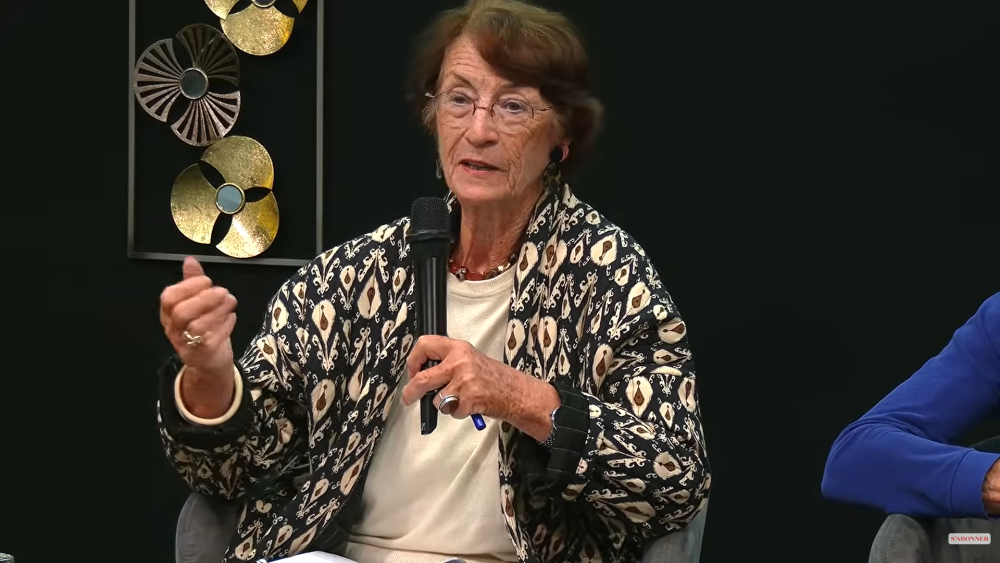
Kanziga’s reported influence was also recalled by Belgian journalist Colette Braeckman during a discussion on the shooting down of Habyarimana’s plane held in Paris on September 9, 2026.
The event, organised by French magazine Le Nouvel Obs, brought together former investigating judge Marc Trévidic, writer Michel Bussi, journalists Patrick de Saint-Exupéry and Colette Braeckman, and François Graner of the Survie organisation.
Braeckman, who spent many years reporting from the Great Lakes region, spoke about the structure of Habyarimana’s government and the political situation in Rwanda before the President’s plane was shot down.
She recalled travelling to Rwanda several times from the beginning of the 1990s, including shortly after the RPA launched its war on October 1, 1990.
“From the beginning of the 1990s, I made as many trips as possible to Rwanda because I was there when the war began. I saw people detained in Kigali Stadium before meeting President Habyarimana, who told me, ‘Yes, there are many economic problems.’ At the time, we were waiting to visit people, and the country did not have much money,” she said.
Braeckman then recalled an encounter with Habyarimana that she said particularly surprised her.
“What surprised me was that President Habyarimana introduced me to his wife and told me, ‘This is my wife, and she is the real leader of this country.’ It was in the 1990s, a few days after the war began in October,” she said.
The account provides another perspective on the influence attributed to Kanziga during Habyarimana’s presidency, at a time when she held no formal government position.
Lt Col Uwihoreye, who died in 2009, also wrote to Col Galinié that following Habyarimana’s death on April 6, 1994, Kanziga assumed a more visible leadership role.
Before she was evacuated by France, Kanziga was accused of ordering the killing of politicians opposed to the regime and Tutsi neighbours in Kanombe.
Among the politicians reportedly killed on her orders were Prime Minister Agathe Uwilingiyimana, Minister of Social Affairs Landouald Ndasingwa, Foreign Minister Boniface Ngulinzira, Agriculture Minister Frédéric Nzamurambaho and Health Minister Faustin Rucogoza.
Historical accounts indicate that Agathe Kanziga wielded significant influence within the government, backed by family members who were part of the Akazu.Colette Braeckman recalls being surprised when Habyarimana told her Agathe Kanziga was Rwanda’s real president