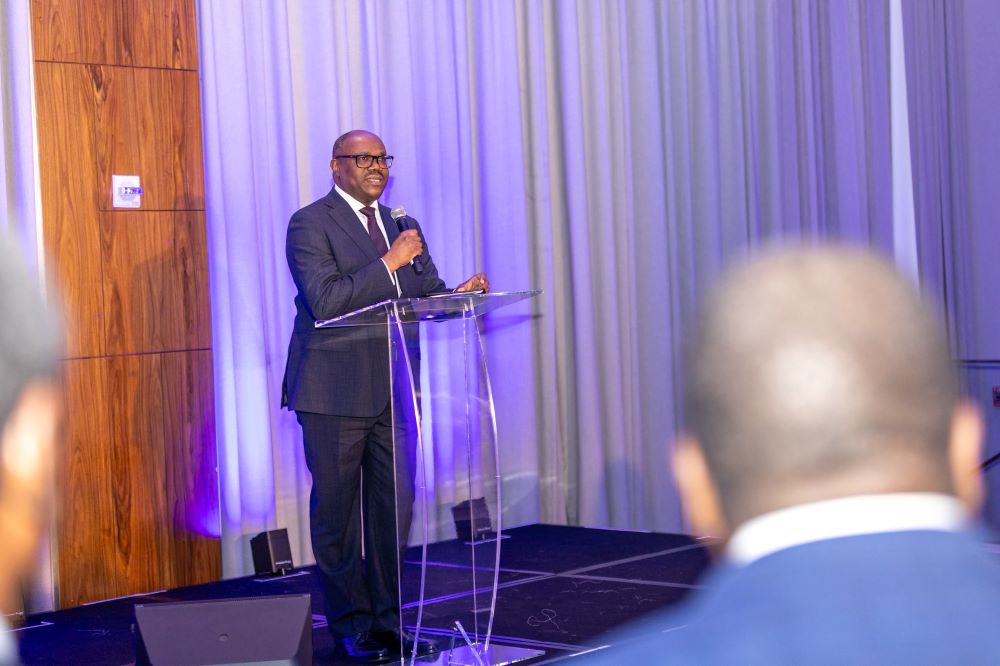
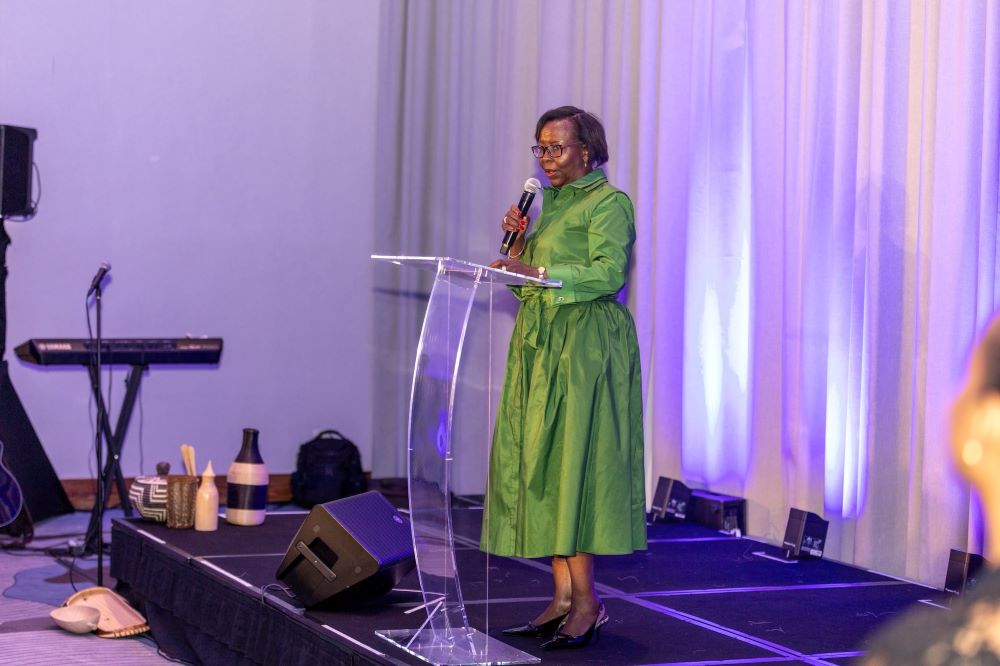
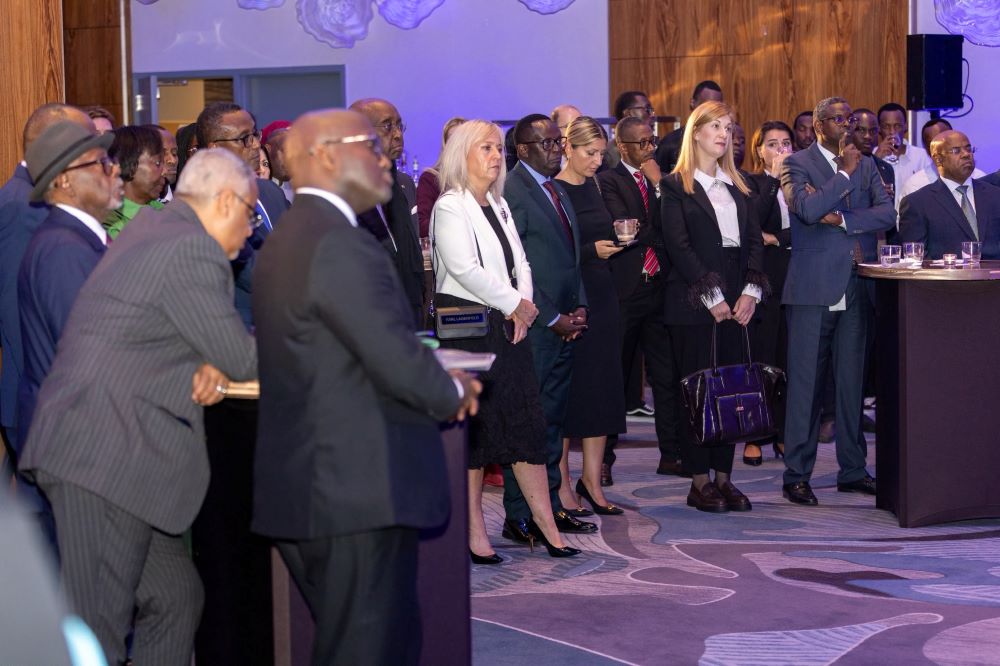
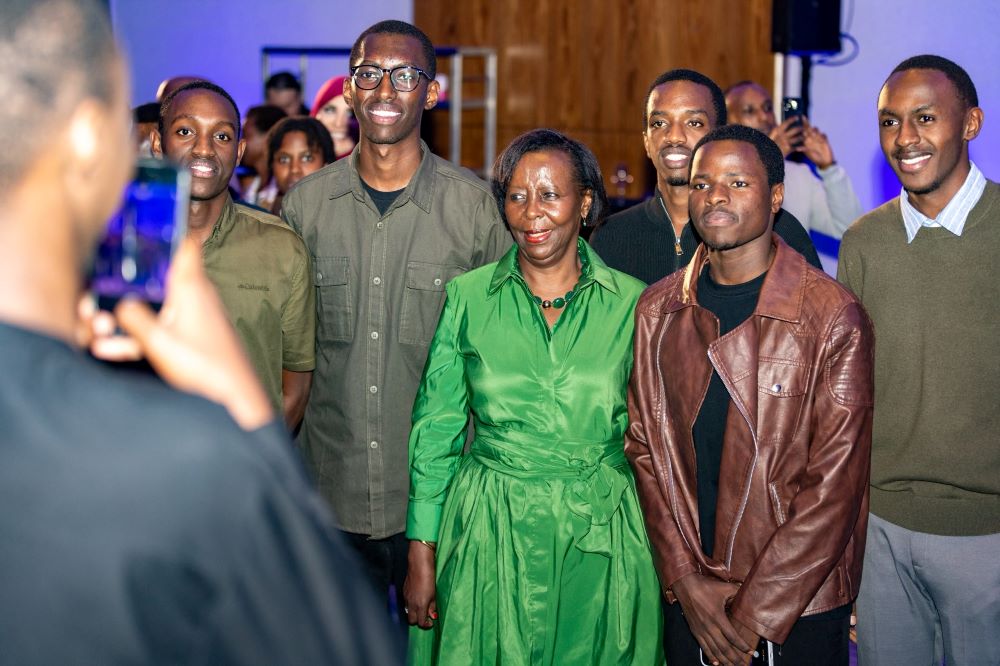
Presenting her vision in Paris on June 30 before foreign ministers of member states, Mushikiwabo warned that the Francophonie must adapt to a world defined by rapid technological change, economic uncertainty, and rising disinformation. She said the organisation can no longer operate at the same pace as in previous decades.
“We are living in an unprecedented period where alliances and coalitions are formed and undone without anticipation,” she told ministers, adding that the OIF must become more influential, more agile, better governed, and aligned with the challenges of its time.
Her address placed particular emphasis on artificial intelligence and digital transformation, youth employment, and governance reform, framing them as the core priorities for her next mandate.
The hearing formed part of a historic ministerial session in Paris where four candidates are competing to lead the organisation in what is widely regarded as the first genuinely competitive election in the OIF’s 56-year history.

Historic leadership contest under new voting rules
Foreign ministers from OIF member states gathered for an unprecedented exercise in which each candidate presented their vision ahead of the election scheduled for the Summit of Heads of State and Government in Phnom Penh, Cambodia, in November 2026.
The race features Mushikiwabo, Juliana Amato Lumumba of the Democratic Republic of the Congo (DRC), Coumba Ba of Mauritania, and former Romanian Prime Minister Dacian Cioloș.
Unlike previous leadership selections, the 2026 election will be conducted under a reformed “one country, one vote” system that replaces the organisation’s long-standing consensus-based approach. The reform gives equal voting weight to all 56 eligible member states, marking a major institutional shift intended to strengthen transparency and competitiveness.
The changes were introduced during Mushikiwabo’s tenure as part of broader governance reforms within the Francophonie. Although the system was in place during her previous re-election, she ran unopposed at the time, meaning it has never been tested in a fully competitive race.
Much of the attention in Paris remains on Mushikiwabo, who has led the OIF since 2018 and is seeking a third term. Her candidacy was endorsed by Rwanda following encouragement from several member states during the Ministerial Conference of La Francophonie held in Kigali in November 2025.
She told ministers that her experience within international organisations, including reform work, had shaped her approach to leadership. “My knowledge of the multilateral system and my long experience in government focused on improving citizens’ daily lives have served as my compass,” she said.
Supporters credit her tenure with strengthening financial management, improving governance systems, and refocusing cooperation programmes to increase impact.
AI and digital transformation as a defining priority
A central theme of her vision was the acceleration of artificial intelligence and digital transformation across Francophone countries. Mushikiwabo said the OIF must prepare member states not only to use new technologies but also to help shape global rules around them.
“We must prepare our societies for the era of artificial intelligence,” she said, calling for AI to be treated as a cross-cutting issue across education, governance, and development programmes.
She highlighted ongoing initiatives such as digital governance programmes and youth training efforts, and urged their expansion through stronger funding and partnerships.

Youth employment and economic opportunity
Youth employment was another major pillar of her address. Mushikiwabo said job creation for young people remains one of the most urgent expectations from member states.
She pointed to existing programmes in entrepreneurship, skills development, and startup support that have already reached tens of thousands of beneficiaries, but said these must be scaled up significantly.
“We must now scale up these efforts,” she said, noting that partnerships with development banks and the private sector would be key to expanding opportunities across the Francophone space.
Mushikiwabo also defended reforms implemented during her tenure, including tighter financial controls, annual certification of OIF accounts, and a streamlined cooperation portfolio designed to improve efficiency.
She called for more agile decision-making structures, including stronger engagement among foreign ministers beyond the annual meeting cycle.
“In an increasingly complex international context, the credibility of La Francophonie rests both on the consistency of its principles and on its ability to remain a useful interlocutor for all member states,” she said.
She also argued that the organisation should move away from rigid systems and adopt more continuous monitoring of political transitions and crises.
Rwanda in focus: education, language, and programme impact
Responding to questions from ministers, Mushikiwabo also highlighted Rwanda’s experience within OIF programmes, particularly in education and language policy.
She noted that Rwanda was the first beneficiary of the French teacher mobility programme, which was later integrated into national education planning. According to her, the initiative has helped strengthen the role of French in Rwanda’s multilingual education system alongside English, Kinyarwanda, and Swahili.
“If a programme proves successful, countries tend to request more teachers,” she said, adding that such initiatives must be expanded through digital tools, online training, and improved pedagogy.

She also emphasized that Rwanda’s experience demonstrates how OIF programmes can be adapted to multilingual environments facing similar challenges across the Francophone world.
Economic cooperation and disinformation concerns
During exchanges with ministers, Mushikiwabo also addressed broader institutional priorities, including economic cooperation and the fight against disinformation.
Responding to a question from Djibouti on economic cooperation, she said small and medium-sized enterprises remain the key target for Francophone economic initiatives, noting that large companies already have global access. She emphasized the need to strengthen follow-up after trade missions and build long-term business networks across regions.
On governance concerns, she highlighted the growing threat of disinformation, describing it as a global challenge affecting democratic systems, public trust, and elections. She said the OIF is already supporting programmes in multiple countries and must expand them urgently.
The 2026 race is expected to reshape internal dynamics within the organisation, whose 90 member states and governments include 56 voting members, with African countries forming the majority of the electorate.
As the contest moves toward the November 2026 summit in Phnom Penh, Mushikiwabo’s campaign is anchored on continuity and expansion of reforms, with a strong emphasis on artificial intelligence, youth employment, and institutional governance as defining priorities for the Francophonie’s future.