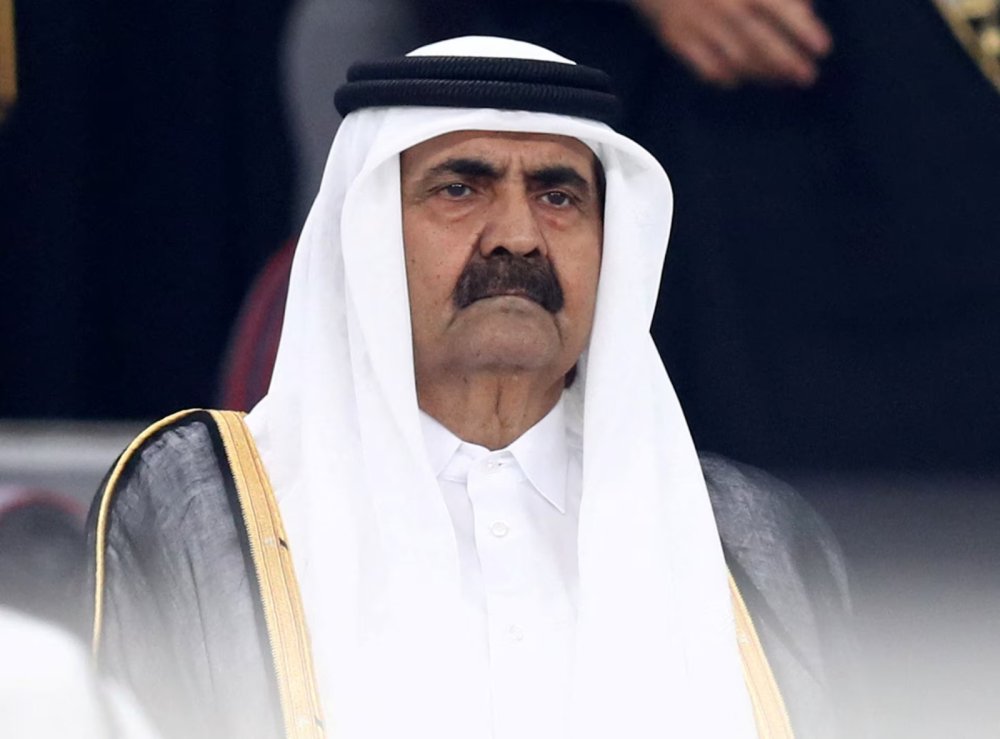
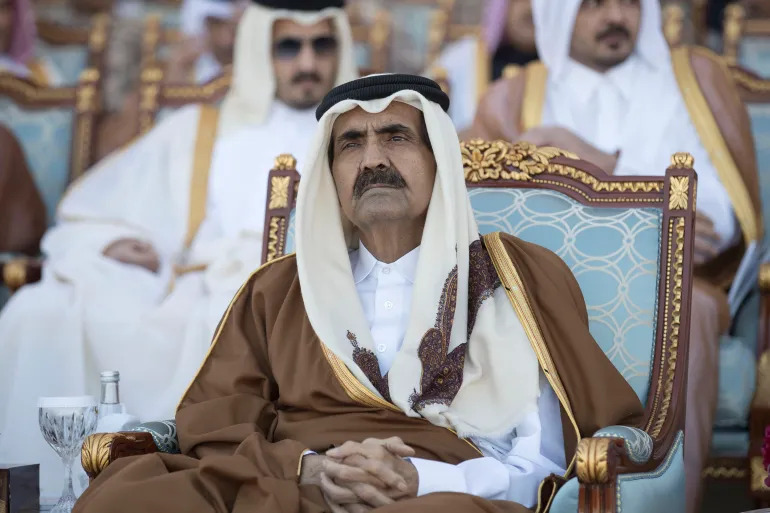
Sheikh Hamad bin Khalifa Al Thani, who ruled Qatar from 1995 to 2013 before handing over power to his son, died at the age of 74. His death was announced in an official statement released on Sunday.
In its message of condolence, AFC/M23 conveyed sympathy to Sheikh Tamim bin Hamad Al Thani, the Qatari royal family, the government, and the people of Qatar following the passing of the former Emir.
“His Highness Sheikh Hamad bin Khalifa Al Thani will be remembered as an exceptional statesman and visionary who, through his leadership, transformed Qatar into a respected global actor committed to peace, dialogue, development, and international cooperation,” the statement read.
AFC/M23 said the legacy of Sheikh Hamad bin Khalifa Al Thani would continue to inspire future generations in Qatar and far beyond
The movement added that, as one of the parties involved in the mediation talks facilitated by Qatar between AFC/M23 and the Government of the Democratic Republic of Congo (DRC), it had witnessed Qatar’s commitment to encouraging dialogue, peaceful conflict resolution, and efforts aimed at achieving lasting peace and stability.
“These efforts reflect the values and vision that His Highness the Father Amir helped to establish and promote,” AFC/M23 added.
As Qatar continues to mourn the former Emir, AFC/M23 said it stands in solidarity with Sheikh Tamim bin Hamad Al Thani, the royal family, the government, and citizens of Qatar during this period of loss.
Since early 2025, Qatar has been leading mediation efforts aimed at facilitating dialogue between the Democratic Republic of Congo and AFC/M23 in an effort to find a peaceful solution to the conflict in eastern DRC.
AFC/M23 has accused the Congolese government of repeatedly failing to respect commitments made during the negotiations, while alleging that violence and human rights abuses have continued, particularly affecting communities of Congolese Tutsi origin.
Former Qatar leader Sheikh Hamad bin Khalifa Al Thani died at the age of 74.AFC/M23 conveyed sympathy to Sheikh Tamim bin Hamad Al Thani, the Qatari royal family, the government, and the people of Qatar following the passing of the former Emir.
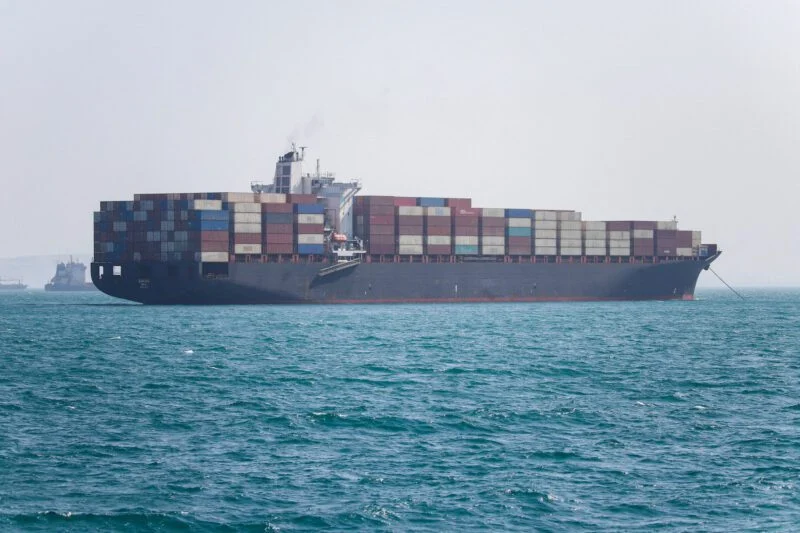
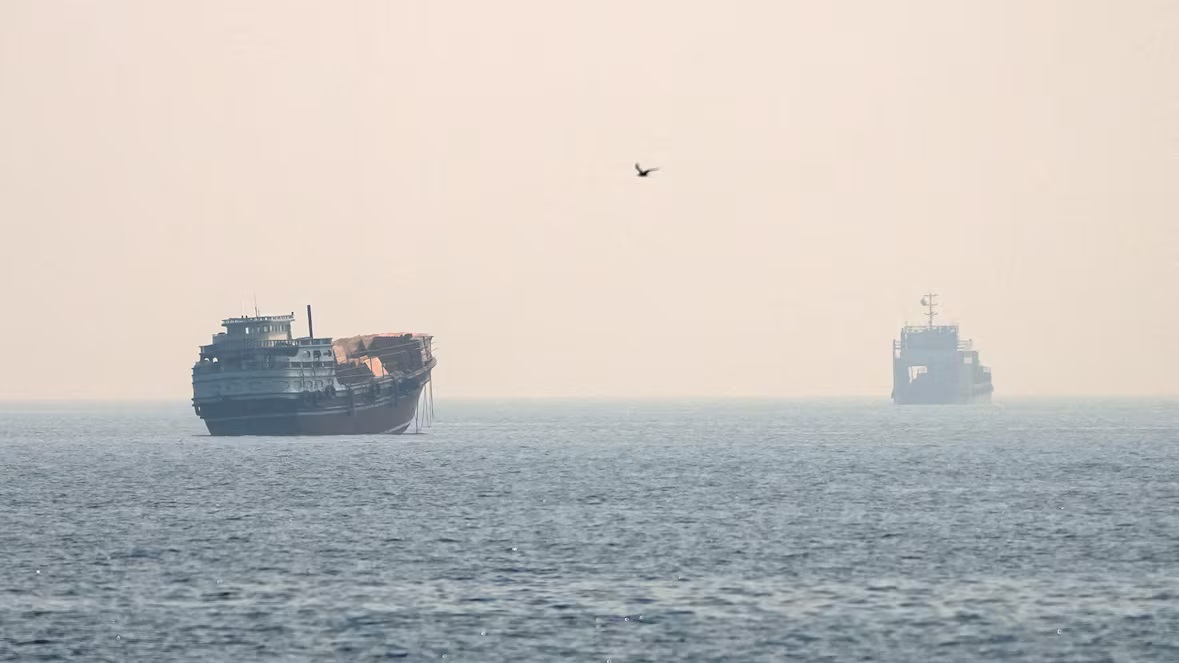
Data from ship tracking company Kpler showed that only six vessels passed through the strategic waterway on Sunday, a sharp decline from normal traffic levels.
The slowdown comes as ship operators and energy companies closely monitor the deteriorating security situation in the Gulf following fresh U.S. strikes on Iranian targets and Iran’s response.
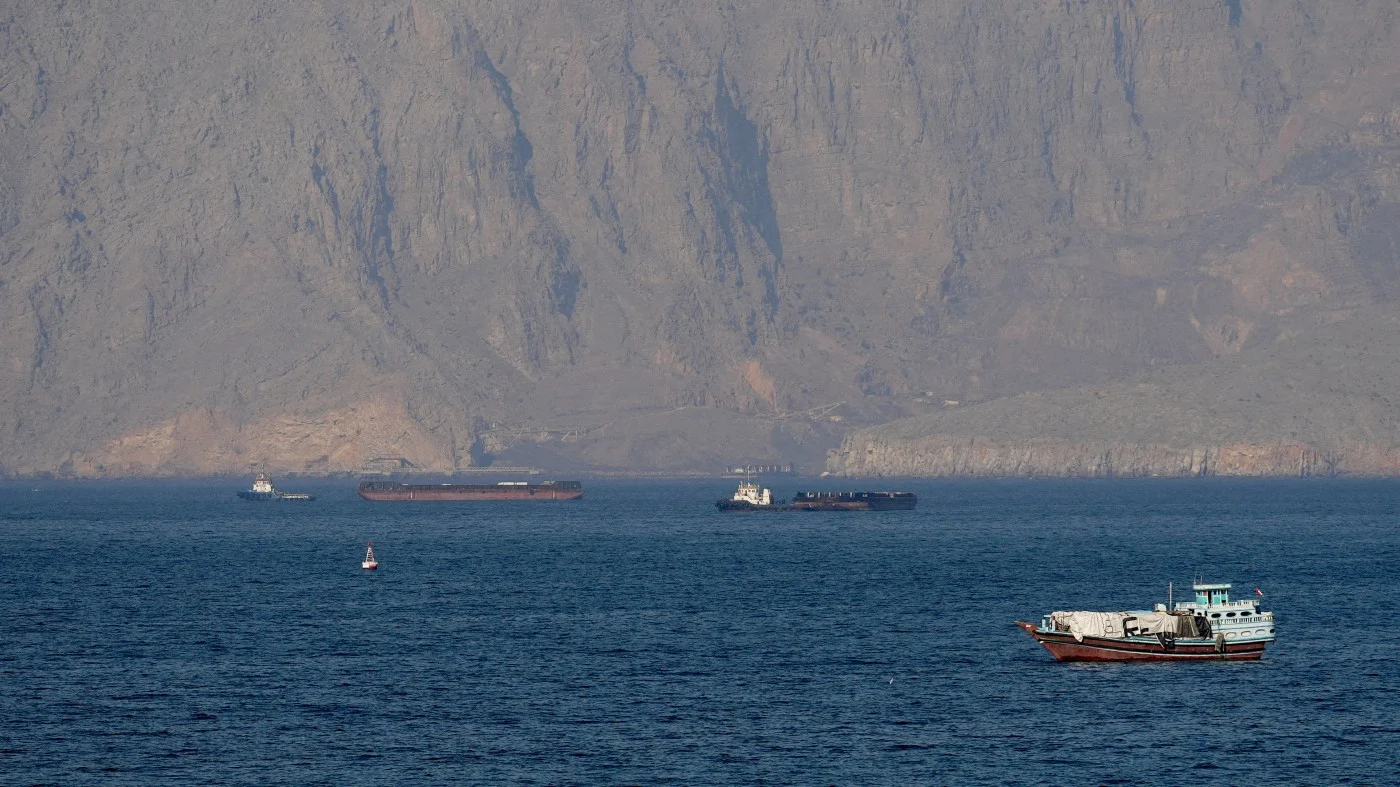
The Strait of Hormuz connects the Persian Gulf to the Gulf of Oman and the Arabian Sea. It serves as a critical route for global energy supplies, with about one fifth of the world’s oil and a significant share of liquefied natural gas (LNG) exports passing through the narrow waterway.
According to Reuters, many commercial vessels are taking extra precautions while navigating the area. Some ships have switched off their Automatic Identification System (AIS) transponders to reduce the risk of being tracked, while others have delayed or adjusted their voyages because of growing safety concerns.
“The market is taking a very cautious approach,” Richard Bronze, head of geopolitics at Energy Aspects, told Reuters, noting that shipping companies are closely assessing the risks before sending vessels through the region.
Among the few ships that continued through the strait were the very large crude carrier Humanity, carrying around two million barrels of Iranian crude oil, and the tanker Capetan Andreas, transporting approximately 500,000 barrels of refined petroleum products from Kuwait.
No liquefied natural gas carriers were reported to have entered the Strait of Hormuz over the weekend, reflecting the caution being exercised by gas exporters and shipping firms as tensions persist.
The latest disruption follows a renewed escalation between Washington and Tehran that has increased fears of attacks on commercial shipping.
Although Iran has claimed it closed the Strait of Hormuz, U.S. President Donald Trump said the waterway remains open. “It’s open,” Trump told reporters, while acknowledging that tensions in the region remain high.
The decline in shipping traffic has renewed concerns about global energy markets. Any prolonged disruption to movement through the Strait of Hormuz could affect oil and gas supplies, drive up shipping costs, and push international energy prices higher.
As geopolitical tensions continue to unfold, governments, shipping companies and energy traders are expected to keep a close watch on developments in the Gulf, where any further escalation could have far-reaching consequences for global trade and energy security.
Commercial vessels reduce movement through the Strait of Hormuz as rising US-Iran tensions raise fears over global energy supplies.
In a statement shared on her Instagram Story on Sunday, the singer, whose real name is Zuhura Othman Soud, said she was making the announcement with a “heavy heart” after six years together.
“My former partner and I are now separated and going through a divorce,” she wrote. “After six years of being together, I have finally decided to choose myself.”
Zuchu said she wishes Diamond, whose real name is Naseeb Abdul Juma, and his family well as she turns her attention to healing, her health and her music career.
“Our chapter has come to an end. We tried, but Allah has His own plans, and I have no choice but to accept them,” she added.
The announcement came a day after fans noticed Zuchu’s absence from the birthday celebration of Diamond’s mother, Mama Dangote, prompting speculation that the couple’s relationship had once again hit a rough patch.
The pair first confirmed their romance in 2021 after months of speculation, quickly becoming one of the region’s most talked-about celebrity couples. Their relationship frequently made headlines, with public declarations of love often followed by reports of breakups and reconciliations.
After years of an on-and-off romance, the couple married in a private Islamic ceremony last year, raising hopes that they had finally found lasting stability.
Diamond has not publicly commented on Zuchu’s announcement.
Beyond her personal life, Zuchu has emerged as one of East Africa’s biggest female music stars since signing with WCB Wasafi in 2020. The daughter of legendary taarab singer Khadija Kopa, she has built a successful career with hit songs including Sukari, Wana, Cheche and Honey.
Whether this marks the final chapter of the couple’s on-and-off romance remains to be seen. Their relationship has survived several public breakups in the past, leaving fans divided over whether this separation will be permanent or lead to yet another reconciliation. As it stands, however, Zuchu says she is choosing herself and looking ahead to a new chapter focused on her well-being and career.
After years of an on-and-off romance, the couple married in a private Islamic ceremony last year, raising hopes that they had finally found lasting stability.
The Africa CDC said in a press statement issued Saturday that health workers, humanitarian personnel, volunteers and operational staff are “sustaining the response under intense pressure,” identifying cases, caring for patients and protecting affected communities in order to contain transmission.
It said relevant authorities and the response team have launched an epidemiological investigation, contact tracing and exposure risk assessments concerning the U.S. humanitarian worker, while highlighting that the exact circumstances of the exposure remain under investigation. The confirmed case has been supporting the outbreak response in Bunia, the capital of eastern DRC’s Ituri Province and the epicenter of the outbreak.
At least 112 healthcare workers have been infected with the Bundibugyo Ebola virus, while some 35 have lost their lives in the DRC, according to the latest data from the African Union’s specialized public health agency.
“Reliable protective equipment, strong infection prevention systems, continuous training, psychosocial support and safe working conditions are essential for every person delivering this response,” the statement quoted Africa CDC Director-General Jean Kaseya as saying.
The agency urged all organizations operating in affected areas to strengthen occupational safety measures, report suspected exposures and symptoms promptly, and provide continuous support to their personnel.
Last month, France reported an imported Bundibugyo Ebola case involving a health worker who had supported the response in the DRC.
Medical workers carry out disinfection work at an Ebola treatment center in Bunia, the capital of Ituri Province in the Democratic Republic of the Congo, July 6, 2026.
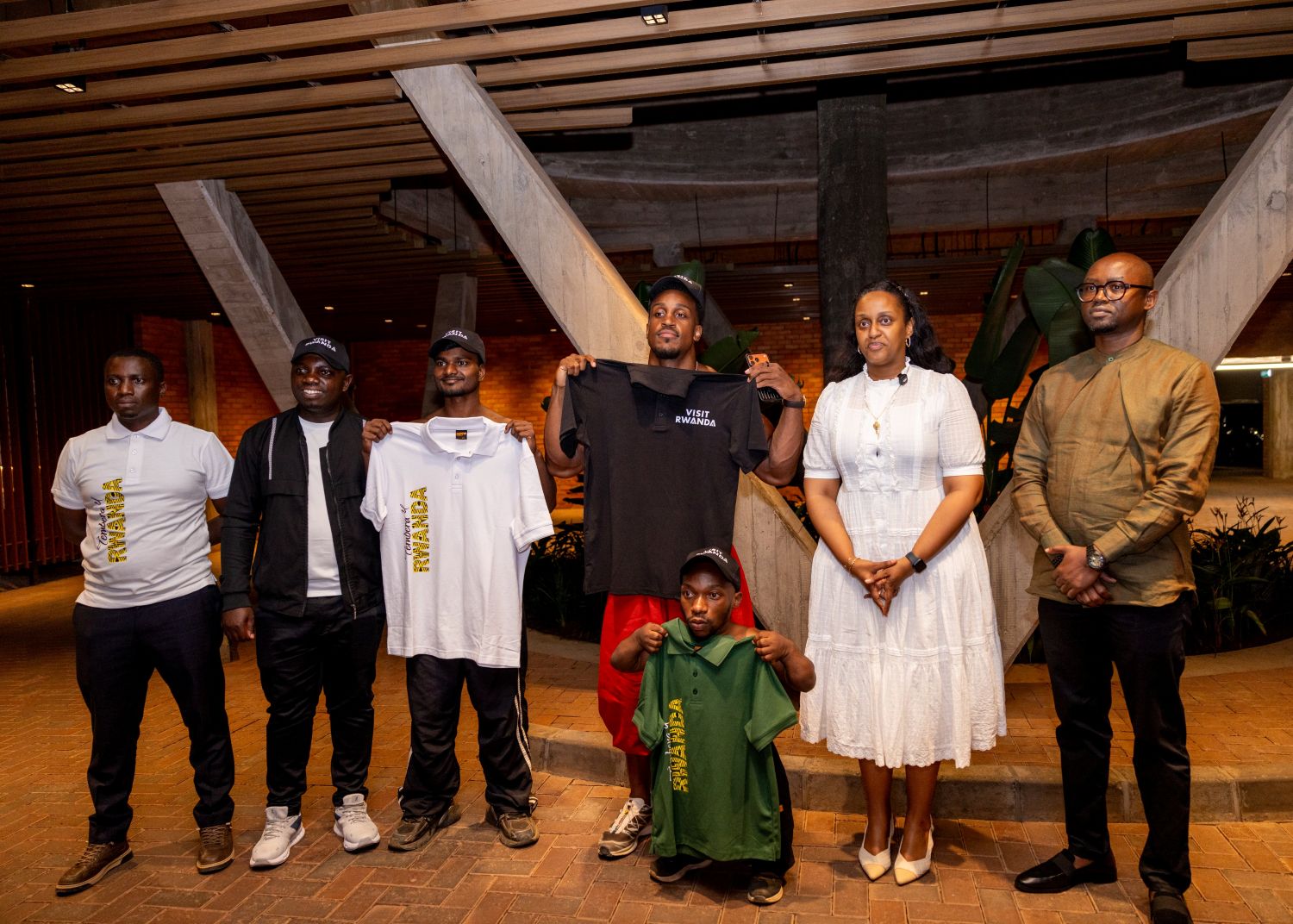
The meeting, held on Saturday evening, was led by RDB Chief Tourism Officer Irène Murerwa and focused on the trio’s activities and opportunities to amplify the country’s unique tourism experiences through their combined social media reach.
The discussions come as Ashton Hall, Kagarara and Yogendra Kushwah conclude a multi-country tour across Africa, with Rwanda serving as the final stop of Hall’s journey on the continent.
According to RDB, the meeting explored “opportunities to showcase the country’s unique tourism experiences to global audiences.”
During the discussions, Murerwa welcomed the visitors and thanked them for choosing Rwanda, noting that their content has the potential to inspire young people and introduce millions around the world to the country.
Hall, whose online audience runs into millions, spoke enthusiastically about his experience in Rwanda, describing Kigali as cleaner than he had expected.
“I saw so many nice places, clean. They don’t know. This is cleaner than my city, Miami. Kigali is cleaner than Miami, and I never expected that,” he said, echoing Kigali’s reputation as one of Africa’s cleanest cities.
He explained that one of his goals during the African tour is to challenge common misconceptions about the continent.
“When I was headed here, I wanted to show all of Africa because, in America, we kind of see one side, but we don’t see all the sides,” Hall remarked. “I wanted to show all of the things that I feel like I never knew about Africa, and Rwanda as well.”
Hall also reflected on his visit to the Kigali Genocide Memorial, describing it as one of the most meaningful experiences of his trip.
“I feel like a lot of people, if you come to Rwanda, you have to go there for sure,” he said, adding that the memorial gave him a deeper appreciation of the country’s history and the resilience of its people.
The meeting also touched on the visitors’ upcoming tourism experiences, including gorilla trekking in Volcanoes National Park, one of Rwanda’s flagship tourism attractions. Hall, who described gorillas as his favourite animals, expressed excitement about the experience.
Having already experienced aspects of Rwanda’s culture by wearing traditional attire and visiting local communities, Hall said he had been impressed by everything he had seen so far.
“You guys have too much to offer. The gorillas, the cows, the safari… I felt like I’ve seen a lot already.”
Despite initially planning to leave Rwanda earlier, Hall said travel changes extended his stay, something he now sees as a blessing.
“I was really sad to leave. I didn’t want to leave… I just see it as a sign. God wanted me to stay.”
Before departing, Hall described Rwanda as a place he intends to return to.
“We’re coming back. This is our second home,” he said.
Ashton Hall’s global influence, coupled with the growing audiences of Indian Ashton and Rwanda’s Kagarara, presents the country with an opportunity to reach millions of potential travellers across different regions. Kagarara has built a large following by inspiring people through his story of overcoming disability, while Indian Ashton has attracted a significant audience in India through his content.
Rwanda has continued to expand its international tourism marketing through the Visit Rwanda campaign, partnering with leading football clubs including Arsenal, Paris Saint-Germain, Bayern Munich and Atlético Madrid, as well as NBA franchise the LA Clippers, to raise the country’s profile and attract more tourists and investors.
The meeting, held on Saturday evening, was led by RDB Chief Tourism Officer Irène Murerwa and focused on the trio’s activities and opportunities to amplify the country’s unique tourism experiences through their combined social media reach.
The advisory, released by the United Kingdom Maritime Trade Operations, cited additional information from the U.S. Naval Forces Central Command (NAVCENT), which said the Strait of Hormuz is an international waterway and is not subject to coercion or control by any single nation.
“Despite Iran’s claims that the Strait is closed, U.S. forces are prepared to maintain freedom of navigation and safeguard lawful commerce,” NAVCENT said, adding that the southern route through the Strait remains open.
According to the advisory, the maritime security threat level in the Strait of Hormuz remains “severe.” It also warned mariners to remain aware of a mine danger area within the traditional Traffic Separation Scheme(TSS).
Following the outbreak of the U.S.-Israel-Iran conflict, the traditional TSS in the Strait of Hormuz became unsuitable for navigation due to the mine threat.
Following the signing of an MoU between the United States and Iran, two alternative transit routes effectively emerged: a northern route controlled by Iran and a southern route along the Omani coast, where U.S. forces provide navigation support and coordination.
Data compiled by multiple maritime information platforms show that vessel traffic through the Strait has dropped sharply in recent days following attacks on ships near the southern route.
Most vessels have transited via the northern route, while only a limited number have continued to use the southern route.
The United States has launched multiple rounds of strikes against Iran, saying they were in response to Iranian attacks on commercial vessels.
Early on Sunday, Iran’s Islamic Revolution Guard Corps announced that the Strait of Hormuz would be closed until further notice and “until the end of U.S. interference in this region.”
The U.S.-led Joint Maritime Information Center said on Sunday that despite Iran announcing the closure of the Strait of Hormuz, the southern route along the Omani coast remains available and has been expanded to accommodate two-way traffic.
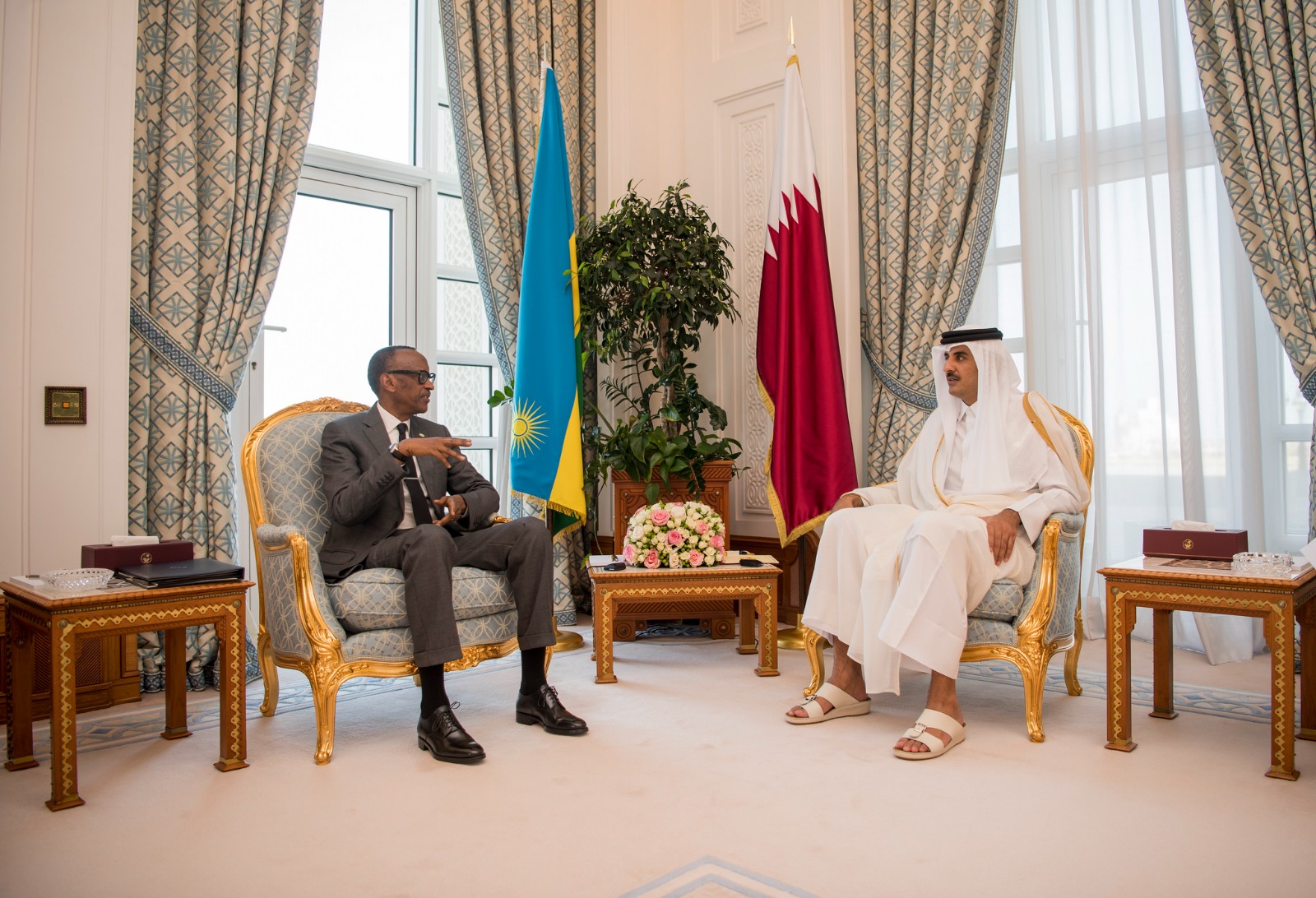
In a message shared on Sunday following the announcement of Sheikh Hamad’s passing, President Kagame conveyed his sympathies to Qatar’s current Emir, Sheikh Tamim bin Hamad Al Thani, his family, and the people of Qatar.
“My deepest condolences to my brother, His Highness Sheikh Tamim bin Hamad Al Thani, his family and the people of Qatar on the passing of His Highness the Father Amir Sheikh Hamad bin Khalifa Al Thani,” Kagame wrote.
President Kagame praised Sheikh Hamad’s contribution to Qatar’s development, saying he would be remembered for his leadership and efforts to strengthen cooperation among nations.
“His Highness Sheikh Hamad bin Khalifa Al Thani will be remembered as a visionary leader who transformed Qatar into the remarkable nation it is today. His legacy of service to his people and commitment to friendship and cooperation among nations will endure for generations,” Kagame said.
He added that Rwanda stands in solidarity with Qatar during the period of mourning.
“At this difficult time, the people of Rwanda and I stand with His Highness Sheikh Tamim bin Hamad and our Qatari brothers and sisters,” Kagame said.
Sheikh Hamad bin Khalifa Al Thani, who died at the age of 74, ruled Qatar from 1995 until he handed power to his son, Sheikh Tamim bin Hamad Al Thani, in 2013.
He is widely credited with shaping modern Qatar through a period of rapid economic growth, global expansion and major investments that elevated the country’s international influence.
During his reign, Qatar emerged as a major player in global energy, diplomacy, and investment, while securing the rights to host major international events, including the 2022 FIFA World Cup.
Leaders from across the world have paid tribute to the former Emir, praising his role in Qatar’s transformation. Indian Prime Minister Narendra Modi also described Sheikh Hamad as a “visionary leader who guided Qatar to great levels of development and prosperity,” while leaders from the Arab world expressed condolences to Qatar’s leadership and people.
The Qatari government announced Sheikh Hamad’s death through the Amiri Diwan, saying the nation had suffered a “great loss” with the passing of the former Emir.
In a message shared on Sunday following the announcement of Sheikh Hamad’s passing, President Kagame conveyed his sympathies to Qatar’s current Emir, Sheikh Tamim bin Hamad Al Thani, his family, and the people of Qatar.
Graham’s office confirmed his death on Sunday, saying he passed away following a “brief and sudden illness.”
In the region, Graham was among U.S. politicians who argued that lasting peace in eastern DRC required political dialogue and addressing the underlying causes of the conflict, rather than relying solely on punitive measures.
He drew attention in Rwanda for opposing proposals for U.S. sanctions targeting the country over the conflict in eastern DRC.
A report by The Wall Street Journal said that as Washington considered sanctions against Rwanda, Graham played a role in efforts to block the measures. According to the report, Graham told U.S. officials that Rwanda was an important security partner and warned that sanctions could undermine diplomatic efforts aimed at resolving the conflict.
He argued that punishing Rwanda would not provide a solution and could complicate efforts to bring parties involved in the conflict to the negotiating table. The proposed sanctions were later shelved.
Graham’s role in Great Lakes diplomacy
Graham’s engagement with Great Lakes issues stretched back more than a decade.
In 2013, he was part of a bipartisan delegation of six U.S. senators that visited the region to assess the conflict and humanitarian crisis linked to the M23 rebellion in eastern DRC.
During the visit, Graham said the region’s challenges could not be solved through military intervention or the deployment of international forces alone. He argued that a political solution involving the Congolese government, neighbouring countries and communities in the region was necessary.
During the visit, Graham said that lasting peace in eastern DRC would require addressing the underlying causes of the conflict and the concerns of affected communities.
Graham said the United Nations could play an important role in supporting stability, but that a lasting solution had to come through dialogue among regional stakeholders.
In his later years, Graham continued following developments in eastern DRC, particularly the conflict between government forces and the AFC/M23 coalition.
In December 2025, he welcomed AFC/M23’s decision to withdraw from Uvira, a strategic town in South Kivu, describing the move as a confidence-building step under the Doha peace process.
However, he expressed concern over reports that AFC/M23 forces were being attacked during the withdrawal.
“I am pleased to see reports of M23 troops withdrawing from Uvira in the Democratic Republic of the Congo. However, I am disheartened to hear these withdrawing troops are being attacked,” Graham said in a post on X at the time.
He called for continued diplomatic efforts to bring the opposing sides back to negotiations, arguing that dialogue was essential for achieving lasting peace and economic development in the Great Lakes region.
Graham also welcomed the Rwanda-DRC peace agreement signed in Washington last year, describing it as a significant achievement after years of conflict.
“What an amazing day and experience at the White House, with President Trump, Vice President JD Vance, U.S. Secretary of State Marco Rubio and President Trump’s Africa adviser Massad Boulos, along with the presidents of Rwanda and the Democratic Republic of Congo, solidifying what has been an elusive peace deal between the two countries,” he wrote on December 4, 2025.
He added that reaching the agreement with President Paul Kagame and President Félix Tshisekedi was something he would remember given the region’s long history of conflict.
“Watching President Trump close this deal with President Kagame and President Tshisekedi was an experience I’ll remember for the rest of my life. For those who have been following this region and conflict, today seemed almost impossible to dream of but now it is a reality,” he added.
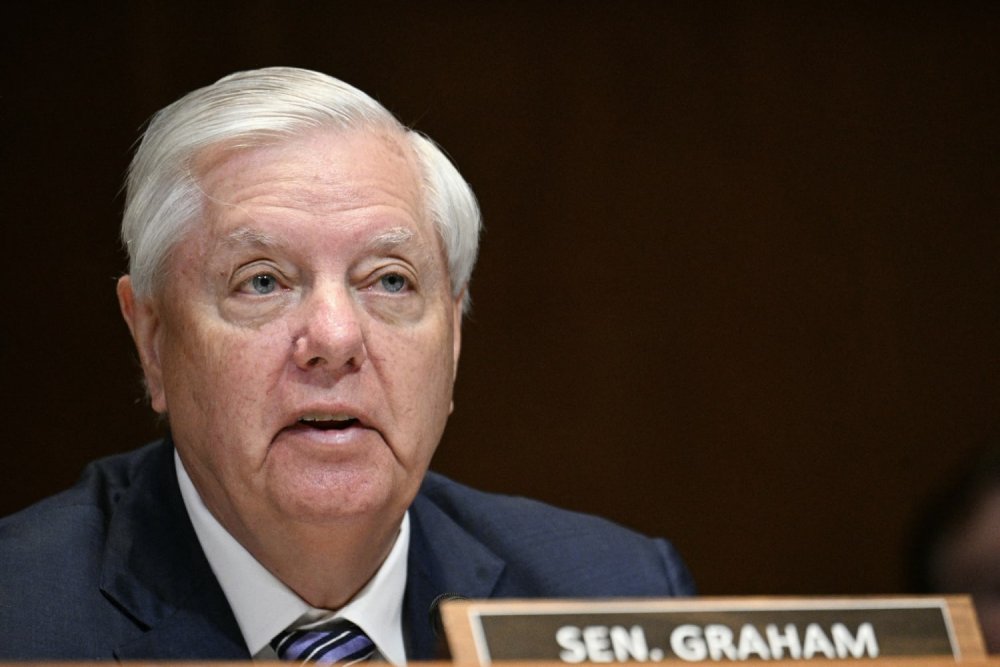
U.S. Senator Lindsey Graham died on Saturday at the age of 71.
Rwanda-U.S. relations
Beyond his comments on the DRC conflict, Graham maintained engagement with Rwanda, which he described as an important partner for the United States in East Africa.
In December 2025, during Kagame’s visit to Washington for activities related to the Rwanda-DRC peace agreement, Graham and Kagame discussed strengthening Rwanda-U.S. cooperation in strategic areas, including conservation, security and economic partnerships.
In April 2019, Graham was part of a high-level U.S. congressional delegation hosted by President Kagame and First Lady Jeannette Kagame. The discussions focused on issues of mutual interest between Rwanda and the United States.
A veteran U.S. politician
Graham’s political career spanned more than three decades. Before joining the Senate, he served in the U.S. House of Representatives from 1995 to 2003 and previously served in the U.S. Air Force, Air Force Reserve and South Carolina Air National Guard, retiring as a colonel in 2015.
Over more than three decades in Congress, he became one of America’s most influential voices on defense, national security and foreign policy. He chaired key Senate committees, including the Senate Judiciary Committee and the Senate Budget Committee, and was a major figure in Republican foreign policy debates.
Graham was also a close political ally of President Donald Trump. Although he initially criticized Trump during the 2016 Republican presidential primary, the two later developed a close working relationship, with Graham becoming one of Trump’s most prominent supporters in Congress.
Shortly before his death, Graham traveled to Kyiv, Ukraine, where he met President Volodymyr Zelenskyy amid the ongoing war between Ukraine and Russia.
His death marks the loss of a major figure in U.S. politics and a politician who had become a familiar voice in discussions around global security, defense strategy, and international alliances.
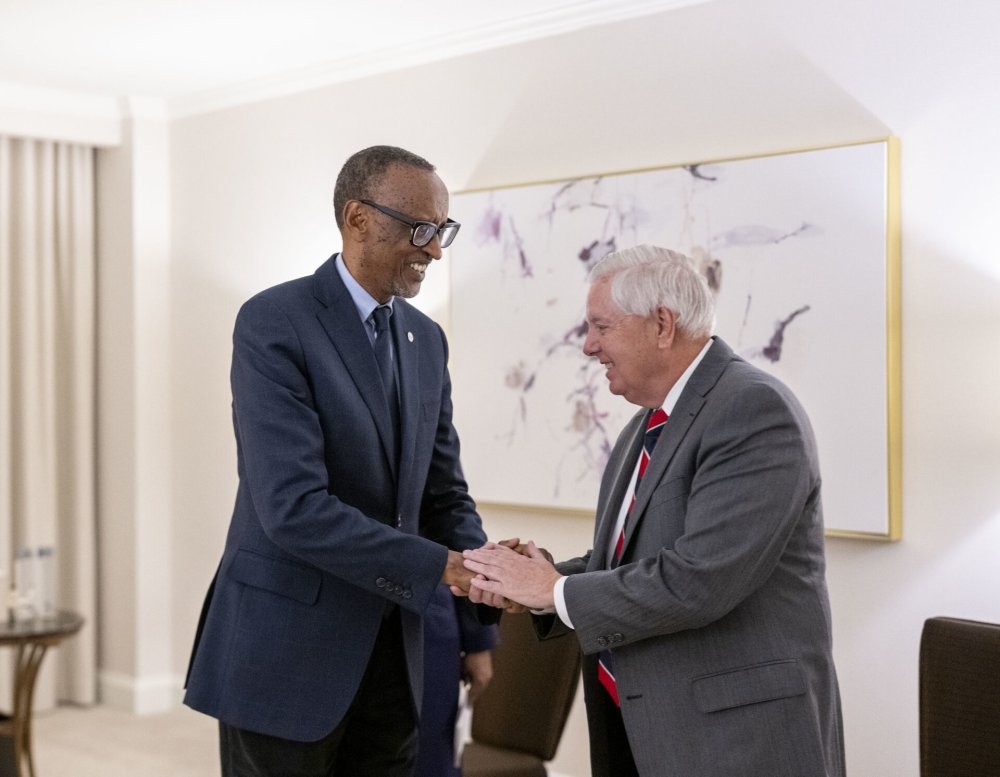
Senator Graham, pictured here with President Paul Kagame, was widely regarded as one of Rwanda’s strongest supporters in the U.S. Congress, consistently advocating for closer Rwanda-U.S. relations.
Graham’s office confirmed his death early Sunday, saying the senator died Saturday night “from a brief and sudden illness.”
“Senator Graham’s family appreciates prayers at this time and asks for privacy during this incredibly difficult period,” his office said in a statement.
President Donald Trump led tributes to Graham, describing him as “one of the greatest people and Senators I have ever known” and a “true American Patriot.”
Graham, who represented South Carolina in the U.S. Senate since 2003, was one of the most recognised figures in the chamber and served as chairman of the Senate Budget Committee. He was also a leading Republican voice on defence and international affairs, particularly issues involving Ukraine, Iran and America’s role in global security.
In Africa’s Great Lakes region, Graham became known for his public comments on the conflict in eastern DR Congo, where he argued that lasting peace required political engagement, dialogue between the opposing sides, and addressing the root causes of the conflict.
In December 2025, he welcomed AFC/M23’s decision to withdraw from the strategic town of Uvira in South Kivu, as part of a confidence-building step toward advancing the Doha peace process and achieving a lasting solution to the conflict.
However, he expressed concern over reports that AFC/M23 forces were being attacked as they withdrew from the city.
“I am pleased to see reports of M23 troops withdrawing from Uvira in the Democratic Republic of the Congo. However, I am disheartened to hear these withdrawing troops are being attacked,” Graham said in a post on X at the time.
He argued that negotiations between the opposing sides were essential and aligned with President Donald Trump’s vision of bringing lasting peace and economic development to the Great Lakes region.
Graham had engaged with regional security issues for more than a decade. In 2013, he was part of a bipartisan delegation of six U.S. senators that visited the Great Lakes region to assess the conflict between M23 rebels and government forces in eastern DR Congo.
During the visit, Graham said the presence of United Nations forces was important but stressed that the region’s challenges could not ultimately be solved by the UN alone.
On December 3, 2025, Graham also met with President Paul Kagame, with their discussions centred on strengthening Rwanda-U.S. cooperation in strategic areas including conservation, security and economic partnerships.
Beyond his engagement with the Great Lakes region, Graham was fresh off a trip to Kyiv, Ukraine, where he met President Volodymyr Zelenskyy on Friday to discuss Ukraine’s urgent air defence needs and efforts to increase pressure on Russia.
Israeli Prime Minister Benjamin Netanyahu also paid tribute to Graham, saying he understood that “the security of Israel and America are inseparable,” while Senate Majority Leader John Thune described him as a strong advocate for the United States and freedom around the world.
Graham’s political career spanned more than three decades. Before joining the Senate, he served in the U.S. House of Representatives from 1995 to 2003 and previously served in the U.S. Air Force, Air Force Reserve and South Carolina Air National Guard, retiring as a colonel in 2015.
He first won his Senate seat in 2002, succeeding longtime South Carolina senator Strom Thurmond, and went on to become one of the Republican Party’s most influential voices on foreign policy.
South Carolina Governor Henry McMaster is expected to appoint a replacement to serve until a special election is held to fill Graham’s seat.
Graham’s office confirmed his death early Sunday, saying the senator died Saturday night “from a brief and sudden illness.”On December 3, 2025, Graham met with President Paul Kagame, with their discussions centred on strengthening Rwanda-U.S. cooperation in strategic areas including conservation, security and economic partnerships.
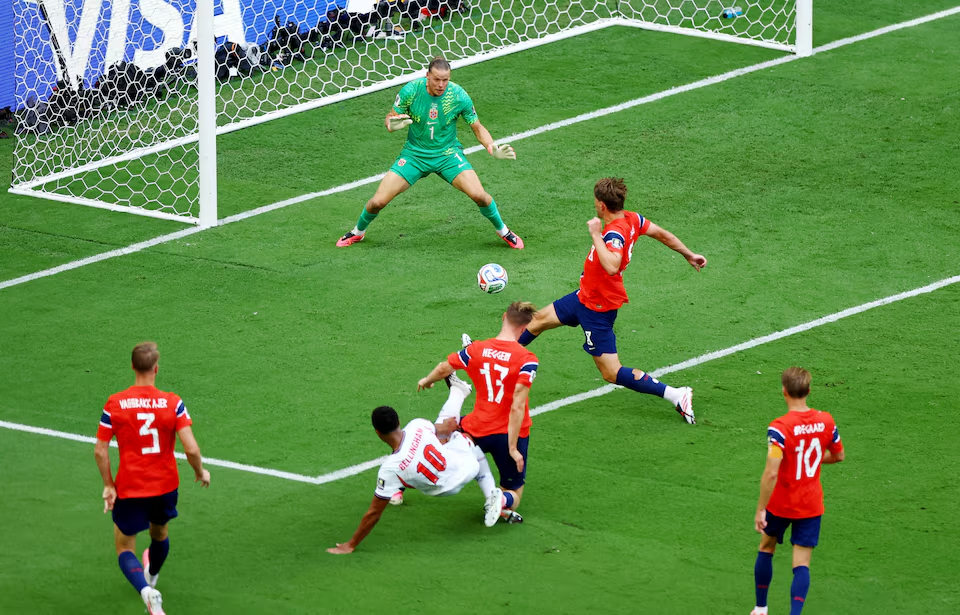
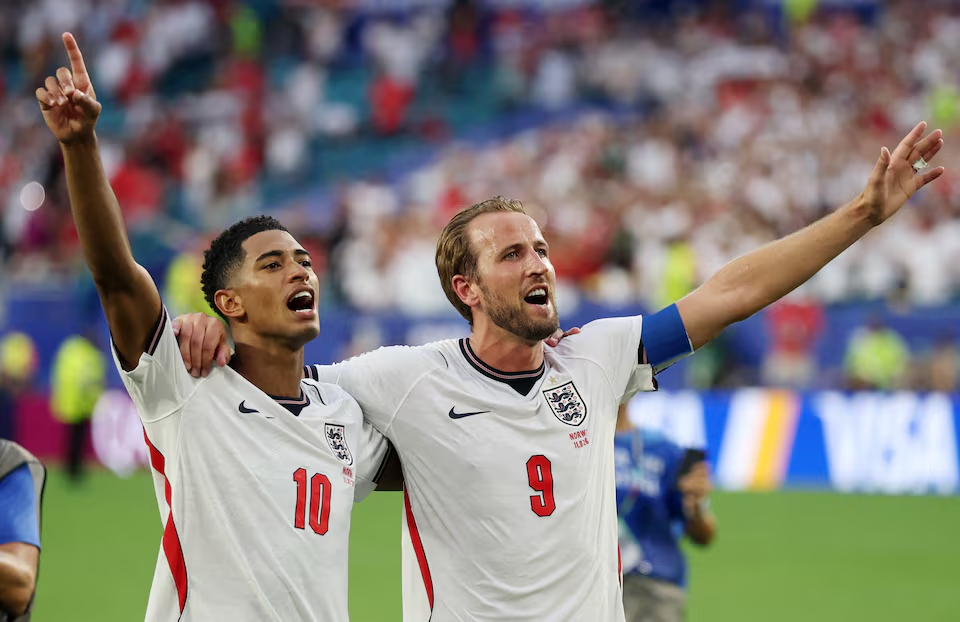
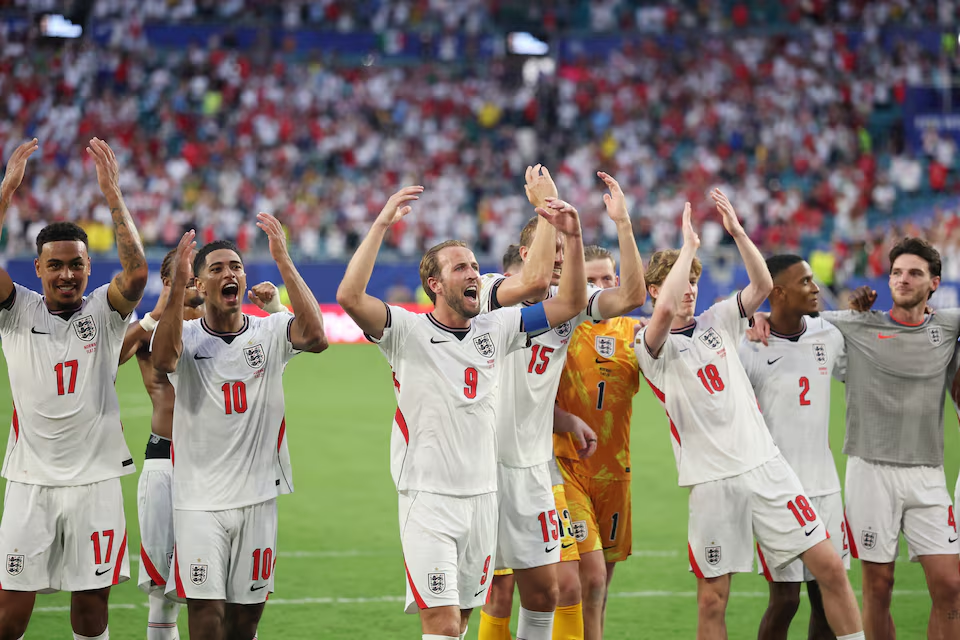
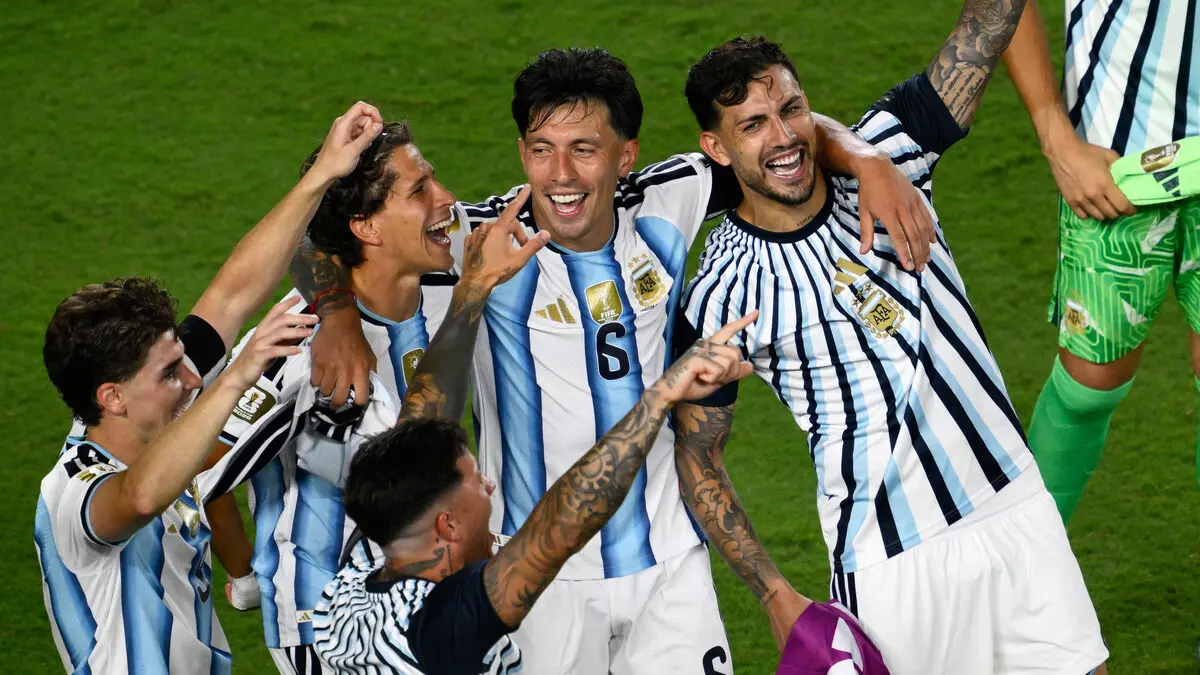
England needed a late intervention from Jude Bellingham to overcome a resilient Norway 2-1, while Argentina defeated 10-man Switzerland 3-1 after extra time to keep their hopes of lifting the trophy alive.
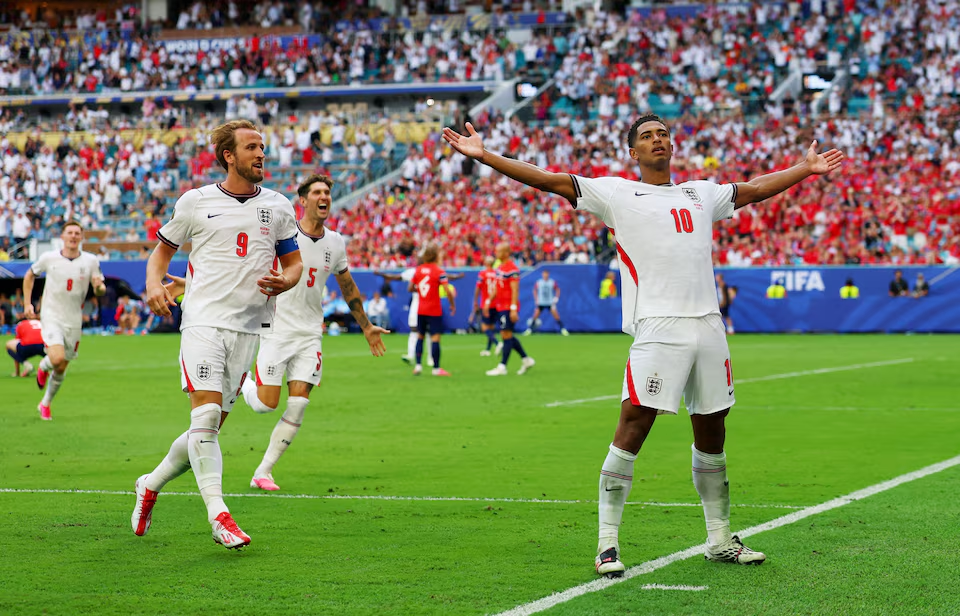
Bellingham once again proved England’s hero, scoring the decisive goal just three minutes into the first half of extra time after the teams had been locked at 1-1 following regulation.
Norway had taken the lead in the 36th minute through Andreas Schjelderup, who fired a powerful left-footed effort beyond England goalkeeper Jordan Pickford after Erling Haaland had earlier threatened with a header.
Norway were left to rue a costly missed opportunity just before half-time when Alexander Sørloth opted to shoot instead of squaring the ball to an unmarked Erling Haaland during a two-on-one counter-attack.
With Haaland visibly calling for the pass, Sørloth delayed his decision, allowing John Stones to track back and execute a crucial block on the eventual shot. The decision quickly became one of the game’s defining moments, with many viewing it as the opportunity that allowed England to stay in the contest before Bellingham’s equaliser.
England had a breakthrough before the break when Bellingham produced a superb finish to restore parity, although the goal sparked debate after the ball appeared to strike the stadium’s Skycam wire during the build-up. FIFA later said there was no evidence from the ball’s electronic tracking system that its trajectory had been affected.
Norway thought they had regained the lead early in the second half when Torbjørn Heggem found the net following a corner, but the goal was disallowed after a VAR review ruled Haaland had fouled an England defender in the build-up.
With neither side able to find another breakthrough in normal time, the contest went into extra time, where Bellingham reacted quickest after Norway goalkeeper Ørjan Nyland parried a long-range effort, sliding home the rebound for his sixth goal of the tournament.
The victory keeps alive England’s bid to reach their first men’s World Cup final since lifting the trophy in 1966.
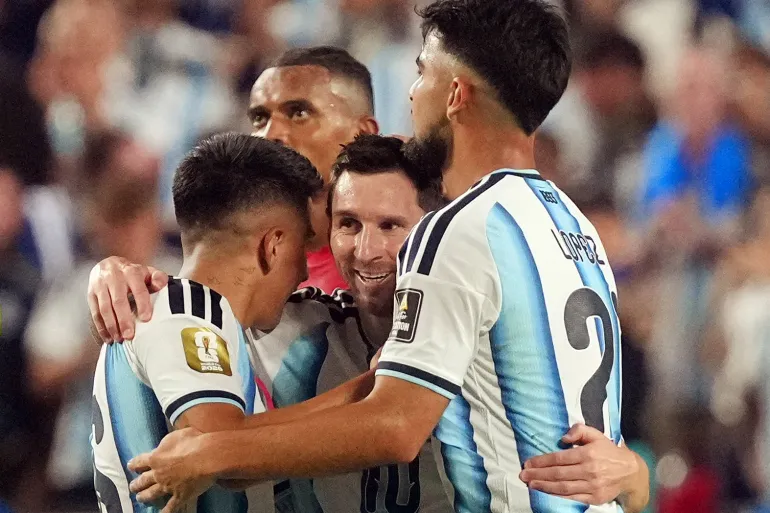
Argentina, meanwhile, had to overcome determined resistance from Switzerland before eventually sealing a 3-1 victory in Kansas City.
The South Americans made a bright start, with Alexis Mac Allister heading home Lionel Messi’s corner to give the reigning Copa América champions an early advantage.
Switzerland equalised midway through the second half when Dan Ndoye finished clinically after sustained pressure, having earlier seen chances denied by Argentina goalkeeper Emiliano Martínez.
The match turned in Argentina’s favour in the 72nd minute when Swiss striker Breel Embolo was sent off after receiving a second yellow card for simulation, leaving Switzerland to play the remainder of the match with 10 men.
Despite their numerical advantage, Argentina could not find a winner in regulation time. Messi came close with a curling effort that drifted narrowly wide, while Thiago Almada struck the outside of the post early in extra time.
The breakthrough finally arrived courtesy of Julián Álvarez, who curled a superb strike into the net before Lautaro Martínez added a third to put the result beyond doubt.
The victories complete the semi-final line-up, with England set to face Argentina on Wednesday in Atlanta, while France and Spain will contest the other semi-final on Tuesday. The winners will advance to next Sunday’s World Cup final, while the losing teams will meet in the third-place playoff.
Bellingham once again proved England’s hero, scoring the decisive goal just three minutes into the first half of extra time after the teams had been locked at 1-1 following regulation. England’s Jude Bellingham celebrates scoring their second goal with England’s Harry Kane and John Stones. England’s Jude Bellingham and Harry Kane celebrate after the match as England qualify for the semi finals of the World Cup. England’s Morgan Rogers, Jude Bellingham, Harry Kane, Dan Burn, Jordan Pickford and Anthony Gordon celebrate after the match as England qualify for the semi finals of the World Cup.Norway’s Erling Haaland reacts with England’s Jude Bellingham.Lionel Messi, centre. celebrates with his teammates after Argentina beat Switzerland.