The reason for the death of the 25-year-old who played for Mamelodi Sundown is still unclear.
Police said they had opened an investigation after the body of a 25-year-old man was found at a house in Schotschekloof, a suburb in central Cape Town, on Saturday morning.
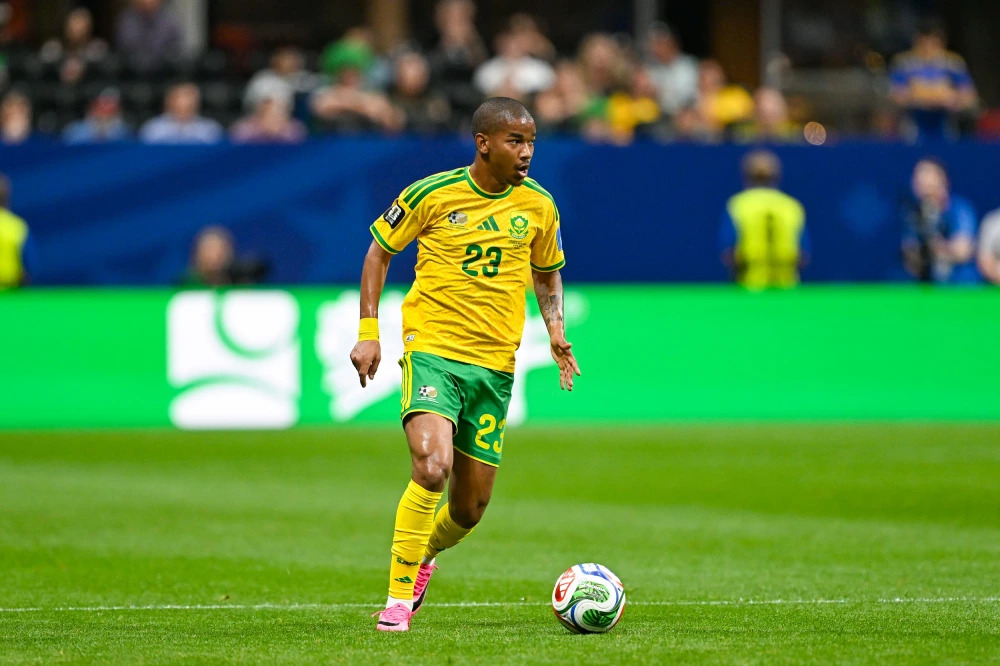
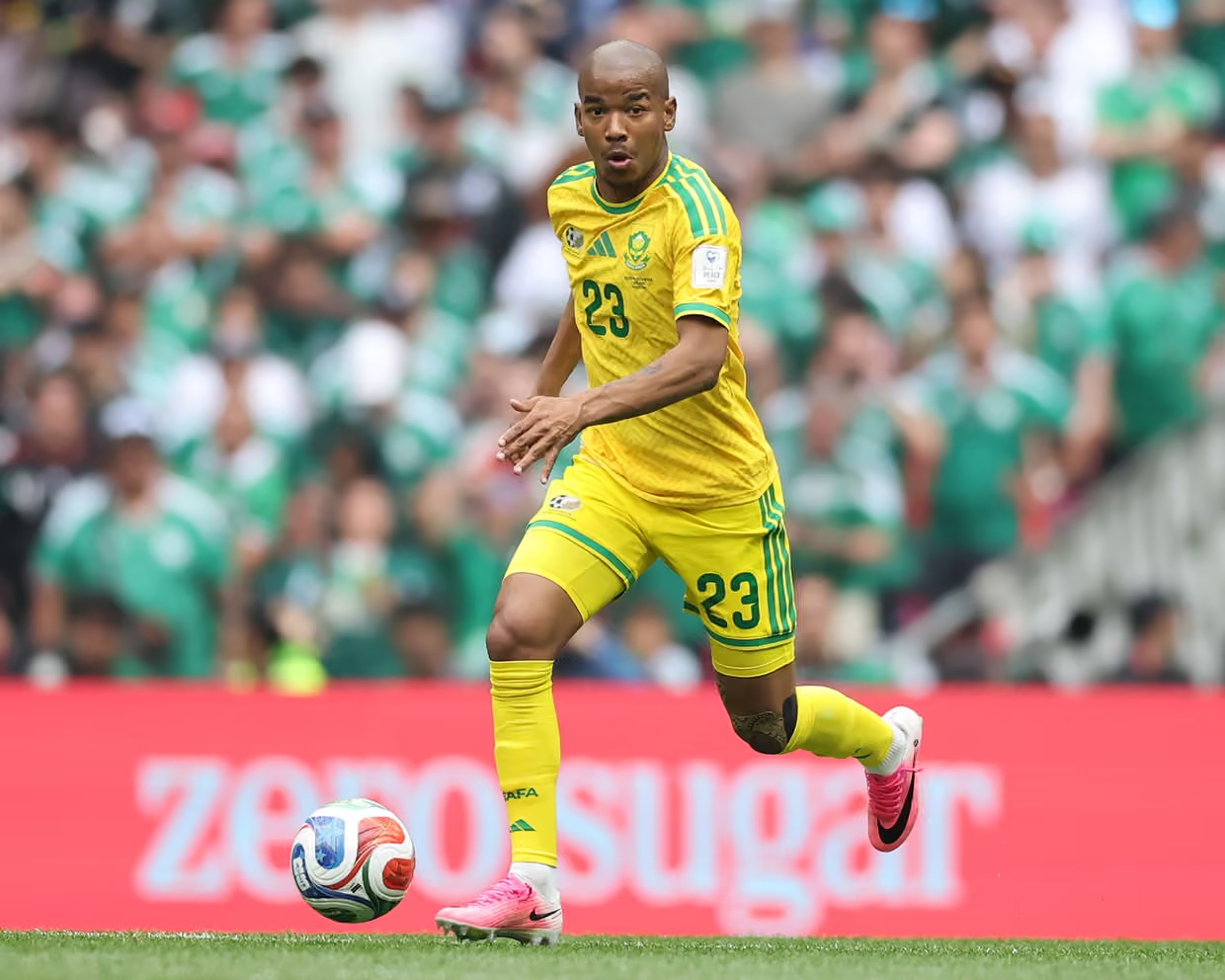
Adams started South Africa’s first two games in the tournament, a 2-0 defeat to Mexico and the 1-1 draw with Czechia, and he was a substitute in the 1-0 win over South Korea, before missing out in the 1-0 last-32 defeat by Canada.
The SAFPU confirmed his passing in a statement which read, “the SAFPU is devastated by the untimely passing of Mamelodi Sundown and Bafana Bafana midfielder Jayden Adams.”
“Jayden had only recently represented South Africa at the 2026 FIFA World Cup, carrying the hopes of the nation with pride, courage, and distinction.
“His passing is an immeasurable loss to his family, teammates, clubs, the football fraternity and country at large.
“We extend our deepest condolences to the Adams family, Mamelodi Sundowns, Stellenbosch FC, Bafana Bafana and all those whose lives he touched.
“South African football has lost a gifted player, a proud servant of the game and a young life that still had so much to offer,” concluded the statement.
Jayden Adams in action for South Africa against Mexico in the opening game of the World Cup.
The exchange comes as Russia and Ukraine continue a war that has raged since early 2022, with diplomatic tensions increasingly spilling into Africa, where both countries have sought to strengthen political partnerships.
Lavrov made the remarks on Friday, July 10, 2026, during a working visit to Burundi, where he held talks with Burundian Foreign Affairs Minister Edouard Bizimana before meeting Burundian President Évariste Ndayishimiye, who currently serves as Chairperson of the African Union.
During his visit, Lavrov accused Ukraine of supporting armed groups opposed to governments friendly to Moscow, including the M23 movement in eastern DRC.
“We are seeing instances of gross external interference in African affairs, including in the situation where the legitimate Government of the Democratic Republic of the Congo, with the support of Burundi, is overcoming an aggression carried out against it by the M23 movement supported by foreign representatives, including Ukrainians. We know it, and so do our friends.”
He further alleged: “Basically, Ukrainians are trying to side with forces, which oppose legitimate governments in too many conflicts on the African continent, just to establish themselves as a ‘political factor’ in the region. And the main thing for them is to create trouble for countries, which are friendly to Russia.”
Lavrov departed Burundi later Friday after concluding his visit.
Ukraine rejects allegations
Responding to the remarks, Ukraine’s Ministry of Foreign Affairs categorically denied the accusations.
Foreign Ministry spokesperson Heorhii Tykhyi said: “Lavrov’s claims that Ukraine backs M23 in eastern DR Congo are Kremlin disinformation, unsupported by evidence. We officially refute and reject such accusations.”
He added: “Ukraine doesn’t meddle in African conflicts. Russia does – arming groups in breach of sanctions, fueling instability, and recruiting nationals of African states to fight in its war against Ukraine.”
The spokesperson continued: “Moscow accusing others of what it does itself, nothing new.”
According to Tykhyi, Russia’s accusations are intended to shift attention away from its own actions.
“Russia’s objective is clear: to undermine US mediation efforts in the Great Lakes region and to distract from Russia’s own destructive actions that obstruct the peace process.”
Wider regional context
The exchange comes against the backdrop of the long-running conflict in eastern DRC, where M23 says it is fighting to protect the rights and security of Congolese Tutsi communities, arguing that successive Congolese governments failed to implement previous peace agreements that guaranteed their protection and political inclusion as Congolese citizens.
The DRC government, however, has relied on a coalition of forces to fight the M23 rebel group. Besides the Congolese army (FARDC), the coalition has included Burundian troops deployed under bilateral security arrangements between Kinshasa and Gitega (the capital of Burundi), local militia groups known as Wazalendo, and the Democratic Forces for the Liberation of Rwanda (FDLR).
The FDLR was founded by individuals linked to the perpetrators of the 1994 Genocide against the Tutsi in Rwanda.
Rwanda has repeatedly accused the group of continuing to threaten its security, while Congolese Tutsi communities have also accused the FDLR of carrying out attacks against them in eastern DRC.
The conflict has also drawn in private military contractors. Following M23’s capture of Goma in early 2025, more than 200 foreign mercenaries, most of them Romanian nationals fighting alongside Congolese government forces, were captured by M23.
They were later transferred through Rwanda and repatriated to their home countries under arrangements involving regional and international actors.
With a history stretching back more than 2,400 to 3,000 years, Chengdu has long been known as one of China’s most culturally rich and creatively dynamic cities.
Often described as one of China’s most livable cities, Chengdu is famous for its leisurely lifestyle, teahouse culture, and vibrant street life.
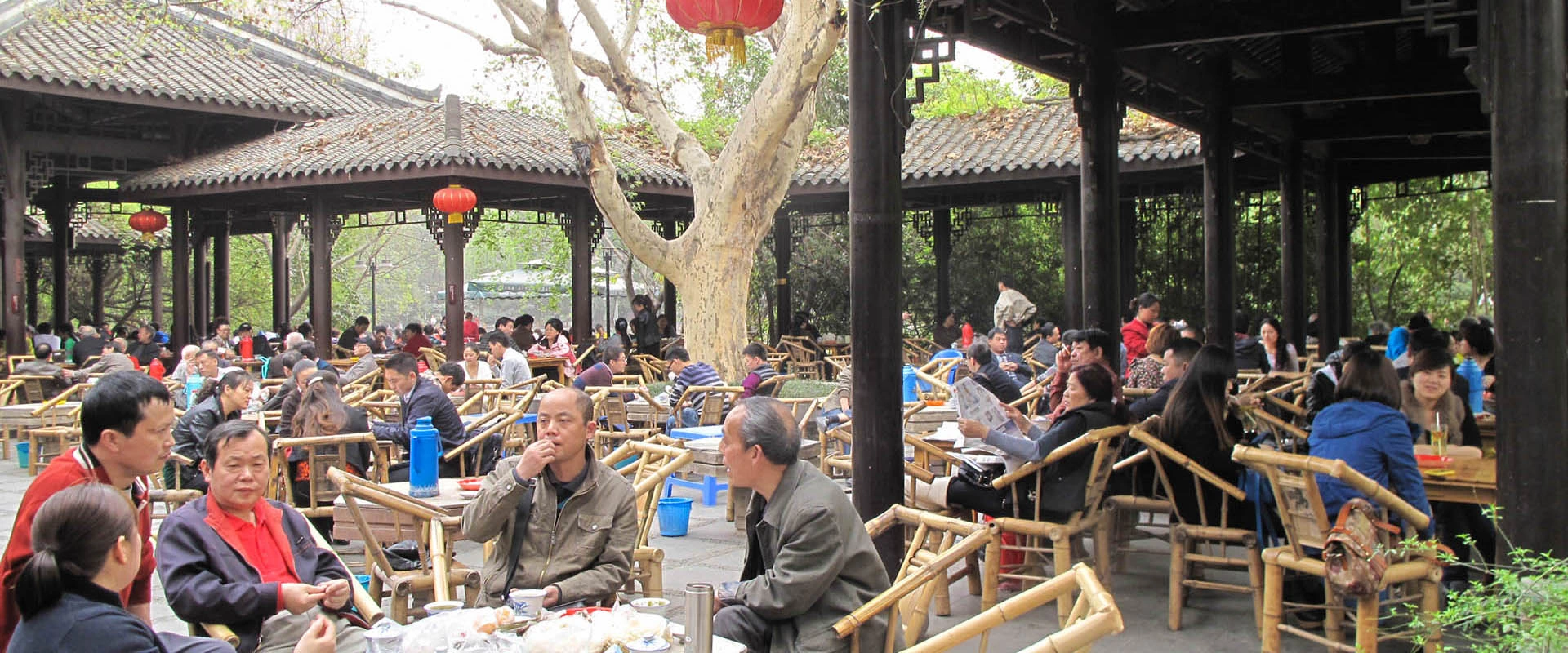
A typical day for many locals begins in a traditional teahouse, where friends gather over a pot of tea, chatting and playing mahjong in a slow rhythm that reflects the city’s identity. By afternoon, life often shifts to hotpot restaurants, followed by lively evening gatherings that stretch late into the night.
But beyond this relaxed image, Chengdu is also a rapidly growing economic and creative hub. Today, it is one of the most important cities in western China and ranks among the country’s top urban economies, with a population exceeding 20 million people.
Over the past decade, the city has experienced remarkable growth, driven by infrastructure development, technology, transport expansion, and a rising creative and digital economy.
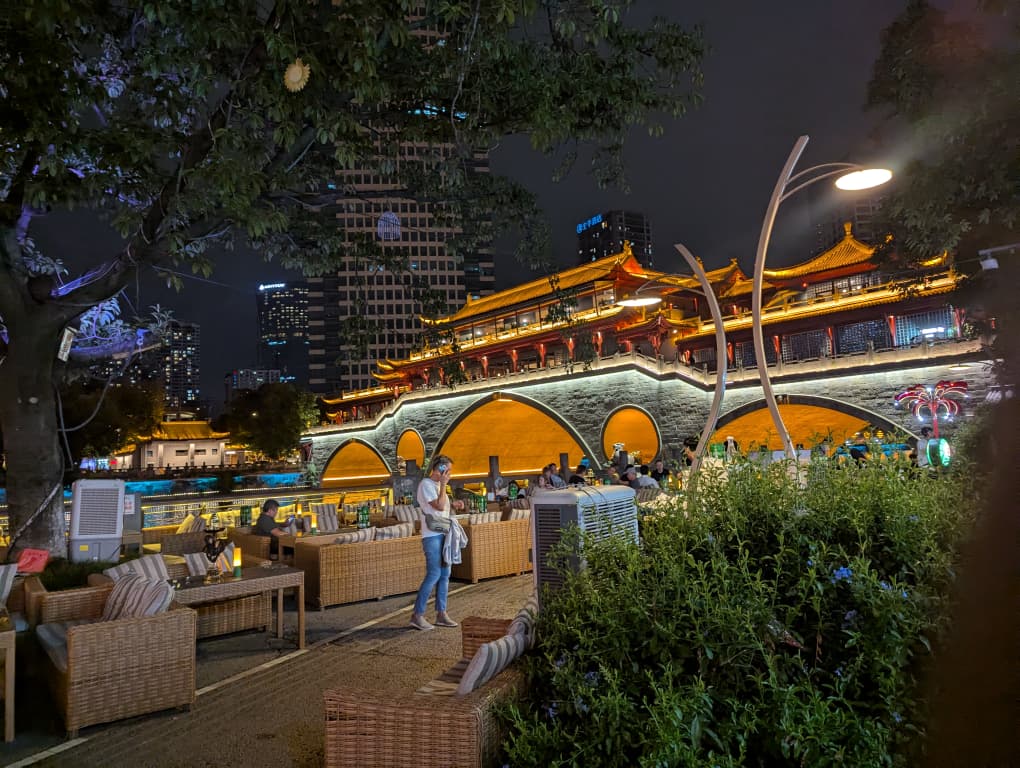
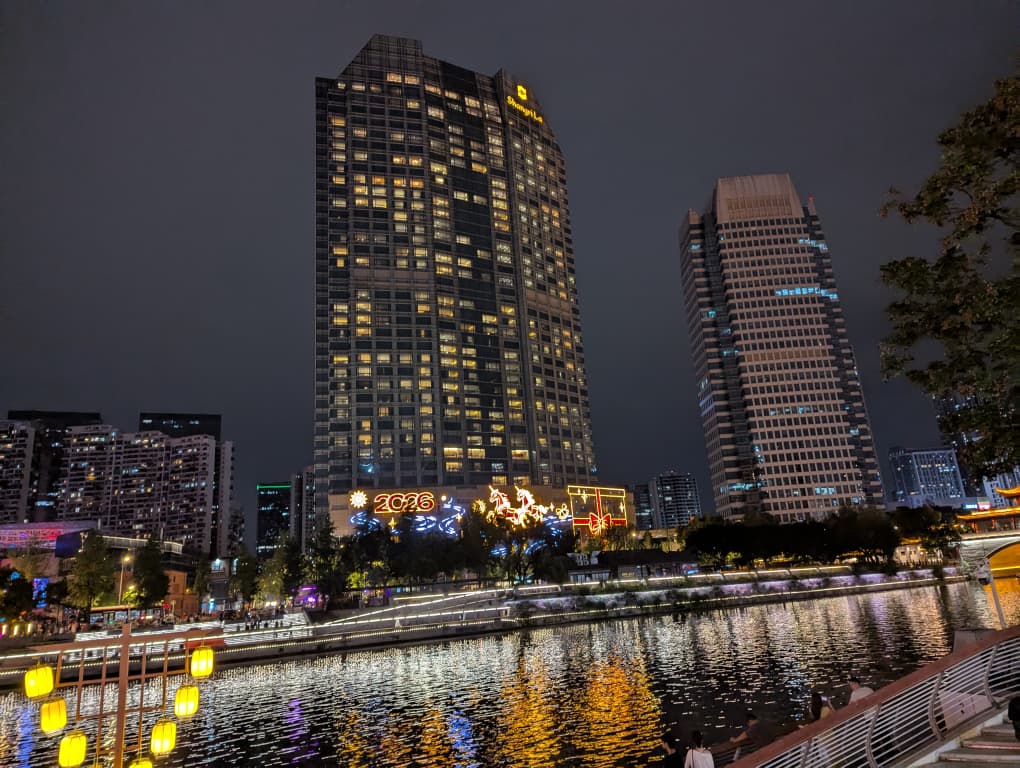
Its modern skyline, metro systems, shopping districts, and business centres reflect a city that is constantly evolving while preserving its cultural roots.
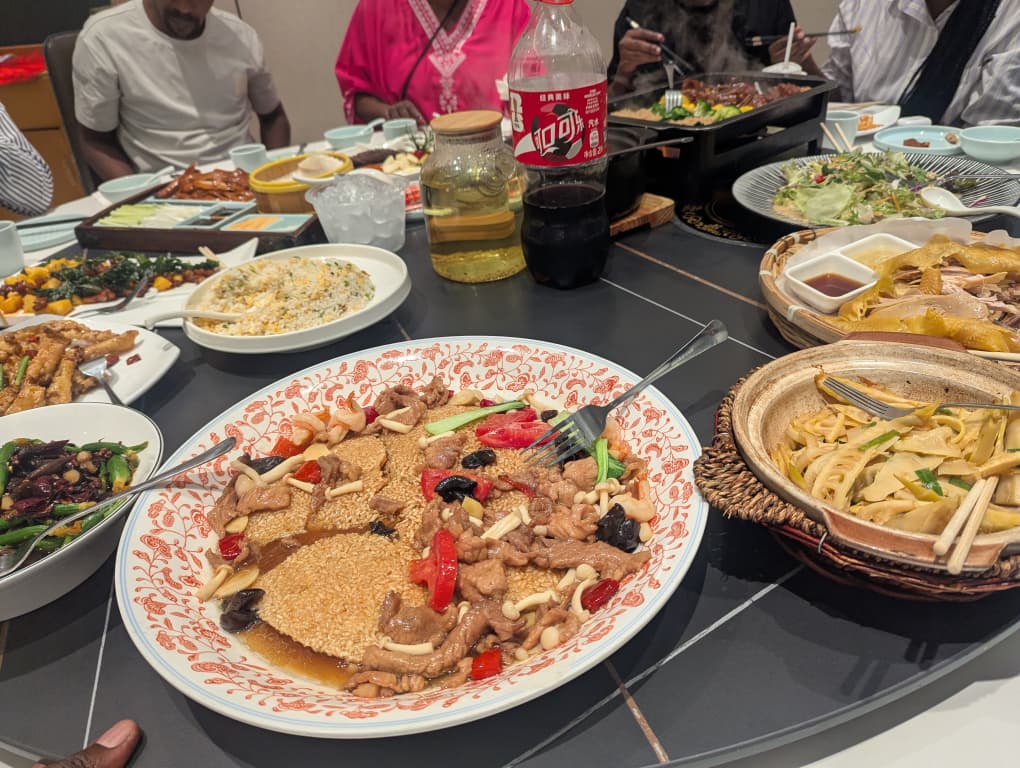
At the heart of Chengdu’s global reputation is its status as a UNESCO “City of Gastronomy,” the first in Asia to receive this honour. Sichuan cuisine, one of China’s four major culinary traditions, originated here and is celebrated worldwide for its bold, spicy, and complex flavours.
A local saying captures this perfectly: “The best cuisine is from China, while the richest flavour is from Chengdu.”
Chengdu food culture is built on balance and harmony, blending sweet, sour, bitter, spicy, and salty tastes into one experience.
Signature dishes such as hotpot, Mapo Tofu, and delicacies made with Doubanjiang (fermented bean paste) define the city’s culinary identity.
With over 60,000 restaurants, thousands of chefs, and a thriving food industry employing hundreds of thousands of people, Chengdu is truly a paradise for food lovers. The city also hosts annual food festivals that bring together chefs, tourists, and food enthusiasts from around the world.
Yet Chengdu is not only about food—it is also the proud home of China’s national treasure, the giant panda. The Chengdu Research Base of Giant Panda Breeding is one of the world’s most important conservation centres for pandas.
Located just a short distance from the city centre, it allows visitors to observe these rare animals in a natural, carefully protected environment.
One of the most unique traditions here is that all baby pandas are given names in a ceremonial way, just as Rwanda names baby mountain gorillas every year, a symbolic gesture that reflects global conservation culture and respect for wildlife heritage.
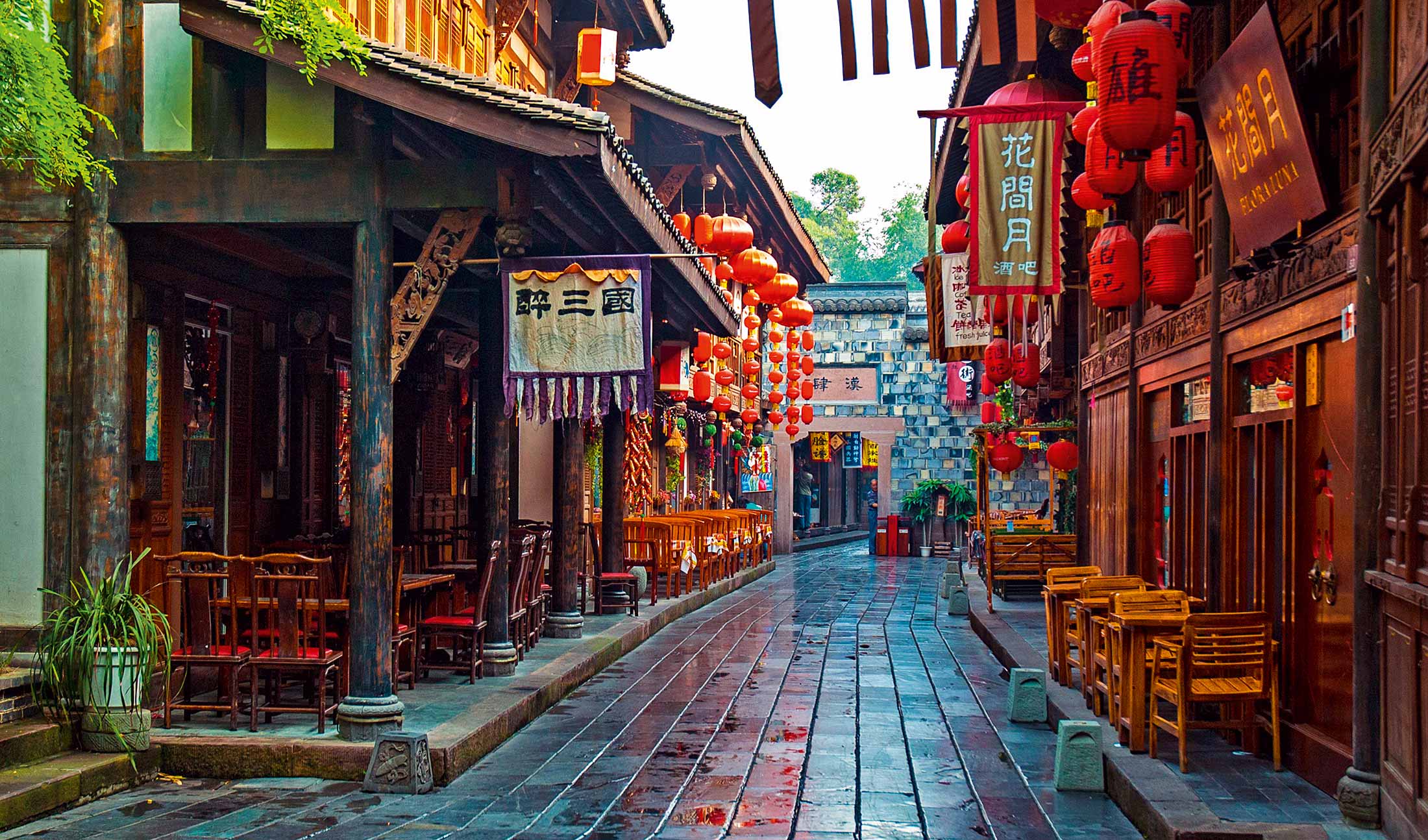
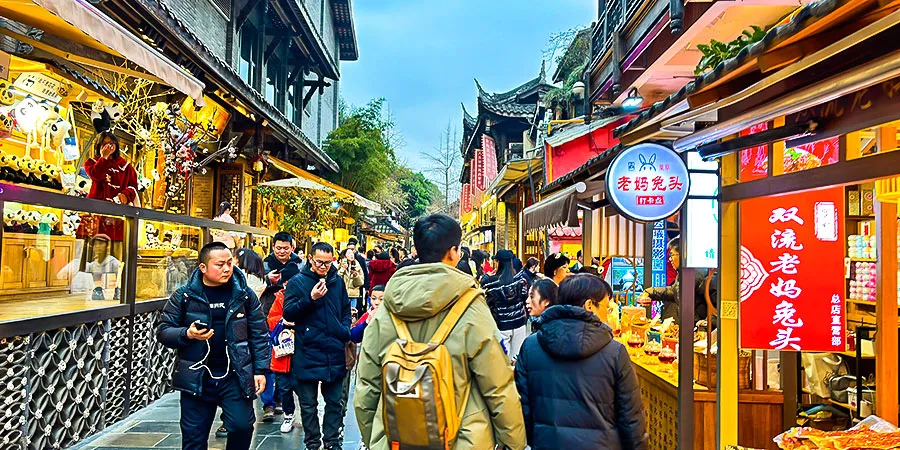
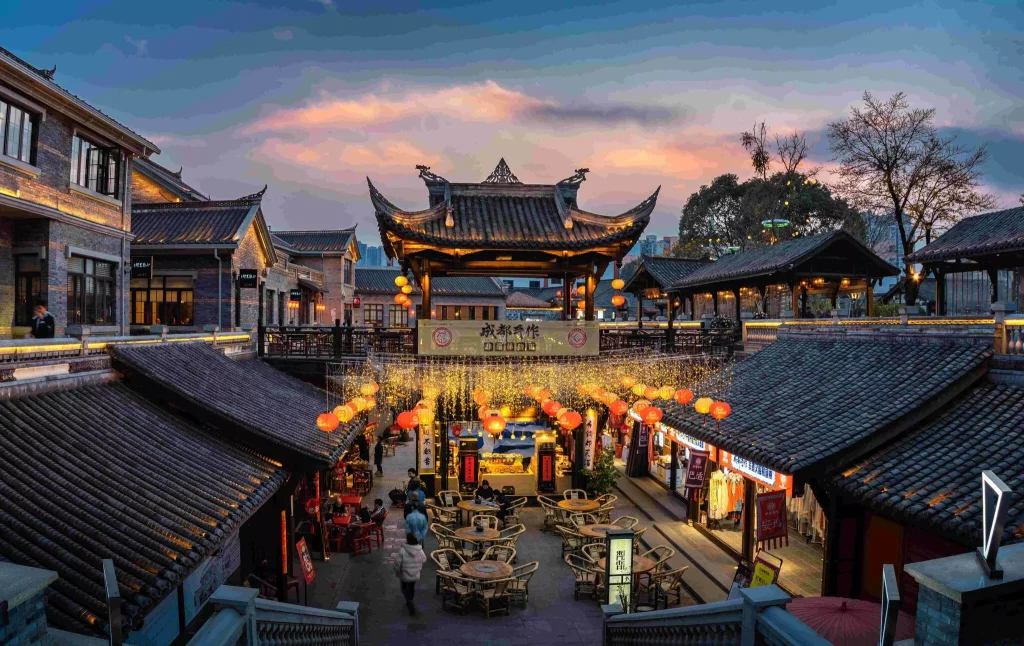
The city is also rich in historical and cultural attractions. Kuanzhai Alley (Wide and Narrow Alleys) offers visitors a glimpse into traditional Chengdu life, with ancient-style streets, teahouses, artisan shops, spas, and local snacks. It is a place where history and modern tourism meet in a lively cultural atmosphere.
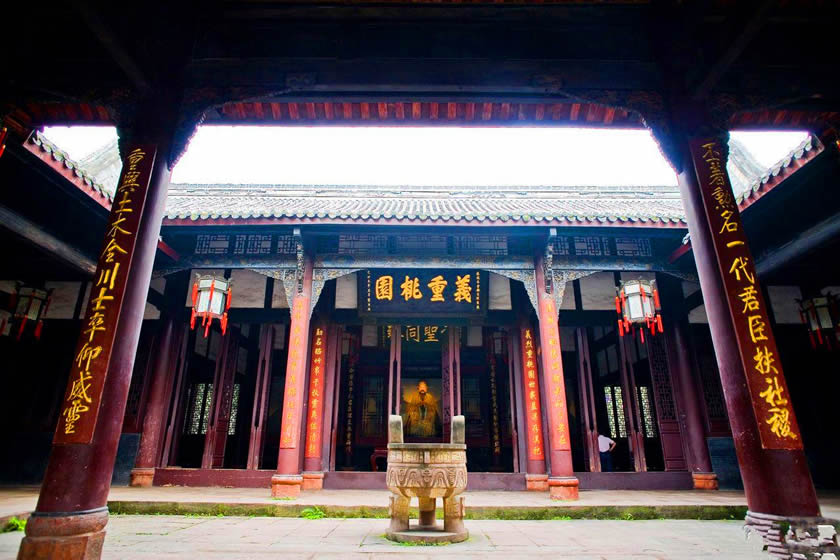
Another important site is the Temple of Marquis Wu, built in honour of Zhuge Liang, a legendary strategist of the ancient Shu Kingdom. The temple preserves centuries of history through sculptures, relics, and ancient inscriptions that continue to attract visitors and history lovers.
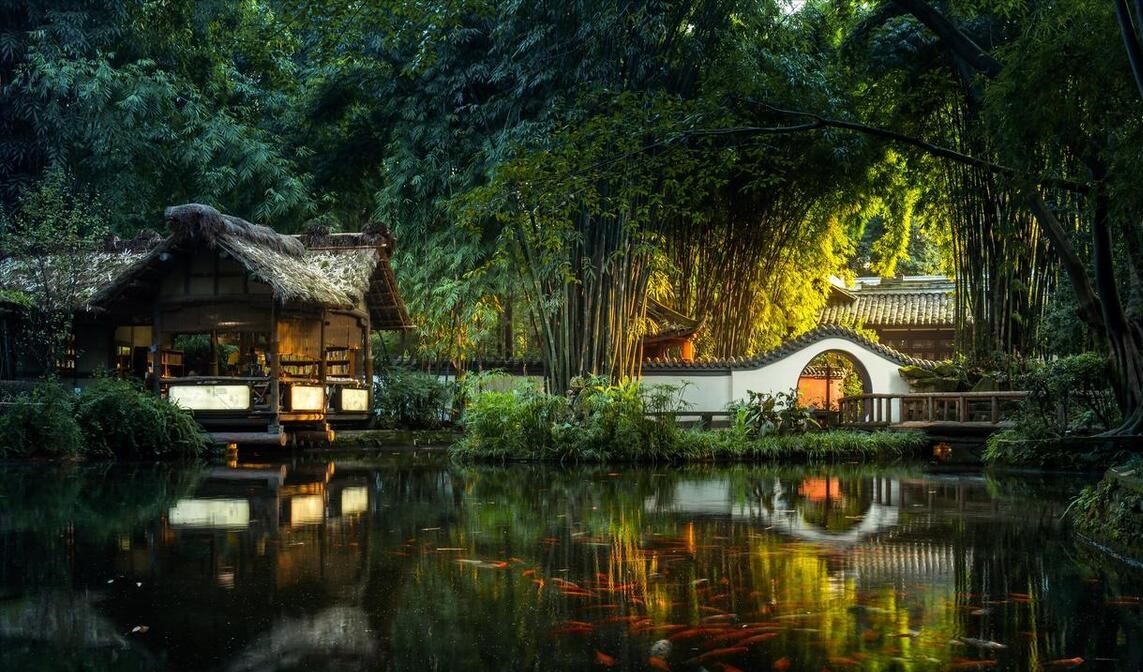
Not far away lies Du Fu Thatched Cottage, the former residence of one of China’s greatest poets. Here, Du Fu wrote many of his most famous works during a peaceful period of his life, making the site a symbol of Chinese literary heritage and reflection.
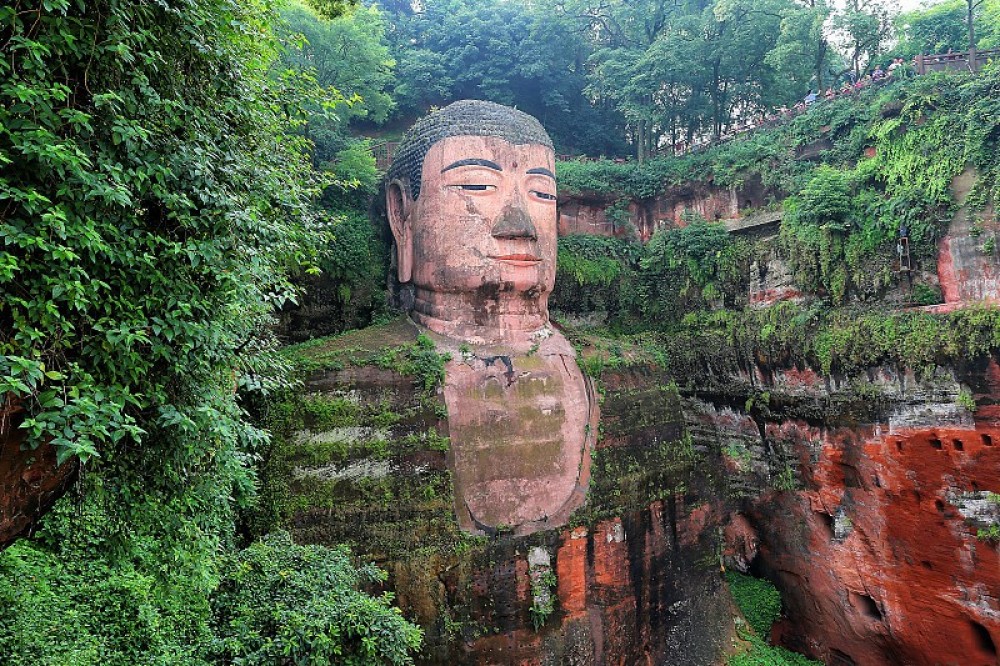
For those seeking natural and engineering wonders, Chengdu offers access to extraordinary sites such as the Leshan Giant Buddha, a monumental stone carving carved into a cliff face that stands as one of the largest Buddha statues in the world.
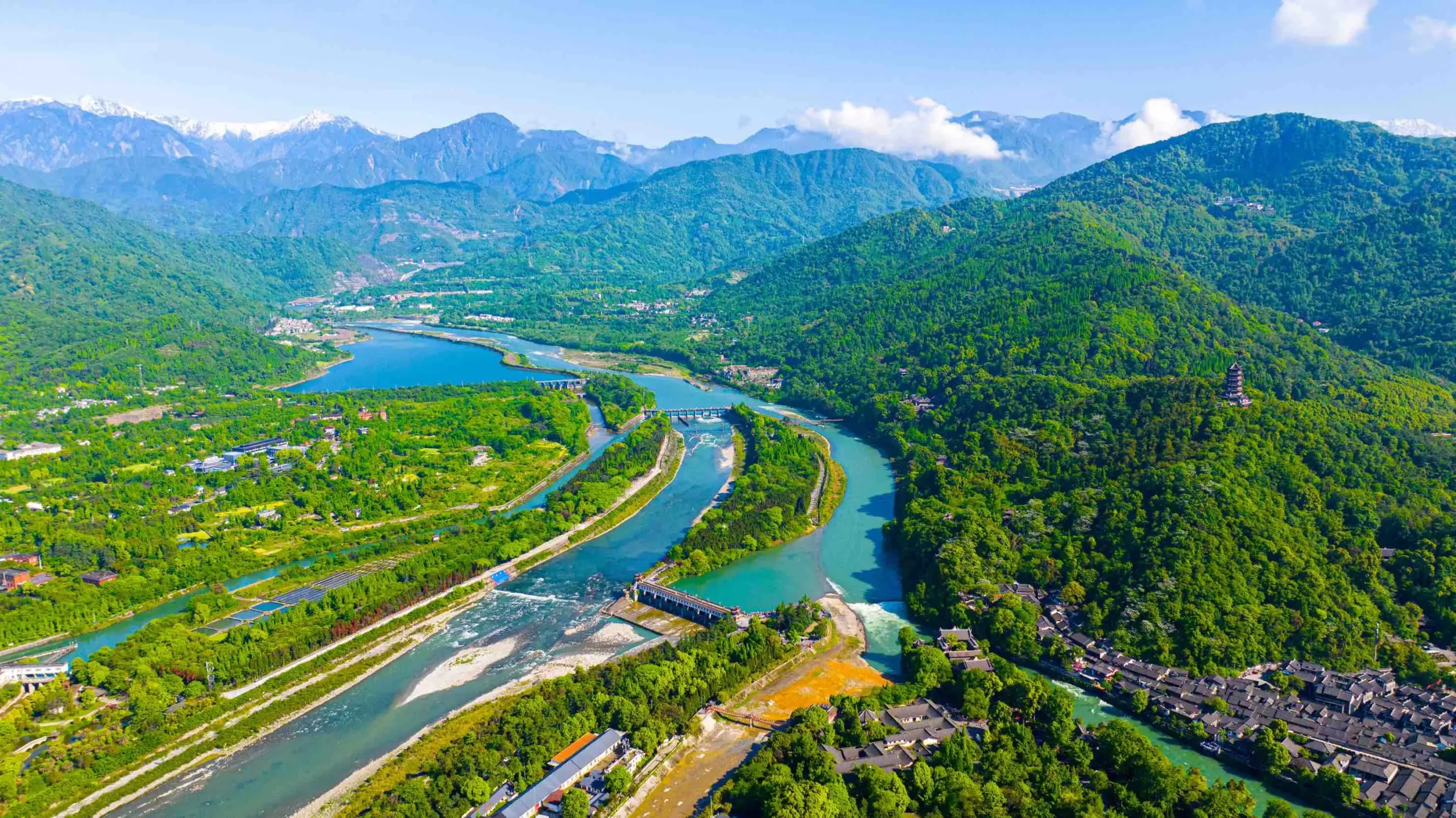
Nearby, the Dujiangyan Irrigation System, built over 2,000 years ago, remains a functioning masterpiece of ancient engineering and water management, still benefiting millions of people today.
Chengdu’s charm also lies in its modern lifestyle districts such as Chunxi Road and Taikoo Li, where luxury brands, shopping malls, street food, and entertainment spaces coexist. Visitors can enjoy everything from international fashion to local crafts, all within a vibrant urban atmosphere.
The city’s appeal can be summed up in five powerful reasons: it is romantic, scenic, delicious, relaxed, and home to giant pandas.
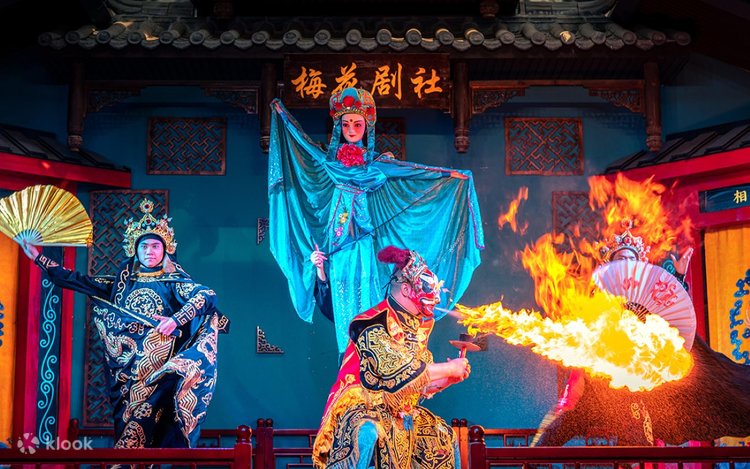
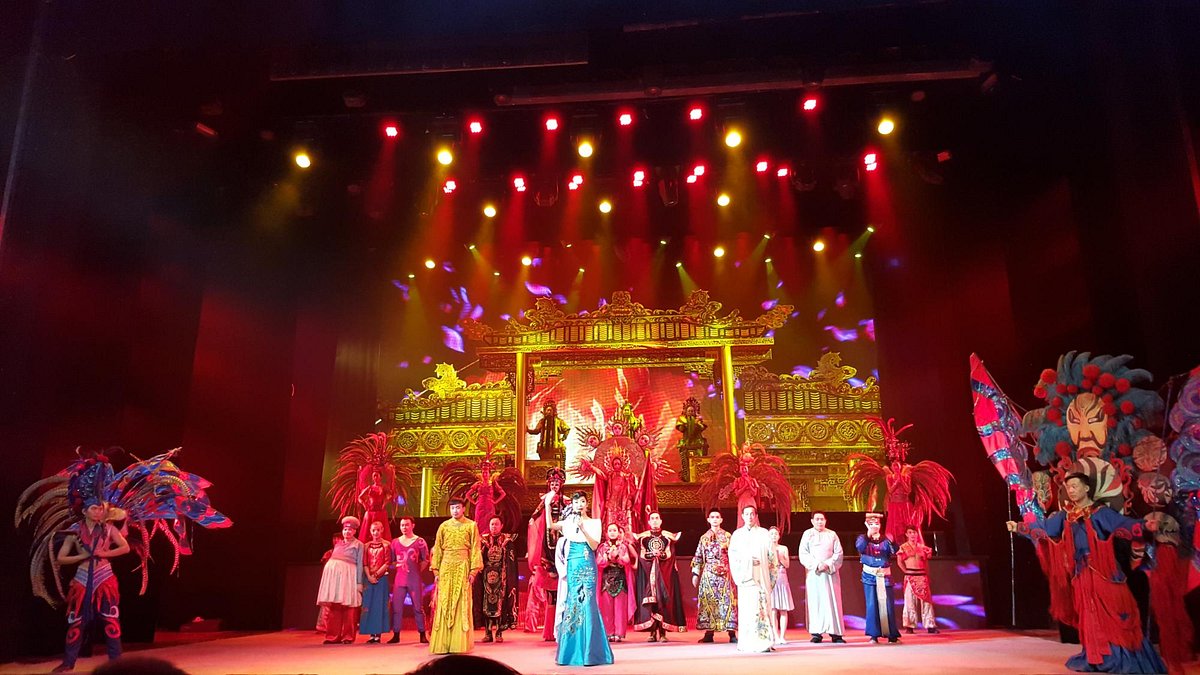
Whether exploring the historic lanes, tasting spicy Sichuan cuisine, watching a Sichuan opera performance, Chengdu offers a lifestyle that feels both peaceful and deeply enriching.
It invites visitors not only to explore its landmarks, but to experience a way of life where comfort, culture, and creativity exist in perfect harmony.
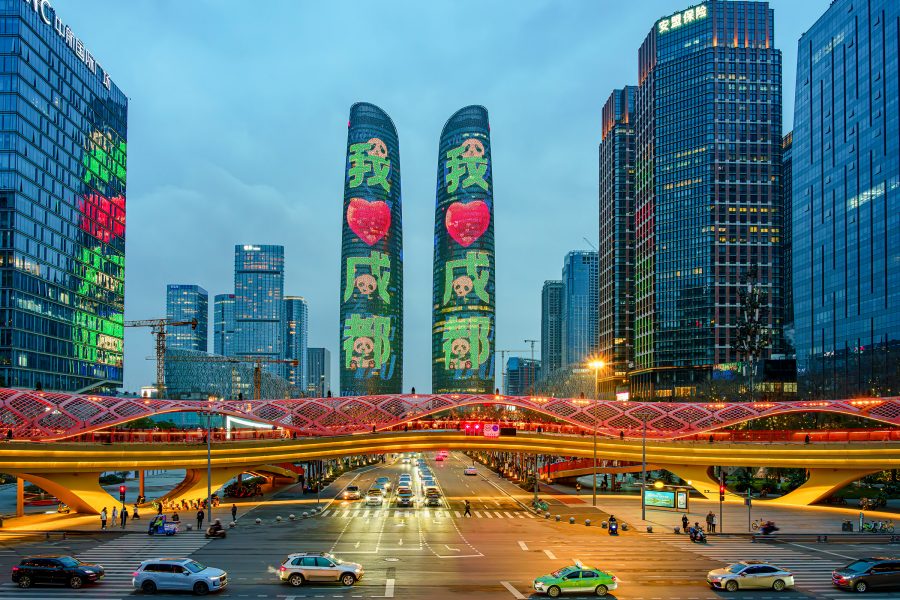
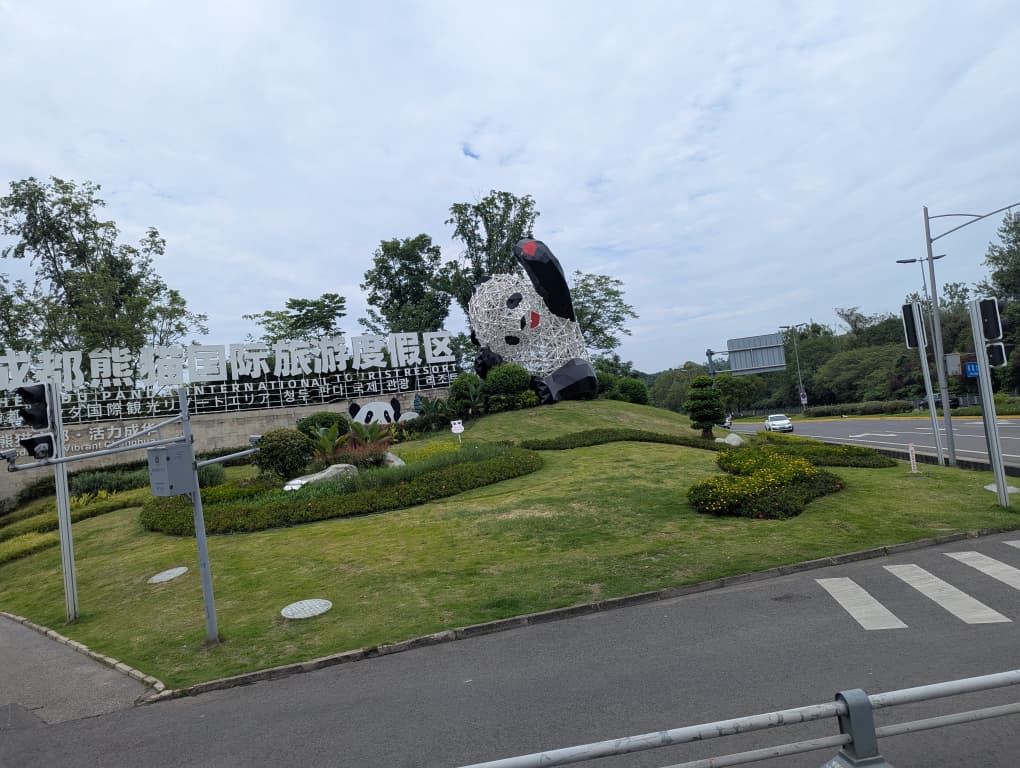
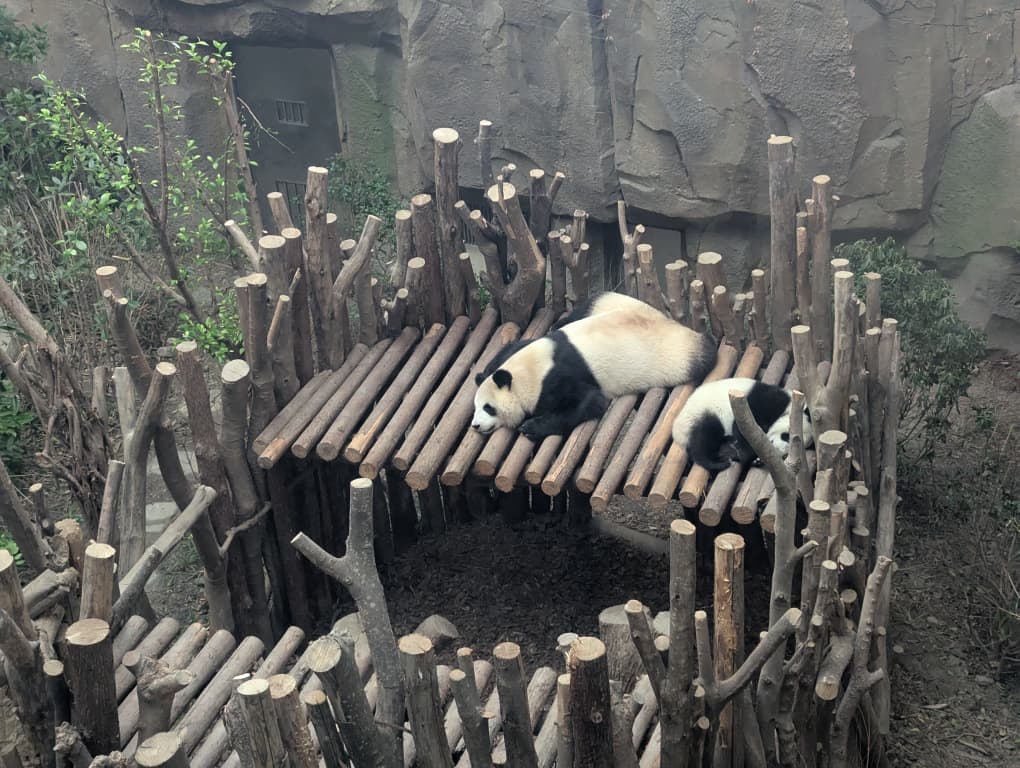
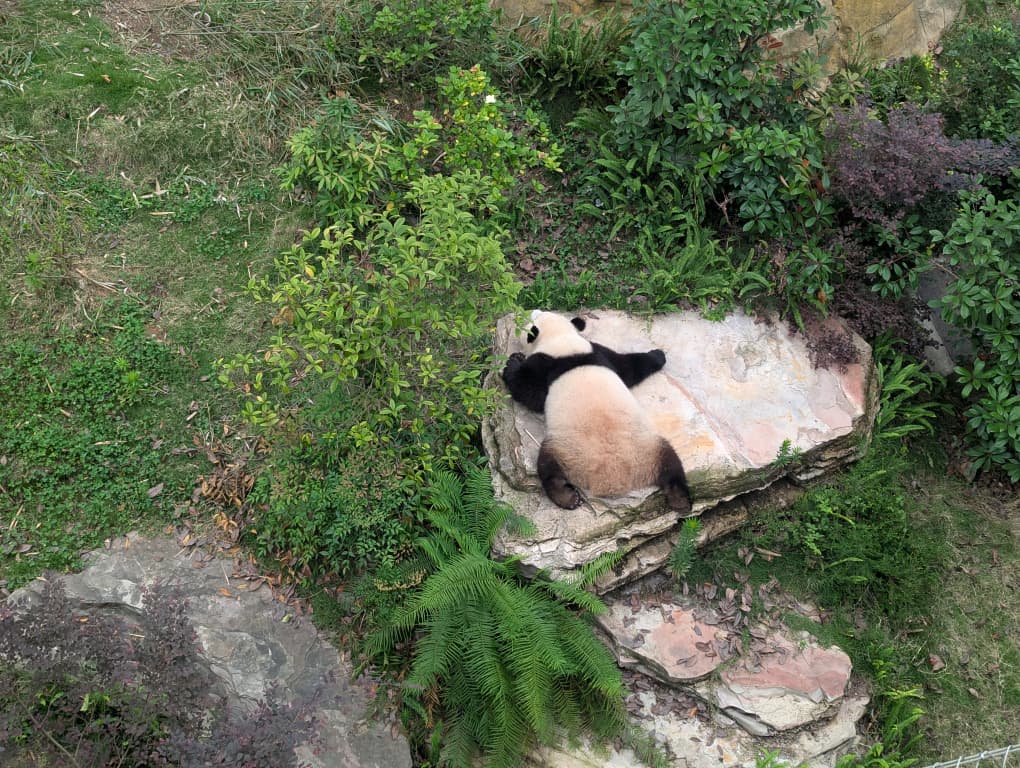
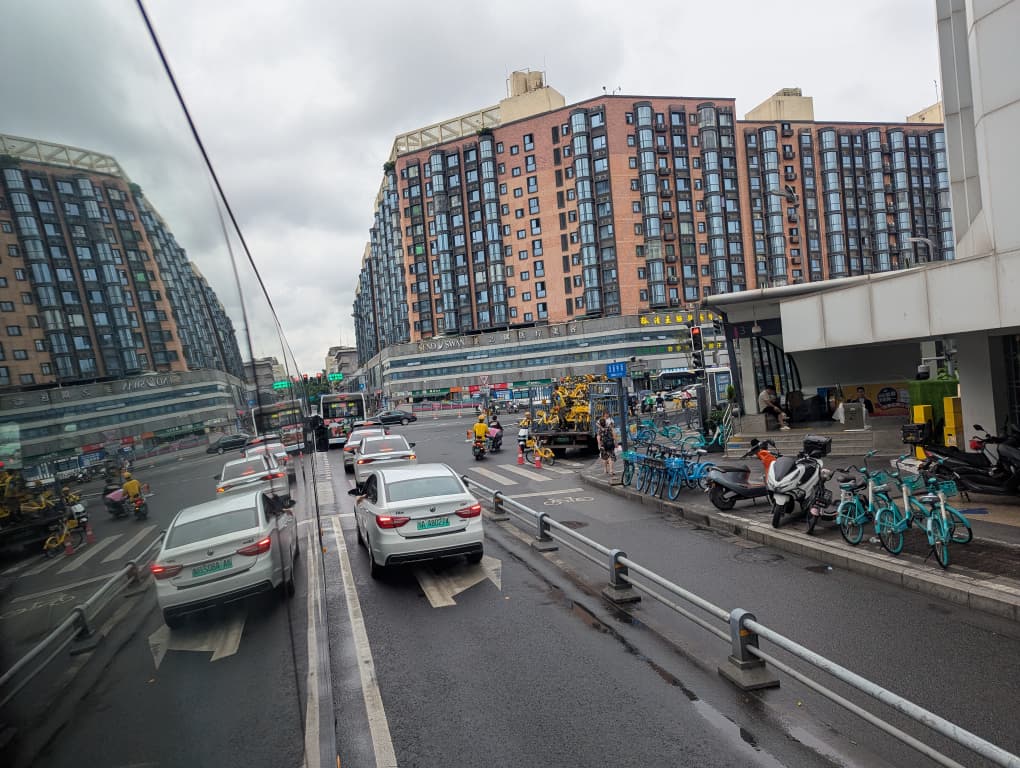
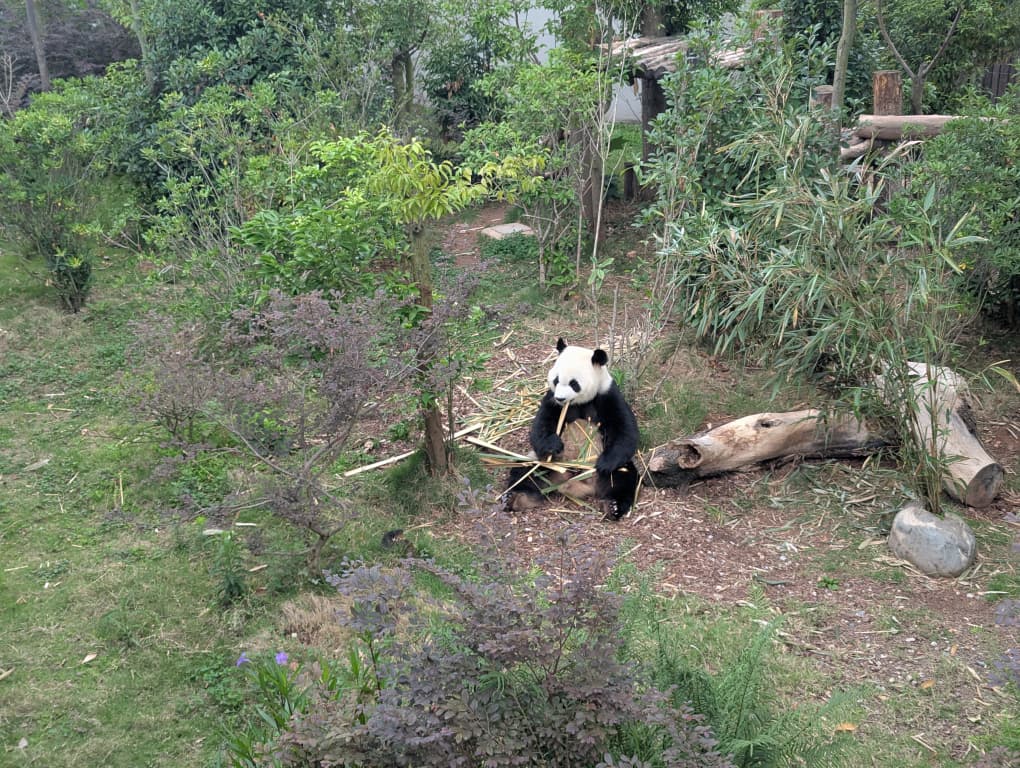
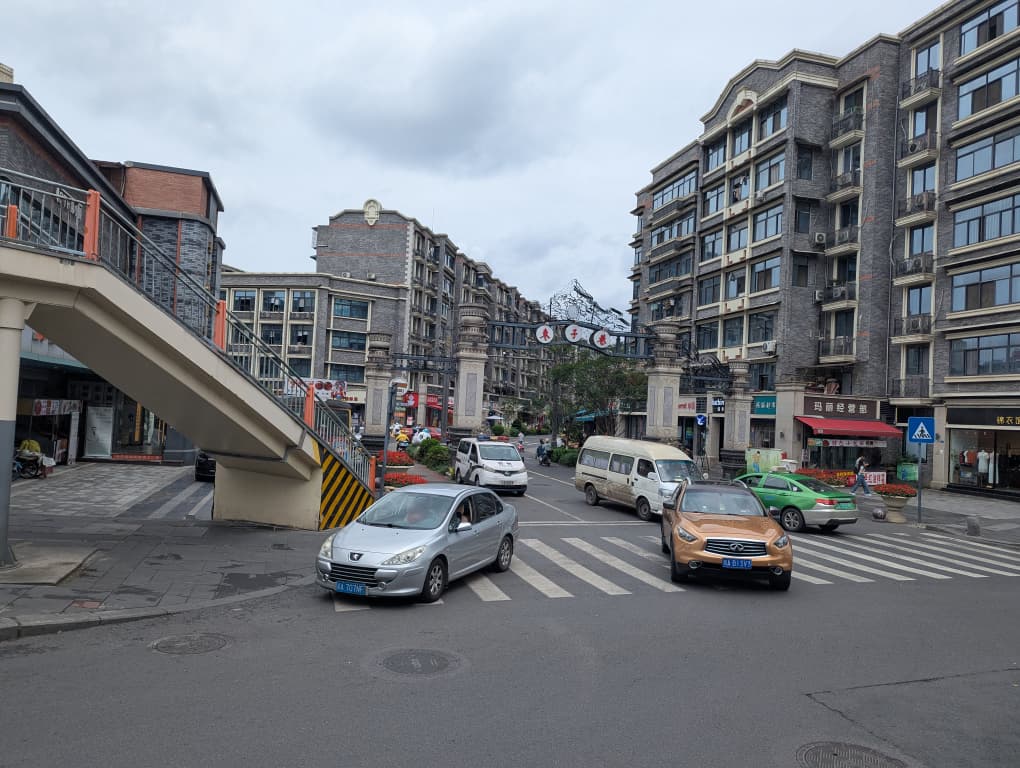
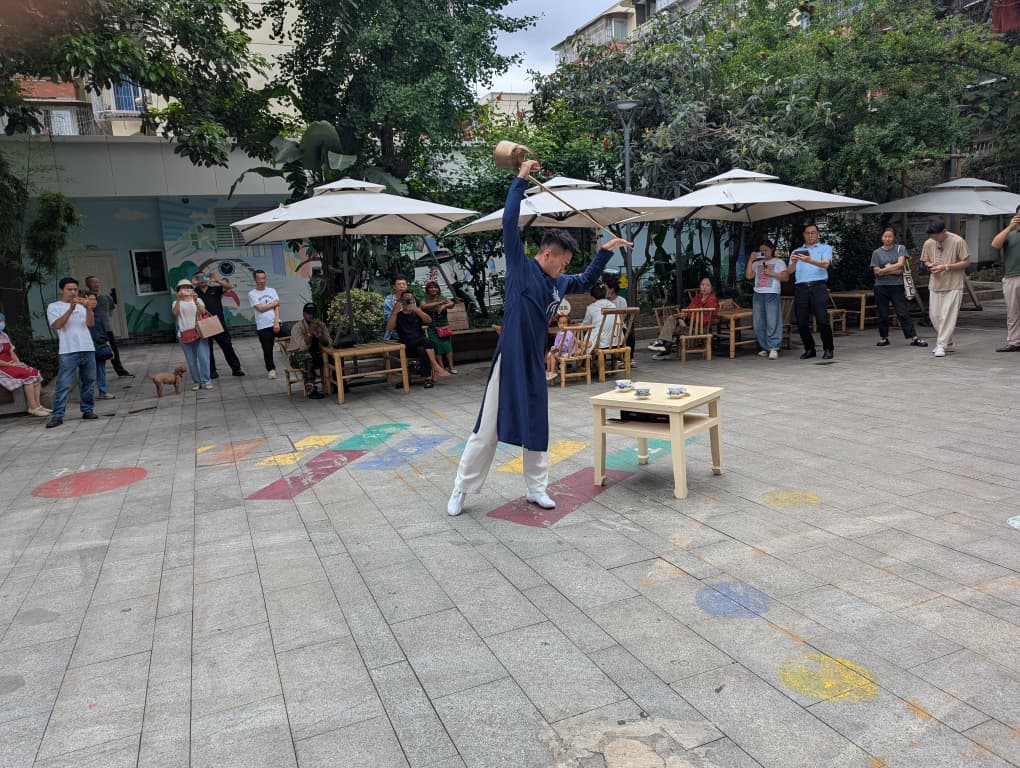
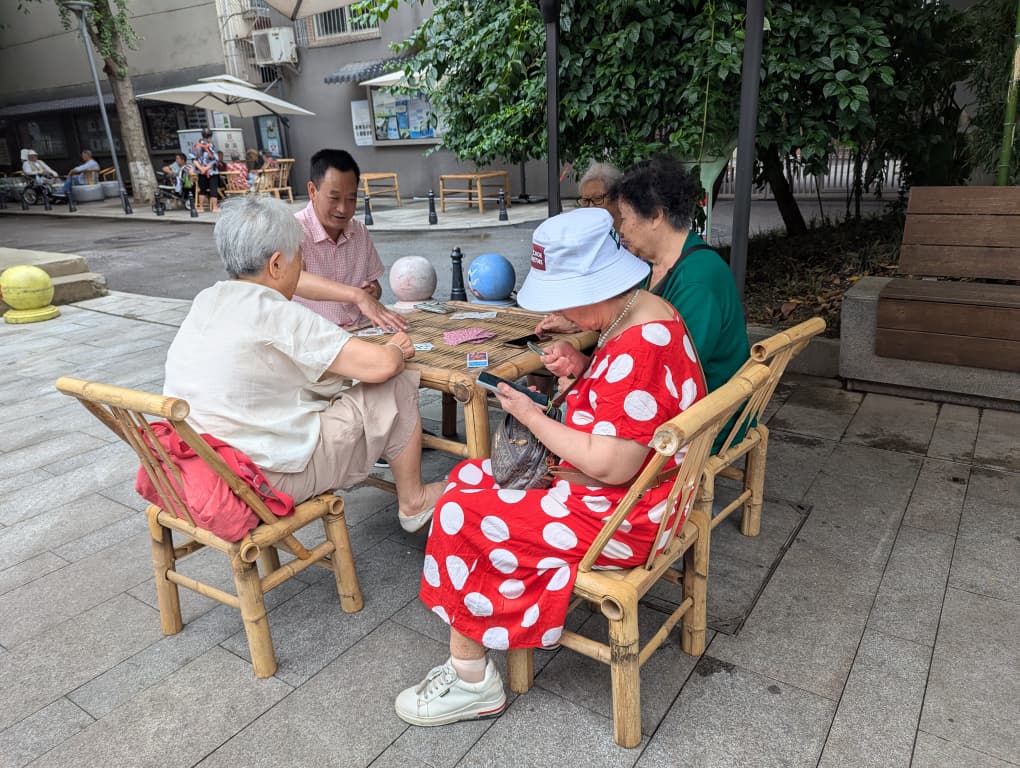
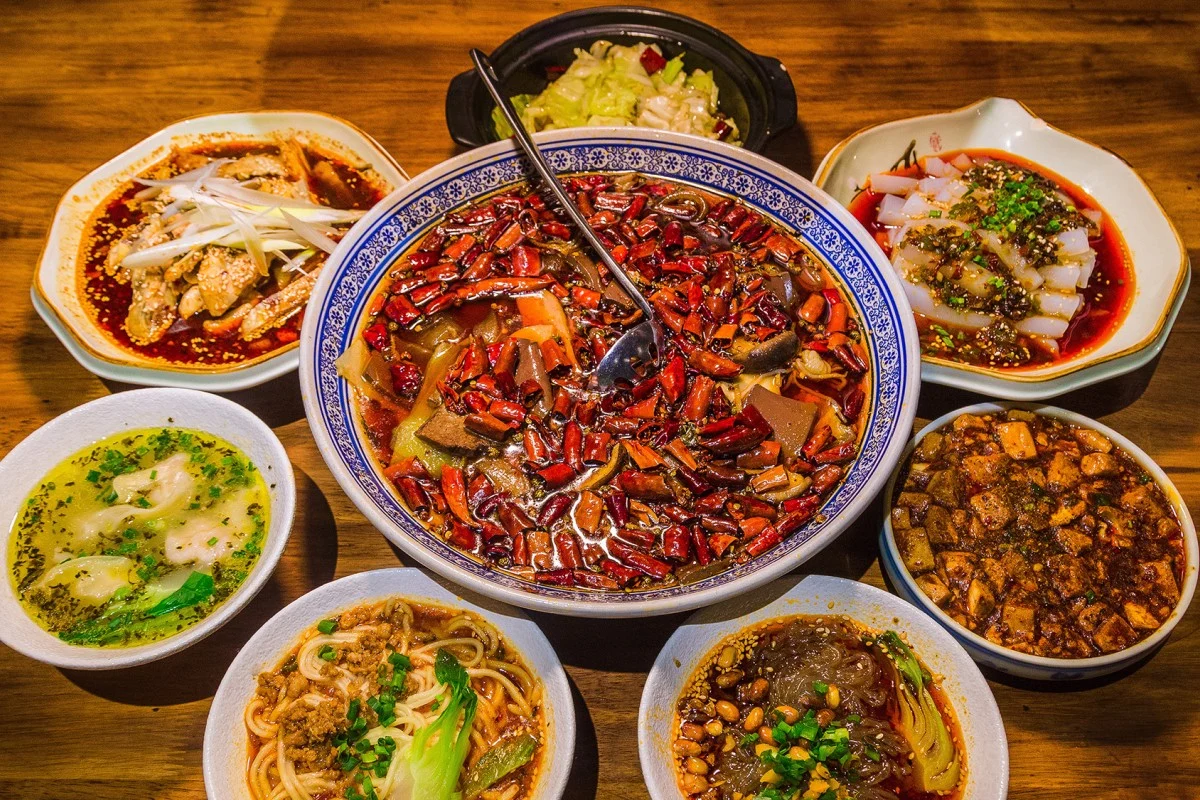
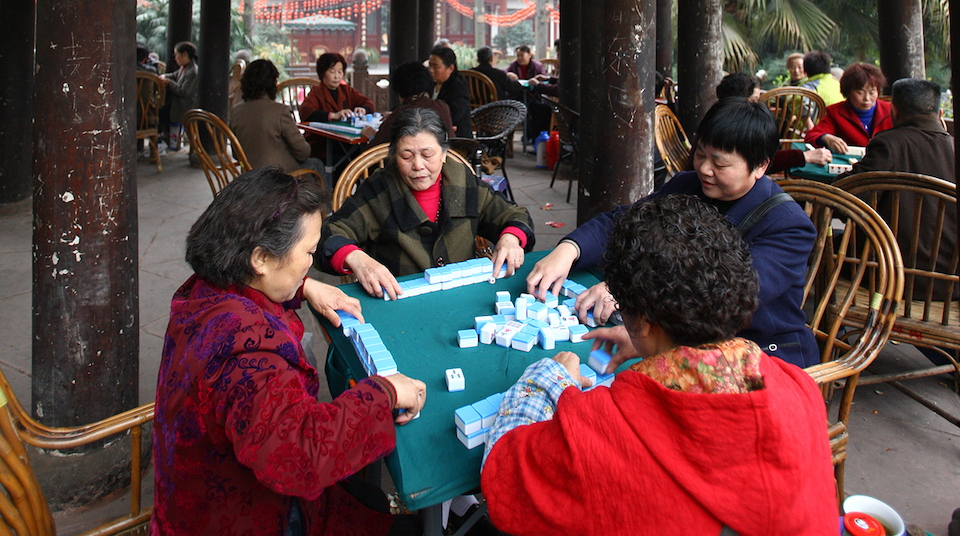
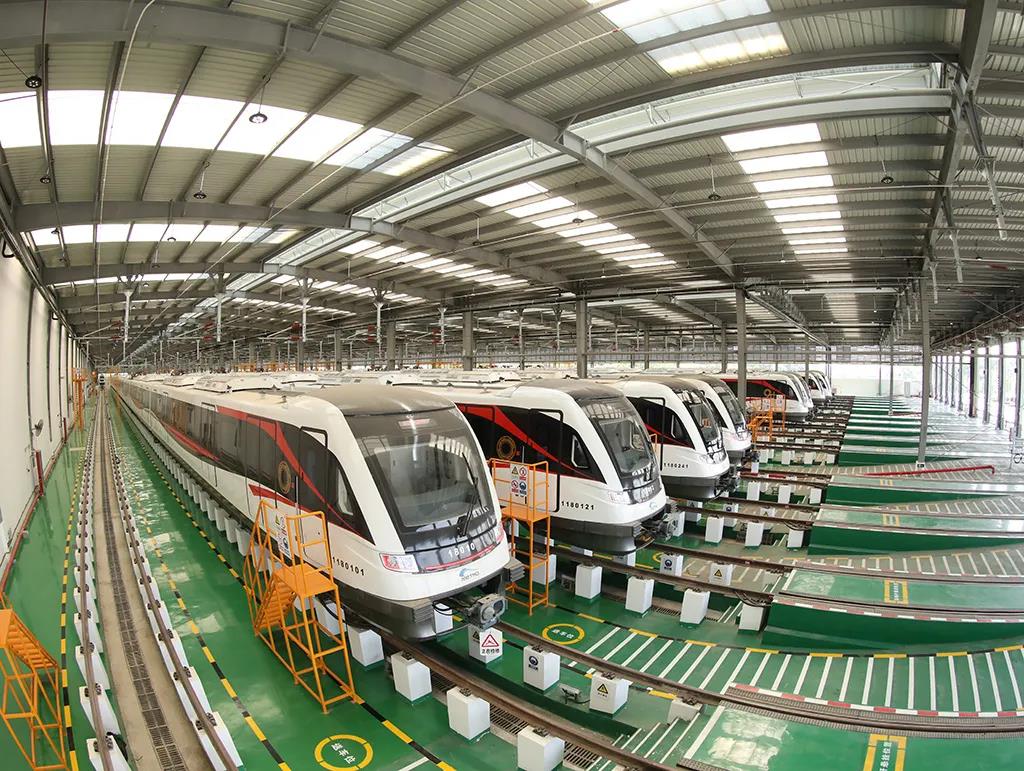
Chengdu’s skyline reflects the city’s rapid growth while preserving its cultural identity.Du Fu Thatched Cottage honours the legacy of one of China’s greatest poets.Chengdu’s vibrant streets showcase the city’s unique blend of history, culture, and modern energy.The Temple of Marquis Wu preserves the history of Zhuge Liang and the ancient Shu Kingdom.Chengdu is renowned as the home of giant panda. The Chengdu Research Base of Giant Panda Breeding supports conservation efforts for China’s national treasure.A giant panda rests at the Chengdu Research Base, one of the world’s leading panda conservation centres.Chengdu’s modern infrastructure highlights its transformation into one of western China’s leading urban centres.Visitors stand chance to observe giant pandas in a protected environment at the Chengdu Research Base of Giant Panda Breeding.Chengdu’s modern infrastructure highlights its transformation into one of western China’s leading urban centres.Residents gather in a Chengdu teahouse, enjoying tea and conversations in a long-standing local tradition.A Sichuan opera performance preserves one of Chengdu’s most distinctive cultural traditions.Sichuan cuisine showcases the bold flavours and culinary traditions that define Chengdu’s identity.People play mahjong in a traditional Chengdu setting, reflecting the city’s leisurely way of life.A Chengdu hotpot meal represents one of the city’s most famous and celebrated food experiences.The Dujiangyan Irrigation System remains a remarkable example of ancient Chinese engineering.Kuanzhai Alley offers visitors a glimpse into Chengdu’s traditional architecture and cultural heritage.The Leshan Giant Buddha stands as one of the world’s largest and most impressive stone Buddha statues.The Chengdu metro system supports movement across a city experiencing rapid economic and urban development.Mapo tofu is among the signature Sichuan dishes that contribute to Chengdu’s global food reputation.
The decision was announced in a statement issued by the RDF on Saturday, July 11, 2026, which indicated that those retiring include three generals, 74 senior officers, 78 junior officers, and 1,288 other ranks.
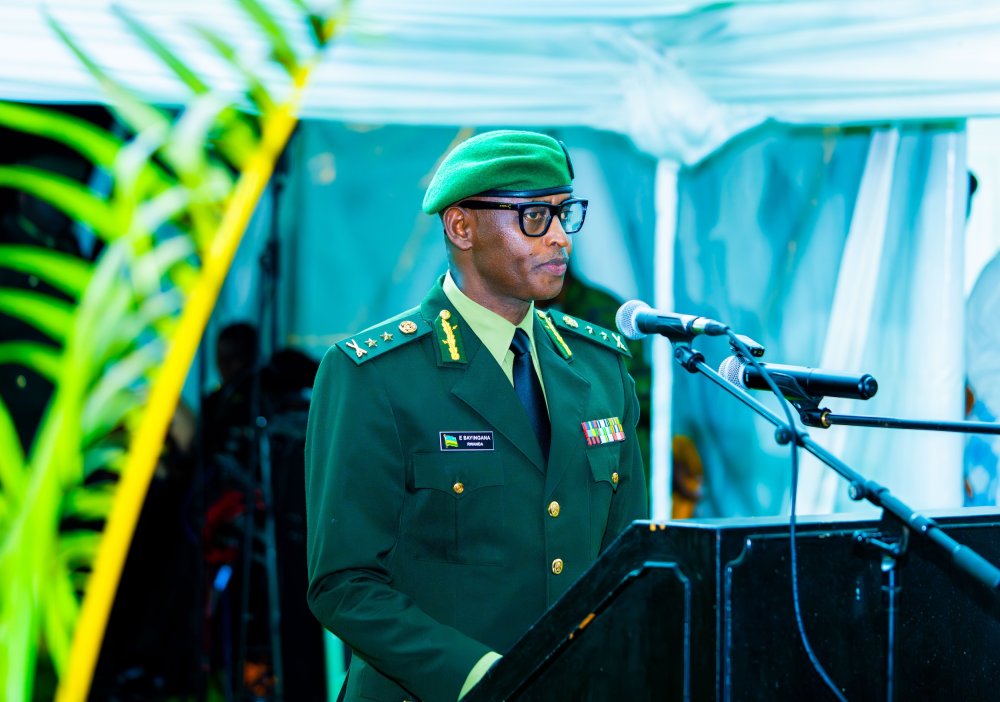
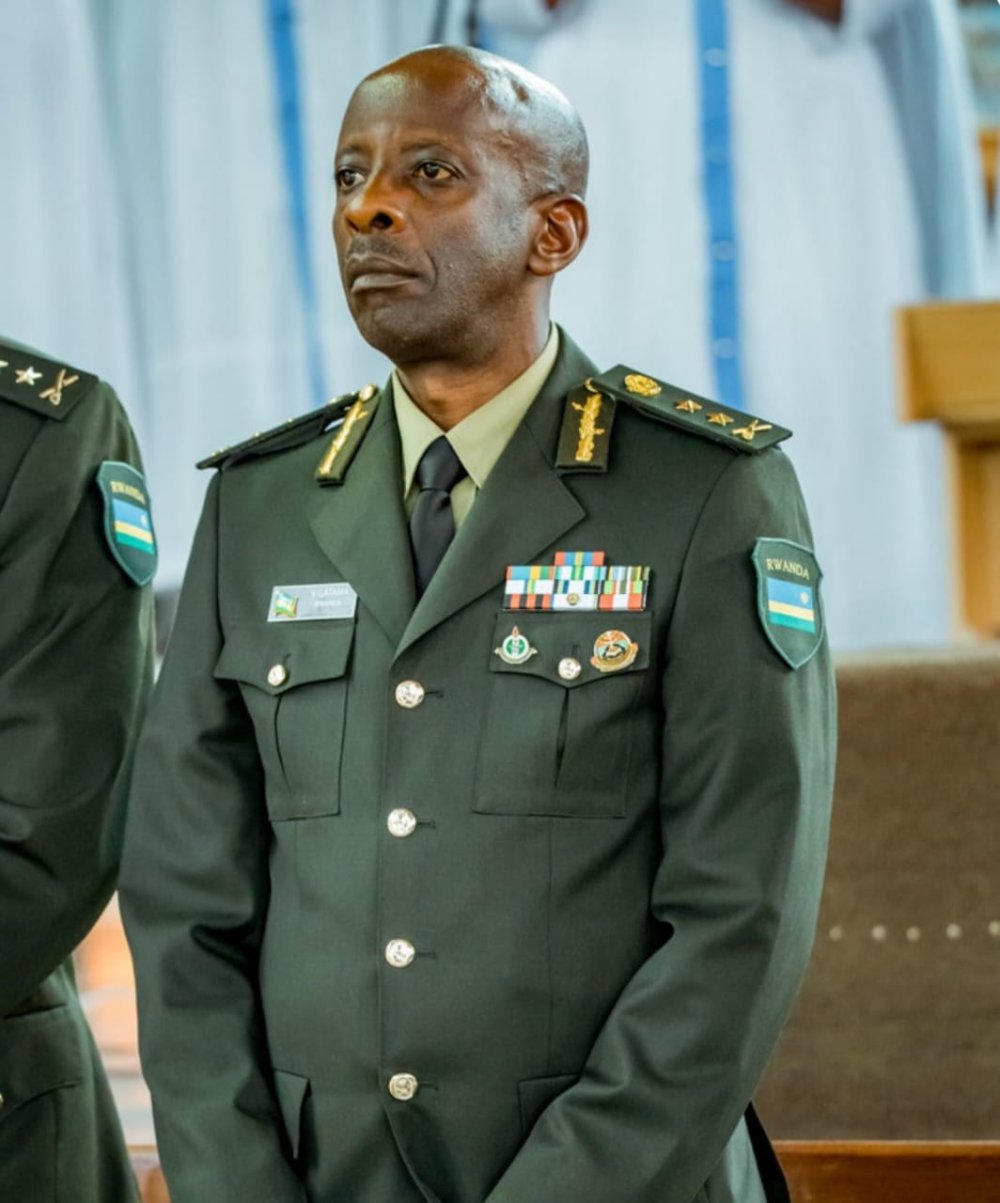
The generals placed on retirement are Major General Emmanuel Bayingana, Major General Vincent Gatama, and Brigadier General Albert Rugambwa.
Maj Gen Emmanuel Bayingana previously served as the Permanent Secretary at the Ministry of Defence. He was recently appointed as Rwanda’s Ambassador to Israel.
Maj Gen Vincent Gatama recently served in Rwanda’s security mission in Mozambique’s Cabo Delgado Province, where he was the Commander of the Rwanda Security Force (RSF) Joint Task Force. He also previously served as the commander of the Fourth Division in the Rwanda Defence Force.
Meanwhile, Brig Gen Albert Rugambwa was the commander of Battalion 201, which operates in the districts of Rwamagana, Kayonza, Gatsibo, and Nyagatare.
Maj Gen Emmanuel Bayingana previously served as the Permanent Secretary at the Ministry of Defence.Maj Gen Vincent Gatama recently served as the Commander of the Rwanda Security Force (RSF) Joint Task Force in Rwanda’s security mission in Mozambique’s Cabo Delgado Province. Brig Gen Albert Rugambwa has been serving as the commander of Battalion 201.
The announcement was made by AFC/M23 Deputy Coordinator for Political Affairs, Diplomacy and Governance, Bertrand Bisimwa, after the group said it had captured several strategic areas, including Point-Zéro, Mikenke, Kalingi, Ilundu and Rwitsankuku, from the Armed Forces of the Democratic Republic of the Congo (FARDC), Burundian troops, the FDLR terrorist group and Wazalendo fighters.
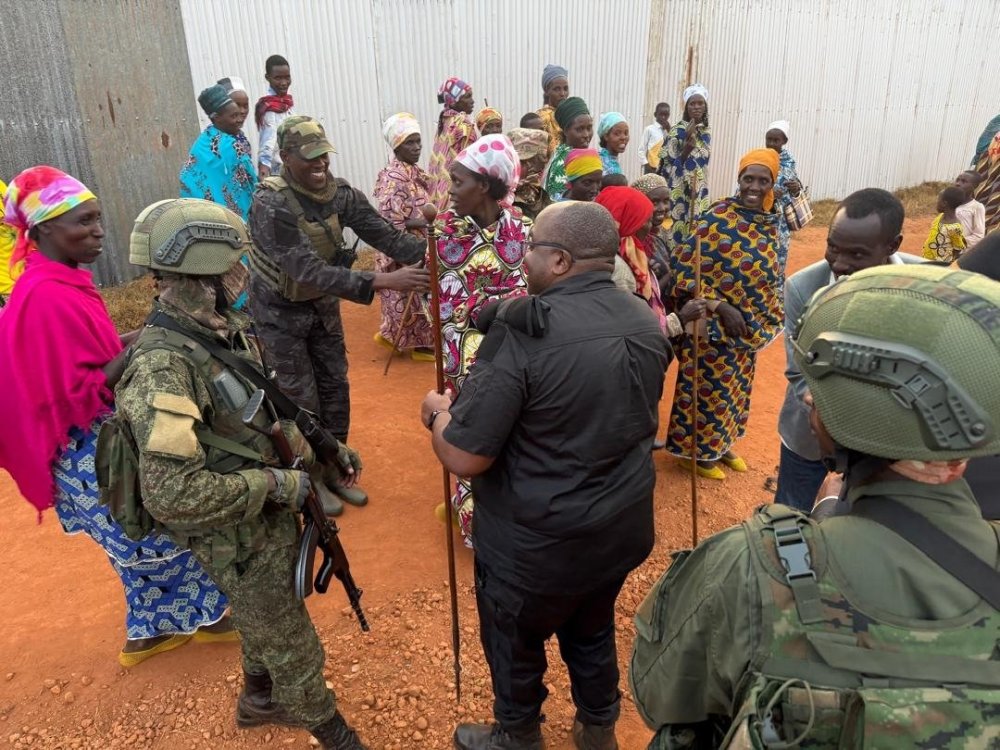
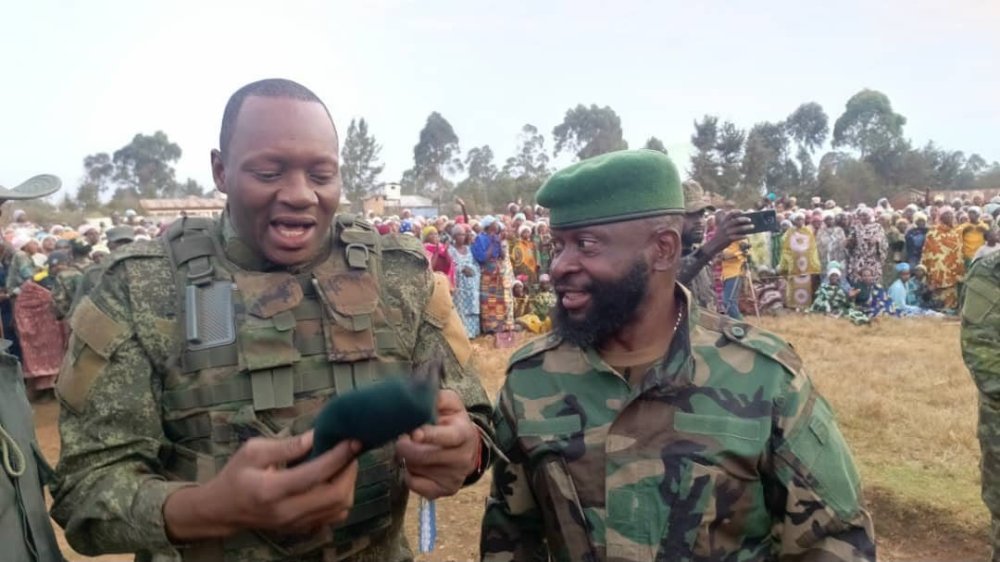
Following the capture of the areas, senior AFC/M23 officials, including Bisimwa, Dr. Freddy Kaniki, who oversees the coalition’s economic and financial affairs and also serves as president of MRDP Twirwaneho, and M23 Deputy Commander Brig. Gen. Bernard Byamungu, visited the newly controlled locations.
According to AFC/M23, the visit, which was accompanied by its fighters, was intended to reassure local residents that government and allied forces would no longer be able to launch attacks in the area.
On July 8, residents of Minembwe welcomed the delegation with songs of celebration and traditional Igisirimba dances. AFC/M23 and Twirwaneho officials, dressed in military uniform, joined residents in celebrating what they described as a major victory.
Sources in South Kivu said the visit by AFC/M23 leaders and fighters to Minembwe and neighbouring areas was challenging because of the difficult terrain, including dense forests and mountainous landscapes.
Addressing residents, Bisimwa said AFC/M23 Coordinator Corneille Nangaa and the coalition’s military commander, Maj. Gen. Sultani Makenga, had sent him to deliver a message that fighting in Minembwe was over.
“Our leadership, including Gen. Sultani Makenga and Coordinator Corneille Nangaa, asked me to tell you that the war in Minembwe has ended,” Bisimwa said. “They said enough blood has been shed, and they will not allow the enemy to return here.”
Bisimwa compared the Congolese government’s efforts to retake Minembwe to the biblical story of the Israelites who, under Moses, reached the edge of Canaan but were unable to enter.
“They will see Minembwe, but they will not enter it,” he said, referring to government and allied forces.
He further said fighters from different parts of the Democratic Republic of the Congo had joined forces with MRDP Twirwaneho to oppose what AFC/M23 describes as attempts by the Congolese government and its allies to target Congolese communities on the basis of their ethnicity.
“They have united to tell the enemy that the idea of taking up arms to eliminate people because of their ethnicity or the way they were created is an illusion,” Bisimwa said.
AFC/M23 also argued that history has shown attempts to eradicate communities ultimately fail, saying it believes the Congolese government will not achieve what it described as such objectives.
AFC/M23 leaders visit Minembwe for the first time, accompanied by their fighters.AFC/M23 spokesperson Lawrence Kanyuka and MRDP-Twirwaneho’s PC Mavugo met in Minembwe for the first time.AFC/M23 leaders told residents of Minembwe that the fighting in the area had ended and pledged that there would be no return to war.MRDP/Twirwaneho President Dr. Freddy Kaniki (right) joins a high-level AFC/M23 delegation that visited Minembwe.AFC/M23 Deputy Commander Brig. Gen. Bernard Byamungu arrives in Point-Zéro during a visit by the group’s leadership to Minembwe.
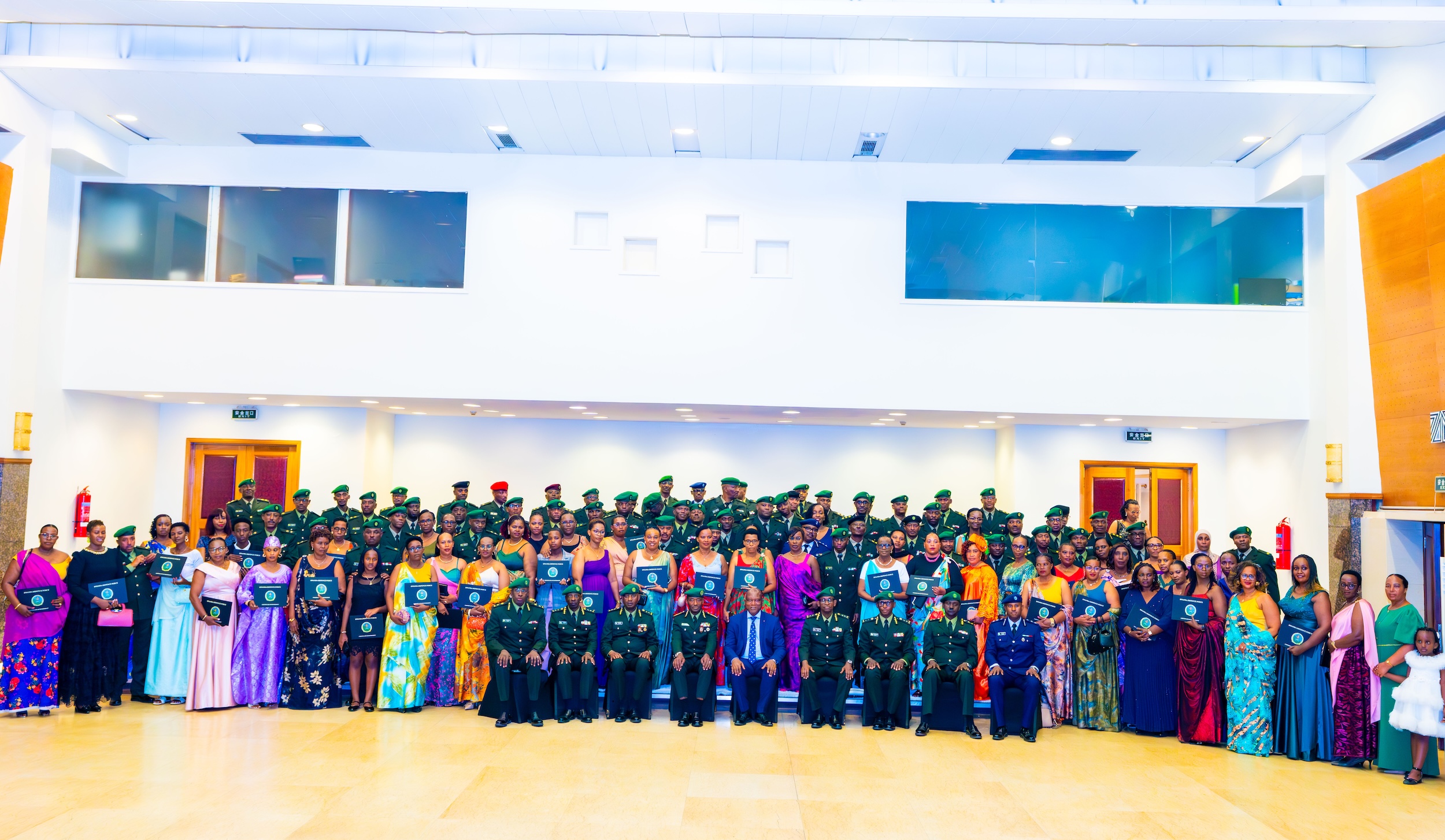
The event was presided over by the Minister of Defence, Juvenal Marizamunda, on behalf of the President of the Republic of Rwanda and Commander-in-Chief of the Rwanda Defence Force. It was attended by the Chief of Defence Staff, Gen MK Mubarakh, Service Chiefs, Generals, Senior Officers, and families of the retirees.
Speaking on behalf of the Commander-in-Chief, Minister Marizamunda expressed gratitude to the retirees for their dedicated service to the nation. He commended their role in the liberation struggle, stopping the Genocide against the Tutsi, and rebuilding the country.
He also praised their contribution in transforming the RDF into a strong, professional, and internationally respected force through peacekeeping operations and bilateral missions, noting that their work has left a lasting legacy. The Minister further thanked the spouses of the retirees for their unwavering support, acknowledging the sacrifices they made in keeping families together during periods of deployment.
In his remarks, the Chief of Defence Staff, Gen MK Mubarakh, congratulated the retirees for the patriotism, discipline, and professionalism they demonstrated throughout their careers. He thanked them for mentoring younger soldiers and instilling in them the core values of the RDF, which have prepared the next generation to safeguard the nation. He emphasized that the RDF and the country will continue to benefit from the retirees’ experience, wisdom, and counsel.
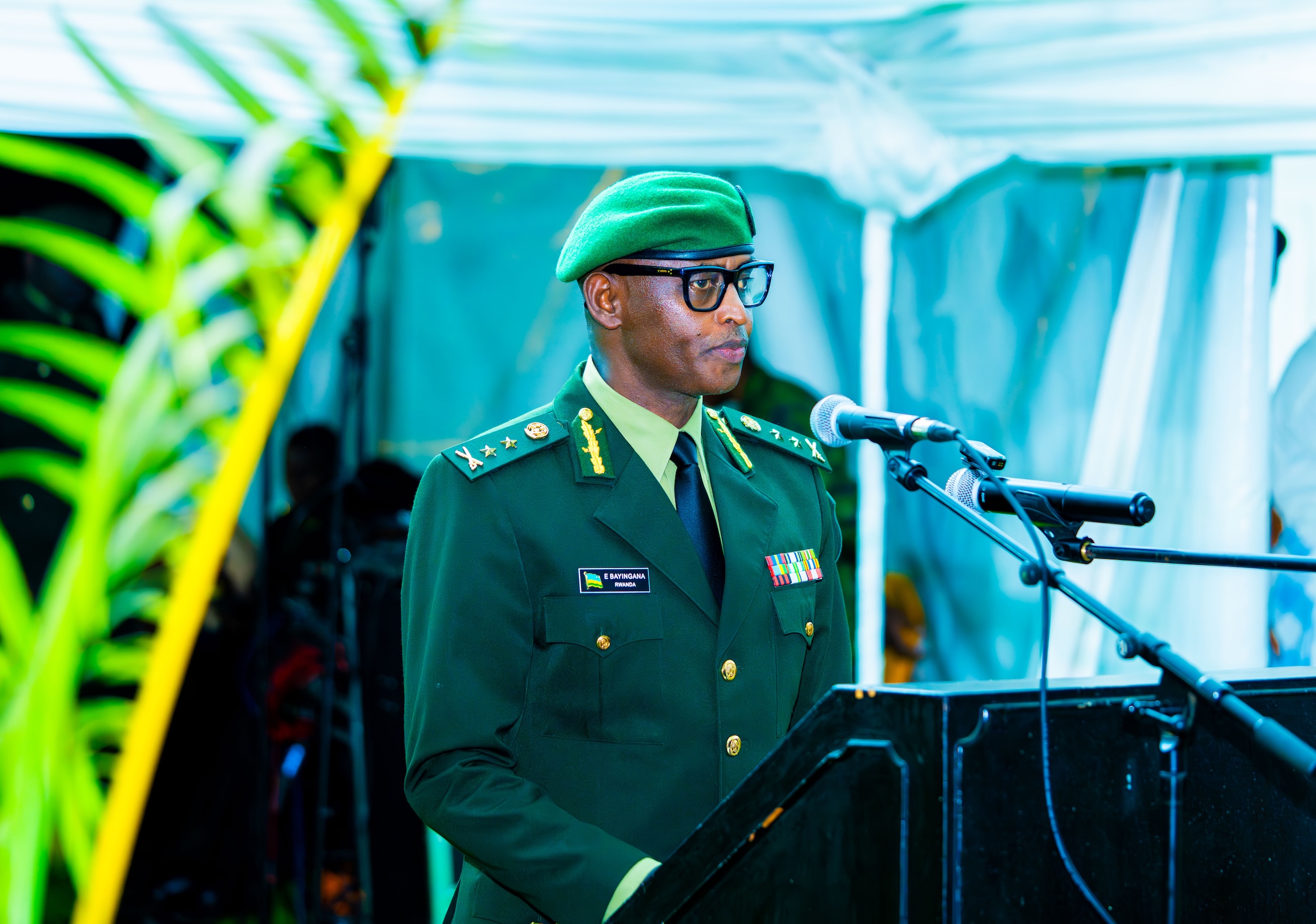
Speaking on behalf of the retirees, Maj Gen (Rtd) Emmanuel Bayingana expressed pride in the remarkable progress of the Rwanda Defence Force. He thanked President Paul Kagame for his visionary leadership in building a strong and united RDF family.
He affirmed that although they are leaving active service, they will continue to uphold RDF values of patriotism, discipline, and selfless service, and pledged to keep contributing to Rwanda’s development and prosperity.
The ceremony concluded with the presentation of certificates to the retirees in recognition of their distinguished and dedicated service to the Rwanda Defence Force.
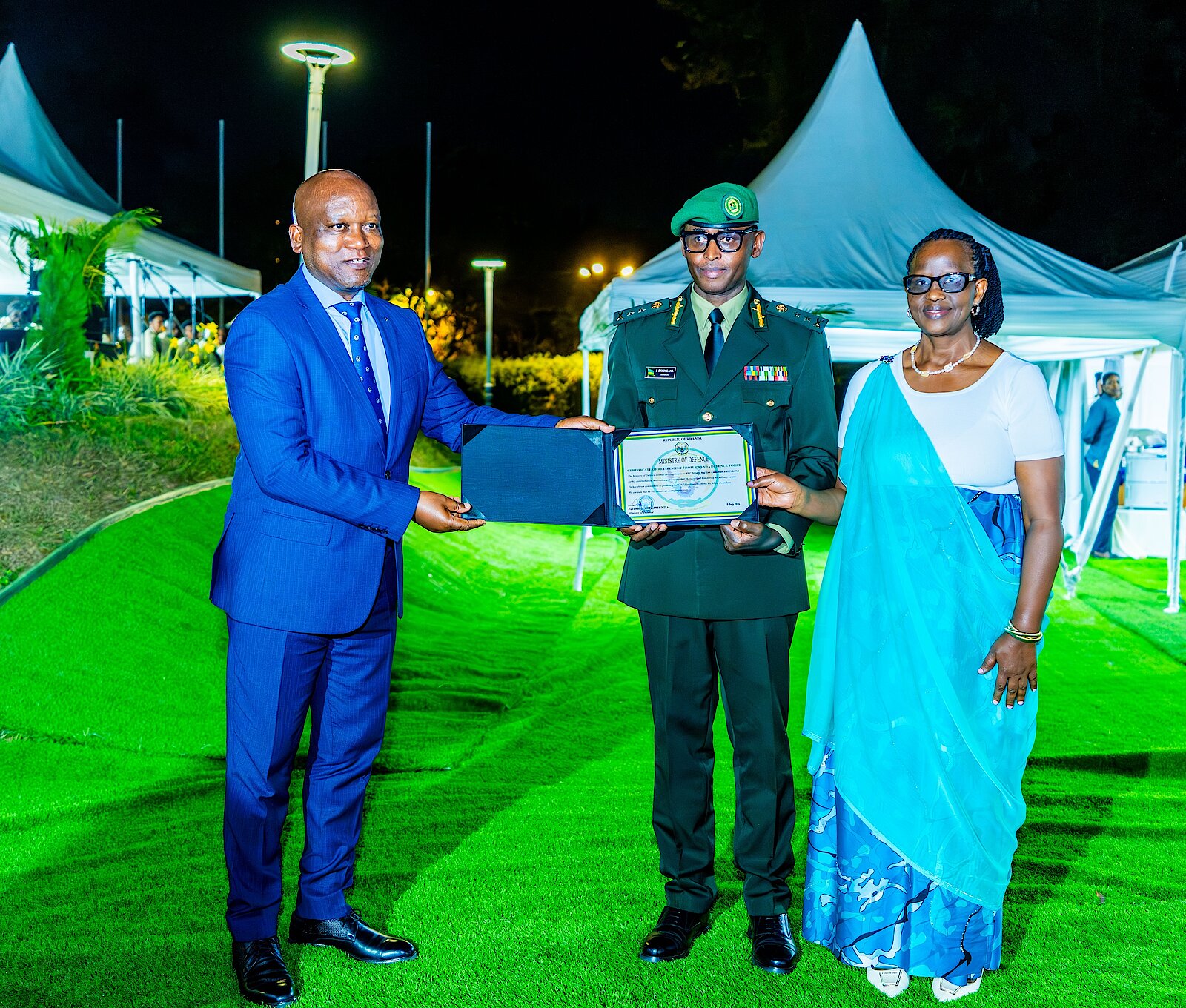
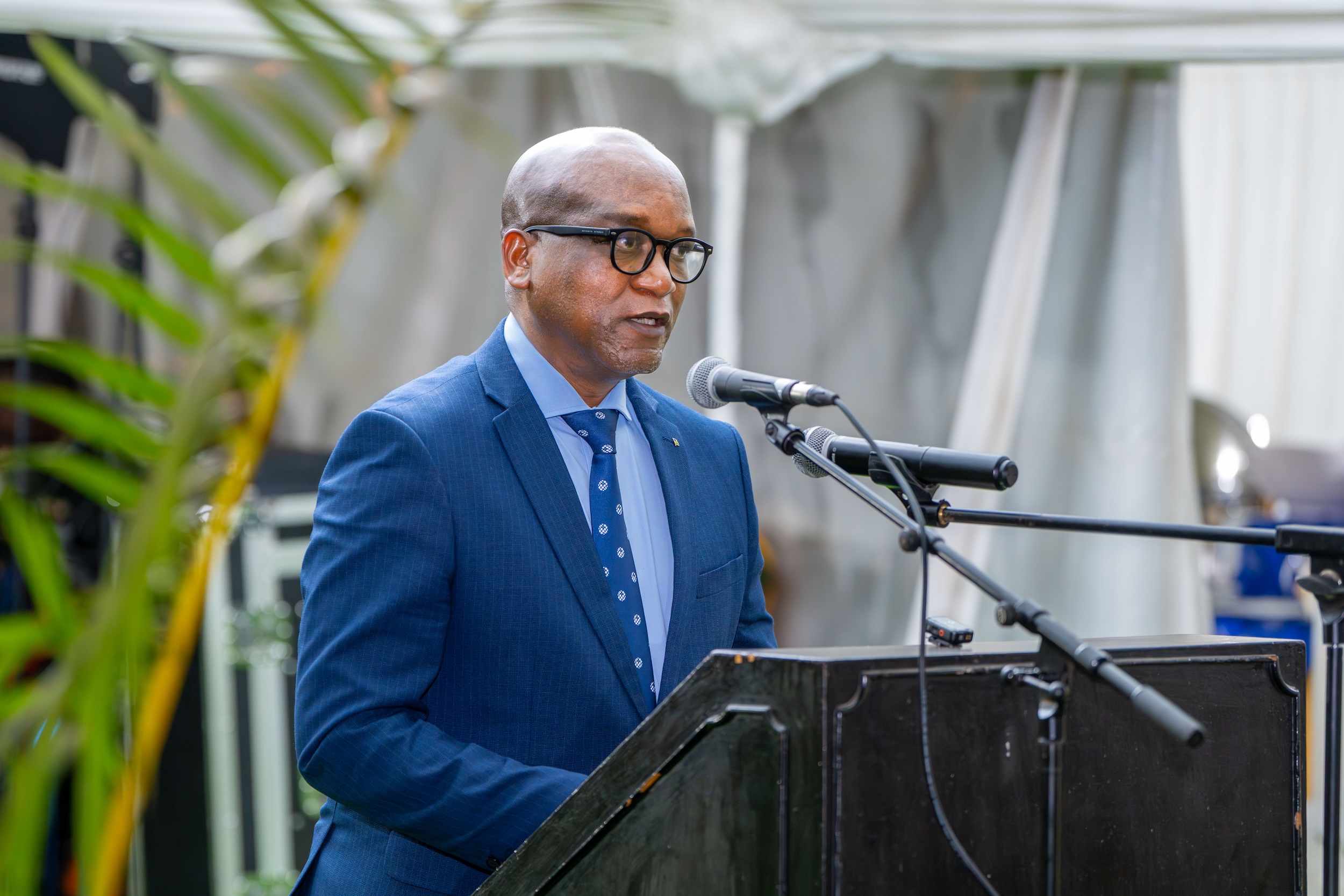
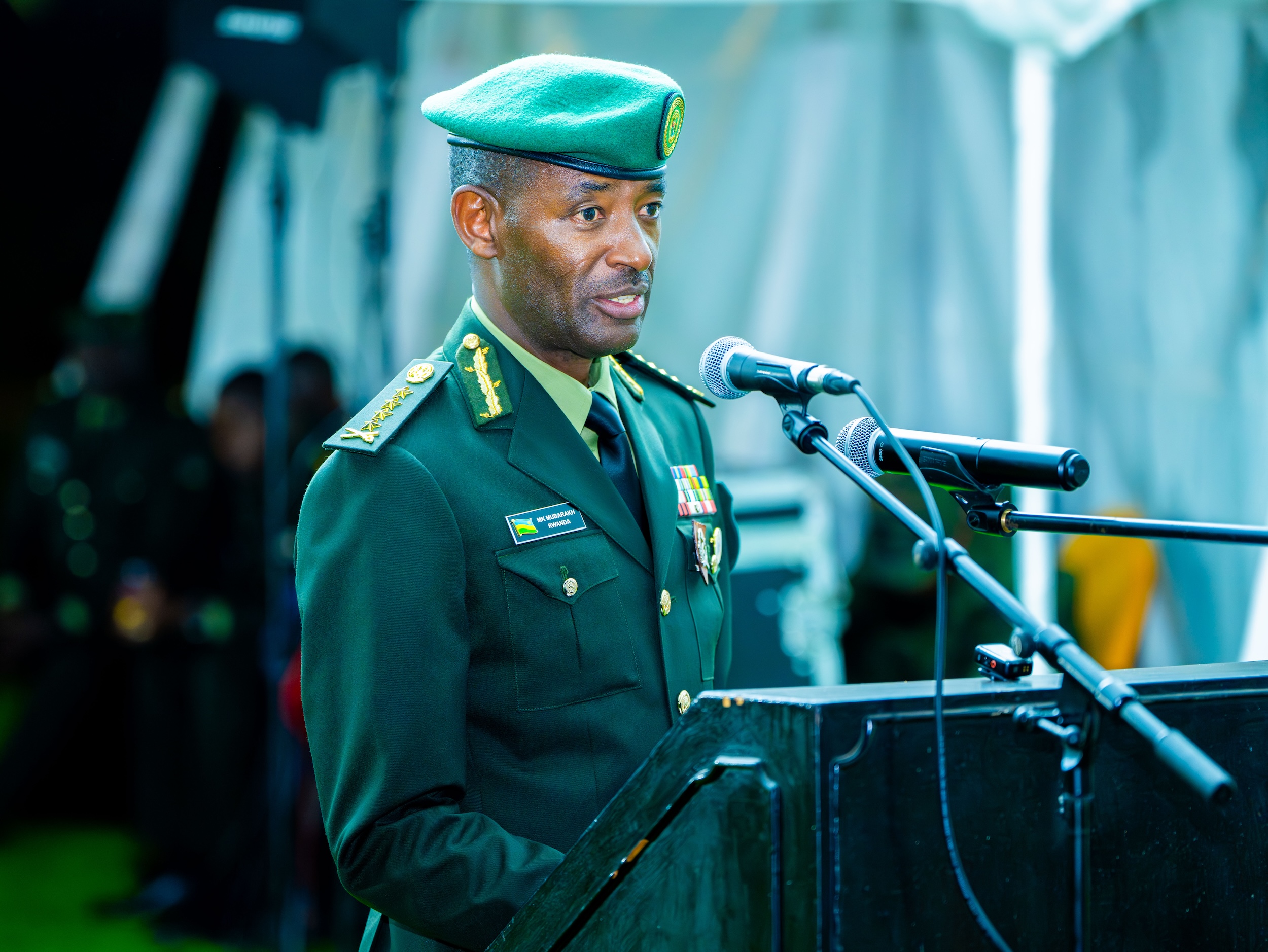
Minister of Defence Juvenal Marizamunda addresses retiring RDF personnel, thanking them for their dedicated service and contribution to Rwanda’s security and development.Chief of Defence Staff Gen MK Mubarakh commended retiring officers for their patriotism, professionalism, and commitment to mentoring the next generation of soldiers.Maj Gen (Rtd) Emmanuel Bayingana spoke on behalf of the retirees, reaffirming their commitment to continue serving Rwanda beyond active military duty.Minister of Defence Juvenal Marizamunda presents a certificate to Maj Gen (Rtd) Emmanuel Bayingana during the 14th RDF send-off ceremony at RDF Headquarters in Kimihurura.Retiring Rwanda Defence Force personnel attended the 14th RDF send-off ceremony alongside their families at RDF Headquarters in Kimihurura.
The assessment also examined the implementation of recommendations issued by NCHR as part of efforts to strengthen the protection of the rights of detainees and promote compliance with human rights standards.
The review was conducted on July 10, 2026, bringing together key government institutions and stakeholders, including the Ministry of Justice, Ministry of Local Government, Rwanda Investigation Bureau (RIB), Rwanda National Police, National Public Prosecution Authority (NPPA), Rwanda Correctional Service (RCS), civil society organisations, and human rights advocates.
The study covered 13 correctional facilities, 26 RIB detention centres, various justice facilities, and involved discussions with 156 detainees to assess their living conditions and access to basic rights.
The research was carried out by the Institute of Legal Practice and Development (ILPD), which examined the level of human rights protection in detention facilities, the views of officials working in the justice and correctional sectors, prison officers’ understanding of detainees’ welfare, and the extent to which recommendations from NCHR inspections had been implemented.
NCHR highlights impact of monitoring efforts
NCHR Chairperson Umurungi Providence said the study was necessary to provide clear evidence on the Commission’s impact since it was given the mandate in 2018 to monitor human rights conditions in correctional facilities, oversee places of detention, and support efforts to prevent torture.
She explained that the findings would help identify remaining challenges and guide the development of solutions to improve conditions for detainees.
“Since the Commission began serving as Rwanda’s National Preventive Mechanism [NPM] against torture in 2018, it has carried out monitoring visits in detention facilities across the country and issued numerous recommendations to relevant institutions. These recommendations aim to improve the welfare of detainees, protect their rights, and ensure compliance with both national laws and international human rights standards,” Umurungi said.
She added that NCHR’s monitoring activities have contributed significantly to improving the management and administration of detention facilities.
However, she noted that the Commission found it important to evaluate whether its recommendations were being implemented effectively and sustainably.
“The findings of this study will support institutions in making informed decisions, improving their practices, and developing strategies that further promote respect for human rights in correctional facilities and other places of detention,” she said.
ILPD conducts independent review
To maintain objectivity, NCHR partnered with ILPD to independently conduct the research. The institution visited correctional facilities, detention centres, justice institutions, and engaged with detainees to understand how their conditions have changed over the past eight years.
ILPD Vice-Rector in Charge of Academic and Research Affairs, Sezirahiga Yves, said while NCHR had been conducting regular inspections, an independent assessment was needed to compare findings and provide a broader understanding of progress made.
“In our research, we also assessed 84 recommendations that the Commission had issued over time and examined how they had been implemented. We found that in areas where progress was limited, the main challenge was often a lack of resources, although there was commitment and willingness to address the issues,” he said.
The study aims to identify areas that still require improvement in ensuring the full protection of human rights for people held in correctional facilities and other detention centres.
NCHR continues to implement programmes focused on protecting, promoting, and raising awareness about human rights, while strengthening efforts to prevent torture in line with its legal mandate.
Different stakeholders were briefed on the methodology used in the study and its key findings.The National Commission for Human Rights (NCHR) has reviewed the findings of a study assessing its role in improving the welfare of people held in correctional facilities and other places of detention.NCHR Chairperson Murungi Providence said there was a need for research to identify areas requiring more efforts to ensure respect for human rights in correctional facilities and other places of detention.ILPD Vice Rector in charge of Research , Sezirahiga Yves, said that most of the recommendations issued by NCHR had been implemented.
The announcement comes as part of the government’s broader efforts to improve access to safe drinking water and ensure a reliable supply for the country’s growing population.
Rwanda currently produces approximately 367,000 cubic meters of treated water per day. However, only 65 percent of that water reaches consumers, while the remaining 35 percent is lost through leakages and other forms of non revenue water.
Presenting the government’s progress on strengthening the country’s economic resilience and improving citizens’ welfare before a joint sitting of Parliament, Prime Minister Dr. Justin Nsengiyumva said expanding access to clean water remains one of the government’s top priorities.
“The government is implementing projects that will increase daily treated water production from more than 367,000 cubic meters this year to over 688,000 cubic meters per day by 2029,” he said.
Nzove IV to play a key role in Kigali’s water supply
Kigali currently relies on water supplied from the Nzove treatment facilities and other nearby sources.’
The city requires around 200,000 cubic meters of water each day, yet existing facilities produce only about 140,000 cubic meters, leaving a considerable supply deficit.
To help bridge this gap, the government is expanding the capacity of the Nzove III Water Treatment Plant from 40,000 cubic meters to 65,000 cubic meters per day, with completion scheduled for September 2026.
In addition, preparations are underway for the construction of the Nzove IV Water Treatment Plant, which is expected to add 150,000 cubic meters of treated water per day to Kigali’s supply.
Dr. Nsengiyumva said the project is expected to be completed within three years, with commissioning planned for December 2029.
The Ministry of Infrastructure recently announced that the new treatment plant will draw water from the artificial reservoir being developed alongside the Nyabarongo II Hydropower Plant.
The project is expected to provide Kigali with a more sustainable and sufficient supply of clean water.
The government had earlier projected that the construction contract would be signed by the end of May.
Another major project involves upgrading the Karenge Water Treatment Plant, whose production capacity will increase from 12,000 cubic meters to 48,000 cubic meters per day by January 2029.
More water projects planned across the country
Beyond Kigali, the government has planned several large scale water projects in different parts of the country.
In the Eastern Province, new water treatment plants are planned for Rwagitugusa, Sake, Kirehe, and Muvumba. However, funding for these projects has not yet been secured.
In the Southern Province, planned projects include a water treatment plant and pipeline connecting Higiro, Kigembe, and Mukindo in Gisagara District, a treatment plant in Kagaga, Muhanga District, and the Nyaruguru–Huye–Gisagara Water Supply Project, which will deliver clean water to the three districts.
These pipeline projects are expected to be completed during the 2027/2028 fiscal year, while the Busogwe Water Treatment Plant is scheduled for completion in 2029.
In the Northern Province, the Volcano Belt Water Supply Project, which serves Musanze, Rubavu, Nyabihu, and Rutsiro districts, as well as the Kivu Belt Water Supply Project, which supplies Karongi and surrounding areas, have largely been completed.
Government intensifies efforts to reduce water losses
Alongside increasing production capacity, the government is also stepping up efforts to reduce water losses caused by leakages within the distribution network.
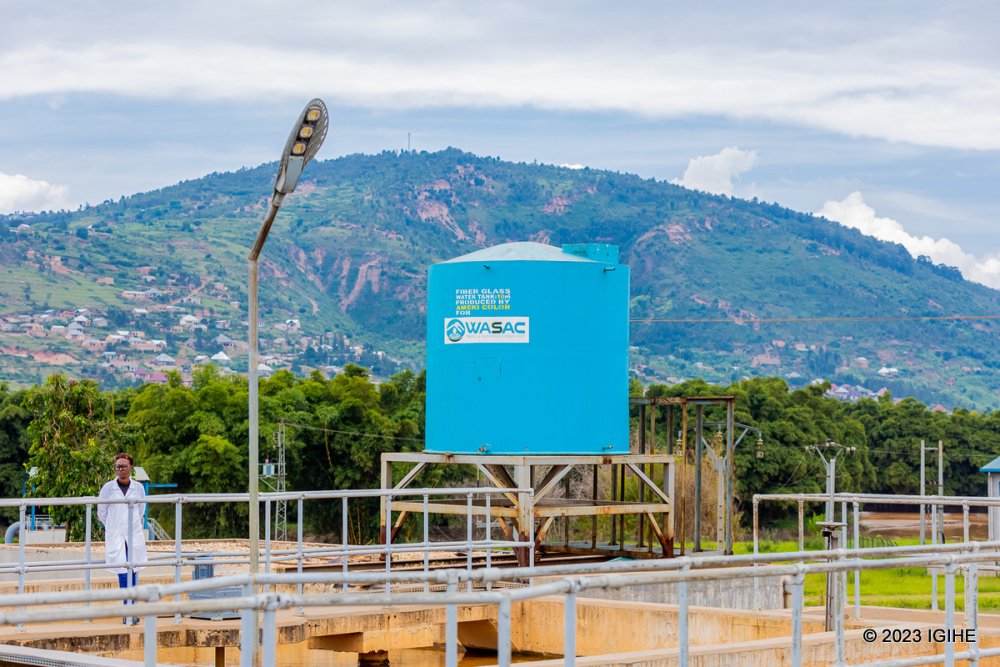
According to Dr. Nsengiyumva, official data shows that WASAC Group loses approximately four out of every ten litres of treated water before it reaches consumers due to leaks and other technical challenges.
To address the problem, the government plans to deploy modern technology capable of detecting leaks automatically, allowing WASAC to identify and repair damaged sections of the network without waiting for public reports.
“We have been working with a Japanese company that already operates in Rwanda. It has demonstrated that significantly reducing water leakages is possible.
“We are now discussing expanding its role by entrusting it with larger sections of the city’s water network. We have already signed the agreement, which gives us confidence that we will achieve our target of reducing water losses,” he said.
WASAC recently revealed that the country’s existing water treatment plants are unable to produce approximately 1,234 cubic meters of water each day because of aging infrastructure.
The government is investing in the expansion and rehabilitation of water infrastructure and distribution networks with the goal of reducing non revenue water losses to 25 percent by 2029, ensuring that more treated water reaches households, businesses, and institutions across the country.
Rwanda plans to double clean water production and reduce water losses
“Orders have already been given, and the U.S. Military is ready, willing, and able, for a one year period of time, subject to extension, to completely decimate and destroy all areas of Iran,” he wrote in a post on Truth Social.
Earlier Friday, Trump said that Washington has agreed to continue negotiations with Iran, although it has informed Tehran that the ceasefire is over.
“The Islamic Republic of Iran has asked us to continue ‘talks.’ We have agreed to do so, but the United States has stated to them, in no uncertain terms, that the Cease Fire is OVER!” Trump wrote on Truth Social.
U.S. forces carried out repeated strikes against Iran earlier this week in response to several attacks on commercial vessels transiting the Strait of Hormuz. In retaliation, Iran struck U.S. military bases and facilities in Kuwait, Bahrain, Qatar, and Jordan with missiles and drones.
In a fresh phone call, Saudi Crown Prince and Prime Minister Mohammed bin Salman Al Saud discussed the U.S.-Iran talks with Trump.
The Saudi Press Agency reported that the two sides discussed Saudi-U.S. cooperation and ways to enhance it in various fields. They also stressed the importance of ensuring maritime navigation security, protecting sea lanes, and supporting efforts that contribute to regional security and stability.
Iranian Foreign Minister Seyed Abbas Araghchi is scheduled to visit Oman on Saturday for consultations on the Strait of Hormuz, as part of efforts to facilitate safe maritime traffic in the strategic waterway, Iranian Foreign Ministry spokesman Esmaeil Baghaei said.
The spokesman rejected U.S. claims that Iran had requested negotiations with Washington, saying no such request had been made. Yet he noted that Iran did not turn down the request of Qatar, a regional mediator, to visit Iran on Friday for discussions.
U.S. forces carried out repeated strikes against Iran earlier this week in response to several attacks on commercial vessels transiting the Strait of Hormuz.
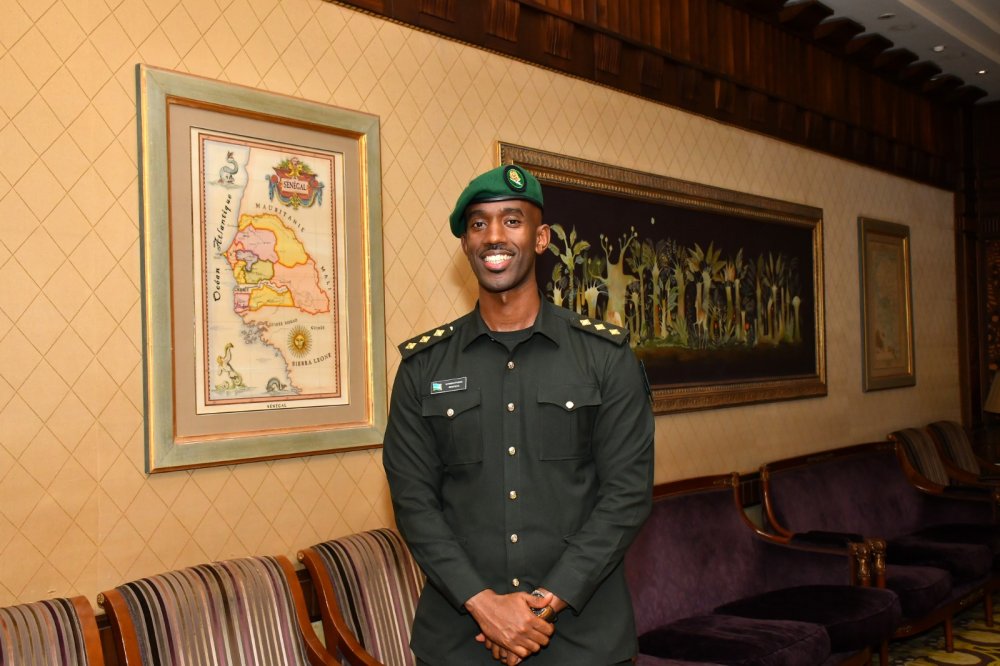
After graduating from university in 2016, Capt. Nsengiyumva, like many young graduates, began searching for employment. His efforts paid off when he successfully secured a position at the Rwanda Stock Exchange, where he worked in a field he had always been passionate about.
Although he enjoyed his job, his life took a different direction one morning when he came across a recruitment announcement inviting qualified candidates to join the Rwanda Defence Force.
The notice rekindled childhood memories of watching RDF soldiers march in formation as he walked to school, inspiring him to pursue a career in the military.
Without hesitation, he applied for the recruitment exercise, successfully passed the selection process, and began military training in 2017. After completing a year of rigorous training, he officially joined the Rwanda Defence Force, turning his childhood dream into reality.
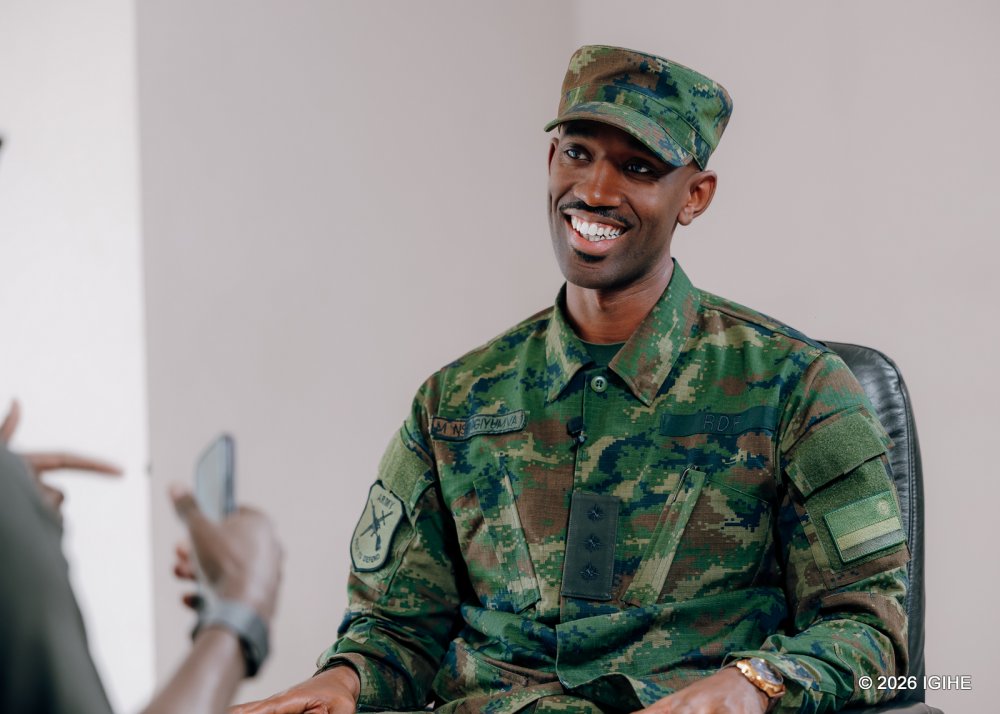
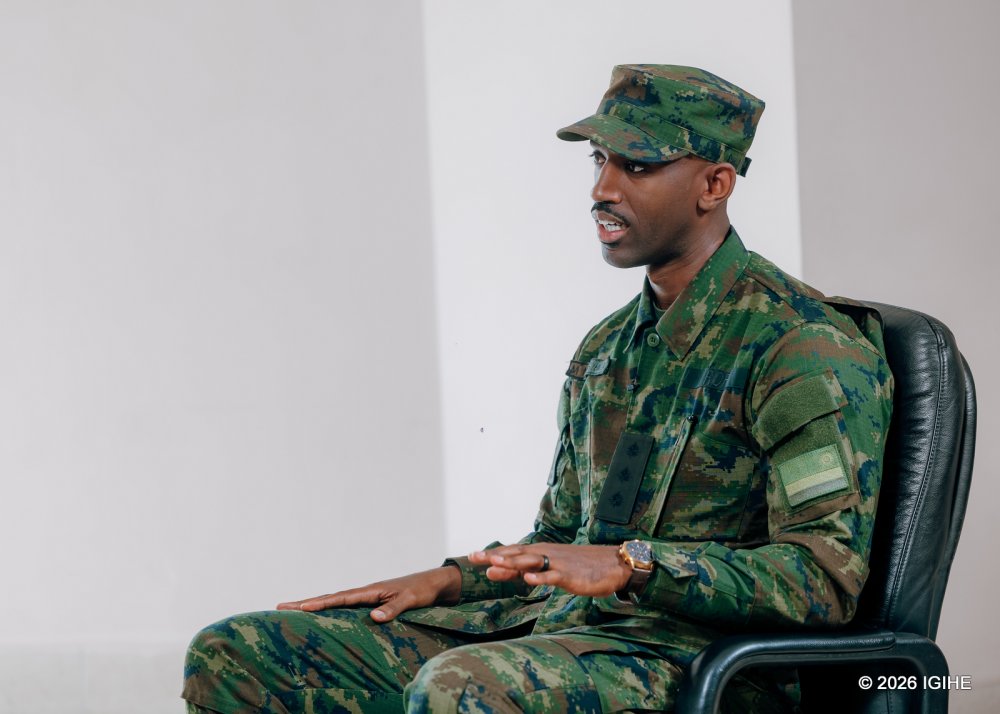
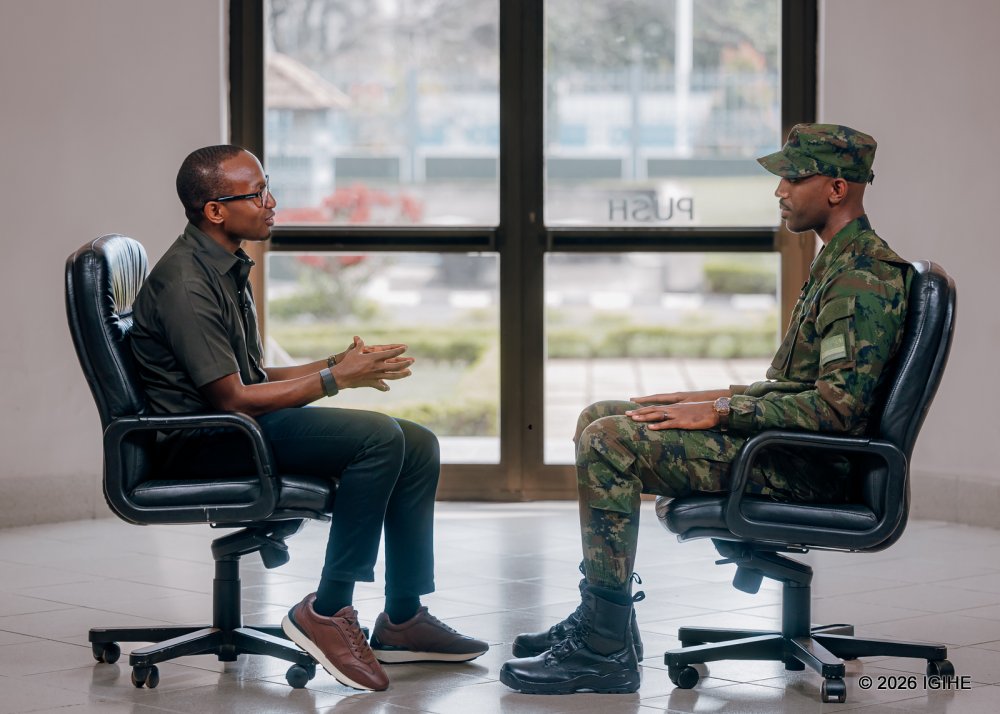
In an exclusive interview with IGIHE’s Ingingo Nkuru program, Capt. Nsengiyumva opens up about his journey from the financial sector to military service. He reflects on what motivated him to join the RDF, discusses his daily responsibilities as an officer, and shares insights into the experiences that have shaped his career over the past eight years.
Capt. Michael Nsengiyumva has served in the Rwanda Defence Force for eight years
IGIHE:What does the daily life of a Rwanda Defence Force soldier look like?
Capt. Michael Nsengiyumva: The life of a soldier is not very different from ordinary life. At the end of the day, we are human beings like everyone else. However, because of the training we receive and the commitment we make to put our country first, we are prepared to make sacrifices, including giving our lives if necessary. That is the main difference.
As a soldier, you also make discipline the foundation of everything you do, both in your professional duties and in the way you relate with other people. Military service also teaches you resilience, perseverance, and the importance of having clear goals.
IGIHE: You have now spent eight years in the military. Did you grow up dreaming of becoming a soldier? How did that dream develop?
Capt. Michael Nsengiyumva: I would not say it was a single thing that led me here. Looking back, I realize that there were signs from my childhood that this could become my path.
When I was young, the school I attended was not far from where we lived, so we used to walk there every day. During those journeys, we would often meet long lines of soldiers marching. Watching them was always inspiring. They looked disciplined, confident, and proud, and I saw something admirable in the way they carried themselves.
Gradually, I began to dream of becoming one of those people I saw every morning.
As I grew older, especially when I reached secondary school, I started to understand more about who those soldiers were, what they did, and what military service truly meant.
I learned about the important role the Rwanda Defence Force played in liberating the country, and I began to see joining the military as one of the things I could do in life. Among the many dreams and ambitions I had, serving in the national army became one of the paths I wanted to pursue.
However, after completing university, that childhood dream developed into something deeper. At the time, I was still a civilian, but I followed the work of the Rwanda Defence Force closely, not only within Rwanda but also through its international peacekeeping missions in countries such as the Central African Republic and South Sudan.
Seeing the professionalism, discipline, and positive reputation of Rwanda’s soldiers motivated me even more. I realized that I also wanted to contribute to building my country, and I could not think of a better way to do that than by becoming part of the Rwanda Defence Force.
His childhood admiration for soldiers inspired him to leave his job at the Rwanda Stock Exchange and join the military
IGIHE: What happened after you graduated from university in 2016?
Capt. Michael Nsengiyumva: After graduating from university, I remember completing my studies in April. Around that time, the Rwanda Stock Exchange was recruiting new employees, so I applied. Of course, it was not the only institution I applied to. Like many graduates, I was searching for opportunities in different places, but fortunately, I was among those who were selected that year.
I started working there, mainly in investment advisory services. My responsibility was to advise individuals and investors based on their financial goals, the projects they wanted to undertake, and the best ways to invest their resources.
I continued working in that field until 2017. It was a career I genuinely enjoyed, and I would not say I left because I was unhappy or because I was looking for an alternative. I was doing something I loved and could have continued doing for many years.
IGIHE: How did you eventually decide to join the military?
Capt. Michael Nsengiyumva: Around February 2017, I came across an announcement inviting people interested in joining the Rwanda Defence Force to apply. Such announcements were not new, but when I saw that particular one, I felt a strong connection to it, as if it was an opportunity meant for me.
I looked at the age requirements and realized that I qualified. I checked the education requirements and found that I met them as well. I was a Rwandan citizen, which was also a requirement. At that moment, I felt that ignoring the opportunity would mean turning down a chance to serve my country.
IGIHE: Some people describe Cadet training as extremely demanding. What was your experience?
Capt. Michael Nsengiyumva: If you were used to waking up at 8:00 a.m., having lunch at noon, and going to sleep early in the evening, military training completely changes that routine. You learn to look beyond your personal comfort and preferences. Instead, you learn to follow instructions, meet expectations, and work together with others.
I remember seeing soldiers and being told that the soldiers we saw beginning their day in the morning would continue working throughout the day and sometimes into the night. At the time, it seemed almost impossible to me.
I would ask myself, “How can someone continue moving and working for so many hours?” But once you go through military training, you gradually develop that ability. You find yourself doing things you once thought were impossible, and with time, they become part of your daily life.
IGIHE: What qualities should young people between the ages of 18 and 23 who wish to join the military develop?
Capt. Michael Nsengiyumva: Beyond those who aspire to join the military, every young person should strive to have good values and positive character. It is important to be someone with a clear vision, someone who understands that they have goals to achieve and a contribution to make to themselves, their families, and their country.
You should also be someone who believes that possibilities go beyond what you have already experienced. Do not limit yourself to what you can see or what you have achieved today. Believe that through learning, training, and accepting challenges that may seem beyond your current abilities, you can still accomplish great things.
IGIHE: Is there a special feeling that comes with receiving your first military rank?
Capt. Michael Nsengiyumva: It is one of the most memorable and important moments in a soldier’s life. Receiving your first rank is a great honour and a moment you always remember.
IGIHE: Rwanda has enjoyed more than 30 years of peace, and many people often associate soldiers with war and combat. During such a period of peace, what does life look like for you as soldiers?
Capt. Michael Nsengiyumva: Protecting the country’s sovereignty does not necessarily mean fighting a war. There is a principle that we all learn and uphold: putting the citizen first.
Everything we do within the Rwanda Defence Force, whether it is in healthcare, technical services, administration, or any other area, is focused on ensuring that citizens are safe and able to carry out their daily activities without fear or disruption.
A farmer should be able to work on their land peacefully. A businessperson should be able to conduct their activities in a secure environment. Our responsibility is to create conditions where every citizen feels protected and confident.
Therefore, military service is not only about being on the battlefield. It is also about carrying out your daily duties with the understanding that your work is meant to serve and protect the people.
When citizens see you, they should feel reassured that they are safe and that their well-being is being protected.
IGIHE: What responsibilities do you personally handle in your daily work?
Capt. Michael Nsengiyumva: As a soldier, you must always be prepared to take on any responsibility assigned to you by your commanders. However, in my current role, I work in administration at the Rwanda Defence Force headquarters.
IGIHE: As Rwanda marks the 32nd anniversary of Liberation, what stories from the liberation struggle have inspired you the most?
Capt. Michael Nsengiyumva: The history of Rwanda’s liberation is broad, and every part of it gives me inspiration.
However, one thing that continues to stand out for me is the journey of President Paul Kagame, who is also the Commander-in-Chief of the Rwanda Defence Force. He left the life he had established in the United States and returned to join a difficult struggle at a time when Rwanda was facing a serious crisis.
The way he transformed the struggle and led it until Rwanda was liberated is something I reflect on often. It motivates me and pushes me to constantly evaluate myself and learn from that history.
IGIHE: What do you believe young people should do to preserve the achievements and legacy built over the years?
Capt. Michael Nsengiyumva: We grew up hearing about Vision 2020, and today the country is working towards Vision 2050. These visions demonstrate the direction and ambitions that Rwanda has set for itself.
In the same way, every young person should have a personal vision. You should be able to say, “This is where I am today, but this is where I want to be tomorrow.”
The Rwanda we found when we were born should not remain the same when we grow older. Each of us has a responsibility to contribute something meaningful to the country’s development and leave behind a positive impact.
Young people must also avoid behaviours that can harm themselves and society, such as alcohol abuse and drug use. These challenges do not only affect individuals; they also affect the country because they take away valuable human resources, talents, and people who could have contributed to national development.
Beyond education and professional skills, young people must also be ready to adapt to a changing world. Technology continues to evolve every day, and we must develop the ability to learn, adapt, and continue improving ourselves so that we remain relevant in the future.
IGIHE: We often see reports of individuals or groups outside the country attempting to undermine Rwanda’s security. As those who liberated the country gradually pass on responsibility to your generation, how prepared are you to ensure that no one can threaten the country’s security?
Capt. Michael Nsengiyumva: The answer is evident in itself. Today, we have people who were born during the liberation struggle, as well as others who were born after that period, and many of us are now serving in the Rwanda Defence Force.
This demonstrates that there is a continuation of the values that have guided the country, including patriotism, love for Rwanda, and the commitment to make sacrifices whenever the country requires it.
With such values being passed from one generation to another, there is no reason for anyone to worry about the future of Rwanda’s security.
More importantly, we understand the history of where our country came from. No one would ever wish to see Rwanda return to the difficult and painful period from which it emerged.