In a statement issued on Friday, FERWABA said the decision followed the receipt and consideration of letters of apology submitted by APR Basketball Club, Habimana and Mpoyo, as well as a meeting held between the federation and the club on July 8.
“The Rwanda Basketball Federation (FERWABA) wishes to inform the public that… it has resolved to accept the apologies and lift, with immediate effect, the disciplinary suspension previously imposed on Mr. Ntore Habimana and Mr. Mpoyo Axel Olenga,” the statement reads.
The federation said it also took into account the corrective measures implemented by APR Basketball Club and the players’ renewed commitment to honour national team call-ups and faithfully discharge their duties whenever selected.
FERWABA reiterated that representing Rwanda is a privilege that requires patriotism, discipline and an unwavering commitment to putting national interests first.
The suspension was imposed on June 22 after the federation accused the two players of failing to honour a national team call-up ahead of the 2027 FIBA Basketball World Cup African Qualifiers in Luanda, Angola.
At the time, FERWABA said APR had confirmed the players would report to the national team camp, but they did not participate as expected, leading to disciplinary action under resolutions adopted during the federation’s November 2025 General Assembly. The resolutions stipulate that players selected for national duty who fail to honour official call-ups face a one-year suspension from all basketball activities.
The decision sparked a dispute between the federation and APR Basketball Club.
Habimana and Mpoyo maintained that they had reported to the national team camp but were unable to immediately take part in training because they were recovering from injuries sustained during the Basketball Africa League (BAL) season. APR also defended the players, arguing that the club had submitted medical reports and that the matter resulted from a misunderstanding that could have been resolved through dialogue.
The club later appealed the sanctions and submitted letters of apology, while FERWABA convened a meeting with APR on July 8 to discuss the matter.
With the suspension now lifted, Habimana and Mpoyo are immediately eligible to return to competitive basketball, including representing both APR Basketball Club and the Rwanda national team when called upon.
National Basketball team players Axel Mpoyo and Ntore Habimana who were sanctioned by the federation last month.
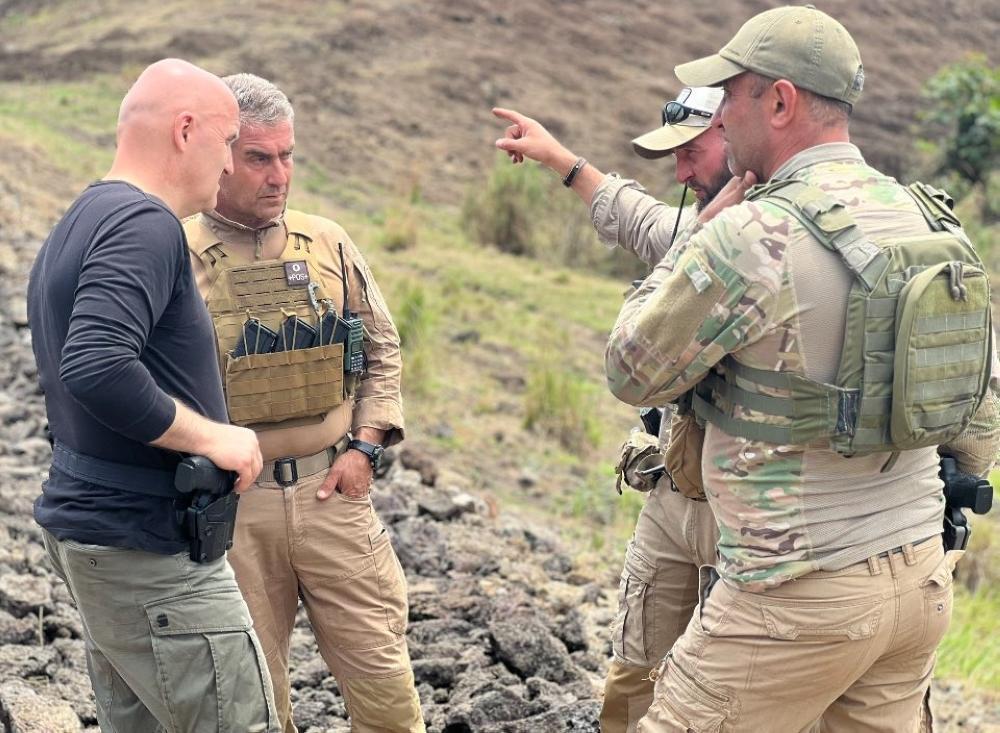
According to the report presented to the UN Security Council Sanctions Committee on June 5, 2026, mercenary groups provide battlefield support, maintain military assets including combat aircraft, and train members of the Armed Forces of the Democratic Republic of the Congo (FARDC) in advanced drone operations, radar systems, jungle warfare, intelligence gathering, operational planning, secure communications and target identification.
Despite the longstanding cooperation, the UN experts say coordination between FARDC and the various mercenary groups has been undermined by weak command structures, resulting in confusion over lines of authority and responsibility.
Advanced training and cooperation with Wazalendo
The report says foreign mercenaries maintain operational bases in Kisangani, Kinshasa, Walikale, Kalemie in Tanganyika Province and Kindu in Maniema Province. Testimonies and other evidence gathered by the UN indicate they continue to play an active role in military operations across North and South Kivu.
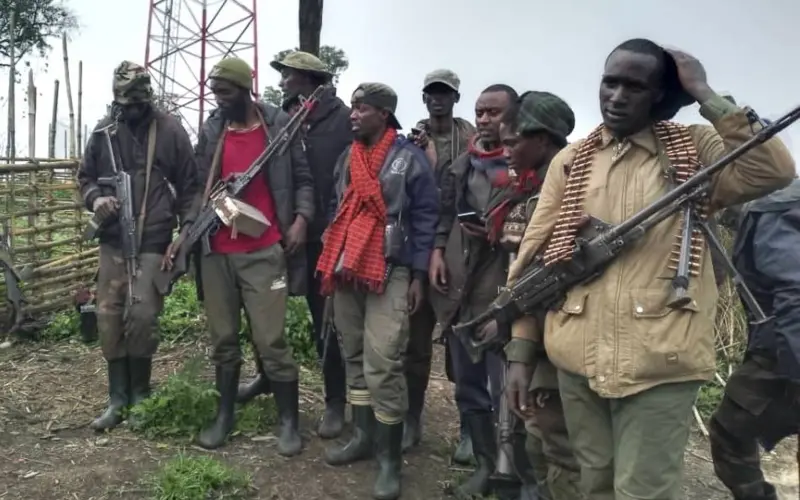
In Walikale, North Kivu, and the town of Baraka in South Kivu, foreign mercenaries reportedly provided advanced military training to members of the Wazalendo militias. The programme covered reconnaissance techniques, including identifying enemy positions and operating surveillance drones.
According to testimonies cited in the report, participants were selected based on their level of education. Upon completing the training, many were deployed alongside FARDC troops, with some reportedly issued sniper rifles for operations against the AFC/M23 coalition.
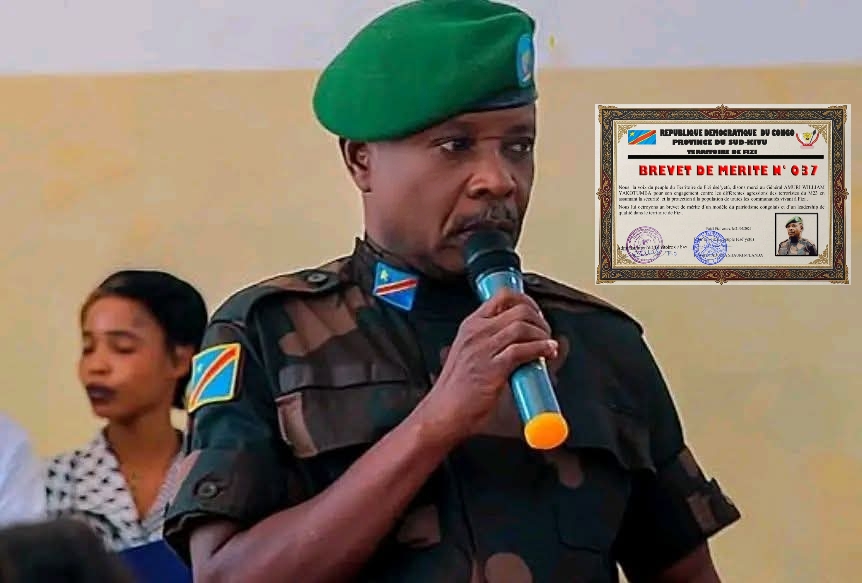
Among those who benefited from the training were fighters under commanders sanctioned by the United Nations, including Guidon Shimiray, leader of the NDC-R armed group operating in Walikale, and members of the CNPSC led by William Yakutumba.
Foreign mercenaries trained fighters under William Yakutumba.
Operations in South Kivu
Between January and March 2026, mercenaries fought alongside FARDC during heavy fighting in South Kivu, participating in coordinated drone and ground operations in several areas, including Minembwe Commune and its surrounding areas.
During the same period, Wazalendo fighters were ordered to withdraw from the highlands of South Kivu and were replaced by a FARDC special forces unit known as “Hiboux” together with foreign mercenary contingents.
The report says the mercenaries were not deployed across all operational areas. Instead, they were assigned to specialised missions, including coordinating heavy artillery fire, drone strikes and intelligence support. They were also deployed to the city of Uvira in January 2026.
On February 1, 2026, multiple drone strikes involving foreign mercenaries targeted positions held by the MRDP-Twirwaneho armed group in Minembwe.
Foreign mercenaries participated in major offensives against MRDP-Twirwaneho.
Between February 2 and 8, mercenary units reportedly assisted the Hiboux special forces in recapturing the strategic Point-Zéro junction, a key crossroads linking the roads to Uvira, Baraka and Minembwe.
Secret agreement with Erik Prince
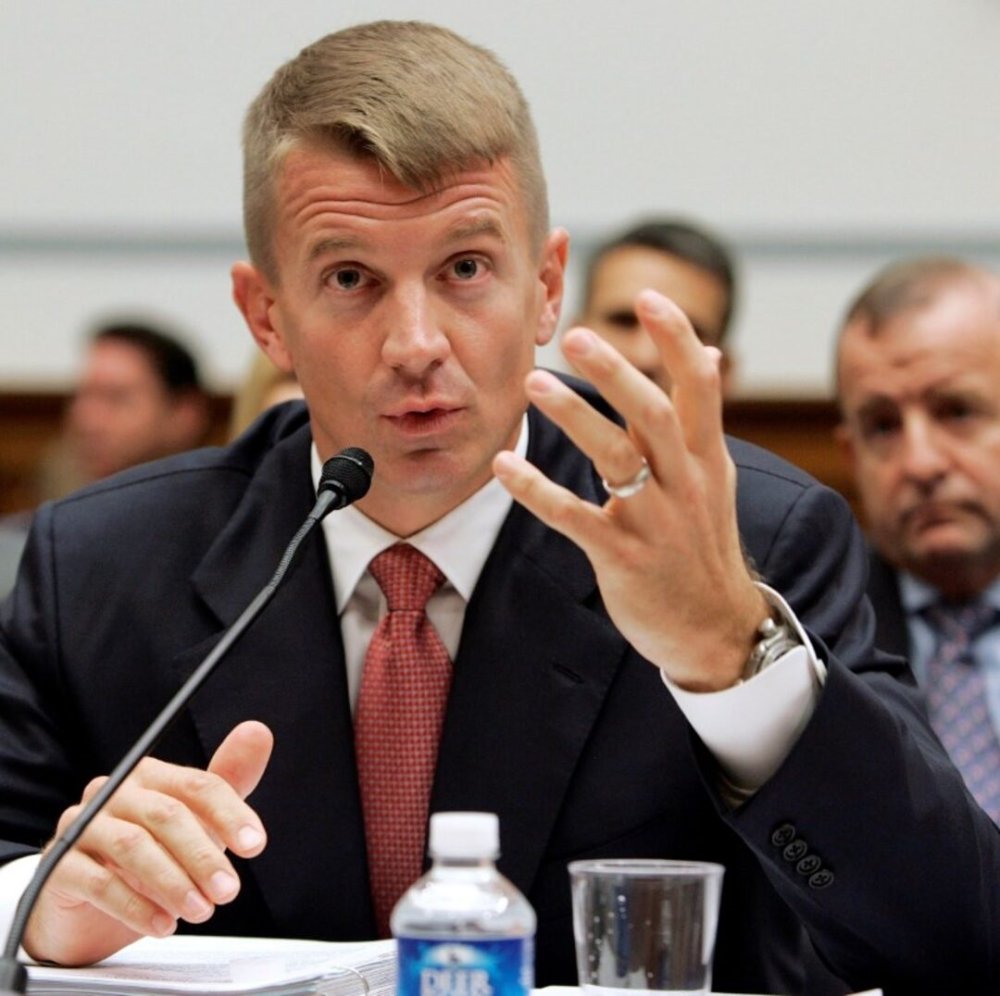
The report also details a confidential five-year cooperation agreement signed between the DRC government and American security contractor Erik Prince in December 2024. Prince is best known as the founder of the private military company Blackwater.
Under the agreement, Prince committed to providing military assistance to FARDC and overseeing security at mining sites across the country through contractors working under his companies.
Prince is best known as the founder of the private military company Blackwater.
In June 2025, Prince’s United Arab Emirates-based company, Quantum Global Consulting, registered a subsidiary in the DRC known as Quantum Global Consulting Africa.
The company also established another entity, Vectus Global, headed by Christophe Sirot, a dual French-American national.
According to the report, Vectus Global signed a contract with the DRC Ministry of Finance to help increase state revenues from mining, combat cross-border smuggling, tackle corruption and reduce tax evasion.
At the end of April 2026, the Ministry of Finance announced the creation of a special unit tasked with securing mining sites, replacing soldiers and police officers previously assigned to those duties. The UN experts say the unit appears to be linked to Vectus Global.
The report further states that the agreement contained confidential military provisions assigning Vectus Global responsibility for strengthening border security, particularly in areas near Rwanda and Zambia.
The contract also authorised the company to advise FARDC on the acquisition and operation of combat aircraft and to recruit former foreign military personnel to support the Congolese armed forces.
According to the UN experts, the broader objective was to strengthen FARDC’s military capabilities against Rwanda through advanced military technology, specialised training, strategic advice and the acquisition of modern weapons.
By late 2025, one Vectus employee told the UN investigators that the company’s priorities had shifted from securing mining operations to supporting military activities as the conflict intensified.
In February 2026, another employee reportedly told the experts that the DRC government had enlisted Vectus Global to help plan an operation to retake the city of Uvira after it fell to AFC/M23 fighters, with company personnel deployed to South Kivu to support the operation.
However, during an interview with the UN experts in March 2026, Sirot denied that Vectus Global had participated in combat operations, insisting that the company’s contract did not include any battlefield role.
The report nevertheless says multiple witnesses, including Vectus employees, identified Sirot as the individual responsible for coordinating the company’s military-related activities.
More than 300 recruits from El Salvador
Another major finding concerns the recruitment of former soldiers and police officers from El Salvador.
According to the report, former Salvadoran military personnel and police officers began arriving in the DRC from July 2025 to support the government’s coalition in its conflict against AFC/M23.
Initially assigned to maintain military equipment in Kisangani, Tshopo Province, many were later redeployed to Walikale, Baraka and Kalemie.
The UN experts found that a company known as Importaciones de Productos Americanos S.A. de C.V. coordinated the recruitment of more than 300 mercenaries in El Salvador for deployment to the DRC.
The company is registered in El Salvador and is owned by Juan Emilio Velasco Alfaro, a retired colonel in the Salvadoran military, and Rodrigo Antonio Tejada Alvarengar, a former lieutenant.
Most recruits signed one-year contracts that came into effect in July 2025, with each promised a monthly salary of US$4,225.
The report says some of the recruits returned to El Salvador before completing their contracts because of delays in salary payments by the DRC government or injuries and illnesses sustained during deployment.
The Government of El Salvador told the UN experts that it was unaware its citizens had travelled to fight in the DRC and had never authorised their deployment.
The Prime Minister made the disclosure on June 9, 2026, while presenting to both chambers of Parliament an overview of government efforts aimed at strengthening the country’s economic resilience and improving citizens’ welfare.
Dr. Nsengiyumva said Rwanda’s economy has continued to demonstrate strong performance despite various internal and external challenges.
He noted that the country’s Gross Domestic Product (GDP) grew by 10% in the first quarter of 2026, contributing to the creation of more than 240,000 jobs since the first quarter of 2025.
According to the Prime Minister, the country’s economic growth has been supported by increasing private sector investment.
“From 2024 until June this year, private sector investment projects worth nearly $8 billion were registered. These investments are expected to create approximately 118,000 jobs,” Dr. Nsengiyumva said.
Rwanda has set a target of creating 250,000 jobs every year by 2029 as part of efforts to expand employment opportunities and support economic development.
The country’s GDP reached Frw 6.346 trillion in the first quarter of 2026, compared to Frw 5.276 trillion recorded during the same period in 2025, representing a 10% increase.
The services sector remained the largest contributor to economic output, accounting for 52% of GDP, followed by industry at 24%, agriculture at 19%, and other sectors contributing the remaining 5%.
Agricultural production increased by 8%, while industrial output grew by 13%. The services sector also recorded a 7% rise during the period under review.
Other sectors also registered growth, with wholesale and retail trade increasing by 11%. Transport services grew by 11%, driven by a 10% rise in land transport activities, while air transport recorded a 7% increase.
The latest figures highlight Rwanda’s continued efforts to attract investment, expand economic activity, and create more employment opportunities as the country works toward its long-term development goals.
Rwanda registers $8 billion in private investment projects by June 2026
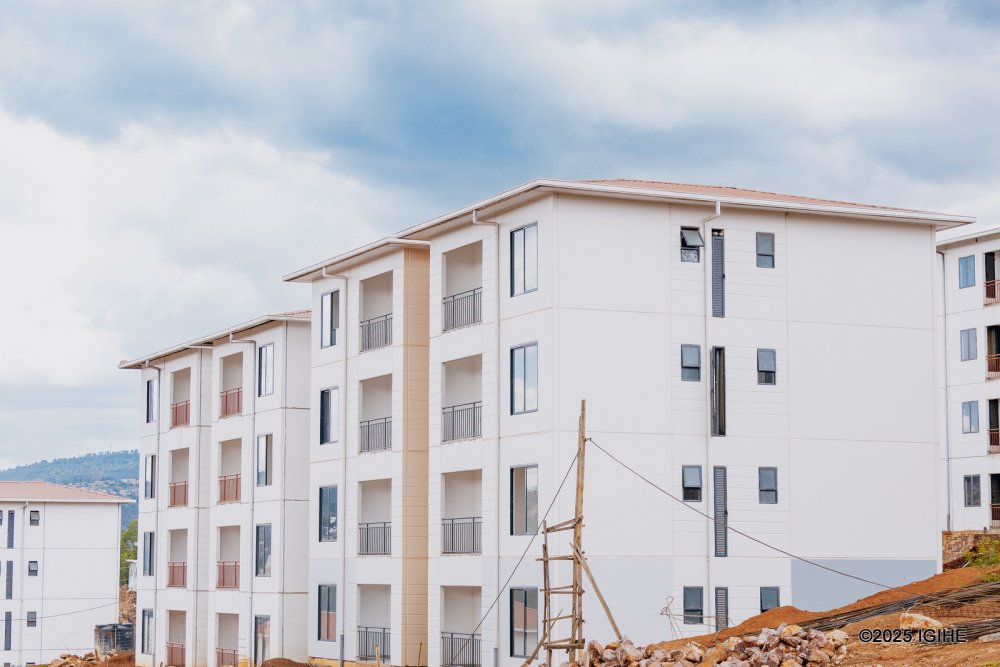
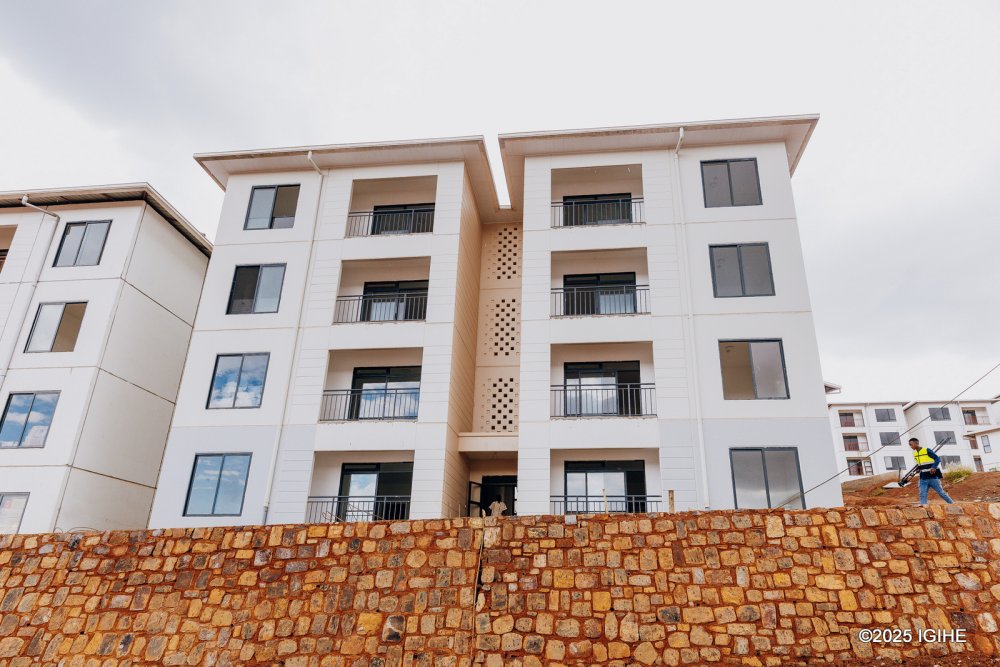
The affordable housing project, located in Kinyinya Sector, Gasabo District, Kigali, is being developed by RSSB and comprises 548 housing units designed for different categories of buyers, including workers, families, Rwandans living abroad and others seeking to own homes.
The development features both apartments and townhouses. The apartment blocks include two- and three-bedroom units, each with two bathrooms, while the townhouses are available in two categories, offering two- and three-bedroom options across two- and three-storey designs.
The estate is also planned to include commercial spaces, a nursery school, sports facilities, including basketball and volleyball courts, as well as landscaped gardens and recreational areas for residents.
The project has, however, faced significant delays since its launch in 2014. A report by the Office of the Auditor General for the financial year ending June 2025 highlighted a 10-year delay in its implementation.
Appearing before Parliament’s Public Accounts Committee (PAC) to respond to concerns raised in the report, Rugemanshuro said several challenges affected progress, forcing RSSB to take on responsibilities beyond its initial mandate.
He cited land compensation as one of the issues that delayed the project, explaining that although such payments were not originally part of RSSB’s responsibilities, the institution eventually intervened to ensure the project moved forward.
“Sometimes we had to work with other government institutions responsible for specific areas to make sure the project was completed,” Rugemanshuro said.
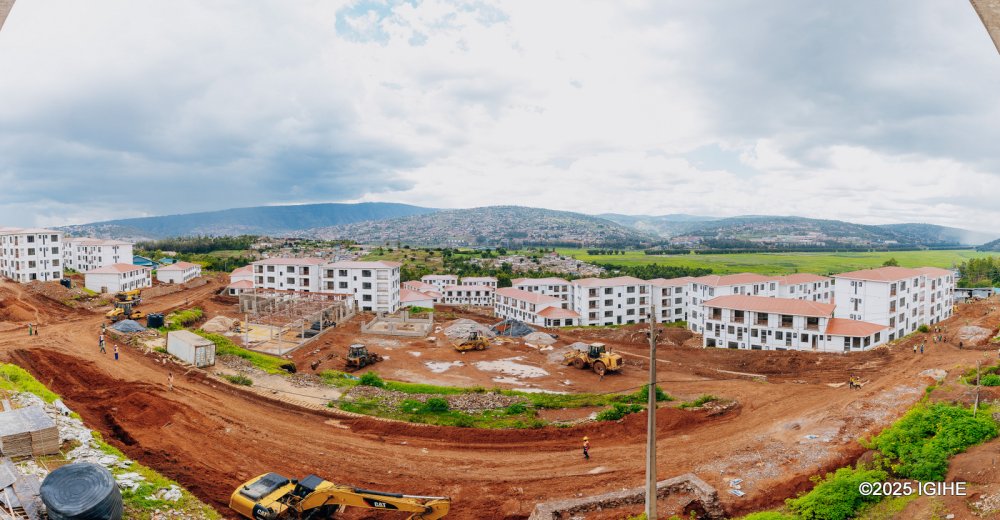
He told lawmakers that construction of the housing units is now 97 percent complete, while infrastructure works stand at 70 percent completion.
“The project is expected to be completed in December 2026. The houses are already at 97 percent completion, while infrastructure has reached 70 percent,” he said.
Infrastructure works include roads, water supply systems, wastewater treatment facilities and street lighting.
So far, 70 percent of the houses have already been sold, with the remaining 30 percent still available on the market.
PAC Chairperson Muhakwa Valens sought clarification on whether the reported 70 percent infrastructure completion covered all key facilities required for residents to occupy the estate, including roads, drainage systems, water facilities and lighting.
“We want to have a complete picture of this project so that we can conclude that the Batsinda issue has been resolved,” Muhakwa said.
Responding to the concerns, Rugemanshuro assured the committee that buyers would be able to move into their homes by January 2027.
“By January 2027, those who have paid for their houses should be living in them. The roads, water reservoirs, street lighting and other facilities should also be completed by then, unless an unforeseen challenge beyond our control occurs,” he said.
The homes are priced from Rwf80 million for a two-bedroom townhouse to Rwf117 million for a three-bedroom townhouse. Apartment units range from Rwf101 million to Rwf111 million.
Heza Estate in Batsinda is set to provide modern housing units alongside community facilities and recreational spaces for future residents.Heza Estate in Kinyinya Sector, Gasabo District, features a mix of apartments and townhouses designed to provide affordable housing options for different categories of buyers.Construction works at Heza Estate include housing units, roads, water facilities and other infrastructure expected to support residents once the project is completed.
The subsidy helped keep the price of diesel at Rwf 2,927 per litre on the Rwandan market, instead of rising to about Rwf 3,600 per litre, which would have been the expected price without government intervention.
Prime Minister Nsengiyumva made the remarks on July 9, 2026, while presenting to a joint session of Parliament the government’s measures to strengthen Rwanda’s economic resilience and protect citizens’ welfare amid domestic and global challenges.
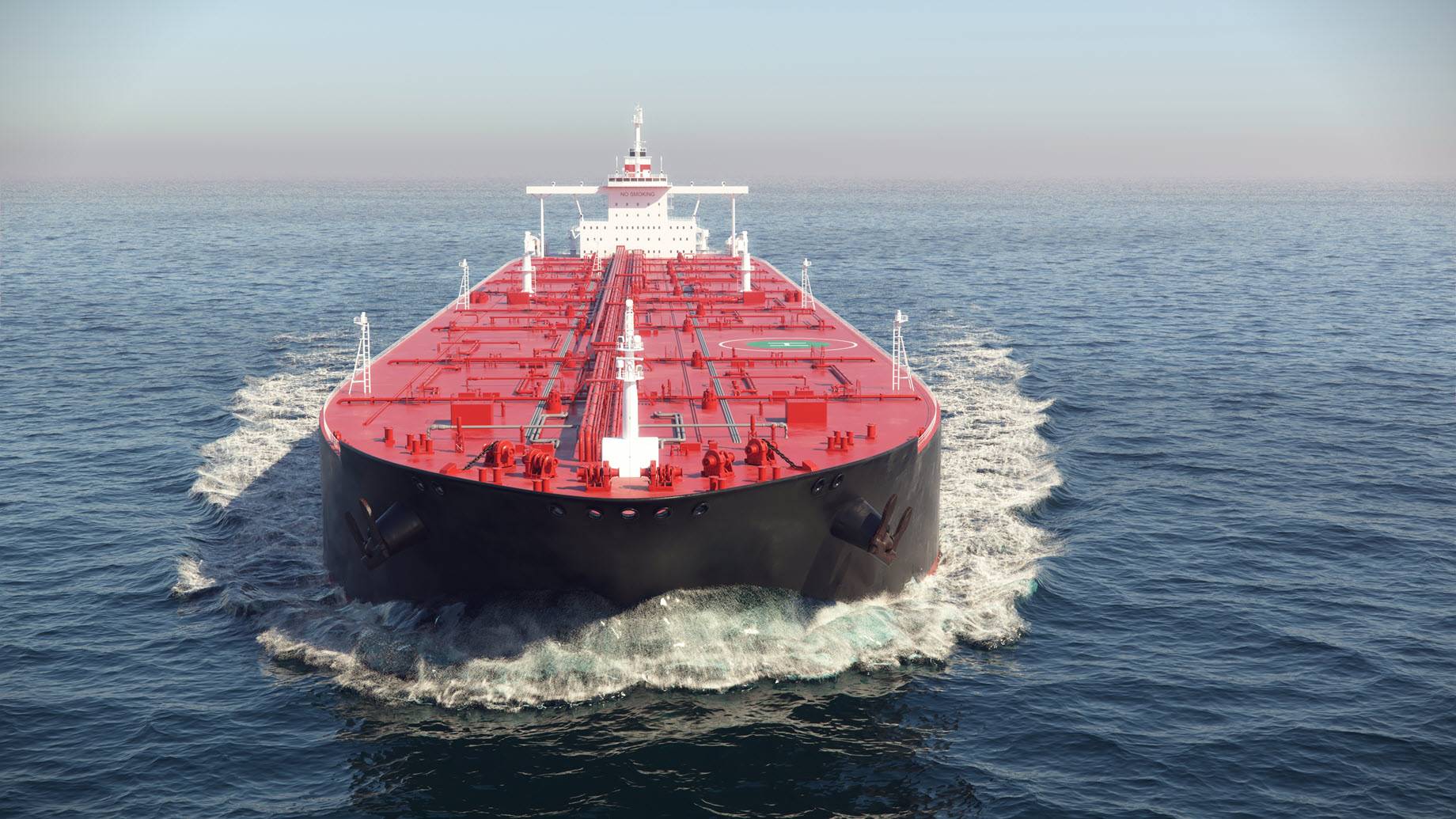
Global trade has been significantly affected by international conflicts, including tensions in the Middle East, which have contributed to disruptions in fuel markets.
Petroleum prices on international markets began rising sharply in February 2026, with the price of a barrel of crude oil increasing from about $70 to more than $126.
The increase pushed petrol prices up by nearly 48 percent and diesel prices by about 50 percent.
The rise affected several sectors, including transport, fertilizer, cooking gas and food prices, contributing to increased living costs.
Dr. Nsengiyumva said the government responded by implementing measures aimed at protecting the economy and limiting the impact of price fluctuations.
“From March to June 2026, the government provided subsidies worth nearly Rwf 48 billion to the transport of people and goods to reduce the impact of rising fuel prices,” he said.
He added that the intervention helped slow the increase in transport costs and prices of other goods, preventing severe disruptions to citizens’ livelihoods and economic activities.
Under the latest fuel price review announced on June 5, 2026, a litre of petrol is selling at Rwf 2,938, while diesel is priced at Rwf 2,927 per litre.
Rwanda currently has storage capacity for about 118 million litres of petroleum products, with plans to increase this capacity to 230 million litres by 2029.
“This will help the country withstand shocks from international markets and ensure a reliable supply of petroleum products,” Dr. Nsengiyumva said.
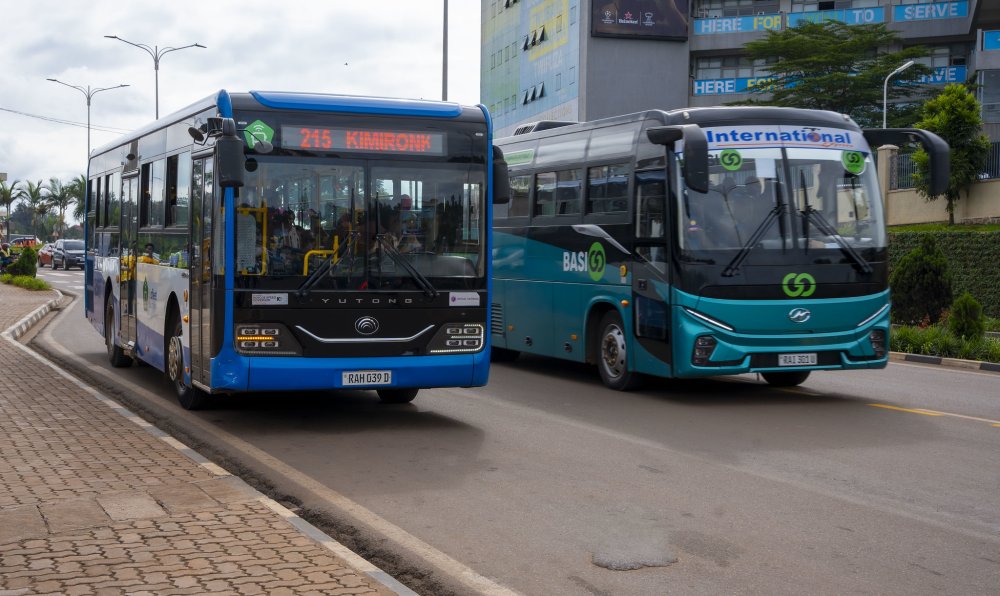
Meanwhile, the number of passengers using buses has increased by 15 percent over the past six months.
Rwanda spent more than Rwf 47.7 billion on transport subsidies between March and June 2026 to cushion citizens and businesses from the impact of rising global fuel prices.
Prime Minister Dr. Justin Nsengiyumva announced the development on July 9, 2026, while presenting to a joint session of Parliament the government’s measures to enhance Rwanda’s economic resilience and safeguard citizens’ welfare against both domestic and external shocks.
He said the shipment, which is expected to arrive at Tanzania’s Port of Tanga by the end of July, is part of a new government-led fuel procurement strategy implemented through the Rwanda National Energy Company (RNEC) in partnership with oil-producing and refining countries.
“The government has introduced a centralized system for importing refined petroleum products through RNEC to make fuel imports more efficient and achieve sustainable reductions in fuel prices,” Dr. Nsengiyumva told lawmakers.
He added that the first vessel carrying 40,000 metric tonnes of petroleum products is expected to dock at the Port of Tanga by the end of July, with Rwanda planning to receive similar shipments every month thereafter.
“These regular shipments will help ensure lower and more stable fuel prices over the long term,” he said.
The initiative follows a series of bilateral agreements aimed at diversifying Rwanda’s fuel supply routes and strengthening energy security.
On June 29, 2026, Rwanda signed a government-to-government agreement with Kenya to facilitate the importation of petroleum products through the Port of Mombasa. The agreement grants Rwanda access to Kenya’s fuel storage facilities, transport infrastructure and pipeline network.
The arrangement is expected to improve the reliability of fuel supplies, reduce logistical bottlenecks and allow for more predictable import planning.
Rwanda also signed a separate agreement with Tanzania to import petrol and diesel through the Port of Tanga. The deal was concluded between RNEC and Gulf Bulk Petroleum Tanzania Limited (GBP).
The government expects the new procurement arrangements to reduce transport costs, improve fuel availability and shield the domestic market from price volatility.
Under the latest fuel price review announced on June 5, 2026, a litre of petrol is retailing at Rwf 2,938, while diesel is priced at Rwf 2,927 per litre.
Prime Minister Dr. Justin Nsengiyumva announced that Rwanda is set to receive 40,000 tonnes of petroleum products as a new supply plan takes effect.
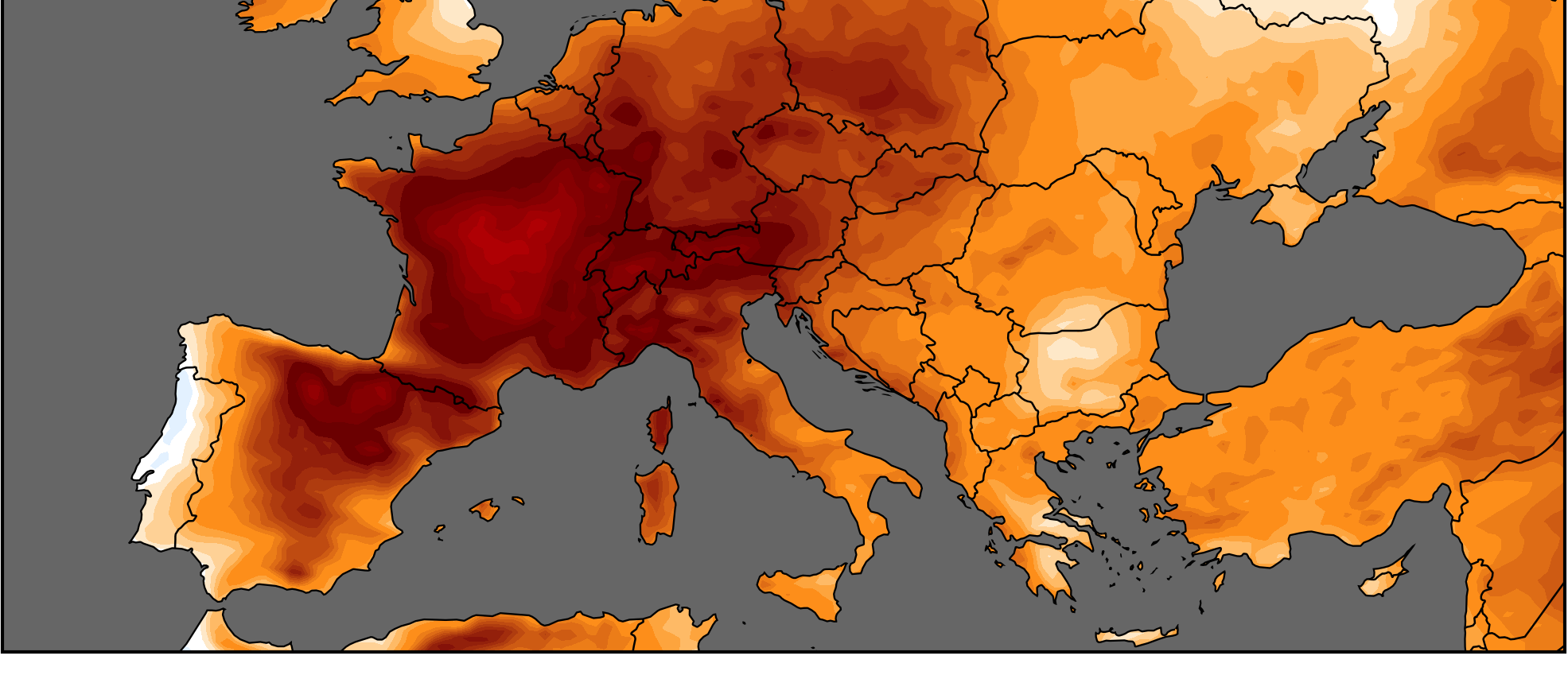
The report, issued by NOAA’s National Centers for Environmental Information (NCEI), also found that both the Arctic and Antarctic recorded June sea ice extents ranking among their respective 10 lowest on record, while global tropical cyclone activity was above average.
Global surface temperatures in June were 1.09 degrees Celsius above the 20th-century average, making it the second-warmest June on record, trailing only 2024, the report said.
Warmer-than-average conditions prevailed across much of the world during the month, with several continents and regions recording one of their 10 warmest Junes on record.
The report said global sea ice extent was the fourth smallest for June in the 48-year satellite record, covering 22.7 million square km, or about 2.02 million square kilometers less than the 1991-2020 average.
Looking at the year to date, the January-June global surface temperature was the third-highest on record. According to NCEI’s Global Annual Temperature Outlook, it is very likely that 2026 will rank among the five-warmest years on record.
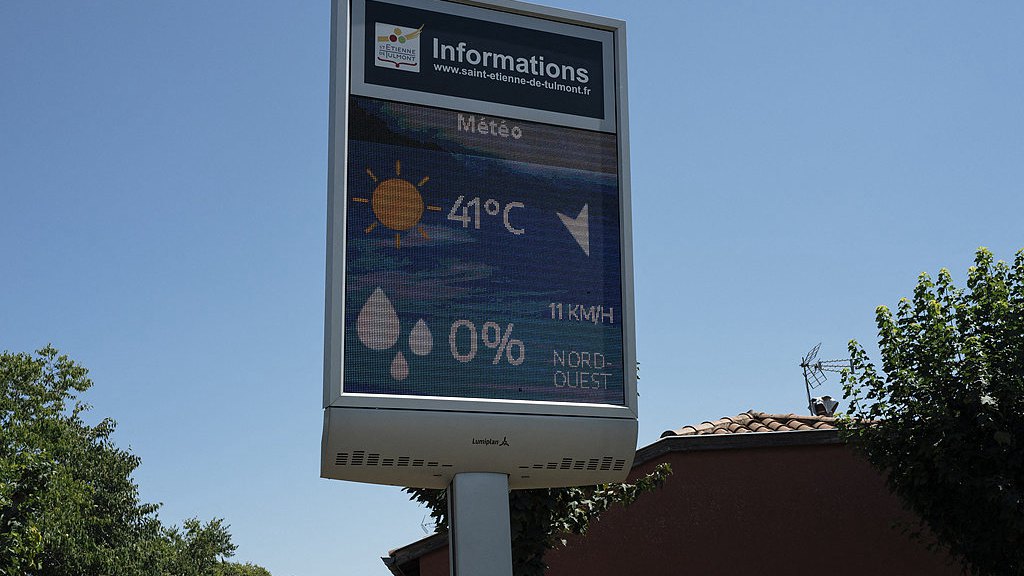
An illuminated sign reads 41 degrees Celsius at the entrance to a local village in the Tarn-et-Garonne department, Occitanie, France, July 9, 2026. /VCG
Khamenei’s eldest son Mostafa Khamenei led and performed the ritual prayers over the bodies before the late leader and his family members killed in the same attack were buried, the report said.
The funeral procession began at 15:00 local time (1130 GMT) on Thursday as huge crowds accompanied the coffins along the route to the holy shrine while gathering around the vehicle that was carrying them.
The several-day mourning ceremonies for Khamenei began on July 3 in Tehran, where many high-ranking Iranian and foreign officials paid their respects to the late leader at a ceremony at Imam Khomeini’s Mosalla prayer hall.
It was followed by a two-day farewell ceremony at the same venue on the weekend, and on Monday, a funeral procession was held in Tehran attended by huge crowds from across the country.
On Tuesday, a funeral ceremony was held in Iran’s central city of Qom, followed by mourning ceremonies in the Iraqi cities of Najaf and Karbala the next day.
Ali Khamenei served as Iran’s supreme leader for nearly 37 years. He was killed in a U.S.-Israeli attack on Feb. 28. His son, Mojtaba Khamenei, was selected as Iran’s new supreme leader in March.
Huge crowds gather for the burial of Iran’s late Supreme Leader Ali Khamenei at the Imam Reza Shrine in Mashhad, Iran, July 9, 2026. /VCG
According to TransUnion Rwanda’s Q1 2026 Consumer Pulse Study, 98% of Rwandans consider access to credit and lending products important to achieving their financial goals. However, only 42% believe they have sufficient access to the credit products they need, exposing a significant gap between demand and availability.
The findings come as Rwanda continues to expand formal financial services and digital payments, with 96% of the population now having access to financial services, according to TransUnion Rwanda Chief Executive Officer Didier Mutambazi.
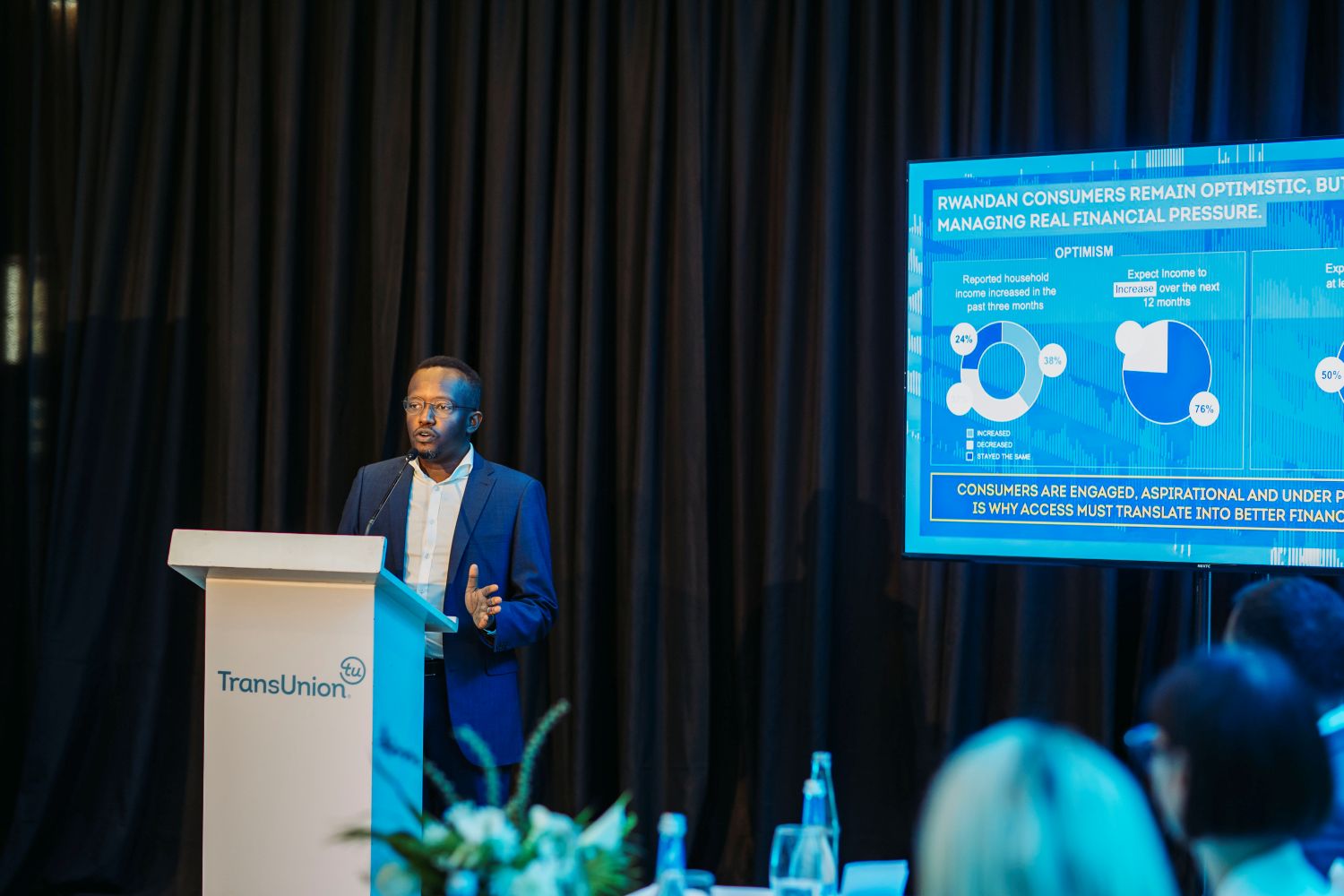
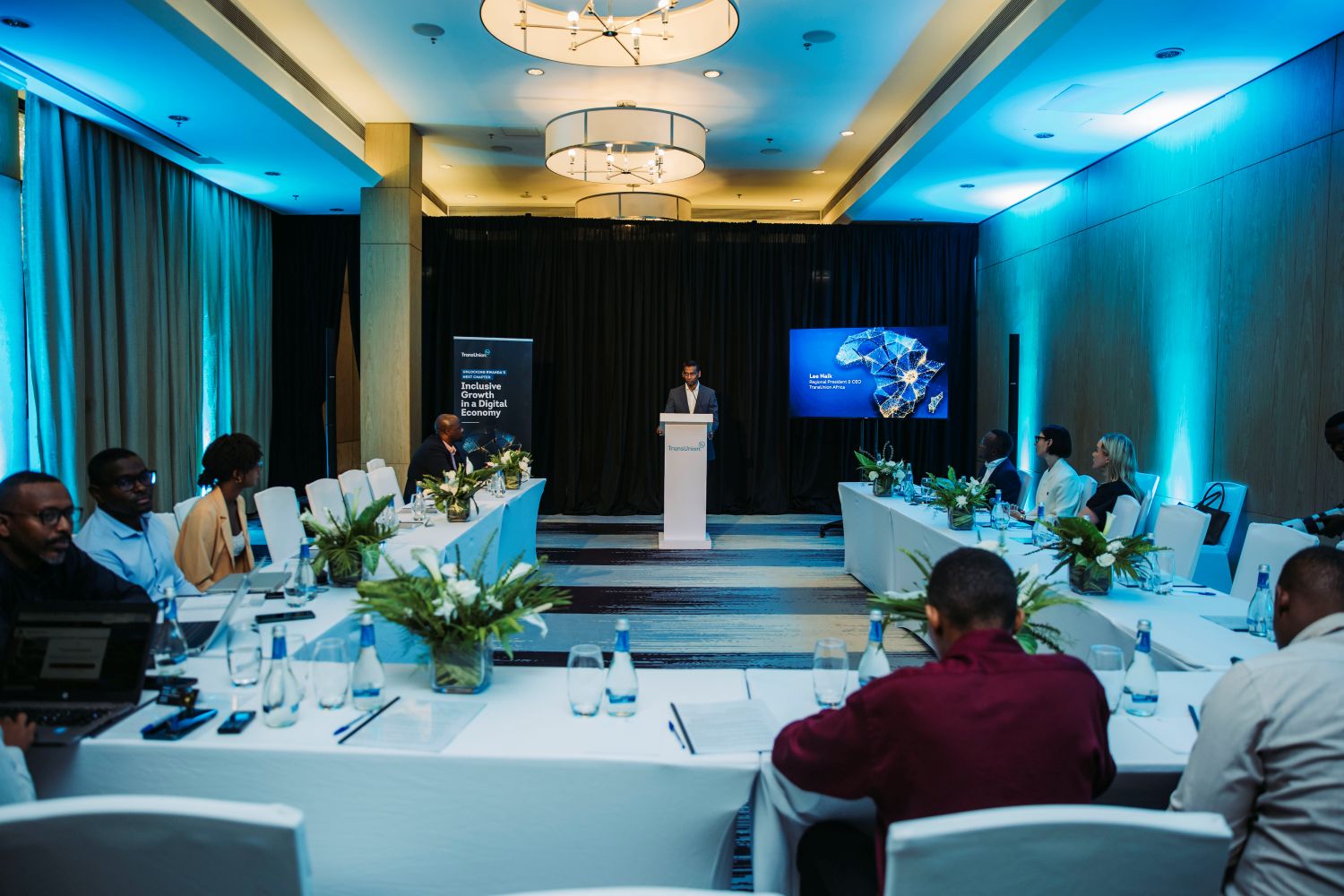
“As we look at the growth of our economy, 9.4% GDP growth is a good number. The conversation we want to have today is how we ensure that, as the country grows, we also see improvements in the lives of consumers and how, as a financial industry, we all come together to solve the real problems affecting them,” Mutambazi told journalists during the launch of the report at Kigali Marriott Hotel on Thursday, July 9, 2026.
Demand remains high
The survey, conducted between February 10 and March 9, 2026, among 259 adults, shows that 56% of consumers plan to apply for new credit or refinance existing loans within the next year, reflecting sustained appetite for borrowing. Personal loans emerged as the most sought-after product, with 47% of prospective borrowers intending to apply, followed by student loans (28%) and Buy Now, Pay Later (BNPL) services (22%).
Yet many consumers are unable to translate that demand into actual borrowing.
Nearly half (49%) of respondents who considered applying for credit ultimately abandoned their plans. The most common reasons included concerns over income or employment (33%), the high cost of credit (30%), and the belief that refinancing would not significantly improve their repayments (22%).
Mutambazi said the findings indicate that the challenge is no longer simply expanding financial access but enabling more people to actively participate in the credit market.
“Today, only about 40% of consumers in the market are credit visible, while around 60% are not yet visible. This is a challenge we must address if we are to expand participation and increase usage of credit,” he said.
To tackle this, TransUnion is working with lenders to incorporate alternative data, including mobile money transactions, into credit assessments to help consumers with limited borrowing histories build credit profiles.
Financial optimism persists
Despite the access challenges, the survey paints a relatively optimistic picture of household finances.
About 76% of respondents expect their household income to increase over the next 12 months, while another 16% expect it to remain stable. At the same time, 38% reported their incomes had increased over the previous three months, compared with 24% who experienced declines.
However, financial pressures remain evident.
Half of respondents said they expect to be unable to pay at least one current bill or loan in full. Among those anticipating difficulties, many plan to make partial payments, use savings or take on temporary work to meet their obligations.
The report notes that these coping mechanisms reflect resilience rather than declining confidence, as households continue adjusting to economic pressures while maintaining cautious optimism.
From financial inclusion to economic inclusion
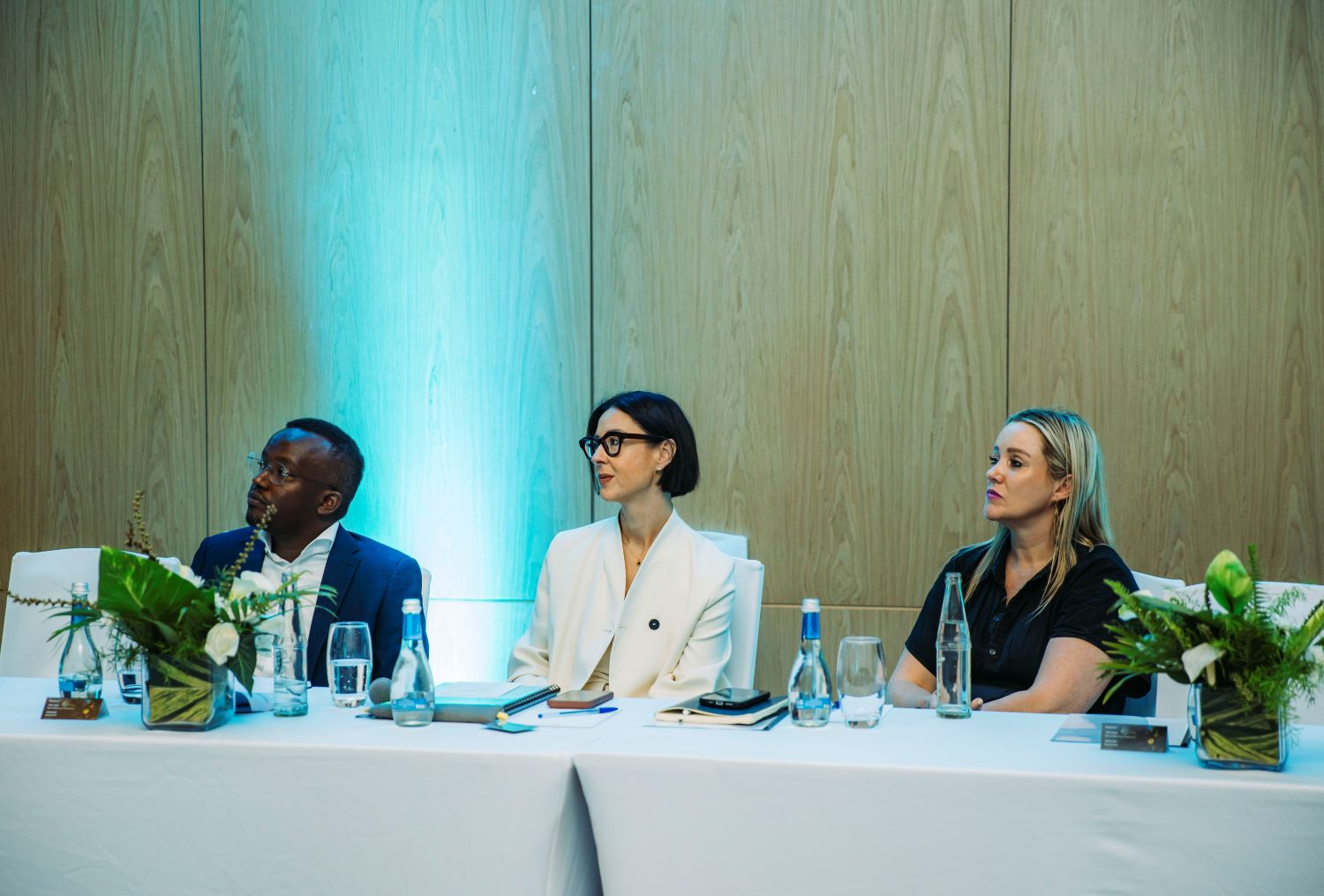
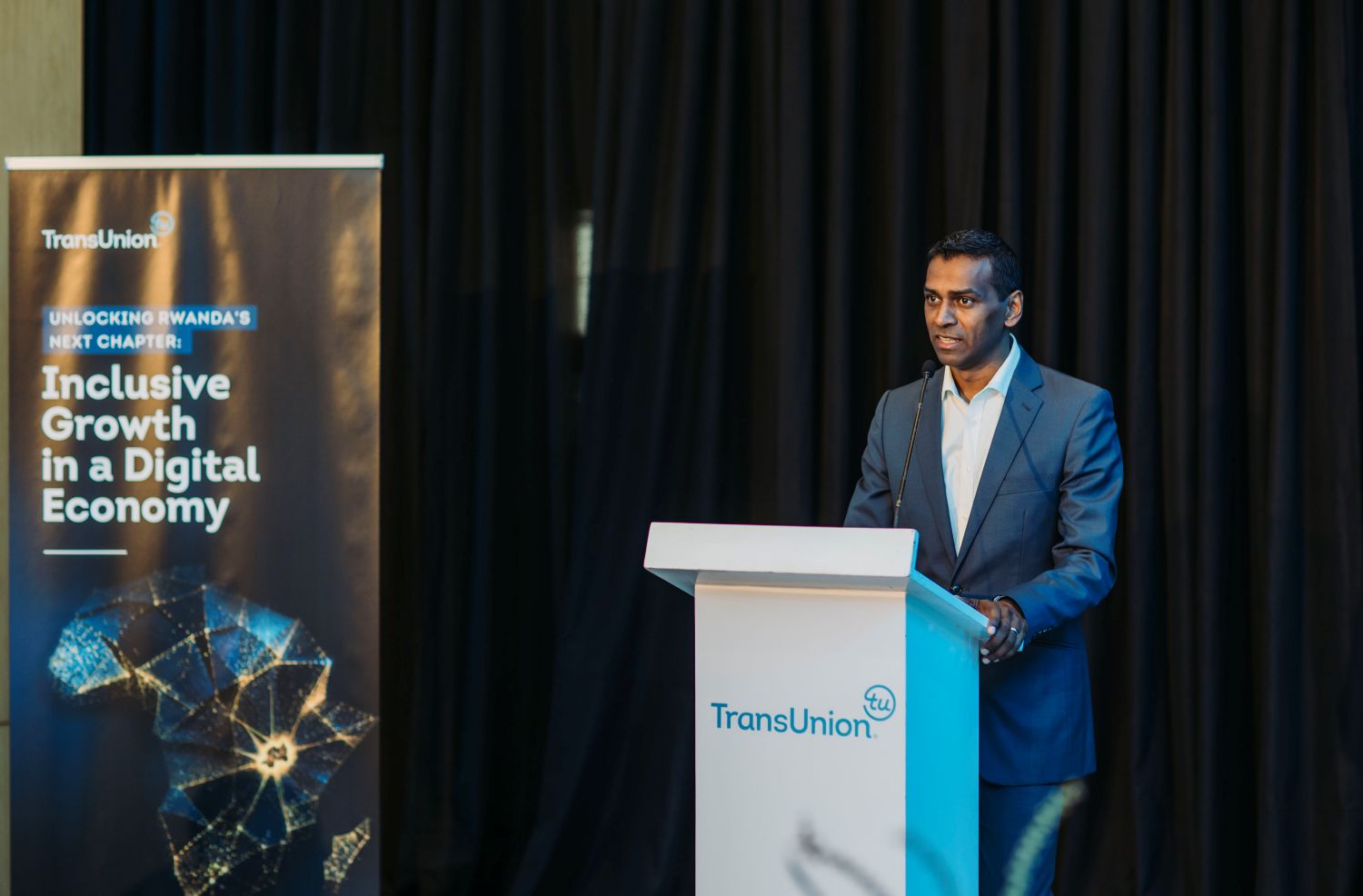
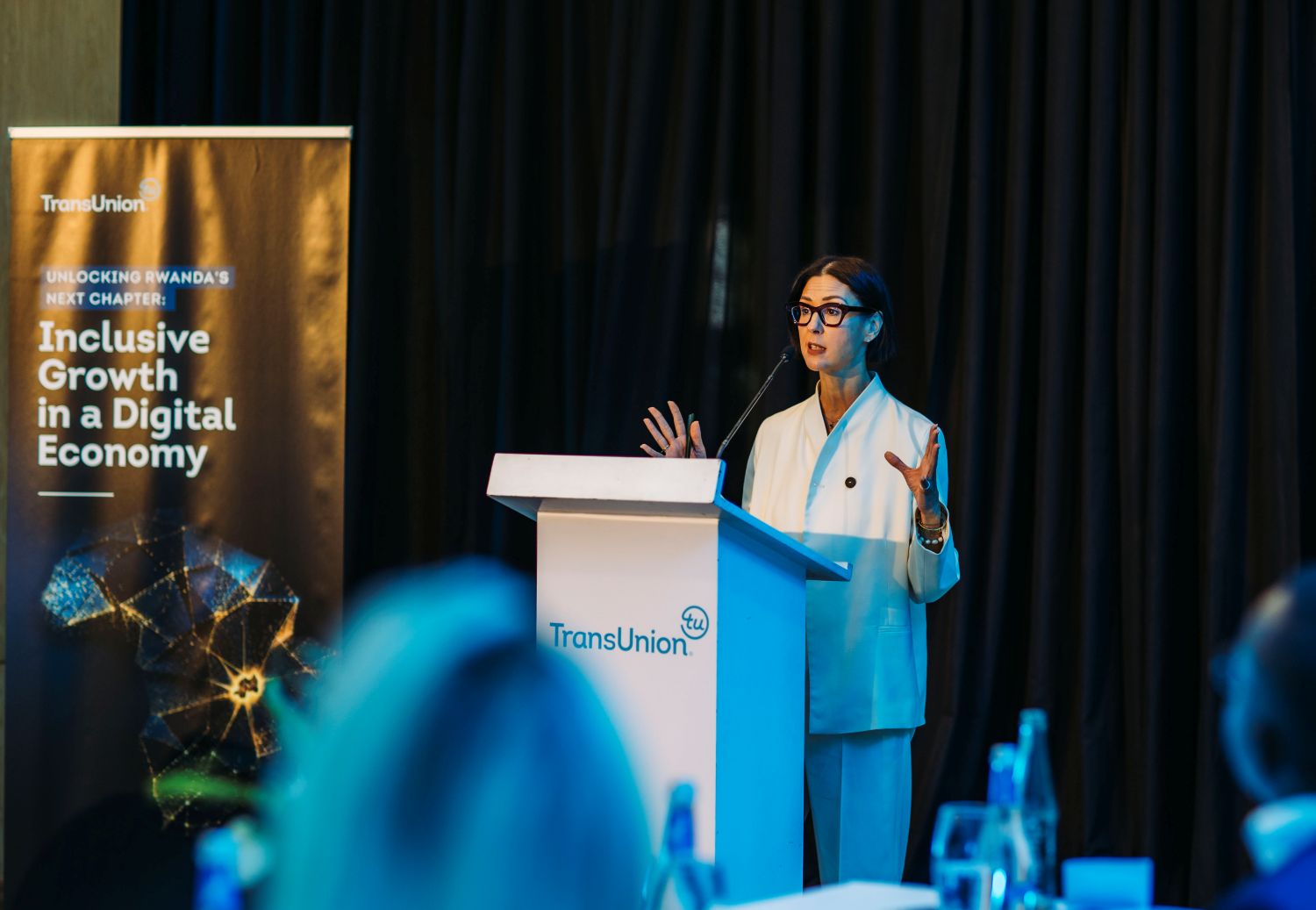
Speaking at the report’s launch, TransUnion Africa Regional President and CEO Lee Naik argued that Rwanda’s next challenge extends beyond simply expanding access to financial services.
“Financial inclusion is not just about accessing a way to pay bills or move money around. Financial inclusion is the ability to give people access to opportunity,” he said.
He noted that greater access to credit would enable more Rwandans to purchase homes and vehicles, finance education, and invest in small businesses, particularly given that micro, small and medium-sized enterprises account for more than 70% of employment across Africa.
Naik also described financial inclusion, digital trust, cross-border collaboration, agri-finance and renewable energy financing as key trends that will shape Africa’s economic future over the next five years.
Building on that vision, Jeannine Naude, Vice President and Head of Africa Regions at TransUnion, said unlocking greater financial inclusion will require stronger collaboration across the financial ecosystem.
She said banks, fintechs, telecommunications companies and regulators must work together to build trusted digital infrastructure and develop financial products that reflect how consumers actually earn, save and transact. Such collaboration, she noted, will be key to expanding responsible lending and ensuring more people can participate meaningfully in Rwanda’s growing digital economy.
Credit awareness on the rise
The study also found that consumers are becoming increasingly engaged with managing their financial profiles.
Seventy percent of respondents said they monitor their credit reports at least once a month, while 96% believe keeping track of their credit information is important. Meanwhile, 57% believe their credit scores would improve if lenders incorporated alternative data, such as rental payments and other non-traditional financial information, into credit assessments.
Mutambazi said this openness presents an opportunity for financial institutions to broaden lending without increasing risk.
“The future is bright,” he said. “As an industry, we must work collaboratively on initiatives to meet this demand.”
Digital trust remains critical
As Rwanda’s digital economy expands, the survey also highlights the importance of strengthening trust in digital financial services.
Some 62% of respondents said they had been targeted by at least one form of digital fraud during the previous three months. However, only 9% said they actually became victims, suggesting that while fraud attempts are widespread, many consumers are successfully avoiding scams.
Naik said Rwanda compares favourably with several other African markets, where fraud victimisation rates are considerably higher, but stressed that continued investment in digital security and consumer education remains essential.
“Access creates participation, but trust sustains it,” Mutambazi said, adding that expanding financial inclusion will increasingly depend on building confidence in digital systems while ensuring more consumers can access affordable and suitable credit products.
TransUnion, the global credit reporting and information services company behind the survey, operates across more than 30 countries, including Rwanda and several African markets. The company provides credit data and analytical insights that help financial institutions assess risk, expand access to credit, and enable consumers to participate more confidently in the financial system.
Beyond its traditional credit reporting services, TransUnion has expanded into areas such as fraud prevention, marketing, and advanced analytics, using data to support more informed financial decisions for businesses and consumers.
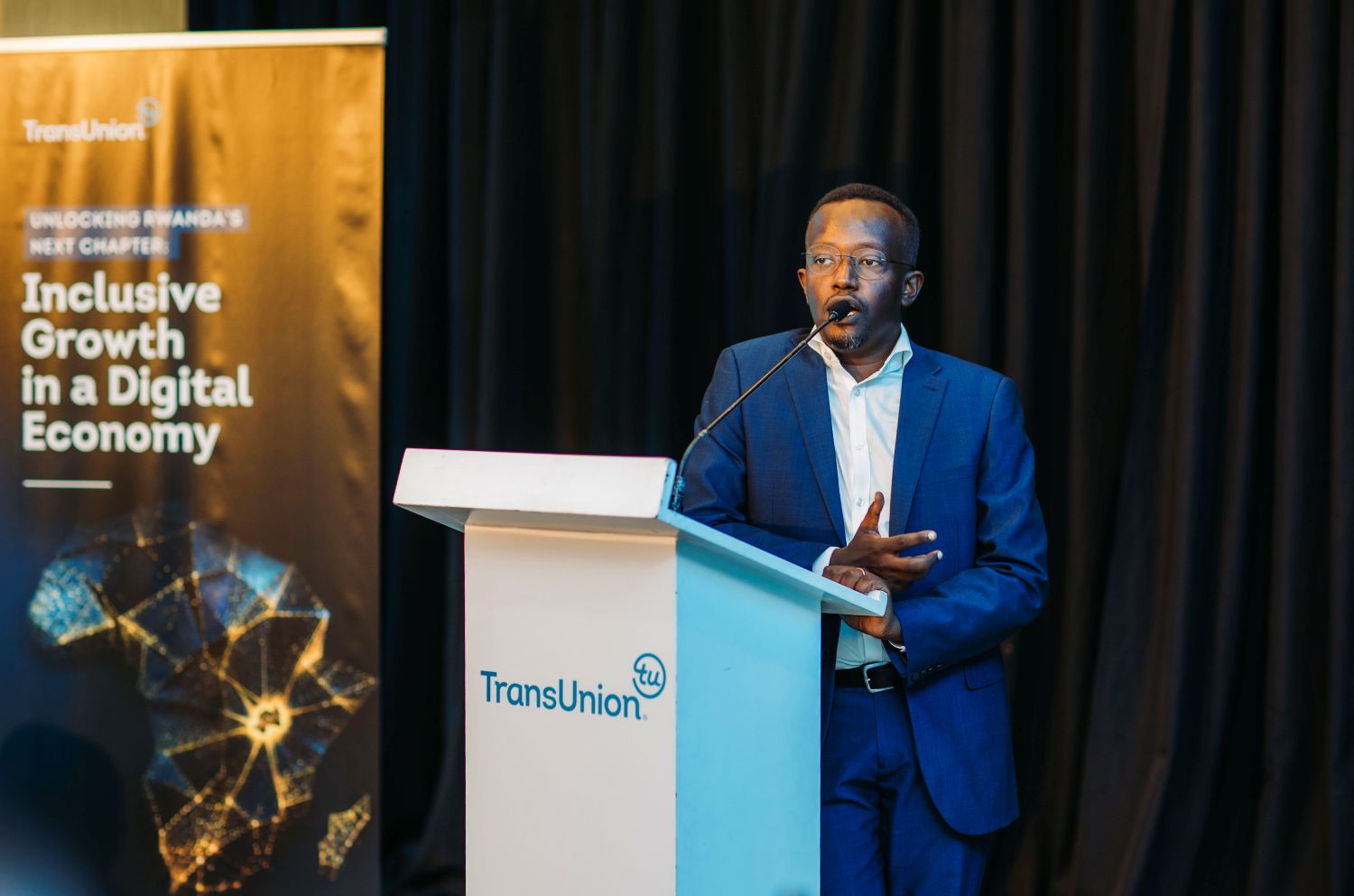
TransUnion Rwanda Chief Executive Officer Didier Mutambazi makes a presentation during the release of the survey on Thursday. Mutambazi said the findings indicate that the challenge is no longer simply expanding financial access but enabling more people to actively participate in the credit market.Speaking at the report’s launch, TransUnion Africa Regional President and CEO Lee Naik argued that Rwanda’s next challenge extends beyond simply expanding access to financial services.Jeannine Naude, Vice President and Head of Africa Regions at TransUnion, said unlocking greater financial inclusion will require stronger collaboration across the financial ecosystem.
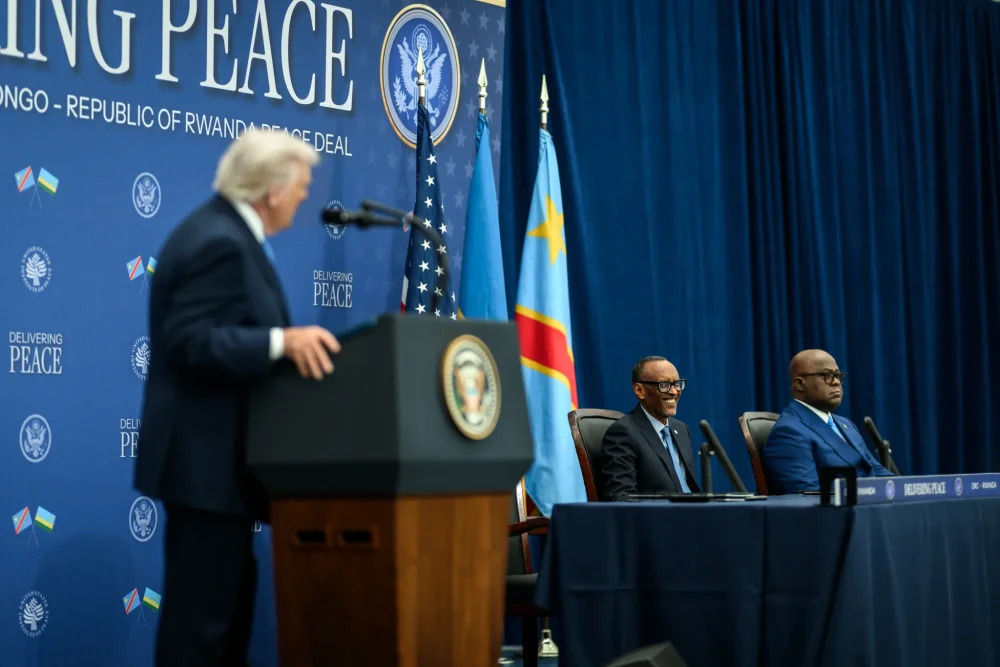
Trump made the remarks on July 8 while speaking to reporters aboard Air Force One after attending a NATO summit in Türkiye, where he portrayed the DRC conflict as one of eight wars he had helped bring to an end.
Responding to a question about Venezuelan opposition figure María Corina Machado, who he said had credited him with resolving conflicts around the world, Trump cited the tensions between the DRC and Rwanda among disputes he claimed to have settled.
“Think of the wars settled, eight wars that were going to last 30 years. Even if you look in the Congo, the Congo versus Rwanda. I settled it. After 14 years and about 15 million people had their heads chopped off. I settled that one,” Trump said.
Trump’s remarks appear to refer to the peace agreement signed by Rwanda and the DRC in Washington, which was designed to address years of tensions between the two neighbours.
The agreement outlines steps including the dismantling of the Democratic Forces for the Liberation of Rwanda (FDLR), an armed group linked to the 1994 Genocide against the Tutsi that Rwanda maintains remains a security threat and operates with support from elements within the Congolese security system.
Implementation of the agreement has faced significant challenges, with Kigali accusing Kinshasa of failing to honour its commitments, particularly regarding the neutralisation of the FDLR, while also questioning the neutrality of the US mediation.
Rwanda’s Foreign Minister Olivier Nduhungirehe recently expressed disappointment, arguing that peace cannot be achieved if only one party implements its obligations under the agreement, following sanctions imposed on Rwanda.
The agreement was built on two key pillars: the neutralisation of the FDLR and the lifting of Rwanda’s defensive measures. However, Nduhungirehe argued that implementation has stalled mainly due to what he described as a lack of political will from Kinshasa.
“The main issue is the political will by the government in Kinshasa to cease fire,” Nduhungirehe said, adding that drone attacks had intensified after the signing of the agreement.
He further accused the Congolese side of failing to take action against the FDLR, instead citing continued collaboration with the group.
Nduhungirehe said that while US officials had acknowledged partial progress by Rwanda, Washington had overlooked the DRC’s failure to fulfil its commitments under the agreement.
“So for us, we are disappointed by the increasingly biased U.S. mediation,” he said, stressing that peace agreements require both parties to implement their obligations simultaneously.
He questioned why sanctions had been imposed only on Rwanda, including recent measures targeting Rwanda’s Gasabo Oil Refinery and the Rwanda Defence Forces, while similar action had not been taken against the DRC.
According to the minister, sanctions risk undermining the mediation process.
“Those sanctions are unfair, one-sided and counter-productive,” he said, warning that applying pressure on only one party could embolden the other and worsen insecurity.
Trump’s claim also comes against the backdrop of continued clashes in eastern DRC, where the AFC/M23 rebel group and forces aligned with the Kinshasa government remain engaged in fighting despite diplomatic efforts.
At the end of last week, MRDP-Twirwaneho fighters allied with AFC/M23 announced that they had captured areas including Point-Zéro, Kalingi, Mikenke, Gitavi, Ilundu, Kalongi, Gakenke, Lubemba, Bicumbi and Baruta Rwitsankuku, locations previously held by forces comprising the Congolese army, Burundian troops, FDLR, Wazalendo fighters and foreign mercenaries.
On July 8, 2026, intense clashes were again reported in the same areas, involving FARDC-aligned forces and Twirwaneho fighters. The fighting was concentrated around Rugezi, Mulima, Point Zero, Kazaroho, Bilalo Mbili and Mikenke.
This followed heavy fighting in late June 2026 between Wazalendo militias and AFC/M23 near Ngungu town in Masisi territory, as well as in Rubaya, Bibwe, Minjenje and Pinga.
United States President Donald Trump’s claim that he “settled” the conflict in the eastern Democratic Republic of Congo (DRC) has drawn fresh questions over the state of the peace process, as continued tension in the region suggests that the crisis remains far from resolved.