The regional tournament is scheduled to take place in Kigali from July 24 to August 7, 2026, with matches to be played at Kigali Pelé Stadium and Amahoro Stadium. It will bring together top clubs from across East and Central Africa.
According to the Council of East and Central Africa Football Associations (CECAFA), the competition was initially expected to feature 12 teams, including representatives from Sudan. However, Al Merrikh confirmed that it will not take part after its technical staff requested a dedicated pre-season camp to help the team prepare for upcoming domestic and continental assignments.
“Al Merrikh SC confirms its withdrawal from the 2026 CECAFA Kagame Cup after the first-team technical staff requested a special training camp to prepare for the upcoming season,” the club said in a statement.
The club added that the decision followed an assessment of its preparation needs, with the coaching staff opting to hold an overseas camp to ensure the team is ready for the new season.
Al Merrikh, coached by Darko Nović, has recently strengthened its squad with new signings who are expected to arrive in Sudan on July 11. The team will then travel to Kigali on July 13 to begin its training camp.
Foreign players unable to join the squad in Sudan will link up with their teammates in Kigali, where the club plans to play a series of friendly matches as part of its preparations for the CAF Champions League and Sudan’s domestic league.
Al Merrikh’s withdrawal leaves fellow Sudanese side Al Hilal SC as the country’s sole representative in the tournament, which has been sponsored by President Paul Kagame since 2002.
The competition will now feature 11 teams, with the official draw set to take place on Friday, July 10, 2026, at Amahoro Stadium. Former Rwanda international Haruna Niyonzima will oversee the draw.
The 11 participating teams are:
• APR FC (Rwanda) • Rayon Sports (Rwanda) • Simba SC (Tanzania) • Singida Black Stars FC (Tanzania) • Vipers SC (Uganda) • Al Hilal SC (Sudan) • Gor Mahia FC (Kenya) • Mogadishu City FC (Somalia) • Jamus SC (South Sudan) • FC Garde Républicaine (Djibouti) • KVZ FC (Zanzibar)
Sudanese giants Al Merrikh SC have withdrawn from the 2026 CECAFA Kagame Cup, opting to focus on preparations for the 2026/27 season in which they are set to compete in the CAF Champions League.Al Merrikh, coached by Darko Nović, has recently strengthened its squad with new signings who are expected to arrive in Sudan on July 11.
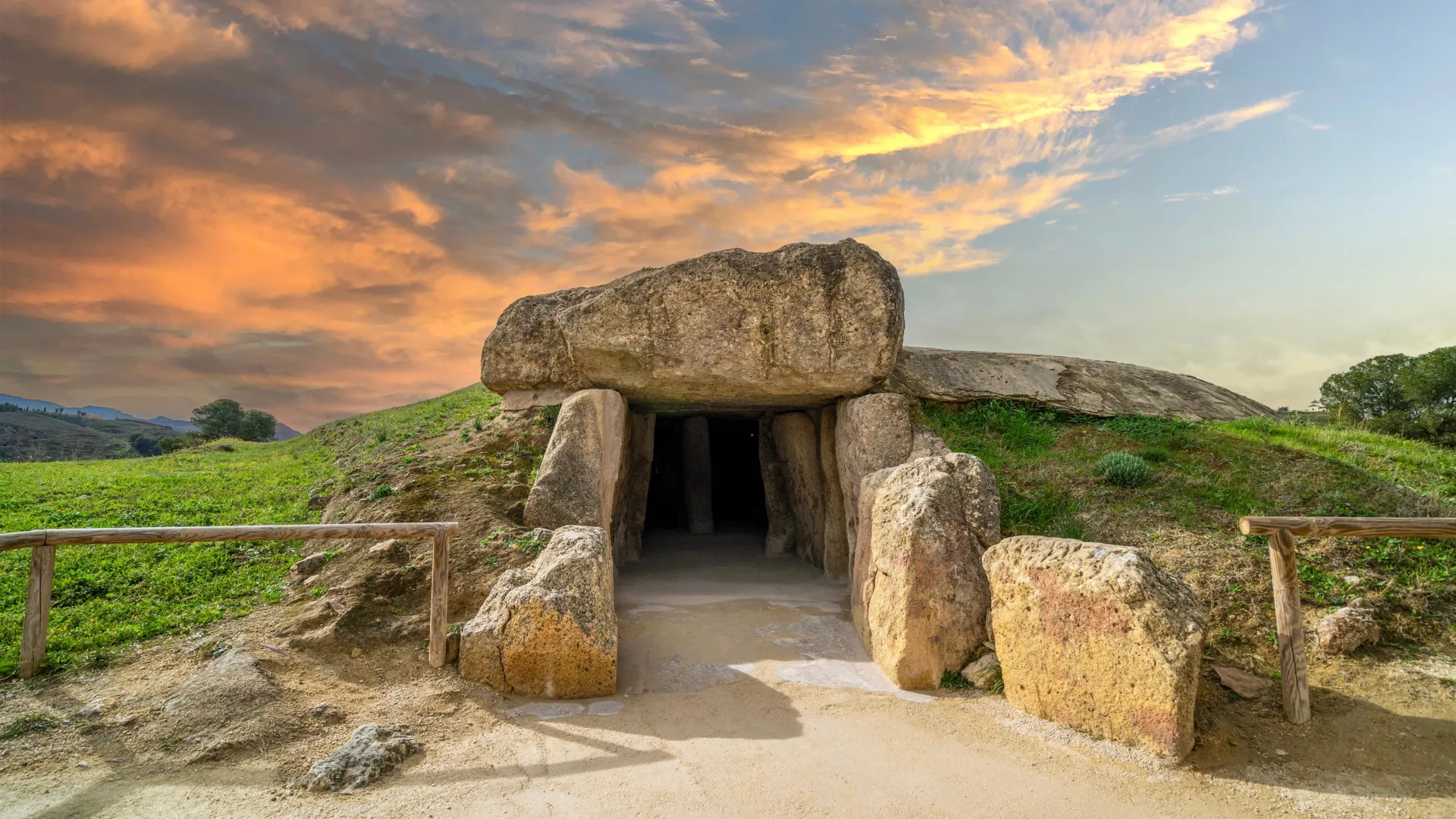
DNA recovered from a 5,000-year-old megalithic tomb in France shows that the people buried before and after a major population collapse were genetically unrelated, suggesting that an entire community was replaced following a devastating crisis.
Researchers analysed the remains of 132 individuals buried in a large megalithic tomb near Bury, located about 50 kilometres north of Paris.
The study, published in the journal Nature Ecology & Evolution, found that the tomb was used during two distinct periods separated by a dramatic population decline around 3000 BC.
The findings provide evidence that the communities responsible for building some of Europe’s iconic megalithic structures experienced a major disruption during the Stone Age.
DNA analysis showed that the individuals buried before the collapse had no close genetic connection to those buried afterward, indicating that the original population was largely replaced by new groups who arrived later.
The discovery challenges previous assumptions about the continuity of ancient European societies and suggests that large-scale changes occurred during a period when farming communities across the continent were undergoing major transformations.
Scientists believe the population replacement may have been linked to a combination of factors, including environmental changes, social instability, disease, or other pressures that affected communities living in prehistoric Europe.
However, the exact cause of the collapse remains unclear and continues to be investigated.
Beyond revealing population movements, the study also highlights changes in cultural practices.
The disappearance of the original communities coincided with the decline of certain social traditions associated with megalith construction, suggesting that the arrival of new populations may have brought different ways of organising society and honouring the dead.
The researchers say the ancient tomb offers a rare window into a turning point in European prehistory, showing how migration and population changes shaped the continent long before written records existed.
The findings add to growing evidence that prehistoric Europe was far more dynamic than previously believed, with communities rising, disappearing, and being replaced through waves of migration and social change.
DNA from an ancient French tomb reveals the fate of Europe’s megalith builders.
The 700,000-barrel-per-day refinery will be financed through a combination of internally generated funds, bond issuances and proceeds from a planned initial public offering (IPO), according to Edwin Devakumar, Dangote Industries’ vice president for oil and gas.
Devakumar told Reuters that site selection had been completed, with soil testing under way and design and engineering work already started.
“Kenya was the choice from the beginning,” he said, adding that the decision was based on infrastructure, logistics and market considerations.
The Lamu refinery will mark Dangote Group’s largest refining investment outside Nigeria and expand the company’s ambition to increase fuel-processing capacity across Africa.
The facility is expected to supply refined petroleum products to Kenya and neighbouring countries, helping reduce the region’s heavy reliance on imported fuel.
East Africa currently imports most of its refined petroleum products, making the project a strategic investment for regional energy security.
The refinery will also revive Kenya’s ambition to become a major petroleum processing hub after the country’s former refinery in Mombasa stopped processing crude oil more than a decade ago and was converted into a storage facility.
The project follows Dangote’s successful launch of its 650,000-barrel-per-day refinery in Lagos, Nigeria, which began operations in 2024 after years of construction delays and cost increases.
Built by Nigerian billionaire Aliko Dangote, Africa’s richest man according to Forbes rankings, the Lagos refinery cost more than $20 billion, significantly above its initial estimate of about $9 billion due to factors including engineering challenges, inflation and currency depreciation.
Dangote had previously considered Tanzania’s port city of Tanga for the East African refinery before shifting focus to Kenya. The company said Lamu offered better commercial and technical advantages.
Kenya has expressed support for the project, with President William Ruto saying regional governments would participate in the investment. Nairobi has also set aside about $165 million as seed capital for the refinery.
Once completed, the Lamu refinery is expected to strengthen Kenya’s energy independence and position the country as a key supplier of refined petroleum products in the region. The project is part of Dangote Group’s broader expansion plan, which includes billions of dollars in investments across refining, cement and fertiliser sectors in the coming years.
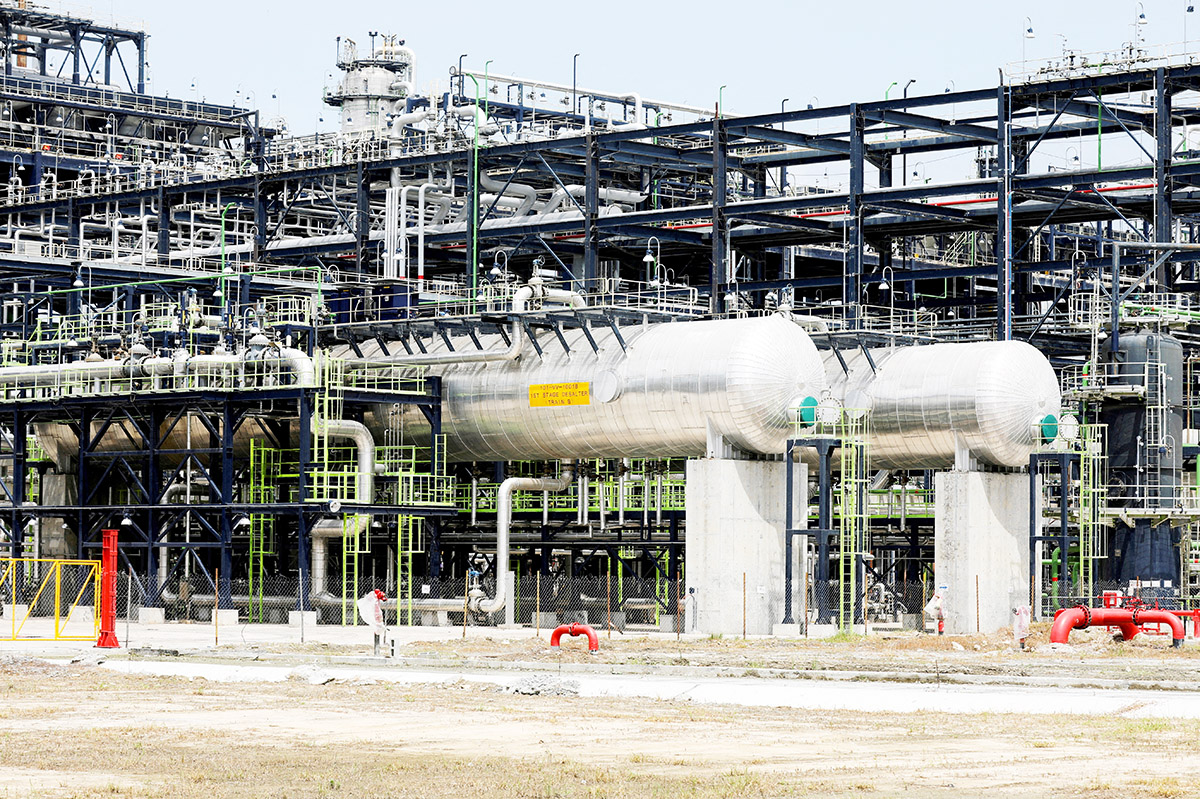
A view of the Dangote Petroleum refinery in Ibeju-Lekki, Lagos, Nigeria.
A comparison of data from 1992, 2000 and 2025 offers a clear picture of Rwanda’s remarkable transformation.
Across key areas including living standards, healthcare, education and the economy, the figures point to substantial and measurable progress over the past three decades.
Today, Rwandans enjoy a significantly higher life expectancy than they did three decades ago.
Average incomes have increased, while infant and maternal mortality rates have declined sharply.
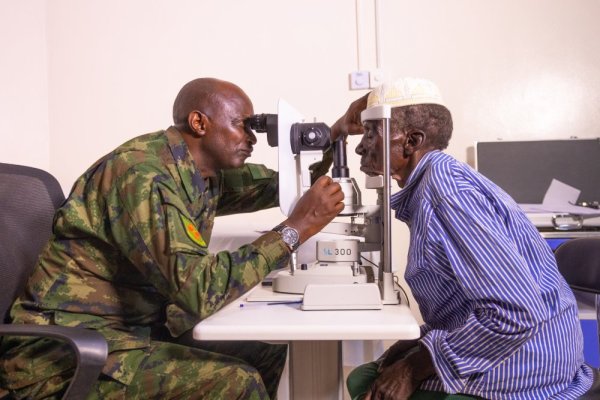
The country’s healthcare system has also undergone a remarkable transformation. Rwanda now provides advanced medical services that were once unavailable, including heart surgery and organ transplantation procedures such as kidney transplants.
These achievements are reflected in successive Demographic and Health Surveys conducted over the years.
This analysis draws on findings from the first survey carried out in 1992, the second conducted in 2000, and the seventh survey published in 2025, all of which illustrate the profound changes in the lives and well-being of Rwandans.
In 1992, Rwanda’s population stood at approximately 7.2 million. At the time, the country ranked among the most densely populated in the world, with an average population density of 270 people per square kilometre. The population was growing at an annual rate of 3.2%.
According to the second Demographic and Health Survey conducted in 2000, although Rwanda had lost more than one million people during the 1994 Genocide against the Tutsi, the country’s population did not decline overall.
Following the end of the genocide, large numbers of Rwandans who had fled the country returned home, contributing to population growth.
As a result, Rwanda’s population had risen to approximately 7.6 million by 2000, with an annual population growth rate of 2.8%.
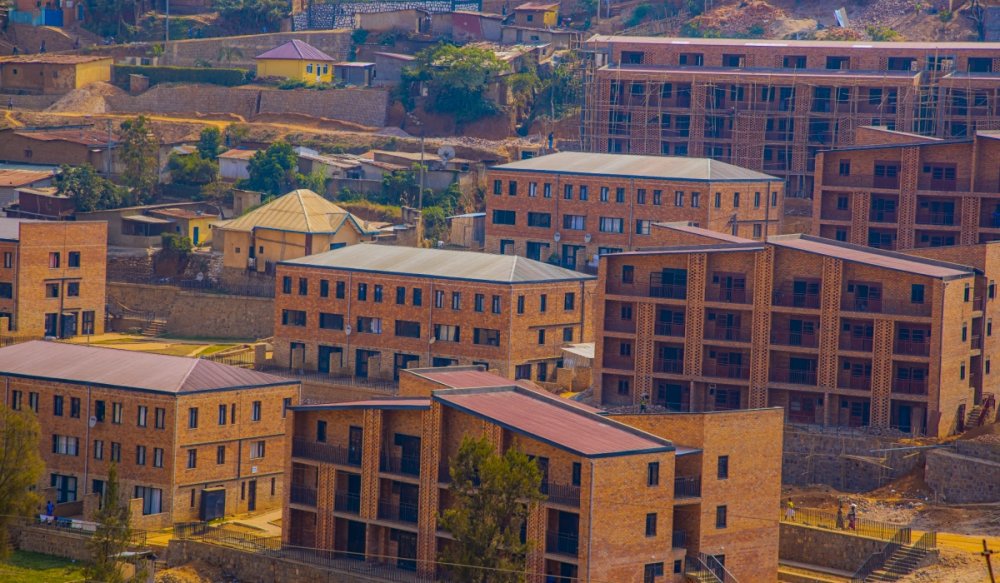
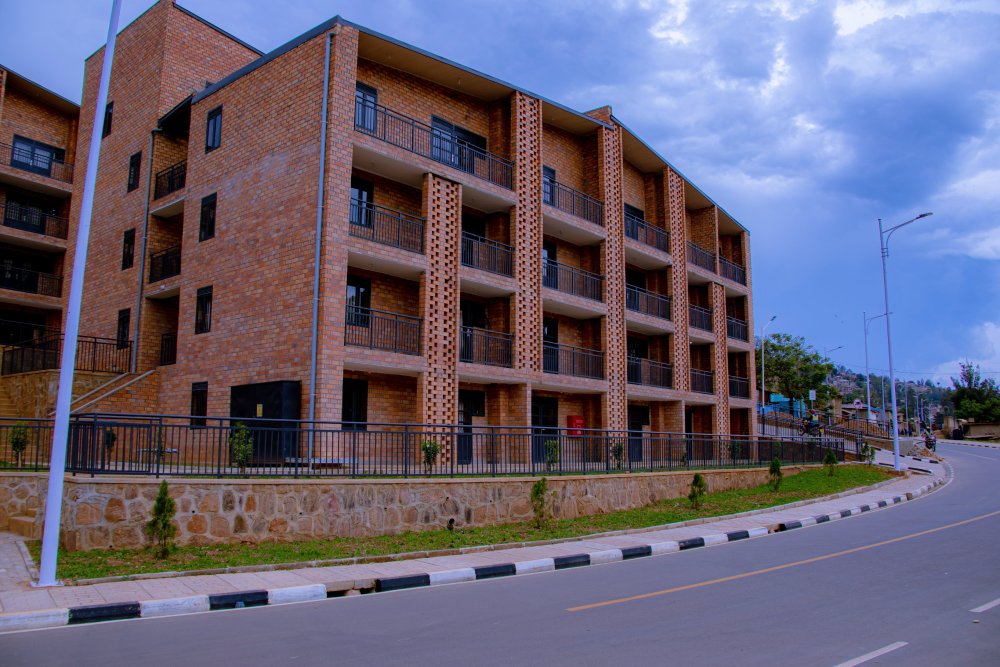
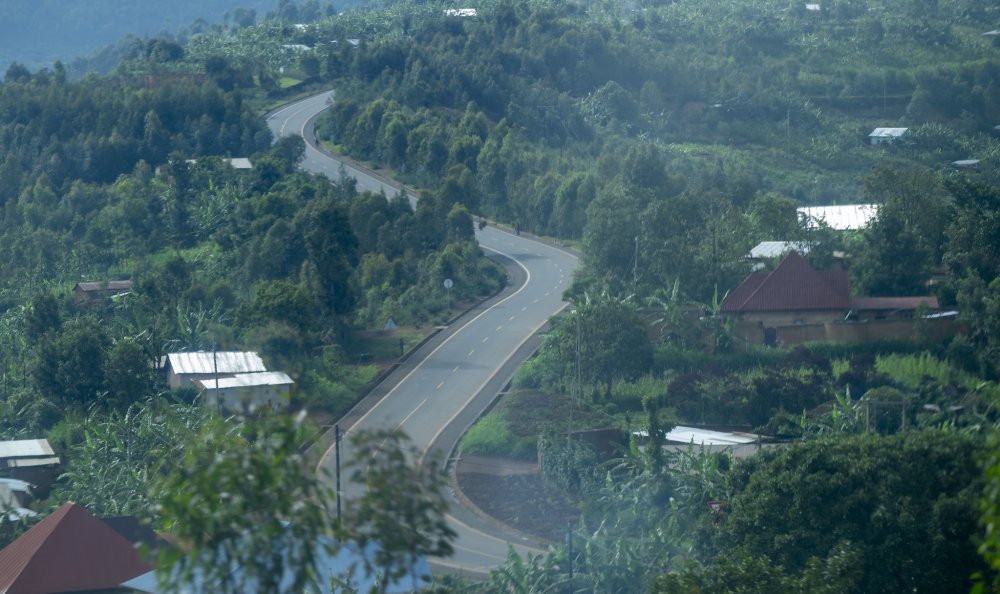
Rwanda’s modern settlement approach promotes sustainable development by protecting land resources, conserving the environment, and creating well-planned communities.
By 2025, the National Institute of Statistics of Rwanda (NISR) reported that the country’s population had reached 14.1 million, up from 13.2 million in 2022. The report also indicated that Rwanda’s population is growing at an annual rate of 2.3%.
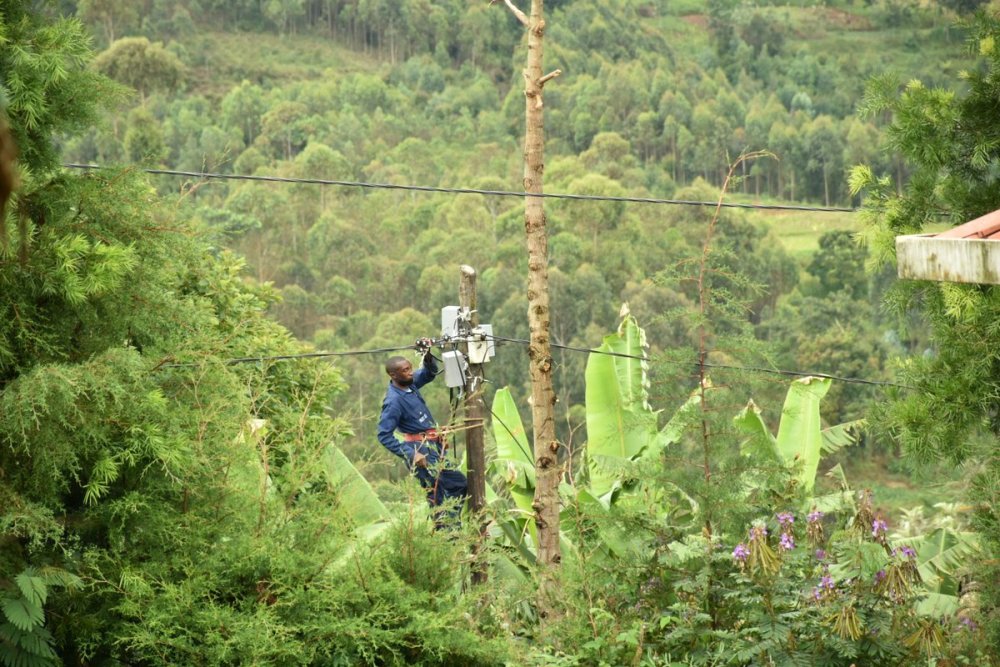
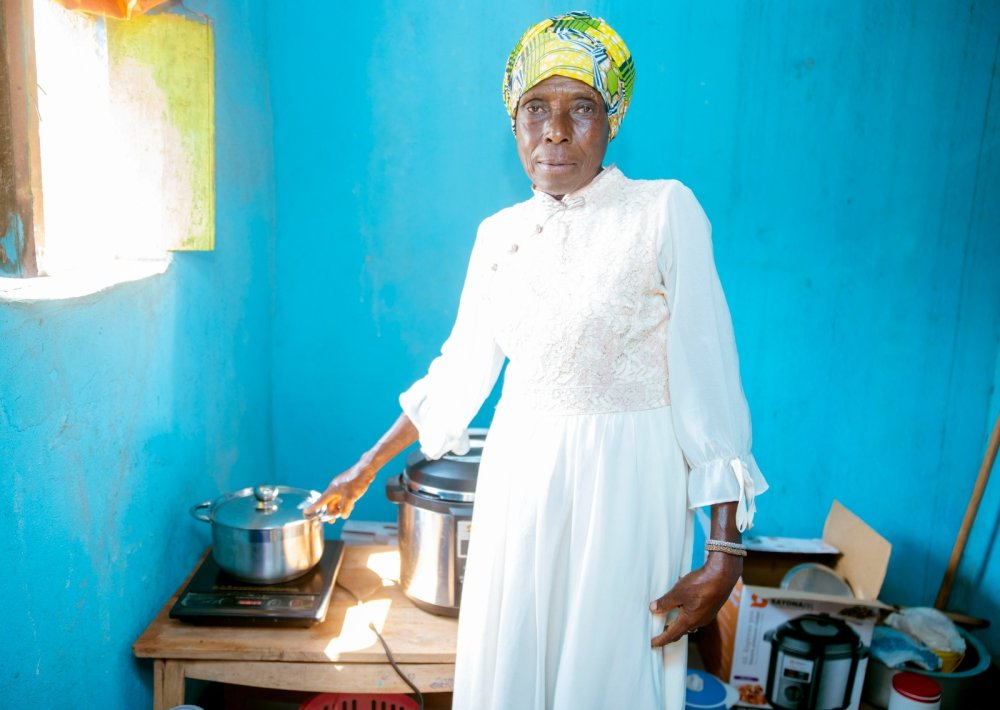
Rwanda has also made remarkable progress in improving living standards. In 1992, only 2.3% of Rwandans had access to electricity.
That figure rose to 6% in 2000 and reached 75% by 2025. Of those with access to electricity today, 54% are connected to the national power grid.
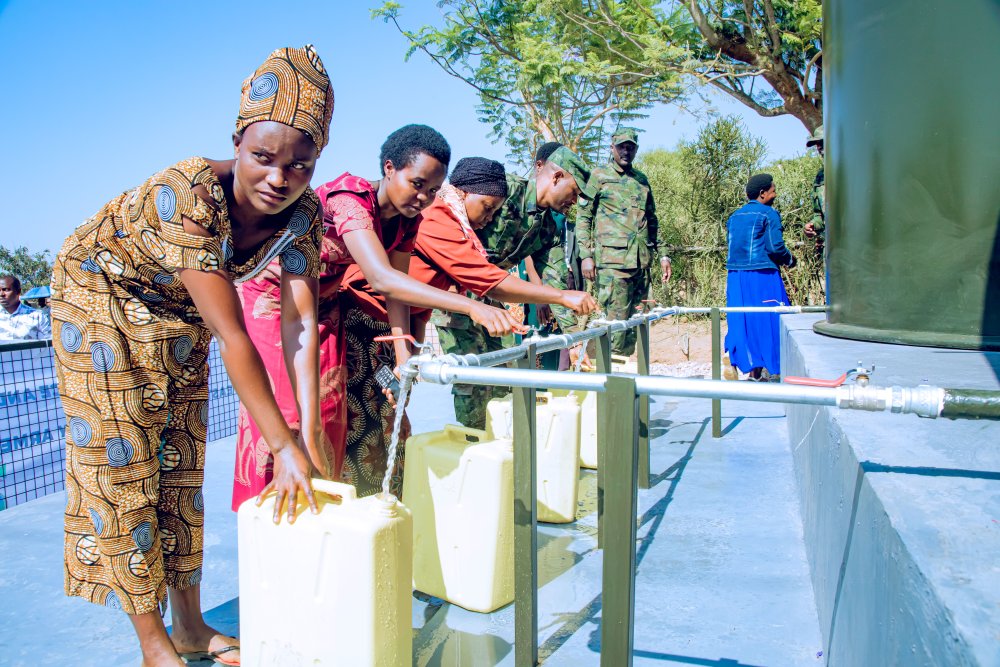
Access to clean water has improved significantly as well. In 1992, only 1.7% of households had piped water inside their homes, while 20.8% relied on public water taps. The rest depended on water from springs, rivers and other natural sources.
By 2000, the proportion of households with piped water at home had increased slightly to 1.9%, while 29.1% of the population accessed water through public taps. Many others still relied on springs, rivers and other water sources.
In 2025, the situation had changed considerably. About 24% of households had piped water in their homes, while 44% accessed clean water through public taps located within a 30-minute round trip from their homes, reflecting improved access to safe drinking water.
The country’s healthcare sector has also undergone a dramatic transformation. In 1992, more than 73% of women gave birth at home, and one in every five babies was delivered without the assistance of a trained health professional.
Home births remained common in 2000, with about 73% of women still delivering outside health facilities. The majority of those who gave birth at home were women aged over 35, accounting for 82% of all home deliveries.
By 2025, institutional deliveries had become the norm. An overwhelming 98% of women gave birth in health facilities, while only 2% delivered outside hospitals or health centres.
Advanced healthcare services have become more accessible to many Rwandans, marking a significant shift from the past.
These improvements have been accompanied by a significant decline in child mortality rates. Before 1992, 150 out of every 1,000 children born in Rwanda died before reaching the age of five.
By 2000, the figure had fallen, although it remained high, with more than 100 children out of every 1,000 dying before their fifth birthday.
Today, the under-five mortality rate in Rwanda has dropped significantly, with approximately 27 children out of every 1,000 live births dying before reaching the age of five.
The country’s health progress is also reflected in the rise in life expectancy. In 1992, Rwandans had an average life expectancy of slightly more than 44 years. This increased to 47 years in 2000 and reached 69.6 years by 2025.
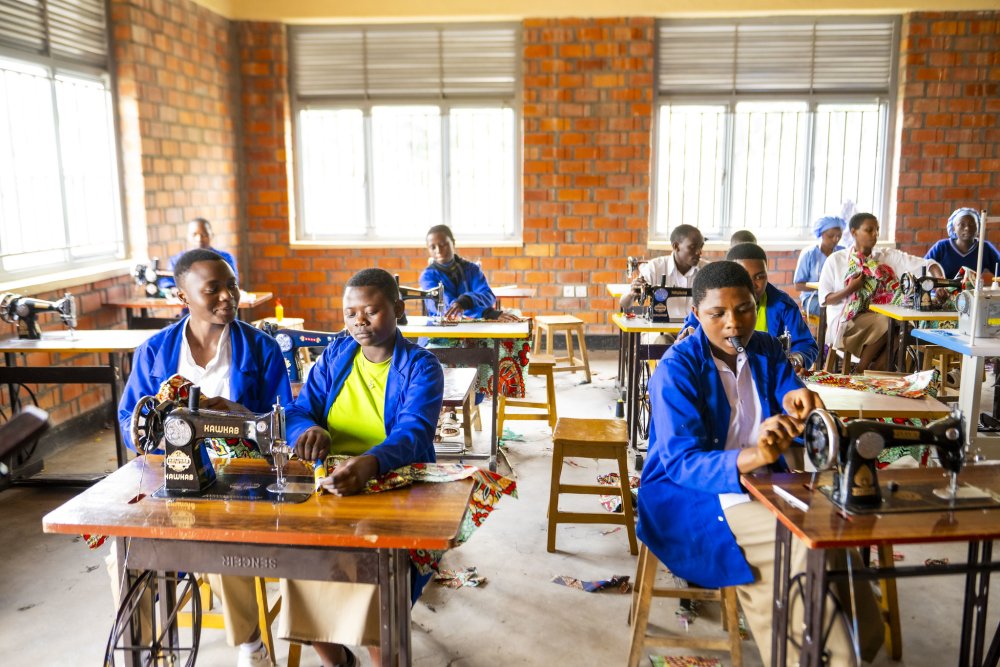
In the education sector, major changes have also been recorded. In 1992, only 25.8% of women aged up to 49 had completed primary education, compared with 56.2% of men in the same age group.
By 2000, the proportion of people who had completed primary education had increased to 72.2%. In 2025, 38% of women and 40% of men under the age of 49 had completed primary education.
Economic conditions have also improved over the past three decades. In 1992, Rwanda’s average income per person was estimated at $270 annually, while 91% of the population depended on agriculture as their main source of livelihood. In 2000, average income stood at around $250 per person per year, with 91% of Rwandans still relying on agriculture.
By 2025, average income per person had increased to approximately $1,040 annually, while the share of the population dependent on agriculture had declined to 65%.
Looking at these figures, it is clear that Rwanda has achieved significant progress over the past 32 years, although the journey of transformation continues.
The country’s ongoing development efforts are reflected in its ambitions under the Second National Strategy for Transformation (NST2) and the long-term aspirations outlined in Vision 2050.
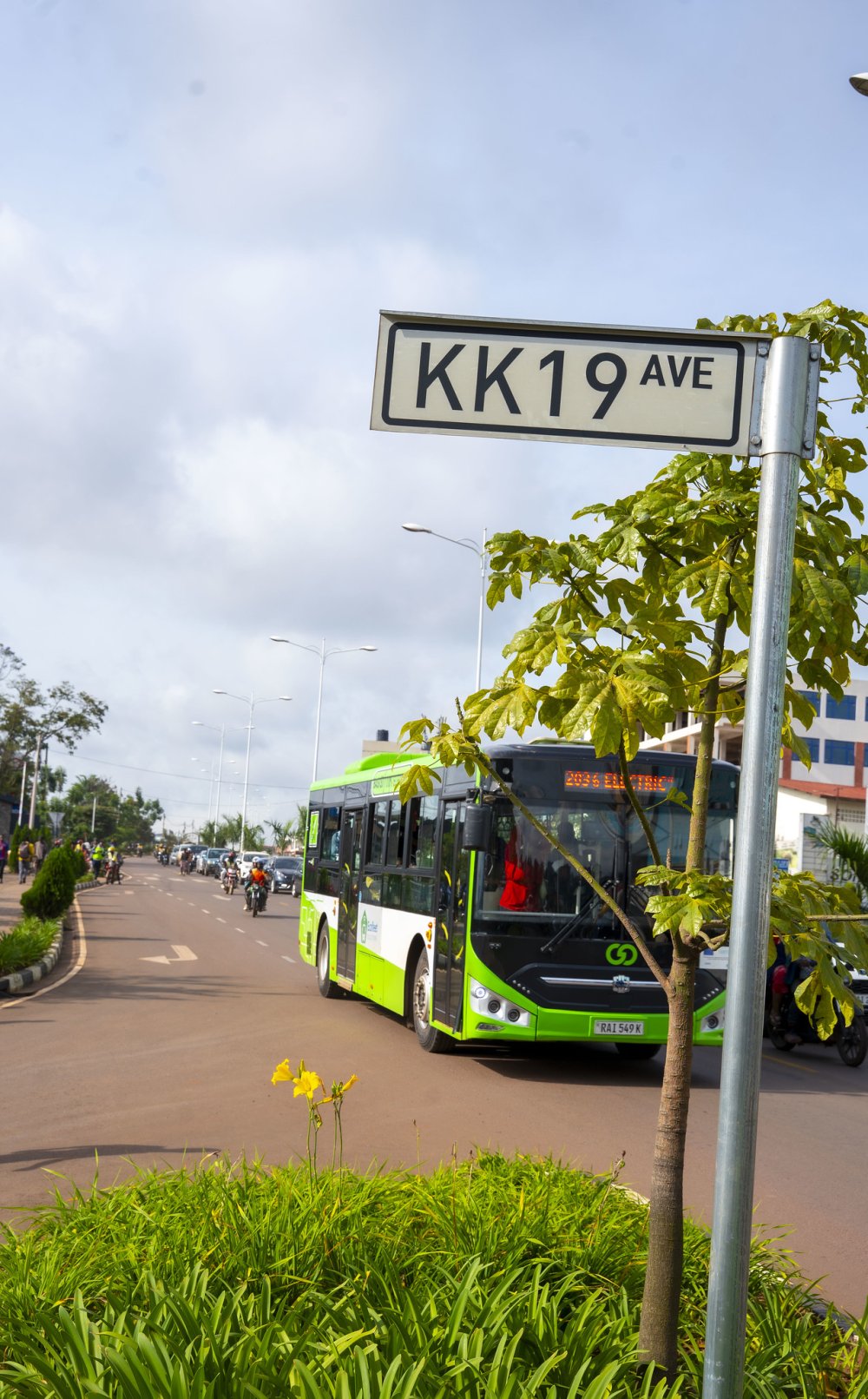
The number of Rwandans living in model villages continues to increase.More than 90% of Rwandans now have access to clean water across the country.The number of Rwandans with access to electricity continues to increase year after year.Rwanda has intensified efforts to increase the use of environmentally friendly energy sources.Rwanda’s transport sector has continued to improve and become more efficient.Education remains a cornerstone in improving citizens’ livelihoods and driving economic growth.
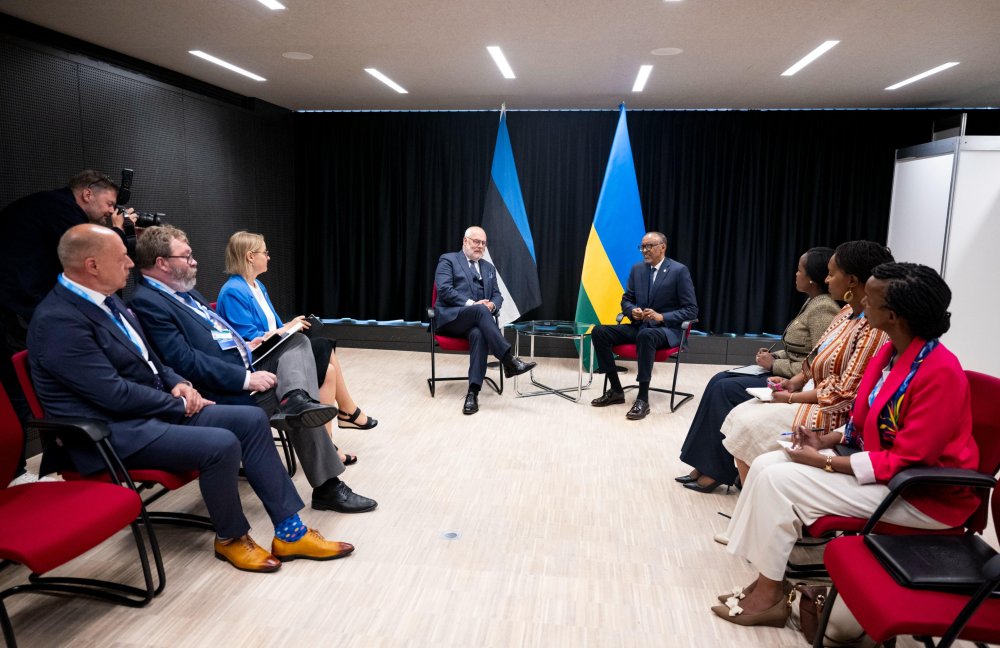
The meeting took place on July 8, 2026, on the sidelines of the AI for Good Global Summit 2026 in Geneva, Switzerland, according to the Office of the President.
Estonia is a small country in the Baltic region of Northern Europe. The capital, Tallinn, dates back to the 13th century and its Historic Centre, the Old Town is on UNESCO’s list of World Heritage Sites.
With a sparse population, over half of Estonia is covered with forests, the country has the 4th best urban air quality in the world and 2222 islands along its coastline.
With a total population of 1.3 million, about 1.1 million people speak Estonian, making it one of the world’s smallest official national languages.
The country has also transformed the government into a digital government, branding itself as e-Estonia. It was the first country to adopt online voting in 2005, first country with a data embassy and the first country to offer cross-border digital identity to anyone in the world.
President Alar Karis assumed office in 2021, succeeding Kersti Kaljulaid, who served as Estonia’s president from 2016.
Rwanda and Estonia have maintained cordial relations over the years, with leaders from both countries engaging regularly to advance bilateral cooperation.
In 2018, on the sidelines of the Munich Security Conference in Germany, President Kagame met with then-President Kersti Kaljulaid, shortly after her official visit to Rwanda.
Kaljulaid had visited Rwanda on November 16, 2017, during a trip from Ethiopia, marking her first visit to Africa since taking office.
During that visit, the two countries highlighted their shared commitment to digital innovation and identified significant opportunities for cooperation in technology-based development, e-government, and digital public services.
While in Rwanda, Kaljulaid also visited the Kigali Genocide Memorial, where she paid tribute to the victims of the 1994 Genocide against the Tutsi.
In a message left at the memorial, she conveyed condolences on behalf of the people of Estonia to Rwanda, survivors, and the families of those who died in the genocide.
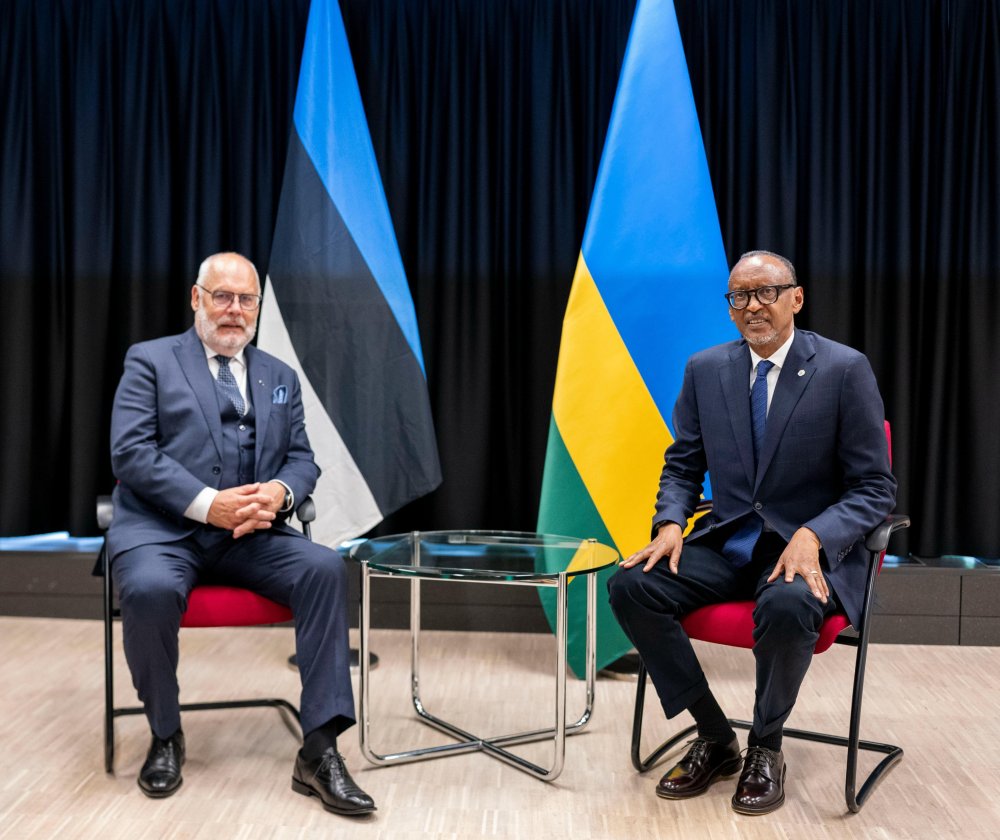
President Paul Kagame and Estonian President Alar Karis held bilateral talks on the sidelines of the AI for Good Global Summit 2026 in Geneva, Switzerland.President Kagame and President Alar Karis exchanged views on expanding cooperation in digital innovation and e-governance.
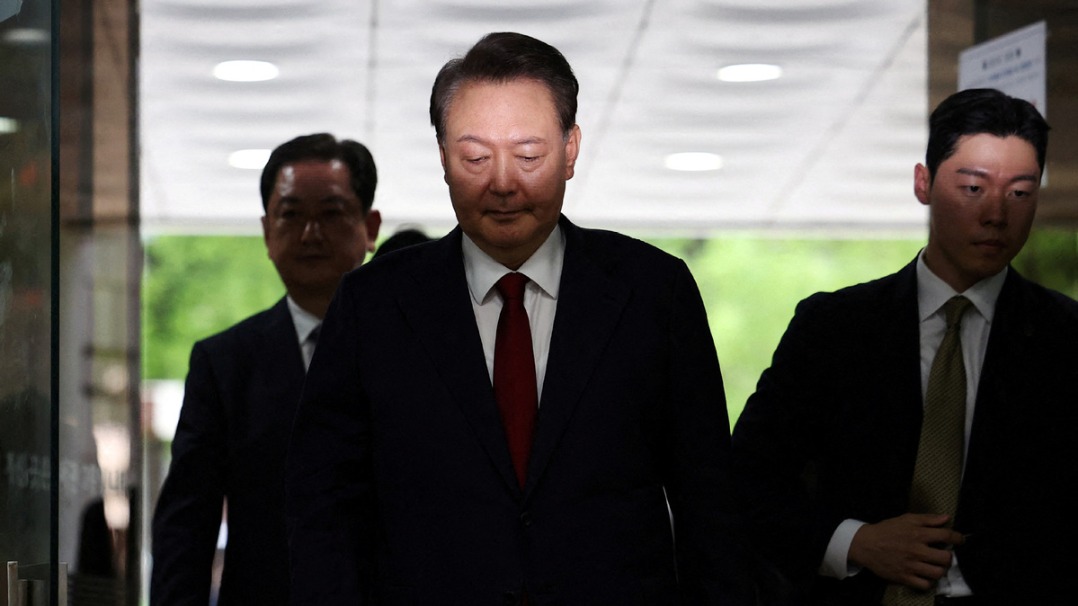
The Supreme Court delivered its final verdict on Yoon, saying the lower court committed no error in its application of legal principles.
It marked the top court’s first ruling on Yoon since the ousted leader’s martial law declaration in December 2024.
On April 29 this year, the Seoul High Court overturned a lower court’s ruling over Yoon’s obstruction of arrest, lengthening his prison term from five to seven years.
The team of Cho Eun-suk, an independent counsel who led investigations into Yoon’s insurrection and other charges, had sought a 10-year prison sentence in the first and second instances.
Yoon was charged with abusing the presidential security service to hinder the anti-corruption agency from executing its arrest warrant in January 2025.
The Corruption Investigation Office for High-ranking Officials (CIO) was once thwarted in its attempt to arrest Yoon when the presidential security service formed human shields and bus blockades to prevent investigators from entering the presidential residence.
Yoon was also accused of abusing his power to block nine cabinet members from exercising their rights to deliberate on the martial law declaration by calling a selective cabinet meeting before the declaration.
He faced charges of creating and later destroying a fabricated declaration document to make the declaration appear legal after the martial law was lifted, while ordering the dissemination of a press guidance containing a false claim that there was no intention to disrupt the constitutional order through the martial law.
The emergency martial law was declared by Yoon on the night of Dec. 3, 2024, but was revoked hours later by the National Assembly.
He was indicted under detention in January 2025 as a suspected ringleader of the insurrection, becoming the first sitting president to be arrested and indicted.
Yoon was charged with abusing the presidential security service to hinder the anti-corruption agency from executing its arrest warrant in January 2025.
The United States is “holding Iran accountable for recent unjustified aggression against commercial shipping and civilian crews freely navigating a vital international waterway,” the command said in a post on X.
More than 20 U.S. Navy warships were patrolling waters across the Middle East on Wednesday, the command said in an earlier post.
The move came after U.S. President Donald Trump warned at the NATO summit in Ankara earlier the same day that the U.S. military would probably hit Iran again.
“I’ll give a little warning: We’re going to hit them hard tonight,” Trump said, adding that he did not expect a full-fledged conflict with Iran.
Following Trump’s remarks at the summit, Iran’s Press TV, citing an informed source, reported that Iran would close the Strait of Hormuz and strike twice as many targets given any fresh U.S. attack.
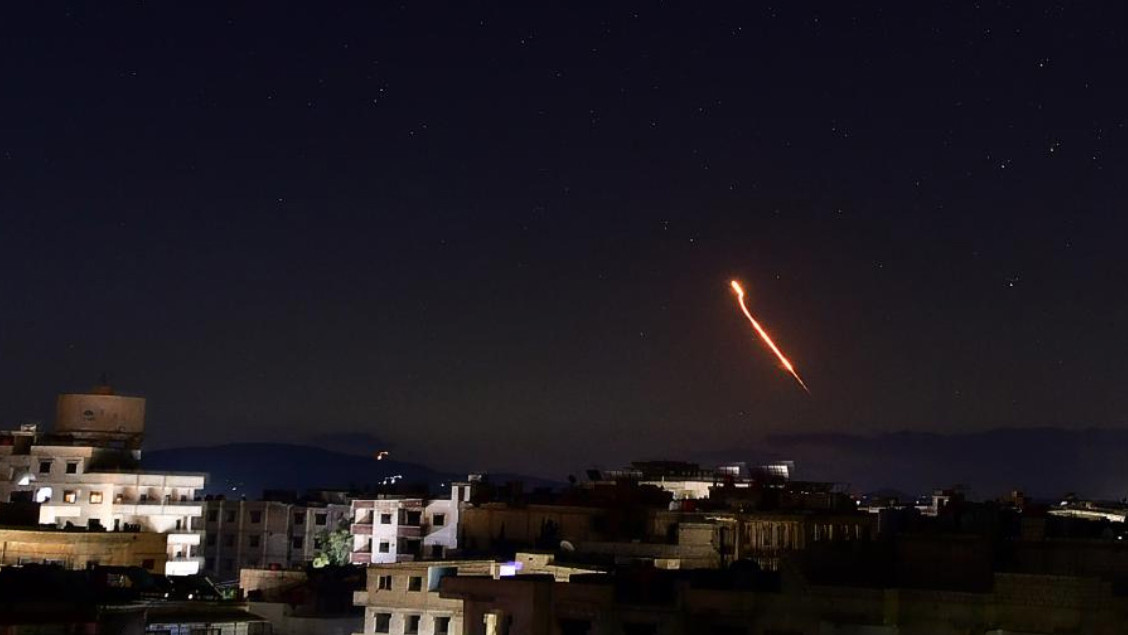
The developments came as the United States and Iran traded fresh attacks from Tuesday night into Wednesday, marking a new round of escalation.
US forces conducted strikes against Iran for a second straight day to “degrade” Iran’s ability “to threaten freedom of navigation in the Strait of Hormuz,” as announced by the United States Central Command.
A total of 750 patients are currently in isolation or hospitalization, with an overall bed occupancy rate of 94 percent, health authorities said in an update released late Wednesday.
Caused by the Bundibugyo Ebola virus, the outbreak, declared on May 15, is the country’s 17th Ebola outbreak.
It has affected 37 health zones in three provinces, namely Ituri, North Kivu and South Kivu.
Response to the outbreak continues to face multiple constraints, including community resistance to post-mortem sampling, insufficient treatment capacity, gaps in contact tracing, limited supplies, insecurity and restricted access in areas affected by armed groups.
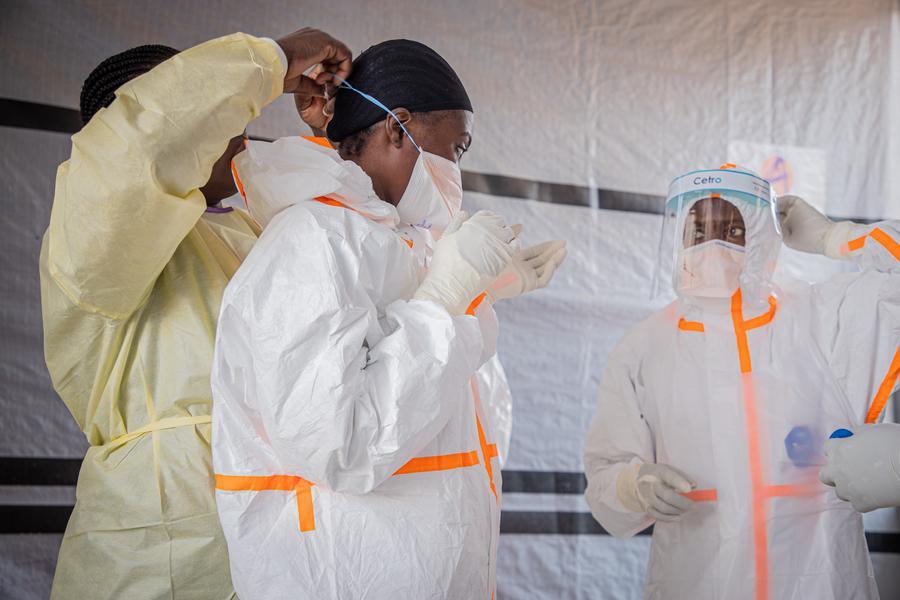
Medical workers put on protective suits at an Ebola treatment center in Bunia, the capital of Ituri Province in the Democratic Republic of the Congo, July 6, 2026. (Xinhua)
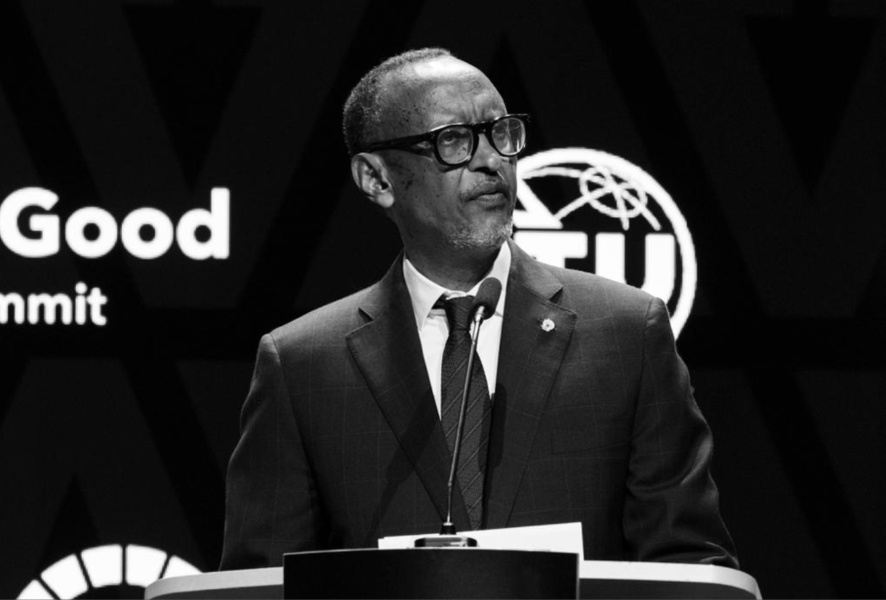
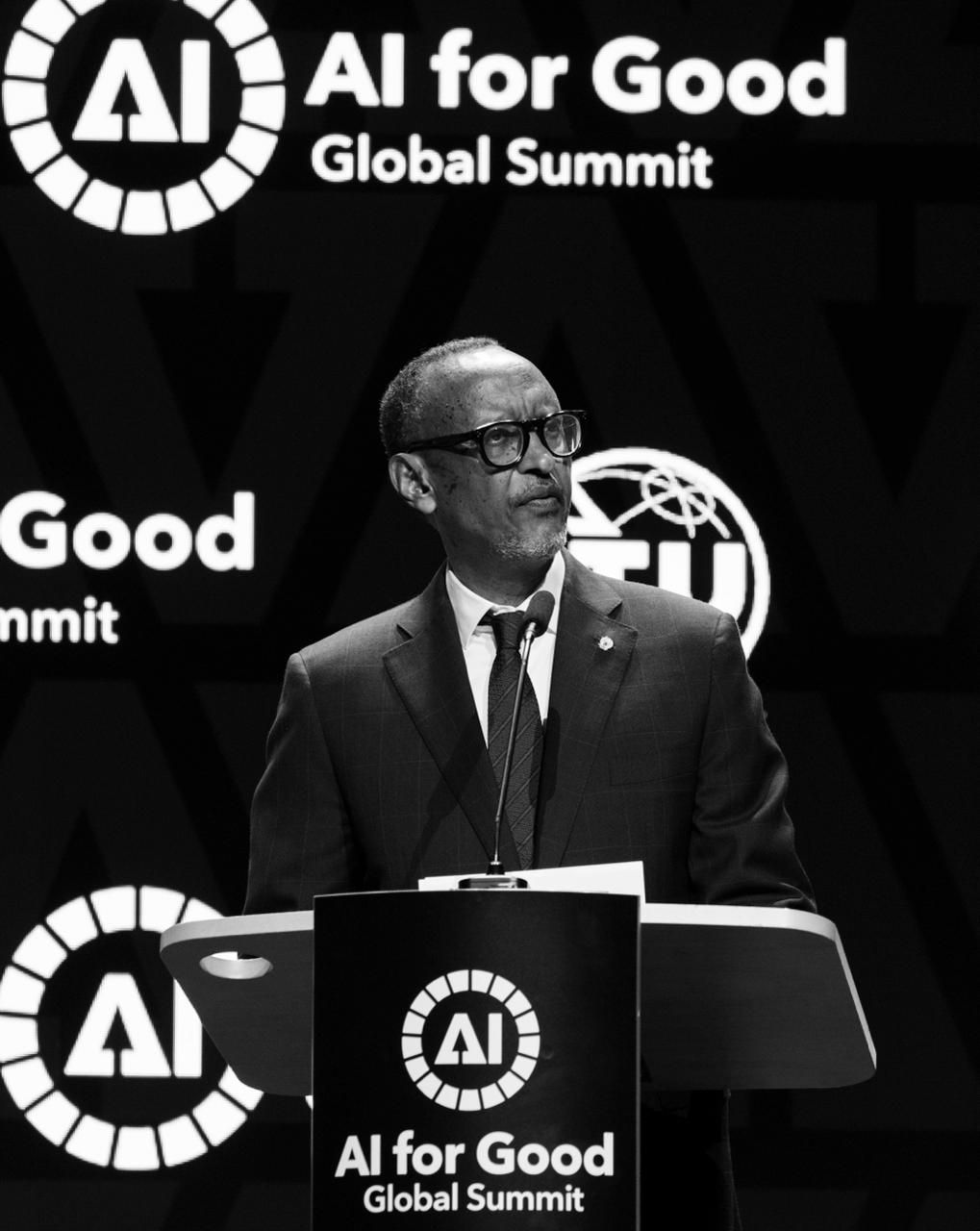
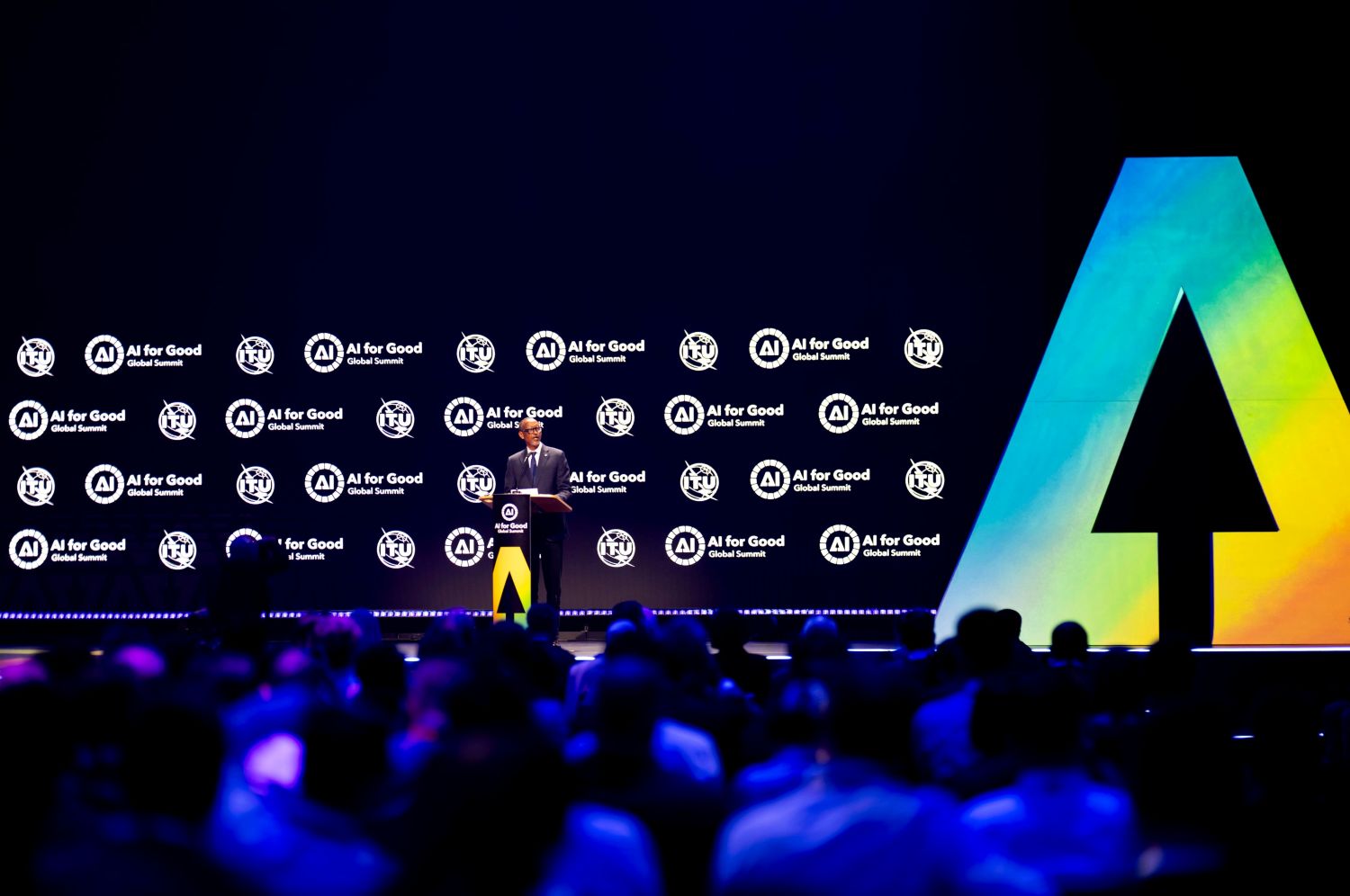
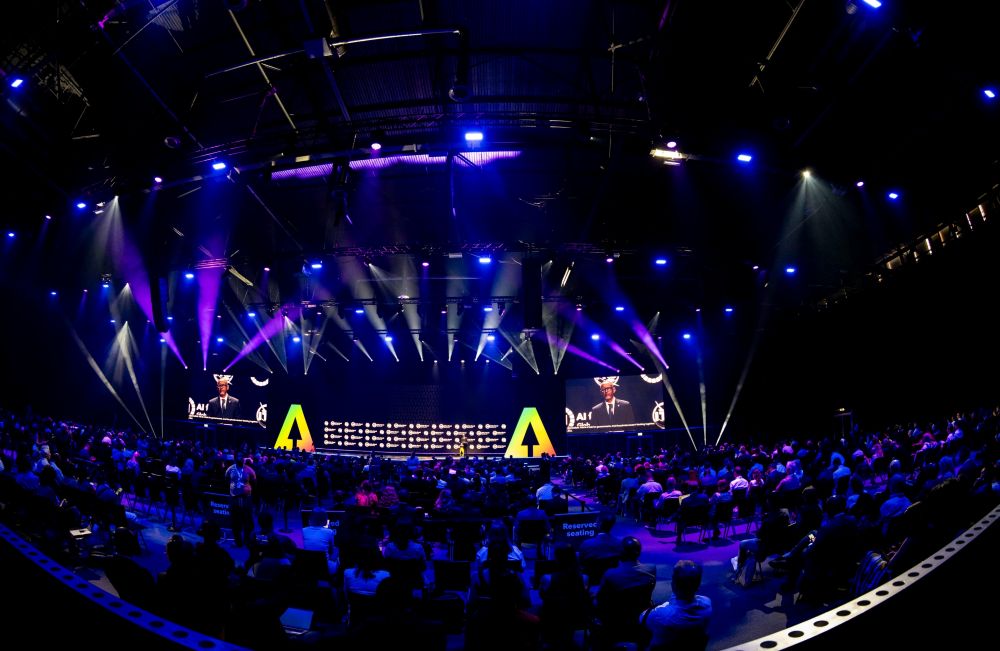
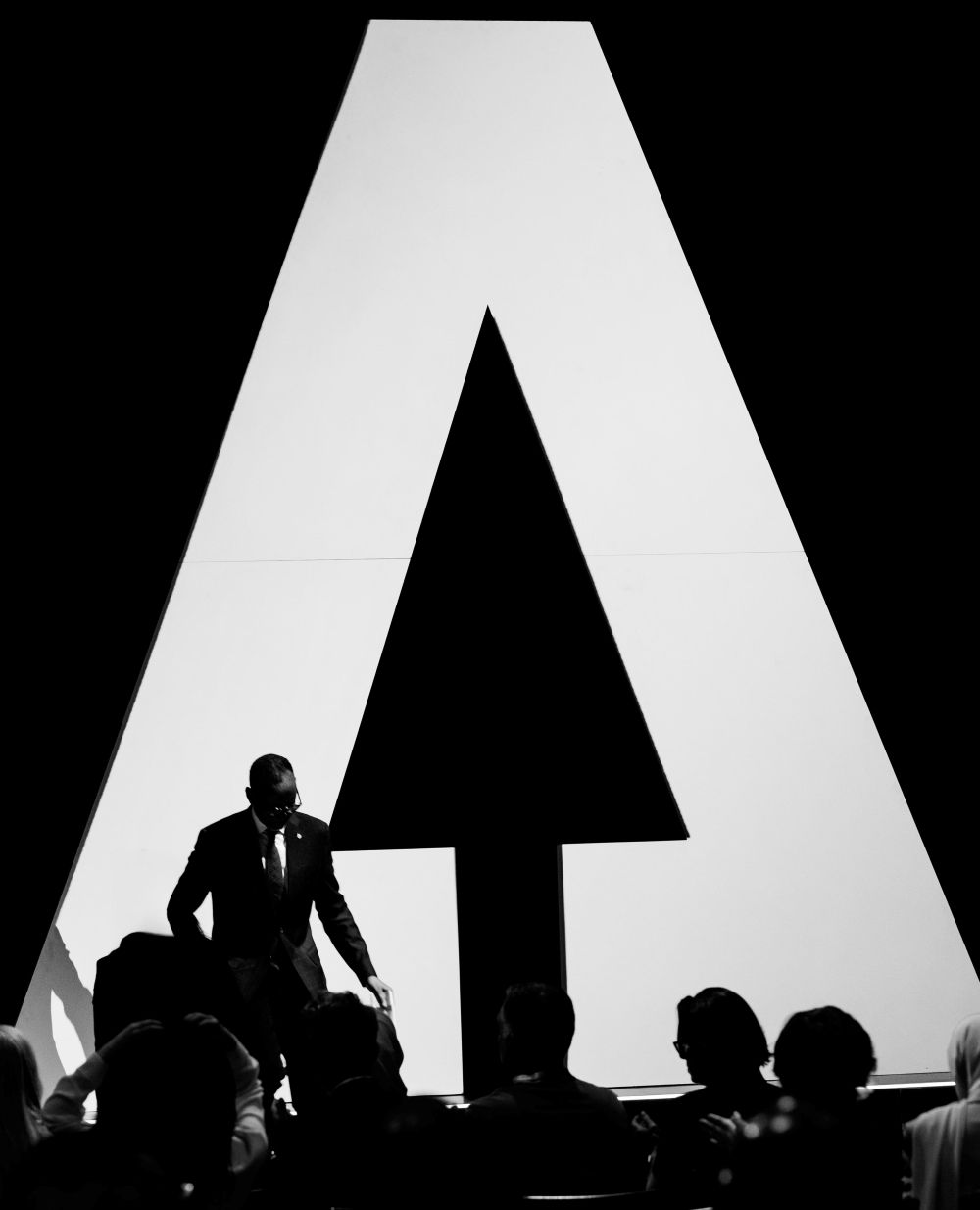
Kagame delivered the remarks at the summit in Geneva, Switzerland, which also marked the official launch and inaugural meeting of the AI for Good Global Commission, a new global initiative he co-chairs that seeks to advance inclusive and responsible AI development.
The AI for Good Global Summit 2026 is organised by the International Telecommunication Union (ITU), the United Nations specialised agency for information and communication technologies (ICTs) and digital technologies.
Addressing heads of state, technology leaders, investors and development partners, Kagame said AI has the potential to transform lives and strengthen economies, but stressed that deliberate action is needed to ensure its benefits are shared equitably.
“We must be intentional about designing, funding, and governing AI so that it can reach its full potential,” he said.
The Head of State highlighted three areas that should be prioritised to unlock AI’s potential.
The first, he said, is infrastructure, noting that computational power, connectivity and reliable energy must become more accessible through stronger collaboration between governments and the private sector.
Secondly, President Kagame underscored the importance of skills development, saying talent exists everywhere but opportunities do not. He urged educational institutions to continually adapt their curricula to prepare young people for an AI-driven economy.
His third priority was accountability, calling for AI governance frameworks that promote trust and transparency rather than creating new divisions.
Kagame said Rwanda is already demonstrating the practical use of AI through its Health Intelligence Center, which uses real-time health data and artificial intelligence to help predict disease outbreaks and support better policy decisions.
In June 2026, the Cabinet, chaired by President Kagame, approved the establishment of the National Artificial Intelligence Agency, which will drive AI development, innovation, adoption, investment and governance in support of Rwanda’s digital transformation and economic growth.
The agency is expected to play a central role in coordinating Rwanda’s AI agenda as the country seeks to strengthen its position as a regional technology and innovation hub.
In his speech on Wednesday, President Kagame also highlighted continental efforts through Smart Africa, noting that the alliance established the Africa AI Council last year to strengthen Africa’s role in shaping the future of AI.
While acknowledging growing geopolitical competition over technology and persistent uncertainty surrounding AI, President Kagame noted that Africa is well positioned to contribute to the global digital economy, pointing to the continent’s rapidly growing and youthful workforce.
“In Africa, we are no longer satisfied to be passive consumers of technology. We want to build and deploy that technology at scale as well,” he said.
President Kagame is serving as co-chair of the newly launched AI for Good Global Commission alongside Salesforce Chair and CEO Marc Benioff. The commission builds on the legacy of the Broadband Commission and brings together governments, business leaders, international organisations, investors and civil society to help ensure AI advances opportunity and development worldwide.
During the commission’s inaugural fireside discussion hosted by ITU Secretary-General Doreen Bogdan-Martin, Benioff described AI as a technology unlike any before it and said its impact would depend on how humanity chooses to develop and govern it.
“This is not a regulatory body, this is not a rule-making body, this is a conversation,” Benioff said. “Technology is never good or bad. It’s what we do with the technology that matters.”
He stressed the importance of a multi-stakeholder approach, saying governments, industry and civil society must work together to guide AI’s development in a way that benefits people around the world.
Kagame echoed that view, saying the commission would build on lessons learned from the Broadband Commission over the past 15 years, where public-private cooperation helped expand digital connectivity across continents, including Africa.
“The main task is to deliver,” Kagame affirmed. “We want to harness the good of AI.”
The AI for Good Global Commission aims to foster international collaboration on AI policy, investment and innovation, ensuring the technology is developed responsibly and its benefits are shared more broadly across countries and communities.
Kagame delivers his remarks during the official launch and inaugural meeting of the AI for Good Global Commission, a new global initiative he co-chairs that seeks to advance inclusive and responsible AI development.The AI for Good Global Summit 2026 is organised by the International Telecommunication Union (ITU), the United Nations specialised agency for information and communication technologies (ICTs) and digital technologies.
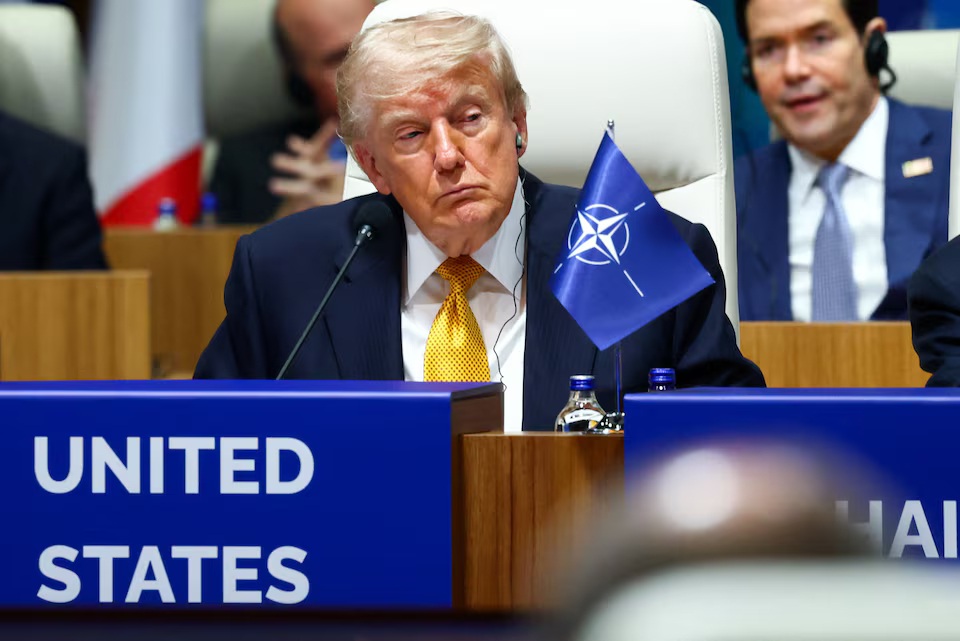
Speaking at the NATO summit in Ankara, Trump described Spain as a “terrible partner” and instructed Treasury Secretary Scott Bessent to stop all trade with the country, escalating a dispute over Madrid’s opposition to NATO’s new defence spending target of 5% of gross domestic product (GDP).
“I don’t want to do any trade with them, alright?” Trump said before turning to Bessent, who replied, “Yes, sir.”
Trump then added: “Take it immediately. Don’t even talk to them. They’re hopeless. They’re bad people … They make so much money with us, and we’re going to see that they make a lot less.”
The comments marked the second time Trump has publicly directed Bessent to halt trade with Spain. He made a similar threat in March after Madrid rejected higher military spending targets, although trade between the two countries continued uninterrupted.
European leaders had hoped the summit would showcase NATO unity, stronger support for Ukraine and increased defence commitments. Instead, Trump’s remarks reignited tensions within the alliance over military spending, the Iran conflict and broader transatlantic relations.
Trump has repeatedly criticized Spain after Prime Minister Pedro Sanchez refused to allow the United States to use Spanish airspace and military bases during the Iran war. Washington and Madrid jointly operate two major military bases in southern Spain that support U.S. naval and air operations.
“Spain doesn’t agree to anything, and you shouldn’t carry them,” Trump told NATO Secretary General Mark Rutte during the summit.
Rutte sought to ease tensions, noting that Spain had increased defence spending to 2% of GDP last year but acknowledged “there are still issues we have to solve.”
Spain dismissed Trump’s latest comments, with Sanchez’s office describing them as “business as usual” and insisting bilateral relations with Washington remained “excellent.”
The Spanish government also noted that Spain runs a trade deficit with the United States and stressed that, as part of the European Union’s customs and trade union, individual member states cannot negotiate separate trade arrangements with Washington.
Spanish Health Minister Monica Garcia was more critical, writing on X that Spain was “a sovereign, democratic country that defends multilateralism and peace.”
“What’s terrible is confusing diplomacy with bullying,” she said.
Trump also widened divisions within NATO by renewing his demand that the United States should control Greenland, the semi-autonomous Danish territory that has become a recurring point of contention with Copenhagen.
“Greenland is very important for the United States, but it’s not important for Denmark,” Trump said, arguing that Washington should have retained control of the island after World War II.
Danish Prime Minister Mette Frederiksen rejected the suggestion, saying: “We are ready to defend every inch of NATO, including our own territory.”
Trump’s remarks extended beyond Europe, with the U.S. president declaring that a fragile ceasefire with Iran was effectively over following fresh American strikes and accusing Tehran of violating the truce.
“It’s over. I don’t want to deal with them,” Trump said. “They’re scum. They’re sick people. They’re led by sick people.”
Rutte defended the U.S. military response against Iran and praised Trump for pushing European allies to spend more on defence.
“I think what you did last night was absolutely necessary. It was a very strong response,” Rutte said, adding that Trump’s pressure had helped European countries “raise their game” on military spending.
Despite Trump’s threats, analysts say it would be difficult for the United States to single out Spain for trade restrictions because trade policy with EU member states is negotiated collectively by Brussels rather than individual governments.
Meanwhile, major U.S. investors continue to view Spain positively. BlackRock recently identified Spain as its preferred market for equity exposure, citing stronger economic growth than most developed economies, even as overall U.S. investment in Spain declined during the first quarter of 2026.
Spain exports products including olive oil, auto parts, steel, chemicals and wine to the United States, although economists say its economy is less exposed to potential U.S. trade retaliation than several other European countries.
Speaking at the NATO summit in Ankara, Trump described Spain as a “terrible partner” and instructed Treasury Secretary Scott Bessent to stop all trade with the country.