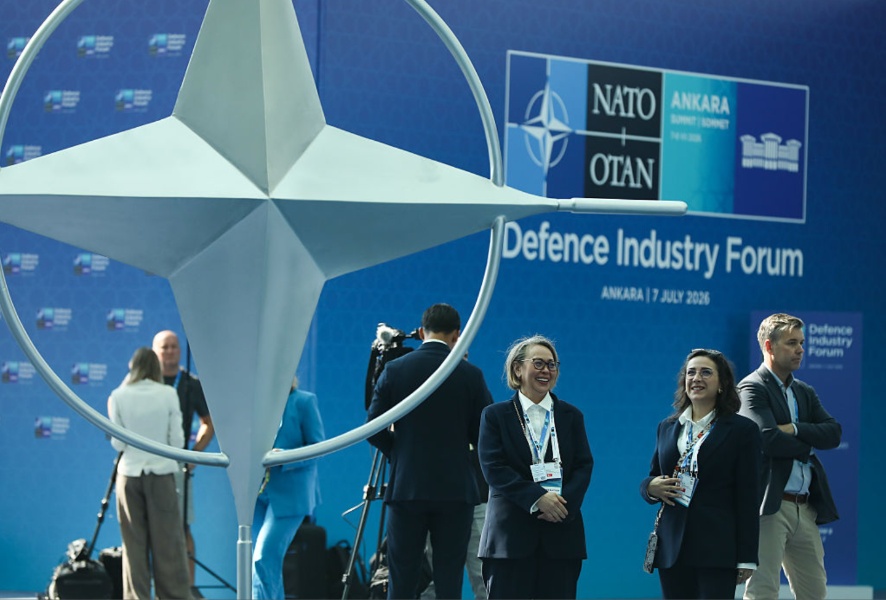
Marking its first inclusion in a NATO summit, the forum brought together senior NATO officials and representatives from major Western defense companies to discuss efforts to integrate military supply chains across member states.
At the event, NATO Secretary General Mark Rutte launched the Drone Edge Initiative aimed at strengthening counter-drone capabilities, saying member states would commit more than 40 billion U.S. dollars to the sector over the next five years.
He also unveiled a new Front Door platform designed to facilitate private defense companies’ access to alliance contracts, and a 2.8-billion-dollar industrial cooperation initiative under which U.S. defense companies, including Lockheed Martin, could partner with European firms to produce U.S.-designed weapons, such as Abrams tanks and ATACMS missiles, in Europe.
As part of broader efforts to expand logistical and operational capacity, several allies, including Türkiye, launched new joint procurement initiatives to enlarge NATO’s fleets of strategic transport and aerial refueling aircraft.
Türkiye also announced plans to contribute two domestically-produced observation satellites to support NATO’s space capabilities.
The latest initiatives come as Rutte continues to press allies to raise defense spending to 5 percent of gross domestic product by 2035, amid calls from Washington for European members to shoulder a greater share of the alliance’s defense responsibilities.
The push has triggered strong public opposition in the host country. On Tuesday, anti-NATO rallies were held in Ankara, where students, socialist groups and lawmakers gathered to protest the alliance’s expanding defense budgets.
A broader wave of protests took place over the weekend, when thousands of demonstrators took to the streets in Istanbul, Ankara, and Izmir to denounce NATO’s pressure to prioritize military spending over public welfare.
The NATO leaders’ summit opened in the Turkish capital of Ankara on Tuesday with a Defense Industry Forum, unveiling major defense industry initiatives aimed at accelerating weapons production and procurement, amid growing concerns over the alliance’s expanding militarization.
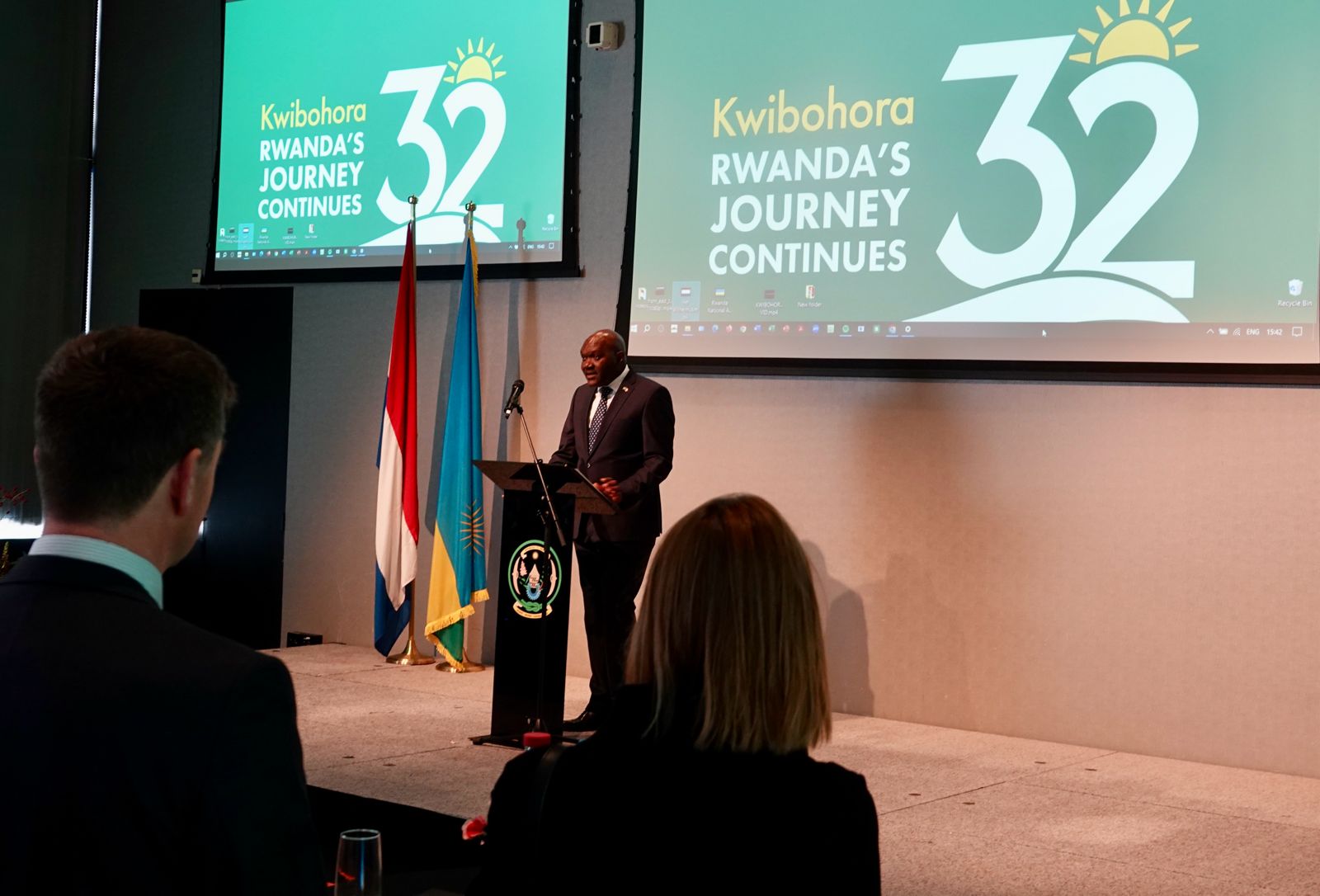
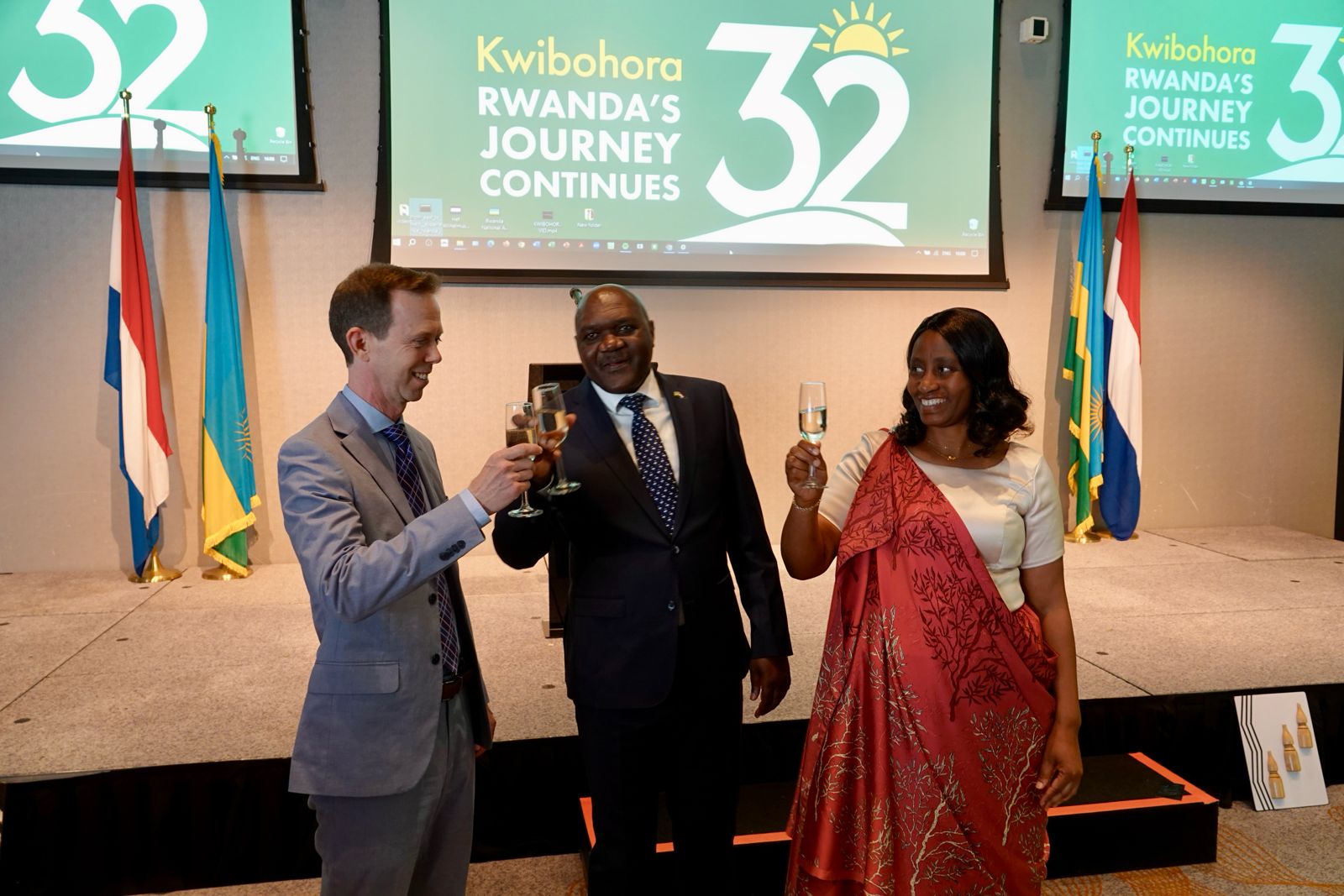
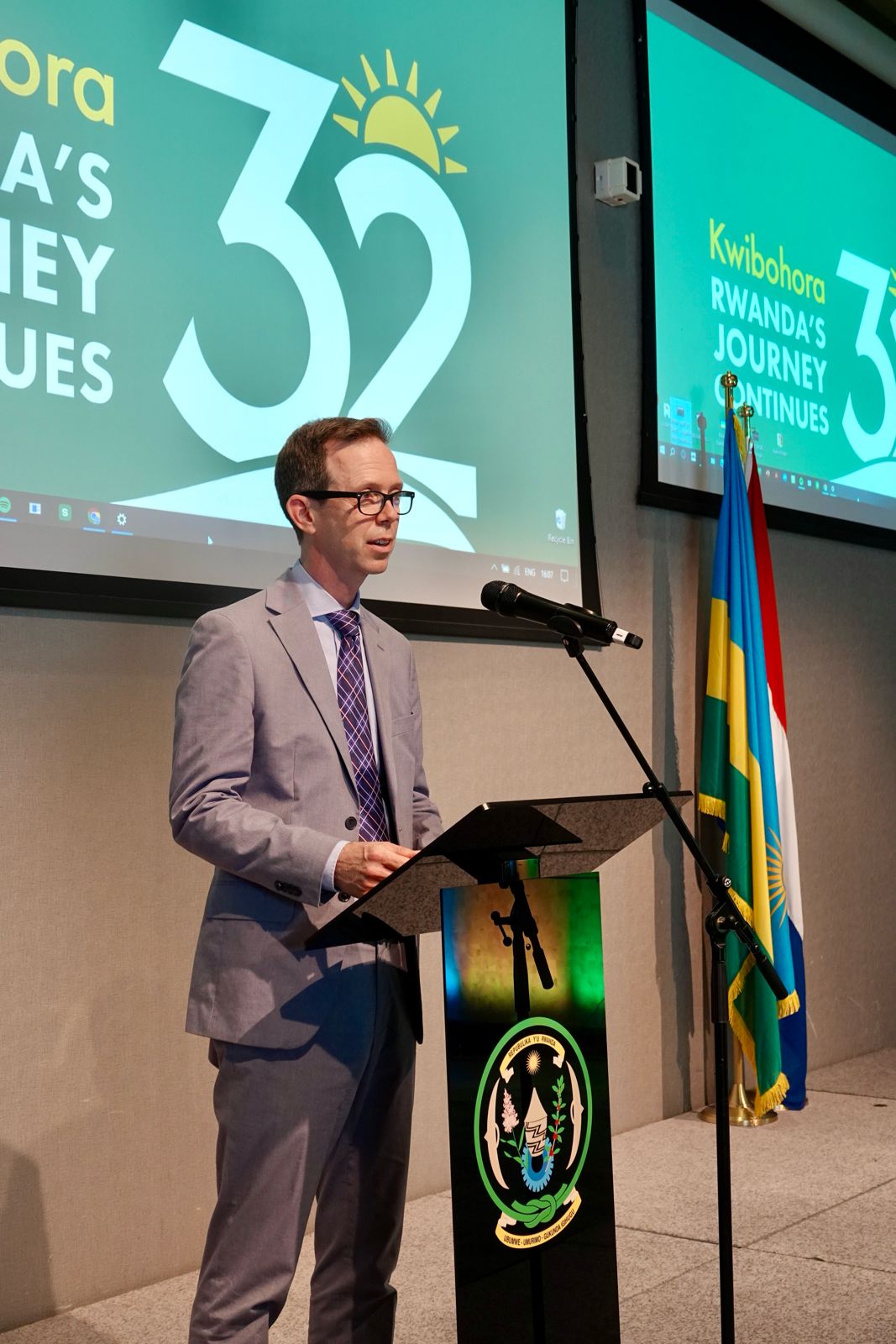
His address highlighted Rwanda’s profound transformation from a nation devastated by the 1994 Genocide against the Tutsi into a country committed to peace, development, and hope.
For the Rwandan diplomat, July 4 is not merely a military victory or a historical milestone. Above all, it symbolizes the rebirth of a nation. It marks the moment when Rwanda regained its dignity, sovereignty, and ability to build a future founded on unity and inclusion.
The Ambassador emphasized that rebuilding Rwanda after the genocide was far from an easy task. Faced with immense human, social, and institutional destruction, the country could easily have descended into instability. Instead, Rwandans chose a different path, one of reconciliation, collective responsibility, and confidence in the future.
According to Amb. Dushimimana, the progress achieved over the past three decades is the result of clear vision and sustained commitment.
Rwanda’s development has not been driven by an abundance of natural resources, but by strategic investments in human capital, strong institutions, women’s and youth empowerment, innovation, and environmental protection.
“Rwanda’s development story is not the result of abundant natural resources; it is the product of purposeful leadership, national unity, and the unwavering determination of its citizens,” he stated.
The Ambassador also stressed that liberation should not be viewed as an event confined to the past. Rather, it is an ongoing responsibility that falls upon every generation.
Safeguarding peace, strengthening national cohesion, and creating greater opportunities for future generations remain essential priorities for Rwanda.
In his speech, he also paid tribute to Rwanda’s international partners, particularly the Kingdom of the Netherlands, which has supported the country’s reconstruction and development efforts for decades. Today, Rwanda and the Netherlands enjoy a dynamic partnership spanning trade and investment, agriculture, innovation, and education.
According to the Ambassador, this relationship, built on mutual respect and shared ambitions, demonstrates the importance of international partnerships in promoting prosperity and stability. He expressed Rwanda’s commitment to further strengthening ties with the Netherlands and with the broader African continent as new economic opportunities continue to emerge.
Amb. Dushimimana also praised the Rwandan diaspora in the Netherlands, describing it as a vital bridge between the two nations.
Through their professionalism, achievements, and enduring connection to their homeland, members of the diaspora contribute significantly to Rwanda’s international profile and to the strengthening of bilateral relations.
The diplomat also underscored that the true essence of Liberation lies in hope, where he highlighted that a nation’s greatest achievement is not simply overcoming adversity, but transforming painful experiences into a source of confidence, opportunity, and hope for future generations.
Thirty-two years after its Liberation, Rwanda continues to present itself to the world as a nation that has chosen unity, resilience, and ambition as the foundations of its development, demonstrating that a brighter future can be built even after the darkest chapters of history.
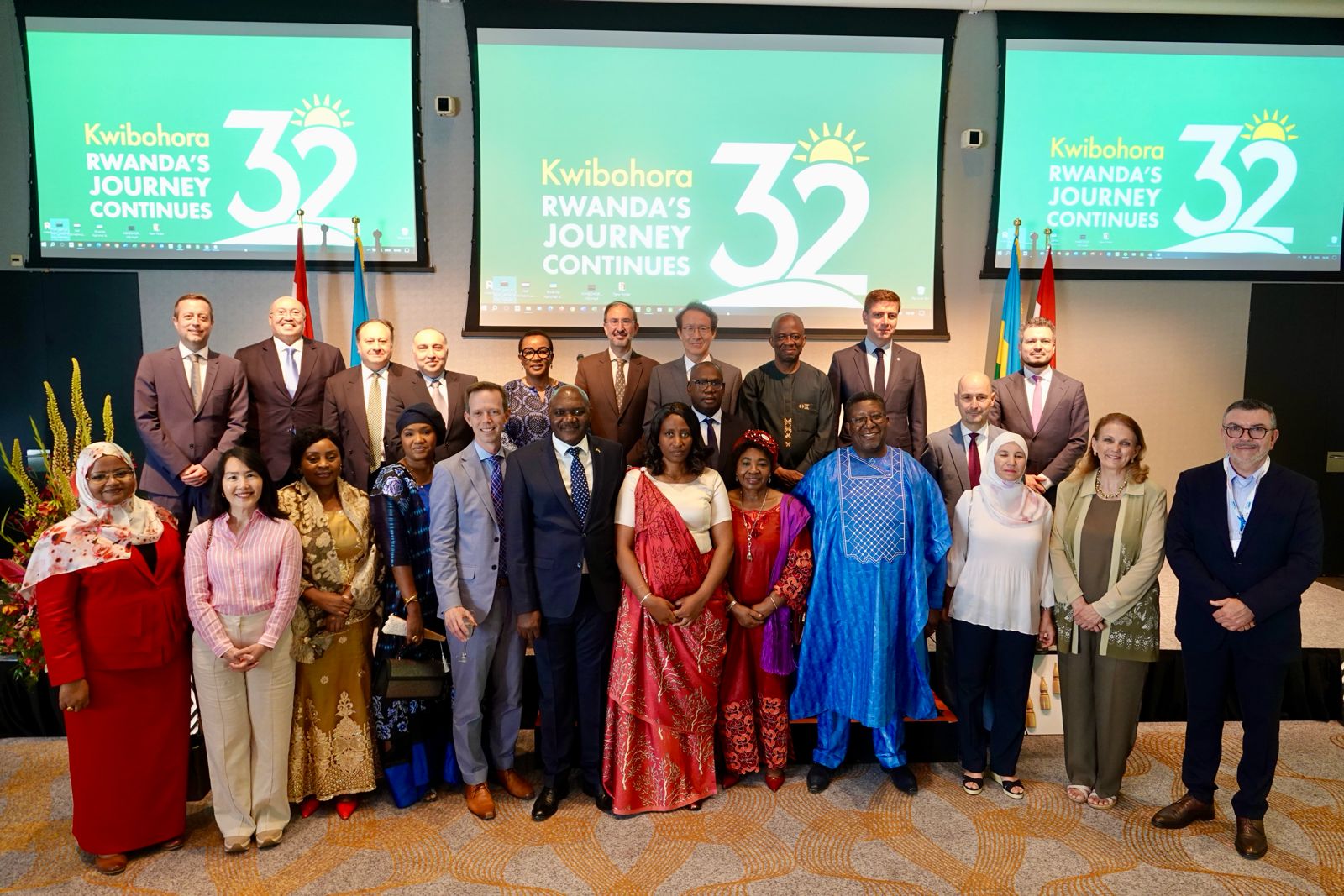
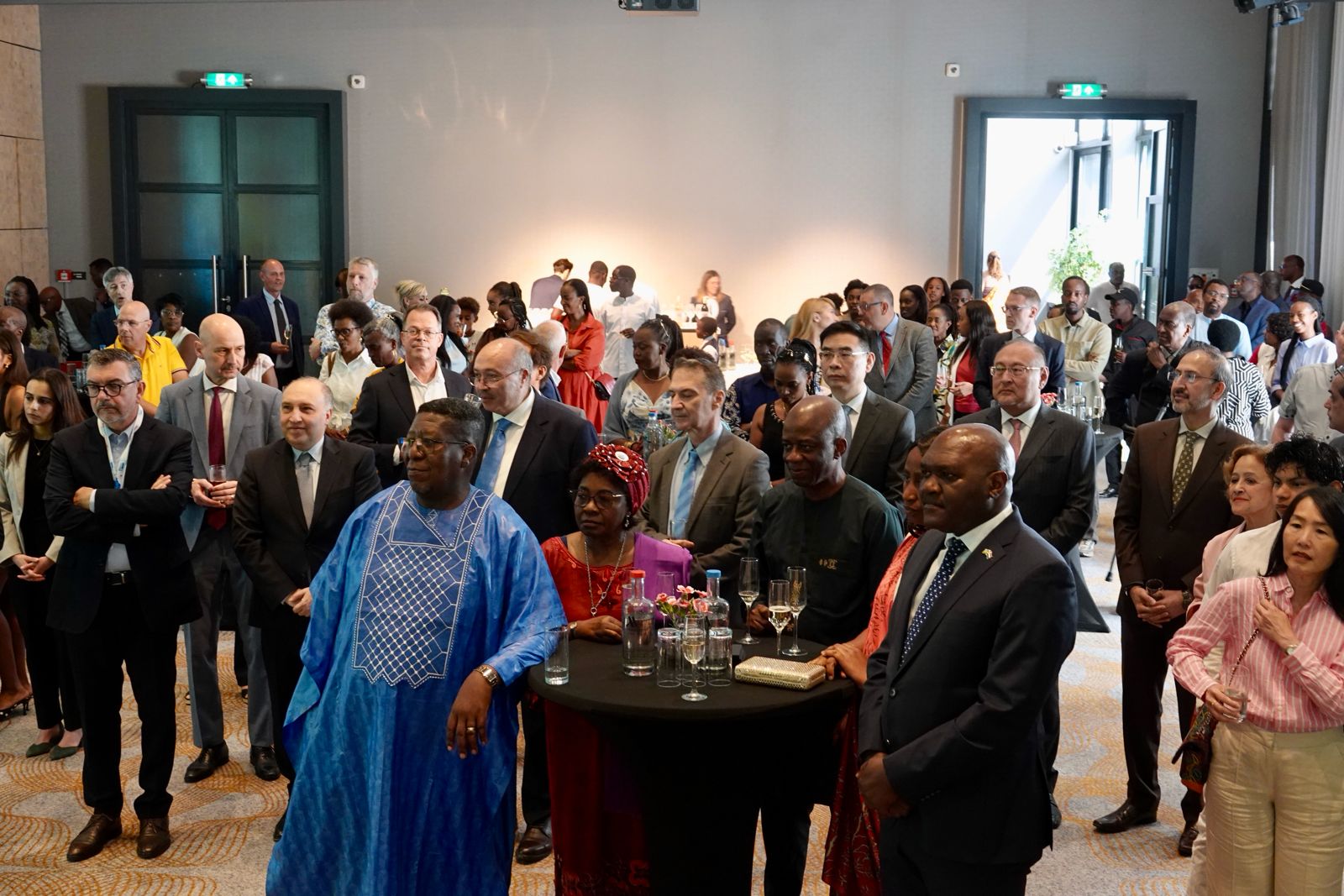
Rwanda’s Ambassador to the Netherlands, Lambert Dushimimana, addresses guests during the 32nd Liberation anniversary celebration, reflecting on the country’s journey since 1994.Participants attend Rwanda’s 32nd Liberation anniversary event in the Netherlands, which highlighted messages of unity, resilience, and hope.Rwanda’s Liberation anniversary event in the Netherlands highlighted the importance of unity, reconciliation, and continued efforts toward national development.The celebration brought together members of the Rwandan diaspora and friends of Rwanda in the Netherlands to mark 32 years since Liberation.
Mbappé scored the decisive penalty in Saturday’s tense last-16 clash in Philadelphia to send France into the quarter-finals, where they will face Morocco. The victory, however, was overshadowed by a series of racist comments posted on social media by Amarilla, who questioned the striker’s French identity and insulted him in a lengthy online tirade.
Among her remarks, Amarilla described Mbappé as a “colonised Cameroonian, desperately trying to pass himself off as French,” while also calling him a “brute” and suggesting Paraguay’s players should have slapped him after the match.
The French forward responded forcefully on social media, accusing the senator of spreading hatred and racism while defending both himself and Paraguay’s national team.
“Madame Celeste Amarilla, you are a despicable woman and unworthy of your position. You do not represent Paraguay, that country which has sweated passion and honour throughout the competition,” Mbappé wrote.
“Through your recklessness and your brazen racism, the entire world has already forgotten the journey and the historic effort your players accomplished during this World Cup, making way for an incompetent woman who gives the worst possible image of her country.”
He added: “I will never allow people like her the freedom to spread their hatred and racism across the world.”
The incident prompted a swift response from the French Football Federation (FFF), which announced it would file a criminal complaint against Amarilla, describing her comments as “utterly abhorrent and unacceptable.”
“These remarks are criminal and reprehensible. They must be prosecuted here as elsewhere,” the federation said in a statement.
“The players of the French national team represent France; it is our country that is being insulted.”
The controversy quickly expanded beyond football, with the Paraguayan government distancing itself from the senator’s statements.
In a statement, the country’s foreign ministry said it “deplores and rejects” Amarilla’s comments, describing them as contrary to the principles of peaceful coexistence and respect for human dignity.
“The statements of the aforementioned legislator correspond exclusively to the exercise of her individual responsibility as a member of the Legislative Branch and in no way represent the position of the Government of the Republic of Paraguay or the Paraguayan people,” the ministry said.
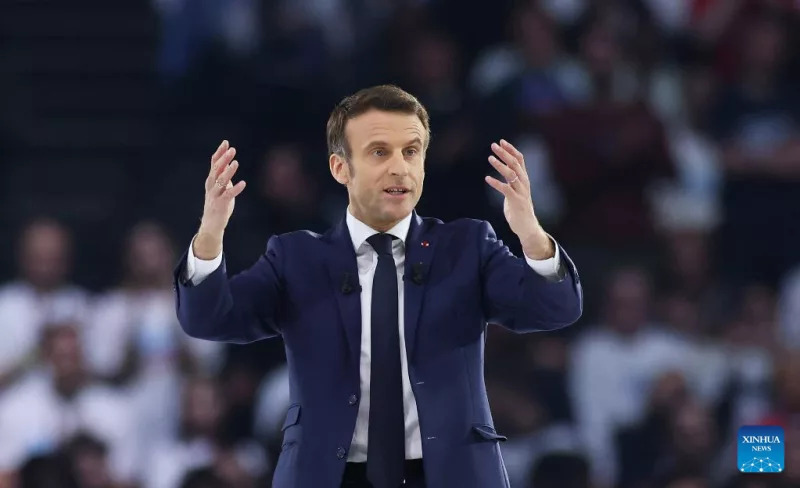
The diplomatic fallout deepened after the office of French President Emmanuel Macron revealed that Paraguayan President Santiago Peña had written to express support and condemn the racist remarks.
Macron also publicly backed Mbappé, posting on X: “Another goal for Kylian Mbappé. Against racism this time. All my support. When words smear, our values respond: dignity, respect, fraternity.”
Paraguay’s Congress also rejected Amarilla’s comments. Senate leader Basilio Núñez said the remarks did not reflect the country’s values and condemned racism, xenophobia and incitement to violence.
“The Paraguayan national team gave their all with honour and grit at the World Cup. Politics and sports should be kept separate,” he said.
France assistant coach Guy Stephan described the remarks as “disgraceful, vile and outrageous.”
Amarilla later deleted her original post but demanded an apology from Mbappé after he called her “despicable.” In an open letter, she defended her criticism as a response to what she claimed was the France captain’s arrogance during and after the match, particularly alleging that he failed to shake hands with Paraguay’s goalkeeper after the final whistle.
She insisted her disagreement was with Mbappé personally rather than France and threatened legal action if he did not apologise.
Despite Amarilla’s response, the racist remarks have been widely condemned in both countries, with French authorities pursuing legal action while Paraguay’s government has sought to distance itself from the senator’s statements, emphasising that they do not reflect the views of the Paraguayan people.
France’s Kylian Mbappe celebrates after scoring from a penalty kick the opening goal during the World Cup round of 16 match between Paraguay and France in Philadelphia, July 4, 2026.
Today, this evolution is most vividly reflected in its cities, and few capture that story better than Shanghai.
Set along China’s eastern coastline, Shanghai rises as a symbol of the nation’s modern ambition and global connectivity. It is a city where history is not left behind, but rather built into the foundations of progress, where ancient waterways, colonial-era streets, and futuristic skylines converge into one living landscape of change.
Shanghai stands today as one of China’s most influential and dynamic cities, defined by transformation, ambition, and international reach. Located at the mouth of the Yangtze River, it spans 6,340.5 square kilometres and is home to nearly 25 million people. Positioned at the heart of the Yangtze River Delta and facing the Pacific Ocean, the city serves as a vital gateway linking China’s vast interior with global markets.
Often referred to as the “Dragon Head” of the Yangtze River, Shanghai plays a leading role in the development of the Yangtze Economic Belt. Its strategic position and economic weight have earned it designation as an international centre for economy, finance, trade, shipping, and technological innovation, collectively known as the “Five Centers.”
By 2019, Shanghai’s GDP had reached approximately 524.02 billion US dollars, with a per capita income of about 20,398 US dollars.
During the same period, more than 720 multinational companies had established headquarters in the city, alongside over 460 research and development institutions, reinforcing its position as a global hub for business and innovation.
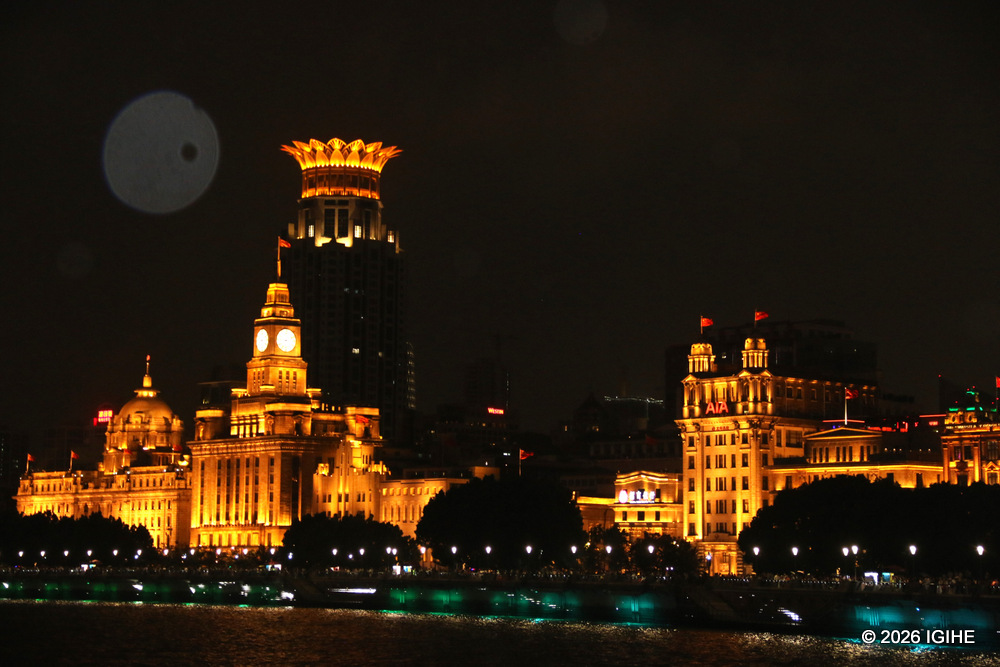
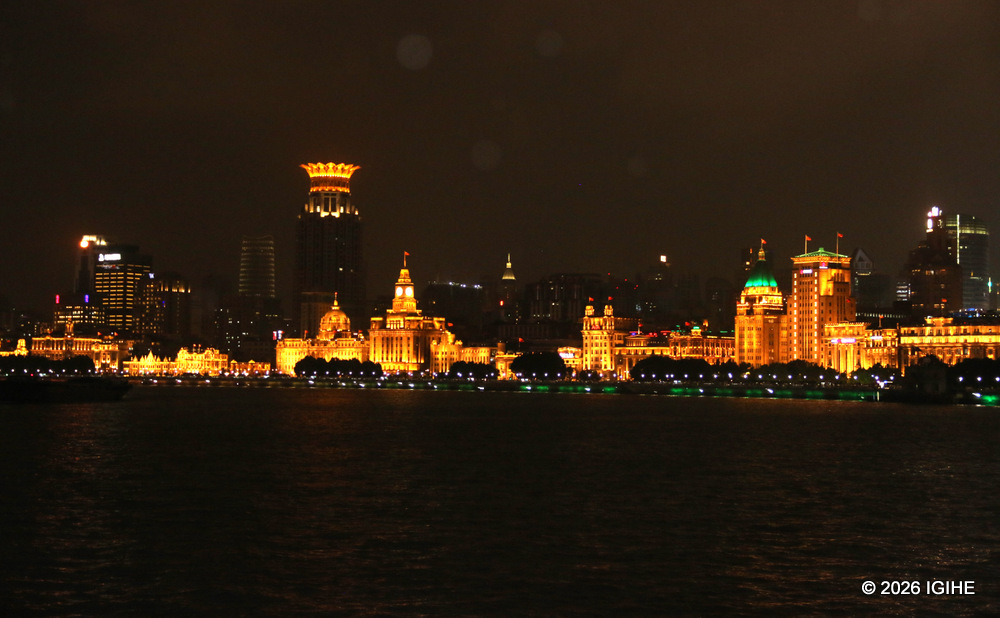
The historic buildings along the Bund showcase Shanghai’s architectural heritage and the city’s evolution as a global port.
A defining chapter in Shanghai’s modern story is the Pudong New Area. In 1990, when China launched its development and opening-up policies there, Pudong was largely composed of farmland and low-rise industrial buildings.
In just over three decades, it has been transformed into one of the world’s most recognizable urban skylines.
By 2025, Pudong’s GDP had reached 1.88 trillion yuan (approximately 276.9 billion US dollars), accounting for about one-third of Shanghai’s total economy.
It now hosts around 60 percent of the city’s licensed financial institutions and nearly half of the regional headquarters of multinational corporations.
Its foreign trade volume reached 2.76 trillion yuan (approximately $406.5 billion USD) , while key industries such as integrated circuits, biomedicine, and artificial intelligence expanded to a combined scale of about 970 billion yuan (about $142.87 billion USD).
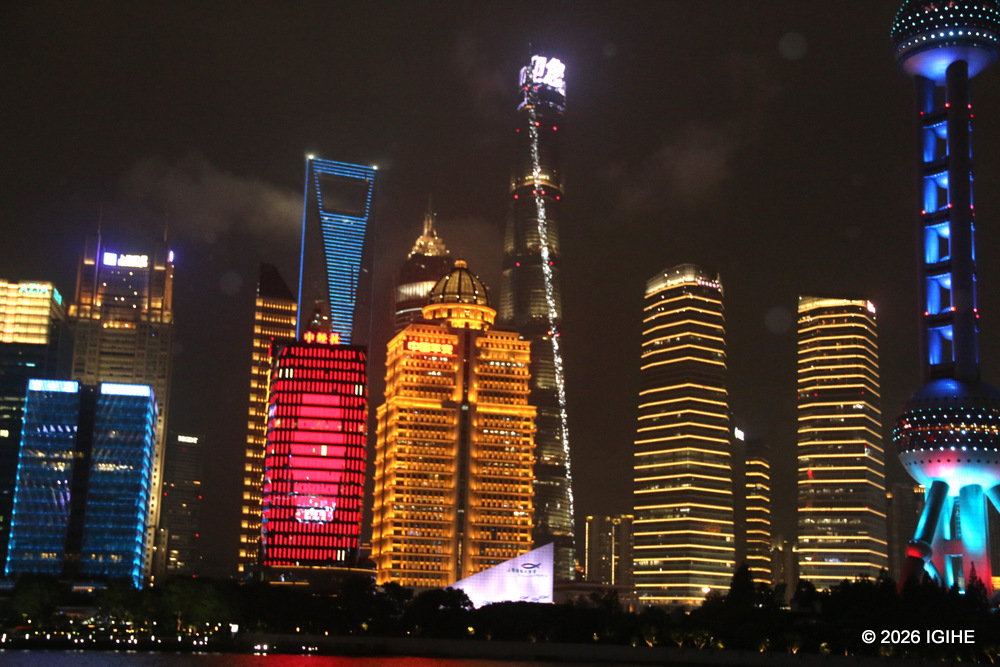
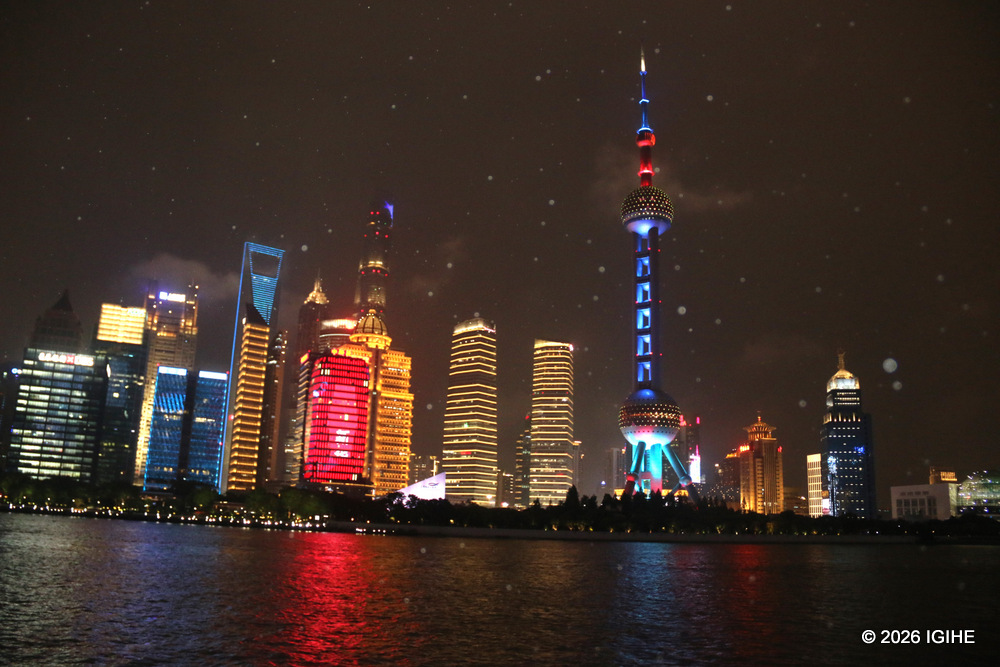
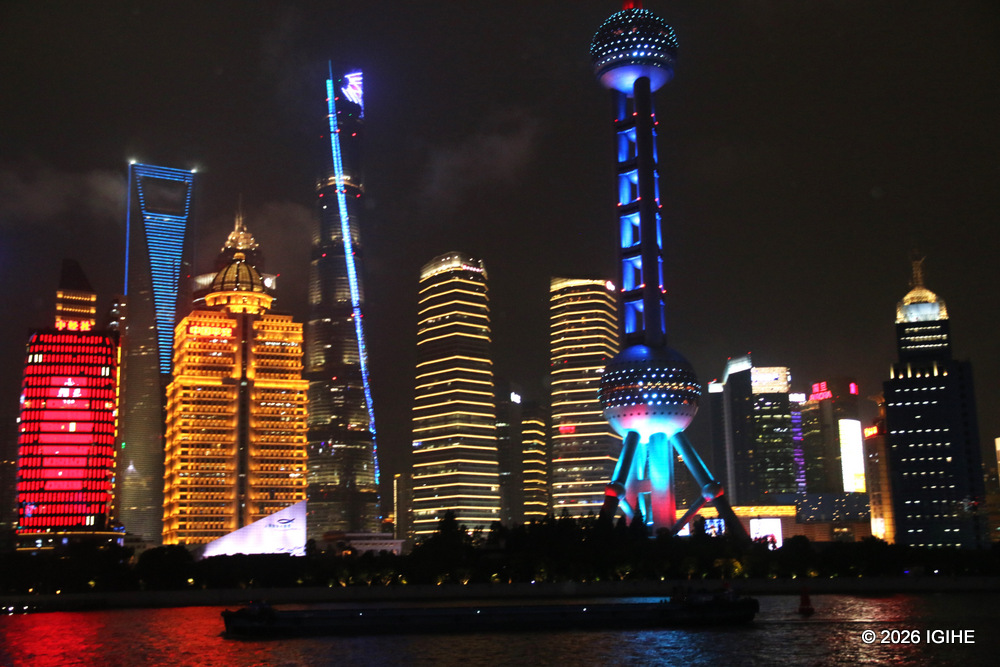
At the heart of this transformation lies the Lujiazui Financial District, home to Shanghai’s iconic skyline and its famous trio of skyscrapers known as the “Three-Piece Set.” These buildings represent not just architectural achievement, but the story of a city evolving across decades.
The Jin Mao Tower, completed in 1999 and rising 420.5 metres, reflects the early phase of modern development in Pudong. Inspired by traditional Chinese pagoda design, it blends cultural heritage with modern engineering.
Nearby stands the Shanghai World Financial Centre, completed in 2008 and reaching 492 metres. Its distinctive trapezoidal opening near the top, resembling a bottle opener, symbolizes openness and Shanghai’s growing role in global finance.
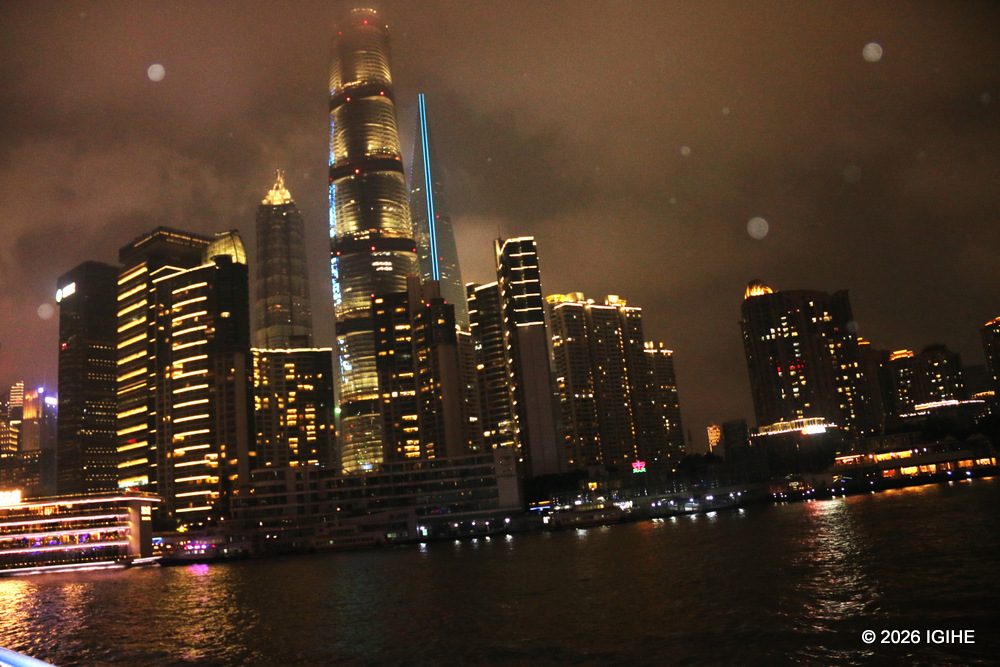
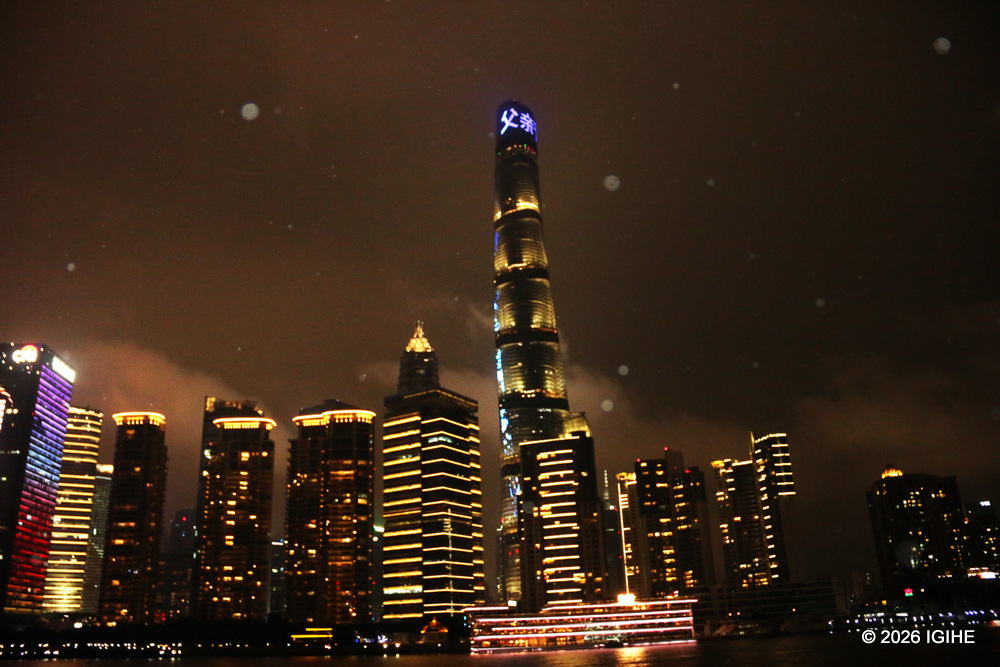
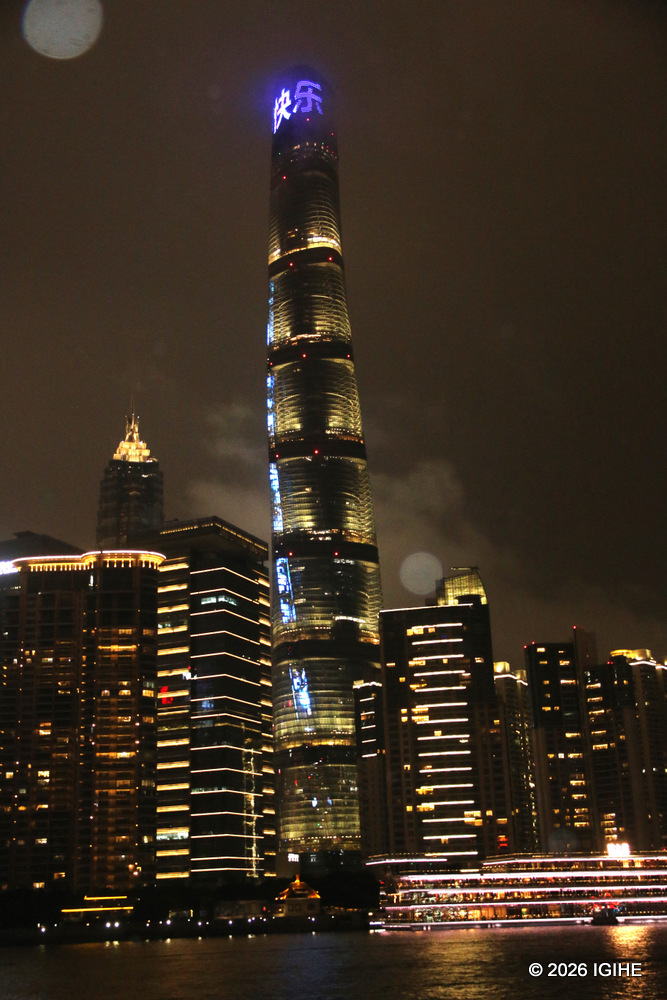
Towering above them is the Shanghai Tower, completed in 2016. At 632 metres, it is the tallest building in China and the third tallest in the world. Its spiralling glass façade reduces wind pressure while symbolizing innovation and sustainability.
Inside, it functions as a vertical city, combining offices, hotels, retail spaces, and observation decks. High-speed elevators carry visitors to the “Top of Shanghai” observatory on the 118th floor in just 55 seconds.
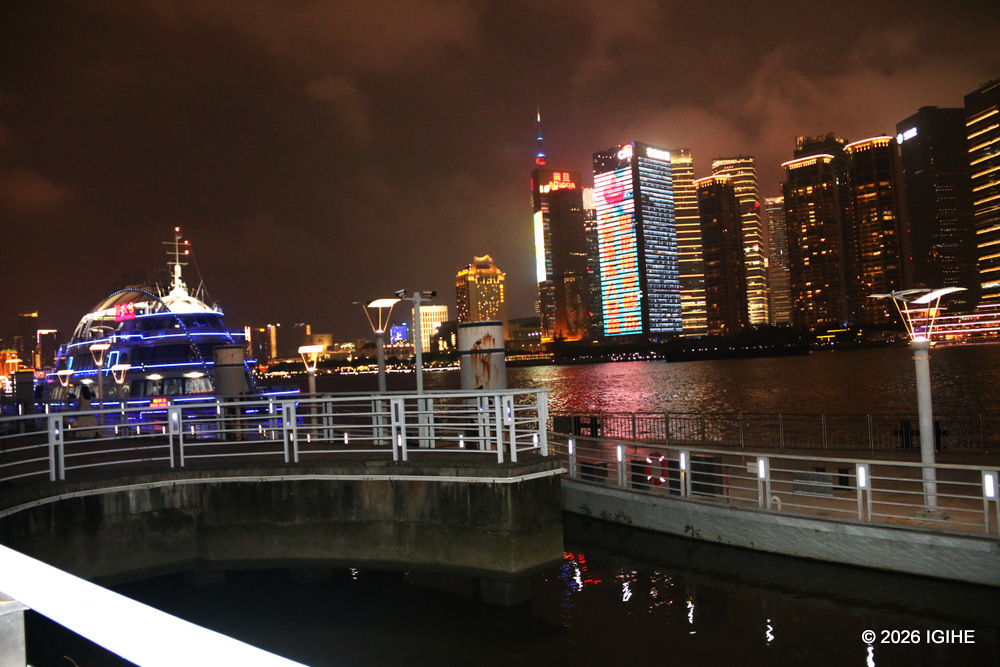
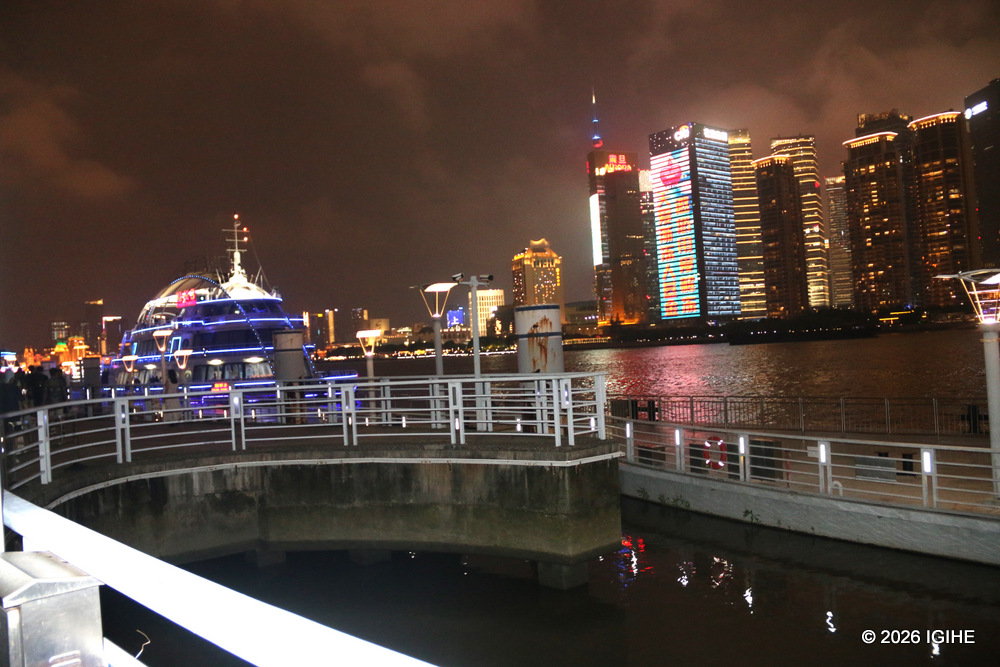
Yet Shanghai’s identity is not defined by skyscrapers alone. The city is shaped by its waterways, including the Yangtze River, Huangpu River, and Suzhou Creek. The Huangpu River divides Shanghai into two contrasting yet connected worlds: Puxi in the west and Pudong in the east.
On the Puxi side, the historic Bund preserves a skyline of colonial-era buildings that reflect Shanghai’s trading past and early international influence. Across the river, Pudong rises as a symbol of modern China; bold, futuristic, and ever-evolving.
Historical influences from the 19th-century Opium War era, including British and French concessions, left a lasting architectural imprint on the city.
European-style buildings still stand in parts of Shanghai today, blending into its wider urban identity and offering a reminder of its complex historical journey.
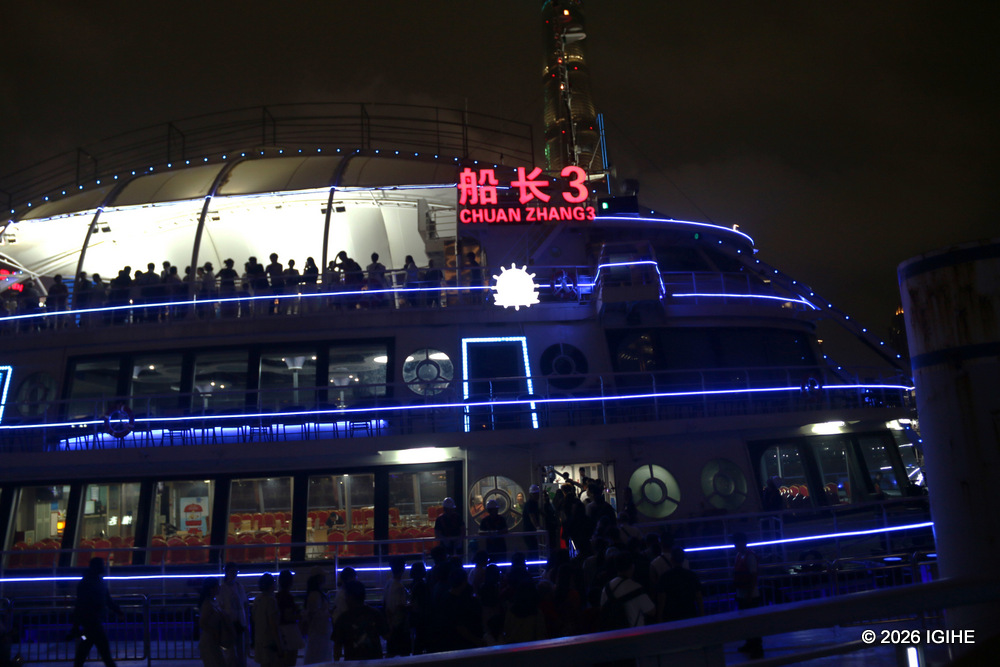
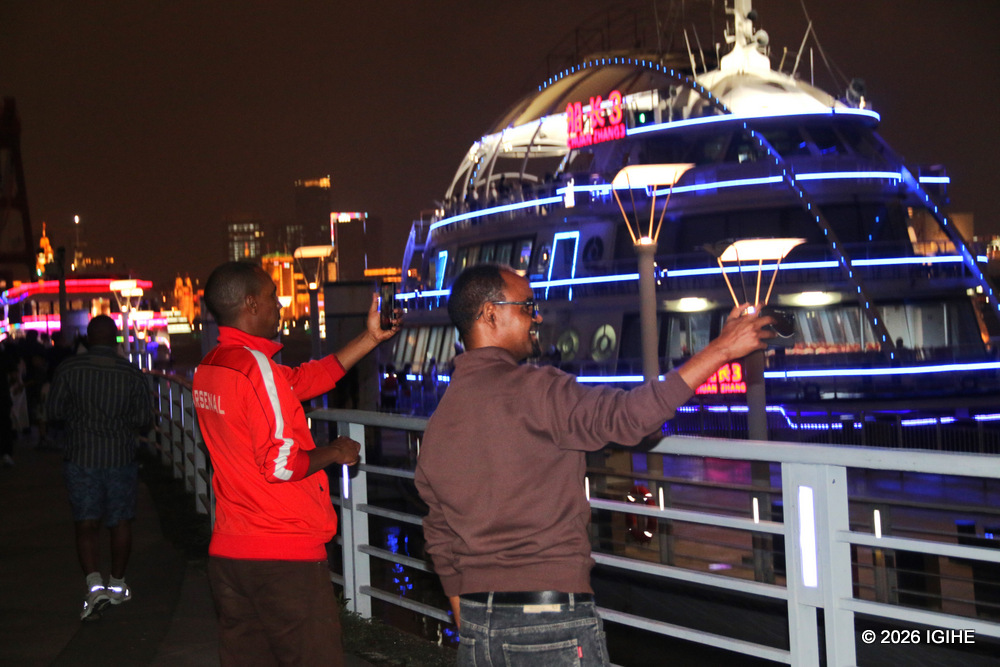
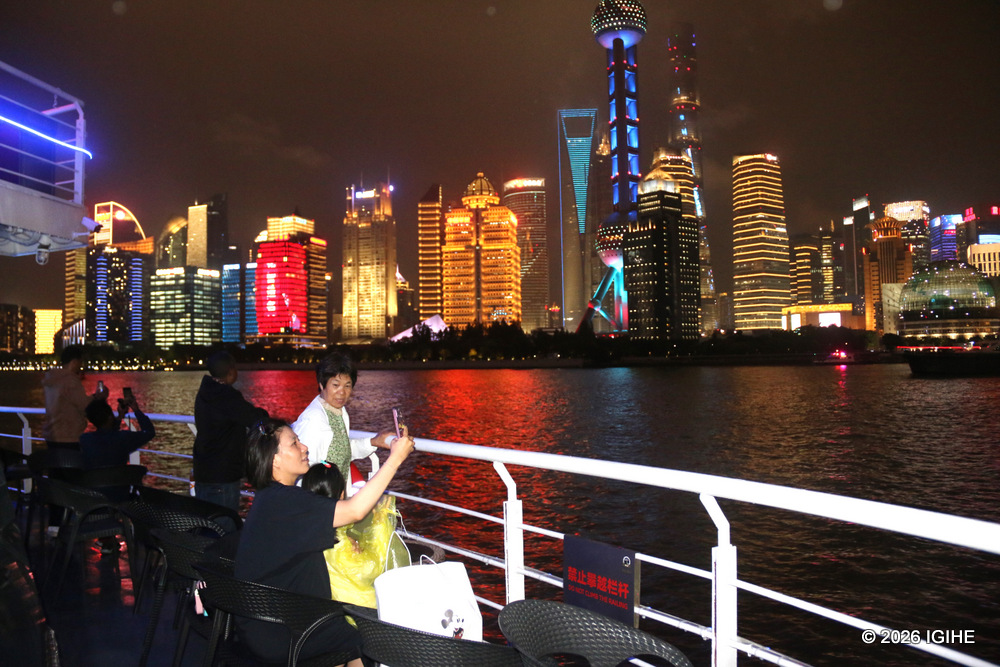
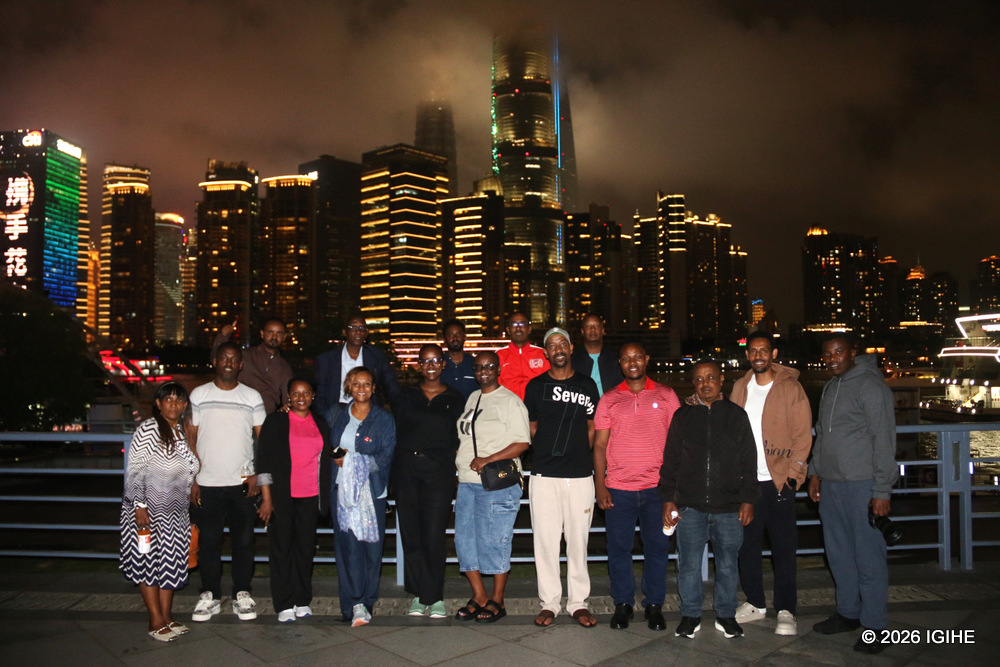
One of the most powerful ways to experience Shanghai is along the Huangpu waterfront, where sweeping views capture both the Bund’s historic architecture and the towering skyline of Lujiazui in a single frame. It is a rare visual dialogue between centuries, where heritage and innovation exist side by side.
Beyond the modern metropolis lies Zhujiajiao, a beautifully preserved water town that offers a quieter reflection of Shanghai’s past. Known for its ancient stone bridges, narrow canals, traditional houses, and artisan shops, it preserves the atmosphere of Jiangnan culture. At night, lantern-lit reflections shimmer across the water, while visitors explore tea culture, handmade crafts, and local traditions passed down through generations.
Today, Shanghai stands as a global metropolis defined by openness, resilience, and continuous reinvention. From its ancient river towns and historic waterfronts to its soaring modern skyline, the city tells a powerful story of transformation—one where tradition is not replaced by progress, but carried forward as part of it.
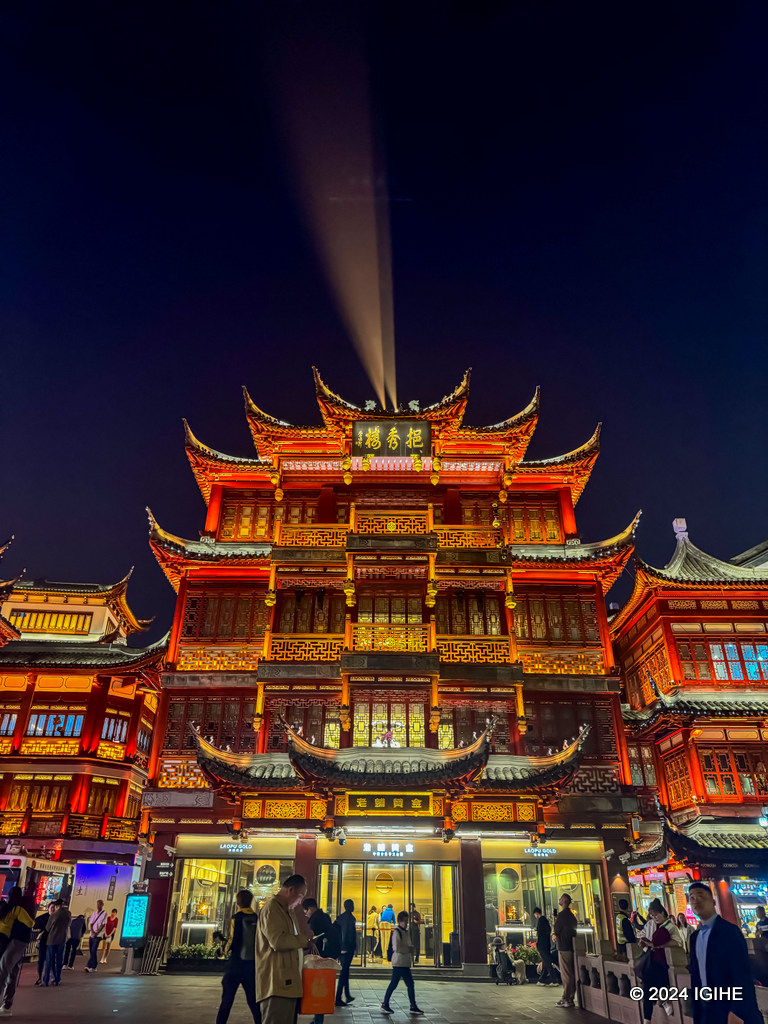
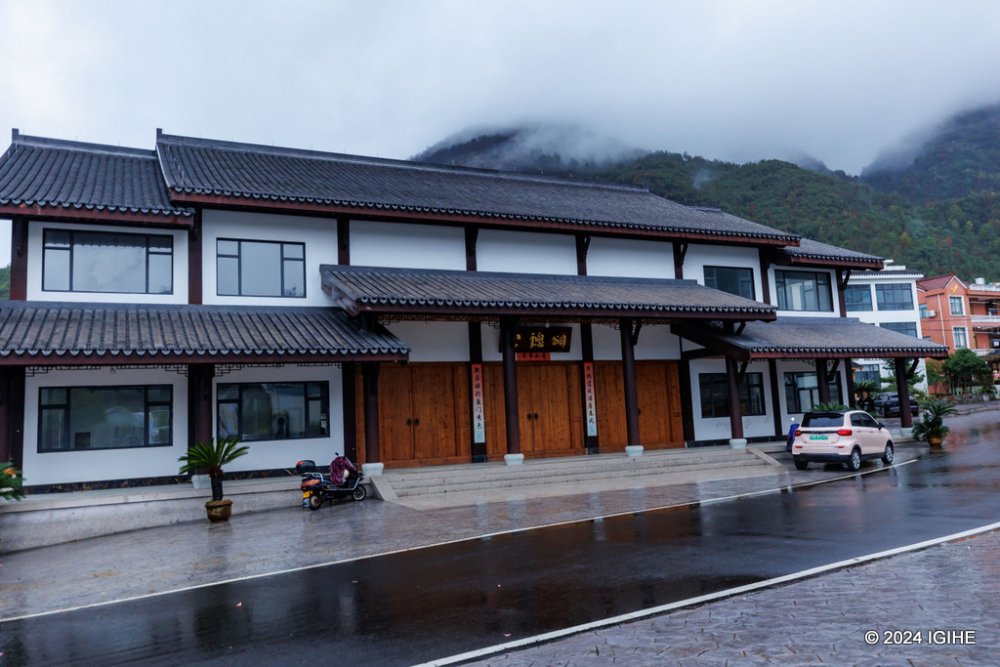
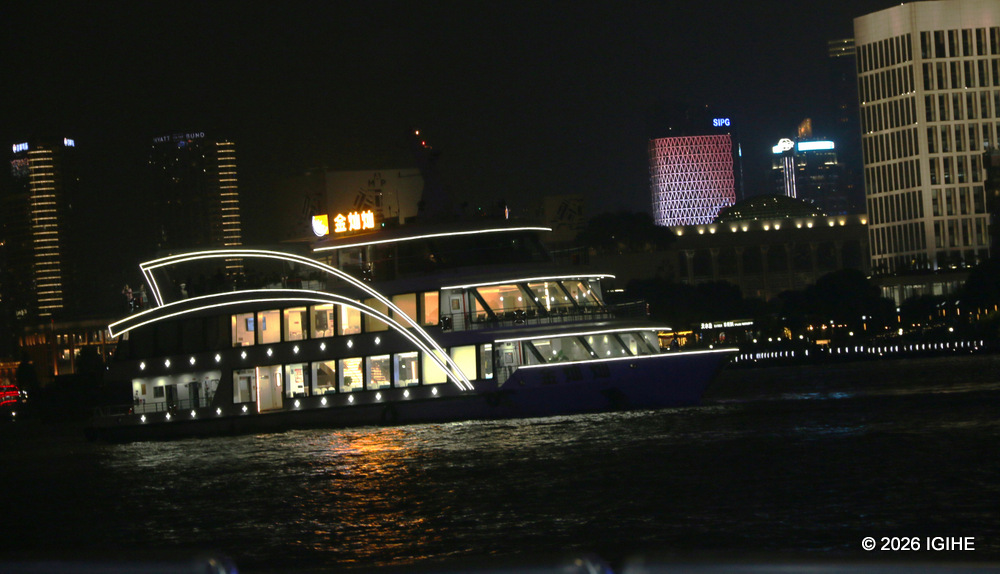
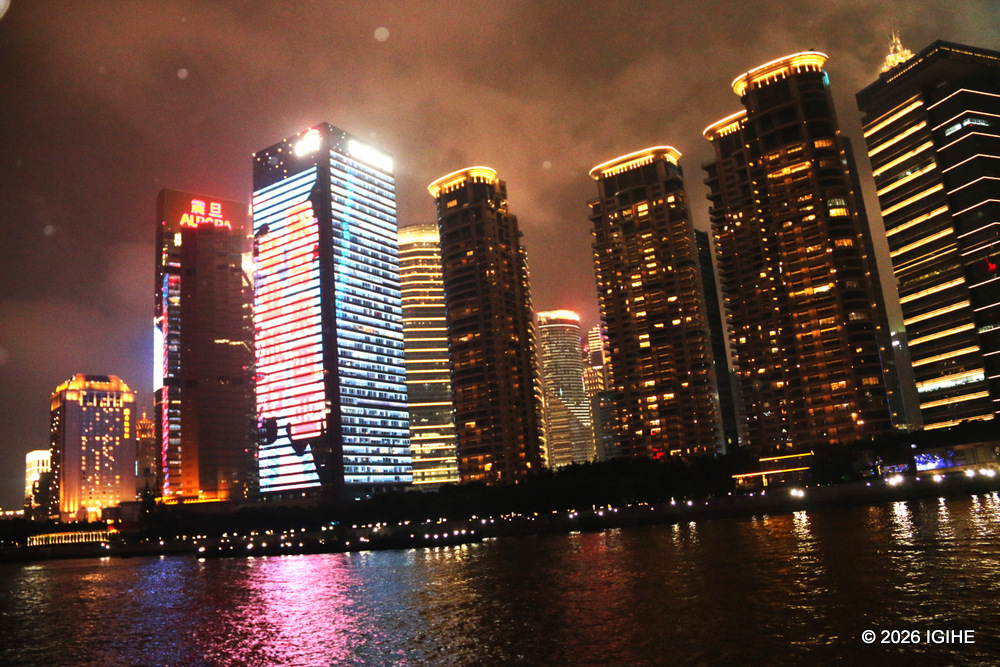
Traditional buildings in Shanghai preserve the city’s rich architectural heritage, offering a glimpse into its historical journey and cultural identity.Historic structures across Shanghai showcase the city’s traditional architecture, where past generations’ craftsmanship continues to stand alongside modern developments.The Huangpu River divides Shanghai into two connected worlds: historic Puxi and futuristic Pudong. Shanghai’s towering skyscrapers define the city’s modern identity while reflecting decades of economic growth and urban development.Tourists enjoy a Huangpu River cruise, one of the most popular ways to experience Shanghai’s blend of history, culture, and modern development.The Huangpu River provides a unique viewpoint where Shanghai’s historic Bund and modern Pudong skyline meet in a single landscape. Visitors gather along the Huangpu waterfront to admire views of Shanghai’s famous skyline and historic riverfront buildings.Shanghai’s iconic skyline rises along the Huangpu River, showcasing the city’s transformation into one of the world’s leading financial and economic centres.A nighttime view from the Huangpu River captures the contrast between Shanghai’s historic buildings and its futuristic skyscrapers.A cruise along the Huangpu River offers visitors a panoramic view of Shanghai’s futuristic skyline and the architectural landmarks of Pudong.The three landmark skyscrapers of Lujiazui Financial District — Jin Mao Tower, Shanghai World Financial Centre, and Shanghai Tower — stand as symbols of Shanghai’s rapid modernization. Shanghai continues to present a powerful story of reinvention, where ancient heritage and modern ambition exist side by side. A cruise along the Huangpu River offers a panoramic view of Shanghai’s futuristic skyline and the architectural landmarks of Pudong.The historic buildings along the Bund showcase Shanghai’s architectural heritage and the city’s evolution as a global port.The Bund’s historic architecture stands across from Pudong’s towering skyline, illustrating Shanghai’s connection between heritage and progress.Visitors often gather along the Huangpu waterfront to admire views of Shanghai’s famous skyline and historic riverfront buildings.The Shanghai Tower, China’s tallest building, dominates the city skyline with its spiralling design that represents innovation and sustainable architecture.Pudong’s modern skyline rises across the Huangpu River, representing Shanghai’s ambition, openness, and economic transformation.
The announcement was made by the International Telecommunication Union (ITU), the specialised United Nations agency for digital technologies and information and communication technologies, on July 2, 2026. President Kagame will co-chair the commission alongside Marc Benioff, while ITU Secretary-General Doreen Bogdan-Martin will serve as vice-chair.
The AI for Good Global Commission brings together more than 40 founding members, including heads of state and government, technology executives, and leaders of international institutions, with the goal of identifying practical ways to strengthen trust, expand access and unlock AI’s potential to address global challenges.
The commission seeks to connect leaders involved in building technology, deploying it at scale, shaping policy and representing communities to promote responsible AI solutions across sectors and borders, while ensuring developing countries are part of the global AI conversation.
“Technology is supposed to be a force for good, and we have a responsibility to use it accordingly,” Kagame said, according to the statement announcing the launch of the commission. “Let us work together to reduce inequality, and allow more and more of our citizens to benefit from the good AI can deliver to all of us.”
The commission’s launch comes amid growing global efforts to ensure artificial intelligence contributes to inclusive development. According to the statement, about 2.2 billion people remain offline, limiting their ability to benefit from advances in AI and other digital technologies.
A key focus of the commission will be bridging digital divides and ensuring AI becomes a tool for solving global challenges rather than widening existing inequalities.
Benioff said the future of AI depends not only on economic opportunities created by the technology but also on building trust.
“The promise of AI is built on not only incredible opportunities for the growth of our economy, but on the foundation of trust that is required for our shared success,” he said.
The commission builds on the work of the multi-stakeholder ITU/UNESCO Broadband Commission for Sustainable Development, which has contributed to global efforts on connectivity, digital inclusion and economic development.
Bogdan-Martin said collaboration across sectors would be essential to ensure AI serves communities worldwide.
“No organization can single-handedly put AI at the service of all humanity,” she said. “It will take collective leadership and the combined expertise of partners from across sectors to ensure AI benefits all people, everywhere.”
The AI for Good Global Commission will hold its inaugural meeting in Geneva, Switzerland, during the AI for Good Global Summit 2026, scheduled for July 7–10, 2026.
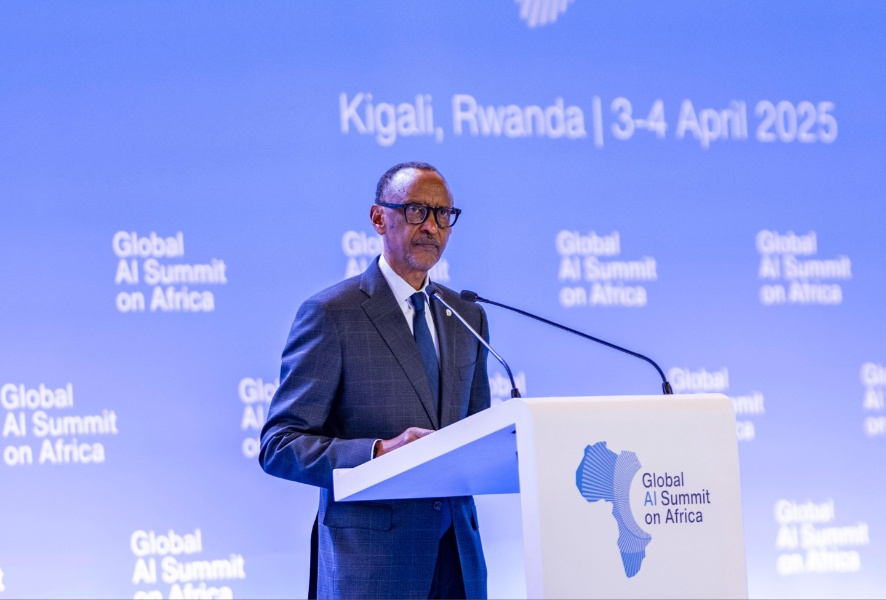
Kagame’s appointment builds on his continued advocacy for Africa’s participation in the global AI revolution. During the inaugural Global AI Summit on Africa 2025, he called on African countries to invest in digital infrastructure, skills development and cooperation to ensure the continent competes in AI rather than remains a consumer of technologies developed elsewhere.
“We have to adapt, cooperate, and compete because it is in our best interest to do so,” Kagame said at the summit.
He has also emphasised the need for AI to be used as a tool for economic transformation, social progress and reducing inequalities, while warning against allowing the technology to negatively influence critical areas such as politics and diplomacy.
Following his 2025 remarks, Rwanda has continued to position itself at the forefront of efforts to harness AI for good through initiatives across sectors such as healthcare, agriculture, public administration, and urban planning.
In June 2026, the Cabinet, chaired by President Kagame, approved the establishment of the National Artificial Intelligence Agency, which will drive AI development, innovation, adoption, investment and governance in support of Rwanda’s digital transformation and economic growth.
The agency is expected to play a central role in coordinating Rwanda’s AI agenda as the country seeks to strengthen its position as a regional technology and innovation hub.
The founding members of the AI for Good Global Commission include leaders from major technology companies, international organisations and governments, including representatives from Microsoft, Google, Amazon, NVIDIA, UNDP, UNESCO and the World Trade Organization.
President Paul Kagame has often advocated for Africa’s active role in the global AI revolution, urging investment in digital infrastructure, skills and cooperation to help the continent compete in AI.
The move follows Burkina Faso’s announcement on June 26 that it was ending diplomatic ties with France with immediate effect, citing what it described as a breakdown in the conditions necessary for relations based on mutual respect, trust, non-interference and respect for national sovereignty.
The decision was announced in a statement from Burkina Faso’s Prime Minister’s Office, which said it followed “a thorough assessment of the current state of bilateral relations between Burkina Faso and France.”
“The conditions essential for promoting relations based on mutual respect, reciprocal trust, respect for the principle of non-interference in internal affairs and national sovereignty are no longer in place,” the statement said.
Burkina Faso’s government said the decision represented “a choice of responsibility and sovereignty,” while stressing that it did not affect historical, cultural and social ties between the Burkinabè and French peoples.
The government also reaffirmed its commitment to protecting foreign nationals living in Burkina Faso and urged citizens to show “responsibility, restraint and civic-mindedness” towards French nationals and other expatriates.
Following the announcement, France criticised the decision, describing it as “hostile and unfounded.” The French Foreign Ministry said the move reflected what it called “the concerning trajectory of the Burkinabè authorities.”
Paris said it was reviewing reciprocal measures in response to the diplomatic break and monitoring the situation of French citizens and personnel in Burkina Faso.
The rupture marks another setback in relations between France and countries in the Sahel region, where several military-led governments have moved to reduce dependence on traditional Western partners.
France had already withdrawn its military forces from Burkina Faso and suspended development assistance in 2023 after relations deteriorated following the military takeover in the country.
The diplomatic split also comes as Burkina Faso, alongside Mali and Niger under the Alliance of Sahel States (AES), pursues a foreign policy focused on diversifying partnerships and strengthening cooperation with non-Western countries.
The Burkinabè authorities said the country would continue pursuing “an independent foreign policy” centred on strengthened South-South cooperation, balanced relations with other nations, and the promotion of peace, security and sustainable development.
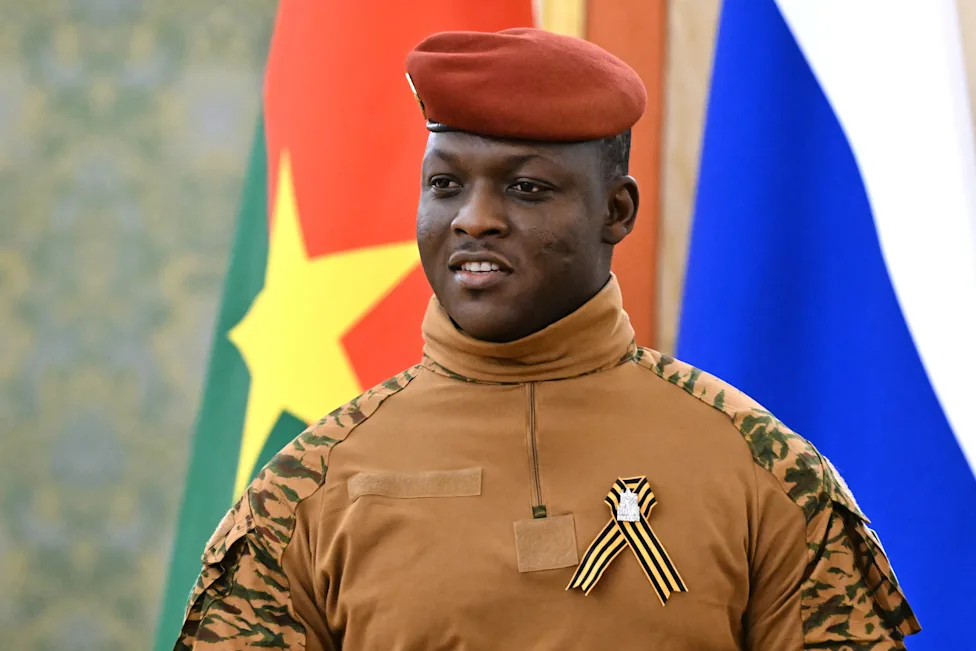
Burkina Faso’s military junta, led by Captain Ibrahim Traoré, announced the immediate and complete severance of formal diplomatic ties with Paris last month.
The decisive moment arrived deep into stoppage time when substitute midfielder Mikel Merino struck the winning goal, ending Portugal’s campaign and leaving Ronaldo to reflect on what was likely his final appearance at football’s biggest tournament.
At 41, Ronaldo had entered the competition chasing the one major international honour missing from his decorated career. Although he had previously guided Portugal to success at the 2016 European Championship and the 2019 and 2025 UEFA Nations League, the World Cup trophy remained beyond his reach.
The Portugal captain admitted after the match that he would not feature at another World Cup but said he needed time before making a decision on his wider international future.
“I’m sad to be leaving the World Cup like this. I gave it my all. I did my best. It was my last World Cup, yes, but I’ll now have time to reflect and be with my family. I won’t be making any rash decisions,” Ronaldo said.
“I don’t decide anything in the heat of the moment. Now is not important whether I will continue [to play]. Tomorrow I will get up the same way I got up today: with a clear conscience.”
Ronaldo, who has represented Portugal for 23 years, highlighted the achievements he has helped deliver for his country.
“I played 23 years in the national team and won three titles. Before Cristiano, Portugal had not won anything. The Euros was the most important. For me, 2016 has the same dimension as a World Cup, honestly,” he said.
The next major international tournament, the 2028 European Championship hosted by the United Kingdom and Ireland, would come when Ronaldo is 43, making his continued involvement uncertain.
Spain edge tense Iberian battle
The last-16 clash between two European rivals was a cautious encounter, with Spain controlling possession while Portugal looked to threaten on counter-attacks.
Spain created the better opportunities in the first half but failed to convert, while Portugal struggled to consistently trouble their opponents despite having attacking options capable of changing the game.
Portugal coach Roberto Martínez made a notable change to his starting lineup, bringing in João Félix ahead of Rafael Leão, who had impressed in the previous round against Croatia. The decision was aimed at adding defensive discipline against Spain’s dangerous winger Lamine Yamal, though it reduced Portugal’s attacking threat.
The match remained finely balanced until Merino’s late intervention settled the contest and sent Spain through to the quarter-finals.
For Ronaldo, the defeat marked the end of a remarkable World Cup chapter. He leaves the tournament as one of the greatest players never to lift the famous trophy, having become the first player in history to score in six different World Cup editions and built one of the most celebrated careers in football history.
Martínez steps down after Portugal exit
Portugal coach Roberto Martínez confirmed he would leave his position following the defeat, saying his objective had been to win the World Cup.
“I came to Portugal to win the World Cup and I think that, without winning it, there’s no point in continuing,” Martínez said.
“My contract ends today. There isn’t much more to say.”
Martínez also paid tribute to Ronaldo, praising his leadership and commitment throughout the tournament.
“He was an exemplary captain. Not just in terms of goals, the statistics speak for themselves, but also in terms of assists,” Martínez said.
“It’s his day-to-day commitment, the way he lives and breathes football. He’s an example and something we must celebrate.”
He added: “This is not the moment to look beyond what we’re talking about: a soccer icon. There are not many Cristiano Ronaldos.”
Spain’s Lamine Yamal takes a shot. Mikel Merino celebrates with teammate Fabian Ruiz after scoring his team’s first goal during the match with Portugal on Monday.The match remained finely balanced until Merino’s late intervention settled the contest and sent Spain through to the quarter-finals.Ronaldo is dejected after Portugal were knocked out of the World Cup by Spain.
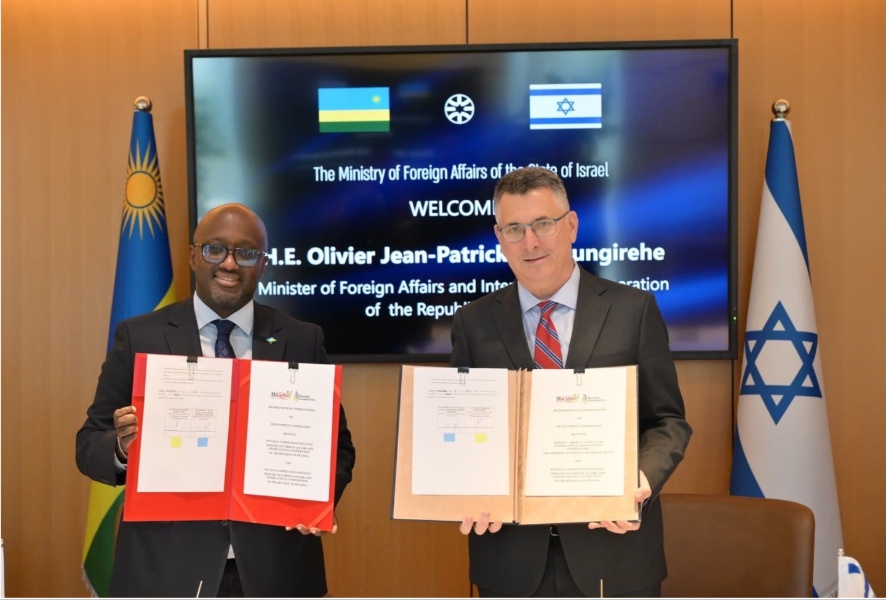
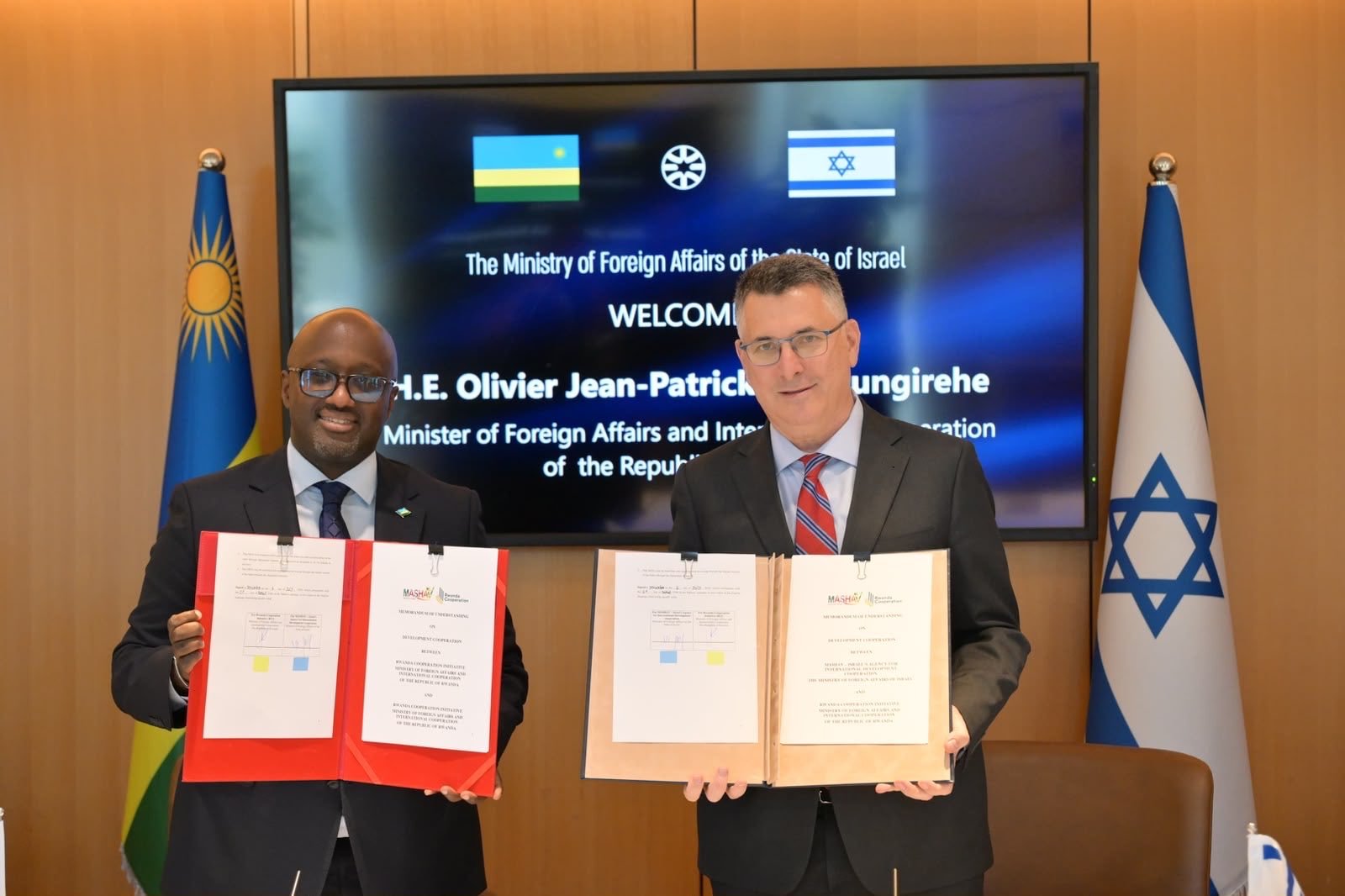
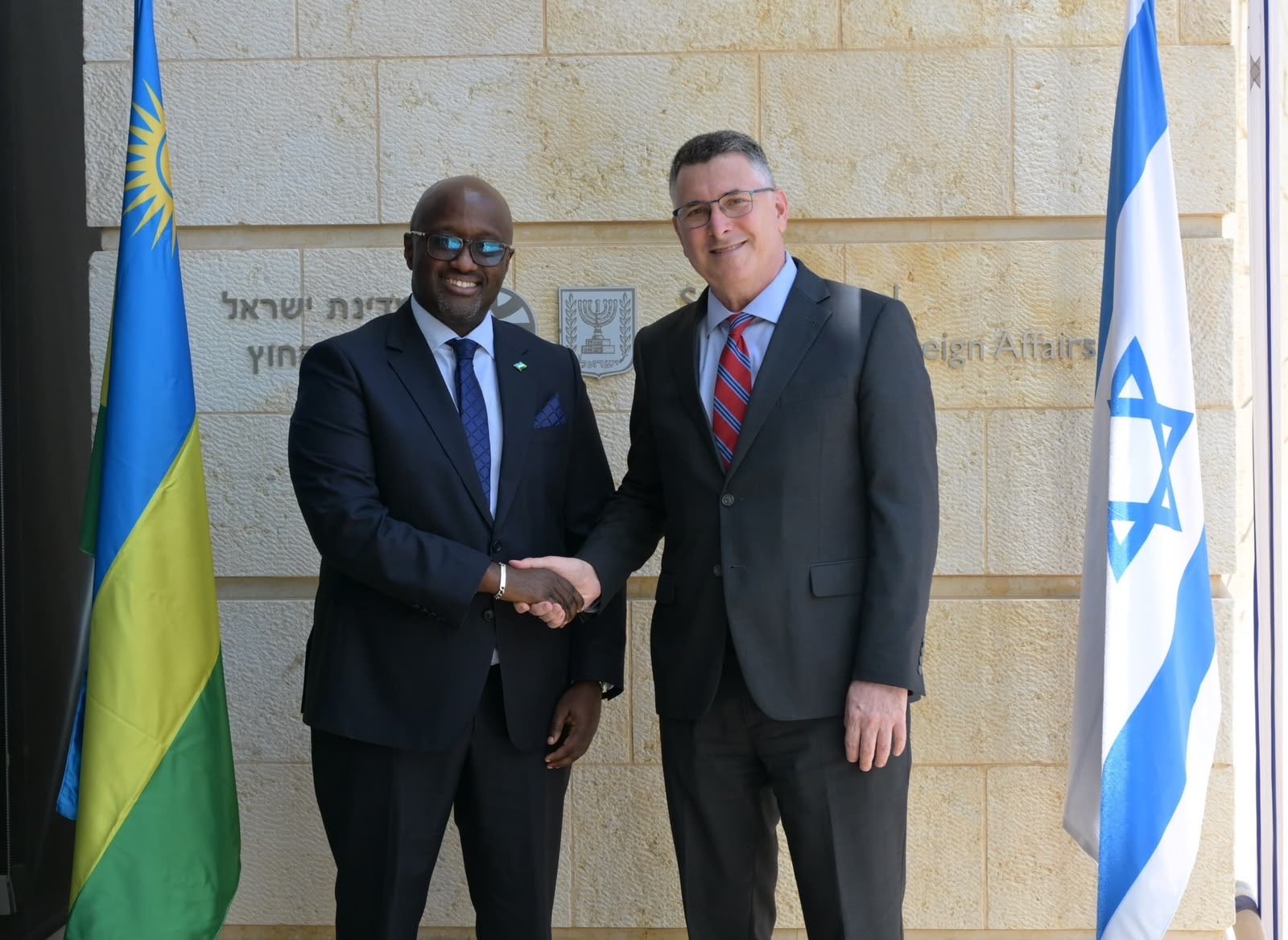
The agreements were signed in Jerusalem on Monday, July 6, during a meeting between Rwanda’s Minister of Foreign Affairs and International Cooperation, Ambassador Olivier Nduhungirehe, and Israel’s Minister of Foreign Affairs, Gideon Sa’ar.
The first agreement establishes cooperation between the Government of Rwanda and the Government of Israel in the fields of basic education, information and communication technology (ICT), technical and vocational education and training (TVET), higher education, and scientific research.
The second is a memorandum of understanding between MASHAV, Israel’s Agency for International Development Cooperation under the Ministry of Foreign Affairs, and the Rwanda Cooperation Initiative under Rwanda’s Ministry of Foreign Affairs and International Cooperation. The agreement seeks to enhance collaboration on development cooperation and facilitate the exchange of expertise and homegrown solutions.
Speaking after the signing ceremony, Sa’ar described Rwanda and Israel as two nations whose histories have been marked by profound tragedies but whose people chose to rebuild rather than be defined by the past.
“Israel and Rwanda are two small nations with difficult pasts, but a great belief in the future,” Sa’ar said.
“The Jewish people suffered the Holocaust. Rwanda endured the Genocide against the Tutsi. Different histories, different regions. Yet, our nations did not allow tragedy to define our future. Instead, we chose to rebuild.”
He noted that this shared experience had created a “unique moral and natural bond” between the two countries, adding that cooperation in remembrance, education and development would continue to grow.
Sa’ar praised Rwanda’s economic transformation, describing the country as one of Africa’s fastest-growing economies with a strong vision for innovation and development.
He said both countries understood that “a nation’s greatest resource is its people” and noted that the newly signed agreements would strengthen cooperation in areas including agriculture, innovation, education and leadership development.
The Israeli foreign minister also welcomed the peace agreement between Rwanda and the Democratic Republic of Congo under the Washington Accords signed last year, saying Israel supported its full implementation while reaffirming his country’s commitment to regional security.
For his part, Nduhungirehe said discussions with his Israeli counterpart had been constructive and forward-looking, helping both sides review key areas of cooperation and strengthen the foundations of bilateral relations.
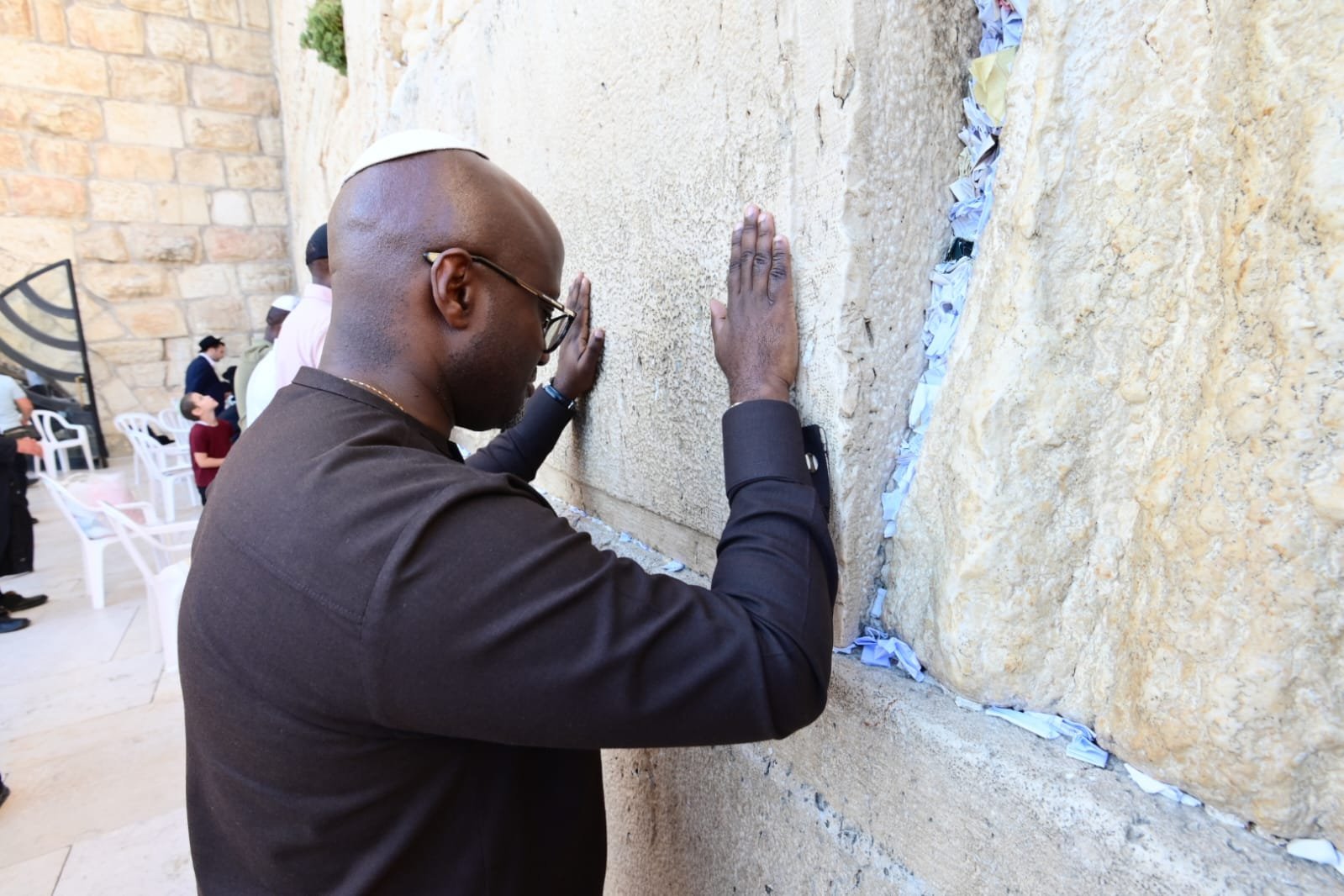
Before the official talks, the minister visited Jerusalem’s Old City and the Western Wall, as well as Yad Vashem, Israel’s Holocaust memorial, where he met its chairman, Dani Dayan, who visited Kigali during Kwibuka 32, Rwanda’s annual commemoration of the 1994 Genocide against the Tutsi.
He said the visits provided an opportunity to reflect on the histories of both countries, the horrors of genocide, and the importance of safeguarding peace.
“When I was a kid, I learned about the Holocaust through movies. I thought it was fiction until I realised it was real history. Then a similar tragedy happened in my own country,” he said.
“It allowed me to reflect on the limits of a human being, who can decide to solve any problem by exterminating a whole group of people.”
He said Rwanda and Israel share strong ties that go beyond diplomacy.
“Both our countries are marked by difficult histories and profound tragedies, but what defines us is the resilience of our peoples and our determination to turn adversity into progress.”
According to Nduhungirehe, the agreements signed in Jerusalem reflect a shared commitment to expanding exchanges, training programmes, and institutional partnerships.
“The agreement between MASHAV and Rwanda Cooperation reflects our shared commitment to exchanging development experience and homegrown solutions, while the education agreement will strengthen cooperation between institutions of both countries and expand exchanges, training programmes and capacity-building opportunities,” he stated.
He added that both delegations also exchanged views on the security situations in their respective regions and reaffirmed the importance of dialogue, diplomacy and international cooperation.
“Today’s discussions and agreements reflect the strength of our partnership and our shared ambition to deepen cooperation for mutual benefit,” Nduhungirehe said. “I am confident that this visit will bring new momentum to Rwanda-Israel relations.”
The agreements were signed in Jerusalem on Monday, July 6, during a meeting between Rwanda’s Minister of Foreign Affairs and International Cooperation, Ambassador Olivier Nduhungirehe, and Israel’s Minister of Foreign Affairs, Gideon Sa’ar.During the visit to Israel, Nduhungirehe toured Jerusalem’s Old City and the Western Wall. The minister also visited Yad Vashem, Israel’s official memorial to Holocaust victims.
In New Jersey, at least 29 people are estimated to have died as a result of the heat wave, according to the state’s Department of Health. The deaths were reported across 10 counties, and officials say most of the victims were found in homes without air conditioning.
New Jersey Health Commissioner Raynard Washington said at a news conference on Saturday that the victims were not just elderly, but also included some younger adults.
“Extreme heat is the number one weather-related killer in America, and this is the hottest stretch we’ve seen in over 14 years,” New Jersey Governor Mikie Sherrill said at the same news conference.
The heat wave has affected large parts of the country, with more than 20 states recording temperatures of at least 37.8 degrees Celsius, according to the FOX Forecast Center. At least 148 daily high-temperature records were set between June 30 and Sunday, July 5.
In Chicago, four people died of causes linked to the city’s recent heat wave, according to records from the Cook County Medical Examiner’s Office.
In Mississippi, Hinds County officials confirmed Saturday that an 83-year-old woman died of heat exposure after falling in a garden near her house.
In New York City, the multi-day heat wave sent hundreds of residents to emergency rooms over the past week.
The U.S. capital, Washington, D.C., recorded its warmest July 4 on record, with the temperature reaching 39.4 degrees Celsius. The Great American State Fair, a national exposition held on the National Mall as part of the U.S. 250th anniversary celebrations, was temporarily closed on Friday after emergency responders treated 44 people, including 11 who were taken to hospitals, many for heat-related illnesses and injuries, NBC News reported.
Several other events scheduled for Saturday, including an Independence Day parade in Washington, D.C., were also canceled due to the extreme heat.
Philadelphia recorded historic high temperatures of 38.3 degrees Celsius or higher for three consecutive days for the first time since records began.
Atlantic City tied its all-time highest temperature on Saturday, when the temperature reached 41.1 degrees Celsius.
Public health experts say most deaths during extreme heat are not caused by heat alone in isolation, but by a combination of physiological stress and pre-existing medical conditions. When the body is exposed to prolonged high temperatures, it struggles to regulate internal heat through sweating and circulation. This can lead to dehydration, heat exhaustion, and in severe cases heatstroke, where core body temperature rises to dangerous levels.
Heat also places significant strain on the cardiovascular system, forcing the heart to work harder to cool the body. This can trigger or worsen heart attacks, strokes, and respiratory failure, particularly among older adults and people with chronic illnesses such as heart disease or diabetes. Medication effects and reduced ability to stay hydrated can further increase risk.
The heat wave has affected large parts of the country, with more than 20 states recording temperatures of at least 37.8 degrees Celsius, according to the FOX Forecast Center. At least 148 daily high-temperature records were set between June 30 and Sunday, July 5.
Organisers say preparations are in their final stages, with confidence that the city is fully ready to welcome international delegates.
Father Professor Walter Chikwendu Ihejirika, President of SIGNIS Africa and Chairperson of the African organising committee, has emphasized that both continental and local teams have been working intensively to ensure a smooth and successful event.
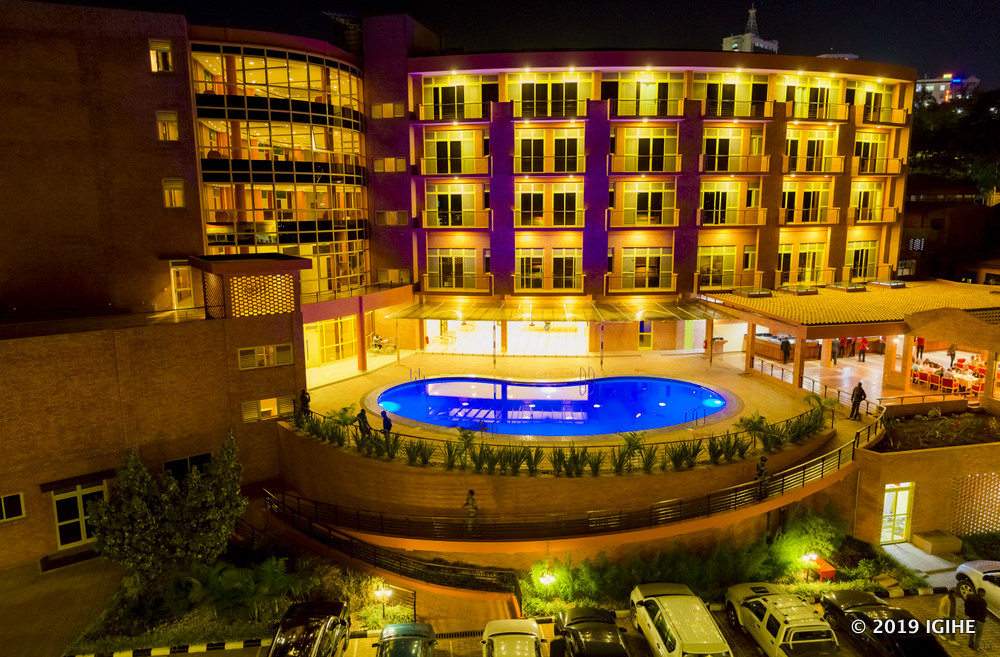
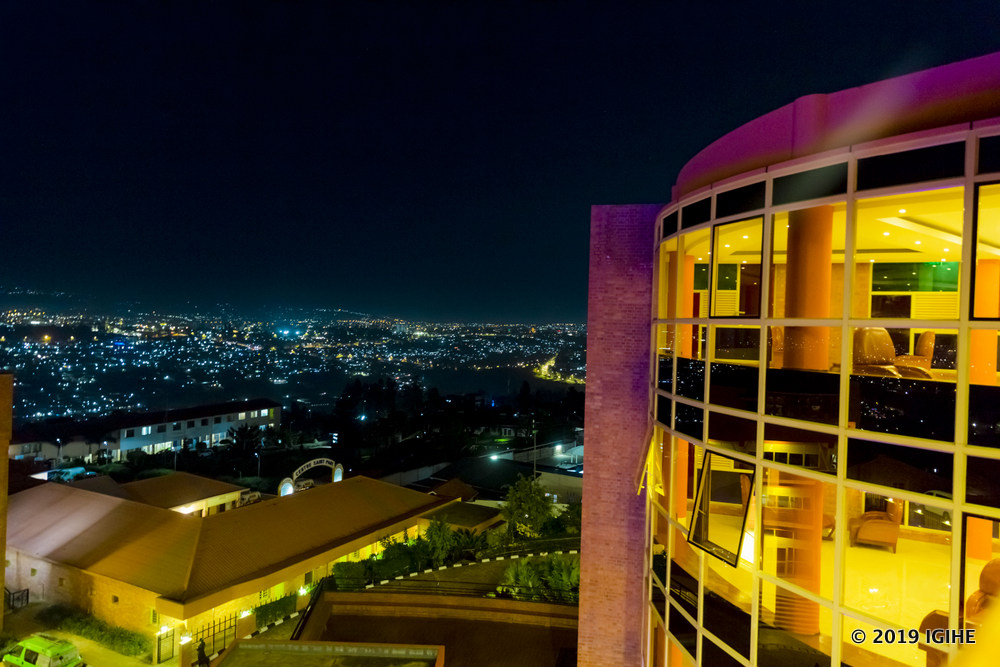
The congress will be hosted at the Sainte Famille Hotel in central Kigali. The venue is expected to accommodate a wide range of activities, including plenary sessions, workshops, exhibitions, and networking forums designed to strengthen global Catholic communication networks.
One of the key priorities for organisers is logistics. Dedicated teams are handling airport reception, accommodation, transportation, and guest coordination.
According to Fr. Ihejirika, the goal is to ensure that participants “experience a smooth arrival and leave with warm memories of Rwanda and its hospitality.”
Registration systems have also been active, and even though official registration closed on 30 June, last-minute participants are still being accommodated through direct contact with the organising committee.
Health and safety have also been part of the preparations. Concerns had been raised following an Ebola outbreak in neighbouring parts of the Democratic Republic of Congo. However, organisers, working closely with Rwanda’s Ministry of Health and the World Health Organization, have reassured participants that Rwanda remains free of Ebola and that no travel alerts have been issued for the country. Authorities insist that there is no cause for alarm for those traveling to Kigali.
The 2026 congress is also expected to engage deeply with contemporary global issues. Its theme—“Digital communication for communion, equity, and environmental well-being”—aligns with recent Catholic reflections on technology and human dignity, particularly in the context of artificial intelligence and digital transformation.
A strong international presence is expected, including senior Vatican officials from Vatican City, cardinals, archbishops, and representatives from major Catholic organisations. These include EWTN, the Conrad N. Hilton Foundation, Catholic Relief Services, and the American Bible Society, among others.
To ease travel, organisers have also negotiated discounted fares with major African carriers, including RwandAir, Ethiopian Airlines, and Kenya Airways. Delegates using these airlines will benefit from promotional codes offering up to 15% discounts.
Beyond formal sessions, the congress is expected to serve as a cultural exchange platform, showcasing Rwanda’s identity, hospitality, and diversity. Organisers say participants will not only engage in professional dialogue but also experience African culture beyond global headlines.
As Kigali prepares for August, the SIGNIS World Congress stands out as both a professional milestone for Catholic communicators and a major international event positioning Rwanda as a hub for global dialogue on media, ethics, and digital transformation.
The SIGNIS World Congress will take place at the Sainte Famille Hotel, a key venue in central Kigali set to host global Catholic media professionals from August 3–8, 2026.Kigali is set to host the SIGNIS World Congress from August 3 to 8, 2026, bringing together Catholic communicators from over 100 countries.Located in the heart of Kigali city, the Sainte Famille Hotel has been selected as the main venue for the upcoming SIGNIS World Congress 2026.