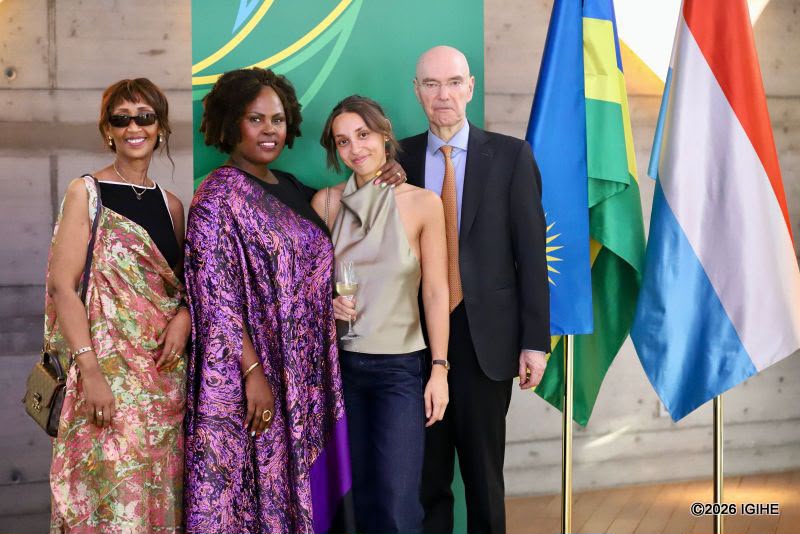
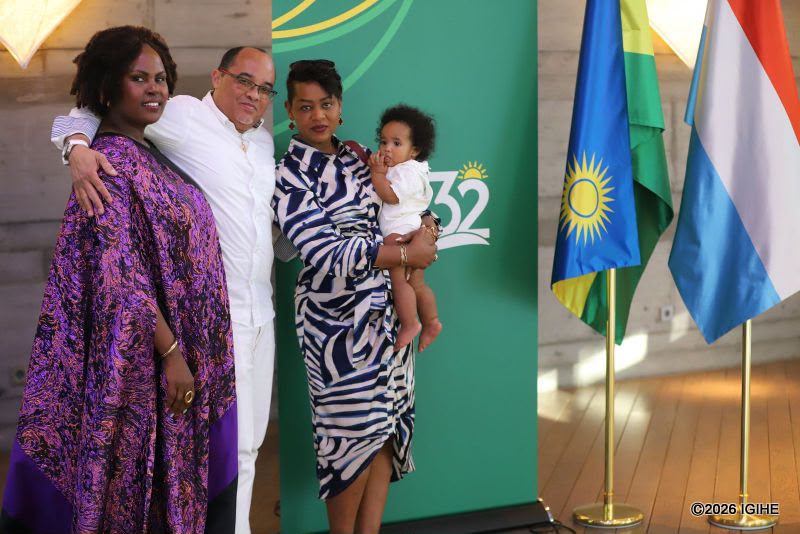
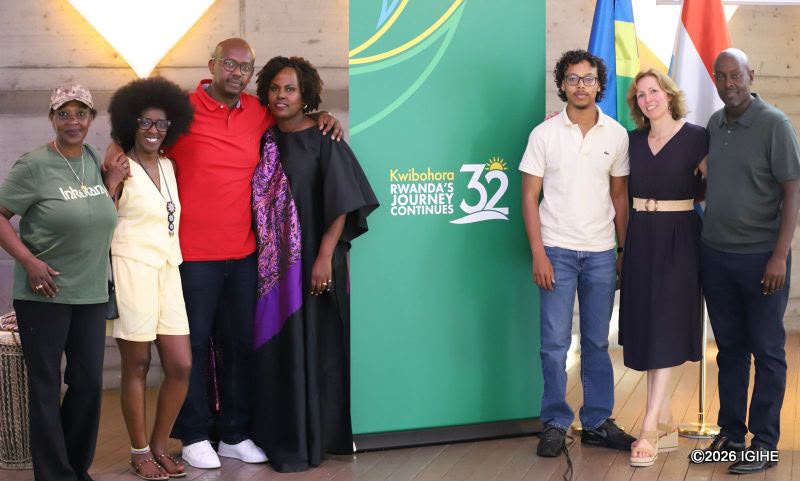
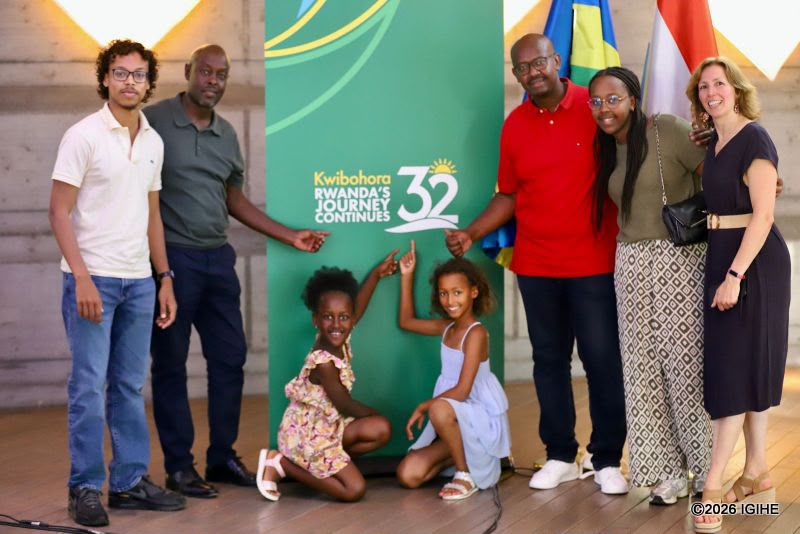
The singer shared the news during an interview with B&B FM, published on July 4, 2026, which was recorded at his home in the United States. Responding to a question about whether he intends to perform in Rwanda again, Meddy confirmed that plans for the concert have been in the works for a long time.
The award-winning artist explained that after settling in the United States, his priority was building a family and raising his two children alongside his wife. Now, he says, the time feels right to return to the stage in Rwanda with a bigger and better production than ever before.
“What I’m preparing will be even better than everything I’ve done before. I’ve been working on this plan for a very long time. There comes a moment when you feel the time is right. I don’t want to keep people waiting any longer. I want this concert to be twice as big as my previous ones. I’ll even bring my children with me,” Meddy said.
The interviewer pressed for more details, but Meddy, who was accompanied by music producer Element in Texas at the time of the interview, declined to reveal any further information.
“I don’t want to talk about it yet,” he said.
The singer did not disclose the date or venue for the planned concert, leaving fans to speculate about when he will finally return to perform in Rwanda.
In recent years, Meddy has shifted his focus to gospel music, dedicating much of his work to songs that spread the message of God.
Meddy’s last performance in Kigali was on January 1, 2019, during the annual East African Party concert, one of Rwanda’s biggest New Year’s Day music events.
Meddy has announced plans for a major concert in Rwanda.
The Norwegian captain struck twice in the closing stages to silence the Brazilian supporters, with Neymar’s stoppage-time penalty proving nothing more than a consolation as Carlo Ancelotti’s side crashed out in the Round of 16 for the first time since the 1990 World Cup.
After a tense opening hour, Brazil had the perfect opportunity to take control when they were awarded a penalty, but Bruno Guimarães failed to convert as goalkeeper Ørjan Nyland guessed correctly to keep the scores level.
That miss proved costly.
Haaland broke the deadlock in the 79th minute, rising above Gabriel to power a commanding header beyond Alisson after a pinpoint delivery into the area. Just 10 minutes later, the Manchester City striker put the result beyond doubt with a sensational low strike from distance that nestled into the bottom corner, sparking wild celebrations among the Norway players and fans.
Neymar, introduced from the bench, reduced the deficit deep into stoppage time from the penalty spot, but Brazil had left themselves with too much to do as Norway held firm to secure a historic victory.
The result sends Norway into the World Cup quarter-finals for the first time in the nation’s history, where they will face England, while extending an impressive unbeaten record against Brazil on the world stage.
For Brazil, the defeat marks a bitter end to a tournament in which they entered as one of the favourites. Ancelotti’s arrival had raised expectations of restoring the Seleção to the summit of international football, but his first major tournament in charge ends with disappointment and difficult questions about the team’s direction.
Despite flashes of brilliance from Vinícius Júnior, Endrick and the returning Neymar, Brazil struggled to establish control throughout the contest, relying too heavily on individual moments rather than cohesive team play.
Meanwhile, Haaland continued to underline his status as one of the tournament’s standout performers. His two goals took his tally to seven for the competition, drawing him level with Lionel Messi and Kylian Mbappé in the race for the Golden Boot.
The double also extended Haaland’s remarkable scoring streak for Norway, with the prolific striker now finding the net in 14 consecutive competitive international matches. He has scored 62 goals in just 54 appearances for his country, further cementing his place among the world’s elite forwards.
For Norway, it was a night of celebration and history. For Brazil, it was an early exit that will be remembered as one of the nation’s most painful World Cup failures.
Haaland battles for the ball with Gabriel. Haaland rises above Gabriel to head in the first goal.Haaland fires home his second goal for Norway.Haaland reacts after doubling his goal tally against Brazil.Haaland led Norway’s ‘Viking Row’ after the game.Neymar was emotional after what might prove his final World Cup game.Neymar being consoled by team-mates after loss to Norway.
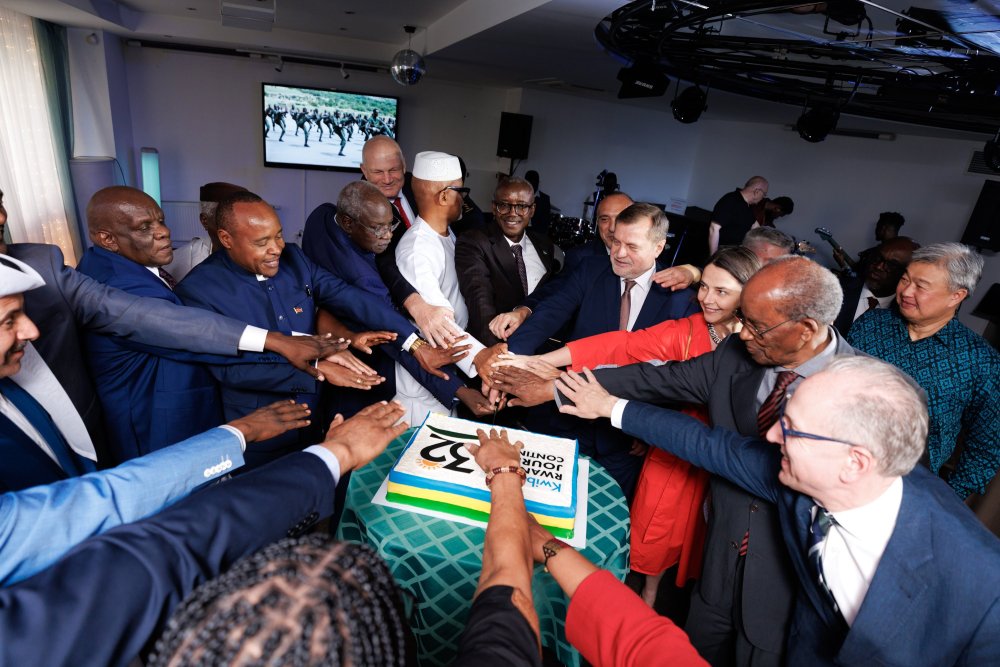
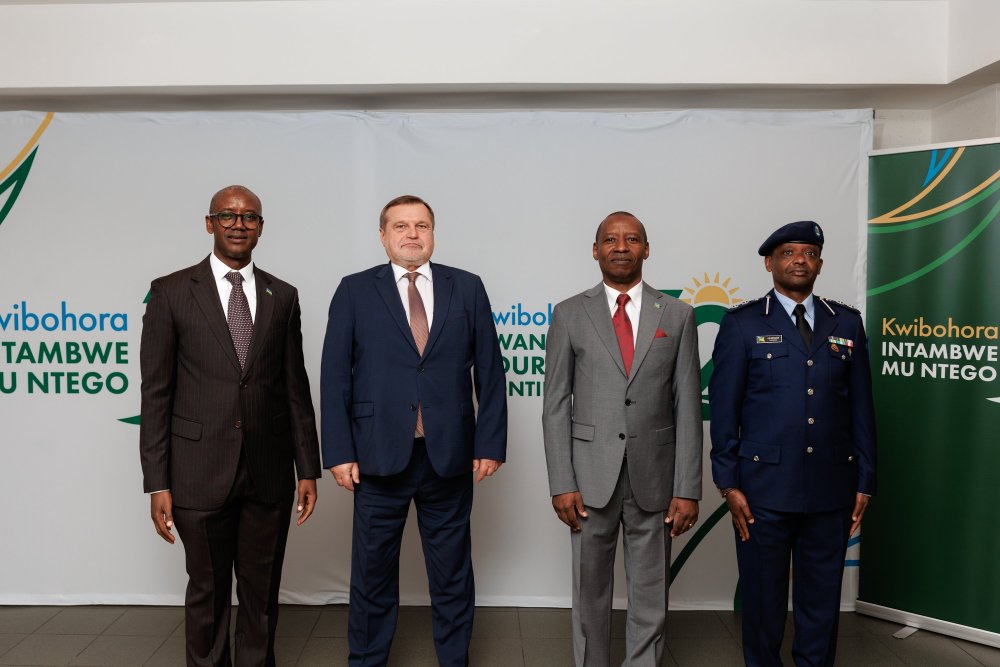
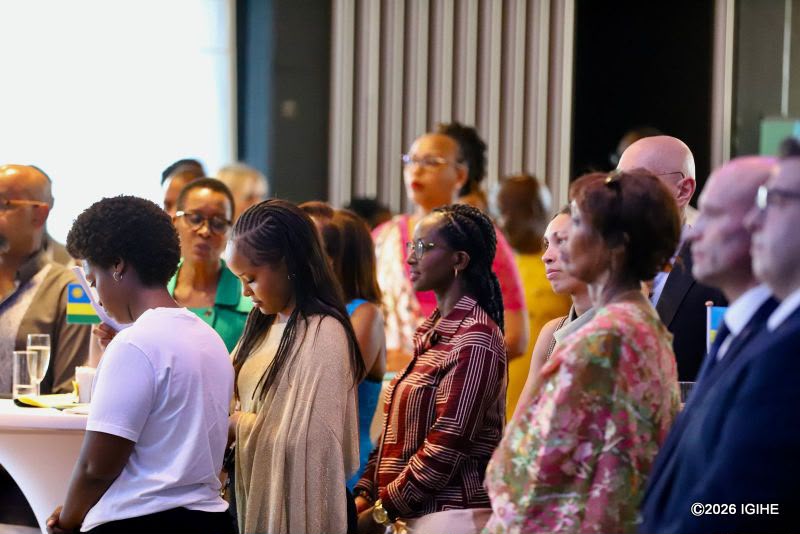
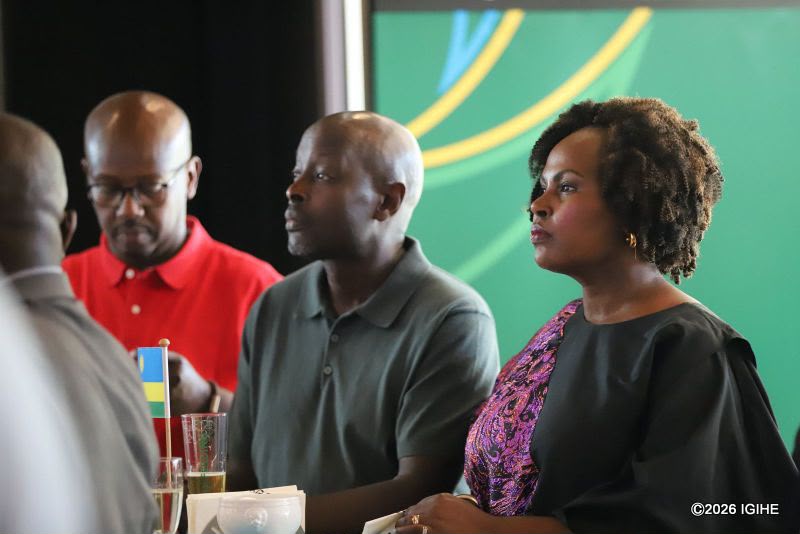
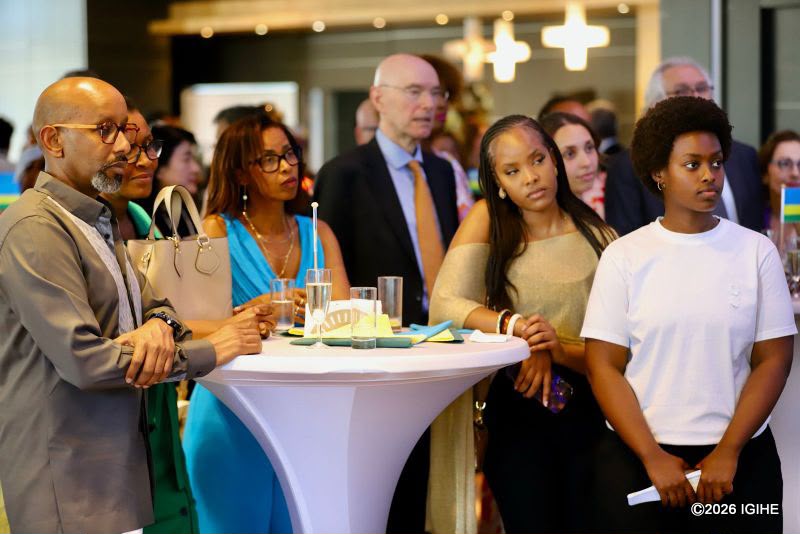
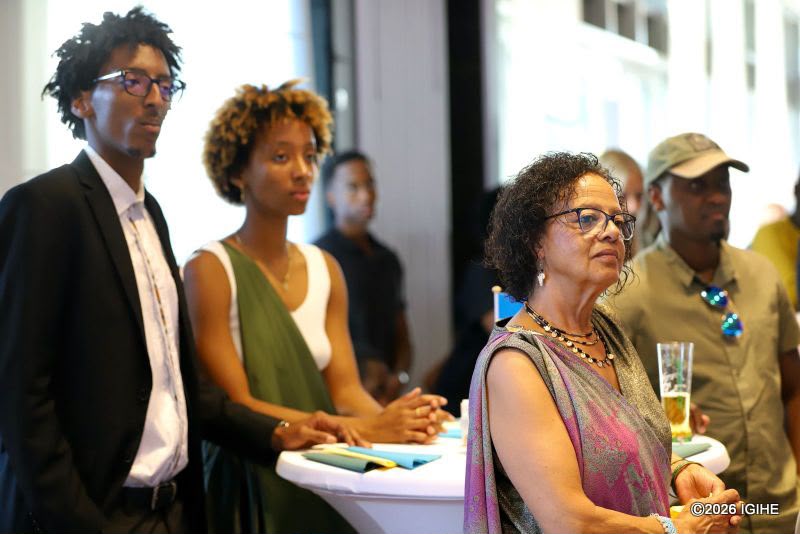
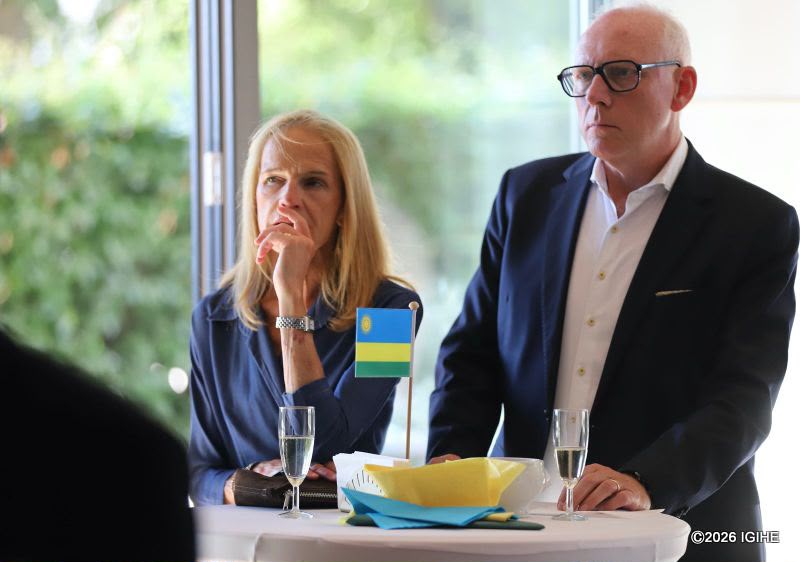
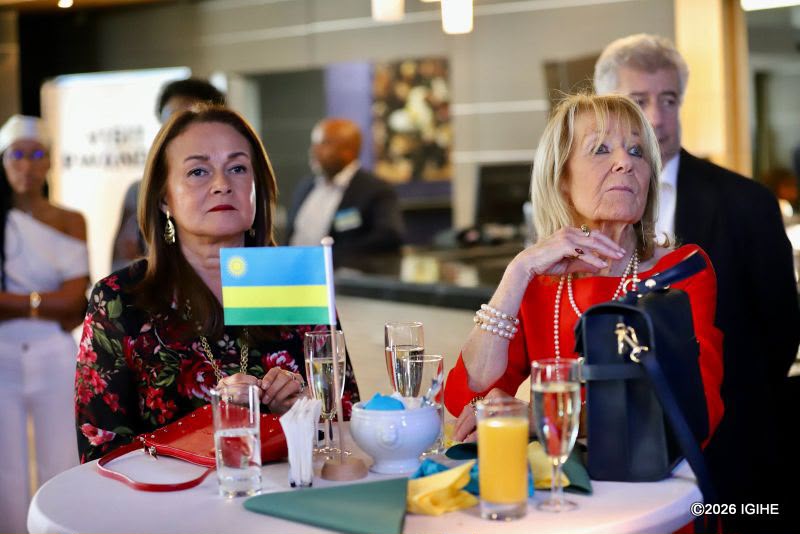
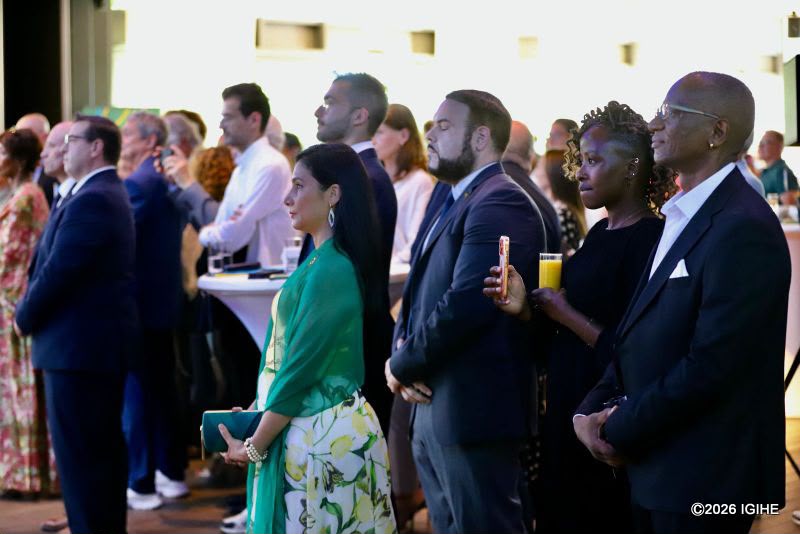
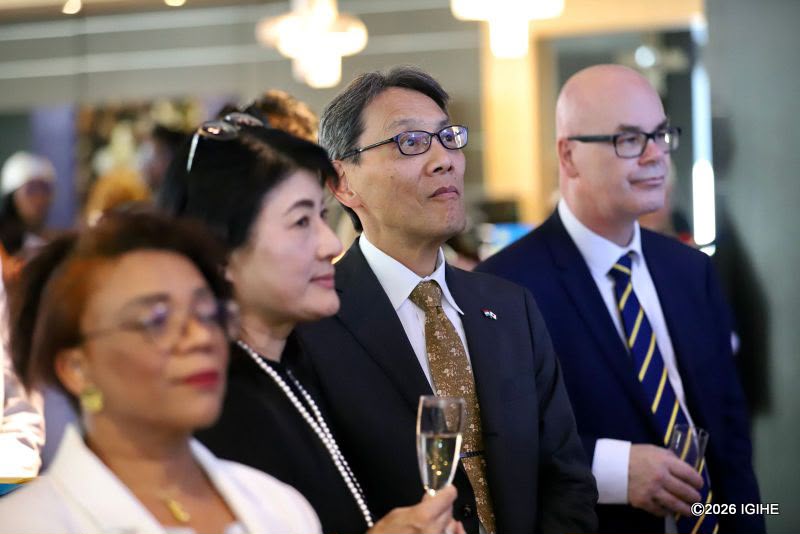
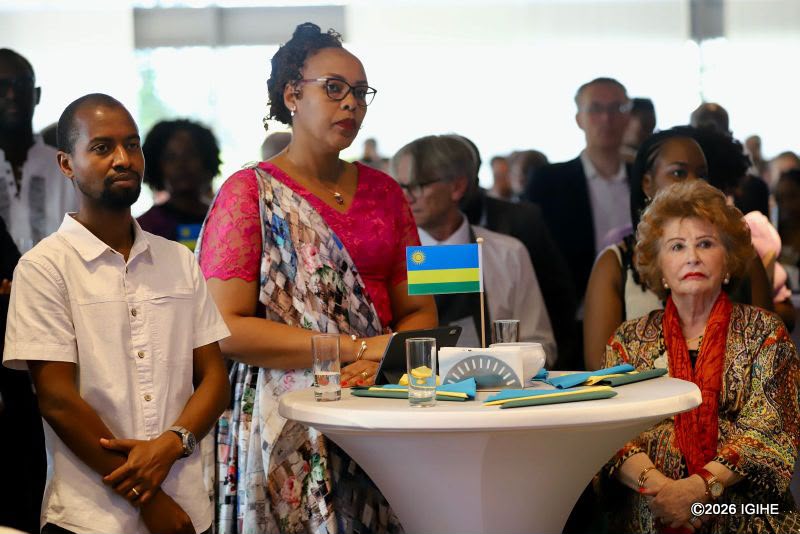
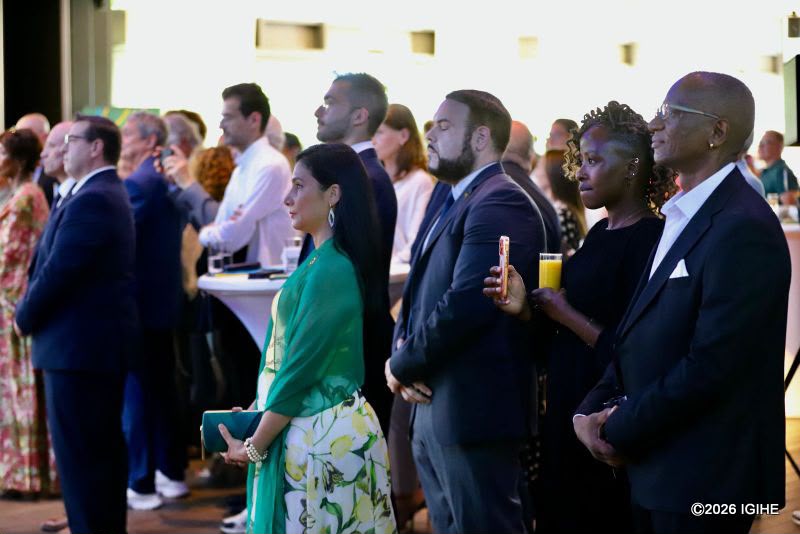
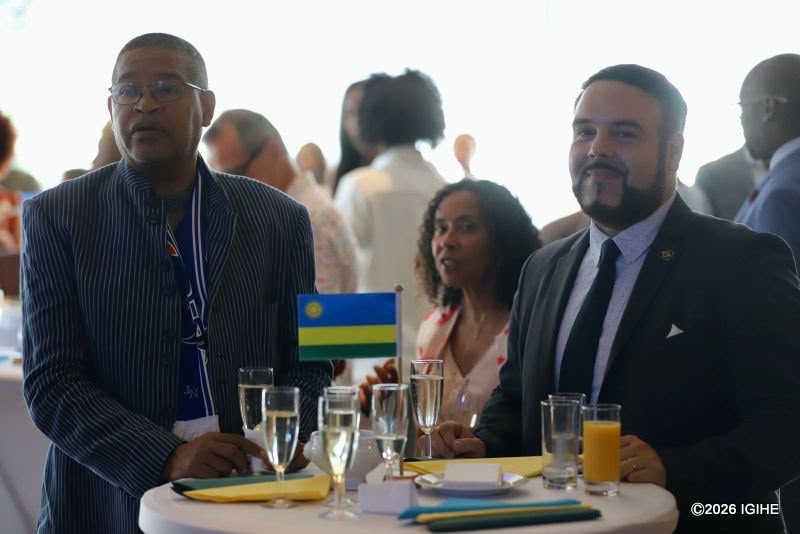
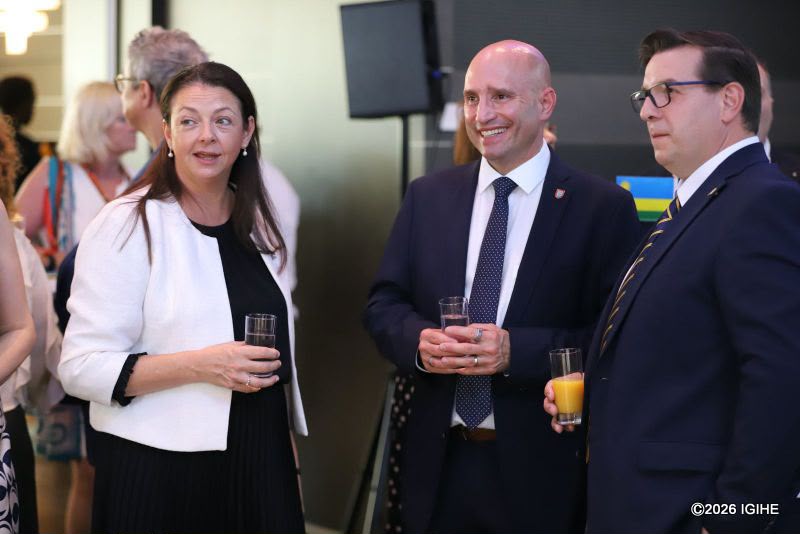
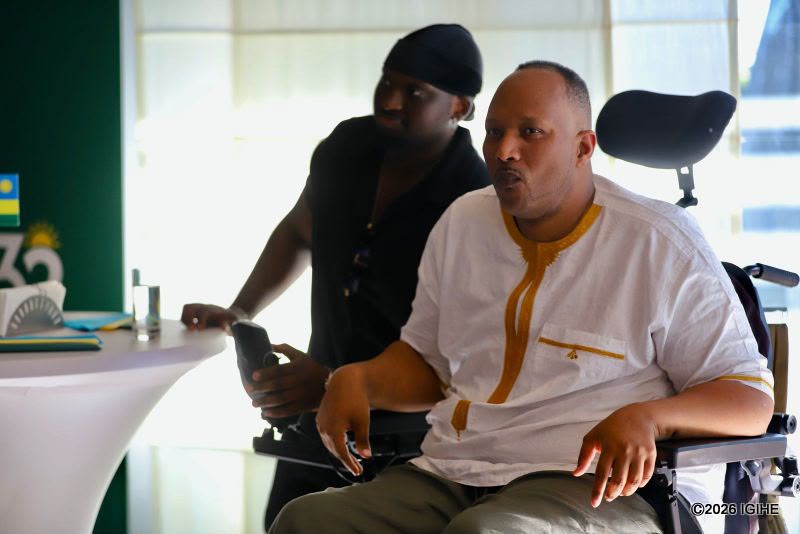
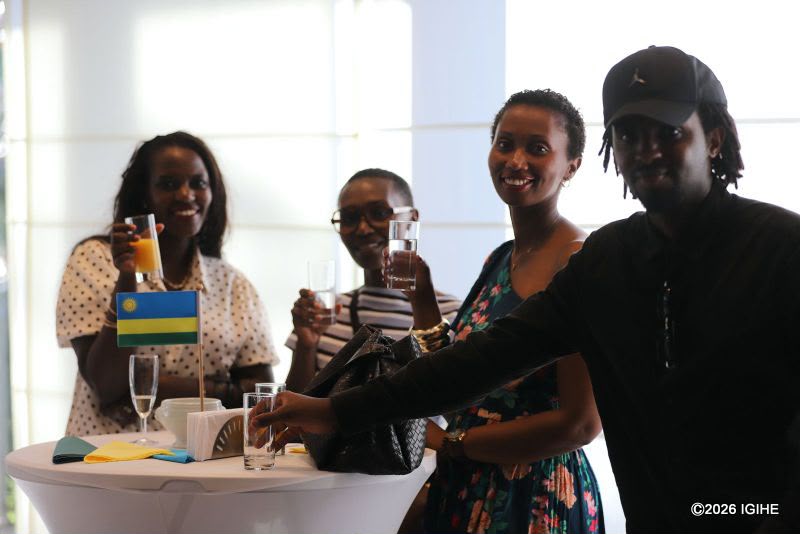
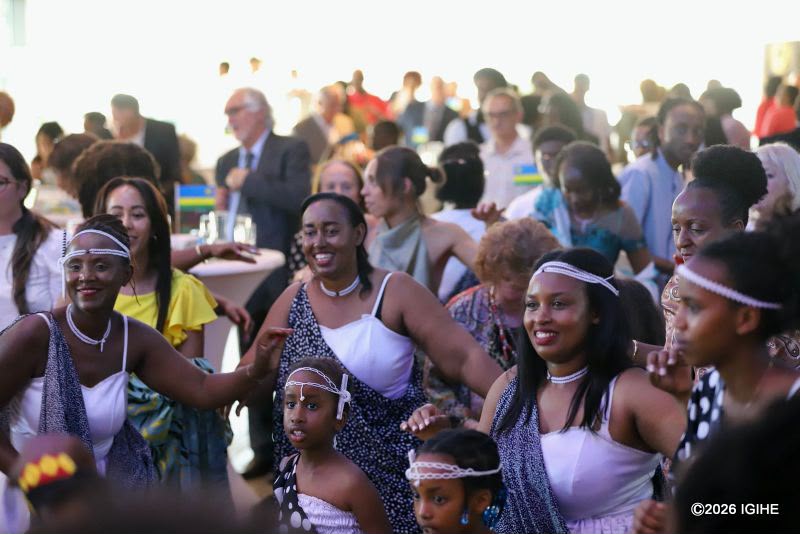
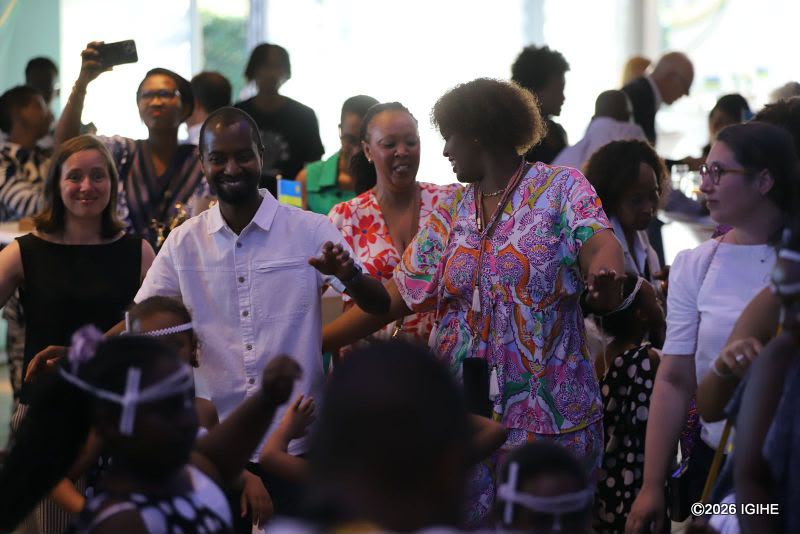
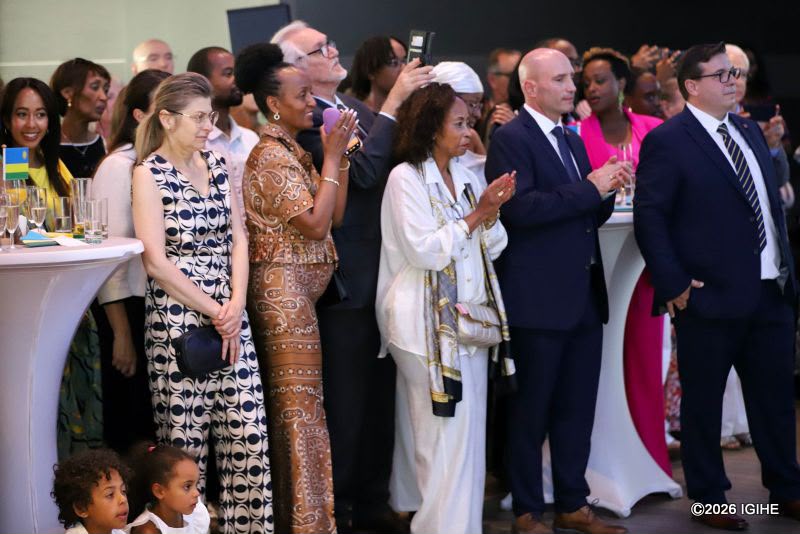
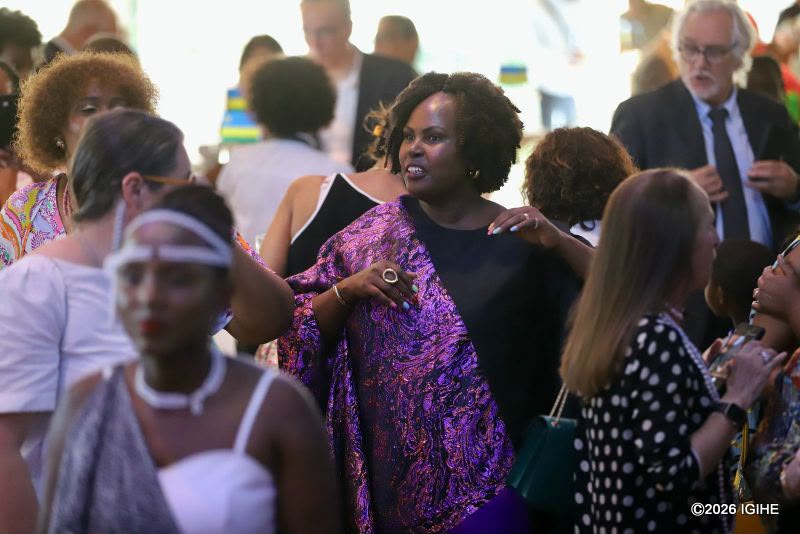
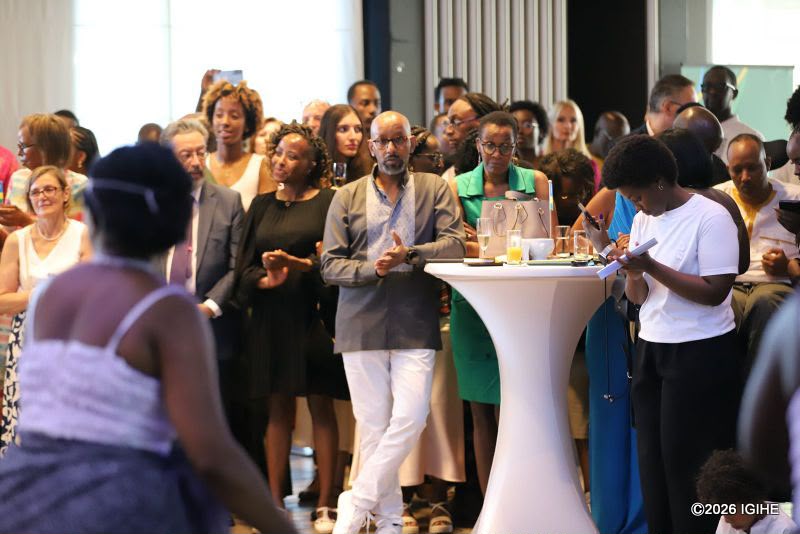
The event gathered Russian government officials, heads of diplomatic missions, members of the diplomatic corps, development and academic partners, friends of Rwanda, and members of the Rwandan community from across Russia and Belarus. More than 350 guests attended the commemoration, including 51 heads of missions, 17 defence attachés, and 82 diplomats.
In his address, Rwanda’s Ambassador to the Russian Federation, Maj Gen Joseph Nzabamwita, said Liberation Day honours the men and women who liberated Rwanda under the leadership of President Paul Kagame, ended the 1994 Genocide against the Tutsi, and laid the foundation for the country’s unity, reconciliation, security, and national transformation.
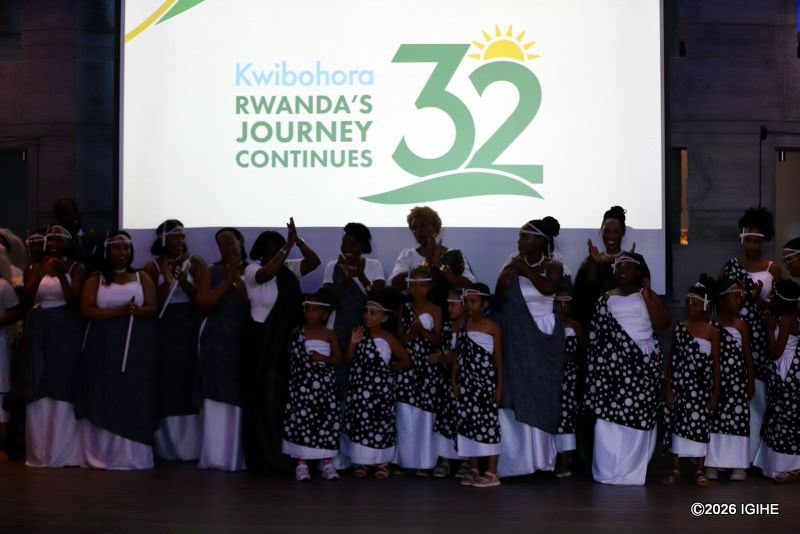
Marking Kwibohora32 under the theme “Rwanda’s journey continues,” the ambassador reflected on Rwanda’s socio-economic progress over the past three decades, noting that the country’s economy has grown more than tenfold since 1994.
He also highlighted Vision 2050, through which Rwanda aims to achieve upper-middle-income status by 2035 and high-income status by 2050.
Ambassador Nzabamwita reaffirmed Rwanda’s commitment to further strengthening its longstanding cooperation with the Russian Federation, noting increasing momentum in bilateral relations across key sectors. These include nuclear energy, healthcare, education, and military-technical cooperation.
He said both countries remain committed to translating their engagements into practical and mutually beneficial projects that support shared development goals.
Representing the Russian Ministry of Foreign Affairs, Mr. Anatoli Bashkin, Director of the Department of Sub-Saharan African States, conveyed Russia’s congratulations to the Government and people of Rwanda on the occasion of Liberation Day.
He commended the resilience of the Rwandan people and the country’s progress in reconciliation, peace, security, and socio-economic transformation over the past 32 years.
Mr. Bashkin reaffirmed Russia’s support for Rwanda’s sovereign development path, describing Kigali as an important partner on the African continent.
He further noted that both countries share commitments to international law, peacekeeping cooperation, and engagement on global and regional issues. He also expressed Russia’s readiness to expand cooperation and support the implementation of joint projects in nuclear energy, healthcare, education, and military-technical fields, while welcoming Rwanda’s participation in the upcoming Third Russia-Africa Summit in Moscow.
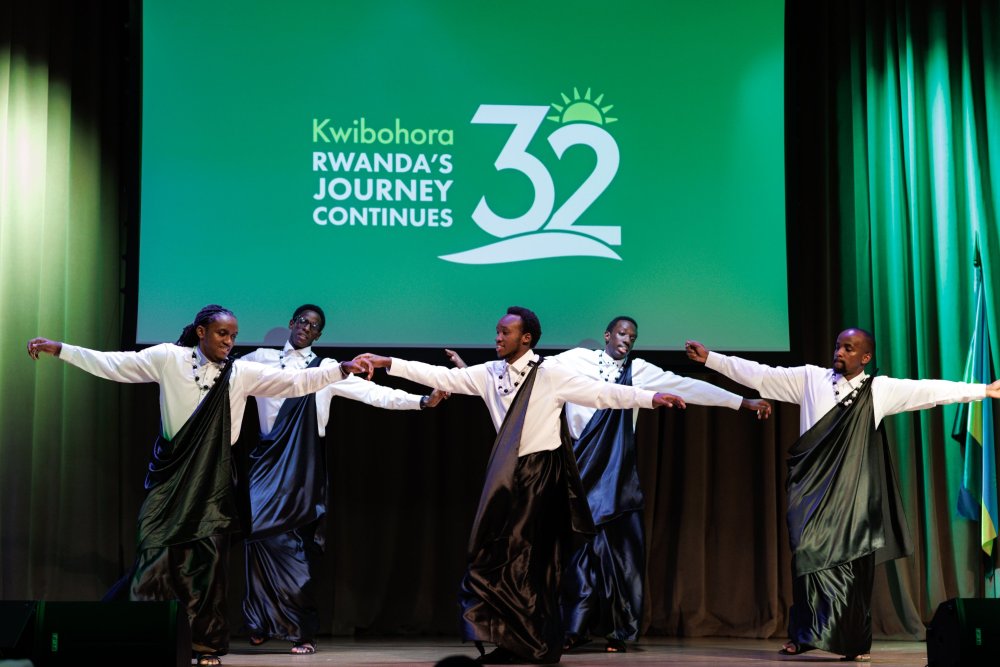
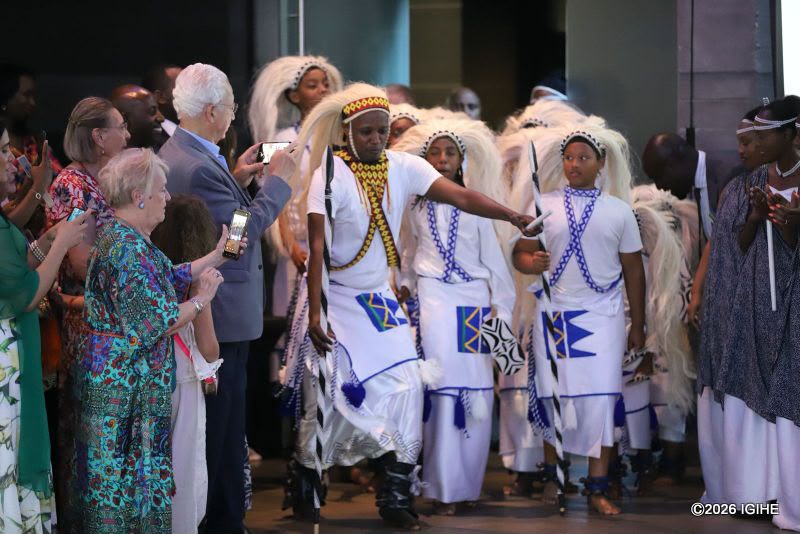
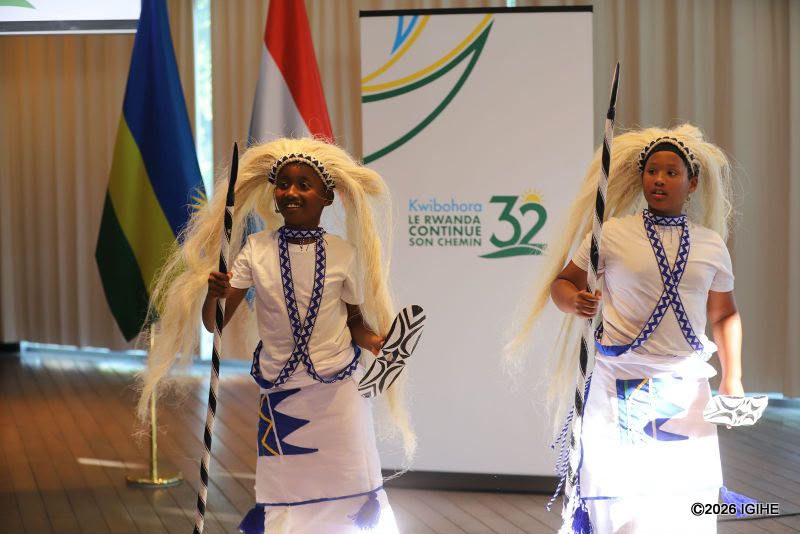
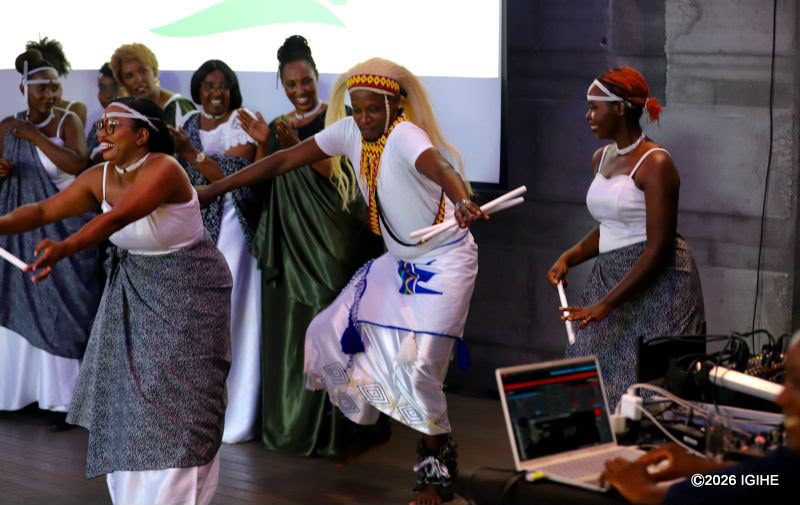
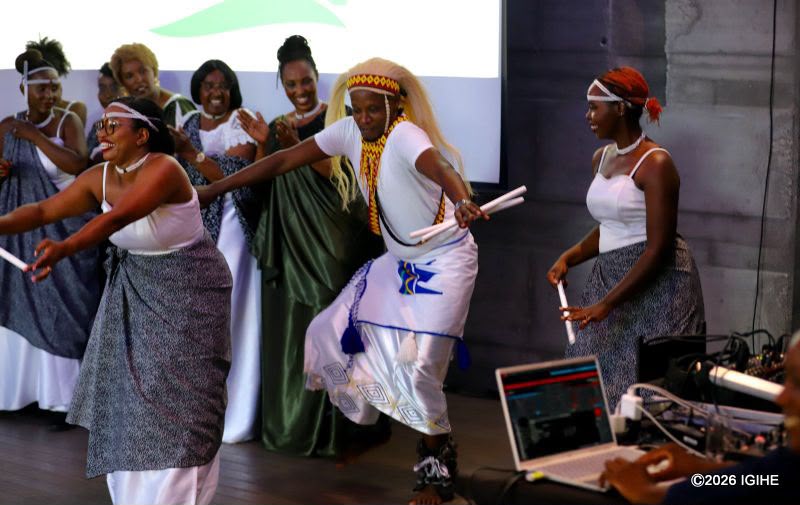
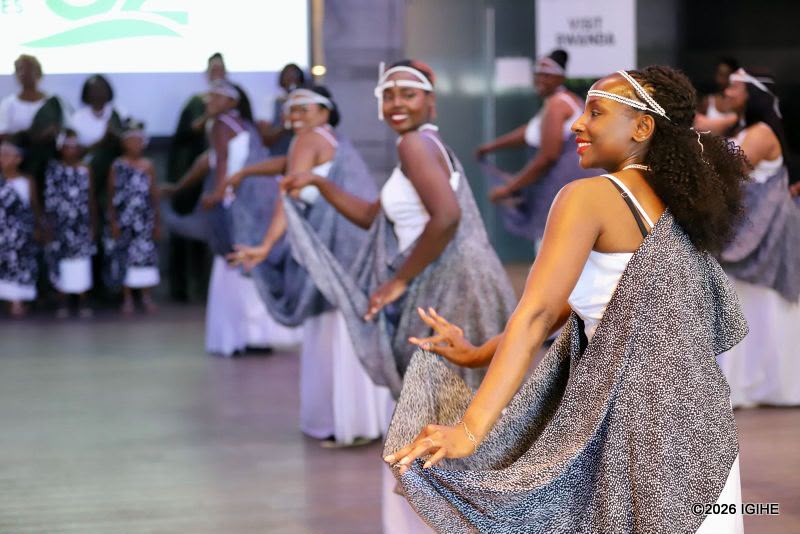
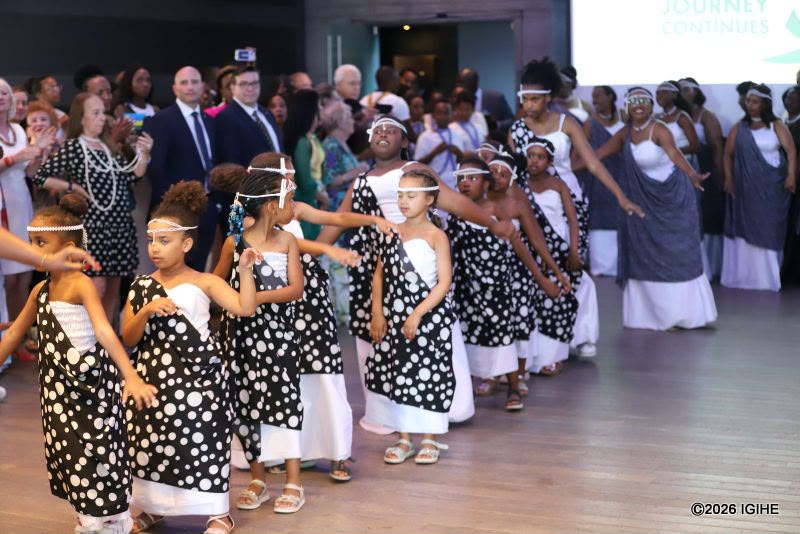
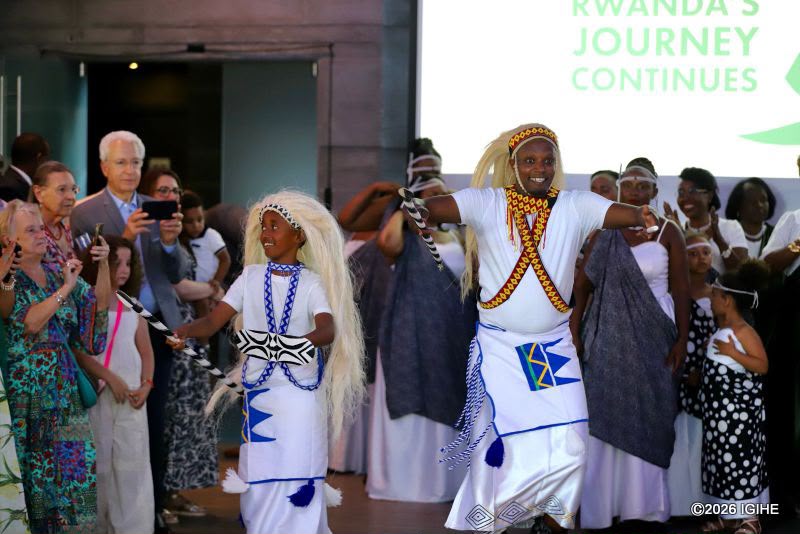
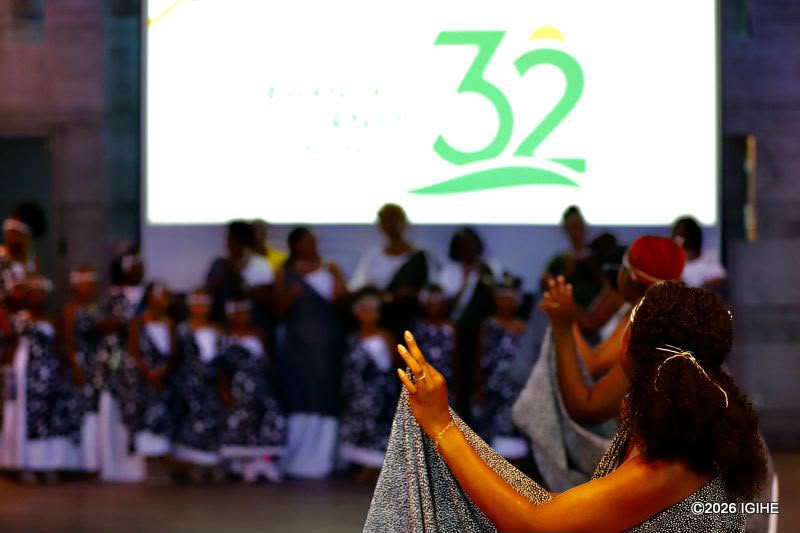
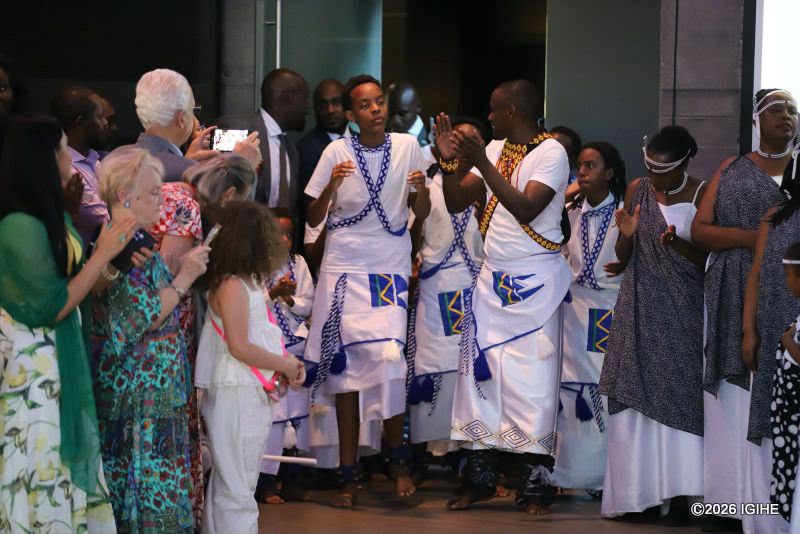
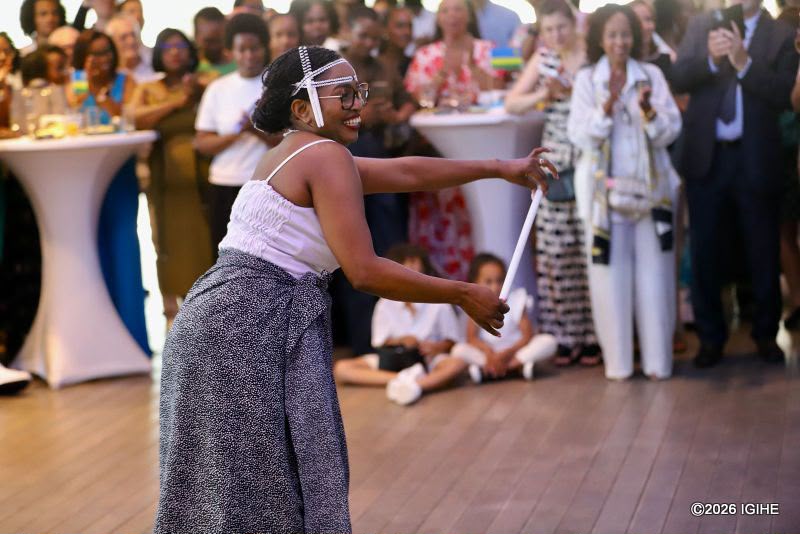
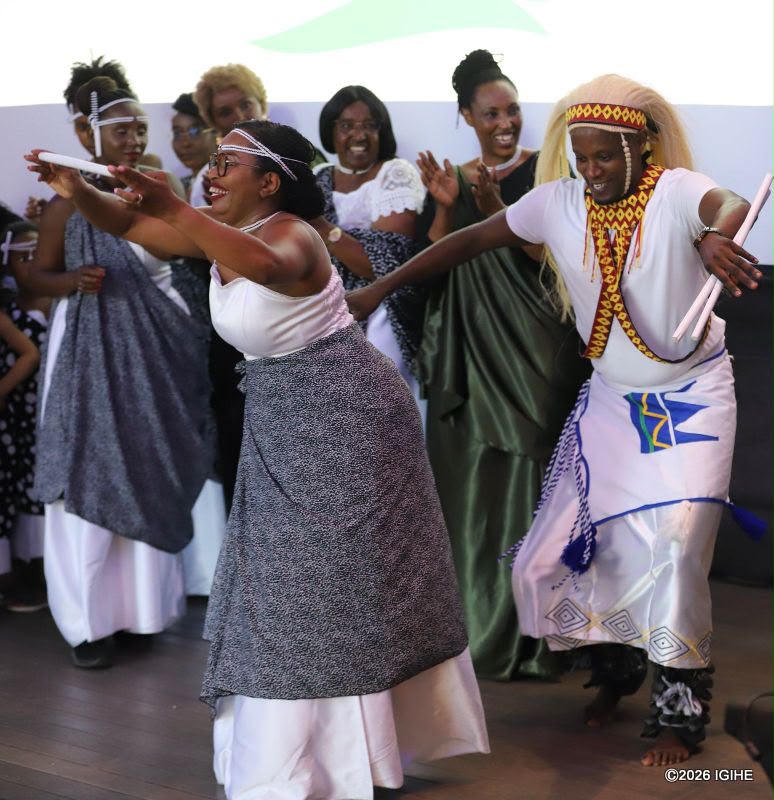
The official programme featured cultural performances by the traditional dance troupe Imena mu Nganzo and a live band, showcasing Rwanda’s cultural heritage through music, dance, and rhythm.
Following the ceremony, Ambassador Nzabamwita met with members of the Rwandan community in Russia and Belarus, including newly elected RCA community leaders and 51 students graduating from bachelor’s and master’s programmes.
He reminded Rwandans abroad that their country values and supports them, noting that education opportunities abroad are meant to equip young Rwandans with skills that contribute to national development.
He encouraged students to pursue academic excellence and make full use of opportunities in Russia by learning best practices and applying them to Rwanda’s development priorities.
The ambassador also emphasized that liberation is an ongoing struggle against injustice and all forms of backwardness. He urged students to acquire advanced knowledge and modern skills to address contemporary challenges and contribute to Rwanda’s security and progress, expressing confidence that Rwanda will continue to prosper and once again become a “country of milk and honey.”
He further advised Rwandans living in Russia to take care of their health, adapt to the cold climate, engage in sports and extracurricular activities, and maintain discipline in their daily lives.
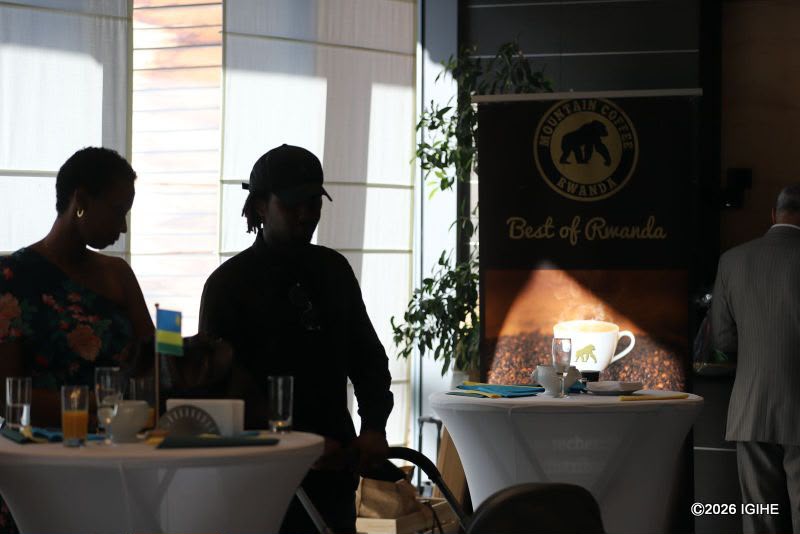
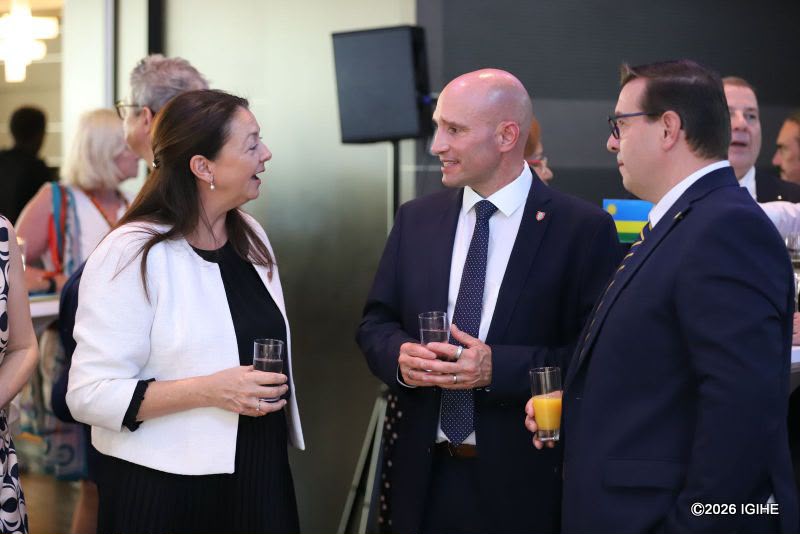
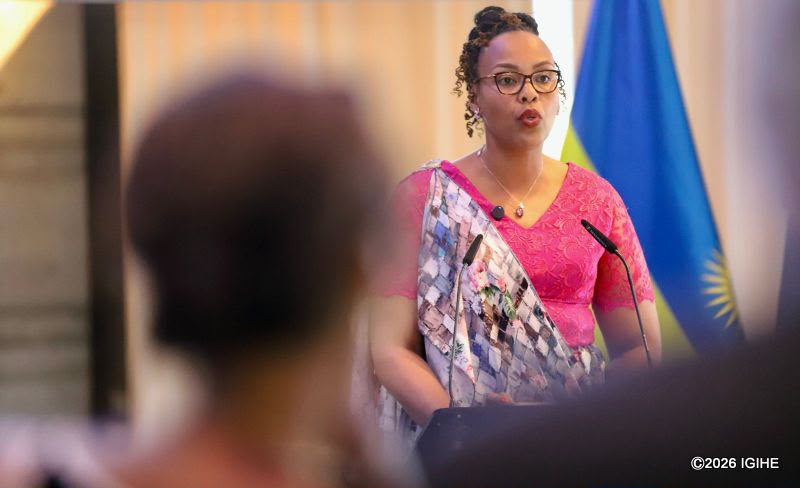
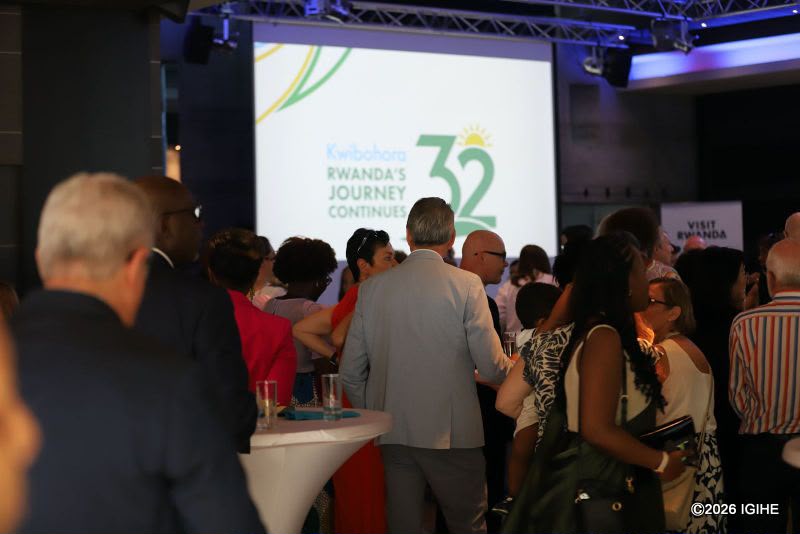
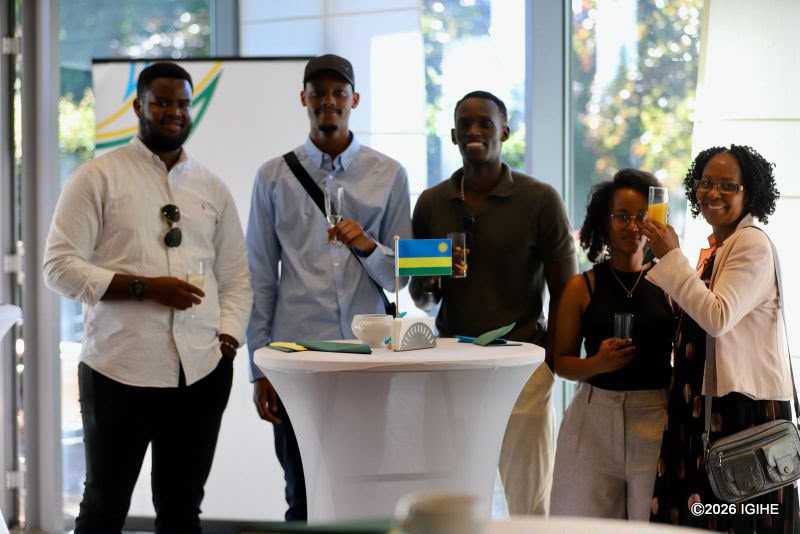
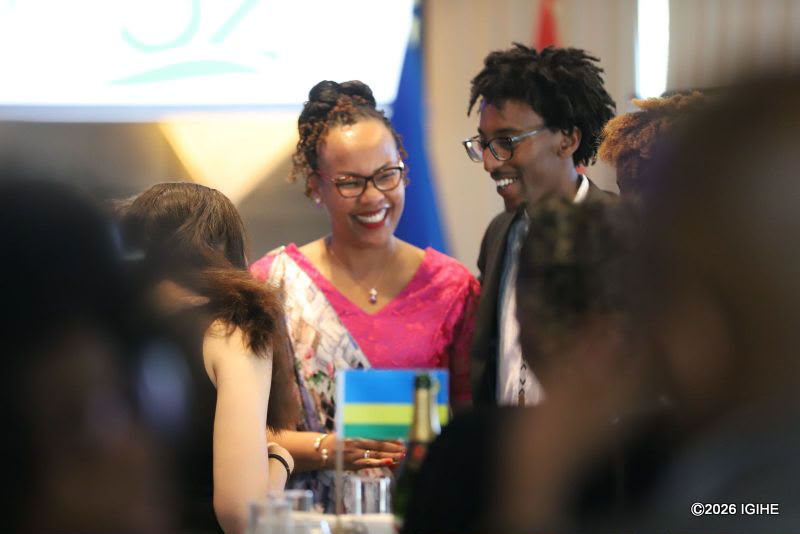
More than 350 guests, including diplomats and partners, joined Rwanda’s Liberation Day commemoration in the Russian Federation.Cultural troupe Imena mu Nganzo performs traditional Rwandan dance and music during Kwibohora32 celebrations in Moscow.Russian government officials and members of the diplomatic corps attend Rwanda’s Kwibohora32 reception in Moscow.High-level guests gathered in Moscow as Rwanda marked the 32nd anniversary of Liberation Day, Kwibohora32, hosted by the Embassy of Rwanda in Russia.Defence attachés from various countries also attended the ceremony.
The decision was announced following the meeting attended by Saudi Arabia, Russia, Iraq, Kuwait, Kazakhstan, Algeria and Oman, which reviewed global market conditions and outlook.
In their collective commitment to supporting oil market stability, the seven participating countries decided to implement a production adjustment of 188,000 barrels per day from the additional voluntary adjustments announced in April 2023, the statement said, adding that the adjustment will be implemented in August.
The voluntary production cuts of 1.65 million bpd were first announced in April 2023 and were later extended through the end of 2026.
The decision made on Sunday marks the fifth consecutive month for the OPEC+ to ramp up its production, in spite of the exit of the United Arab Emirates from the OPEC and the wider OPEC+ alliance on May 1.
According to the statement, the seven countries would flexibly adjust their production regarding the evolving market conditions. They are scheduled to meet again on August 2 to make further decisions for September.
OPEC+ countries agreed on Sunday to raise the oil production cap in August, 2026
The survivors shared their views during a visit by a group of journalists who cover justice-related stories, under Pax Press.
Dr. Eugène Rwamucyo, a Rwandan living in France, was convicted of genocide crimes committed against the Tutsi. During the genocide, he worked as a the head of the former National University of Rwanda’s health facility, formerly known as CUSP.
Historical accounts from Butare and surrounding areas describe Rwamucyo as a key figure in atrocities that earned him the nickname “Dr. Caterpillar,” due to his alleged involvement in mass killings of Tutsi in former Gishamvu and Ngoma communes.
Witnesses say he supervised acts of brutality, including the disposal of victims in mass graves while some were still alive, in places such as Nyumba Catholic Parish, Nyakibanda Major Seminary, the university arboretum, behind the former Butare prefecture offices, at Taba, and at Matyazo health facility.
A survivor from Gishamvu Sector told IGIHE that perpetrators in the area had been trained to mutilate victims’ tendons to prevent escape and prolong suffering.
“The Interahamwe were taught to cut the tendons in people’s feet so that they could not run away, find food, and other things, so that they would die painfully. These are the people who were found at sites where victims had been attacked with grenades or shot. Then the machine [caterpillar] brought by Dr. Rwamucyo would dig mass graves, collect both the dead and those still breathing, and bury them together,” she said.
She added that she was troubled by Rwamucyo’s continued denial of the allegations, noting that survivors believe his original sentence was too lenient and that he should be imprisoned for life.
Another witness, who said he saw Dr. Rwamucyo at Matyazo health centre and at the former Butare prefecture during the genocide, testified that he was involved in mobilising Hutu extremists against Tutsi civilians.
He said he personally saw Rwamucyo at the prefecture referring to Tutsi refugees as “filth” and calling for their removal.
“He said, [Rwamucyo], ‘how will I do my work with this filth here,’ and his intention was actually to have them killed,” he said.
The witness also recounted seeing Rwamucyo ordering the burial of Tutsi victims at Matyazo, including those who were not yet dead, and encouraging perpetrators to rape Tutsi women, calling for a stronger sentence to ensure justice for survivors.
The President of Ibuka in Gishamvu Sector, Rutazigwa Gérard, said Rwamucyo inflicted deep suffering on residents, noting that many victims were buried in mass graves.
“Besides those who had parts of their bodies cut, there were also those who were hiding among corpses covered in blood but not yet killed. Due to hunger and suffering, they lost strength and were also thrown into mass graves and buried by the machine he brought,” he said.
In his defense, Dr. Rwamucyo has argued that, as a health and hygiene official at the time, the use of machinery to bury bodies was intended to prevent disease outbreaks and speed up public health response, denying that anyone was buried alive.
The Executive Secretary of Gishamvu Sector, Niyibizi Boniface, said informing survivors about genocide perpetrators and how their cases are being handled abroad helps bring them emotional relief.
“Survivors carry grief and pain, although they have not been overwhelmed by sorrow. When we look at the more than 60,000 remains resting at the Nyumba memorial, and consider that Gishamvu Sector has about 15,000 residents, it immediately shows the magnitude and brutality of the genocide,” he said.
He added that local authorities remain committed to preserving genocide history, including digitising records so that the truth is never forgotten.
Dr. Eugène Rwamucyo is currently appealing his case before the French Assize Court, where he was previously sentenced to 27 years in prison.The CUSP facility headed by Dr. Rwamucyo during the Genocide against the Tutsi is located in Huye town.More than 40,000 people were killed at Nyumba Catholic Parish during the 1994 Genocide against the Tutsi, with survivors alleging that Dr. Rwamucyo was involved in the atrocities.
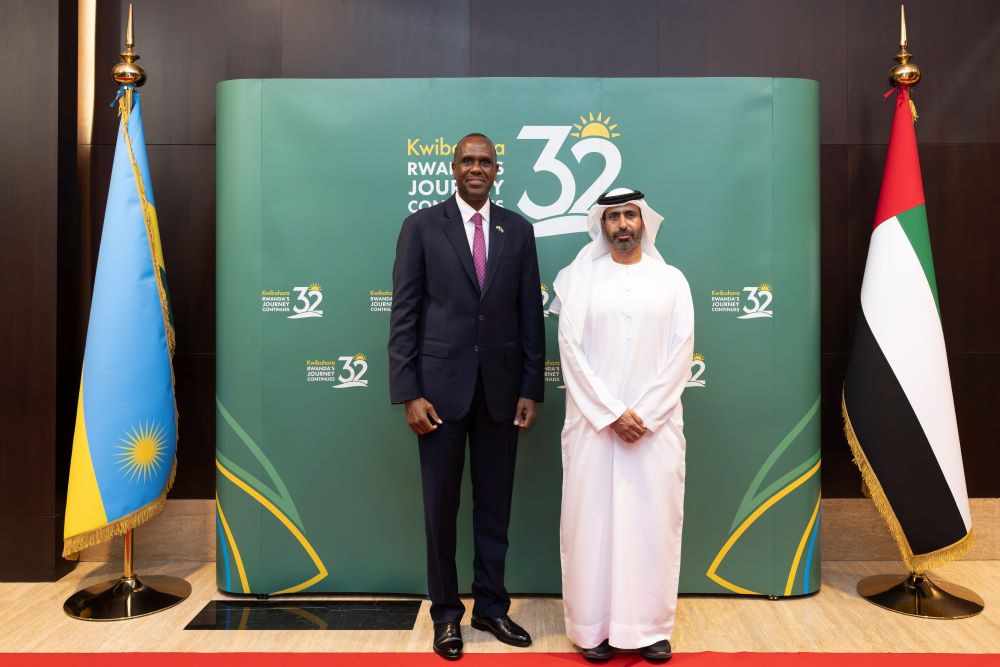
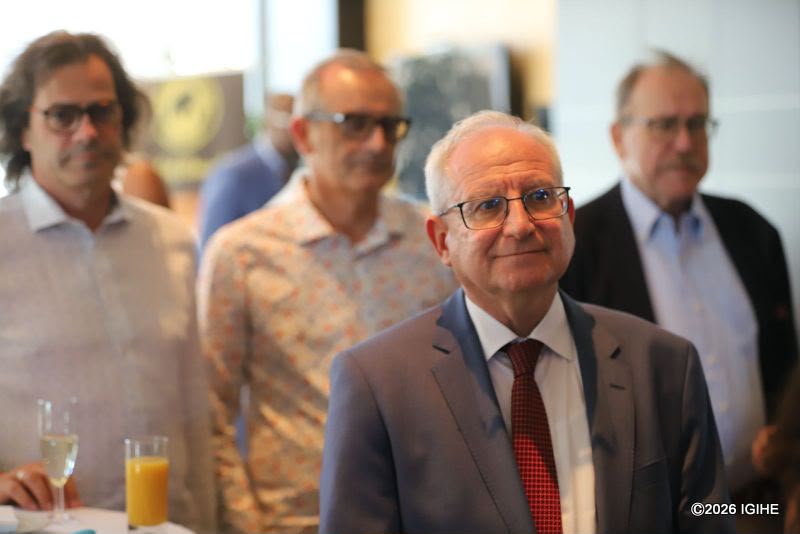
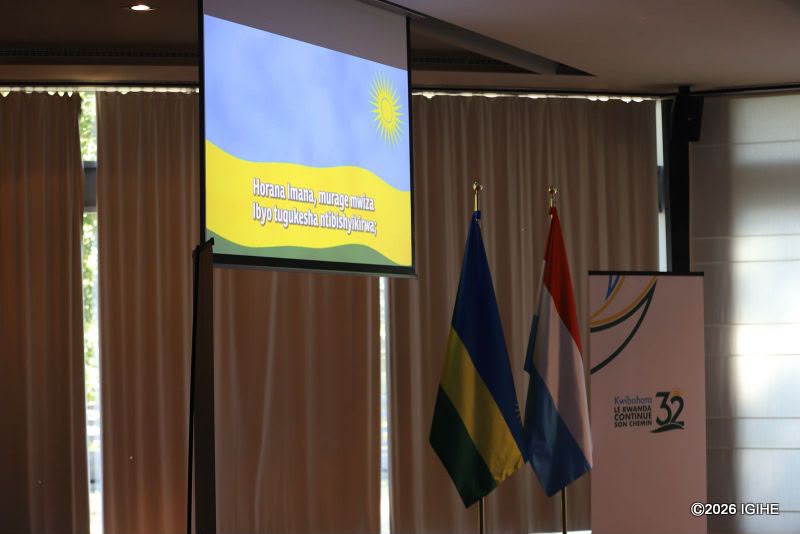
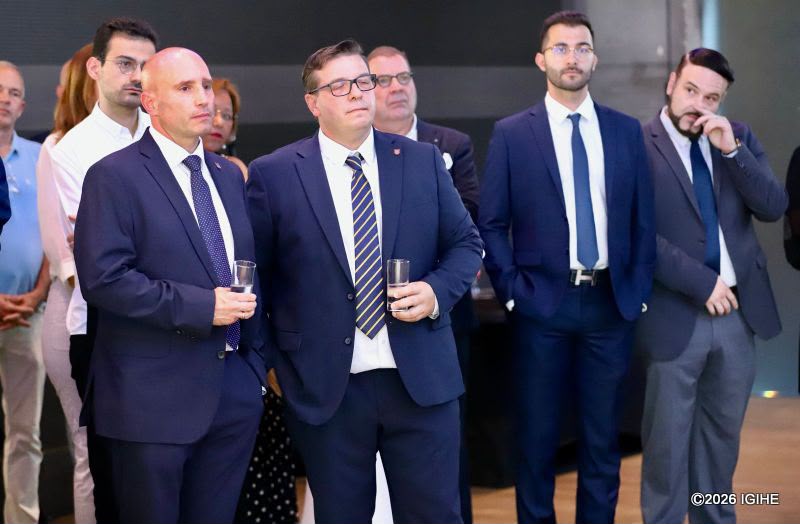
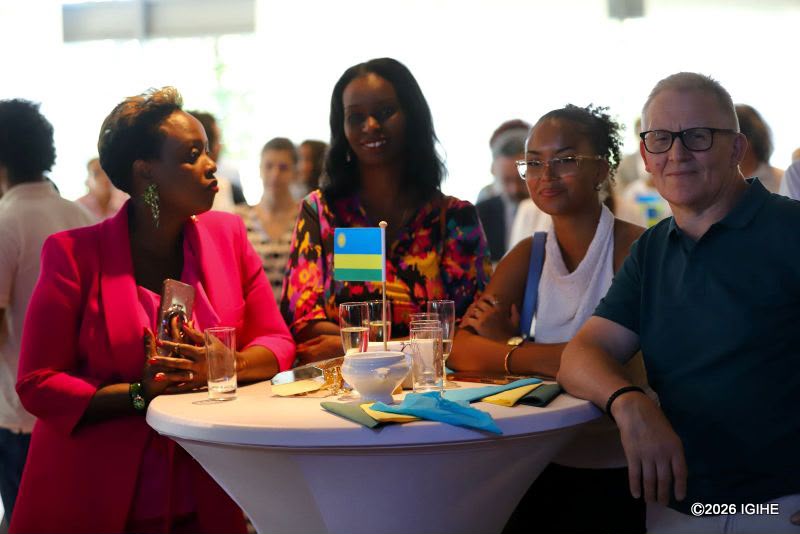
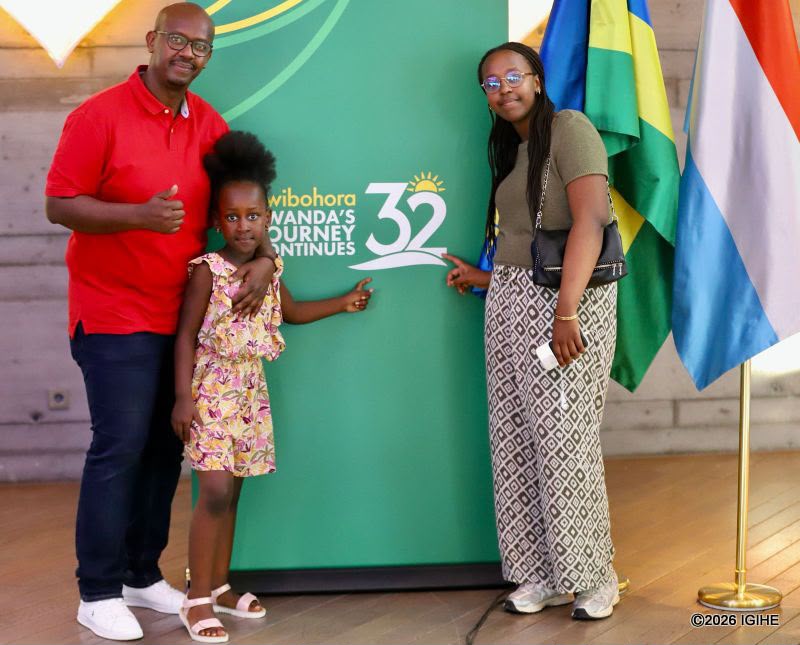
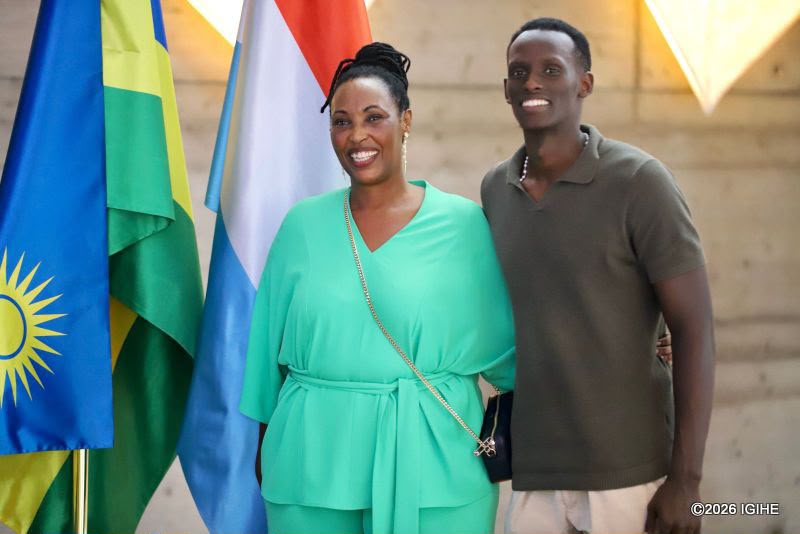
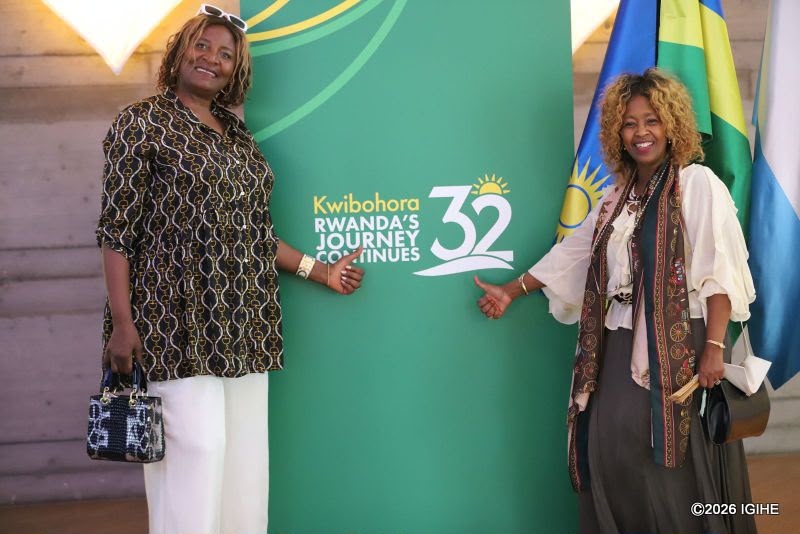
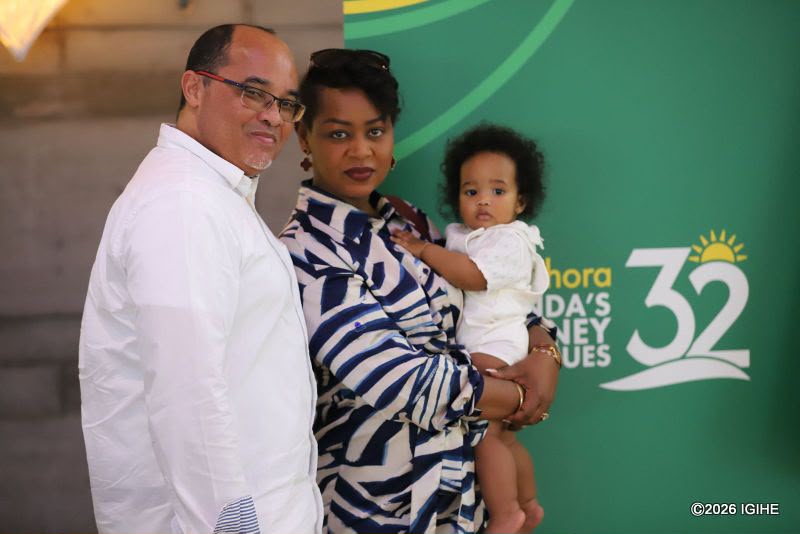
He was speaking in Abu Dhabi on July 4, 2026, during Kwibohora32 celebrations hosted at a reception that brought together more than 300 guests, including senior UAE government officials, members of the diplomatic corps, business leaders, friends of Rwanda, and members of the Rwandan community.
The event was attended by Sultan Mohammed Al Shamsi, Assistant Minister of Foreign Affairs for Development and International Organizations, who represented the UAE government.
Addressing guests, Ambassador Mirenge reflected on the significance of Rwanda’s Liberation on July 4, 1994, when the Rwanda Patriotic Army ended the 1994 Genocide against the Tutsi and liberated the country.
“Rwanda’s Liberation was far more than a military victory. It marked the rebirth of a nation. It restored dignity to our people and created the conditions for unity, reconciliation, and inclusive nation-building,” Ambassador Mirenge said.
He noted that the liberation laid the foundation for Rwanda’s recovery and long-term development, enabling the country to emerge as a stable and forward-looking nation.
“Our story is no longer defined by tragedy, but by remarkable transformation. Today, Rwanda is widely recognised as one of Africa’s fastest-growing economies and one of its safest, cleanest, and best-governed countries,” he added.
The ambassador also highlighted the growing strategic partnership between Rwanda and the United Arab Emirates, describing it as a reflection of the strong relations between the two countries.
According to Ambassador Mirenge, bilateral trade has increased from approximately USD 300 million a decade ago to around USD 1 billion today, while cumulative UAE investments in Rwanda have exceeded USD 320 million, underscoring growing investor confidence in Rwanda’s business environment.
He further emphasized the role of sustained high-level engagements in strengthening cooperation, citing President Paul Kagame’s visit to the UAE last year, as well as visits by senior UAE officials to Rwanda.
These exchanges, he noted, continue to deepen collaboration in trade, investment, technology, innovation, infrastructure, and other strategic sectors.
Concluding his remarks, Ambassador Mirenge invited investors and business leaders from the UAE and beyond to explore opportunities in Rwanda, reaffirming the country’s commitment to maintaining a conducive environment for investment and long-term partnerships.
The celebration formed part of Rwanda’s global commemorations of Kwibohora32, marking 32 years since the country’s liberation and reflecting on the progress achieved in unity, reconciliation, and socio-economic transformation.
Over 300 people attended Kwibohora32 celebration in the UAEAmbassador John Mirenge with Sultan Mohammed Al Shamsi, Assistant Minister of Foreign Affairs for Development and International Organizations at UAE Ministry of Foreign AffairsAmbassador John Mirenge addressing the audience at the celebration of Kwibohora32
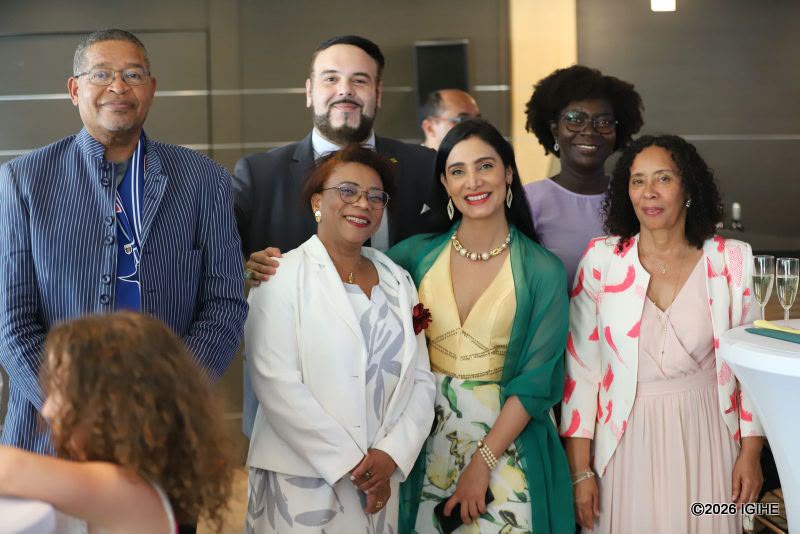
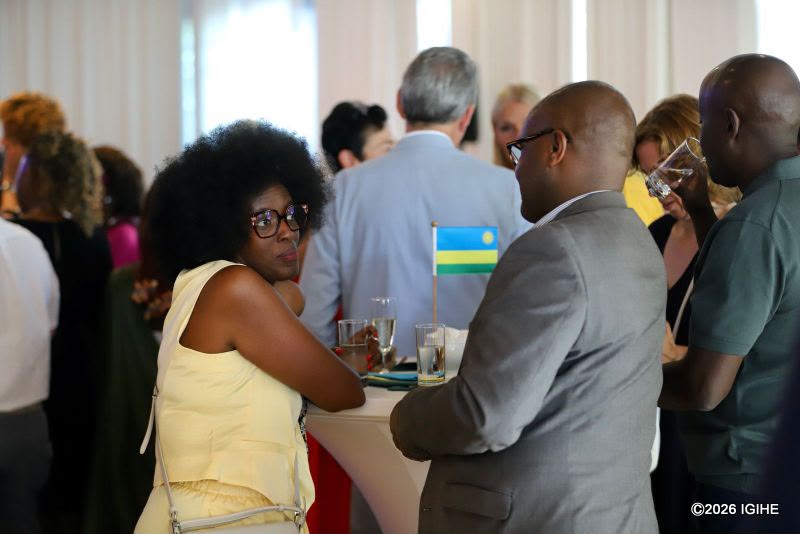
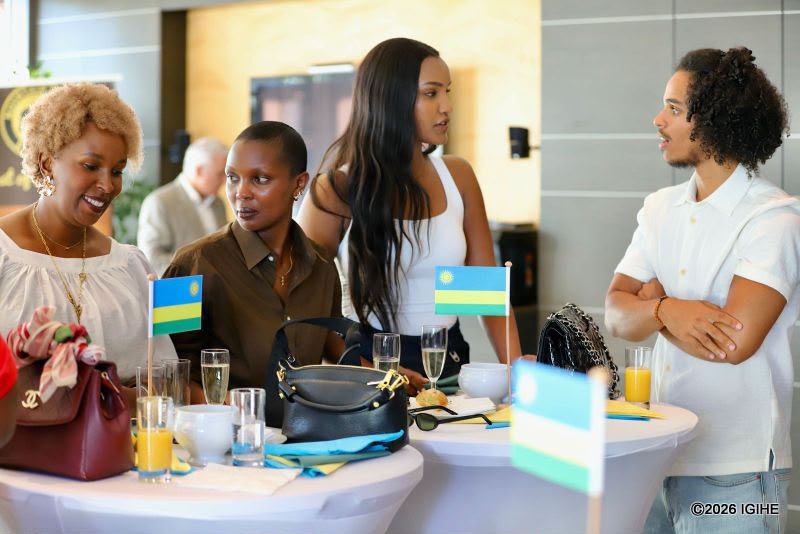
The event brought together over 500 guests including members of the Rwandan community living in Zambia, host Government officials, members of the Diplomatic Corps in Zambia, and Friends of Rwanda.
The Guest of Honour representing the Government of Zambia was Mr. Kangwa Chileshe, Permanent Secretary, Ministry of Youth, Sport and Arts who saluted Rwanda’s journey as an inspiration to Africa.
Speaking on behalf of Hakainde Hichilema, President of the Republic of Zambia, Mr. Chileshe congratulated the Government and people of Rwanda for the gains thus far.
“Kwibohora is a powerful testament to resilience and unity. Zambia notes with admiration Rwanda’s remarkable transformation. From post-conflict recovery to sustained development, your journey is an inspiration to the African continent,” Mr. Chileshe said.
“Zambia and Rwanda enjoy cordial relations anchored in mutual respect. We reaffirm our commitment to strengthen bilateral cooperation under AU Agenda 2063 for the benefit of our two peoples.”
He thanked the Rwandan community in Zambia for their contribution to the Zambian economy and assured them of continued government support.
Emmanuel Bugingo, High Commissioner of Rwanda to Zambia, said Kwibohora32 marks a day when Rwandans pay tribute to the Rwandan men and women whose selfless efforts and valor liberated the country and laid the foundation for national unity, reconciliation and development.
“Rwanda has transformed from a post-conflict, ruined economy in 1994 into one of Africa’s fastest-growing and stable economies up to date, driven by structural reforms, service sector growth, and foreign investments. Rwanda’s economy recorded a GDP growth rate of 9.4% in 2025 and 10% GDP growth in the first quarter and is projected to be 7.2% for the year 2026,” High Commissioner Bugingo stated.
“Rwanda aspires to become an upper-middle income country (UMIC) by 2035, and a high-income country (HIC) by 2050. We remain thankful for the unity and resilience the people of Rwanda have been able to build and for ably turning around Rwanda’s fortunes.”
“We thank the Government and people of Zambia for their warm hospitality. We are committed to deepening Rwanda-Zambia cooperation in trade, investment, tourism, education and regional peace.”
He also urged the Rwandan community in Zambia to uphold the values of hard work and unity.
The event was marked by a celebration of Culture and Faith with a display of cultural performances, Rwandan music and a homily presided over by Bishop Joshua H.K. Banda, Presiding Bishop of the Northmead Assemblies of God Zambia (PAOGZ).
Speaking at Kwibohora32 celebrations n Lusaka, High Commissioner Bugingo has urged the Rwandan community in Zambia to uphold the values of hard work and unity.
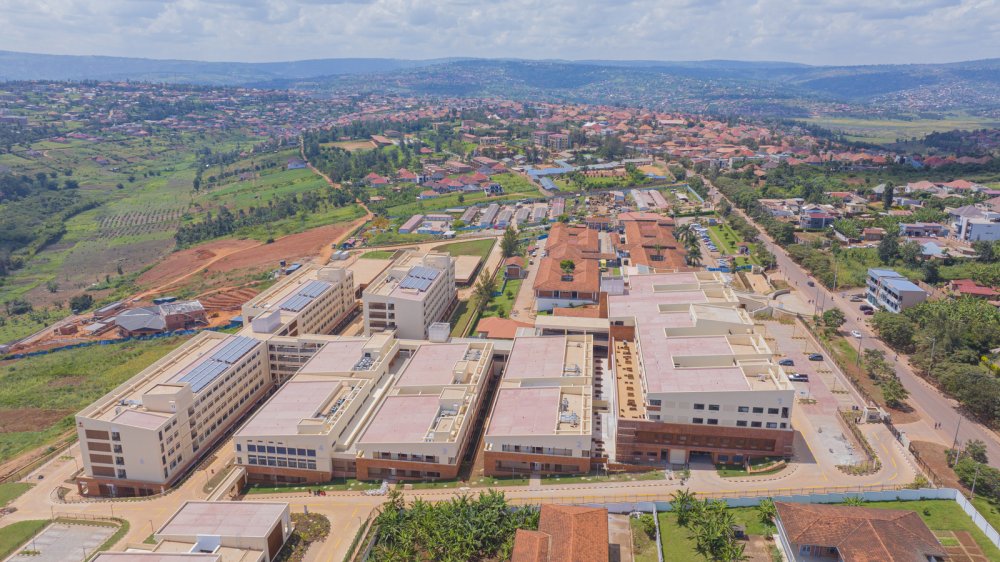
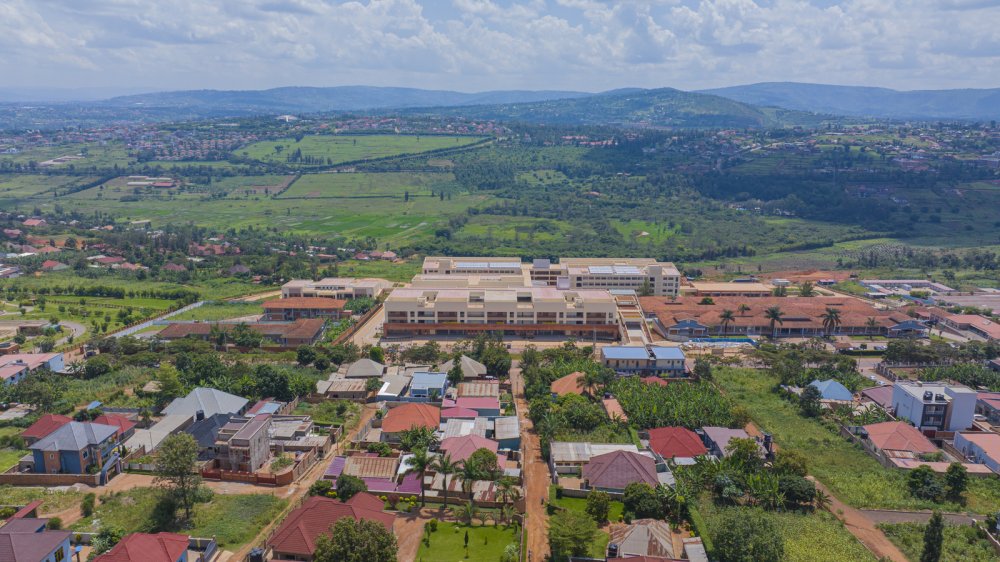
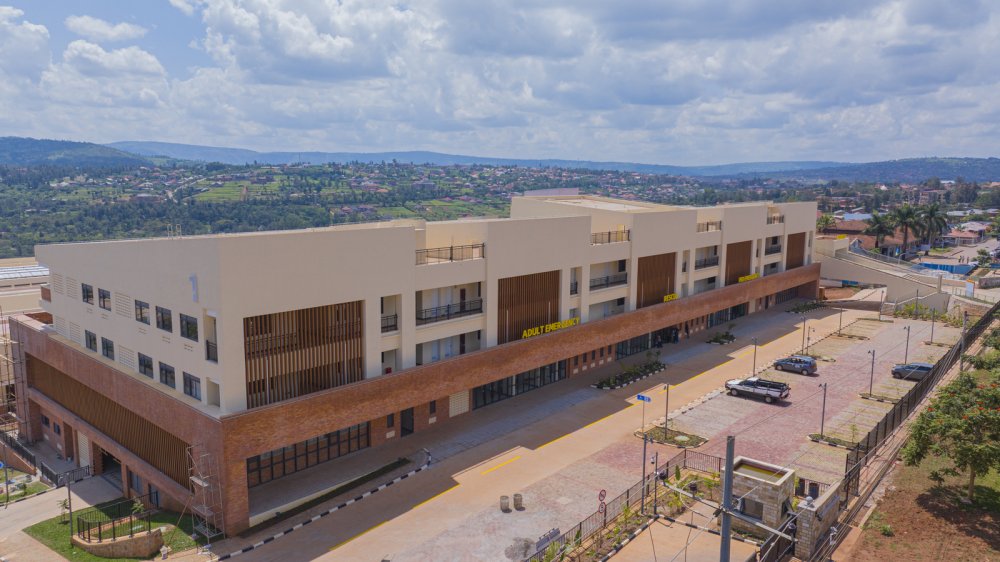
The new hospital, located in Kicukiro District, has already been completed. Built by China’s Shanghai Construction Group Co. Ltd, the project cost 580 million Chinese yuan, equivalent to more than Rwf124 billion.
The move will almost double CHUK’s capacity, increasing the number of beds from the current 453 to 837.
The facility is designed to deliver highly specialized healthcare, featuring 18 operating theatres, excluding those dedicated to Caesarean sections, as well as modern medical equipment, including four X-ray machines, two angiography systems, MRI technology, advanced radiology facilities, and other state-of-the-art diagnostic and treatment equipment.
Appearing before Parliament’s Public Accounts Committee (PAC) on July 2, 2026, the Permanent Secretary at the Ministry of Health, Jean Marie Vianney Ndayizigiye, said Kibagabaga Hospital would help absorb some of the patients who currently seek treatment at CHUK once the relocation is completed.
Although the new hospital is nearly twice the size of the existing facility, Ndayizigiye said the current CHUK site will continue operating as a major emergency care centre.
“The ICU, emergency services and the Trauma Center will remain there because it is located in the city centre, where road traffic accidents are common. The facility will continue to provide specialised care for critically injured patients,” he said.
The new CHUK is part of a growing medical district in Masaka. Nearby is IRCAD Africa, a regional centre that trains surgeons in digestive cancer surgery, robotic-assisted procedures and minimally invasive techniques.
The area will also host a specialised heart hospital, while a centre dedicated to epidemic preparedness, infectious disease management and research is currently under construction.
Four health centres set for upgrade
To strengthen healthcare services around the new hospital, the Ministry of Health also plans to upgrade four health centres into medicalised facilities capable of providing advanced and emergency care.
Ndayizigiye said Busanza, Gatenga, Gahanga and Muyumbu health centres will be upgraded to ease pressure on Masaka Hospital, which already serves a large number of patients.
“Upgrading these health centres will allow them to provide higher-level medical services and reduce the burden currently borne by Masaka Hospital,” he said.
He added that feasibility studies are expected to be completed during the 2026/27 financial year, paving the way for construction and expansion works.
Modern buildings at the new CHUK campus in Masaka showcase Rwanda’s growing investment in advanced healthcare infrastructure and specialised medical services.The new CHUK hospital features state-of-the-art medical equipment, including MRI technology, angiography systems, advanced radiology facilities and multiple operating theatres.The newly completed CHUK facility in Masaka is set to begin receiving patients by the end of 2026, nearly doubling the hospital’s capacity from 453 to 837 beds.
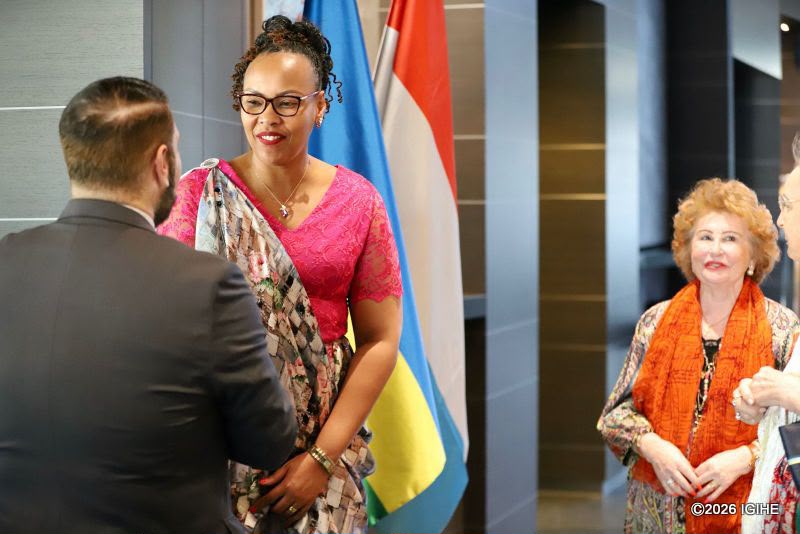
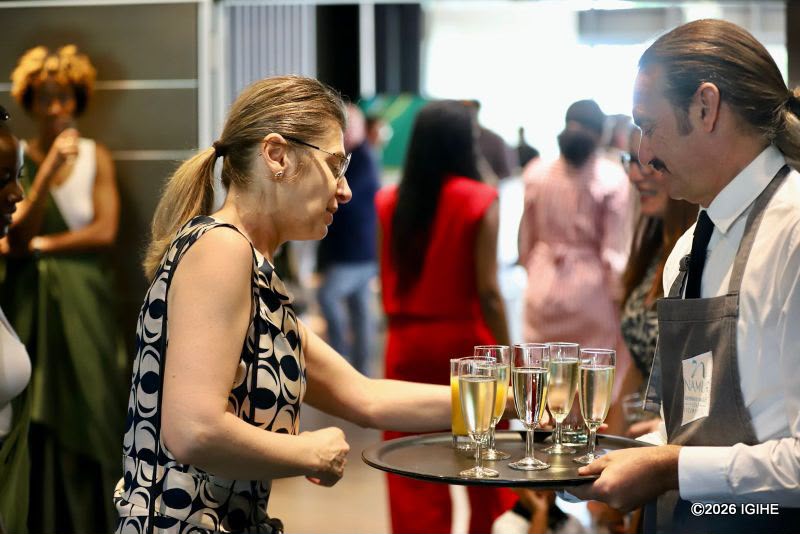
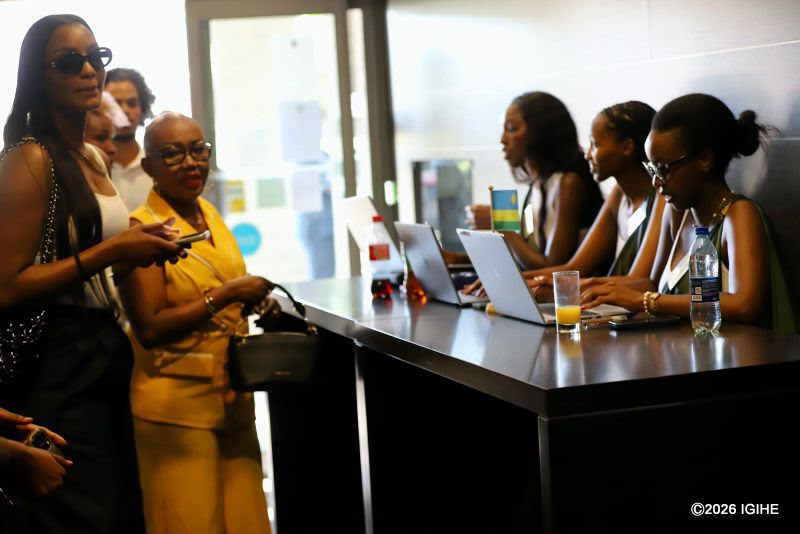
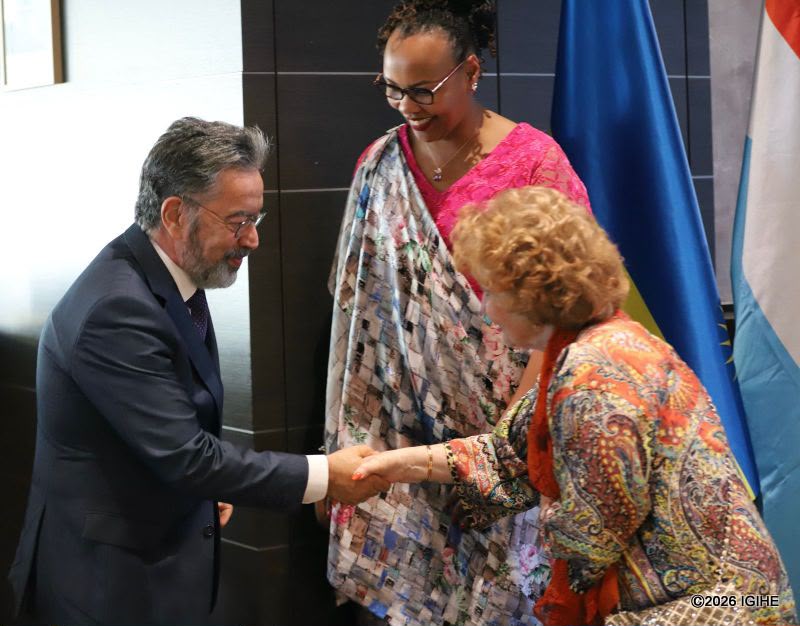
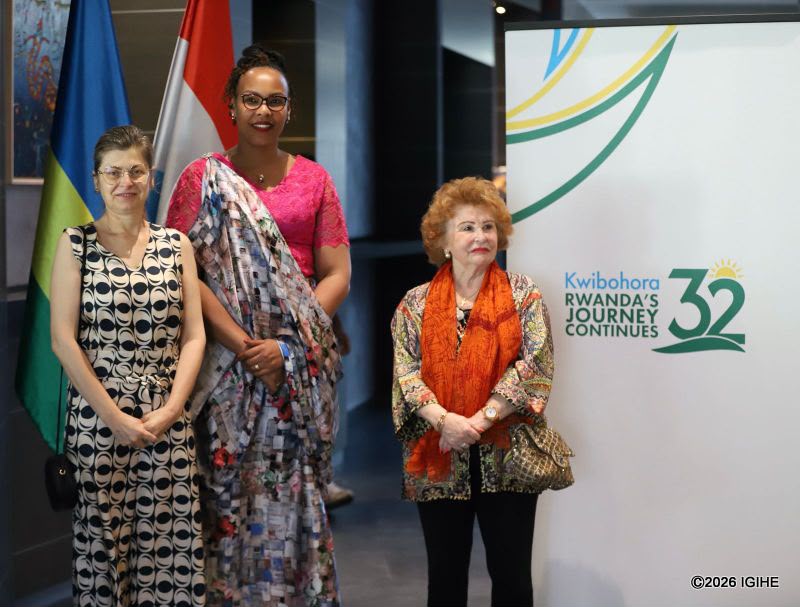
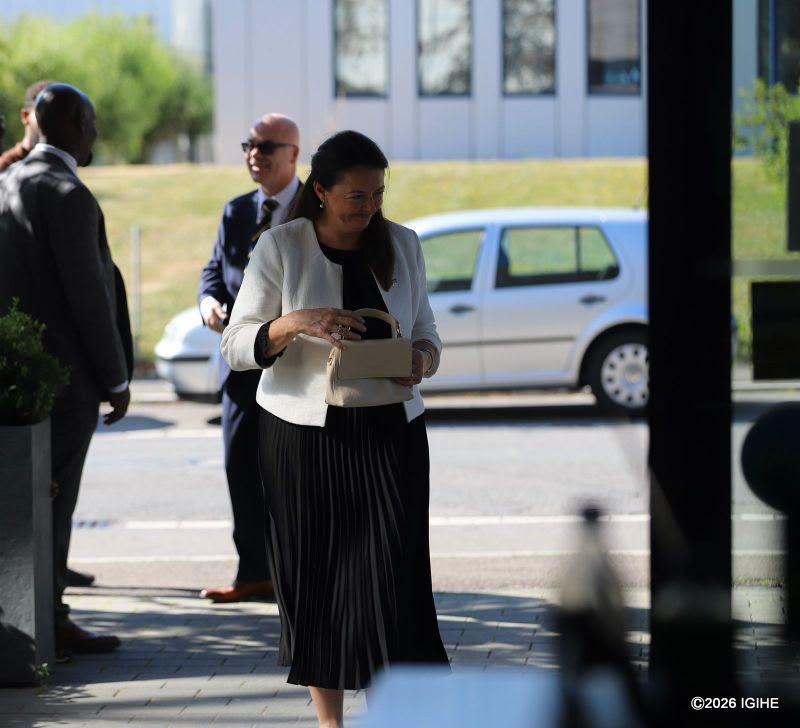
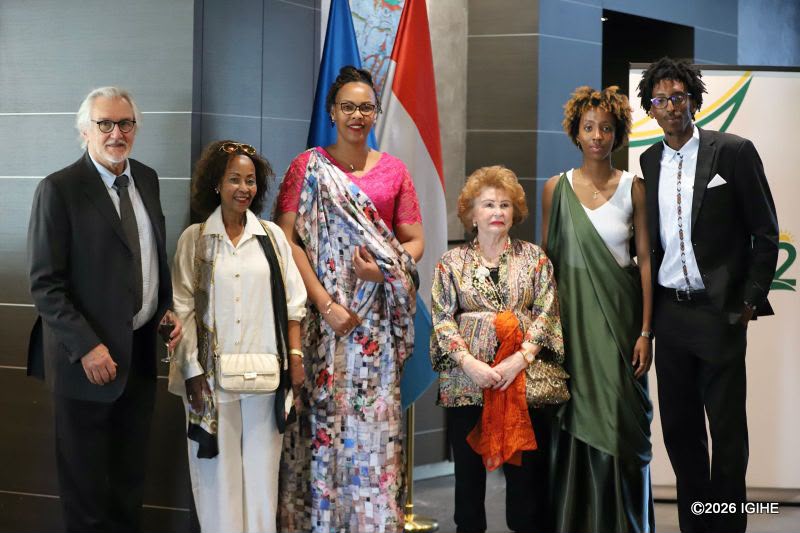
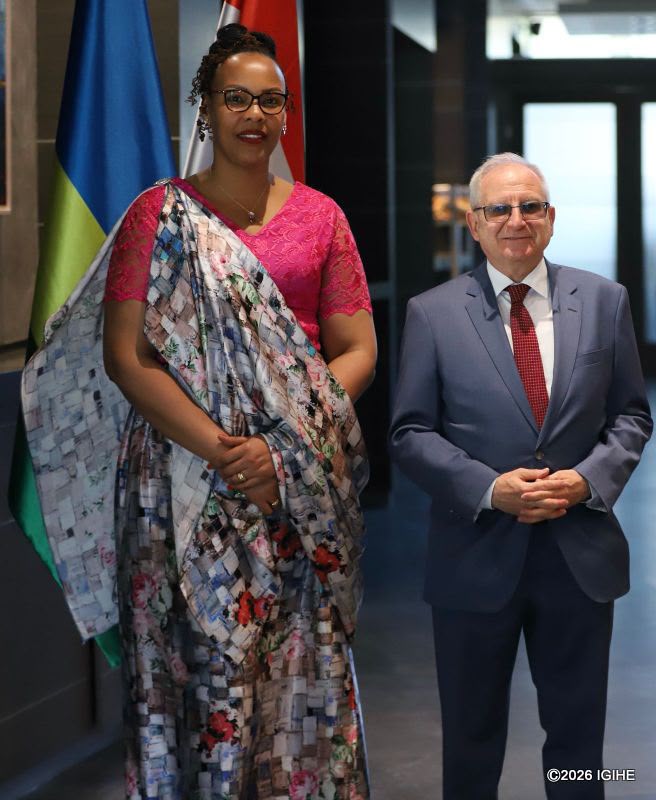
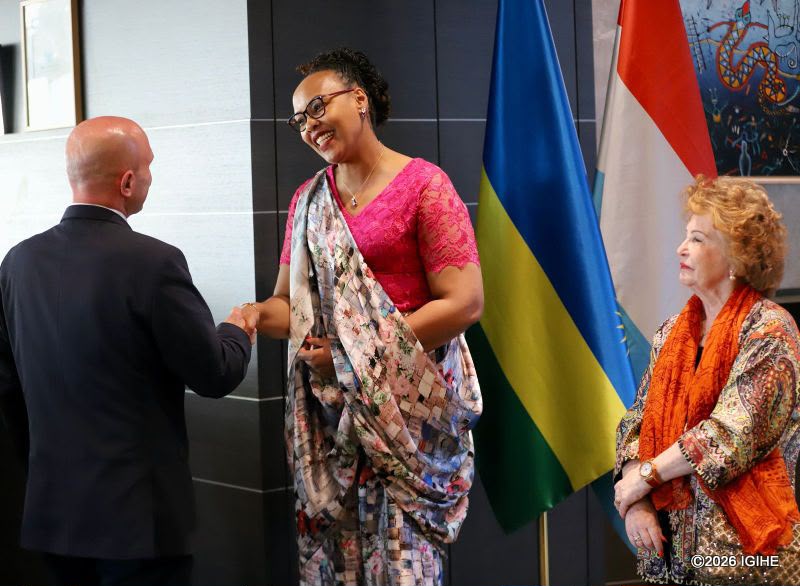
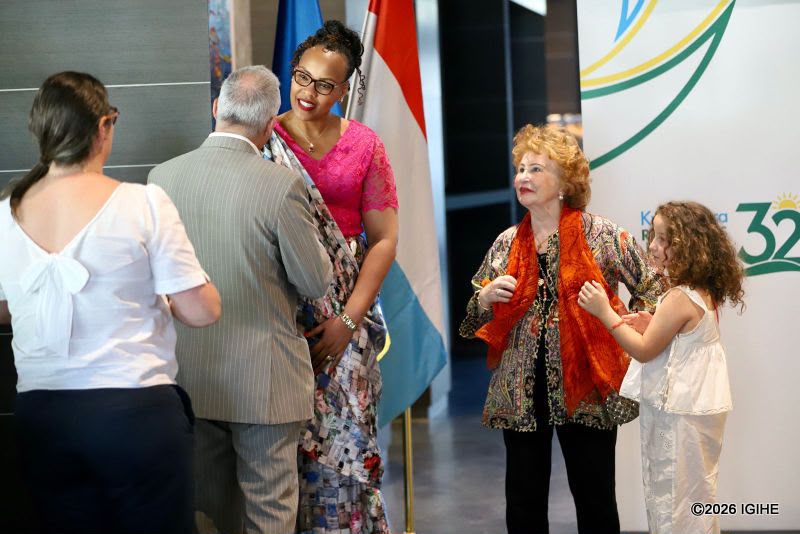
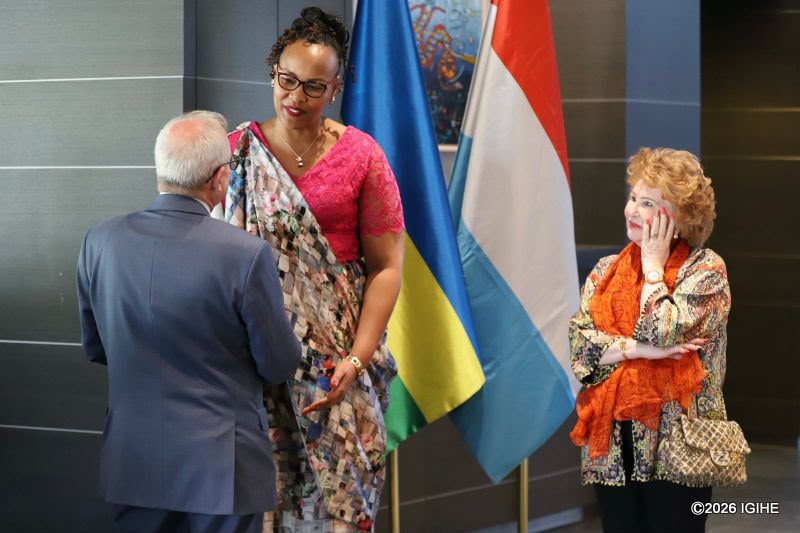
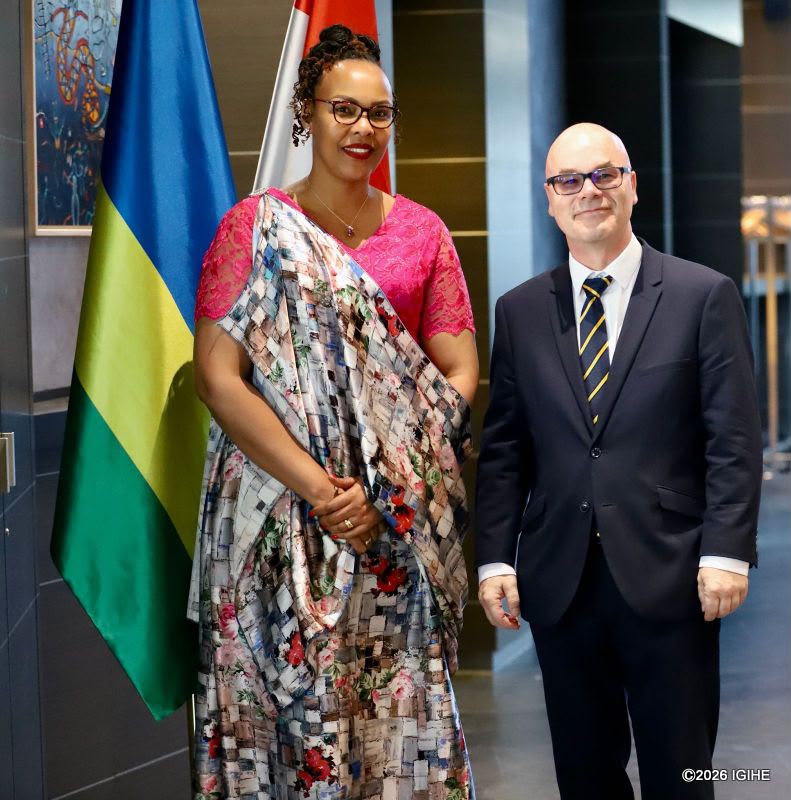
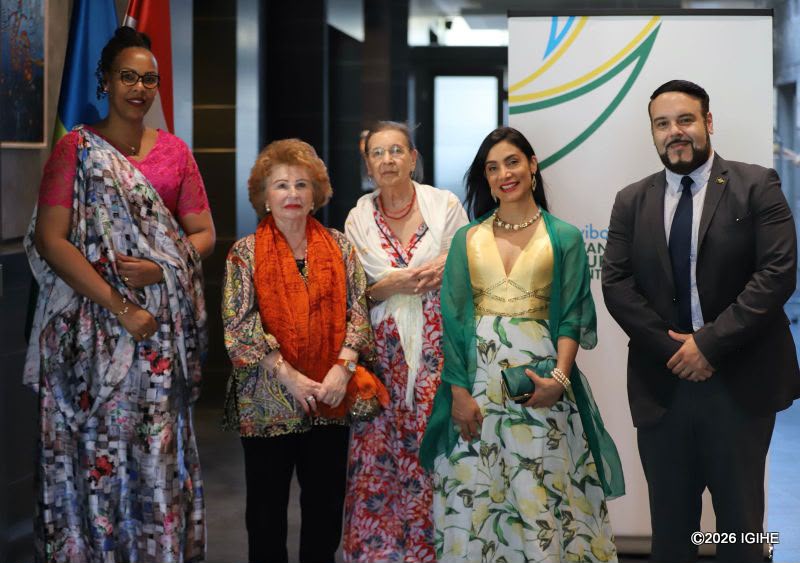
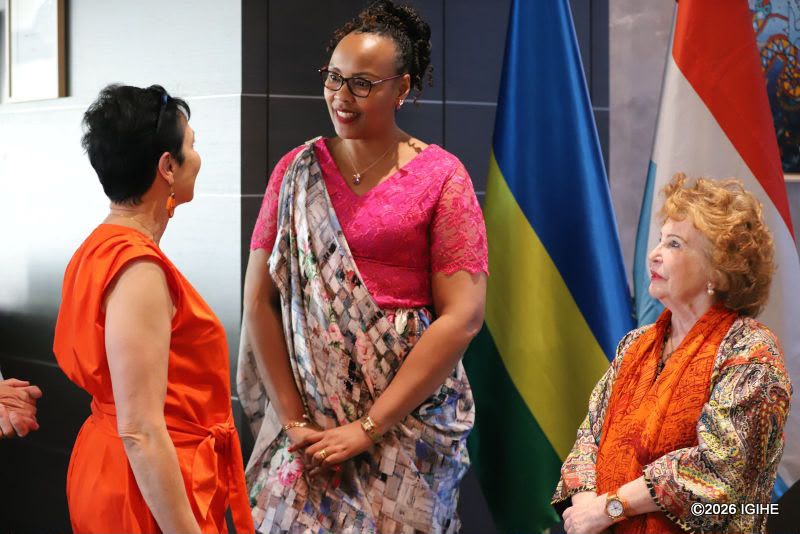
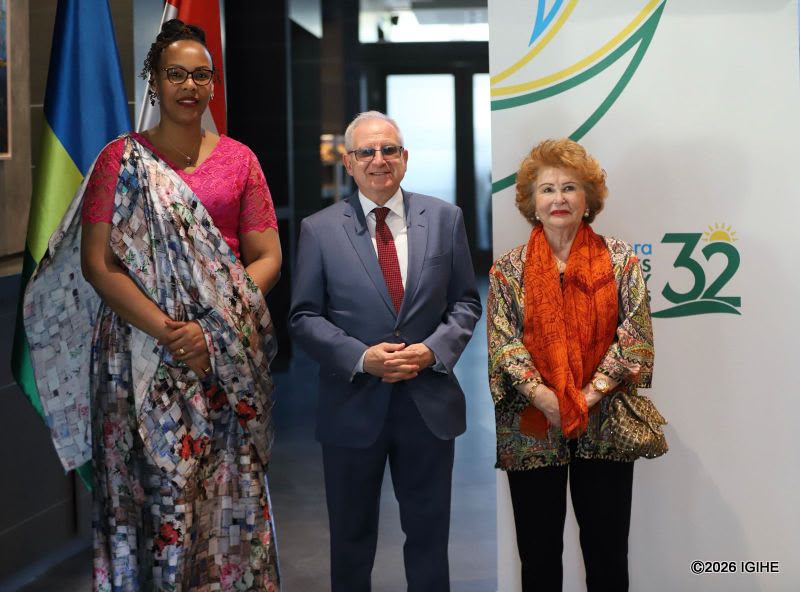
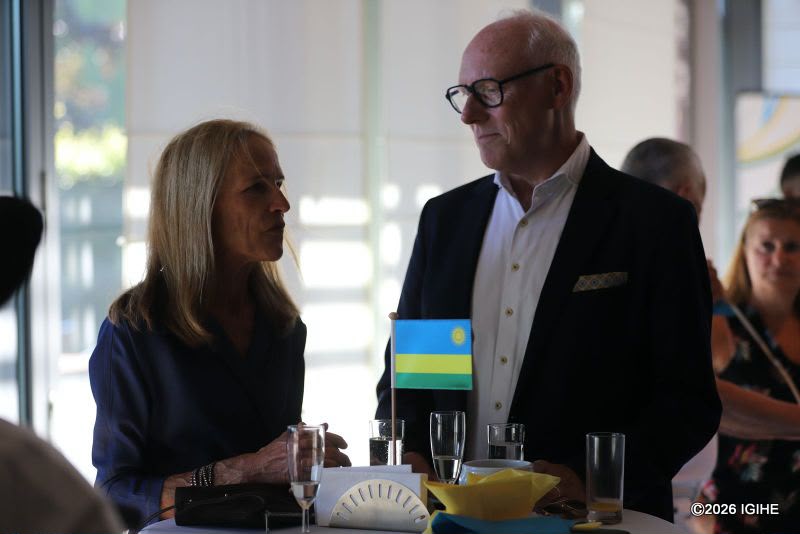
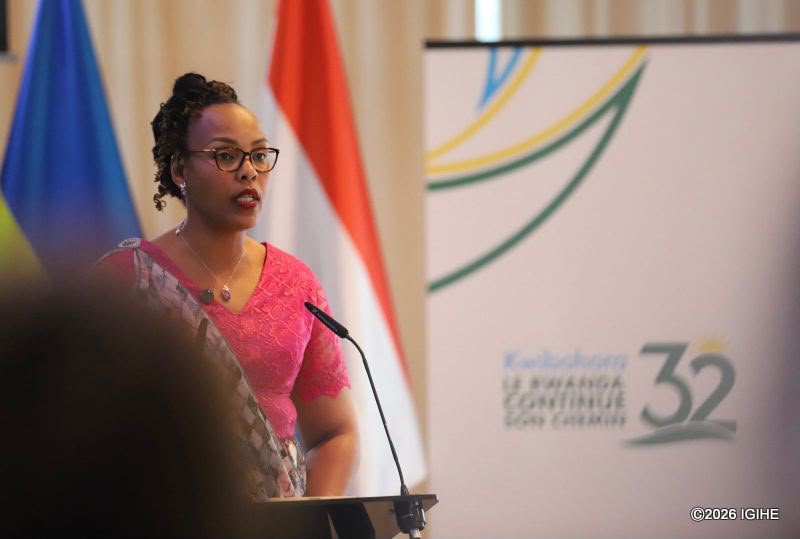
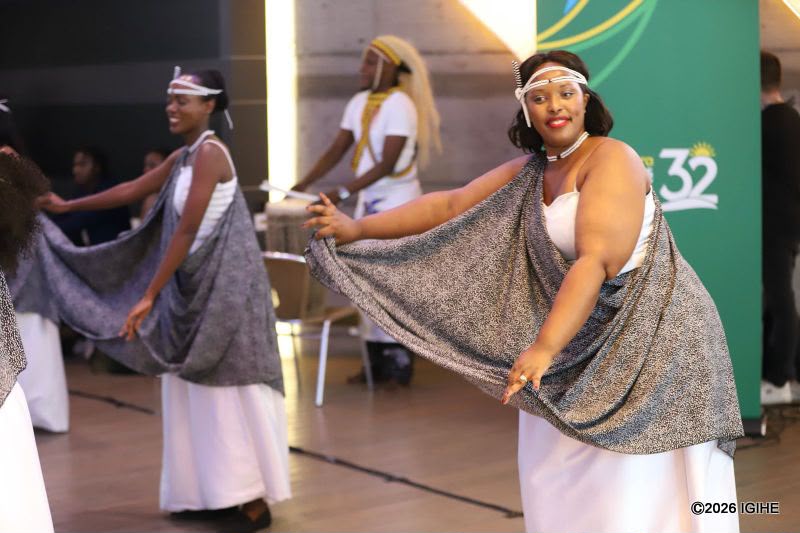
In her address, Rwanda’s Ambassador to Luxembourg, Mimosa Aurore Munyangaju, recalled that July 4, 1994, remains a historic date marking both the end of the Genocide against the Tutsi and the beginning of Rwanda’s rebirth.
She emphasized that the day symbolizes “the triumph of life over death, hope over despair, and unity over division,” noting that Liberation paved the way for national reconstruction, reconciliation, and development.
The Ambassador paid tribute to the men and women of the Rwanda Patriotic Army (RPA), under the leadership of President Paul Kagame, who brought an end to the 1994 Genocide against the Tutsi and enabled Rwanda to regain its dignity, sovereignty, and stability.
She also invited attendees to remember all those who sacrificed their lives for the country’s liberation, stressing that their courage and patriotism remain the foundation upon which Rwanda continues to build its future.
A nation transformed over 32 years
Reflecting on Rwanda’s journey since 1994, Ambassador Munyangaju noted that the country is now recognized as one of the most stable, safest, and fastest-growing nations on the African continent.
She attributed this transformation to a clear vision, determined leadership, and the commitment of all Rwandans. According to her, Liberation is no longer merely a historical event but an ongoing process that continues to guide the nation’s progress.
The Ambassador highlighted achievements in key sectors, including innovation, digital technology, entrepreneurship, education, and healthcare.
She also noted that Rwanda remains a global leader in women’s representation in public institutions, with women holding more than 60 percent of seats in the Chamber of Deputies.
In the health sector, she pointed to ongoing efforts to eliminate cervical cancer by 2027 through extensive Human Papillomavirus (HPV) vaccination coverage and improved access to treatment.
Strong Rwanda–Luxembourg partnership
The celebration also provided an opportunity to highlight the excellent relations between Rwanda and the Grand Duchy of Luxembourg.
The Ambassador underscored that the two countries share a common vision based on dialogue, mutual respect, solidarity, and the pursuit of innovative solutions to contemporary challenges.
She expressed gratitude to the Luxembourgish authorities for their warm welcome and continued support in strengthening bilateral cooperation.
“My family, my colleagues, and I immediately felt at home in Luxembourg,” she said, describing the hospitality as a reflection of the deep friendship between the two nations.
Tribute to the Rwandan diaspora
Ambassador Munyangaju also praised the contribution of the Rwandan community in Luxembourg, describing its members as “living ambassadors of Rwanda.”
She commended the diaspora for its integration, discipline, and contribution to promoting Rwanda’s image while strengthening ties between the two countries.
Special appreciation was extended to community members who contributed to organizing the celebration, as well as to the artists and young people whose cultural performances showcased Rwanda’s rich heritage and identity.
The Ambassador further expressed gratitude to the staff of the Embassy of Rwanda in Luxembourg for their professionalism and dedication in advancing Rwanda’s diplomatic mission.
“Kwibohora is a permanent responsibility”
In her concluding remarks, the Ambassador stressed that the message of Kwibohora remains as relevant today as ever.
“A people that chooses unity can rebuild the impossible,” she said, adding that Liberation did not end on July 4, 1994, but continues every day through the efforts of every Rwandan striving to build a more prosperous nation.
The ceremony concluded with a toast in honor of the Republic of Rwanda, its people, the friendship between Rwanda and the Grand Duchy of Luxembourg, and the shared pursuit of peace and prosperity.
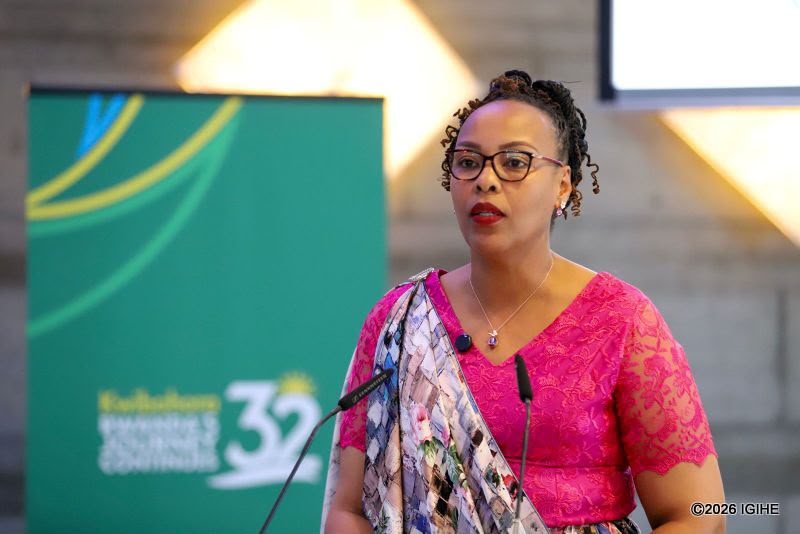
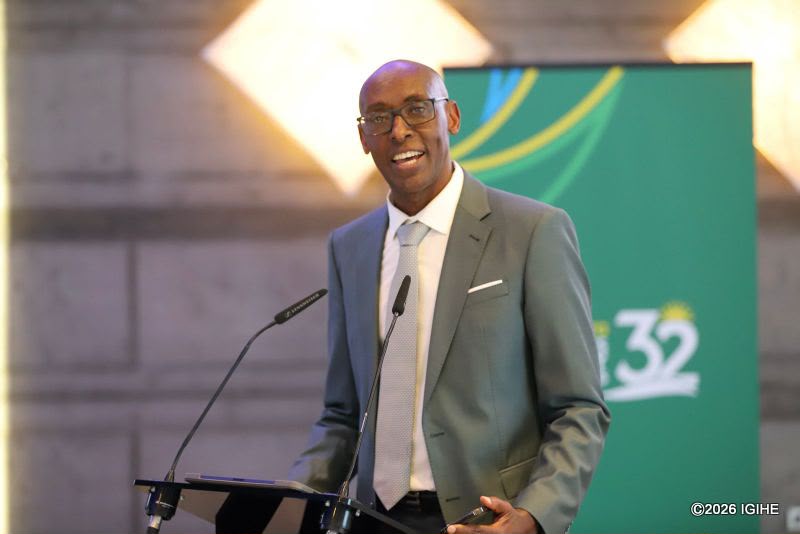
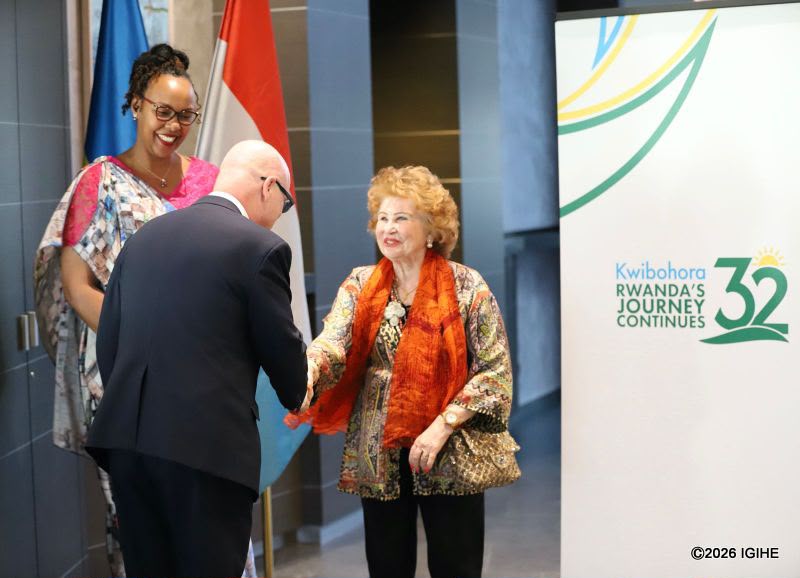
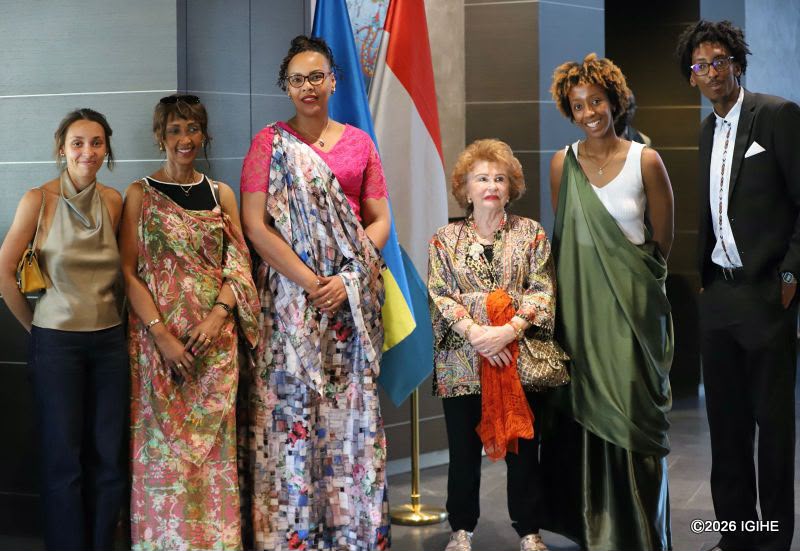
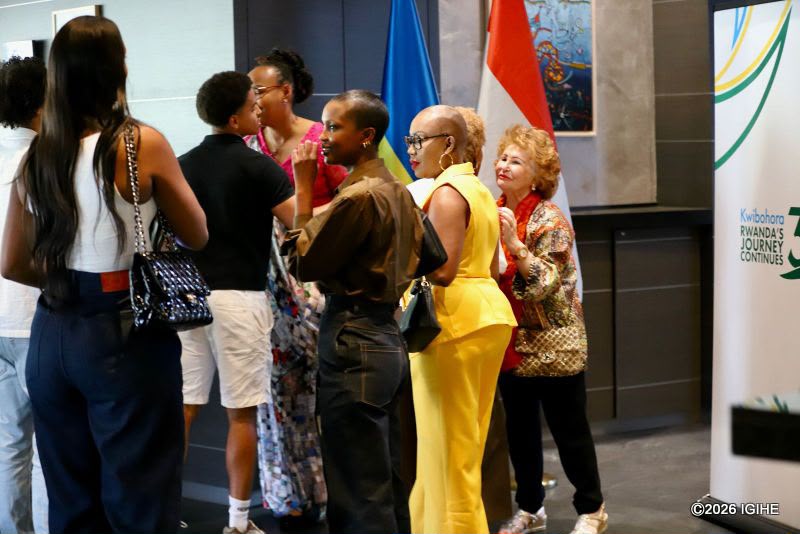
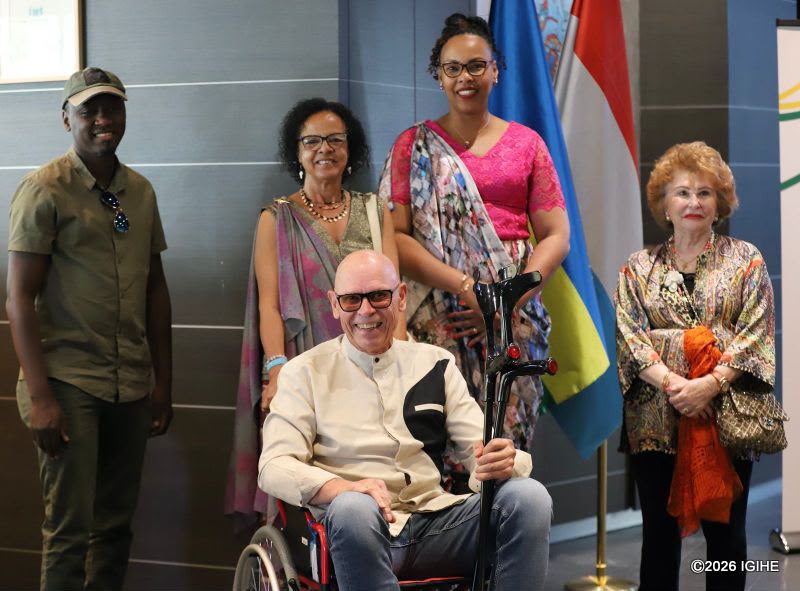
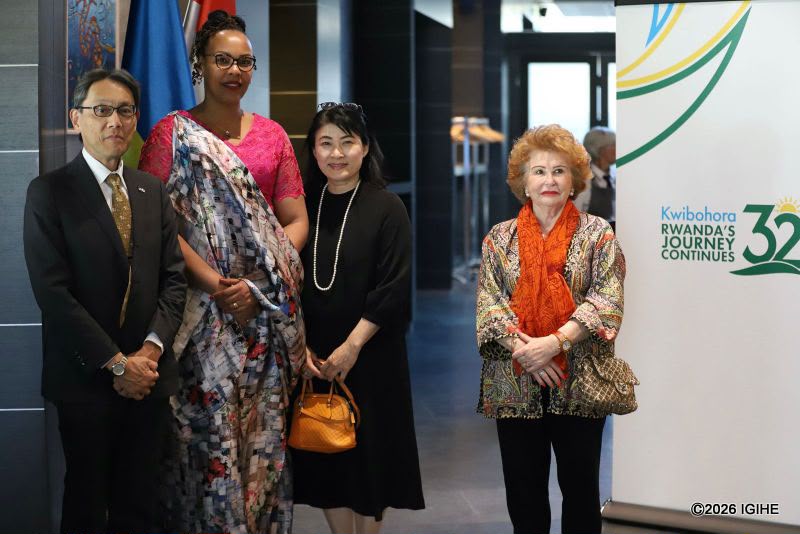
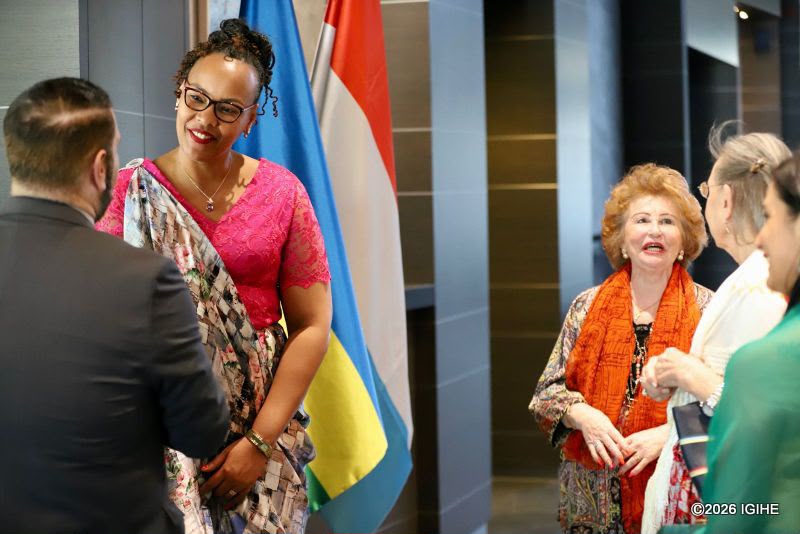
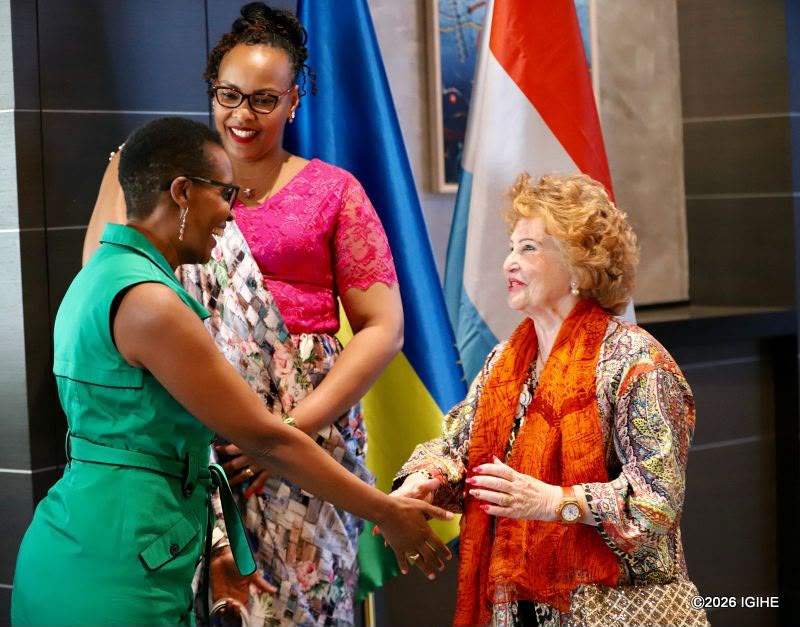
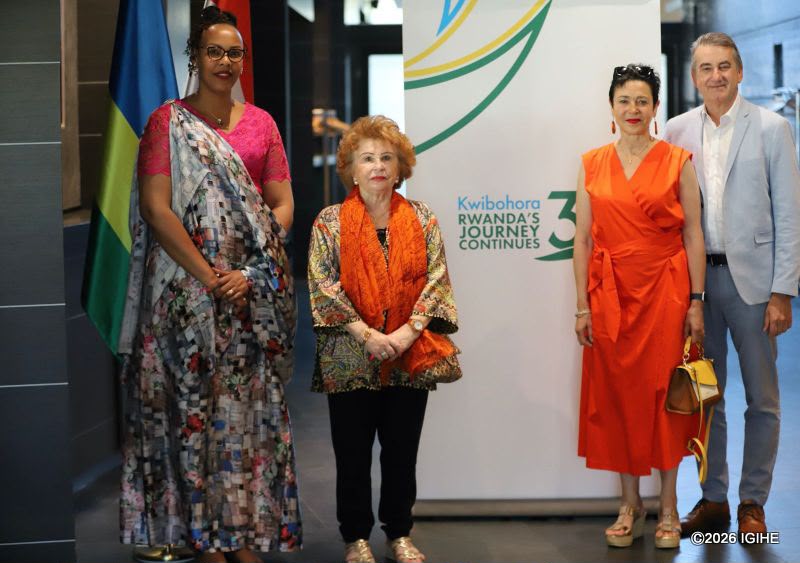
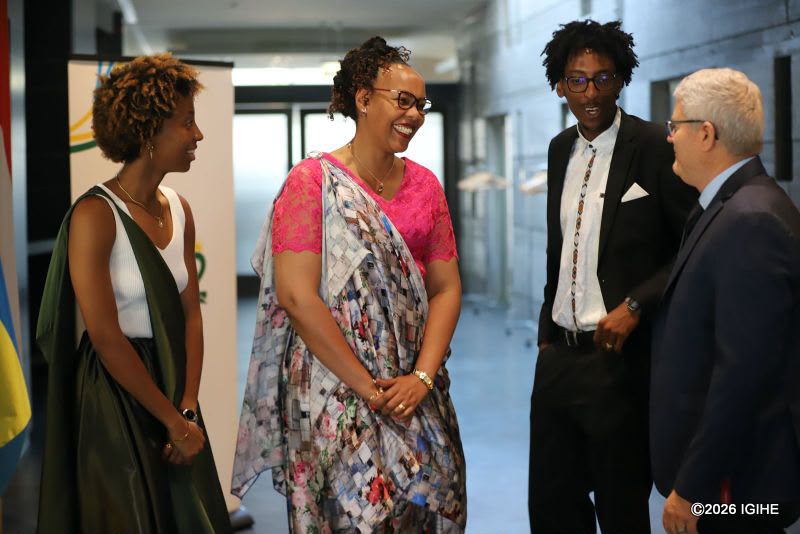
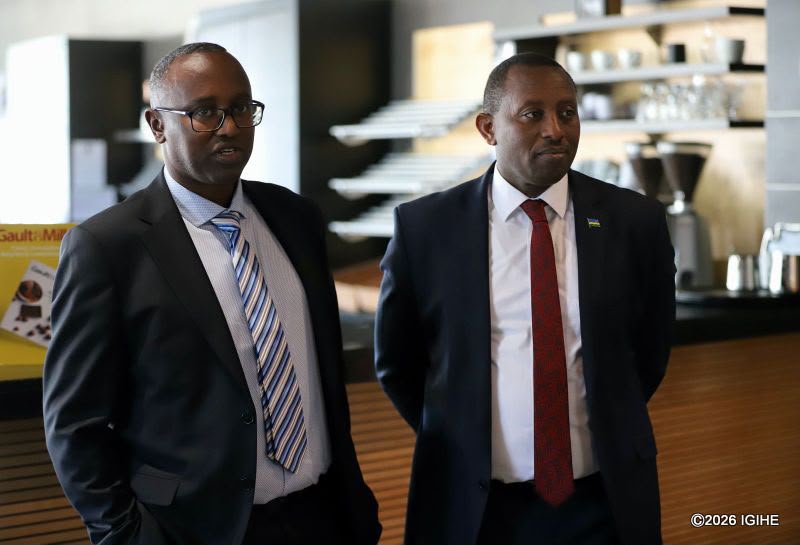
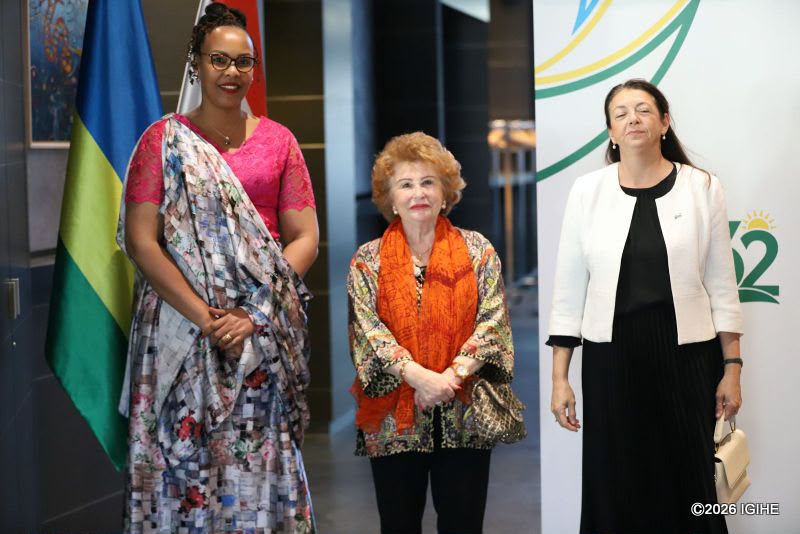
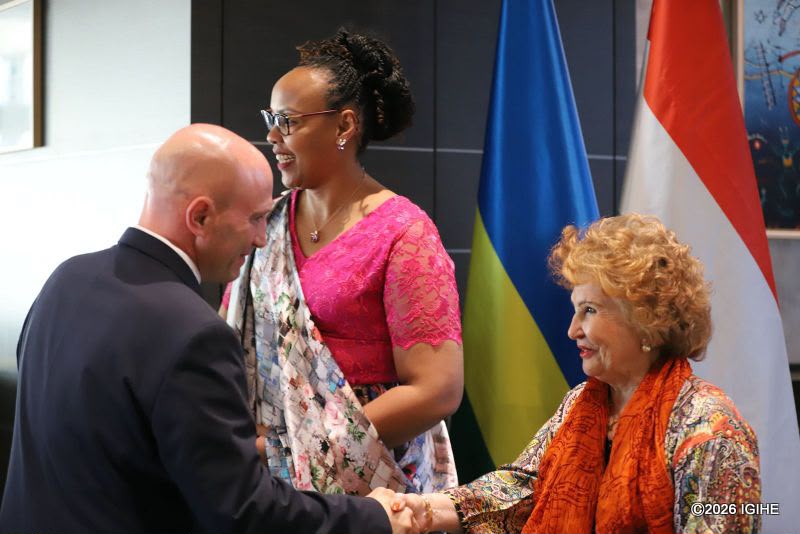
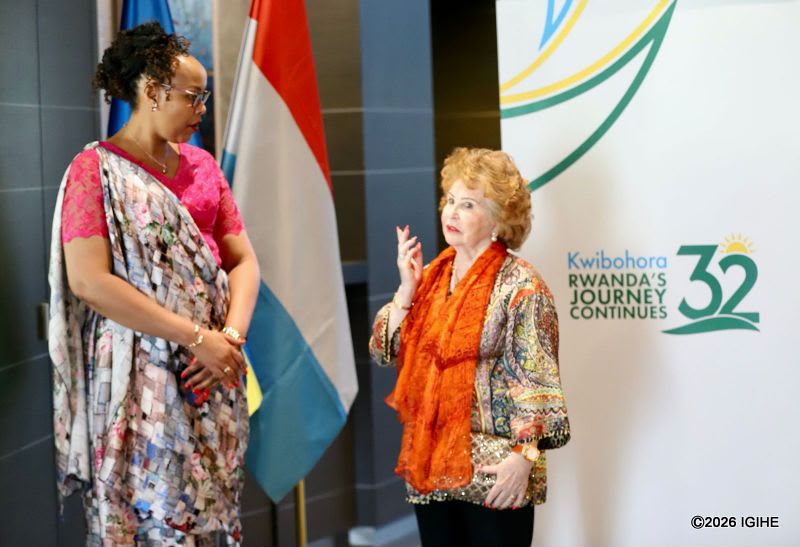
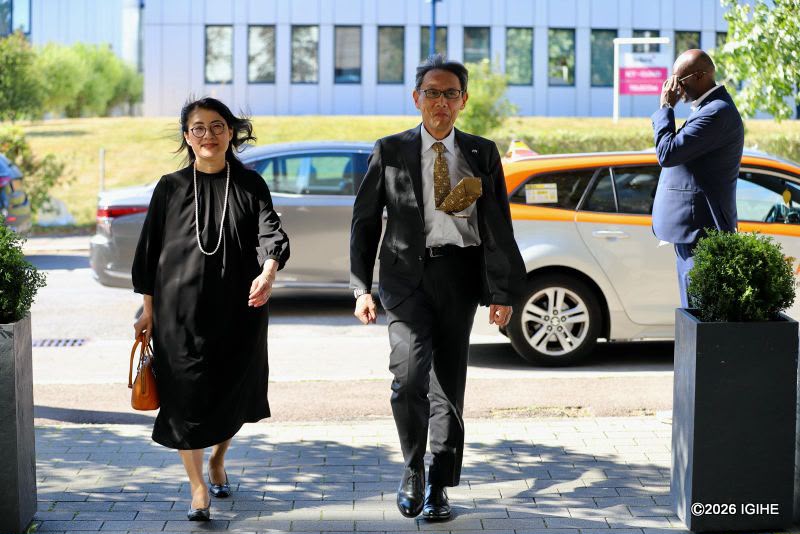
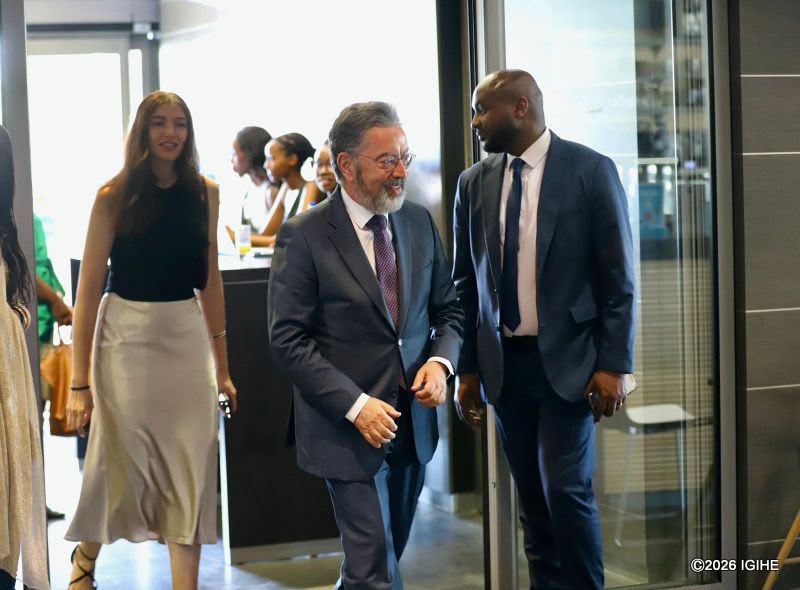
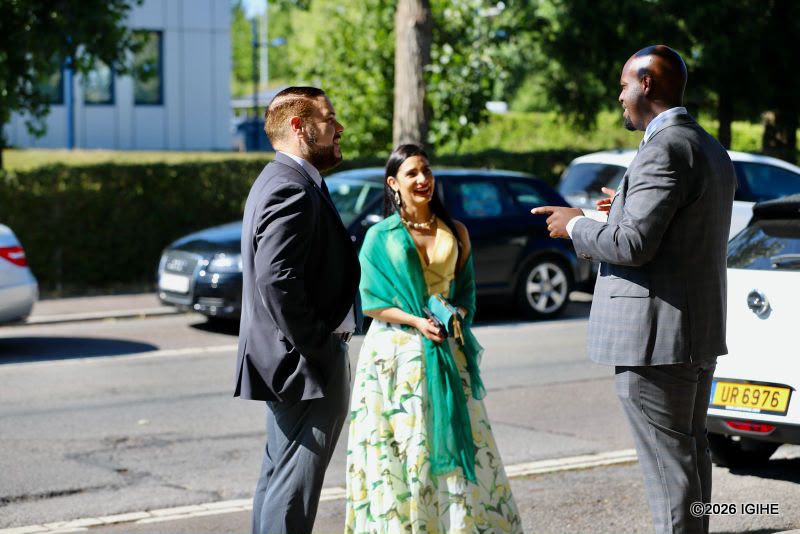
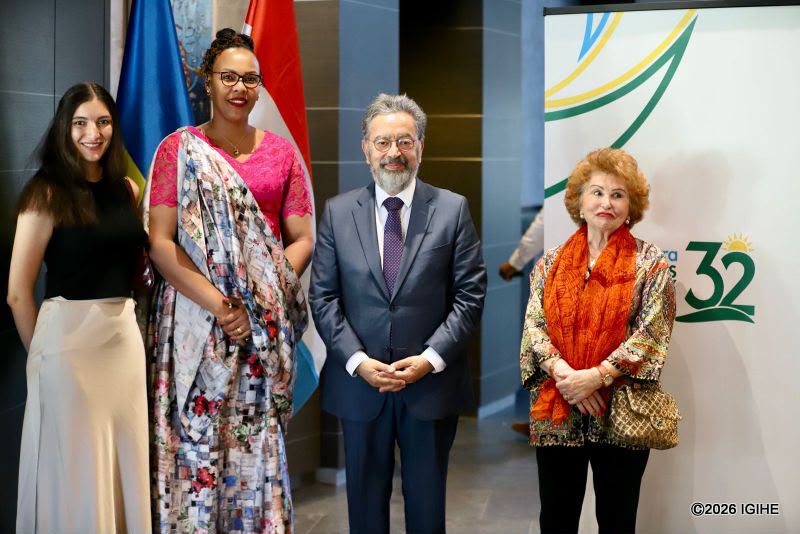
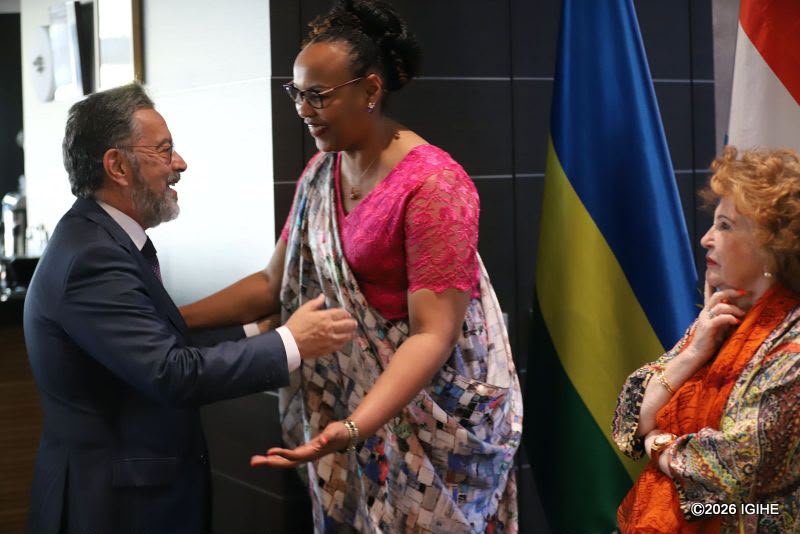
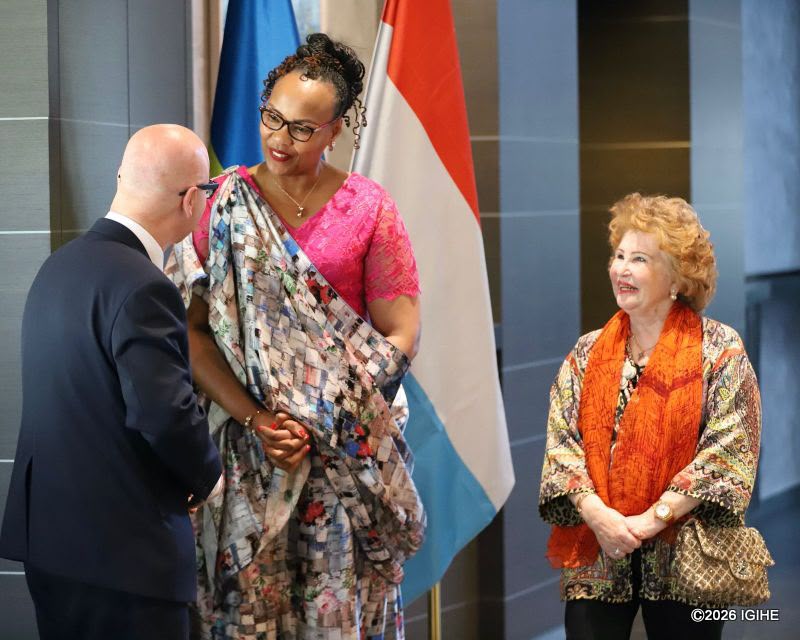
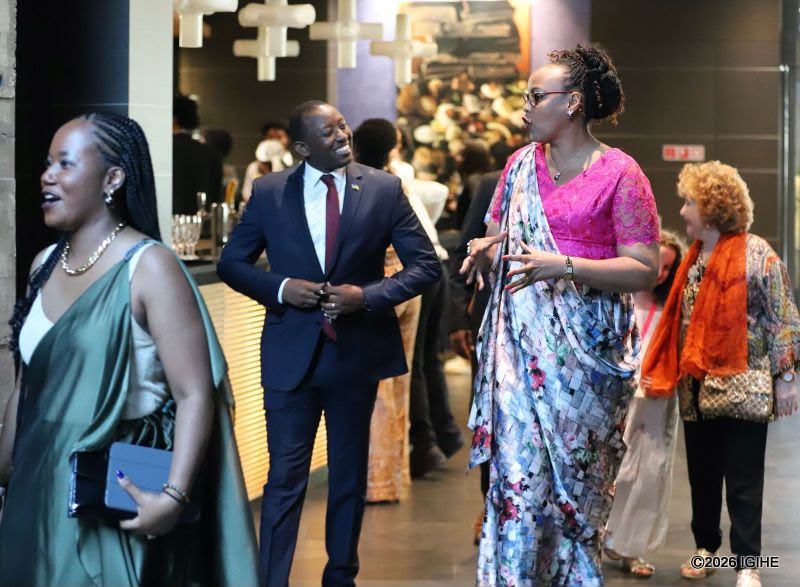
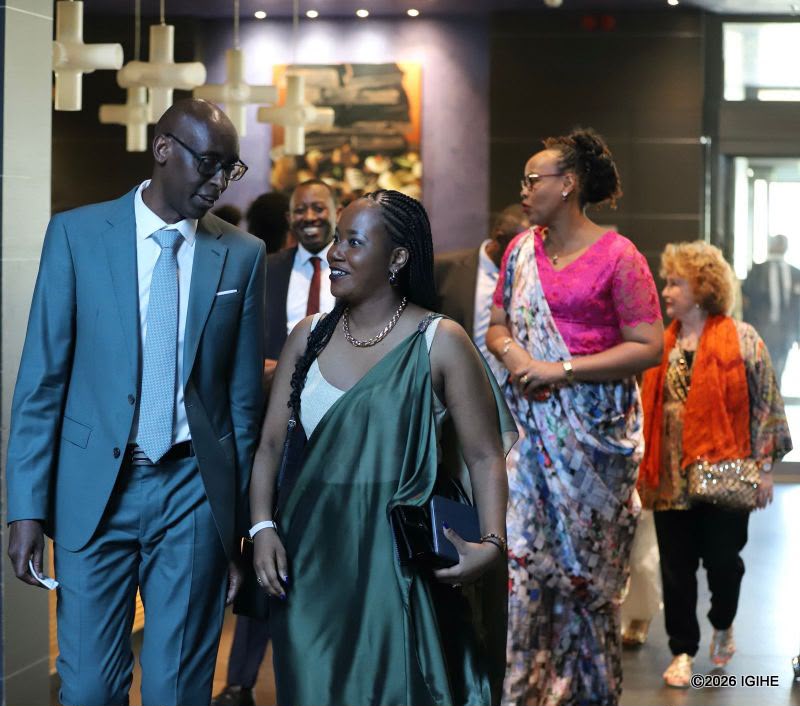
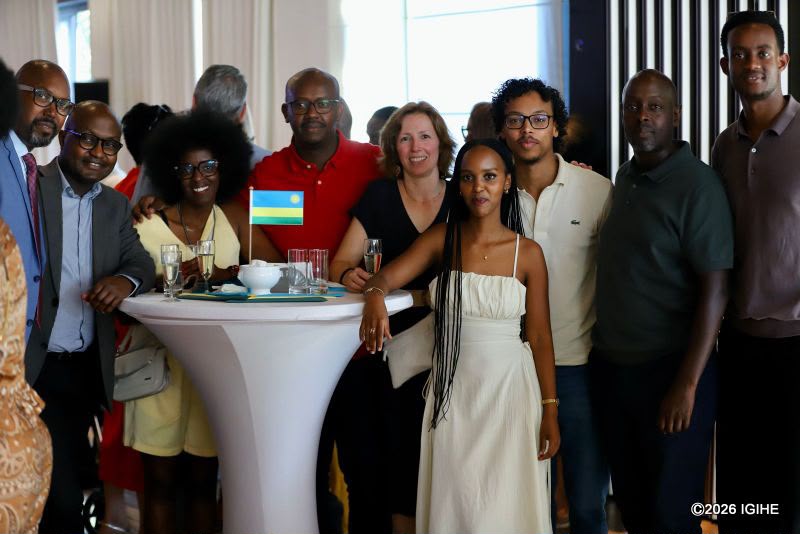
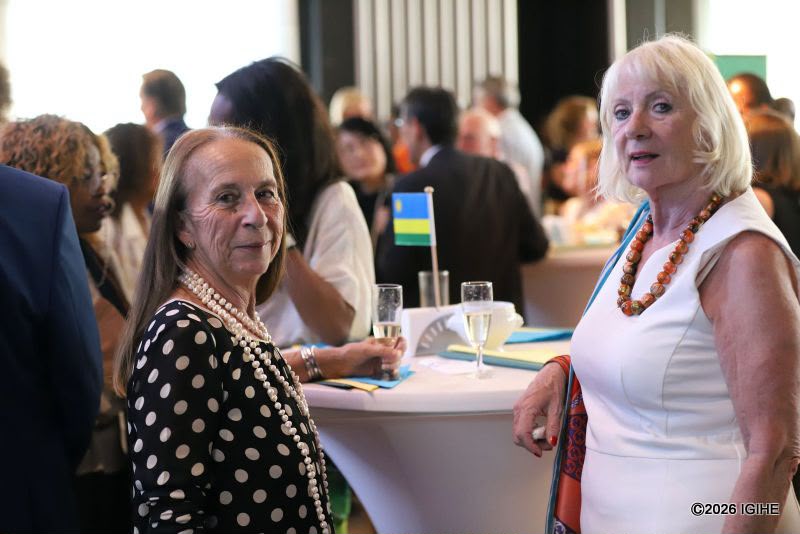
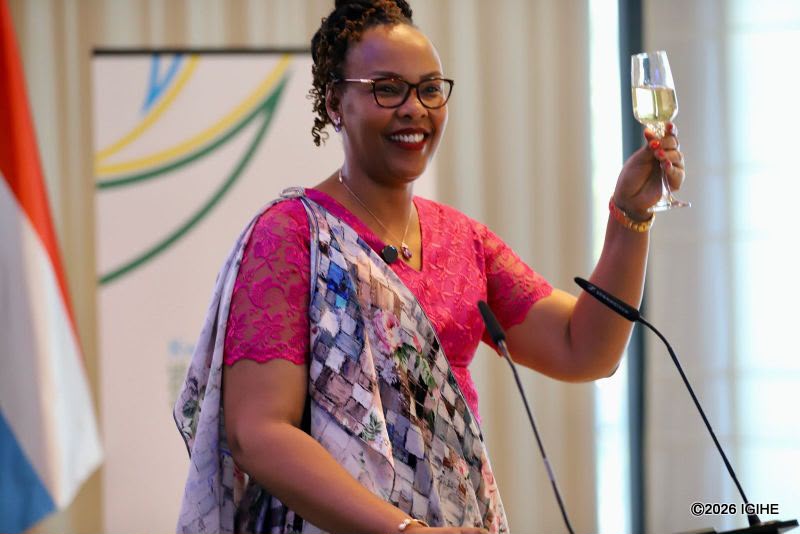
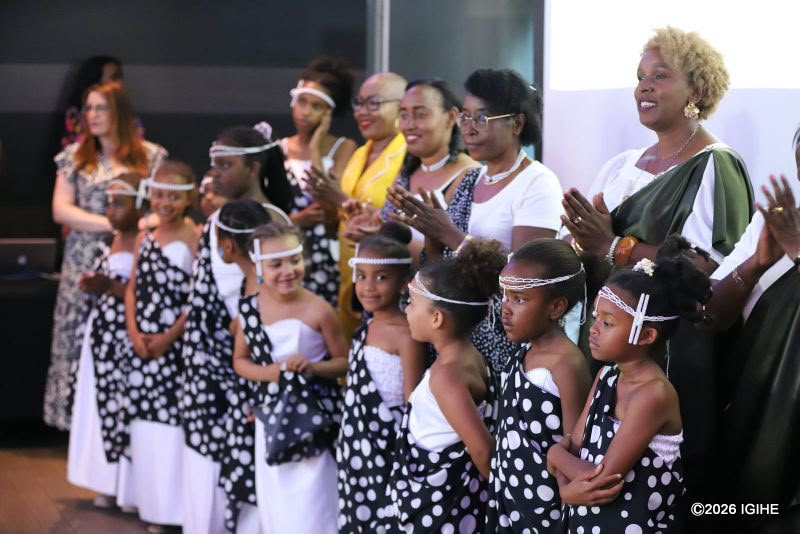
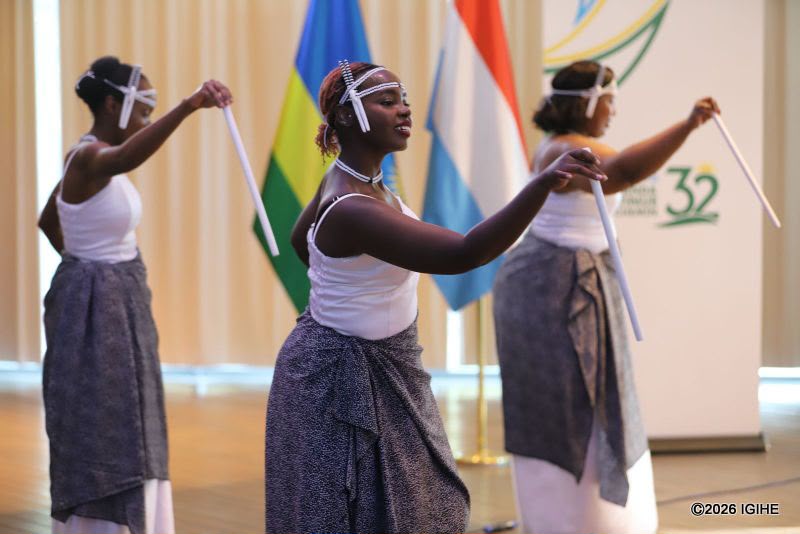
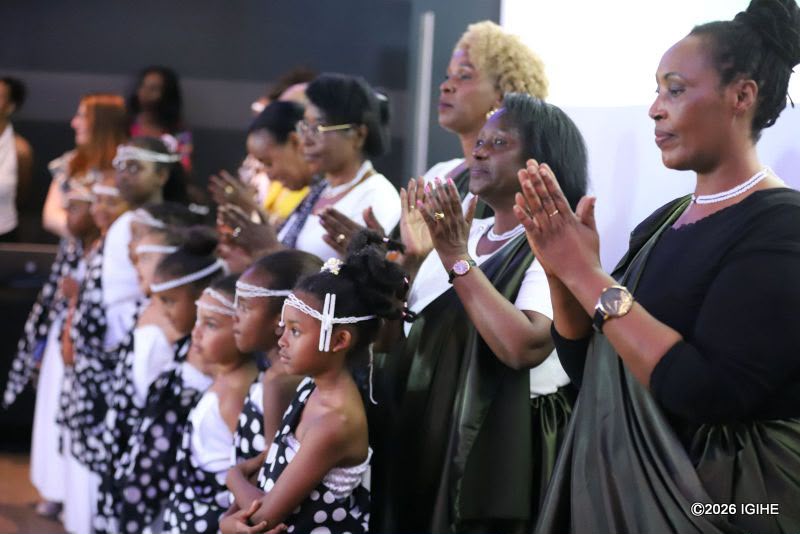
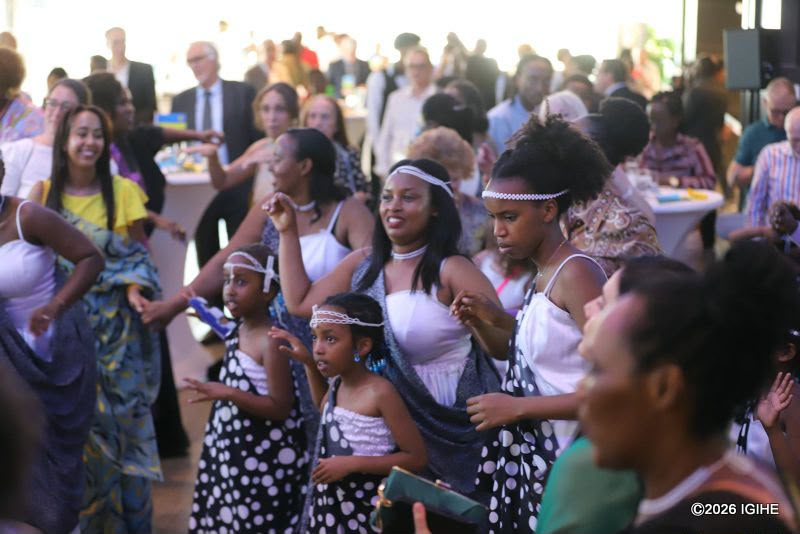
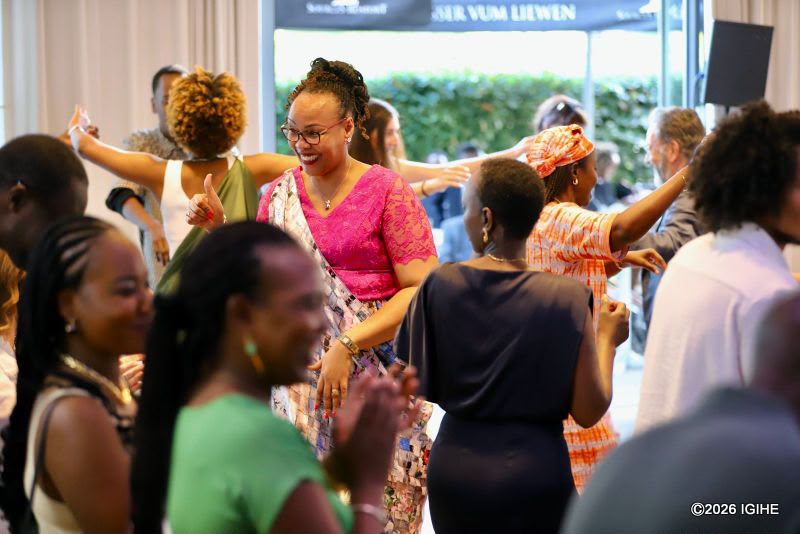
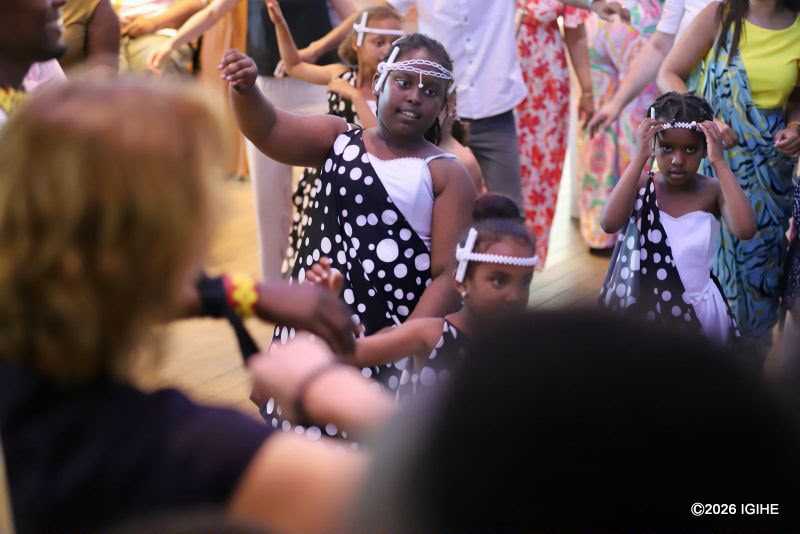
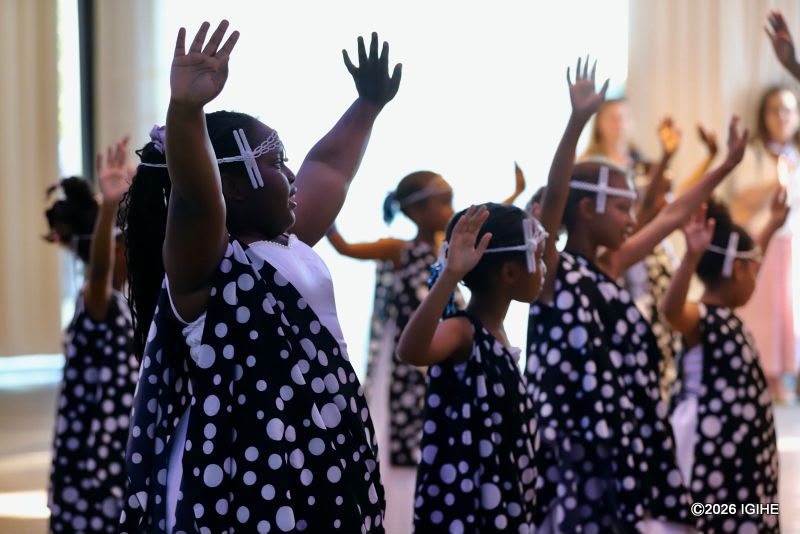
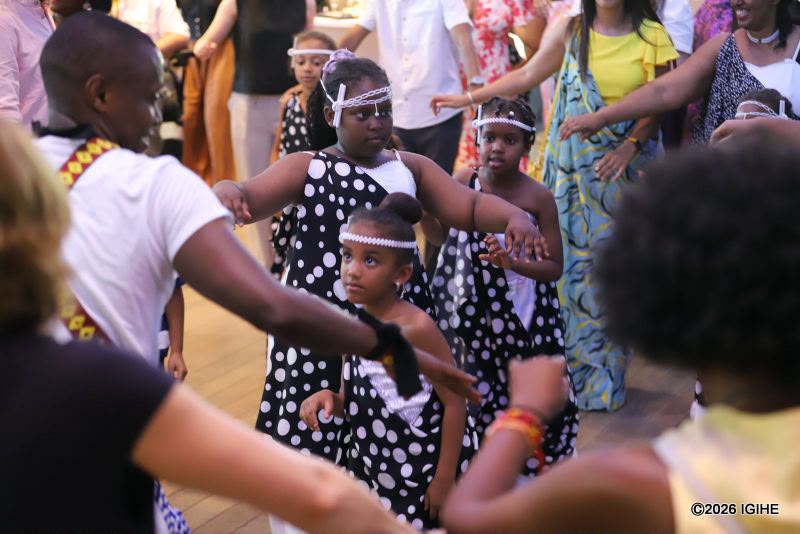
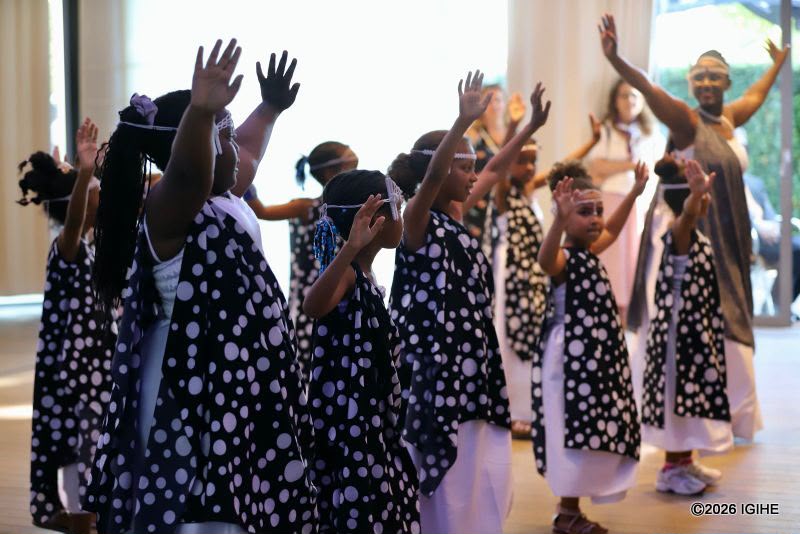
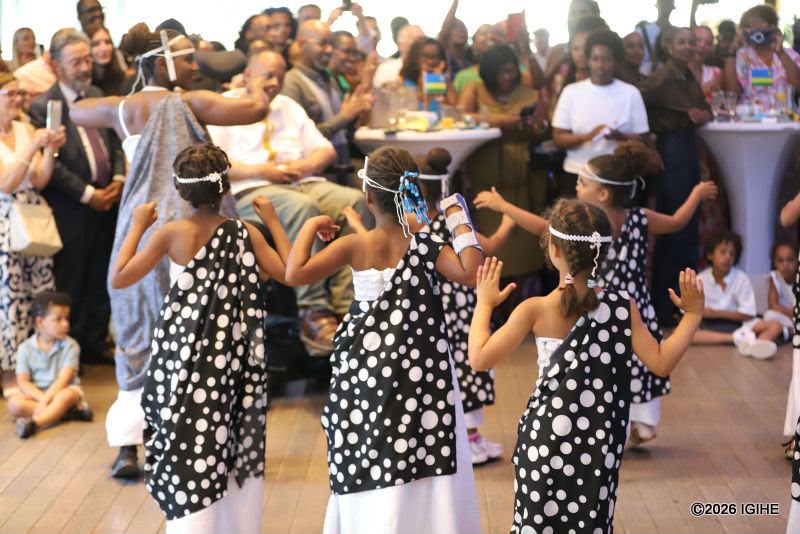
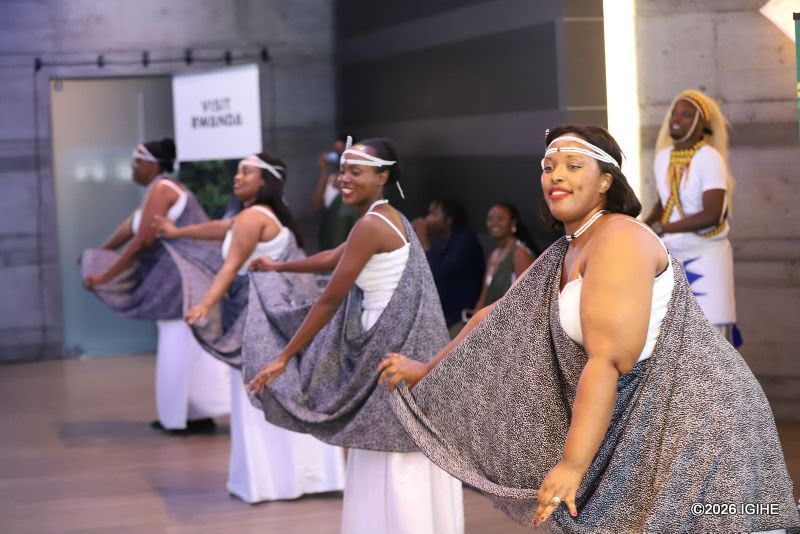
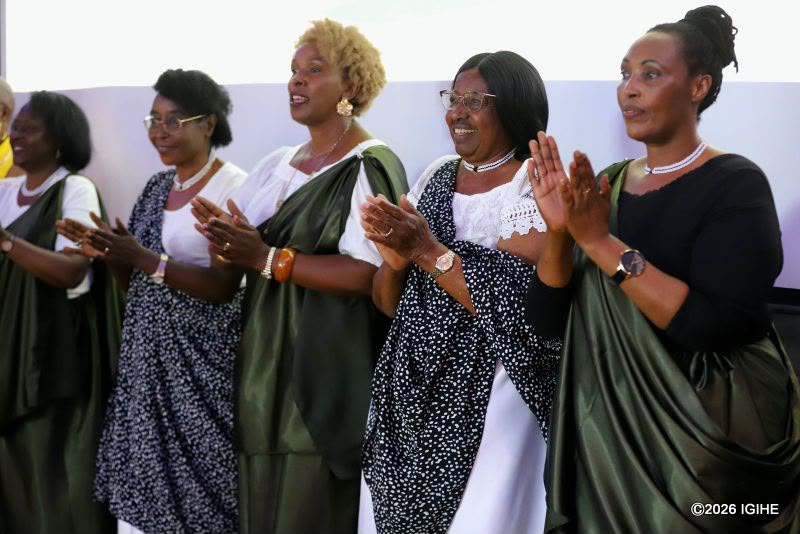
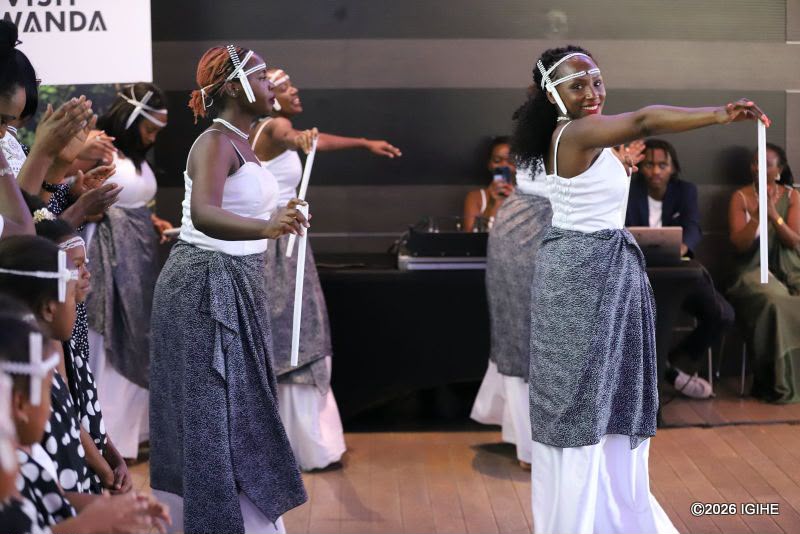
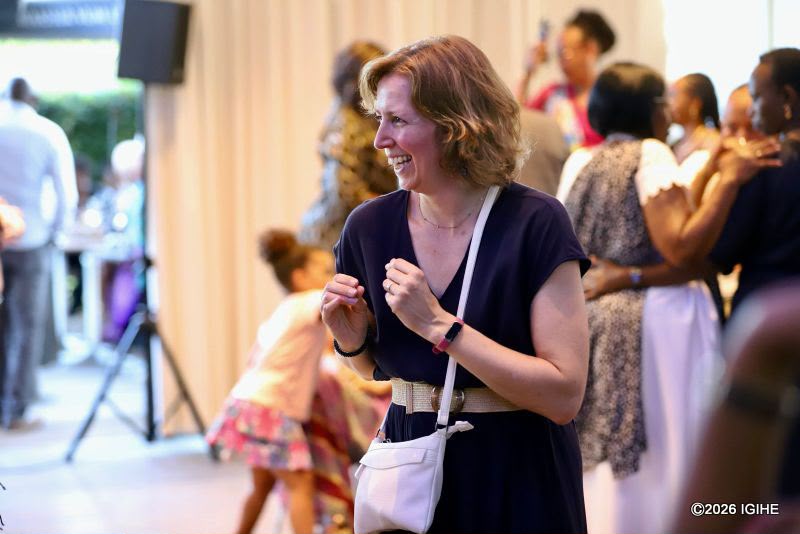
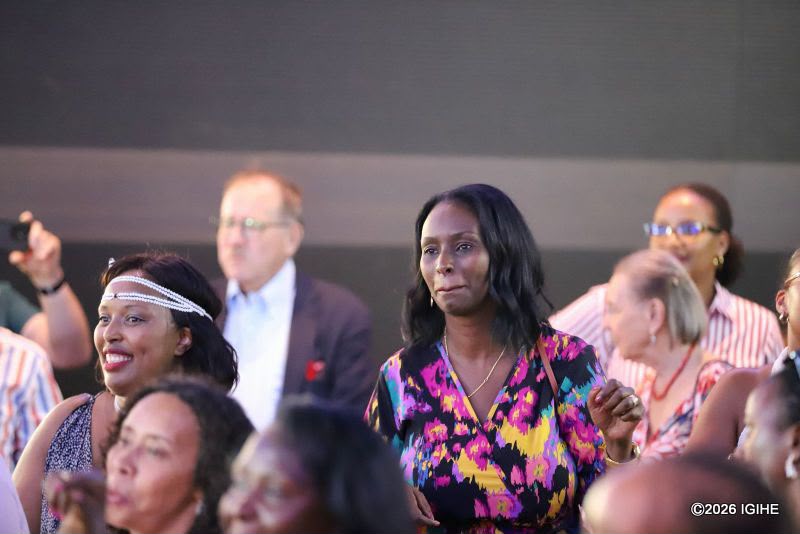
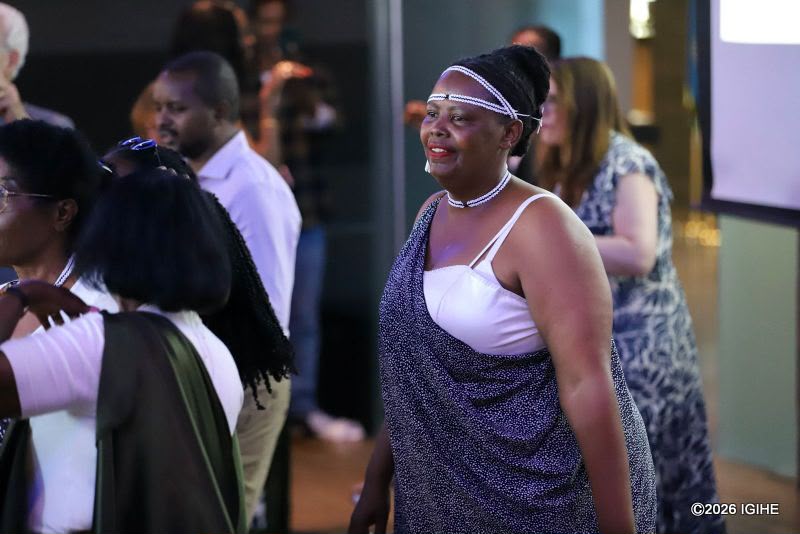
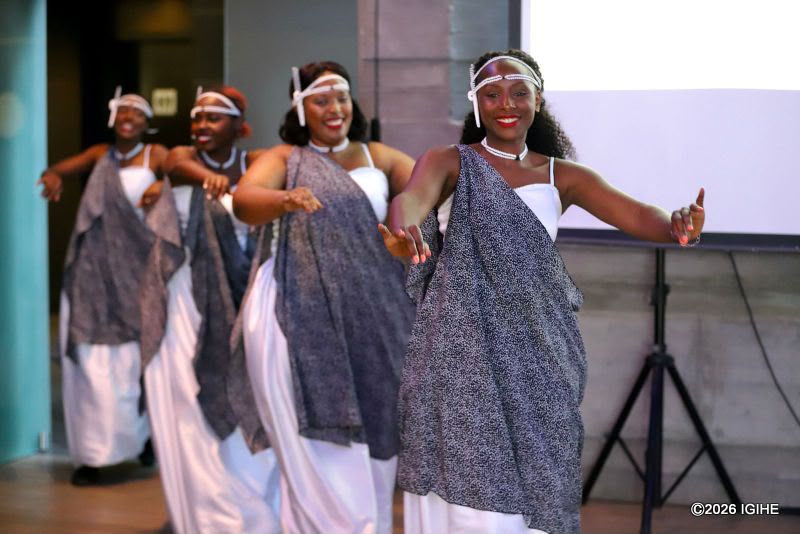
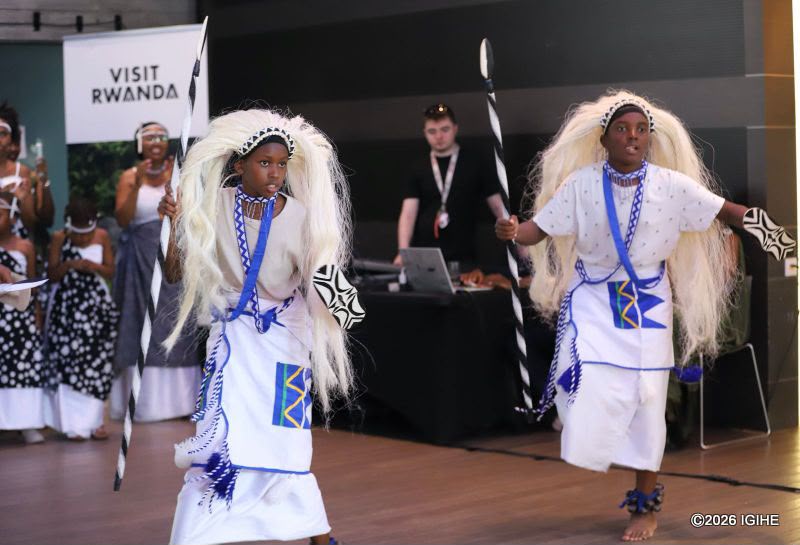
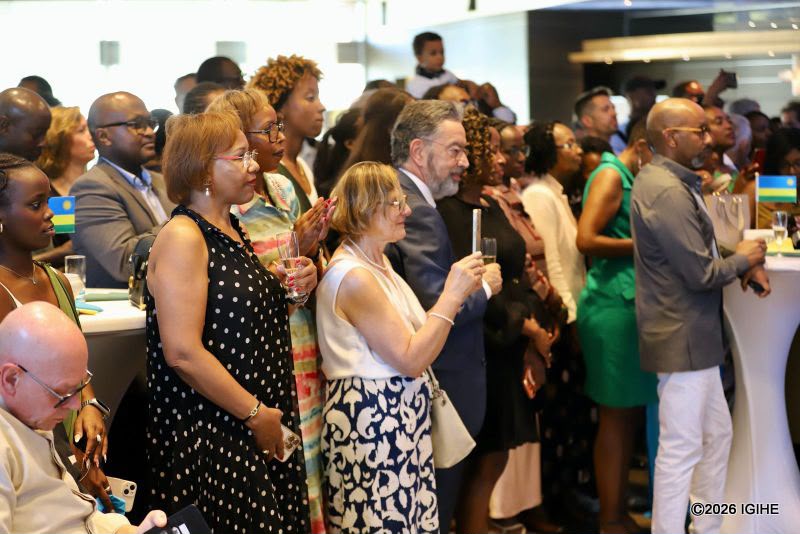
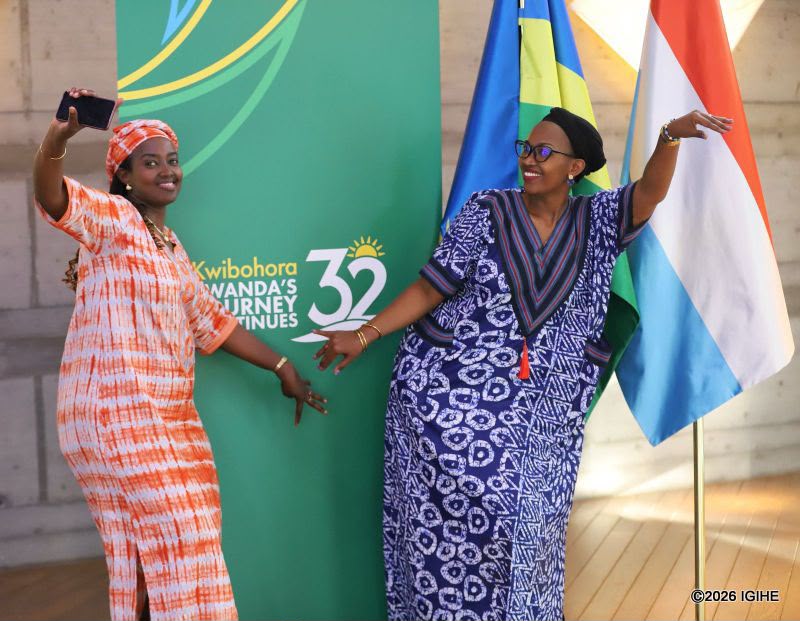
Amb. Munyangaju delivers the keynote address to attendees during the Kwibohora32 celebration in Luxembourg.Kalisa Didace, the President of IBUKA Luxembourg, opened the ceremony.Representatives of the Luxembourg Government, members of the diplomatic corps, Rwanda’s partners, and members of the Rwandan community living in Luxembourg were welcomed by Ambassador Munyangaju, accompanied by Consul Luisella Moreschi.In her address, Rwanda’s Ambassador to Luxembourg, Mimosa Aurore Munyangaju, recalled that July 4, 1994, remains a historic date marking both the end of the Genocide against the Tutsi and the beginning of Rwanda’s rebirth.The ambassador proposed a toast in honor of the Republic of Rwanda, its people, the friendship between Rwanda and the Grand Duchy of Luxembourg, and the shared pursuit of peace and prosperity.Guests were entertained with popular Rwandan traditional dance.
The scoreline ultimately looked comfortable for the Atlas Lions, but it masked a difficult first half in which Canada were the sharper side. The co-hosts began with energy and pressing intensity, forcing Morocco into repeated errors and winning a series of early set-pieces. Canada even came close to an opener when Tani Oluwaseyi broke through on goal after a defensive turnover, only to be denied by a strong save from goalkeeper Yassine Bounou.
Morocco, meanwhile, struggled to establish rhythm and suffered an early setback when key midfielder Ismael Saibari was forced off with a hamstring injury in the 22nd minute. The disruption added to a disjointed first-half display, with coach Mohamed Ouahbi visibly frustrated on the touchline as misplaced passes and loose possession prevented his side from building control.
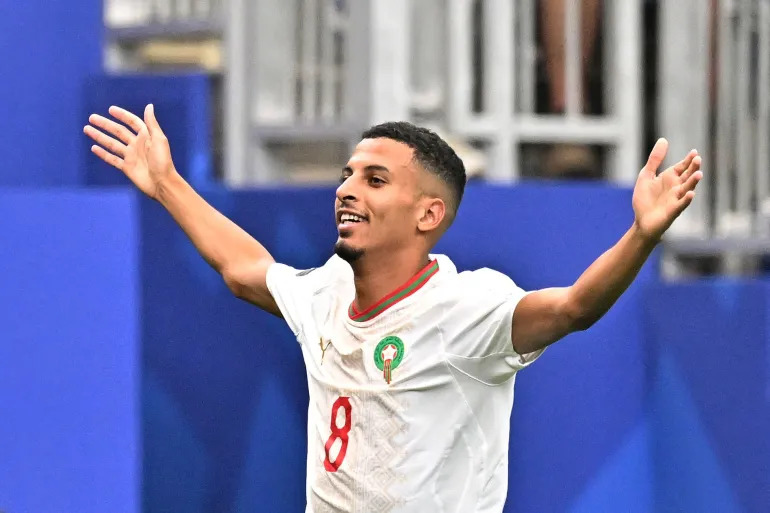
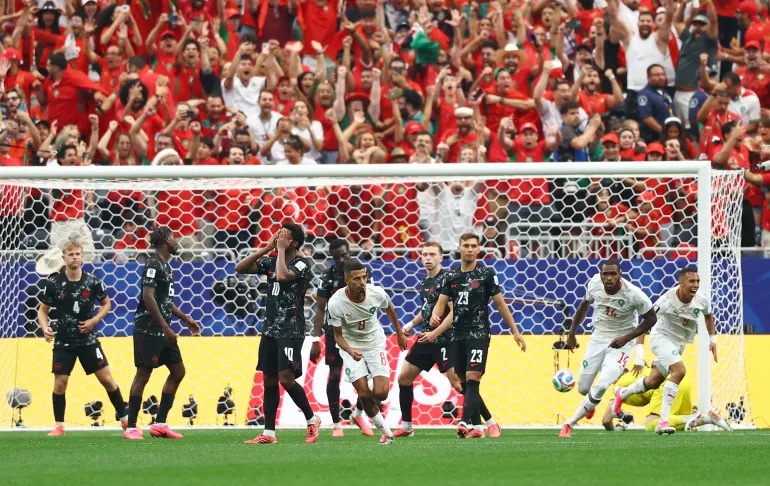
Canada thought they might carry their momentum into the break, but the match turned shortly after halftime. In the 50th minute, captain Achraf Hakimi played a clever free-kick routine from the right, finding Ounahi on the edge of the area. The midfielder struck first time, sending a composed finish into the bottom corner from distance to give Morocco the lead against the run of play.
The goal shifted the balance of the contest. Canada’s intensity dropped, while Morocco grew in confidence and began exploiting space on the counter-attack. The North Africans looked far more assured in midfield and began to dictate tempo as Canada pushed forward in search of an equaliser.
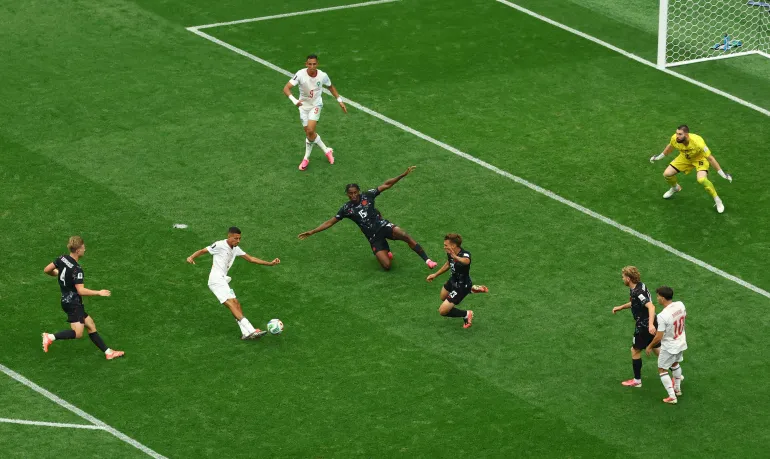
Morocco struck decisively again in the 82nd minute. Brahim Díaz played Ounahi through on a quick break, and the midfielder unleashed a powerful shot into the roof of the net to complete his brace. The strike made him the first African player since 2002 to score twice in a World Cup knockout match.
Canada’s resistance was effectively over, and Morocco added a third in stoppage time when Rahimi finished a flowing counter-attack involving Díaz to cap a clinical final phase.
The victory marks Morocco’s second consecutive World Cup quarter-final appearance, further underlining their growing reputation as one of Africa’s strongest tournament sides. They now await the winner of France vs Paraguay in Boston on July 9.
Morocco’s Azzedine Ounahi celebrates scoring their first goal.Morocco’s Azzedine Ounahi celebrates scoring their first goal.Morocco’s Azzedine Ounahi scores their second goal.