The Round of 32 results on Friday reduced Africa’s representation in the tournament to just two teams, with Egypt and Morocco advancing to the last 16.
Argentina survived a major scare in Miami after Cape Verde twice came from behind to force the reigning world champions deep into extra time.
Lionel Messi opened the scoring in the 29th minute, controlling a lofted pass from Lisandro Martínez before rifling a finish into the roof of the net for his seventh goal of the tournament.
Cape Verde refused to be overawed and deservedly drew level in the 59th minute when Deroy Duarte calmly slotted home a low finish to stun the holders.
The South Americans restored their advantage moments into extra time through Lisandro Martínez, but the Blue Sharks responded once again. In the 103rd minute, Sidny Lopes Cabral curled a superb strike beyond Emiliano Martínez to make it 2-2 and reignite hopes of a famous upset.
However, Cape Verde’s resistance was finally broken nine minutes from time when Cristian Romero’s powerful header took a decisive deflection off Diney Borges and found the net for an unfortunate own goal, handing Argentina a dramatic 3-2 victory.
Despite the defeat, Cape Verde earned widespread admiration after pushing one of the tournament favourites to the limit in one of the most entertaining knockout matches so far.
Earlier, Ghana’s World Cup campaign came to an end after Colombia secured a disciplined 1-0 victory.
The South Americans struck the decisive blow in the 14th minute when Luis Díaz delivered an inviting cross into the penalty area and Jhon Arias volleyed home to put Colombia ahead.
Ghana struggled to break down Colombia’s organised defensive shape despite enjoying spells of possession through Thomas Partey and Antoine Semenyo.
The Black Stars were unable to register a shot on target throughout the contest, while Colombia missed several opportunities to extend their advantage before settling for a narrow victory.
Colombia will now face Switzerland in the Round of 16, while Argentina take on Egypt for a place in the quarter-finals.
With the elimination of Cape Verde and Ghana, only Egypt and Morocco remain to carry Africa’s hopes in the knockout stages of the expanded 2026 FIFA World Cup.
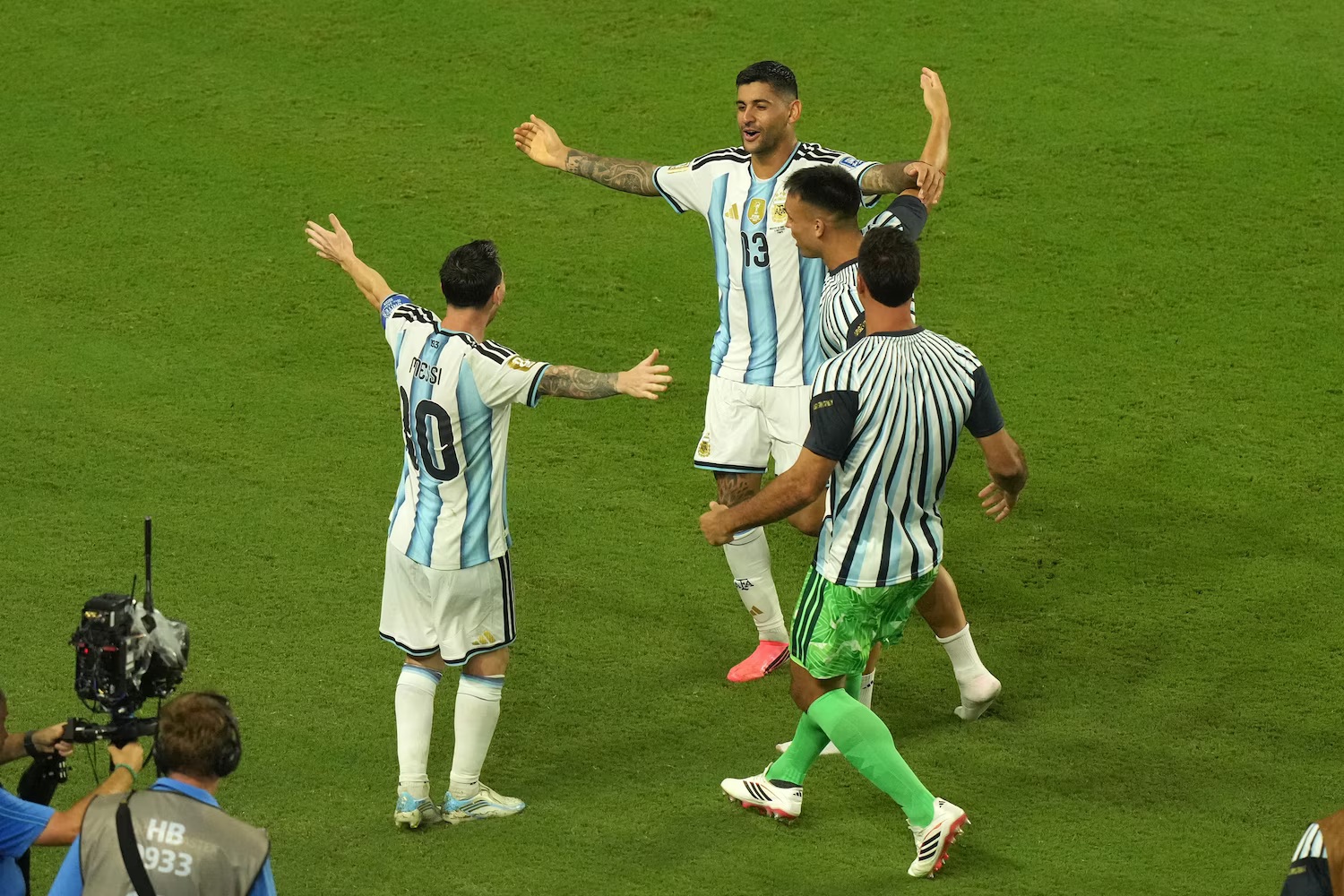
Lionel Messi opened the scoring in the 29th minute, controlling a lofted pass from Lisandro Martínez before rifling a finish into the roof of the net for his seventh goal of the tournament.Argentina’s Cristian Romero (13) celebrates with teammates after scoring their third goal during the World Cup round of 32 soccer match between Argentina and Cape Verde in Miami Gardens, Fla., Friday, July 3, 2026.Sidny Lopes Cabral #13 of Cabo Verde celebrates with teammates after scoring the team’s second goal during the FIFA World Cup 2026 Round of 32 match between Argentina and Cabo Verde at Miami Stadium on July 03, 2026 in Miami Gardens, Florida.Colombia players celebrate a Jhon Arias goal against Ghana during the World Cup round of 32 soccer match in Kansas City, Mo., Friday, July 3, 2026.Ghana’s Antoine Semenyo (11) battles for the ball against Colombia’s Jefferson Lerma (16) and Daniel Muñoz (2) during the FIFA World Cup Round of 32 in Kansas City on Friday, July 3, 2026.
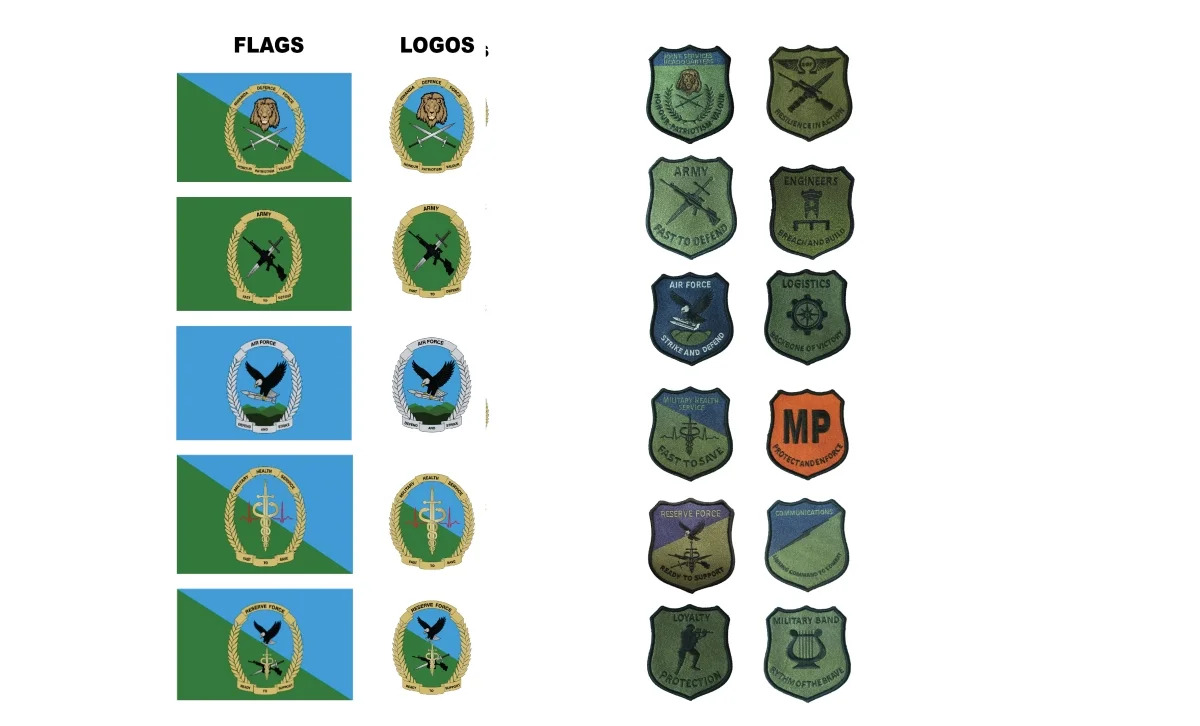
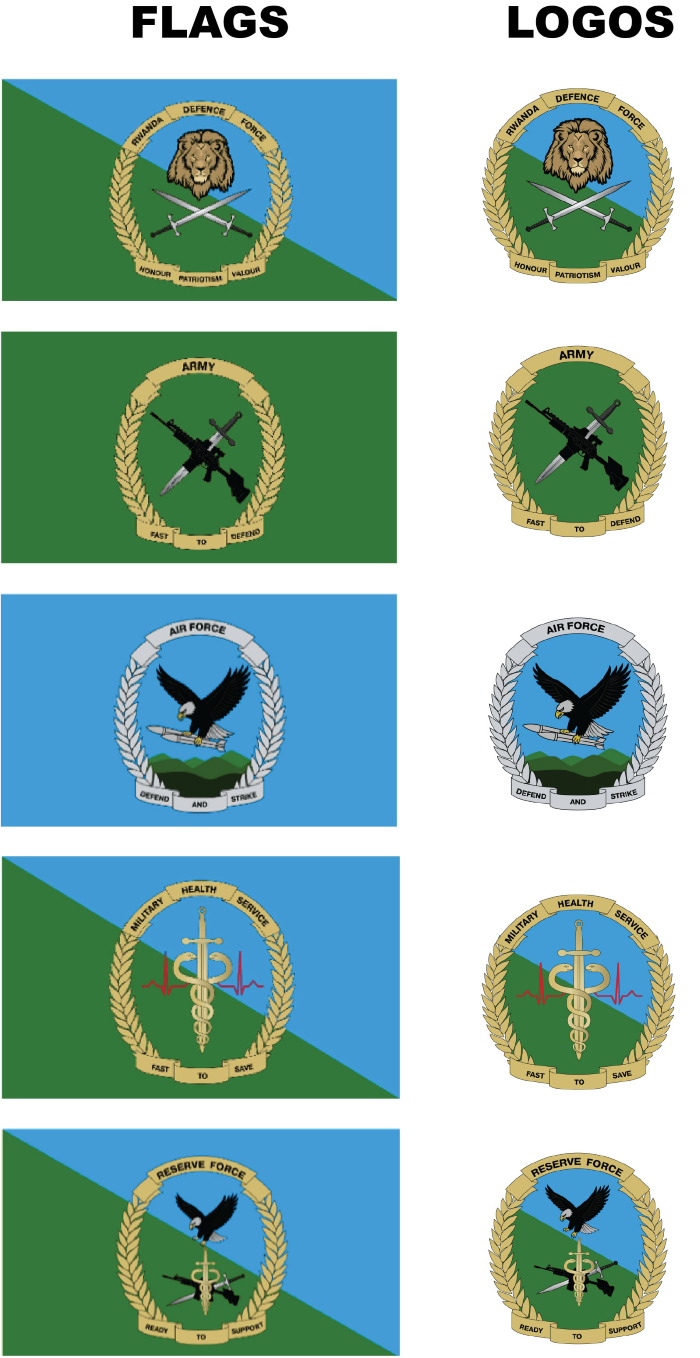
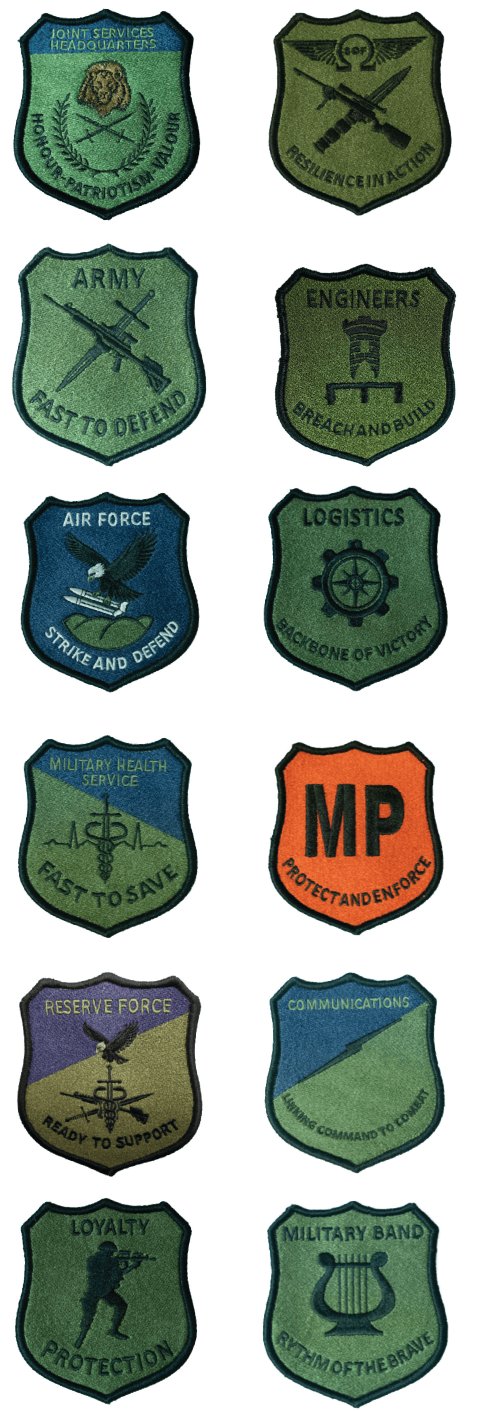
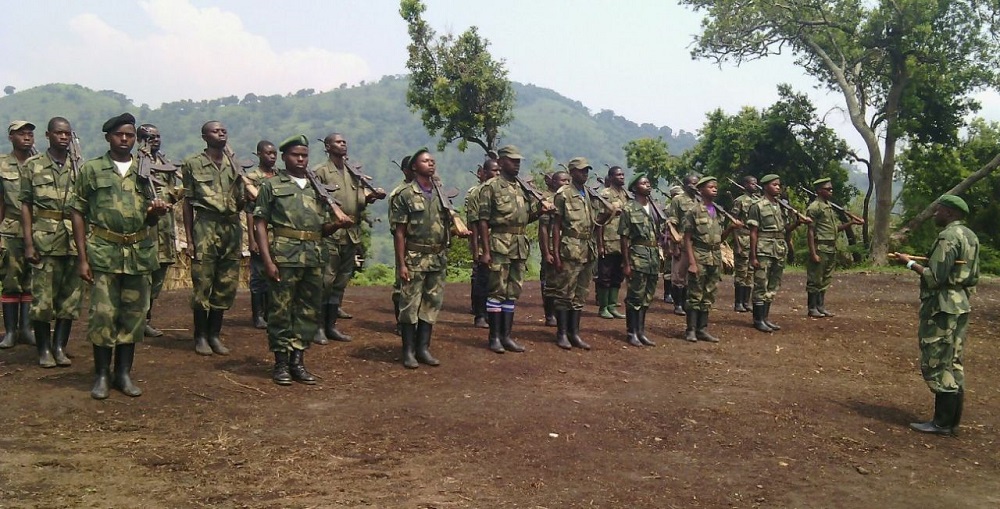
The Ministry of Defence announced the new visual identity on Saturday, saying the updated insignias include redesigned flags, logos, patches and skill identifiers for the RDF’s different services.
According to the ministry, the new insignias are more than symbolic emblems, serving as a visual representation of the RDF’s identity and the roles carried out by its personnel.
“The updated flags, logos, patches, and skill identifiers serve as powerful symbols of the RDF’s identity. They also stand as enduring symbols of national pride, and visually reinforce the Force’s core mission,” the ministry said in a statement.
The unveiling coincides with the country’s celebration of the 32nd Liberation Day, commemorated every year on July 4 to mark the end of the 1994 Genocide against the Tutsi and the liberation of Rwanda by the then-Rwandan Patriotic Army, now the Rwanda Defence Force.
Today, the RDF is a modern military force that safeguards Rwanda’s territorial integrity, supports civil authorities during emergencies, and contributes to regional and international peacekeeping operations.
The newly introduced insignias are expected to strengthen institutional identity across the force while reflecting the professionalism, unity and values that continue to define the RDF as it carries out its constitutional mandate.
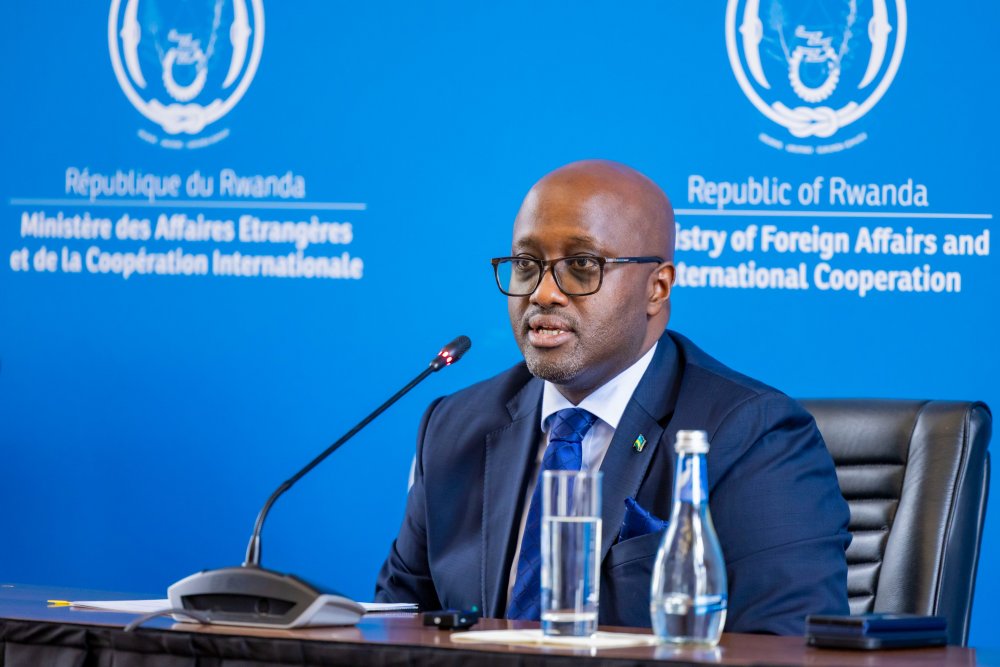
Speaking in an interview with Radio France Internationale (RFI), Nduhungirehe said Rwanda also informed Washington that Jean Luc Habyarimana, the son of former Rwandan President Juvénal Habyarimana, and Fabien Singaye had been received in Kinshasa.
“We gave the mediator all the information showing the continued cooperation between President Félix Tshisekedi, his army and the FDLR,” Nduhungirehe said.
“We also shared information about a political movement trying to operate through individuals such as Jean Luc Habyarimana and Fabien Singaye, who have arrived in Kinshasa. Jean Luc Habyarimana, for example, was photographed in Kinshasa.”
Singaye previously served as second secretary at the Rwandan Embassy in Switzerland. Rwandan authorities have accused him of acting as an intelligence operative under the Habyarimana government, monitoring Tutsi exiles opposed to the regime who were preparing to return to Rwanda.
Nduhungirehe further argued that despite the peace agreement signed between Rwanda and the DRC last year under US mediation, the government in Kinshasa has not demonstrated the political will to implement its commitments.
He said the DRC had failed to dismantle the FDLR as required under the Washington peace agreement and instead continued to provide the group with military support.
To support the claim, Nduhungirehe cited events of March 29, 2026, when the Deputy Chief of Staff of the Armed Forces of the DRC (FARDC), Lt Gen Jacques Ndulu Ychaligonza, travelled to Kisangani in Tshopo Province and announced the start of operations to dismantle the FDLR.
“However, two days later, on March 31, they sent two helicopters to Walikale carrying weapons, ammunition and money to the FDLR. We shared this information with the Americans,” he said.
On June 27, Massad Boulos, the US President’s Senior Adviser for Africa, told the United Nations Security Council that the DRC had failed to fulfil its commitment to dismantle the FDLR, at least in areas under its control.
Nduhungirehe said it was significant that the US mediator had publicly acknowledged the DRC’s failure to dismantle the armed group. He argued that, if the mediation process is to remain impartial, pressure should be exerted on Kinshasa to ensure compliance with the peace agreement.
Rwanda’s Minister of Foreign Affairs and International Cooperation, Ambassador Olivier Nduhungirehe, has said Kigali provided the United States with information demonstrating continued cooperation between the government of the Democratic Republic of Congo (DRC) and the FDLR militia group linked to the 1994 Genocide against the Tutsi.
A report by United Nations experts on the Democratic Republic of the Congo identifies the Democratic Forces for the Liberation of Rwanda (FDLR) as a persistent armed group contributing to insecurity in eastern DRC and posing a continued security concern for Rwanda.
The report, released at the end of June, provides detailed estimates of the group’s structure, leadership, and manpower, highlighting significant discrepancies in figures reported by different sources.
According to the findings, the FDLR is organized into three main factions: FDLR-FOCA, FDLR-RUD, and FDLR-FPP. These factions have reportedly adopted alternative names in an effort to conceal their affiliation with the broader movement. FDLR-FOCA operates under the name “Bataillon Jungle,” FDLR-RUD uses the designation “FDP-R,” while FDLR-FPP also refers to itself simply as “FPP.”
The report notes that while these factions operate with a degree of autonomy, they remain part of a coordinated structure. It identifies Pacifique Ntawuguka, also known as Gen Omega Israel, as the military commander of FDLR-FOCA. Lt. Gen. Gaston Iyamuremye, alias Victor Byiringiro, serves as the group’s political leader. Brig. Gen. Emmanuel Nsengiyumva, also known as Faida Hakimu, leads FDLR-RUD, while Col. Dan Hategekimana, known as Dan Simplice, commands FDLR-FPP.
Despite this apparent fragmentation, Gen Omega is described as the overall coordinating authority, playing a central role in strategic decisions and inter-factional coordination.
The report highlights major inconsistencies regarding the group’s manpower. The FDLR itself claims to have more than 10,000 fighters, with nearly half engaged in active military operations. The CRAP unit further claims a strength exceeding 20,000 combatants.
However, UN experts and intelligence assessments dispute these figures, estimating the FDLR’s actual strength at between 3,500 and 4,500 fighters. The Washington peace framework had previously placed the figure at between 3,000 and 3,500, suggesting that the group may be inflating its numbers to project greater military capacity.
The report also details the geographical presence of the FDLR factions across eastern DRC. FDLR-RUD operates primarily in Bwisha and Bwito in Rutshuru, as well as in Jomba, Binza, Busanza, and Bukoma. FDLR-FPP is also active in Rutshuru. The largest faction, FDLR-FOCA, maintains a broader presence across North Kivu, particularly in Nyiragongo, Masisi, Rutshuru, and Walikale.
In addition, the FOCA-linked CRAP unit is reported to claim operational presence on the outskirts of Goma, with observations that some of its elements have infiltrated the city.
Given Goma’s proximity to the Rwandan border, these claims raise significant security concerns, suggesting that the group linked to the 1994 Genocide against the Tutsi may still retain the capacity to operate within strategically sensitive urban areas.
The report further cites ongoing battlefield activity involving the FDLR in North Kivu, including instances where its fighters have operated independently or alongside elements of the Armed Forces of the DRC (FARDC) and local militia groups known as VDP/Wazalendo.
On 29 March 2026, FARDC announced the launch of operations against the FDLR. The following day, it deployed specialized units, including “Hiboux” and “Jungle Battalion” forces from Kisangani, to Walikale.
However, the report questions the effectiveness and sincerity of these operations, noting that some officials in Kinshasa and FARDC officers in eastern DRC privately assured FDLR leaders that military action against the group would not be fully implemented.
It further claims that on 7 April 2026, a confidential meeting took place in Pinga, Walikale, involving senior FARDC generals and representatives of FDLR-FOCA, during which continued cooperation between the two sides was reportedly discussed and agreed upon.
The report also notes that in late March 2026, a FARDC helicopter delivered weapons to Pinga intended for FDLR-FOCA fighters. These supplies were reportedly destined for units under Maj. Gen. Uzabakiriho Cyprien, also known as Kolomboka Niyo Tedium Mugisha, operating in Masisi. The equipment was allegedly received by the FDLR-CRAP unit before being transported onward to frontline positions.
According to the report, similar incidents occurred in late 2025, when FDLR elements operating in Bwito reportedly traveled to Pinga to collect weapons and ammunition.
Under the Washington peace framework, the FDLR was designated for dismantlement. A high-level meeting held on 17–18 March 2026 identified six priority areas for operations aimed at neutralizing the group, five in North Kivu and one in South Kivu.
These locations were designated as Named Areas of Interest (NAIs), including zones such as Pinga–Mpeti–Lukweti in North Kivu highlands.
The report notes that operations were scheduled to begin on 31 March 2026 in NAI-1, specifically in the Pinga–Lukweti area, as part of efforts to implement the agreed peace framework.
The United Nations estimates that the actual strength of the FDLR is over 4,500 combatants.UN experts indicate that the FDLR has split into three factions as part of an effort to conceal its identity and operations.
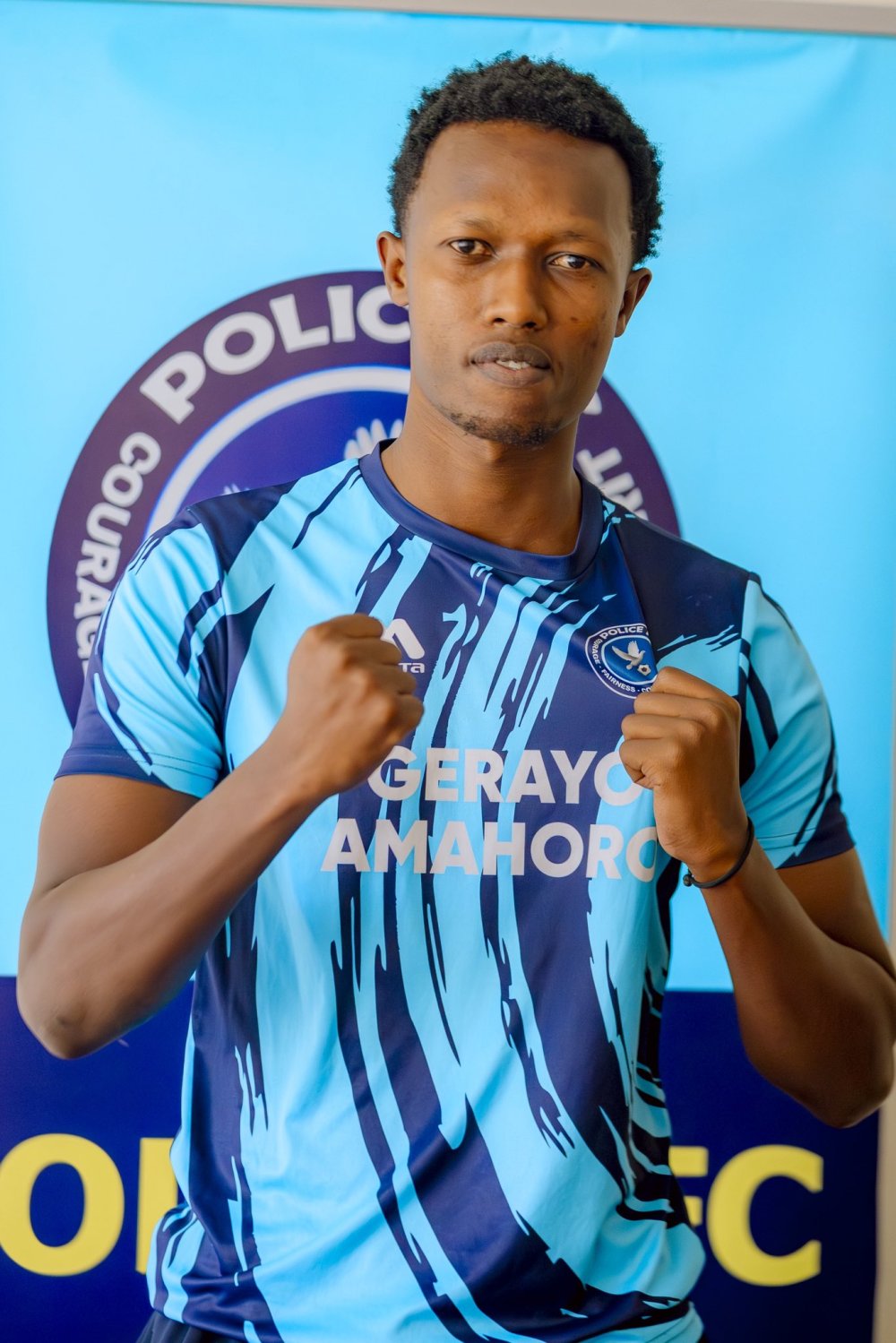
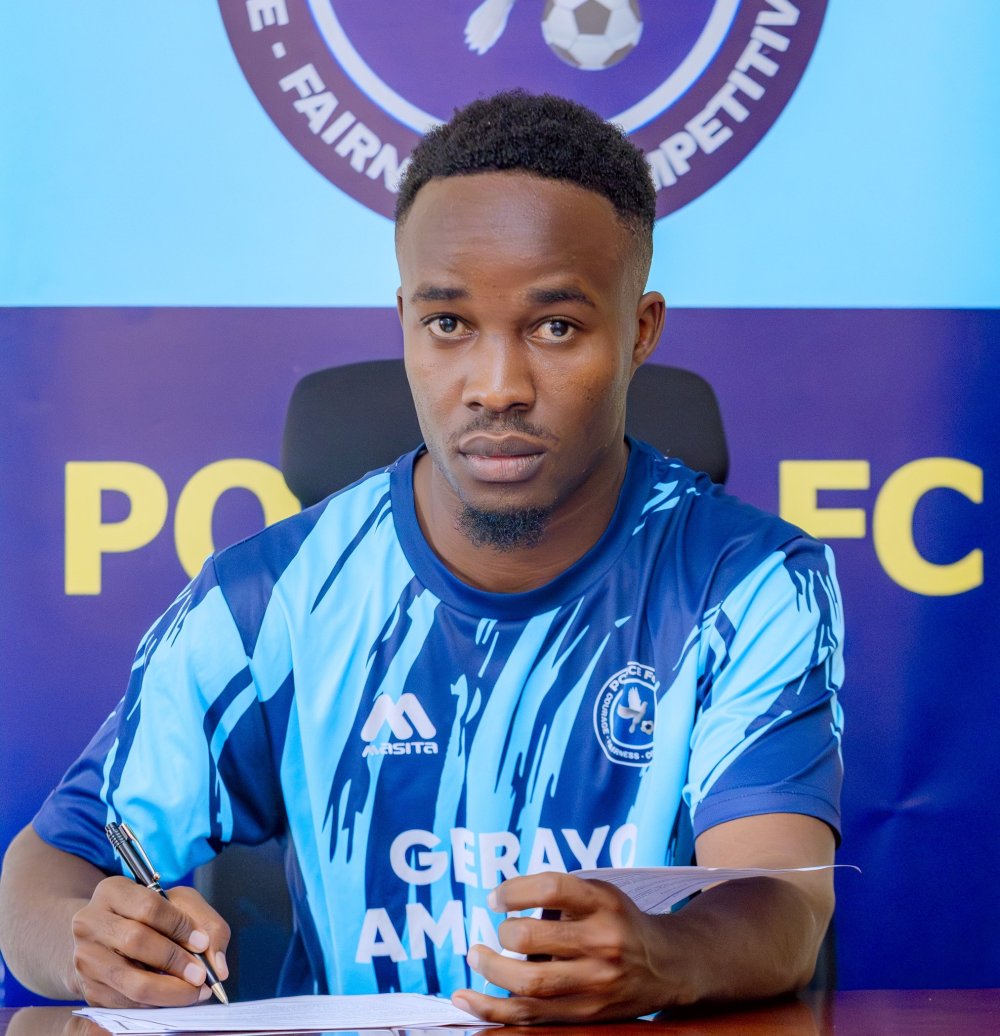
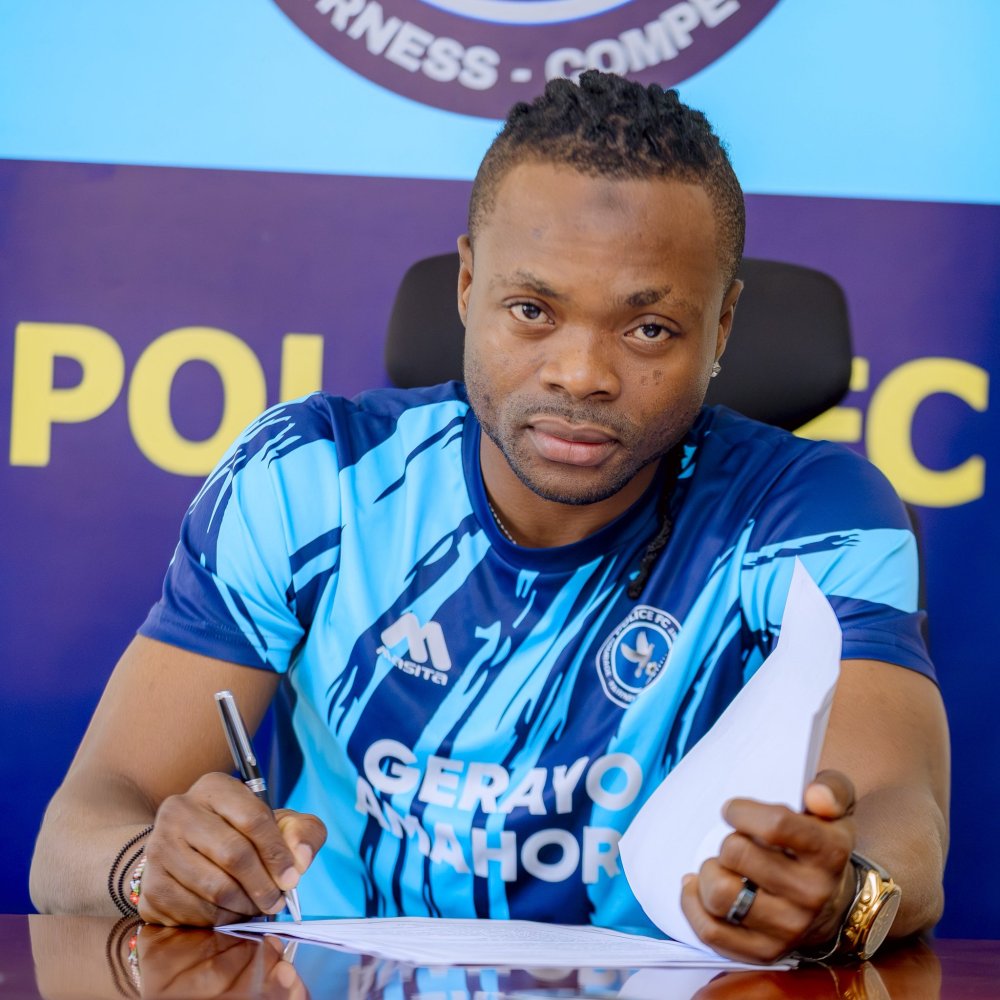
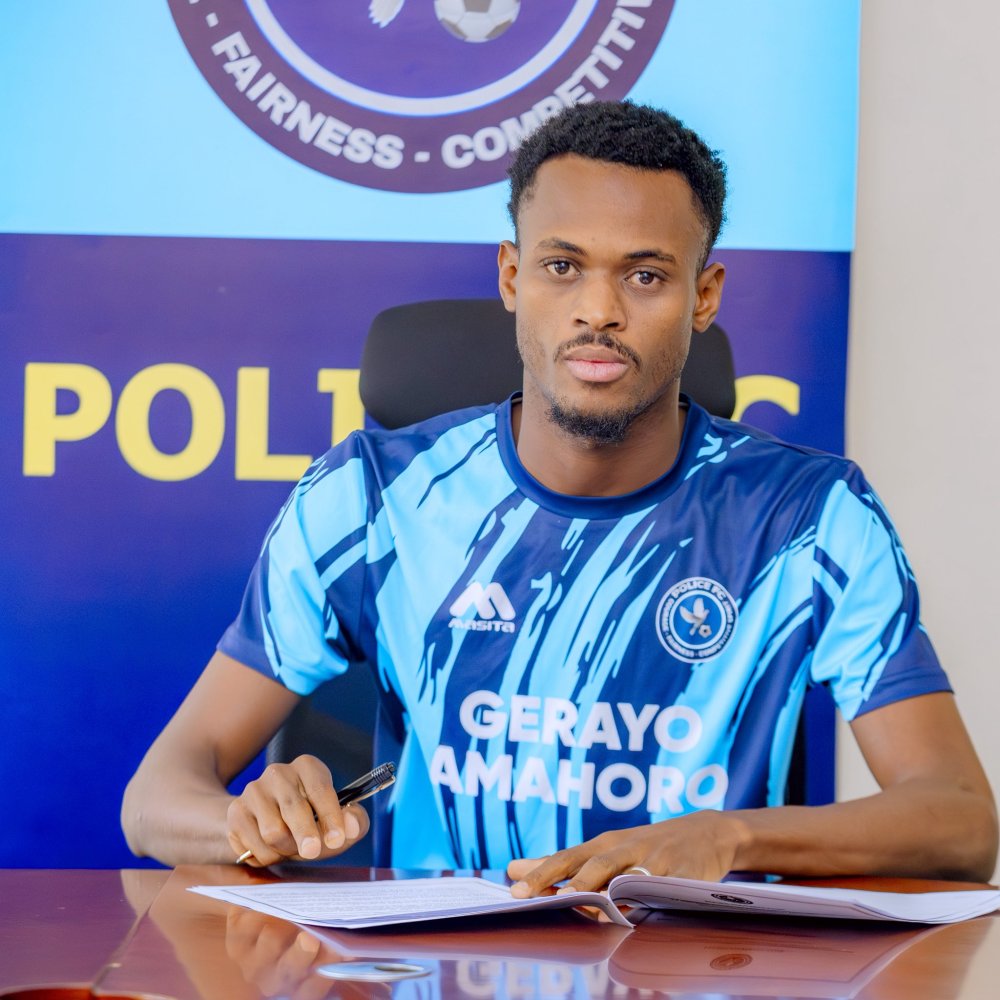
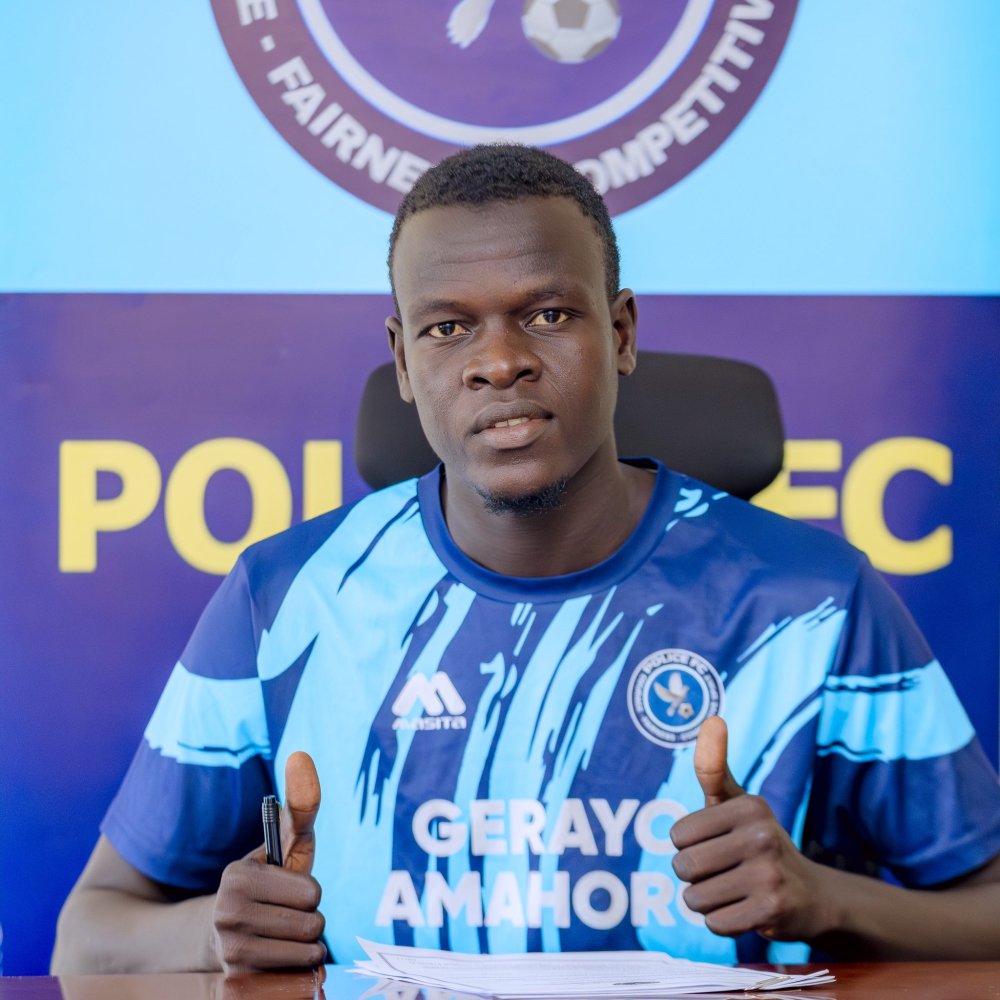
The club confirmed on Thursday, July 2, 2026, that it had completed the signing of several players, including foreign recruits Moussa Limane, Keffa Tangara, Mzungu Japhet, and Iddrisu Shaibu, as well as defender Rushema Chris, who joins from Rayon Sports.
Among the new arrivals is 26-year-old Ghanaian defender Iddrisu Shaibu, who has signed a two-year contract after joining from Sofapaka FC. The left-sided defender is expected to strengthen Police FC’s backline following the departure of Ishimwe Christian, who returned to his former club APR FC.
The club further reinforced its defence with the acquisition of 25-year-old centre-back Rushema Chris on a two-year deal. The former Rayon Sports player opted to terminate his contract in search of more playing time.
In attack, Police FC secured the services of 24-year-old forward Moussa Limane on a two-year deal from Ghanaian side Asante Kotoko S.C., as part of efforts to boost its offensive options.
The club also added Keffa Tangara from Mali, who arrives from Djoliba AC on a two-year contract, while Kenyan midfielder Japheth Mzungu joins from Sofapaka FC on similar terms.
The signings follow the appointment of Rutsindura Antoine “Mabombe” as Police FC’s Head of Technical Direction. Police FC has also recruited Byishimo Valua and Rugwiro Kevin, while extending contracts for Nsabimana Eric “Zidane”, Iradukunda Simeon, Niyongira Patience, and David Chimezie.
Defender Rushema Chris joins Police FC from Rayon Sports.Kenyan midfielder Japheth Mzungu joins from Sofapaka FC on similar terms.Among the new arrivals is 26-year-old Ghanaian defender Iddrisu Shaibu.Keffa Tangara joins Police FC following his departure from Djoliba AC. In attack, Police FC secured the services of 24-year-old forward Moussa Limane on a two-year deal from Ghanaian side Asante Kotoko S.C., as part of efforts to boost its offensive options.
According to the Rwanda Defence Force (RDF), President Chapo visited the Rwanda Security Force Headquarters in Mocímboa da Praia District on Thursday, where he met senior RSF officers and praised their role in supporting Mozambique’s efforts to combat terrorism.
The Mozambican leader was accompanied by the Minister of National Defence, Major General Cristóvão Artur Chume, FADM Army Commander Major General André Rafael Mahunguane, the Chief of Staff of the Mozambican Navy, Brigadier General (Commodore) Óscar Agostinho Lucas, and other senior government officials.
After visiting FADM troops stationed in Mocímboa da Praia, President Chapo was received at Mocímboa da Praia Airport by the Rwanda Security Force Joint Task Force Commander, Brigadier General CM Mujuni, alongside other commanders and staff officers.
Addressing RSF officers, President Chapo expressed gratitude to the Government of Rwanda, particularly President Paul Kagame, for Rwanda’s continued support to Mozambique in the fight against terrorism in Cabo Delgado.
He praised the Rwanda Security Force for its dedication, professionalism and commitment to protecting civilians and helping restore security in areas that had previously been affected by insurgent violence.
President Chapo also underscored the importance of the partnership between the Rwanda Security Force and the Mozambique Armed Defence Forces, describing the cooperation between the two forces as instrumental in counterterrorism operations. He pledged to further strengthen the collaboration as Mozambique continues efforts to consolidate peace and stability in Cabo Delgado.
Rwanda first deployed a joint force of military and police personnel to Cabo Delgado in July 2021 at the request of the Mozambican government to help contain an Islamist insurgency that had destabilised the resource-rich province. Since then, the force has played a key role in recapturing strategic towns, including Mocímboa da Praia, and improving security, enabling thousands of displaced residents to return to their homes.
President Chapo visited the Rwanda Security Force Headquarters in Mocímboa da Praia District on Thursday.Addressing RSF officers, President Chapo expressed gratitude to the Government of Rwanda, particularly President Paul Kagame, for Rwanda’s continued support to Mozambique in the fight against terrorism in Cabo Delgado.
Goals from Breel Embolo and Dan Ndoye ensured the Swiss side progressed from the Round of 32 clash in Vancouver, where they produced a composed display to end Algeria’s hopes of advancing further in the competition.
Algeria are the latest African side to bow out of the FIFA World Cup after suffering a Round of 32 exit. The Desert Foxes join South Africa, Côte d’Ivoire, DR Congo, Senegal and Tunisia among the African nations eliminated from the tournament, leaving only Egypt, Ghana, Morocco and Cape Verde still in contention for a place in the latter stages of the competition.
How the match unfolded
Switzerland struck early through Embolo in the 10th minute after a brilliant solo run by Johan Manzambi down the left flank. The youngster burst past several defenders before setting up Embolo, who finished clinically at the near post to hand the Nati an early advantage.
Algeria responded positively and enjoyed spells of attacking pressure, with Houssem Aouar and Riyad Mahrez both threatening the Swiss goal. However, they were unable to convert their chances against a well-organised Swiss defence.
The North Africans’ hopes of mounting a comeback suffered a major setback just after the restart. In the 46th minute, Dan Ndoye capitalised on a poor clearance by Rafik Belghali, cutting inside before firing a precise shot into the far corner to double Switzerland’s lead.
Despite introducing fresh attacking options and pushing forward in search of a response, Algeria struggled to break down Switzerland’s disciplined defensive setup.
Manzambi continued to impress throughout the match, not only for his attacking contribution that led to the opening goal but also for his defensive work, helping neutralise Algeria’s attacking threats.
In midfield, Granit Xhaka and Denis Zakaria controlled possession and dictated the tempo, allowing Switzerland to manage the game comfortably while exploiting Algeria’s weaknesses on the flanks.
The victory marks a significant milestone for Switzerland, who secured their first FIFA World Cup knockout-stage victory since 1938, ending a long-standing run of disappointment in elimination matches.
For Algeria, the defeat brings an end to a campaign that showed promise. The Desert Foxes reached the knockout stage after several spirited performances but ultimately fell short against a clinical Swiss side.
Switzerland will now face the winner of the Round of 32 encounter between Ghana and Colombia as they continue their pursuit of a historic World Cup run.
Dan Ndoye #11 of Switzerland scores his team’s second goal during the FIFA World Cup 2026 match between Switzerland and Algeria at BC Place Vancouver on July 2, 2026. Switzerland booked their place in the FIFA World Cup last 16 with a comfortable 2-0 victory over Algeria, securing their first win in a World Cup knockout match since 1938.For Algeria, the defeat brings an end to a campaign that showed promise.
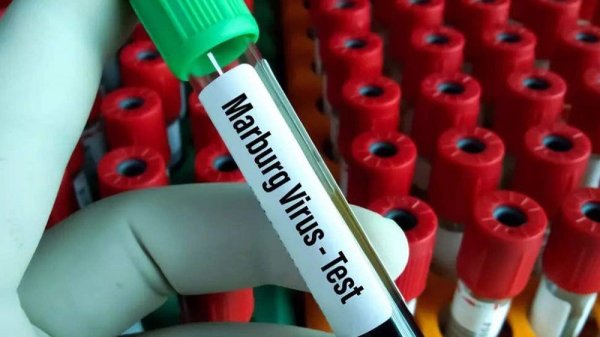
The case was identified through enhanced disease surveillance for Ebola, according to WHO. Ugandan health authorities notified WHO of the confirmed case on June 30. No new Ebola cases have been reported in the country since June 21.
Health authorities have informed WHO that they are monitoring all identified contacts of the Marburg case, but so far none have shown symptoms. WHO is supporting investigations to determine the source of exposure, assess the public health risk, and support community engagement.
According to the WHO website, Marburg virus disease (MVD), formerly known as Marburg haemorrhagic fever, is a severe, often fatal illness in humans. The average MVD case fatality rate is around 50 percent. Case fatality rates have varied from 24 percent to 88 percent in past outbreaks.
Early supportive care with rehydration, and symptomatic treatment improves survival. There are currently no approved vaccines or antiviral treatments for MVD, but a range of vaccines and drug therapies are under development.
The WHO said it continues to work with the Ugandan authorities to contain any potential spread and will provide further updates as the situation evolves.
“Today, the final contact of a person exposed to hantavirus on the cruise ship MV Hondius completed their quarantine period, tested negative and returned home. No further cases have been reported since May 25. We are therefore very pleased to say that WHO considers the outbreak of hantavirus over,” said WHO Director-General Tedros Adhanom Ghebreyesus during his opening remarks at the media briefing on Thursday.
The WHO was notified of the outbreak on May 2 by Britain’s International Health Regulations (IHR) National Focal Point. It involved a cluster of severe acute respiratory illness aboard the Dutch-flagged cruise ship.
A total of 13 cases were recorded, including three deaths. More than 650 contacts were identified and followed up by health authorities.
The outbreak response was supported by multiple countries in line with the International Health Regulations, including Argentina, Cabo Verde, Chile, the Netherlands, South Africa, Britain, and notably Spain, which demonstrated “incredible solidarity in supporting the safe disembarkation and repatriation of passengers and crew in Tenerife,” the director-general said.
Although the outbreak is now over, WHO will continue working with governments and partners to advance understanding of this outbreak and of hantavirus more generally.
WHO is coordinating a study involving 21 countries to understand how the disease develops, which will support the development of diagnostics, therapeutics, and vaccines for future outbreaks.
The World Health Organization (WHO) on Thursday declared the hantavirus outbreak linked to the cruise ship MV Hondius officially over, following the completion of quarantine for the final contact and no new cases reported for more than five weeks.
This breakthrough, published in the U.S. scientific journal Proceedings of the National Academy of Sciences, is expected to significantly accelerate medical research and reduce costs in drug discovery and biotechnology, the researchers said.
Proteins are essential to biological functions and underpin medical advances such as the diabetes drug Ozempic.
However, despite the existence of billions of proteins in nature, scientists have identified the functions of only a small fraction, largely due to years of costly lab work.
“BetaDescribe” works like a specialized translator, turning raw biological data into clear, detailed descriptions of a protein’s function, metabolic role, and medical potential, according to the researchers.
The AI’s ability to rapidly generate evidence-based hypotheses about the functions of unknown proteins could significantly shorten the path from basic discovery to medical and industrial applications, the researchers concluded.
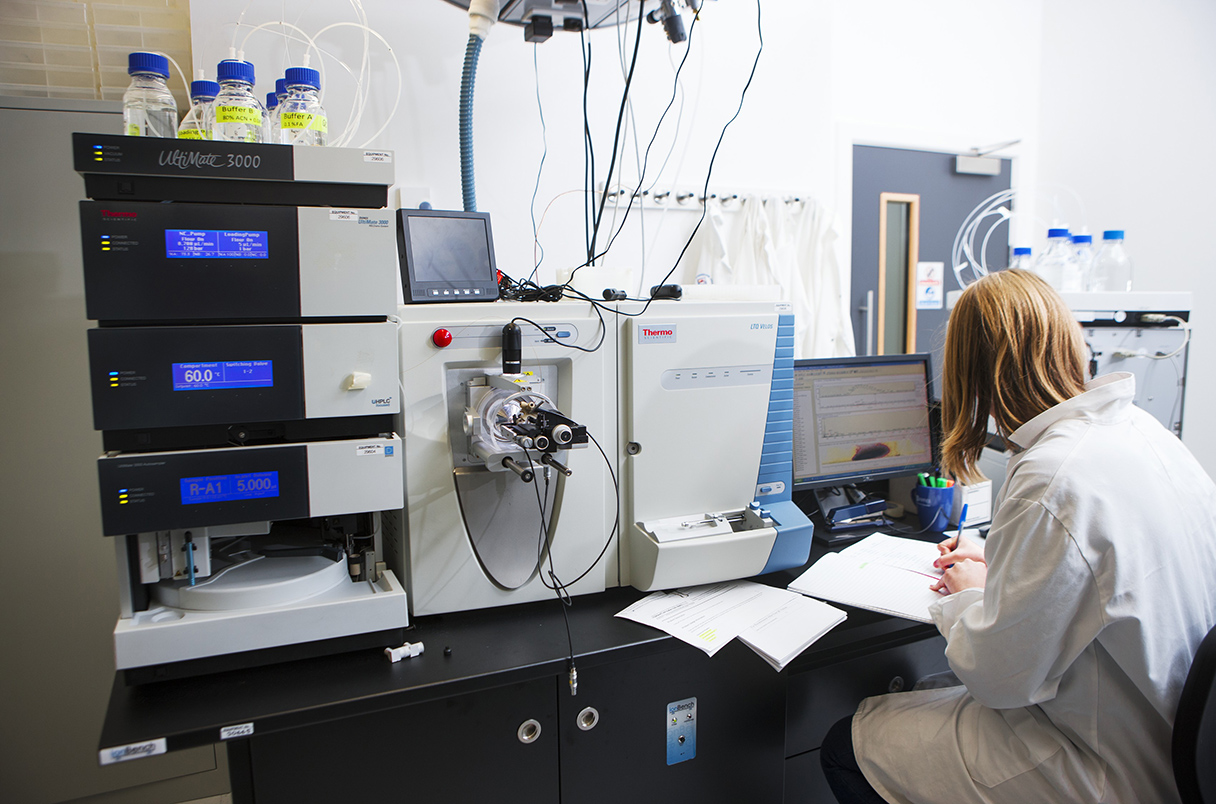
A researcher using a mass spectrometer to analyse proteins. Researchers have developed an AI system called “BetaDescribe” that translates complex protein sequences into readable natural-language descriptions, the Israel Institute of Technology said in a statement on Thursday.